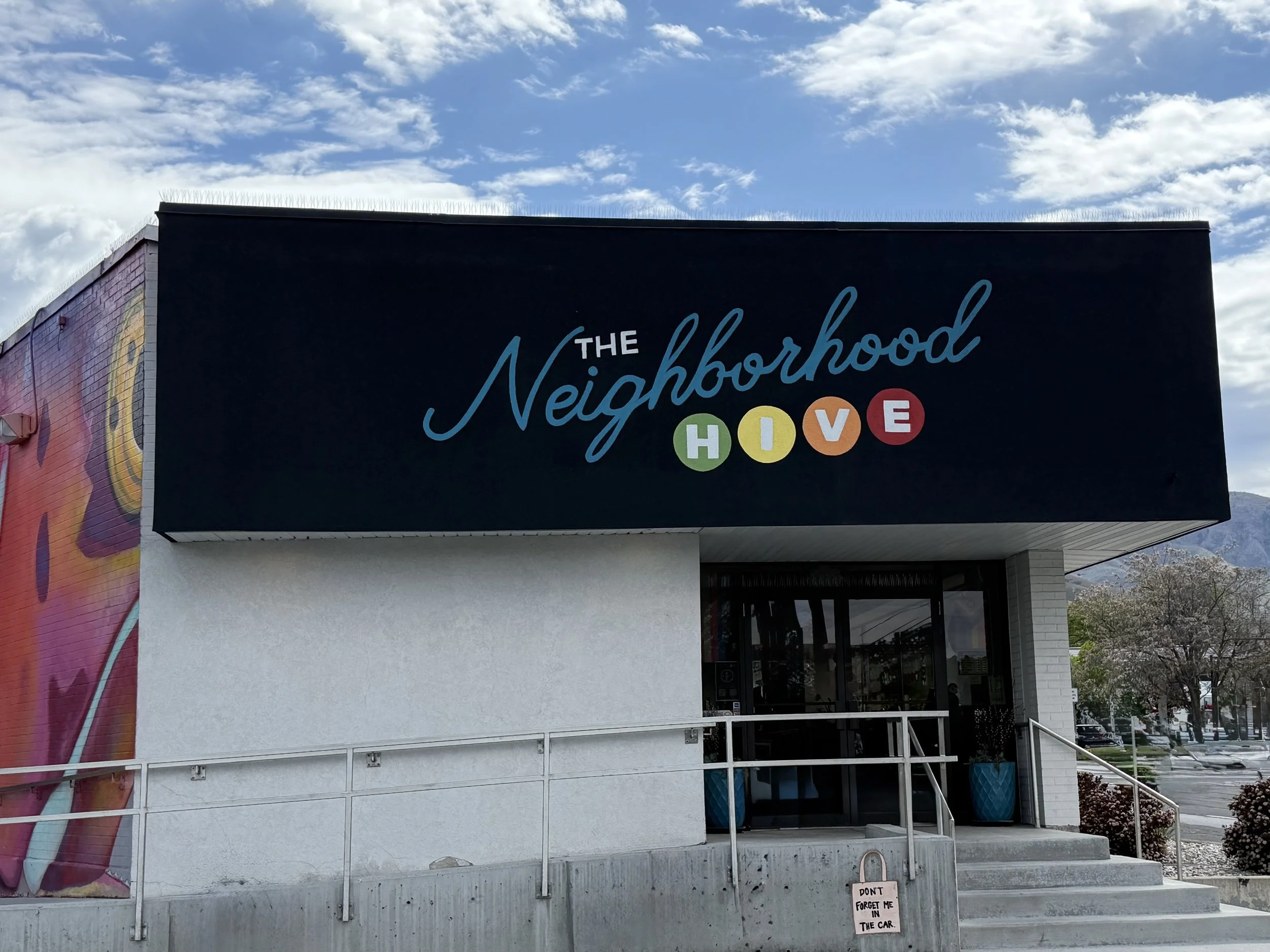
The Neighborhood Hive









Address: 2065 East 2100 South
Telephone: 801-322-3055
Website: theneighborhoodhive.org
District: Sugar House
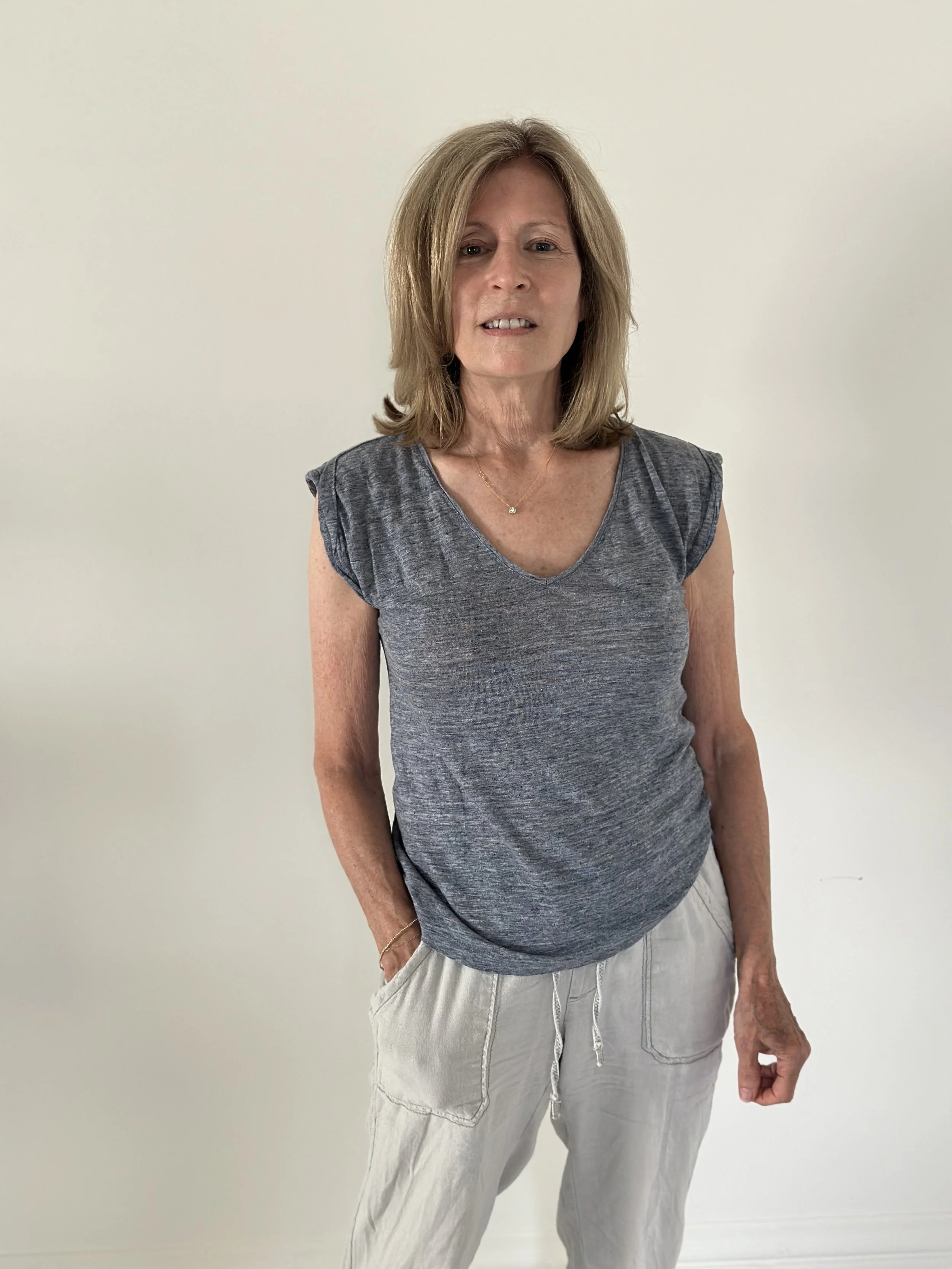
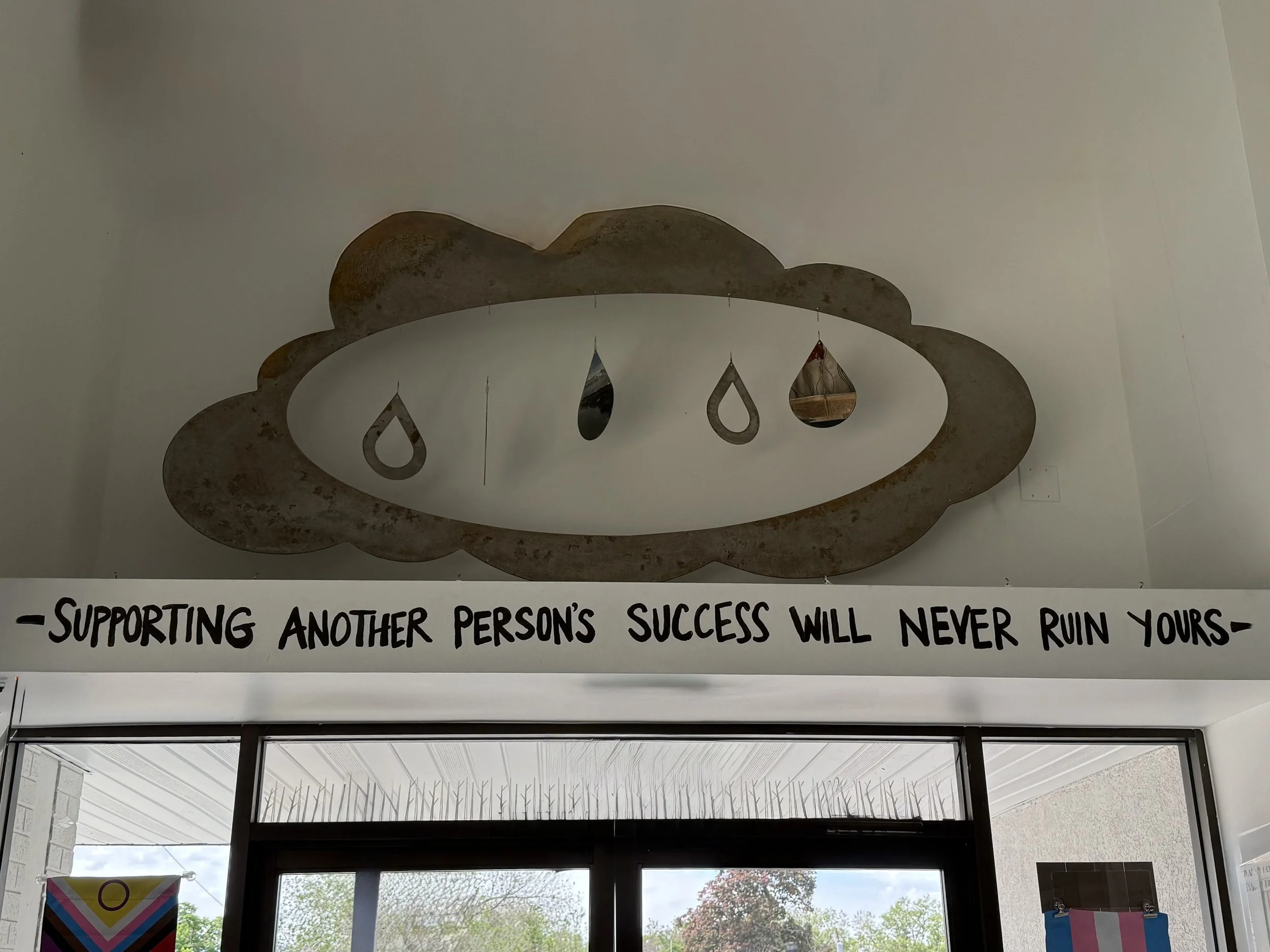
“Local is real. It is real people. It is your community and your neighbors.” For Jennifer Williamson, those words are the foundation beneath The Neighborhood Hive, the Sugar House market she created with her husband, Derek Williamson, and their friends and business partners, Tiffany Rainwater and Jed Matthews. Together, the four of them have built something that is part shop, part coffee bar, part event space, part business incubator, and part neighborhood living room - a place where more than sixty small businesses can find a home under one roof.
Tiff was born in Los Angeles and spent much of her childhood moving between California and Utah. “I like the ocean in California. I like the mountains in Utah.” When it came time for college, Utah made sense. Her father lived here, she could establish residency, and tuition would be more manageable. She enrolled at the University of Utah, eventually graduating from pharmacy school in 2003.
Tiff has spent twenty-six years as a pharmacist, much of it at The Apothecary Shoppe, a small independent compounding pharmacy downtown where she continues to work part time. But long before Neighborhood Hive, another part of her life was taking shape. In her last year of pharmacy school, Tiffany was set up on a blind date with Jed Matthews. Her hairdresser was dating Jed’s roommate and told her, “You should talk to this guy. He is really nice. He will not buy you a hundred-dollar dinner, but he will probably pick you some flowers out in the field.” That sounded just fine to Tiff. “I like those kinds of guys. I can buy my own hundred-dollar dinner. I am graduating pharmacy school.”
Jed grew up in Grantsville, a rural town west of Salt Lake City on the other side of the Oquirrh Mountains. He loved hunting, camping, fishing, music, and the outdoors. Later, he would learn guitar and become the kind of person who filled his home with music, eventually playing with his children. When Tiff and Jed met, their paths seemed to have been crossing for years without either of them realizing it. As a boy, Jed had survived a terrifying fall while hiking with the Boy Scouts, and the doctor who treated him turned out to be Tiff’s father’s next-door neighbor. Years later, after Tiff and Jed began dating, that same doctor was invited to a barbecue at her father’s house. He recognized Jed, and the two embraced. He later spoke at their wedding.
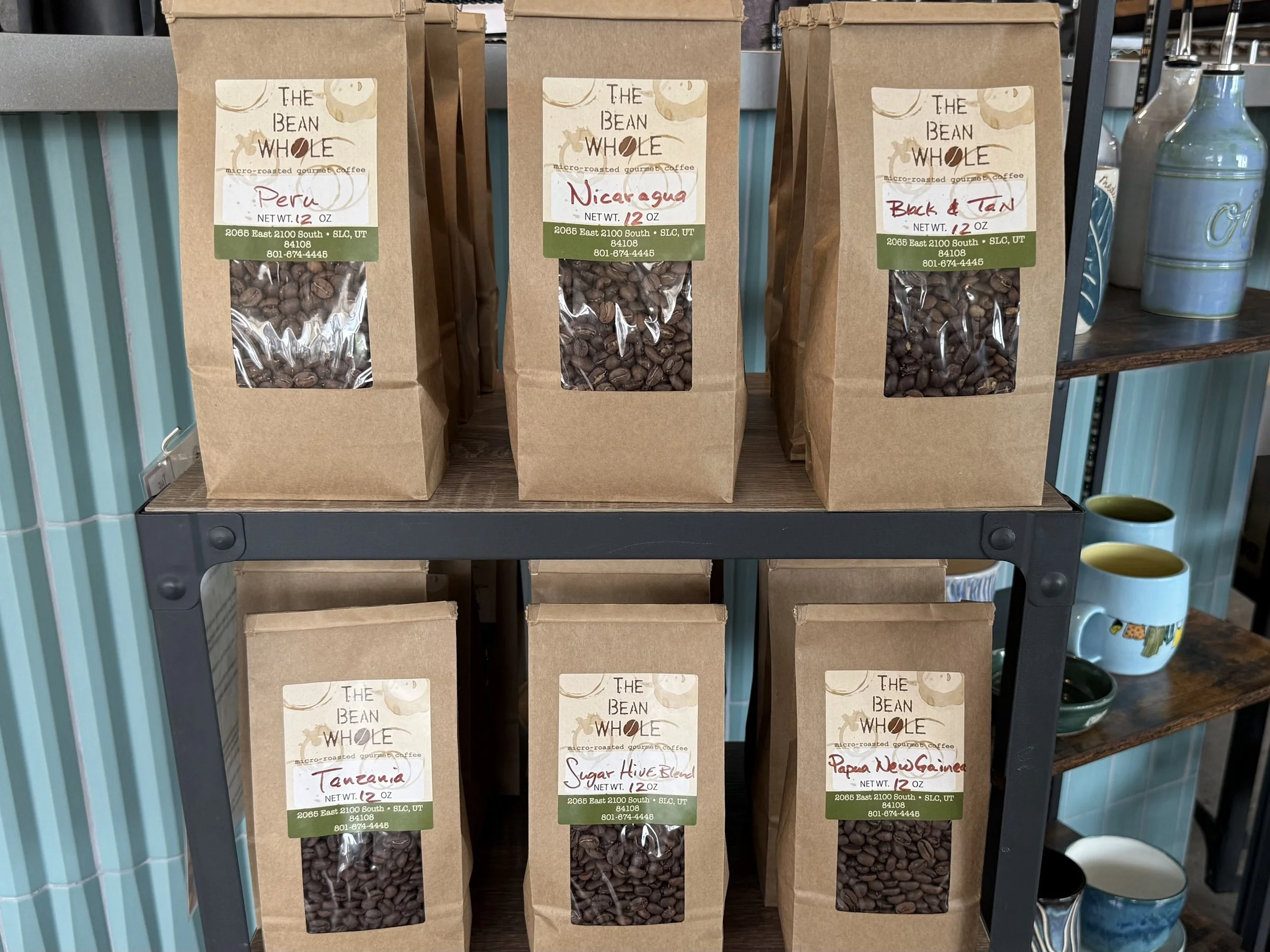
Coffee entered their lives almost by accident. Jed discovered he could roast green coffee beans in a hot air popcorn popper, and he began doing it in their garage. Soon people were lining up in the driveway to buy beans. Around 2010, when Tiff was nine months pregnant with their daughter, she and Jed were walking through the neighborhood and saw a tiny available space. Jed looked at it and said, “Bean Whole. Only sell whole beans. People can get what they get, and they do not throw a fit.” The plan was simple. They would roast coffee, fill containers, and be the neighborhood roaster for four hours a week.
“Everyone told us, ‘This is the dumbest business plan in the world.’” But it worked. They had full-time jobs, small children, and limited time, so four hours a week was what they could manage. They were not a coffee shop at first. They were licensed as a roaster, which cost less and made more sense for a young family starting carefully. For ten years, The Bean Whole grew through farmers markets, loyal customers, and word of mouth.
Right nearby, Jen and Derek Williamson were building their own business, Olio. Jen was born in Detroit and grew up between Michigan and New York. Her mother was from New York, and Jen spent time in Queens, where her grandfather owned Augie’s TV. She remembers being his secretary for a while, and she believes entrepreneurship has always been somewhere in her family. As a child, she loved music, creativity, beauty products, and making things. “My mom had a craft closet, and if we said that we were bored, we got sent to the closet, and we created.”
After graduating from high school in Dearborn, Michigan in 1997, Jen moved around, including time in Las Vegas. There, while working in office support, she and a friend went on MySpace thinking it was a way to meet people in Las Vegas. Instead, she met Derek, who was living in Salt Lake City. They chatted online for several months before she drove to Utah to meet him.
Jen eventually moved to Salt Lake where she worked in health insurance before going to cosmetology school in 2011. Around the same time, Derek was working as a travel agent after years in sales and customer-focused jobs. That sales background has served him well. Jen describes him as motivated, open, and able to talk to anyone. He grew up in Sandy, is deeply proud of Utah, and has a particular love for Salt Lake City and Sugar House. When Jen first moved here, Derek toured her through the city, talking about its landmarks, its history, and the Beehive State with pride. He even has a Salt Lake City tattoo on his arm.
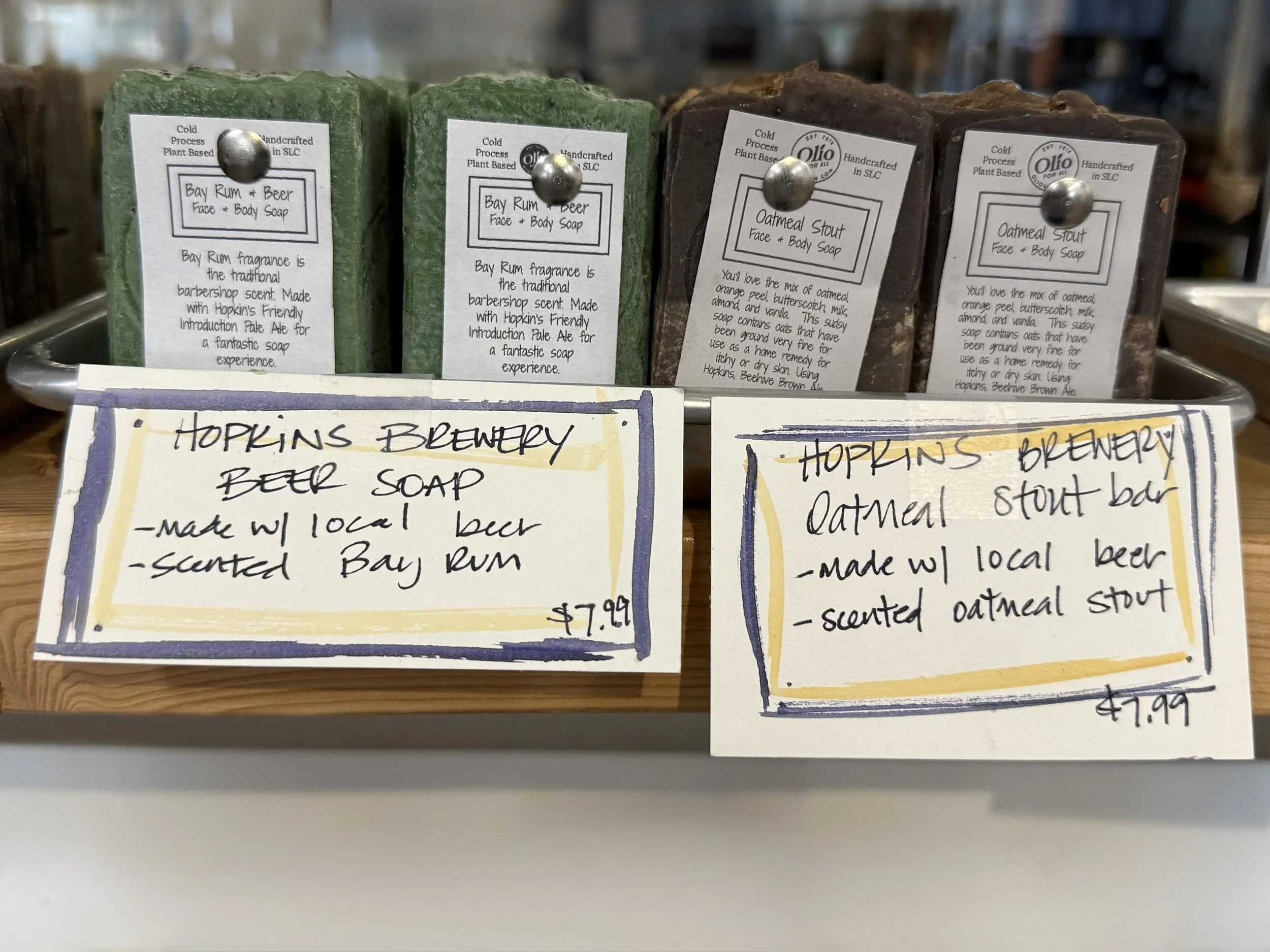
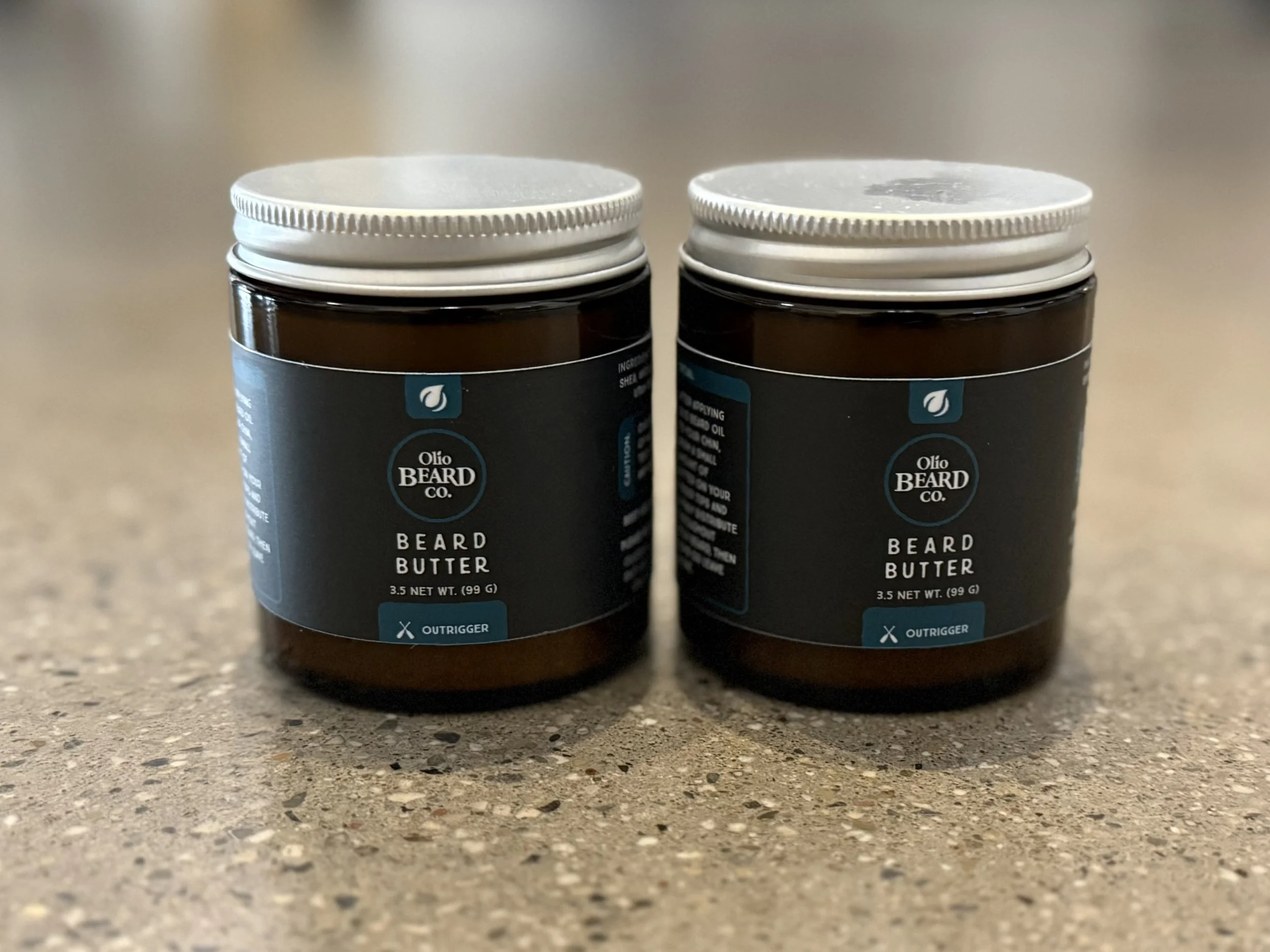
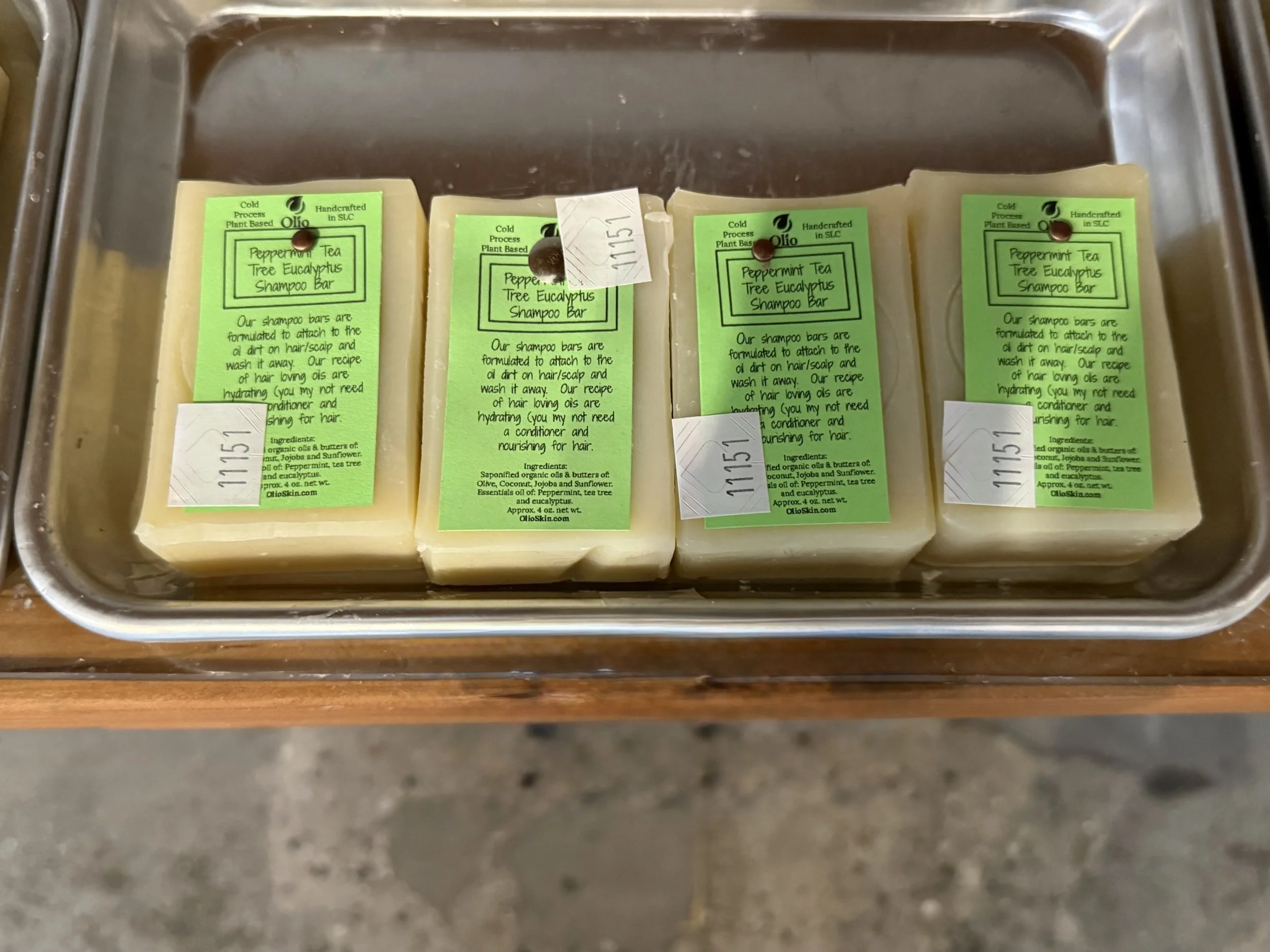
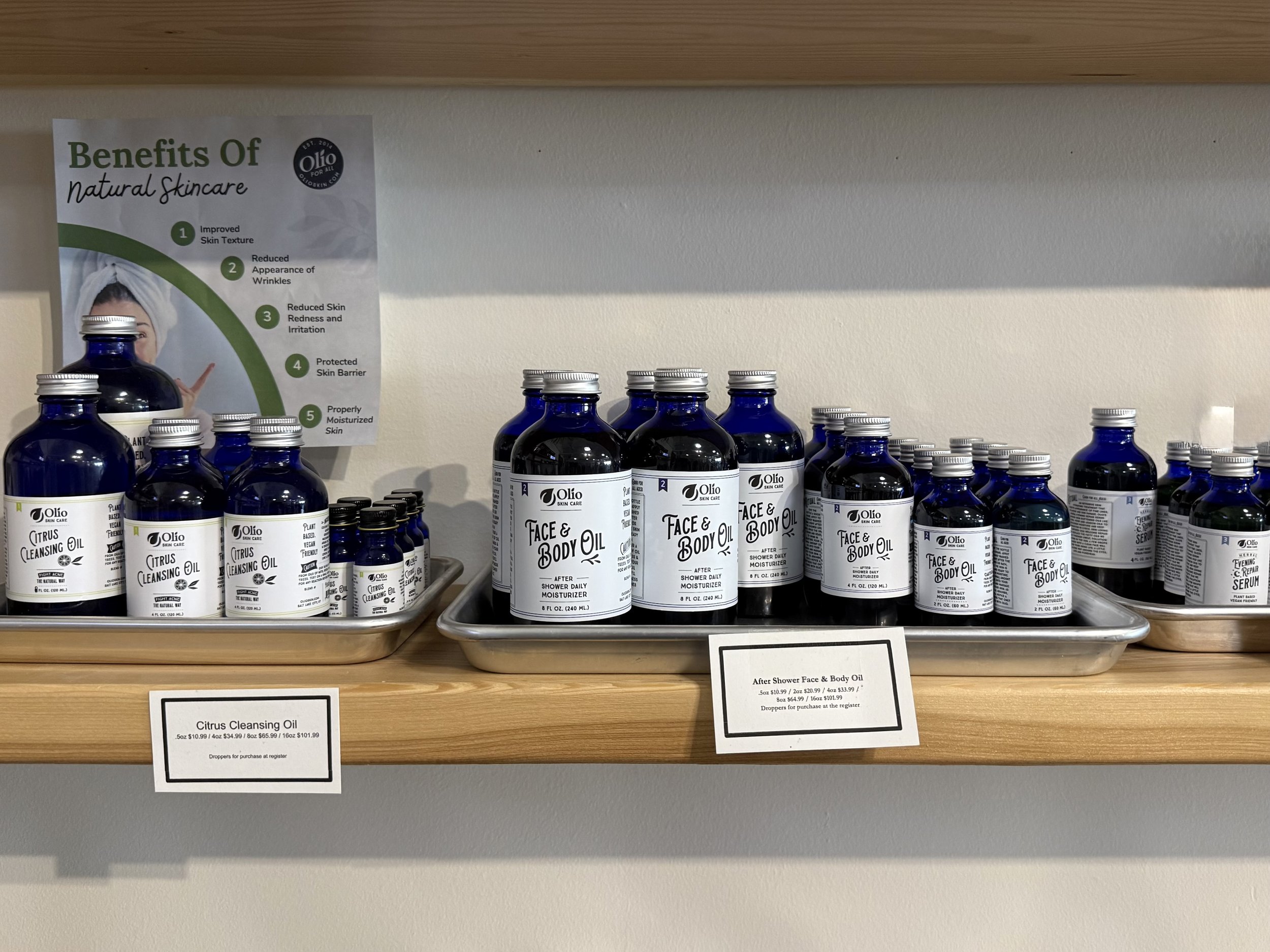
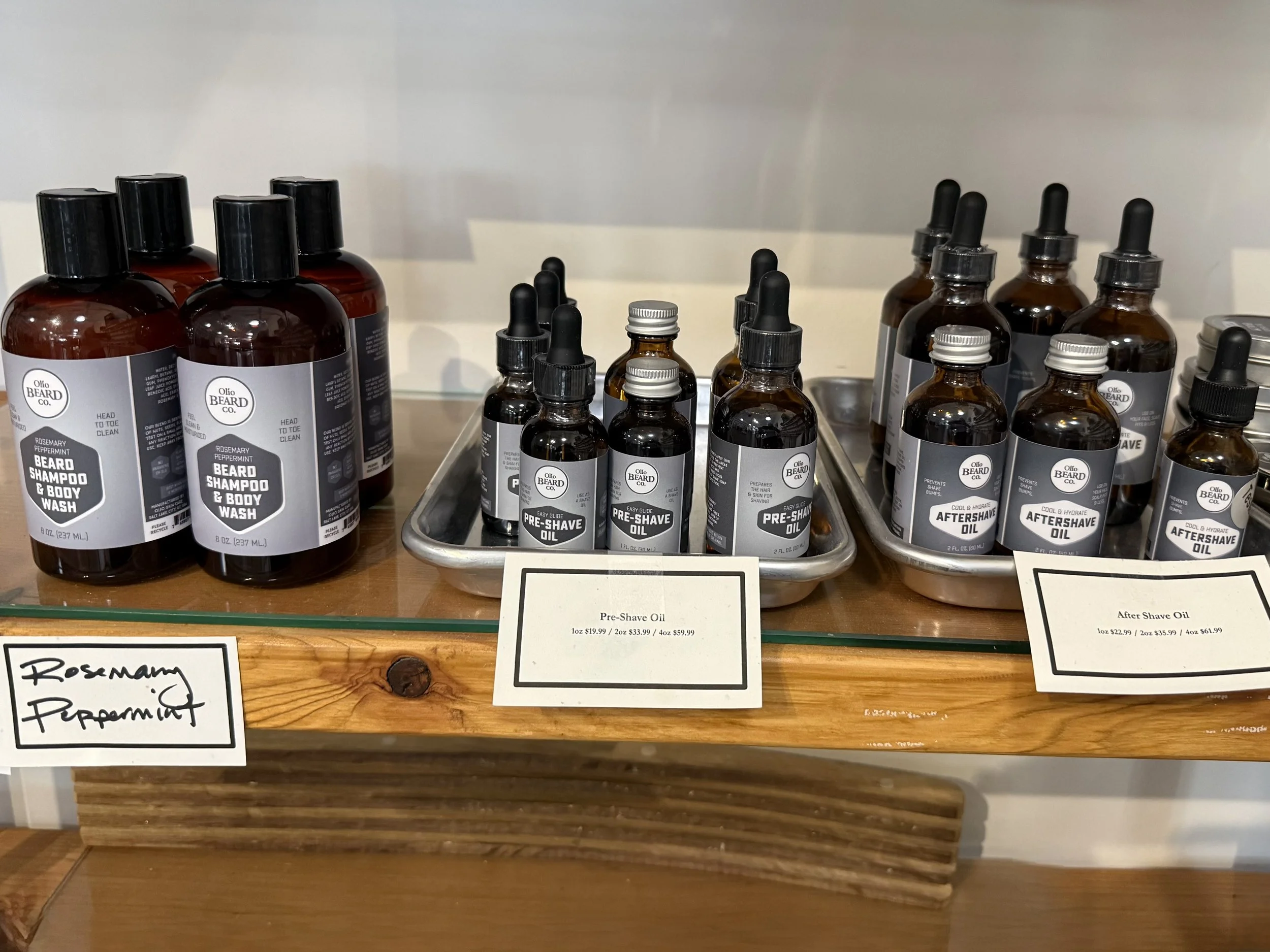
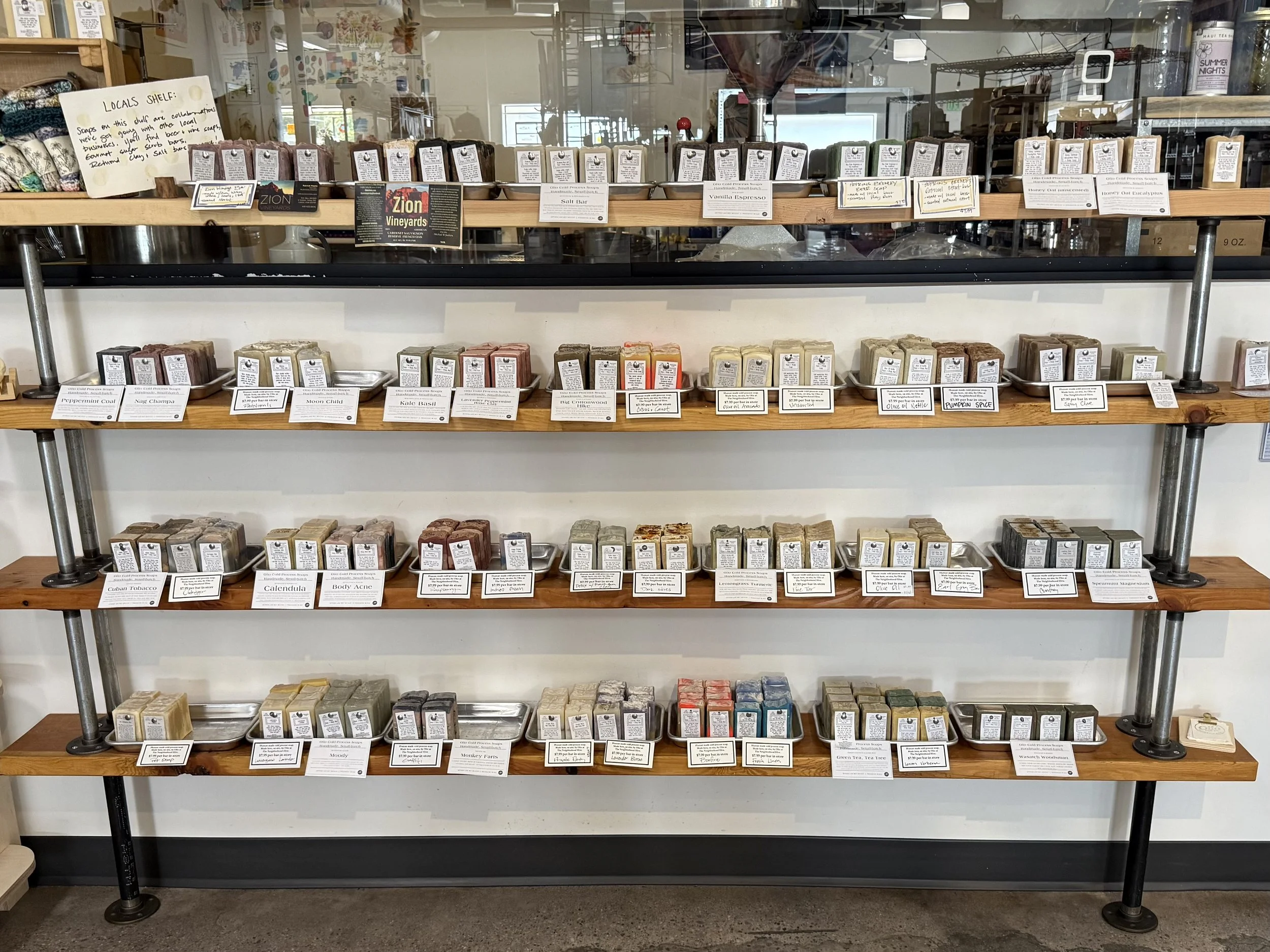
After cosmetology school, Jen began developing oil-based skincare products at home. Olio, Italian for oil, became the name of the company she and Derek built together. They made soaps, beard oil, and simple skincare products for people who did not want mass-produced lotions and creams. “Back where we come from, there is humidity in the air. There is no humidity in the air here, so you just dry up. Well, that is where oil products come in.”
Olio began in 2013 at the Wheeler Farm Farmers Market where they sold $127 worth of products on their first day. Jen took it as a sign to keep going. For seven years, they sold at markets throughout Utah, teaching people why oil belonged on their skin and how a handmade product could be gentler and simpler.
Tiff and Jed knew Jen and Derek from the farmers market world. “Salt Lake has a vibrant small business community. We are all pretty connected and support each other a lot.” Both couples had also been operating near one another in Sugar House, Tiffany and Jed with The Bean Whole and Jen and Derek had opened a small shop to sell Olio products. Then redevelopment forced them to move. Tiff and Jed were given thirty days to leave their roasting space. Jen and Derek also needed a new home for their business. None of them could afford a large commercial space alone, and all of them wanted to stay in the neighborhood.
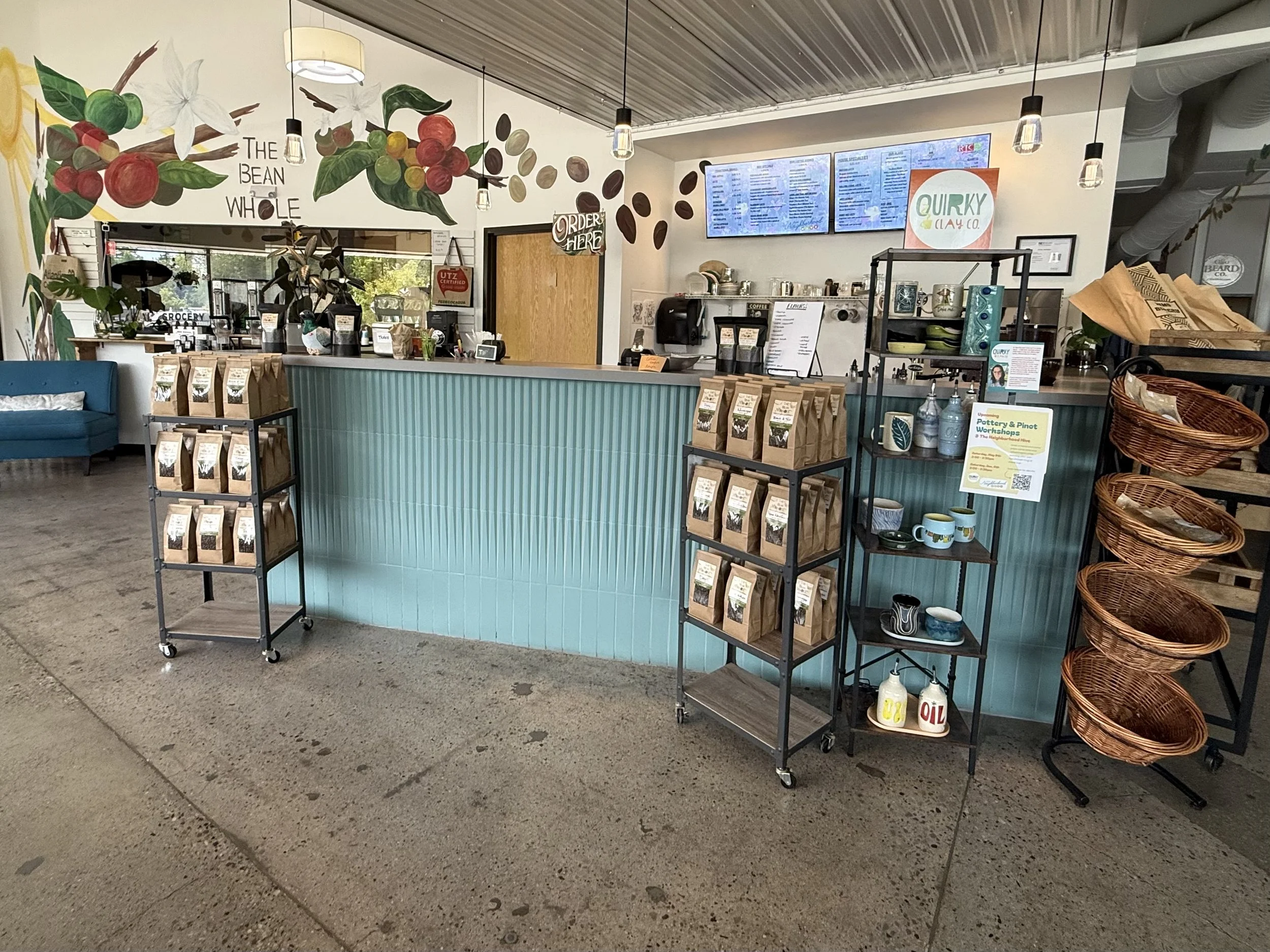
Today, Olio is sold at Neighborhood Hive, as well as locally curated shops at the Salt Lake City airport. When Jen and Derek are not out front helping customers, they are often in the production space behind the market, making the soaps, oils, and skincare products that started it all. The Bean Whole remains an equally important part of the collaboration. Jed continues to roast the coffee just a few feet from the café, making the journey from roaster to cup about as short as possible. The coffee bar itself belongs to Neighborhood Hive and is run by all four partners. In addition to drip coffee, Americanos, lattes, decaf options, teas, lemonades, and other café drinks, the space offers locally made foods from many of the market’s vendors. Breakfast burritos, vegan dishes, and other refrigerated items can be warmed for customers, creating more of a neighborhood café than a traditional coffee shop. Fresh-roasted beans, local food, and local beverages all work together, making the coffee bar another extension of the collaborative spirit that defines Neighborhood Hive.
The building they kept returning to had last been a yoga studio. Before that, years earlier, it had been a video store where Tiffany and Jed had gone on one of their early dates to rent a VHS tape. Derek had his own history with the location. "I had grown up coming to this part of Sugar House visiting my grandparents. My grandma always wanted to eat at Ponderosa Steakhouse, which was once in this space." Years later, Derek has now turned that same building into a home for local makers, artists, food producers, and neighbors. "There is a lot of history, and we are here to tell that story. It is exciting to carry on the tradition."
The space was too large for either business, and even together it felt ambitious. At first, the four partners imagined dividing it into separate little areas for nine businesses. But that model would have been too expensive for the small vendors they wanted to support. So, they changed course and created a shelf-rent, floor-space, and consignment model that allowed makers to enter without heavy overhead or long-term commitment. The two couples signed their lease in 2021, worked through months of Covid-era construction delays, held parking lot pop-ups to introduce the idea, and opened in April 2022.
The four began with only a handful of businesses and no coffee bar. Today, there are more than sixty businesses. Vendors do not need to work shifts. They do not need to sign long leases. Many rent month to month, and some sell through consignment or wholesale. “We are not here to soak a small business with debt,” Tiff explained. “If it works, it works. If it does not, if you want to try it again later, cool.”
That flexibility is at the heart of Neighborhood Hive. Some businesses stay. Some leave and come back. Some test a product, discover what works, and move on to their own brick and mortar. The goal is not to trap anyone. The goal is to help them take the next step.
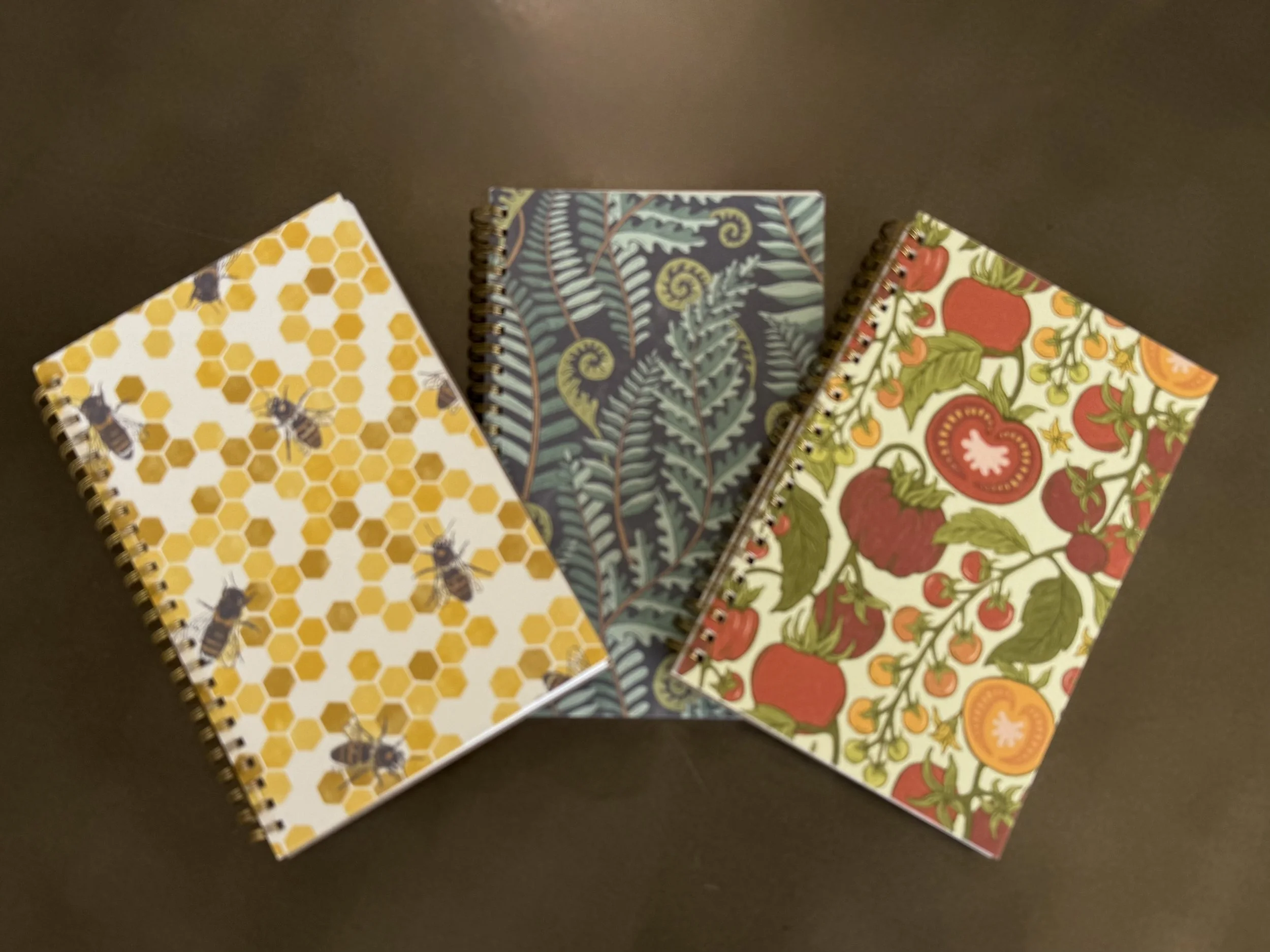
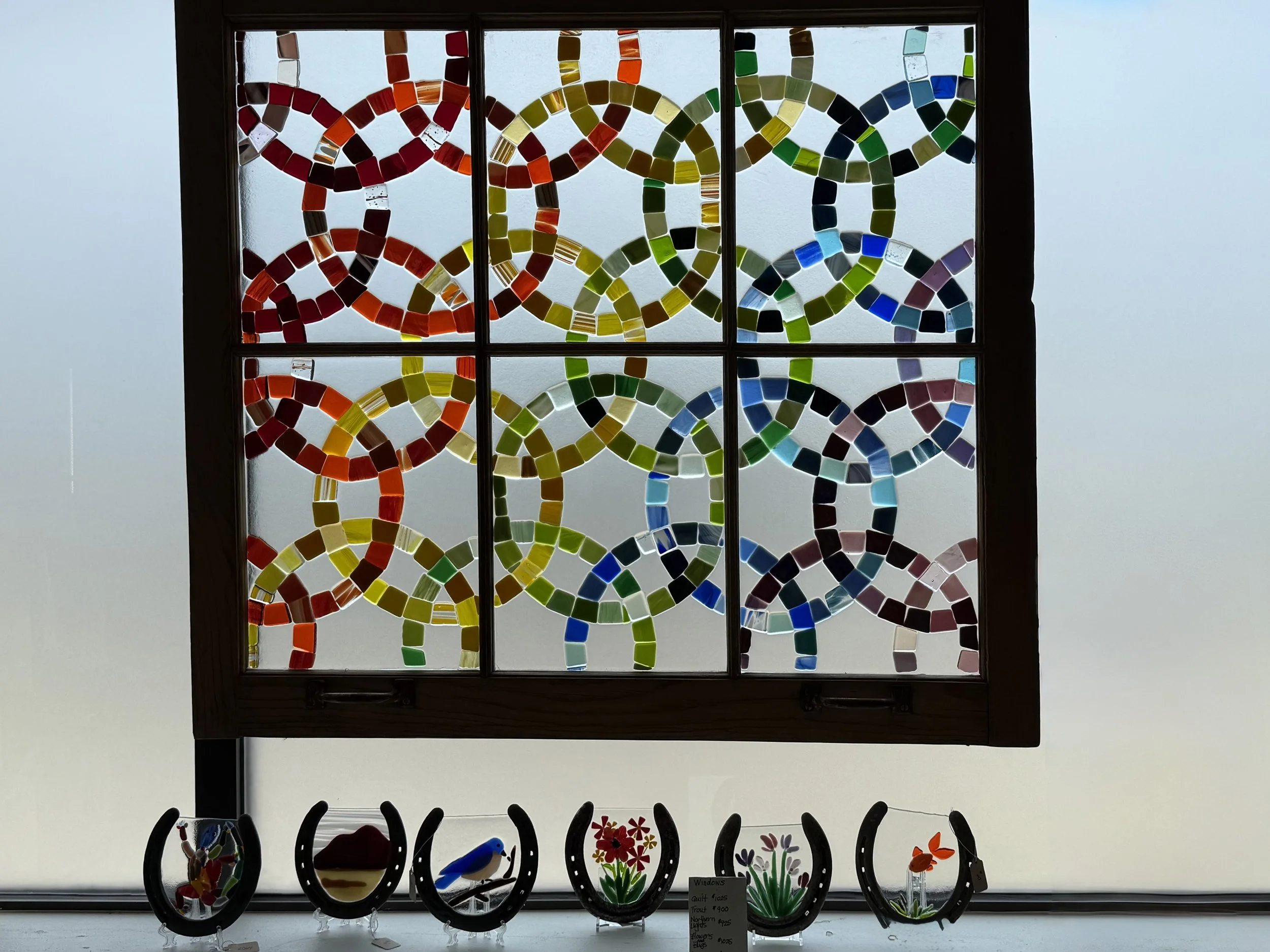
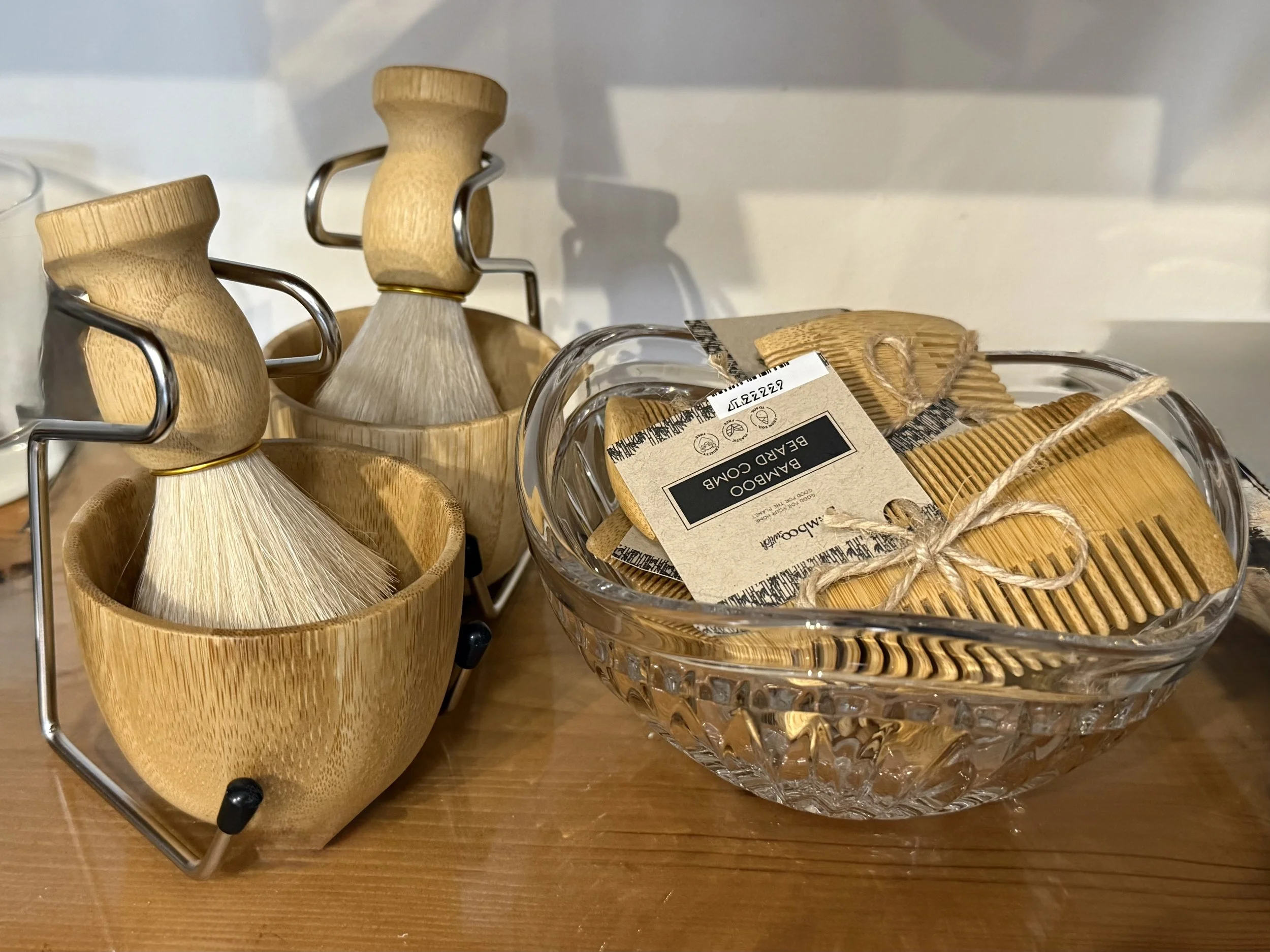
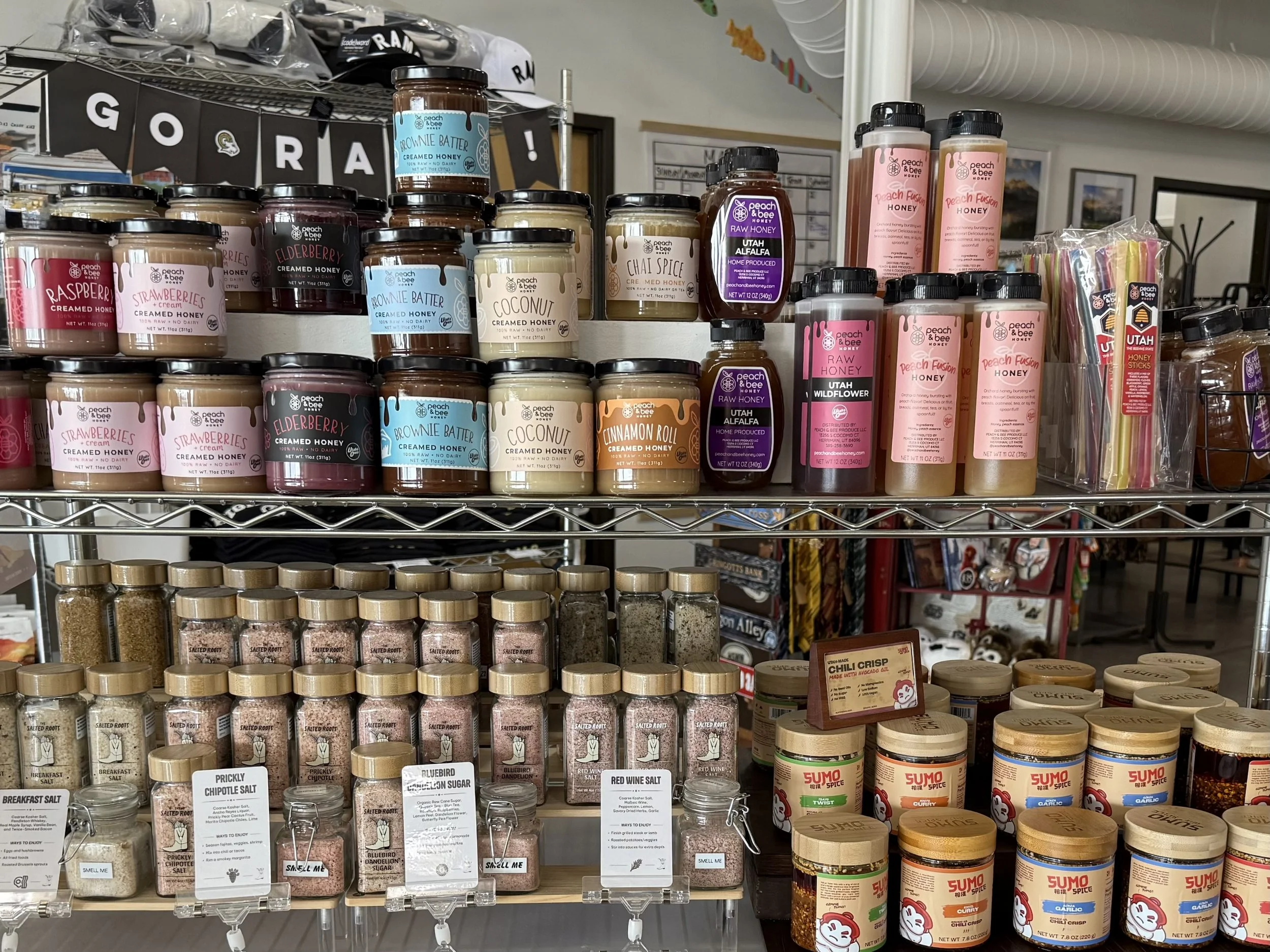
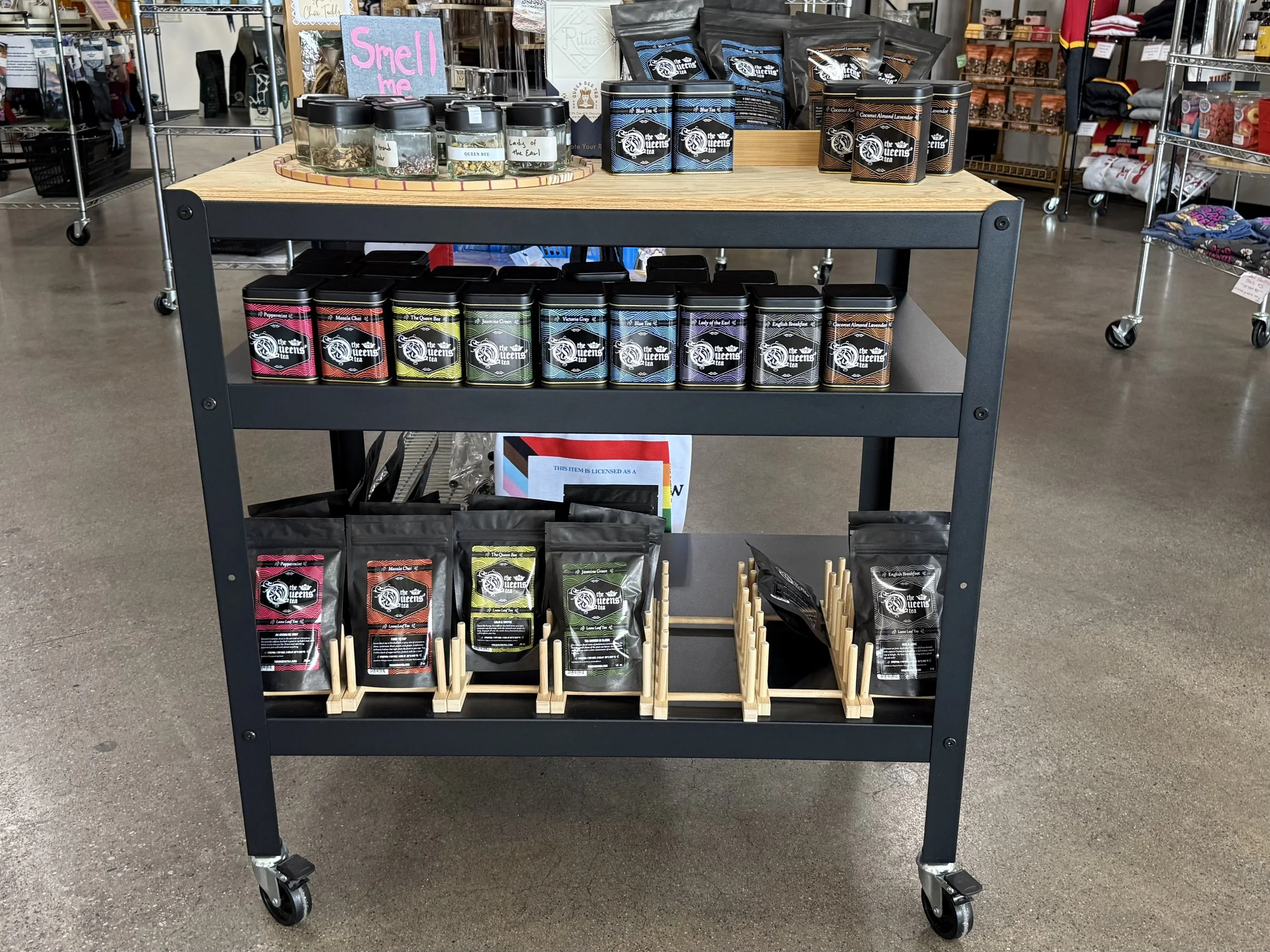
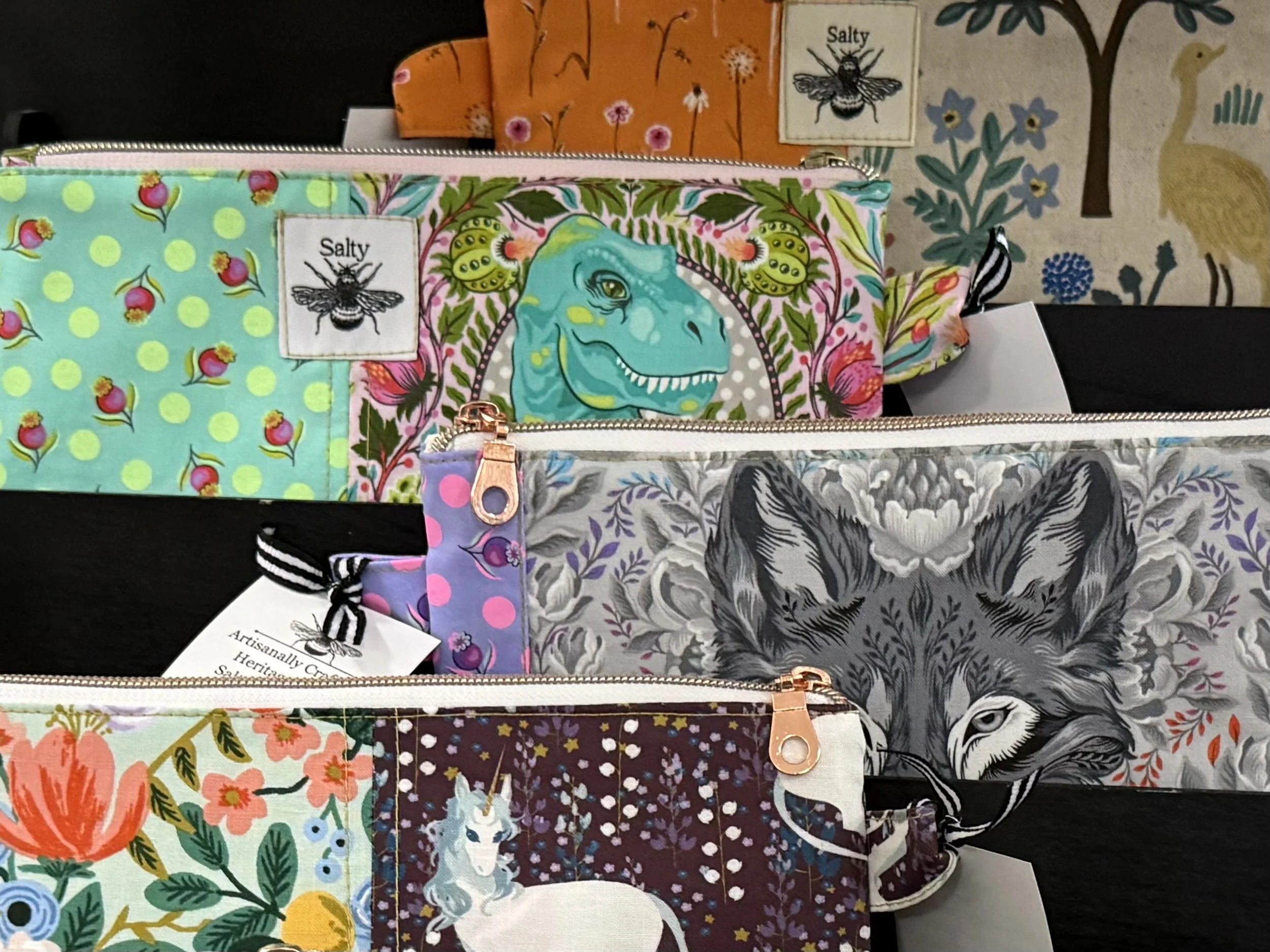
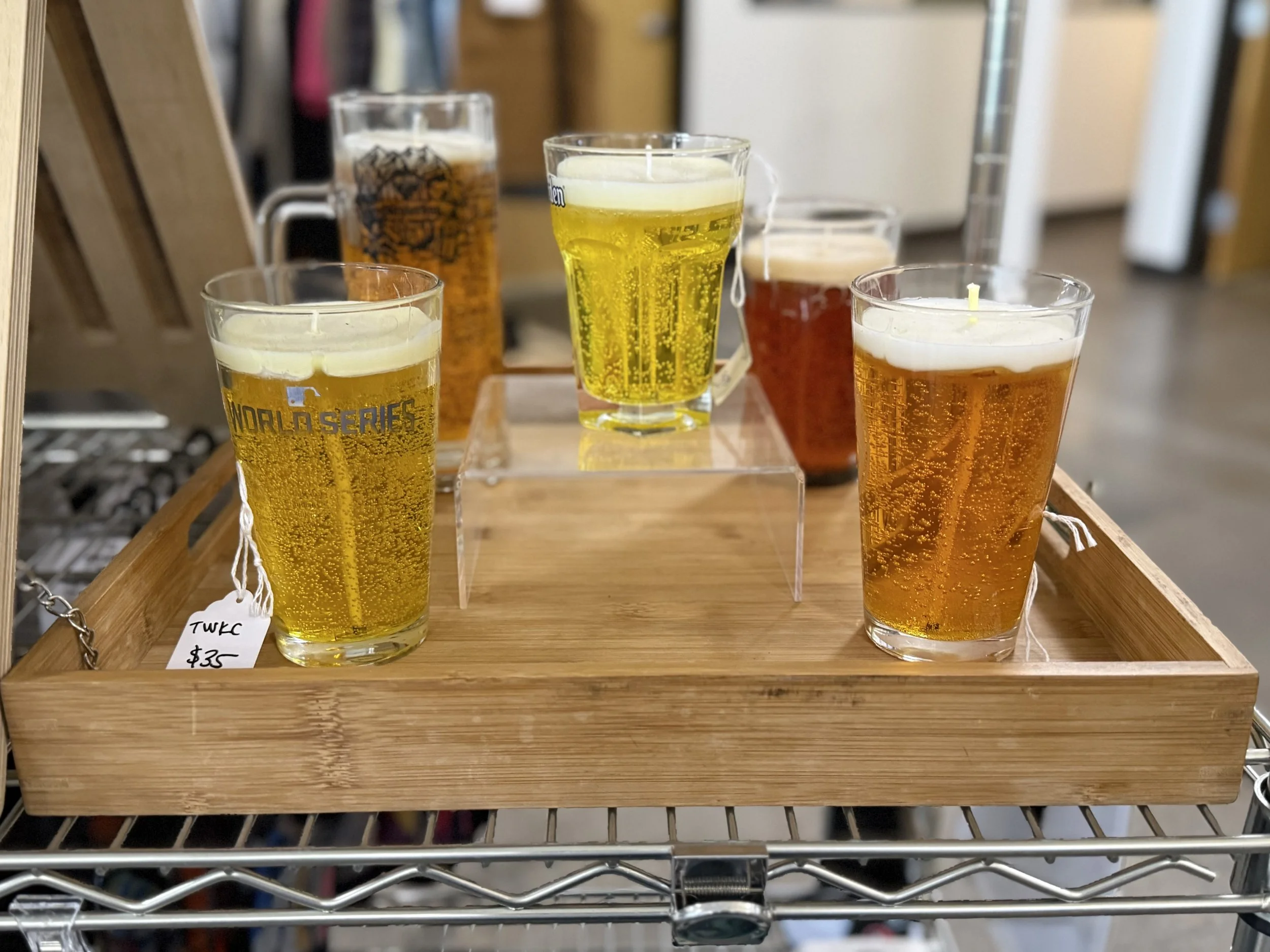
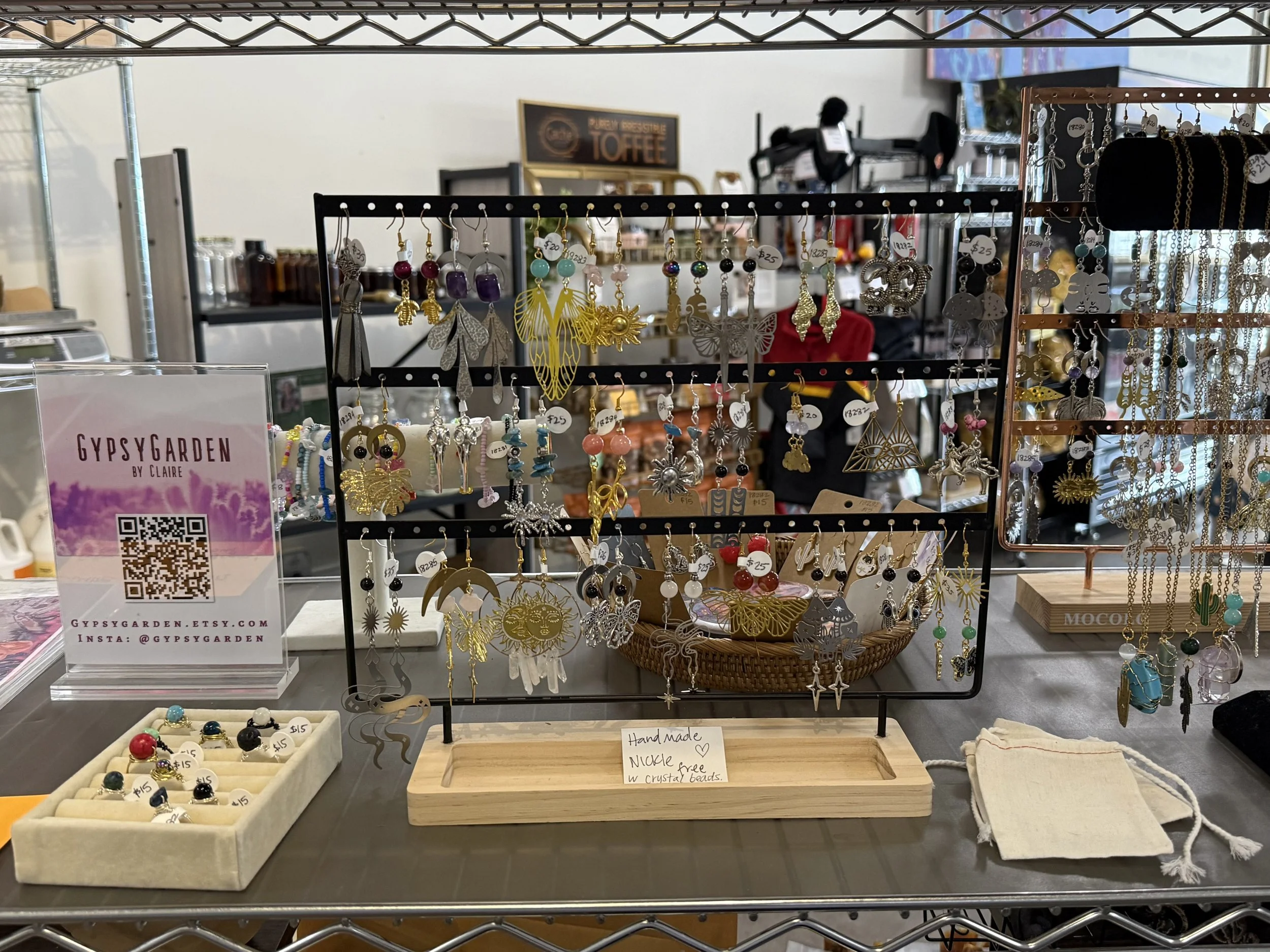
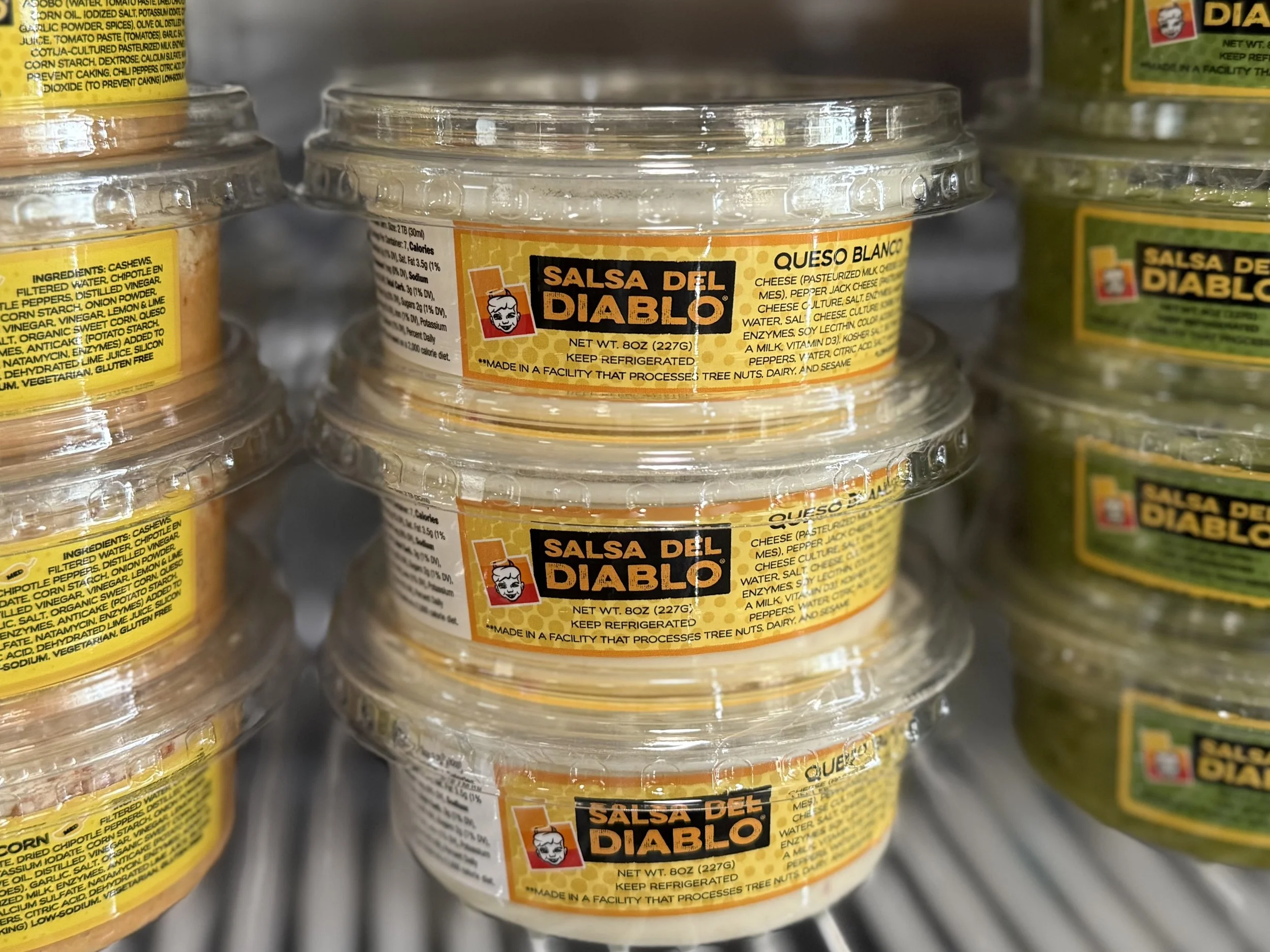
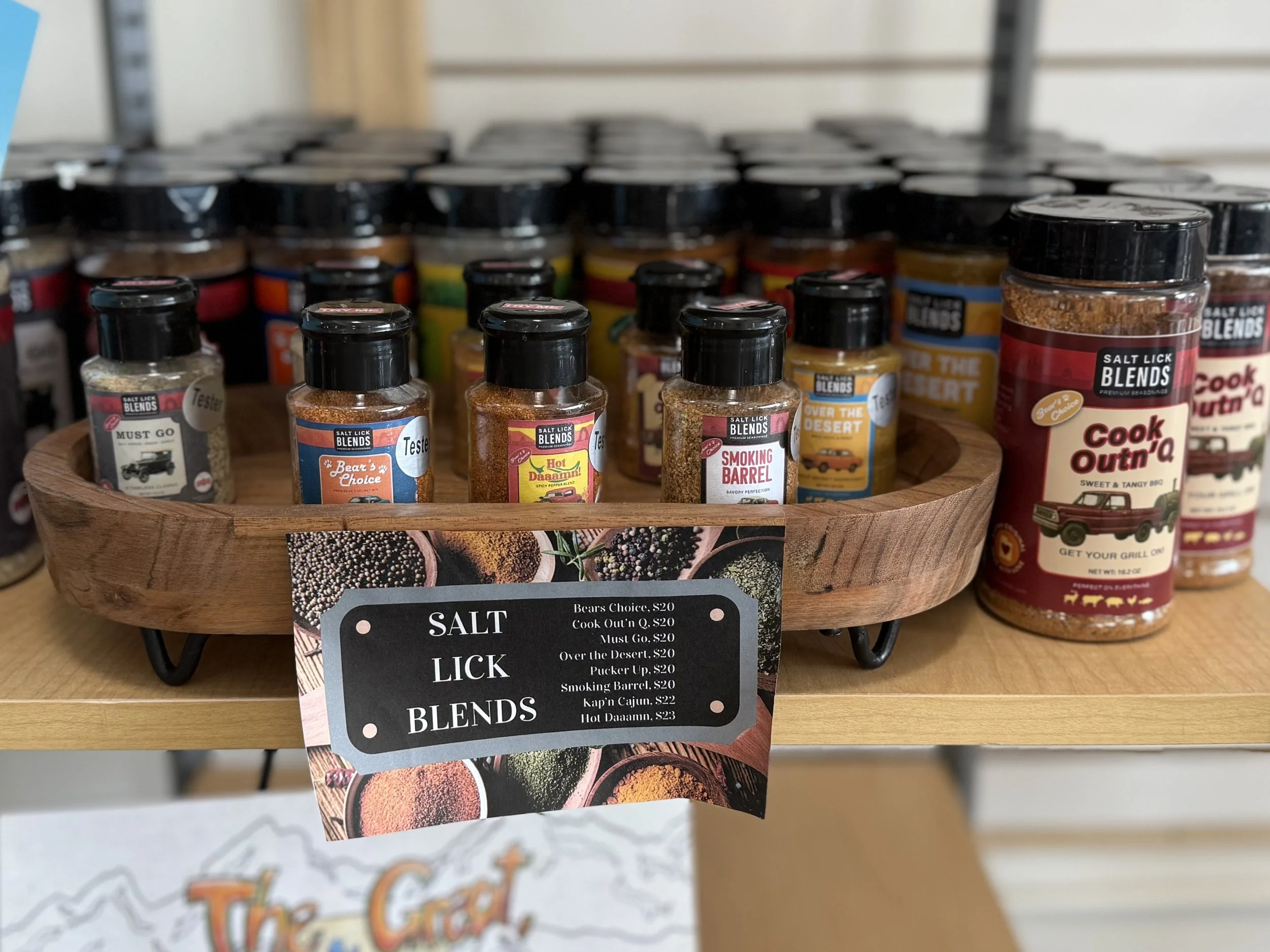
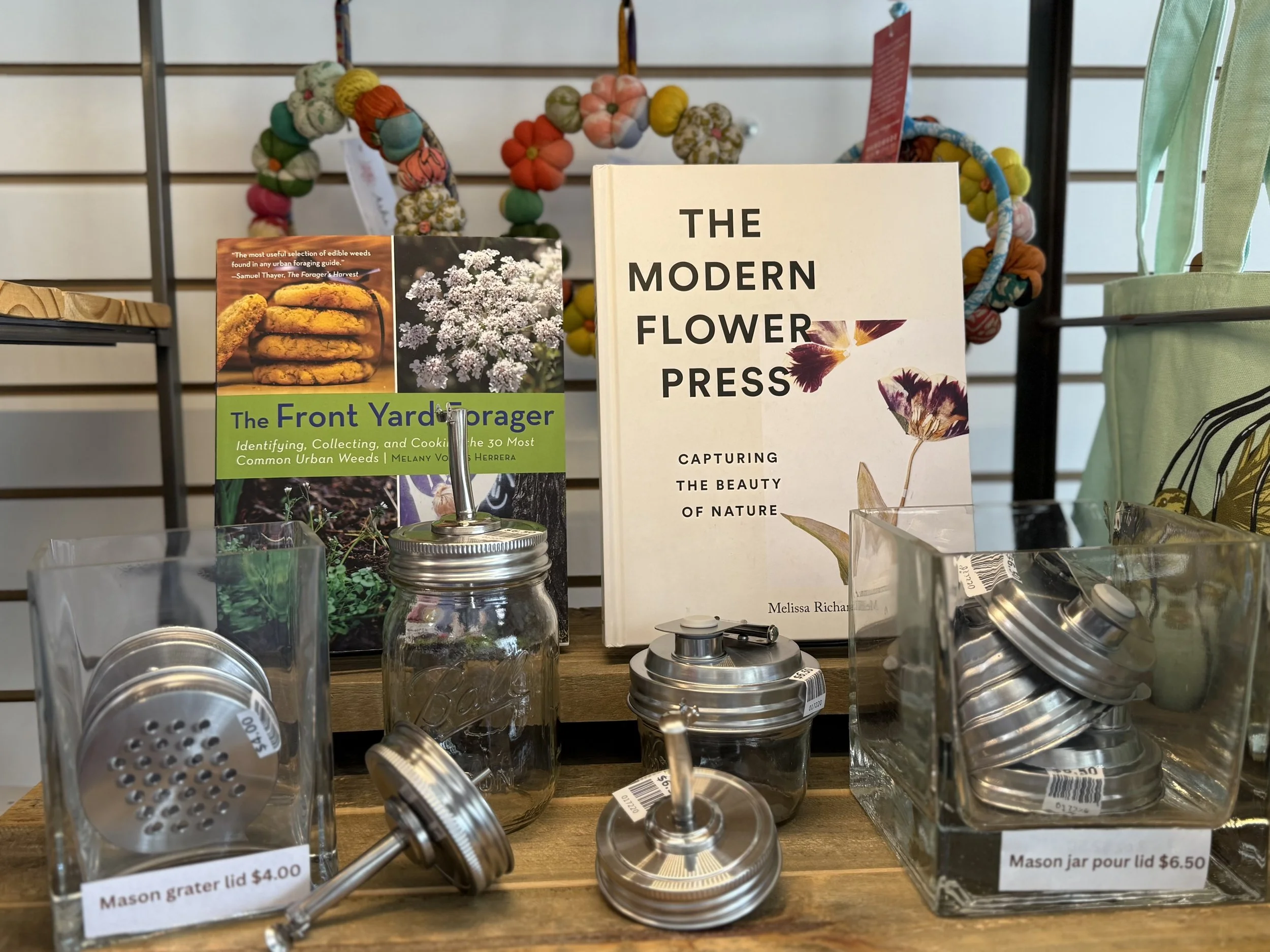
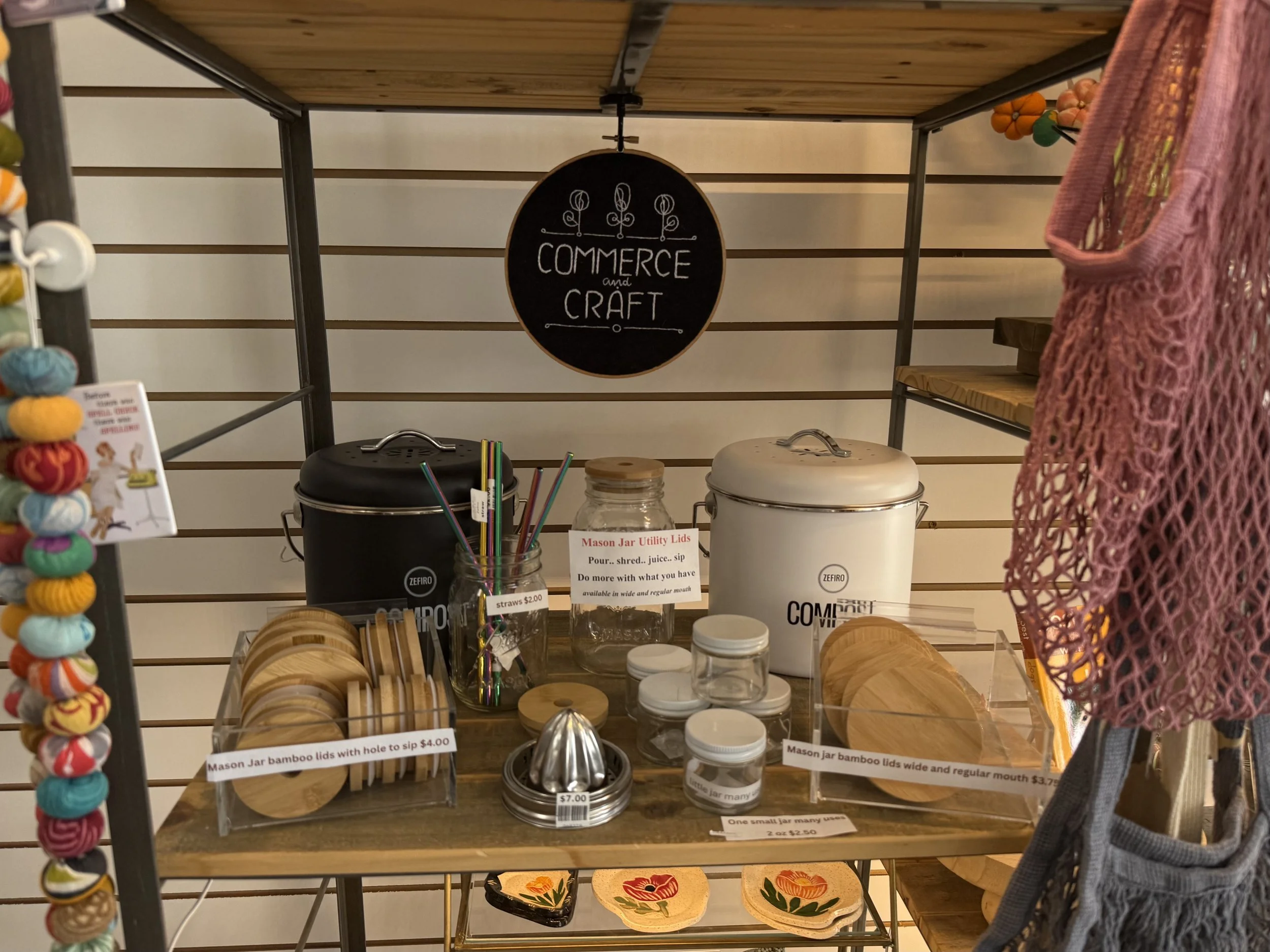
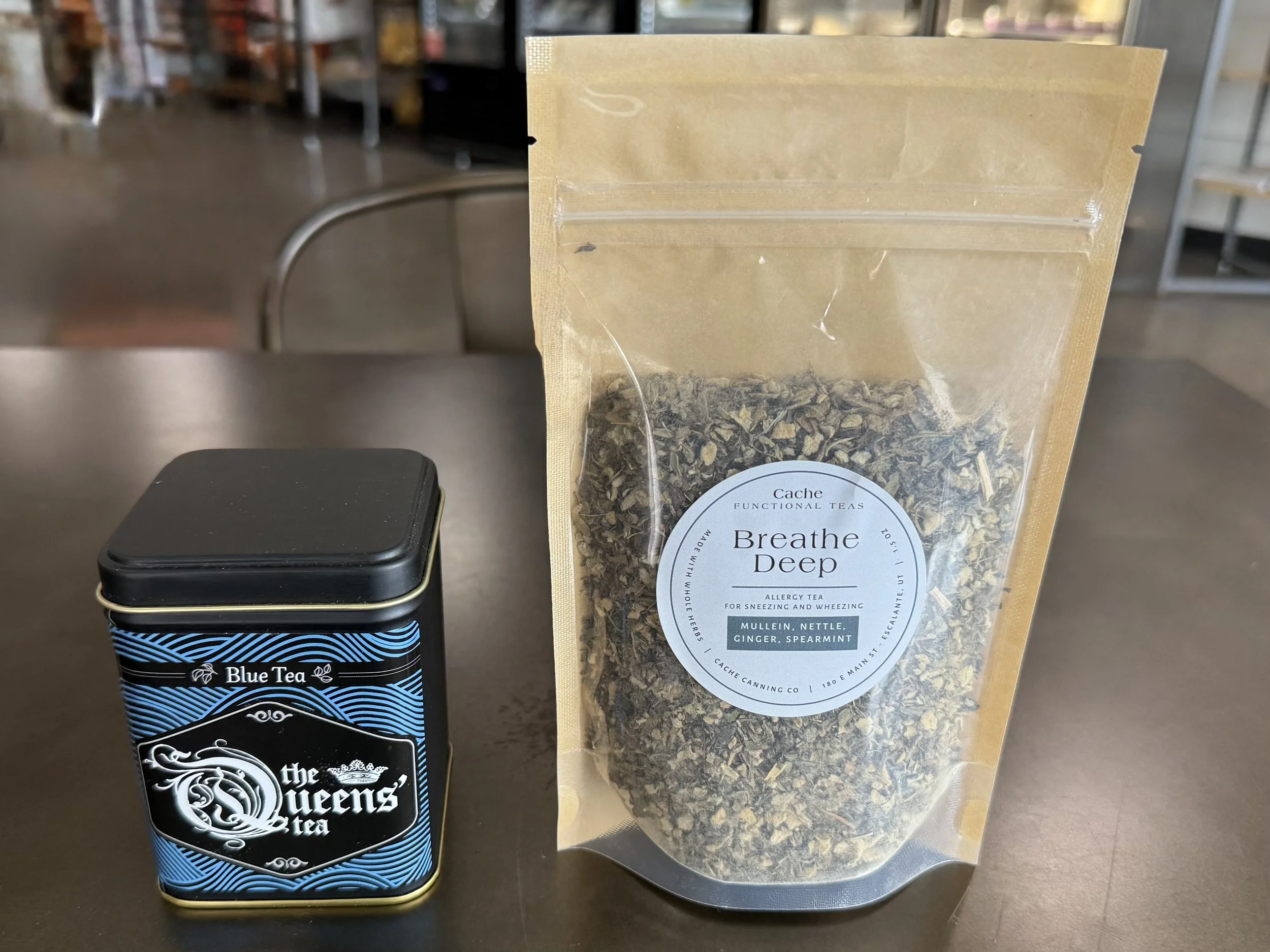
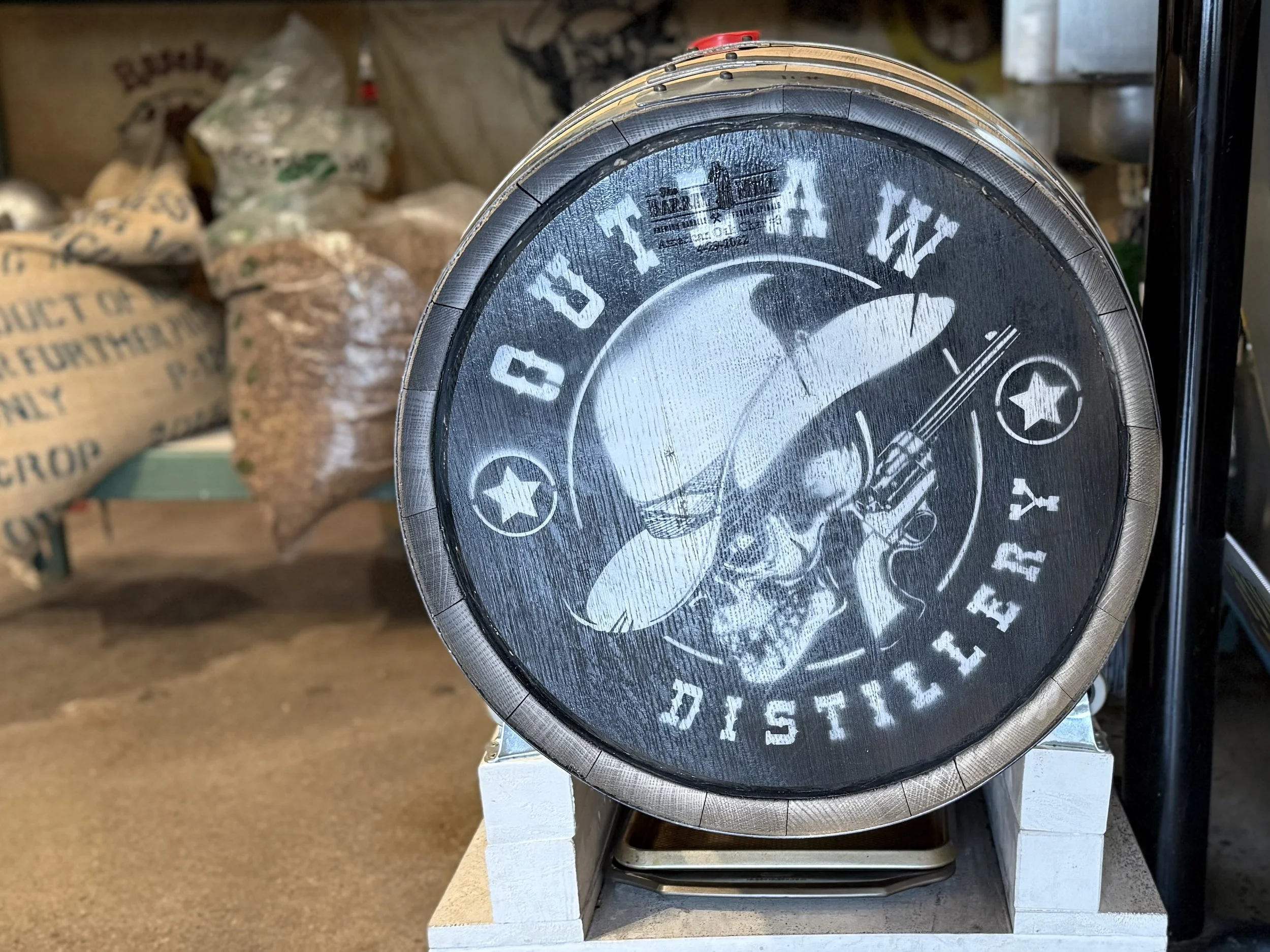
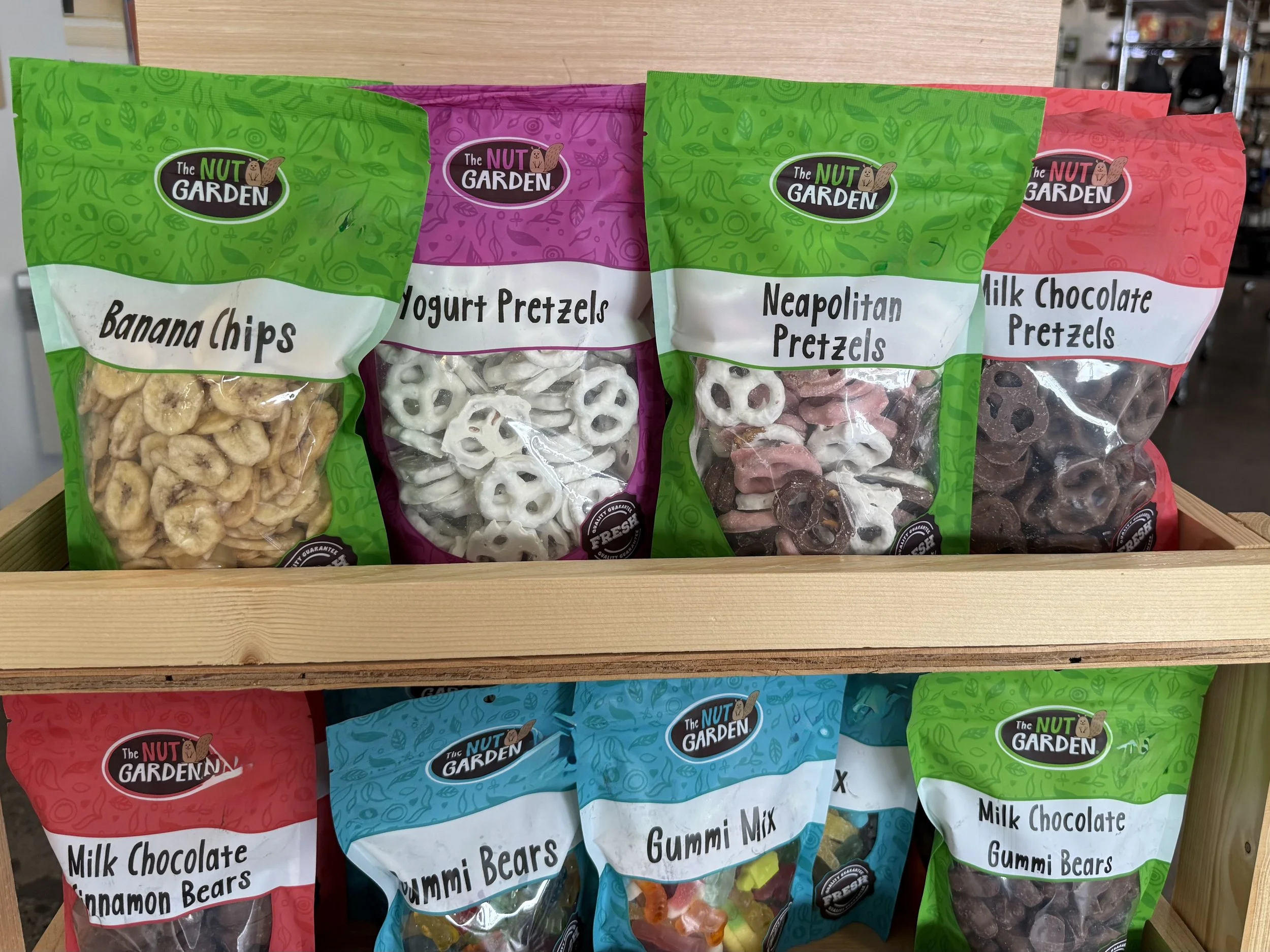
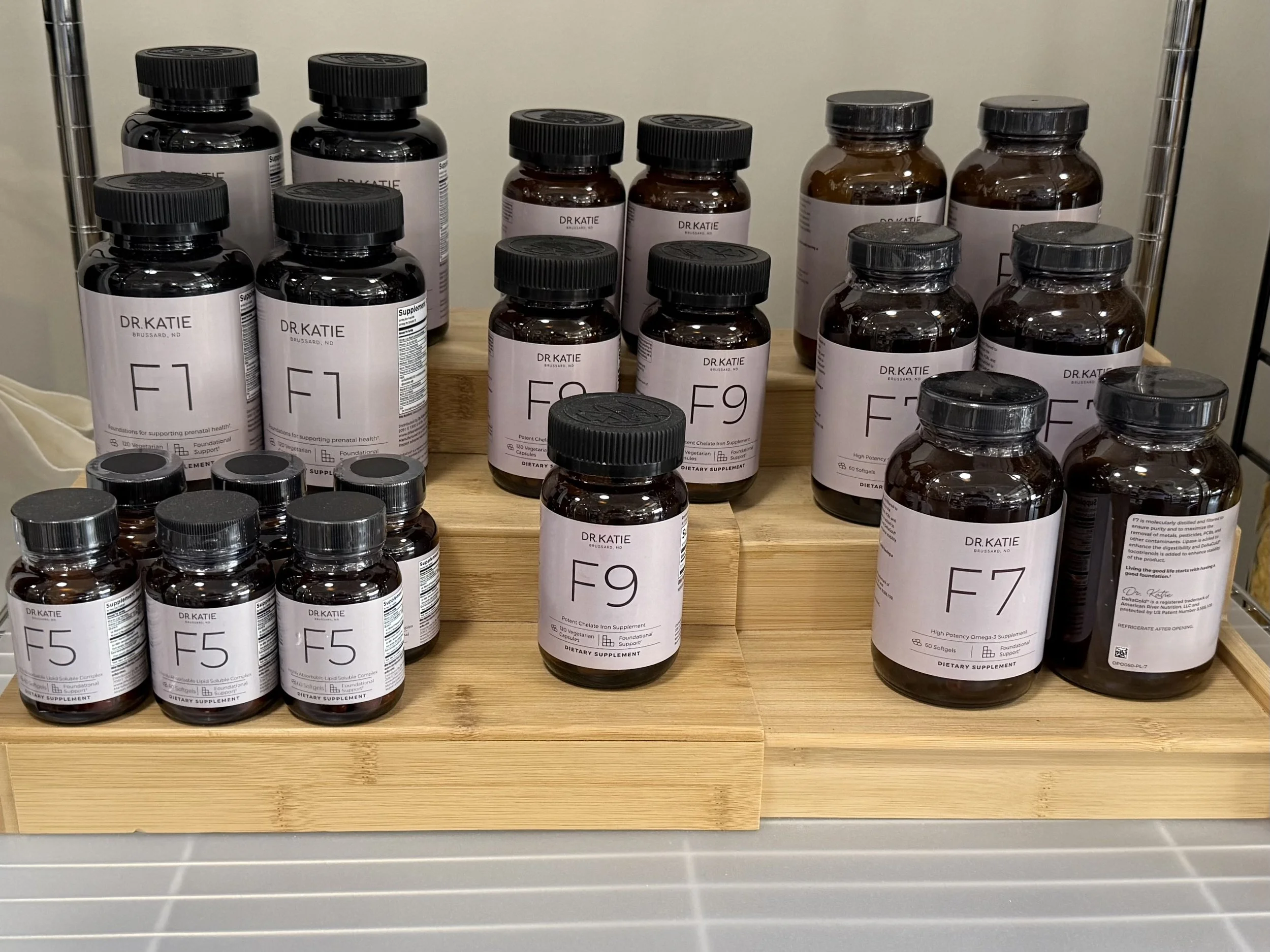
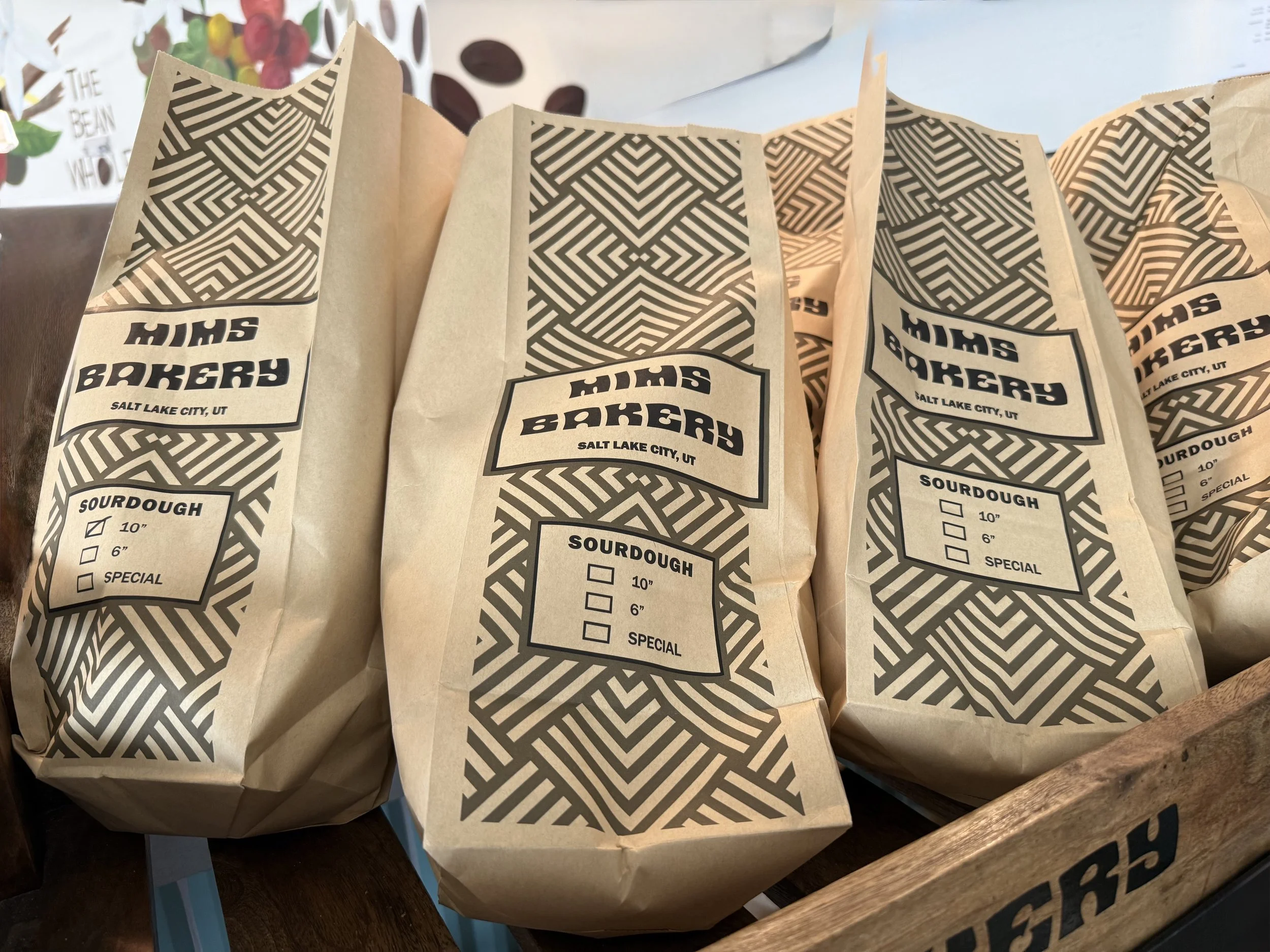
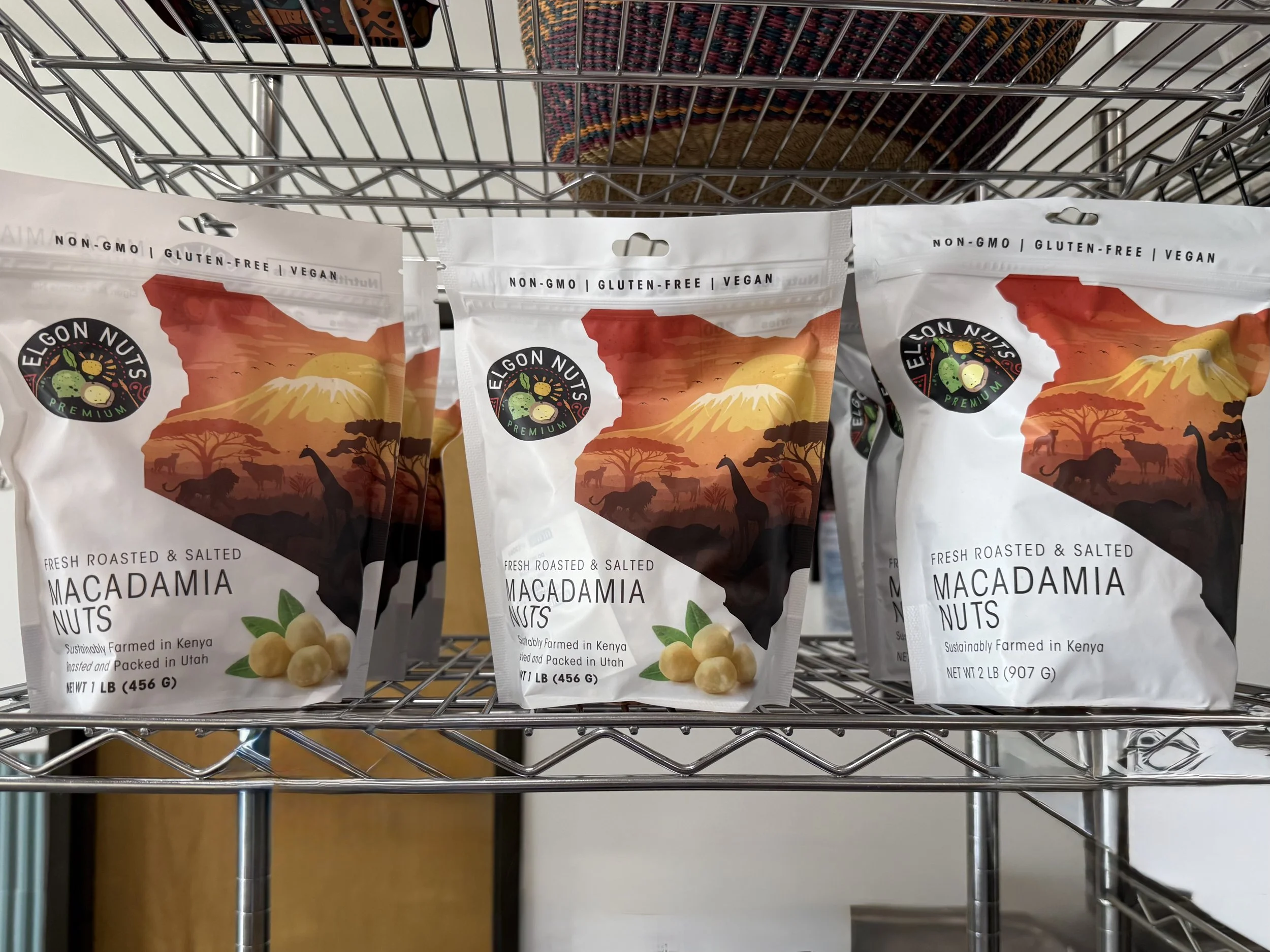
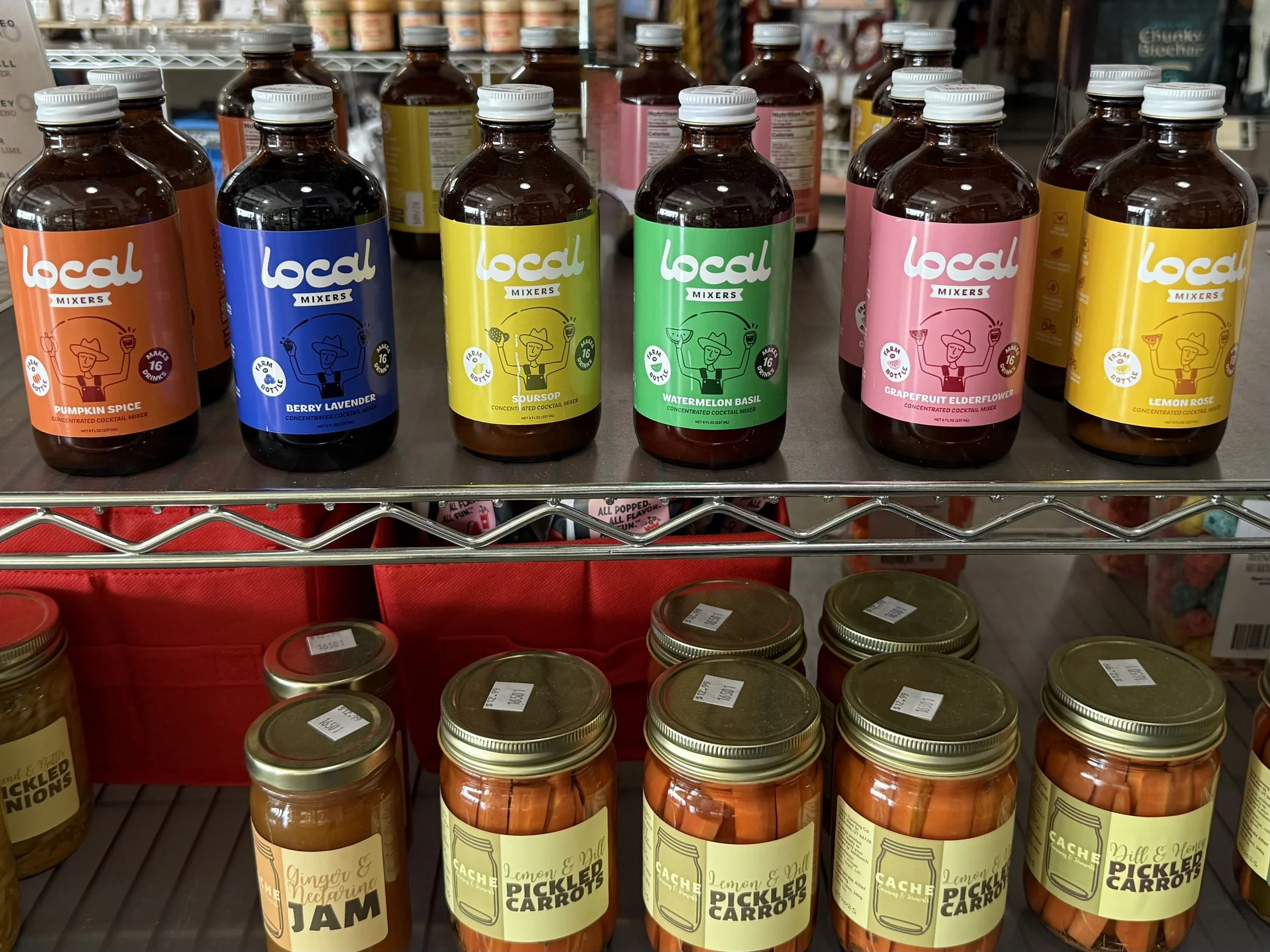
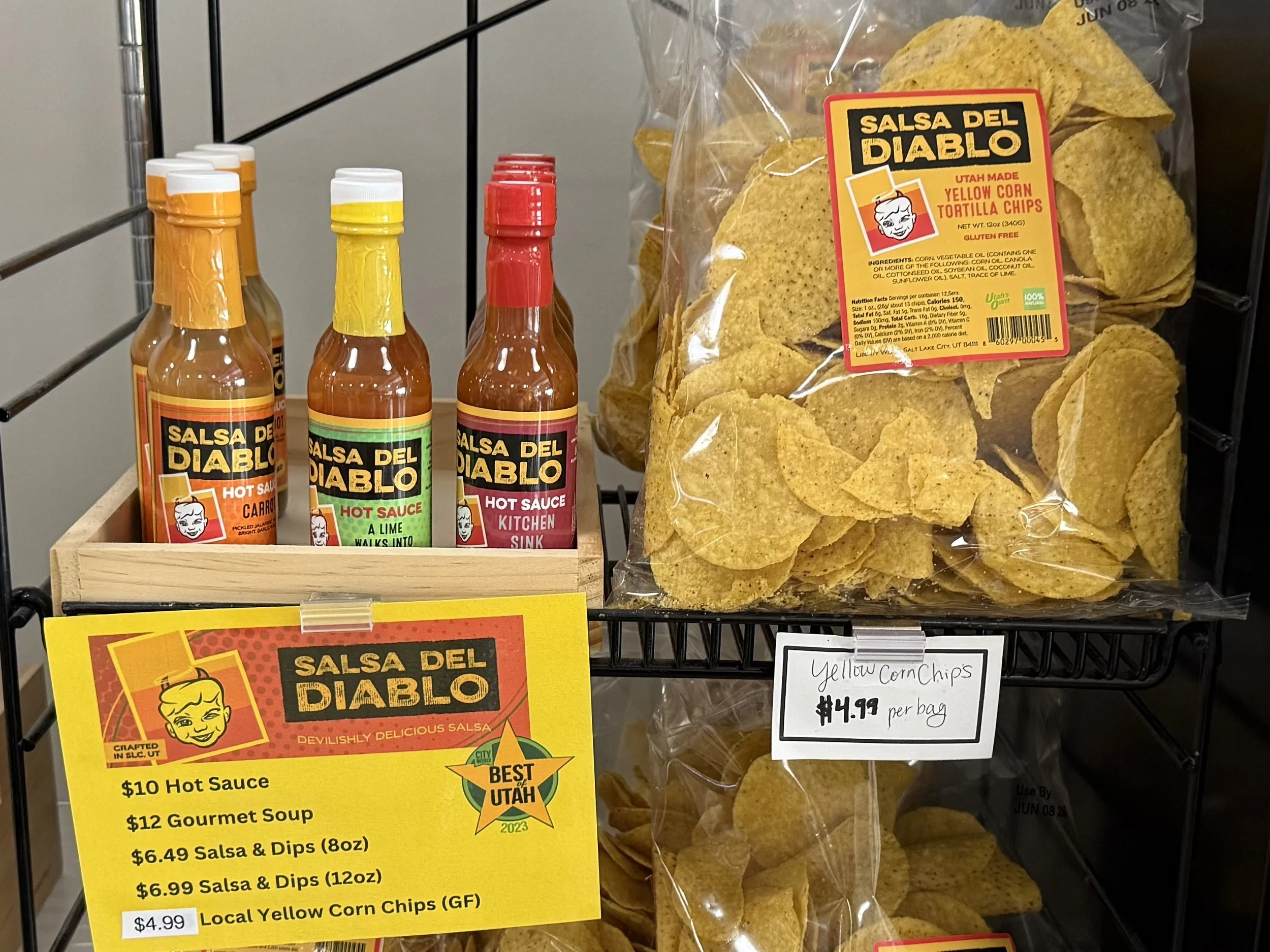
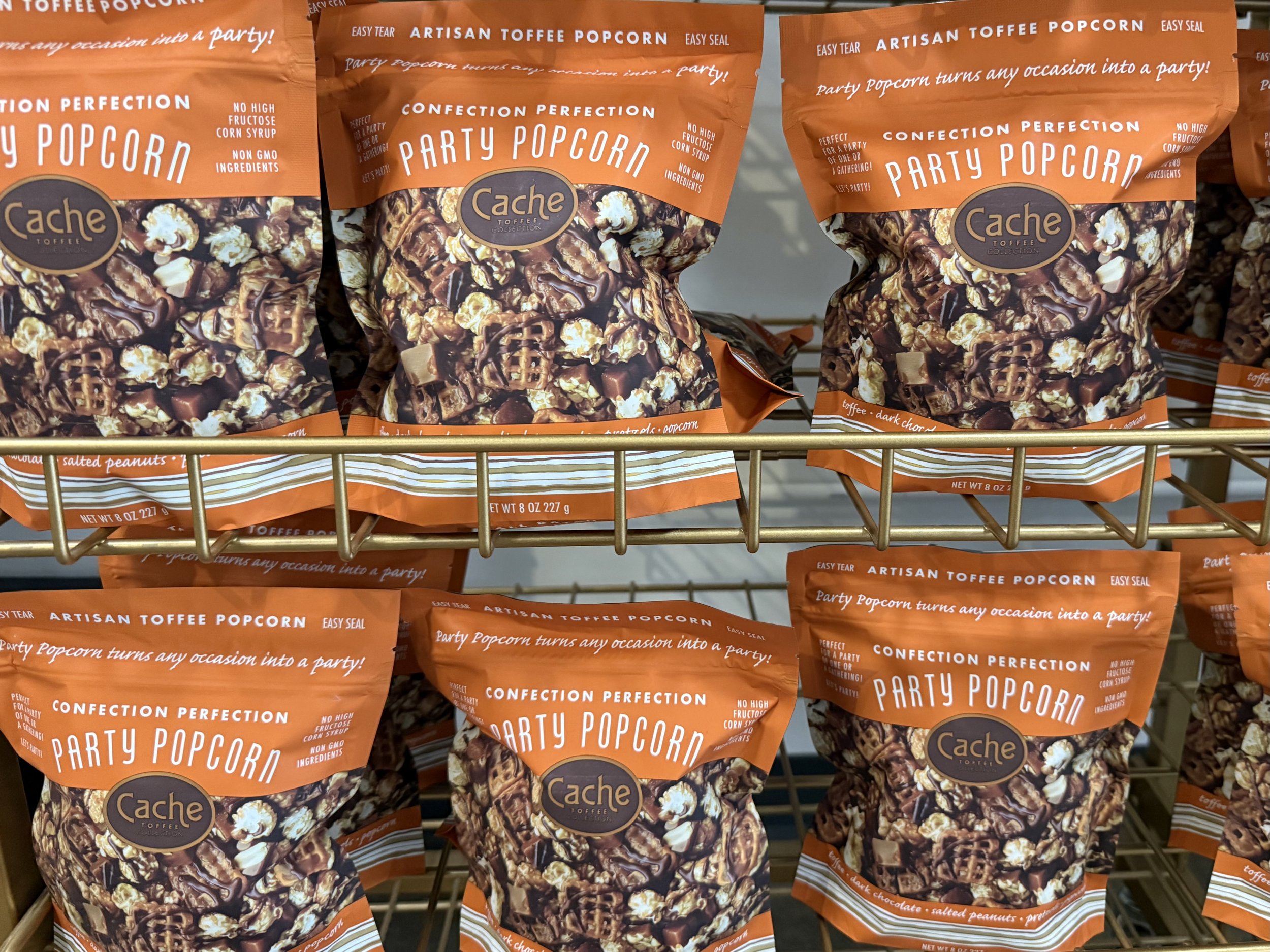
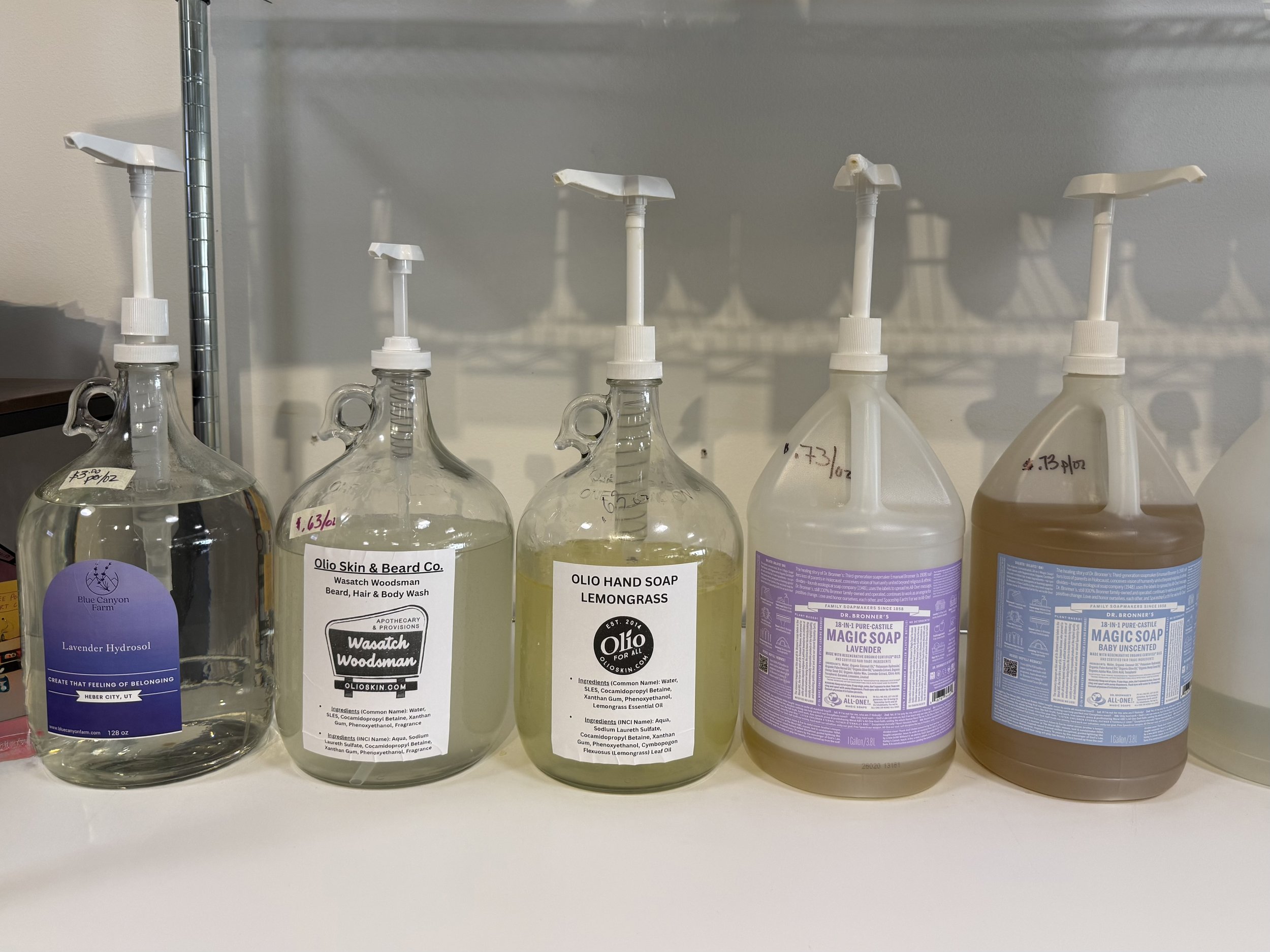
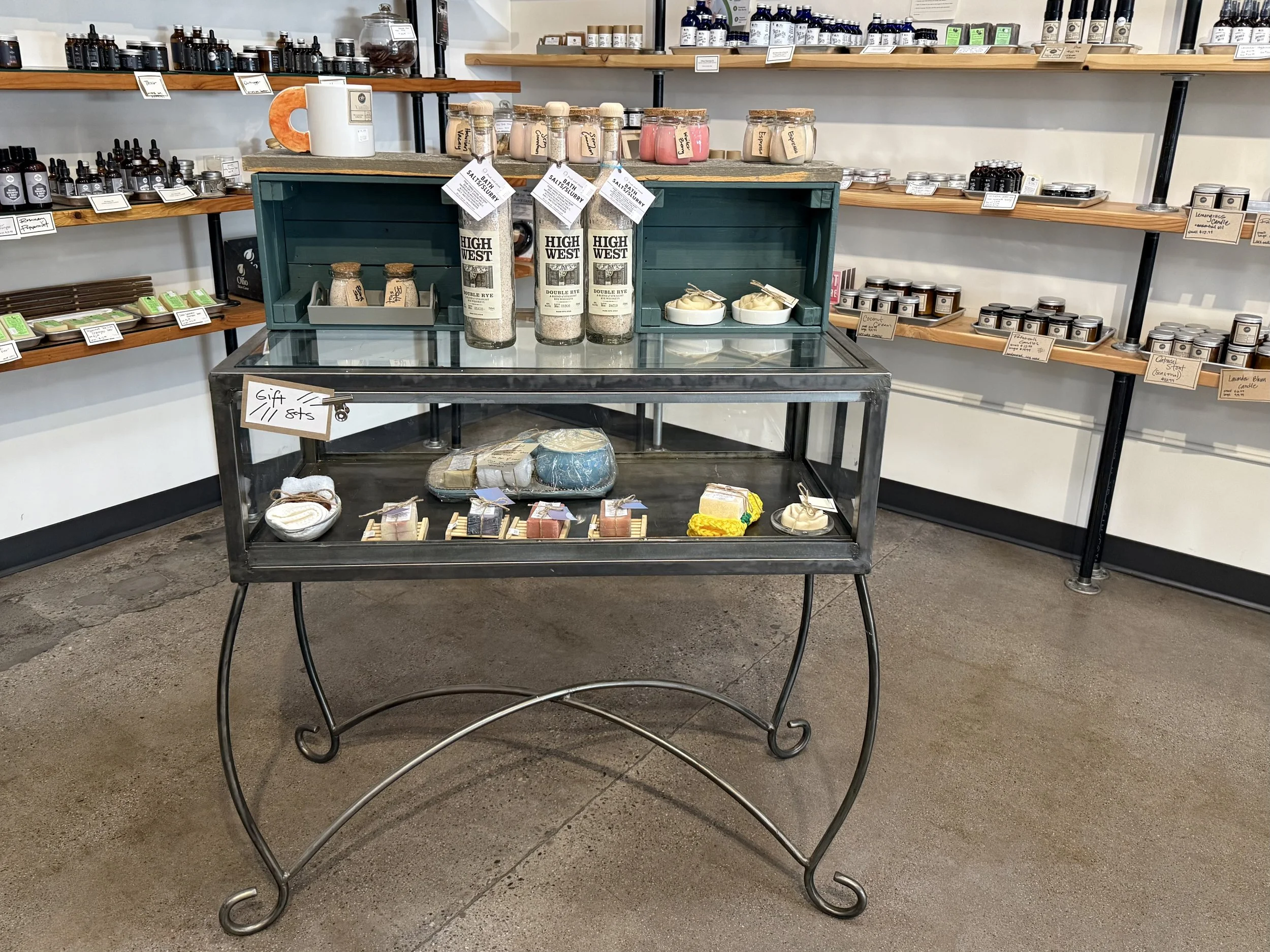
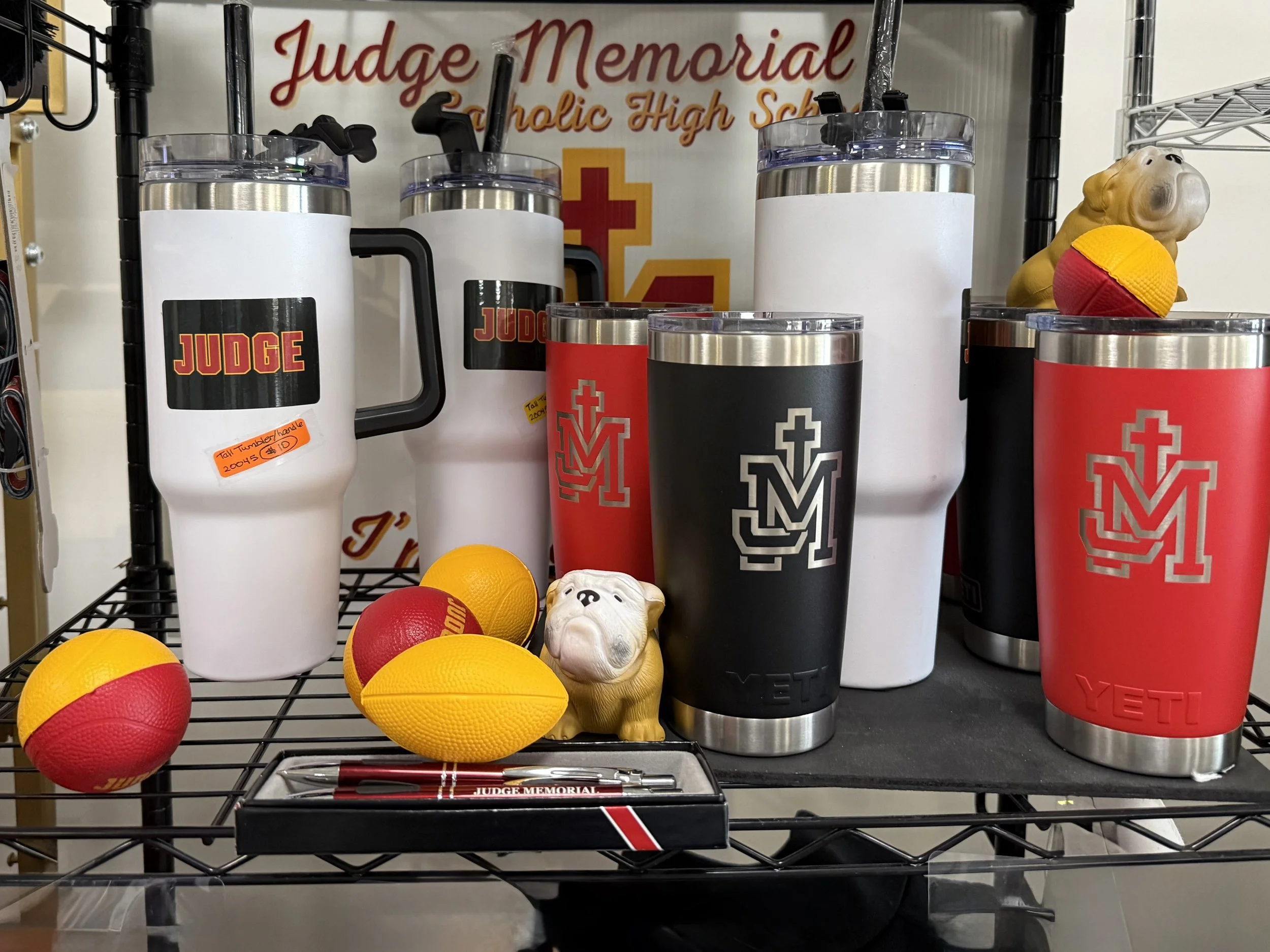
Inside, everything is built around that idea. In addition to carrying fresh coffee roasted by The Bean Whole, and Olio skincare and soaps, the market offers fresh bread from Mim’s Bakery, loose leaf teas, greeting cards, jewelry, housewares, clothing, vintage pieces, Sugar House school swag, local art, snacks, salsa, kombucha, honey butter, yogurt, cheese, burritos, vegan treats, Brazilian cheese bread, macadamia nut products, gourmet salts and sugars, dog treats, refillable cleaning products, and much more. Some companies are long-established. Others are just beginning. Some are farmers market friends from years ago. Others are refugee-owned businesses from places including Kenya, Venezuela, and Argentina. The partners are especially proud of giving those makers a visible, welcoming place to sell.
The model works because every business helps the others. Someone may come in for coffee and leave with tea, soap, salsa, a greeting card, or a gift. Someone may stop in for a few minutes and stay far longer than planned, pulled into conversation with a vendor, a neighbor, or someone they have not seen in years. Regulars drift in simply to sit, talk, and feel part of the rhythm of the place. Neighborhood Hive functions as much as a community gathering space as it does a market. The entire store is designed to make discovery feel natural.
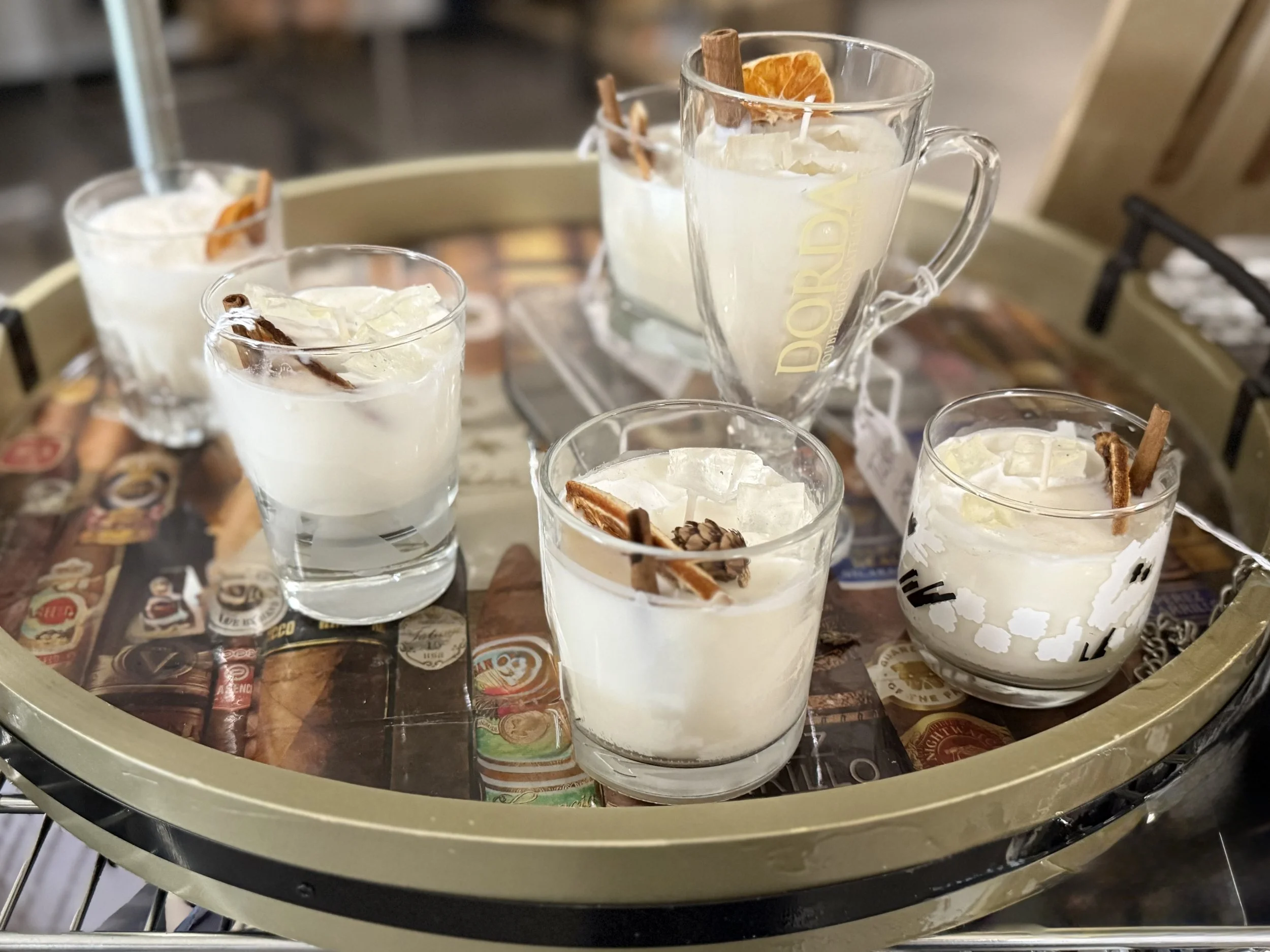
It is also designed to move. Much of the shelving and display furniture is on wheels, so the sales floor can transform into an event space. Neighborhood Hive hosts community council meetings, women’s business gatherings, political events, classes, workshops, birthday parties, live music, open mic nights, coffee roasting classes, soap making, candle pouring, pottery activities, fly tying nights, and more. In the back, a smaller room called the Zenden can be rented for meetings, classes, quiet work, or smaller gatherings. The larger sales floor can be opened up for bigger events.
There is also Sugar House Community Radio, run by Derek from inside Neighborhood Hive. The internet radio station belongs to the community, and through it Derek interviews locals, shares neighborhood news, and gives voice to the people and businesses around him. It fits perfectly with the rest of the concept. Neighborhood Hive is not only selling products. It is creating connection. Everything inside the space seems to feed the same idea - conversation, collaboration, and making people feel like they belong there, whether they are selling products, attending an event, grabbing coffee, or simply stopping in to talk for a while.
The four partners divide the work carefully. One of them is always on site. They keep a biweekly schedule, stay connected through a group text that runs constantly, and come together midweek when possible.
For Jen, one of the most meaningful parts is what happens between the business owners themselves. “When you are a small business owner, you can feel like you are drowning. But then you can come into this place to restock your product, and you are going to meet three other business owners that are struggling, and you realize, ‘Oh, my gosh, thank goodness. It is not just me.’”
That support system has quietly become one of the most important parts of Neighborhood Hive, not just for the vendors, but for the people who walk through the doors every day looking for connection, familiarity, and community. That is why the name feels so right. Neighborhood Hive is busy, productive, interconnected, and rooted in the Beehive State. It is also deeply human. Jen summed it up best when asked what she most wanted people to understand. “When you buy local, that money circulates in the community. But when you buy from a corporation, that money does not benefit your community.” For her, for Derek, for Tiff, and for Jed, the idea comes down to people over profit.
At Neighborhood Hive, that sense of belonging seems to matter just as much as the products on the shelves. People come for the coffee, the gifts, the markets, the events, and the local goods, but many stay because it feels good to be there. For Tiff, Jed, Jen, and Derek, that may be the most meaningful thing they have created of all.
“Absolutely,” Jen said when asked if she loves what they have built. “You can get bogged down in life, but if you wake up and you do not hate going to work, that is success in some form. We are engaged in the community. We make a difference in our local economy. We know almost everybody’s name that comes through this door. It is a place that you can check in daily and feel welcomed.”