Central Book Exchange
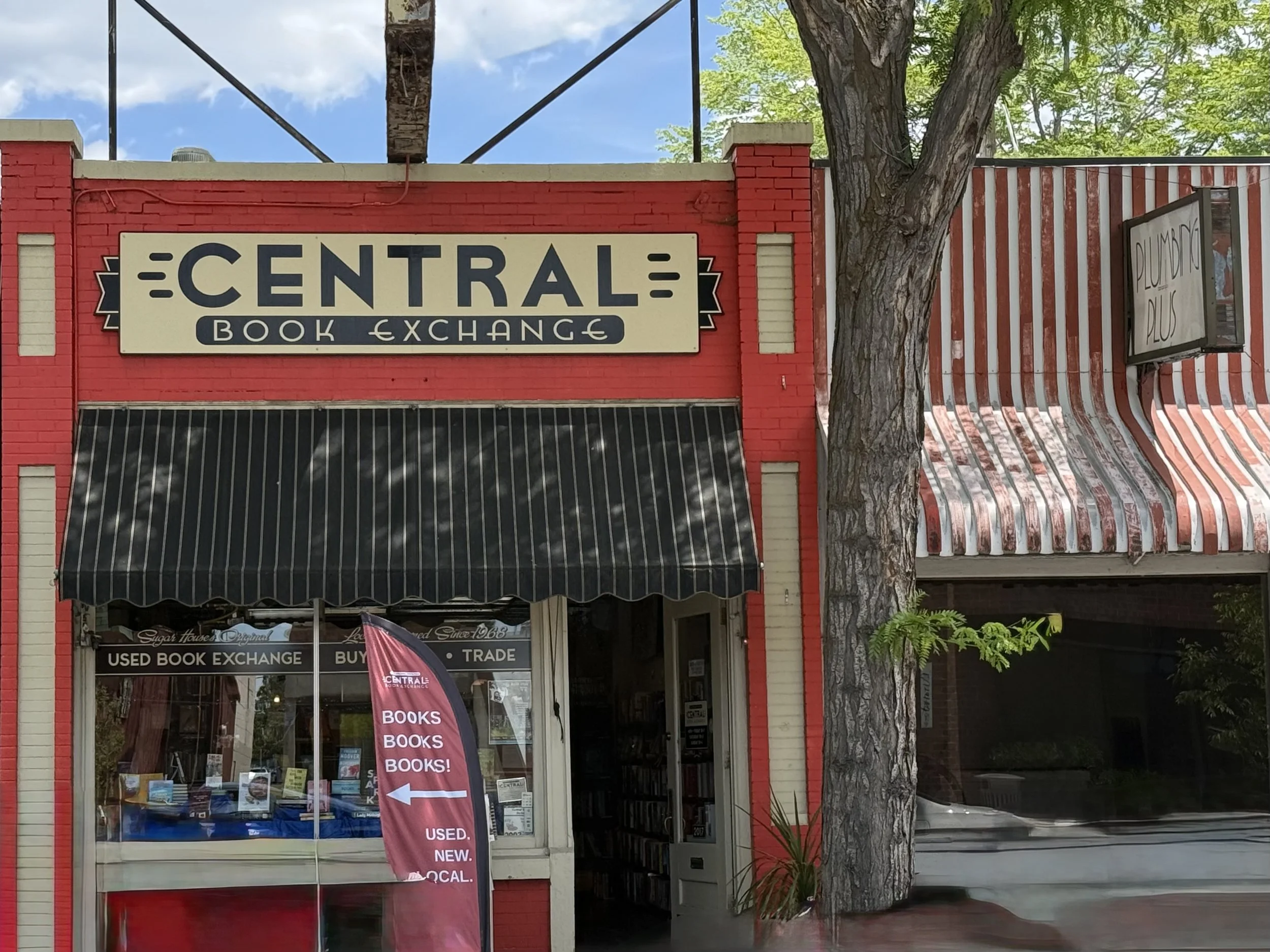
Address: 2017 South 1100 East
Telephone: 801-485-3913
Website: central-bookexchange.com
District: Sugar House
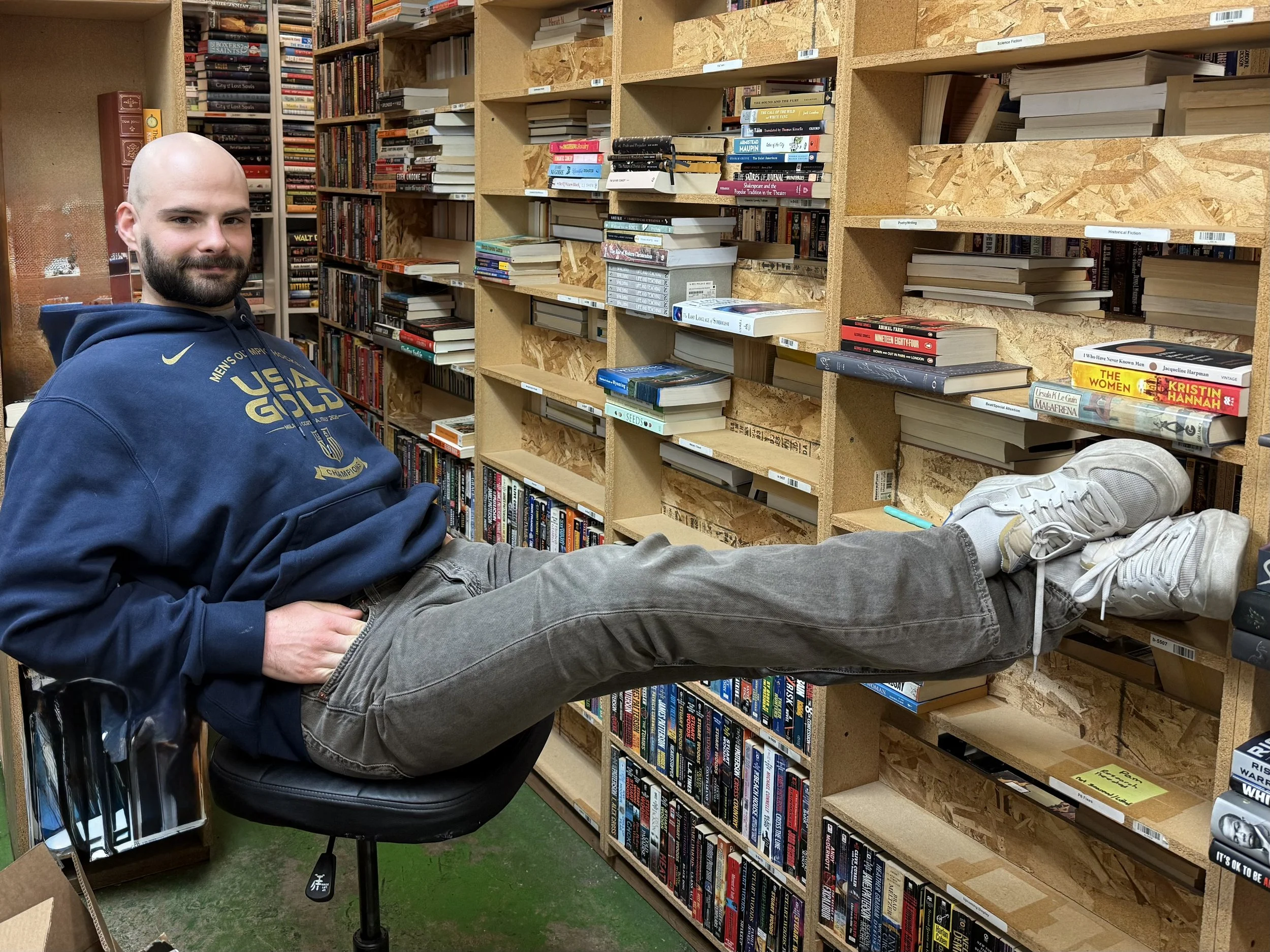
“I think the coolest thing that will happen to me in my entire life is being able to own a business with my mom - successfully.” For Calvin Asch, Central Book Exchange is not simply the place where he works, nor is it even just the bookstore he now co-owns. It is the place that met him at a turning point, the place that helped him rebuild, and the place where his love of books returned in a way he never expected.
Calvin’s story began far from Sugar House. He was born in Colorado Springs, but his family moved when he was only six months old. His father's work carried the family from place to place. Calvin spent ten years in Elko, Nevada, three years in Vancouver, Canada, and then, around 2010, arrived in Salt Lake City. “It kind of took us everywhere, which was honestly really cool,” he said. “I did not like it when I was growing up because you are meeting new friends all the time and then losing them, but looking back now, I know what small-town America is. I know what Vancouver, Canada is like, and I know what Salt Lake City is like.”
Calvin graduated from Brighton High School in Cottonwood Heights, then left Utah for West Virginia University where he completed his undergraduate degree in 2018. After a couple of years back in Utah, Covid arrived, and Calvin, feeling restless, decided to go to law school in Charleston, South Carolina. He made it halfway through. “I hate saying quit because I knew right away that I hated it,” he admitted, “but I knew that everyone says that the first year is the hardest part, so I am going to get through it.” Eventually, he did leave, spending time in South Carolina, followed by a move to New York, and then, in 2023, he returned, once again, to Utah.
At first, Calvin thought the move would be temporary. “I moved back intending for it to be short term initially because I needed to get sober. I was a drinker.” But as he settled into sobriety, his life began to shift. His mother, Joanne, had already been working at Central Book Exchange for about eight years. She had become essential to the store, creating and building its inventory program in-house. Calvin needed a part-time job while he figured out what sober living would look like, and his mother suggested he come to work at the bookstore. The connection was already there in small ways. Calvin had helped with projects at the store over the years.
Temporary work soon became something more permanent. Calvin kept applying for other jobs. Each time he received an offer, he would tell Pam Pedersen, the previous owner, that he was leaving. Each time, she found a reason for him to stay. “She would be like, well, what if I match your hours?” Calvin remembered. Then it became, “What if I match the pay?” Finally, when he had two strong job opportunities in front of him and told Pam he truly had to move on, she surprised him. “Pam said, ‘Well, what if you bought the store and took over for me?’ And I thought, say yes.”
Until that moment, Calvin had not realized ownership was even possible. But once Pam said it, the idea made sense. He knew the customers, he knew the staff, and he had managed restaurants in South Carolina, which gave him experience seeing what needed to be fixed, adjusted, or improved. Pam had seen that in him.
When Calvin told his mother, she was stunned. Then he pointed out the obvious. If he bought the store alone, she would become his employee. “I could tell that that was not going to fly,” he laughed. Instead, Calvin and Joanne became co-owners. “Not necessarily a mom-and-pop shop as much as a mom and son shop.”
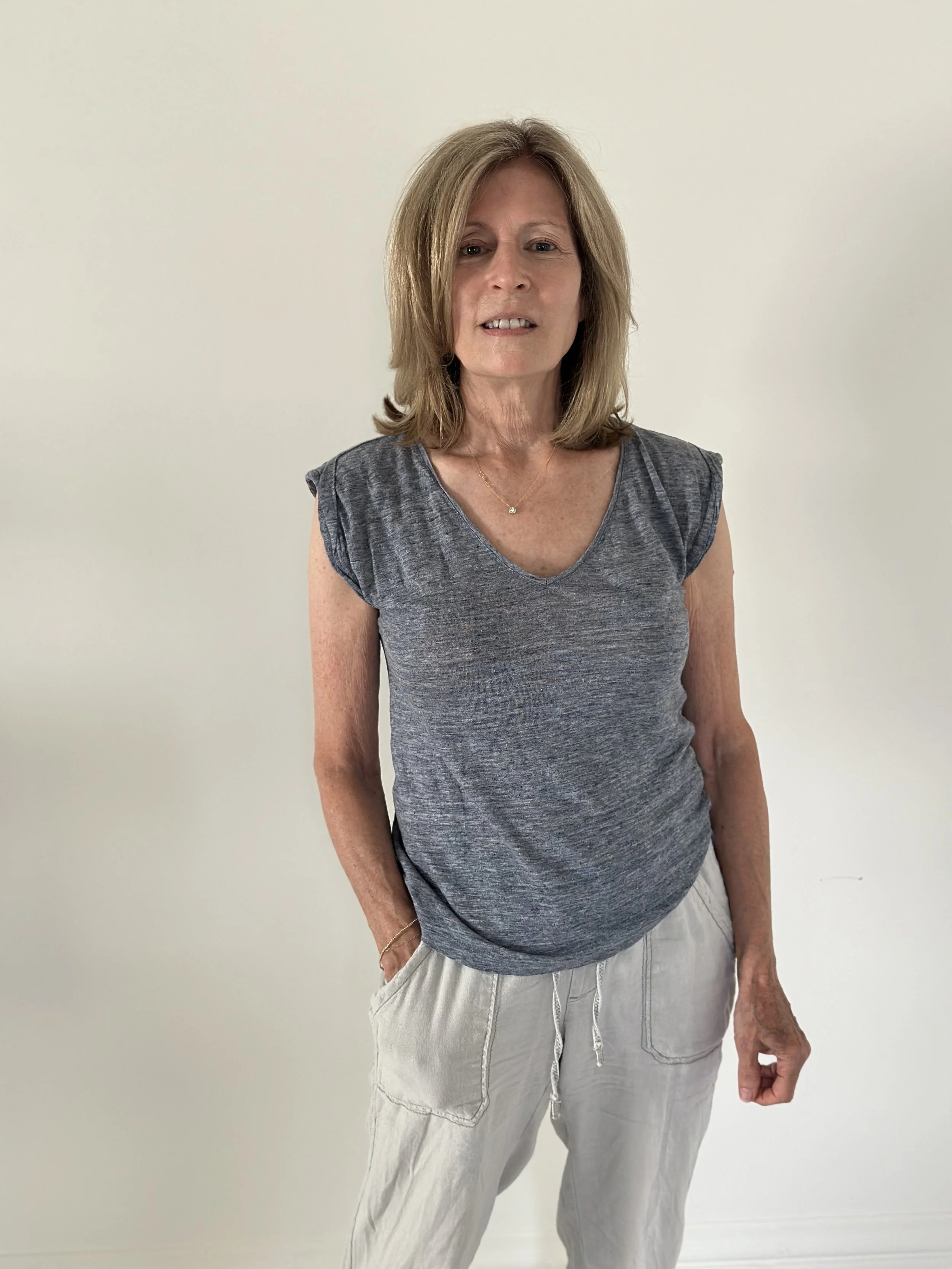
Their partnership has become one of the defining parts of the bookstore’s current chapter. Calvin refers to her as Joanne when speaking about the business, a small mental separation between mother and partner, but the affection is unmistakable. “My mom is my partner,” he said. “It is awesome. It is really cool.”
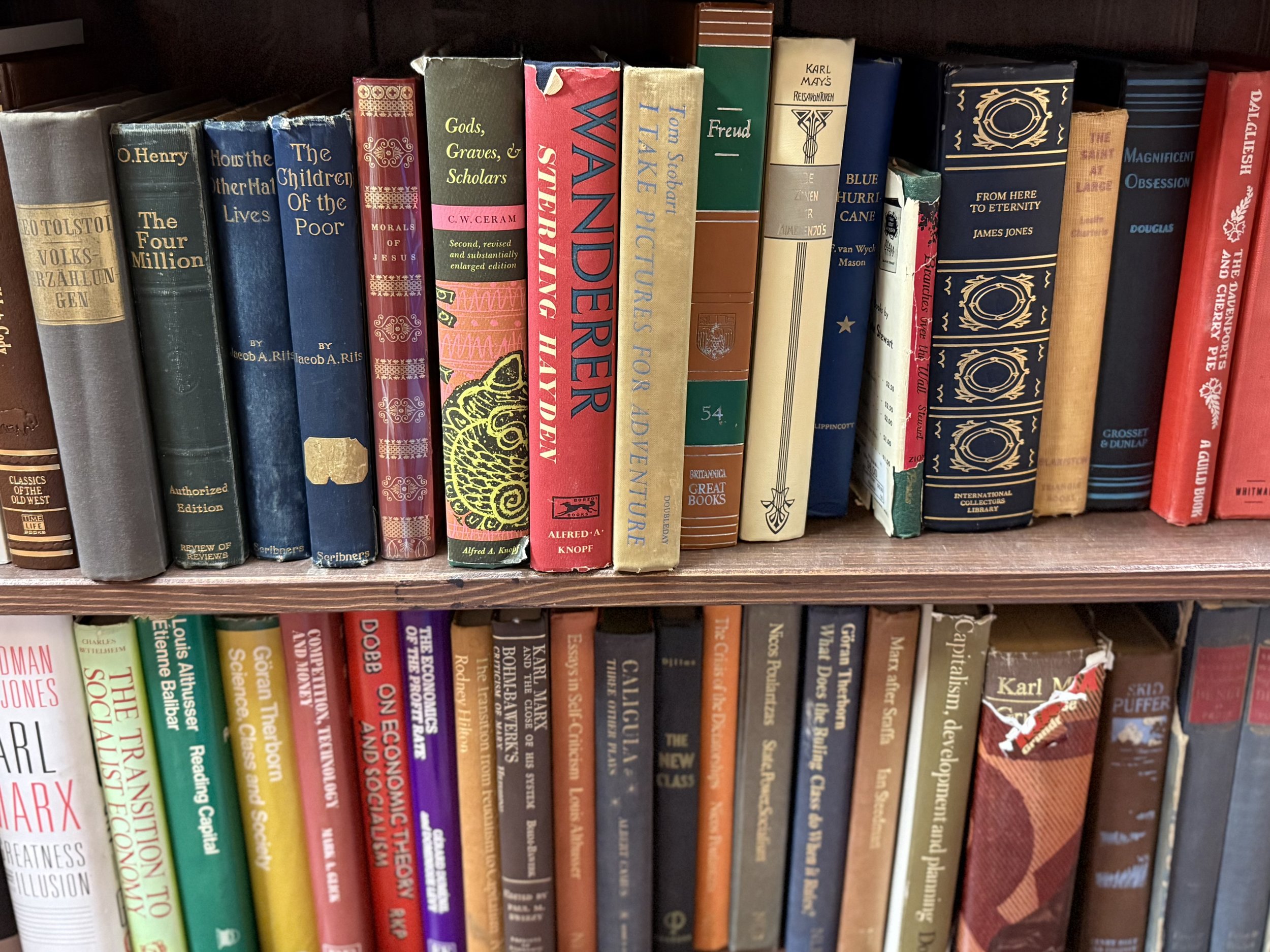
Central Book Exchange itself has a long story. The store opened in 1968 under its original owner, Don Bowles. In those early years, Calvin described it as almost “Blockbuster for mass market romances.” Customers ordered books, read them, returned them, and the books continued circulating. Don ran the business for decades before Pam read an article about him and sensed he might be ready to sell. She reached out and eventually took over in the mid-2000s.
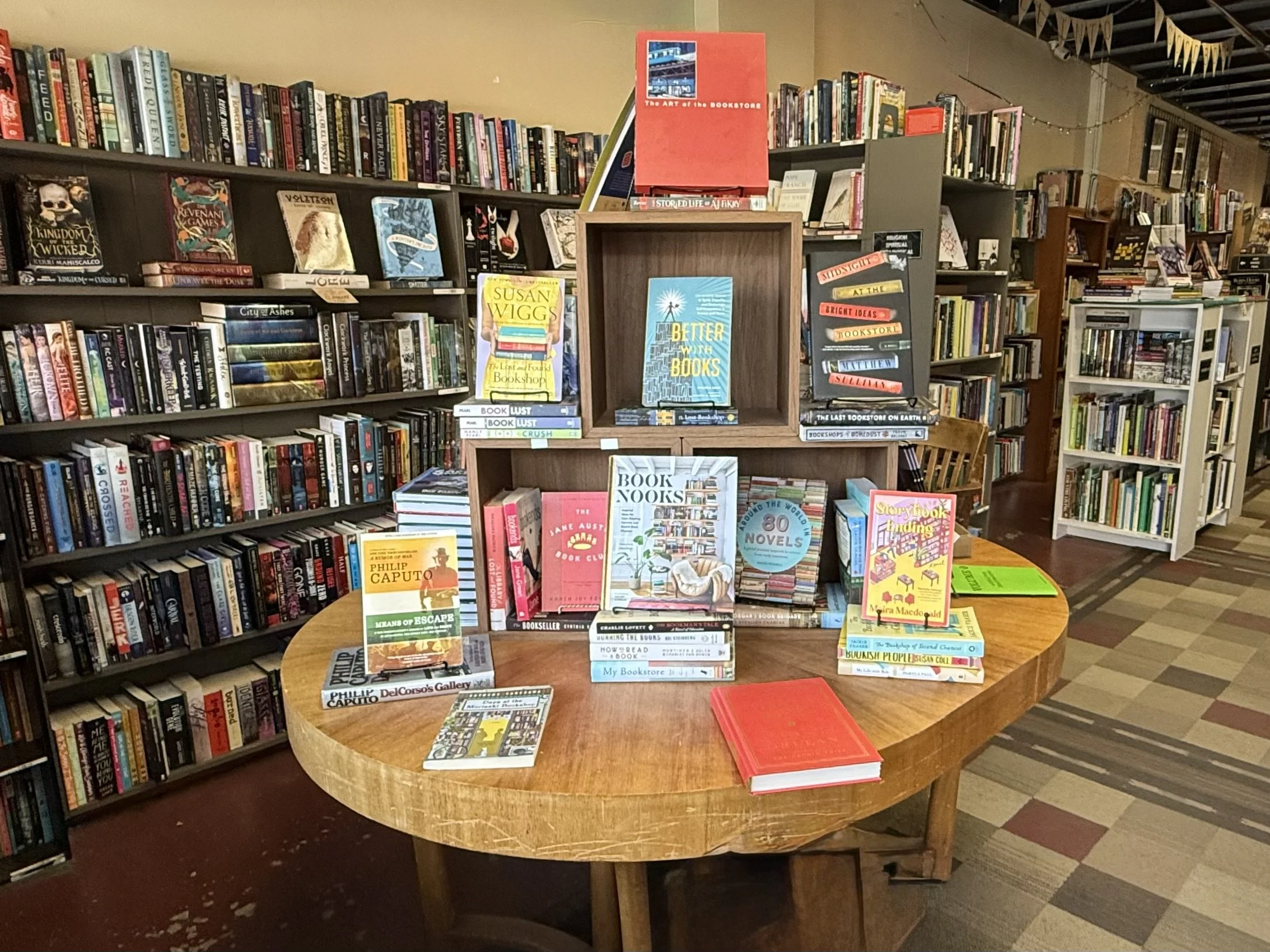
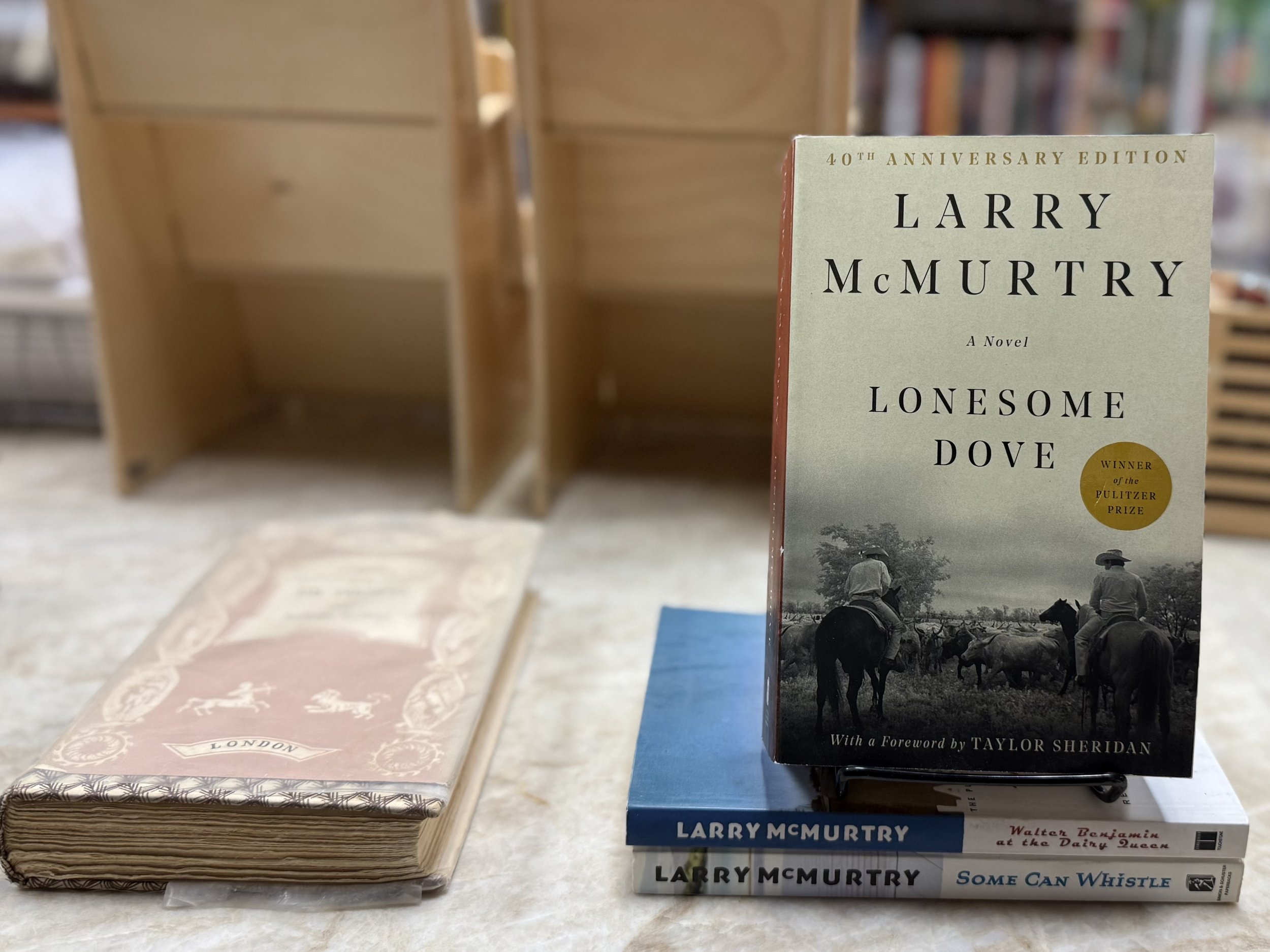
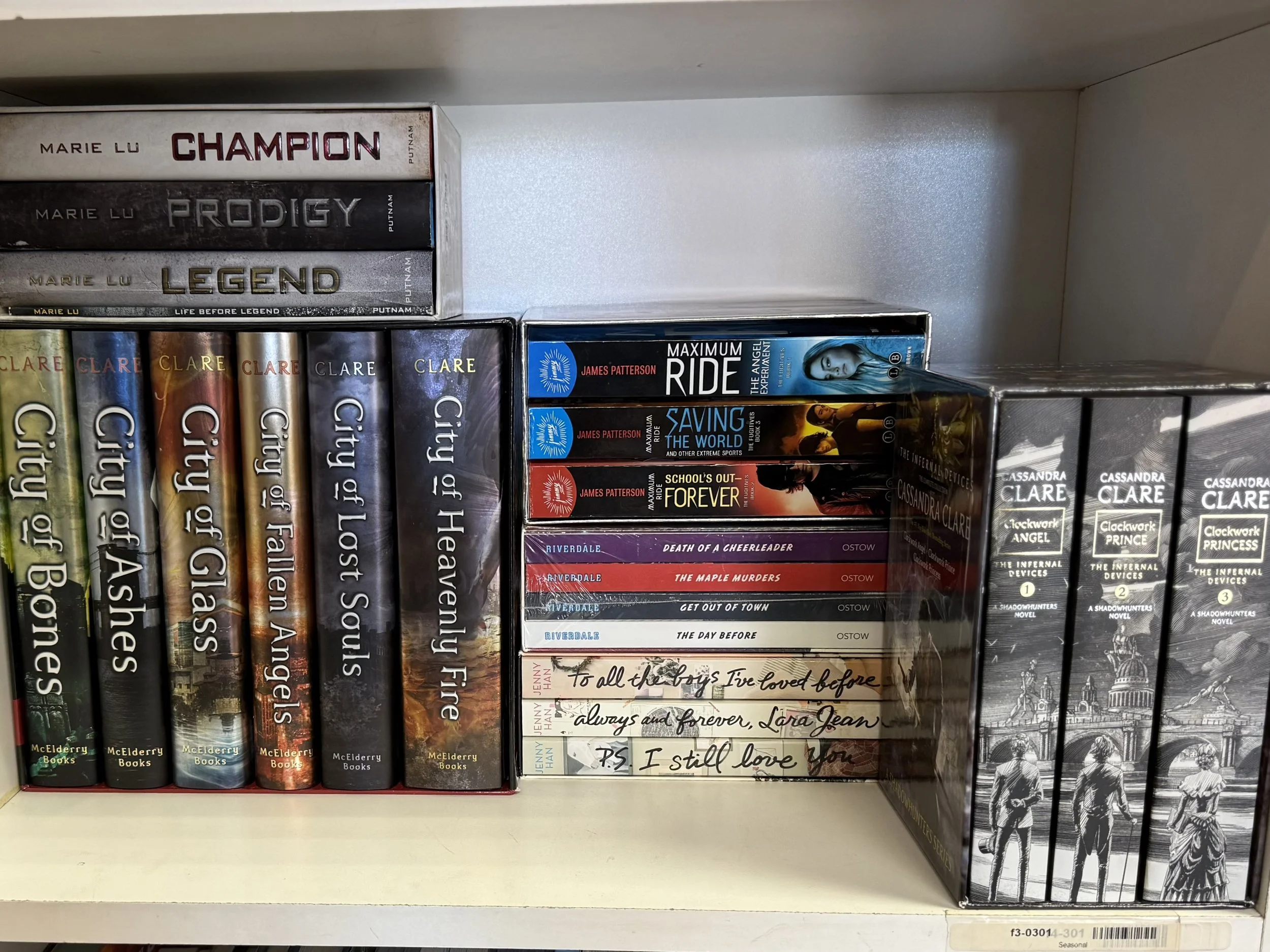
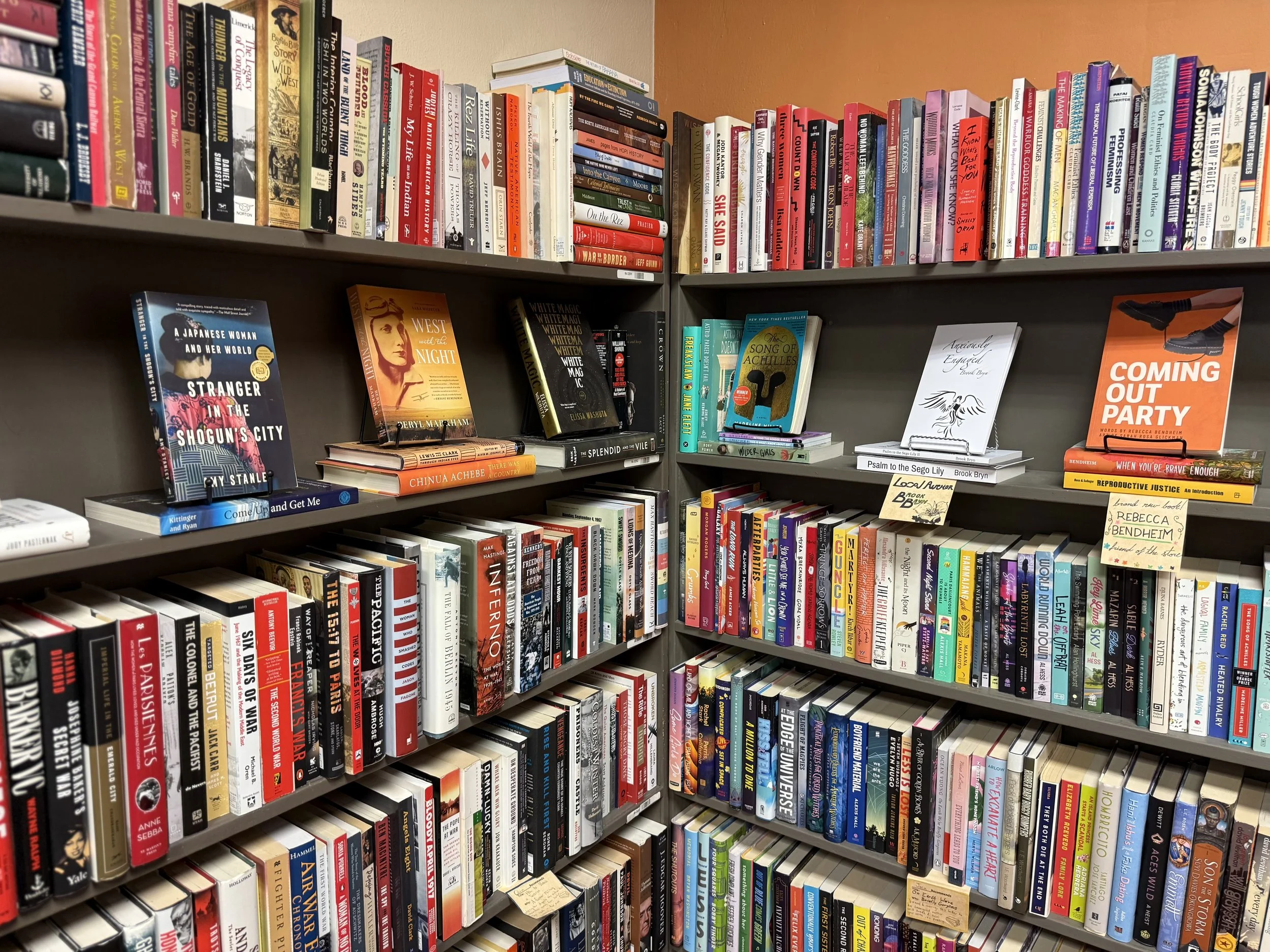
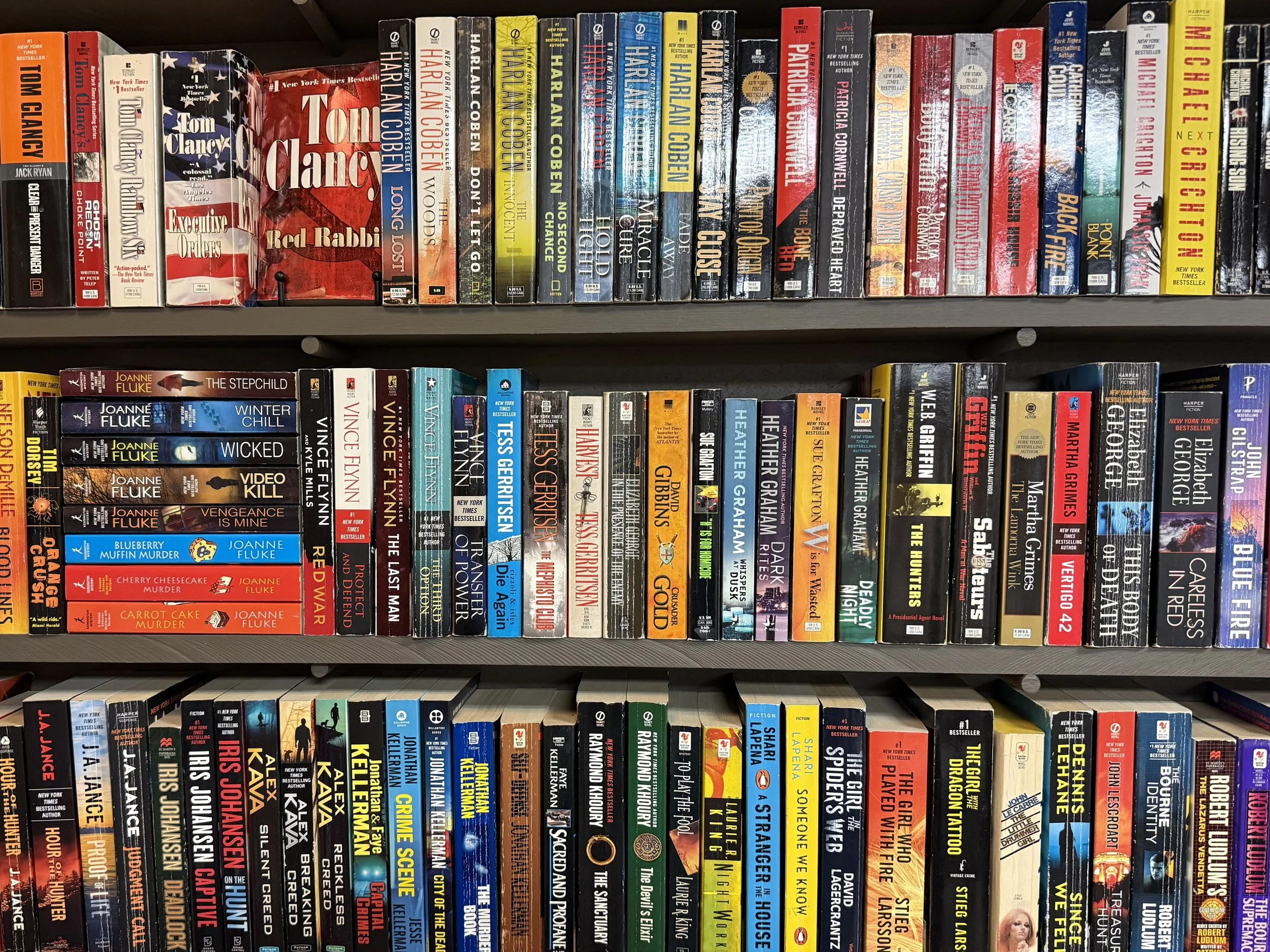
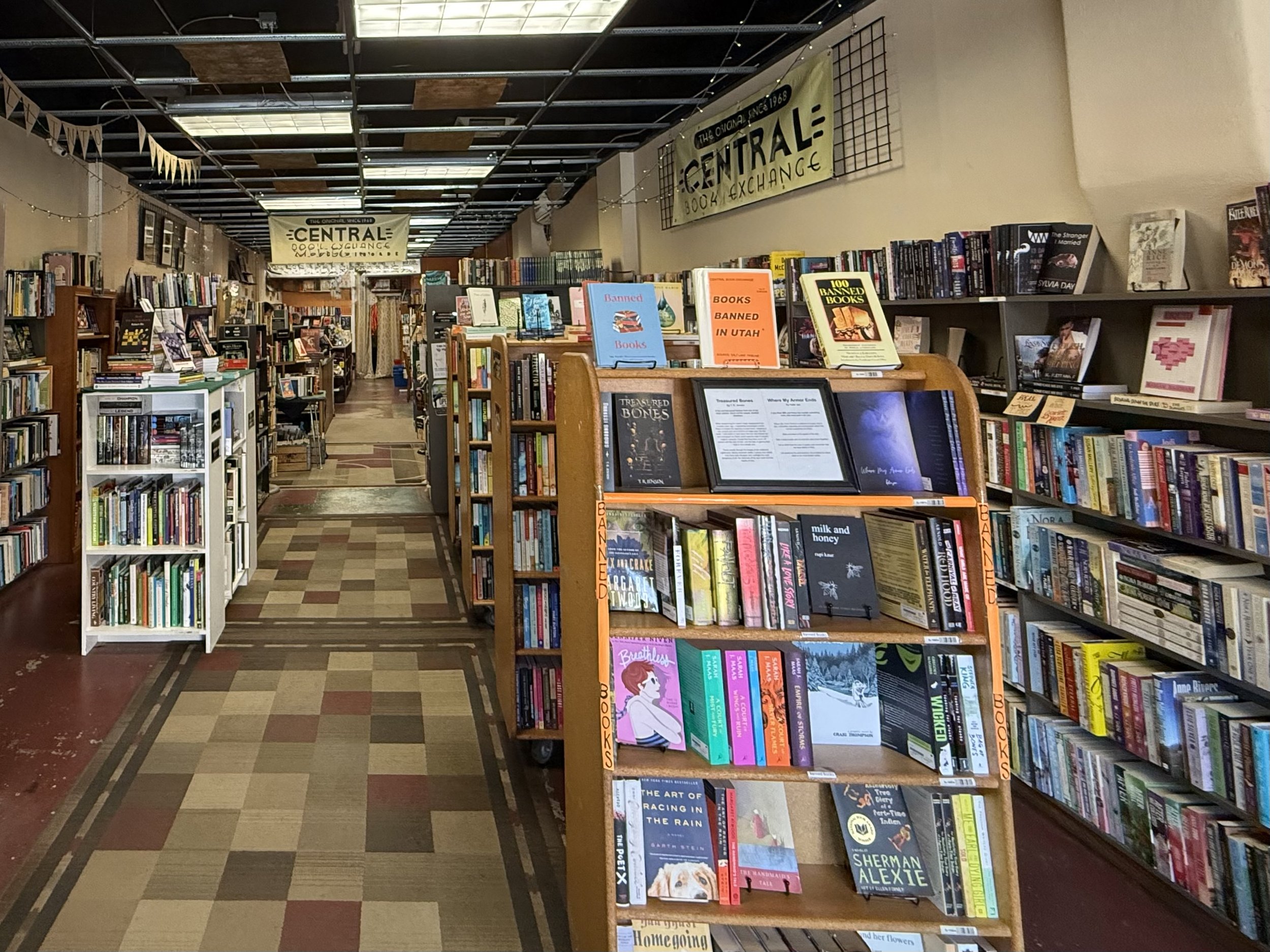
Pam helped turn Central Book Exchange into something much closer to what customers know today. The store became more organized, more browsable, and more welcoming for people who wanted to wander in and discover mysteries, classics, science fiction, romance, or whatever else might be waiting on the shelves. She also continued the exchange system that remains central to the store. Customers bring in books and receive points, which can then be used for discounts on future purchases.
In the early days, those points lived on physical cards filed away in cabinets. “When you would walk up and say, ‘Hi, I am Calvin, and I would like to buy this book. I have a card,’ Pam would pull out the drawer and sift through until she found your card,” Calvin said. Today, the system is computerized, though customers still ask about the old cards, which do exist.
Calvin has kept the exchange model because, to him, it reflects the spirit of the shop. Central Book Exchange no longer buys books for cash. Instead, books come in, points go out, and the cycle continues. “The beautiful thing about just doing the points is that it keeps it so that it is a community of readers for readers.”
For those moving or clearing out shelves who do not need points, the store can donate them to teachers, students, librarians, and others who can use them. Calvin also tries to make donating easy. “We take anything and everything,” he said. Books in poor condition, or books that cannot find a new reader, may be recycled, but the goal is to give as many as possible another life.
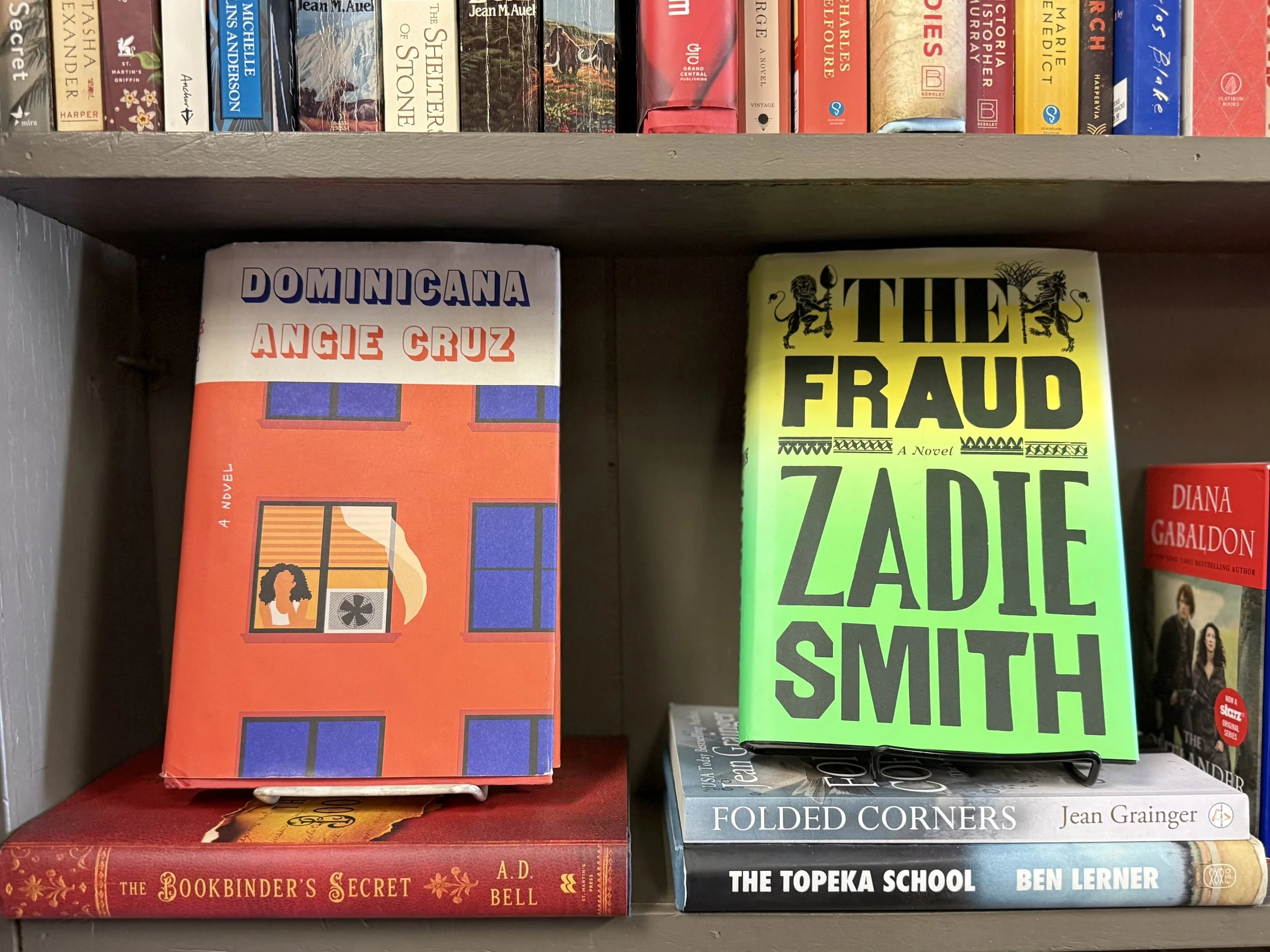
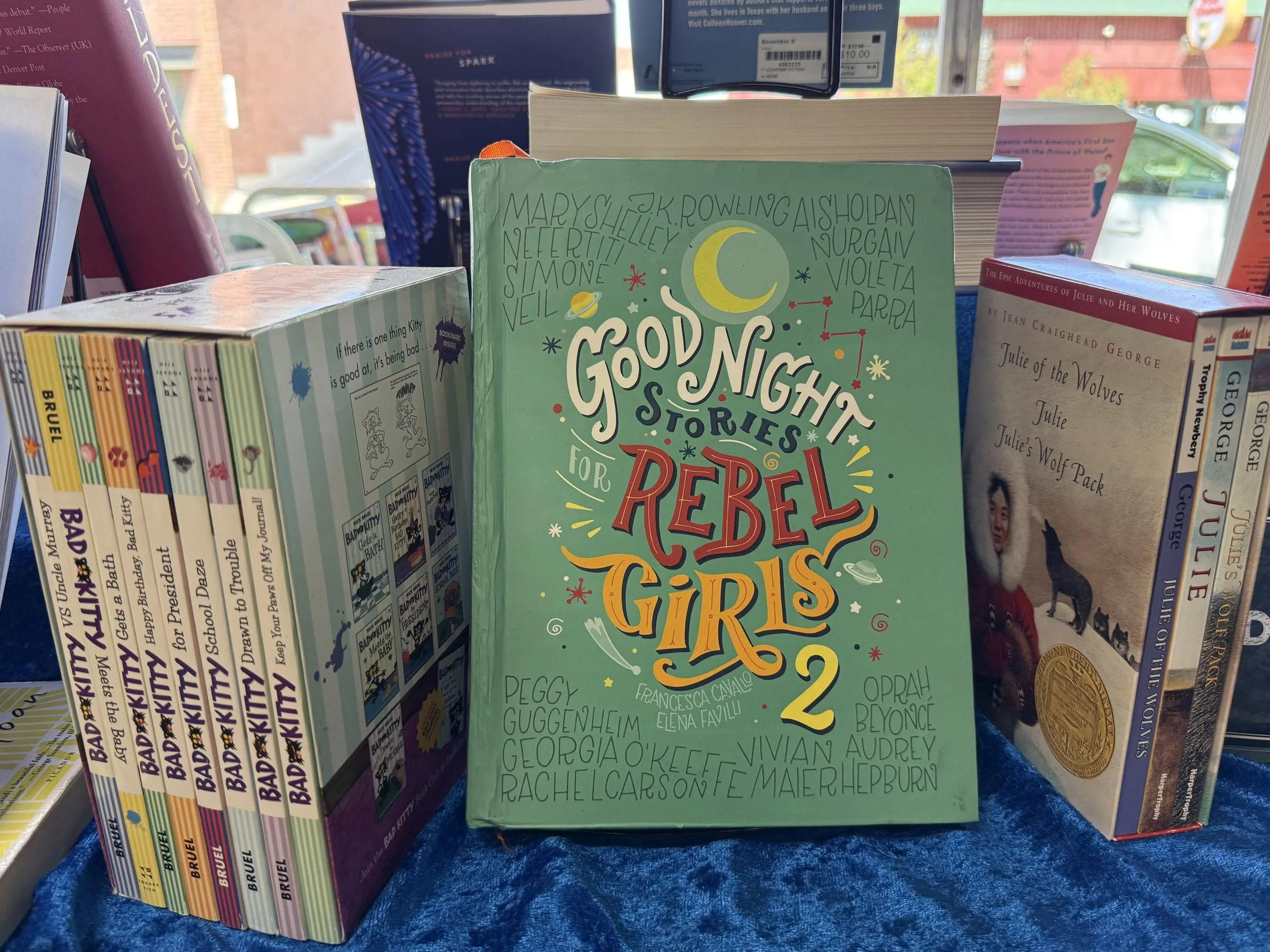
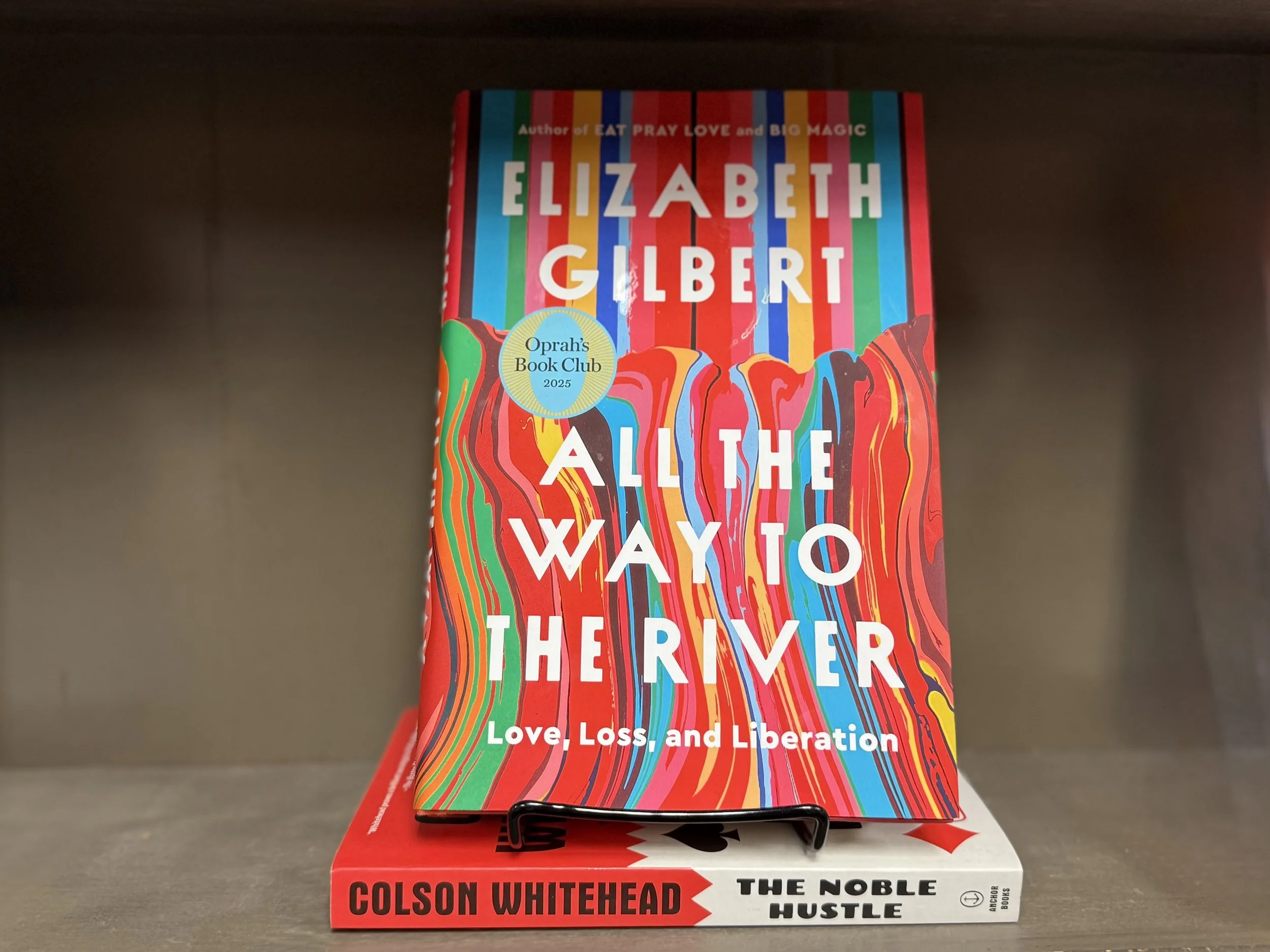
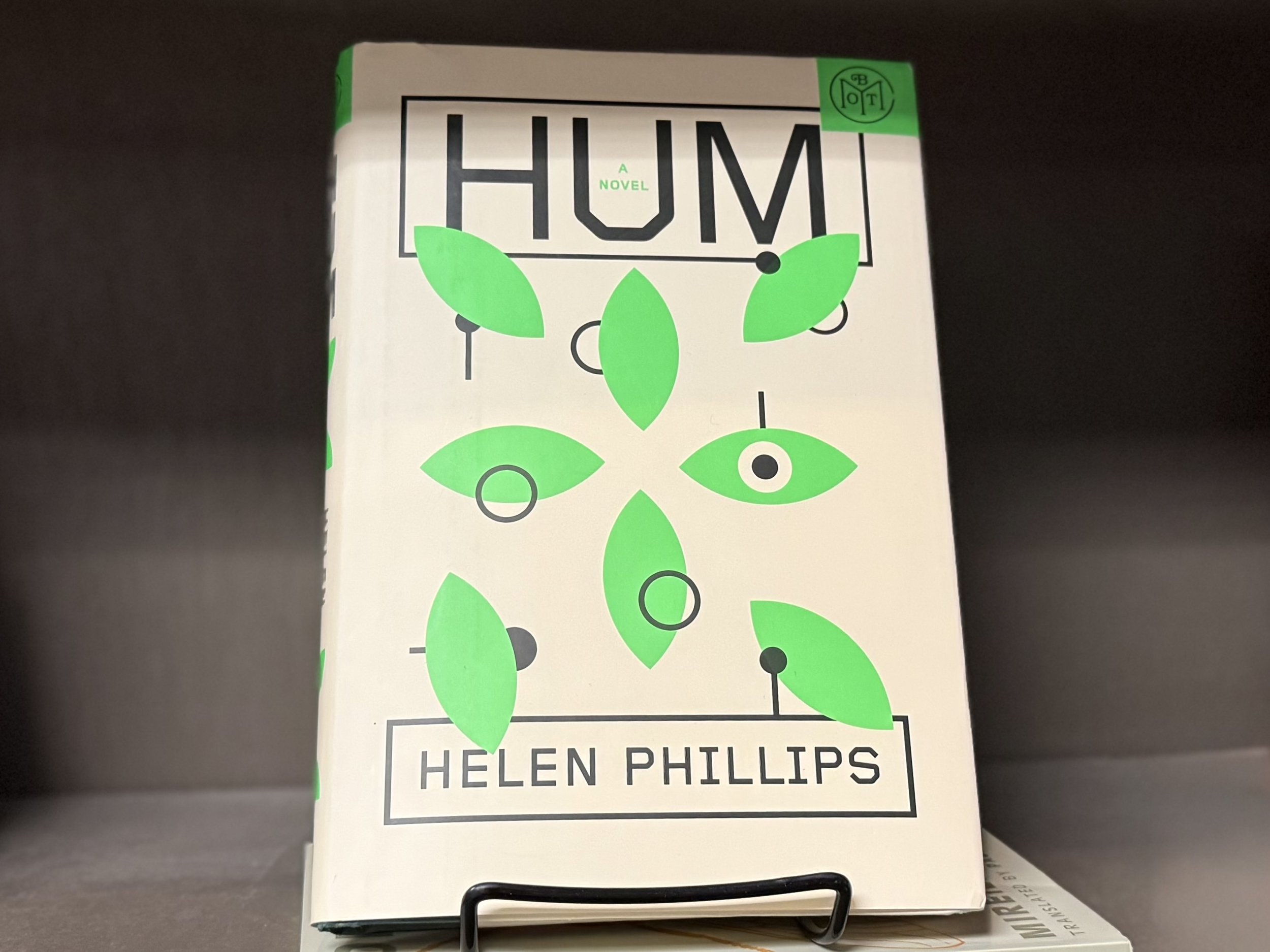
Since taking over, Calvin and Joanne have also expanded the number of new books the store carries. Central Book Exchange remains overwhelmingly a used bookstore, but Calvin wanted to make sure customers could support a local shop even when looking for a popular new title. “Especially in our community where I think people are really conscious of supporting local,” he said, “I think that they would rather buy from us rather than a big shop or on Amazon. I would like to give them that opportunity.”
Calvin is equally thoughtful about pricing. "Most hardcovers that originally sold for thirty dollars might be priced at twelve, then discounted further with points." Paperbacks are kept low as well. Rare books are priced more carefully, but Calvin still tries to make sure the store remains accessible. “I have really tried to make an effort to keep our prices as low as possible."
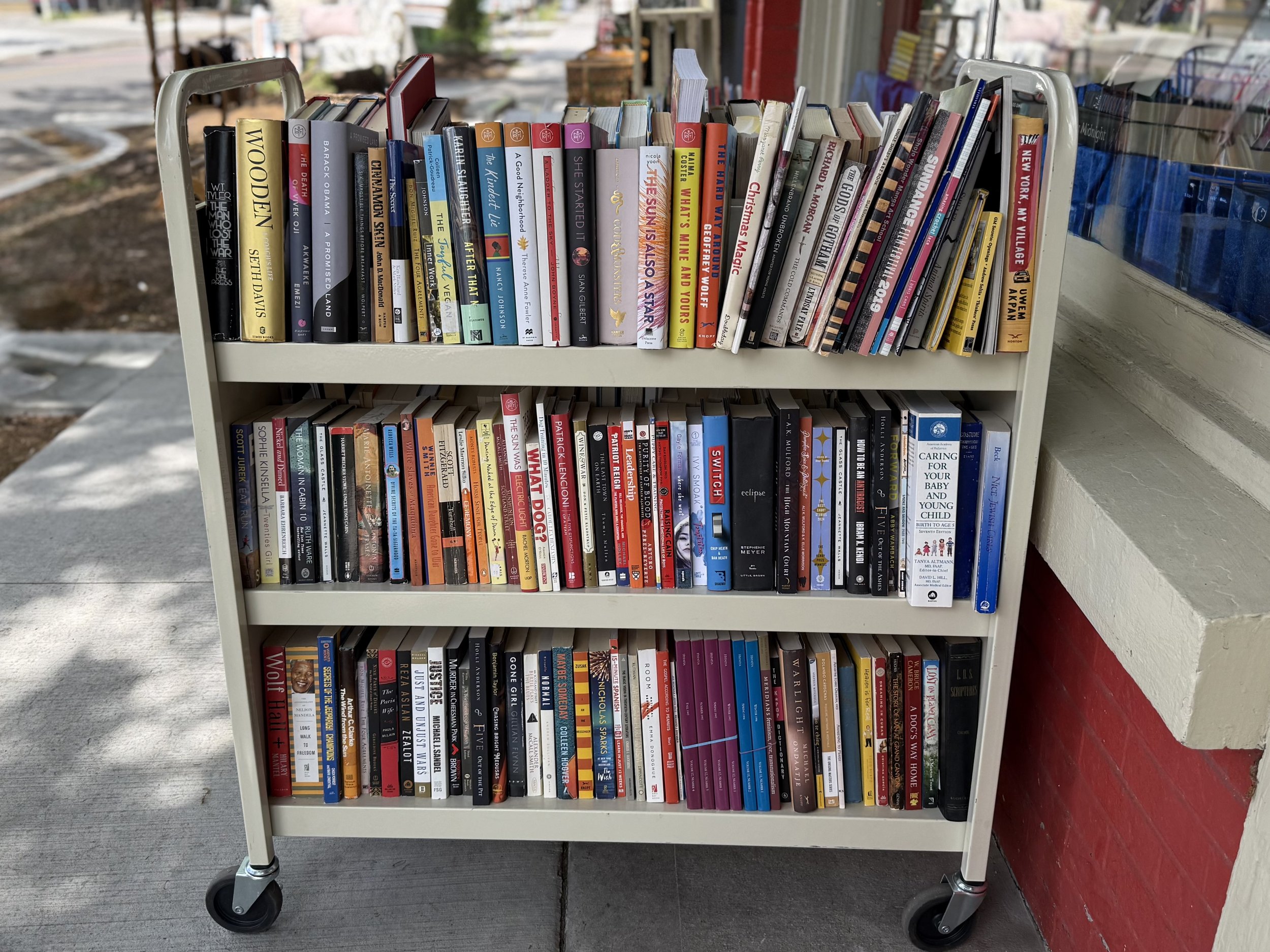
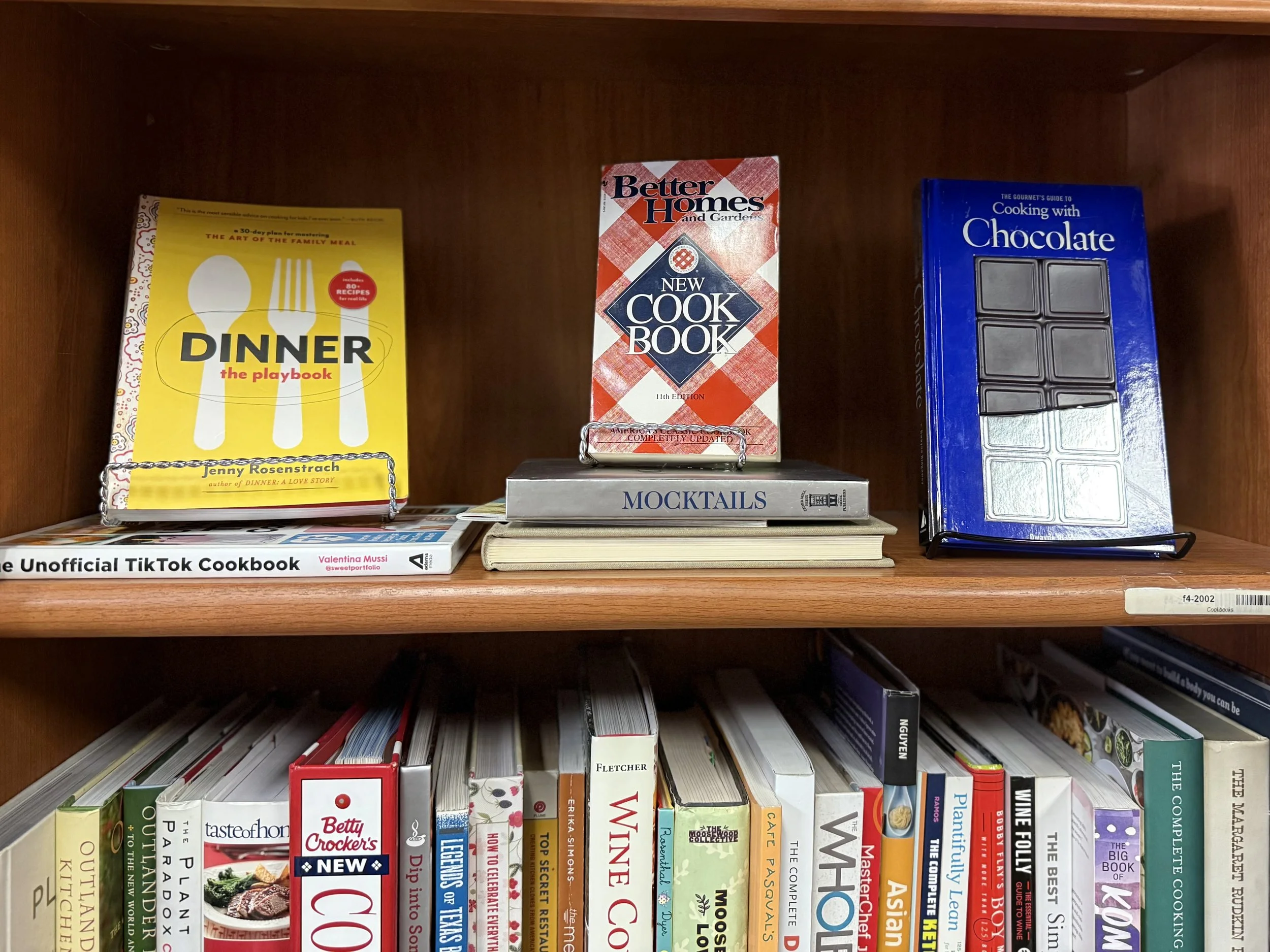
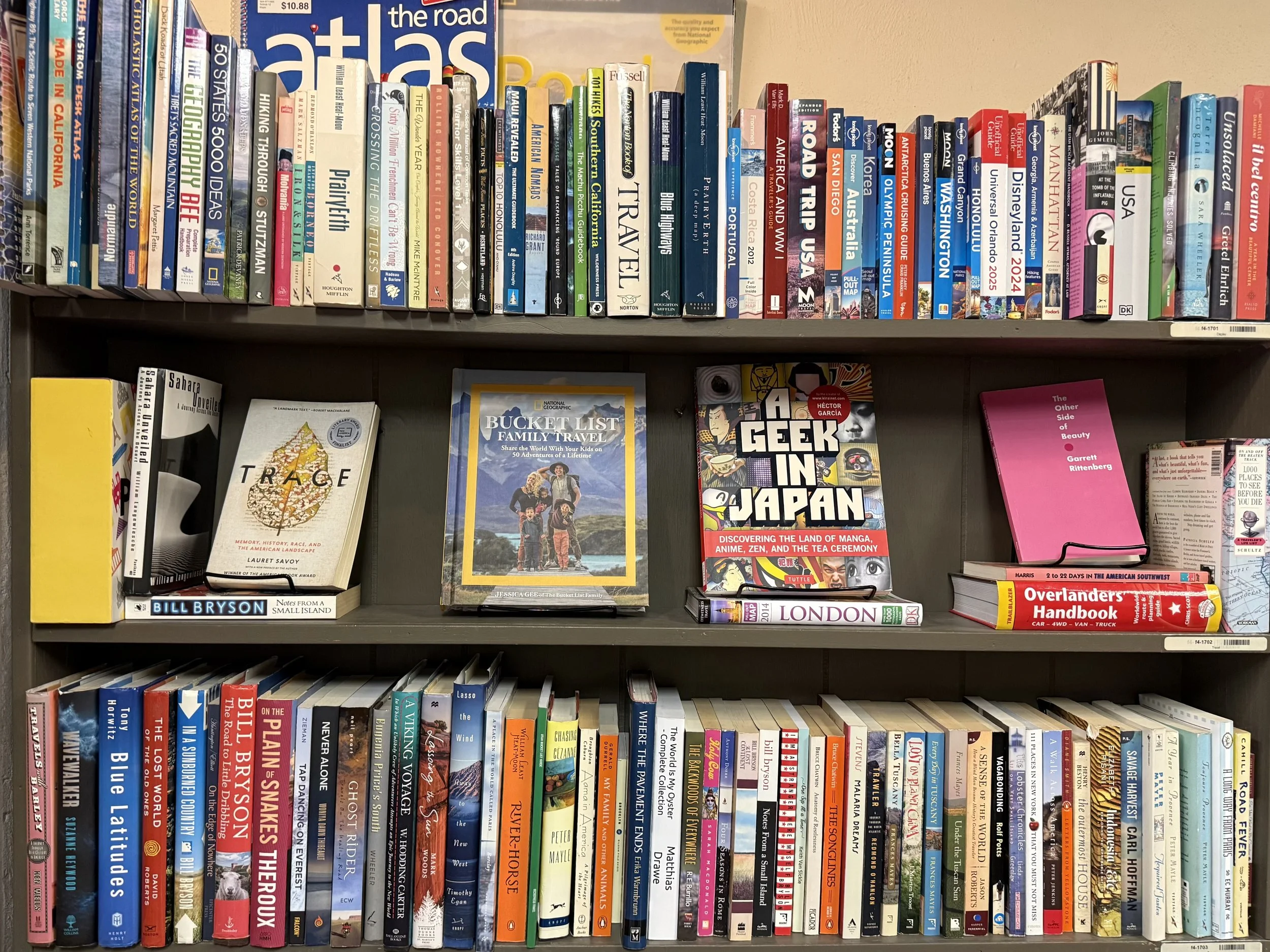
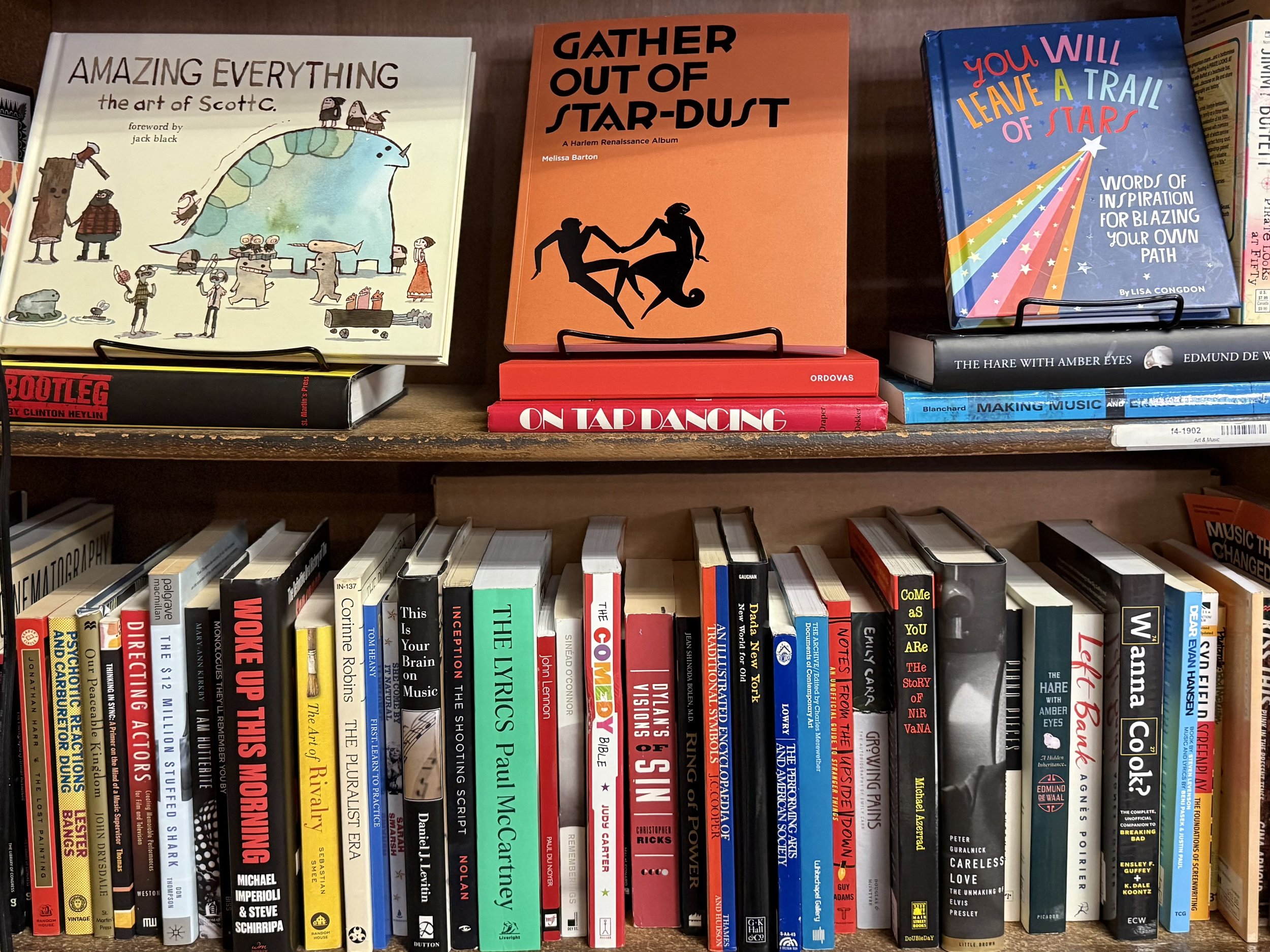
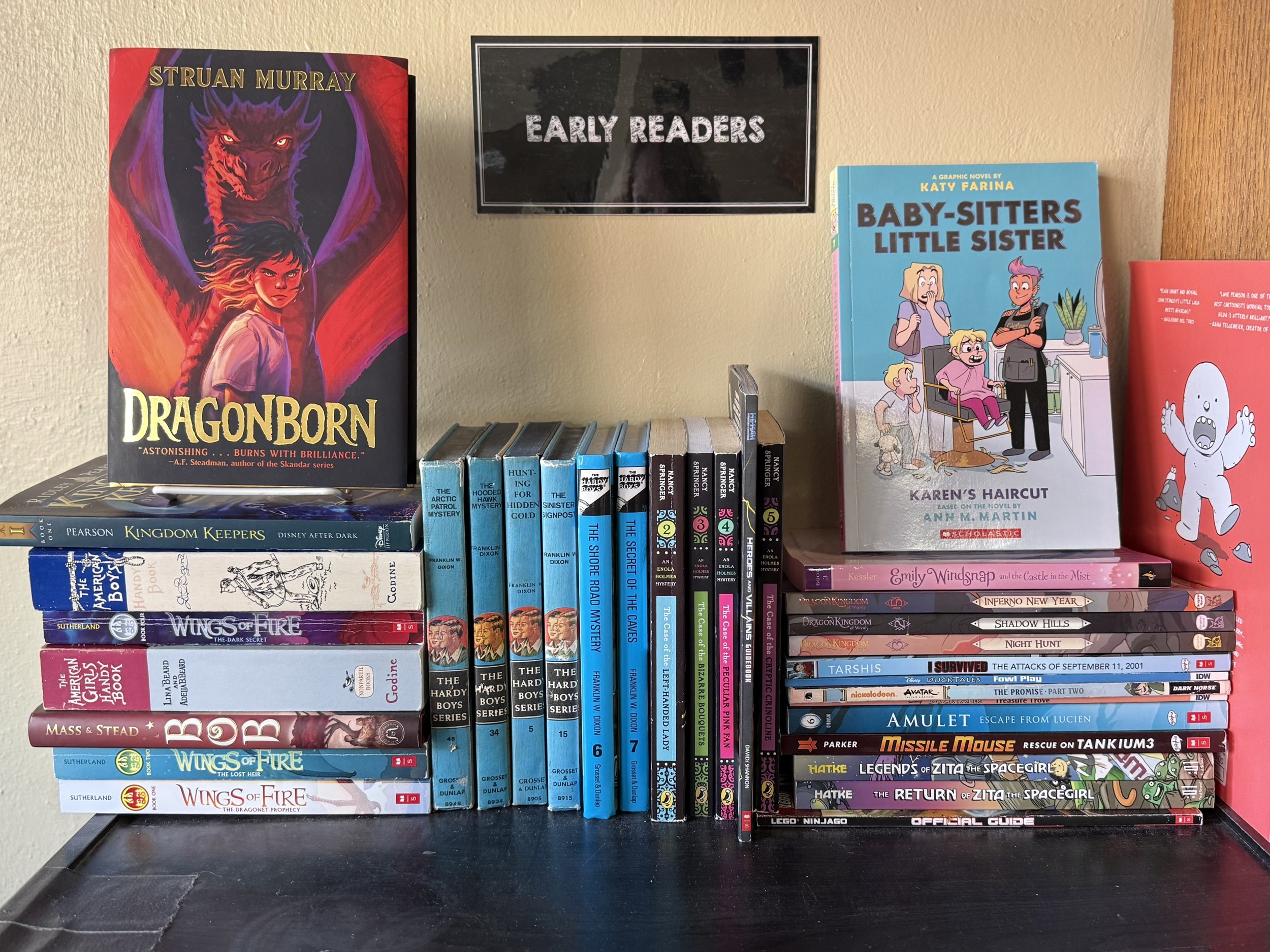
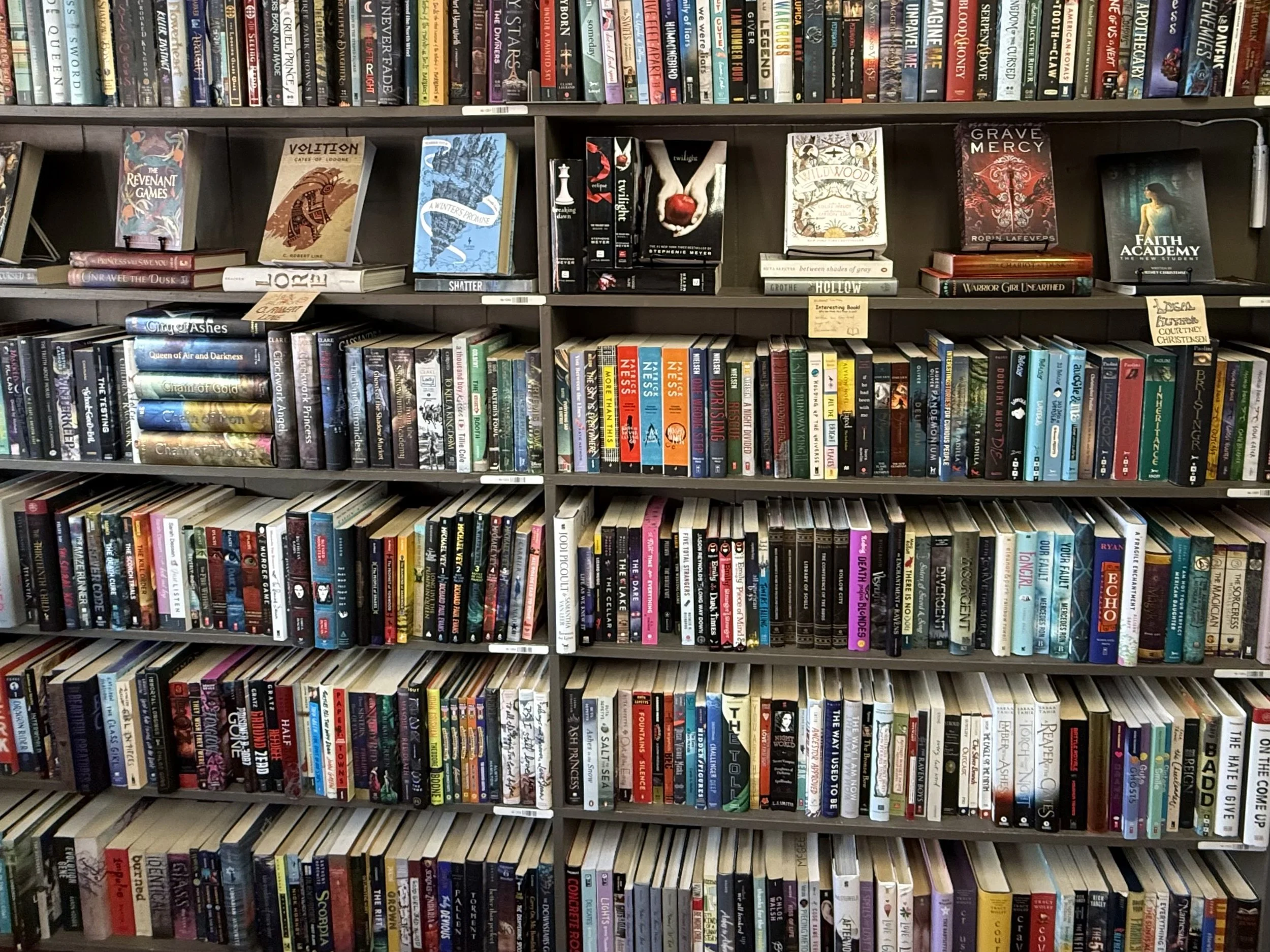
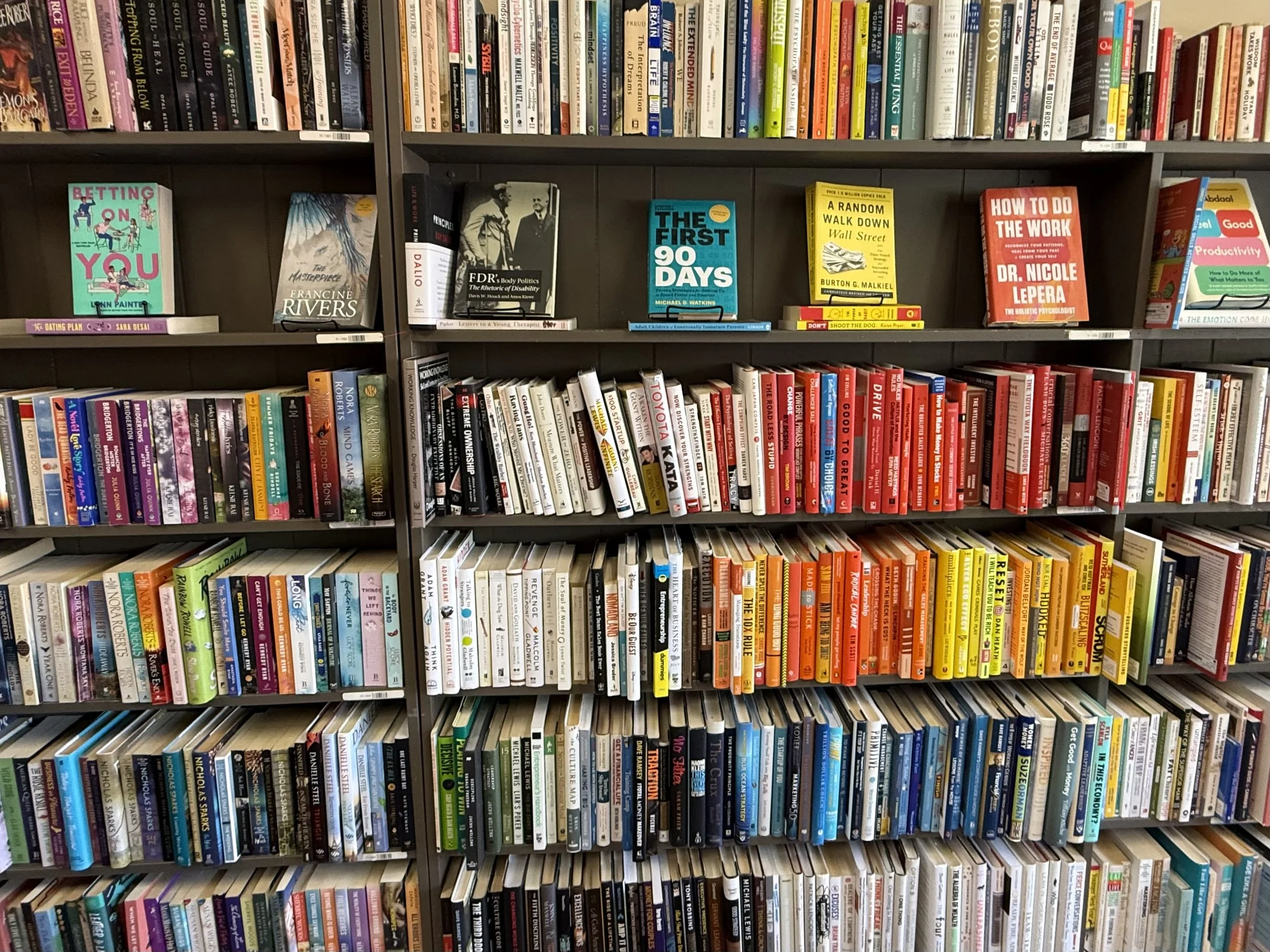
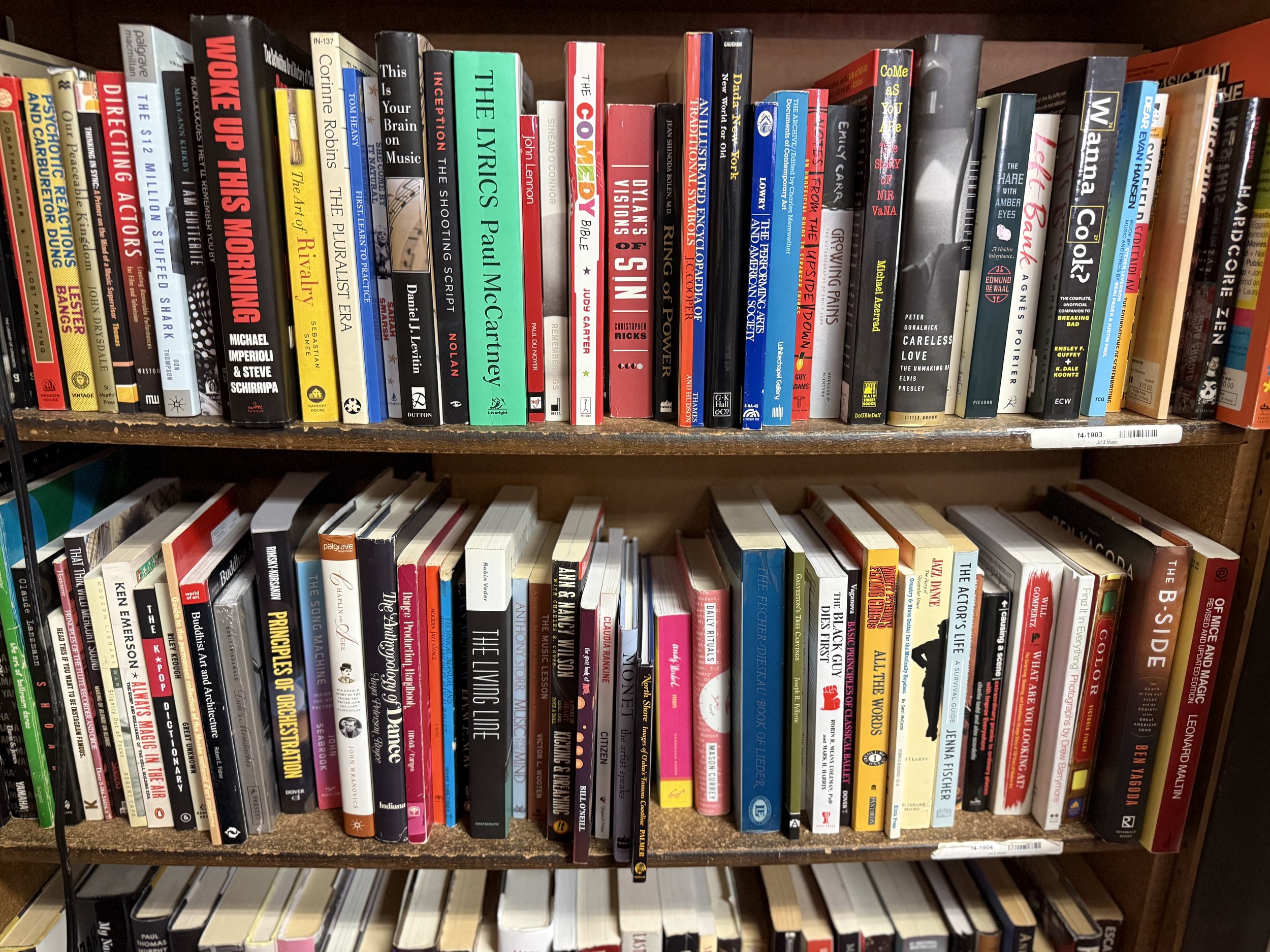
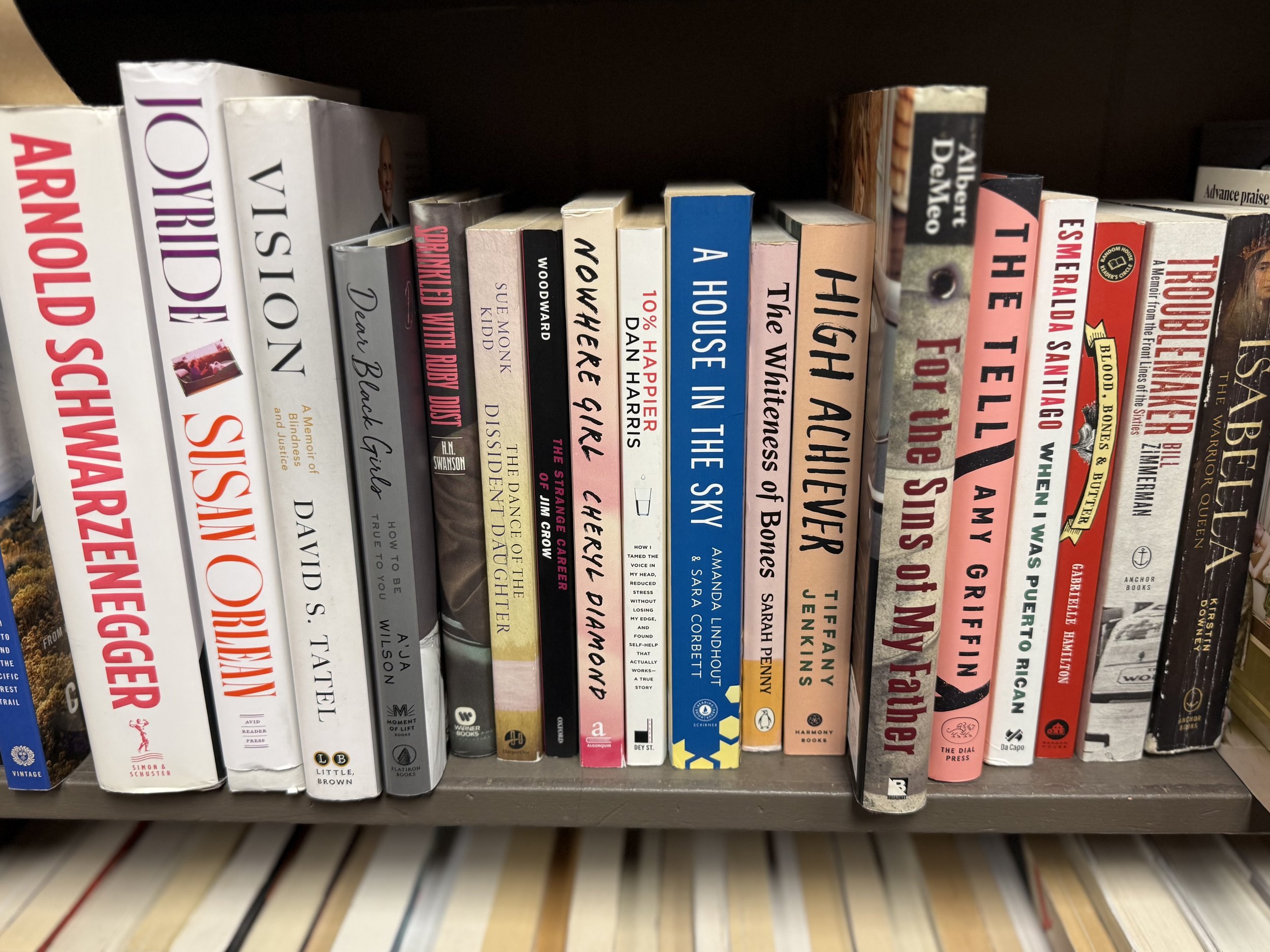
Today, Central Book Exchange holds roughly 50,000 books between the shop and warehouse. Around 1,200 books a week are entered into inventory. Much of the organizational foundation began with Joanne’s work, from the point-of-sale system to the inventory system. The result is a used bookstore that feels full and abundant without feeling impossible to navigate.
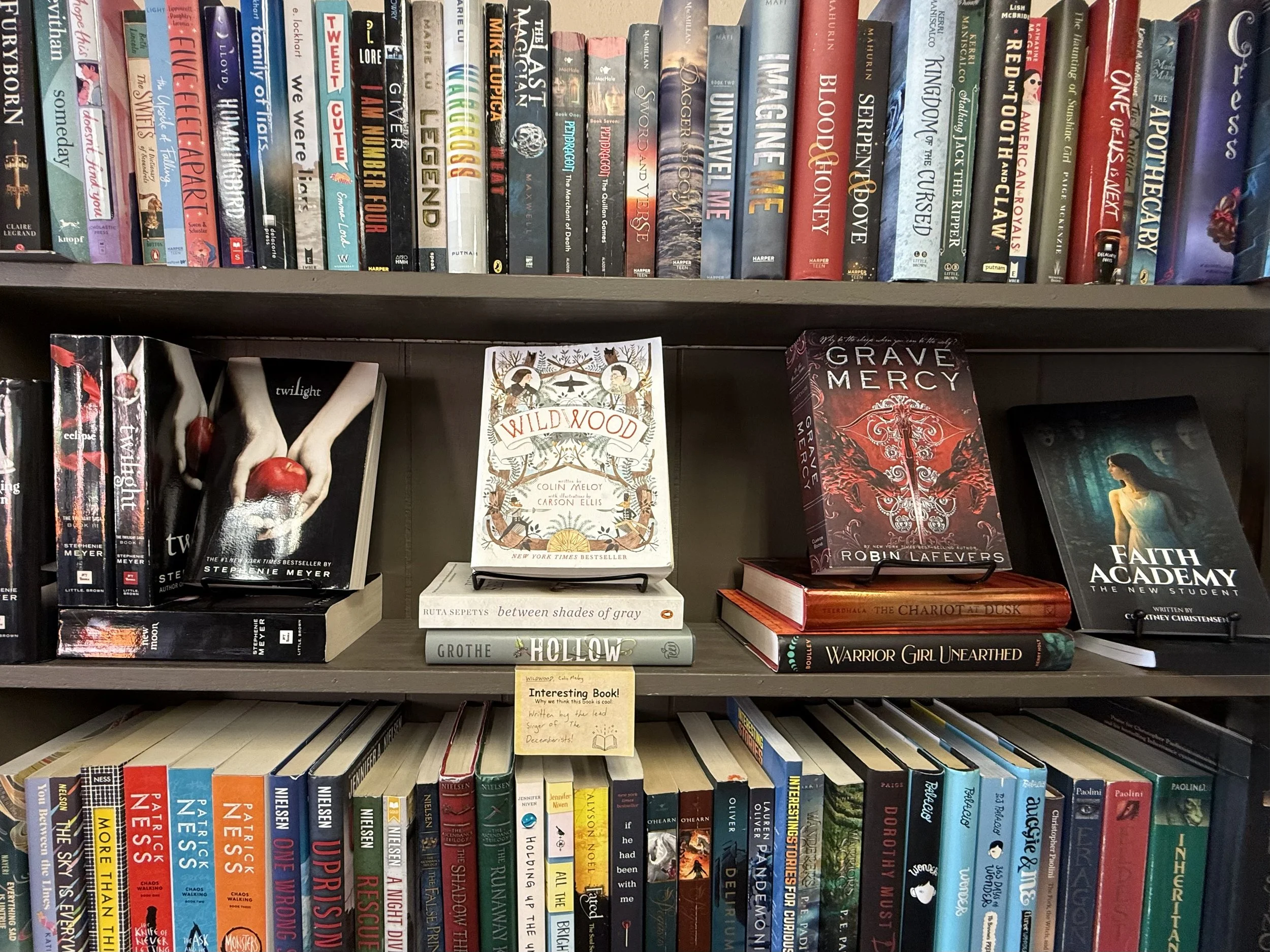
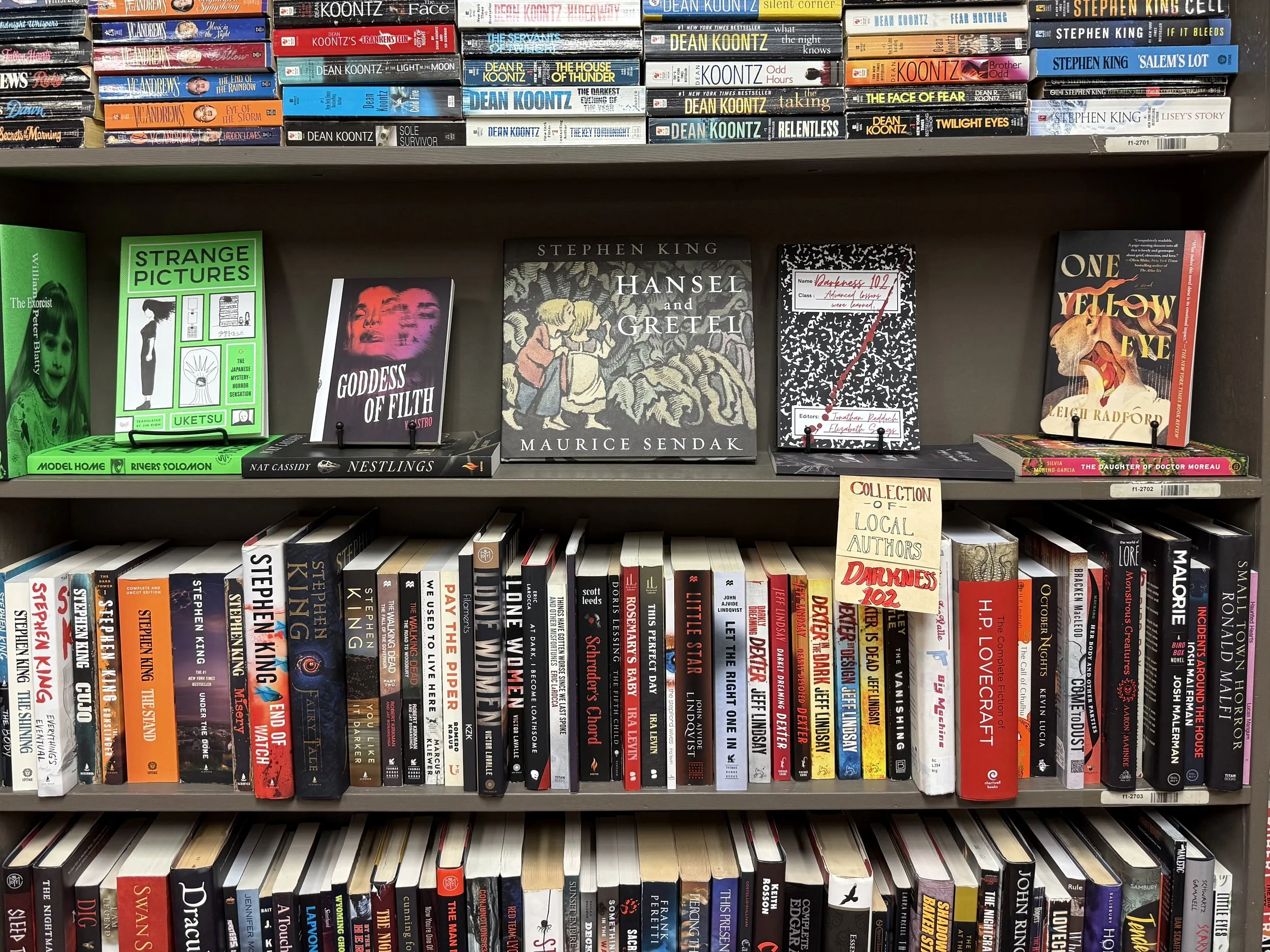
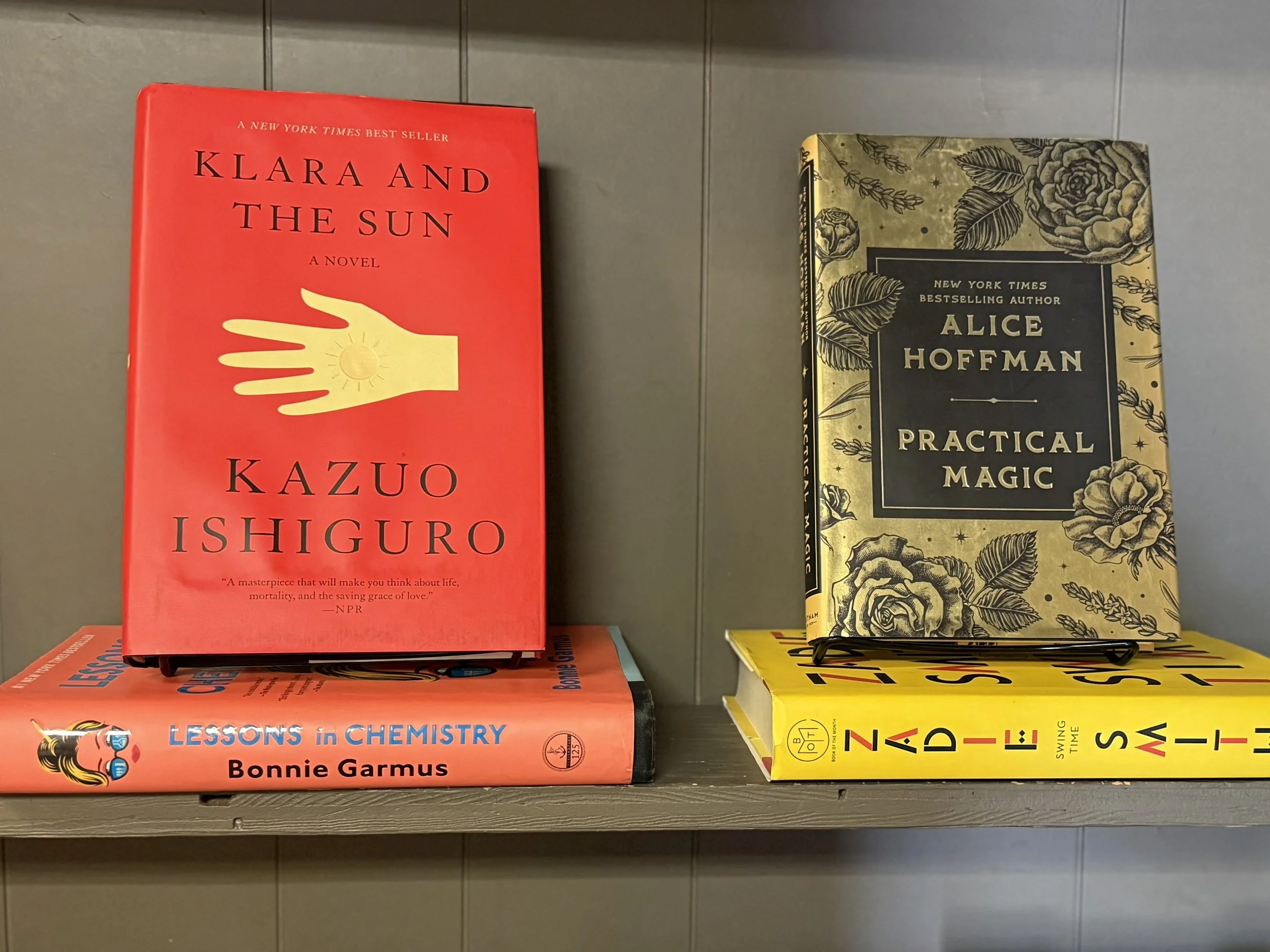
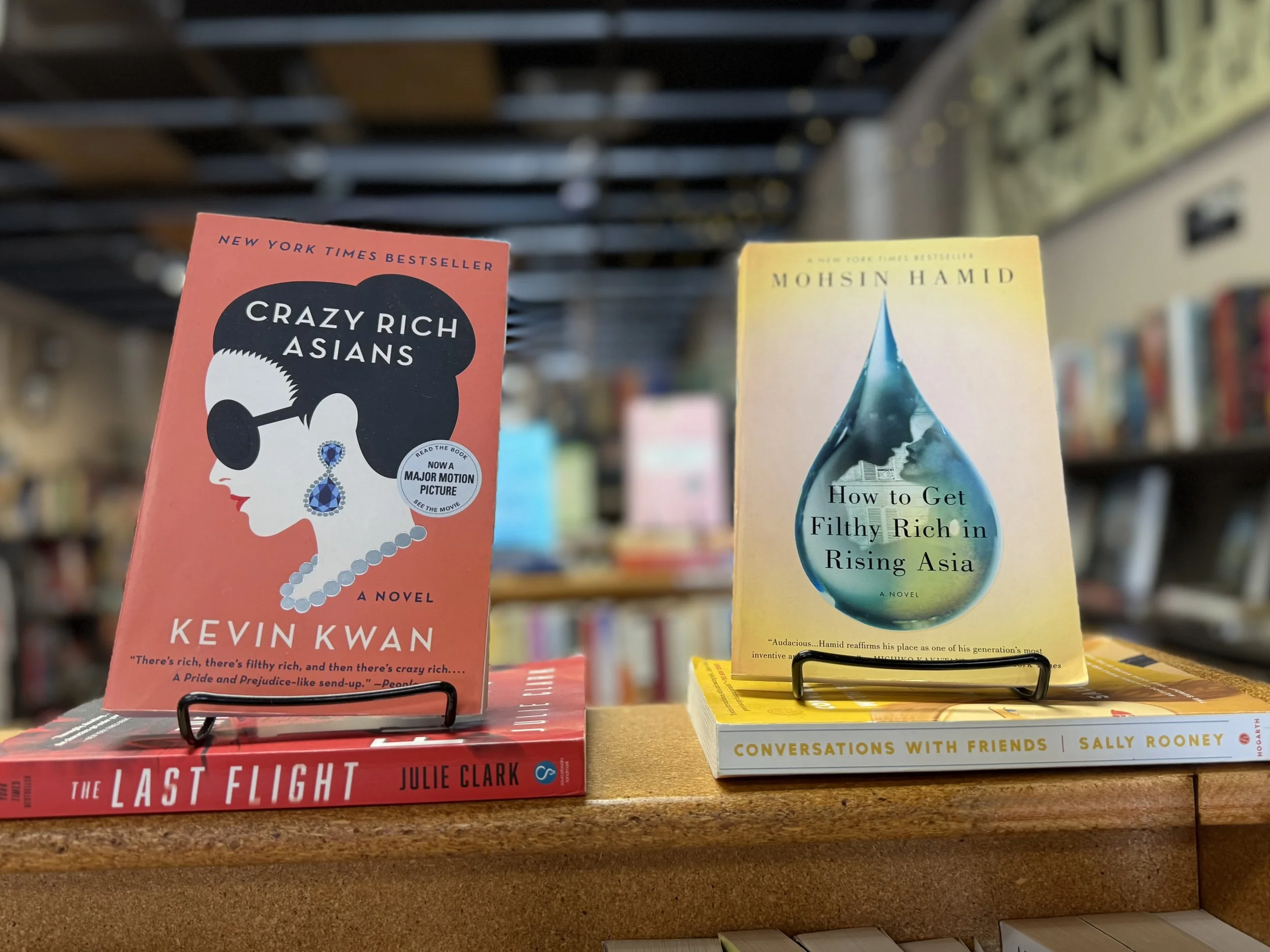
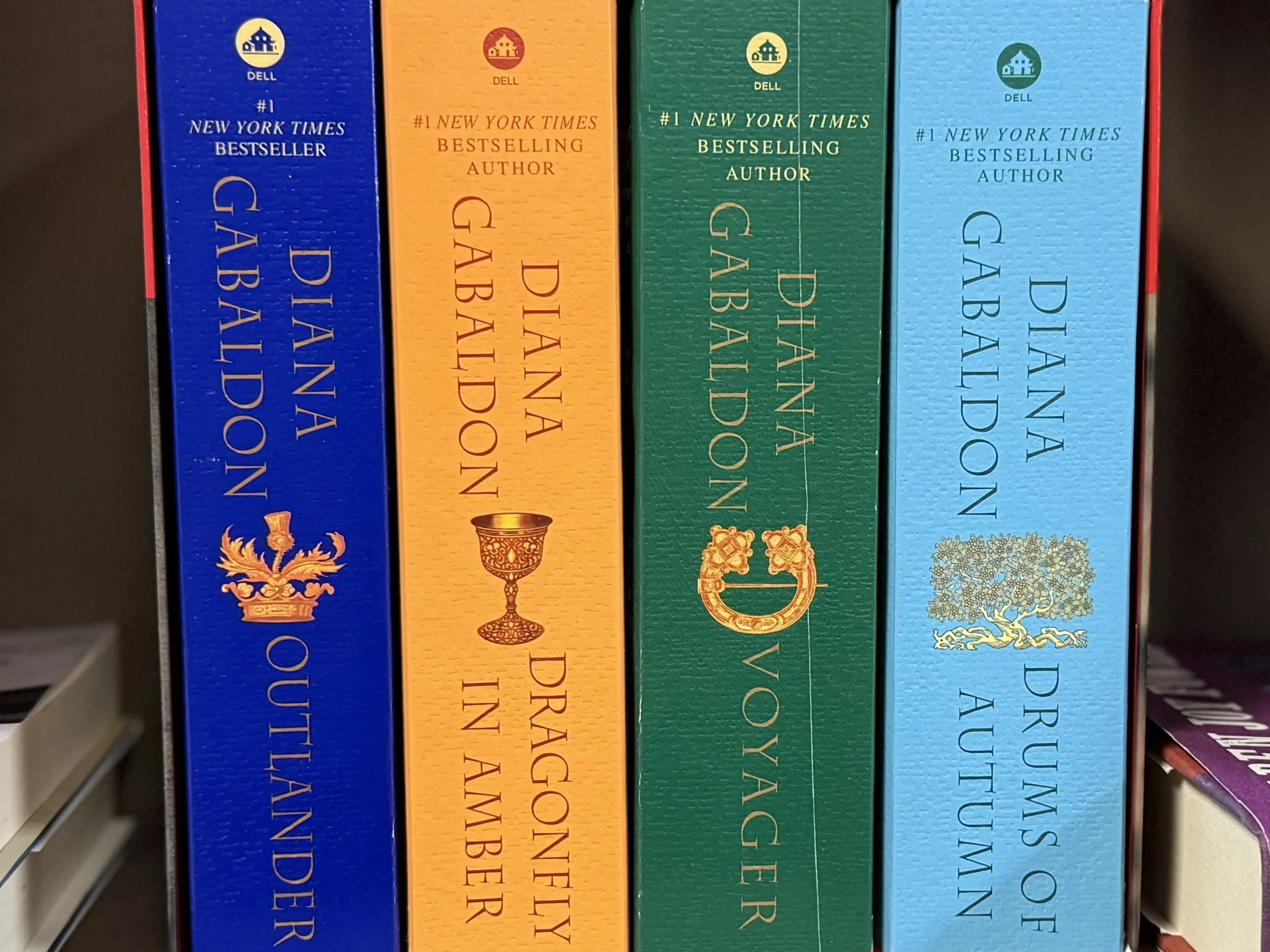
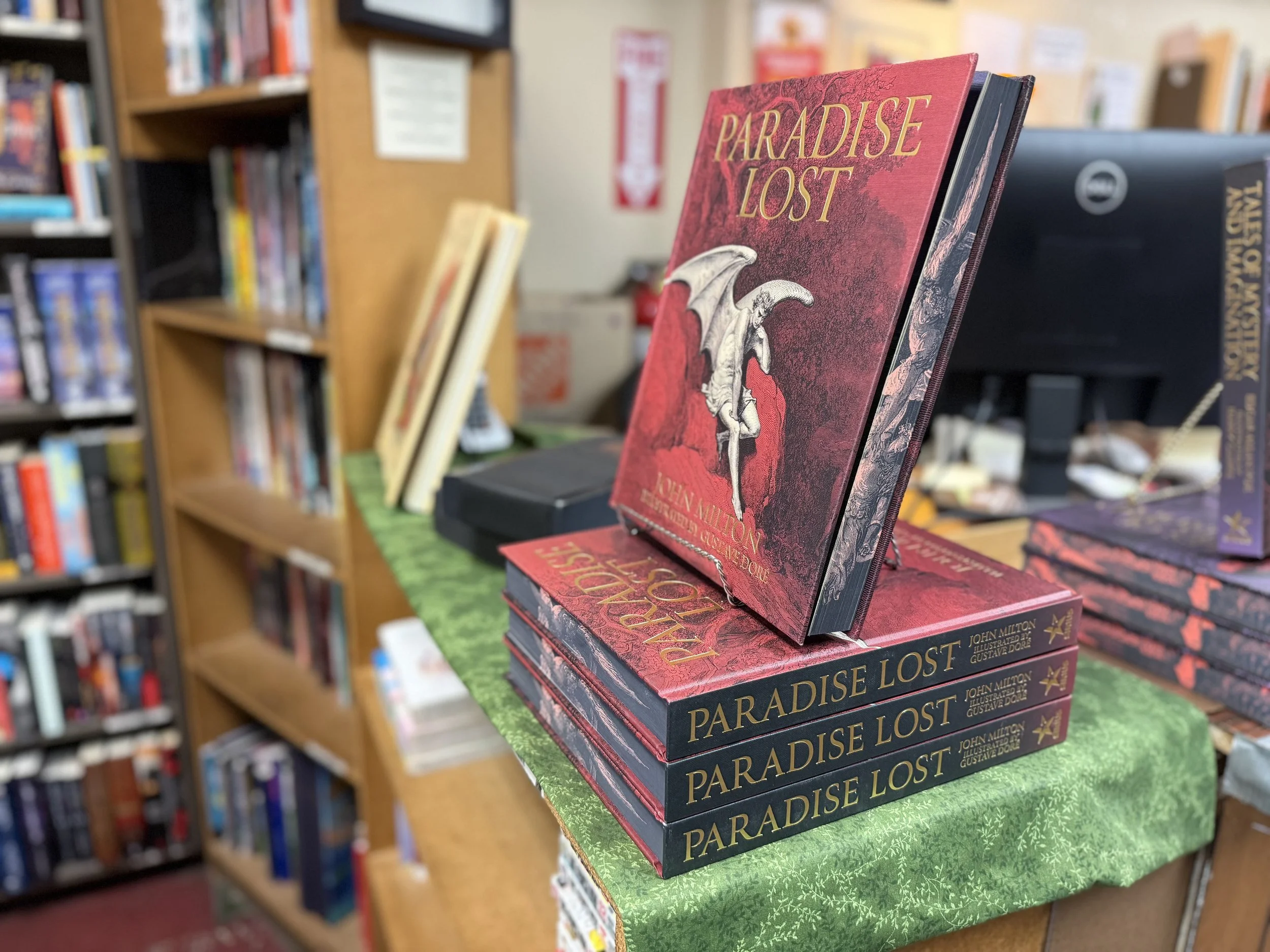
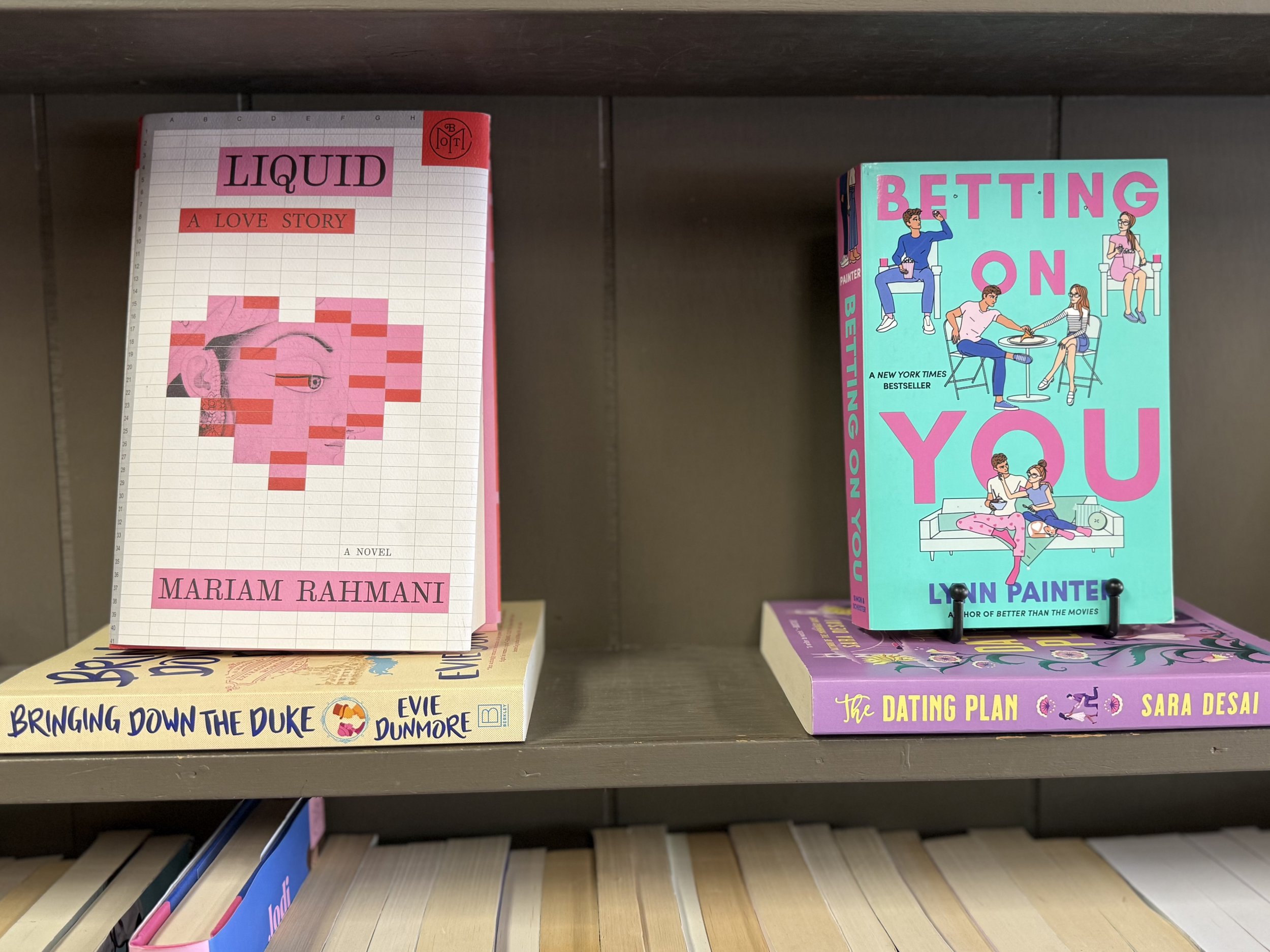
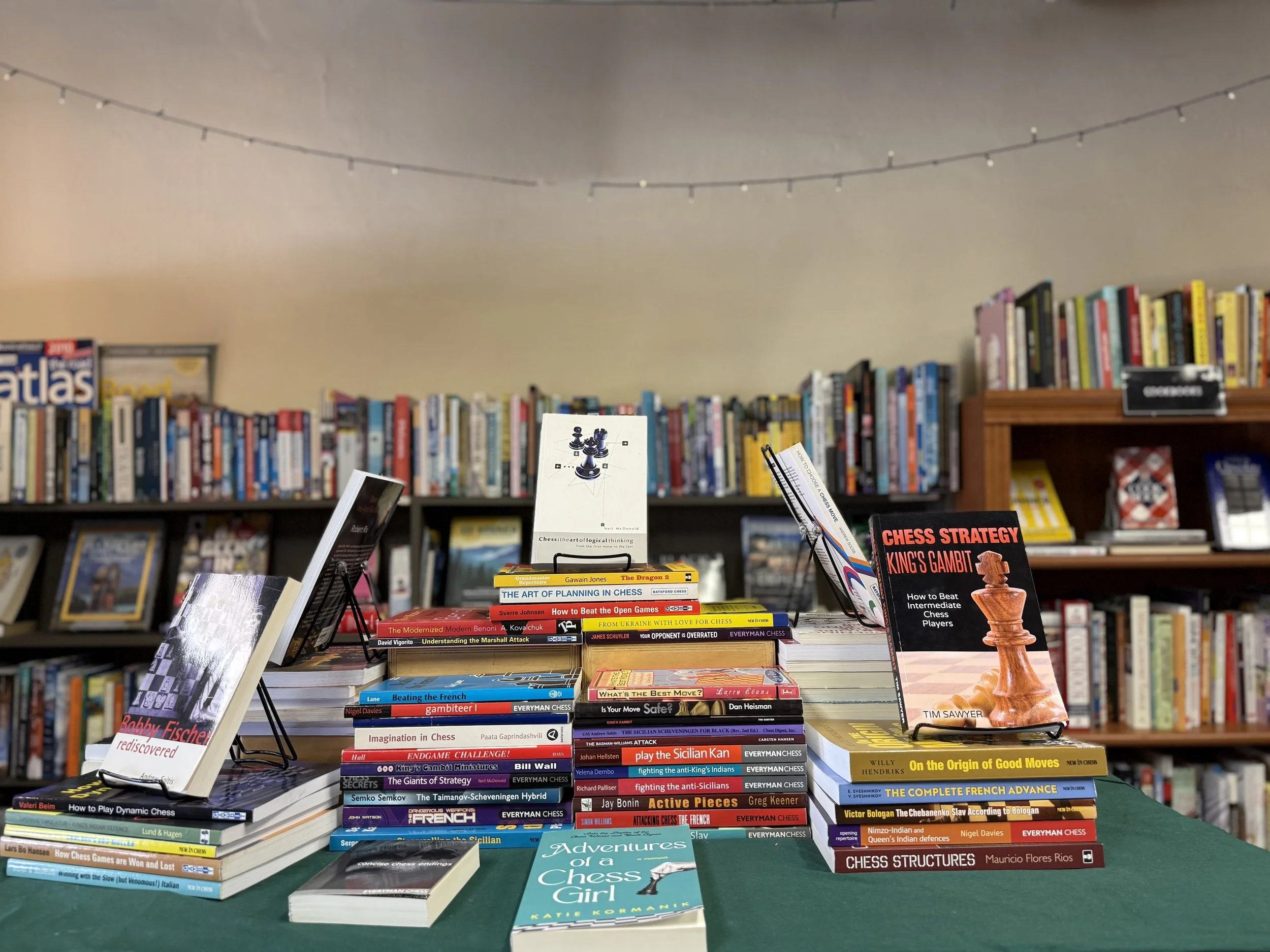
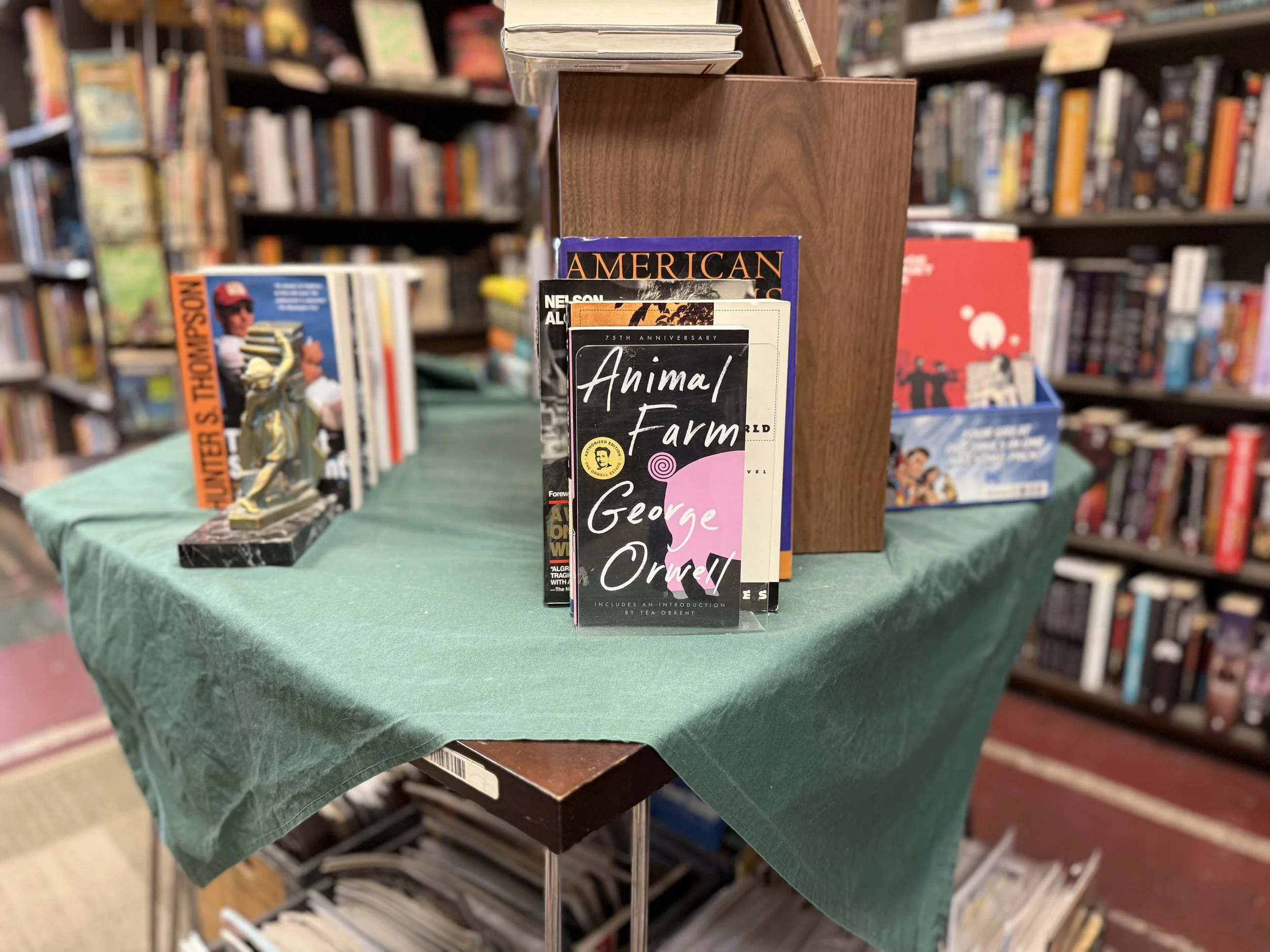
Calvin takes pride in the sections that have grown under his watch, especially horror, science fiction, classics, local authors, and the queer section. Because he is a horror reader himself, he often brings in titles that may not be found as easily in larger stores. He also loves giving space to local writers. Once a month, often during the Sugar House Art Walk, Central Book Exchange hosts local author signings. “I love being able to give them that space. I take a lot of pride in that.”
Calvin’s own relationship with reading has not been a straight line. As a child, he read voraciously until he was about twelve. Then hockey took over. He played at the highest level available in Salt Lake, traveled around the country, and believed for a time that he might make it to the NHL. Concussions ended that dream towards the end of high school when he realized that if he wanted “to have a decent life,” he needed to stop playing. He does still enjoy coaching young ones.
In college, books returned slowly. Assigned reading led to unexpected discoveries, and summer jobs mowing lawns gave him time to listen to audiobooks. Then, while working at Central Book Exchange and getting sober, reading came back fully. “To this day, I read an absolute ton."
That journey allows Calvin to connect easily with people who are trying to become readers again. Many are in their twenties or thirties, he said, and had the same experience he did: they read when they were young, drifted away in adolescence, and now want to return. His advice is simple. “What kind of movies do you like to watch?” If someone likes World War II documentaries, he will hand them history. If they like horror movies, he will send them toward scary books. If they love science fiction films, he knows where to begin. “It is a really cool thing to be able to introduce someone back into reading, and then they come back in again and tell me that my recommendation was awesome.”
The staff matters deeply to him, too. Before agreeing to buy the store, Calvin pulled Jack Merlot aside, who is a longtime employee beloved by customers. “I said, Jack, Pam offered me to buy the bookstore, and I know that this is something to which you are really connected. I will not be able to do this unless I have you on the team.” Jack was immediately supportive. Calvin believes the staff’s care is part of what customers feel as soon as they walk in.
That care has helped Central Book Exchange remain part of Sugar House’s larger independent spirit. Calvin lives less than a minute from the store and speaks warmly about the neighborhood, the Art Walk, the other small businesses, and the sense that people here want one another to succeed.
For Calvin, Salt Lake City itself has become the place he keeps returning to. “Every time that I have tried to leave, I have been brought back,” he said. “And this last time, with the clarity of a sober head and being in a happier place, I realized that I love it here. I love Sugar House. I love Salt Lake.”
Calvin is also confident that books, despite every prediction to the contrary, are not going anywhere. Kindles exist, phones distract, and attention spans may be frayed, but Calvin sees young people returning to reading all the time. “People still read,” he said. “People really love it. People are really passionate about it.” Book clubs are thriving, local authors are writing, BookTok can send a title flying off the shelves, and banned books often become bestsellers because people want to know what the conversation is about.
Calvin feels especially proud of Salt Lake’s independent bookstore scene. When he travels as a hockey coach, he visits bookstores in other cities and often comes home feeling grateful. “We have a really good bookstore scene.”
At Central Book Exchange, the model remains simple and deeply meaningful. Books come in. Books go out. A reader finishes one and hopes it will find another life with someone else. Points make the next purchase possible. Shelves refill. Stories keep moving. “We are a bookstore for book lovers, by book lovers,” Calvin said. “Some people are like me. When I love a book, I have to have it on my shelf, and then I look at it for the rest of my life. But there are a lot of people that read a book and say, 'I want this to go get another read from someone and have a second life and then a third life and then a fourth life.'”