Sugar House

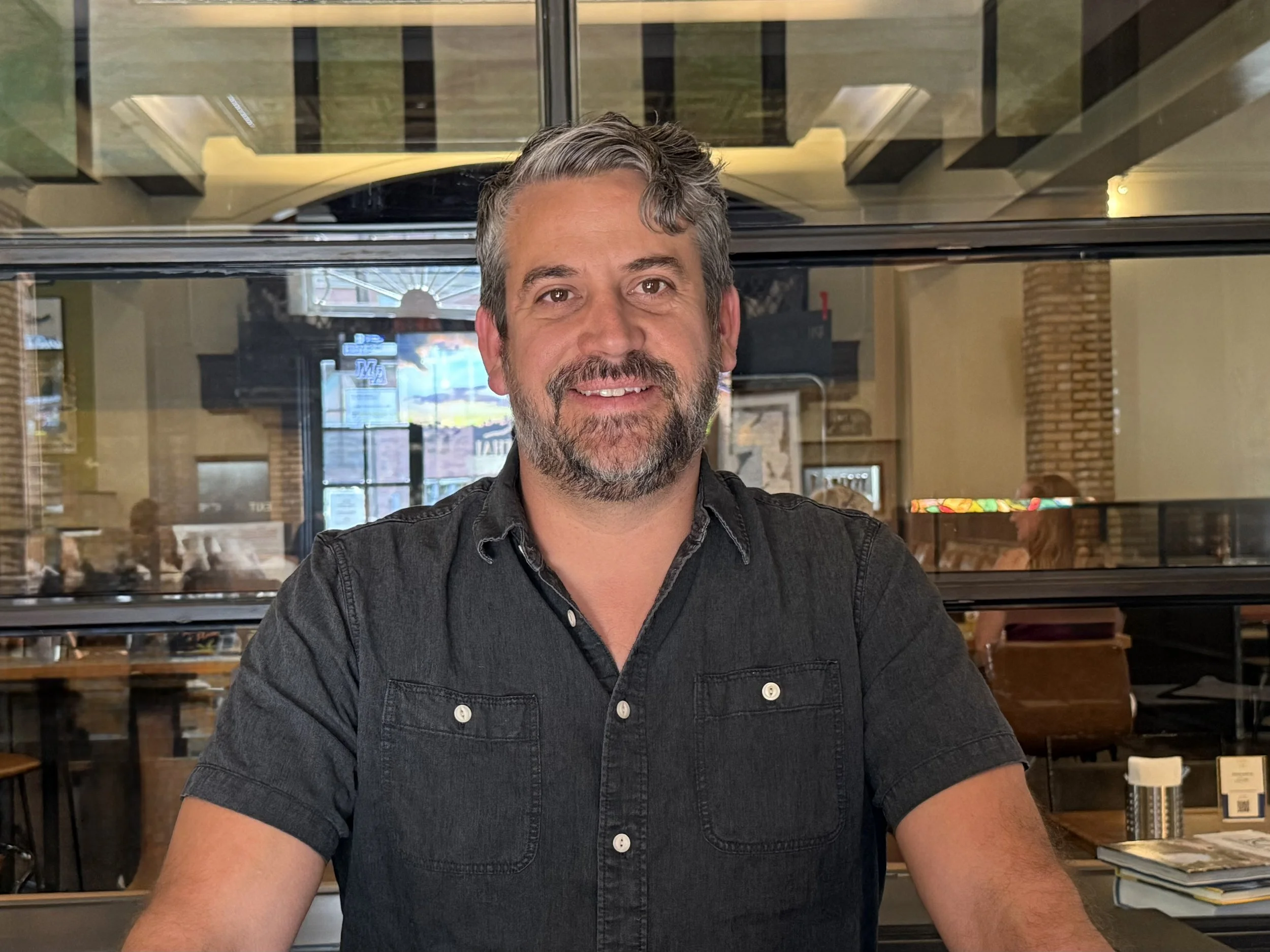
Derek Williamson
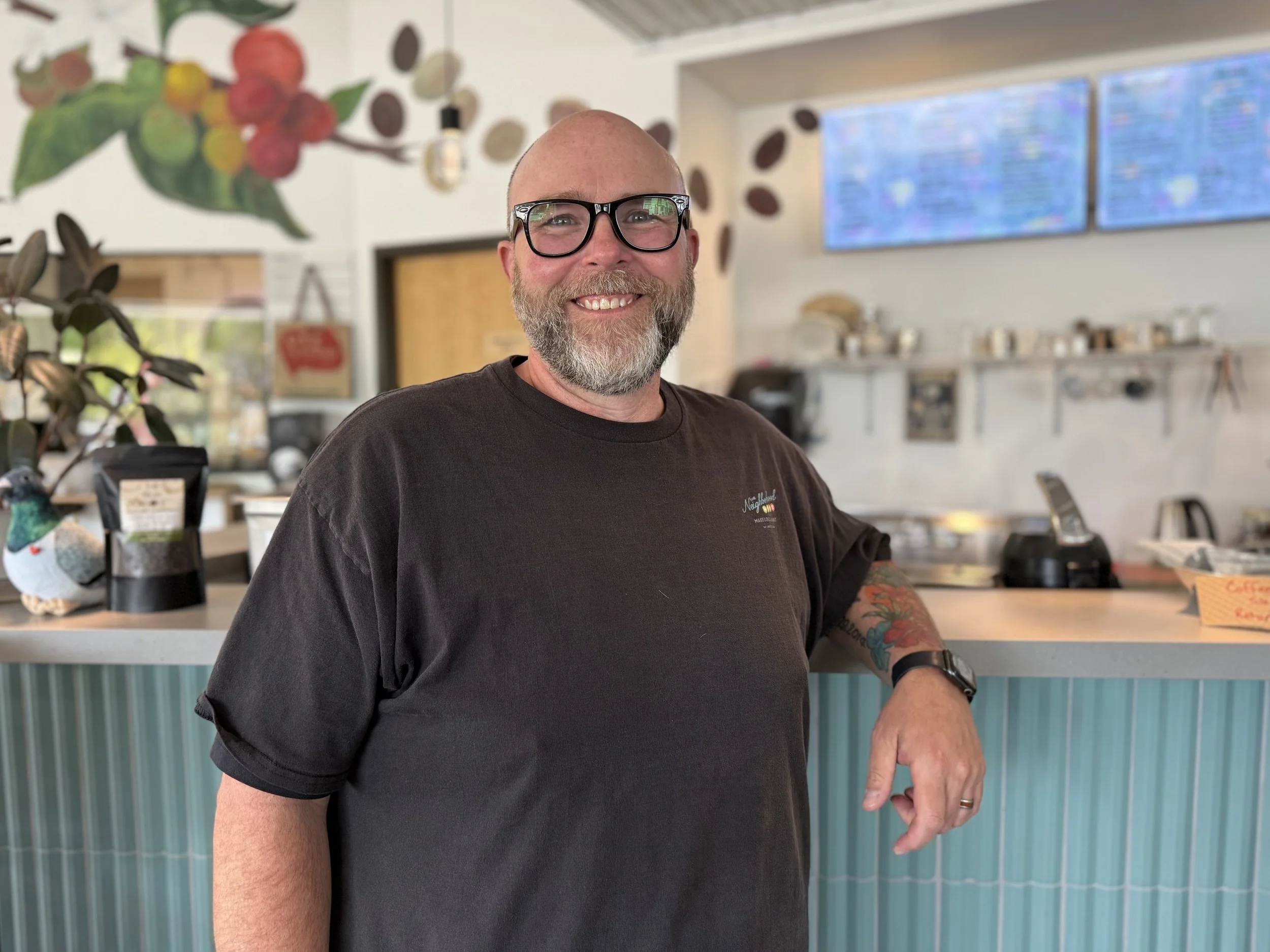
“Sugar House is part of Salt Lake City, but it still feels like its own small town.” Derek Williamson, Vice Chair of the Sugar House Community Council, did not say it nostalgically or defensively. He said it like someone describing something fragile that still exists, but only because people continue choosing to protect it. That feeling may be what defines Sugar House more than anything else.
Long before the breweries, coffee shops, boutiques, music venues, and restaurants that now fill its streets, Sugar House was one of the city’s earliest independent centers, shaped by industry, neighborhoods, and the people who built lives around it. Its name dates back to the 1850s when settlers attempted to process sugar from locally grown sugar beets. The experiment failed but the name endured. Over time, the area evolved into a streetcar suburb, then a bustling commercial district, and eventually one of Salt Lake City’s most recognizable neighborhoods - a place where generations have gathered to shop, eat, walk, and build community.
Today, Sugar House exists in a complicated balancing act between preservation and progress. Construction projects, rising rents, changing demographics, and rapid development have transformed the district over the past decade. Some businesses have struggled to survive those shifts. Others have closed. Yet alongside those challenges is a remarkably active group of residents, business owners, and volunteers working to preserve the character that made Sugar House meaningful in the first place.
Derek is one of them. His Community Council role has him deeply involved in the Sugar House Chamber. He spends countless volunteer hours helping businesses, reviewing zoning proposals, organizing events, advocating for thoughtful development, and trying to ensure the neighborhood does not lose the qualities that make it distinct. “Our goal is to preserve a little bit of what Sugar House was, and what it still can be.”
For Derek, this is personal. Though he grew up in Sandy, his grandparents lived in Sugar House, and many of his earliest memories are tied to the neighborhood. The building that now houses Neighborhood Hive, the community-centered marketplace and café he co-owns, once held a Ponderosa Steakhouse where his grandmother liked to eat. Before that, it was the first Dan’s grocery store built in 1941. Even further back, before Interstate 80 rerouted traffic through the valley, 2100 South served as part of the Lincoln Highway, one of the country’s earliest transcontinental roads. “If you walk into our restrooms, there are old photographs everywhere,” Derek said. “Prison days, the old ice rink, historic Sugar House. We want people to understand the history of this place.”
That connection to history runs through much of Sugar House today. Many business owners here are not simply operating storefronts; they are participating in something they feel responsible for carrying forward. In many ways, that is what the Sugar House Community Council has become as well - a group of residents, volunteers, and business owners trying to preserve the neighborhood’s character while still allowing it to evolve.
Unlike South Salt Lake, Millcreek, or Midvale, Sugar House is not its own city with a separate mayor and municipal government. It is a district within Salt Lake City, which means its relationship with City Hall is deeply interconnected. Derek sees the Community Council as a bridge between the neighborhood and the city itself. Rather than overwhelming the mayor’s office or City Council with every isolated complaint, the council gathers concerns, discusses them internally, and brings forward the issues that most need attention. Representatives from the mayor’s office, City Council, police, fire, and other departments regularly participate in meetings, creating an ongoing dialogue between Sugar House and the city as a whole. “We do not overuse that privilege."
That culture of cooperation has become one of the defining characteristics of Sugar House. Entirely volunteer-run, the Community Council includes committees focused on transportation, zoning, parks, public lands, small businesses, and even a community radio station. Their meetings bring together residents, city officials, and local business owners to discuss everything from major development proposals to neighborhood landscaping concerns. It is not glamorous work, but Derek believes it matters.
Developers have proposed high-rise buildings, hotels, gas stations, and major projects that many residents felt would fundamentally alter the scale and feel of the neighborhood. In several cases, the community successfully pushed back. “We have zoning for a reason,” We’re not anti-progress. We just want development that still feels like Sugar House.”
That tension has become especially visible in recent years. Road construction in the district lasted far longer than expected, severely impacting many businesses. Derek supported the infrastructure improvements, believing they were necessary for the future of the neighborhood, but he also watched the strain it placed on independent shops and restaurants. “We knew it was going to be painful,” he said. “And it was.”
The hope, however, was that the changes would help transform Sugar House from simply a corridor people drove through into a destination people intentionally visited. “If you’re in a hurry, take I-80,” Derek explained. “But if you want to spend time somewhere - go to a brewery, a café, a local shop - then Sugar House becomes the destination.”
What makes Sugar House unusual, however, is how many people actively participate in shaping it. Monthly socials rotate between local businesses. Community meetings remain highly attended. Local owners collaborate rather than compete. Residents volunteer time without financial incentive. Business owners advocate for one another. Problems are debated publicly. Relationships matter. “There’s a culture here where people actually care what happens.”
That does not mean the future is guaranteed. Rising costs continue to pressure small businesses. Younger residents often struggle simply to afford rent. Many local owners worry about how independent businesses survive in an increasingly expensive city. But even amid those concerns, there remains a stubborn optimism throughout Sugar House, a belief that neighborhoods still matter and that community is something people can actively build rather than simply inherit.
Perhaps that is why so many business owners here speak less about transactions and more about connection. They talk about walkability, familiarity, gathering places, neighbors knowing one another, and preserving spaces where people still interact face to face. For Derek, those ideas ultimately come back to memory. “This was my grandparents’ neighborhood,” he said. “That nostalgia matters to me.” And maybe that is the story of Sugar House itself - not a neighborhood frozen in time, but one still trying to hold onto the feeling that made generations of people want to return to it in the first place.
Sugar House Businesses