Sugar House Coffee

Address: 2011 South 1100 East
Telephone: 801-893-0458
Website: sugarhousecoffee.com
District: Sugar House
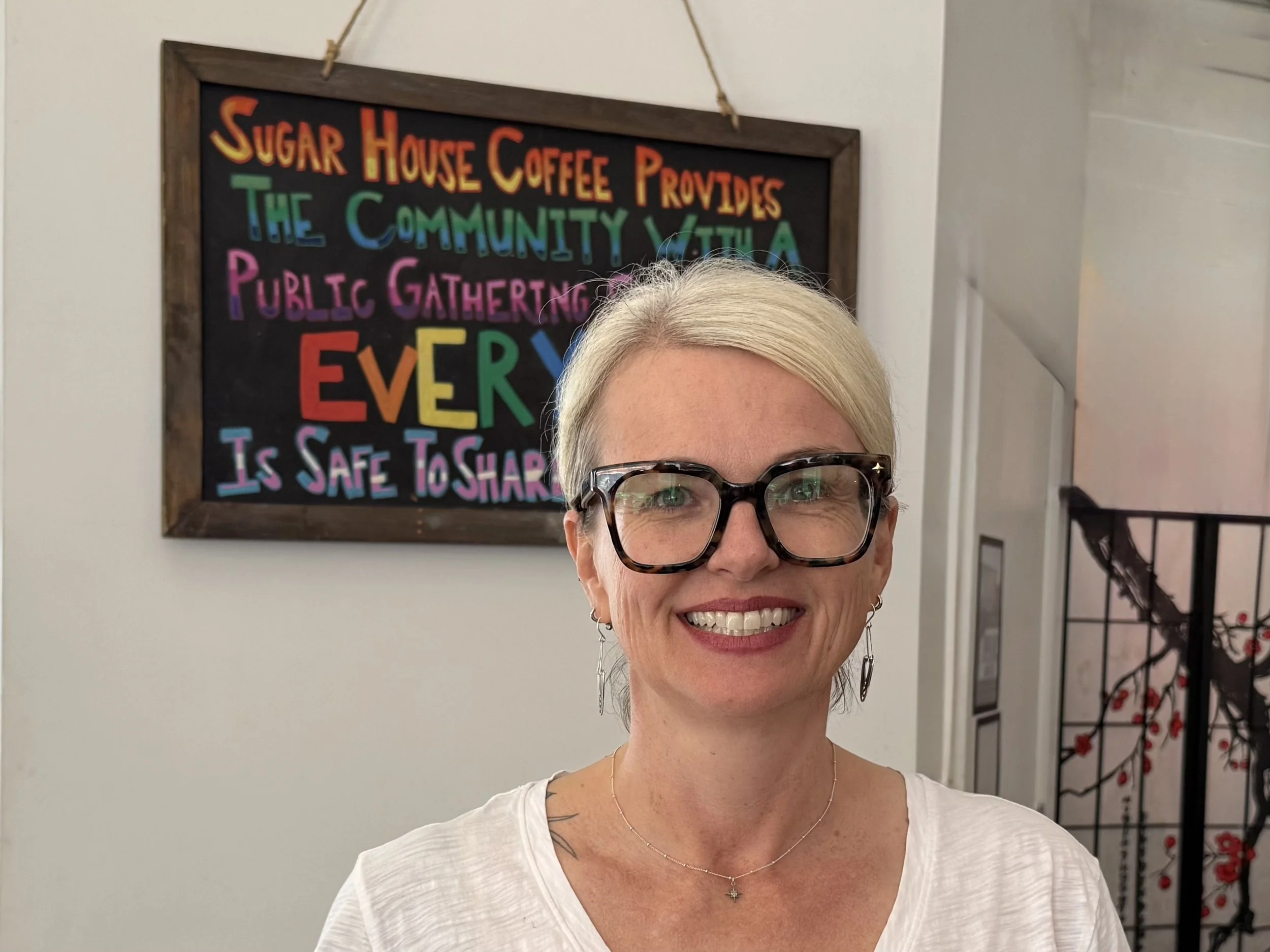
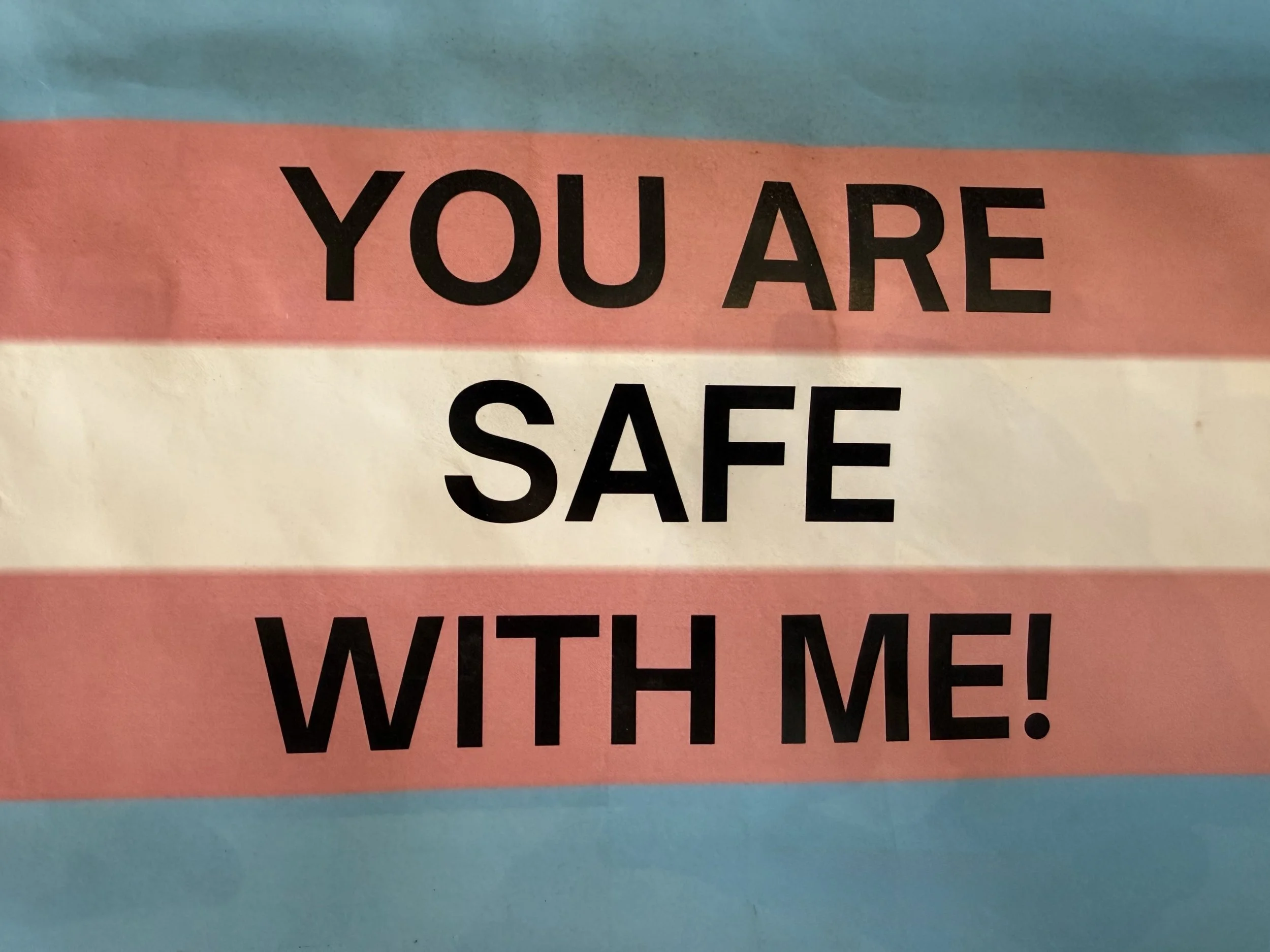
“Being a safe space and being able to speak out about what is important means creating a place where someone can come in and be themselves for an hour, especially when the outside world does not always allow them that same freedom. That is a special place.” For Emily Potts, those words are not branding, nor a carefully crafted mission statement. They are the heart of a life that has become deeply intertwined with her Sugar House Coffee, the people surrounding it, and those who walk through its doors each day looking for coffee, conversation, belonging, or simply a place where they can exhale.
Emily was born and raised in Salt Lake City, growing up in a home shaped by curiosity, education, art, and the outdoors. Her mother, a historian and educator who authored books on architecture and art history, filled their lives with museums, books, and long drives through neighborhoods discussing bungalows and historic buildings. “We never had cable TV until my stepdad moved into my house when I was sixteen,” Emily laughed. “We always played outside. Camping, hiking, reading… that was our childhood.”
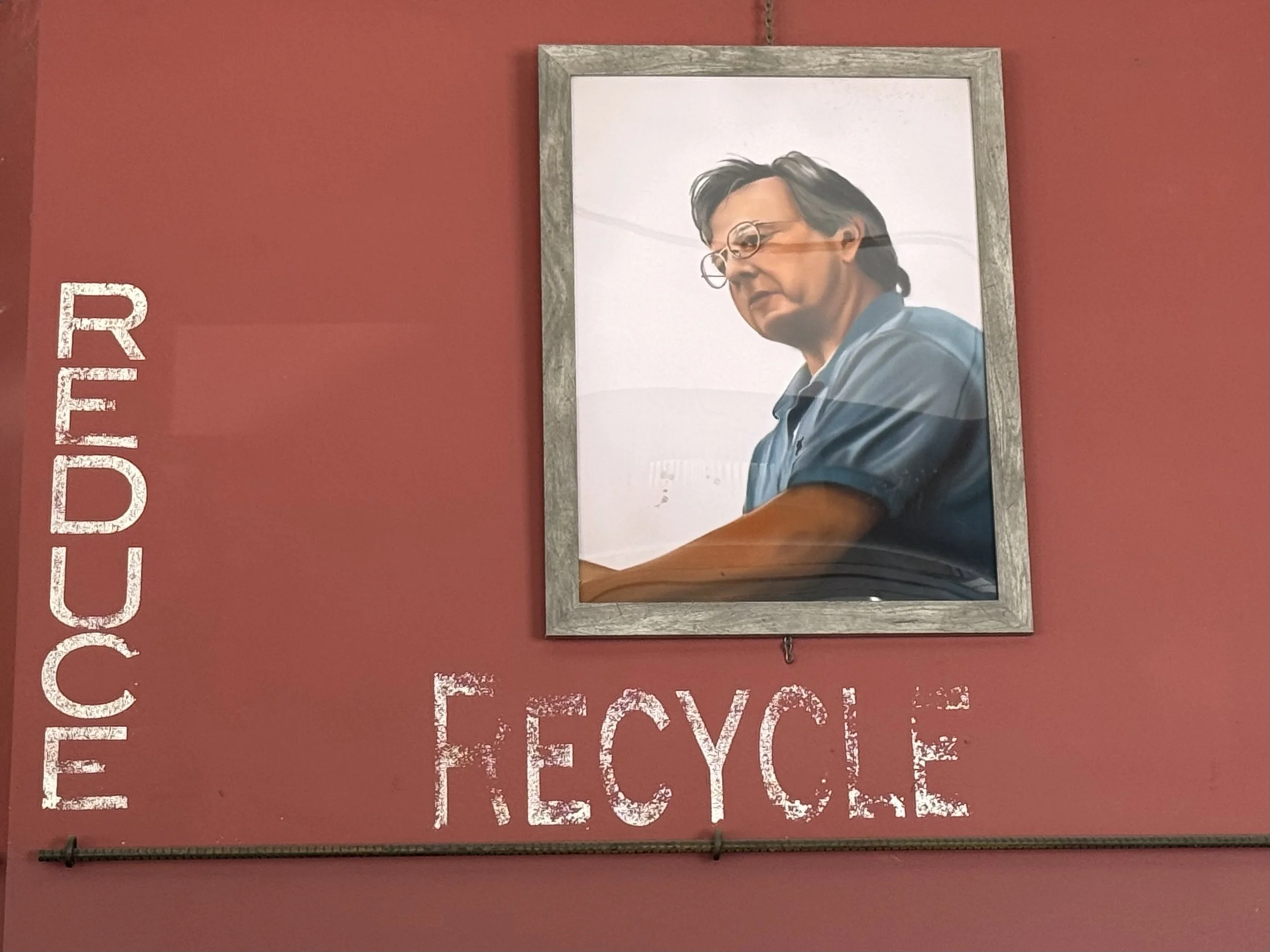
The man who eventually brought cable television into the house also became the person Emily calls her father. Bob was not originally from Utah. Before moving to be with Emily’s mother, he owned a books-on-tape store in Mill Valley, California. Eventually, he purchased a small roasting company, Rimini Coffee, despite not even drinking coffee at the time. Soon after, he opened Sugar House Coffee in 2000, creating what would become one of Salt Lake City’s most beloved gathering places. “He is my dad,” Emily said gently when explaining why she rarely uses the term stepdad.
Long before she imagined running a coffee shop, Emily followed a different path. After graduating high school, she attended massage school in 1998, a profession she says quietly introduced her to people’s inner lives. “When you do massage, you hear lots of people’s stories.” Those conversations eventually led her toward social work. She graduated from the University of Utah in 2004 with a degree in social work and spent years working primarily with teens facing mental health challenges.
By 2009, with two small children at home, Emily wanted part-time work and began helping her father at Sugar House Coffee. At the time, she believed it would only be temporary. Everything changed in September 2012. Bob suddenly became ill, drove himself to the hospital, underwent emergency brain surgery, and never returned to work. Within months, cancer spread aggressively through his body. Emily, with children just three and five years old, unexpectedly found herself responsible for the coffee shop her father had built.
“I had no idea what I was doing,” she admitted. There were no manuals. Payroll was done by hand. The business was struggling financially. Some weeks, Emily could not even cash her own paycheck. Yet amid the fear and grief, a single moment changed her understanding of what Sugar House Coffee truly was.
One evening, while Bob was in the hospital, a toilet broke during a packed Tuesday night folk performance. Emily spent over an hour unsuccessfully trying to repair it herself before breaking down in tears and running outside to her car. Two musicians followed her out. “They asked, ‘Emily, what is going on? Are you okay?’ And I said, ‘My dad is dying. I cannot fix the toilet. He would be so disappointed if I had to call a plumber.’” The musicians reassured her, found the proper tools, repaired the toilet, and returned inside. “That was the day I realized I did not have to do this alone,” Emily said. “I had the community behind me.”
That sense of mutual care became the foundation upon which she rebuilt the business. In 2014, Emily entered the Goldman Sachs 10,000 Small Businesses program, an experience she describes as transformative. It taught her how to manage financials, create systems, and run a sustainable business. Over time, she modernized operations, created employee manuals, streamlined payroll, and slowly stabilized the shop financially. By 2018, she had achieved something deeply important to her - providing health insurance and paid time off for employees. “I wanted to create that career barista,” she explained, “where people could do what they love and have it actually be sustainable.” Some employees have now been with her for well over a decade.
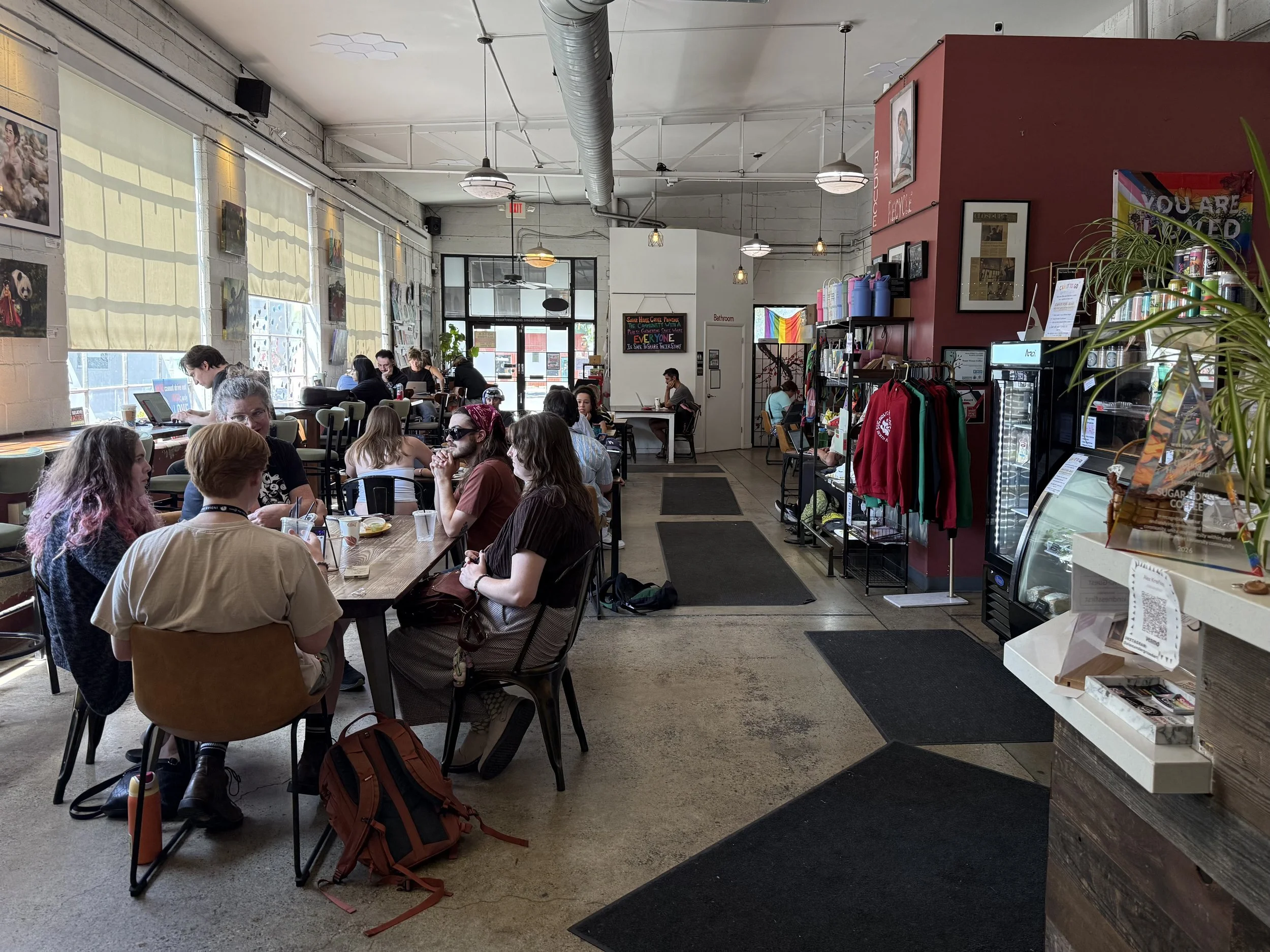
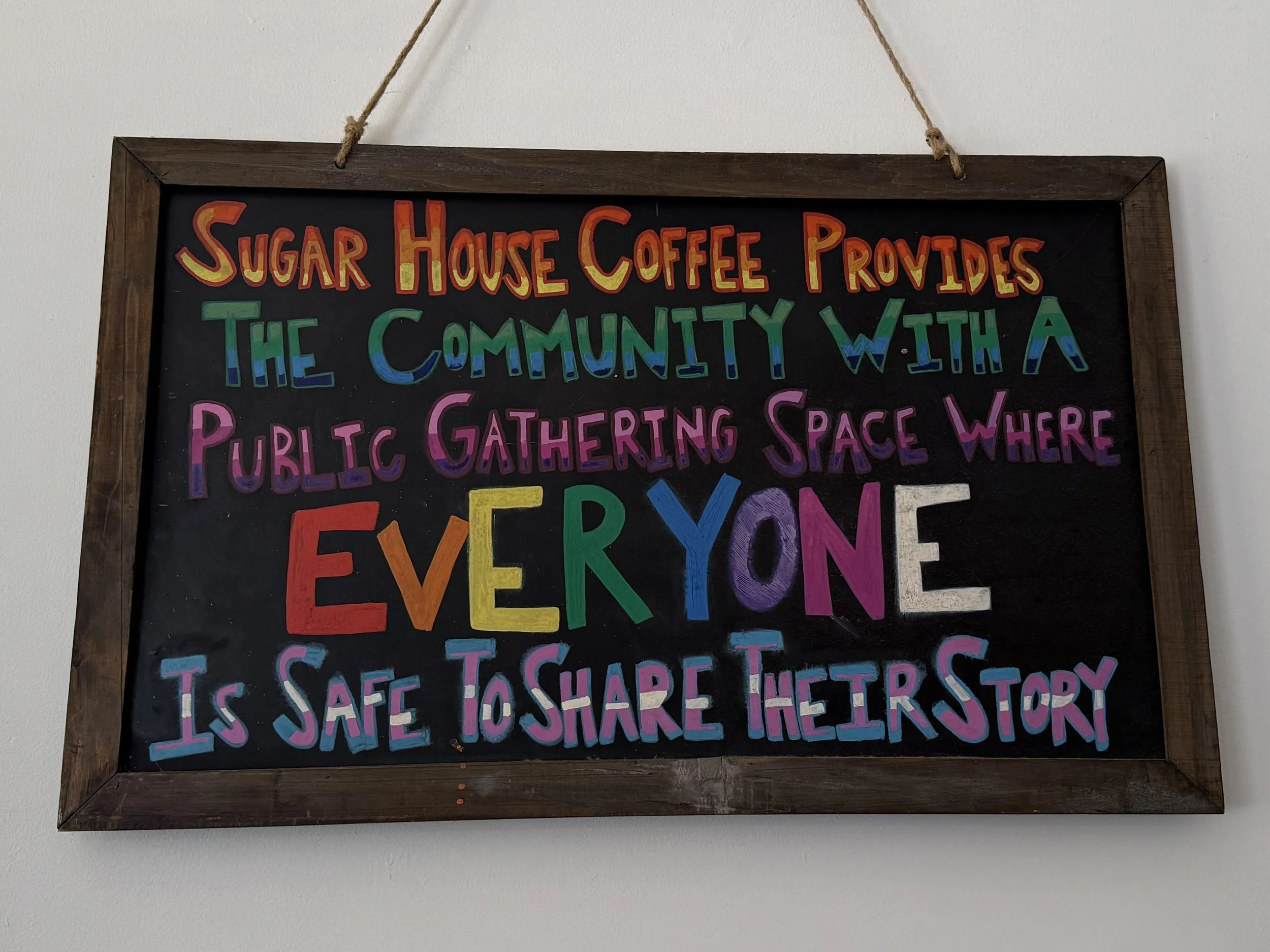
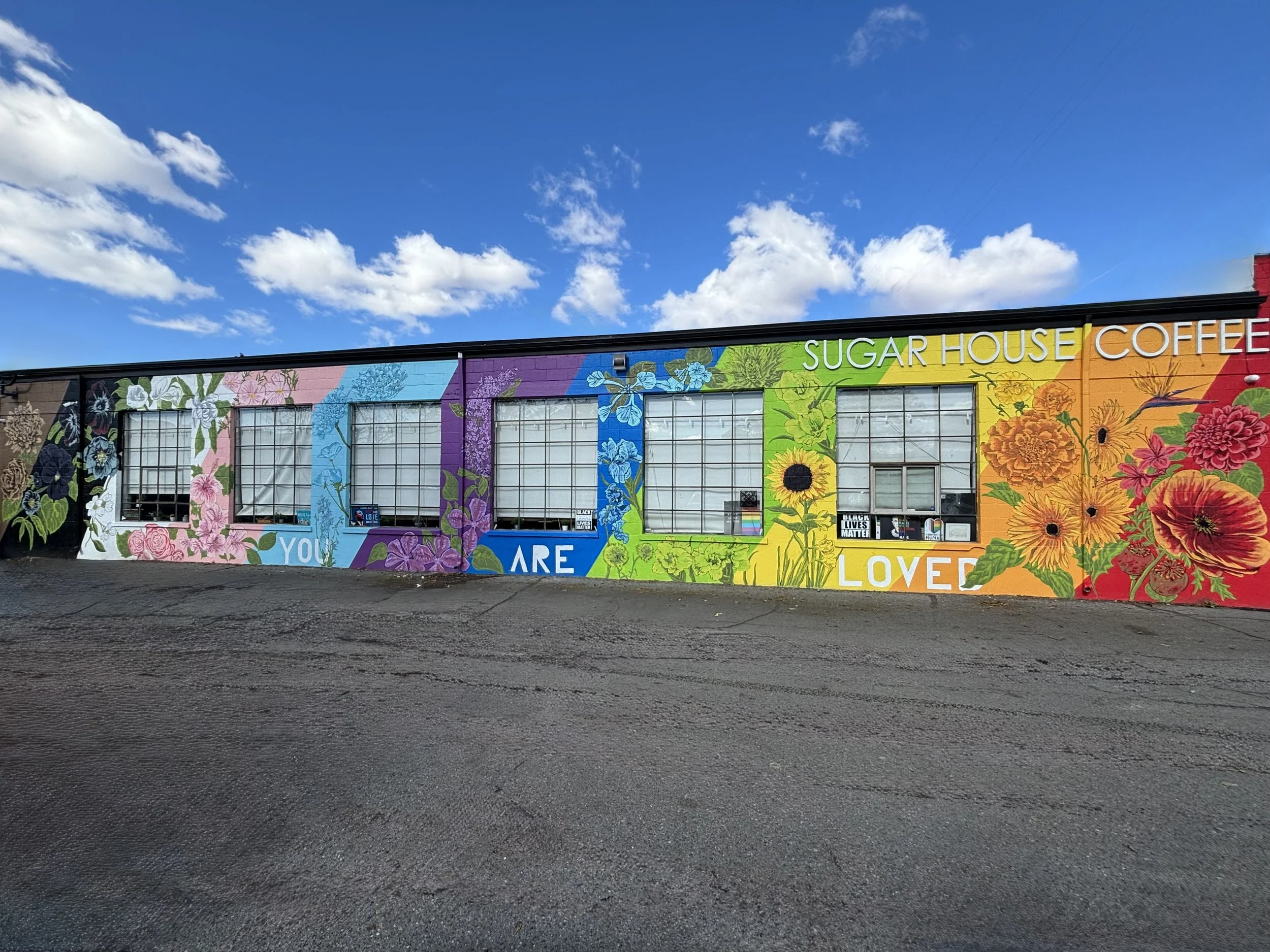
Walking into Sugar House Coffee today, it is easy to understand why people stay. The shop feels comfortable immediately, more like a true neighborhood gathering place than a carefully designed café. There are students studying for hours, older regulars who have been coming since Bob’s early days, young families, artists, musicians, and an unmistakably strong queer community woven naturally into the life of the shop. Pride flags hang openly, conversations flow easily between tables, and staff members greet regulars by name.
Emily did not create that atmosphere overnight, nor does she speak about it performatively. “It kind of organically grew into being that space. People knew they could be welcome here, and then we made sure we were louder about it.” Over the years, Sugar House Coffee has become something far more meaningful than simply an inclusive business. For many people, particularly queer youth, it became one of the few places where they could fully be themselves.
“When I hear stories of people saying they would come here after school, change their clothes, hang out for two hours, and then change again before going home, that tells you how important a place like this can become,” Emily said quietly. “To be able to be that space for people is important.”
What makes the environment feel authentic is that Emily and her staff live those values daily. Nearly all of her team members are part of the queer community themselves, and together they have built a culture rooted in protection, visibility, and acceptance. Sugar House Coffee hosts queer mingles, supports local LGBTQ+ organizations, raises money for causes including gender-affirming care and youth suicide prevention, and consistently donates to groups such as The Trevor Project. “People say they are inclusive. But you have to walk the walk if you are going to say that.”
That willingness to stand publicly behind her beliefs has not always been easy. Emily has faced criticism, hateful comments, and negative reviews over the years. Yet, she has never softened her position to make others comfortable. “If I lose customers, those are not the customers I want.”
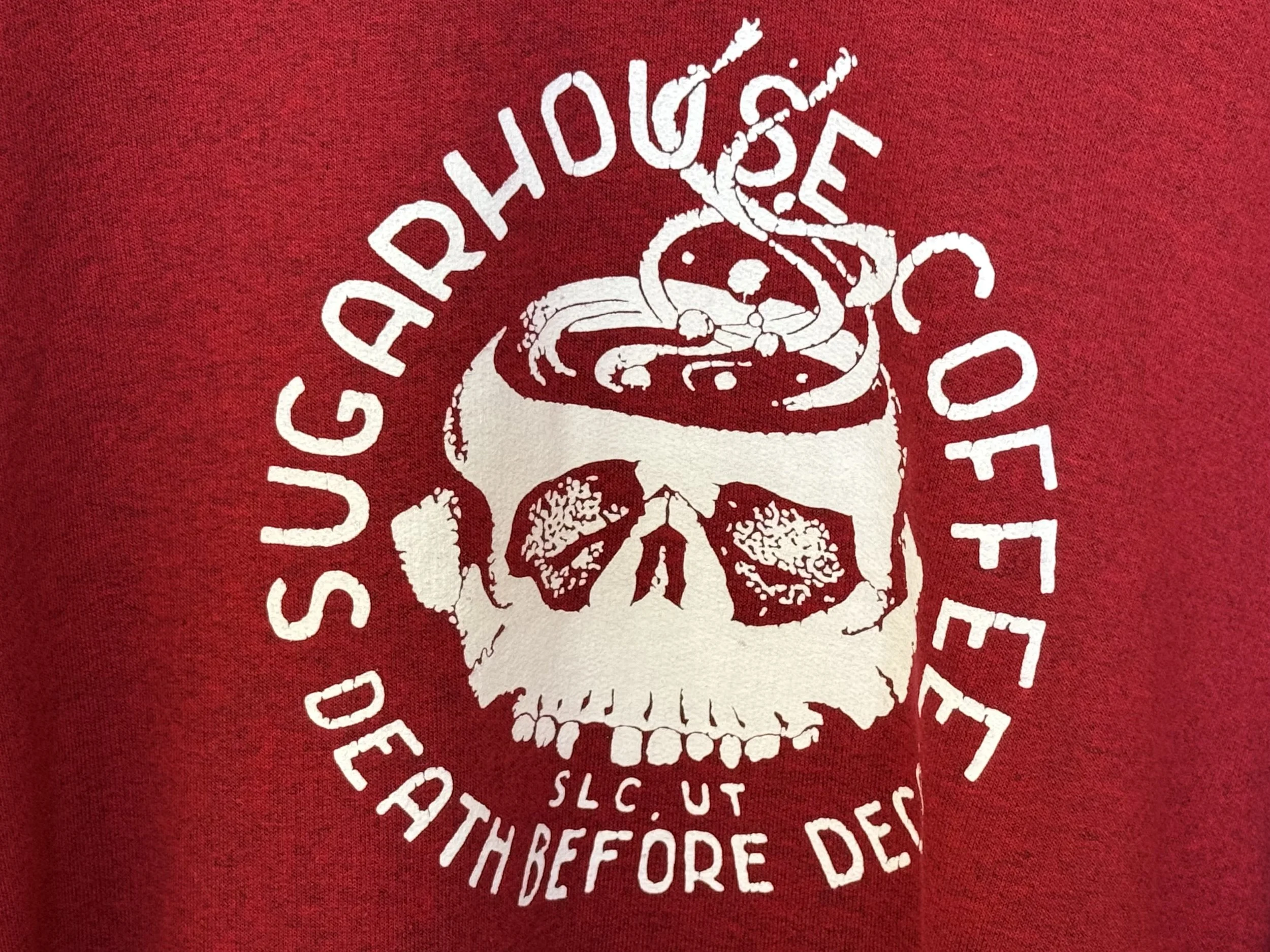
One particularly hostile online review criticized the shop’s “pride agenda” and claimed the customer felt “uncomfortable as a straight white American.” Emily’s response became emblematic of the way she approaches conflict - direct, thoughtful, and deeply empathetic. “What made you uncomfortable?” she asked publicly. “Imagine not feeling safe holding your partner’s hand walking down the street.” She later turned the phrase into a T-shirt reading: “Making straight white Americans uncomfortable since 2002,” with proceeds donated to Project Rainbow of Utah, The Trevor Project, and the Utah Black History Museum Bus.
Despite the advocacy and visibility, Emily never speaks as though she is seeking praise. “I do it because I love it,” she said. “I donate, I show up, I support people because it is the right thing to do. Not for recognition.”
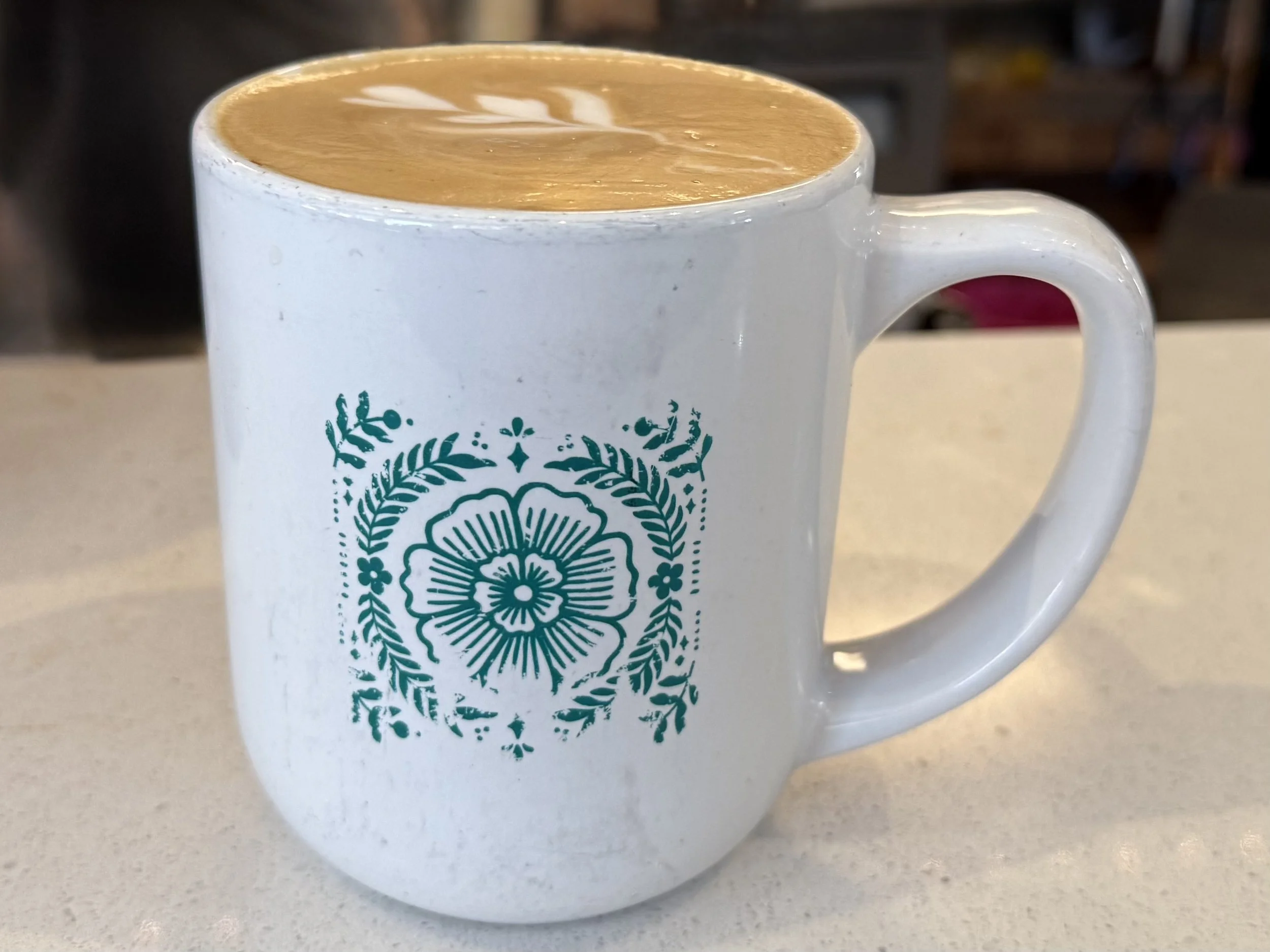
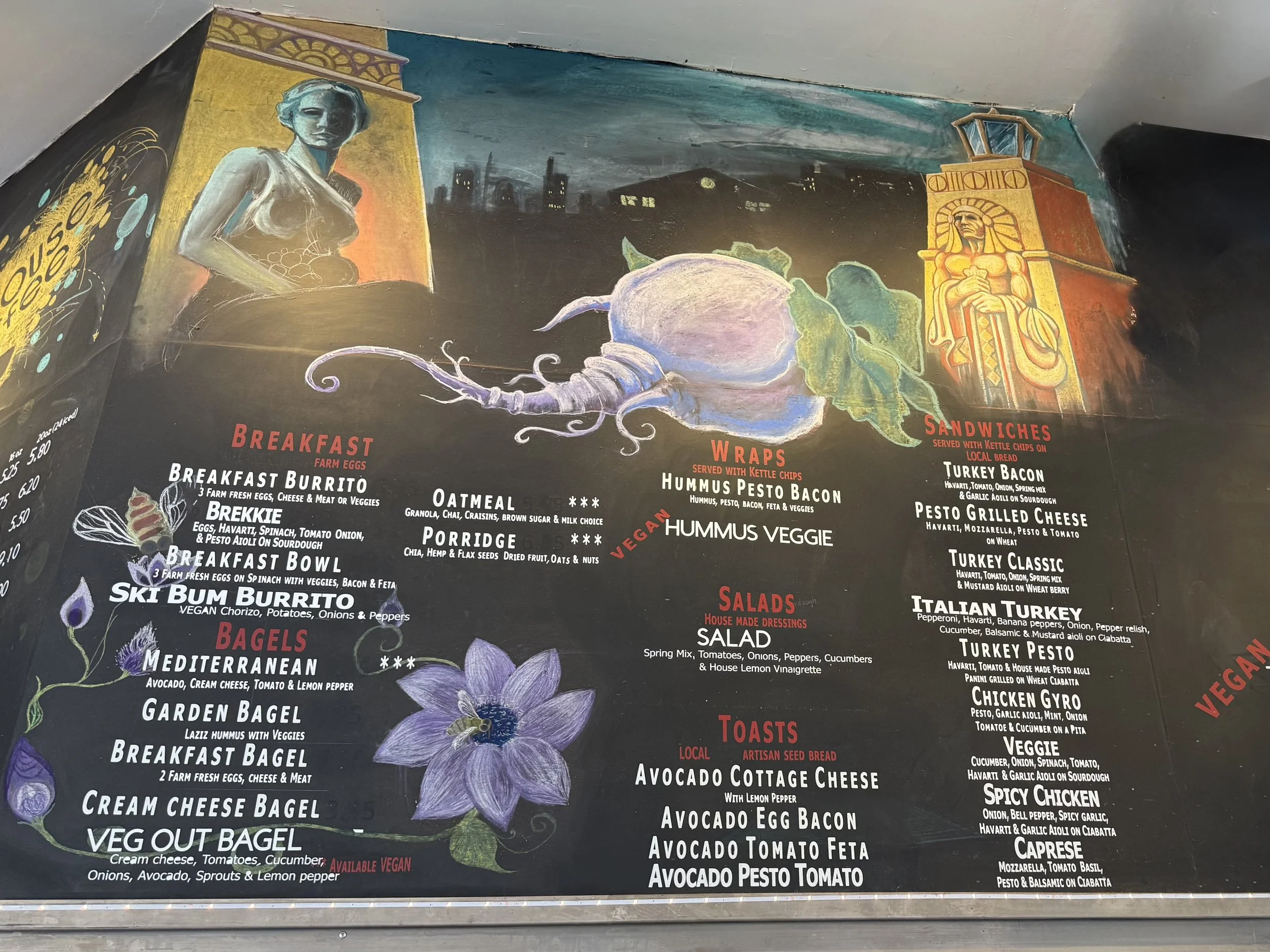
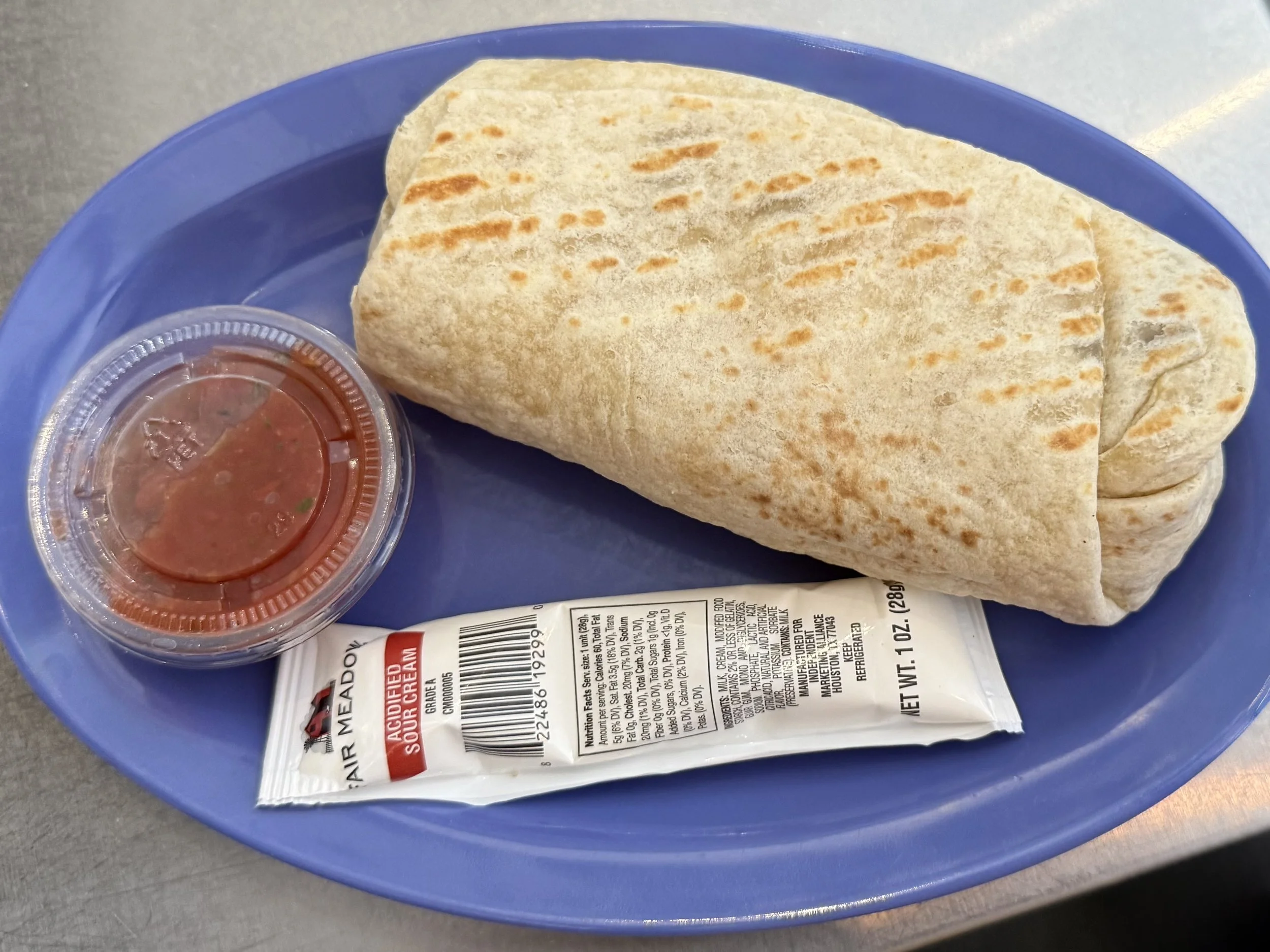
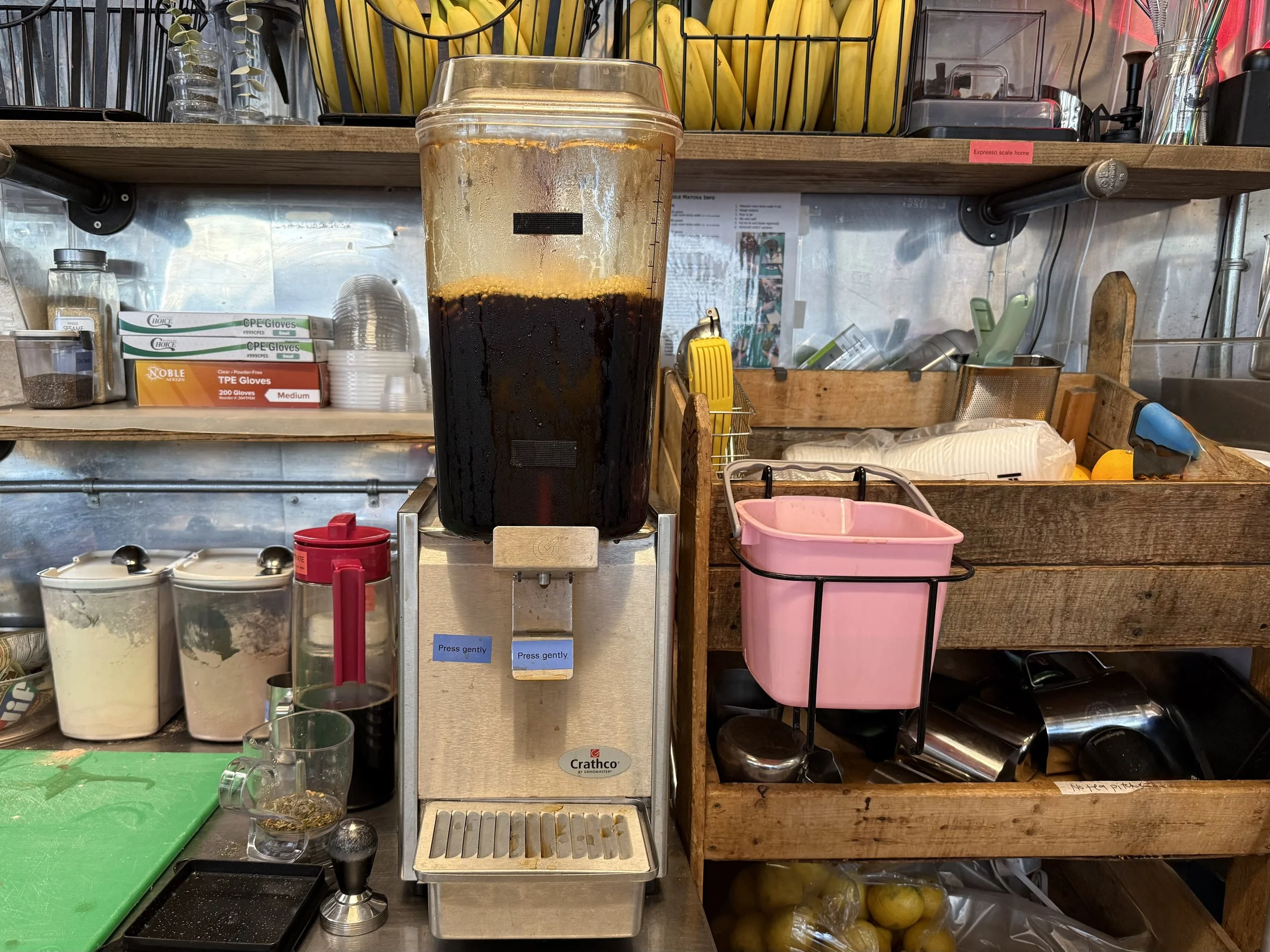
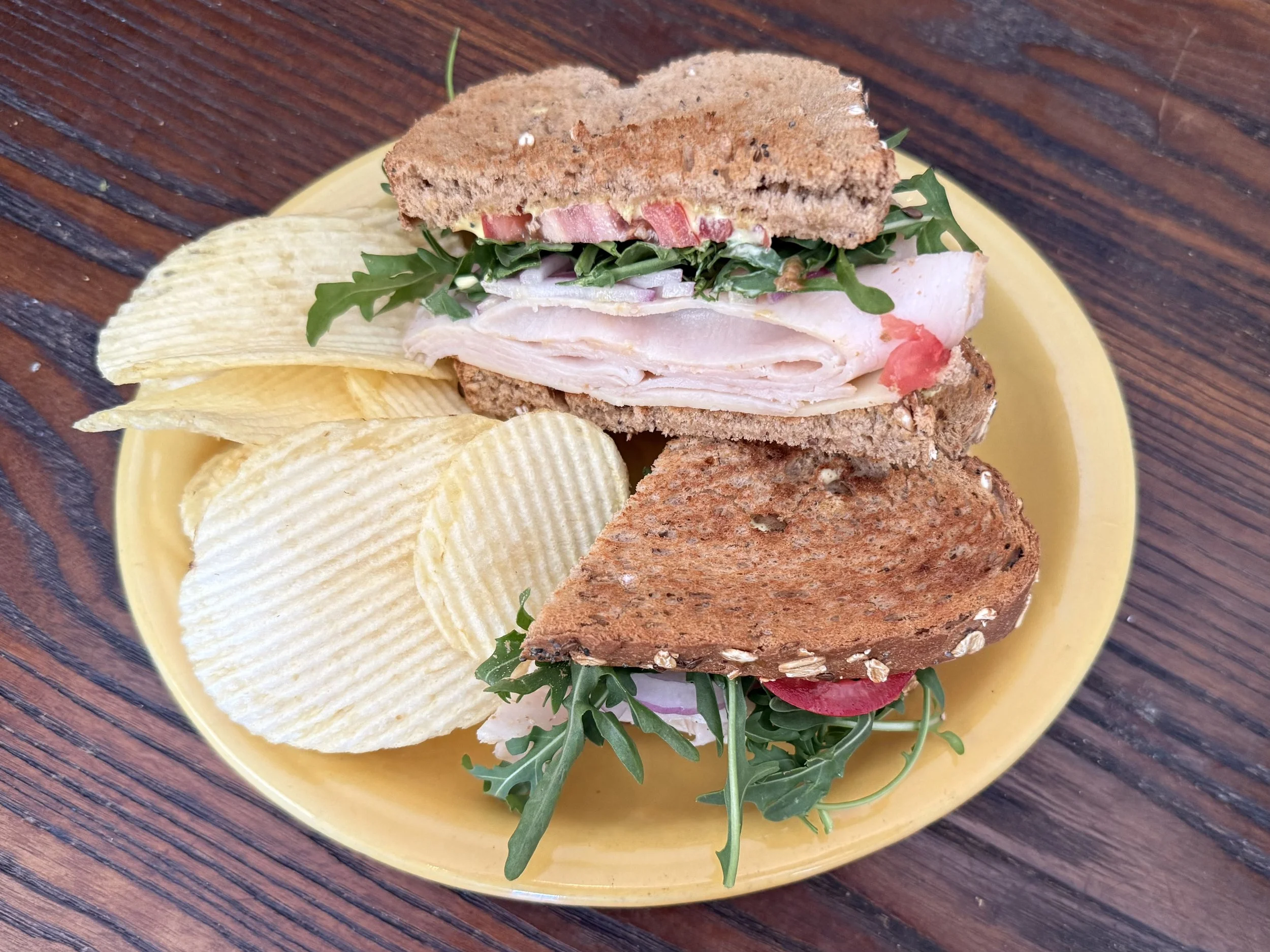
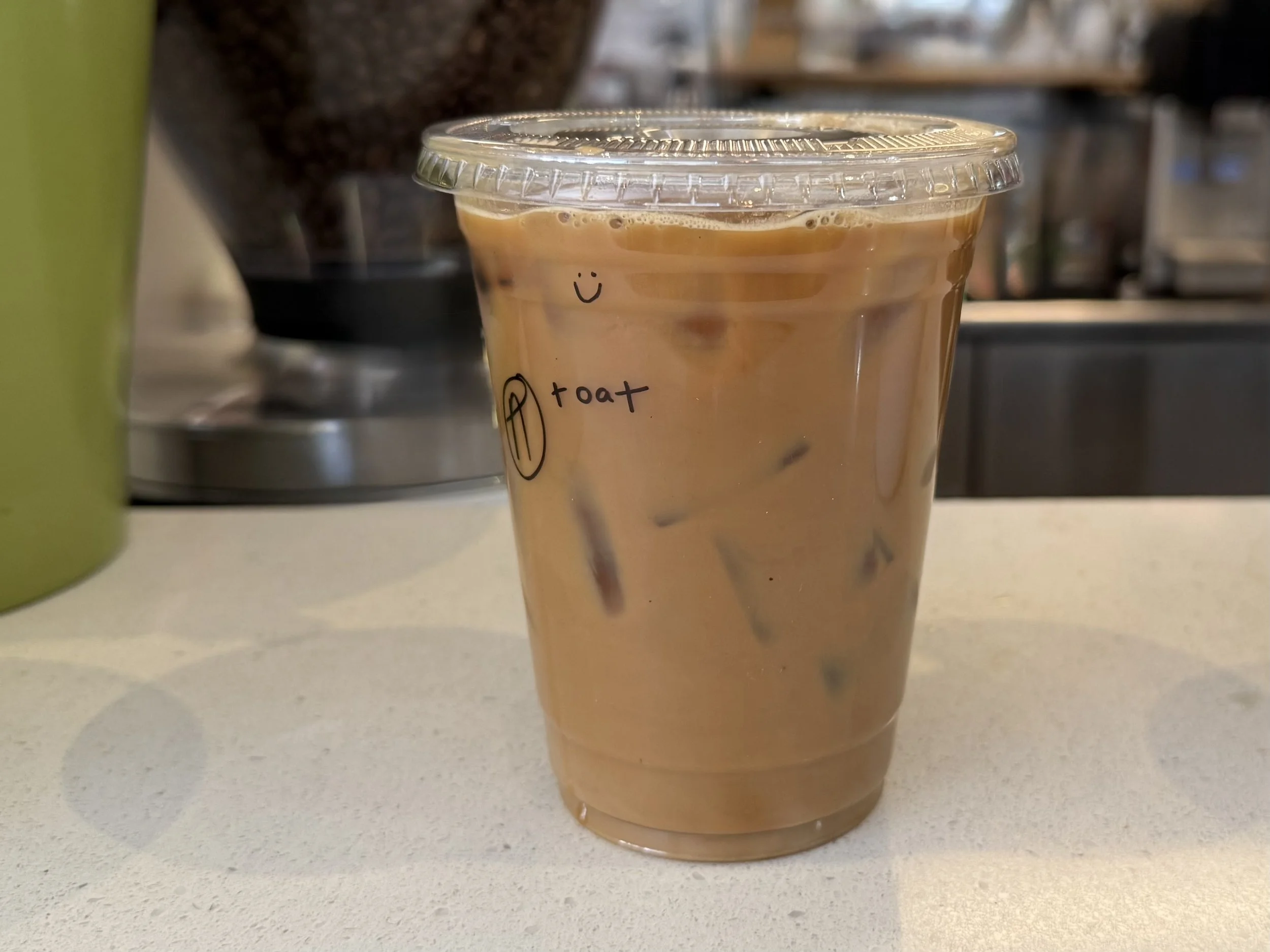
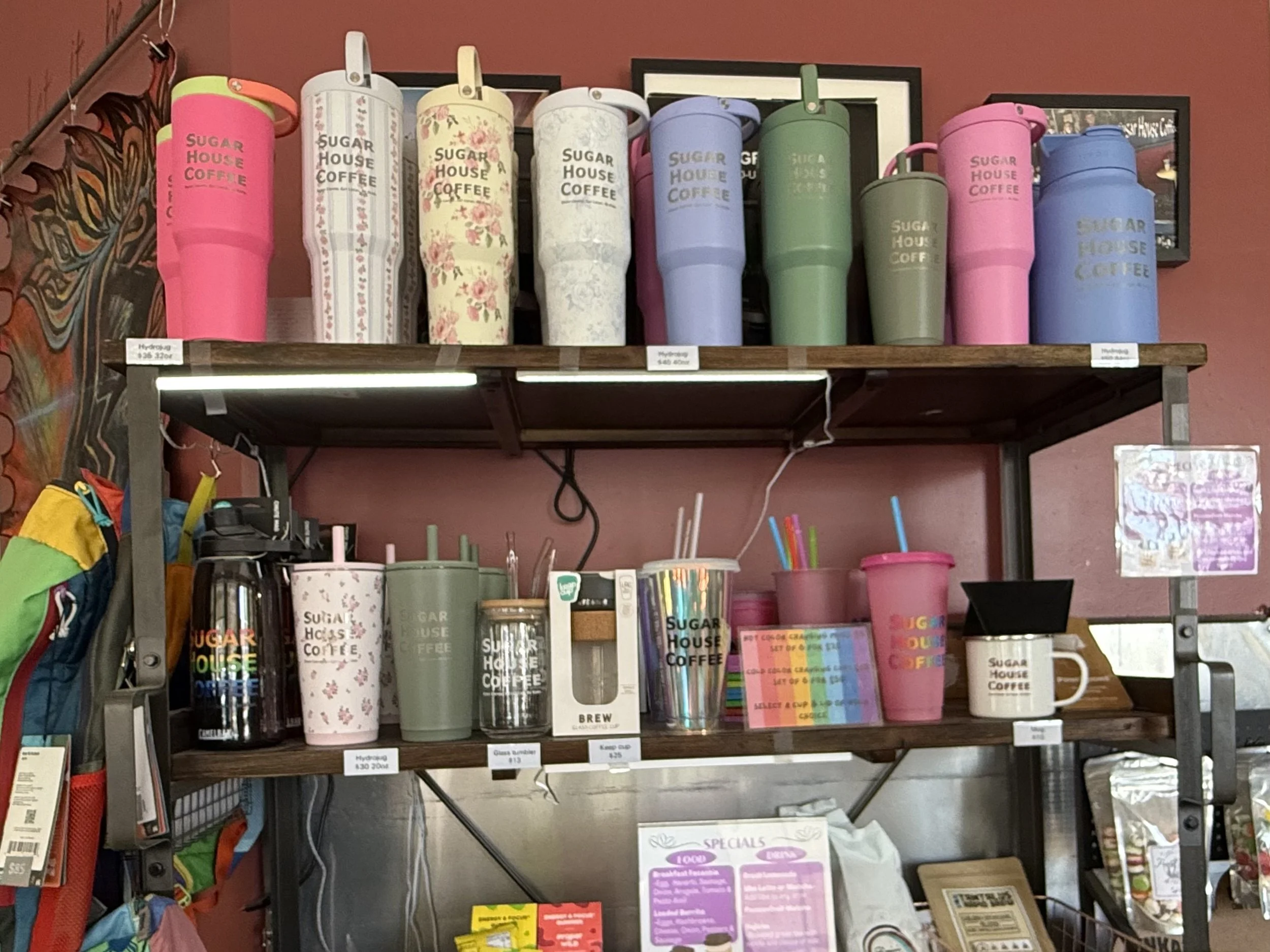
That philosophy extends into every corner of the business. Sugar House Coffee sources from as many local, women-owned, and queer-owned vendors as possible. The shop is open from early in the morning serving food throughout the day and evening. Beer and wine are offered alongside locally roasted coffee from Rimini Coffee, now run by Emily’s sister. Their menu is simple, but delicious: avocado toast, breakfast burritos, bagels, salads, smoothies, and a variety of sandwiches designed for people who may stay for hours.
And people do stay. Some drive forty-five minutes simply to spend an afternoon there. Others arrive daily. Former employees return long after leaving payroll just to sit and visit. The age range stretches from teenagers to customers in their eighties who have been coming since Bob first opened the doors.
Emily herself is there nearly every day. “This is my life,” she said. “I love working in the business. I love interacting with the community. I love interacting with my employees.” Perhaps that is why Sugar House Coffee feels less like a business and more like an extension of the people inside it. There is no separation between Emily’s values and the coffee shop she has created. It reflects exactly who she is - fiercely loyal, deeply compassionate, politically unafraid, community-centered, and unwavering in her belief that everyone deserves dignity and safety.
“The number one thing my dad taught me was the importance of community,” Emily reflected. “And if you have a platform, especially as a small business, you should use it. I can go almost anywhere and feel safe. Not everyone can. So, if we can provide even one place where people feel accepted, loved, and supported, then that matters.”