Millcreek
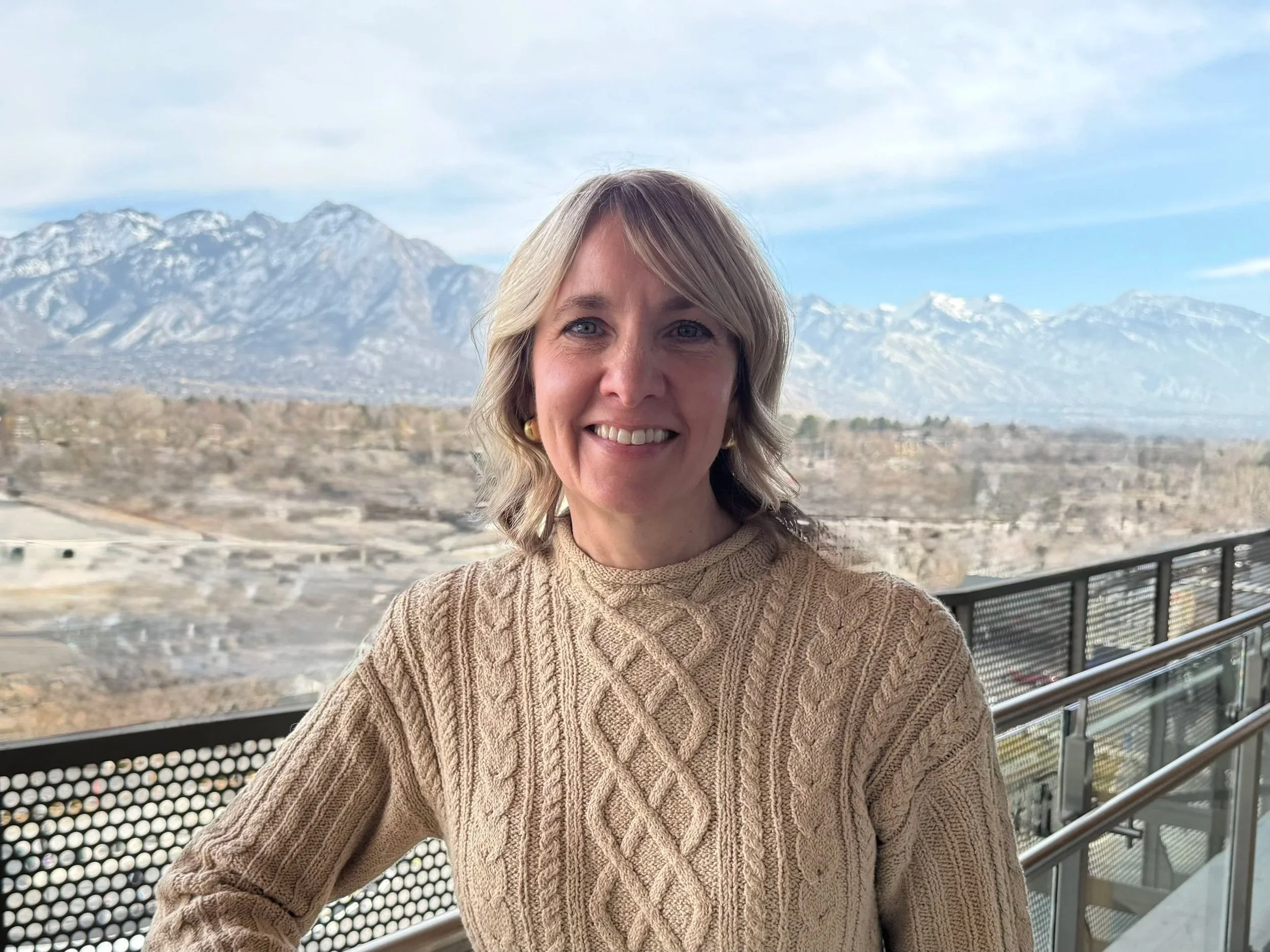
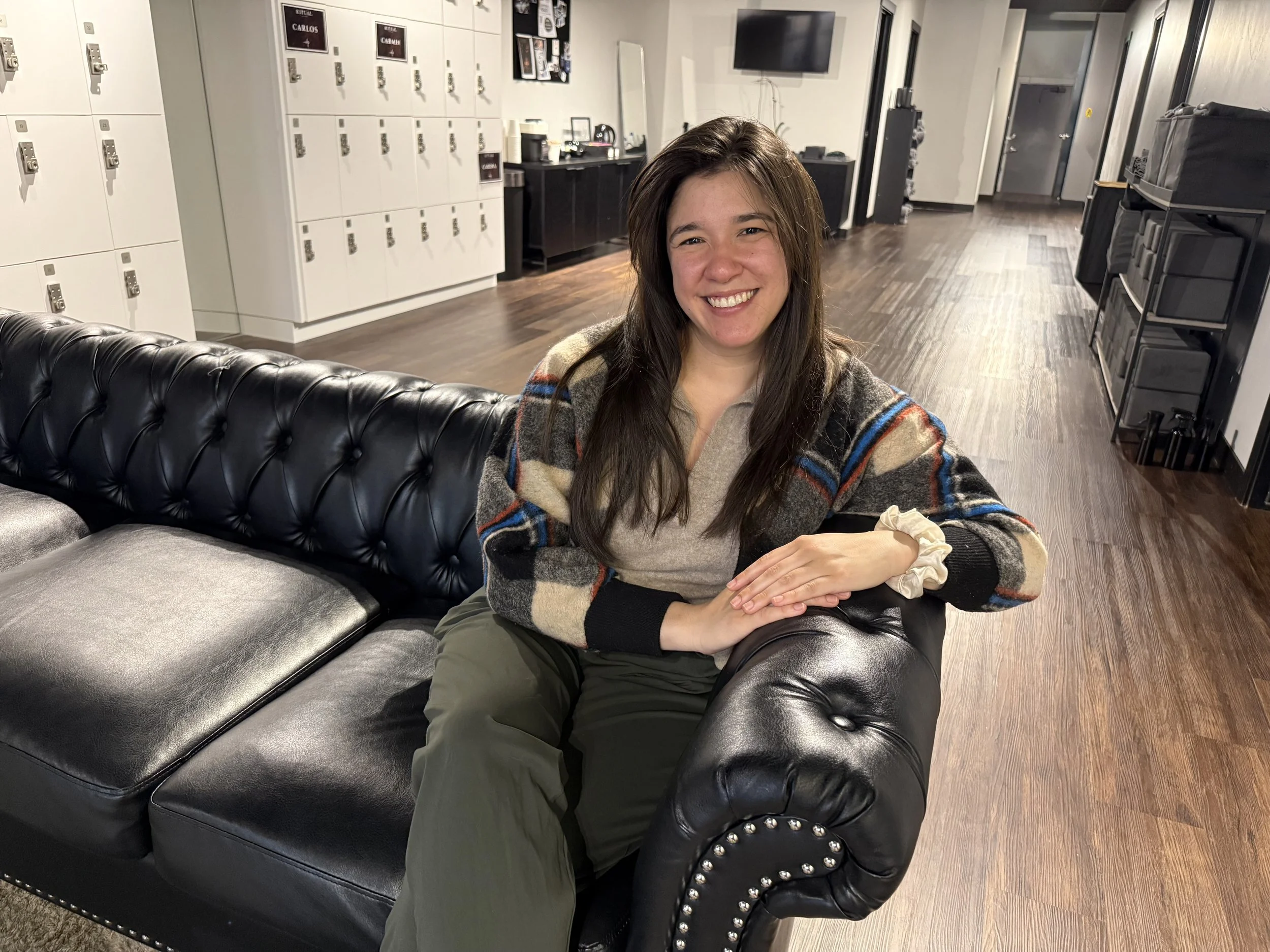
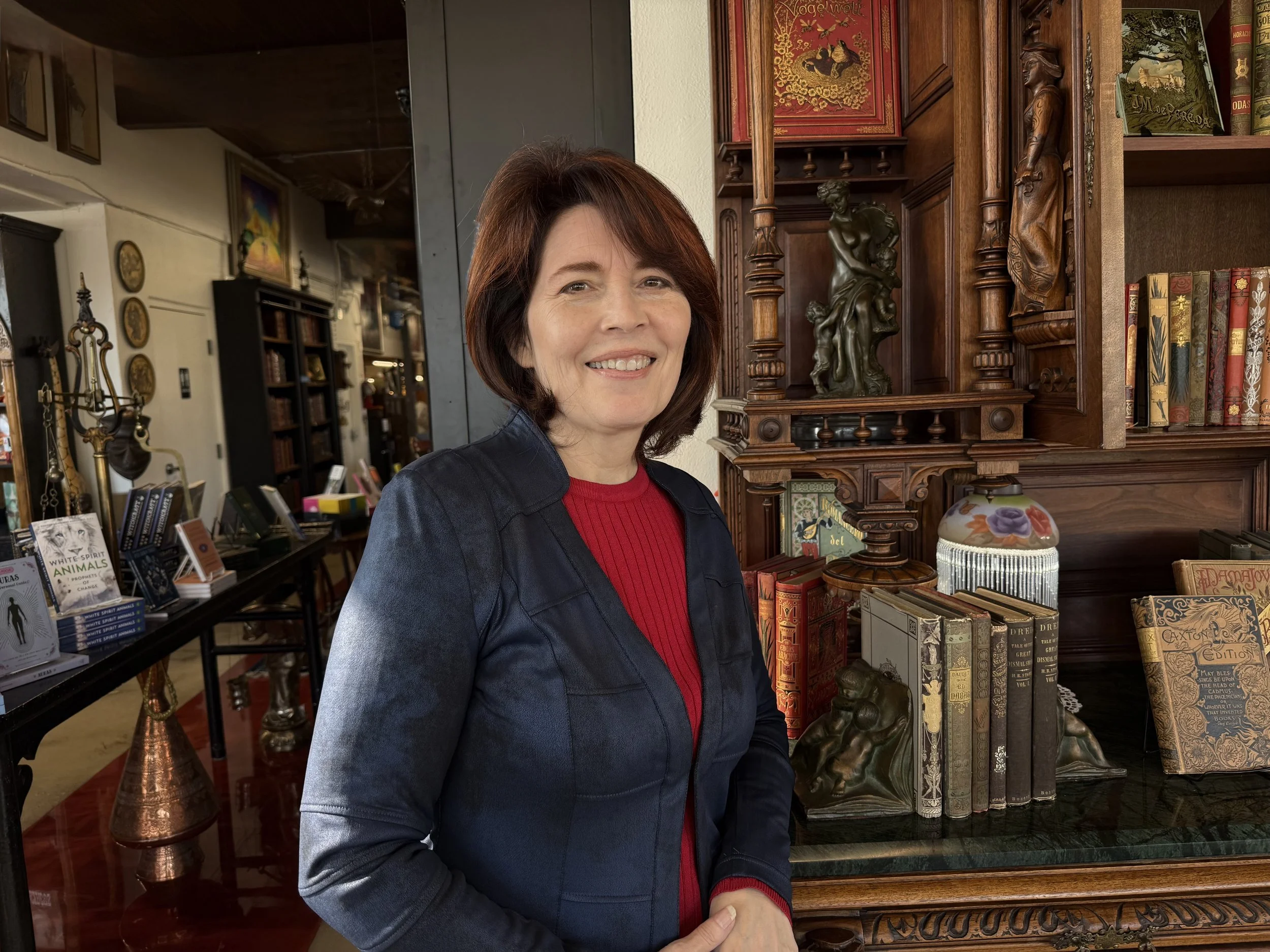
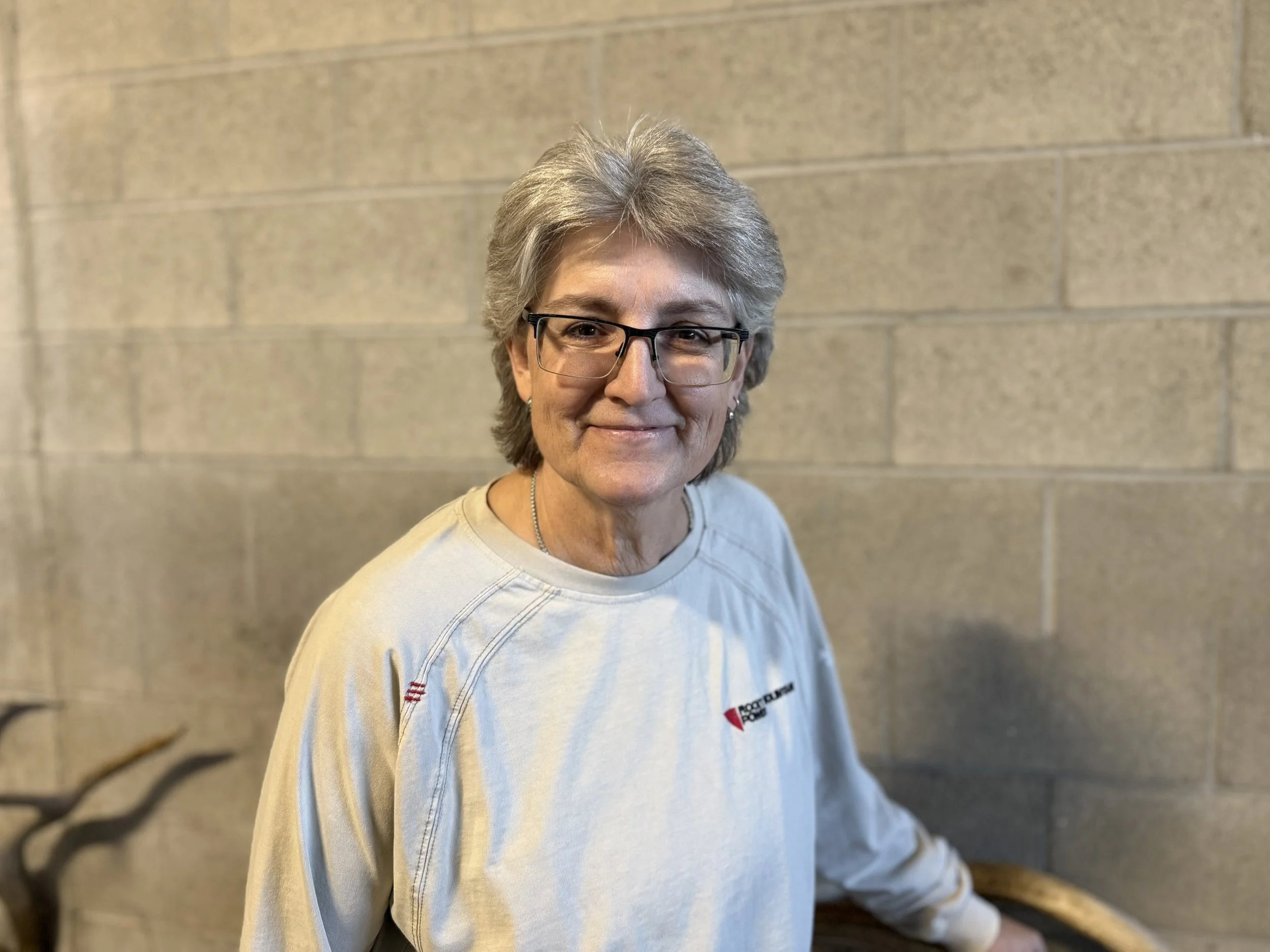
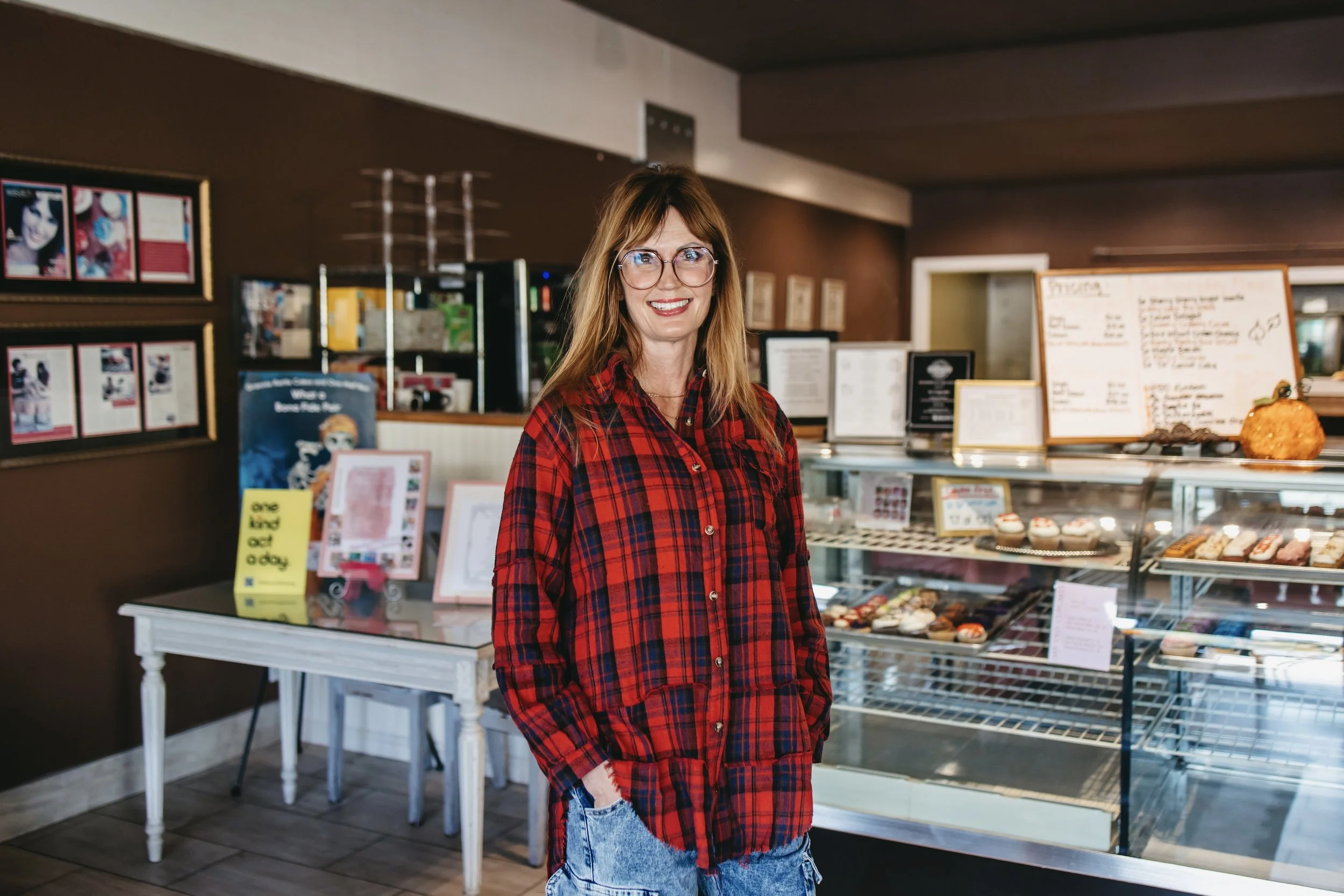
Mayor Cheri Jackson
“I think of Millcreek as an extension of my family.” Mayor Cheri Jackson was born and raised in Millcreek, and today she lives just two doors up from the house where she grew up. It is not a coincidence. It is the through line of her life.
Millcreek was then an unincorporated township in Salt Lake County. But even as a child, Mayor Jackson knew it was special. “It just felt like this was the best place in the whole valley to be.” Twenty minutes from downtown, the canyons, the ski resorts, and Park City, it offered both freedom and connection. She attended Canyon Rim Elementary, Wasatch Junior High, and Skyline High School, all while swimming, riding bikes, jumping on trampolines, and spending long summer evenings outside with neighbors. “There were a lot of kids in our neighborhood. Every night in the summer, we would meet on the front lawn and play games.”
Cheri left Millcreek for college at BYU, where she studied psychology and met her husband, Romm. They married in 1988, just before he was commissioned as a second lieutenant in the military. For the first seven years of their marriage, they moved constantly, seven times in seven years, as Romm served as a helicopter pilot. With each move came more responsibility and less flying, more administration and fewer hours in the air. At the same time, Cheri was raising young children, often alone while her husband was deployed or away for training.
When Romm was stationed in Korea on an unaccompanied tour, Cheri was six months pregnant with their third son. She left Alabama where they were based at the time and came home to Millcreek to be near her parents for support. While Romm was overseas, a house two doors up from her parents went on the market. Cheri called her husband and told him they were buying it. He agreed, even though he never imagined himself living there. He had always pictured a coastal life. When Romm returned, however, he finished his military service and began applying for civilian jobs. On a layover in Salt Lake City, he interviewed with Tom Stuart Construction. He was hired, and thirty years later, he is still there.
Their boys grew up biking, playing neighborhood games, and walking to school, just as Mayor Jackson had. “It was important to me that our kids had that same kind of childhood.” She became deeply involved in their lives and their schools, serving as PTA president, supporting youth soccer, and helping launch Impact United Soccer Club when all four boys played and Romm coached. When Granite School District closed Canyon Rim Elementary in 2006, Cheri and a group of parents wrote a charter and founded Canyon Rim Academy, a public K–6 charter school housed in the original building. Twenty years later, in 2026, the school is still thriving.
Those experiences shaped the Mayor’s path. When Millcreek incorporated as a city, friends and neighbors encouraged her to run for city council. She was elected in 2016 and served for nine years as the District 3 representative, working on land use, public safety, emergency preparedness, interfaith initiatives, and community council engagement. Along the way, she earned a master’s degree in public administration from Utah Valley University. “I had the experience, and I had the time, and I wanted to serve my community better.”
In November 2025, following the early retirement of Mayor Jeff Silvestrini, the city council appointed Cheri Jackson to serve as mayor for the remainder of his term. She will hold the position for two years until the next election. Officially, the role is classified as part-time. In reality, it fills her days and many of her evenings. Smiling, Mayor Jackson said, “If you really want to serve your community and show up the way a mayor should, it is full time.”
What guides Mayor Jackson most clearly is her belief in service, especially when it comes to local businesses. Her appreciation began as a teenager working at Munson’s Burger Den, an independently owned hamburger and milkshake shop on 20th East. She saw firsthand the sacrifice it took to run a small business and the impact it had on a community, not only as a gathering place, but as an employer and training ground for young people. “I recognized how much work and commitment it took, and how much it gave back.”
That understanding shaped Millcreek’s approach from the moment it became a city. Mayor Jackson supported the creation of a business council model that included every licensed business, regardless of size or ability to pay fees. “I wanted our businesses to be successful, and I wanted Millcreek to be a place where businesses felt supported.” Her hope was not only that existing businesses would thrive, but that others would take notice. “I wanted Millcreek to be a place where other small business owners looked and said, I want to open in Millcreek.”
Projects like Millcreek Common reflect that philosophy. Built through extensive community engagement, it has become a gathering place that blends public space, events, markets, and small business incubation. Future phases will add green space, play areas, public art, retail, and the city’s first hotel, further anchoring the area as a true city center.
At the heart of everything Mayor Jackson does is people. “I like talking with people, trying to help solve problems, and connecting people with the information that they need.” She still lives among neighbors she has known for decades. “There are people in my neighborhood that I have known for fifty years or more.”
And when she talks about what matters most, the Mayor’s answer remains grounded and clear. “My family is my most important thing,” she says. “But I really do see this city as an extension of that.” She pauses, then brings it back to what she hopes for the future. “I want to see Millcreek residents and businesses thrive - and be successful and happy.”
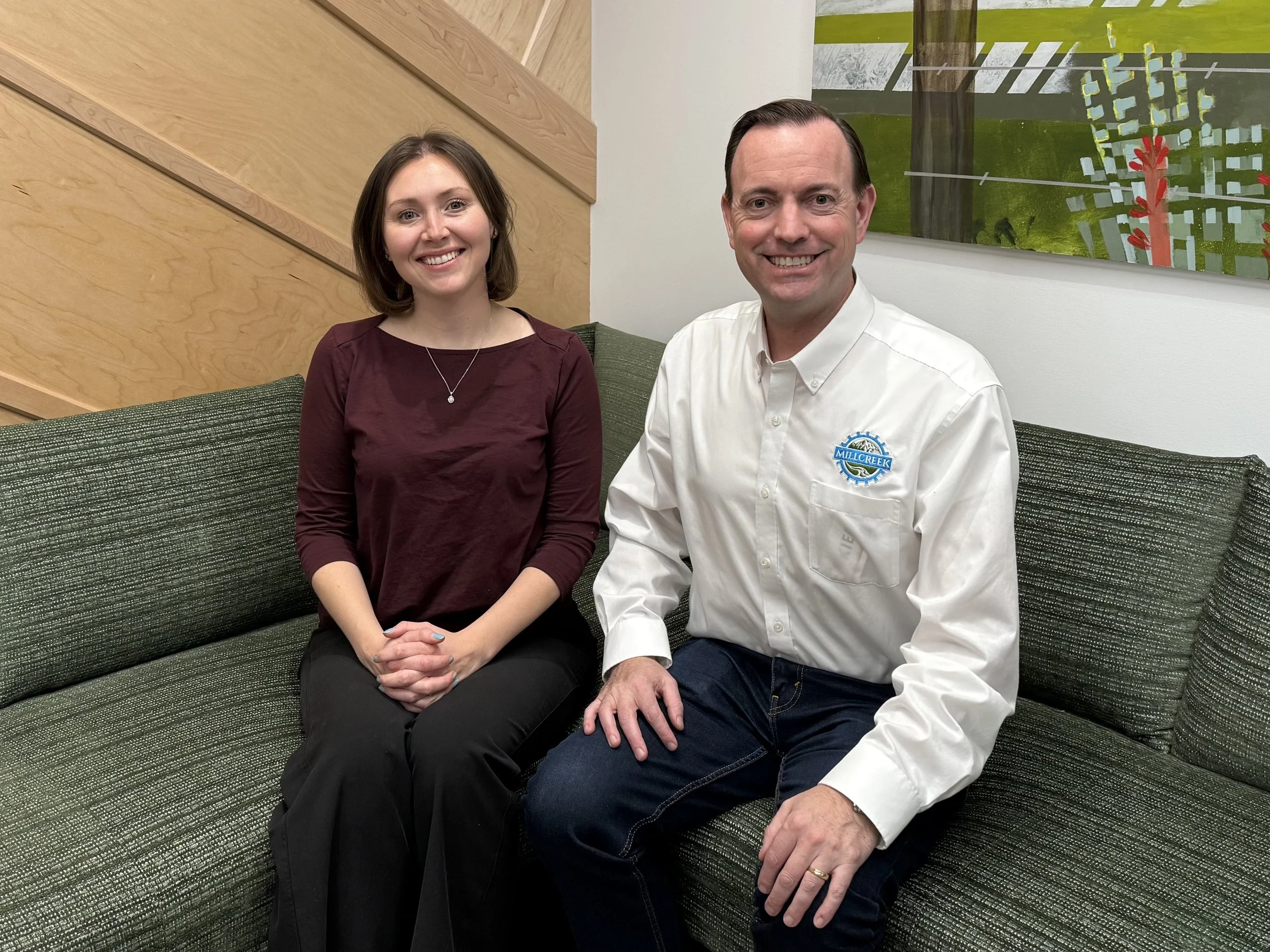

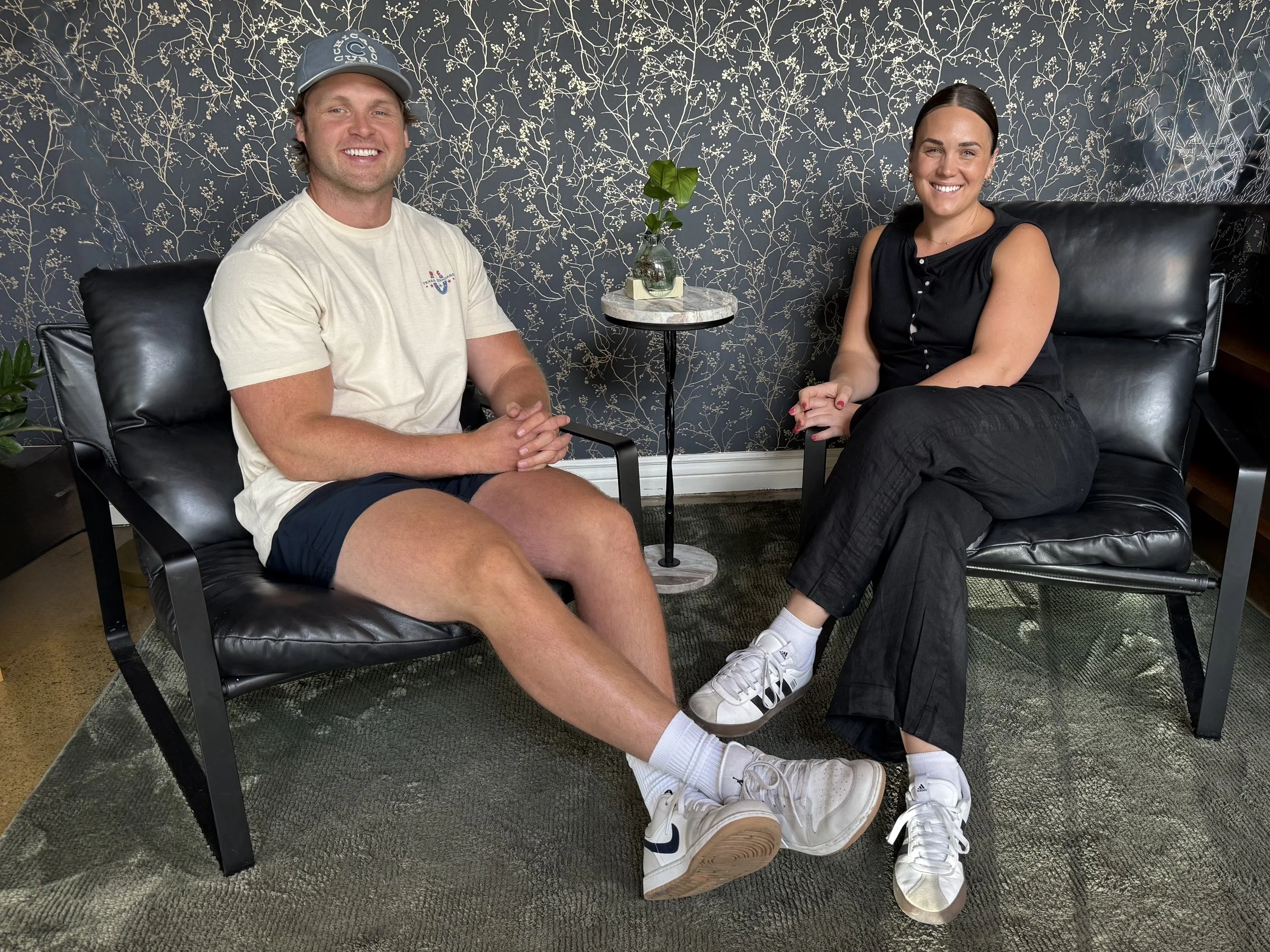
Mike Winder and Elise Summers
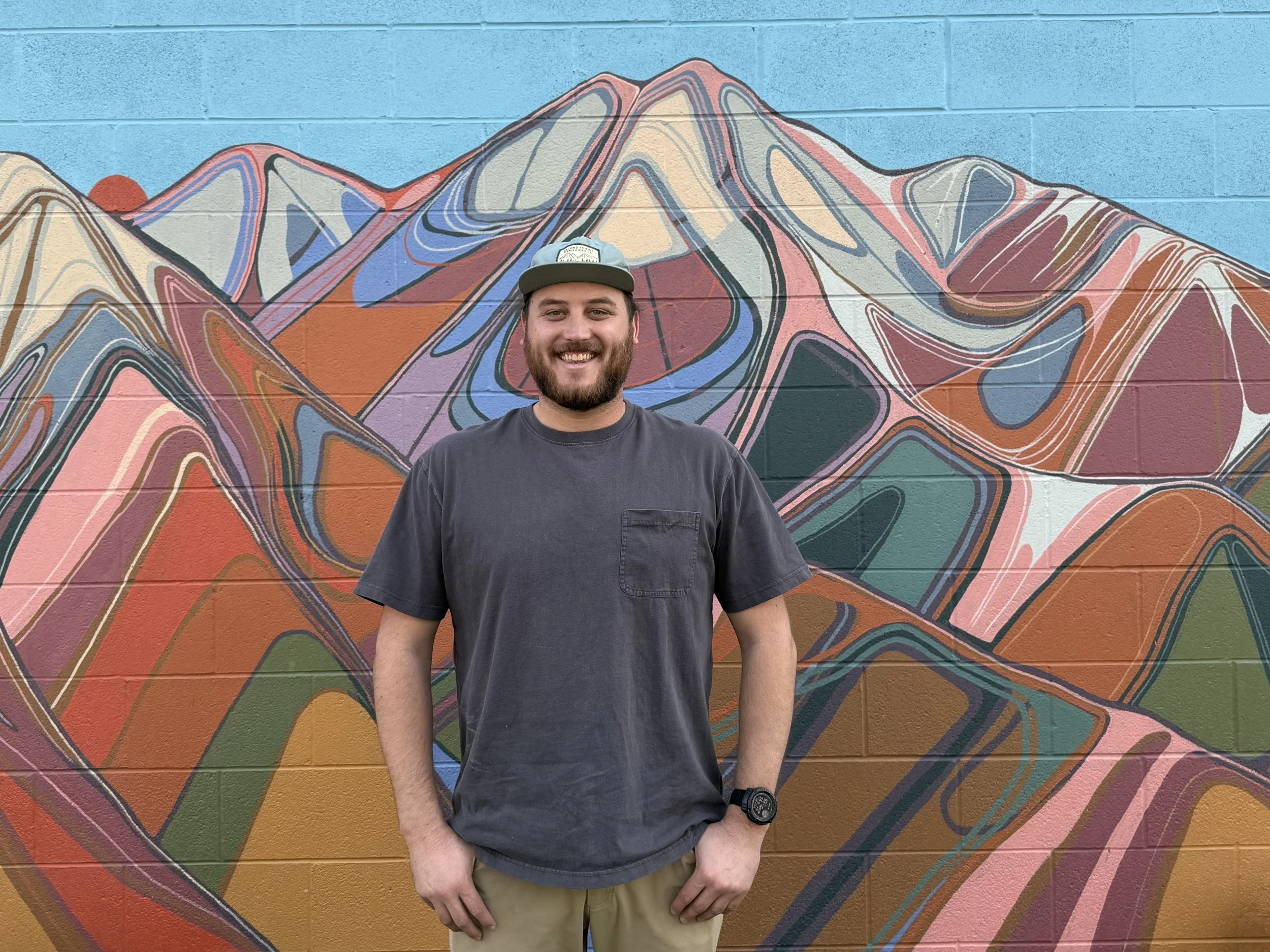
“Part of the Millcreek magic is you have a dynamic team of founding fathers and mothers of this city,” said Mike Winder, Millcreek City Manager and Economic Development Director. “They are not afraid to make bold decisions to change the status quo and to work hard to build a community where everyone belongs. In a relatively short period of time, we have done things other cities have only dreamt about for decades.”
Mike is a sixth-generation Utahn whose great-great-grandparents are buried in Millcreek. His family started Winder Dairy in 1880, north of Mill Creek on the South Salt Lake side. After serving a two-year mission in Taiwan, where he learned Mandarin, he built a career blending business and politics - working at Winder Farms, Summit Group Communications, Zions Bank, and in West Valley City’s Economic Development Office. Mike went on to serve four years on the West Valley City Council, four years as their mayor, and six years in the state legislature. Of all his positions, he calls his current role in Millcreek his favorite.
The Millcreek role, Mike explained, is made even more rewarding by the leadership team around him. Millcreek’s city council has a female majority and represents a range of political affiliations, faiths, and cultural backgrounds, yet they operate with a unity of purpose rarely seen in government. “It is a very exciting environment to work in,” Mike said. “We have been able to assemble a dream team - our planning director, engineer, events staff - truly the best people in their fields. In eight years as a city, I can count on one hand the number of non-unanimous votes our council has taken, which shows just how focused they are on putting the community first.”
Millcreek’s story begins in 1848, right after the pioneers entered the Salt Lake Valley. Logging mills sprang up along the creek that gave the community its name, powering flour production and lumber sawing. The area grew steadily for over 150 years but remained unincorporated until 2016, making it one of Utah’s newest cities. Today, with 65,000 residents, it is also one of the state’s largest.
When incorporation was finalized, the new mayor and council faced a decision: form a traditional Chamber of Commerce, join a neighboring city’s chamber, or try something different. As the first economic development director, Mike suggested creating the Millcreek Business Council, an automatic, no-dues membership for every licensed business in the city. “Any licensed Millcreek business - about 6,000 and growing - is automatically a member. They can apply for Business of the Month, get free advertising, ribbon cuttings, anniversary celebrations, and extra support from us,” Mike explained. “Our goal is to make sure our businesses are healthy and happy.”
The Business Council operates with a unique philosophy: events are self-sustaining, with participants covering their own costs. “We do not have aggressive fundraising or dues,” said Elise Summers, who wears three hats: executive administrator to Mike and the mayor, co-lead of the Economic Development Department, and administrator of the Business Council. She first joined as a local business leader before the city, impressed with her energy and talents, brought her into her city role.
Elise is passionate about making sure the city’s support reaches every corner of the business community. “Sometimes I do not feel that the business community knows enough about what we are trying to accomplish,” she said. “I want them to know I work for the city, but I also care about them as business owners and as individuals. I am always looking for opportunities - whether it is grant funding, connections, or resources - to make sure they are successful. Their success is my success.”
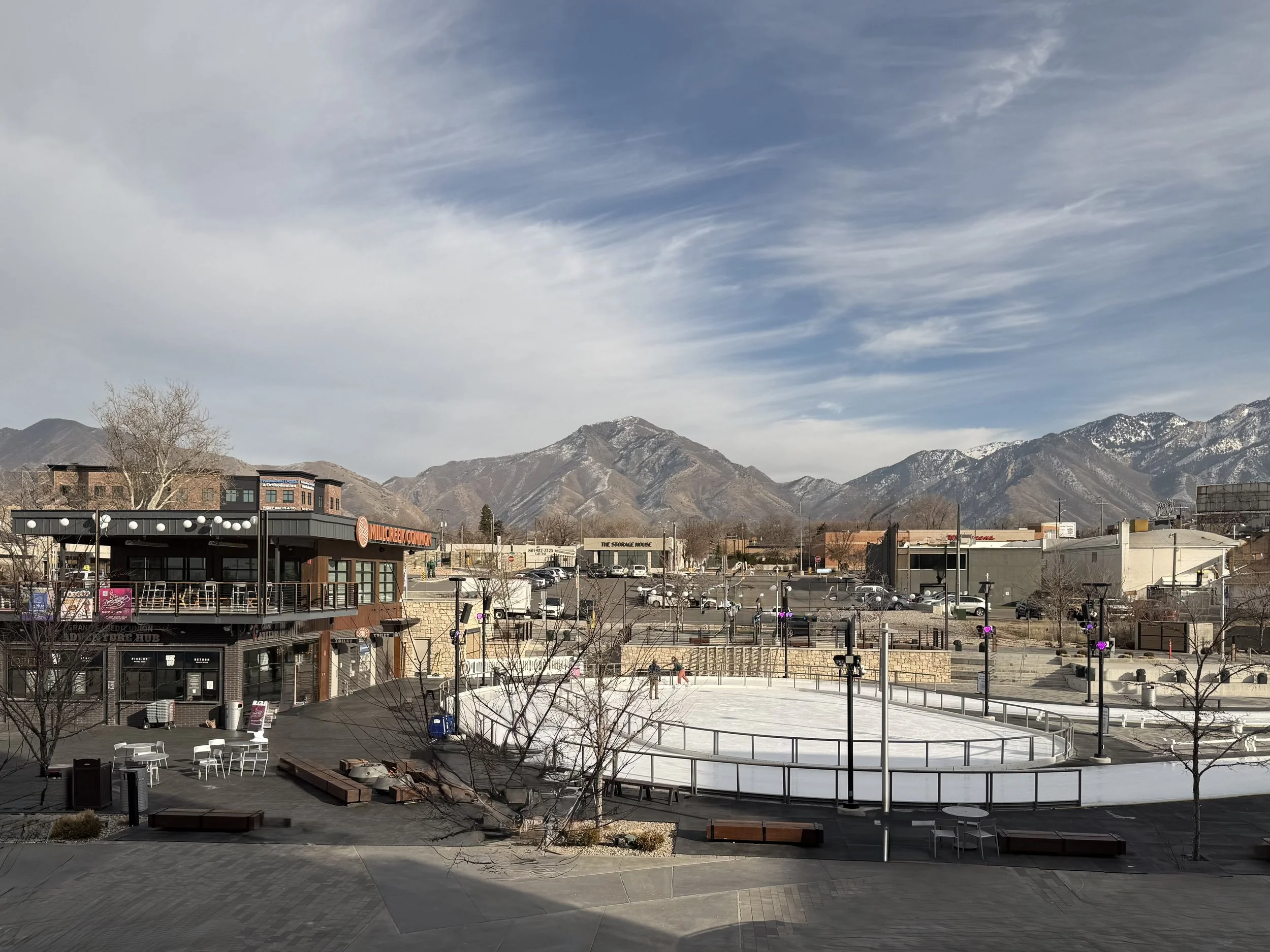
Millcreek’s economic mission is summed up in the “three R’s”: retain existing businesses, recruit new ones, and redevelop underused areas. The crown jewel of redevelopment is Millcreek Common - a transformation from a vacant JoAnn Fabrics, outdated apartments, and underperforming retail into a lively city center.
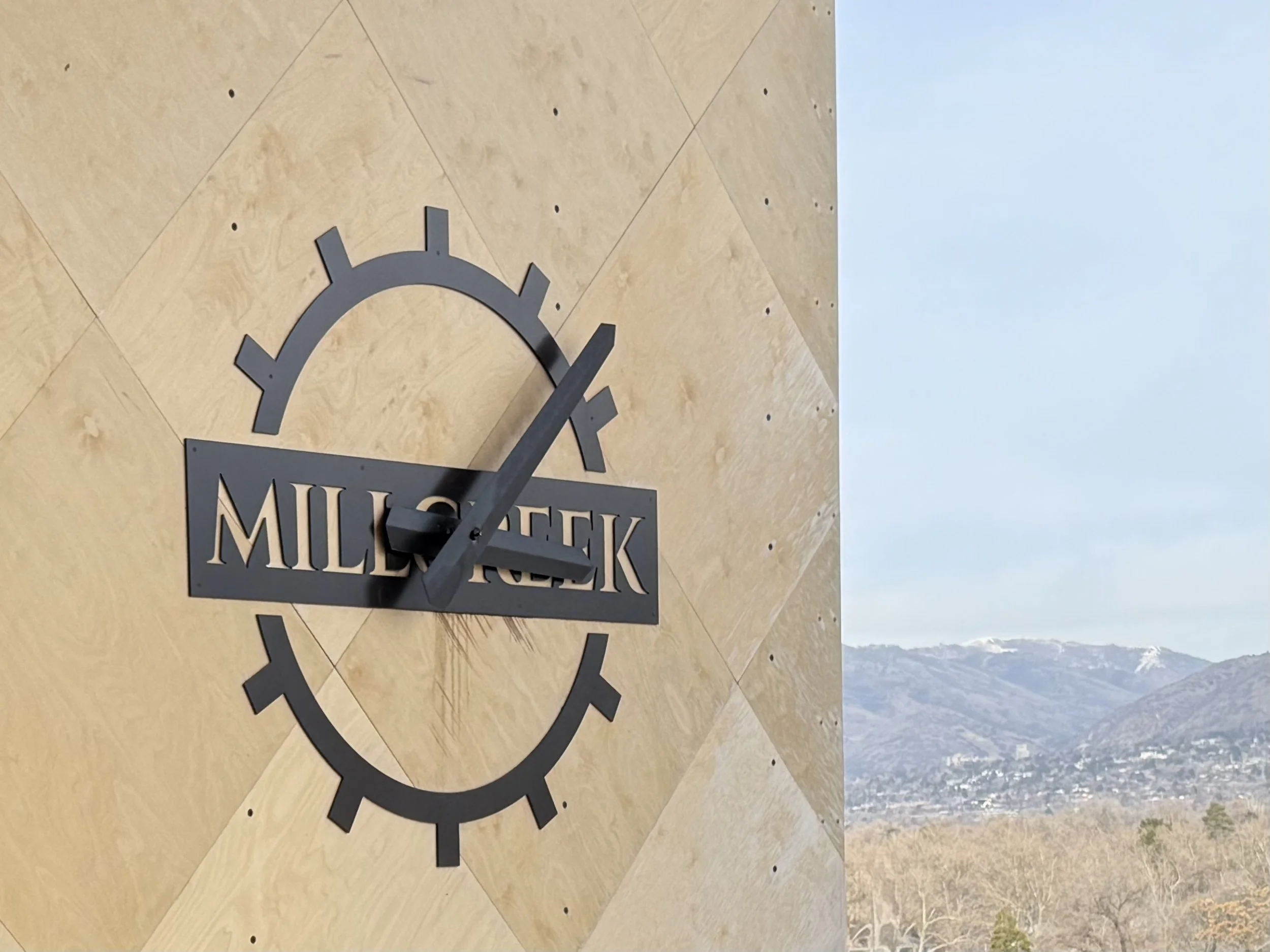
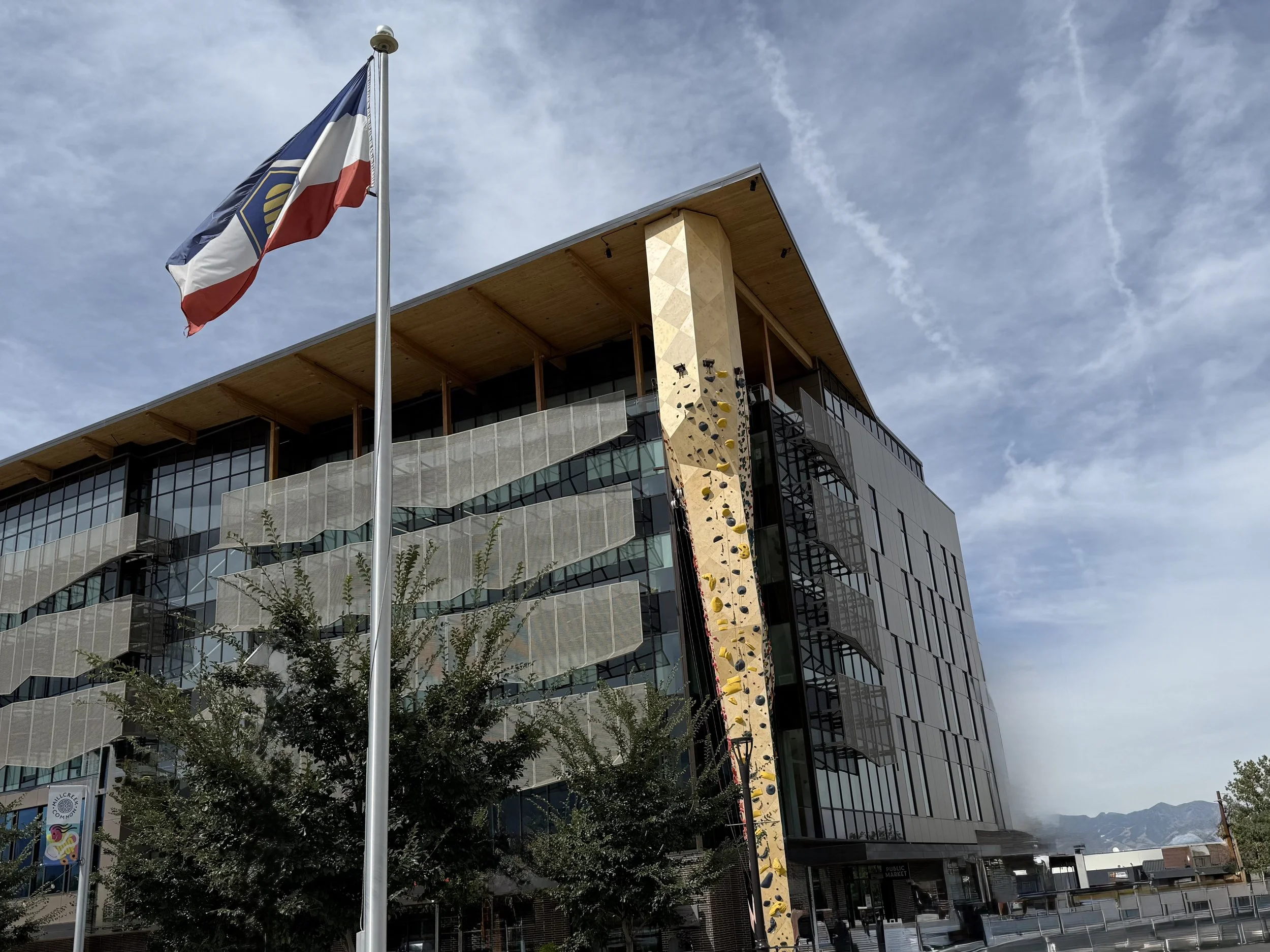
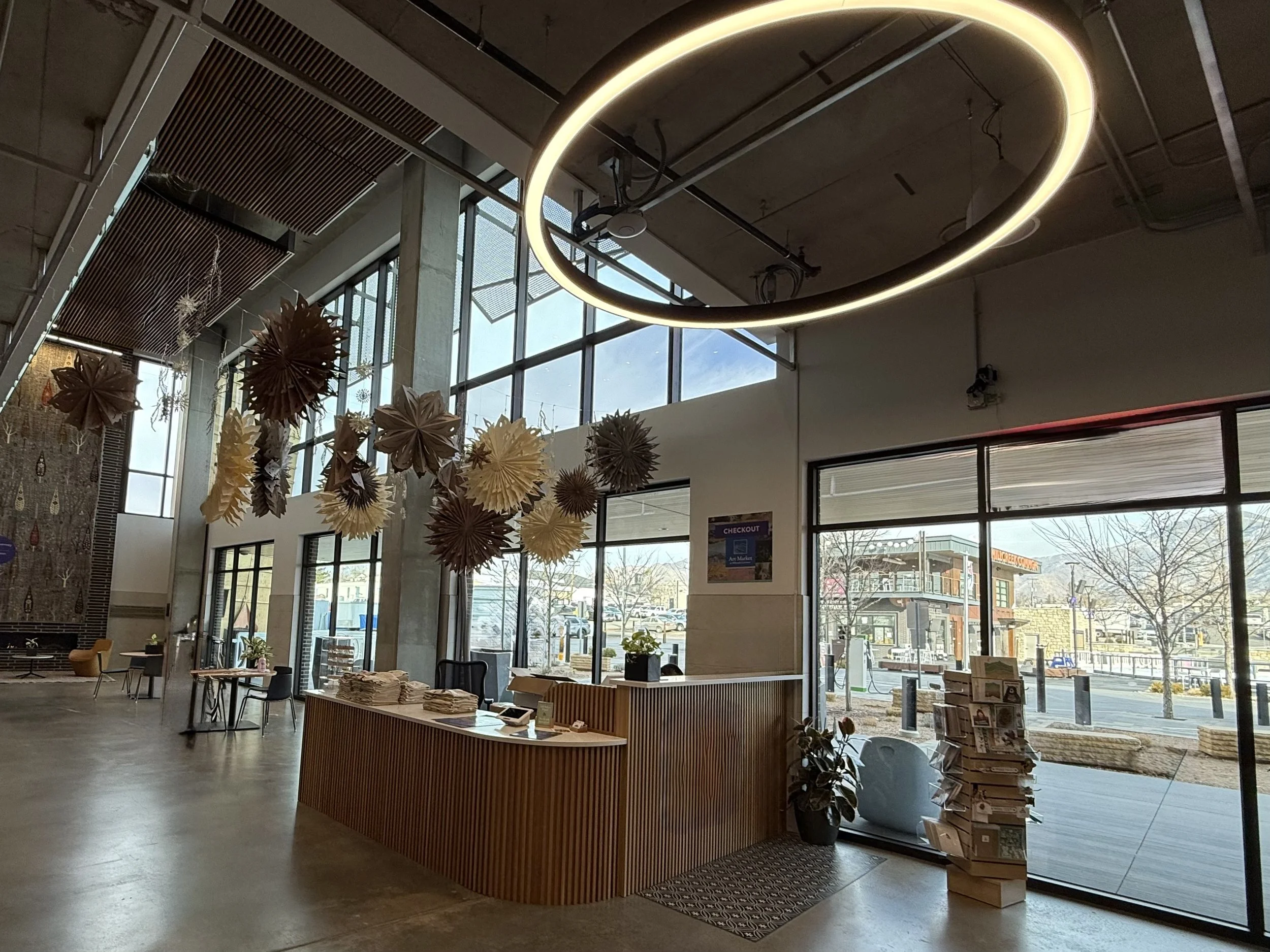
Today, the Common is alive with activity. Utah’s largest outdoor ice rink - 11,000 square feet - loops gracefully through the plaza in winter, before transforming into a roller-skating circuit in the summer. The state’s tallest outdoor climbing wall rises from the side of City Hall where visitors can buy “I Climbed City Hall” t-shirts as a badge of accomplishment. The ground floor houses a public market, the only one of its kind in Utah’s city halls. Vendors rotate every six to eight weeks - sometimes it is outdoor gear, other times holiday crafts or vinyl records. Local entrepreneurs can test their products here without the risk of a full storefront, supported by a central checkout system so they do not have to be on site all day.
Food trucks line up on Friday nights, Pacific Islander skate nights bring music and dancing, and cultural festivals fill the calendar. On the sixth floor, The Grandview hosts everything from weddings to citywide conferences, with panoramic views of the Wasatch Mountains.
Phase two of the Common, now under construction, will expand the energy northward with a 19-hole miniature golf course (“18 is for everyone else,” Mike quipped), a wooden Milo the Moose play structure, a flowing splash creek with a waterfall, a skate board canyon, and a “treehouse” structure with shaded gathering space. Surrounding developments will bring a Hyatt Studios hotel, a six-story condo building with ground-floor retail, and a new parking structure.
The city’s guiding principle is to make every project a win-win for residents, businesses, and developers alike. This approach extends to the Promise Program, one of the city’s earliest initiatives, which connects resources to those in need, from after-school programs and community gardens, to produce sharing and emergency relief.
Millcreek’s rapid growth is remarkable. In 2024, it added more residents than West Jordan and South Jordan combined, despite being on the built-out east bench where other nearby cities lost population. Mike attributes this to the city’s appeal and commitment to adding diverse housing options.
From the climbing wall to the splash pads, the mini golf to the pop-up shops, Millcreek Common was built to be an everyday gathering place, not just a venue for occasional events. “We are only held back by our imagination,” Mike said, looking out over the growing city center. “And we plan to keep imagining big.”

Millcreek Businesses