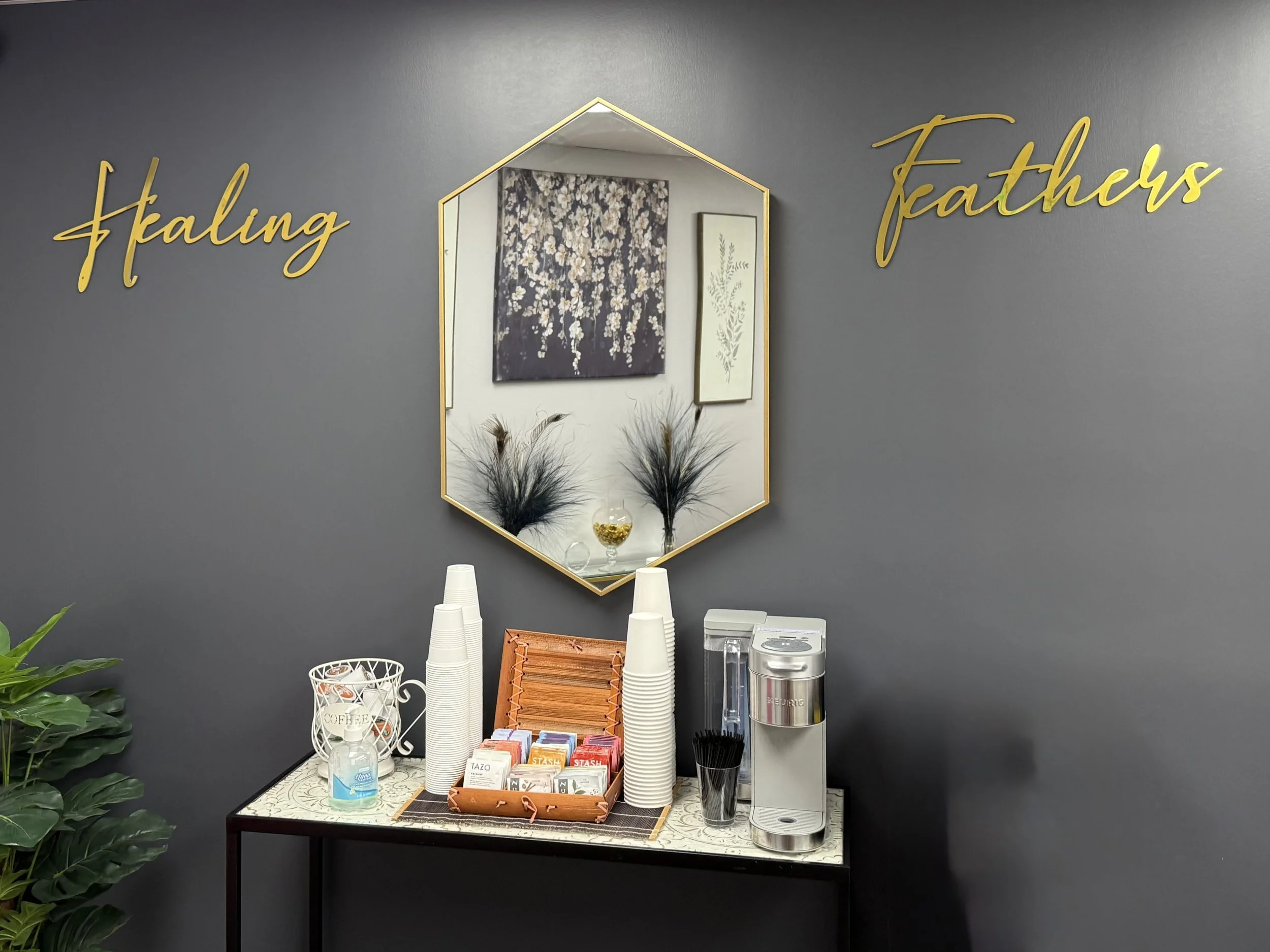
Healing Feathers

Address: 4578 Highland Drive, Suite 350
Telephone: 801-906-8520
Website: healingfeatherstherapy.com
District: Millcreek
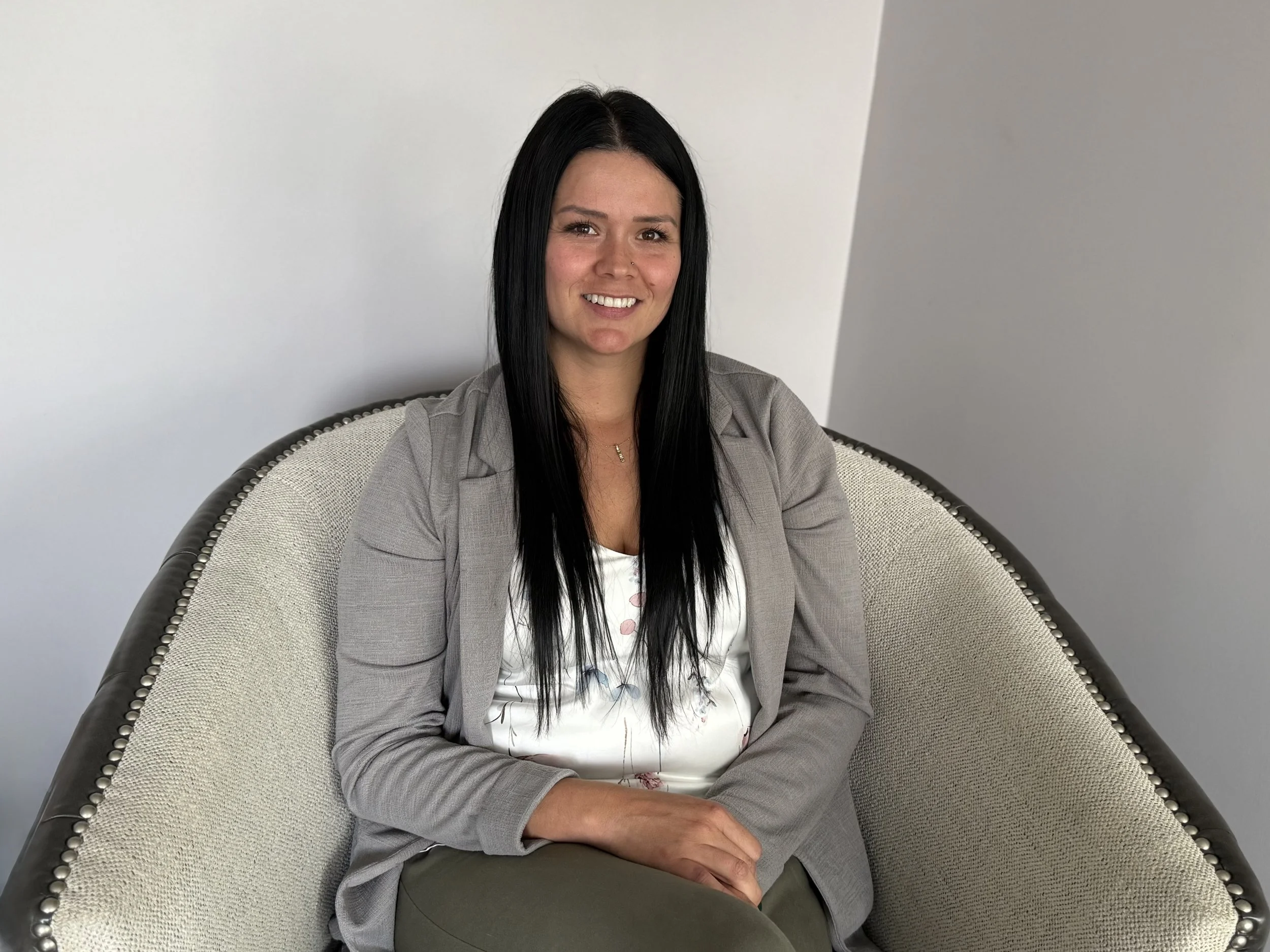
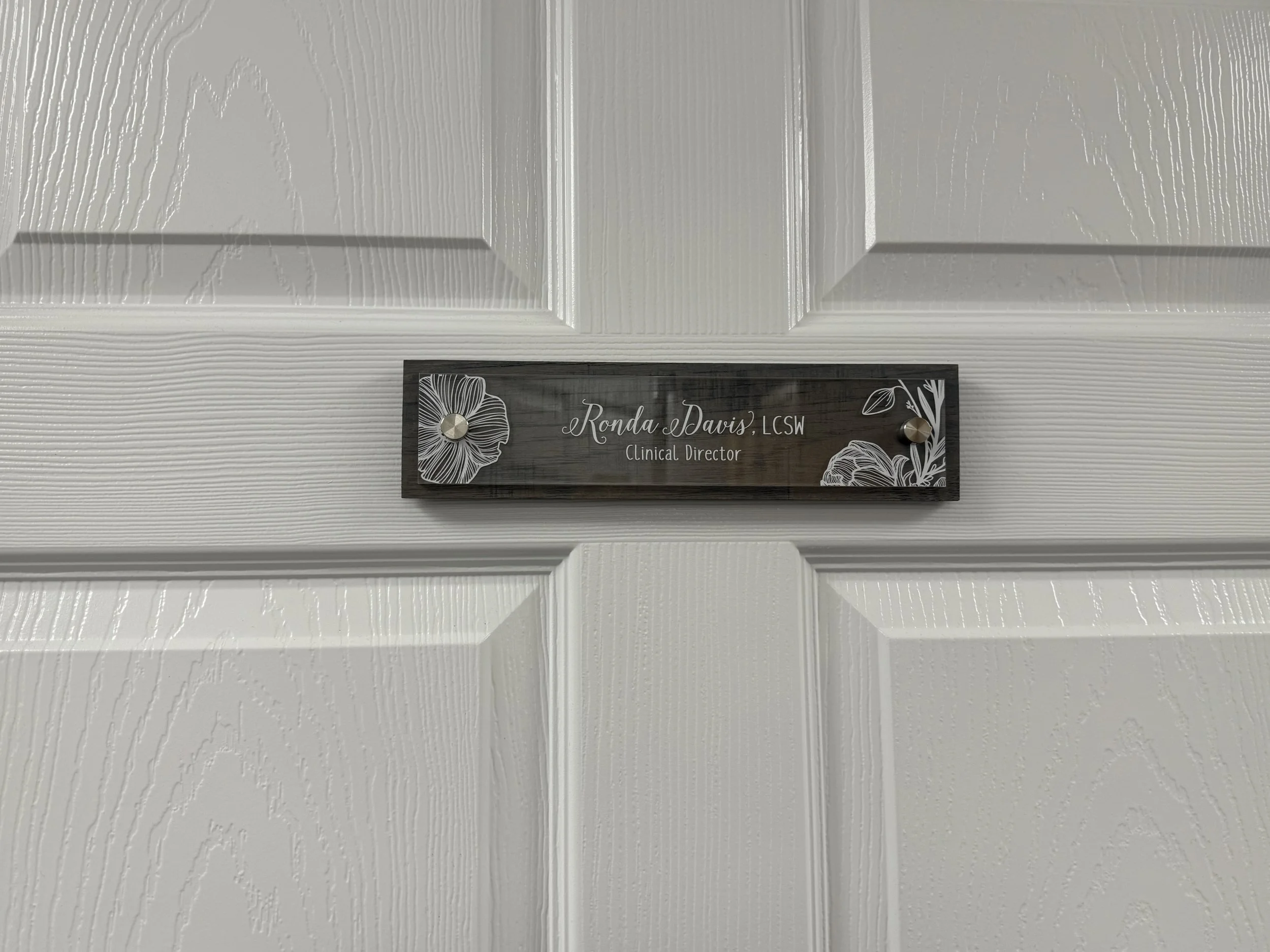
“Your past does not define you. You are capable of healing, and you are capable of change.” For Ronda Davis, the founder of Healing Feathers, those words are not a slogan but the compass that has guided every step of her life.
Named after an uncle who died the day she was born - thus Ronda, without the “h” - she was raised in Sugar House by a single father who stepped in when her mother was incarcerated. Ronda was born in Carson City Prison, her mother struggling with alcoholism and instability, her father moving in and out of addiction himself. But he fought for custody, and with the steady help of her grandparents and aunts, she grew up in a home that was imperfect but fiercely loving.
From a very young age, Ronda sensed she wanted something different for her life. She wanted to be “a voice for other people,” especially children who were told, as she was, that the odds were stacked against them. “People told me for years that I would not amount to anything other than what my parents had been,” she shared. “I knew that was not going to be my story.”
Her childhood was a mix of tenderness and hardship. She spent her days outdoors, surrounded by animals on the family’s land, painting her dad’s nails, doing his hair, and dressing up with him because, as she says, “He was a really good girl dad.” Weekends were often spent in her grandparents’ jewelry store. “Most kids grew up at the playground; I grew up in a jewelry shop.” There, she found stability in small routines.
Ronda's relationship with her mother was far more painful. Though visitation was mandated, Ronda was often left alone, shuttled between relatives or friends while her mother worked or drank. “I do not think I ever felt safe,” she admits. As a teenager, she tried once more to open the door to reconciliation, writing her mother a letter at age fifteen. The response - I never want to hear or see from you again - ended any further contact. And yet, Ronda never carried the anger others expected. What she carried was compassion. “I knew she did not want to be that way. She did not know how to heal herself, or how to face the shame and guilt of losing her child.”
After earning her undergraduate degree from the University of Utah (2009–2013), Ronda moved to Hawaii for graduate school at the University of Hawaii, completing her master’s in social work in 2015. Hawaii felt immediately like home. “I have always been an outdoorsy person, and the beach was my safe space.” She expected to stay. But in 2014, her father became seriously ill. After graduating in 2015, she returned to Utah to care for him.
Ronda joined a group practice that same year, hired straight out of grad school as a mental health therapist. Her earlier work in substance-abuse treatment had prepared her for trauma therapy, but she was candid about how lucky she felt: “Someone gave me a chance.” She rose quickly, eventually becoming a lead therapist, known for her thoughtful, grounded, deeply intuitive style - an “old soul,” as she describes herself, raised independently and shaped by experiences few people ever see.
Her father’s death in March 2018, in a tragic accident on their family’s Skull Valley property, was the most profound loss of Ronda's life. “When my dad died, it felt like I was an orphan,” she said quietly. But in the grief, something else took root - clarity about the work she felt called to do. Ronda knew there was no going back to the way things were. She had already been walking that path for years. In 2019, she opened her own practice, and the name came to her through a chain of events she still describes with awe.
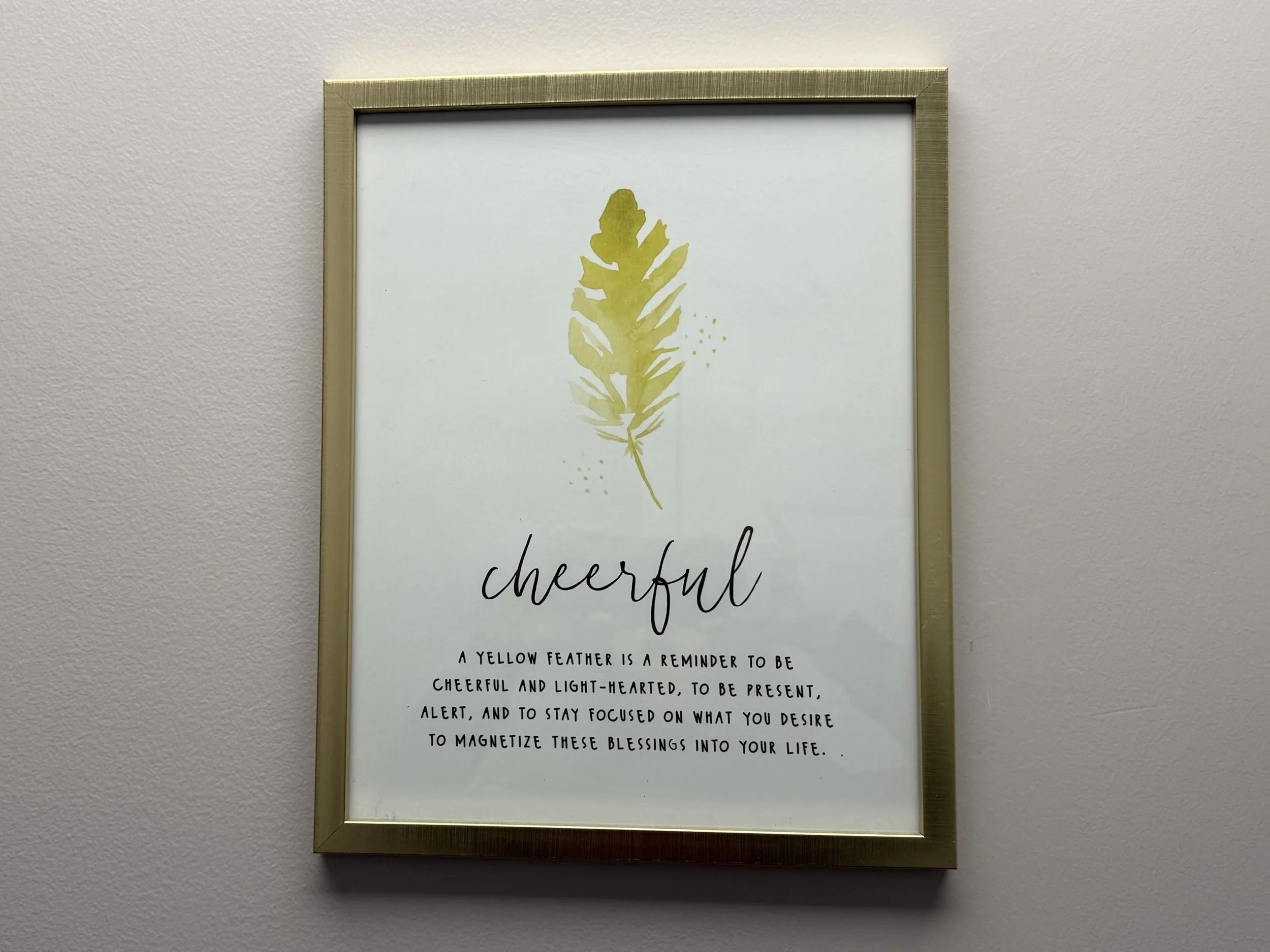
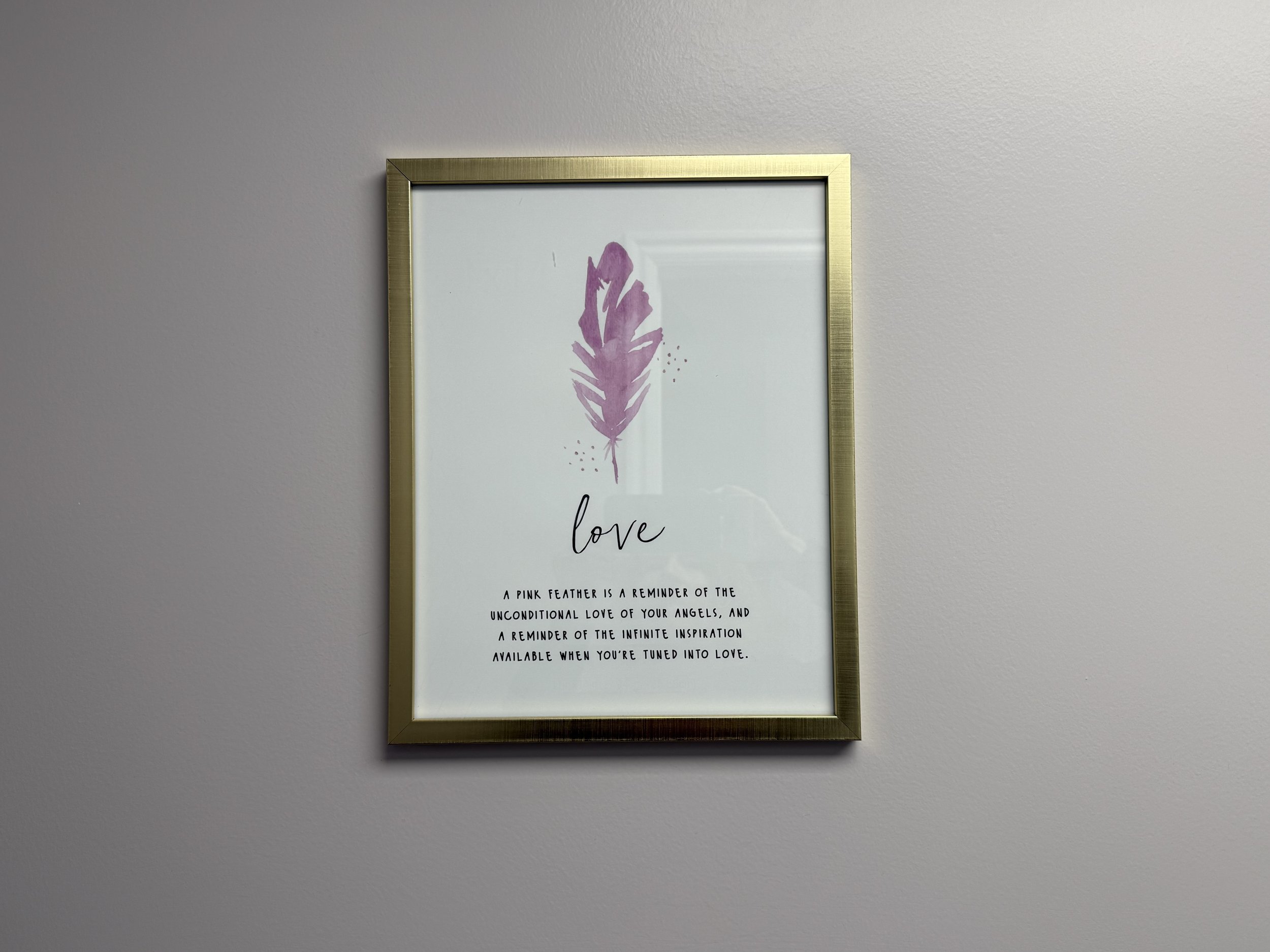
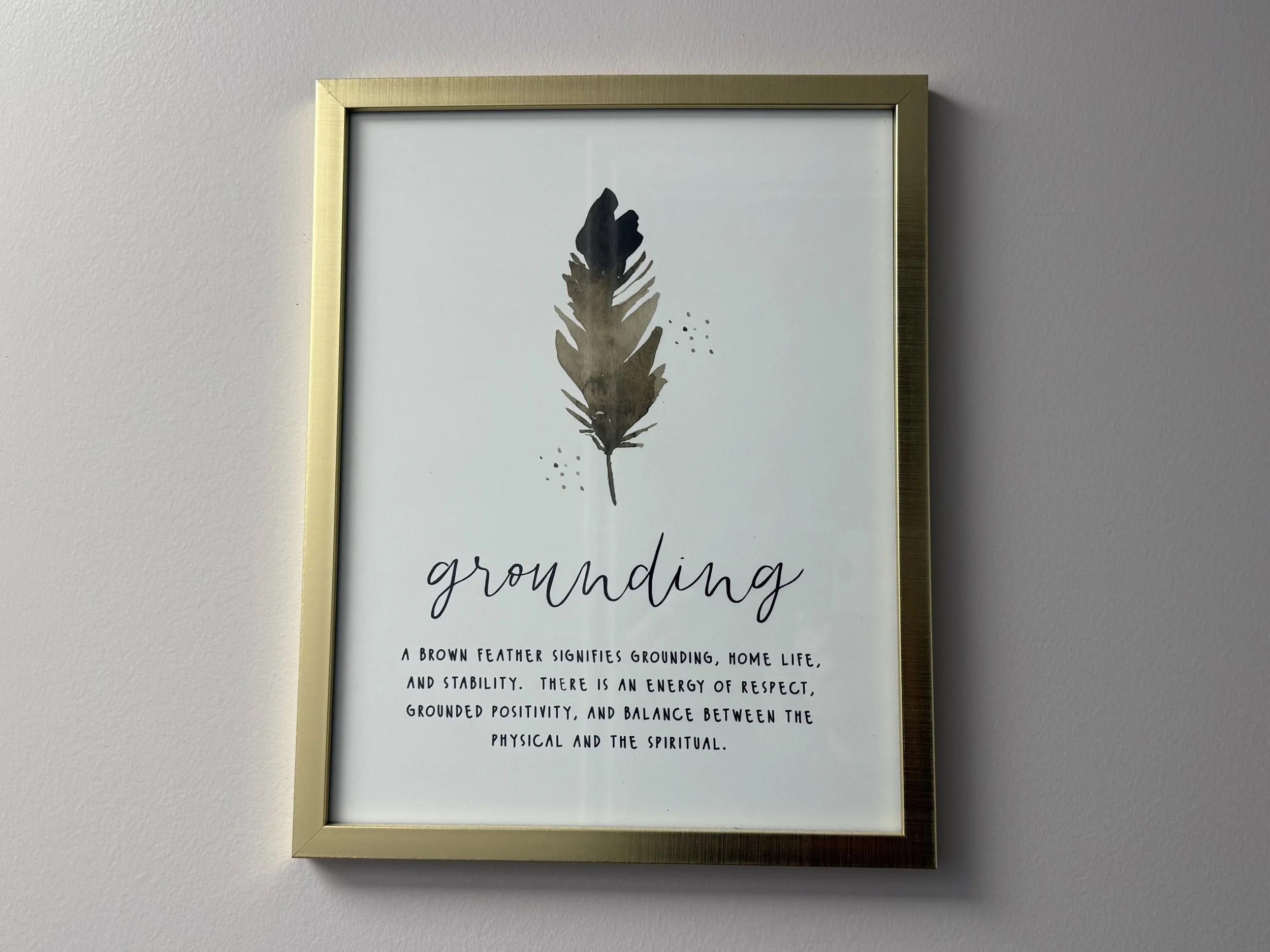
Before her father’s passing, a psychic medium had asked her, without knowing anything about her, what feathers meant to her. She had always been drawn to them, even having a small feather tattoo that no one could see. The psychic told her that someone close to her would pass away in March and would communicate with her through feathers.
Months later, after her father’s accident, Ronda returned to her family’s land. She and her now-wife camped there for two nights with their dog. “I went on a walk and asked my dad to show me a sign about whether I should open my practice.” That weekend, she found thirteen feathers: different sizes, different colors, scattered impossibly across the desert floor. “That was my answer.” She paired the two words, ‘Healing’ and ‘Feathers,’ and her practice was born.
Today, in 2025, Healing Feathers is a thriving, seven-clinician practice known for its trauma-informed, non-traditional, deeply person-centered approach. Ronda emphasizes that they do not simply offer solutions for surface-level symptoms. “We help people heal from the inside out,” she explains. The team specializes in EMDR (Eye Movement Desensitization and Reprocessing), a therapy that helps the brain reprocess painful memories, Internal Family Systems, a gentle approach that works with the different “parts” of a person to support healing, and somatic therapies that integrate the body and the mind. Unlike many clinics, Ronda’s team provides ketamine-assisted psychotherapy using a fully supported, therapist-present model with prescribed lozenges - “a completely different experience, and much safer, more guided, and more meaningful,” she explains.
Each therapist at Healing Feathers brings their own style, but they all share something essential; they have lived through trauma themselves. “It makes them better clinicians,” Ronda states simply. Their collaboration is constant, their support for one another intentional, and their shared philosophy unwavering. Trauma is not simply catastrophic events, but also the accumulation of smaller wounds that shape how we see ourselves, how we trust, how we move through the world.
Clients come to Healing Feathers because they want to do the deep work. They leave when they have truly healed. “People graduate from therapy here,” Ronda says. “Not because we end things, but because they actually change.”
More than anything, Ronda wants every person walking through her door to know what she learned the hard way - that your past is not your destiny, and that with the right tools and support, transformation is possible. “I always say this; your past doesn’t define you. Healing is possible. Change is possible. And you deserve both.”