Marmalade
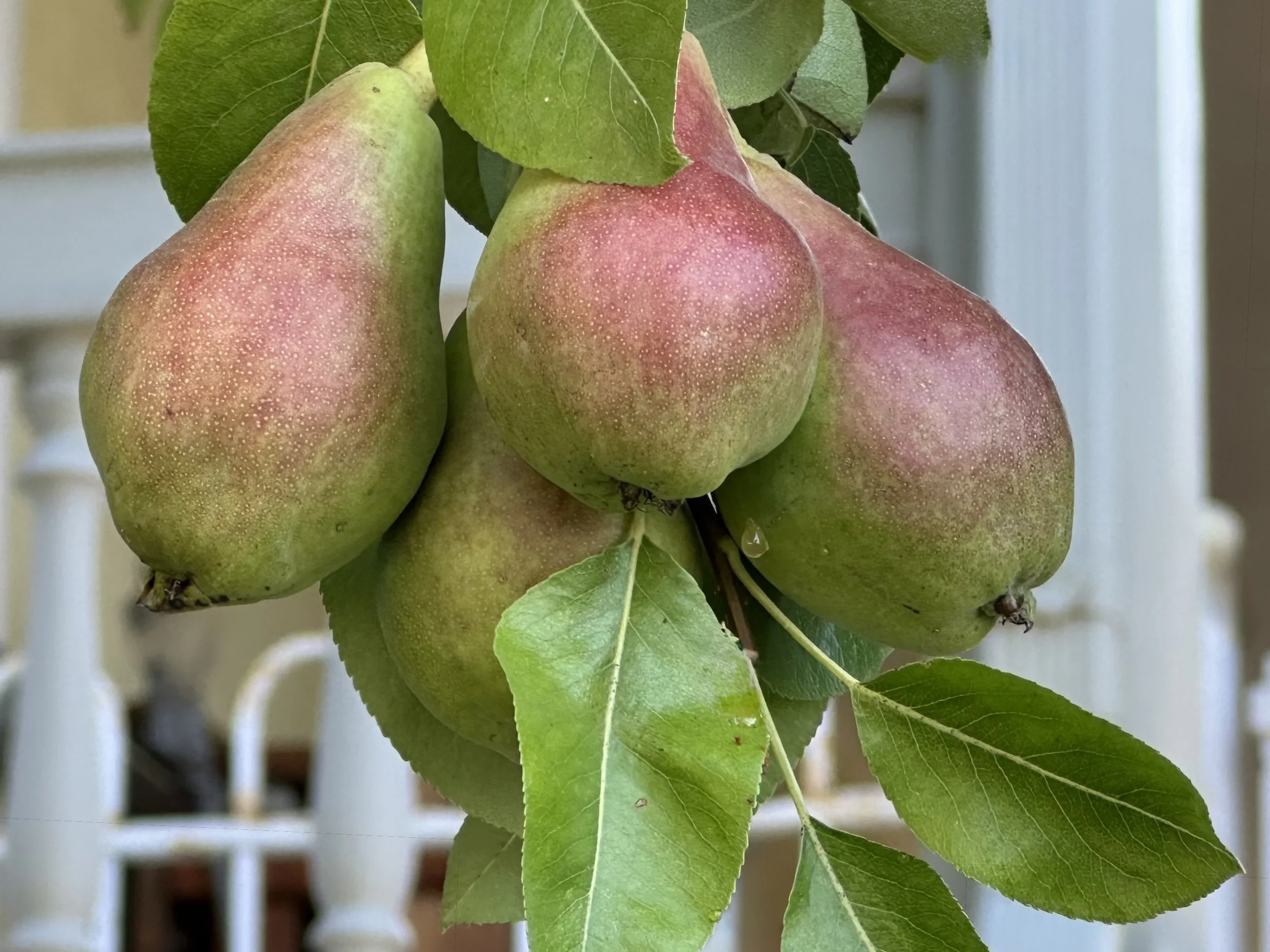
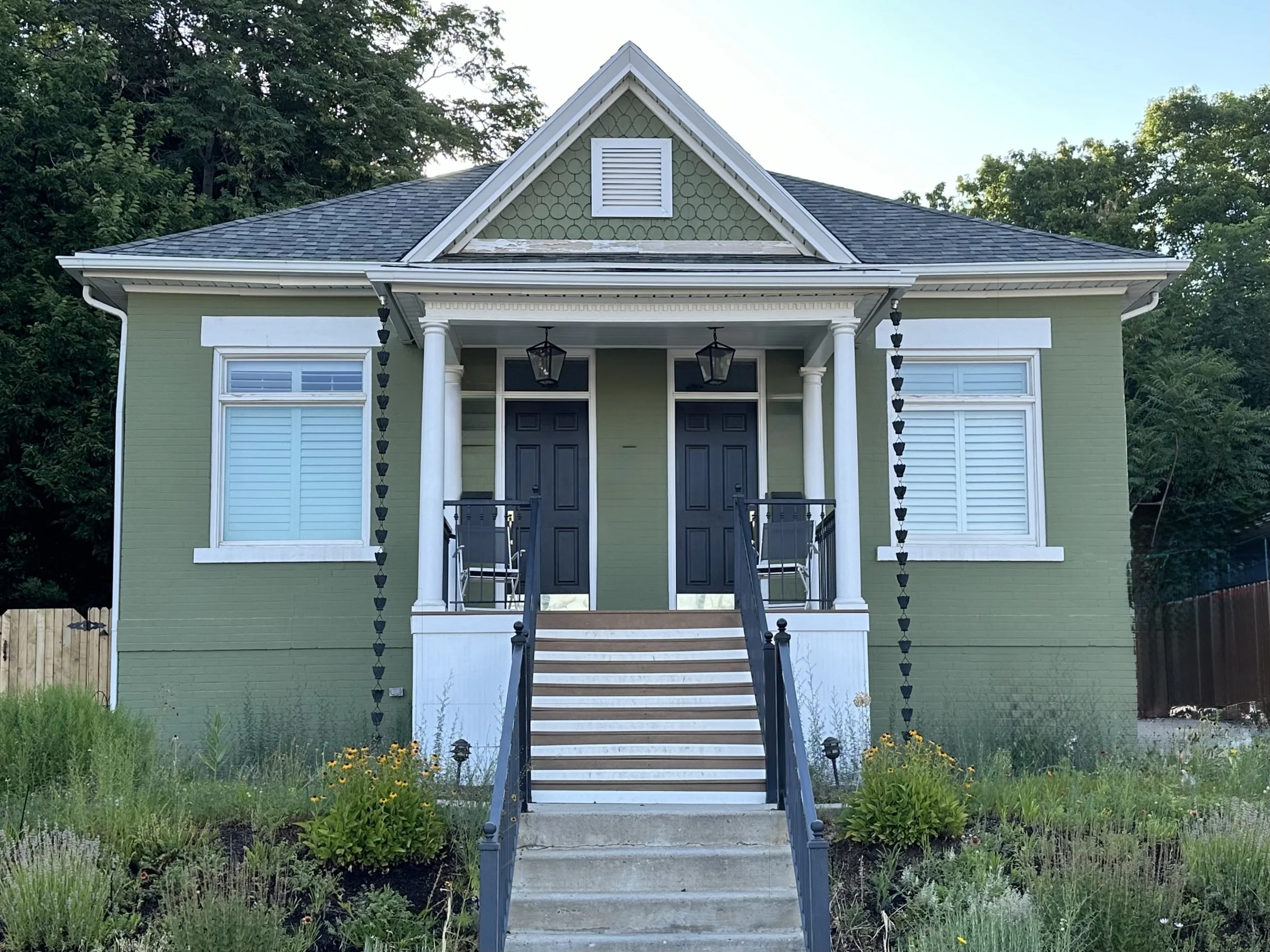

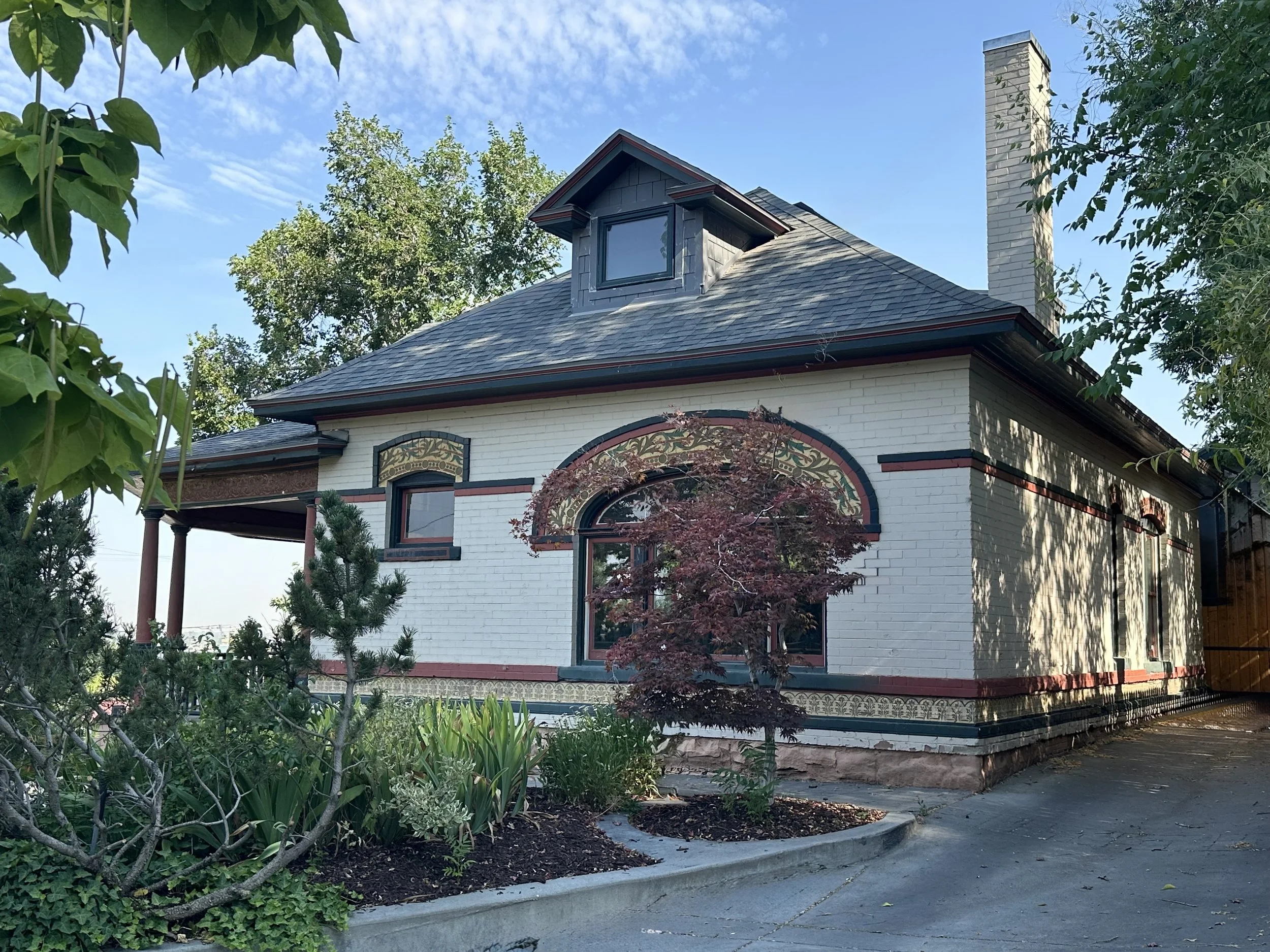
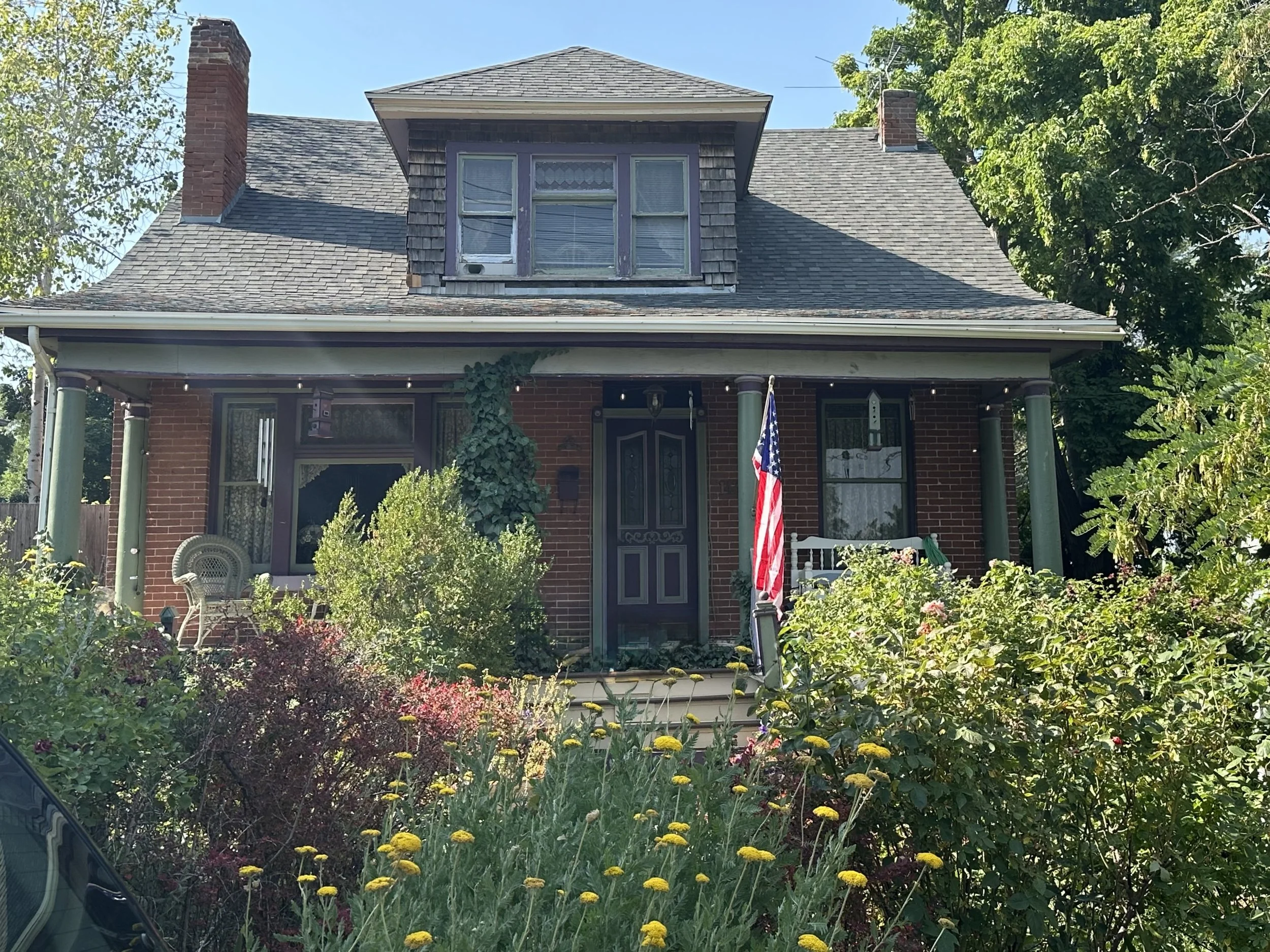
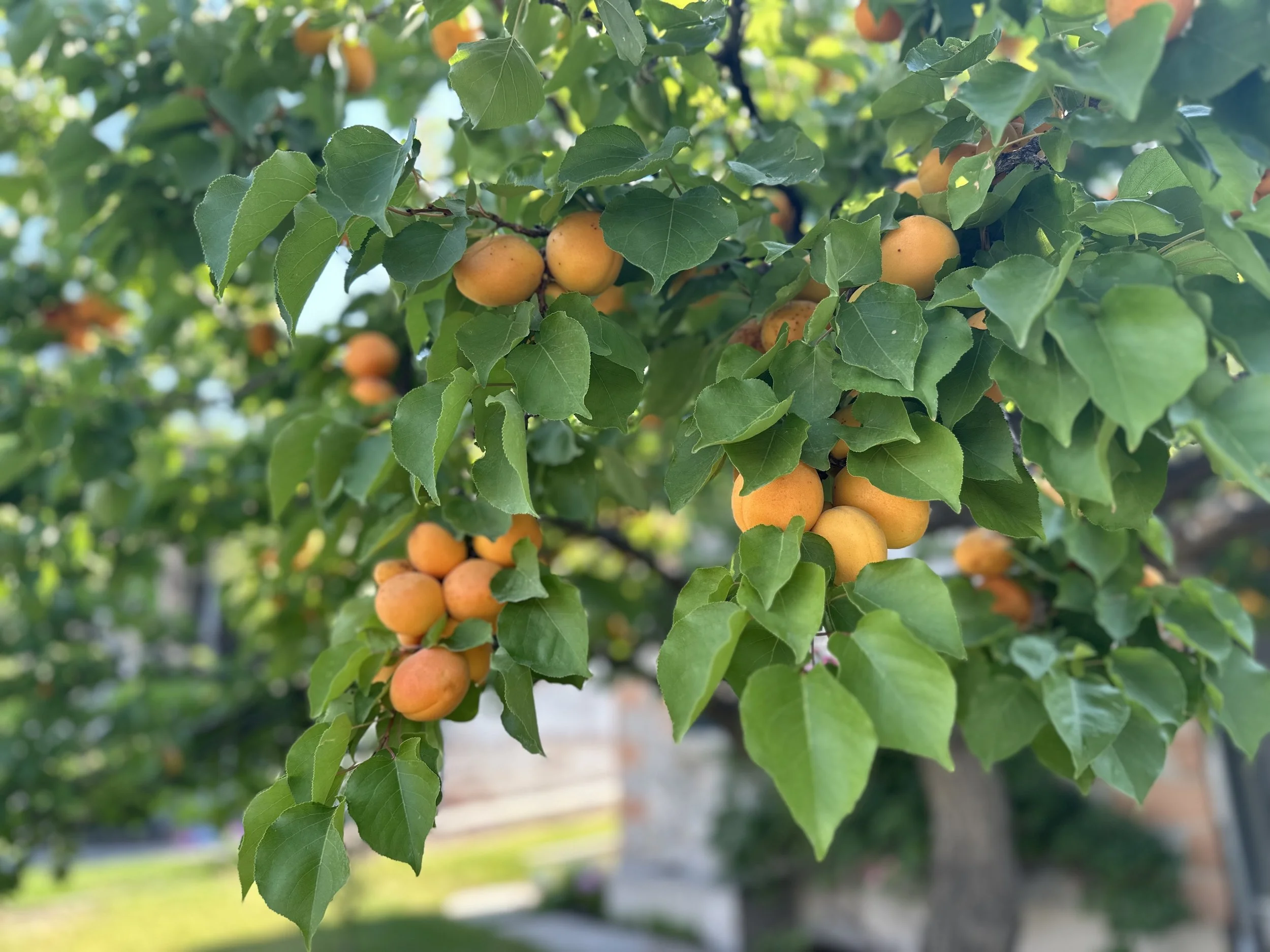

The Marmalade District earned its name long before coffee shops and corner cafés appeared, back when fruit trees filled the yards of these narrow streets. Apricot, peach, pear, and plum trees once thrived here, feeding households and neighbors alike, and that legacy still lingers in the name.
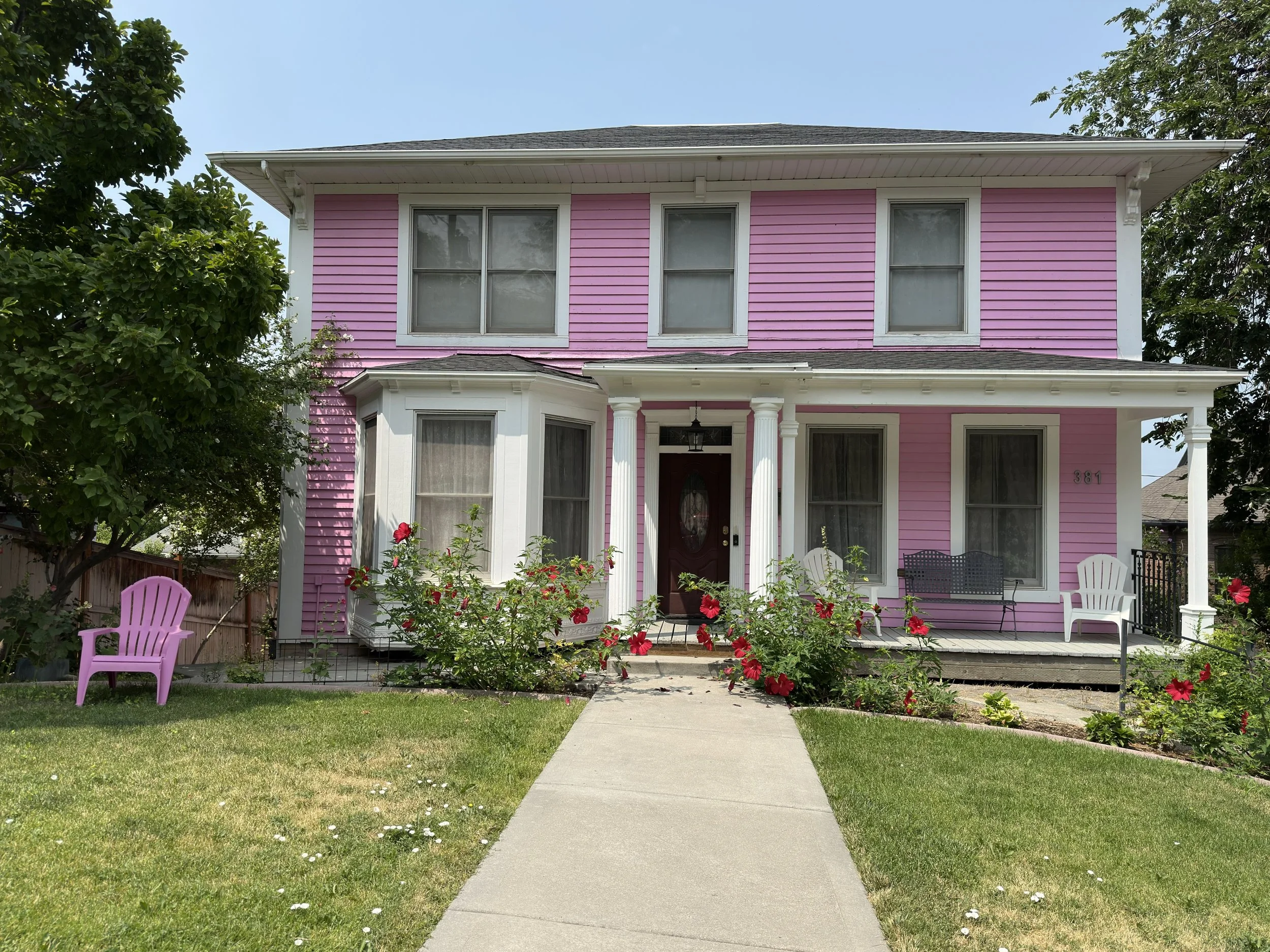
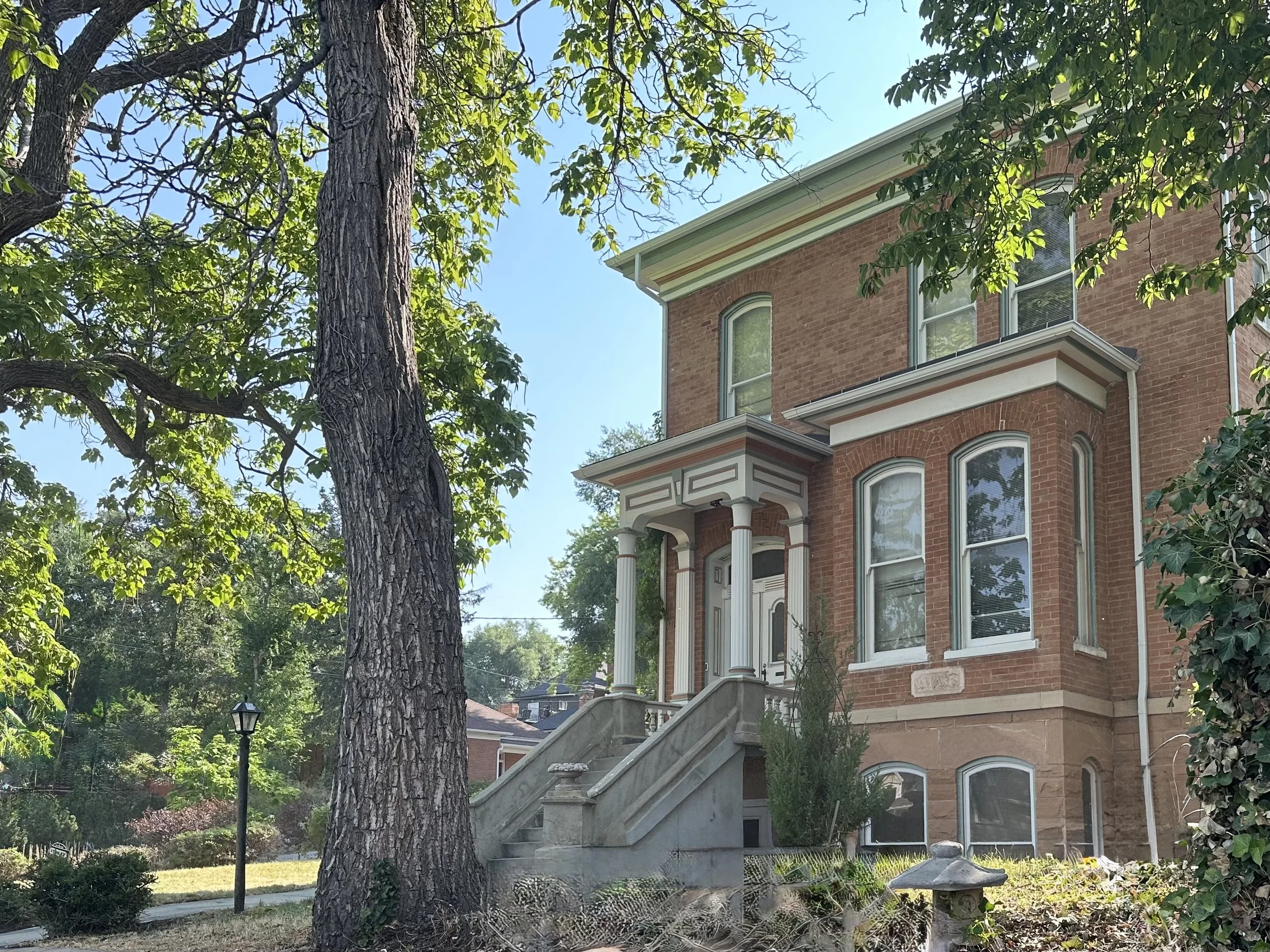
Today, Marmalade is a neighborhood defined as much by its past as by its constant state of change. The streets are lined with charming homes. No two are quite the same, and many date back more than a century.
Tucked among the flower gardens and vegetable plots is one of Marmalade’s more unexpected residents - a large turtle named Moe - a slow-moving local celebrity He has the luxury of roaming freely around the property of one of the neighborhood homes.

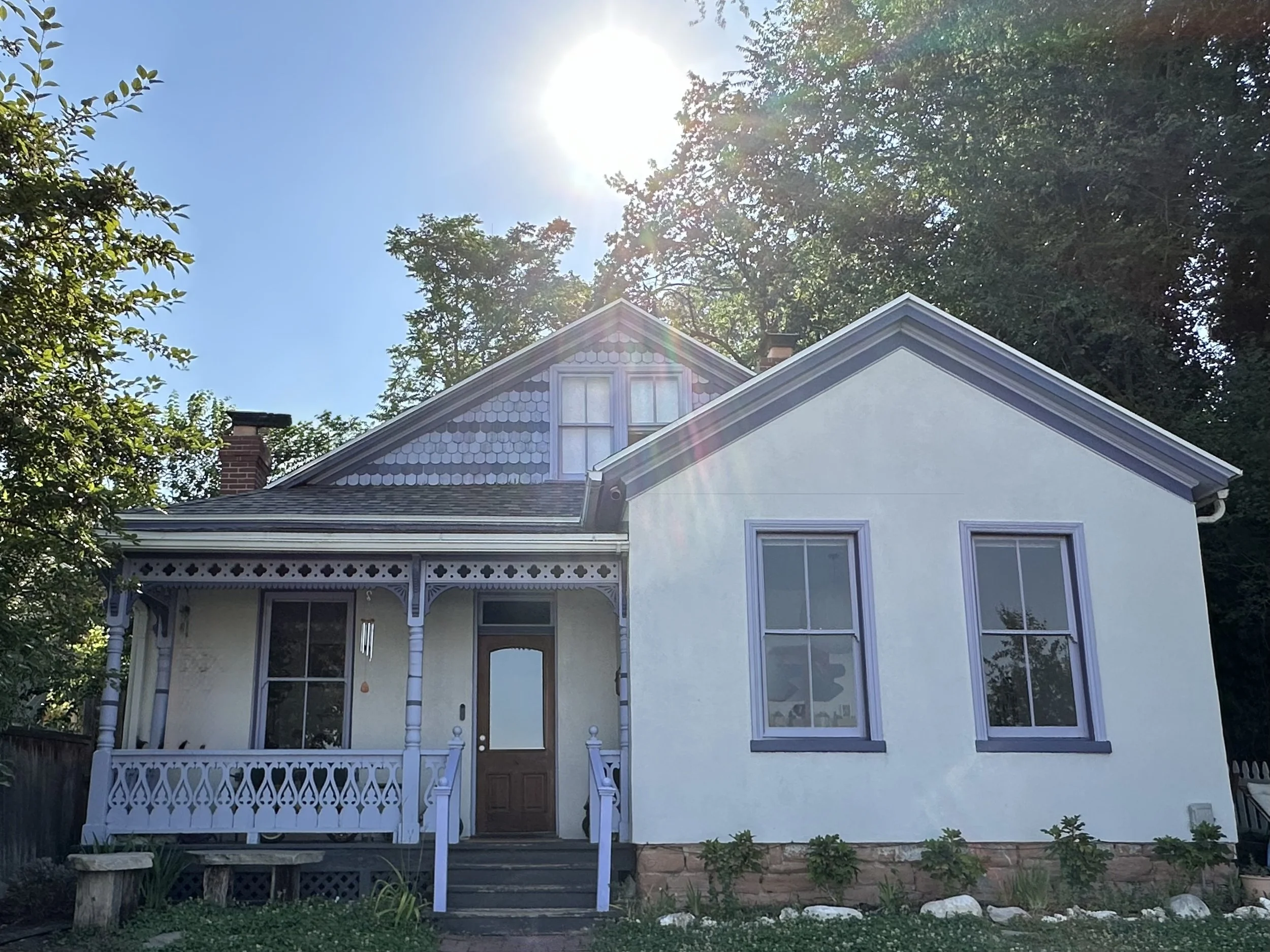
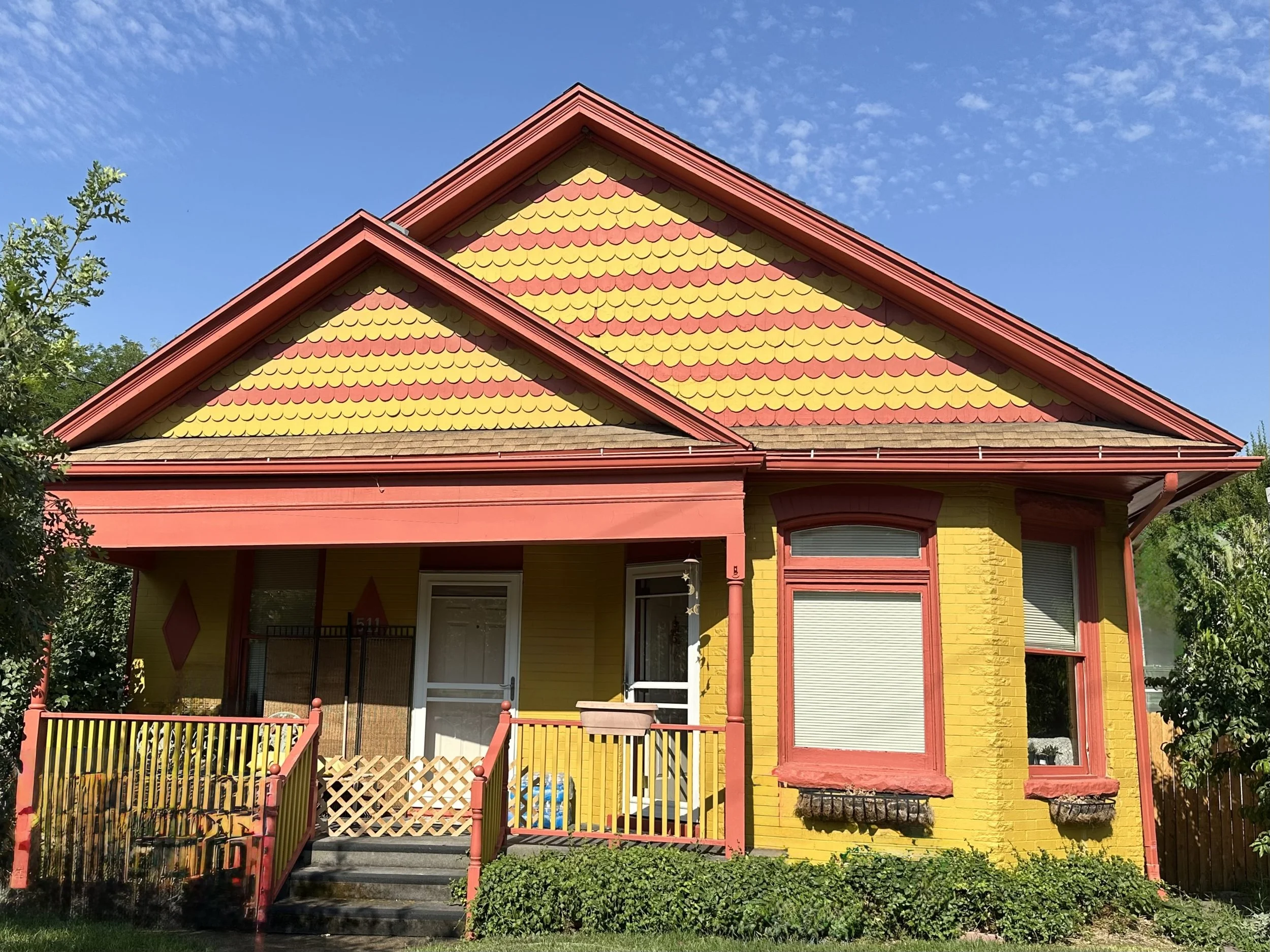

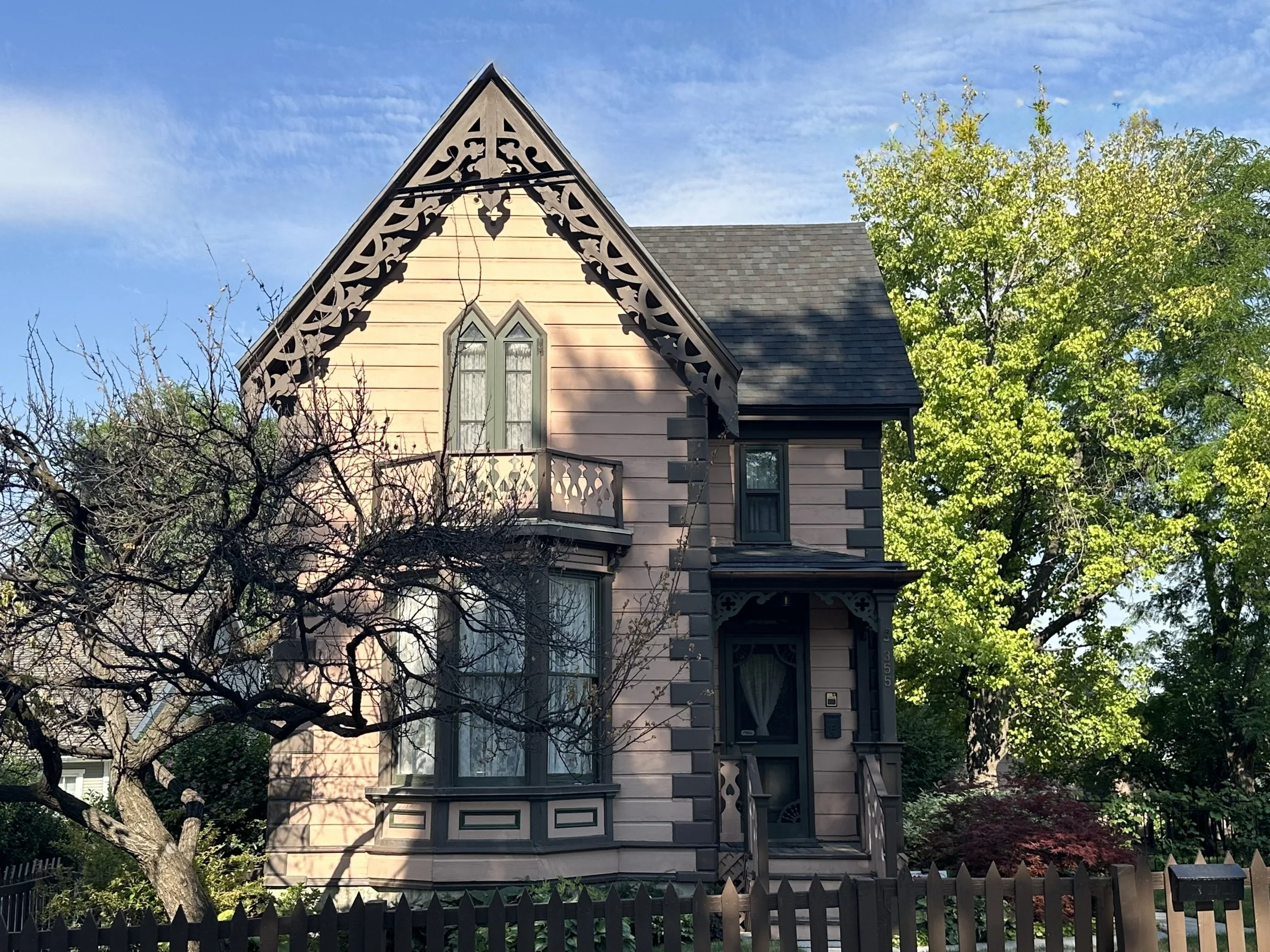

In the summer, zucchini spill over fences and tomatoes ripen on the vine, sometimes in such abundance that residents set out a basket of extra produce for passersby to help themselves. It is these small, generous gestures, along with the unexpected sight of a wandering turtle, that make Marmalade feel less like a neighborhood you pass through and more like one that quietly invites you to linger.
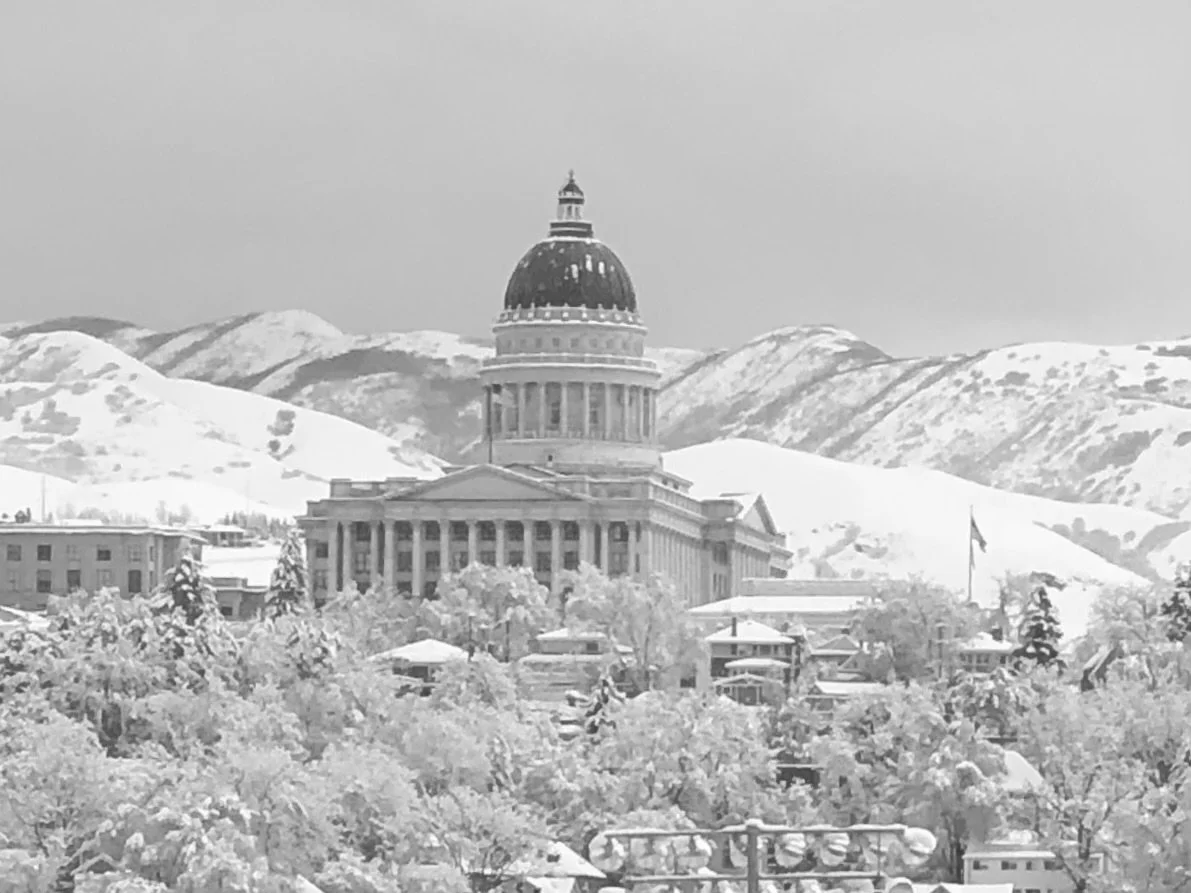
The houses in Marmalade sit shoulder to shoulder with new apartment buildings that are rising quickly around them. It is a place where old porches and mature trees meet modern glass and steel, all within easy reach of downtown. It is only steps from commuter rail lines, an easy walk to the Capitol and the quiet paths of City Creek, within walking distance of both the Gateway and the Delta Center, and home to a fabulous neighborhood library that anchors the community.
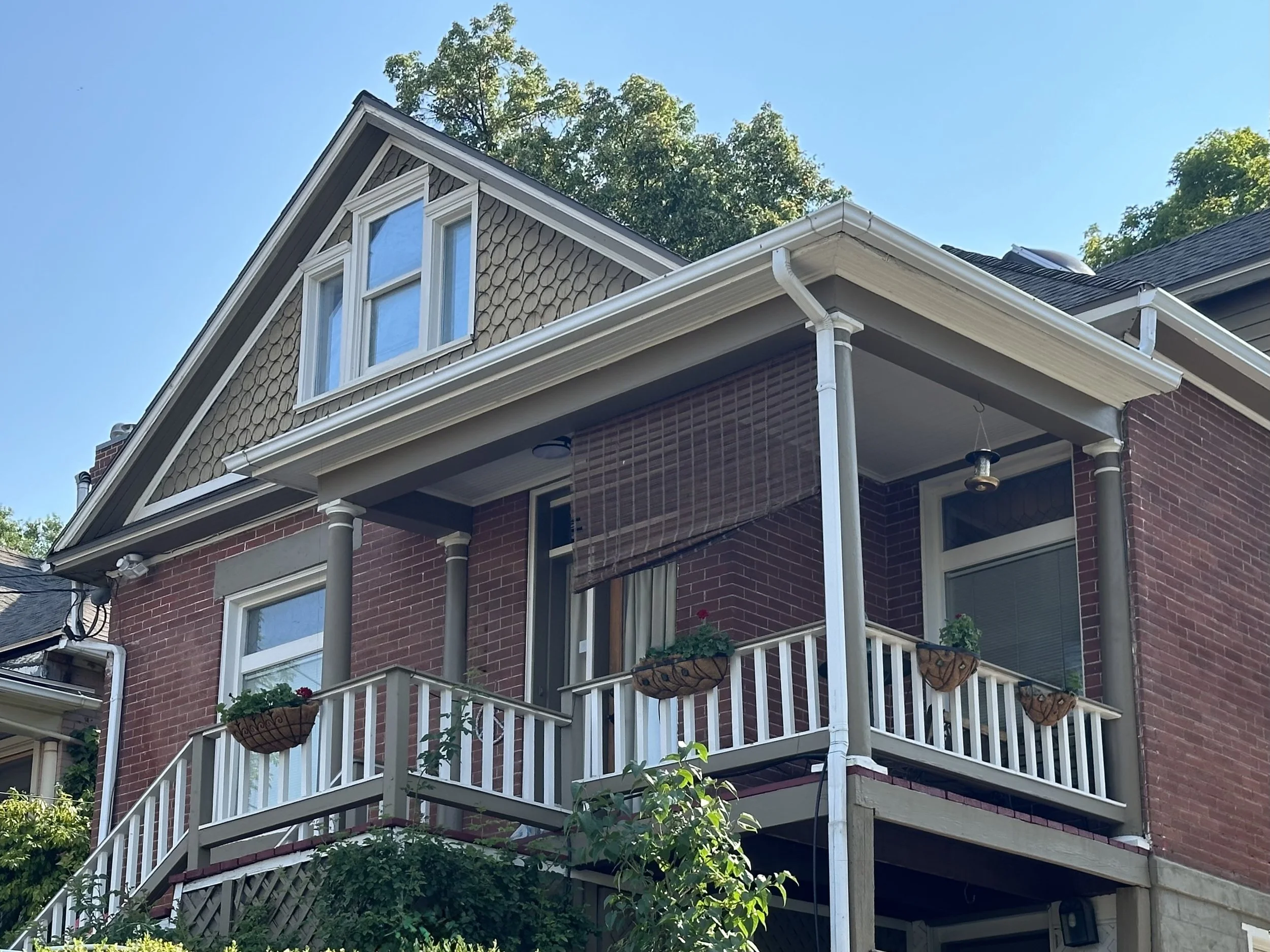

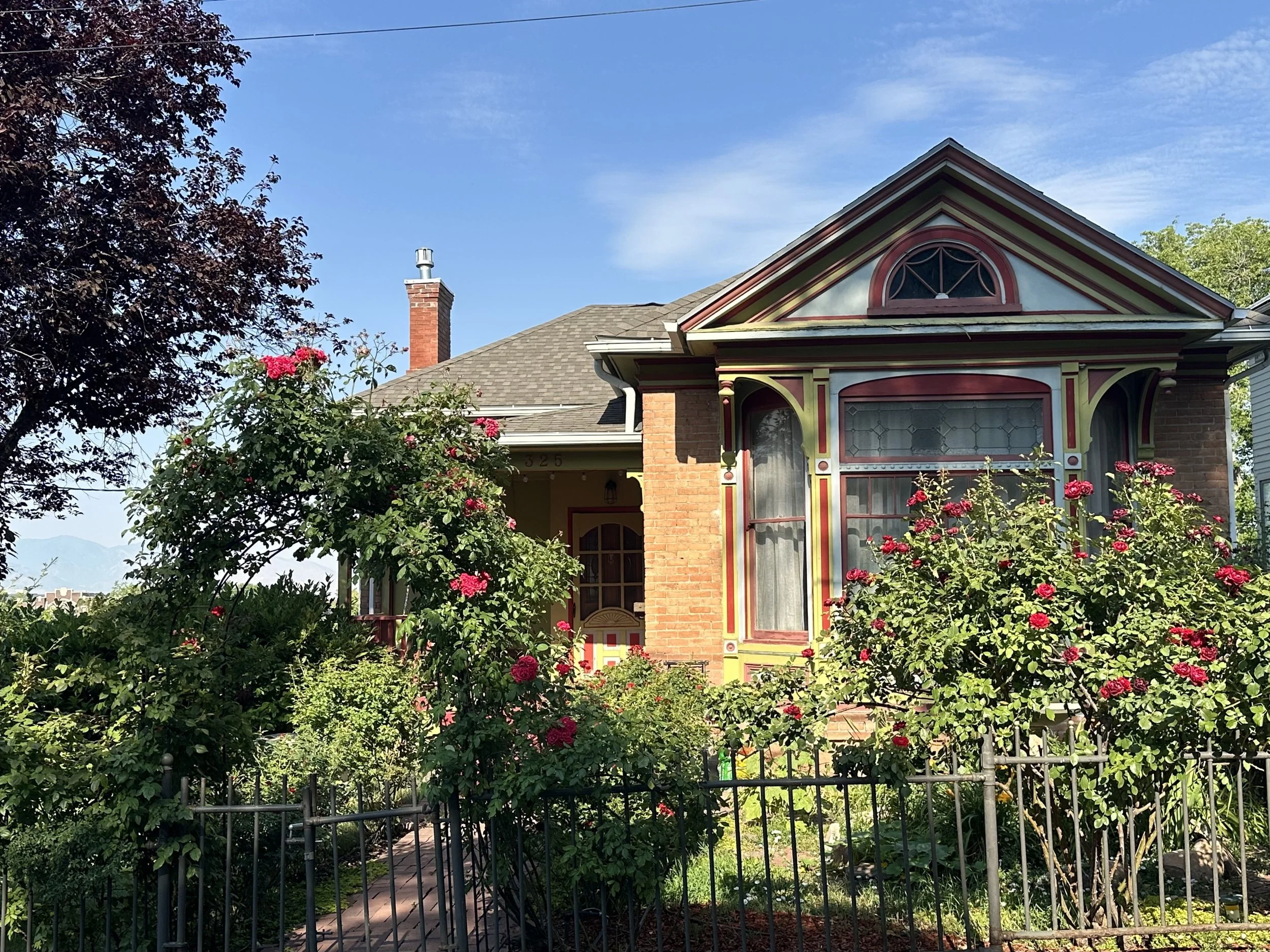
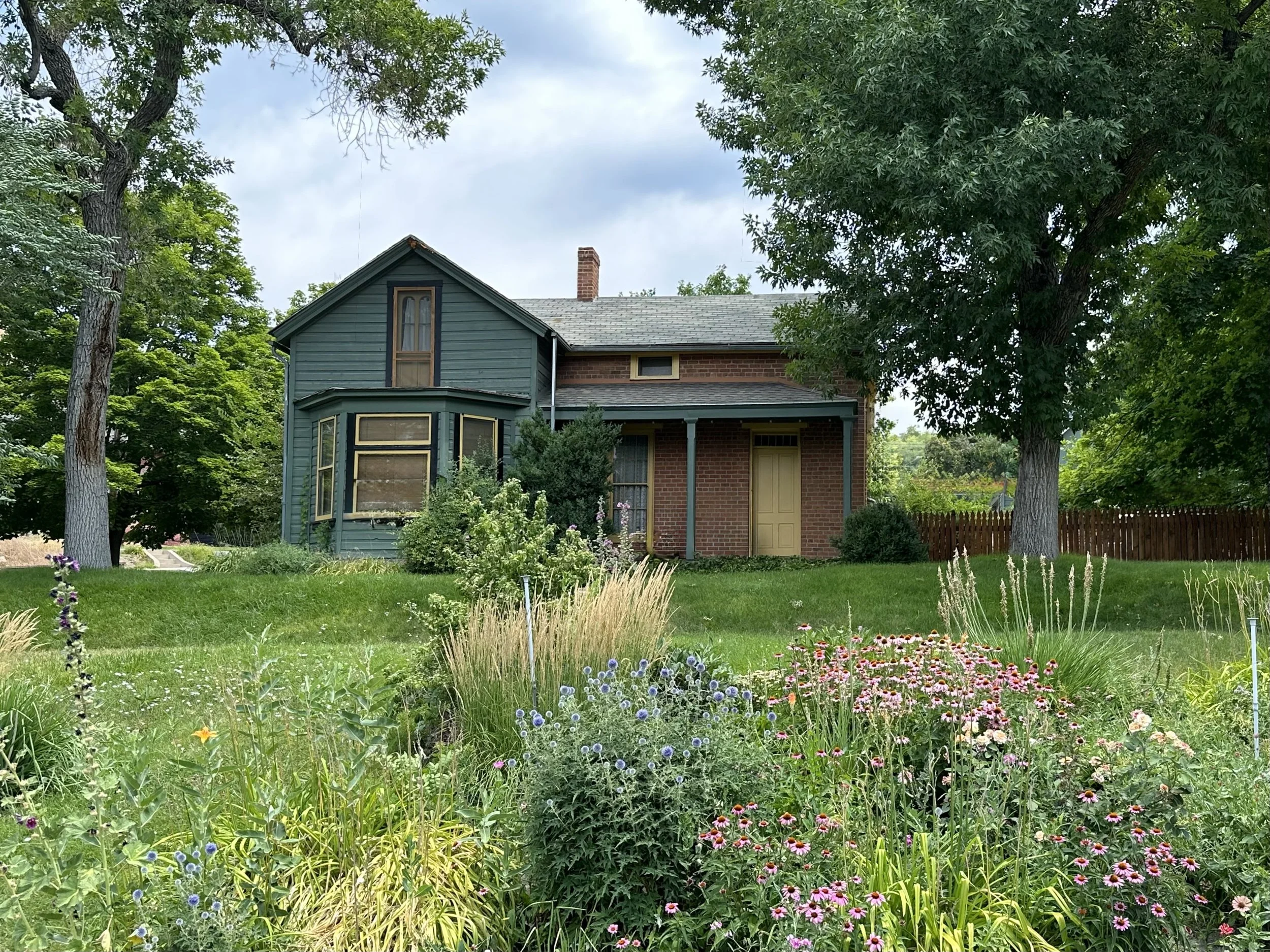

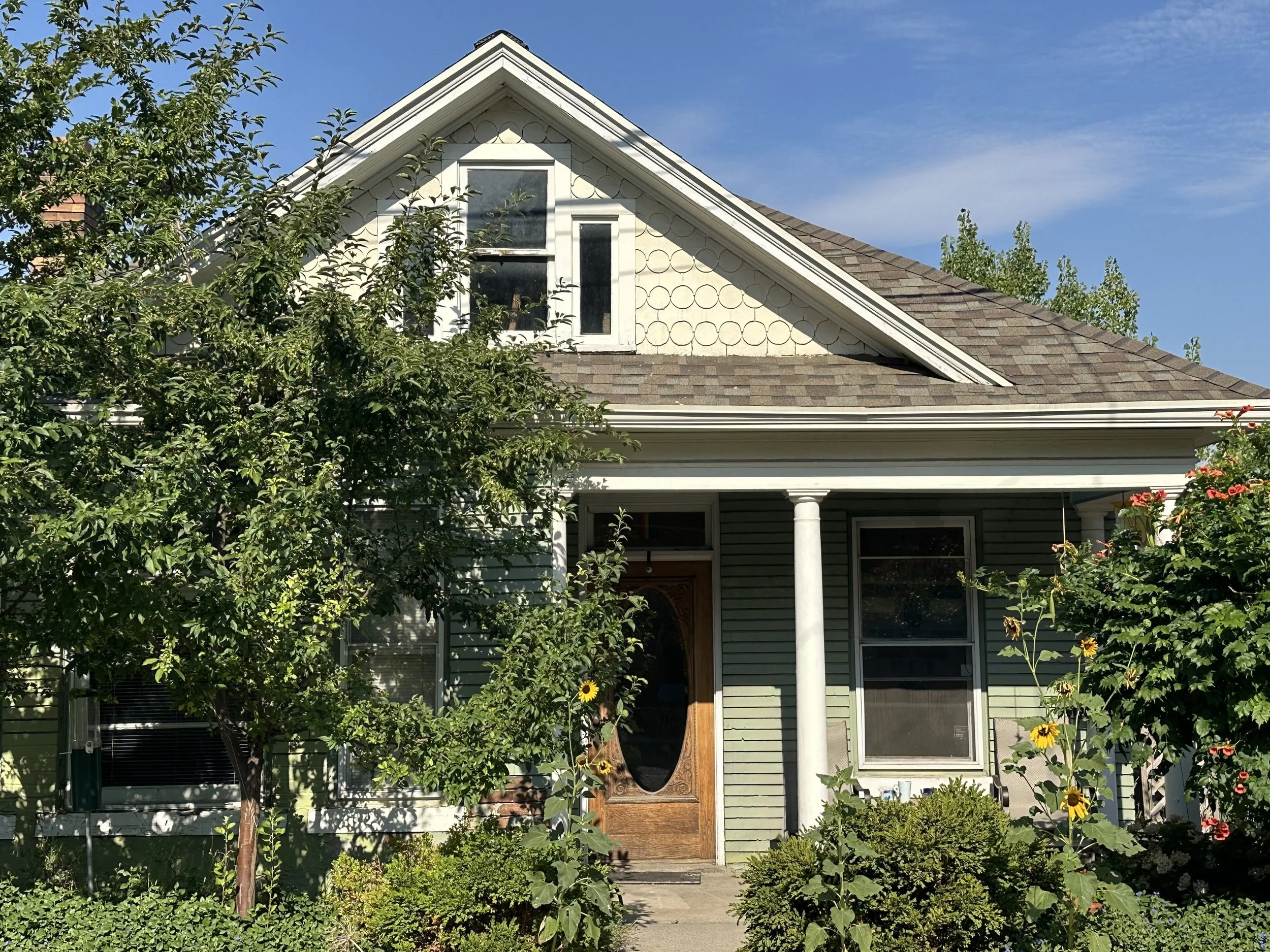
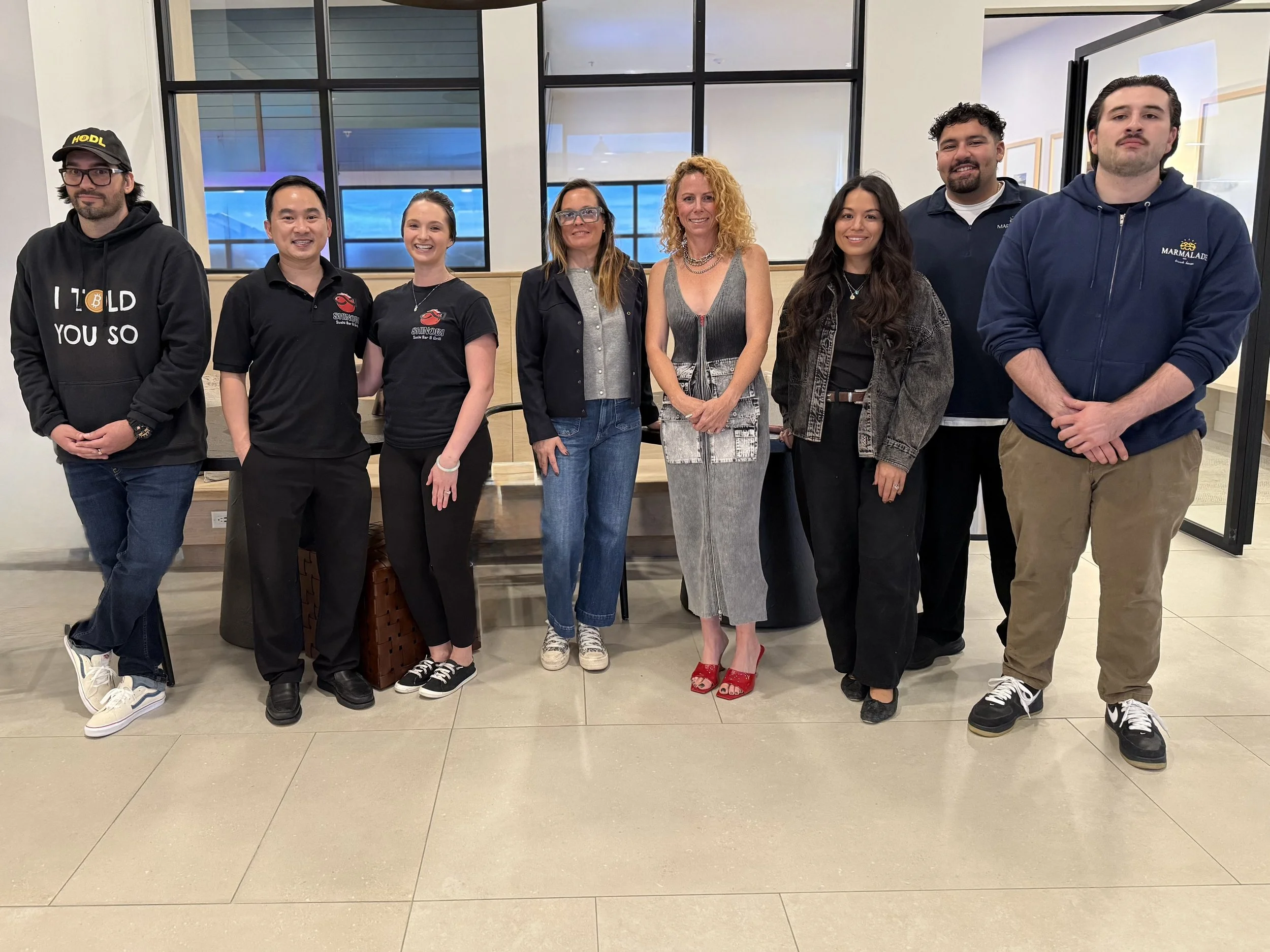
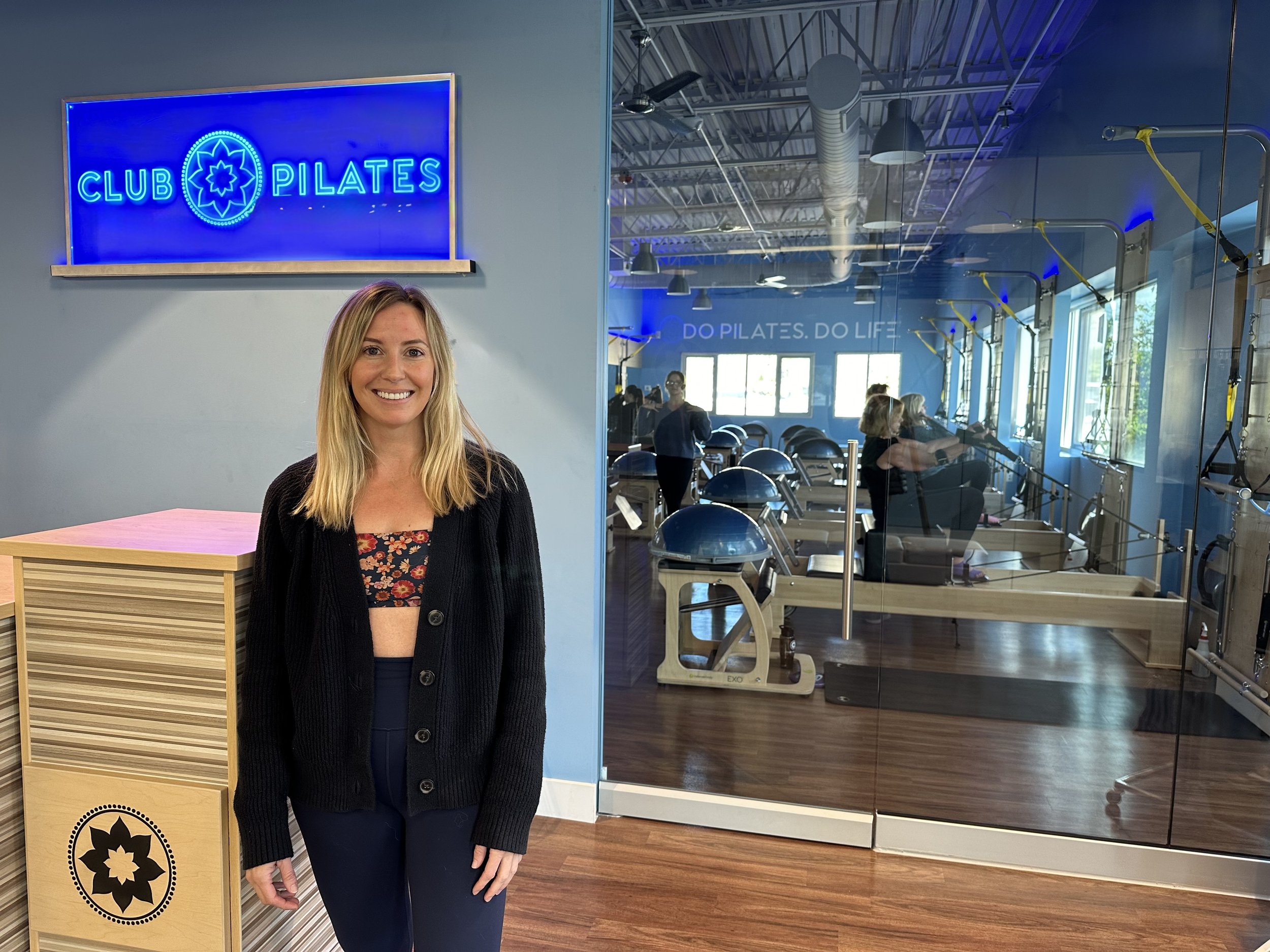
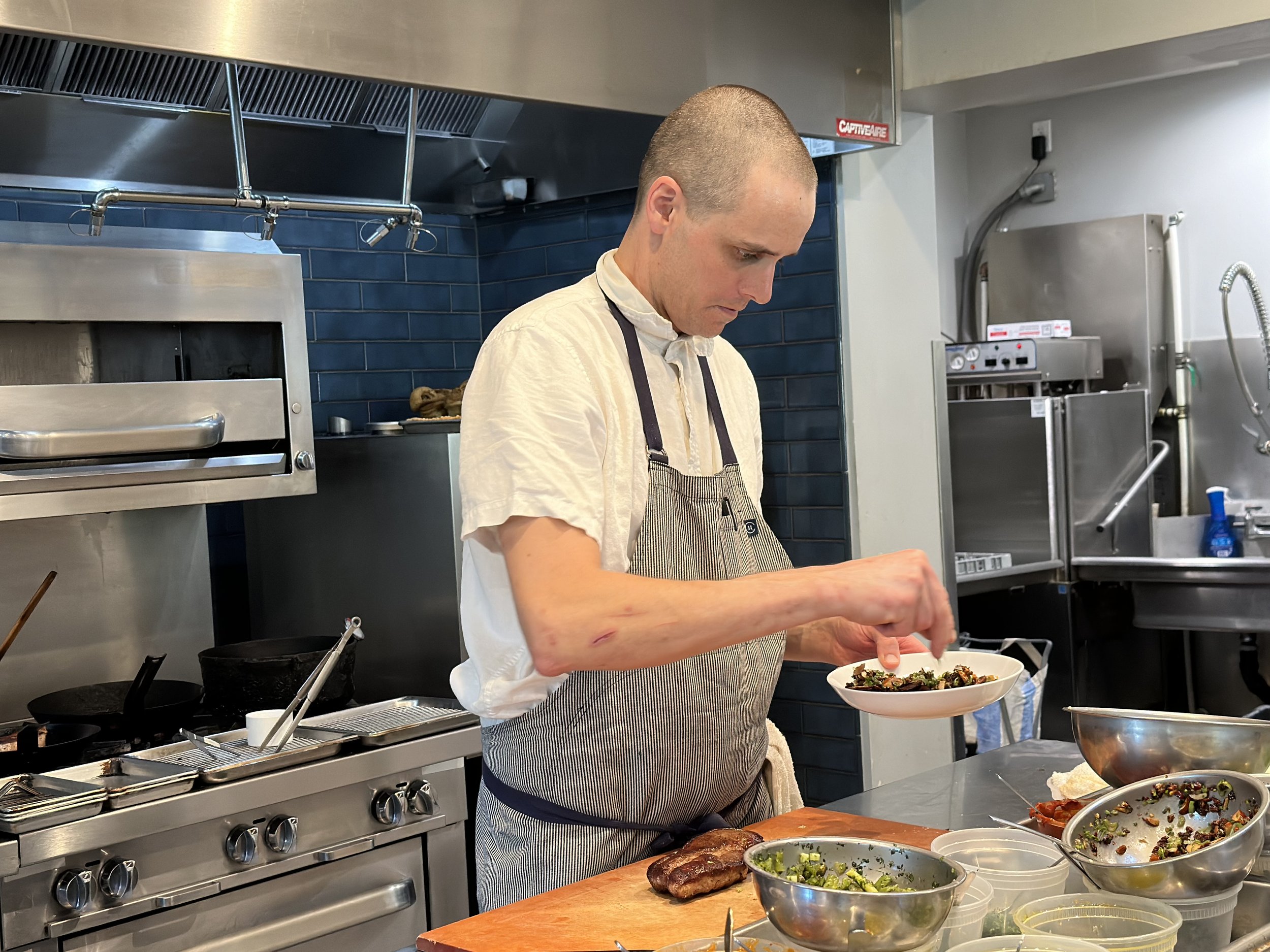
Woven into this evolving landscape is a vibrant mix of small businesses. There are relaxed brunch spots and coffee houses, thoughtful gourmet dining, great neighborhood bars, Pilates, a car museum, a neighborhood cleaners that has been here for decades, a flower boutique, and a growing collection of independent shops that give Marmalade its personality. It even has its own renowned theater.
Marmalade is not a district shaped by a single vision or committee, but by the people who live here, build here, and open their doors each day, contributing to a neighborhood that feels layered, lived-in, and very much alive.
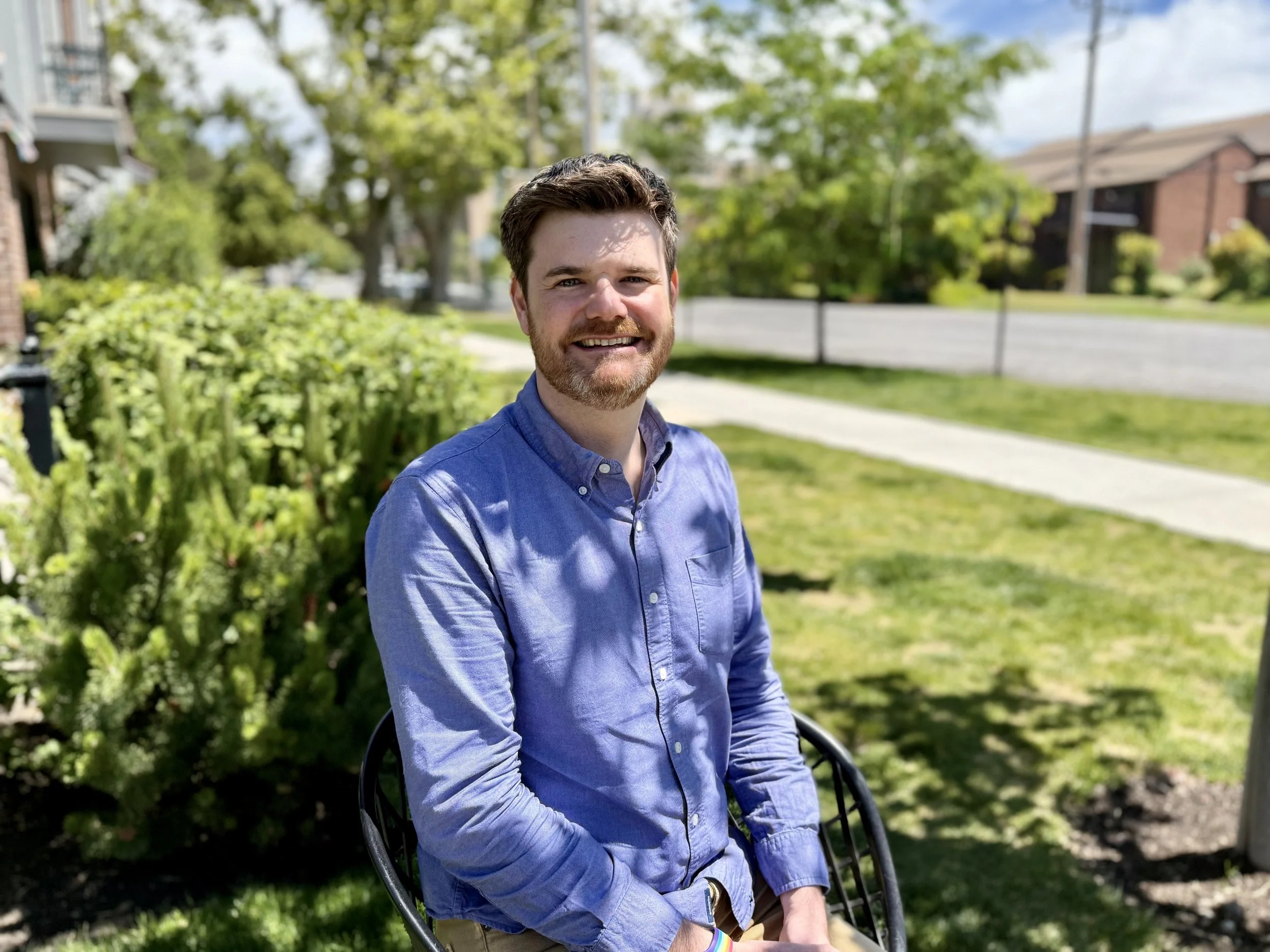
Chris Wharton
“I feel like the city gets bullied a lot by the state, and sometimes residents feel like they are getting bullied too. I want to be able to help resolve those conflicts with compassion, civility, and dialogue.” For Chris Wharton, Salt Lake City Council Member for District 3, those words reach far beyond politics. They connect the boy he once was to the attorney he became, the neighborhood advocate he has grown into, and the sixth-generation Salt Laker who now represents some of the oldest, most historic, most diverse, and most layered neighborhoods in the city.
Chris was born in his district, at LDS Hospital, and some of his earliest memories are of the Avenues, where he lived on Second Avenue and D Street in an apartment carved out of an older house. As a small child, he rode in a Radio Flyer wagon while his mother pulled him down the hill to City Creek Canyon Road. There, his grandmother lived in one of the first houses near the entrance to Memory Grove. He remembers running through the park, climbing up toward the Capitol, and posing beside the old lion statues that once stood there. “I have a lot of memories of growing up in the Avenues.”
Although his family later moved farther south, Chris spent many weekends with his grandmother in the neighborhood that would continue to pull him back. Downtown, too, was part of his childhood landscape - Crossroads Mall, parades, festivals, the Capitol, and the streets and hills that formed his earliest understanding of Salt Lake City. Years later, after graduating from Cottonwood High School in 2002, earning a history degree from Westminster College in 2006, and receiving his law degree from the University of Utah in 2009, Chris found himself returning again and again to the places that had shaped him.
Law school had not been an accidental choice. As a child, Chris was bullied, and he learned early that words could sometimes protect him. “I was always able to talk my way out of it,” he said. He became interested in persuasion, advocacy, and the possibility that conflict could be resolved civilly. Studying history only deepened that desire. He wanted, as he put it, “to try to right some of the wrongs” he had learned about.
After law school, during the recession, government jobs were scarce. Chris had interned with the Salt Lake City Prosecutor’s Office and had even tried and won his first jury trial before graduating, representing the people of Salt Lake under Utah’s third-year practice rule. But with hiring freezes in place, he began working for defense attorneys and eventually found his way into family law. That area became deeply meaningful to him, especially because family law had been one of the places where advocacy for women and LGBTQ people had often taken shape.
In 2012, Chris started his own law practice downtown, with a focus on families and, in particular, LGBTQ people within families. This was before marriage equality, at a time when many legal protections now taken for granted did not yet exist. Around the same time, he became involved with the Salt Lake City Human Rights Commission, helping with efforts to pass a city ordinance prohibiting discrimination in housing and employment based on sexual orientation and gender identity.
At the time, Chris remembered, some people argued that such an ordinance was unnecessary because discrimination was not really happening. The commission held listening sessions, gathered stories, and documented the experiences of people who had faced discrimination. Salt Lake City passed the ordinance, followed by Salt Lake County, then other cities and counties, and eventually those efforts helped lead to statewide protections. “I was really proud to have been a part of that,” Chris said.
His personal life was also bringing him back to District 3. Chris met his husband in 2015, and they moved into an apartment on Second Avenue, only a block from where Chris had lived as a young child. They married in 2016. In 2017, Chris ran for City Council and was elected. He was sworn in in 2018, and that same year, he and his husband bought an 1884 Victorian house in Marmalade.
At the time, Marmalade was still one of the more affordable parts of District 3. Chris and his husband had not been certain they would be able to buy in the district at all and had expected to remain renters. Then a house on Second West came along, complete with the rare gift of a garage, which mattered to Chris’s husband, who loves restoring vintage cars. They made an offer and suddenly found themselves rooted in one of Salt Lake City’s most distinctive neighborhoods. “I love Marmalade because it’s got kind of the historic charm and character of the Avenues,” Chris said. “But you get some actual diagonal streets over here.”
Those diagonal streets, the orchard history behind the Marmalade name, the nearby Warm Springs site, the old homes, the parks, the library, and the layers of people who have lived there all appeal to Chris. Marmalade has also long held meaning for Salt Lake’s LGBTQ community. The Pride Center was once nearby, as was a major gay bar, and Chris described the neighborhood as historically alternative and welcoming. Today, he and his husband are raising their daughter, Ella, whom they adopted the day she was born in 2024. “She is a seventh-generation Salt Laker,” he said.
Many people, Chris said, think of District 3 as simply the Avenues, but that is only one chapter of a much larger story. District 3 includes the Avenues, Capitol Hill, Marmalade, Federal Heights, Guadalupe, a small section of Rose Park, and the little-known neighborhood of Old Swedetown. It begins north of South Temple, stretches east of the freeway, and includes a small piece west of it.
Within his district, there are some of the highest property values in Utah and some of the city’s most important affordable housing. There are mansions converted into apartments, high-rise apartment buildings, condos, townhomes, single-family homes, senior housing, refugee housing, and hostels. “People don’t realize how diverse the district is.”
Chris went on to explain that it is also filled with landmarks. District 3 includes Memory Grove, the City Cemetery, the Capitol, Temple Square, the Beehive House, the Lion House, Ensign Peak, the foothill trails, the Catholic Diocese, and the headquarters of The Church of Jesus Christ of Latter-day Saints. It includes historic homes, sacred sites, parks, schools, libraries, trails, and neighborhoods that feel entirely different from one another within only a few blocks.
That mix is part of what Chris loves most. Federal Heights and the upper Avenues may contain some of the state’s most expensive homes, while Old Swedetown, tucked near industrial land, is so small and hidden that many Salt Lakers do not know people live there. Marmalade and Guadalupe, he pointed out, form the densest residential areas in the city, denser even than downtown. In recent years, he has watched Marmalade grow with new housing, new businesses, new restaurants, and projects that bring more amenities to people at a range of income levels.
Chris is proud of that growth when it is done thoughtfully. He speaks with particular appreciation about affordable housing projects that give residents access to amenities often unavailable to people renting at lower income levels. For him, the question is not whether a neighborhood should change, but how it can change while remaining livable, accessible, historic, and connected.
As a council member, Chris also wants residents to understand what city government can and cannot do. Salt Lake City has a mayor-council form of government. The mayor acts as the executive branch, overseeing departments and representing City Hall to the public. The City Council acts as the legislative branch. Council members pass ordinances, approve the city budget and budget amendments, and provide oversight of the mayor and city departments.
On a practical level, Chris said council members often represent the neighborhoods to the city. They hear from residents about roads, trees, parks, water, streetlights, zoning, libraries, garbage collection, development, sidewalks, potholes, and neighborhood concerns. “This is the first layer of government,” he said. “If someone’s trash isn’t getting picked up or there is a tree branch blocking the road, it’s impacting me too.”
Over the years, the council itself has changed dramatically. When Chris was first elected, he was one of the newer and younger members. He is now the longest-serving member. During his time on the council, Salt Lake City’s governing body has shifted from an all-white council to a majority-minority council, and from two LGBTQ members to an LGBTQ majority. It is also one of the youngest councils the city has had. For Chris, that change matters. As a gay council member, he is aware of how much Salt Lake City has evolved and how much work remains. He describes Salt Lake’s queer community as strong, proud, and diverse, while also acknowledging the larger reality in which it exists. “Just because Salt Lake is friendly doesn’t mean that it’s easy,” he said.
Salt Lake City has long served as a refuge for LGBTQ people not only from across Utah, but also from surrounding states and the broader region. Chris understands why people from outside Utah are sometimes surprised by that. They may picture the state in only one way, not realizing that Salt Lake City, Park City, Moab, and other communities can feel very different from the stereotypes. Yet, he said, the safety and acceptance found in Salt Lake must still be protected. Even in progressive neighborhoods, discrimination and hostility can surface. Representation, visibility, and community still matter.
That perspective shapes how Chris approaches his work. He does not see city government only as budgets, zoning, ordinances, and meetings, though those are central to the job. He sees it as a way to listen closely to what people are really saying. Sometimes residents come to him with issues the city does not control. In those moments, he tries to explain which level of government is responsible while still listening for the human need underneath the complaint.
When Salt Lake County made decisions about closing senior centers, for example, Chris knew the city could not simply reverse a county decision. But he also heard something larger in residents’ concerns. “At the heart of the issue,” he said, “is that we’re taking away a resource from seniors and taking away a sense of community from them.” The question then became what the city, within its own authority and resources, could do to help meet that need.
That philosophy reflects much of Chris Wharton’s approach to public service. Whether the issue involves housing, parks, development, neighborhood concerns, or quality of life, he believes the government works best when it listens carefully and responds thoughtfully to the needs of residents. District 3 itself reflects that same spirit. It contains grand landmarks and hidden corners, historic homes and affordable housing, foothill trails and urban density, long-established families and newcomers from around the world. It is a district defined by both history and change, and Chris has spent much of his life experiencing both. “At the heart of the issue is that we’re losing a sense of community,” Chris said. “The question becomes what can we do with the resources we have to help meet that need?”
Marmalade Businesses