Rawtopia
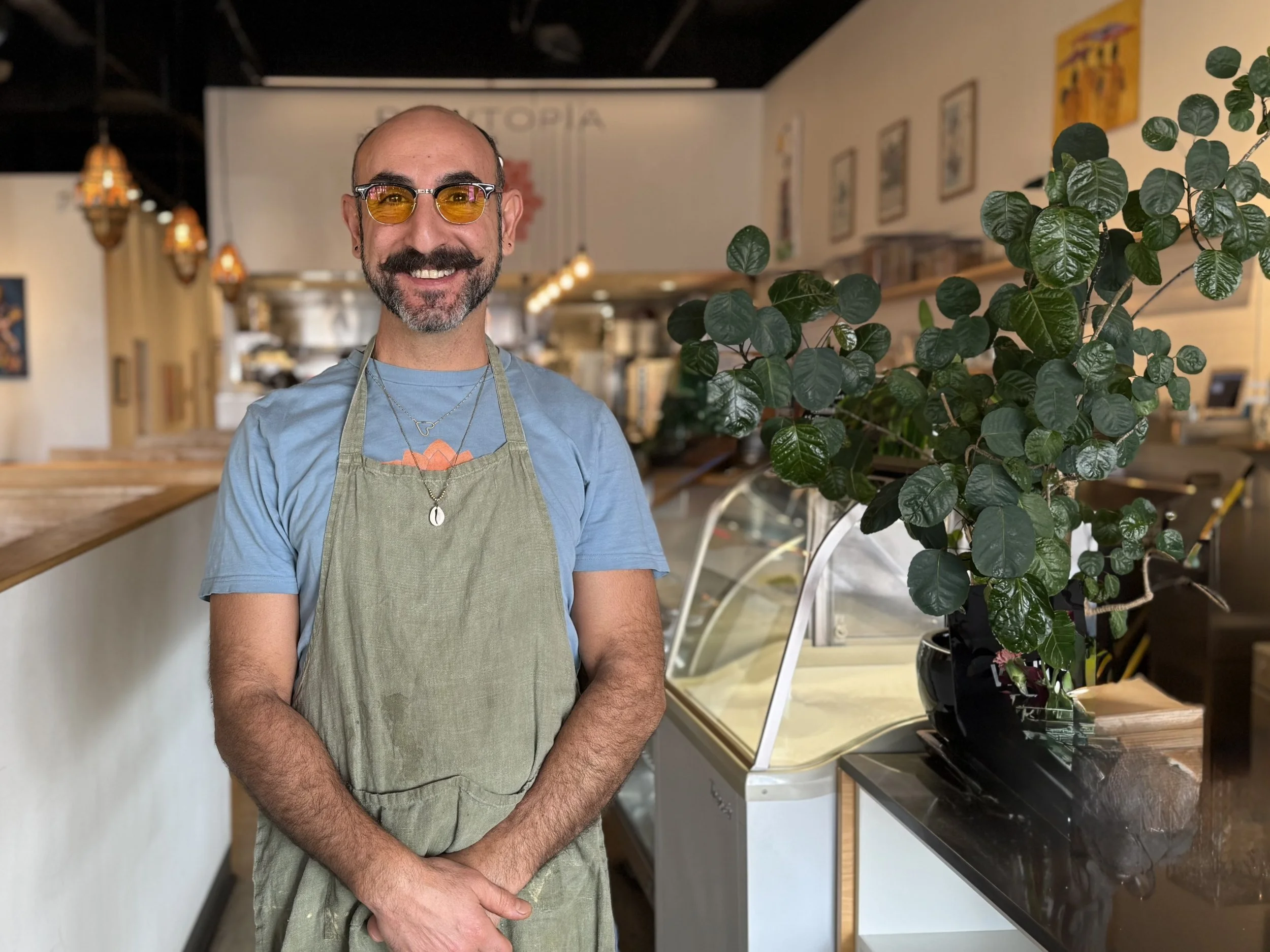
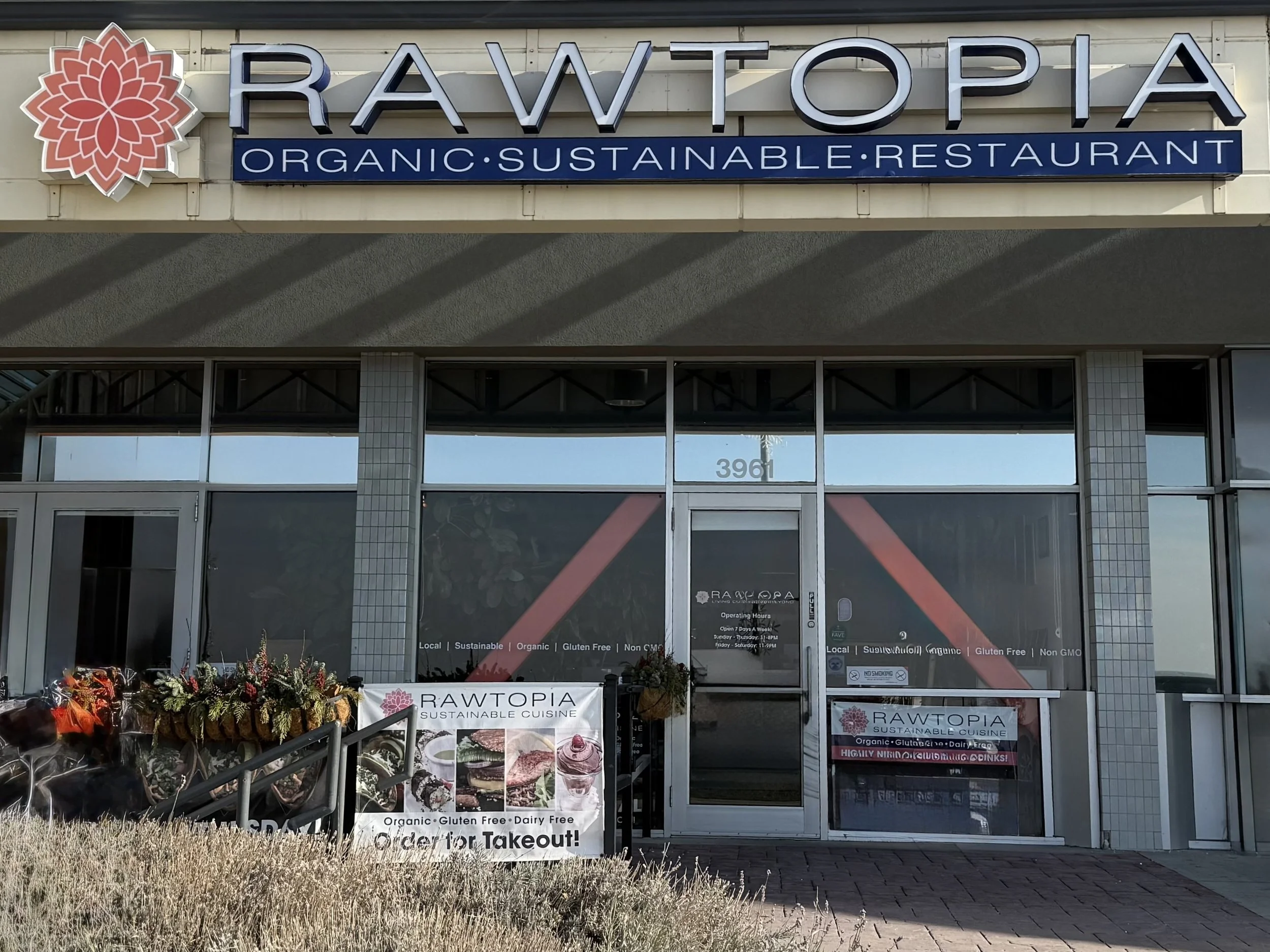
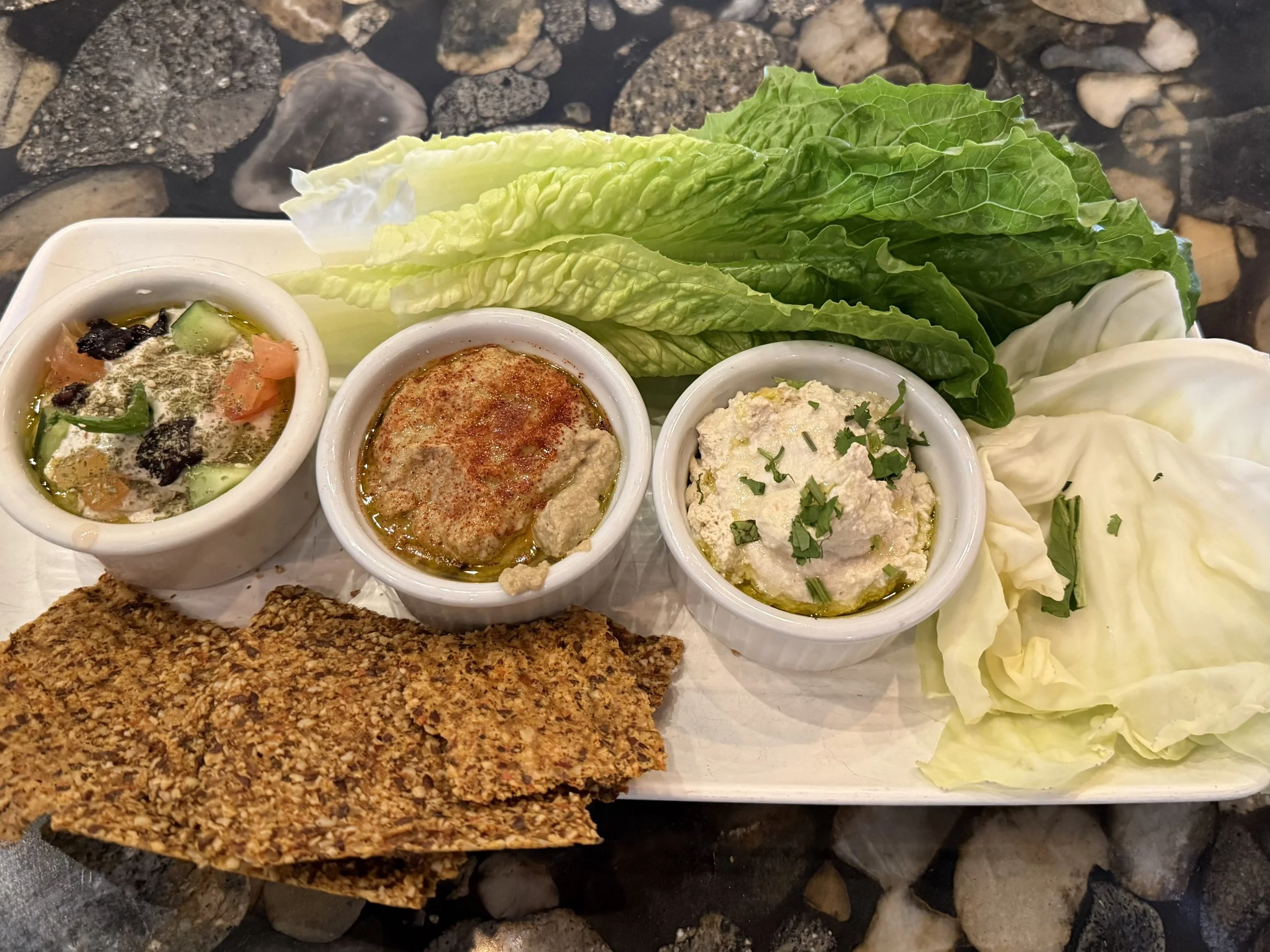
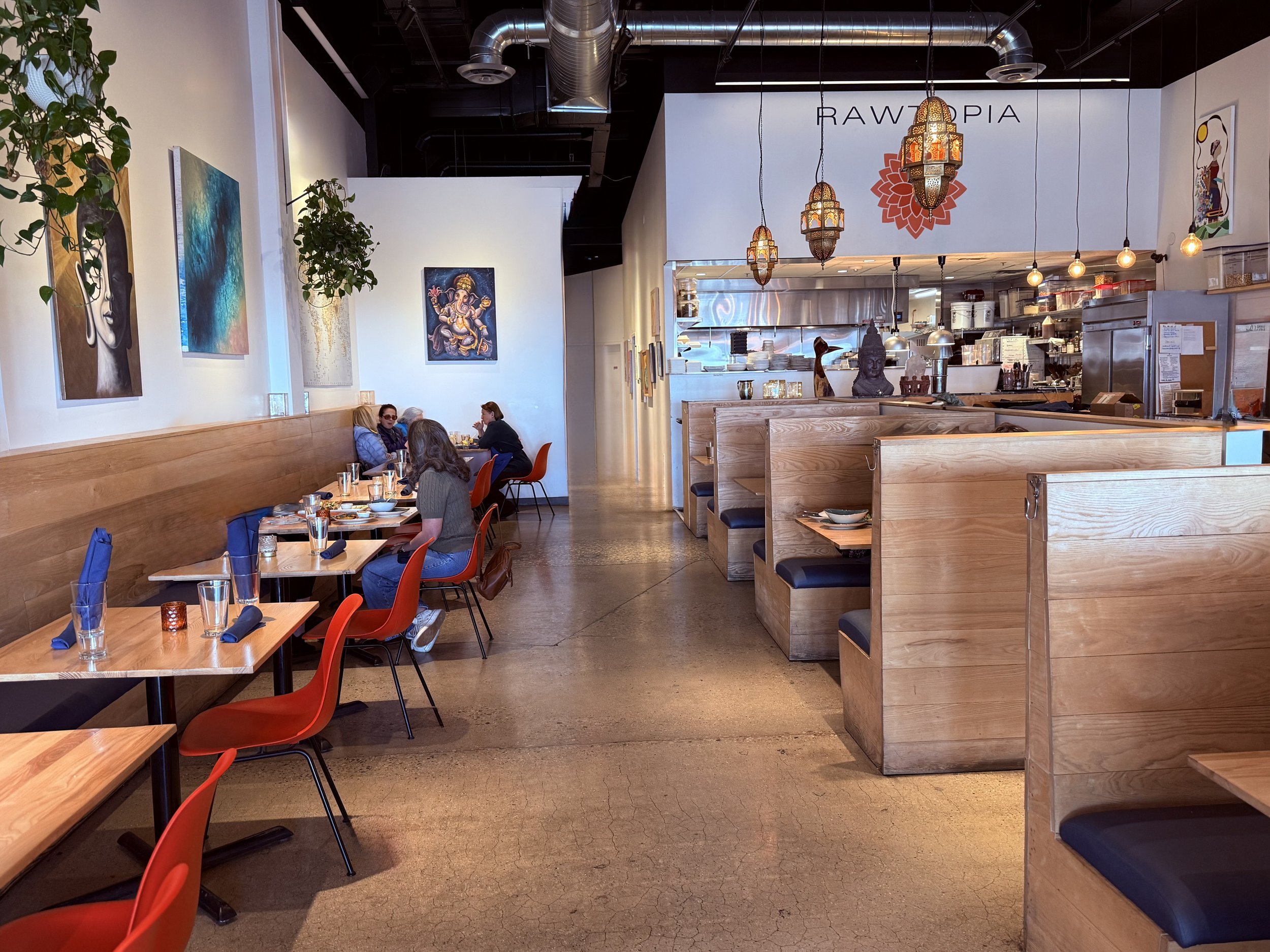
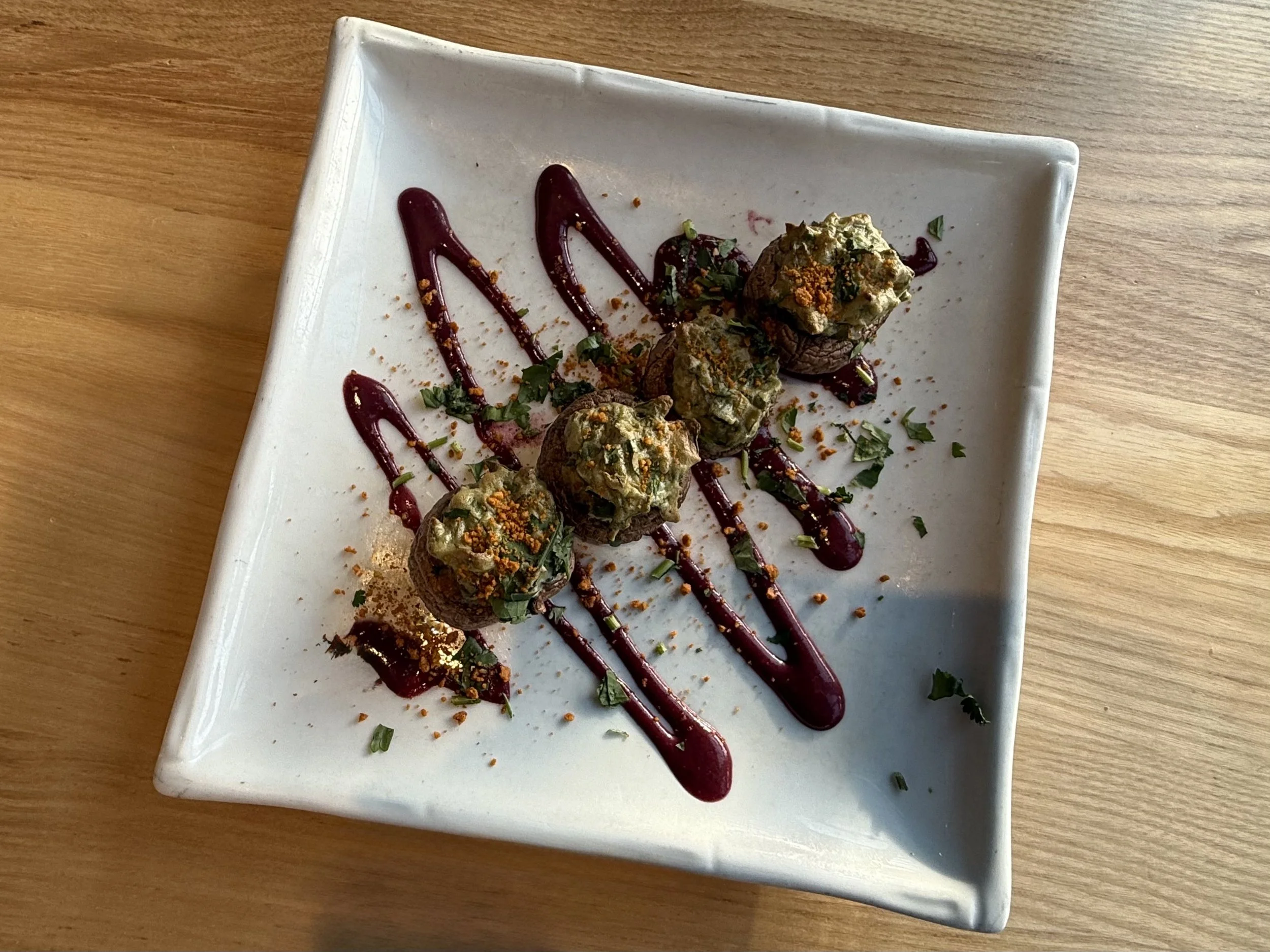
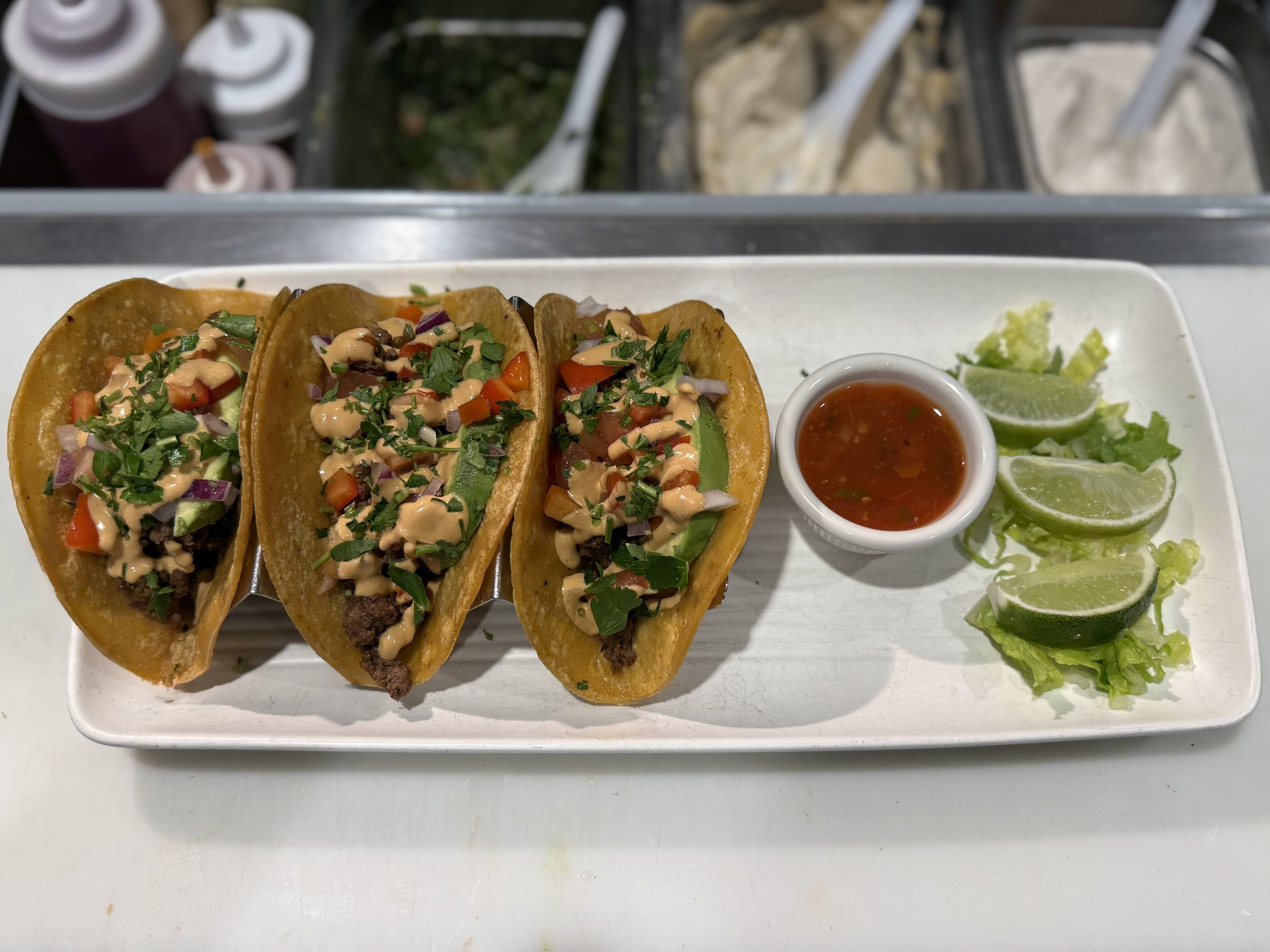
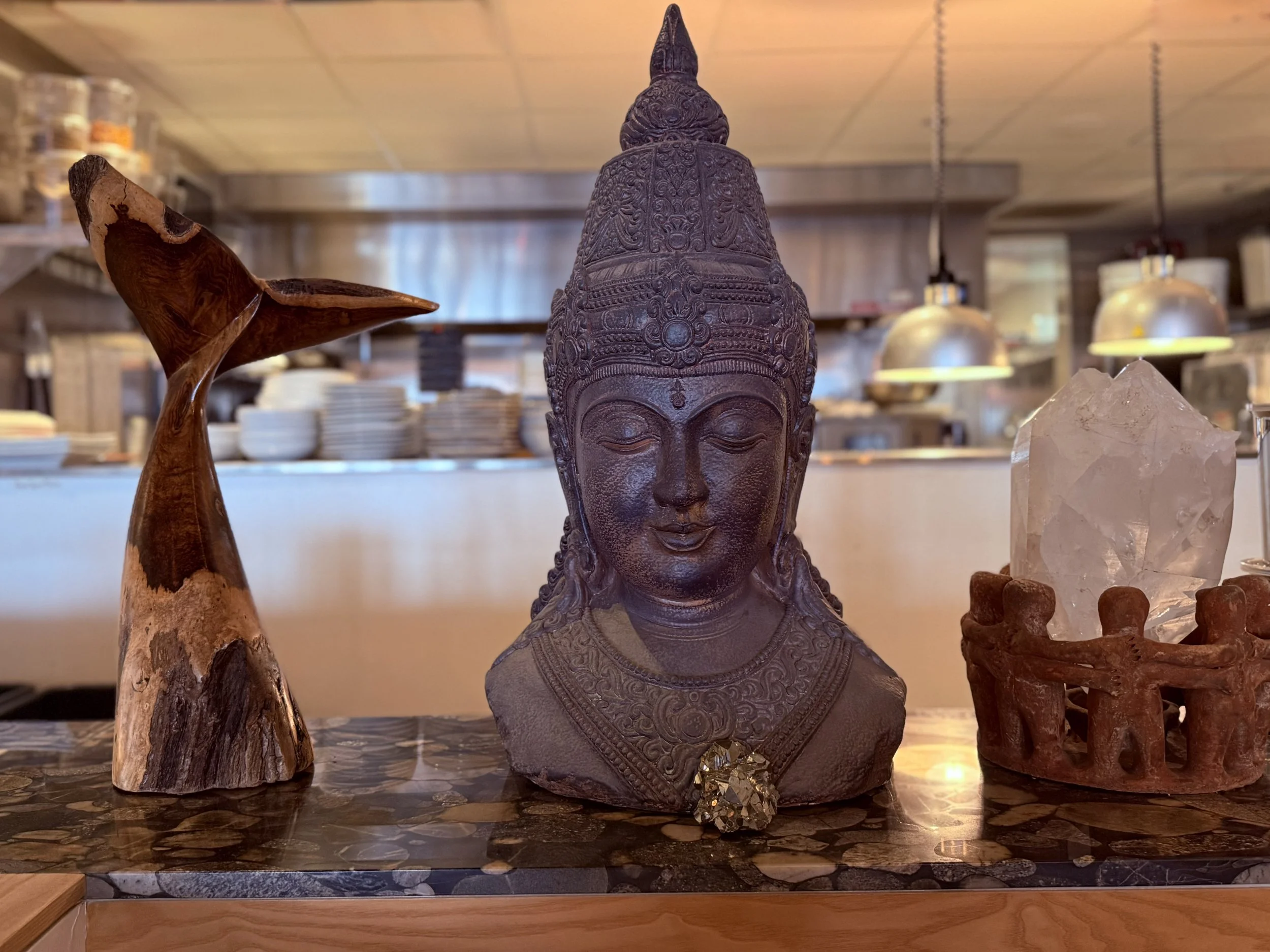
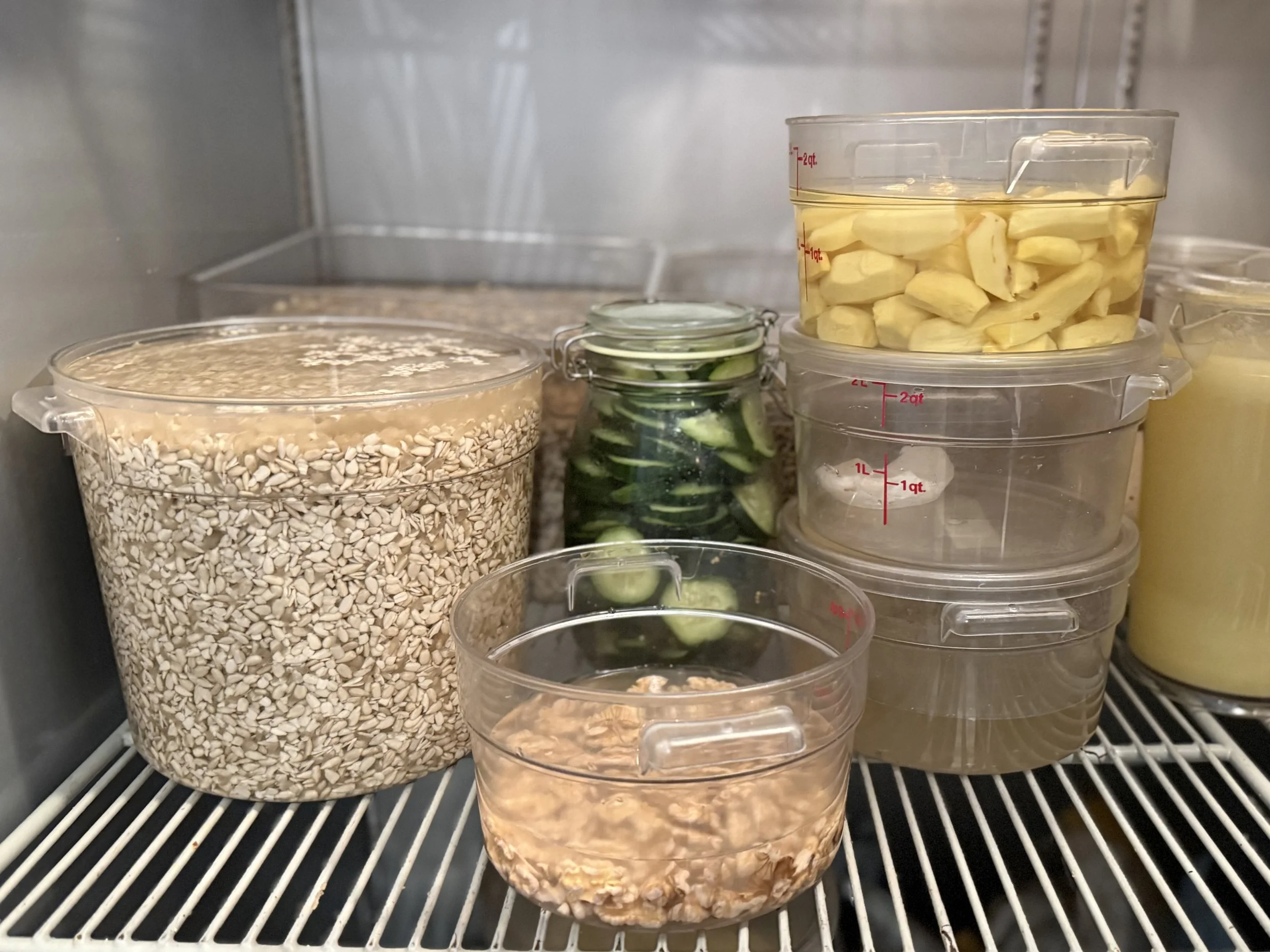
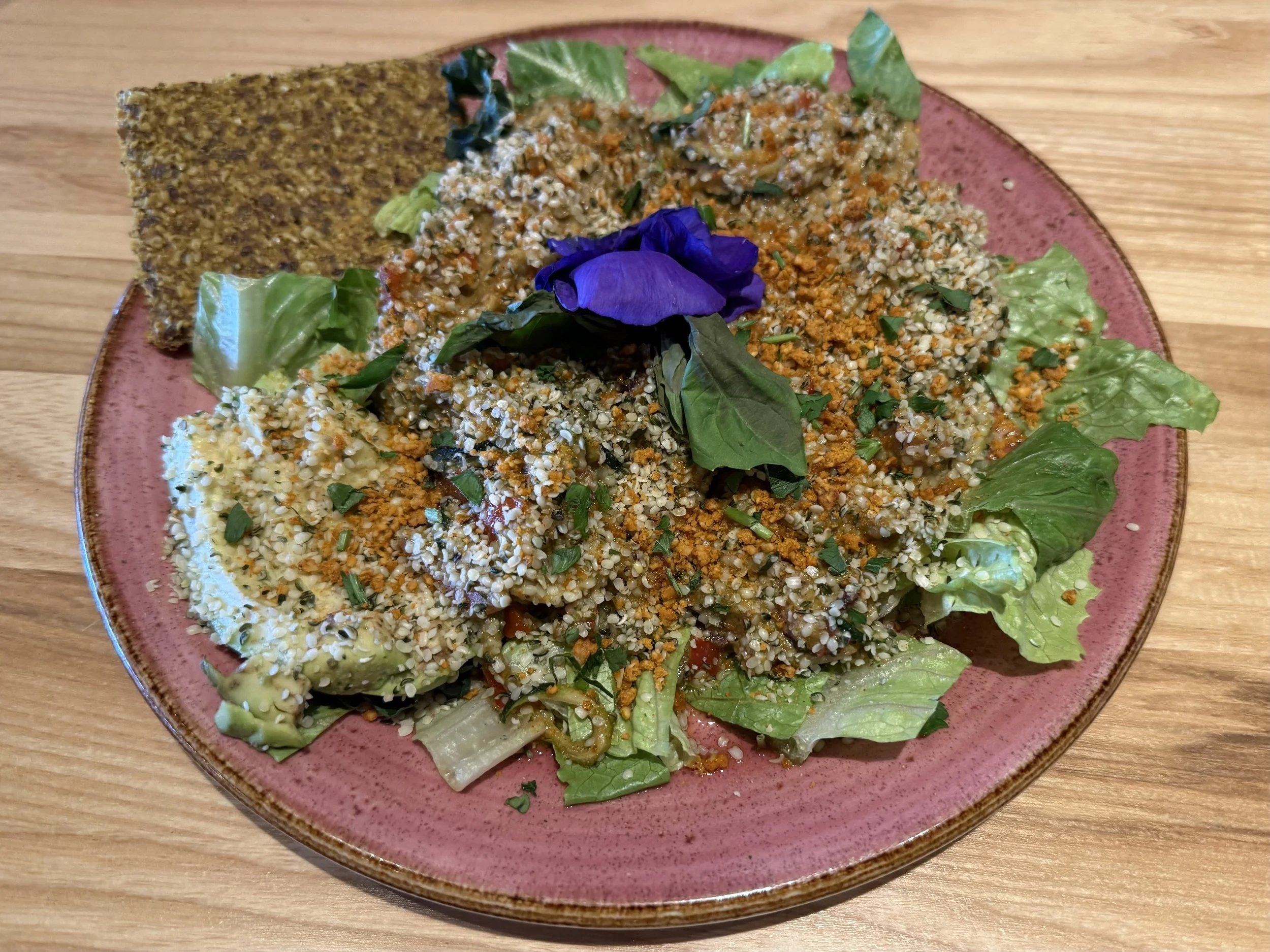

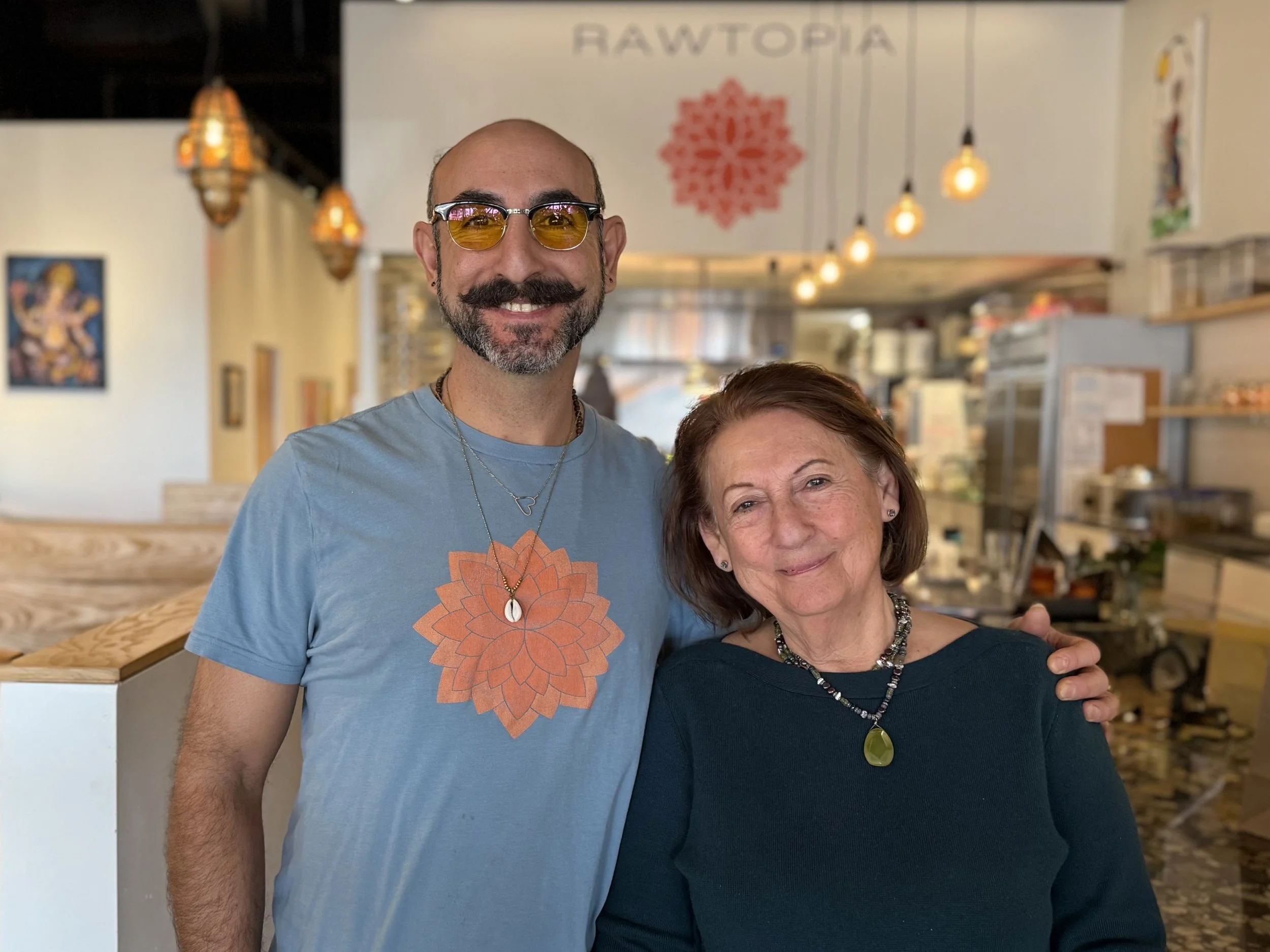
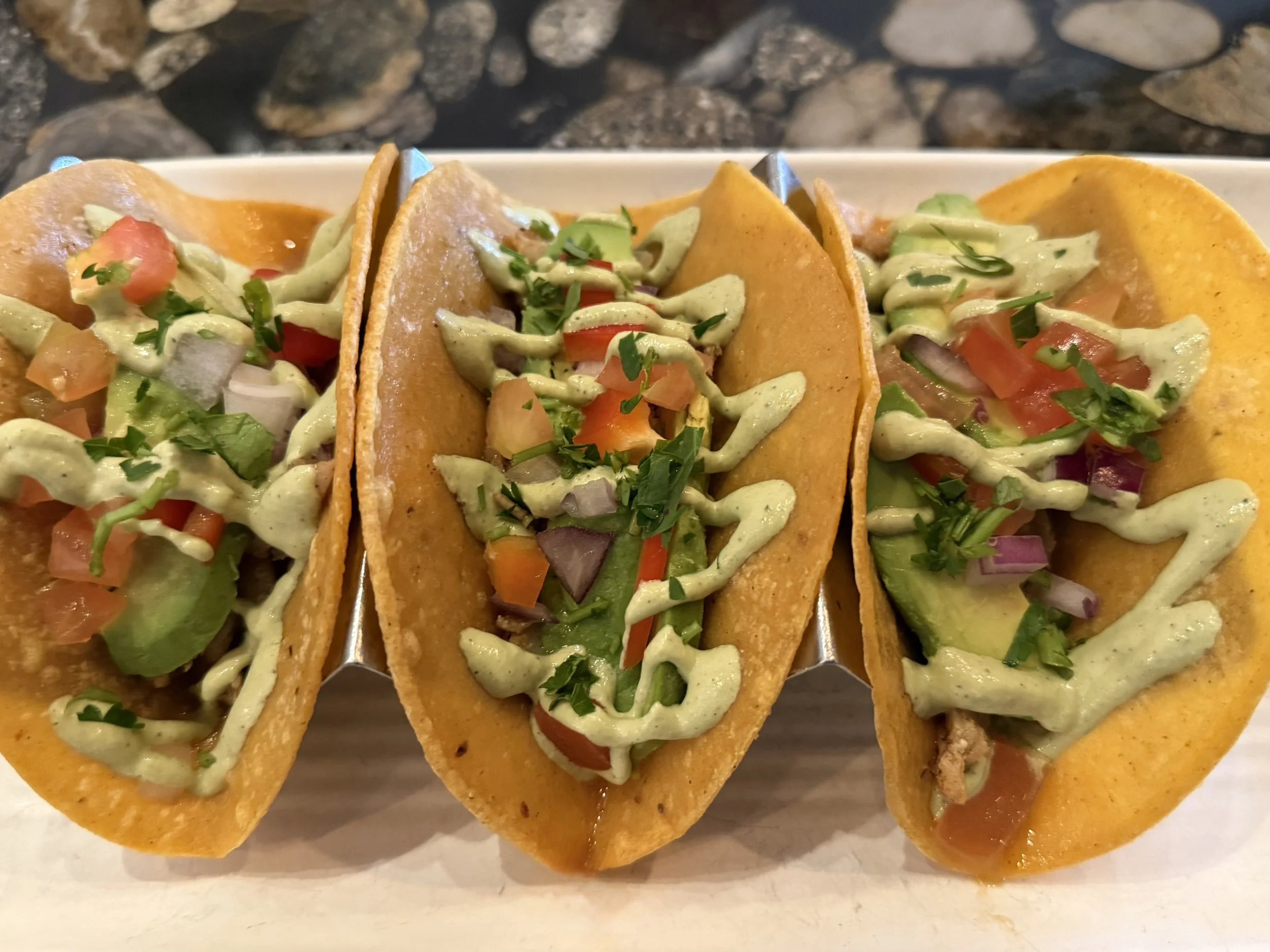
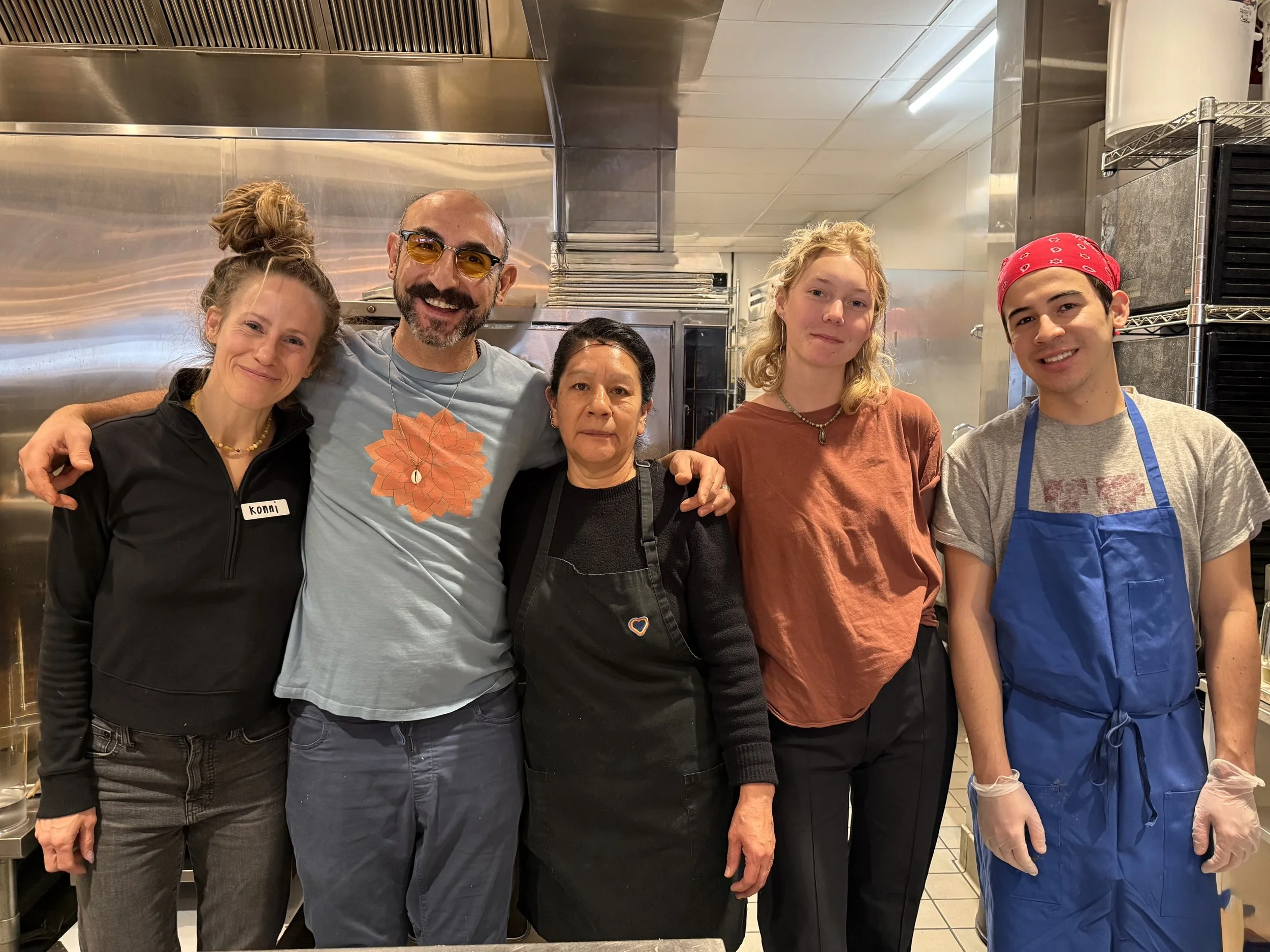
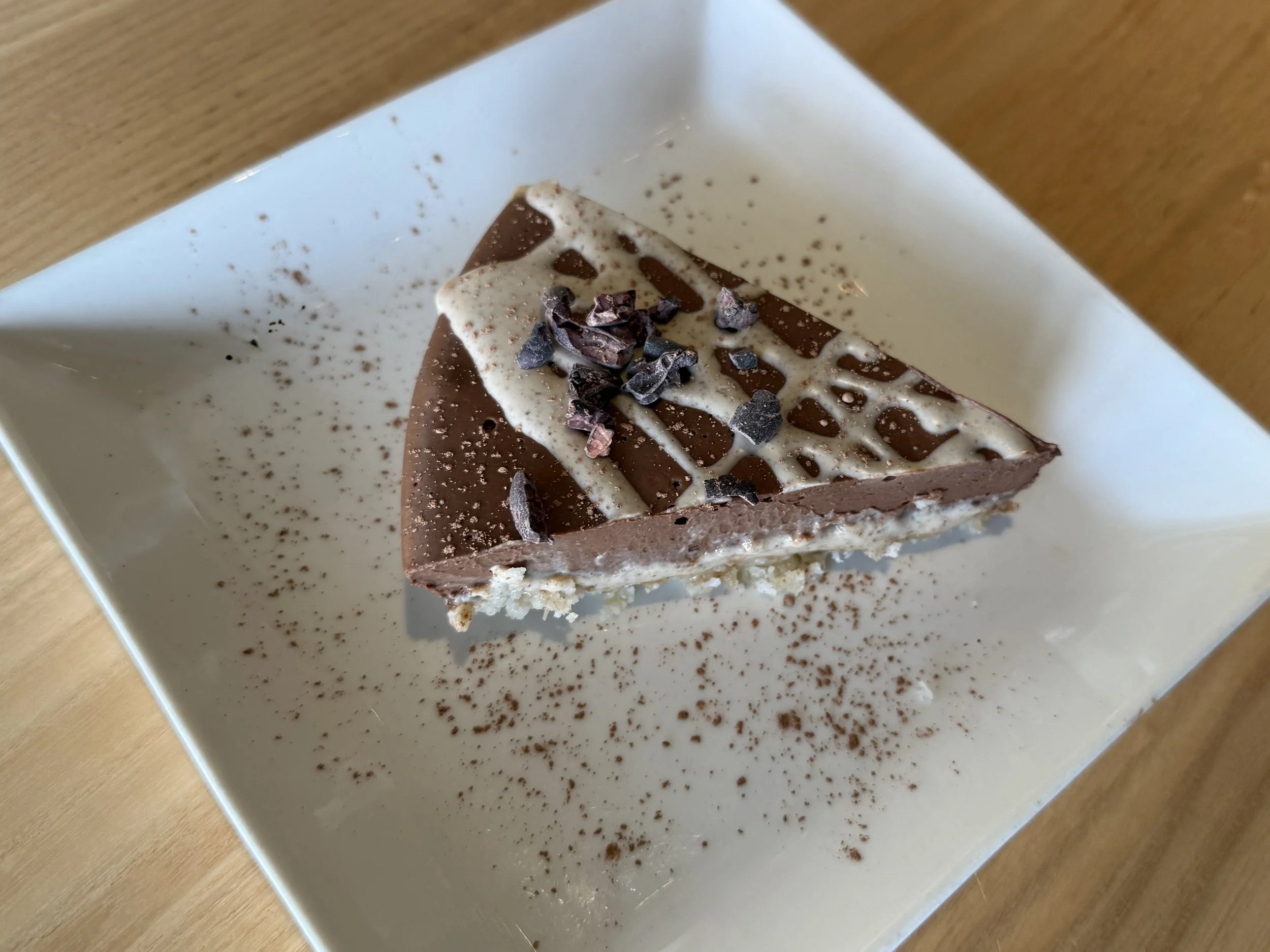
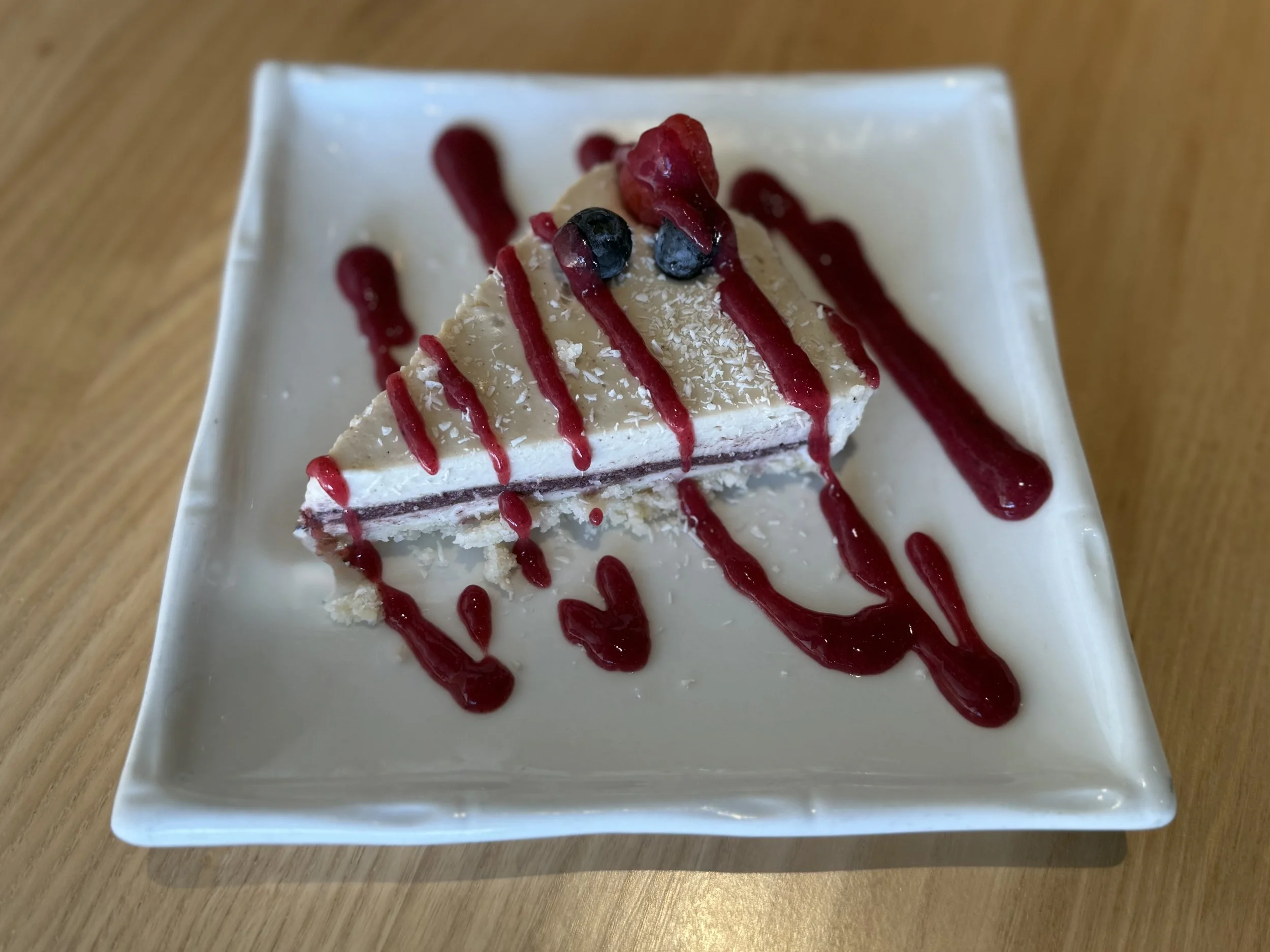
“I would like to say it is a temple to food.” Omar Abou-Ismail says it simply, but everything about Rawtopia Living Cuisine and Beyond is built to support that one idea - a space that nourishes. Not only through what is presented on the table, but through what the food represents to him, and why this restaurant has become his life’s work.
Omar's story begins far from Salt Lake City, in a childhood shaped by movement, contrast, and culture. “I was raised in Nigeria, West Africa.” He remembers Nigeria as lush and alive, full of heat and coastline and the kind of freedom a child feels in his bones. “Nigeria was a jungle, it was wild, authentic, and the food was fantastic, very spicy.” He describes long days outdoors and a weekly rhythm that felt almost dreamlike. “Nigeria is right on the coast, so it has a lot of beaches and islands. Every Sunday we would go. It was Idyllic. I had a good, beautiful upbringing.”
Life changed for Omar when he turned twelve. The family moved to Lebanon, in the wintertime. Summers still pulled them back to Nigeria, where Omar’s father remained, working and supporting the family from afar. “My dad was always in Nigeria working and sending us money. That is kind of how it was.” The winter emphasis was not incidental. "My dad sent us to Lebanon so we could learn our culture, our language, things like that. And for school.”
Lebanon was beautiful, but it carried scars. “The country had been at war for seventeen years, a Civil War.” Omar places the move around 1992, and he remembers the shock of stepping into a country still recovering, and into a school system that felt unforgiving. “When I went to Lebanon, it was just Lebanese people. And Lebanon was rough and rugged because of the war.”
School was especially difficult. “It was hard for me because I did not speak Arabic well.” He could hear Arabic at home, but Lebanon demanded a different kind of fluency. “They did things in English, but they explained it all in Arabic. So, it was very confusing for me.” He tried, and kept trying, but there was a stubborn wall he could not move. “I had to get comfortable with Arabic, and it never worked. I never did.” Frustration became part of his daily teenage life. "I hated it. Education was really hard there. They were very strict.”
The hardship was not only academic. Lebanon brought cold he had not known in tropical Nigeria, and it brought the kind of scarcity that forces a family to become inventive. “Things like electricity would go out.” He remembers studying by candlelight. He remembers a house without central heating. “We had firewood in the house, burning wood so that you can heat up the home.” He remembers water that could not be taken for granted. “There was not a lot of water, sometimes we would run water, and we would take showers in a bucket.” Even now, he can feel the absurdity of it. Laughing he shares, “In the middle of winter in a cold bathroom. It was wild.”
And yet, Lebanon also held a different kind of warmth. “Lebanon is a gorgeous place with beautiful mountains. There were cedar trees, nature, and a constant hum of extended family. “We had a lot of family, so I was always entertained. Omar describes it as a social country. He had many friends, and tons of cousins. Even with outages and candlelight, he remembers the closeness. “With no electricity and existing with candles for light, being around family was awesome.”
Still, a longing took hold early, and it was not only about comfort. “I always wanted to come to America.” Omar had visited before, and those visits stayed in his mind as proof that another kind of life existed. “I had fond memories of America, so I really wanted to go back.” Over time, he understood that it was also about safety and selfhood. “I always wanted to go to America because I felt like I could not really be myself in Lebanon.” He speaks about being a young person sensing something true about himself, without the language or support to hold it. “I kind of knew I was gay, but I did not quite understand it when I was younger, because it was not a thing back in Nigeria or in Lebanon. In these countries, it is criminalized.” The fear was not abstract. “I thought maybe I was sick or something.” Silence became the rule. “I never spoke to my family about it.” The stakes felt enormous. “It was a big deal. I knew that this could ruin the family name.”
Omar remembers clearly when the family came to Utah in 1996. They came directly to Salt Lake City for family. “My grandma and aunt were living here.” His father, still in Nigeria at the time, made the decision that changed everything. When he learned of Omar's desire to leave Lebanon, his dad said, “I think if you are going to go to America, all of the family goes, because I do not want to lose you in America.” Omar’s grandmother was delighted to have them close.
Omar's senior year was at Granger High School in West Valley City. Then came the University of Utah. “I went to the University of Utah right after as an international student and studied geophysics.” He graduated in 2002 and worked in the field for a time. But the path that looks solid on paper was already beginning to shift inside him.
The turning point came through a growing awareness of food and health, and a deepening concern for the environment. He describes it as an awakening. “I had kind of an epiphany.” Books opened him up. “I read two books - The Food Revolution as well as A Diet for a New America.” Omar began to re-see the modern food system, and what it asks of bodies, animals, and land. “I became extremely conscientious of the environment moving toward veganism, then raw foods." He believed he had stumbled onto something fundamental. “I thought it was the perfect diet for humans.”
Then life added grief to conviction. “I found out my dad had cancer at the same time.” Omar’s father returned from abroad, and Omar watched the illness in a way that left him feeling desperate. “I saw the cancer spreading in his body, and I wanted to help him heal from cancer. With raw food, I thought that would be ideal.” Sadly, his father passed away in 2004. The loss marked Omar, but it set him in a definitive direction. "I wanted to create a restaurant where people that are seeking healthy food could have healthy food.”
What followed was not a polished business plan, but a young man trying to build something rare. Omar began teaching raw food classes locally. People found him. Word spread. In 2005, Rawtopia began as a humble hole in the wall, a raw food bar tucked inside another space. He had very little money. He borrowed some from his brother-in-law, built much of what he needed himself, and opened Living Cuisine Raw Food Bar in Sugar House. When that original building was demolished, he moved across the street in 2007 and expanded the vision, naming it Omar’s Rawtopia - Peace Through Food.
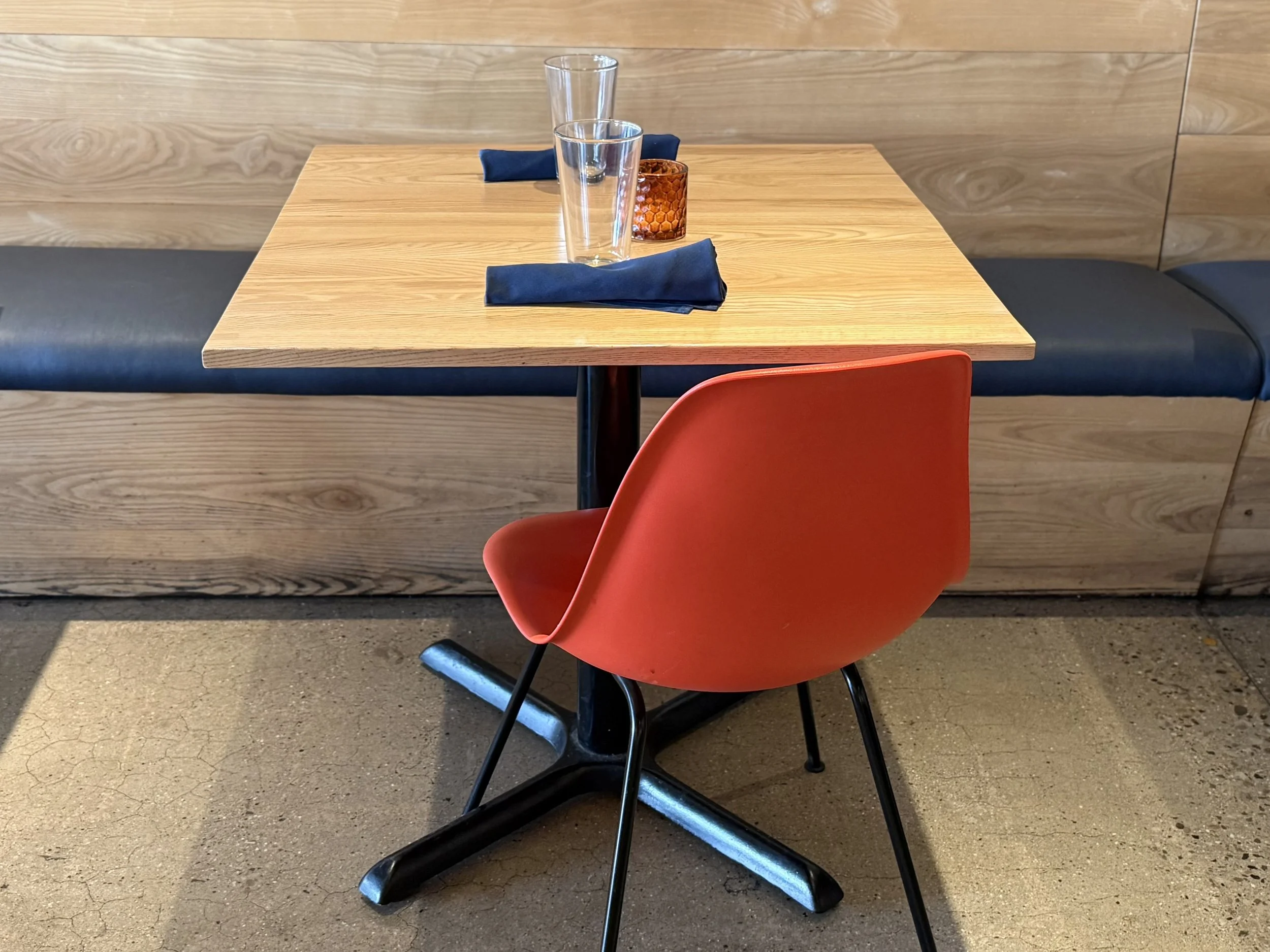
For twelve years, Omar ran a raw vegan restaurant, learning along the way that conviction must live alongside adaptability. When he moved to Millcreek in 2017, he converted the space into a restaurant from the ground up, taking on the cost, the buildout, and the risk with a loan and the continued support of his brother-in-law, who became a silent partner. Omar wanted the space to reflect his values. “Everything is natural,” he says. “Stone, wood, metal.” He avoids fake, plastic, and disposable materials, even when better options cost more. He talks about Rawtopia the way someone talks about a home built for family, because that is what it is.
By then, Omar’s philosophy had grown more layered, and he was not shy about saying that change is part of being alive. “I was evolving." He still believed fiercely in plants, in raw food, in ingredients that feel like medicine. At the same time, “I started learning more about sustainability and regenerative agriculture and farming.” That learning shaped the menu. He began adding wild bison, salmon and cod, and occasionally local lamb or local grass-fed beef. With this, the restaurant expanded to feeding a variety of eaters, without abandoning its heart.
And then there is the presence of Omar’s mother, which is written into the restaurant’s daily life, not as a side note, but as a steady foundation. She truly stands at the heart of the kitchen. She brought her own deep experience and legacy, shaping the Lebanese cooked dishes while Omar kept the raw menu alive. The menu is not just food. It is family, memory, and worldview translated onto plates. He speaks about his mom, Jinan, with both pride and tenderness. “She learned from her grandmother in Lebanon.” He describes village traditions; food knowledge carried through generations. “She is still making the spice mix - how they've made it in Lebanese villages for thousands of years.” She is still part of his world, part of his kitchen, part of the reason Rawtopia feels like it has a pulse.
When Omar talks about his mother, his voice changes. He slows down. He watches her as he speaks. Jinan moves through the kitchen with a calm authority, tasting, adjusting, remembering. There is no rush between them, only familiarity. He talks about her food as something learned by heart, not by recipe, and it is clear how much of Rawtopia lives in that exchange. It is impossible not to feel that this restaurant is as much about care as it is about craft, built from years of shared kitchens, shared meals, and a deep, unspoken trust - and love.
If Omar’s story has a single guiding belief, it might be this - that food is sacred, and that the space where it is made and shared should feel sacred too. “I definitely vibe with a more feminine deity.” He is trying to name something that is hard to explain unless someone has felt it. “Because we live in a world where everything is so masculine, I feel the feminine represents Mother Earth, and she is nurturing. And my restaurant is a sacred place to nurture people.”
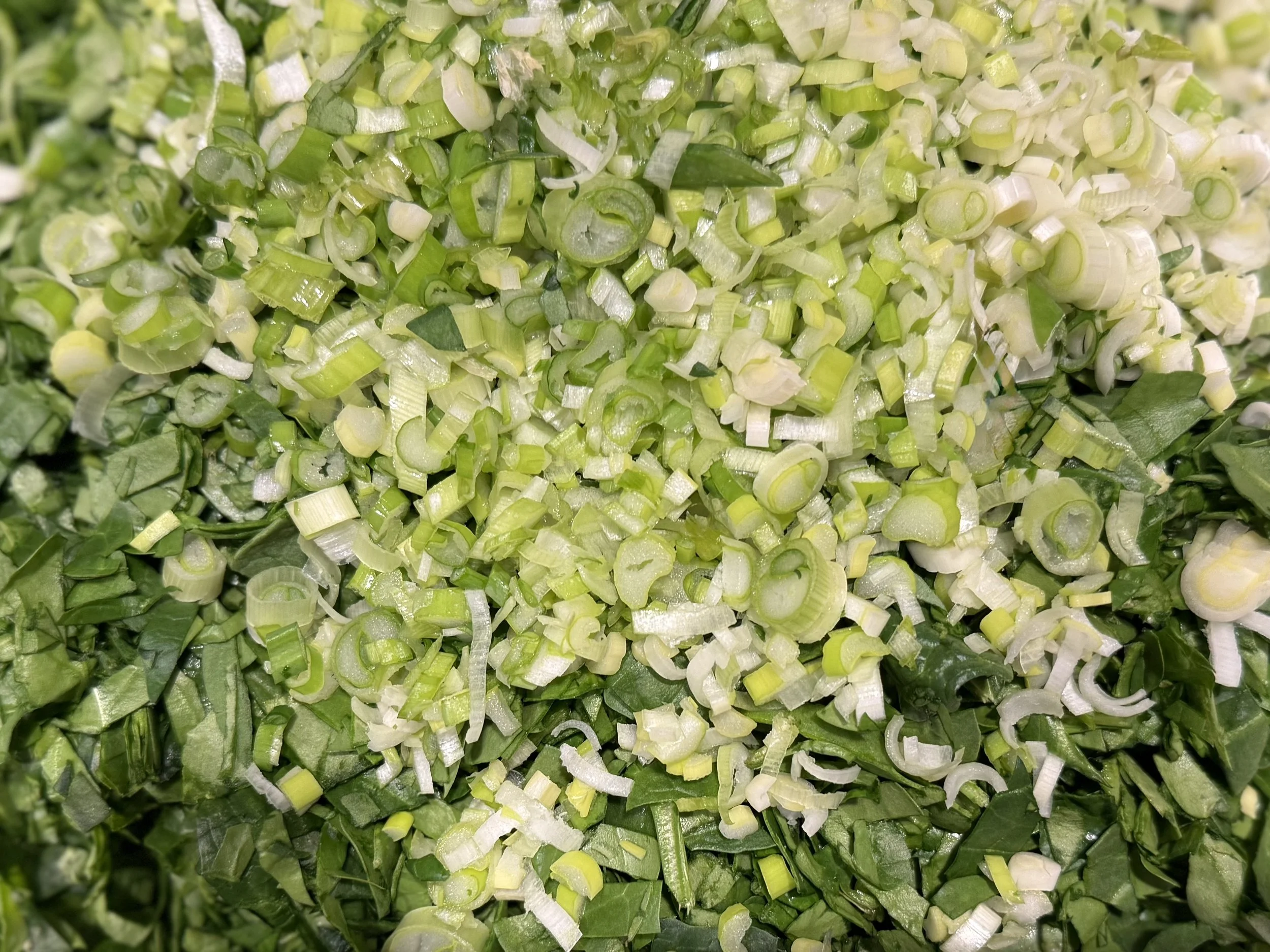
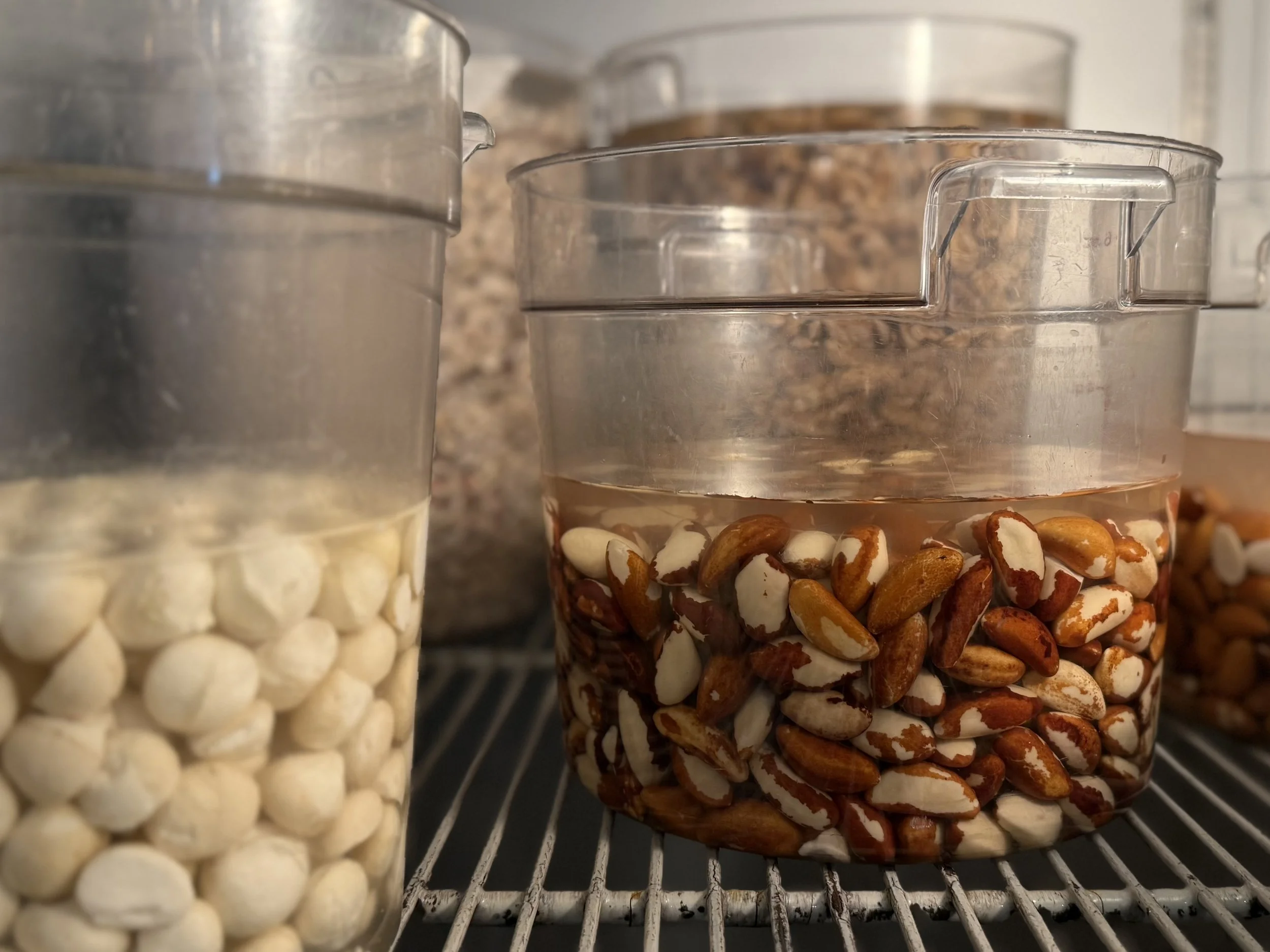
That same care shows most clearly in what happens behind the scenes. Omar wants the restaurant to be a place where nothing is an afterthought. “Everything I do here is made from scratch.” He talks about sprouting nuts and seeds, not as a trend, but as a discipline. He lists the choices that define Rawtopia. “We do not use processed sugars; we do not use any seed oils.” He leans into dates, coconut sugar, and honey. “The only oil we use is coconut oil, and sometimes avocado oil, and olive oil.” His sourcing is deliberate. “A lot of my ingredients are sourced in North America, and I want to support local farmers that are growing organically.” Omar continues, “but we are beyond healthy. We are a restaurant that serves really good flavorful food that happens to be healthy.”
Omar does not talk about organic as a label. He talks about it as ethics. “Organic is a huge, big deal for me.” He is clear about why. “"The planet is sacred and special, and we are from it. We are of it.” He ties human health to earth health as if they are the same sentence, because to him they are. “I want to give back, not just to humans, to their health, but also the health of the planet, because I believe a healthy planet, or a human body - we are nature.”
In the summer, Rawtopia leans even more deeply into local food. “We are dedicated to farmers’ markets.” He buys produce, dries and freezes what he can, and speaks with awe about the soil itself. “I believe in soil biology.” He grinds his spices fresh. “We use a lot of whole spices and make them into our spices.” He grows herbs and dries them for winter. “I love being very intimate with the food that grows in front of me and the food that I make. I love that synergy.” He returns again and again to plants. “I believe plants are allies, and all medicine is made from plants.” Then he lands on the line that sounds like a mission statement. “Medicine be thy food.”
When Omar describes what he is doing, he is not describing diet. He is describing intention. “My food is literally crafted to nourish. In every sense of the word.” He believes the act of cooking carries energy. “When I make food, I am very present with the food, with the vegetables and fruits. There is so much abundance that Mother Earth gives us. This is a miracle.” His definition of love is not abstract. “Being present with your food is the love.”
That warmth is what people feel when they walk in. Rawtopia has regulars who have been coming for years. Some twenty years later, in 2026, Omar is proud to say that he has a lot of people that love his restaurant and his concept of how to feed his customers. ”Some come because they want to eat clean. Some come because they want to feel better. They rely on it, especially when they are not feeling well.”
The menu reflects the same desire to bring people together instead of splitting them apart. “I have everything from raw vegan, to vegan, to omnivore.” He loves that the restaurant can hold an entire group with different needs at the same table. “Families that have vegans, that have gluten free people, that have dairy free people, that have carnivores. They can all come here and enjoy their food.” He repeats the word gather, and it feels like the truest thing he can say. “I want everyone to gather together.”
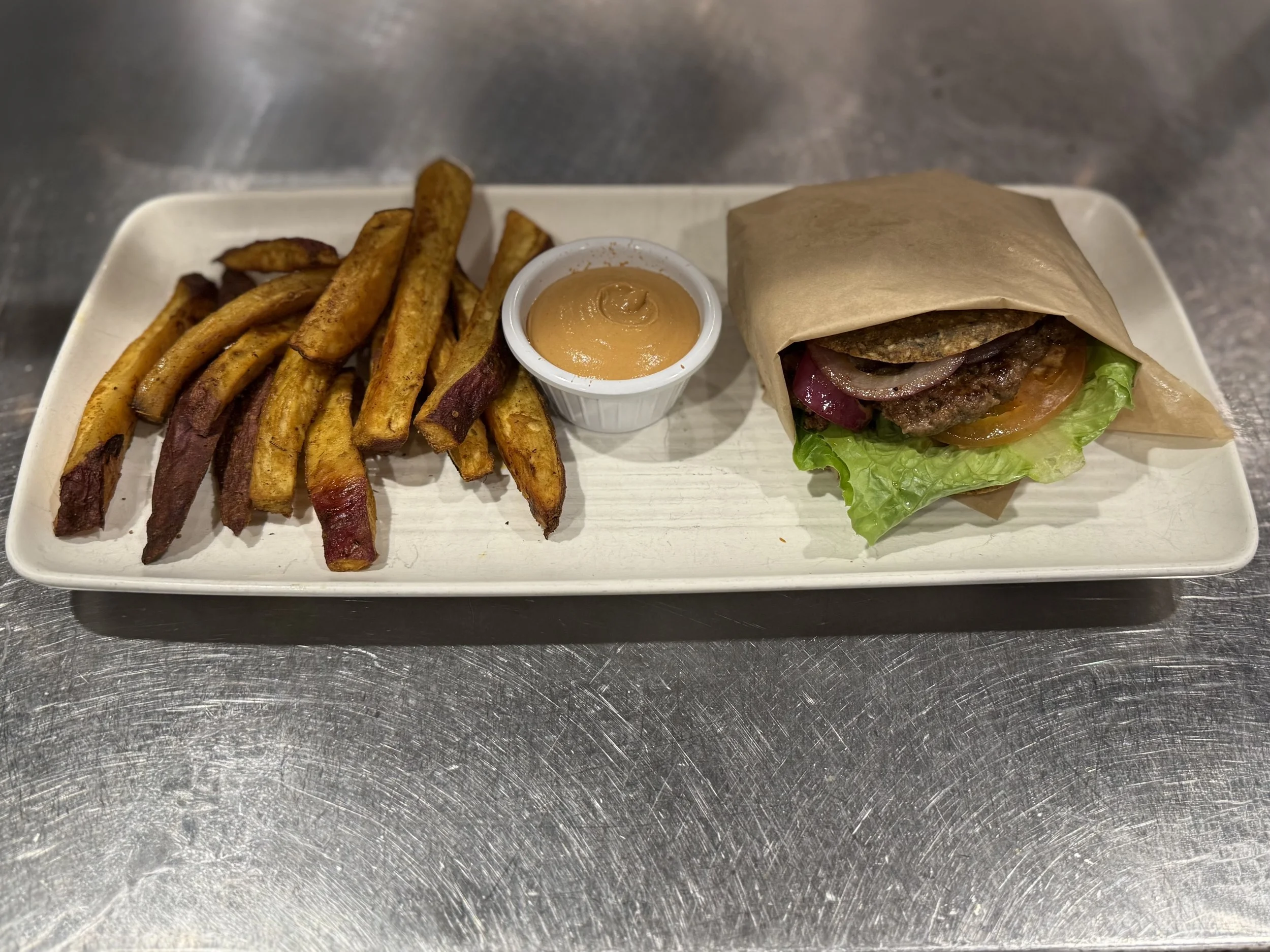
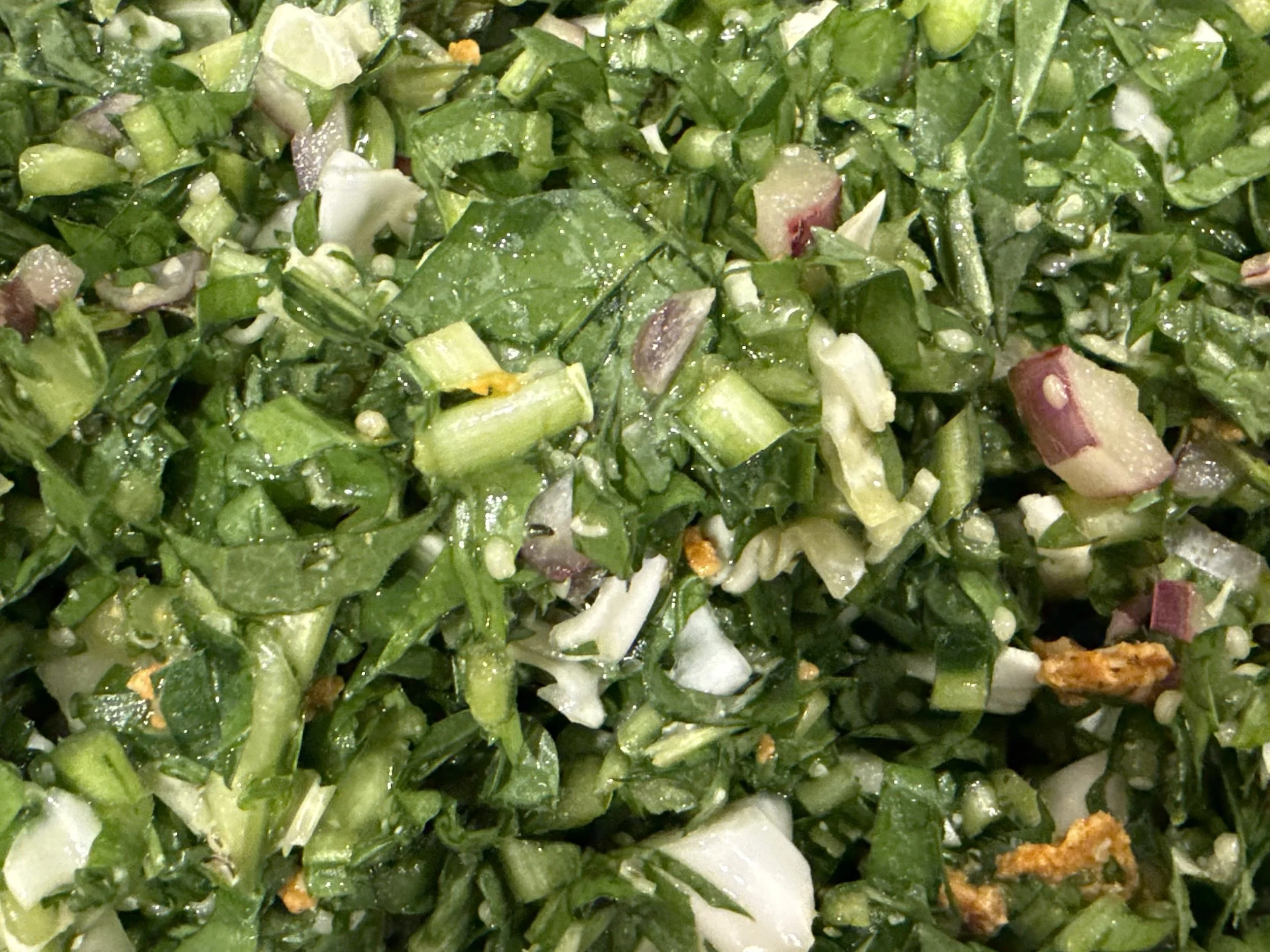
When Omar starts listing favorite dishes, it does not feel like marketing. It is someone describing what he is proud of: a beanless tostada made with walnuts and pumpkin seeds, a sprouted buckwheat crust, bison on top, house spices, and vegetables that taste like summer. “Everything I make is kind of like a twist.” He loves his bison burger. He loves sweet potato fries baked in coconut oil and spices. He talks about sauces built from tomatoes and peppers and herbs, and the way flavor is not separate from nourishment. “It is all about flavor to me.”
And there is a quiet confidence in the way he talks about the work itself. “My food does not lie.” People leave feeling different. “They feel safe.” Omar knows what he has built, and he knows it is rare. “Once I am gone, I do not think there is ever going to be something like this again.” Maybe that is the best way to understand Omar. He is a person who has crossed continents and climates, moved between languages and cultures, carried grief, carried responsibility, and still chose to build something gentle. Something that feeds. Something that feels like care. And when he tries to sum it up, he returns to the same idea - the one that holds his philosophy, his tenderness, and his stubborn hope that the world can be better if people are fed well. “There is so much abundance that Mother Earth gives us. It is a miracle, and my food is literally crafted to nourish.”