Museum of Illusions
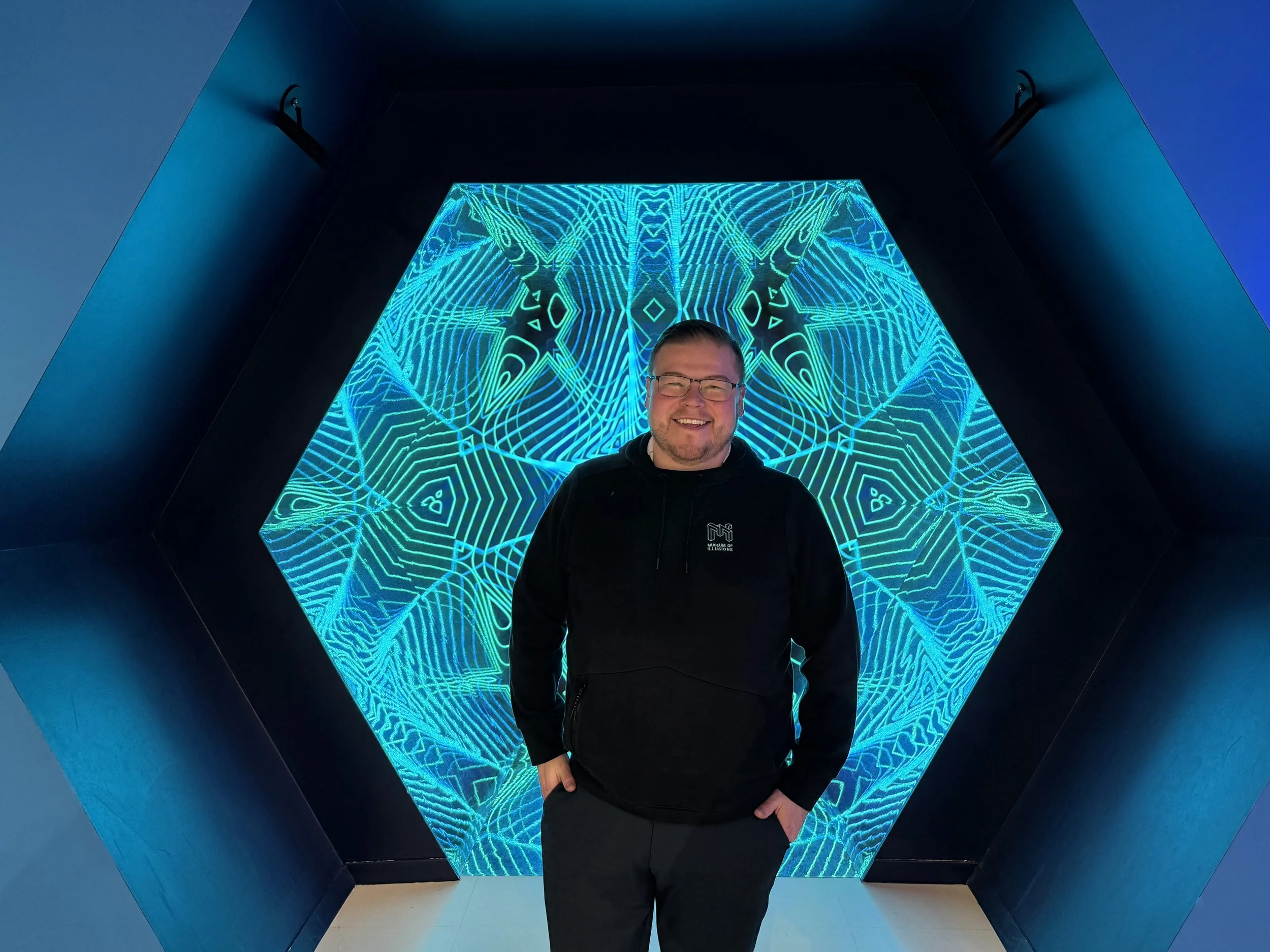
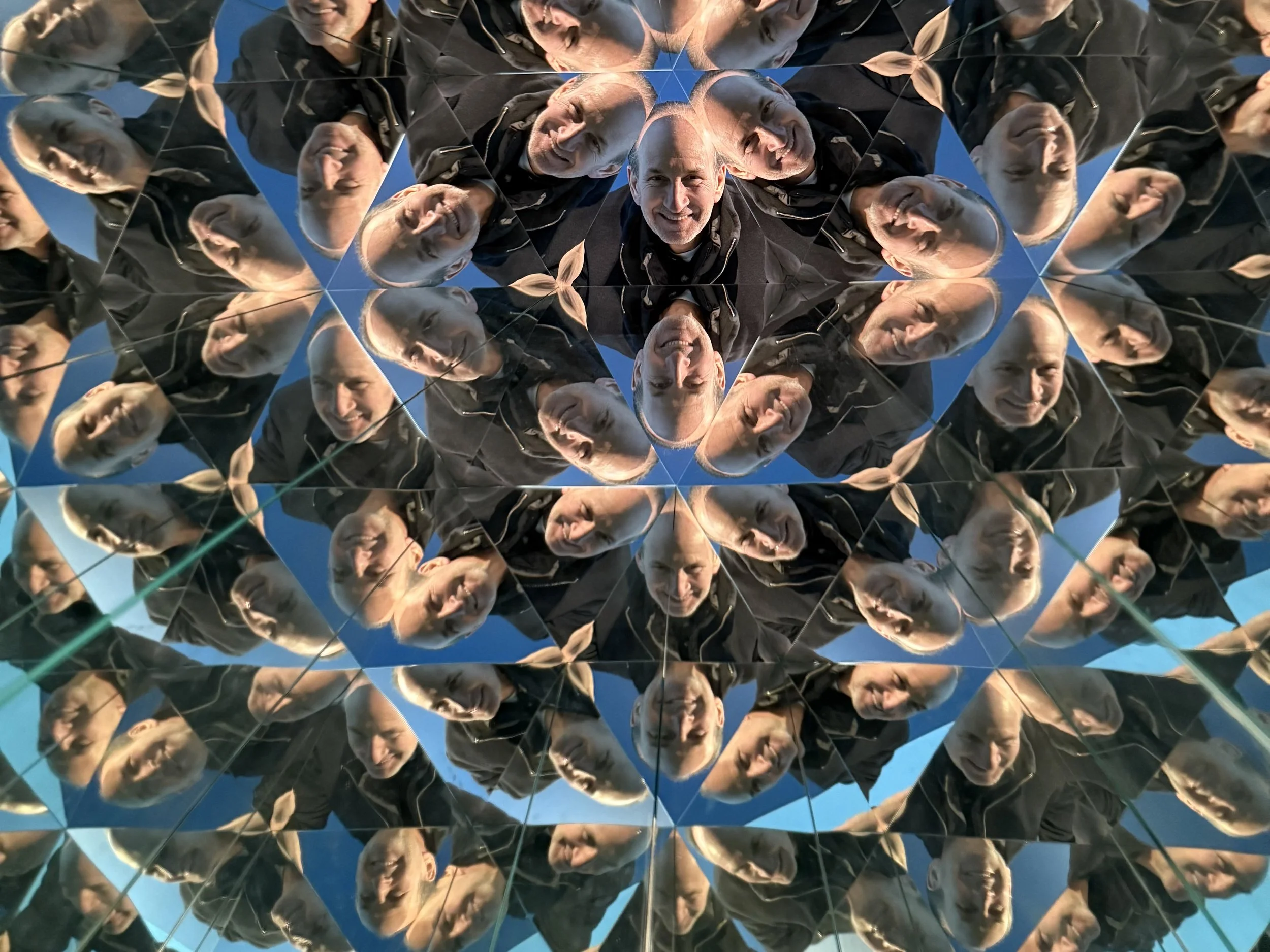
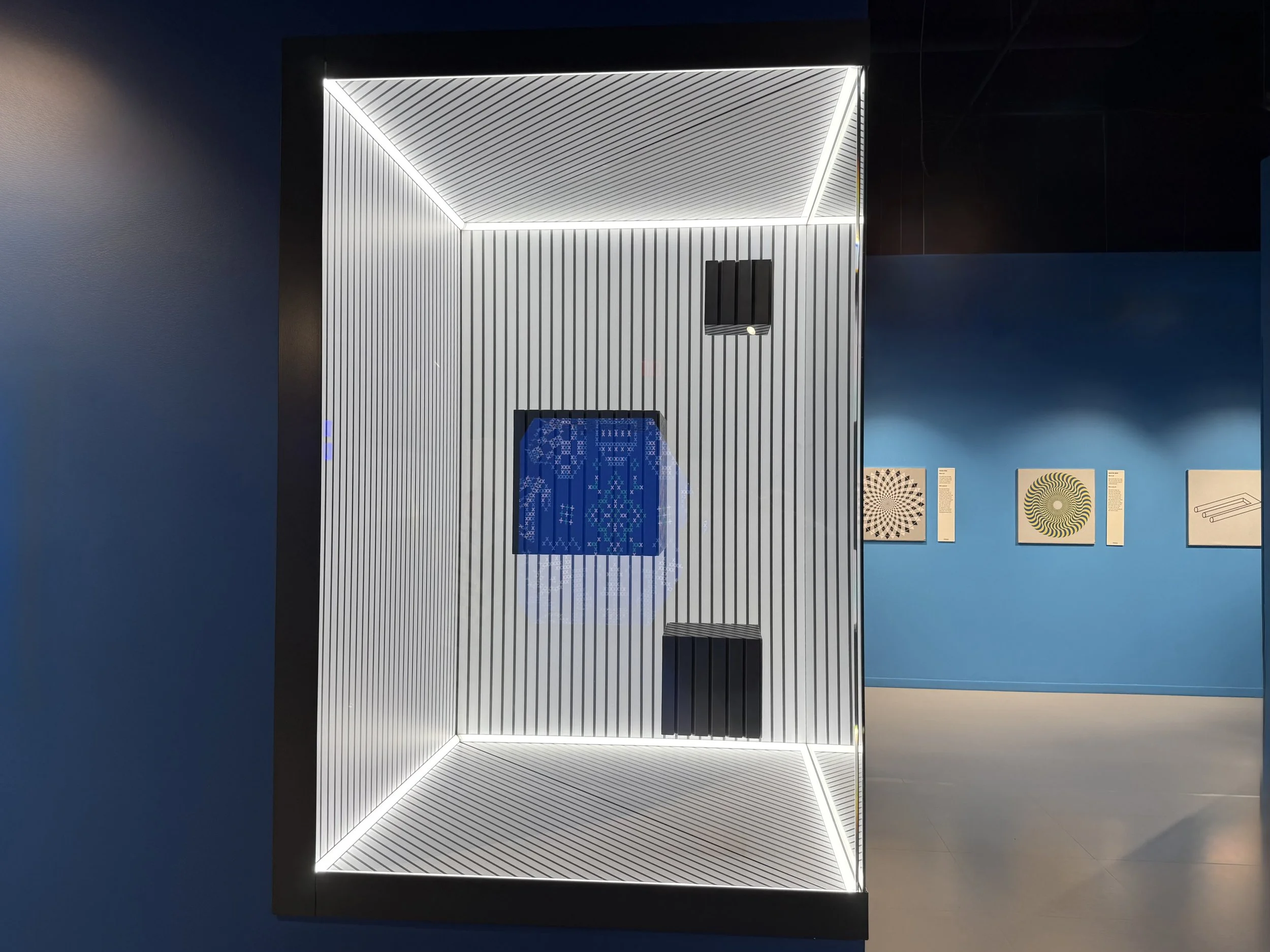
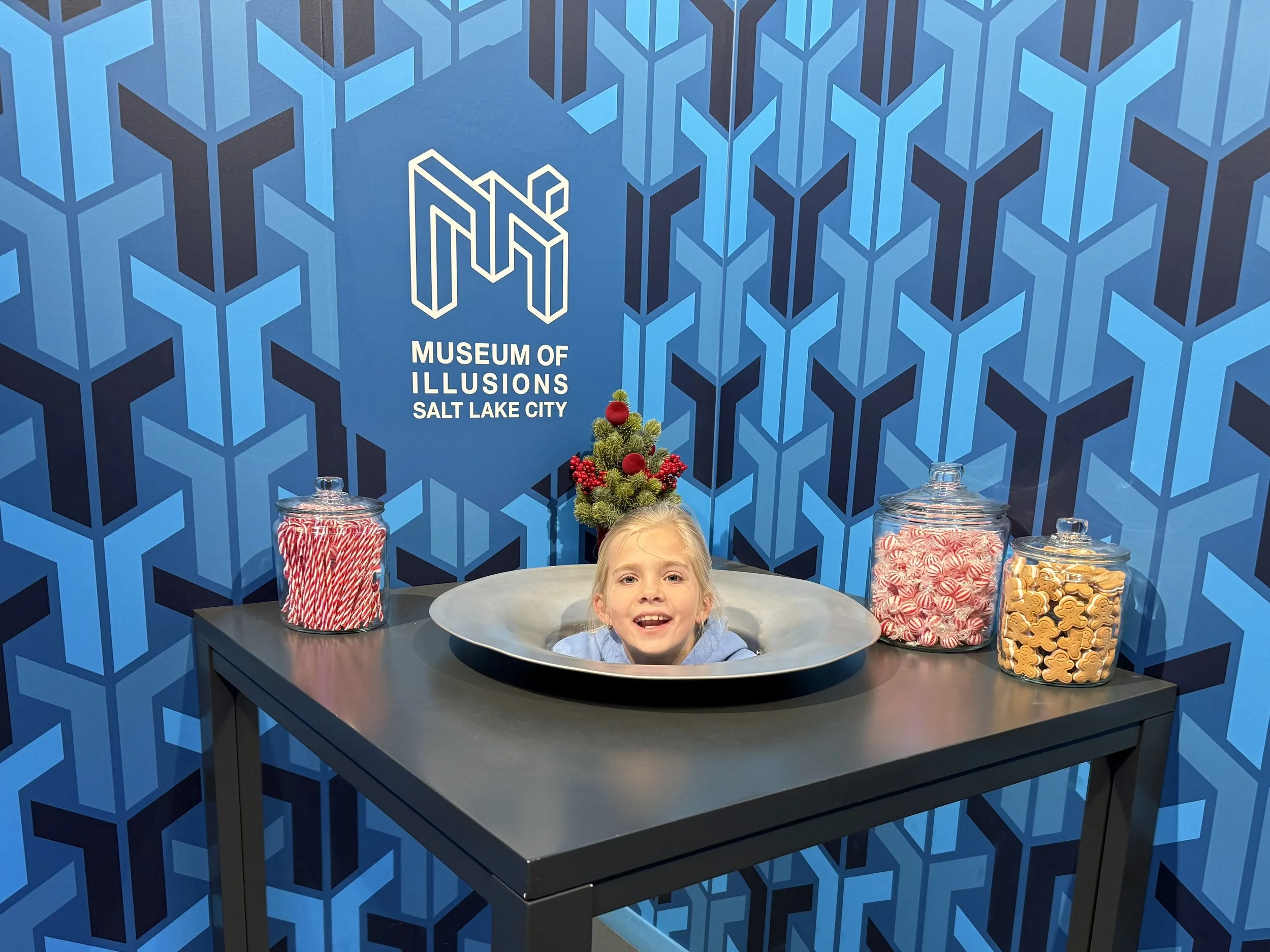
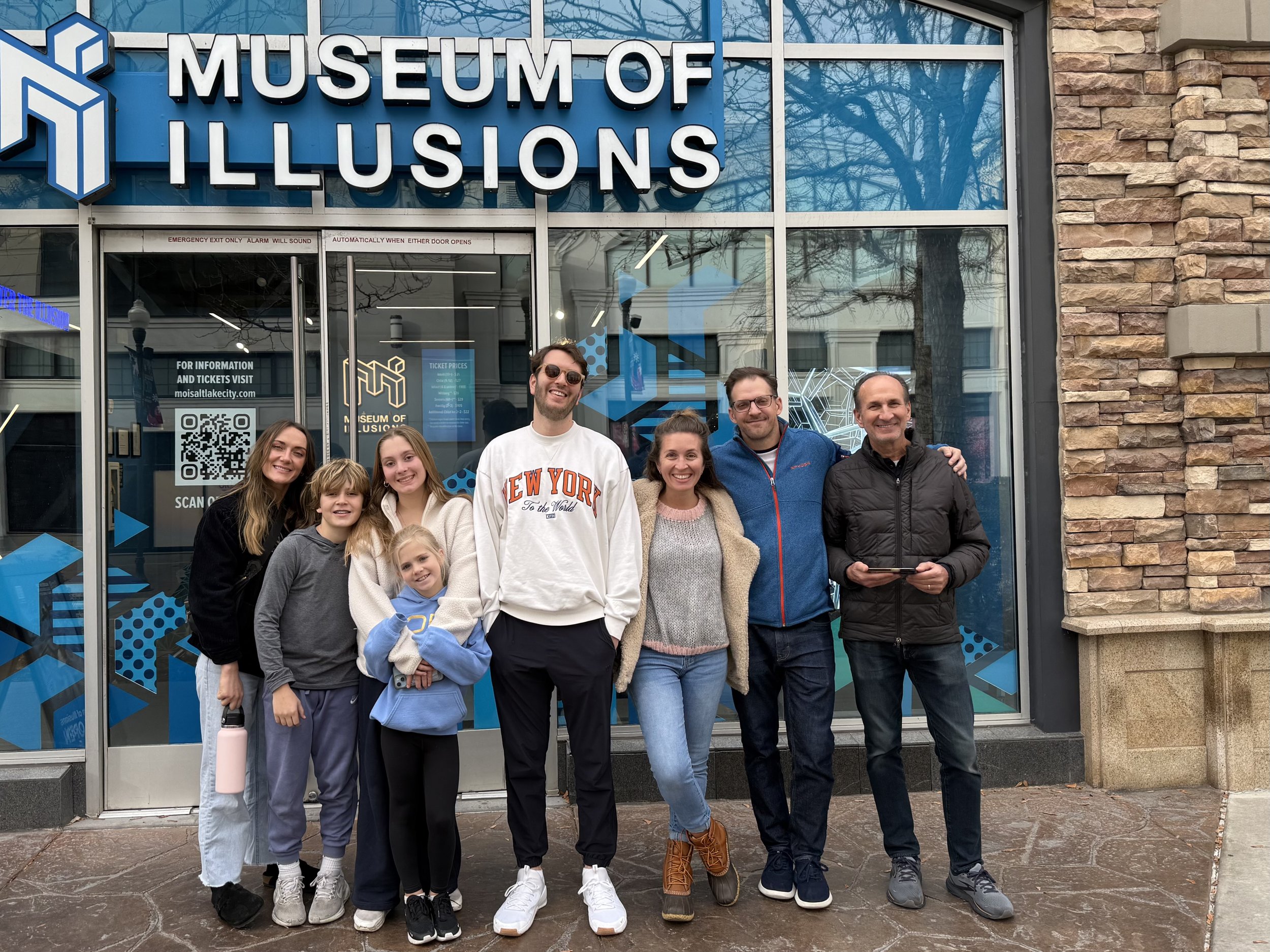
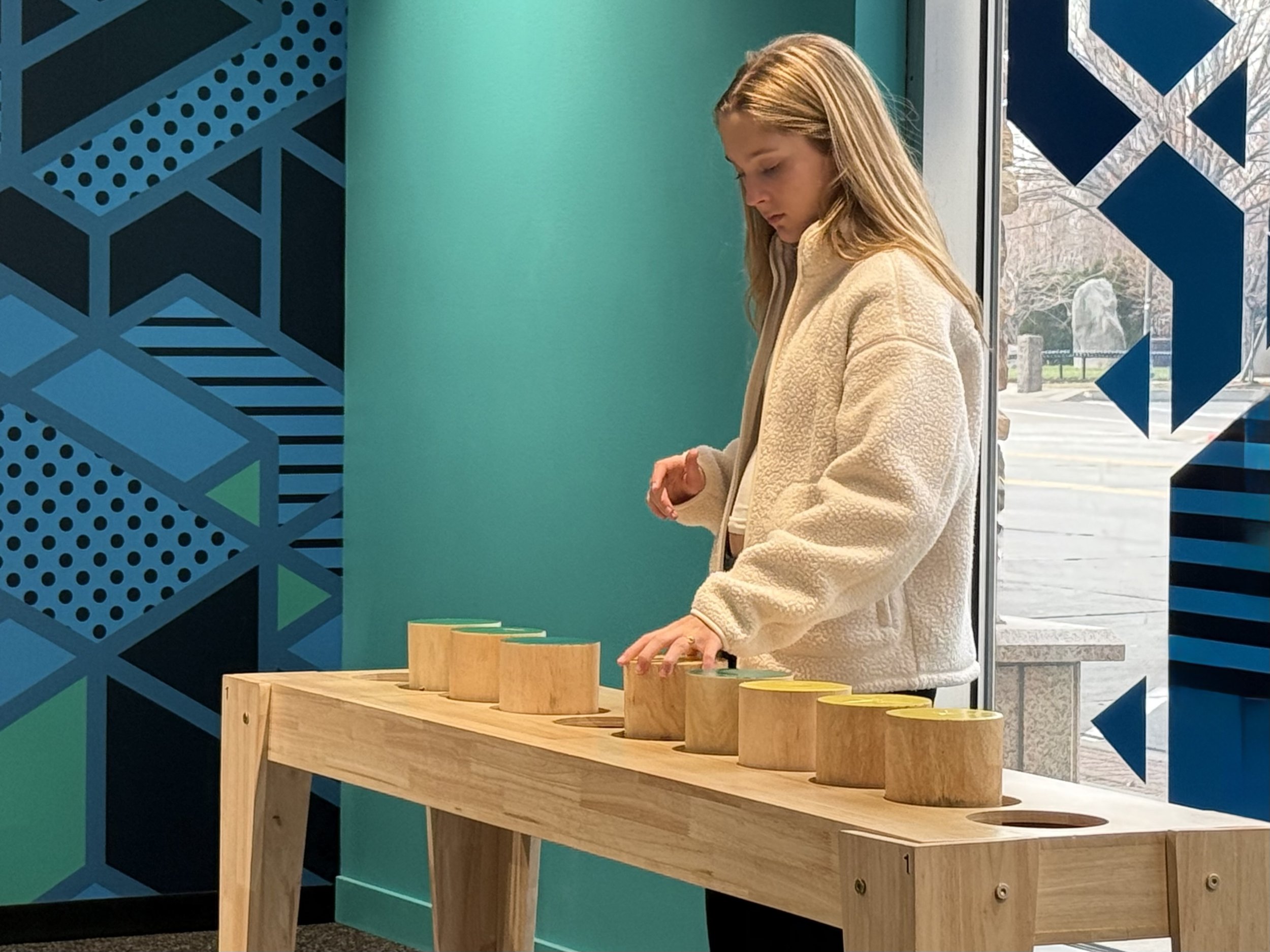
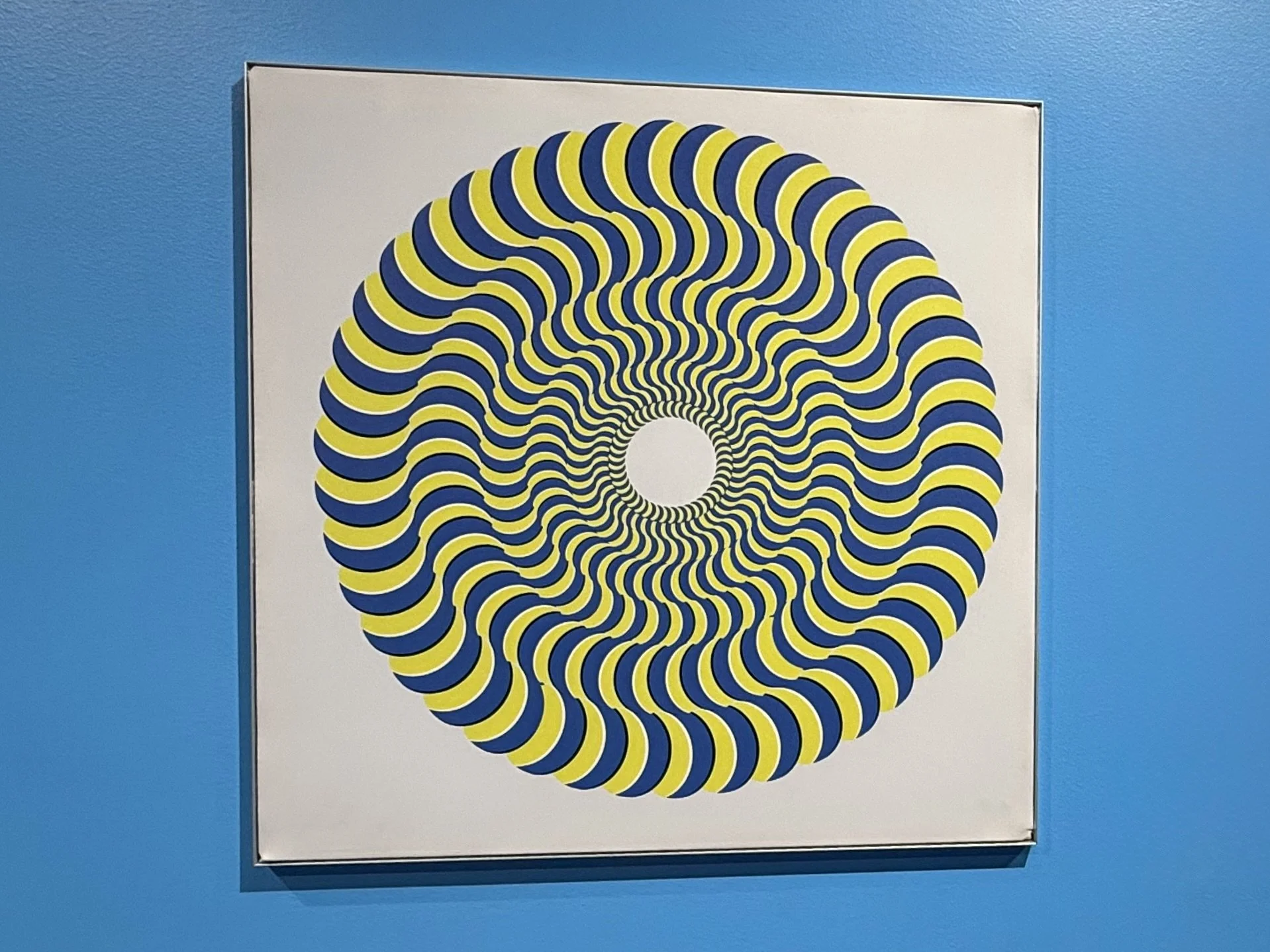
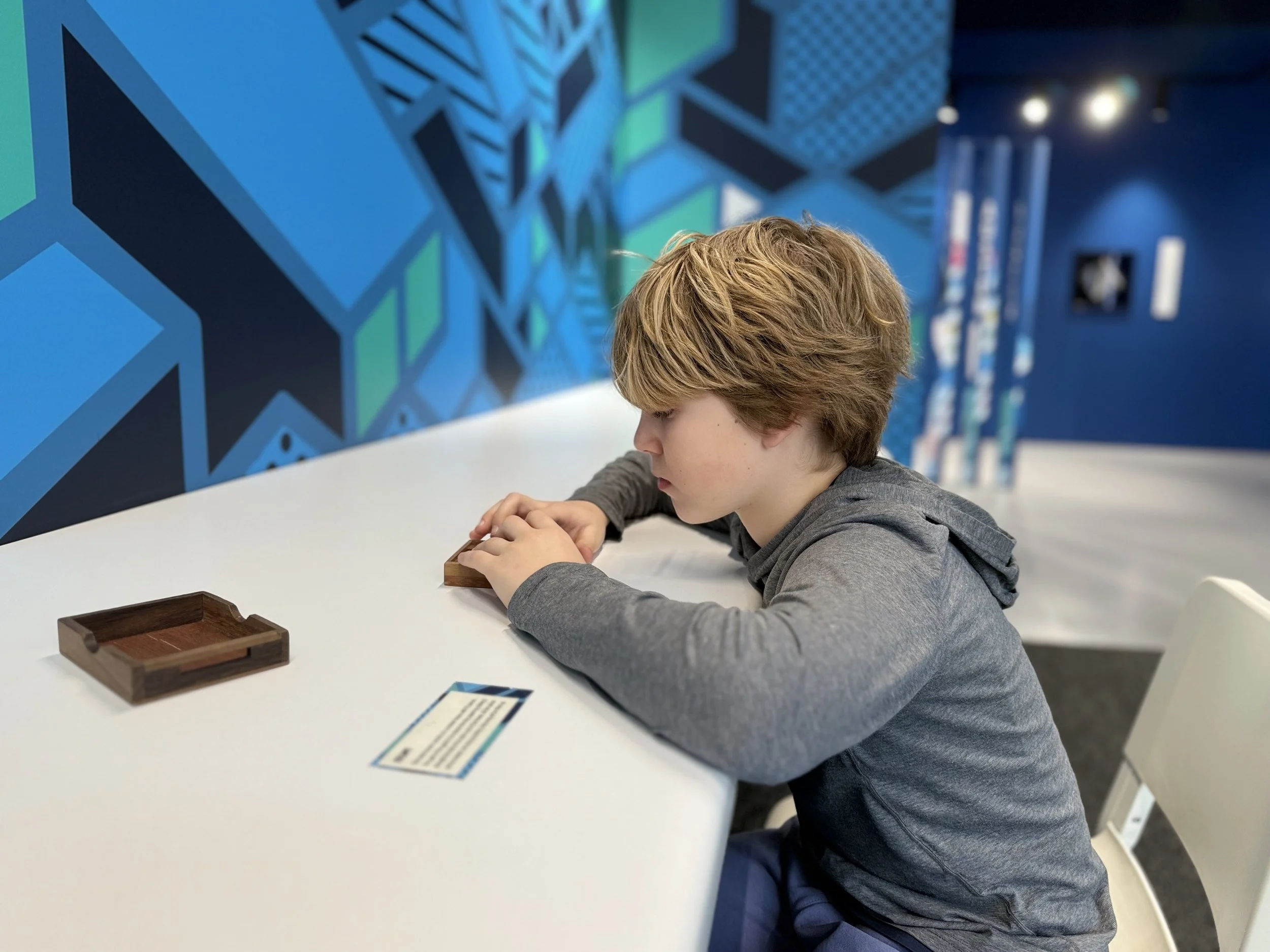
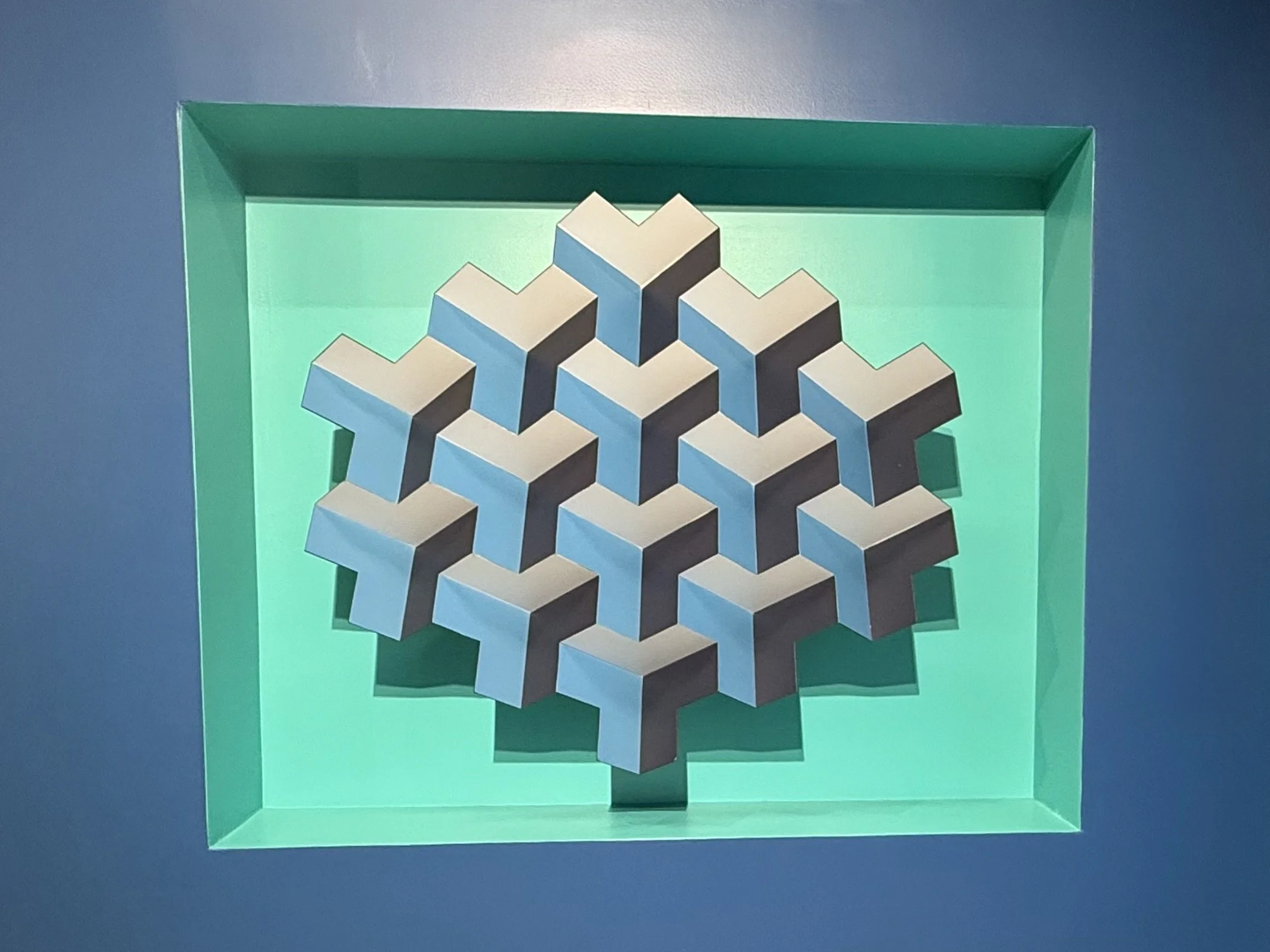
“We are not a place that hides how things work. We want people to understand the illusions. It is a fun, immersive, interactive experience, designed for all ages,” said general manager Justin Ramirez. Inside The Gateway, the Museum of Illusions Salt Lake City feels instantly alive. But the story begins an ocean away, in Zagreb, Croatia.
In 2015, two friends, Roko Živković and Tomislav Pamuković, turned a shared fascination with mind games, puzzles, and perception into a museum built around “edutainment,” a blend of education and entertainment that invites visitors to touch, test, laugh, and learn as they move from one illusion to the next.
What started as a single museum quickly grew into a global network. Today, Museum of Illusions describes itself as a worldwide edutainment brand with locations across dozens of cities and nearly thirty countries. Yet one thing is emphasized again and again. Each museum is designed to reflect the place it calls home. Visiting one does not mean you have seen them all.
That local-minded approach came up repeatedly in conversation with Pien Koopman, the U.S. PR manager, based in Las Vegas and originally from the Netherlands. She joined the Museum of Illusions in 2023 and later moved into a corporate role supporting U.S. locations. Salt Lake City stood out to her from the start, not only because it was her first visit to the city, but because of how the surrounding neighborhood welcomed the museum. She described The Gateway as a place where downtown energy still carries a village mentality, and she spoke about wanting the museum to feel woven into its surroundings rather than dropped in and forgotten.
The Salt Lake City team was built with that same spirit. Justin arrived from the hotel world, where he had spent his entire career managing everything from a single property to multiple hotels at once. He moved to Salt Lake City from Roswell, New Mexico in 2020, and when the opportunity arose to join the museum in May, he stepped into something entirely new. The space had to be built from an empty shell, the team hired from scratch, and the experience shaped day by day with equal parts logistics and play.
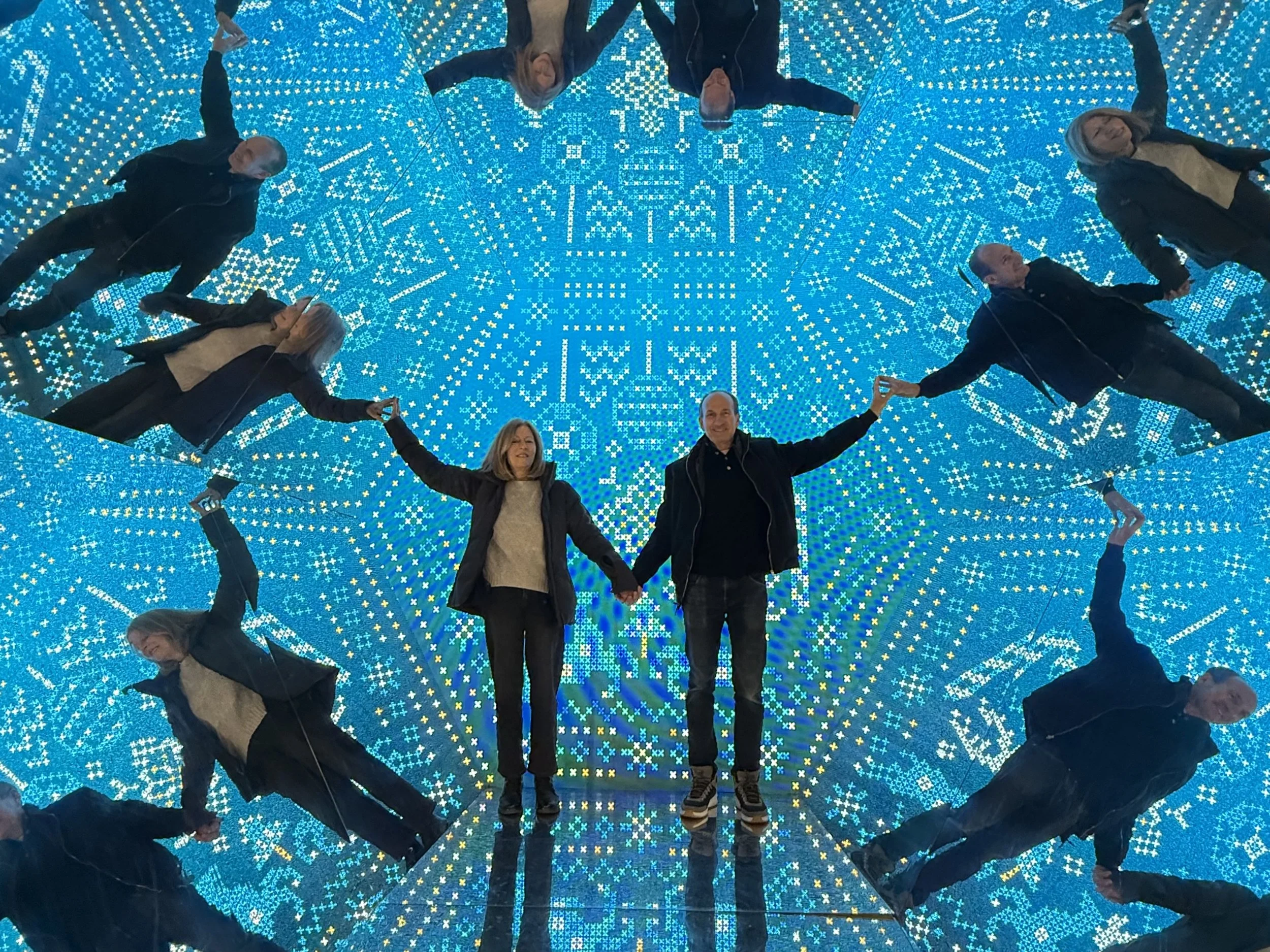
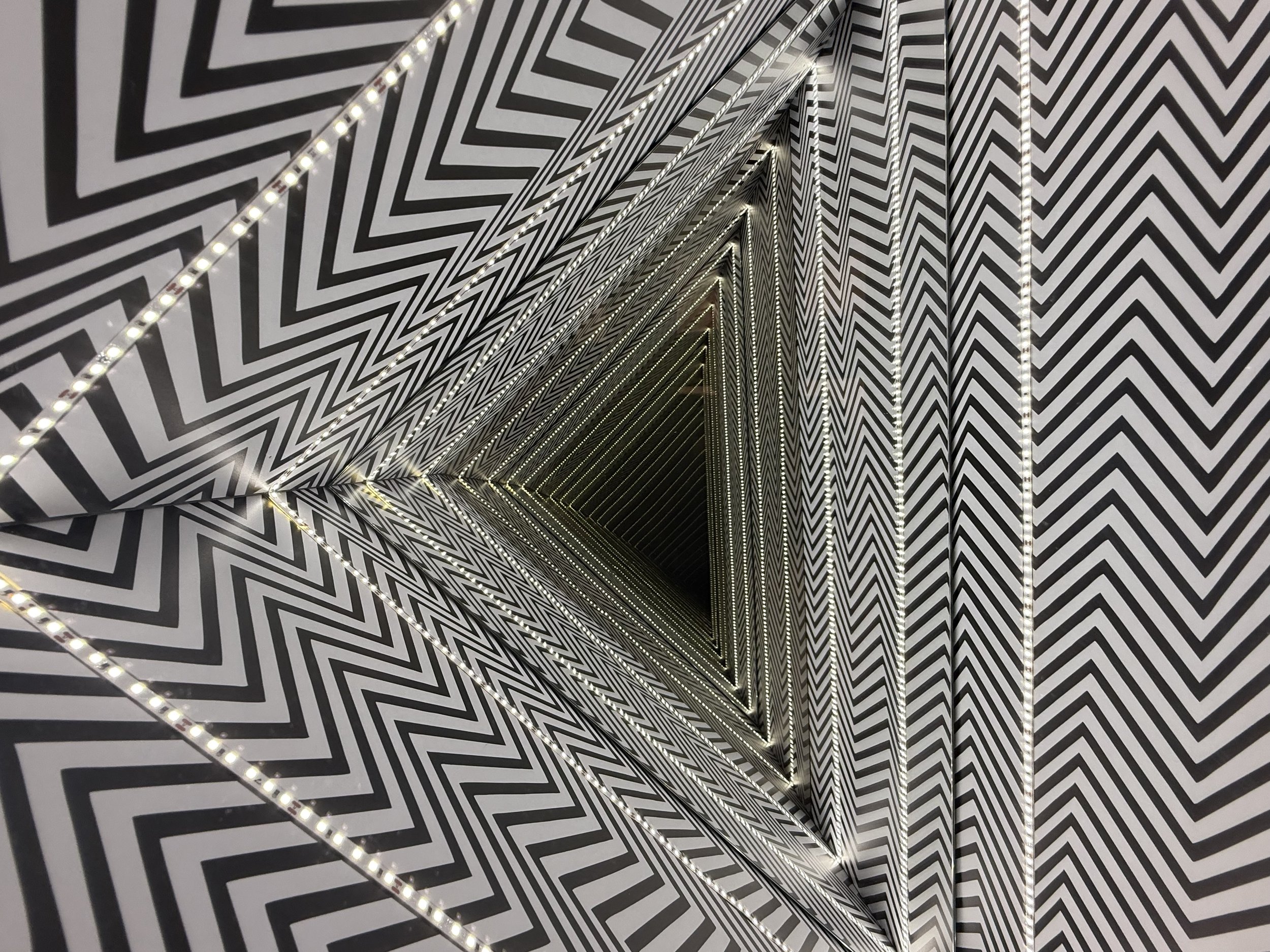
Once the doors open, the energy makes immediate sense. The museum is designed as a fully interactive walk-through experience, built for families, field trips, date nights, and even team-building groups. The space is packed with hands-on puzzles, optical illusions, and room-sized installations. The museum opened with more than eighty exhibits, and visits unfold at the pace of the people inside. Some move quickly, chasing the next photo. Others linger, working a puzzle until the solution finally clicks.
Smiling, Justin shared that he begins each day with a full walk-through before guests arrive, checking that every exhibit is functioning and ready. That is followed by a daily huddle with the "illusion experts," the staff members out on the floor whose role is part host, part guide, and part explainer. What makes the experience feel different from a traditional museum is that the team is not guarding secrets. They are there to help visitors understand how perception works, why the brain gets tricked, and what is really happening behind the image.
That approach changes the mood in every room. Instead of quietly observing, people participate. They compare what they see, test ideas, and ask questions. Children tug adults forward. Teenagers notice angles and patterns adults would otherwise walk past. Grandparents try one more time because the solution feels possible, just out of reach.
Certain exhibits surface again and again as favorites. The Vortex Tunnel is the fan favorite, a spinning passageway that disrupts balance and makes walking straight feel unexpectedly difficult. Almost no one exits the way they expect to, and the laughter is immediate.
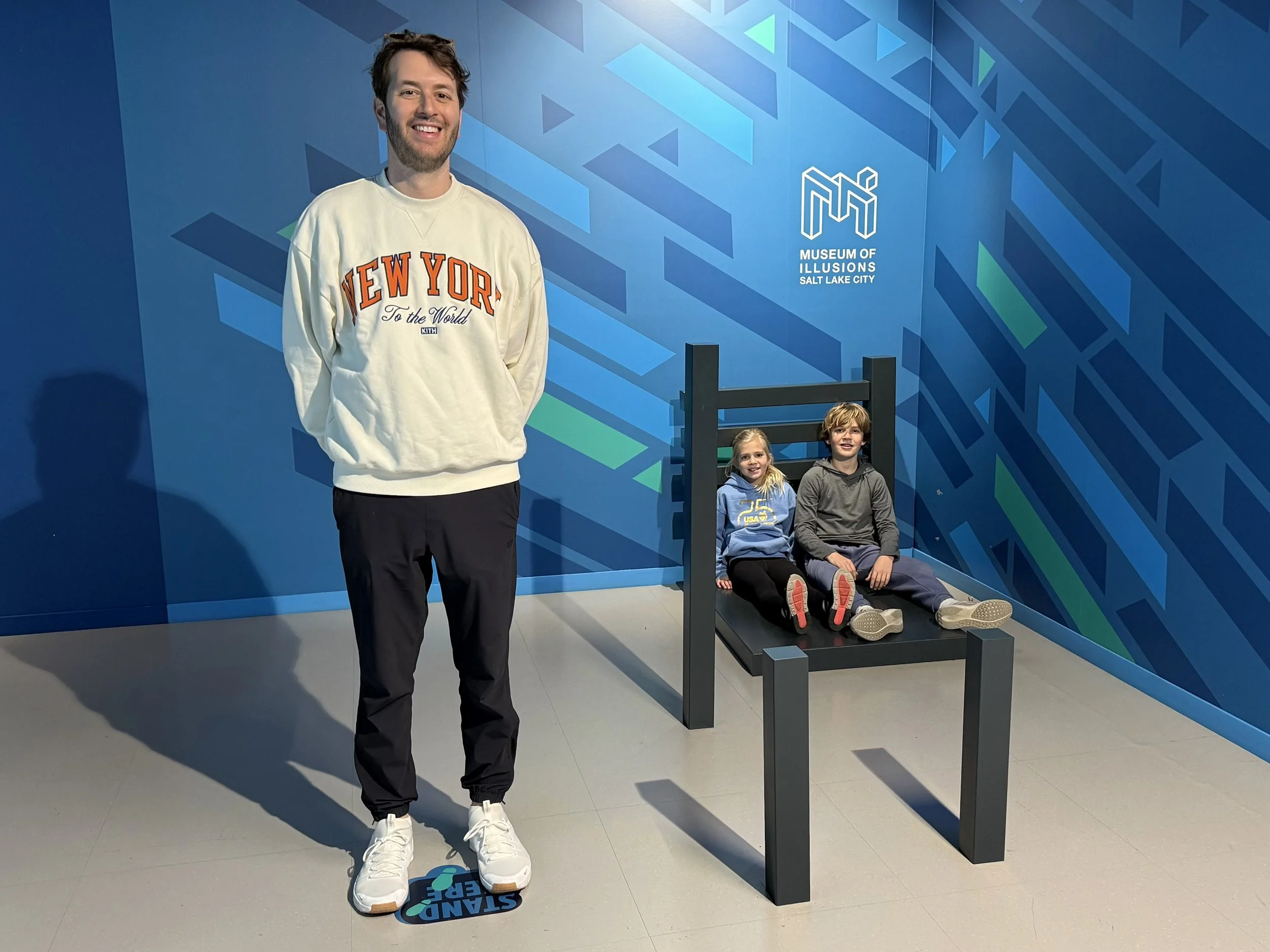
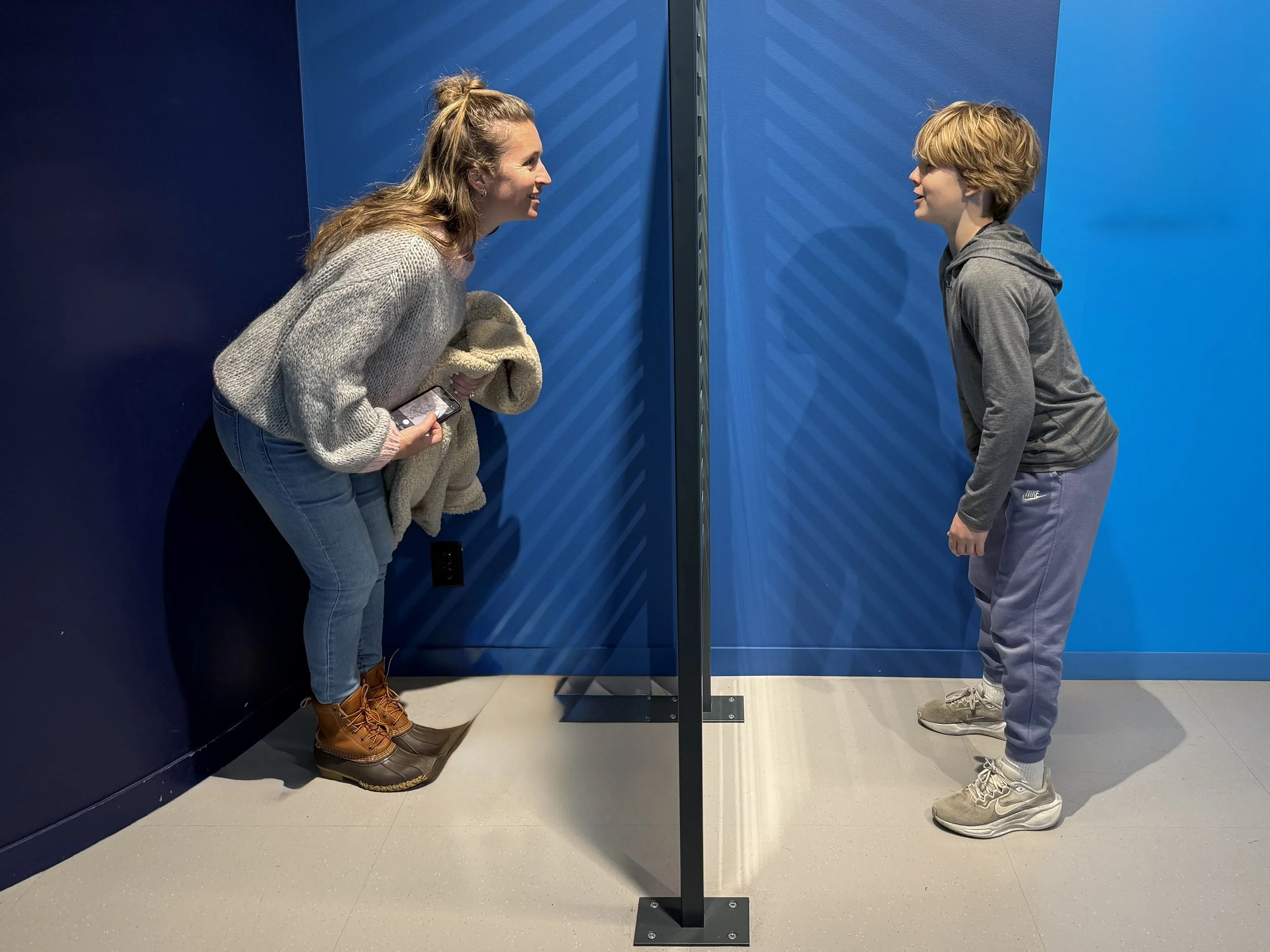
The Ames Room, a classic forced-perspective illusion, allows a child to appear taller than a parent simply by standing in a particular corner. It is part optical trick and part pure delight, built perfectly for that camera moment where everyone plays along.
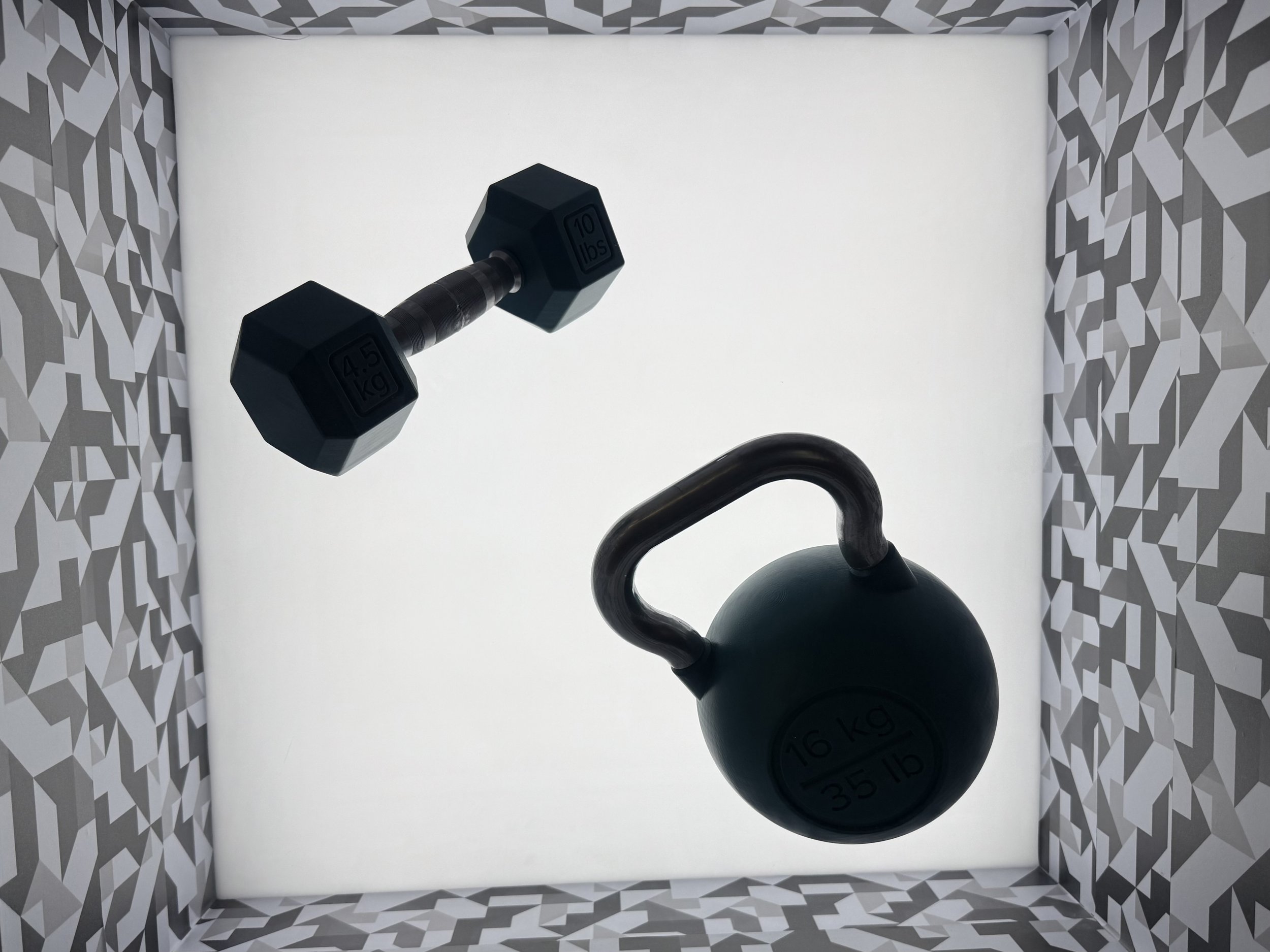
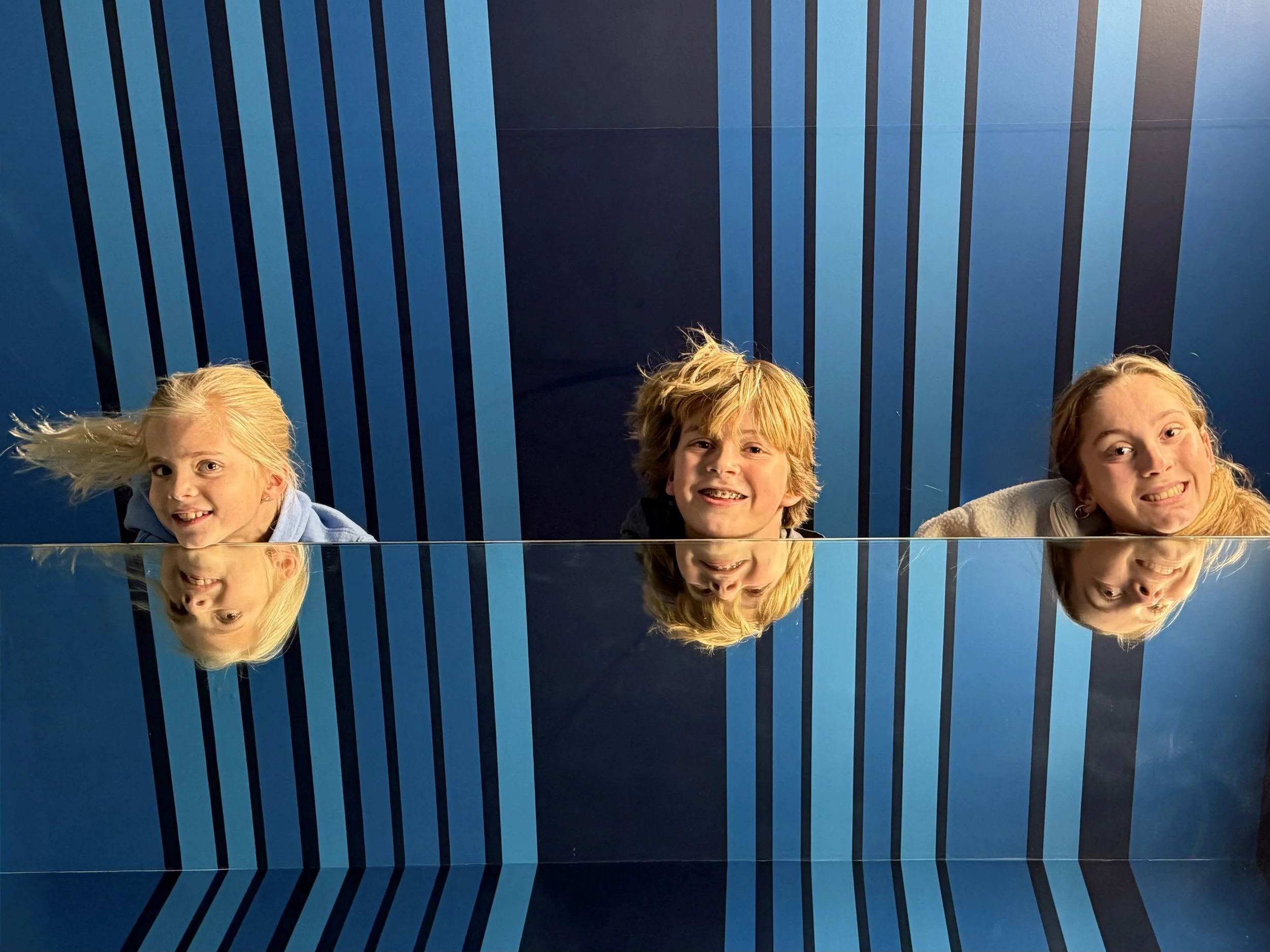
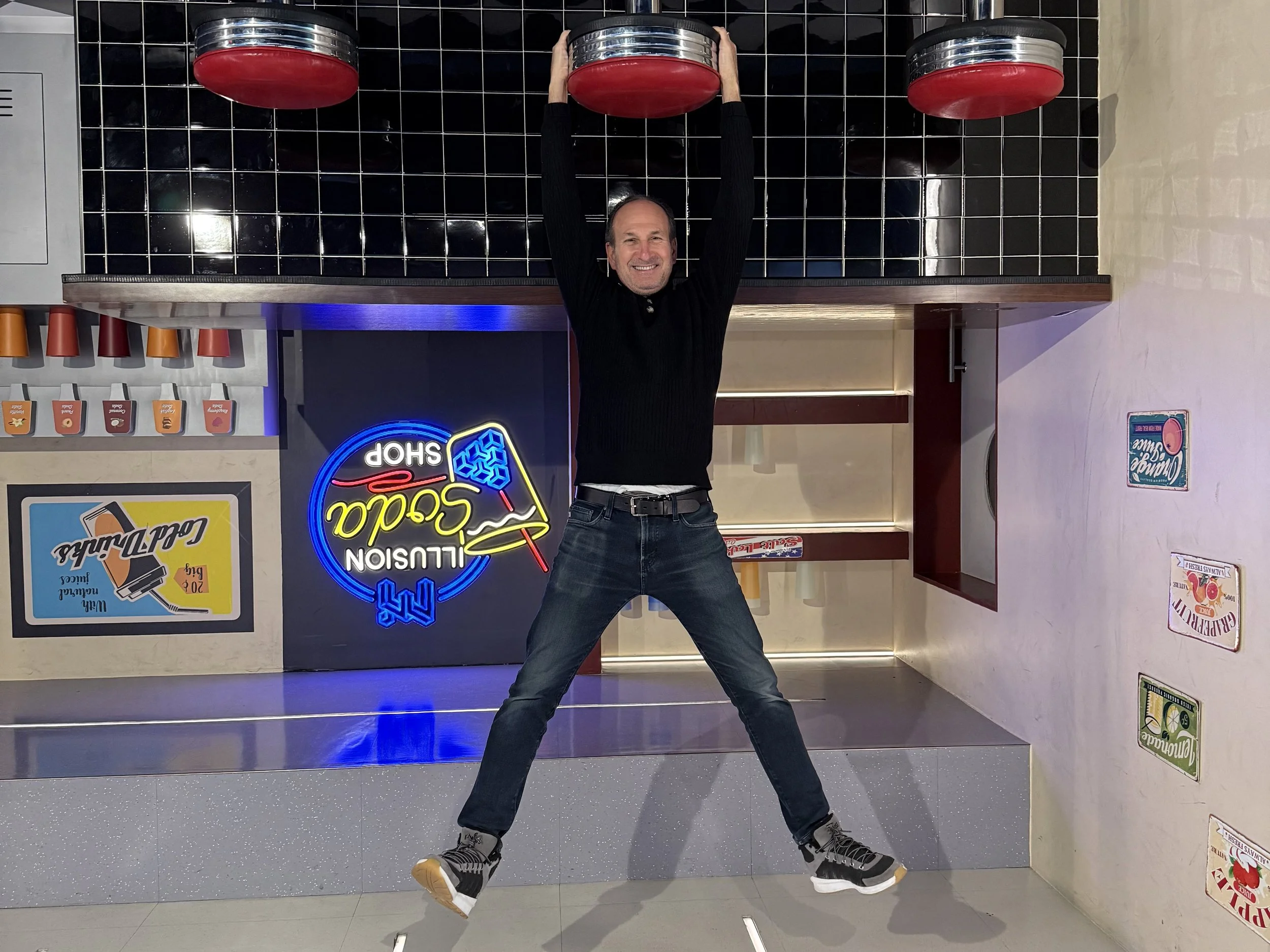
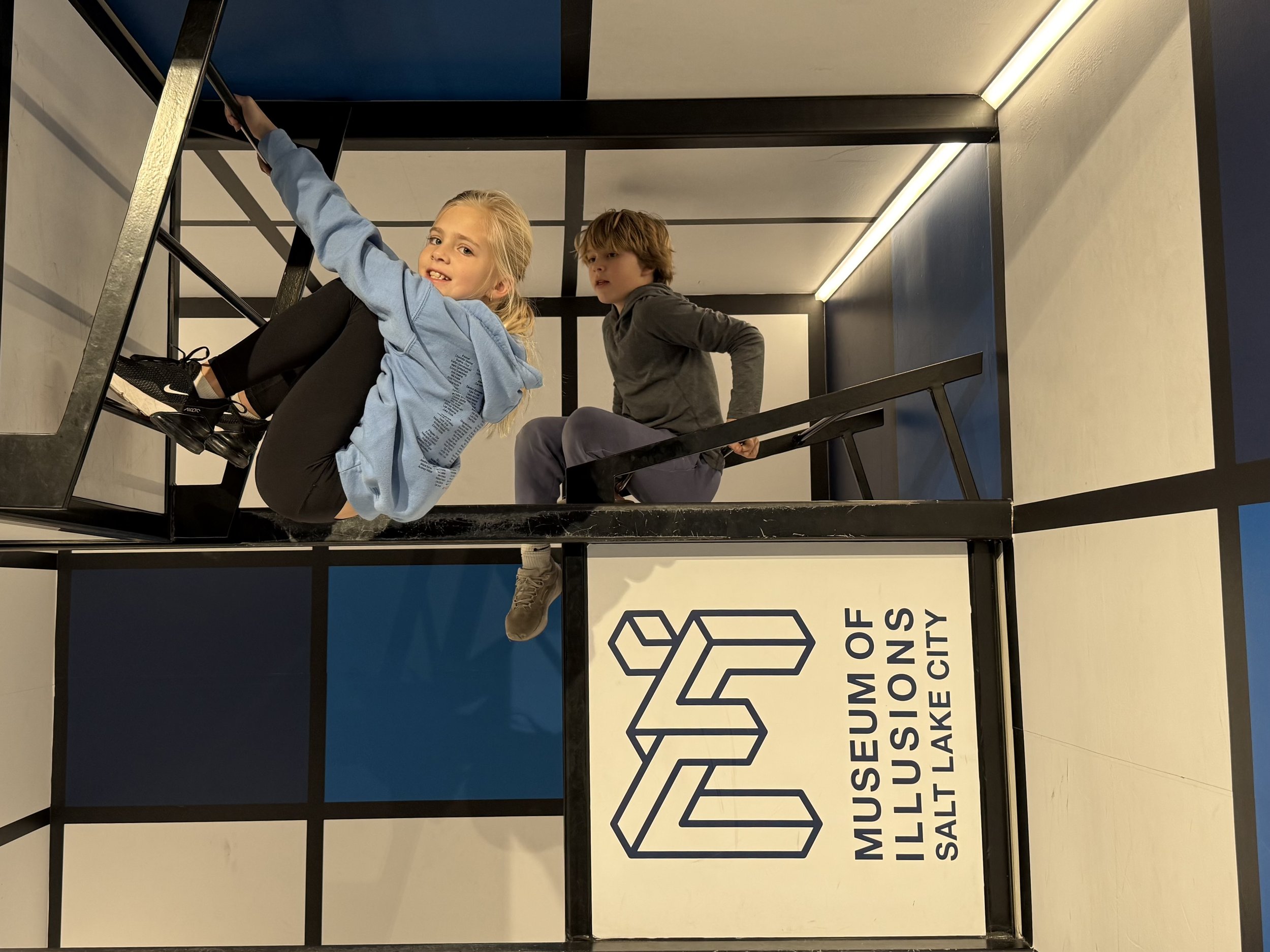
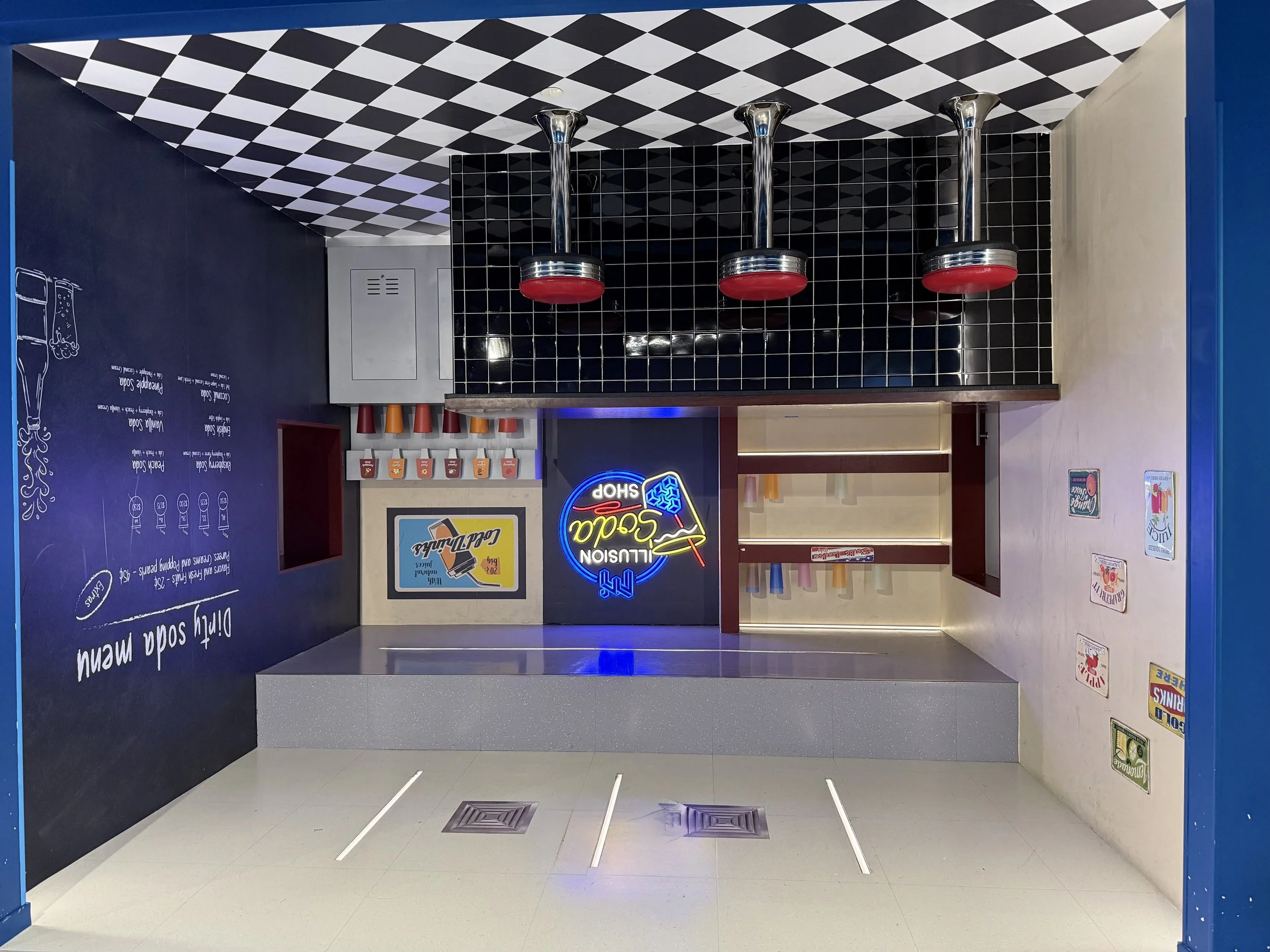
The Salt Lake City museum also features a Reversed Room with a local twist, designed as a playful nod to Utah’s soda culture. Visitors take upside-down photos that appear to defy gravity once flipped. Families choreograph poses. Friends compete for the most creative shot. The room becomes a stage, and no two visits look the same.
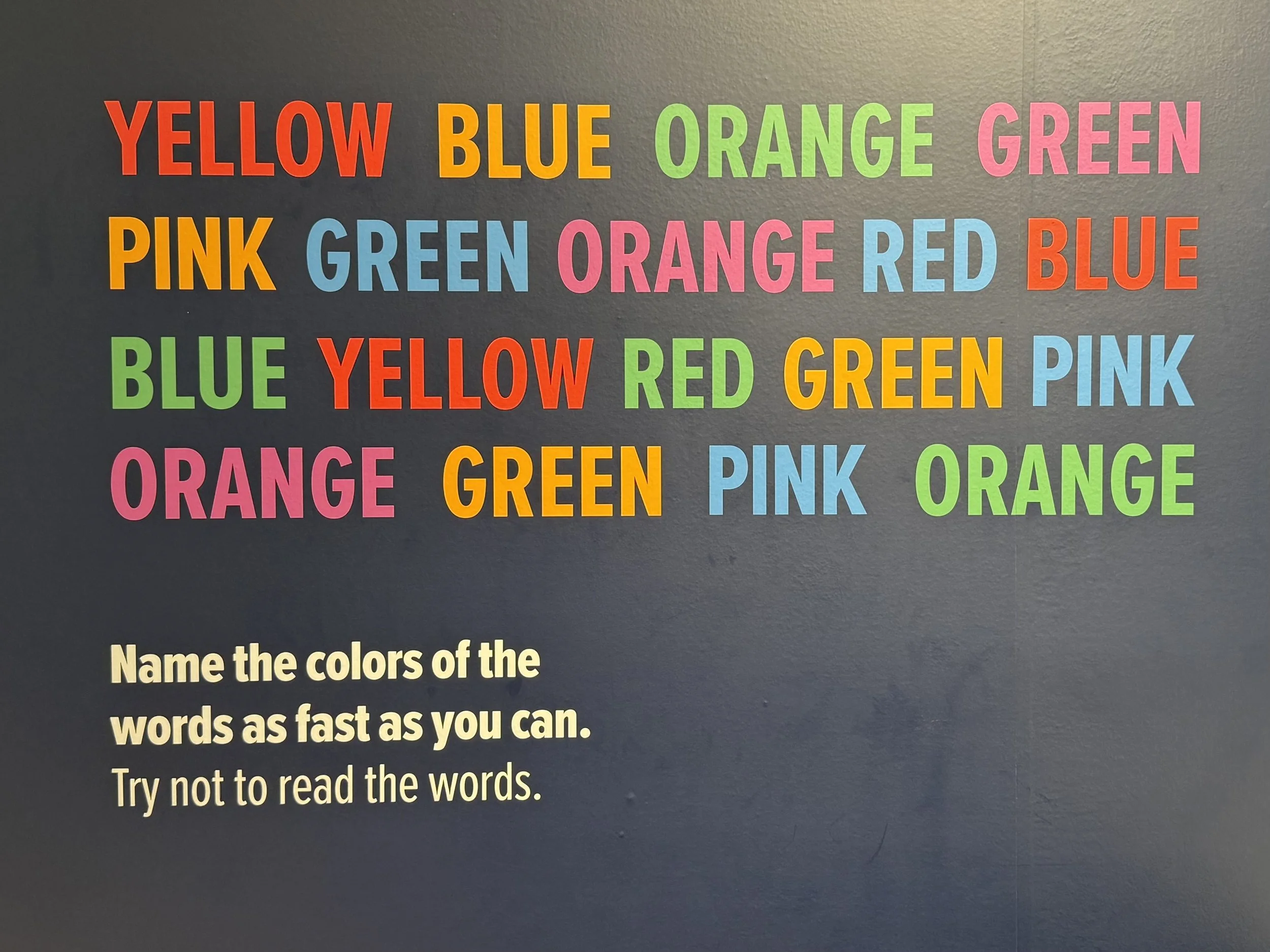
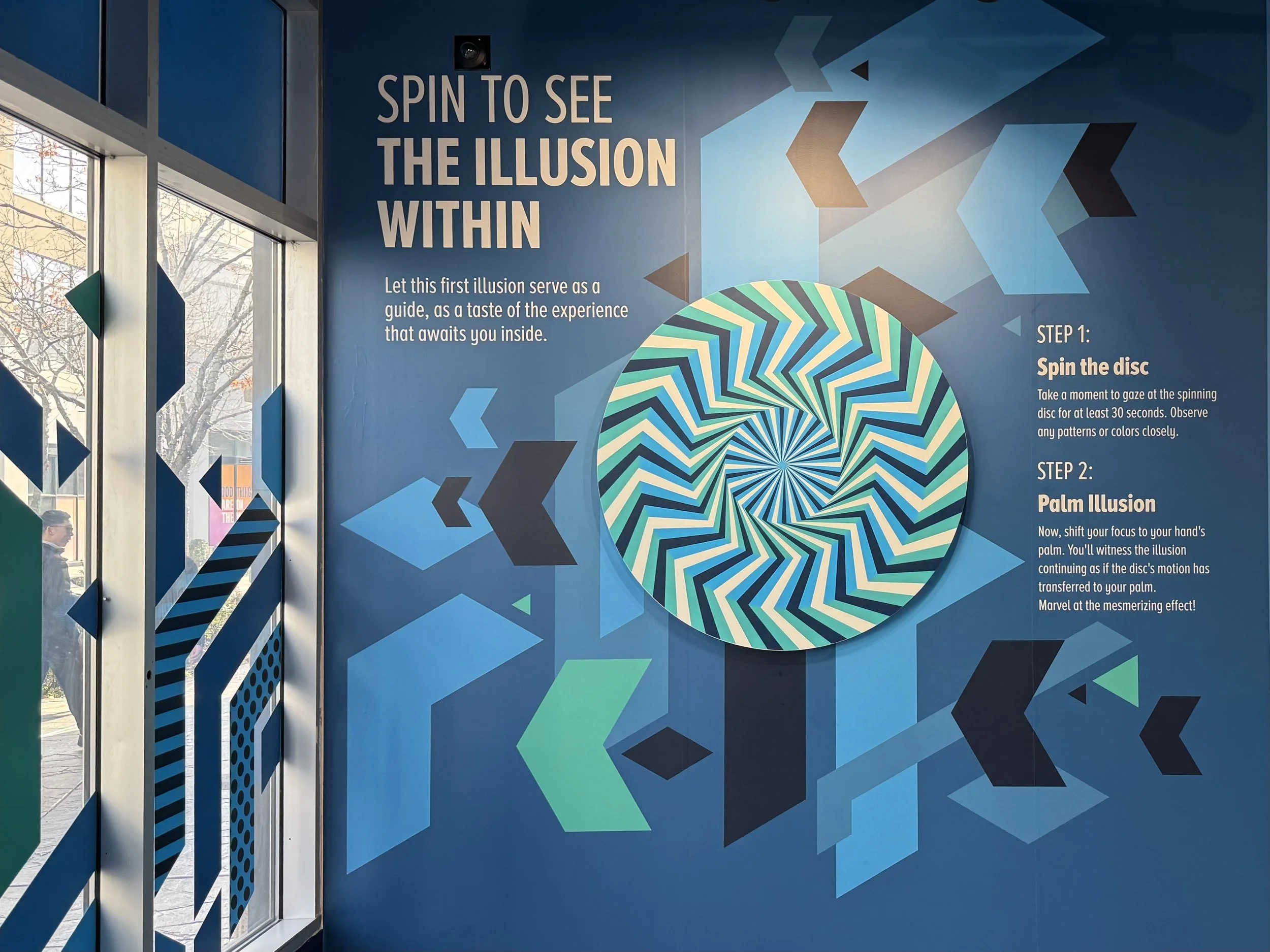
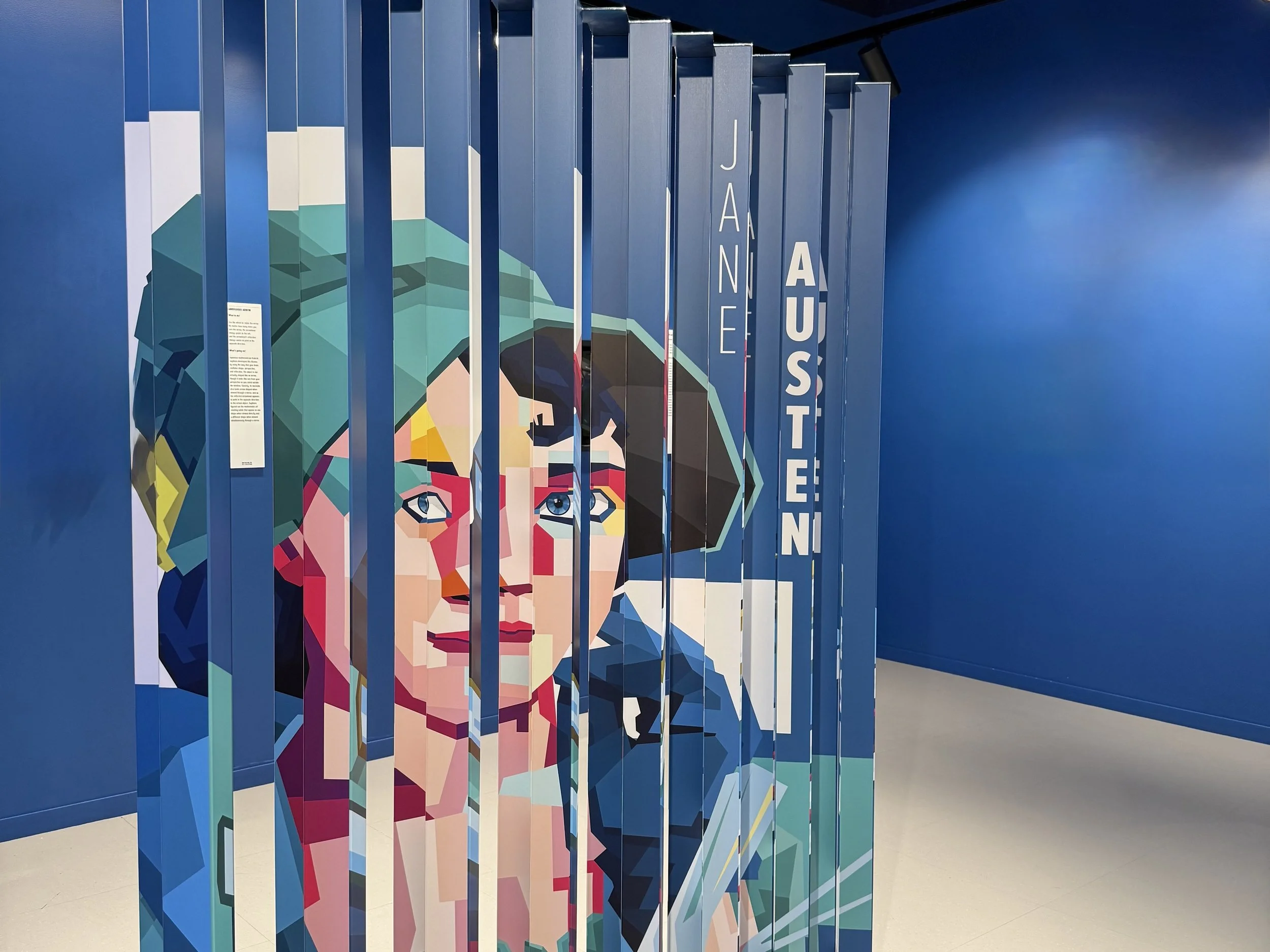
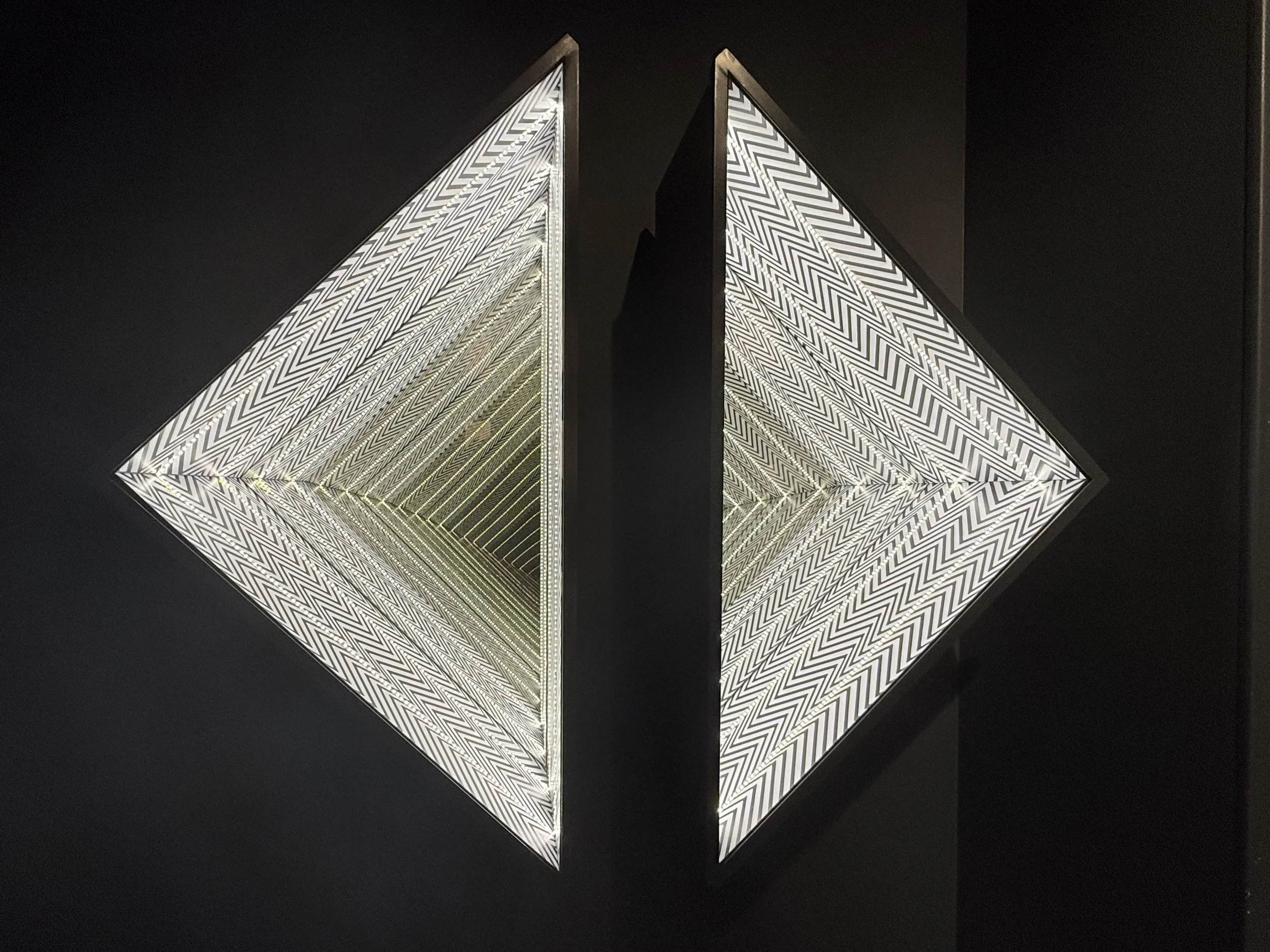
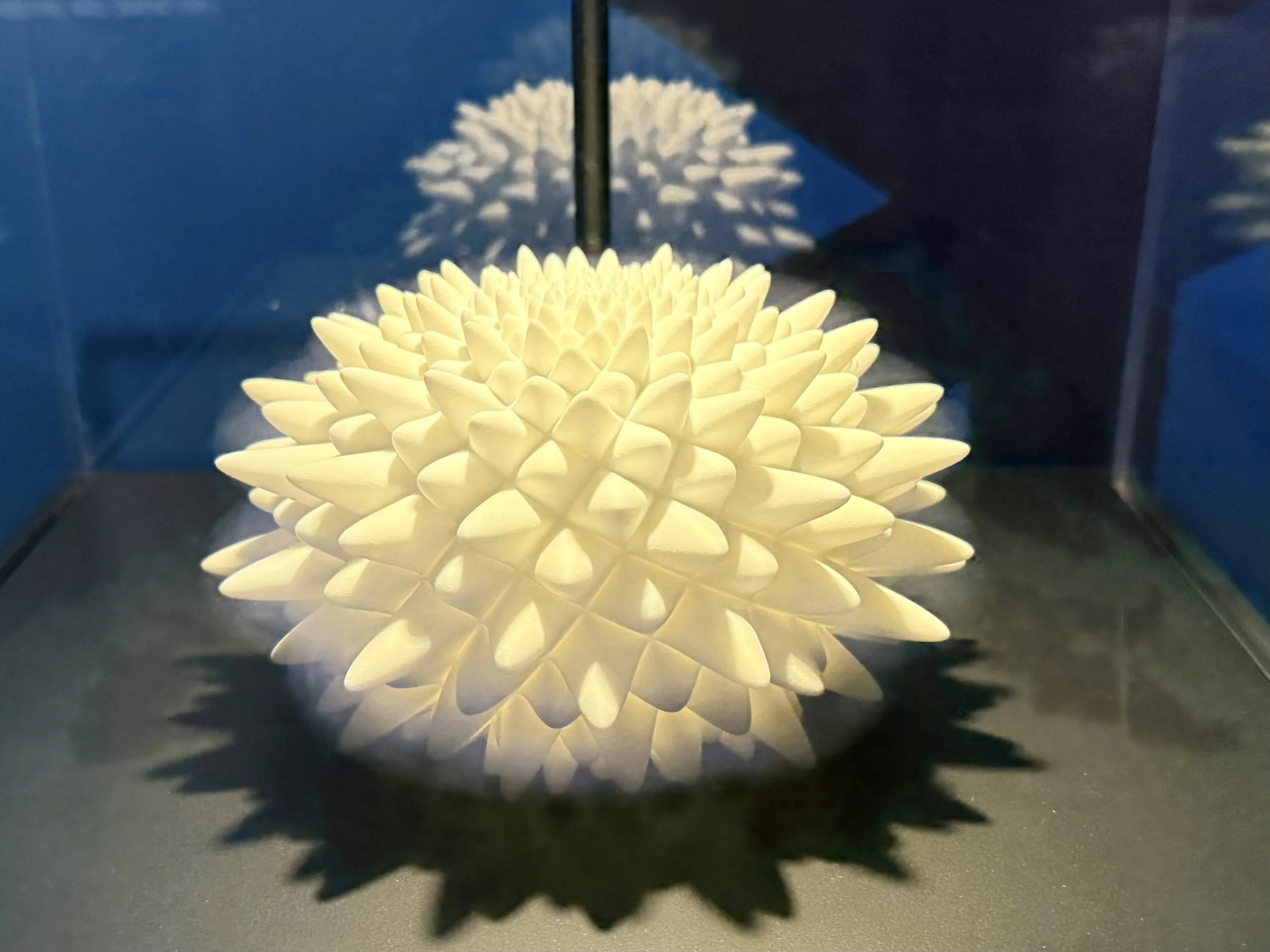
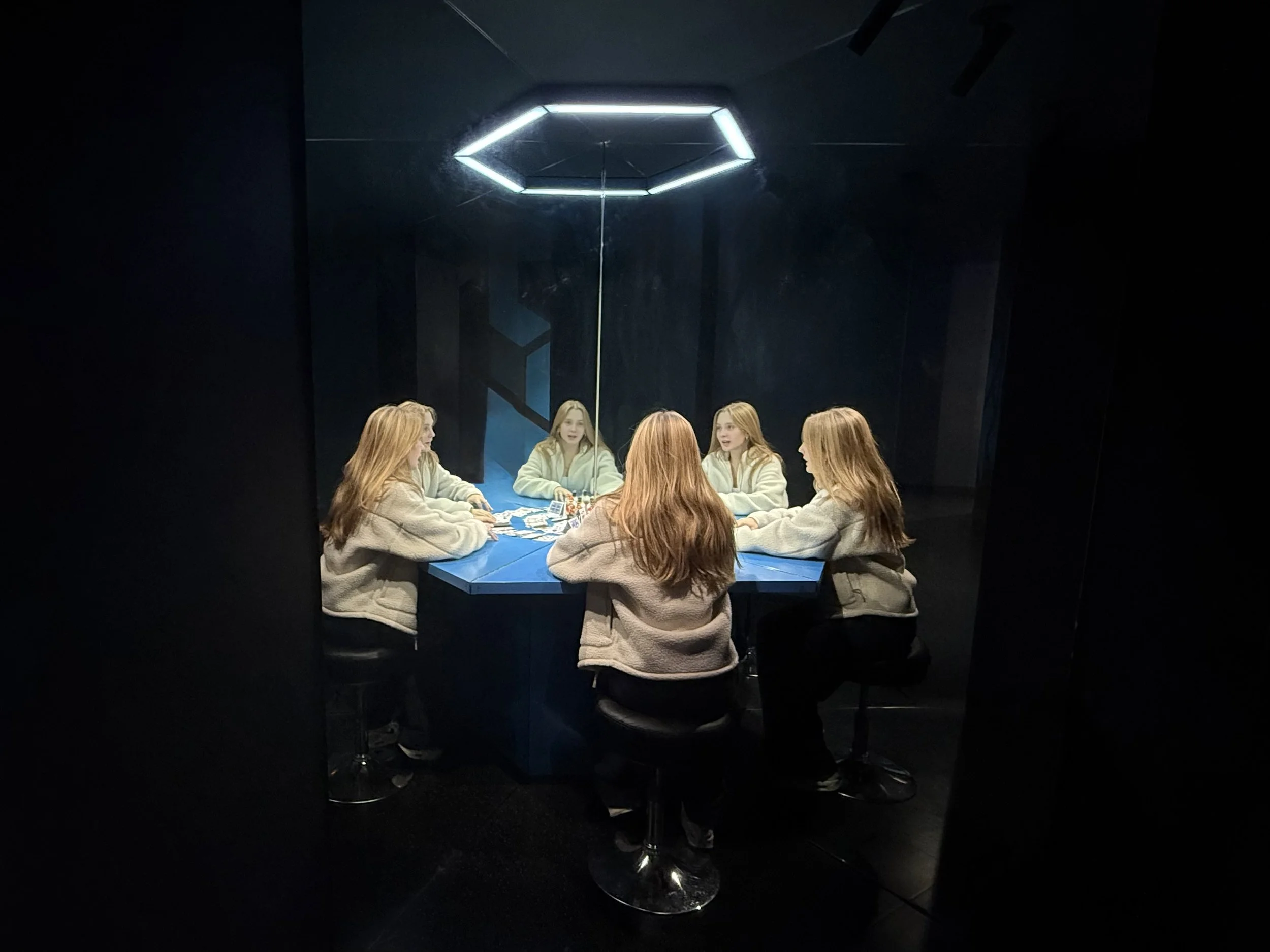
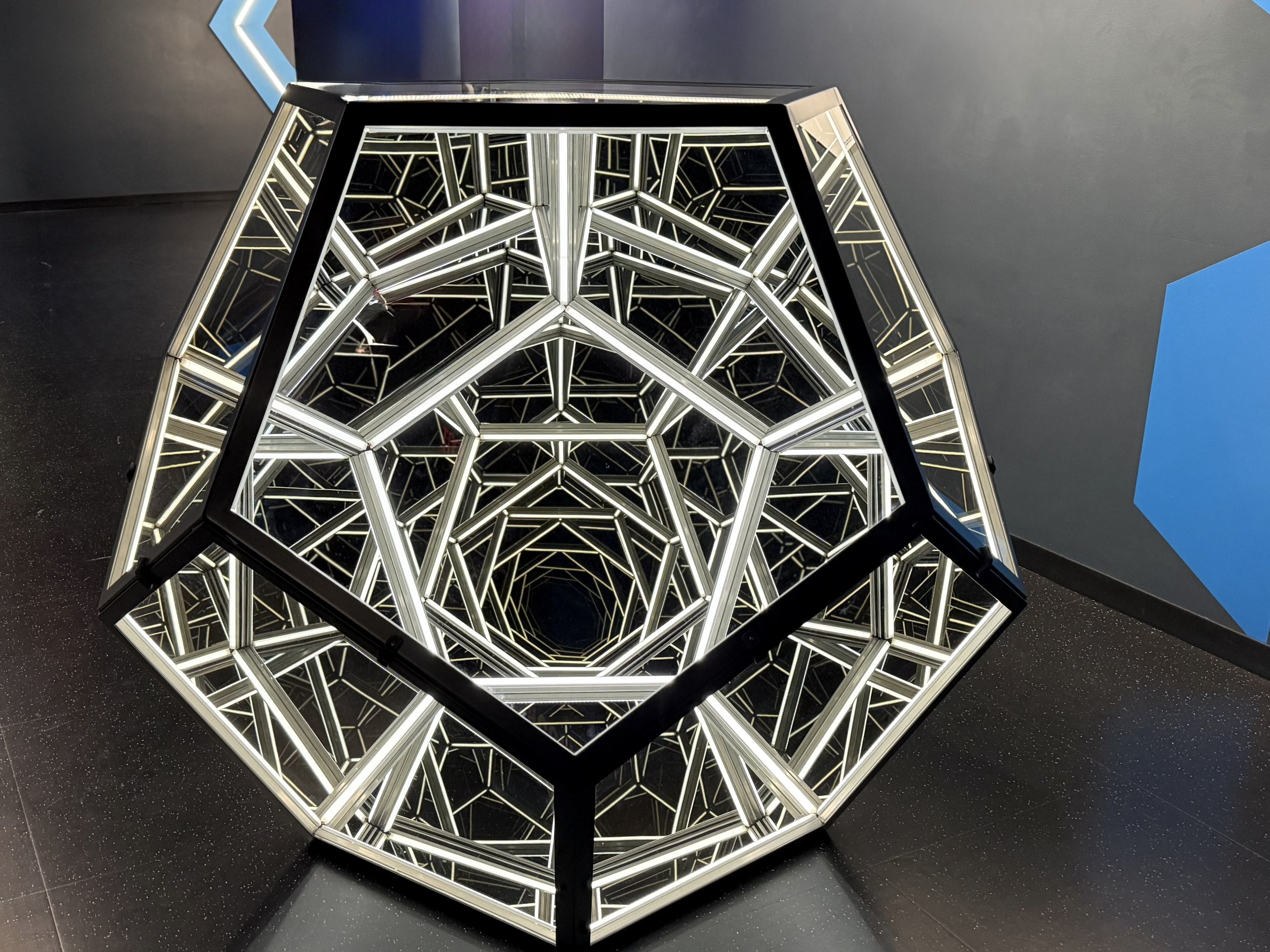
Between the large installations are quieter moments that reward patience. Wall-mounted illusions that appear bent until a magnetic straight edge proves otherwise. Images that seem to move, colors that shift, and patterns that change as the eyes focus. These are the exhibits that make visitors stop, stare, doubt themselves, and then suddenly understand.
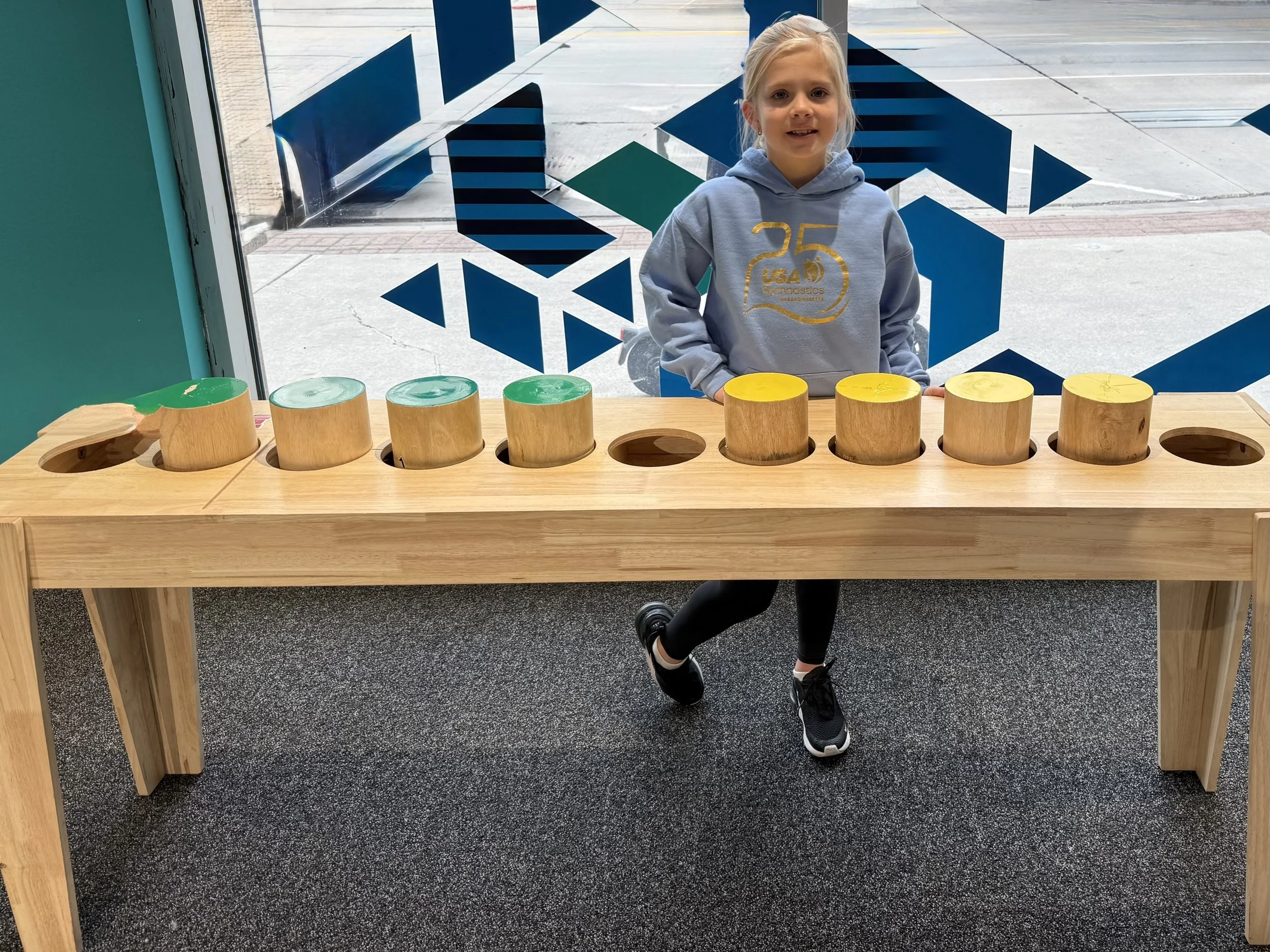
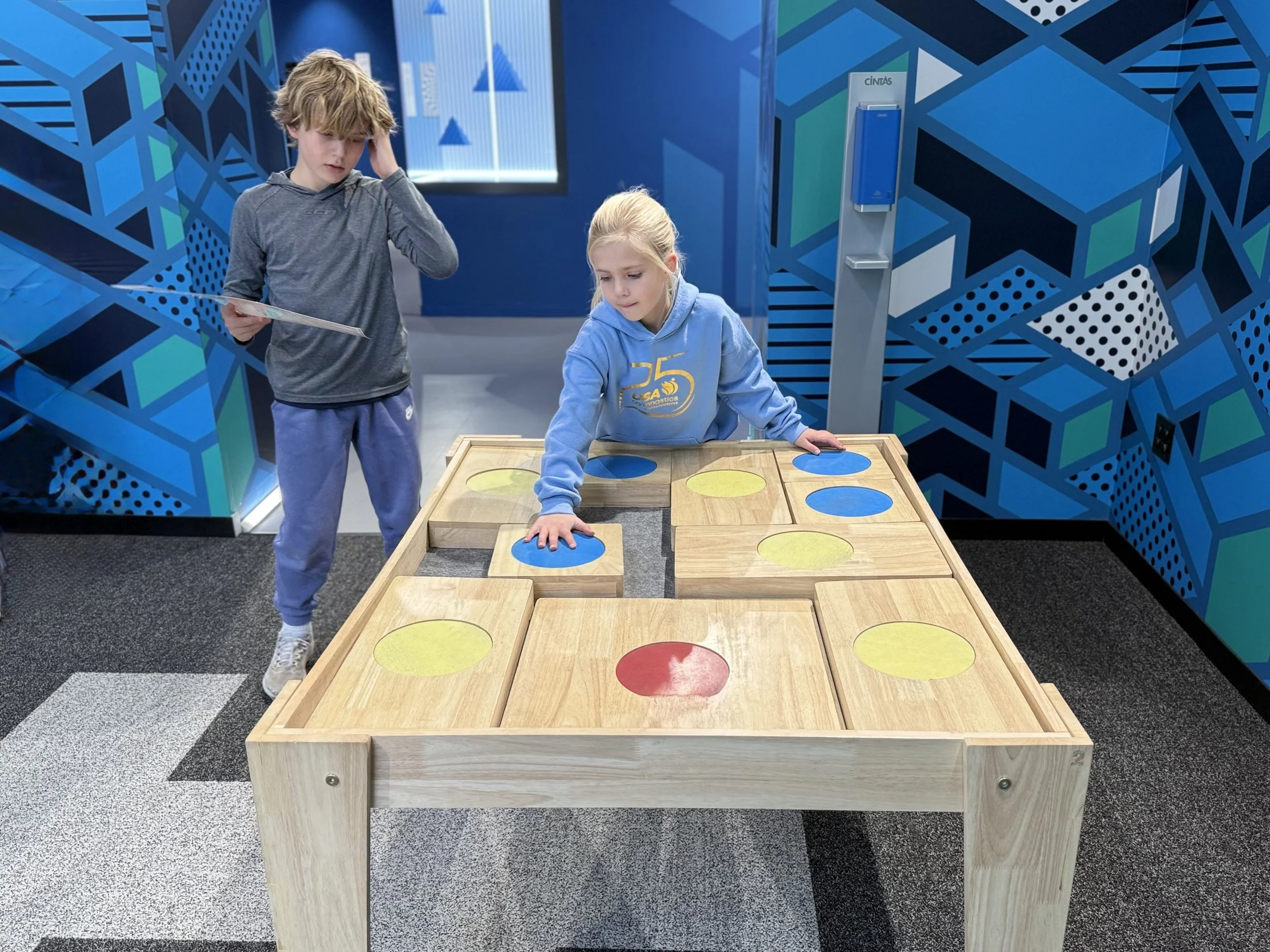
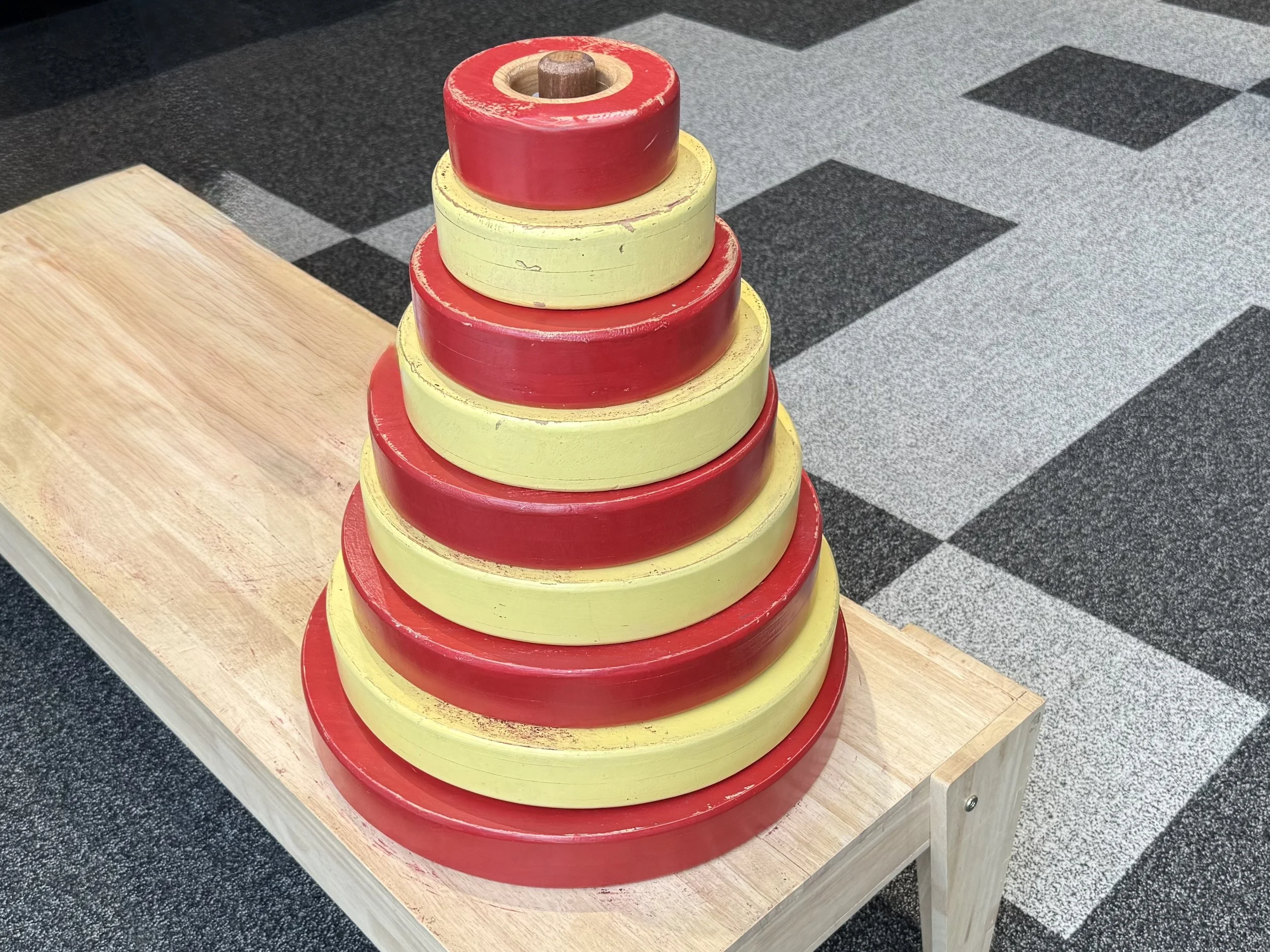
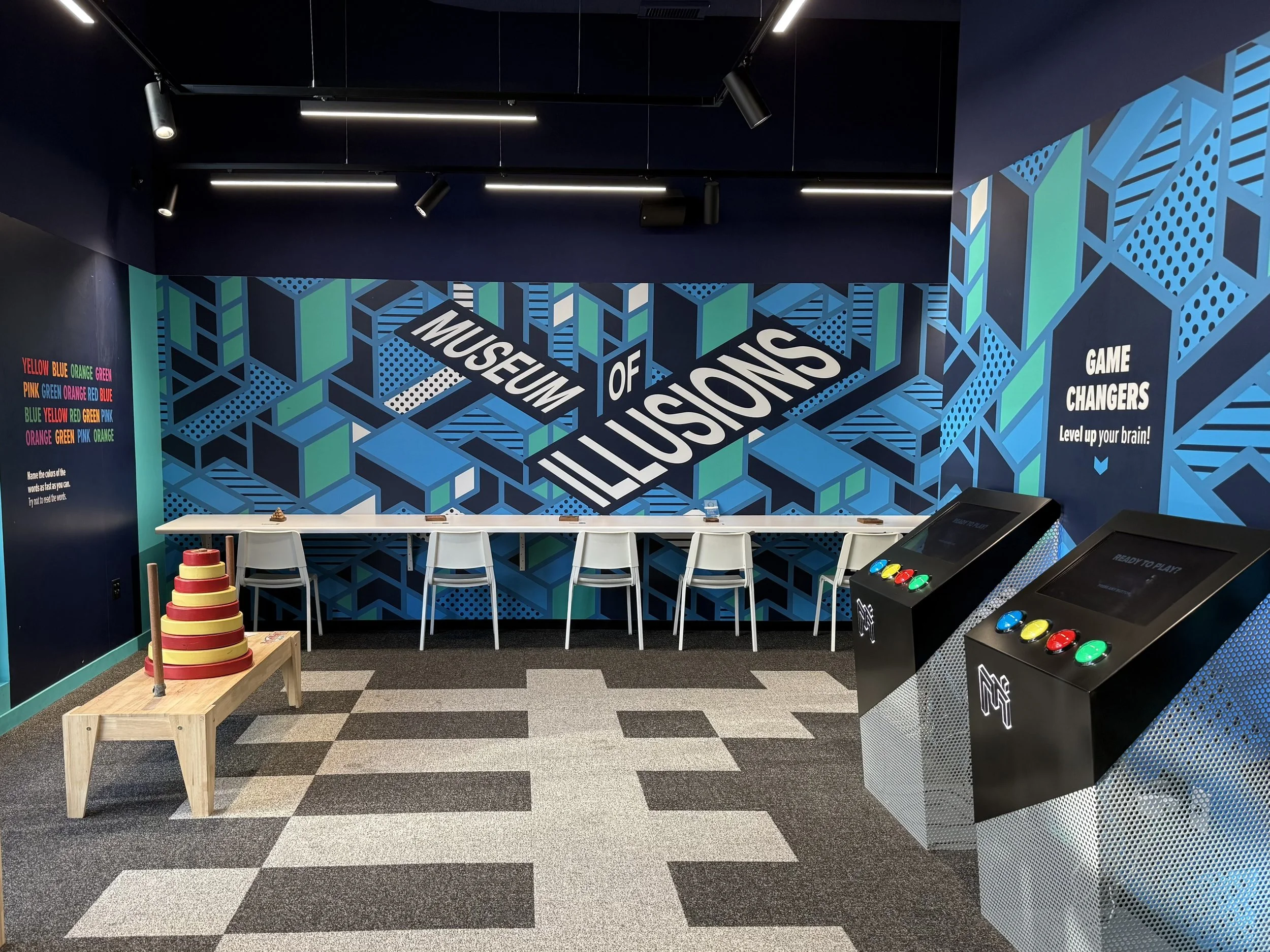
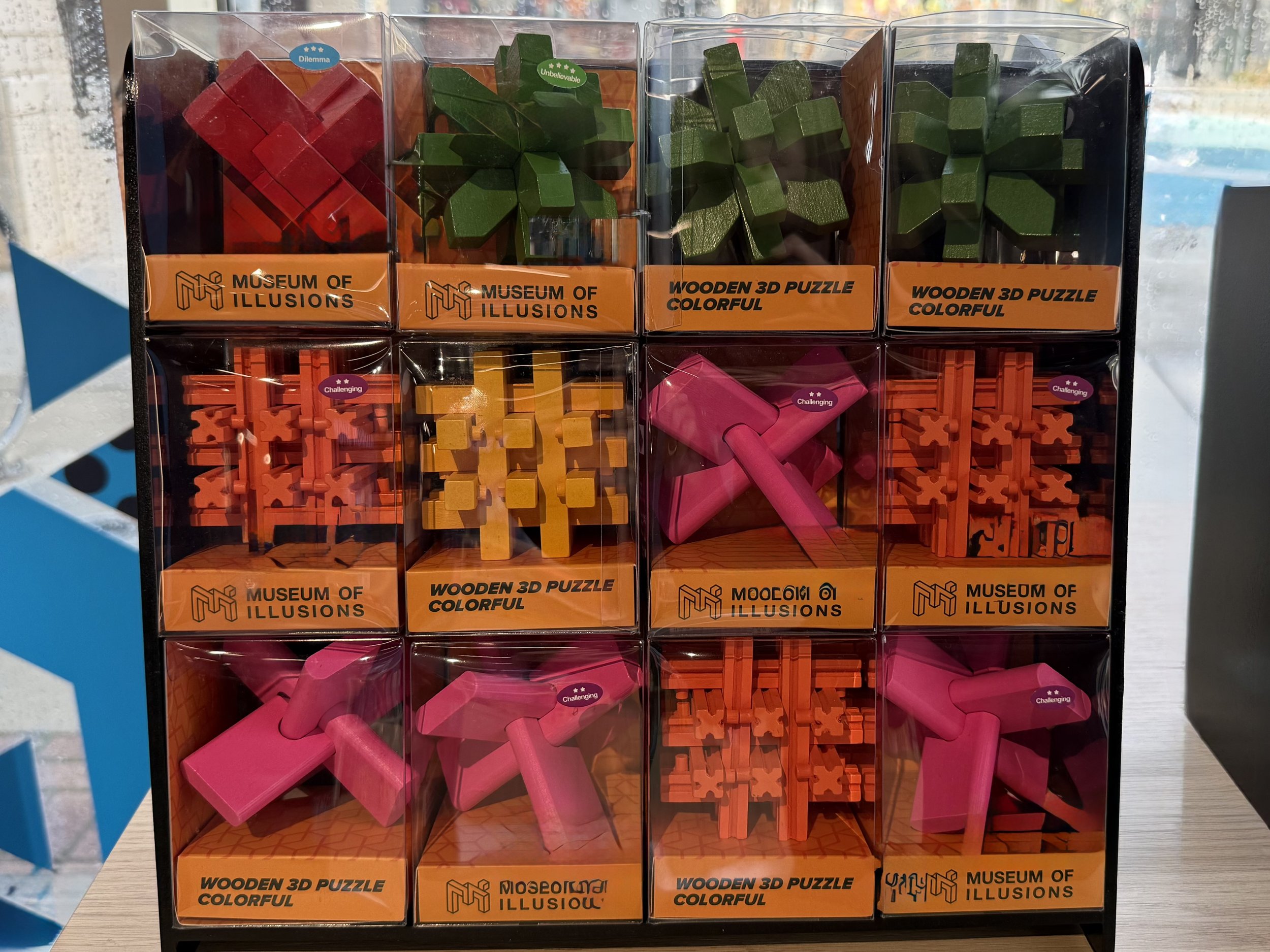
Both Justin and Pien spoke about the Brain Gym as central to the museum’s personality. It is a space filled with tables of puzzles and dilemma games, some collaborative, others intensely personal. Instructions are available. Help is welcomed. The goal is not to prove intelligence. The goal is to keep trying. It is common to see a child methodically following steps, an adult getting stuck, and the solution emerging together.
The museum is also a popular destination for school groups, with a strong STEM emphasis. Teachers who book field trips can receive curriculum materials designed to connect what students see and touch inside the museum to concepts in science, math, and broader ways of thinking about perception and the brain.
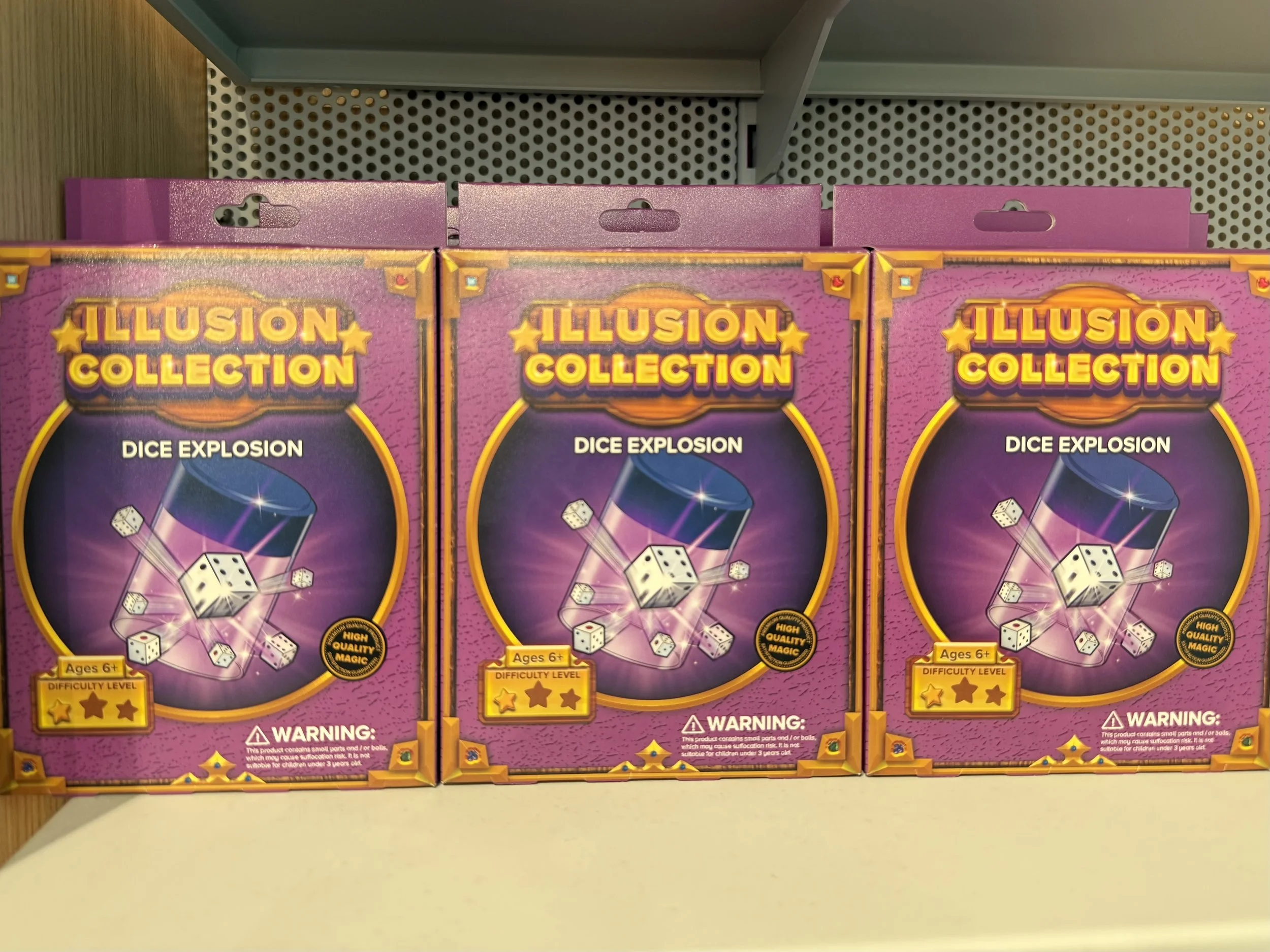
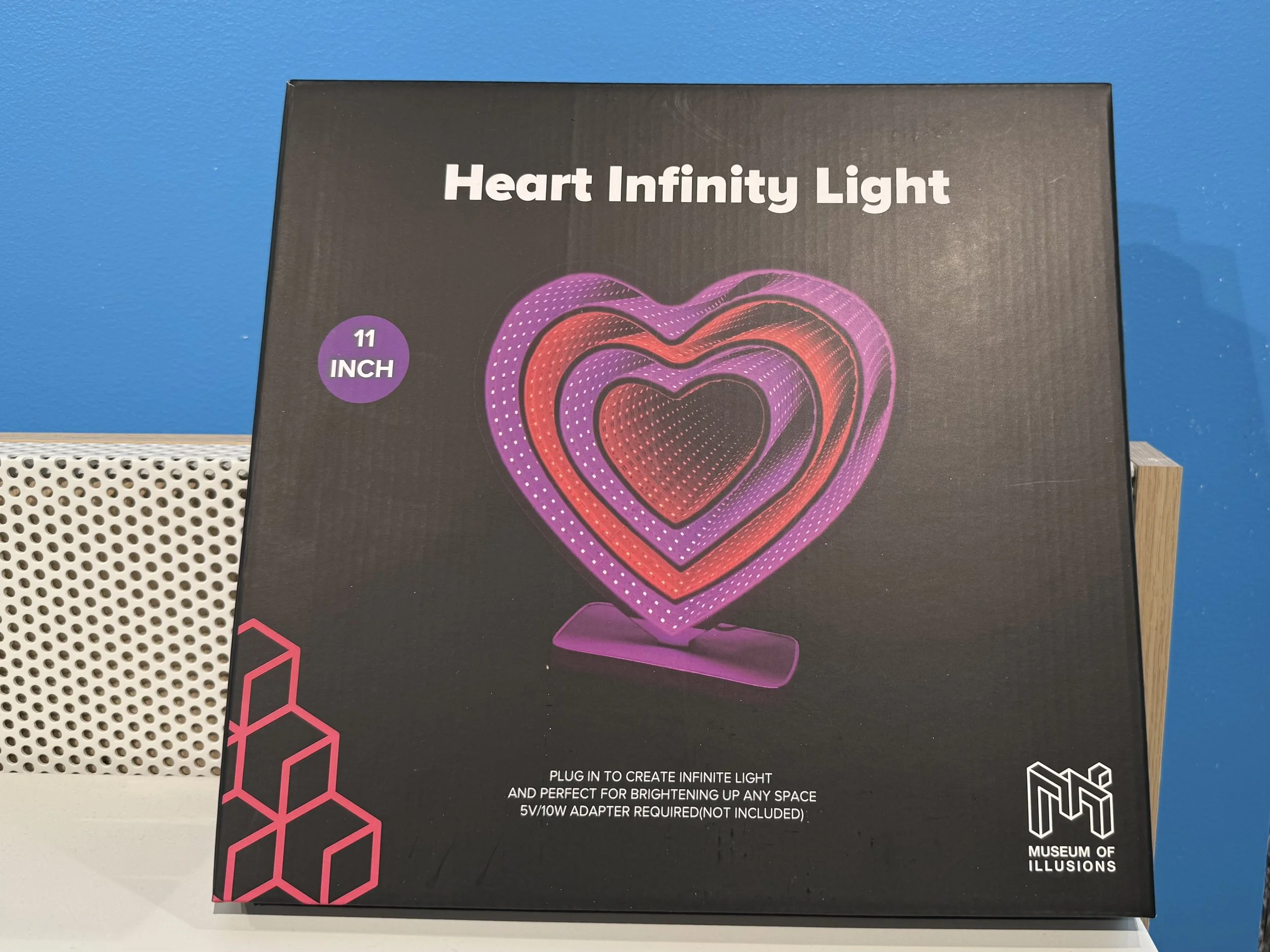
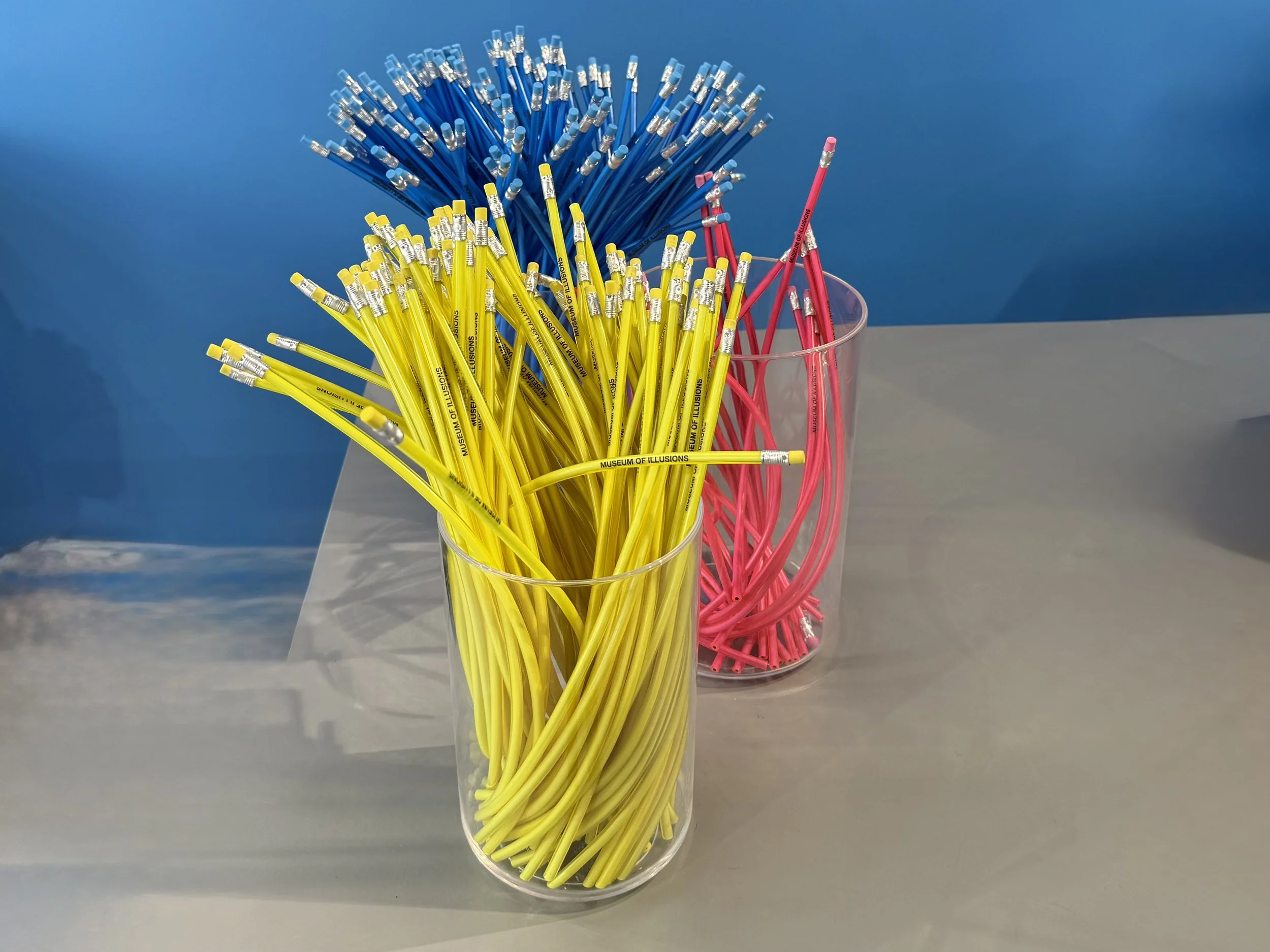
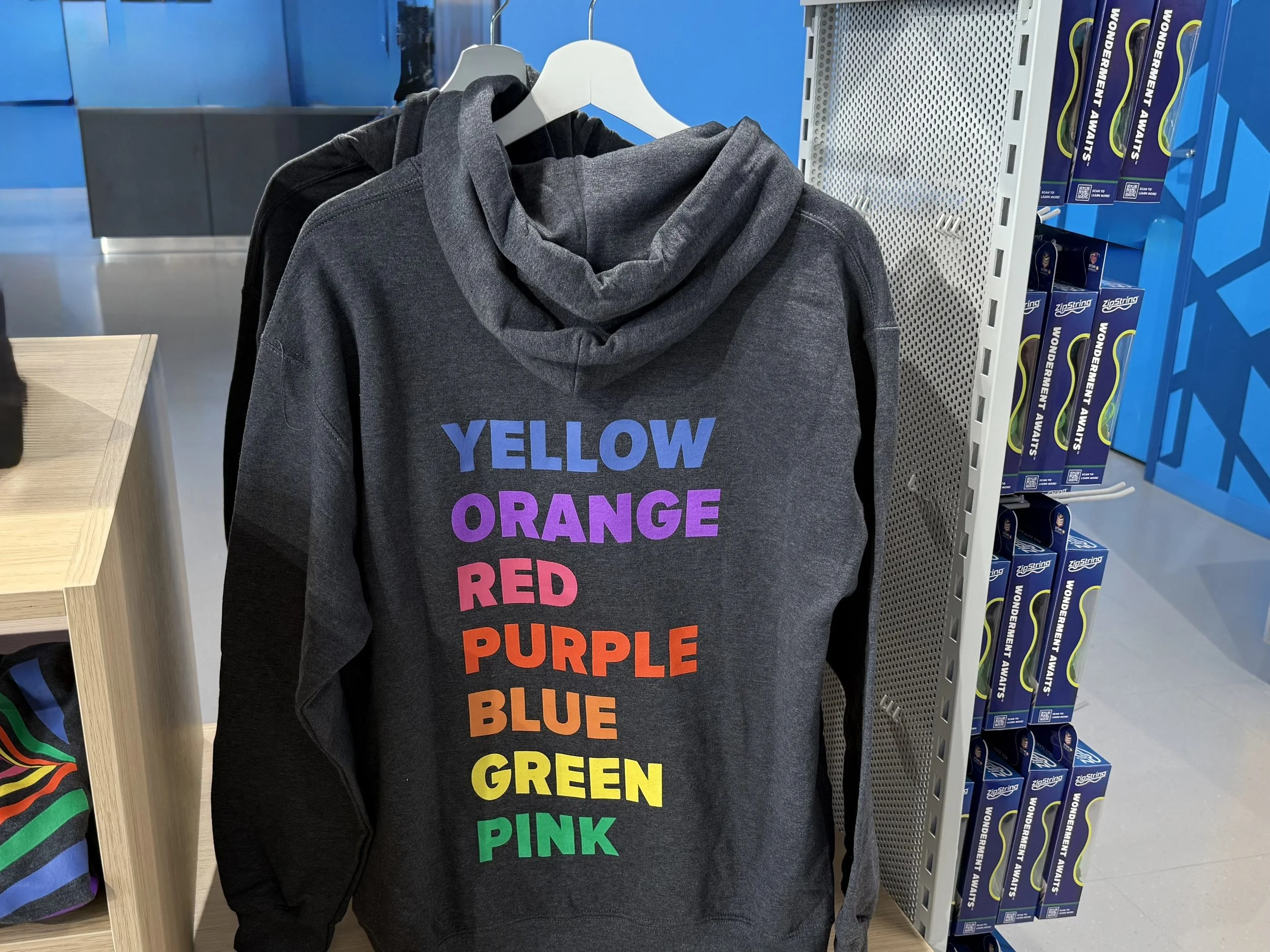
The experience continues into the retail shop at the end of the maze-like space. It is not a traditional gift shop so much as an extension of the museum itself. Shelves are filled with tactile, curiosity-driven items including puzzles, fidgets, brain teasers, and STEM-forward games, many available as samples so visitors can try before they buy. Justin often places a small item in an illusion expert’s hands as a quiet conversation starter, another way to spark interaction between strangers.
For both Pien and Justin, the most striking part of the museum is not any single exhibit. It is the way people look up from their phones and at one another. There is something about connection that happens in this museum. People are helping each other, laughing, and really talking with each other again. To Pien, "This is the hidden mechanism inside every illusion. Not just the trick of light or angle, but the way curiosity pulls people into the same moment, encourages them to share what they see, and keeps them together just a little longer than they planned."