Peak State Fit
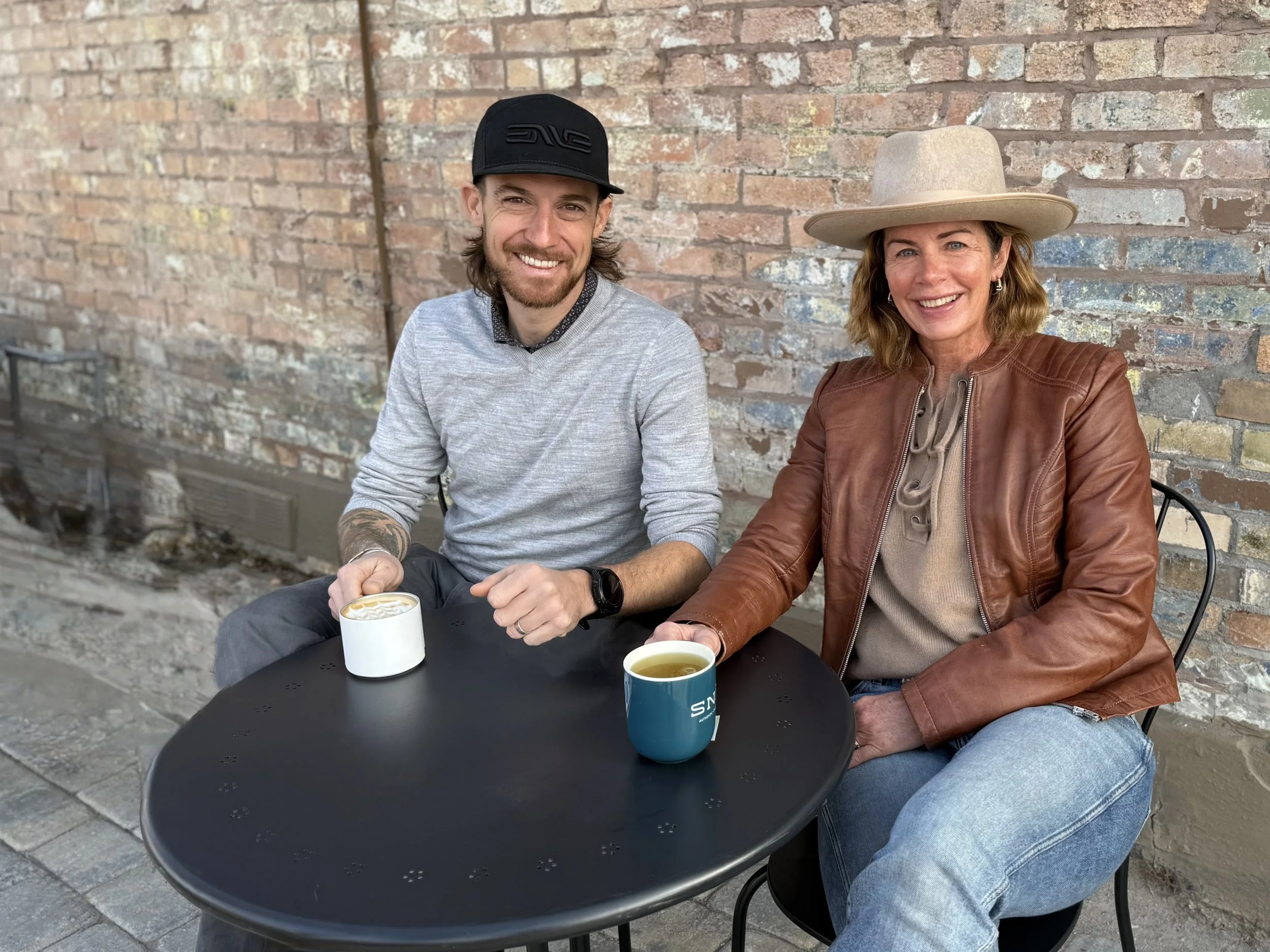
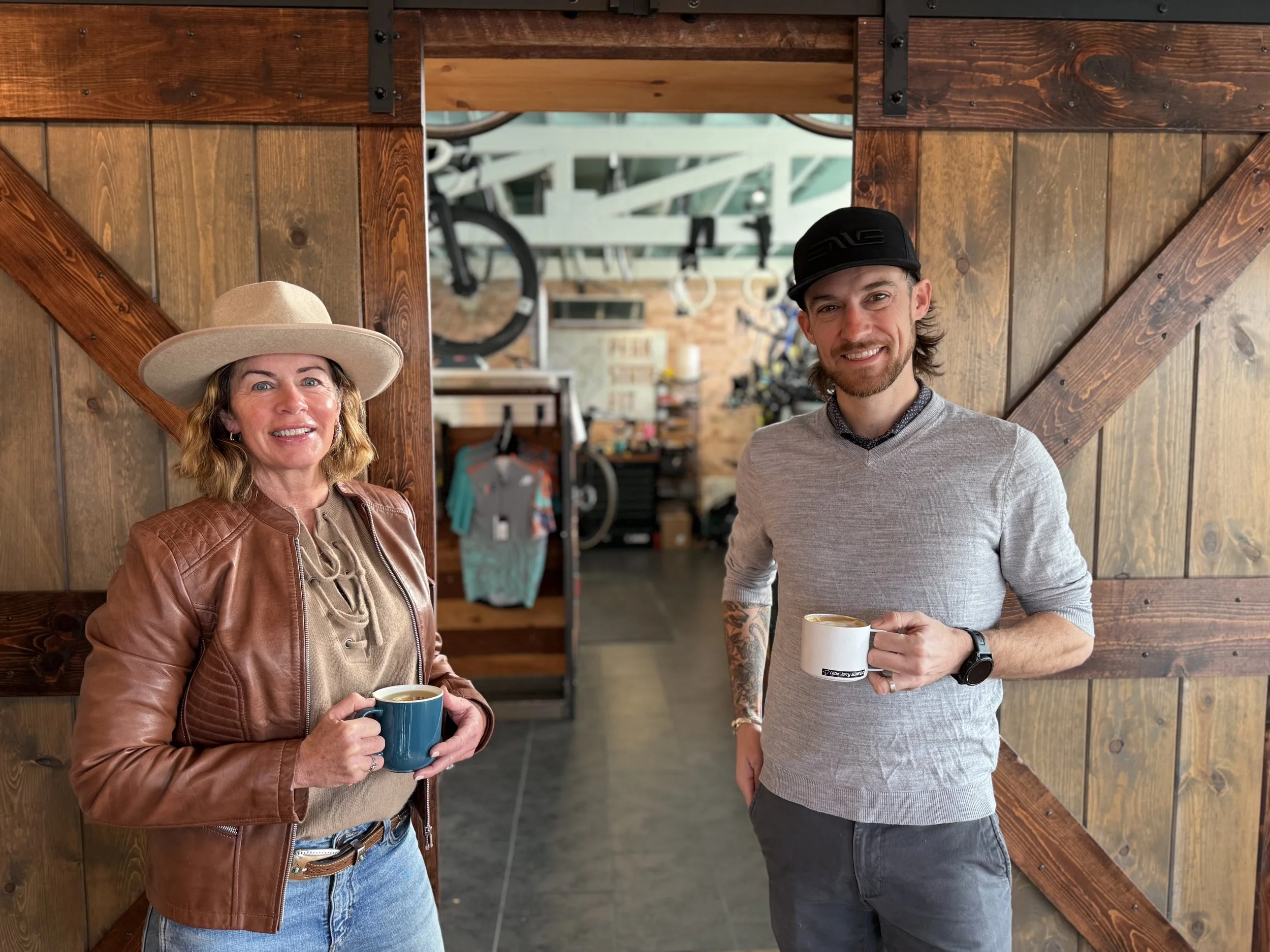
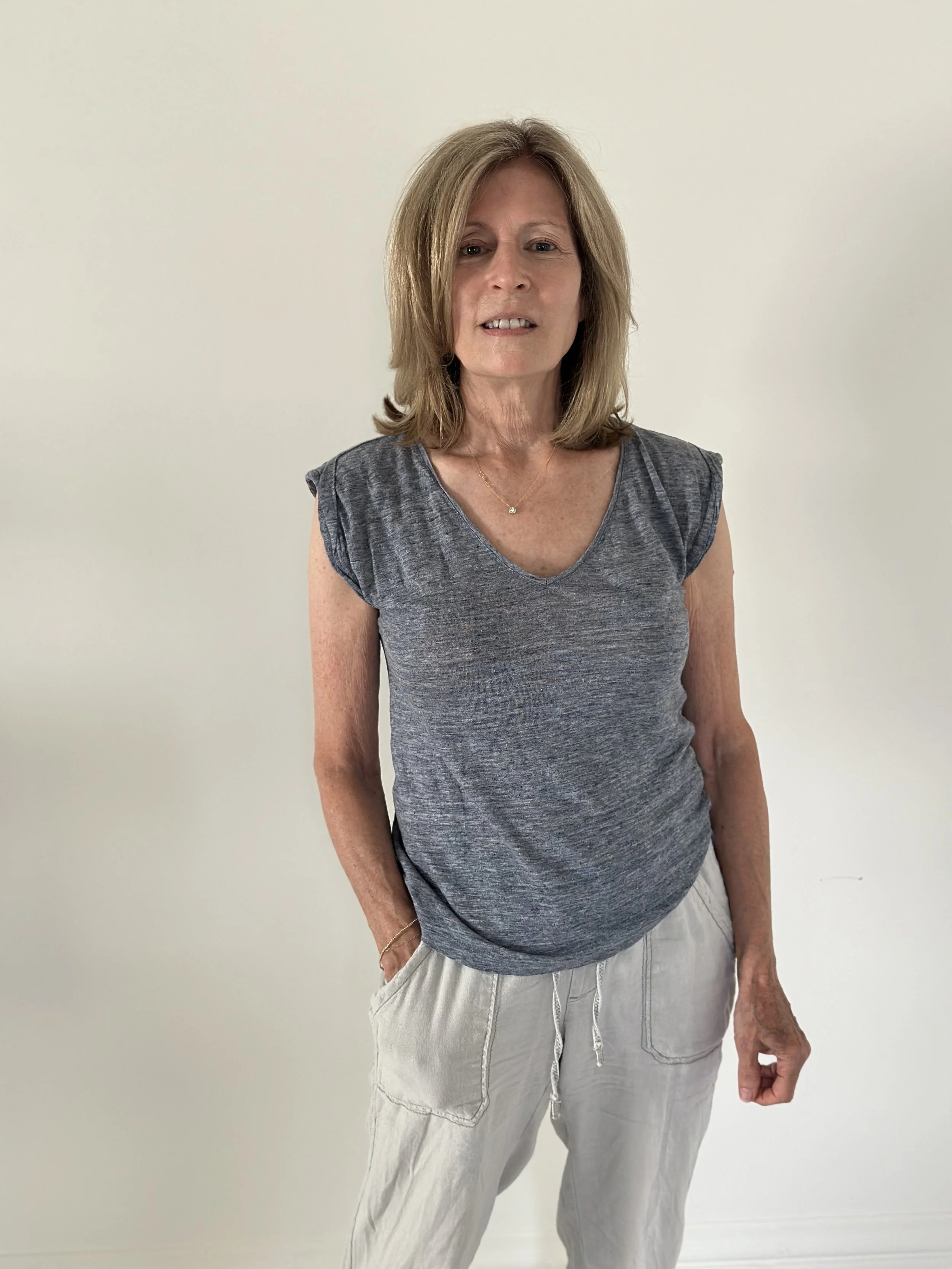
"I felt like that was not only unusual for my age, but also because I was a girl, and there weren’t any little girls hanging out at bike shops.” Heather Casey noticed that difference early, and it stayed with her. It shaped how she moved through cycling spaces and, years later, how she and her partner, Pat Casey, built Peak State Fit, a place where bike fitting, coffee, and conversation exist together, and where people are met with care rather than expectation.
Heather grew up in Auburn, Alabama, an only child with an athlete’s rhythm already in her body. Swimming came first, then the pull of two wheels. By fourteen, she was spending long stretches after practice lingering in a local bike shop, learning the language of parts and repairs, and quietly noticing she was usually the only girl there. What stayed with her was not just the sport, but the way she was welcomed. “The owner of that first bike shop was so generous with his time and just supporting my curiosities. He always made me feel like I belonged.”
Heather rode most often with two boys from her neighborhood, slightly older and already more confident, which made the distance feel possible. Together they pushed outward, Auburn to Tuskegee, thirty miles out, thirty miles back. There were no cell phones then. “We were riding thirty miles away from home. If something went wrong, you figured it out.” A flat tire on Highway 14 meant knocking on a farmhouse door and asking to use the phone to call Heather’s mom. Those early rides carried lessons about independence, trust, and quiet problem-solving that stayed with her.
Cycling followed Heather into adulthood, sometimes front and center, sometimes receding as life shifted. She returned to Auburn University and graduated in 1996. Over time, cycling took different forms, mountain biking, triathlon, coaching, strength and conditioning, before pausing as she married, moved, and spent years living abroad. Her two daughters were born during that chapter of her life. Later, when the girls were living in Park City with their father, Utah became more than a location. It became the direction her life naturally began leaning toward.
Pat’s relationship with cycling began earlier and followed its own steady pull. He grew up in St. Louis and took his first job in a bike shop at fifteen. Even while studying biology at Truman State and graduating in 2011 with plans for grad school and global health, bikes remained a constant. “Everywhere I moved, I ended up working in a bike shop. I never aged out of it. I just grew in experience.” Racing became more serious, and gradually the academic path he once imagined began to feel less aligned than the one forming under his wheels.
Heather and Pat met in Alabama in 2012, in a bike shop where work and conversation flowed easily. There was run analysis on a treadmill, bikes lined up for service, group rides forming after hours. At first, it felt familiar rather than momentous. They spoke the same language. They cared about the same things. As Heather put it, “We had honest conversations right away, about food, poverty, nutrition, global health, and then bikes, of course.” Connection grew naturally, often on bikes, riding side by side before or after work, conversations stretching as long as the road allowed.
Only later did they realize there was a sixteen-year age difference. By then, it felt secondary. Heather remembers laughing and then asking the only question that mattered. “We said, what do we do? Do we end it because it seems complicated, or do we keep going and see where it leads.” They chose to keep going.
The next decisions followed that same practical logic. Birmingham came first, then the move west. Being closer to Heather’s daughters in Park City mattered deeply, and so did the sense that Salt Lake City offered a larger cycling community and more room to grow. In 2015, Pat joined a domestic elite cycling team based in Salt Lake. Criterium racing became a defining rhythm of his life, fast and tight downtown courses where strategy matters as much as speed. “It is chaotic and right in the middle of a city. It brings people out. It is really fun to watch.” In 2026, Pat continues to race at that level, riding for the Clif Family Drifters Cycling Team and traveling for much of the year. “I have been able to keep pursuing something I love, even though it was never my full-time career. That has been incredibly fulfilling.”
Work stayed intertwined with riding. Over time, both Heather and Pat gravitated toward bike fitting, drawn to its mix of biomechanics, listening, and problem-solving. The work was never just about adjusting a bike. “Bike fitting is about how someone moves through space and why their body is responding the way it is.” Clients sat down and spoke honestly about pain, frustration, and fear. Trust mattered.
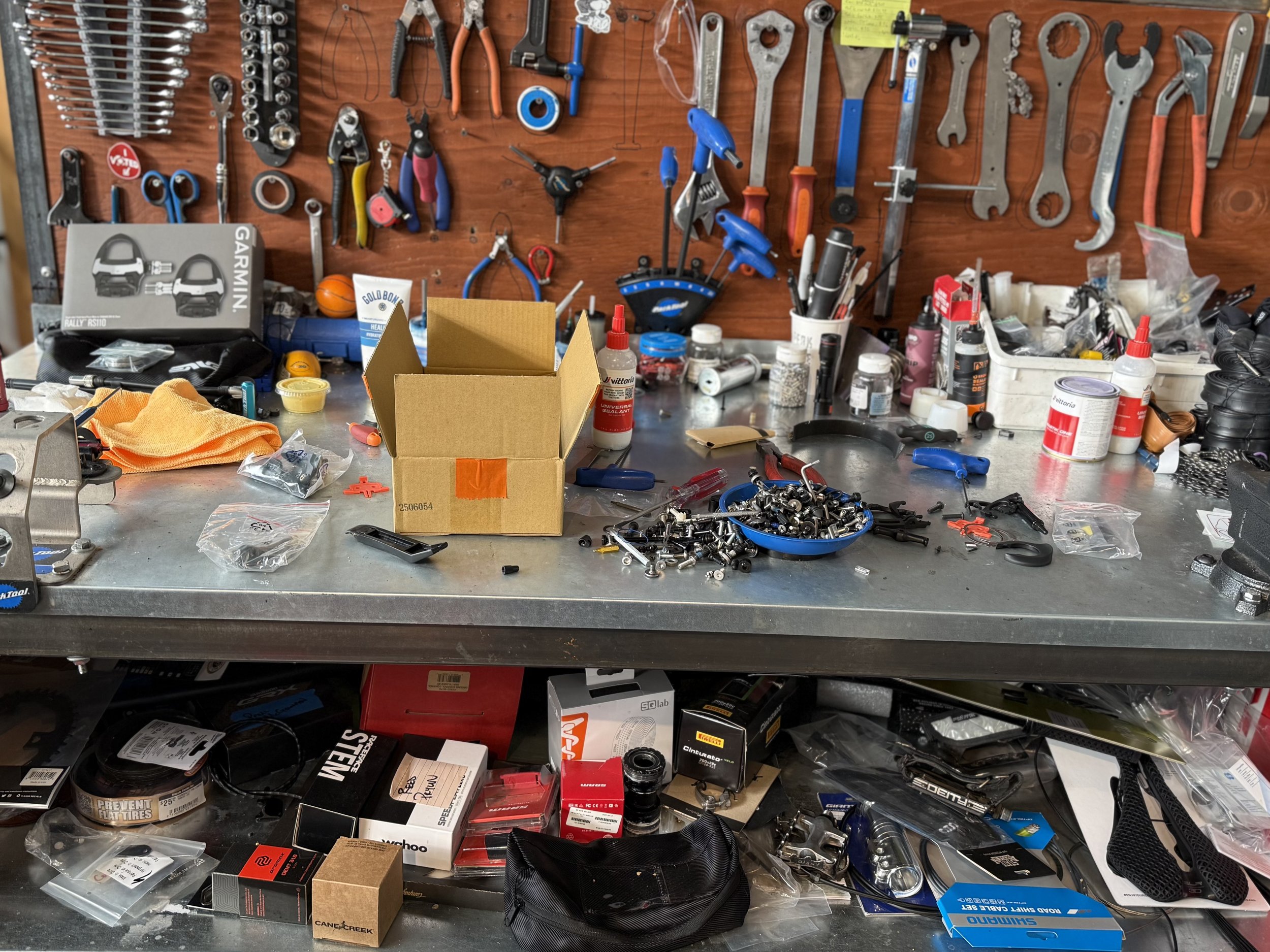
At first, Peak State Fit looked nothing like it does today. It looked like a home. A guest bedroom became a fit studio. Diplomas went on the walls. Dogs were tucked behind a baby gate when clients arrived. Some hesitated at the door, realizing only then that the address led to a house. Heather would meet them there and assure them they were in the right place. Pat would disappear into the basement to cut handlebars and steerer tubes while Heather stayed upstairs walking clients through the process. Word spread quietly because people felt cared for.
As more people found their way to them, the work began to outgrow the spaces they were in. Small rooms gave way to better light and more breathing room. People offered help without being asked - a desk, a piece of equipment, something they wanted to see put to good use. They brought on additional workers not because expansion was the goal, but because the work itself had deepened.
In 2018, Heather made a decision that clarified everything. Peak State Fit would no longer be improvised. It would become intentional. “Peak state is not something you wake up in. You have to bring yourself there.” In the Wasatch, the name felt literal too, the mountains a daily reminder of effort and humility. People sometimes assumed the word Fit meant fitness, and that was fine. Fitness was part of their background. Fit also meant alignment, between body and bike, person, and process.
Just as they were finding their footing, COVID arrived. A yoga studio Heather had committed to earlier that year never opened, and the loss lingered. At the same time, something unexpected happened. With much of life shut down, people turned to their bikes. Riding became a way to get outside, to keep a routine, to feel steady. Pat’s days stretched longer as riders came in with sore bodies and new mileage, looking not for performance gains, but for relief.
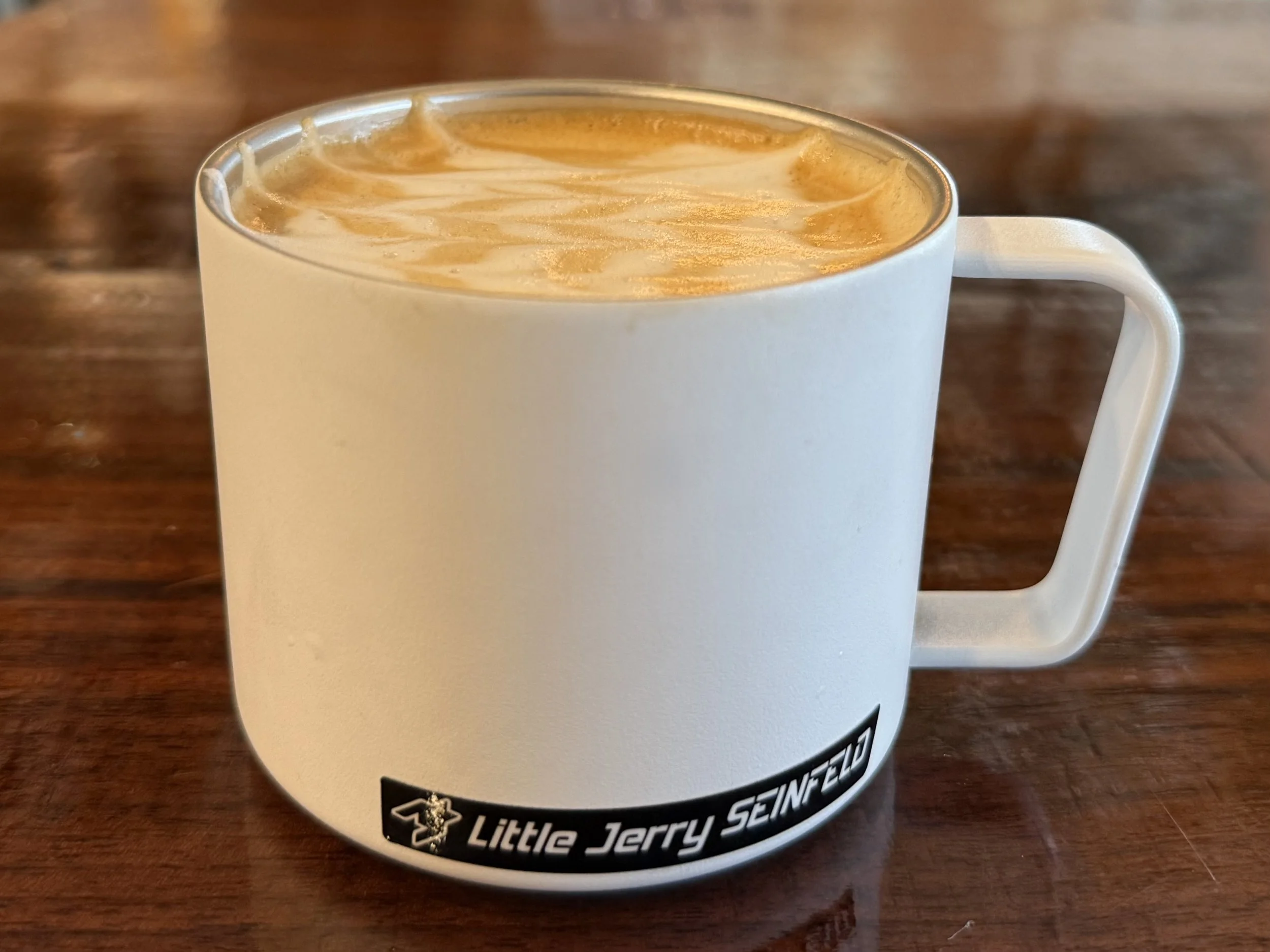
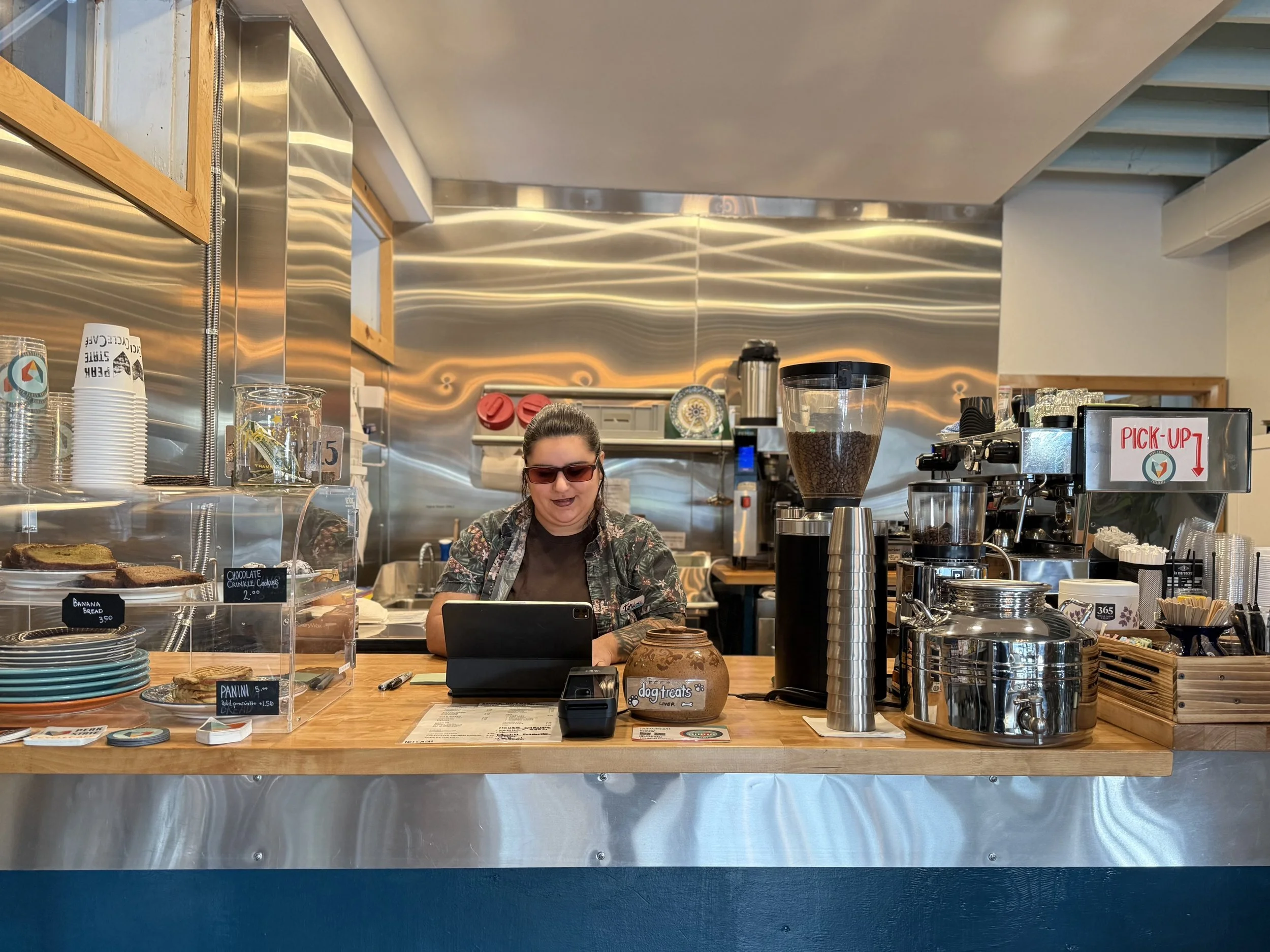
During that period, Pat began making coffee for clients. It was instinctive rather than strategic. “Sitting down with a cup of espresso changes the conversation. People relax. They start telling you what is really going on.” Coffee slowed the pace of an appointment and softened its edges. “That casual cup opened the door. It made the whole experience human.”
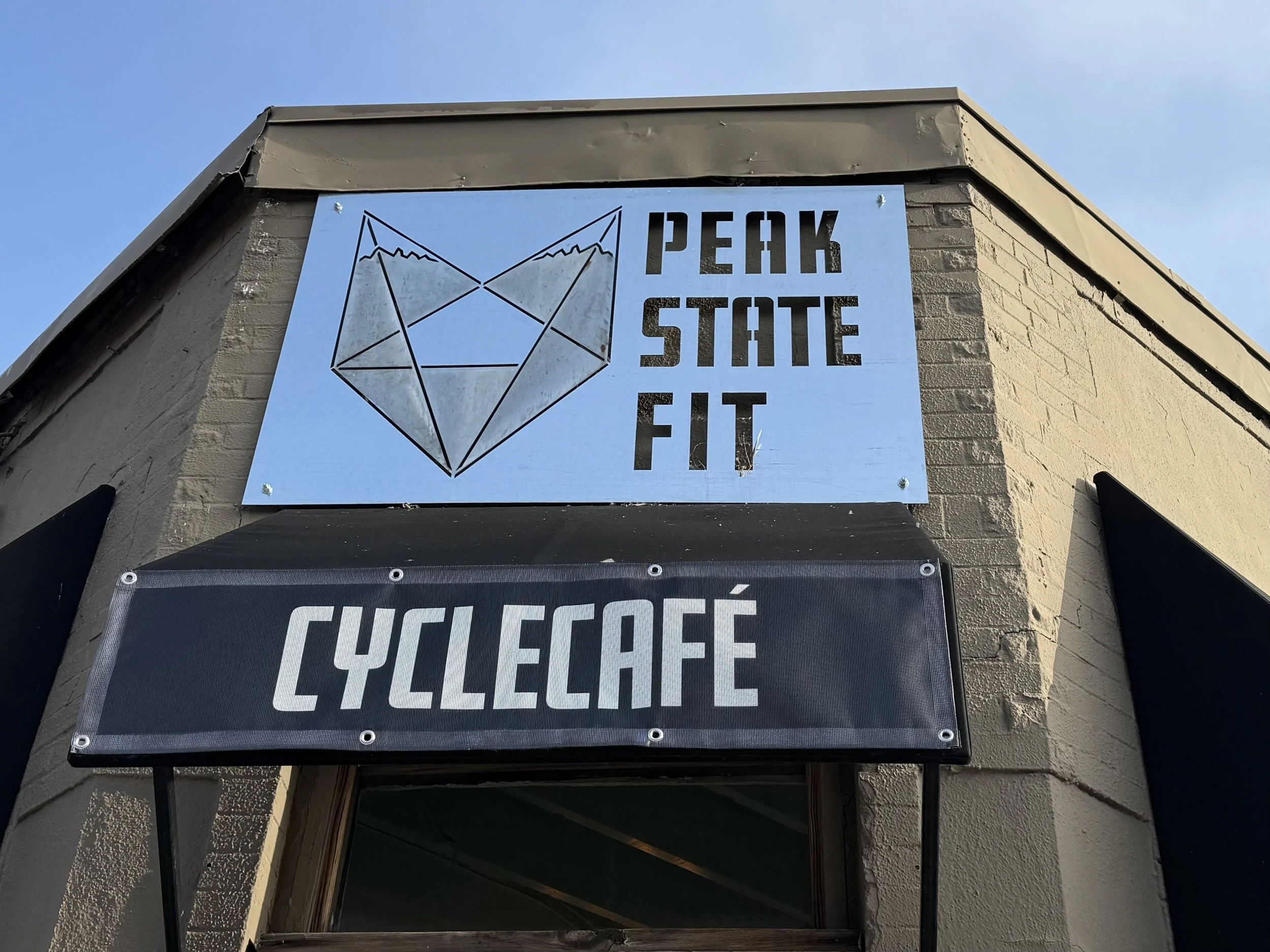
That impulse eventually grew into the CycleCafé. While participating in the Goldman Sachs 10,000 Small Businesses program, Heather began shaping the idea more deliberately, not as a separate venture, but as an extension of how they already worked with people. “We realized we were not just fitting bikes. We were building a place where people wanted to stay.”
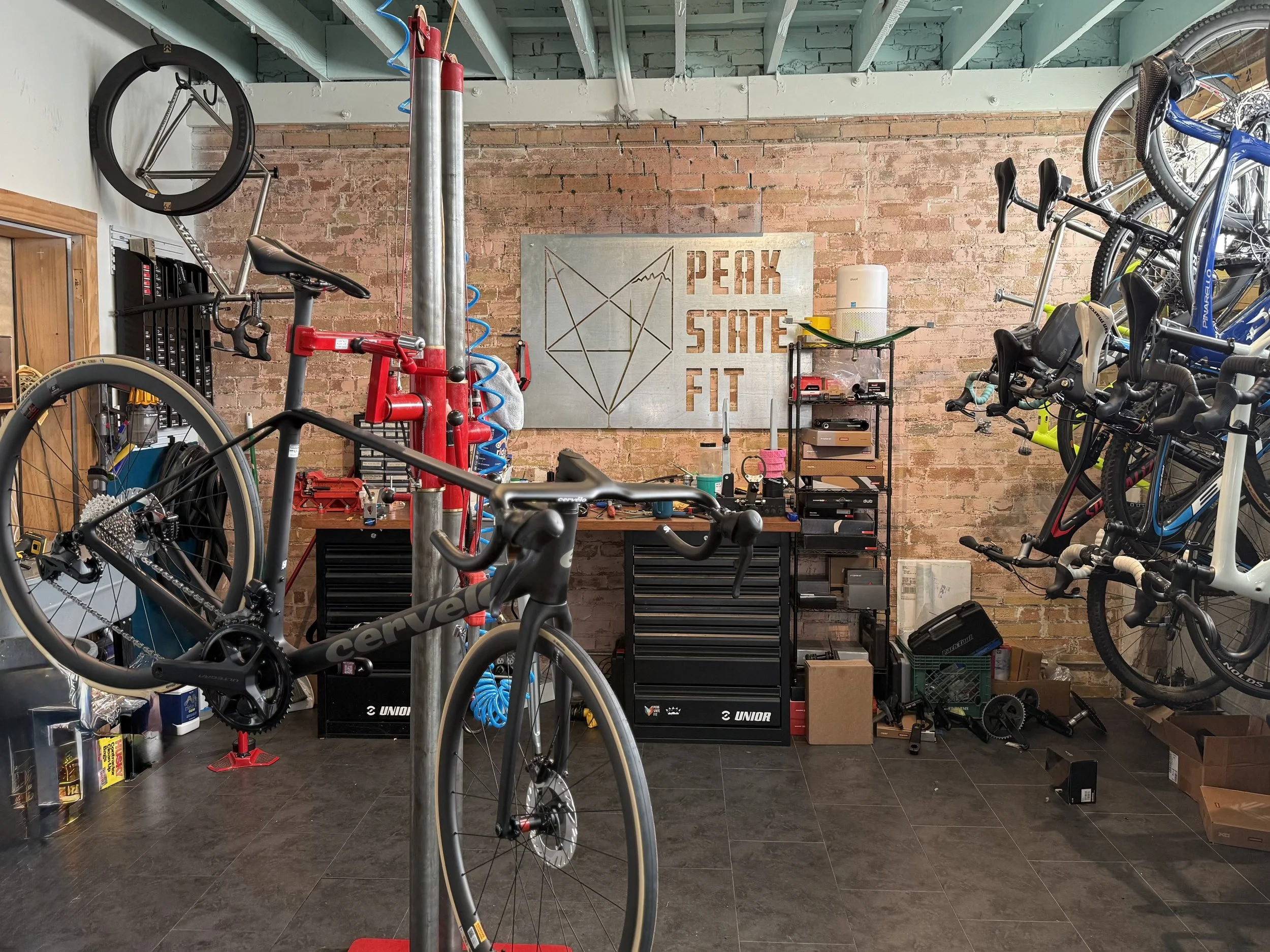
The building itself had been part of their daily lives long before it became theirs. It was a former general store with more than a century of history, and faint traces of painted words still linger on the exterior, ‘grocery and meats,’ quiet reminders of another time. Heather and Pat walked past it often, talking about what it could be. She eventually stepped inside for a ring repair and asked the owner, almost casually, if he would ever consider leasing the space. At first, the answer was no. A year later, after another visit and a phone number left behind, the answer changed. The landlord was preparing to move, but wanted to keep the building, and was ready to let it begin a new chapter. Signing the lease felt less like chance and more like timing, as if the space had been waiting for the right use.
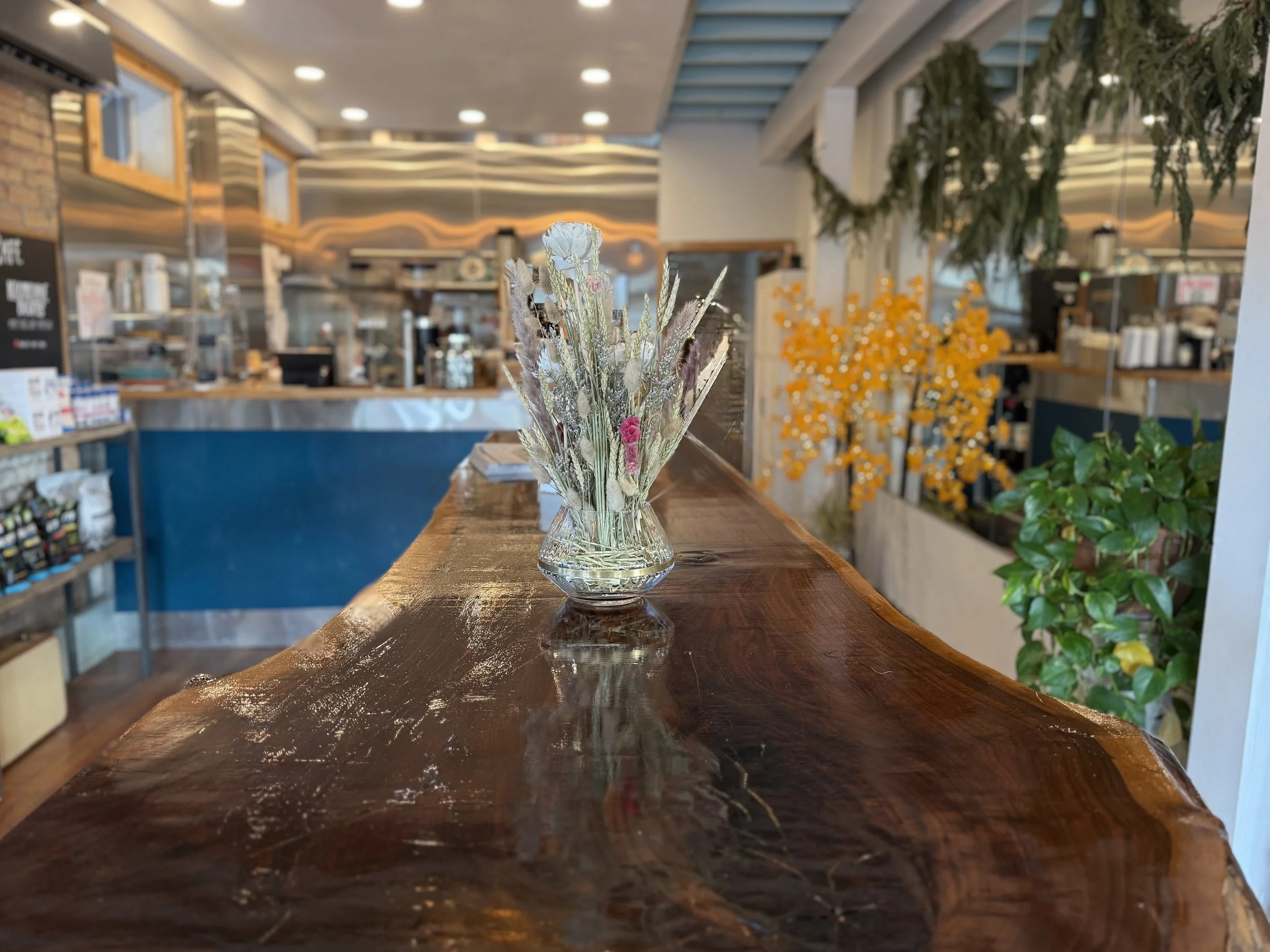
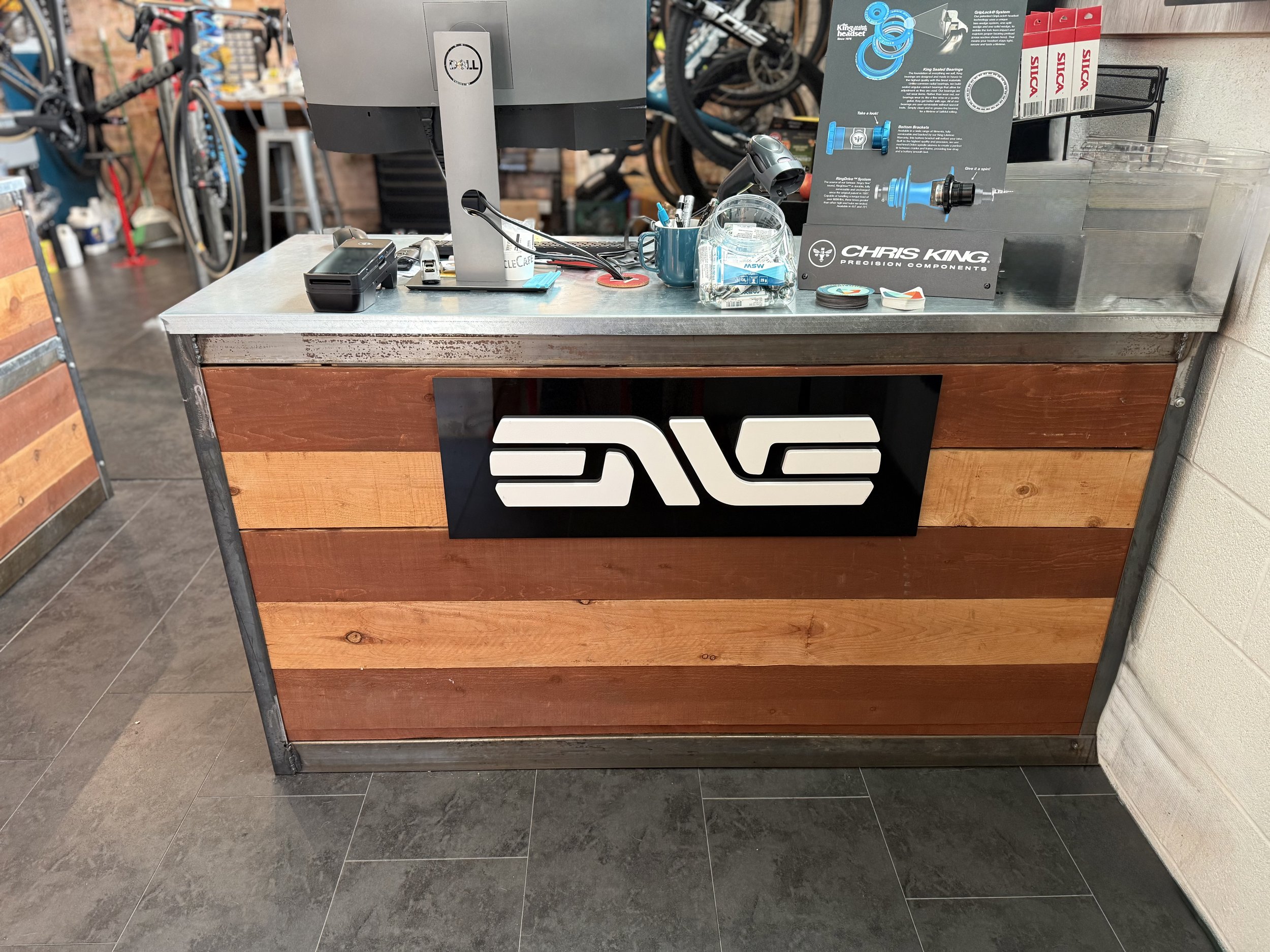
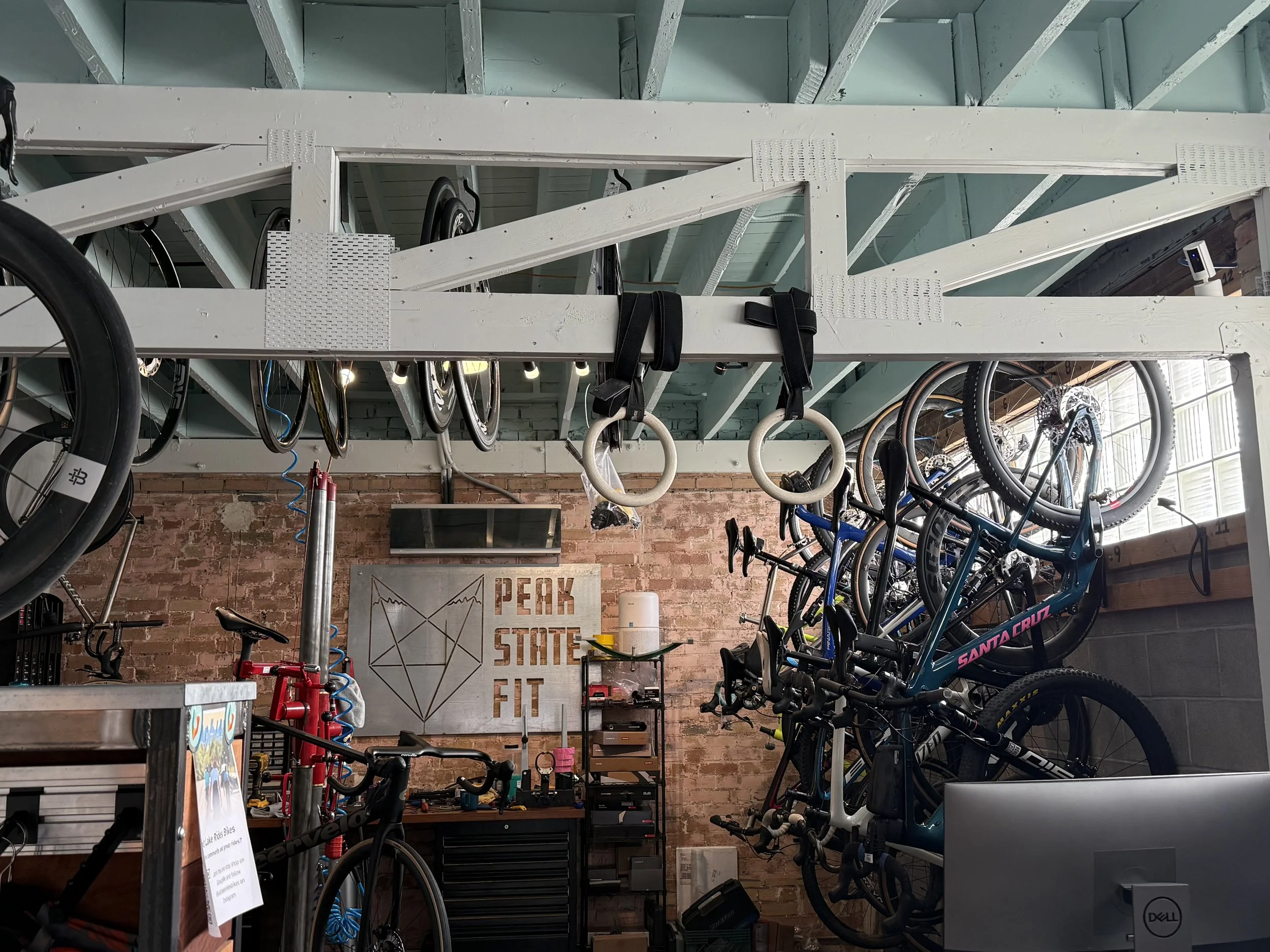
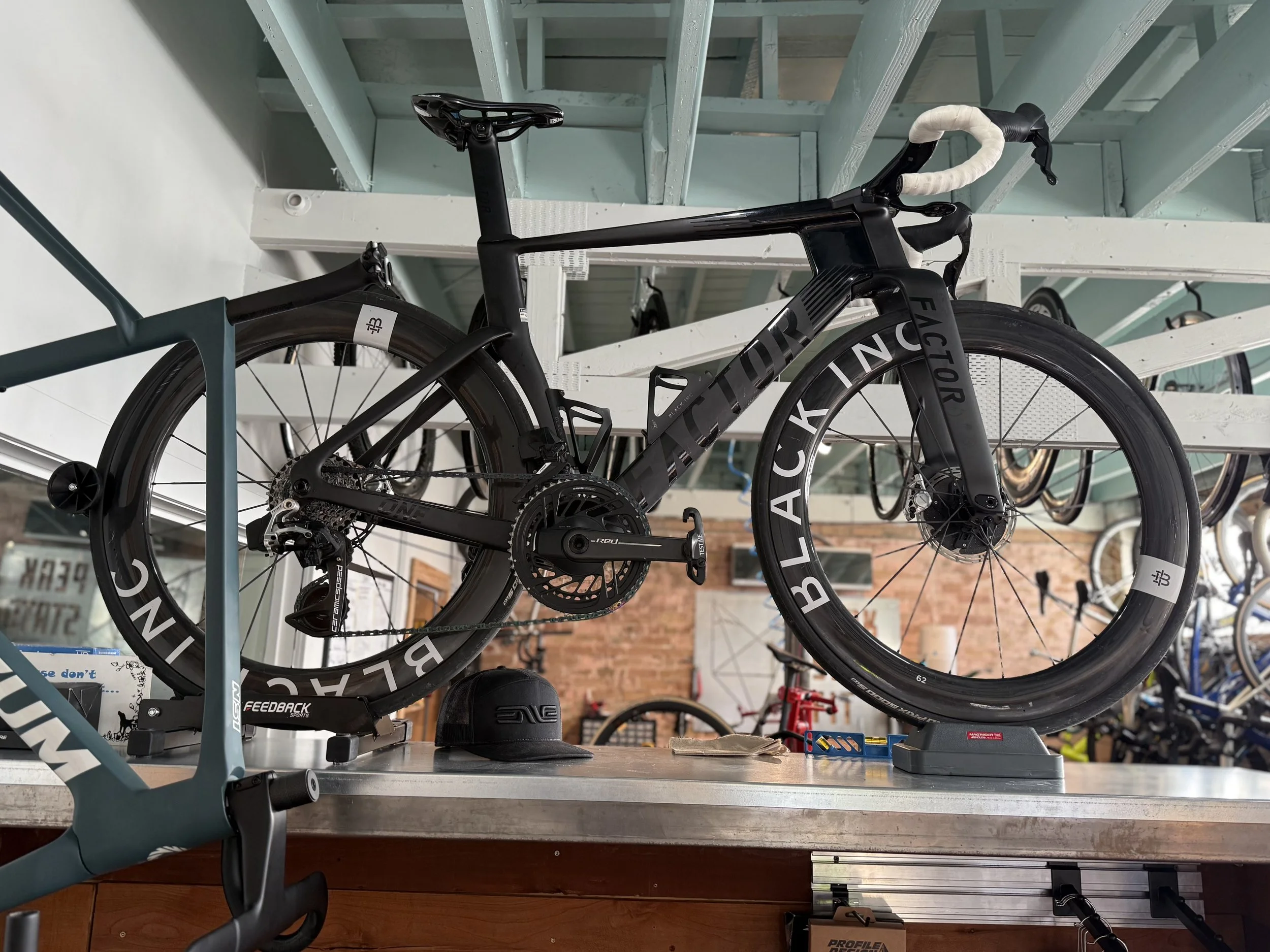
Today, Peak State Fit is both precise and welcoming. Bike fitting remains the foundation. Service work keeps people riding. Built-to-order bikes are assembled with care and intention. The café hums with neighbors and cyclists alike, people stopping in not just for a cup of freshly brewed tea or coffee, or for bike service, but for connection. The work remains process driven. You show up. You adjust. You keep moving forward. Racing teaches that. So does business. So does a relationship. And in the end, as Pat says, "It always comes back to being on two wheels."