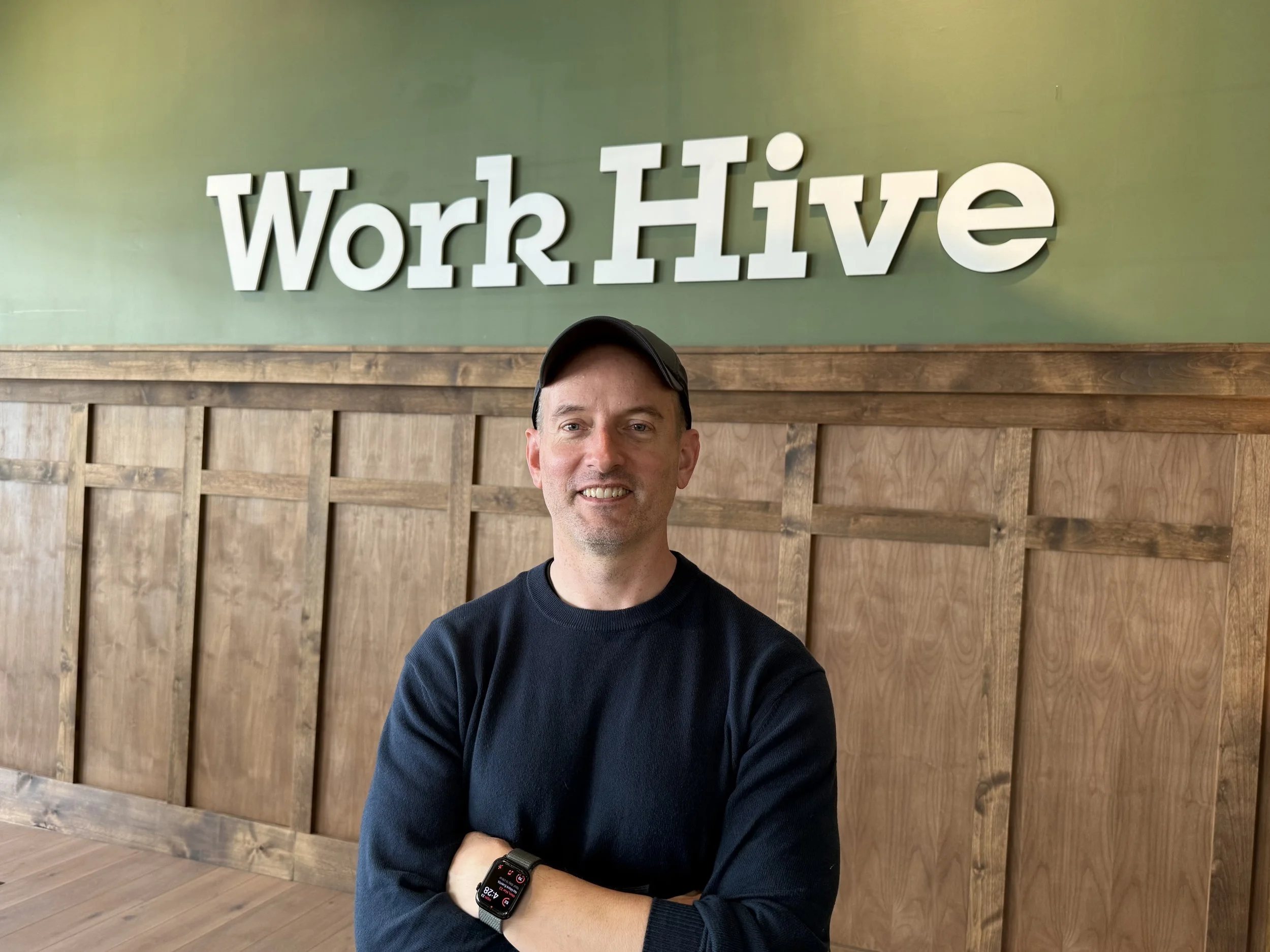
Work Hive
Address: 56 East Broadway (Downtown)
774 East 2100 South, Ste 101 (Sugarhouse)
Telephone: 801-923-4589
Website: workhiveslc.com
District: Downtown (see map)
Sugar House
“Space shapes how we live, whether we realize it or not.” That understanding has quietly guided everything Mark Morris built long before Work Hive existed. It began in St. George, surrounded by red rock and open desert, in a town that was far quieter than it is today. As one of seven children, with a twin brother by his side, Mark grew up in a household that was anything but still. Summers meant piling into the car - nine people in all - and driving across the country, his parents determined that their children would see the world beyond their own backyard. For Mark, there was a constant sense of movement, of curiosity, and of paying attention.
Mark's mother, a lifelong educator who taught preschool for more than three decades, created a home centered on learning. Even now, well into her eighties, she continues to start each day on the pickleball court. His father, patient and steady, balanced that energy, making space for it all to unfold. Together, they raised children who were active, engaged, and encouraged to find their own path.
For Mark, that path started around thirteen when he wandered into the garden one day and never quite left. A curiosity about plants slowly expanded into something larger. He had an interest in how spaces feel, how they function, and how people move through them. He initially pursued architecture but quickly realized it was not the right fit. "The scale felt off." The connection to the human experience was not quite where he wanted it to be, but he realized that landscape architecture could be.
After a year at Dixie State College, he left on a mission to the Philippines, an experience that shifted Mark's perspective in ways that could not be taught in a classroom. Living in a place so different from what he knew, surrounded by people who had very little but carried a deep sense of contentment, stayed with him. When he returned, he continued his studies at Utah State University, the state’s land-grant university and home to its landscape architecture program and later earned a graduate degree in urban planning at the University of Utah.
Along the way, another pivotal experience took shape - a semester abroad in Slovenia. Mark found a connection to the way European cities layered history, movement, and design. That influence would follow him home.
In 2010, after being laid off during the recession, Mark did what many people are forced to consider but few actually do. He started his own firm. Voda Landscape + Planning (named after the Slovene word for “water") became a reflection of everything he had been drawn to: landscape architecture, urban design, and the thoughtful shaping of space. The name itself was not accidental. "Water is foundational, fluid, and essential. It connects systems and brings life to everything around it." The firm grew steadily, taking on residential, municipal, and commercial projects, always rooted in the same idea - helping people see space differently.
One of those projects, Regent Street behind the Eccles Theater, reflects that approach. What could have remained just another downtown corridor became an opportunity to tell a layered, multicultural history while creating a place people actually want to move through and spend time in. It is the kind of work that does not call attention to itself loudly, but changes how a city feels.
And yet, even as Voda was growing, something else began to take shape. In 2012, Mark and a few colleagues found themselves with more workspace than they needed. Instead of letting it sit empty, Mark started offering desks to others who needed a place to work outside of their homes. There was no grand plan at the time. Just a simple idea - create space. That idea became Work Hive.
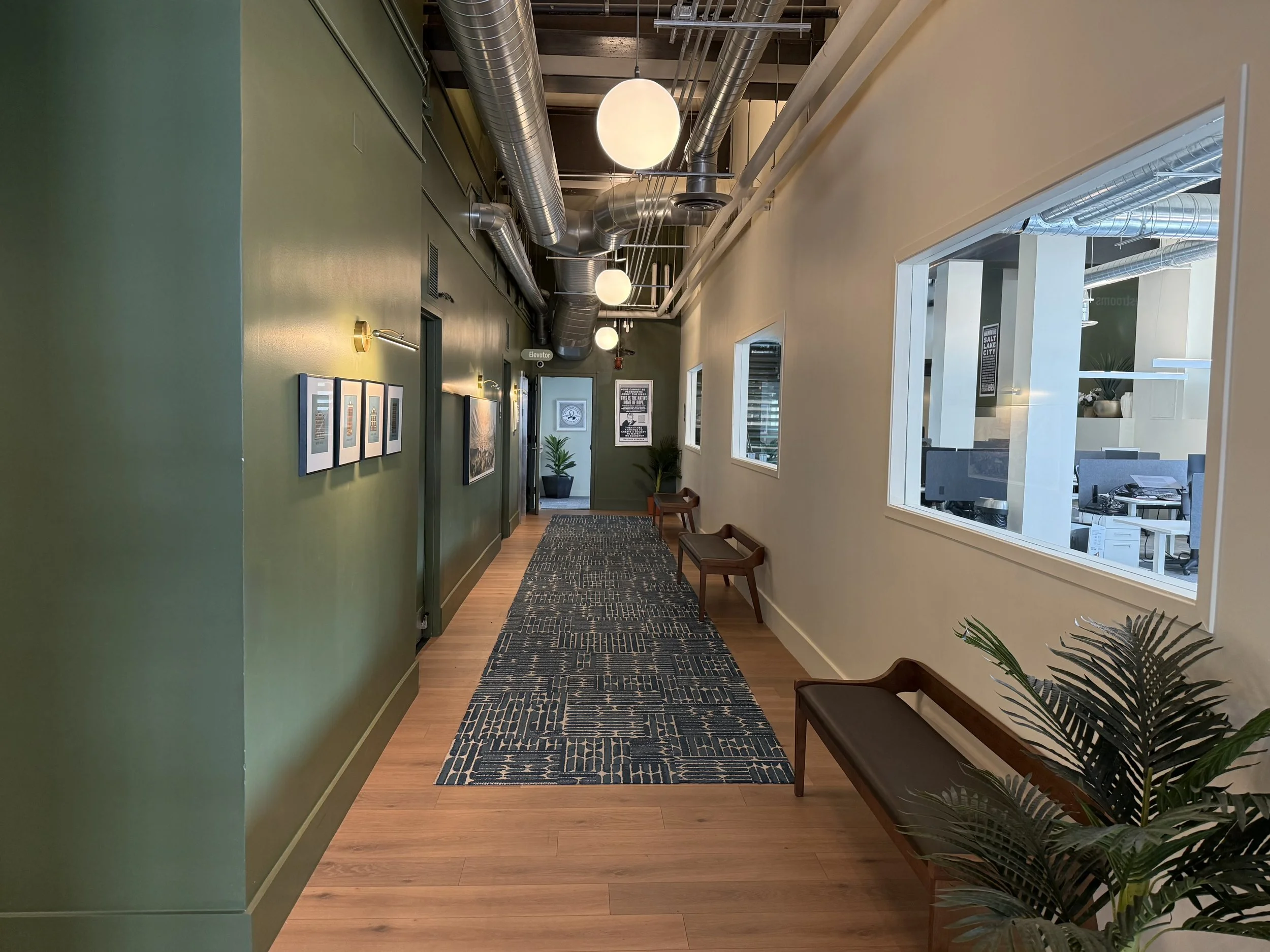
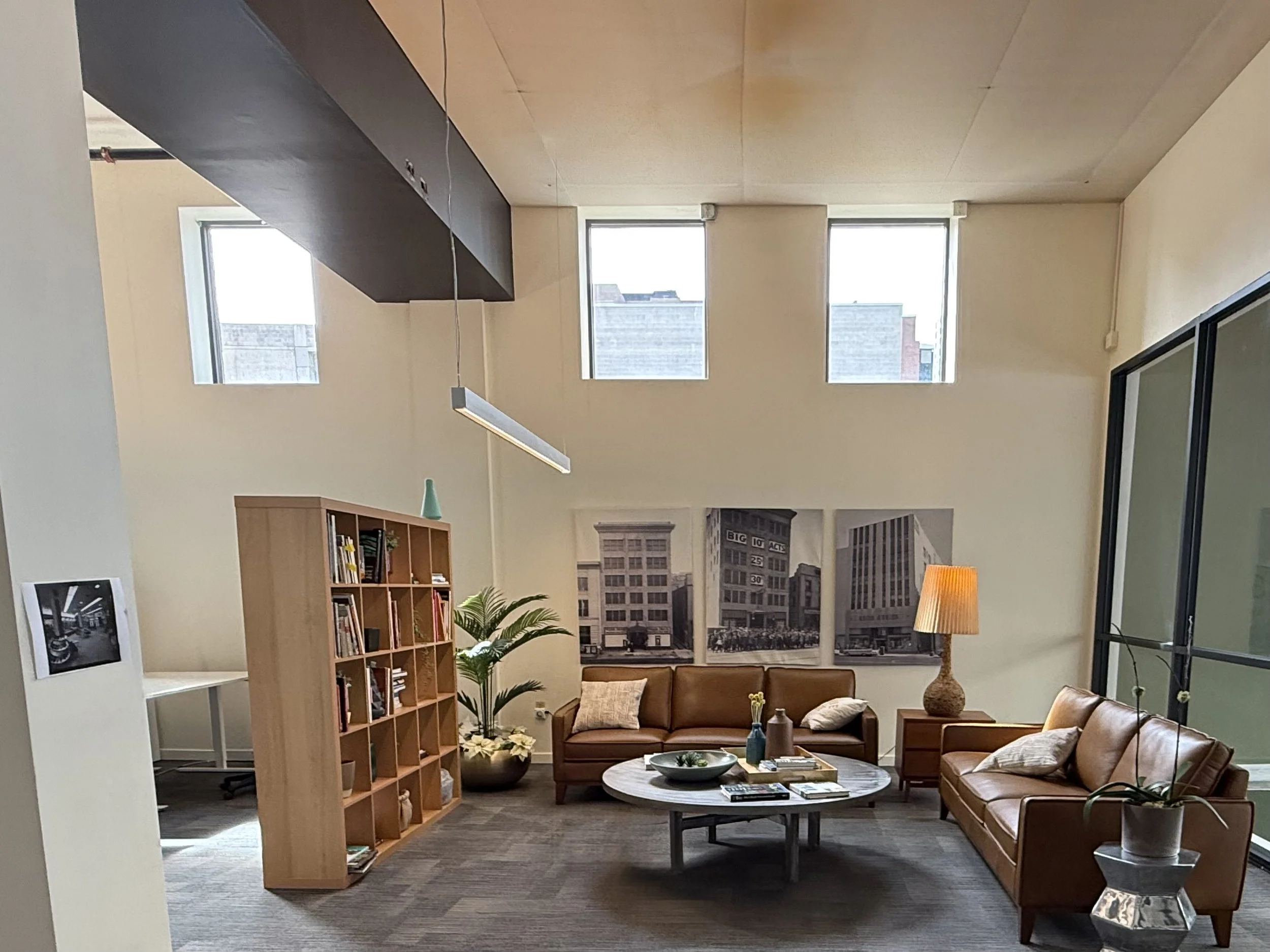
A small, shared office has grown into three distinct locations across Salt Lake, each with its own personality and rhythm. The Broadway Lofts location, opened in 2019, offers private offices and conference rooms and has become home to a mix of independent professionals and even an interior design school quietly building its presence. In 2022, Work Hive expanded into Sugar House, taking over the historic Hiram B. Jensen Mansion, a space that feels more intimate, with some twenty offices and a steady community of long-term members alongside those passing through.
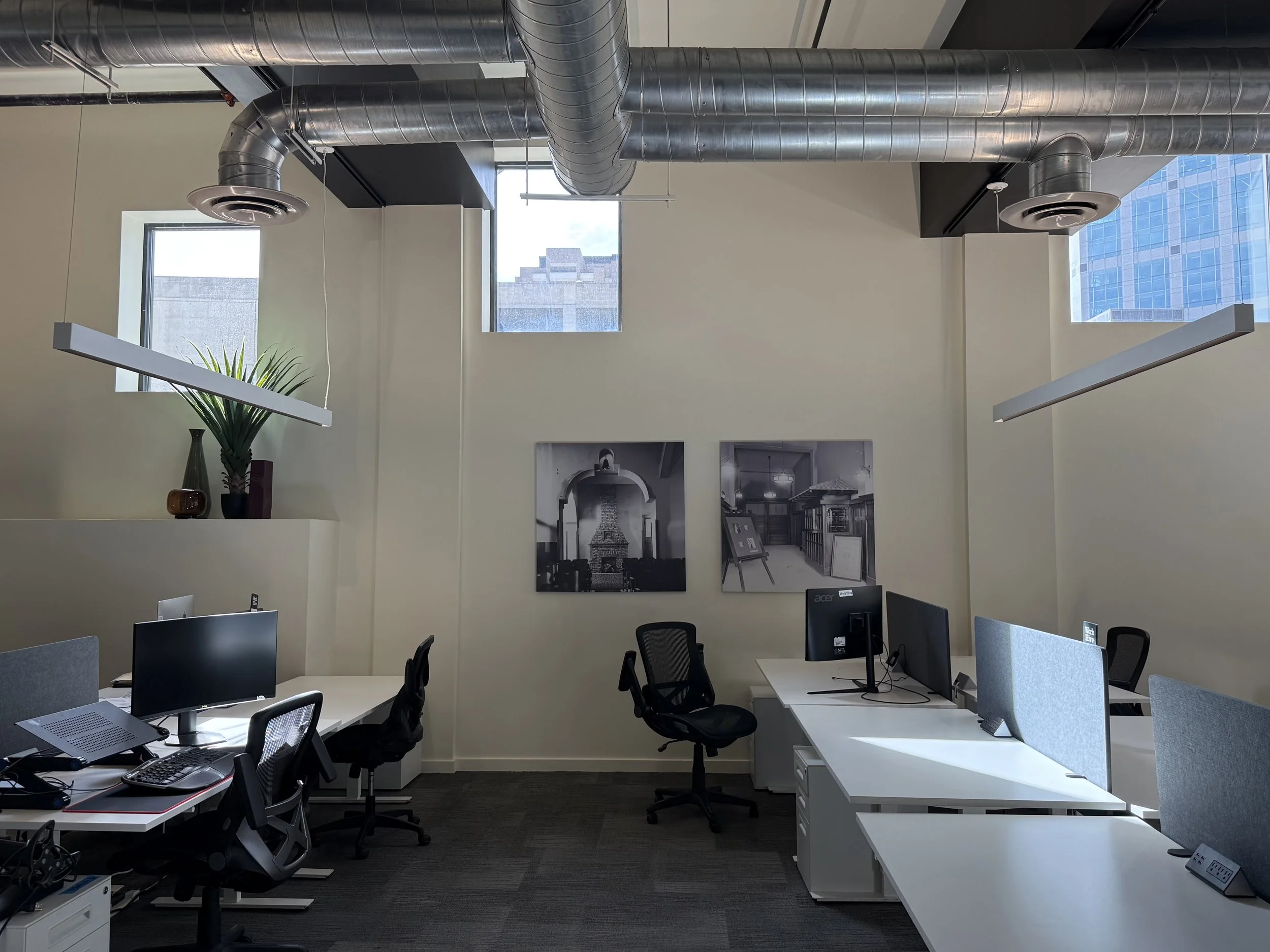
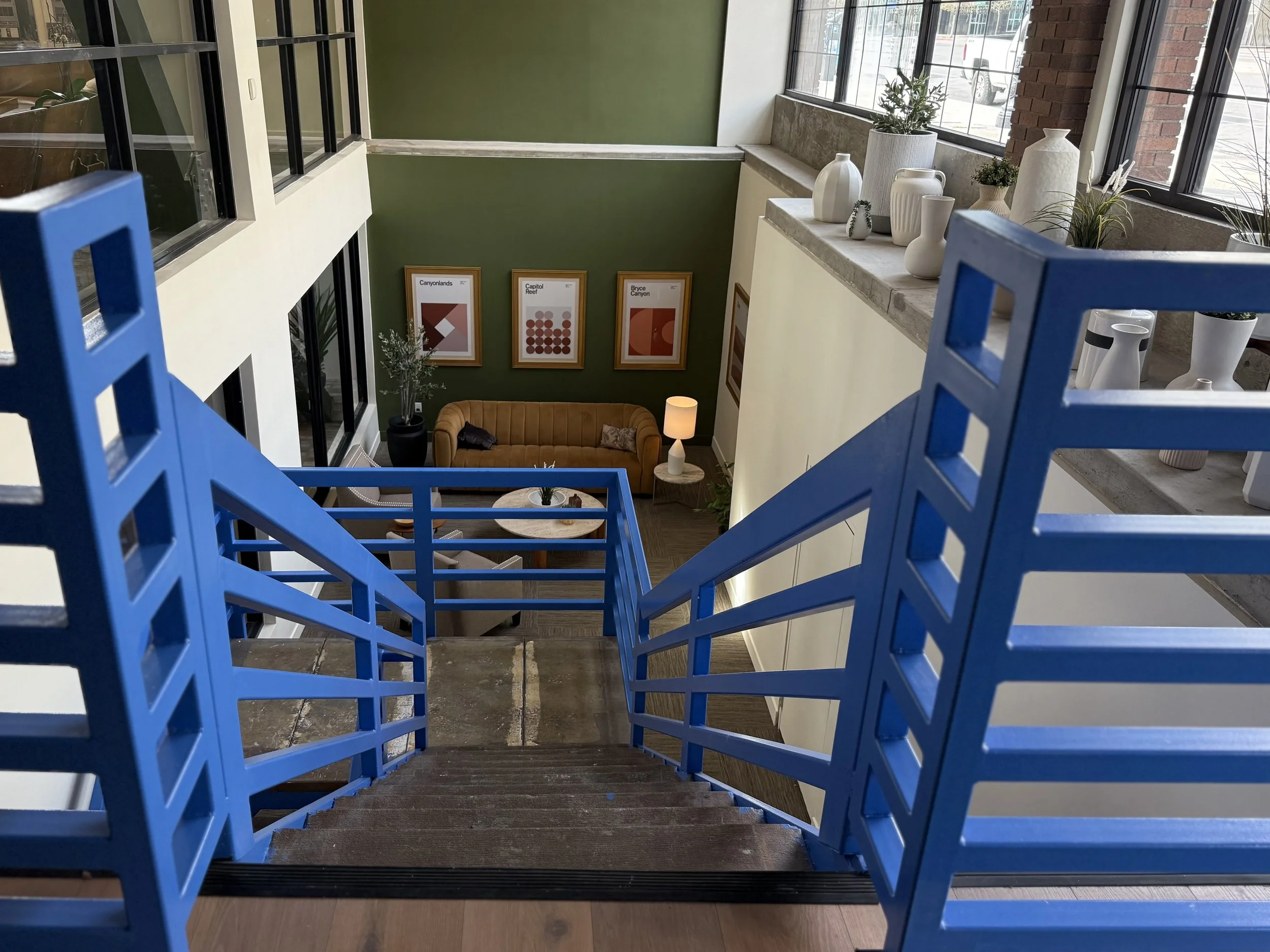
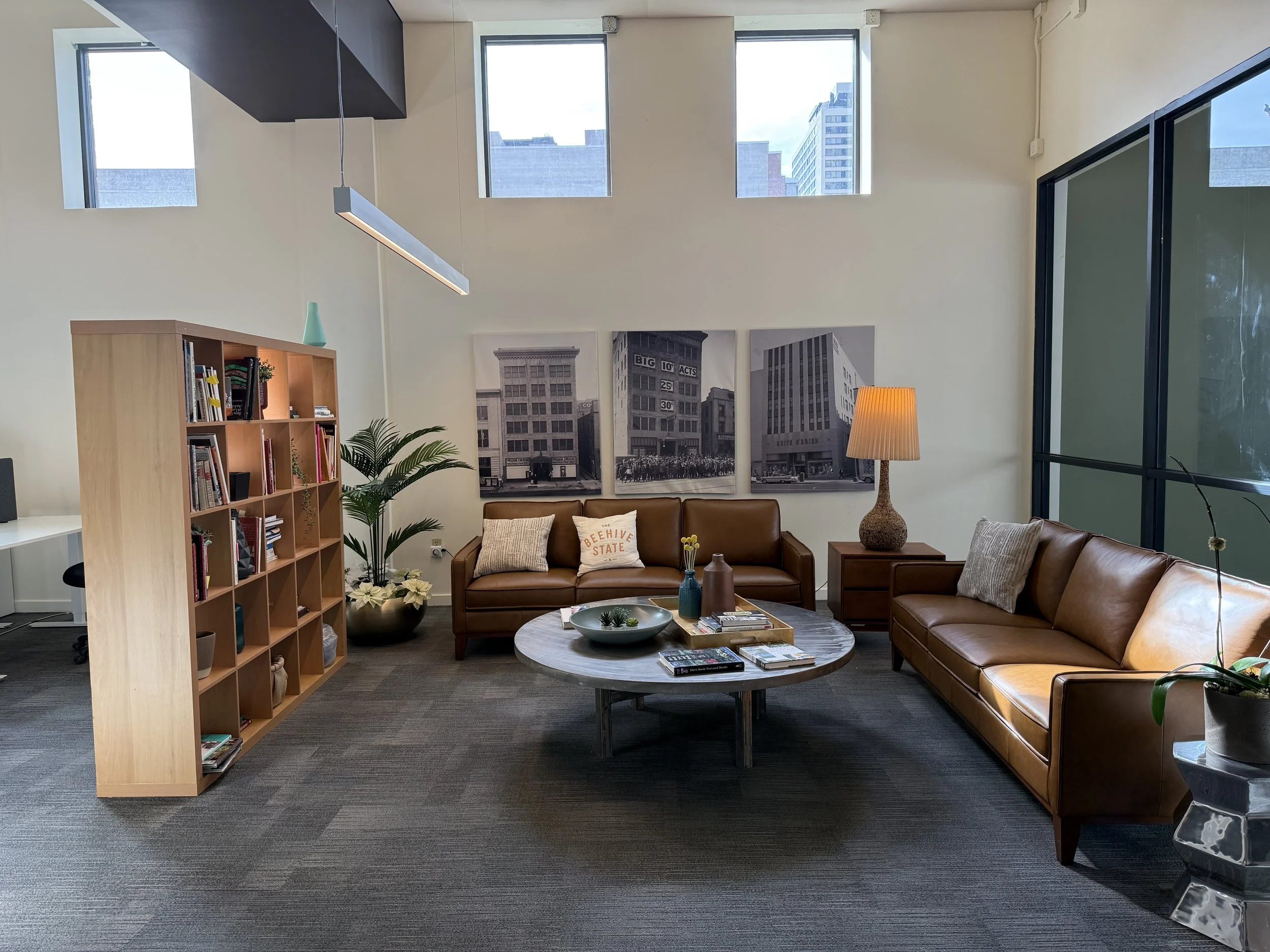
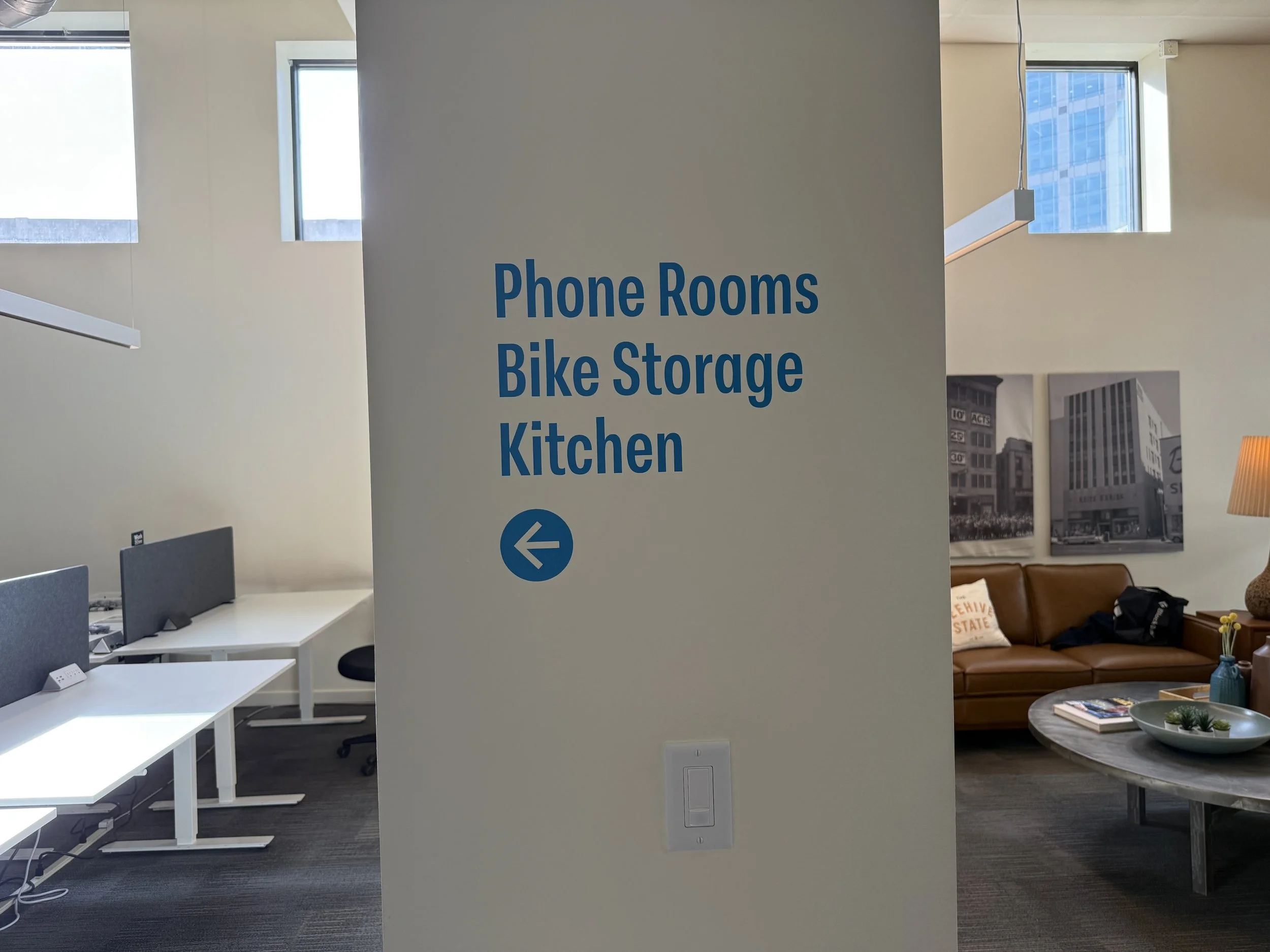
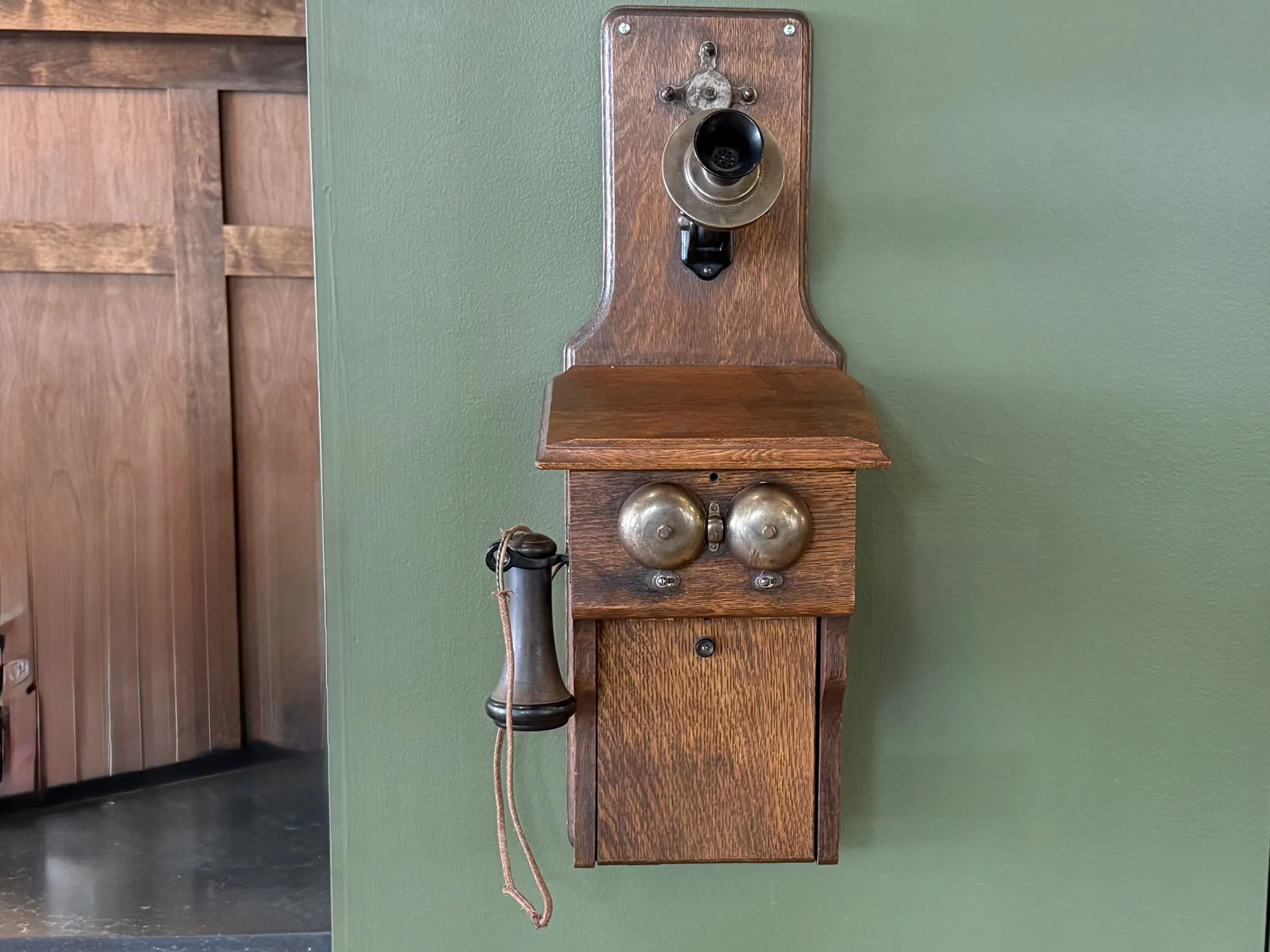
And then there is the newest space, opened in the fall of 2025 - what Mark refers to as HQ. Located in a historic downtown building that has lived many lives including a vaudeville theater, a movie house, a department store, and a shoe store, the space reflects his deep appreciation for the history of cities and the layers that come with them. Today, it offers a mix of open work areas, private offices, conference rooms, a gym, a large kitchen, and event space. It is still evolving, with additional floors waiting to be filled, but already it carries a sense of energy.
Each location meets a different need. Some are quieter, more private. Others are built for interaction and movement. Together, they create a network of spaces designed not just for productivity, but for connection. That is where Work Hive separates itself from simply being “office space.” It is a place where ideas begin, and where people who might otherwise work alone find themselves part of a quiet community - software developers, electricians, designers, small business owners - all sharing space in a way that feels both independent and part of a community.
Behind it all, Mark is quick to acknowledge that it is not a solo effort. His husband, Matthew Manis, a graphic designer with a deep understanding of spatial design, has been involved from the beginning, helping shape the look and feel of each environment. Together, they have created spaces that are as thoughtful visually as they are functional.
And yet, despite the growth from one shared room to three thriving locations, Mark speaks about it all with a kind of grounded honesty. There is no sense of arrival, only continuation. He learns and adjusts. Still, by his own admission, "doing too much while trying to figure out how to do less."
What remains constant is the desire to create spaces that work, to build environments where people can grow something for themselves, and quietly shape the way a city unfolds, one space at a time. “The people who are here really love being here, and that is what matters most.”