Hip & Humble

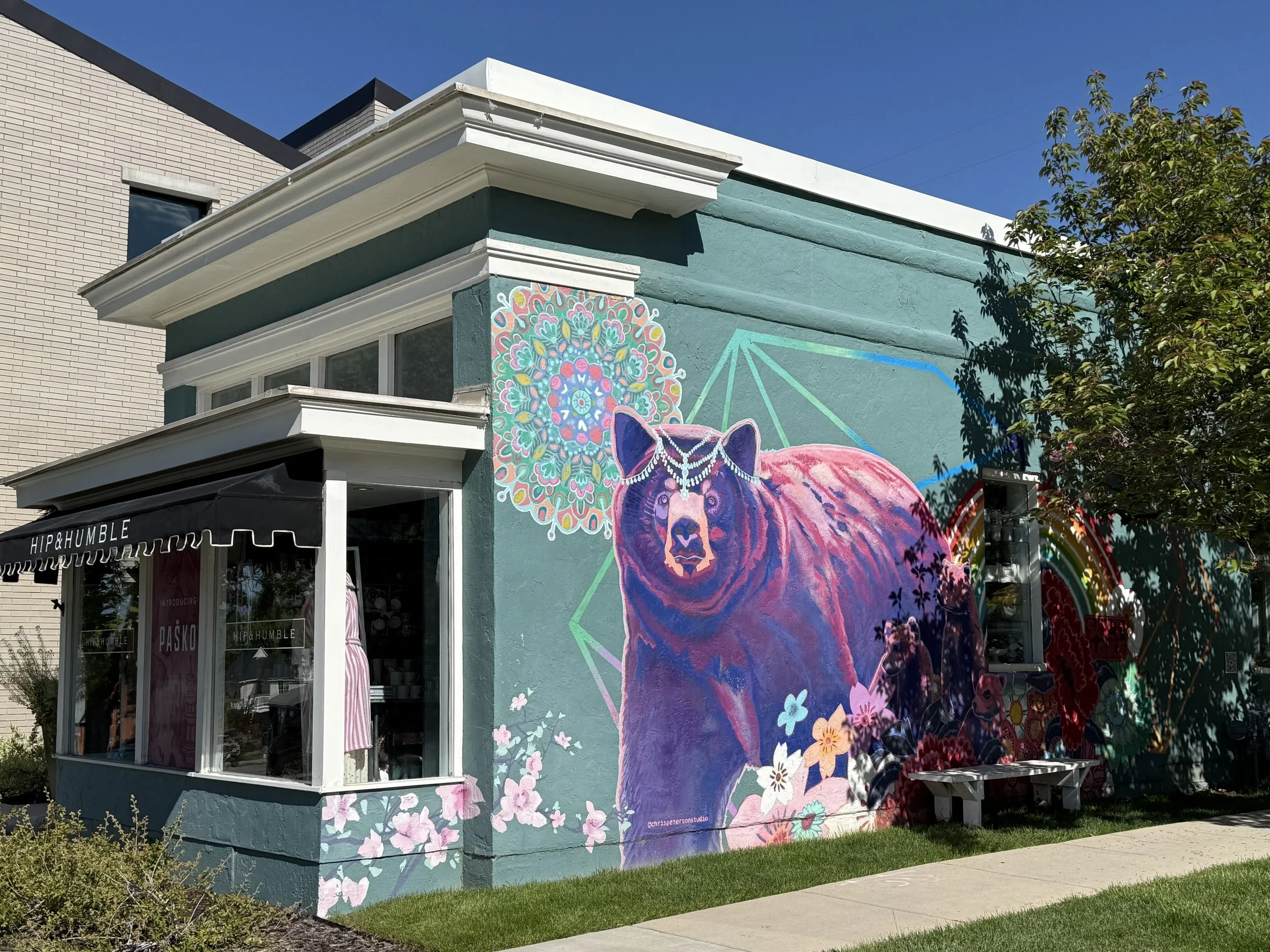





Address: 1043 East 900 South (see map)
Salt Lake City International Airport
Telephone: 801-467-3130
801-783-5594
Website: hipandhumble.com
District: 9th and 9th (see map)
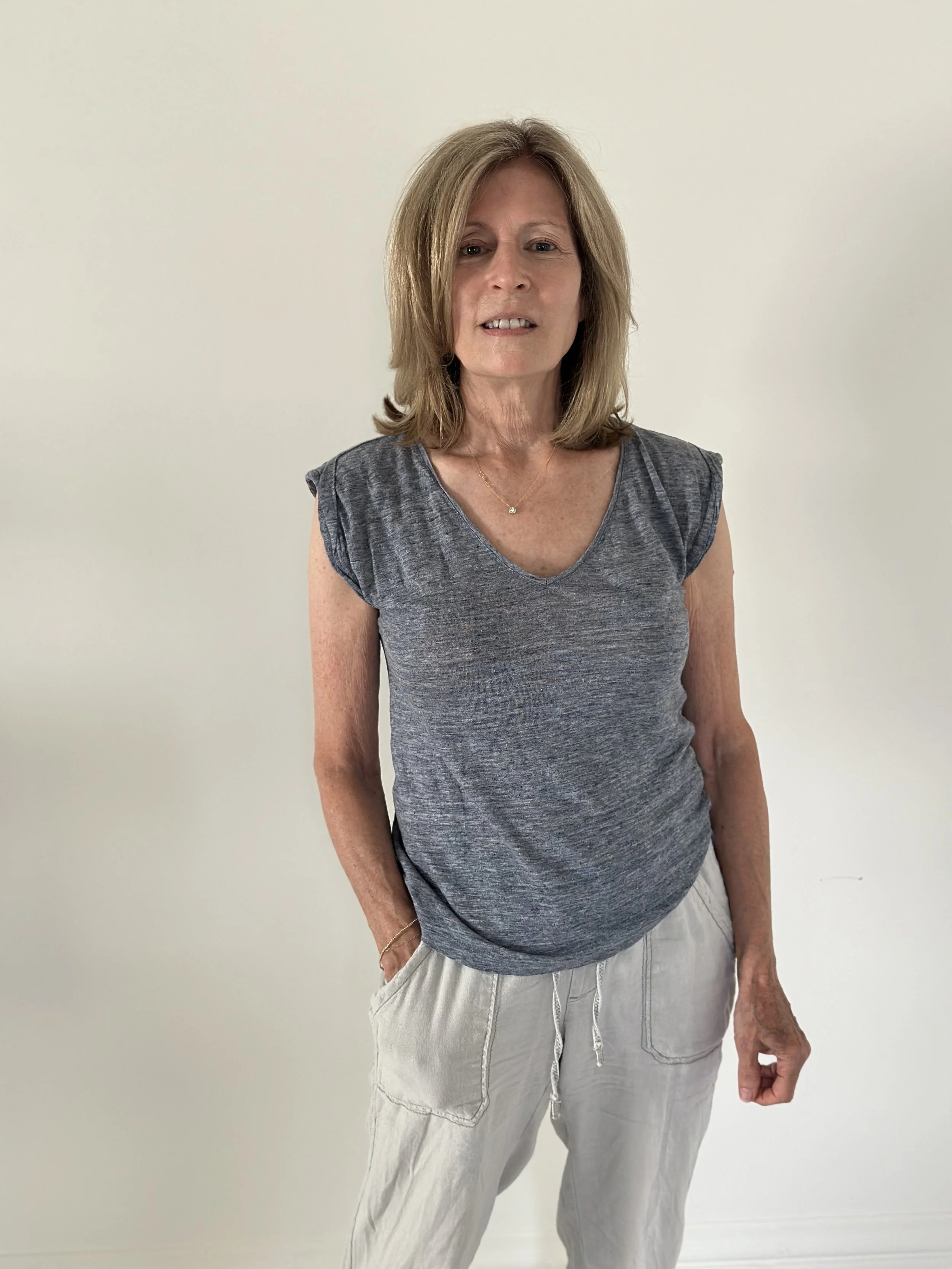
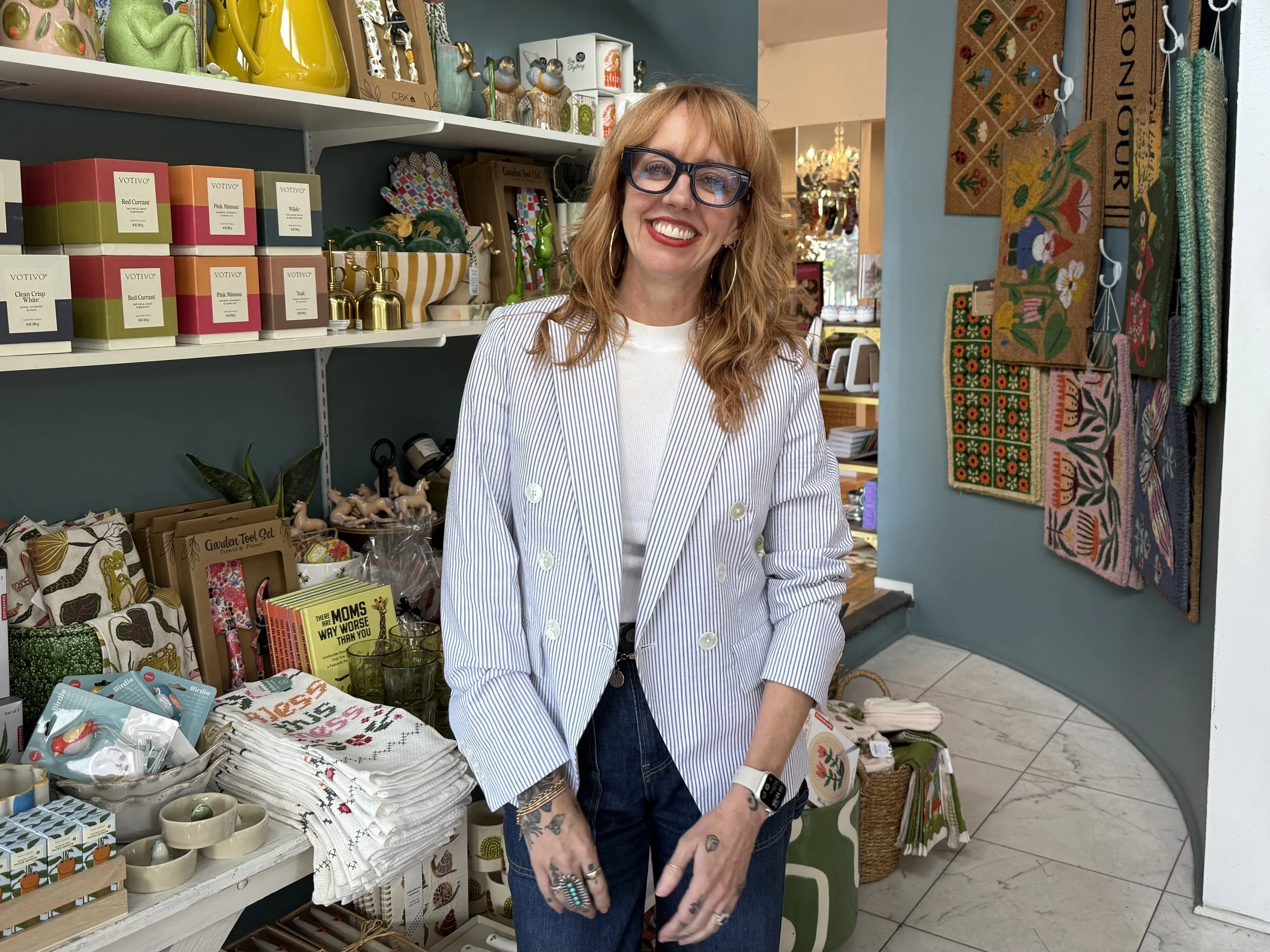
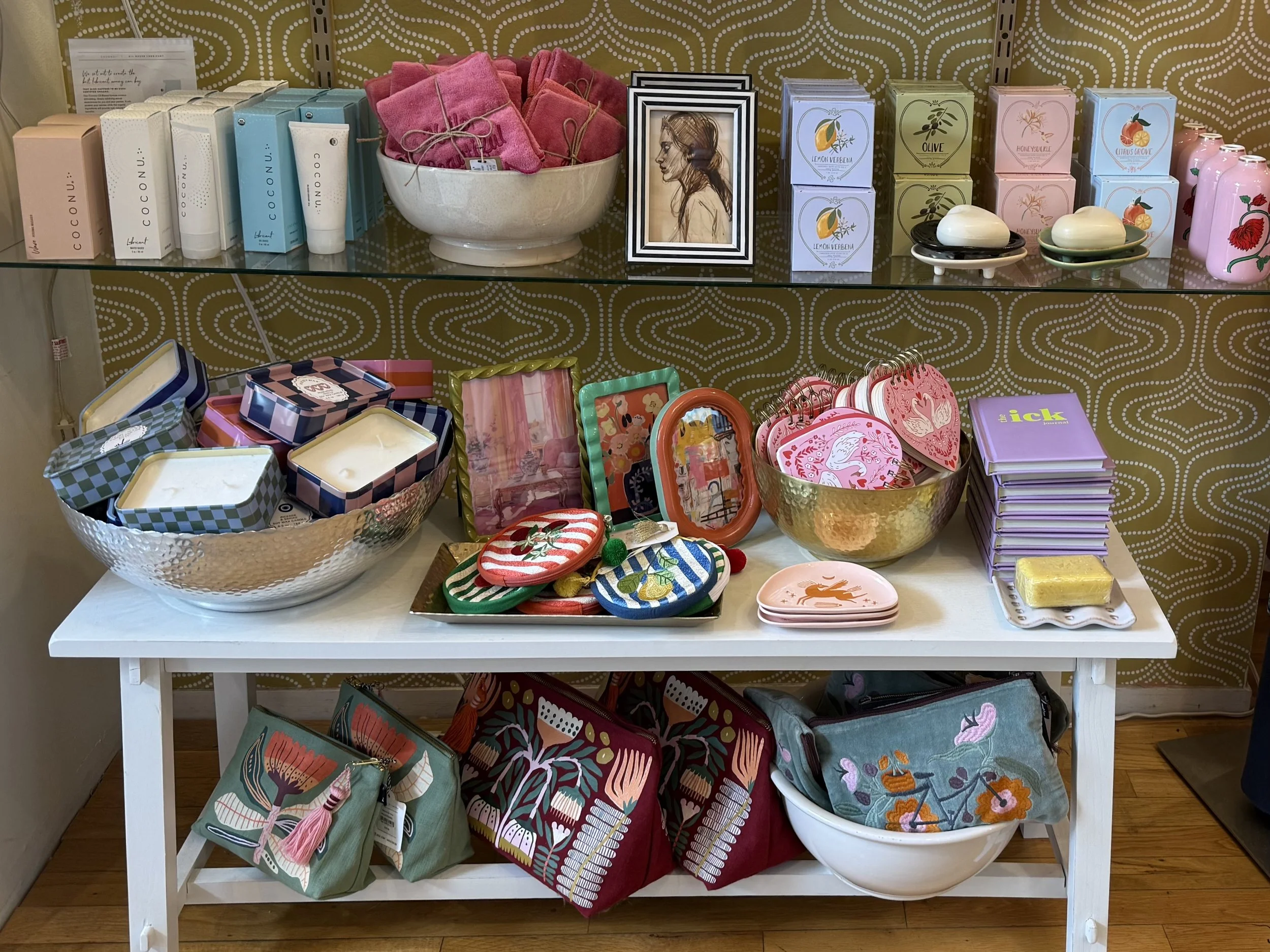
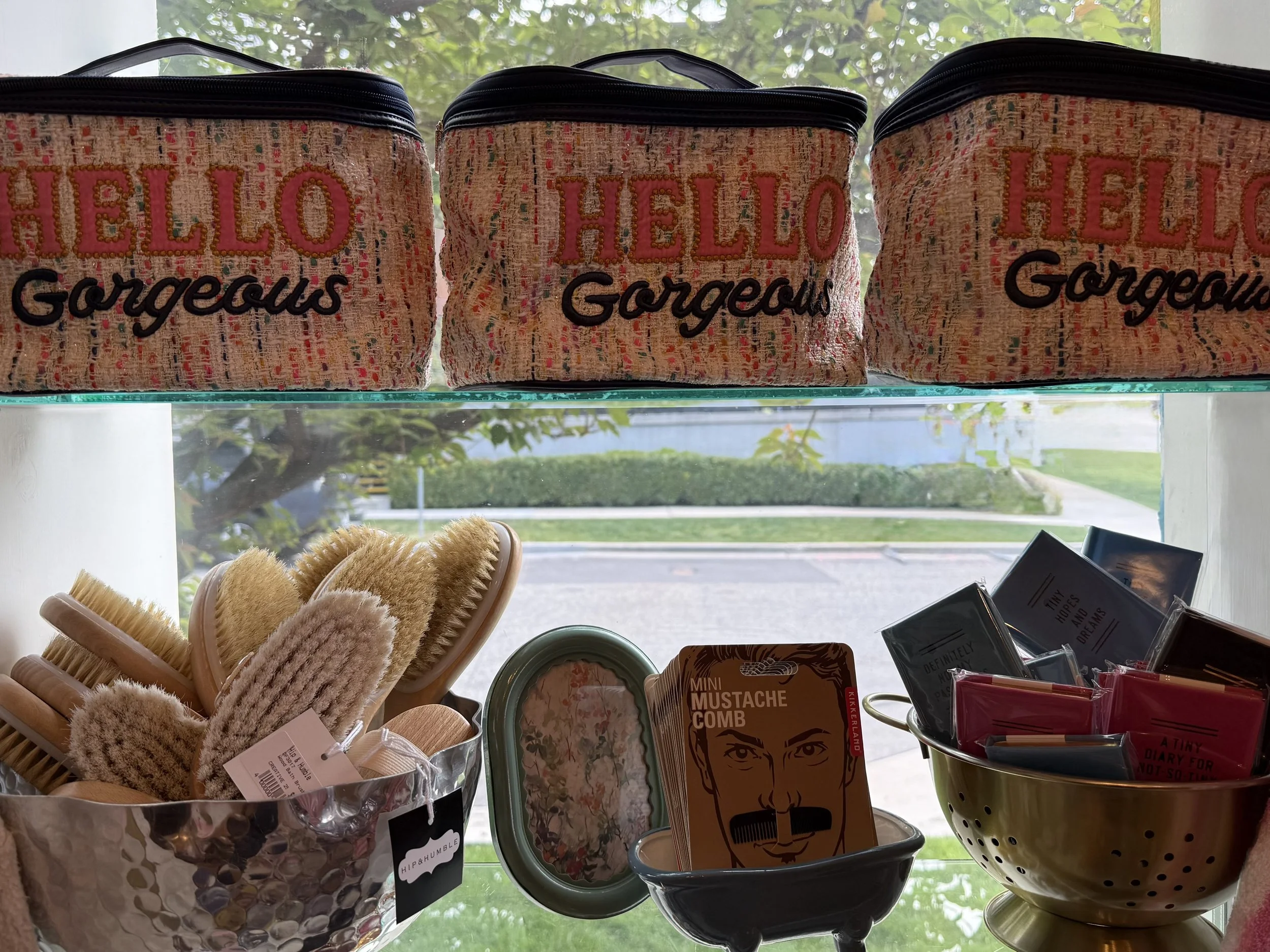
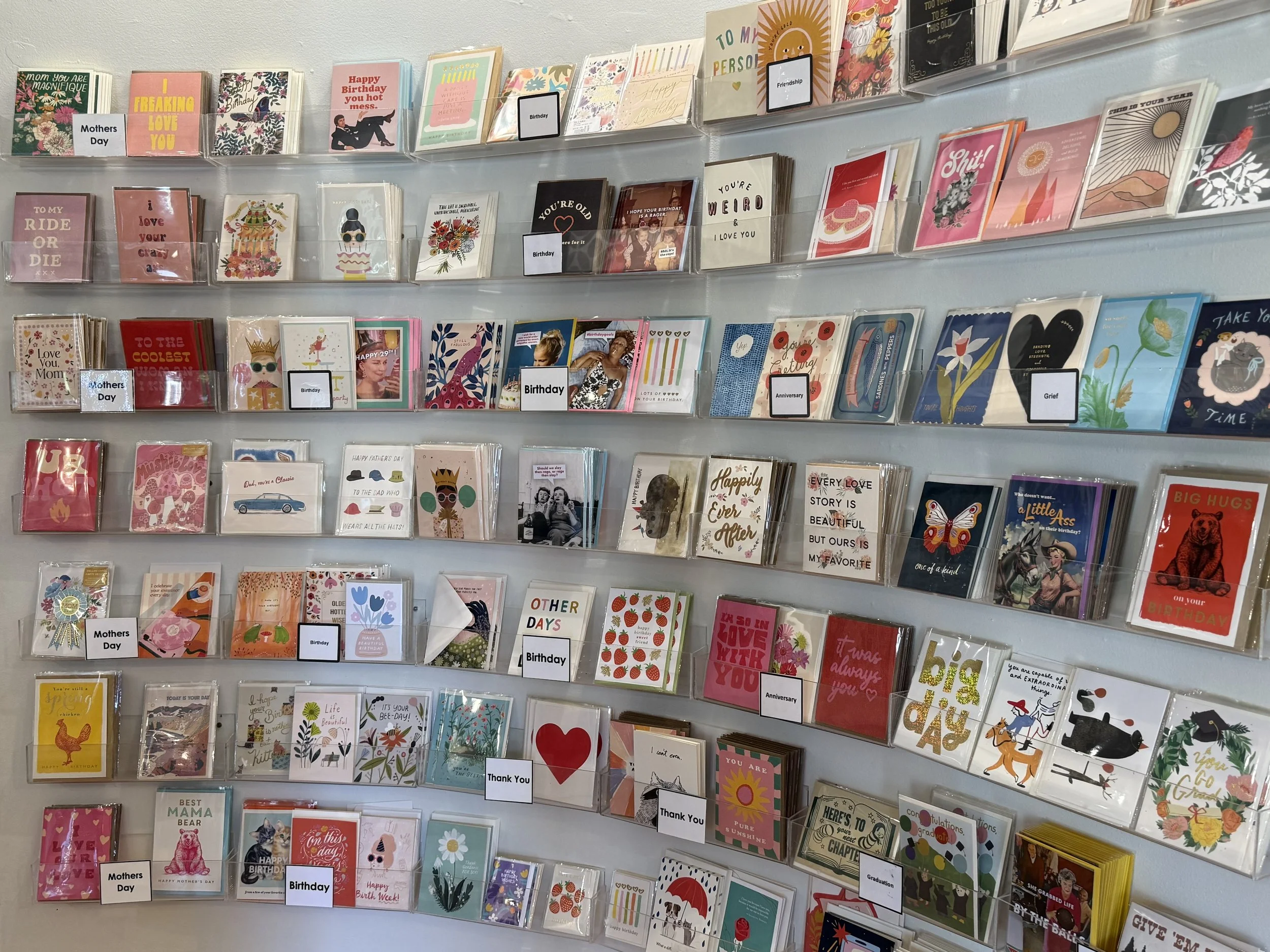
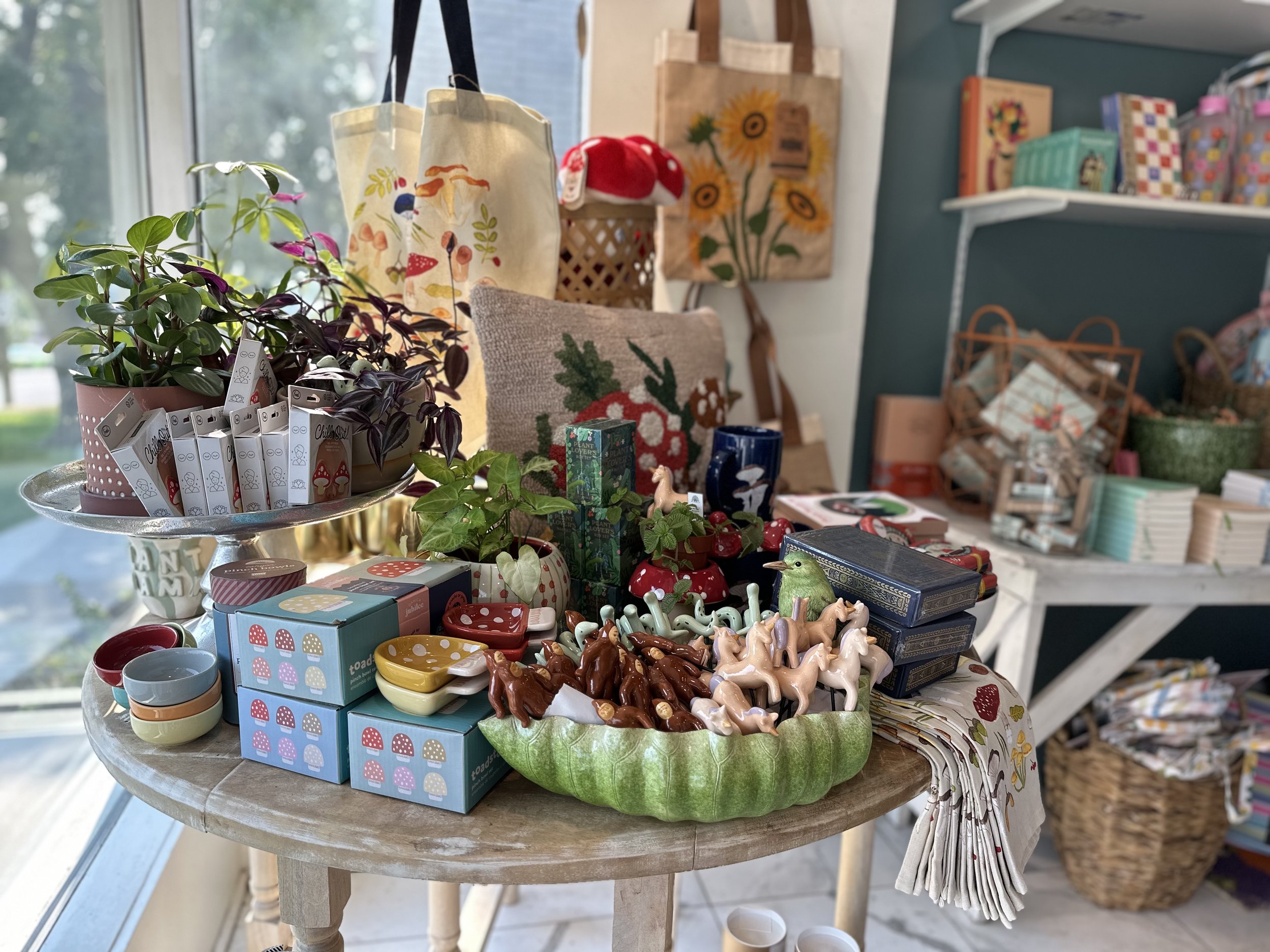
"This is something I crave inside - to provide that place for women.” Hip & Humble has become exactly that. A place people step into without much thought and then stay longer than they expected. They move from cards to clothing to small gifts, picking things up along the way, often finding something for someone else and something for themselves without planning to. Outside, it is not unusual to hear the kind of passing comment that says everything: “This is the best shop for the ladies.” Inside, however, the picture is a little broader. Men come in every day, often on a mission, looking for something thoughtful, something that feels personal. Owner, Sheridan Mordue, sees it all. “Men are our best customers,” she said with a laugh. “They just say, tell me what to buy.”
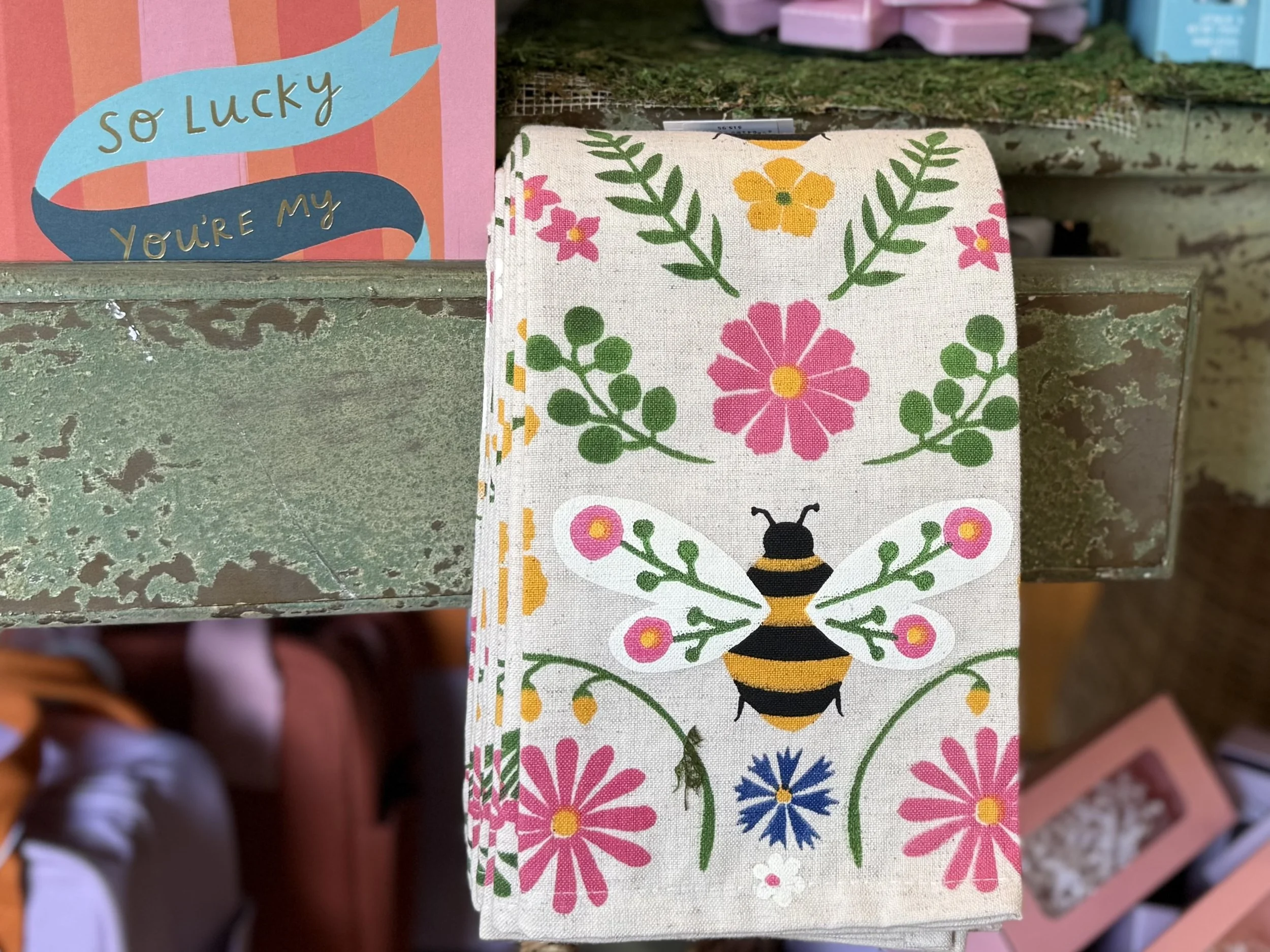
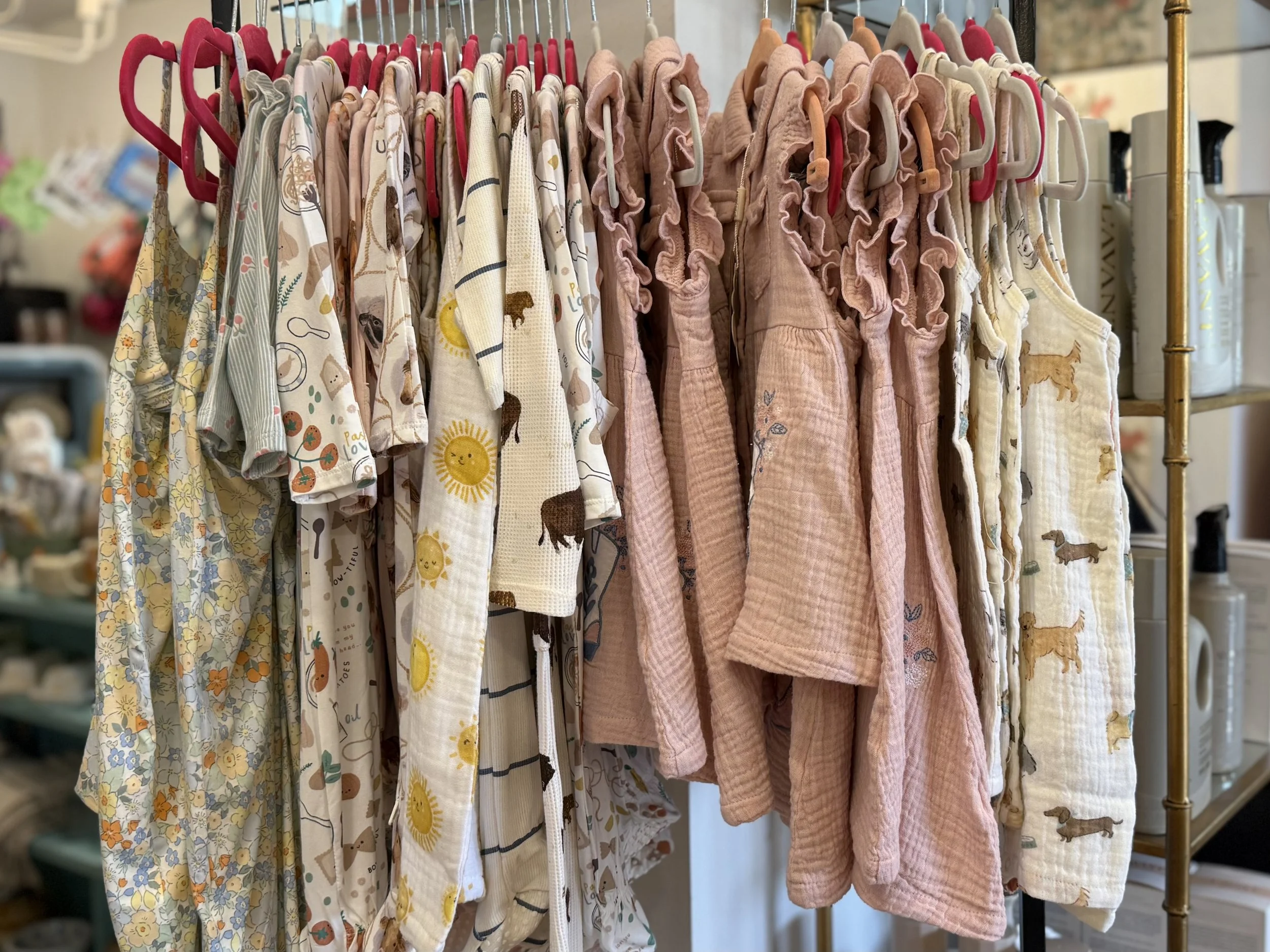
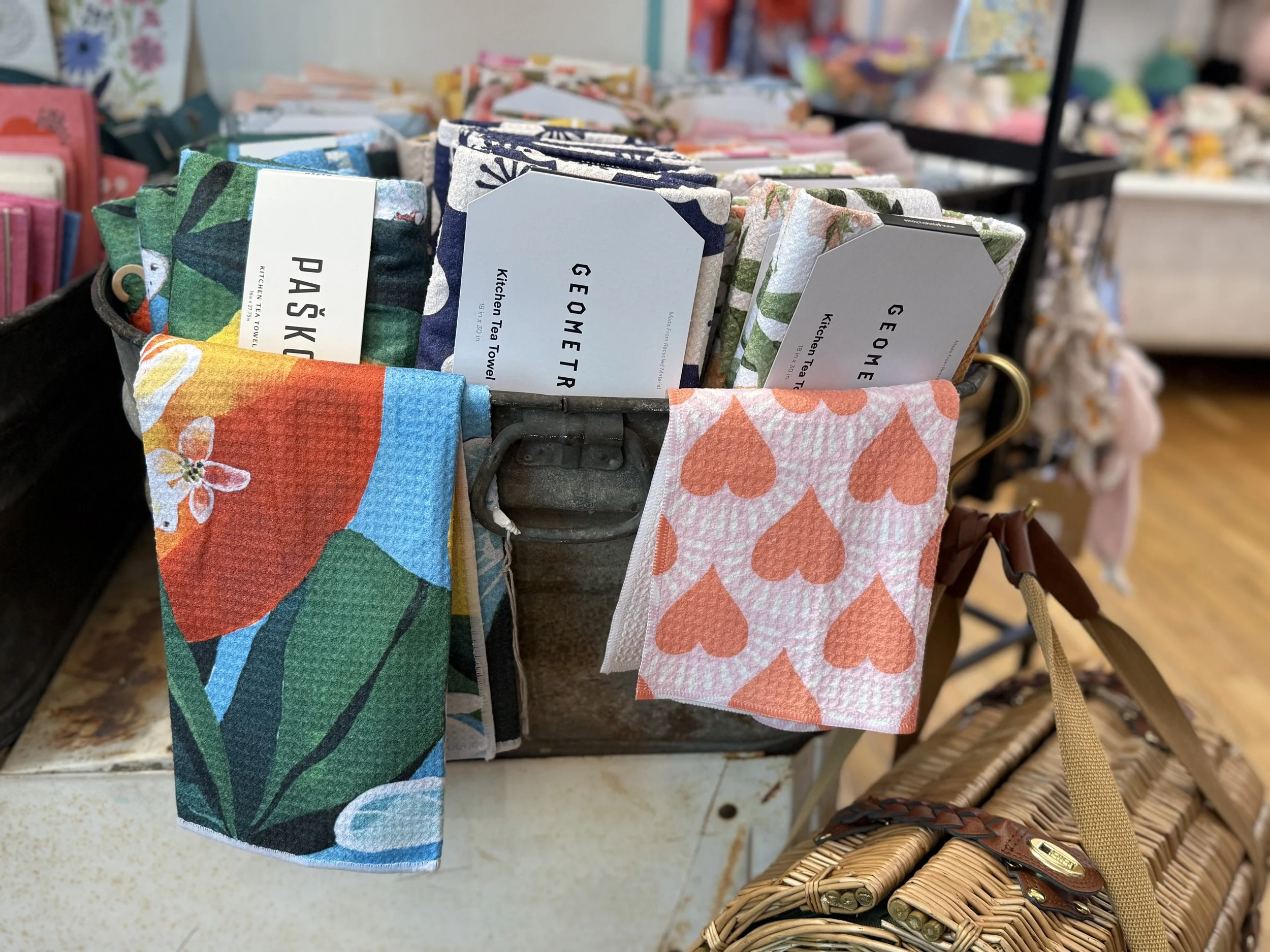
What Sheridan has created is not about limiting who walks through the door, but about shaping how the space feels. “I think women hold a different space in the world,” she said. “There is emotion. You can feel something when you see an object.” That instinct guides everything inside the store, from the humor on a dish towel to the softness of a sweater to the quiet comfort of a card chosen at the right moment. “I do have a connection to every item in the store. I painstakingly choose everything.”
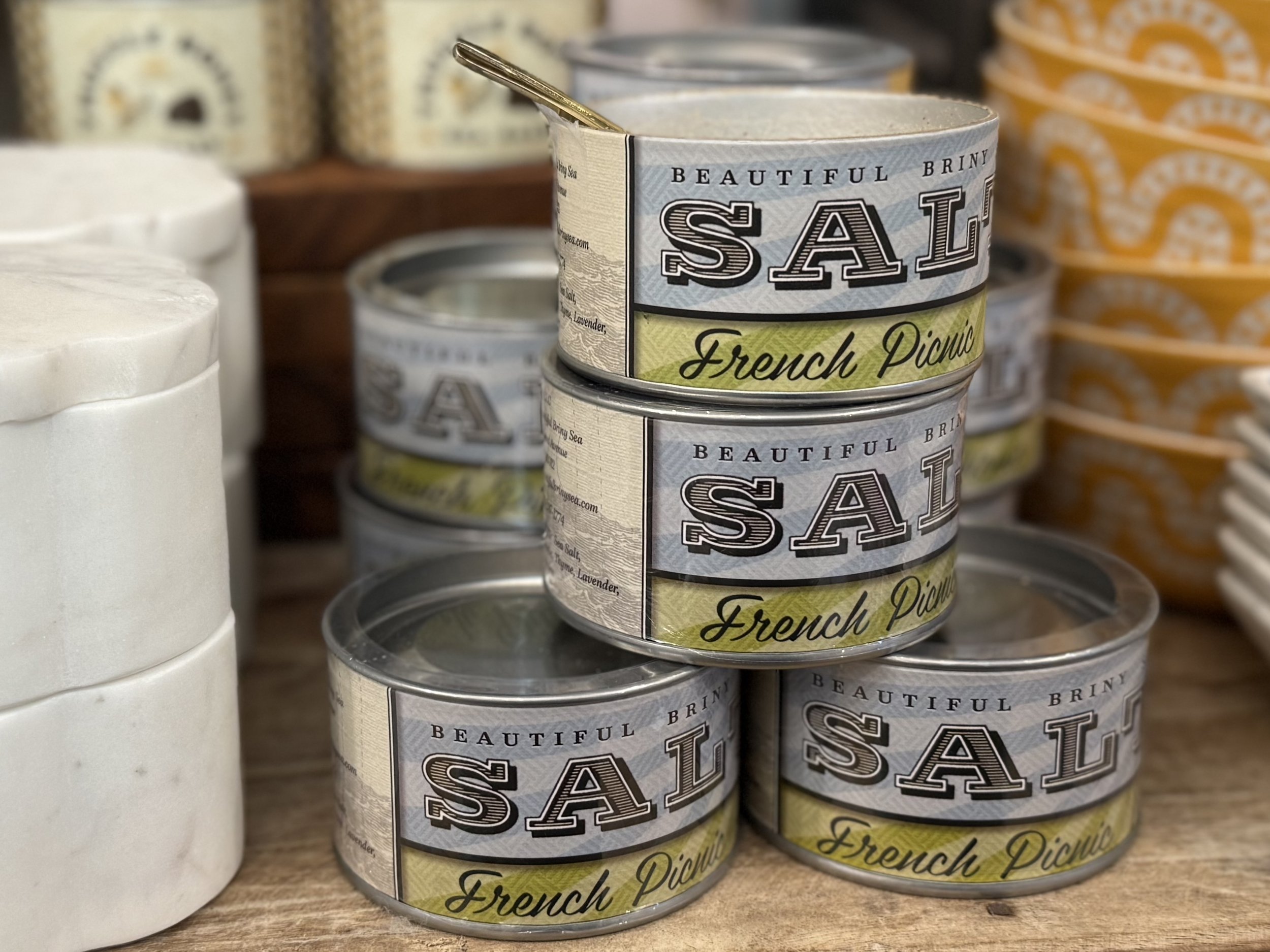
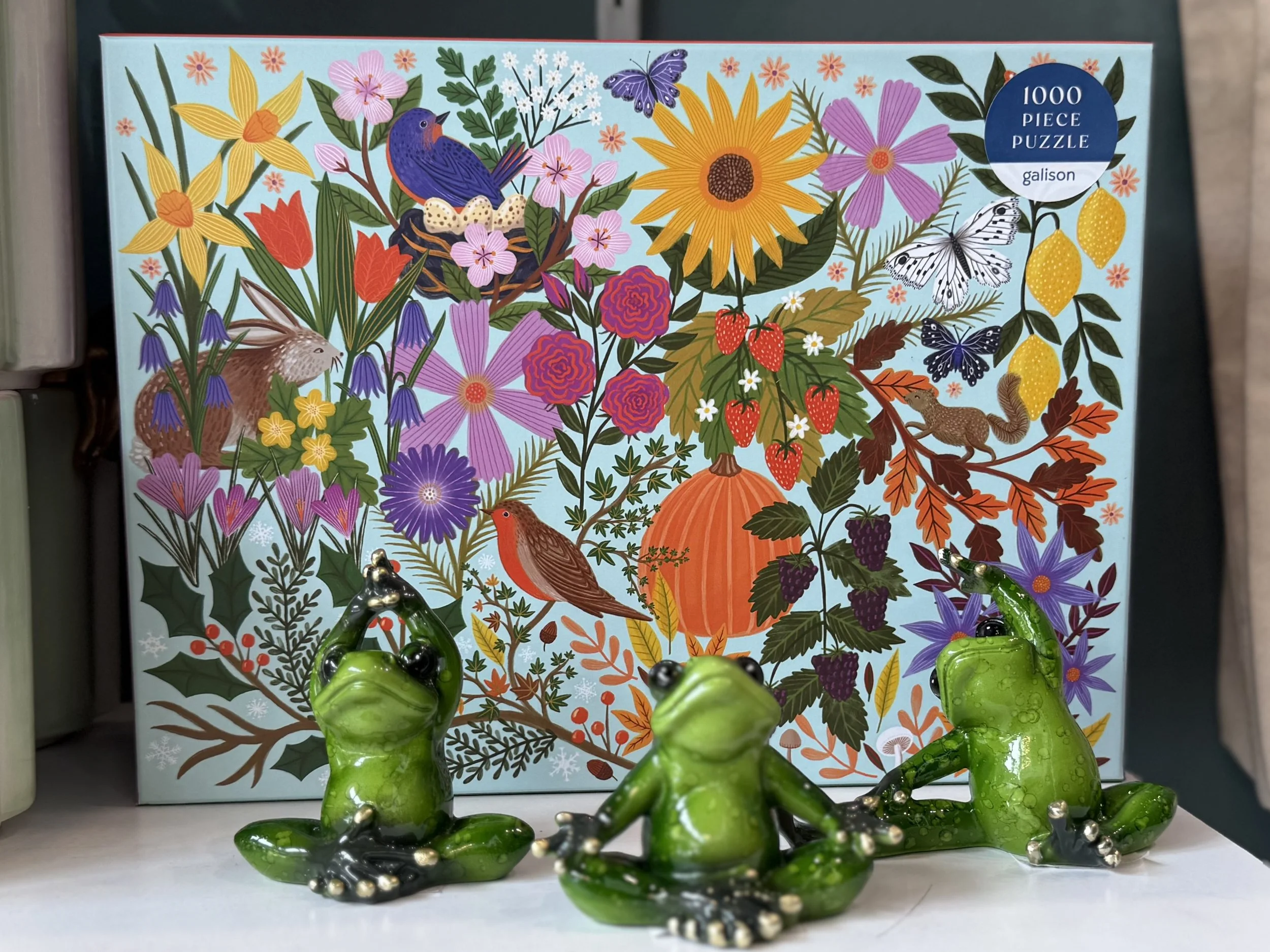
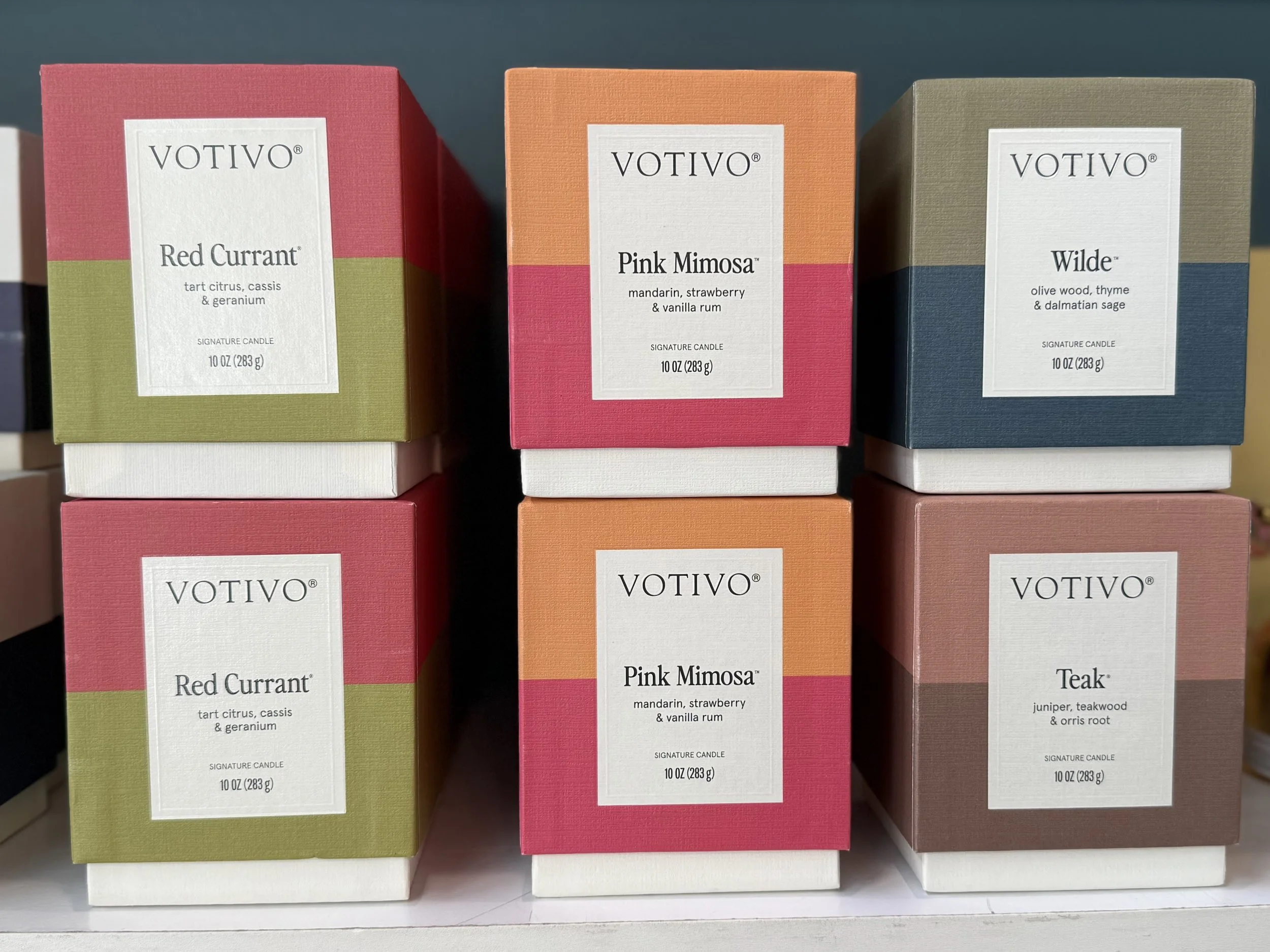
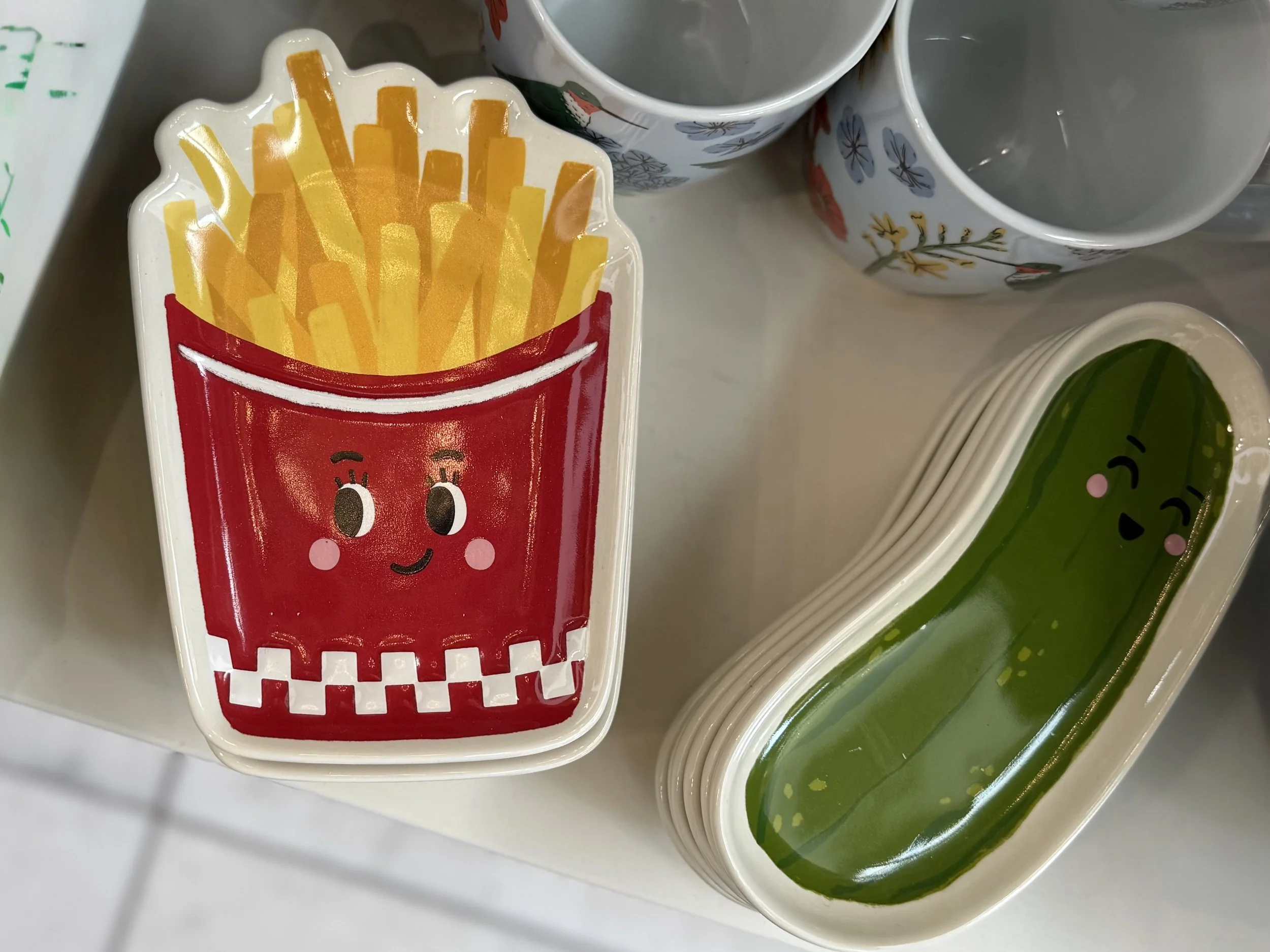
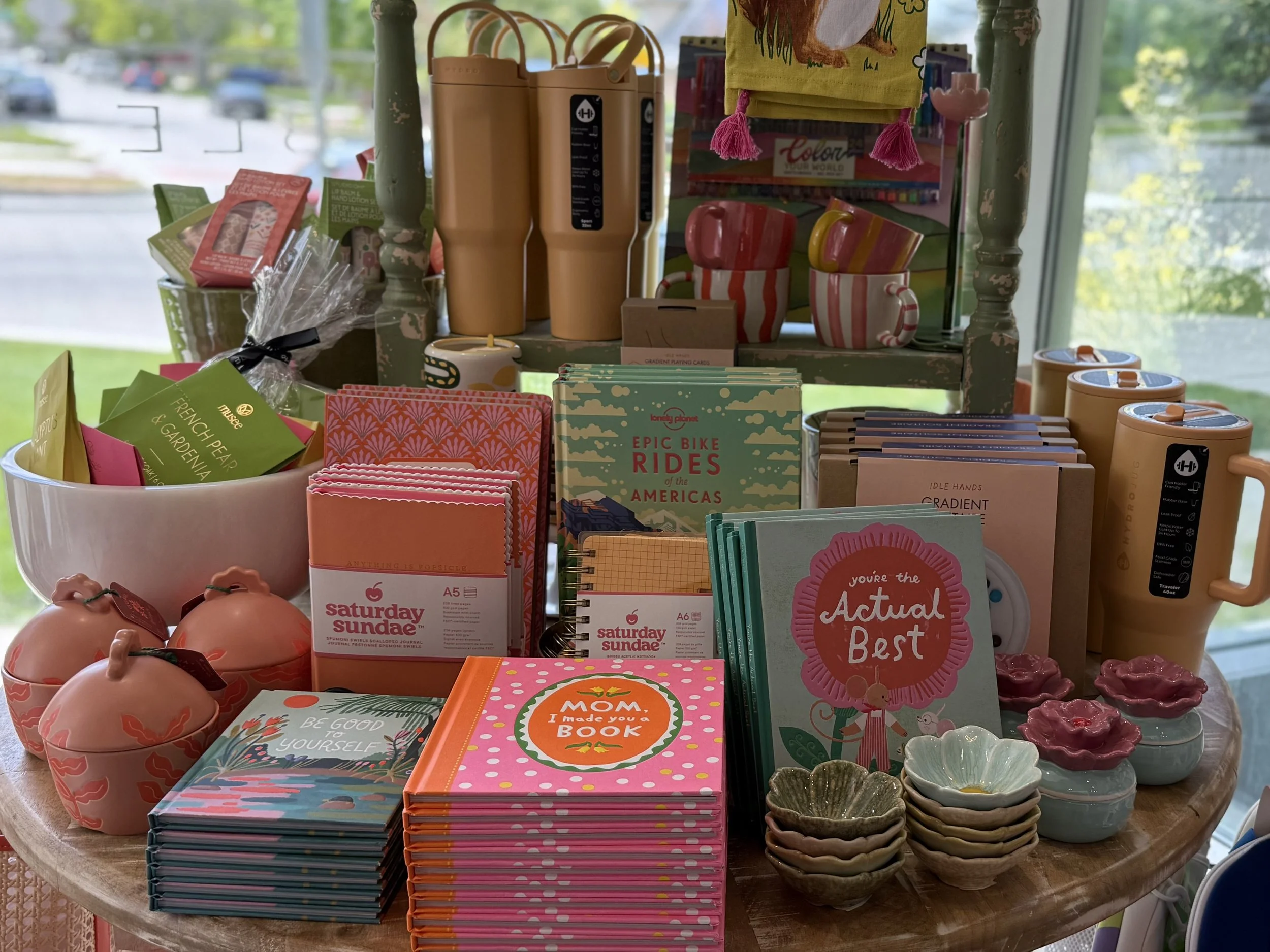
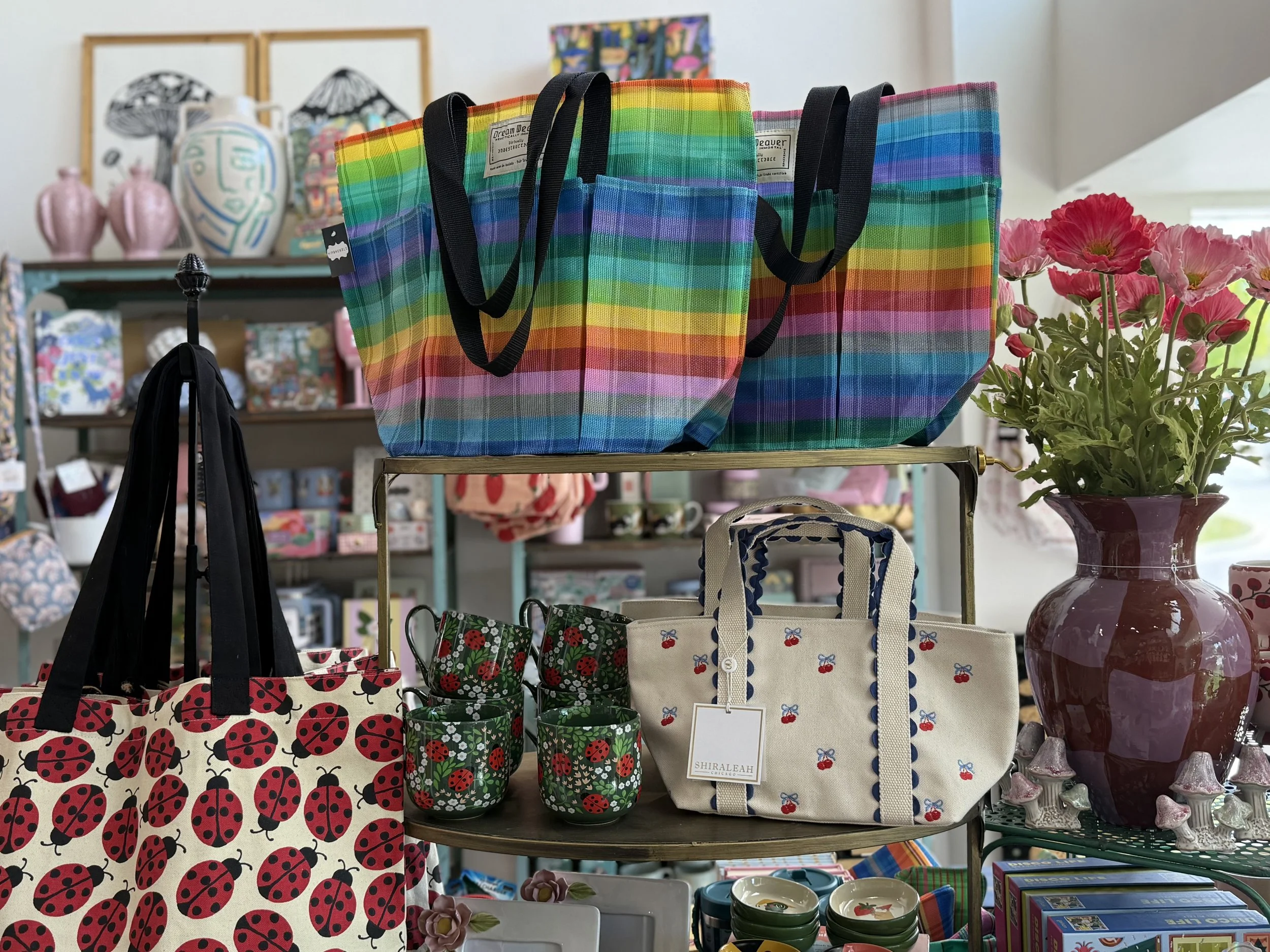
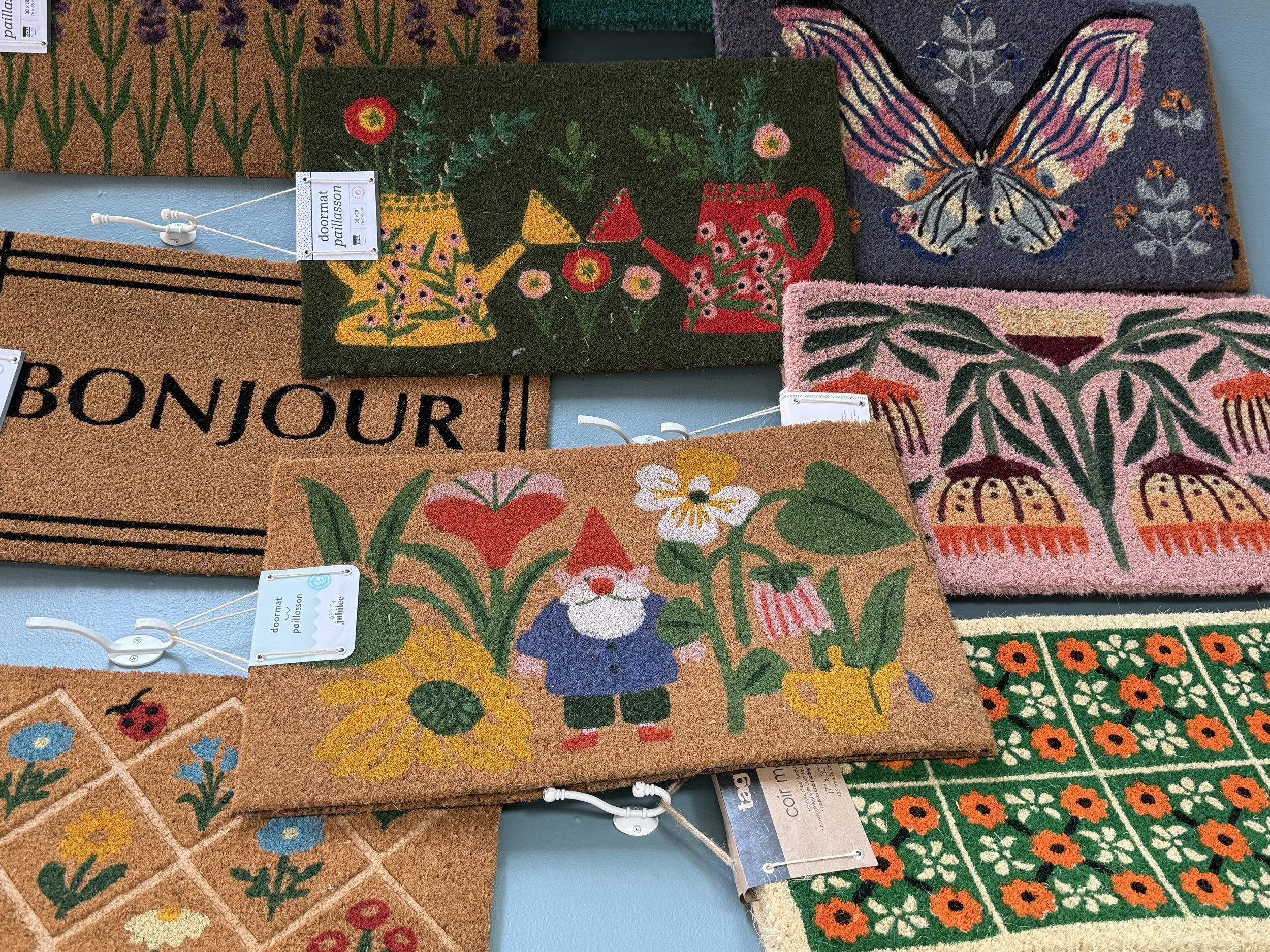
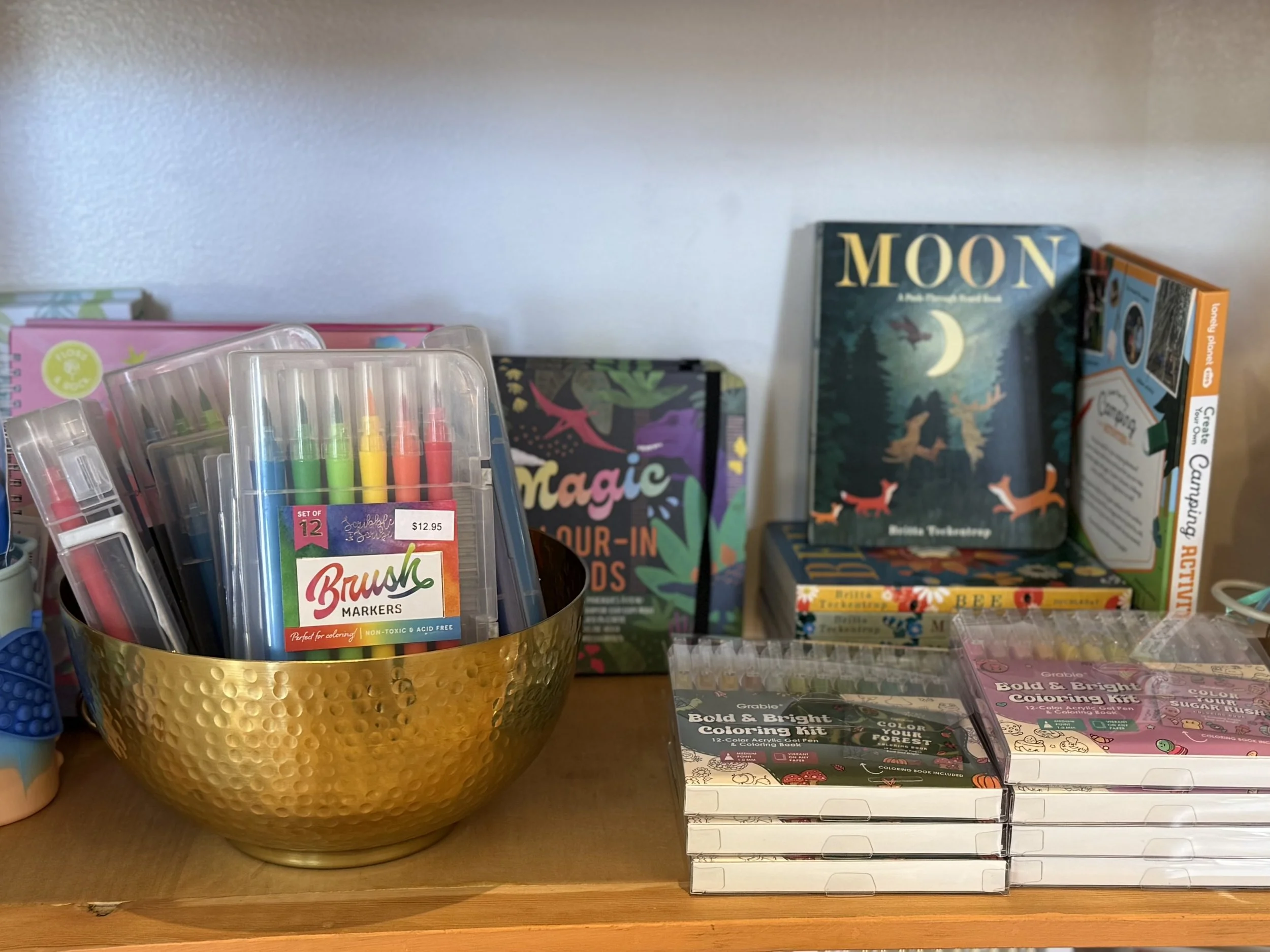
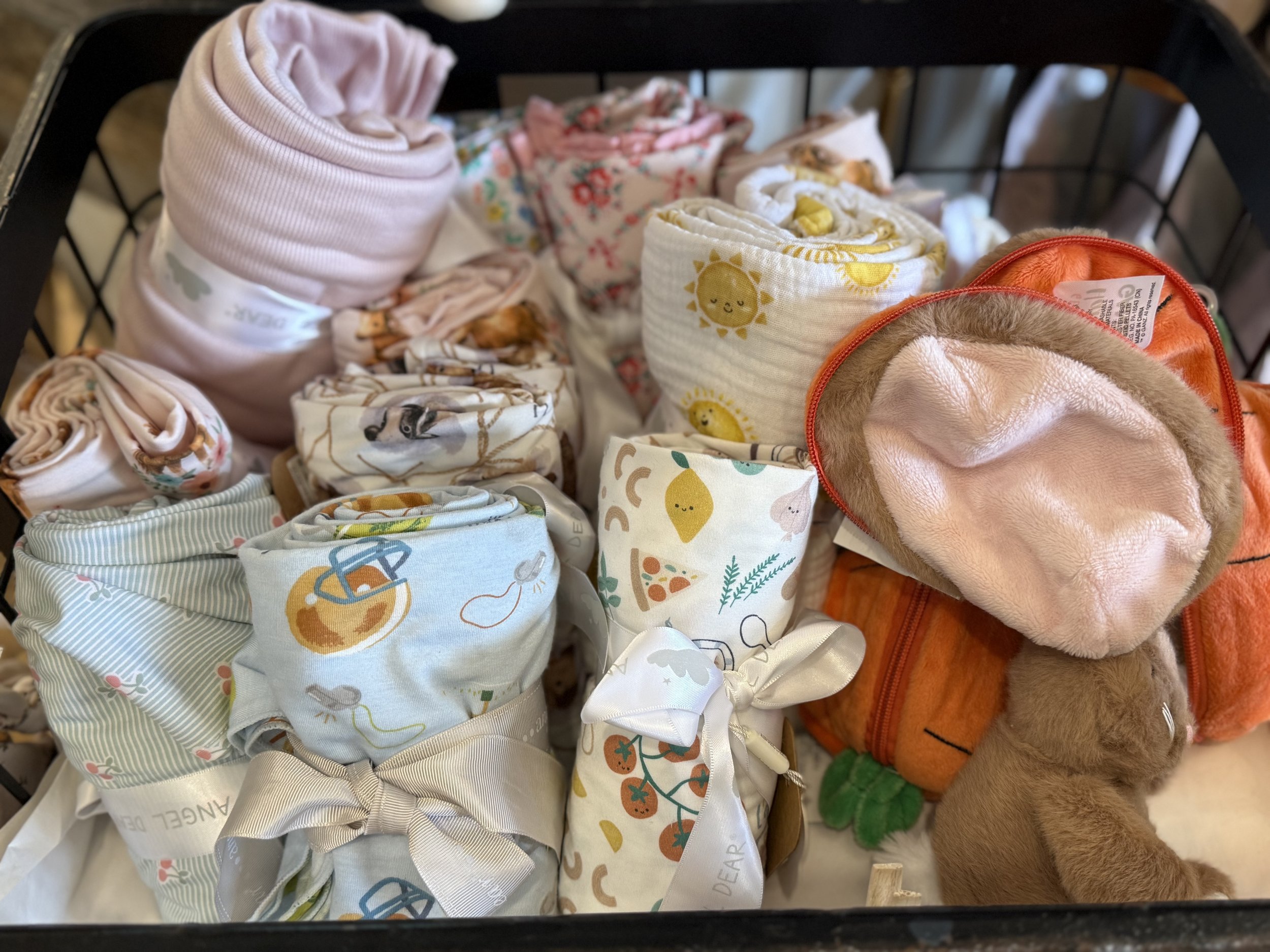
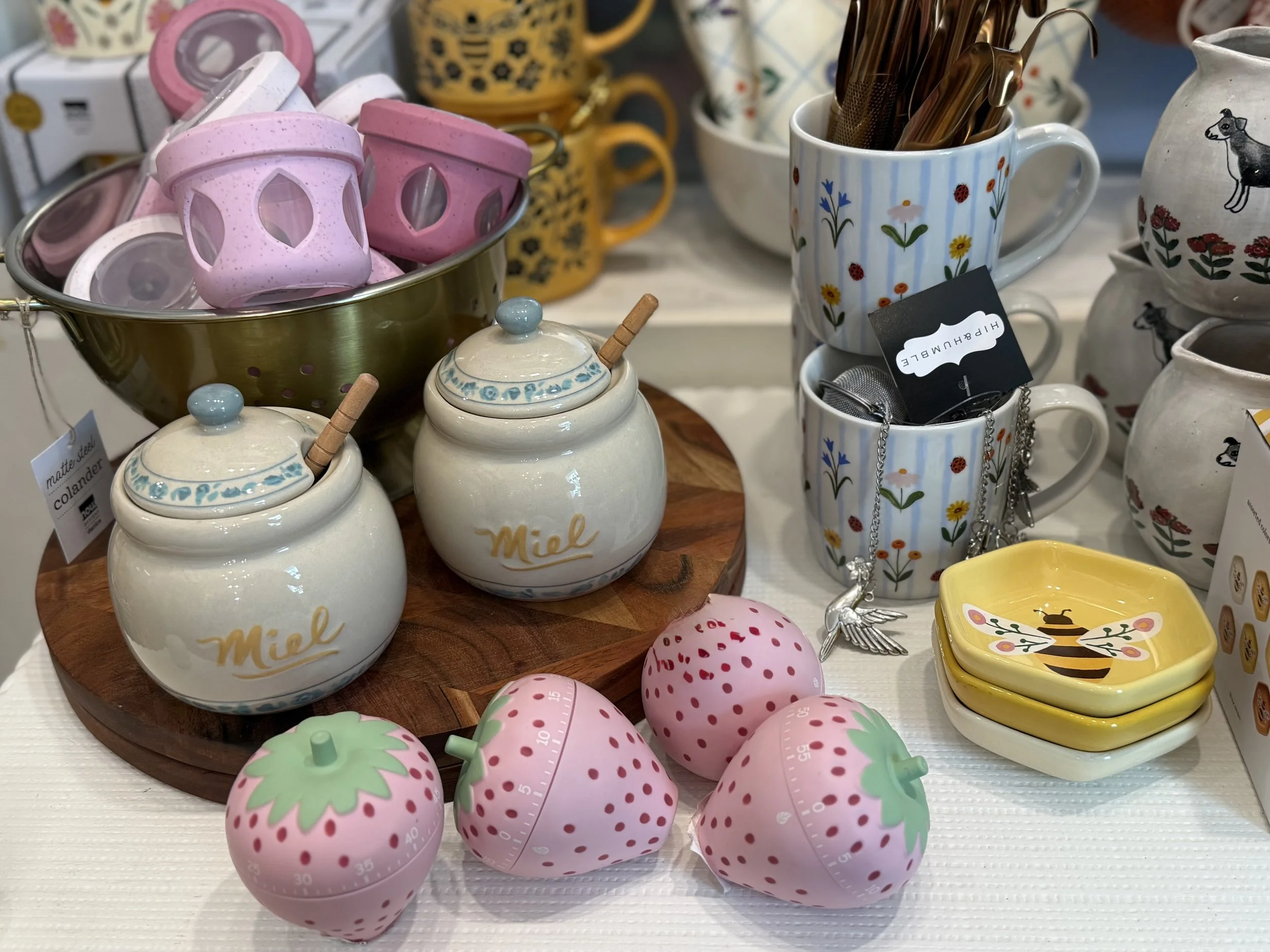
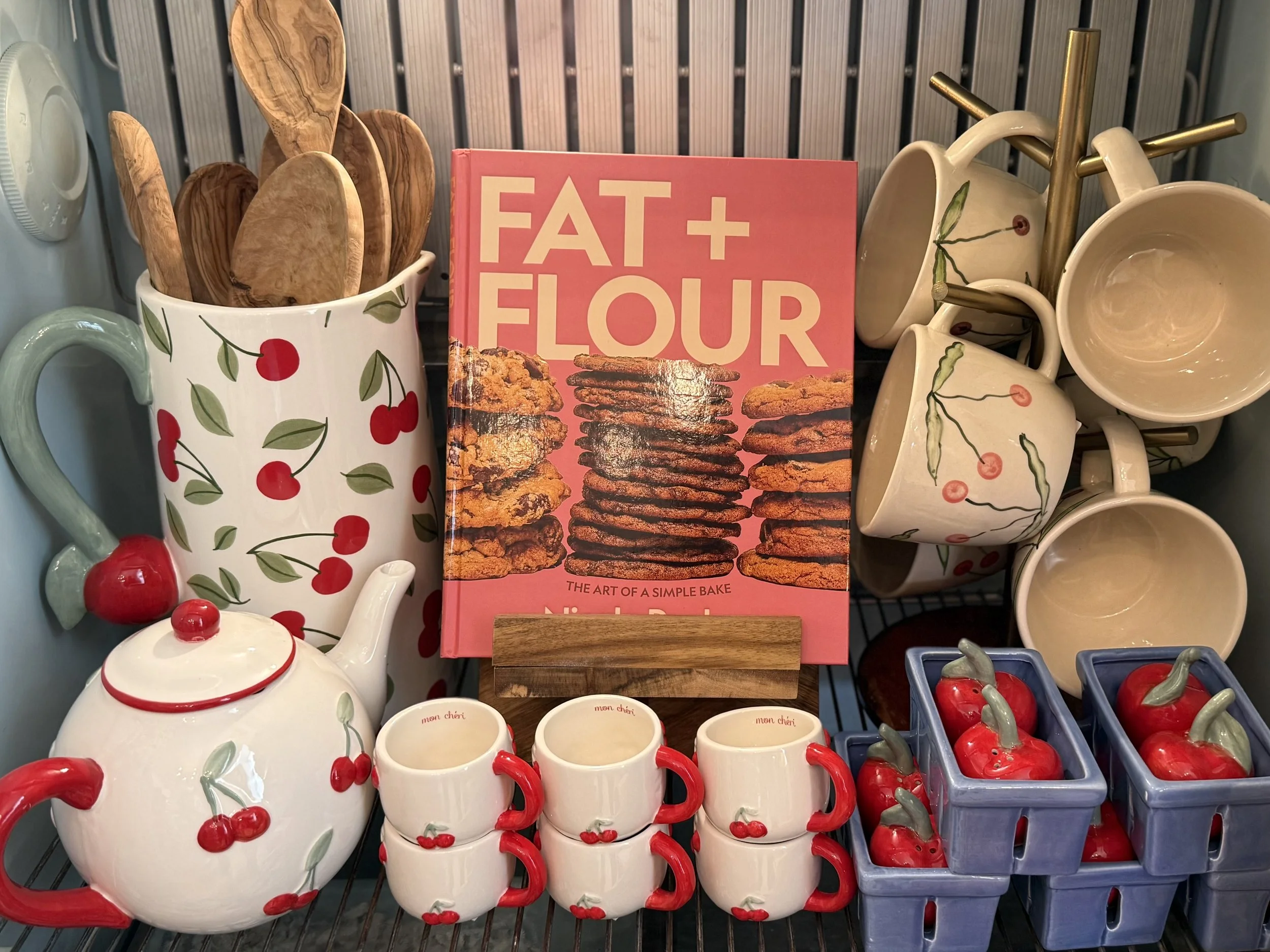
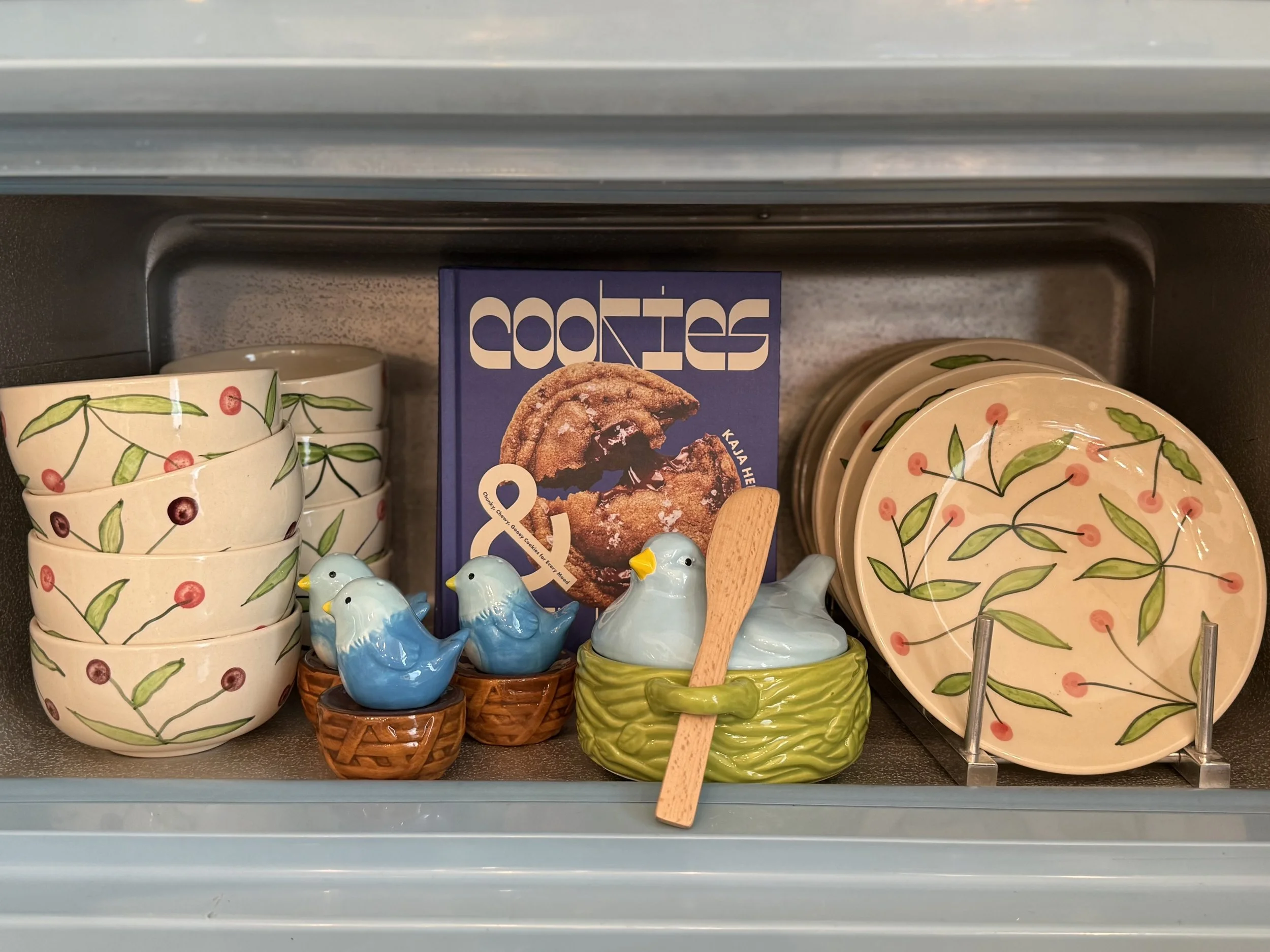
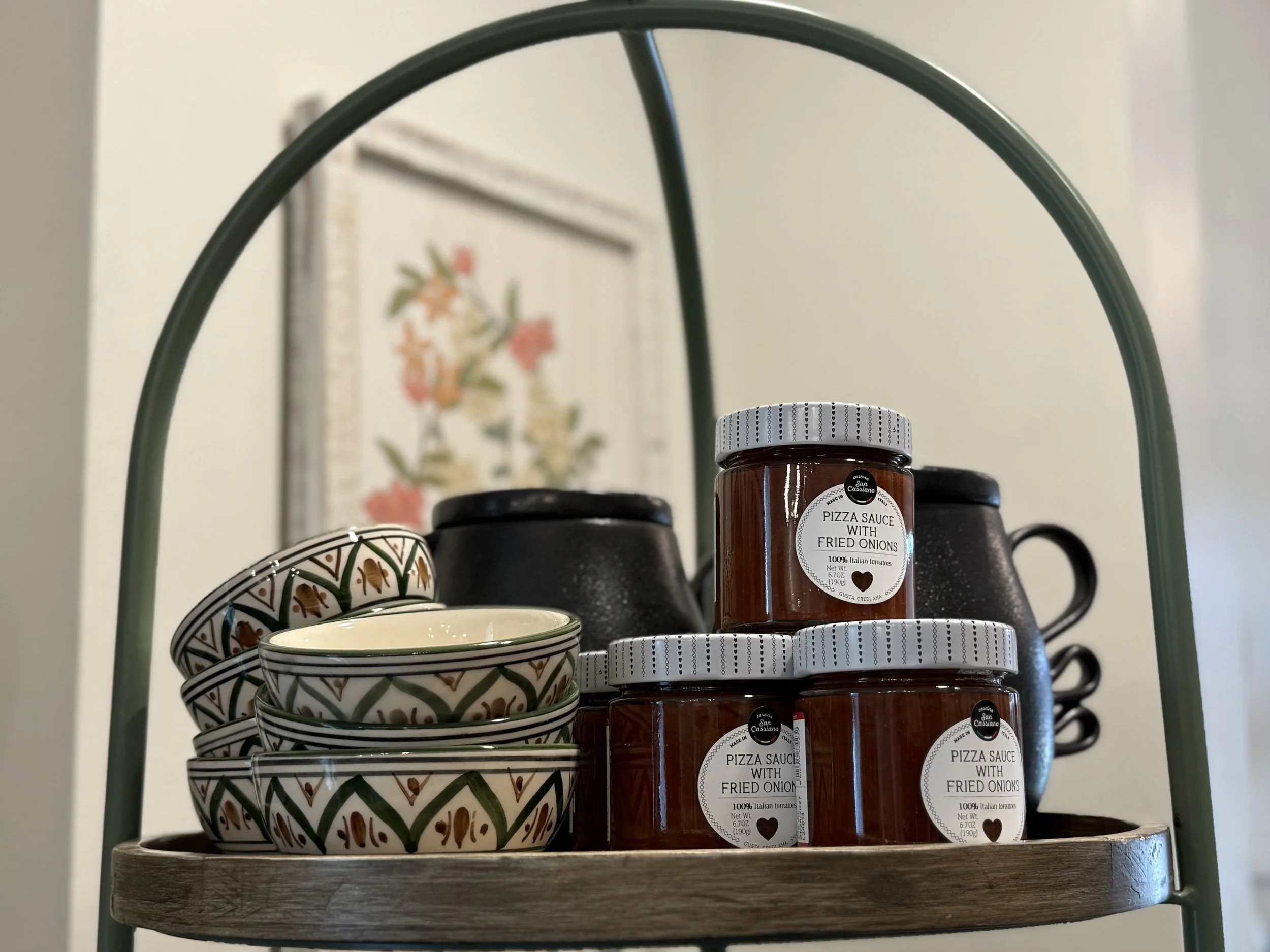
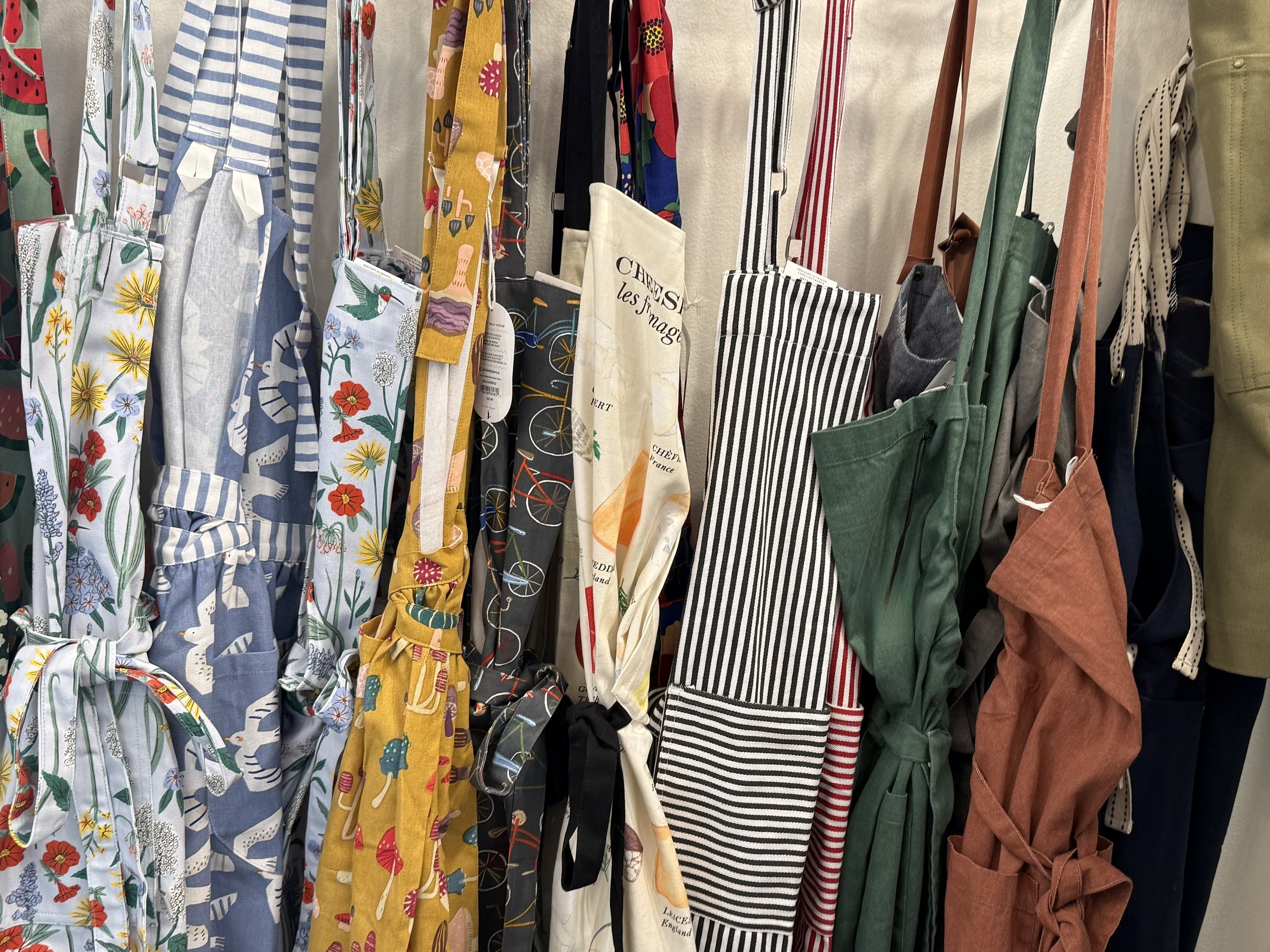
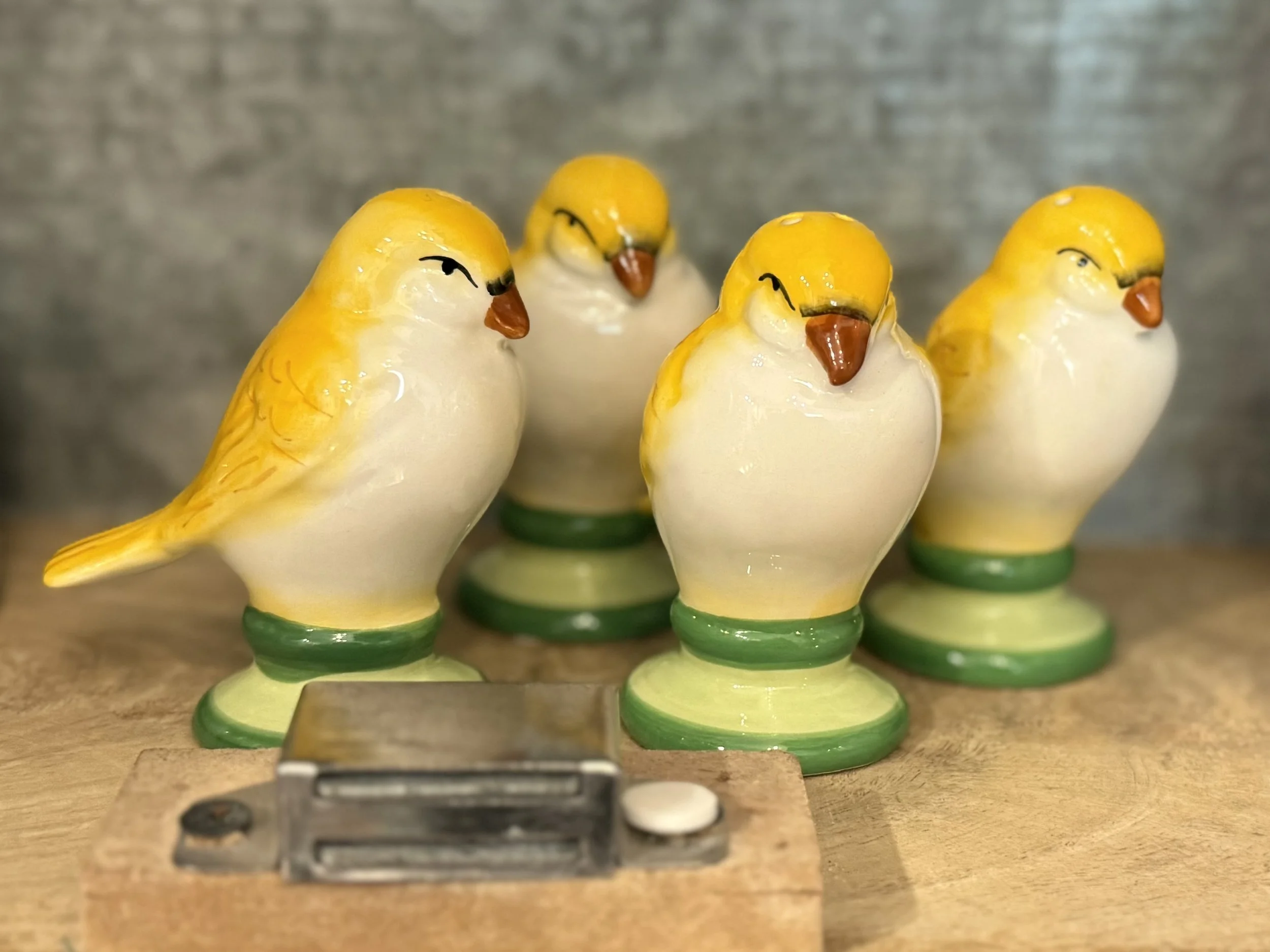
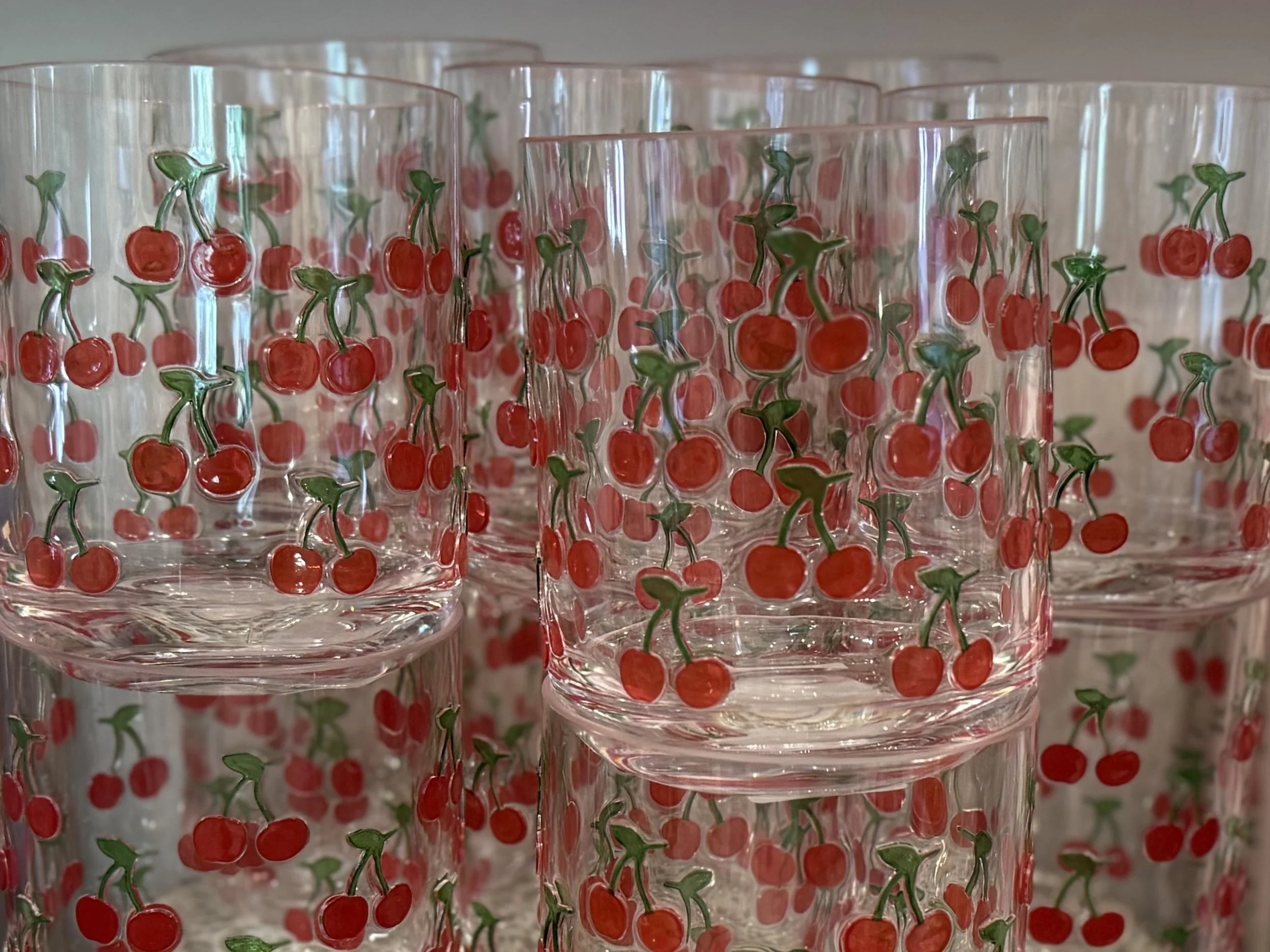
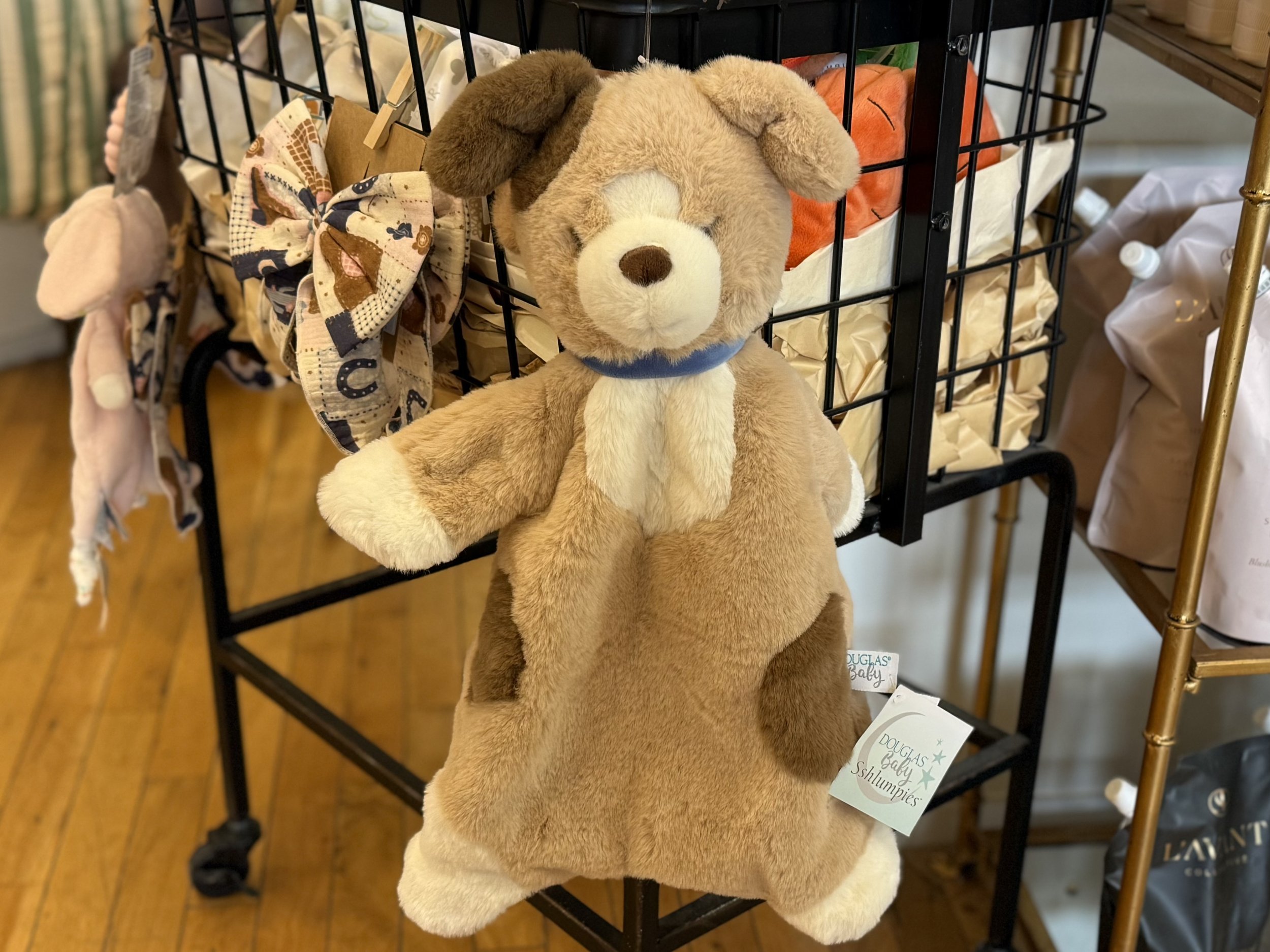
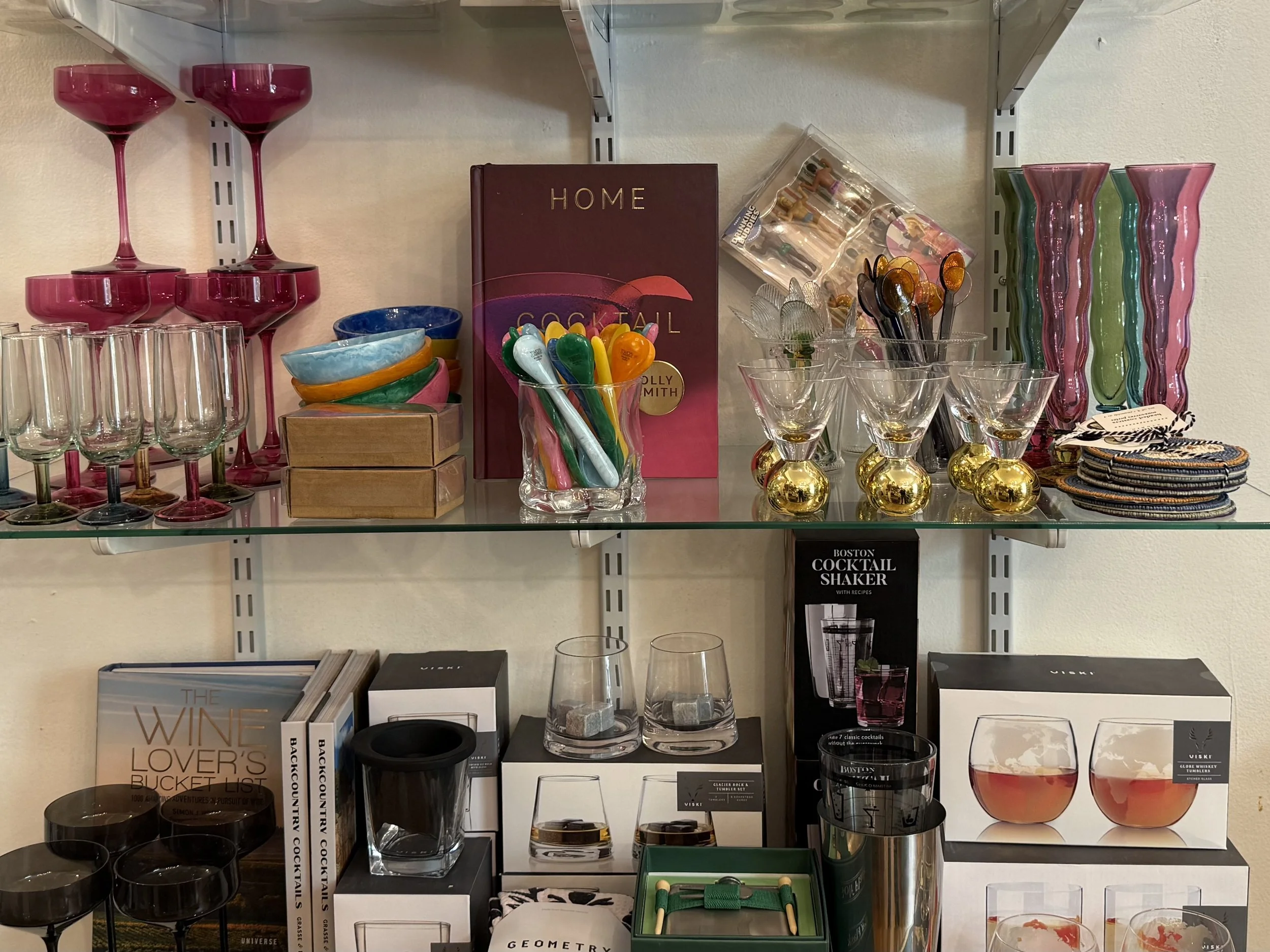
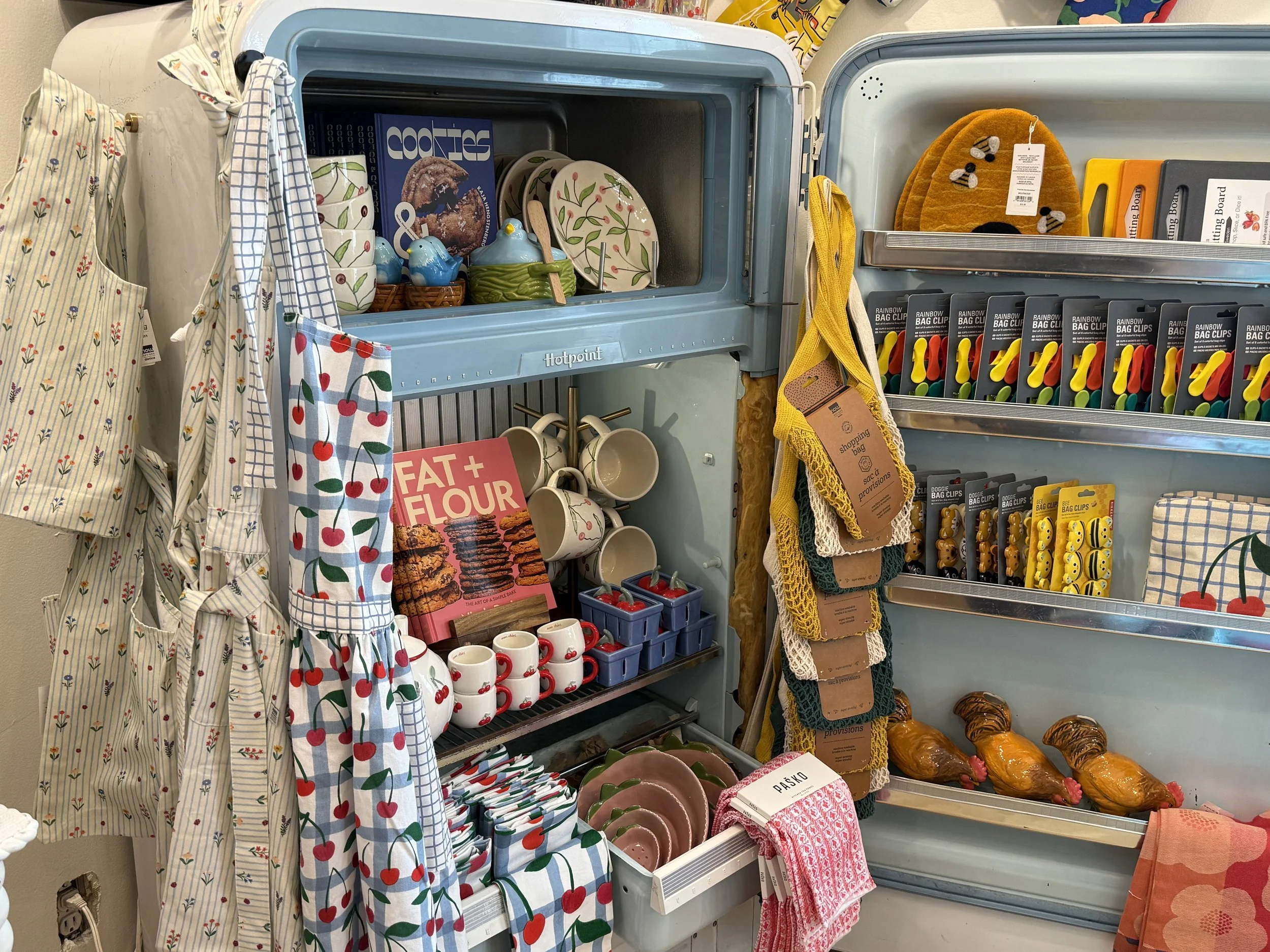
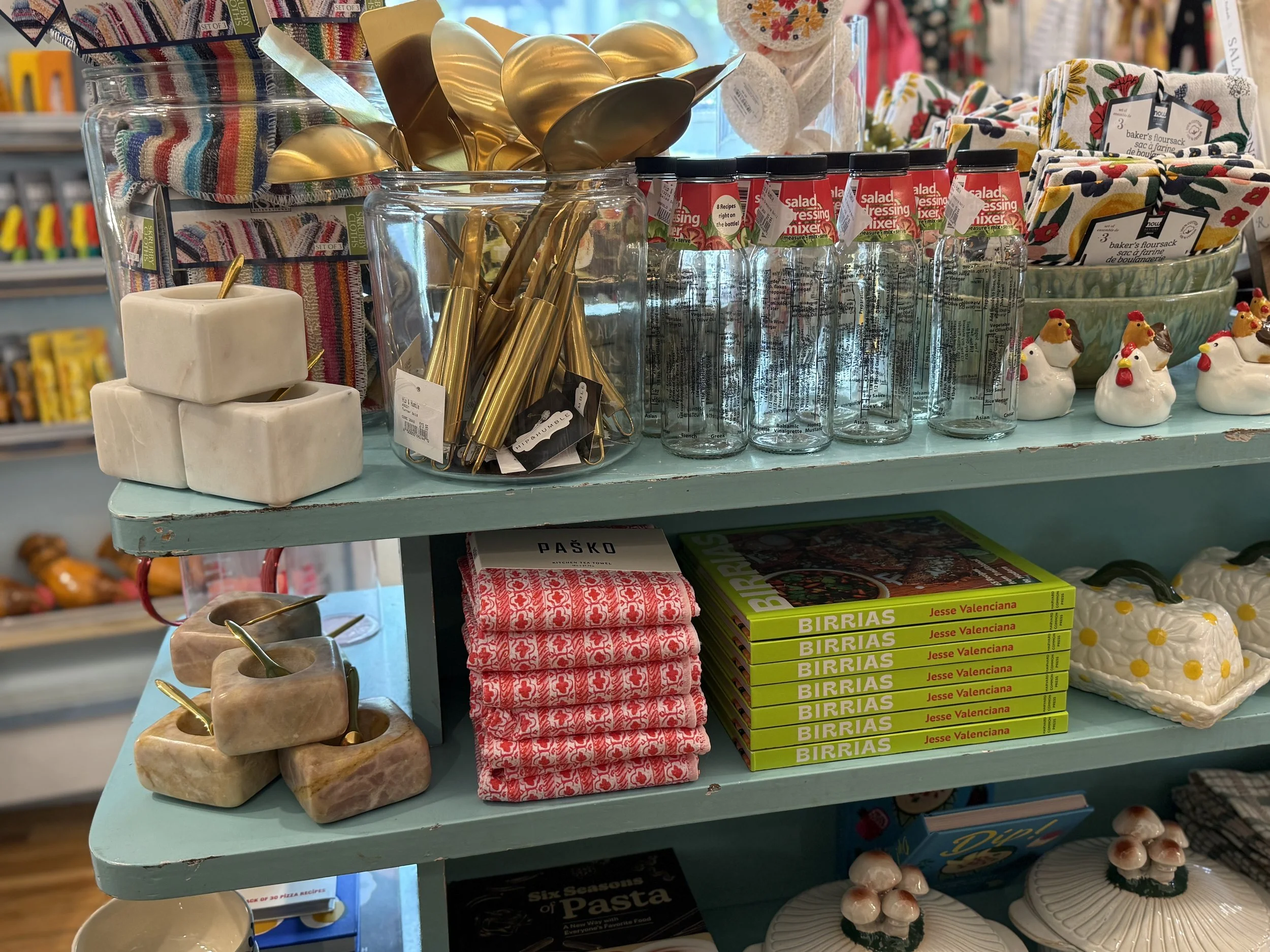
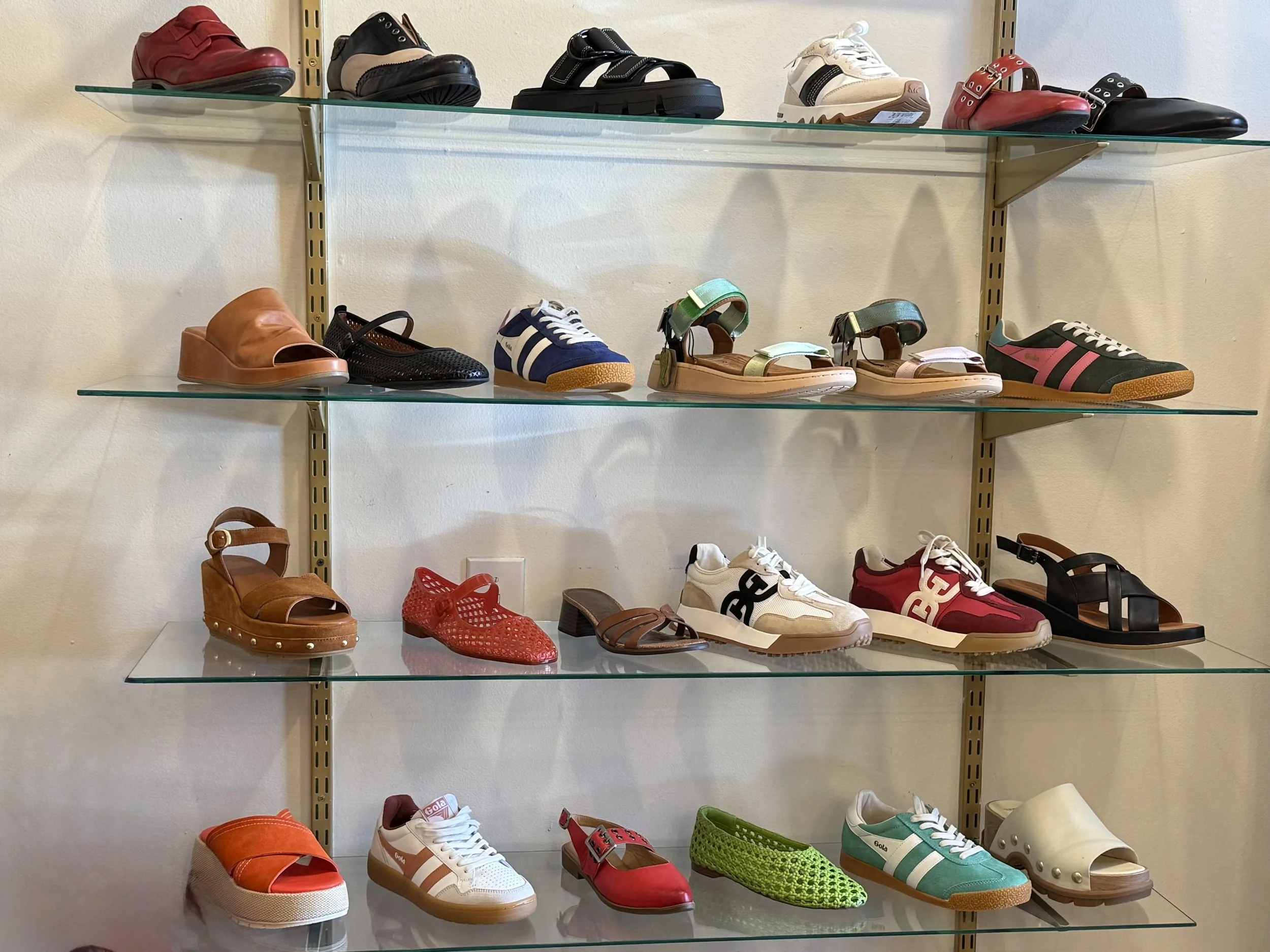
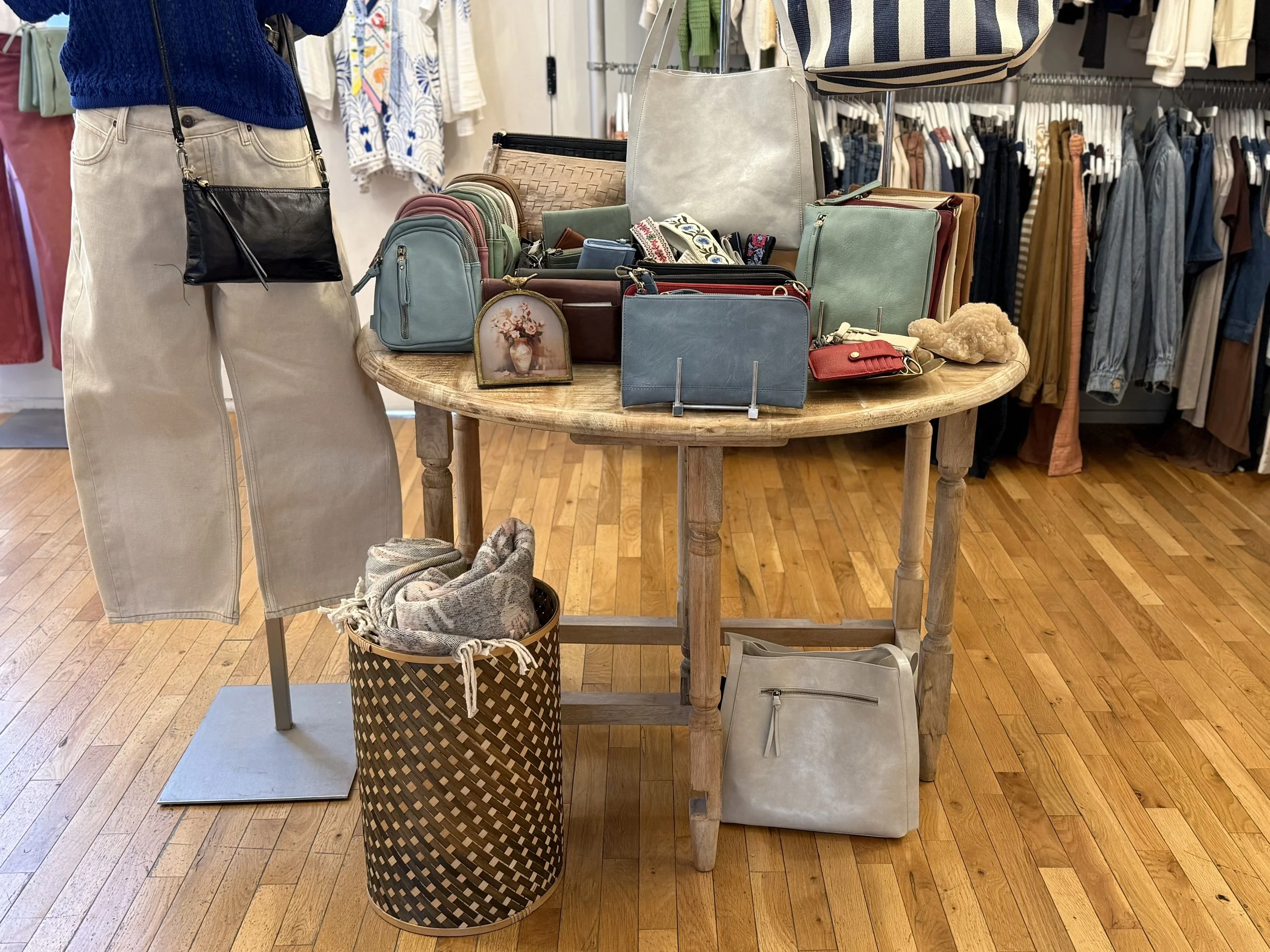
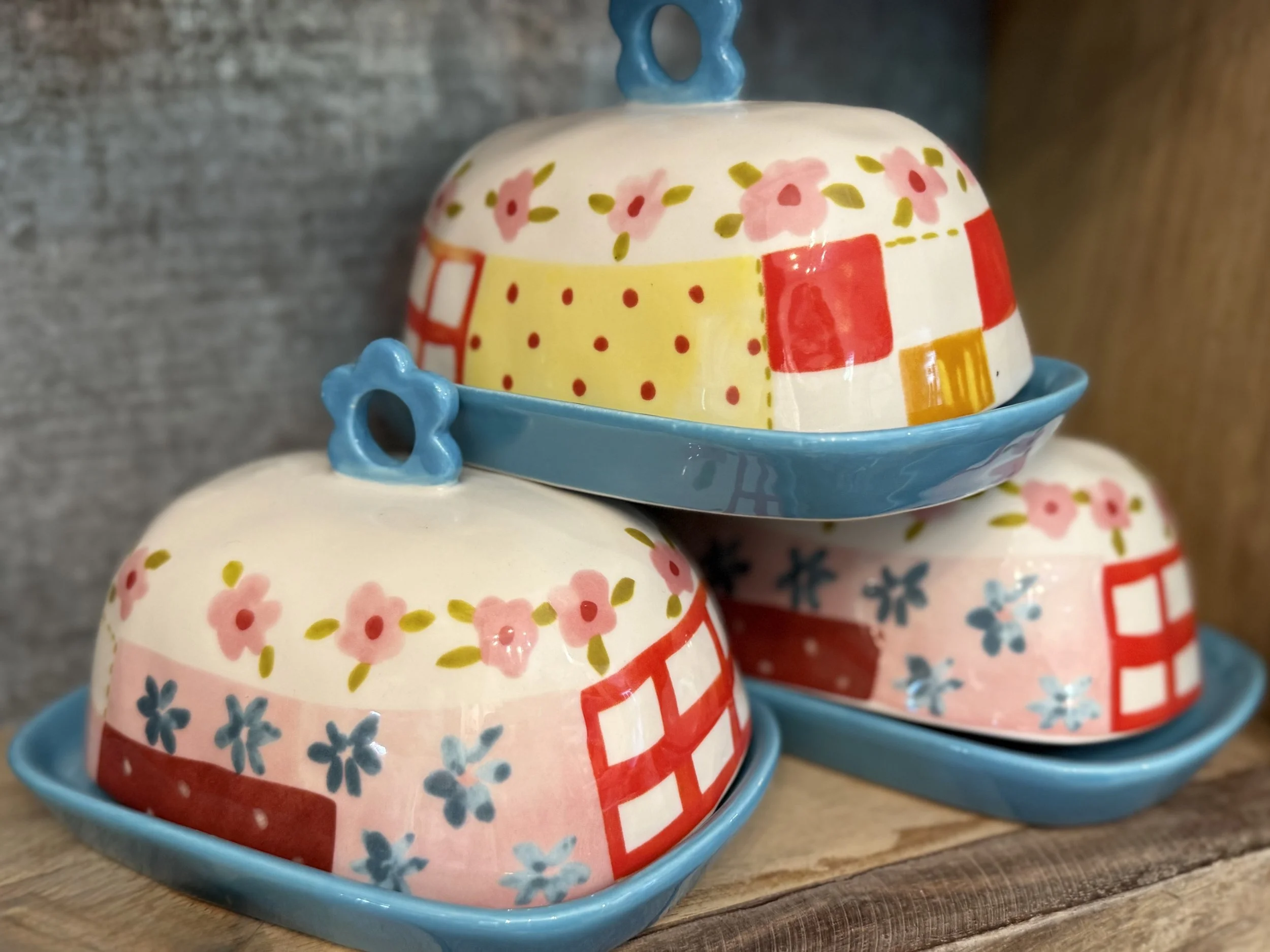
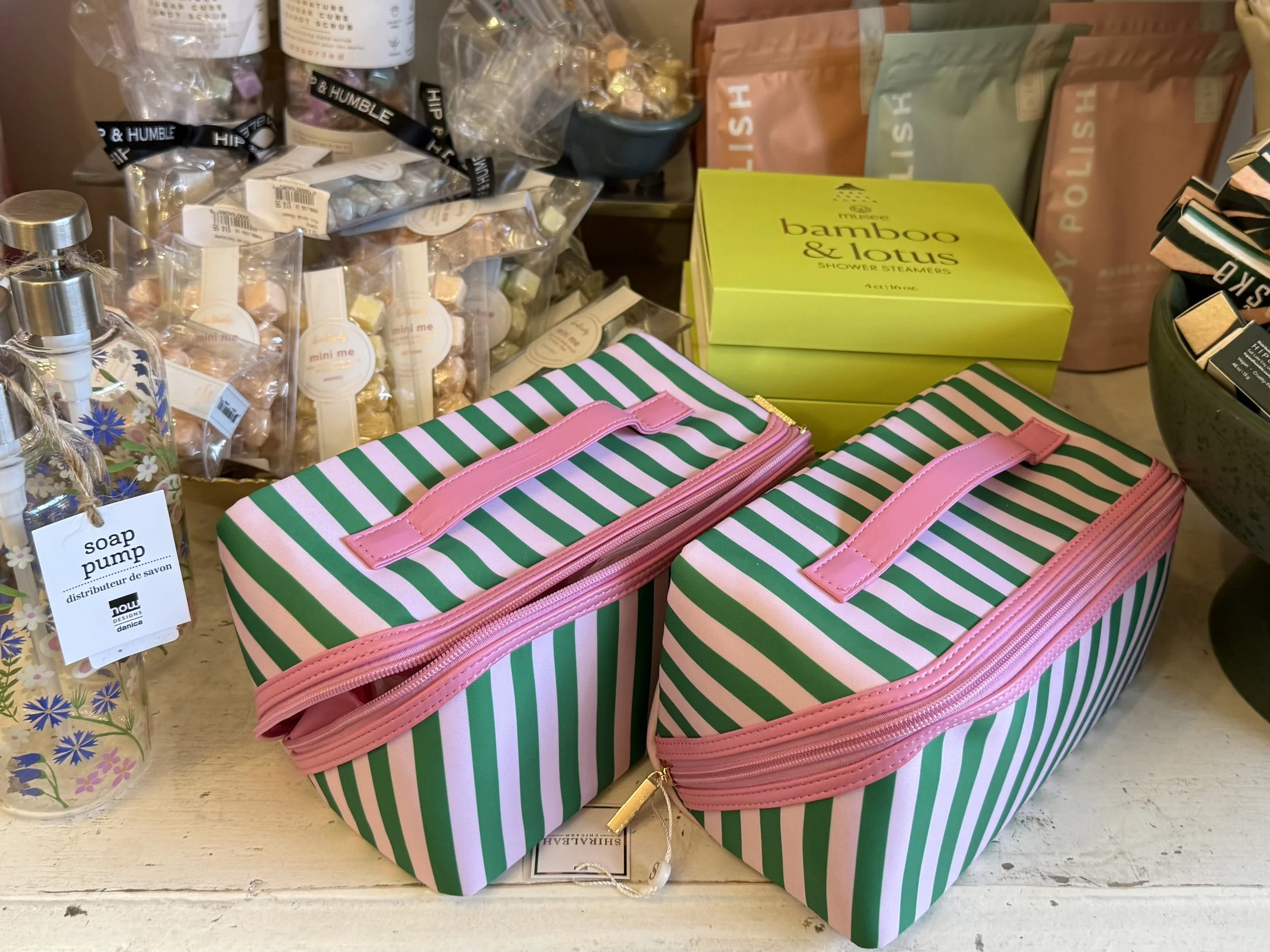
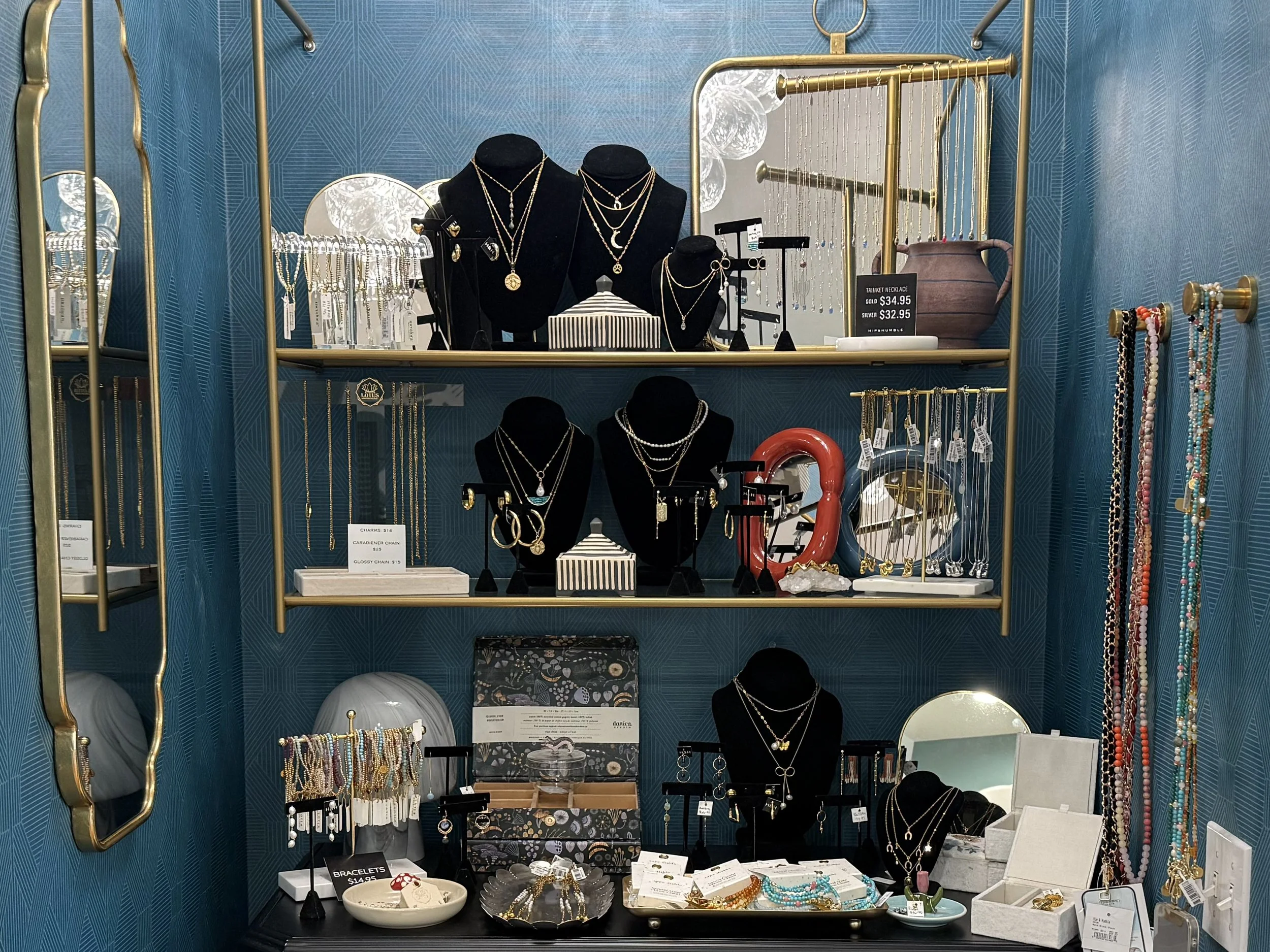
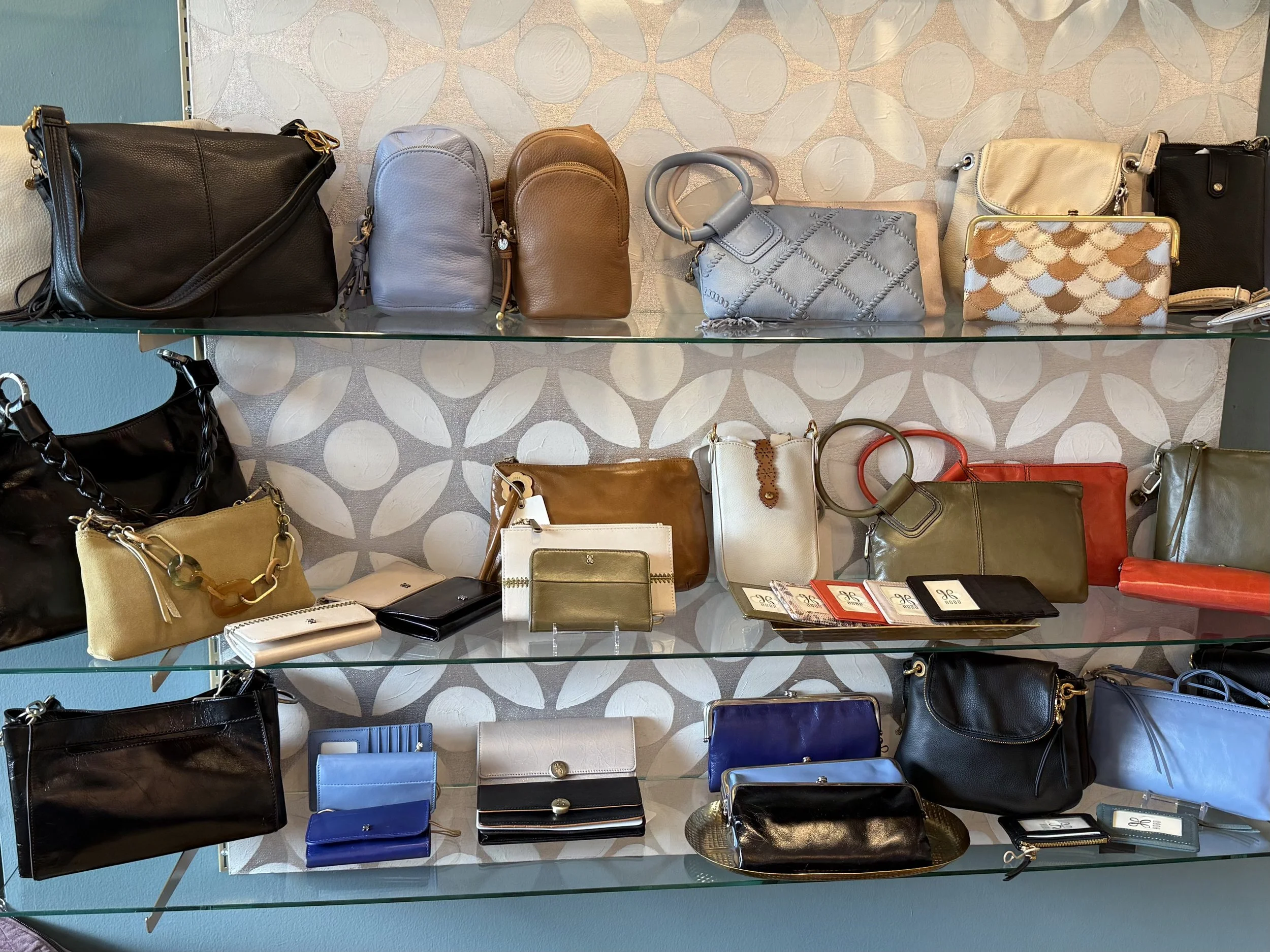
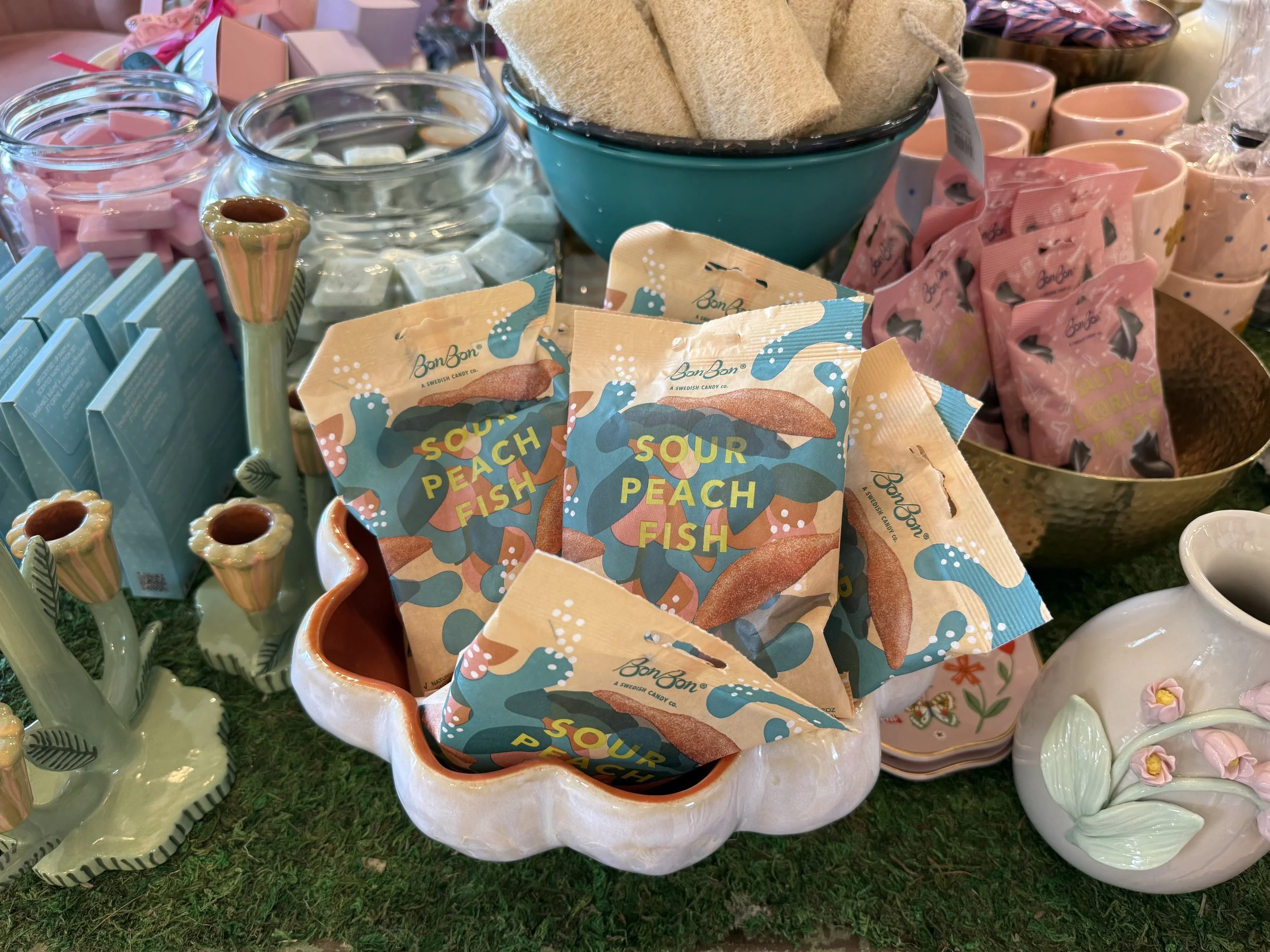
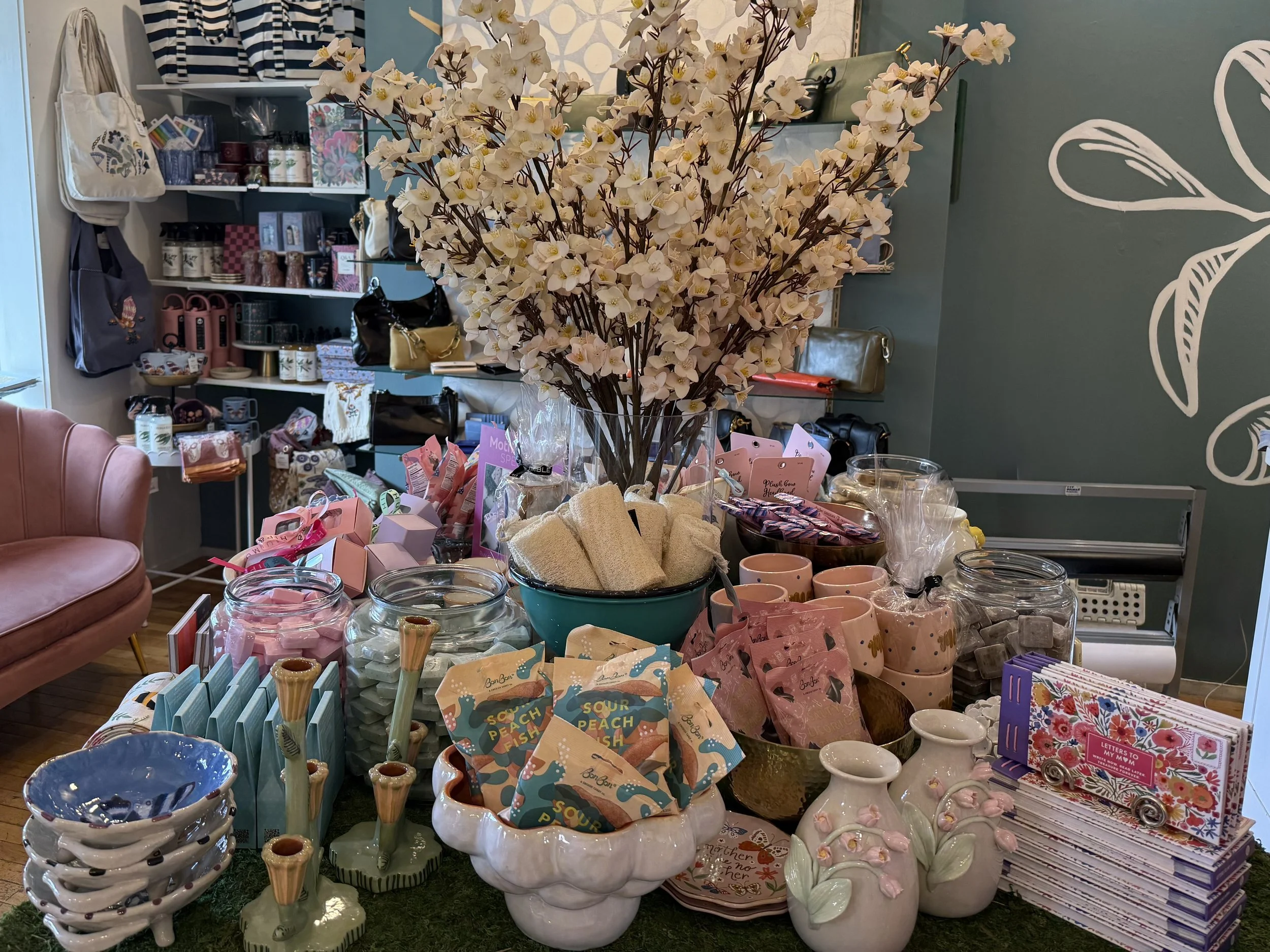
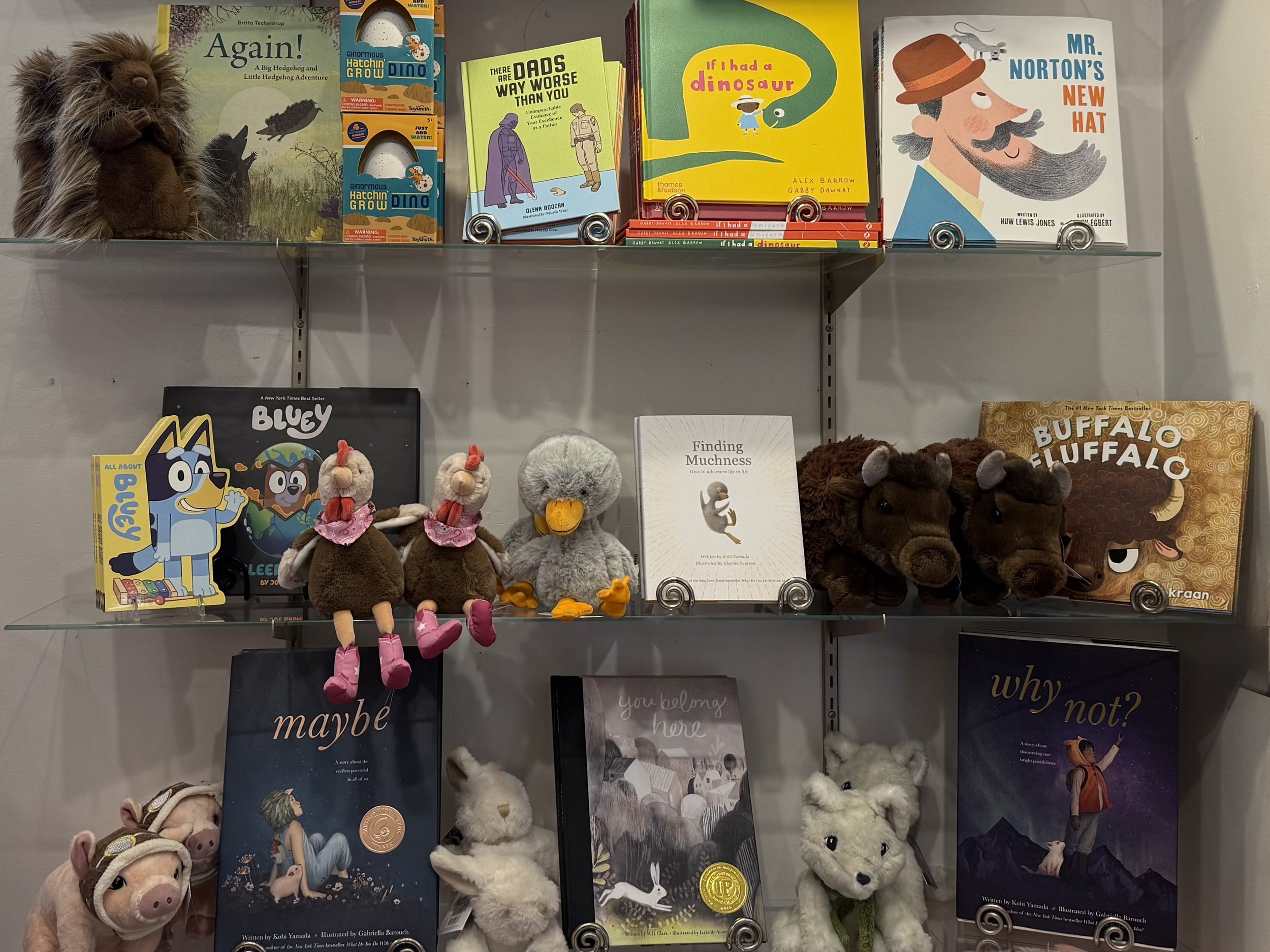
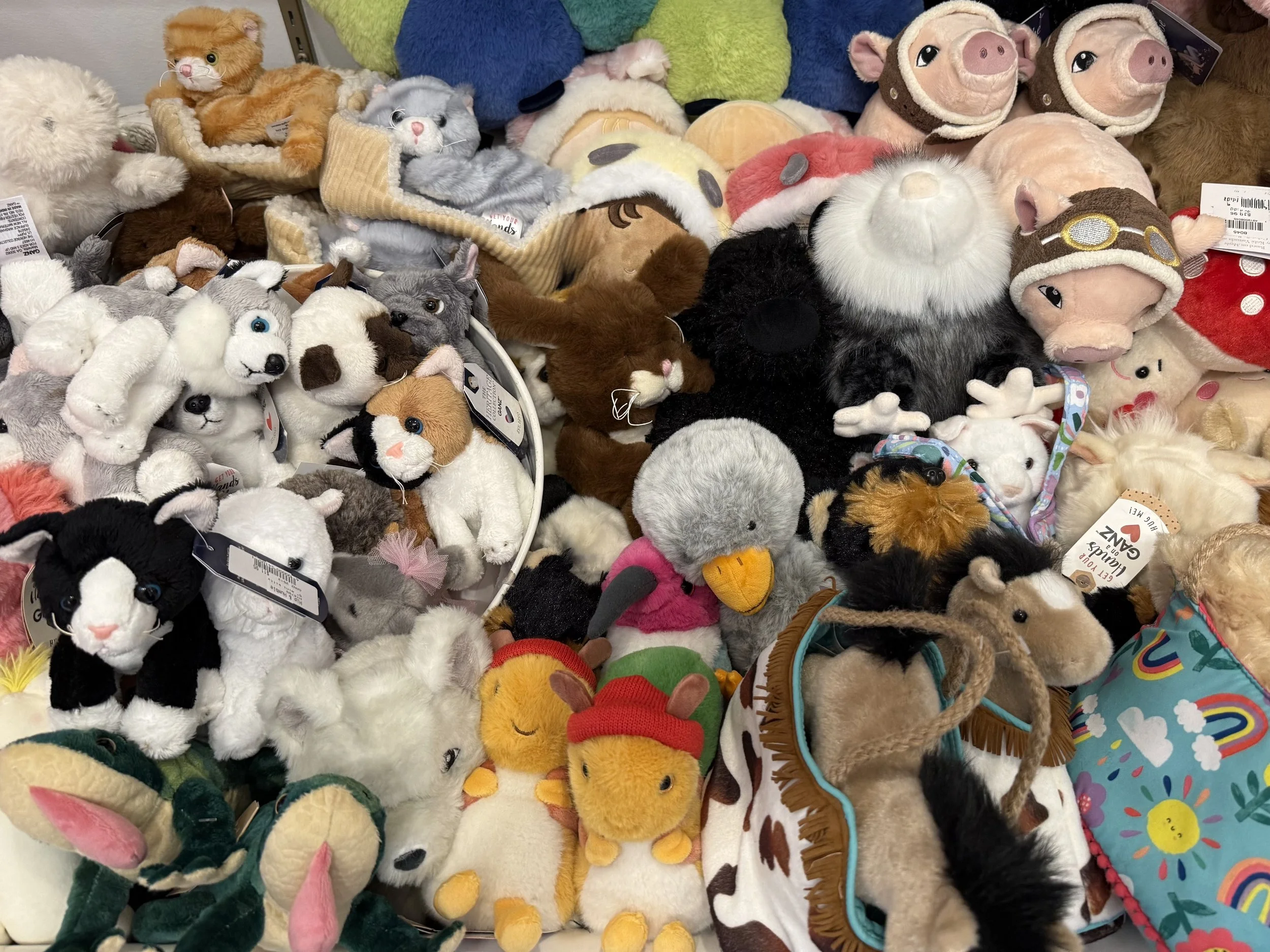
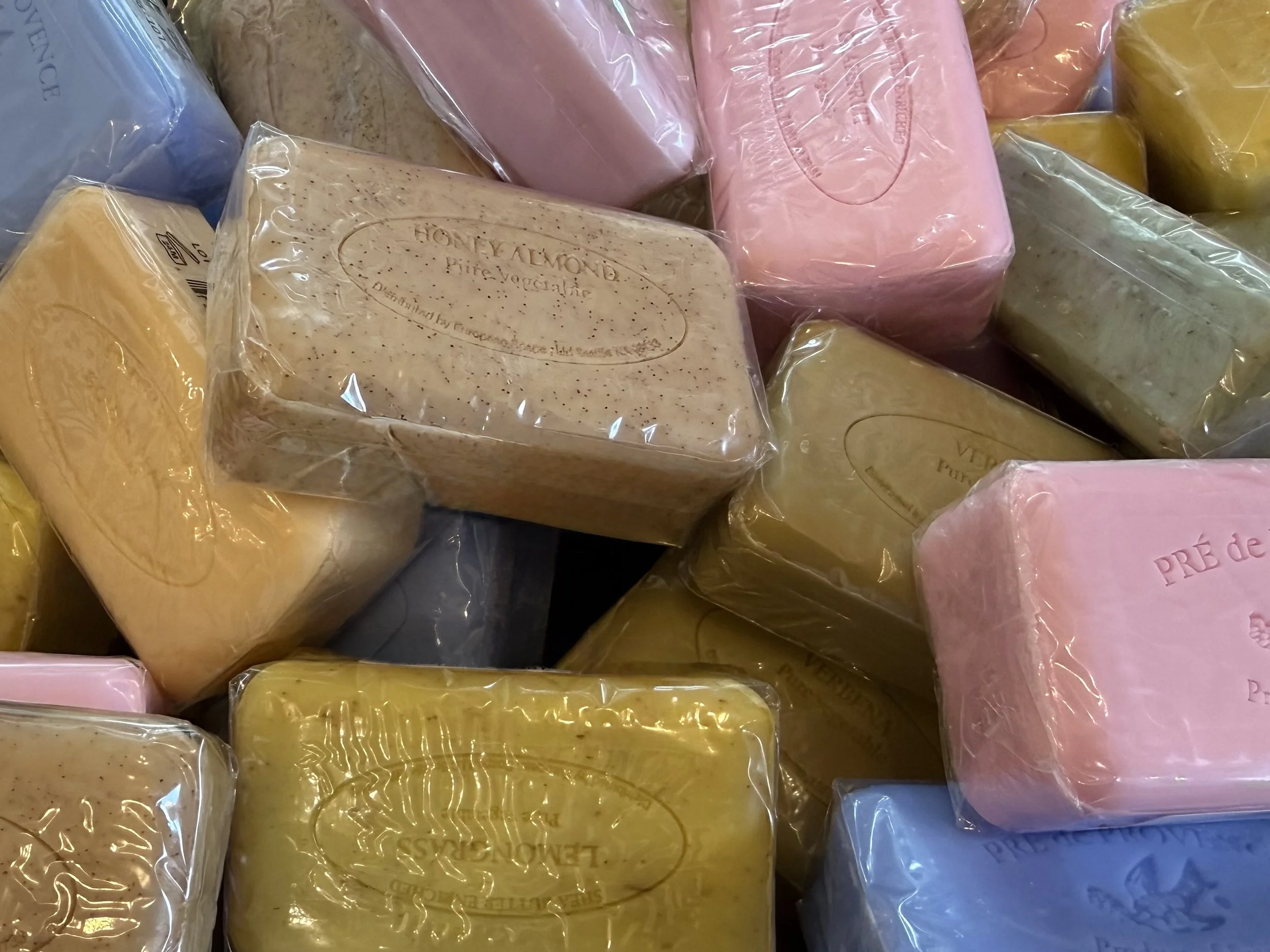
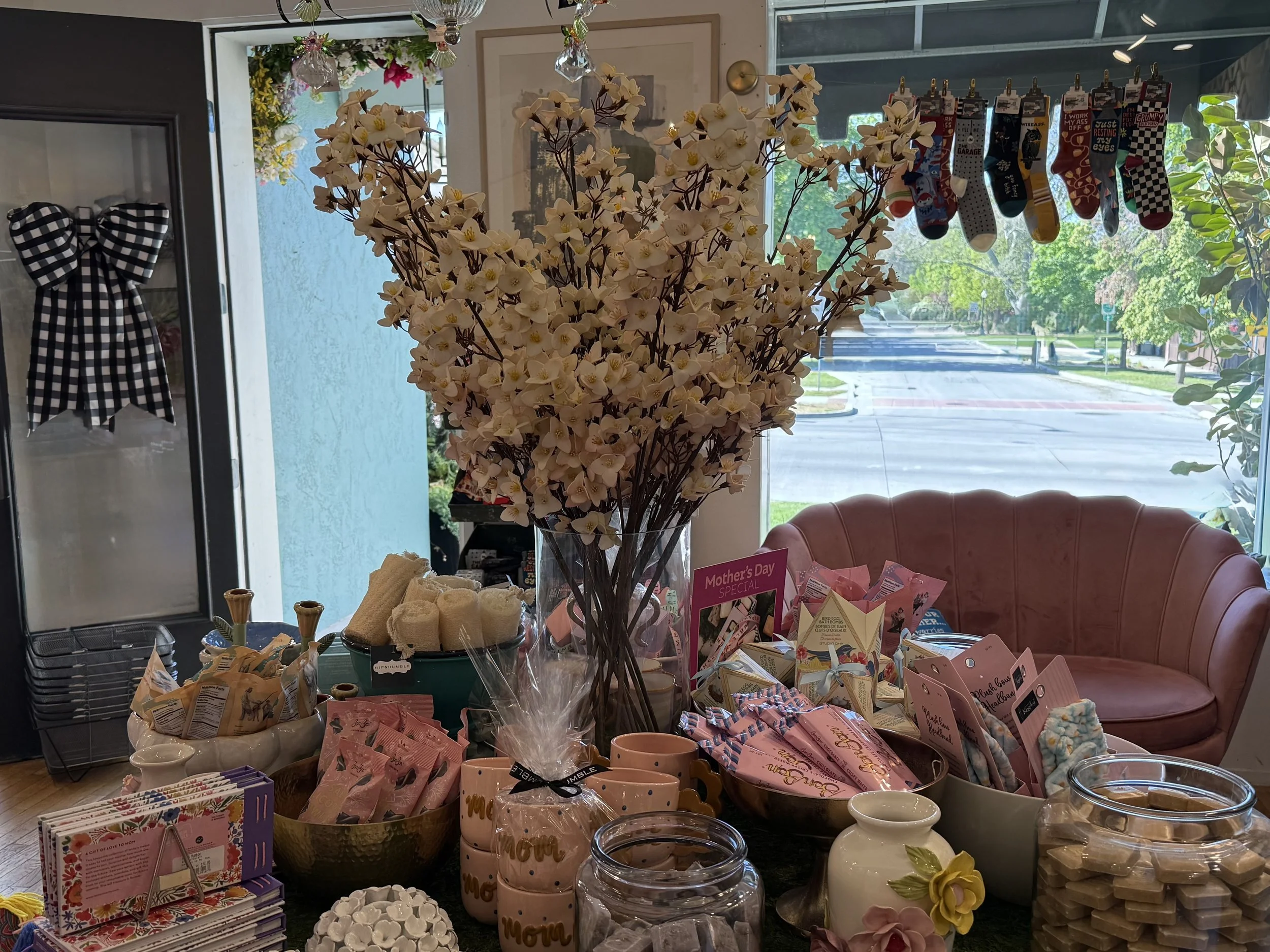
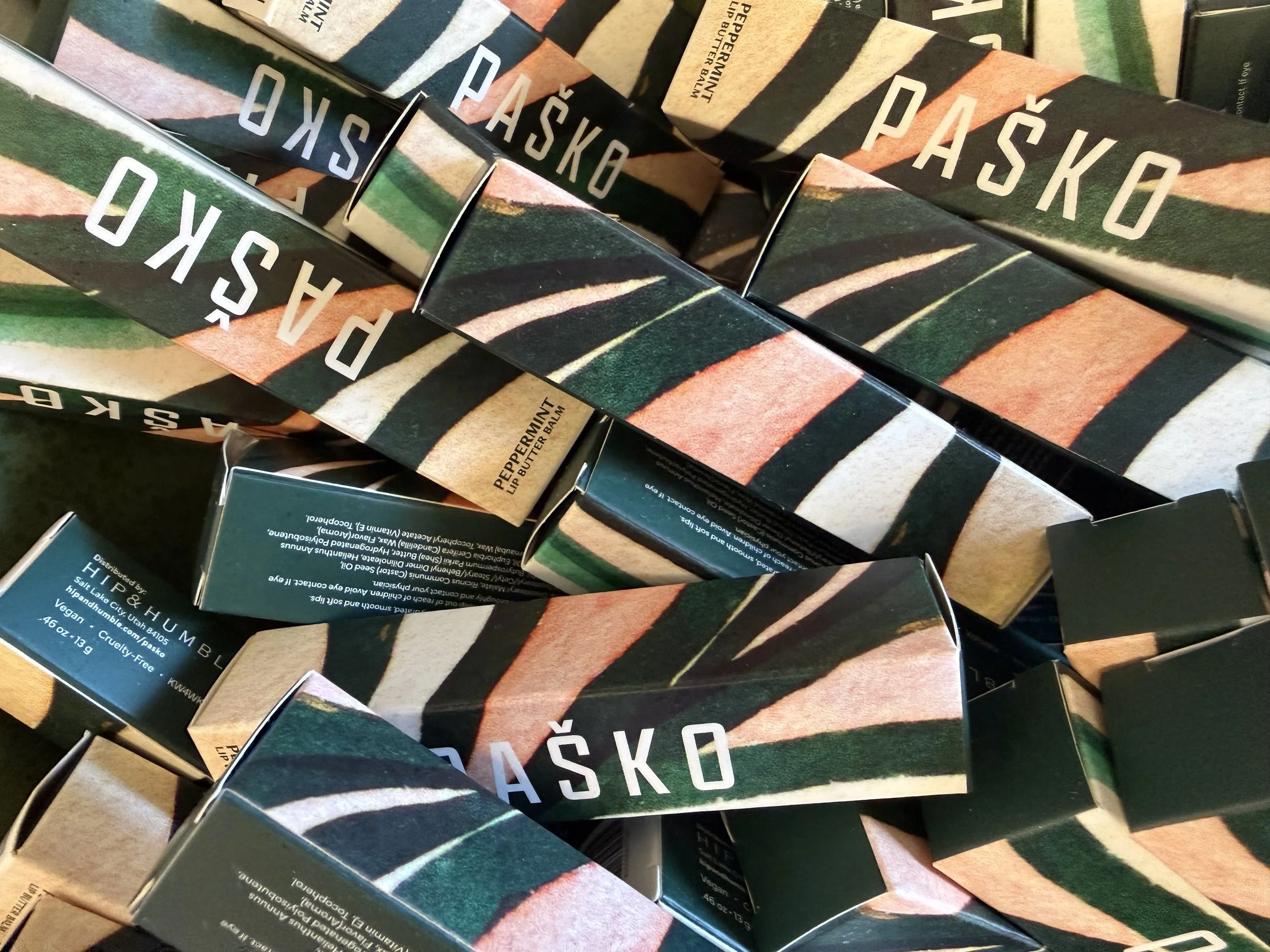
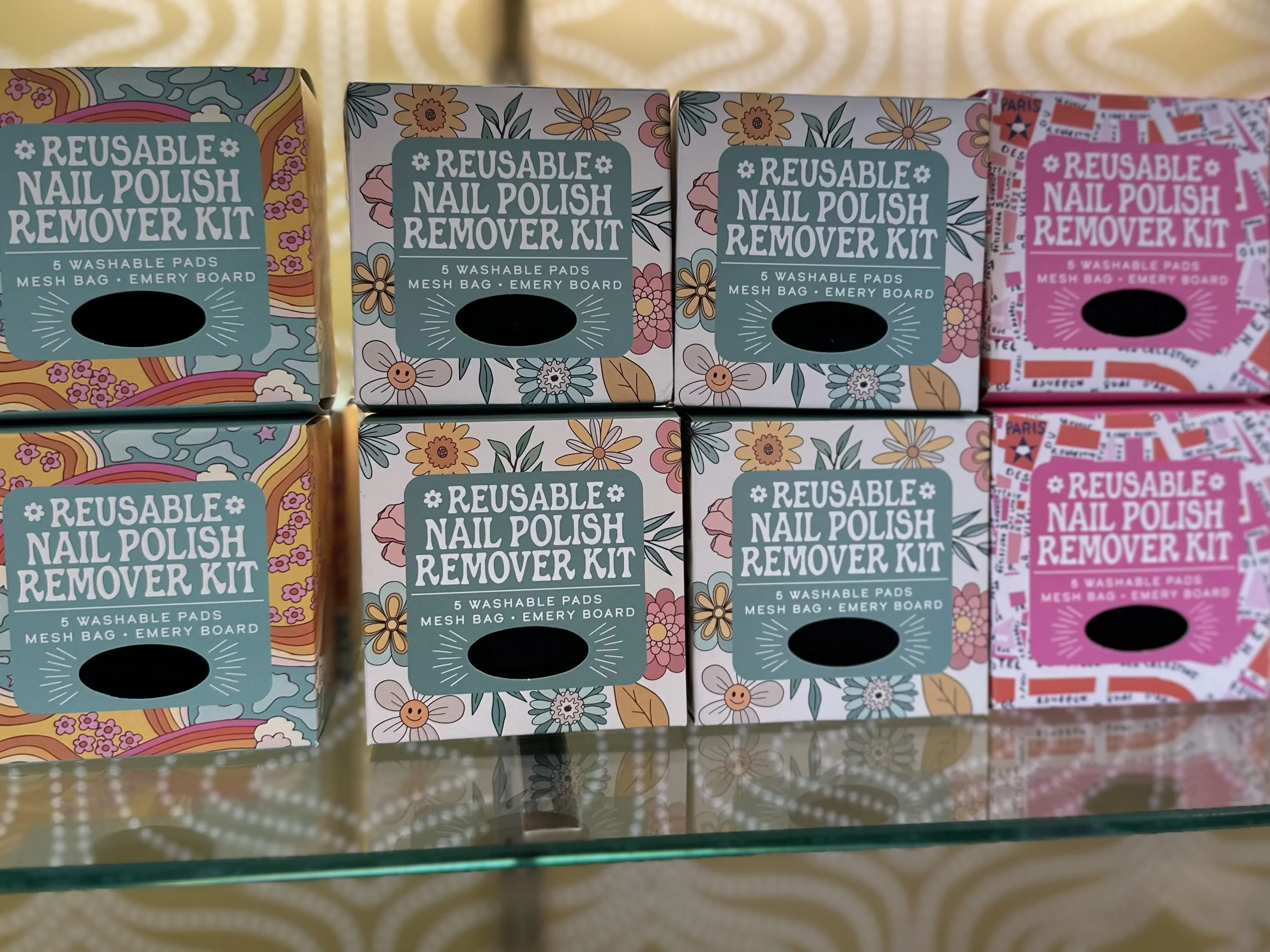
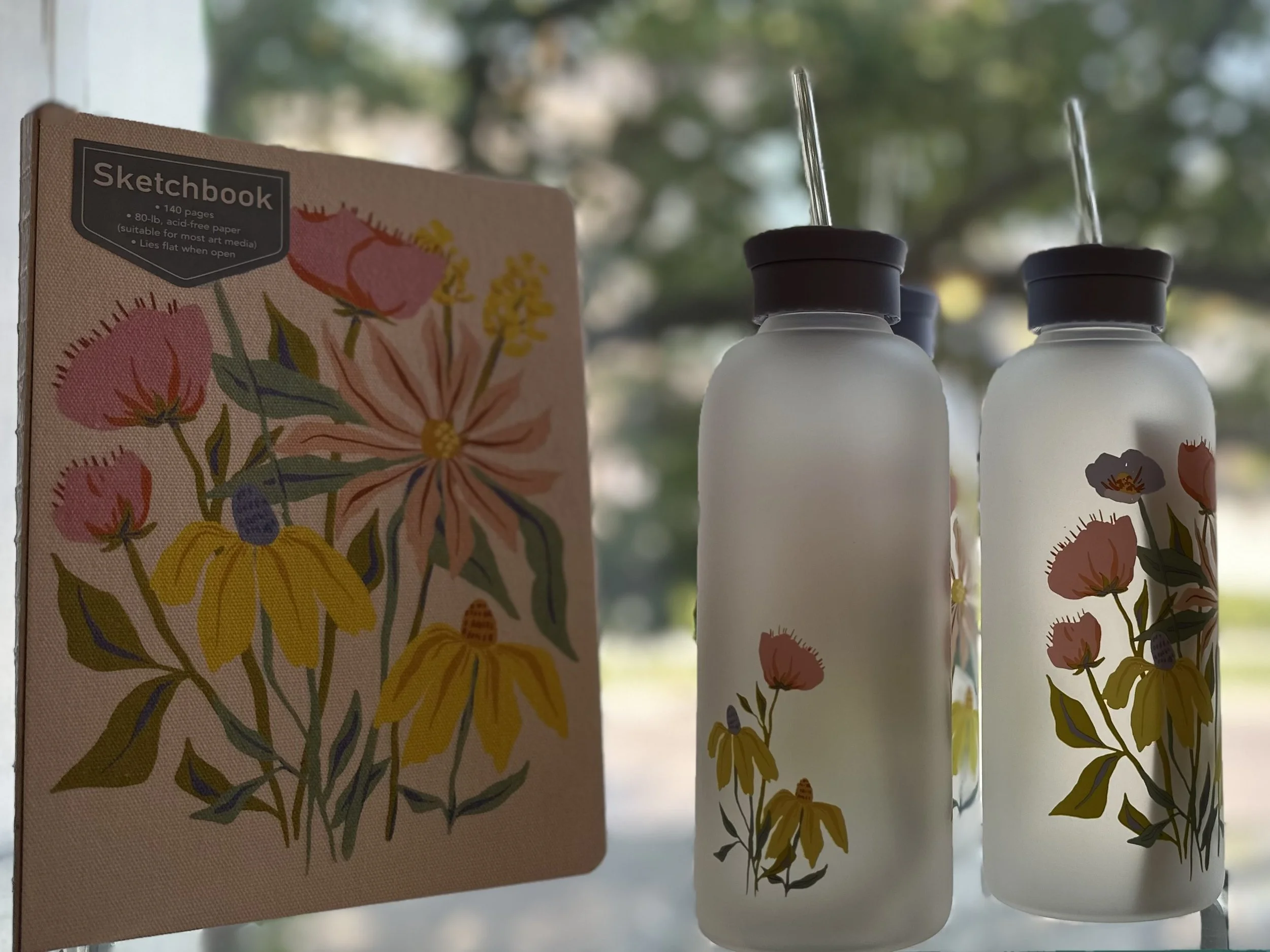
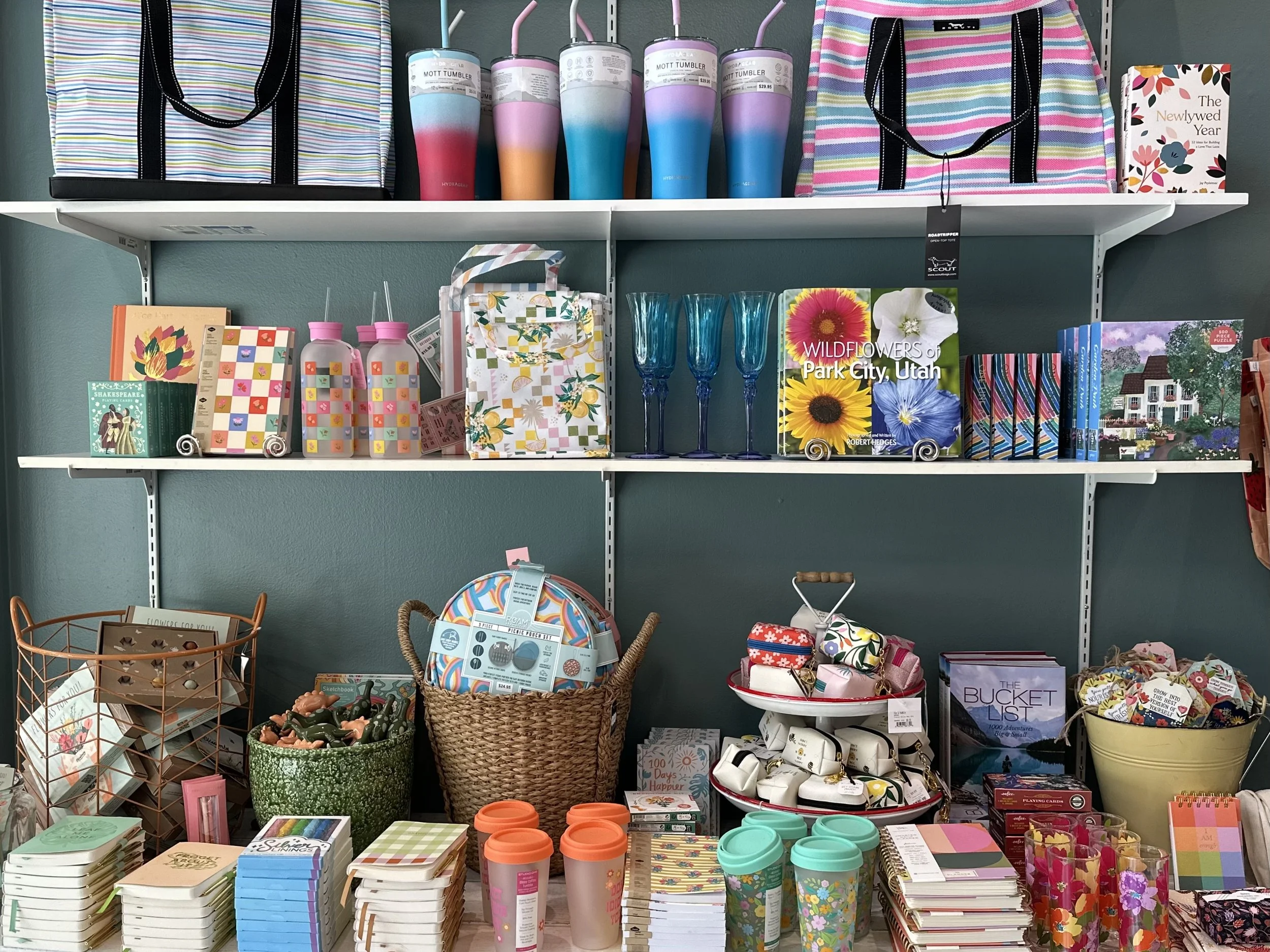
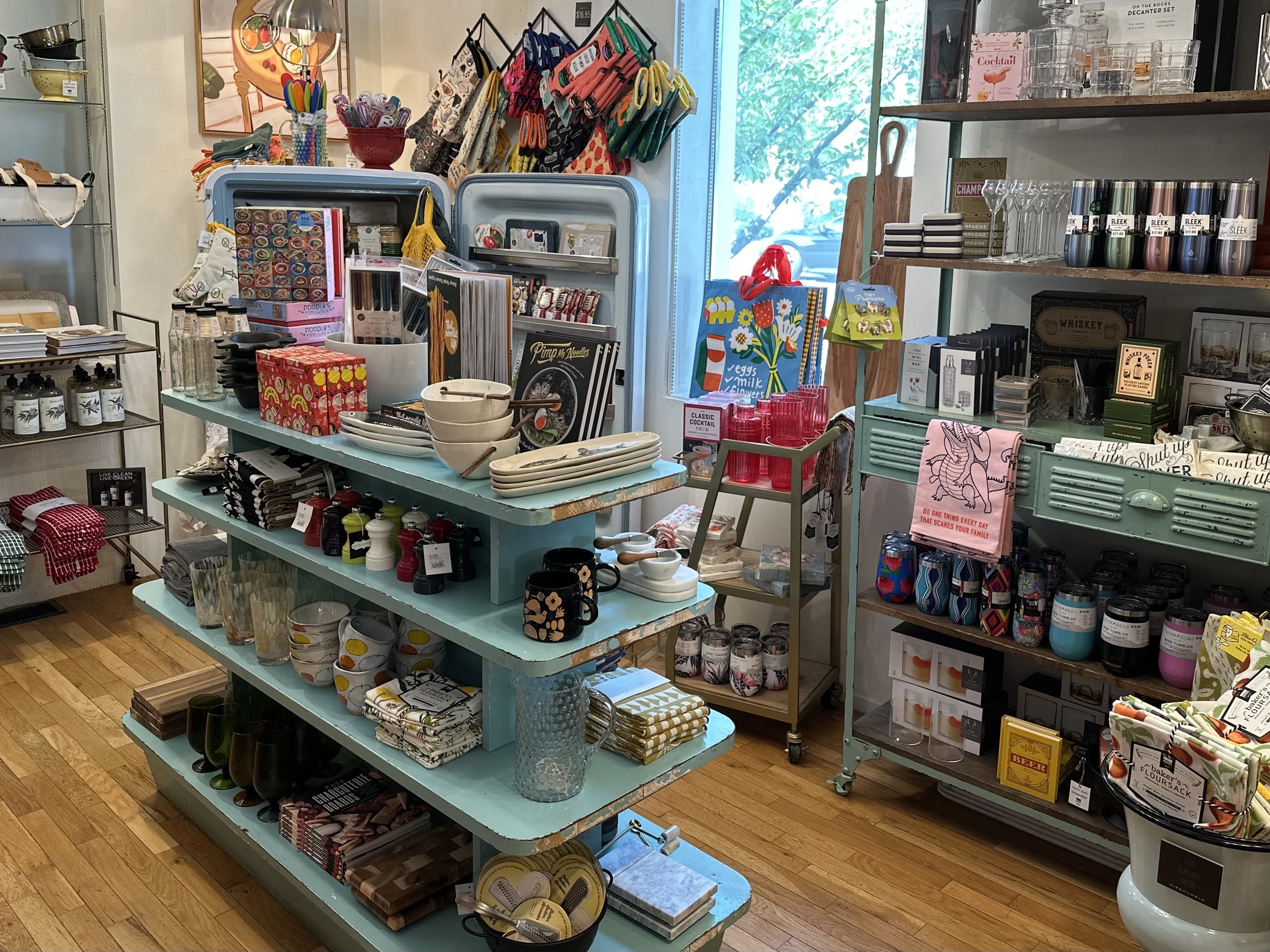
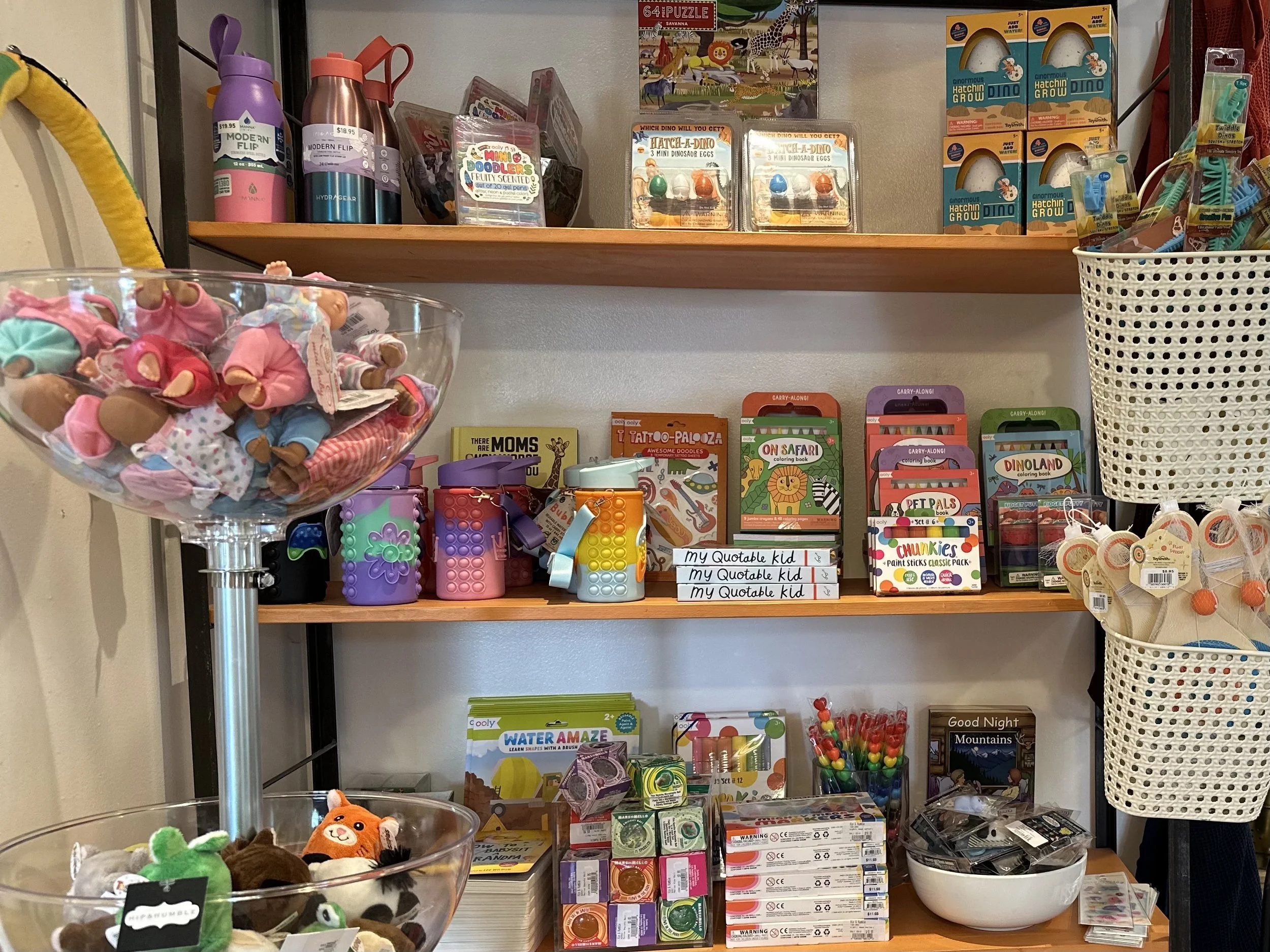
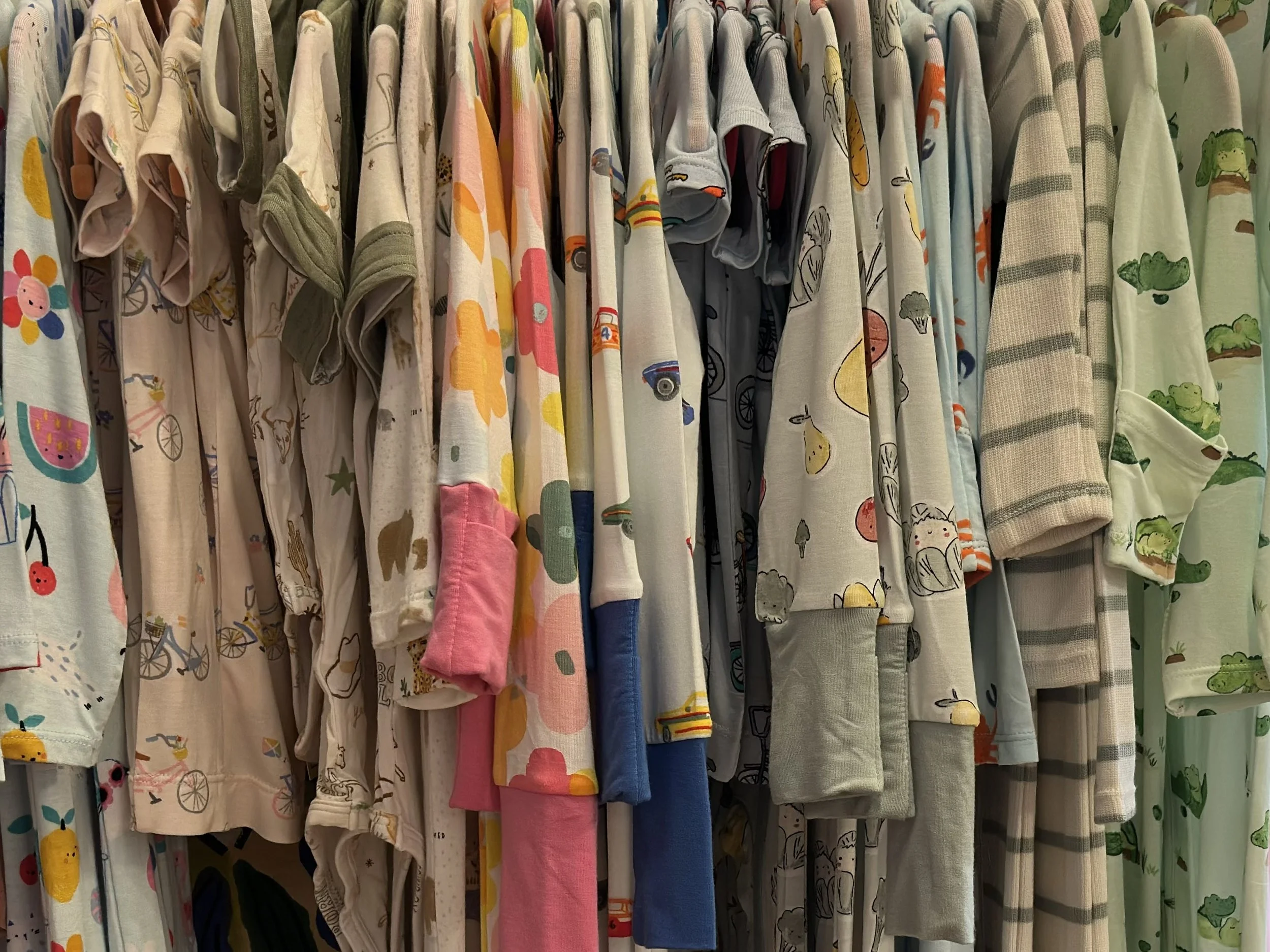
The range is broad but never scattered. Clothing has become one of the strongest categories, journals remain a constant draw, and there are baby gifts, children’s books, plush toys, puzzles, jewelry, and bath and body products. According to Sheridan, the eco-scrubby, a simple recycled dish scrubber, continues to outsell almost everything else, alongside the Dammit Doll, which still finds its way into countless hands - offered for everything from a bad day to something far more serious. “Pretty much anything you would ever want to give anyone is in this store.”
That clarity did not exist at the beginning. Sheridan grew up in Davis County in a large family shaped by independence and curiosity. “We lived in a cul-de-sac, and there were lots of kids my age that lived in the circle,” she said. “We played night games, kick the can and steal the flag.” Days were spent outside, from morning until dark, surrounded by siblings and neighborhood friends.
At home, business was part of daily life. Her father ran an insurance agency, her grandfathers were entrepreneurs, and conversations around the table revolved around ideas, numbers, and how things worked. “I always thought of myself as having an innate understanding of business,” she said. “And maybe that is because I was raised that way.” Alongside that came something else. “I am a creator, but I am not an artist. I like to think inside my head.” It is a way of thinking that would later shape the store as much as any formal plan.
After graduating from the University of Utah, Sheridan did not go straight into retail. She took a job with an insurance company and spent time traveling, enjoying the sense of movement. But her older sister, Suzette Eaton, was already building something. The two had grown closer over time, especially in college when they lived together and shared their lives more fully. “We always thought we would do something together.”
Suzette began first, developing the idea of a furniture and design store. Sheridan helped from the sidelines, painting, brainstorming, shaping ideas, and contributing to naming the business. The name came together during a long car ride filled with books, magazines, and a running list of words until “Hip & Humble” emerged.
As the opening approached, Suzette realized she could not do it alone. “I need you,” she told her sister. Sheridan joined her, and in November 1999, they opened their first store in a converted garage. It was a furniture store, rooted in their shared love of textiles, color, and design. They worked with local craftsmen, created custom pieces, and handled every part of the business themselves - deliveries, merchandising, moving furniture, managing the shop - all of it.
It was also financially difficult. “We tried with every single bank in town,” Sheridan revealed. Funding was nearly impossible to secure, and the response was often dismissive. One banker told them, “We do not generally give loans for hobbies.” Without access to capital, they relied on loans from family, always structured and paid back with interest.
Those early years required persistence more than certainty. “We did not know what we were doing, so we kept going.” Then the retail landscape shifted. Larger stores entered the market, offering furniture faster and cheaper. Sheridan and Suzette had to adapt.
It began with small additions - soaps, books, simple objects layered into displays. Then came a moment that changed everything. A childhood friend brought in handmade jewelry and asked if they would sell it. Sheridan hesitated, then agreed. It sold immediately. “That was a real eye opener.”
From there, the store evolved steadily. They ordered more gifts and other accessible items, looking for things customers could pick up and connect with instantly. By the time they moved to 9th and 9th, the shift was well underway. “What is interesting to me about our story is that our business plan was to own and provide furniture, and we do not sell any sort of furniture now.” Instead, the store became what the community asked for. “They tell you what they want by how they spend their money, and so we gave them what they needed.”
Over time, the business grew, but so did the complexity of running it together. Sheridan and Suzette had built everything side by side, but eventually they found themselves wanting different things. “It was different enough that we either needed to be business partners or we needed to be sisters.”
The process of separating took time, but it was done with care. In 2014, Sheridan took over the business. Suzette stepped into her own path in interior design, while their relationship remained intact. The two have stayed close all these years, as their family lives continue to be intertwined.
For Sheridan, moving forward came with both confidence and uncertainty. “Is the reason the store is successful because we did it together?” she wondered. But what remained constant was how she approached the business. “I lead with emotion one hundred percent of the time. At the end of the day, it is always about how do I feel about this. Is this a yes, or is this a no.”
For years, the focus remained on the store itself - on the rhythm of the neighborhood, the customers who returned again and again, and the steady evolution of what Hip & Humble could be. Expansion had happened before, in different parts of the valley, but always within reach, always familiar. The airport was something else entirely.
The idea did not begin with Sheridan; it came from the outside. In 2016, Sheridan began receiving calls from city leaders. She found herself having conversations with people who understood what was coming with the new Salt Lake City airport rebuild. “I had no idea what anyone was talking about, but I was going to stay in the conversation until something told me not to.” At the same time, national airport retailers began reaching out, asking for meetings. “I was really confused. I did not even know why all of these people were calling me.” Still, she said yes.
What followed was a series of conversations that felt, at first, almost impossible to comprehend. Airport retail came with its own language, its own systems, and its own scale. Inventory had to move through security. Deliveries were controlled. The logistics alone were enough to overwhelm someone used to a street-level shop. “I remember coming home and saying to my husband, I cannot even follow all that they are proposing, but it seems really interesting, and I am going to stay in it.”
That decision to stay in the conversation changed everything. It quickly became clear that this was not something to take on alone. Sheridan had been running her business independently, but this required a different kind of partnership. She aligned with Paradies Lagardère, an experienced airport retail group, allowing her to focus on what she understood best. “They were going to handle the operations, and I was going to handle the brand.”
Together, they prepared a proposal for the new Salt Lake City airport. It reflected what Hip & Humble already did well - an inviting, thoughtful retail experience built around discovery. Just before the official announcement, a call came from the airport with one final question. “Do you think the airport could support two Hip & Humbles?” Sheridan’s answer was an immediate yes.
The stores opened in September 2020, six months after Covid had shut down the world. “It was a brutal year. I thought I had just signed the death of the store.” Travel had slowed, the uncertainty was constant, yet there was no way to step back. “I kept waiting for them to call and say, never mind, but they never did.”
Instead, the stores opened, and something unexpected happened. “The cash register was ringing. I was completely flabbergasted.” Even with fewer travelers and limited inventory, the concept worked. People walked in, looked around, and stayed. The response was immediate and steady. “This idea of a boutique in an airport was something that felt approachable.”
It was different from what travelers expected. Not rows of souvenirs, but a place where someone could find a thoughtful gift, a book, a piece of clothing - something small or something more substantial. Then came the realization for Sheridan. “It was like I got struck by lightning. This store is built to be in airports.”
From there, the path forward became clear. Fort Lauderdale came next, then Charlotte, Houston, Louisville, Detroit, San Jose, and more locations on the horizon in Toronto and San Diego. Each shop requires the same question to be answered again and again - how to take something rooted in a neighborhood and place it in a space where no one stays for long.
Sheridan approached it the same way she always had. “I still choose everything. I still have a connection to every item.” The logistics may be different, but the core has not changed. People still move through the store the same way - picking things up, holding onto them for a while, deciding what matters enough to take with them.
What continues to surprise her, however, is what travelers are willing to carry. “I sold this big, heavy book and thought, who wants to put this in their bag? But people do it all the time. If something feels right, people make room for it.” That has always been the measure. “You have to be willing to give your customers what they want. If you hold on too tightly to your idea, you are going to miss something. It is the same thinking that allowed the store to shift from furniture to gifts. The same willingness to listen, to adjust, to follow what works. Now, that instinct has carried Hip & Humble far beyond 9th and 9th, into spaces Sheridan once knew nothing about. “I still feel like I am running one little nugget.”