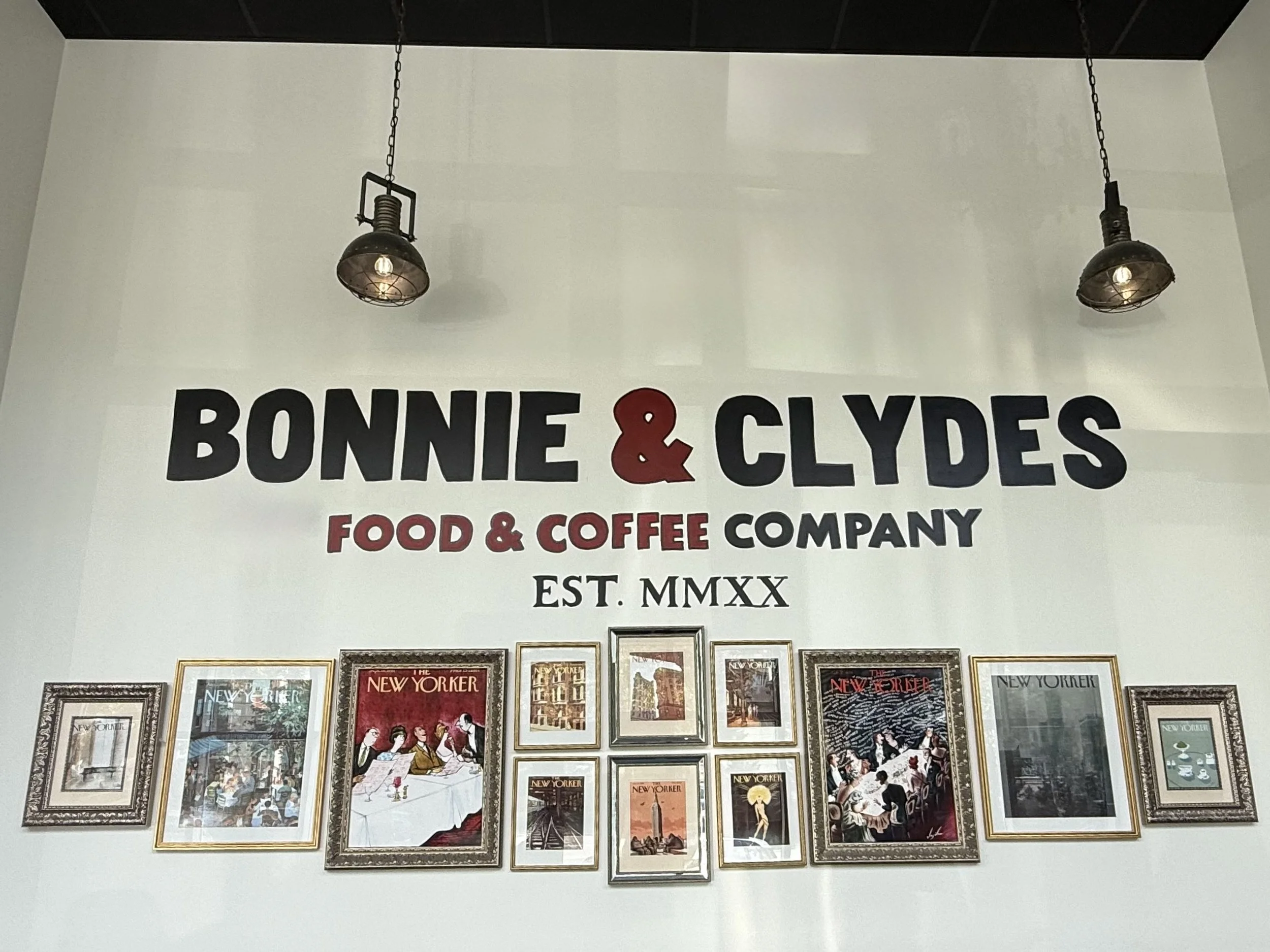
Bonnie & Clyde’s
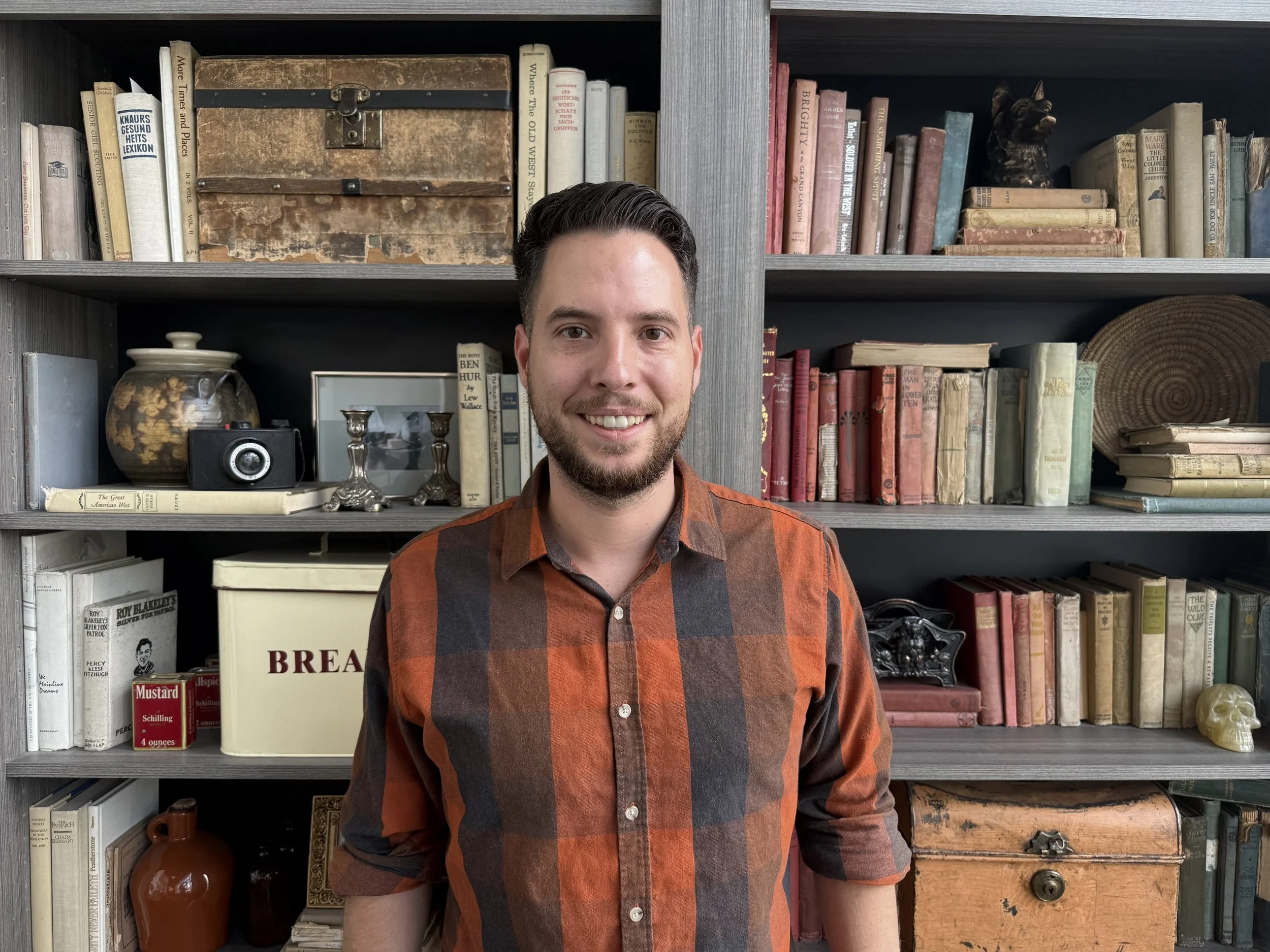


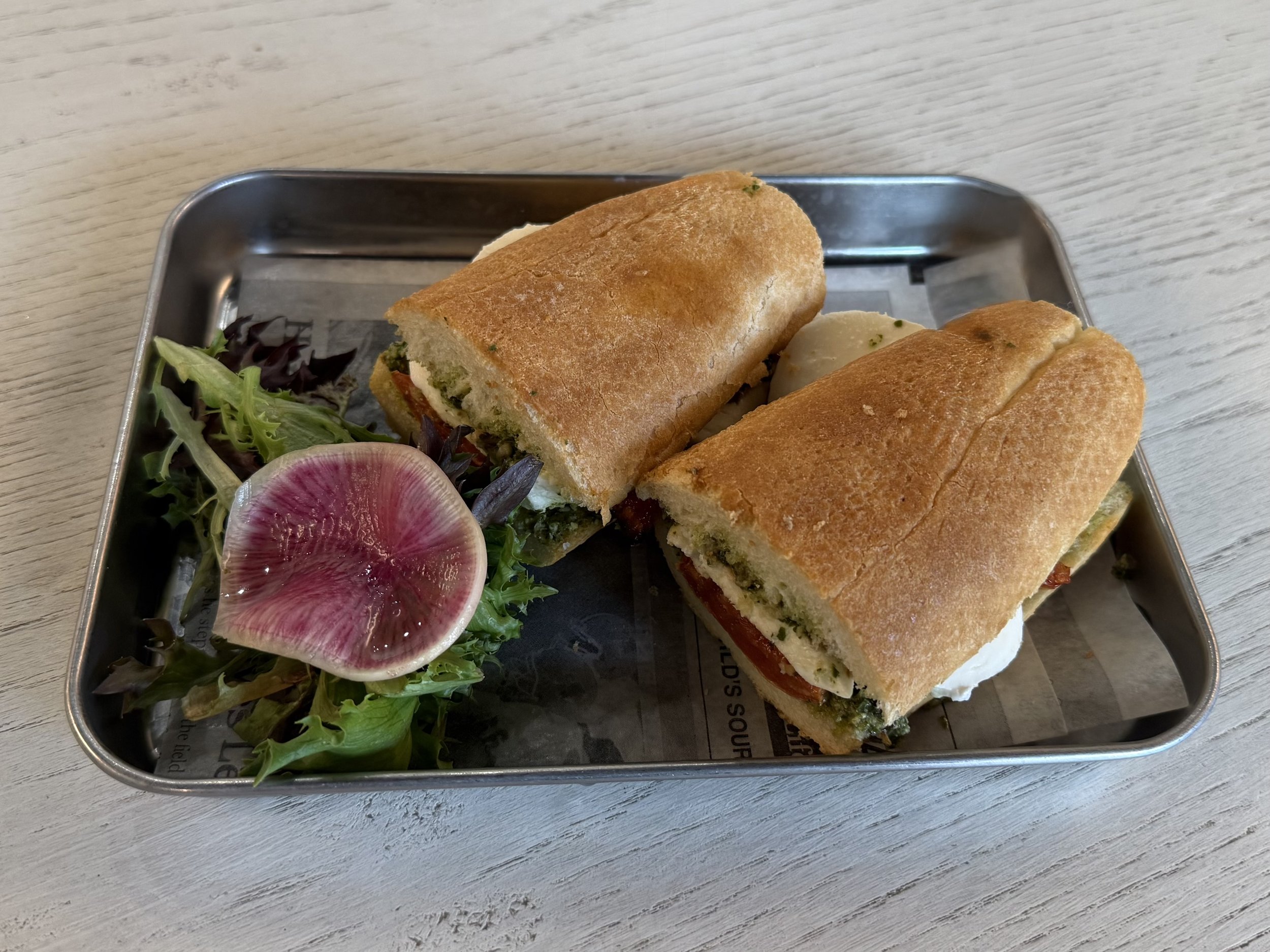
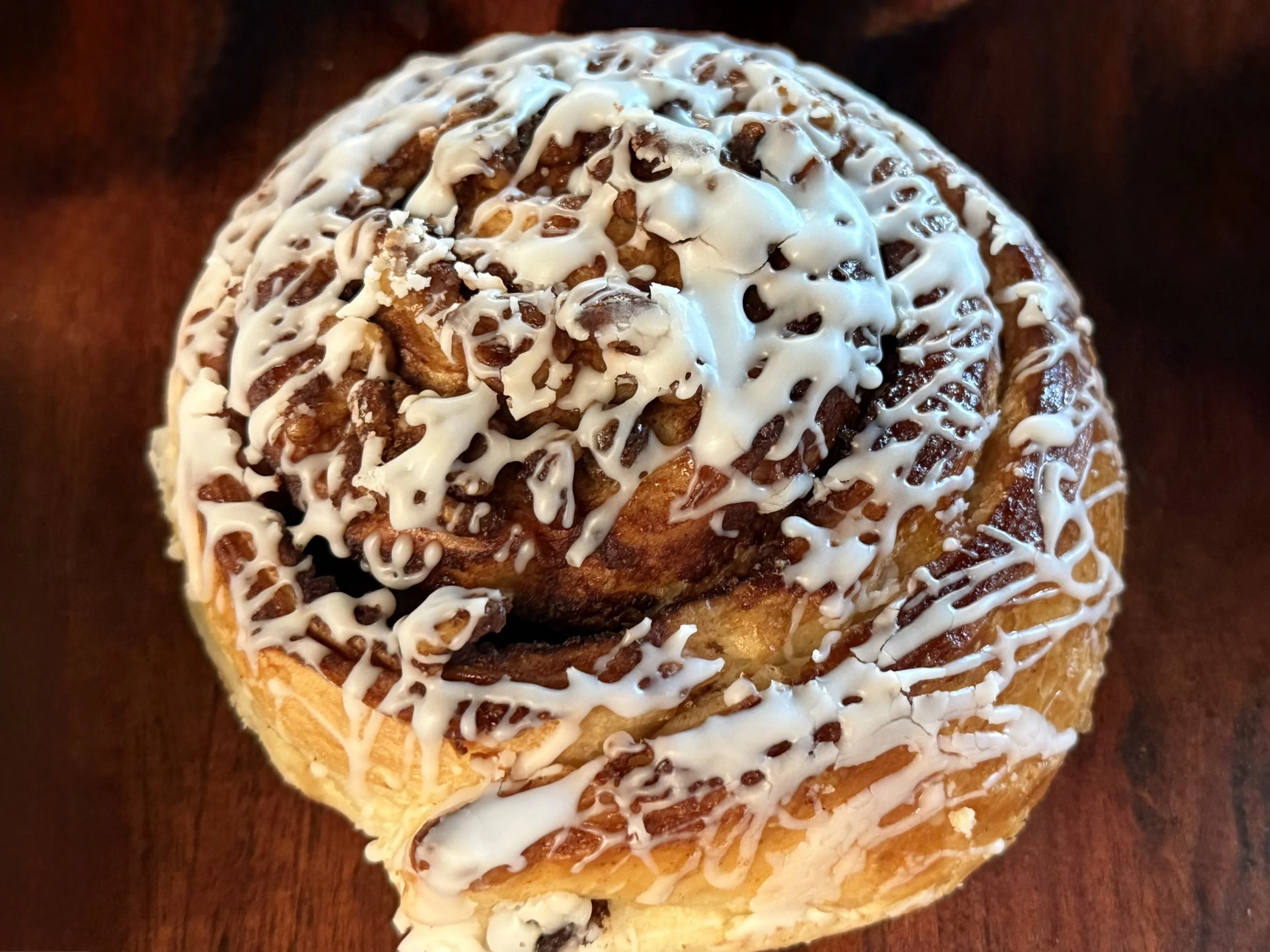
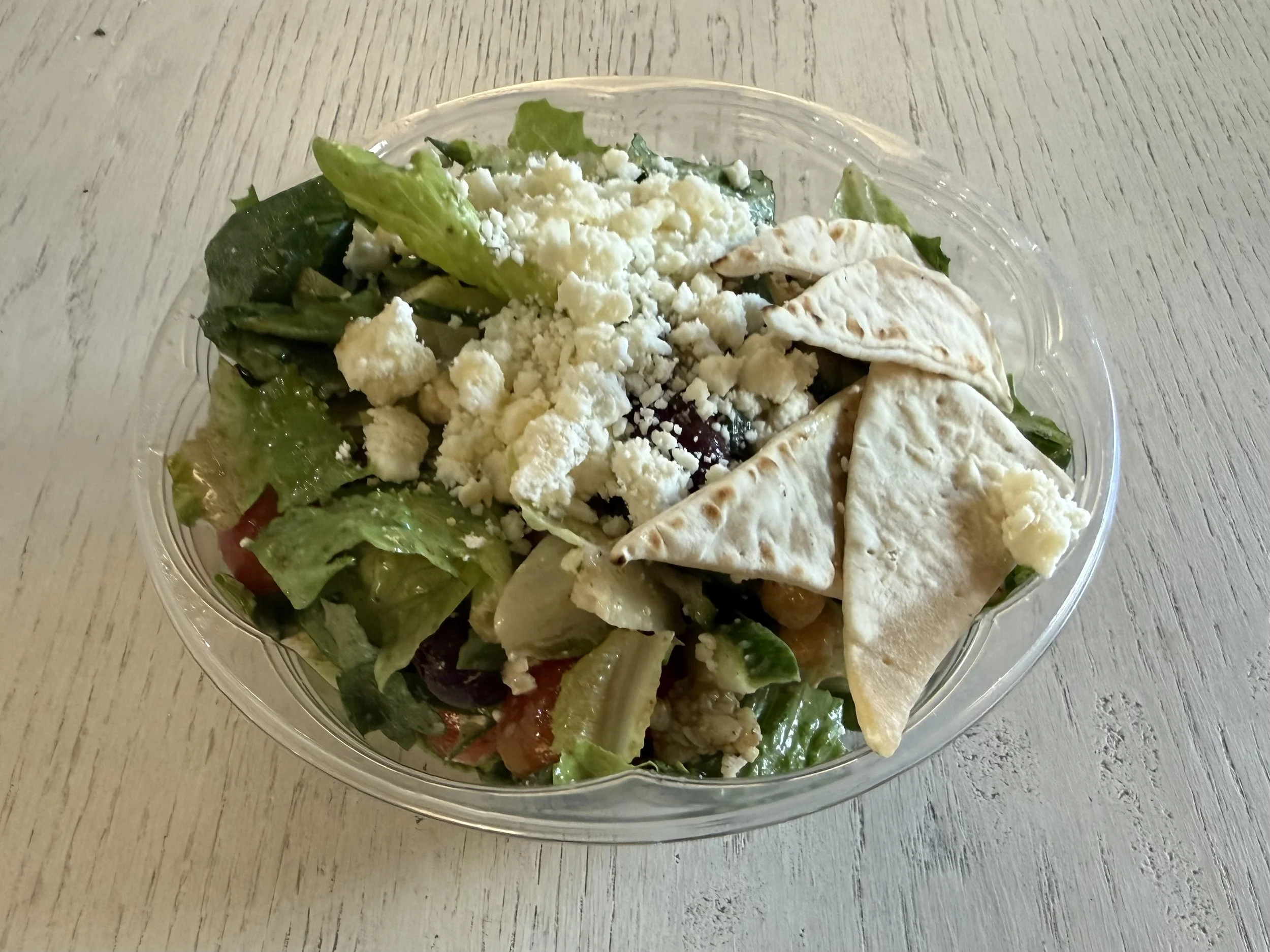
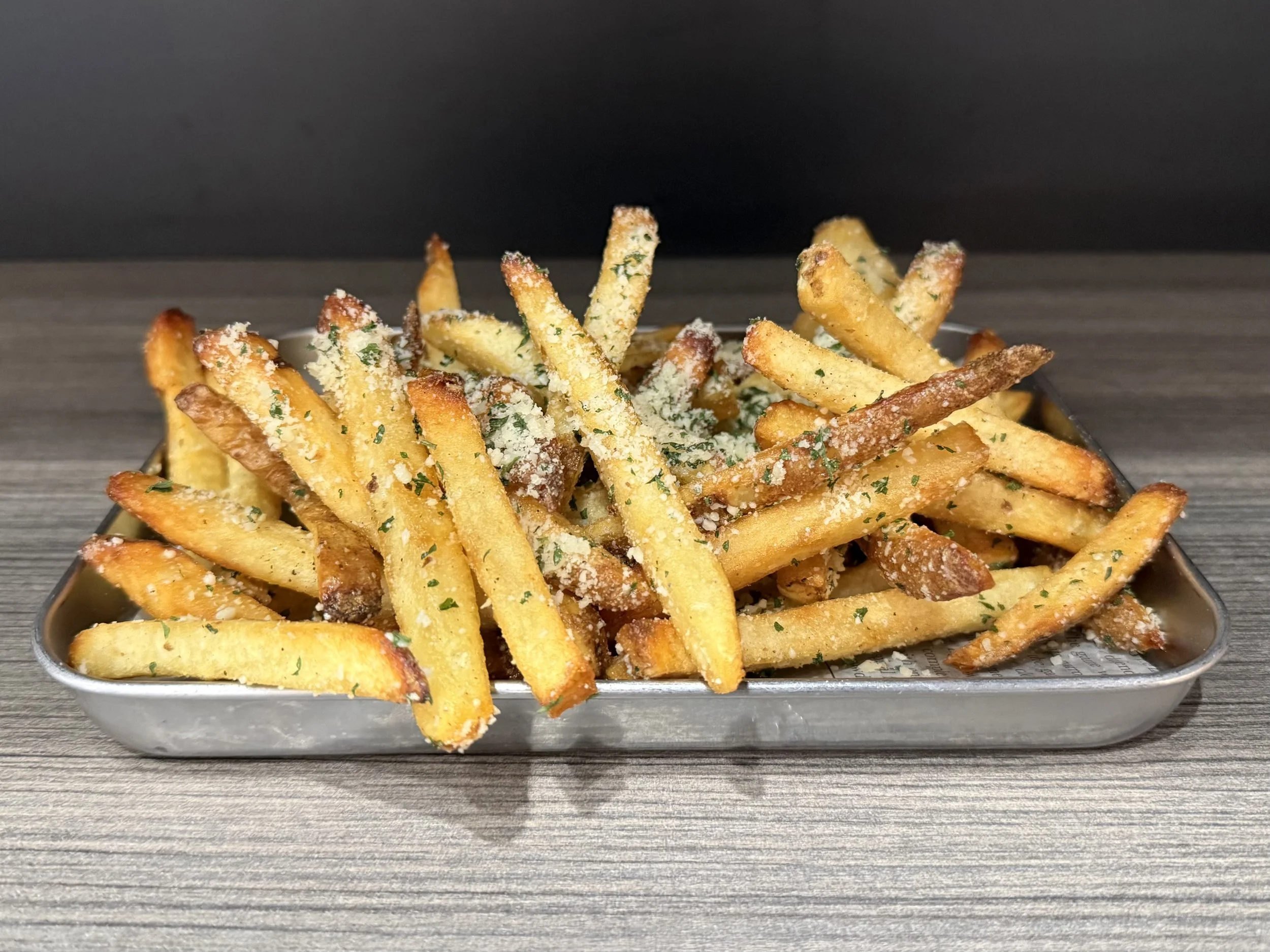

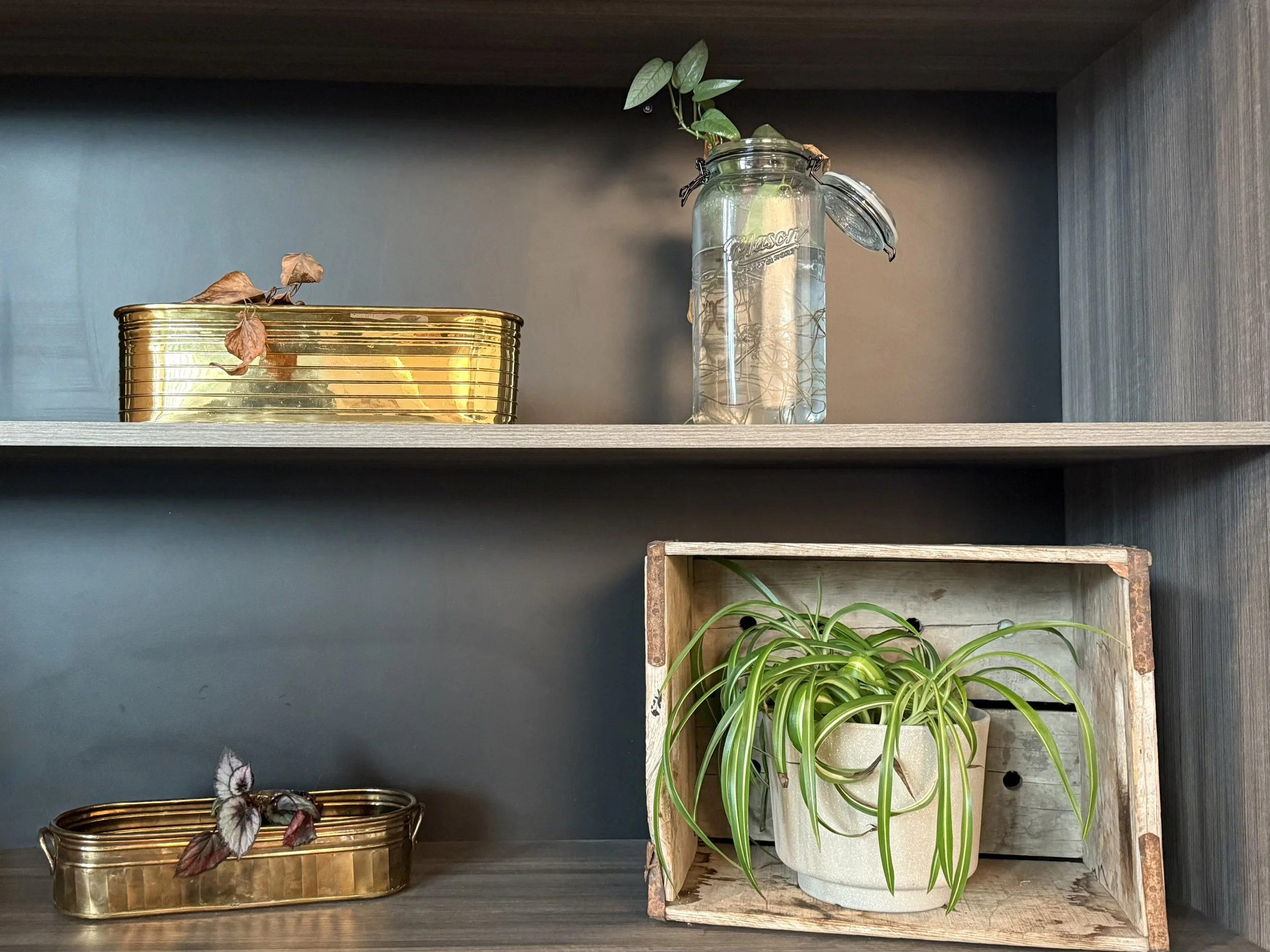
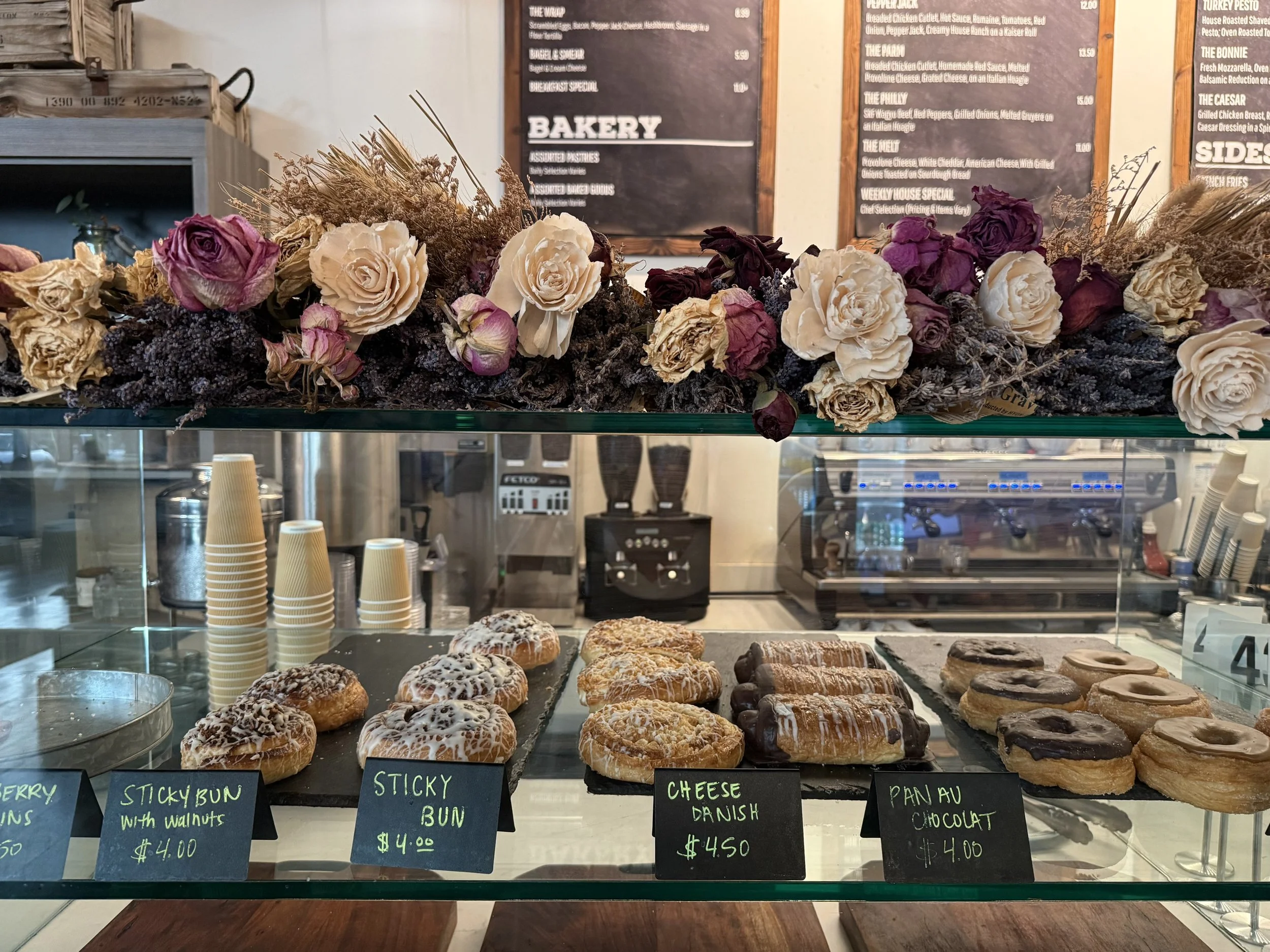
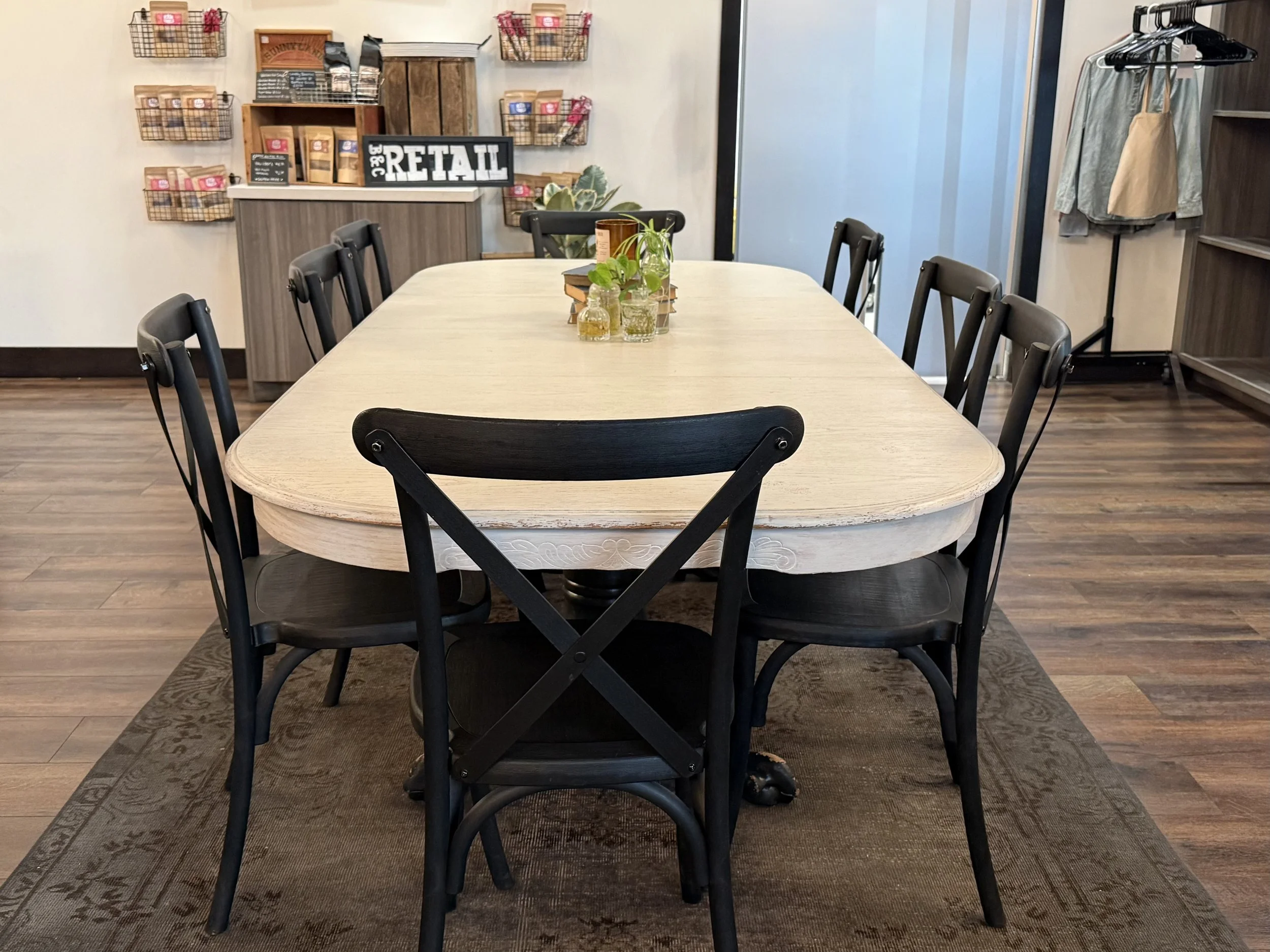
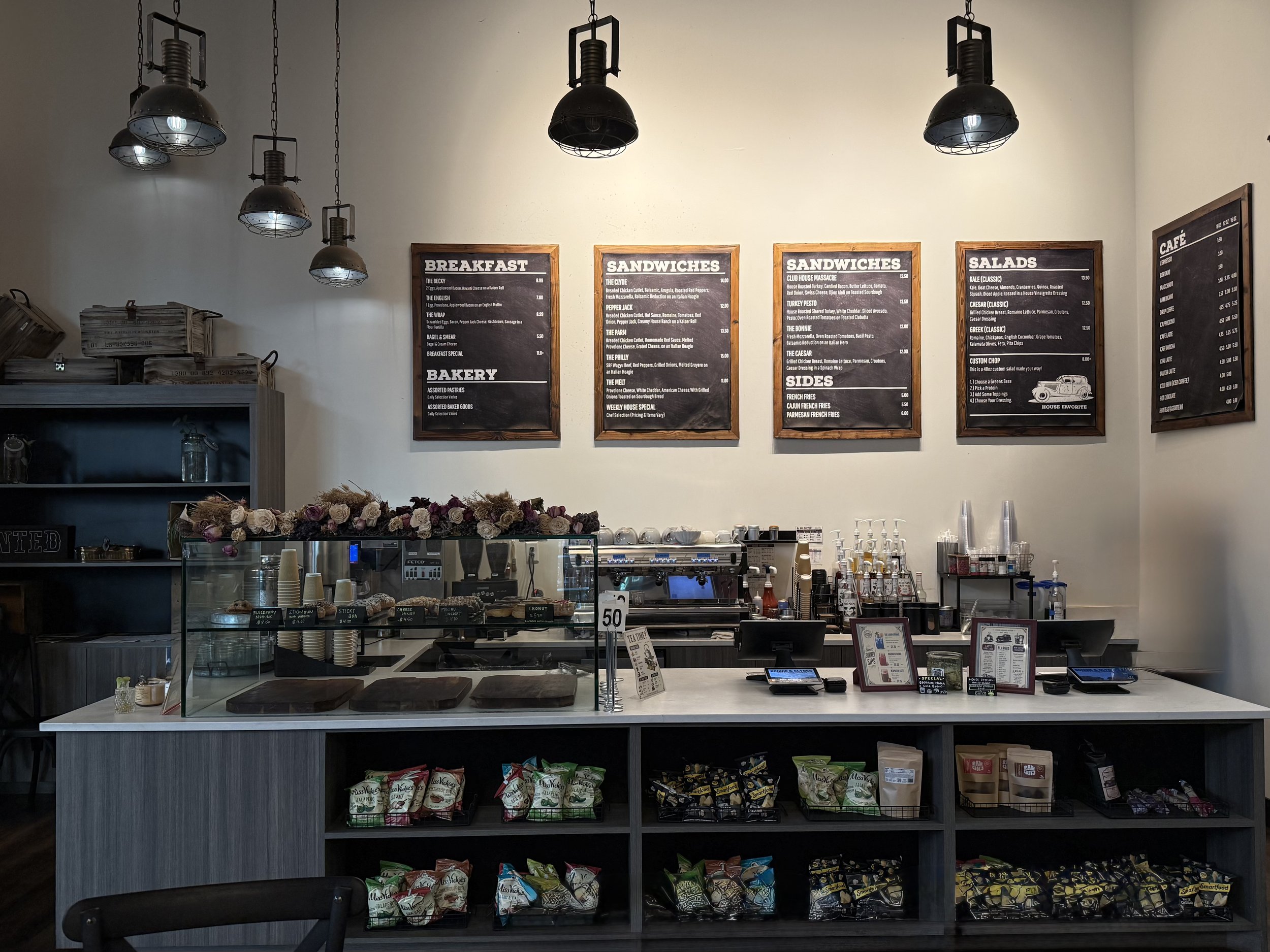
“Find something people don’t want to do and offer to do it for them.” It was a lesson Greg Castro learned from his father while growing up in Connecticut, long before Bonnie & Clyde’s was even imaginable. His father built a small chain of dry cleaners and taught Greg to pay attention to what people needed, and to recognize opportunity when it appeared. He also made certain Greg understood the value of money.
Although the family lived among neighbors with far greater wealth, Greg remembers being handed ten dollars during a childhood trip to Toys “R” Us while friends were given hundreds. His father’s message was clear; appreciate what you have.
Greg soon put his father’s advice into practice on the lake where his family kept a boat. His dad was meticulous about keeping it clean, and Greg realized other boat owners might happily pay someone else to do the same. Before he was even old enough to drive, he started a boat-detailing business, hiring older teenagers to transport him from job to job. It was his first taste of building something of his own.
After college, Greg gravitated toward New York City, working in real estate before becoming involved in venture capital, marketing, and a series of businesses. He lived in several Manhattan neighborhoods, absorbing the rhythm of a city where the corner coffee shop, deli and neighborhood restaurant were woven into daily life. When the pandemic disrupted both New York and his work, Greg headed west. What began as a change of scenery eventually became a new life - and an unexpected business idea.
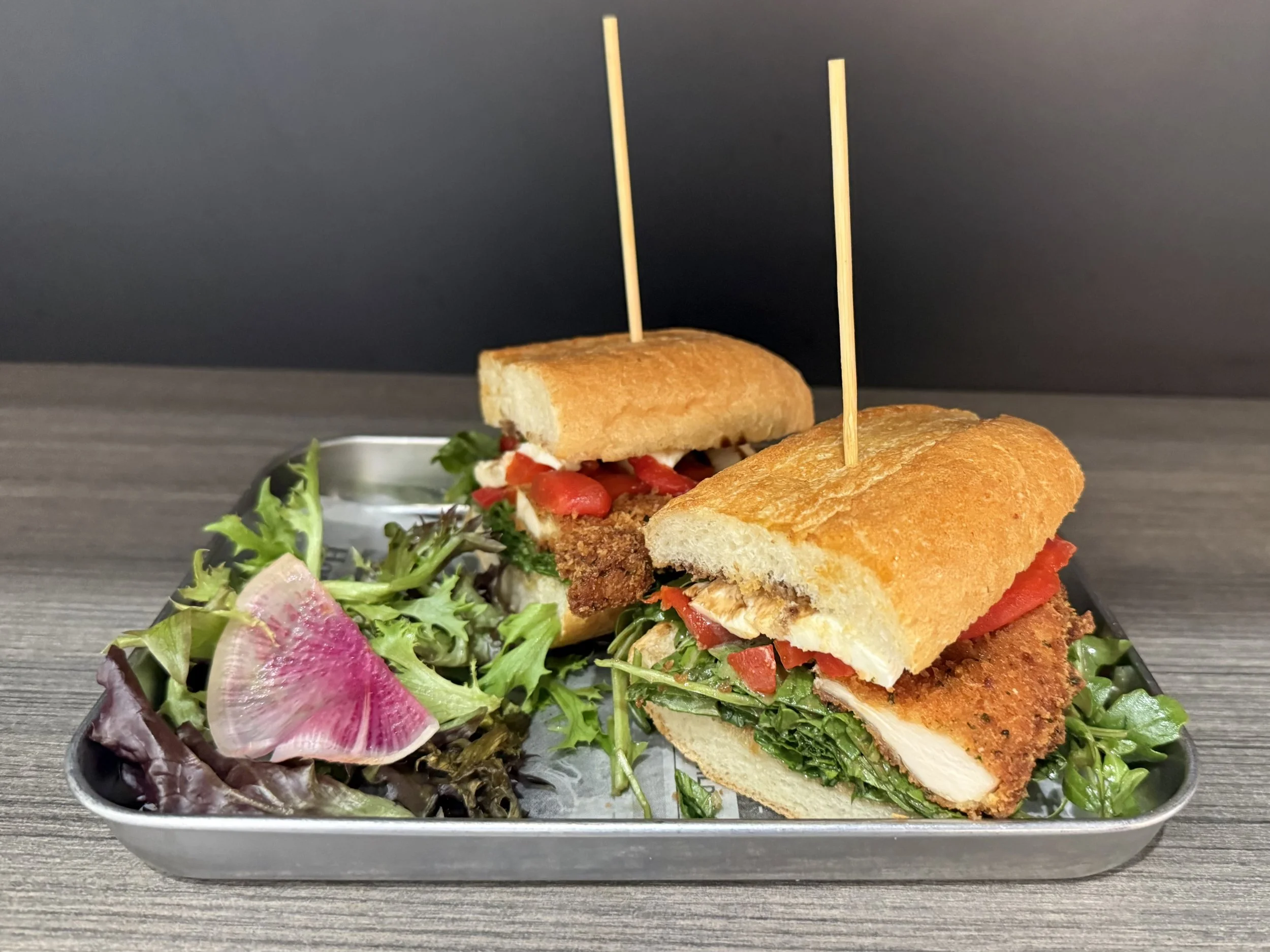
Living in Park City, Greg found himself craving the everyday foods he had taken for granted back East: a chicken cutlet sandwich, a bacon, egg, and cheese on a Kaiser roll, even a chicken Caesar wrap. There were plenty of excellent restaurants, but he struggled to find the uncomplicated food he knew and loved.
Bonnie & Clyde’s became his playful answer - take the familiar foods he missed from the East Coast and bring them west. The name carries the same wink. Bonnie and Clyde were notorious thieves, and Greg liked the notion of becoming an “East Coast food thief,” borrowing inspiration from the sandwiches, wraps and breakfast staples he had grown up eating.
But the food itself was never meant to be an imitation of a New York deli. Greg wanted to make those familiar foods with greater care. Turkeys are brined and roasted in-house rather than arriving as packaged deli meat. Chicken cutlets are breaded and fried each day. Breads are selected to suit the sandwiches, mozzarella is fresh, and a bacon, egg and cheese comes on the crunchy Kaiser roll Greg remembers from back East.
That attention to simple food eventually helped connect Greg with chef Justen Moser. Greg was already developing Bonnie & Clyde’s and planning another restaurant when he began searching for a culinary partner. Justen, meanwhile, was at Alinea in Chicago, having deliberately stepped away from a comfortable career in Utah to immerse himself in one of the country’s most demanding kitchens. Justen was ready to come home but wanted the next chapter to be something he could help build.
The two quickly discovered that they approached restaurants from different directions but shared many of the same values. Justen brought years of cooking experience and an intense curiosity about food, and Greg brought an entrepreneur’s instinct for building a business that could endure. Together, they became partners in HXS Food Group, with Justen overseeing culinary development across its concepts.
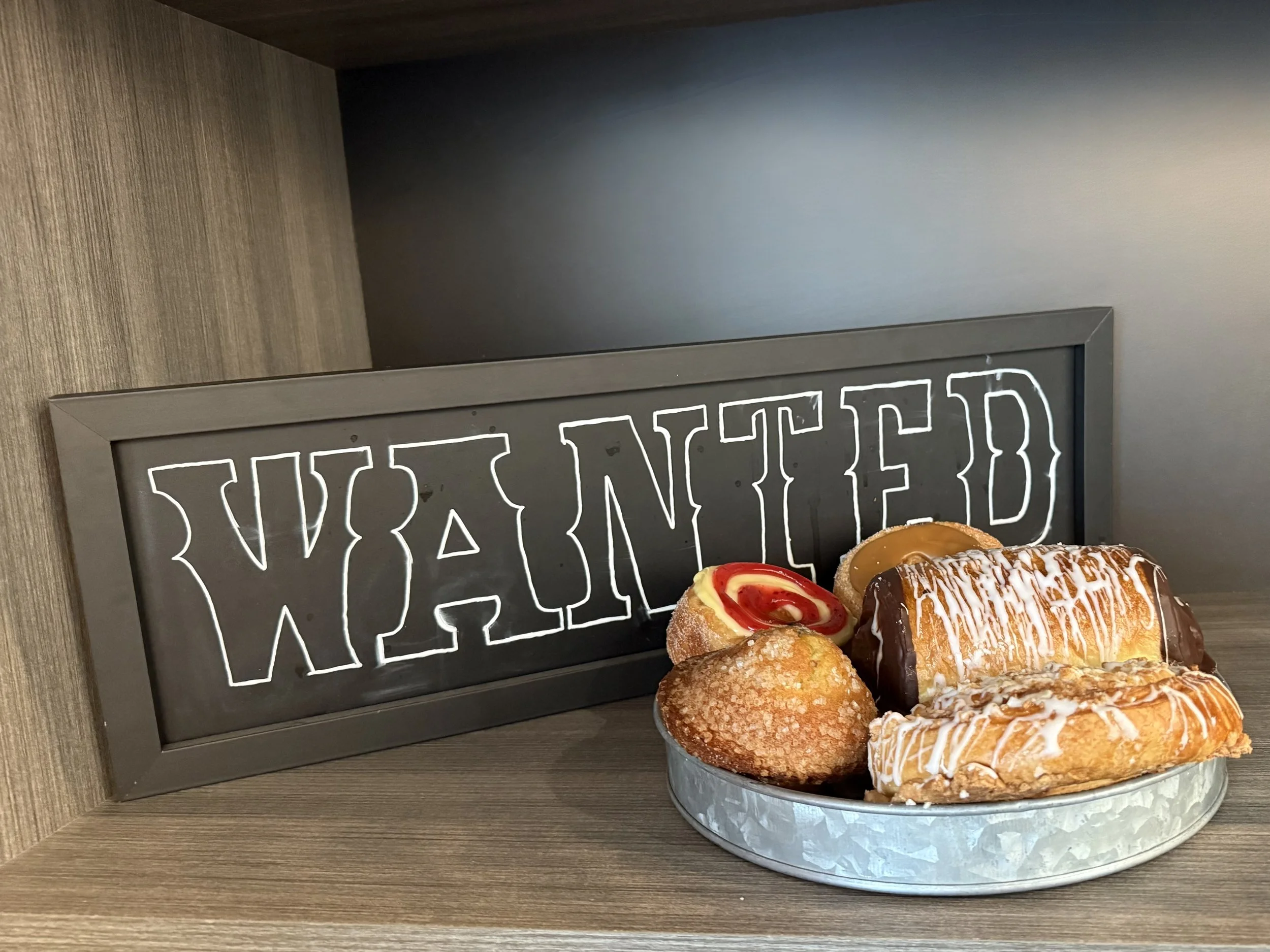
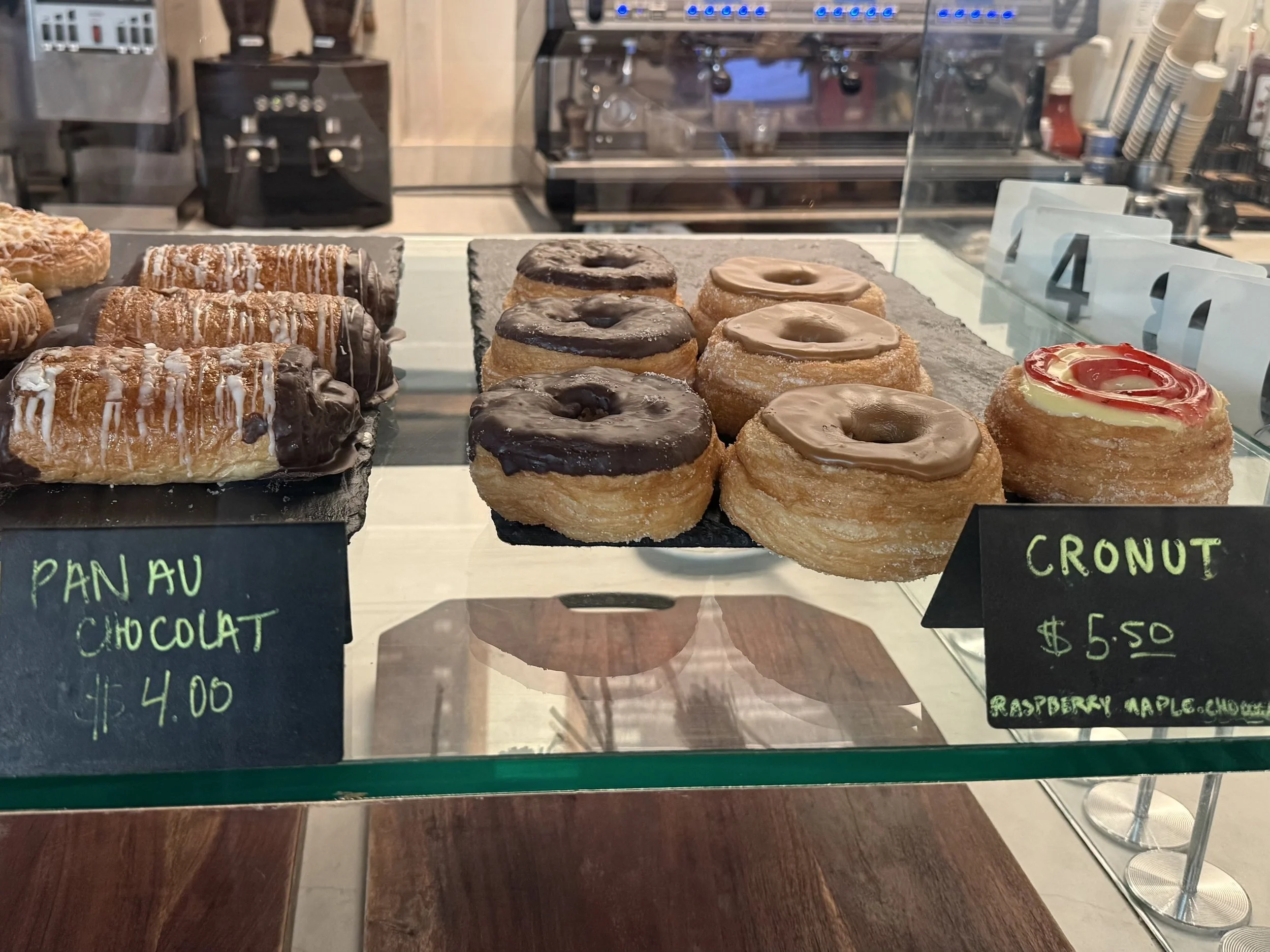
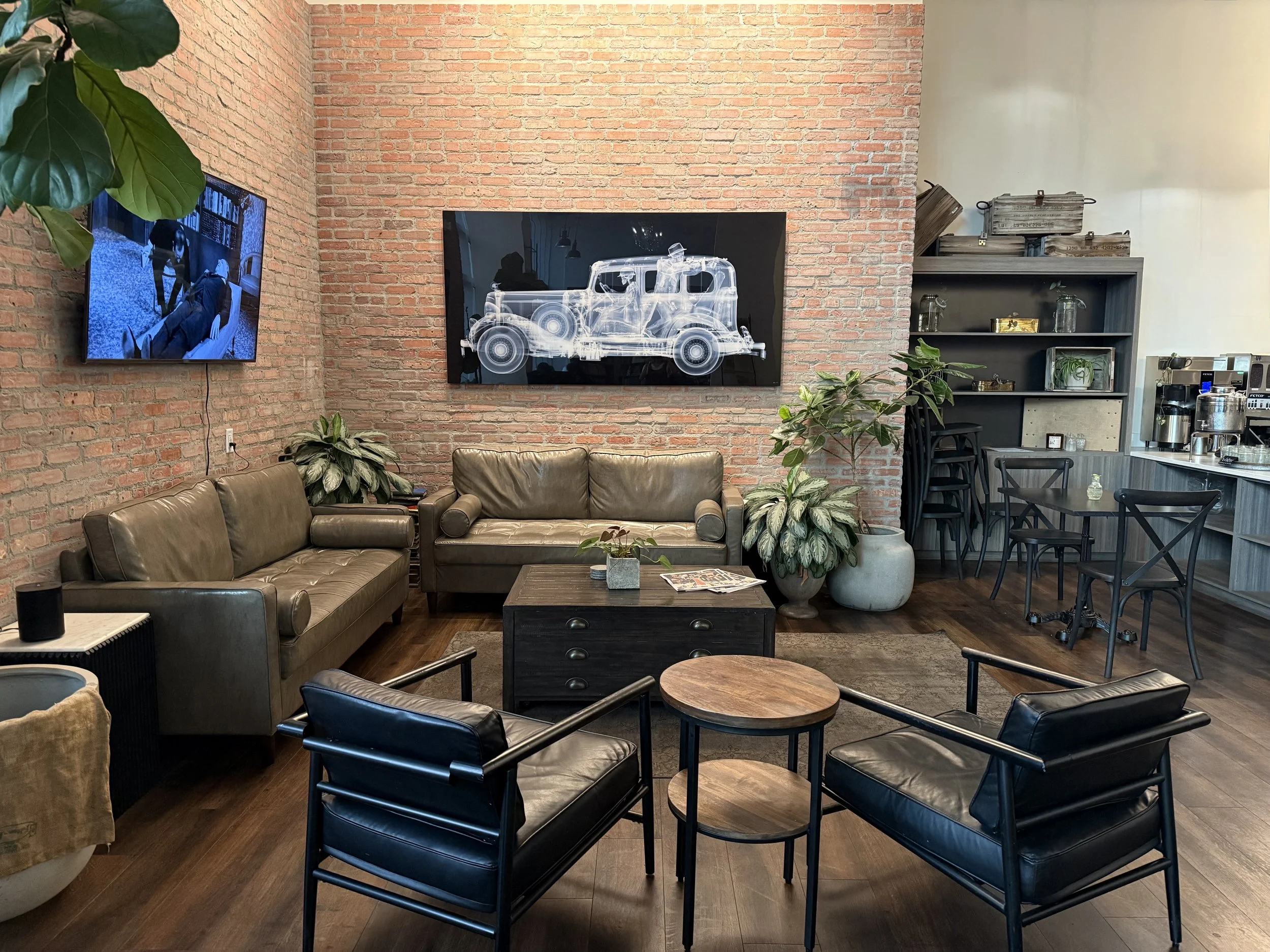
For all the attention Greg and Justen give to food, however, Bonnie & Clyde’s is about something more. Greg resists defining it strictly as either a coffee shop or a deli. Someone can stop for coffee or a sandwich, meet a friend, open a laptop, linger for a few hours, or become a familiar face. The food may have begun with what Greg missed from the East Coast, but the larger idea is hospitality at an everyday price - somewhere people can return to repeatedly without needing a special occasion.
It carries forward something Greg learned long before he entered the restaurant business. His father taught him to notice what people needed and find a way to provide it. Decades later, Greg sees another need emerging. As shopping, work, and even meals have increasingly moved online, there are fewer reasons for people to leave their homes and simply be among others. Bonnie & Clyde’s offers a reason. “The world needs meeting places.”