Hide & Seek
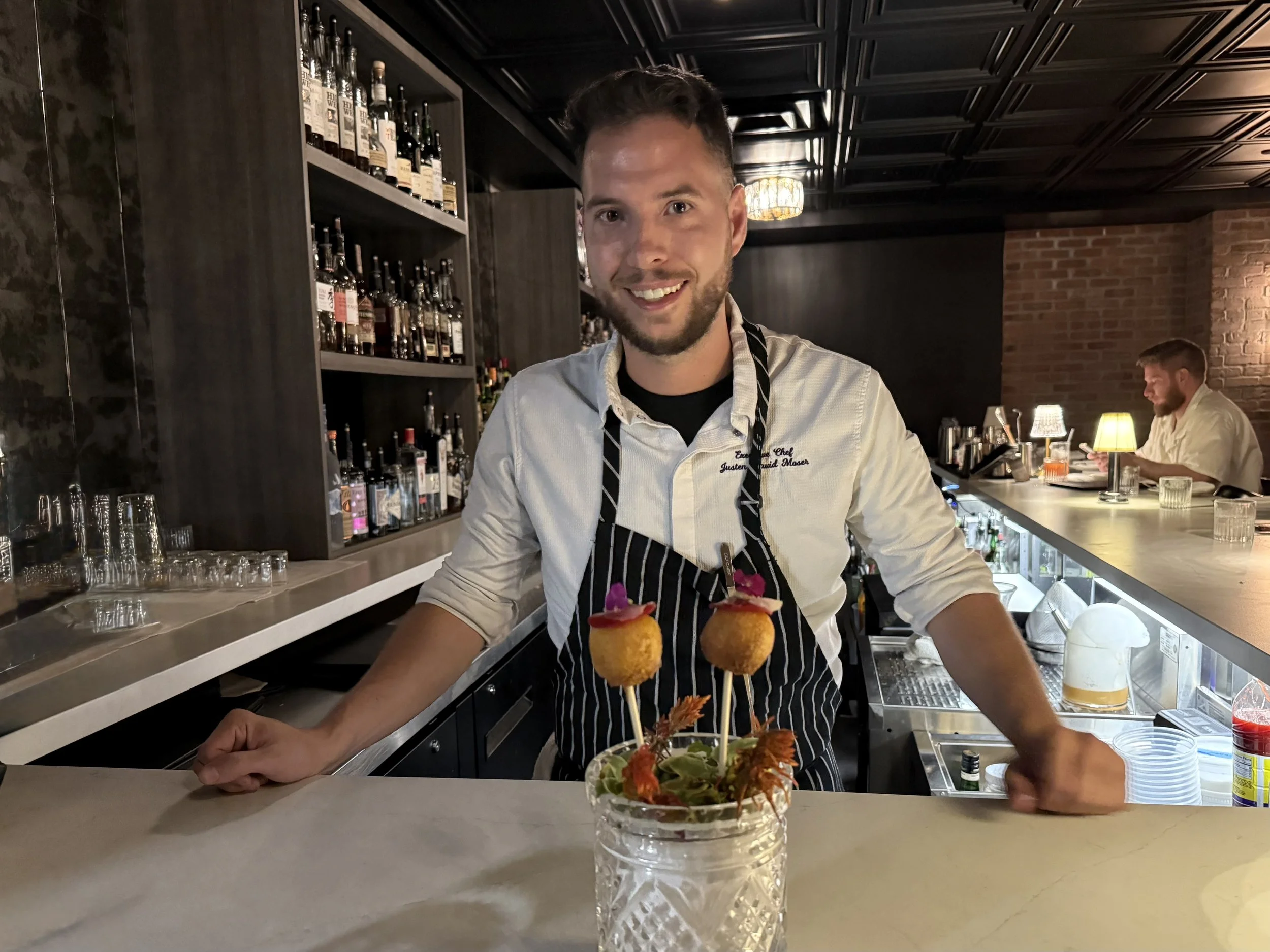
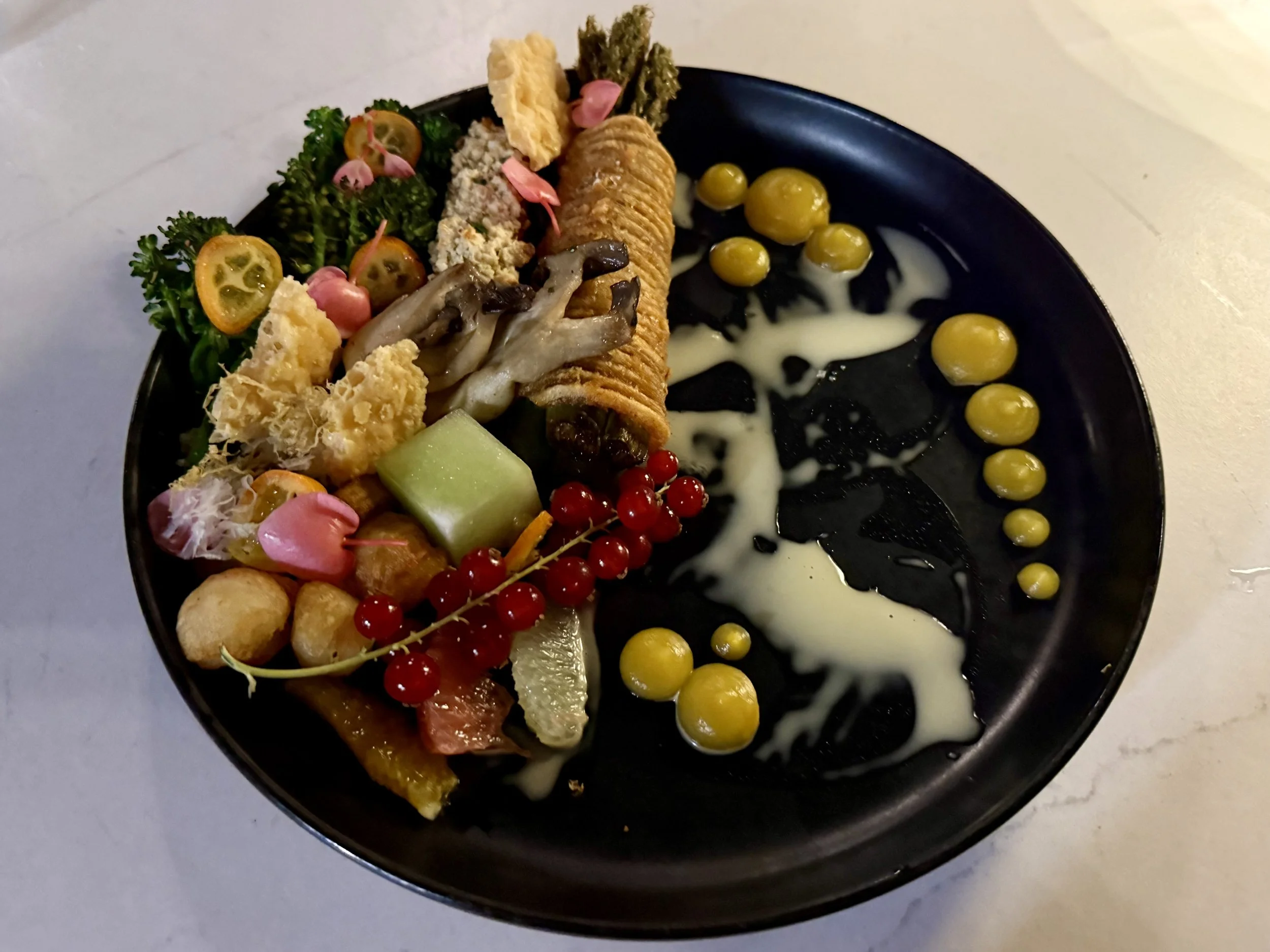
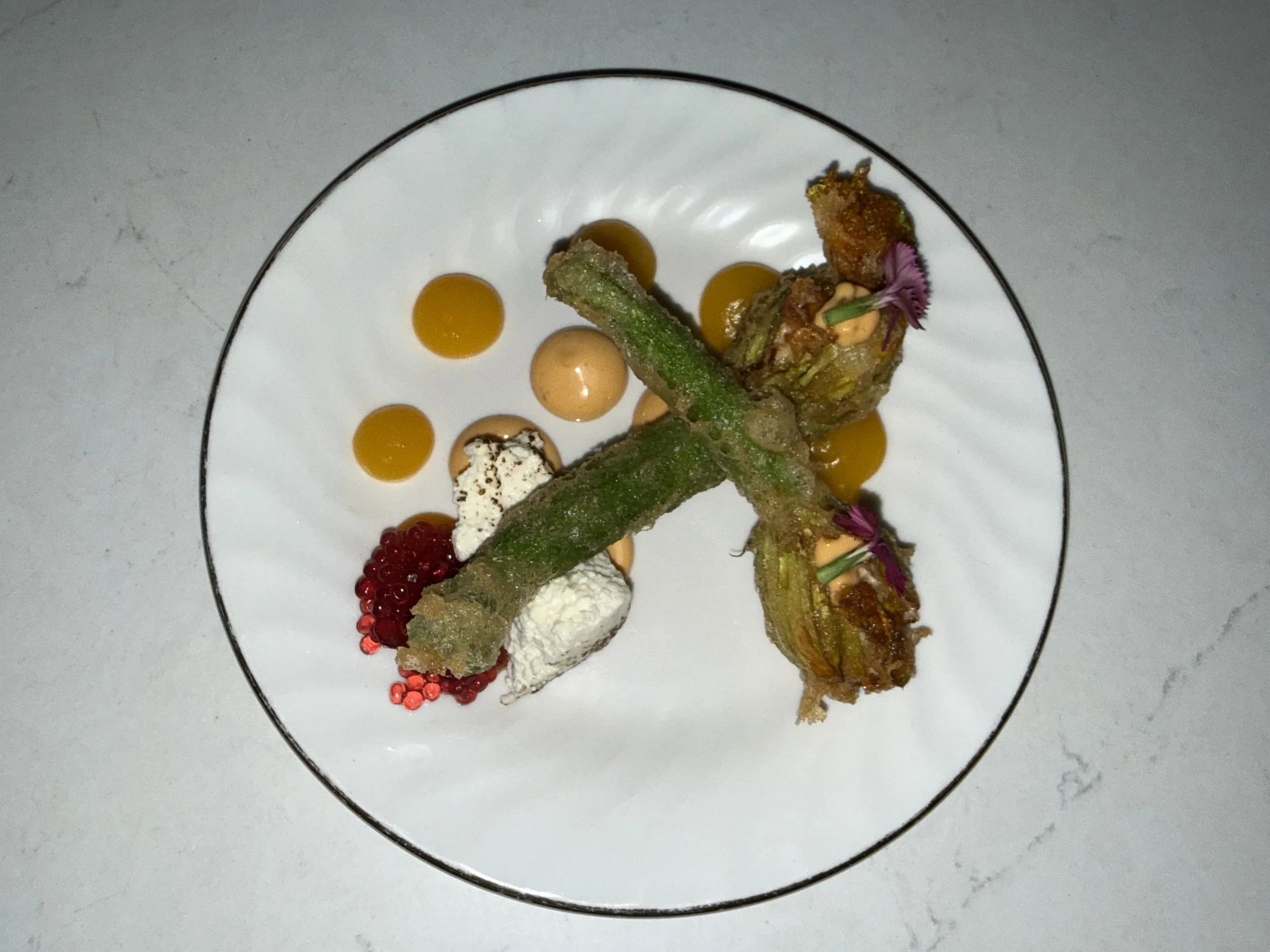
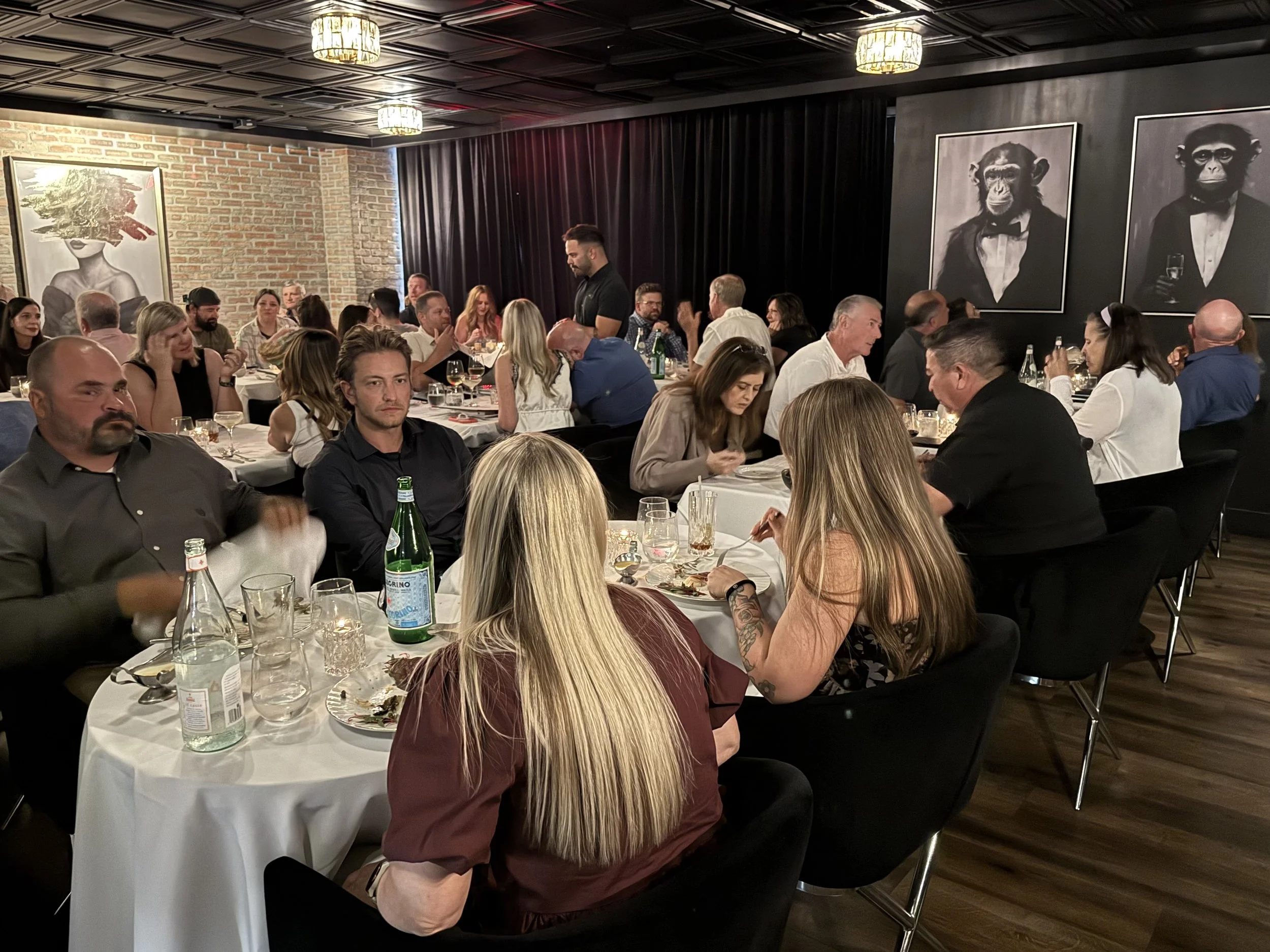
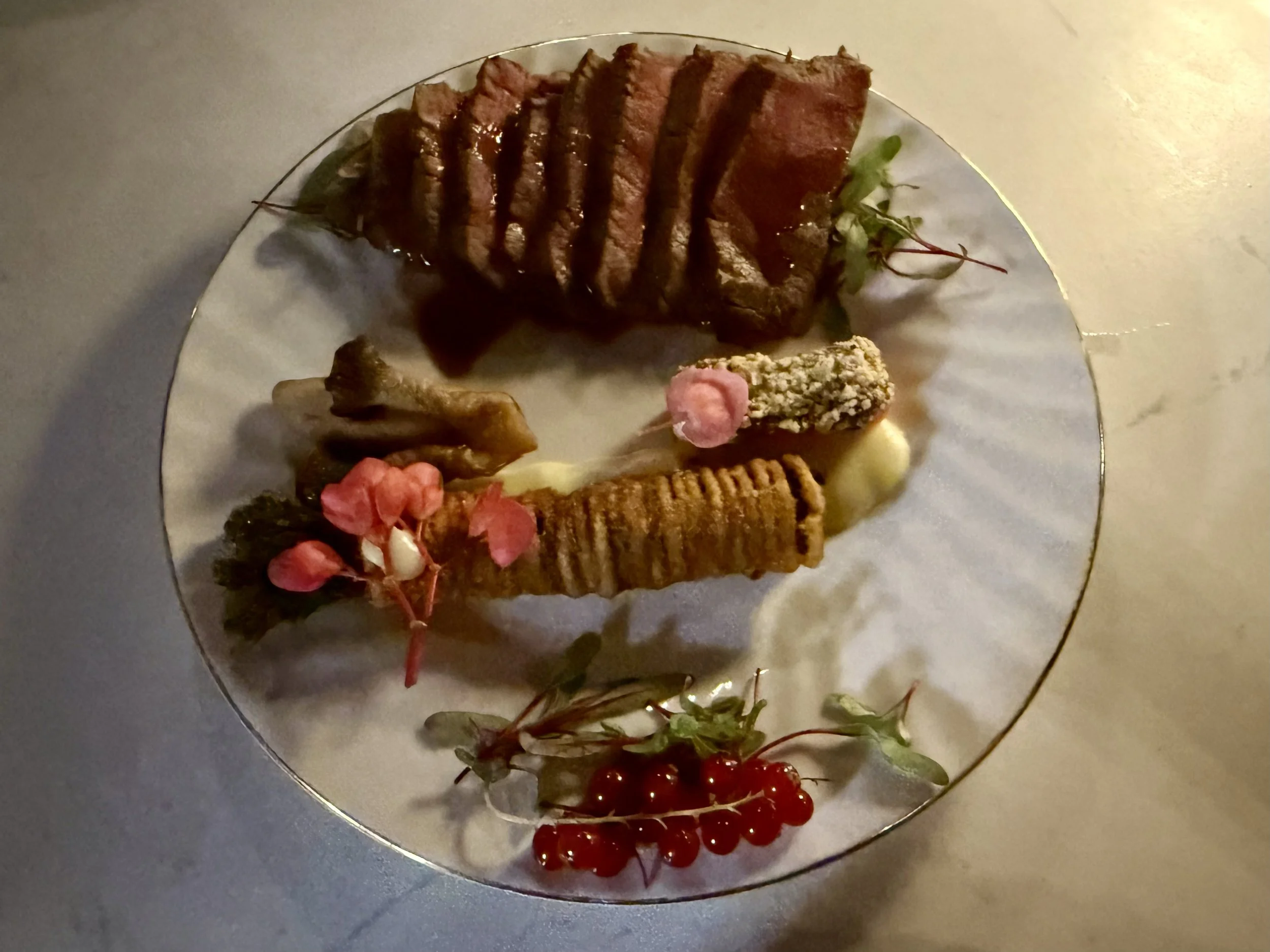

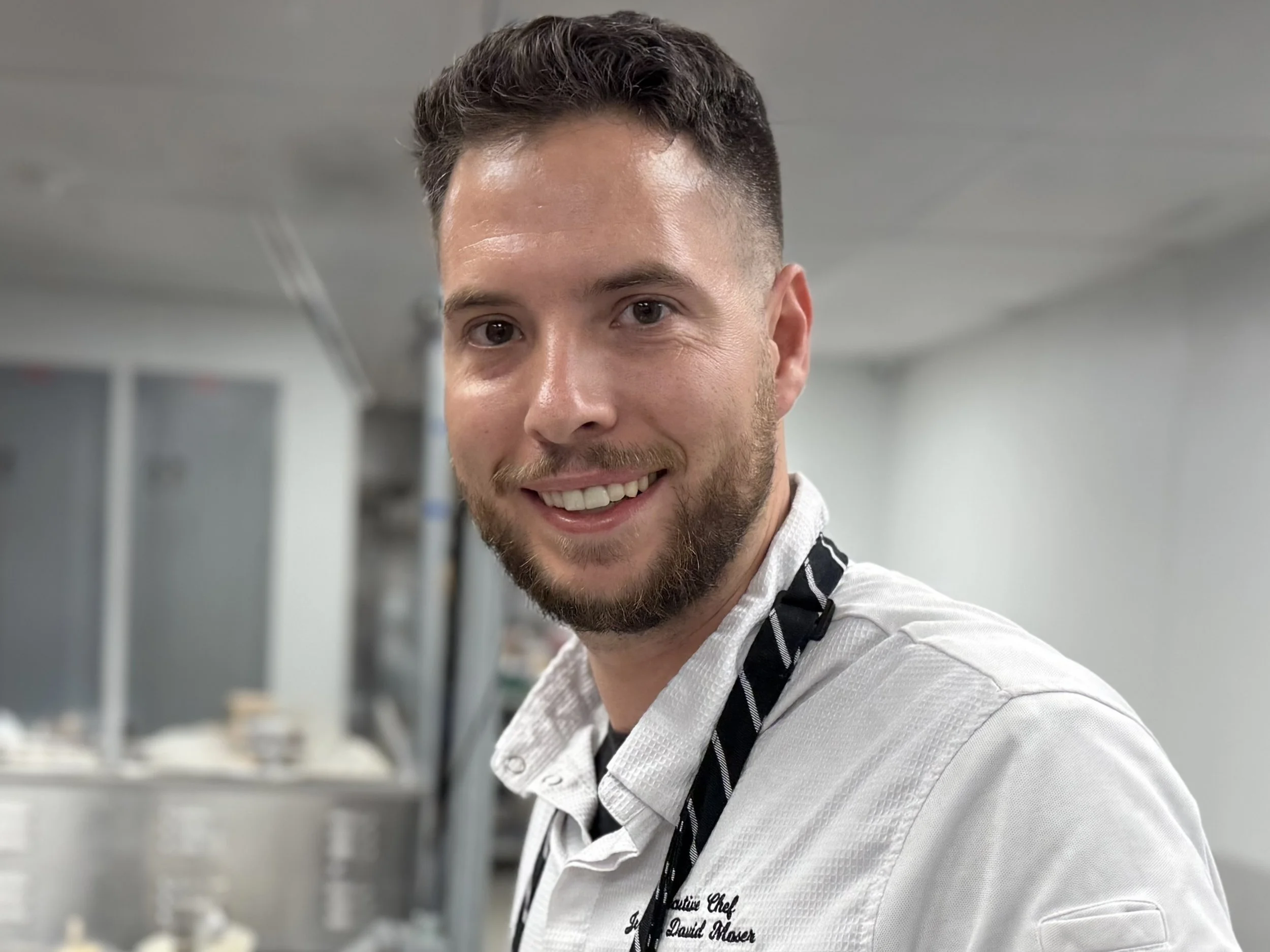
Long before Justen Moser was creating elaborate dishes at Hide & Seek, food meant something much simpler - time with his mother. He was born in Pocatello, Idaho, to a mother who was only sixteen when she had him and nineteen when his younger brother was born. Raising two boys on her own, she sometimes worked three jobs, stocking and clerking at a gas station and working nights at a grocery store. The family moved repeatedly, and wherever their mother went, the boys often followed, sitting in a back room while she worked and delighting in the occasional fountain drink or ice cream sandwich.
Life changed when his mother met the man Justen still calls Dad and the family moved to St. George when Justen was ten. There were now two incomes, a townhouse of their own and, most important, more time together. Justen became his mother’s “little buddy.” That time frequently unfolded in the kitchen. She taught him to make French toast, and together they prepared spaghetti, stroganoff, tacos and what she jokingly called “heart attack chicken.” There was nothing remotely fine dining about it. “My mom’s cooking was everything,” Justen said. Looking back, he realizes that what mattered most was simply being beside her.
A junior-high home economics class gave him his first taste of the exhilaration of cooking under pressure. A few years later, at the Painted Pony in St. George, it returned. Justen began washing dishes and gradually worked his way into the kitchen. When he struggled with a task one evening, chef and owner Randall Richards told him something he has never forgotten: “It’s not that you’re not strong enough. It’s just you’re not smart enough yet.” For Justen, the “yet” mattered. It became an invitation to keep learning.
Cooking, however, was not initially his plan. After high school, Justen enrolled at college intending to study music. He loved playing guitar, and much of the money he earned in restaurants went toward instruments, amplifiers, and pedals. When the music program proved a poor fit, he transferred into culinary arts. Suddenly the classes - knife skills, classical French cooking, sauces, and culinary history - felt natural.
Then life changed again. Justen became a father to Milo while still in college and left school to support his young family, working mornings at the Painted Pony and nights at the Rib & Chop House. When Milo was only a few months old, the mother of his child left, and Justen found himself a single father.
He moved home. There, beside the woman who had once worked sixty or seventy hours a week to care for him, Justen stood shaking bottles of formula and testing the temperature on his wrist - precisely as his mother had taught him years earlier when he helped care for his baby sister. “There I was with my best friend, my mom, and my three-month-old son.”
His mother helped him raise Milo while Justen continued working his way through kitchens. Eventually, an opportunity brought him to Salt Lake City and then to Hotel Park City and Ruth’s Chris Steak House, where several years of high-volume cooking and leadership pushed him further. But Justen still felt there was more to learn.
An encounter with a visiting restaurant executive pointed him toward Alinea in Chicago, one of the country’s most celebrated restaurants. After repeated attempts to get through the door, Justen earned an invitation to complete a two-day working stage. He arrived determined to prove that a chef whose experience had been built in Utah kitchens belonged there. He was offered the job. The decision to accept it required an extraordinary reversal. Justen left a comfortable career in Park City to begin again near the bottom in Chicago, earning fourteen dollars an hour. “I knew that I had this thirst; I’ve got to get smarter.”
When asked by the lead chef where he was weakest, Justen admitted that pastry intimidated him. He was promptly assigned to pastry. Within weeks, he was running the station. From there, he moved through fish and other positions until he was expected to understand virtually every course on Alinea’s constantly evolving tasting menu. For more than three years, he absorbed everything he could.
Professionally, Justen was fulfilled. Personally, Salt Lake was calling him home. Justen, Milo and his partner, Paula, missed their family and friends and wanted to build a life closer to them. While looking at opportunities in Utah, Justen encountered an advertisement placed by entrepreneur Greg Castor who was searching for a culinary partner. Greg already had opened Bonnie & Clyde’s and had plans for a second concept called Hide & Seek. What he needed was someone to lead the food.
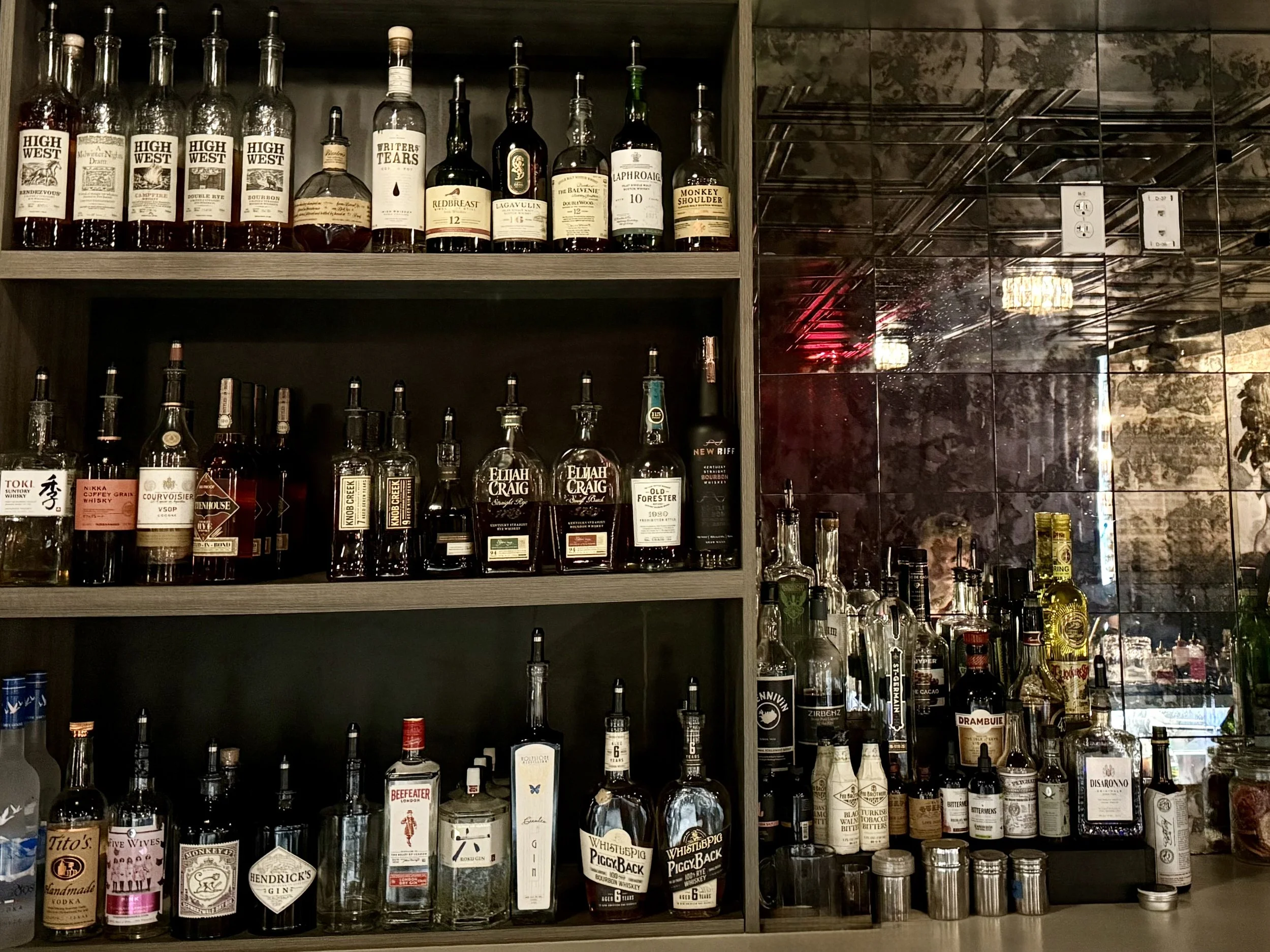
Justen flew to Salt Lake and found Hide & Seek little more than an idea behind a bookcase - a bar had been installed, but there were no tables, chairs, or kitchen equipment. He prepared a multi-course dinner for Greg and several investors. Afterward, the two sat for hours tossing ideas back and forth. The original plan for a tapas bar disappeared. Instead, they began imagining an intimate restaurant that could bring some of what they loved about dining in New York and Chicago to Salt Lake - ambitious cooking without losing warmth, and a room small enough to feel alive. Justen returned to Chicago knowing what he wanted to do. He resigned from Alinea, packed his belongings, and drove west.
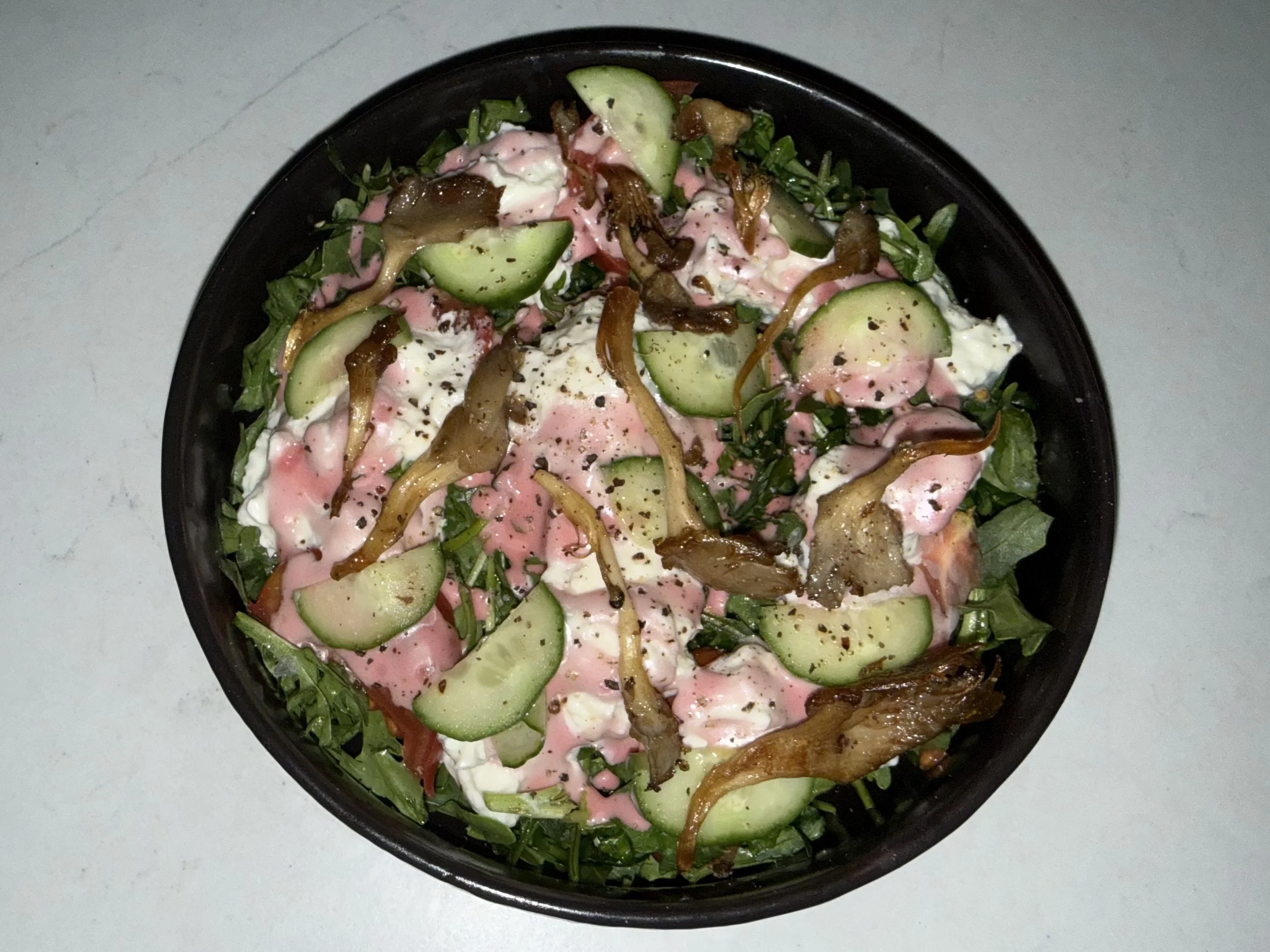
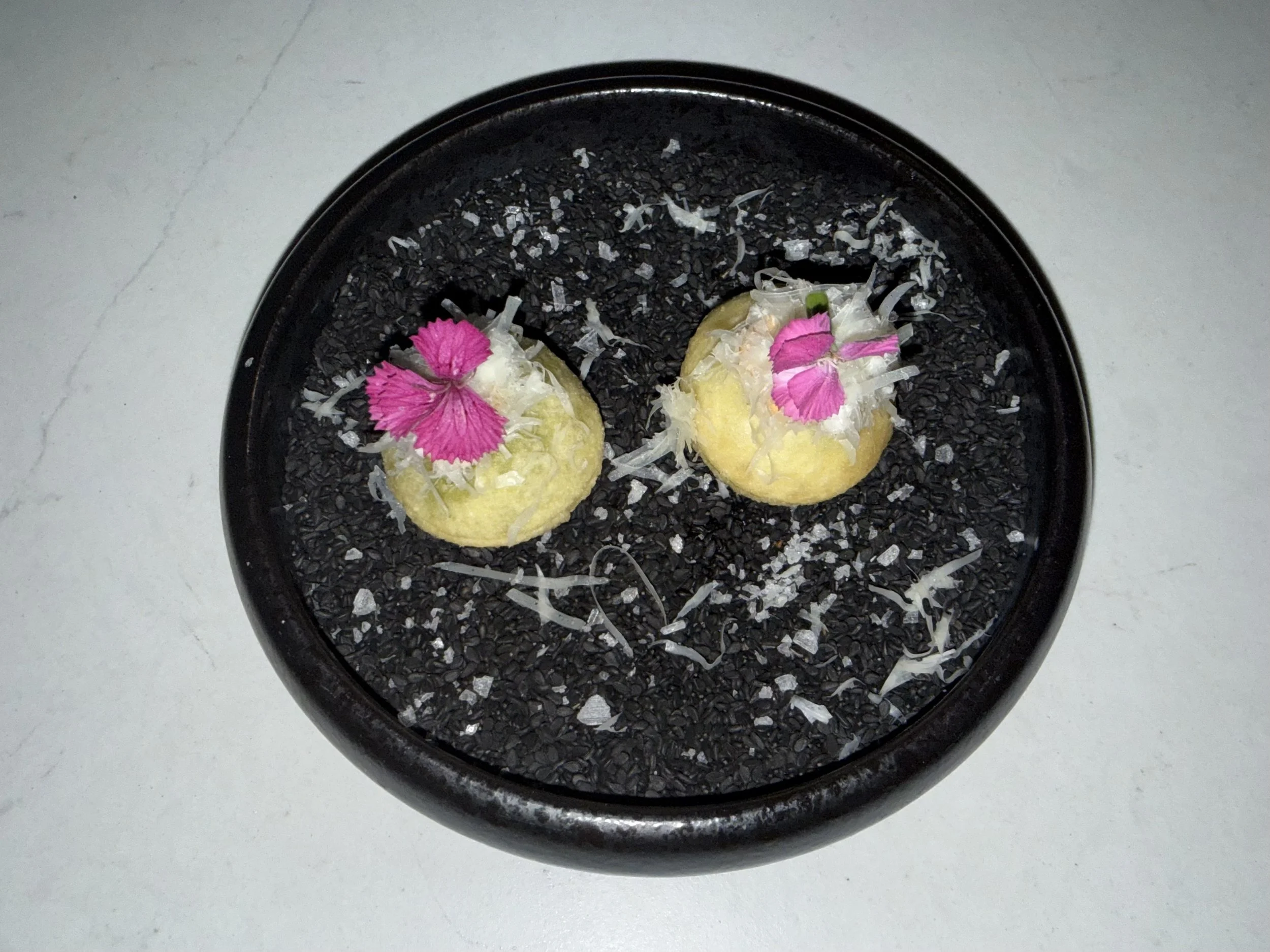
Within days of arriving in Salt Lake, Justen and Greg were in the kitchen together, sometimes beginning early in the morning and cooking for hours as they developed Hide & Seek’s identity. Pasta would be central, as would French American cooking, beautifully prepared proteins, crudos and raw fish. But neither wanted the restaurant to become an exercise in culinary technique for its own sake. The guest had to remain at the center of it.
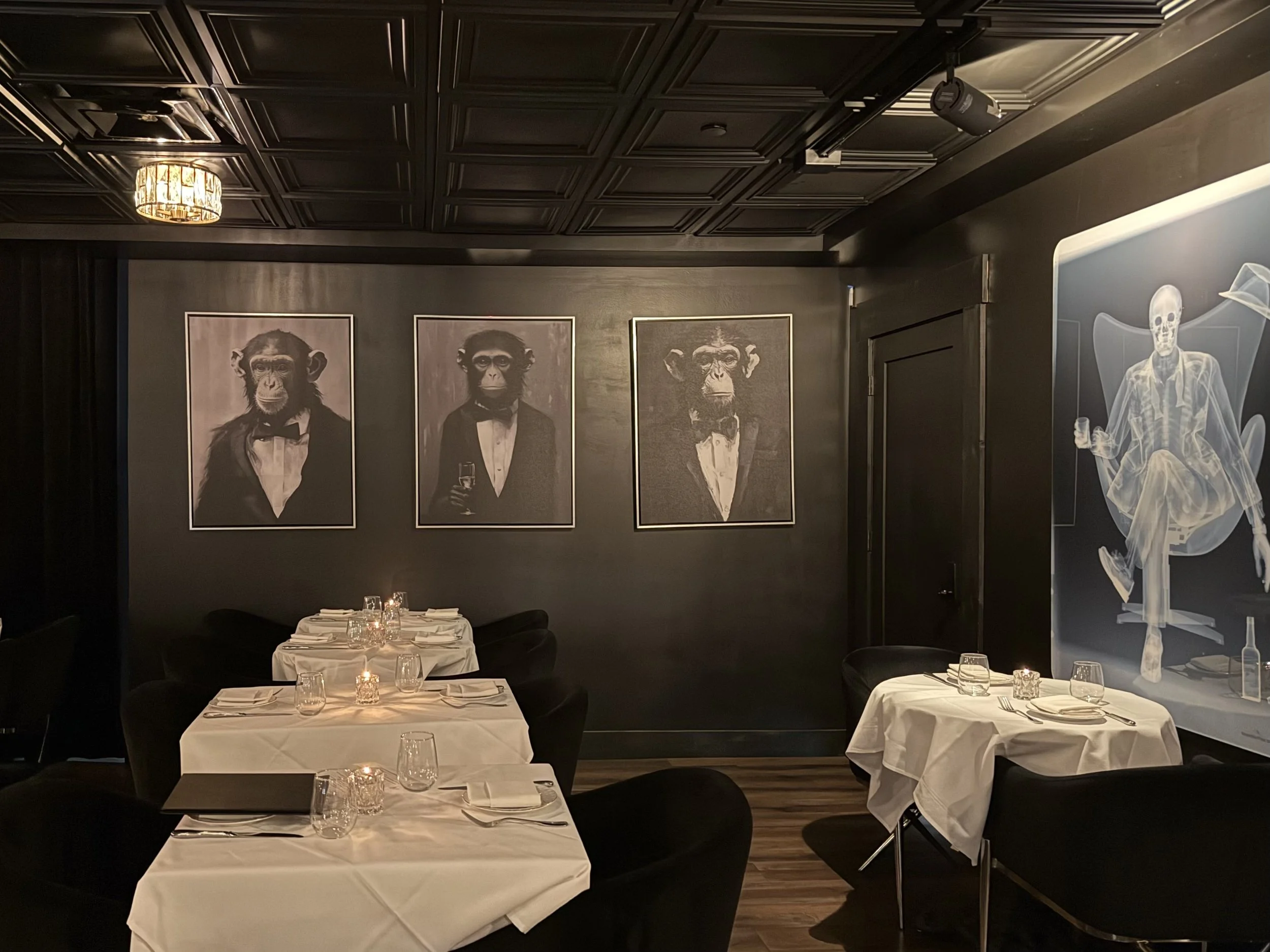
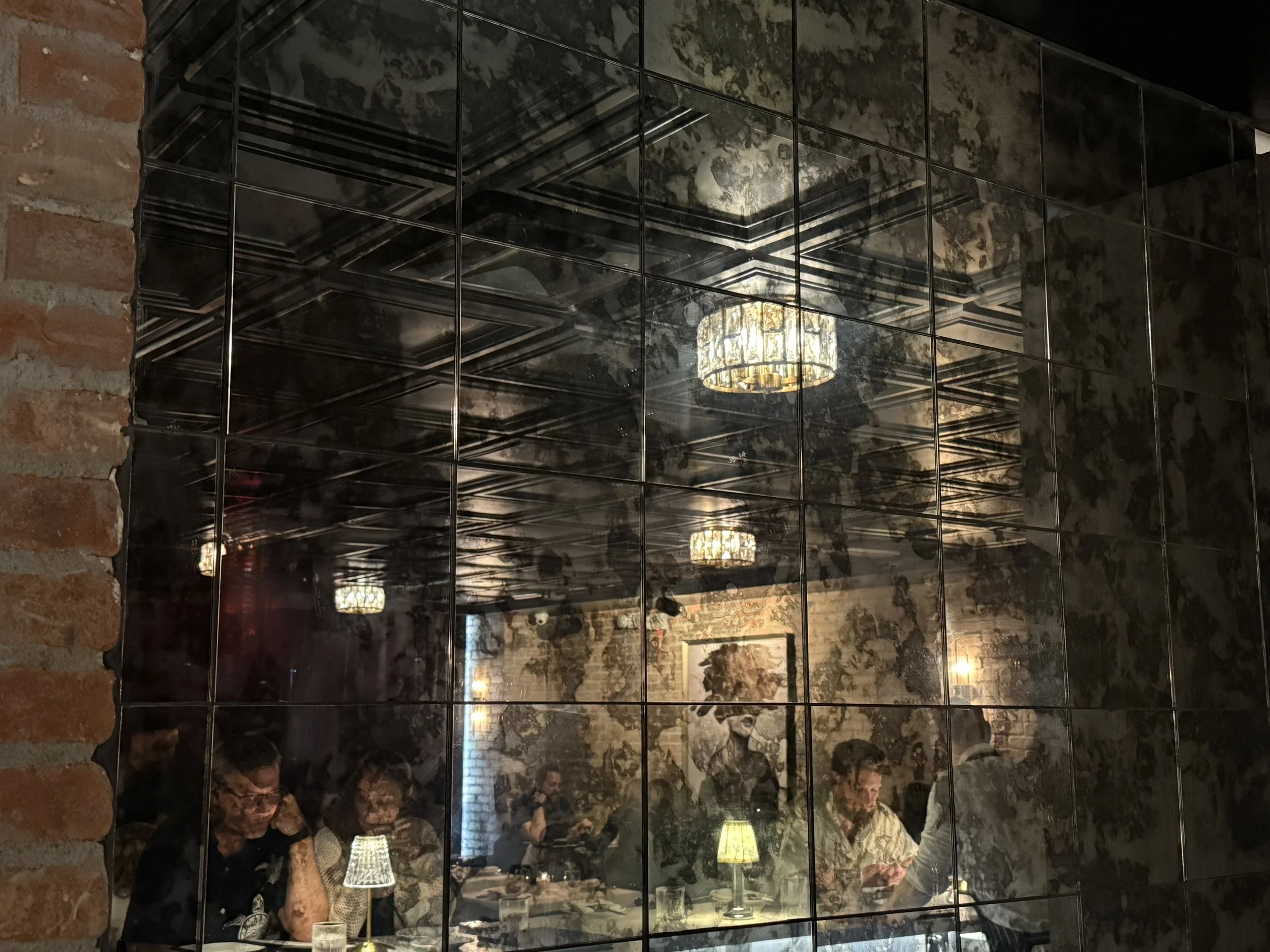
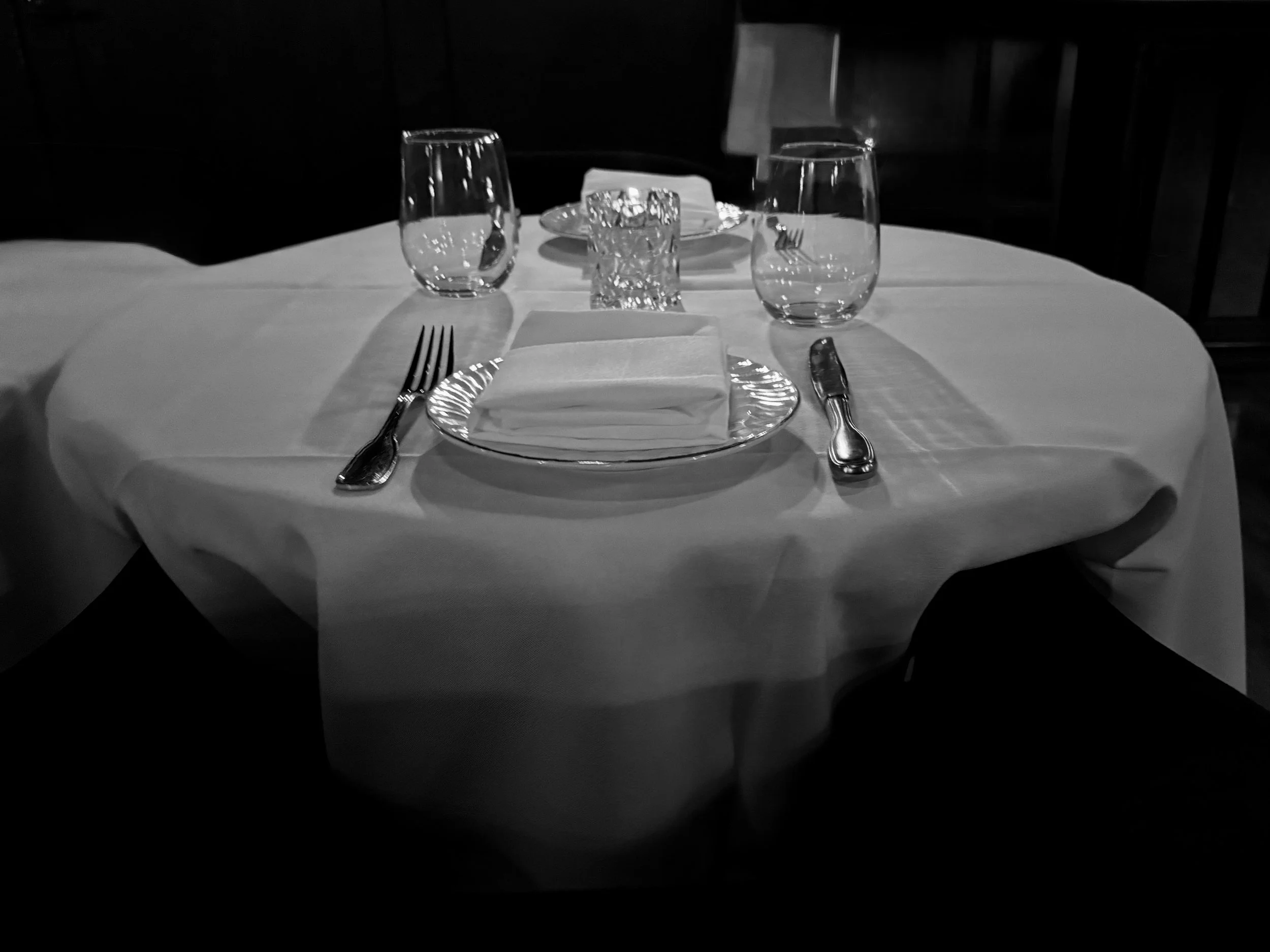
Hide & Seek began welcoming diners gradually, adding tables as the kitchen and service team found their rhythm. Before long, word spread and demand surged. The greater challenge became building a team capable of delivering not merely sophisticated food, but the kind of hospitality Justen and Greg believed should accompany it. “The passion for the food is one thing,” Justen said. Too many restaurants, he believes, forget the opportunity to form a connection with the person sitting at the table. He reminds his staff that every guest occupying one of Hide & Seek’s black chairs matters to someone. It may be a first visit, a fifth or the only time that person ever walks through the bookcase. Whatever the circumstances, for those few hours, that guest matters to them.
That philosophy is not so far removed from the boy who followed his mother to work in Idaho, or the child who treasured the hours finally spent cooking beside her in St. George. Today, Justen is a partner in HXS Food Group and works alongside Greg across its concepts, while Paula remains an integral part of his life and work. And Milo - the baby Justen once raised with his mother - has grown up trying sushi, pasta and foods his once-picky father could scarcely have imagined as a child.
And, Justen calls his son his best friend. There is a lovely symmetry to that. His mother taught him to cook, but more importantly, she taught him how to care for people. Years later, that lesson runs quietly through the family Justen has created, the cooks he mentors and the restaurant he helped build. “It’s never going to let up or get softer,” he tells Milo and his young chefs. “But if you’re doing it right, every day you’re the best you’ve ever been.”
That attention to simple food eventually helped connect Greg with chef Justen Moser. Greg was already developing Bonnie & Clyde’s and planning another restaurant when he began searching for a culinary partner. Justen, meanwhile, was at Alinea in Chicago, having deliberately stepped away from a comfortable career in Utah to immerse himself in one of the country’s most demanding kitchens. Justen was ready to come home but wanted the next chapter to be something he could help build.
The two quickly discovered that they approached restaurants from different directions but shared many of the same values. Justen brought years of cooking experience and an intense curiosity about food, and Greg brought an entrepreneur’s instinct for building a business that could endure. Together, they became partners in HXS Food Group, with Justen overseeing culinary development across its concepts.
For all the attention Greg and Justen give to food, however, Bonnie & Clyde’s is about something more. Greg resists defining it strictly as either a coffee shop or a deli. Someone can stop for coffee or a sandwich, meet a friend, open a laptop, linger for a few hours, or become a familiar face. The food may have begun with what Greg missed from the East Coast, but the larger idea is hospitality at an everyday price - somewhere people can return to repeatedly without needing a special occasion.
It carries forward something Greg learned long before he entered the restaurant business. His father taught him to notice what people needed and find a way to provide it. Decades later, Greg sees another need emerging. As shopping, work, and even meals have increasingly moved online, there are fewer reasons for people to leave their homes and simply be among others. Bonnie & Clyde’s offers a reason. “The world needs meeting places.”