Epic Brewing Company

Address: 825 South State Street
Telephone: 801-906-0123
Website: epicbrewing.com
District: Central City
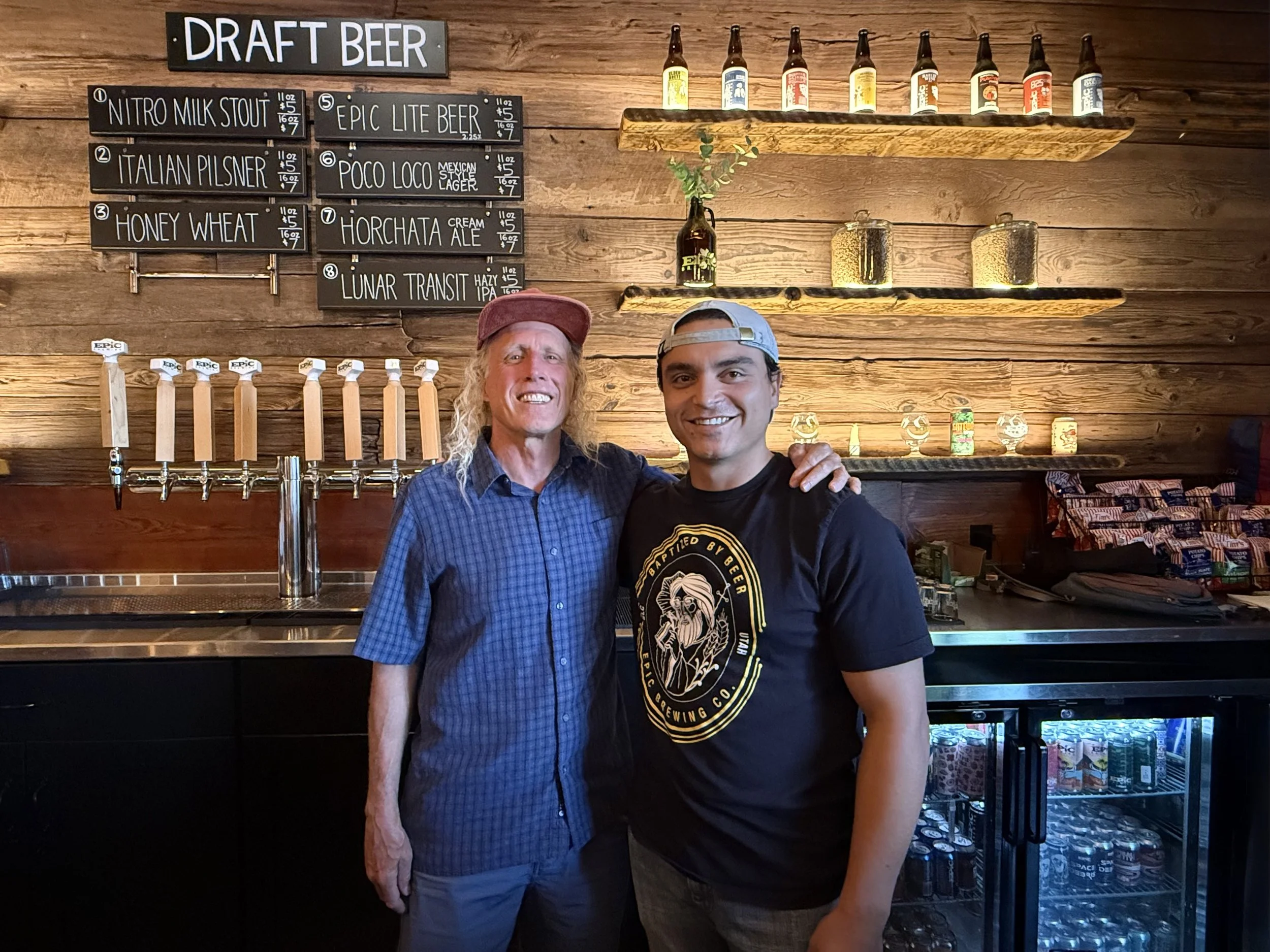
“Most people come here to ski. We came for the Great Salt Lake.” For Dave Cole and Peter Erickson, the road to Epic Brewing Company began long before either man imagined owning a brewery. It began with biology and brine shrimp, with two young men meeting in San Diego and discovering that they not only worked well together but wanted to keep doing so. Over the next four decades, they would build businesses, travel the world, move their families to Utah, weather successes, and setbacks, and eventually help change the landscape of craft brewing in the state. Through all of it, they remained partners and, perhaps more importantly, friends.
Dave grew up in La Crescenta, outside Los Angeles, where surfing, skating, hiking, animals, and the outdoors filled his childhood. After graduating from high school in 1983, he studied biology with an emphasis on marine sciences at San Diego State University.
Peter had come to California from Beaver Dam, Wisconsin, eager to leave the snowy Midwest behind. He attended the University of California, San Diego, and after graduating was working for an aquaculture company when he hired Dave, who was still finishing college.
The project involved growing brine shrimp indoors. It was an unlikely beginning to a partnership that would eventually lead them to Utah. Dave and Peter grew within the company, eventually moving to the Bay Area and taking on greater responsibility. Dave developed a process for which he was granted a U.S. patent, and both became deeply involved in the aquaculture side of the business. When they learned in the early 1990s that the portion of the company they cared most about might be sold, they began talking about creating something of their own.
Some of those conversations took place at Buffalo Bill’s in Hayward, California, one of the country’s early brewpubs. “We wrote a lot of the business plan at this little brewpub,” Dave recalled. There is wonderful symmetry in that now. Years before beer became their livelihood, Dave and Peter were sitting over beers figuring out how to build a brine shrimp company.
They raised money from friends and family, sold their homes, and put virtually everything they had into the venture. Then, two couples climbed into U-Hauls and headed for Utah. The attraction was not the skiing. At the time, the Great Salt Lake was the largest producer of brine shrimp in the world, making Utah the logical place to build their company.
During the first year, Dave and Peter ran a fishing boat themselves and participated in the harvesting. They also found people willing to believe in them. Dave still remembers Terrell York, a local banker who listened to the young entrepreneurs pitch what must have sounded like a rather improbable business. Years later, after they had succeeded, York admitted that he had been torn between giving them the loan and wishing he could invest himself. The company grew to become the second largest in its industry before eventually being sold to a Belgian competitor.
Along the way, brine shrimp took Dave and Peter far beyond Utah. Their work required developing relationships and distributors throughout the world, sending them to places across Asia, Europe and beyond. Dave traveled to Vietnam before the United States normalized relations, as well as China, Thailand, Indonesia, Korea, Russia, and Iran. Peter’s travels took him to equally far-flung places.
It was an extraordinary life built around a tiny creature and a very large lake. The Great Salt Lake also became far more than a business resource to Peter. He became an avid sailor and, over the years, watched the water recede to the point that sailing became increasingly difficult. His concern for the lake has endured, and Epic has hosted events supporting organizations working to protect it.
By the time the brine shrimp company was sold, Dave and Peter had spent years building something together. Neither seemed particularly interested in stopping. “We were always looking for the next thing to do together,” Dave said. They considered several possibilities, including an investment in bicycle manufacturing. But another interest had been quietly developing for years - beer.
Their initiation into craft beer had come during their California days. A German businessman, whom Dave considered a mentor, introduced him to small-production German pilsners and took both men to some of the Bay Area’s early craft beer destinations. Dave and Peter visited Gordon Biersch during its starting days and developed an appreciation for the kind of beer that was difficult to find back home in Utah.
Then Utah changed its liquor laws. As the 2002 Winter Olympics approached, new regulations created a way for a brewery to sell higher-alcohol beer directly to customers through a package agency. At the time, Utah was still synonymous with “3.2 beer,” and anything stronger was controlled much like liquor.
Dave and Peter saw an opportunity. State regulators initially told them their idea was illegal. “We said, ‘No, here’s the law. We’re pretty sure this is legal,’” Dave recalled. They persisted until they were able to sit down with the agency’s director, who agreed with them. Even then, officials questioned whether the concept could succeed. How would people discover these beers when the laws made sampling so difficult? Dave’s answer was simple. “We’re going to rely on making good beer.”
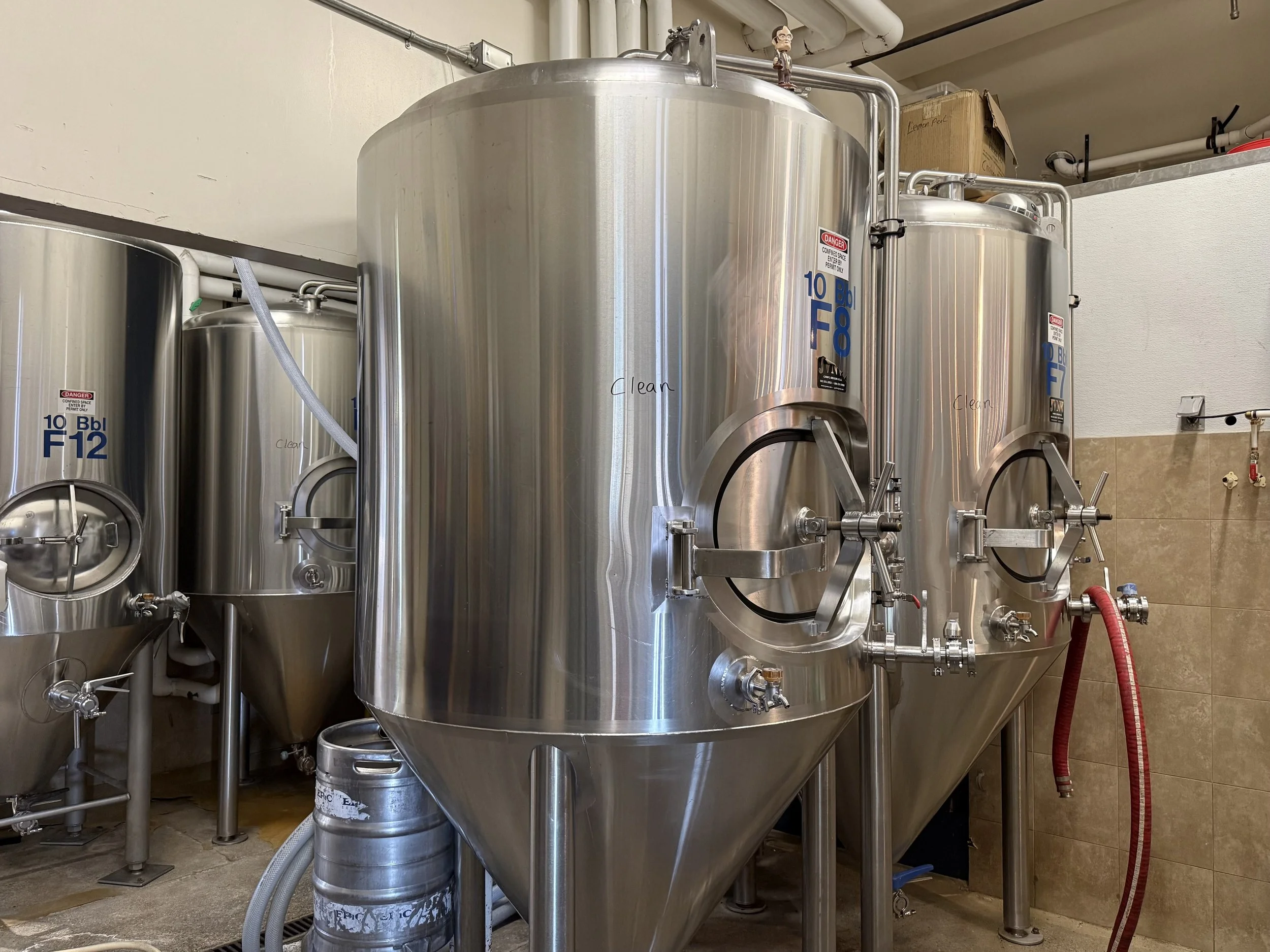
In March 2010, Epic Brewing Company opened on State Street. Their five-year business plan projected what Dave and Peter considered aggressive growth - by year five, they hoped to sell eight hundred barrels. They had underestimated the market almost immediately. “We didn’t make enough beer for the opening,” Dave said. “We sold beer so fast.”
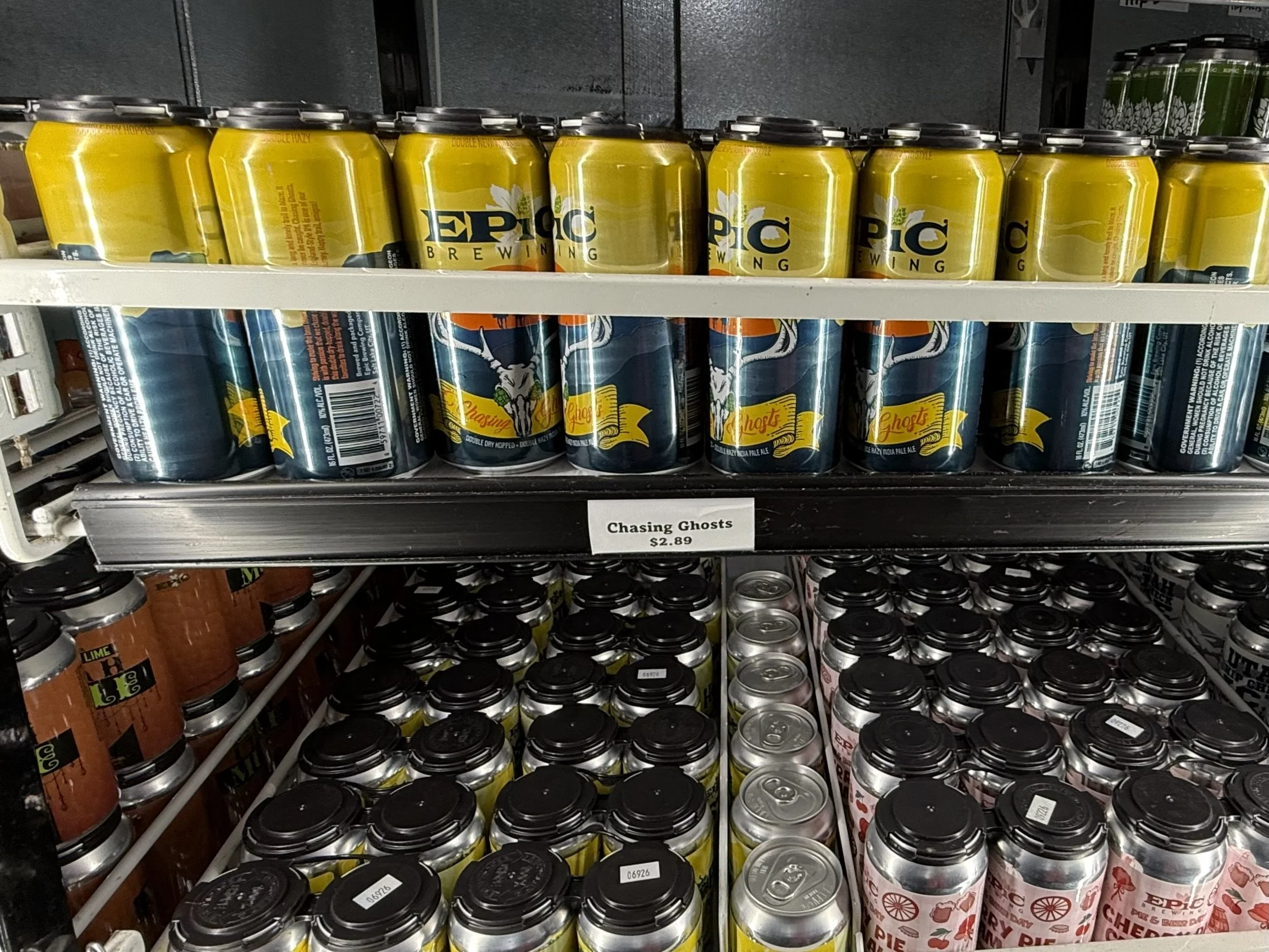
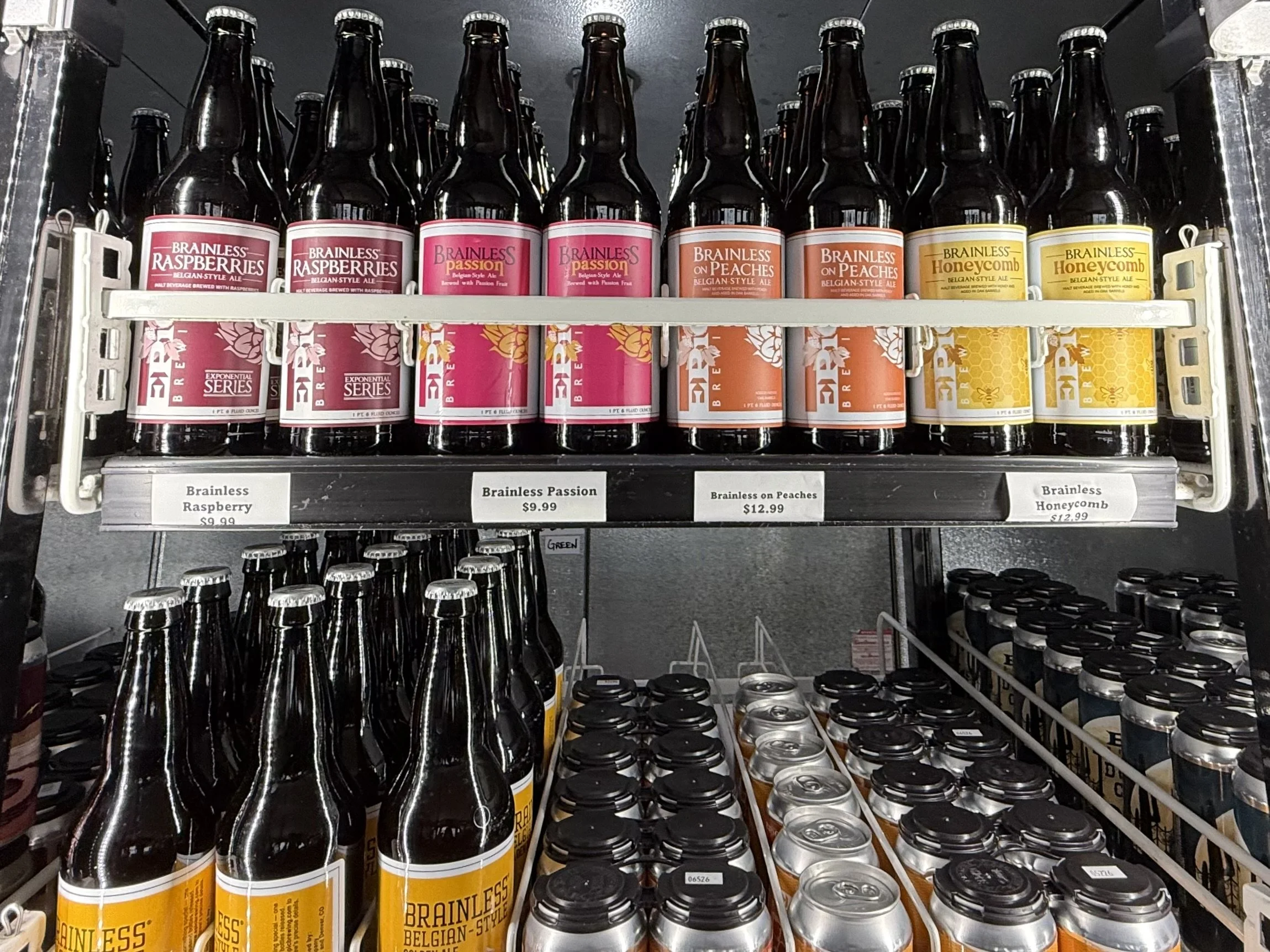
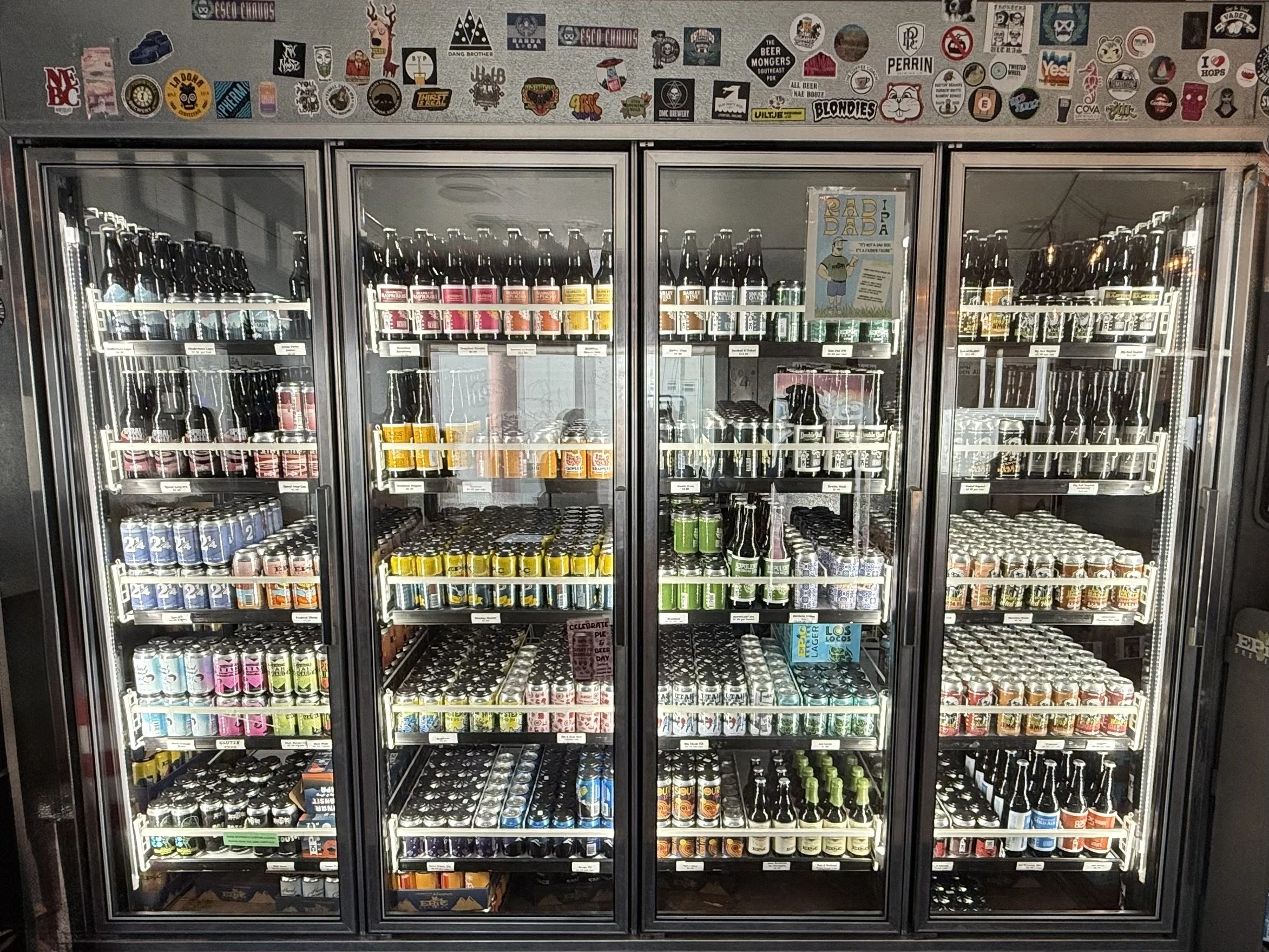
Customers embraced both the beer and the ability to buy it cold, something Utah state liquor stores were not doing at the time. Dave and Peter found themselves filling the cold case, watching bottles disappear and wondering how they could possibly produce fast enough to meet demand. “We were the right place, right time, and we had great community people who supported us.”
The small State Street brewery began expanding almost immediately. Production space grew, tanks were added and, before long, customers, and distributors from around the country were asking for Epic beer. National distribution had never been part of the original business plan, but the demand was there. At one point, sixty percent of Epic’s sales dollars came from draft beer - nearly all of it outside Utah because its stronger beers could not legally be served on draft at home.
By 2013, the men needed more production capacity and opened a second brewery and taproom in Denver’s emerging RiNo neighborhood. Epic continued growing until, by 2018, it ranked among the fifty largest craft breweries in the United States.
While the company was becoming increasingly visible, Peter often remained the man behind the scenes. That is something his son, Gus Erickson, understands particularly well.
Gus grew up in Bountiful watching his father and Dave build businesses together. He remembers being a child when they were developing Epic and Dave showing him potential logos, asking which one he liked best. Epic became part of the backdrop of his childhood long before he ever imagined working there himself. When Gus talks about his father today, he describes someone whose impact extends well beyond the brewery.
Peter became deeply involved in Utah’s brewing industry and spent years working with state officials on alcohol regulations. Dave calls him the financial mind and strategist of their partnership - someone particularly skilled at sitting down with people who might disagree with him and finding a way forward. “He’s kind of unsung,” Dave said. “He’s really made a positive impact on the state, but people don’t know him. He’s very much behind the scenes.”
Rather than treating state regulators simply as adversaries, Peter tried to work with them. “We saw the state as a collaborator,” Dave explained. “There are rules, and rules make sense and they have to be followed. But we always pushed and sought change.” The changes were rarely dramatic. They came incrementally, through years of conversations and persistence. “He’s been kind of masterful with that,” Dave said.
Listening to Dave speak about Peter, it is difficult to separate admiration for his business partner from affection for his friend. Their strengths are different, and perhaps that has helped sustain them. There is no competition in the way Dave describes Peter’s contributions - only pride in what his friend has accomplished.
Then came a challenge that neither of them could have anticipated. When the pandemic shut down bars and restaurants in 2020, sixty percent of Epic’s sales disappeared almost overnight. The problem extended far beyond empty taprooms. Distributors suddenly had kegs they could not sell, dramatically altered cash flow, and little incentive to ship smaller quantities of packaged craft beer around the country. The national craft beer business that Epic had spent years building changed almost instantly.
Dave remembers the fear of those early days and Peter reassuring him not to panic. Together, once again, they figured out what came next. They decided the Denver brewery no longer made sense, sold the building, and auctioned the equipment before the market became flooded with assets from other struggling breweries. Epic survived, but it emerged smaller and with its attention increasingly turned toward Utah.
Dave eventually returned to the San Diego area where he surfs regularly and divides his time between California, traveling, and working strategically with Epic. Peter remains in Bountiful, in the same house where Gus grew up. The miles between them have done little to diminish a partnership that began when both were young men.
And now Gus has joined them. He attended the University of Utah, majoring in psychology and minoring in chemistry, and went on to work in a university lab studying distracted driving and autonomous vehicles. He had no particular plan to make the family brewery his career. Then COVID ended the research project. Gus began helping at Epic wherever he was needed - first with the website and social media, then in sales. Today, he serves as taproom and sales manager. “It wasn’t where I was planning to be pre-COVID,” he said, “but it’s definitely become home.”
Working in sales gave Gus a perspective on his father and Dave that he had not necessarily experienced growing up. As he visited bars, restaurants and liquor stores throughout Utah, people repeatedly told him what Epic had meant to them. “They’d say, ‘Epic - that was my first beer,’ or ‘Those guys are the reason I got into the industry. That’s why I’m a bartender.’” He began to understand that the company he had grown up around had helped open doors for others.
When Epic launched, Utah had only a small number of breweries. Dave and Peter demonstrated that a company could push against long standing assumptions while still working within the system. Other breweries, distilleries, and wineries followed, and some of the practices that once seemed radical became commonplace.
Yet, when Dave was asked what part of Epic’s story had never been properly told, he did not talk about those accomplishments. He talked about Calli Bennett. Bennett joined Epic near the beginning, when there were only a handful of people squeezed into a tiny office. “She came to us, and she was a godsend,” Dave said. She grew alongside the company and eventually became a part-owner. To Dave, her story - along with those of other longtime employees and brewers - is inseparable from Epic’s. “There’s no way we could have done what we did without her,” he said. “Peter and I did something, drove it...but people like Calli? Just diamonds.”
It is a revealing answer from a man who had just spent hours recounting an extraordinary entrepreneurial career. Given the opportunity to talk about what people had overlooked, Dave wanted to make sure someone else received credit. That same sense of loyalty seems to run through Epic’s history.
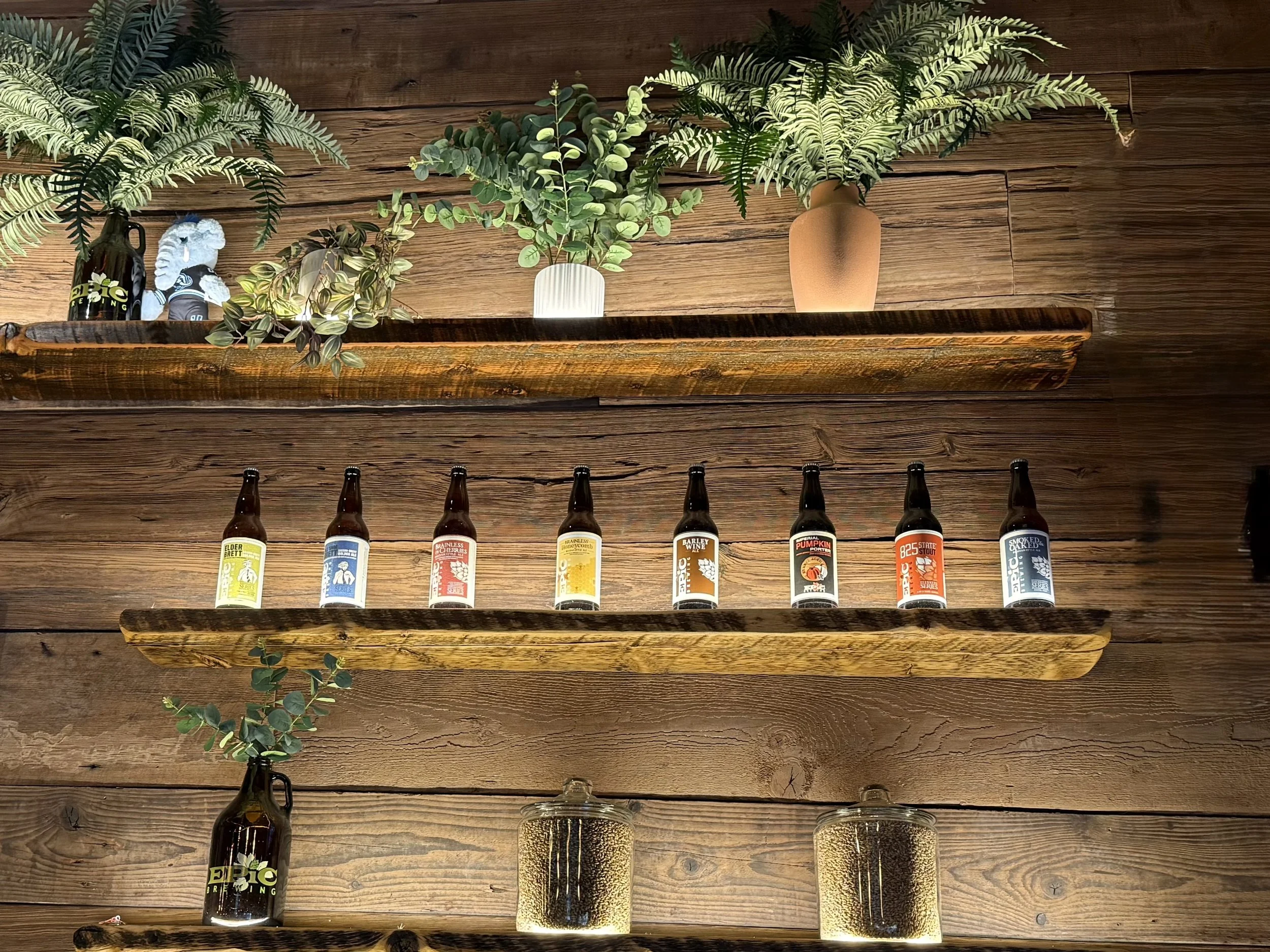
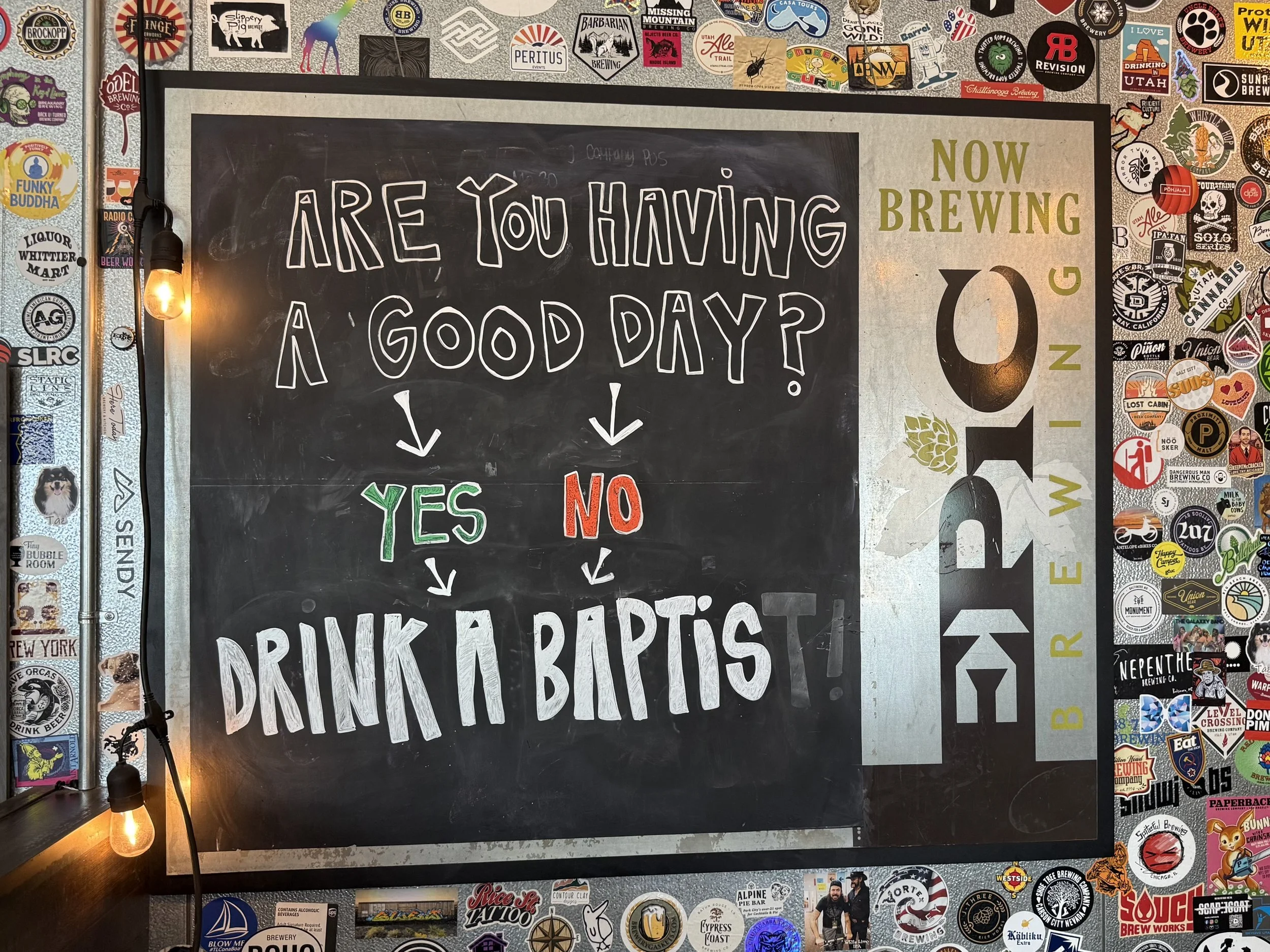
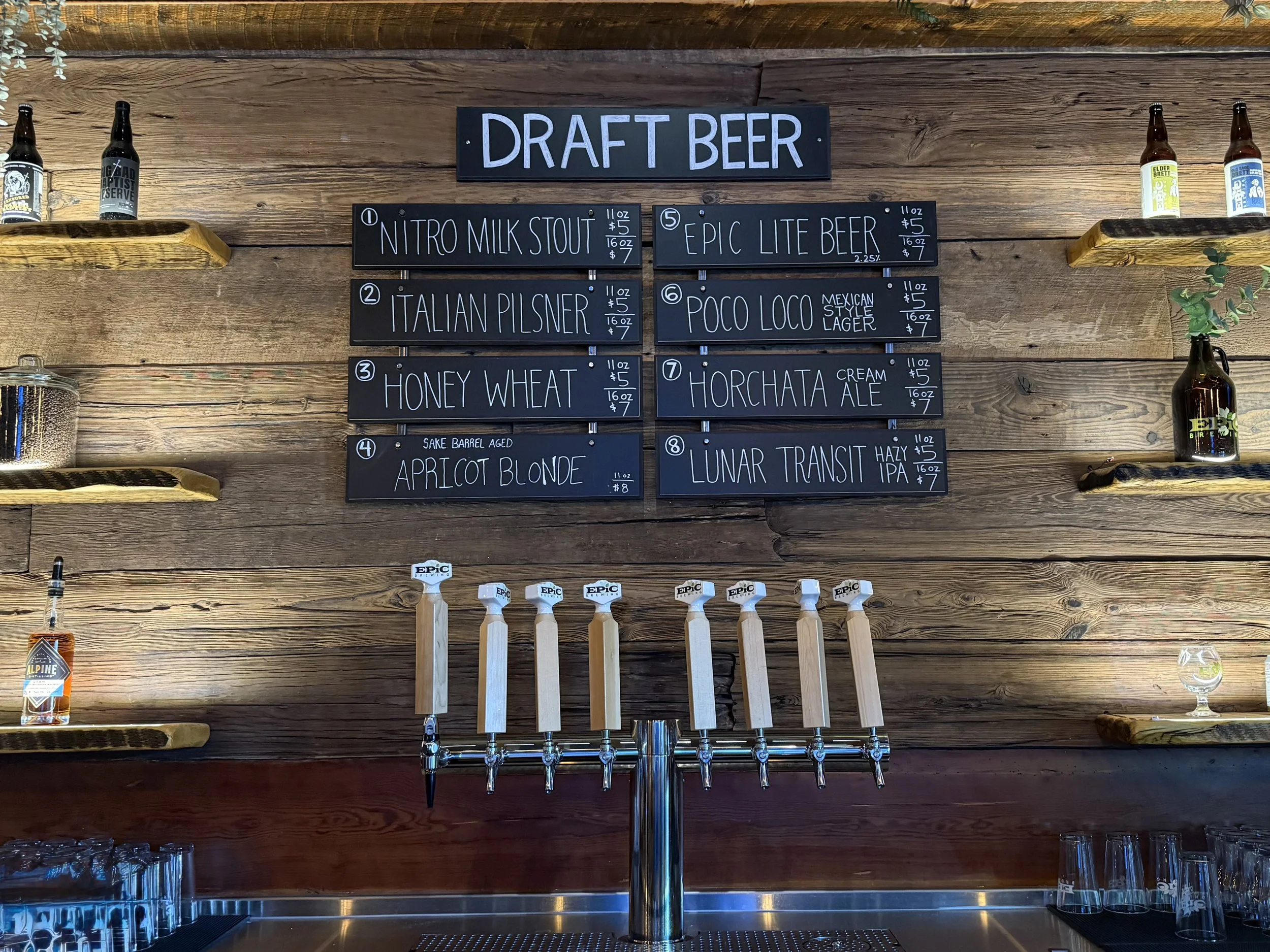
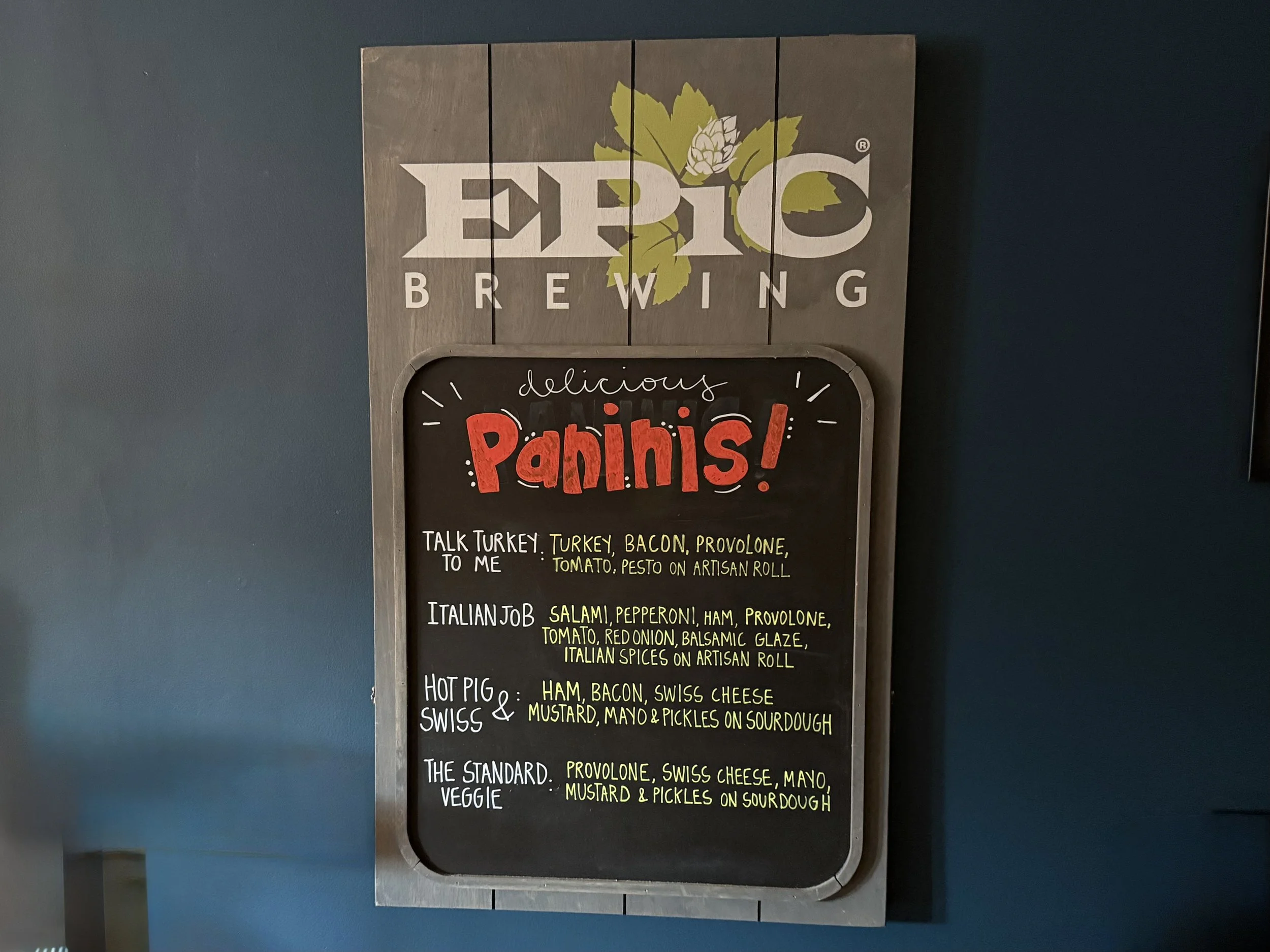
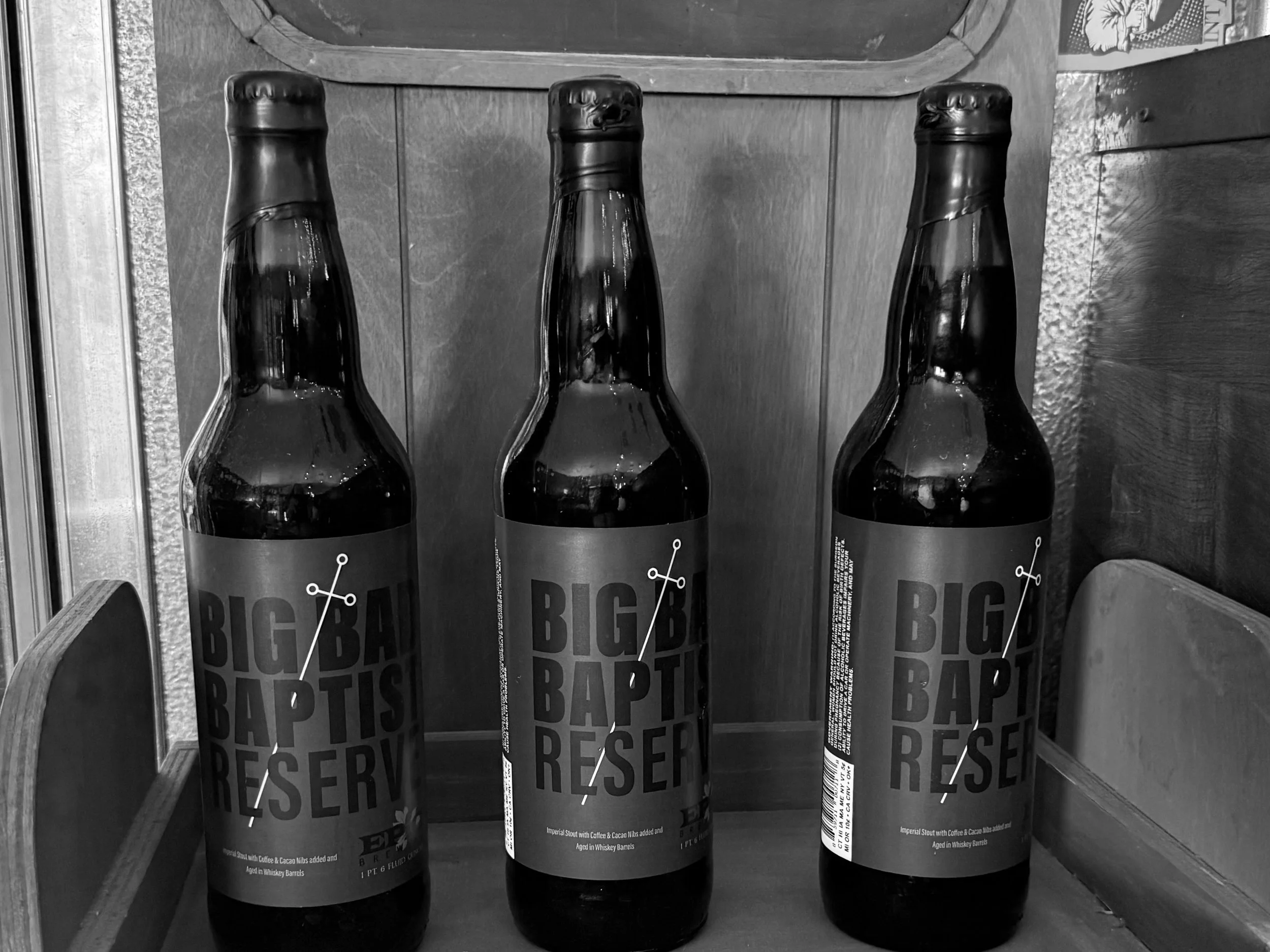
Today, the company is entering another chapter. In spring 2026, Epic completed a major renovation of its Salt Lake home and opened an expanded taproom in May. A building once devoted primarily to making and selling packaged beer is becoming a place to linger. There are Epic beers on draft and stronger varieties in bottles and cans, along with wine and liquor, simple food offerings, and visiting food trucks. Live music has become part of the programming, as have nonprofit fundraisers and community events. Groups can gather there, organizations can hold benefits, and the team is continuing to experiment with ways to make the space feel less like a retail stop and more like a neighborhood gathering place.
For Gus, that matters. During the years when Epic was growing rapidly around the country, he believes the company inevitably became less connected to some of the people closest to home. “I think a huge goal moving forward is bringing back that sense of community,” he said. “Giving back, showing people we still care.”
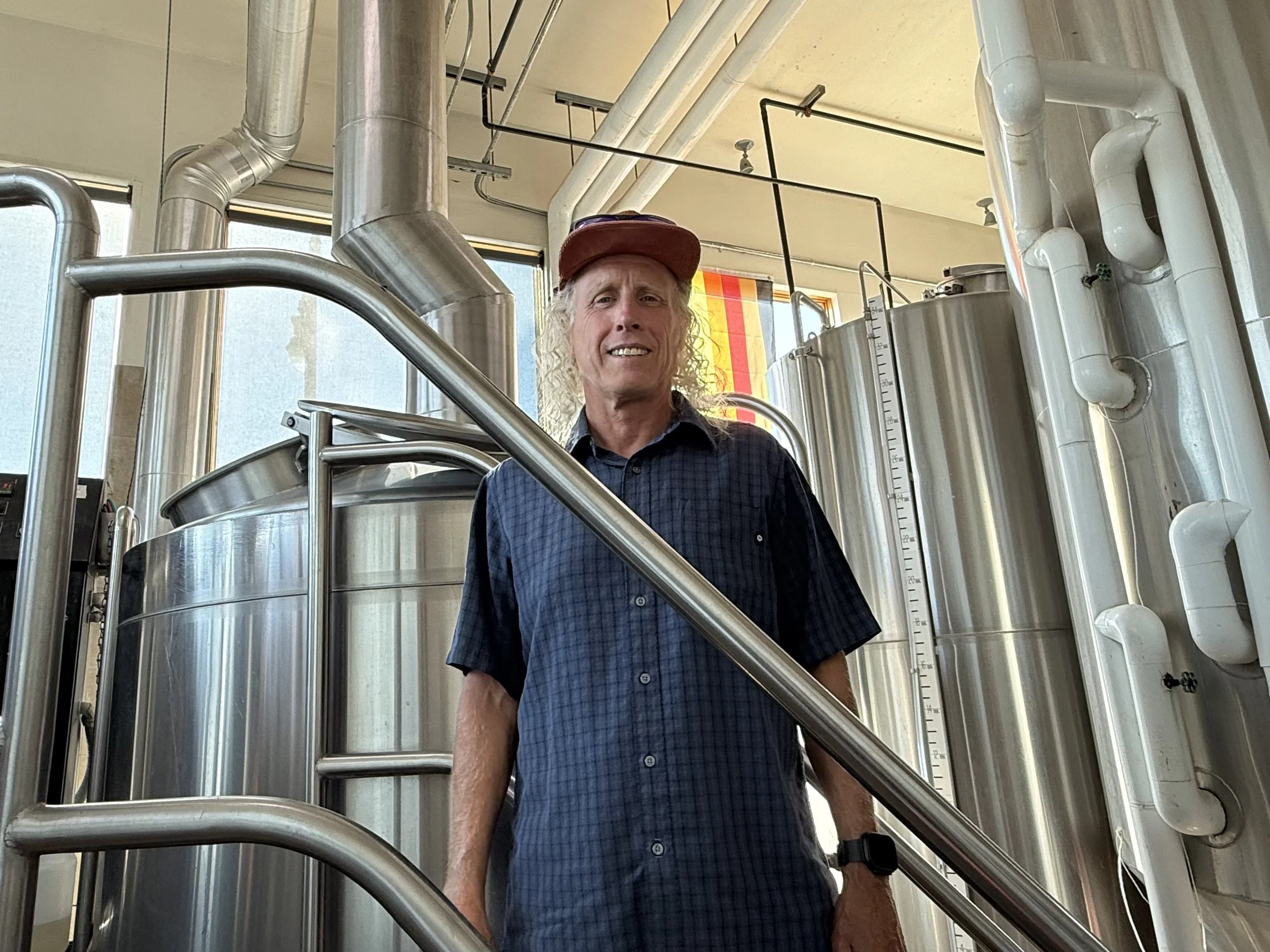
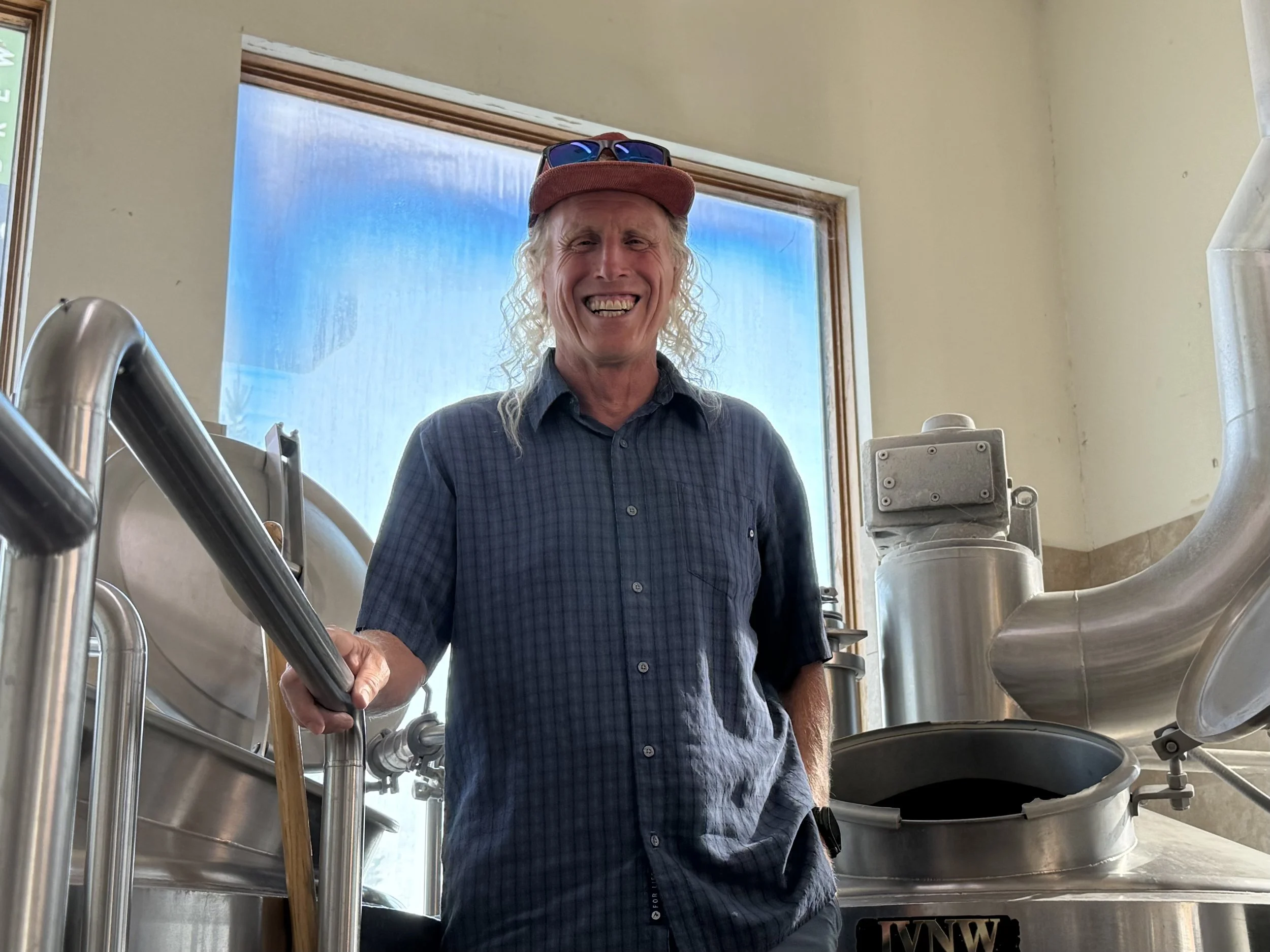
There is something fitting about Gus helping lead that effort. He saw the Epic logos before the doors opened, watched the brewery become part of Utah’s craft beer story, and eventually found his own place within it. Now the two men who began all of this have brought the next generation into their fold. Walking through Epic with Dave, the physical history is still everywhere. He points out the original cold case, the first tiny bar, the office where four people once worked shoulder to shoulder, and the walls that mark each expansion as they scrambled to keep pace with demand.
But the most important part of Epic’s history cannot be found in any of those rooms. It is the friendship that began in California some forty years ago and survived patents and fishing boats, U-Hauls and international travel, brine shrimp and beer, enormous growth, and a pandemic. Businesses were built and sold. One brewery expanded into two and then returned to one. Dave moved back to California while Peter stayed in Utah.
Still, they kept choosing to do the next thing together. And now Gus is there, too. For a company called Epic, perhaps its most remarkable accomplishment is also its most personal - a partnership that became a lifelong friendship, and a friendship strong enough to make room for the generation that followed. As Dave said of the people who helped them build it, “There’s no way we could have done what we did without them.”