Central by Saffron Valley
Address: 454 East 300 South
Telephone: 385-267-1949
Website: centralbysaffronvalley.com
District: Central City
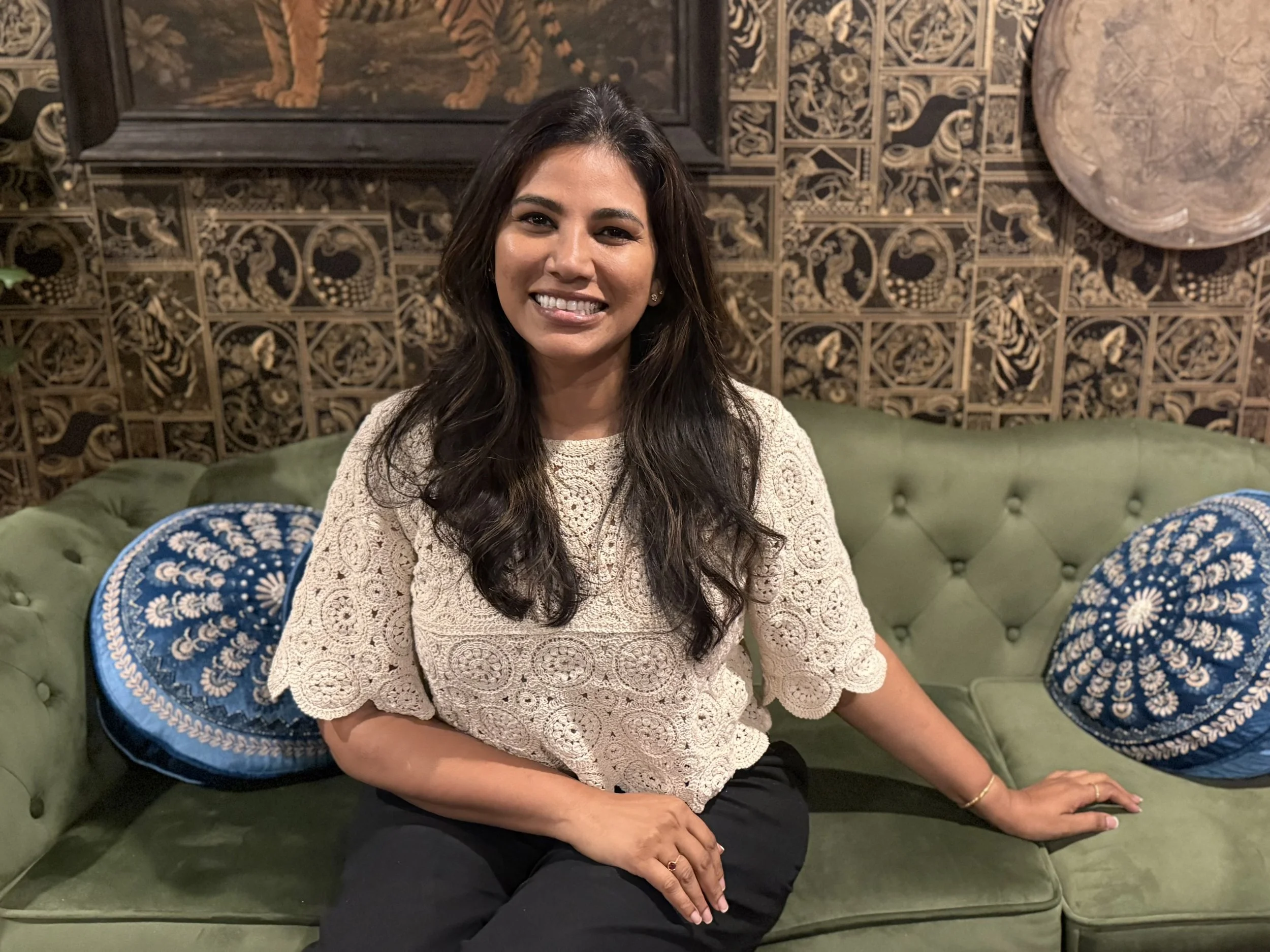
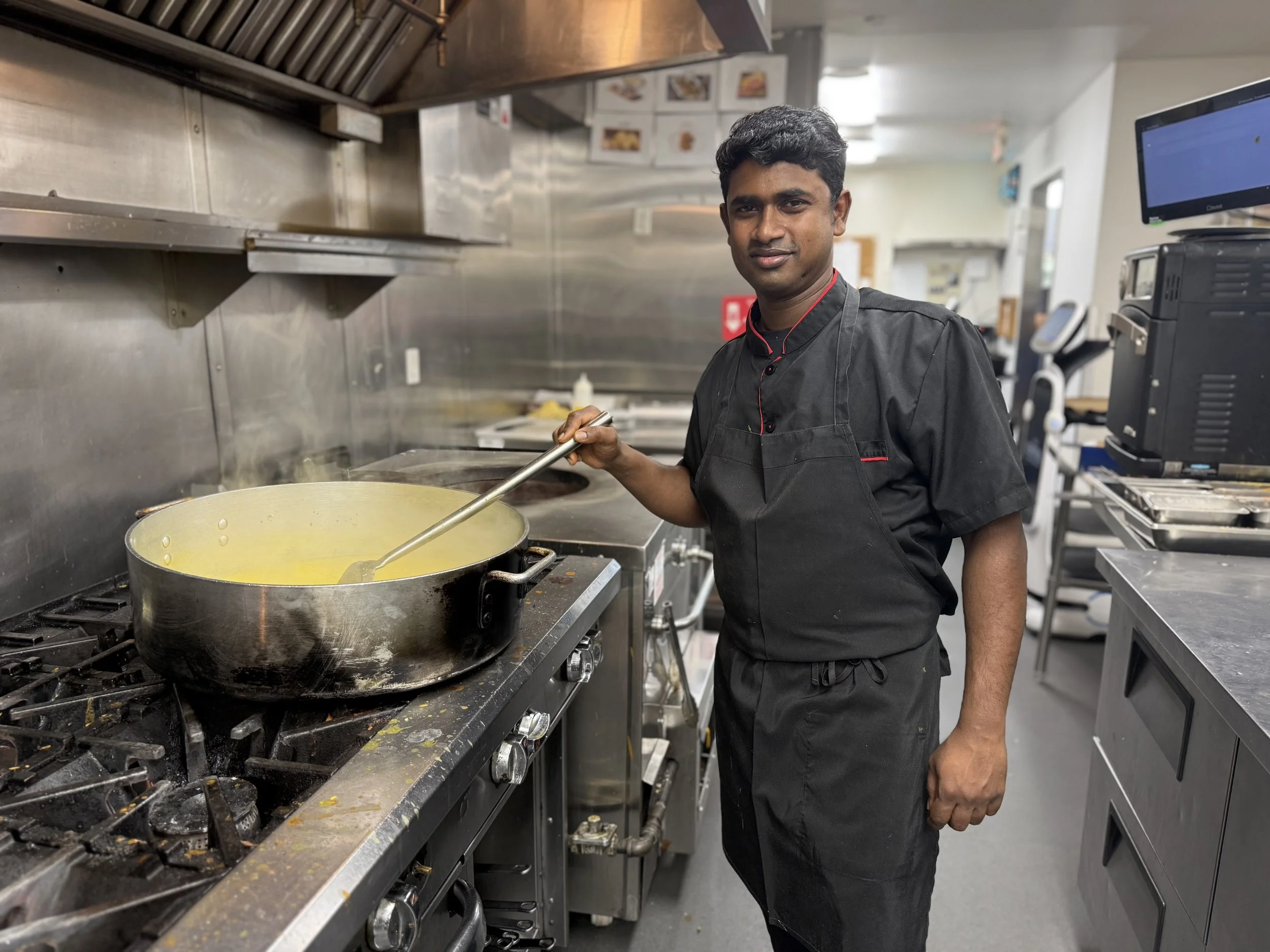
“I see potential in people and in places.” Lavanya Mahate has been doing exactly that for much of her life. She has seen possibility in neglected buildings, in fledgling businesses, in women beginning again, and in herself. Over more than fifteen years, she has opened restaurants, cafés, and culinary ventures across Utah and even as far away as London. Today, she owns Central by Saffron Valley, Saffron Valley in Sugar House and Bix at Kiln Gateway, while continuing her work with RISE Culinary Institute.
Yet the number of businesses she has created tells only part of her story. The more revealing journey is the one that brought Lavanya from southern India to Utah and, eventually, to a very different understanding of what success means.
Lavanya was the youngest of three children, growing up surrounded by contrasting examples of strength. Her grandfather was a self-made businessman in the shipping industry, highly respected in his community and someone whose accomplishments stayed with her long after childhood. “I think I was inspired by who he was as a person and what he could accomplish and give back to the community, even as a young girl.”
At the same time, she was being raised in what she describes as a deeply patriarchal culture, where the men generally worked and provided for their families while the women remained at home. Yet it was those women - her mother, grandmother, and aunts - who shaped Lavanya. “I saw tremendous strength in the women in my family,” she recalled. “They weren’t loud, but they were very strong women. I think that’s what I learned from them - that you can be a leader without being loud.”
Home was not always easy. Lavanya’s father struggled with alcoholism, which brought fear and uncertainty into the household, and he died when she was sixteen. The kitchen became one of the places where she felt most at ease.
There, she spent time with Kanthama, the woman who helped her family with cooking and who remains one of Lavanya’s strongest culinary memories. Each morning, Kanthama would go to the market for vegetables, meats and other ingredients, return home, and prepare the family’s meals, including lunches to be sent to school. “There was a lot more time and a lot more ritual in cooking meals and eating,” Lavanya reflected.
Even at six years old, she wanted to be part of it. She watched, experimented, and began making desserts on her own - semolina pudding, rice pudding, and Mysore pak, a traditional sweet made with chickpea flour. She would offer her creations to her siblings and cousins, eagerly awaiting their reactions. “They would all tell me, ‘Oh, it’s so good.’ I felt very validated and appreciated for that skill of cooking from a very young age.”
As she grew older, food remained an easy way for Lavanya to connect with people. When friends came over, she made dosas and chutneys. Her grandmother had modeled a kind of hospitality deeply rooted in Indian culture; anyone who entered the home was offered something to eat or drink. Cooking and caring for people became intertwined.
Lavanya completed her undergraduate studies in India and went on to earn a master’s degree in mass communication in Pune. In 2001, following an arranged marriage, she moved to Utah with her husband, a software engineer who was already working in the United States. She was twenty-three and arrived on a dependent visa that did not allow her to work.
She could, however, go to school. Lavanya enrolled at the University of Utah, where she completed a master’s program in marketing, and began volunteering with the Women’s Business Center at the Salt Lake Chamber. An internship ultimately led to the Chamber sponsoring her visa. She became marketing manager and later director of the Women’s Business Center, spending eight years helping other people start and grow their businesses.
It was an extraordinary education in entrepreneurship. Through the Chamber, Lavanya became immersed in Salt Lake’s business and nonprofit communities, building relationships and learning firsthand what it takes for a small idea to become a viable enterprise. Eventually, she decided it was time to test those lessons herself.
In 2010, she began selling her own line of spice blends at the Downtown Farmers Market. Her daughter was three and a half at the time and often accompanied her on Saturday mornings as Lavanya unloaded the van, set up the folding table and ten-by-ten tent, and began selling. The experience left a lasting impression. “It was very grounding,” she said. “Sometimes we do not appreciate all that goes into a small business, especially farmers market businesses. They’re small, but they’re huge in the effort that they put in.” Lavanya understood how much belief was required before anyone else knew a business existed. “In the beginning, nobody really recognizes you. It’s your own belief, your idea, your vision, and sheer determination that help you get through that phase.”
A year later, that determination took her from a farmers market table to her first Saffron Valley restaurant, a modest twelve-hundred-square-foot space in South Jordan. Lavanya wanted it to feel different from the Indian restaurants she had encountered at the time - neither heavily traditional in its décor nor intimidating in its menu.
The food crossed regions of India, bringing together northern tandoori dishes, southern dosas, western Indian street food and flavors influenced by eastern India. For Indian diners, many of the dishes carried a sense of nostalgia. For those less familiar with Indian cuisine, Lavanya designed the menu to make ordering easier, offering a handful of sauces that could be paired with different proteins and adjusted for heat.
The concept worked. Over the years that followed, one opportunity seemed to lead naturally to another. A second Saffron Valley opened in the former Pagoda restaurant on E Street, followed by Sugar House. There were Biscotts Bakery & Café locations, Saffron Circle in Riverton, a University of Utah location, a restaurant in London and other ventures along the way.
Lavanya laughs now at the speed at which she once moved. “I was going at a hundred miles per hour.”
Perhaps no property illustrates her instinct for possibility better than the Sugar House location. Lavanya purchased the building at 2100 South and 500 East when it was a tired collection of small businesses. Only afterward did she fully understand some of the challenges surrounding the space. She renovated it, opened Saffron Valley there in 2017, and helped transform the corner. Neighbors thanked her for bringing new life to an area that had felt neglected and, at times, unsafe.
Sugar House remains an important part of Lavanya’s world. Saffron Valley continues there, its original design inspired by the bright colors and energy of Indian spice markets. Behind the restaurant is another venture that reveals a different side of her work.
The idea for RISE Culinary Institute began with Lavanya’s desire to train people interested in entering the culinary field. Then Asha Parekh, who was leading the Utah Refugee Center, approached her about becoming an operational partner for a kitchen serving refugees. Lavanya agreed but suggested focusing specifically on women. She understood that women arriving from different countries, often after extraordinarily difficult experiences, might feel more comfortable learning together in an all-female environment.
RISE finally opened in 2023 after COVID-related delays. Small cohorts of refugee women participate in three months of hands-on culinary training, learning skills ranging from knife work and sauce preparation to meat, poultry, seafood, and international cuisine. Career preparation is woven into the program, as are opportunities for the women to share dishes from their own countries and cultures. RISE has also hosted gatherings, workshops, and its annual Stories From Afar dinner.
For Lavanya, it was another way to use what she had built to create opportunity for someone else. The program has not been without challenges. It requires funding, staffing, and a steady stream of participants, all of which have become more difficult. Lavanya has continued to find ways to connect women with training and culinary opportunities while assessing what form RISE can realistically take going forward.
It coincides with a larger shift in her own life. By 2020, Lavanya was overseeing an extraordinary number of restaurants while simultaneously facing COVID and the beginning of a divorce. She had spent years building, expanding, and collecting accolades, including national recognition from the James Beard Foundation. But somewhere along the way, she began questioning the assumption that growth itself was the goal. After the divorce, several restaurant locations went to her former husband. She sold others, including the original South Jordan restaurant and Biscotts, and stepped away from businesses that no longer needed to be hers.
“More is not more." This realization did not mean leaving hospitality behind. Rather, Lavanya began asking what she still wanted from it. That answer can be seen at Central by Saffron Valley.
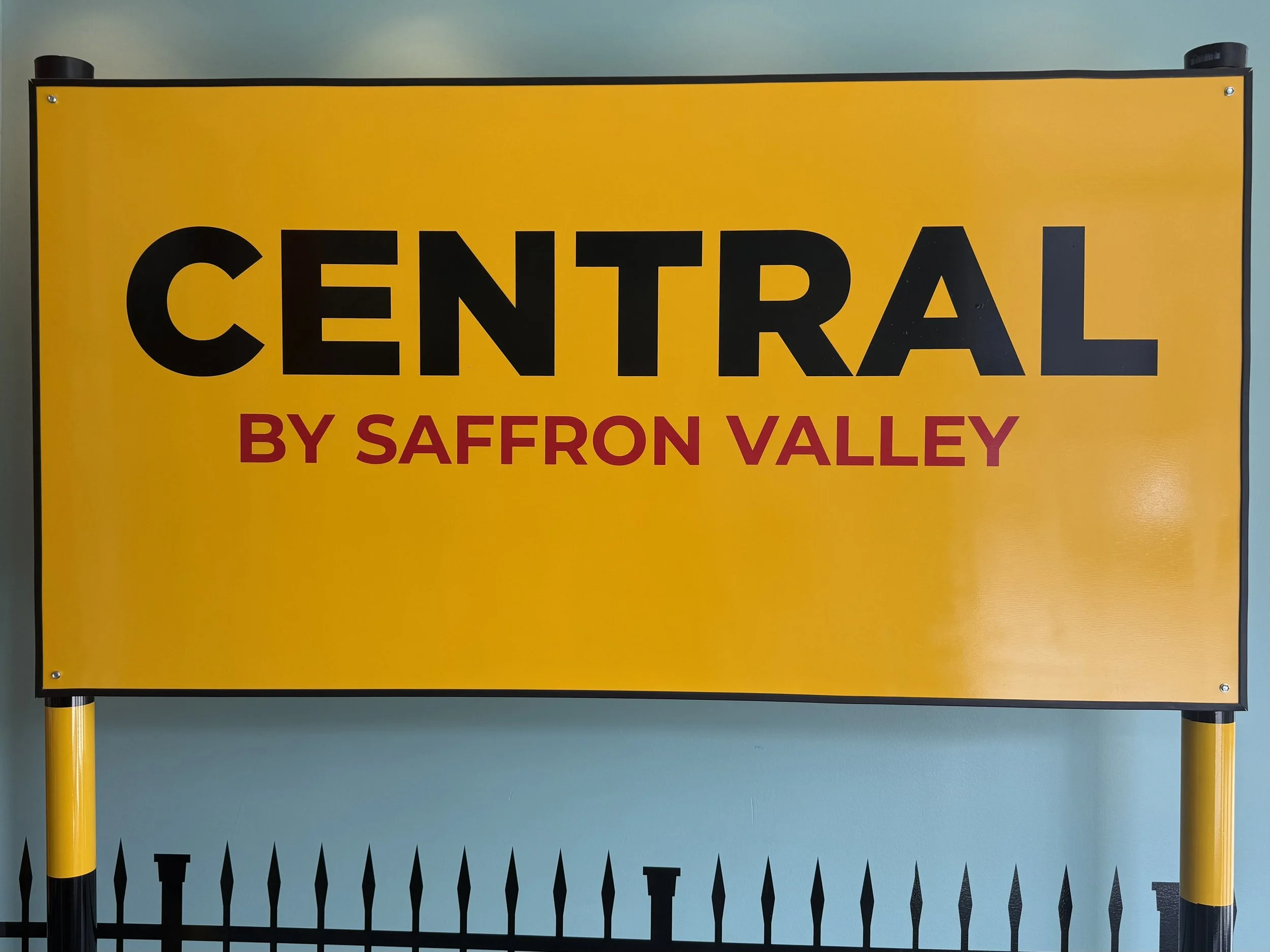
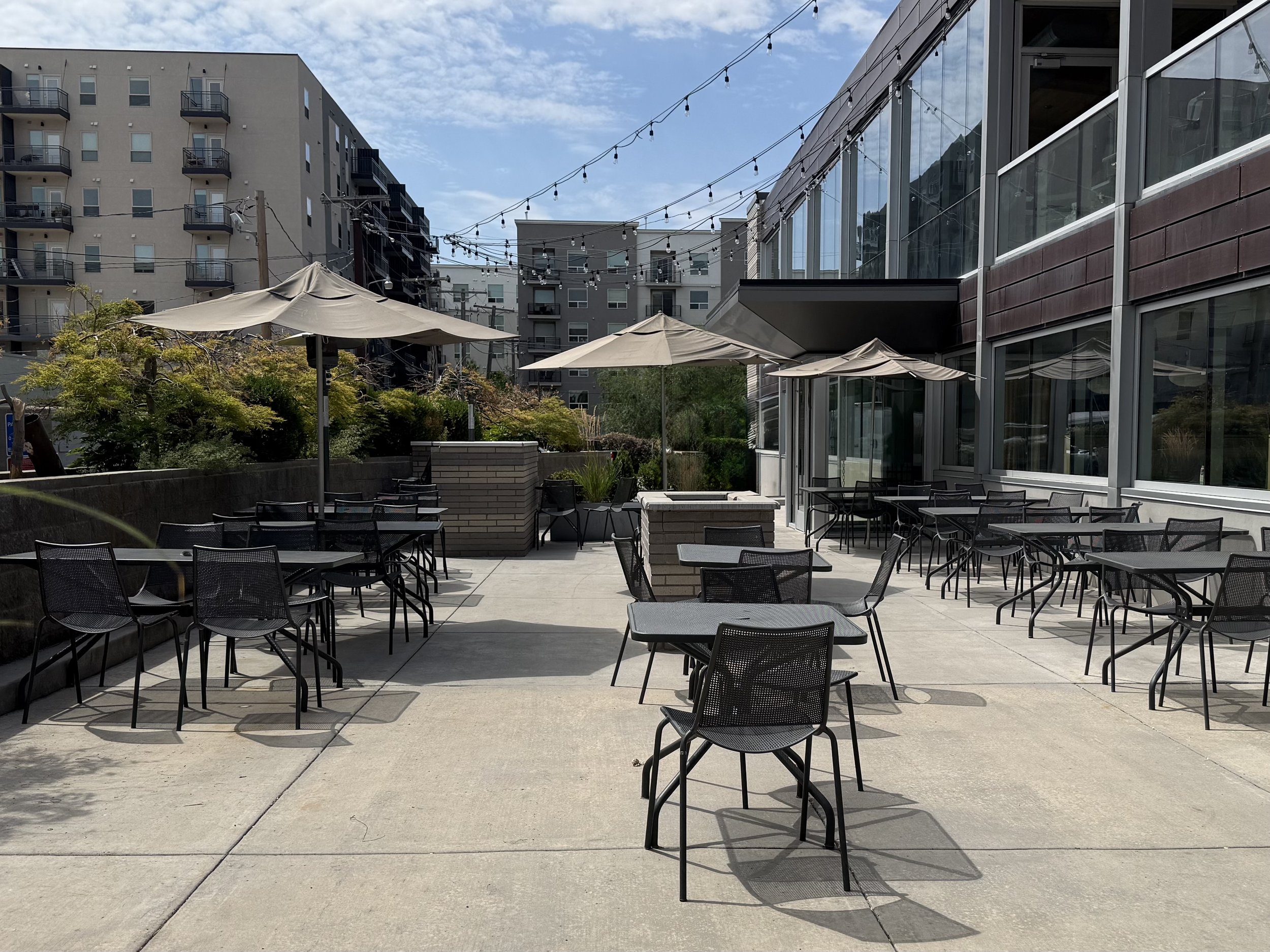
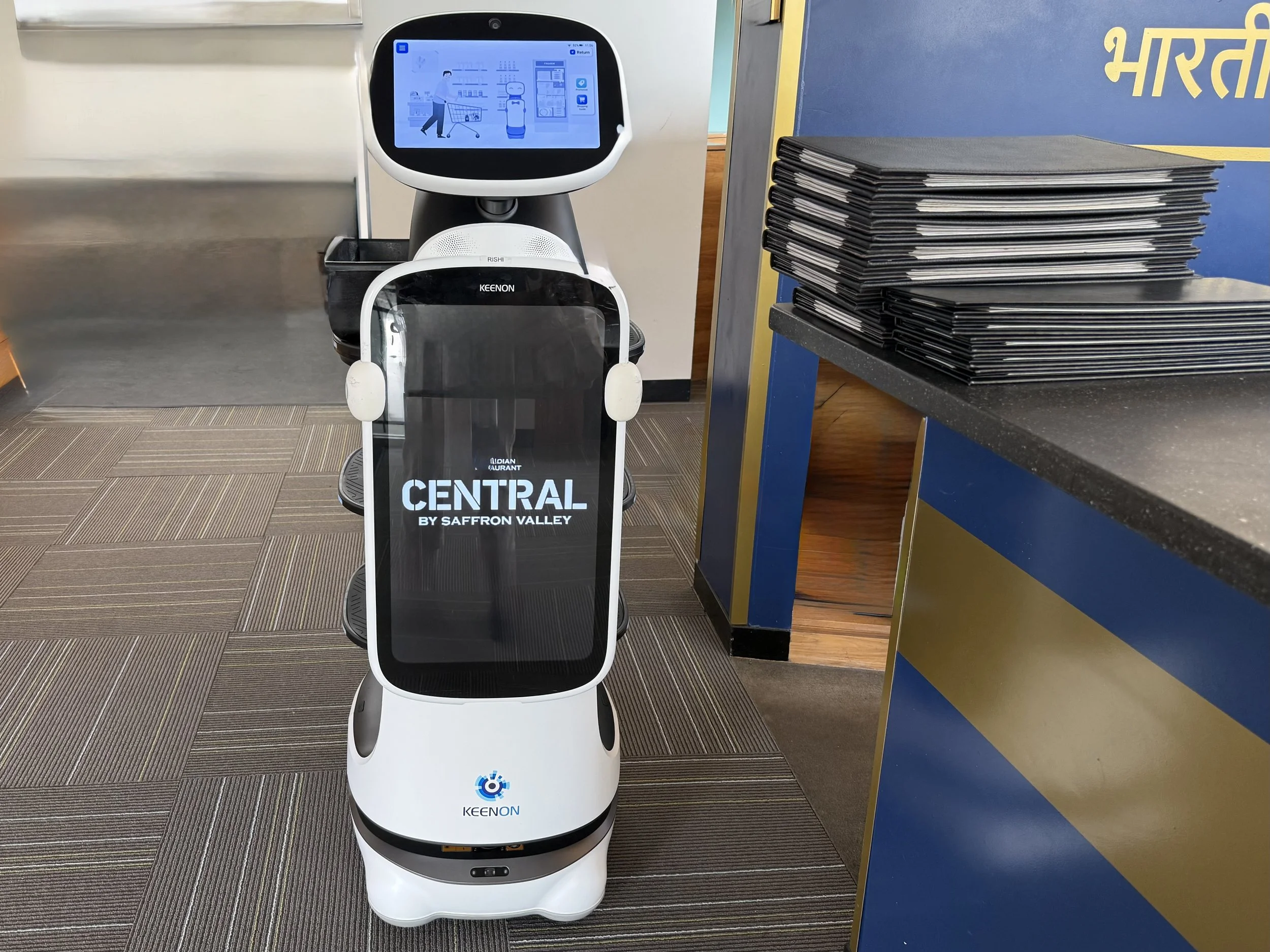
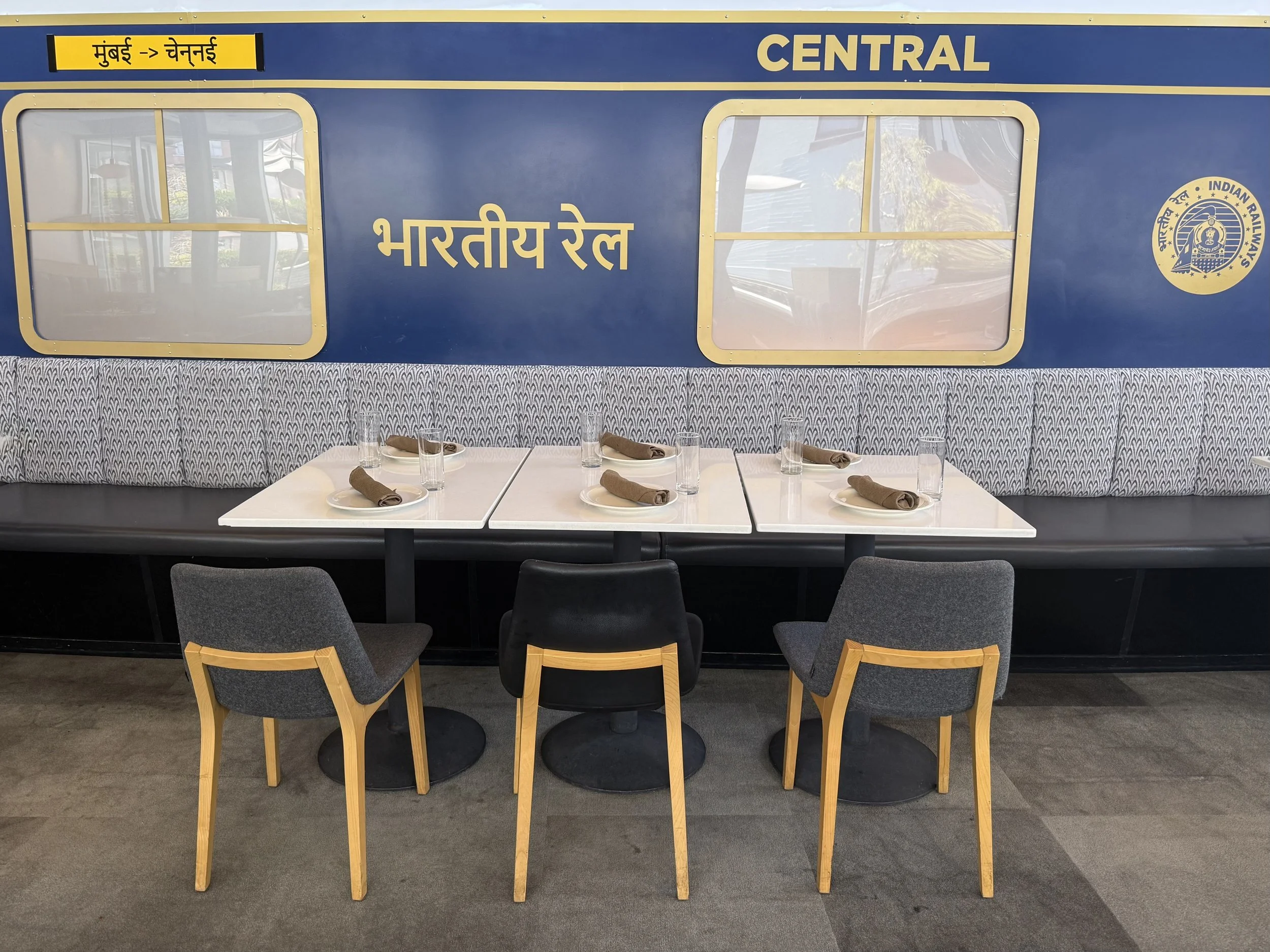
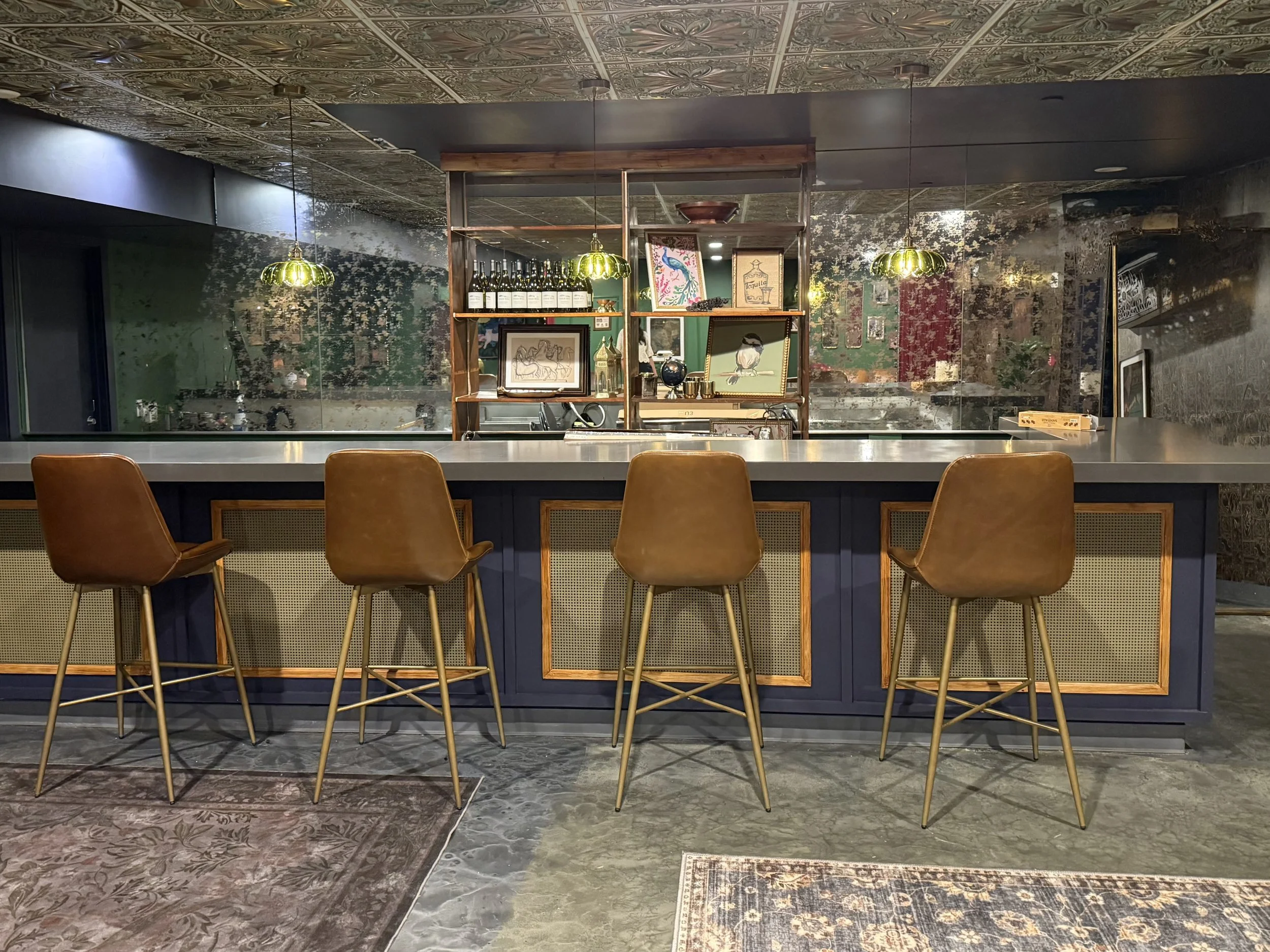
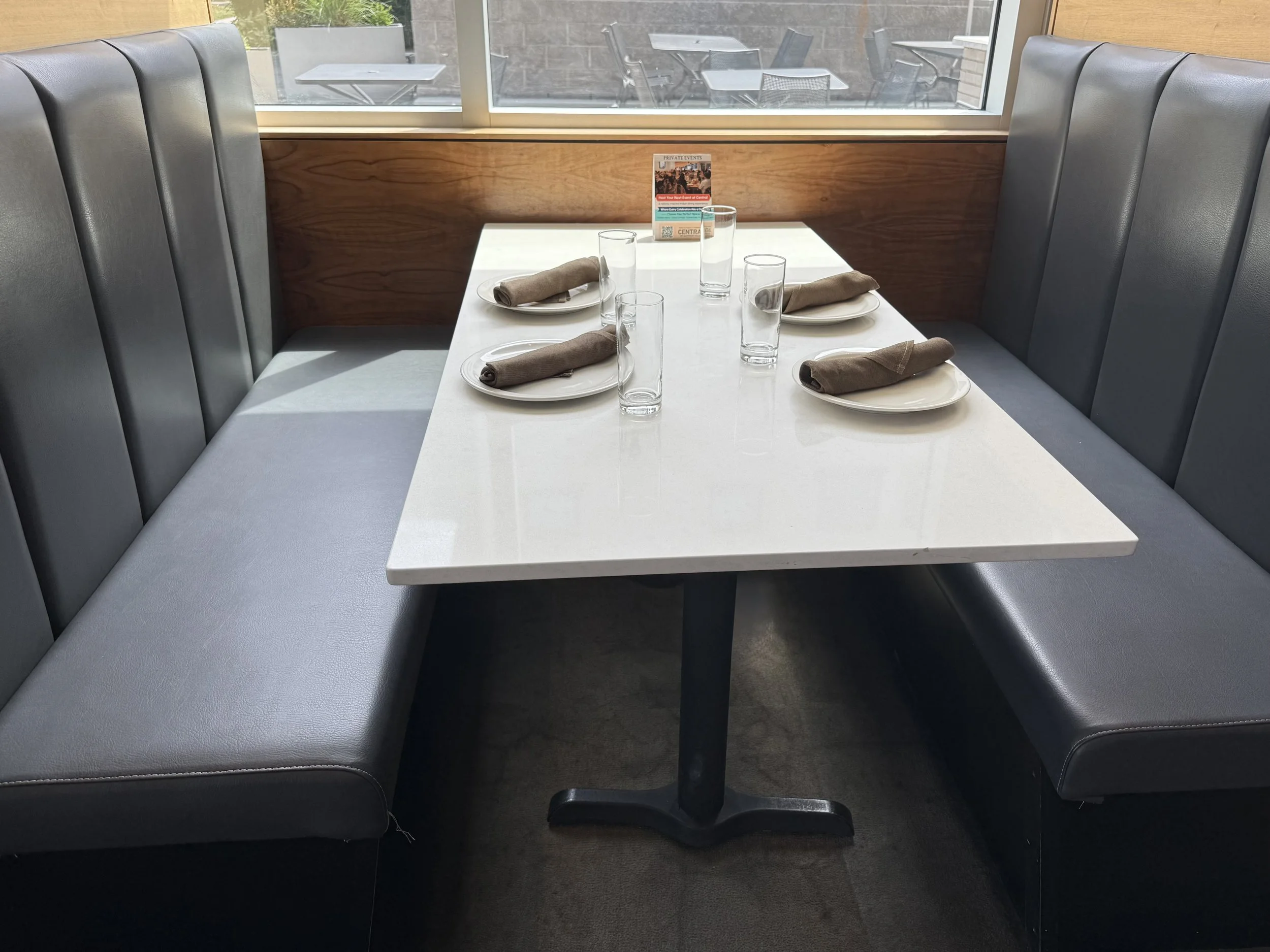
Opened in September 2025 in the former Stanza restaurant space, Central brought Lavanya back into the heart of Salt Lake City. She wanted a restaurant that could accommodate events, offer a full bar, and provide a downtown home for Saffron Valley. But as always with Lavanya, the space needed to tell a story. She found that story in trains.
Growing up in India, Lavanya spent summers traveling by rail to visit family. Before air travel became commonplace, train stations were a familiar part of life - crowded, energetic places where people talked, shared snacks, and sometimes formed connections that lasted far beyond the journey itself.
Lavanya remembers one story in particular. When she was a small child, her mother fell asleep during a train journey while another woman nearby entertained Lavanya and gave her treats. When her mother awoke, the two women began talking. They became lifelong friends. For Lavanya, the story captures something essential about train travel. “We meet people on the train that we could stay friends with for our whole life,” she said. “It’s kind of how life is, too. It’s like a train journey. Some people get on; some people get off at different stops.”
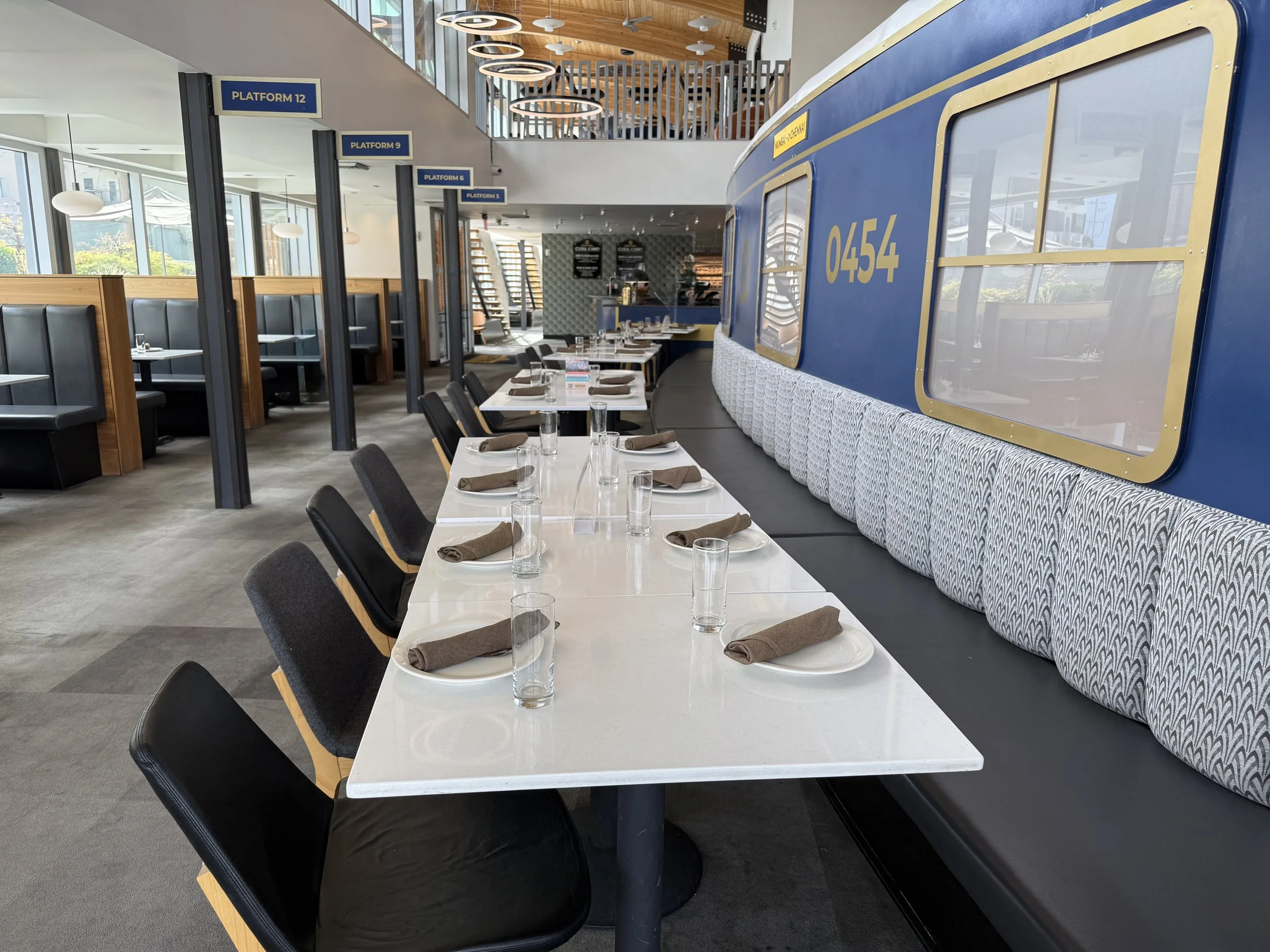
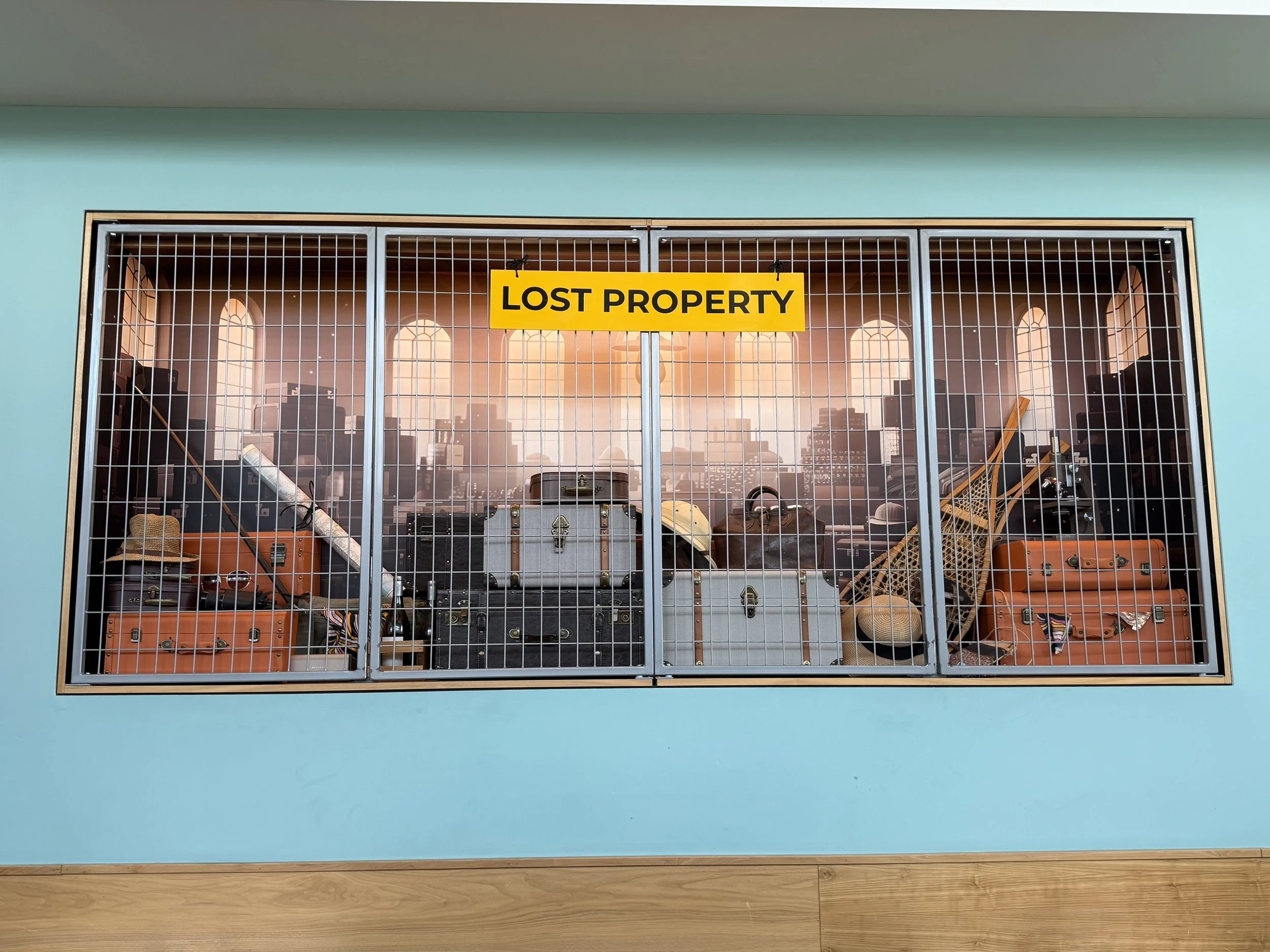
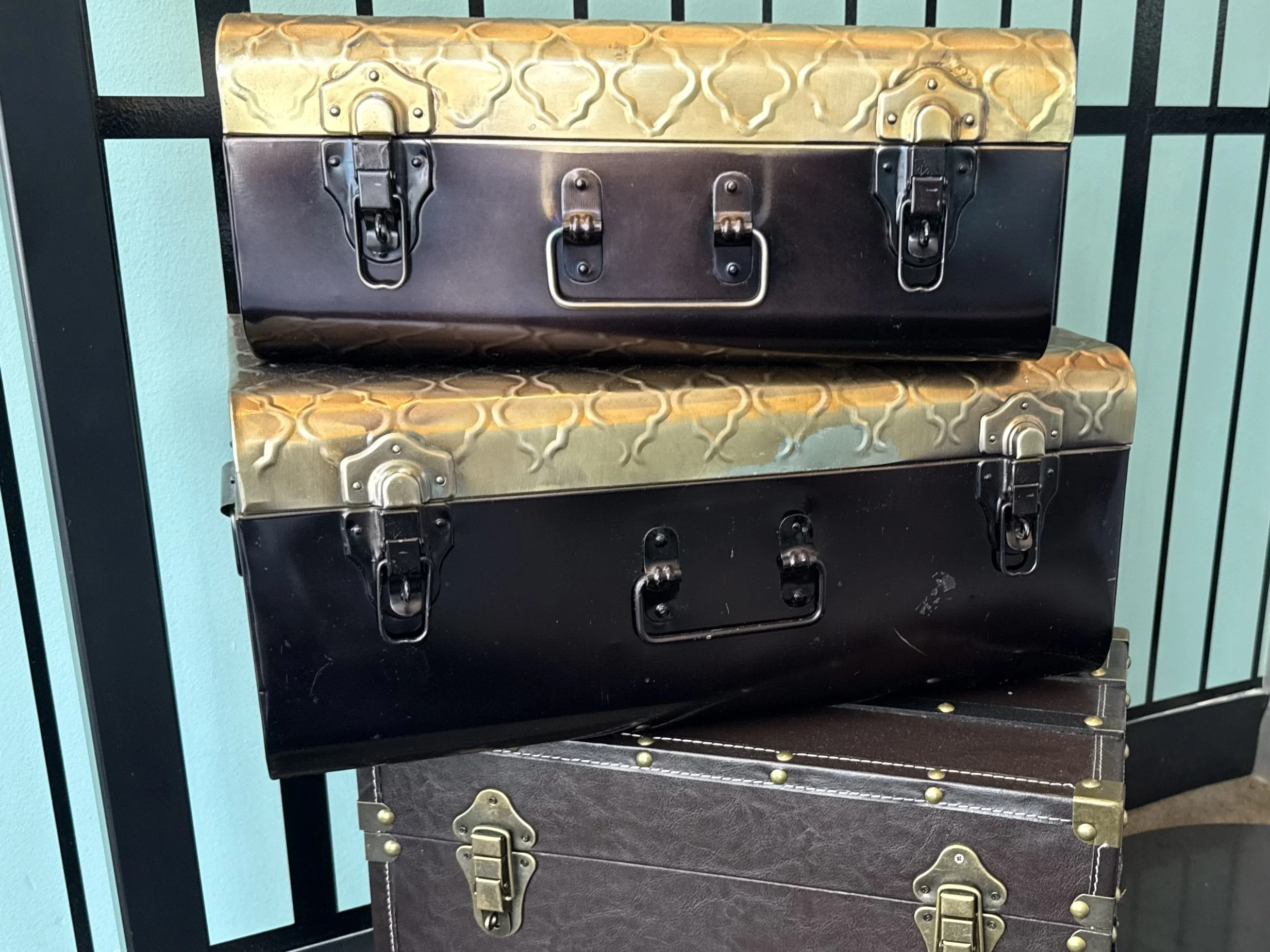
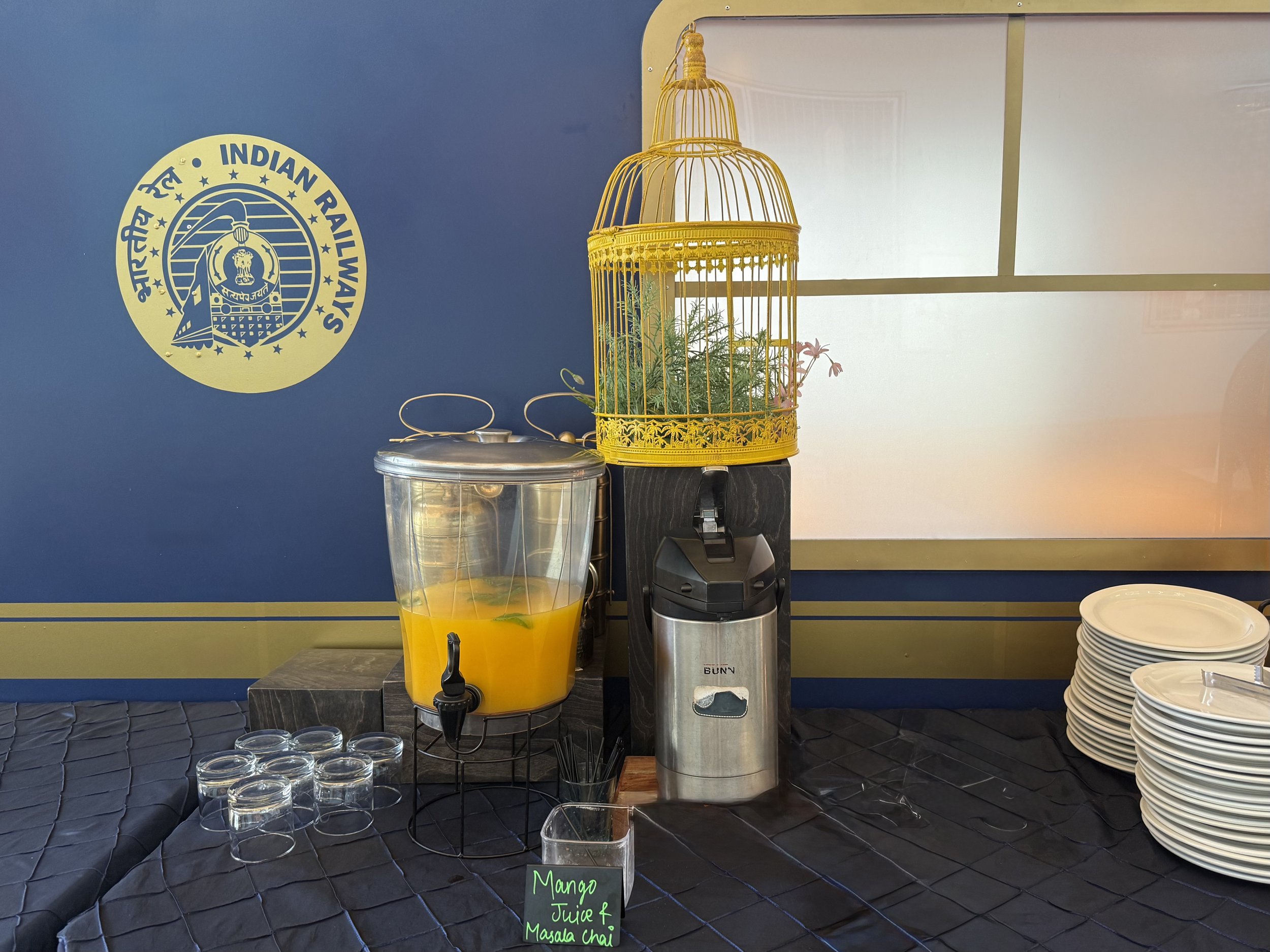
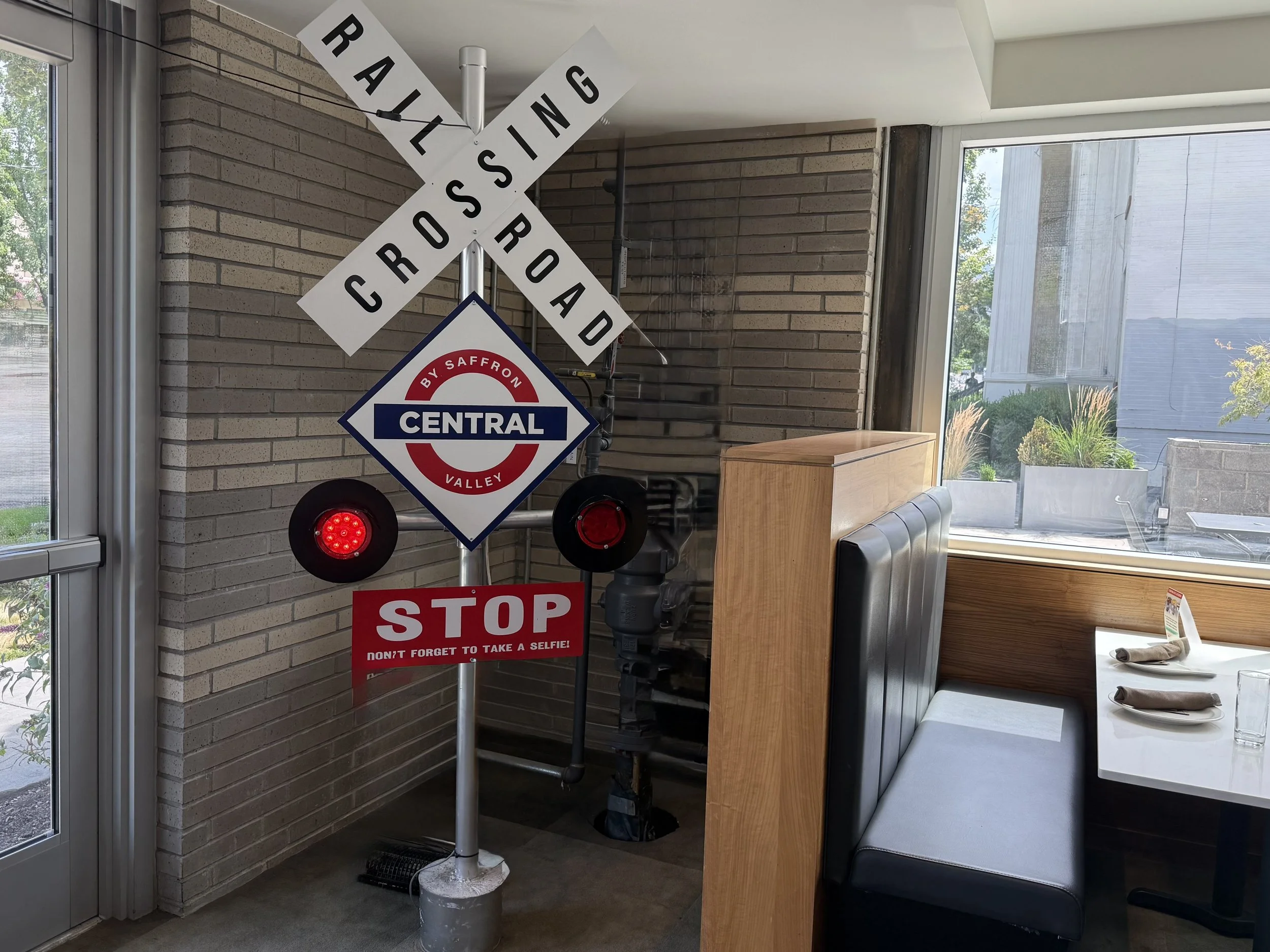
The soaring ceilings, curves and architectural details of the former space immediately suggested an old railway station to Lavanya. Central became an ode to the golden age of rail travel, filled with platform references and details intended to evoke the romance of a time when a journey provided the opportunity to talk to strangers, share food and form relationships.
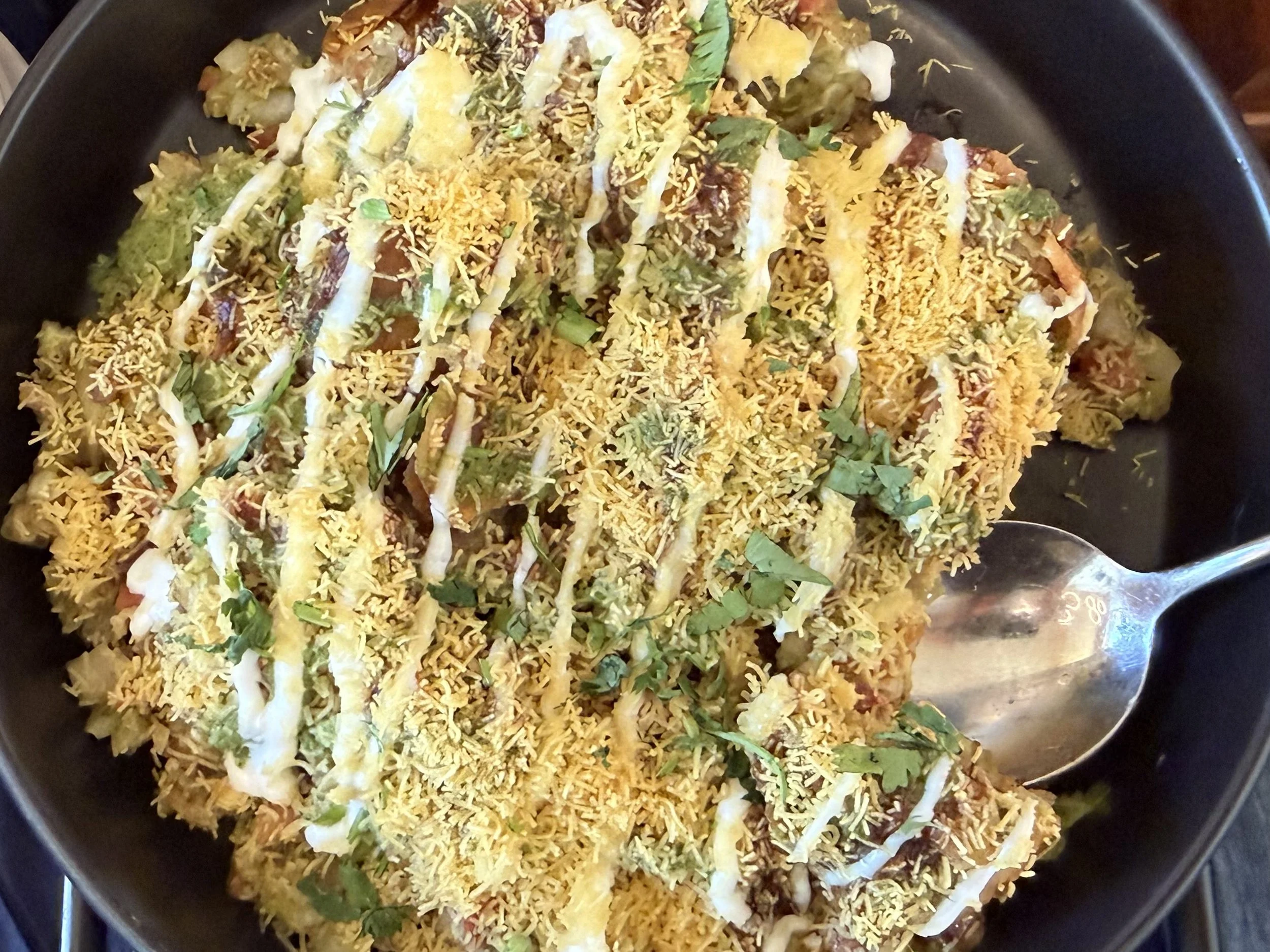
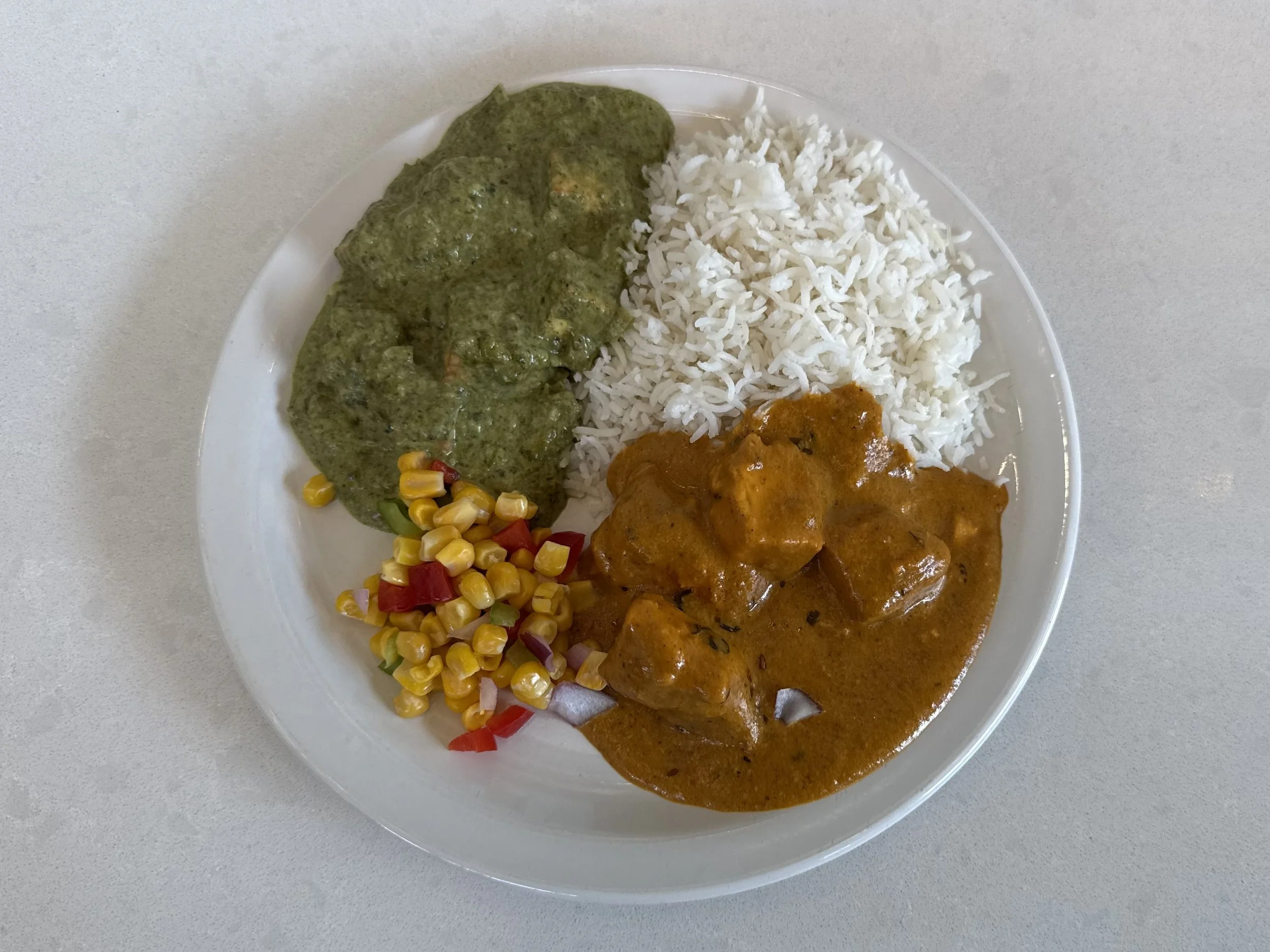
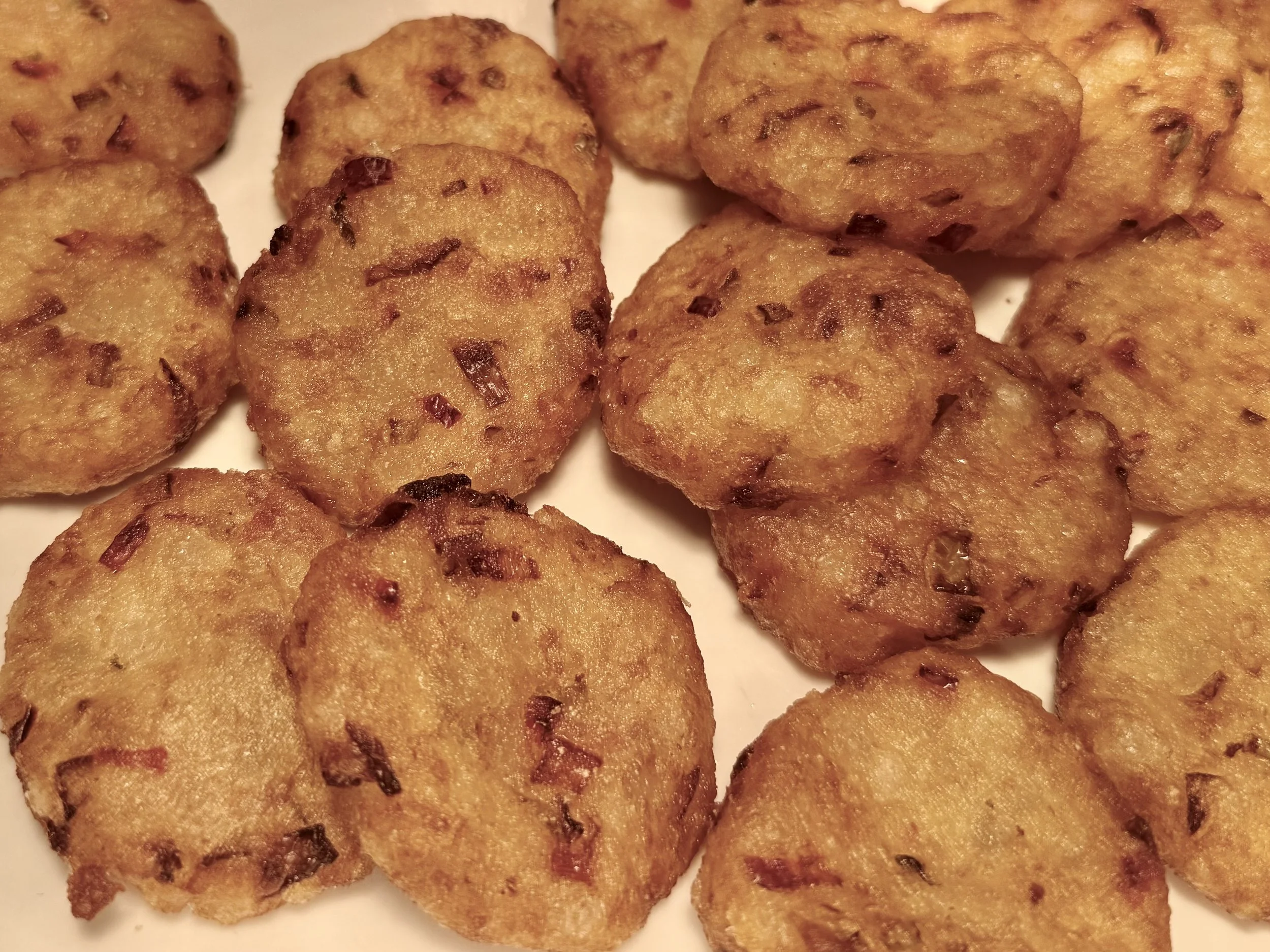
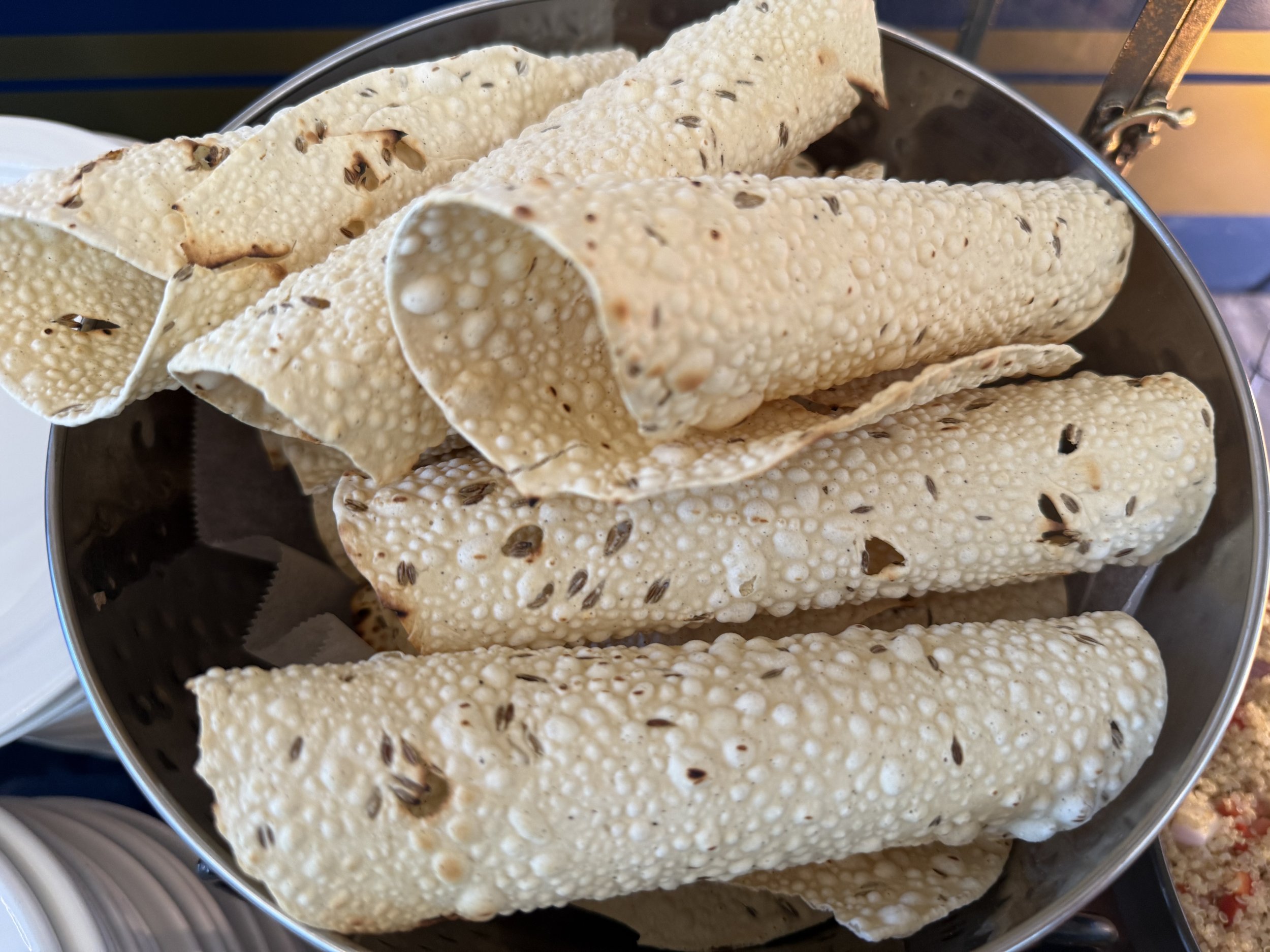
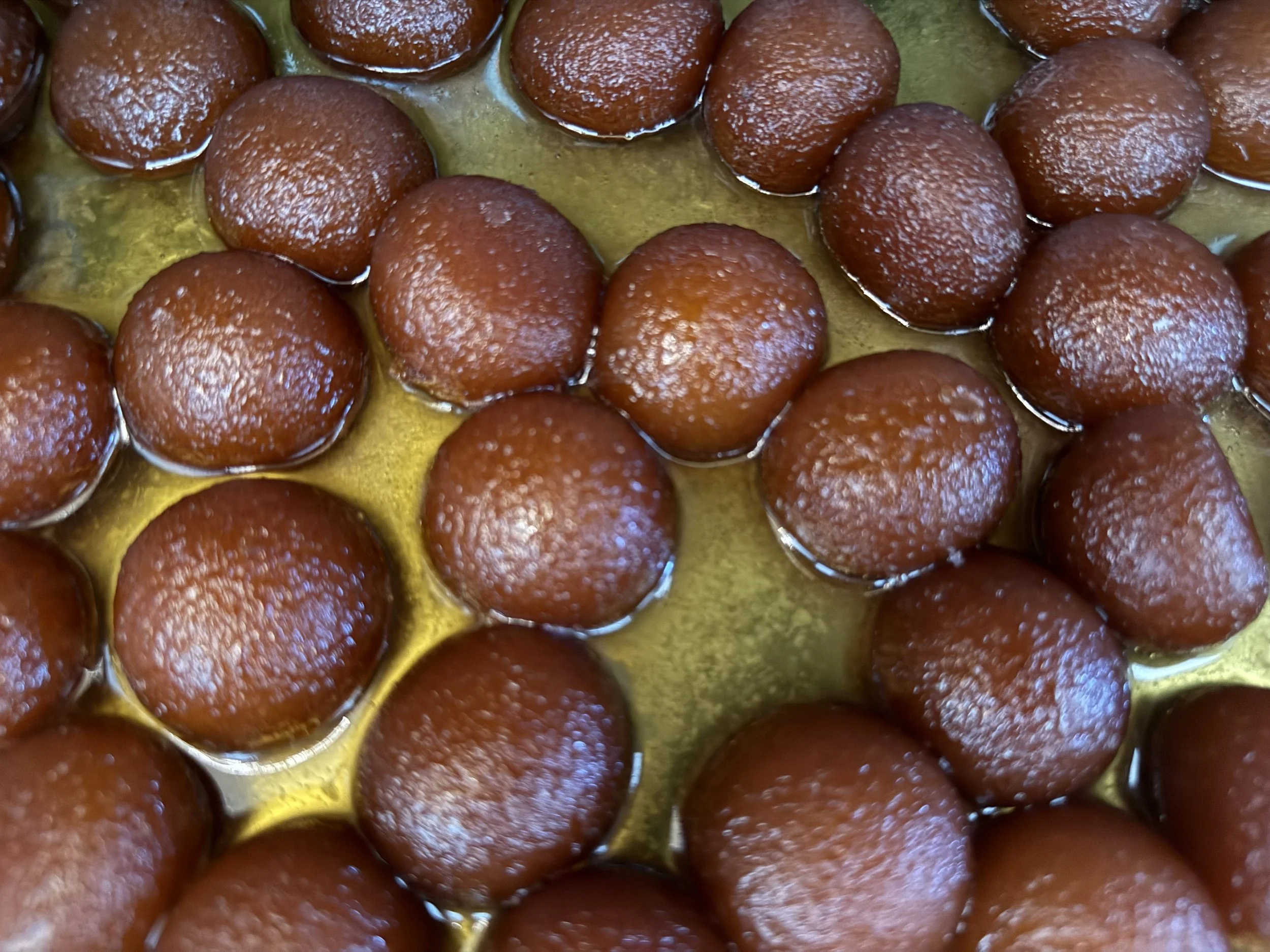
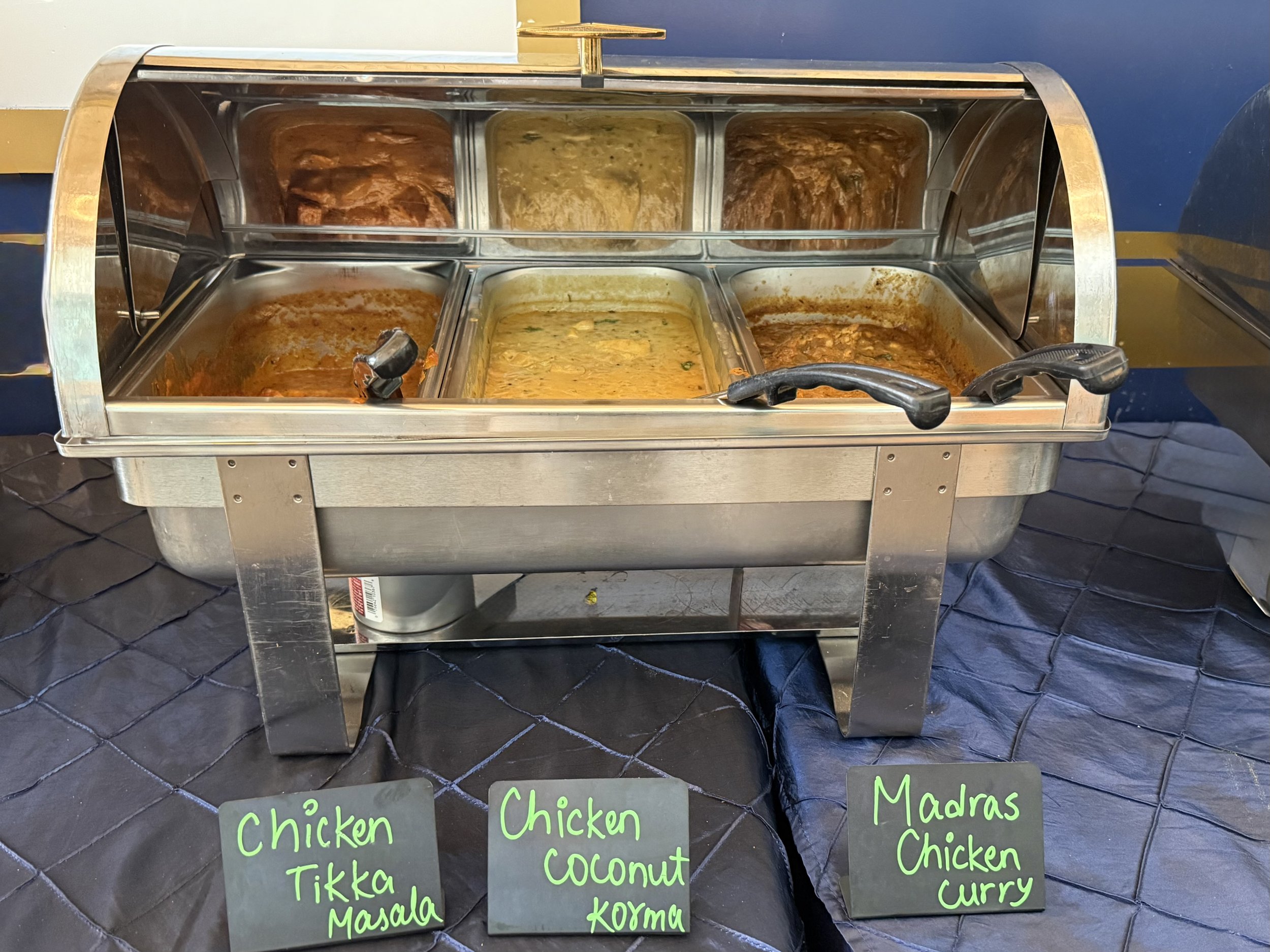
The menu remains grounded in the Saffron Valley dishes Lavanya has served for years, including butter chicken, chicken tikka masala, and Malabar fish curry, along with a daily lunch buffet. There is comfort for longtime customers in finding familiar flavors, even as Central presents them in an entirely different setting.
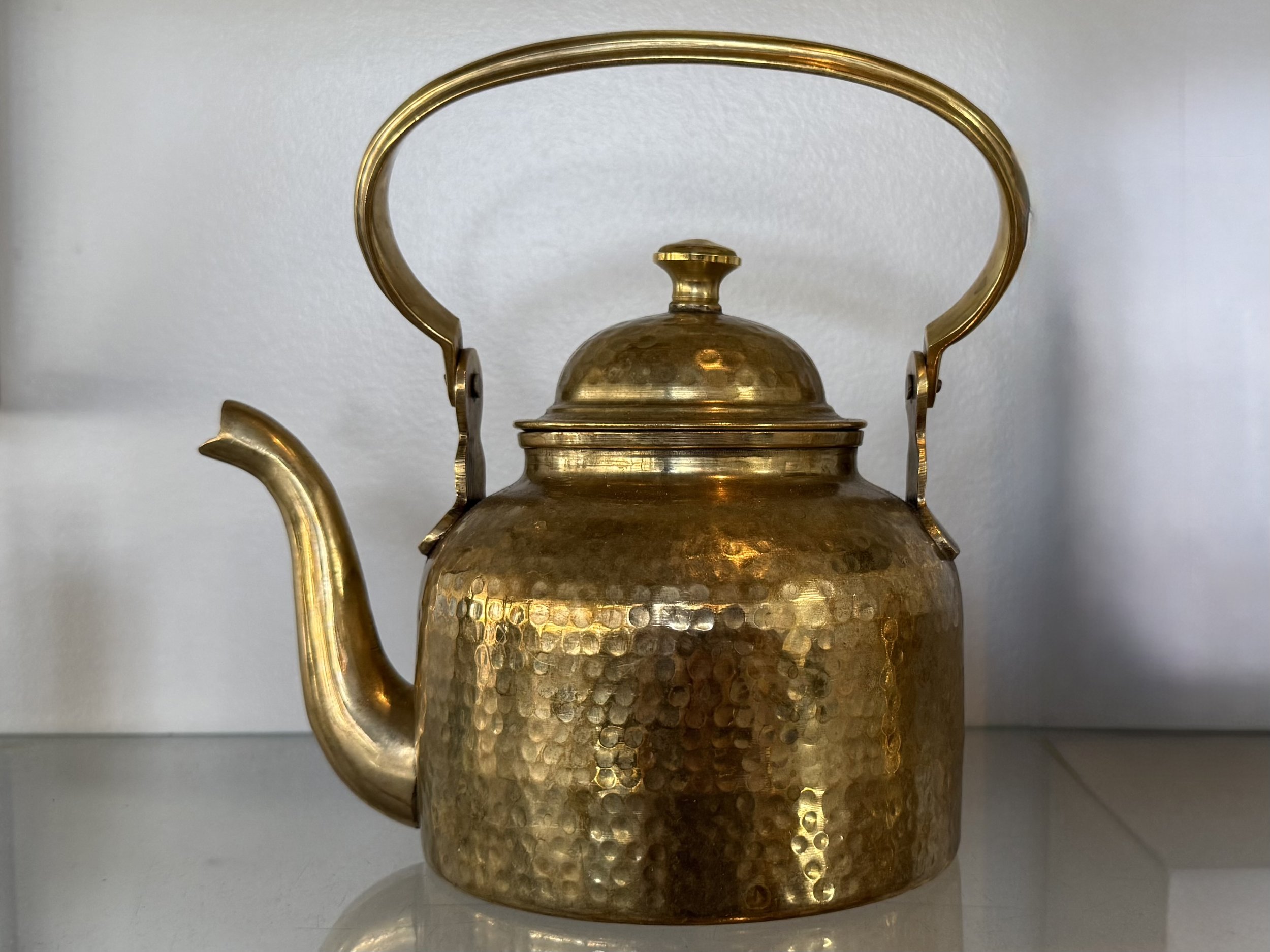
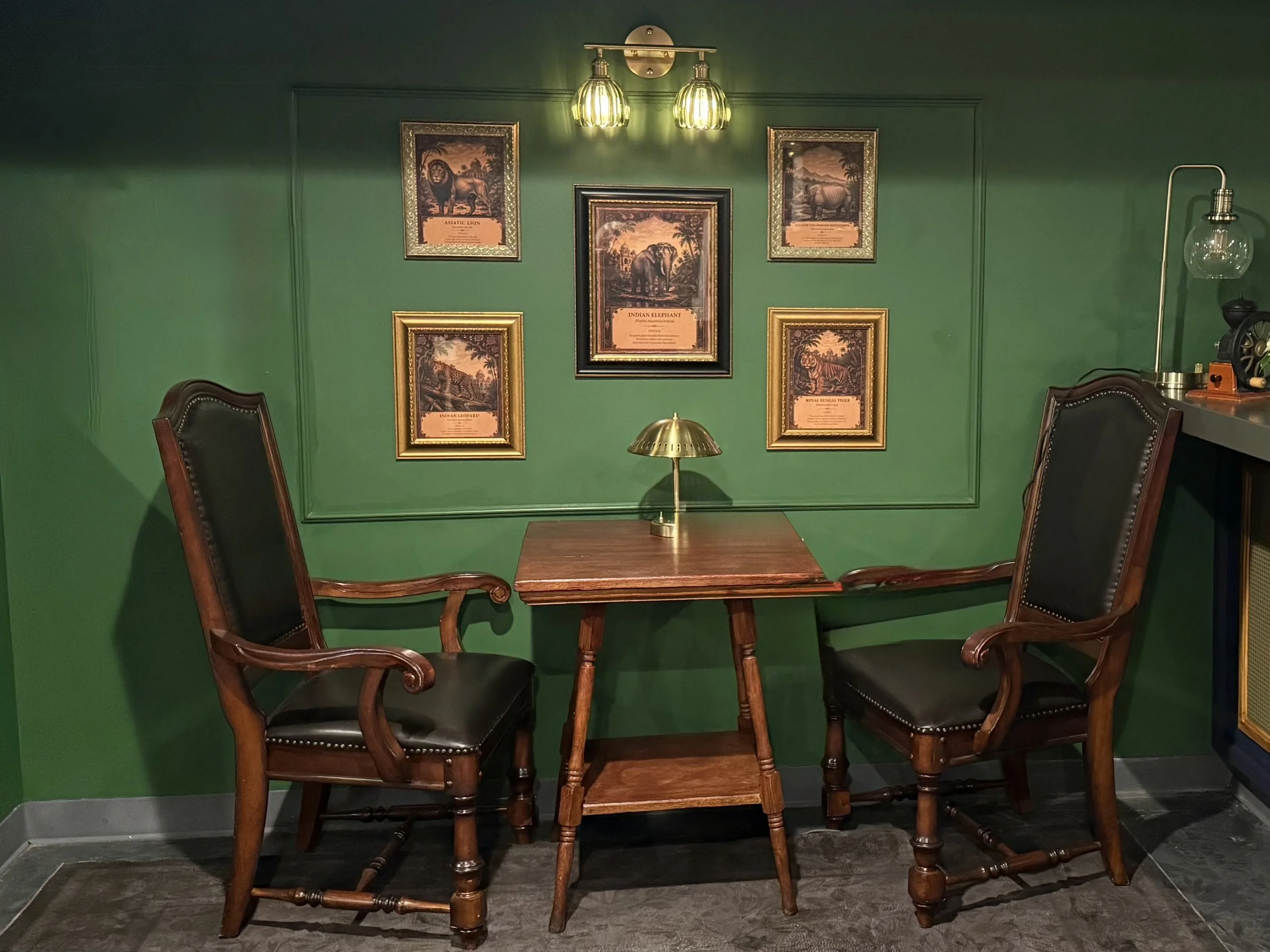
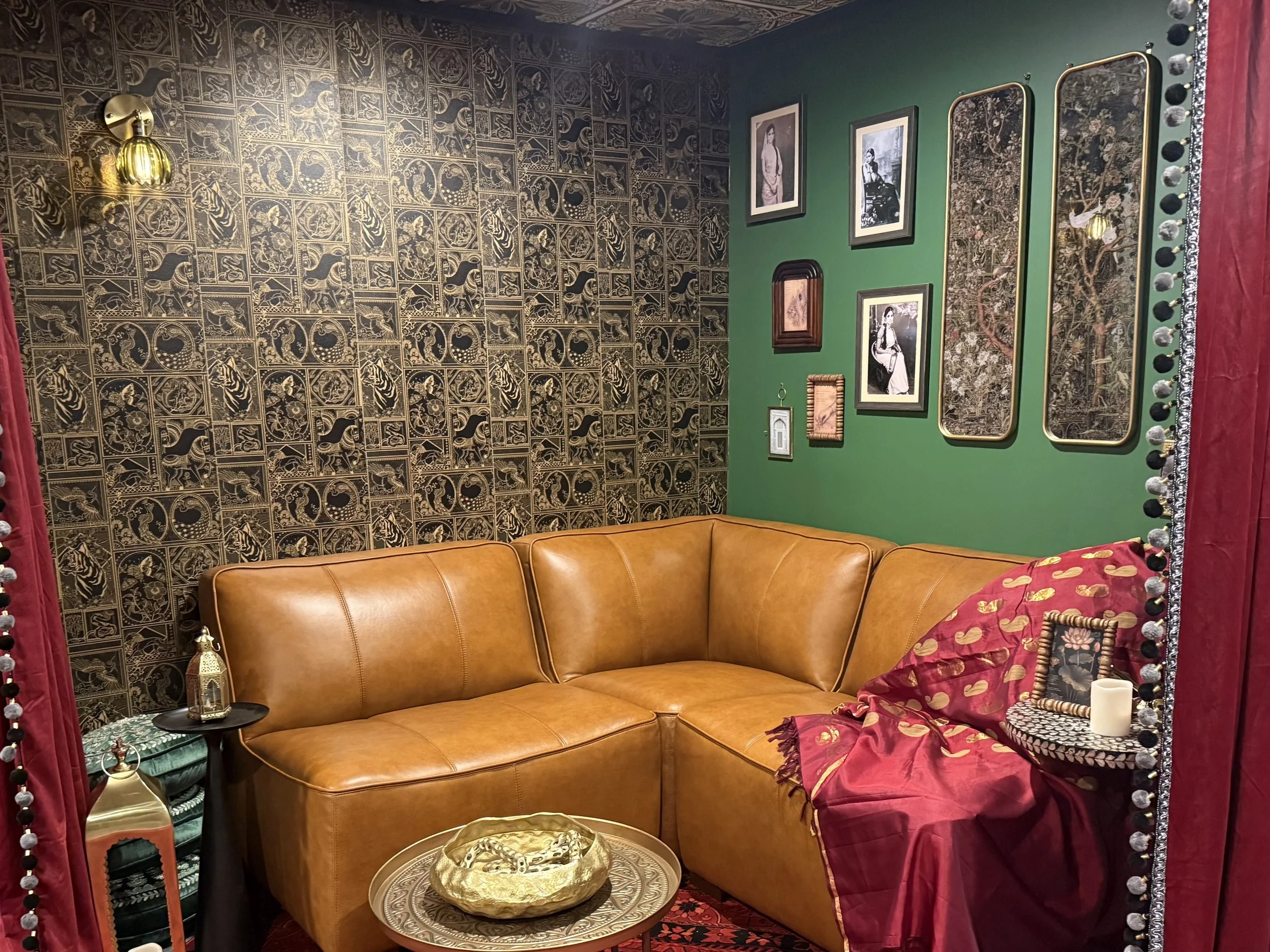
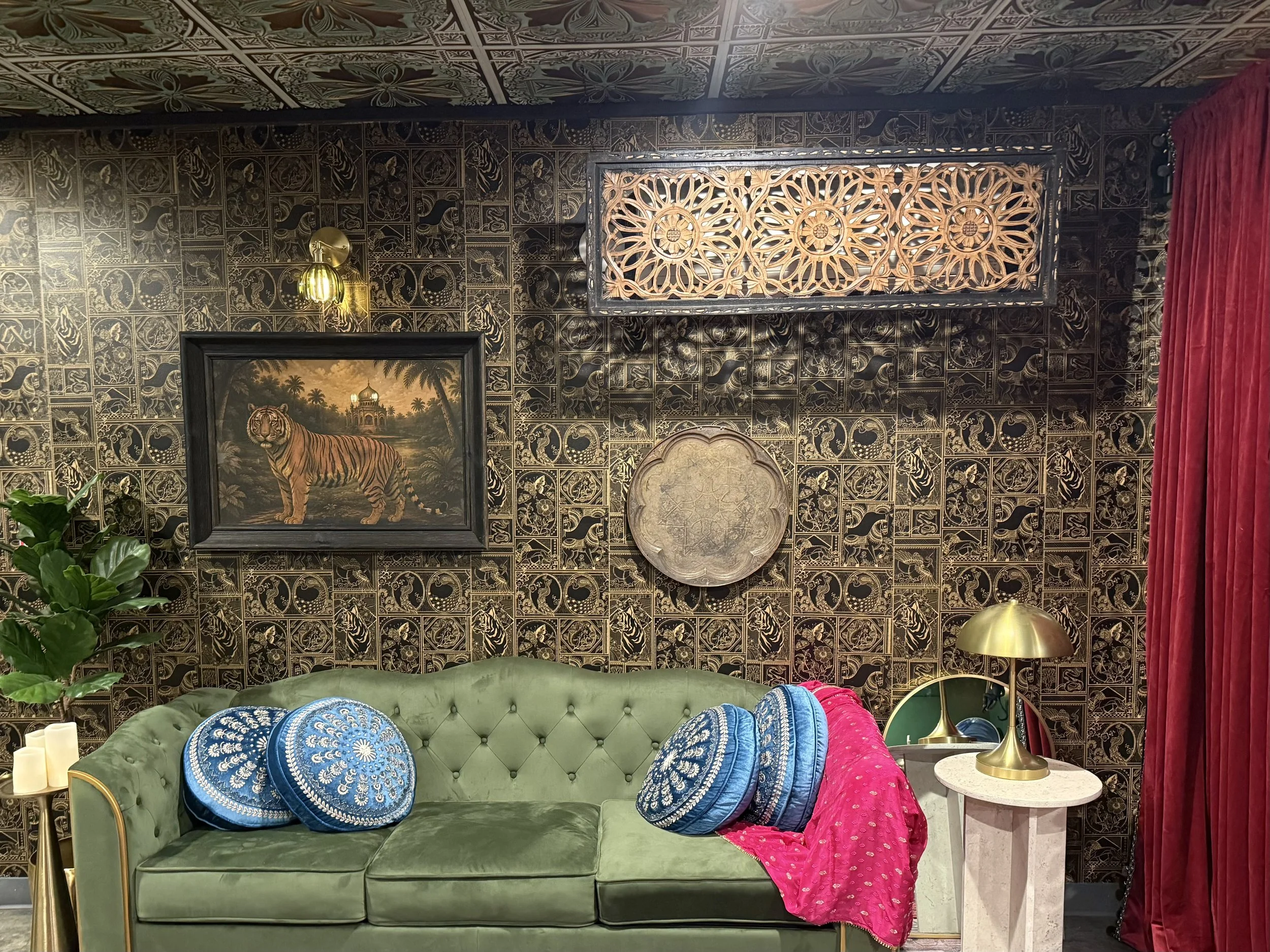
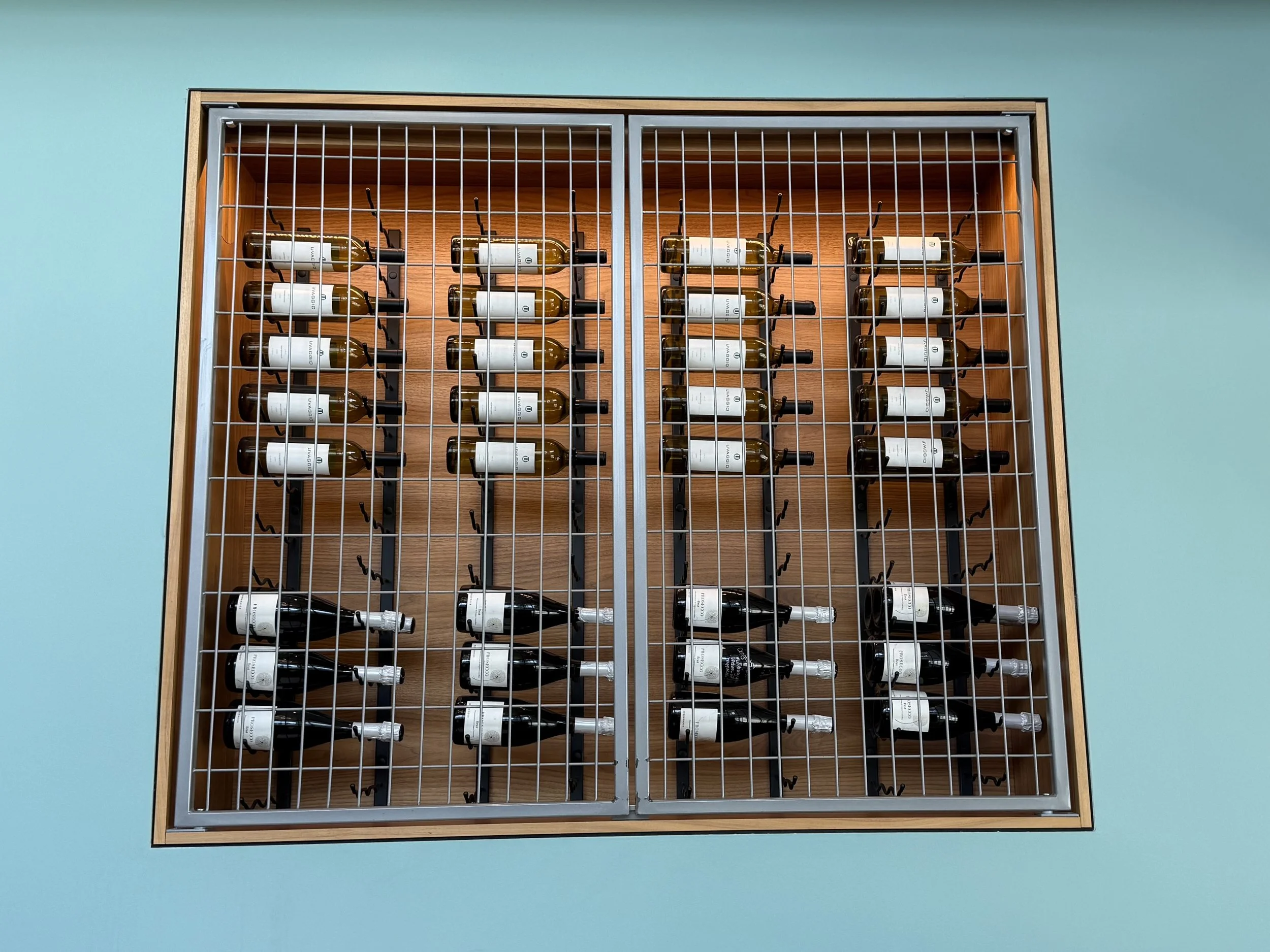
But there is another surprise downstairs. Platform Below, Central’s Indian-inspired lounge, extends the railway story beneath the restaurant. Lavanya envisioned it with the warmth of an old-world explorer’s club - dark woods, intimate seating areas, small objects and furnishings brought from India, a library nook with two chairs and a handsome bar. Cozy couches and tucked-away corners invite guests to linger. Lavanya plans for the space to host private gatherings as well as special evenings, from jazz to wine events.
“Every restaurant I do has to have some theme, some meaning, some nostalgia, some cultural aspect that I want to share with people here from India,” she explained. “It’s not only about food. It’s about creating community and connection.”
There are still other pieces of Lavanya’s hospitality world. Saffron Valley continues in Sugar House, while Bix at Kiln Gateway serves the members of the coworking community and provides catering for events. But Lavanya no longer measures her life by how many locations she can add to the list.
Over the last several years, she has returned repeatedly to India, deepened her practices of yoga and meditation, and become increasingly interested in the relationship between Eastern philosophy, neuroscience, and psychology. She has also begun working more deliberately with women around leadership, ownership and what happens when achievement comes at the expense of oneself.
For Lavanya, that distinction has become deeply personal. “People mistake achievement for fulfillment, and they’re different things.” She speaks candidly about years of saying yes, carrying too much, people-pleasing, and continually moving toward the next accomplishment. The recognition has led her toward mentoring and finding ways to give other people opportunities to operate businesses, perhaps even carrying the Saffron Valley name into the future.
After years of building, she is discovering that letting go can be its own kind of growth. Food, however, remains the thread running through everything - from the little girl standing beside Kanthama in a kitchen in southern India, to the young mother selling spices beneath a farmers market tent, to the restaurateur transforming buildings across the Salt Lake Valley. Only Lavanya’s relationship to that thread has changed. “Real success comes from being authentic and finding your true self. Take care of yourself first. More is not more.”