Utah Film Center
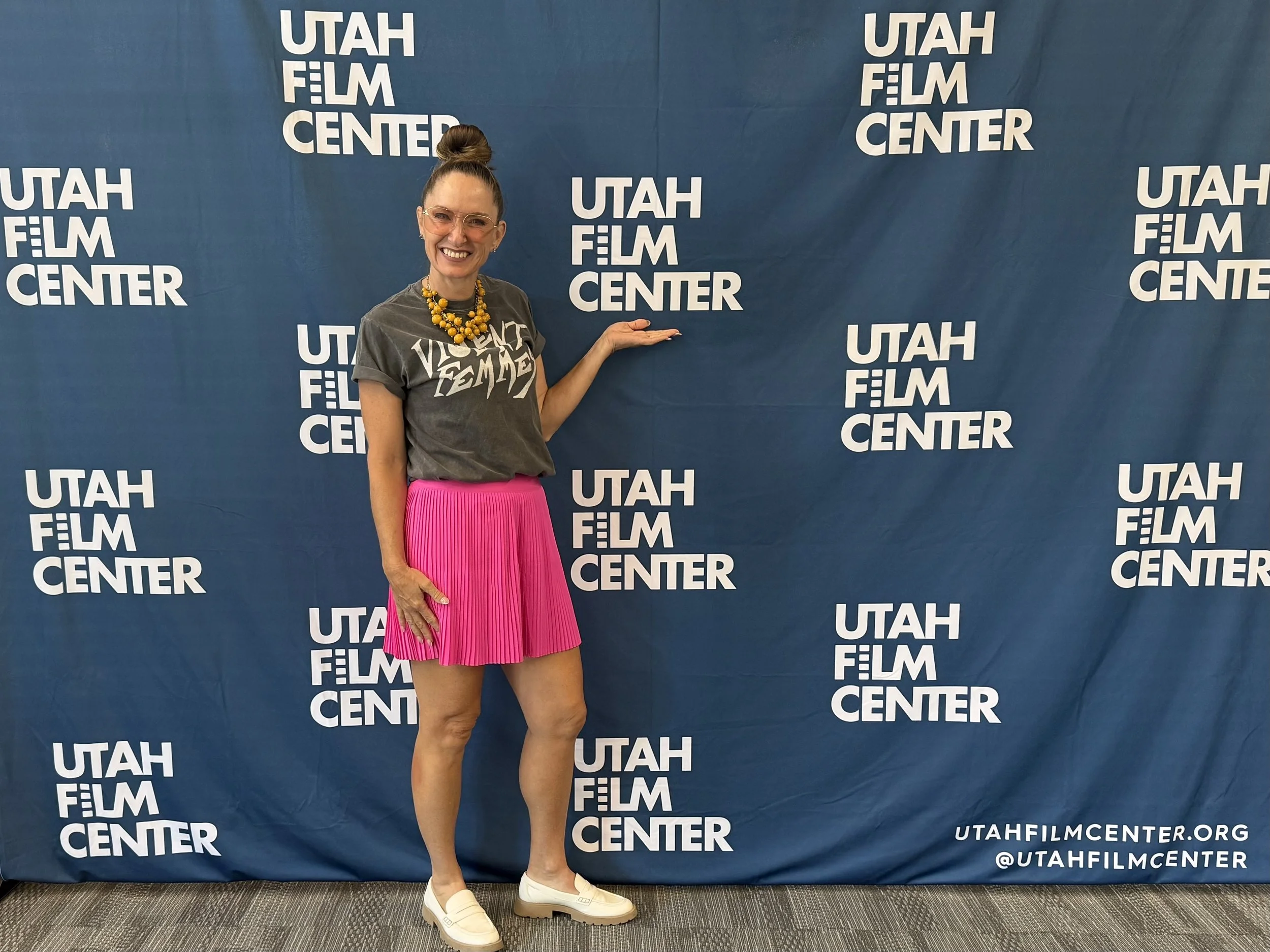
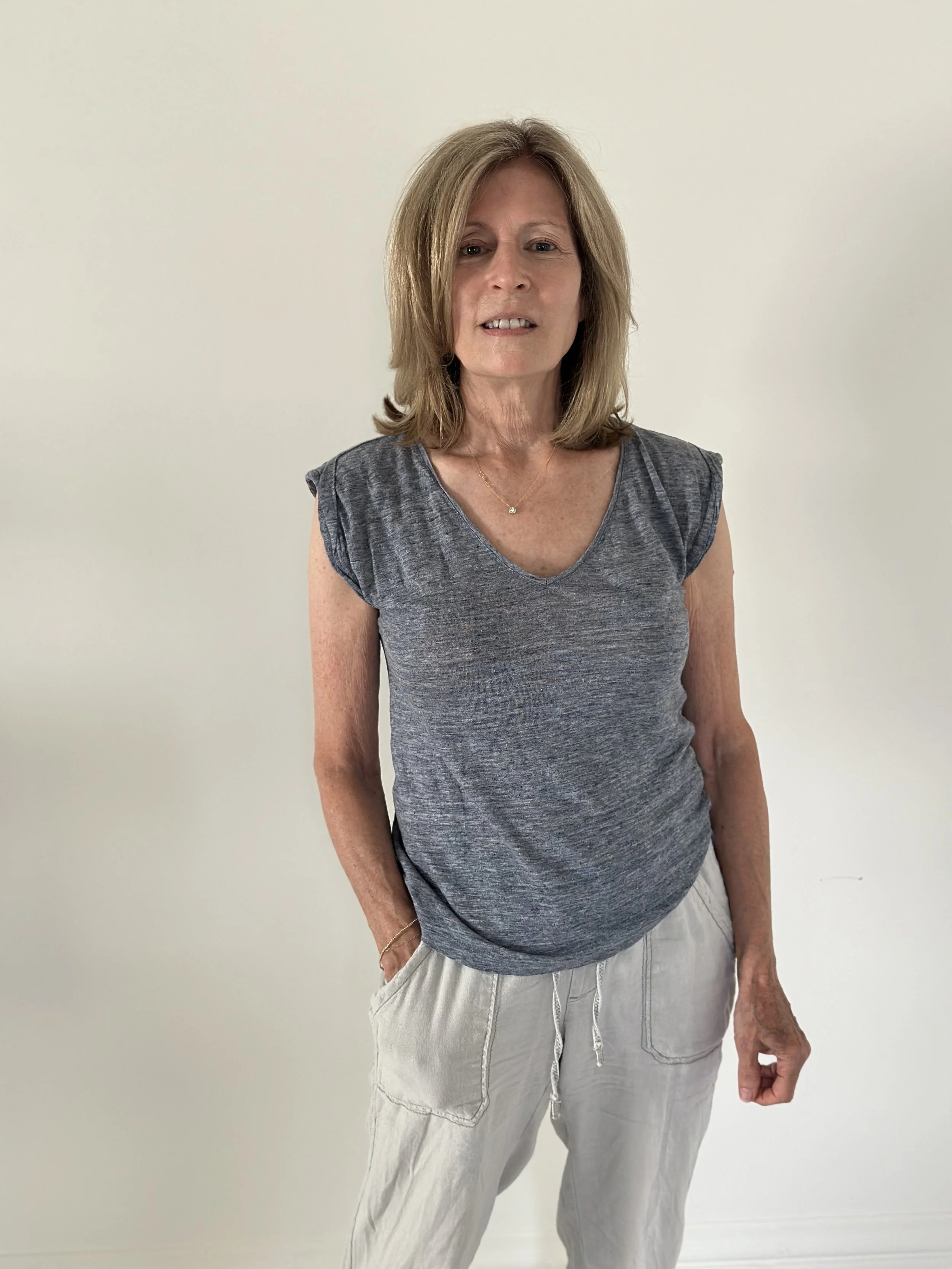
“There were little bits and pieces that directed me - little crumbs that led me here.” Long before Mariah Mellus, Executive Director of the Utah Film Center, found herself championing filmmakers, artists, and audiences across the state, there was a little girl whose parents realized, by the age of four, that movies held a special place in her heart. Even her name has a cinematic beginning.
Inspired by the song “They Call the Wind Maria” from Paint Your Wagon, her parents chose the now familiar spelling of Mariah, unexpectedly fitting for someone whose life would one day revolve around the power of storytelling. Looking back now, Mariah does not see a carefully mapped career. Instead, she sees those “little crumbs,” seemingly unrelated experiences that quietly led her toward the work she was always meant to do.
Today, those experiences have come full circle. As Executive Director, Mariah leads an organization built on a belief she shares wholeheartedly. “Good films make better humans.” To her, film is far more than entertainment. It creates understanding, encourages conversation, and builds connections, themes that have quietly woven themselves through every chapter of her life.
After graduating from high school in 1995, Mariah began college but soon realized that the traditional path was not the one she wanted to follow. She has always been drawn to learning by doing, discovering opportunities that allowed her to connect people, solve problems, and build something lasting. Years later, she would deepen those skills through the Goldman Sachs 10,000 Small Businesses program, an opportunity that strengthened the entrepreneurial mindset she continues to bring to nonprofit leadership.
One of Mariah’s earliest jobs was at Snowbird Ski Resort. She was hired for housekeeping. It did not take long, however, for management to recognize that her talents extended far beyond behind-the-scenes work. She was moved into guest-facing roles where her natural ability to connect with people quickly became apparent. Although her career eventually carried her elsewhere, she never really left Snowbird. Nearly thirty years later, she continues to return to the mountain, helping wherever her skills are needed, and jokes that one of the rewards of retirement will be earning a lifetime ski pass.
That sense of belonging, and wanting to help others fulfill their own dreams, became a defining thread throughout Mariah’s career. Whether welcoming guests at Snowbird, helping coordinate events for the Bowl Games of America, strengthening Salt Lake’s arts scene through Artspace, or spending nearly seventeen years writing the Gallery Stroll column for SLUG Magazine, she found herself drawn to the same idea over and over again - bringing people together through storytelling, art, and conversation.
Mariah’s involvement with Gallery Stroll grew naturally from her passion for Utah’s arts community. An opportunity to highlight monthly exhibitions evolved into nearly two decades of introducing readers to local artists, galleries, and the people shaping Salt Lake’s creative landscape. In many ways, she became a storyteller long before she joined the Utah Film Center, helping audiences discover artists and encouraging them to step inside spaces they might otherwise have overlooked. Her husband is an artist, giving Mariah a front-row seat to both the vulnerability and courage it takes to create something deeply personal and then release it into the world. Watching artists create and share their work gave Mariah a lasting appreciation for the relationship between creativity and the people who experience it.
When Mariah joined the Utah Film Center in 2008, she could not have known that every stop along her journey had been preparing her for this role. The organization itself had grown from a vision shared by Founders Geralyn Dreyfous, Nicole Guillemet, and Kathryn Toll. Inspired by the growing impact of independent documentary film, the Eccles Foundation first approached Sundance with the hope of creating a year-round program that would bring independent cinema to Utah audiences. When that vision did not move forward, the Foundation turned to documentary pioneers Geralyn Dreyfous and Nicole Guillemet, who soon joined forces with Kathryn Toll to build something entirely new. Working from the backs of their cars, fueled more by determination than resources, they launched what would become the Utah Film Center. Beginning with screenings at the Salt Lake City Public Library, the organization steadily evolved into a statewide resource dedicated to connecting people through the power of film, introducing audiences to new perspectives, supporting emerging filmmakers, and encouraging thoughtful dialogue through storytelling.
By the time Mariah arrived, the Utah Film Center had grown well beyond its early library screenings, presenting films in pop-up locations throughout Utah while steadily expanding its reach. Over the years, she immersed herself in nearly every aspect of the organization, serving in marketing, membership, education, development, community partnerships, external relations, and as Associate Director before becoming Executive Director. Each role deepened her understanding of the organization’s mission while reinforcing what she had long believed - films may bring people into a room, but the conversations that follow are often what leave the greatest impression.
That belief was put to the test in 2016 when a devastating four-alarm electrical fire destroyed the Utah Film Center’s longtime offices. As Mariah drove to the scene, she quietly wondered whether the organization would survive. The answer came quickly. Donations poured in, and within weeks the Film Center had received more support than it would normally raise in an entire year. While the financial assistance was critical, what meant even more to Mariah and the staff was the unmistakable message behind it. Audiences, filmmakers, donors, and community partners had spoken. The Utah Film Center mattered, and they were determined to ensure it continued. As Mariah reflects, “From the fire we rose from the ashes.”
Like many arts organizations, the Utah Film Center emerged from the pandemic asking an important question: What did its community need now? With streaming services making independent films more accessible than ever, simply showing movies was no longer enough. Through conversations with filmmakers, audiences, and creative professionals across the region, one message surfaced repeatedly. People wanted more than screenings. They wanted a place to gather, collaborate, create, and belong.
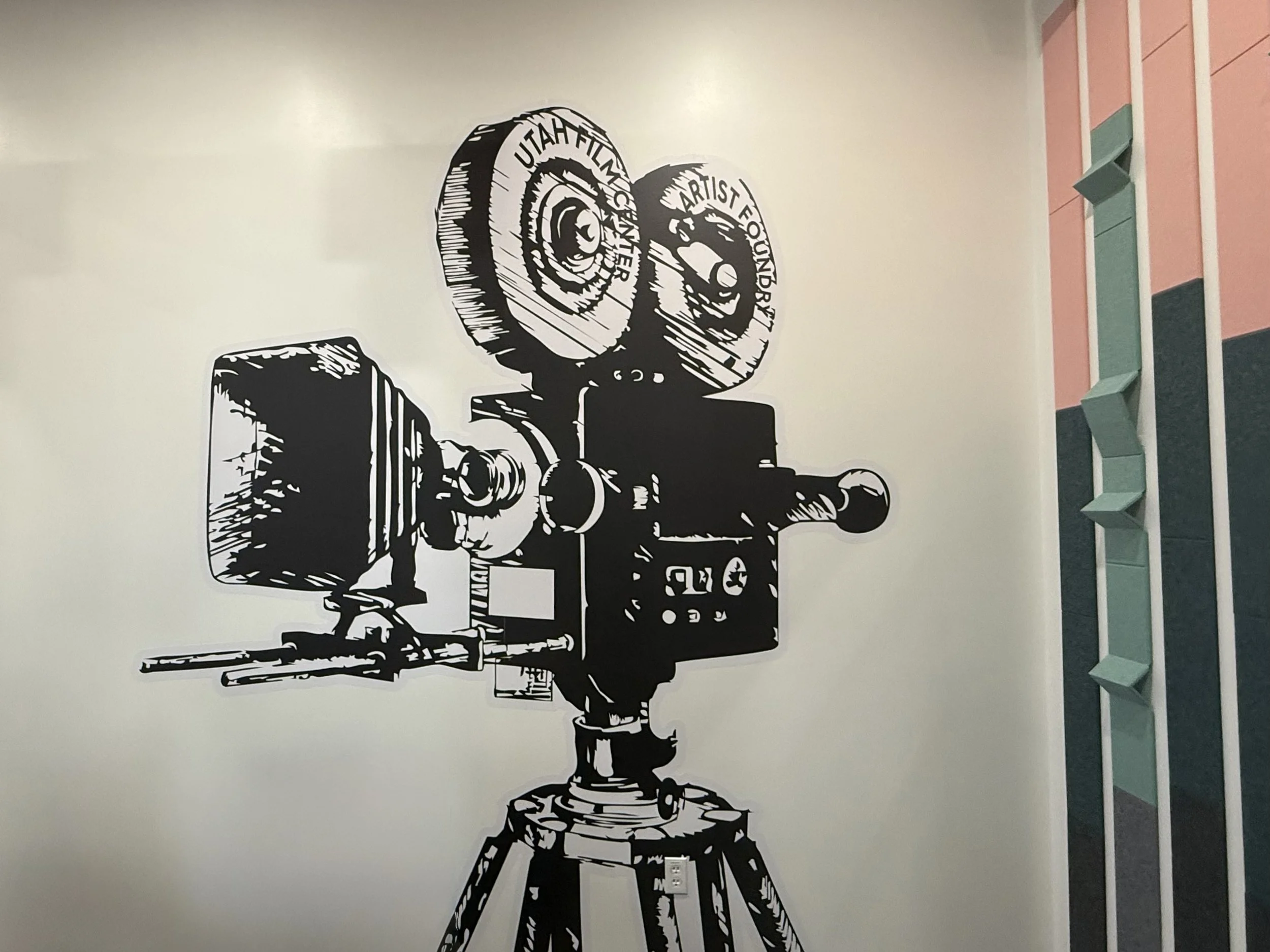
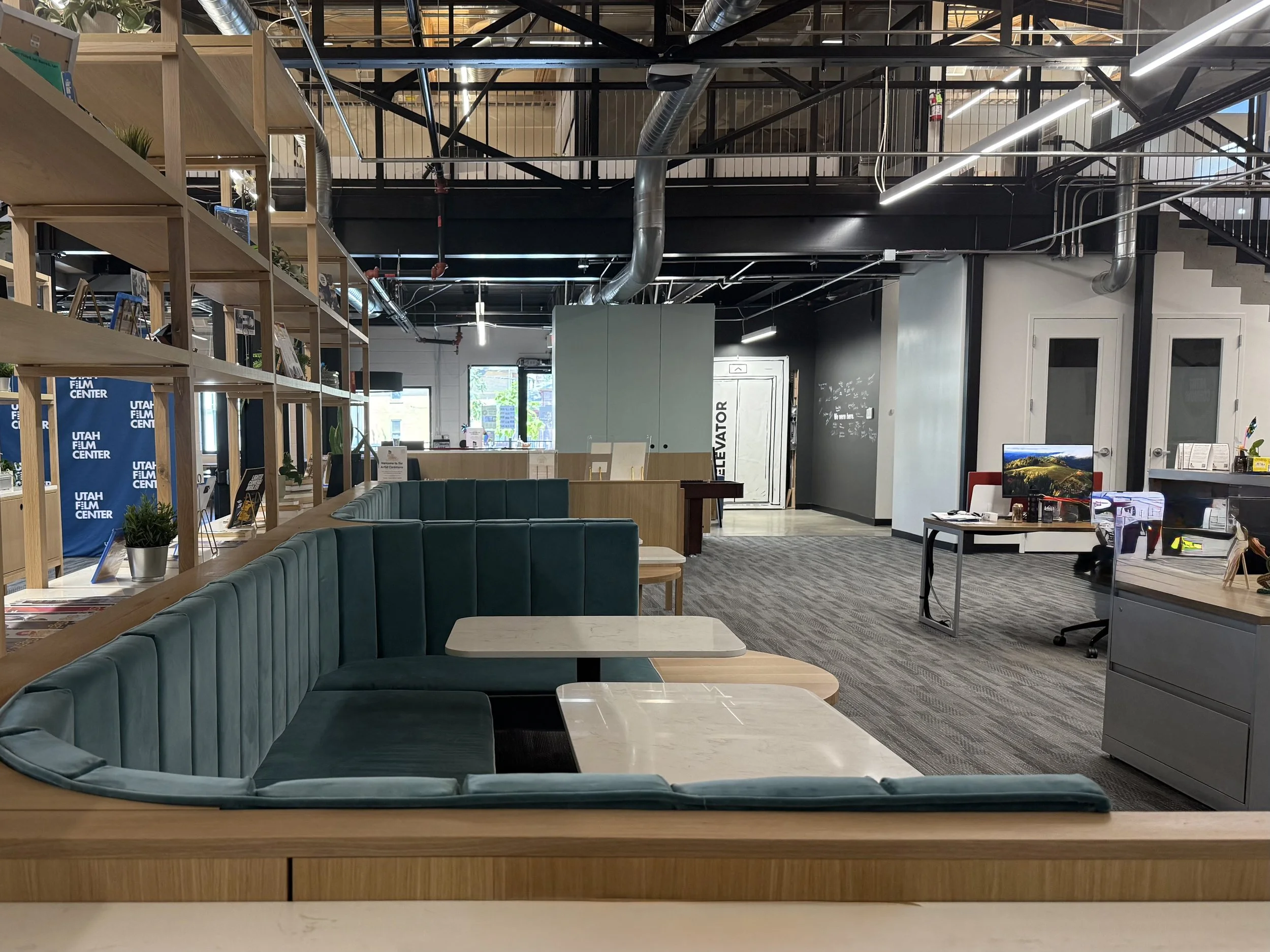
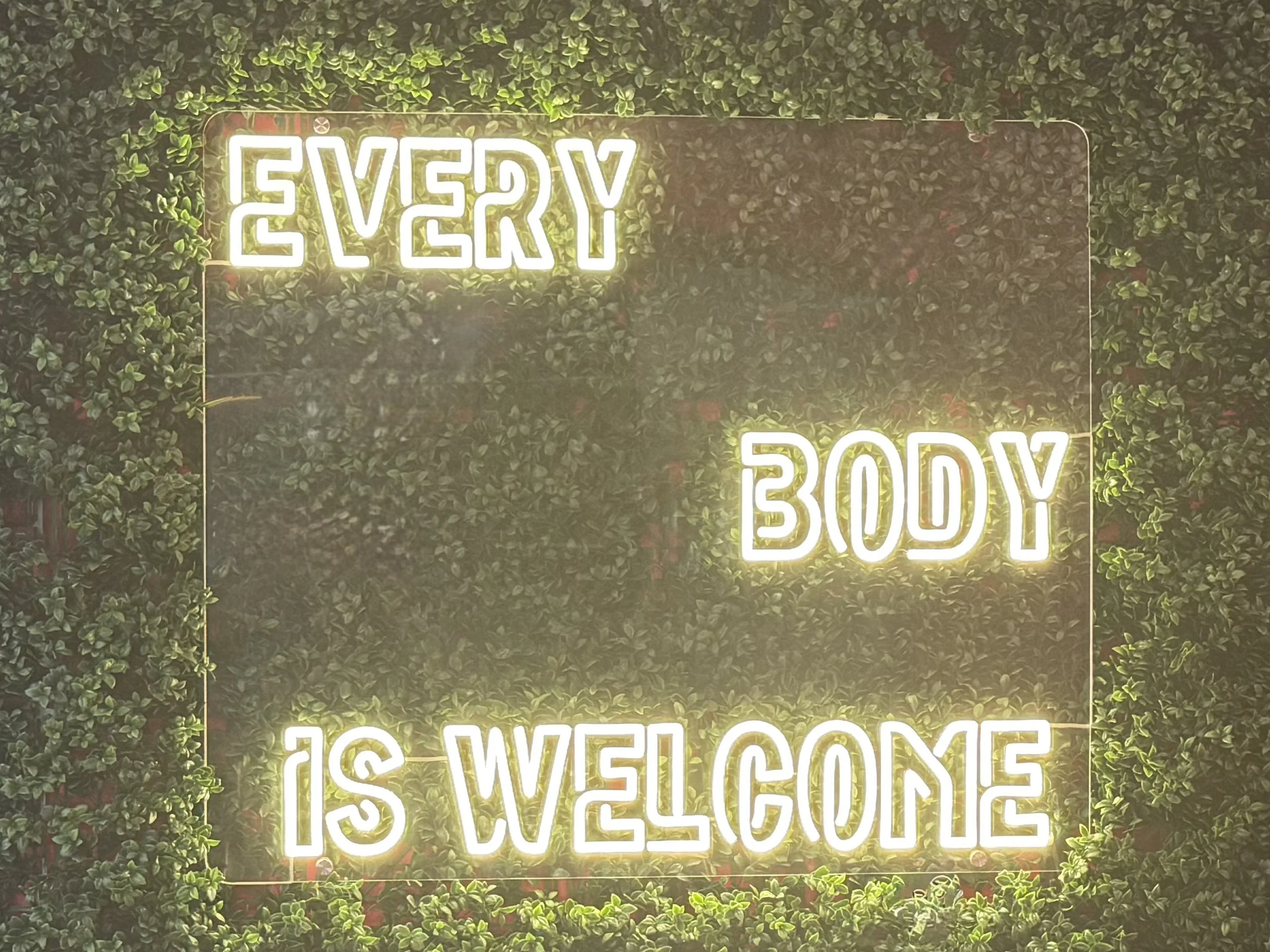
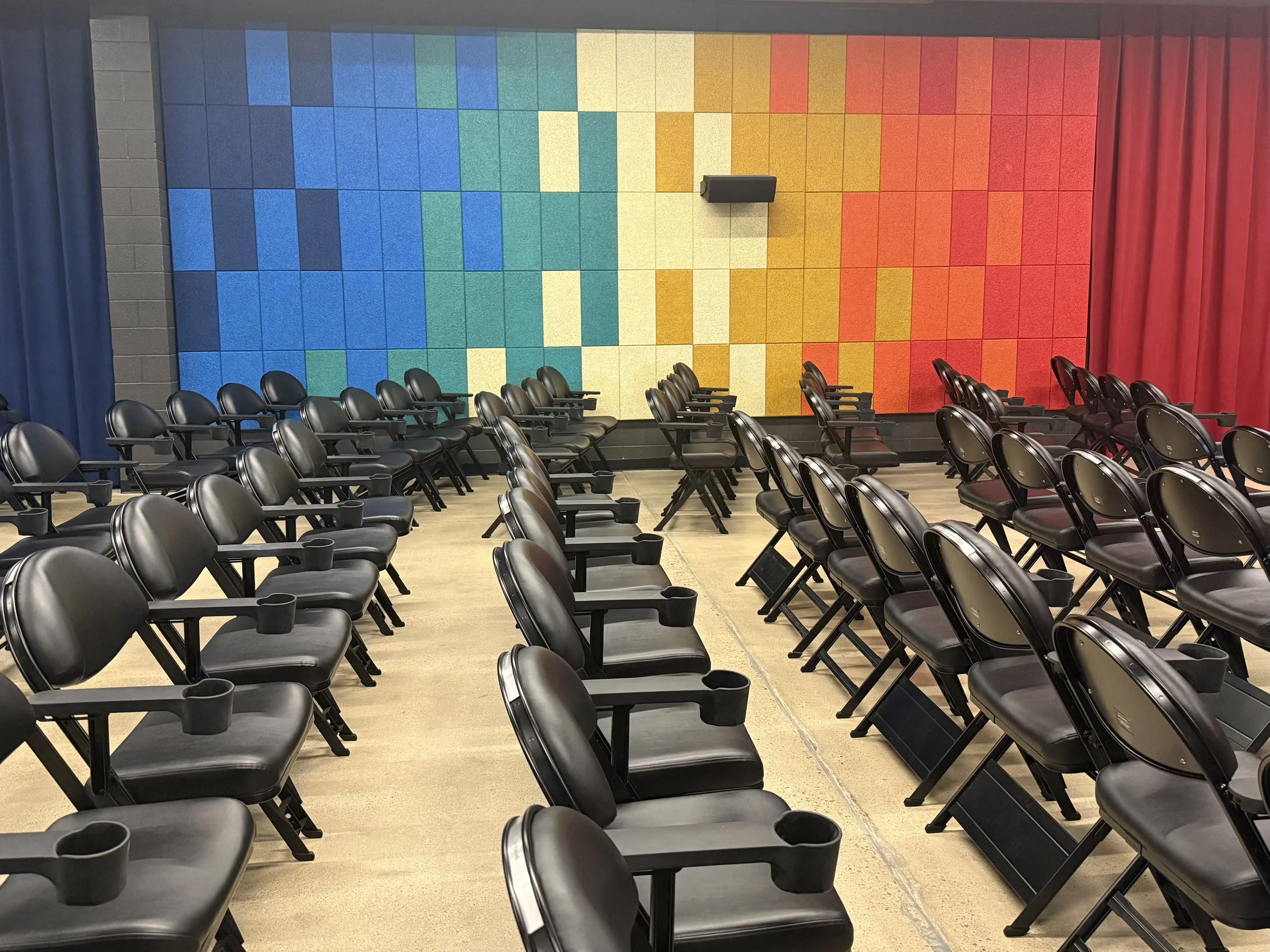
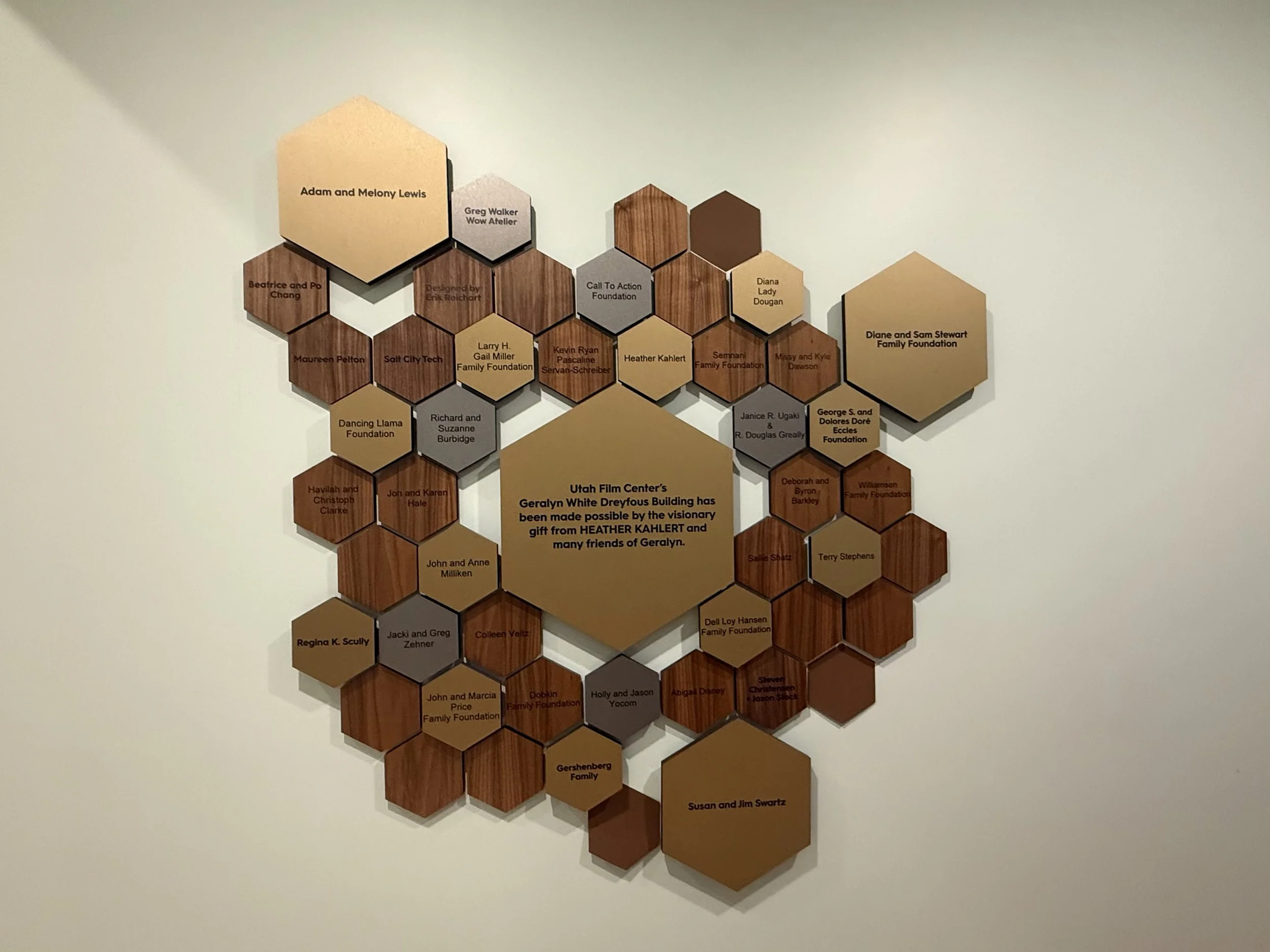
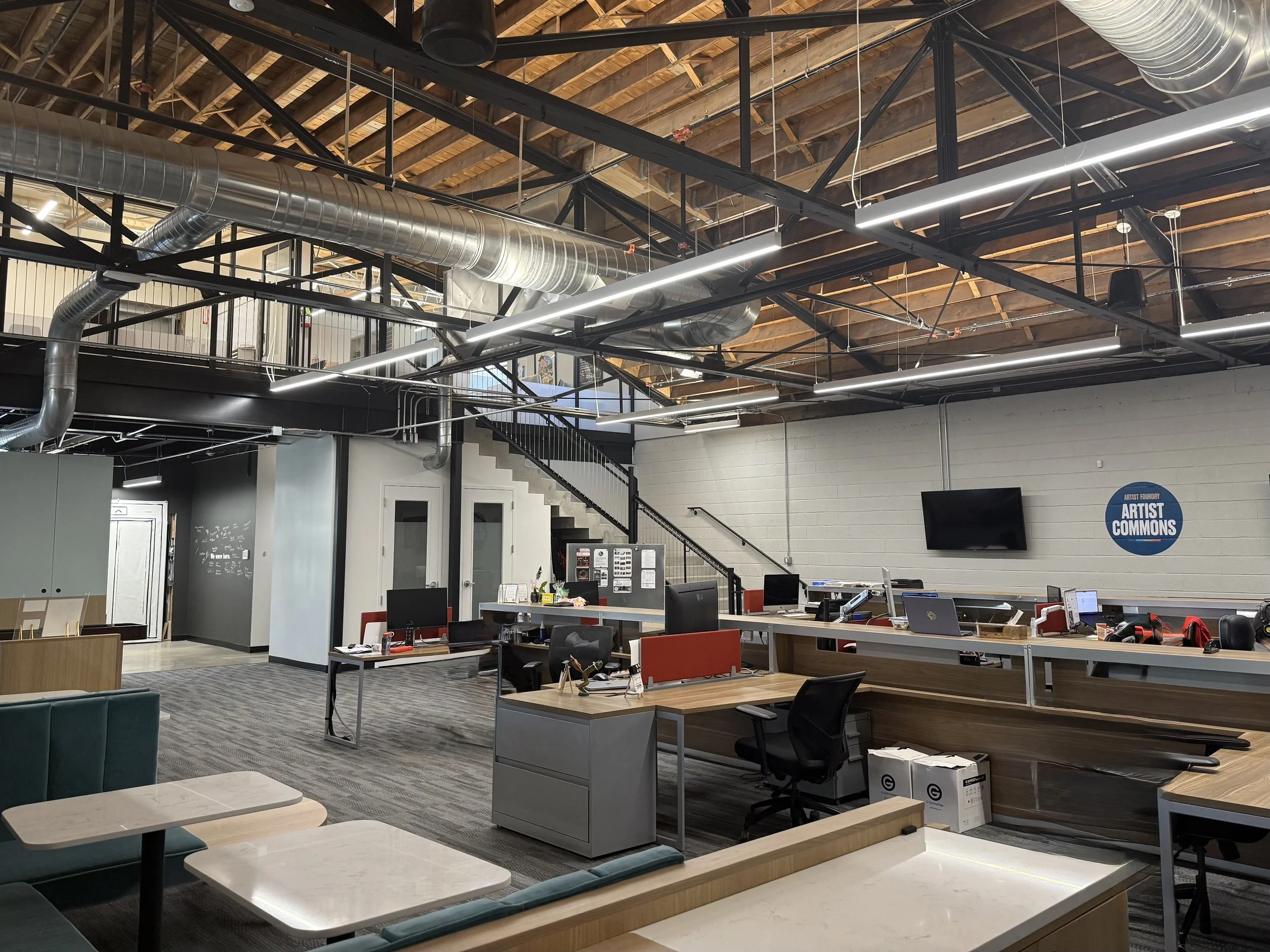
That vision became reality in September 2025, when the Utah Film Center opened the doors to its first permanent home in Salt Lake City’s Marmalade neighborhood. More than simply a theater, the building brings together every facet of the organization’s mission under one roof. Alongside its one hundred eighty-seat screening theater are classrooms for statewide media arts education, editing suites, flexible gathering spaces, and the Artist Foundry, a collaborative workspace where local filmmakers can write, edit, develop projects, attend workshops, receive mentorship, and build careers alongside fellow creatives. Students discover the language of visual storytelling, filmmakers premiere new work, and audiences continue conversations long after the credits have rolled.
For Mariah, the building represents something deeply personal as well. Years earlier, while helping cultivate Salt Lake’s creative community through Artspace, she experienced firsthand how thoughtfully designed spaces could nurture artists and encourage collaboration. When the search began for a permanent home for the Utah Film Center, she carried that vision with her, hoping to create not simply a building, but a place where creativity could flourish. When the right space appeared, it felt less like finding a building than discovering a home the organization had been growing toward for more than two decades.
Today, the Utah Film Center continues to fulfill the vision that inspired its founders, creating opportunities for people to see the world through someone else’s eyes while ensuring that Utah’s own stories are told. Through film exhibition, statewide media arts education, filmmaker support, and the Artist Foundry, it has become a place where stories are discovered, shared, and preserved for future generations.
Looking back, Mariah still sees those “little crumbs” that led her here. Each seemingly unrelated step prepared her not only to lead the Utah Film Center, but to help ensure that storytellers always have an audience and audiences always have stories worth sharing. “Art may be in the eye of the beholder, but every artist needs an audience.”