Beehive Distilling
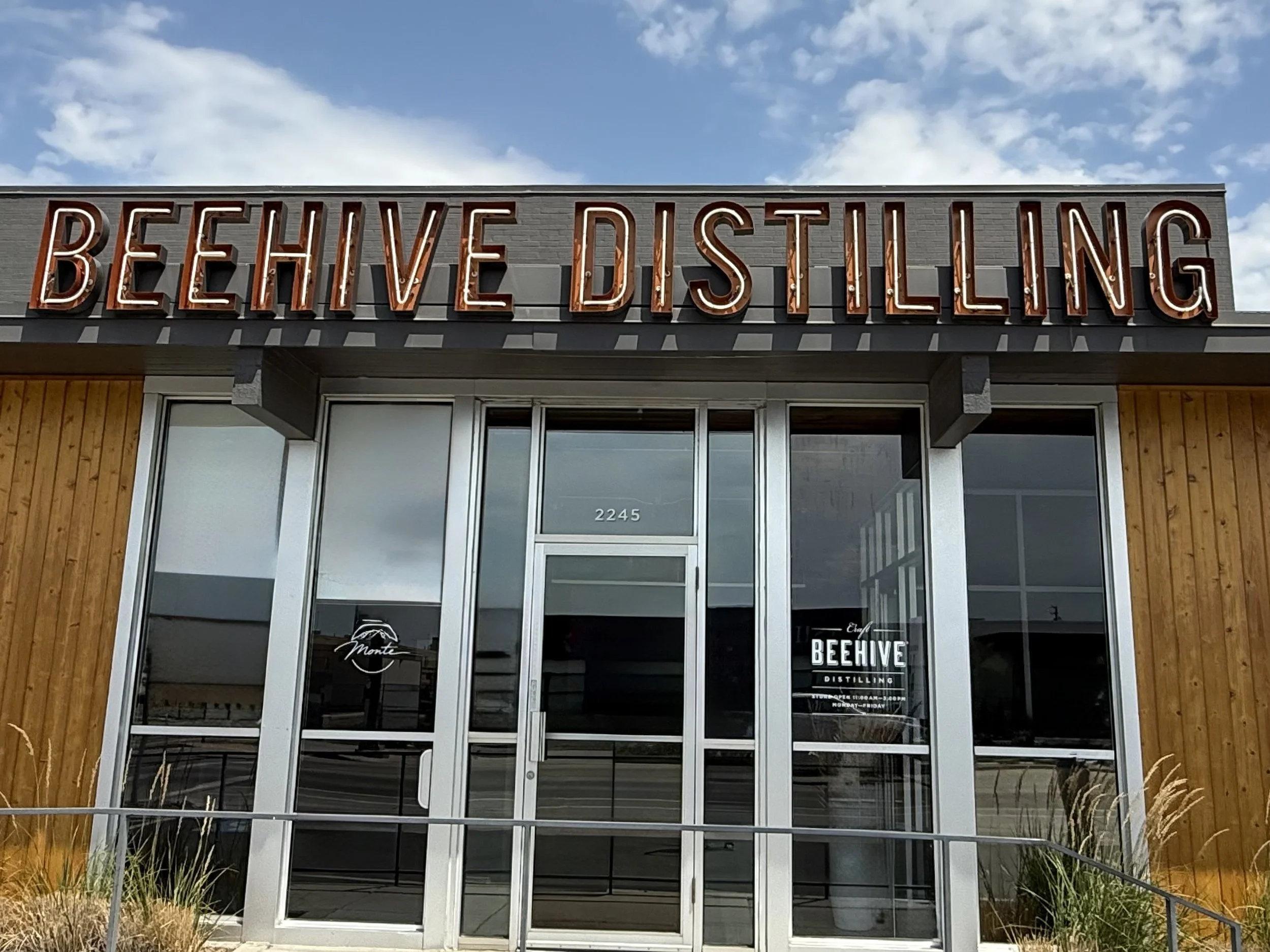

Address: 2245 South West Temple Street
Telephone: 385-259-0252
Website: beehivedistilling.com
District: South Salt Lake
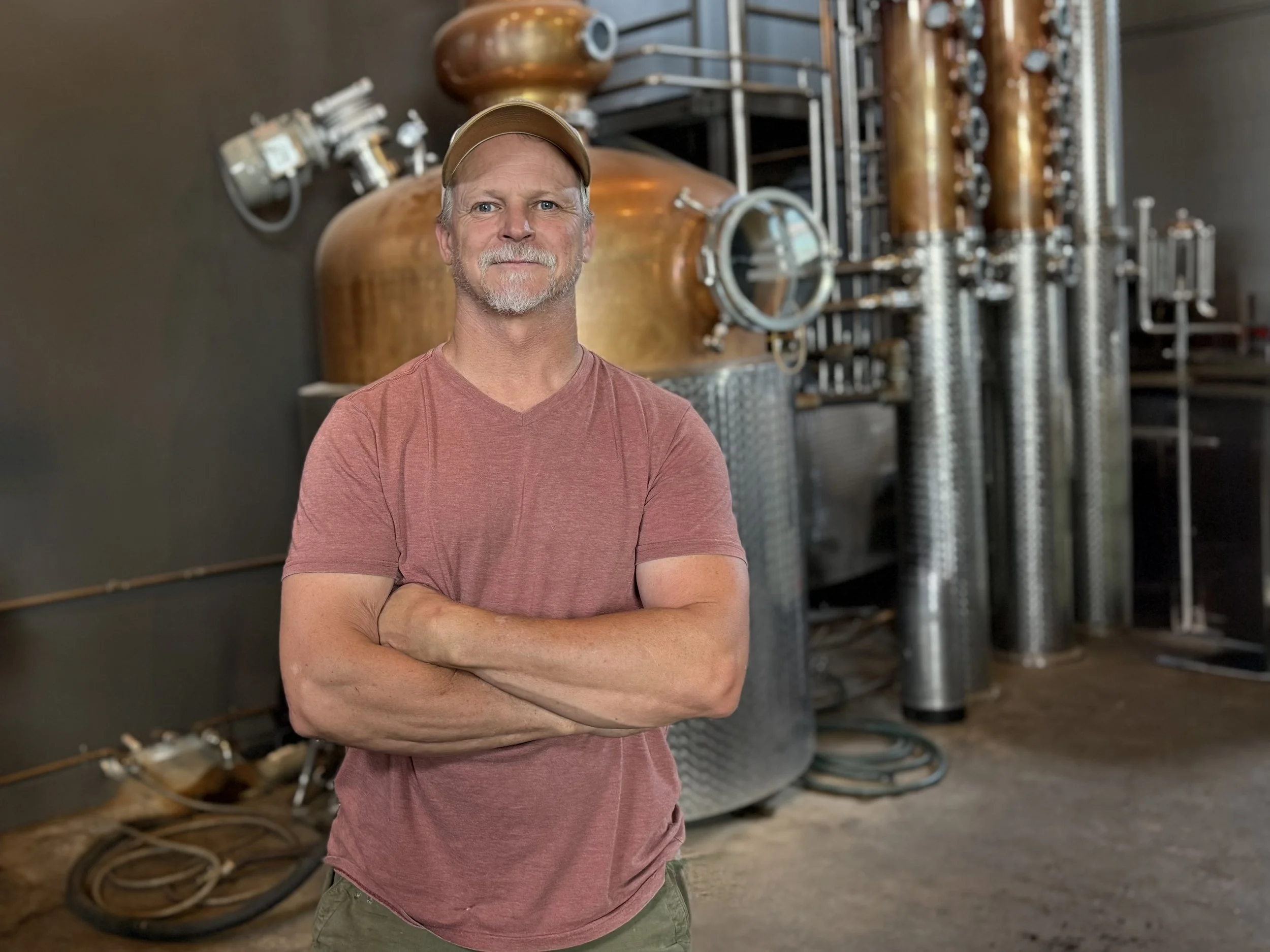
“I think a lot of people think way too hard about stuff.” Chris Barlow has never been particularly interested in multi-step plans. It is an approach that has served him remarkably well at Beehive Distilling, the company he founded with longtime friends Erik Ostling and Matt Aller. None of the three had backgrounds in distilling. They simply liked good spirits, had spent years working together in Salt Lake’s creative community and, one evening in 2012, decided they might as well try making some themselves.
Chris was born in Colorado and spent much of his childhood in New Mexico and Wyoming, fishing, hiking, and enjoying the outdoors. By the time he was seventeen, he was expected to choose a direction for his future and settled on fisheries biology, enrolling at the University of Wyoming in Laramie. “I pretty much flunked out,” he said, laughing.
The irony was that Chris had already discovered what he was good at. He took his first photography class in sixth grade, had a darkroom at home by seventh grade, and landed his first job in a commercial photography studio when he was fifteen. Somehow, he never considered photography a possible career.
After leaving university, he attended community college in Wyoming. There, he took photography classes and met a Salt Lake photographer who traveled to Wyoming to teach workshops. Chris planned to move to Utah and work for him, but by the time he arrived in Salt Lake in January 1994, the photographer had already hired another assistant. Instead, he drove Chris around town, introducing him to other photographers and encouraging them to call whenever they needed help.
What might have seemed like a setback turned out to be an advantage. Chris worked with numerous photographers, including those who came through Salt Lake for national shoots, gaining a broad range of experience rather than learning from just one person. Along the way, he met Erik Ostling, another photographer, and Matt Aller, who owned a branding and marketing agency.
The three crossed paths professionally - Matt handling advertising and design while Chris and Erik did photography - but their friendship extended well beyond work. They camped together, went out for drinks, and returned from travels with bottles they would gather to taste. “We’ve all known each other for a long time,” Chris said.
By the fall of 2012, Chris and Erik also had young daughters close in age. One evening, while the children played and the two men drank beer at Chris’s house, Erik brought up the success High West Distillery was having in Utah. “He just stated, ‘We should have a distillery.’”
Chris was the kind of person inclined to find out what it would take rather than spend too much time considering all the reasons it might not work. Matt seemed like an obvious third partner. The three traveled to Colorado to tour distilleries, and Chris later attended a weeklong workshop in Seattle. Mostly, though, he learned by reading, watching videos, experimenting, and doing. “It was three idiots who didn’t really know what the hell they were doing,” he said. “But none of us were smart enough to not do it.”
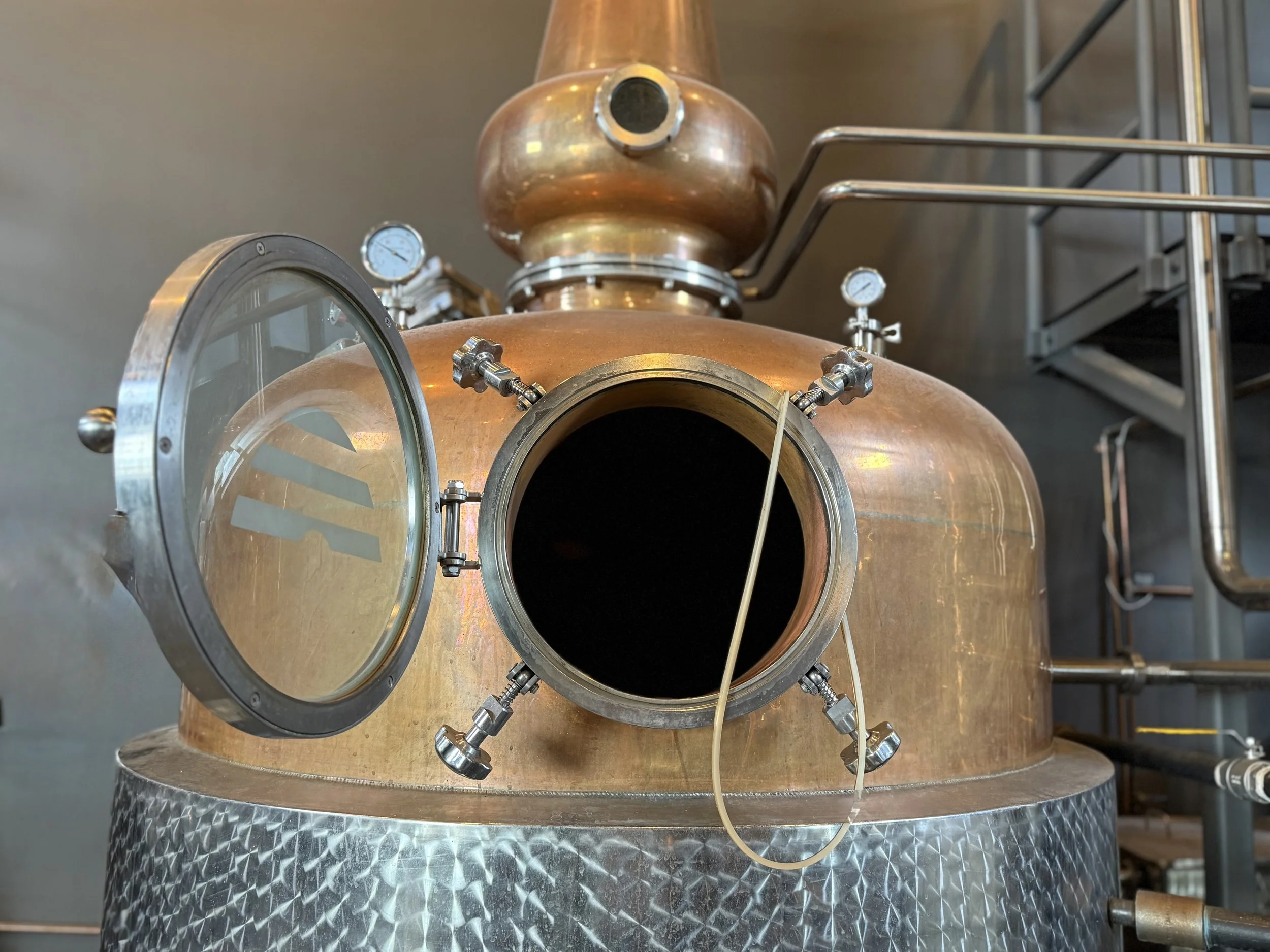
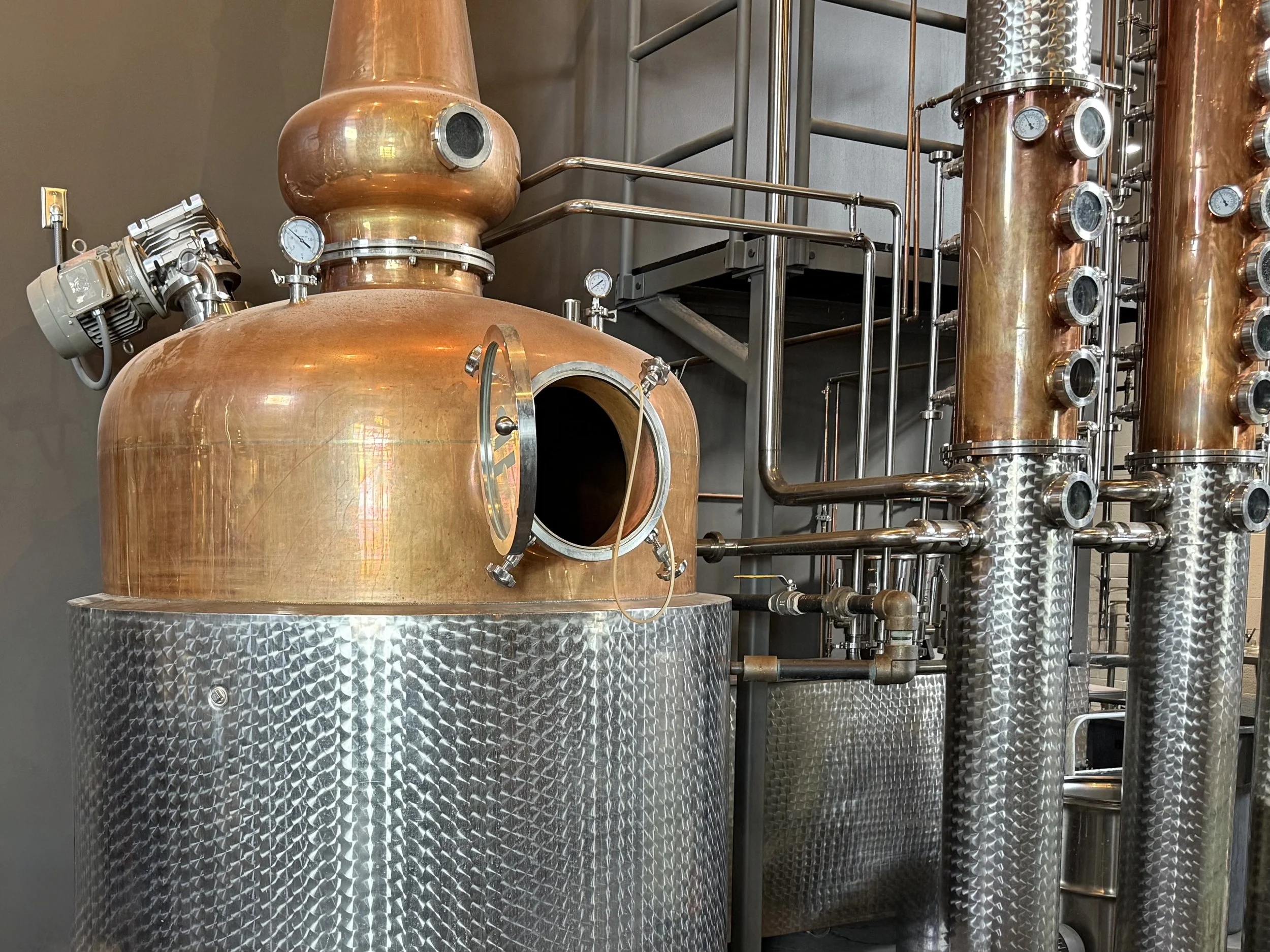
By early 2013, Chris was filing paperwork. That summer they received their federal license, followed by their Utah license. Beehive Distilling began in roughly twelve hundred square feet of industrial warehouse space on Salt Lake’s west side. There was no grand facility or enormous investment. The three were working on a shoestring budget and bought a small still for about five thousand dollars from a builder in Missouri. More than a decade later, Beehive still uses it.
The first question was what to make. The three friends liked whiskey, tequila, and other brown spirits, but whiskey required years in barrels before there would be anything to sell. Vodka could be produced immediately, but for three people who had spent their careers in creative fields, Chris found little inspiration in trying to distinguish one nearly flavorless spirit from another. Gin was different. “You could take a gin and make a different gin than everybody else made,” Chris said. “You could actually be creative with it.”
None of the three were particularly devoted gin drinkers at the time. That almost made the choice more interesting. Gin gave Chris a collection of botanicals and flavors to work with, and he began experimenting. He made batch after batch, changing ingredients and proportions and tasting the results. He estimates he went through roughly thirty versions before reaching a point where he realized he could continue altering the recipe indefinitely. He could taste each change, but that did not mean the gin was becoming better.
“It’s kind of like a painting,” Chris said. “At some point, you’ve just got to be done. You can keep painting on the painting forever, but you’re not necessarily making it better - you’re just changing it.”
Perhaps without realizing it at seventeen, Chris had found his career long before he found his medium. The eye that had drawn him to photography was still there. Distilling simply offered another way to compose, experiment, adjust and, eventually, recognize when the work was finished. That first finished spirit became Jack Rabbit Gin.
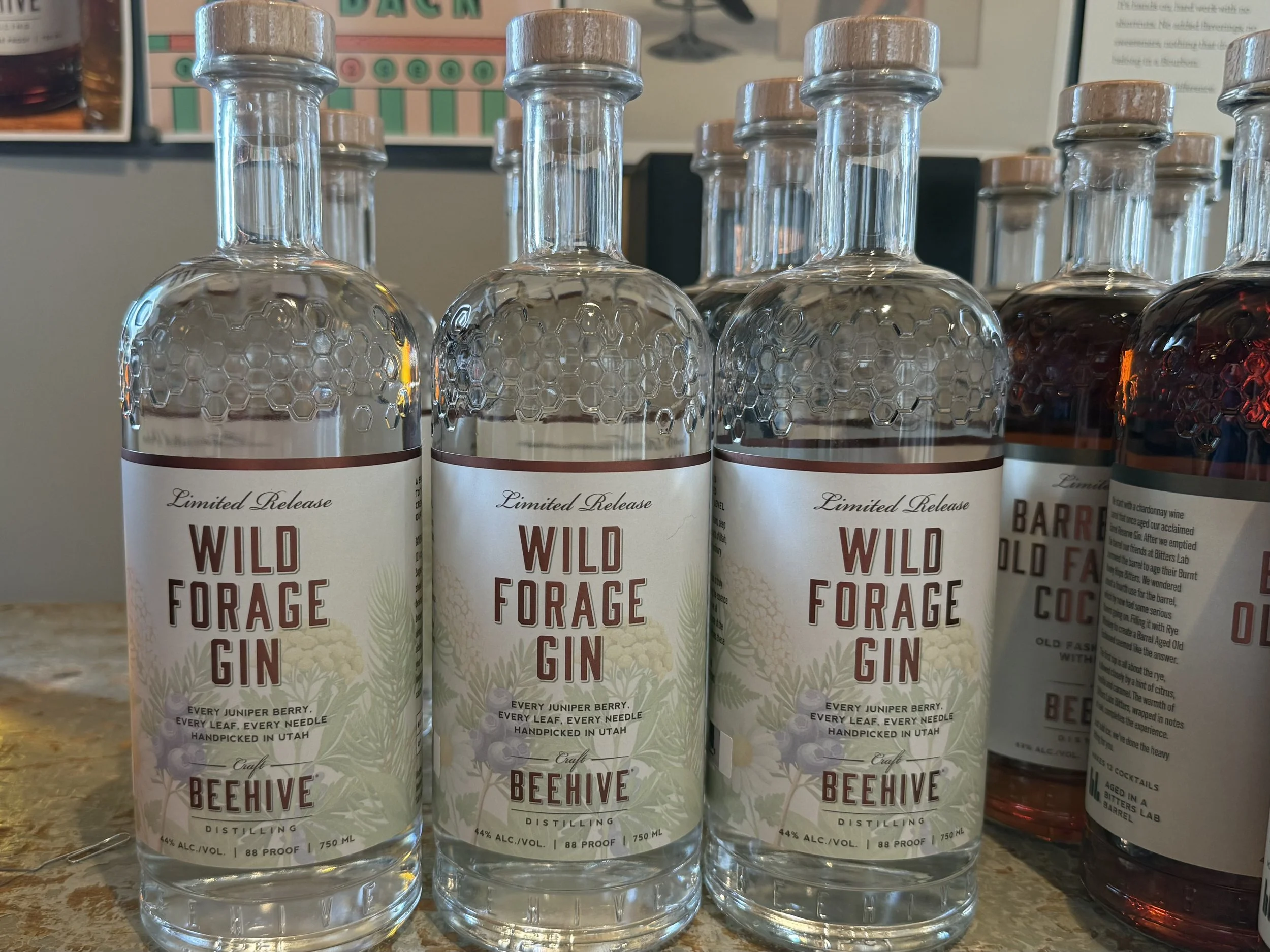
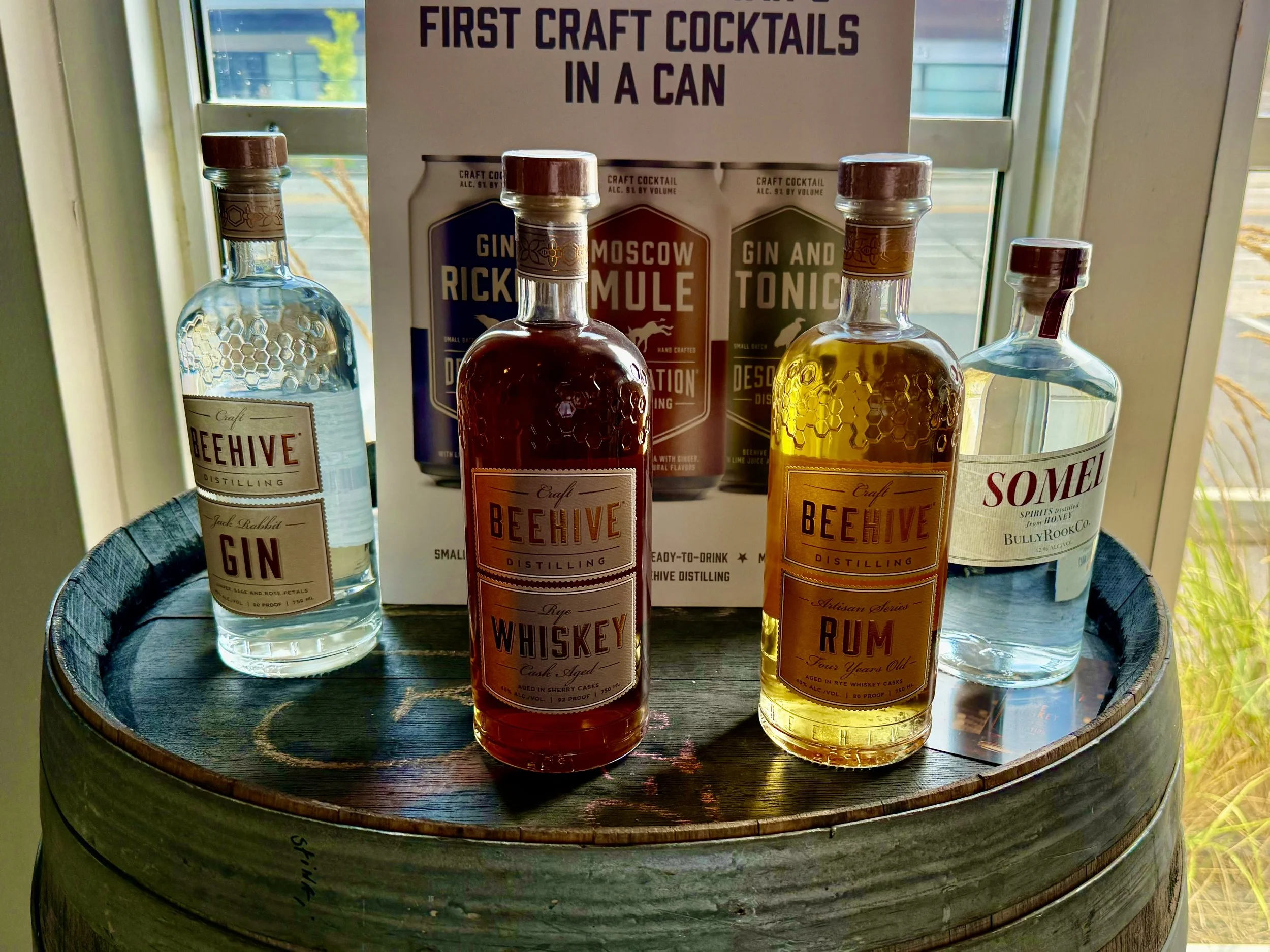
More than a decade later, Jack Rabbit Gin remains Beehive’s best seller and routinely ranks among Utah’s top-selling gins, competing with some of the largest international brands. Beehive has since added other expressions, including Barrel Reserve Gin, aged in Chardonnay barrels that are taken apart, charred, and rebuilt, Decade Dry, made with an Asian-inspired botanical profile, as well as a seasonal gin using botanicals foraged entirely in Utah. Chris laughs about the labor involved in the latter. “Picking juniper berries is not a sport you want to get into.”
The more Beehive grew, however, the more its tiny warehouse became a limitation. This was particularly true when the partners were finally ready to make whiskey. Aging spirits requires more than patience; it requires enormous amounts of space. A distillery cannot fill two barrels, wait four years, sell them, and then begin again. Production has to continue while everything already made sits and ages.
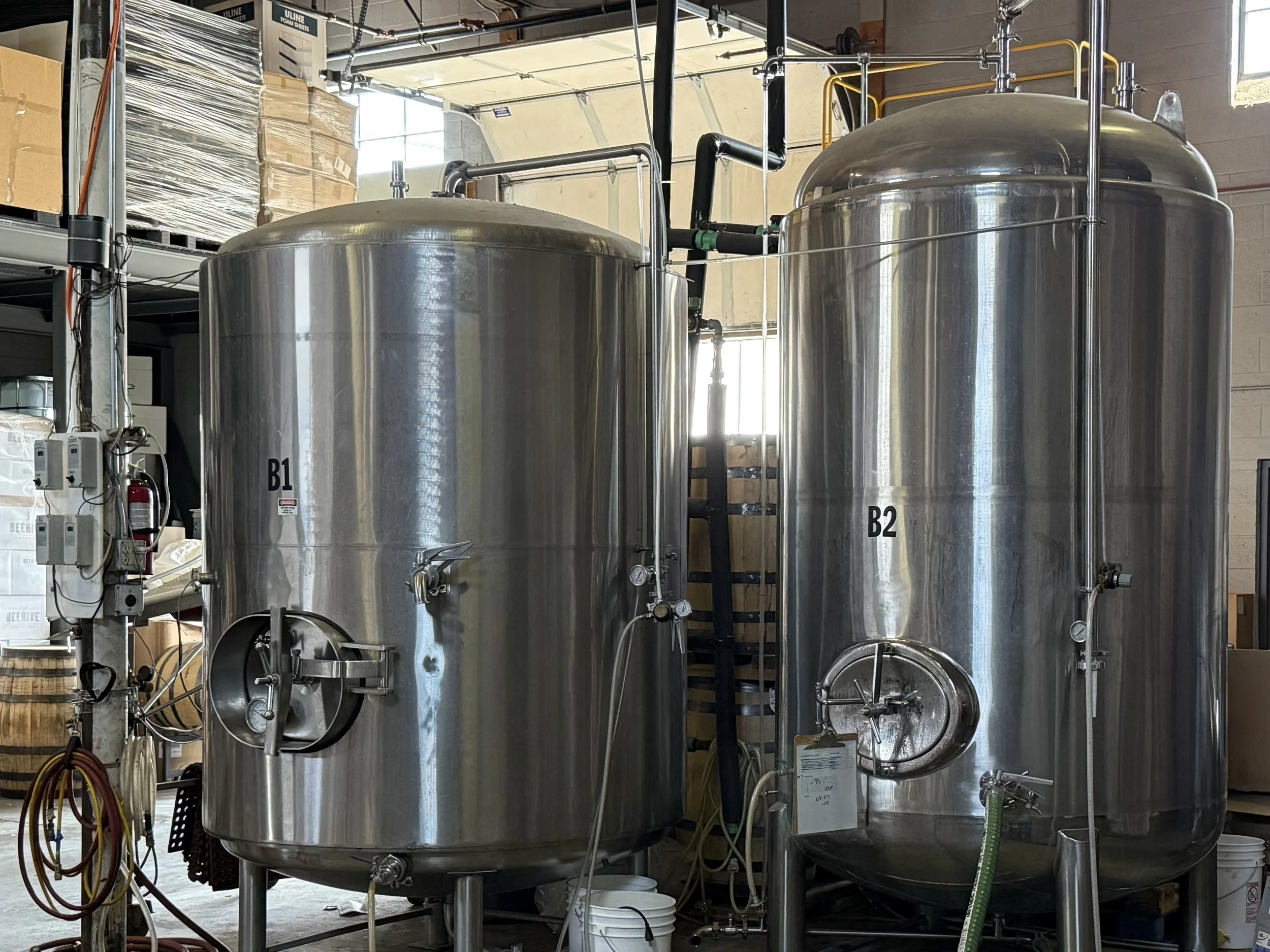
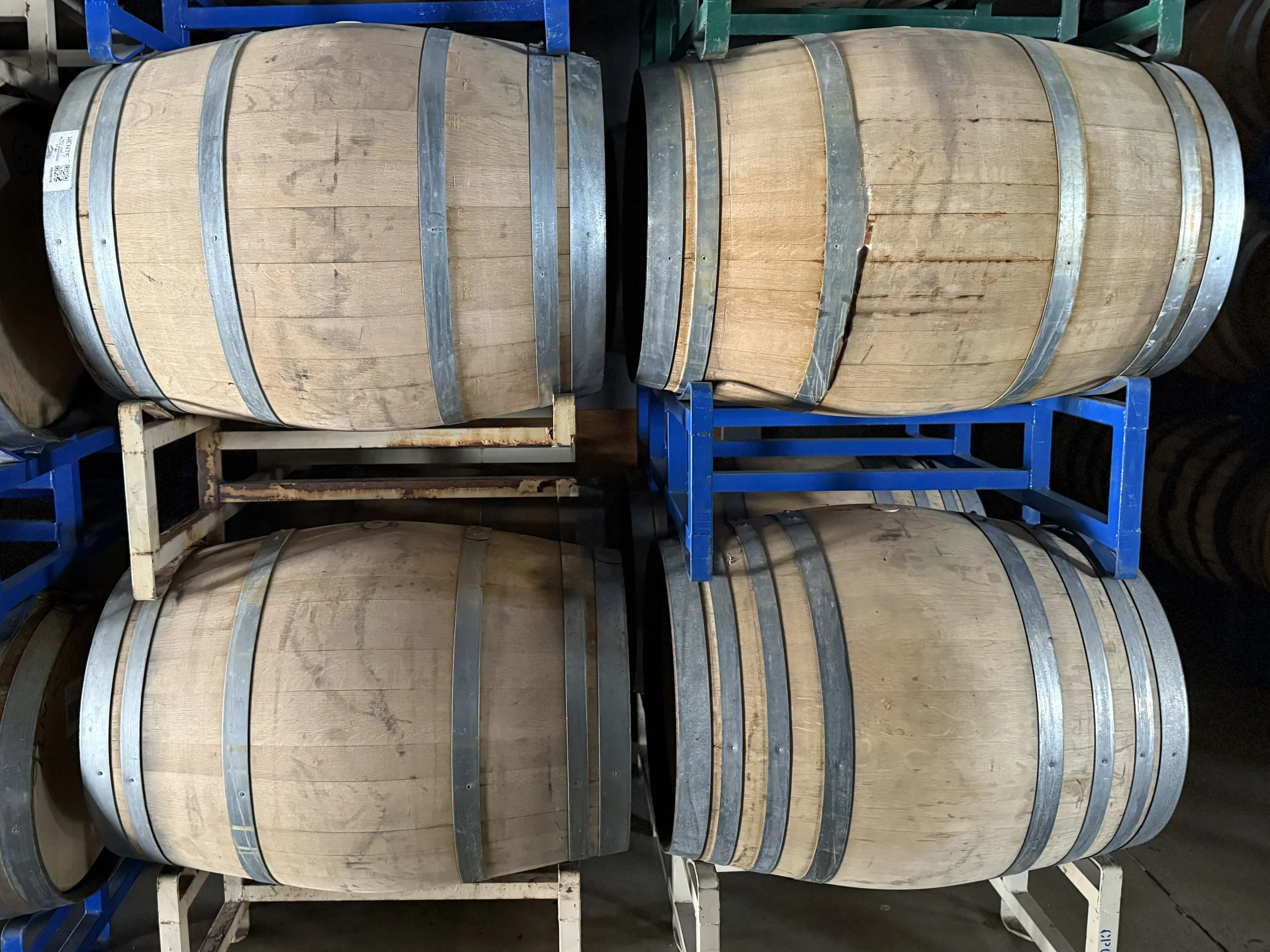
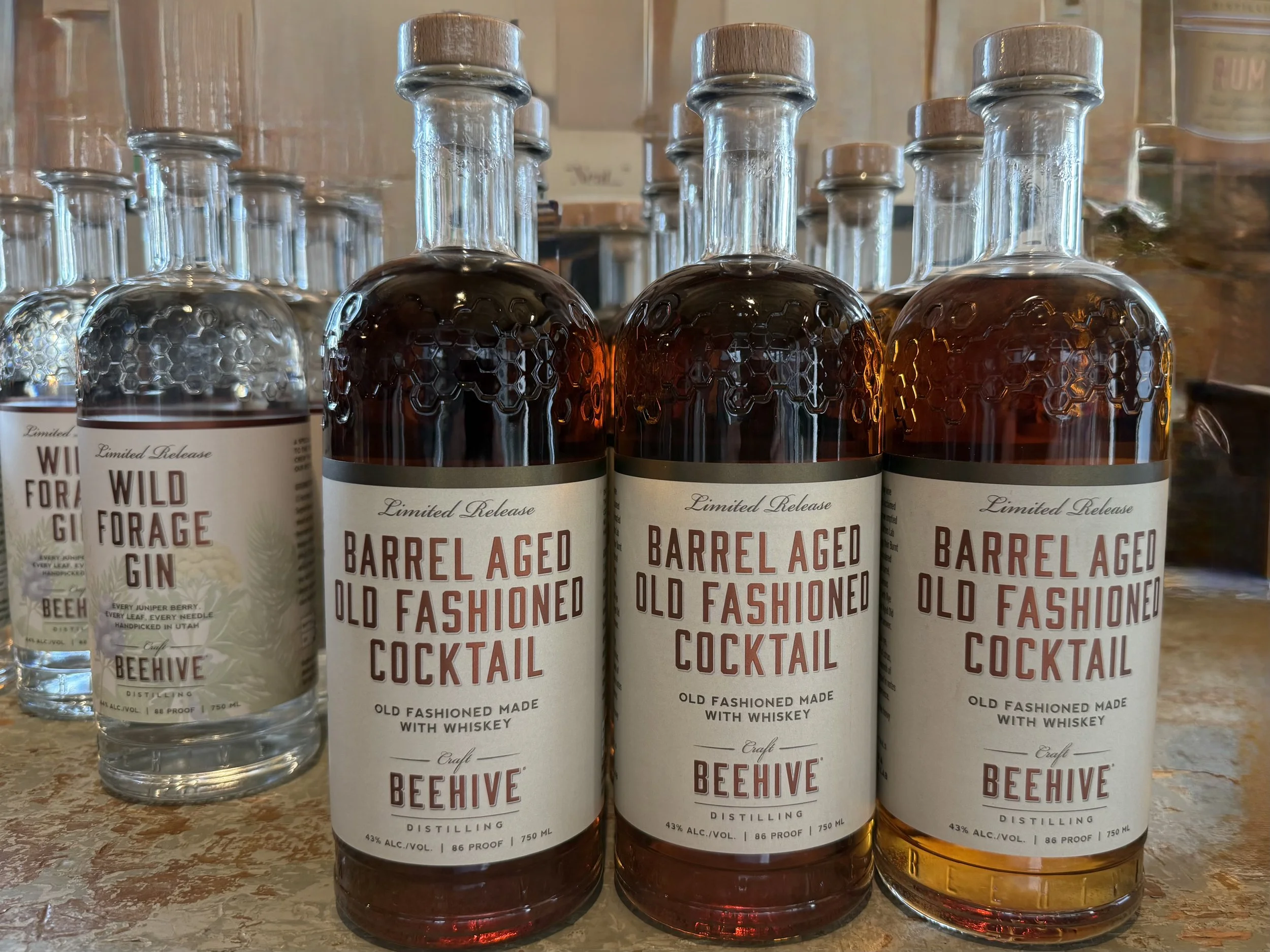
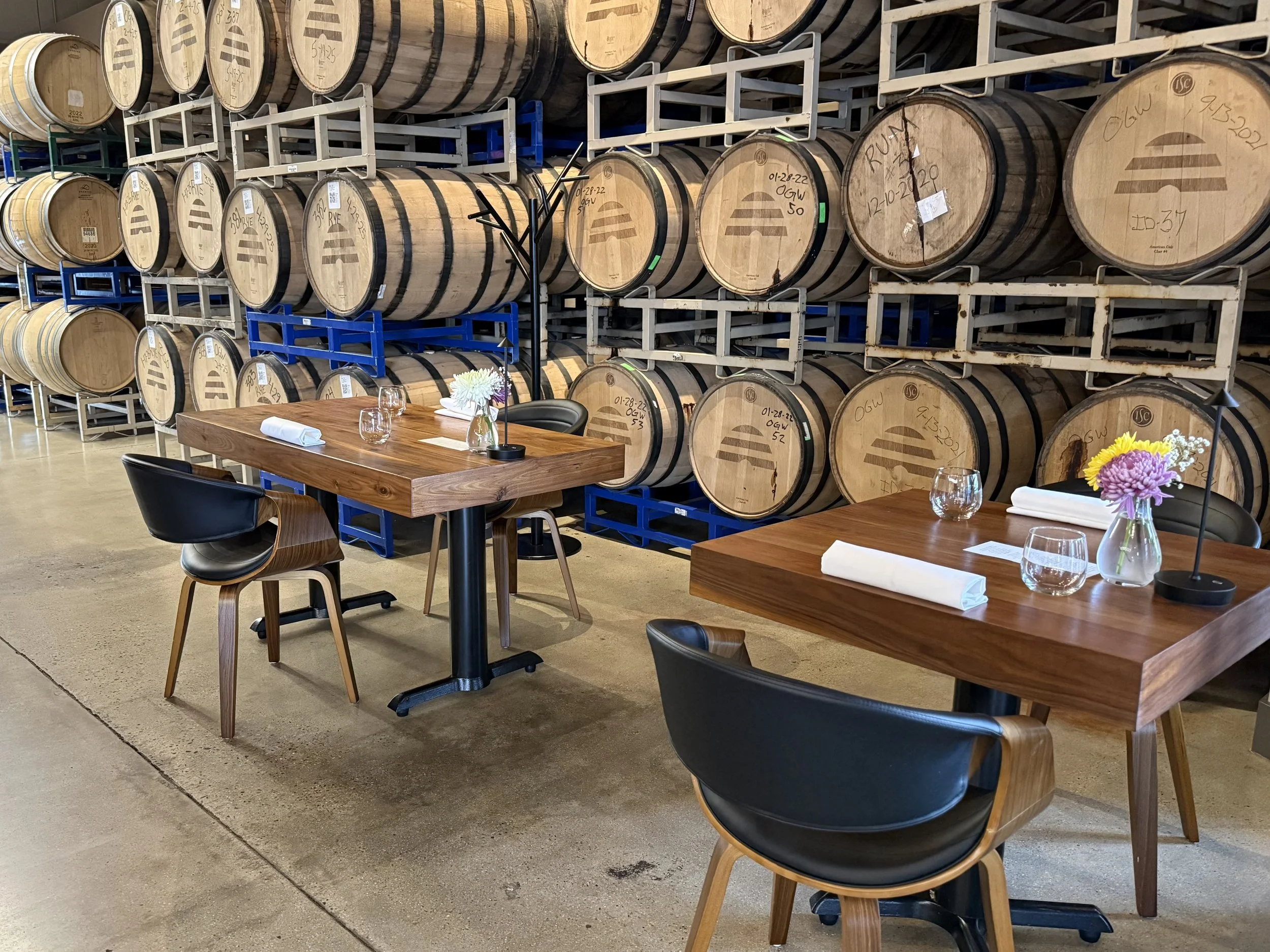
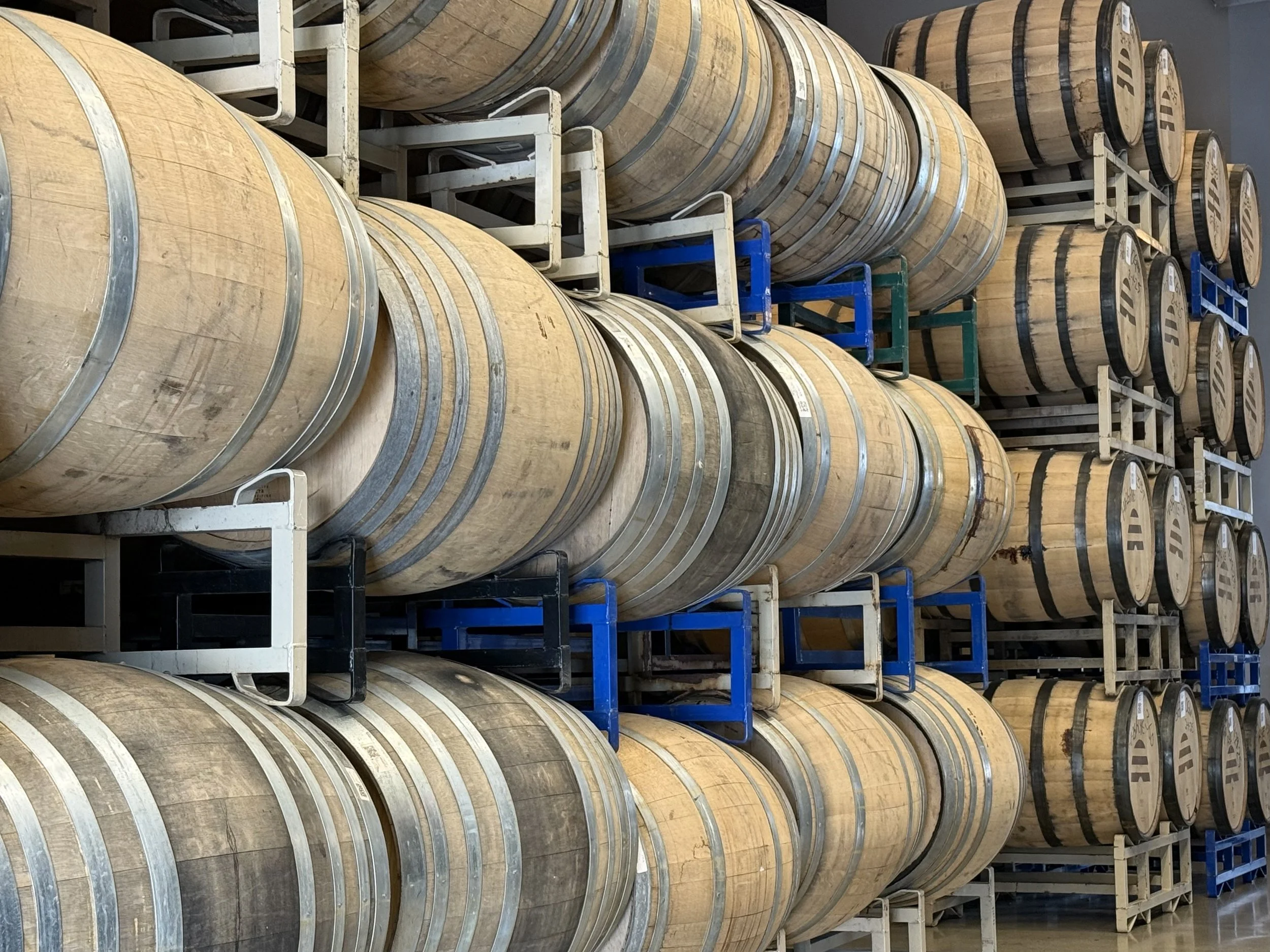
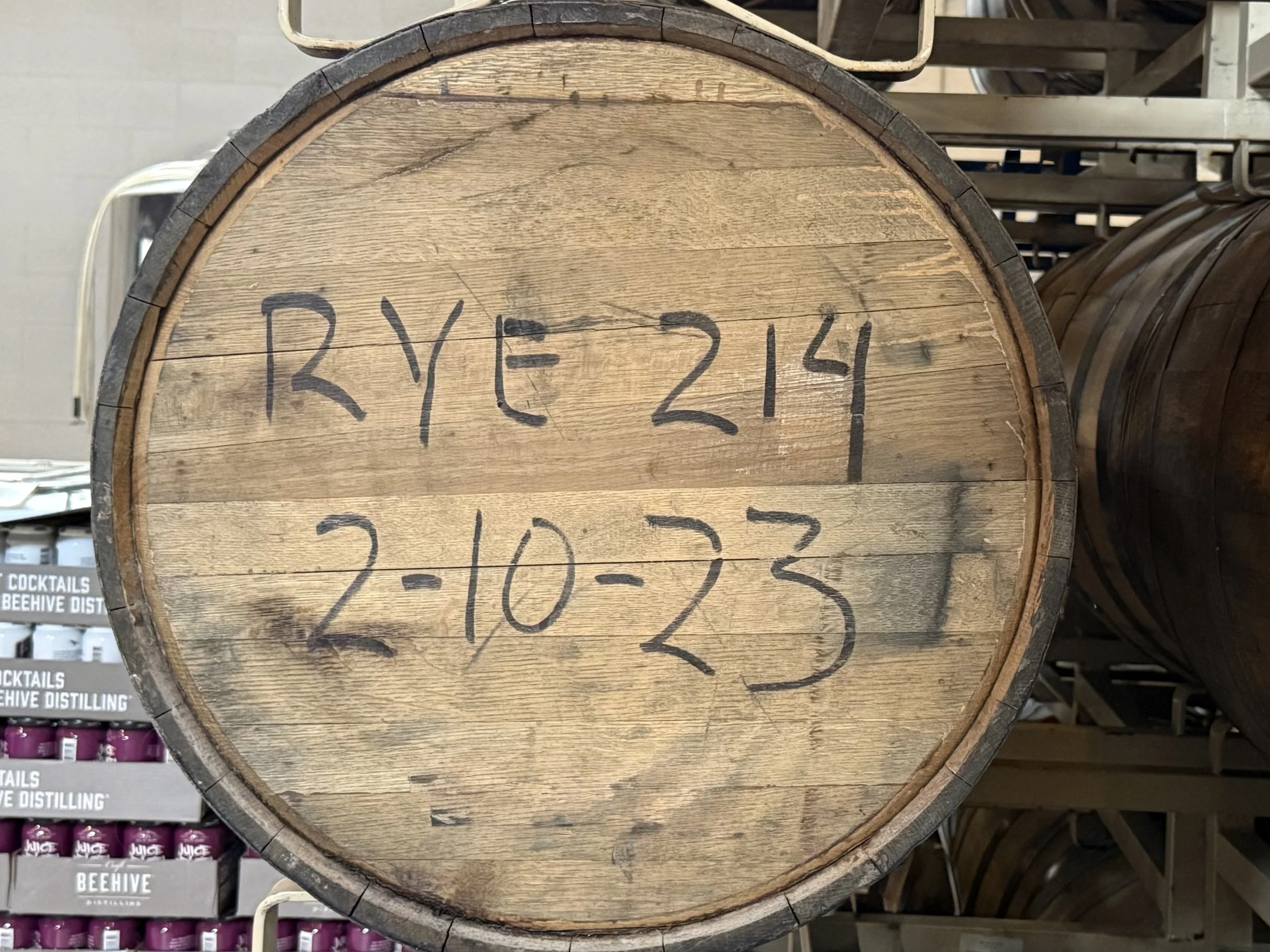
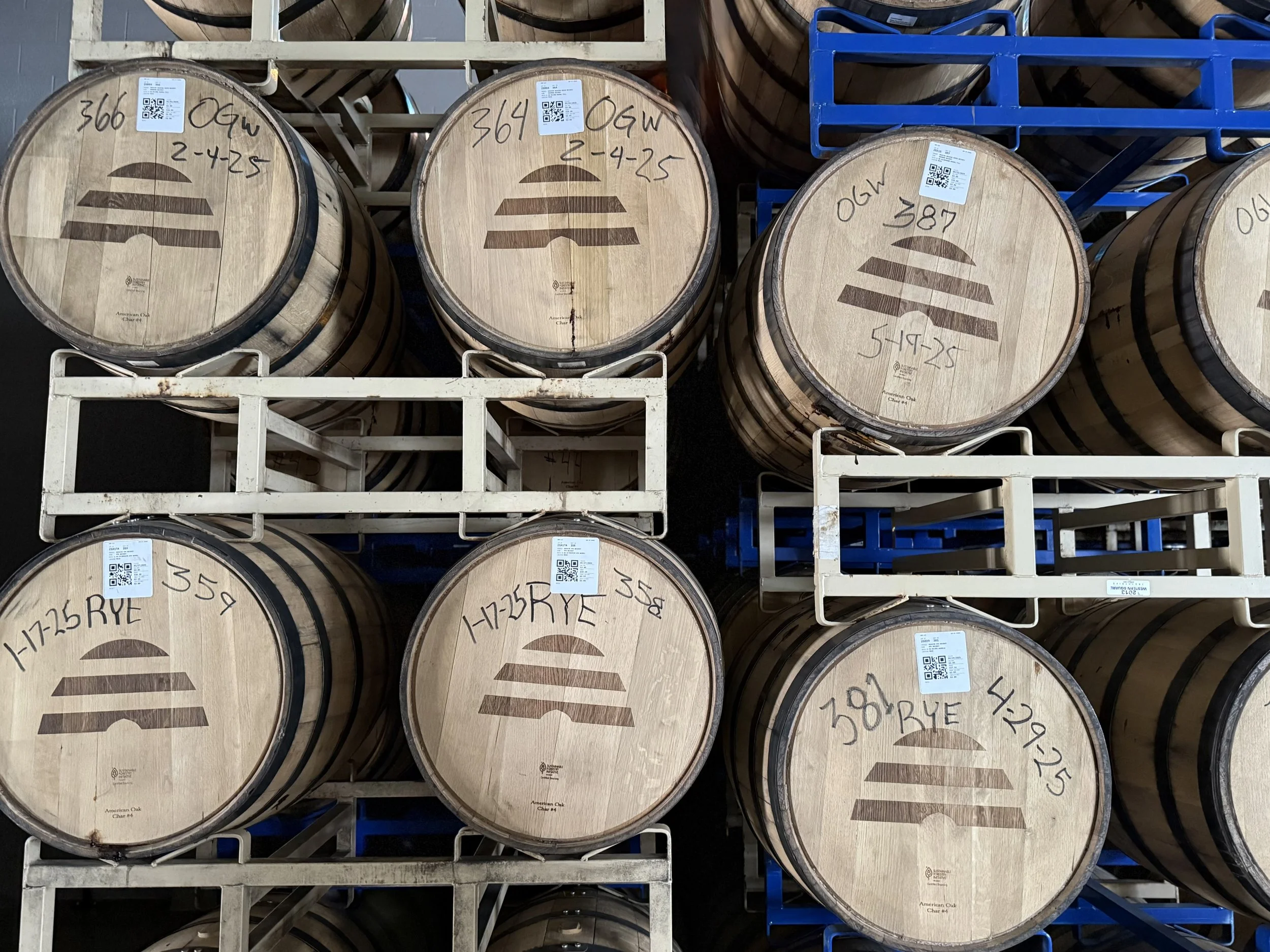
In 2017, the partners purchased the much larger current building and moved Beehive into it the following year. The new space allowed them to bring in a bigger still, fermenters, a mash tun and the equipment they needed to expand production. They began laying down barrels of whiskey to age in 2020, and today roughly three hundred barrels sit onsite, filled with a mixture of whiskey, bourbon, rye, rum, and other experiments.
Some of those experiments seem to reveal Chris at his happiest. One barrel began with Beehive’s Barrel Reserve Gin and was eventually used by a local bitters maker to age hot honey bitters. When she was finished with it, Chris took the barrel back, filled it with rye whiskey and let it sit for another two years. Other spirits are resting in former port and cognac barrels, sometimes without Chris knowing exactly what he will ultimately do with them. He seems perfectly comfortable with that.
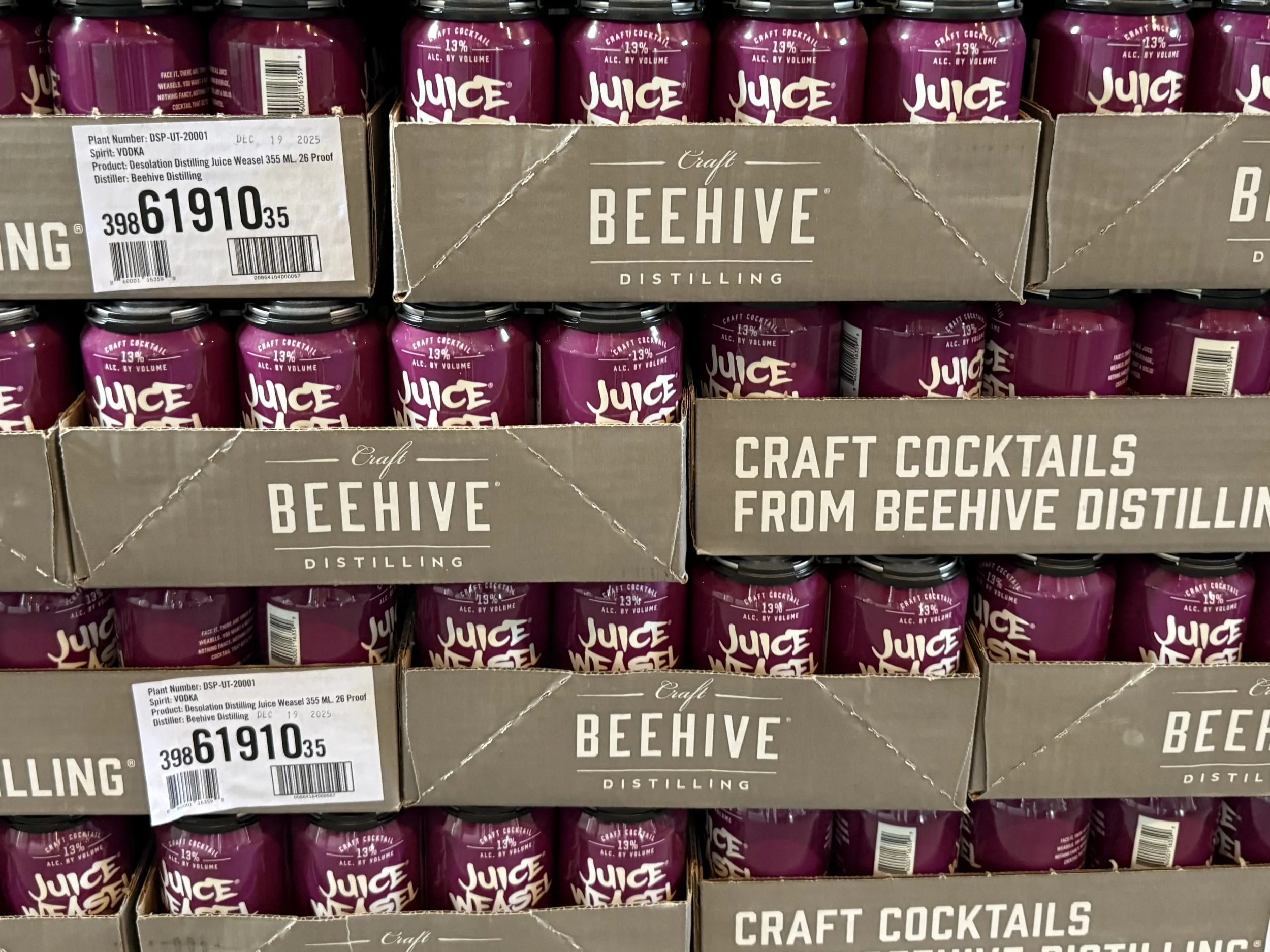
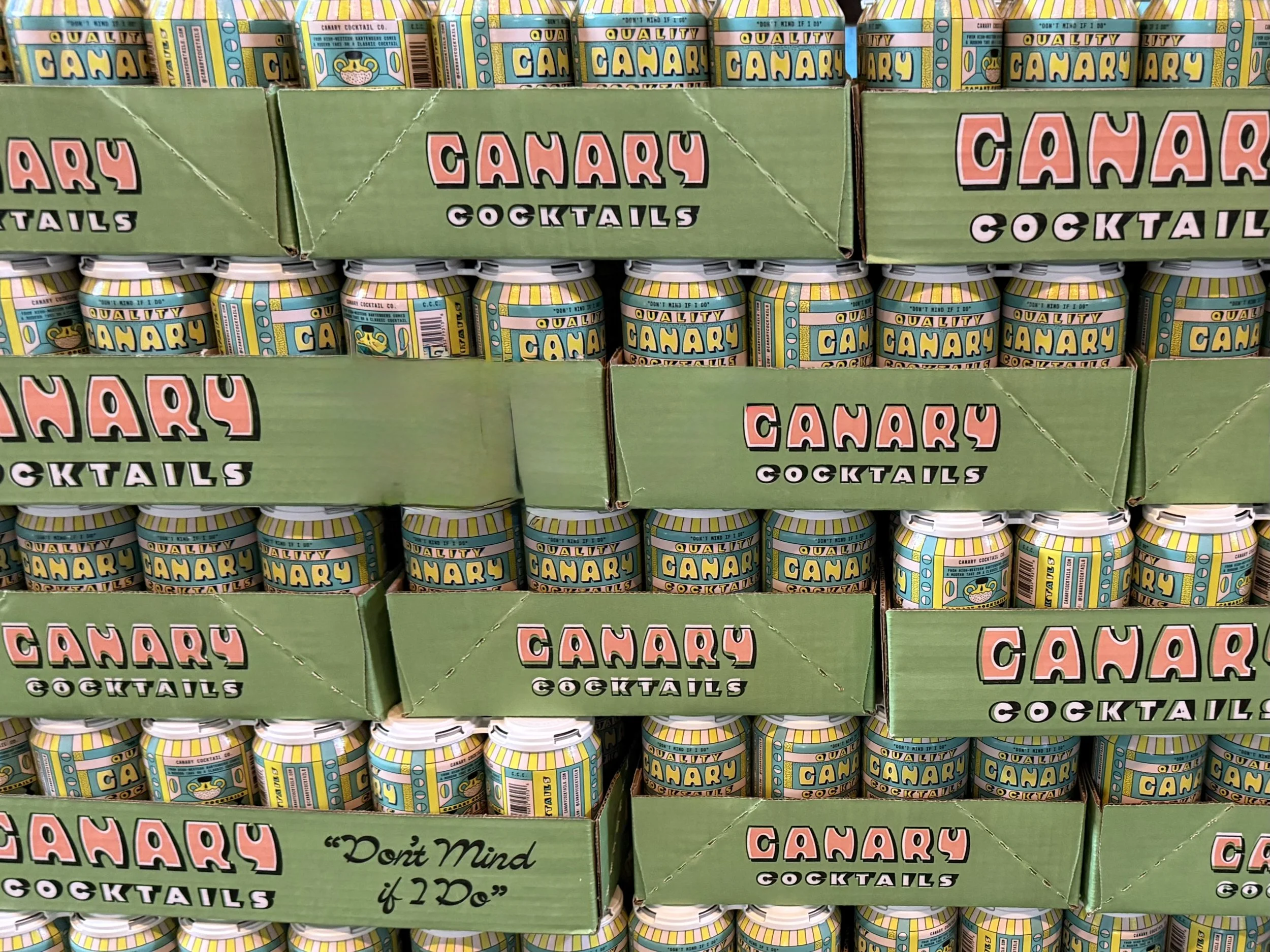
The same willingness to experiment led Beehive into canned cocktails in 2018, when ready-to-drink cocktails were still relatively uncommon, and into vodka made from a sugarcane base rather than the corn or grain more commonly used. Yet, as much as Chris likes to experiment, he is surprisingly traditional when it comes to certain aspects of distilling. He did not want to use small barrels simply to accelerate the aging of whiskey because he did not believe they produced the same result as traditional fifty-three-gallon barrels. It is one of the contradictions that defines him. Chris may be casual about beginning something, but he is anything but casual about how he proceeds once he gets started.
The three original partners have also carried their former careers into the company. Chris oversees distilling and is the only one working full-time at Beehive. Matt handles design, packaging, and branding, while Erik fills in wherever needed. What began among three friends who had worked and traveled together since the 1990s, has endured for more than a decade.
The building itself has evolved along with them. When Chris, Erik and Matt bought it, they planned to turn the front portion into an event space. Then, during an inspection, a state licensing official happened to mention that a difficult-to-obtain bar license was about to become available. Beehive was already further along in its build-out than most applicants, so the partners decided to apply. They received the license, finished the bar, and opened only months before the pandemic. They kept it going for several years, but the surrounding industrial neighborhood had not yet developed into the kind of place that could sustain a neighborhood bar. Eventually, they closed it.
What did not work as a neighborhood destination, however, turned out to be particularly well suited to another kind of destination. Through Tamara Gibo of Takashi, Chris was introduced to chef Martin Babio who had been creating intimate pop-up dinners while searching for a permanent home for Monte. Martin came to see Beehive’s former bar space and found what he needed.
Today, Monte occupies the front of the building while Beehive continues making spirits behind it. Martin’s multi-course tasting menus have turned the space into precisely the sort of destination people are willing to seek out. For Chris, the arrangement has another obvious advantage. “It’s the best restaurant because I don’t have to run it.”
Chris does, however, own the building. When something goes wrong, he may still find himself climbing onto the roof to repair Monte’s air conditioning. That is perhaps a more accurate picture of entrepreneurship than the one Chris had in mind when he and Erik first sat drinking beer while their daughters played.
Through it all, Beehive grew slowly and within its means. It began in a small warehouse with an inexpensive still rather than an elaborate facility and millions of dollars in equipment. Chris believes that the modest beginning is part of the reason the company has endured. His business philosophy remains equally uncomplicated. When people ask whether he had a business plan, Chris laughs. His plan, essentially, was to make something and sell it. “I’m not good at ten-step plans,” he said. “I get a couple steps in and I get bored.”
There is one subject, however, that strips away much of his joking - transparency. Chris believes there is too much ambiguity in the spirits industry about where products are actually made. There is nothing inherently wrong, he said, with purchasing spirits made elsewhere and bottling or blending them under another label. What bothers him is allowing customers to believe something was distilled onsite when it was not.
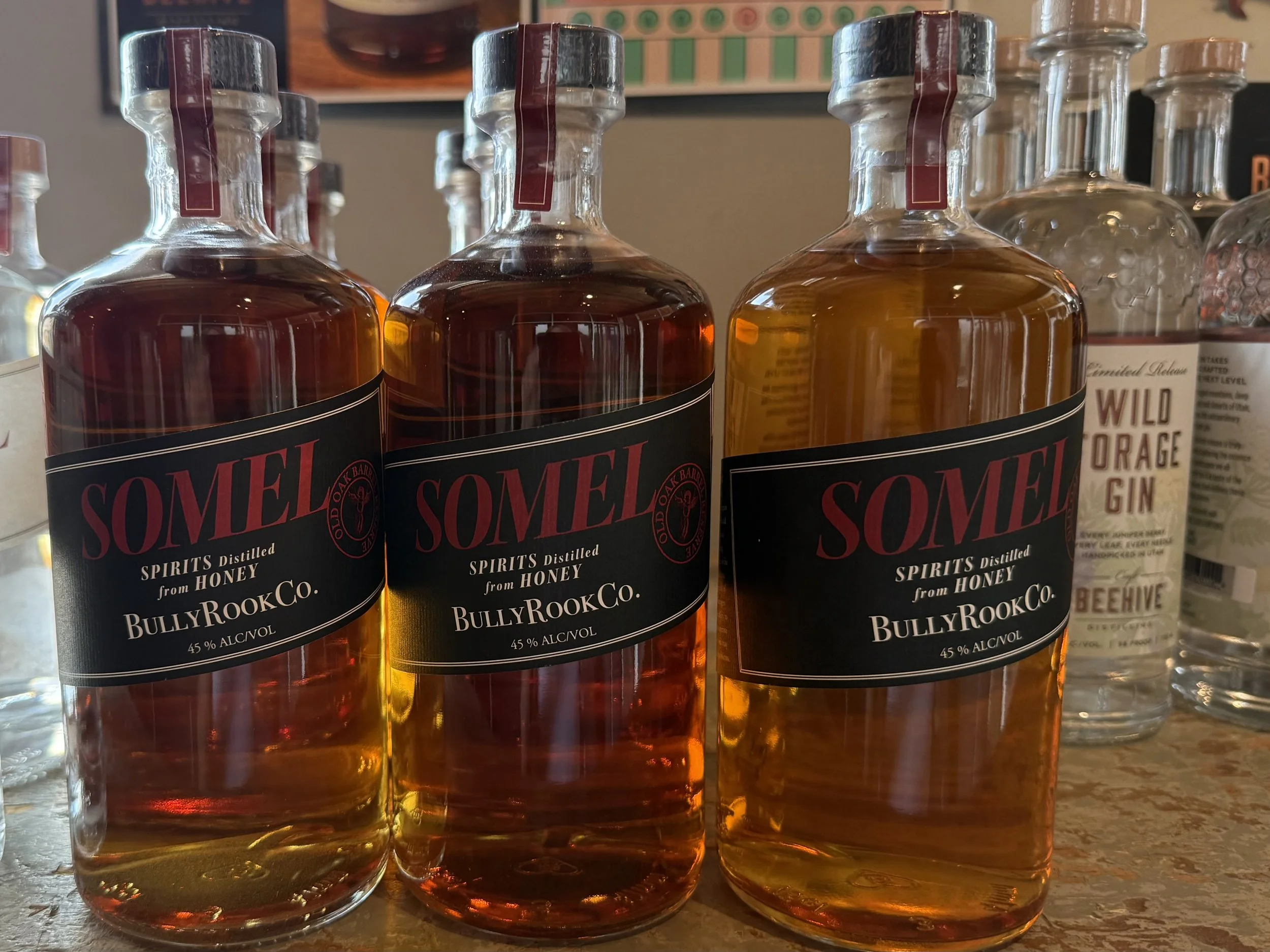
At Beehive, that distinction matters. The company distills its primary spirits itself. The one sourced whiskey it continues to sell originated when bartenders at Beehive’s former bar wanted a house whiskey while Chris’s own barrels were still aging. Rather than put it under the Beehive name, the partners created Desolation Distilling, clearly labeling the product “Full Disclosure” and explaining that they did not distill it themselves. The whiskey sold well enough that they continued offering it even after the bar closed.
Chris is happy to explain the difference. In fact, he is happy to explain almost anything about what is happening inside Beehive. “I’ll tell you what we make and what we don’t, and how we make it,” he said.
For someone who claims not to think too hard about things, Chris Barlow has spent more than a decade doing something remarkably thoughtful - building a company slowly, taking pride in what he produces and putting only his name on what he is willing to stand behind. Perhaps that is why the painting analogy feels so fitting. Chris does not need every stroke planned before he begins. He starts, experiments, adjusts and trusts himself to recognize when something is right. “You just do it.”