Monte
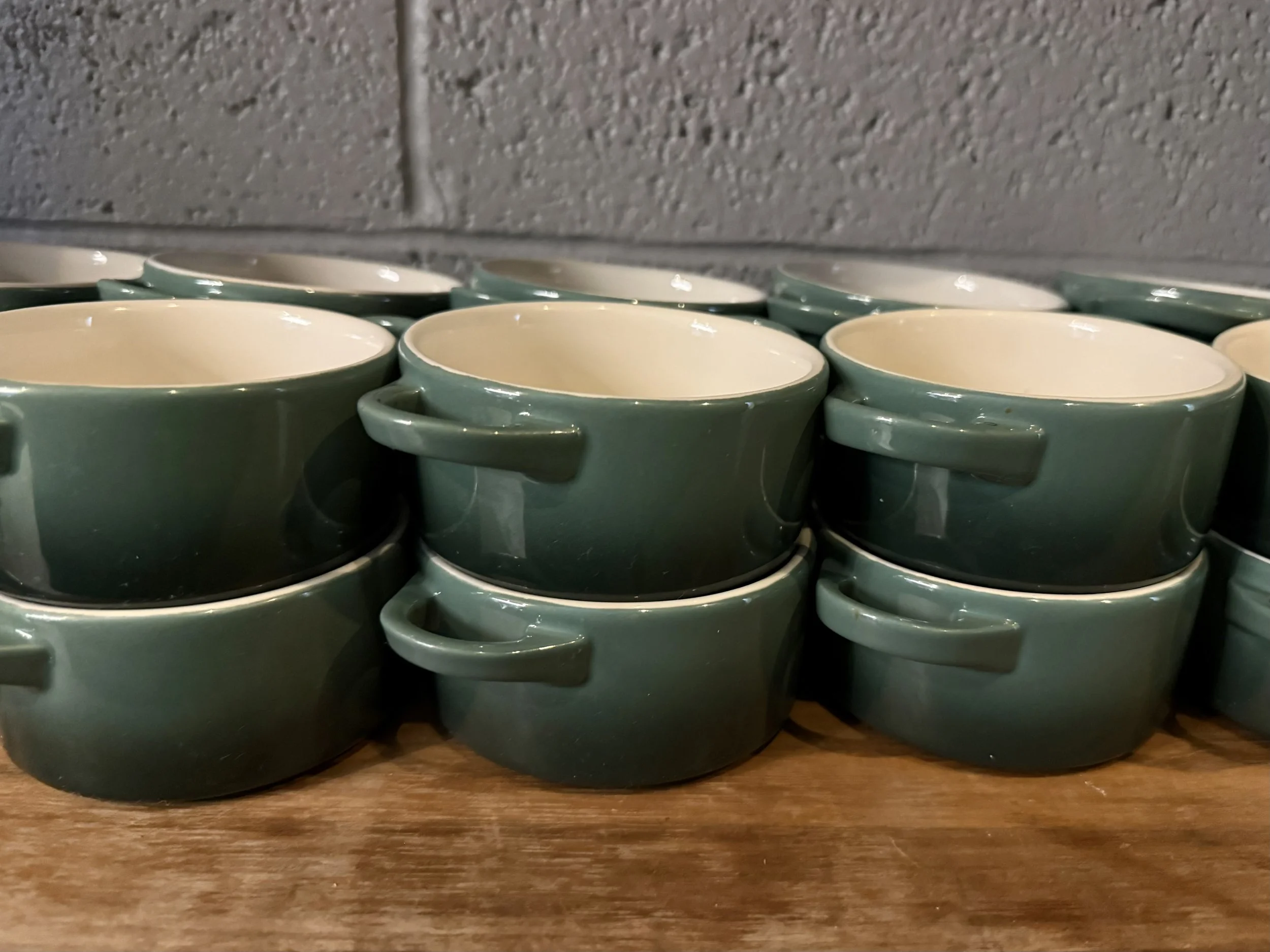
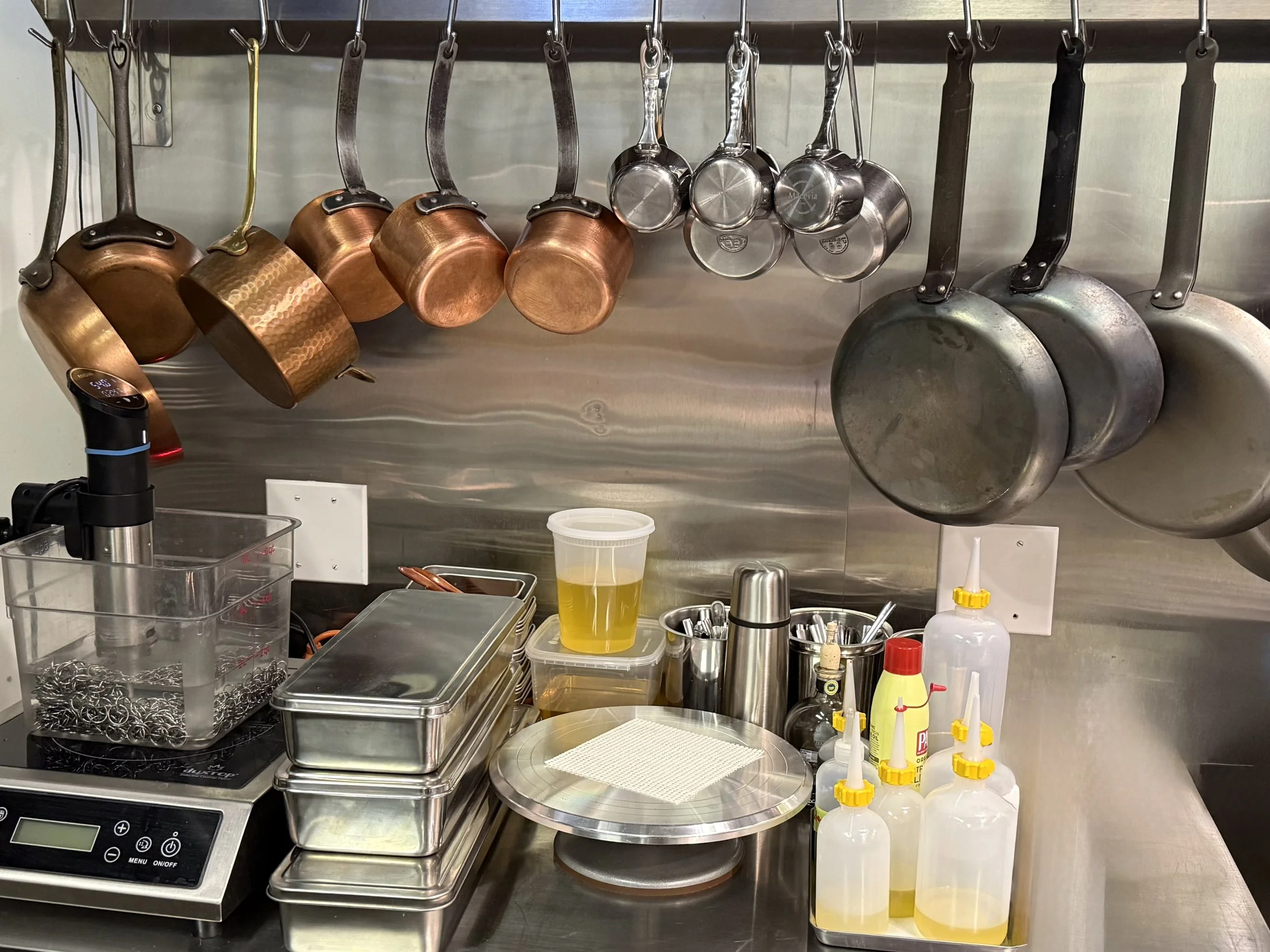
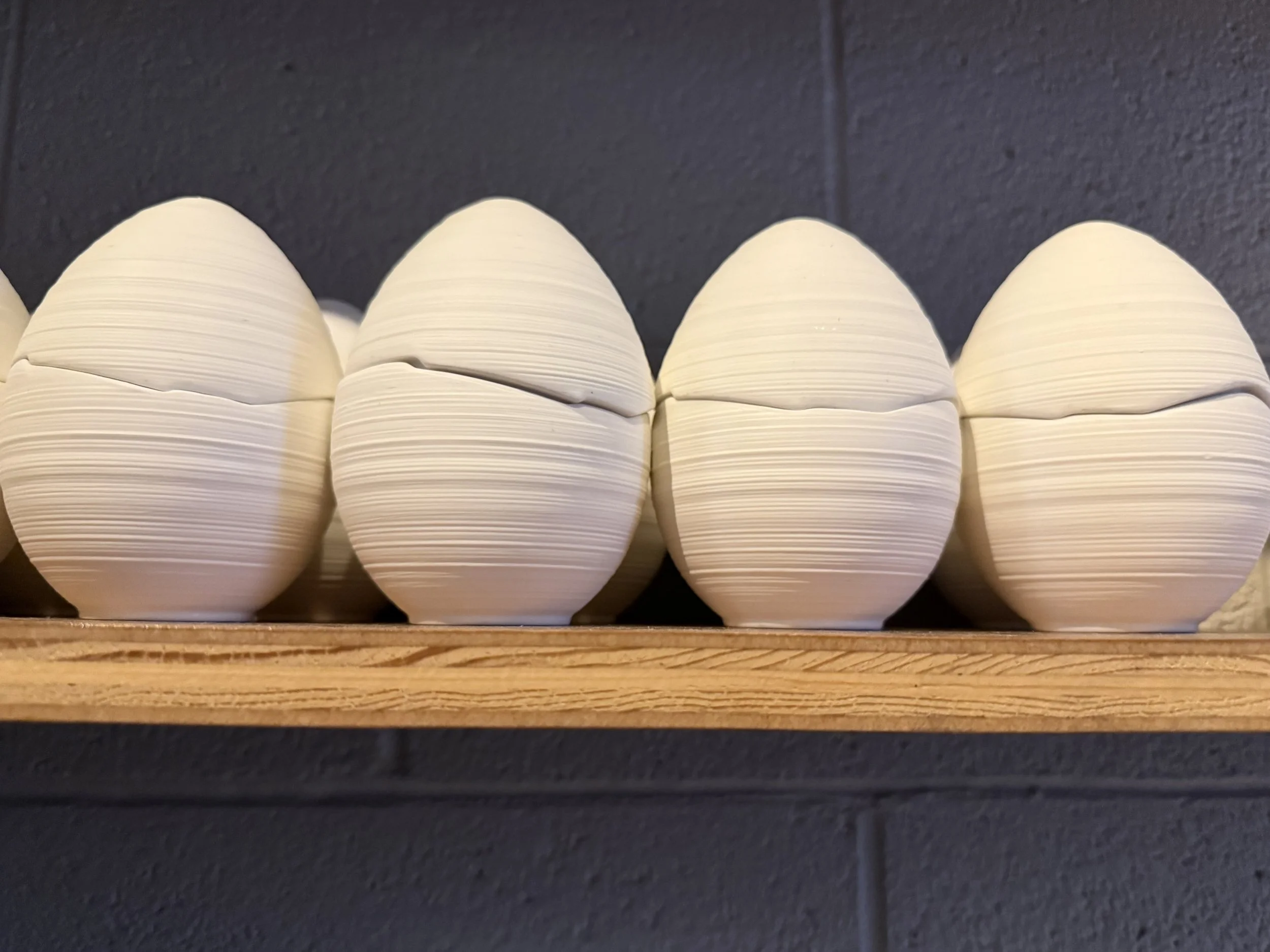
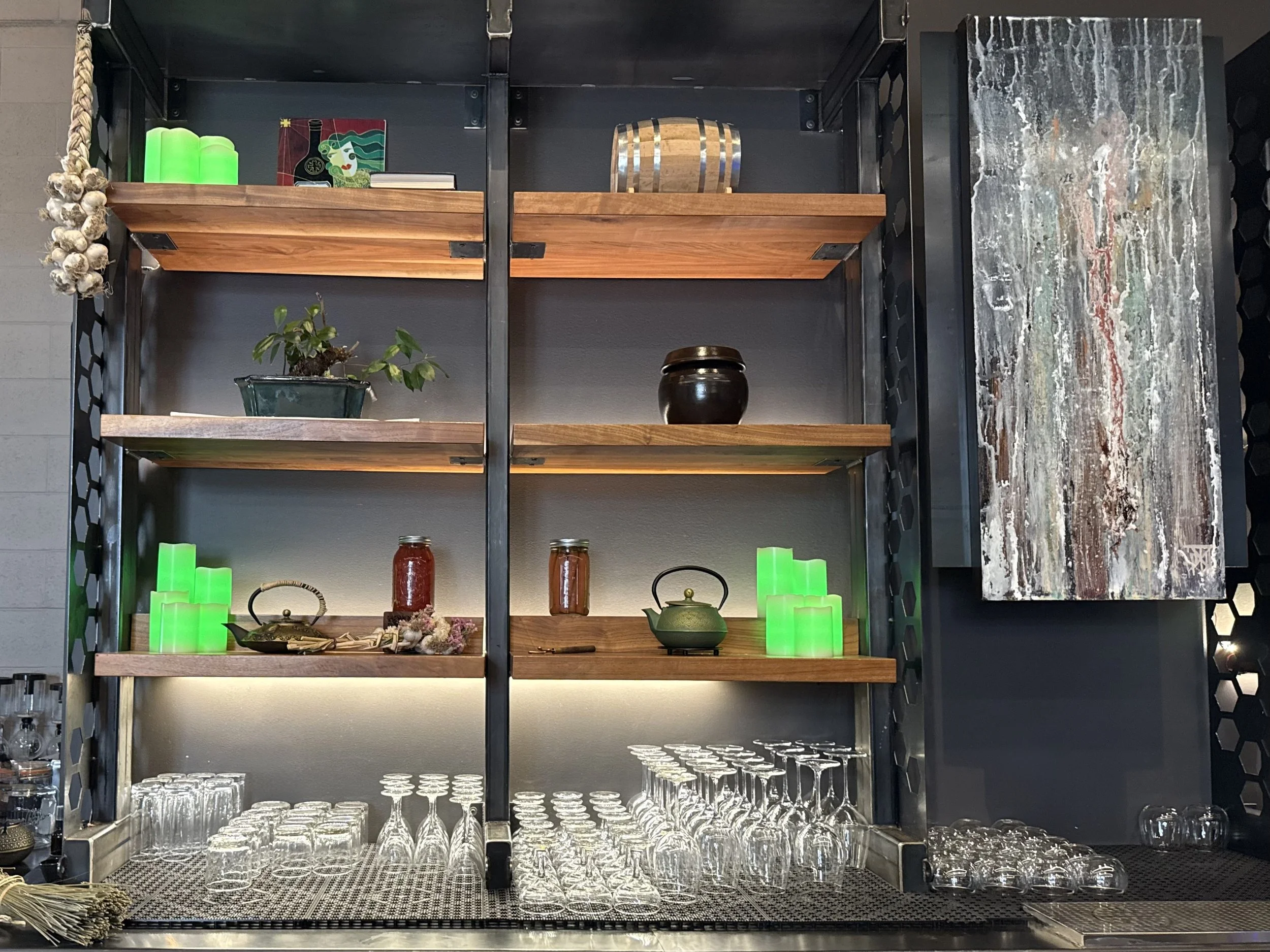
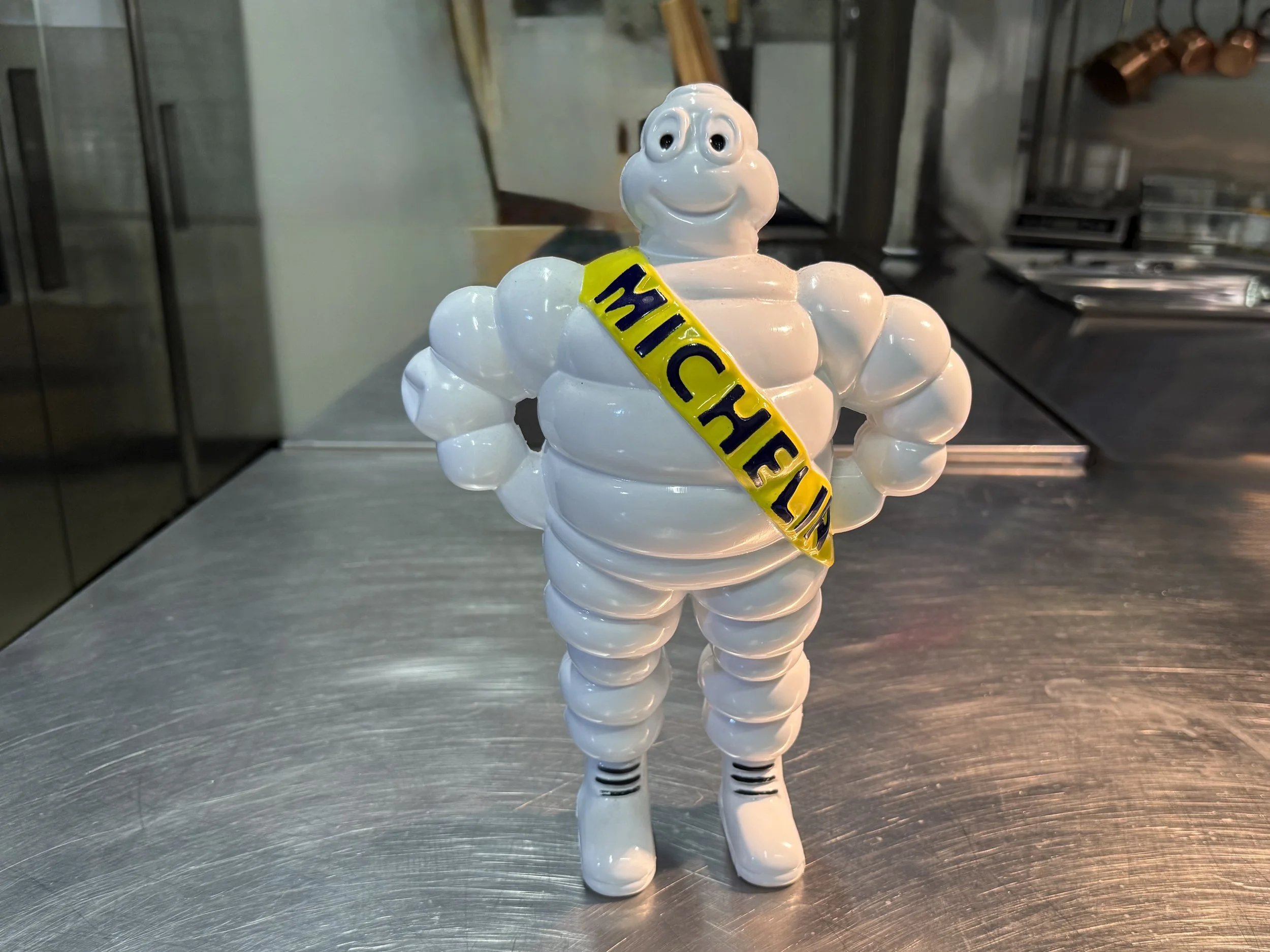
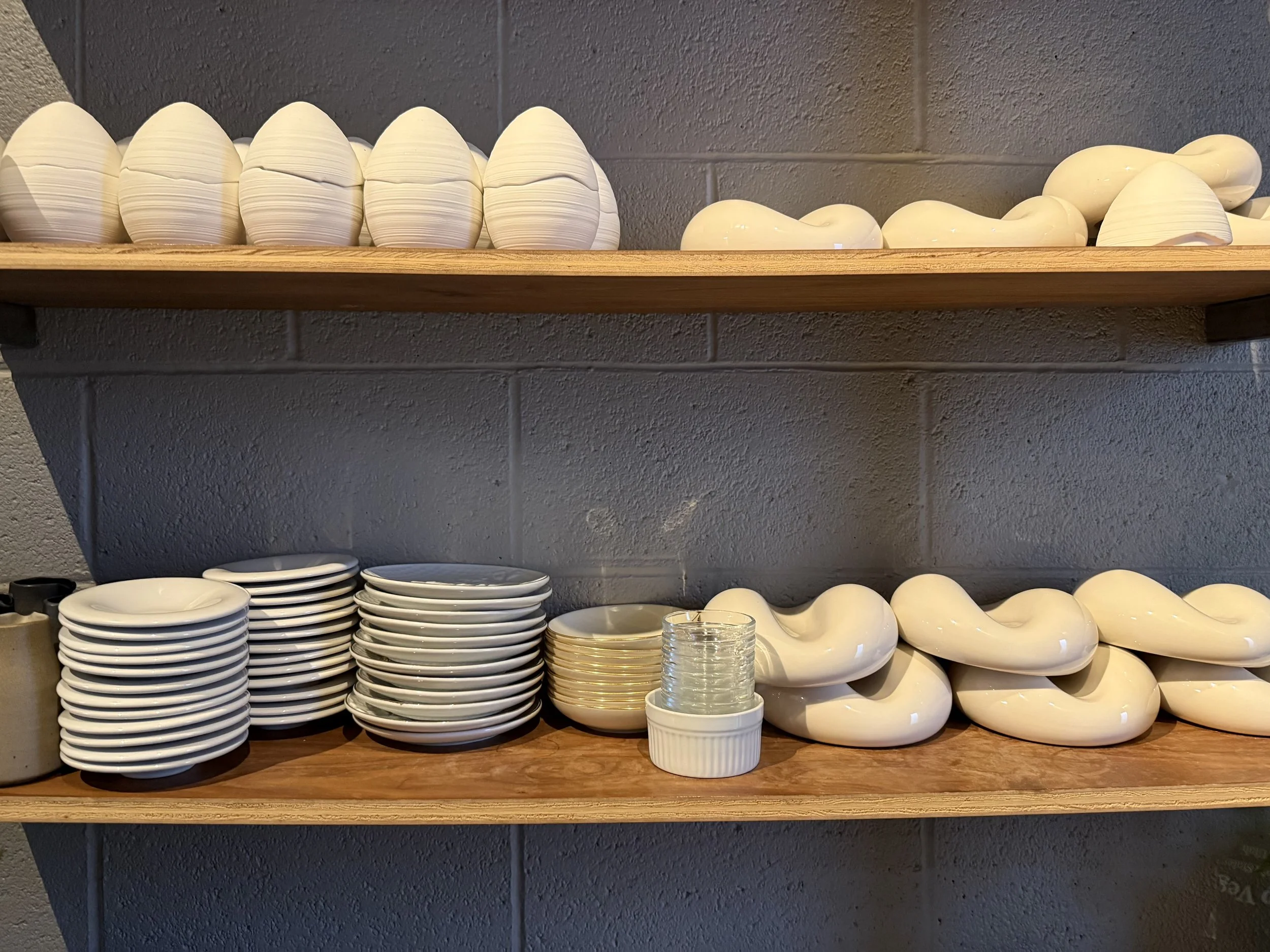
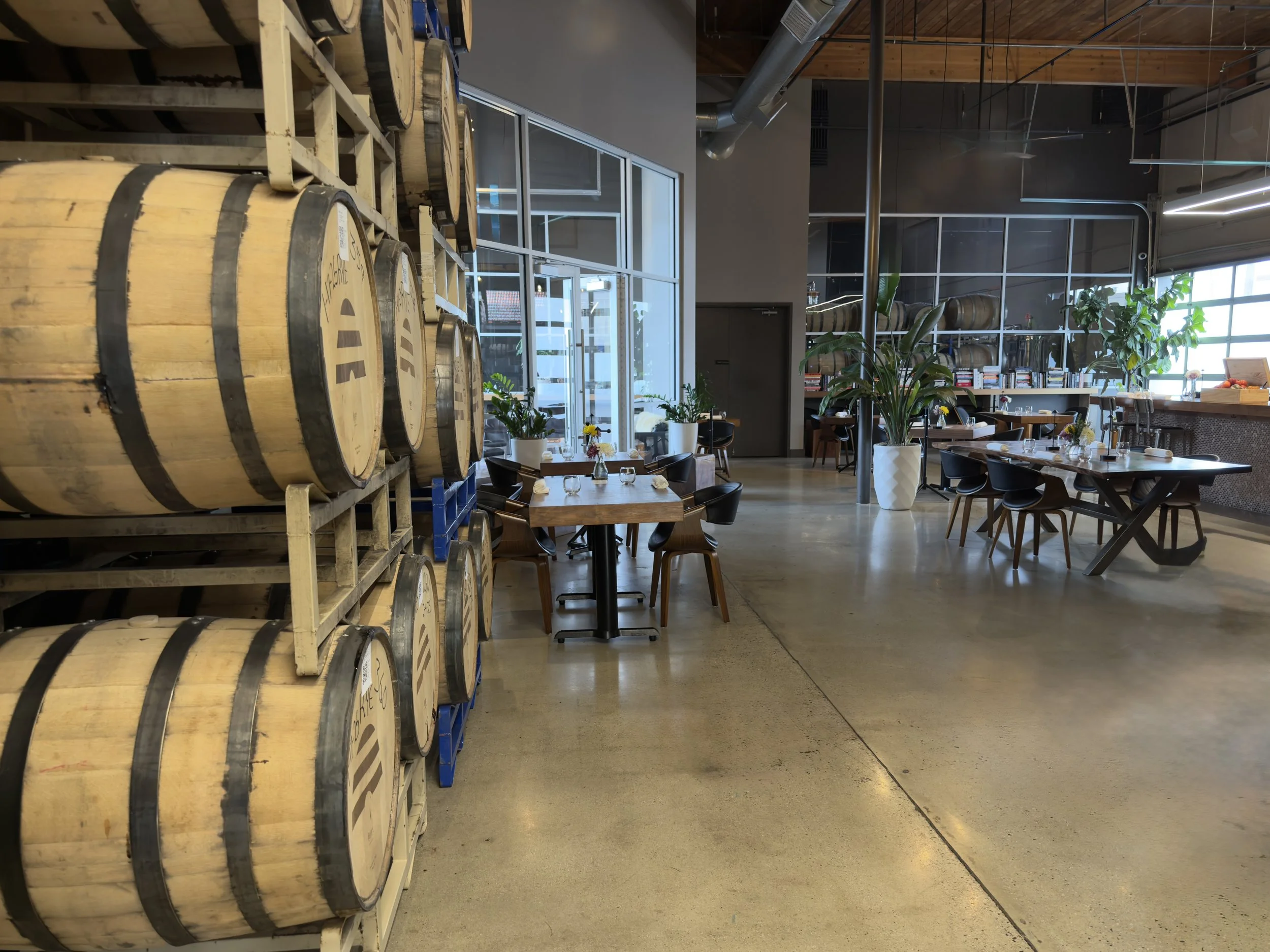
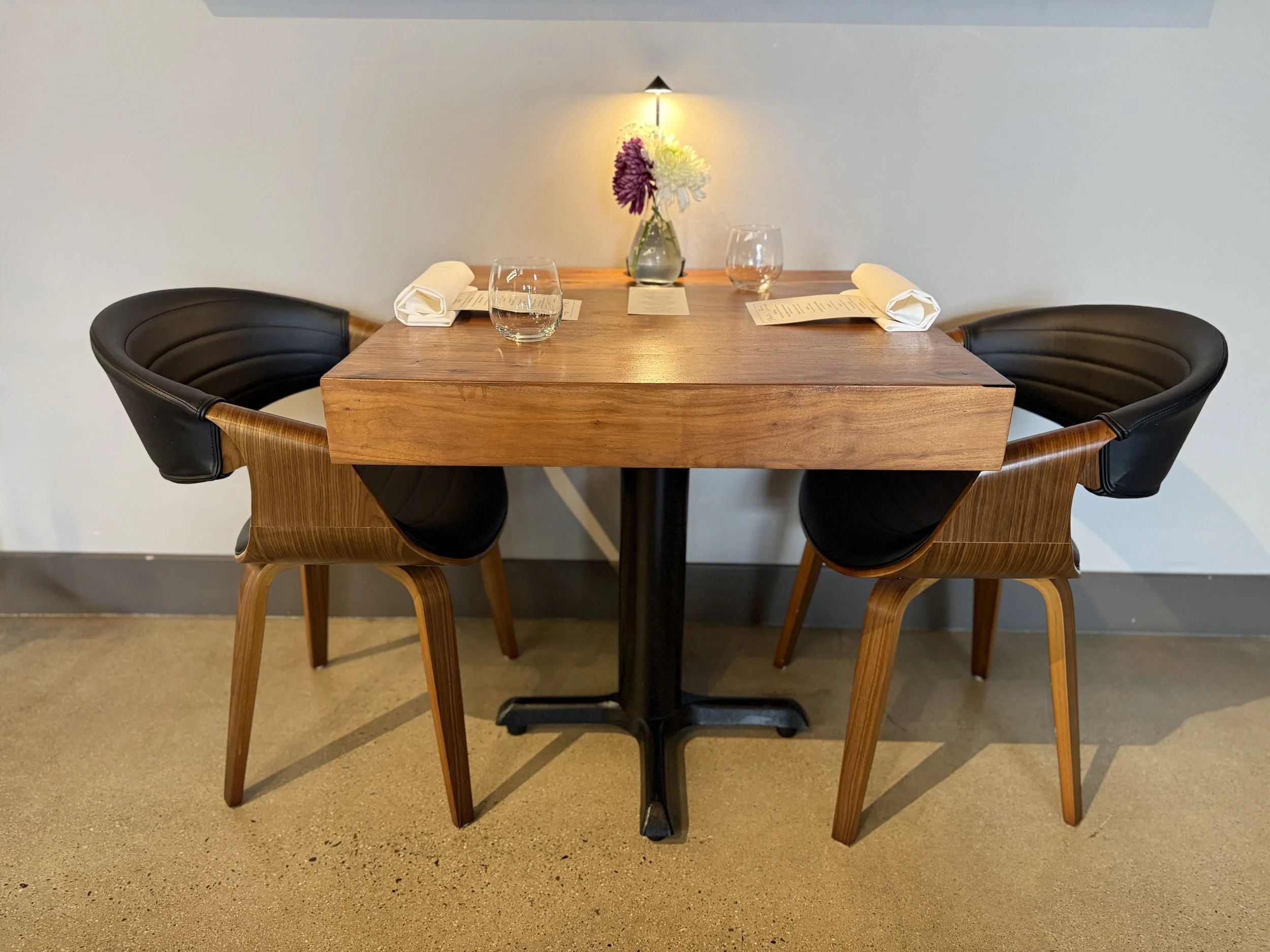
Address: 2245 South West Temple Street
Telephone: 801-577-0551
Website: monteslc.com
District: South Salt Lake
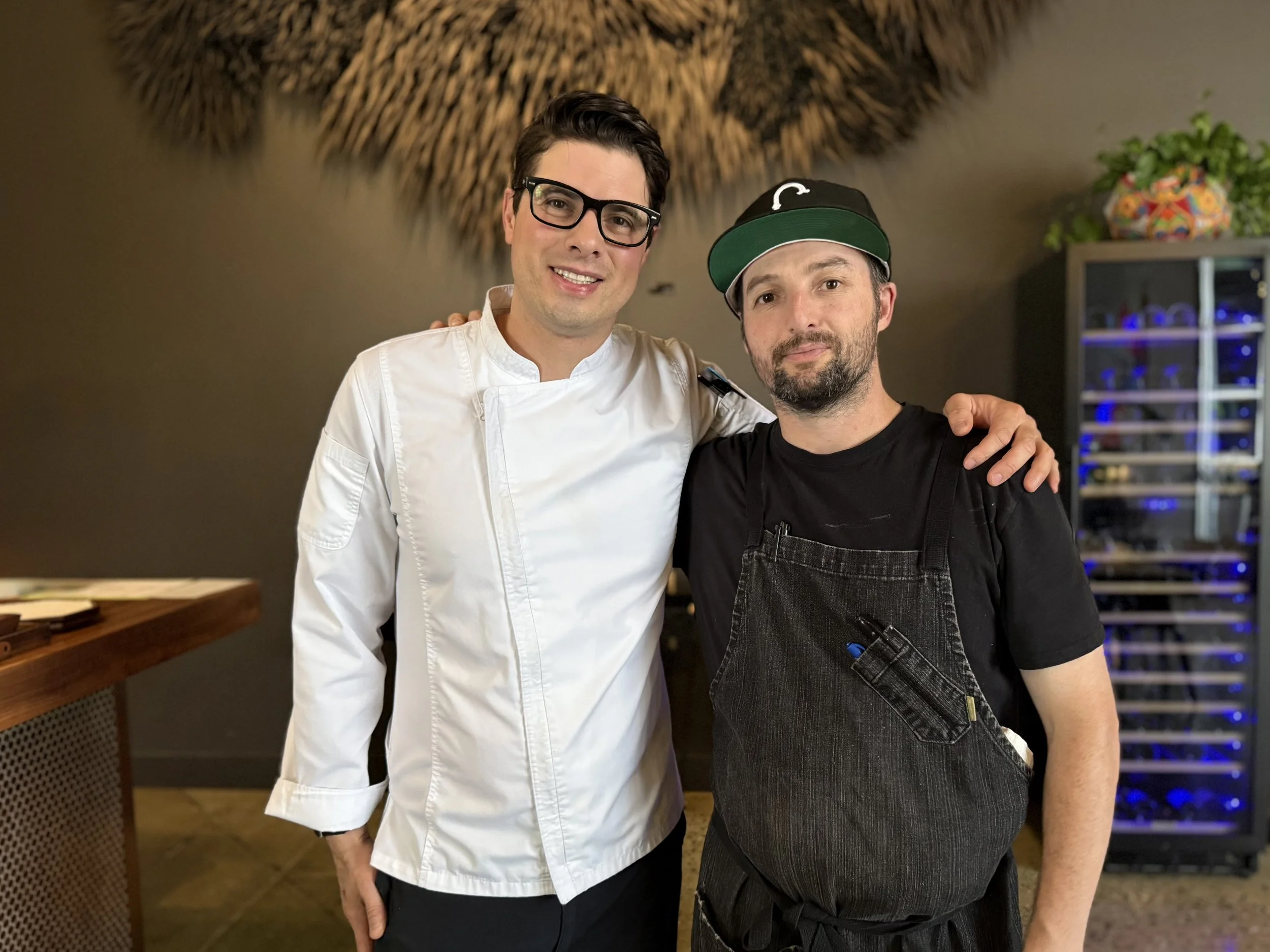
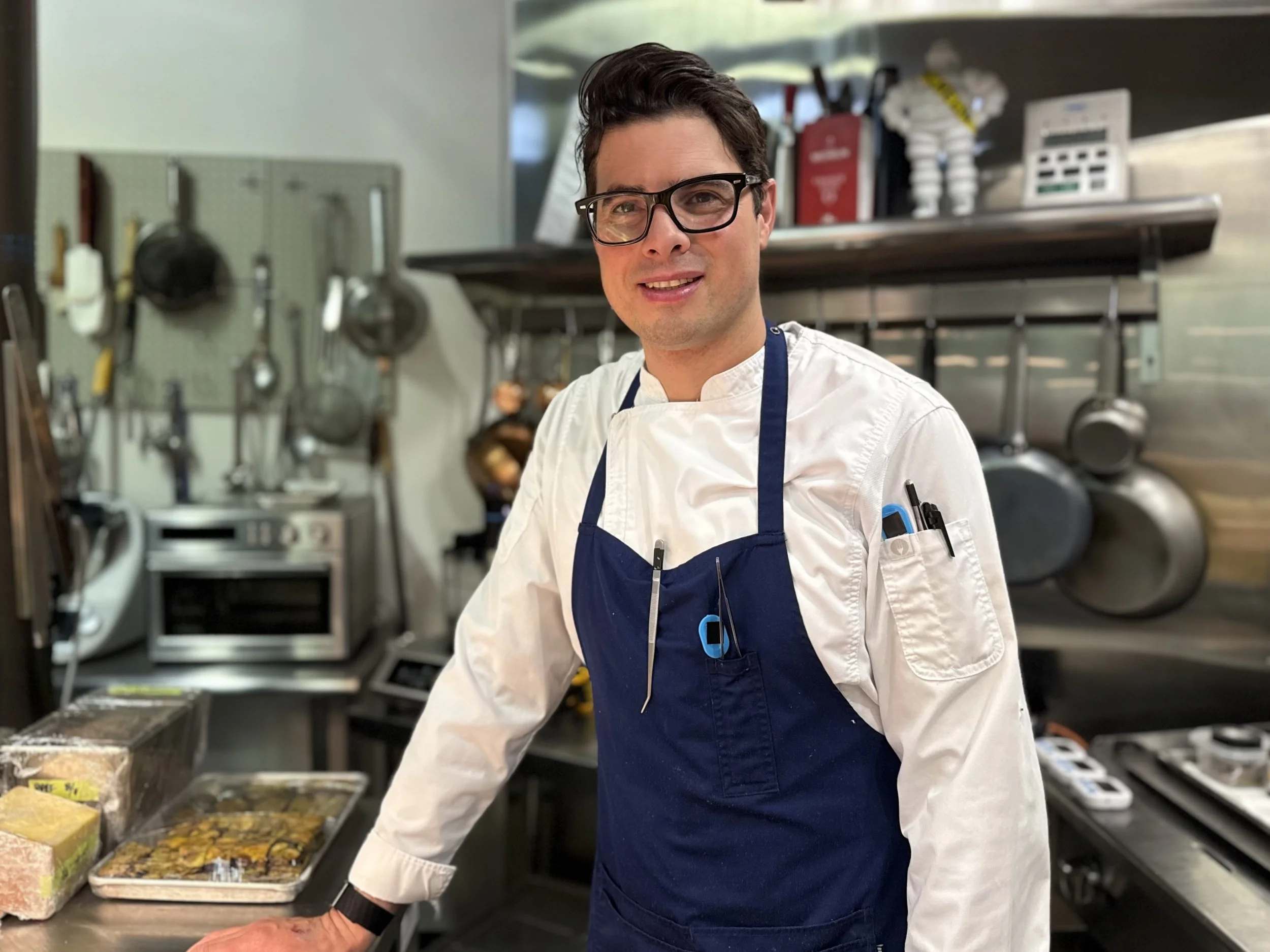
“My grandma taught me, ‘Don’t throw away anything.’” Long before Martin Babio became the chef and owner of Monte, before tasting menus, wine pairings and meticulously composed plates, there was his grandmother’s kitchen on a remote farm in Uruguay. It was an enormous room that served as kitchen, dining room, and living room all at once. There was no finished flooring - only the earth beneath their feet - and it was where Martin spent much of a childhood he still describes as one of the happiest times of his life.
The farm was far removed from the world Martin would eventually enter. There was no running water or electricity. Water came from a well, and electricity, telephone service and other modern conveniences did not reach the area until 2002. Martin remembers seeing a television for the first time in another city in 1998. None of this farm life struck him as unusual. “For me, it was a normal life.”
Martin’s mother was seventeen when he was born, and his grandparents largely raised him. His grandmother’s kitchen became his first culinary school. She cooked enormous pots of broths and stews, feeding not only their large family but others in the community. His grandfather hunted, introducing Martin to wild game, while his grandmother taught him to use virtually every part of an animal - tongue, cheeks, liver, brain. Little was discarded. Animals surrounded him, and one of his first pets was, remarkably, a skunk that Martin insists never sprayed inside the house. Soccer was the other great passion of his childhood and remains so today. “I cry when my country loses,” he admitted.
About twice a month, Martin traveled with his grandmother by horse-drawn wagon for roughly an hour to the nearest town for supplies. Montevideo, Uruguay’s capital, was several hours away. At about twelve, Martin left the farm for Montevideo, where he attended a school that combined his high school education with culinary studies. The transition was difficult, and surprisingly, he did not particularly enjoy culinary school. The education that mattered to him was happening elsewhere. “I learned when I worked in restaurants.”
By seventeen, Martin had graduated and was already working in kitchens throughout Montevideo, although his relationship with the restaurant world was hardly a straight line. At one point he became so disillusioned that he left altogether, working as a butcher, in sales, and at other jobs. Eventually, cooking pulled him back. He returned to the industry, and in 2016, a scholarship connected to his culinary education brought him to the United States and the MGM in Las Vegas. His introduction to an American kitchen was considerably less glamorous than the food he would one day create. “I boiled crab and lobster for twelve hours a day.” Opportunities followed in Los Angeles, Miami, and Park City, and over the years Martin also cooked in Argentina and Brazil. Each kitchen, country and culture gave him something to carry forward.
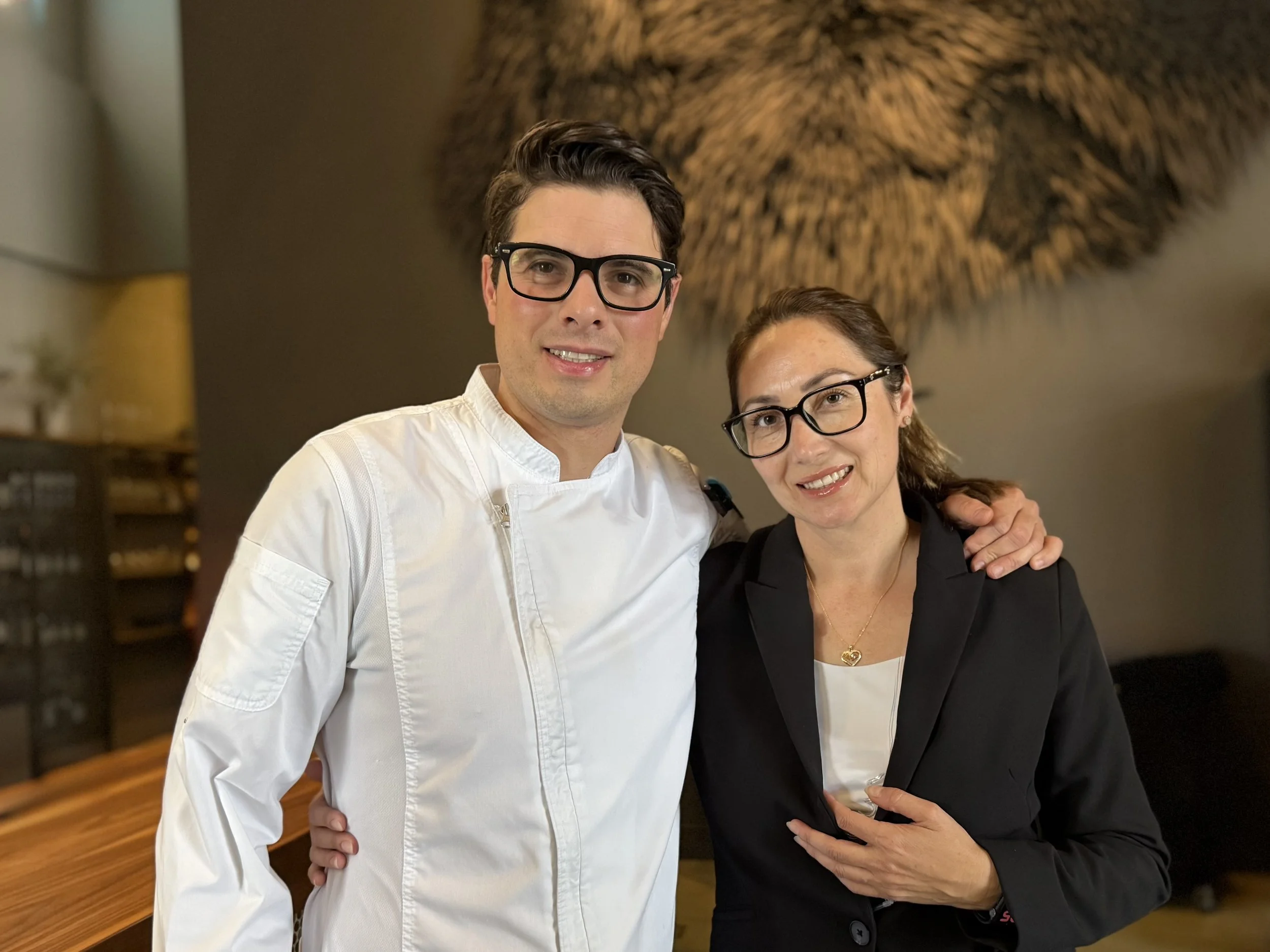
But it was Utah that gave him something entirely different. In November 2017, Martin arrived at a Friendsgiving dinner carrying Peruvian food he had prepared at the West Valley restaurant where he was working. Karen was among the guests. He later invited her to breakfast. She said no. He tried again. She continued saying no. Seven years older than Martin, Karen was hesitant, but several months later she finally gave him a chance. Their first date was at White Horse in Salt Lake City in early 2018. “We never separated after that.” Six months later they decided to marry. Emiliano was born in May 2020, followed almost exactly four years later by Daniel in May 2024.
Born in Chile, Karen had moved to Utah with her family in 1999 at eighteen and built a career in the mortgage industry. She knew nothing about working in restaurants when she met Martin. What she did know was how deeply food and cooking were a part of him. Gradually, she learned about the business beside him - the service, the food and, perhaps most importantly, the kind of restaurant he hoped someday to create. Today, Martin calls Karen his right hand. She manages the front of the house, serves guests, and steps into whatever role is needed. “She does everything.”
While Martin continued working in restaurants, including approximately four years with a local Italian restaurant group, he and Karen began testing his ideas on their own. They hosted small pop-up dinners, often in apartment clubhouses, gathering about ten people around a tasting menu that might stretch to twelve or fourteen courses. At the time, the concept was unfamiliar to many Utah diners. “People said, ‘You’re crazy. Fourteen dishes? It’s too much food.’ I said, ‘No. It’s a tasting menu.’”
They kept going, even when very few people understood what Martin was trying to build. There were times when the pop-ups and restaurant work were not enough. “Sometimes I needed to do DoorDash to feed my family.” For three months, Martin even returned to Miami for another restaurant opportunity, but being away from Karen and the children proved harder than he expected. He came home knowing two things - he wanted to create his own restaurant, and he wanted to do it in Utah.
“I told my wife, ‘I want to start again with my concept.’” This time, Martin and Karen went all in. They sold their house and cars, moved their family into a basement to reduce expenses, and poured what they had into the restaurant Martin had imagined for years. It was an enormous gamble for a young family, particularly on an idea they had already spent years struggling to convince people to embrace.
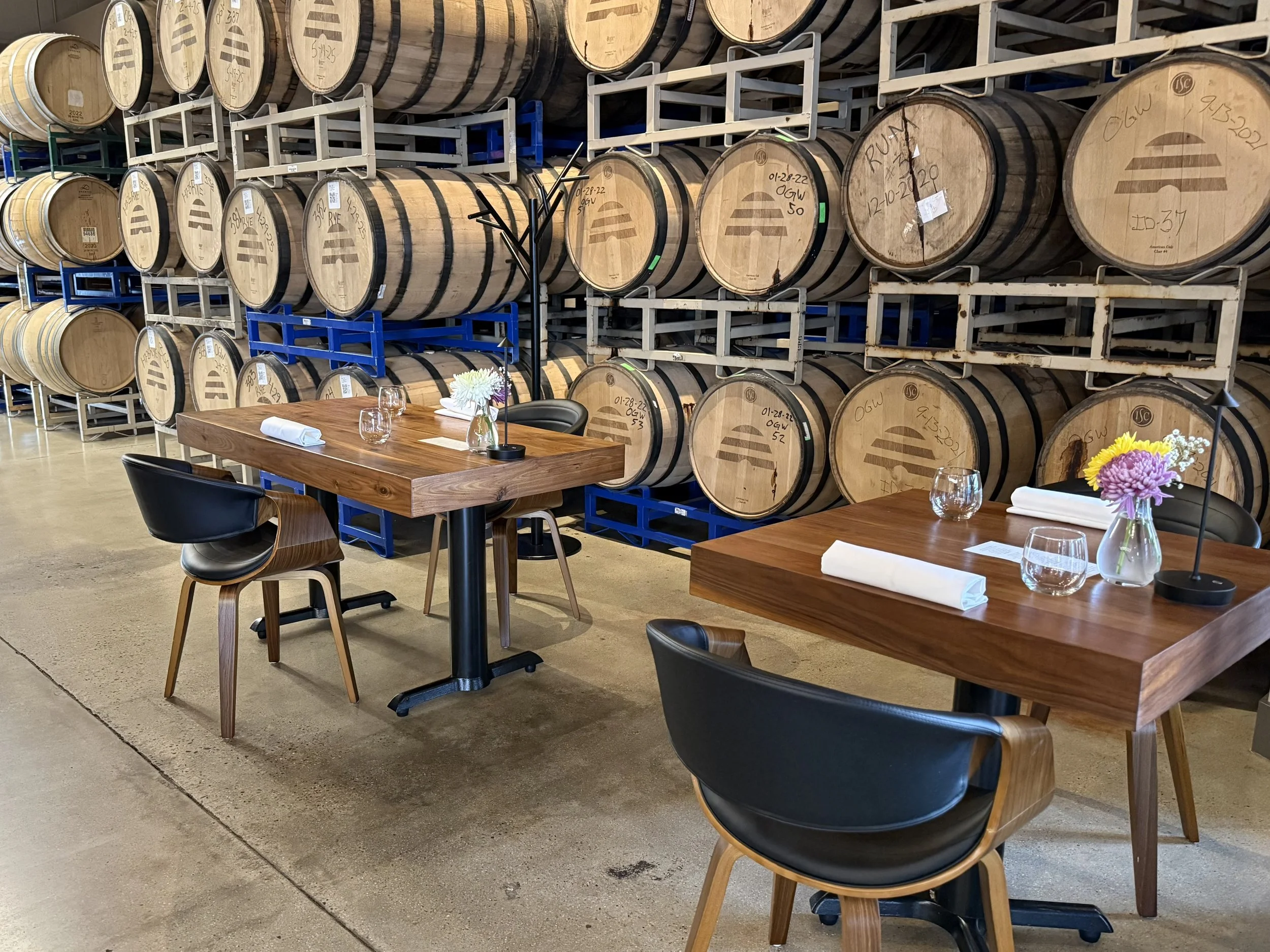
A mutual friend eventually connected them with the owners of Beehive Distilling and an unused portion of its South Salt Lake building. Martin and Karen began holding pop-ups there in the spring of 2025 and slowly transformed the space into their own. On July 1, Monte officially opened. Its name is a nod to Montevideo and the country where Martin’s relationship with food began.
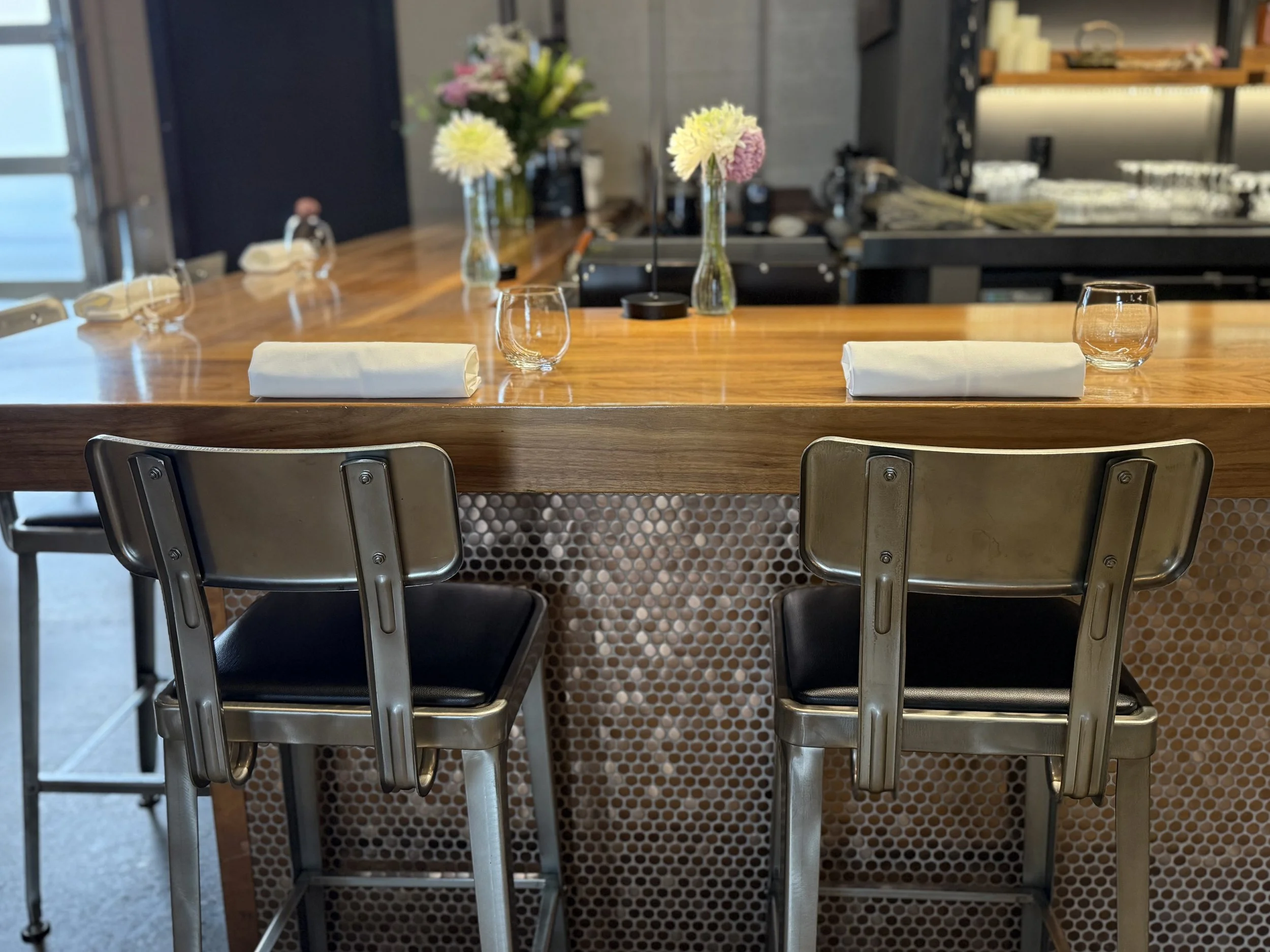
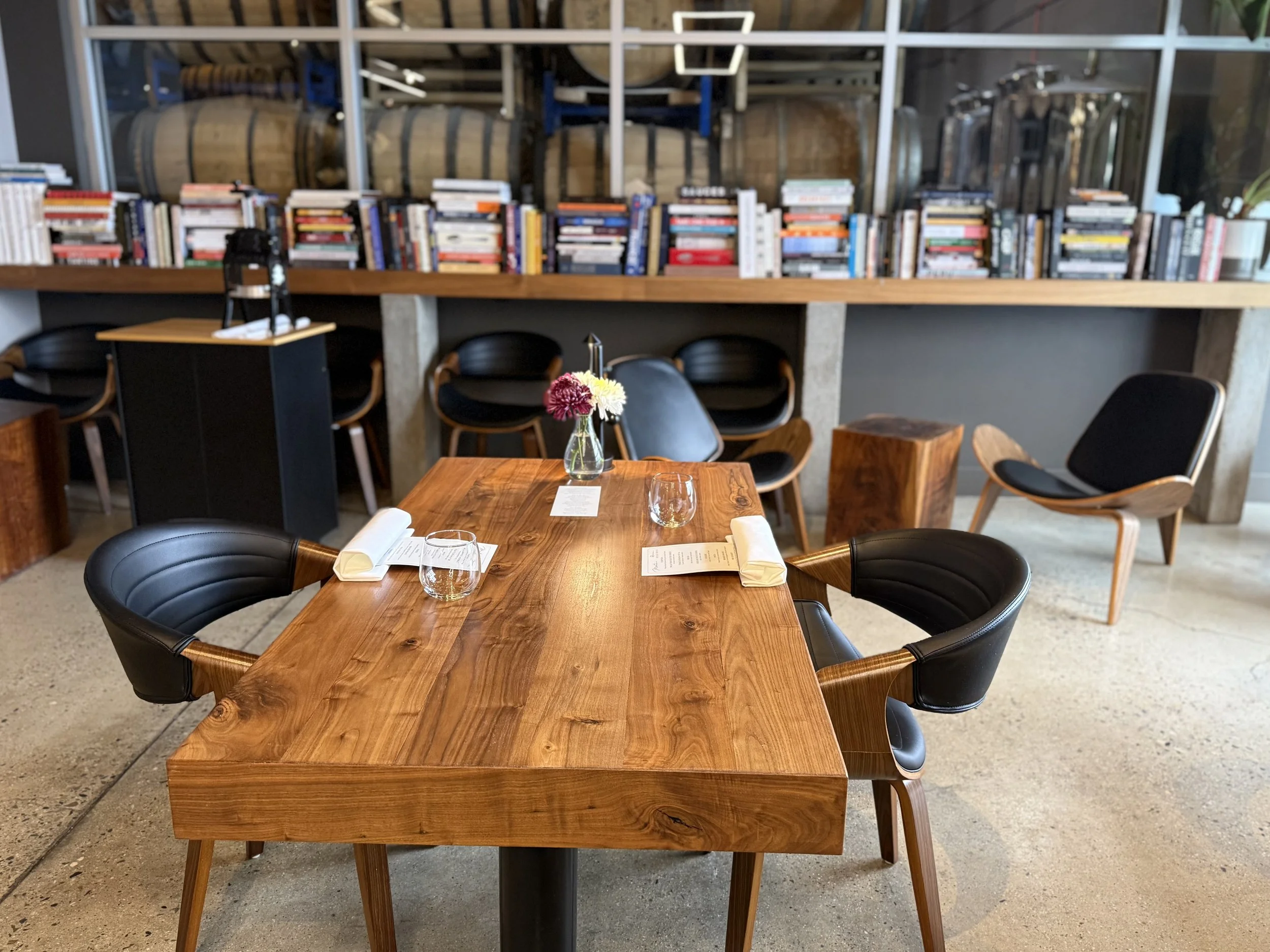
Monte is deliberately small, serving approximately twenty guests a night, Wednesday through Saturday. A meal can unfold over two or three hours, and Martin has no interest in rushing his guests or creating a frantic kitchen. “I like the small service. I like when people work with no stress, no pressure.”
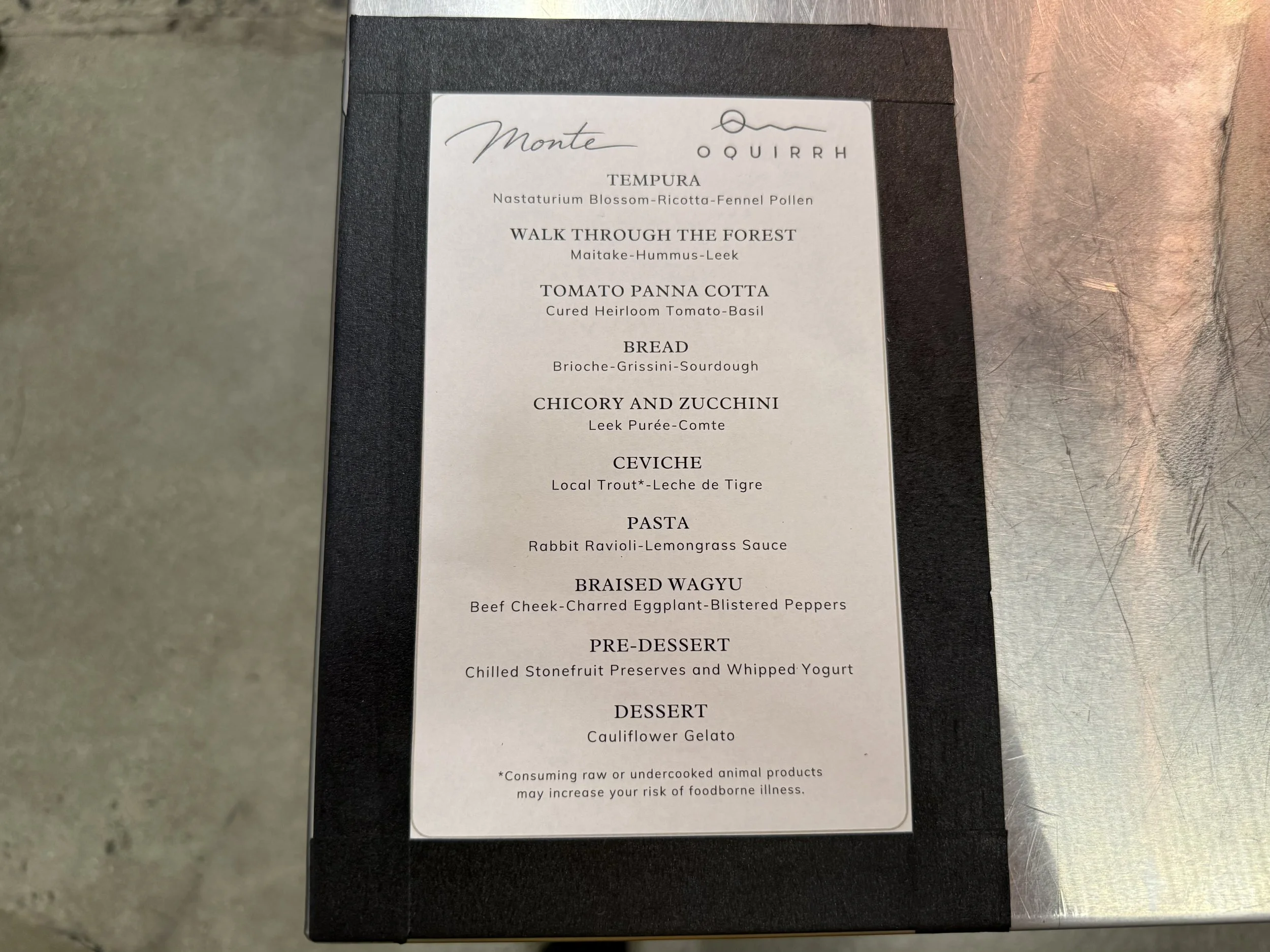
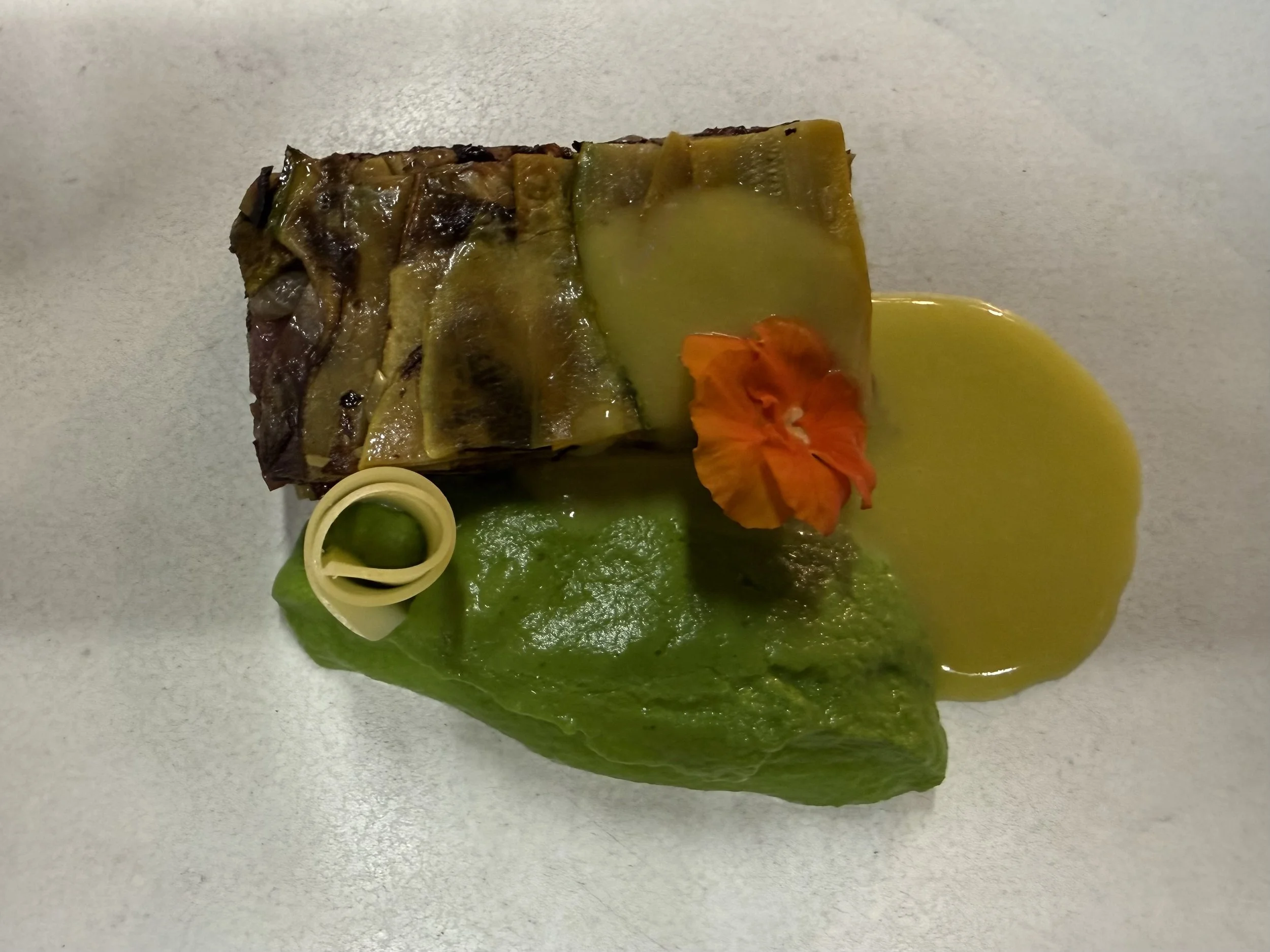
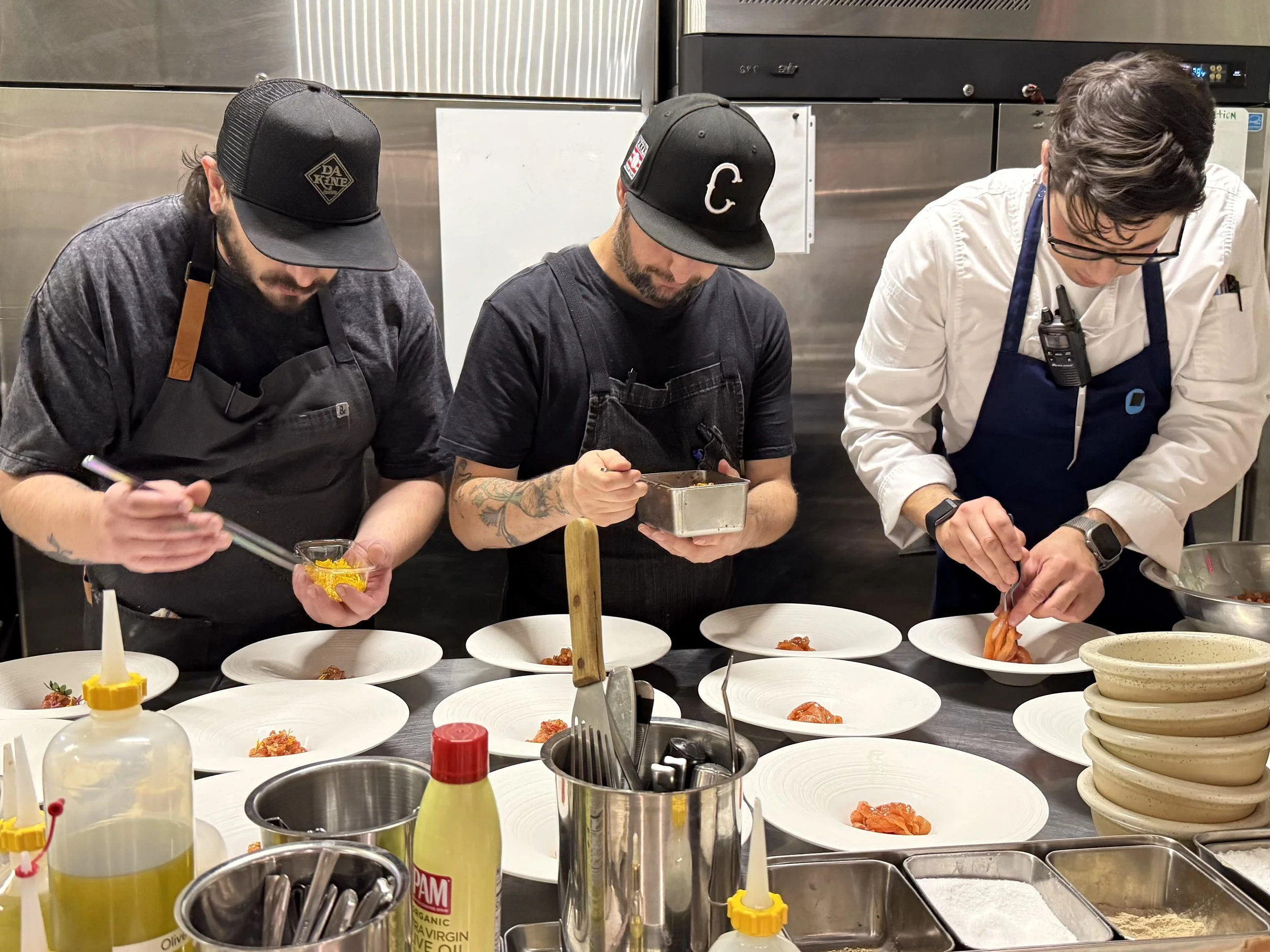
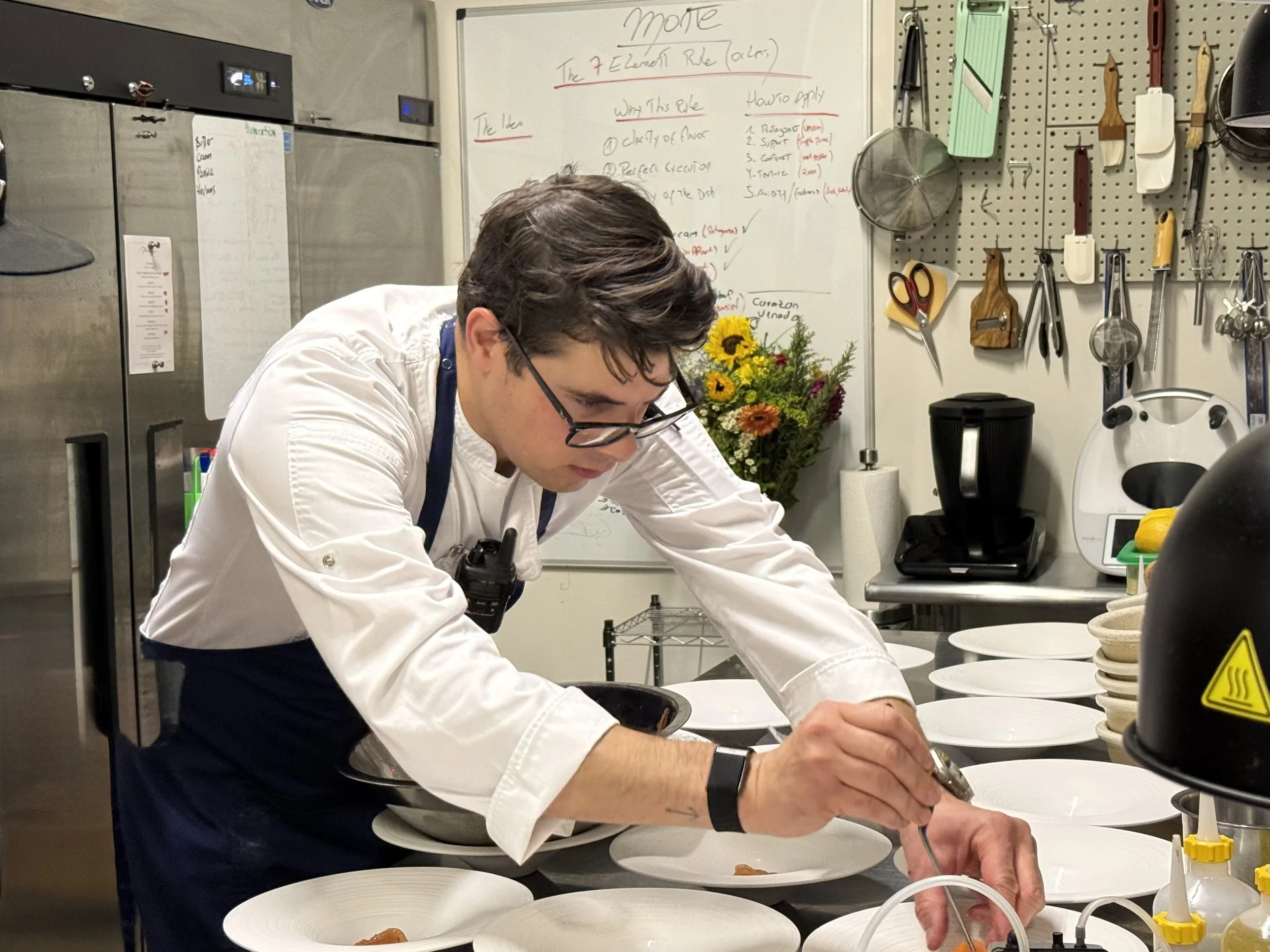
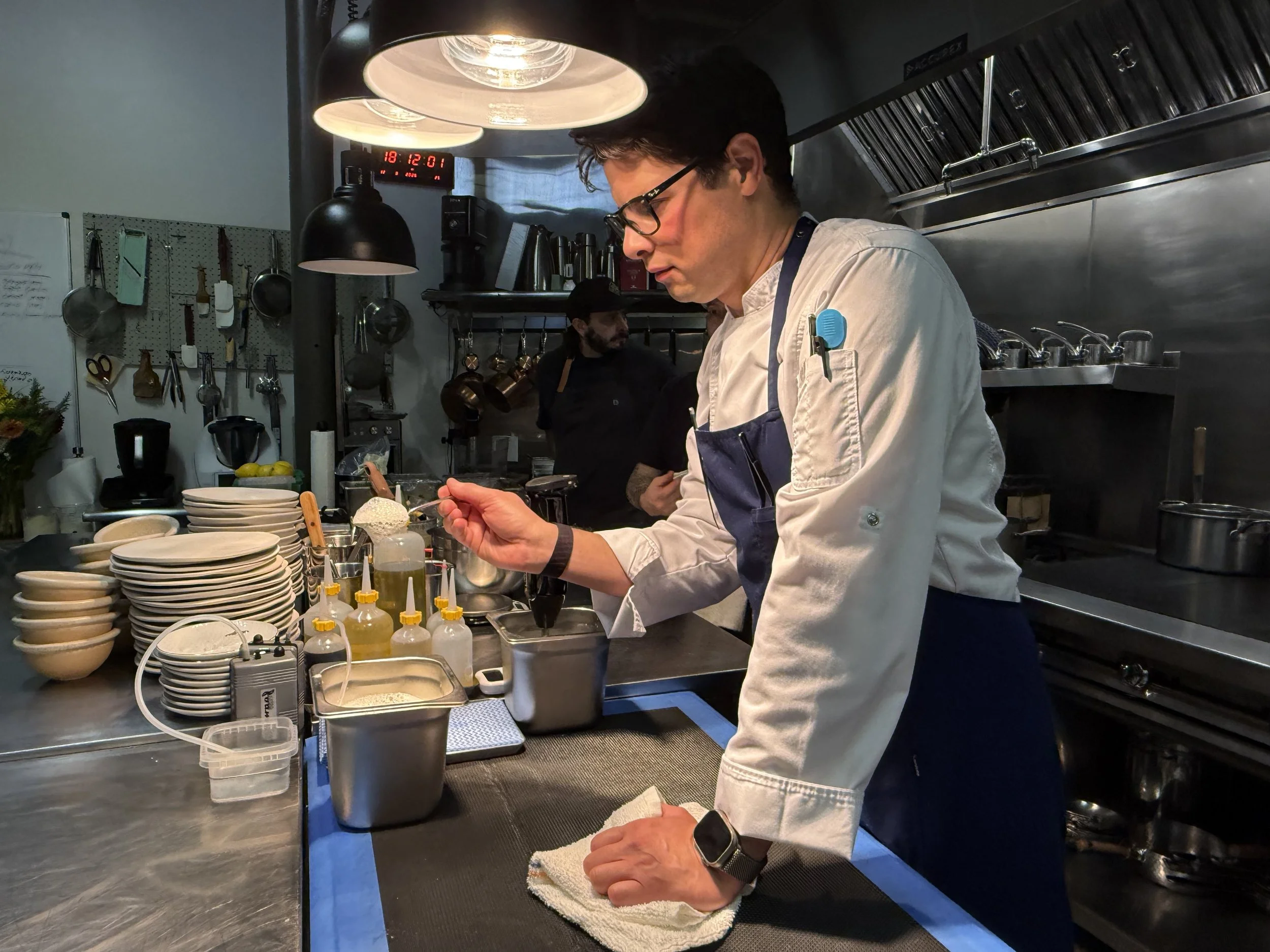
It is perhaps one of the most striking things about watching Monte come alive for an evening. As ten courses make their way from kitchen to dining room, there is extraordinary precision without any sense of commotion. Martin is remarkably calm, working alongside his small team as they prepare and meticulously plate each course. Karen moves just as naturally through the dining room, overseeing the tables, drinks and service while making certain each guest is cared for. There is discipline behind every detail, but little about it feels rigid. Instead, the room seems filled with the same thing that has driven Martin from the beginning - a tremendous amount of care.
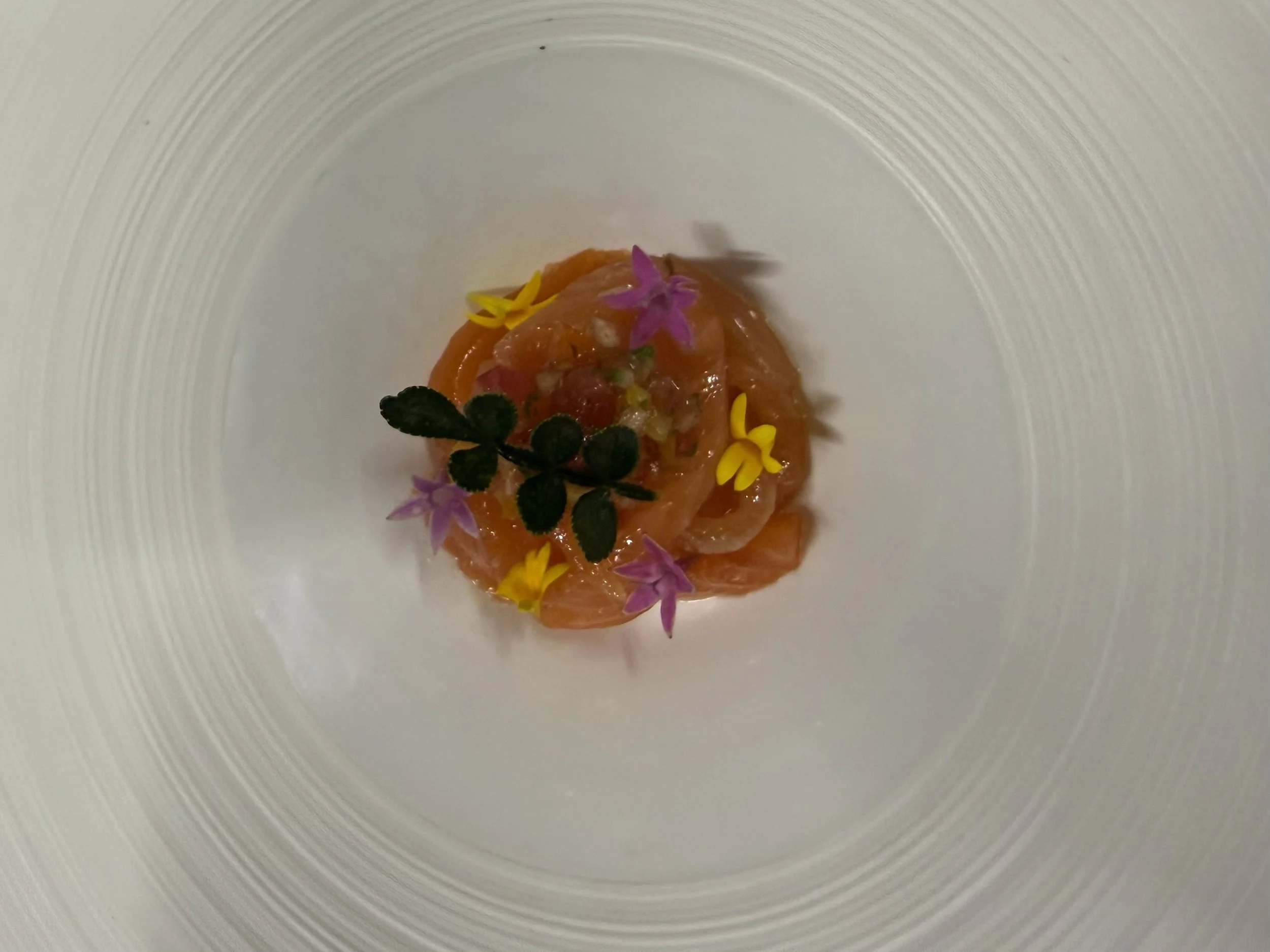
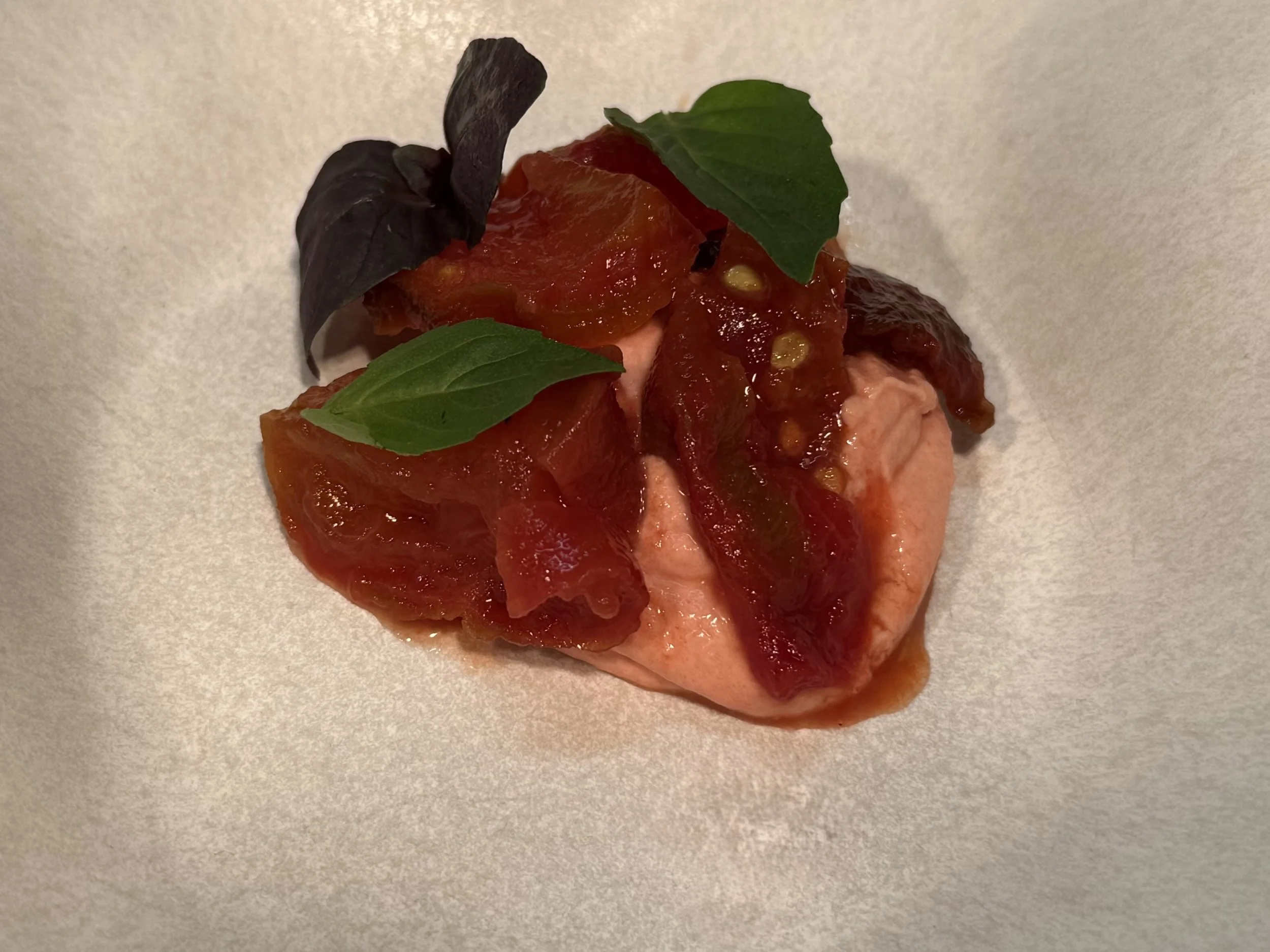
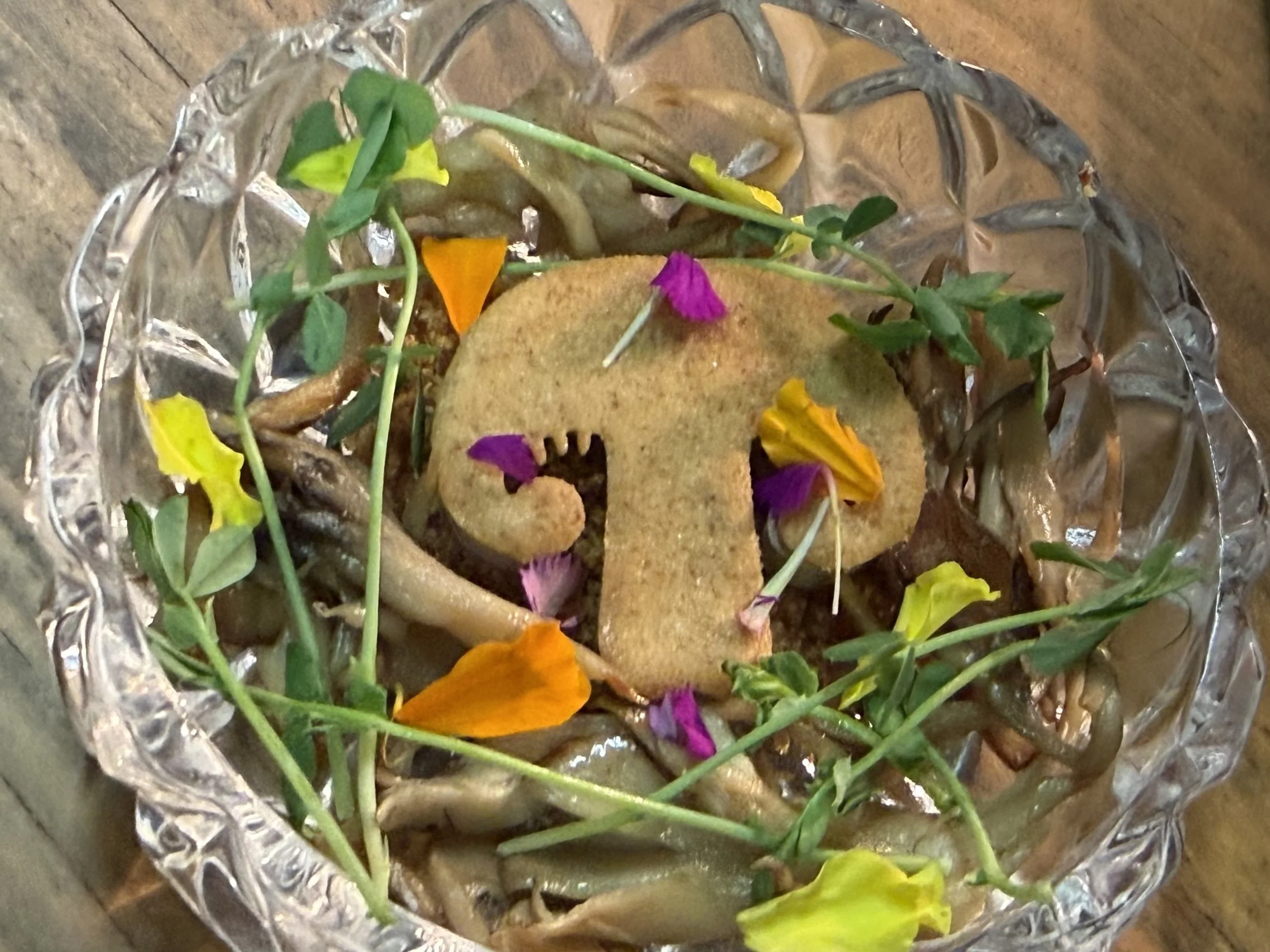
The menu is seasonal and continually evolving, sometimes because the ingredients change and sometimes simply because Martin has another idea. “Sometimes I wake up and say, ‘I want to do something different. Something crazy.’ Gastronomy is a kind of art.” His collection of roughly four hundred cookbooks may provide inspiration, but Monte is ultimately a reflection of the places Martin has been and the food he has known. Italian, Japanese, Thai, Peruvian, Brazilian, French, and Spanish influences weave their way through his cooking. His Italian heritage keeps pasta on the menu; a rabbit pasta might meet a lemongrass sauce inspired by Thai cooking, while local trout becomes his interpretation of Peruvian ceviche. “And grandma’s food,” Karen interjected as Martin listed the influences. Martin smiled. “And, yes, grandma’s food.”
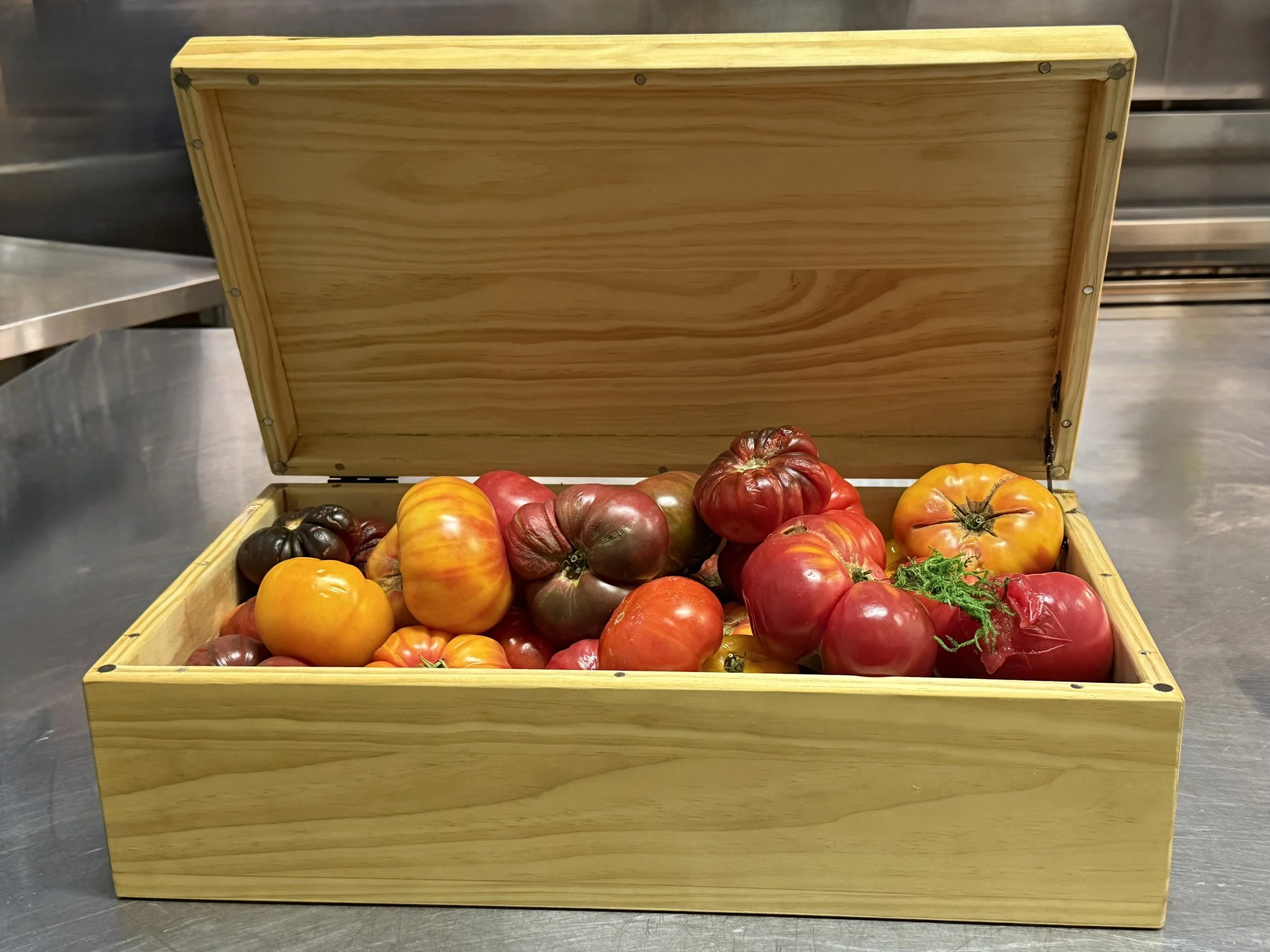
His grandmother's presence is everywhere. Martin estimates that approximately eighty-five percent of his ingredients are sourced locally, supporting area farmers and producers, while specialty ingredients such as truffles and caviar come from farther afield. He avoids seed oils, has largely eliminated plastic from the kitchen, recycles glass, cardboard and paper, and composts fruit and vegetable scraps that can be exchanged with local farms. At the end of an evening, there is remarkably little left for the garbage. What might today be called zero waste or sustainability is, for Martin, simply the way he was taught to cook. “We use one hundred percent.”
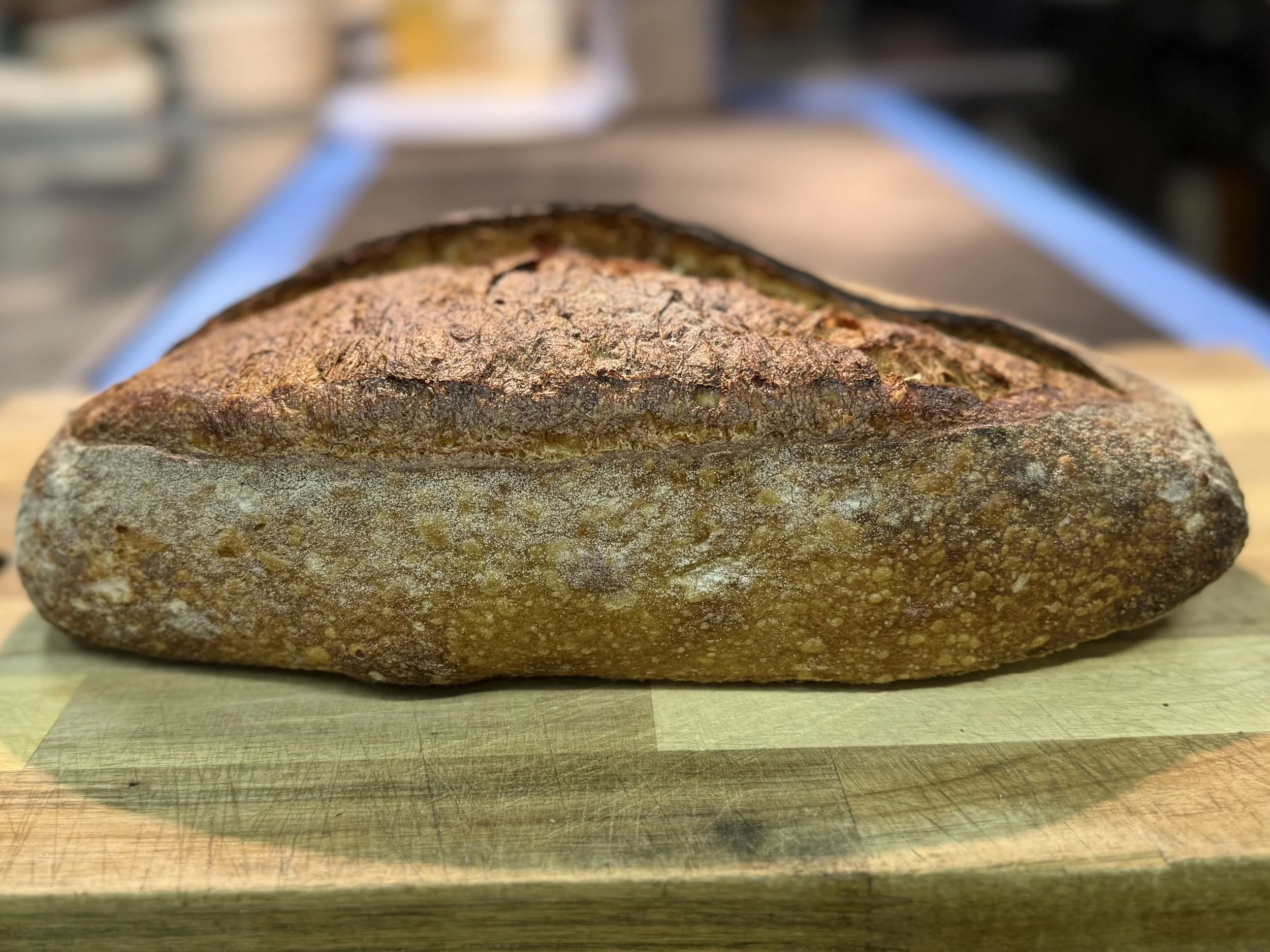
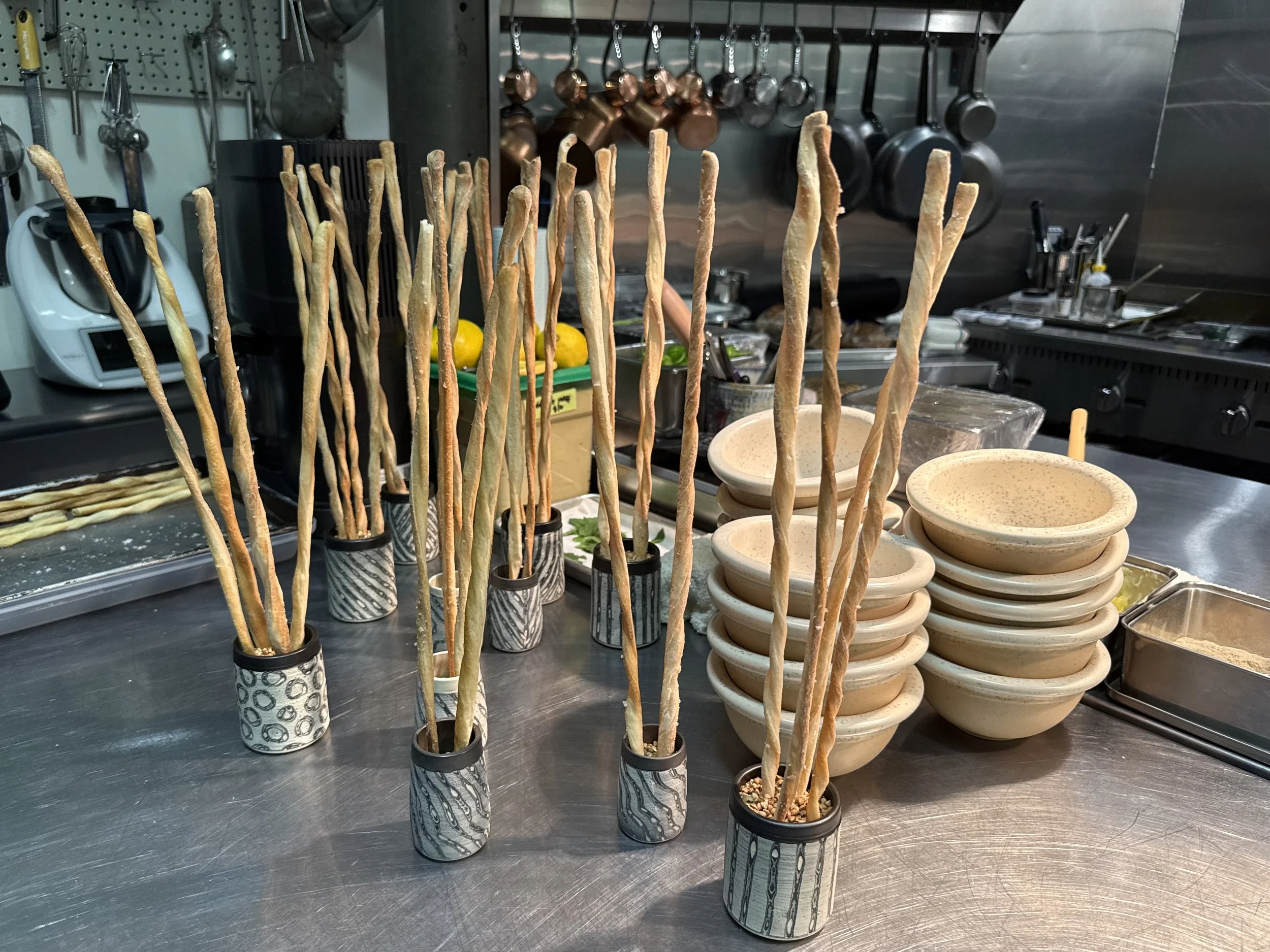
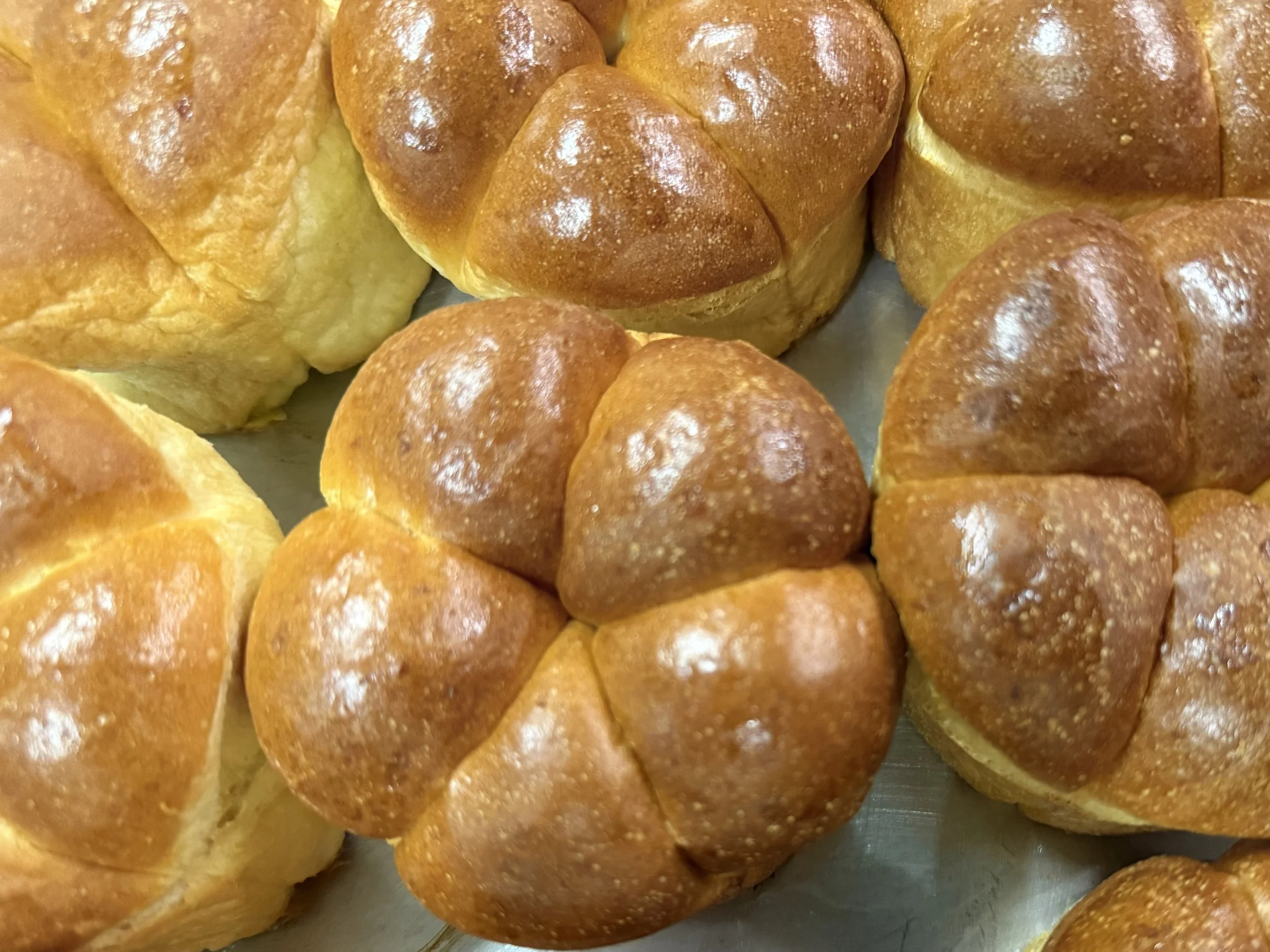
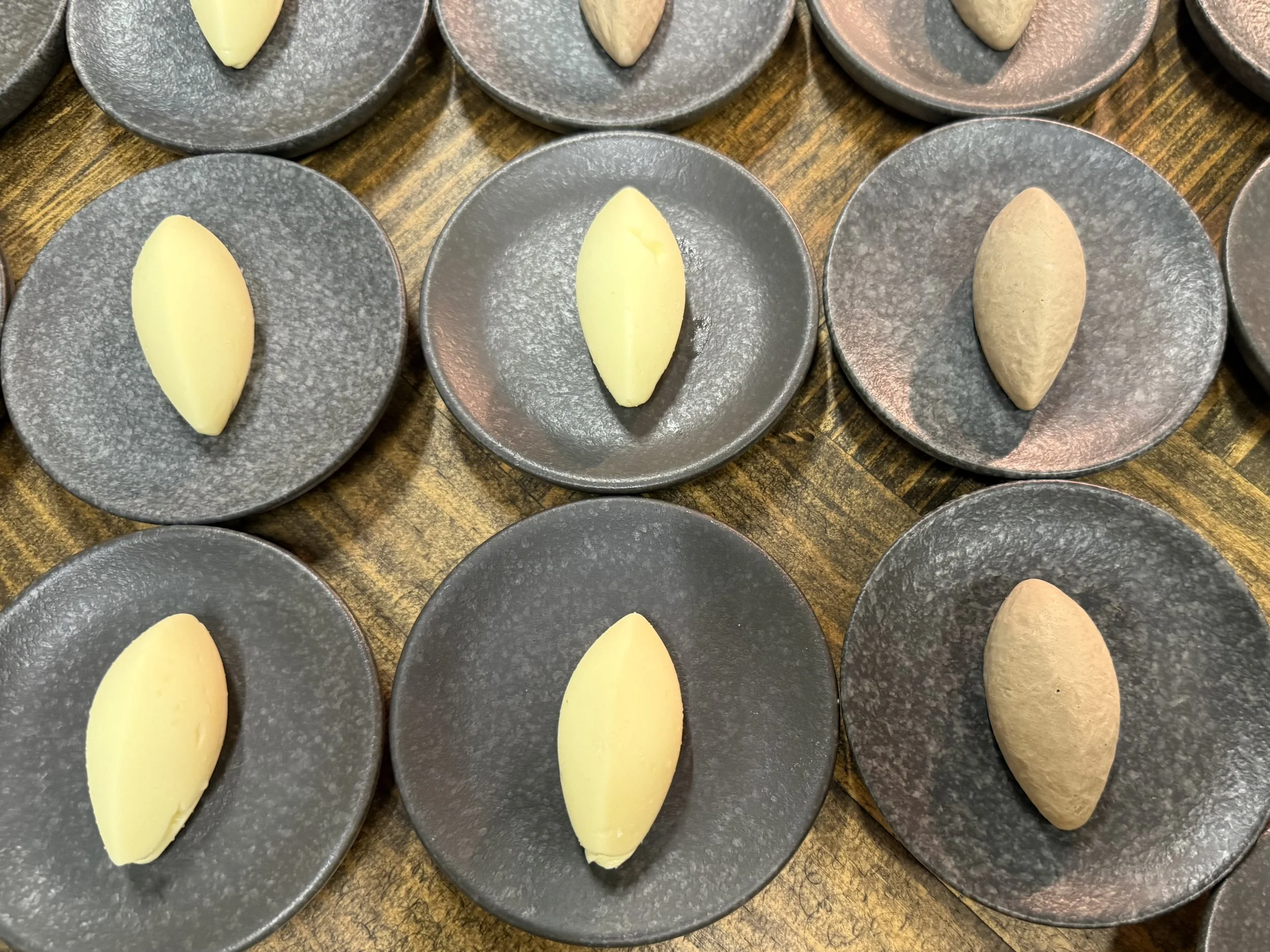
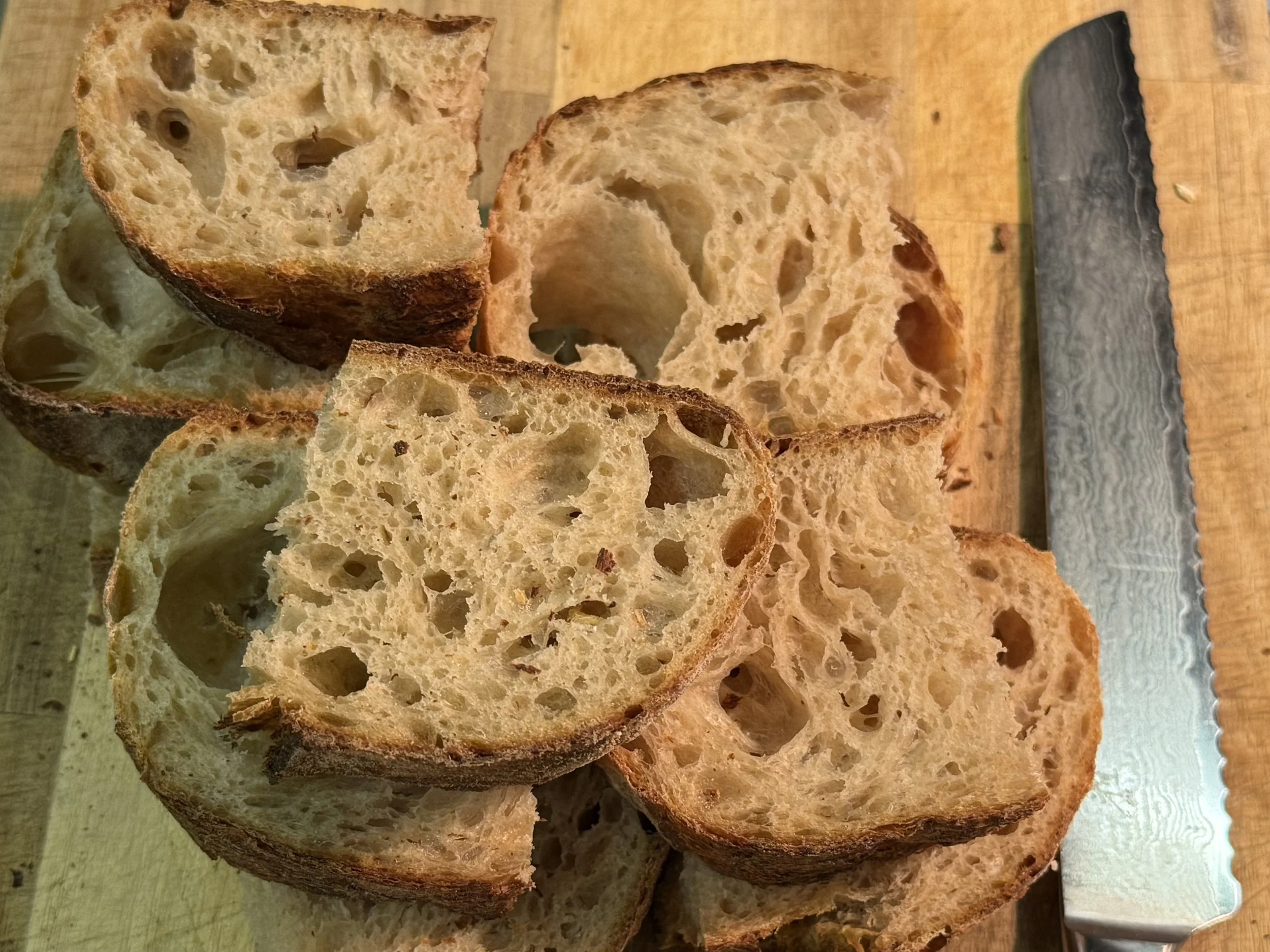
Bread carries him home, too. Martin makes it himself because bread was such an important part of the table in Uruguay. In fact, everything at Monte is made from scratch. And the lessons Martin absorbed from his grandmother seem to extend beyond food. Just as she did the work necessary to feed everyone around her, Martin has little interest in standing back and simply directing others. “I am the first person to prep, to be a dishwasher, to clean the restroom, to mop the floors. I am the first person to do everything.”
He teaches the same way. Martin demonstrates a task, does it again while someone watches, then works beside them until they can do it themselves. “I try to be the example for others. This is why people follow me.” It helps explain the remarkable calm in his kitchen. The precision is there, but so is trust.
As Monte marked its first anniversary, Martin began inviting other chefs into his kitchen for collaborative dinners, limiting these evenings to sixteen guests, and creating a menu together. It is another way of sharing the room he and Karen worked so hard to build, and part of a larger hope Martin has carried for years - “He wants people outside Utah to know there is really good food here in this city,” Karen said.
Martin has traveled and cooked across countries and cultures, yet he returned to Utah deliberately. This is where he met Karen, where they are raising their boys and where, after years of pop-ups, setbacks, and uncertainty, they chose to risk almost everything on a twenty-seat restaurant. “Having a restaurant as a family, and having two kids - sometimes it’s so hard,” Karen acknowledged.
It is difficult not to think about the distance Martin has traveled from the kitchen where it all unknowingly began - a room on a remote farm in Uruguay with no electricity, no running water and nothing but earth beneath his feet. His grandmother cooked in enormous pots, used what the land and animals provided, and made certain there was enough for her family and for others who came through her door.
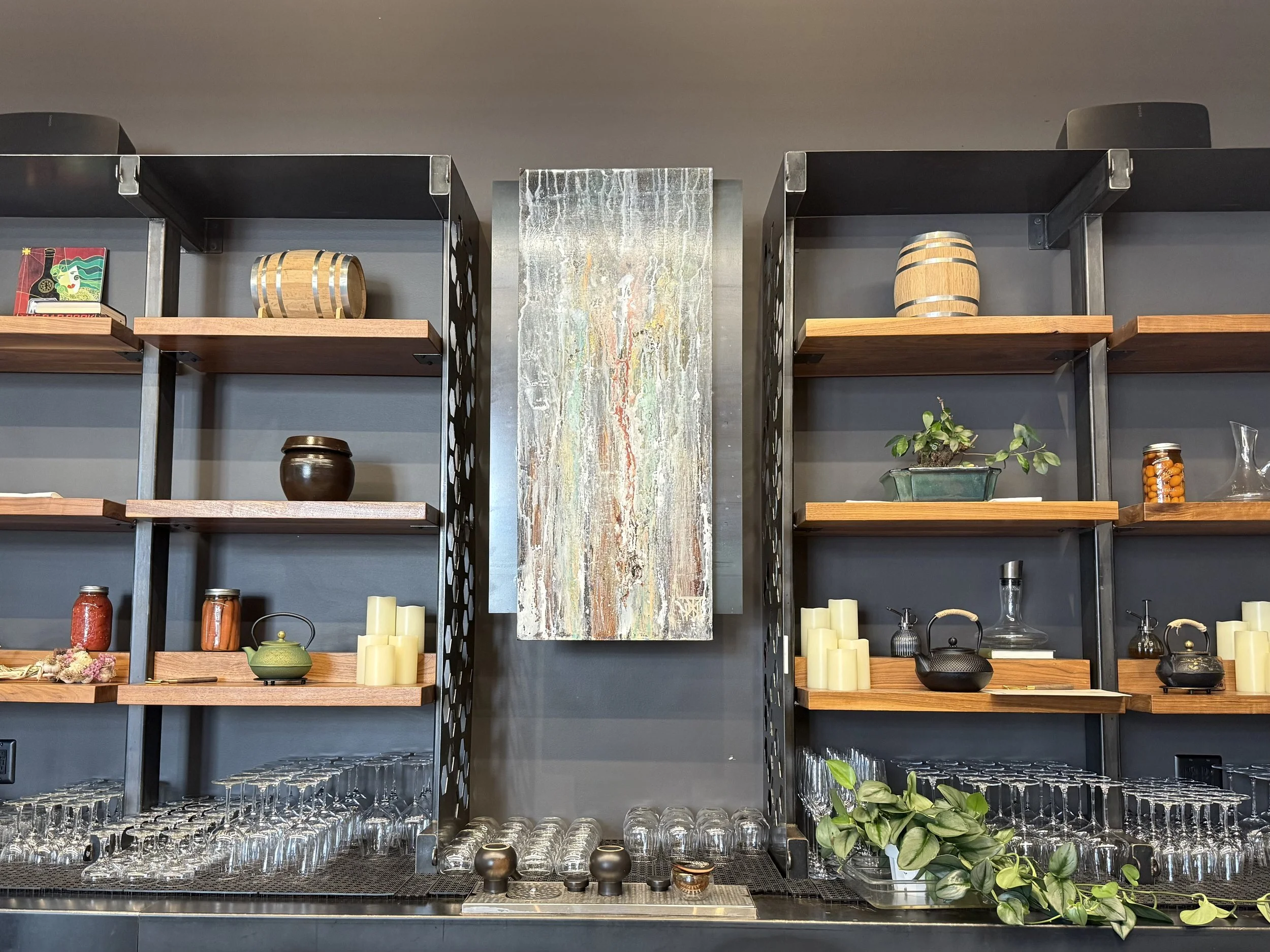
Monte could hardly look more different, with its carefully set tables, intricate courses, and beautifully composed plates. Yet, beneath it all, perhaps Martin has simply found another way to create his grandmother’s kitchen - a place where nothing is wasted, food is made with care, and feeding people means far more than putting something on a plate. “Utah is my place. Utah is my home. I love Utah. This is my dream.”