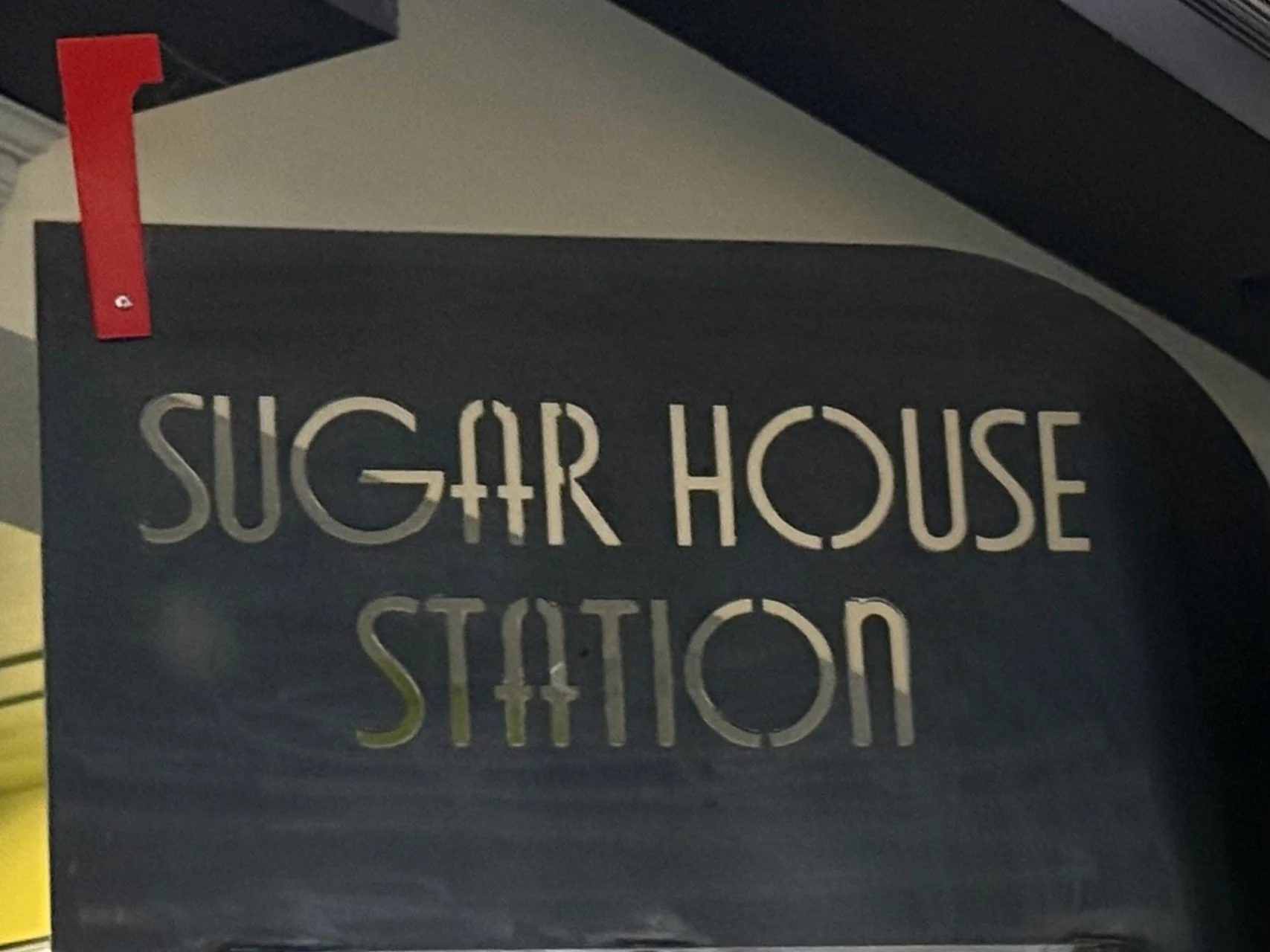
Sugar House Station
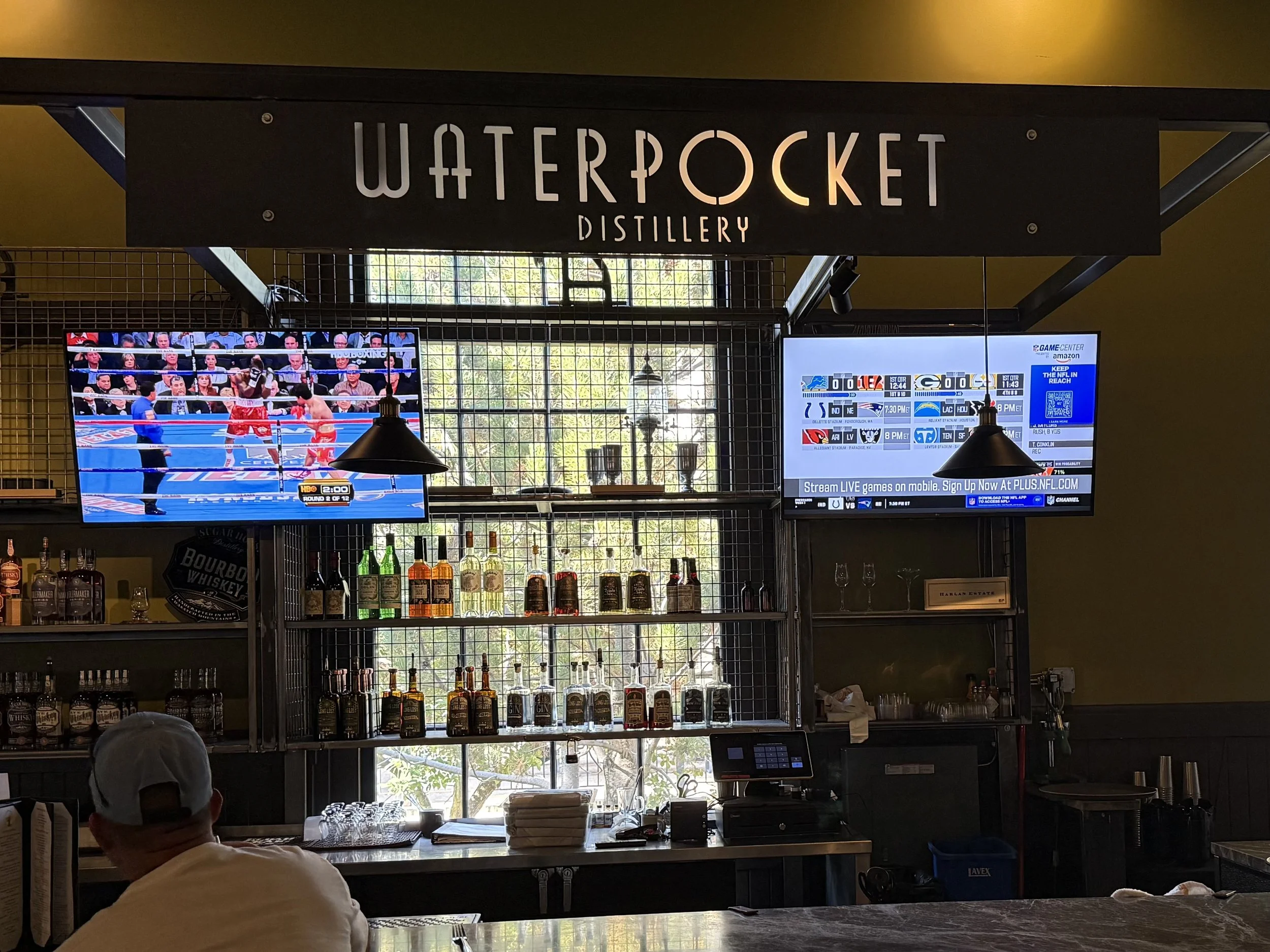
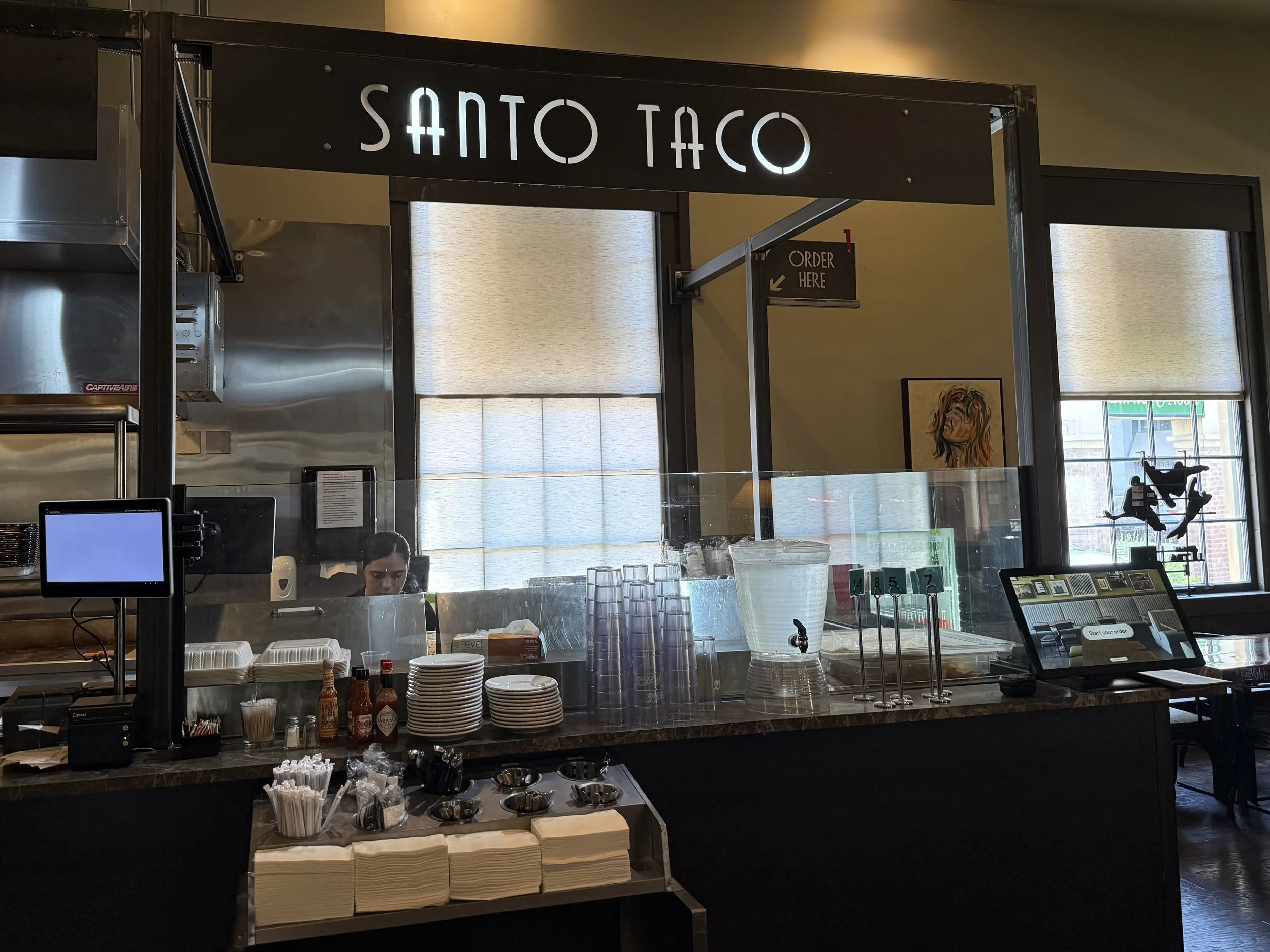
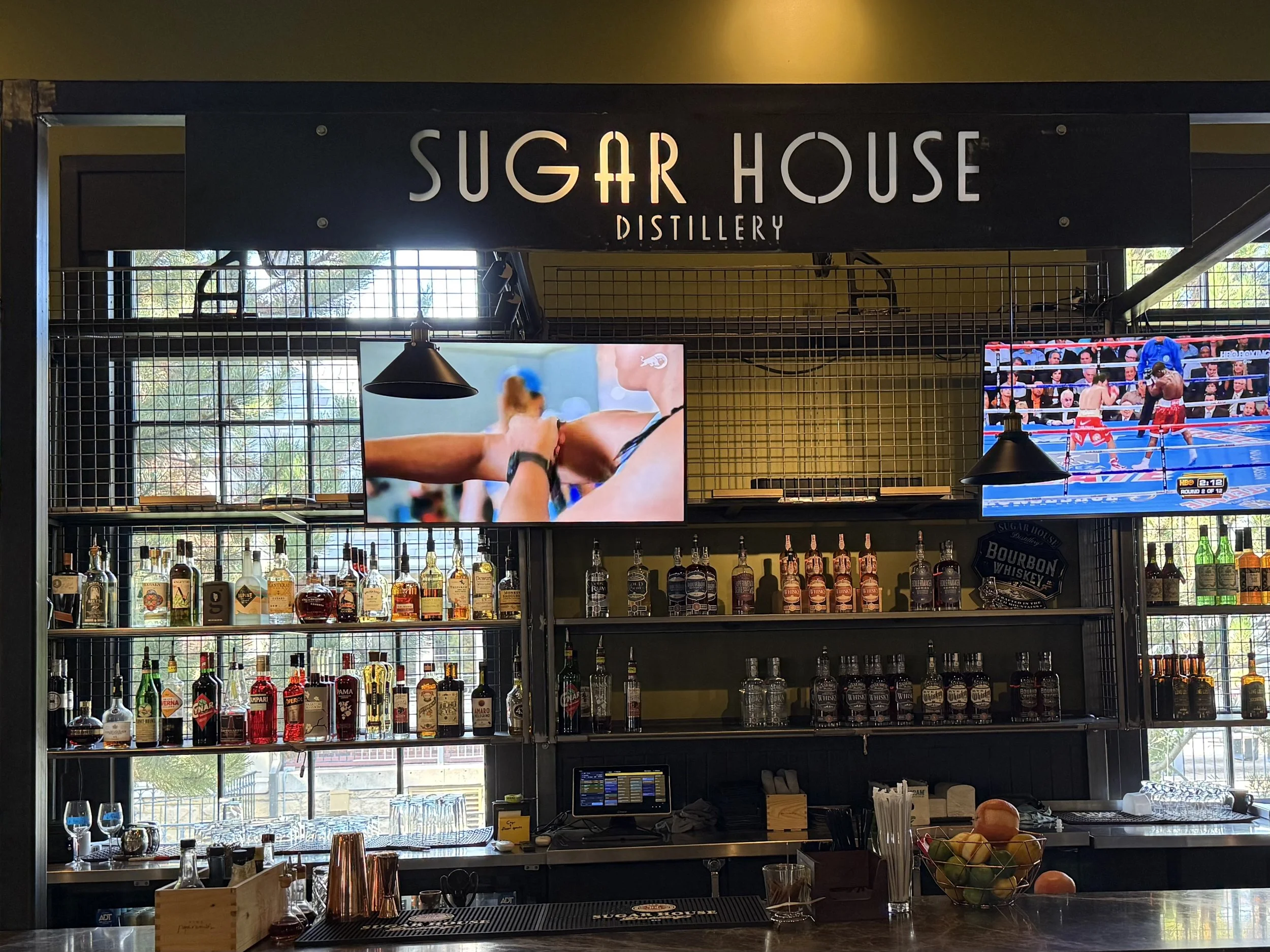
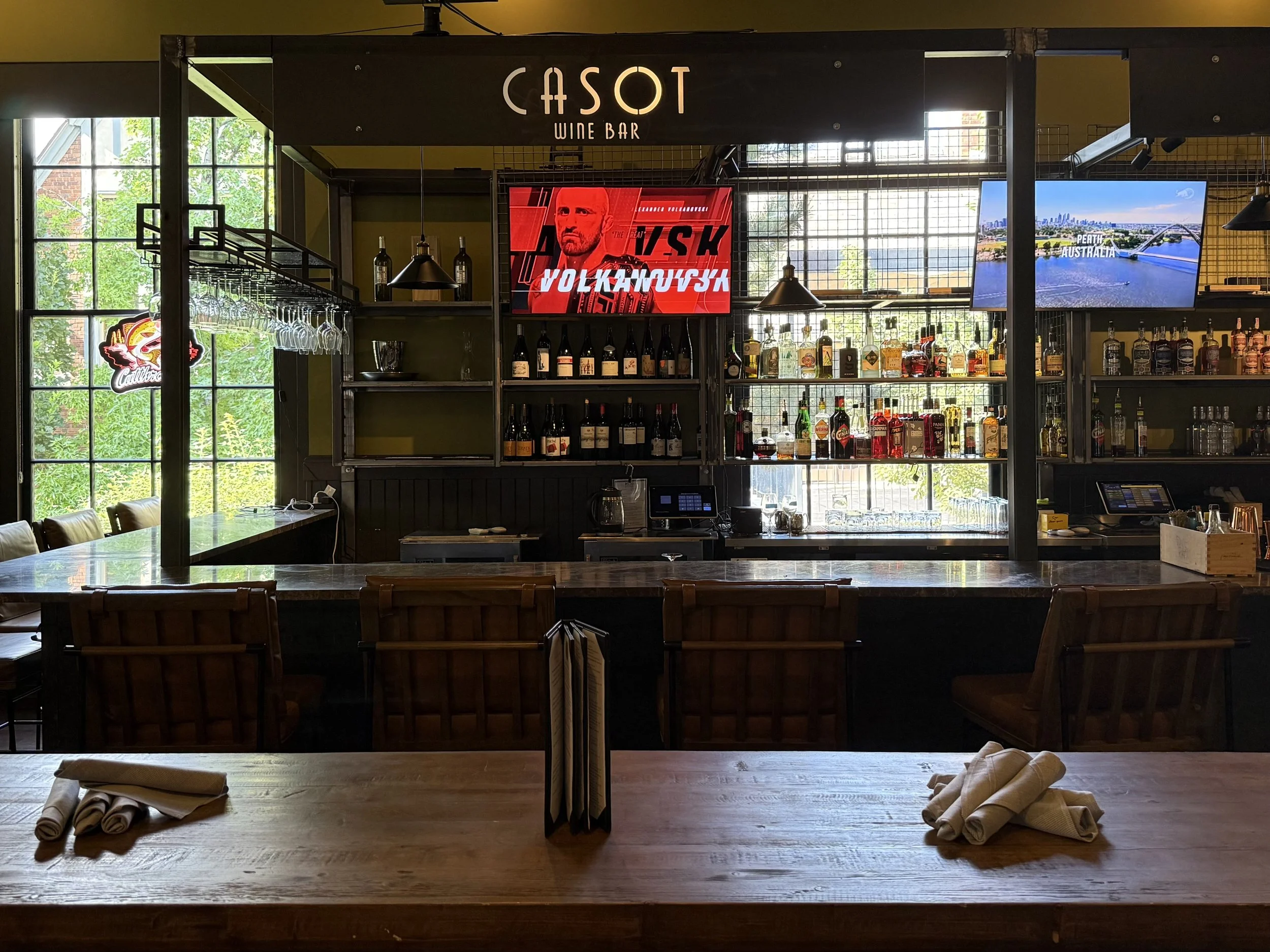


Address: 2155 South Highland Drive
Telephone: 801-441-2199
Website: sugarhousestation.com
District: Sugar House
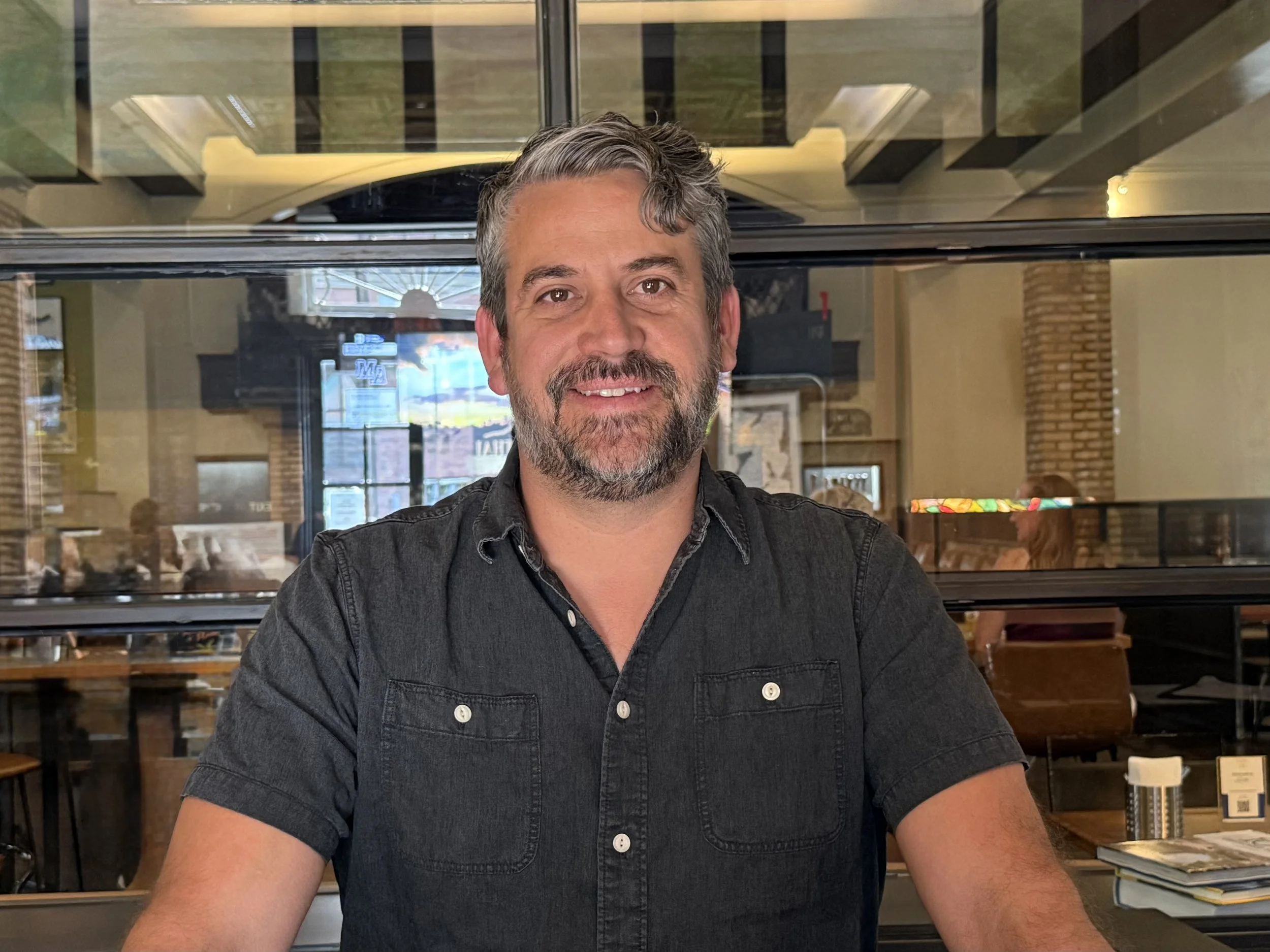
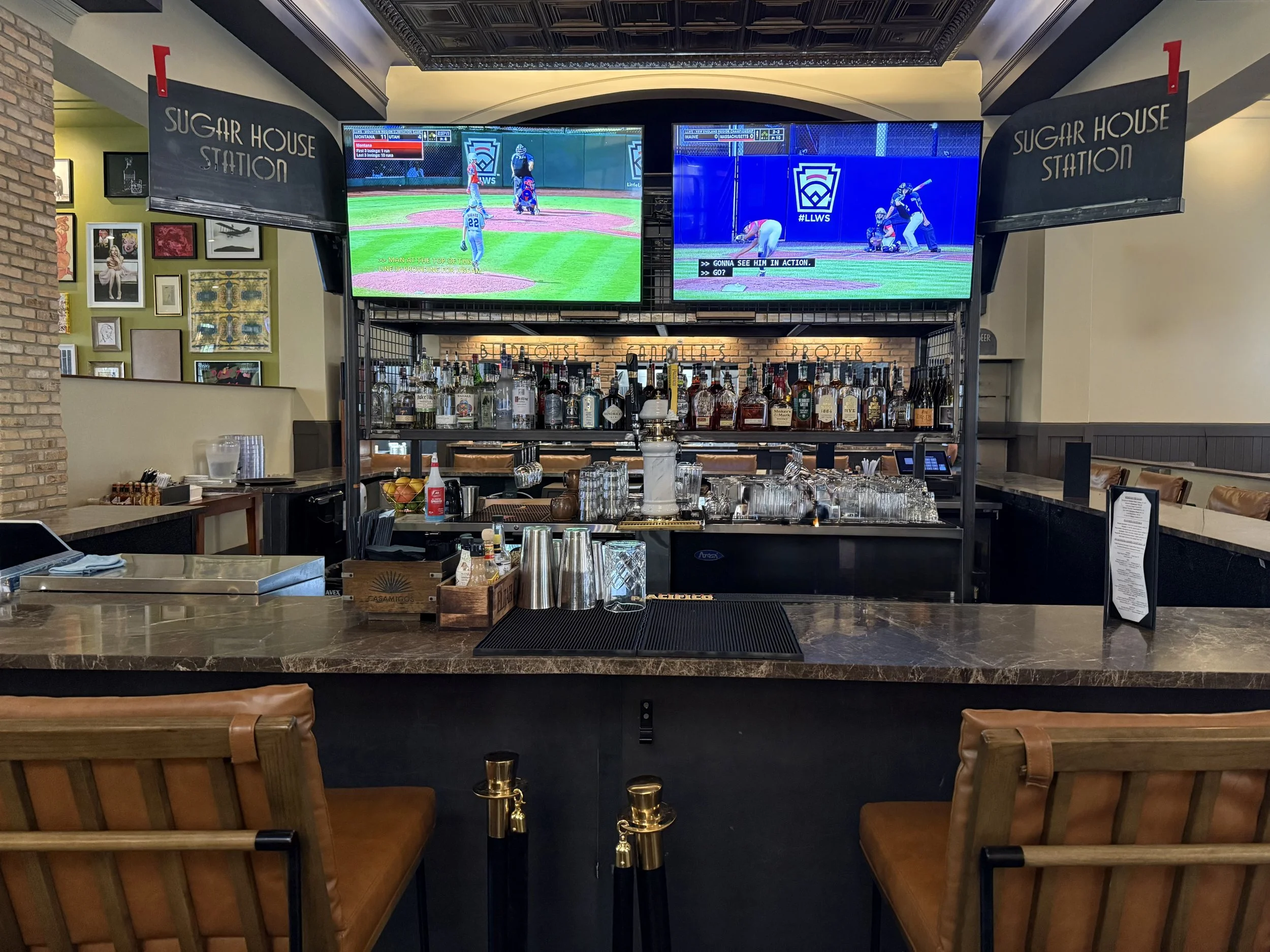
“When I go to markets in other places, it gives me a snapshot of the culture of that town.” For Scott Evans, that idea became the inspiration for Sugar House Station, which opened in March 2025, the newest venture in a restaurant career that has taken him from Pago and Finca to Casot and Emigration Cafe. This time, however, Scott was not setting out simply to create another restaurant. Along with his partners, he wanted to build a place that could showcase a collection of Utah’s independent food and drink businesses under one roof.
The idea had been taking shape through years of travel. Scott had visited historic public markets and modern food halls throughout Europe, particularly in Madrid and Portugal, as well as similar concepts elsewhere in the United States. He admired the way the best of them offered visitors an immediate sense of place - a collection of foods, drinks, traditions, and independent businesses that together said something about the city around them.
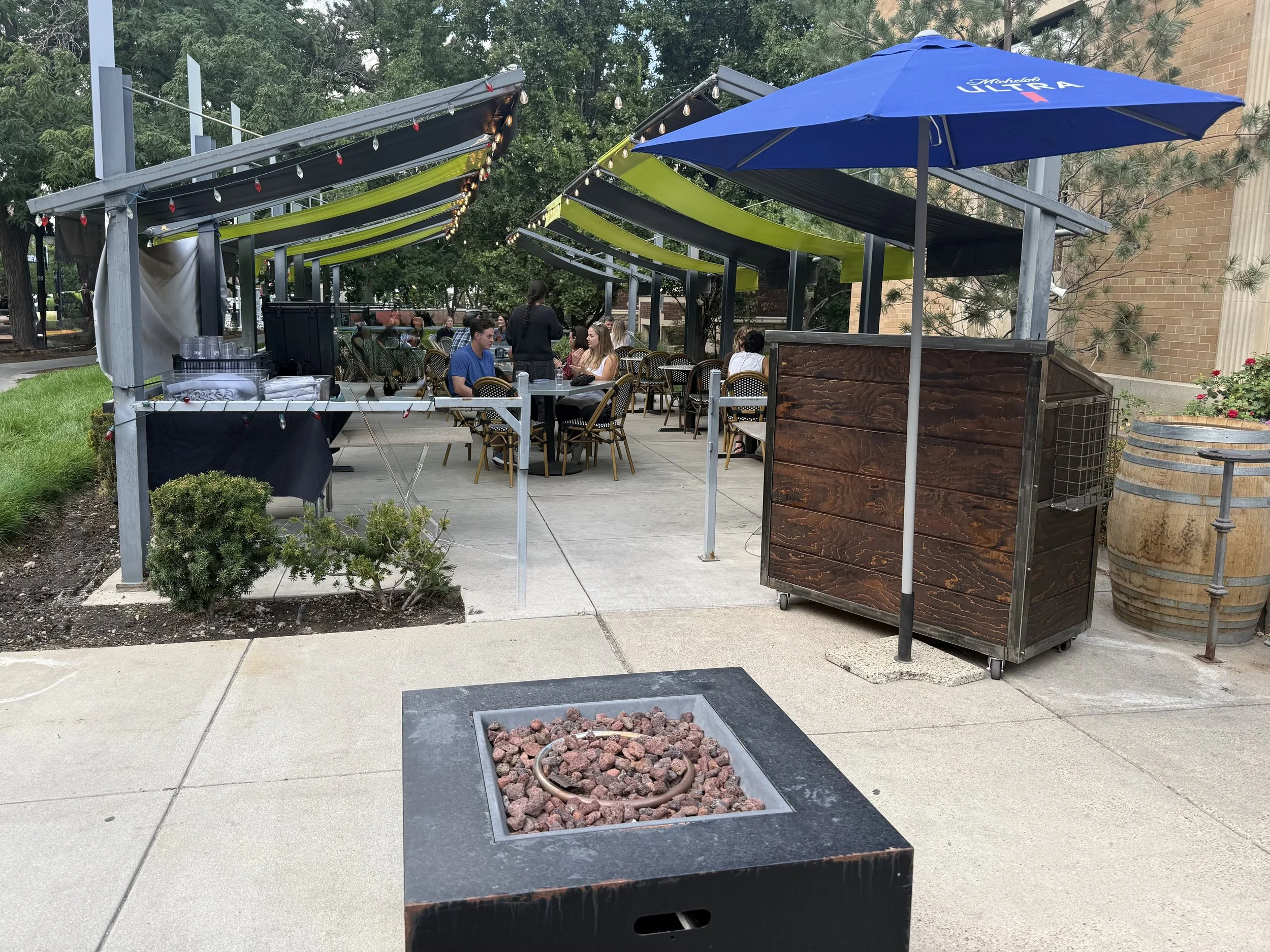
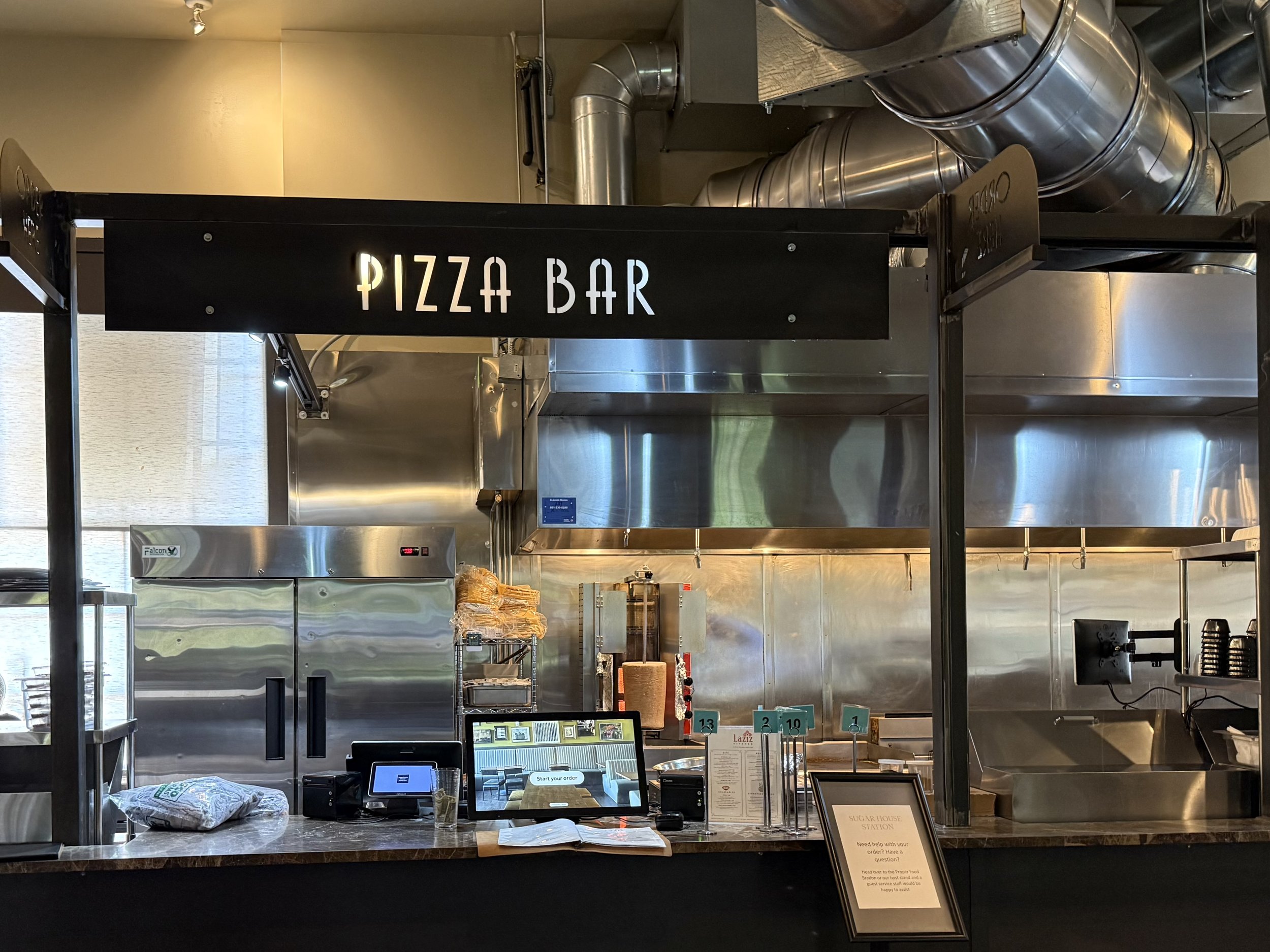
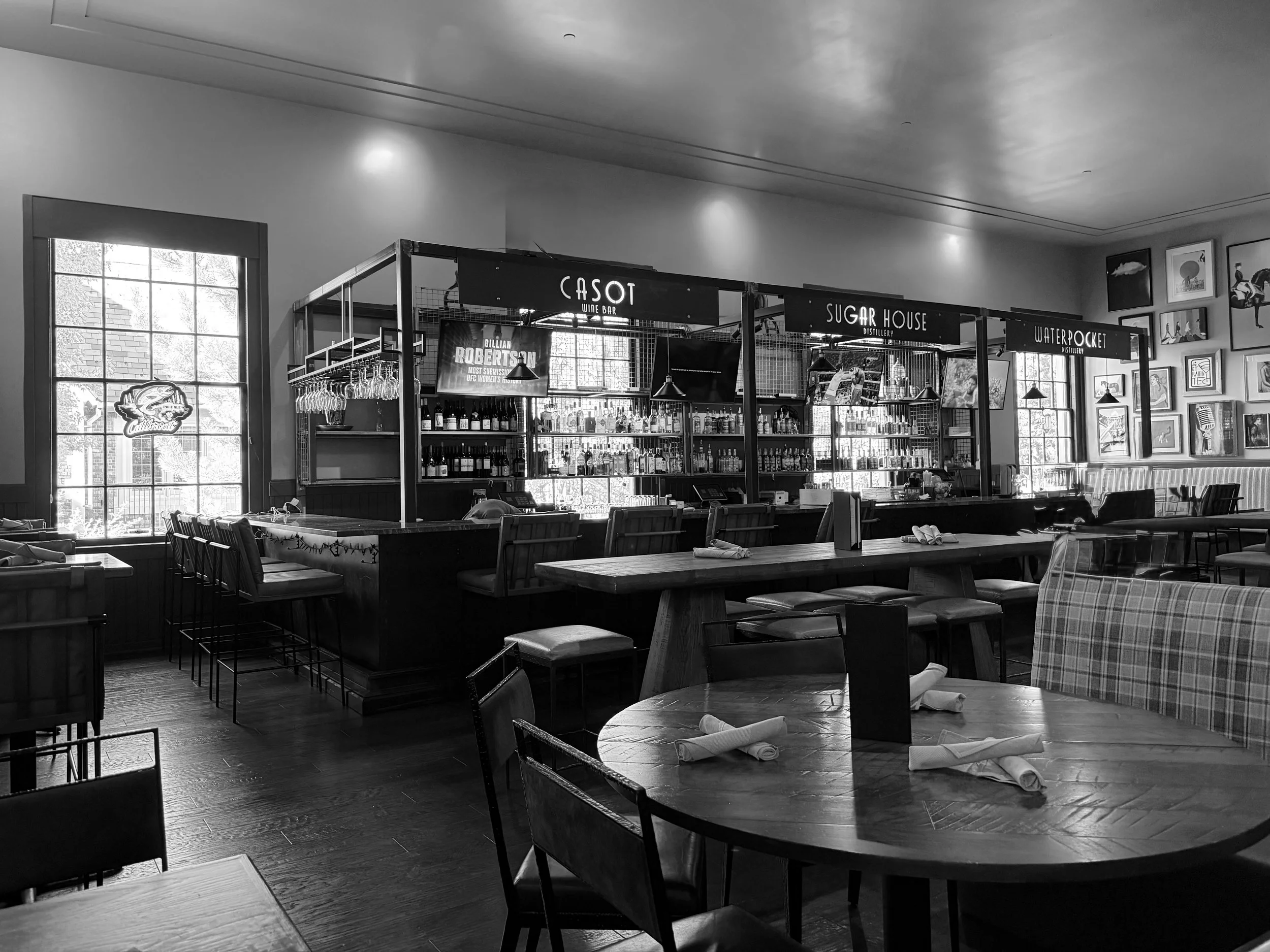
Rather than duplicate one of those markets, Scott began thinking about what the Utah version should be. His vision was more bar-forward than a traditional food hall, with food and drink sharing equal importance. Utah’s liquor laws made the concept considerably more complicated, but Scott found a way to structure the space so that several independent operators could exist alongside one another while still creating a cohesive experience.
The businesses themselves were never meant to be random tenants. Scott personally approached many of the operators he hoped would participate, looking for people and concepts he believed represented something distinctive about Utah’s independent food and beverage scene.
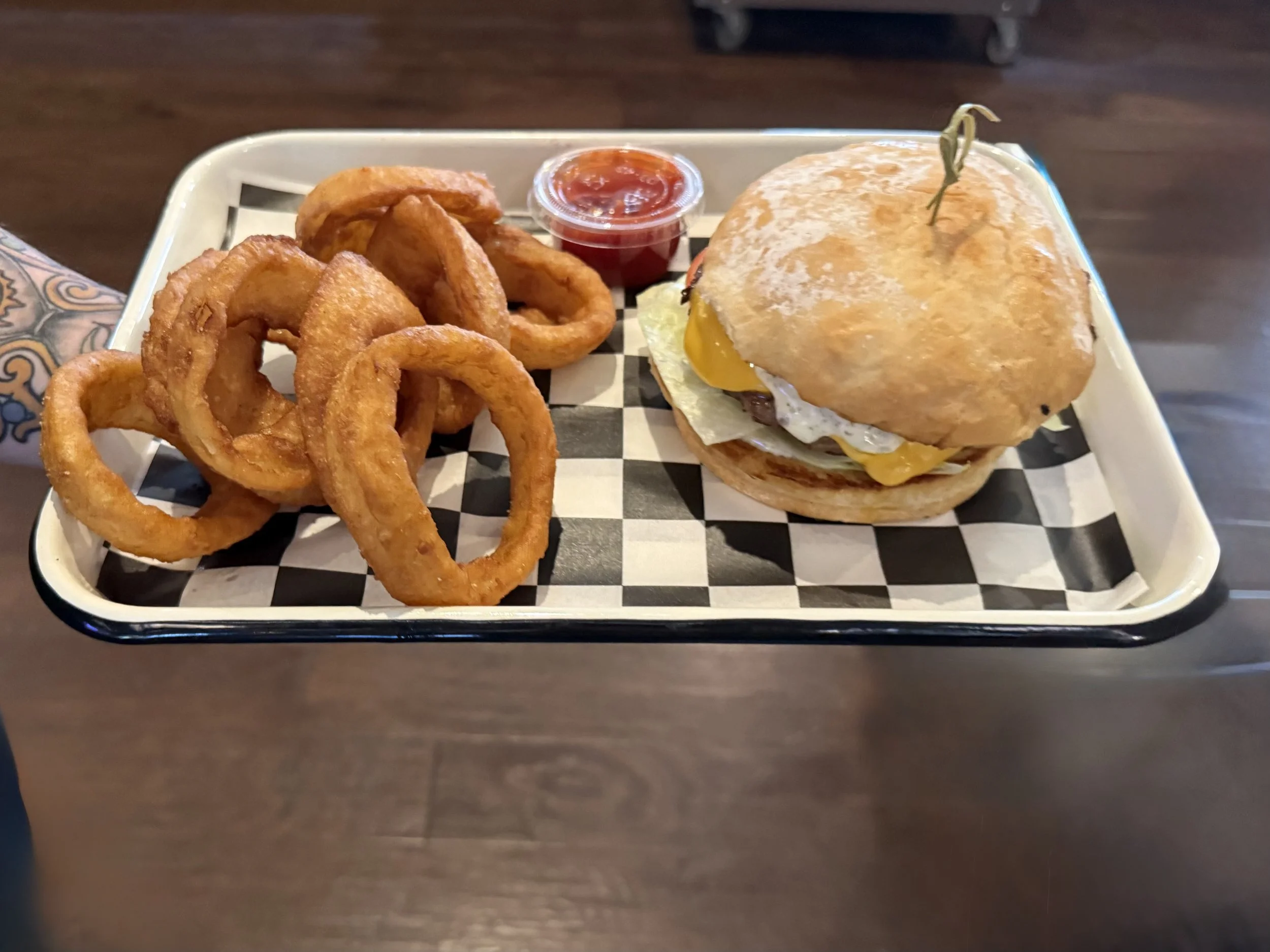
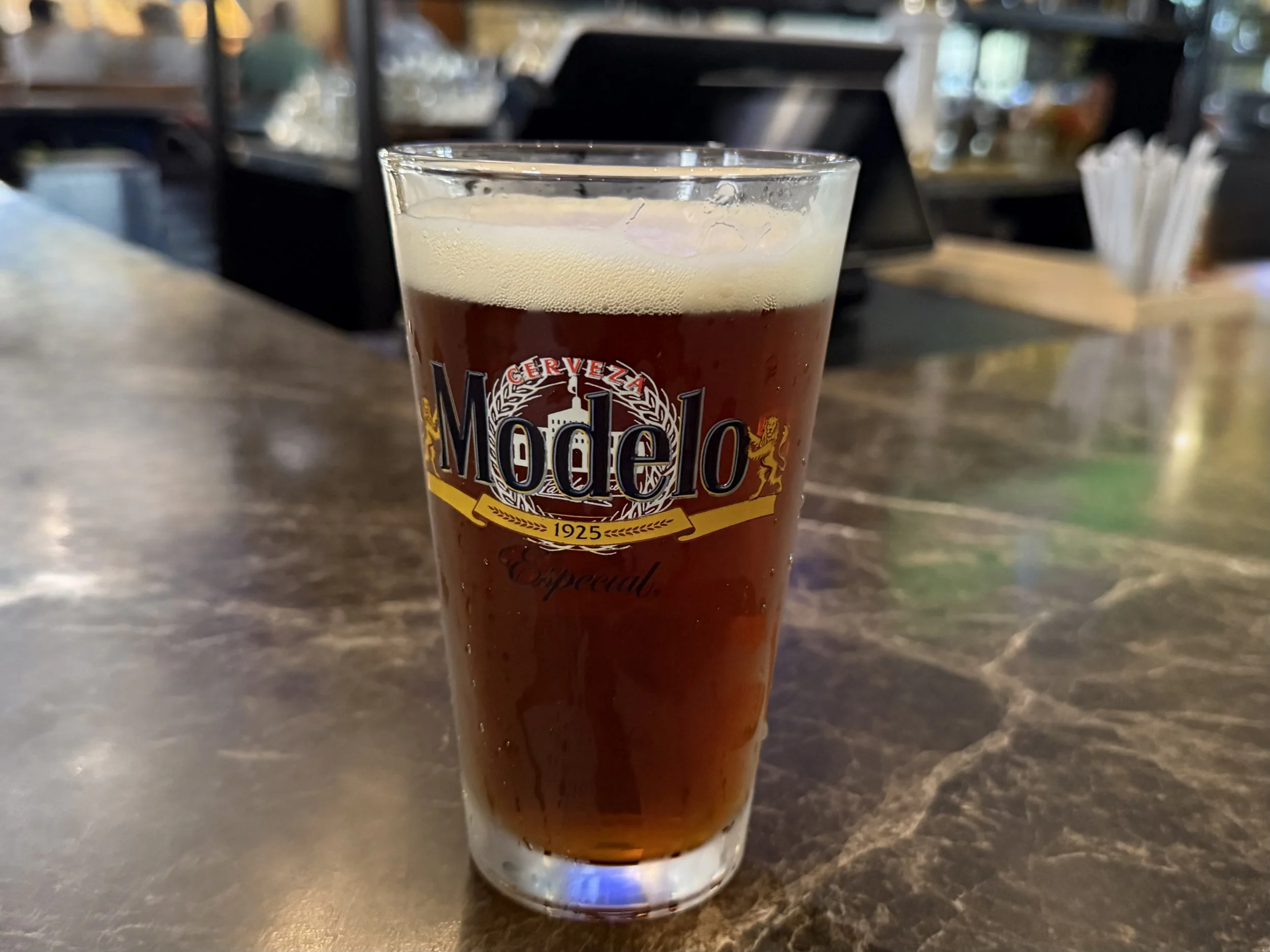
The result is an eclectic collection. Greek food speaks to Utah’s long-established Greek community. Italian-American recipes bring back a piece of local history. Tacos represent another important part of the region’s food culture, while Utah breweries, distilleries, and other local makers showcase how dramatically the state’s beverage scene has grown. For Scott, the goal was simple - someone walking through the doors should be able to experience a small snapshot of Utah.
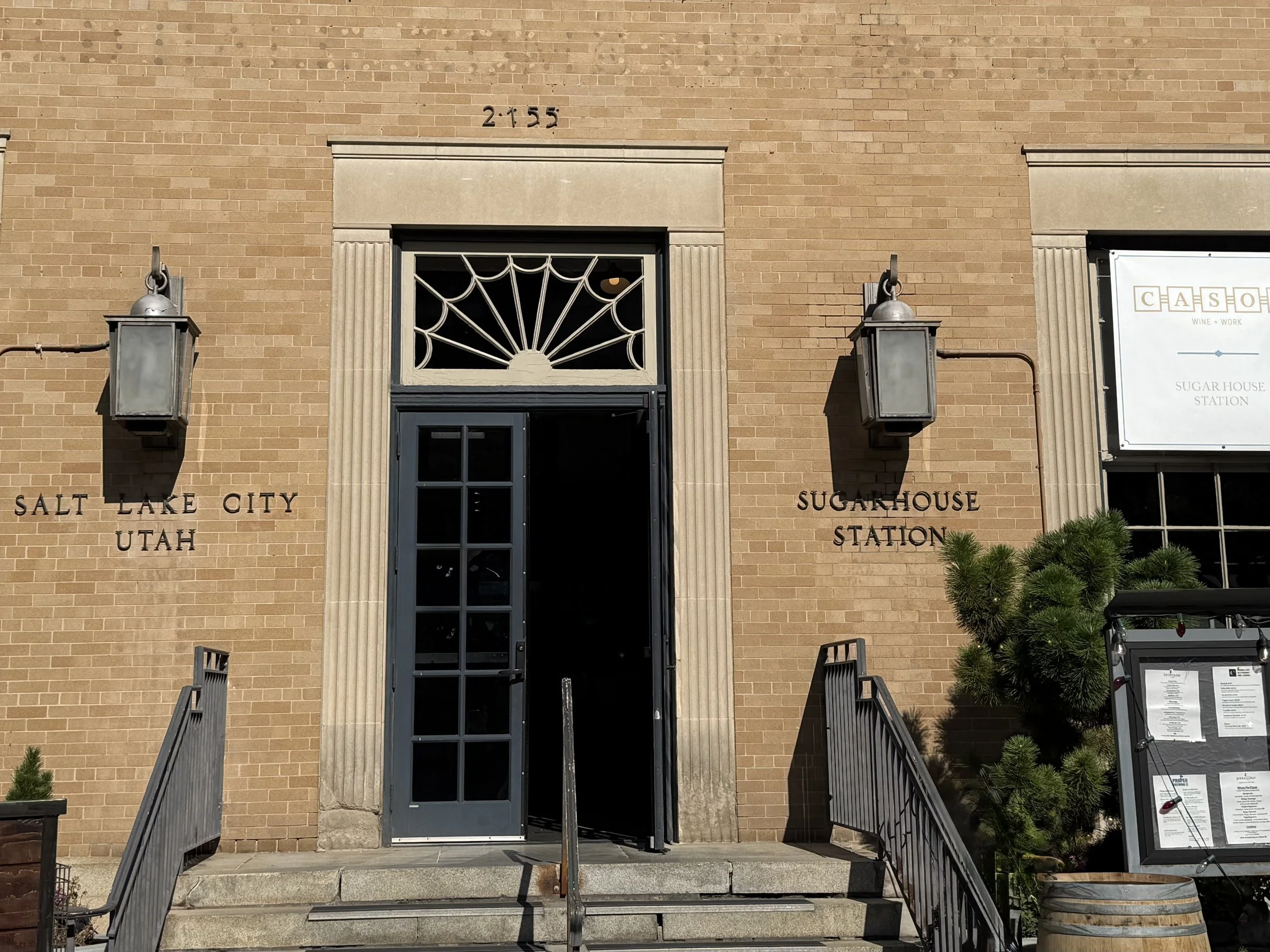
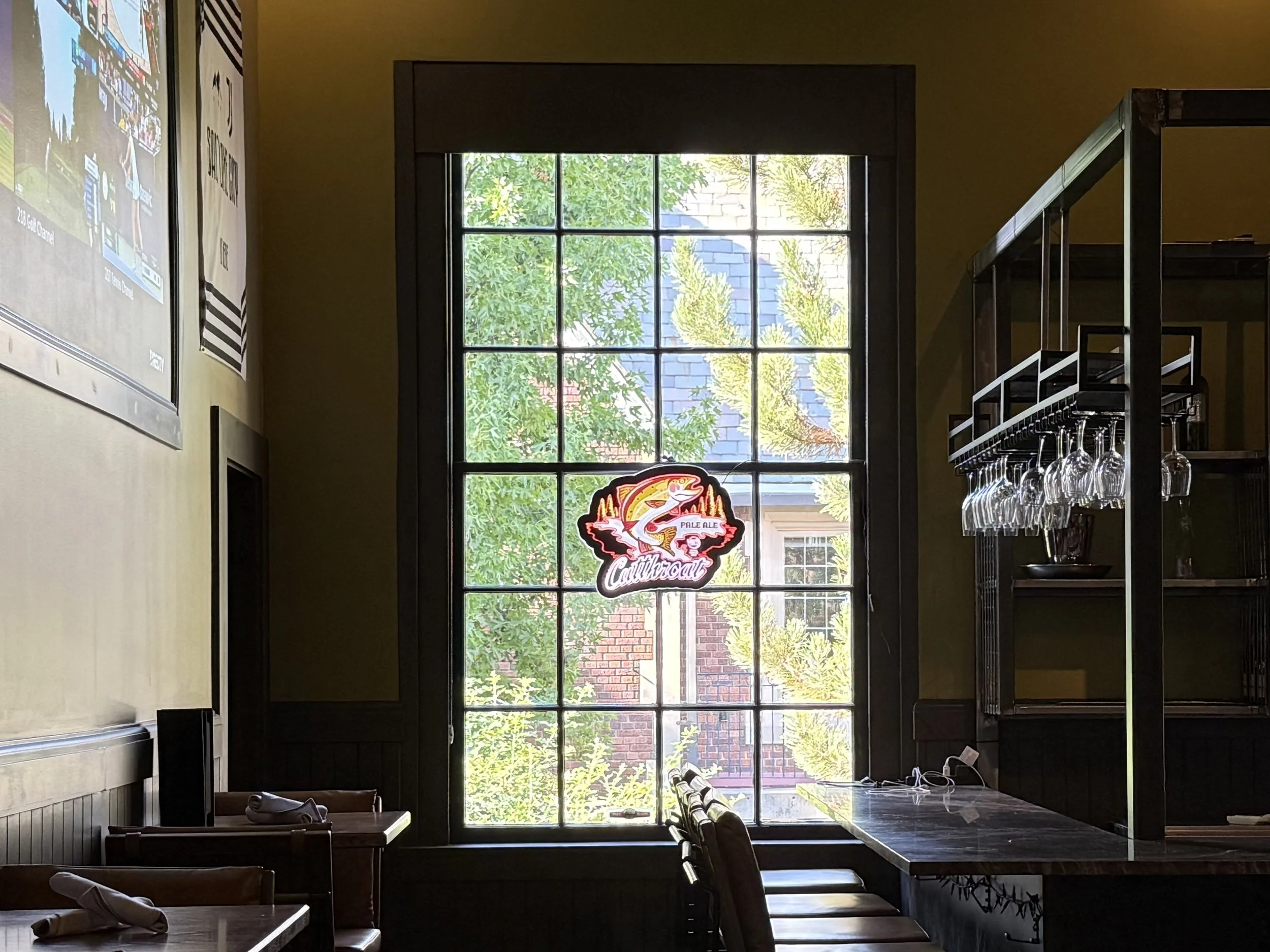
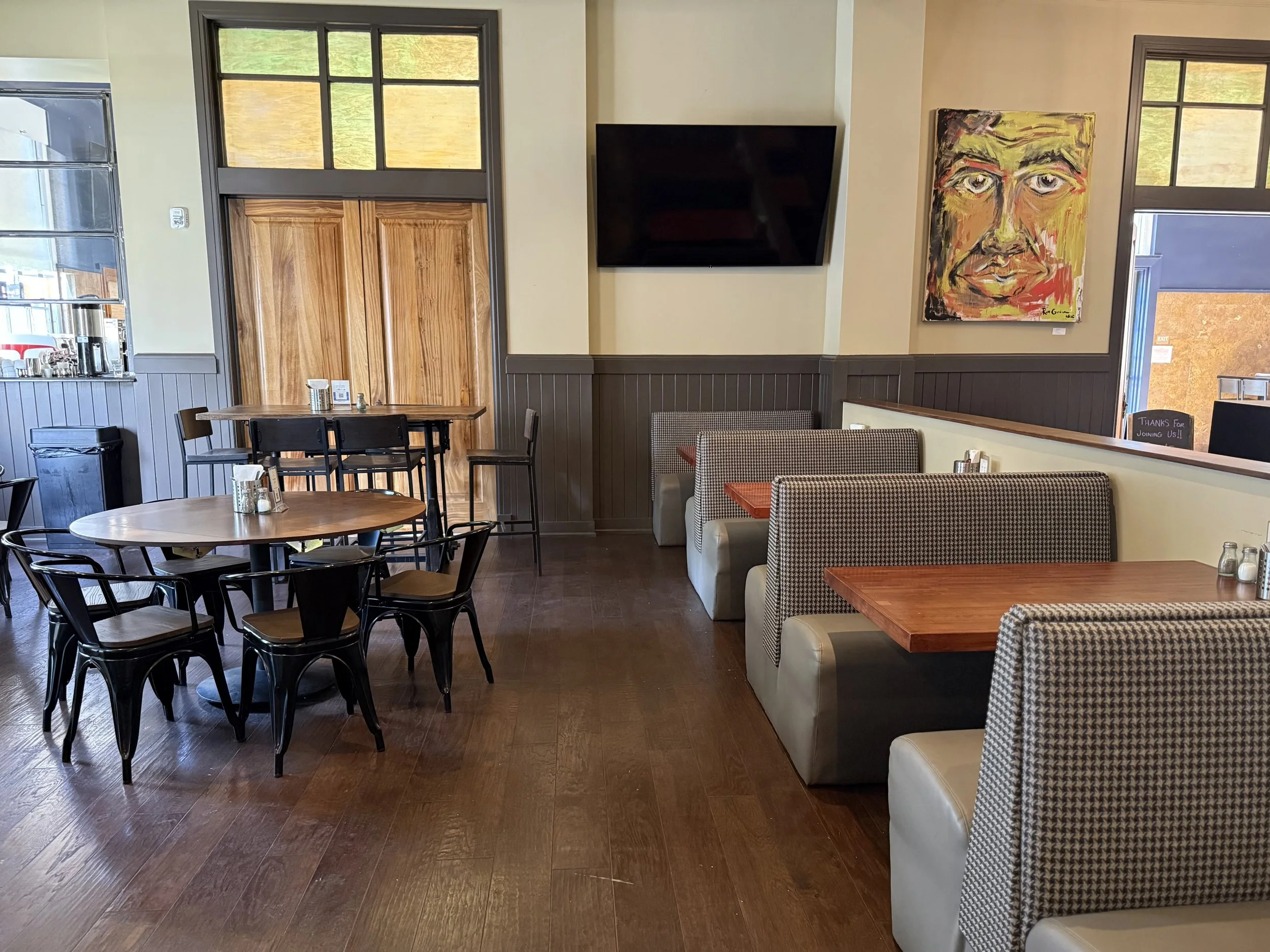
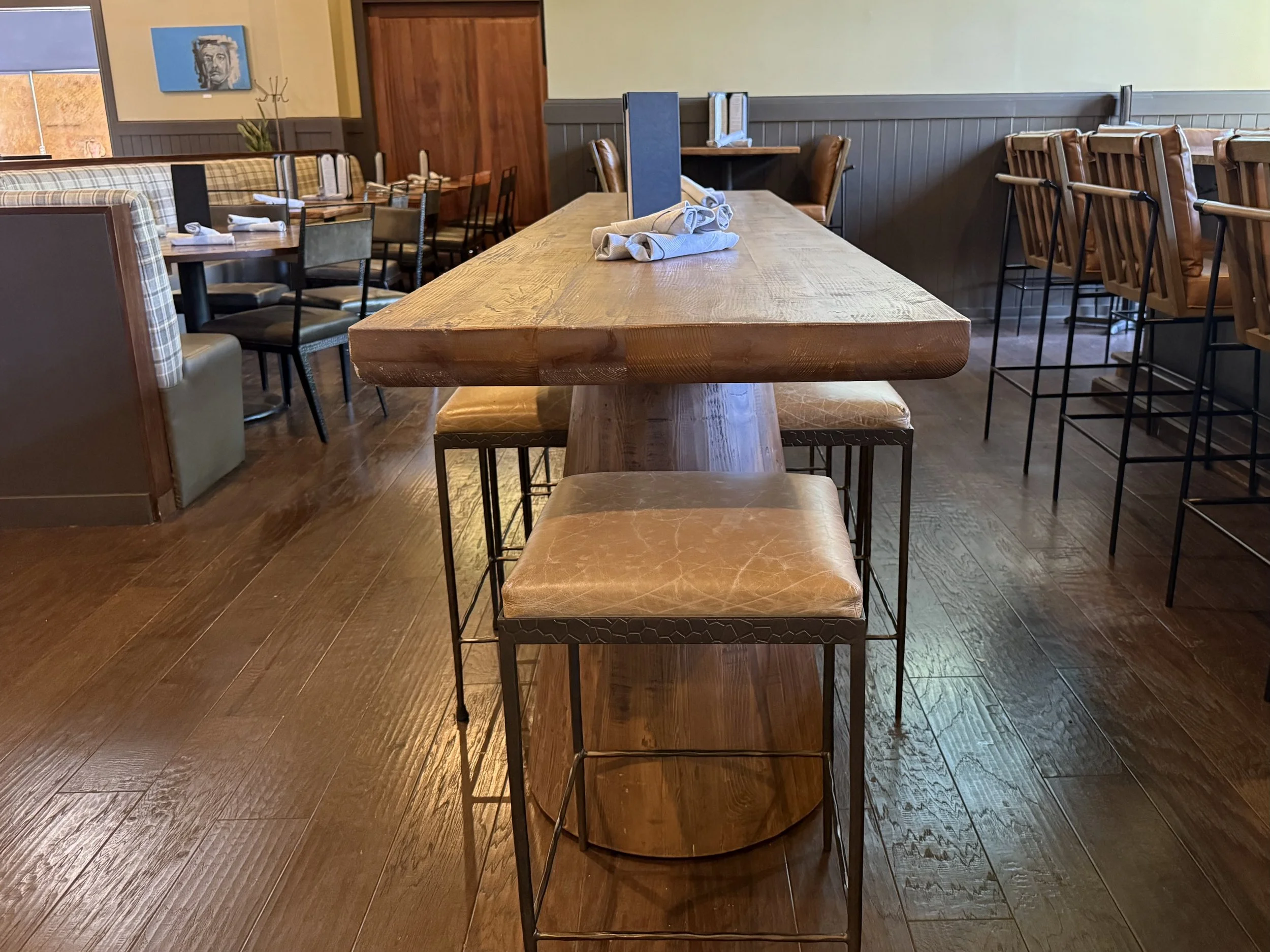
The building was equally important. Sugar House Station occupies the former Sugar House post office, a historic structure that offered exactly the character Scott had admired in markets around the world. During construction, layers added over the decades were peeled away wherever possible, revealing more of the building’s original personality and giving it new life without erasing what had come before.
The business model was designed with the same care. Scott is candid about how difficult it has become to operate an independent restaurant. Sugar House Station offers a different approach. Each concept occupies a relatively small footprint while sharing costly infrastructure and facilities. Dishwashing areas, common spaces, and other operational expenses are spread among the businesses, reducing both the investment and risk an individual operator would face opening an entire restaurant alone.
It also gives established local businesses another way to grow and, in some cases, provides a second chance for ideas that never had enough time to take hold. One of those is Birdhouse. Scott originally opened Birdhouse next to East Liberty Tap House in 2019. After roughly a year and a half spent navigating planning, construction, and permitting, the restaurant finally opened - only to encounter the pandemic a few months later. Scott closed it and ultimately chose not to reopen. The idea, however, never completely went away. “I still believed the concept had some legs, but our timing couldn’t have been worse.” Sugar House Station offered an opportunity to bring back Birdhouse, which features chicken in various forms of preparation, without recreating the cost and risk of a full standalone restaurant. This time, Scott has been able to watch the concept finally have the chance it missed the first time around.
Other businesses within the Station have their own histories. Longtime Salt Lake names sit alongside newer entrepreneurs, allowing legacy recipes and emerging ideas to coexist in the same building. For Scott, that mix is part of what makes the project interesting. Sugar House Station is not meant to represent one person’s definition of Utah food culture, but rather a collection of independent voices.
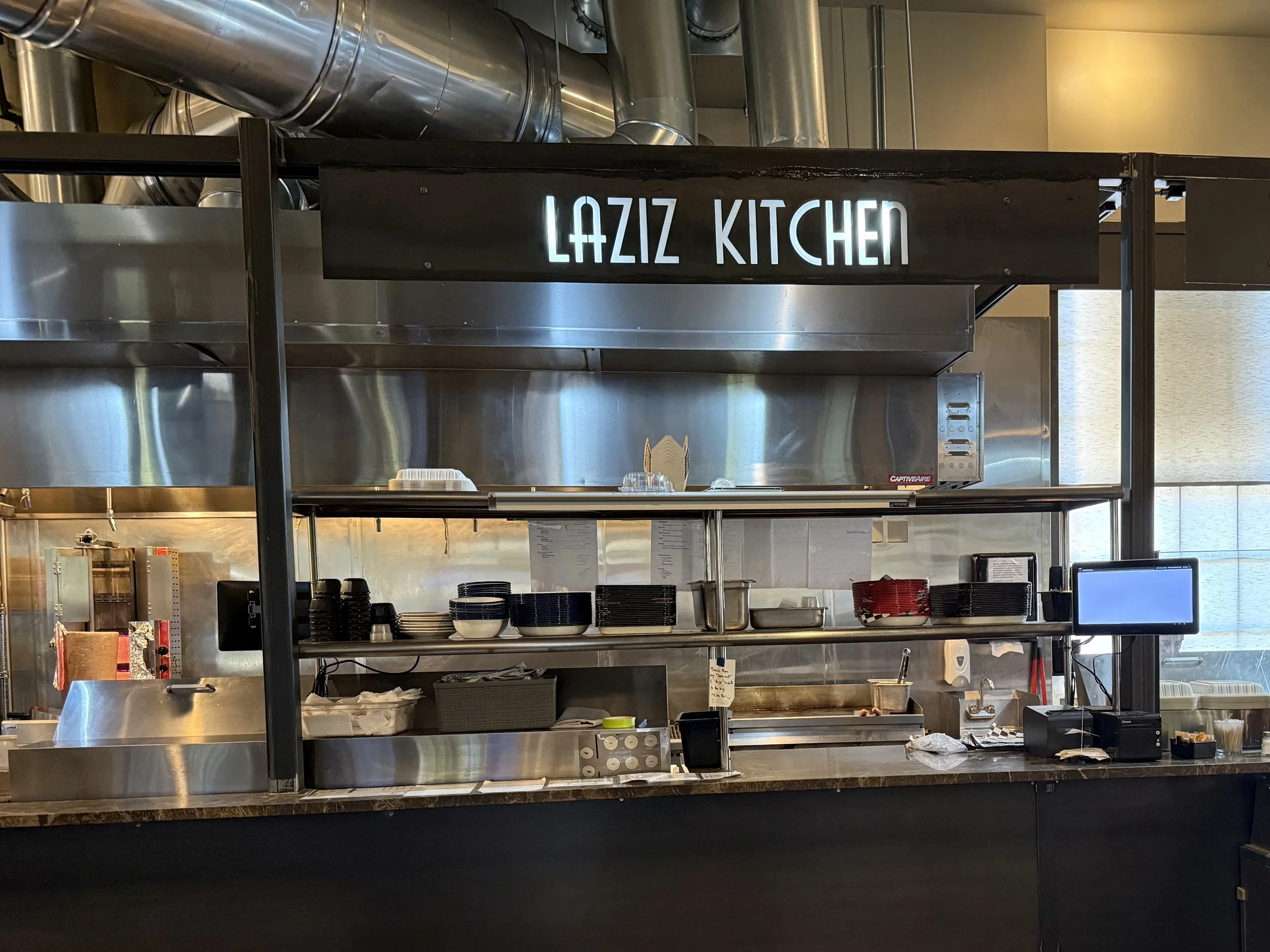
And like any new venture, it has continued to evolve. The first year gave Scott and his partners an opportunity to see which concepts resonated, what the building needed, and where changes could strengthen the whole. New operators have joined, including The Bagel Project and Laziz, while other spaces have shifted as the Station continues to find its rhythm. That willingness to change is built into the idea. Food halls are living places. Businesses come and go, tastes change, neighborhoods evolve, and the mix can respond without requiring the entire project to be reinvented.
After years spent opening and operating his own restaurants, Sugar House Station represents something slightly different for Scott. Rather than placing one of his concepts at the center, he has helped create a platform where numerous independent businesses can benefit from one another - sharing expenses, customers, energy, and a historic home. It is a model rooted in much of what has guided Scott throughout his career - supporting small producers, strengthening neighborhoods, giving independent businesses opportunities to grow, and creating places where people want to gather. “I wanted a place where you could come in and support all of these great brands and concepts in a historic building.”