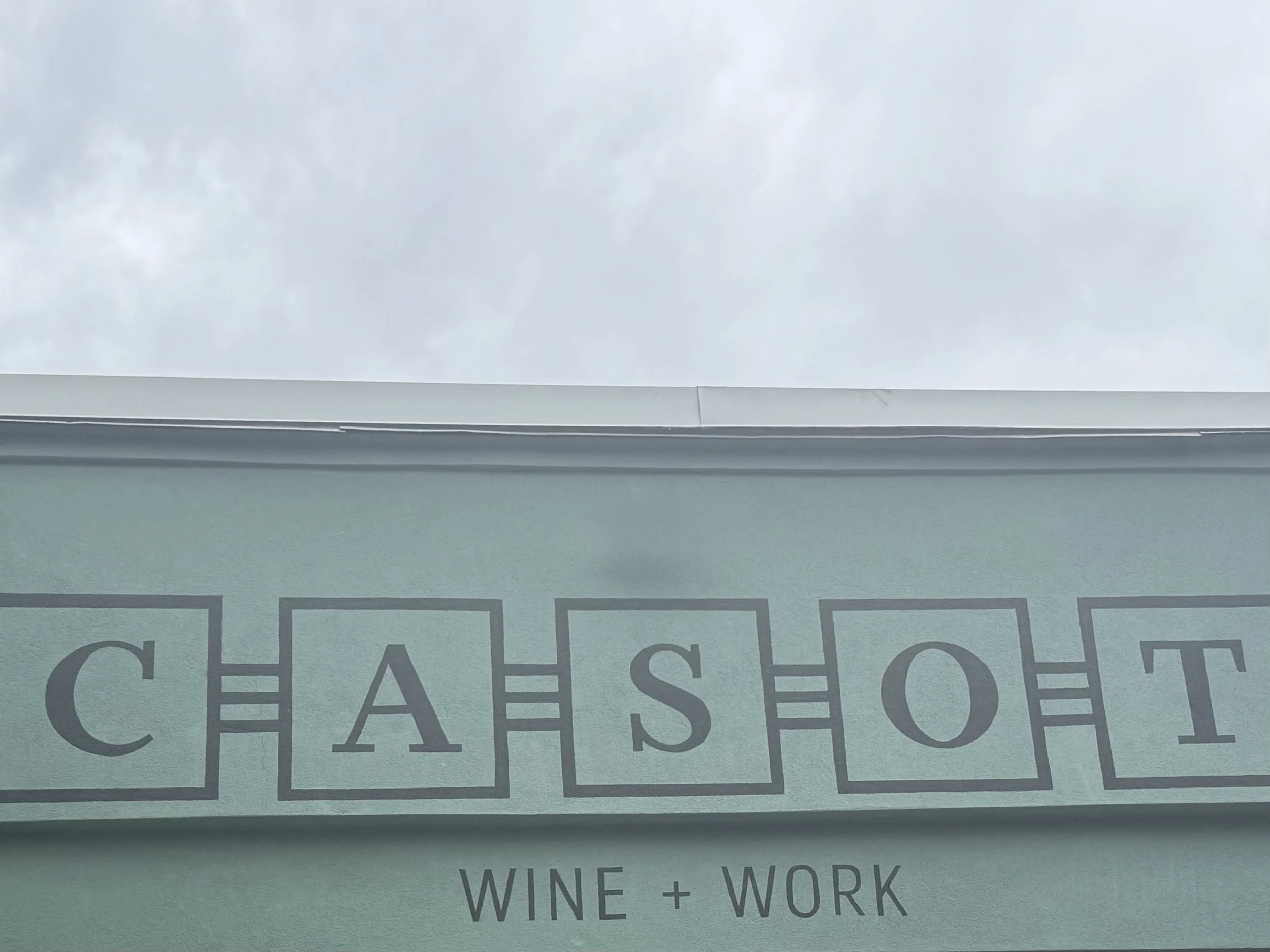
Casot
Address: 1508 South 1500 East
Telephone: 801-441-2873
Website: casotwinework.com
District: 15th and 15th
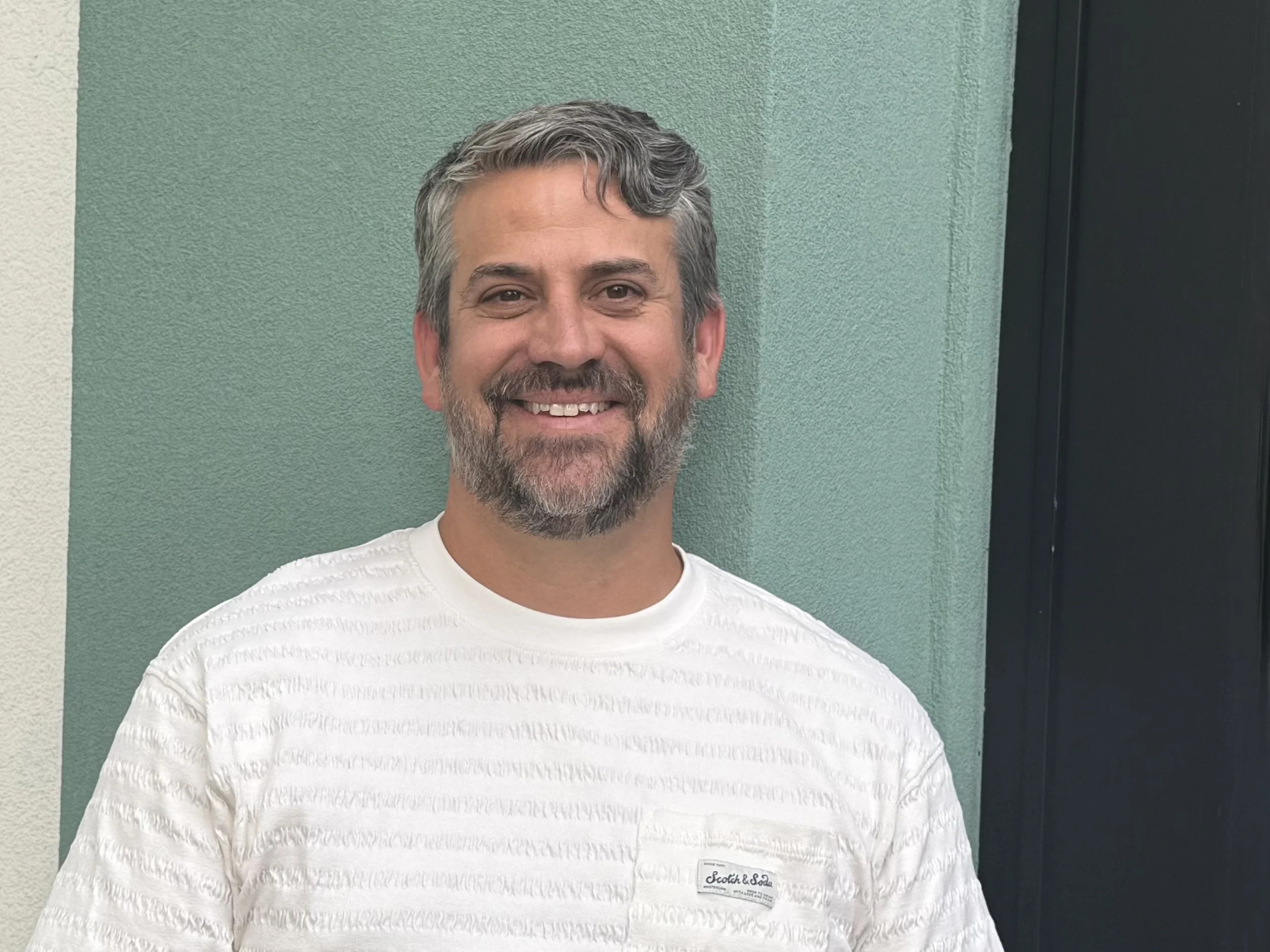
“I wanted Casot to feel like a neighborhood tavern rather than a prestigious wine bar.” First came Pago where Scott Evans initially put his philosophy into practice, introducing Salt Lake City diners to his vision of seasonal, farm-to-table food served without unnecessary formality. Finca followed and became his love letter to Spain, and then Casot, the intimate wine bar beside it, which feels more personal - almost like Scott’s living room.
Wine has long been an essential part of Scott’s understanding of hospitality. His interest began while working in restaurants, where he came to believe that the beverage program deserved as much care as the food. At Sage’s Cafe, he began exploring organic and biodynamic wines. Later, while working at the Grand America Hotel and inheriting its extensive wine list, he recognized how much more there was to learn.
Scott began pursuing professional wine education, earning his first certification in New York City in 2008. Over the years, he completed additional studies through the Court of Master Sommeliers and the Wine & Spirit Education Trust, along with specialized training in sherry. Although he eventually stopped pursuing higher certifications once he was running his own restaurants, the study, travel, and relationships with winemakers never ended. “If I’m not the chef and I’m not adding value in the kitchen, I need to add value through the beverage programs.” That belief shaped the wine lists at Pago and Finca, but Casot gave Scott the opportunity to place wine at the center of the experience.
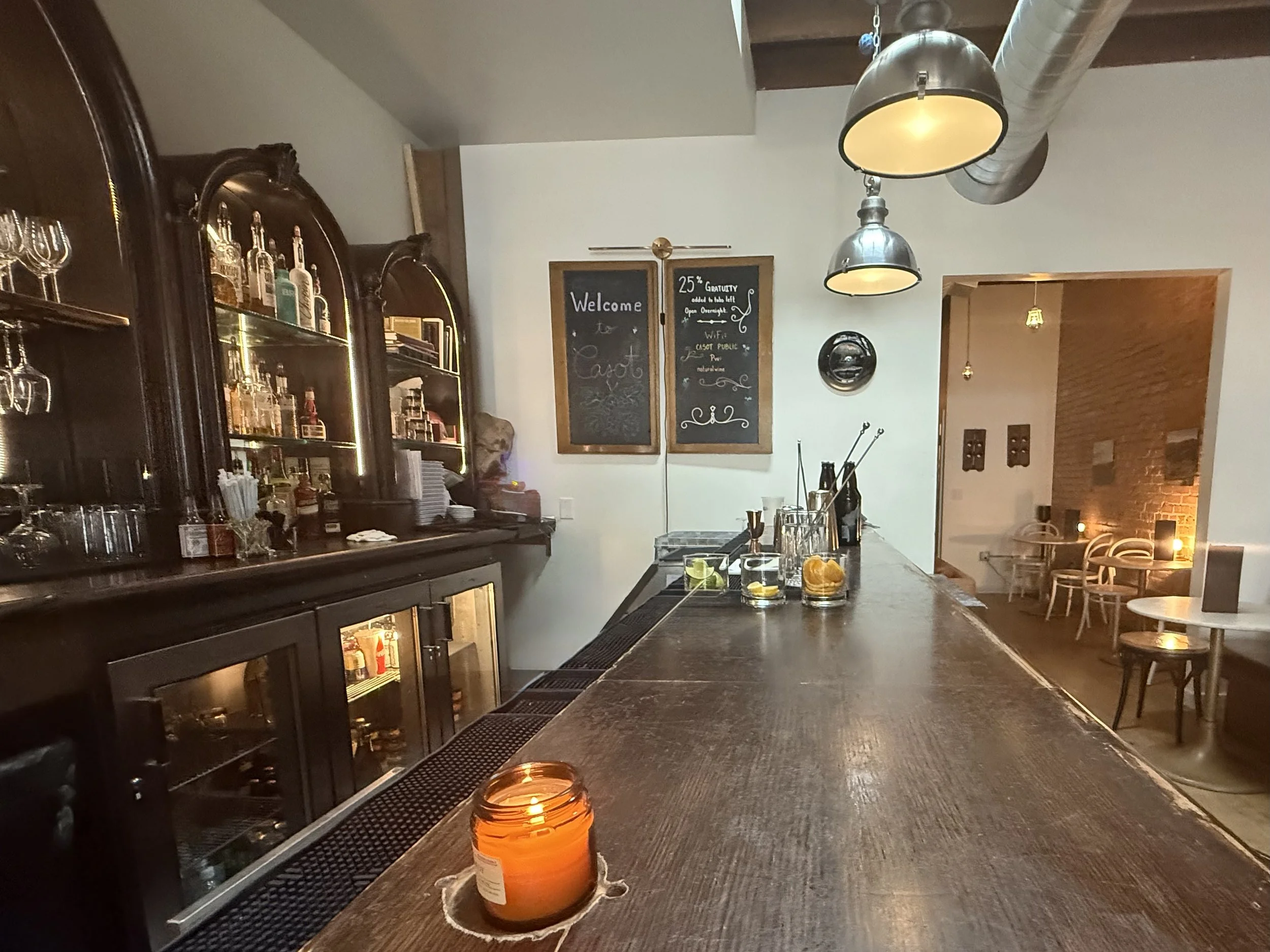
Opened in 2022, Casot (the name referring to a small stone vineyard field house) was inspired by the neighborhood wine bars Scott discovered while traveling through Spain, France, and other parts of Europe. His favorites rarely felt formal or exclusive. They were places where neighbors stopped after work, friends met before dinner, and both seasoned collectors and complete novices could order a glass without feeling tested. Scott found that many American wine bars offered the opposite experience. “A lot of them are too formal, too pretentious, too stuffy, and just not fun.”
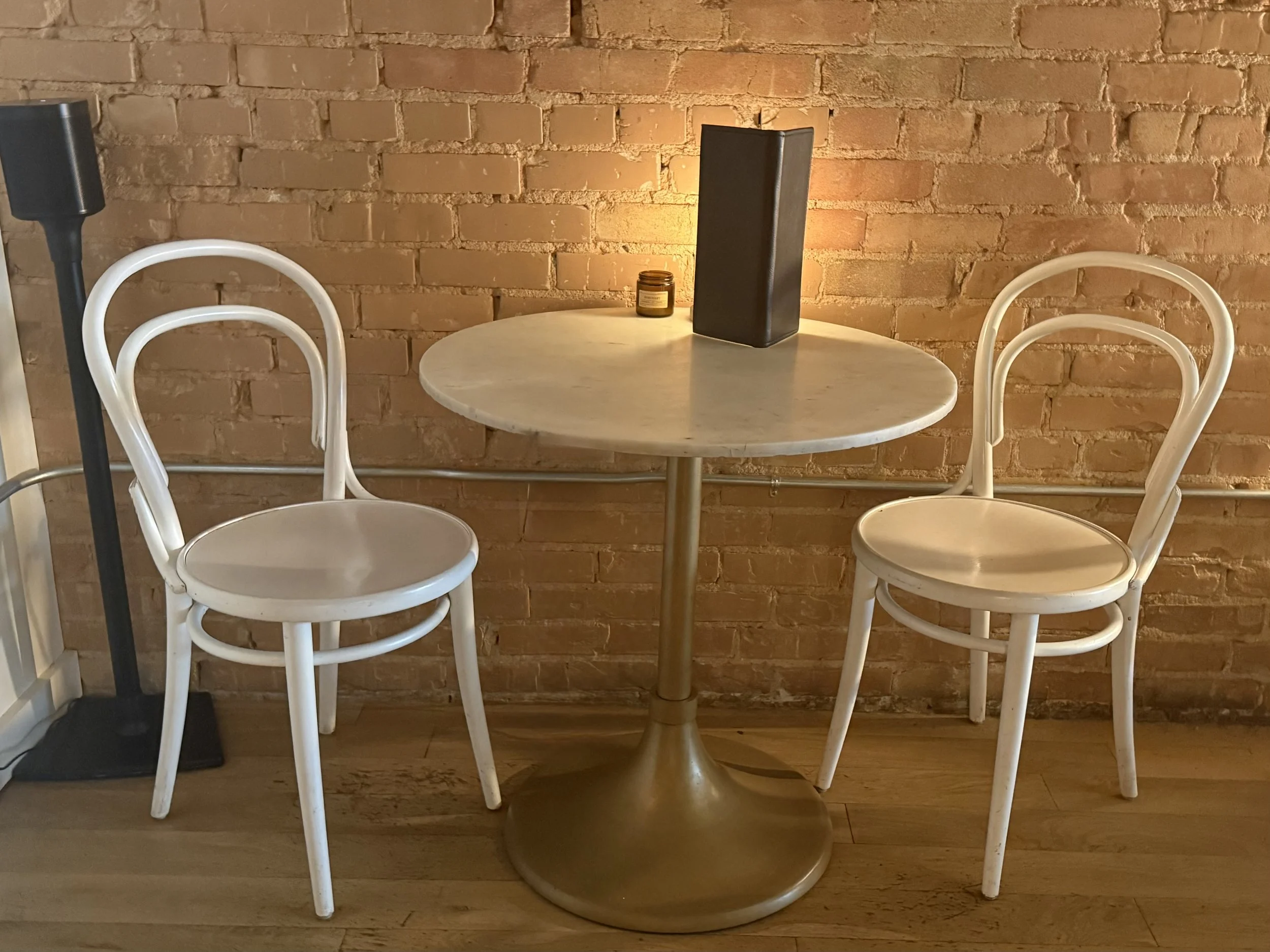
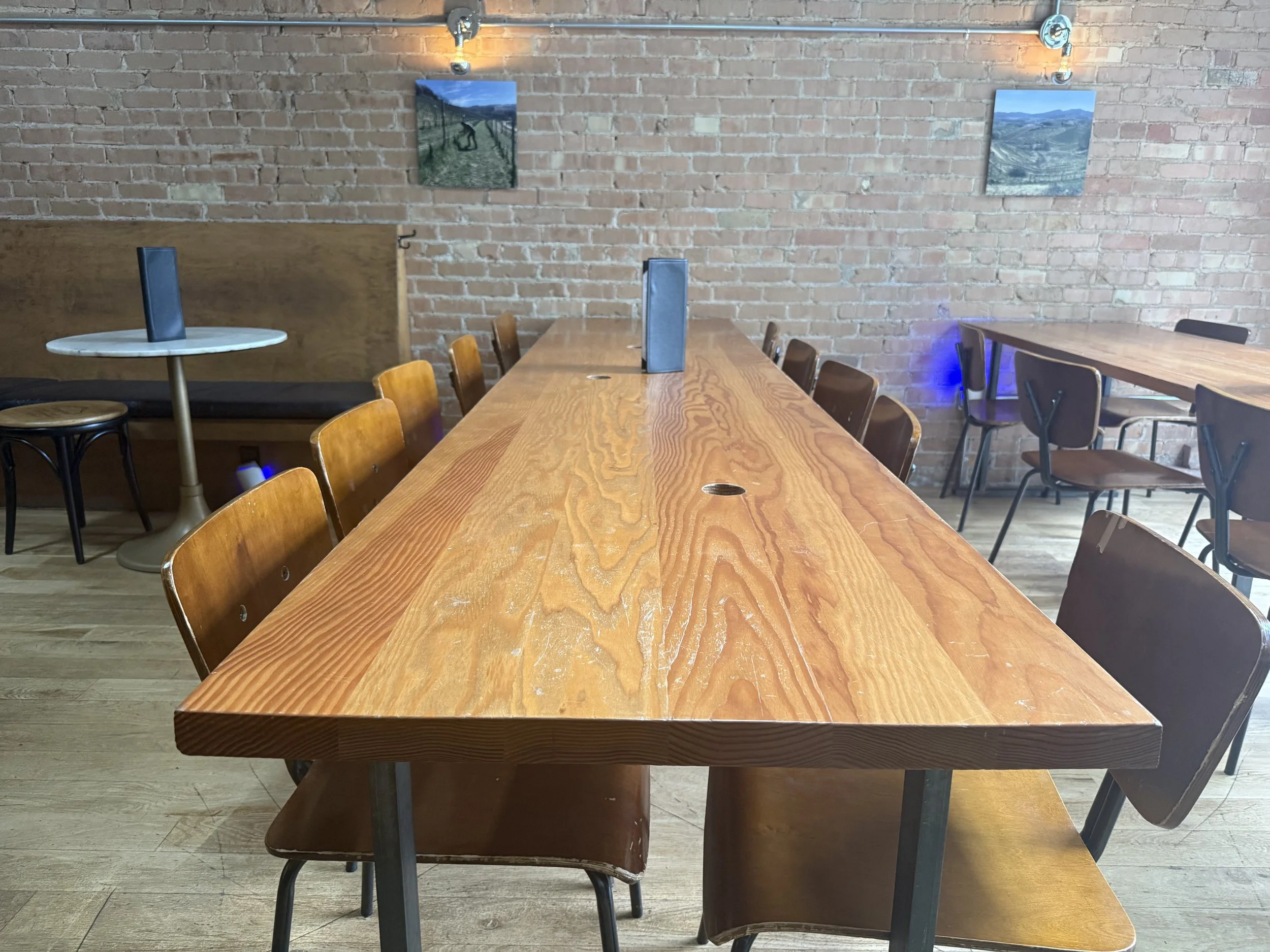
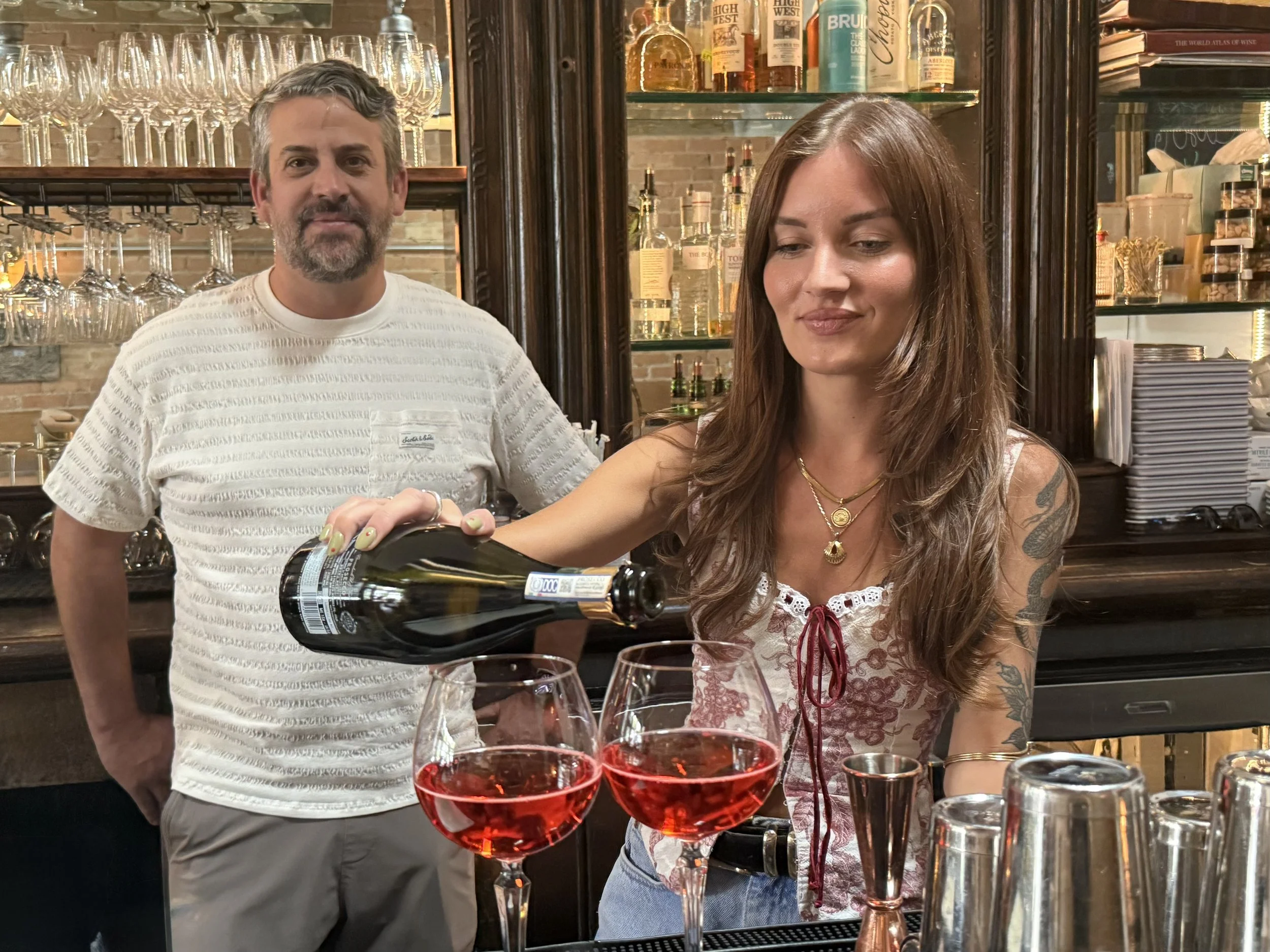
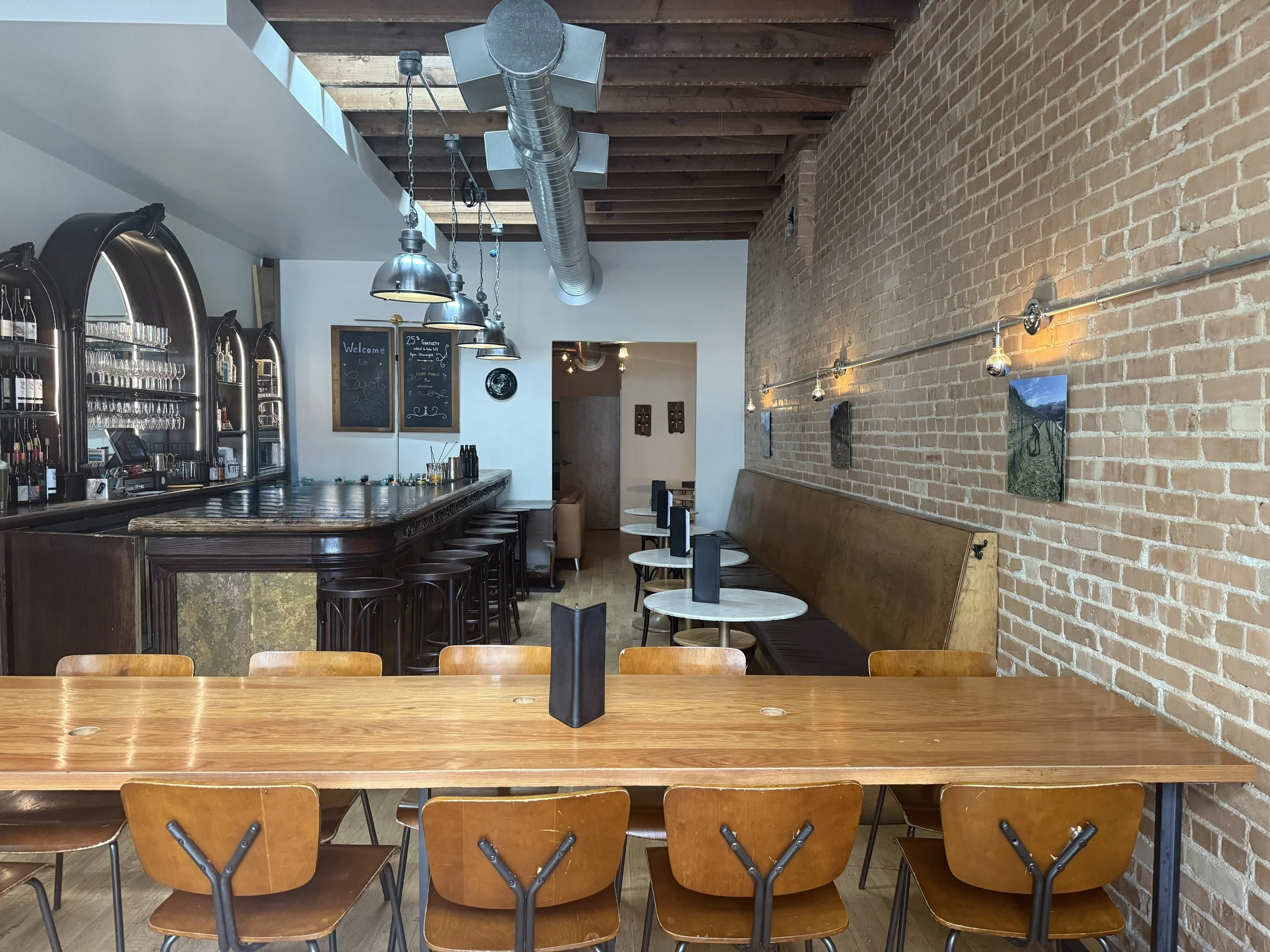
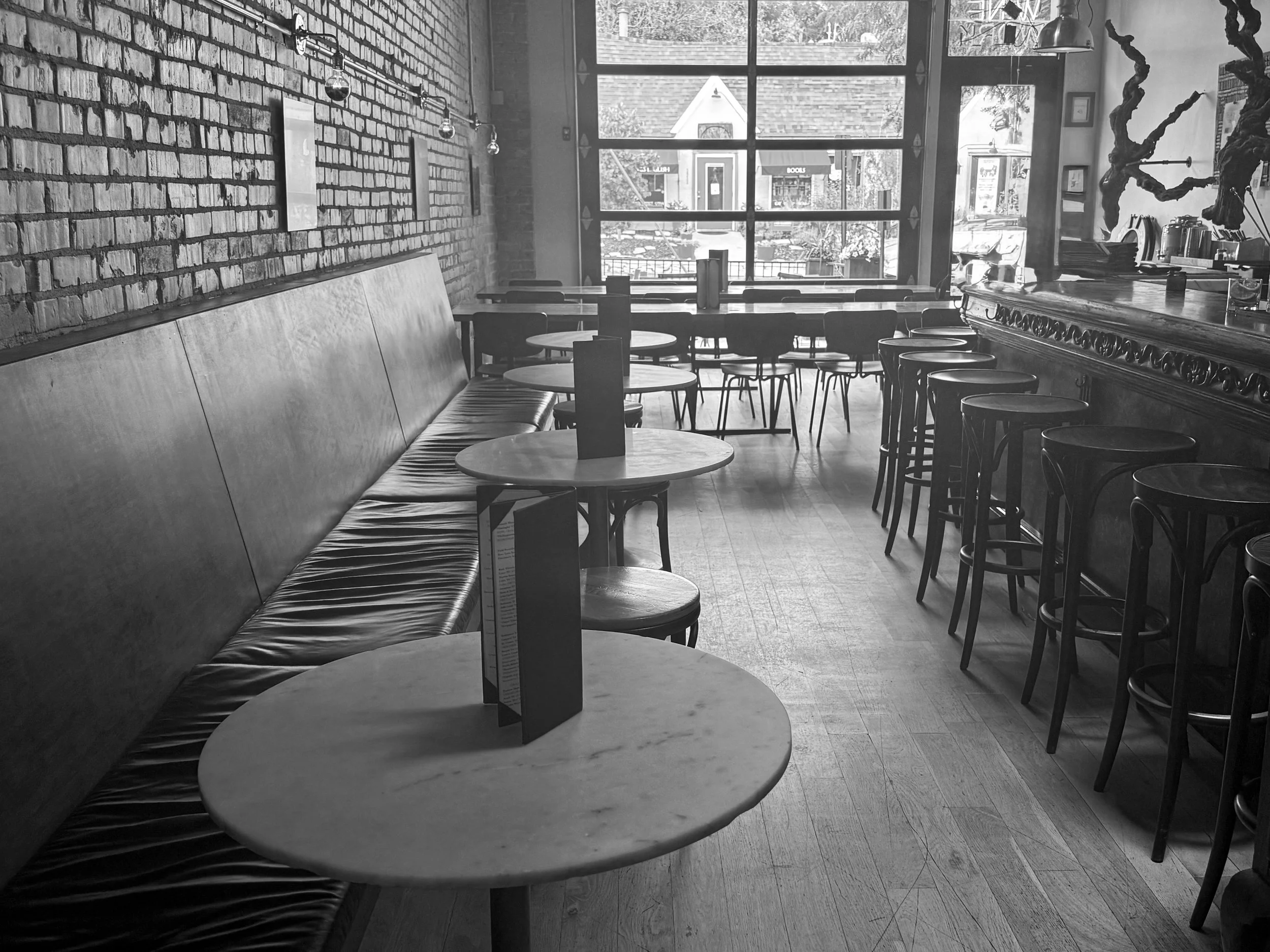
With Casot, Scott wanted to remove that divide. The wine could be serious without the room feeling the same. A guest who had spent years studying regions and producers could sit comfortably beside someone ordering a glass simply because it sounded appealing. The space helped establish that feeling from the beginning. Scott filled it with vintage furniture and lighting so that it appeared lived in rather than newly assembled. At its center is a century-old bar that former Utah Jazz player Mark Eaton had brought in for one of his own restaurants. When that business closed, Scott purchased it - two years before he had a place to put it - knowing that one day it would find the right home.
At Casot, it did. The bar’s worn wood and history immediately lend the room a sense of permanence, as though it had been part of the neighborhood long before the doors opened. That feeling mattered to Scott. He lives about a mile away and has always been drawn to the neighborhood bars of Portland, Brooklyn, San Francisco, Madrid, Barcelona, and Paris - places shaped by the people who live around them rather than by a desire to become destinations for everyone.
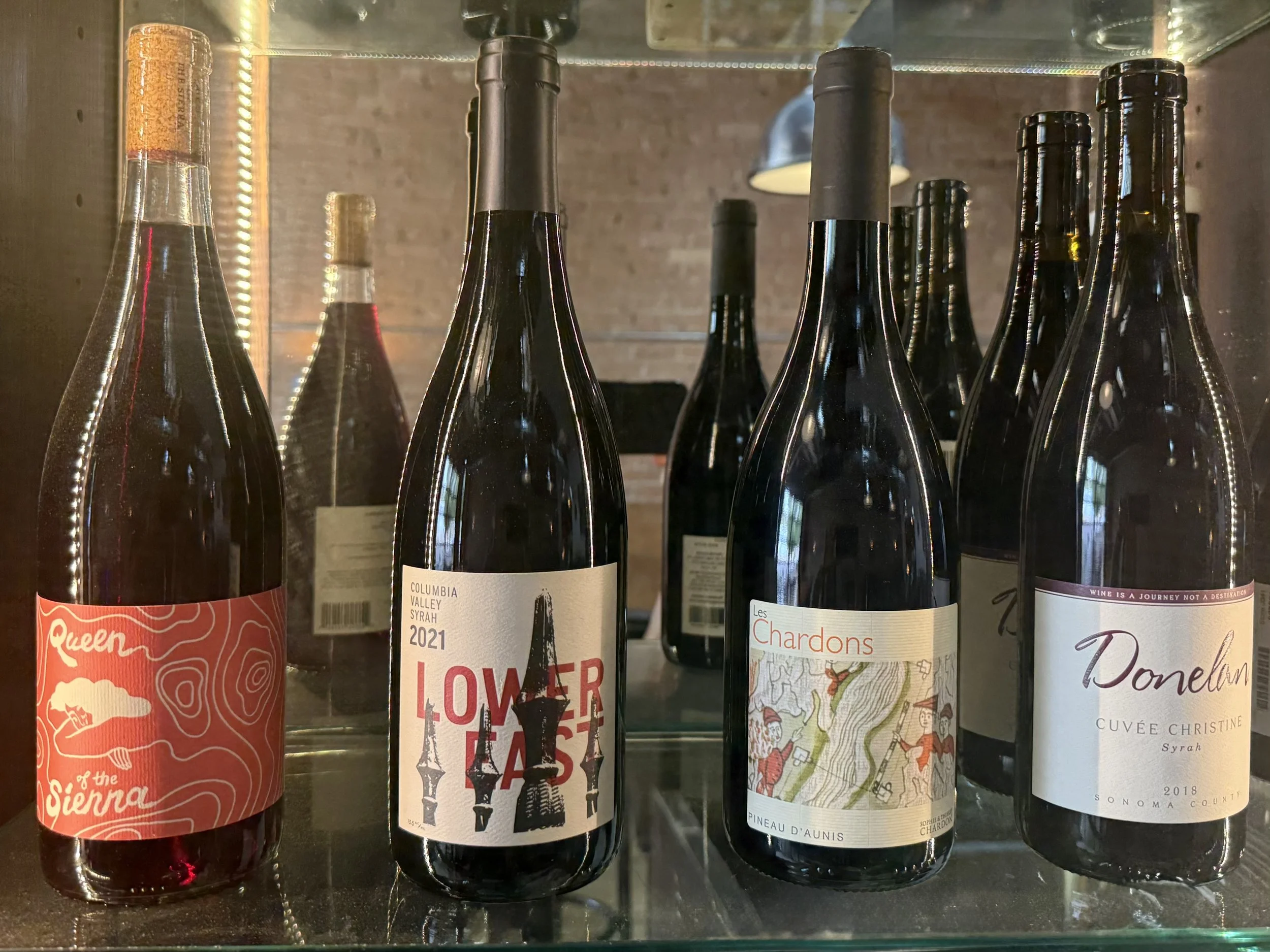
The wine list is the heart of it all. Scott has spent years visiting vineyards and meeting the people behind the bottles he serves. At Pago, he estimates that he has personally visited the vast majority of the wineries represented on the list. Many are small, family-run producers whose farms and cellars he has toured and whose families have welcomed him to their tables. “Where things come from matters - the farming, the vineyards, the human element of the people who made it.”
The wines at Casot begin with the same basic standard Scott applies throughout his restaurants: the producers must care for the land and avoid unnecessary manipulation. Sustainability is the minimum. Many vineyards are organic or biodynamic, and Scott gravitates toward wines made with few additives and little interference.
From there, each bottle must be well made, representative of its grape and region, fairly priced, and worthy of sharing. The list brings together emerging natural winemakers and established benchmark producers, playful blends and celebrated classics, affordable glasses, and rare bottles that many guests might otherwise never have the opportunity to taste. For Scott, offering exceptional wines by the glass is particularly important. A guest may not wish to purchase an expensive bottle but can still experience a remarkable producer through a single pour. It is another way of making the wine world more accessible rather than guarding it behind knowledge or price.
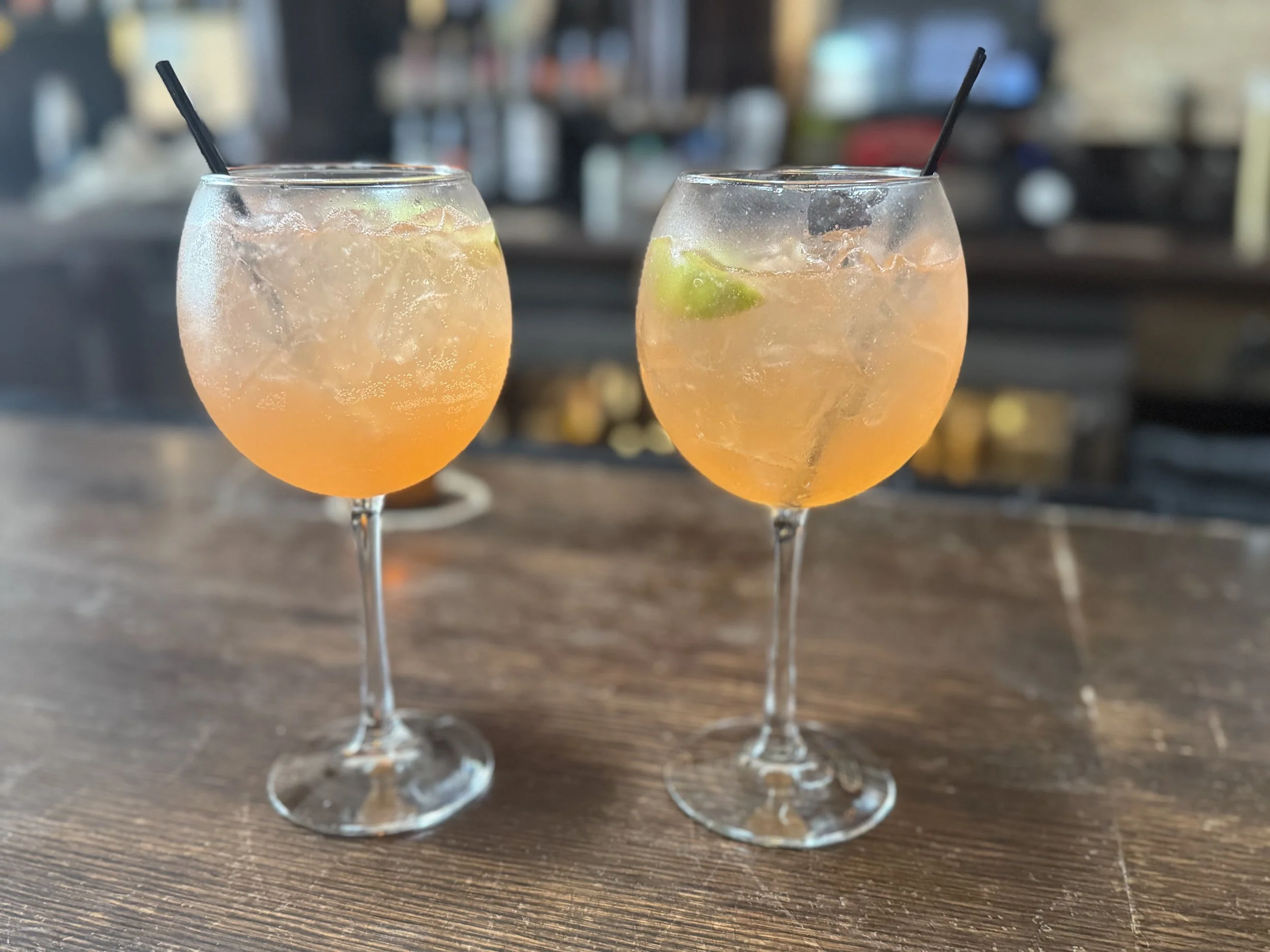
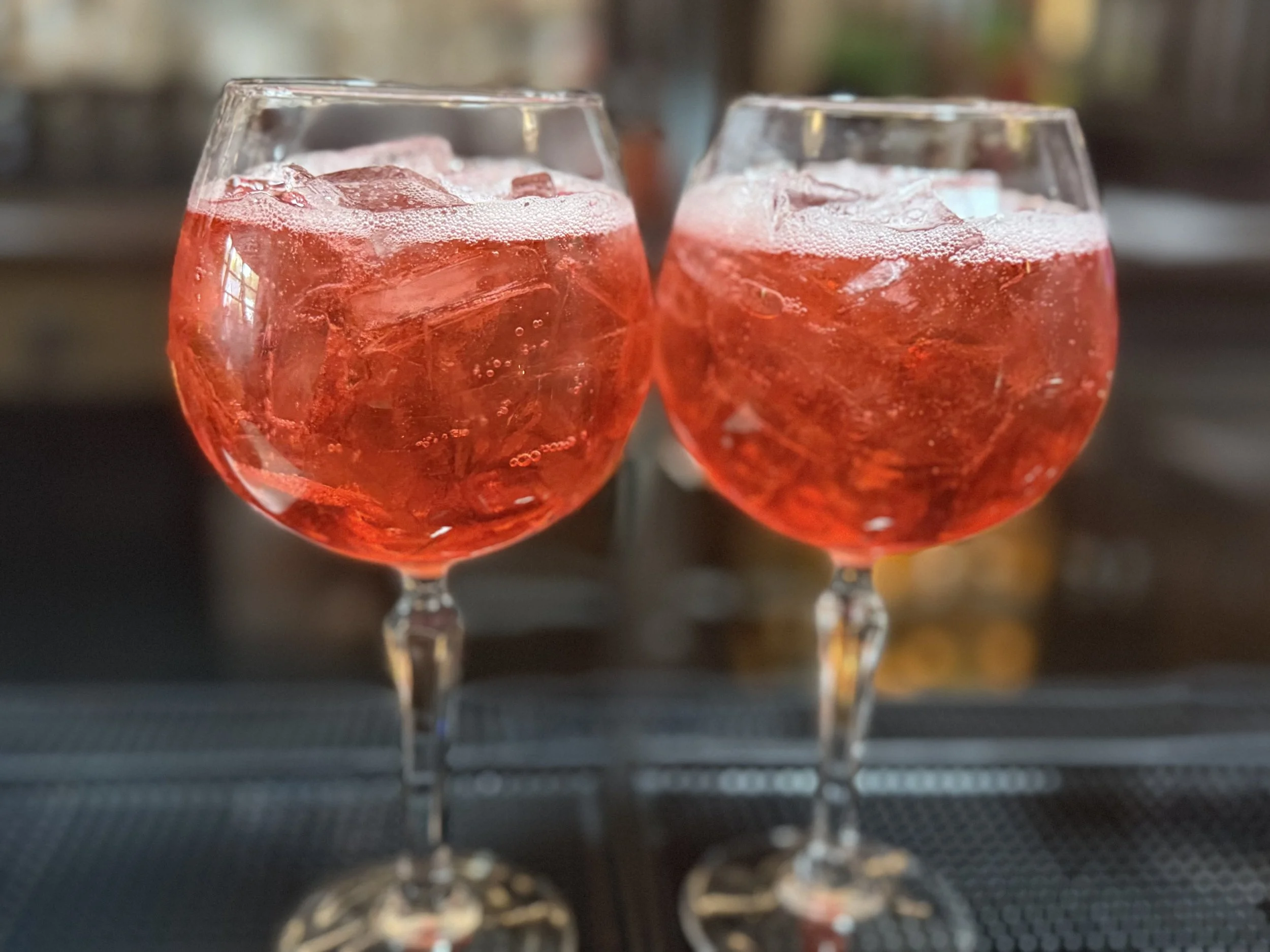
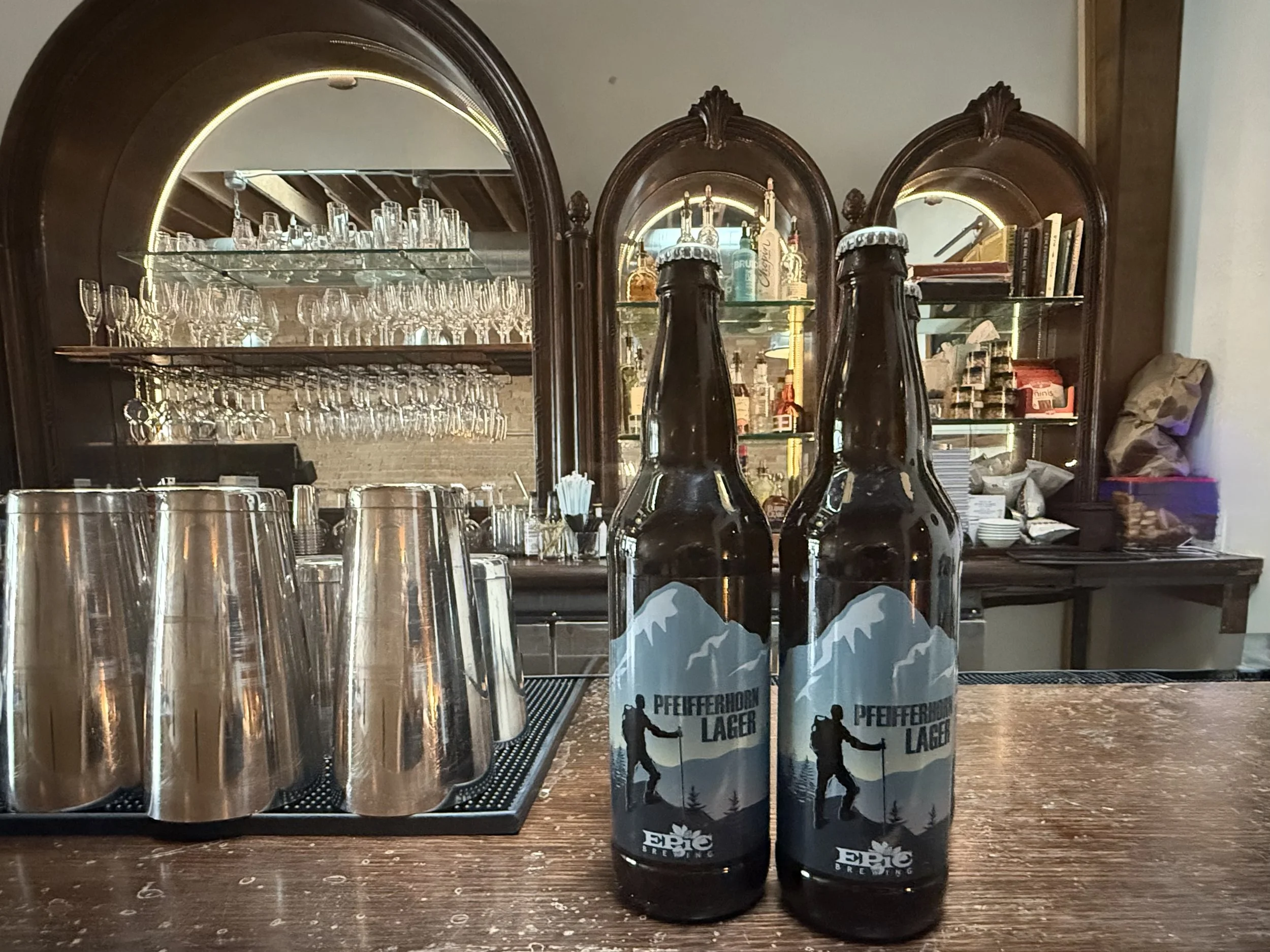
The focus remains firmly on wine, but Scott resisted being overly rigid about the concept. Casot offers a small selection of beer and spirits, along with wine-based drinks such as spritzes. There is no elaborate printed cocktail menu - Salt Lake already has excellent cocktail bars, and Scott saw no reason to imitate what they were doing well.
Food is similarly limited. Casot offers cheese, pickles, and a handful of simple snacks, but it was never meant to operate as a full restaurant. Instead, guests are encouraged to order from Finca’s menu, allowing the two neighboring businesses to support one another.
That connection is fundamental to Casot. Guests can begin with a glass of wine while waiting for a table at Finca, order tapas to enjoy at the bar, or return after dinner for one final pour. Casot also welcomes people dining elsewhere in the neighborhood, many of whom stop in before or after visiting nearby restaurants and make an evening of exploring 15th and 15th.
In that way, the wine bar has become part of a larger neighborhood rhythm. It does not compete with the surrounding businesses; it gives people another reason to stay awhile. Casot opens in the late afternoon and closes earlier than many traditional bars. Scott was not interested in creating a late-night scene. He wanted a gathering place where people can stop by often enough to become a familiar face.
Casot may be Scott’s smallest and simplest concept, but it brings together many of the ideas that have shaped his career: his love of wine, his respect for farmers and artisans, his affection for the neighborhood gathering places of Europe, and his belief that hospitality should never make someone feel as though they do not belong. The list may contain wines that even experienced collectors have never encountered, but knowledge is never the price of admission. “Whether you know something or nothing about wine, the atmosphere should be inviting.”