Pago
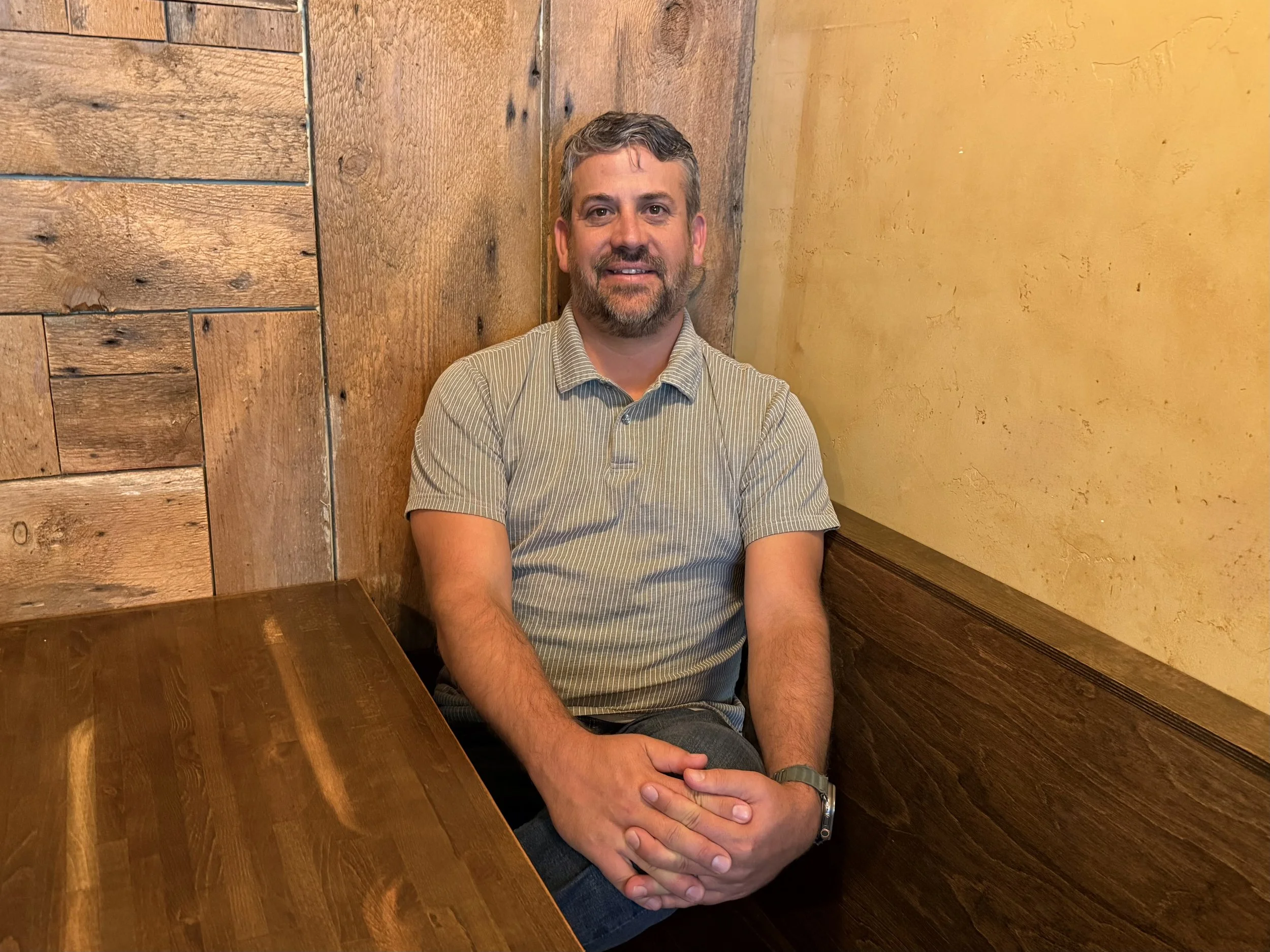
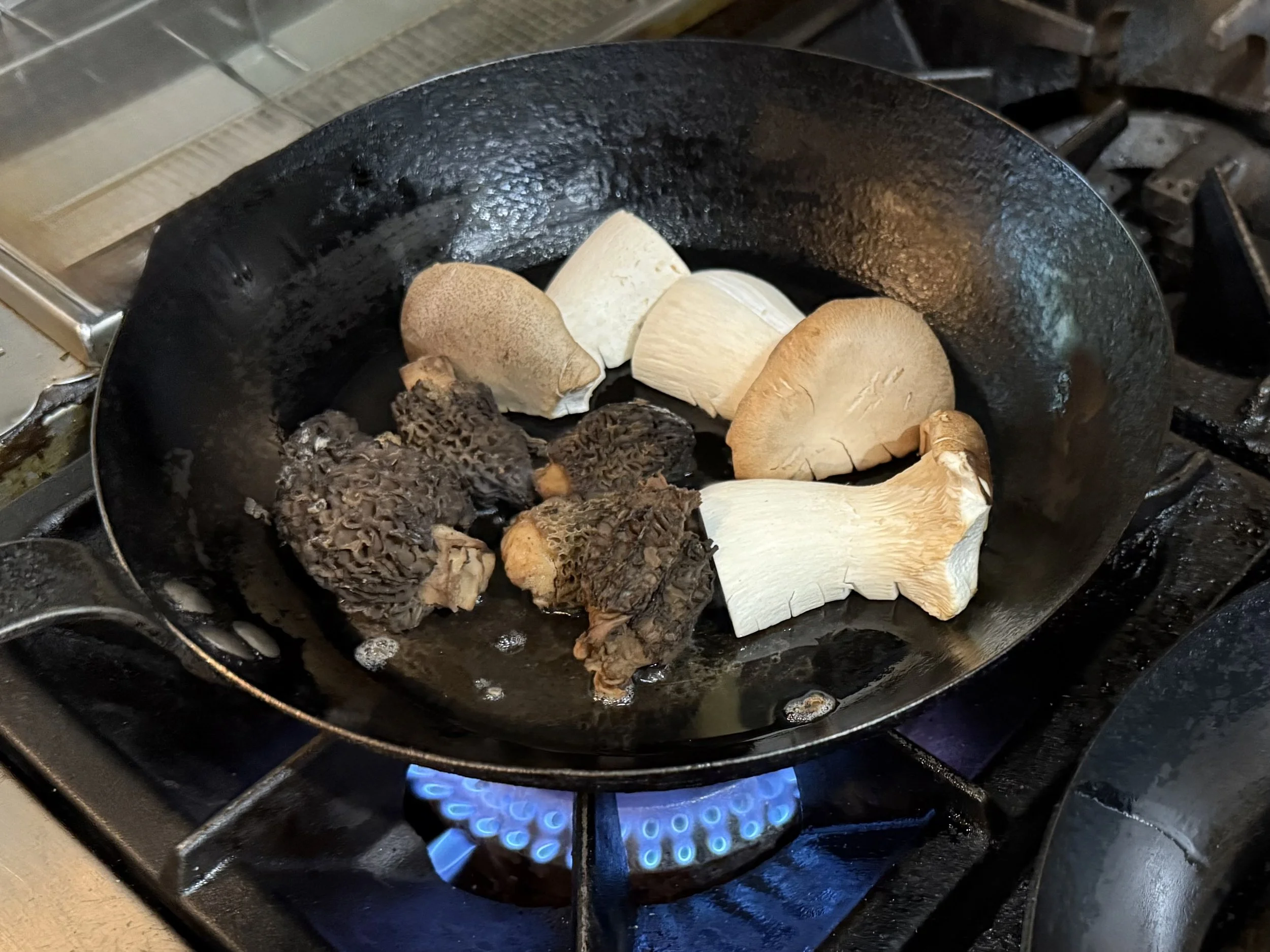
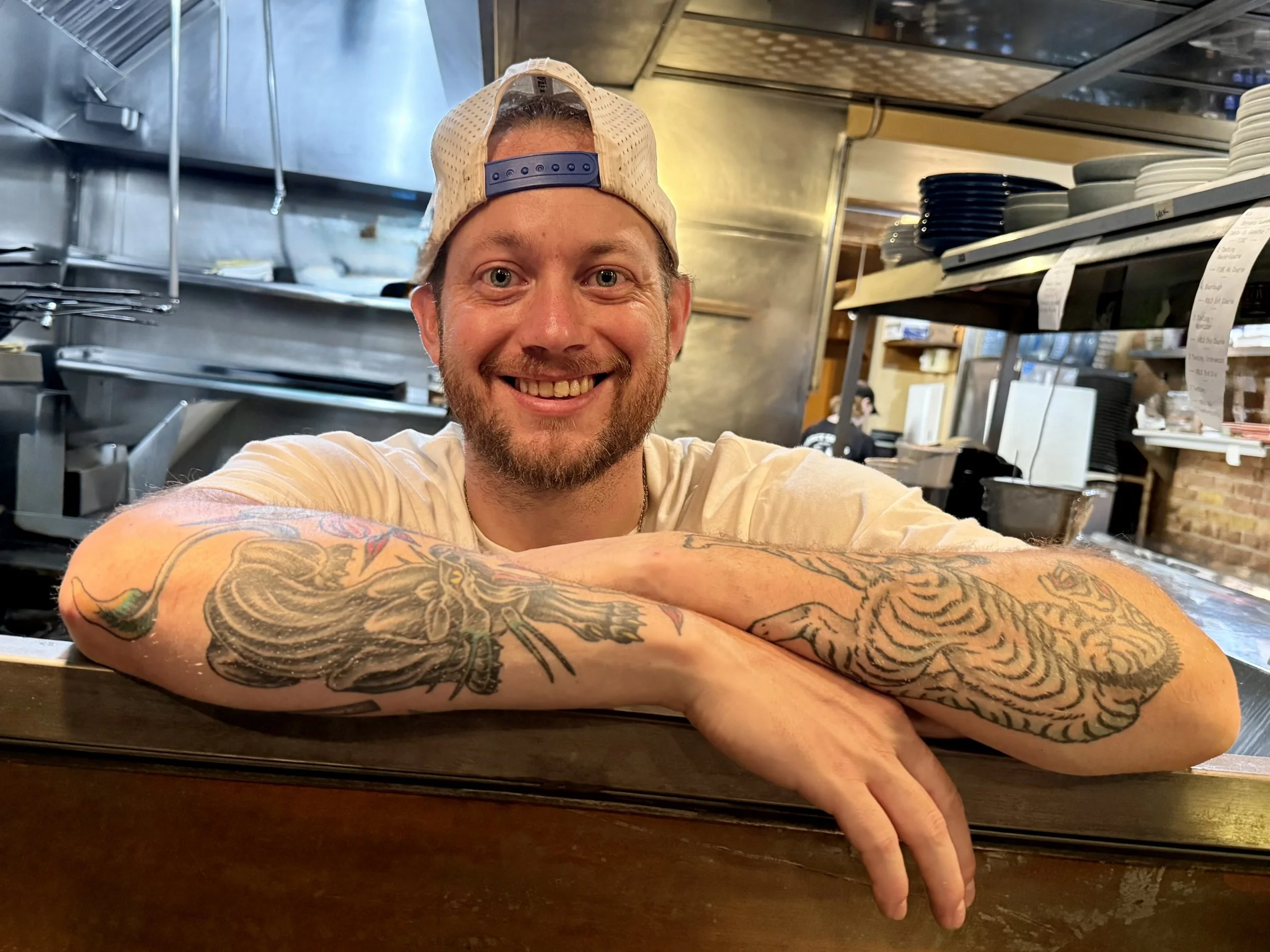
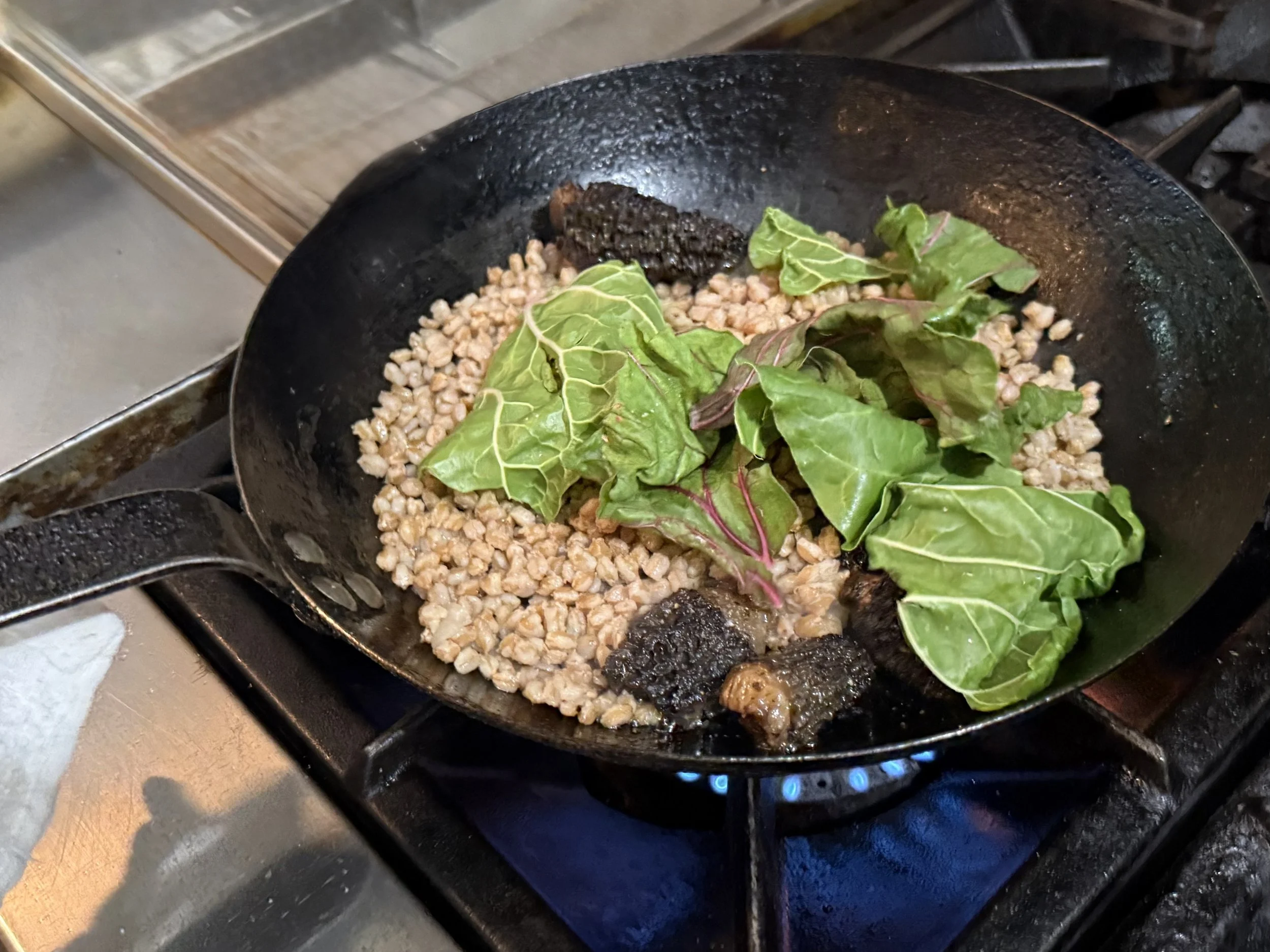
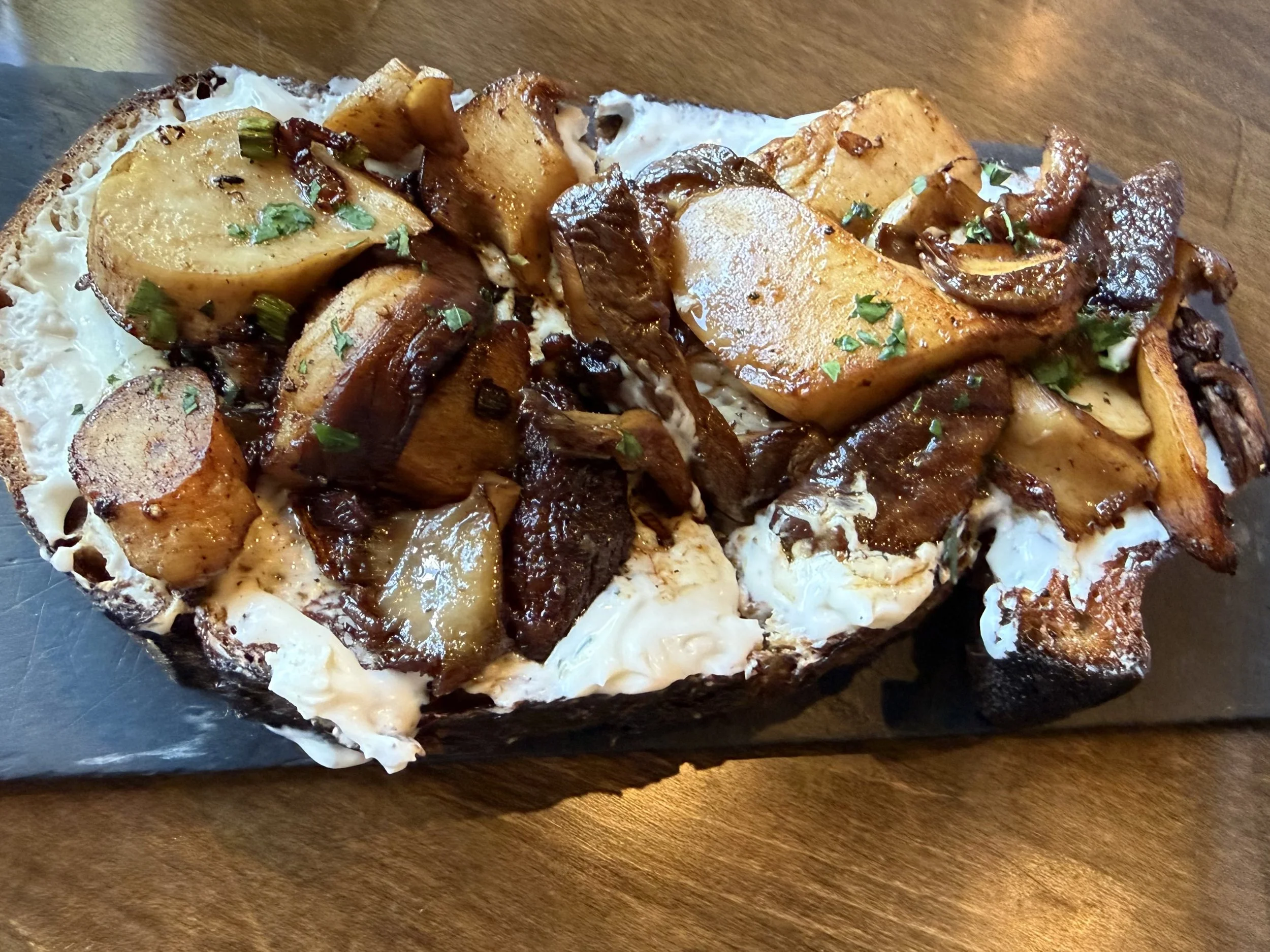

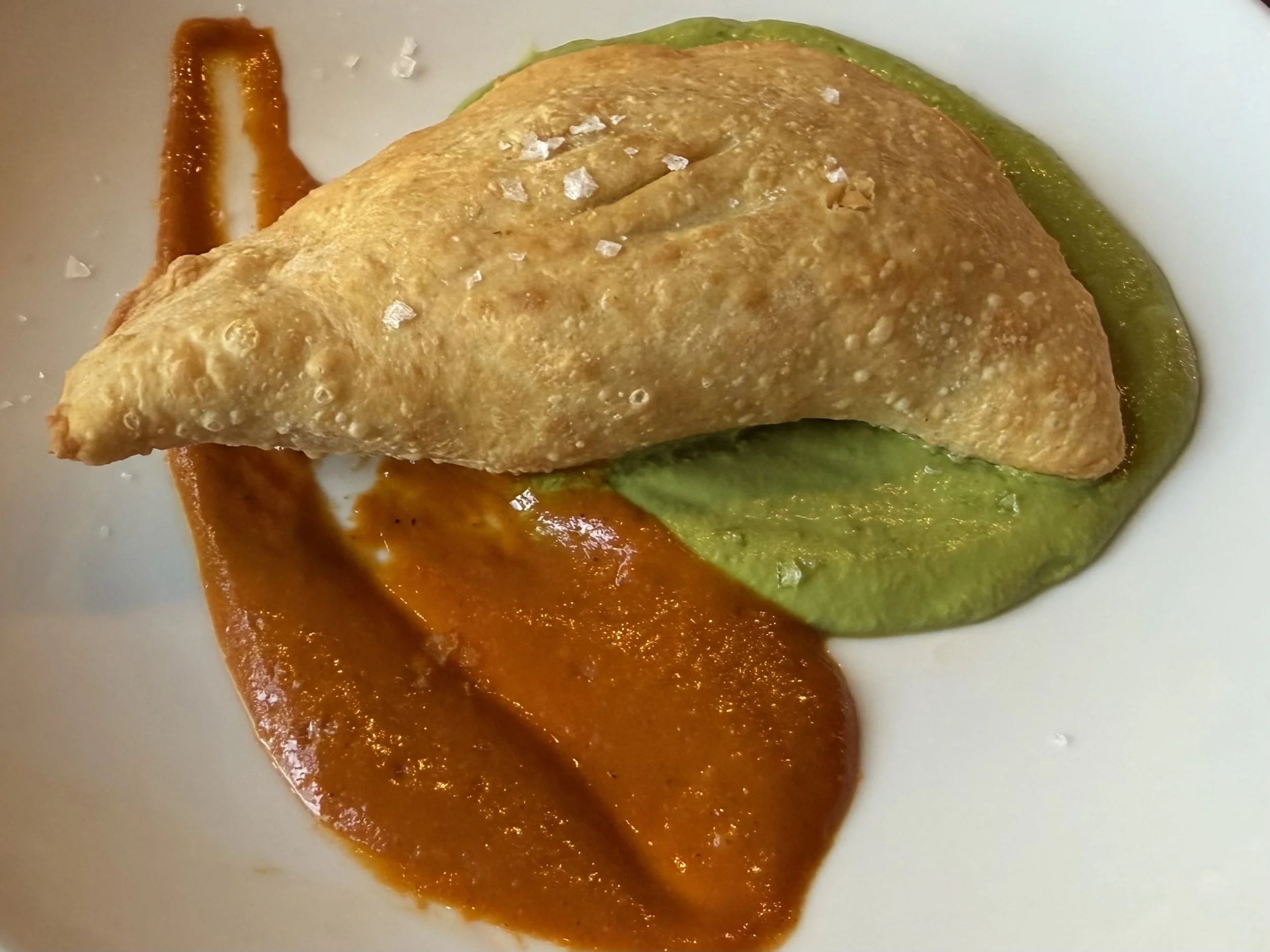
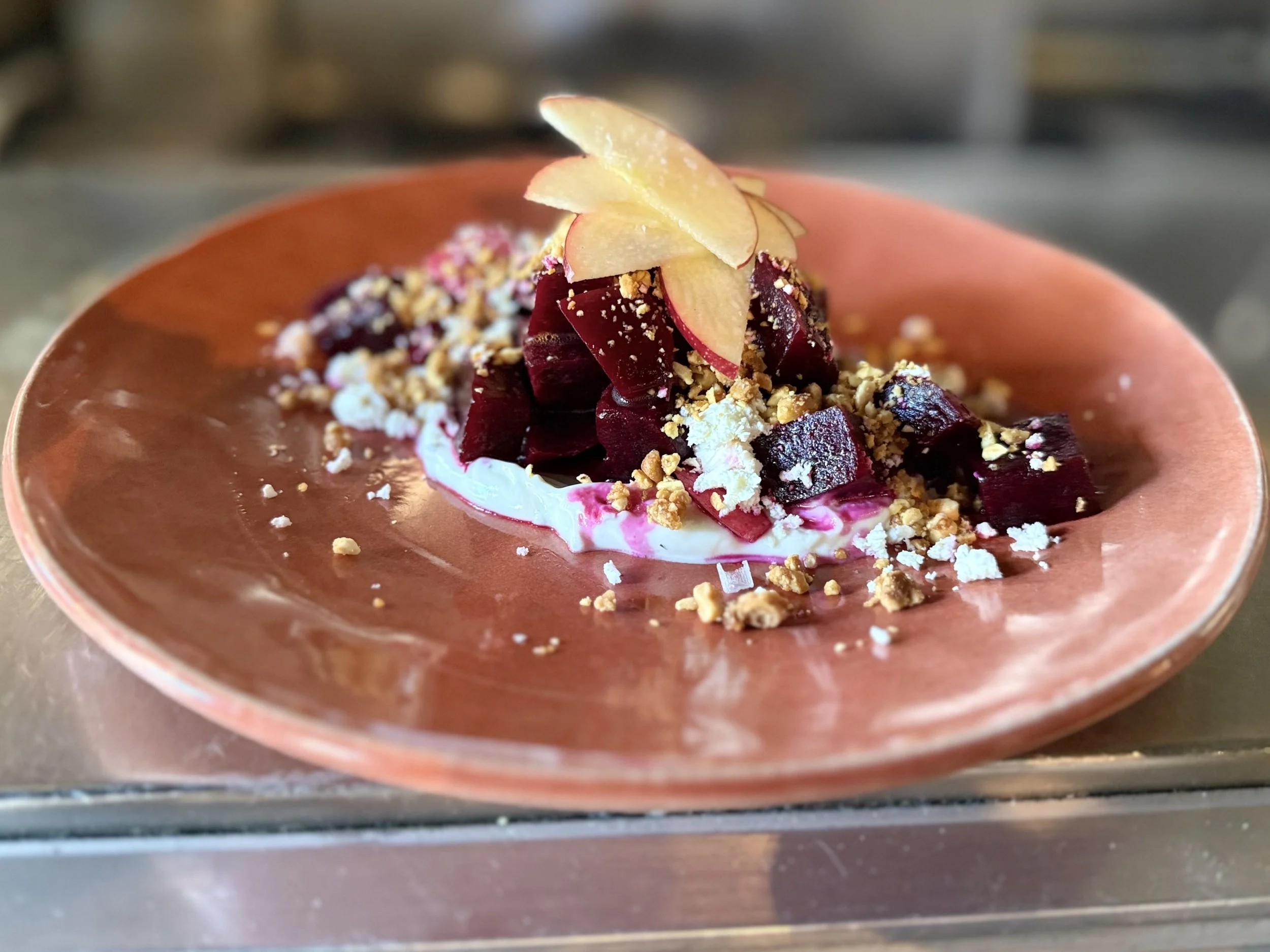
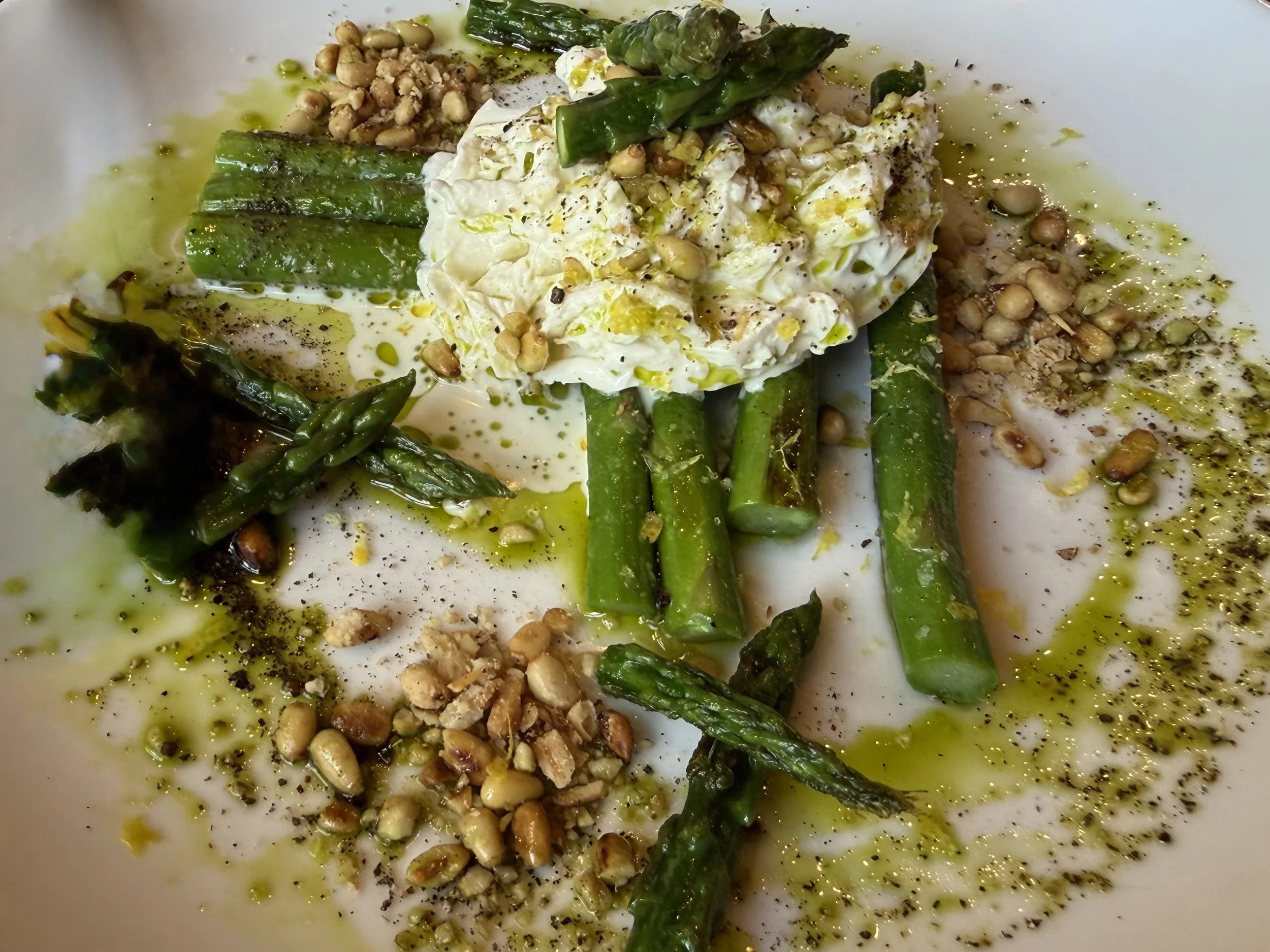
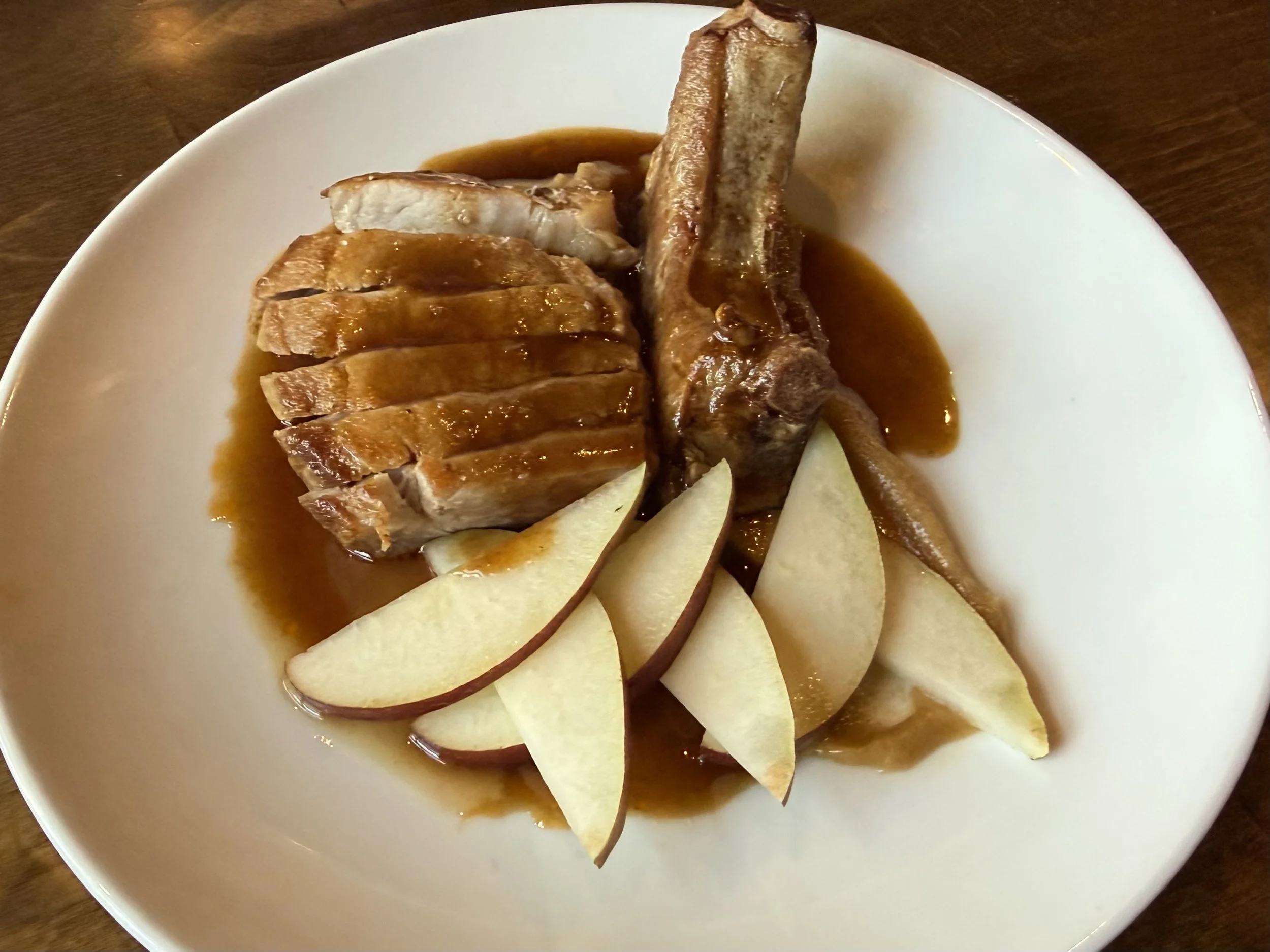
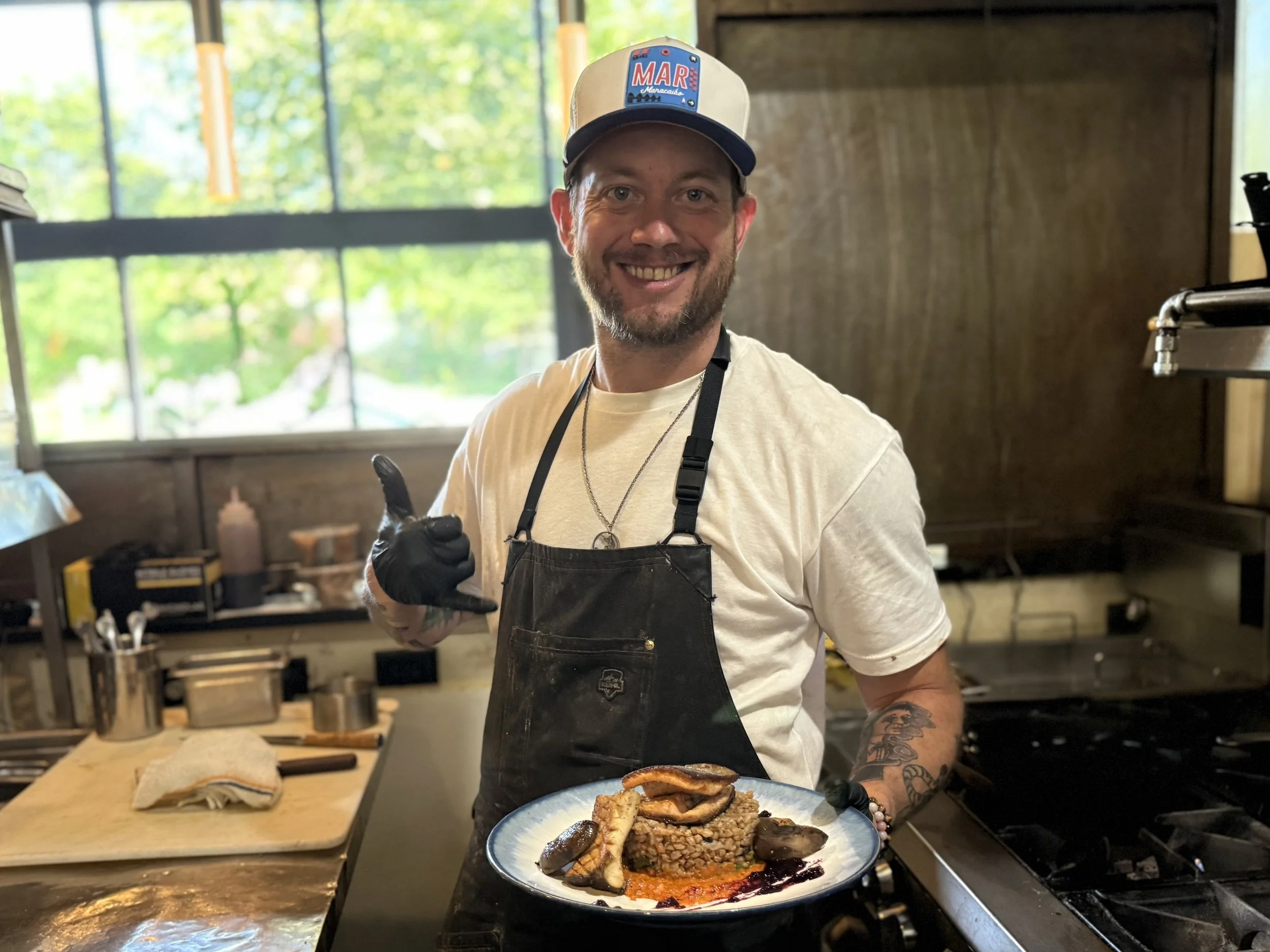
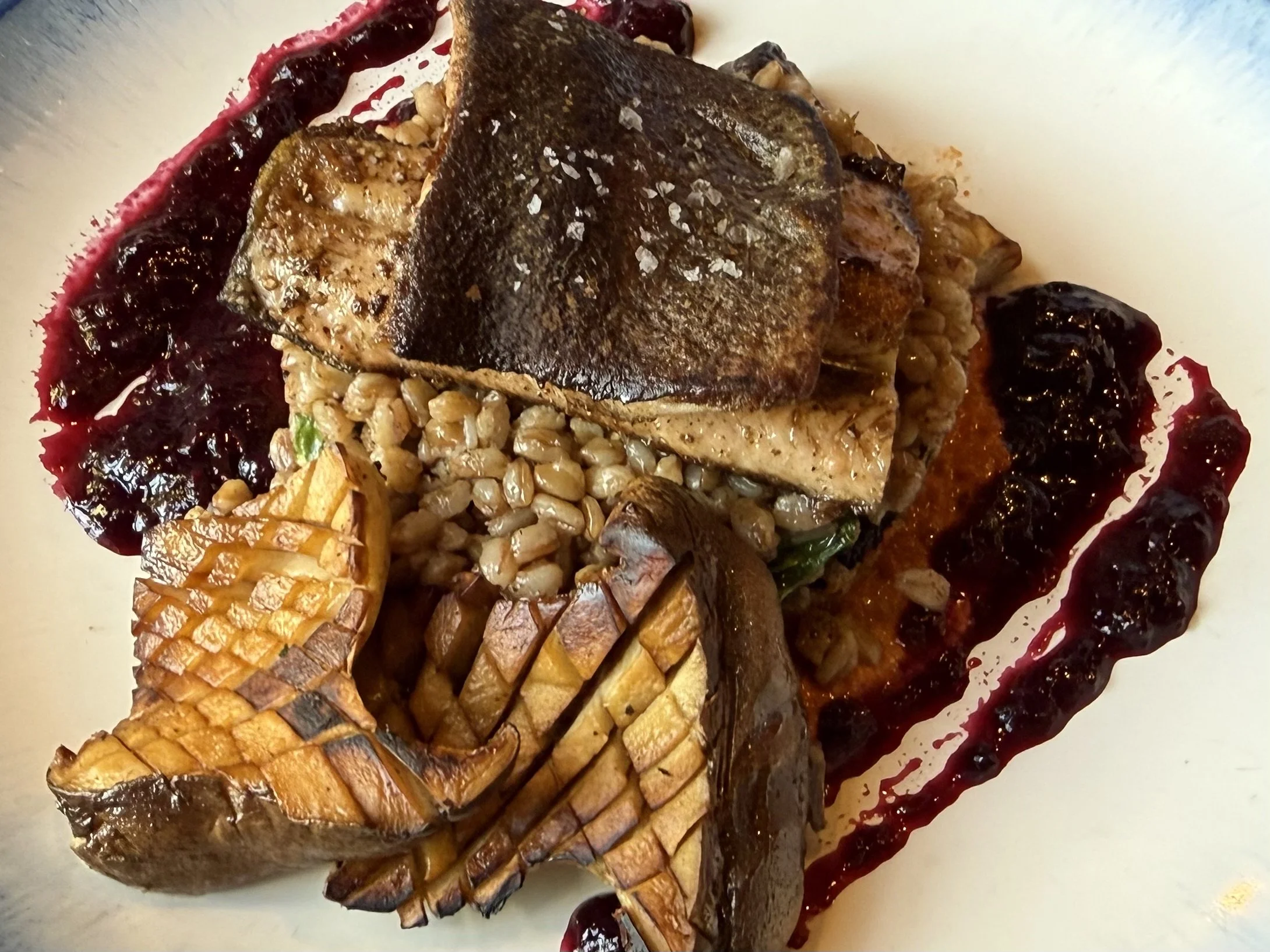
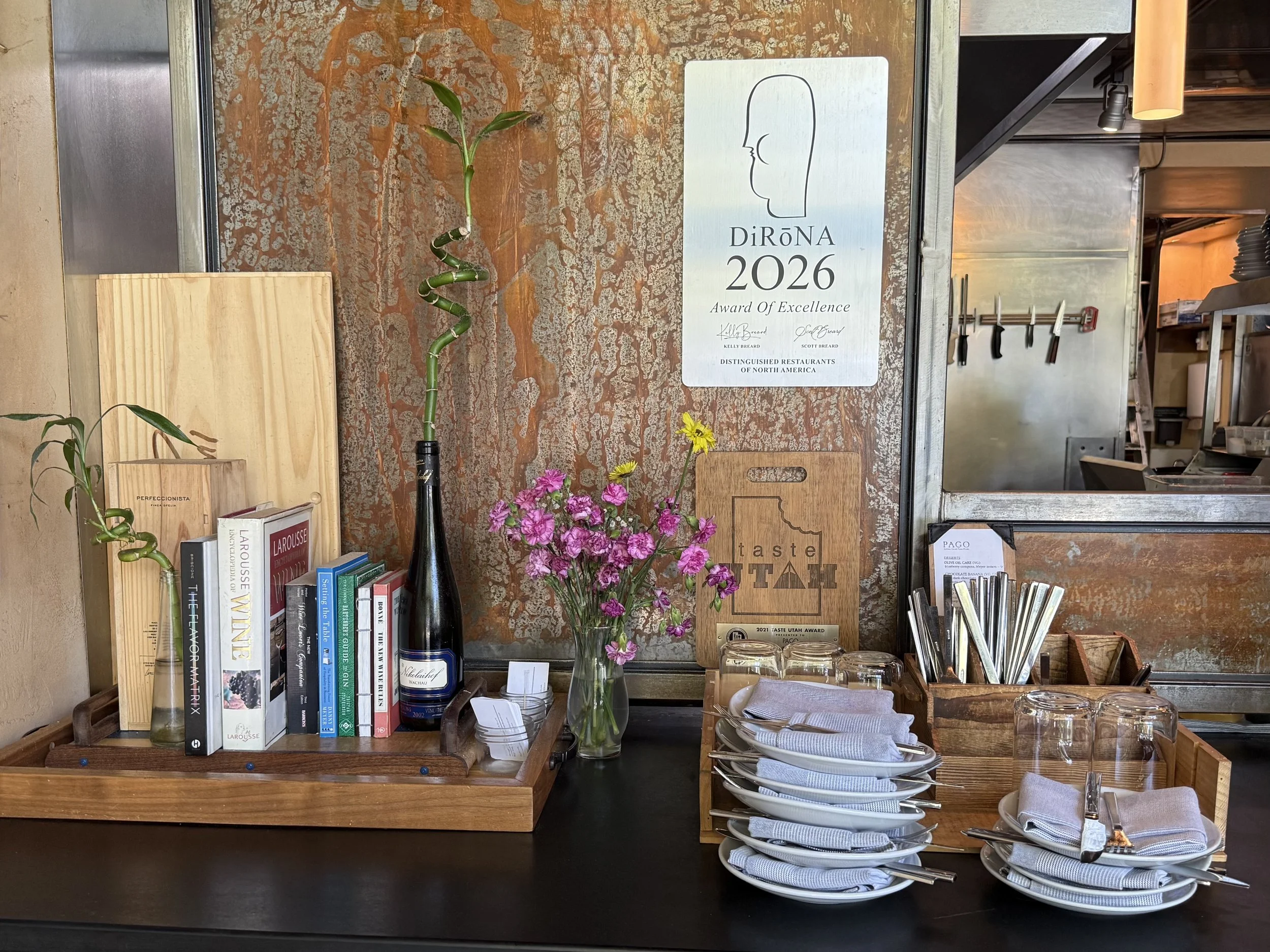

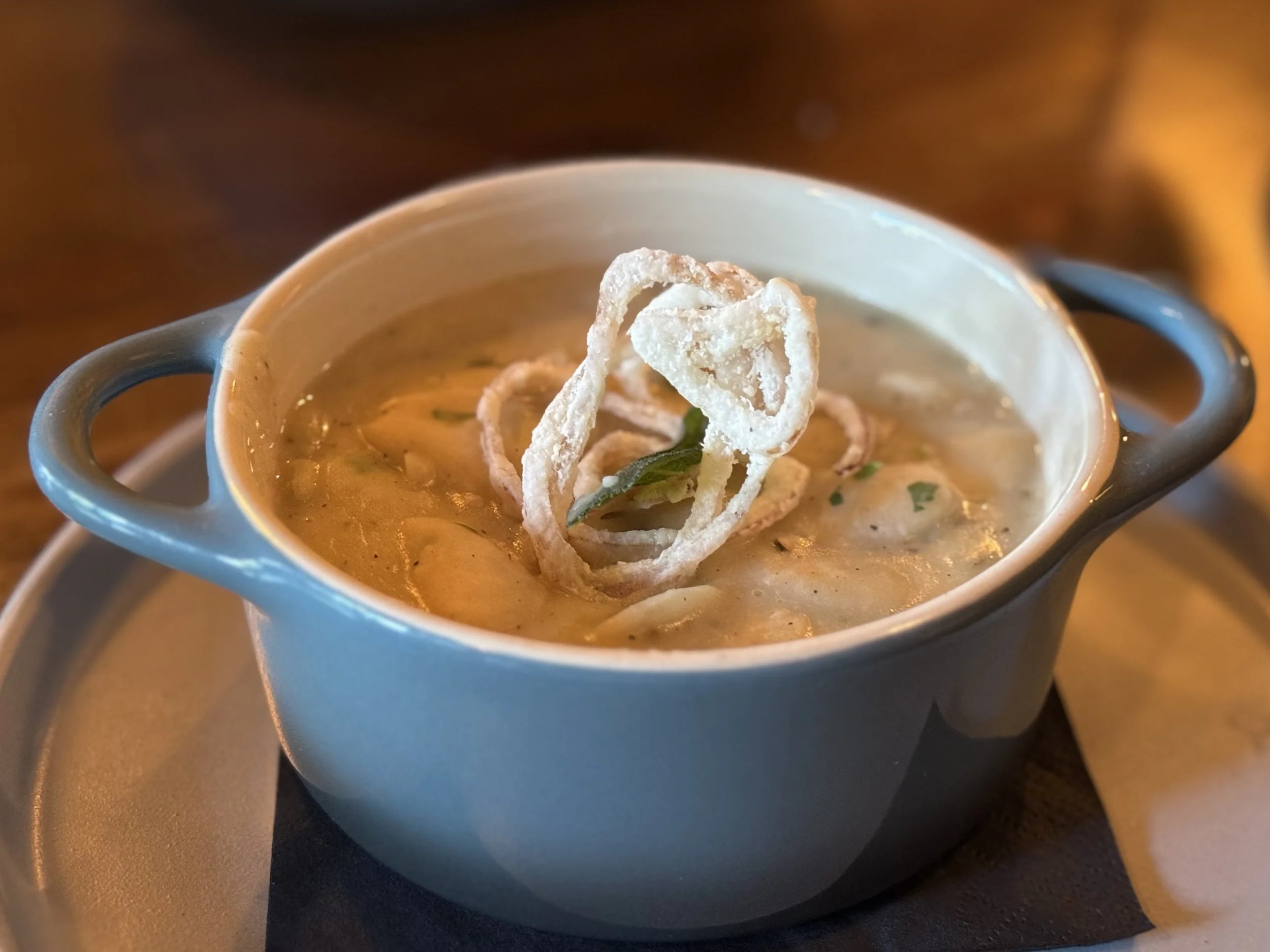
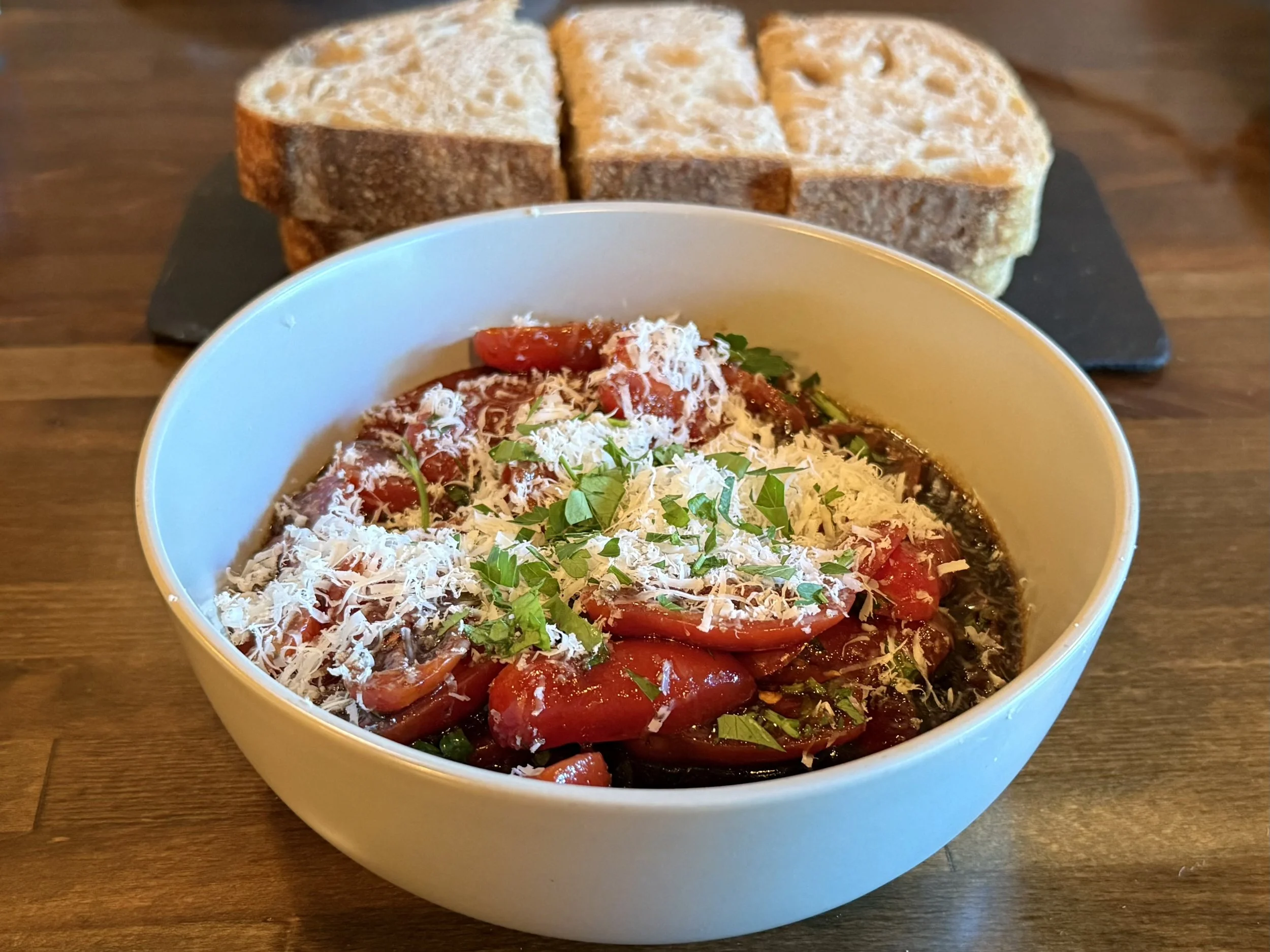
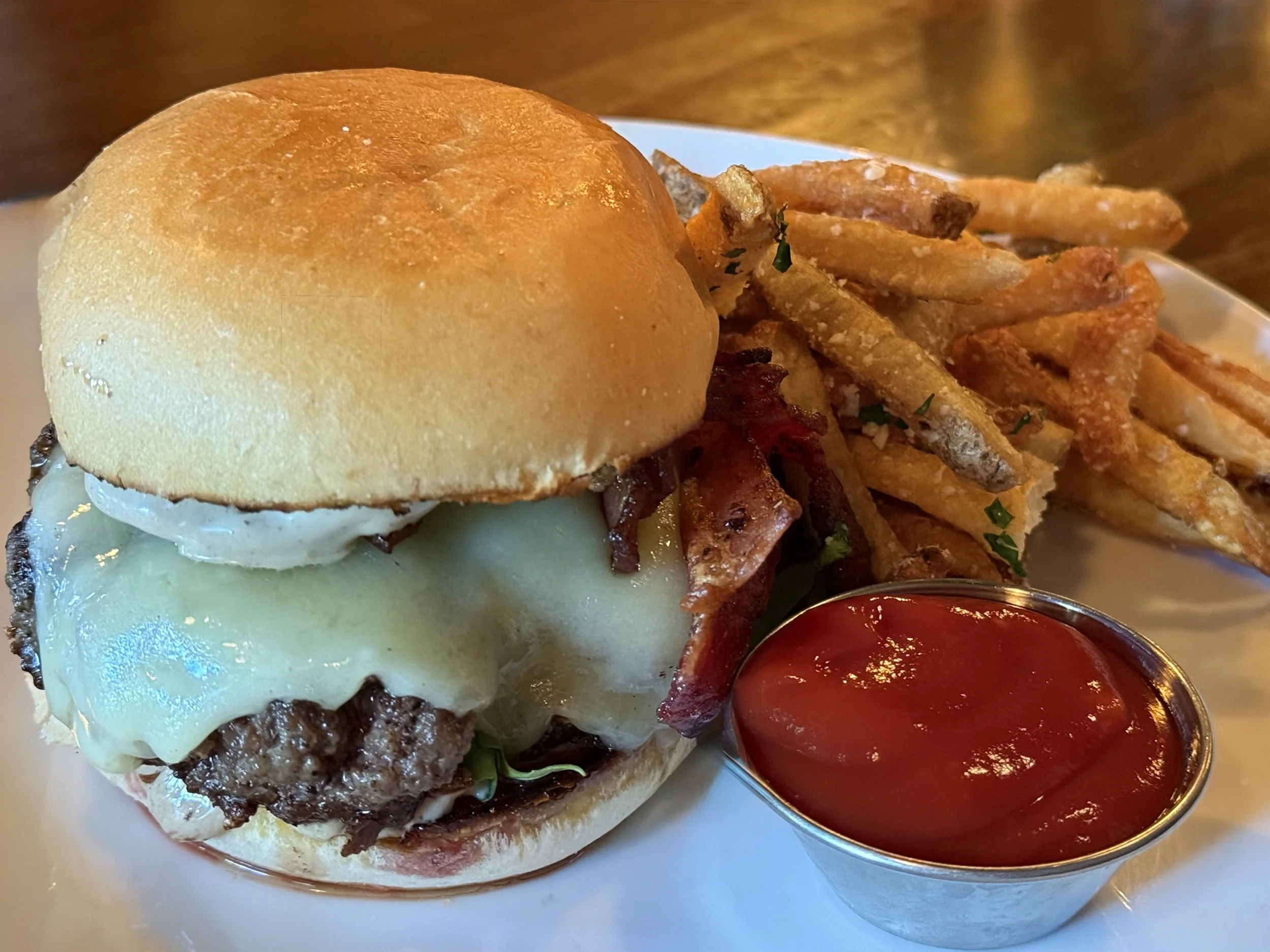
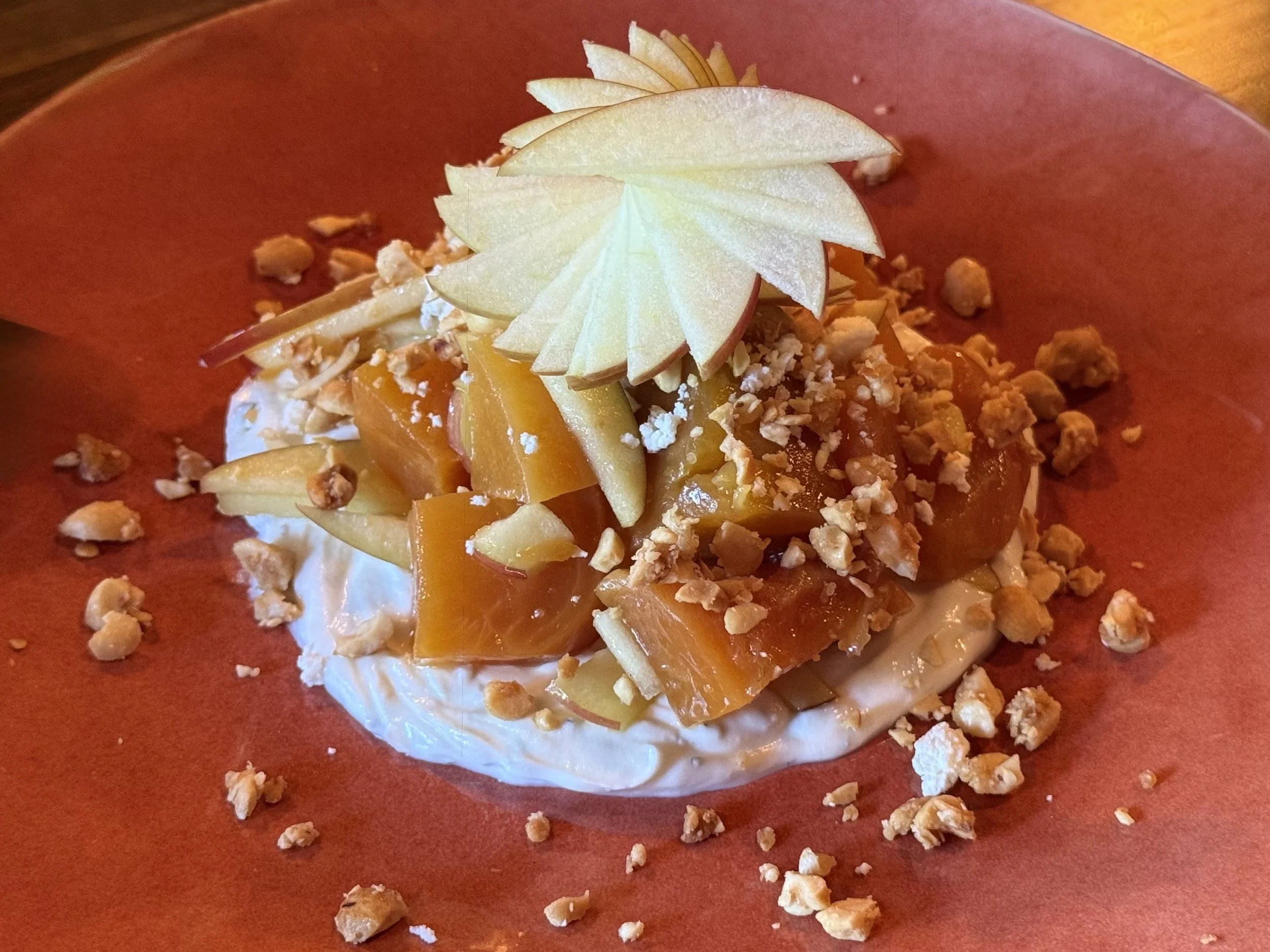
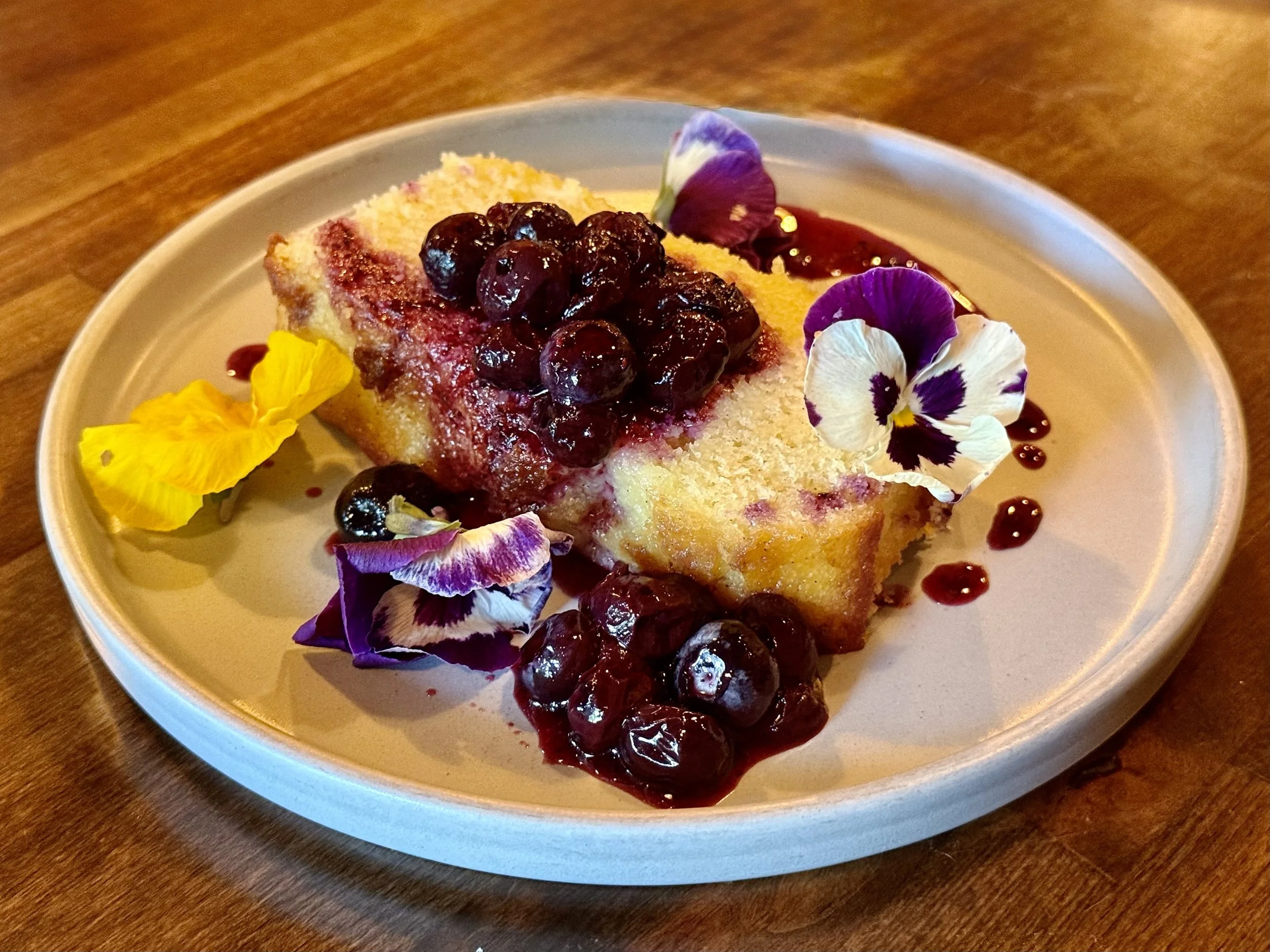
“It became really clear to me that there were enough local agriculture and enough local artisans to build a restaurant around them.” For Scott Evans, that realization became the beginning of Pago, but the journey started decades earlier.
Raised near the mouth of Big Cottonwood Canyon, Scott spent much of his childhood snowboarding, hiking, camping, and backpacking. After his parents divorced, he “shuffled,” as he describes it, between three very different worlds: his home in Salt Lake City, his father in Los Angeles, and grandparent’s home in Great Falls, Montana. While Utah gave him the mountains he loved, Los Angeles quietly introduced him to another lifelong passion.
His father and his Filipino partner believed that food was one of the best ways to experience the world. During Scott’s visits, they skipped predictable restaurants in favor of neighborhood cafés, family-run eateries, Buddhist temples, hidden culinary gems, and celebrated dining establishments. Every meal became less about eating and more about understanding another culture.
Those experiences stayed with Scott. Restaurants soon became the perfect profession. They allowed him to spend winters in the mountains while earning enough money to travel whenever he could. In 1997, he spent months driving the West Coast, surfing, skateboarding, and snowboarding from San Diego to Vancouver. The following year, he backpacked and hitchhiked across Europe for four months, spending a month in Spain before continuing through Austria, Switzerland, Germany, Morocco, and England. When Scott’s money ran out, he sold his camping gear just to change his plane ticket and make it home. In 1999, he picked himself up and spent another four months snowboarding in New Zealand, followed by travels to Peru, China, and countless destinations throughout the United States.
Along the way, Scott found himself drawn to the neighborhood restaurants that reflected the character of the communities around them. The culinary scenes of Los Angeles, Portland, Seattle, New York, and especially Spain became constant sources of inspiration. Every city, every meal, and every conversation added another layer to the vision he was slowly building.
All the while, he was, in his words, “chipping away” at his education. He completed his undergraduate degree at the University of Utah before earning his MBA from Westminster College in 2006. His path was anything but traditional. At one point he began a master’s program in communications because he loved writing and rhetoric but soon realized it would not help him accomplish his ultimate goal. Opening a restaurant would.
Scott knew that if he wanted to own a restaurant someday, he first needed to understand every aspect of the business. He intentionally pursued opportunities that would teach him something new. He helped open Sage’s Cafe before spending five years there. After leaving, he managed at the Grand America Hotel, where he inherited an extraordinary wine program following the 2002 Winter Olympics. From there, he spent a season at Stein Eriksen Lodge before helping open The Depot music venue. He later opened Zola above Squatters and remained with the company for three years. “The goal was always just to learn.” Helping open restaurants for other people, Scott says, was “compelling.” Every project offered another opportunity to build something from scratch while learning the operations, systems, and leadership skills he knew he would eventually need himself.
He pursued all of this while earning his MBA. Growing up, Scott says, his family had very little. Pell Grants helped pay for school. They relied on food stamps and assistance from the Bishop’s Storehouse. He often says he had “zero funds,” so if he hoped to open his own restaurant, he knew he would eventually need investors. The MBA was not simply about business. It was about learning how to become a responsible steward of someone else’s investment.
At one point, life presented what Scott describes as “a fork in the road.” His older sister and brother-in-law had built a life in New York City, and every visit deepened his appreciation for the city’s remarkable restaurant scene. His plan became clear: transfer through the luxury hotel world, move to New York, spend five to ten years learning from some of the country’s finest restaurants, then return west to open one of his own. Then his wife became pregnant. The couple traveled to New York with their young daughter, Milla, looking at apartments and imagining what life there might become. Instead, they realized the timing was no longer right. Family, the mountains, and the quality of life they loved in Utah outweighed the excitement of New York. “I never thought I’d stay in Salt Lake, but I kept leaving and coming back.”
Around the same time, Scott found himself volunteering at Salt Lake's growing farmers market, where local ranchers, farmers, cheesemakers, chocolatiers, and artisan producers were beginning to reshape Utah’s food landscape. Long before sustainability became a familiar phrase, it had already become his guiding philosophy. During fourteen years as a vegetarian, his focus had never been simply about avoiding meat. He cared deeply about where food came from, how it was grown, and how thoughtful agriculture could strengthen both communities and the environment. Those beliefs became the blueprint for Pago.
Scott chose the name Pago carefully. In Castilian Spanish, the word can refer to a small farm or parcel of land, often a family vineyard or estate - a fitting name for a restaurant built around local farmers, artisans, and a close connection to the land. It also appears in the Spanish wine designation D.O. Pago, which recognizes exceptional wines produced outside the country’s established wine regions. Scott saw a parallel in his own ambitions: to create an outstanding restaurant in a city not yet widely known for elevated dining. “It all kind of tied together for me.”
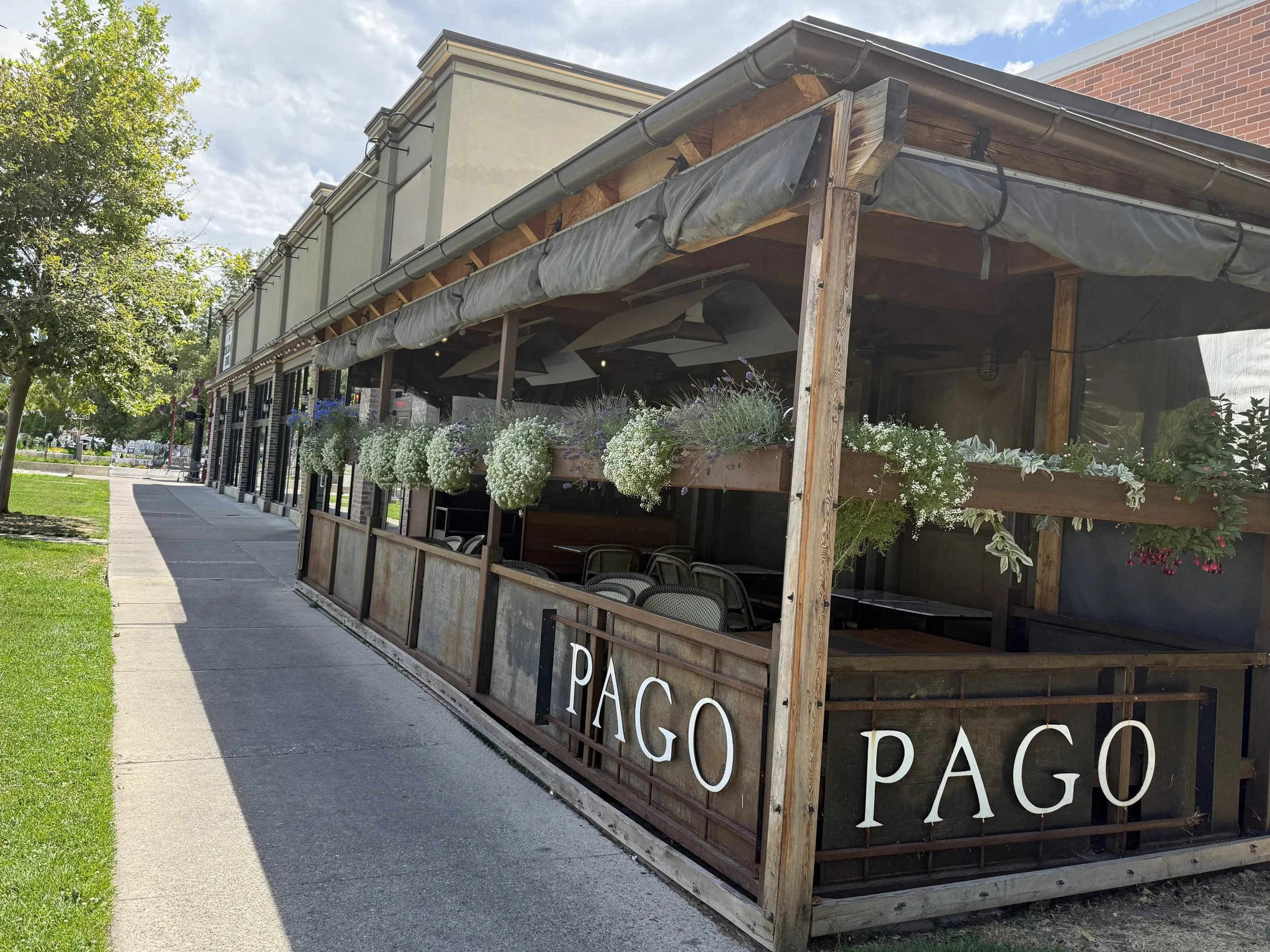
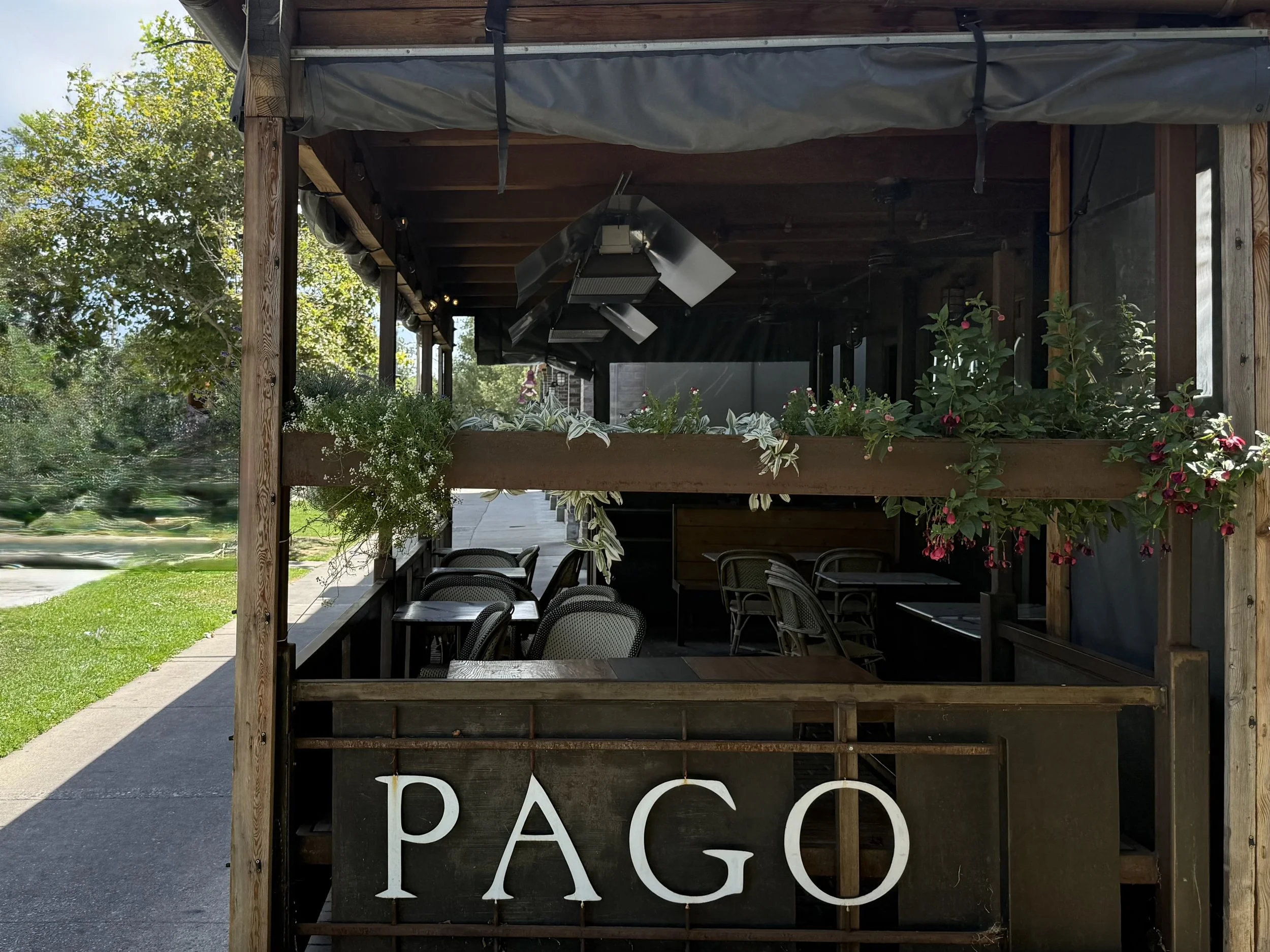
Finding the right neighborhood proved just as important as designing the restaurant itself. Years earlier, Scott had managed Park Ivy Cafe in the very building where Pago would eventually open. He already understood the rhythm of Ninth and Ninth. Independent, walkable, creative, and filled with locally owned businesses, it reminded him of the neighborhoods he admired while traveling. He was never looking for a large restaurant. Most available spaces seated two hundred guests or more. Scott wanted something intimate. “I’d rather serve the same people over and over and become part of the community.”
At just over one thousand square feet, Pago was exactly that. After completing his business plan, Scott shared it with his sister and brother-in-law hoping only for feedback. Instead, they offered to invest. Combined with two Salt Lake City small business loans, it gave him the opportunity to open Pago in 2009.
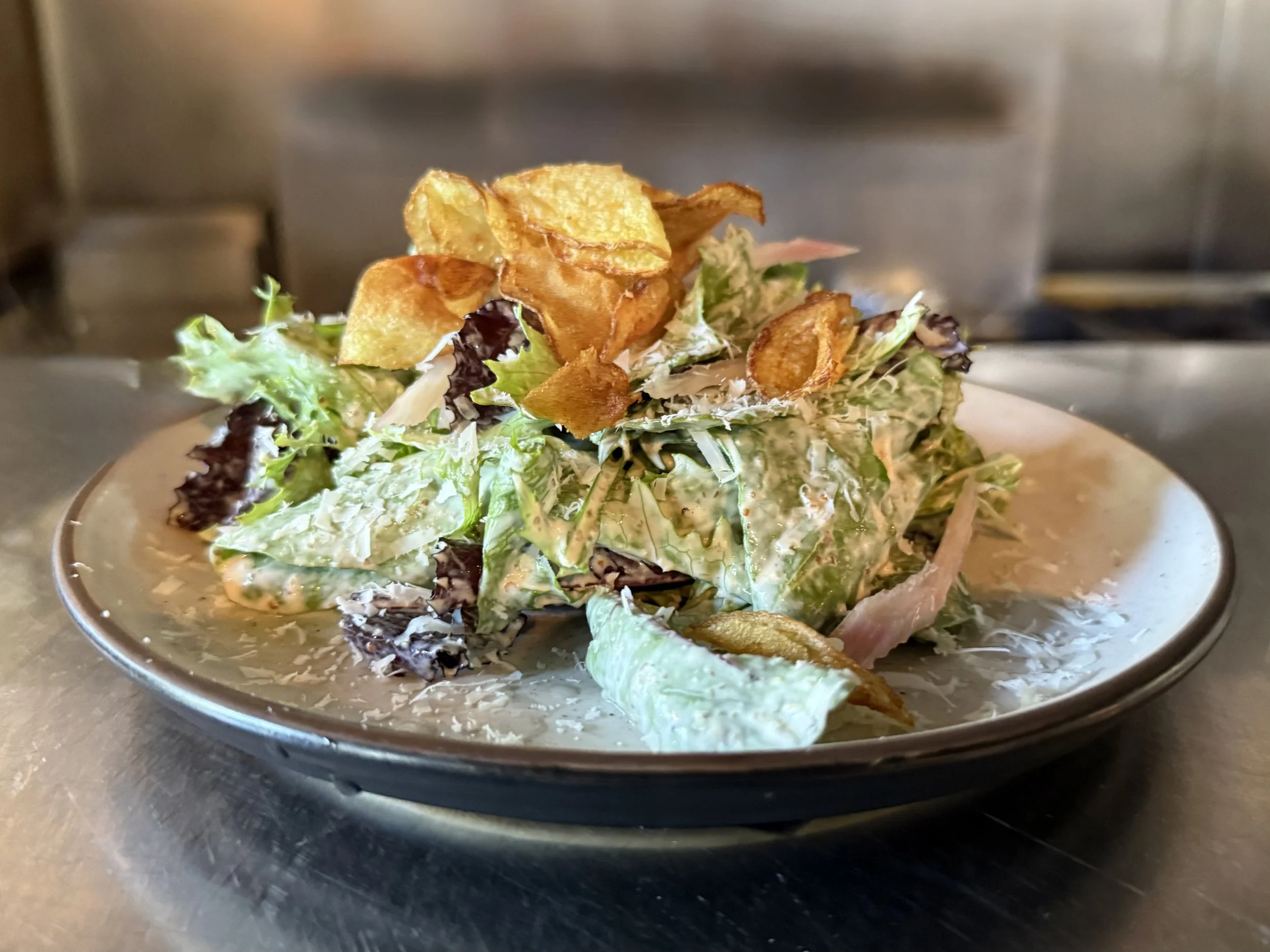
Scott is always careful to acknowledge that Hell’s Backbone Grill in Boulder pioneered Utah’s farm-to-table movement. Pago, however, became the first restaurant to fully embrace that philosophy in an urban setting. Today, seasonal menus, local sourcing, and close relationships with farmers feel almost expected. In 2009, they were anything but. The menu changed with the seasons and sometimes week by week. Tomatoes disappeared when summer ended. Spring ingredients arrived briefly before giving way to something new. Diners often wondered why their favorite dishes had vanished. “Eight out of ten tables, we were explaining what farm-to-table meant.”
Pago also redefined what elevated dining could feel like. Scott admired the precision and professionalism of traditional fine dining but never cared for its formality. He wanted the cooking to be refined, the service polished, and the wine program exceptional, while making guests feel completely at ease. “It was imperative to me that people feel comfortable.”
That philosophy extended to Pago’s celebrated wine program. Scott sought out small family producers, organic and biodynamic vineyards, and wines that reflected the same care and craftsmanship found in the kitchen. Rather than stocking labels guests already knew, he introduced them to wines they might never have discovered on their own. Over the years, Pago earned repeated recognition for one of Utah’s finest wine lists, not because it was the largest, but because every bottle had been thoughtfully selected.
Nearly two decades later, Pago continues to evolve. While staying rooted in farm-to-table principles, Scott has broadened the restaurant’s focus to celebrate the ingredients and traditions of the Intermountain West, highlighting local farmers, ranchers, heritage ingredients, and producers who tell the story of the region.
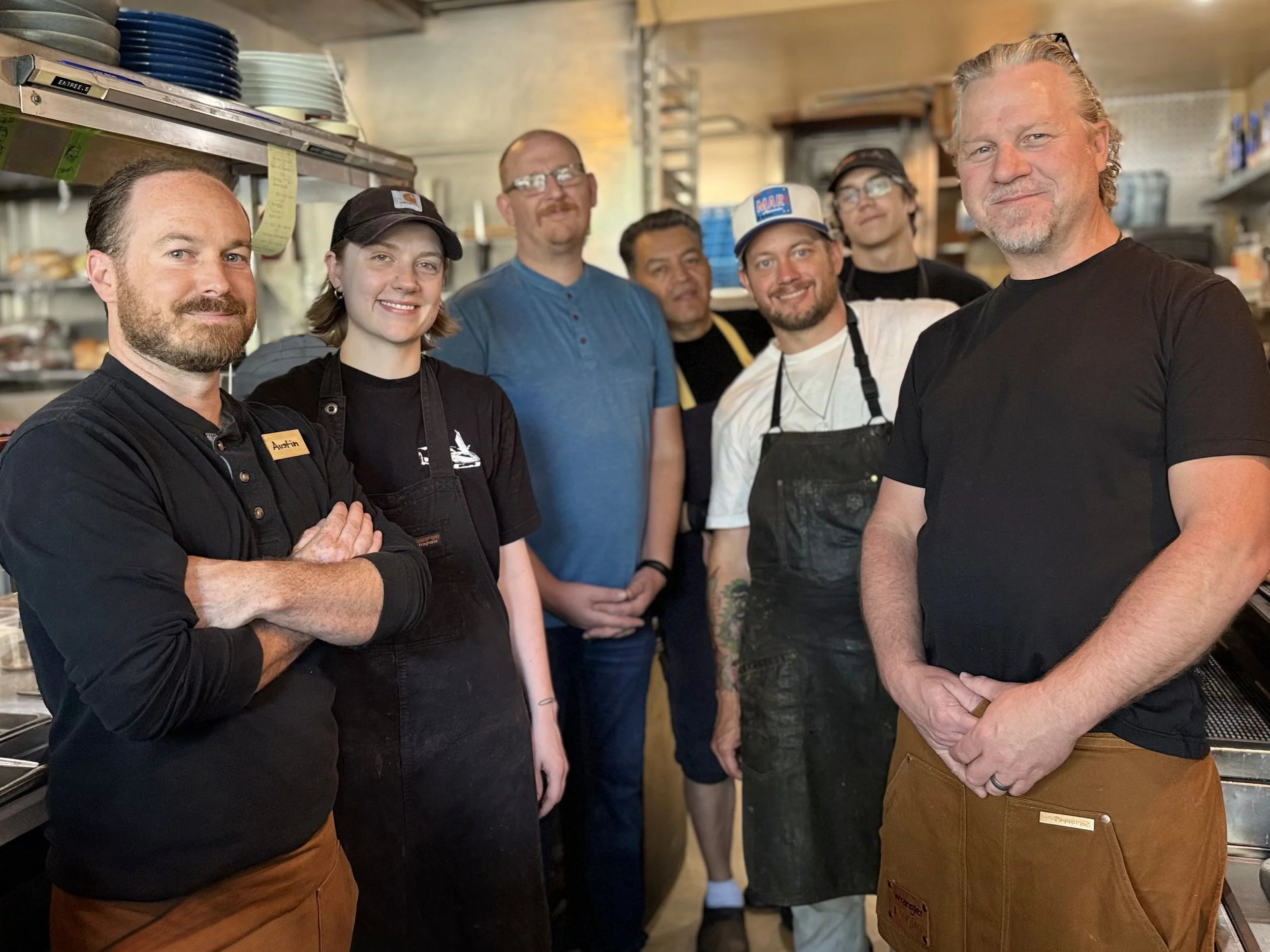
Pago’s greatest legacy, however, cannot be found on its menu. Many of the chefs, bartenders, managers, and sommeliers who began their careers in this neighborhood restaurant have gone on to open some of Salt Lake's most respected restaurants, wineries, and cocktail bars. Others have remained with Scott for well over a decade, a testament to the culture he has built behind the scenes.
Pago also became the foundation for the businesses that followed - Finca, Casot, Emigration Cafe, and Sugar House Station. Each has developed its own identity, but all share the same philosophy that Scott shaped inside a small neighborhood restaurant on Ninth and Ninth. “We’re still here because we love Utah. We love these neighborhoods. If a restaurant can become part of people’s lives and add something meaningful to the community, that’s success.”