Finca
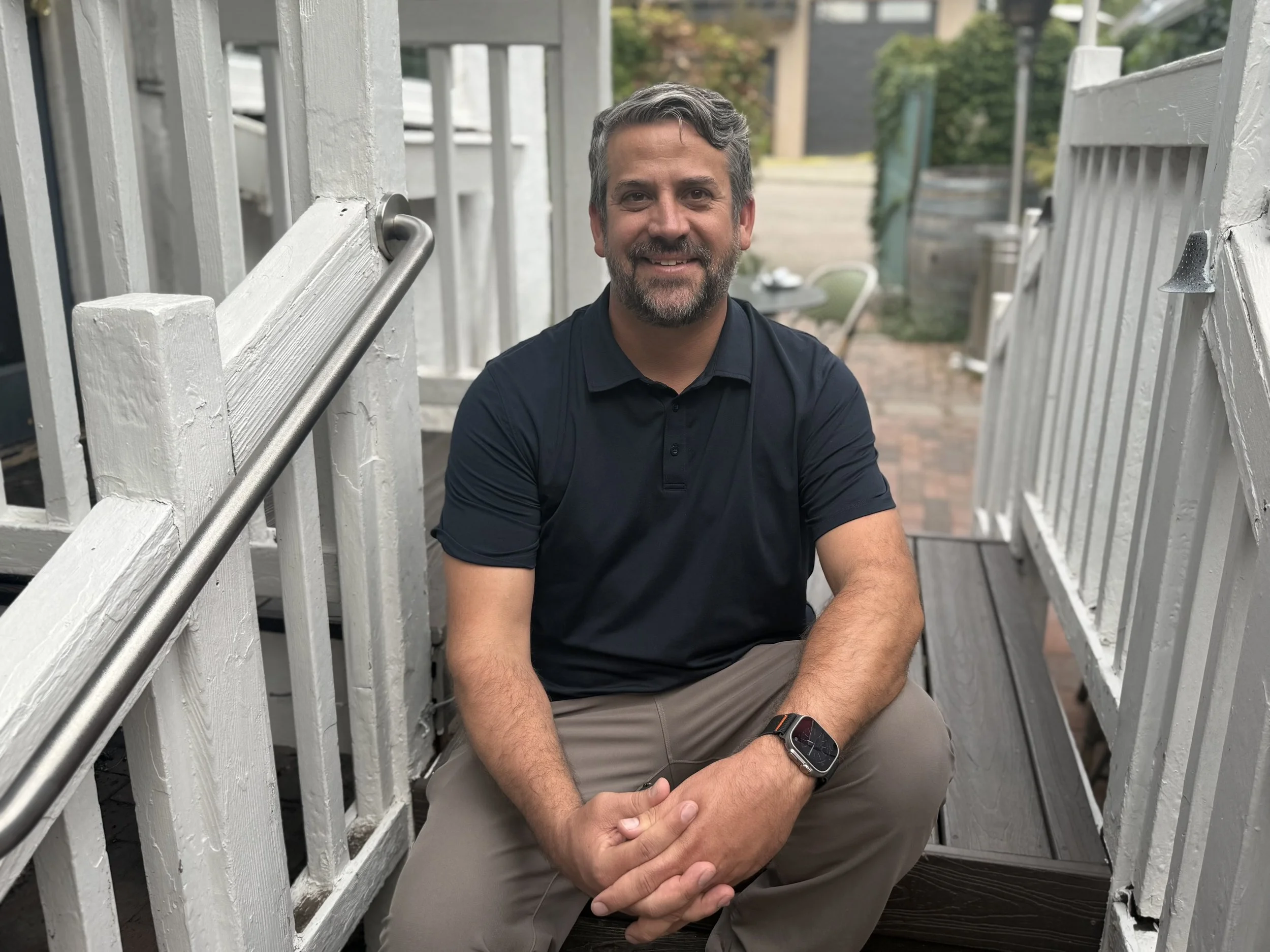
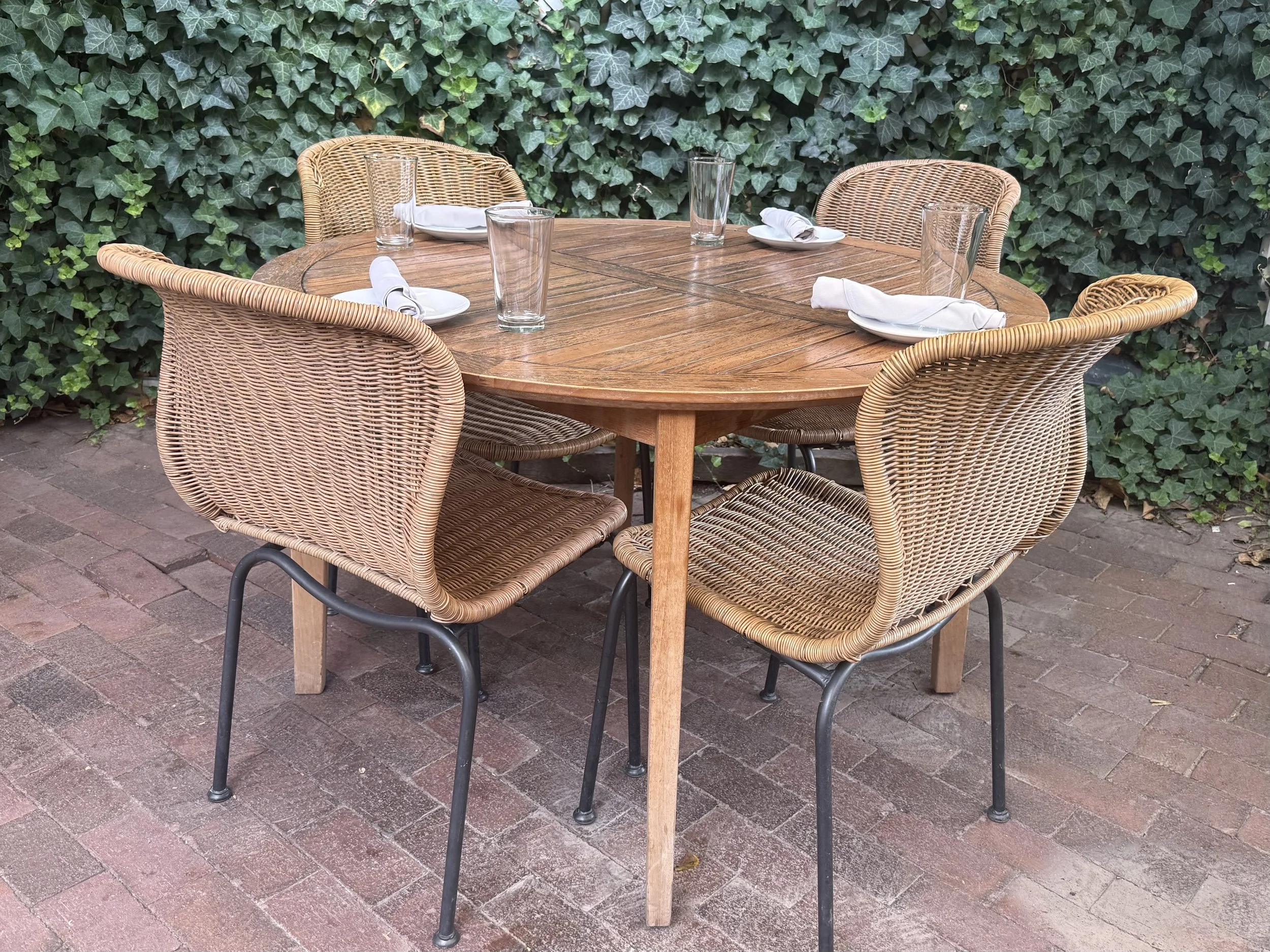
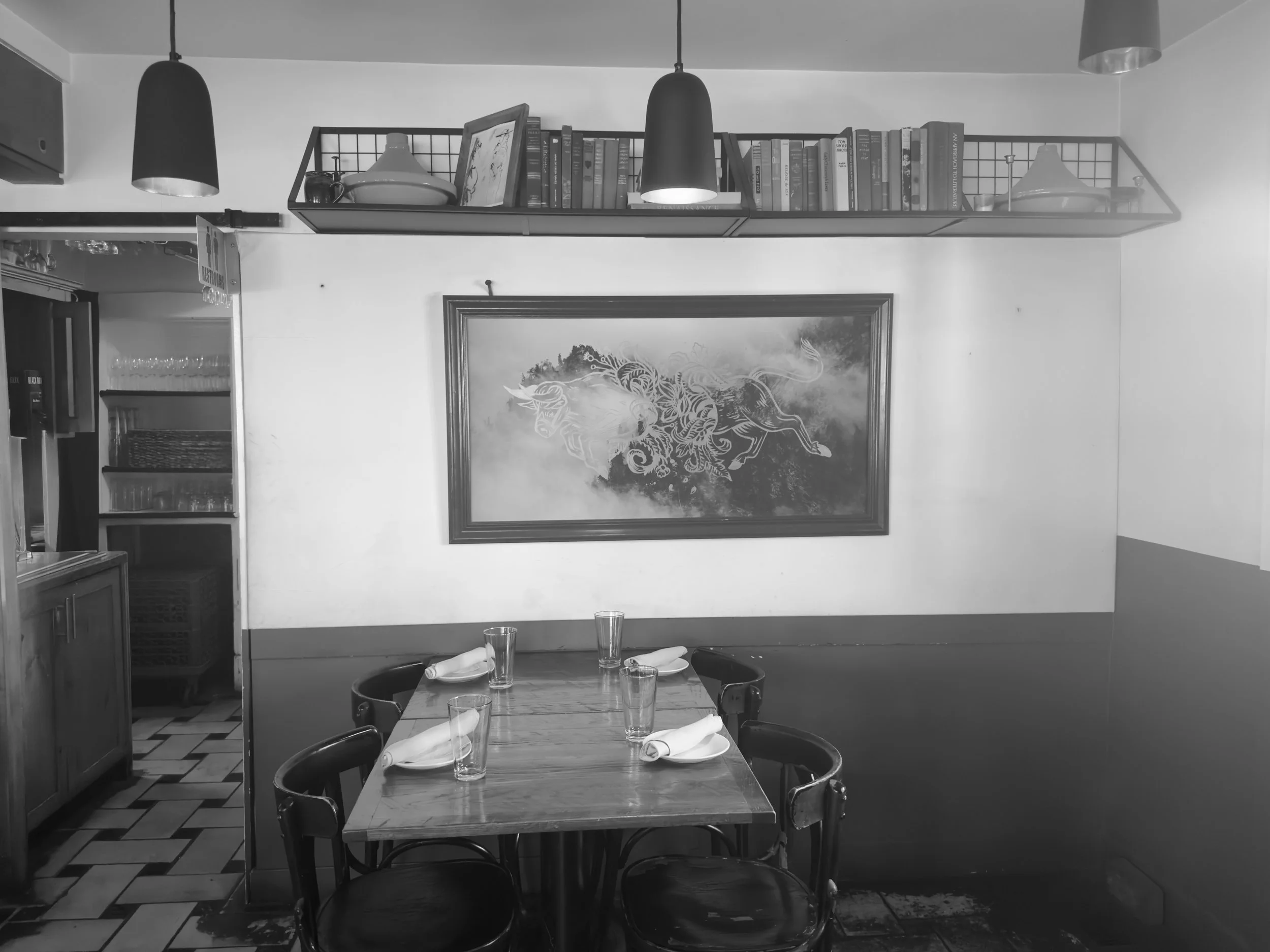
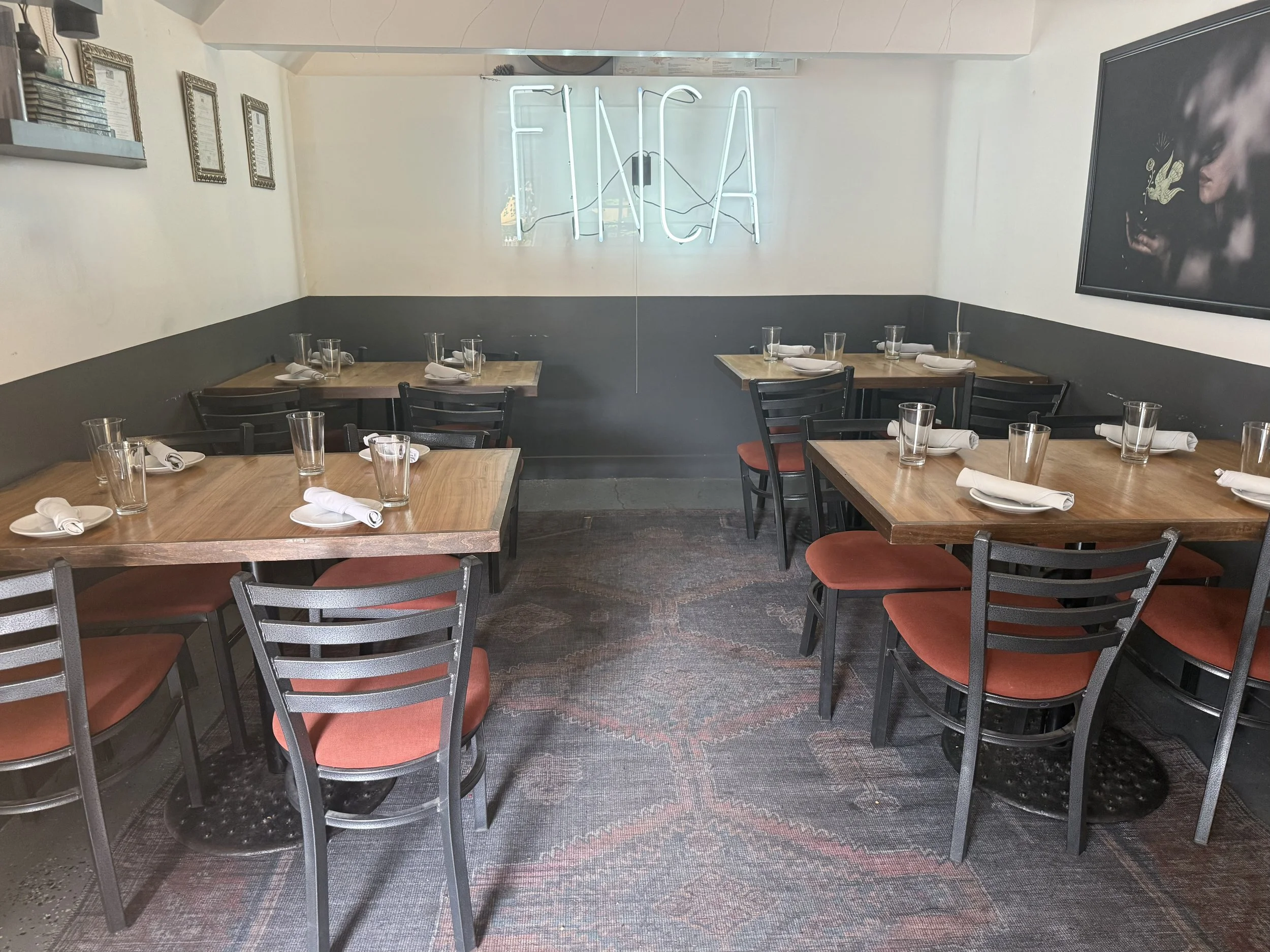
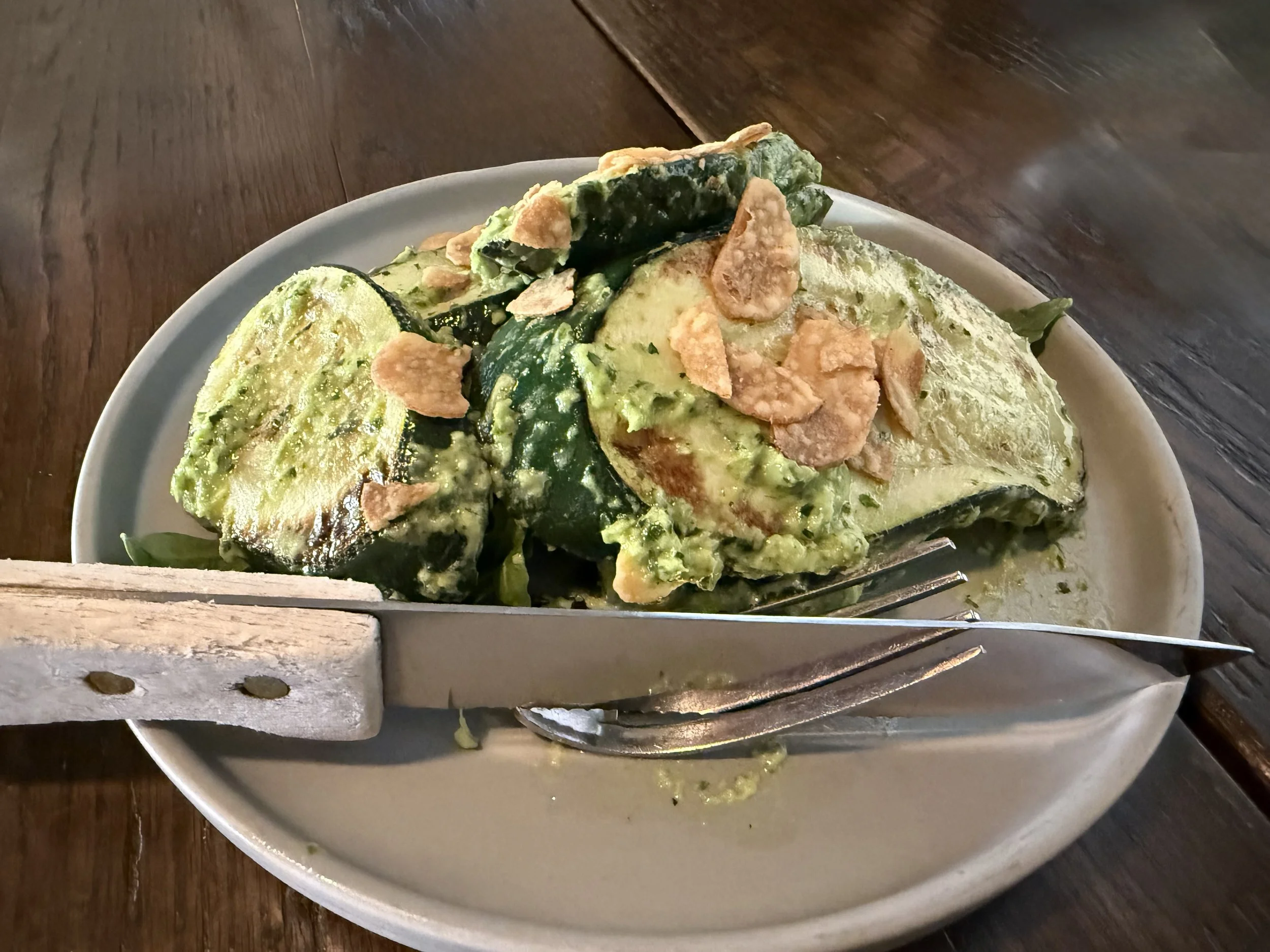
“What I fell in love with was tapas culture - sharing dishes, smaller plates, lots more food, cocktails, wine, gin tonics.” For Scott Evans, Finca began with Spain. Long before opening the restaurant, Scott spent a month traveling through Spain during a four-month backpacking journey across Europe.
Scott’s appreciation for food had been sparked years earlier through visits with his father in Los Angeles, where meals became a way of exploring diverse cultures, but Spain left the deepest impression. He found himself drawn not only to the food, but to the rhythm of everyday life - neighborhood gathering places, leisurely meals, and evenings that unfolded over shared plates and conversation. Travel, culture, and diversity had always inspired him. Spain simply brought those passions together.
After opening Pago in 2009, Scott realized there was another experience missing from Salt Lake’s dining scene. While Café Madrid had long represented traditional Spanish cuisine, he envisioned something different - a neighborhood tapas restaurant inspired by the warmth, energy, and informality that he had experienced throughout Spain. Even the name tells part of the story. In Spanish, finca refers to a farm or rural estate, another quiet nod to the connection between food, agriculture, and place that has guided Scott's restaurants from the beginning.
Finca opened in 2012 in the space now occupied by Hub & Spoke Diner. The original restaurant reflected the ambitions of a younger restaurateur. The menu leaned toward contemporary Spanish cuisine inspired by Barcelona and Madrid, the dining room had a more refined feel, and Scott wanted to introduce Salt Lake diners to a side of Spain few had experienced.
When the building was sold and the rent increased, Finca relocated downtown. Scott and his partners purchased a building and dramatically expanded the restaurant, creating a much larger space that depended heavily on banquets, conventions, and group business. The concept worked, but the scale never quite matched the intimate neighborhood experience that had first inspired Finca. When Outdoor Retailer events left downtown, a substantial part of that business disappeared. Then came the pandemic.
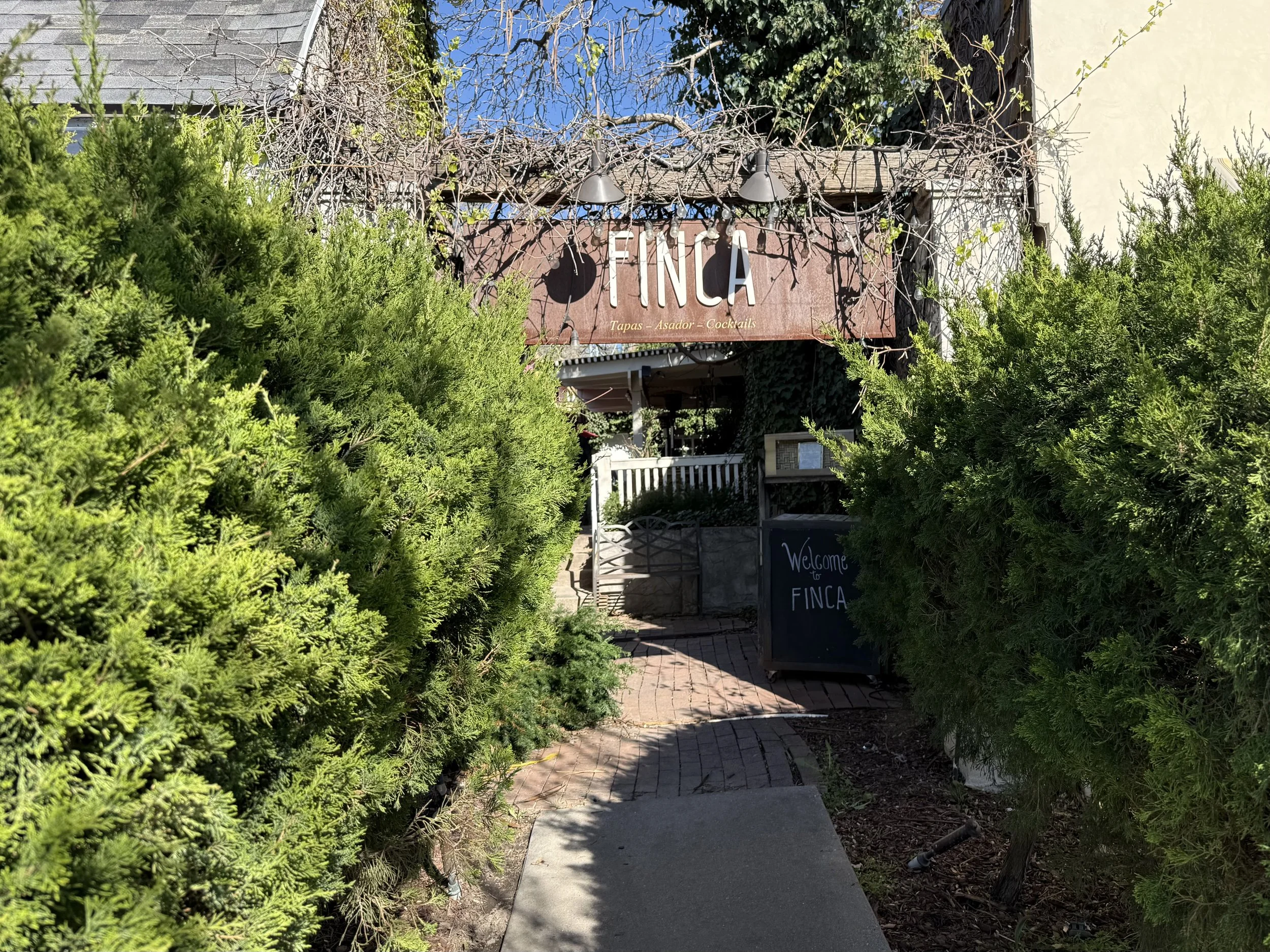
Rather than let the restaurant disappear, Scott made another difficult decision. After selling the downtown building, he moved Finca into the former Trestle Tavern at 15th and 15th. It became the restaurant’s third home and, in many ways, the one it had been waiting for all along.
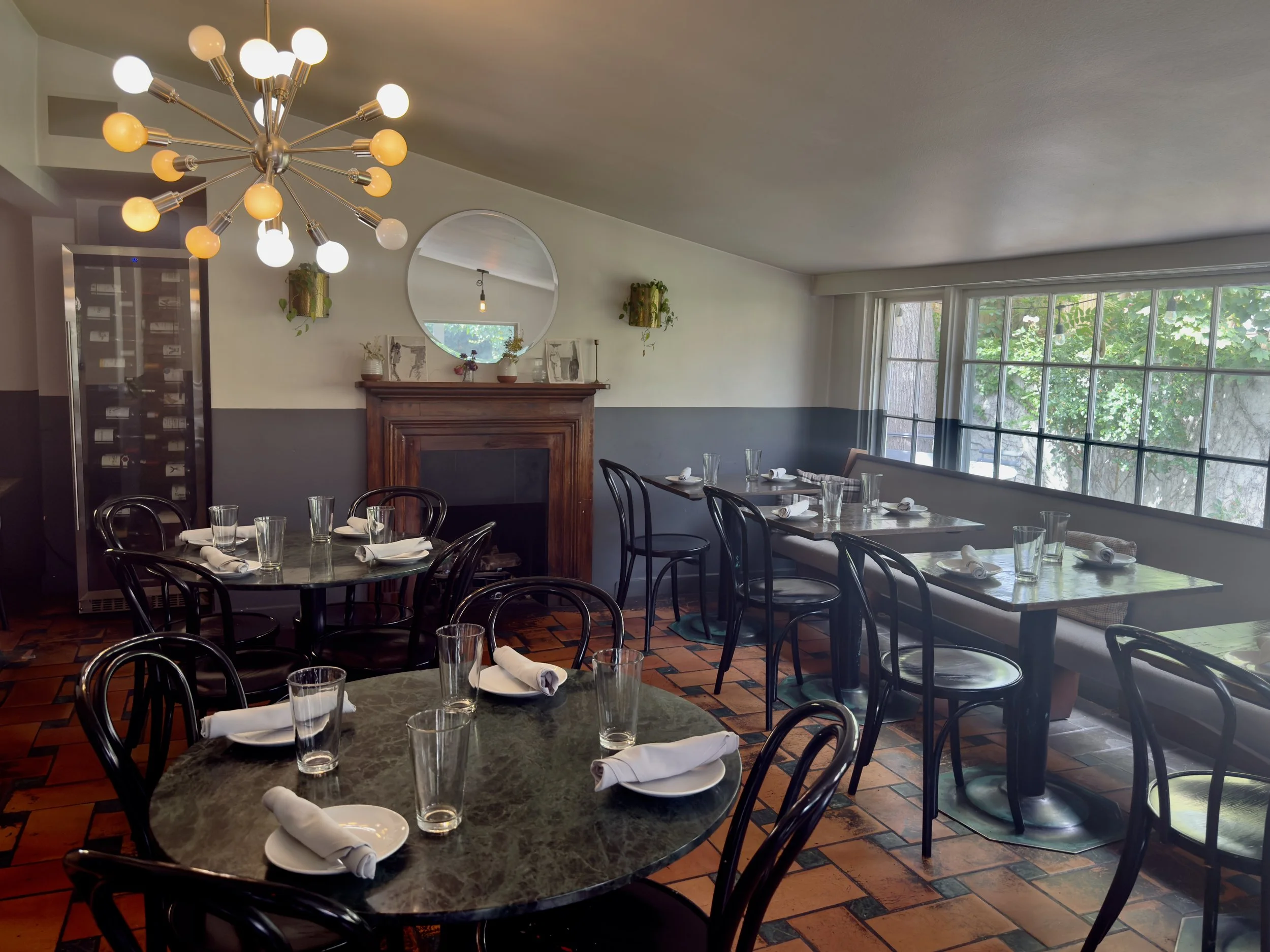
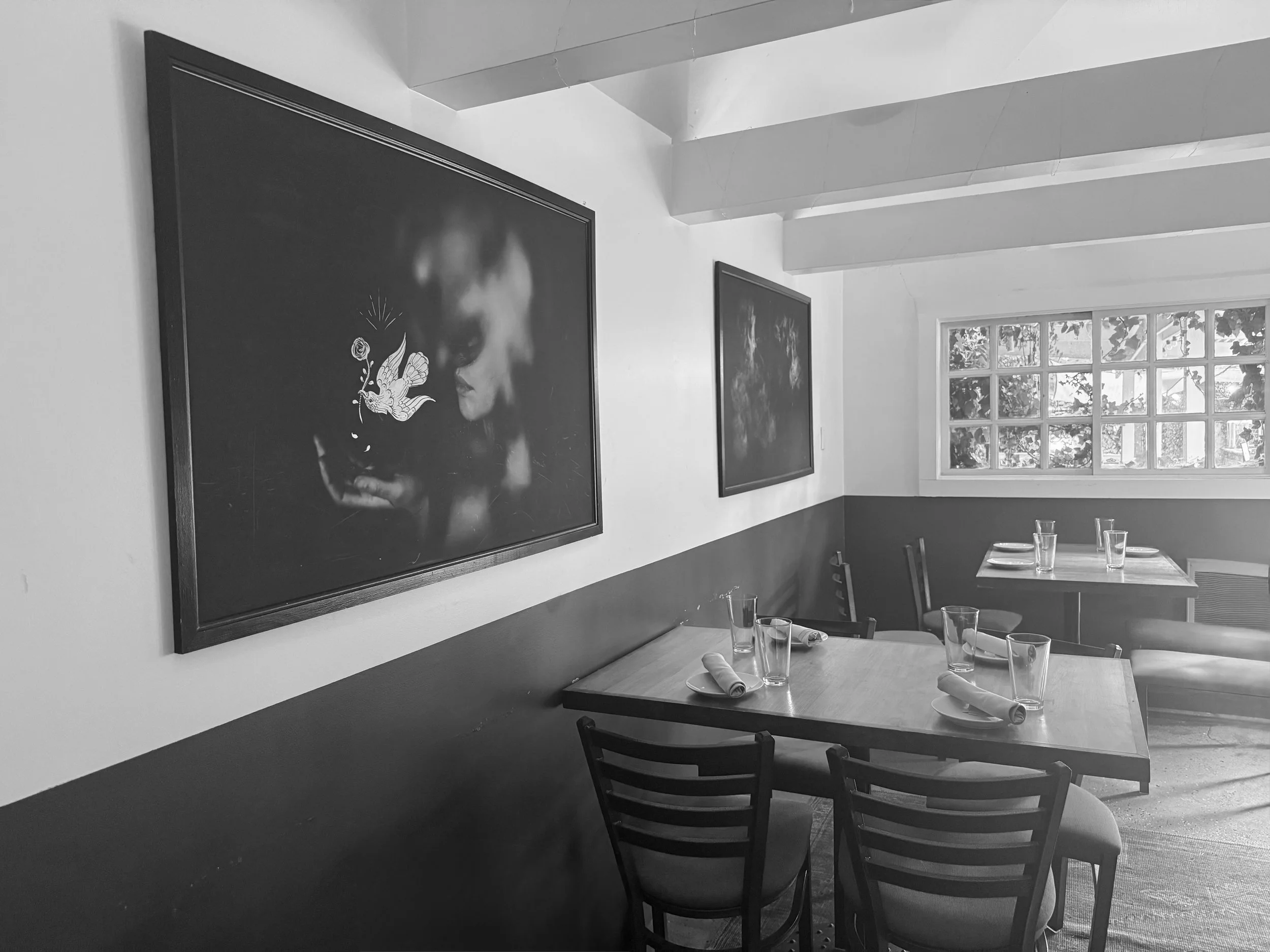
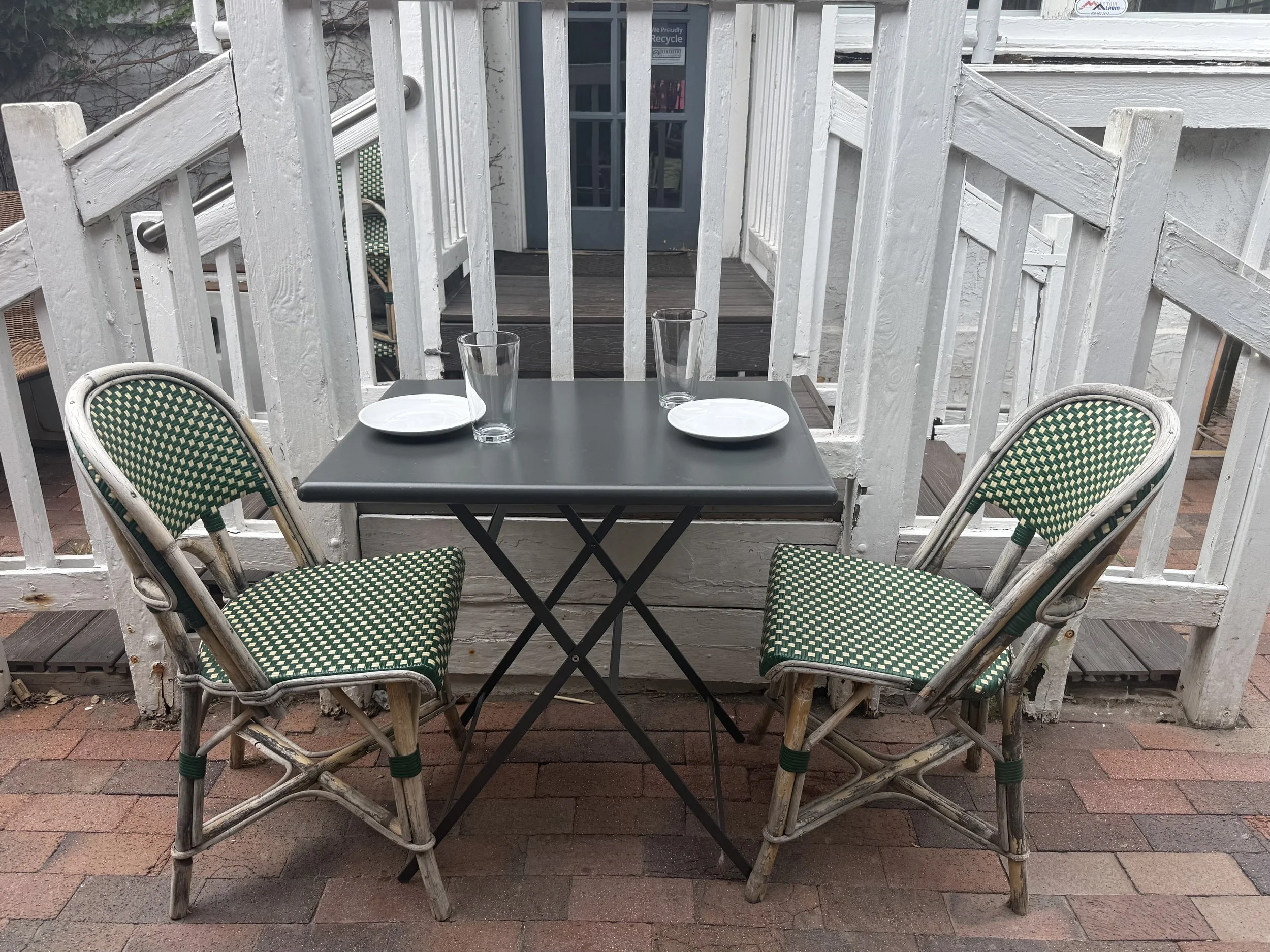
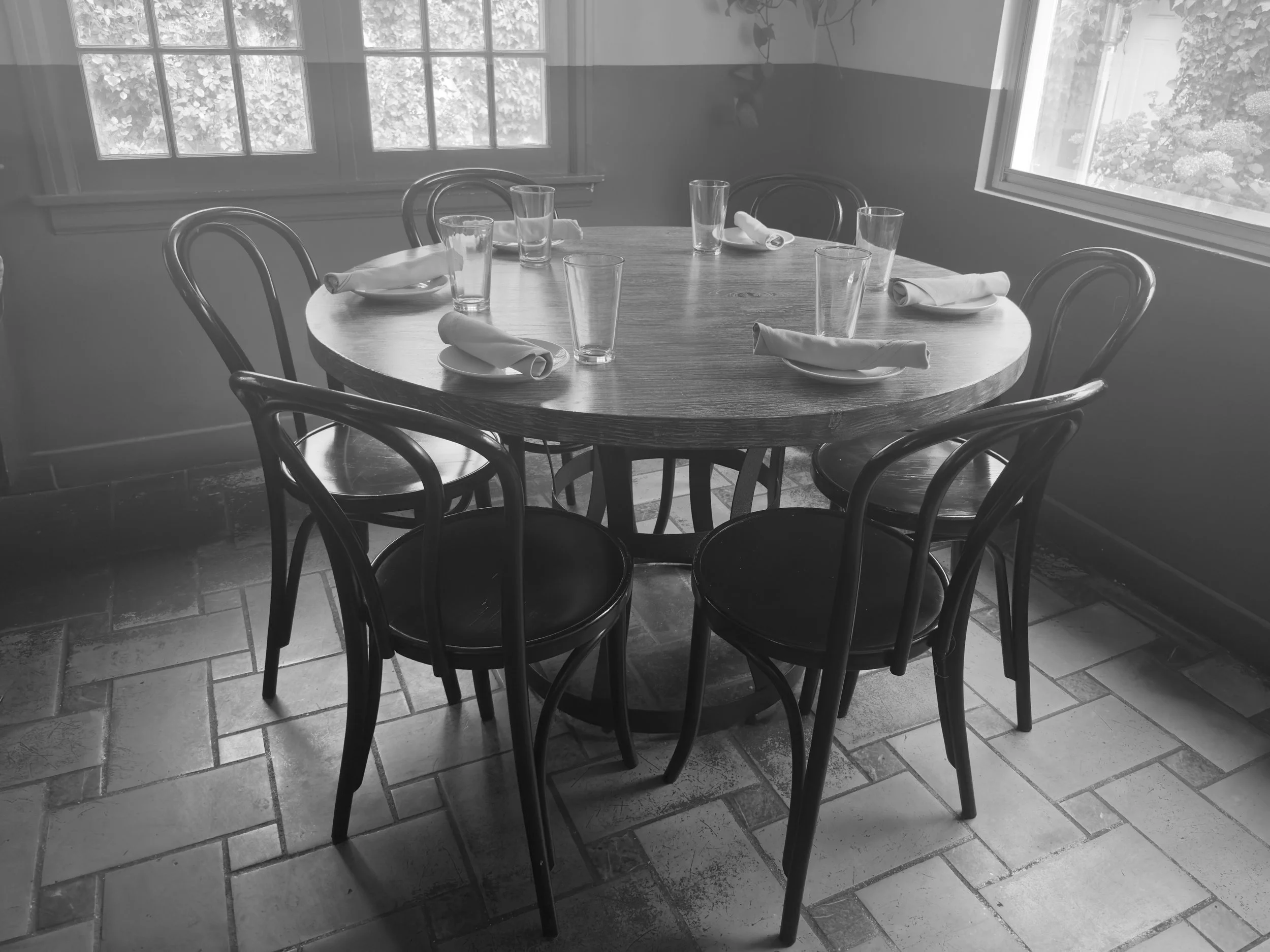
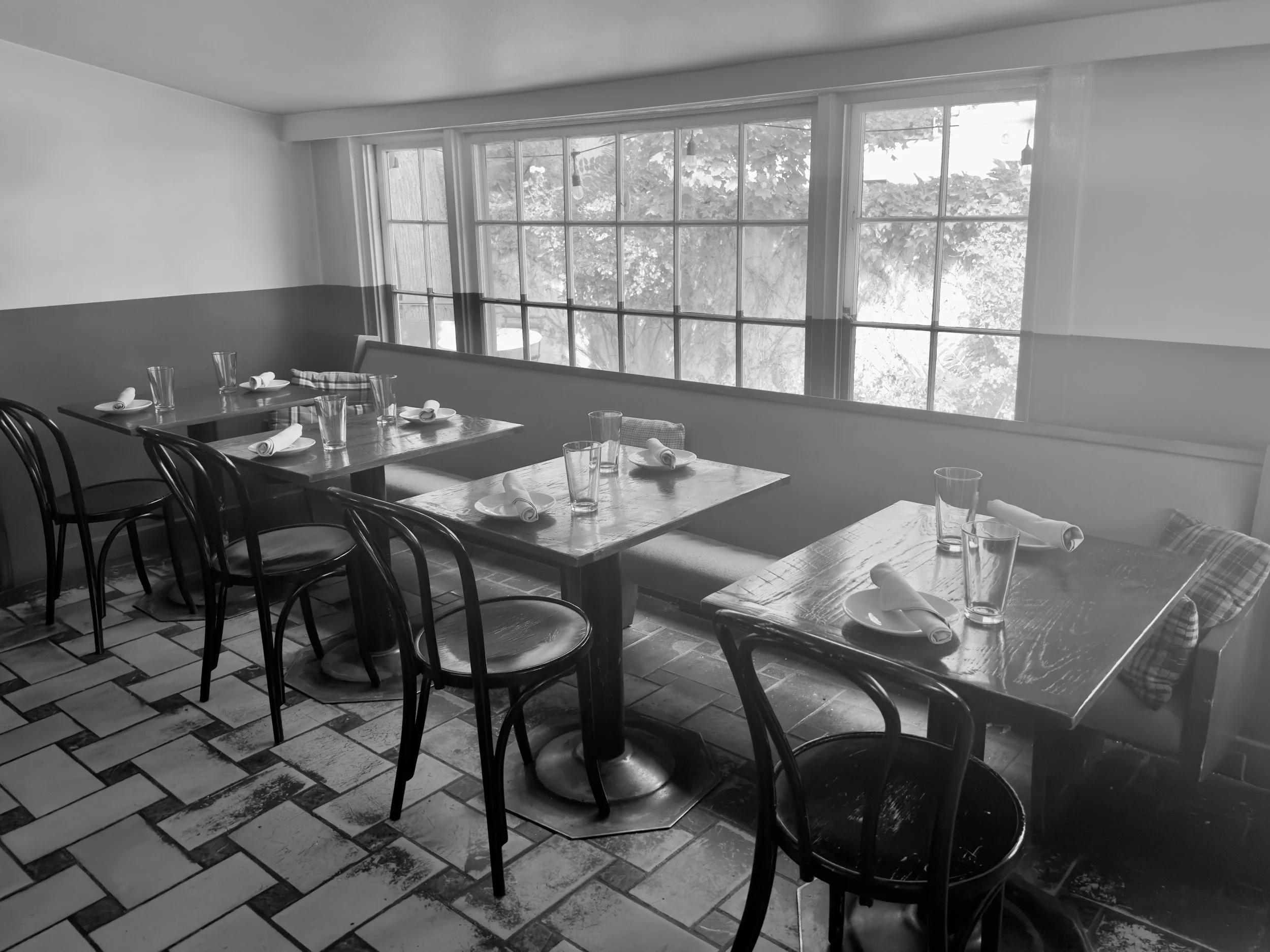
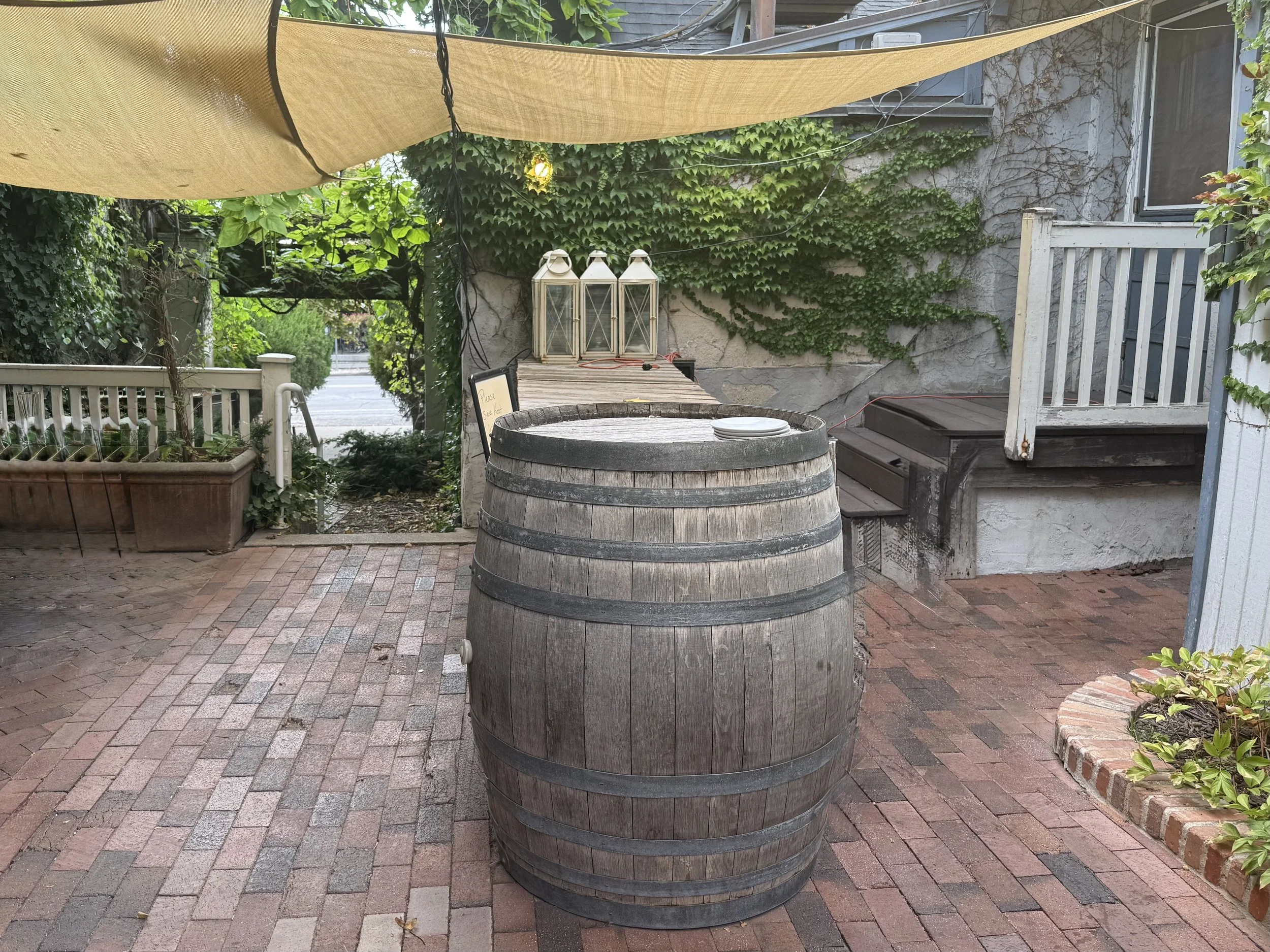
The fifty-year-old house at once reminded Scott of the neighborhood restaurants he repeatedly returned to while traveling through Spain. Rustic rather than polished, intimate rather than expansive, it encouraged exactly the kind of dining experience he had always admired. The building itself helped redefine Finca.
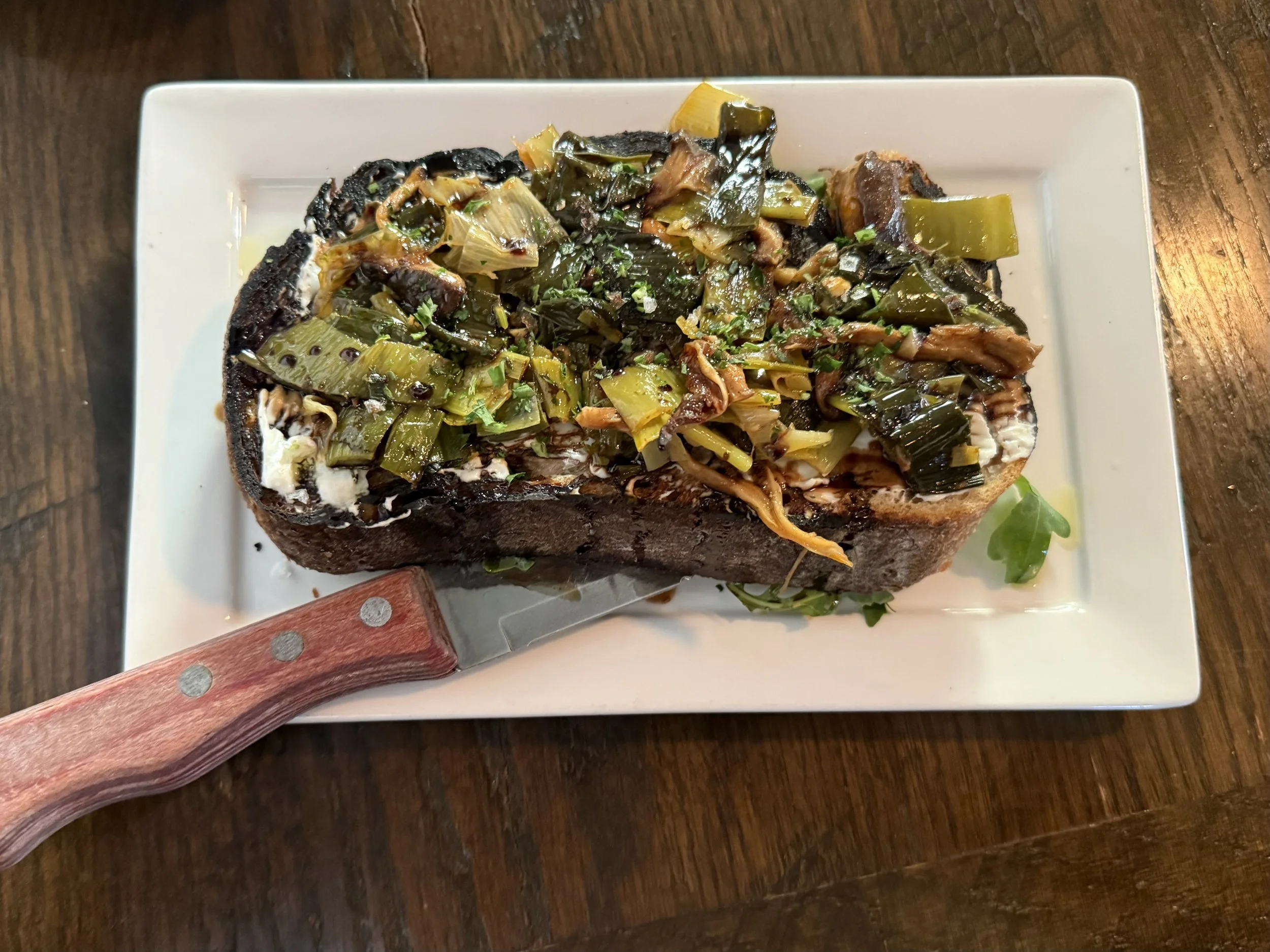
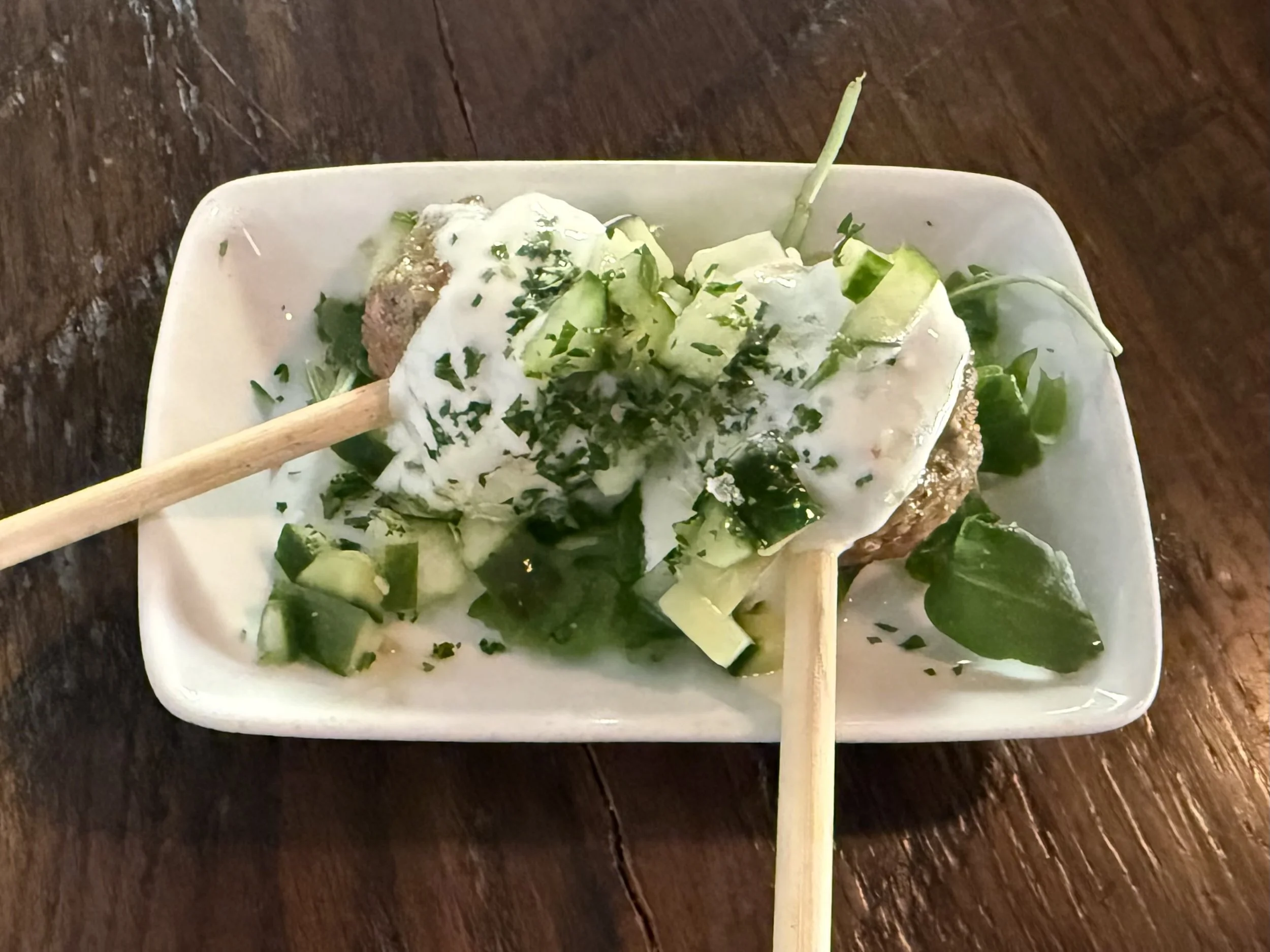
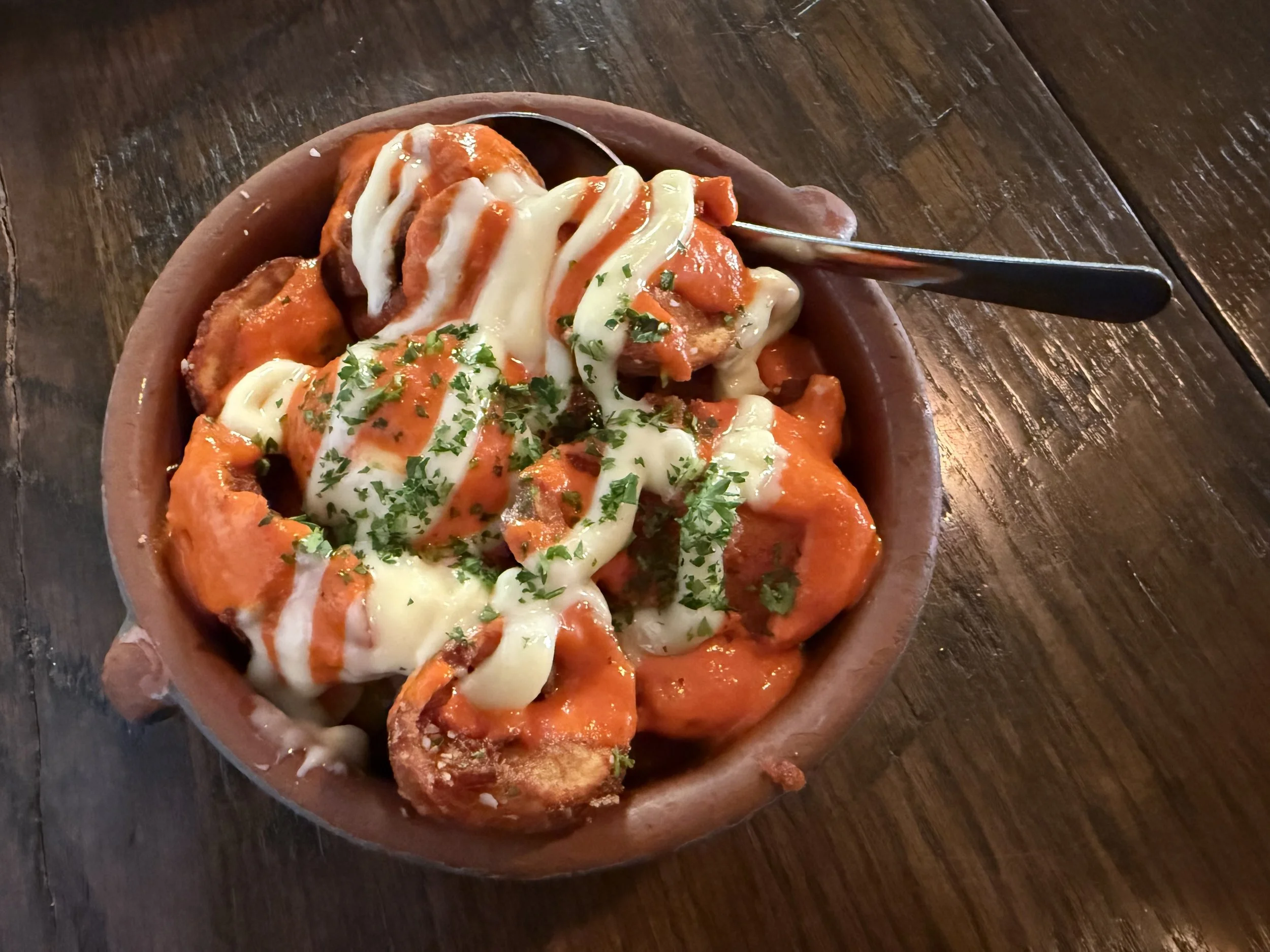
As Finca settled into its new home, the menu evolved as well. Scott gradually moved away from contemporary interpretations and embraced the traditional tapas that had first captivated him decades earlier: skewered: skewered pinchos morunos, albondigas (Spanish meatballs), and patatas bravas to name a few. Cazuelas, rustic serving pieces, Spanish and Portuguese wines, and a more focused menu all reflected that shift. “Opening restaurants when I was young, I had a different perspective. What people connected to was something that felt a little more authentic.”
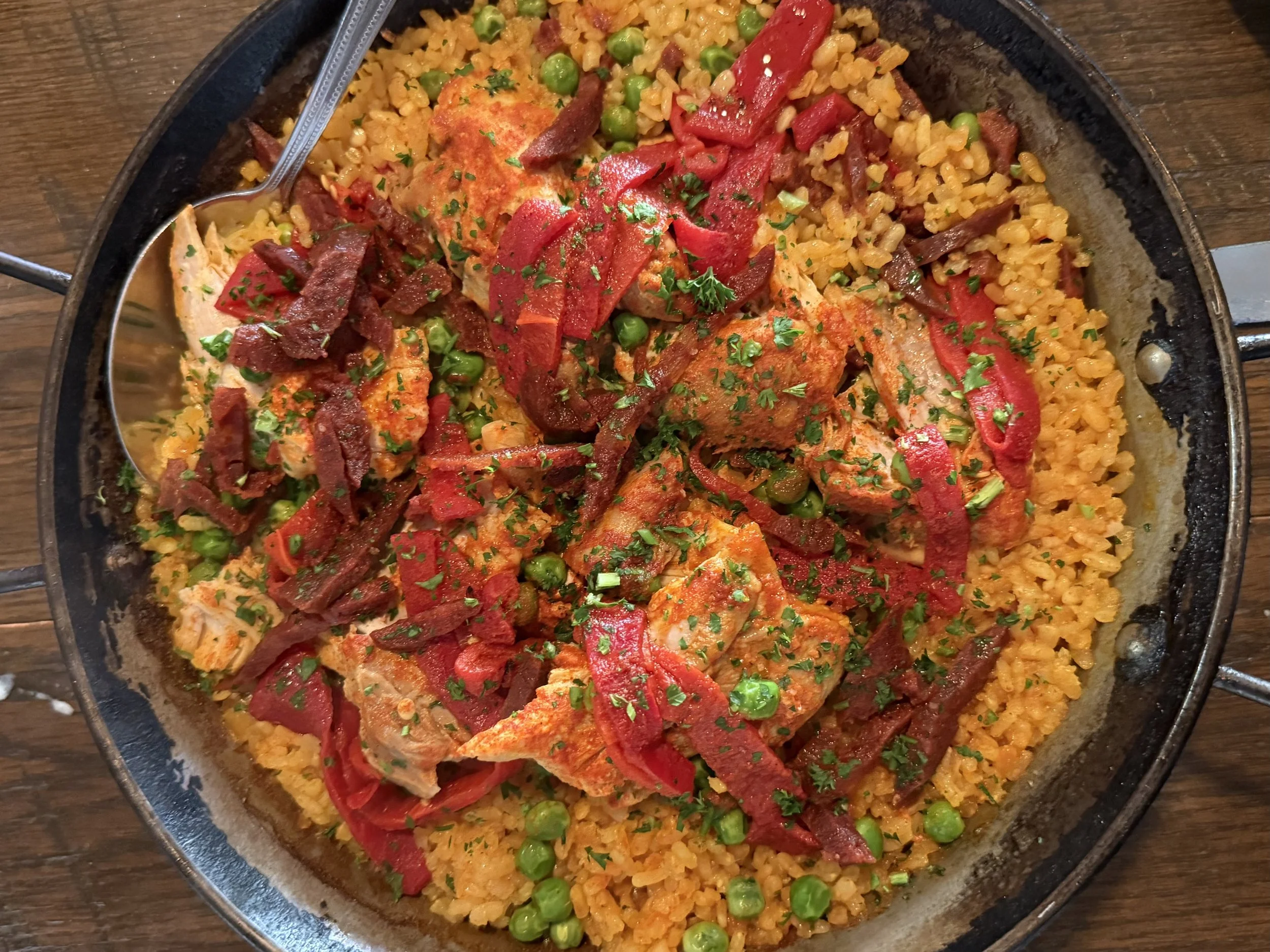
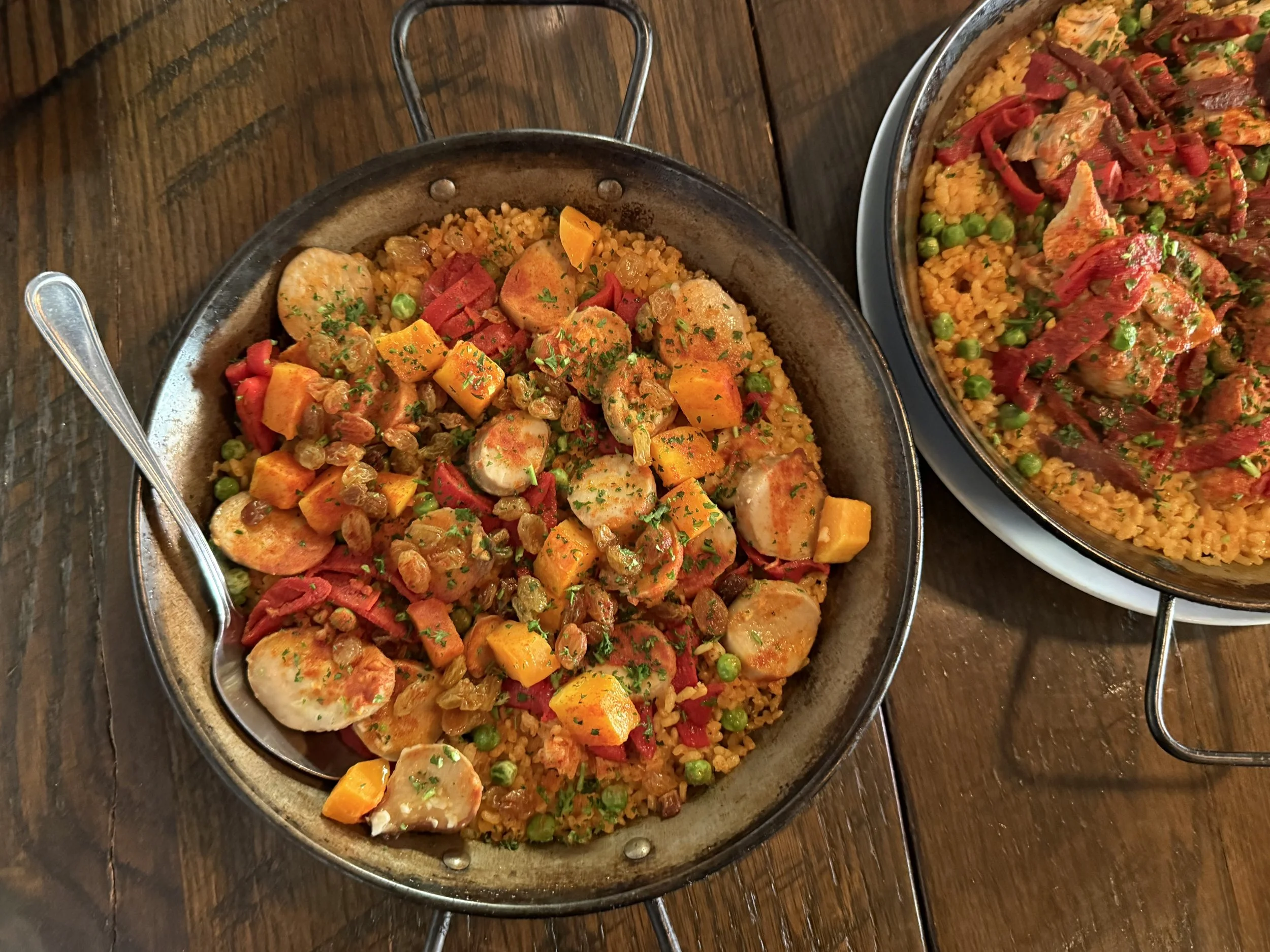
That philosophy extended to the restaurant’s paella. For years, Scott hesitated to serve the dish because he did not feel their version truly represented what he had experienced in Spain. When they finally committed to preparing it traditionally, some diners mistook the prized socarrat - the crisp, caramelized rice at the bottom and edges of the pan - for something burned. For a time, Finca softened the preparation to better match diners’ expectations. Eventually, Scott decided that authenticity mattered more. “If we’re going to do it, we’re going to do it the right way.” Today, the traditional version is still on the menu, accompanied by the conversations that help guests understand why it is prepared that way.
Finca has been at its strongest in its current home. The smaller footprint, the neighborhood setting, and the more traditional menu have allowed the restaurant to become what Scott always hoped it could be. It is no longer trying to introduce diners to an unfamiliar version of Spain. Instead, it reflects the places he found himself returning to again and again - the neighborhood tapas bars where food is meant to be shared, conversations are meant to linger, and hospitality always comes first. “I wasn’t trying to show people what I thought Spain was. I was trying to share what I loved about it.”