Red Iguana
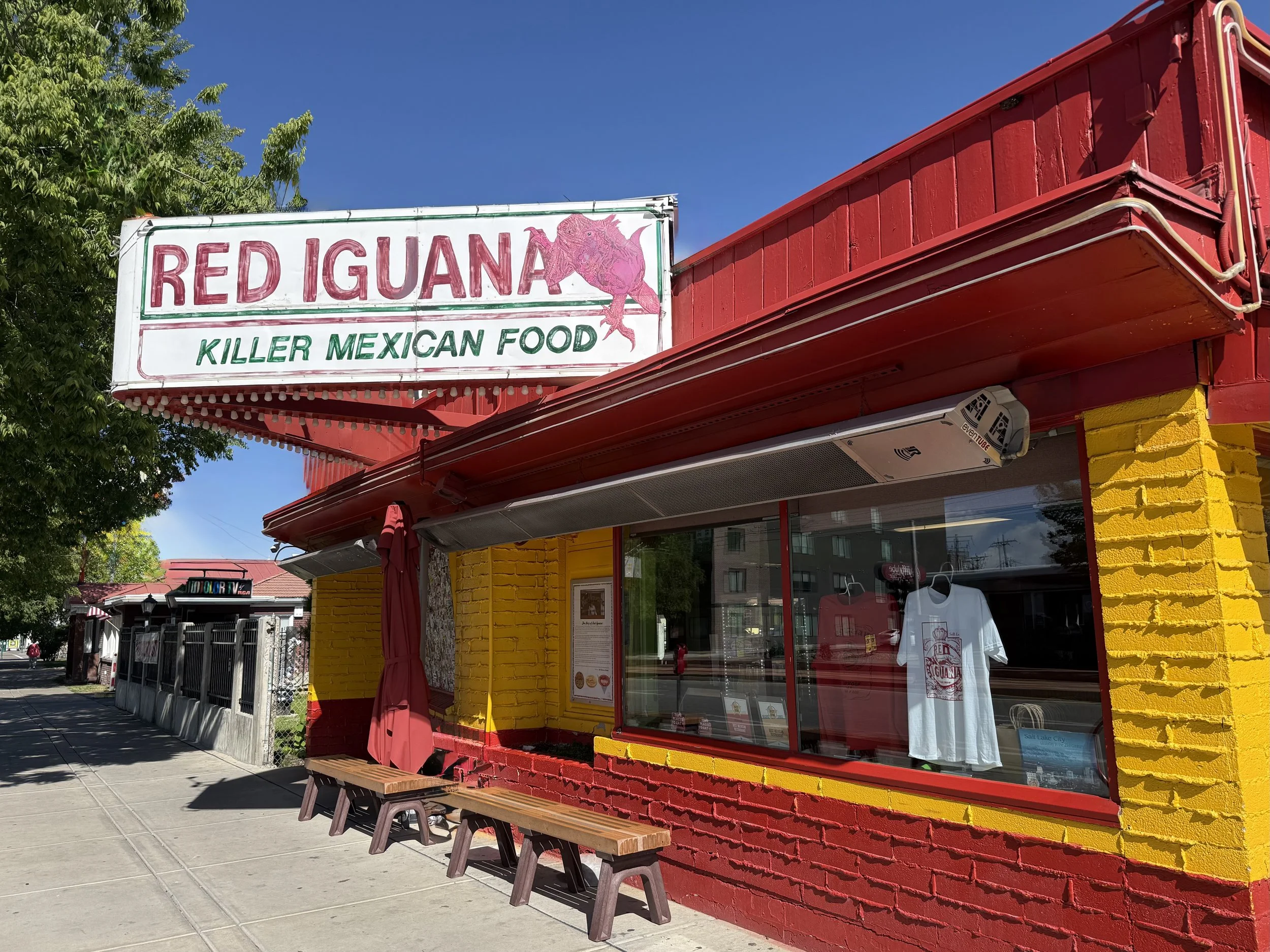
Address: 736 West North Temple Street (see map)
866 West South Temple Street (Red Iguana 2)
Telephone: 801-322-1489
801-214-6050 (Red Iguana 2)
Website: rediguana.com
District: Guadalupe (see map)
Poplar Grove (Red Iguana 2)
“We are very proud of our heritage and very proud of our food and very proud of our culture.” Lucy Cardenas, owner of Red Iguana, says those words thoughtfully, not as a rehearsed sentiment, but as the clearest explanation of what has driven her family for generations. Long before Red Iguana became one of Salt Lake City’s most beloved restaurants, before the pink walls, the legendary moles, the lines out the door, and the national attention, there was simply a Mexican family trying to build a life through food.
Lucy’s story begins with her parents, Maria and Ramon Cardenas, who immigrated separately from Mexico in the 1950s and eventually met in San Francisco. Her father worked in restaurants as a busboy, while her mother, tiny in stature but enormously gifted, brought creativity into everything she touched. “My mother was 4’10”, a tiny little thing, and she was very artistic. She could do anything, and she cooked really, really well.”
Lucy laughs when she says she inherited none of that artistry herself, but the admiration in her voice is unmistakable. She believes it was her mother’s cooking that first captured her father’s heart. Her father used to tell a different version of the story, one Lucy never forgot: that she herself was the reason they became a family. When he first met baby Lucy, she reached up for him, and from that moment on, he was all in.
The couple built their early lives around restaurants in San Francisco, taking opportunities wherever they could find them. Lucy remembers being a rambunctious little girl, surrounded by food, customers, noise, and long workdays. Even then, the restaurant life was already becoming part of her. One of her earliest memories involved helping her mother seat customers while her father traveled to Mexico after his own mother passed away. Lucy was only five years old, but she greeted guests, walked them to their tables, and proudly earned tips. Her mother used those tips to buy her a beautiful dress. “That was the first thing I ever purchased with tips.”
In 1965, the family left California for Salt Lake City. An uncle had helped arrange an opportunity to run a restaurant called Casa Grande, and Lucy’s parents believed Utah might offer their children a safer, better life than the rougher neighborhoods of San Francisco’s Mission District. Lucy, however, was devastated. She still remembers sitting in the back of the station wagon as they crossed the Bay Bridge for the last time, staring at the city lights and wondering what her parents were doing.
Salt Lake was not easy in those early years. “There weren’t a lot of Mexicans,” Lucy said. “And there weren’t a lot of Mexicans like us.” The family settled in Rose Park near relatives, in one of the modest brick homes built after the war. Her parents threw themselves into the restaurant business immediately, taking over Casa Grande and slowly transforming it into something different from what Salt Lake diners expected at the time.
Back then, cheddar cheese was considered standard on Mexican food. Lucy’s parents refused to use it. Instead, they introduced jack cheese, more traditional flavors, and recipes rooted in northern Mexico and family tradition. They stayed open until two in the morning to capture the bar crowd because they had to survive long enough for word of mouth to spread. “They had to really fight,” Lucy recalled.
Food, however, was never only about survival for her parents. It was identity, pride, and education. Lucy’s mother had learned much of her cooking in Chihuahua and Juarez, where she was mentored by a woman who taught her about banquets, sauces, preparation, and the depth of Mexican cuisine. Her father was meticulous and endlessly curious. Together, they introduced Salt Lake to flavors many people had never experienced.
Lucy and her brother grew up inside that world - school and restaurant, school and restaurant. She learned to make chile rellenos, garnish plates, and eventually work the line beside her father and uncles. By age twelve, she was already serving tables. “I liked having money in my pocket,” she admitted with a laugh. But underneath the humor was something deeper - a growing sense of responsibility toward her family that would shape much of her life.
The restaurant became an extension of the family itself. Cousins, uncles, siblings, neighbors, and babysitters all became part of the story. Lucy played near railroad tracks with cousins, climbing on cargo trains, then headed back to the restaurant to help in the kitchen. “We were wild children,” she said affectionately.
But life inside the family was complicated, too. Her parents worked together constantly, often until the middle of the night, while also trying to raise children and sustain a marriage under immense pressure. “They had a really hard relationship,” Lucy admitted quietly. “But they stayed together.”
As Salt Lake changed through the 1970s and 1980s, downtown began struggling. Lucy recalls a very different city from the one people know today - elegant department stores, bustling sidewalks, restaurants, and beautiful shopping districts. Then came the malls, changing retail patterns and slowly draining life from downtown. Casa Grande struggled badly. A second location failed. Eventually the family faced bankruptcy and lost their home.
Lucy had already begun dreaming of life outside the restaurant. She briefly worked at Weinstock’s department store and later for the phone company, though she always continued helping at the family restaurant evenings and weekends. Then, after heartbreak and emotional exhaustion, she finally left Salt Lake in 1985 and moved back to San Francisco.
Meanwhile, her parents were once again rebuilding from almost nothing. Lucy’s father opened the original Red Iguana in a tiny former café space on 300 West with only a handful of tables. He did everything himself - taking orders, cooking, bussing tables, delivering food. Eventually Maria joined him after closing Casa Grande for good. Slowly, Red Iguana gained momentum.
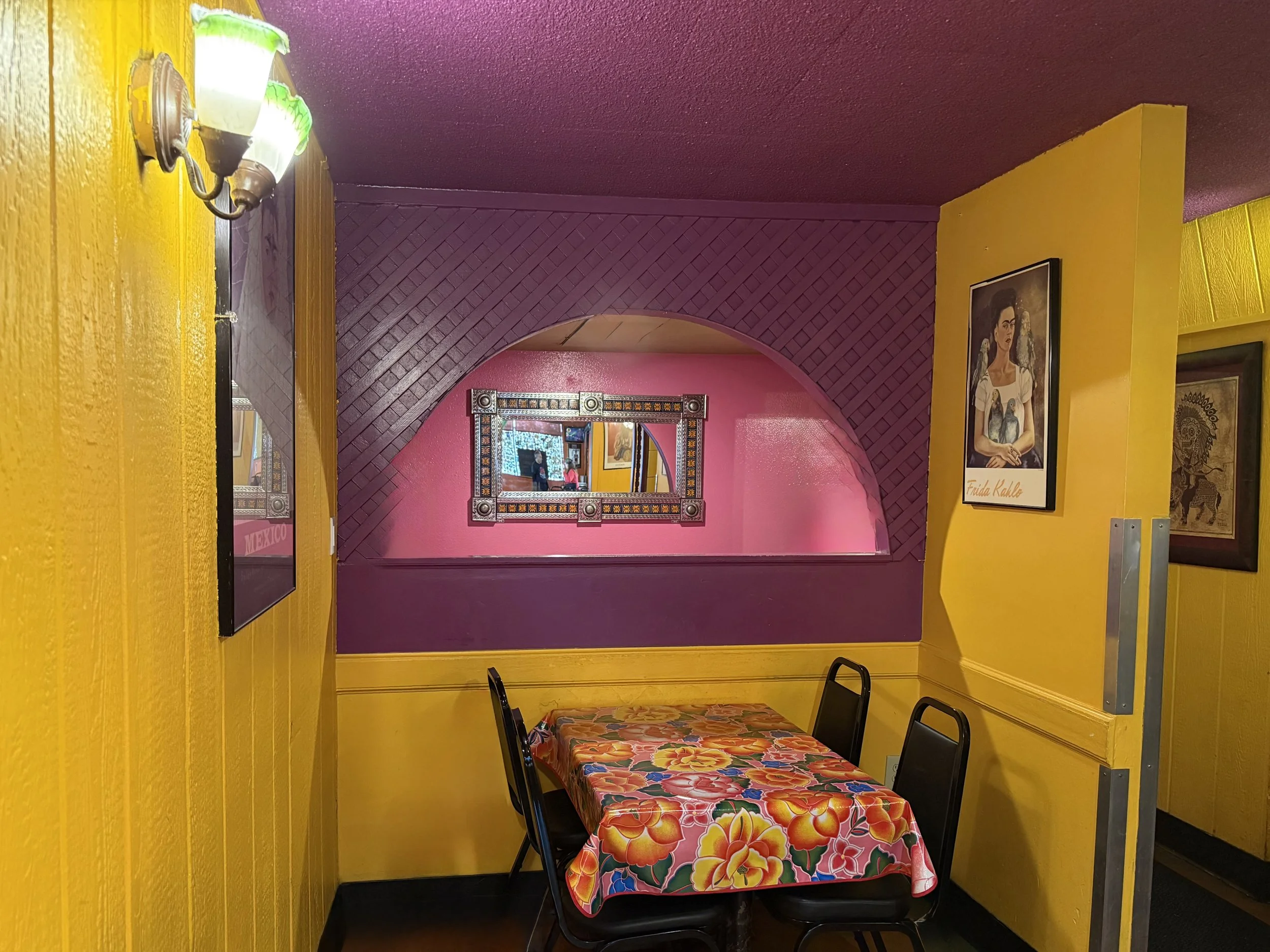
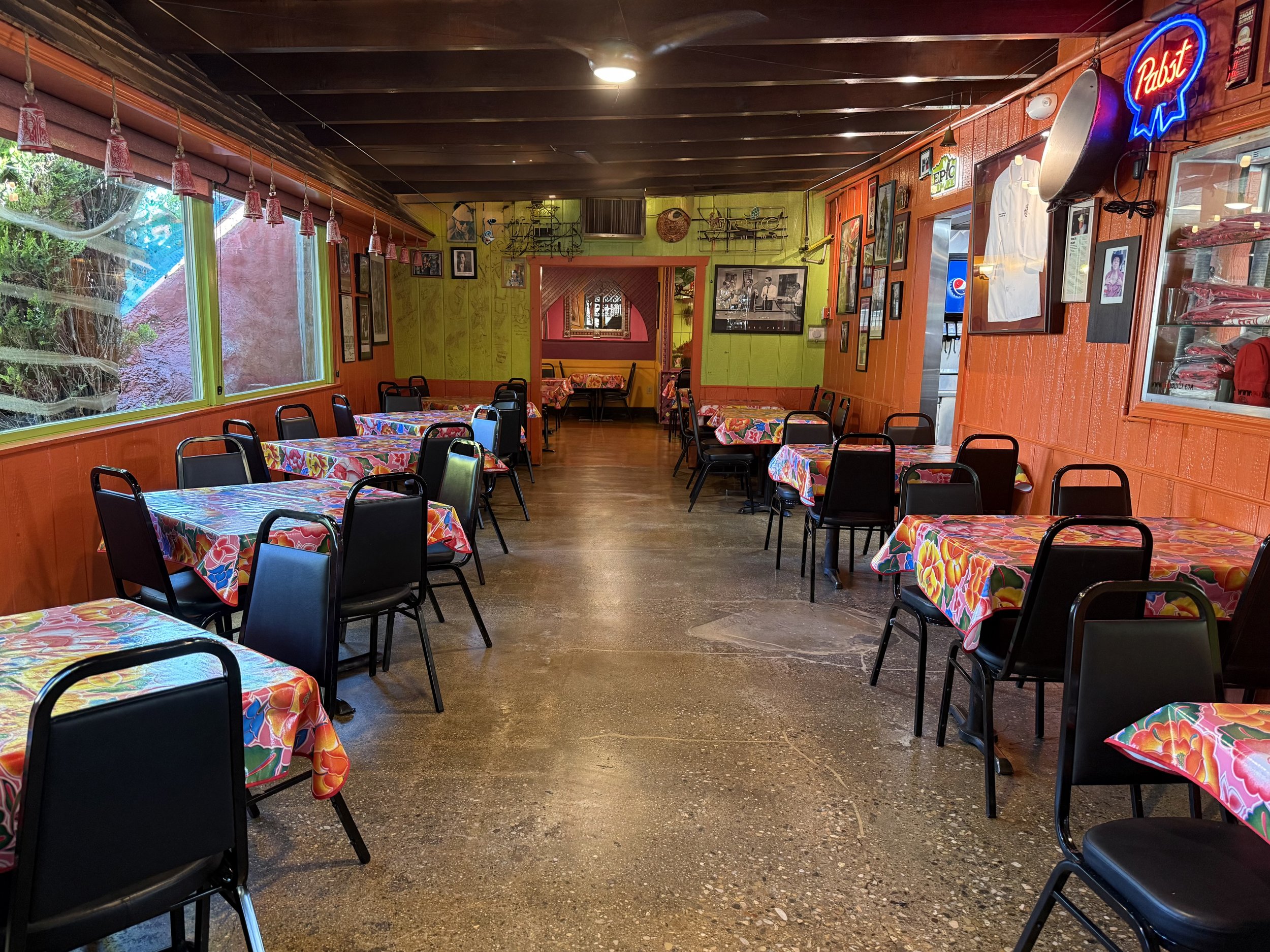
Then came the move to the current location on North Temple, and Red Iguana began transforming into the wildly colorful, deeply personal place people now know and love. Lucy’s brother, whose enormous personality made him something of a local celebrity, helped shape much of its early spirit. The restaurant became filled with strange and wonderful details: Salvador Dali posters, static-filled televisions, movie references, bright colors, and a sense that anything could happen there.
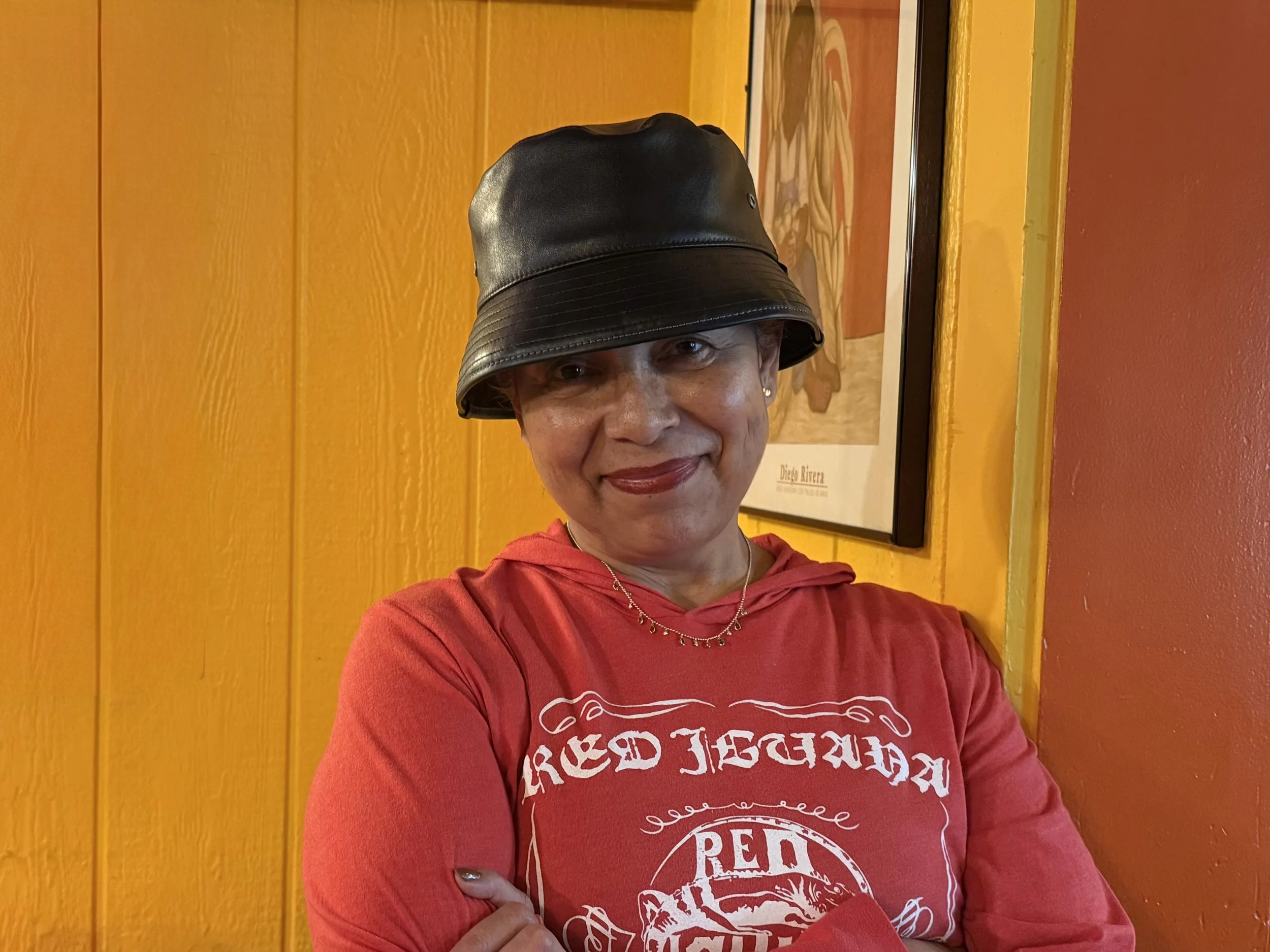
Lucy credits much of the visual atmosphere to her father. “My dad liked color. He said color makes you happy.” The pink walls became iconic. Diego Rivera prints appeared. Family artwork and stained glass made by her mother filled the restaurant with personal history. Nothing felt sterile or manufactured. It felt lived in.
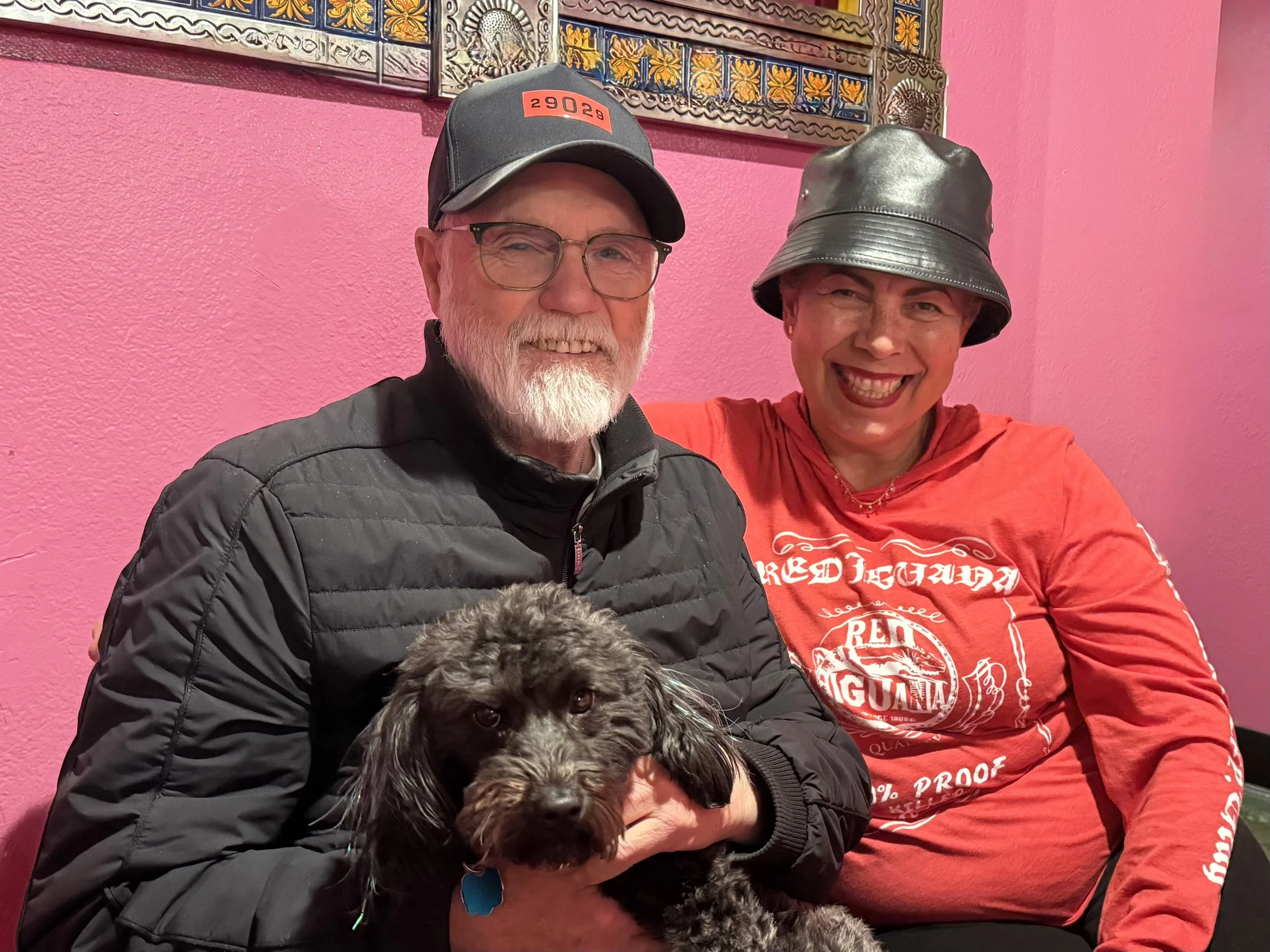
By then, Lucy herself was building a life elsewhere. She worked for Hard Rock Cafe during its peak years, becoming a trainer who helped open locations in Chicago, New Orleans, Houston, and Hawaii. She traveled extensively, learned hospitality systems, and gained invaluable restaurant experience. Later, while living in Pasadena, she met her husband, Bill Coker. Bill came from an entirely different world, working in entertainment, documentaries, feature films, and commercials. Lucy describes him simply and lovingly: “Bill’s a great partner, and a great husband."
The couple eventually moved to Portland, but life pulled Lucy back to Salt Lake repeatedly as her mother’s health declined. Maria passed away in 2002. Then, only two years later, Lucy’s brother died suddenly from an aneurysm. The losses devastated the family and changed everything for Lucy. “That’s when I really had to help my father out,” she said.
In 2005, Lucy and Bill purchased Red Iguana from her father. The transition was emotional and messy at times, filled with complicated family dynamics and enormous responsibility. “I always worried about my mother, my brother, and my dad,” Lucy admitted. “I just took care of my family.”
The restaurant Lucy inherited was beloved but chaotic. She and Bill immediately began investing in the infrastructure - plumbing, electricity, systems, repairs - while also trying to stabilize operations and create a healthier culture. One of the defining moments came when several longtime kitchen employees quit all at once after tensions over recipes and standards. Lucy’s father panicked. “You can’t let him quit,” he told her. “Who will make the food.”
Lucy made a decision that would ultimately preserve Red Iguana’s future. She called her father out of retirement, gathered a few trusted kitchen employees, and together they rebuilt every recipe from scratch. “My parents didn’t write down a damn thing,” she said. Everything had lived only in memory.
For days, Lucy and her father stood in the kitchen tasting sauces, adjusting ingredients, recreating moles, and finally documenting the recipes properly for the first time. It was exhausting and emotional, but it worked. Lucy still credits one longtime employee in particular. “I always say, if it weren’t for Chencho, I wouldn’t have a business.”
The food itself has always carried emotional meaning beyond recipes for Lucy. “The food for me has been all about love.” She lights up describing guests tasting the food for the first time, especially moments when families connect around the table. One memory still stays with her vividly - a father bringing his son to try tacos named after Lucy’s dad. After taking a bite, the father turned excitedly to his son and asked, “Do you taste that? Do you taste that?” “That,” Lucy said softly, “is everything.”
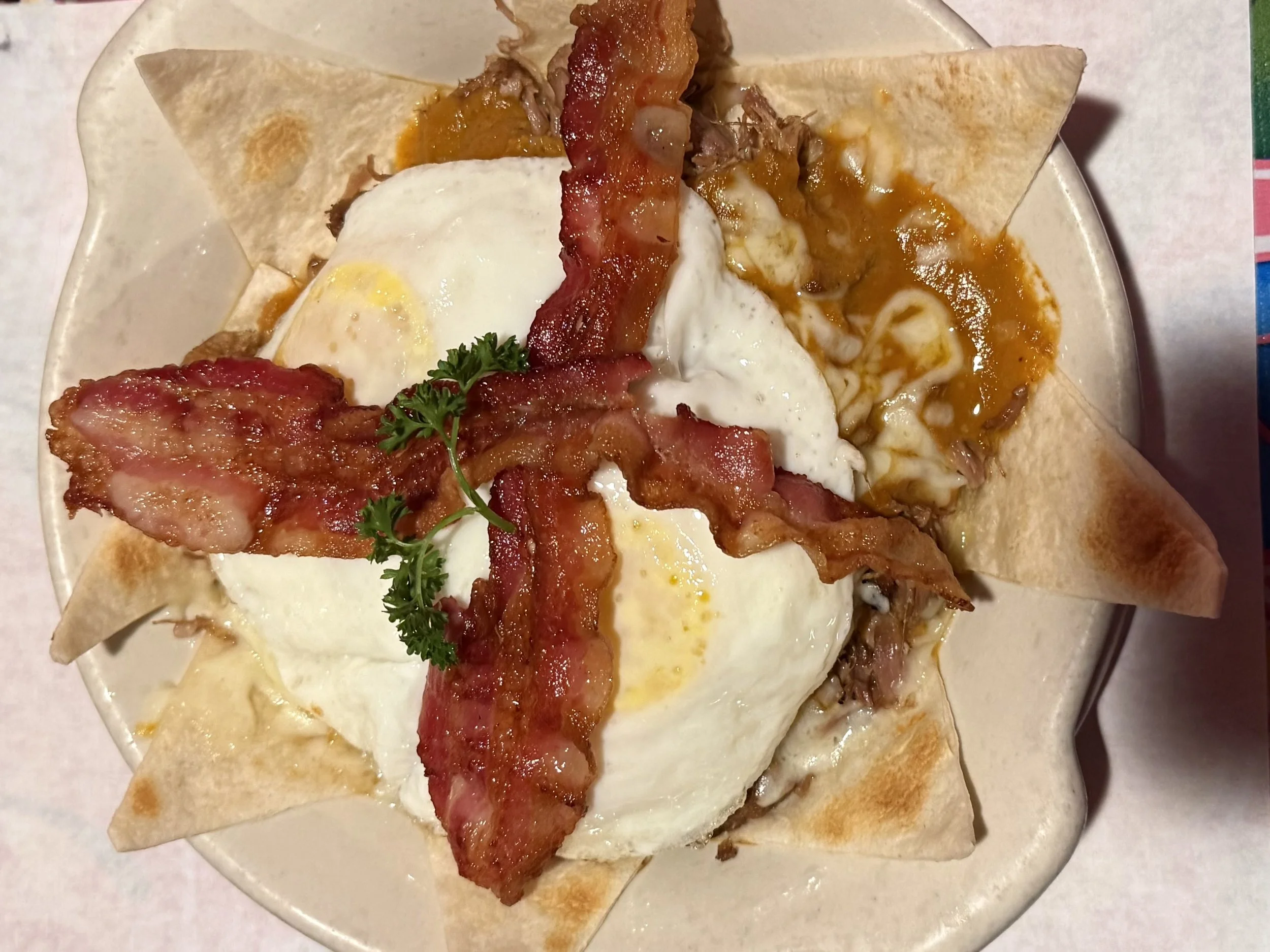
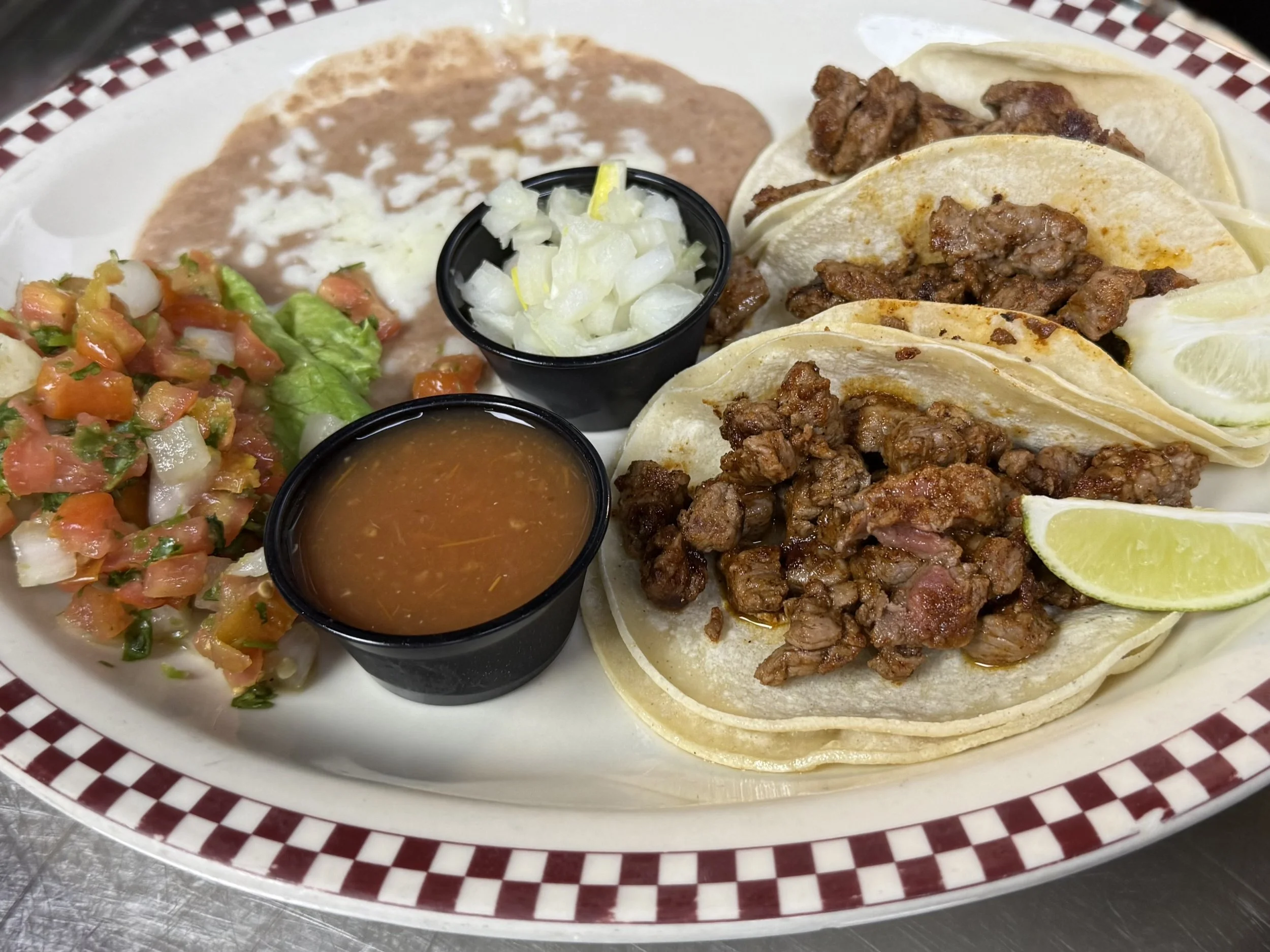
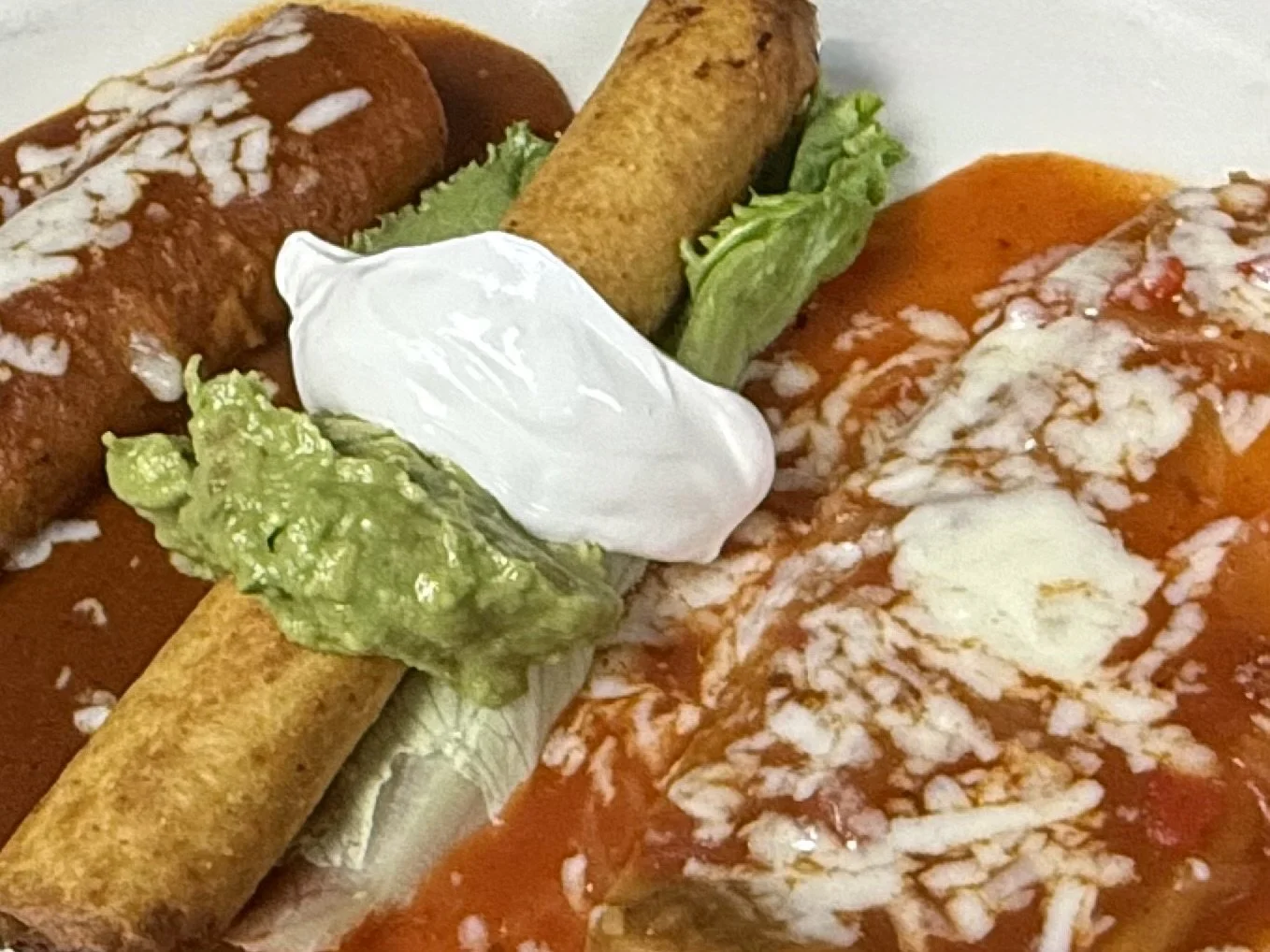
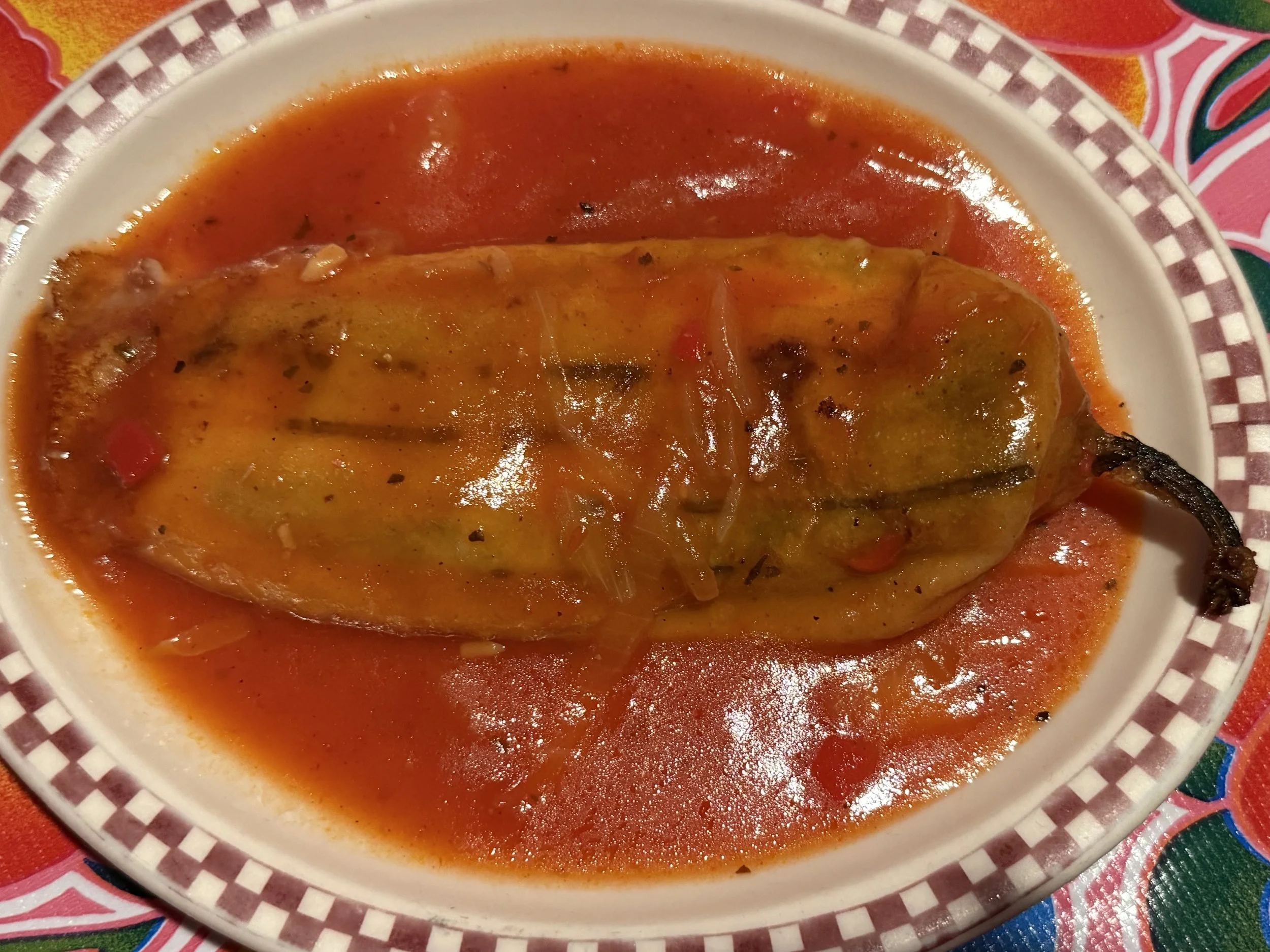
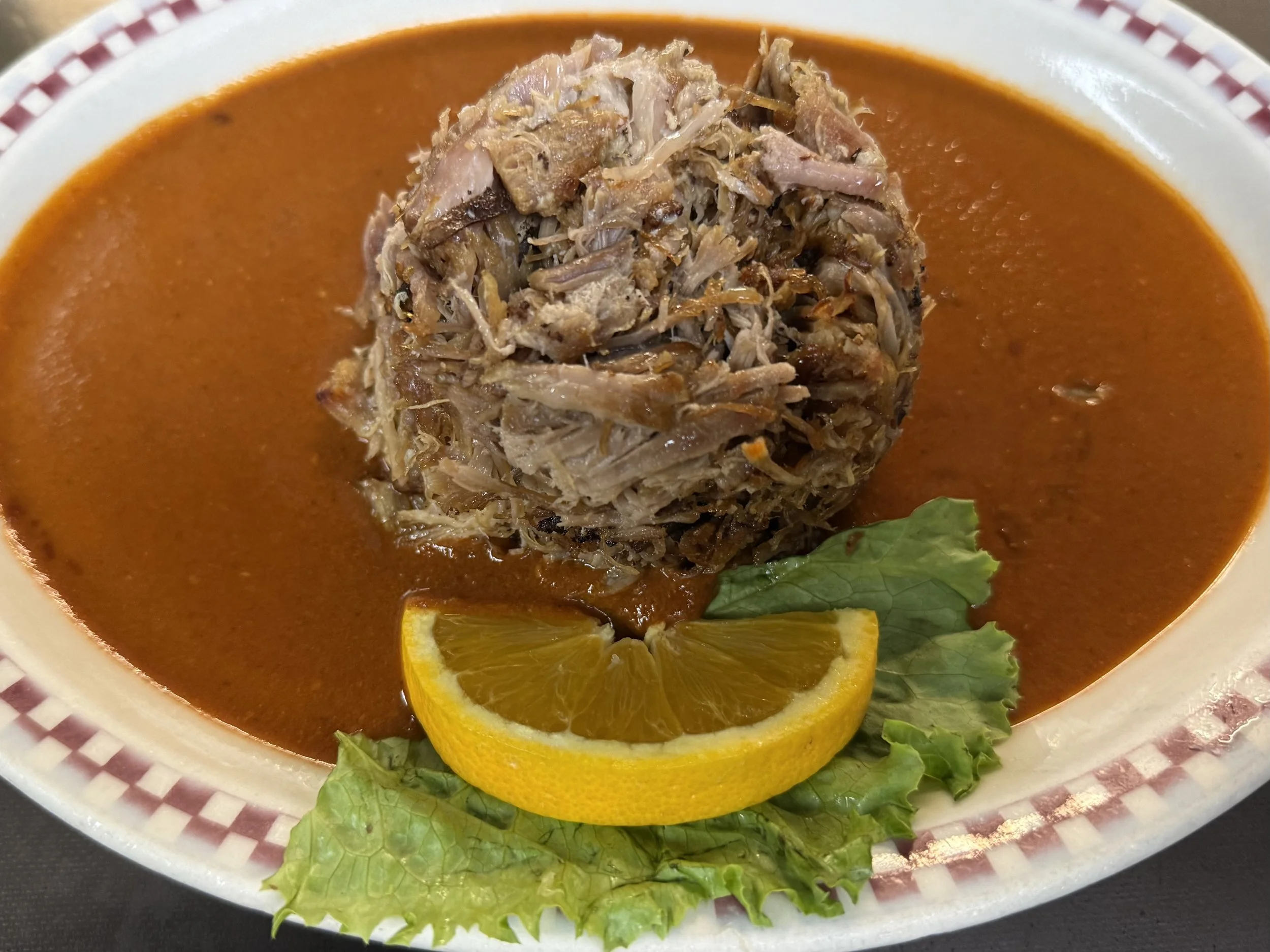
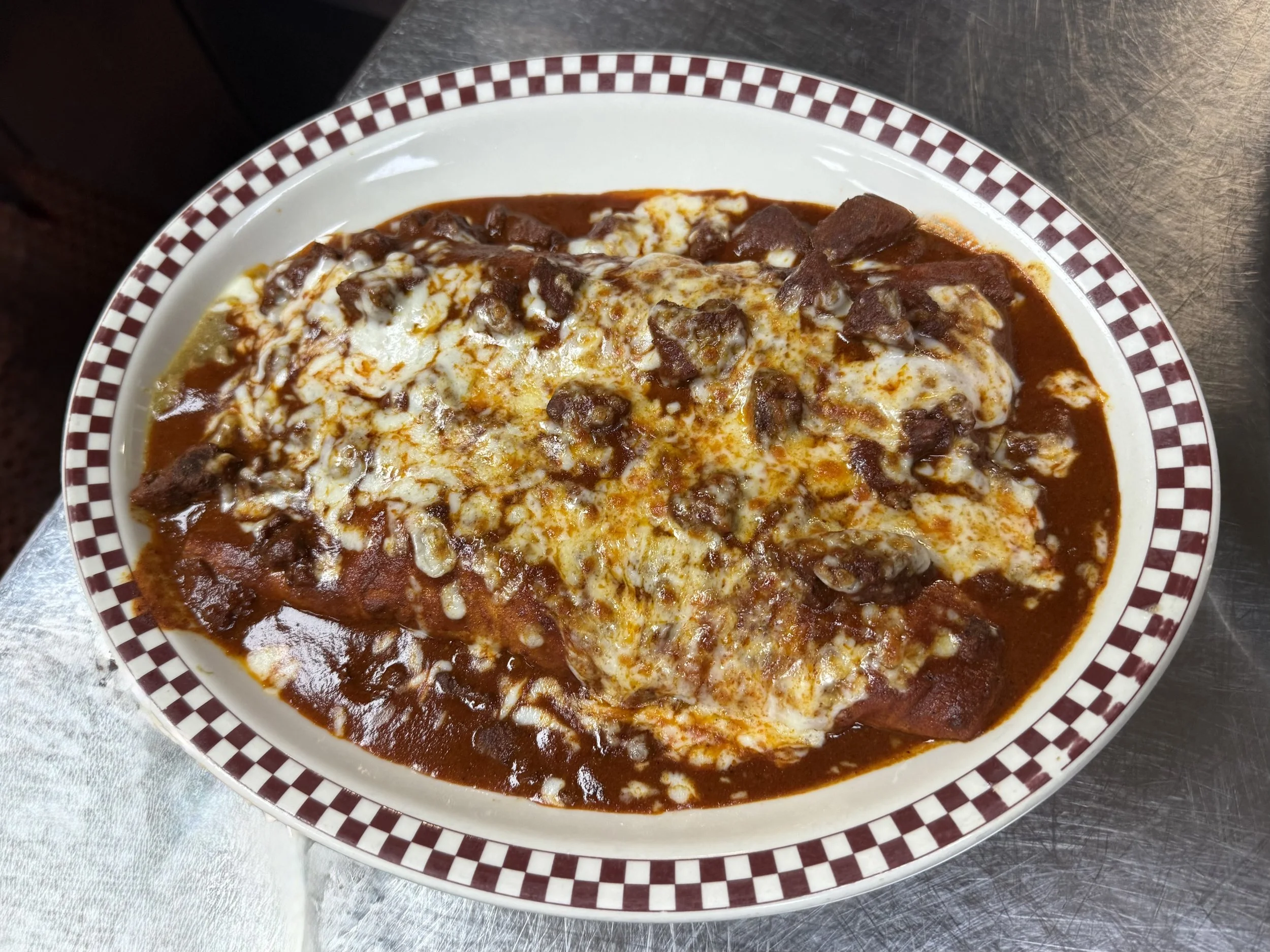
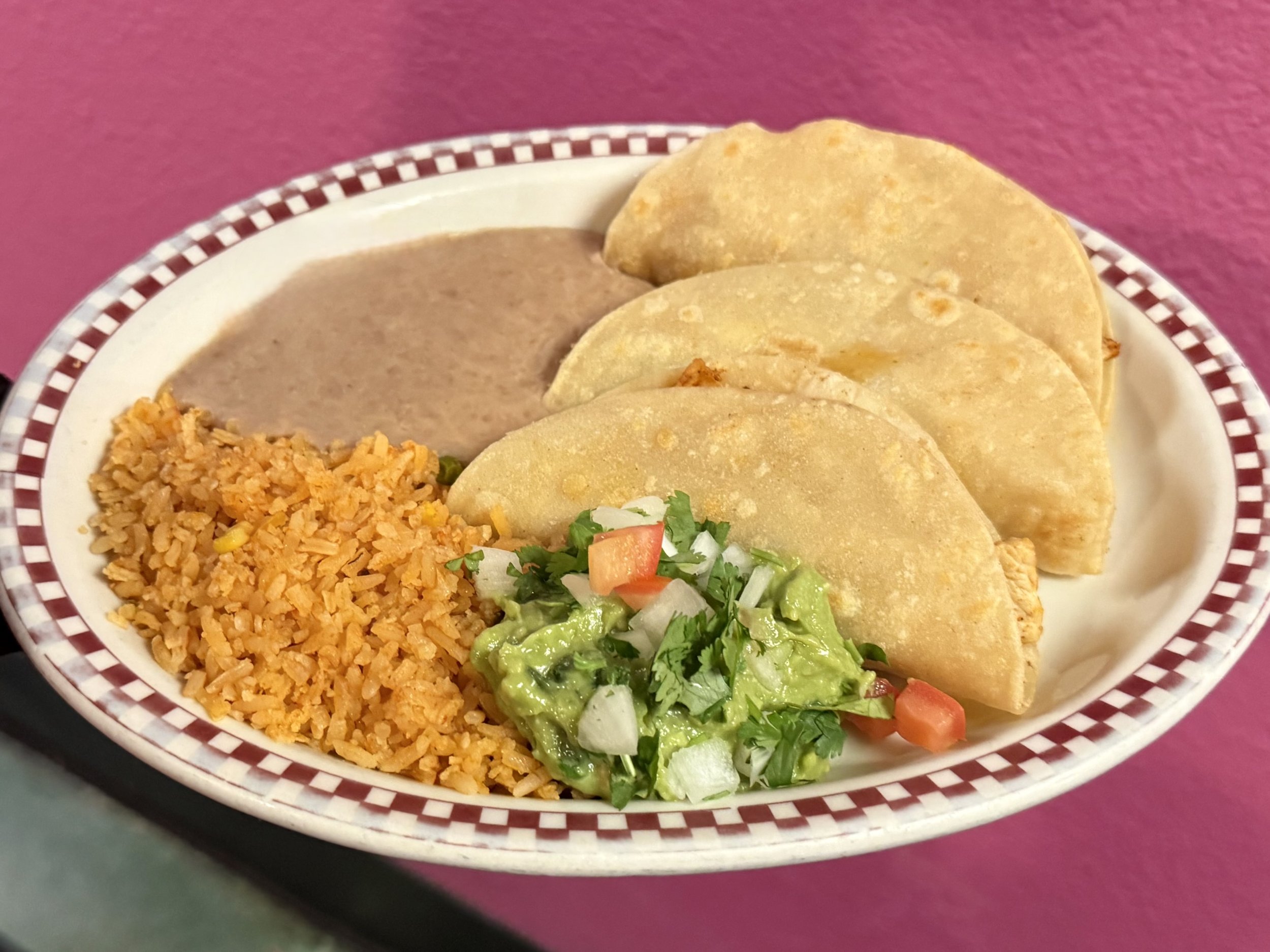
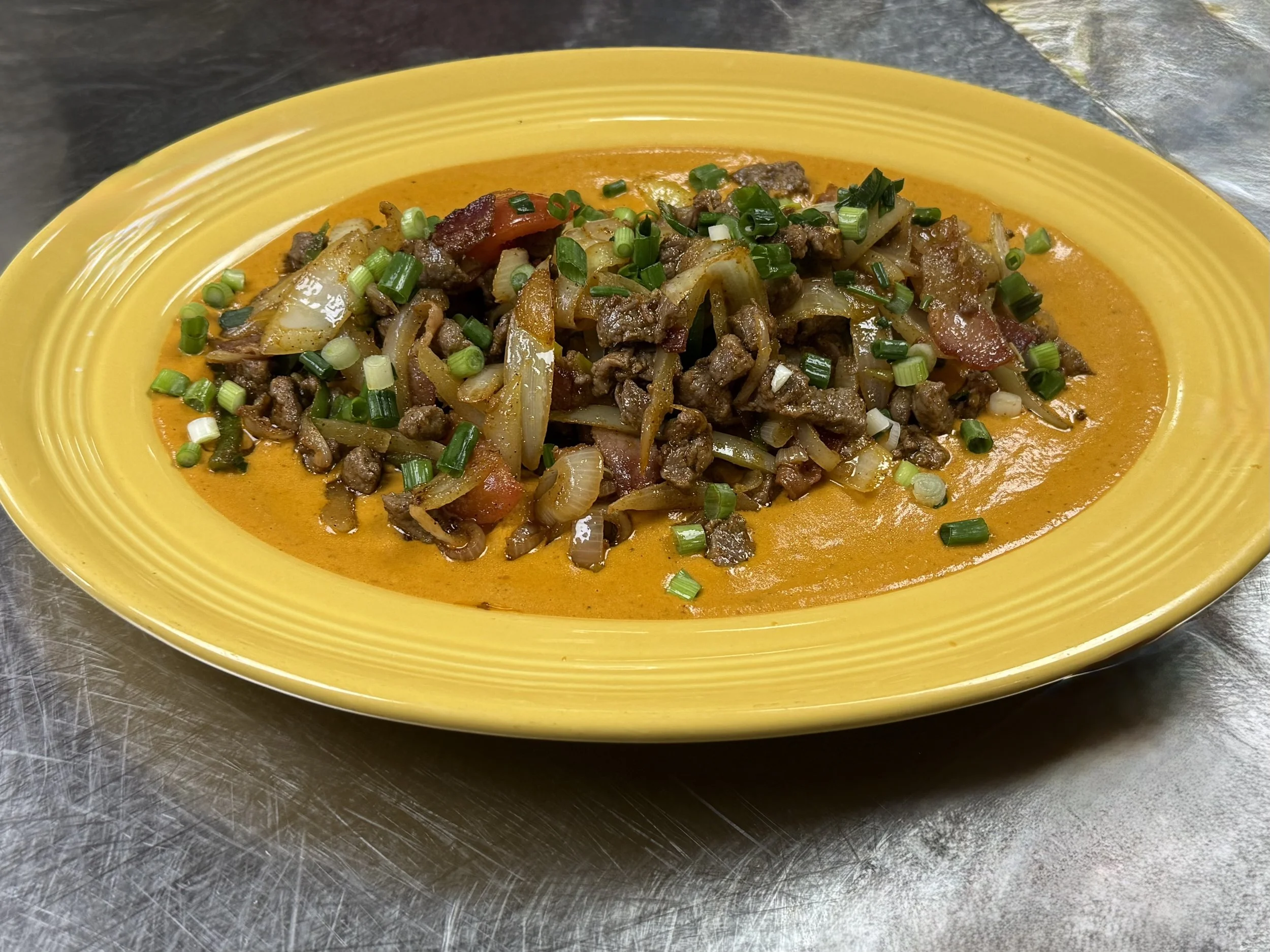
Today, Red Iguana’s food remains deeply tied to the family’s history. The famous moles are still at the heart of the menu, but so are burritos, enchiladas, tacos, chile verde, chile con queso, and countless dishes shaped by both Mexico and Salt Lake City. Lucy understands that some people try to define what “authentic” Mexican food should be, but Red Iguana reflects something more personal and layered than that. “My brother and I are products of Salt Lake City, Utah,” she explained. “We were very proud of our heritage, but we also had to adopt a lot of local. We’re a real mix.” That identity remains important to her. “I always consider myself a Mexican American, the best of both worlds,” she said.
Red Iguana continued growing over the years with Red Iguana 2 on South Temple and now Taste of Red Iguana in Daybreak. The newer concept offers a more streamlined version of the restaurant while preserving its most beloved dishes. Even now, after decades in the business, Lucy and Bill continue wrestling with questions about expansion, succession, and eventually stepping away. “This is soul,” Lucy said of the business. “Who am I going to sell my soul to?” She speaks openly now about exhaustion, aging, and the desire to eventually slow down after a lifetime spent in restaurants. “I don’t want to be an eighty-five-year-old girl still doing this,” she laughed.
And yet, despite the exhaustion, despite the grief, despite the decades of pressure and responsibility, Lucy still speaks about Red Iguana with unmistakable tenderness. The restaurant carries her parents’ story, her brother’s spirit, her own sacrifices, and the culture they fought so hard to preserve and share with Salt Lake City. “The food for me has been all about love,” she said again near the end of the conversation. Then, after a pause, she smiled and softly added the one thing she already knows for certain about the future. “I’ll miss our food.”