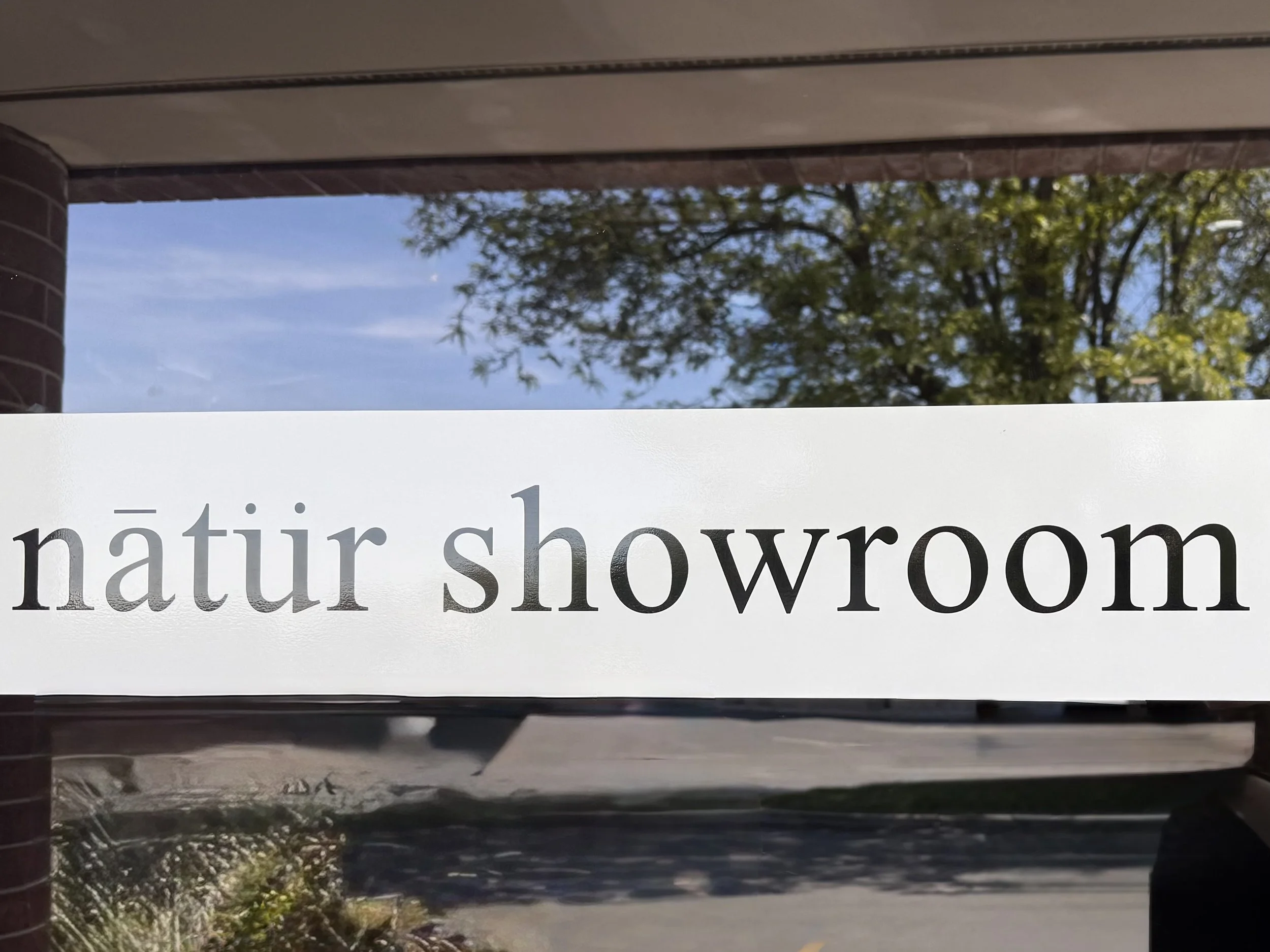
nātür showroom
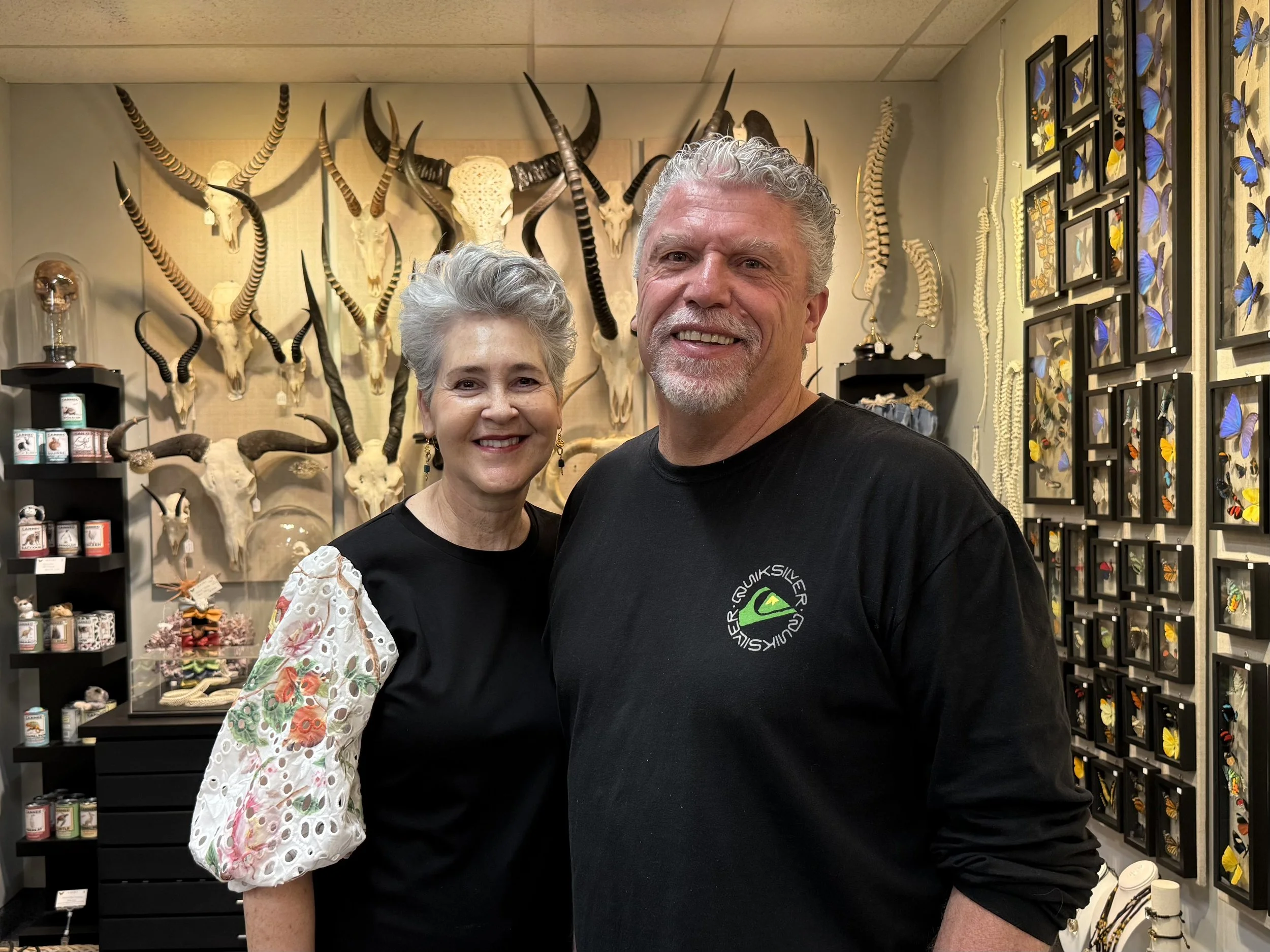
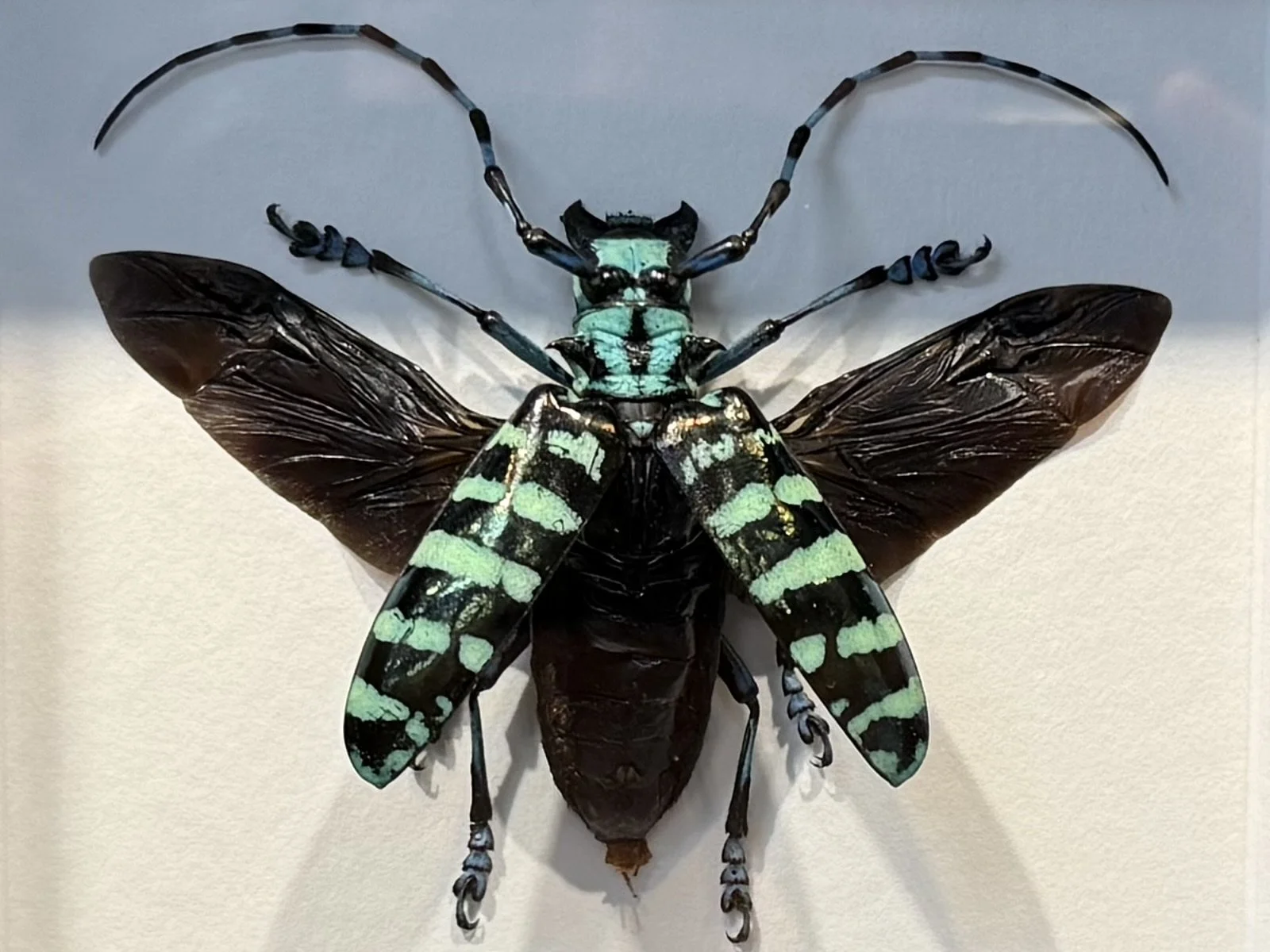
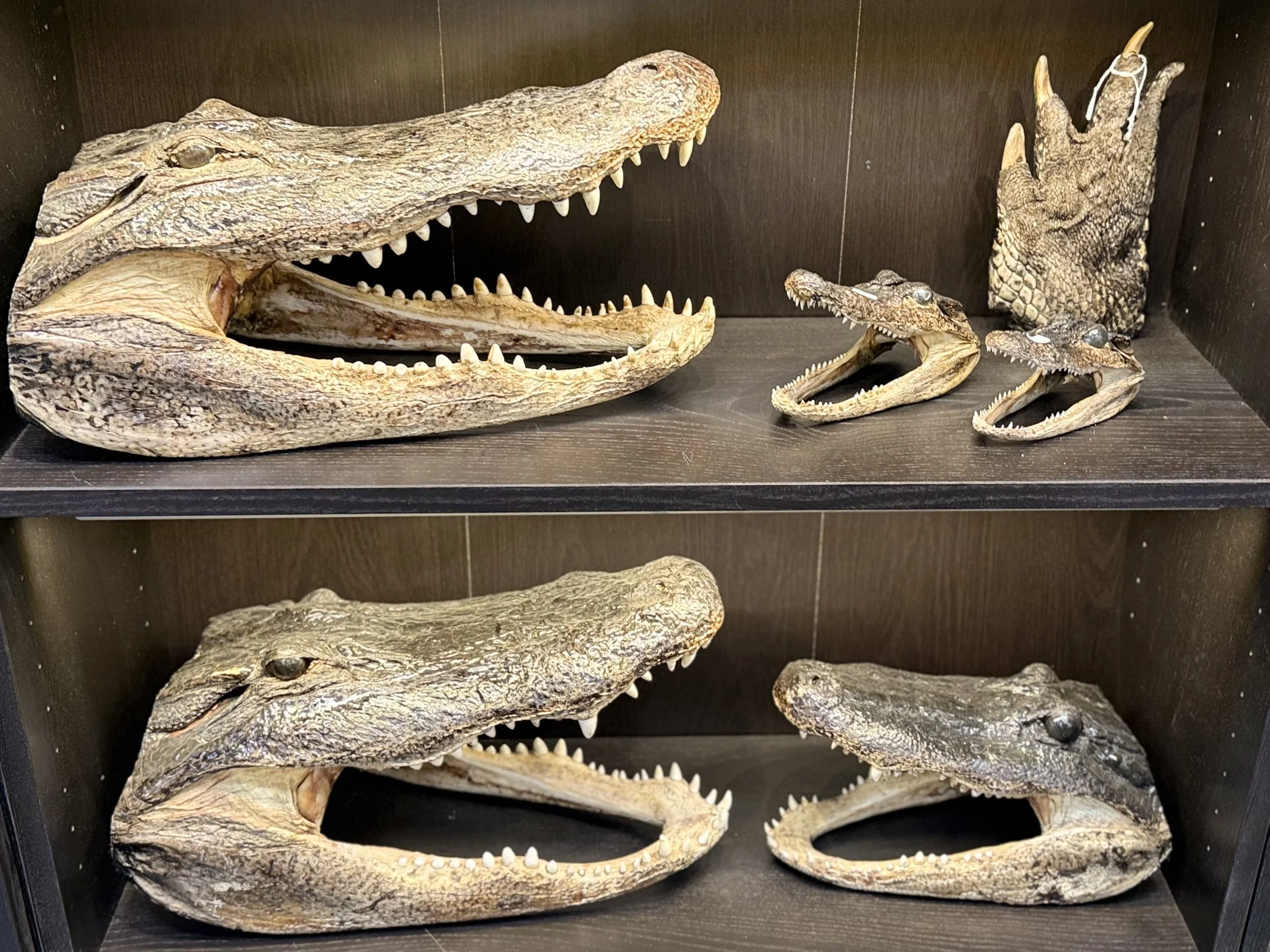
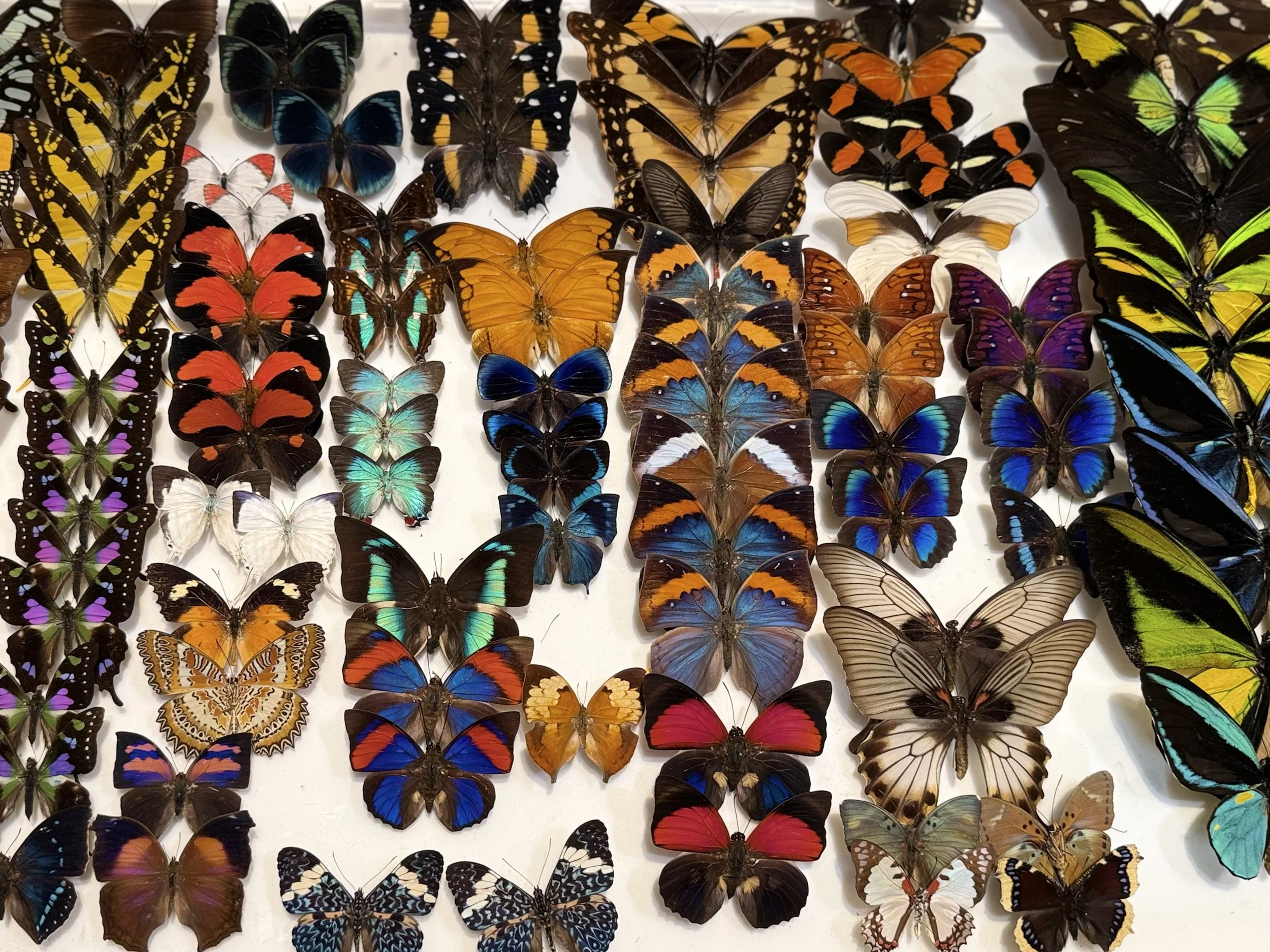
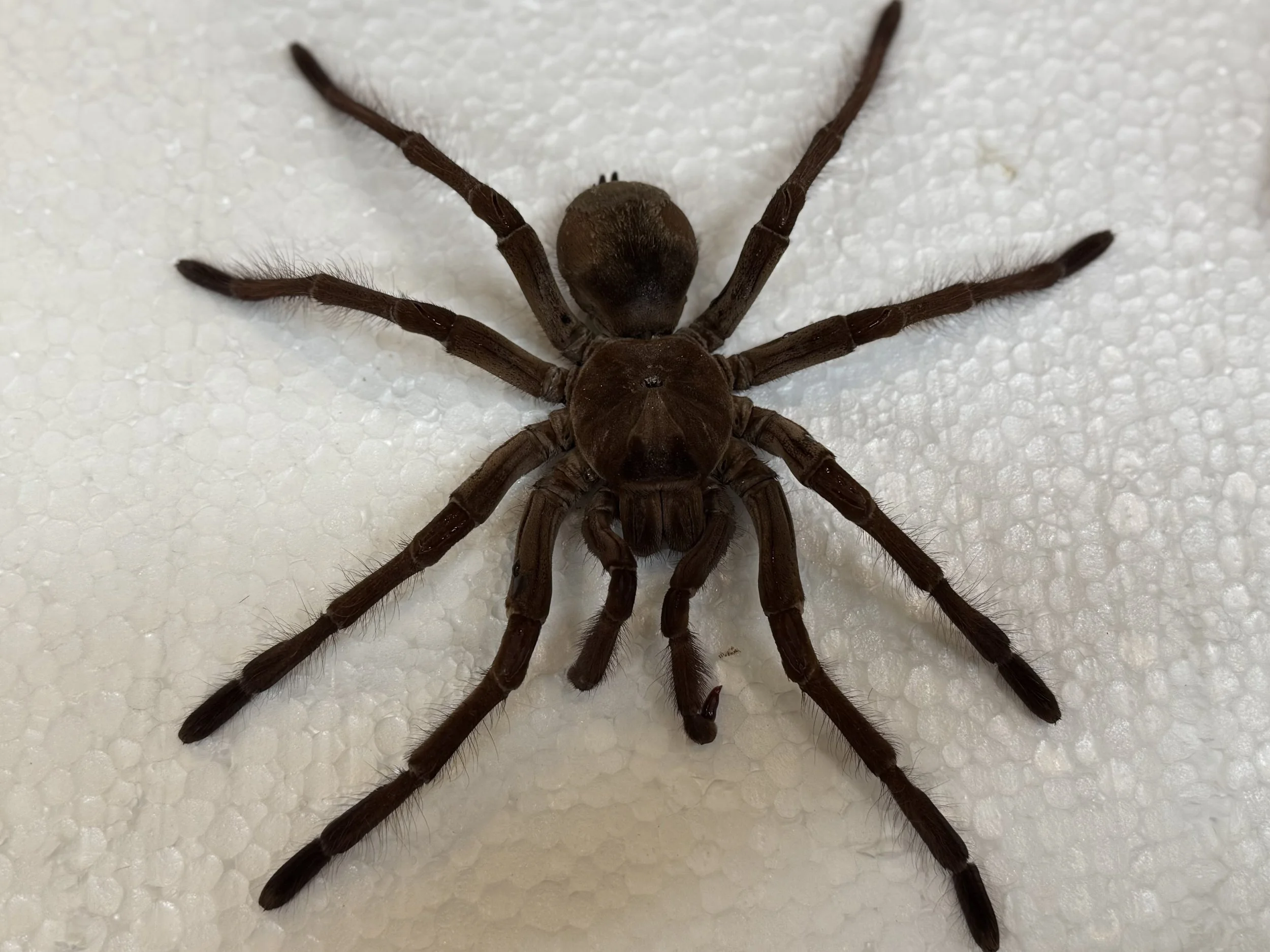
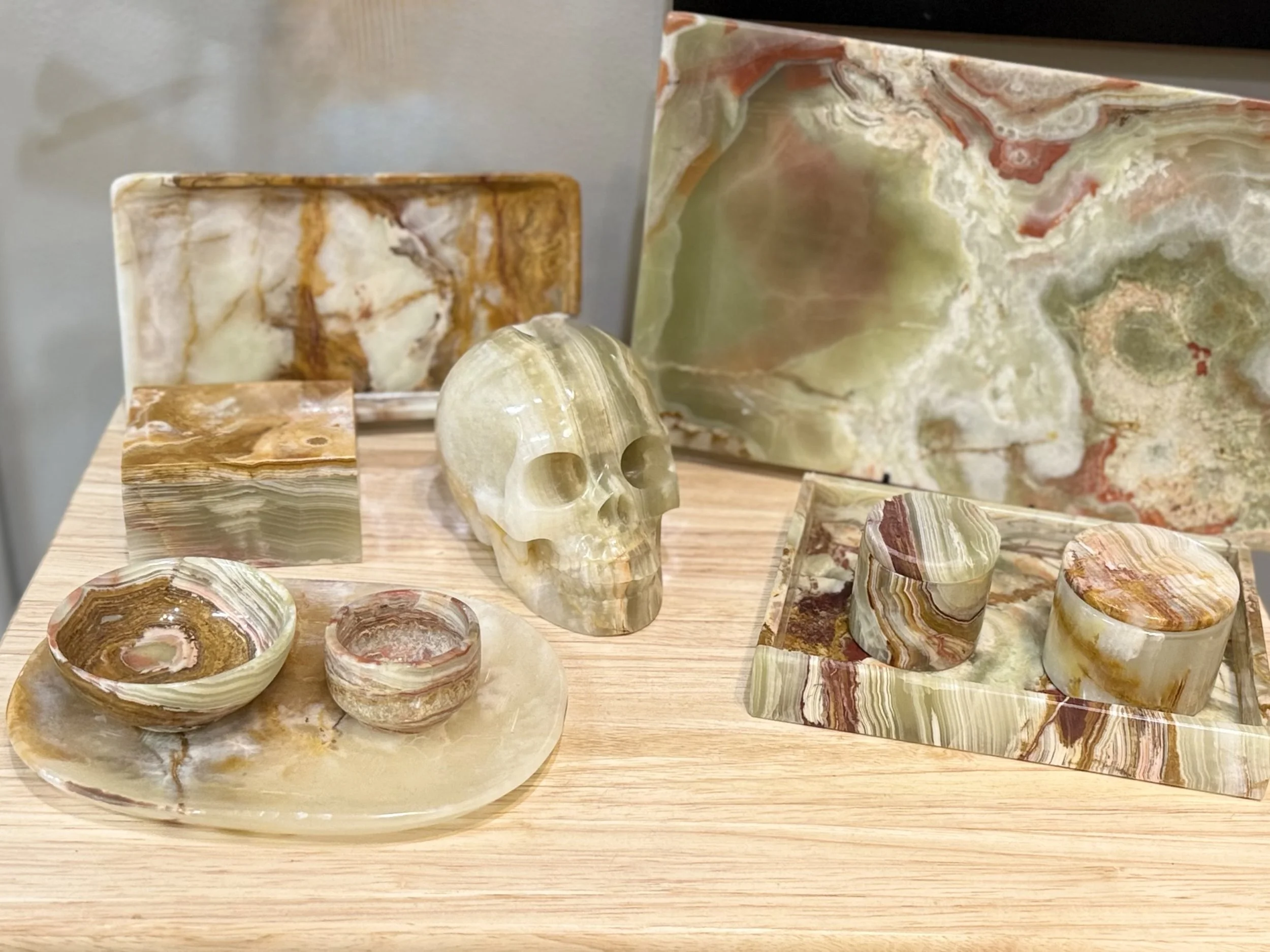
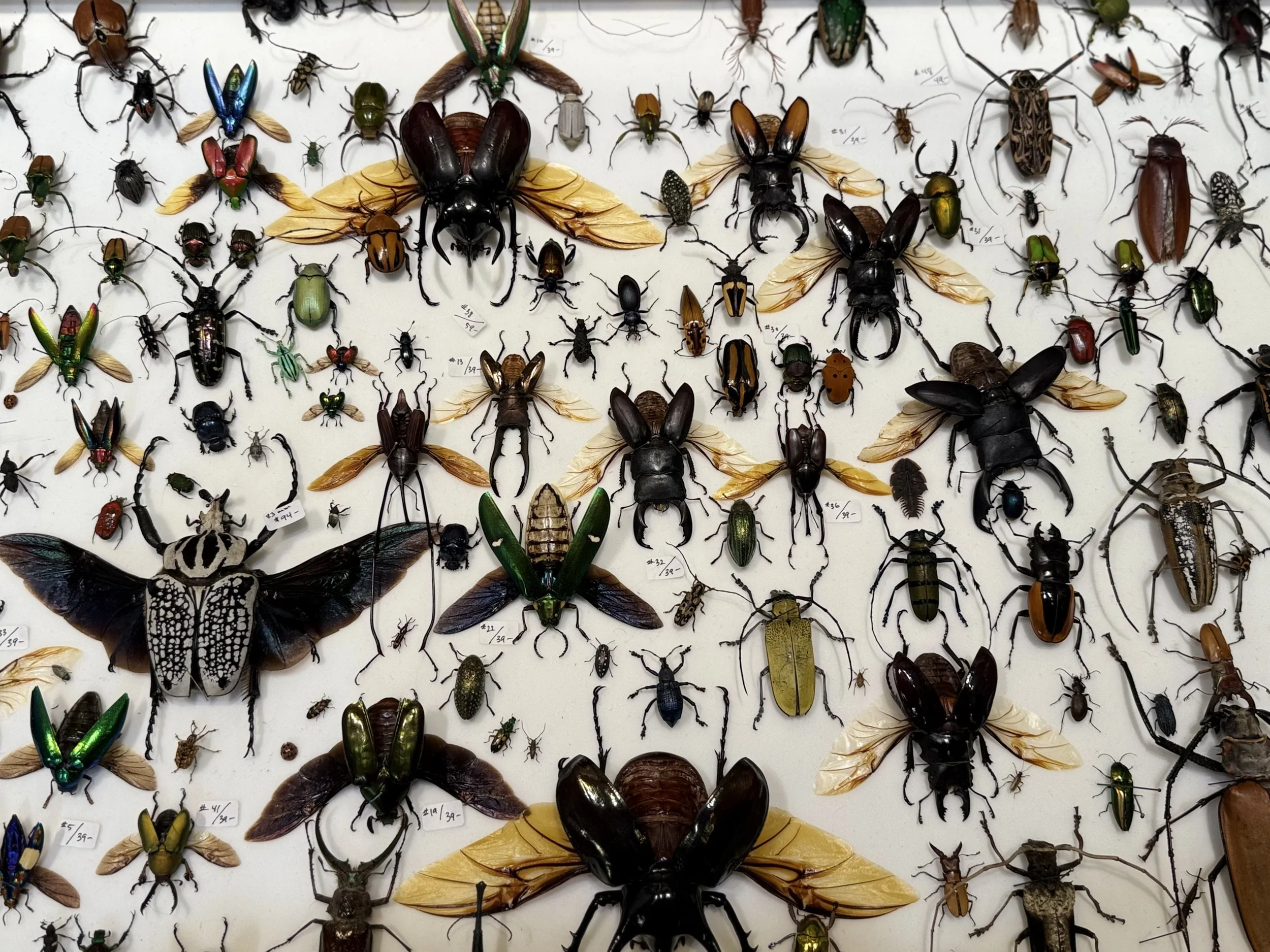
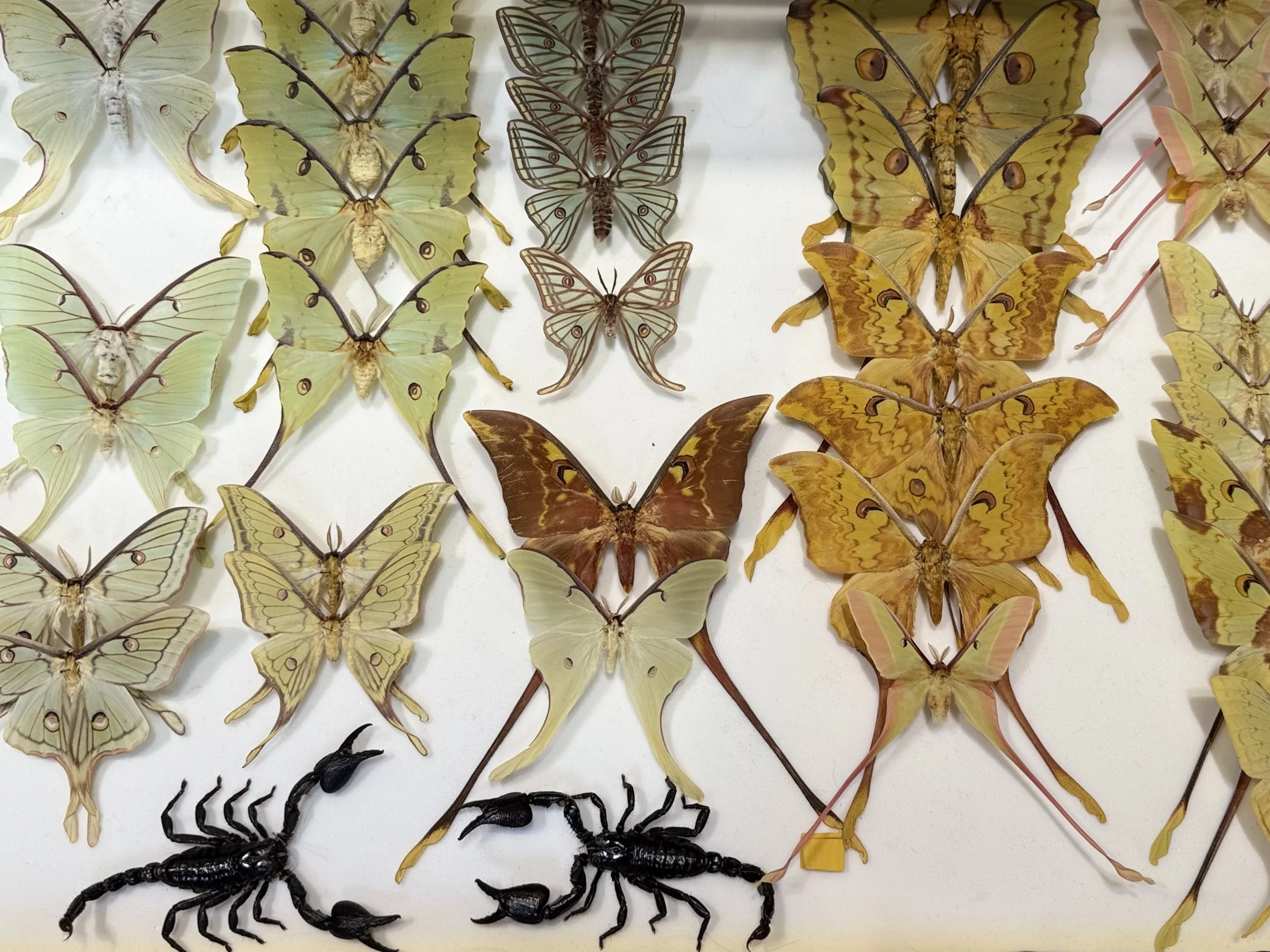
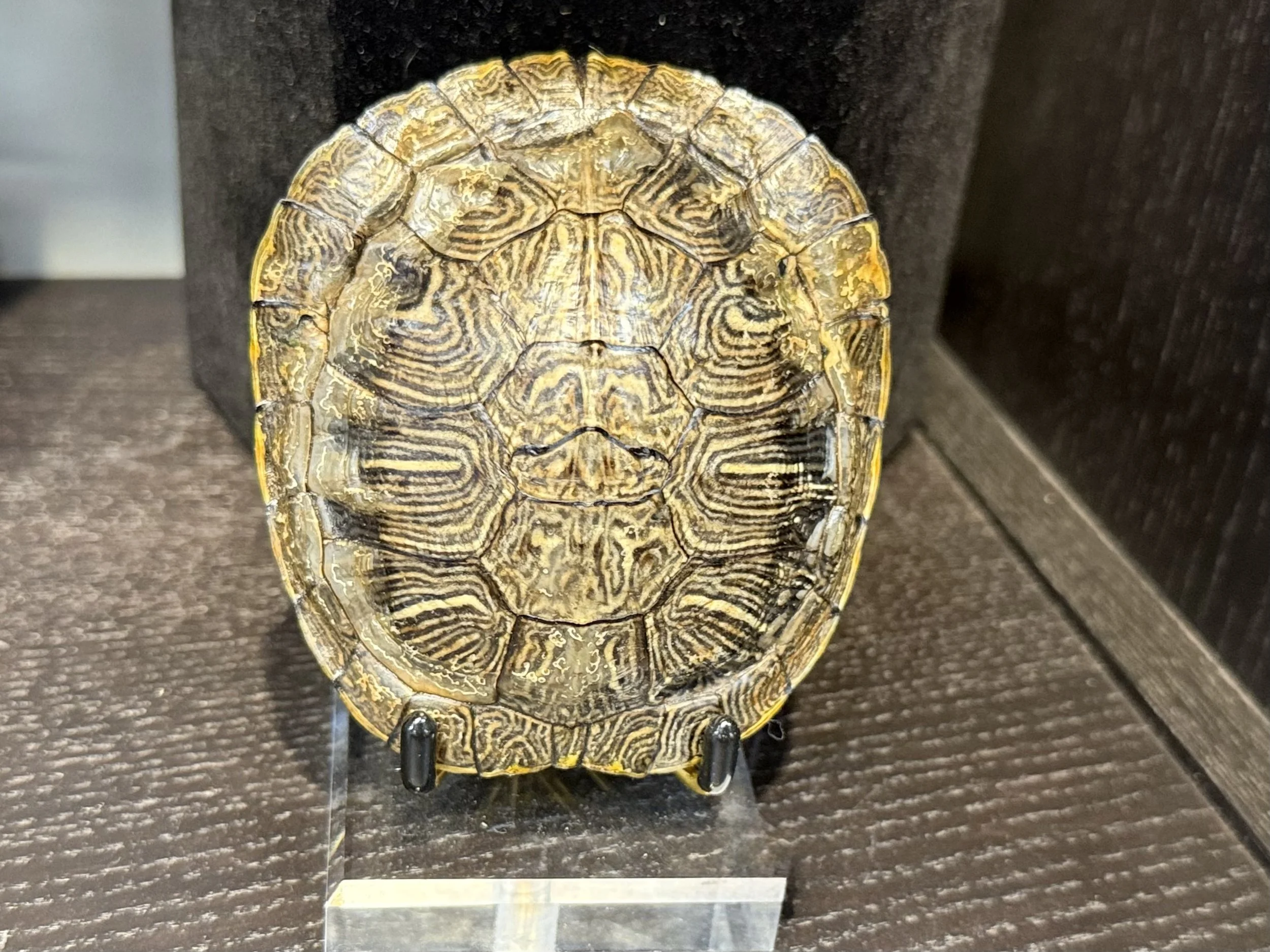
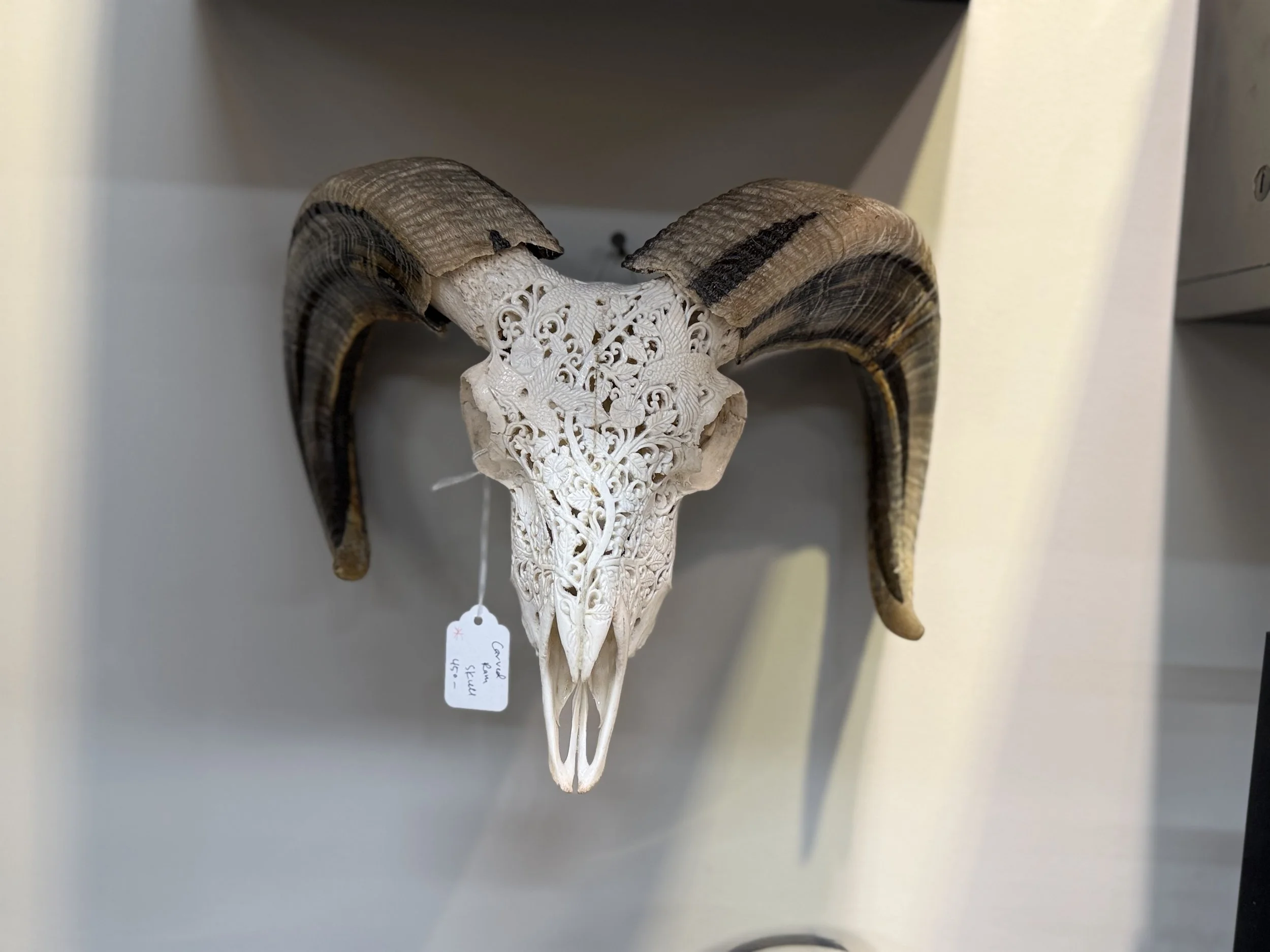
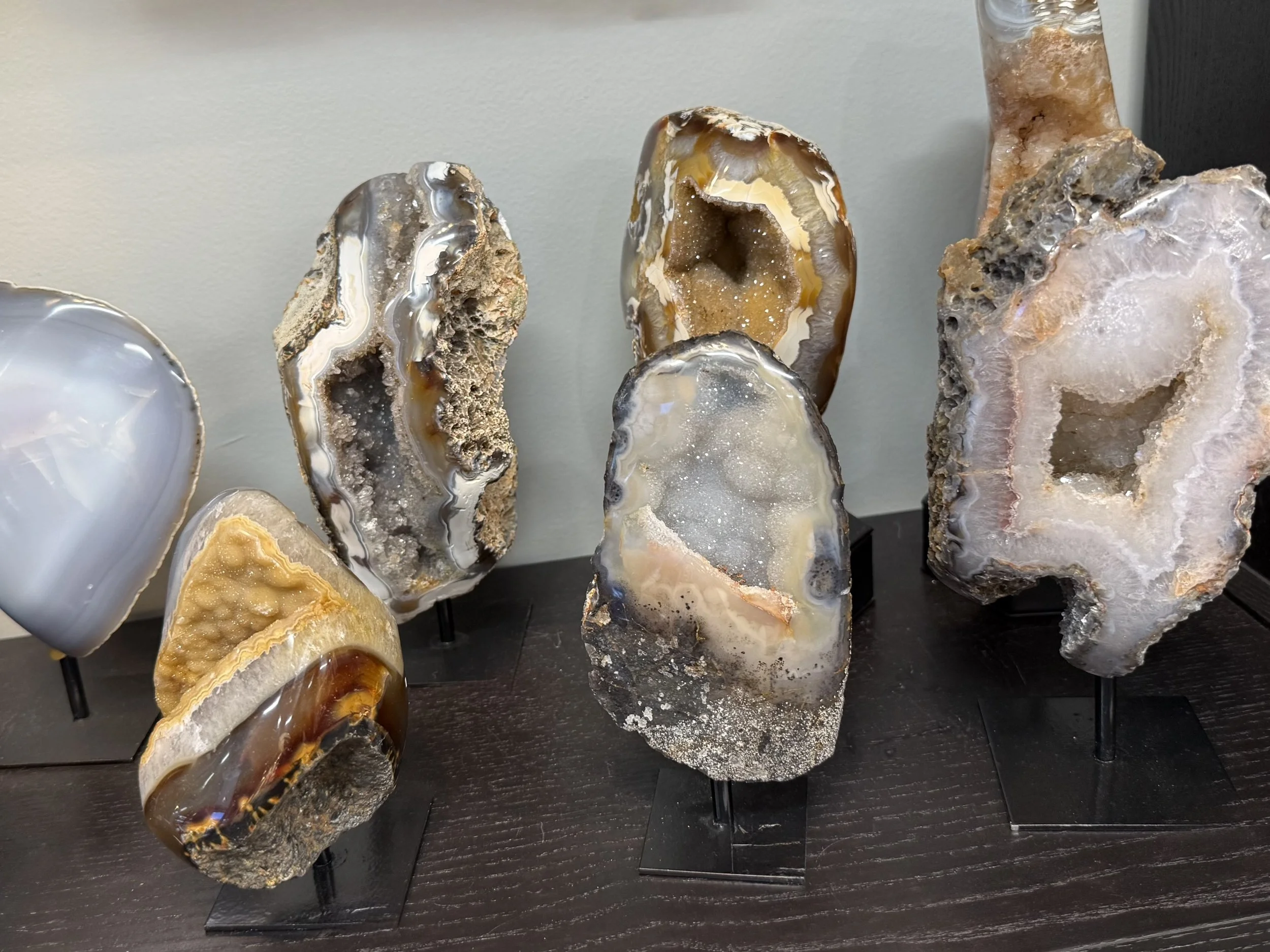
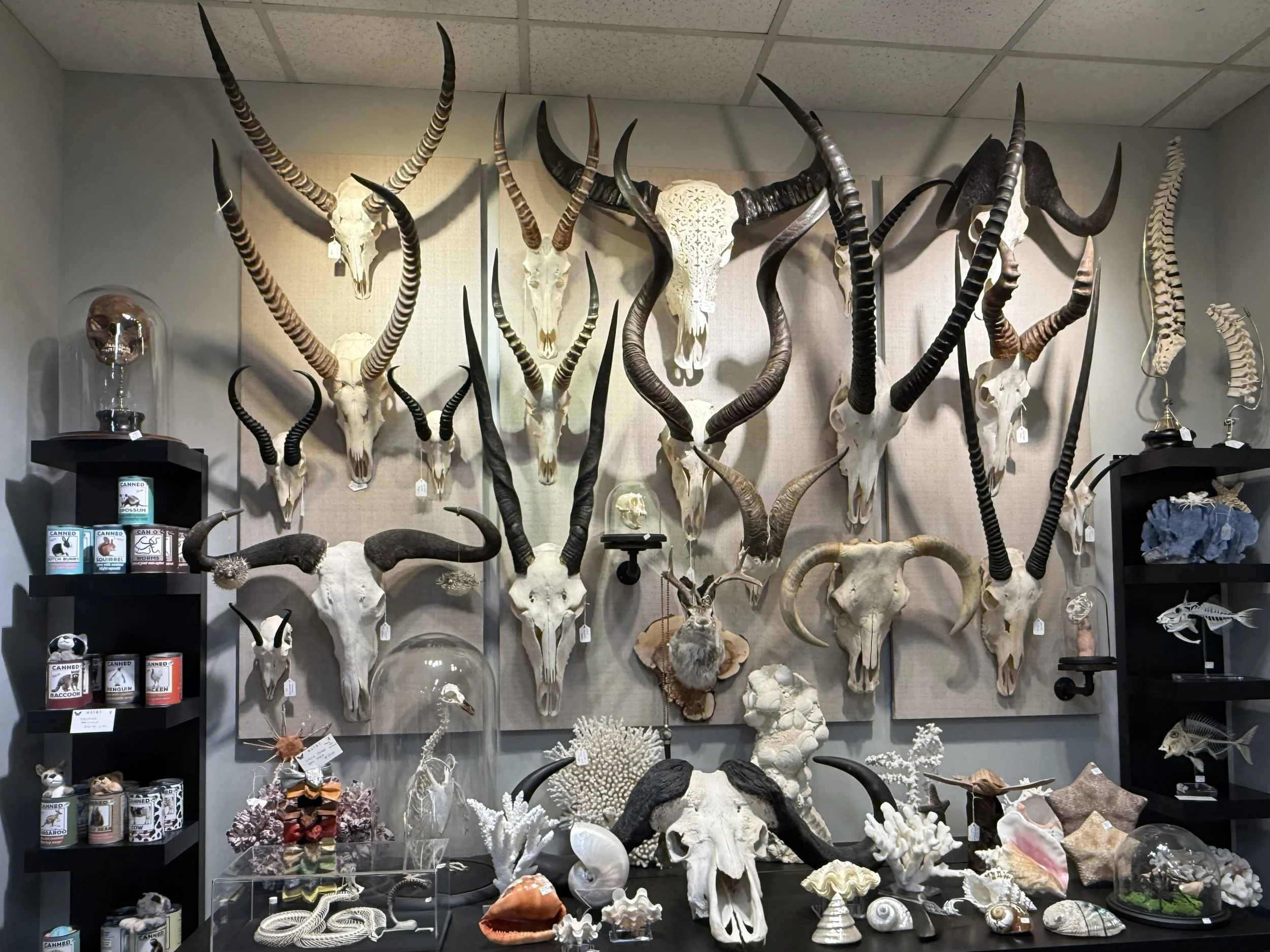
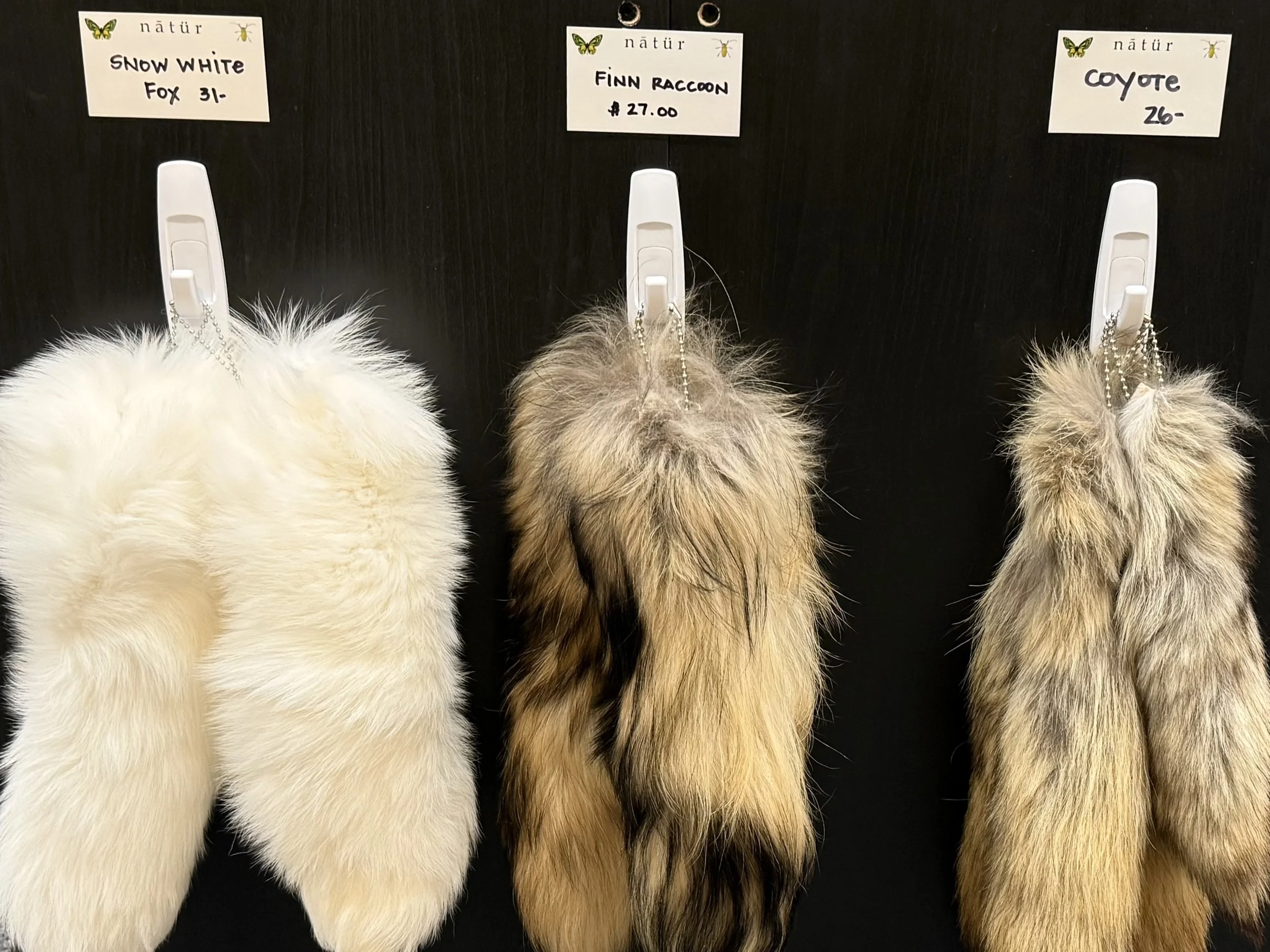
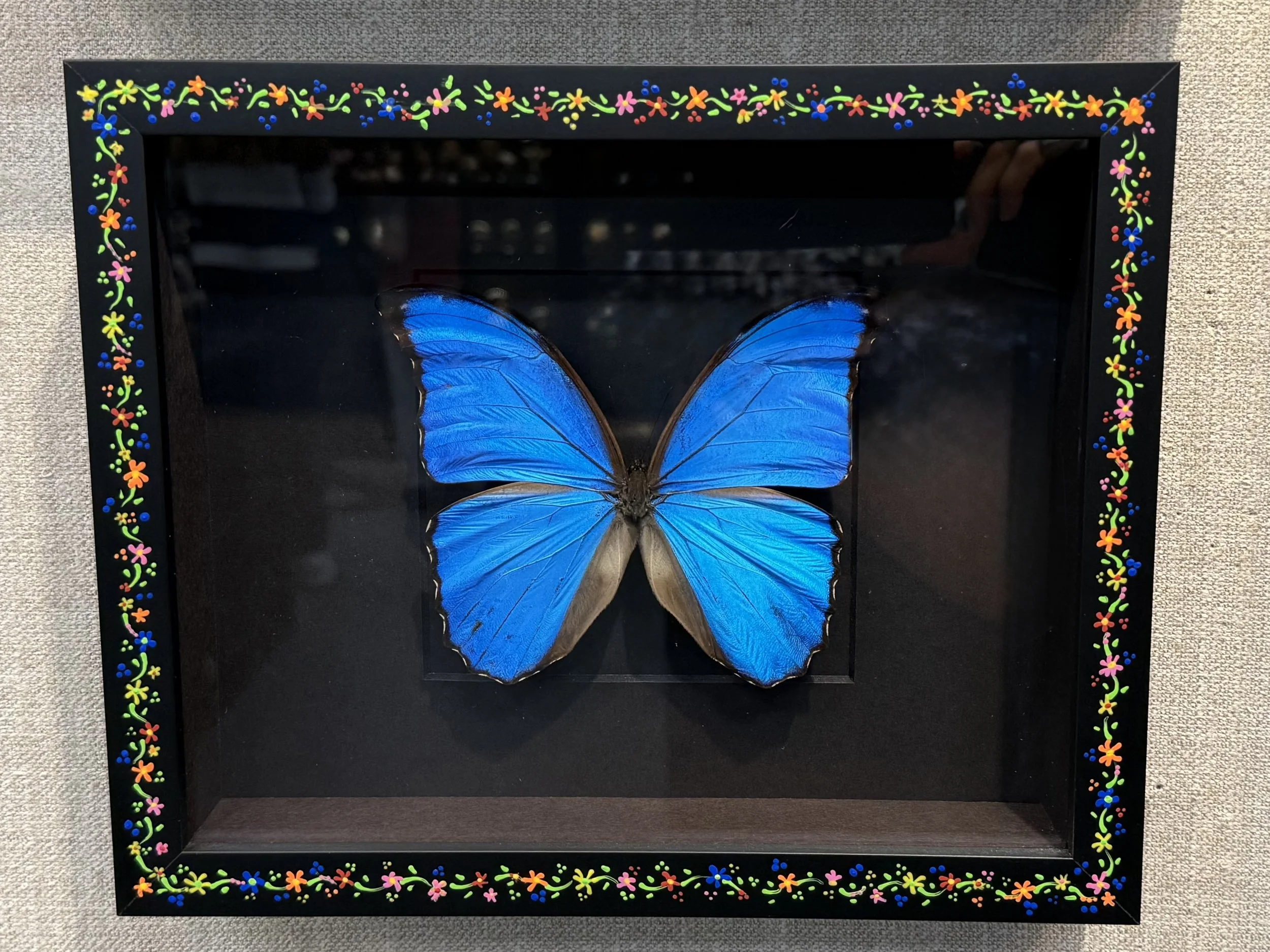

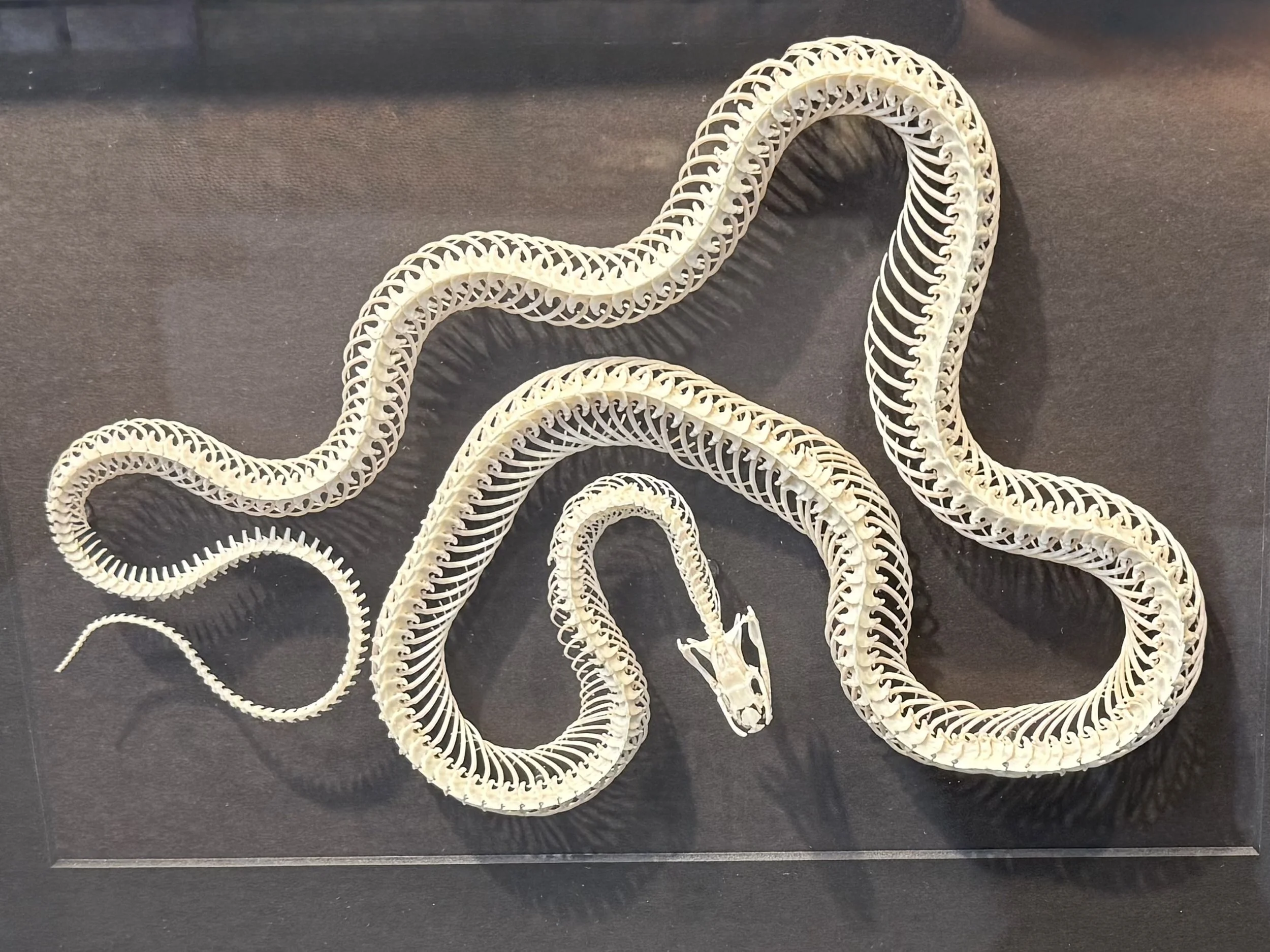
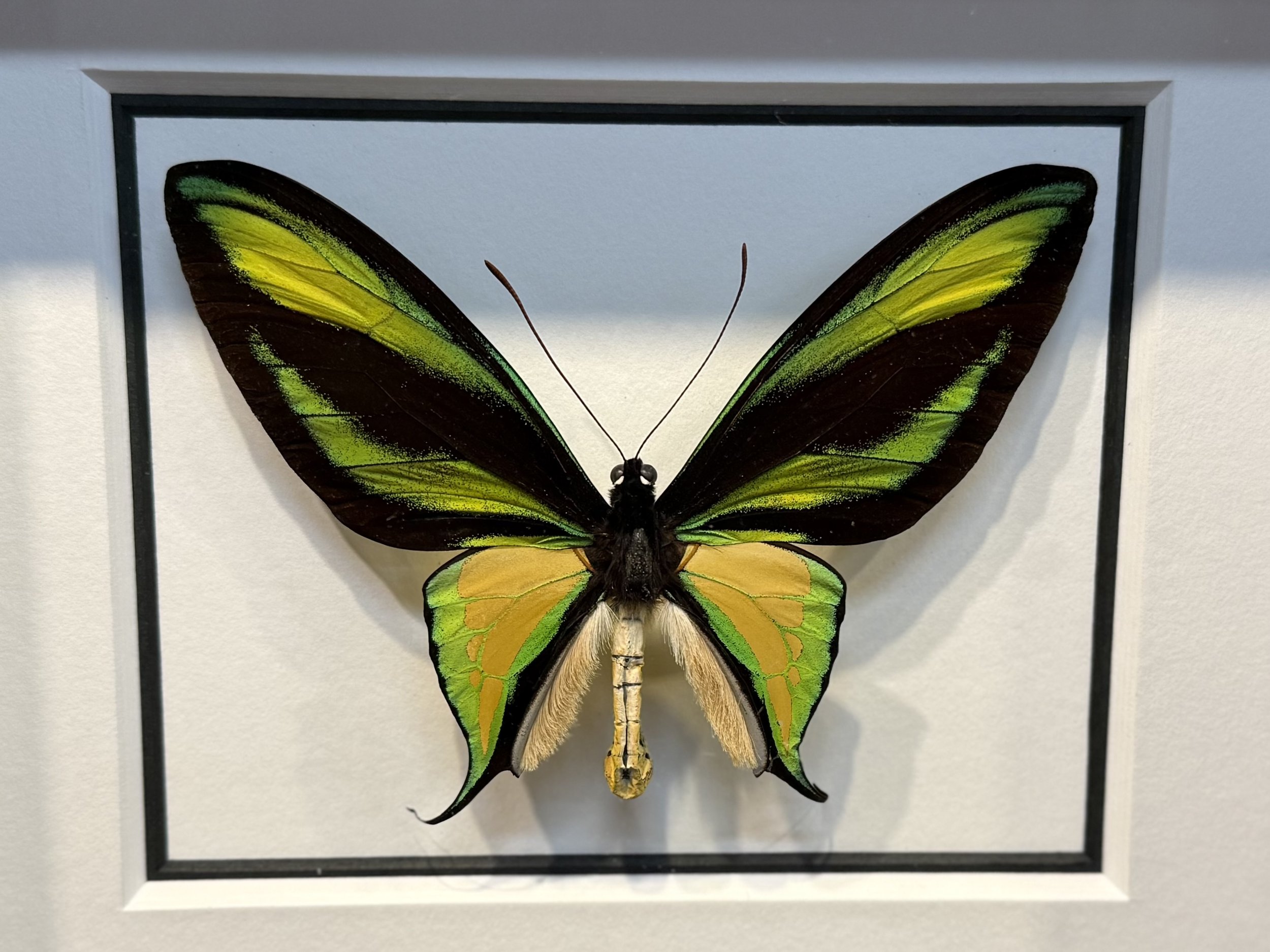
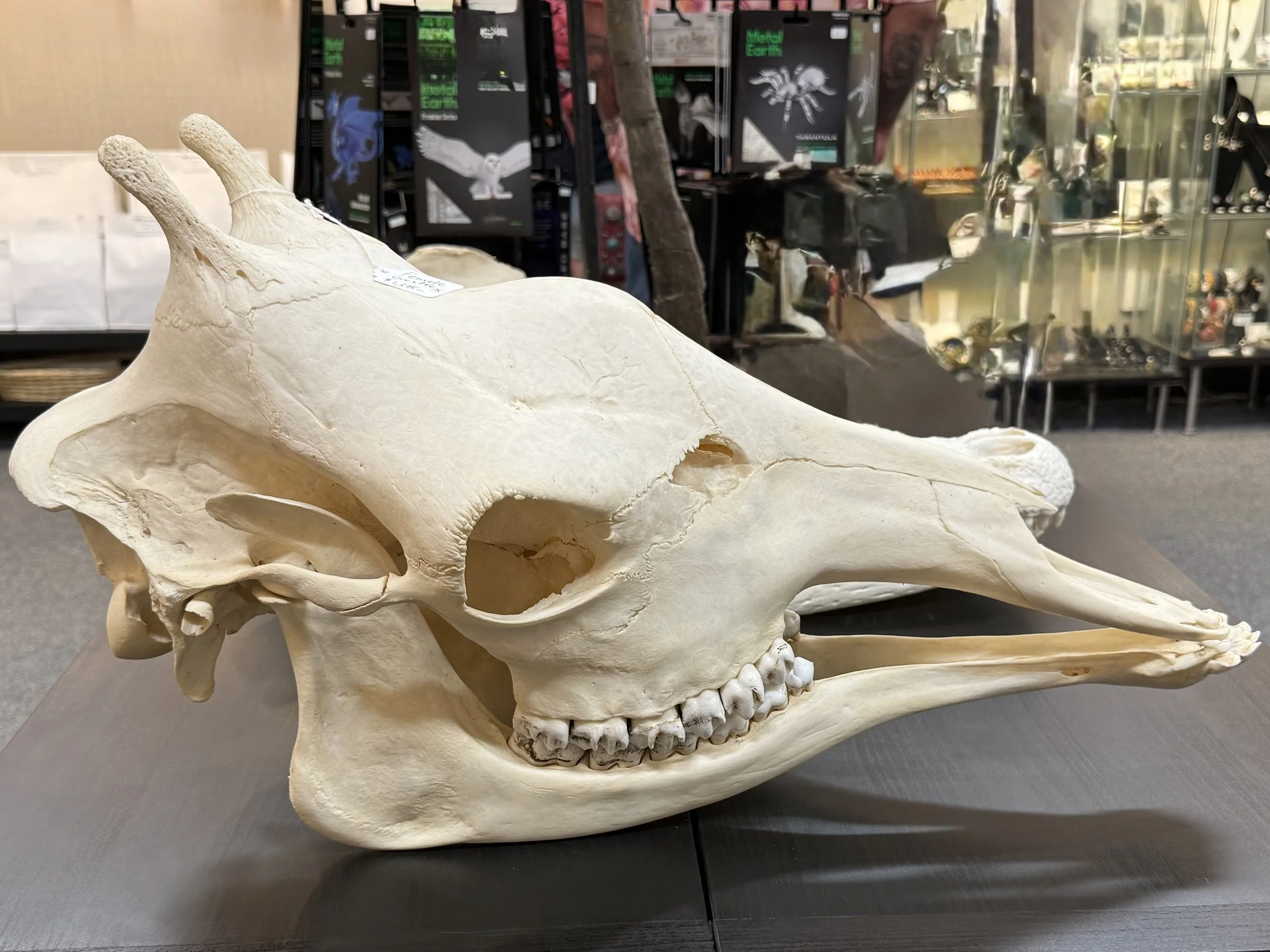
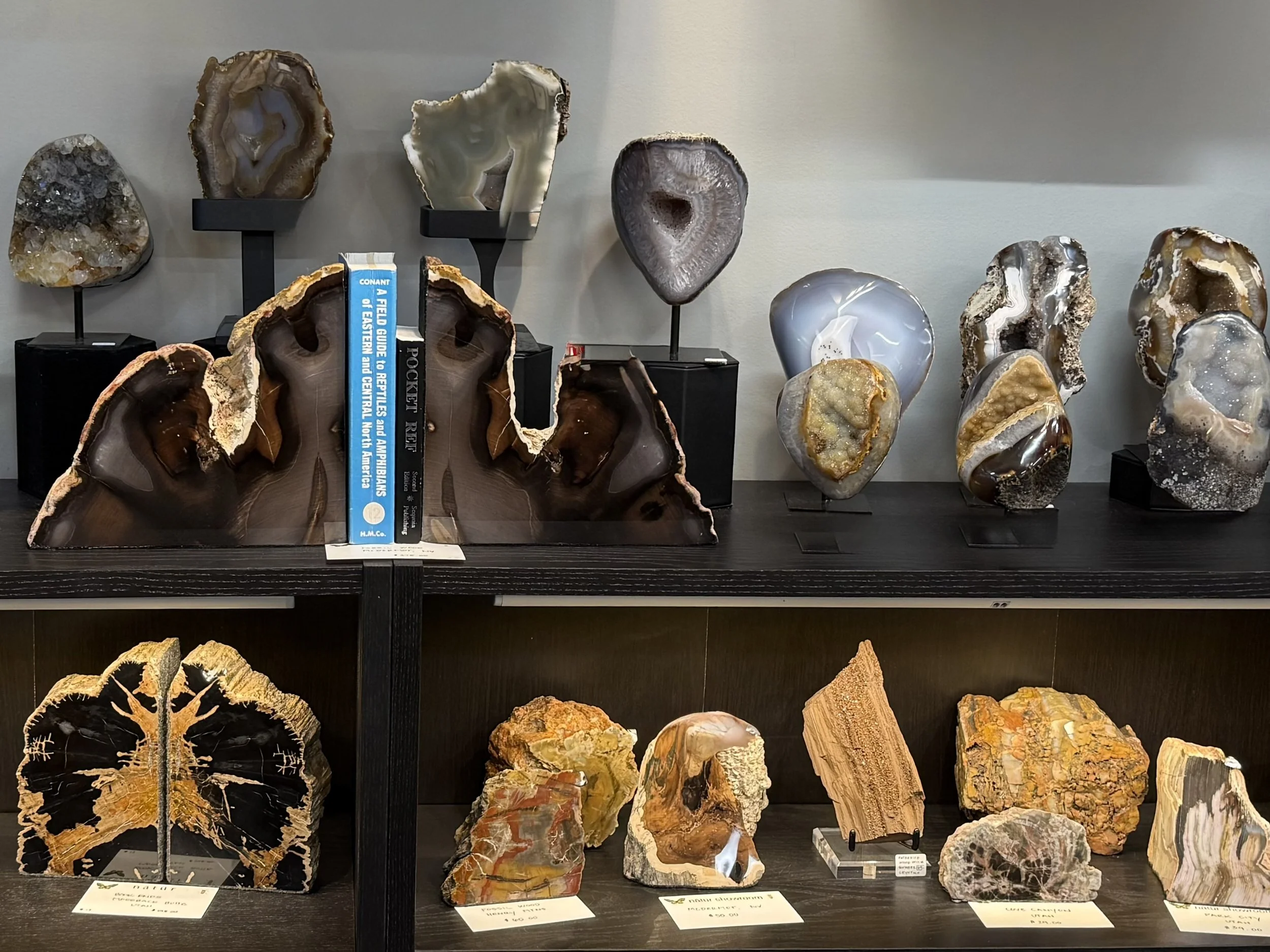
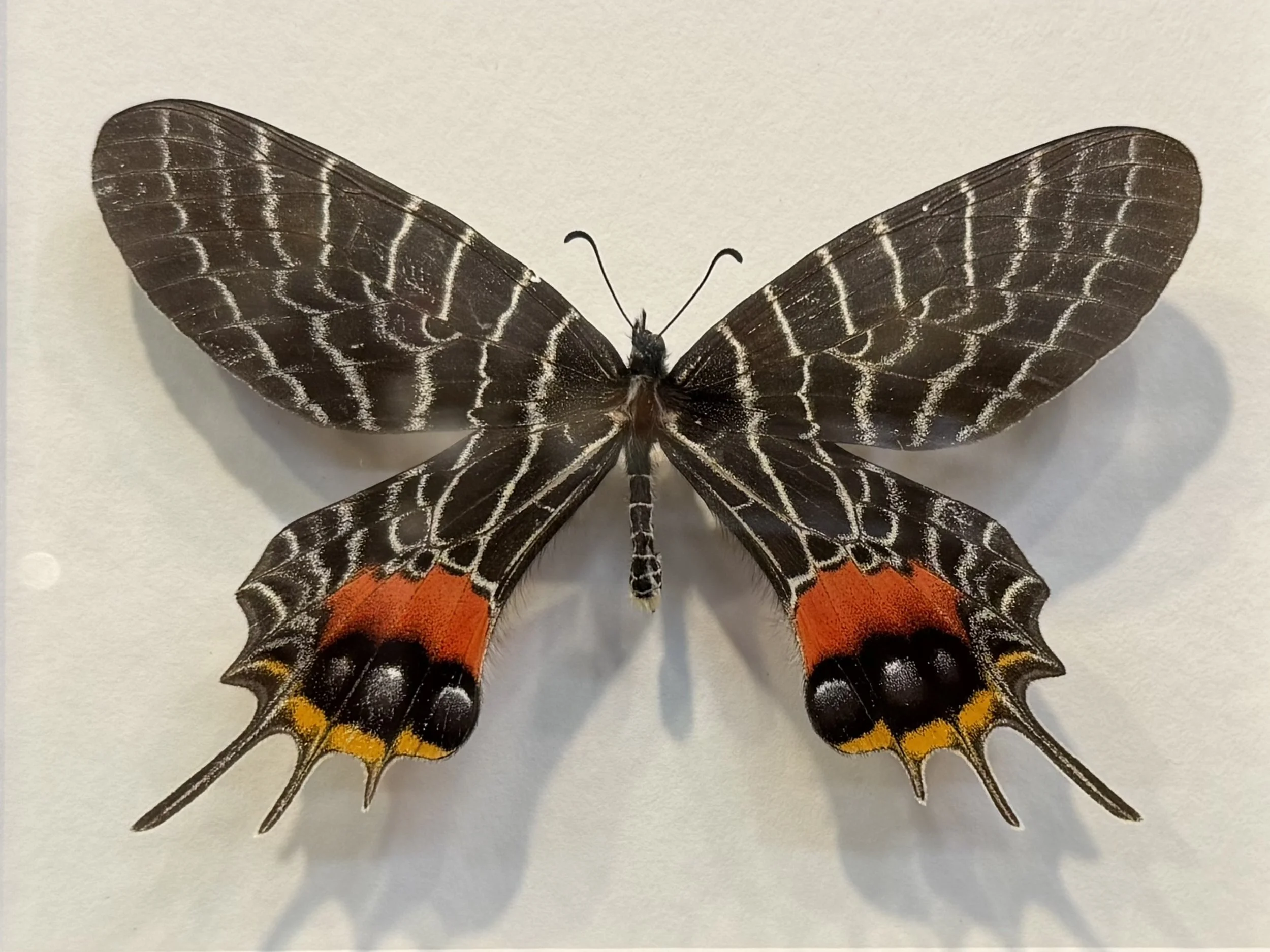
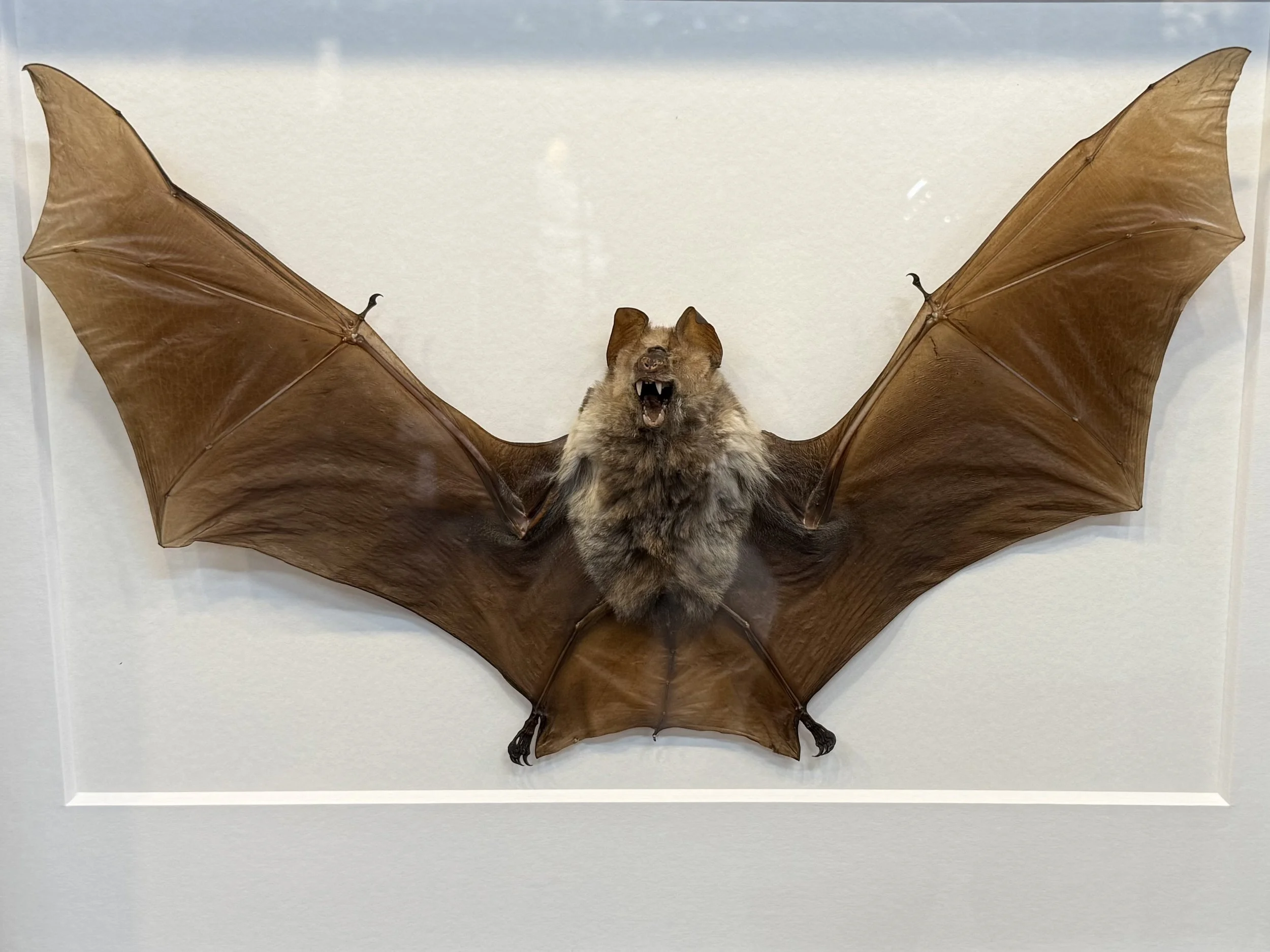
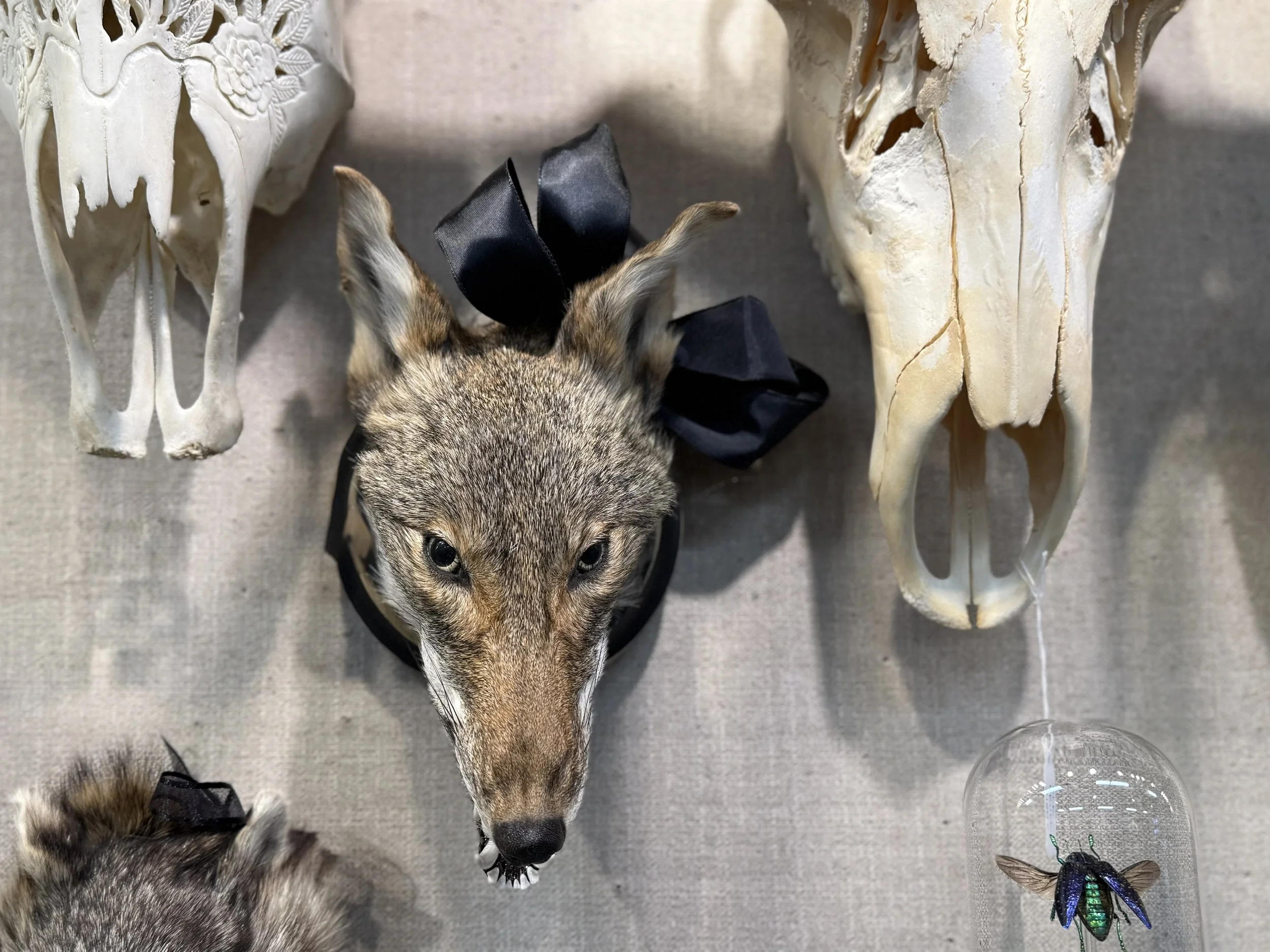
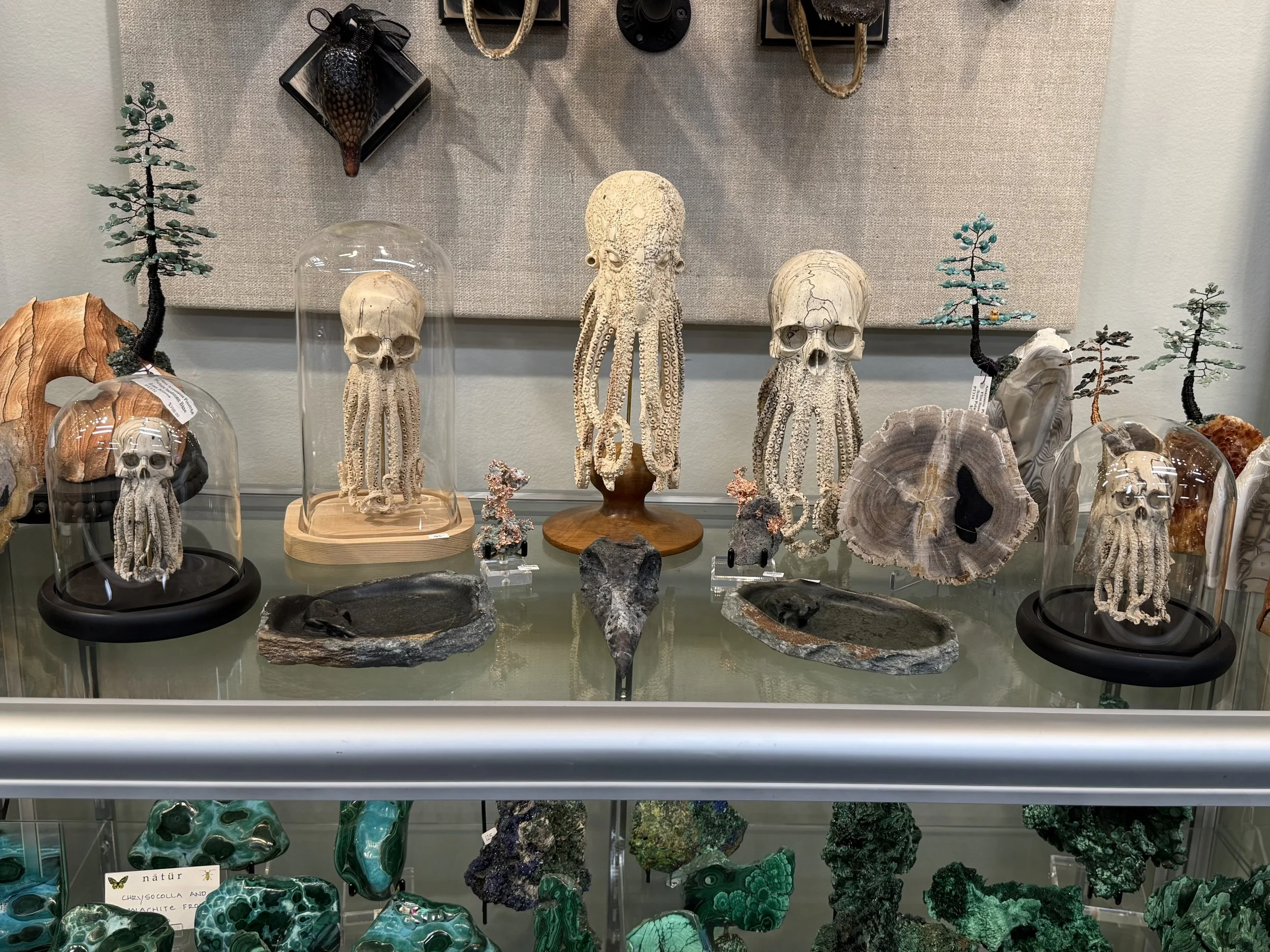
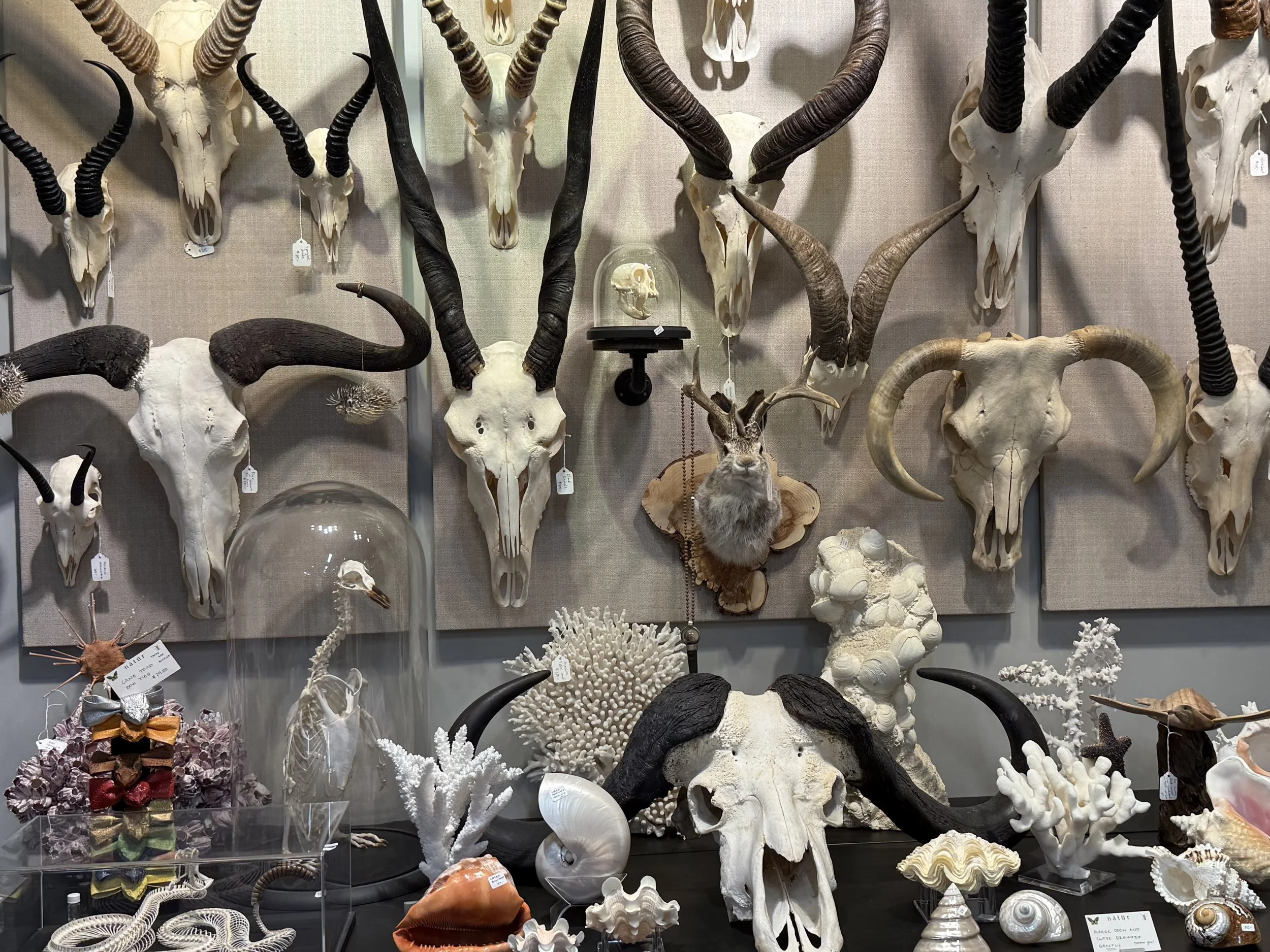
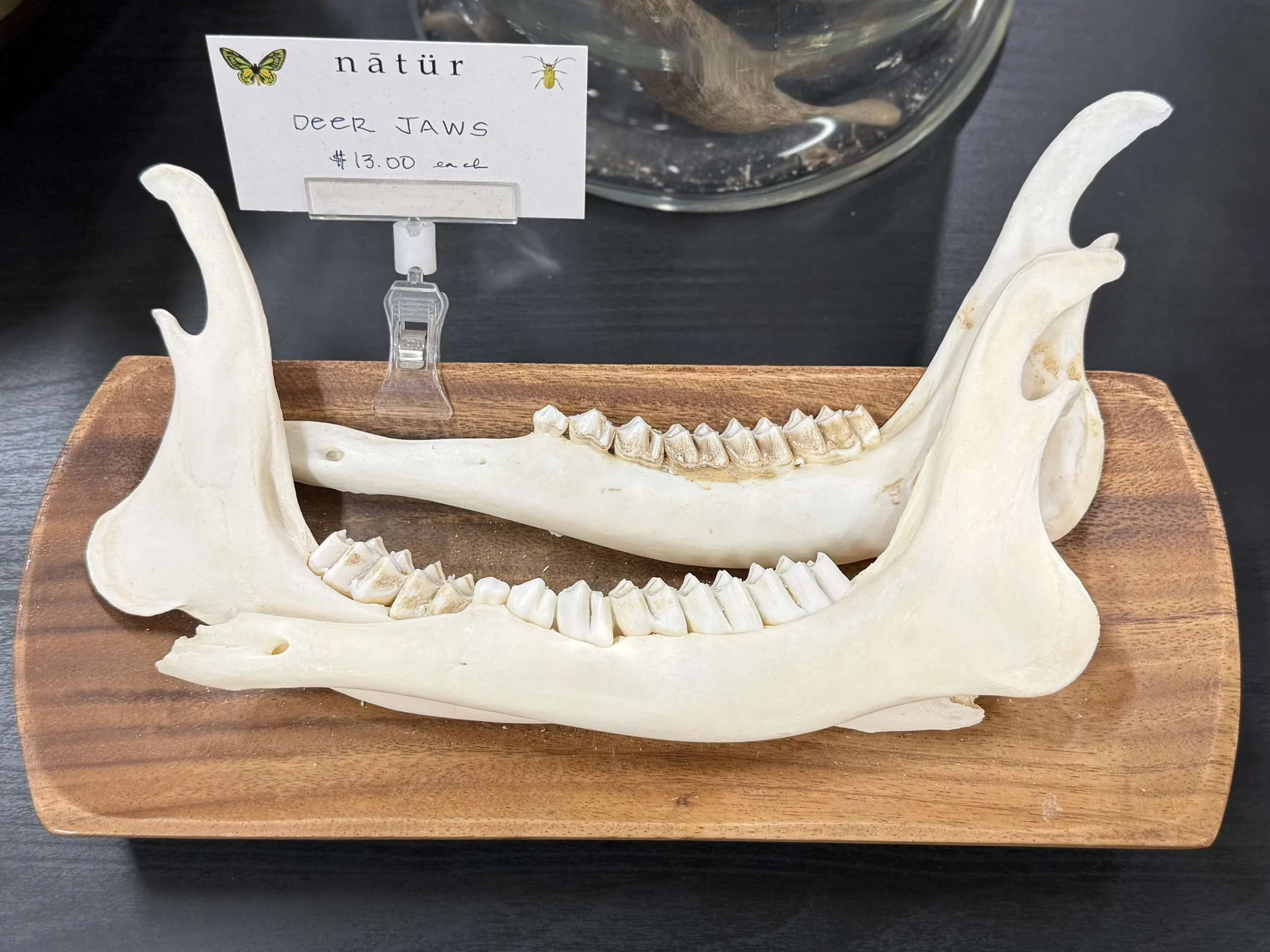
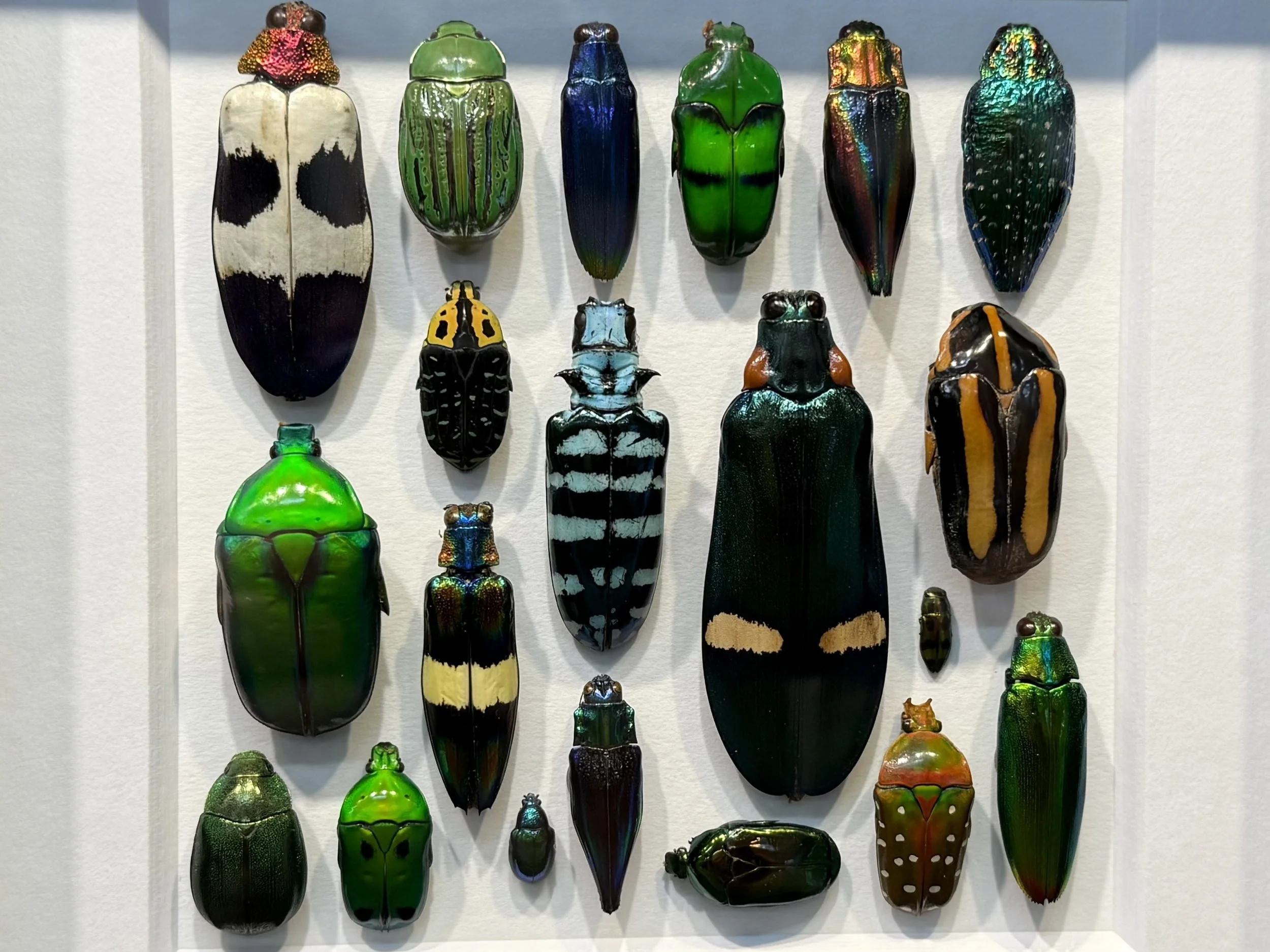
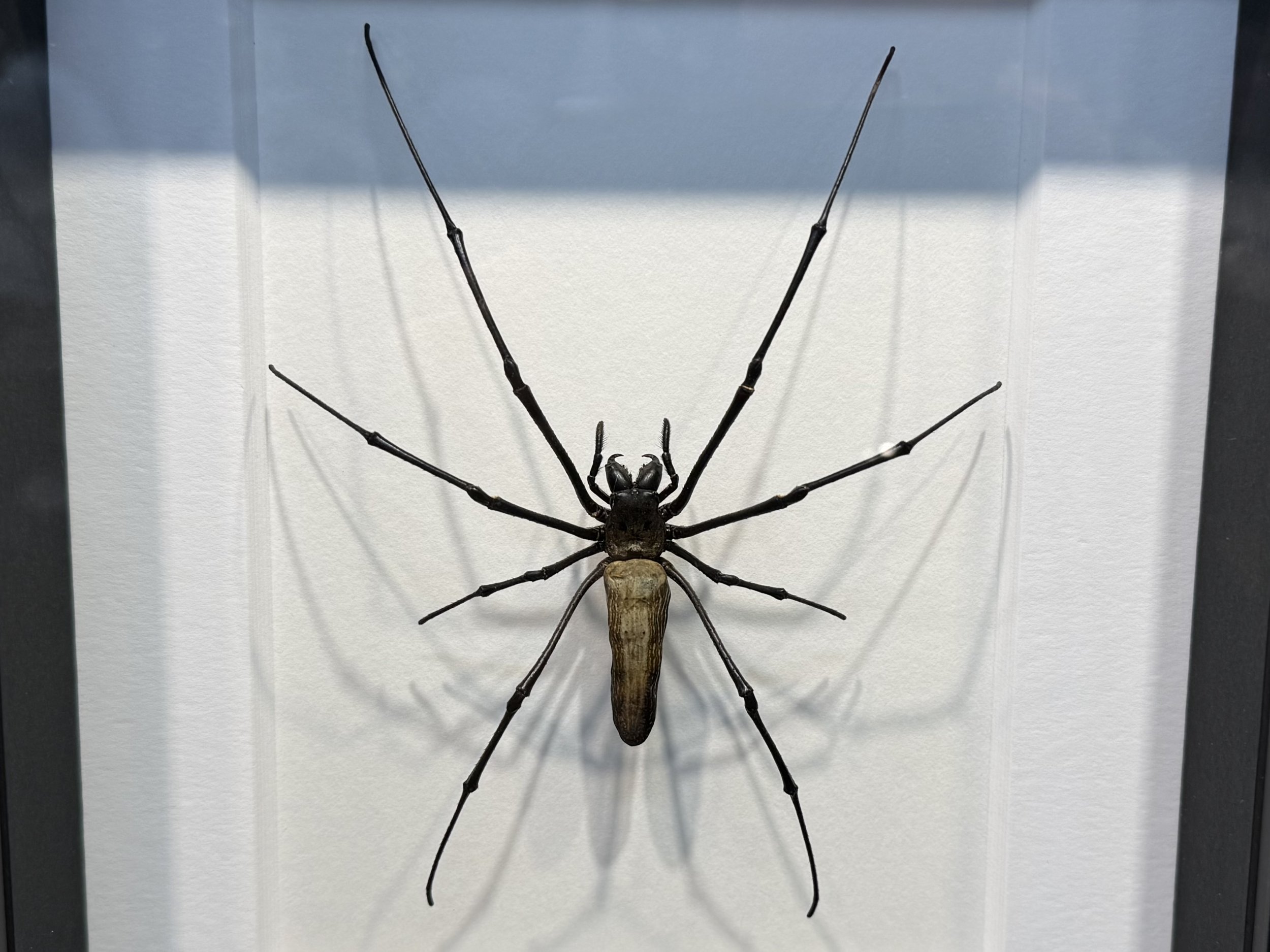
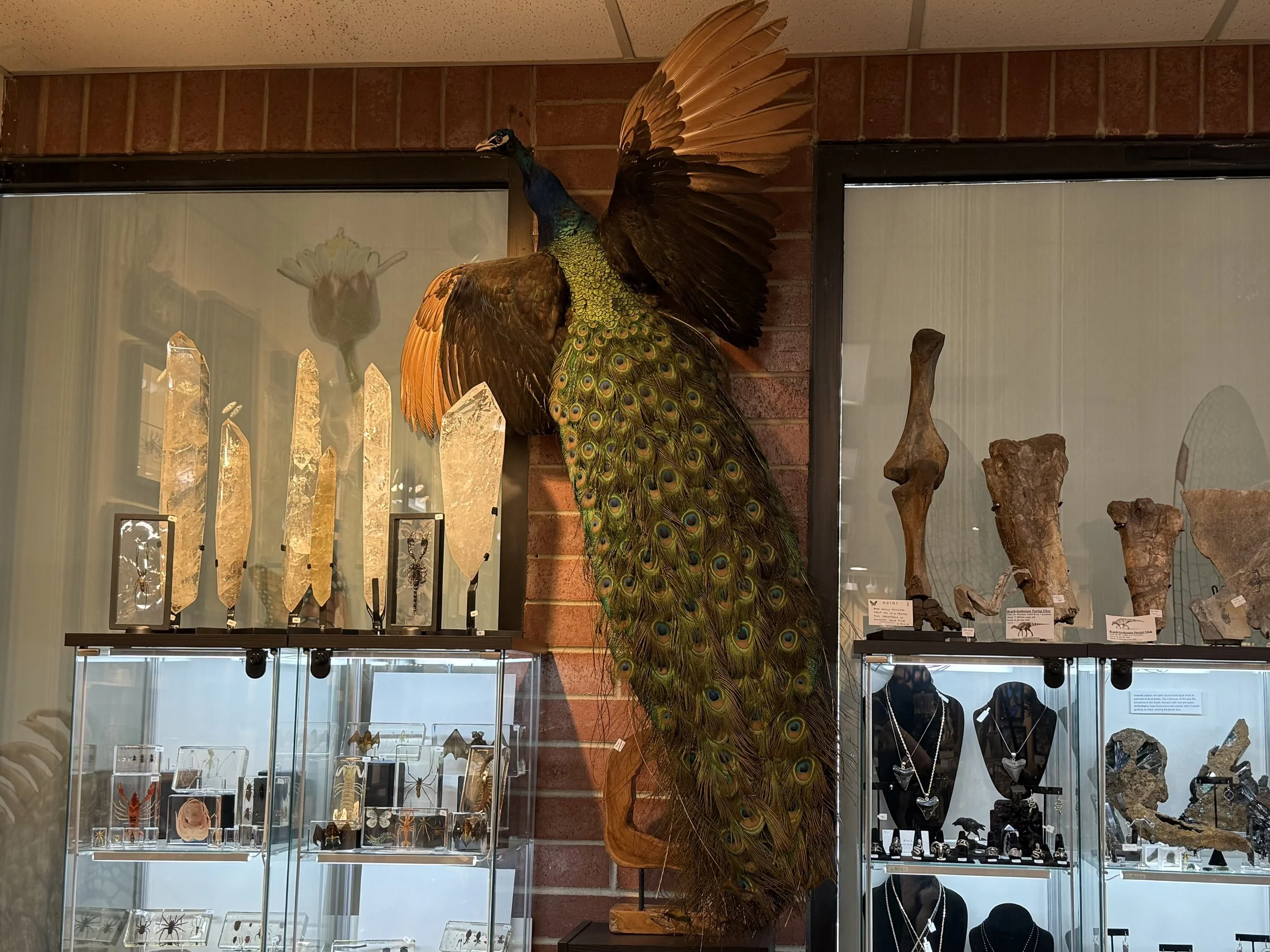
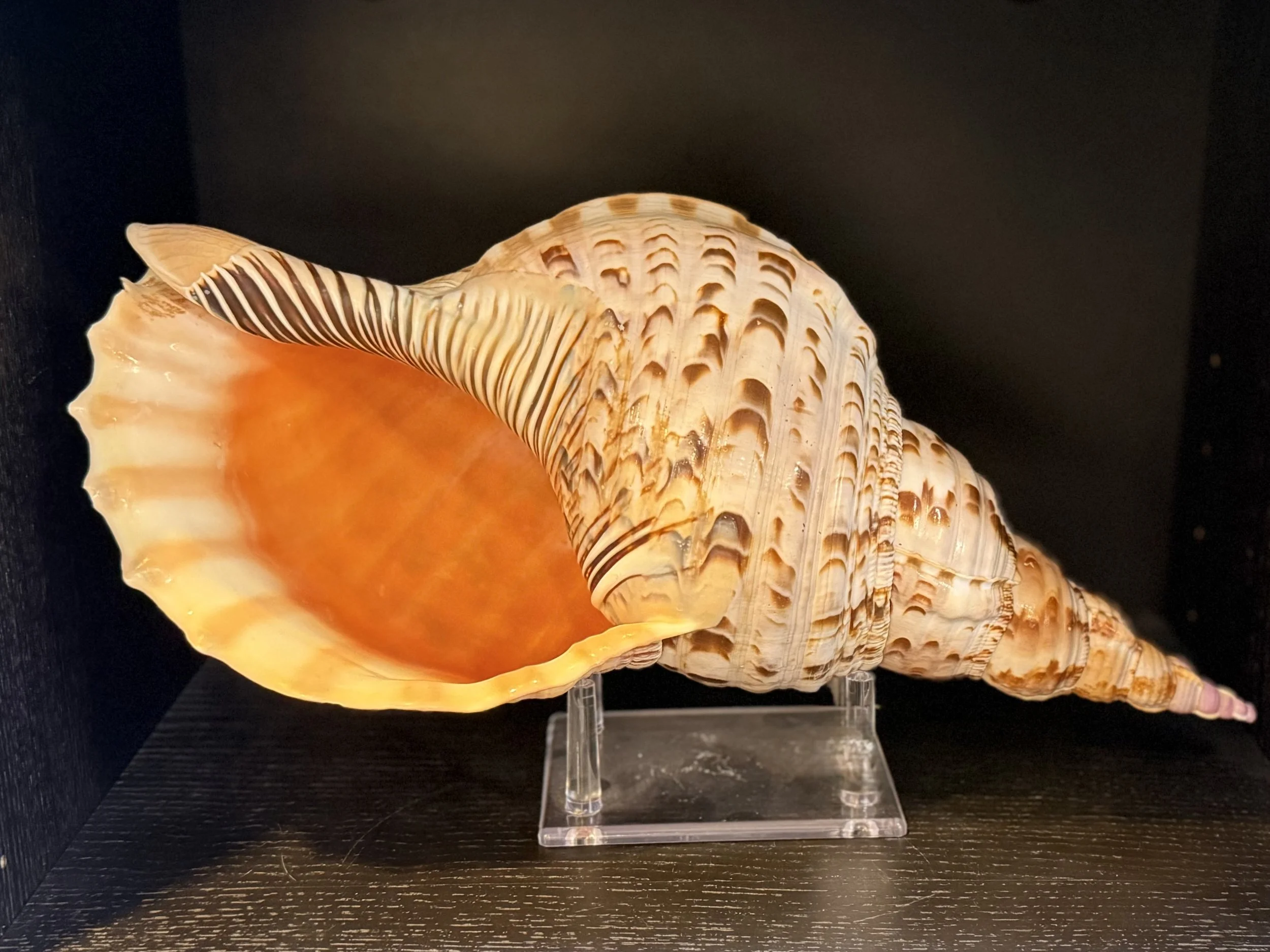
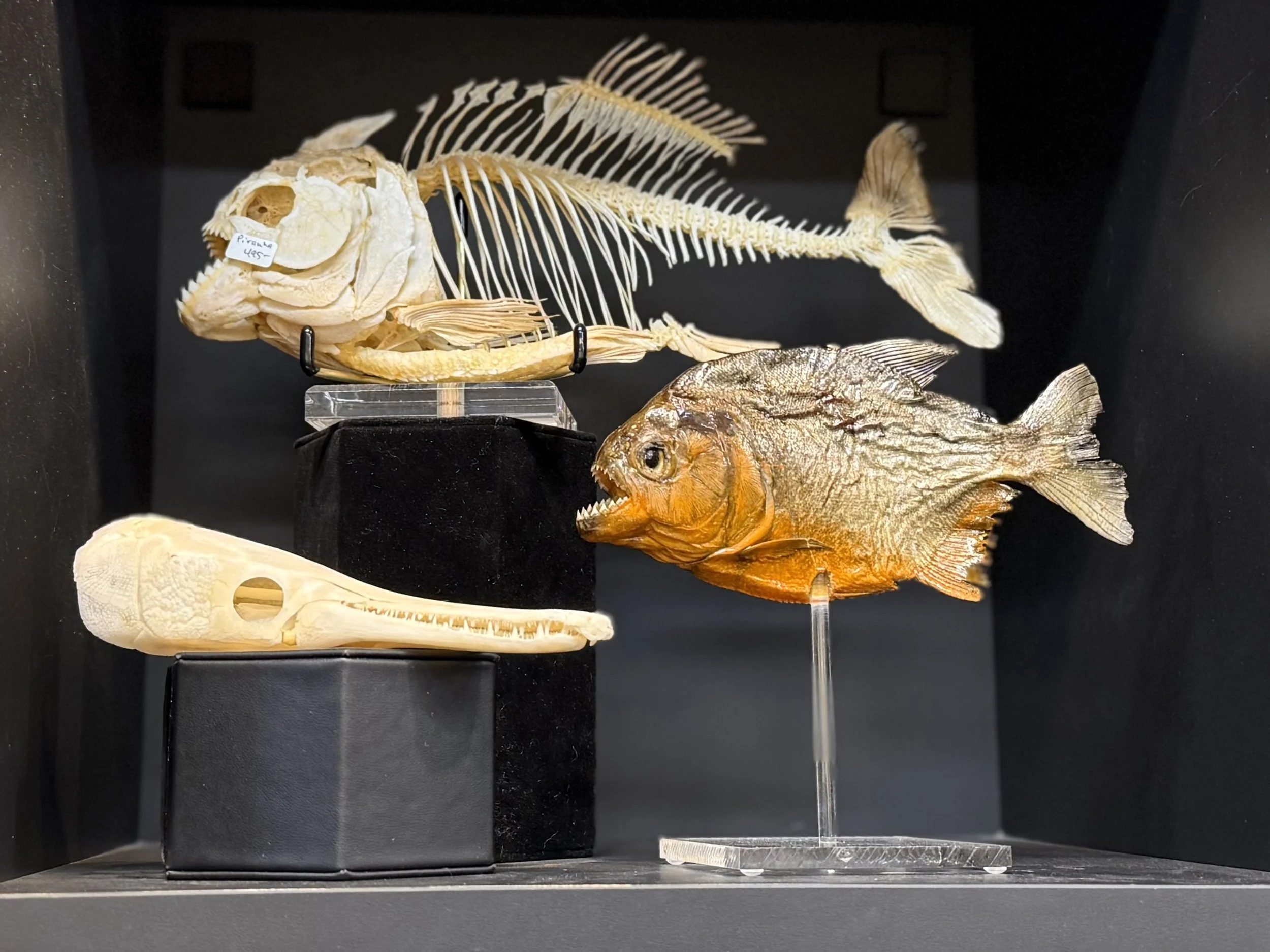
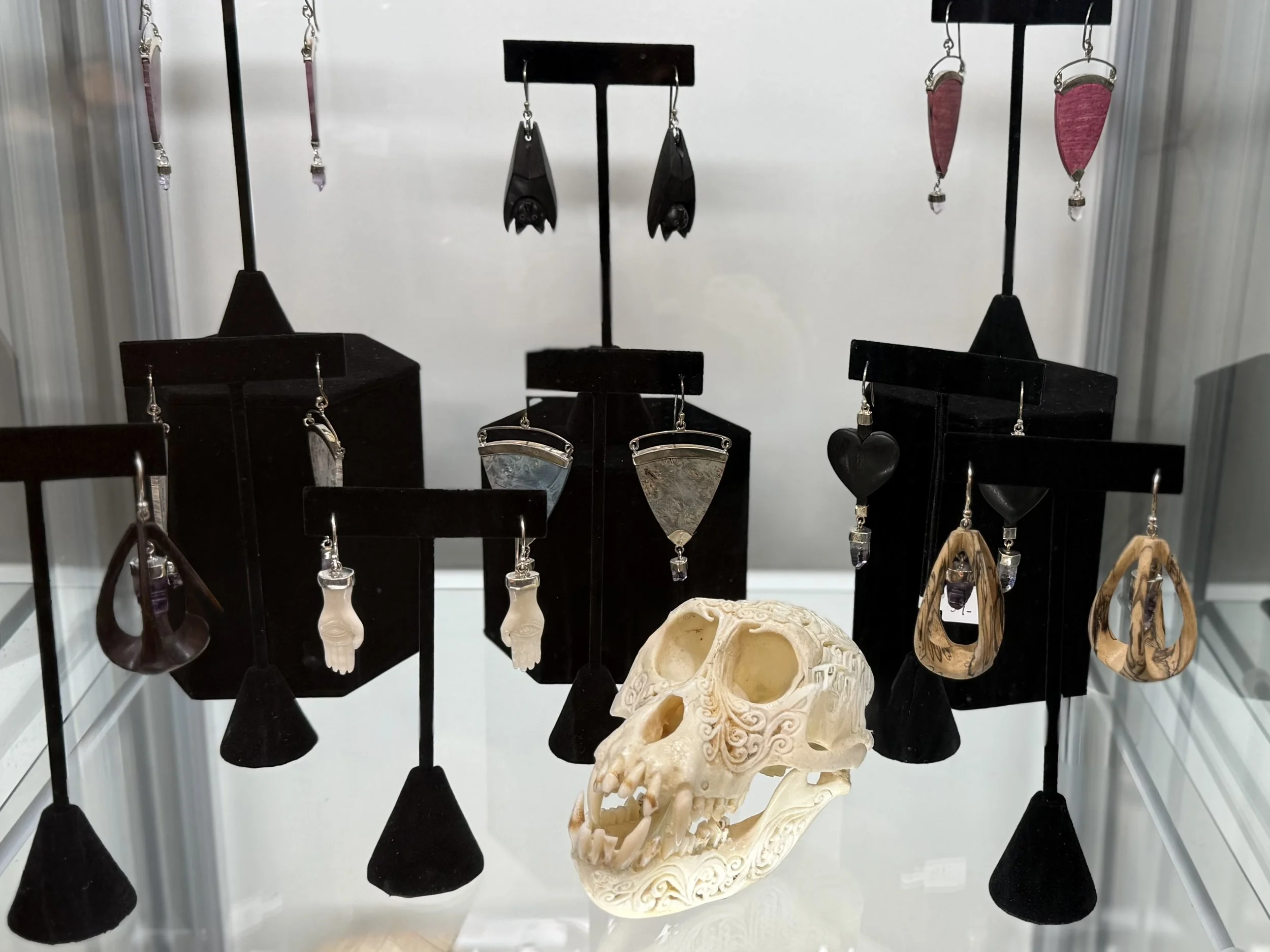
“I have always loved working with my hands. I have always loved creating.” For Jean-Michel Arrigona, owner of nātür showroom, that simple truth has followed him across countries, languages, careers, materials, and ultimately into a Salt Lake City shop unlike any other - a place filled with butterflies, beetles, fossils, minerals, skulls, skeletons, and objects from the natural world that seem to stop people in their tracks.
Jean-Michel was born in France, in a suburb of Paris, in 1962. His mother was Parisian, the daughter of a Greek father and a French mother. His father had moved to Europe after World War II, and his work allowed the family to travel and live abroad. When Jean-Michel was four, the family moved to southern Germany where they remained for ten years, followed by a year in the United States, three years in Belgium, and then a return to Salt Lake City in the summer of 1979.
Looking back, Jean-Michel realizes how deeply those years shaped him. “It took me a long time to realize how rich it made our lives - to be introduced to these different countries, to these different cultures, to these different foods, to different people, to different ways of thinking. Something that I still just absolutely love today are different languages.” He learned French and German not in a classroom, but by being immersed in the places where they were spoken. He remembers being a young boy in Germany trying to communicate with another child who would become his best friend. “That blows my mind,” he said. “These two young boys coming together, and he could not speak English, I could not speak German. How did we do it? I do not know, but I love the thought.”
Jean-Michel's parents encouraged their children to think independently and critically, and he believes those early experiences taught him that there was never only one way to see the world. In Germany, the family lived near a forest. There, he spent time wandering with his sister or his best friend and remembers seeing hedgehogs running freely. Around the same time, he became fascinated with Jacques Cousteau and the natural world, a fascination that would later circle back in ways he never expected.
He also remembers the day his parents brought home framed butterflies from a person they called “the butterfly man.” It was the first time Jean-Michel understood that the natural world could be preserved and presented as art. Not long afterward, while walking with a friend, he came upon a dead bird and found himself thinking about what it would mean to keep and label parts of nature the way museums did. He does not view that childhood thought as morbid, but rather as the beginning of a lifelong curiosity about life, death, beauty, and the way specimens can teach us to look more closely.
After graduating from an international school in Brussels, Jean-Michel returned to Salt Lake City. He attended both the University of Utah and BYU, studying several subjects along the way, including international relations and construction management. The idea of working for a large construction company and traveling to different parts of the world appealed to him, no doubt influenced by his childhood abroad.
While studying, he took a job with a man in his parents’ neighborhood who made custom handmade furniture. Jean-Michel had never done woodworking before, but he had always loved building models, drawing, and making things with his hands. Part-time work quickly became more. “I really fell in love with this woodworking thing,” he said.
In 1985, Jean-Michel married Carla, who was born in Logan. In 1990, the same year their daughter was born, the couple started their custom furniture business, JMA Classics. At first, Jean-Michel worked out of a shed in his parents’ backyard, eventually taking over their garage as well. He had met interior designers while doing earlier work in Salt Lake City, and when he struck out on his own, he went back to them with a simple offer; he did not yet have photographs of his own pieces, but he believed he could build what they needed. Some trusted him, gave him a chance, and slowly the business began.
A connection to a Beverly Hills showroom helped things grow, followed by work with designers in other cities, including Aspen. JMA Classics became known for high-end, handmade furniture, often built to resemble French, English, or Italian antiques. Over twenty-three years, the business grew from a backyard shed to rented shops, then to a large warehouse with employees. Jean-Michel’s role shifted from building pieces himself to designing, meeting with interior designers, and guiding the creative direction.
By 2013, after the effects of the recession had reached the high-end furniture world, Jean-Michel and Carla decided to close that chapter. Carla had a good job at the University of Utah, with benefits that helped give them stability, but Jean-Michel was unsure what would come next. “I was literally terrified,” he said. “I did not know what I was going to do with myself.”
For years, however, another interest had been growing quietly. Jean-Michel had returned to his childhood fascination with framed butterflies and insects, reaching out to entomology professors in the early days of the internet to ask how specimens were prepared, relaxed, posed, and preserved. A few responded with detailed instructions. He began making pieces for himself, then selling a few through local outlets, including Art Market and the Natural History Museum of Utah’s gift store.
Eventually he wondered why he could not try selling the work directly. Carla thought he was, in his words, “completely out of my mind,” but she agreed to let him experiment. A friend’s father owned the strip mall where Joe Morley’s Barbecue was located in Midvale and offered Jean-Michel a small space for $300 a month. “The fact that my wife was willing to allow me to experiment, and that my friend and his father had this space that they were so generous with, that is so much of why it happened.”
nātür showroom opened in May 2013. At first, Jean-Michel planned to sell only framed insects, but within months he realized the store could become something much broader - a place where art, science, curiosity, and the natural world all intersected. He opened the doors, played music, put up simple signs inviting people inside, and watched as customers from the restaurant wandered in. Many had never seen insects of such size, color, and detail before. They told friends, who told other friends. A local television interview and a VideoWest feature helped spread the word, as did advertising in City Weekly.
Over time, nātür showroom grew from one small room to a larger corner space in Midvale, and in 2021, when the building was sold and demolished, Jean-Michel and Carla moved the shop to its current location. “We would not have chosen to move,” he said, “but it has been a phenomenal thing.”
The name itself carries pieces of Jean-Michel’s life. A friend came up with nātür showroom by playing with the word nature, adding visual references to French and German - the countries that helped shape him - and spelling it in a way that stuck with people. On the door, the shop describes itself as offering “gifts from the natural world,” which remains the simplest way to capture a place that is difficult to categorize.
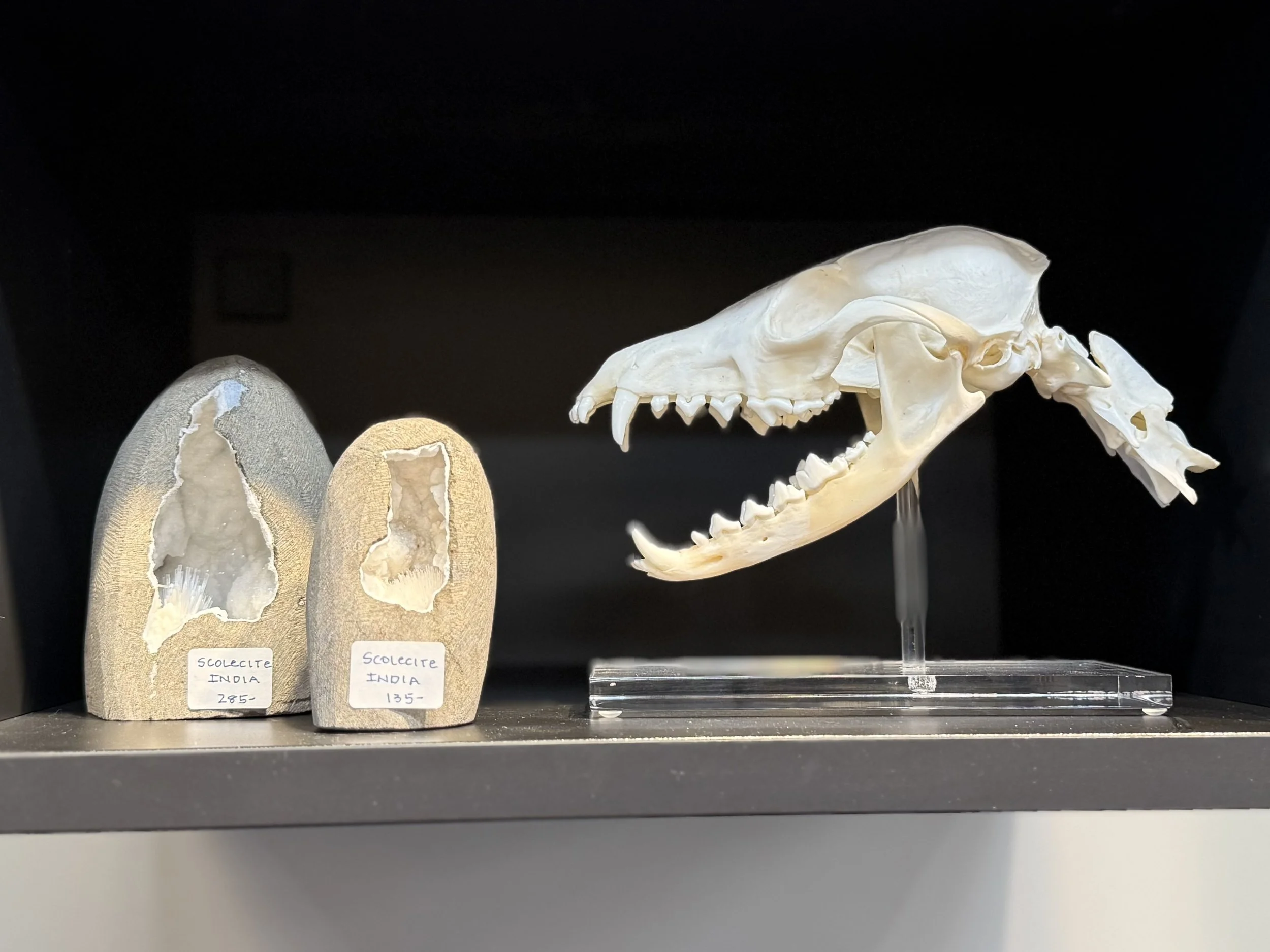
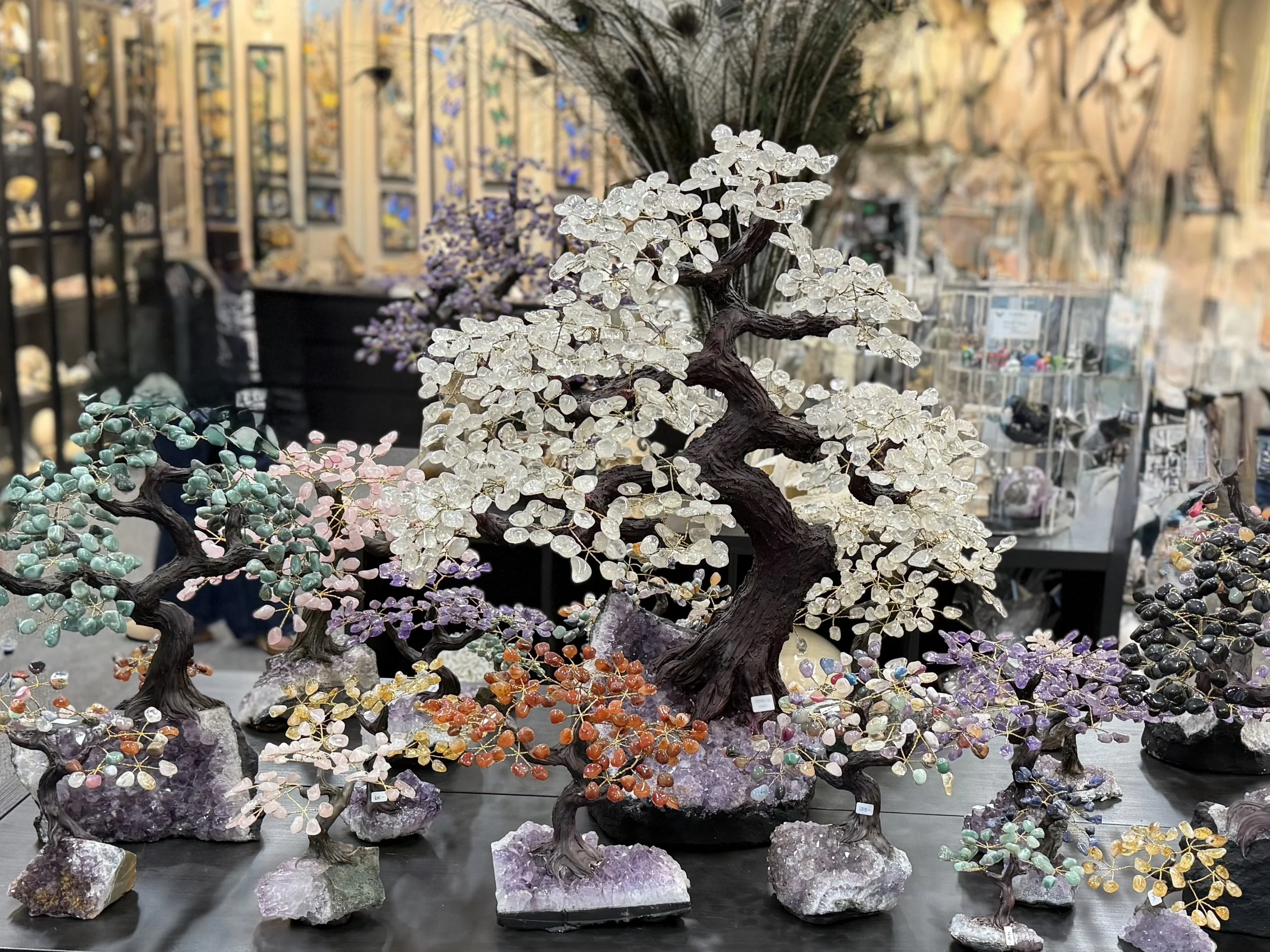
Inside, customers find drawers of butterflies, framed specimens, insects, and sea life displayed beneath glass domes, fossils, minerals, seashells, coral, skulls, skeletons, jewelry inspired by nature, acrylic blocks containing preserved specimens, meteorites, wet specimens preserved in jars, and countless other curiosities from around the world. Jean-Michel also sells papered specimens - butterflies, beetles, moths, grasshoppers, scorpions, and tarantulas - that customers can learn to relax, pose, and mount themselves. He compares the process, in part, to the model building he loved as a child.
The work is beautiful, but Jean-Michel is quick to explain that it is also highly regulated. Wildlife imported from outside the country requires proper licensing, documentation, and inspection through United States Fish and Wildlife. He has to know what each specimen is, where it came from, whether it was captive bred or wild caught, and whether it is legal to bring into the country. Coral, fossils, and other items have their own regulations as well. “You have to do your homework,” he said.
What continues to drive Jean-Michel is an endless fascination with biology, evolution, and the ingenuity of the natural world. He loves learning how creatures adapt, defend themselves, and survive within their environments. “Truth is stranger than fiction when it comes to nature,” he said. “There is nothing that a person can imagine that nature has not attempted multiple, multiple times.”
Carla officially joined him at the shop in 2019, after years of supporting the business while continuing her own work at the University of Utah. By then, nātür showroom had grown enough that Jean-Michel knew the store would benefit from having them both there. For Carla, it was an entirely different world, and Jean-Michel gives Carla enormous credit for opening herself to it. “In so many ways, it was because of Carla and other people that helped us get to where we are.”
Today, nātür showroom draws collectors, artists, tattoo artists, families, students, science lovers, curious passersby, and people who simply want to be surprised. Some come to buy, some come to sketch, some come to ask questions, and some come because there is nothing else quite like it. Jean-Michel knows he can get carried away when talking about specimens, adaptation, symbiotic relationships, and the endless inventiveness of the natural world, but that enthusiasm is the heart of the place.
“When somebody comes in, especially a younger person, and you can tell that there is that fire in their eyes, there is nothing as good,” he said. “To know that they have a life ahead of them, and I think about what they are going to learn, what they are going to be privy to, what they are going to have access to. What kind of information they will be gathering. I am bummed sometimes when I think about what I am not going to be able to know.”