Frog Bench Farms
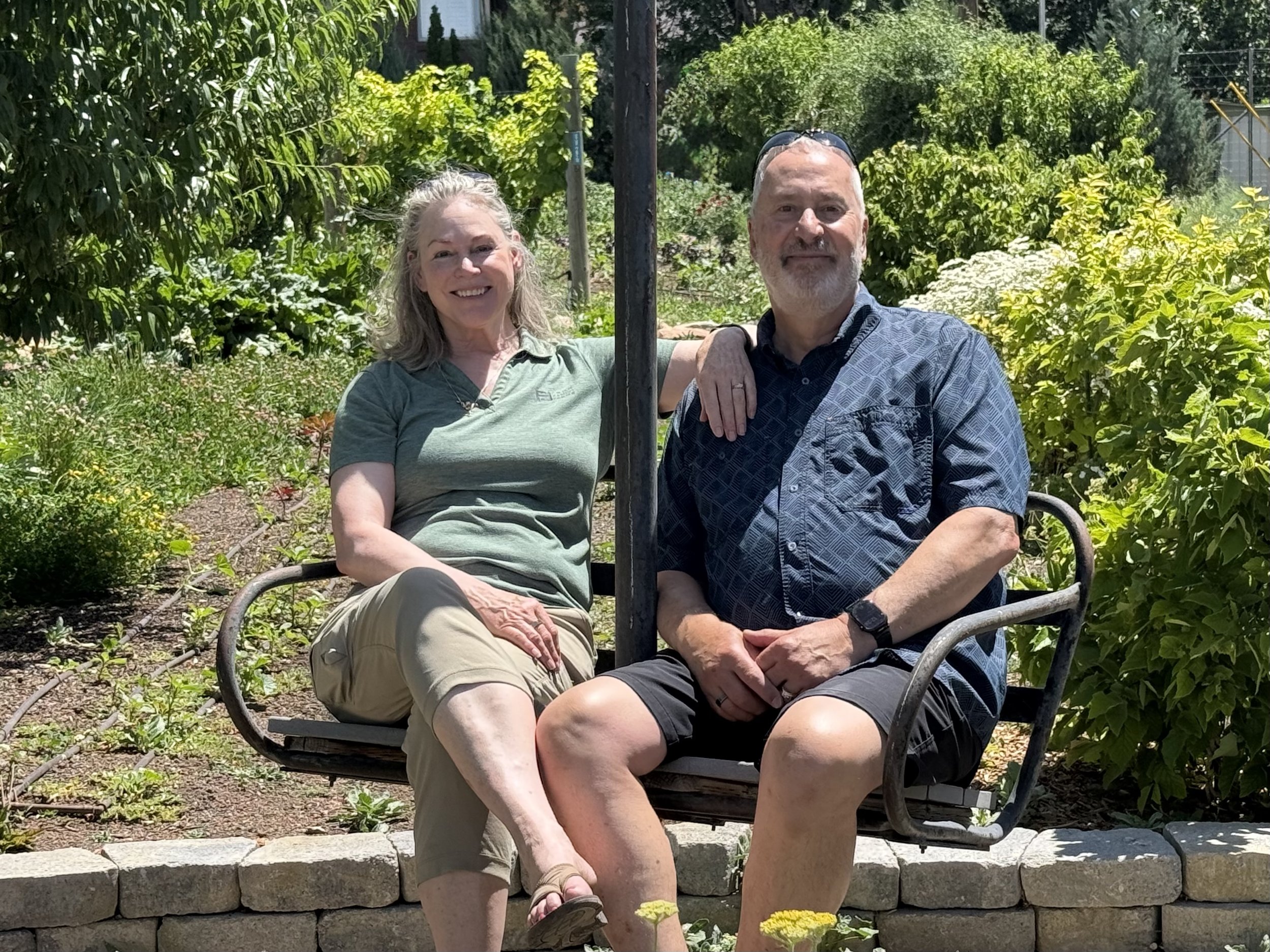
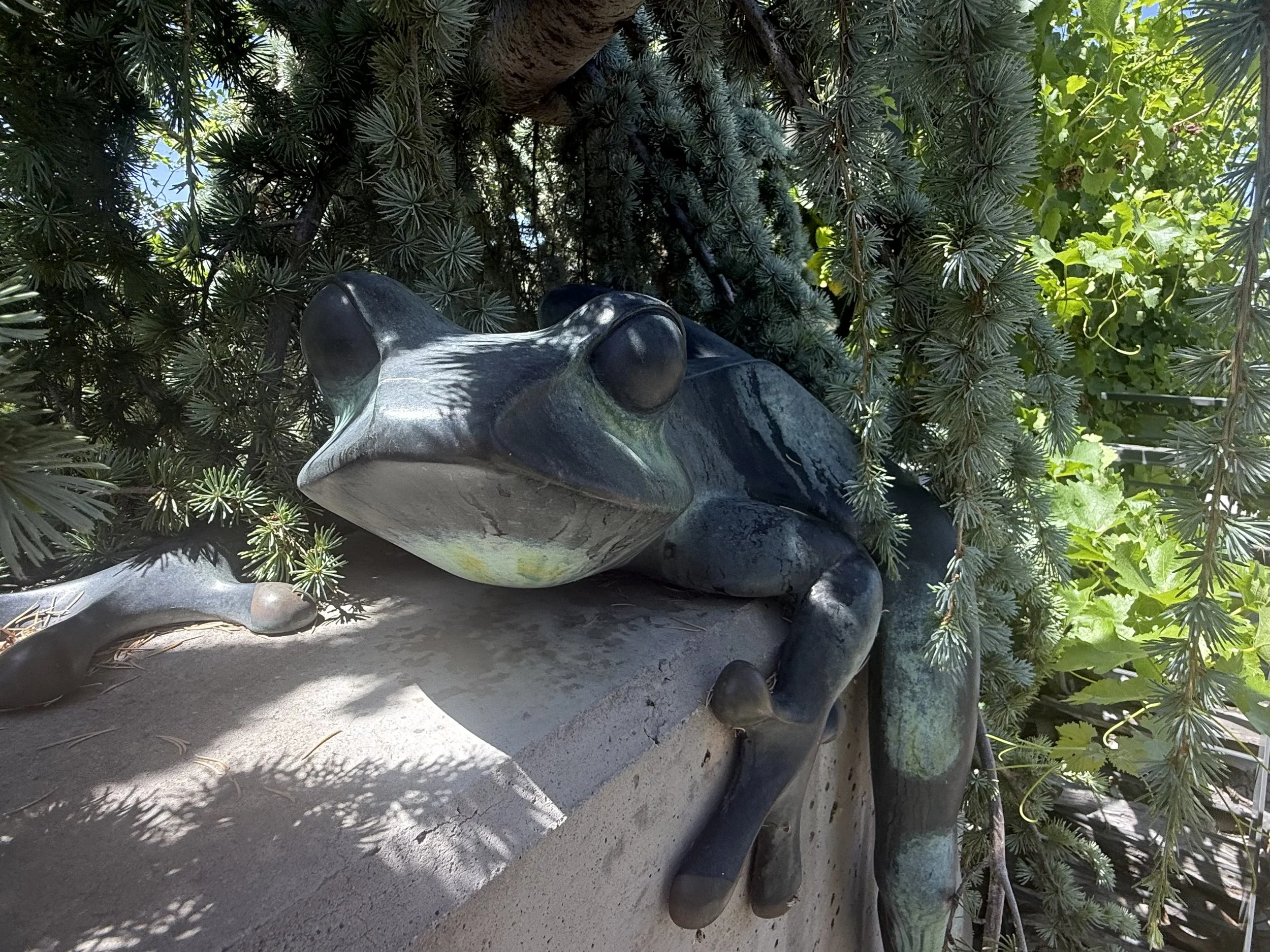
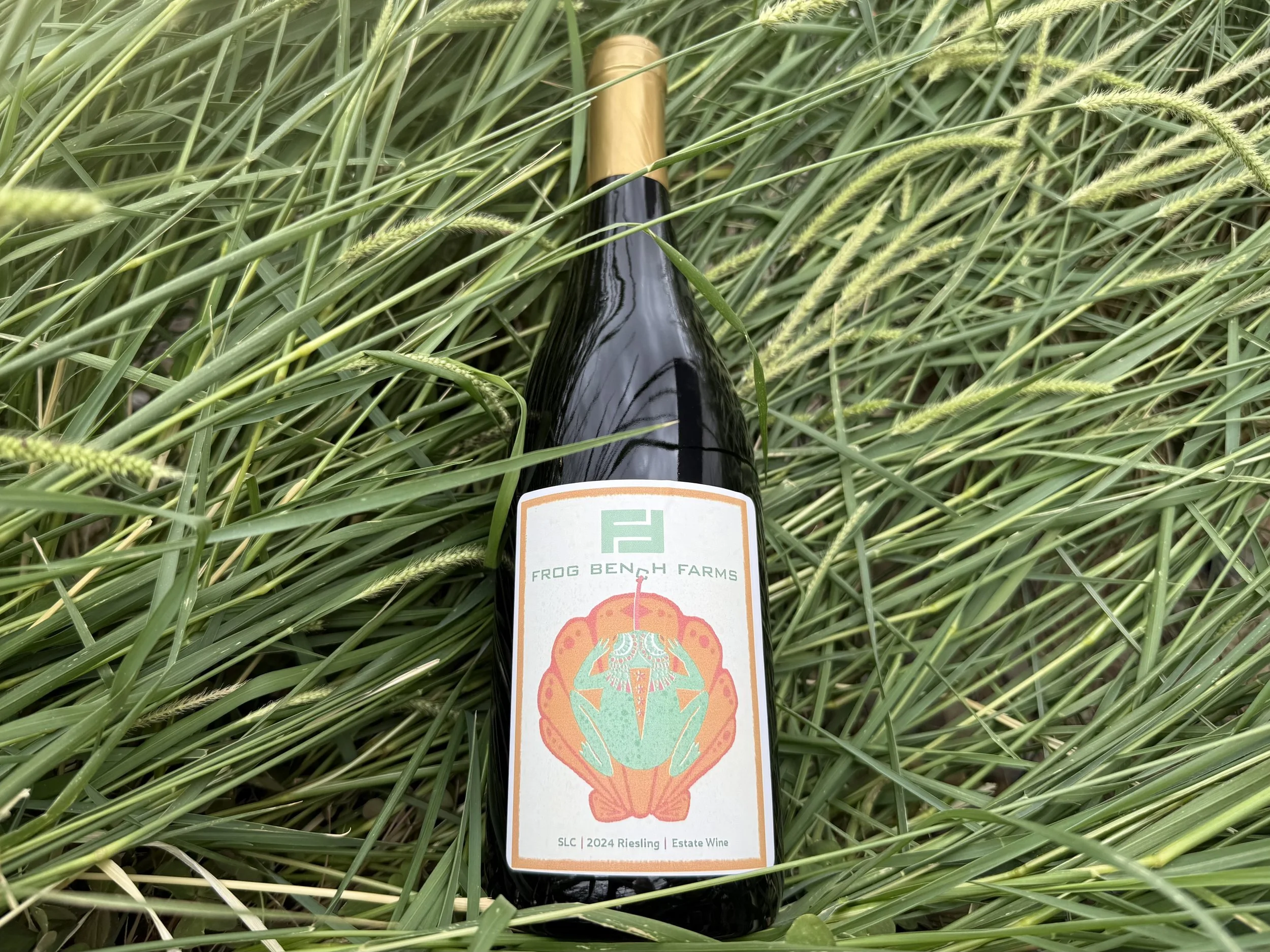
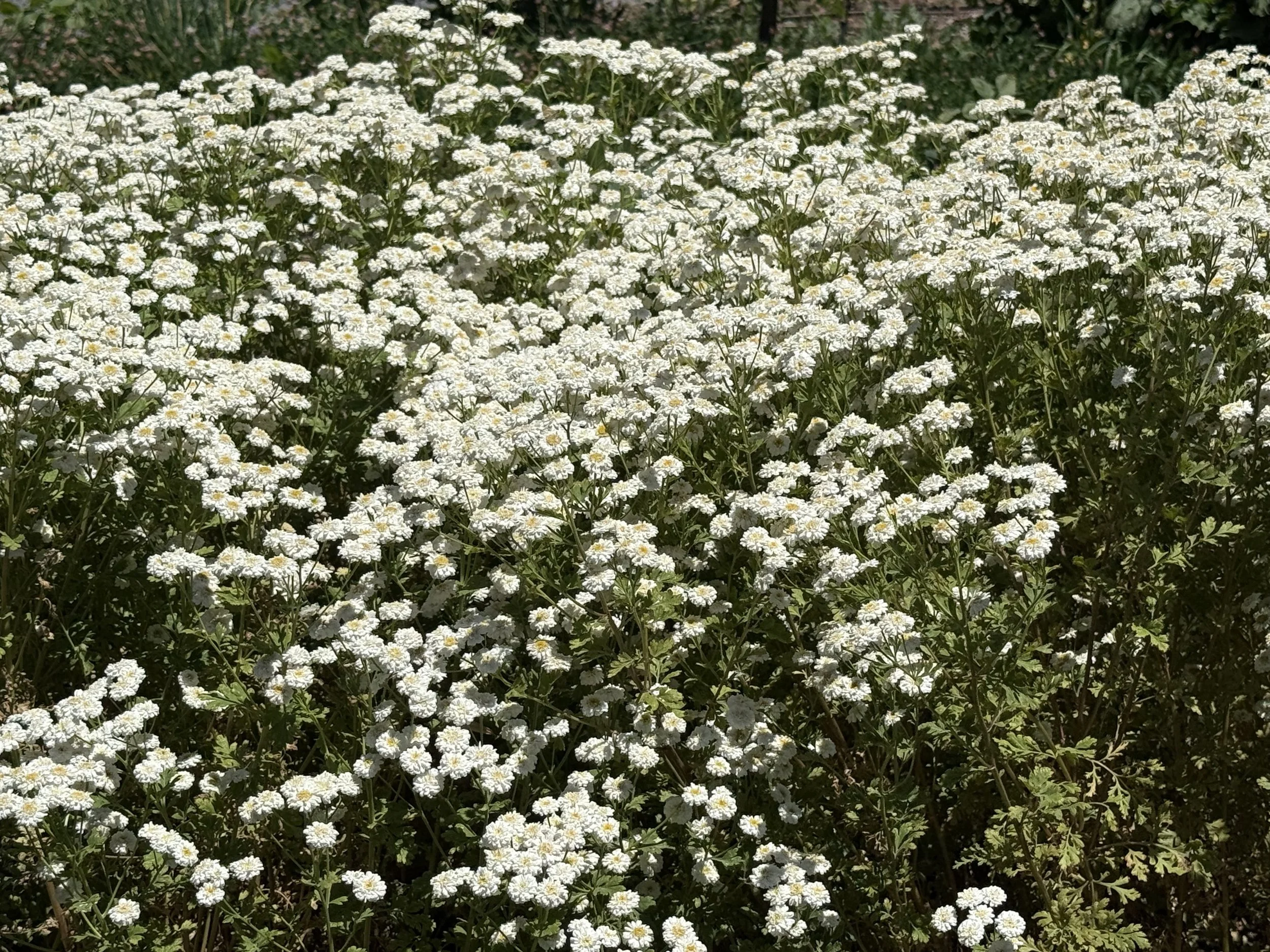
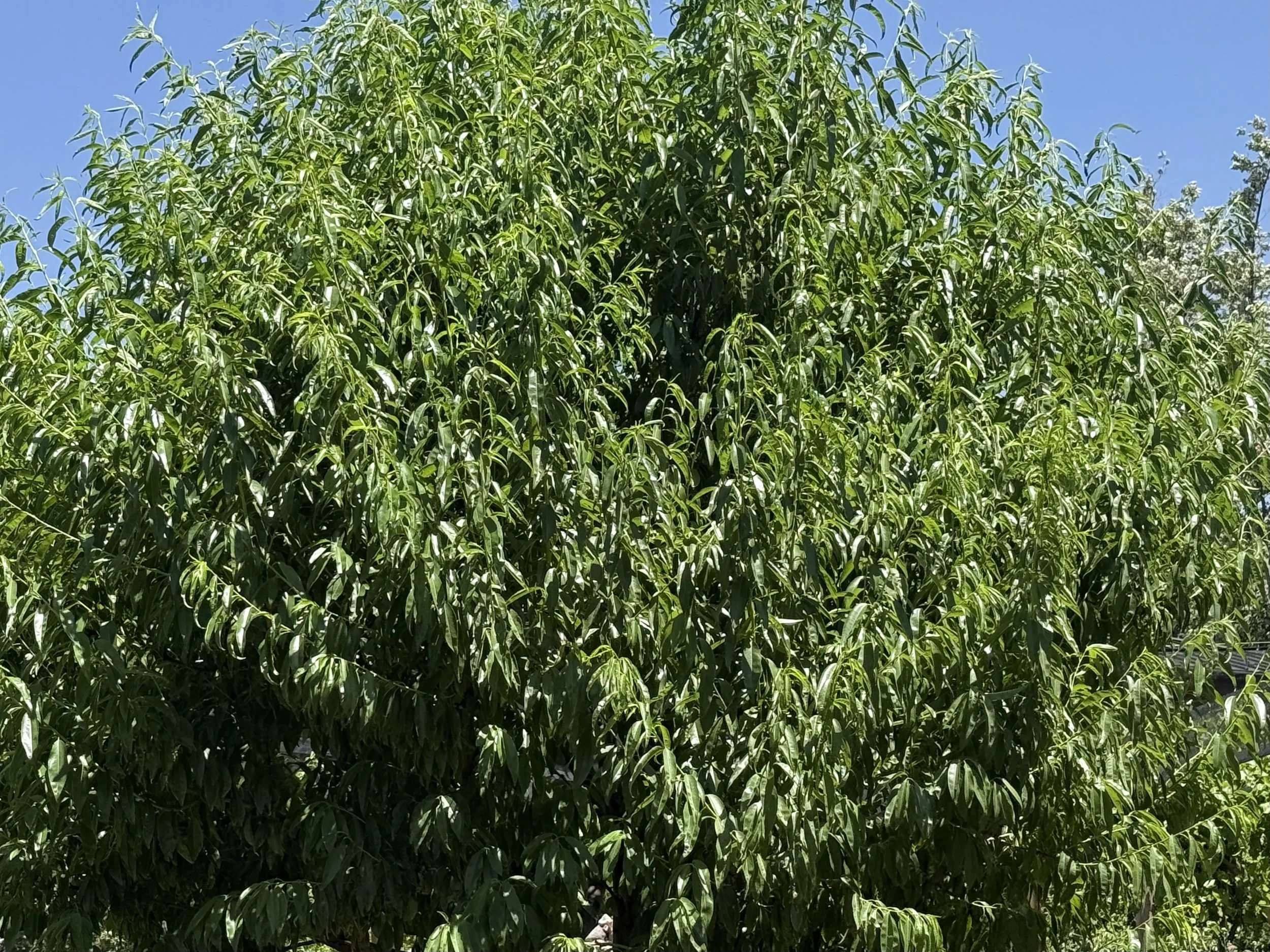
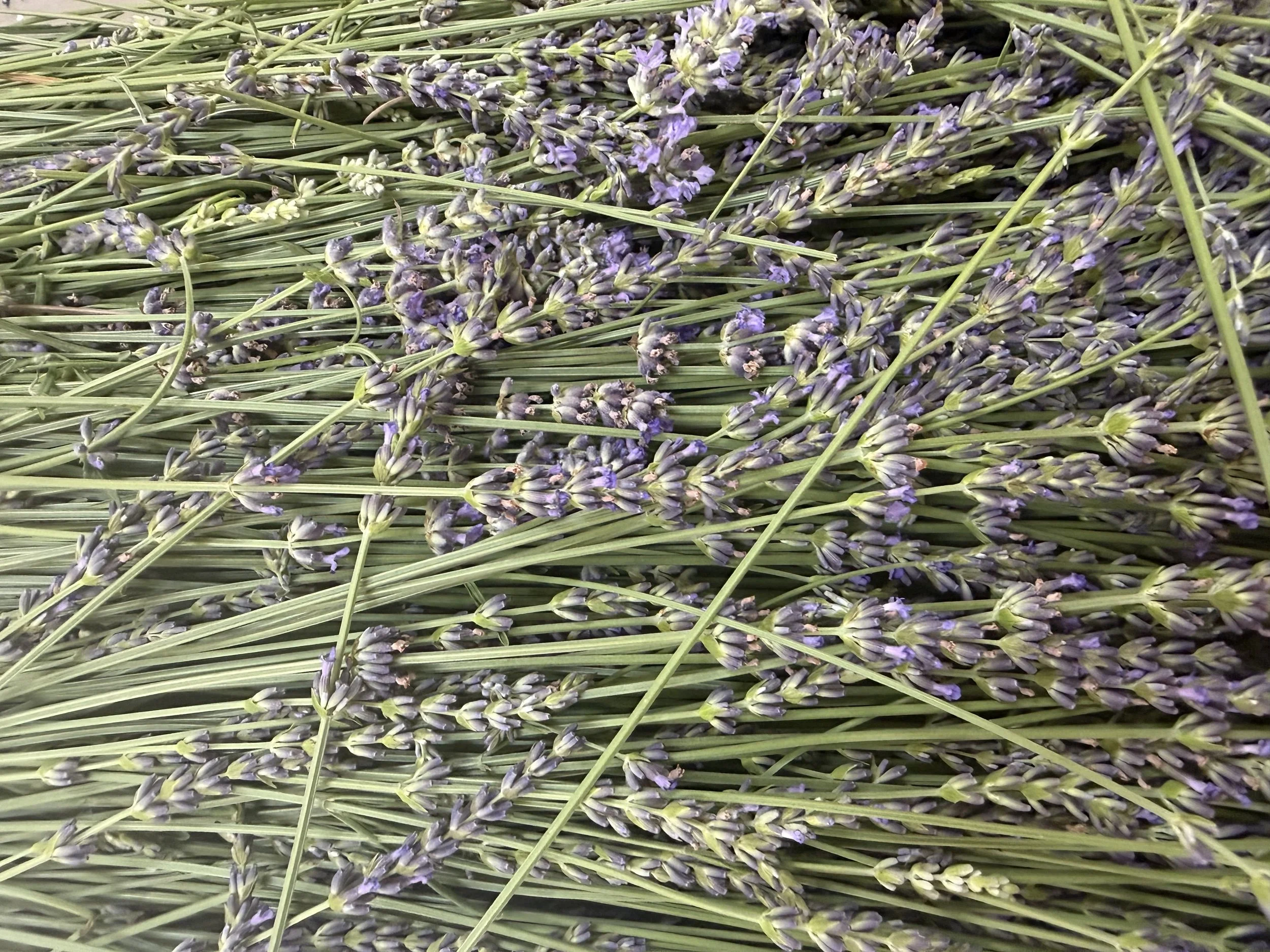
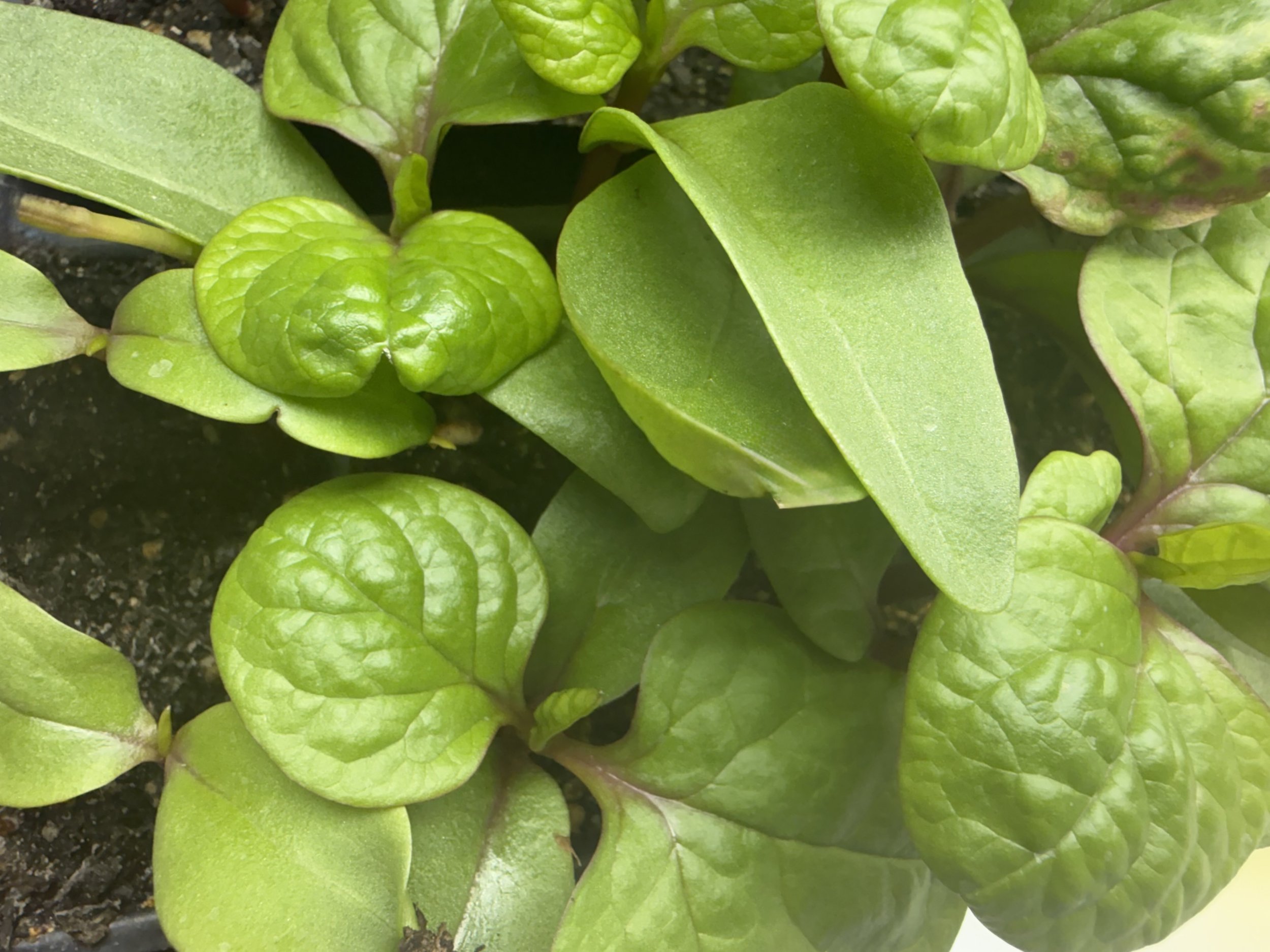
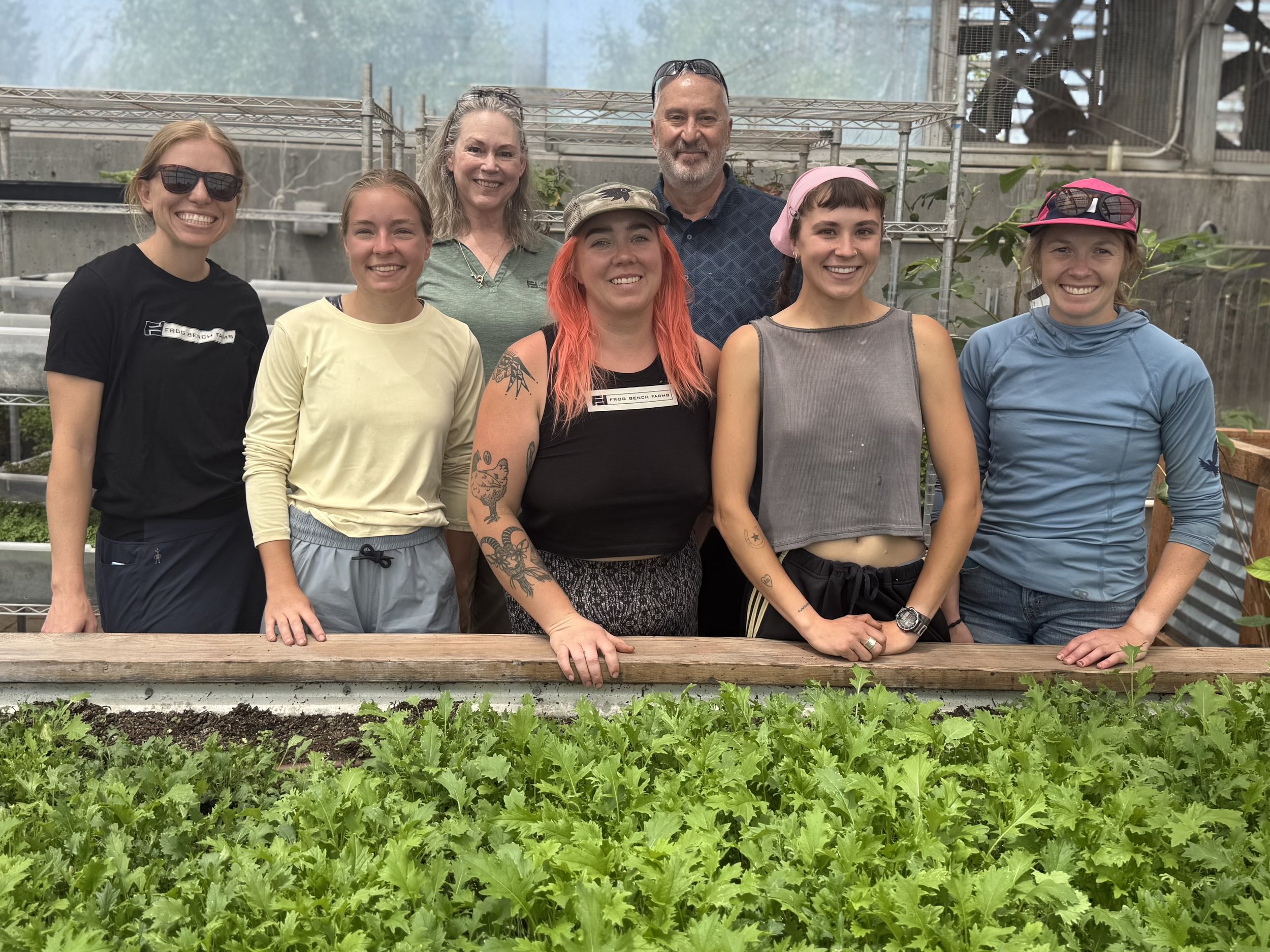
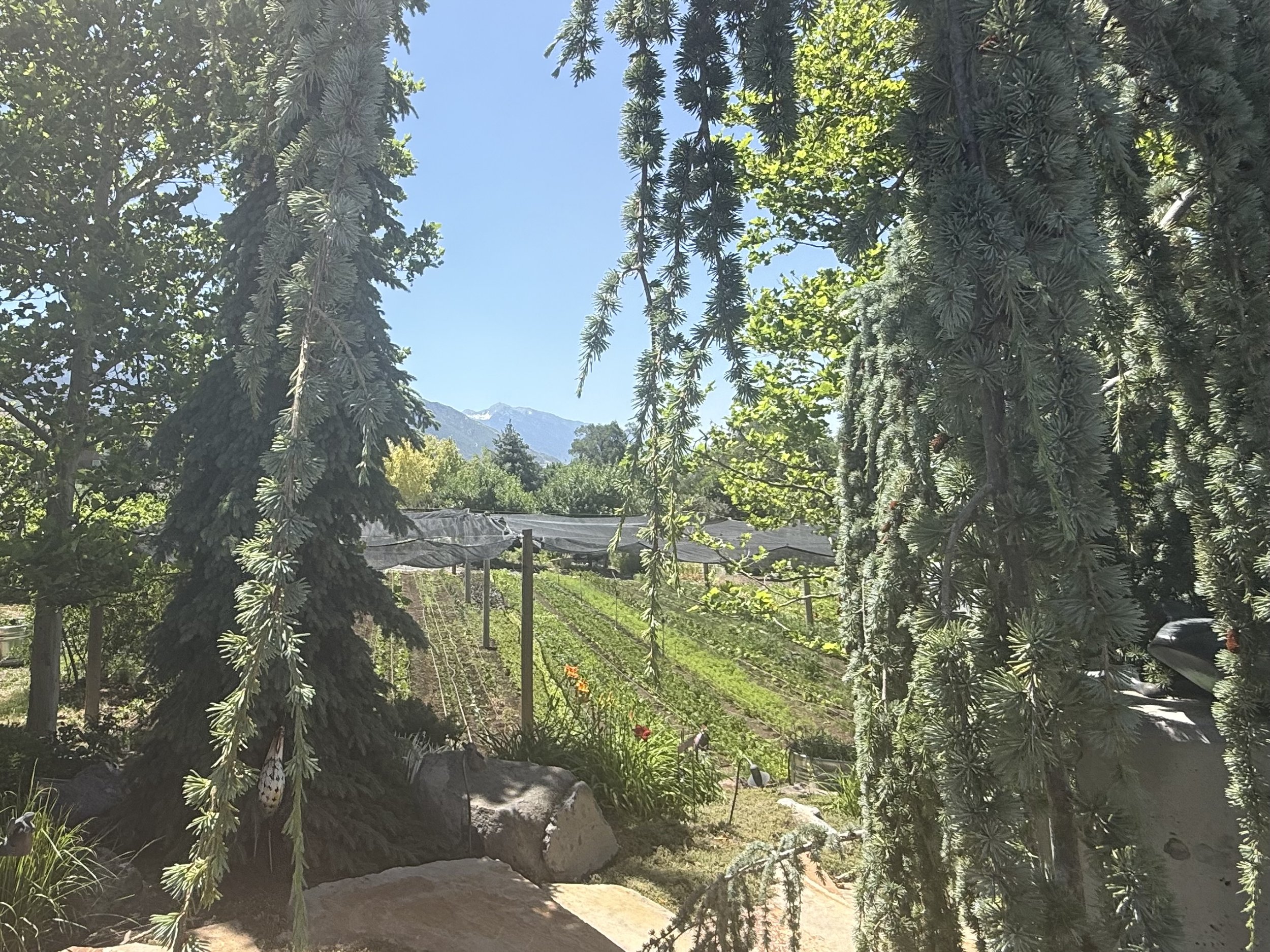
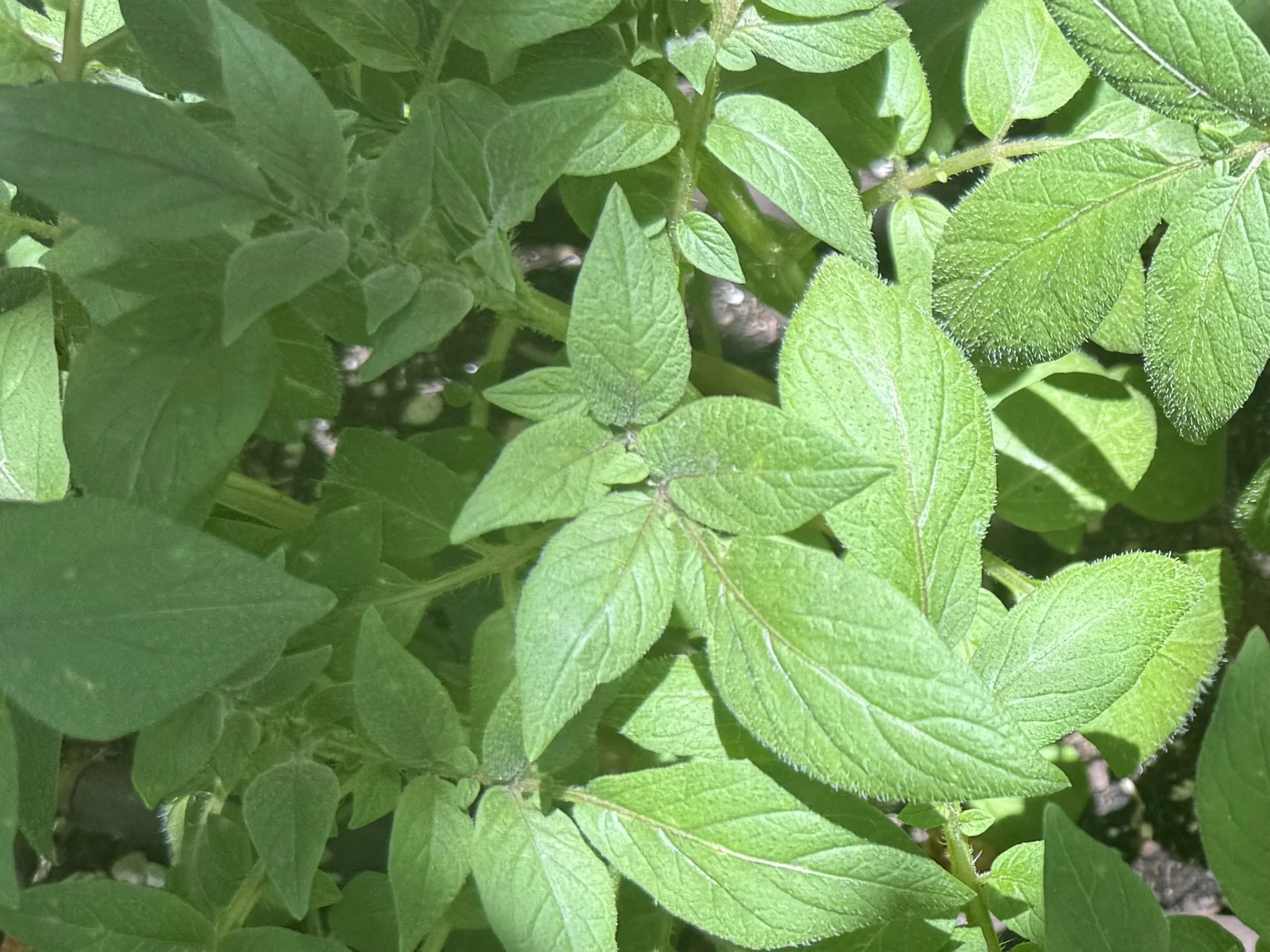
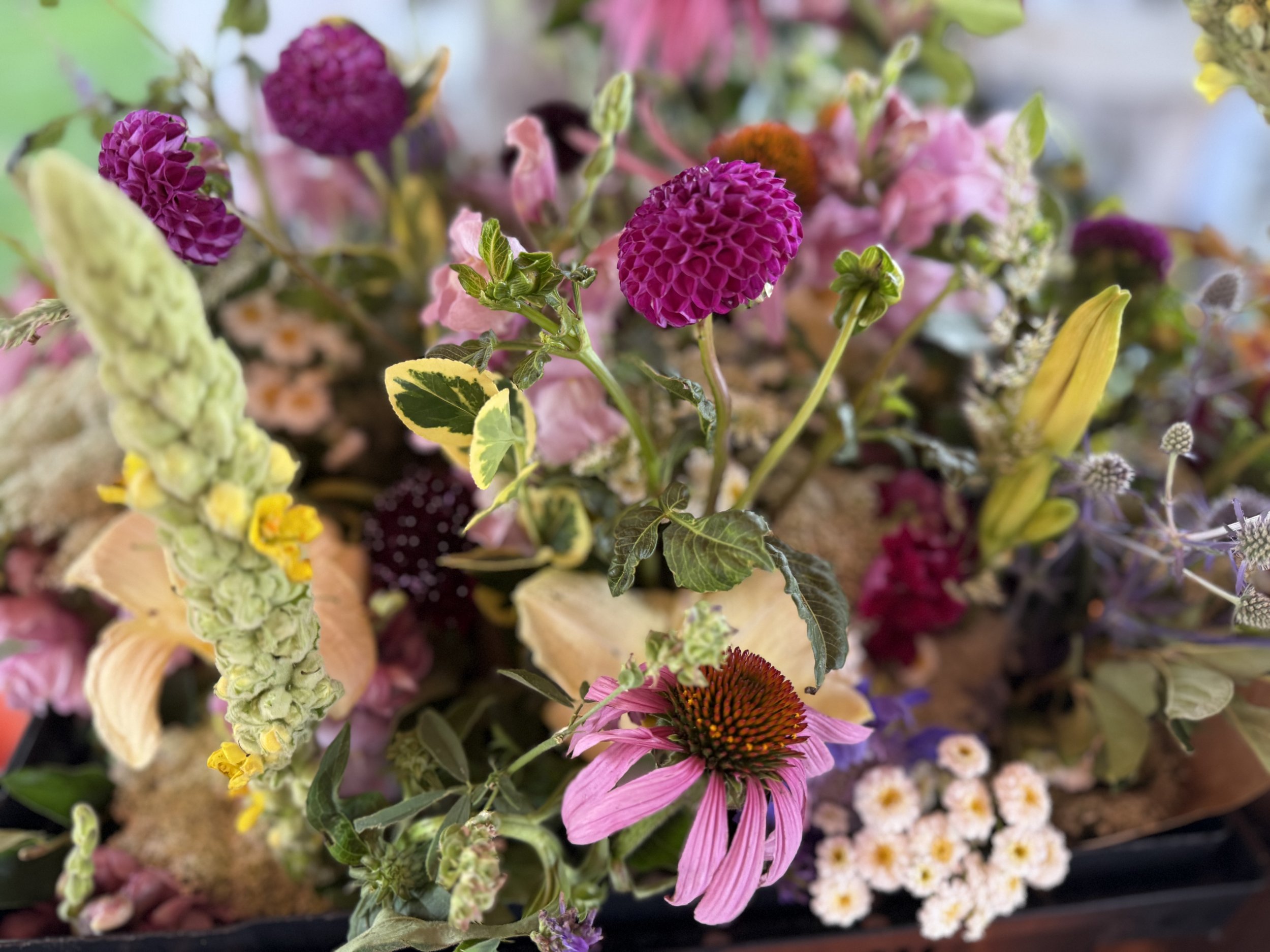
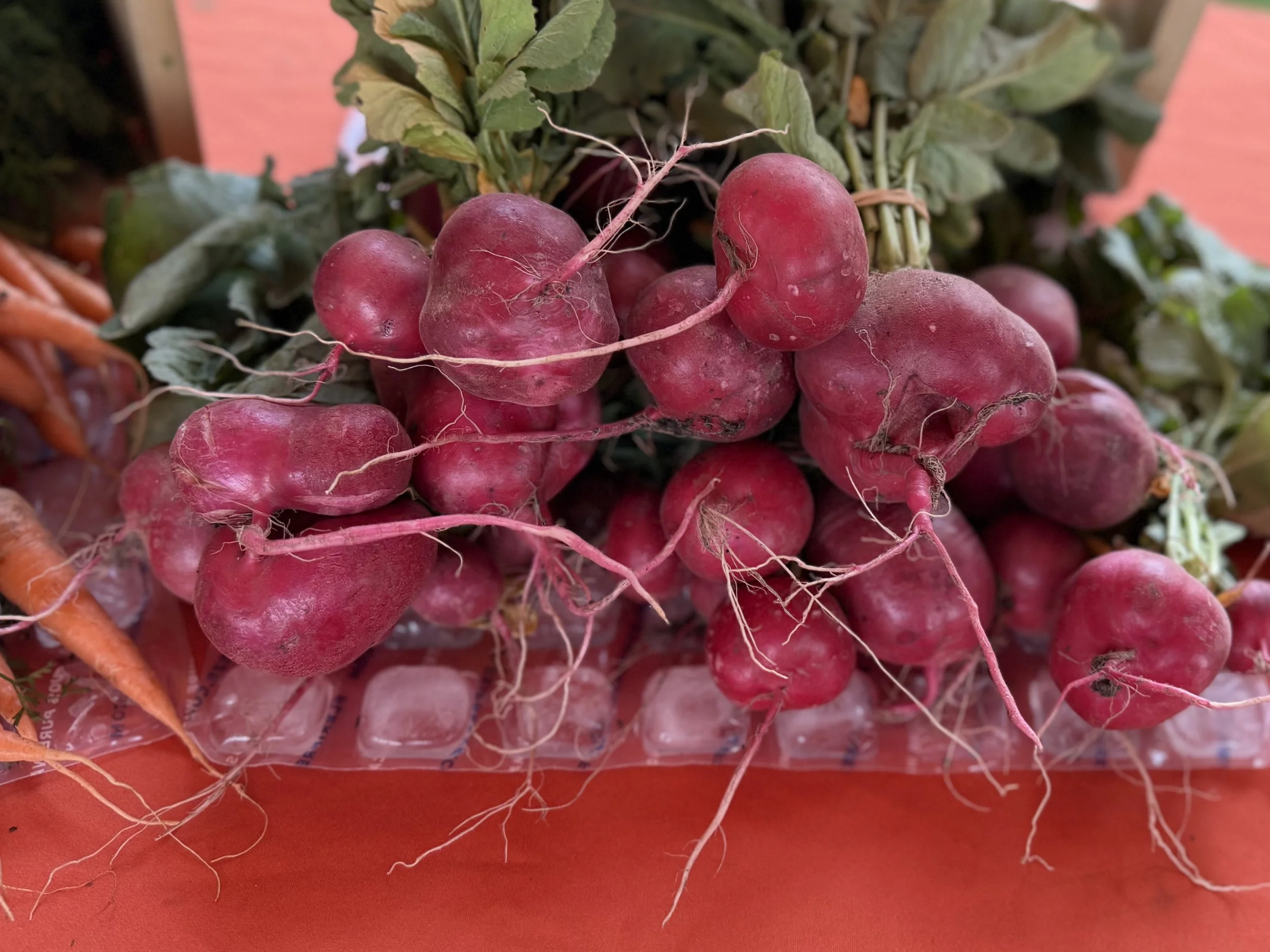
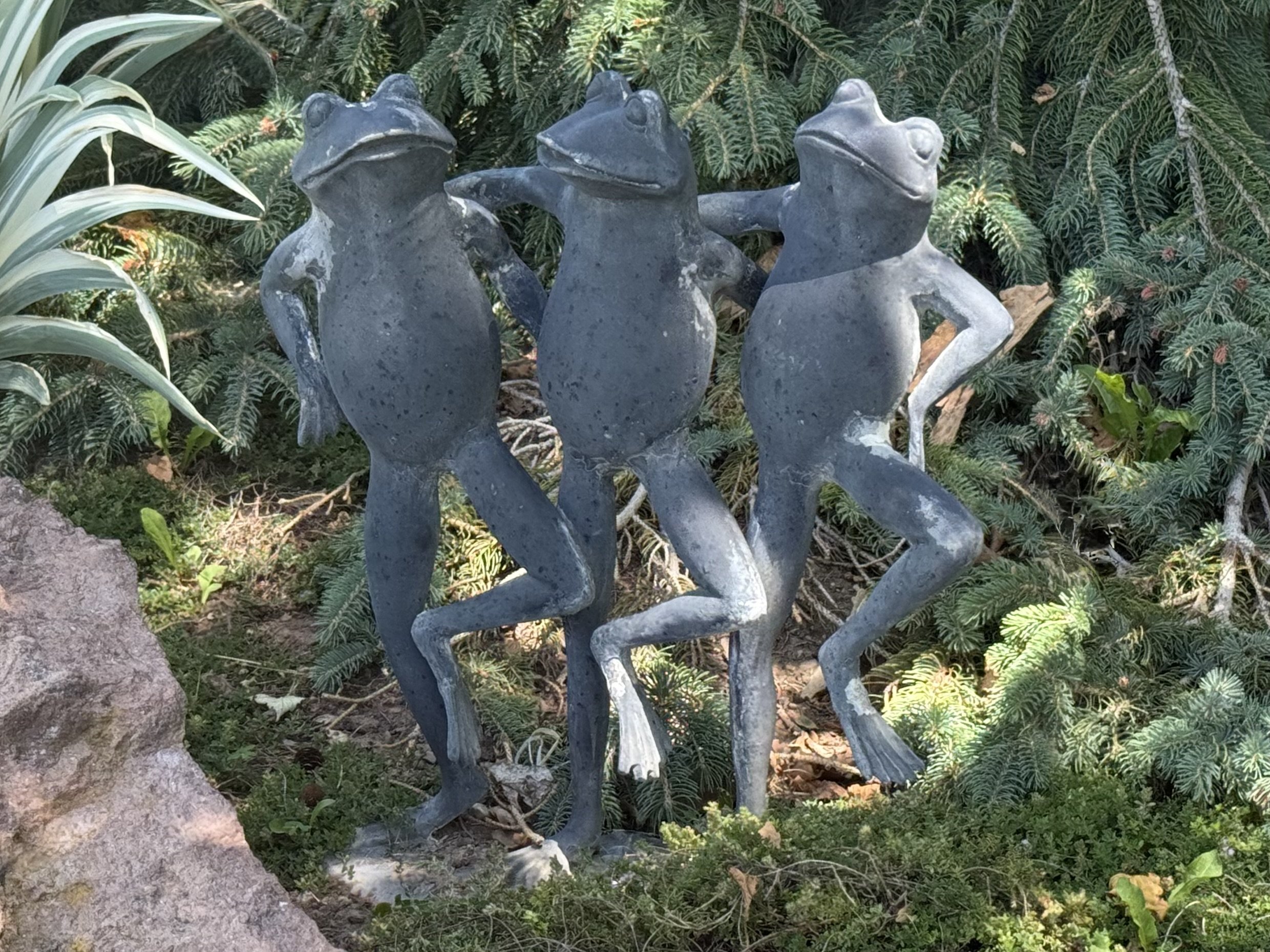
“Oh boy, are we in trouble? Because this is it. This is the place.” When Paula Sargetakis first stood on the nearly two-acre parcel on Salt Lake’s East Bench, she knew immediately that the dream she and her husband, Joe, had been carrying for years had finally found its home. There had once been a church on the property. Joe had even played ball there as a boy. But where others might have seen a piece of land ready for development, Paula saw the farm she had been designing in her mind for more than a decade. The name came easily. Paula has loved frogs all her life. They were up on the Bench, and they were building a farm. In 2012, Frog Bench Farms was born.
Long before that day, the seed had already been planted. In 1999, Paula watched a program about CSAs - community supported agriculture - and something clicked. It reminded her of her grandmother and great-grandmother, of neighbors growing different fruits and vegetables and sharing their harvests until everyone had enough for a full meal. “It just put something in me,” she remembered, “that became something I really wanted to do.”
Paula was born and raised in Salt Lake, and her love of growing began early. As a child, she irritated her mother by picking and eating from the garden the moment anything appeared above ground. During the summers, after her family purchased a Black Angus ranch near Kimball Junction in the early 1960s, she played among cattle, chickens, pigs, horses, gardens, and the daily rhythms of ranch life. She learned to ride, brand, inoculate, and work the land, not as an abstraction, but as part of ordinary life.
Her formal education took Paula in another direction. She studied interior and architectural design in Long Beach, California, returned to Salt Lake, started a design business, and later joined her family’s development business in Summit County. There, she helped with land development and ran a water company for twenty-five years. When her father died in 1992, her mother asked whether some of the family ranchland could be preserved as a place of solace. Paula and her brothers ultimately helped create what became Swaner Preserve & EcoCenter, more than one thousand acres rooted in the family’s old ranch.
For Paula, development and preservation were never opposites. “Being a developer gave me the language to be able to preserve,” she explained. She understood water rights, development rights, zoning, transfers, and the complicated conversations needed to protect open space while acknowledging the need for housing.
Joe’s path was different, but equally essential to what Frog Bench became. He grew up working in his father’s upholstery fabric business, traveling through northern Utah and southeastern Idaho while still in college. After his father died young, Joe remained in the business for several years before moving into finance and eventually the brokerage world. He is quick to describe himself through Paula’s vision. “My story,” he said with a smile, “is that I’m fortunate to be married to someone who’s such a visionary.”
Together, Paula and Joe also built a life in wine. Beginning in 1999, they became partners in Parallel Wines in Napa Valley, traveling regularly between Salt Lake and California, learning the business from soil to bottle, and selling into states across the country and even overseas. They planted in 2003, harvested in 2005, but eventually left the wine business in 2011 when Frog Bench required their full attention.
By then, the farm had been part of their household language for years. Paula was designing the house and the growing spaces long before they knew where they would be. Joe was adding practical wishes to the list. Their children grew up hearing about the farm that would someday become “the last place” their parents would live.
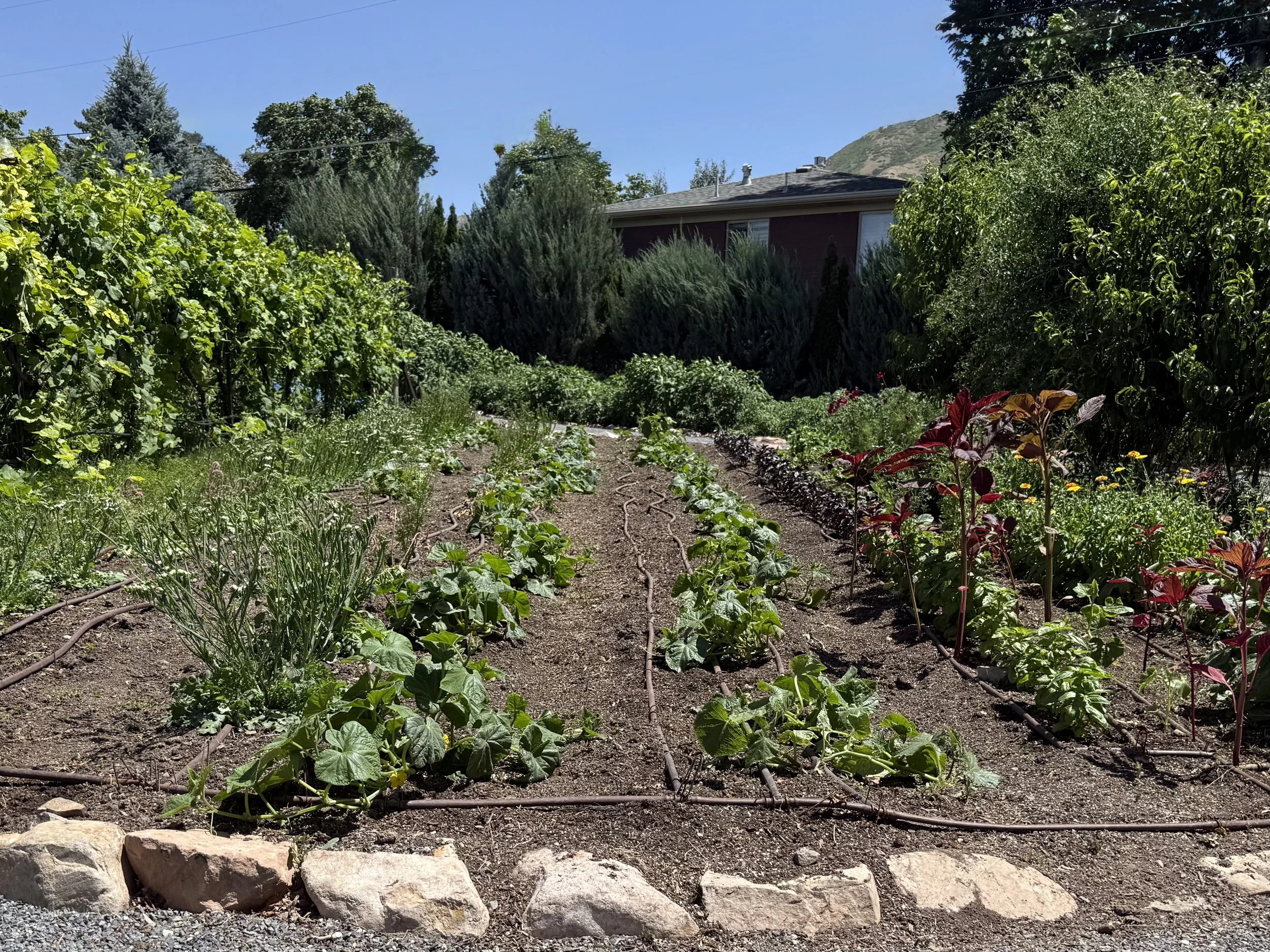
Finding the East Bench property was only the beginning. It took a year and a half to downzone the parcel to one housing unit. The city did not quite know what to do with a farm attached to a home, a large greenhouse, high tunnels, and a plan that did not fit neatly into existing categories. Paula and Joe worked through zoning, tax, greenhouse, and water questions, not only for themselves, but for others who might one day want to grow food in new ways within the city. The result is part home, part working farm, part laboratory, part classroom, and part wonderland.
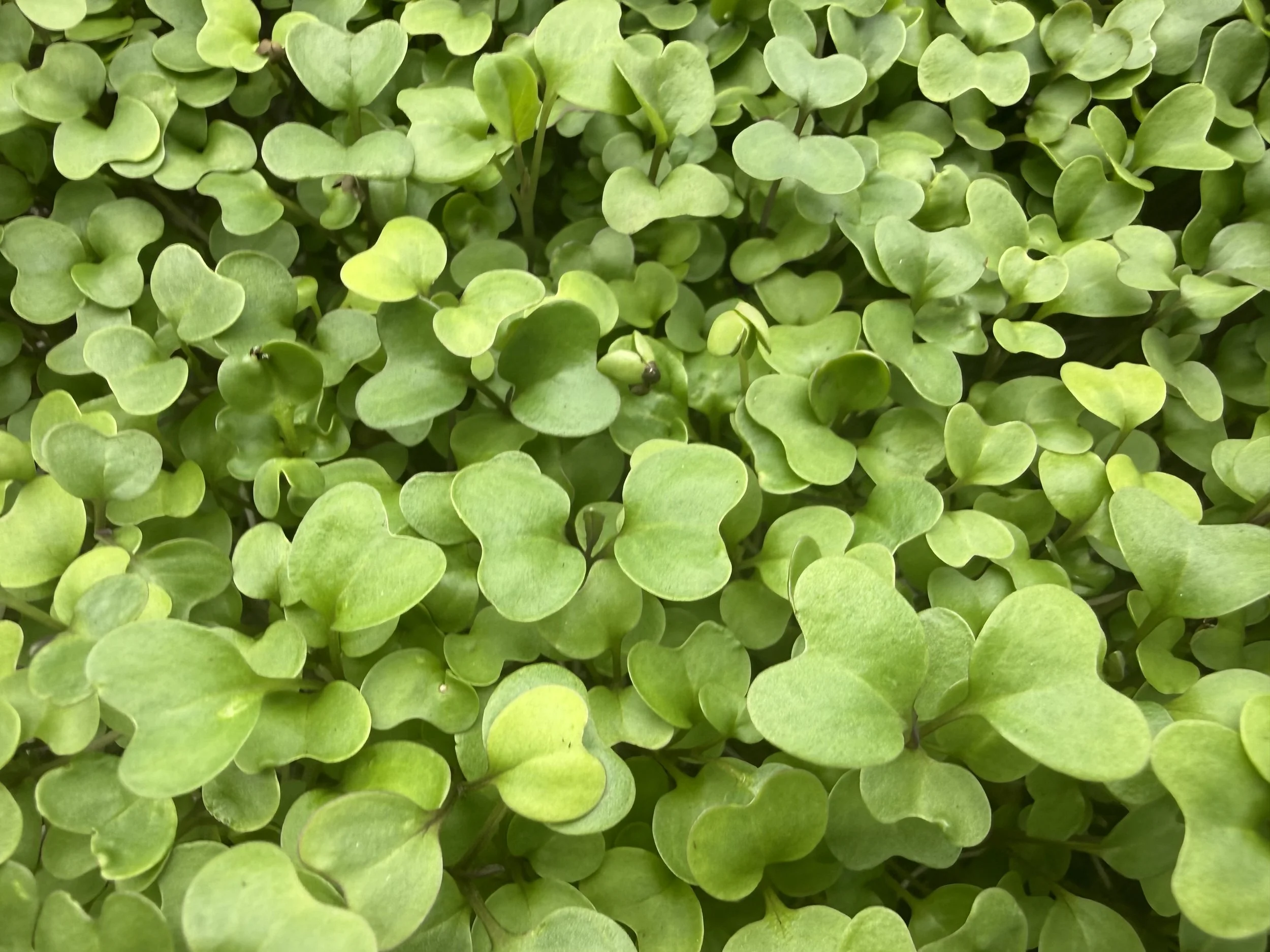
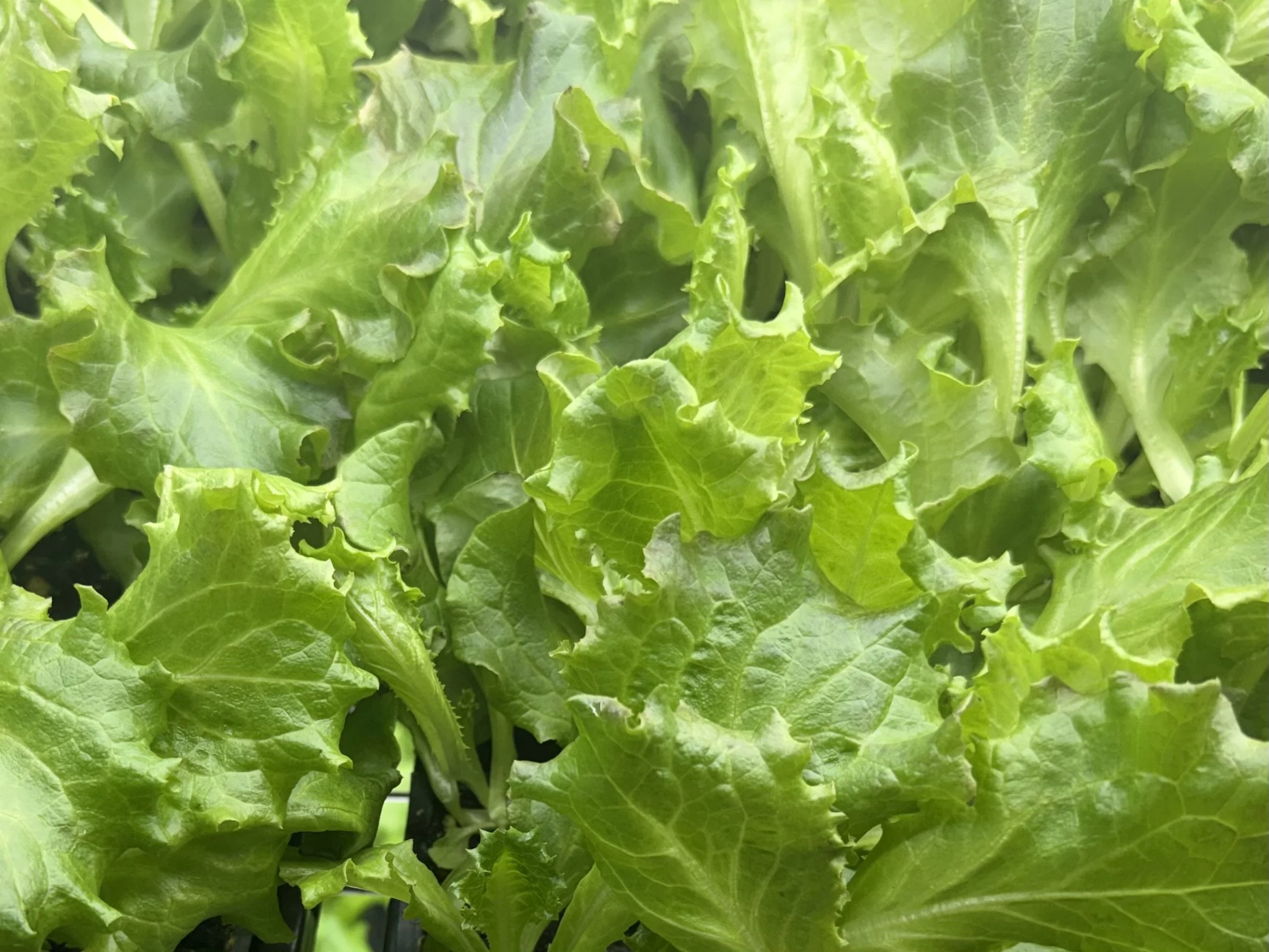
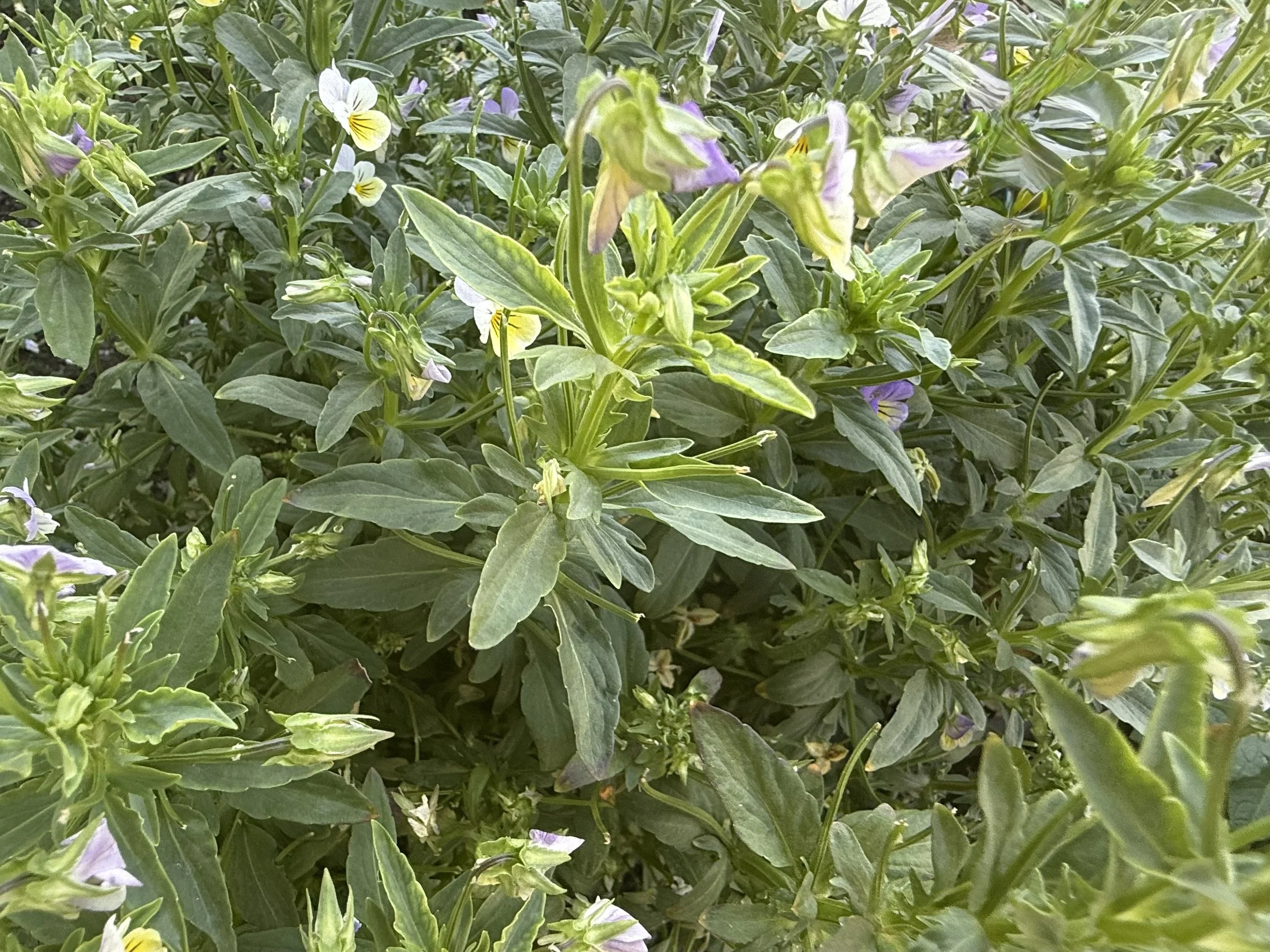
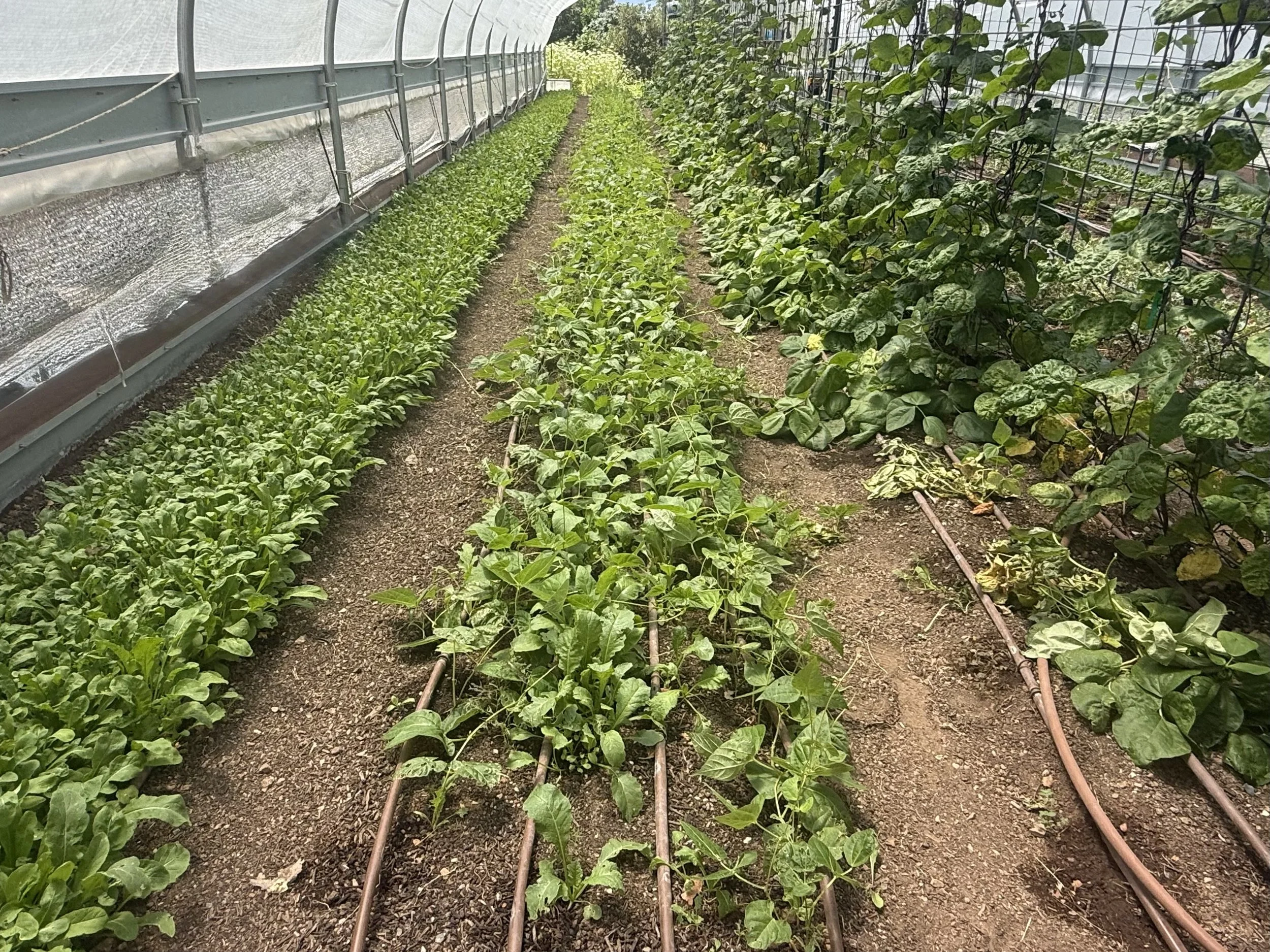
The greenhouse is a world of its own. Lemons grow inside alongside arugula, mustard greens, nasturtiums, edible geraniums, rainbow chard, and an ever-changing rotation of greens. Shade cloths move automatically. A cupola opens to release heat. Beds are harvested, replanted, and rotated in a steady rhythm.
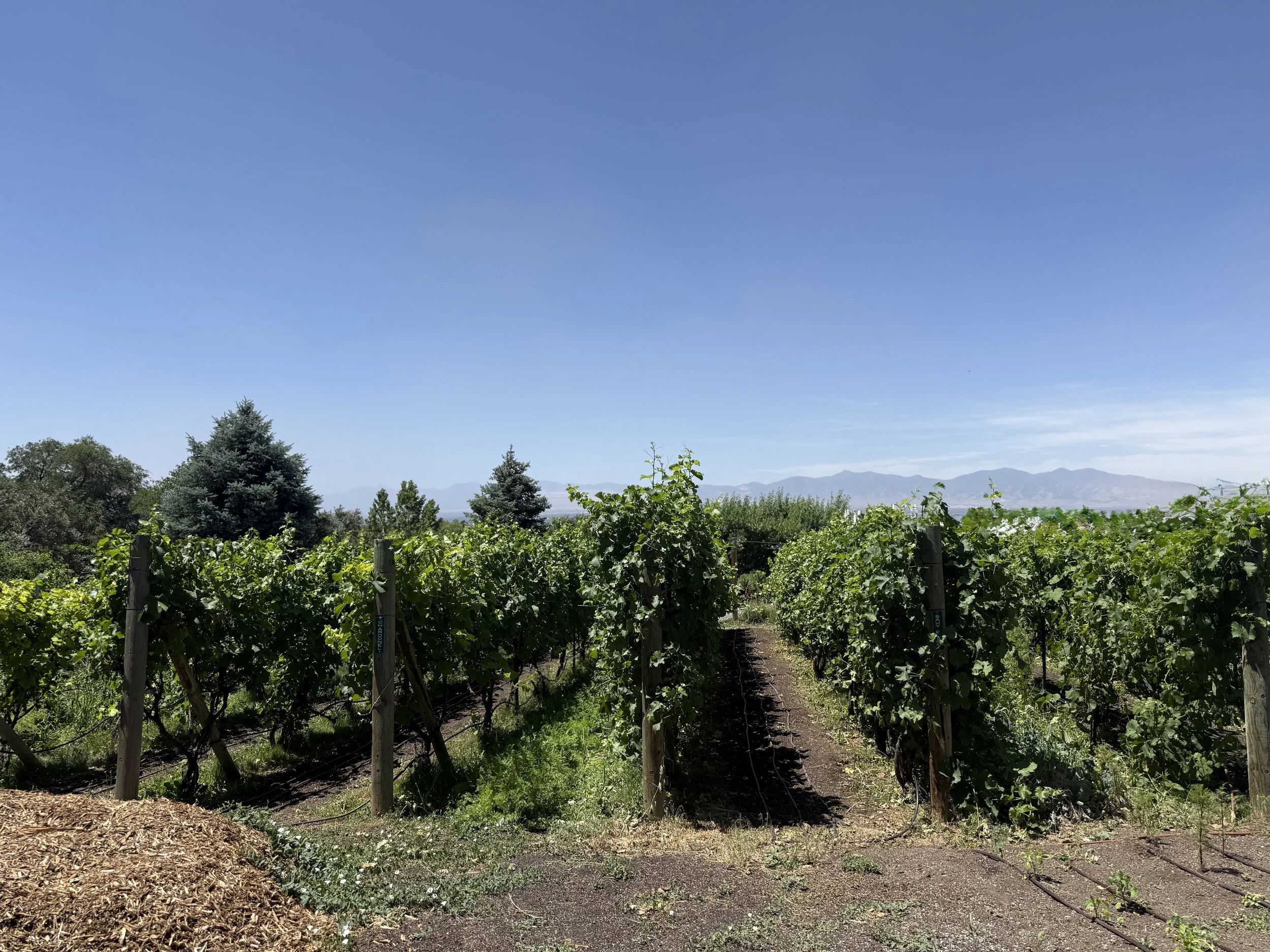
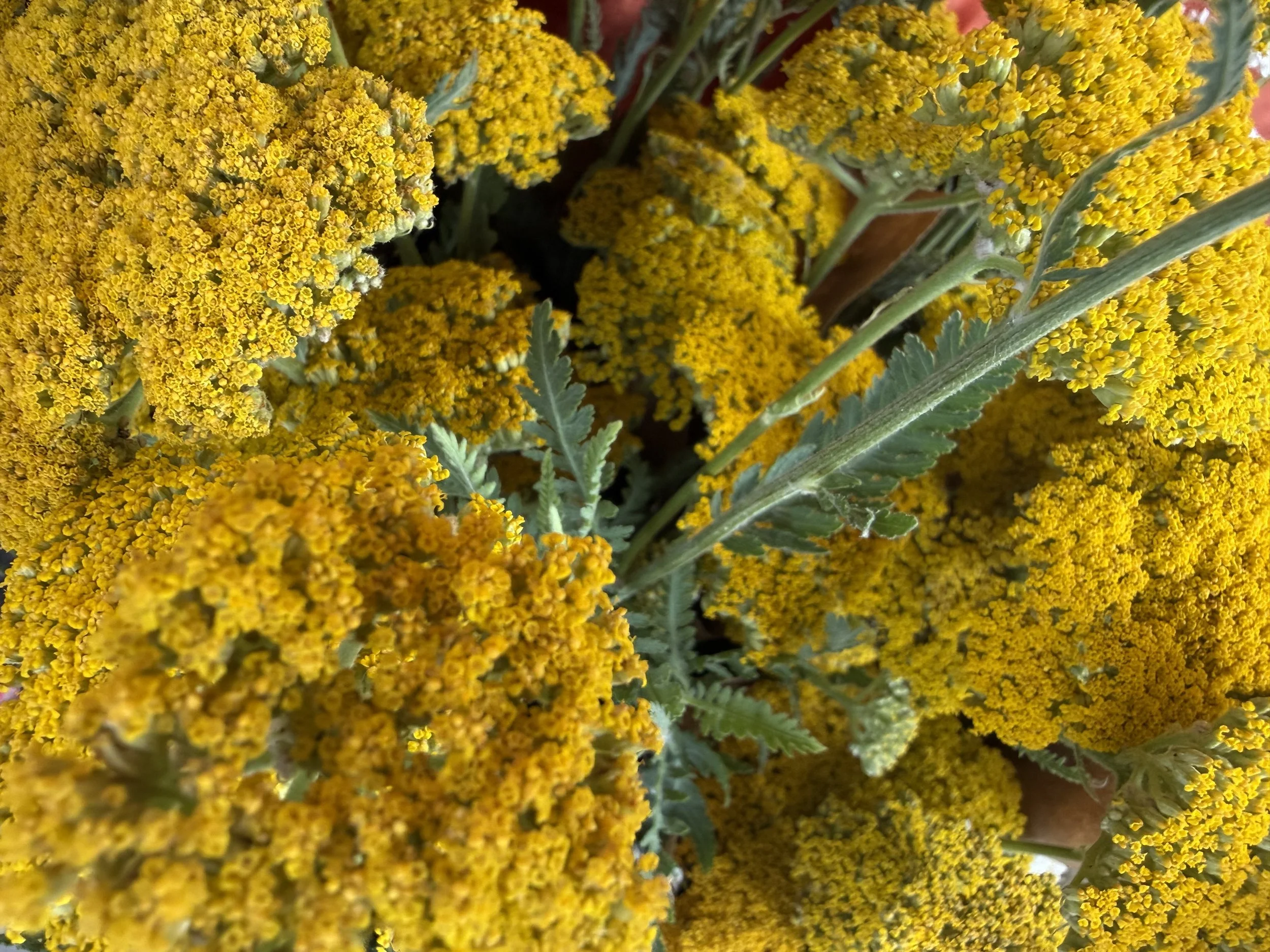
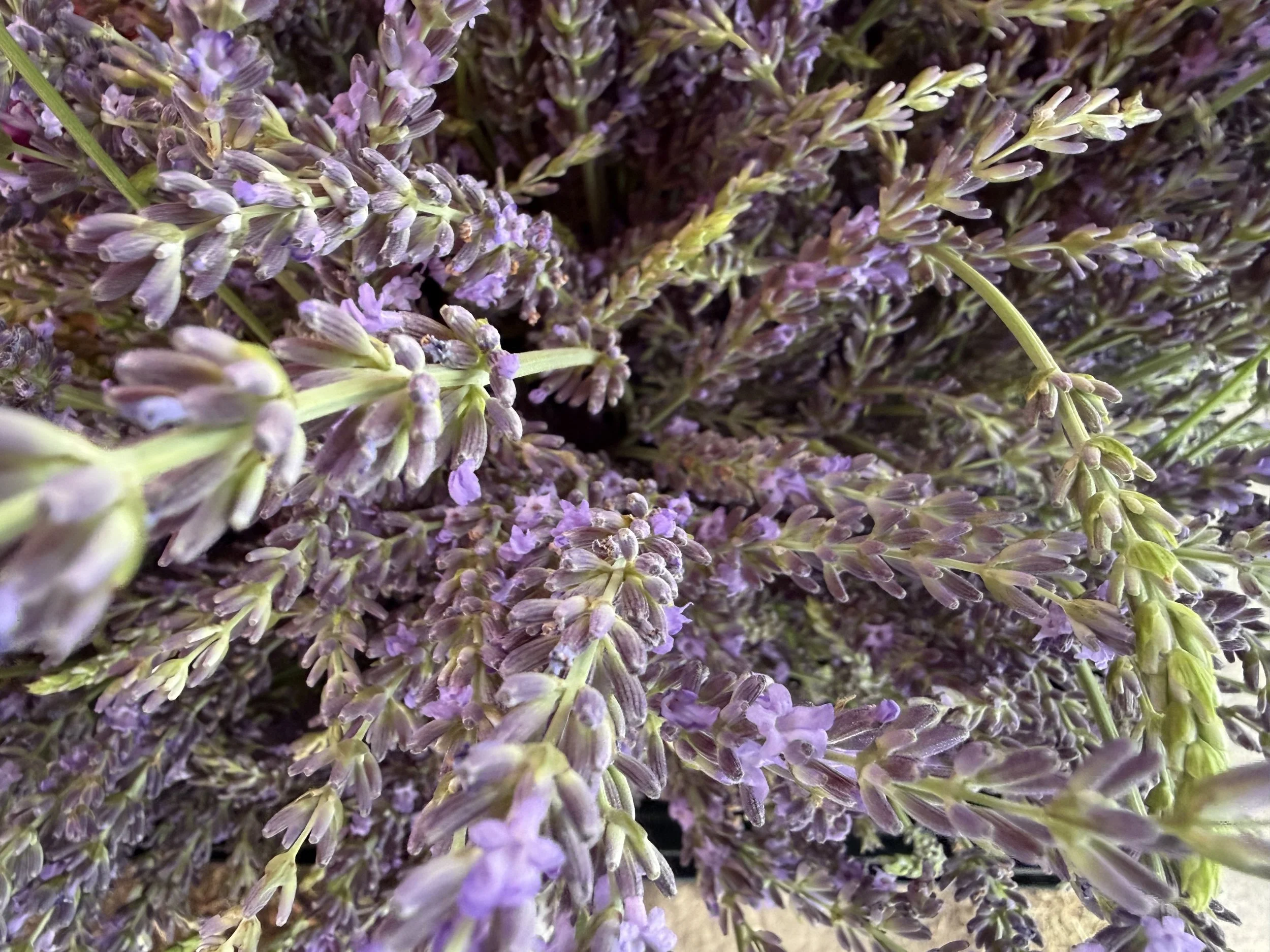
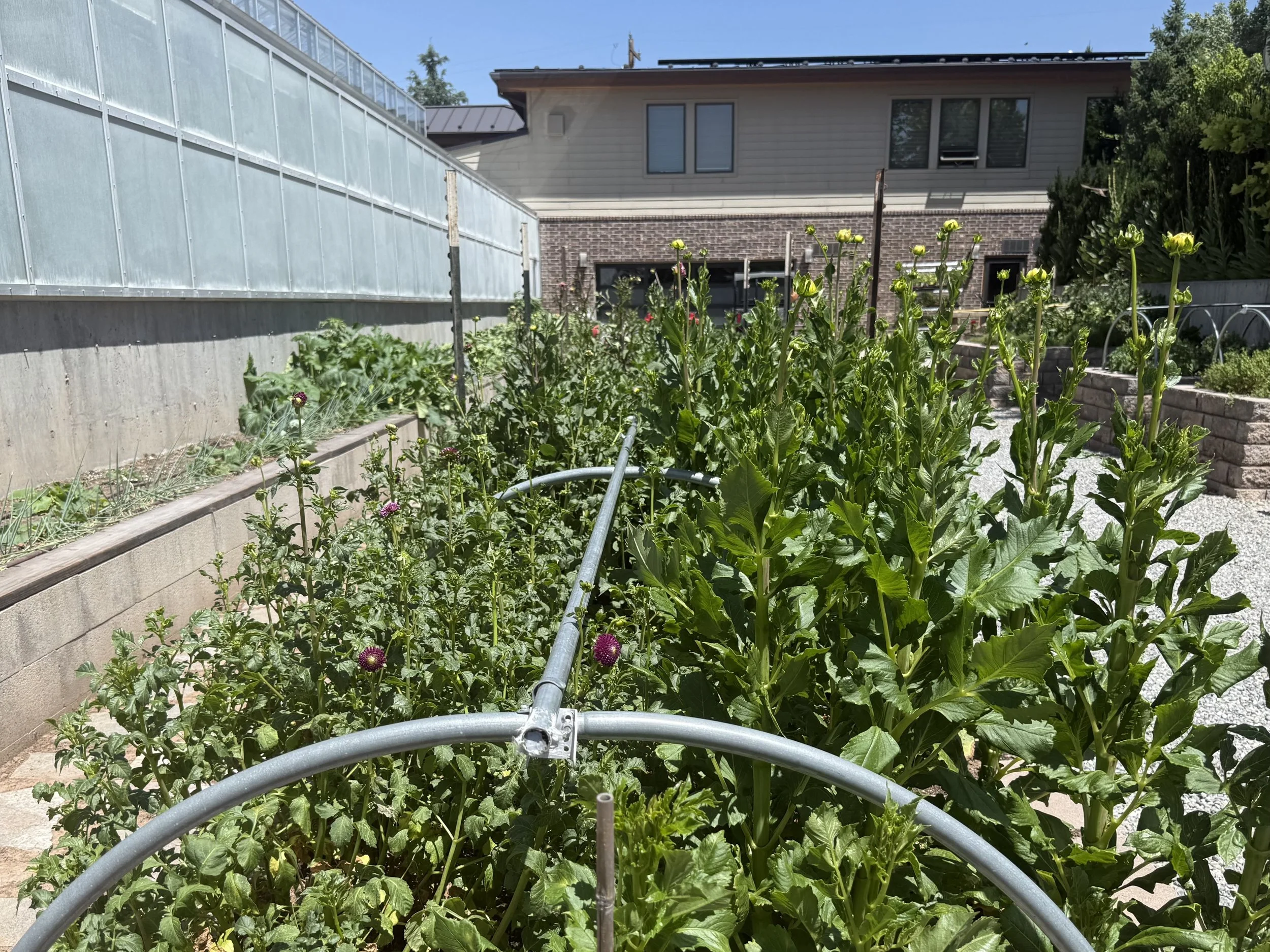
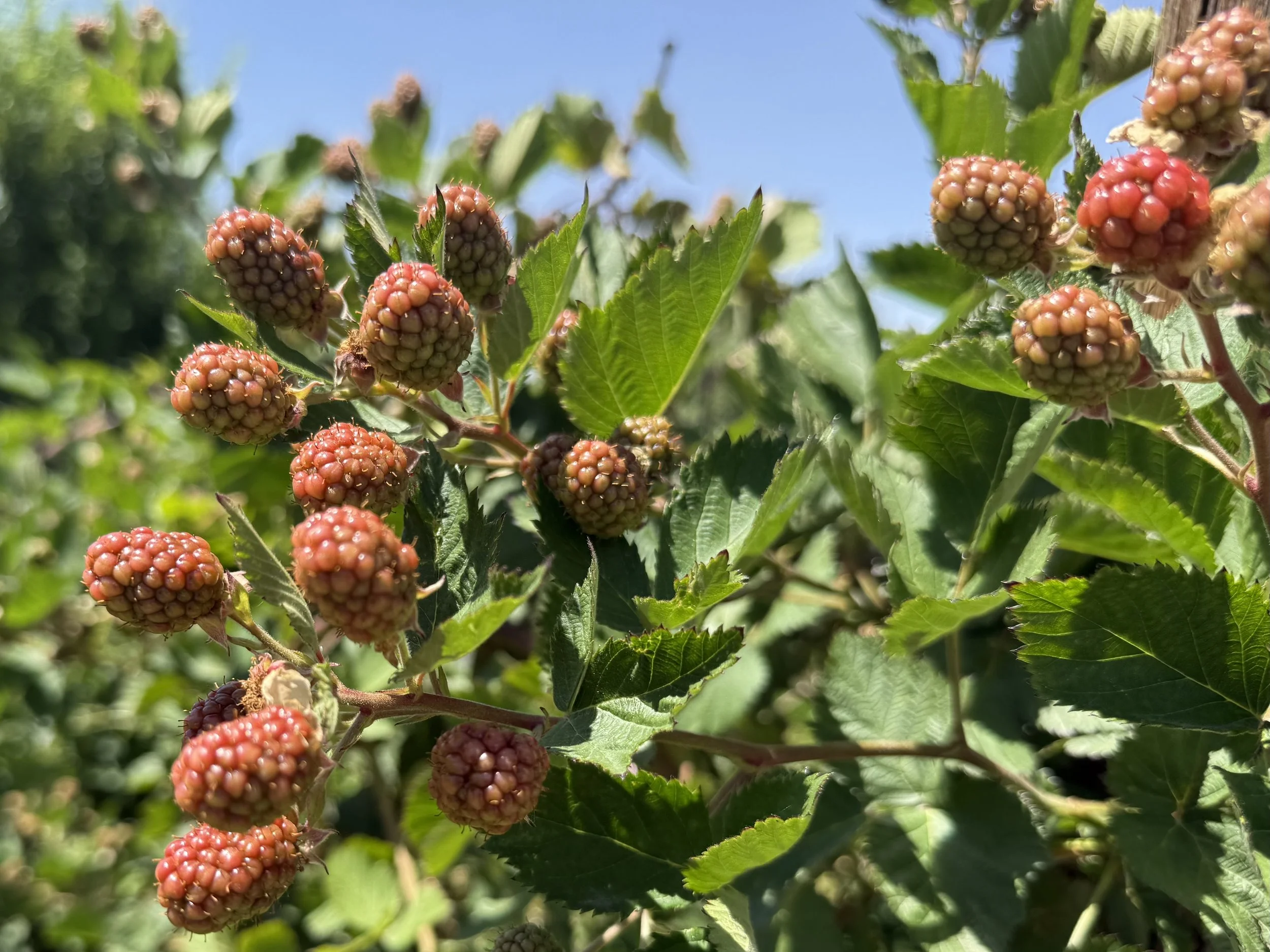
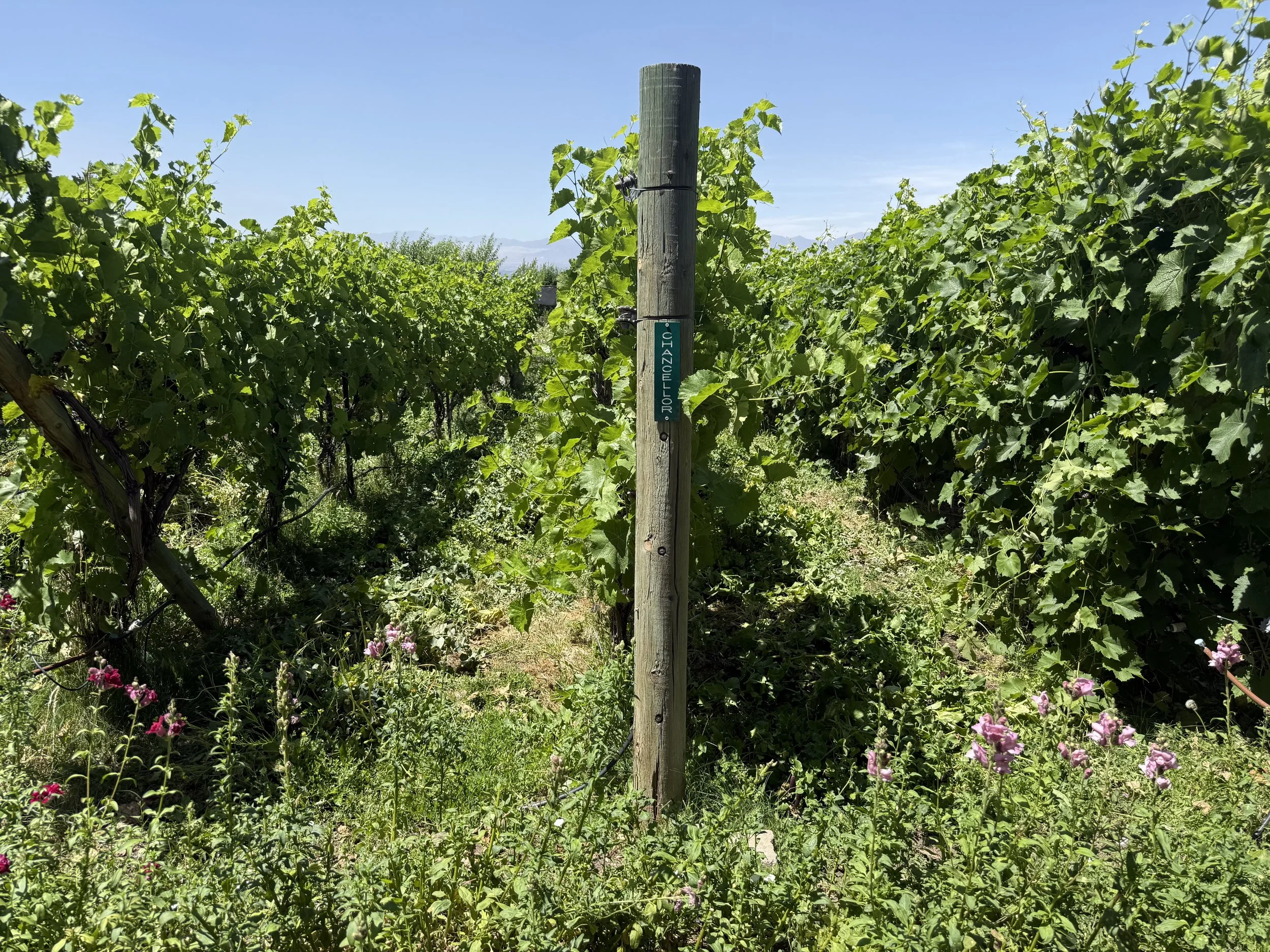
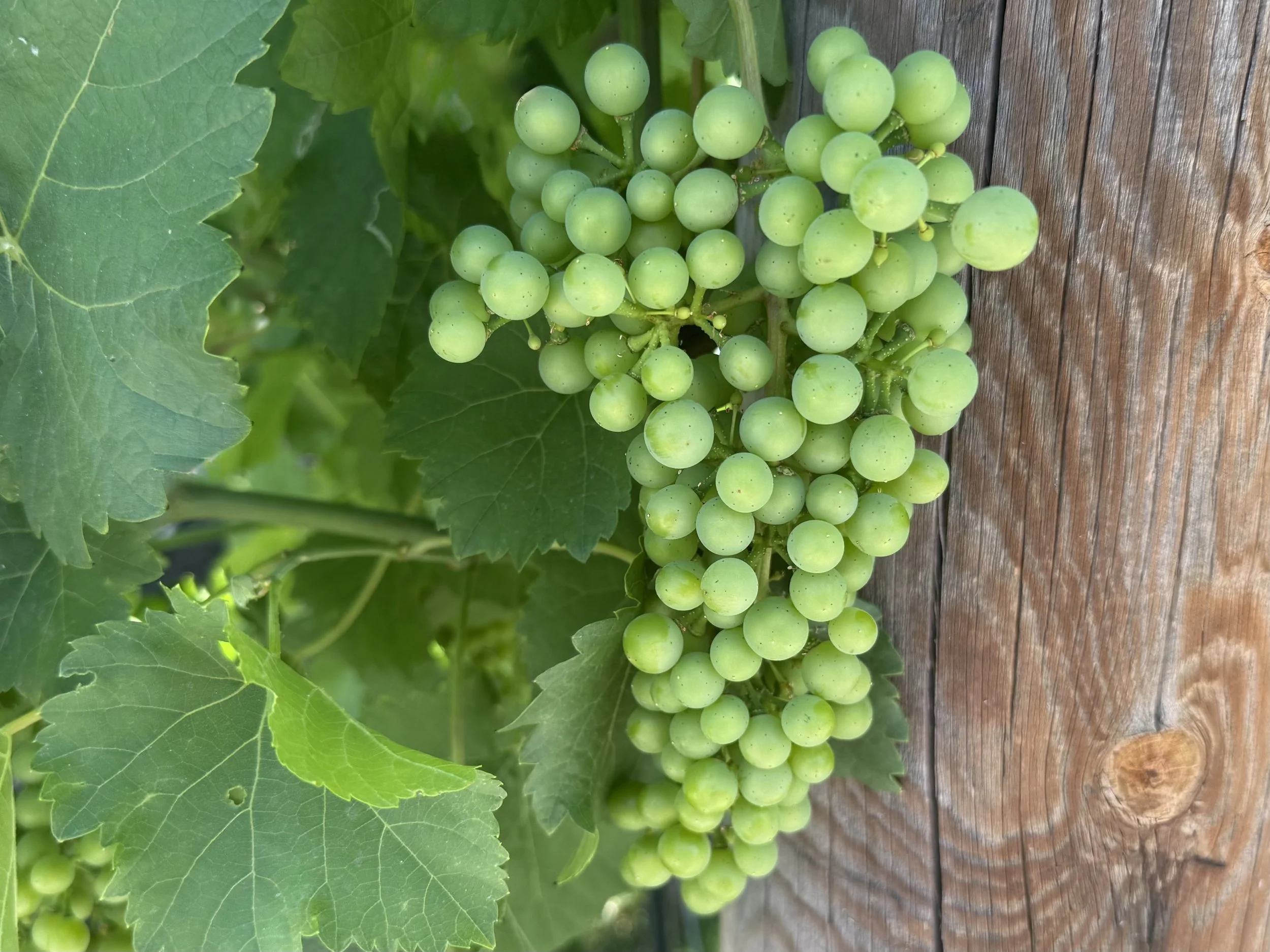
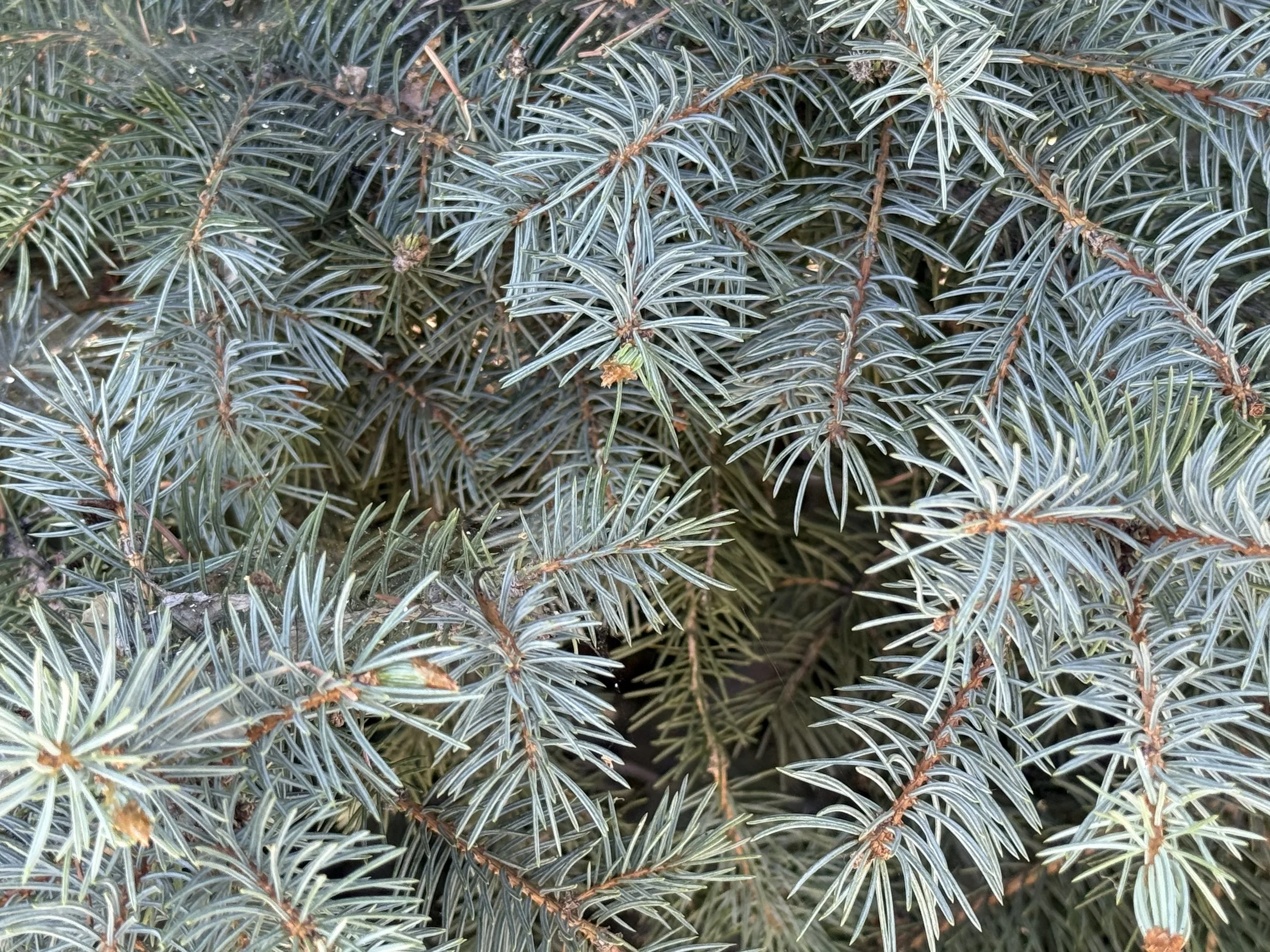
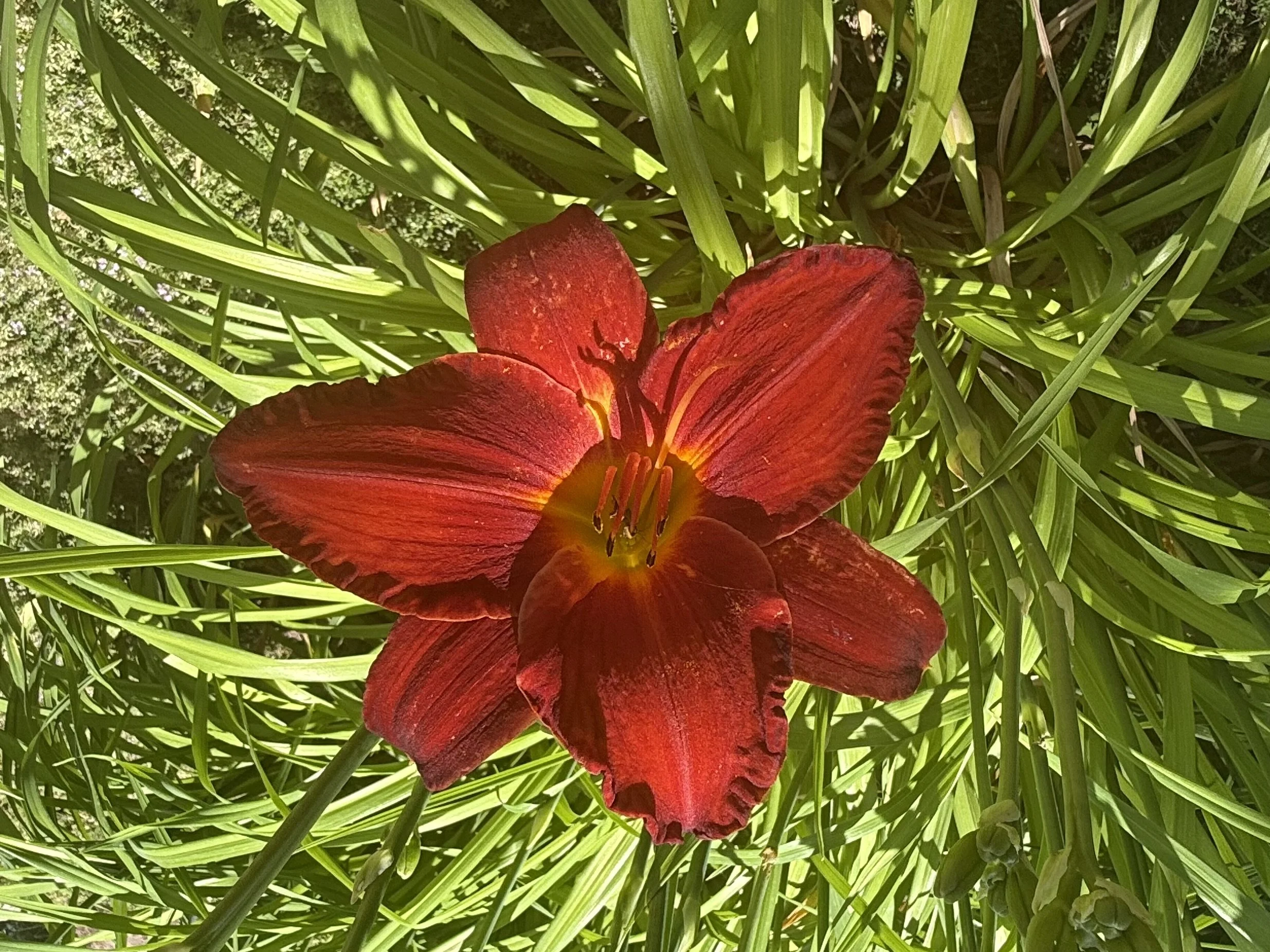
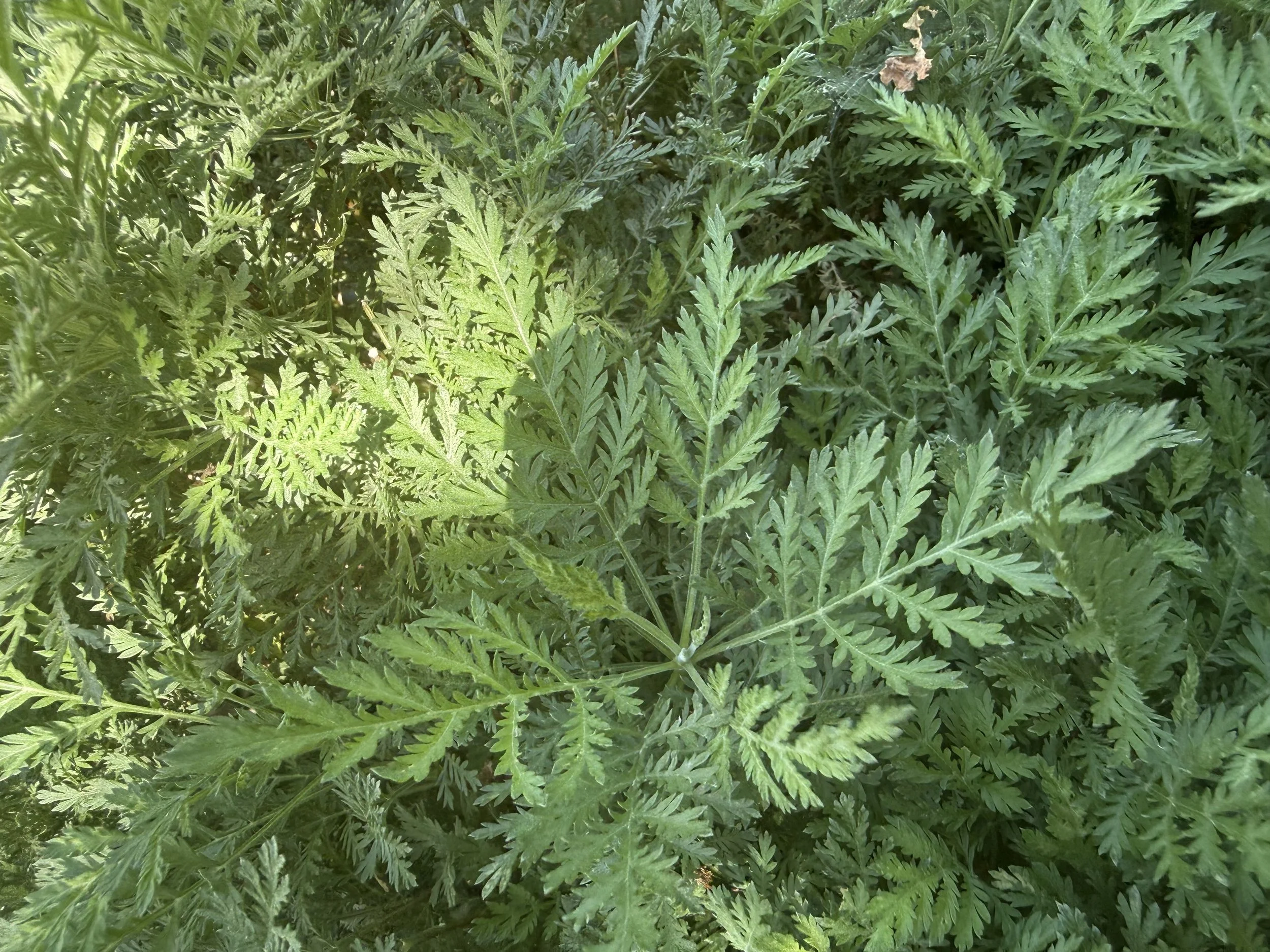
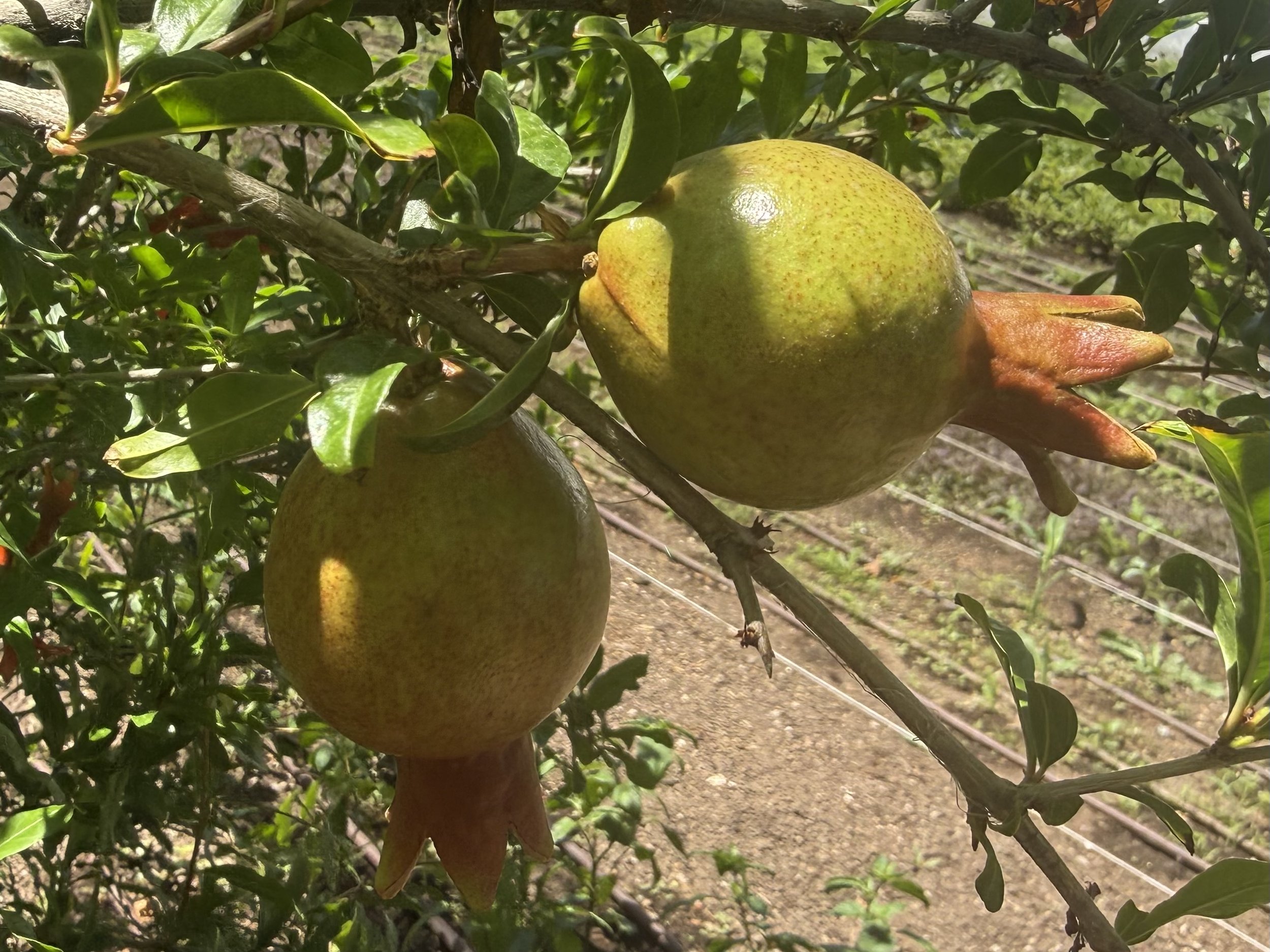
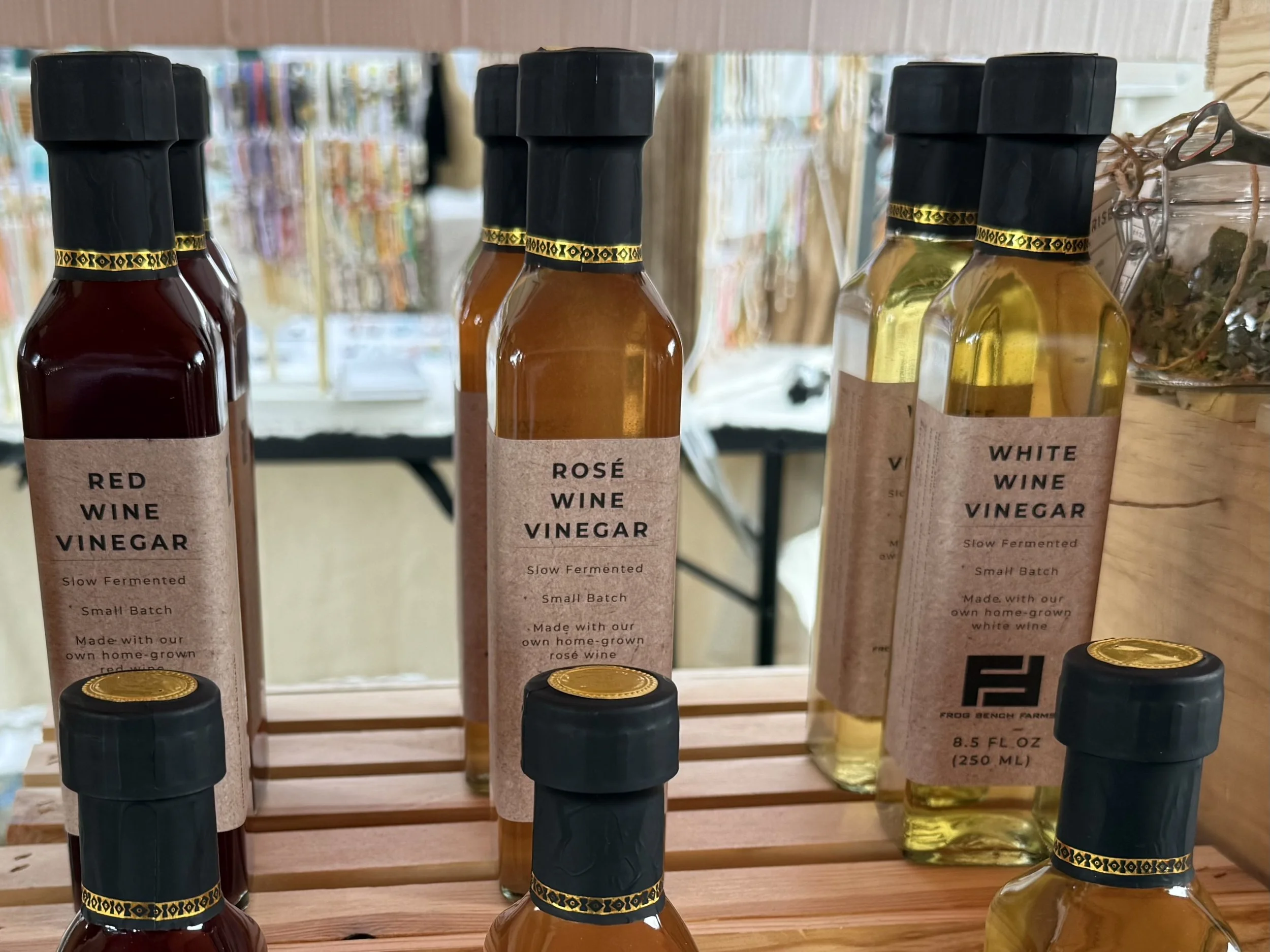
Outside, the land unfolds in layers. Raised planters, repurposed horse troughs, high tunnels, cold frames, fruit trees, almond trees, hazelnuts, paw paws, blackberries, pomegranates, asparagus, sea berries, spruce trees, flowers, herbs, chickens, and a vineyard all have their place. The vineyard includes cold-hardy varieties chosen with guidance from experts in Colorado and New York. And Joe’s knowledge from years in Napa is reflected in the way the vines are planted, trellised, protected, and cared for. Although Utah law does not allow Frog Bench Farms to produce and sell wine, the grapes are transformed into small-batch vinegars and other farm-grown products that reflect the same care and craftsmanship behind the vineyard itself.
Frog Bench supplies many Salt Lake chefs and restaurants, but it is not built around monoculture. Paula has no interest in growing only one thing, even if a restaurant asks for more than the farm can reasonably produce. Diversity keeps the soil healthier, the farm more resilient, and the work more interesting. It also encourages chefs to build relationships with the land rather than simply placing an order.
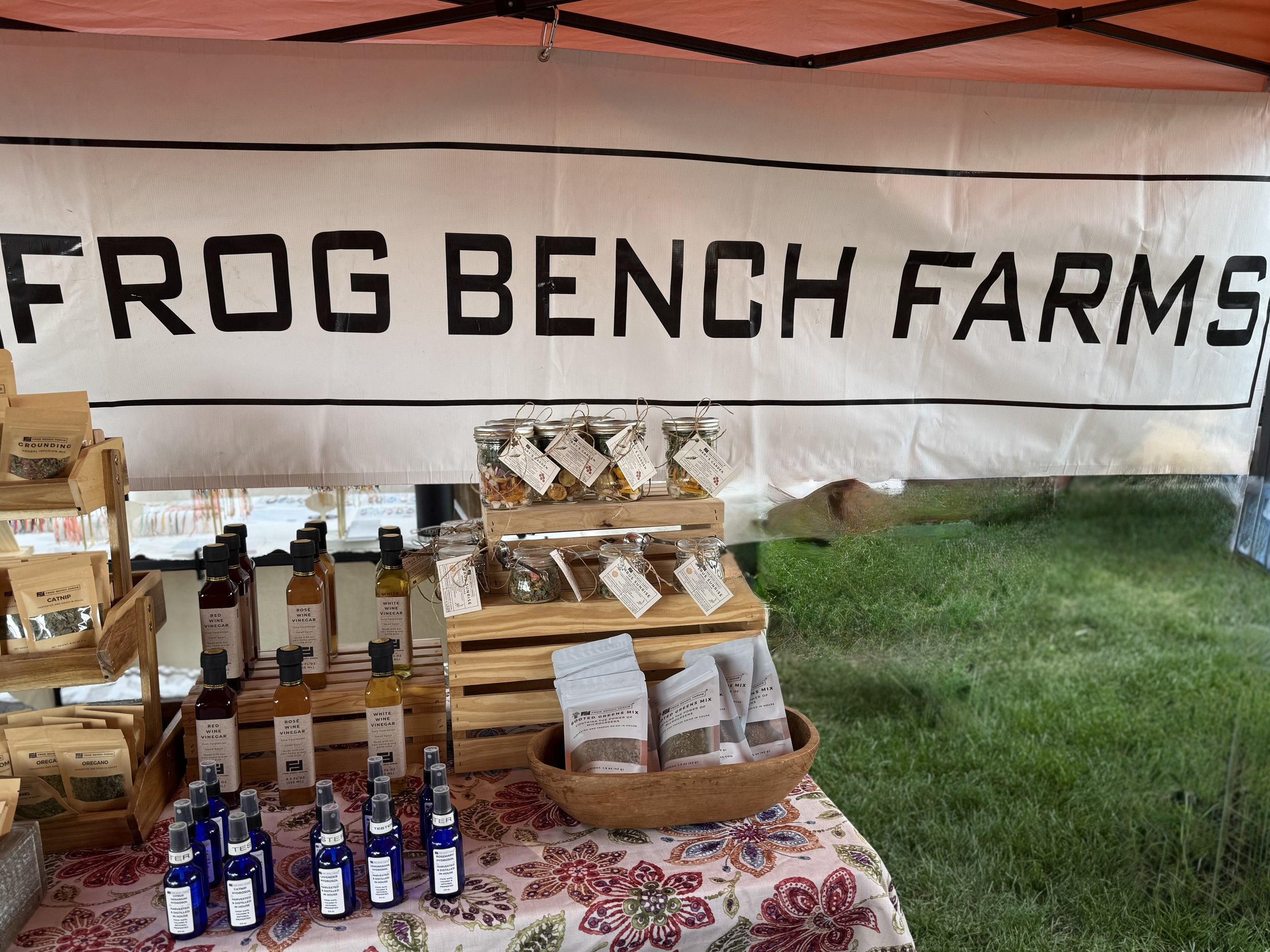
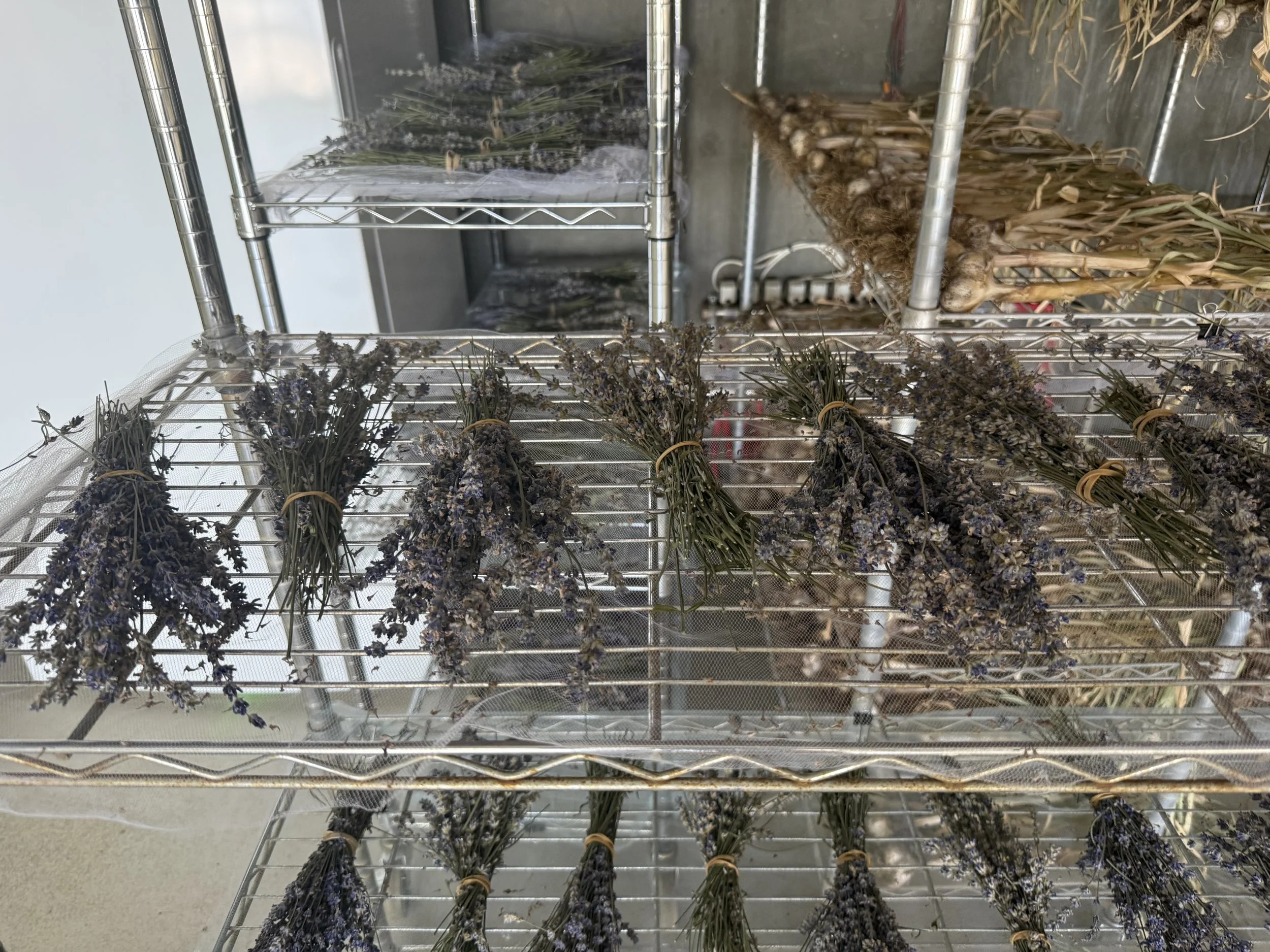
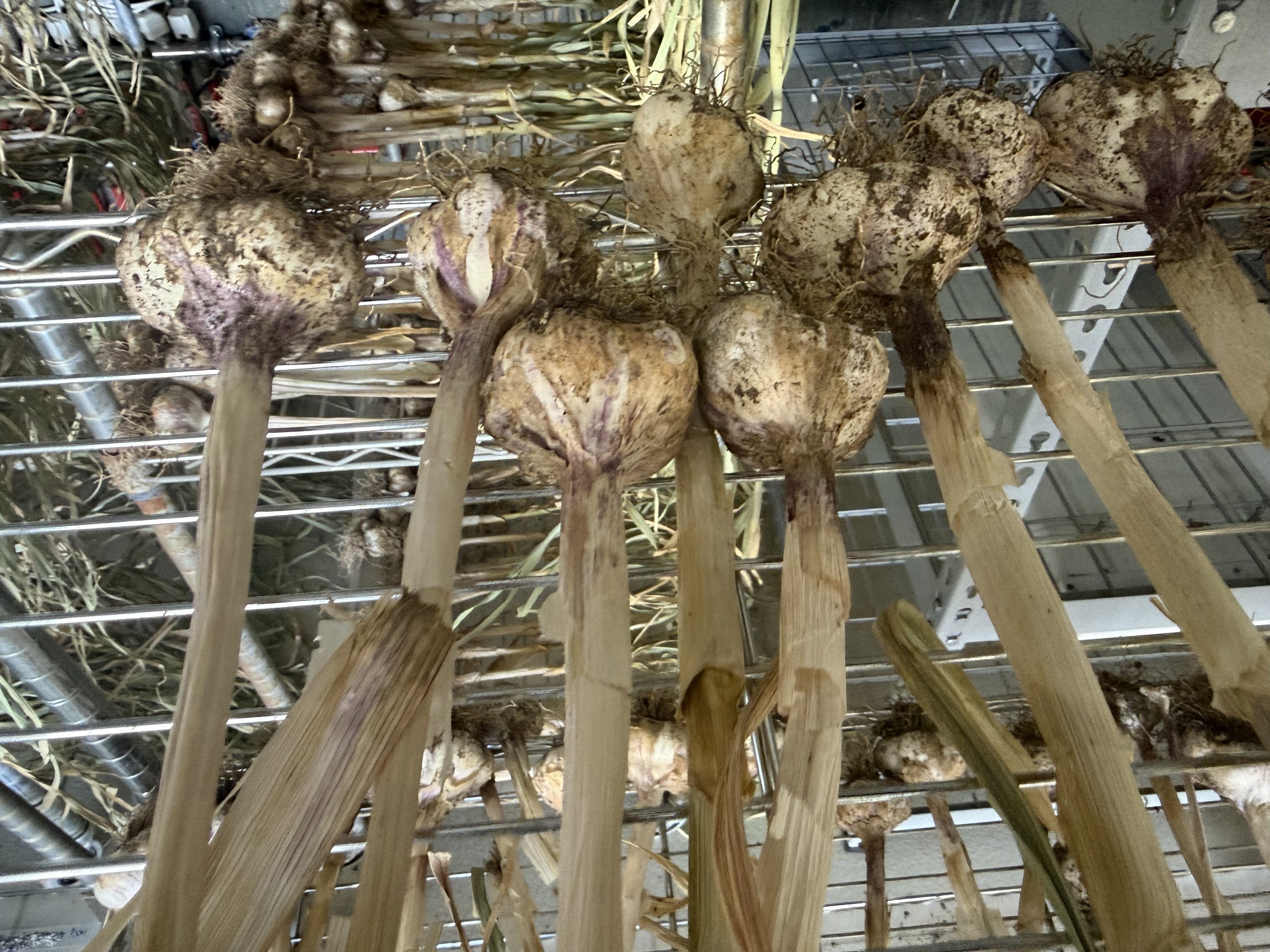
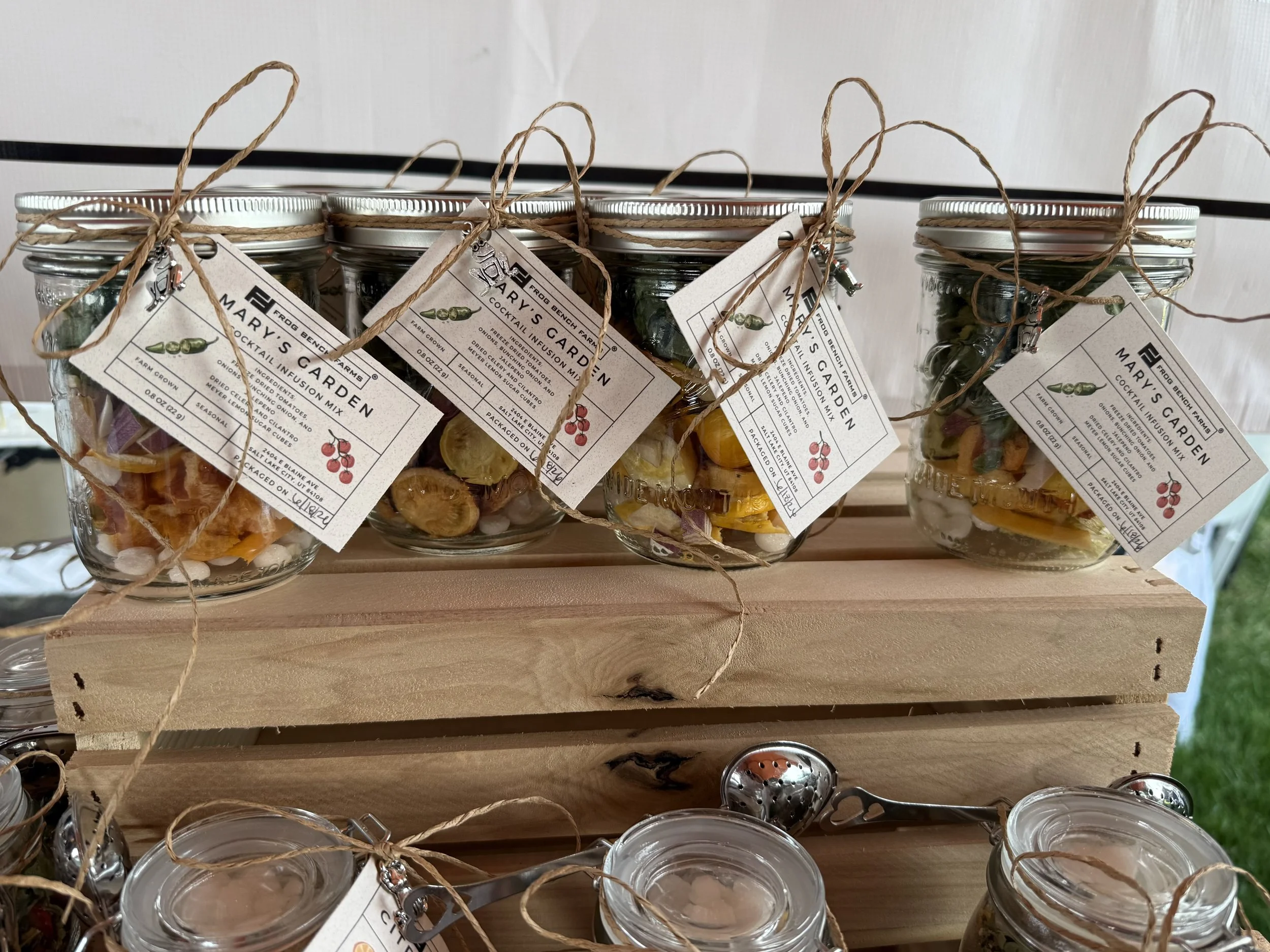
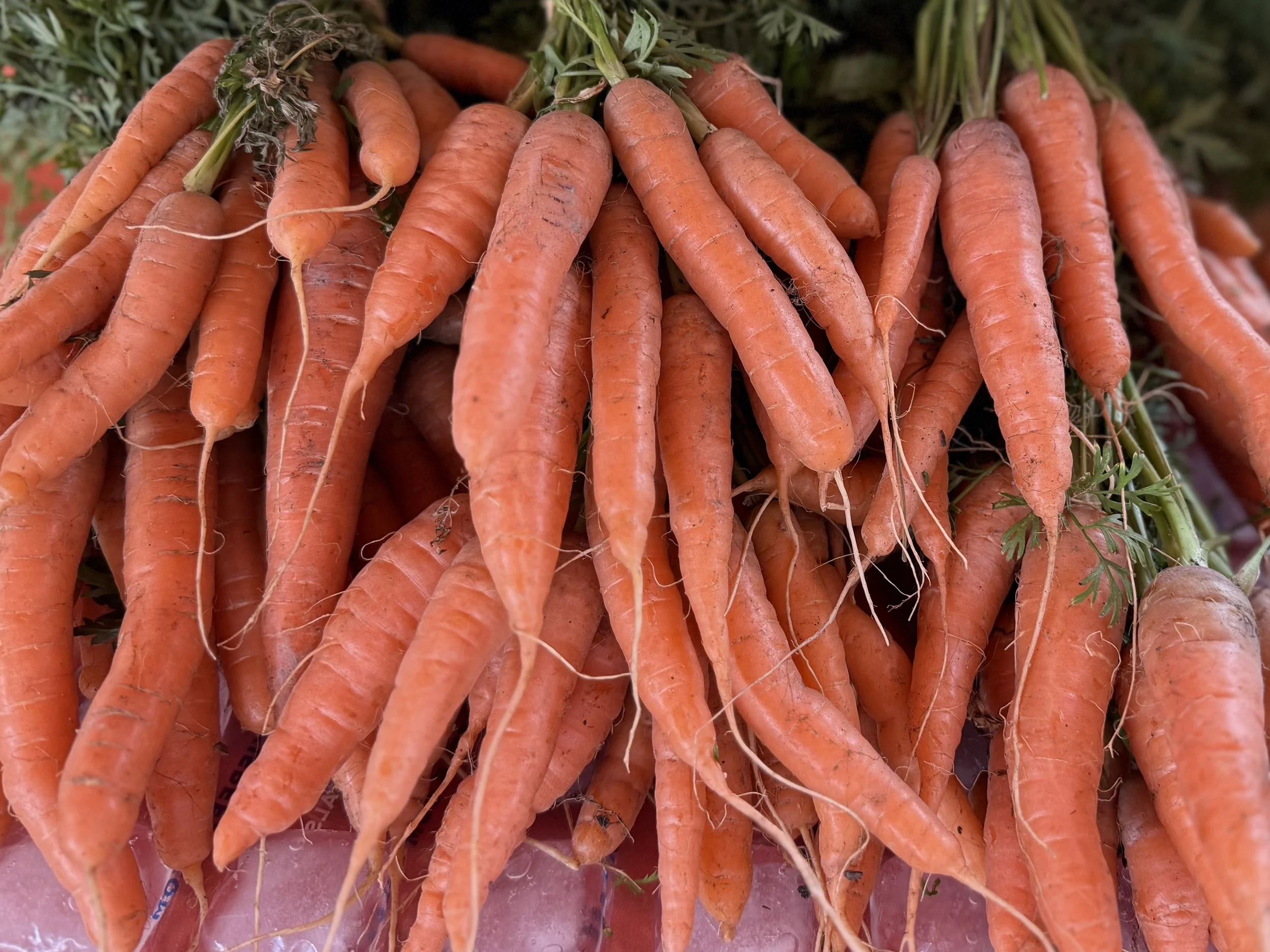
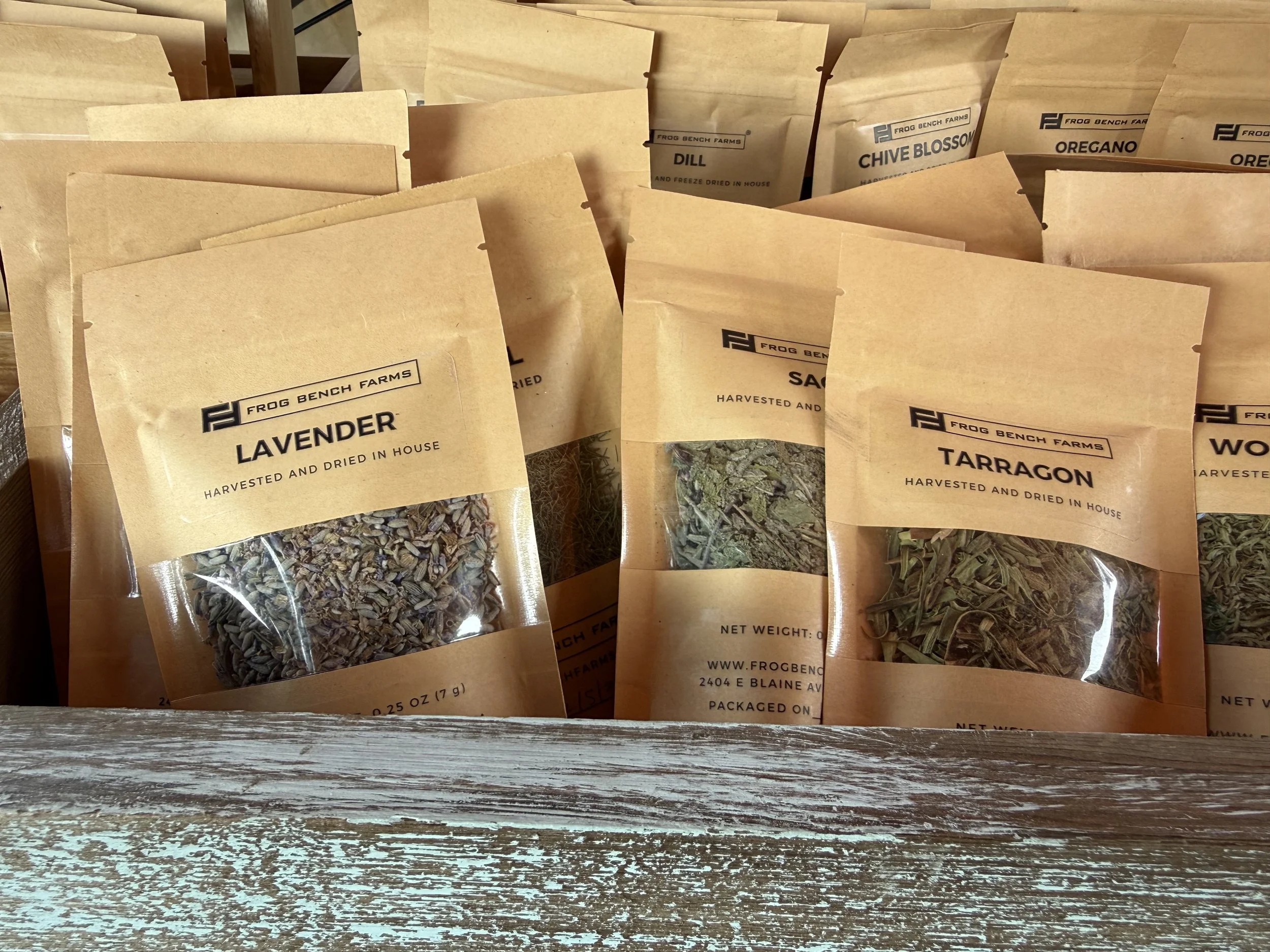
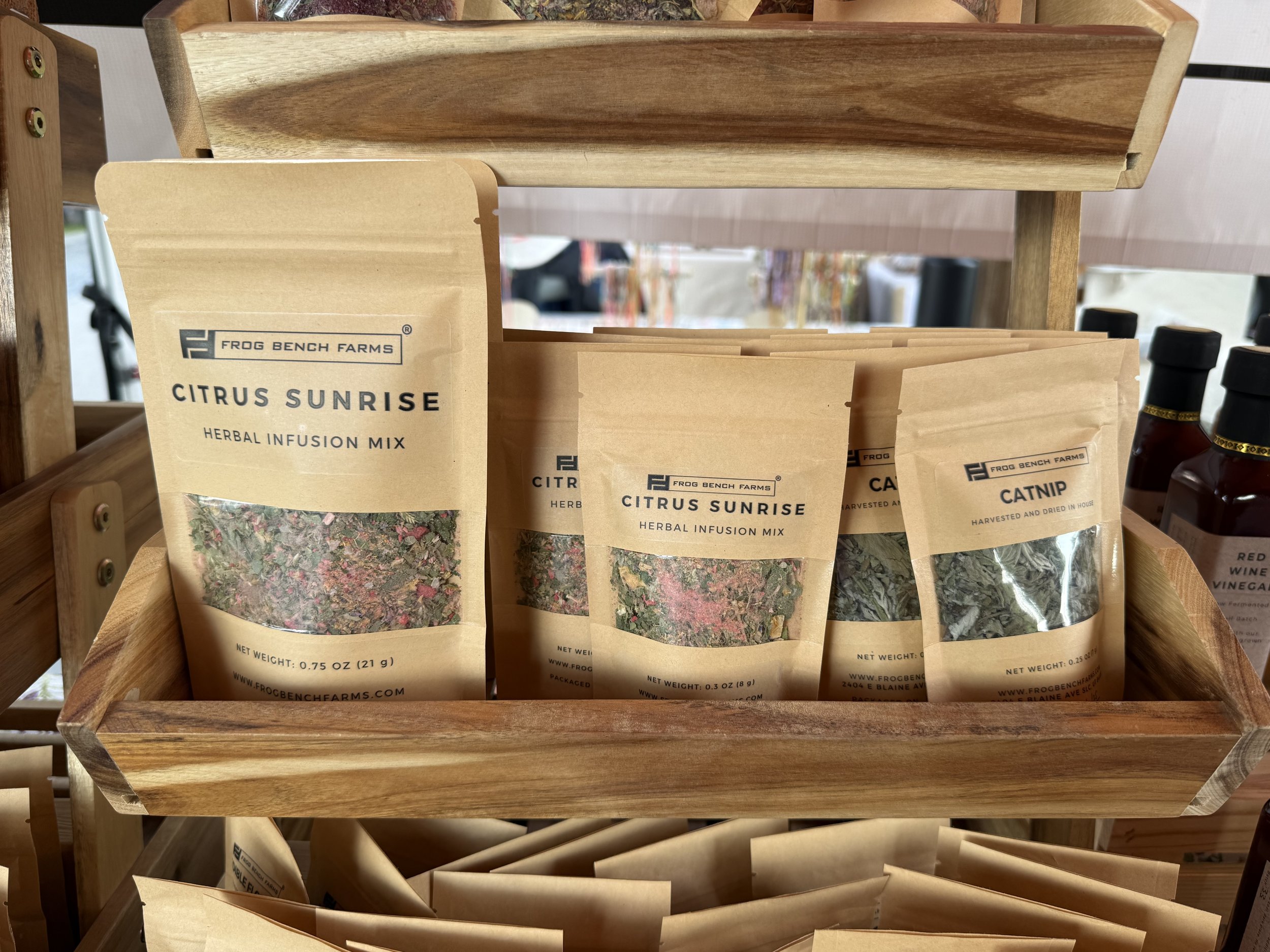
The farm has grown far beyond fresh produce. Paula describes their work in three categories: primary products, which are grown, harvested, rinsed, and sold; secondary products, which are dried or freeze-dried while remaining close to their natural state; and value-added products, including sugar cubes, cookies, teas, vinegars, and other creations. Very little goes to waste. What is not sold or transformed is donated to food pantries and nonprofit organizations.
That spirit runs throughout the property. One growing area is known simply as “the nonprofit,” not because every item grown there goes to charity, but because the name keeps generosity at the forefront of the farm’s daily work. “It just makes it part of our language,” Paula said, “that we remember that there’s people that do not have access to food.”
Education is equally central to Frog Bench Farms. Paula and Joe had hoped the neighboring schools would become deeply integrated into the farm, but safety and liability concerns limited what could happen. Still, children peer through the fence, ask what is growing, bring bugs for the chickens, and carry those experiences home. Several nearby families now have chickens and gardens of their own. Frog Bench also welcomes culinary schools, chefs, interns, and visitors who want to better understand where food comes from and how many different ways there are to grow it.
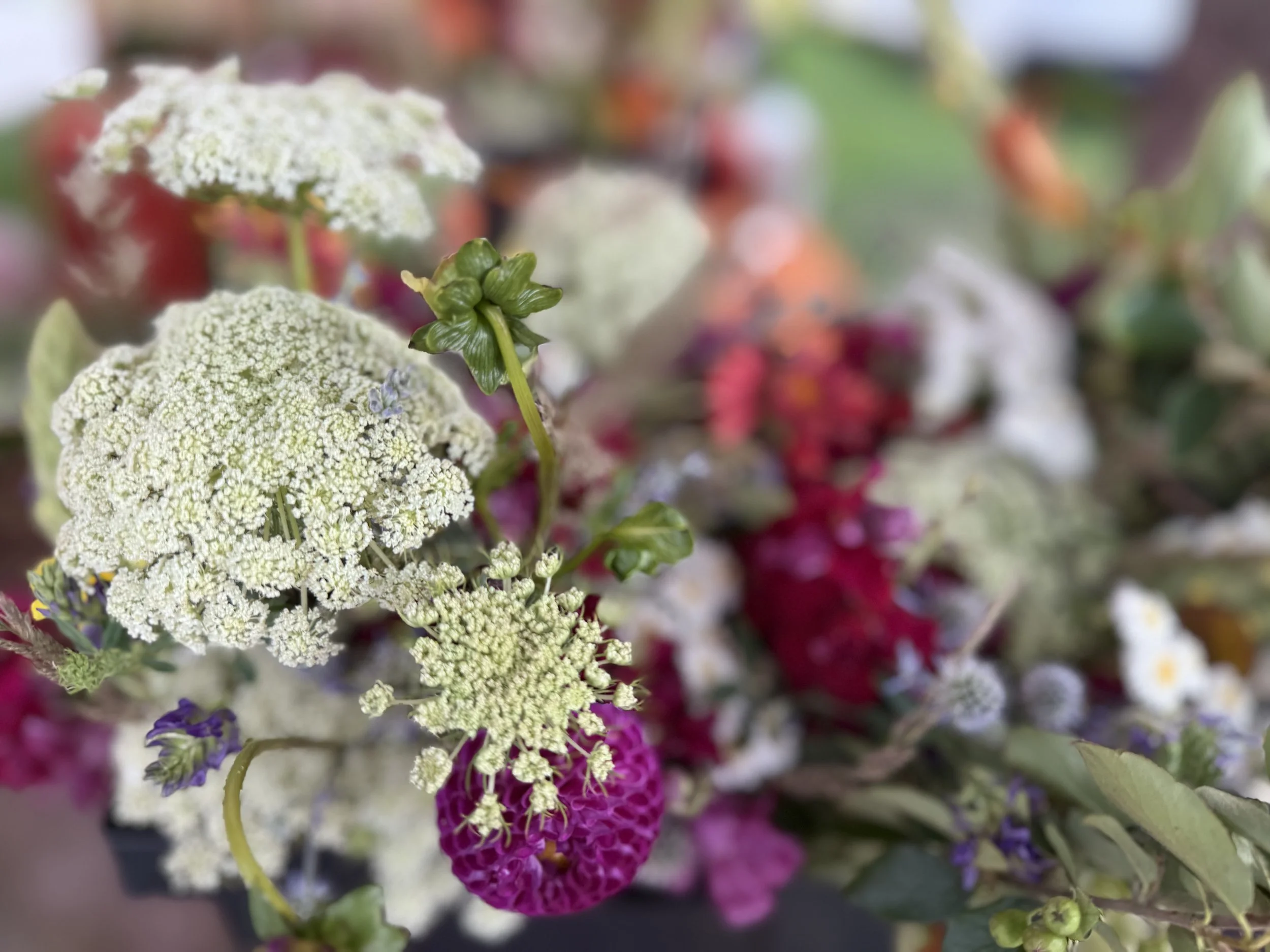
The staff has become an important part of the story as well. Stacy has been with the farm for more than a decade. Abby oversees secondary products and helped develop the vinegar program. Caroline manages the flowers. Paula and Joe speak of each with pride, giving them both autonomy and a sense of ownership. Farmer’s markets, which expanded after Covid, not only provided another outlet for the harvest but also allowed the staff to connect directly with the community.
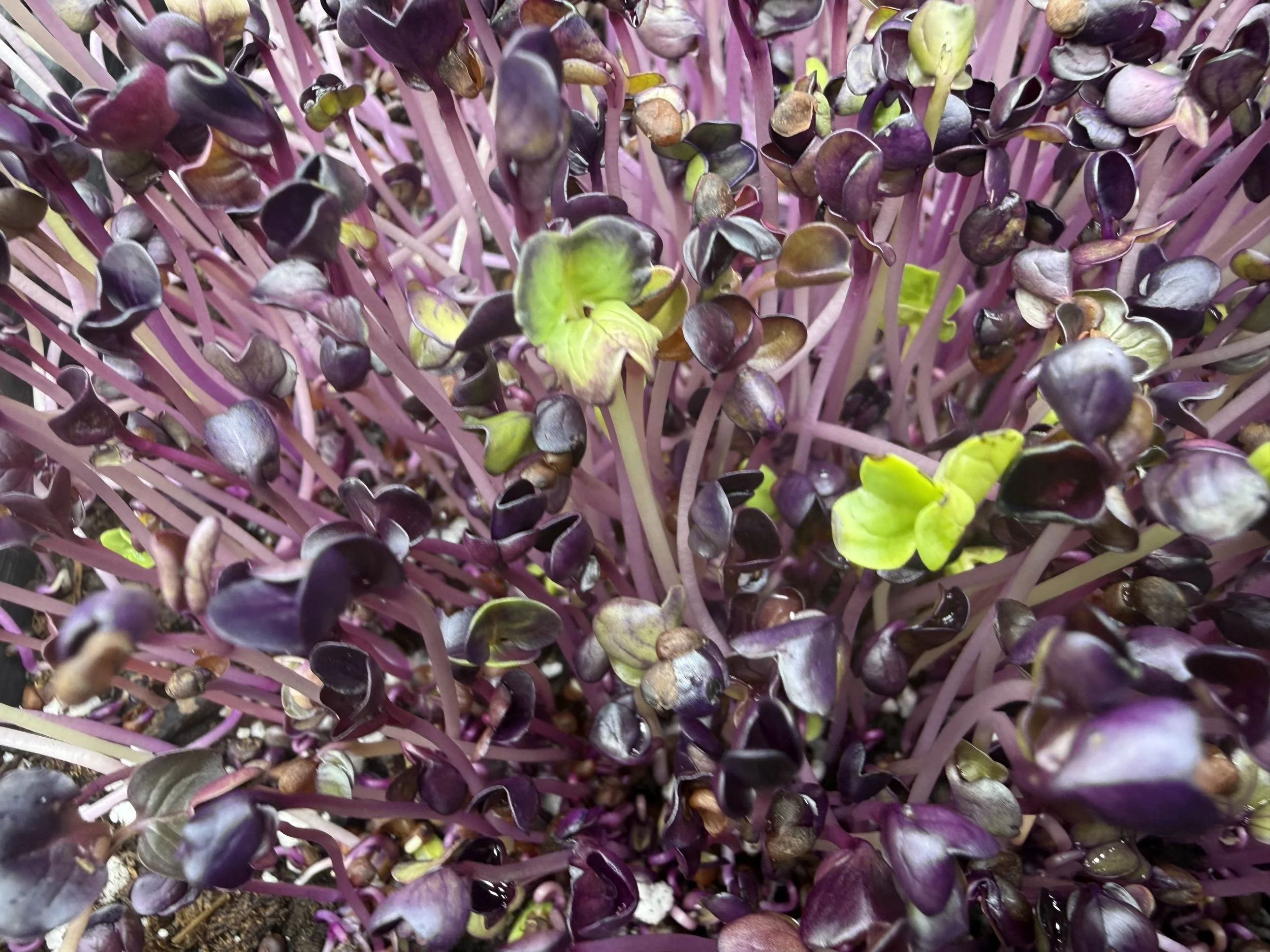
Everywhere on the property, Paula’s design background, and Joe’s self-described “frustrated gearhead” ingenuity, come together. Rain and snow are collected from the roof and stored in tanks to irrigate the greenhouse. Microgreens grow on racks Joe built from readily available materials. A custom watering system mimics flood irrigation, and a homemade dehydrator replaced expensive commercial equipment. The systems are sophisticated, yet understandable so others can adapt similar ideas in their own gardens.
Their home is woven into it all. The master bedroom looks out over the vineyard and mountains, while the backyard has hosted nonprofit events, community gatherings, and memorable evenings. Paula recalled one such night when two baby grand pianos were moved outdoors. A light rain began, then stopped as the music started. Birds and crickets joined in, and a rainbow appeared overhead.
Paula and Joe met in 1980 at a party, though they realized that their families had crossed paths before. More than four decades later, it is impossible to separate Frog Bench Farms from their partnership. They tease one another, finish each other’s thoughts, solve problems together, and continue building the life they imagined years before they ever found this property.
Frog Bench is a working farm, a classroom, a chef’s resource, and a gathering place that demonstrates agriculture can thrive in the middle of a city. It began with Paula’s vision, Joe’s unwavering support, and a piece of land that seemed to call out to them the moment they saw it. “There’s no one else that’s done it exactly the way we have done it,” Paula said, “because there are so many ways to farm.”