Salt Lake Art Museum
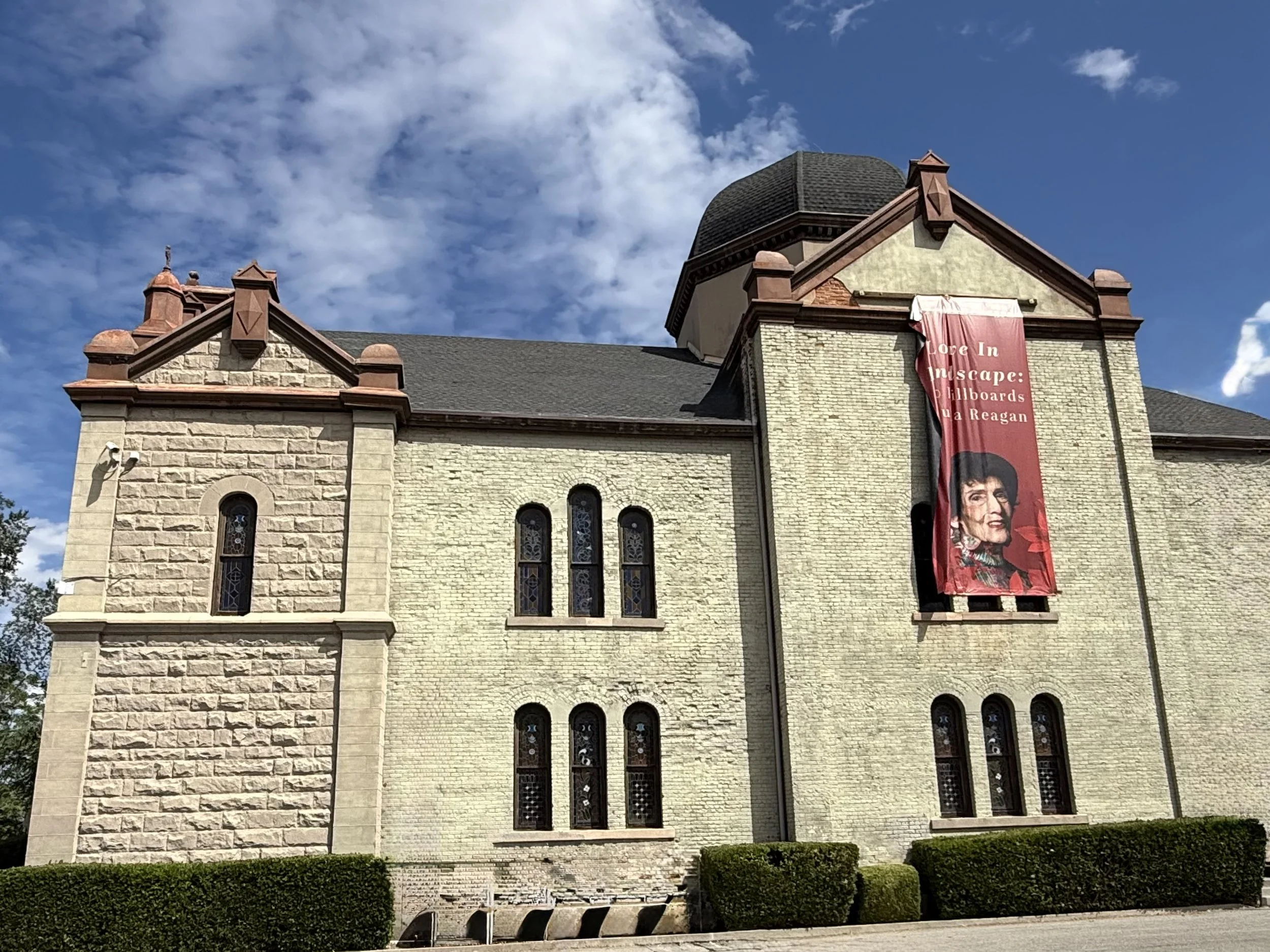
Address: 249 South 400 East
Telephone: 801-410-0015
Website: saltlakeartmuseum.org
District: Central City
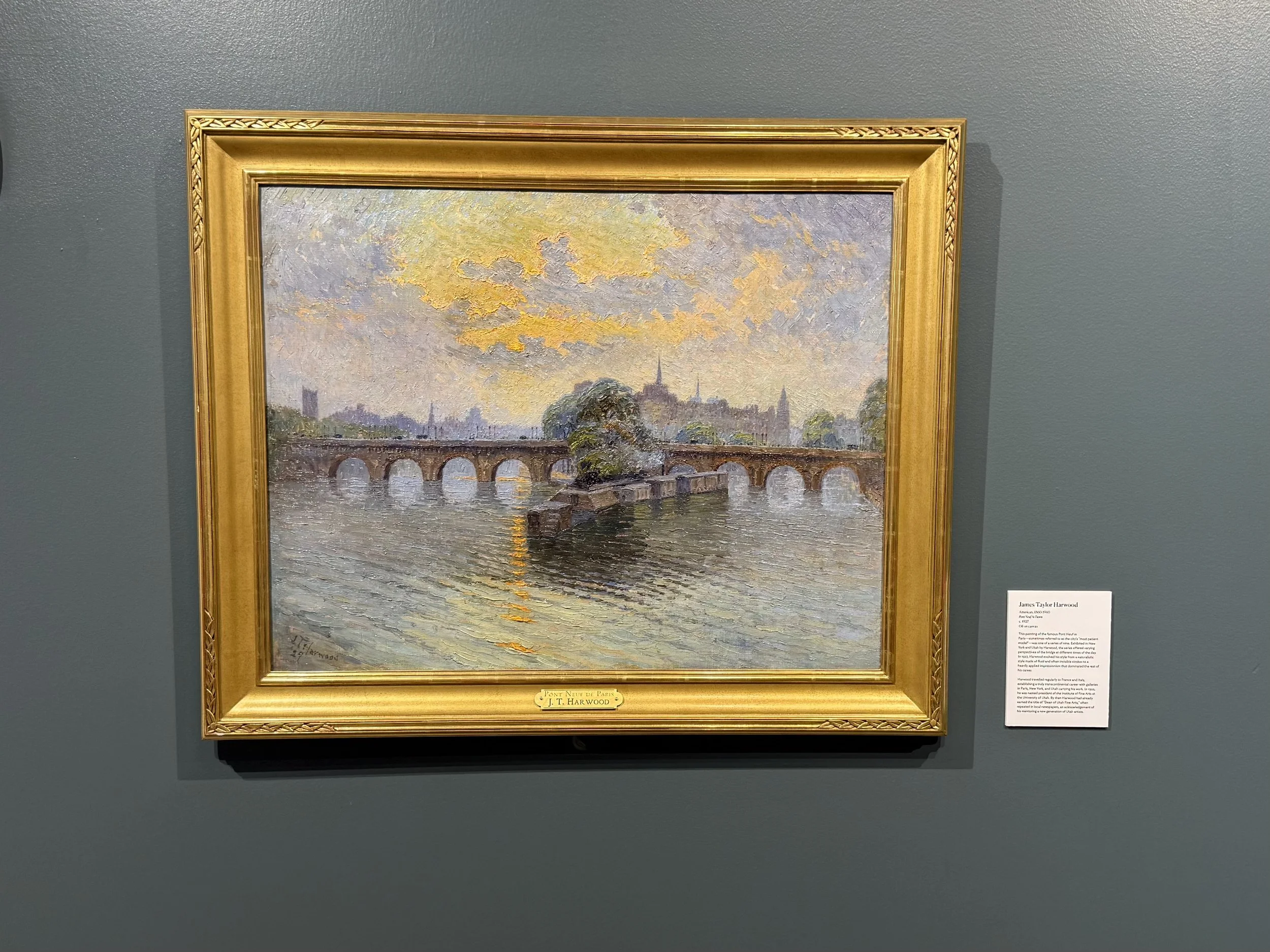
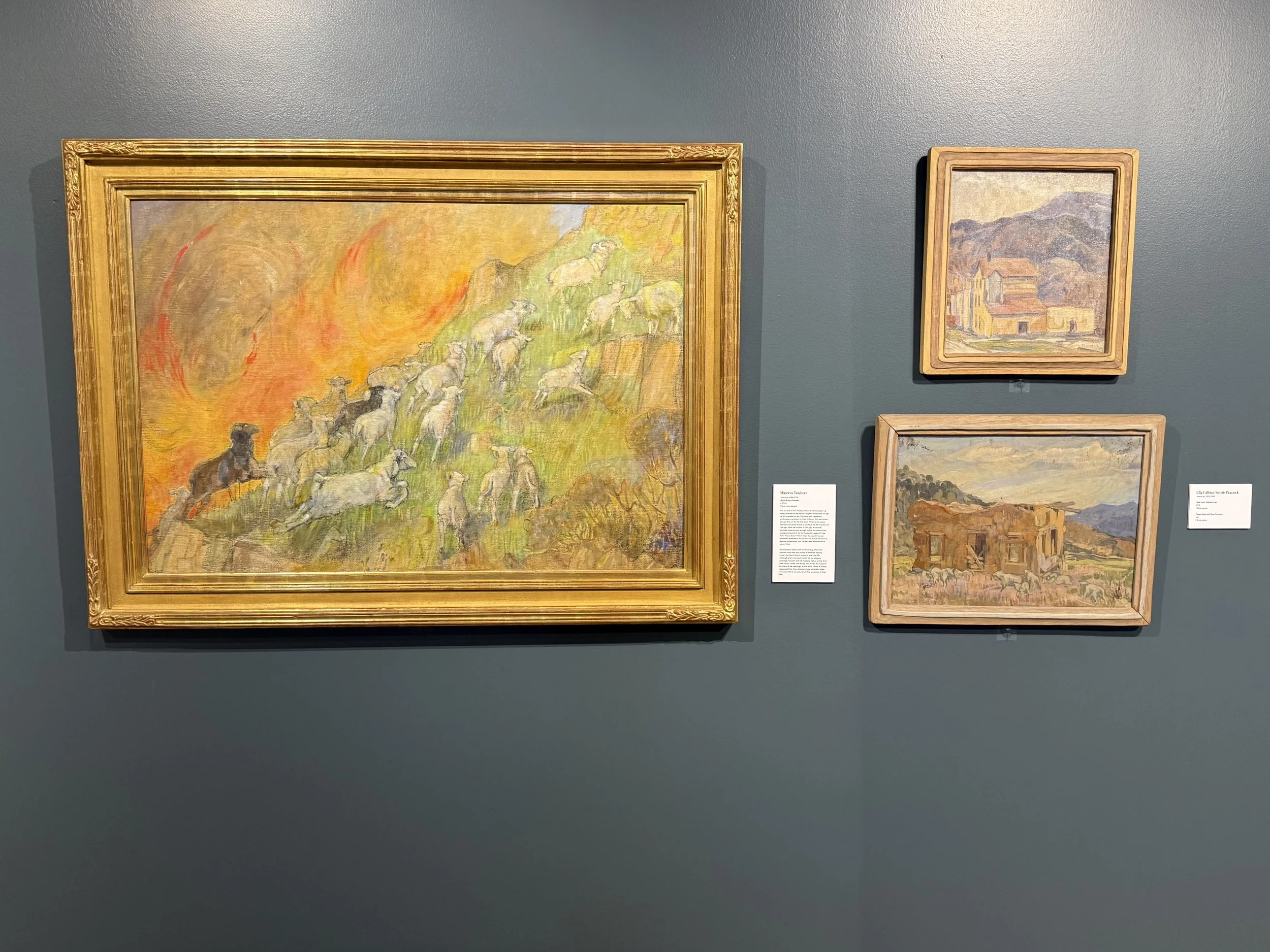
“I think everything around us can be art if we really want it to be.” For Chris Jensen, executive director of the Salt Lake Art Museum, that belief extends far beyond what hangs on a gallery wall. It includes an old house and its craftsmanship, a classic automobile painstakingly restored, a changing landscape, a historic building given another life and, perhaps most importantly, the people and communities whose stories are embedded within them. It is an expansive way of looking at art, and one that has found an ideal home inside the former B’nai Israel synagogue, where the new museum is bringing together Utah art, history, and place in ways that Chris hopes will encourage people to see all three differently.
Chris was born in West Valley. He lived there until he was about ten. His mother and stepfather then moved the family to rural Oklahoma where his mother’s family had roots. Life there was difficult. The family had very little money and, with five children and parents living largely on Social Security, there were periods without running water or electricity, and times when something broke there simply was not enough money to repair it.
Yet Chris remembers finding freedom where he could. Cars fascinated him, particularly classic cars, in part because of what they represented to a teenager growing up in the country with few places to go. “A car can mean freedom for you, and it can mean exploration,” he says. The interest has never left him. He still works on classic cars in his spare time and is currently restoring a 1956 Chevy.
Art was there as well. Chris drew and doodled as a child and took several art classes in high school, eventually concentrating on graphic design with an art teacher, Richard Billingsley, with whom he remains in touch. There was also an early Salt Lake memory that stayed with him - visiting the Redwood Road drive-in swap meet, where, as a child, he was struck by the extraordinary mix of cultures, vendors, arts, and crafts gathered in one place. Years later, he became involved in efforts to preserve it.
By the end of high school, however, practicality had overtaken art. Chris needed to support himself. Immediately after graduating, he called his sister in Utah and asked her to buy him a one-way plane ticket home. She did, and Chris moved in with her and her husband and went to work for what was then Weider Nutrition.
He began on the manufacturing floor operating pill presses, often working twelve-hour shifts in dusty, physically demanding conditions. From there, Chris moved into quality control, became a team leader, and eventually worked his way into planning and scheduling, ultimately becoming a master scheduler. Along the way, the company went through a takeover and a major transition into lean manufacturing, bringing extraordinarily long days and an education in management that Chris could never have acquired in a classroom alone.
Working full time, Chris began taking courses through Western Governors University, whenever his schedule and finances allowed, and earned his bachelor’s degree in business management. During that period, he was recruited by Blackrock Microsystems, a Utah neuroscience company developing technology capable of translating signals from implanted electrodes in the brain into movement in robotic devices.
Chris joined the company, becoming director of operations and spending seven years there. The work placed him in the midst of extraordinary scientific advances. His team was involved with the technology used by Nathan Copeland, a patient who was able to control a robotic arm through thought and famously fist-bumped President Barack Obama during a demonstration at the University of Pittsburgh. For Chris, it remains one of the proudest accomplishments of his corporate career.
The experience also reinforced something that would eventually determine where he went next. Chris wanted his work to have purpose. He believed in the potential of neuroscience to improve lives. But by 2019, after years of intense corporate work and periods of uncertainty surrounding research funding that forced him to lay people off and, at times, bring them back only to face further reductions, he was ready to move in another direction. “I’ve always wanted to do good for people,” he says.
Real estate became what Chris calls his “bridge career.” At almost the same moment, however, he began moving toward something that had interested him for years - historic preservation. He enrolled in Goucher College’s graduate program and completed a master’s degree in historic preservation in 2023, concentrating much of his work on cultural preservation and the relationship between historic places and human well-being.
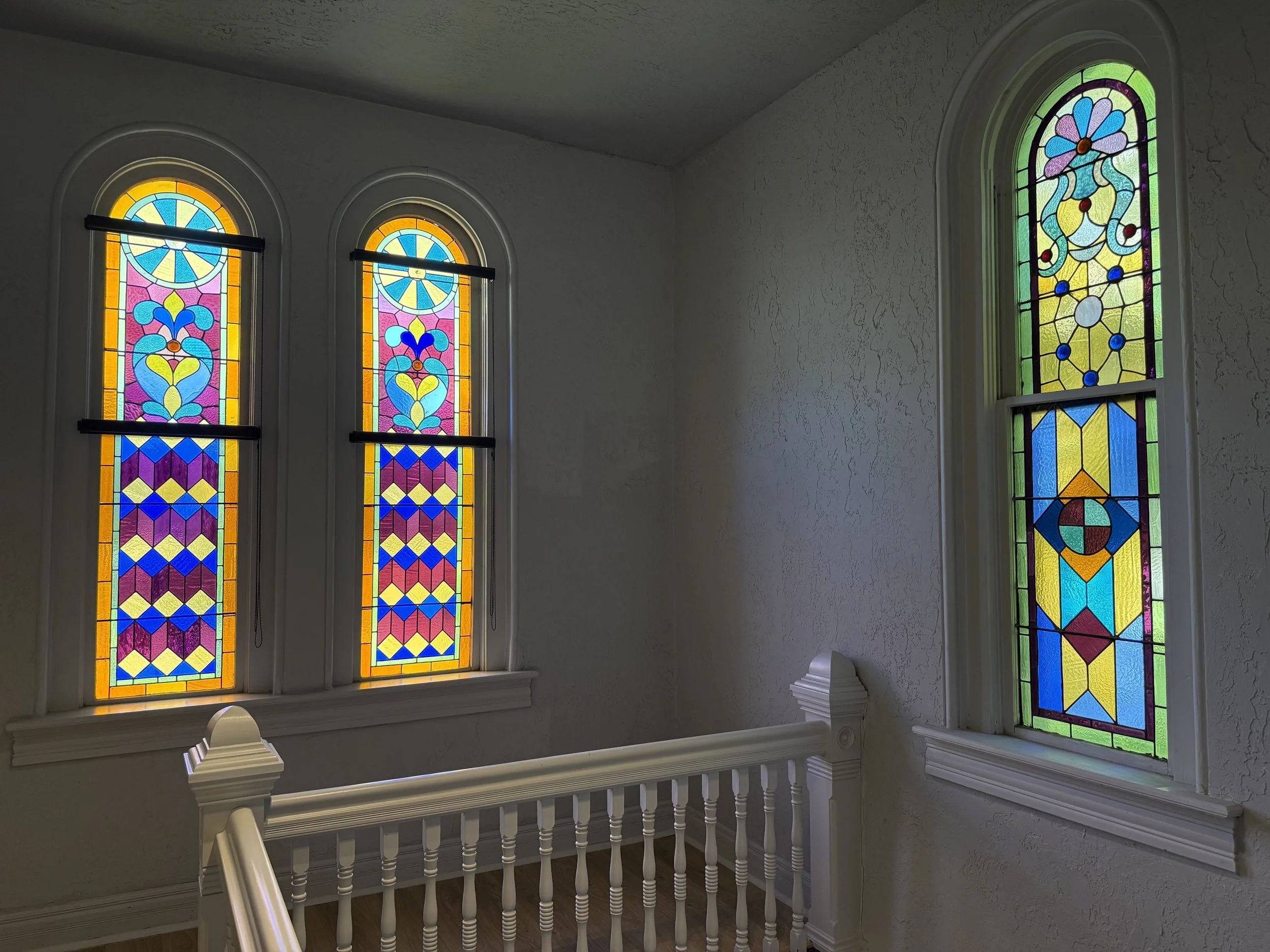
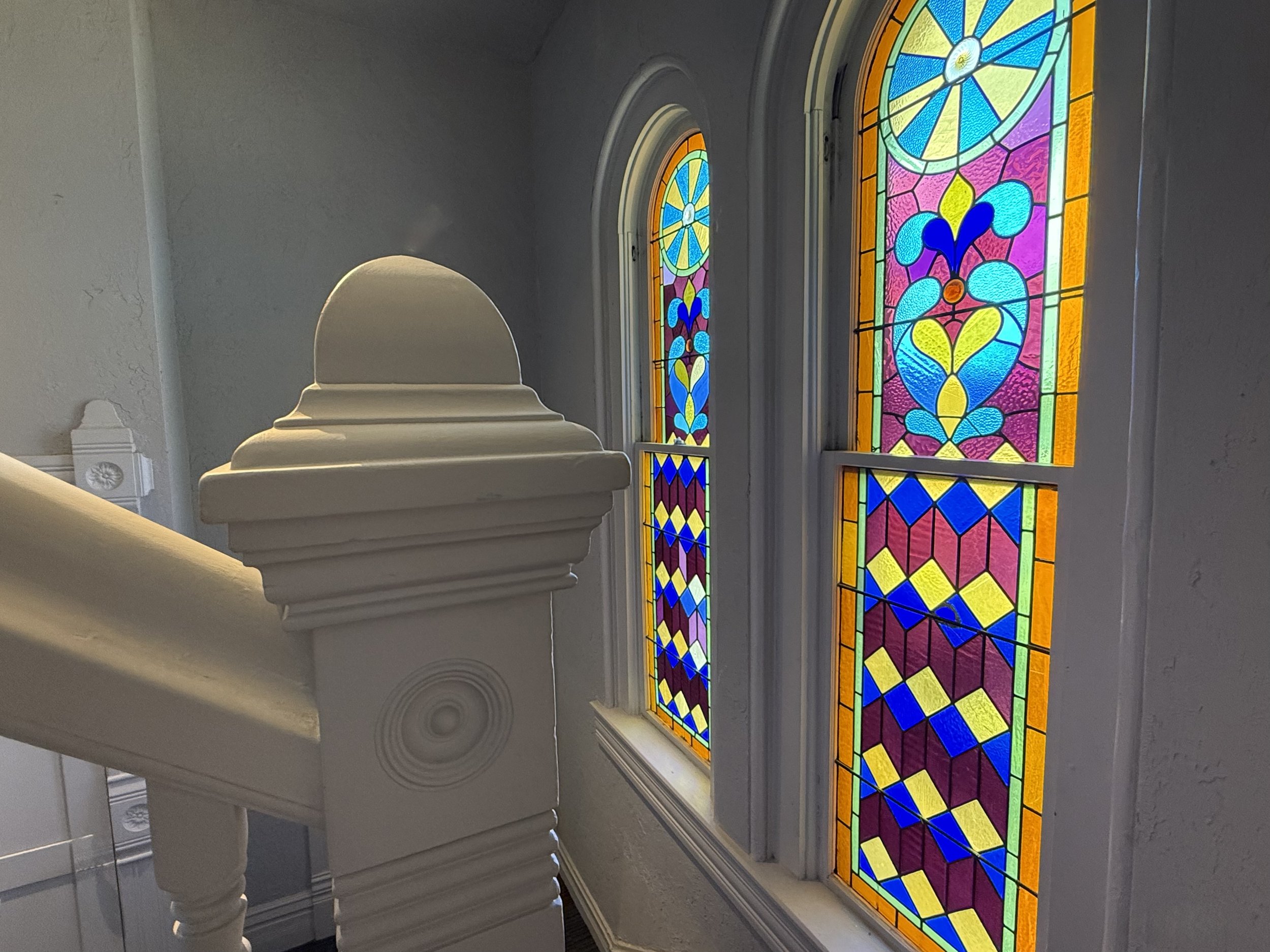
For Chris, preservation has never simply meant saving an old building because it is beautiful. He believes places connect people to community, culture, and memory. Historic homes, in particular, had long seemed to him another accessible form of art. Their woodwork, architecture, stained glass, and craftsmanship could be experienced every day simply by living within them. “A historic home, you get to live in it,” he says. “It is good art.”
His preservation work increasingly drew him toward communities and histories that had received less attention. Chris researched Black history in Ogden, including the Wall Avenue Baptist Church and Pioneer Post 66, the state’s only Black American Legion post, and briefly served on the board of Preservation Utah. At the same time, another important part of Chris’s life was his involvement in Utah’s queer community. He spent five years on the board of the Utah Pride Center, serving as board chair during the COVID years, and his husband, Chris Wharton, has likewise devoted significant pro bono legal work to LGBTQ+ issues. For Chris, all of these experiences - preservation, community service, nonprofit leadership, and advocacy - were becoming different expressions of the same interest - helping people connect with one another and feel that they have a place.
Then he walked into Anthony’s Fine Art & Antiques to buy Native American jewelry. Chris became friendly with Tony and Micah Christensen, the father and son behind Anthony’s, and soon discovered that he and Micah shared a deep interest in the intersection of art, history, and preservation. Micah, an art historian with a PhD and an extraordinary knowledge of Utah art, had already spent years studying, teaching, researching, and working alongside his father amid the tens of thousands of works and objects at Anthony’s.
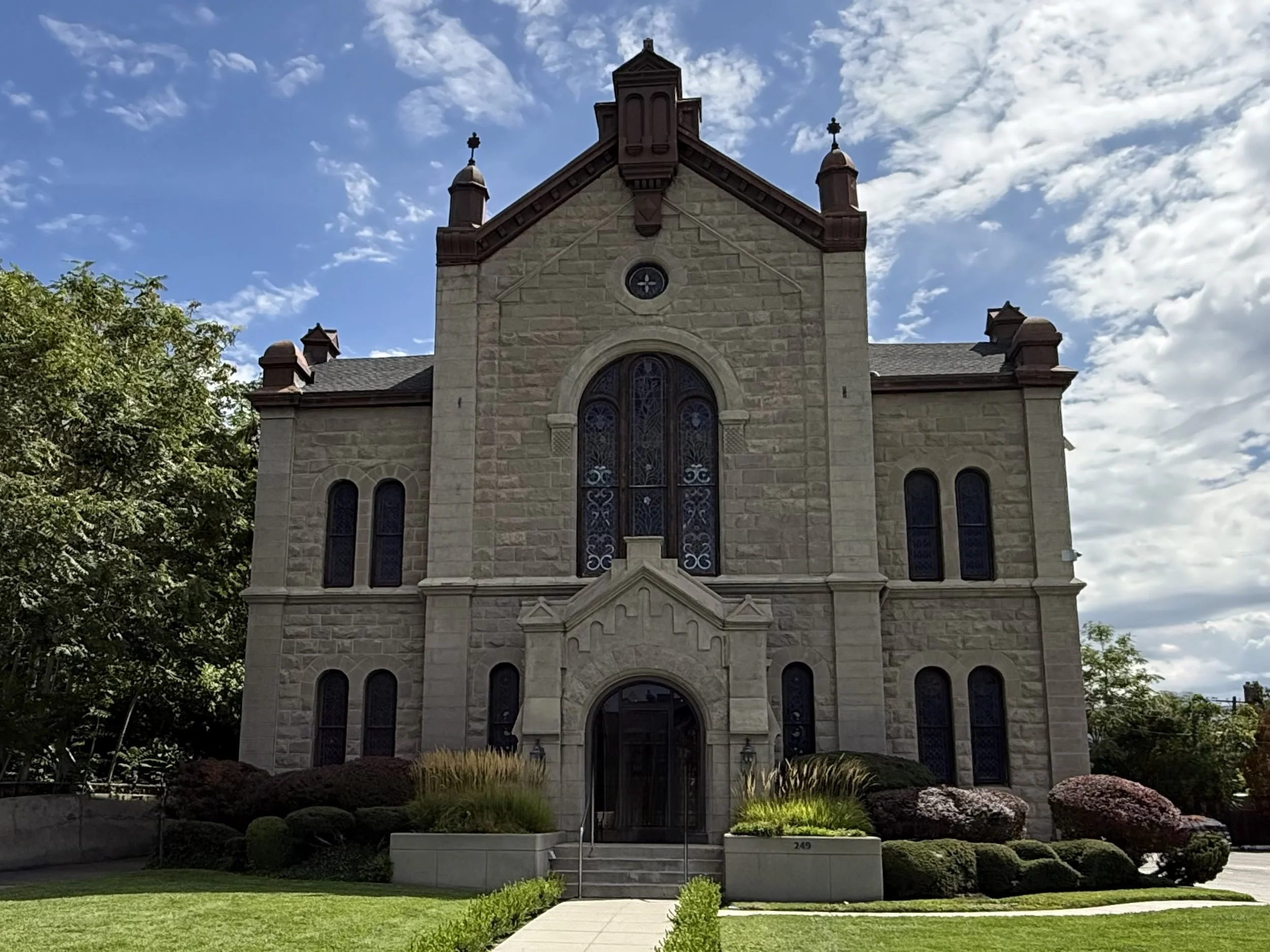
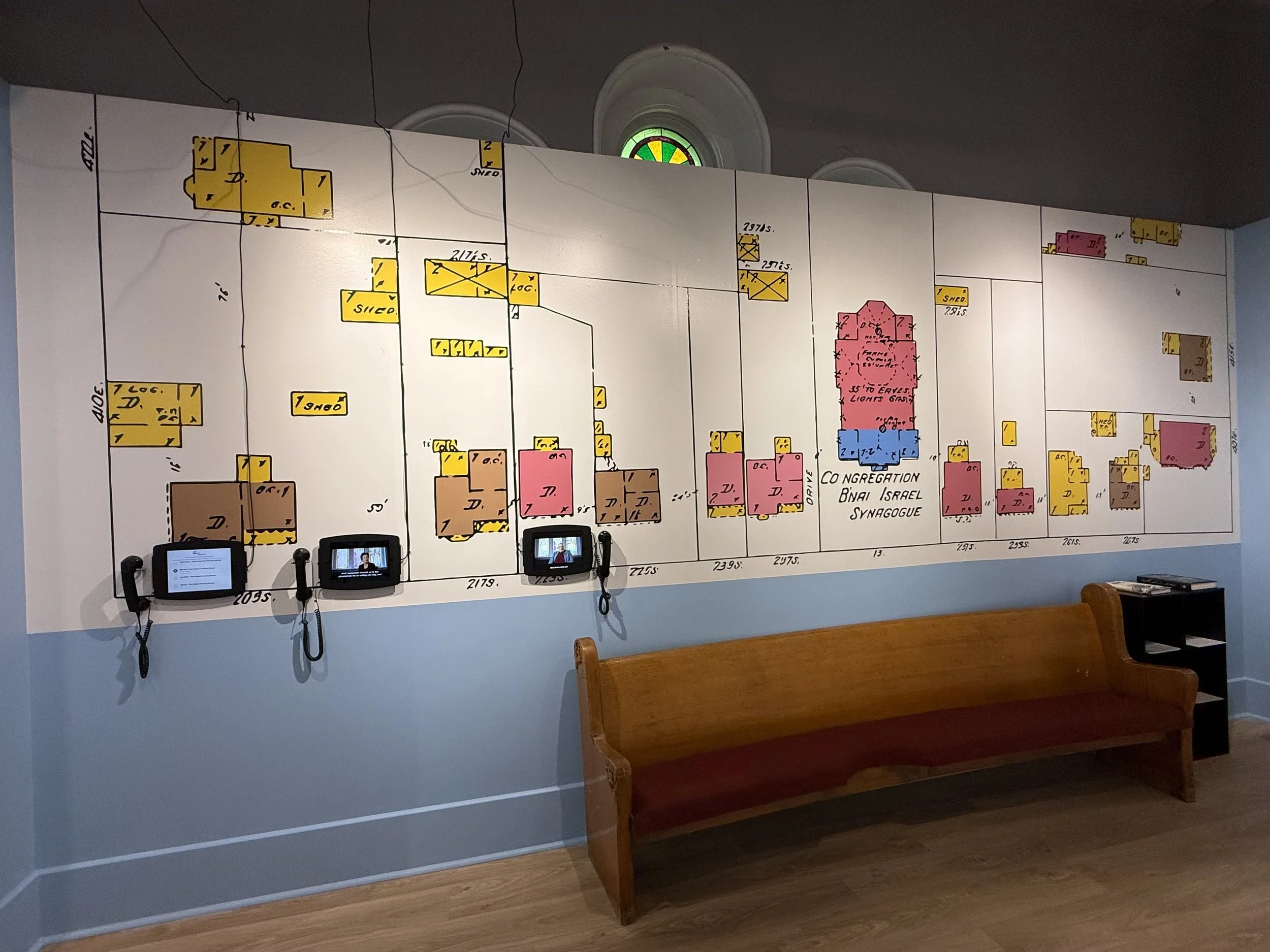
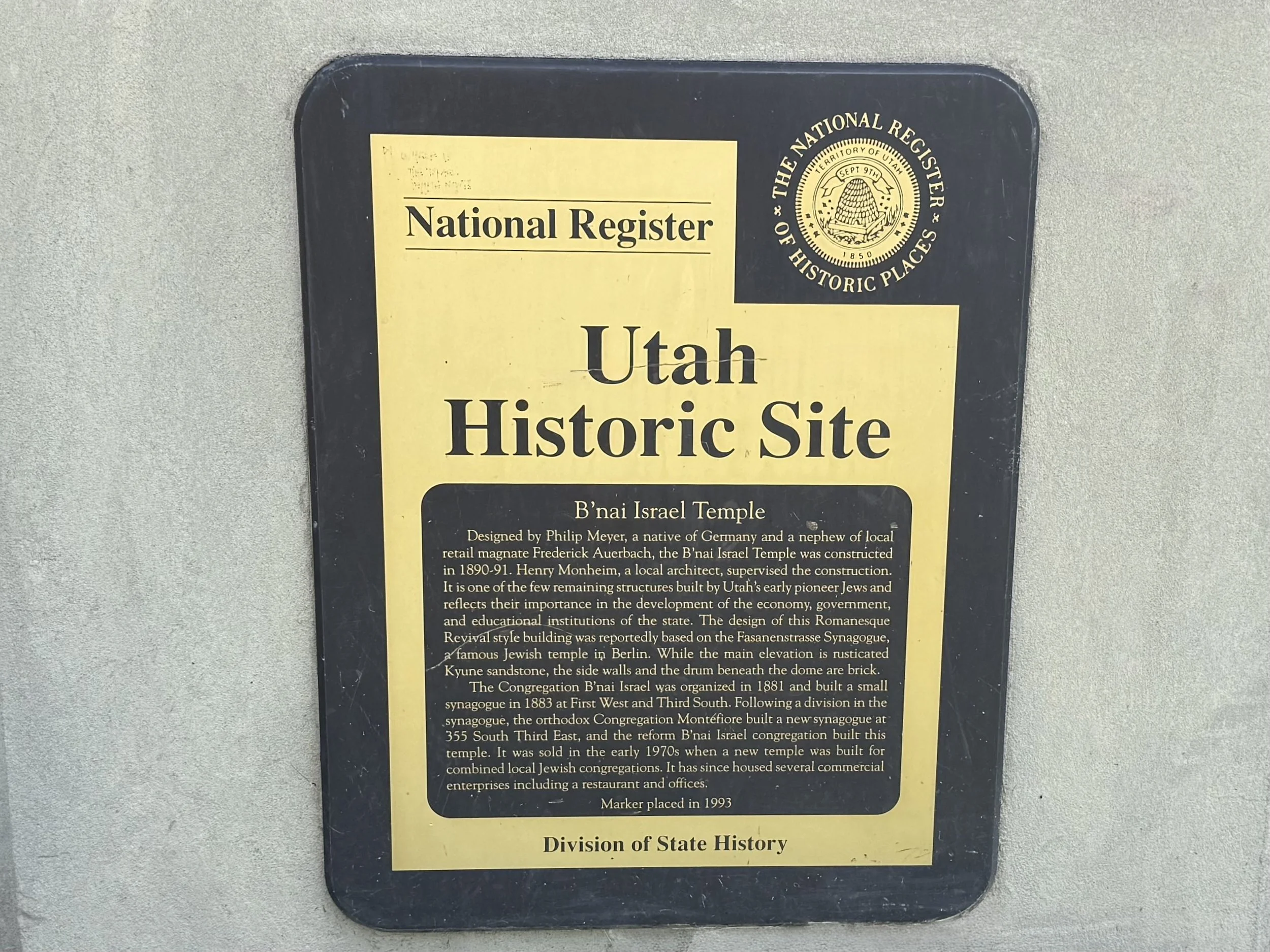
One day, Micah mentioned that the former B’nai Israel synagogue had come onto the market and that he was considering buying it. Chris knew the building. Completed in 1891, the historic synagogue predated the Salt Lake Temple by two years and had long been one of the city’s architectural treasures. When Chris mentioned that he also worked in real estate, Tony’s response was immediate - they wanted him to help them purchase it.
The acquisition took approximately a year. For Chris, however, the idea behind it resonated almost instantly. Here was an opportunity to preserve a remarkable historic structure while giving it an entirely new public life. “It just sang to my soul. It was everything I wanted to do at that point.”
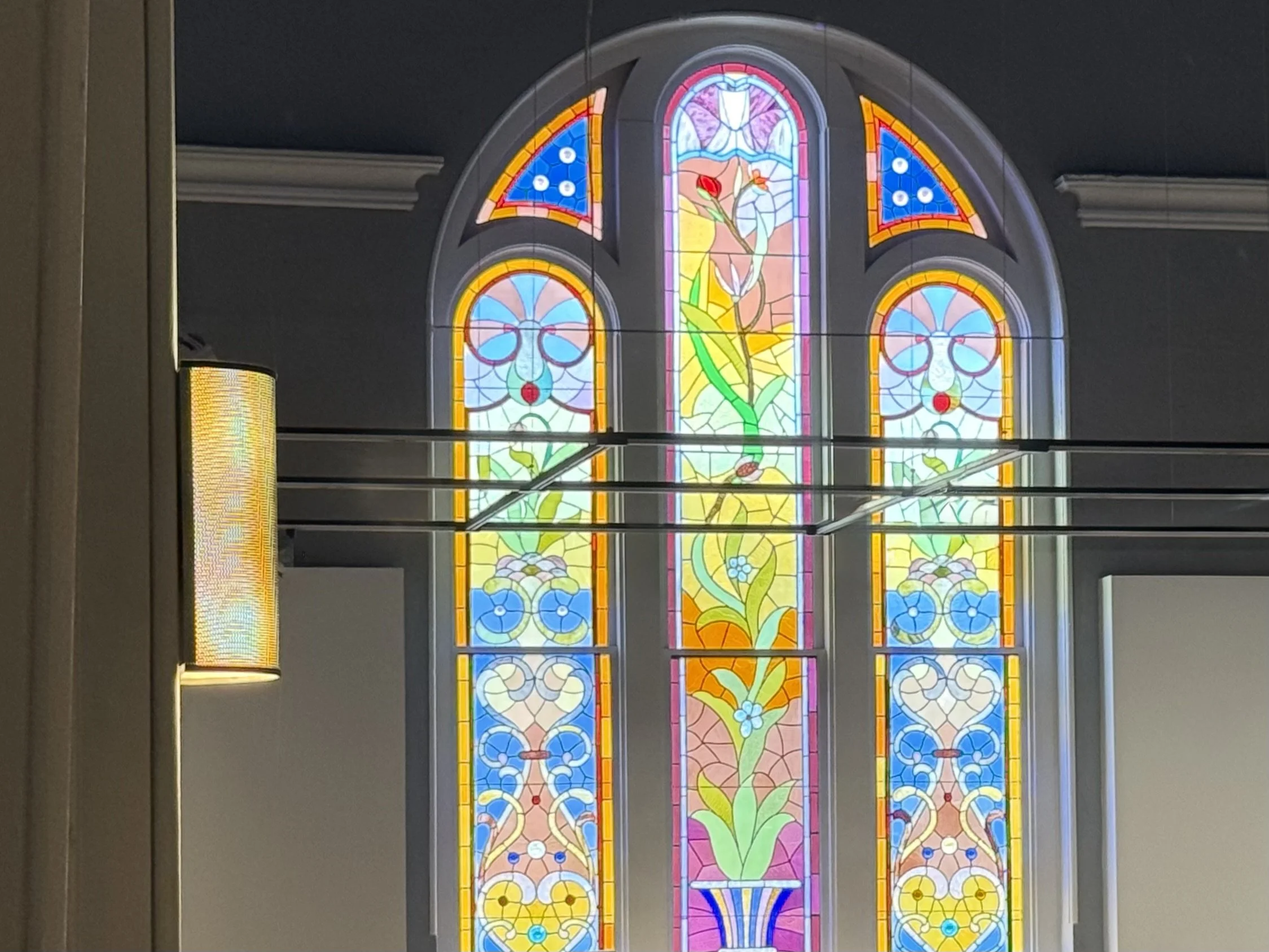
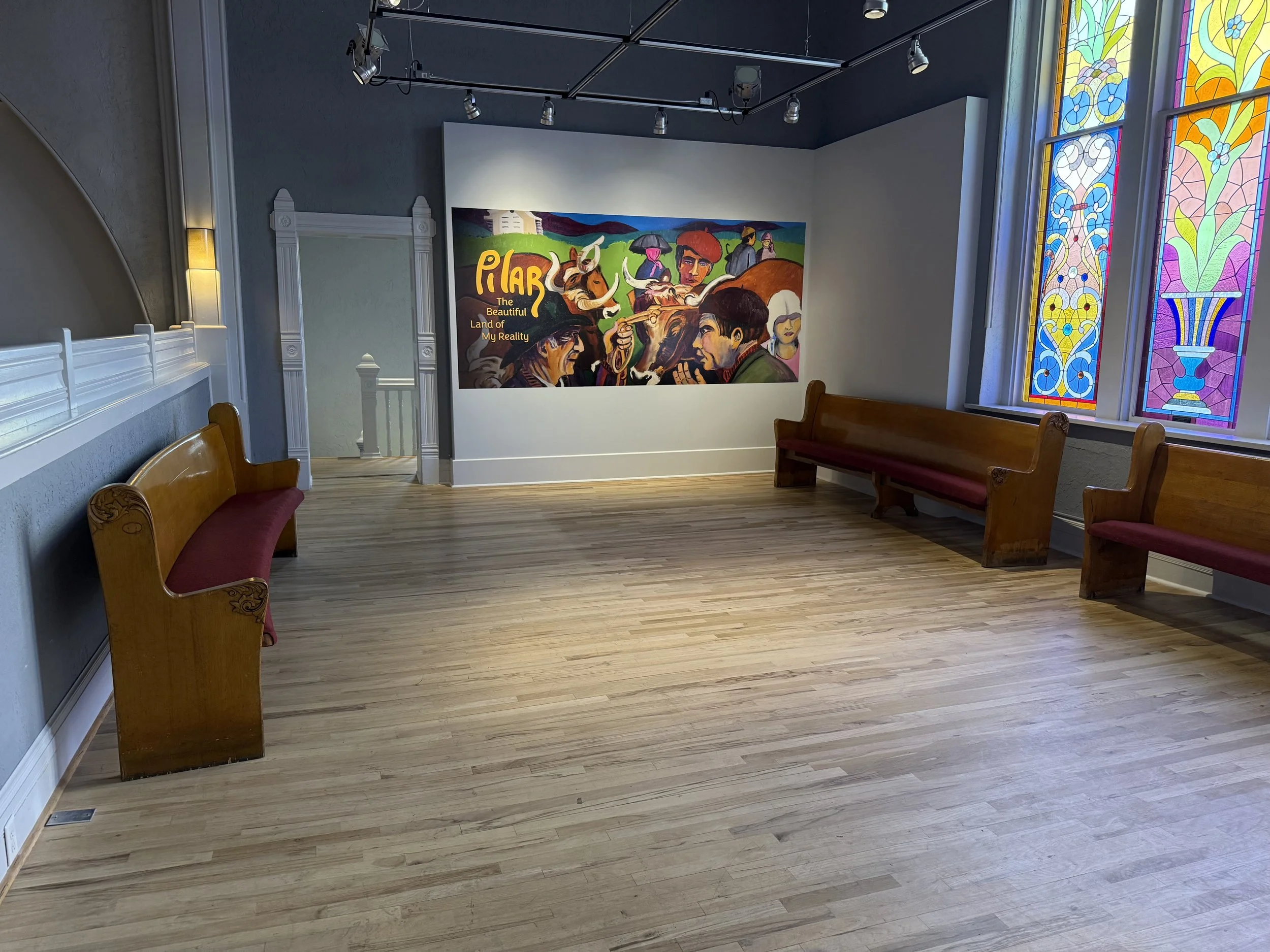
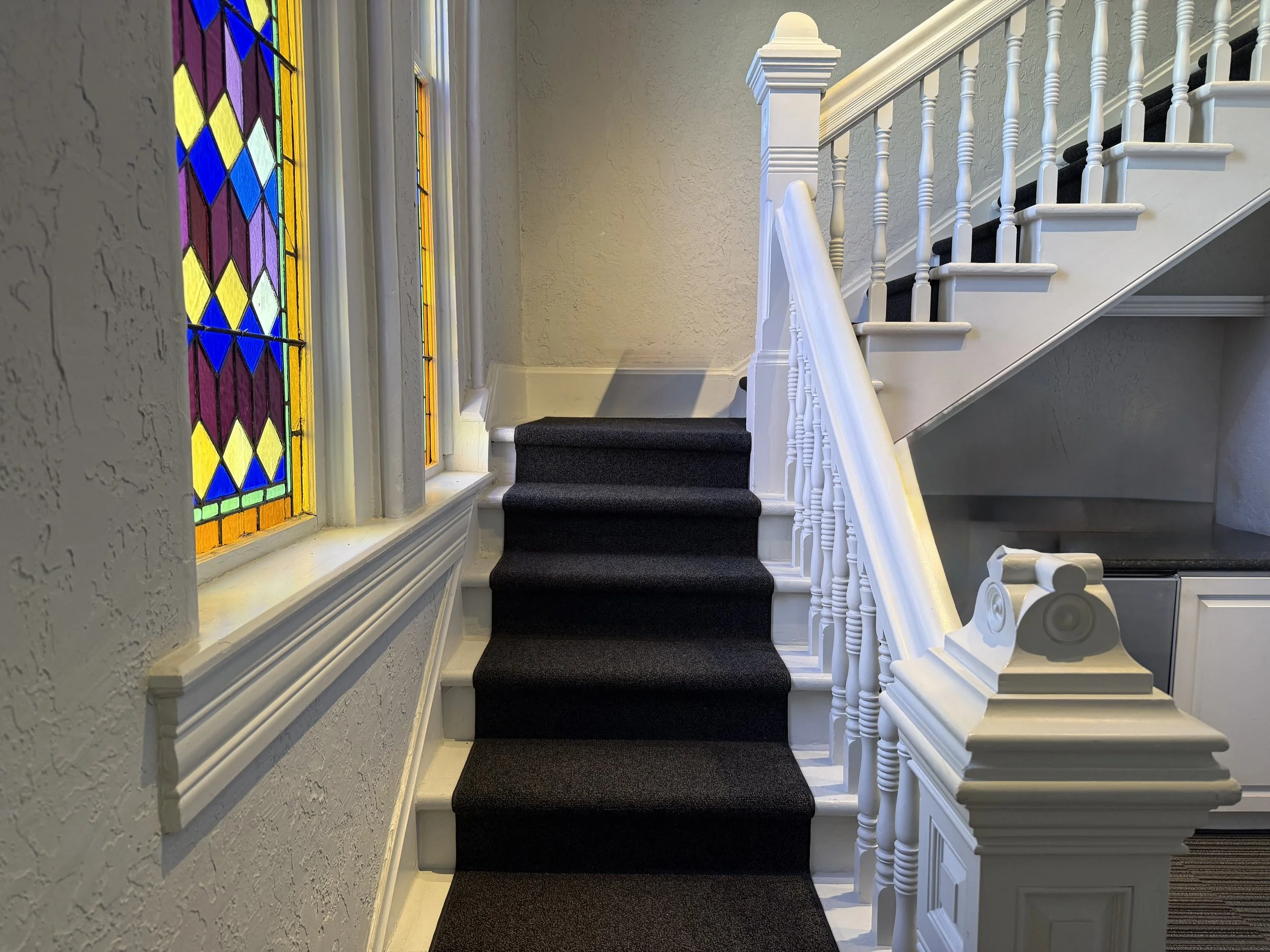
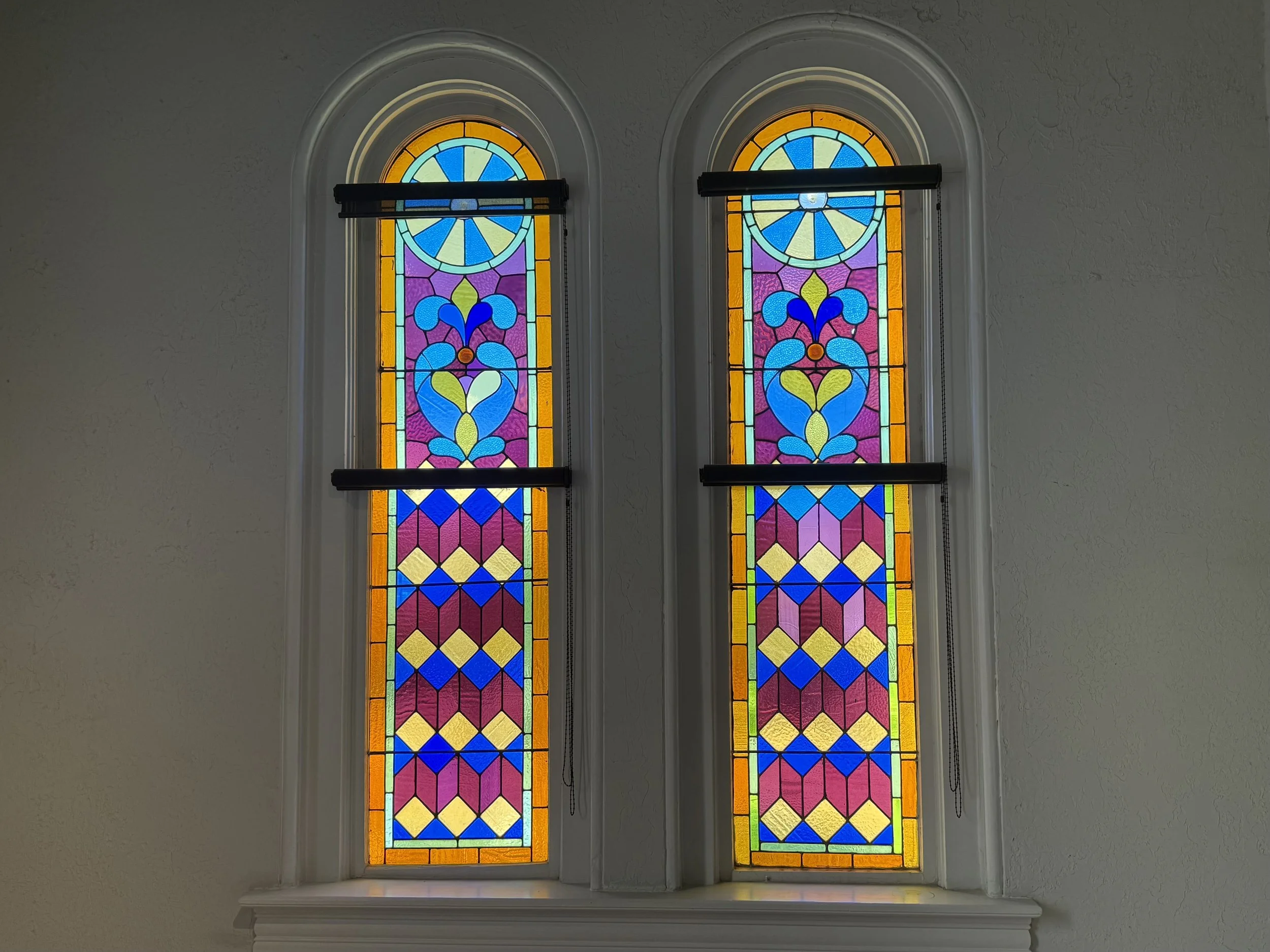
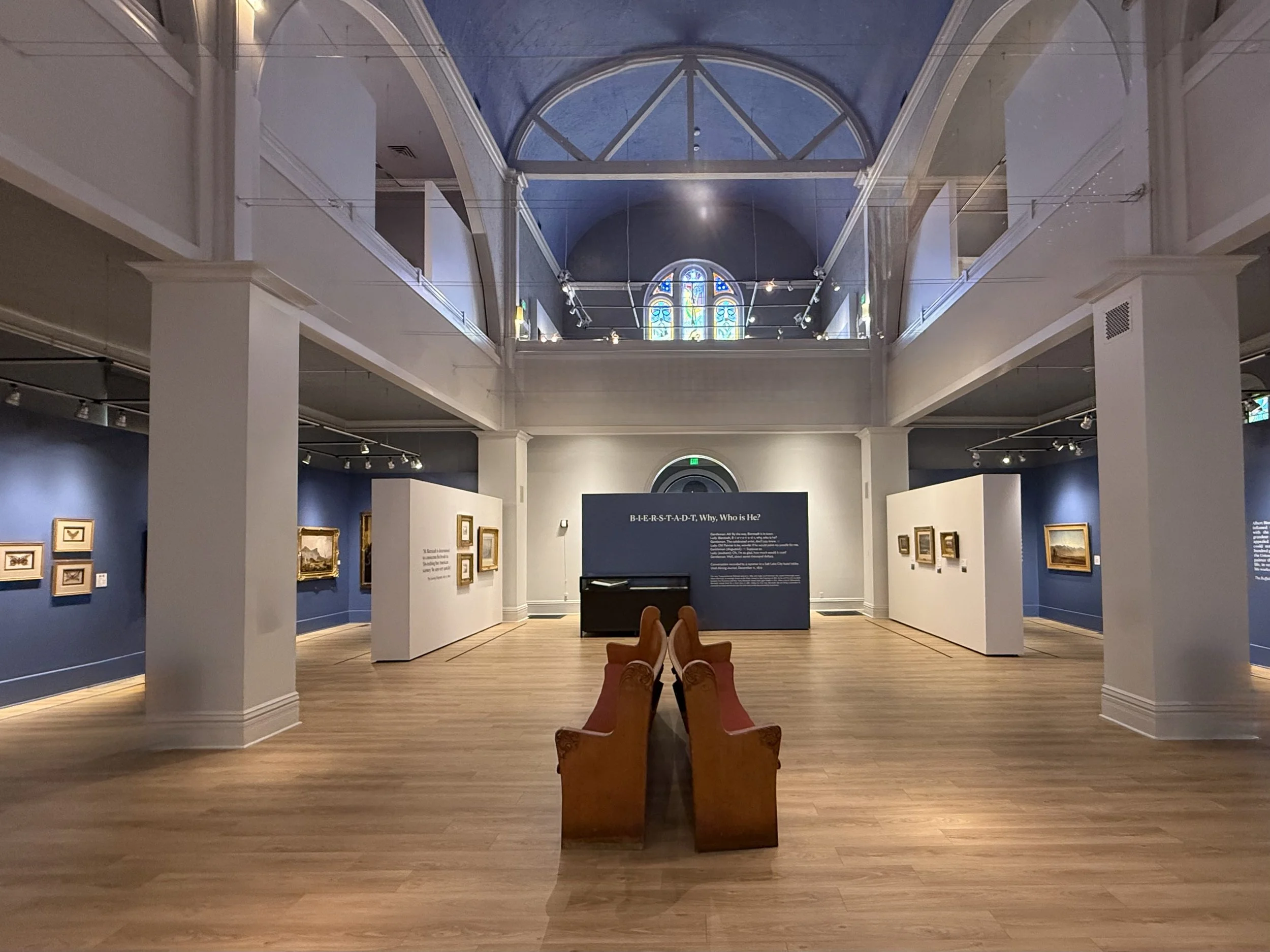
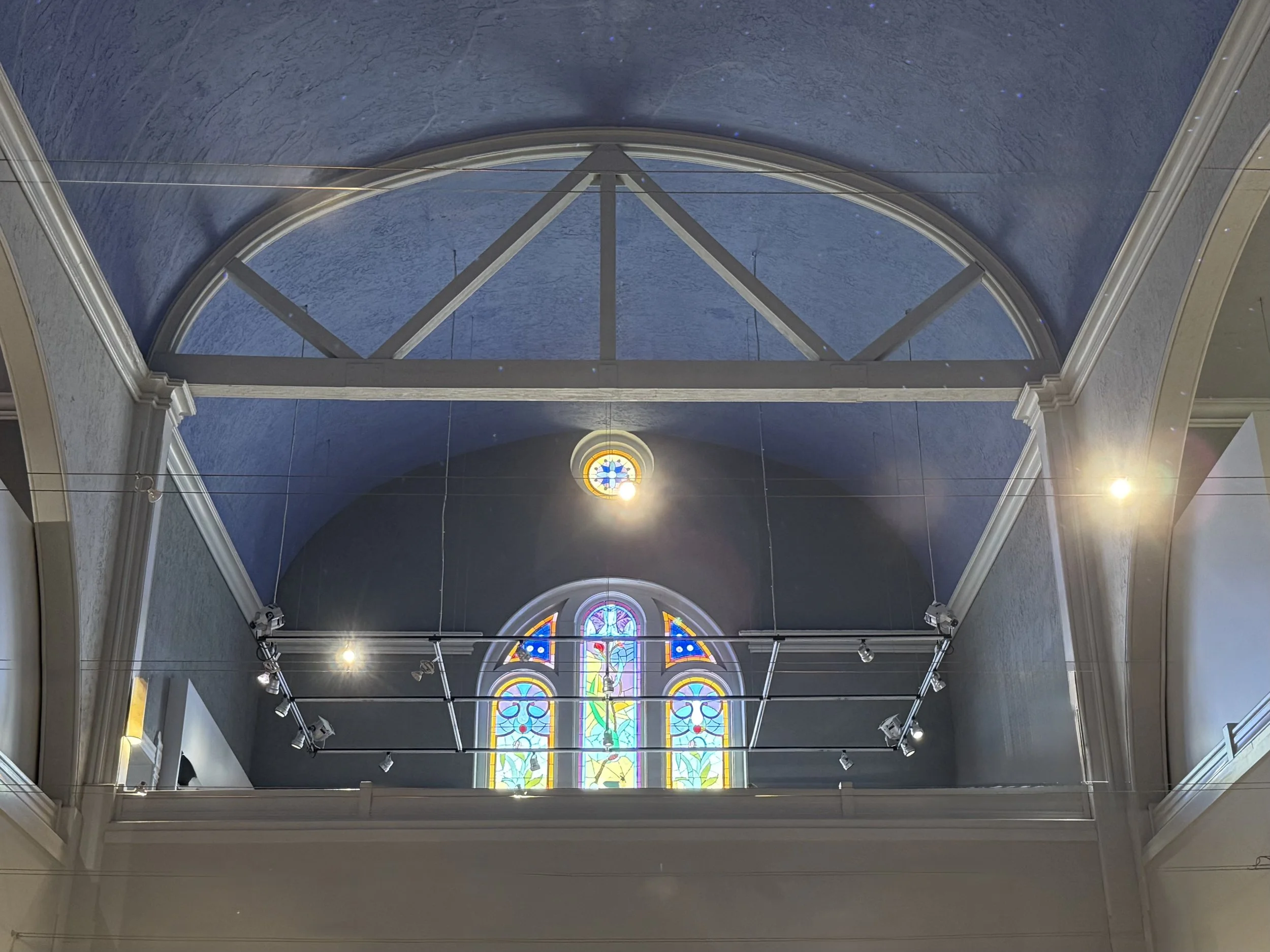
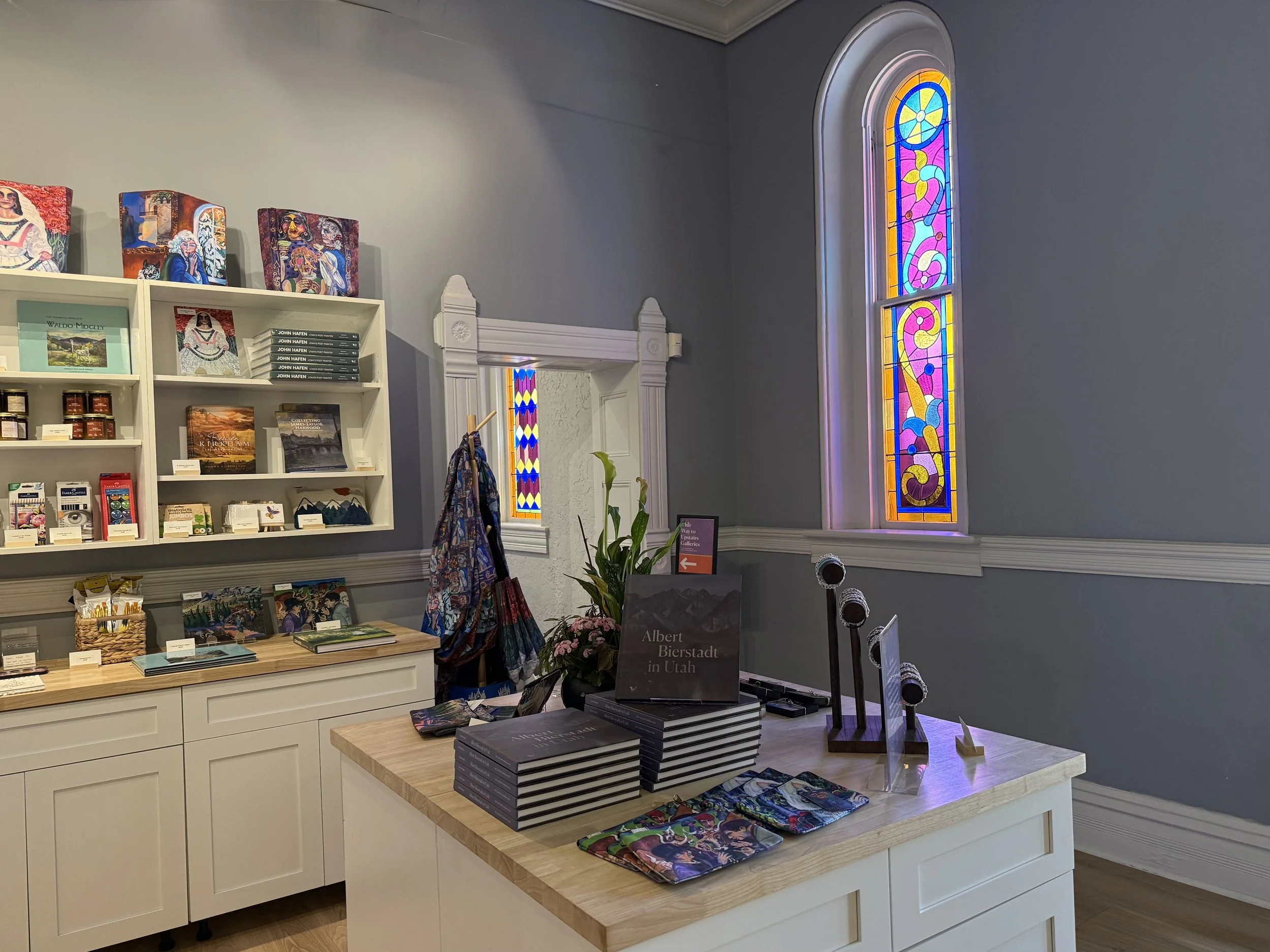
Even empty, the building made its own argument for becoming an art museum. Stained-glass windows cast light into the sanctuary; graceful arches and ornamental details reflected the building’s nineteenth-century origins. Before a single painting was installed, Chris saw the structure itself as art.
As the purchase moved forward, Micah asked Chris to join the museum’s board and help establish the nonprofit and its operations. When plans for an executive director changed, Chris offered to step into the position temporarily and help get the museum started. Temporary soon became permanent.
What has emerged is an institution shaped by the distinctly different strengths of the two men. Micah brings deep scholarship in art history and an encyclopedic understanding of Utah artists, while Chris brings decades of operational experience, historic preservation, nonprofit leadership, and a fascination with the stories that places can tell.
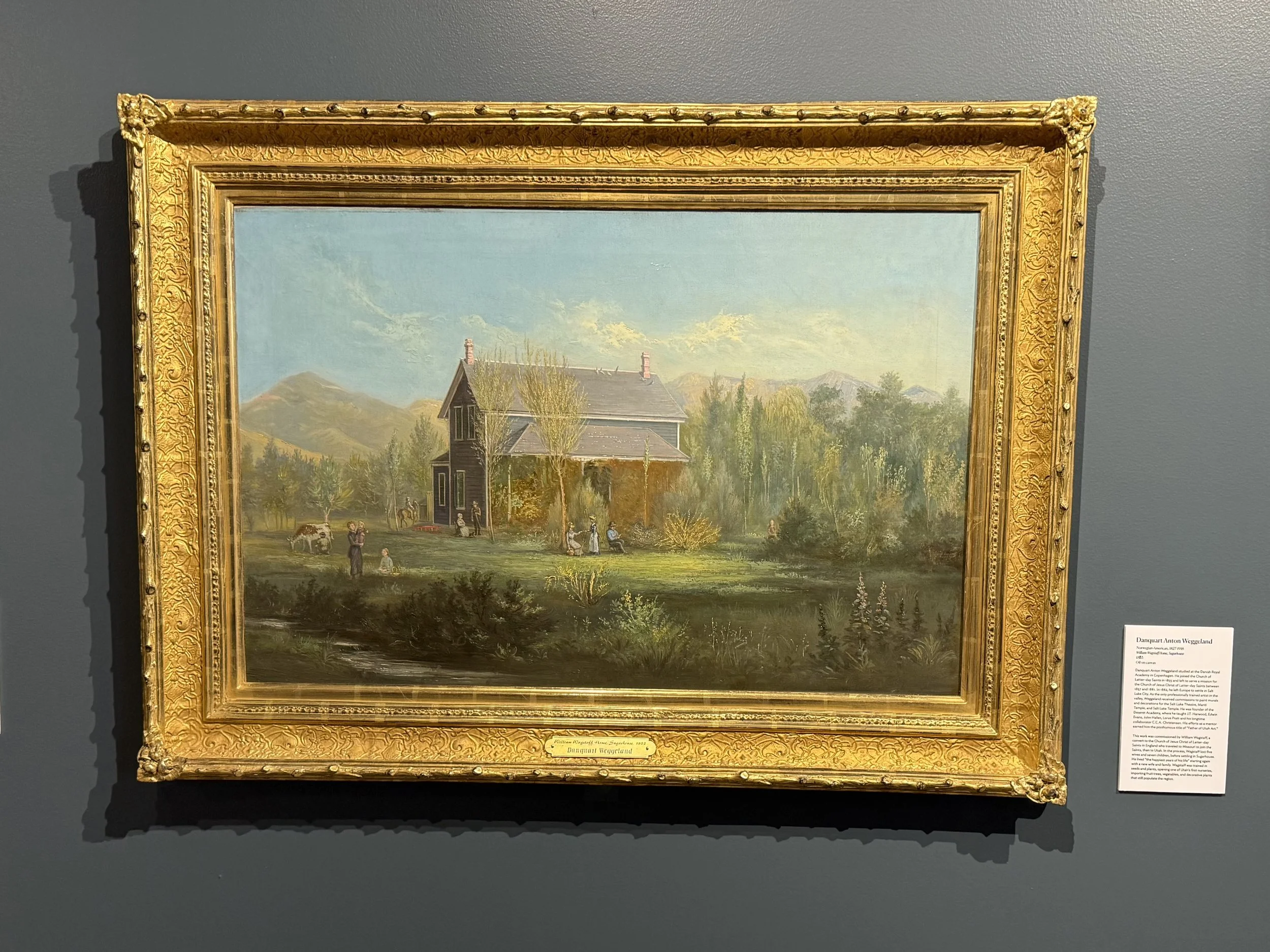
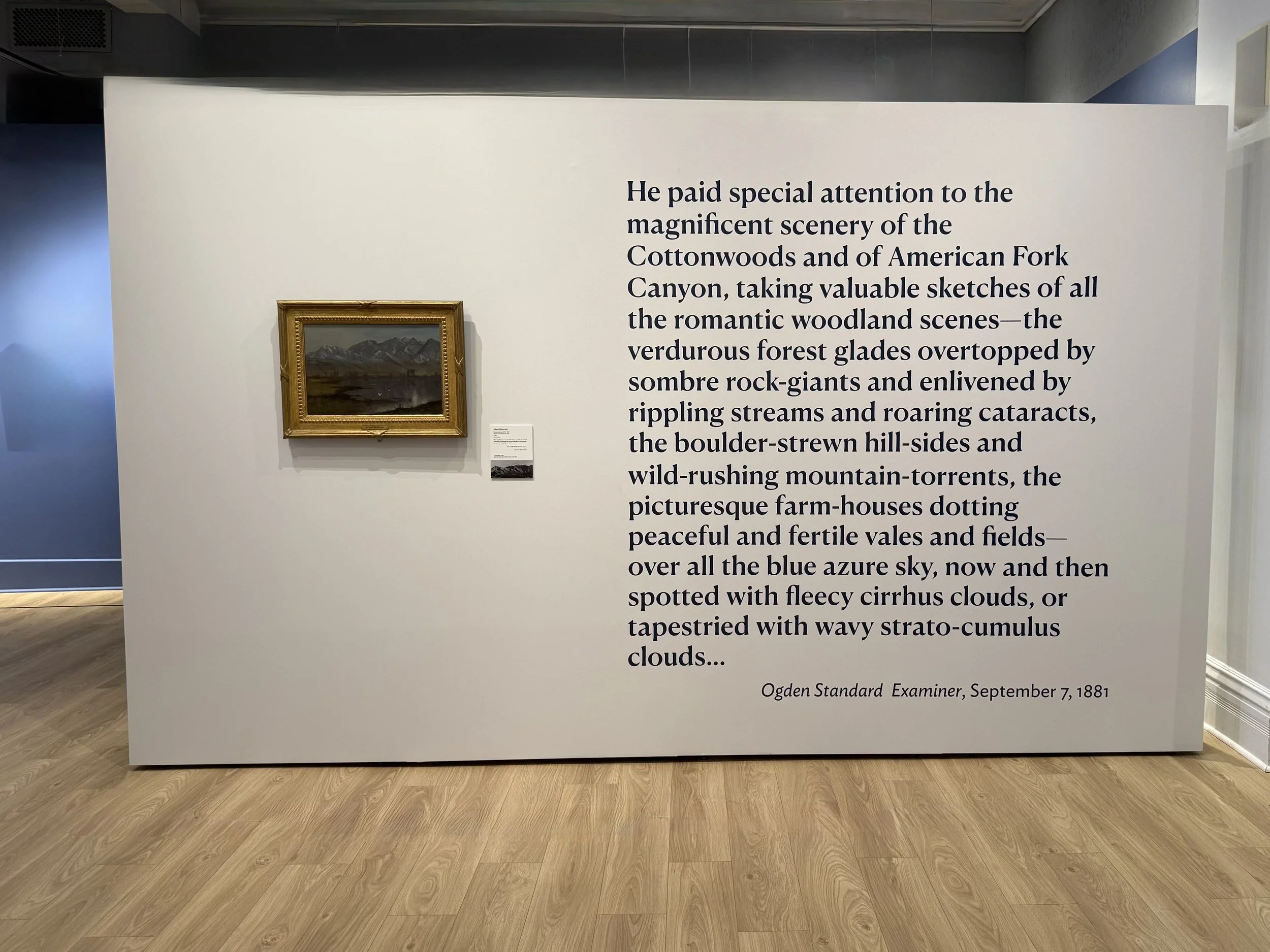
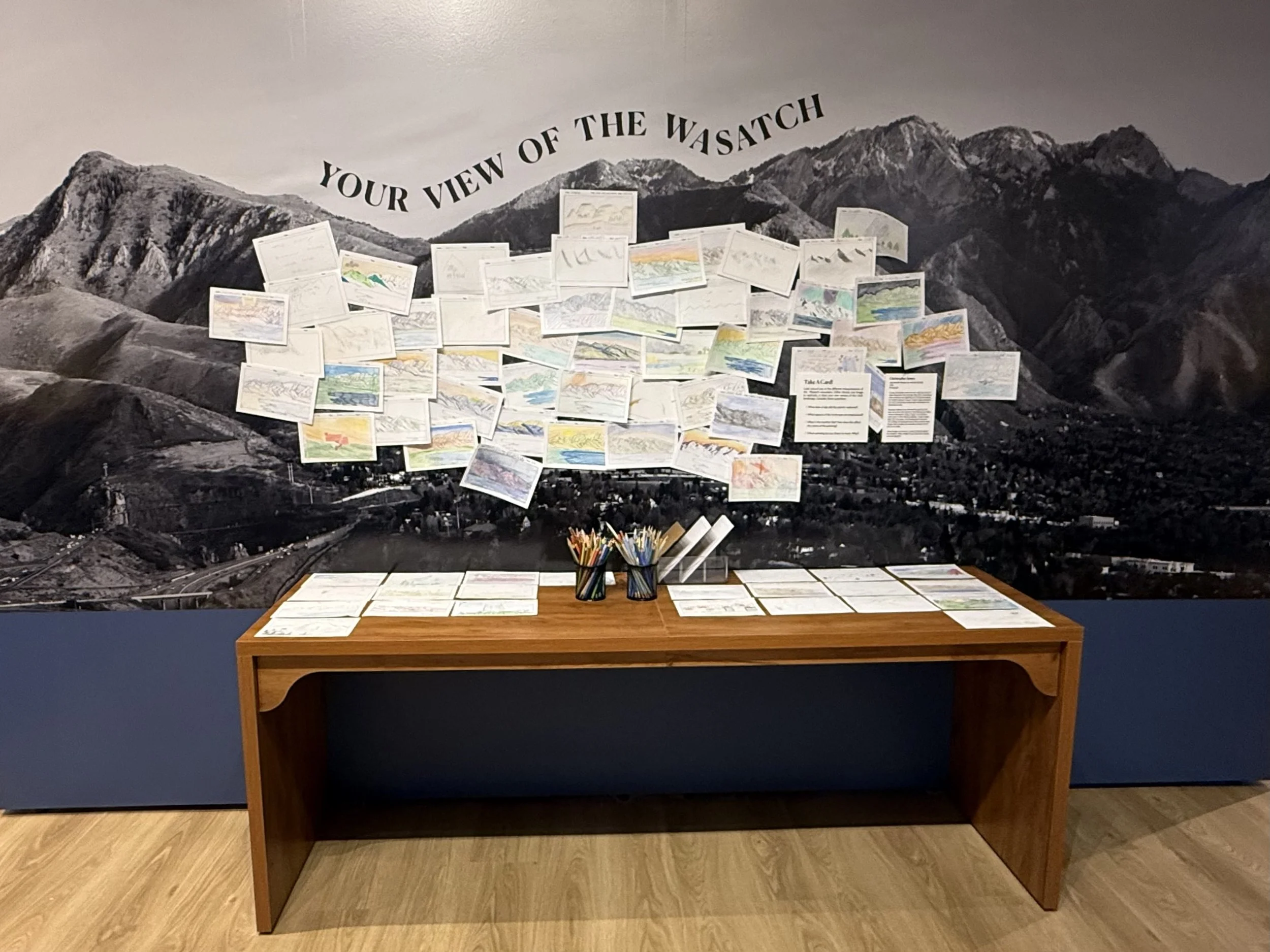
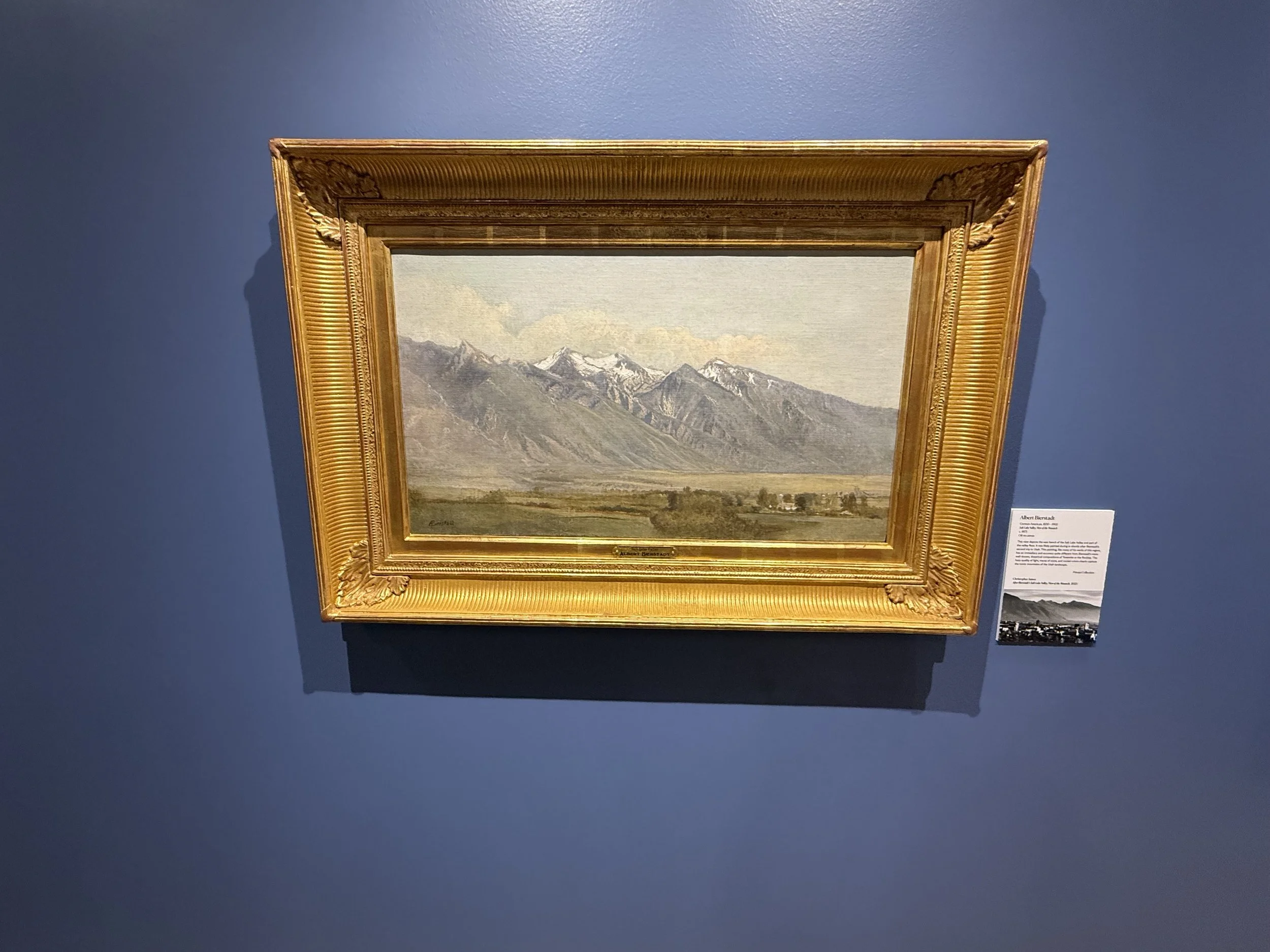
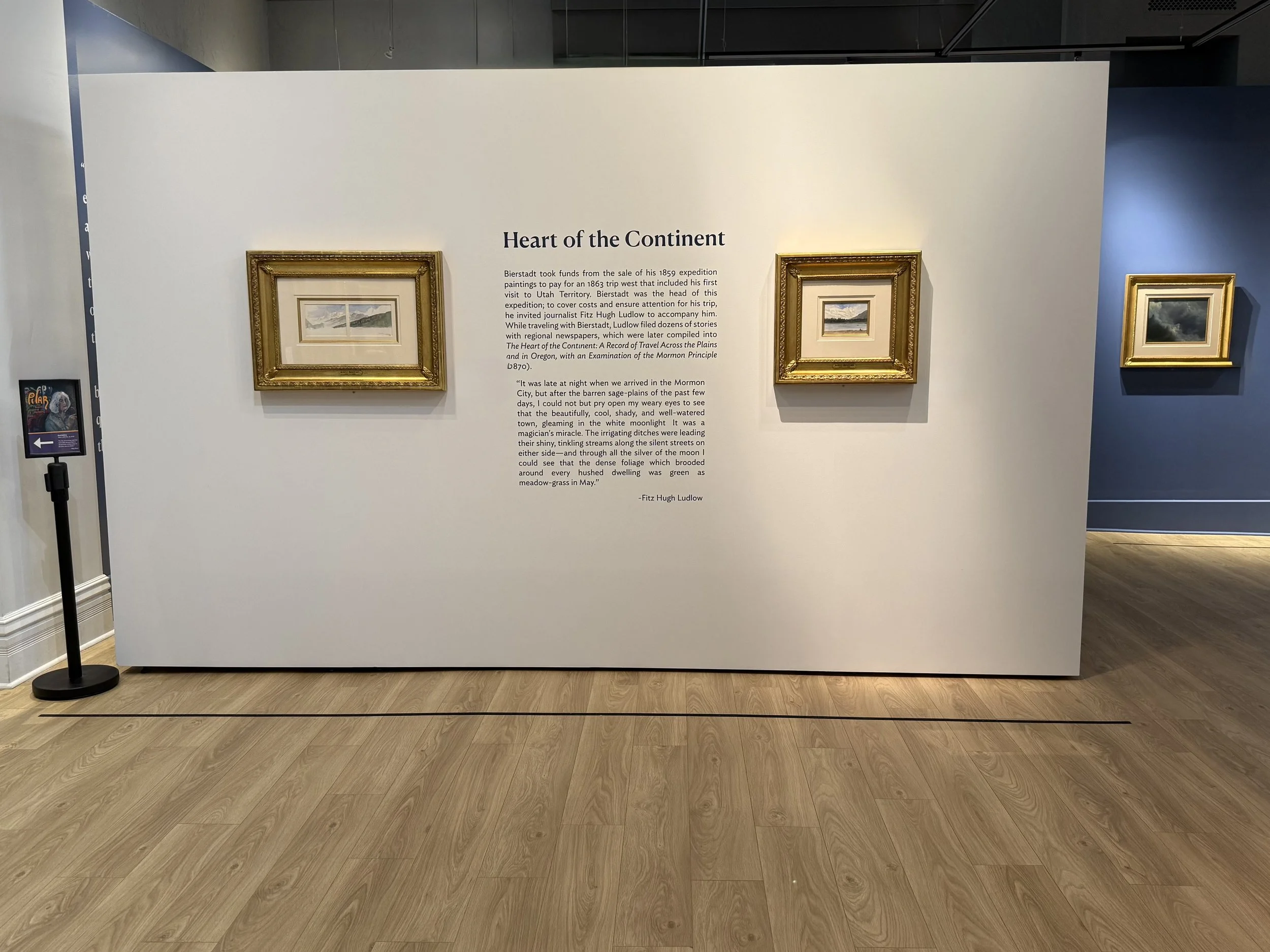
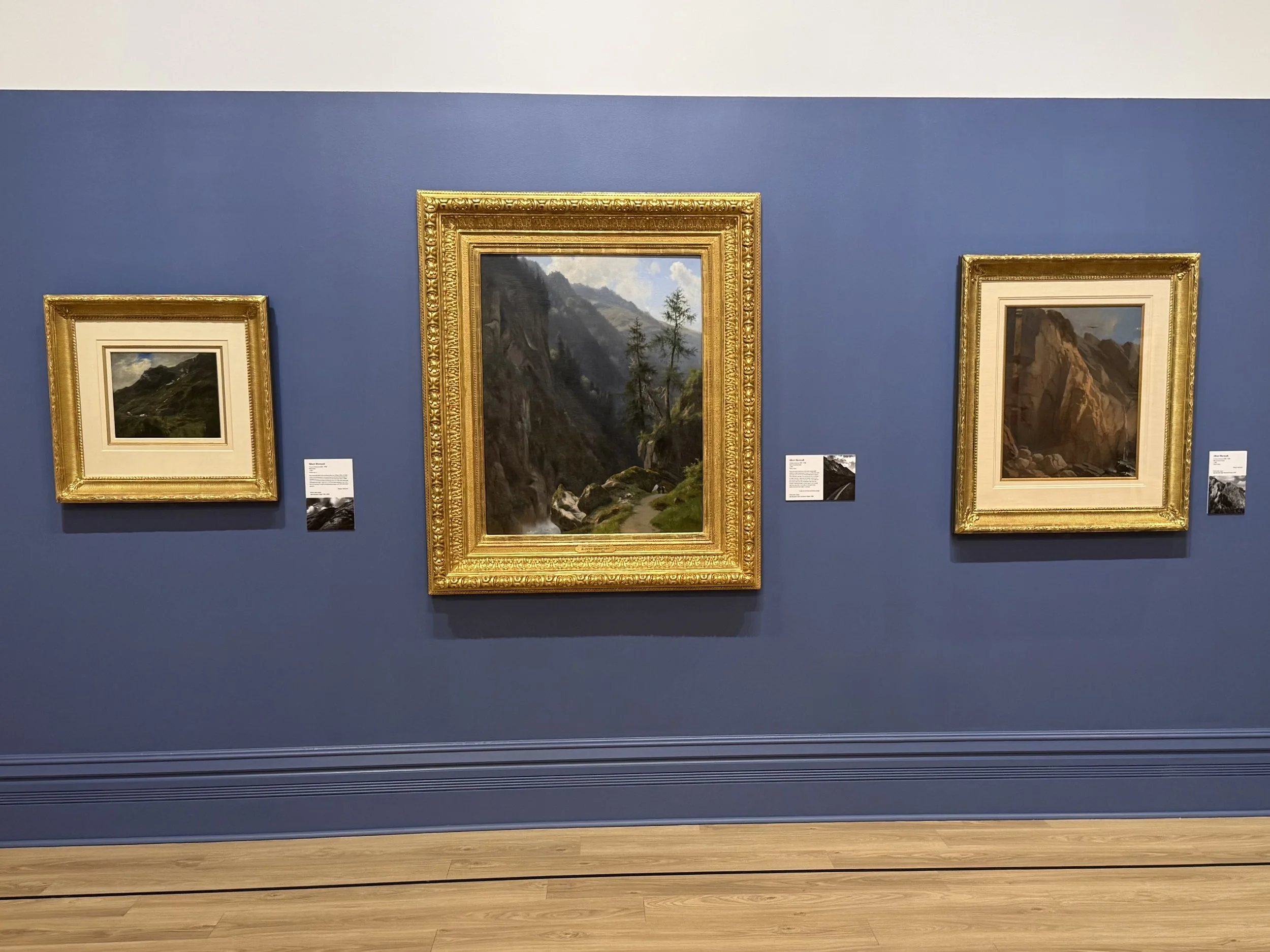
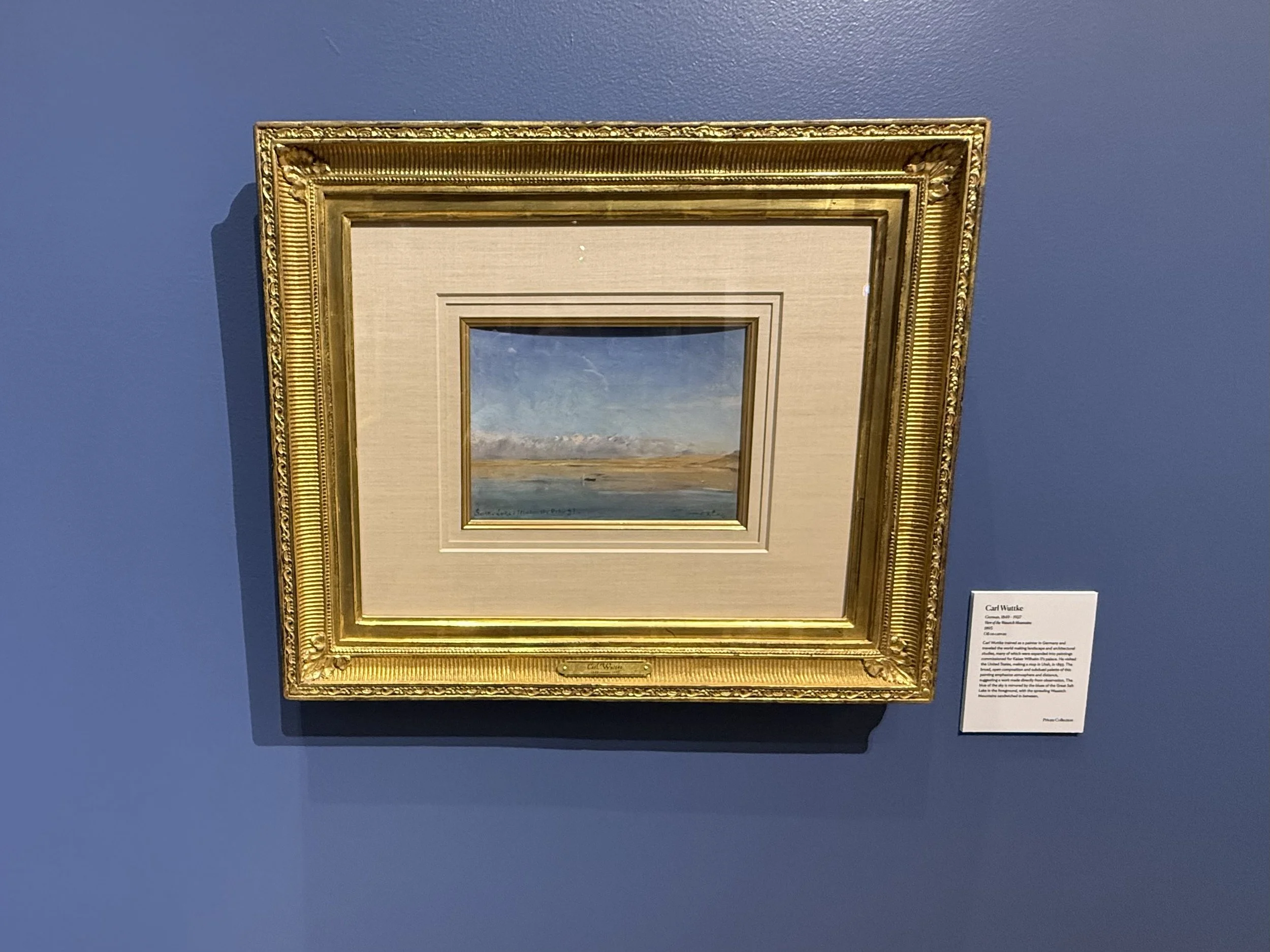
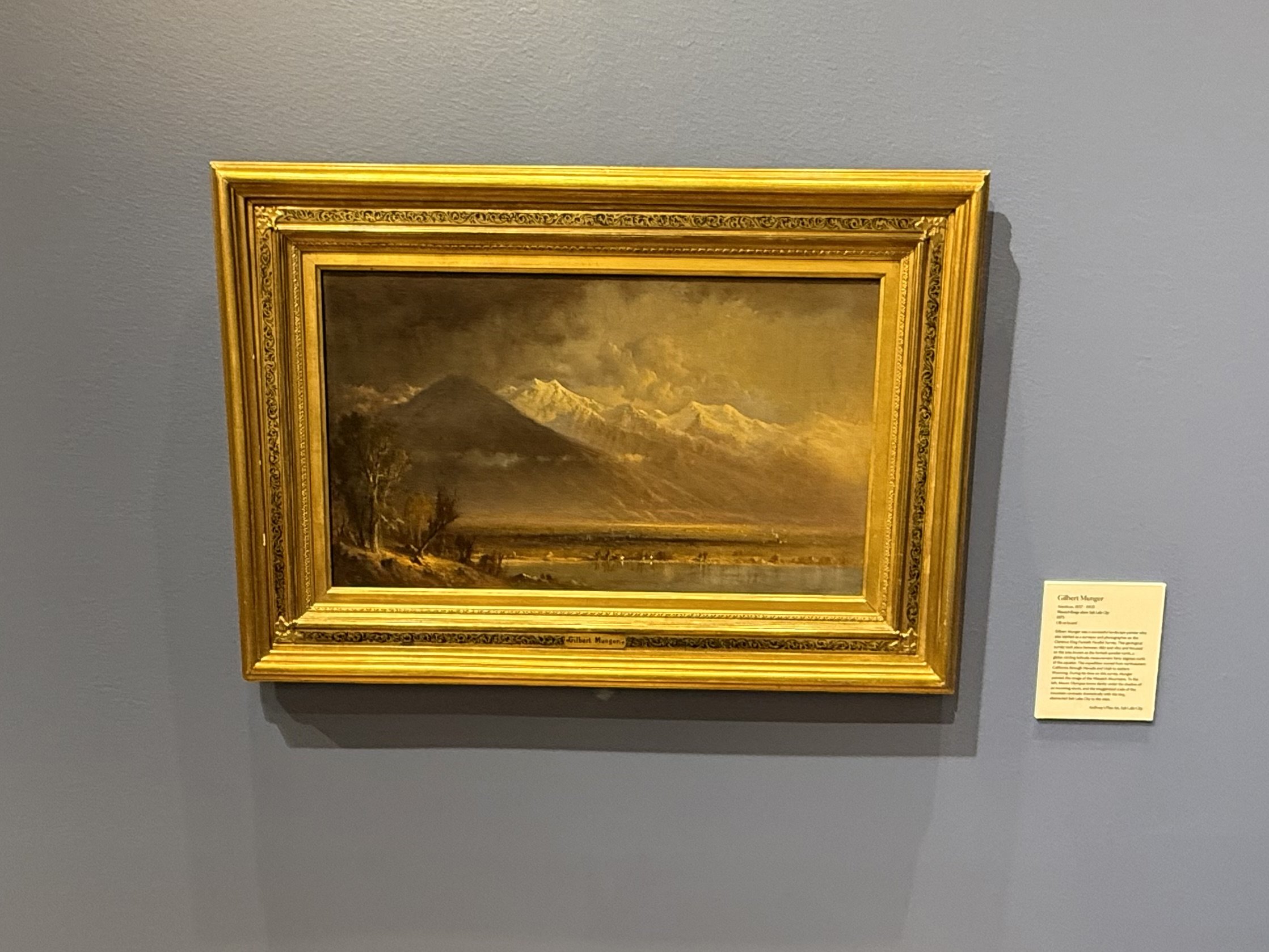
That combination is apparent in the museum’s inaugural exhibitions. In the Albert Bierstadt exhibit, for example, the familiar nineteenth-century landscapes become something more than beautiful paintings. Through extensive research, much of it conducted by Micah, the museum was able to identify a number of Bierstadt works as Utah landscapes that had not previously been recognized as such. Beside paintings of Utah locations, the museum has placed contemporary photographs of those same landscapes, inviting visitors to look not only at Bierstadt’s artistic interpretation but at what has happened to the land since he painted it. “You get a chance as a visitor to see how the landscape has changed over time and how human interaction has taken place on a landscape.” It is precisely the kind of intersection that interests him - art that opens the door to a larger conversation about history, place, and the world outside the museum walls.
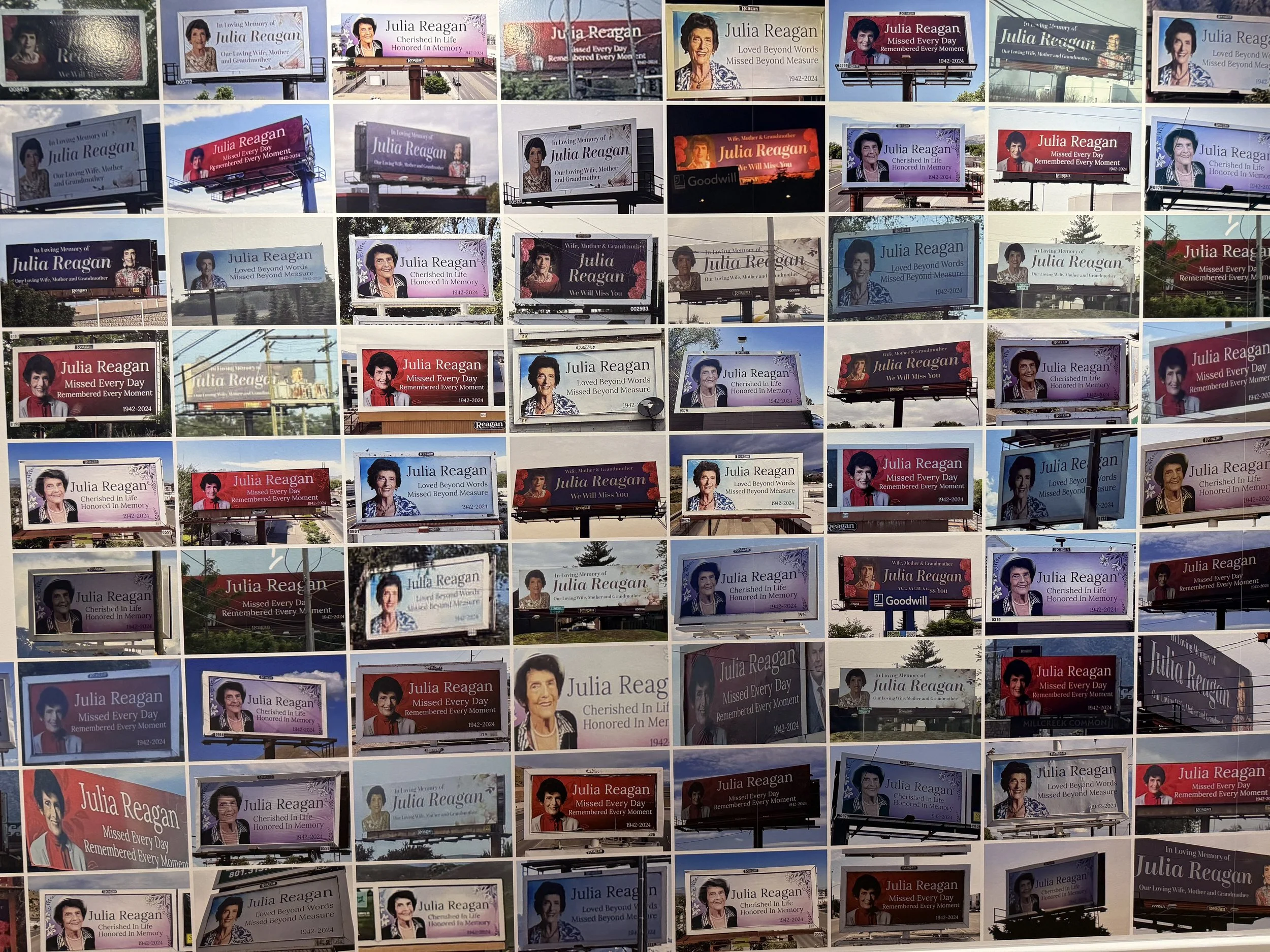
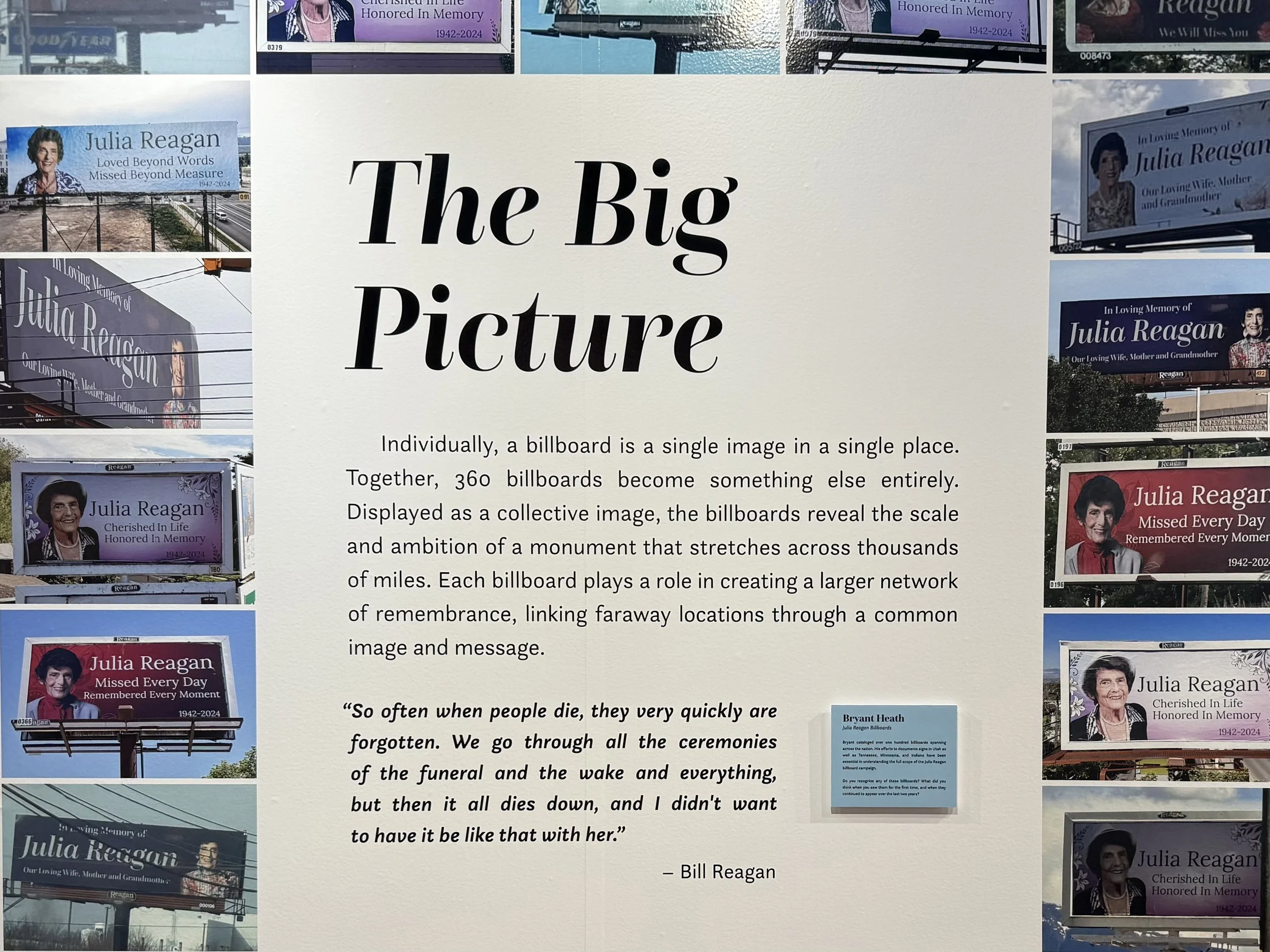
The exhibition devoted to Julia Reagan approaches history from an entirely different direction. Following the enormous public memorial that appeared throughout Salt Lake after her death - with billboards created by her beloved husband - Chris saw something unfolding that was simultaneously art, history, and an extraordinary expression of communal affection. The exhibition preserves that moment while exploring the woman behind the public tributes and the philanthropic and civic work she quietly supported during her lifetime. “To me, it was art happening before our eyes, and it was historic.”
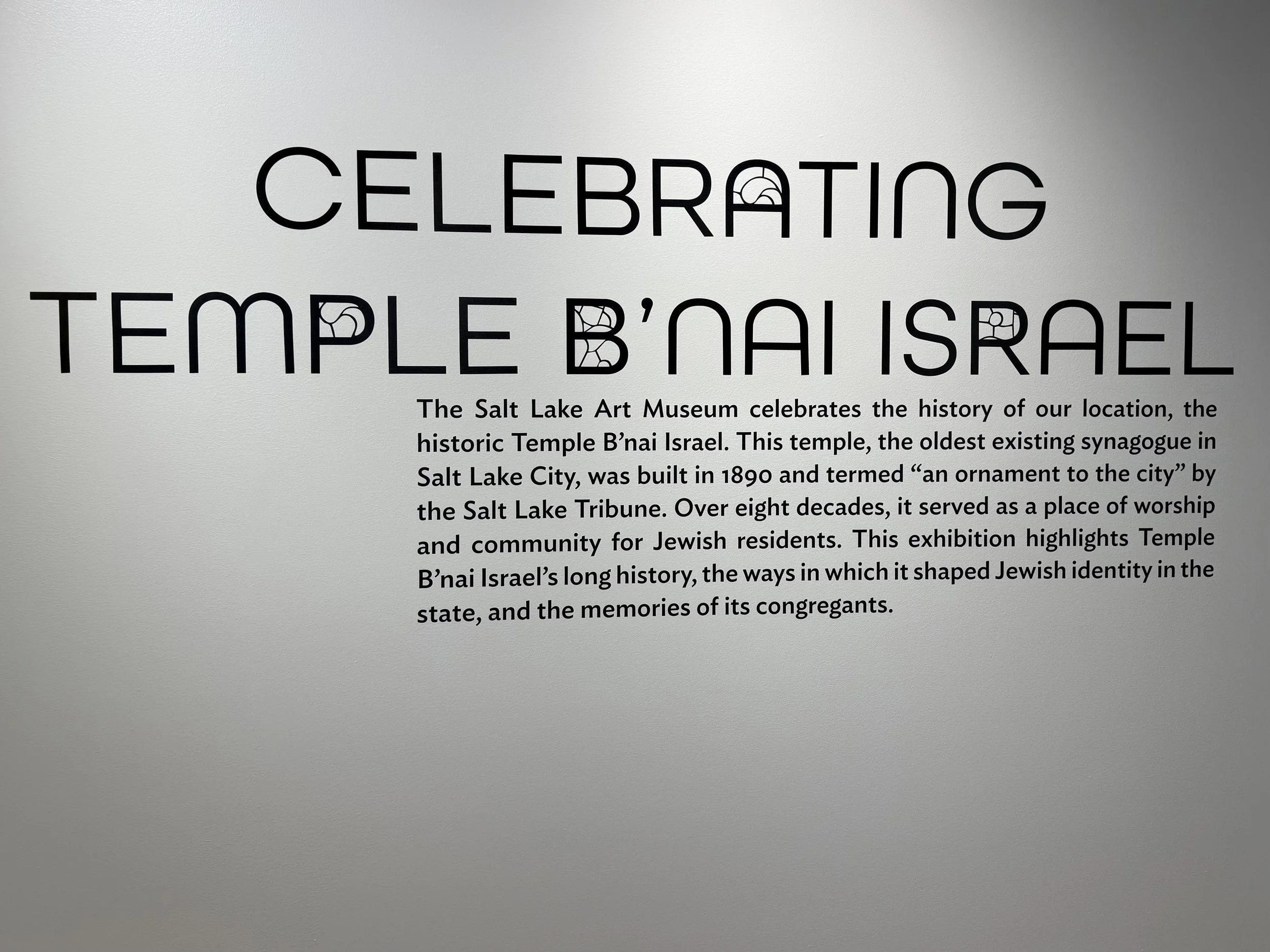
The former synagogue offers another layer. Rather than simply occupying a beautiful historic building, the museum tells the story of B’nai Israel and the Jewish community that once gathered within its walls. For Chris, these histories are not incidental to the art. They are part of what the museum is meant to preserve.
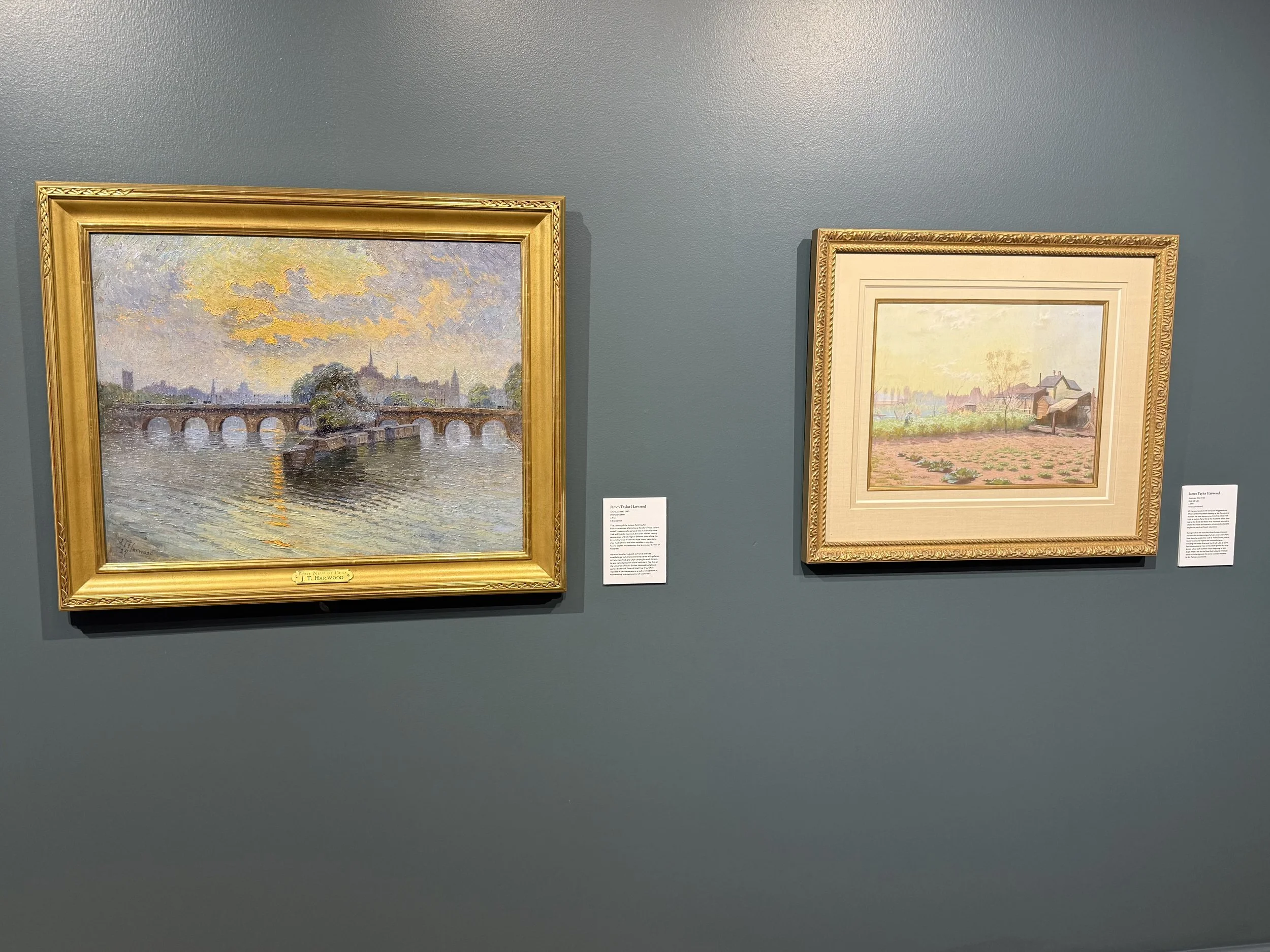
The approach will continue as exhibitions change. Chris and the museum’s curatorial team are already planning years ahead, with an emphasis on both historic and living artists and on the extraordinary breadth of art made in Utah. Native American, Latino, Japanese, Filipino, Samoan, and other artistic traditions are all part of the landscape Chris hopes the museum will explore, alongside well-known figures in Utah art and artists whose work has received far less attention. “We want people to think of this as a place to elevate Utah art and Utah art communities, and to come here and have a conversation with art.”
That conversation is meant to extend beyond the galleries. Chris hopes community organizations will use the museum, that schools will bring students, that businesses will gather there and that visitors will return as exhibitions change. Private tours can be arranged, and Chris and Micah are often the ones leading them. Schools have already begun signing up for field trips.
The public response surprised even those behind the museum. Approximately five thousand people came through on opening day, according to Chris, with a line stretching outside. Since then, he says, daily attendance has often been in the hundreds, with particularly busy Saturdays.
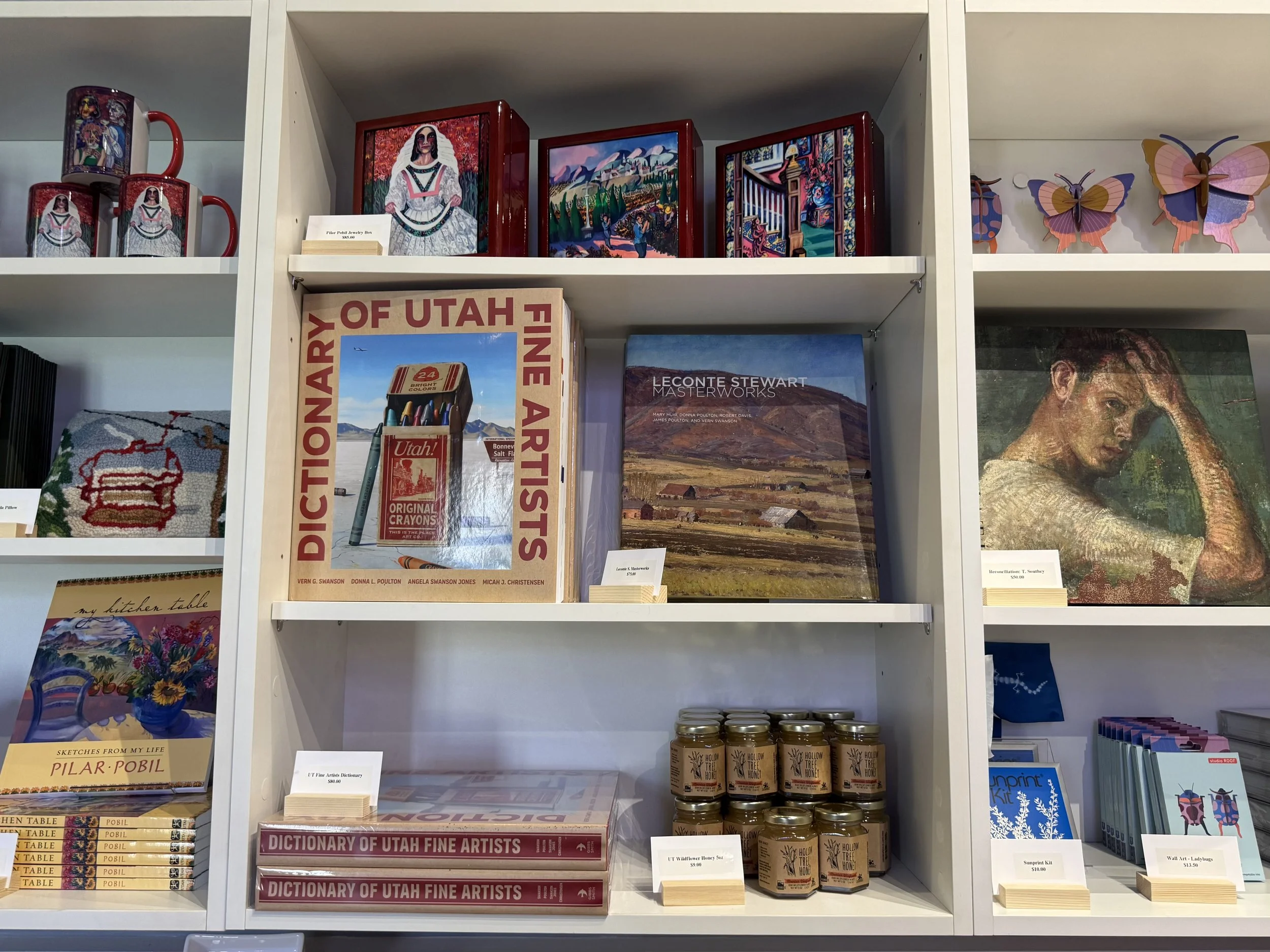
Yet one decision may say more about the museum than any attendance figure - admission is free. For Chris, that was never a minor detail. It reaches directly back to the child he once was. Growing up in poverty, art museums were not places his family could simply decide to visit. He remembers what it means when cost determines whether a child has access to art, education, and experiences outside his immediate world. When he and Micah began discussing what the Salt Lake Art Museum should become, they quickly agreed that they did not want admission to be a barrier - particularly for children and families who might otherwise never walk through the doors. The museum is supported through private donors, grants and voluntary contributions, allowing anyone to enter without buying a ticket.
It is difficult to imagine a more fitting use for this particular building. A structure erected more than one hundred thirty years ago as a place for a community to gather has once again become one - its original history preserved even as an entirely new chapter unfolds inside it.
For Micah Christensen, the Salt Lake Art Museum provides a public extension of a lifetime immersed in art and scholarship, and a natural evolution from the extraordinary world he and his father have created just up the street at Anthony’s. For Chris Jensen, it brings together a seemingly disparate collection of experiences - the child who loved to draw, the teenager who found freedom in old cars, the factory worker who rose through the ranks, the neuroscience executive, the preservationist, the nonprofit leader, and the community advocate. All of them, it turns out, have been leading him toward the same thing - helping people find connection and giving them a place in which to do it. “For me, kindness matters a lot,” Chris says. “I hope this museum gives kindness to the community, and I hope the community sees themselves in it.”