Visual Art Institute
Address: 2900 South 300 West
Telephone: 801-474-3796
Website: visualartinstitute.org
District: South Salt Lake
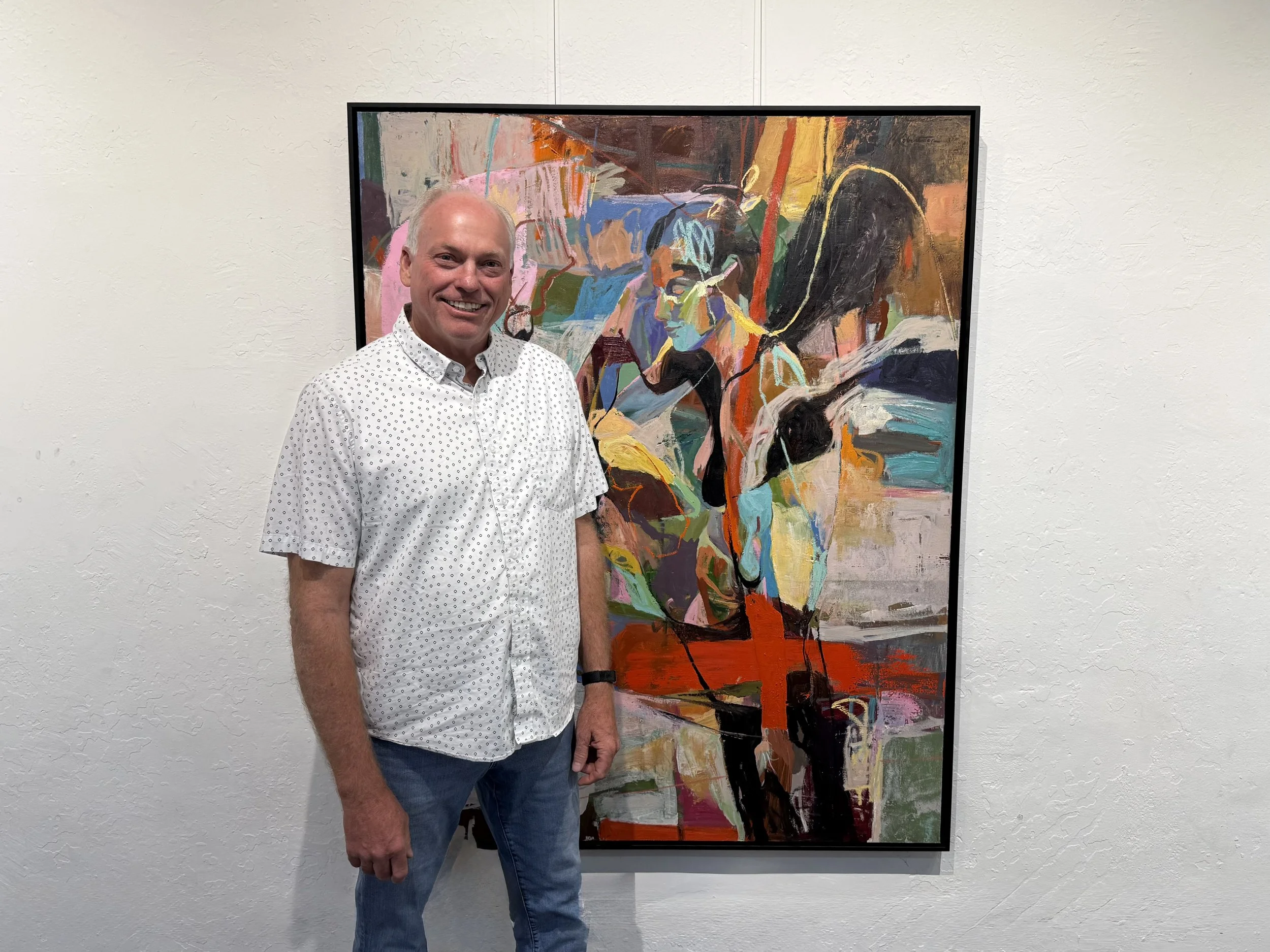
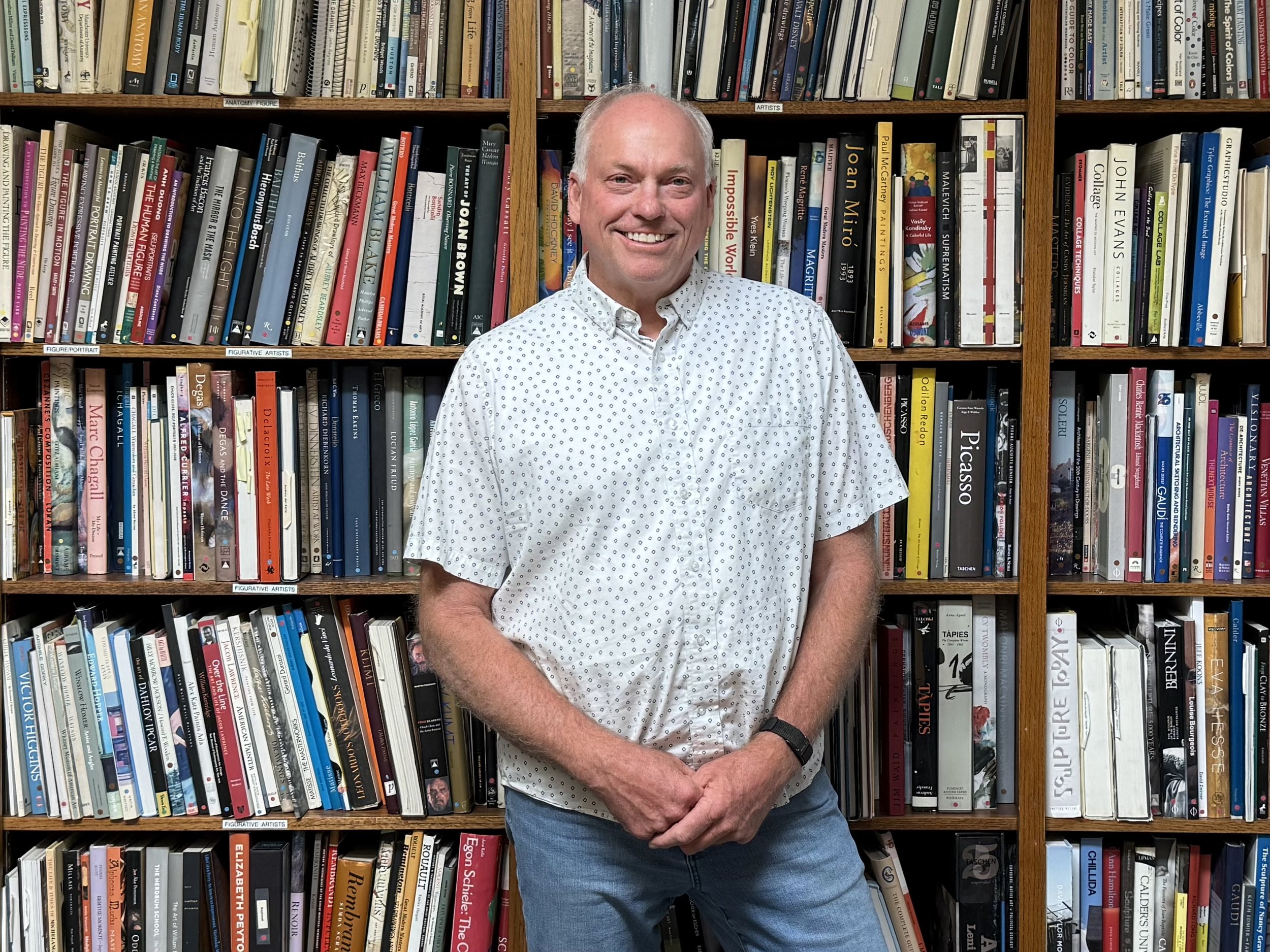
“I had a soft spot for the underdog, so I just kind of went in - and who needs sleep?” Bruce Robertson says it with a laugh, but after twenty-eight years as executive director of Visual Art Institute, the sentiment goes a long way toward explaining both the man and the place he has devoted much of his life to preserving, expanding, and quietly transforming.
Bruce grew up in Lakewood, California, close enough to the beach that much of his childhood was spent there, although art was already finding its way into his life through drawing, painting and an early interest in printmaking. There was another influence as well. His parents were both originally from Utah, and childhood visits brought him regularly to Roosevelt where his grandmother was an artist with her own gallery. Bruce remembers spending time in her studio surrounded by the smell of linseed oil and turpentine, an environment that stayed with him long after those visits ended.
Bruce came to Utah to attend Brigham Young University, initially studying printmaking before moving more deeply into drawing and painting, and graduated in 1984. He continued at California State University, Long Beach, where his work became increasingly mixed media, combining printed material with painting, while supporting himself through jobs that allowed him to work around his classes. Eventually, he came back to Utah where he entered the graduate drawing and painting program at BYU.
Teaching became part of his life almost by accident. Bruce taught while in graduate school, remained at BYU for five years, and later spent thirty-one years teaching as an adjunct at the University of Utah, all while building another career that would prove even more consuming.
That other career began after Bruce exhibited his work at Finch Lane Gallery where he shared a show with an artist who was teaching at Visual Art Institute under its founder, Stephanie Byrne. Stephanie came to the exhibition and subsequently asked Bruce if he would teach high school students at the Institute. He agreed and stayed for a year before returning his focus to BYU. A few years later, in 1998, Stephanie passed away.
Visual Art Institute had been founded by Stephanie in 1978 and is Utah’s longest-running nonprofit devoted to serving children through art. An adjunct professor at Utah State University, Stephanie had become concerned that many students arriving in college seemed to have lost the creativity that had once come so naturally to them as children. She believed there had been a disconnect somewhere along the way and began a program designed not simply to teach children how to make art, but to help them retain that instinct to explore, imagine, and create.
After Stephanie’s death, there was serious discussion about closing the school. Parents and students were asked for their thoughts, and someone raised a simple question: “What about that Bruce guy?” Before she died, Stephanie had been asked about him as well. Her response was equally simple - Bruce would be great. Bruce agreed to step in on an interim basis while someone permanent could be found. “I’m still here,” he says.
What he inherited was hardly secure. The school was in debt, families had already paid tuition for a summer program that could no longer take place, and there was no money available to refund them. Bruce devised a way for families to recoup what they had paid by reducing their tuition over the following three terms. They remained, the school stayed open, and Bruce began building upon Stephanie’s foundation.
At the time, Visual Art Institute was housed in the former Garfield Elementary School and was still primarily a place for children and teenagers. When the organization eventually moved to Highland Drive in 2011, Bruce saw the opportunity to broaden its reach. Adult classes were introduced for the first time, Saturday programming was added, and what had once been described as a school “for children who love to draw” became a place where virtually anyone could walk through the door.
Bruce taught throughout it all, often six days a week, while overseeing the Institute and continuing to develop programs he believed were missing elsewhere. One of the most significant is Figure Academy, an intensive summer program he created more than twenty years ago after watching high school students spend large sums attending university summer programs yet return without the focused body of work they needed for a portfolio.
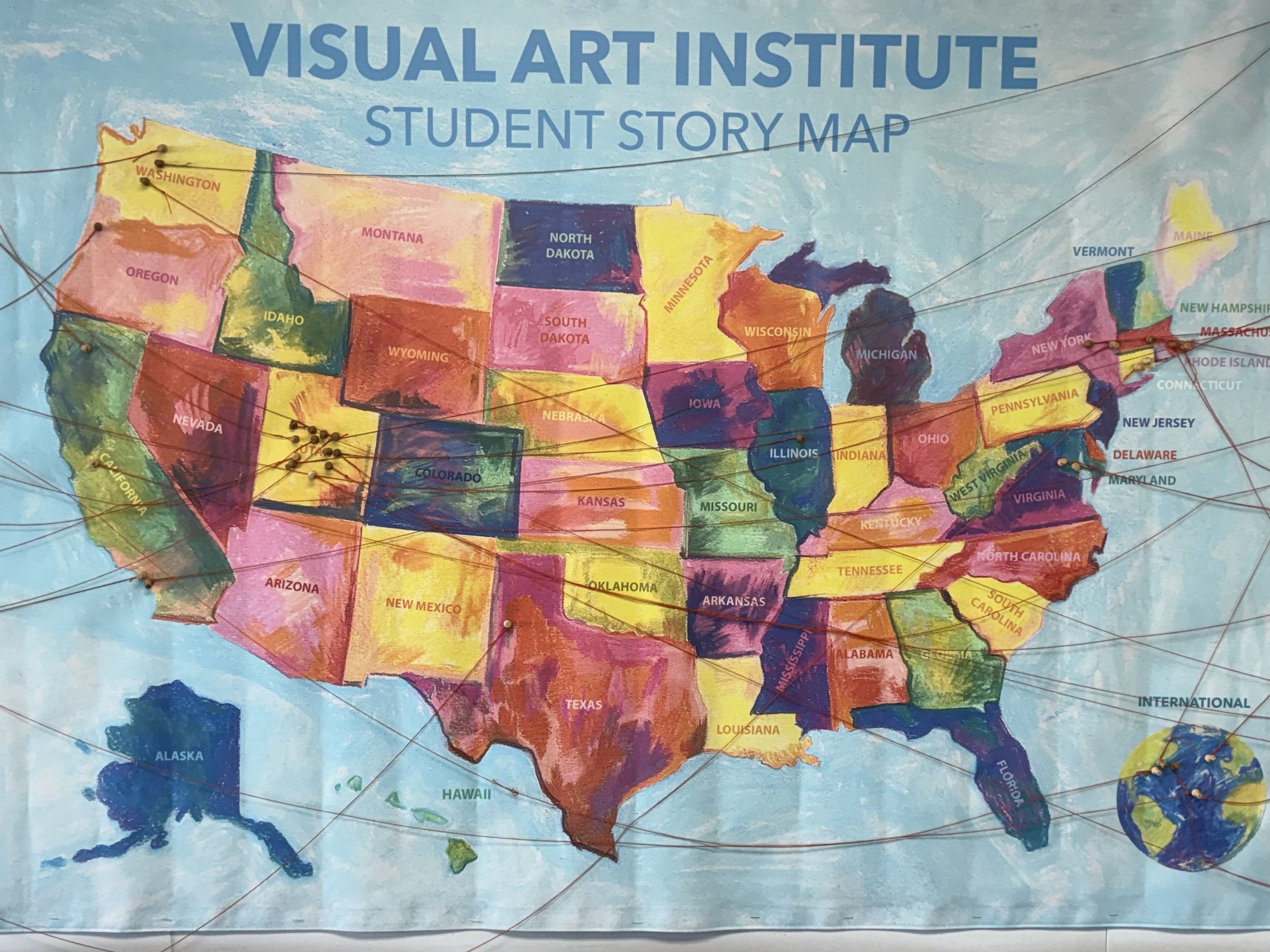
Figure Academy started with sixteen students and grew into one- and two-week intensives in which young artists spend long days working from live models, drawing, painting, receiving critiques and developing work substantial enough to become part of college portfolios. Students have come from across the United States and as far away as Japan, China and Mexico, and many former Visual Art Institute students have gone on to receive scholarships, attend leading art schools, and establish careers of their own.
For Bruce, however, achievement has never been solely about where a student ultimately lands. It is rooted in a teaching philosophy that dates directly back to Stephanie. Students are given skills, guidance, and serious instruction, but they are not asked to imitate the teacher or emerge with identical versions of the same project. “We provide the space, we provide the concept and the instruction, but we don’t try to fit them into a mold. We let them explore and become who they’re going to be.” That philosophy now extends well beyond children.
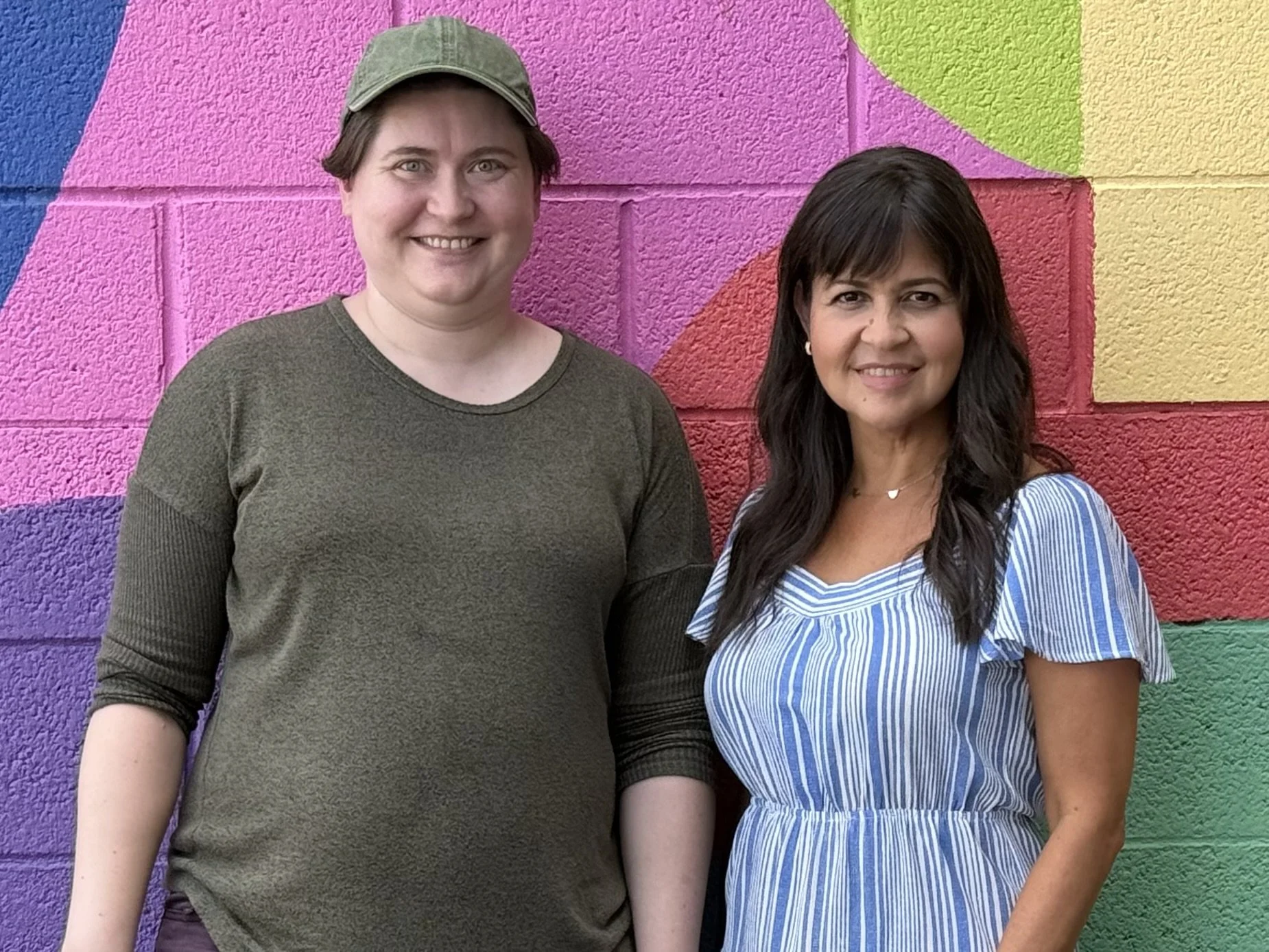
Yami Muñiz first discovered Visual Art Institute not as an employee, but as a mother searching for the right art classes for her daughters. Raised in Puerto Rico as the oldest of six children, she grew up surrounded by art and music, largely through her father, a musician. After studying mass communication and broadcast media at the University of Wisconsin-Milwaukee, Yami spent years working in television and media production in Florida, California, and Puerto Rico before moving to Utah with her husband and two daughters following Hurricane Maria.
Her daughters began taking classes at Visual Art Institute, and Yami eventually joined the team herself, working with events, outreach, and finances. She now helps introduce the Institute to people who might otherwise never realize what is inside, through community festivals, private gatherings, corporate events, birthday celebrations, and other programs that bring new visitors through the doors.
Jessica Bedingfield arrived by a different route. Raised in Logan, she studied political science and art history at Utah State University before spending years working with arts organizations and nonprofits, from the Bountiful Davis Art Center and Davis Arts Council to grant work that ultimately had her distributing millions of dollars in COVID relief funds across Utah, Wasatch, and Summit Counties. Eventually, she wanted to return more directly to the visual arts and joined Visual Art Institute as program manager, helping students find classes that suit them and overseeing the Institute’s tuition assistance program.
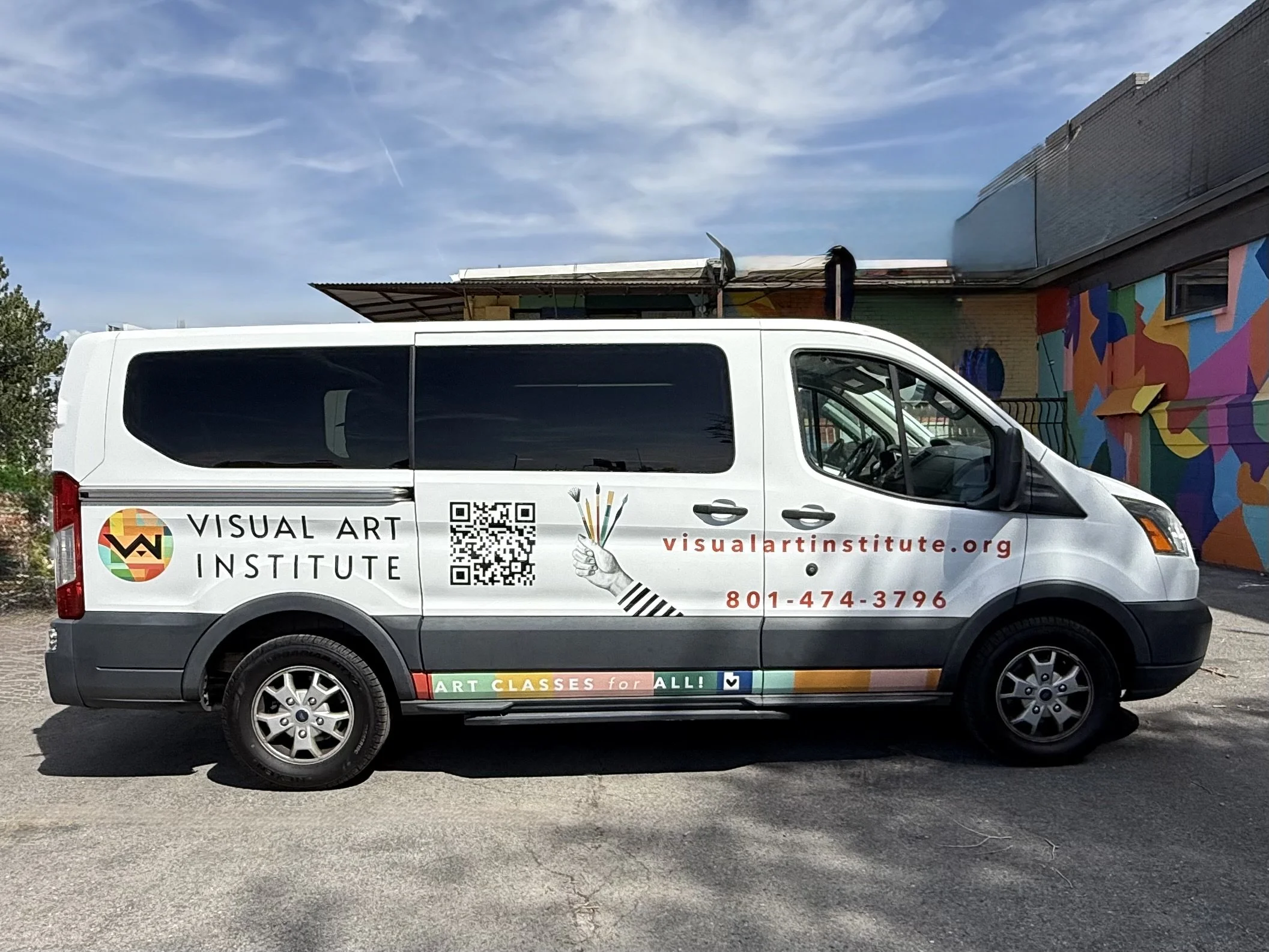
That commitment to accessibility runs deeply through the organization. Bruce says no one has been turned away for financial reasons in the twenty-eight years he has led it. Foster children have participated through tuition assistance, the Institute has worked with at-risk youth and organizations serving terminally ill adults, and it has increasingly partnered with schools and community groups that might otherwise have difficulty accessing arts education. Two recently acquired vans now make it possible to bring students to the building when transportation itself is the barrier. “I can’t do anything about your time,” Bruce tells families, “but I can do something about the tuition, and I can do something about what education you get.”
In 2023, the Institute itself underwent its most dramatic change when its Highland Drive building was sold for redevelopment. Visual Art Institute closed there on March 28 and opened in its present South Salt Lake location on April 1.
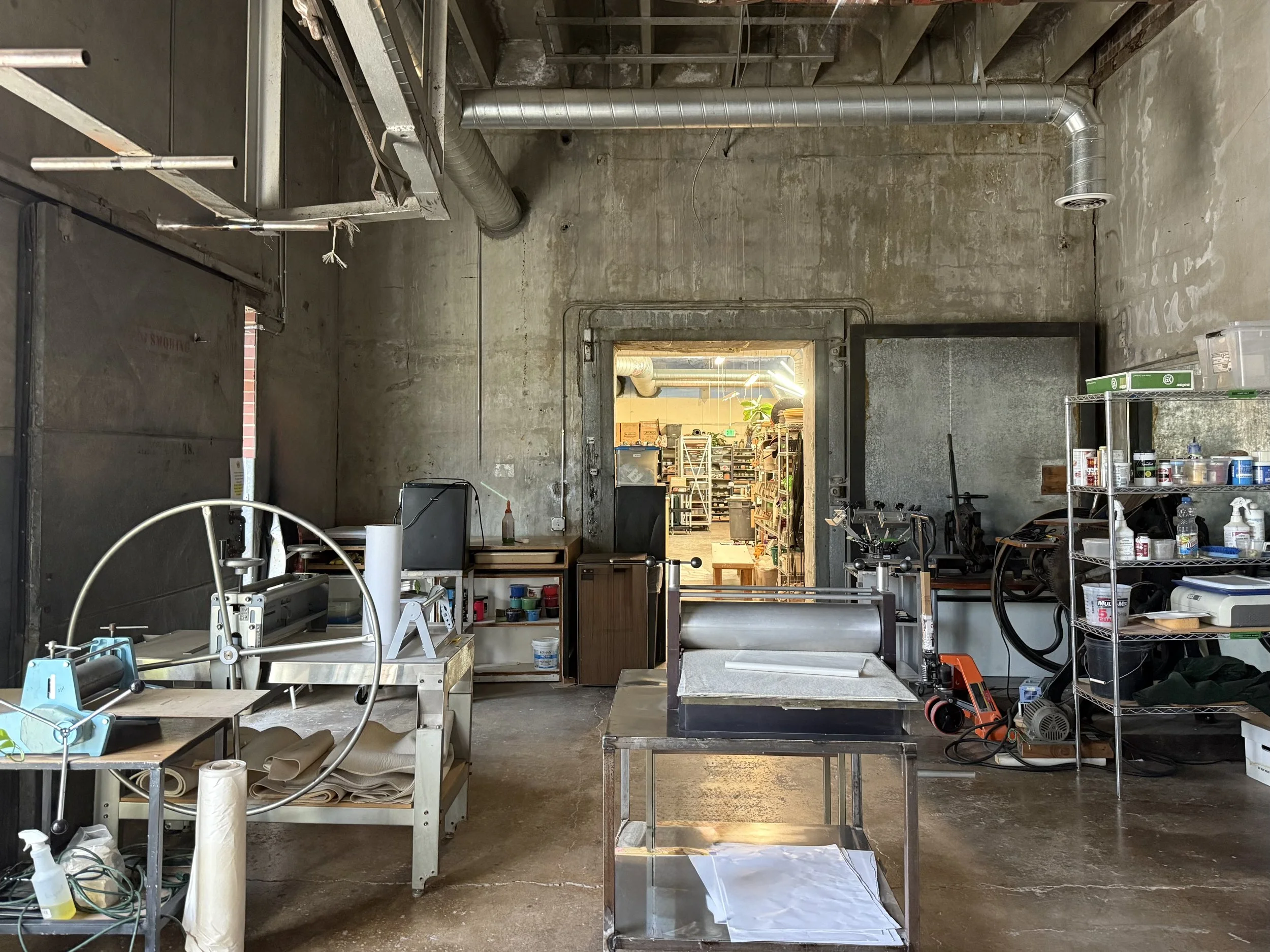
The new home could hardly be more different. Originally built as the Joe Dockterman & Son meat packing plant, the property later became a furniture store and then a gym before sitting vacant after COVID. Today, approximately twenty thousand square feet have been reimagined as an enormous labyrinth of studios, workrooms, gathering spaces, and areas still waiting to be developed. Only by walking through it does the full scale begin to reveal itself. Each doorway reveals another possibility, and all of it is tied together by the same philosophy Stephanie Byrne began with nearly fifty years ago.
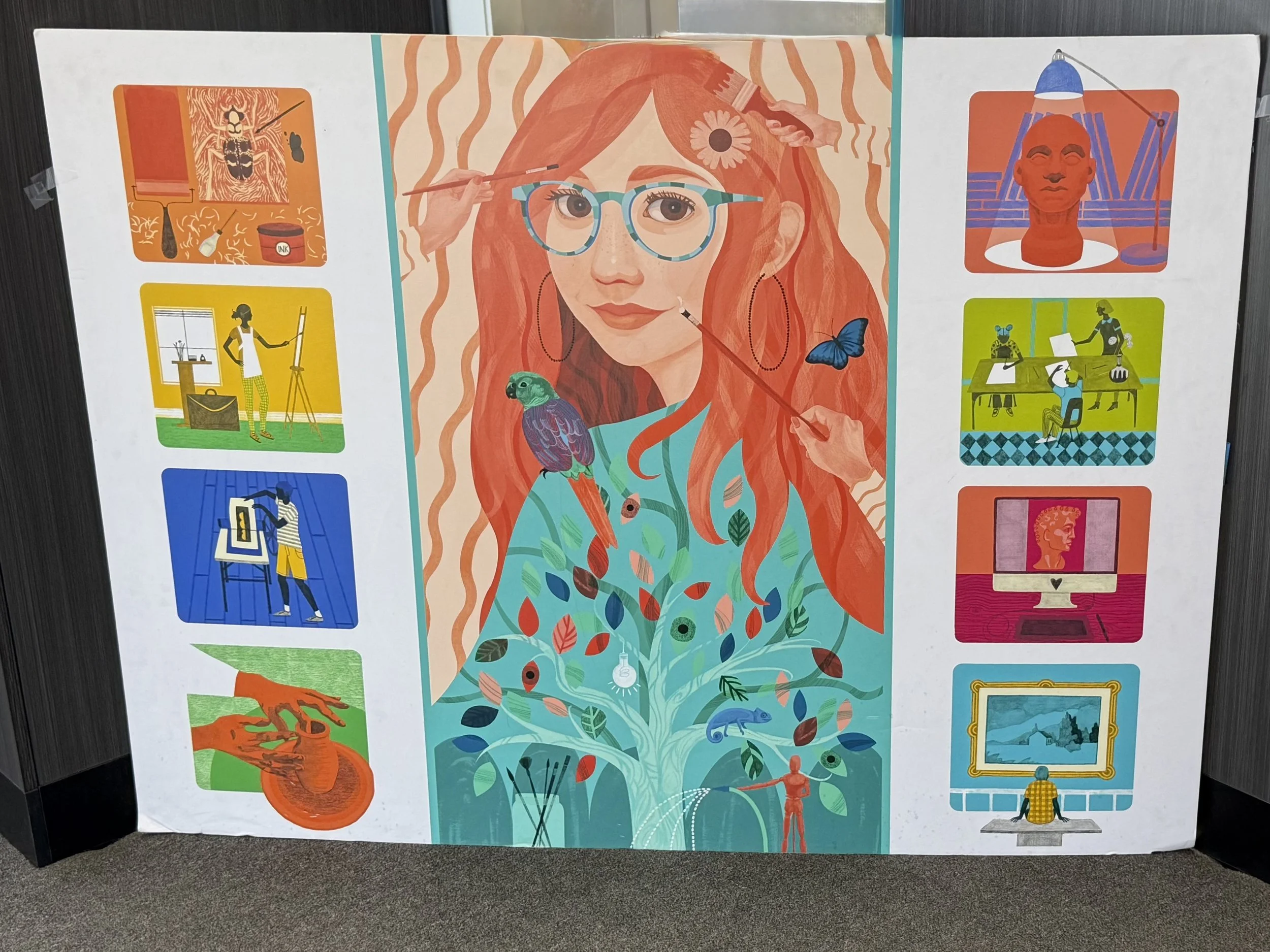
The Youth and Community Studio provides an accessible space for younger students and community programs, with a lift for wheelchair access and whimsical artwork watching over the room. Nearby is a library filled with art books and remnants of the building’s earlier life, including original freezer doors and rails from its meat packing days.
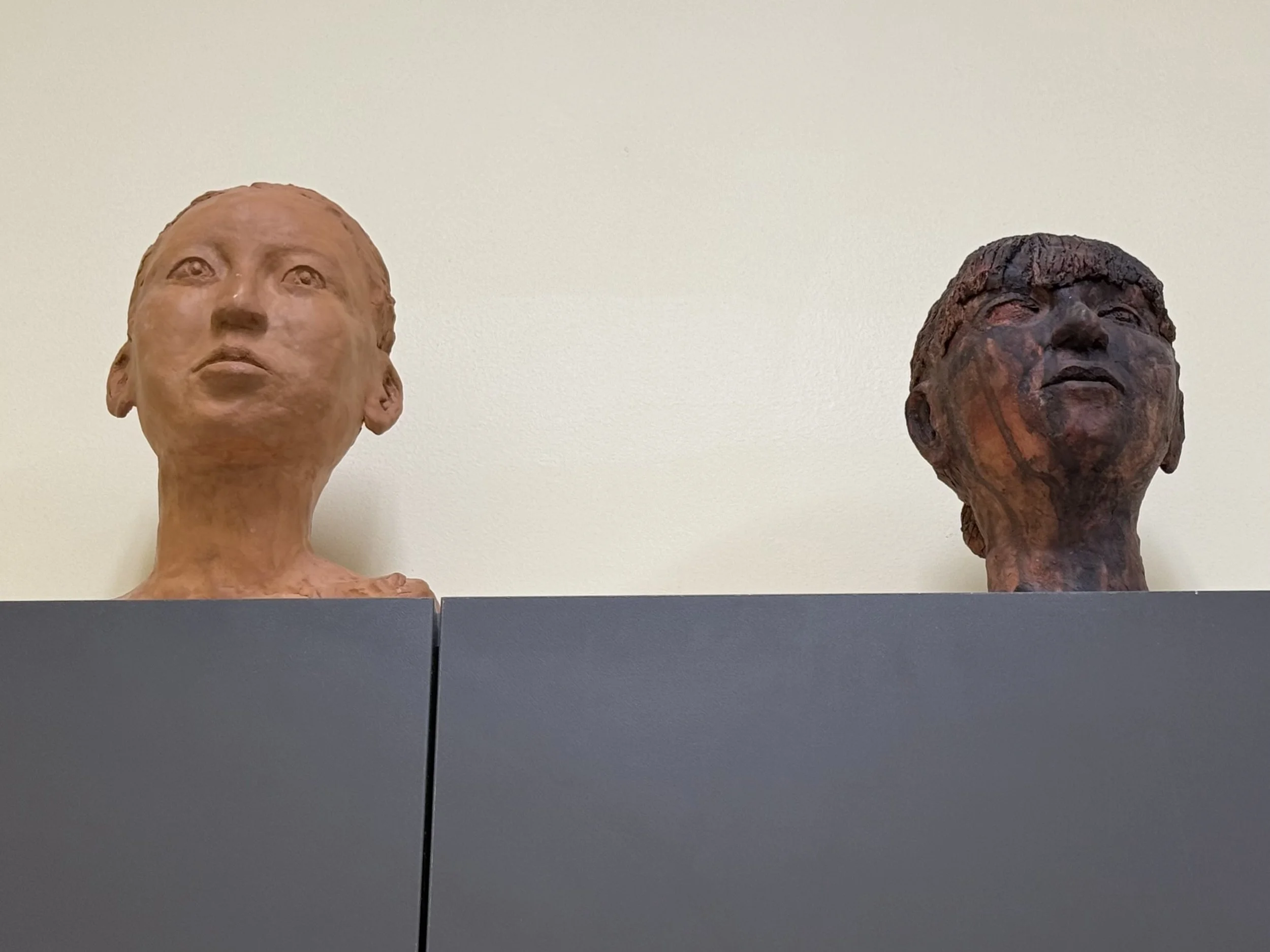
The gallery and multipurpose room hosts exhibitions as well as programs with partner organizations, while Bruce’s small atelier gives him a place to work and occasionally teach alongside one or two students. There is a large figure drawing studio that accommodates Figure Academy and painting classes, and will eventually accommodate sculpture.
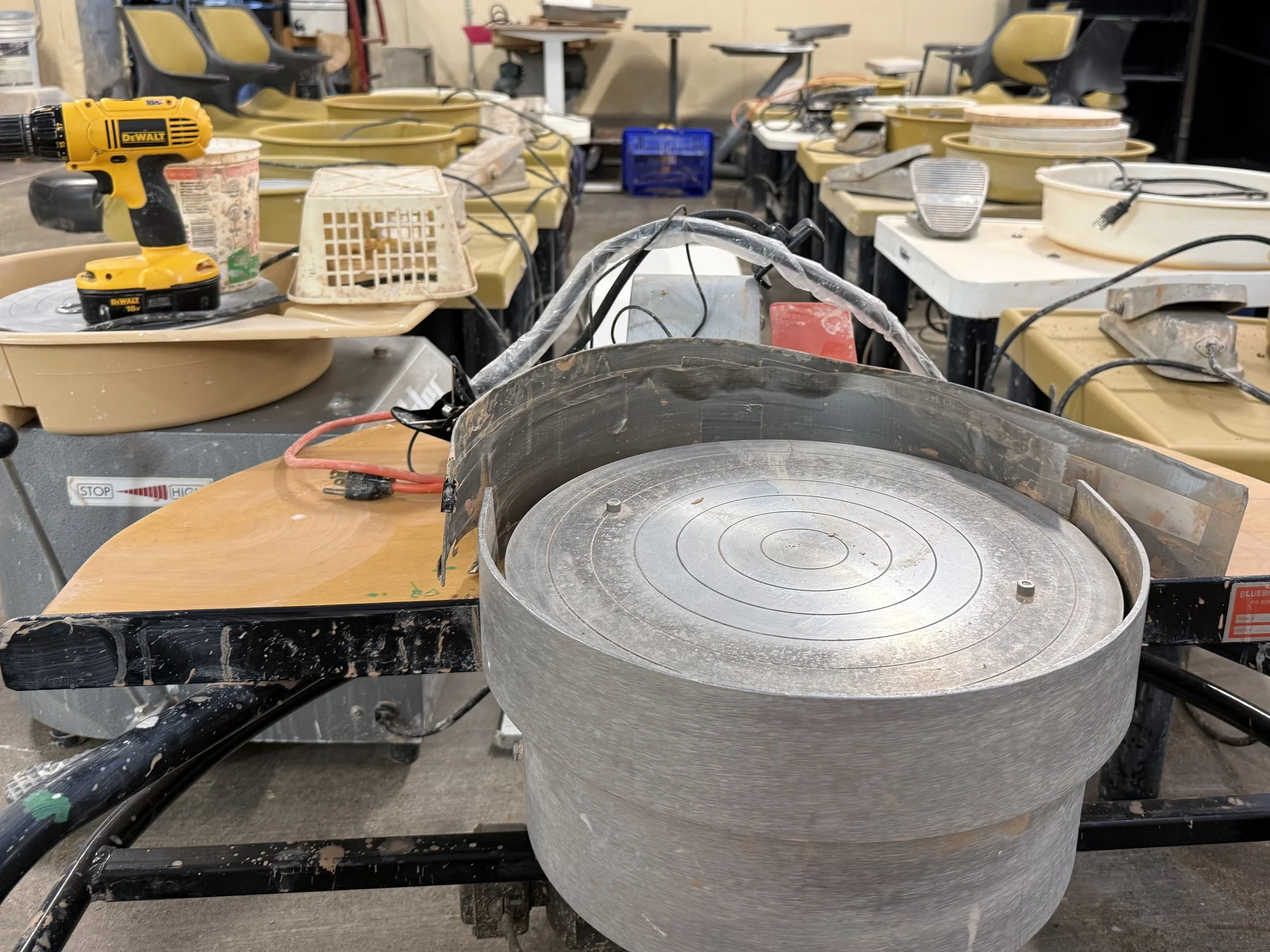
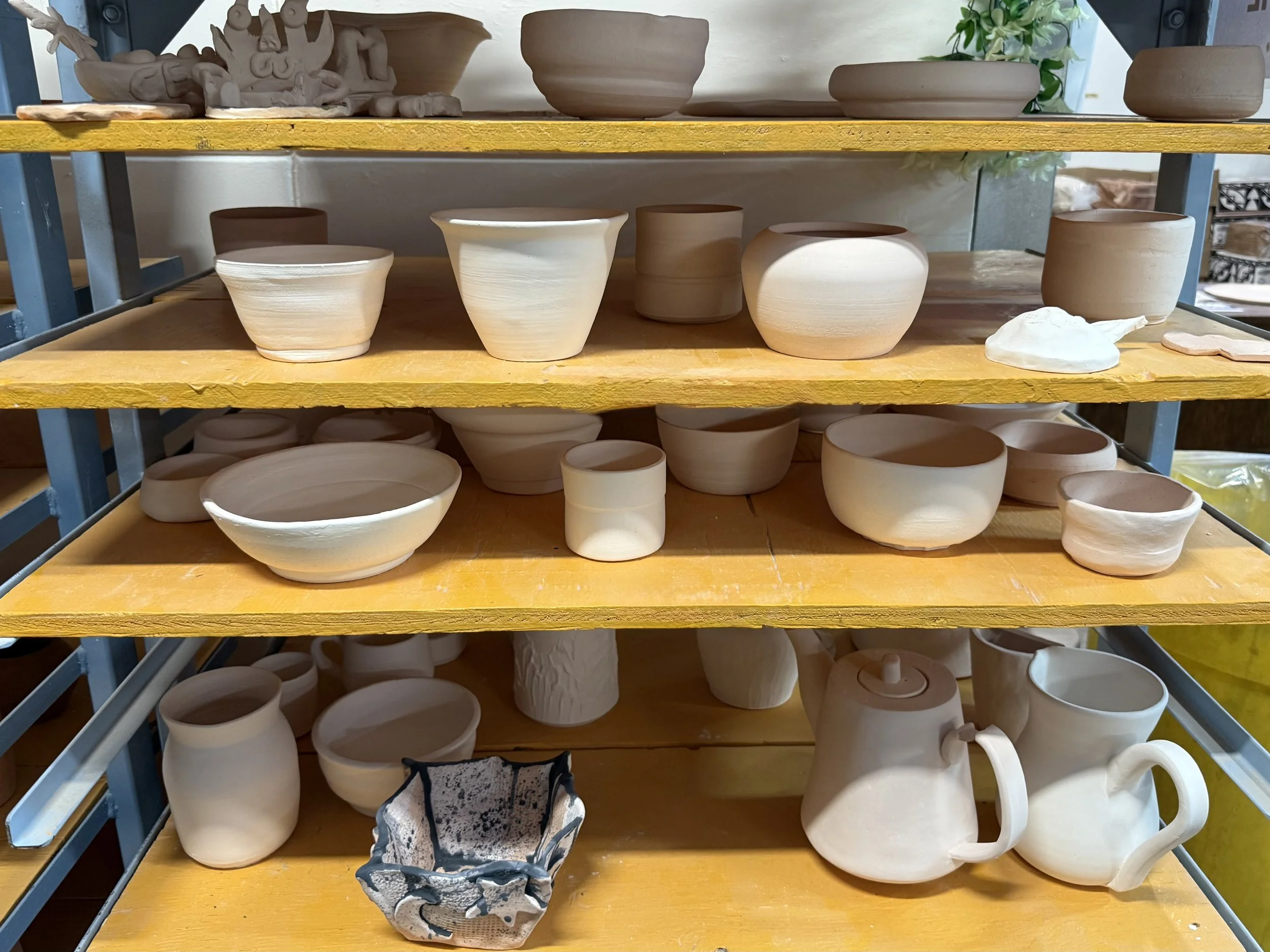
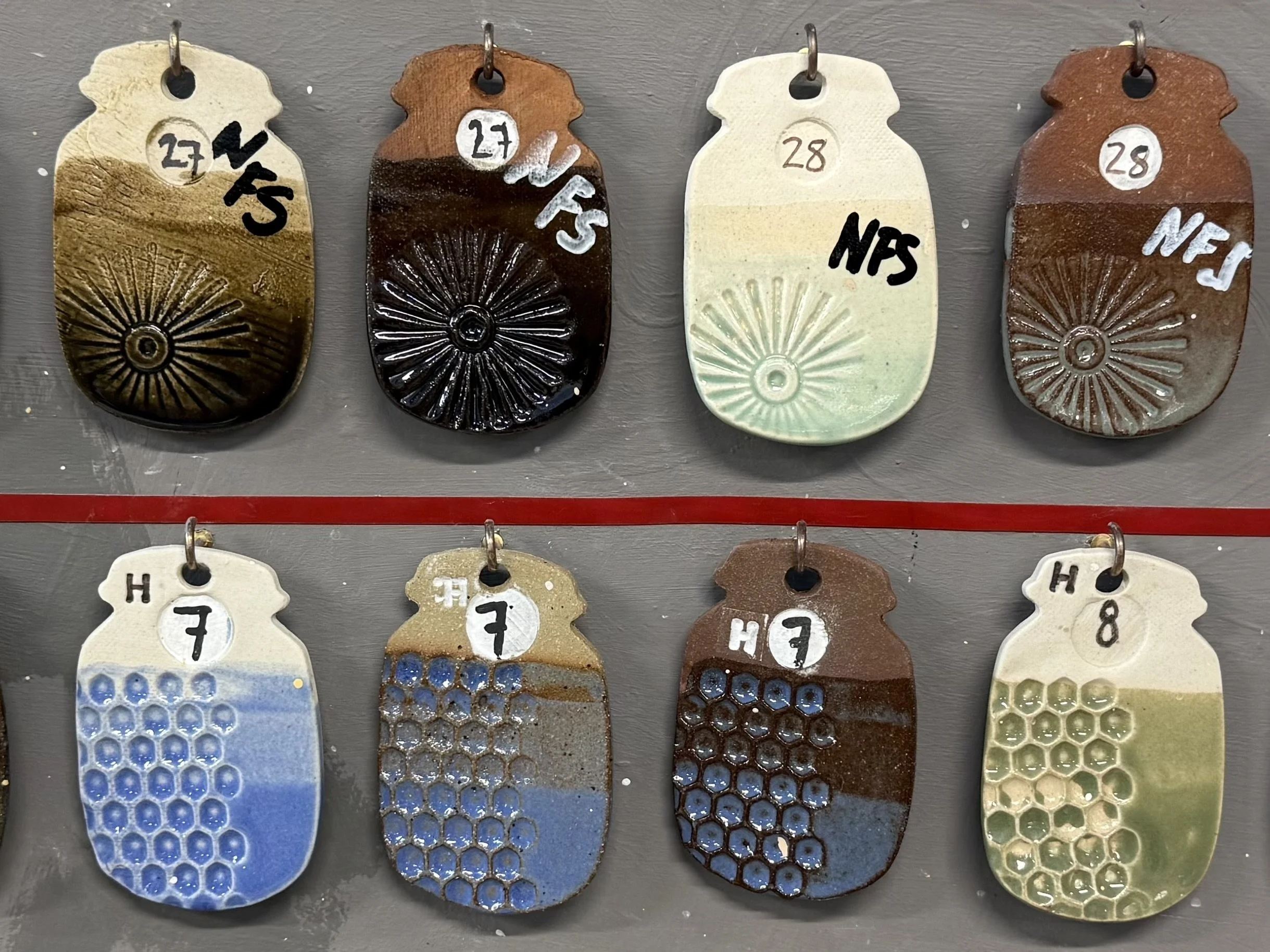
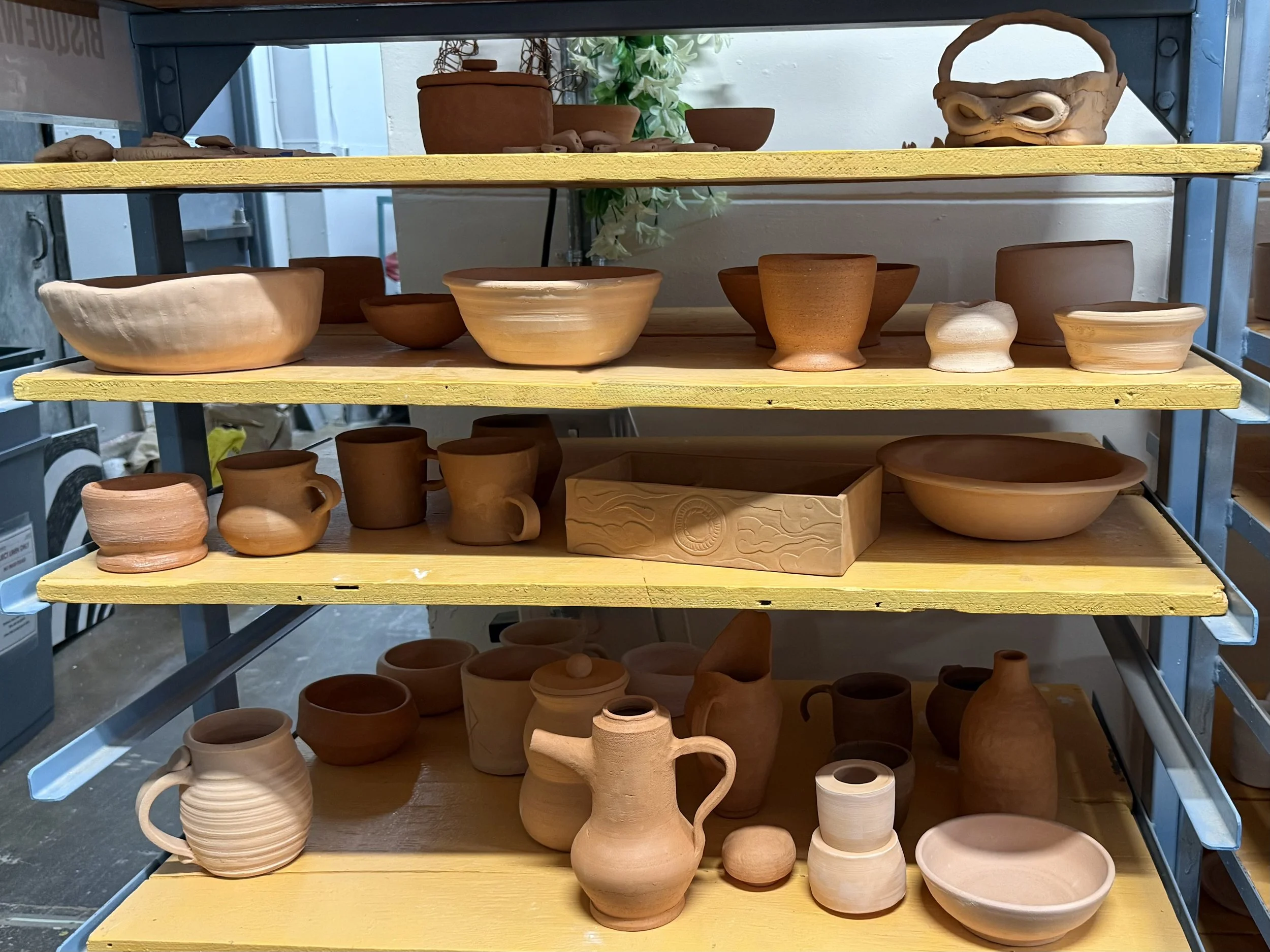
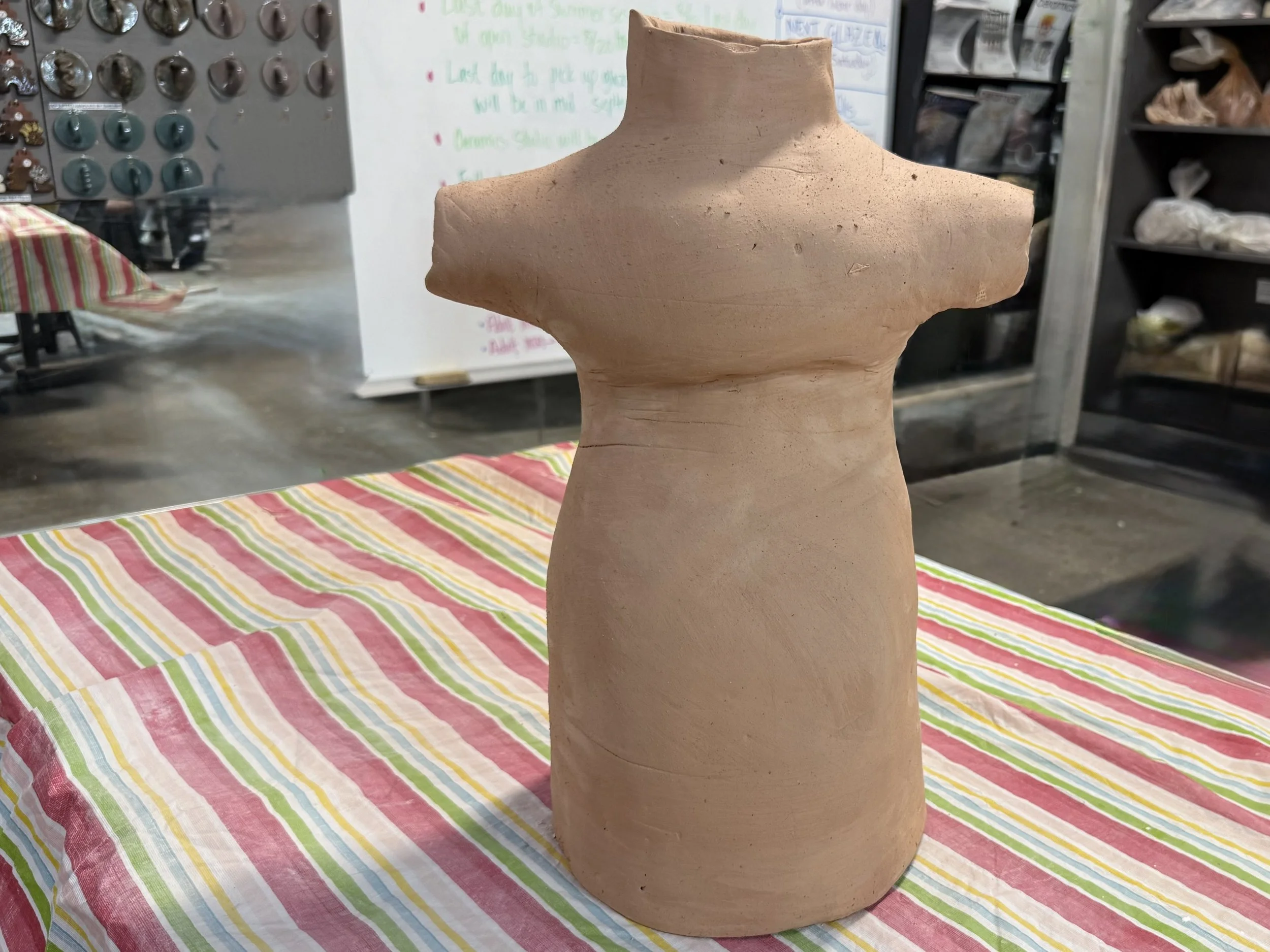
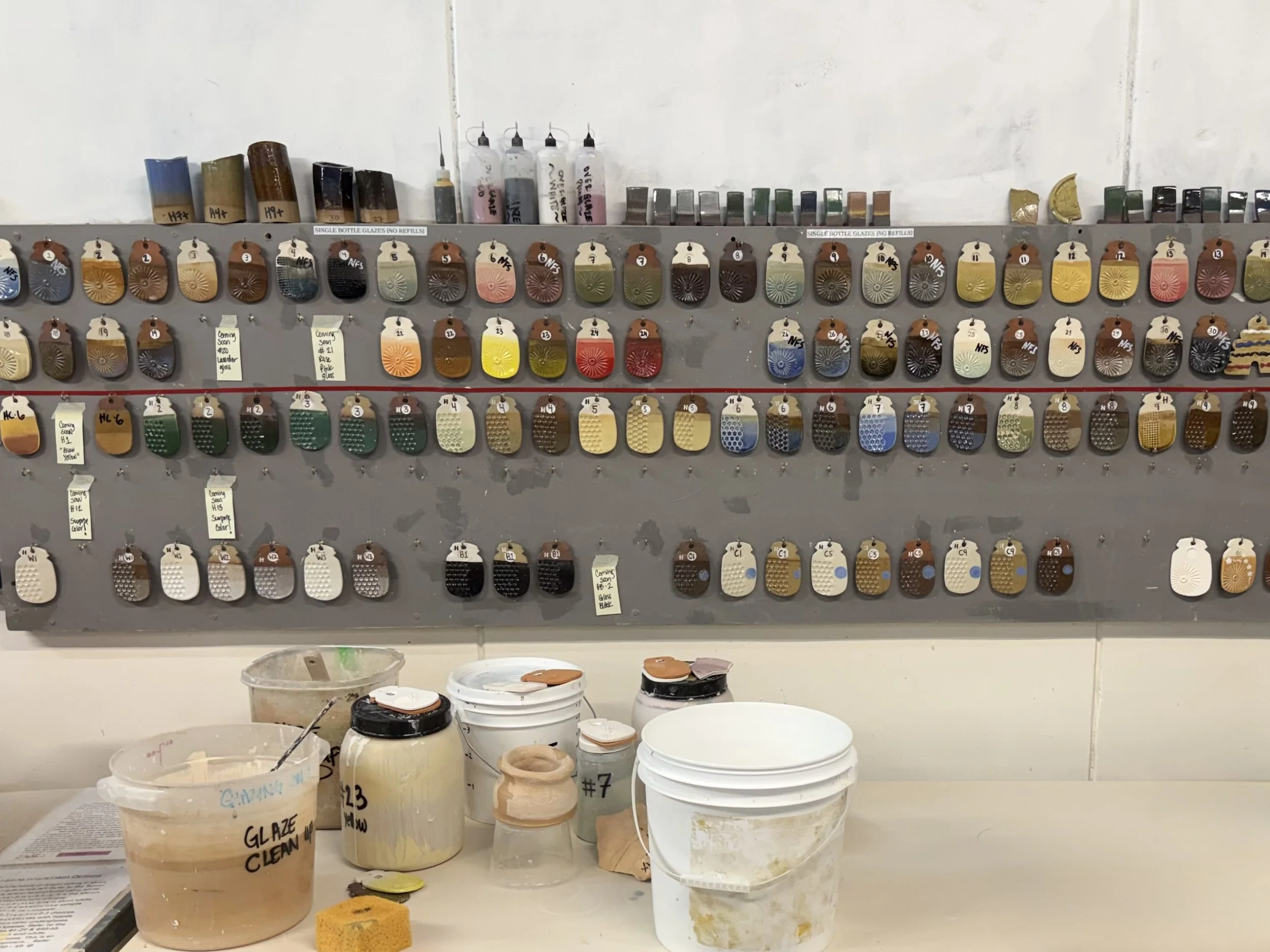
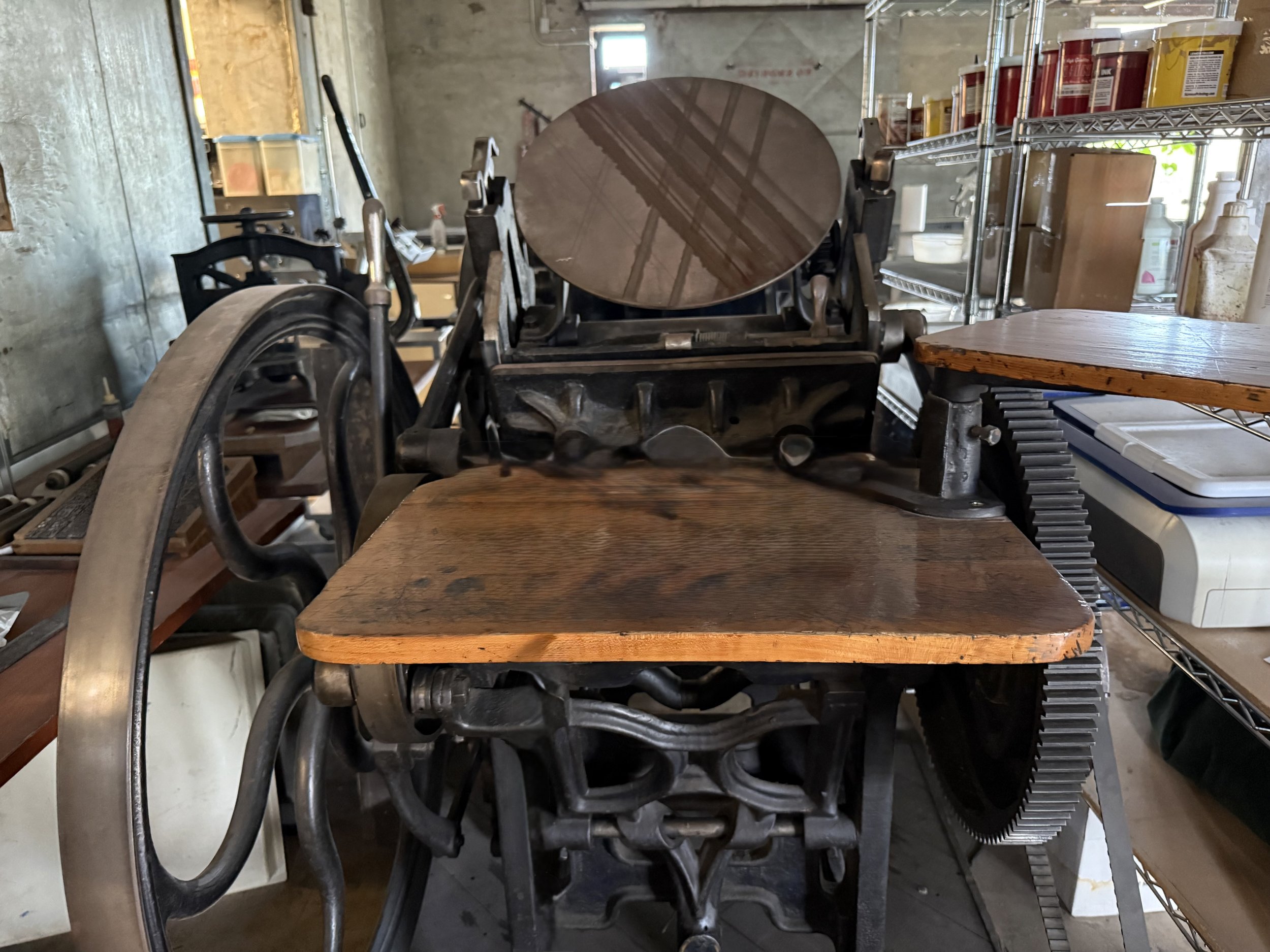
The building seems to keep unfolding. There is a dedicated printmaking studio with equipment for intaglio, letterpress, and screen printing - especially meaningful to Bruce because printmaking formed such an important part of his own early training. The ceramics area holds wheels, kilns, glazing facilities and separate spaces for adults and children, while stained glass occupies another studio nearby.
Elsewhere, students work in digital animation, illustration, Procreate, stop-motion, three-dimensional printing, laser cutting, and cosplay costume design. One room may be filled with easels and watercolor tables while another contains clay, tools, or computers. Some spaces feel polished and complete; others still hint at what Bruce hopes they may become.
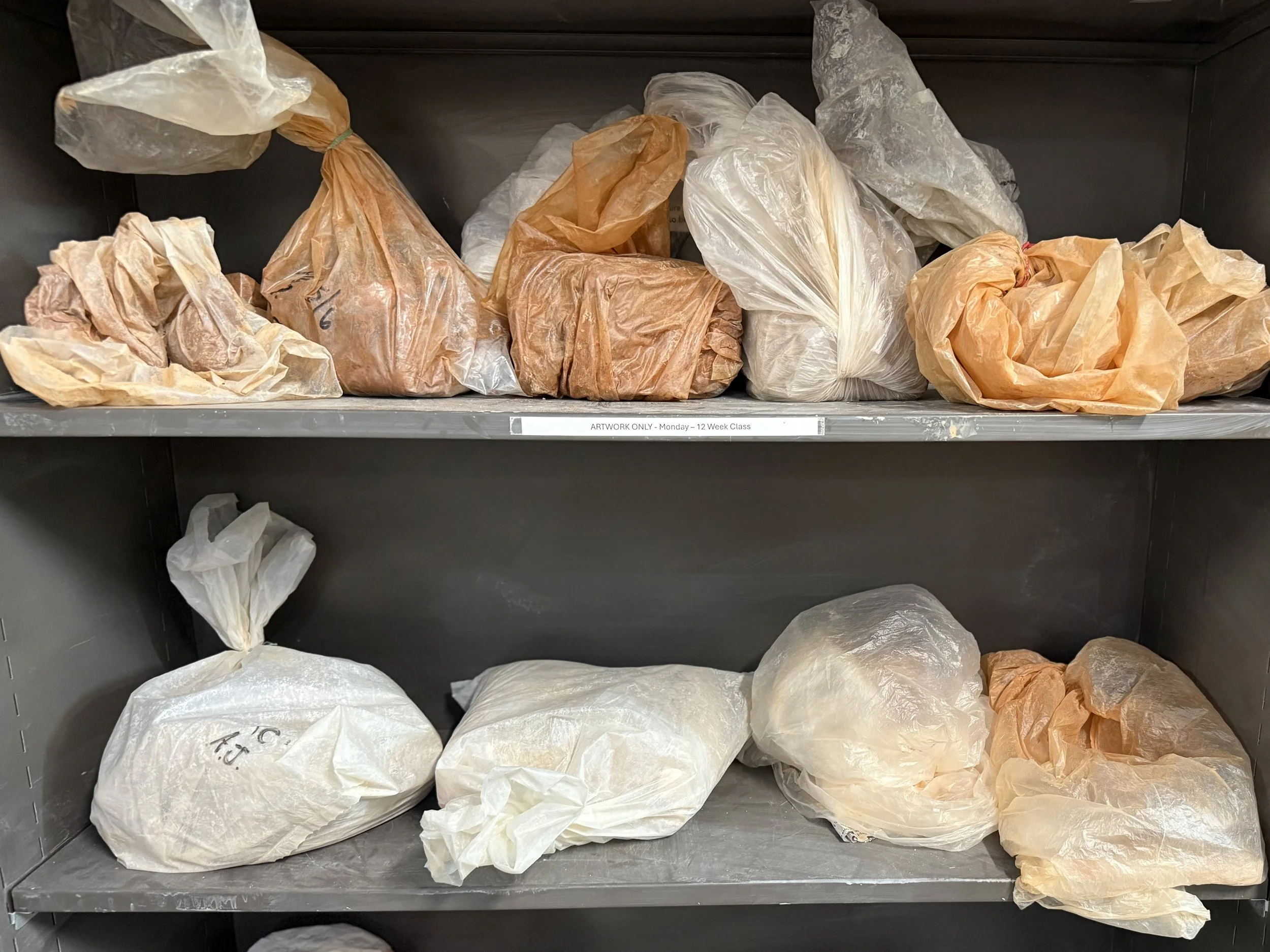
Beyond the active studios are roughly six thousand square feet still being developed, with plans for clay recycling, expanded three-dimensional work areas, and additional sculpture facilities. Beneath everything sits a basement almost as large, which Bruce imagines someday becoming a makerspace where artisans and craftspeople might work alongside one another if the necessary funding and renovations can be secured.
The building is unquestionably impressive, but no one at Visual Art Institute seems particularly interested in the building for its own sake. What matters is what happens when people enter it. Jessica often hears from adults who are nervous about taking an art class because they believe they do not know what they are doing. Her answer is usually to invite them in for a tour. Once they see the studios, meet the instructors and begin to understand that no one expects perfection, the apprehension often disappears.
Yami has witnessed the same transformation through her own daughters and through families she meets at community events. A child may begin with foundation drawing and eventually discover ceramics, animation, stained glass, or costume design. An adult who has not picked up a paintbrush in decades may leave a class with something made entirely by hand and the unexpected desire to return.
During COVID, Bruce spoke with former students about what Visual Art Institute had meant to them. Again and again, they came back to the same idea. It had been a safe place - somewhere they were free to express themselves, find people who understood them and discover who they might become. Many had started at five or six years old and stayed through high school; some later returned as instructors, bringing their own education, careers, and families back into a place that had once helped shape them.
Bruce is quick to point out that none of this was his brainchild. That belongs to Stephanie Byrne. But he also remembers the first time she invited him through the doors, and he saw what her students were creating. He understood immediately that she had built something unusual, something worth protecting. Nearly three decades later, after multiple buildings, countless classes, thousands of students, and more hours than Bruce could possibly calculate, the reason he stayed sounds remarkably similar to the reason so many students return. “This is home to them. They want to still be part of this environment.”