Anthony’s Fine Art & Antiques
Address: 401 East 200 South
Telephone: 801-328-2231
Website: anthonysfineart.com
District: Central City
“Each object has a story. And we’re just a temporary steward.” For Micah Bleiweis Christensen, standing amid the extraordinary collection at Anthony’s Fine Art & Antiques, the word “steward” comes up again and again. It is how he describes his role in a business filled with objects that have already survived generations, crossed oceans, passed through families and estates, disappeared, and occasionally been rediscovered, only to arrive - sometimes rather improbably - in Salt Lake City.
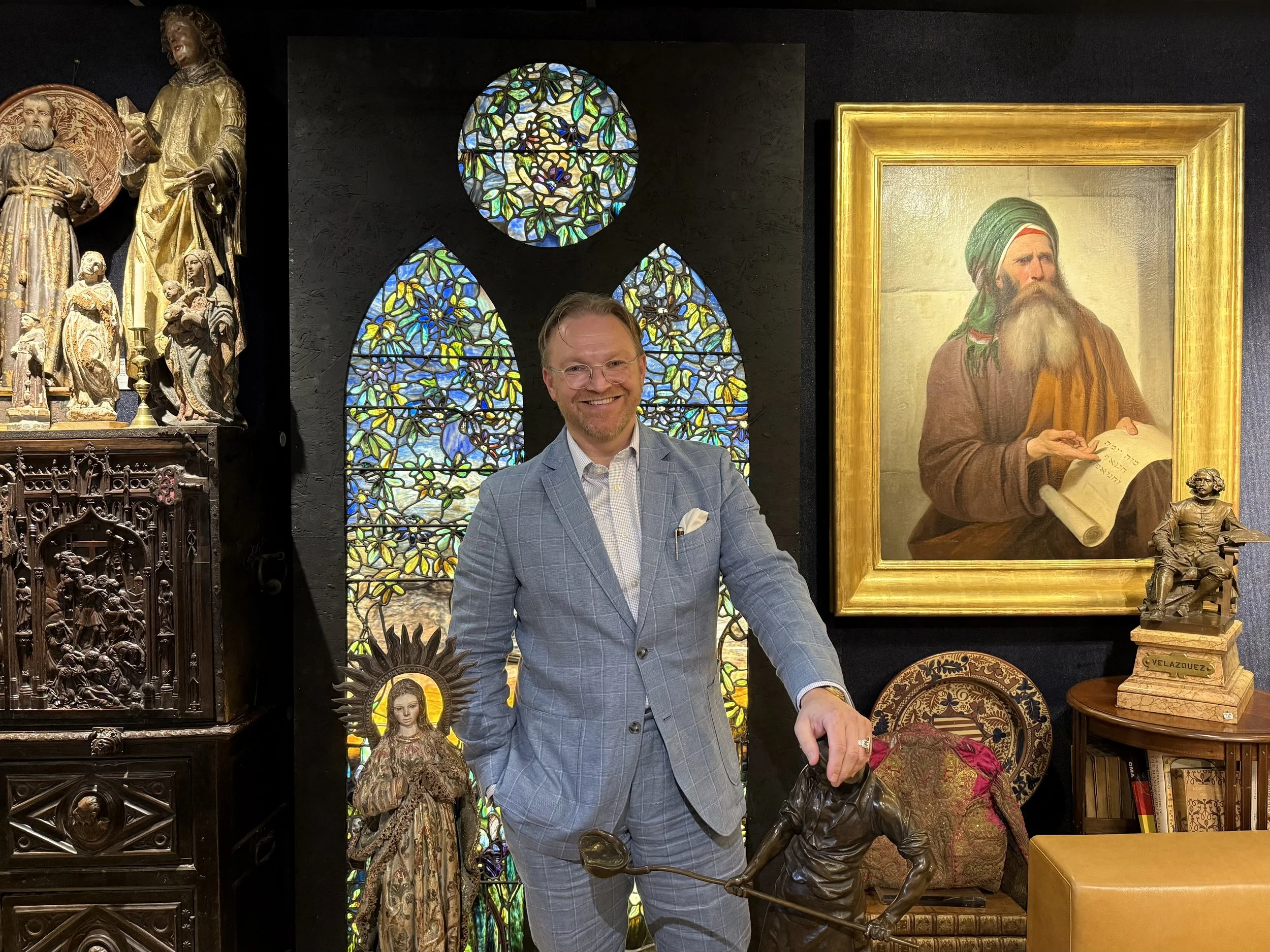
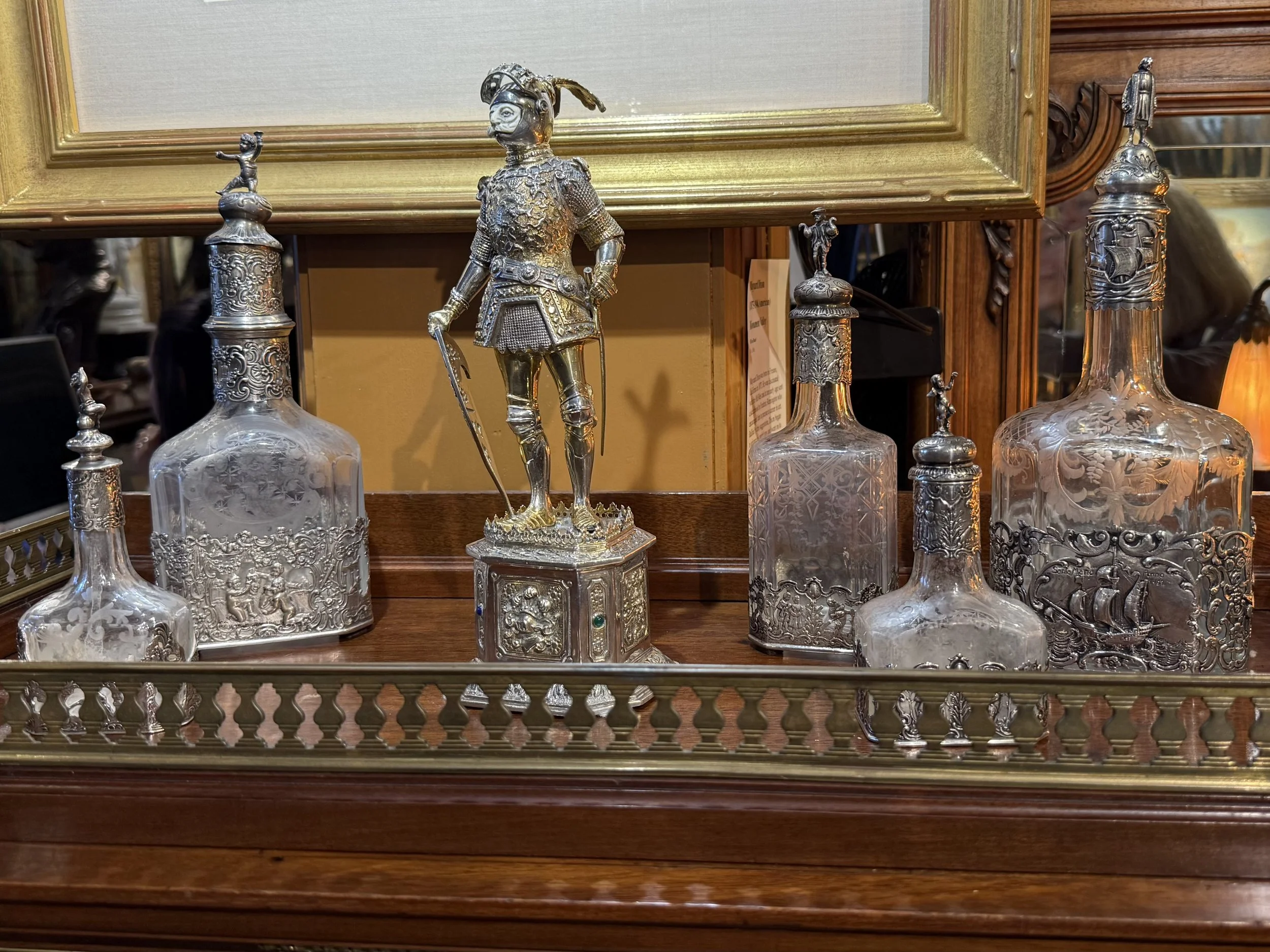
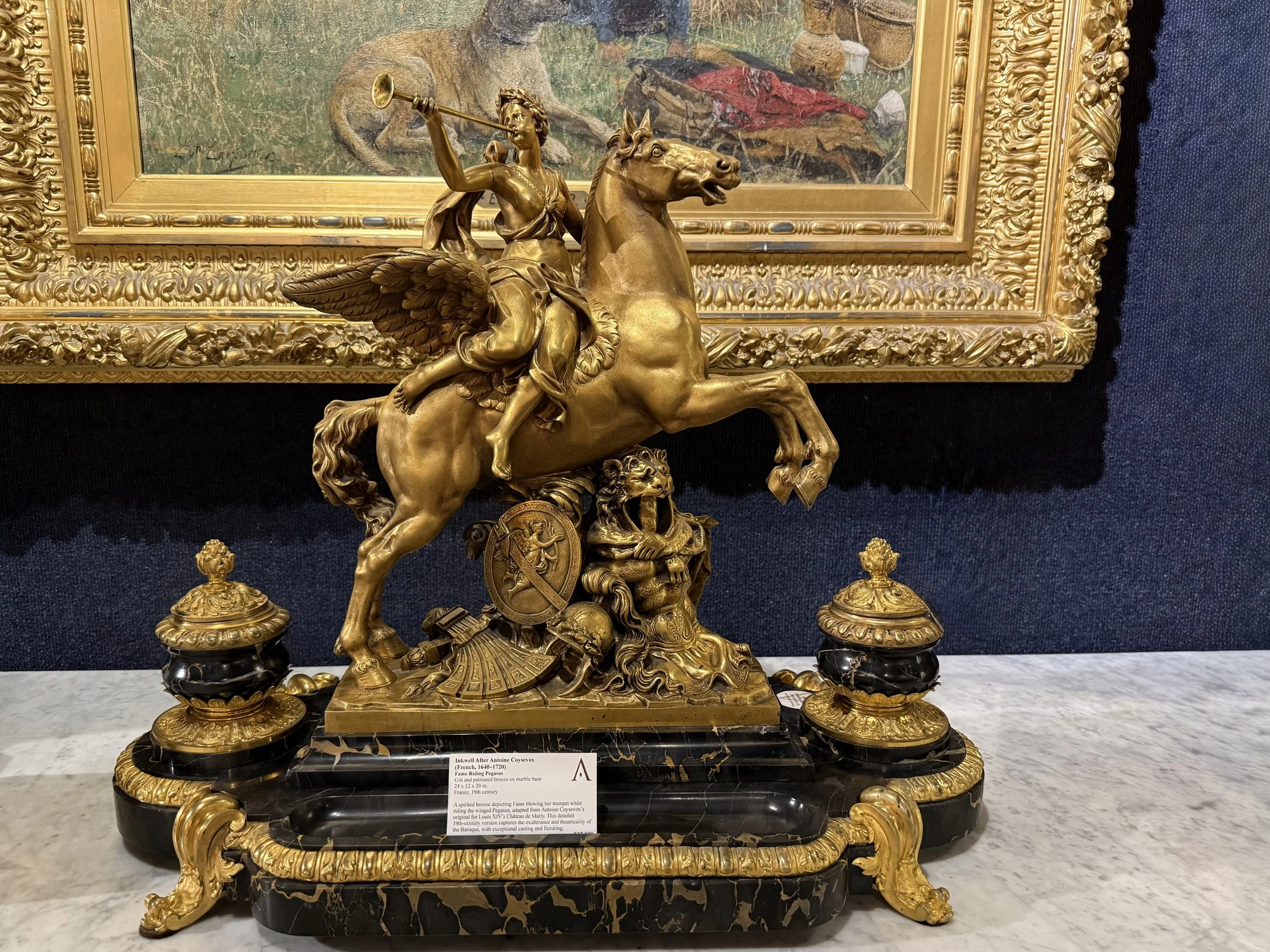
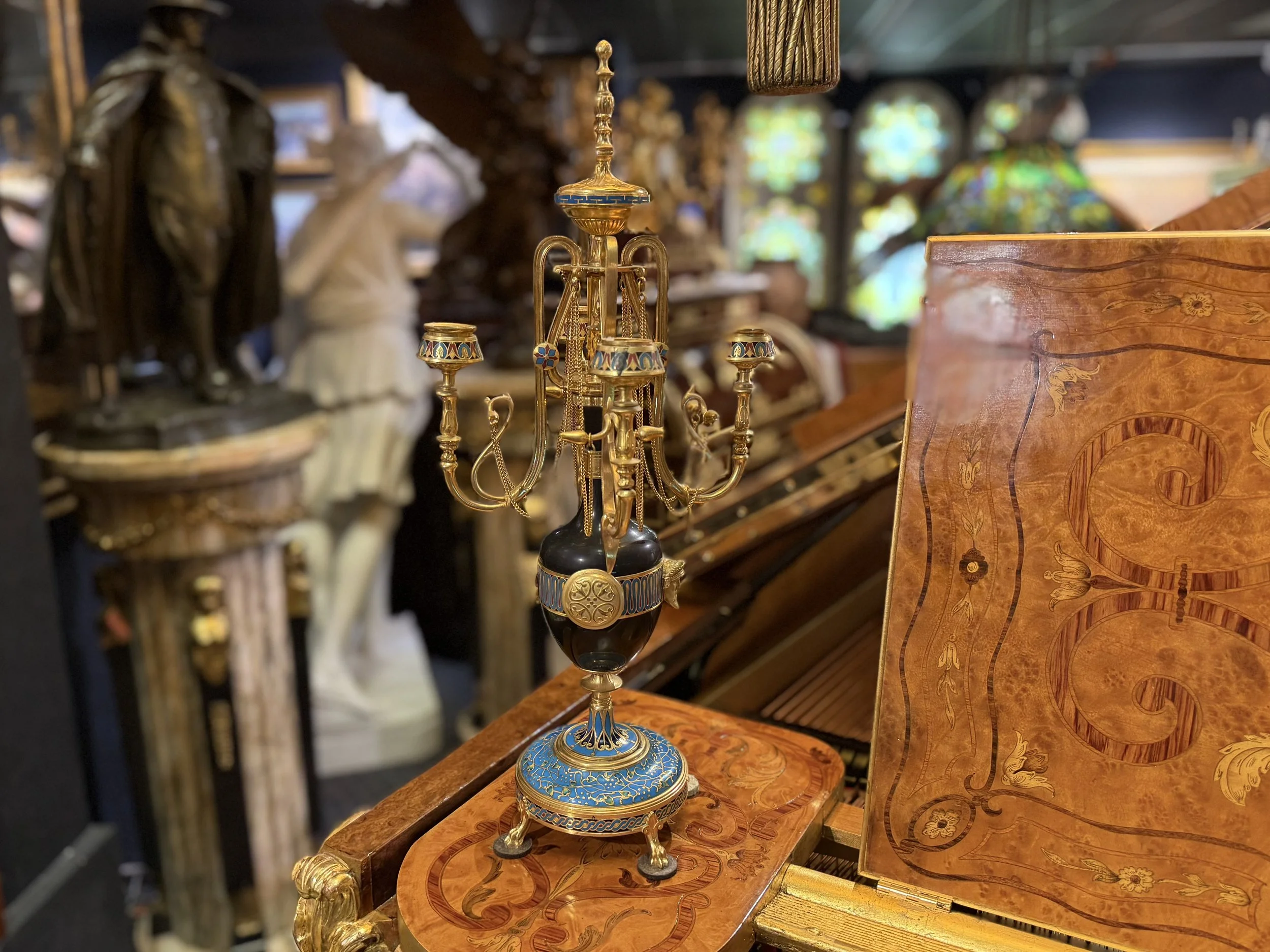
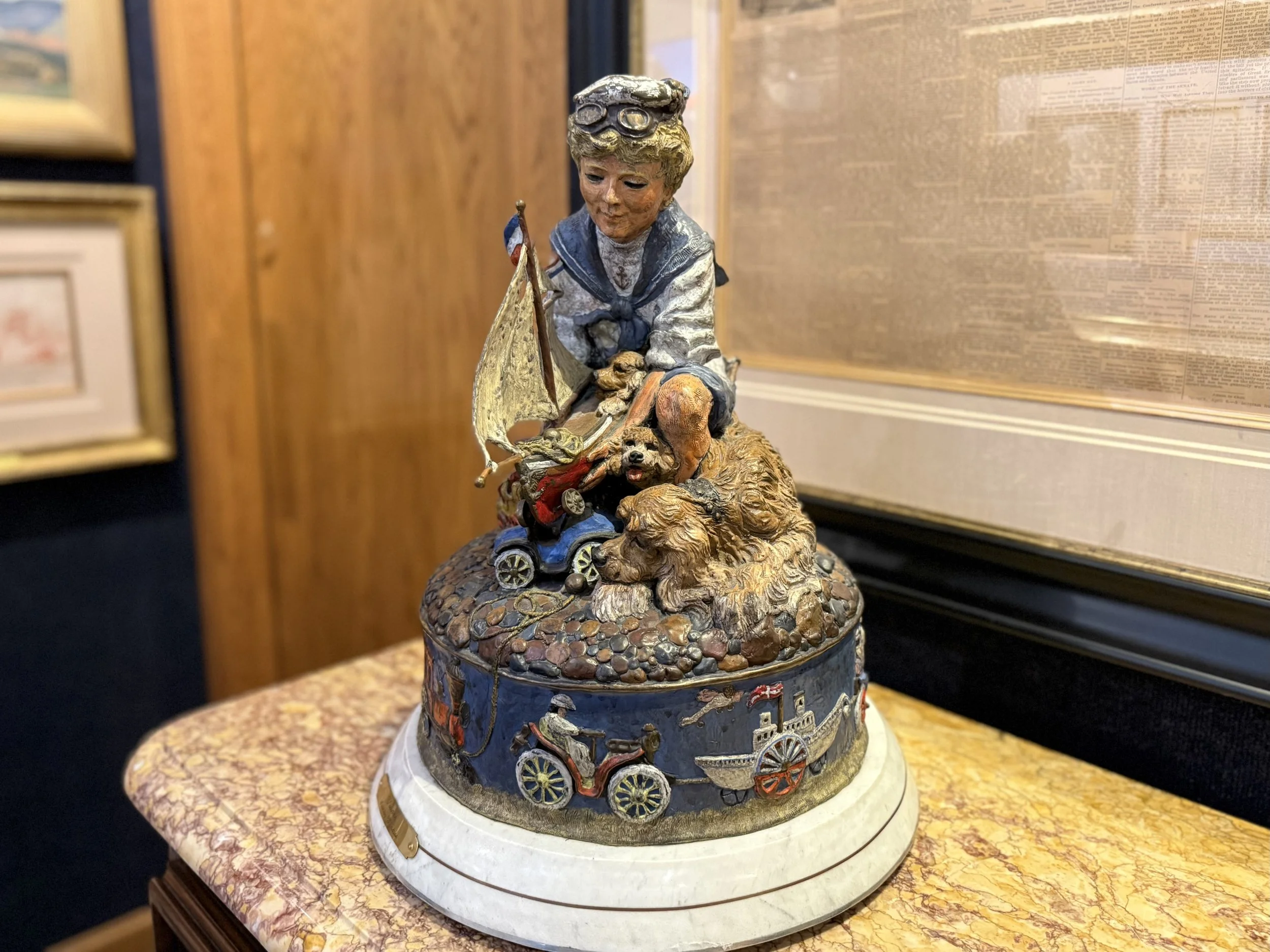
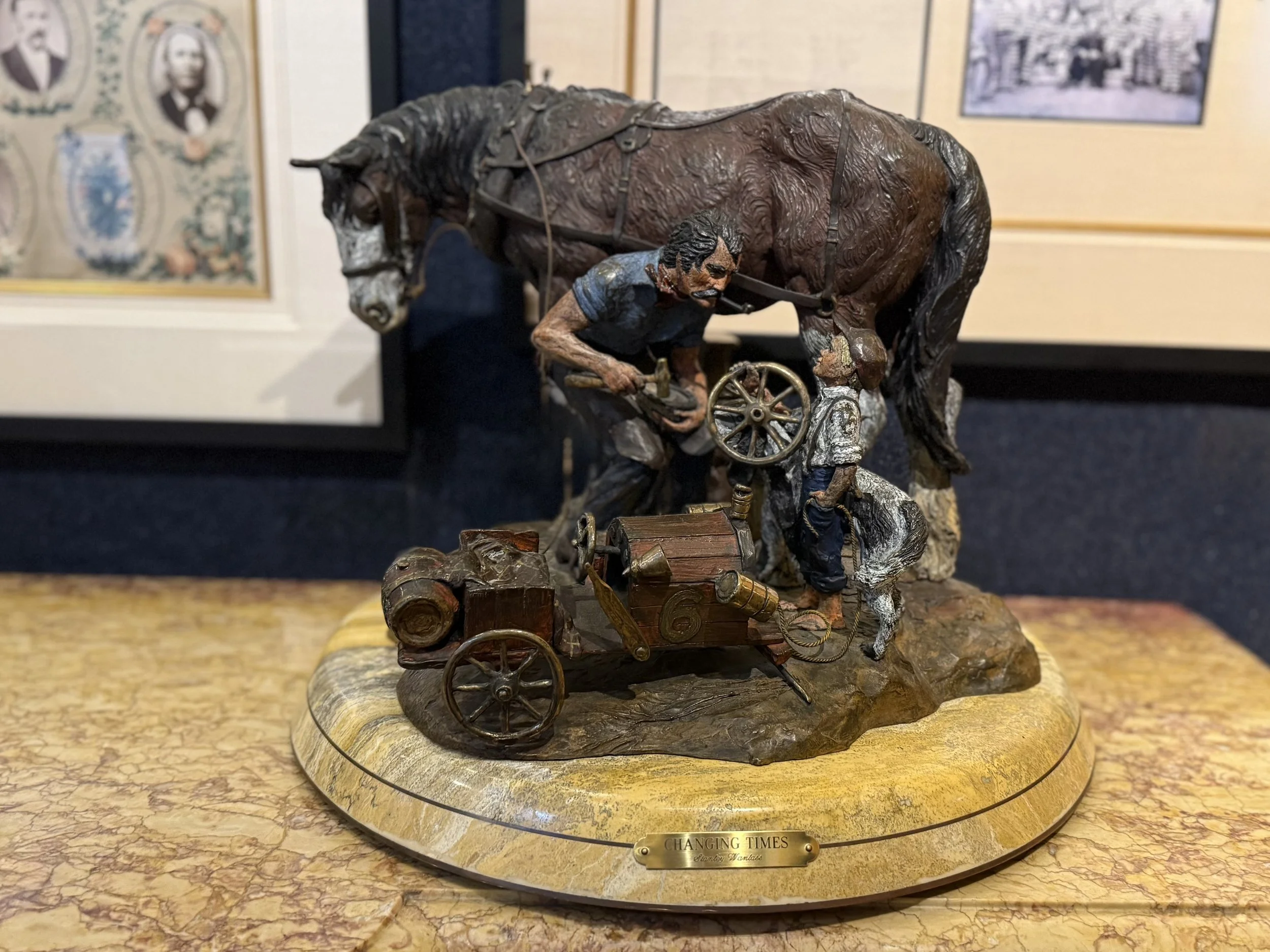
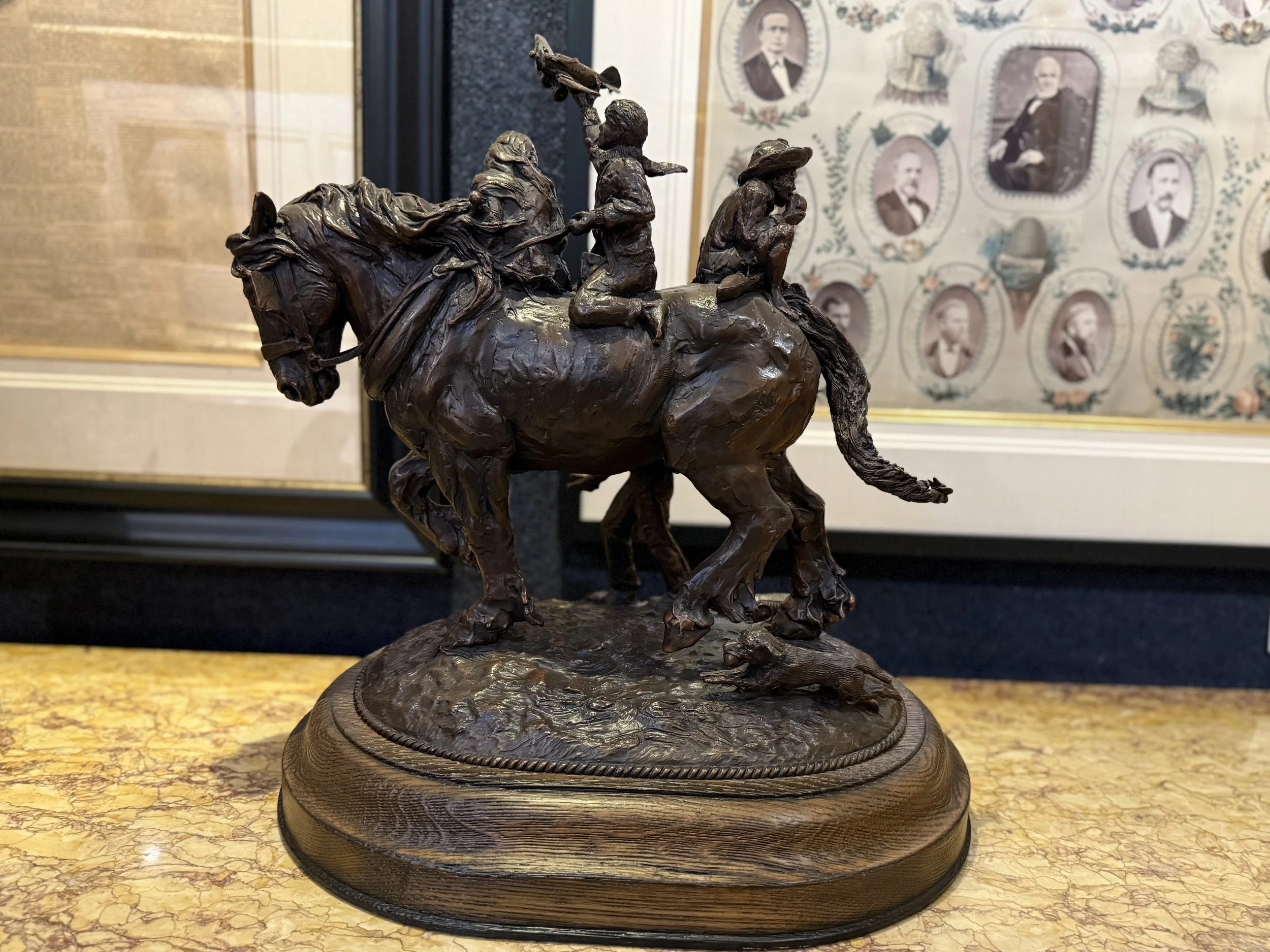
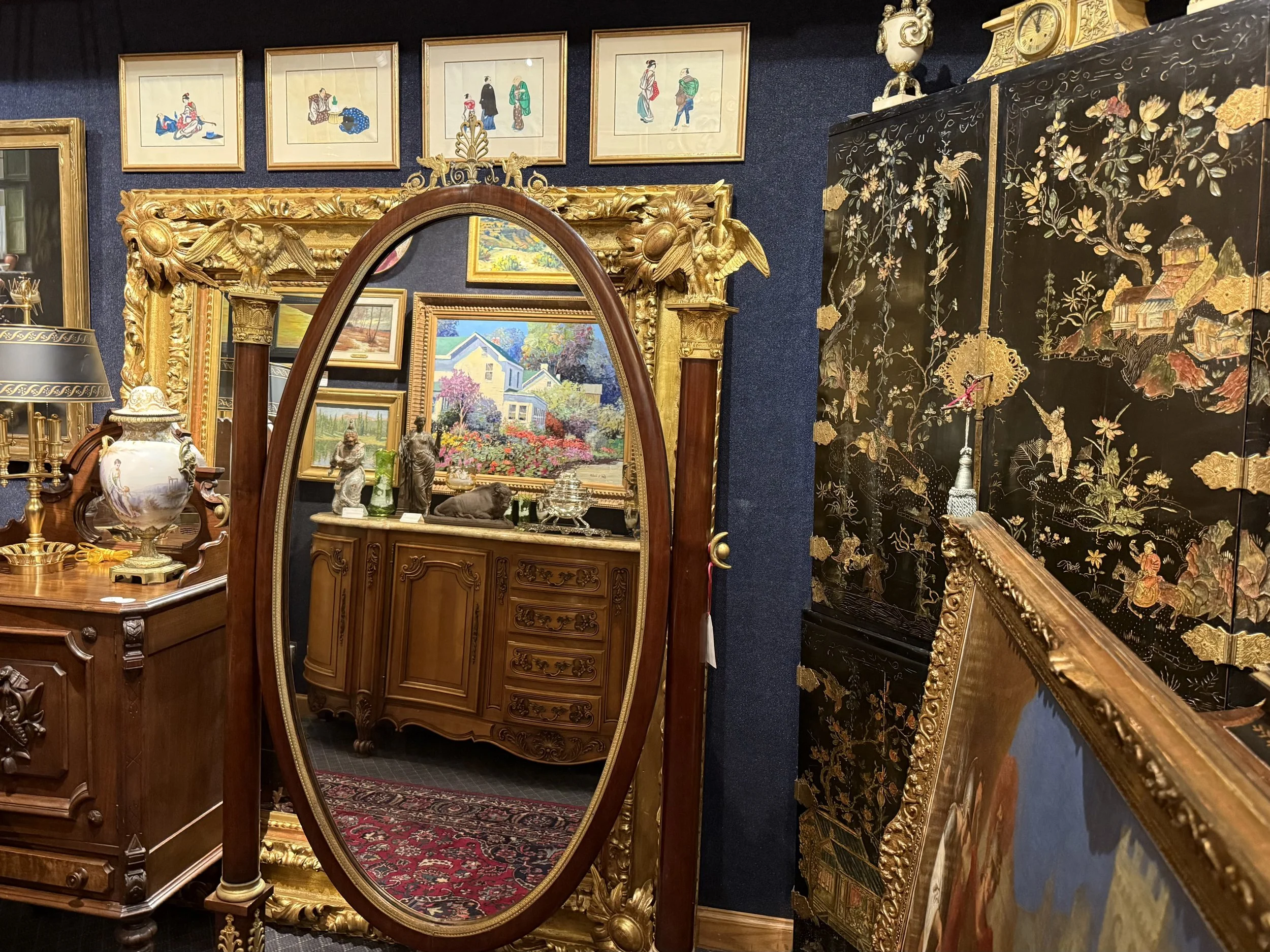
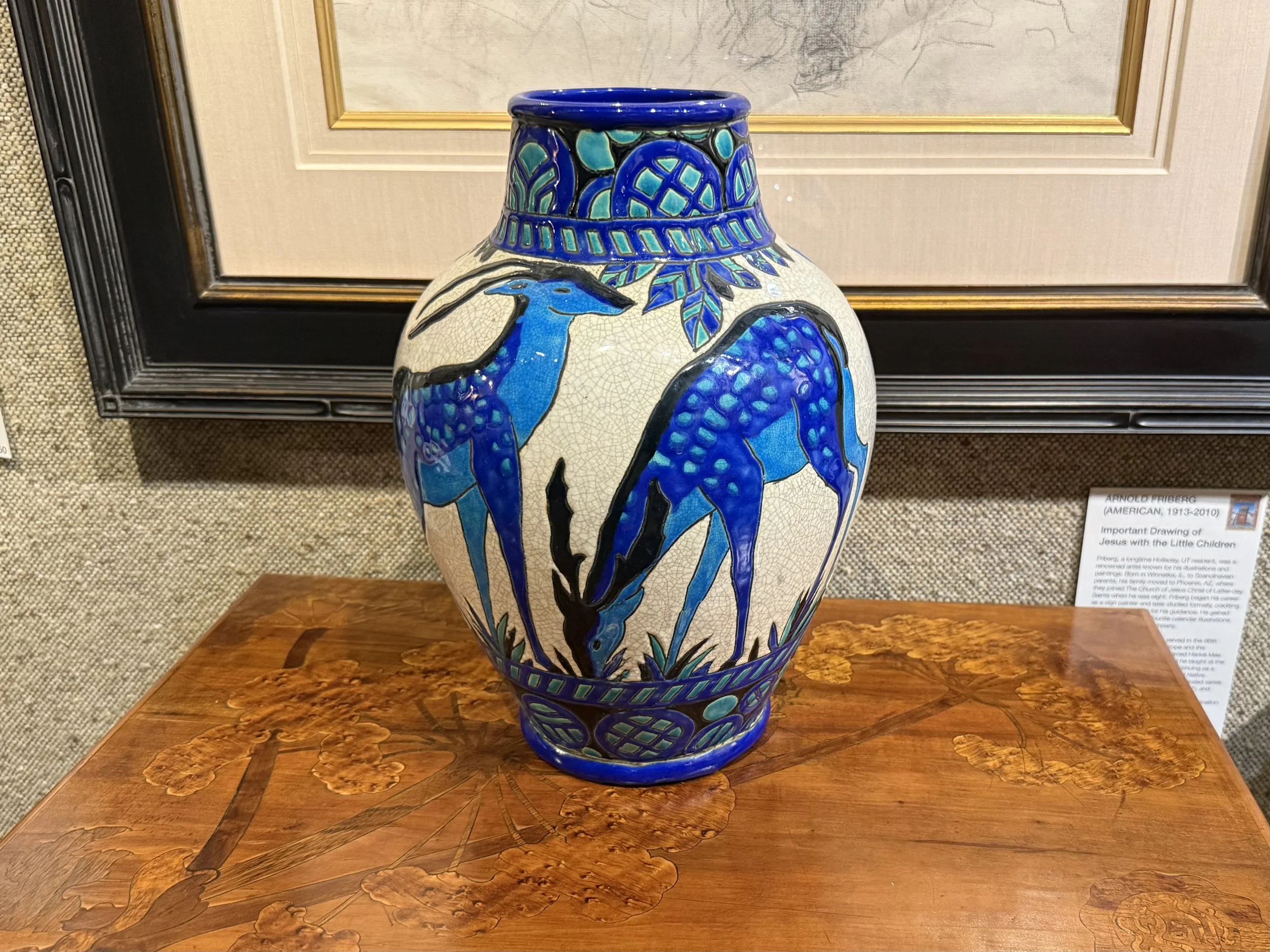
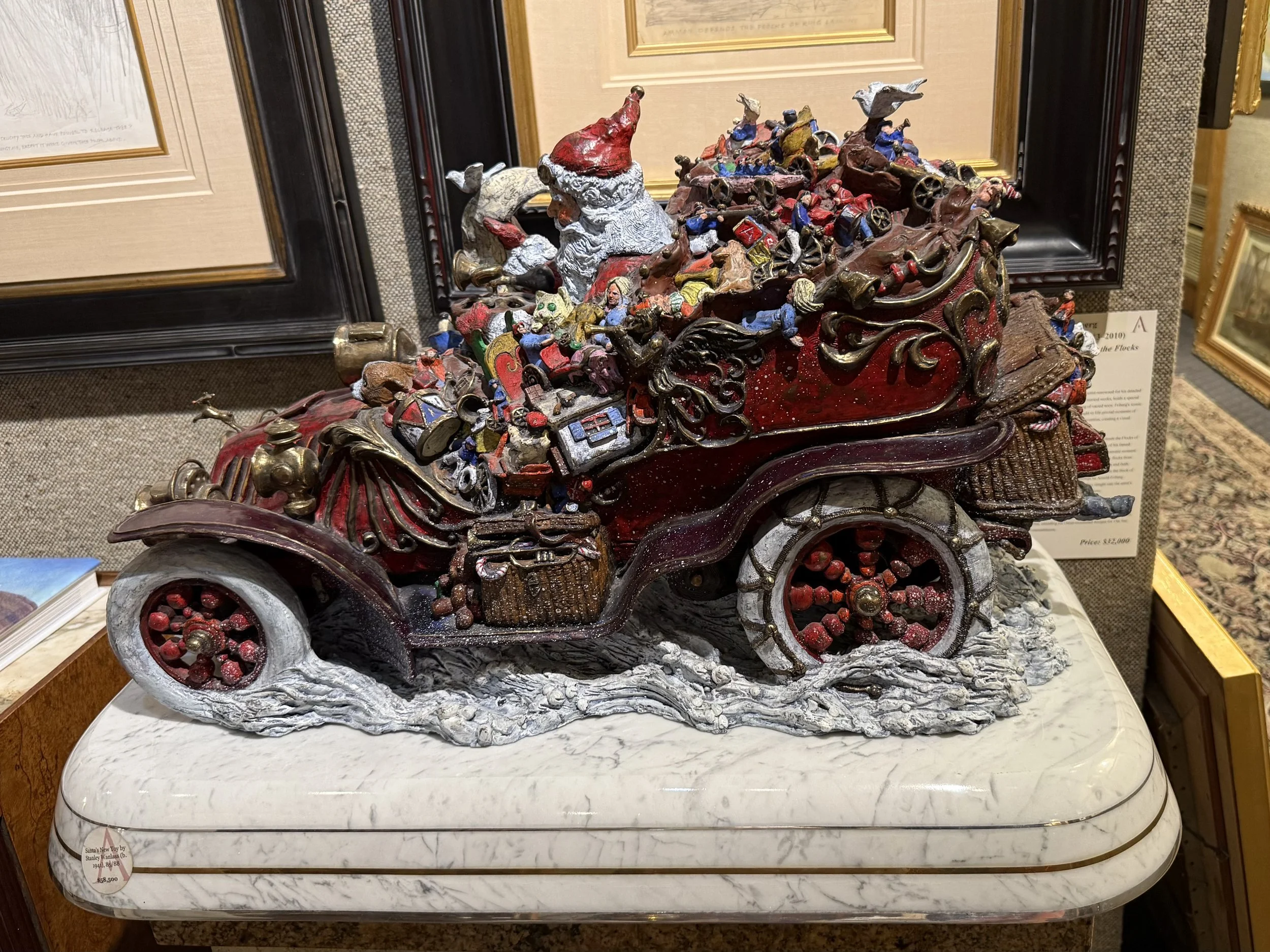
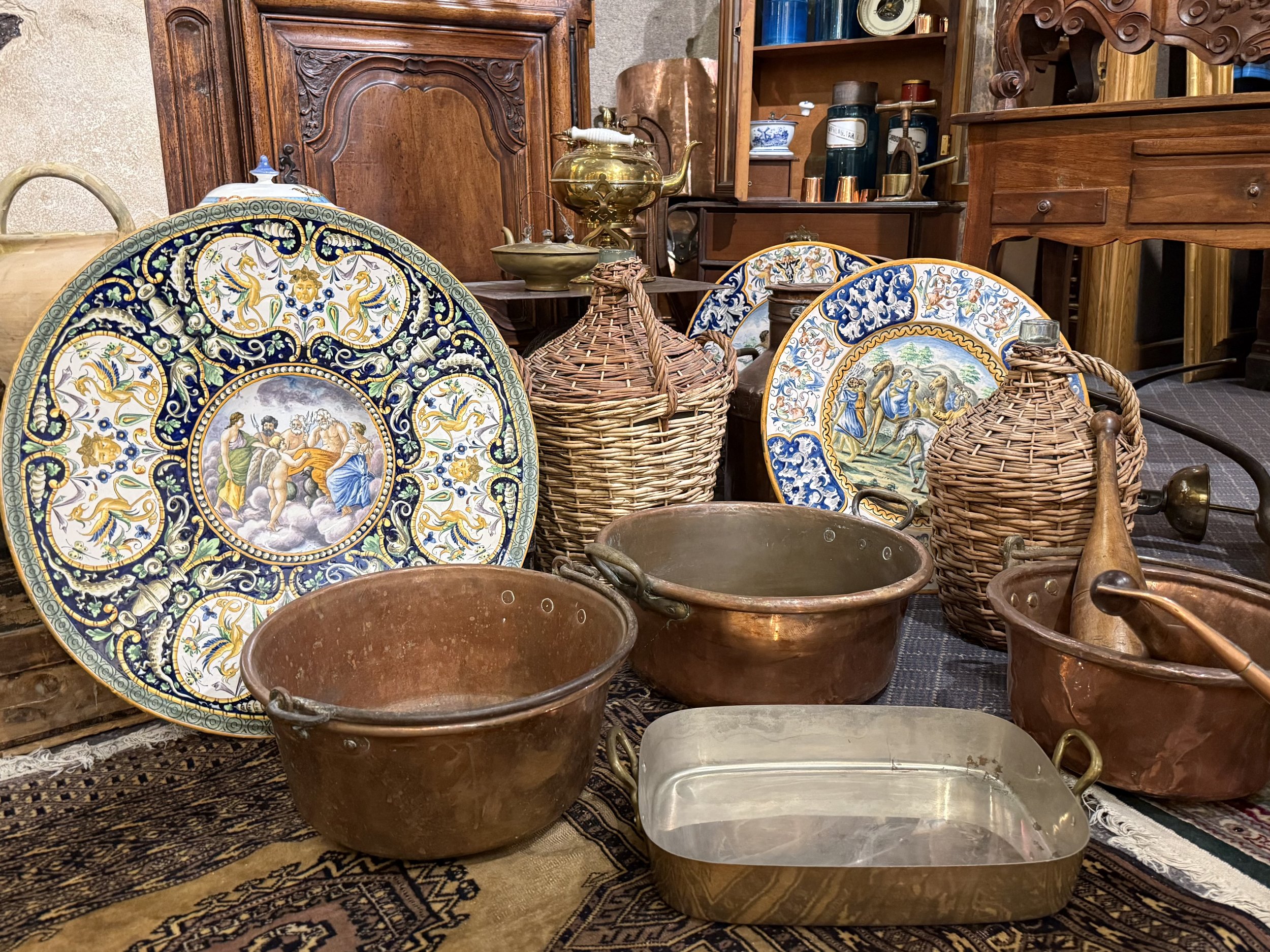
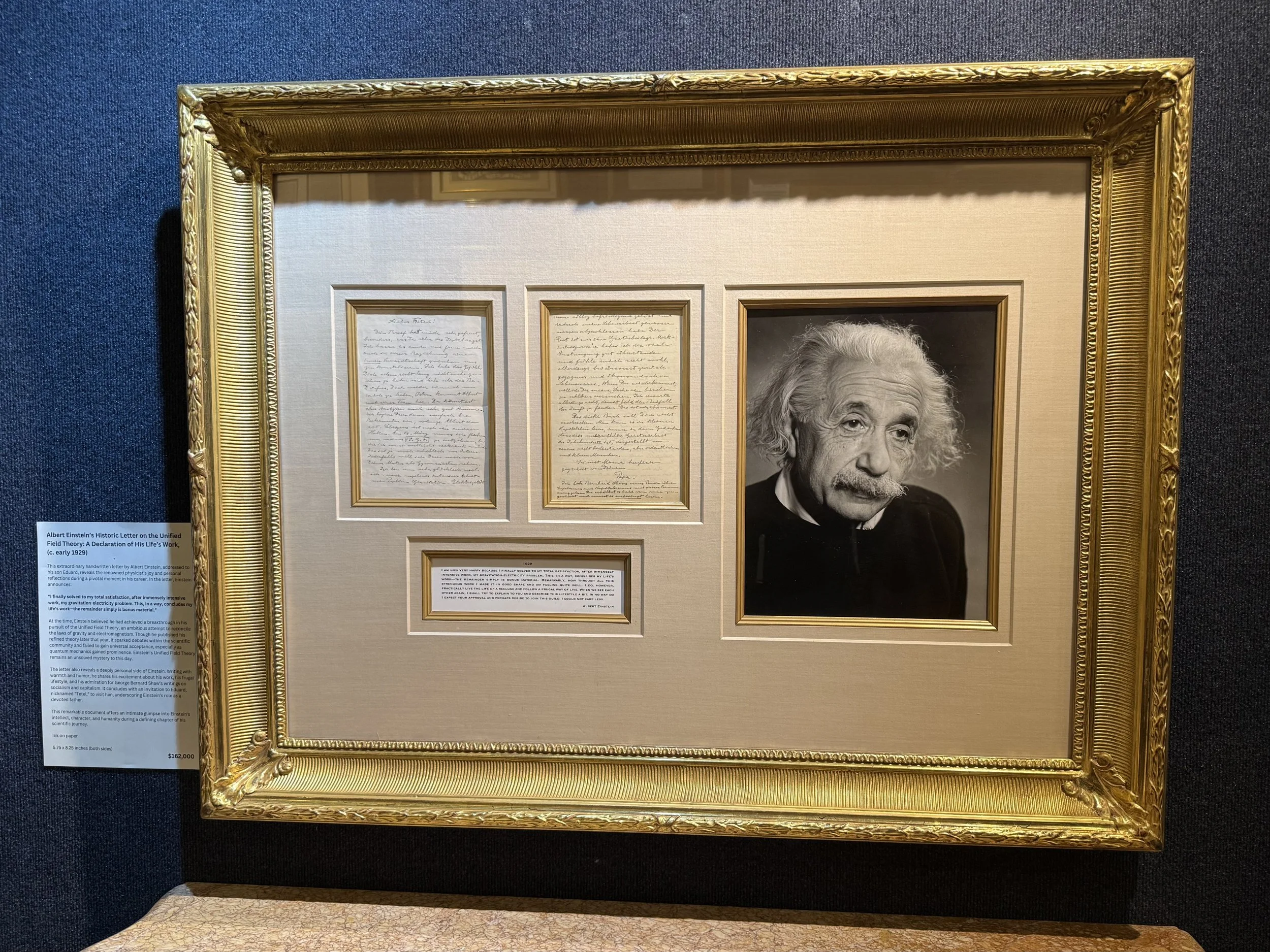
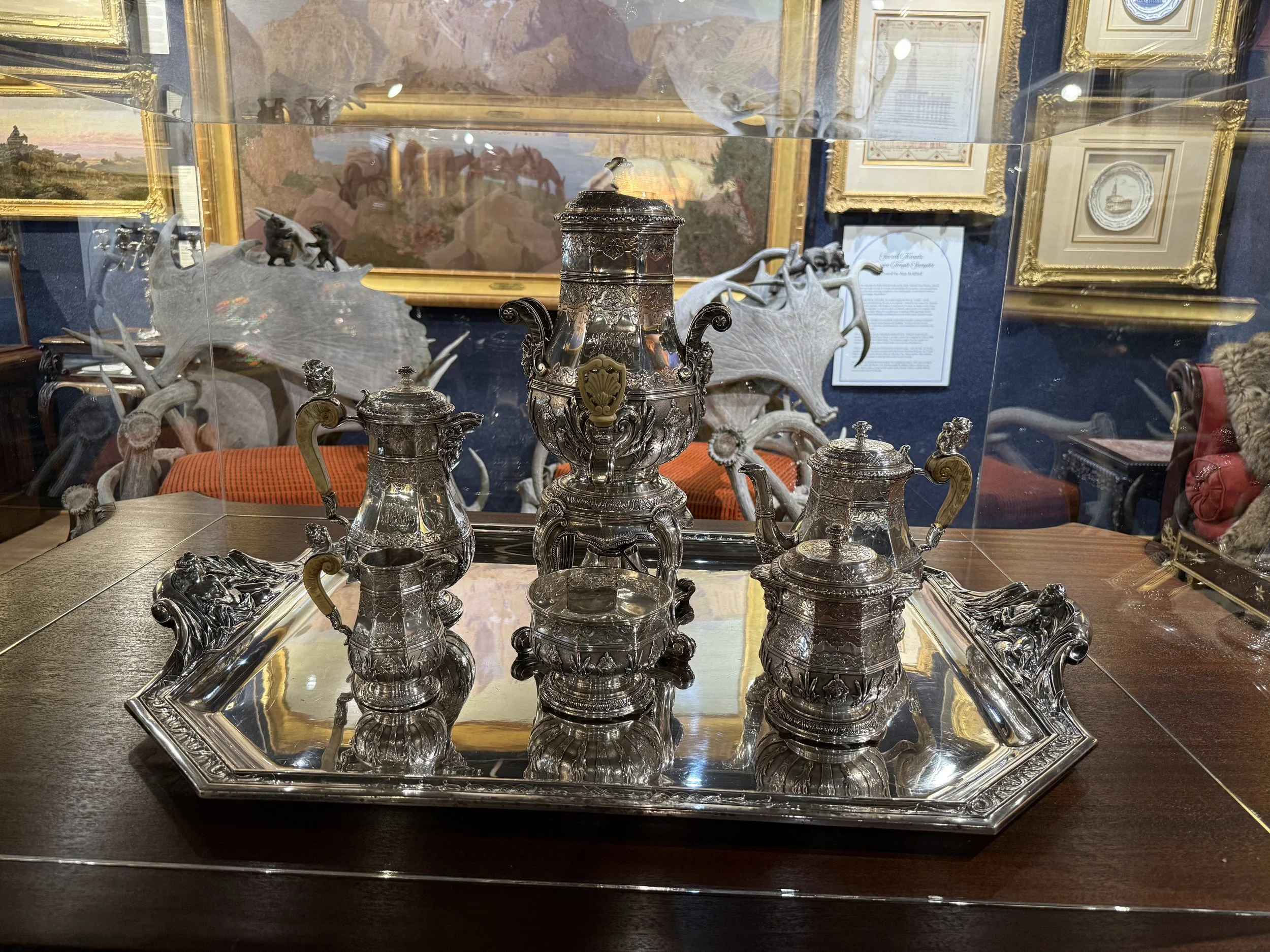
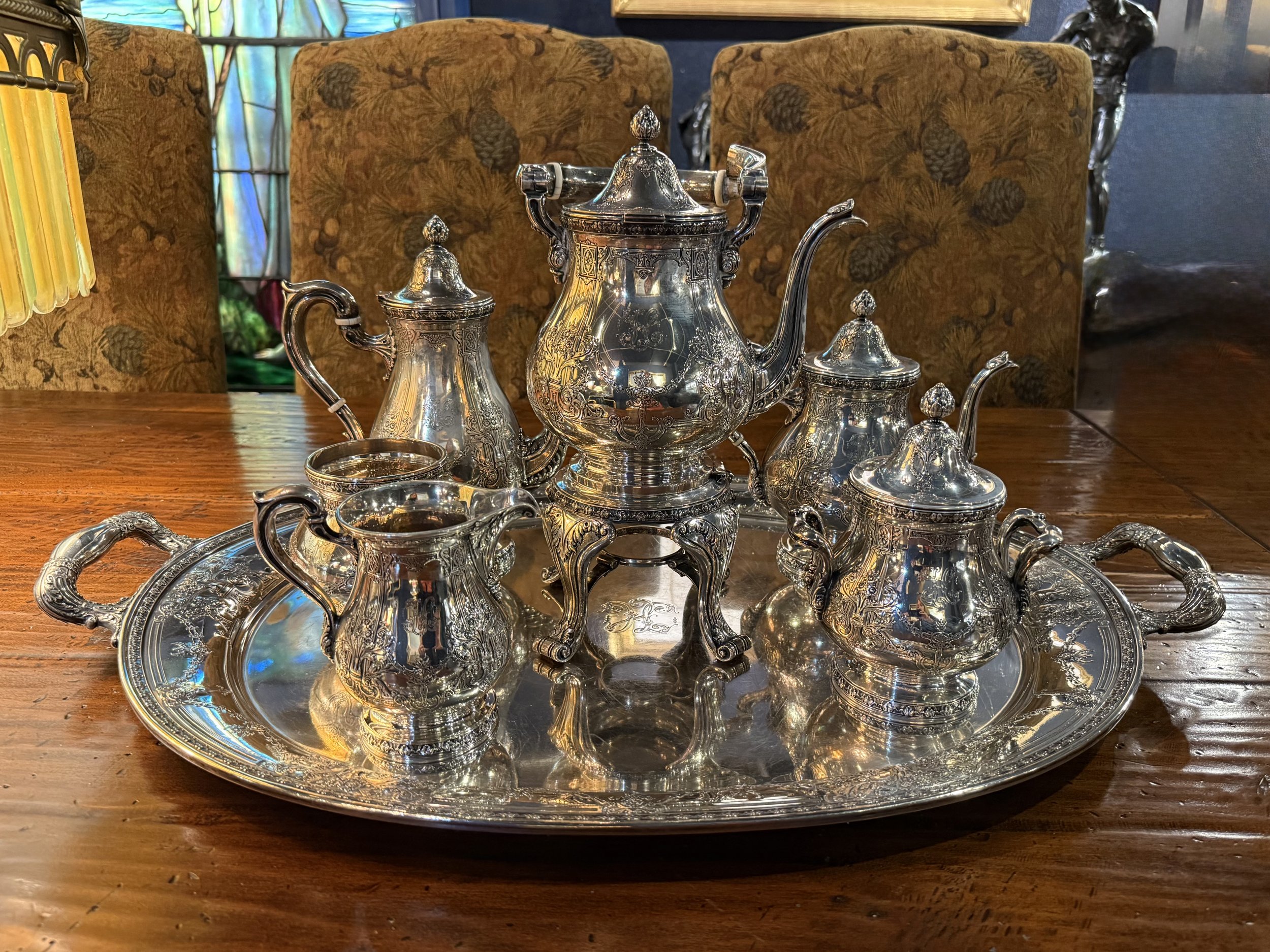
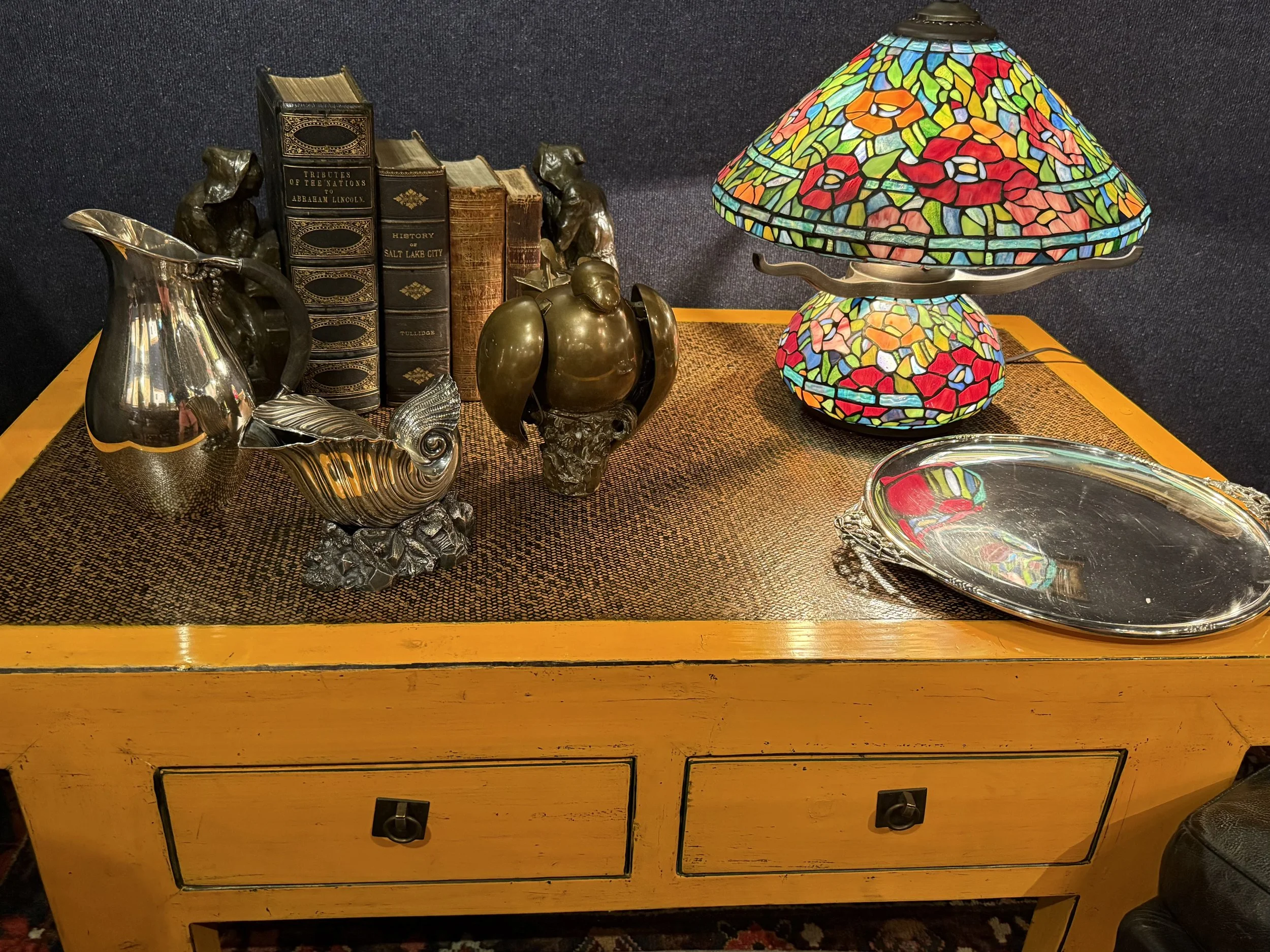
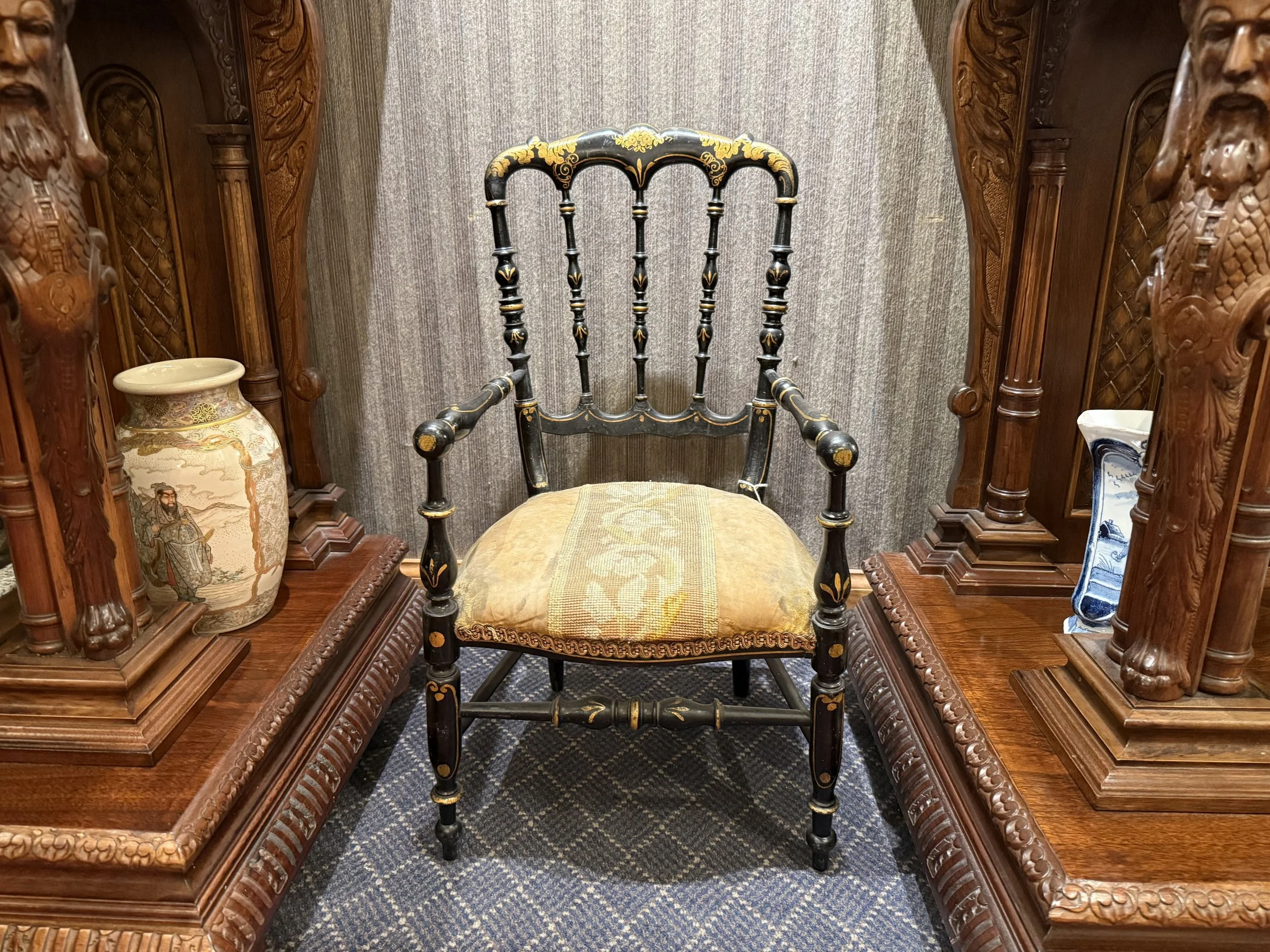
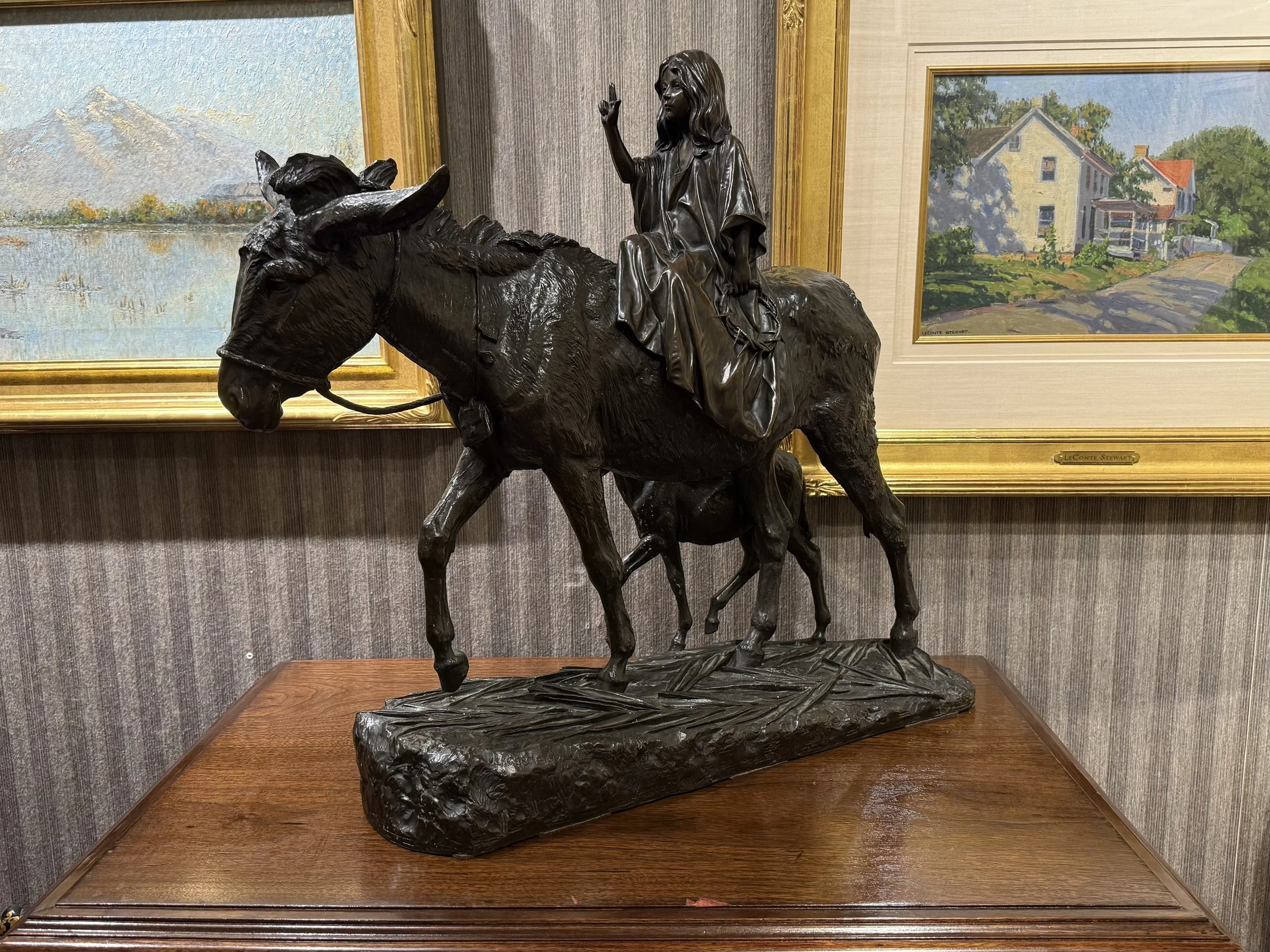
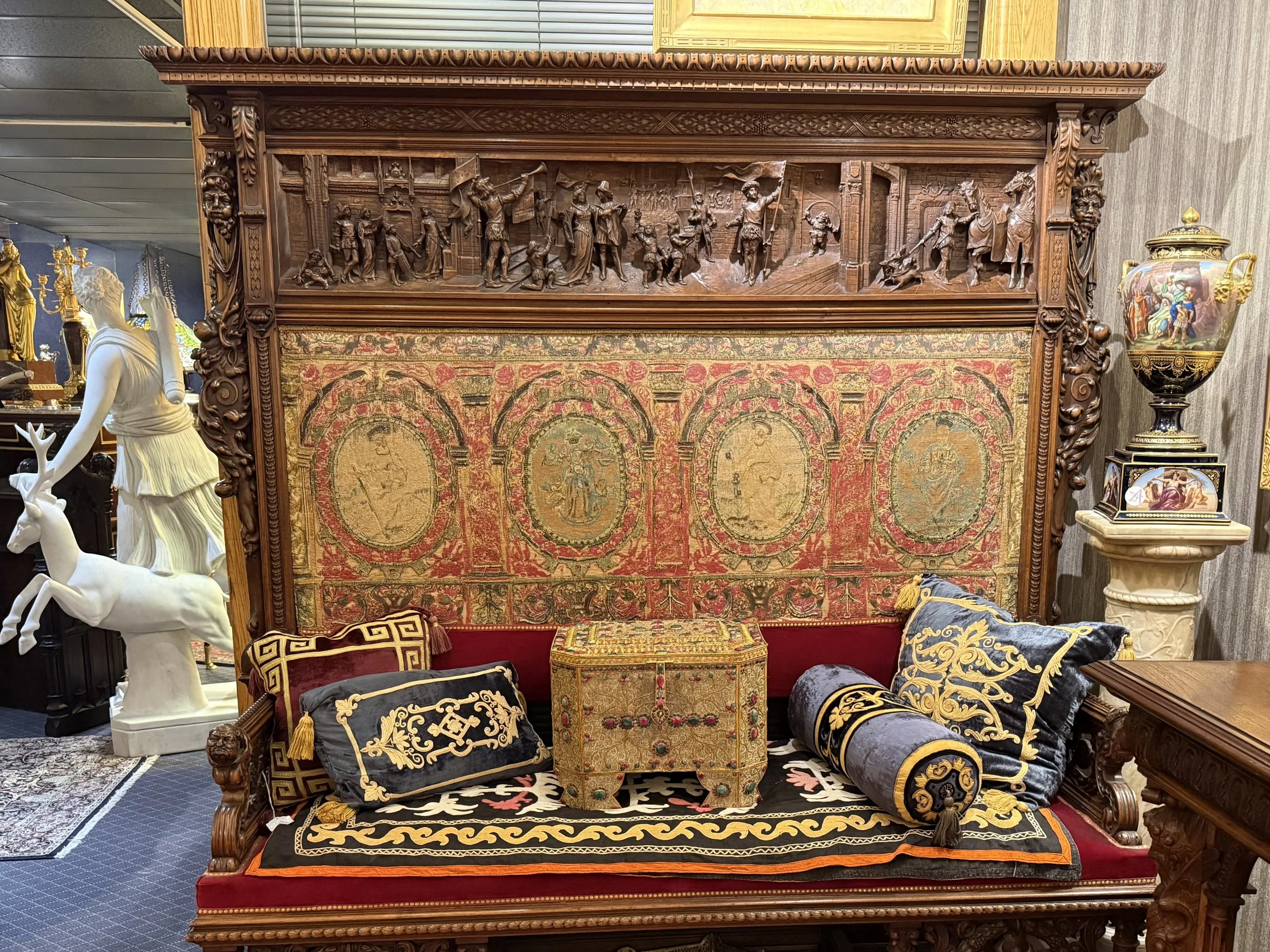
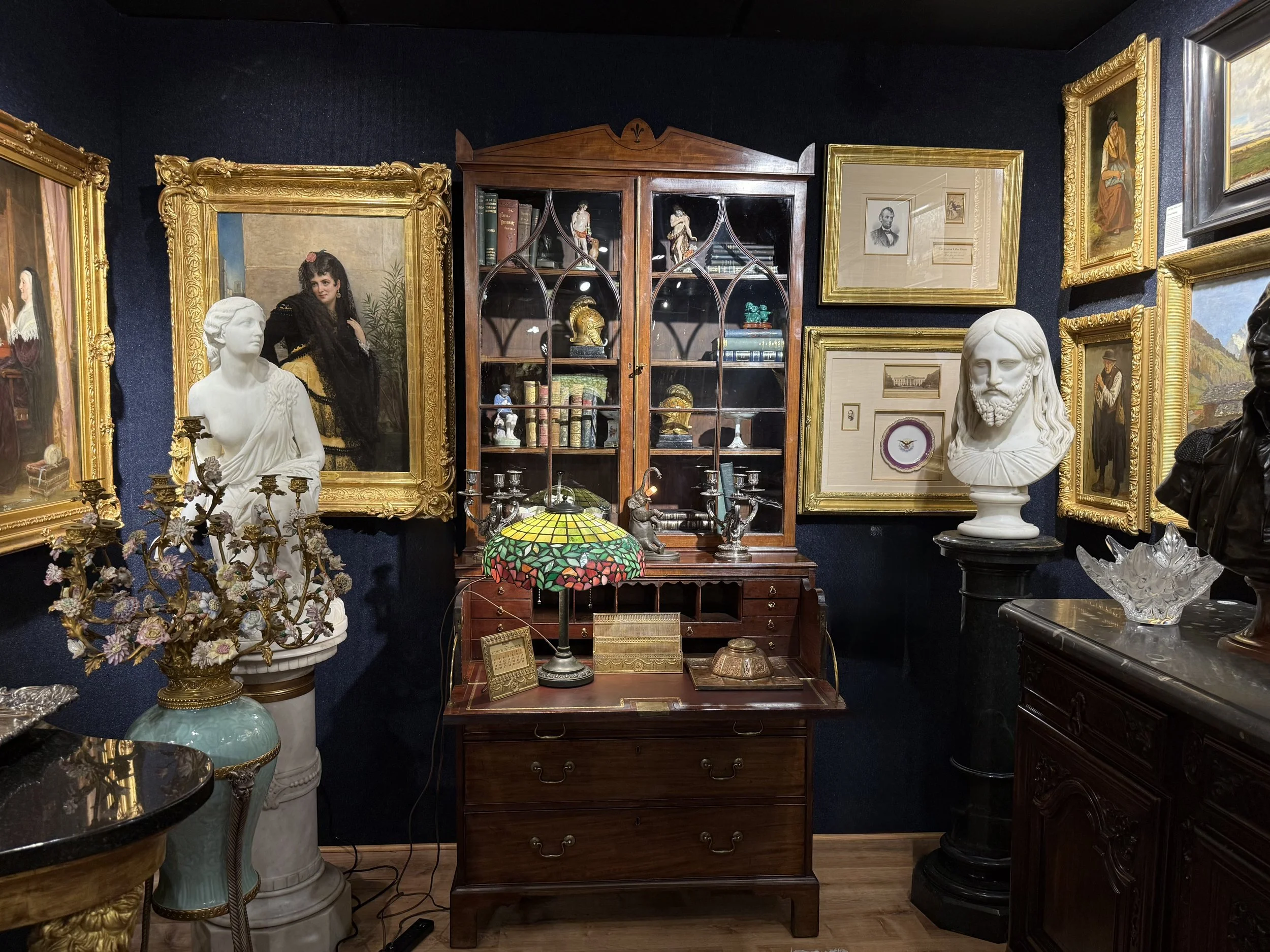
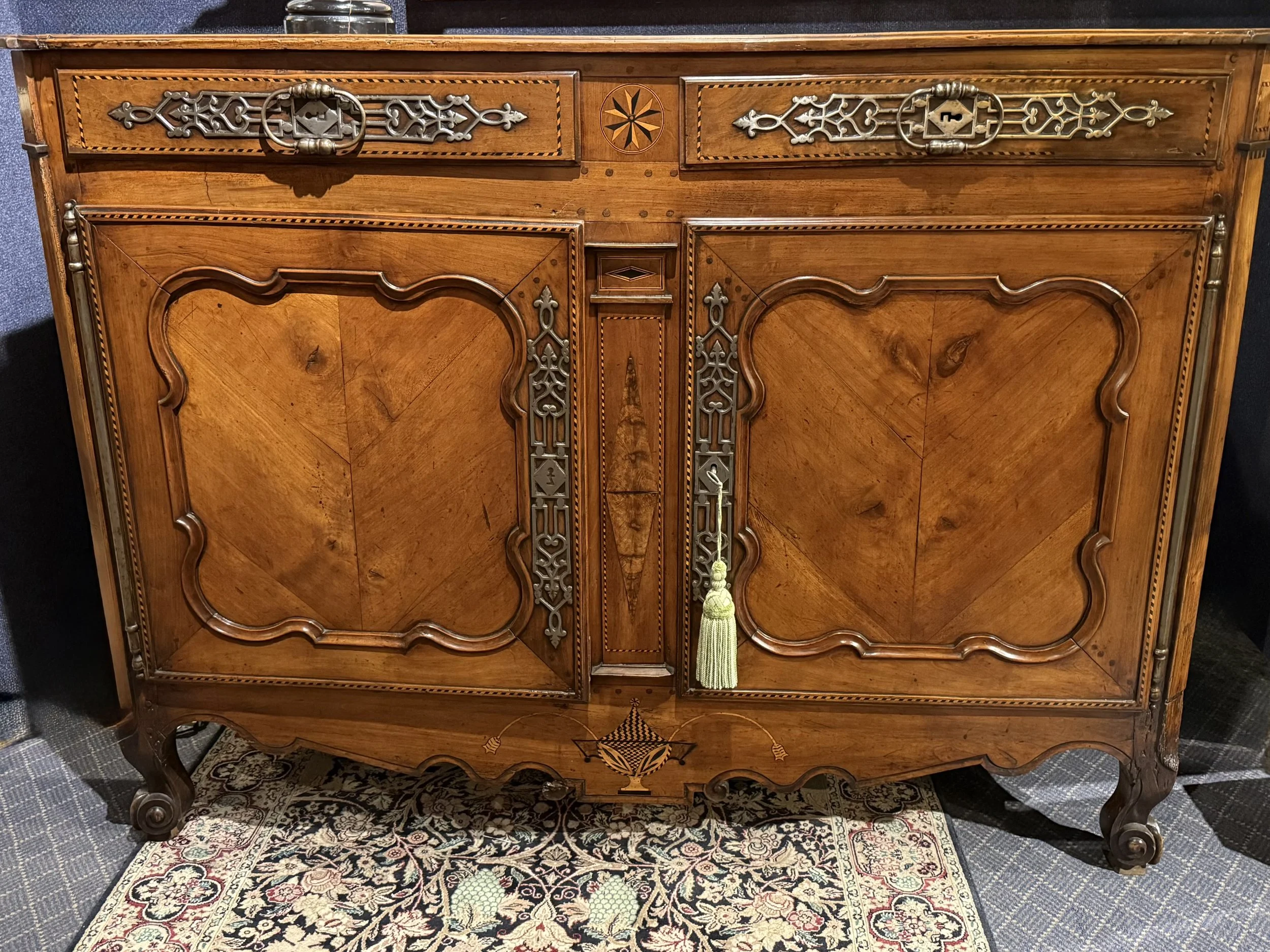
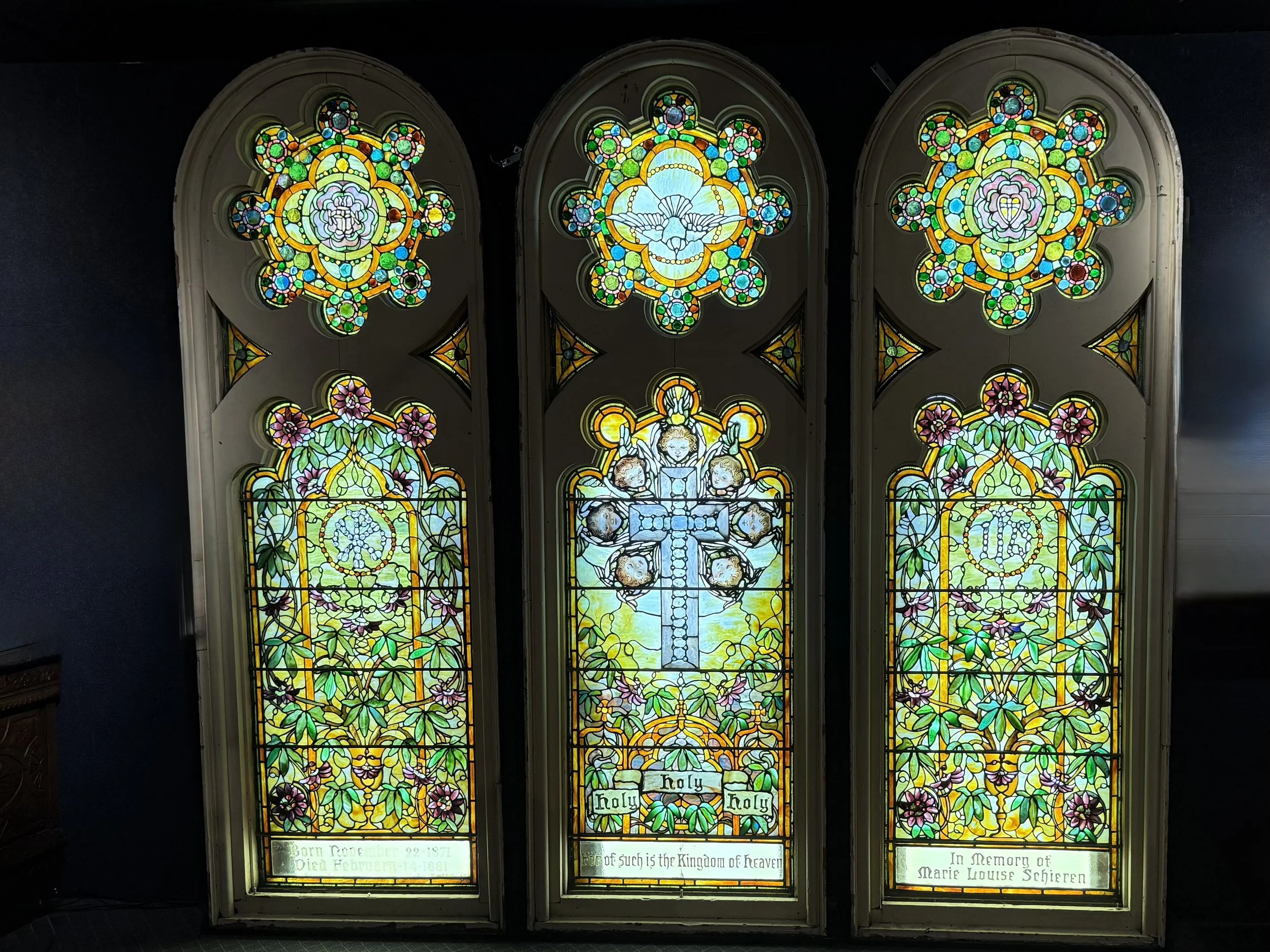
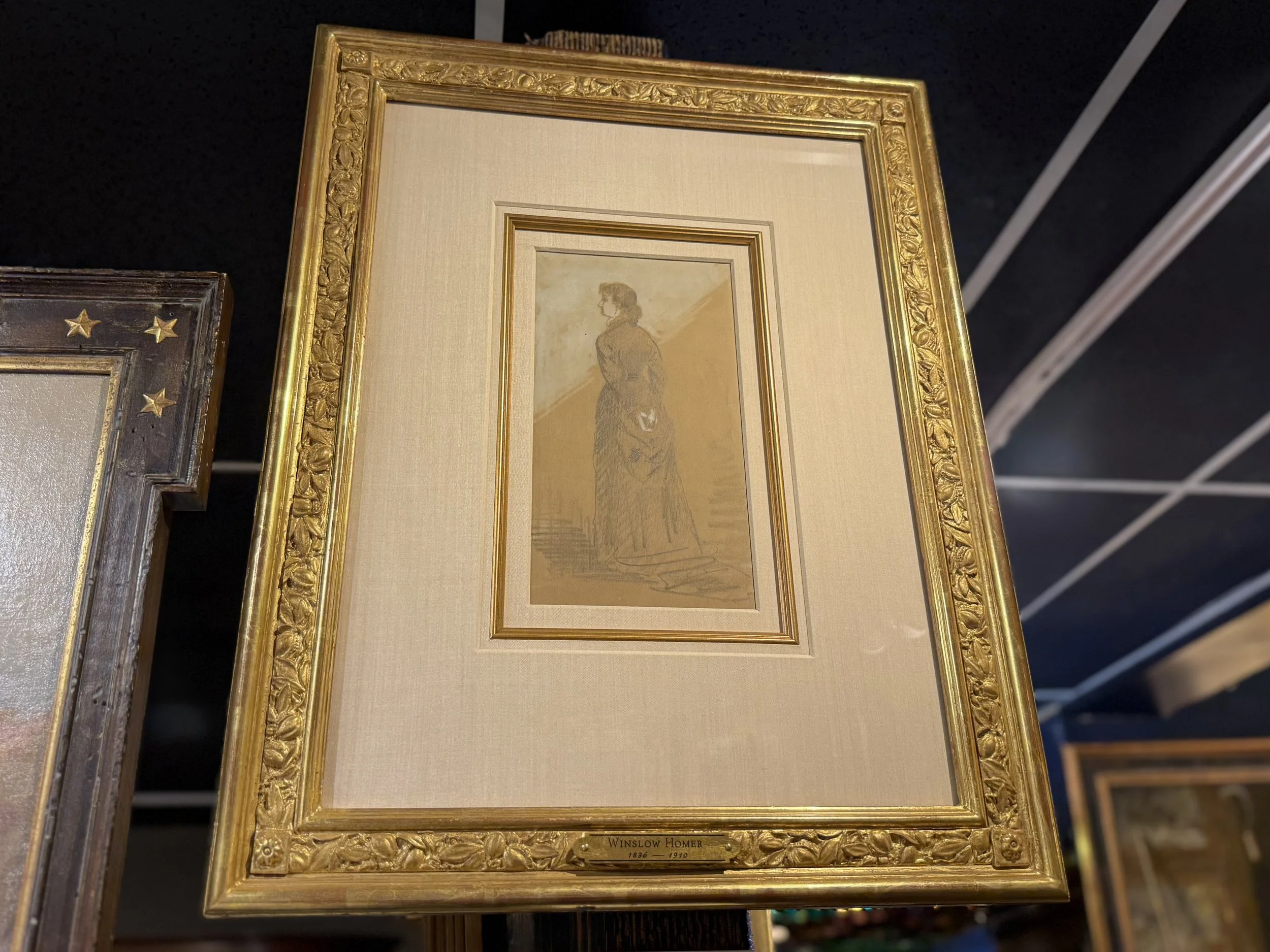
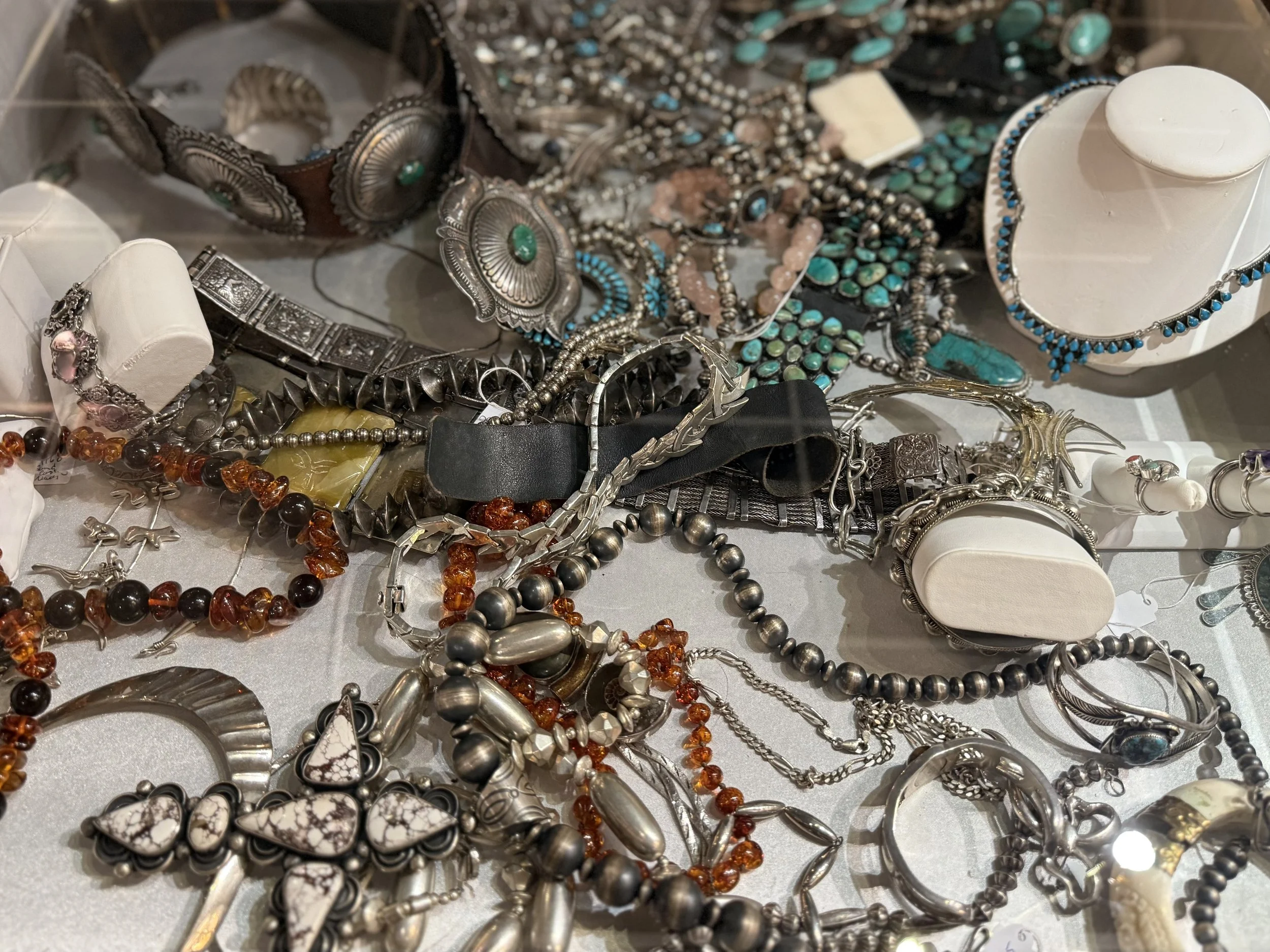
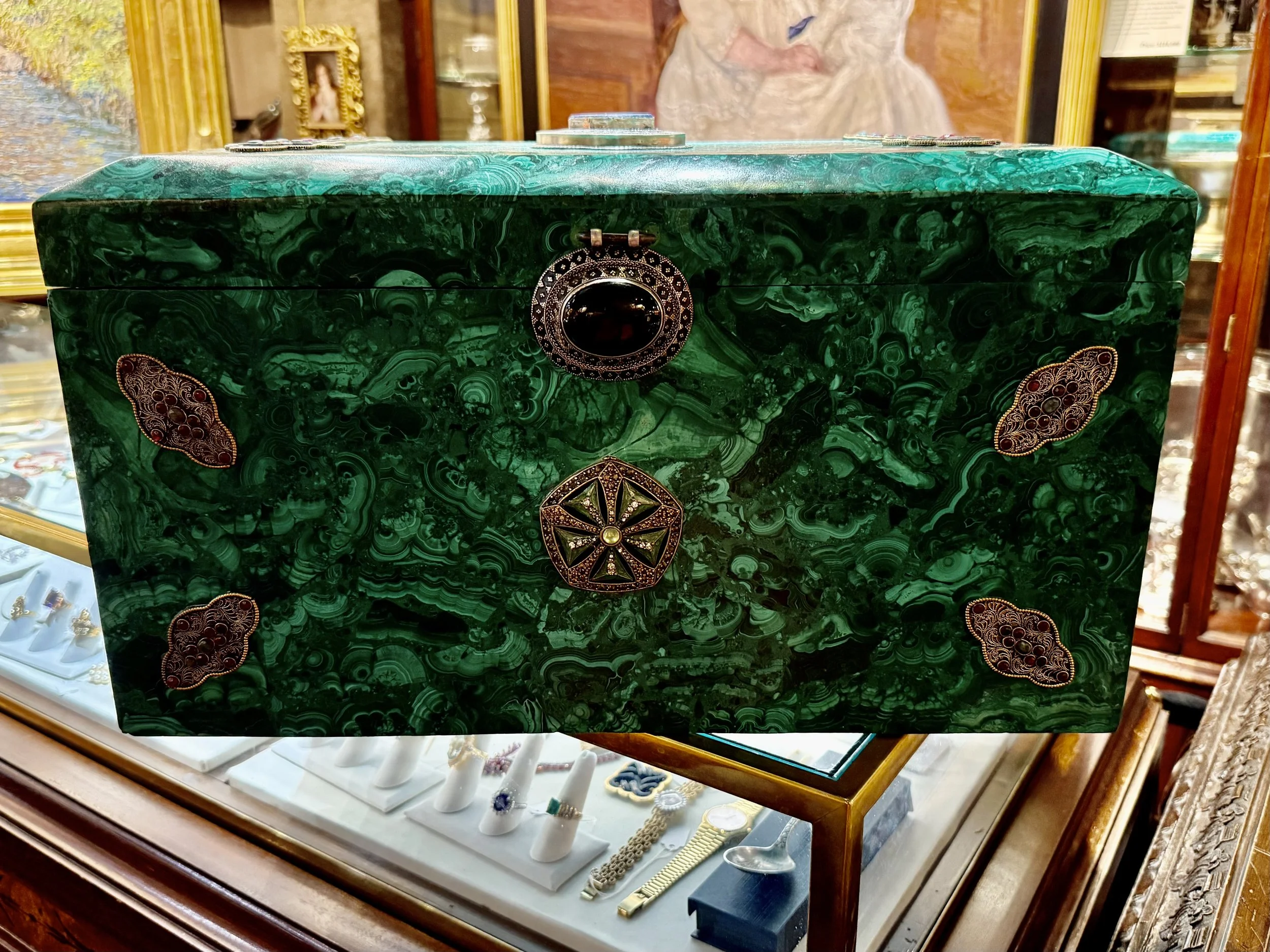
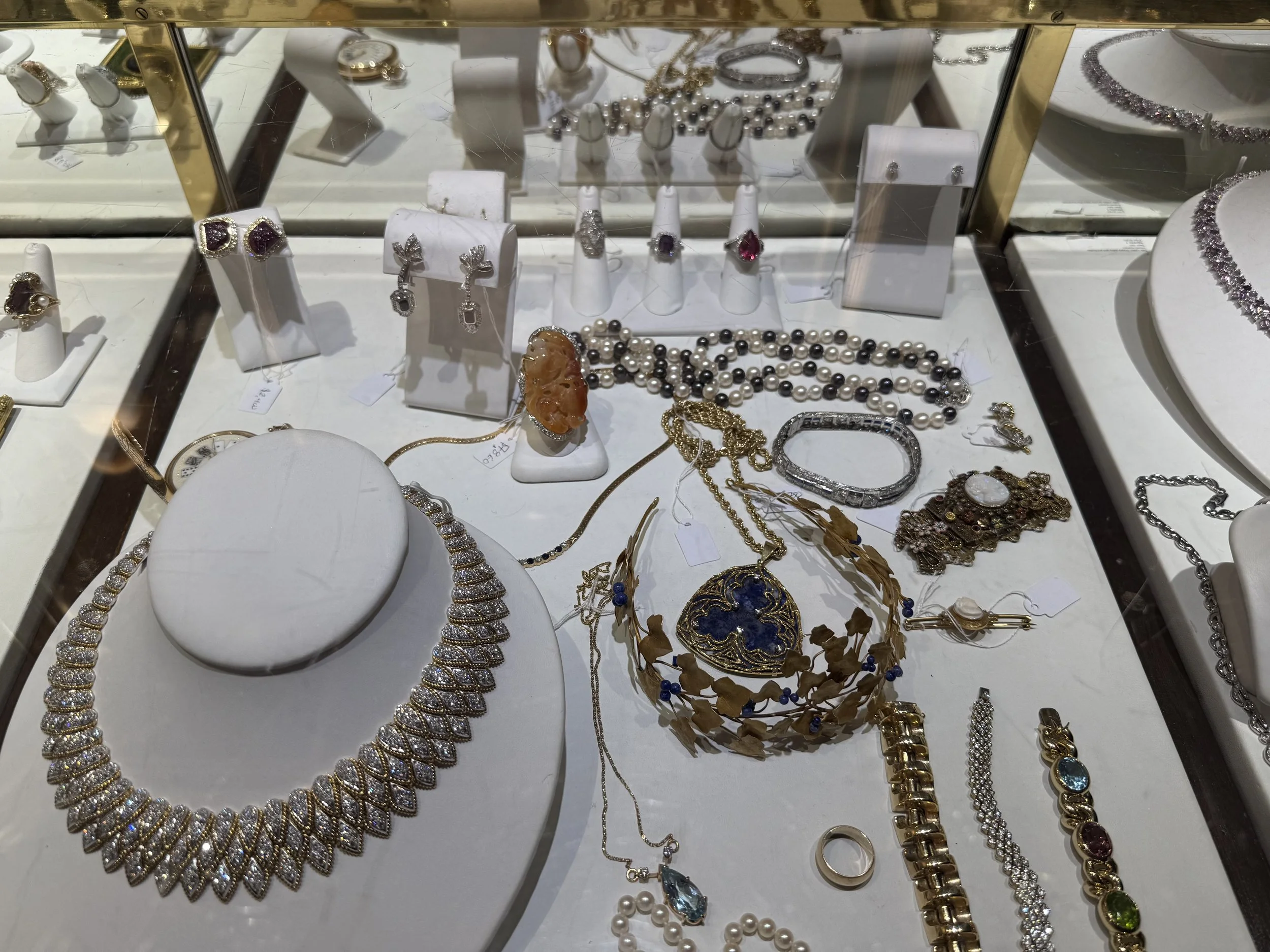
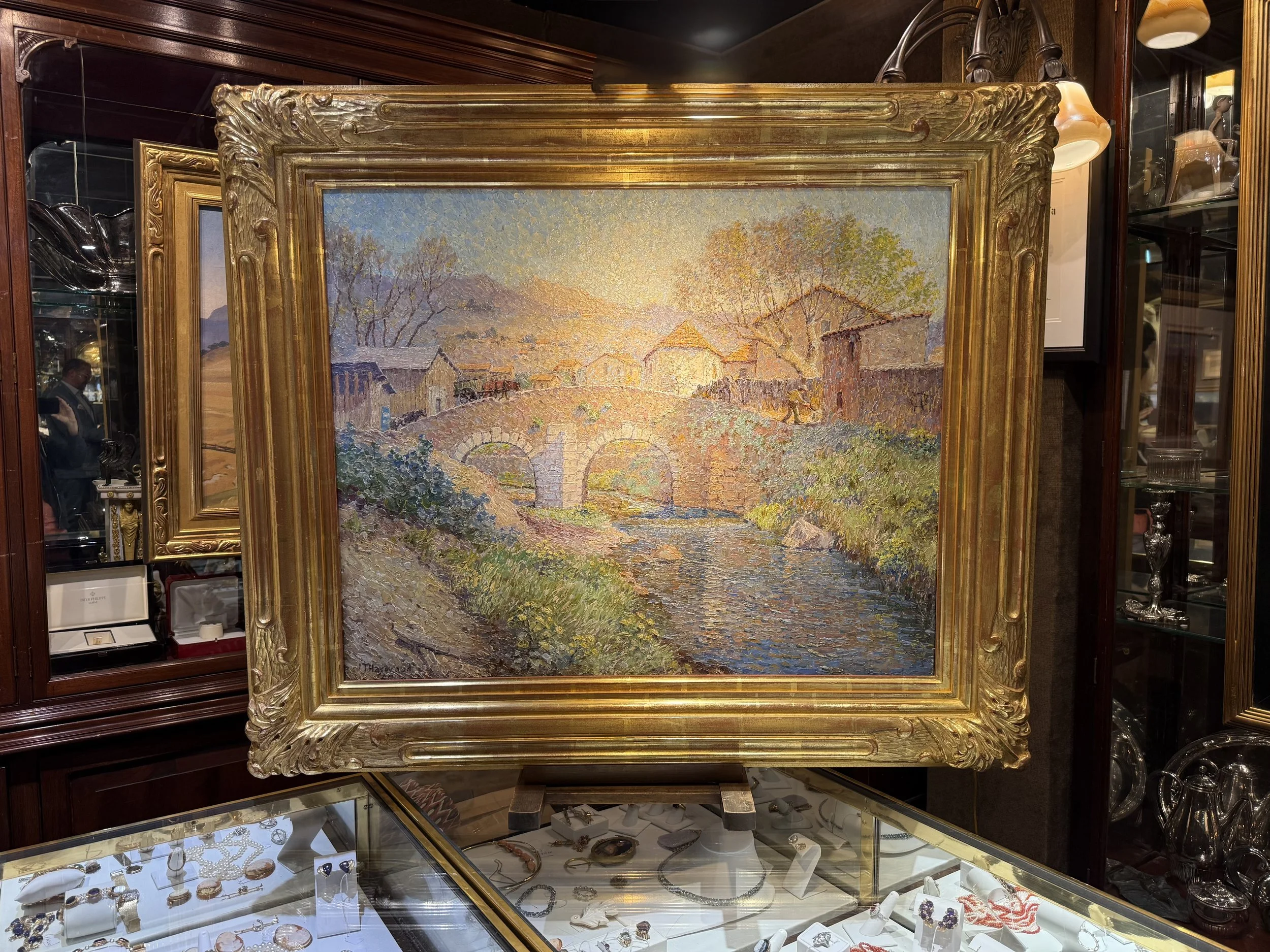
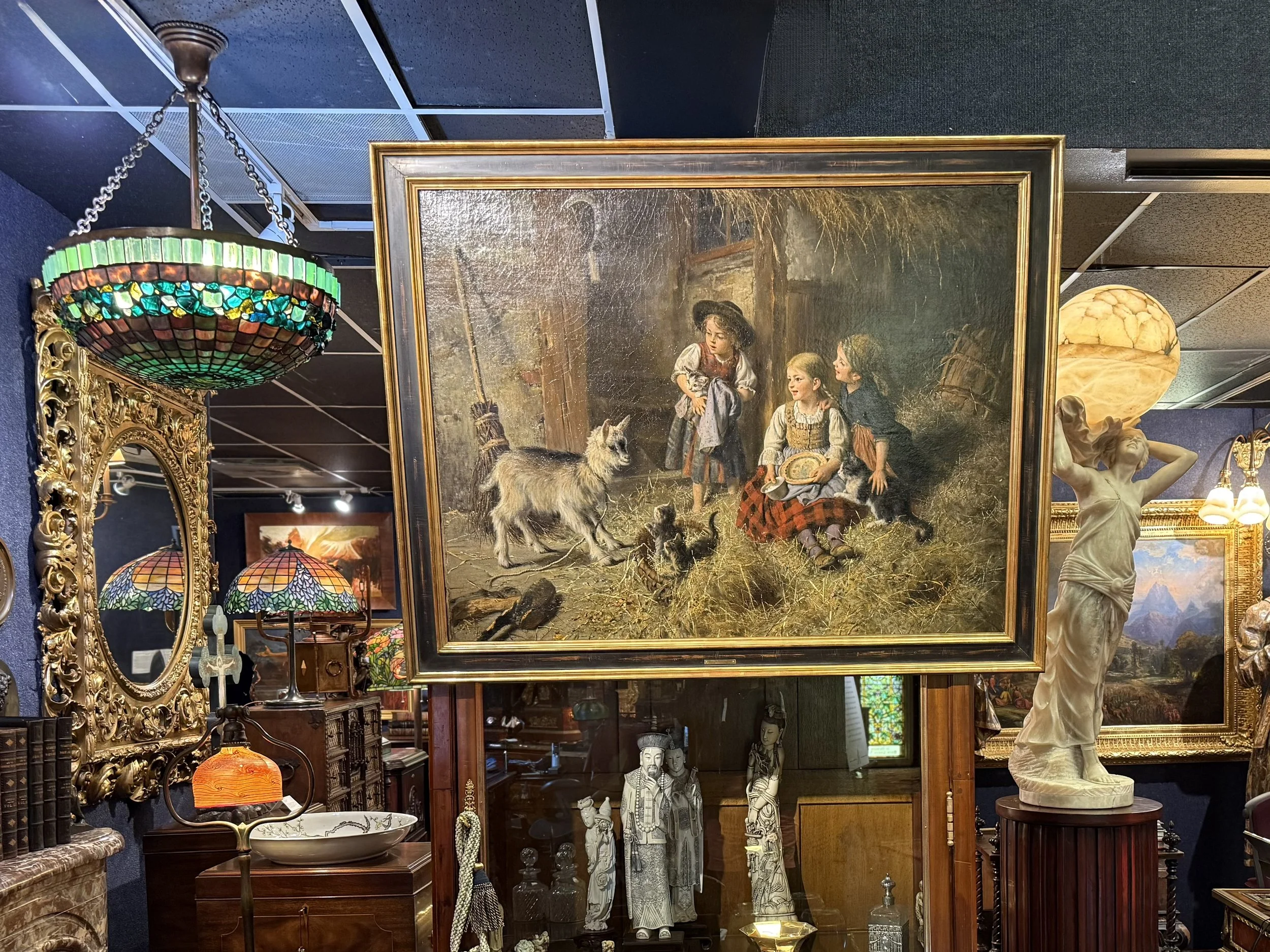
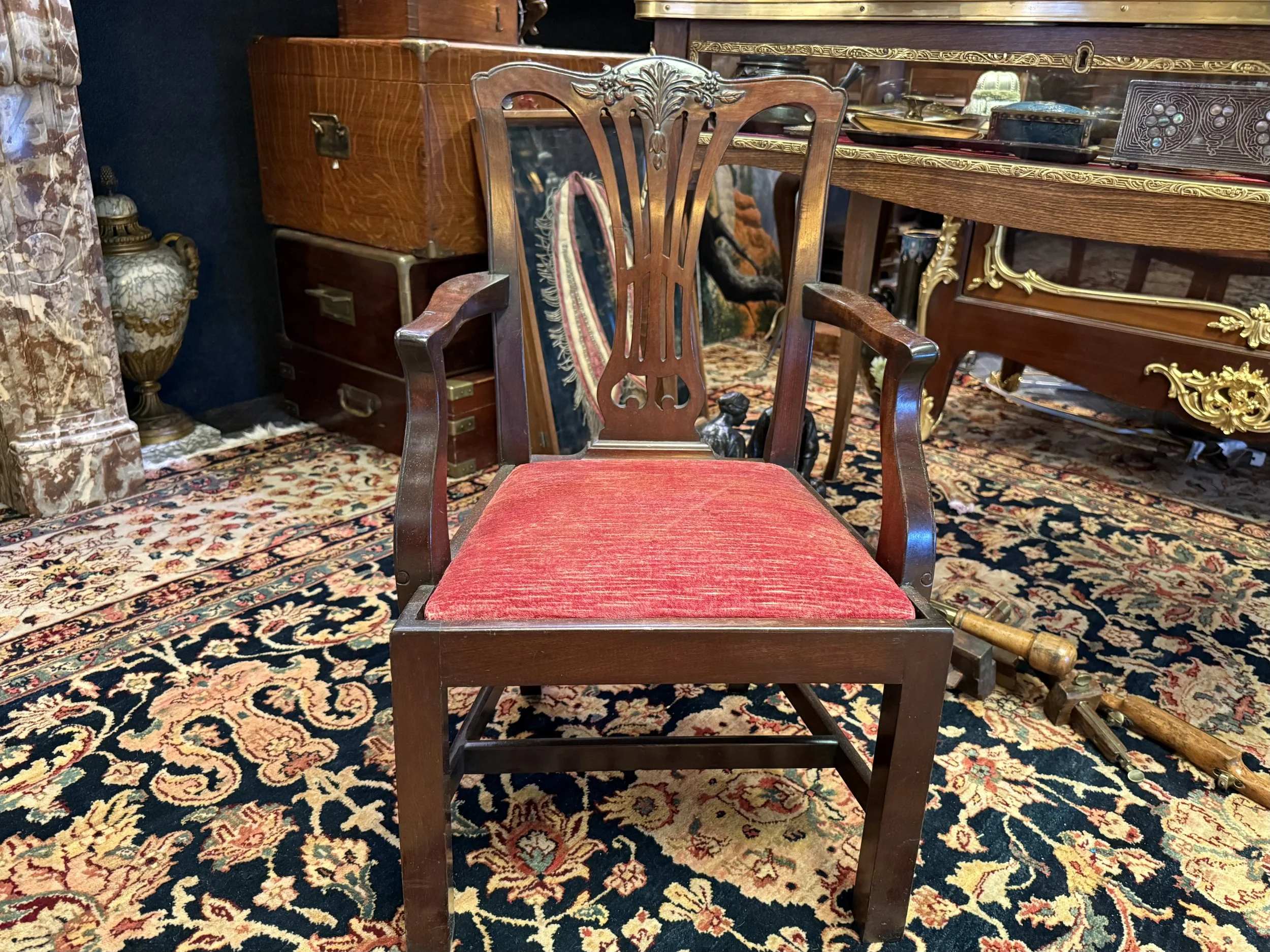
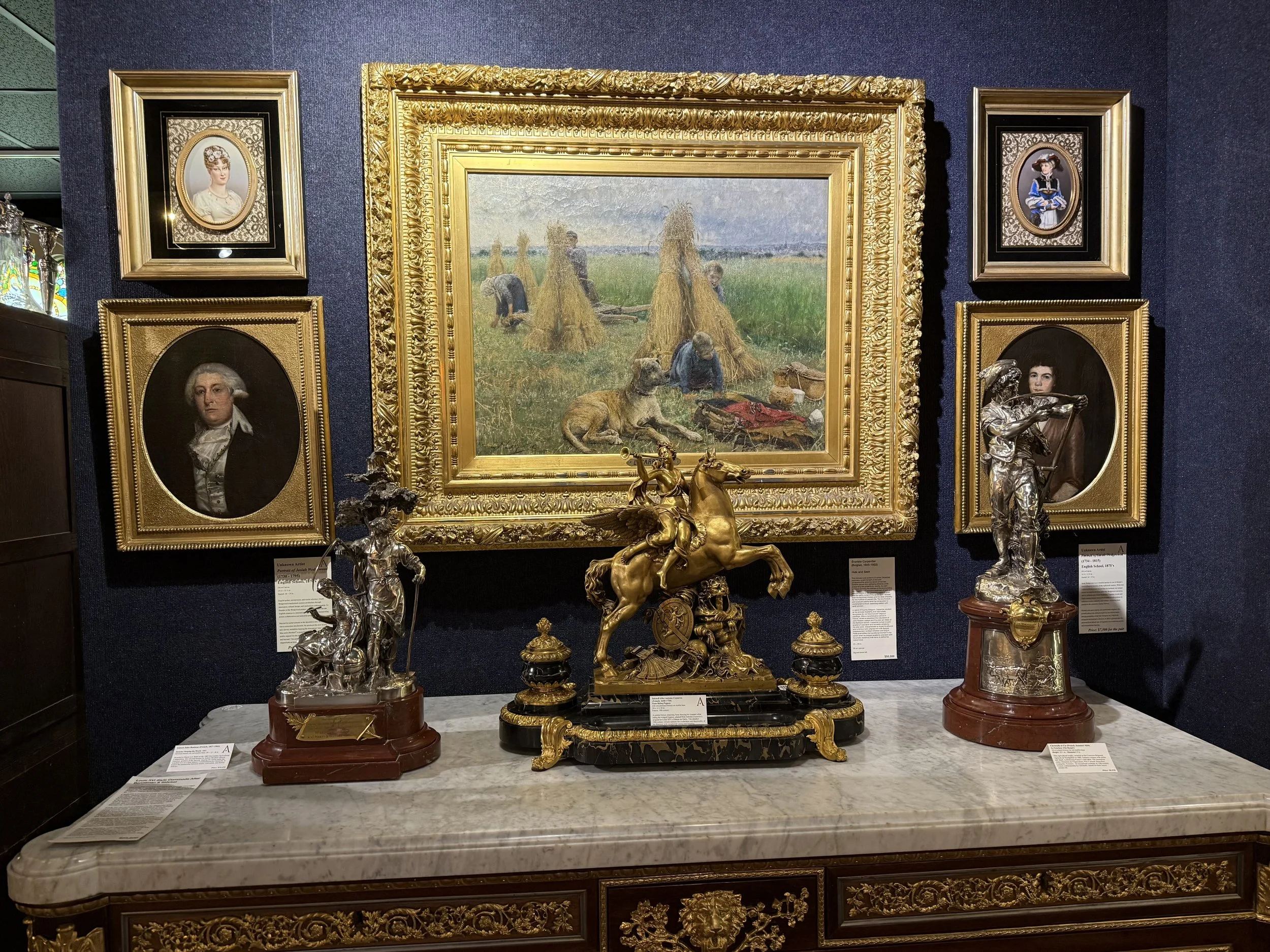
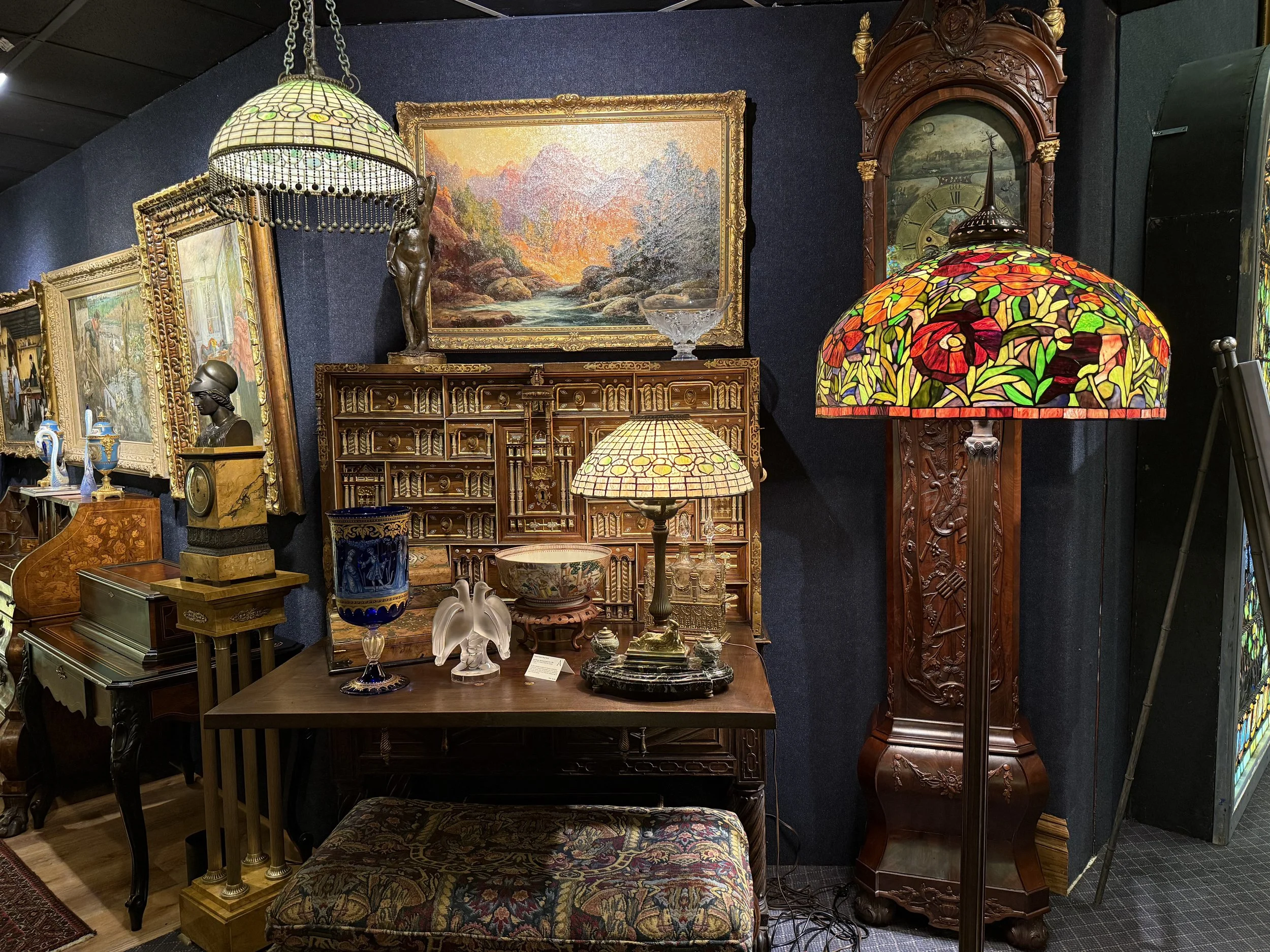
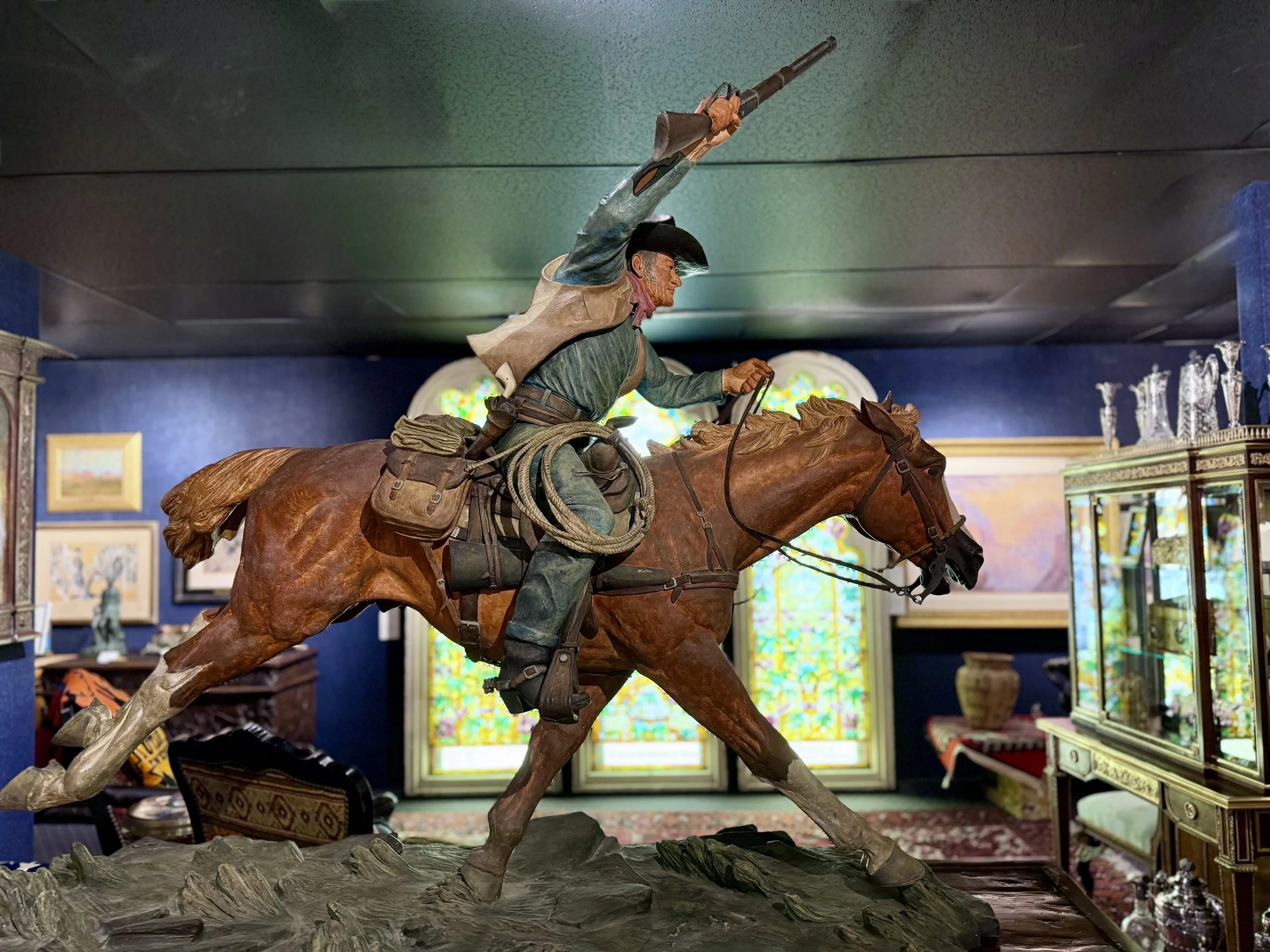
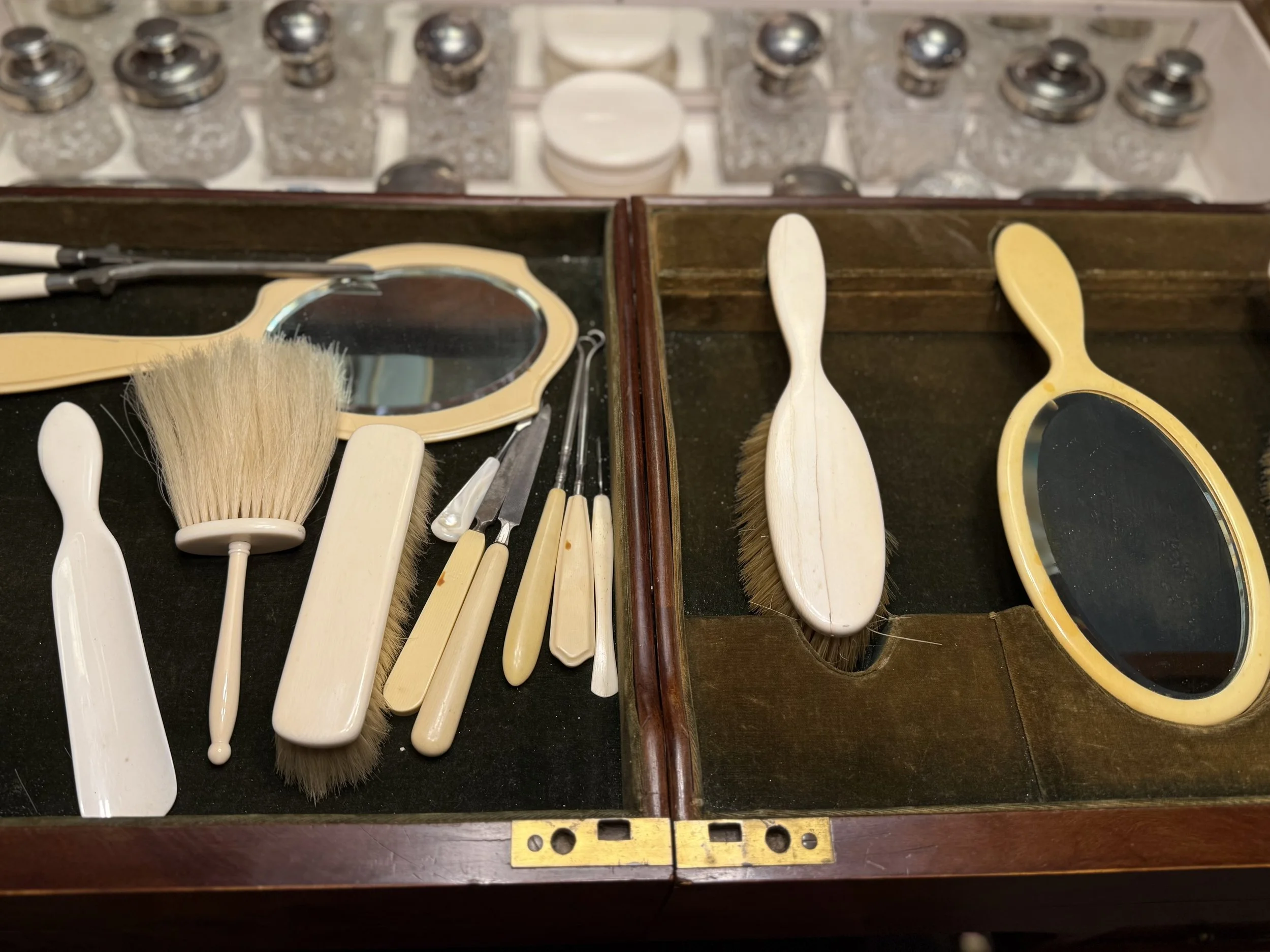
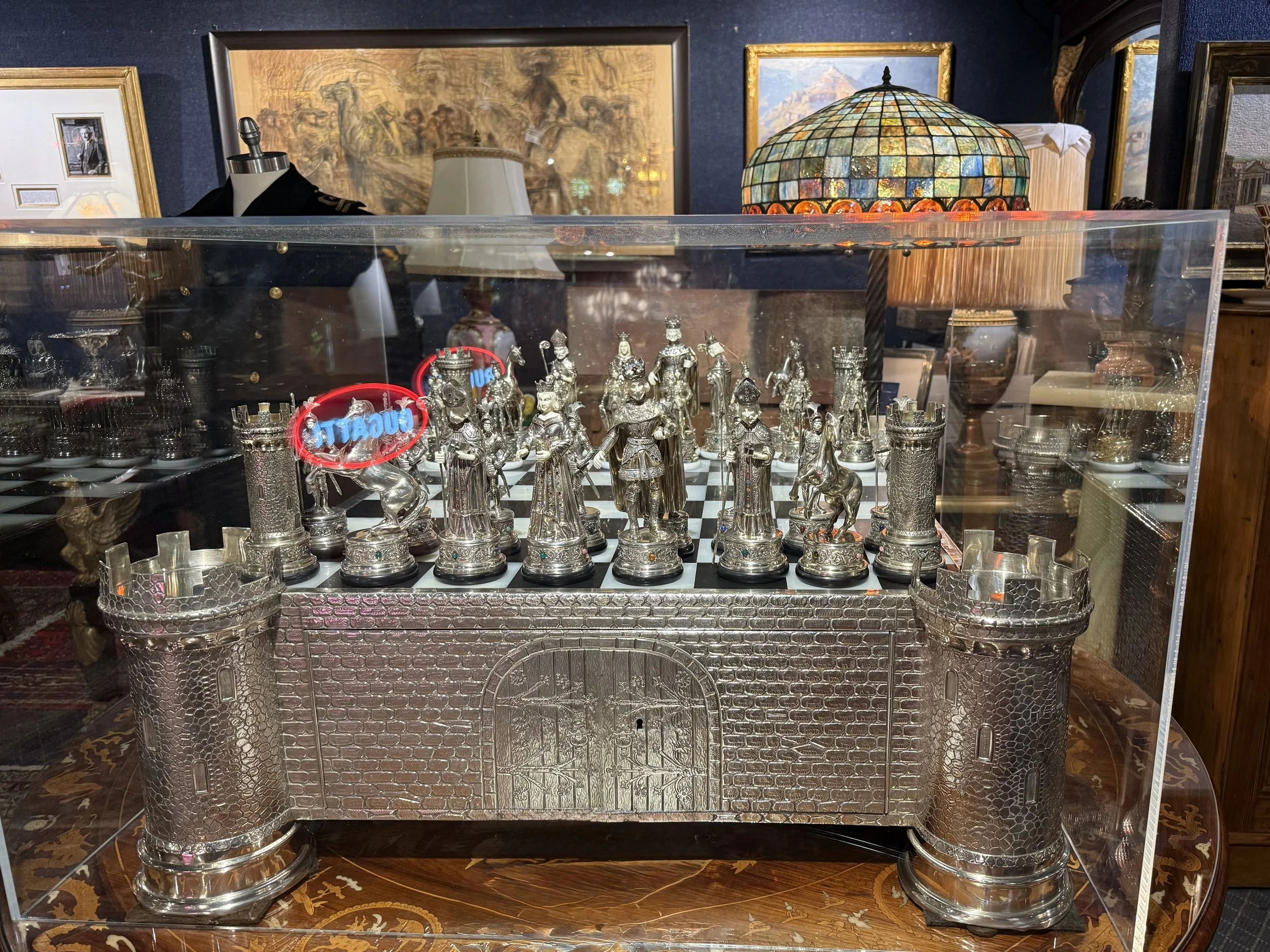
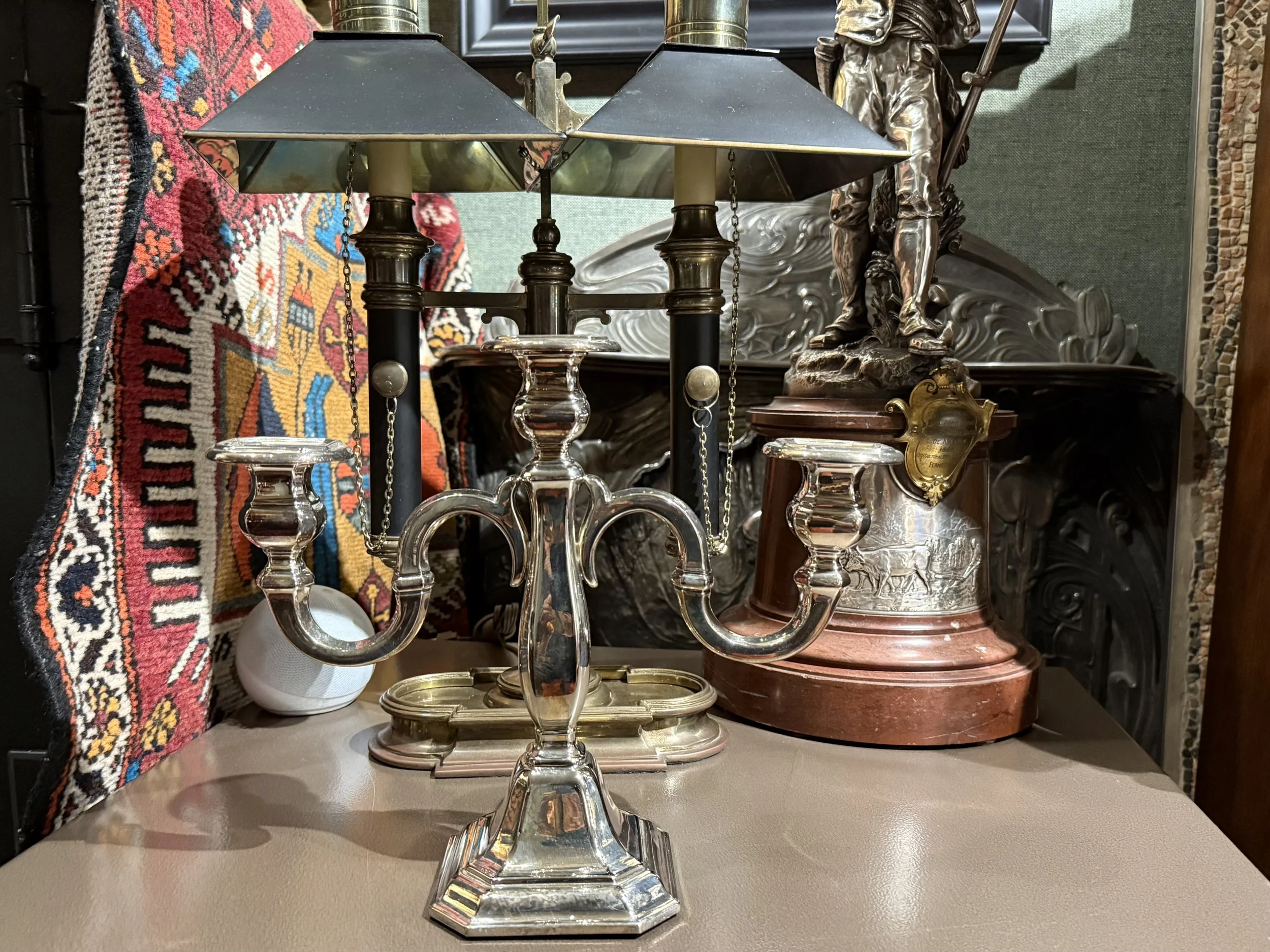
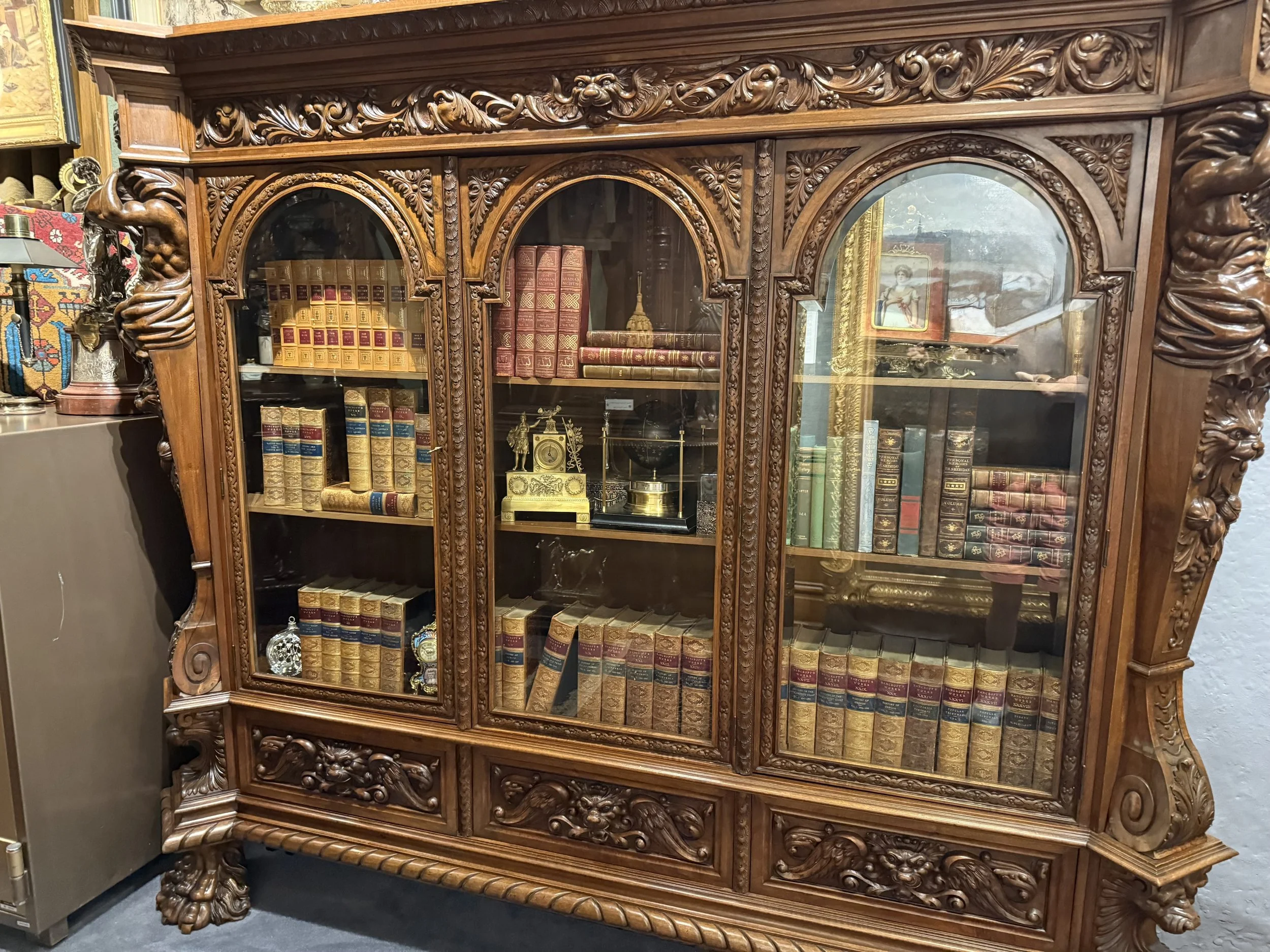
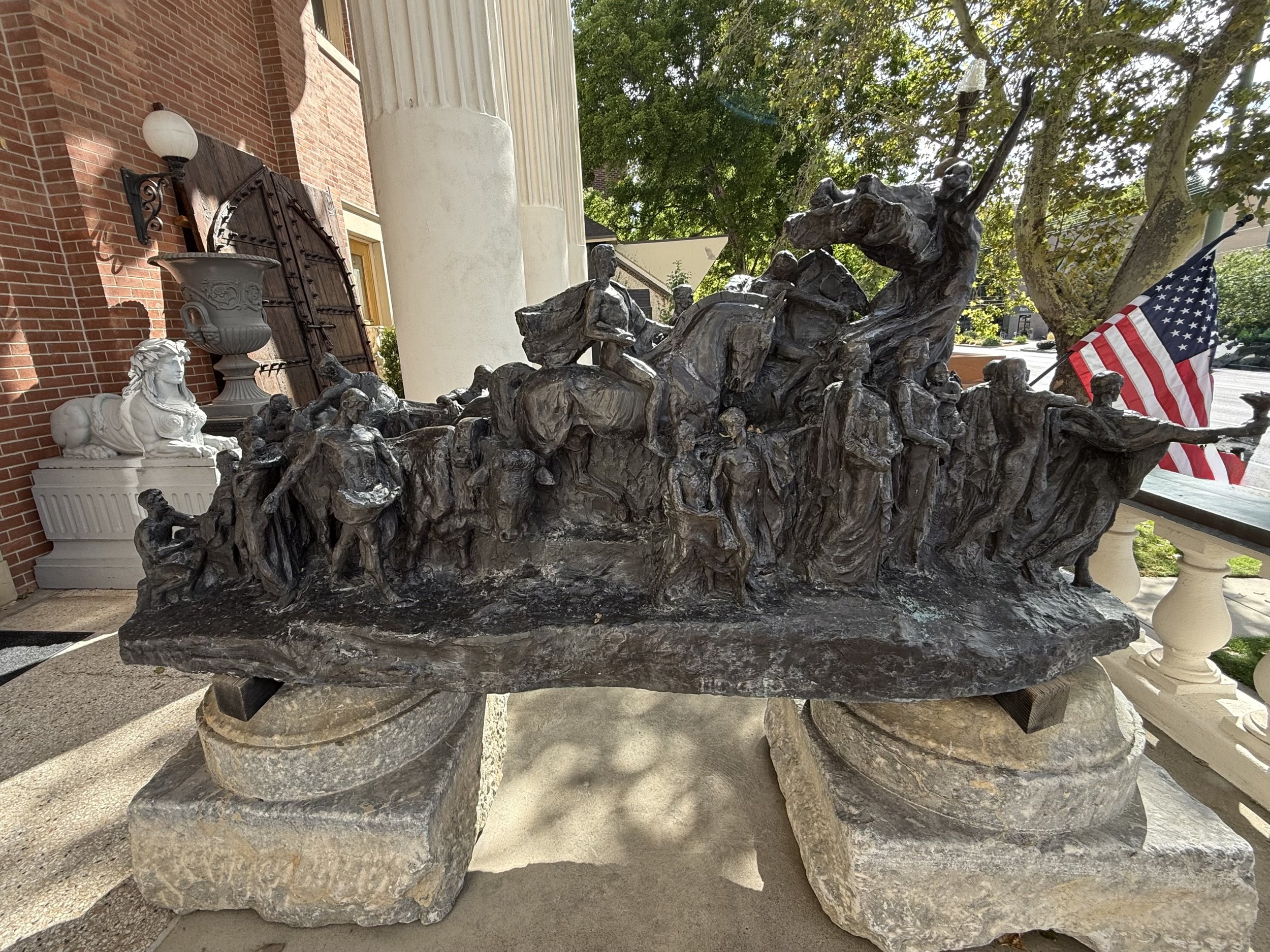
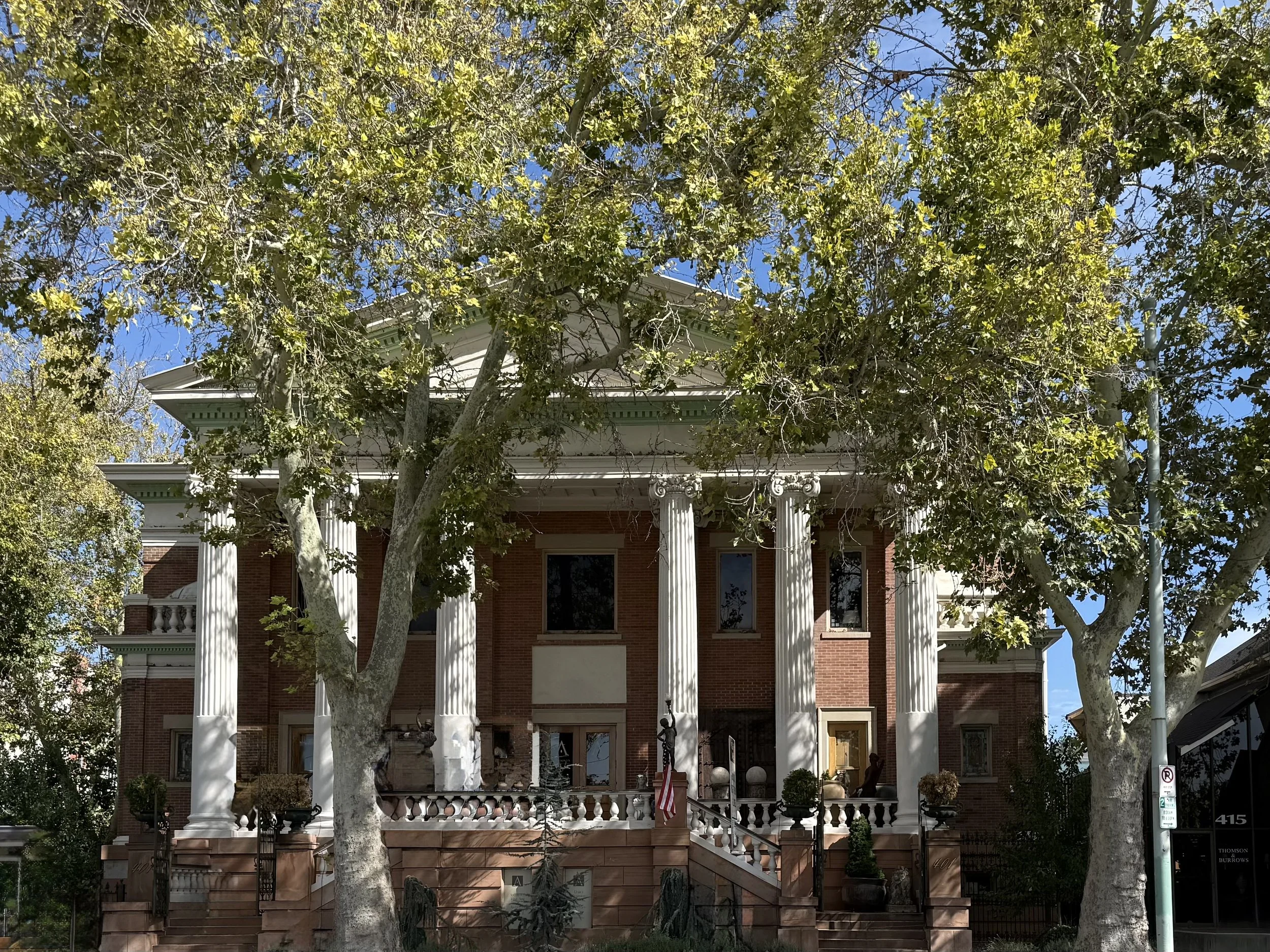
Anthony’s was founded by Micah’s father, Tony Christensen, in 1984, beginning largely as a secondhand furniture business before evolving into something considerably more ambitious. Today, inside a former Baptist church on East South Temple, thousands of pieces fill room after room, with still more housed in a warehouse. There are paintings by internationally recognized artists, centuries-old furniture, sculpture, stained glass, ceramics, religious objects, rare works by Utah artists, and pieces whose histories can be as remarkable as the objects themselves. “Anything made by God or man has come through our door,” Tony likes to say.
It is not much of an exaggeration. The building itself is part of the story. Constructed in 1911 as the First Baptist Church, it later became a recreation center for University of Utah students under the Church of Jesus Christ of Latter-day Saints, then an office building, and eventually a bank before sitting vacant for several years following the 1980’s savings and loan crisis. Tony, who had been operating Anthony’s from an old mechanic’s warehouse filled with imported French antiques, watched as the asking price continued to fall. In 1994, he took a chance and bought the twenty-five-thousand-square-foot building for $600,000.
That decision helped transform Anthony’s. The vast space allowed the family to do something most galleries in New York, London, Paris, or Madrid simply cannot. Rather than specializing narrowly in a particular artist, period or country, Anthony’s could expand in almost every direction. Micah estimates that the collection today is approximately thirty percent Utah and American, and seventy percent European, although Asian and ancient works find their way through the doors as well. “We have a real ability here to be jacks of all trades, and masters of some.”
Among those areas of expertise is historic Utah art, for which Anthony’s has become a significant dealer, while its international reach extends considerably farther. Over the years, works have passed through the gallery by Picasso, Rubens, John Singer Sargent and major French, Italian, Spanish, and British artists, alongside important American names and generations of Utah painters and sculptors. Anthony’s has worked with private collectors and institutions including the Smithsonian, the Metropolitan Museum of Art, and the newly opened Lucas Museum of Narrative Art.
It is an extraordinary world for someone who, in many ways, was raised inside it. Micah grew up in Bountiful, the youngest child in a family where his siblings were nearly a decade older. By the time he was ten, they were largely out of the house, leaving Micah to become what he affectionately calls his father’s “little buddy.” Tony traveled regularly for the business, and Micah went with him. “I would go with him to New York, San Francisco and L.A.,” he recalls. “I was at auctions with him and in antique warehouses. I was traveling everywhere with him to buy and sell antiques.” Summers were spent at Anthony’s, moving furniture and learning a business he would later make several attempts to escape.
Micah’s family history is an unlikely convergence of cultures and places. On his father’s side are Jewish ancestors who fled pogroms in Eastern Europe, eventually settling in the United States, as well as descendants of Mormon pioneers and early American families. His mother’s family came from South Carolina and later settled in Utah. Micah was raised in the LDS church, served a mission in Chile from 1998 to 2000, and grew up equally surrounded by the foods, stories, and traditions of his Jewish heritage. “My heritage is almost a direct result of who I am,” he says, repeating something a client once told him: “Everything boils down to genealogy and geography.” Those two ideas - where people come from and where life takes them - could just as easily describe the objects at Anthony’s.
Micah initially appeared headed somewhere else entirely. At the University of Utah, he studied vocal performance on scholarship, singing opera and oratorio, before switching to business “to be practical.” He was hired by, and worked directly with, Stephen Covey, the author of The 7 Habits of Highly Effective People for five years. Later, Micah founded a nonprofit in Washington, D.C., helped raise millions of dollars and was preparing to settle in Georgetown with his wife when a phone call abruptly changed their plans.
Tony had collapsed outside Anthony’s. At the time, doctors believed he might have only a few months to live. Micah and his wife quickly abandoned their move to Washington and returned to Salt Lake City to help. Six months later, Tony was very much alive - and father and son were driving each other crazy.
Micah laughs about it now. He had spent his childhood absorbing his father’s knowledge, but working beside him as an adult was another matter. Tony had built the business through instinct and experience; Micah was young, full of ideas, and convinced there might be different ways of doing things. Eventually, Europe provided some necessary distance.
Micah moved to England, earned a master’s degree through Sotheby’s Institute of Art and a doctorate in art history from the University of London, while spending extensive time studying in France, Spain, and Italy. He became fluent in Spanish and French, worked as a consultant, and continued buying for Anthony’s from abroad. He was offered positions with Sotheby’s and Christie’s and, for a time, his future in the family business was far from certain. “My dad said, ‘By the way, you don’t have to come back here,’” Micah remembers. But after several years away, the place he had tried to escape began to look different. “I just had more and more excitement about being a part of this.”
Micah eventually returned to Salt Lake, and father and son slowly found their balance. Today, Micah and his brother-in-law, Brett LeVitre, own a larger share of the company, but Tony, now at age eighty, remains at Anthony’s nearly every day. Micah does much of the sourcing; Tony does much of the selling. “We have so much fun together,” Micah says. “I still have a lot to learn from him.”
The combination has changed the business dramatically. When Micah first became involved, Anthony’s was roughly seventy percent furniture and thirty percent art. Today, despite the imposing amount of furniture still filling the building, Micah estimates that art accounts for approximately eighty percent of its business.
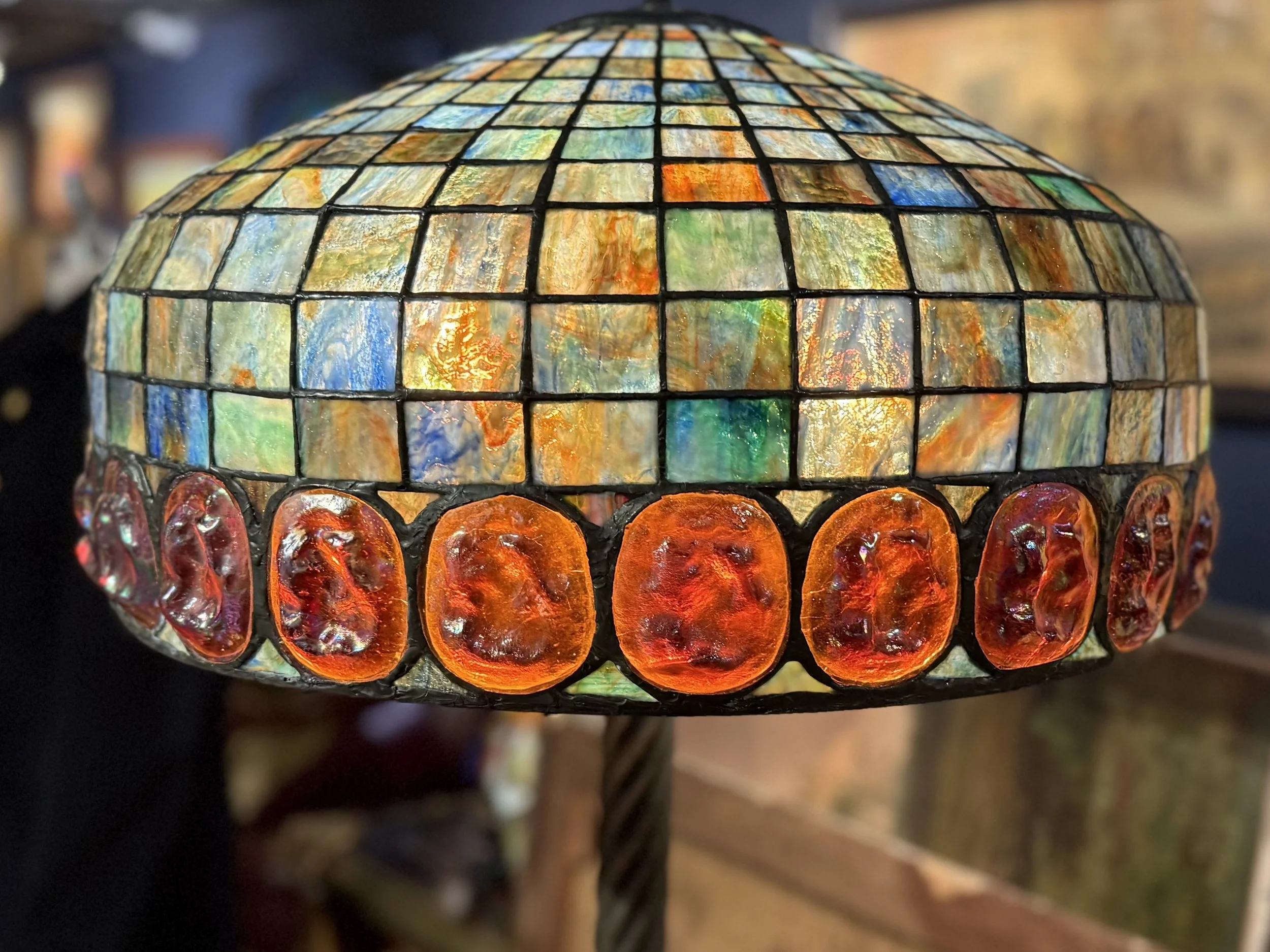
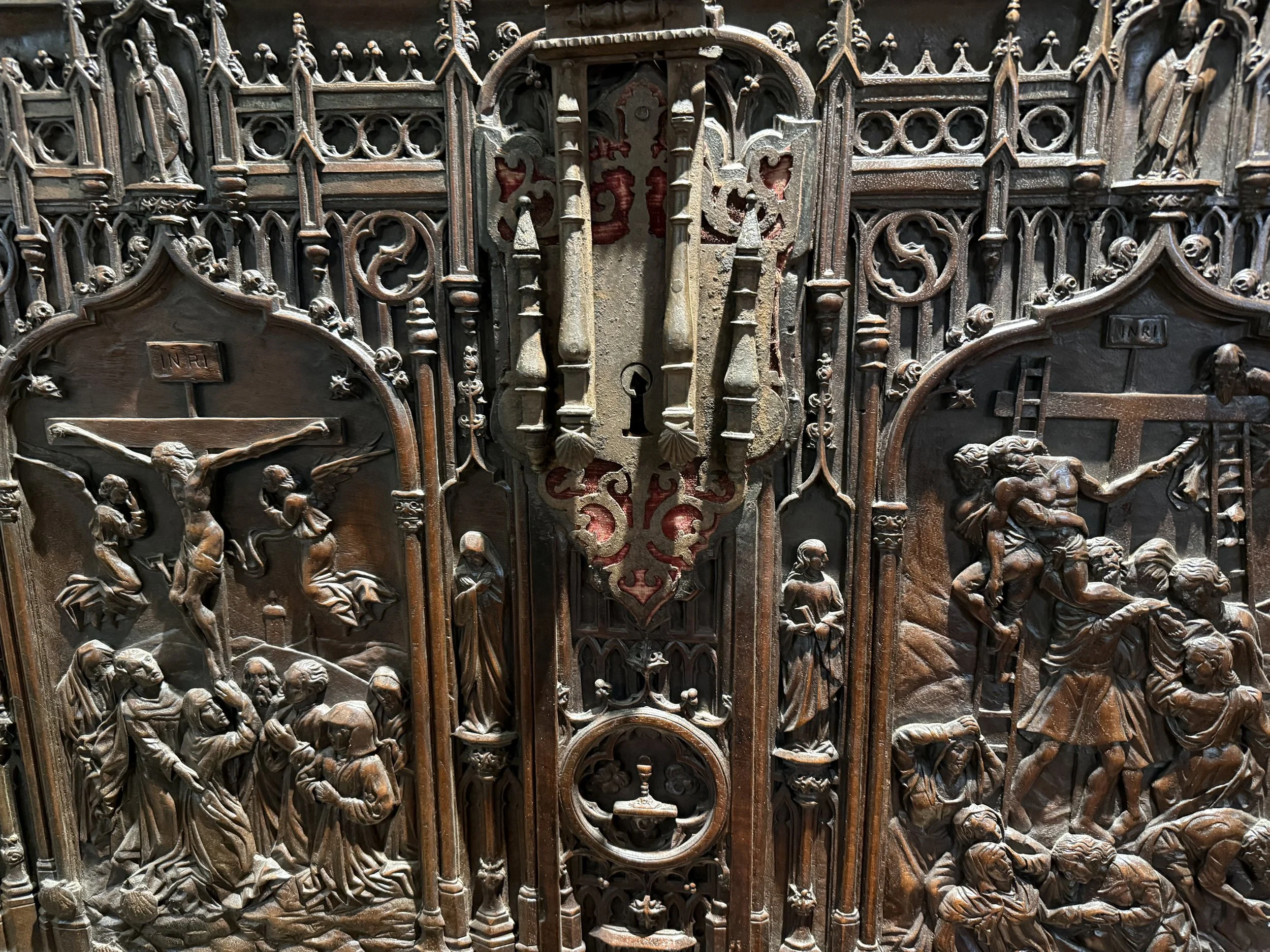
Yet statistics hardly explain what it feels like to wander through Anthony’s. One room contains a Norman Rockwell and Tiffany glass. Nearby is a Spanish cabinet dating to the 1460s, created before Columbus arrived in the Americas. Made of Spanish walnut and ironwork, and decorated with religious imagery, French Limoges enamel, and African ivory, it began life with a wealthy family in Burgos, Spain, then crossed the Atlantic centuries later with another family that settled in North Carolina. When that family’s plantation closed in 2021, Anthony’s acquired it. “1460s Spain, 1640 North Carolina, 2021 Salt Lake City,” Micah says, tracing more than five hundred years in a sentence. Anthony’s is only the third owner.
A painting purchased years ago in Montmartre has an equally unexpected story. Micah and Tony admired the unsigned portrait of a rabbi but knew little about it beyond their belief that it had been painted by a highly trained nineteenth-century French artist. While studying in London, Micah asked an Israeli classmate to translate the Hebrew inscription. She was reluctant, but eventually, she told him it was a passage from Leviticus about the punishment for adultery. That seemingly peculiar phrase became the clue that allowed Micah to begin unraveling the painting’s history. His research ultimately connected it to Isidor Kaufmann, one of the important Jewish artists of his era, and to a series based upon the Ten Commandments. What Tony and Micah had bought largely because they liked it, turned out to be a significant work.
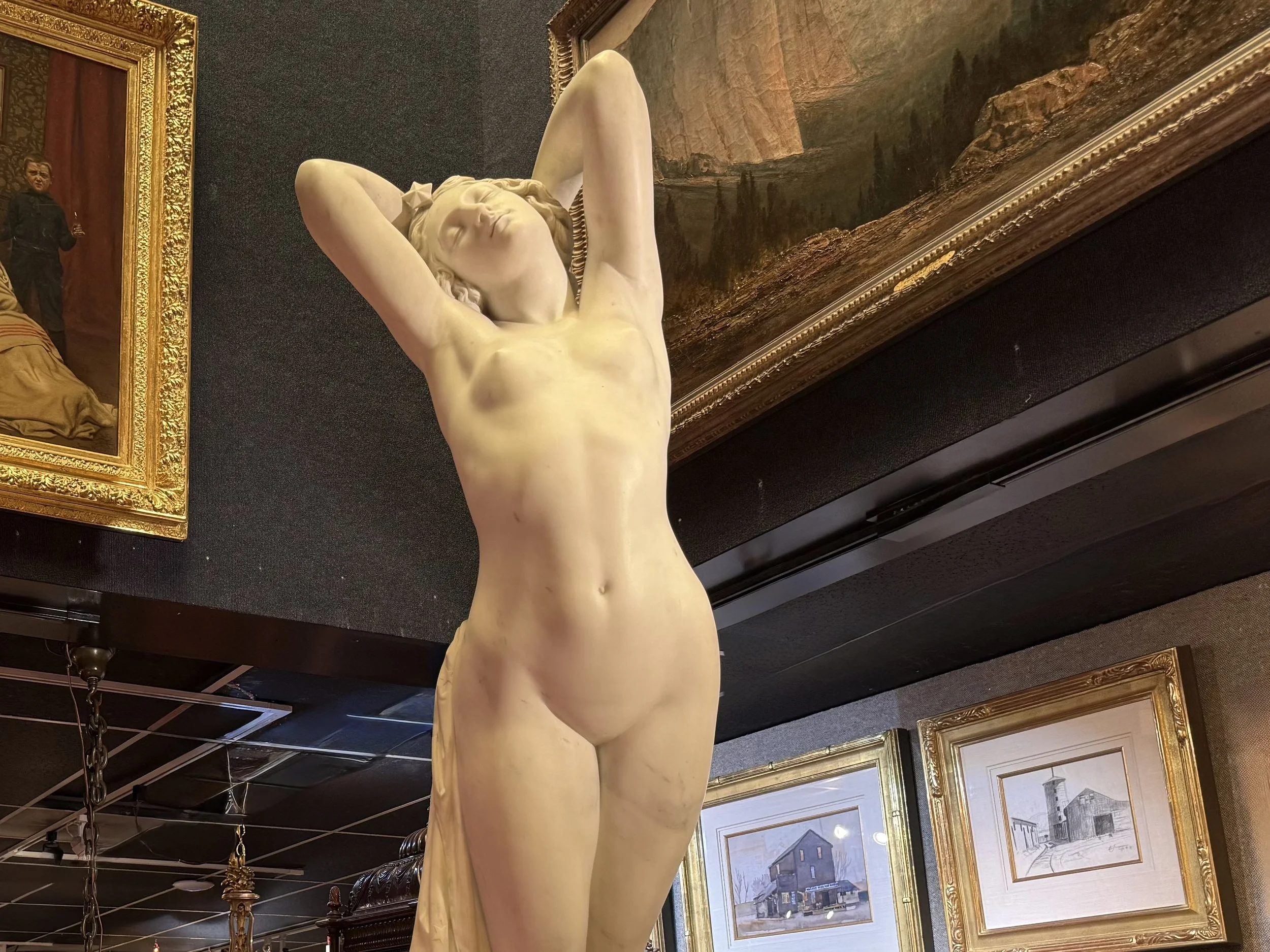
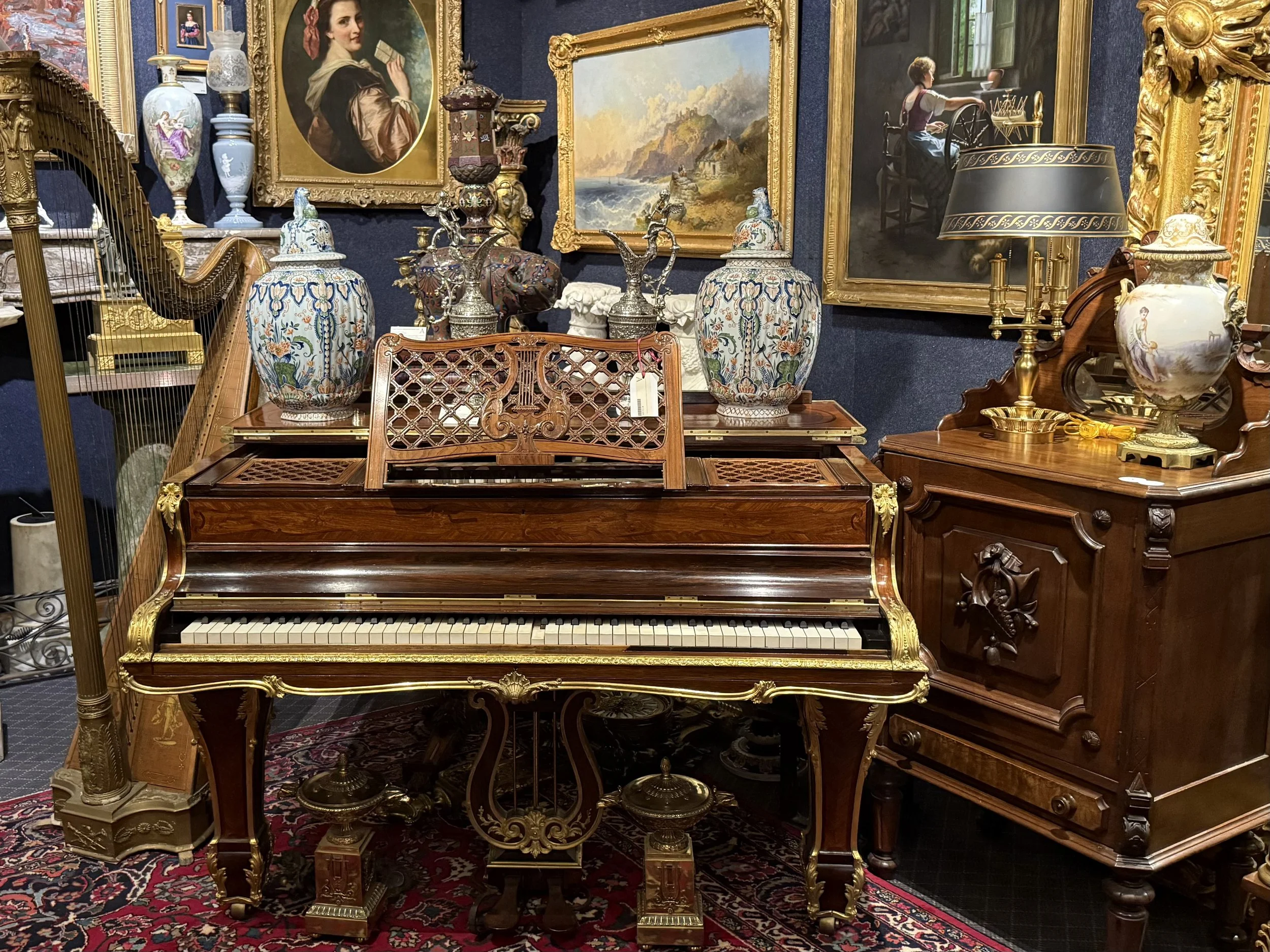
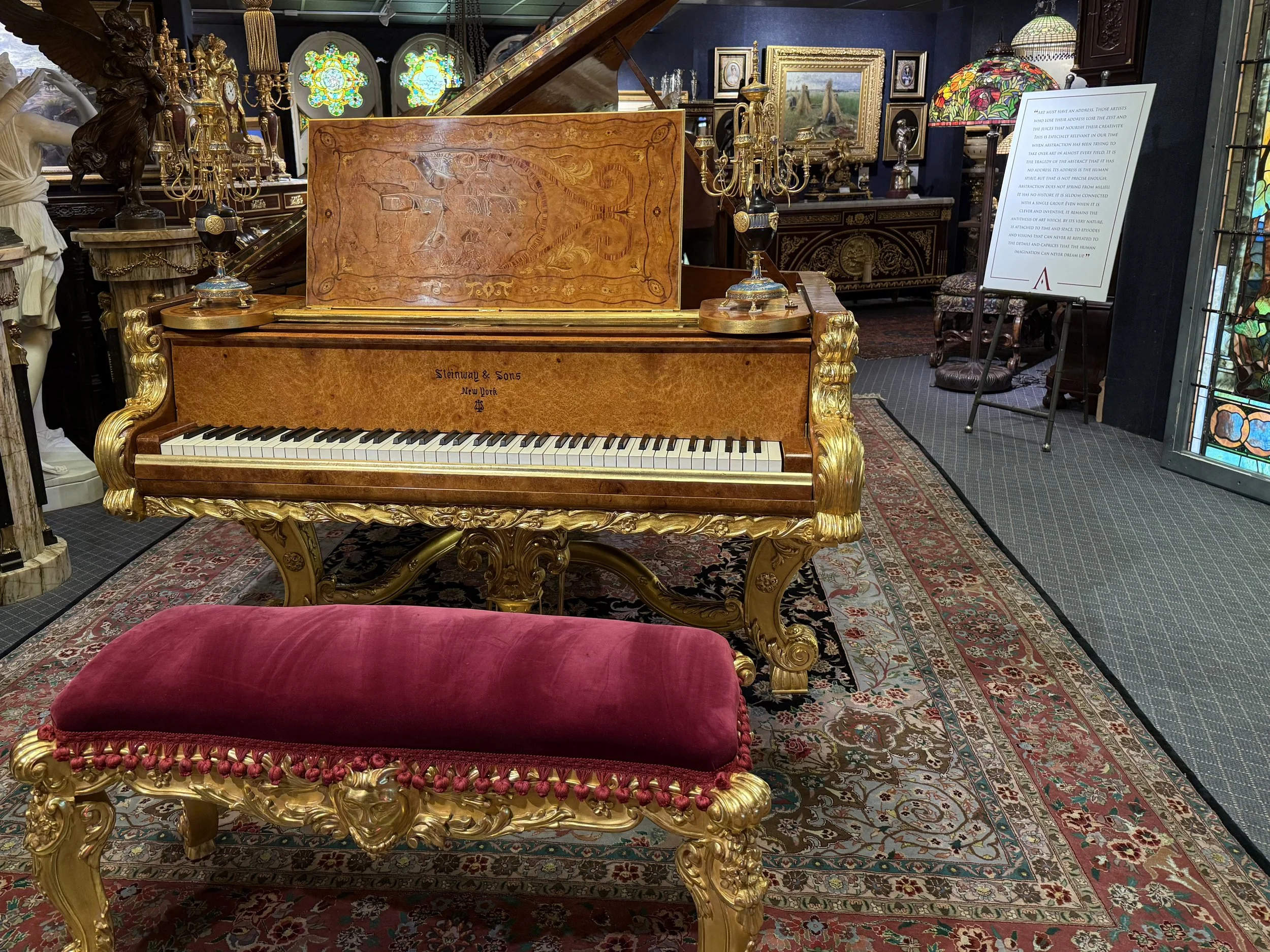
That, in its simplest form, is how Anthony’s operates. “What’s our buying strategy?” Micah asks. “If we like it, we buy it.” Sometimes what they buy has an even more remarkable pedigree. A nineteenth-century marble sculpture called Une Heure de la Nuit - An Hour of the Night - was connected to French sculptor Michelangelo Pollet and to a version commissioned for Napoleon III and Empress Eugénie. Micah recounts its connection to the inspiration behind Debussy’s Clair de Lune. Nearby is one of the limited casts of Rodin’s The Thinker. Elsewhere stands an elaborate Steinway from 1878.
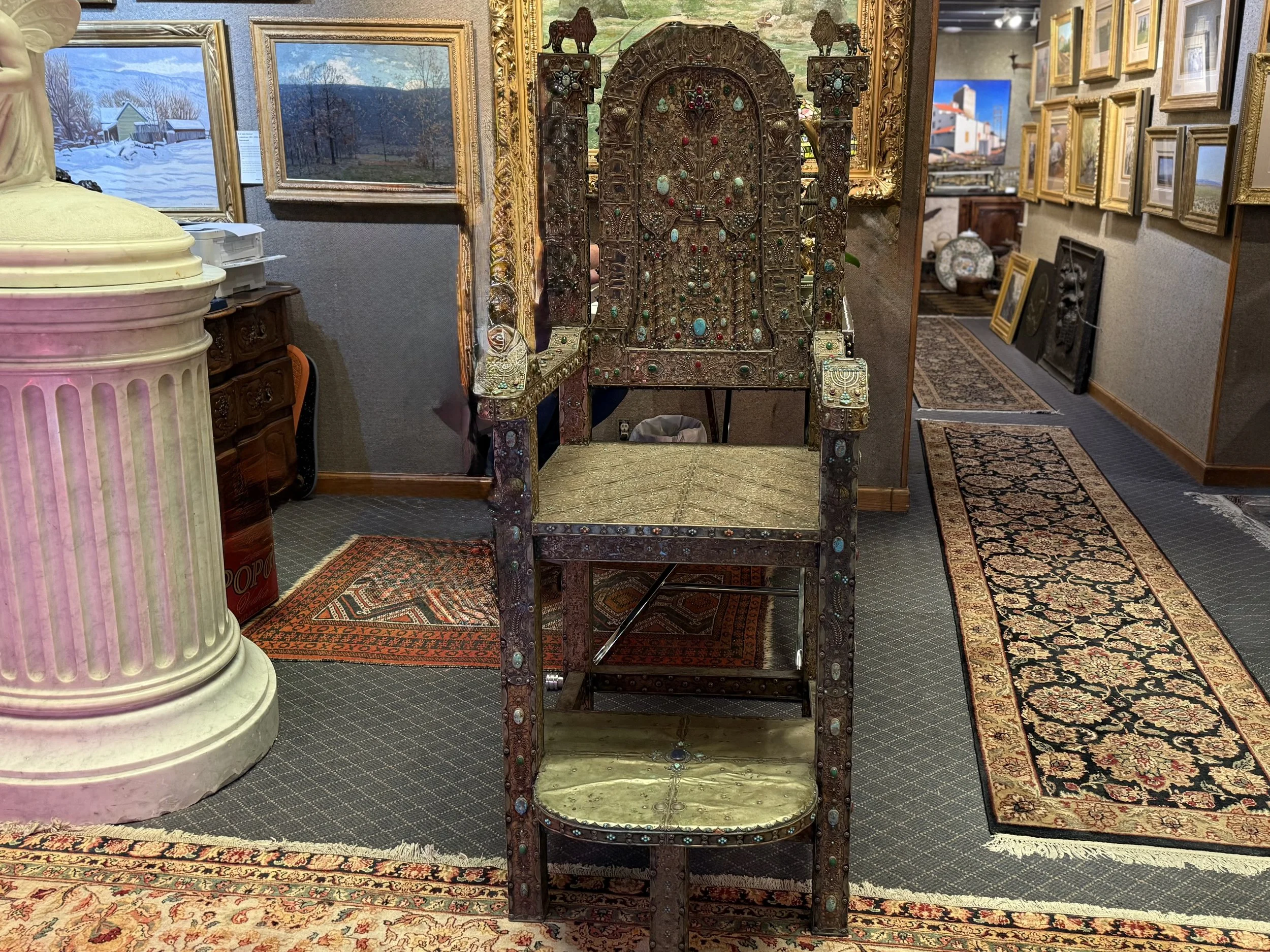
And then there are discoveries that arrive almost by accident. A piece of eighteenth-century Judaica was found tucked inside a buffet Anthony’s purchased in Lyon. An elaborately decorated Chair of Elijah, acquired from the estate of a Los Angeles collector, was eventually identified as nineteenth-century Persian after its turquoise helped establish its age and origin.
“You know, things like this happen,” Micah says. The pleasure for him is not merely acquiring any of it. It is figuring out what something is, who made it, where it has been, and where it ought to go next. Certain objects will eventually be offered to museums. Others may remain at Anthony’s for years before finding the right collector. “There are things we won’t sell to some people,” Micah says. “If they’re not going to take care of them.”
It is here that his use of the word “steward” begins to take on greater meaning. “I don’t think these objects belong to me. They kind of belong to our people. These are the gifts and talents of others, and this is the fruit of their God-given talents and skill. It’s my job to make sure that it lasts for another generation - and that people know what it is and understand it.”
That philosophy also explains the newest chapter in Micah’s life. While researching and co-authoring The Dictionary of Utah Fine Artists, published in 2022 and containing more than 4,500 artists, Micah became increasingly aware of how many significant Utah artists had been forgotten. He personally wrote hundreds of the book’s biographies, often discovering women and other artists whose accomplishments had all but disappeared from the historical record.
Without newspaper art critics, exhibition catalogs, or surviving websites, he found himself piecing together lives through archives, old articles, and family recollections. Again and again, particularly with women artists, extraordinary professional achievements had vanished from the stories families told about them. Micah began urging artists to document their own lives. “Write your own obituary,” he would tell them. “Whether the kids use it or not, at least have it somewhere where a person like me can get to it.”
The research also clarified something else. Utah has produced an extraordinary number of artists yet has relatively few institutions devoted to preserving and presenting their stories. For Micah, that gap became impossible to ignore. In 2024, he purchased the historic former B’nai Israel synagogue on Fourth East with a vision he had carried quietly for years - to create a museum that could celebrate both historic and contemporary Utah artists. The building itself, constructed in 1891, brought with it another history deserving preservation, and Micah was equally determined that renovating it should never erase what it had been. “We wanted people to still feel like it was a sacred space when they walked in. A place like that is imbued over generations with the spirit and the prayers and the faith of those who attended it.”
The result is the Salt Lake Art Museum, where the story of the building and the art now coexist. Its creation will have a story of its own, but its roots are unmistakably here at Anthony’s - in a family business where objects are researched, rescued, appreciated, and eventually passed along, and where Micah’s lifelong fascination with history has gradually become something larger than buying and selling.
What began with a boy tagging along beside his father through auction houses and antique warehouses has become an international business, an academic career, a museum and, perhaps most importantly, a shared life between father and son.
Tony is still there, nearly every day. Micah knows that will not always be the case, just as he knows that nearly everything surrounding them will eventually leave Anthony’s and continue elsewhere. It is the nature of the business, and perhaps the reason he has learned not to think of possession as permanence. “This business is just full of stories. The provenance of every item - and now we’re a brief stop on its journey. Hopefully, it’ll keep going for a long time, and we made sure it got to the next one.”