Mazza Middle Eastern Cuisine
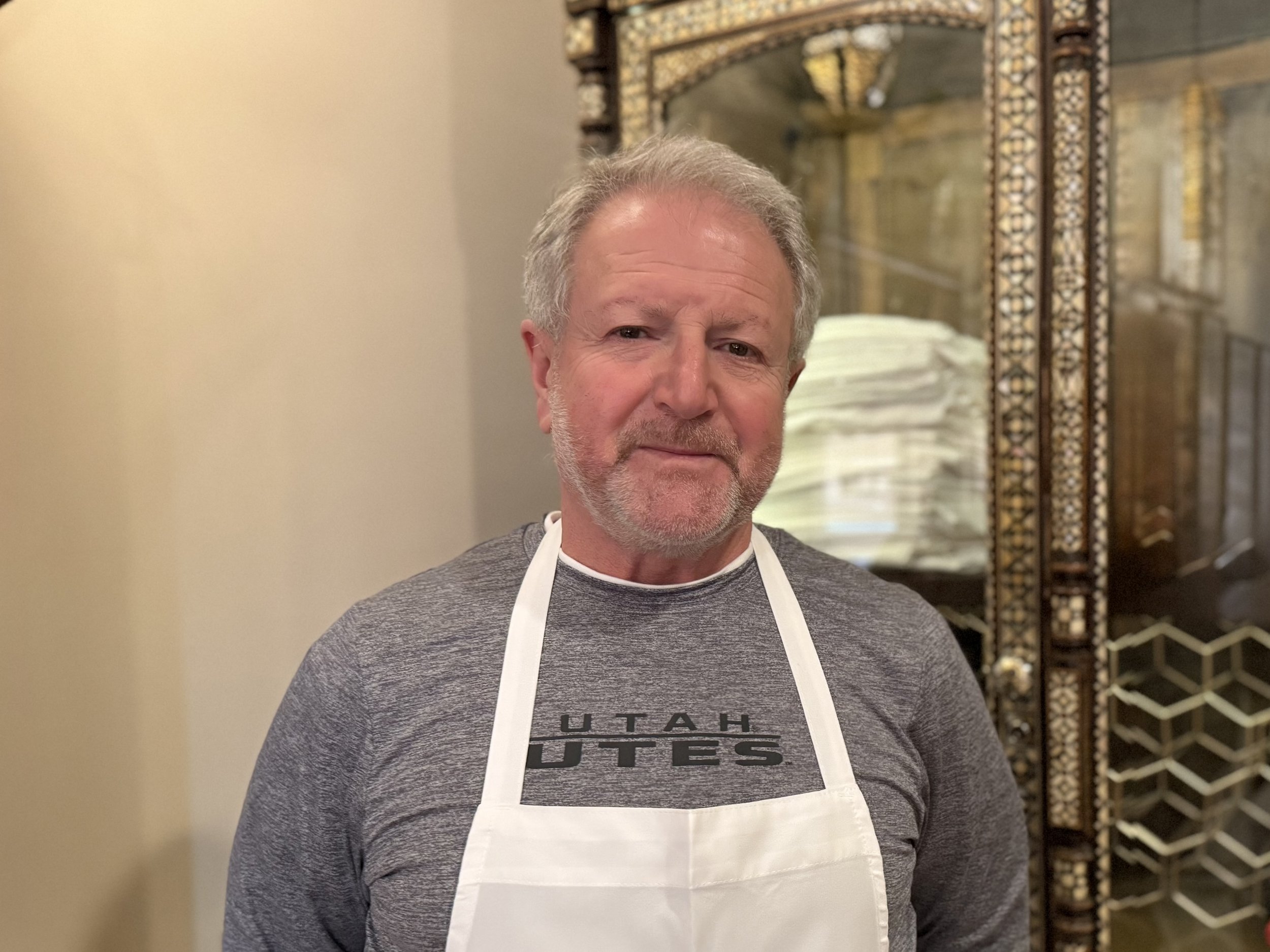
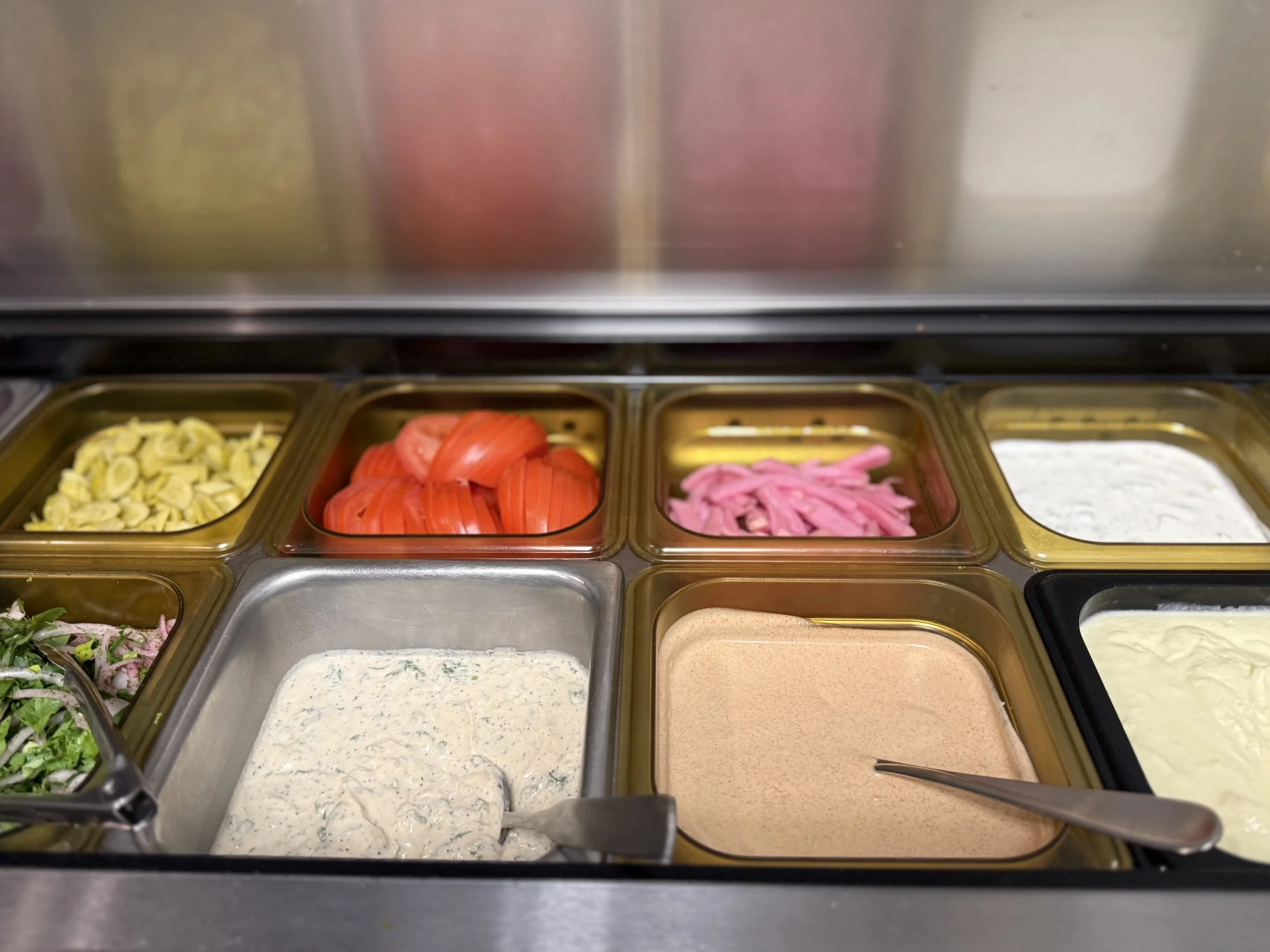
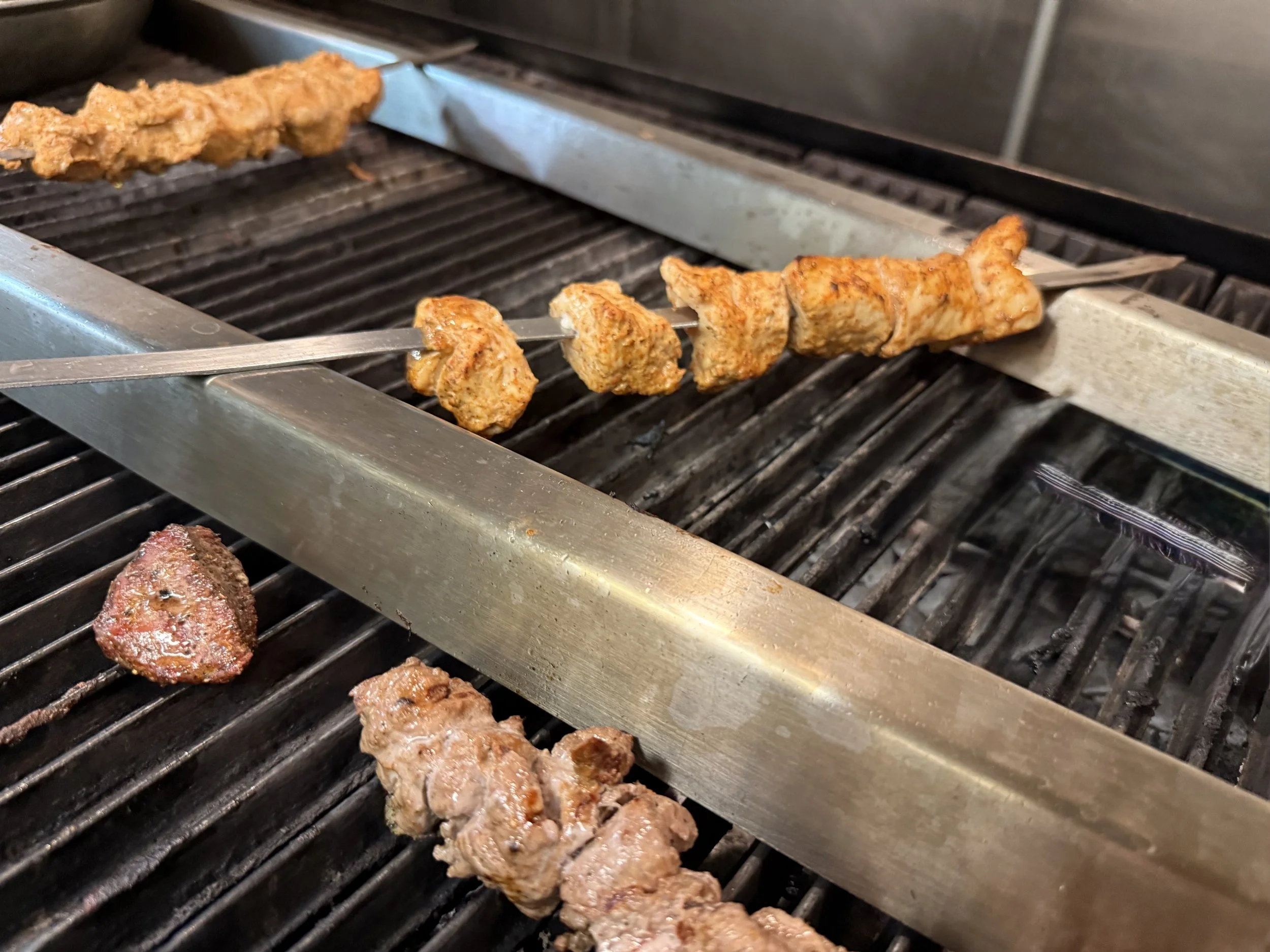
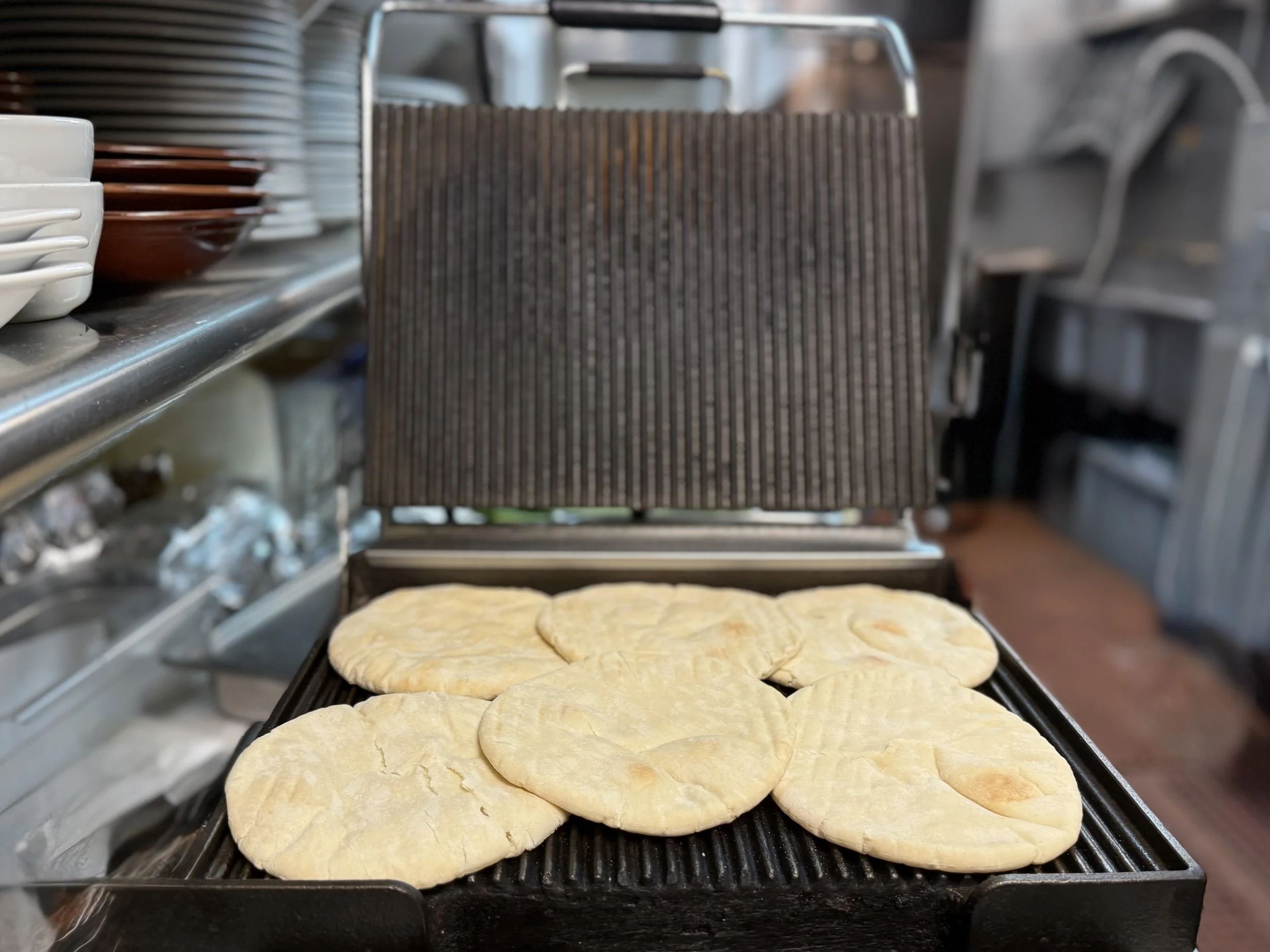
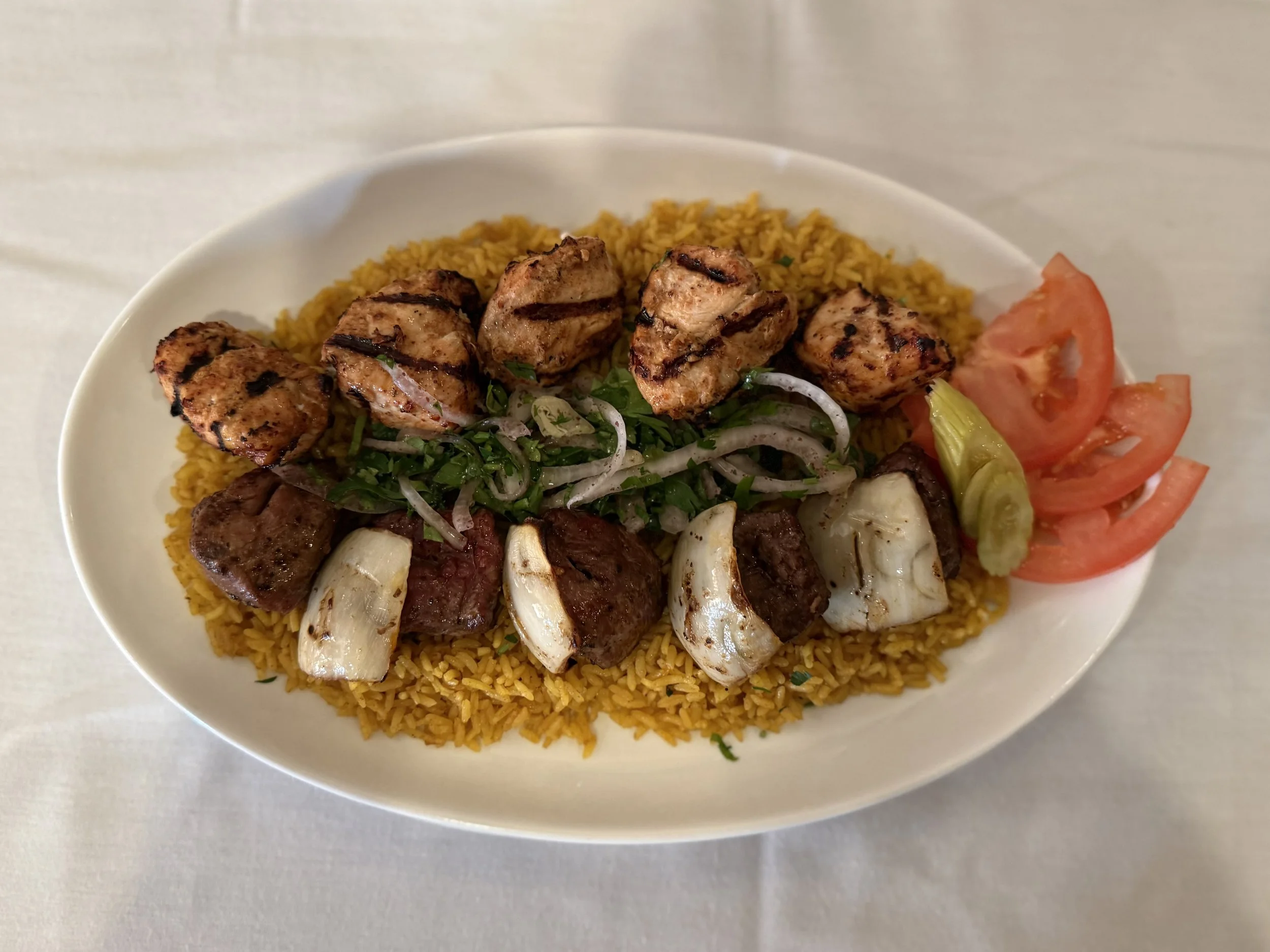

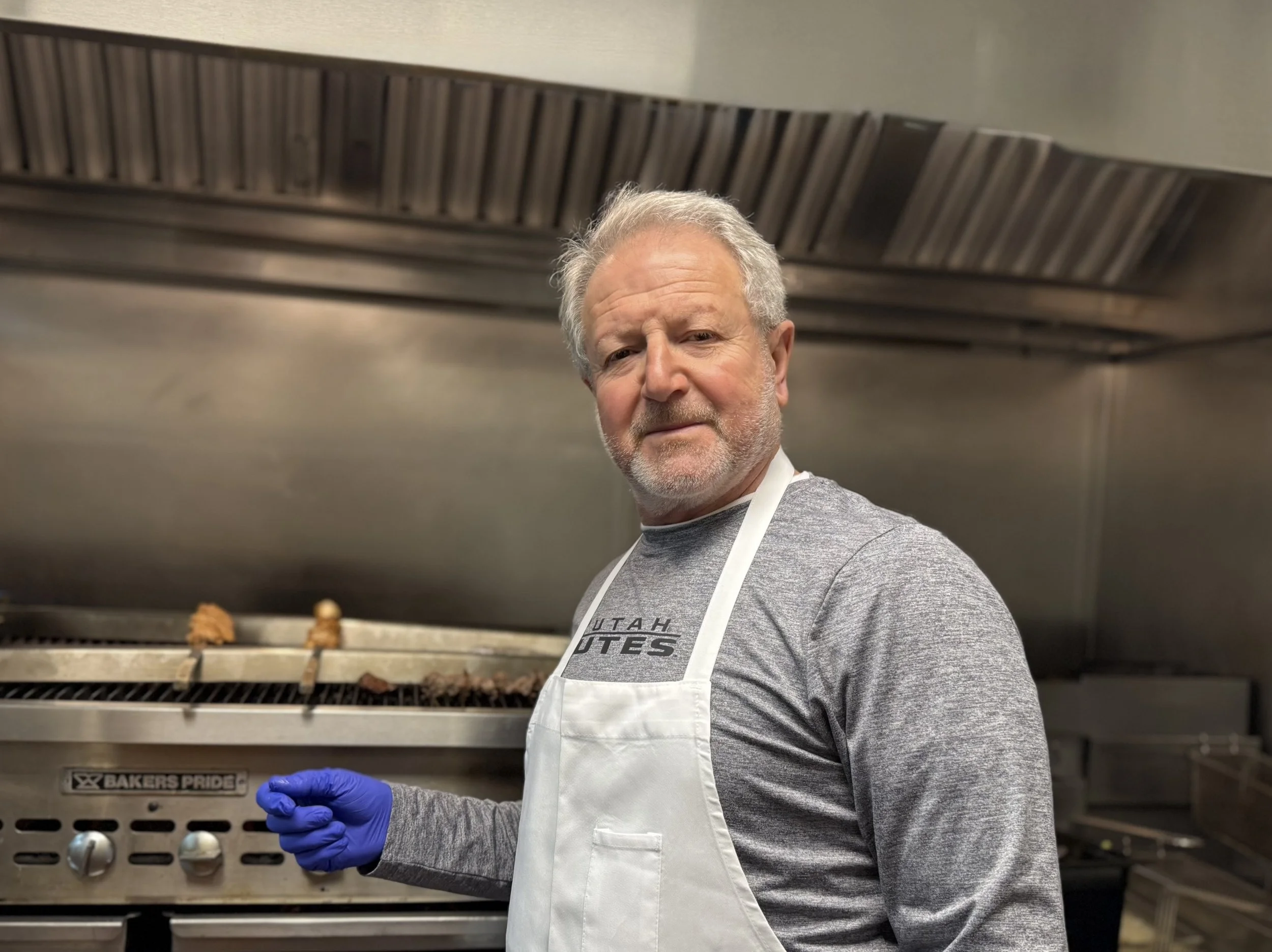
“I would have dreams about food as a young boy.” Ali Sabbah was born in Lebanon, and when he talks about the country of his childhood, his voice still carries the tenderness of what it was before everything changed. “It was lovely… before the Civil War. It was a beautiful place.” He loved to read and he loved to draw. He was not a sports kid. He was the boy who noticed details, who could lose himself in a page or a sketch, and who was quietly absorbing tastes and aromas that would stay with him across continents, as he continued to imagine opening Mazza Middle Eastern Cuisine.
Food became one of those impressions early, in the most unexpected way. After moving to Africa with his family as a young boy, his parents decided to send Ali and his siblings back to Lebanon to live with an aunt as they believed that the schools were better in Lebanon. The arrangement gave them education, but it also gave Ali something else - a daily encounter with cooking that was, in his words, unforgettable for all the wrong reasons. “My aunt was a terrible cook… Her food was so bland and so monotonous, and so poor in taste and quality.” He lived with it for six years, long enough for deprivation to sharpen desire. “I always craved good food,” he remembered, and the craving turned into fascination.
When Ali went to friends’ homes, he felt as though he was stepping into another world. “I would just be blown away by the flavors,” he said, amazed by food that was properly spiced, properly seasoned, alive with care. “It sharpened my sense of appreciation for the food, and it became something that I always pursue.” When he was a bit older and back living with his parents, his mother’s cooking took on a special weight - comfort, memory, and proof that food could be soulful and generous, not merely something placed on a plate.
In 1978, after graduating from high school, Ali left Lebanon. Civil war was raging and opportunities were scarce. He went to West Africa and spent four years in Côte d’Ivoire, working with family in a small general store selling electrical basics: light bulbs, plugs, wires, switches. “It wasn’t a very inspiring line of work. To be perfectly honest. It wasn’t what I wanted to do. It was just the most boring work in the world.” Moreover, Ali found himself working beside his father in a dynamic that felt more like obligation than choice.
Those years did something important for Ali. They pushed him toward the question he could not avoid: If not this, then what.
A friend of his was attending Utah State University, and Ali asked for an application. He was accepted, and he arrived in Utah at age twenty-two, older than most students and determined not to waste time. “It took me four years to decide that I wanted to go back to school,” he said, and when he started, he started for real.
His first dream in the United States was not a restaurant. It was design. Ali had always loved drawing, and he imagined becoming an automobile designer. But in those years - before the era of digital design tools - the path demanded something specific - an illustration portfolio strong enough to compete for a seat in one of the few programs. He was told to take years of illustration courses first. Ali did the math in his head and felt the window closing. “I was thinking, do another three, four years of illustration, then apply. I’ll be twenty-six, twenty-seven. The timing was not good.”
So, he did what he had done many times - he adapted. He took classes across disciplines, trying to find the right fit, and ultimately he chose what would let him finish. “I just wanted to get a degree,” he said. He transferred to the University of Utah, and after six years of starting and stopping, he graduated in 1988 with a degree in economics.
By then, life had widened. Ali married and moved to the Bay Area for six years. He worked with a friend who had started a distribution company selling small goods to neighborhood markets, and Ali became a minor partner for a period of time. Later, "my brother and I ran a transportation line between Fort Bragg and San Francisco." This work brought its own lessons about hustle, logistics, and what it means to keep something running day after day. It did not last the way they hoped, and eventually Ali’s wife came to Salt Lake City for her own work. Ali joined her in 1994, and Utah became home.
Ali opened a small shop in West Valley selling used and discounted brand jeans. He ran it for six years, but his mind was already elsewhere. “This is when I was truly dreaming of opening a restaurant,” he admitted. The idea had taken hold while he was in Logan, a few years into his student life. “There were one or two Lebanese restaurants that were not very good, and I thought I could do better.”
What is striking is how little conventional experience Ali had in the industry he longed to enter. “Did you ever work in a restaurant?” he was asked. “No,” he answered. As a student, he washed dishes. He flipped hamburgers near the university. That was it. But he had lived with food - with the longing for it, the dreaming of it, the memory of it. He had carried flavors in his head for years. And he had been testing and tweaking recipes at home long before a customer ever stepped through a door.
The break came in the last pages of an old print publication called The Enterprise. Ali used to scan the ads for commercial spaces, and one listing caught his eye in Sugar House, near Fifteenth and Fifteenth. The space had been a small tea shop and bakery, and the owner was eager to move on. Ali did not have much money, so he did what he had always done - he looked closely at what was already there and figured out how to make it work. He walked through the kitchen, took inventory, and realized the bones were good. There was a hood, some equipment, an oven, a stove, a walk-in cooler - expensive infrastructure that meant he could open without starting from scratch.
The seller wanted $24,000 for the equipment. Ali could not write a check, but he offered a plan. “I can give you $1,500 a month,” he told her, “until I pay it off.” She agreed, and with that handshake-level leap of faith, Mazza Middle Eastern Cuisine began.
The restaurant name matters to Ali, and to the neighborhood that has embraced it for decades. It is Mazza - M-A-Z-Z-A - a word that evokes the small plates and generous spreads that make Middle Eastern meals feel like a gathering.
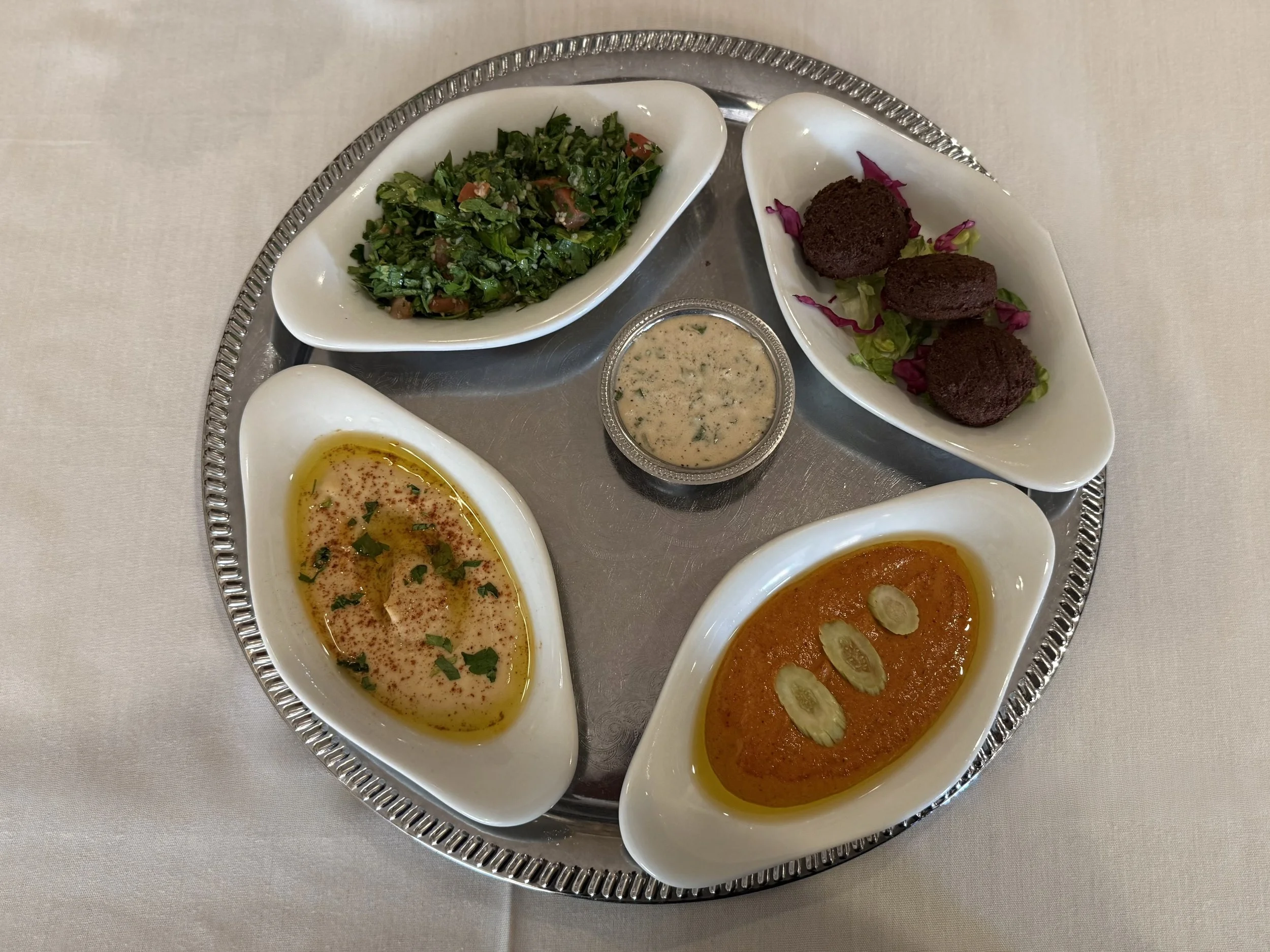
In 2020, it was not even a full restaurant in the legal sense. Ali believed that the space was approved for takeout only, not sit-down dining. So, Ali built a small menu - four or five sandwiches, four or five sides - and he kept it simple - falafel, shawarma, hummus, tabbouleh. There were a couple of tables, but meals were packaged to go because the rules required it. He remembered those early days with a practical shrug and a smile at the memory of the Styrofoam clamshells.
A couple of years in, ready to remodel and finally build a proper dining room, Ali went to the city with a contractor friend seeking a full restaurant zoning and license. Fortunately, a city staffer looked through the history and found the word “restaurant” already in the record. “There you go,” the man told him. “You have a license now.” Ali laughed telling the story, as if he still cannot quite believe a single word could open a door he had been pushing on for years.
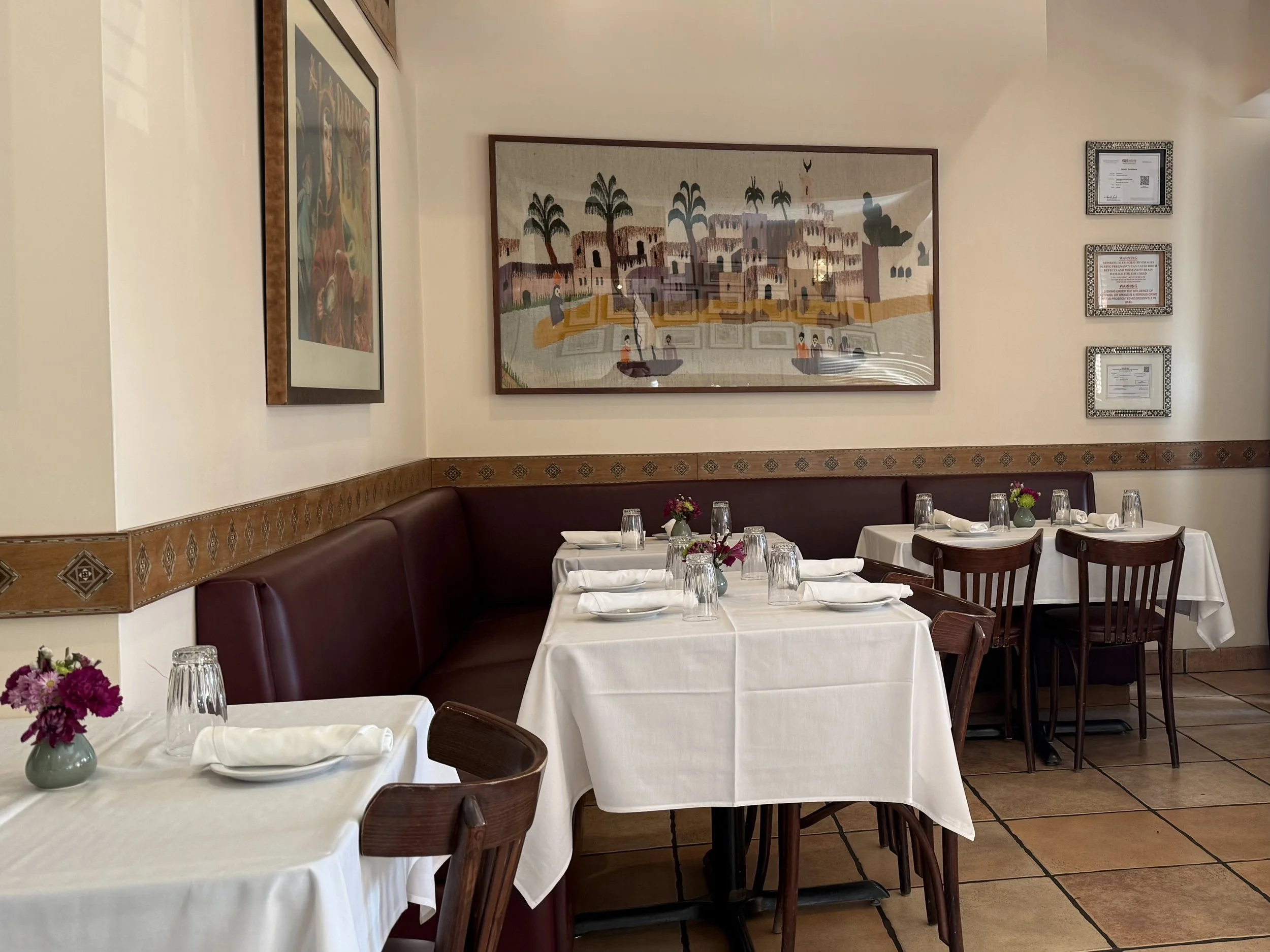
With that, Mazza became what the neighborhood in 2026 knows so well - a small, warm, deeply personal restaurant with only twenty-eight seats - the kind of place where takeout is still beloved, but dinner feels like an invitation.
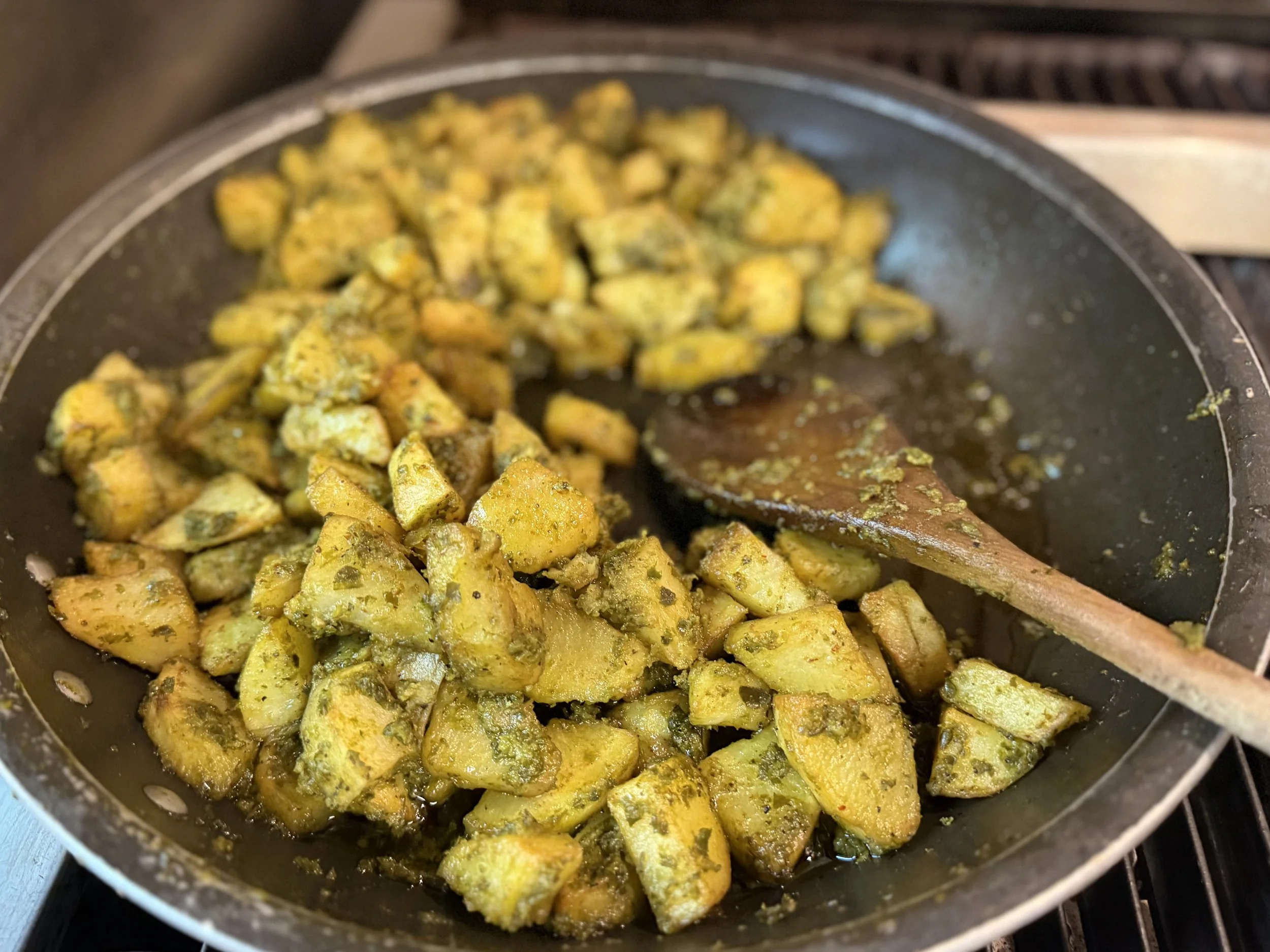
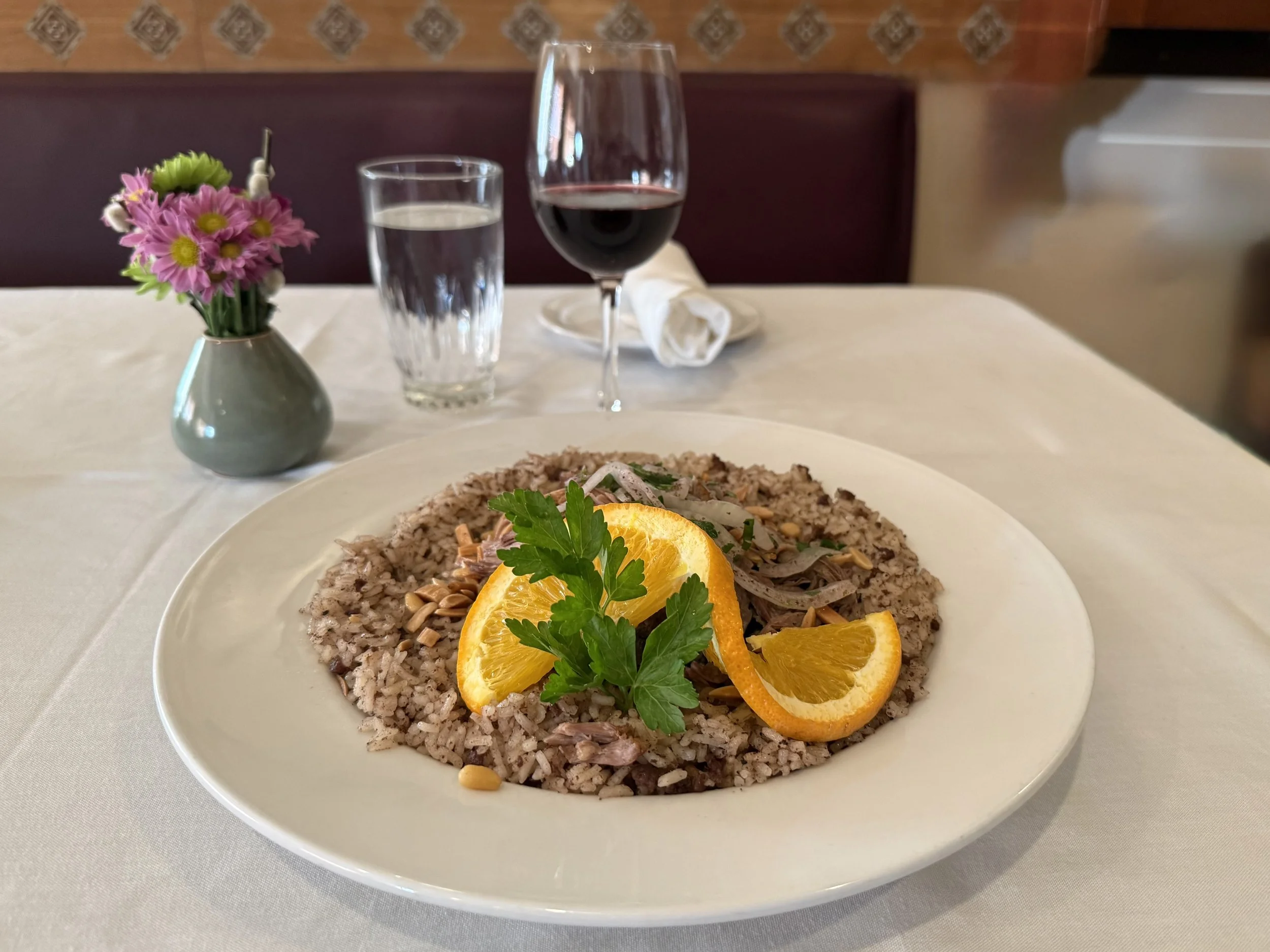
The menu grew as Ali grew. At first he added a dish here and there, then he began to question what it meant to stand apart. Falafel, shawarma, kebabs, hummus - he respected the classics and still makes them fresh from scratch every day, but he did not want Mazza to be only a familiar list. He wanted to serve what people ate at in Lebanon - the dishes cooked slowly, thoughtfully, in family kitchens. “If I were to set myself apart,” he explained, “I would like to basically start serving the foods that are prepared at home, not the stuff that Is street food.”
That shift became the signature. Customers came not only for the staples, but for the specialties and seasonal dishes that carry the soul of Lebanese cooking into a Salt Lake dining room. “I like to create new dishes,” he said. “Or go back and tweak older dishes.” He talks about texture and balance and experience, and he speaks openly about how he has learned to honor tradition without being trapped by it. “If I follow my mother’s recipe, it is just not going to be that. I always have to add my own things to it.”
Ali enjoys returning to Lebanon when he can, still watching the way young chefs are reshaping the cuisine and bringing fresh ideas to old forms. The last time he was there was October 7, 2023. Since then, with the South under bombardment, he has stayed away, tethered to his homeland by love and worry in equal measure.
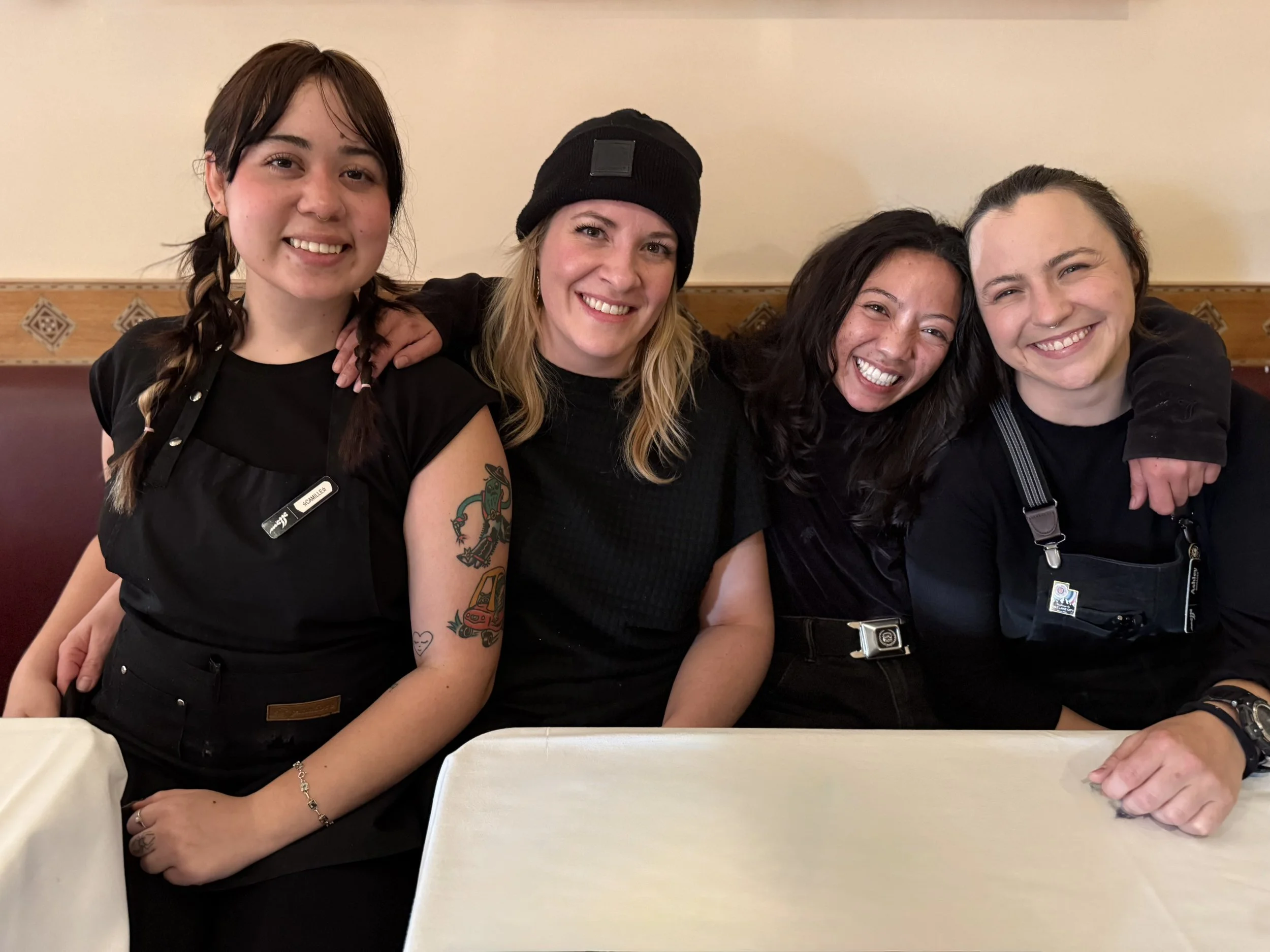
Back in Sugar House, the heart of Mazza is not only the food. It is the people behind it. Ali does not speak about staff in a generic way. He speaks about them like family, like the business is a shared life. “I have a staff that’s been with me for years and years,” he said, and then he shared the kind of detail that tells you everything - one cook started the second month Ali opened and has been with him for twenty-five years. Ali trains each person carefully, assigns specific dishes, and explains not only how to make something, but why it is made that way. Consistency, to him, is not a corporate standard. It is a promise to the customer. He said it plainly, and it is as close to a manifesto as he will offer. “It’s not you creating a brilliant dish, but rather can you duplicate it the next day, and the next? Can you make it the same way, can your staff make it the same way?” He knows the type of loyalty Mazza has earned - people walk in already knowing what they will order, because they have ordered it for years.
For a time, Mazza expanded. Ali opened a second location at Ninth and Ninth, and in 2019 he opened a large restaurant in Sandy. Six months later, Covid hit, and the math of restaurant survival turned brutal. He shuttered the larger operation, then the other location, and eventually he found himself back where he began - in the small Sugar House dining room, doing more of the cooking again, closer to the work he always loved. “I wanted to cook,” he said. “And now I get the chance to actually cook.”
The losses were not only emotional. They were financial, and the weight of debt did not disappear just because dining rooms closed. When options ran thin, the community did something Ali did not expect. A GoFundMe campaign was launched, and people responded in waves - regulars, neighbors, strangers who simply could not imagine Sugar House without Mazza. Ali described the experience with the kind of humility that makes you believe he truly meant it. “In the beginning, I really did not have much hope. I was blown away by the response.” The campaign raised about $192,000, and even now, he talks about it as something that still affects him.
That loyalty is visible every night in the room - in the way customers greet his staff by name, in the way families return year after year, in the way the restaurant has become part of the neighborhood’s memory. Ali has watched children grow up at his tables. He remembers holding babies so their parents could eat in peace. Now those children walk through the door as adults - some with kids of their own - a second generation returning to the same flavors.
Ali never tried to build a formal place. He wanted something human, familiar, steady - the kind of restaurant where hospitality means being known. “Most of my customers are friends,” he said. “I know a lot of them, I know a lot about their lives.” He considers that closeness part of what hospitality is supposed to be - not a performance, but a relationship that grows over time. And so Mazza remains what it has always been at its core - a small room that seats just twenty-eight, a big menu of care, a kitchen built on memory, spice, patience, and pride - and an owner who never forgot the hunger for flavor that started it all. “It’s been amazing. I can’t say enough about the community.”