Huyck House





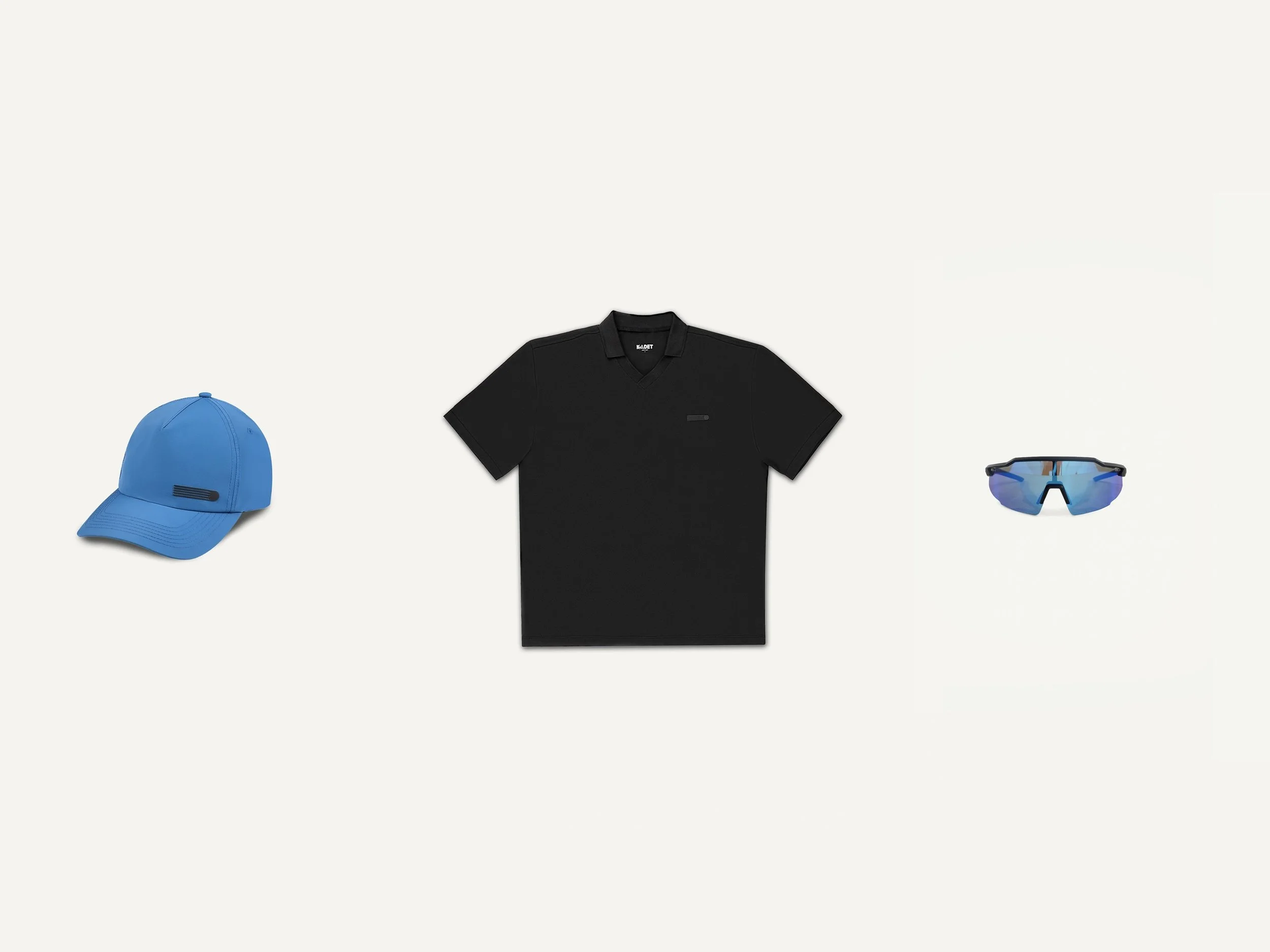
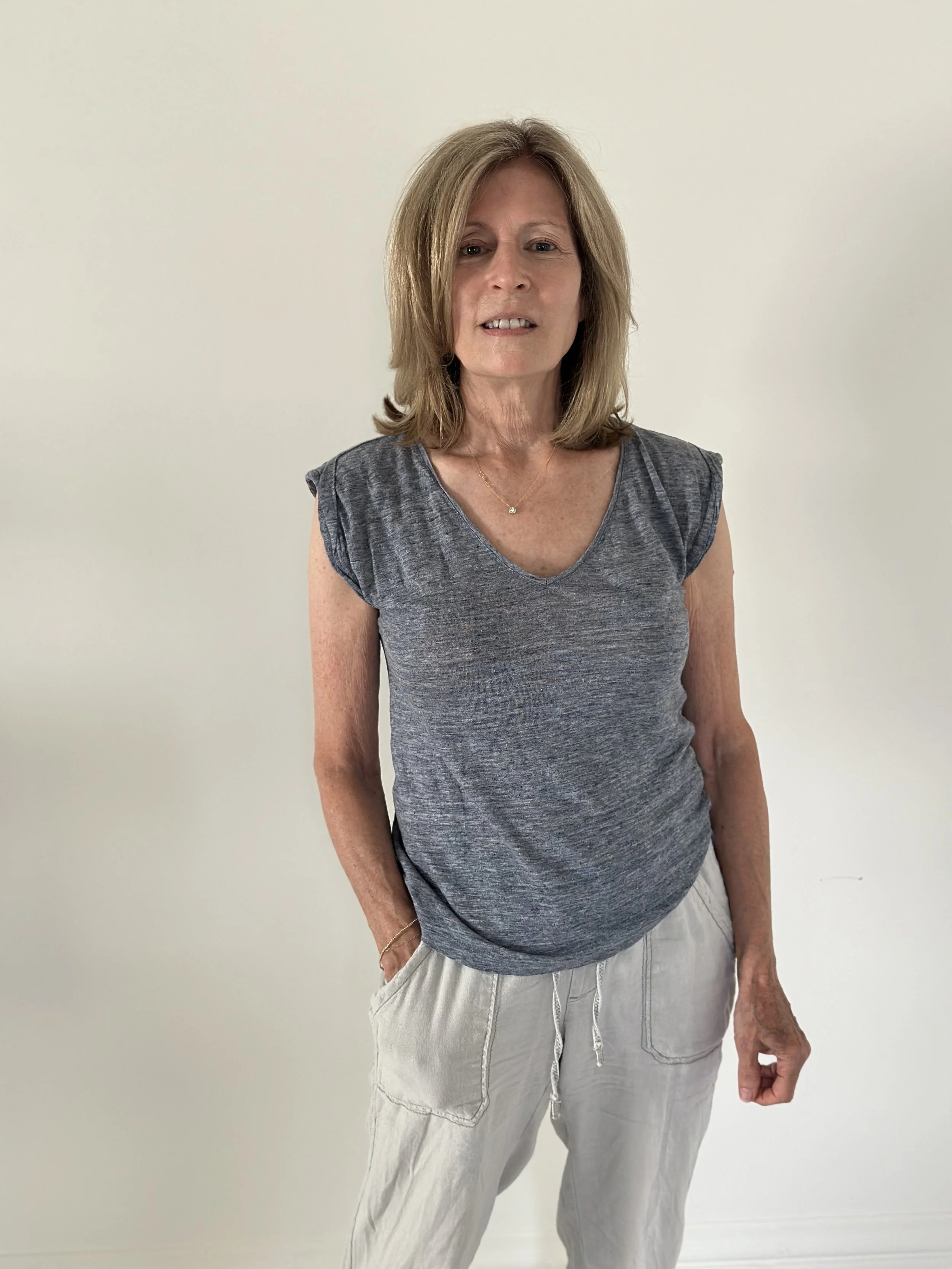
“We’ve always shared a passion for sports and art, especially where the two intersect,” says Evan Polivy, co-founder of Huyck House, an online destination for thoughtfully curated sporting goods and sports lifestyle products. He built the platform alongside Jonathan Ehrich, his closest friend since childhood. “Huyck House reflects our belief that athletic gear should do more than support performance and enjoyment. It should also serve as an expression of personal style.”
Long before Huyck House existed as a business, it was the name of a place that shaped Evan’s life. From infancy through his college years, and into adulthood, his family returned every year between Christmas and New Year’s Day to a remote and beautiful spot in upstate New York. It was a place surrounded by snow, trees, and stillness, where immediate and extended family gathered. It was where time slowed, where friendly competitive play and creativity unfolded side by side, and where Evan learned the importance of family and lifelong friendships.
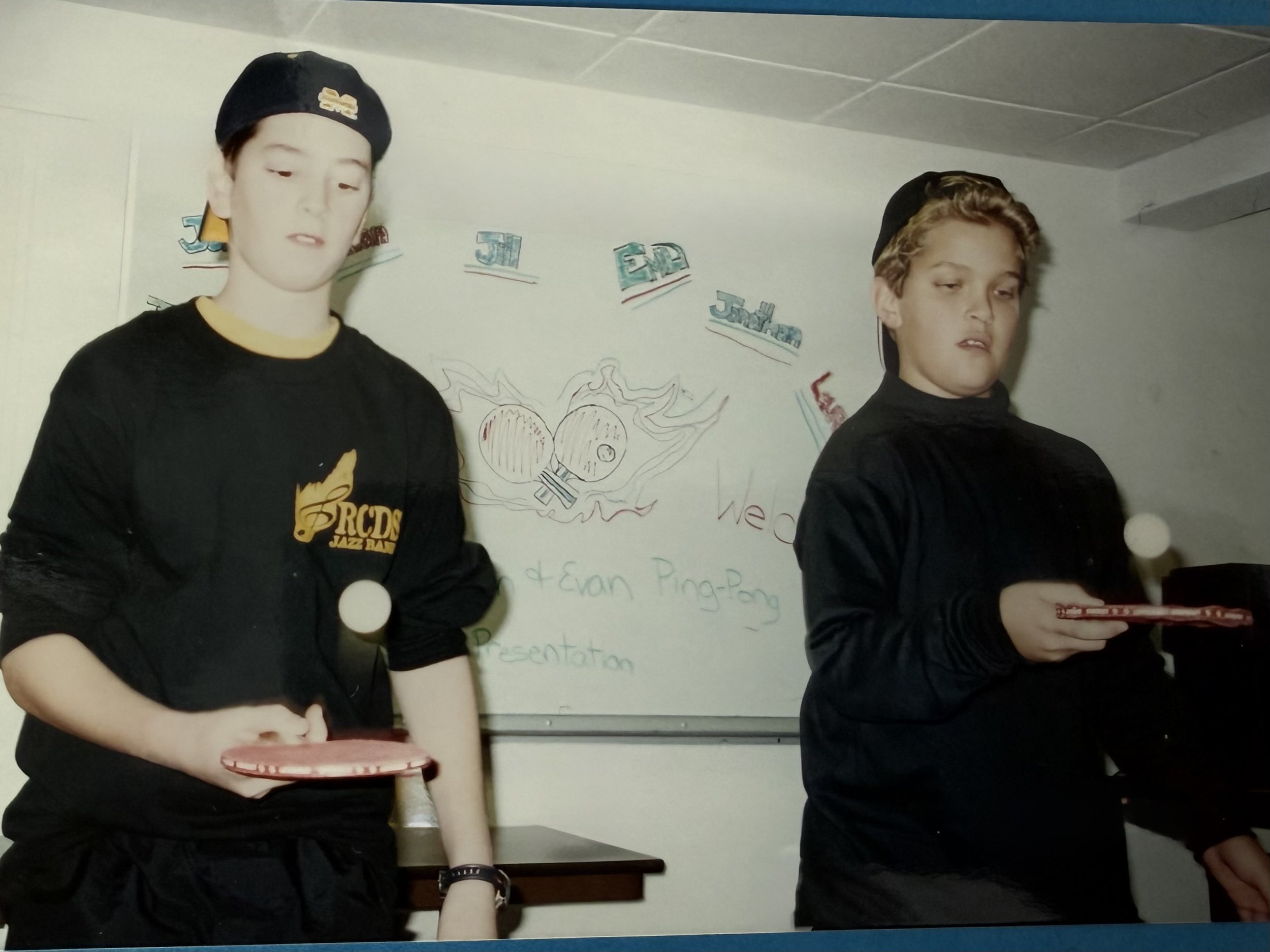
Jonathan was part of that ritual from the very beginning. Evan calls him a “chosen cousin,” explaining that their grandfathers had been best friends since childhood and that their families grew up spending the holiday week together. “Jonathan and I lived on opposite coasts, but every year we came together. This is where our lifelong relationship developed.” This place would eventually lend its name to Evan and Jonathan’s business; Huyck House is named in honor of the hundred-year-old residence where their grandparents resided while the younger generations stayed in separate buildings on the property.
Days were filled with games and invention. “Ping pong was the biggest one.” There was sledding and building forts after snowstorms, or tennis, football, and basketball when the weather allowed. At night, Evan and Jonathan shared evolving interests. “We would spend hours drawing. We talked about the music we were listening to. And as we both got more into design, we would share our latest inspirations.” Those winters became a kind of creative incubator, a place where art and sports were never separate, and where collaboration felt natural and enduring.
Growing up in Westchester County, New York, Evan carried that sensibility with him. His pursuits sharpened as he moved through school, and by the time he applied to college, he knew he wanted to immerse himself fully in creative work. In 2006, he began studying at the Rhode Island School of Design, drawn to its interdisciplinary approach. “I pushed hard to get into a school where I was not going to be required to focus strictly on one medium, and I could explore all of them.” Film, in particular, captured his attention. “One of the things that I loved about studying film was that it was basically every medium coming together.”
While still a student, Evan began to recognize where his strengths lay. “What I gravitated to most, and felt was my best skill, was direction - finding people that were talented in specific areas and bringing them together to form one vision.” He did not know the term at the time, but his eventual role as a Creative Director was already taking shape.
Jonathan’s path complemented Evan’s in a way that would later define their partnership. Jonathan attended University of California, Berkeley before earning a certificate from a highly regarded graphic design program, going on to become an accomplished brand and web designer. Evan describes him as “incredible at execution,” while he himself tends to focus on the larger picture. That balance became the foundation of their working relationship.
In 2008, while still a student at RISD, Evan launched Polivision - a media production company. He graduated from RISD in 2010 and continued building momentum through Polivision, opening a Brooklyn, New York office in 2011 that ran through 2013. Those early professional years were expansive. Together with his sister, Evan and his team produced hundreds of projects - music videos, corporate videos, websites, and documentaries - working with clients that included Sotheby’s, the Whitney Museum, the National Guard, and Uber.
In 2013, Evan’s team was absorbed into a larger agency where he helped build an internal creative lab focused on innovation, emerging technology, and large-scale experiential work. He gained exposure to major brands and massive events. It was at this company that he met Amy, who was from Salt Lake City. She would later become his wife. Reflecting on that time, he does not hesitate. “The best thing that I got out of that experience was Amy, obviously.”
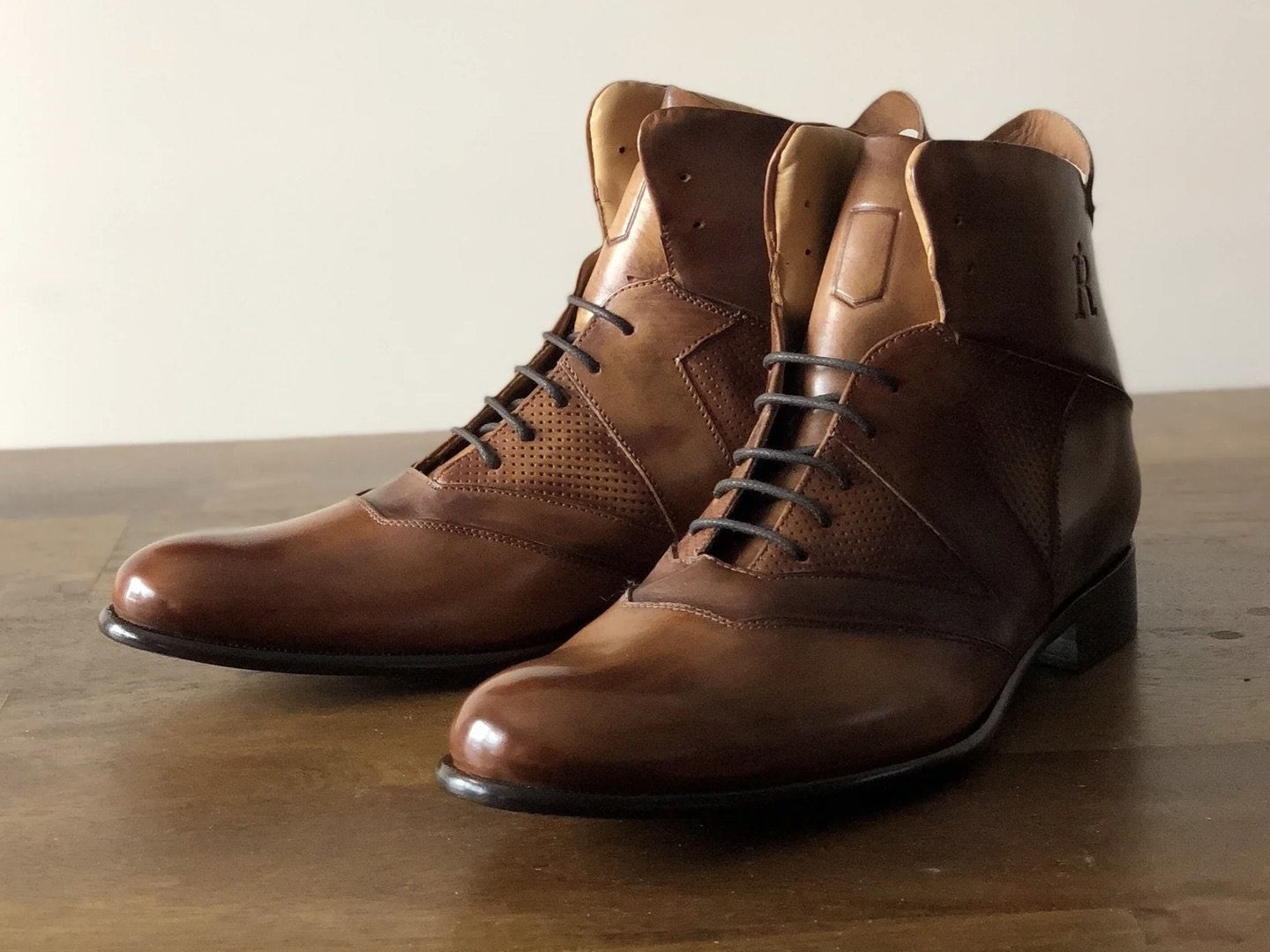
During those years, Evan developed an idea that started as a small side project but ultimately marked a turning point - a men’s dress shoe inspired by the innovation and expressiveness of basketball sneakers. “Men’s dress shoes have been the same four styles for over 100 years, and basketball sneakers are endlessly creative.” That concept became The Rafter Club, a brand rooted in legacy, craftsmanship, and the blending of sport and luxury. “This shoe was meant to bring your passion for basketball and streetwear culture into more formal settings.” The symbolism ran deep. “What hangs from the rafters represents legacy - what you leave behind.”
By 2017, Evan transitioned into brand consulting, joining Stateless. Nine years later, in 2026, he continues to work as Director of Brand Development. There, he is part of an expert team that helps build fashion startups across categories, strategizing and executing everything from product design and manufacturing to brand identity and e-commerce. He also works with larger organizations, including consulting on company uniforms.
In 2019, Evan and Amy moved to Salt Lake City and were married at Solitude Mountain Resort. He continued working remotely for Stateless while brainstorming with Jonathan about a long-standing idea - building something together around the intersection of design and sports. Along the way, Evan learned about dropshipping, an asset-light model that made it possible to build a business without massive upfront investment. “You do not necessarily have to buy inventory to sell products. You can partner with different brands and curate.” For Evan, it was not just practical, it was aligned. “We realized that curation was almost as exciting to us as designing the products ourselves.”
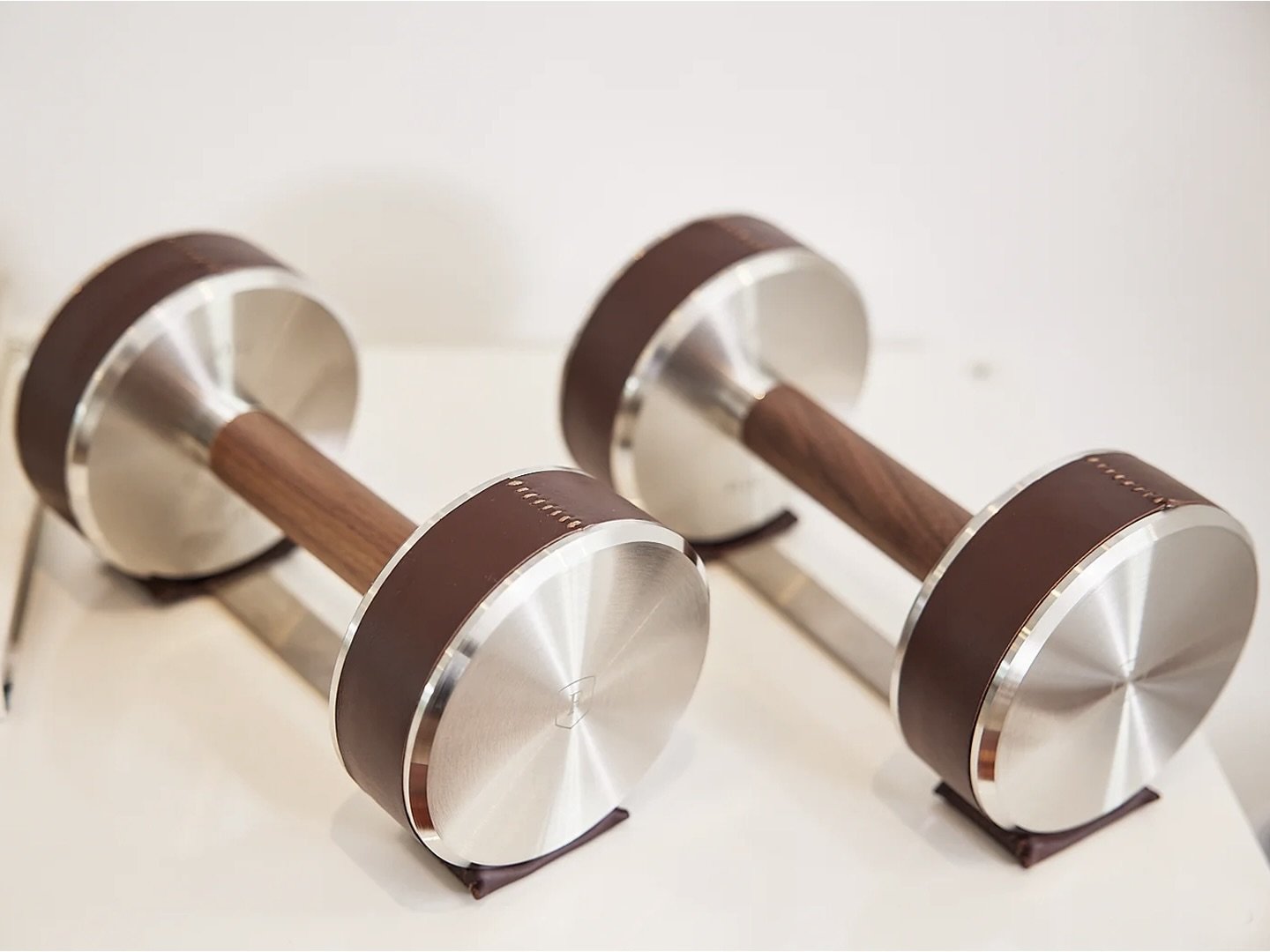
Huyck House grew out of that realization, and out of a clear gap Evan and Jonathan both saw. “There is no design focused, elevated option for sporting goods the way other industries have.” Sporting goods stores tend to be utilitarian and cluttered, even though there are many sporting goods products out there that are beautifully designed and thoughtfully made. Huyck House has become a central destination for those brands, a place where performance, craftsmanship, and aesthetics are treated with equal respect.
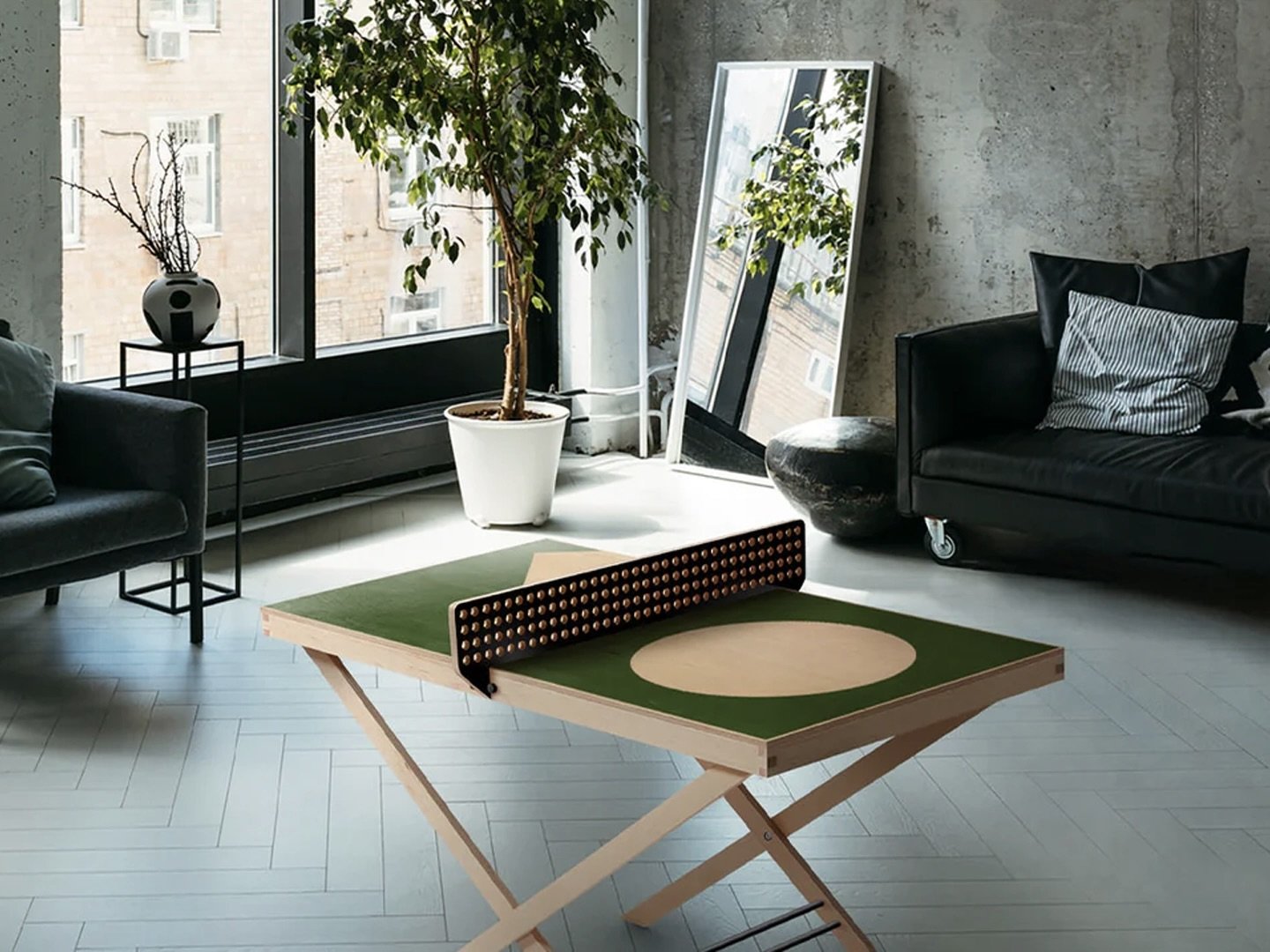
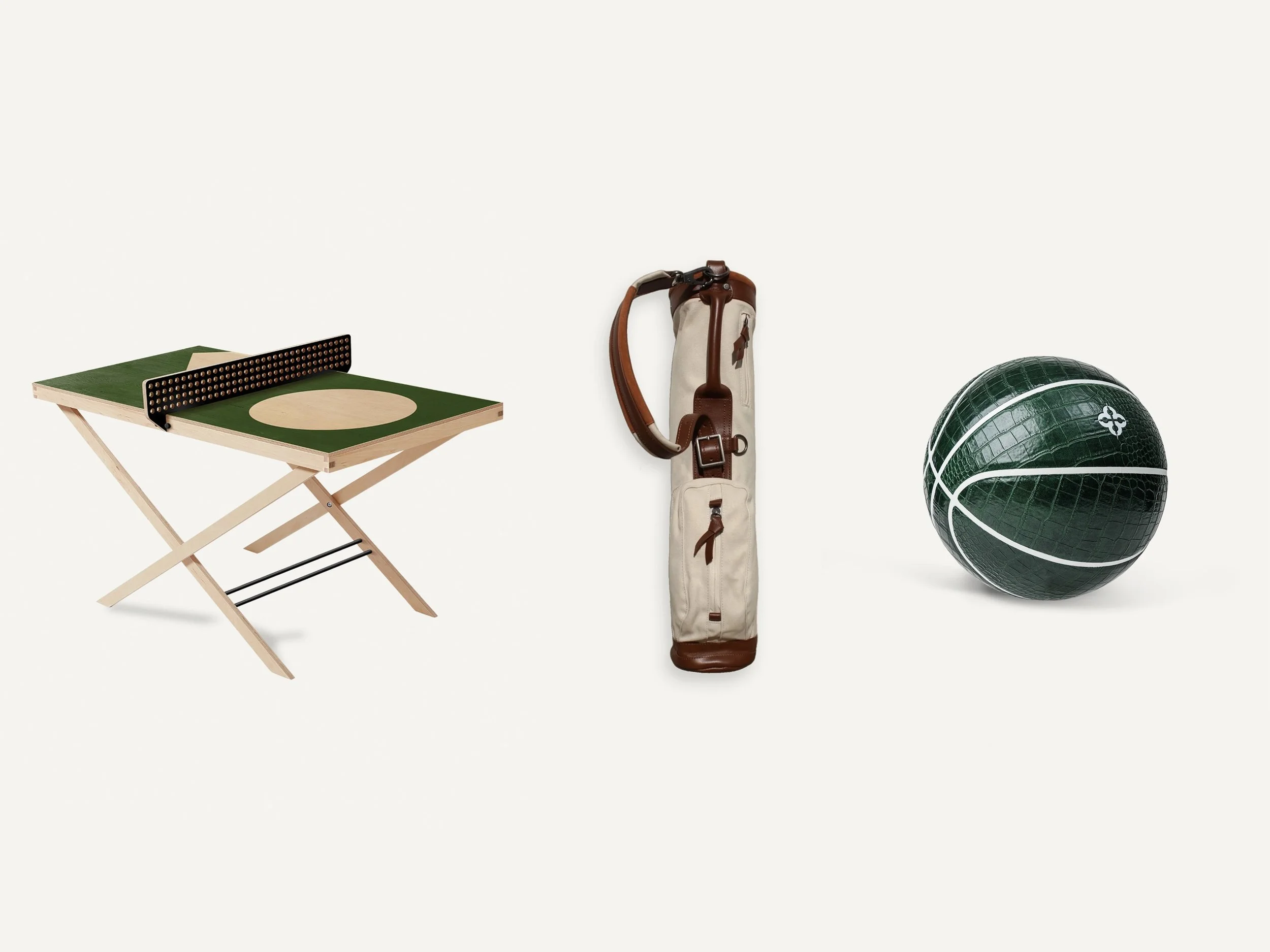
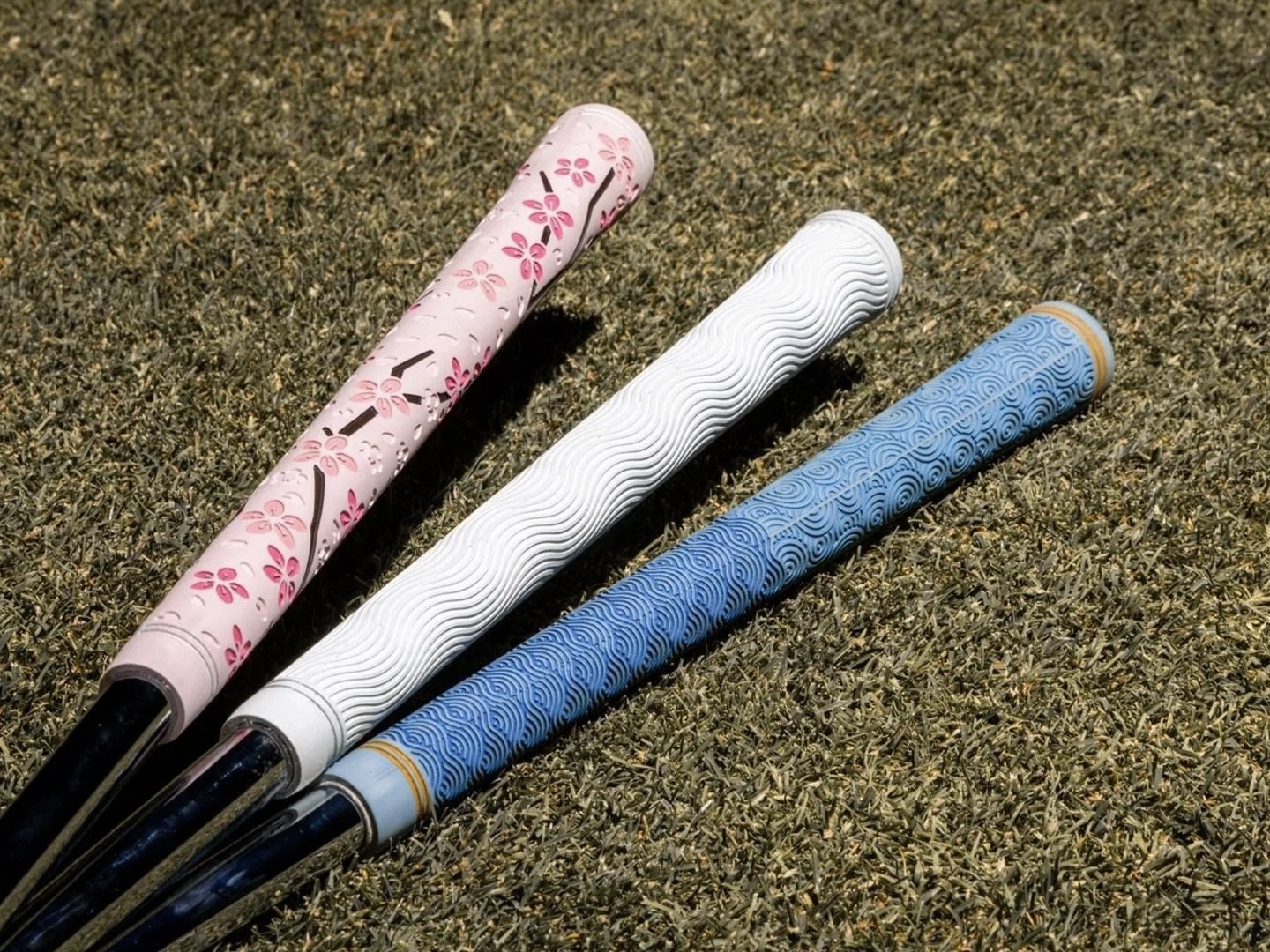
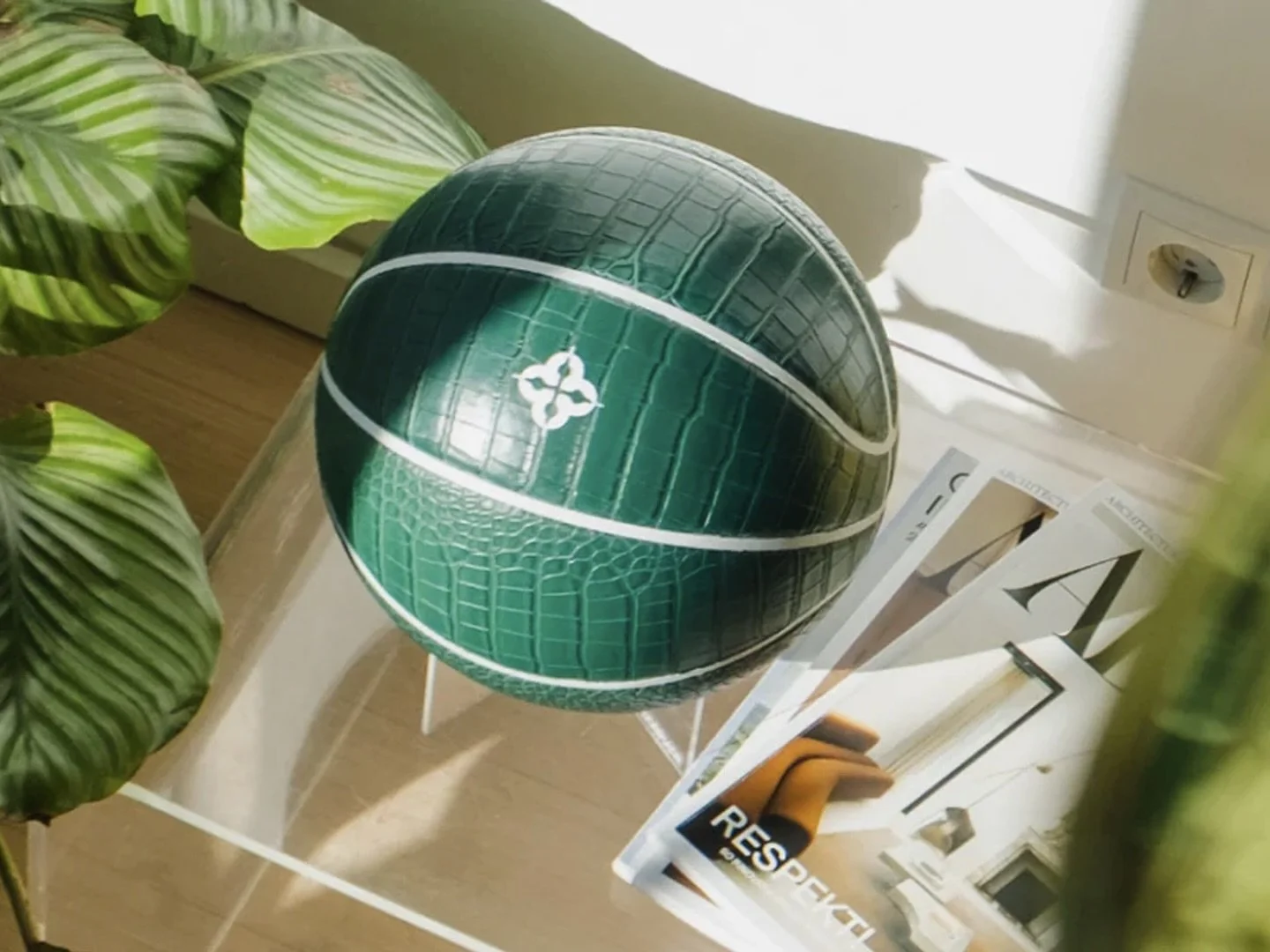
The online Huyck House shop now carries products across categories including golf, basketball, pickleball, and home gym equipment. Some pieces embody the concept perfectly, like a mini ping pong table that doubles as fine art when wall-mounted for storage. For Evan, it is the purest expression of what he has always loved - art and sport coexisting naturally.
Although Huyck House does not yet have a physical storefront, Evan speaks about that future with clarity and respect for what it requires. He understands the cost, the risk, and the persistence it takes. “When you walk into a store that has been there for years, there should be real admiration for them being in that position.” He knows that behind the calm of a well-run shop is relentless effort. “They work their asses off to be sitting at that counter.”
That understanding fuels what comes next. Pop-ups are a first step. In-person experience matters deeply to Evan. “Everyone wants to hold that tennis racket, or golf club, or talk to someone who knows the product.” For Evan, the best version of Huyck House has always been physical - a space where community, design, and movement come together. And one day, when Huyck House has walls and light and people walking through the door, it will feel less like a new chapter and more like a return - to a place built on family, friendship, competition, creativity, and the simple joy of being together. “I really value in-person experience over digital experience.”