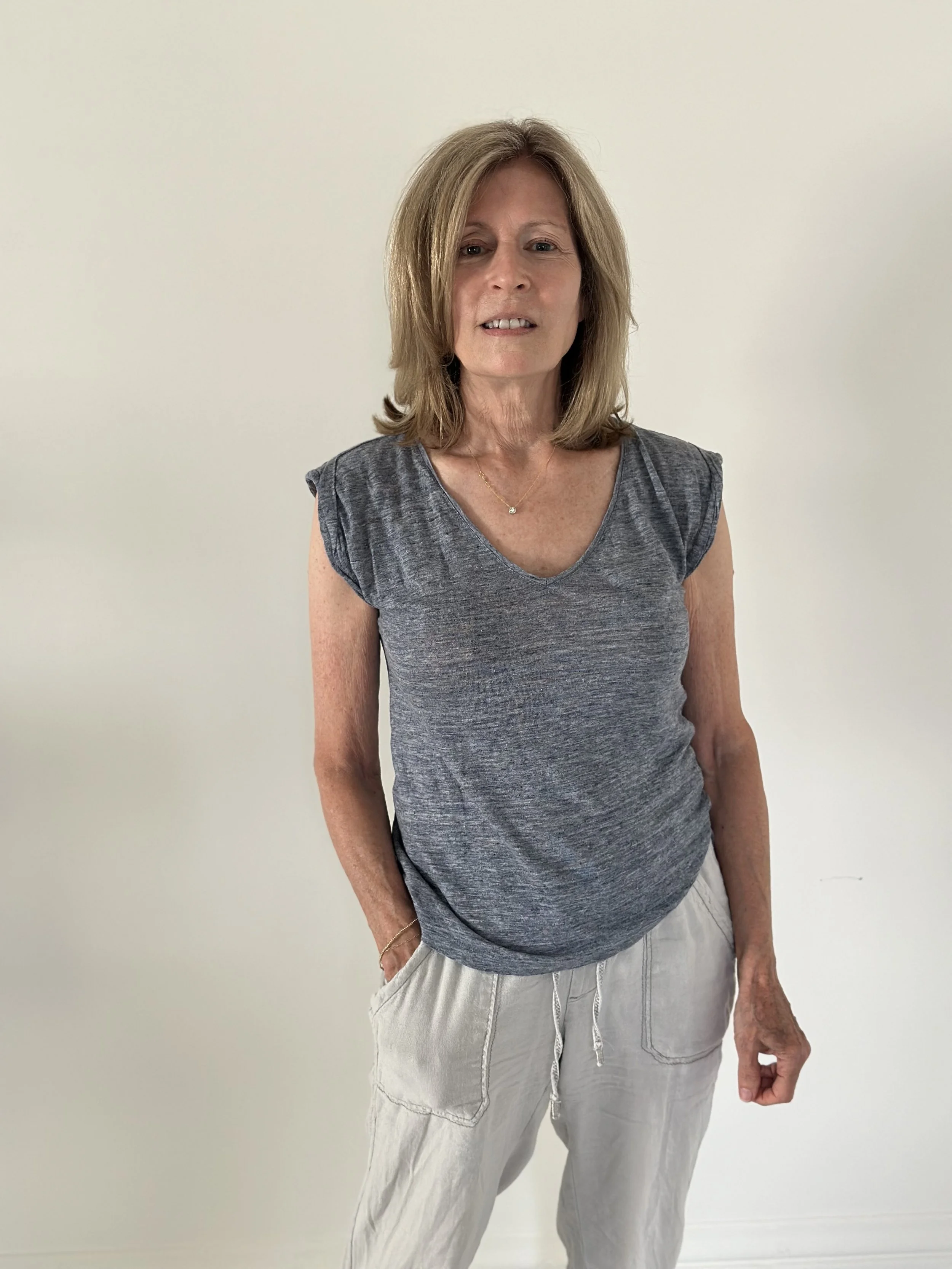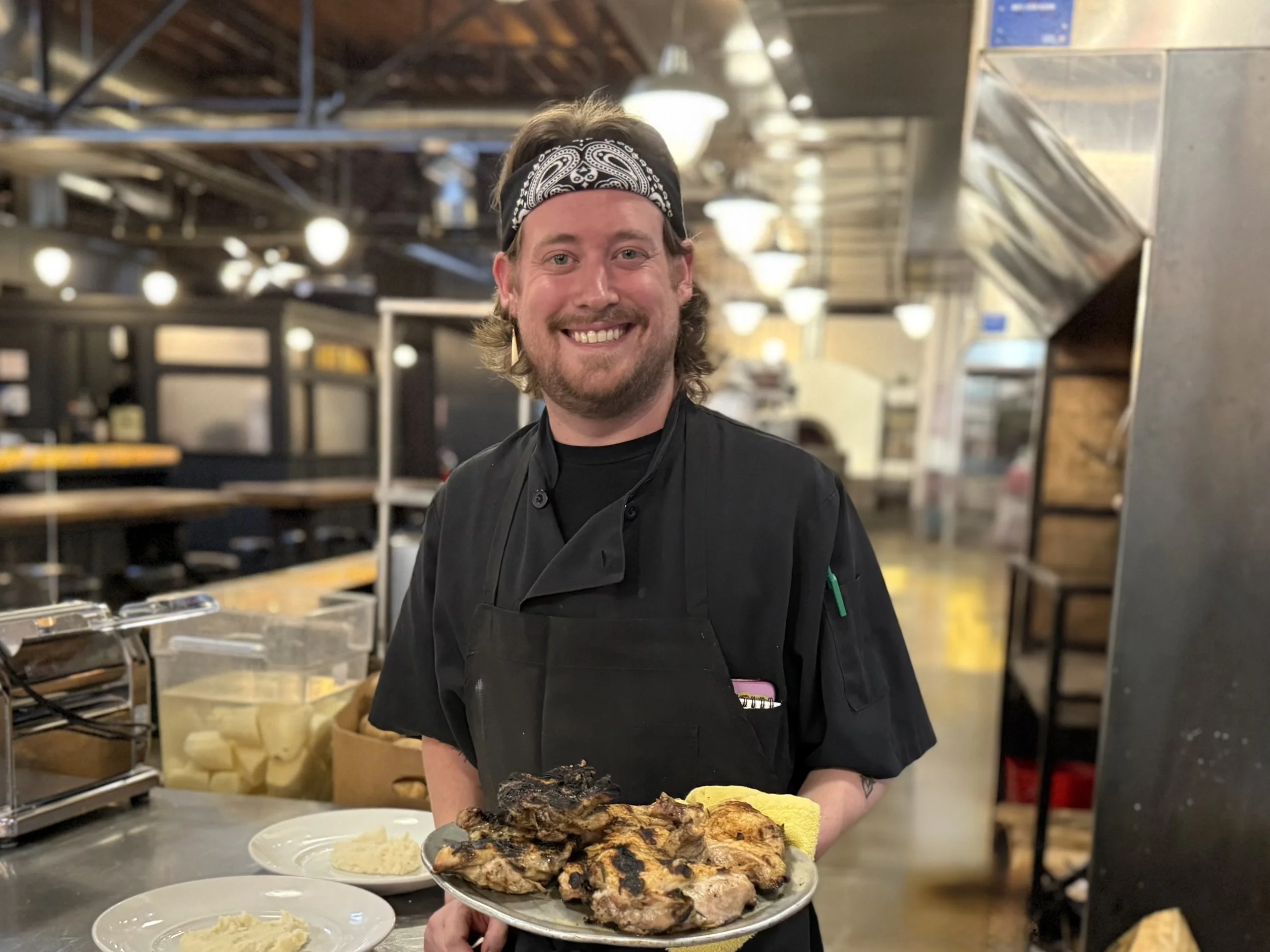

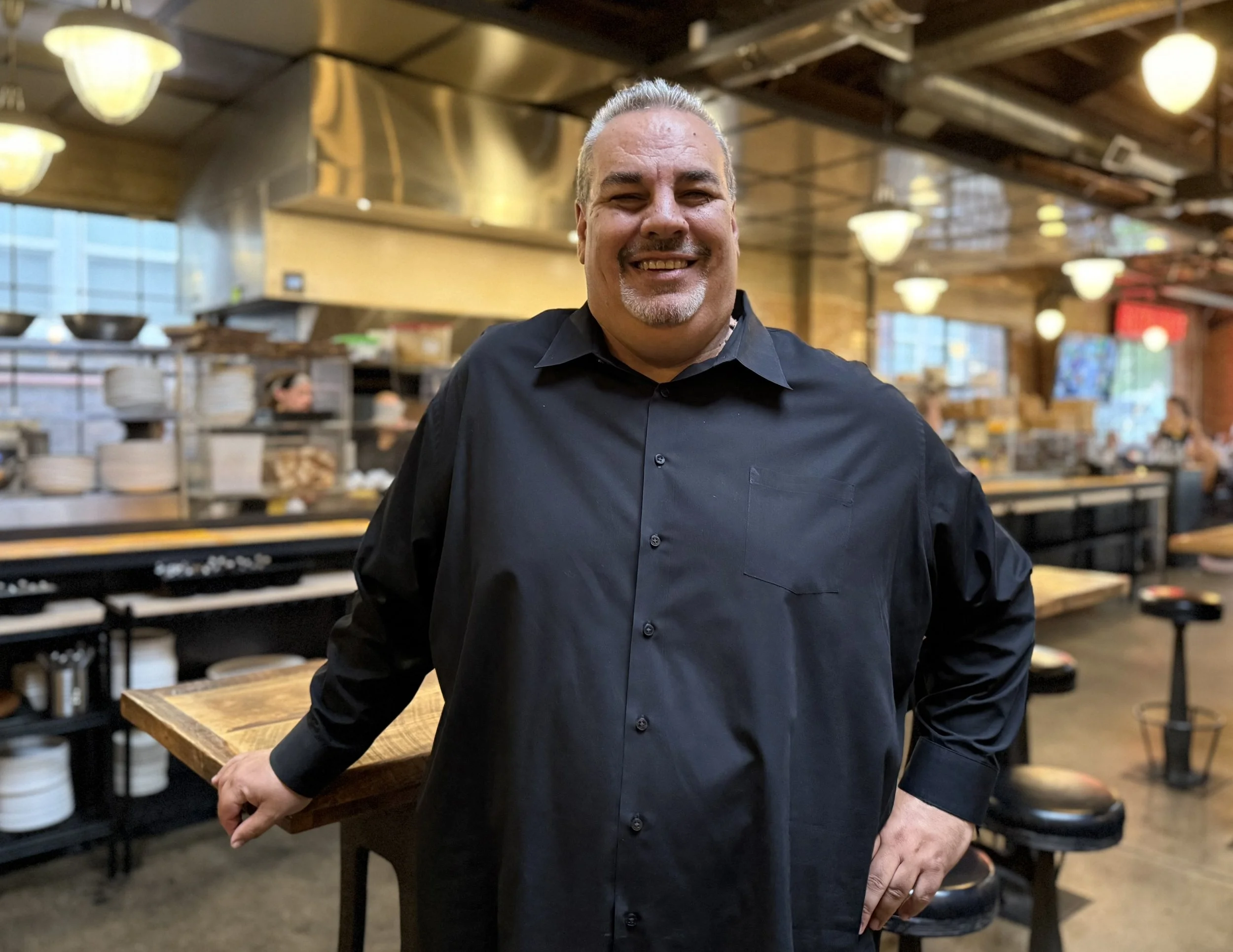
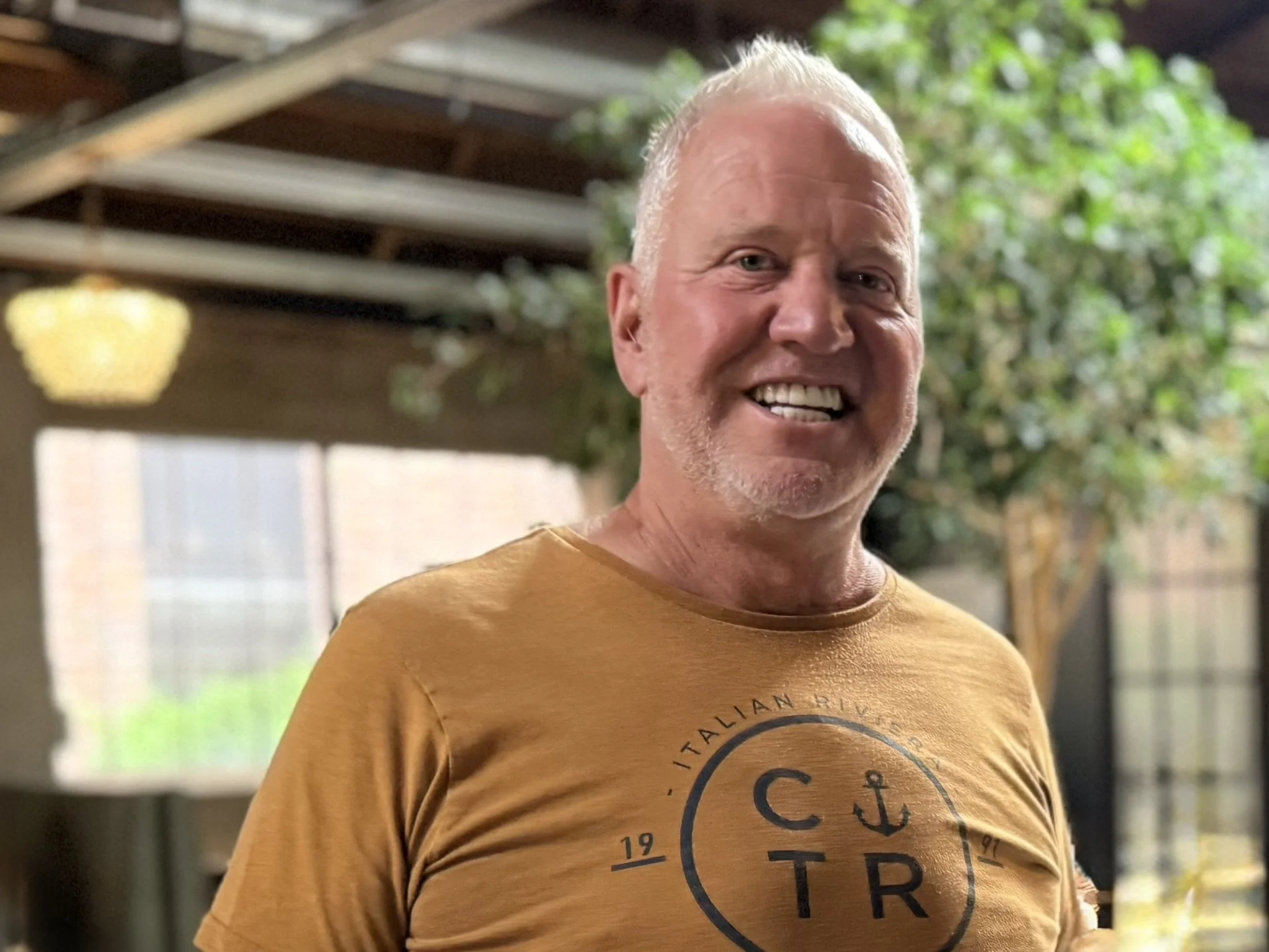

“I think what I’ve learned about myself is I’m not sure I will ever have one career for the rest of my life.” For Erik Rhone, executive chef of Salt & Olive, that has certainly proven true. Medicine, politics, public relations, lobbying, and nonprofit work all came before he finally took a chance on something that had been part of his life all along – cooking.
Erik grew up in Las Vegas in a family with roots in Wyoming and the Dakotas, where meals leaned more toward Midwestern meat and potatoes than Italian cooking. One of his earliest memories is standing beside his grandmother in the kitchen, but his perspective on food changed dramatically at sixteen when he joined a high school exchange program and traveled to Fano, a small coastal city in Italy.
He lived with a family whose father was Italian and mother was German. One daughter attended a linguistics high school, while her sister was studying at a culinary boarding school and returned home on weekends with whatever she had learned during the week. Erik followed her into the kitchen. “She would teach me everything that she learned during the week on the weekends.”
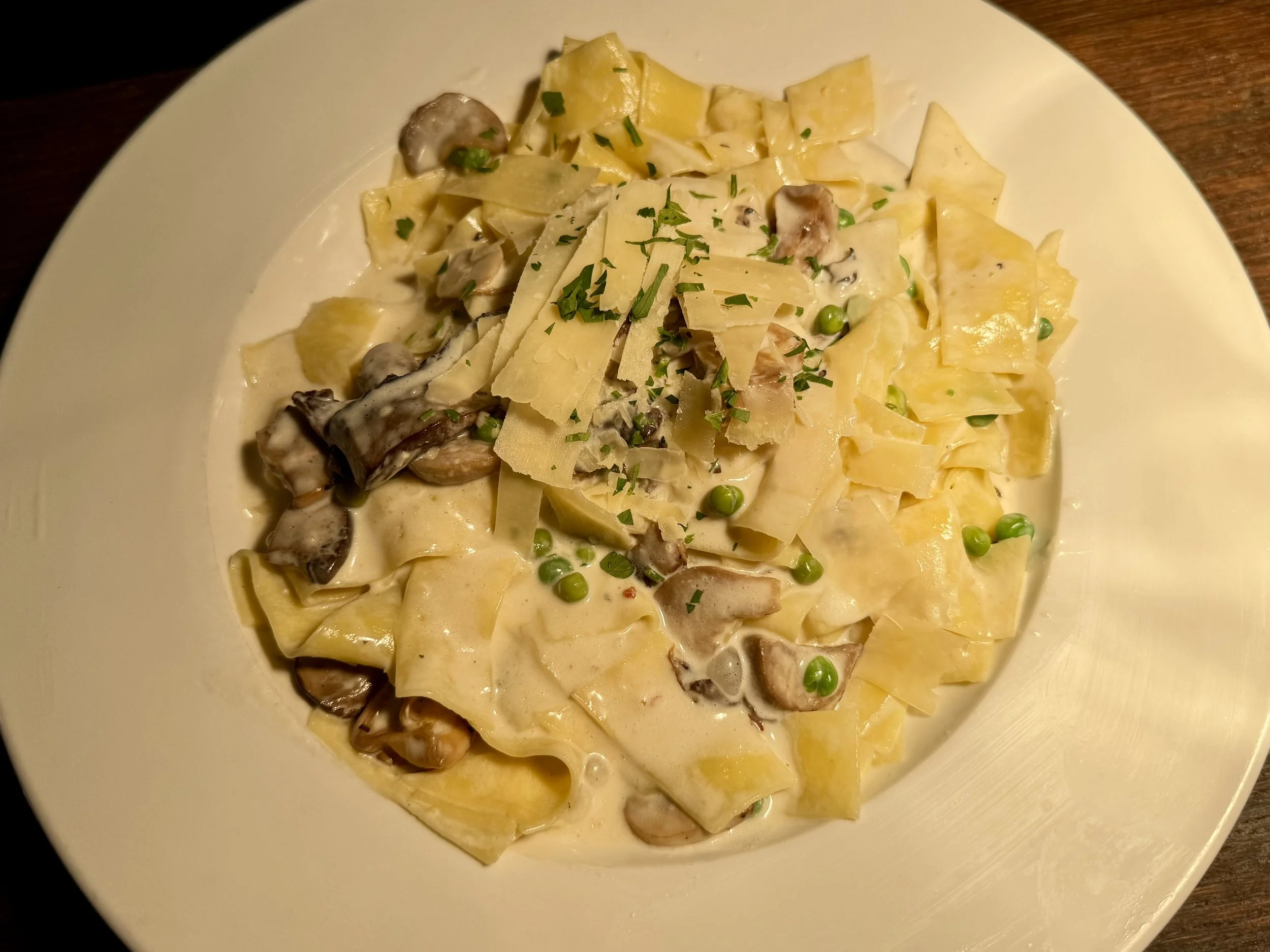
There Erik began making pasta and discovering dishes, ingredients, and techniques he had previously encountered, if at all, only on television. More importantly, he experienced the place food occupied in everyday Italian life – the attention paid to ingredients, the time spent around the table, and the idea that preparing a meal was as much about gathering people together as feeding them. Communication in the household could occasionally be an adventure. Erik spoke English and Spanish, while various members of the family spoke Italian, German, English, Spanish, French, and other languages. “Every family dinner was like a meeting at the UN,” he recalled.
Erik came to Salt Lake to attend the University of Utah as a political science major on the pre-med track. He worked at Intermountain Health and Primary Children’s Hospital, participated in medical research, and reached the point of beginning his medical school applications before questioning whether medicine was really what he wanted to do for the rest of his life. Instead, he finished his political science degree and began a career that took him to Washington, D.C. After returning to Utah, he worked in public relations, lobbying, and nonprofit development, particularly in education.
Yet cooking was always there. Whenever Erik was stressed, he cooked. He hosted dinners for family and friends, experimented with recipes, sought out restaurants, and spent his free time thinking about food. Eventually, a partner pointed out what friends had been telling him for years – cooking seemed to be the thing Erik was happiest doing. He decided to leave his job, and with no professional restaurant experience – he had never even worked as a server – began going door to door to restaurants he admired, asking someone to take a chance on him.
No one did until he stepped inside Salt & Olive. Erik initially applied to be a server, thinking it might be an easier way to get his foot in the door. A neighbor who worked at the restaurant arranged an interview, but when Erik arrived expecting to discuss a front-of-house position, he discovered that he was meeting with then-head chef Neza about a job as a cook.
Neza was understandably skeptical. Erik had no commercial kitchen experience, but he could cook, had lived in Italy, and spoke Spanish as well as English. Neza invited him back for a stage – an opportunity to work in the kitchen and demonstrate what he could do. Erik began chopping vegetables, then noticed the staff making pasta. “I said, ‘Oh, well, I made a ton of pasta when I was in Italy.’” Neza encouraged him to jump in, and within minutes, Erik was hand-stretching pasta while the chef watched. Neza hired him on the spot.
What Erik did not realize was that Neza saw something beyond his ability to make pasta. He needed someone who could eventually help with scheduling, organization, and business operations, while also communicating comfortably with both the Spanish- and English-speaking members of the team. Suddenly, many of the skills Erik had accumulated along his unconventional career path had a place in the kitchen. Neza became his mentor, teaching Erik the very different demands of cooking professionally – greater scale, relentless pace, and the need to maintain creativity while developing speed, consistency, and discipline.
Erik became sous chef, and when Neza left Salt & Olive in the spring of 2026 to pursue his longtime dream of opening his own Mexican restaurant nearby, Erik was asked to step into the executive chef position. His first reaction was disbelief. “This is the first restaurant I’ve ever worked at. Are you sure?”
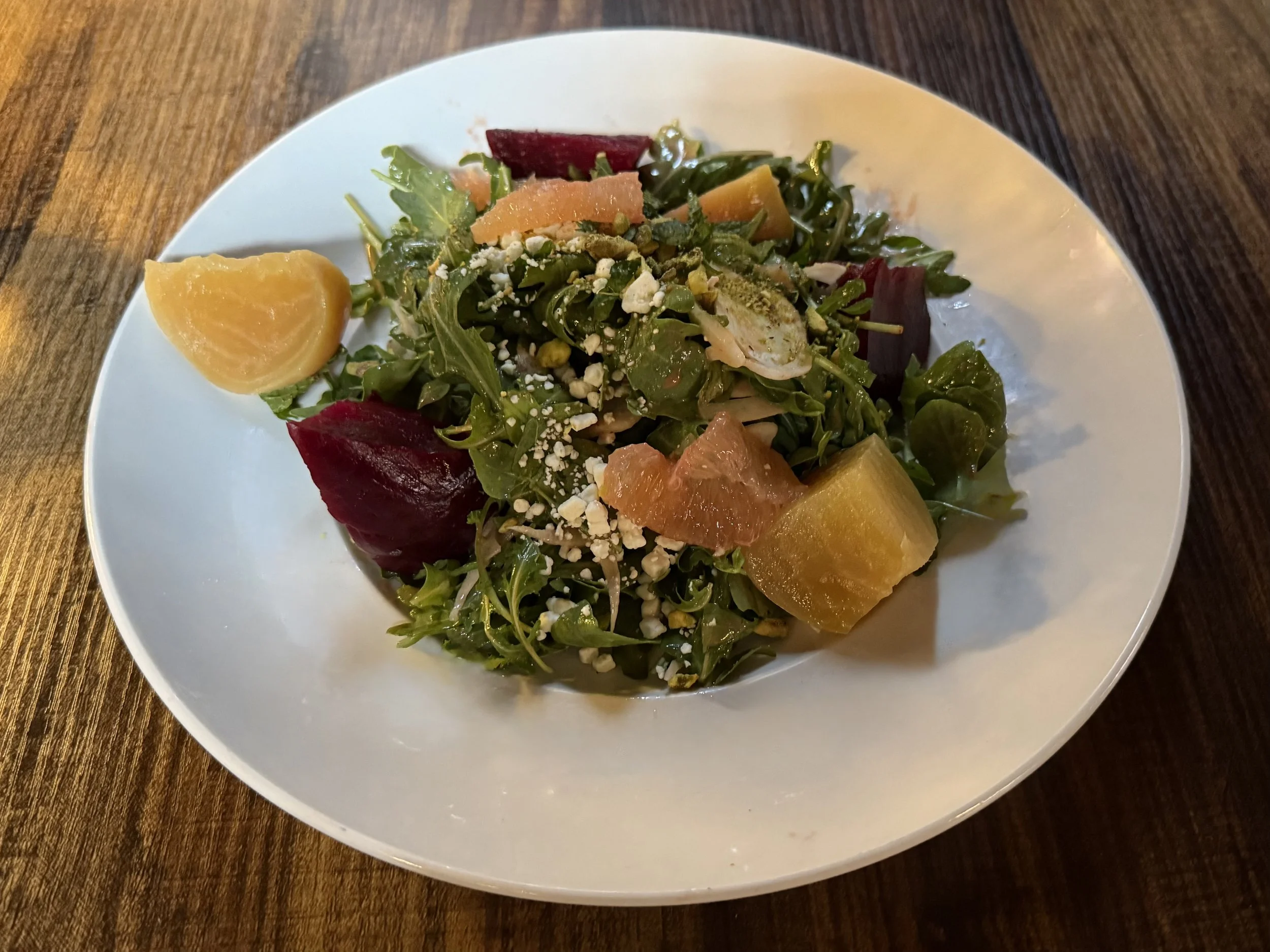
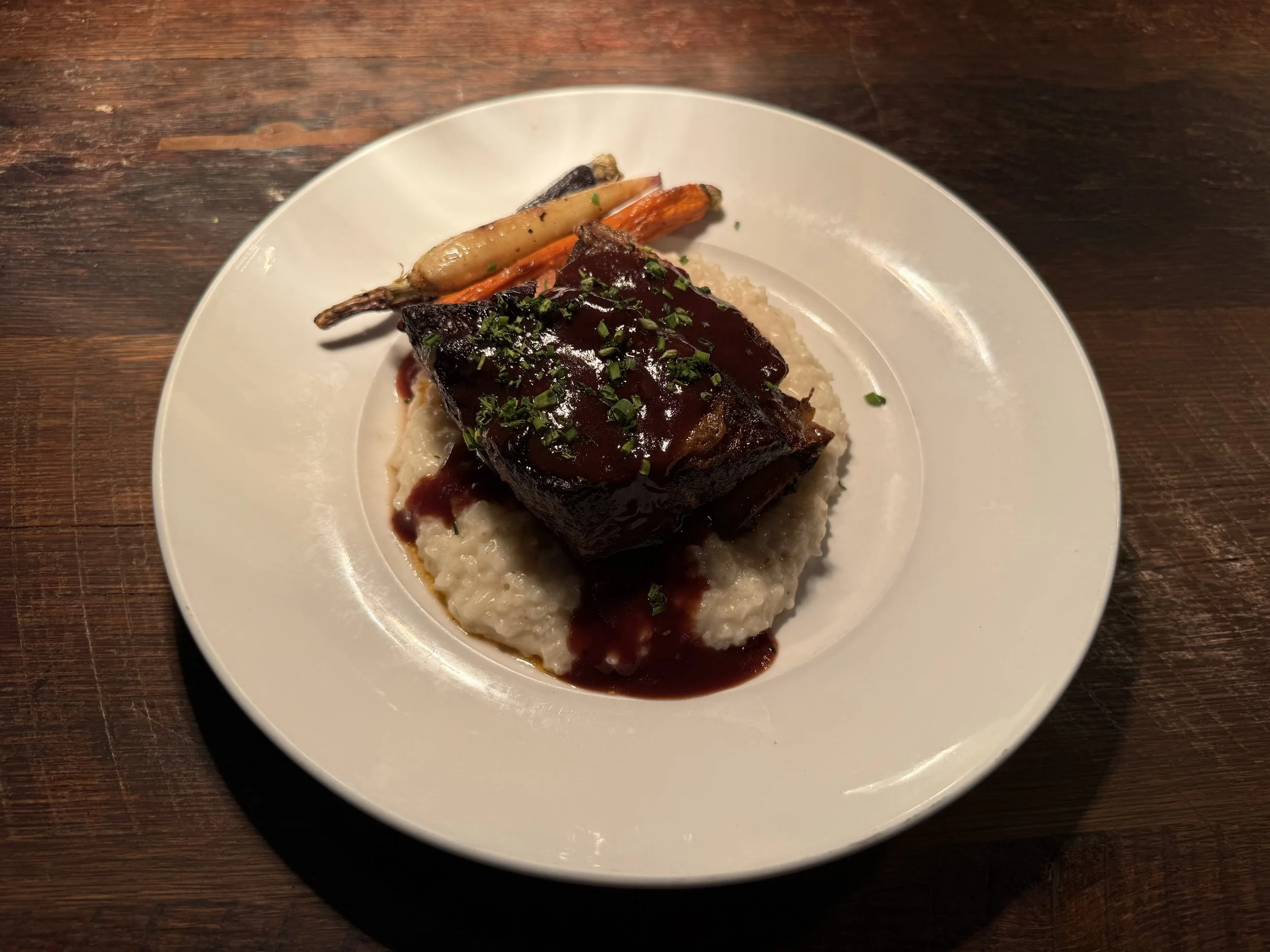
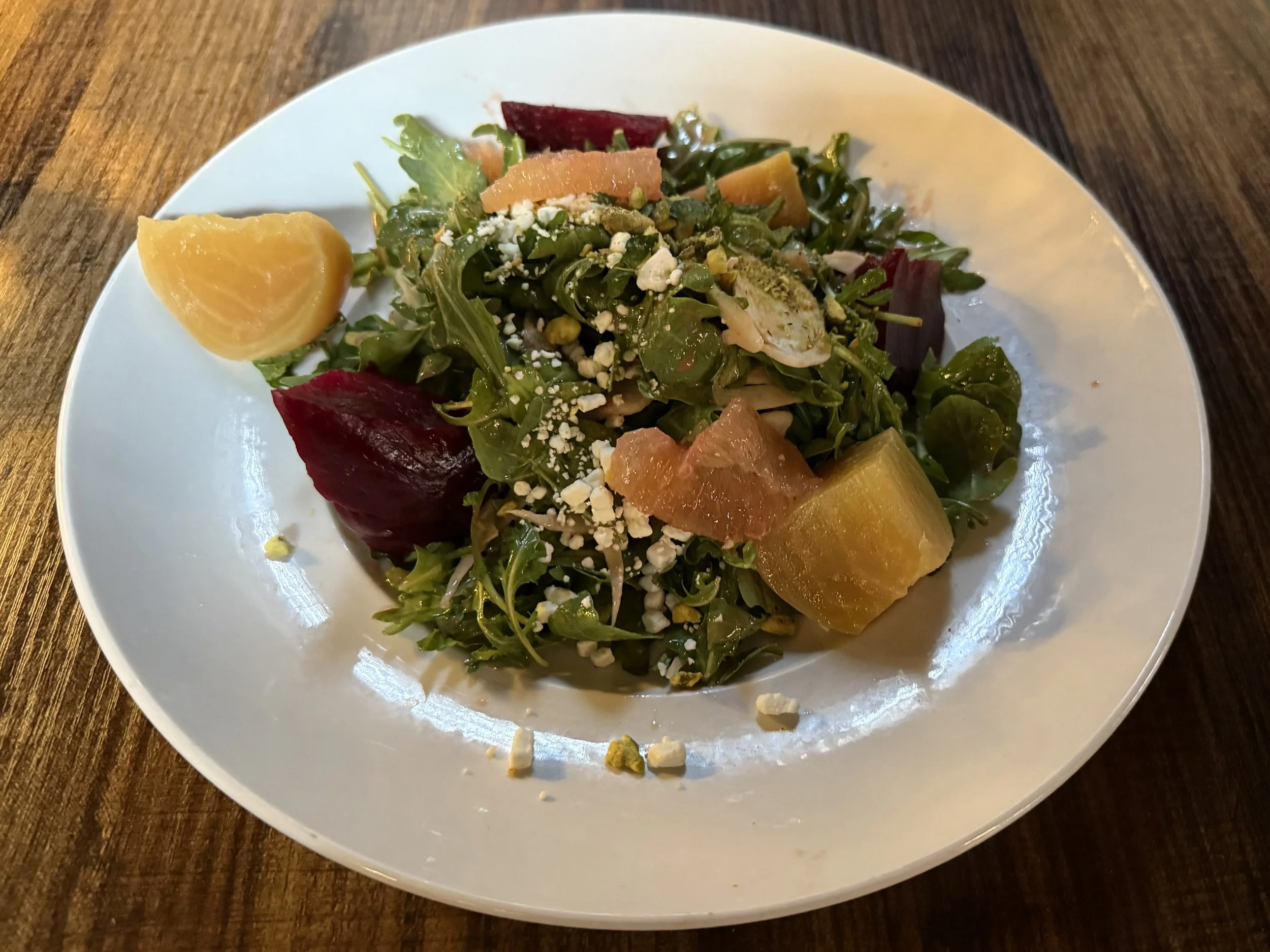
As Erik has grown into his new role, he has begun shaping a menu that reflects both the foundation he inherited and his own experiences throughout Italy. Central to his approach is cucina povera, an Italian philosophy of cooking rooted in humble beginnings. Many of the country’s most beloved dishes originated from necessity, when cooks relied on whatever ingredients were available and found ways to transform them into something extraordinary. Erik is drawn to the ingenuity of that tradition, its respect for ingredients, and the belief that remarkable flavors need not depend on elaborate preparation. As he explains, food can be “deeply satisfying and sophisticated while still feeling familiar and approachable.”
His travels have also taught him that Italian cuisine cannot be defined by a single region. Each part of the country has its own ingredients, traditions, and culinary identity. Rather than restricting Salt & Olive to one regional style, Erik draws inspiration from across Italy, allowing those varied influences to inform his new menu while remaining faithful to the principles of simplicity, quality, and respect for tradition.
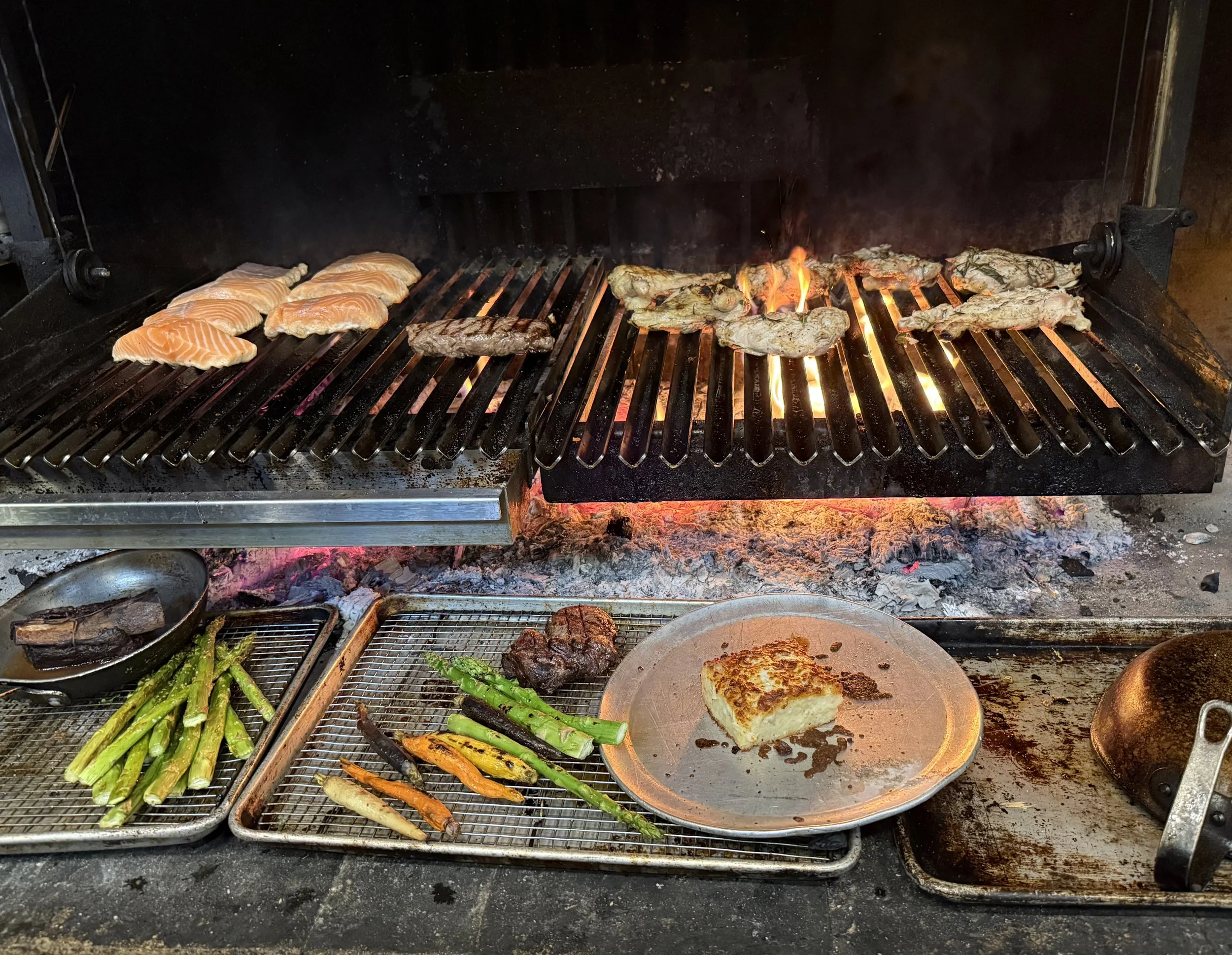
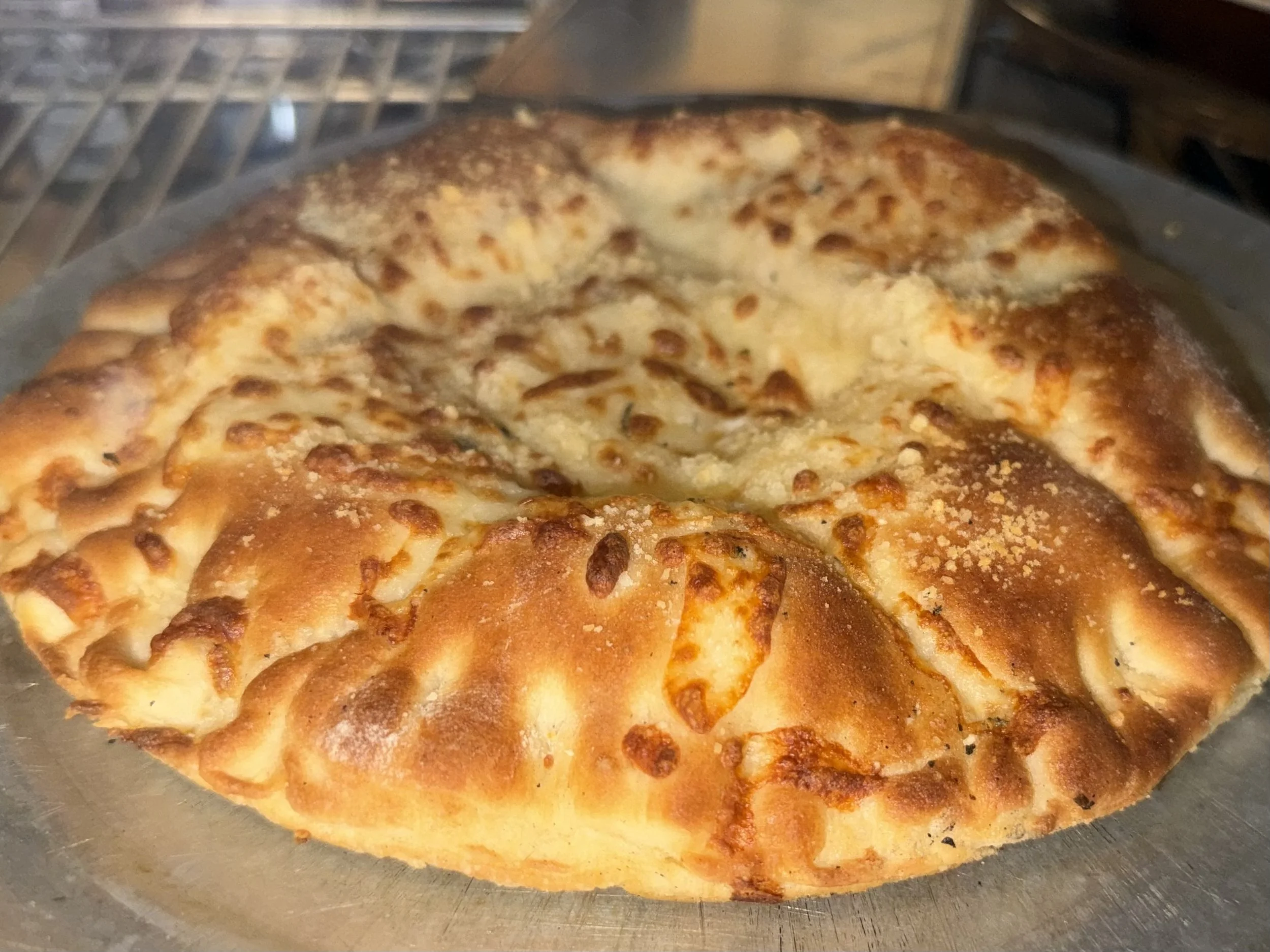
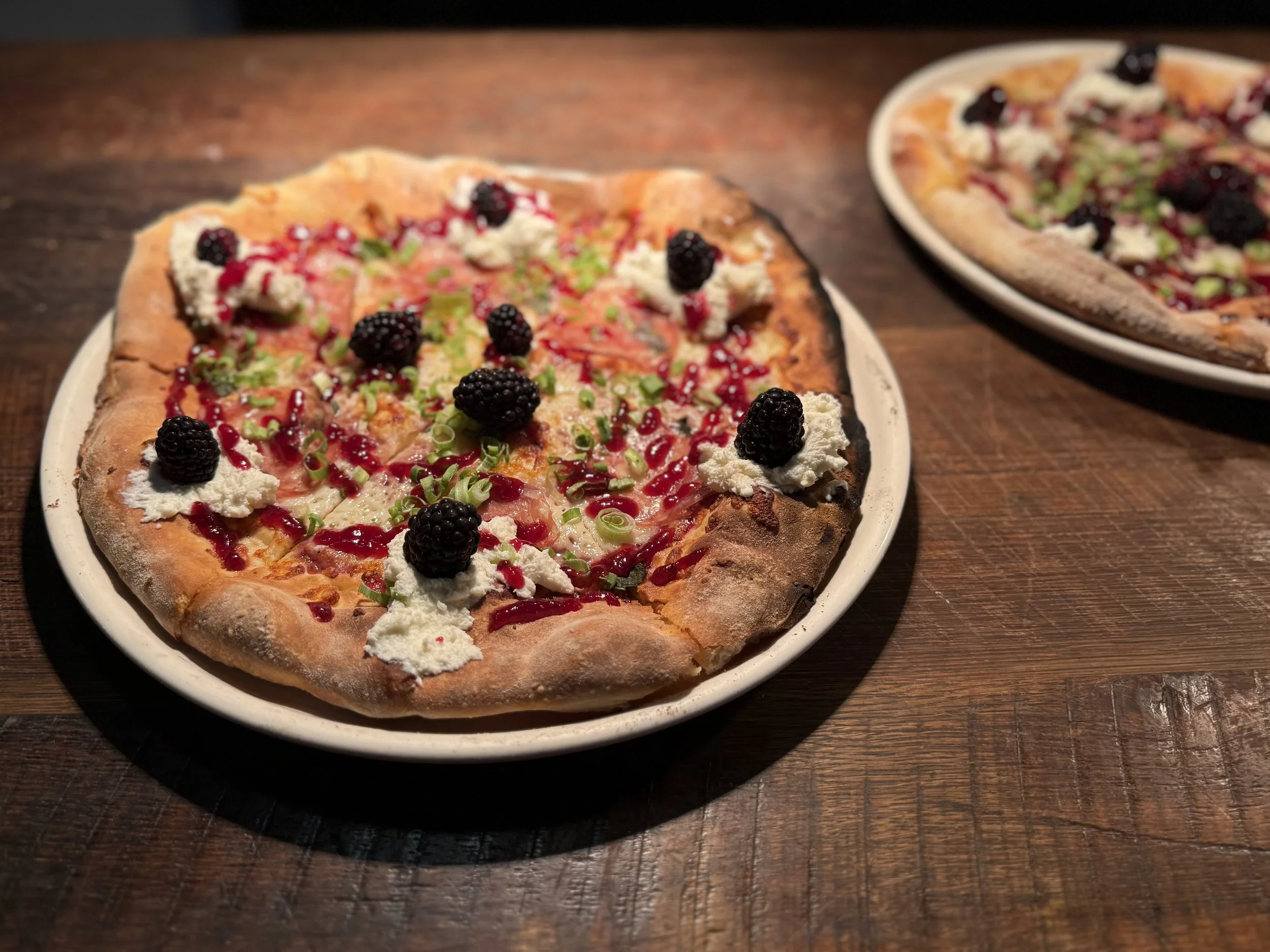
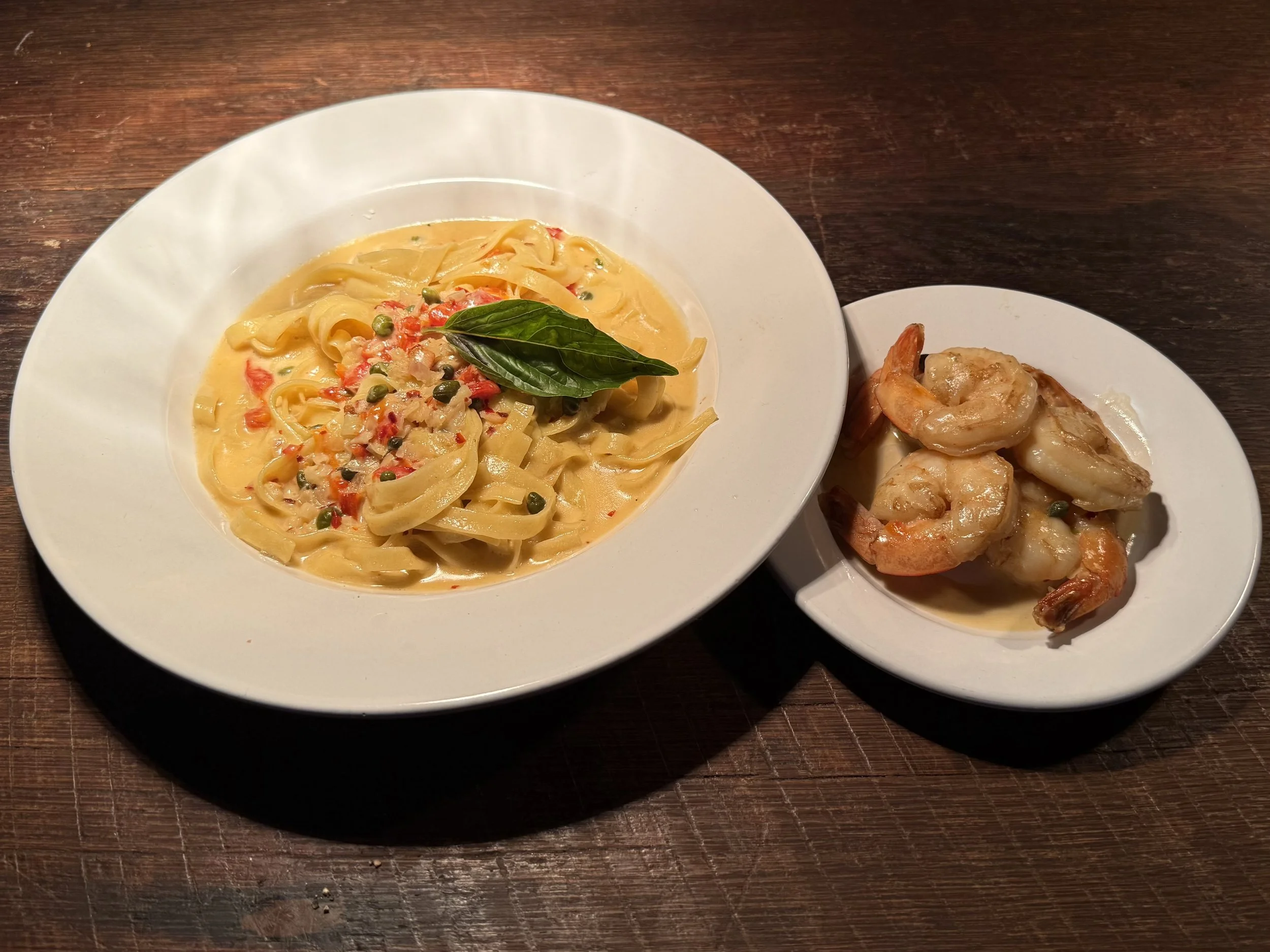
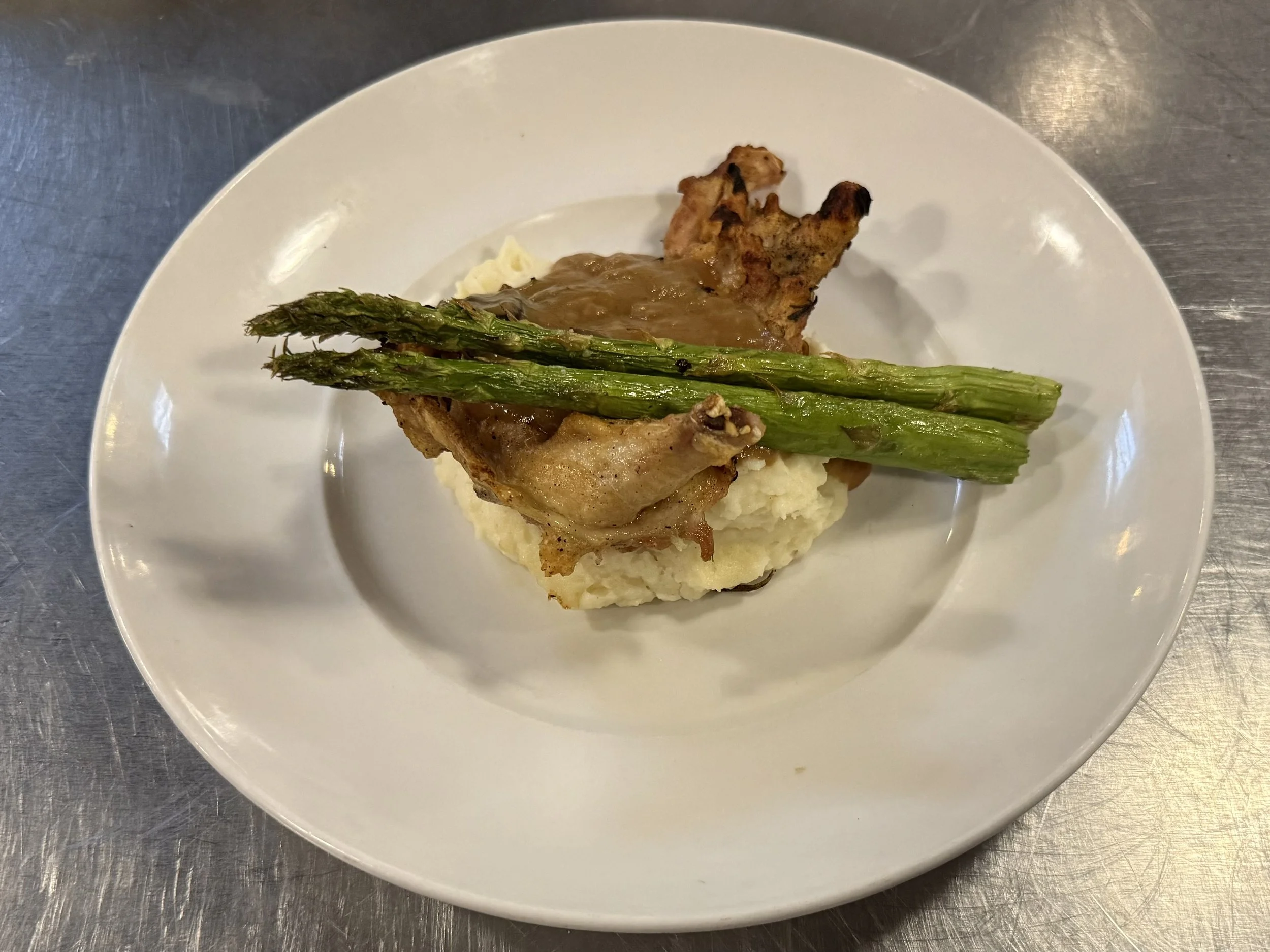
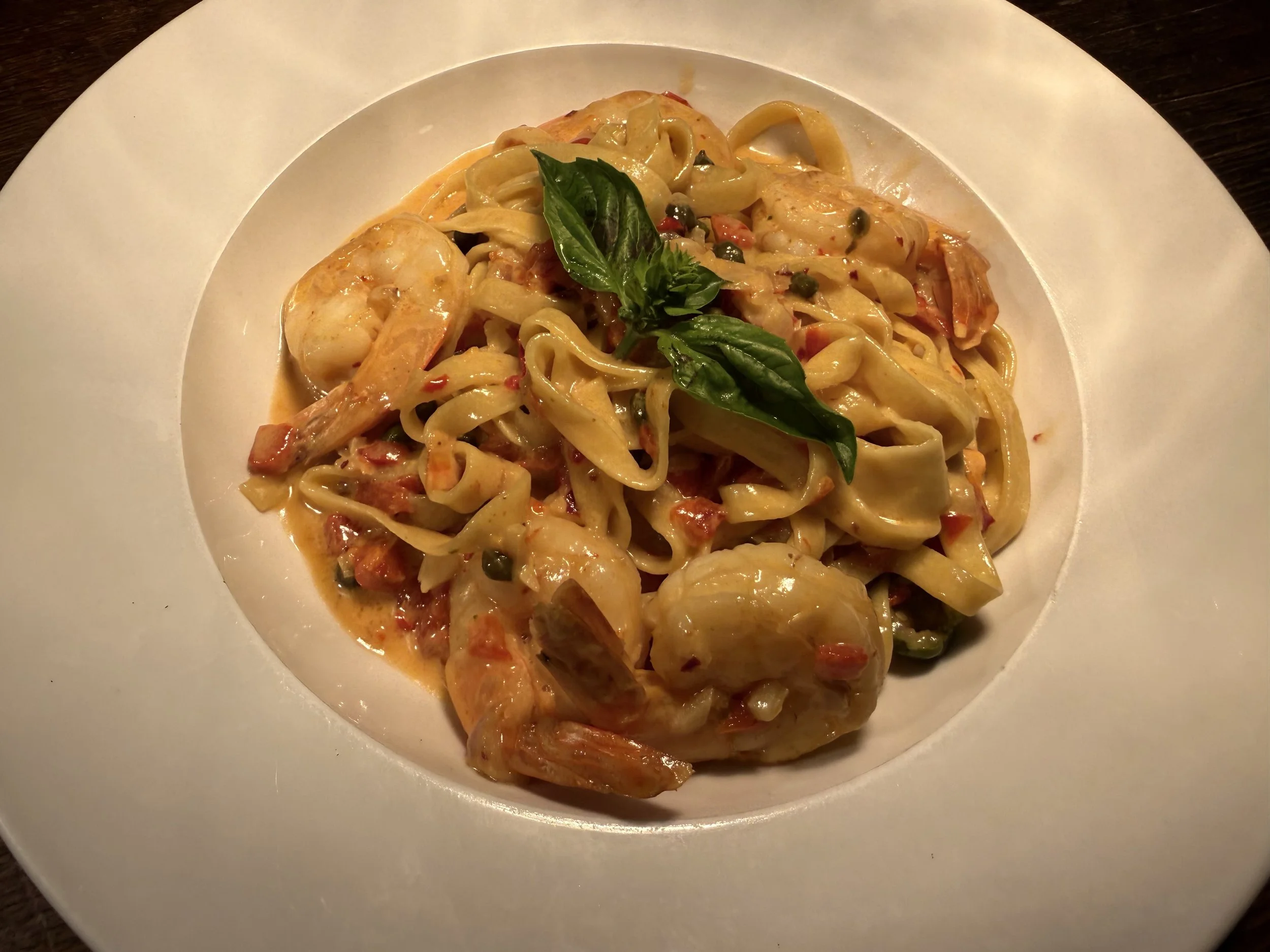
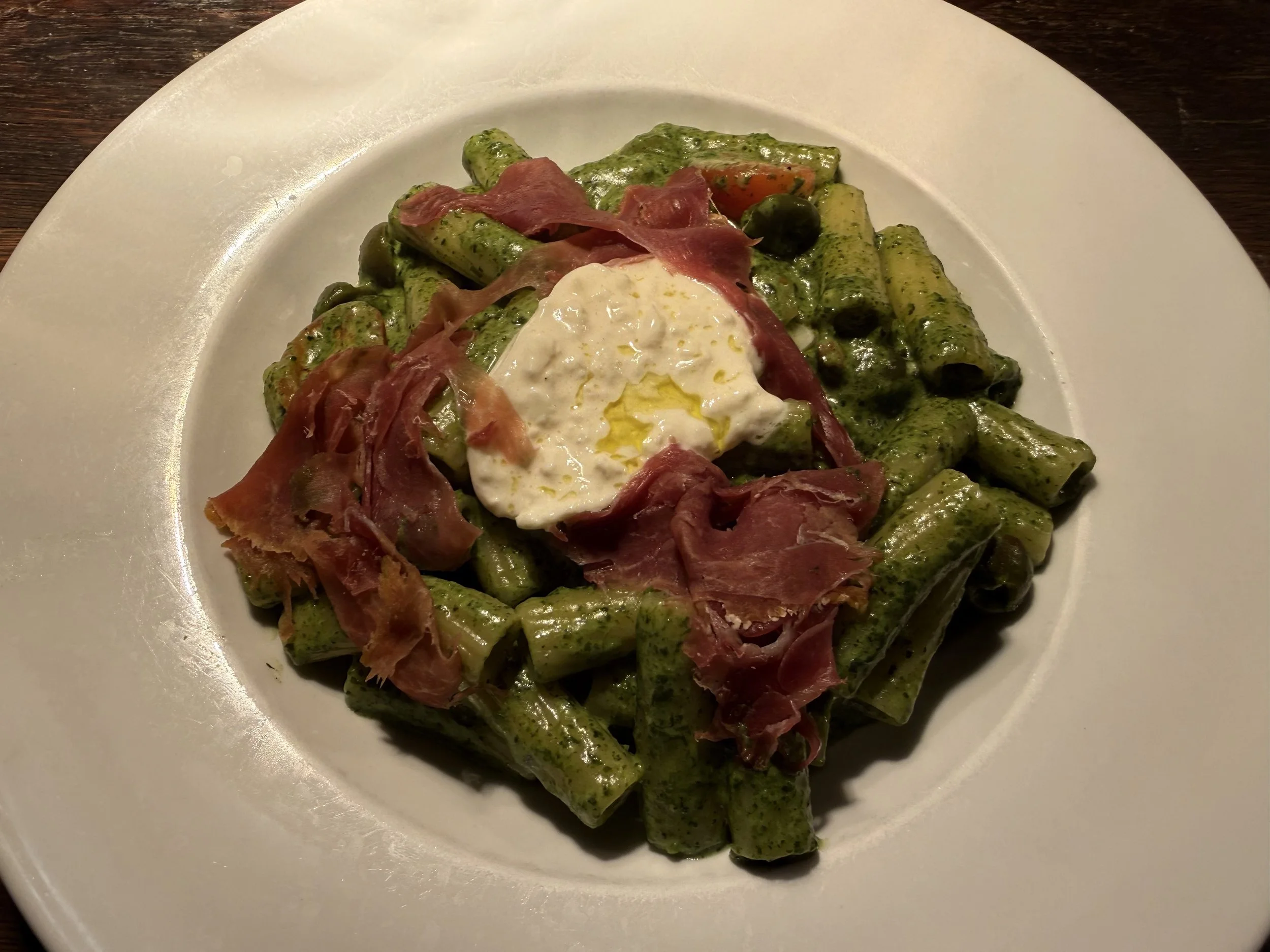
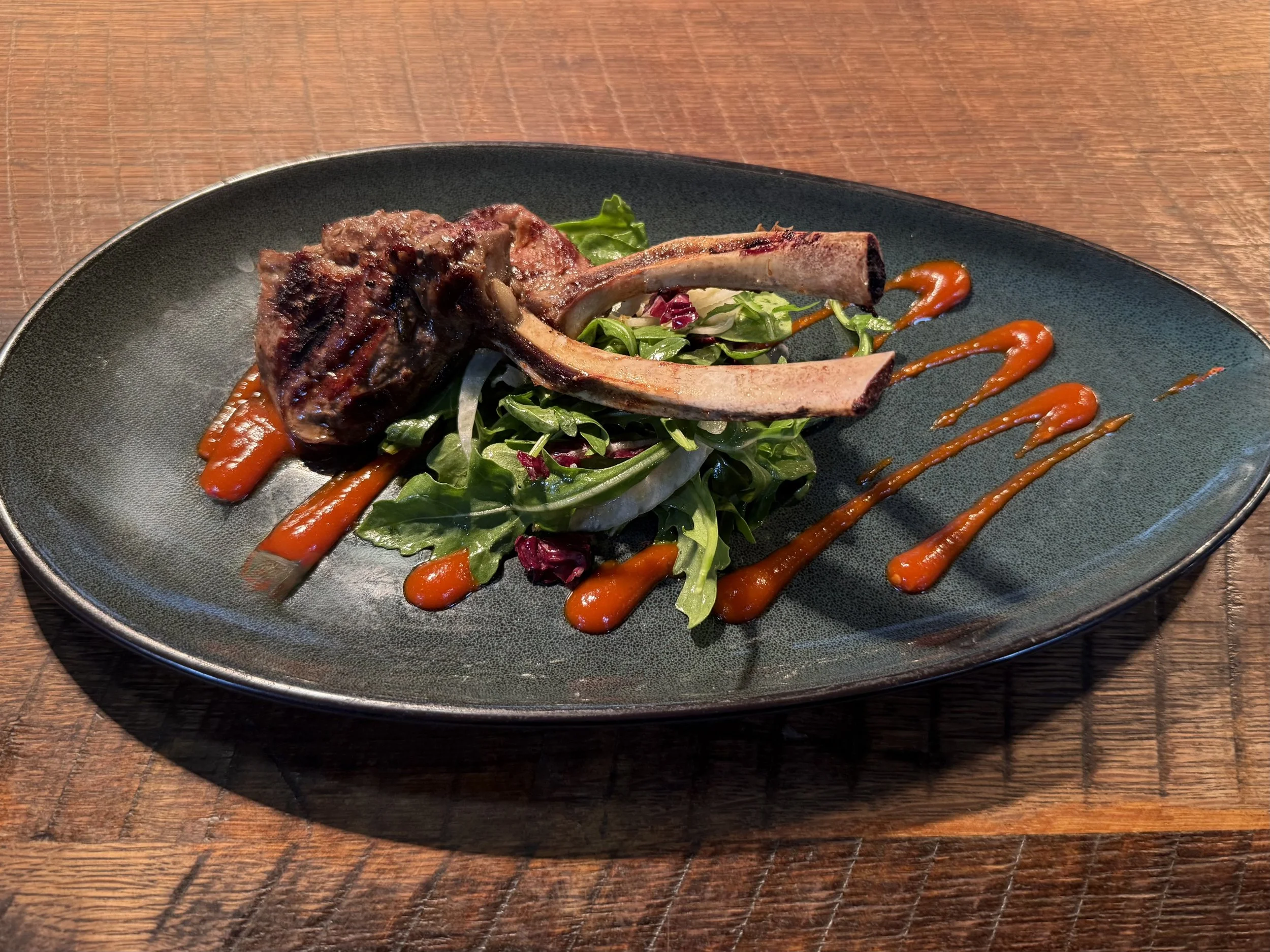
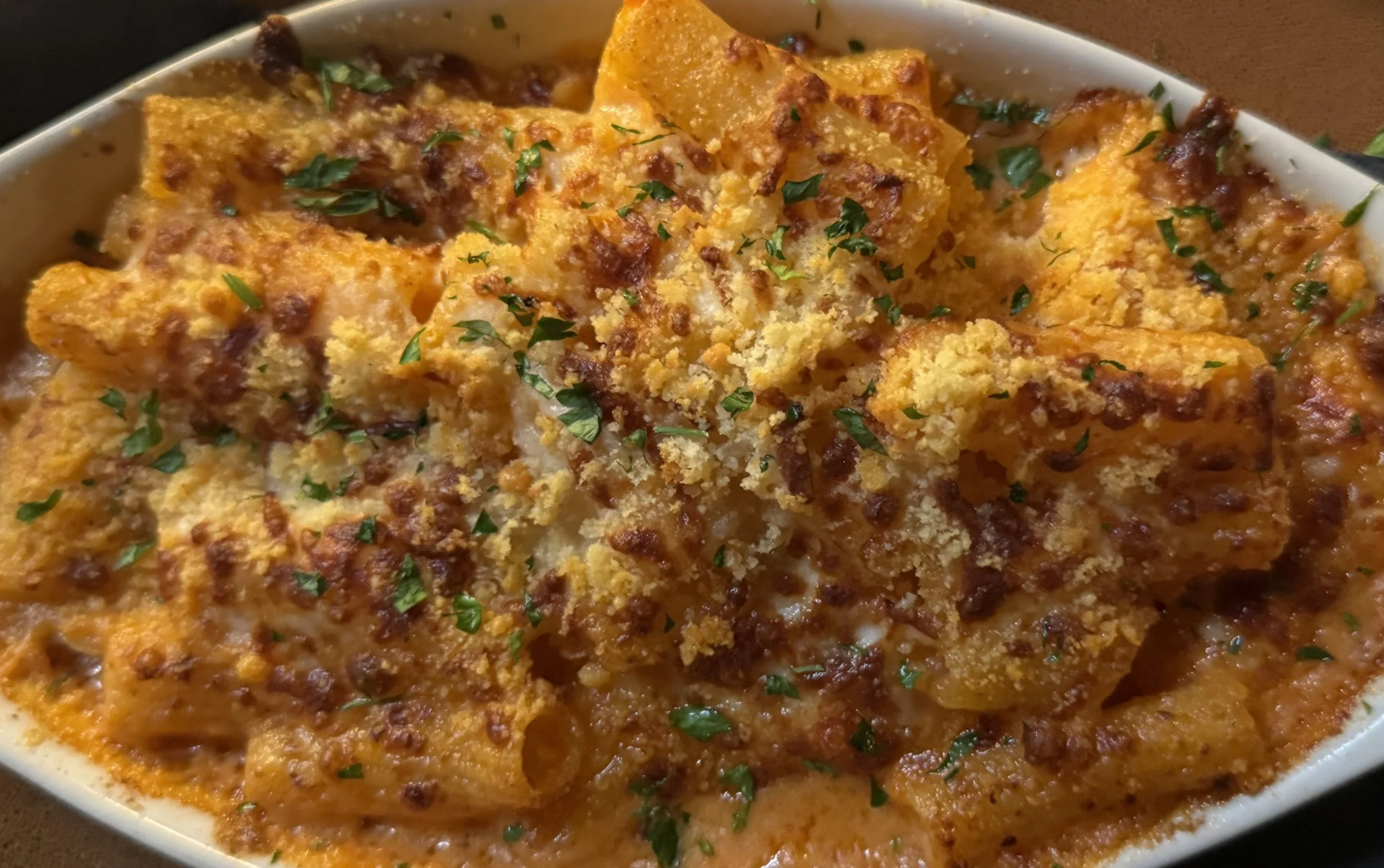
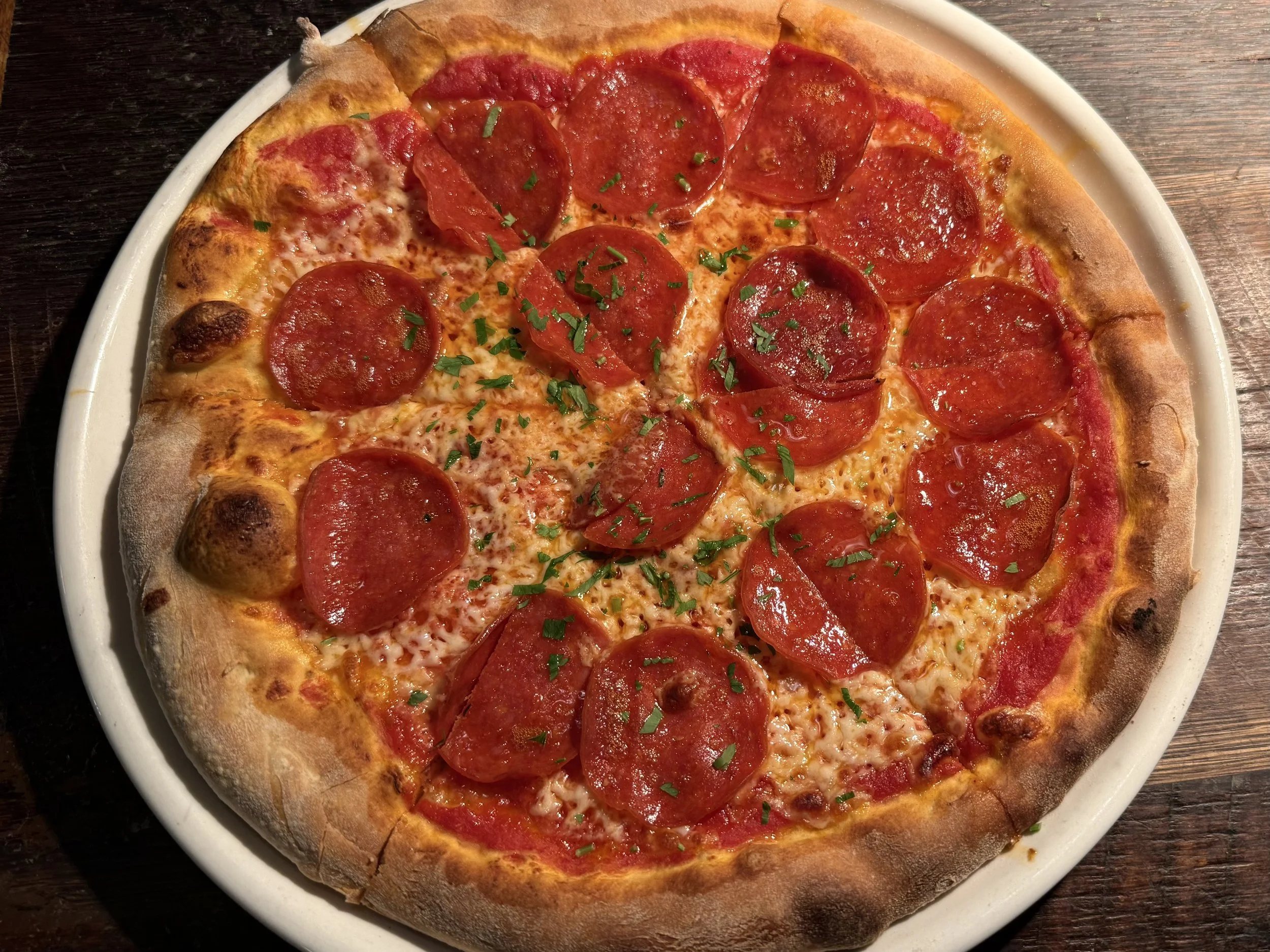
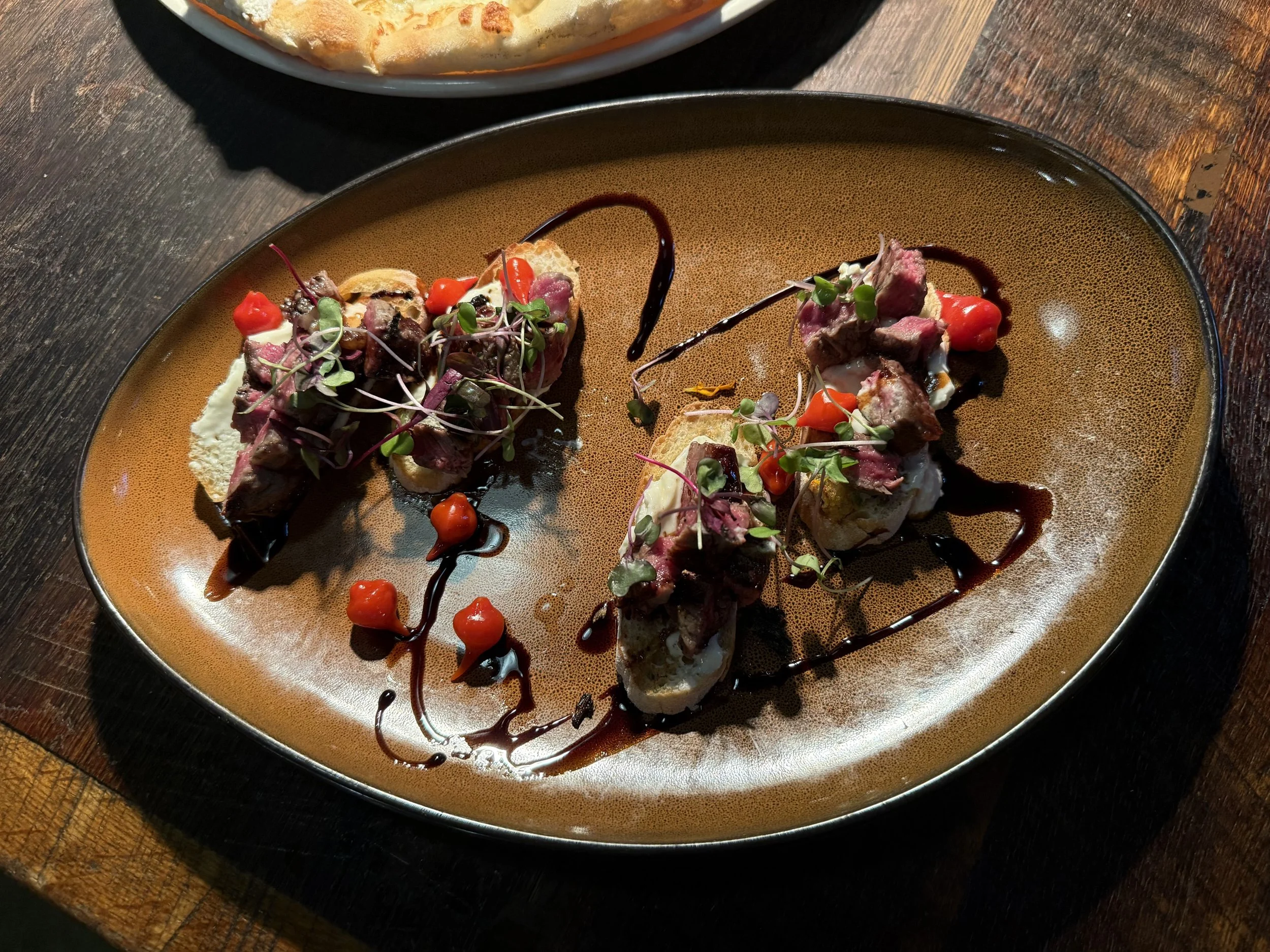
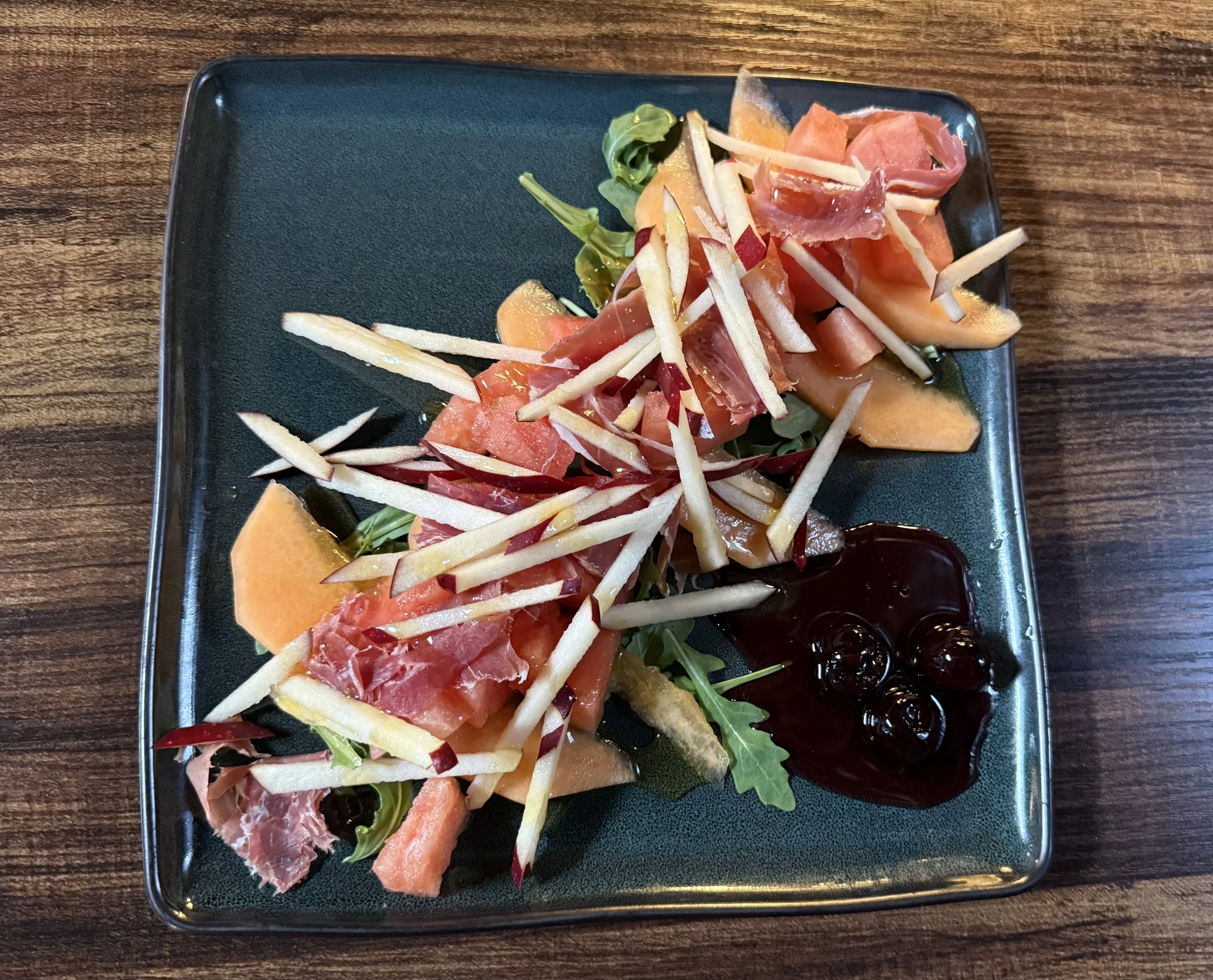
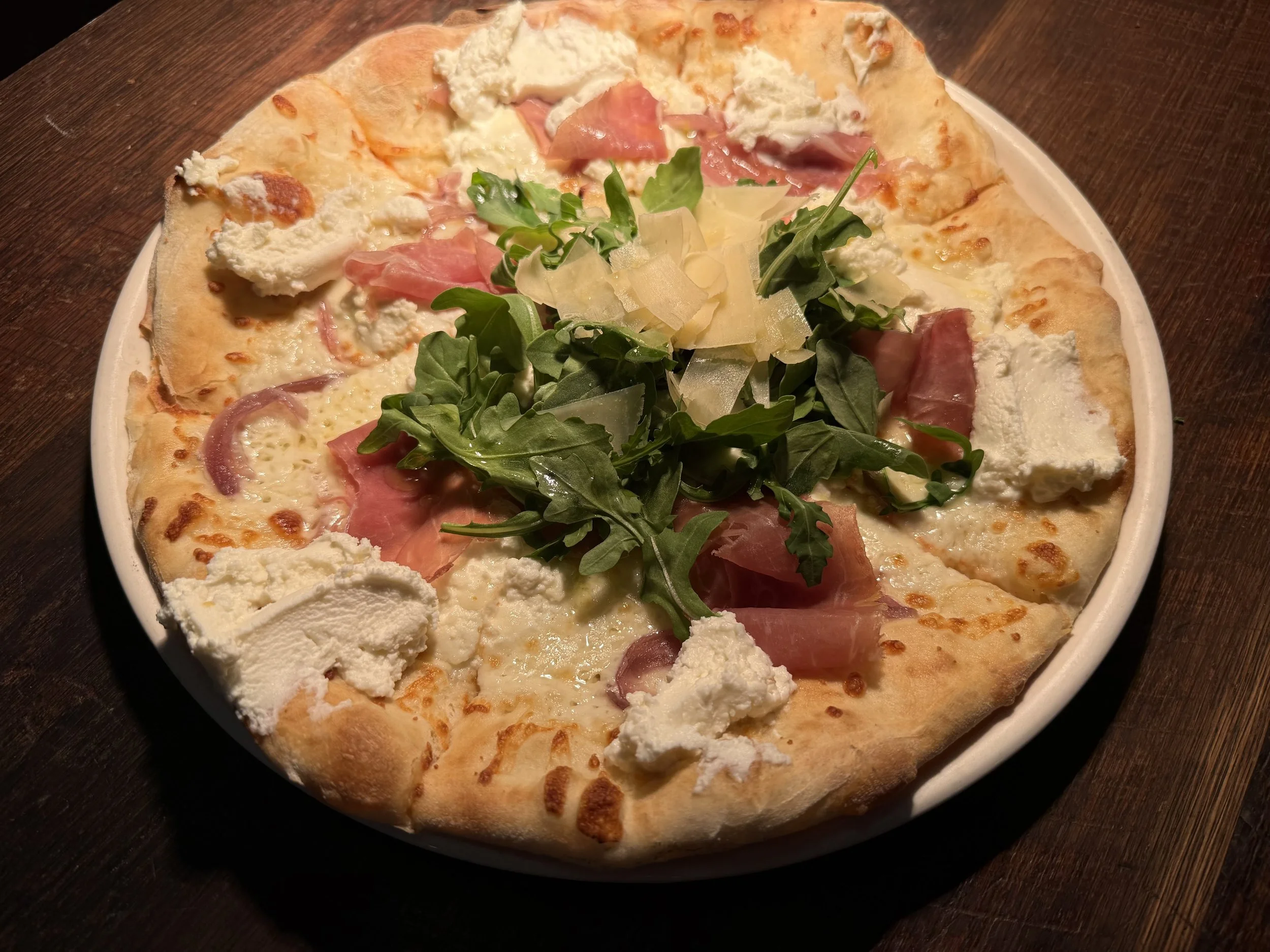
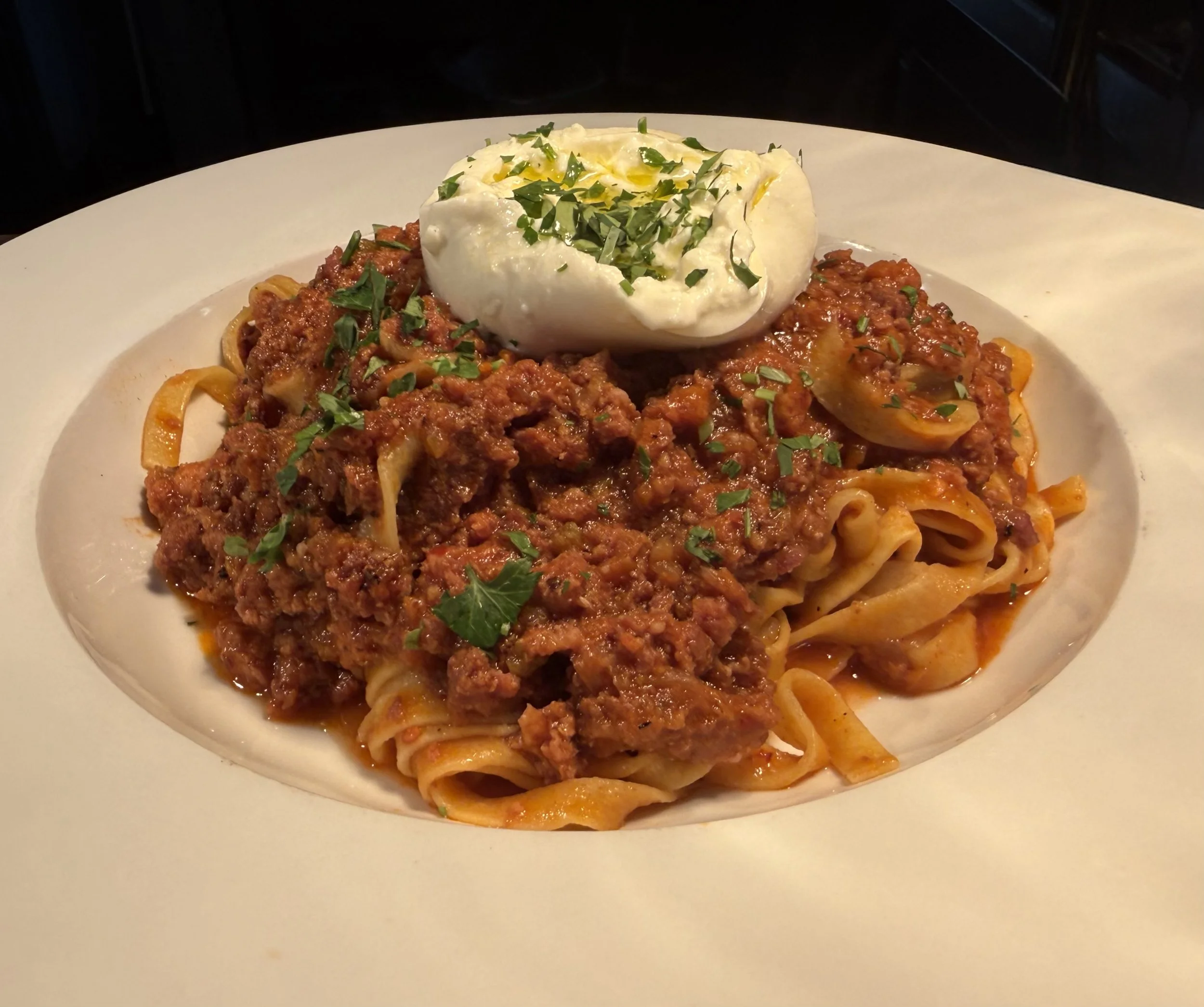
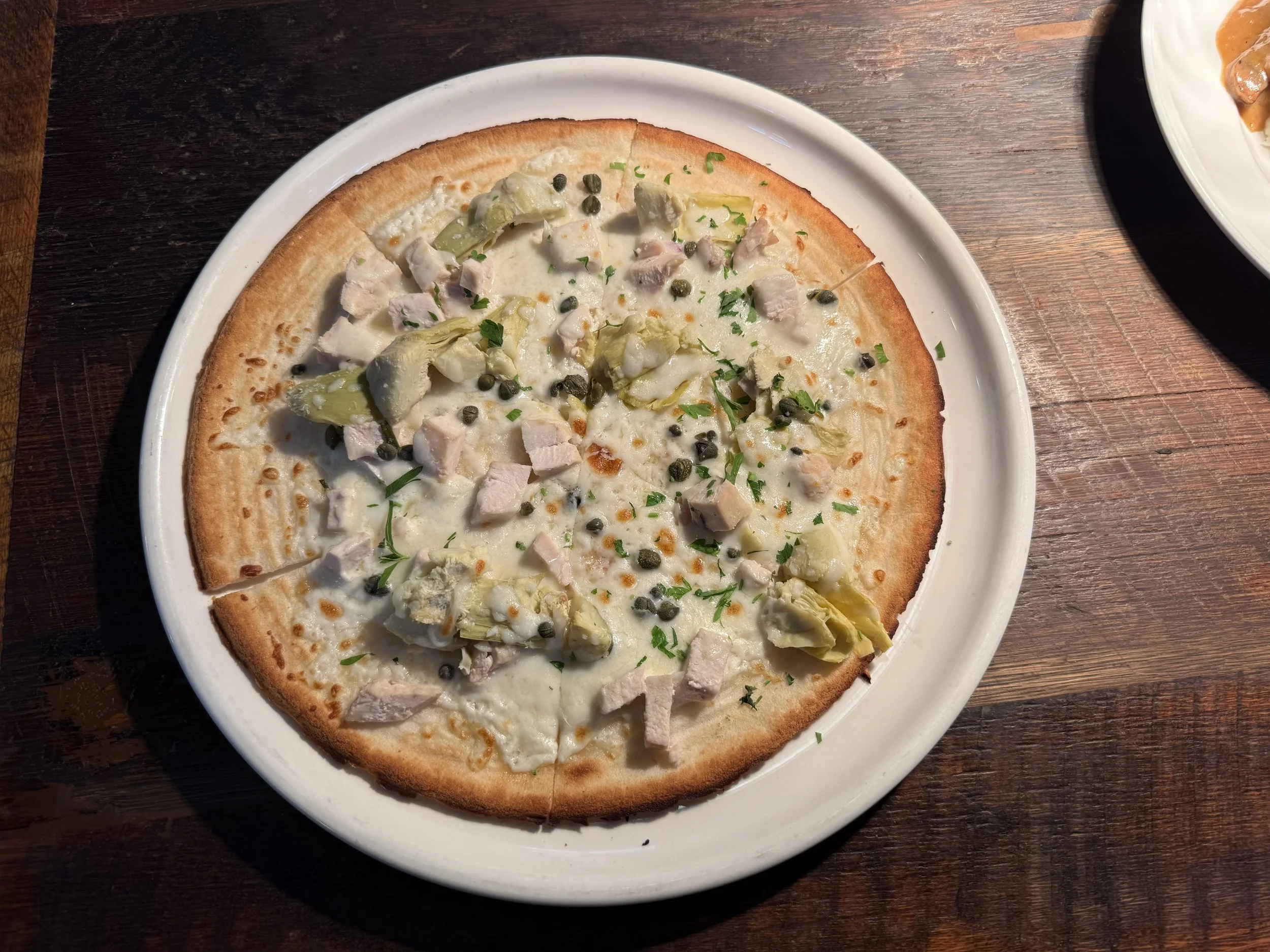
Much of the cooking at Salt & Olive is done from scratch. Pasta dough is made and hand-stretched daily, as is the pizza dough. Live-fire and wood-fired cooking bring another dimension, with steaks prepared over the grill, pizzas emerging from the wood-fired oven, and mesquite smoke contributing flavor throughout the menu. For Erik, these techniques are another way of allowing good ingredients to develop their fullest flavor without unnecessary complication.
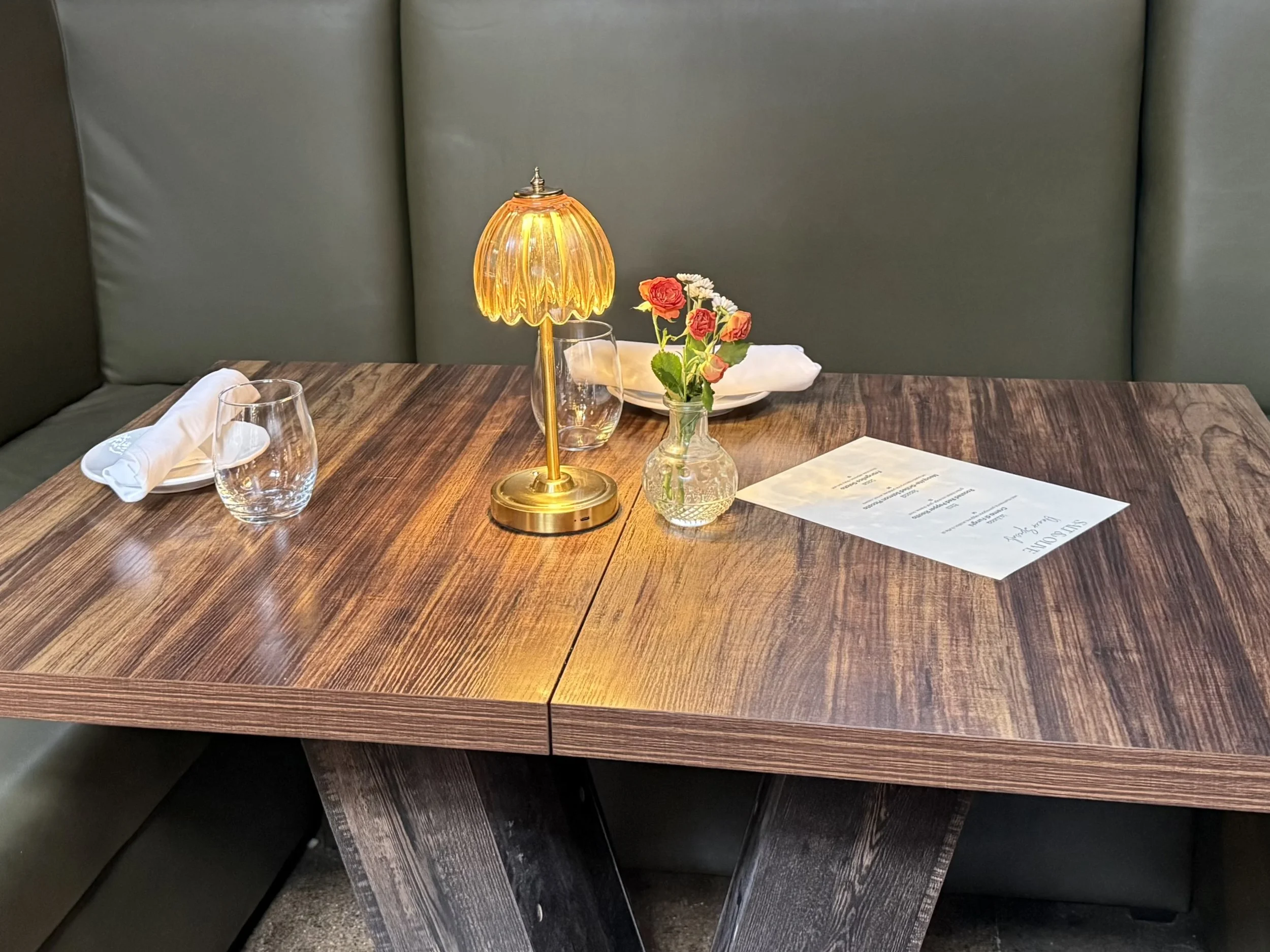
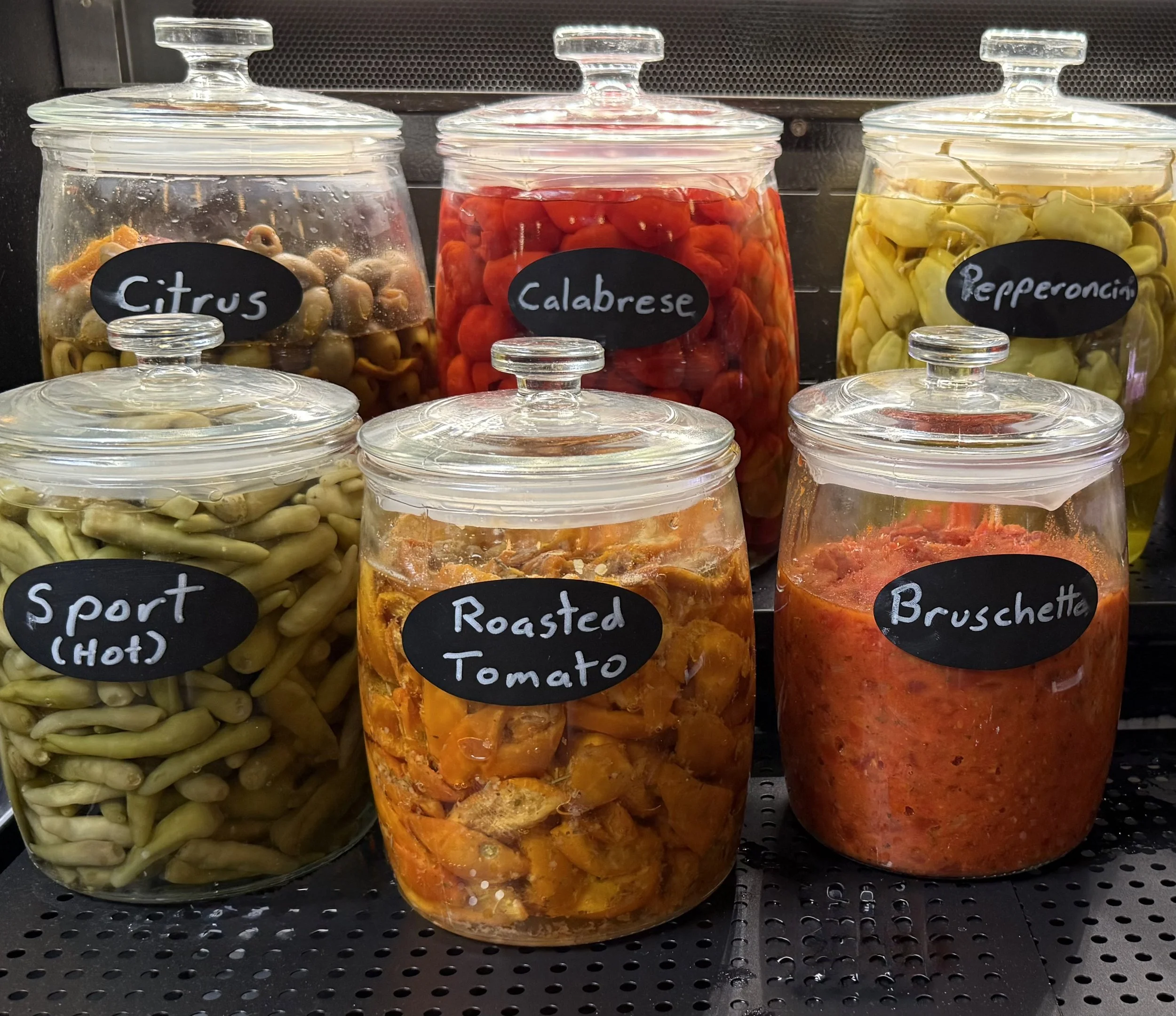
The restaurant offers three distinct experiences under one roof. At The Market, guests can stop for an espresso, enjoy a house made focaccia sandwich, or browse Italian specialty provisions. The Bistro provides a casual setting for a neighborhood meal, while The Ristorante offers a more intimate, elevated dining experience. Each has its own character, yet all three reflect the different ways Italians enjoy food throughout the day.
It is a concept that resonates deeply with Erik’s memories of Italy, where an exceptional meal might be a simple sandwich from a neighborhood shop, a plate of pasta at a family-run trattoria, or an elegant dinner enjoyed over several hours. The quality of the food and the pleasure of eating it are not determined by the formality of the setting. That is the spirit he wants to capture at Salt & Olive.
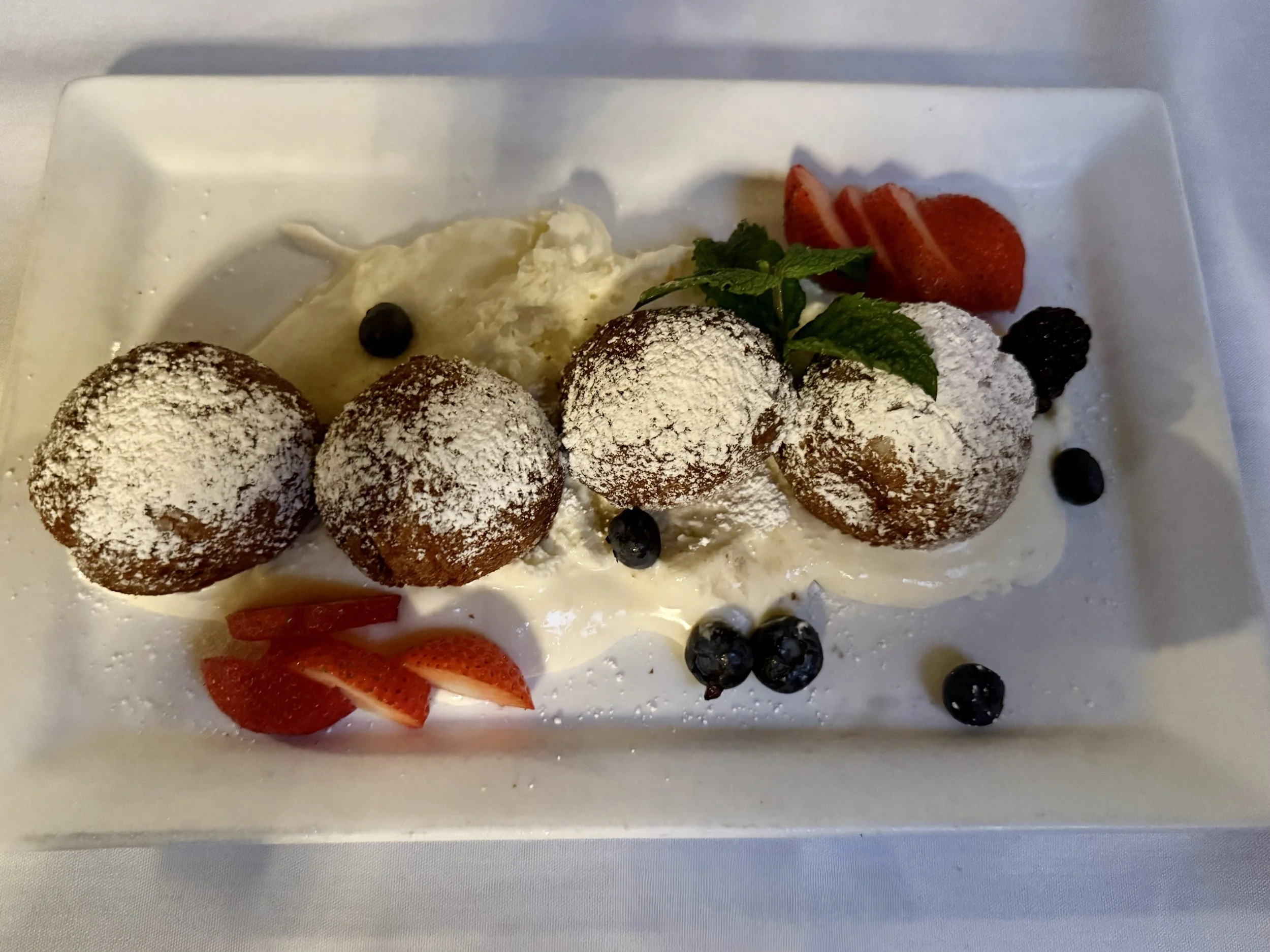
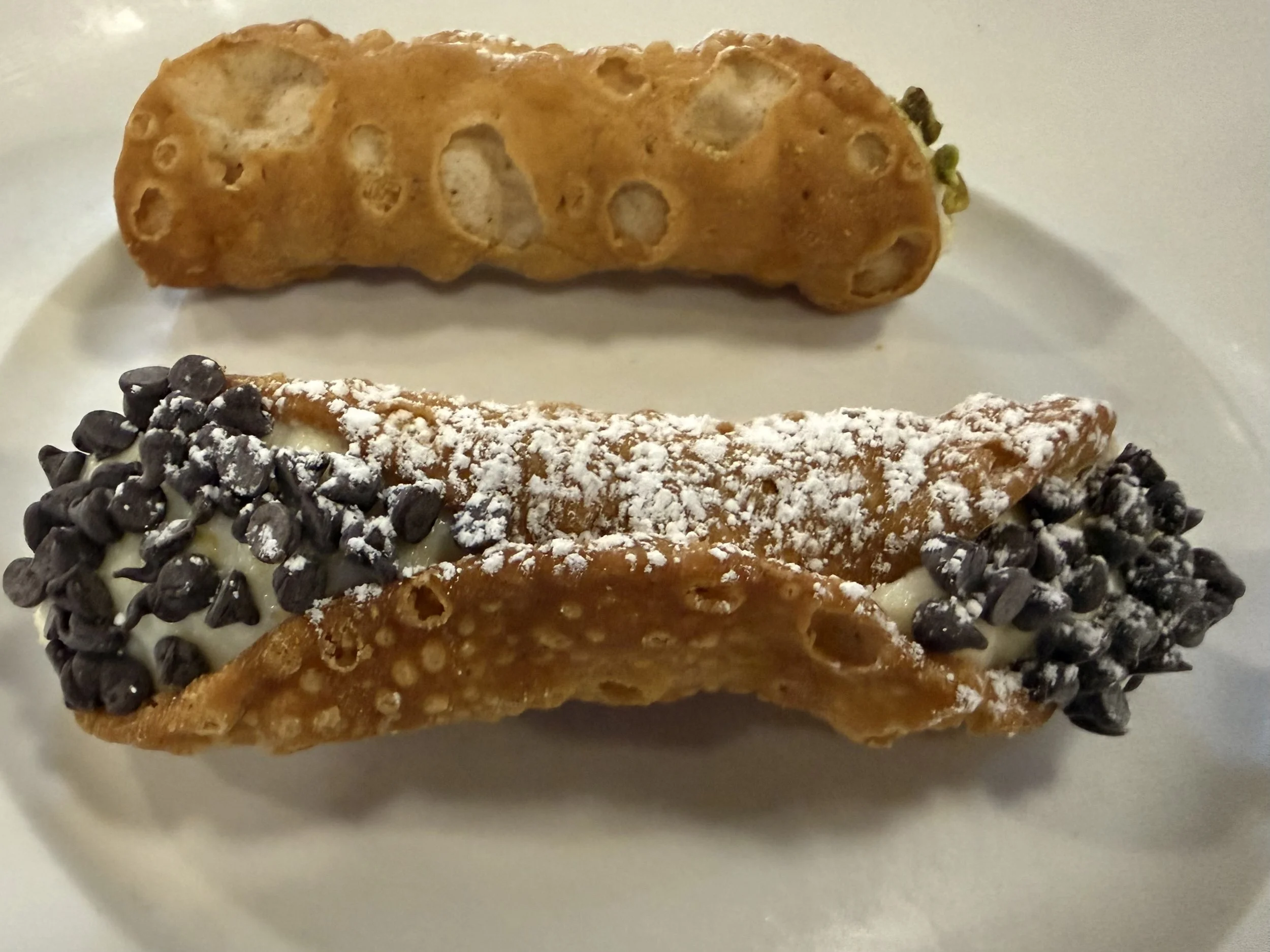
Erik has also begun incorporating pieces of his own history into the menu. As he worked on rebuilding the dessert offerings, his thoughts returned to that kitchen in Fano and the tiramisu he learned to make as a teenager. When one of the daughters from his Italian host family visited Las Vegas years earlier, Erik had sent her a list of ingredients to bring from Italy, determined to recreate the dessert he had never forgotten. He took her shopping and asked her to teach him precisely how to make it. Now, more than fifteen years later, he has contacted the family again, sharing the news that their tiramisu has found its way onto his menu. Although his version uses traditional espresso-soaked ladyfingers, the technique and proportions for the mascarpone filling come directly from what he learned in their kitchen. He looks forward to welcoming them to Salt Lake one day to taste it.
For Erik, the connection between that family kitchen in Fano and the restaurant he now leads is a reminder of what first drew him to Italian cooking. Whether someone stops by The Market for a sandwich, enjoys a casual meal at The Bistro, or settles in for an evening at The Ristorante, he wants the experience to reflect the same appreciation for food that he discovered as a teenager. “We truly try to embody that the Italian dining experience is just about coming together at a table. You get to choose what that table looks like.”