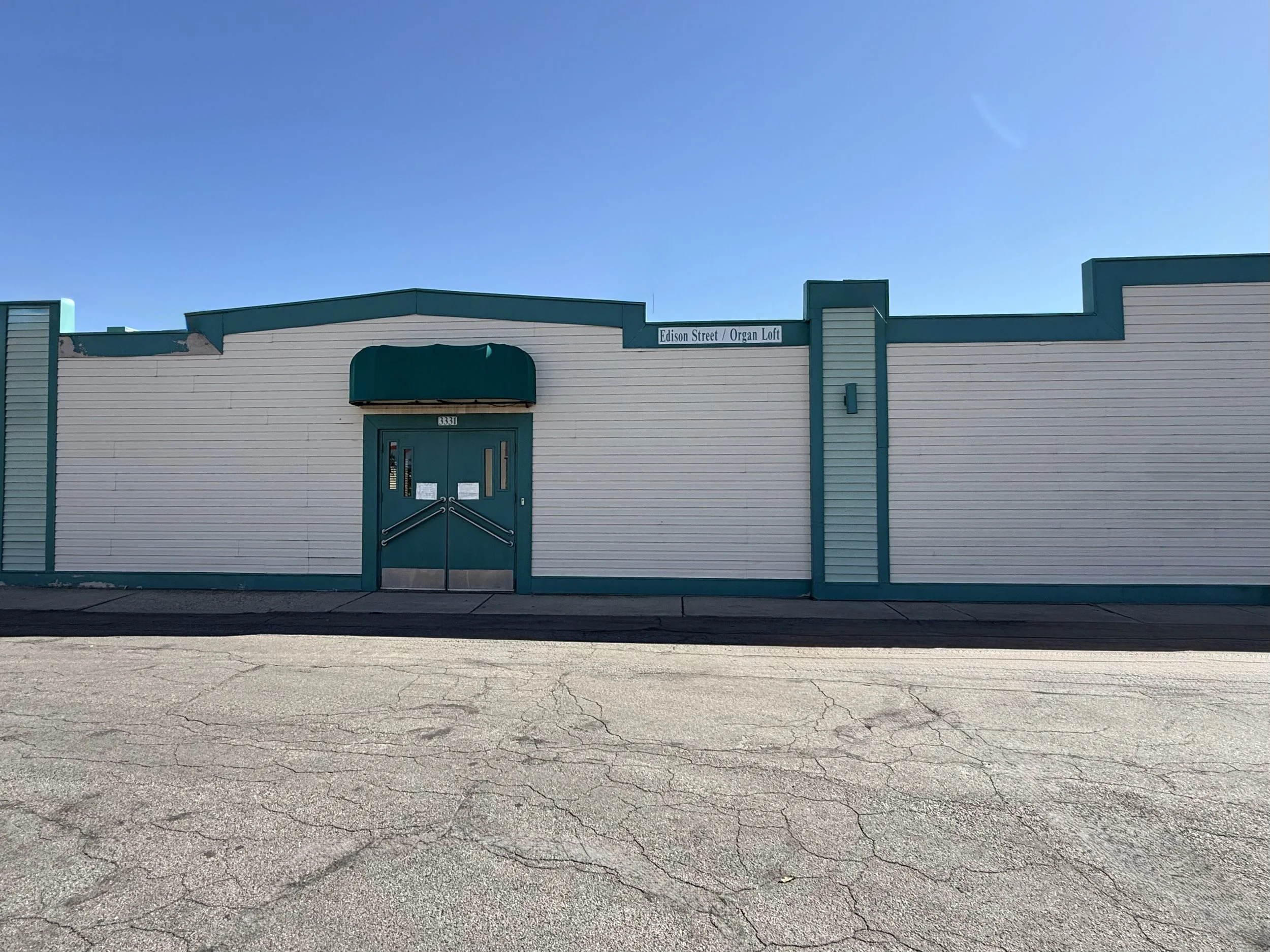
Address: 3331 South Edison Street
Telephone: 801-485-9265
Website: edisonstreetevents.com
District: South Salt Lake
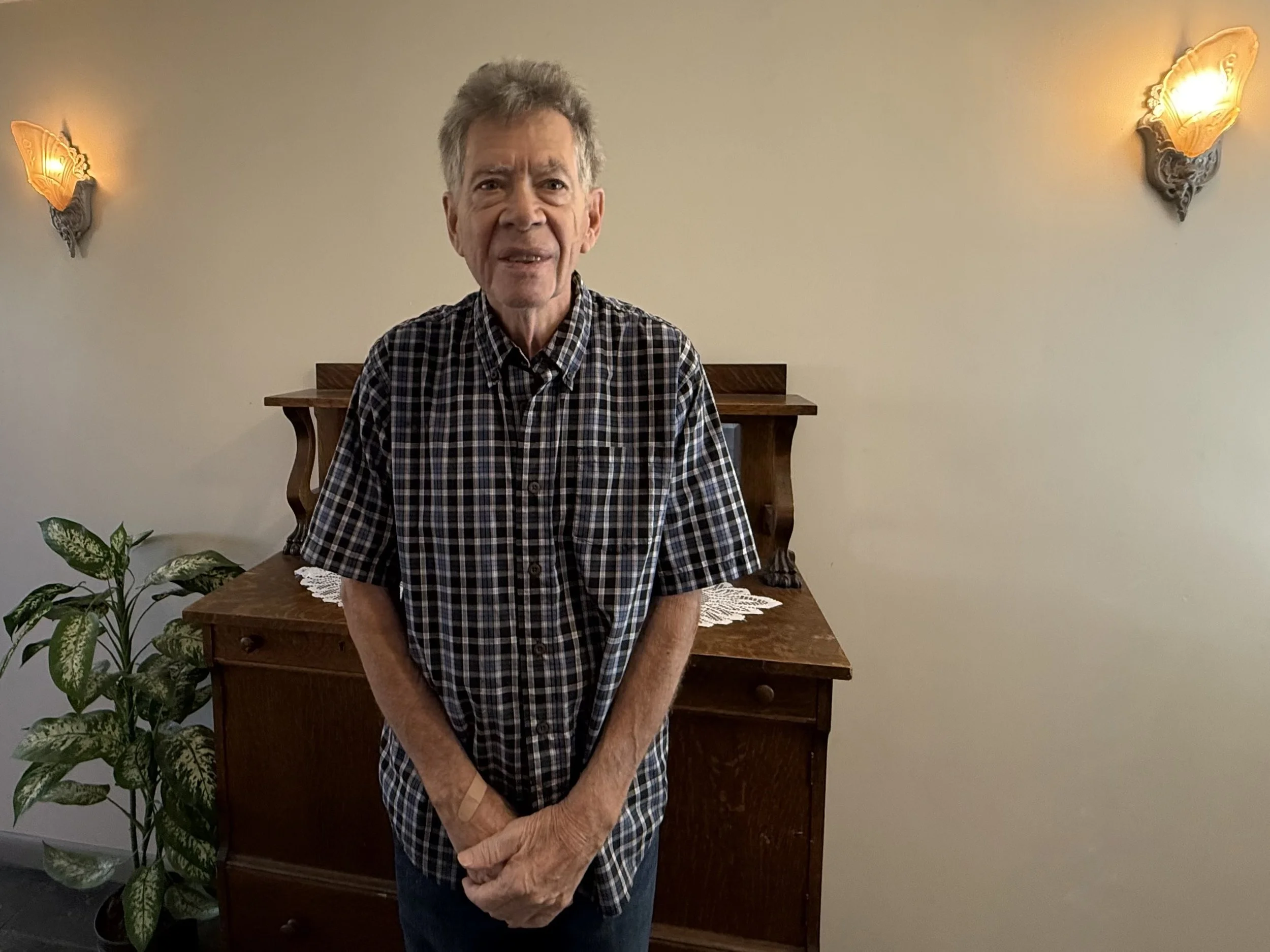
“He was so impressed with the sound, the diversity of the organ.” Those words from Larry Bray describe the fascination that led his uncle, Lawrence Bray, to rescue a magnificent theater organ at a time when such instruments were disappearing from movie houses across America. What followed was an undertaking that would transform a quiet stretch of land in South Salt Lake into a gathering place for music, dancing, celebrations, and silent films. Decades later, Larry continues to care for the remarkable organ that became the centerpiece of Organ Loft, carrying forward his uncle’s vision and a fascinating piece of entertainment history.
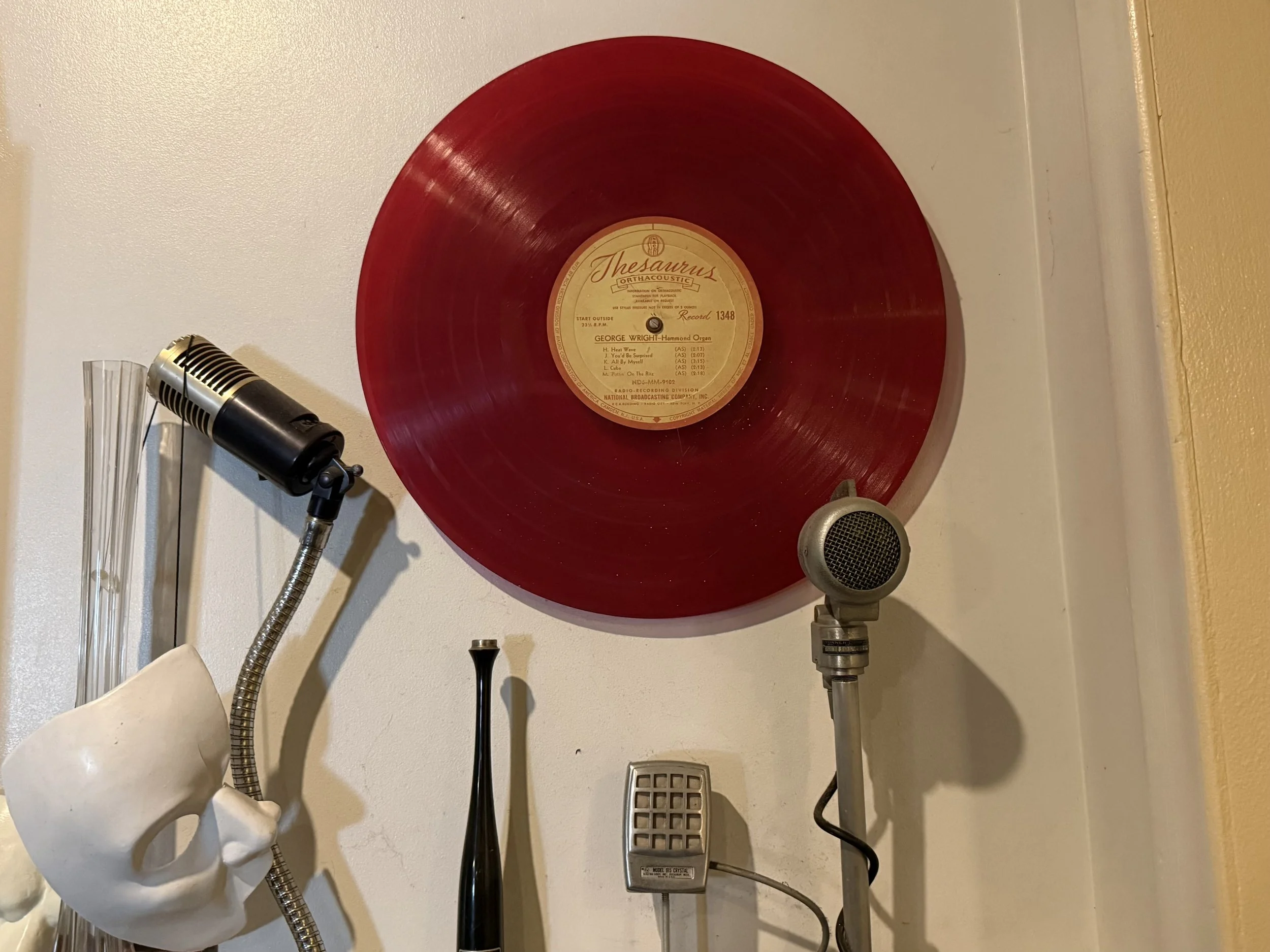
The story reaches back to Lawrence’s service in the Navy. During a stop in San Francisco, he had an opportunity to visit the magnificent Fox Theatre where he heard theater organists George Wright and Gaylord Carter perform. He was captivated by the instrument’s range of sounds. Unlike a traditional organ, a theater organ could imitate an entire orchestra, producing everything from strings and brass to percussion and sound effects. Lawrence resolved to find one of his own when he returned home.
The timing was fortunate. Theater organs had once been essential to the silent-film experience, providing musical accompaniment that could heighten the suspense, humor, romance, and drama unfolding on the screen. But with the arrival of talking pictures, many of these enormous instruments became obsolete. Some were dismantled, while others were removed to make room for modern equipment, including air-conditioning systems.
Lawrence purchased his first organ from Salt Lake City’s Utah Theatre. His Aunt Elizabeth had a small white house on the property where Organ Loft stands today, and when he needed somewhere to store the instrument, he asked whether he could use her chicken coop. “That’s how it all started,” Larry recalled.
The original organ was relatively modest, with approximately ten ranks of pipes. Lawrence and a group of friends worked to rebuild it, learning as they went. But his ambitions grew, and in the mid-1950s, he sold that instrument and acquired a much larger Wurlitzer from the Paramount Theatre on Staten Island, New York.
Transporting the organ across the country was an enormous undertaking. Larry remembers photographs showing a Mayflower moving van packed with the dismantled instrument. Once it arrived in Utah, Lawrence faced the challenge of putting everything back together. There was no instruction manual to guide him, only his determination and the assistance of friends who shared his enthusiasm.
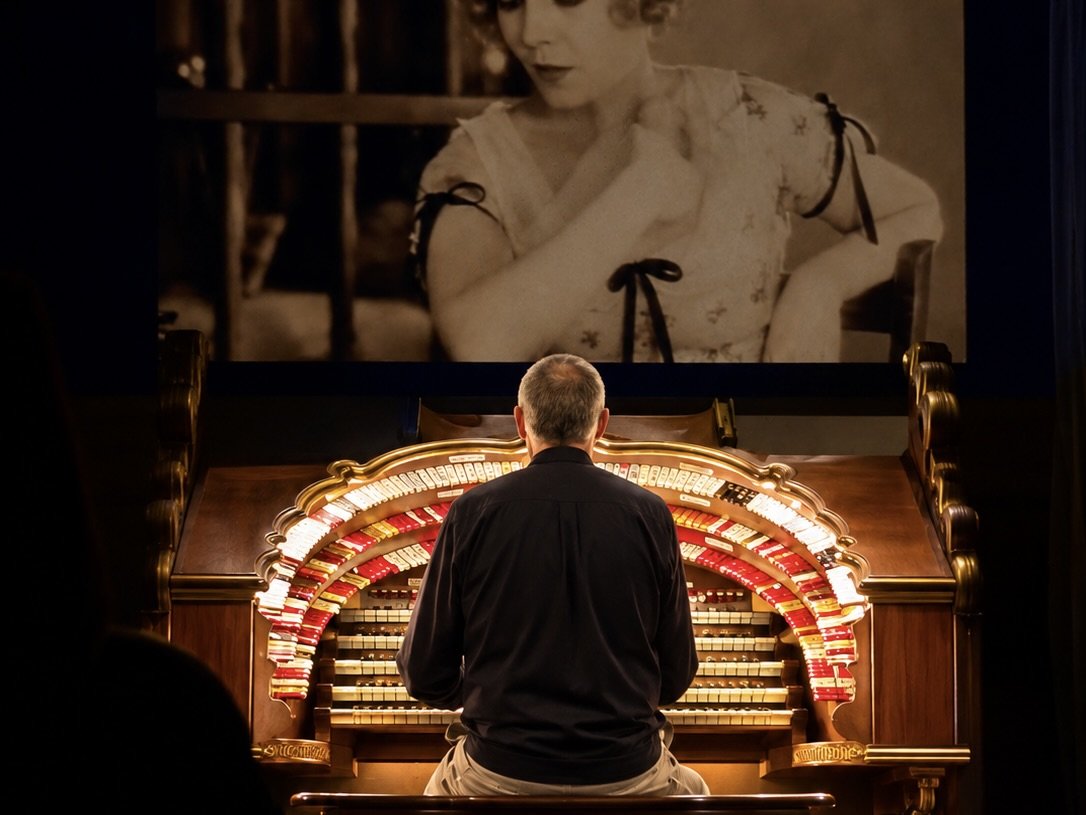
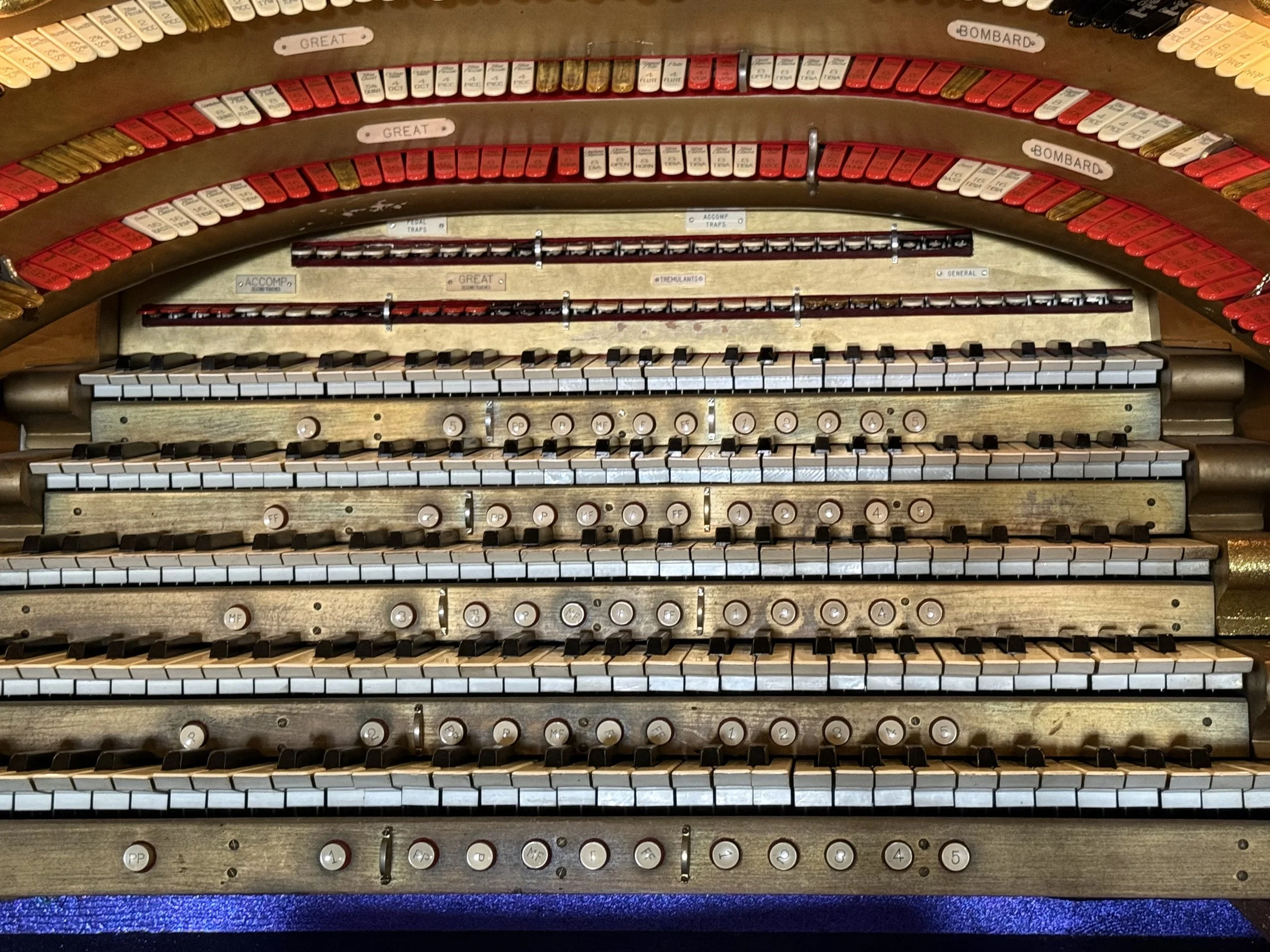
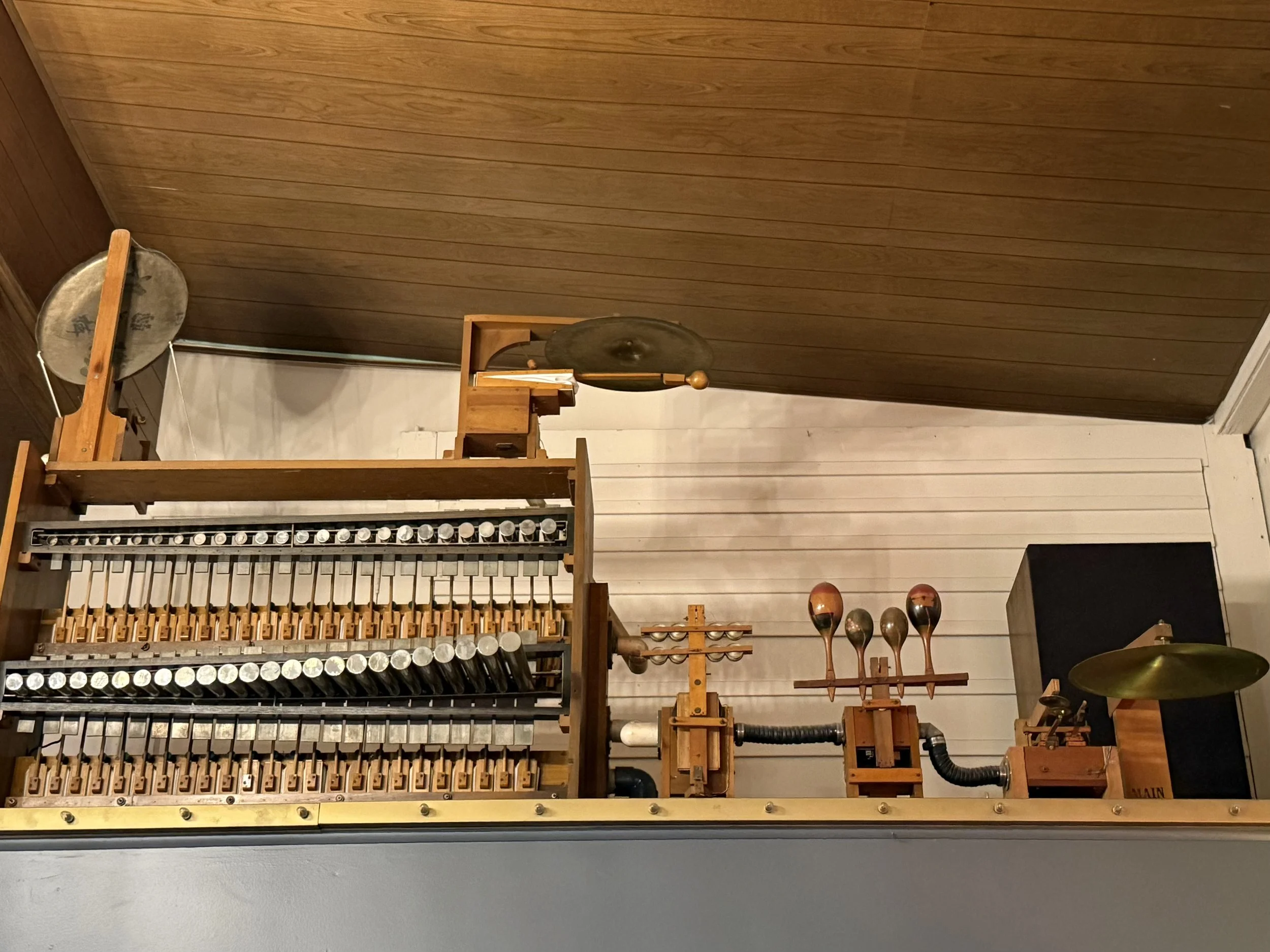
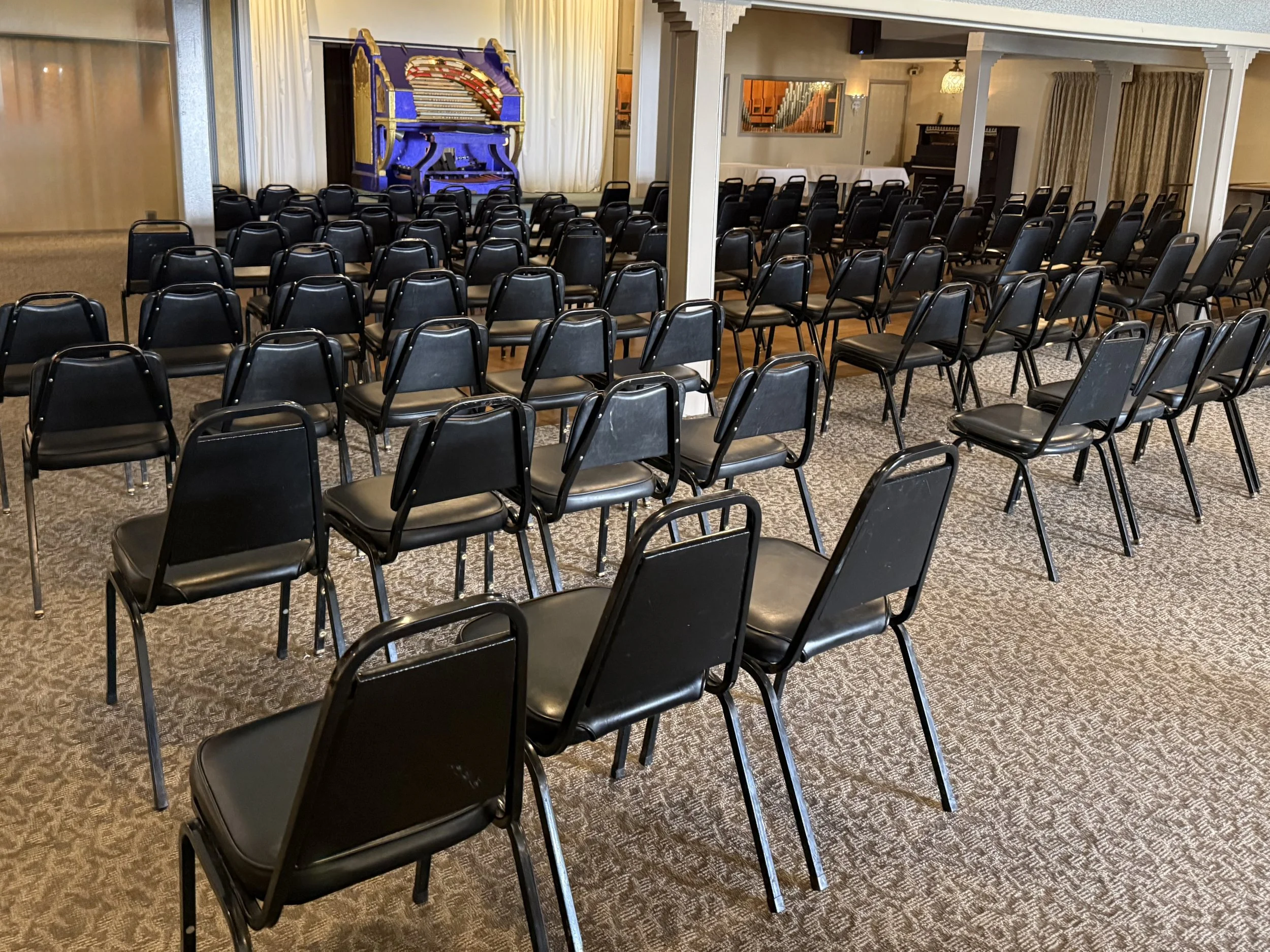
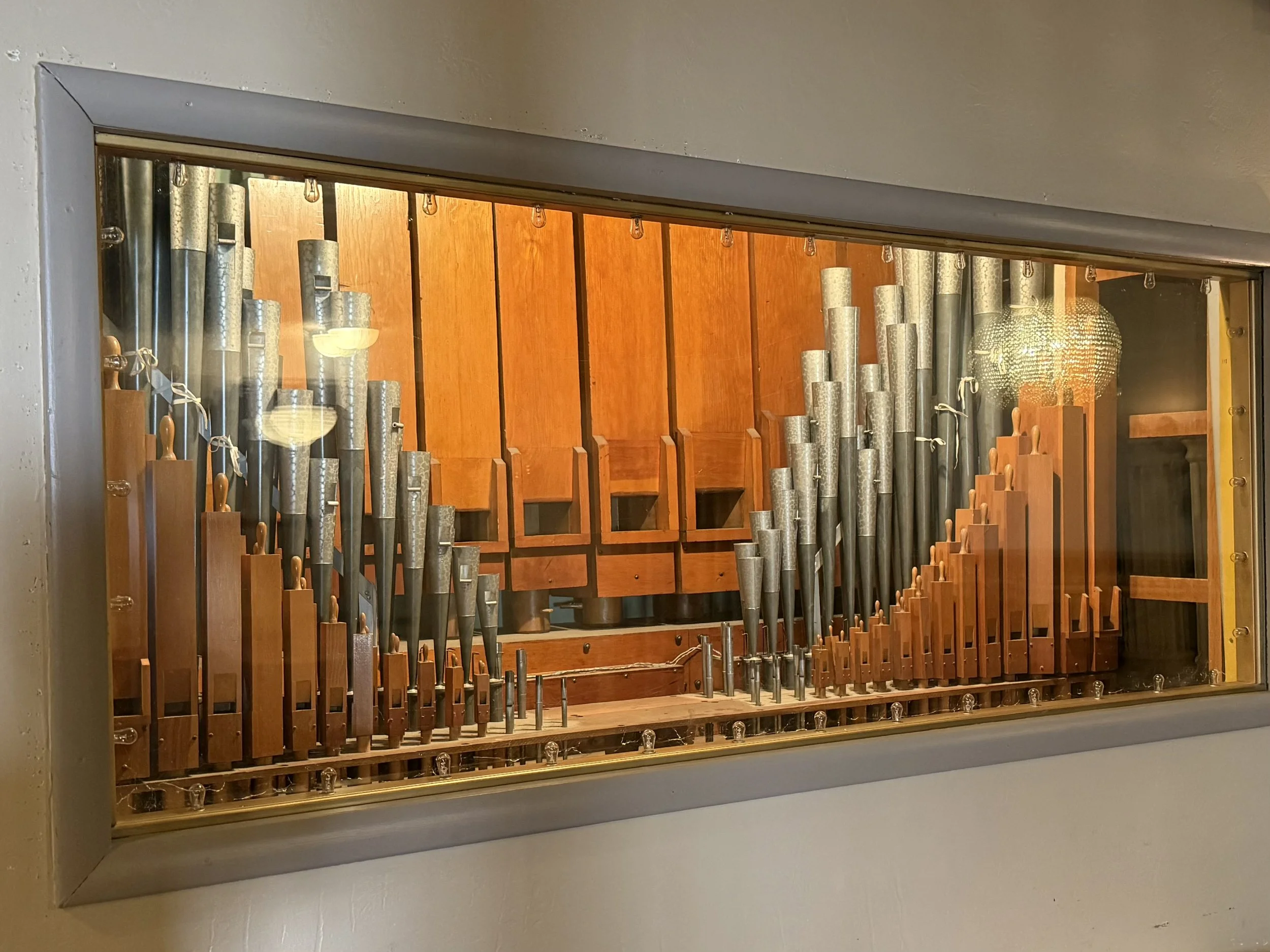
The organ, affectionately known as Colossus, grew as Lawrence incorporated components from other historic instruments, including organs from Salt Lake City’s Gem Theatre and Ogden’s Egyptian Theatre. Today, it contains approximately 2,400 pipes housed in four chambers, with an array of 378 stop tabs. From the imposing five-keyboard console, an organist can reproduce the voices of numerous orchestral instruments, while actual percussion devices positioned around the room add to the performance. As Larry explained, the sounds are not electronically generated. They come from the instrument itself.
Larry’s connection to Organ Loft reaches back to his childhood. Born in 1951, he grew up in the Salt Lake Valley where his father, a World War II pilot, operated an airport in Sandy and taught people to fly. Larry enjoyed an adventurous upbringing filled with opportunities to experiment, build, and explore. His father had the tools and equipment to help him pursue almost anything that caught his interest. “I felt very privileged.”
By the time he was ten, Larry was already helping his uncle at Organ Loft, doing odd jobs, and becoming familiar with the unusual establishment. After high school, he spent three years working at Kennecott’s copper mine before deciding that the work was not for him. In 1976, he joined Lawrence full-time.
By then, Organ Loft had become a popular destination for concerts, wedding receptions, dinner parties, and dancing. Lawrence had discovered that his treasured organ could provide the foundation for a business, allowing him to share his passion with the public while earning a living. When Lawrence passed away in 1982, Larry assumed responsibility for the business and the organ. What had started as a boyhood connection to his uncle’s unusual project became a lifelong commitment.
Maintaining such a complex piece of machinery requires patience and specialized knowledge. Hidden behind the walls are countless wires, pipes, switches, and small leather components that must function together. When a tiny leather part develops a hole, an entire note can stop working. Over the years, Larry, and friends with the necessary technical skills, have rebuilt and rewired portions of the organ, continually repairing and replacing parts to keep the music playing.
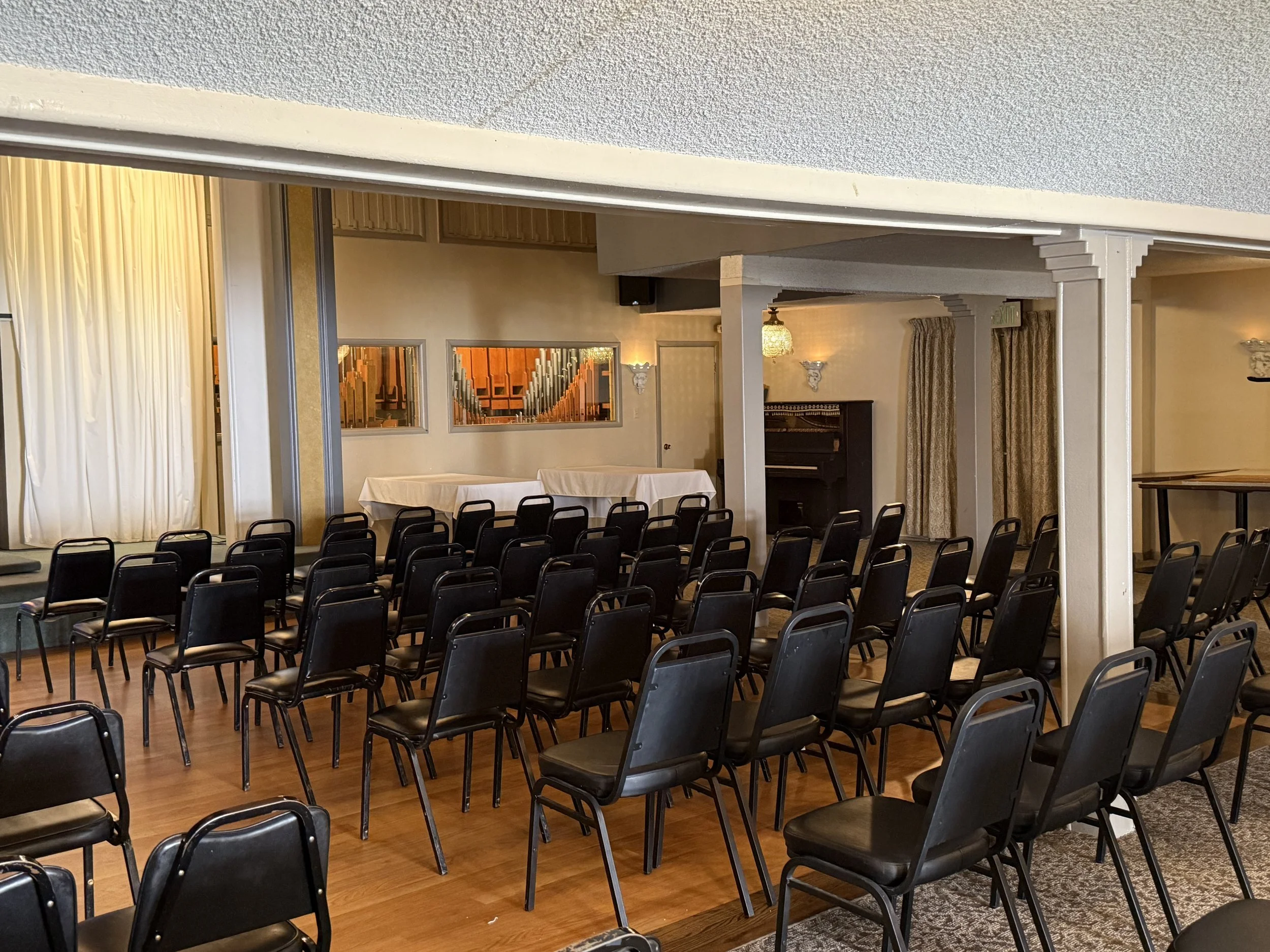
For decades, Saturday nights at Organ Loft meant dinner and dancing. Guests gathered around tables before taking to the spacious dance floor, accompanied by live music. An organist and drummer entertained enthusiastic crowds, many of whom returned regularly. The weekly tradition continued until the pandemic brought it to a halt.
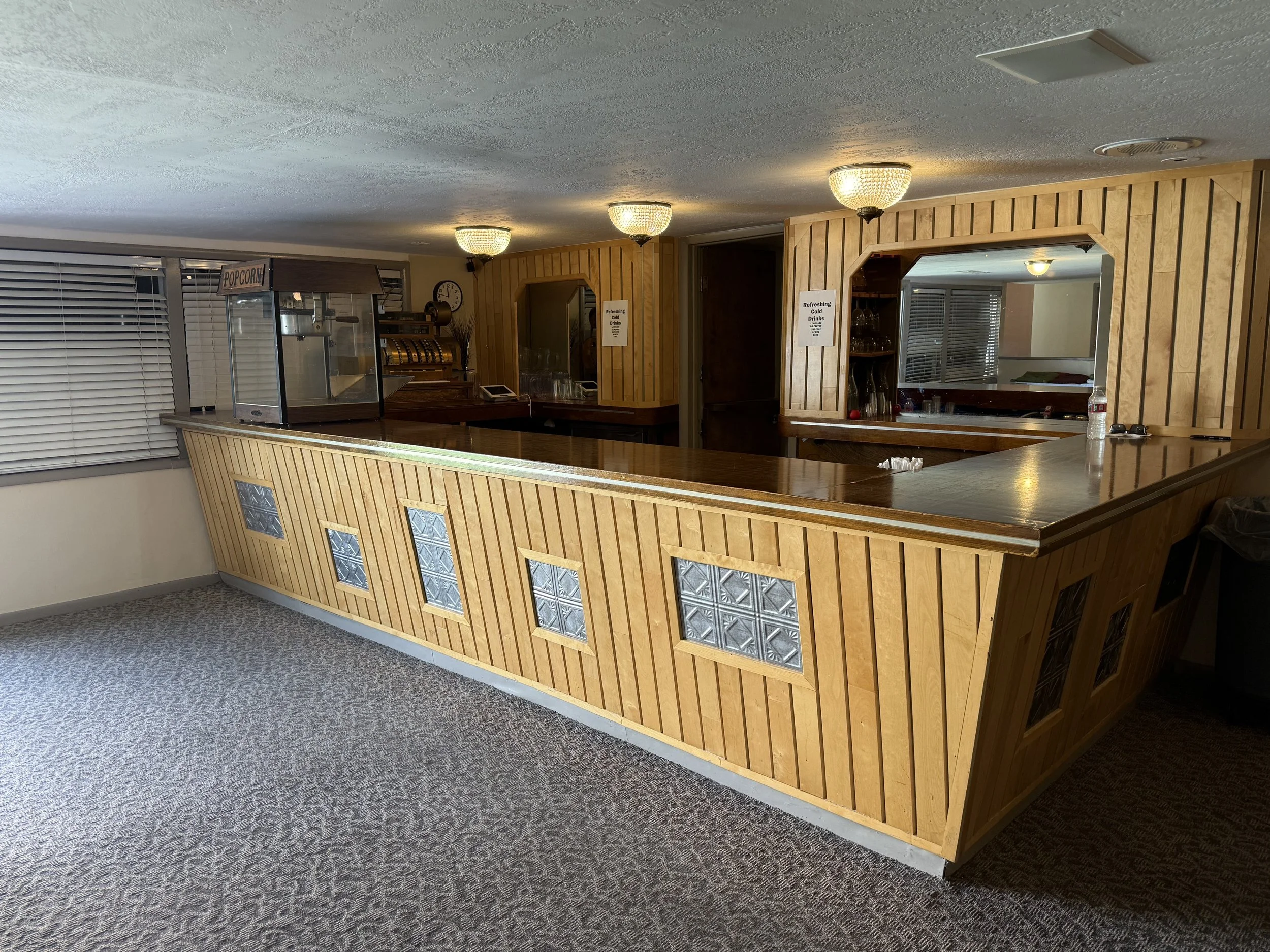
While the Saturday night dinner dances became a cherished tradition, Organ Loft has long welcomed weddings, receptions, private parties, and other special occasions. Now, also known as Edison Street Events, the venue continues to offer its distinctive setting for celebrations, allowing new generations to enjoy a space that has brought people together for decades.
Silent films also became an enduring part of Organ Loft’s identity. Over the years, audiences have enjoyed the comic genius of Charlie Chaplin, Buster Keaton, and Harold Lloyd, along with other classics from the early days of cinema. Originally projected on sixteen-millimeter film, the movies are now shown using digital technology, although the atmosphere remains rooted in an earlier era. For Larry, one of the pleasures has been watching younger generations discover these films. While many longtime patrons are older, he has also welcomed people in their twenties and thirties, along with parents introducing their children to silent-film comedy. Screenings of The Phantom of the Opera, for example, regularly attract capacity audiences.
An essential part of the evening is the organist seated at the console. Blaine Gale, now in his nineties, has played at Organ Loft for approximately thirty-five years. His knowledge and ability to bring the organ to life represent another important connection to the traditions Lawrence worked to preserve. Finding musicians with the specialized skills required to play a theater organ has become increasingly difficult. Larry has been searching for someone who might follow in Blaine’s footsteps, recognizing that the organ needs knowledgeable hands as much as careful maintenance.
Organ Loft represents something increasingly rare. Lawrence Bray rescued an instrument that might otherwise have been lost, and Larry has spent decades maintaining it, welcoming audiences, and keeping a distinctive form of entertainment alive. The surrounding fields and chicken coops have long since disappeared, but inside Organ Loft, the sounds that captivated Lawrence in San Francisco still fill the room. And when the lights dim, the organ plays, and a silent film flickers across the screen, another audience becomes part of a story that has been unfolding for generations.
For Larry, caring for this extraordinary piece of history has required a lifetime of dedication. As he acknowledged, “It’s a never-ending job.”