The Bagel Project



Address: 779 South 500 East
1919 East Murray-Holladay Road
Telephone: 801-906-0698
Website: bagelproject.com
District: East Central
Holladay
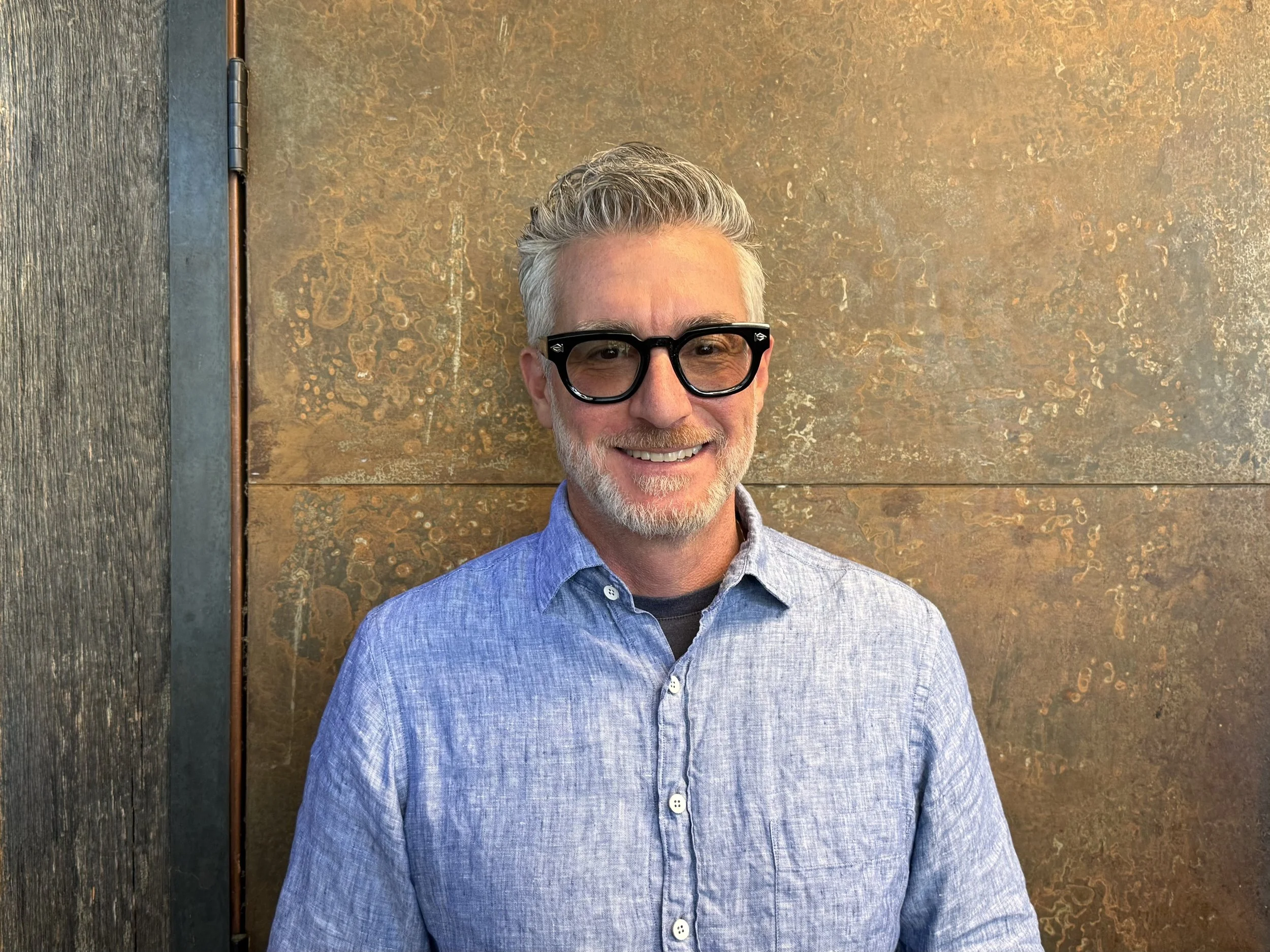
“You brought me back to my childhood. I’m from Brooklyn, and I haven’t had a real bagel in over thirty years.” For Robb Abrams, founder of The Bagel Project, those words changed everything. He had spent months teaching himself to make bagels, but when an older woman returned to his very first farmers market booth with tears in her eyes, he suddenly understood that a personal quest might become something much more. “I looked at my wife and said, ‘This is what I need to do right now in this stage of my life.’”
Robb was born in Pennsylvania, but New York City became home. After graduating from SUNY Albany, he moved there in the mid-1990s and stayed for thirteen years, building a career that took him through publishing, sales, technology and eventually Tiffany & Co. Along the way, he immersed himself in the food of the city, particularly the Jewish foods that had been woven through his childhood.
Food had always meant more than eating. Robb remembered his father grilling and the parties his parents hosted, as well as the meals surrounding Jewish holidays and other family gatherings. “At a young age, I understood that food was the way to bring people together.” In Manhattan, that connection deepened as he sought out bagel shops, appetizing stores, and the Jewish foods he had grown up around.
In 2010, Robb moved to Salt Lake City when his then-wife accepted a job relocation opportunity with Goldman Sachs. The decision to relocate came remarkably quickly. On their second night in Utah, they drove to Park City for dinner. Snow began falling as they walked along Main Street beneath the holiday lights. Robb turned to Kim and wondered aloud how he was going to tell his family back on the East Coast that they were moving.
Robb had long wanted to own a business of his own, although he had no idea what it might be. Three years later, after being a stay-at-home dad to his two children, the answer began to appear during a family road trip to Flaming Gorge. They stopped for bagels along the way, and Robb finally voiced something that had been bothering him since leaving New York; he deeply missed the Jewish foods he had grown up eating.
His wife challenged him to make a bagel himself. There was one significant problem. Robb had never baked anything, but what he did have was an intensely curious mind. A mountain biker and fly angler who readily admits he likes to “geek out” over the mechanics of things, Robb approached bagels the same way. He researched flours, ordered hundreds of pounds to experiment with, studied recipes, and enlisted a baker from King Arthur Baking to help him understand baker’s percentages and develop his own formula.
Robb also made return trips to New York, spending time inside bagel kitchens and watching professional bakers work. What he discovered challenged the oft-repeated claim that New York City water is the secret ingredient. Many shops were using engineered dough starters and short fermentation periods. Robb chose another route, developing his bagels around a traditional pre-ferment and a much longer cold fermentation.
For six months, he mixed, shaped, boiled, and baked. Then one day, before he had even seen or tasted the latest batch, Robb knew he had succeeded. “It was the smell that came out of the oven.” By then, he had worked with the dough long enough to recognize it immediately. “I knew that the bagel coming out was going to be perfect.”
His wife began taking the bagels to colleagues at Goldman Sachs, many of them East Coast transplants. They wanted more. Robb baked so relentlessly at home that he eventually ruined the oven. Through connections in Salt Lake’s food community, he met Jorge Fierro, founder of Rico Brand. The two sat talking about bagels for more than an hour before Jorge pulled a key from his own key ring and handed it to Robb, offering him the use of his commercial kitchen. The only condition was that Robb try selling his bagels.
At his first winter farmers market, held at the Greek Orthodox church, Robb and his wife arrived with three hundred bagels. Customers were initially cautious, including the elderly Brooklyn native who questioned him closely before purchasing a single bagel. She returned for more, and then more again. In less than two hours, every bagel was gone.
Robb continued at the Downtown Farmers Market for two seasons, regularly working through the night to produce, transport and sell everything himself. By the time he opened The Bagel Project in a small historic building at 800 South and 500 East, he already had a devoted following, and the shop took off.
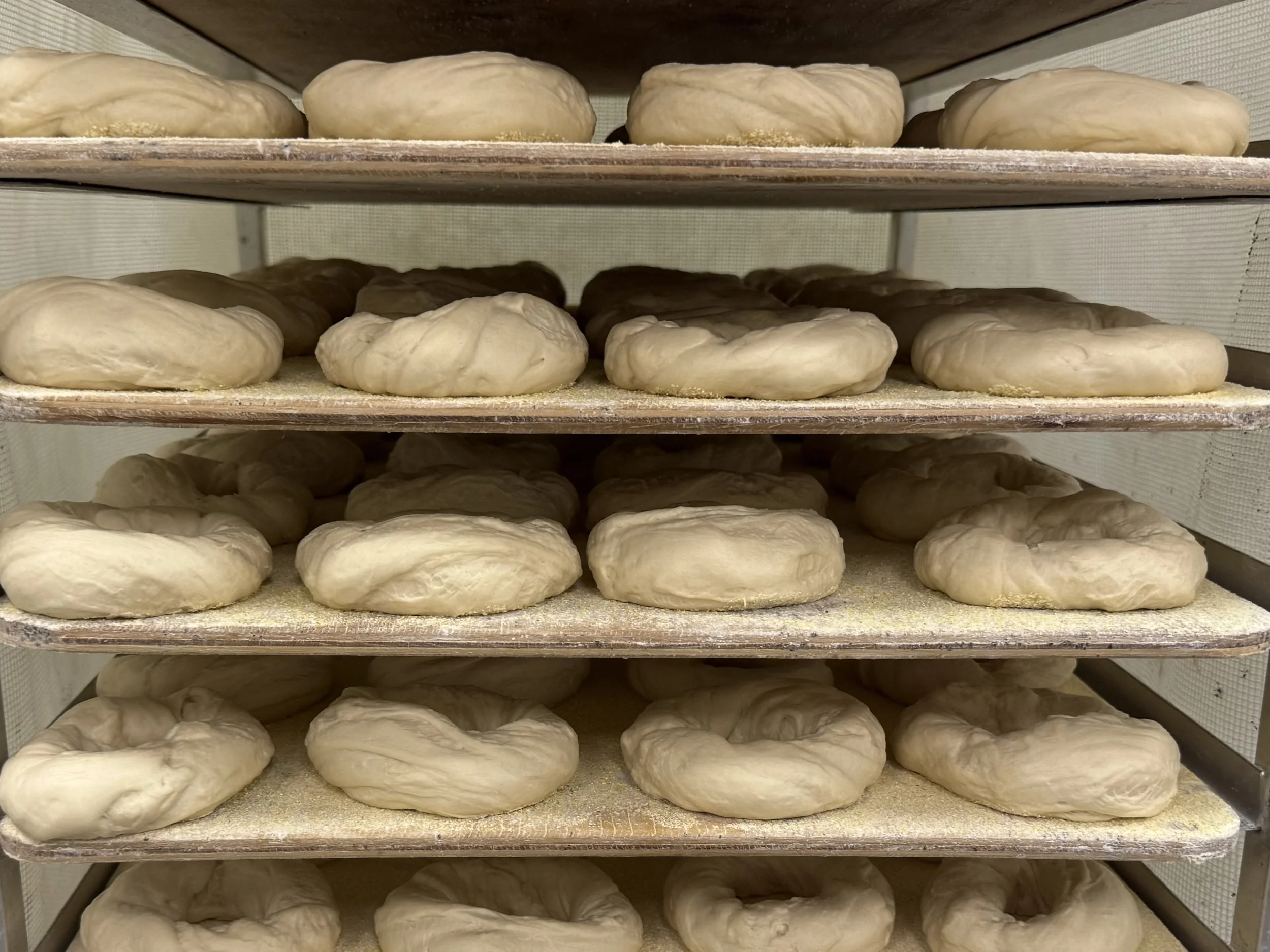
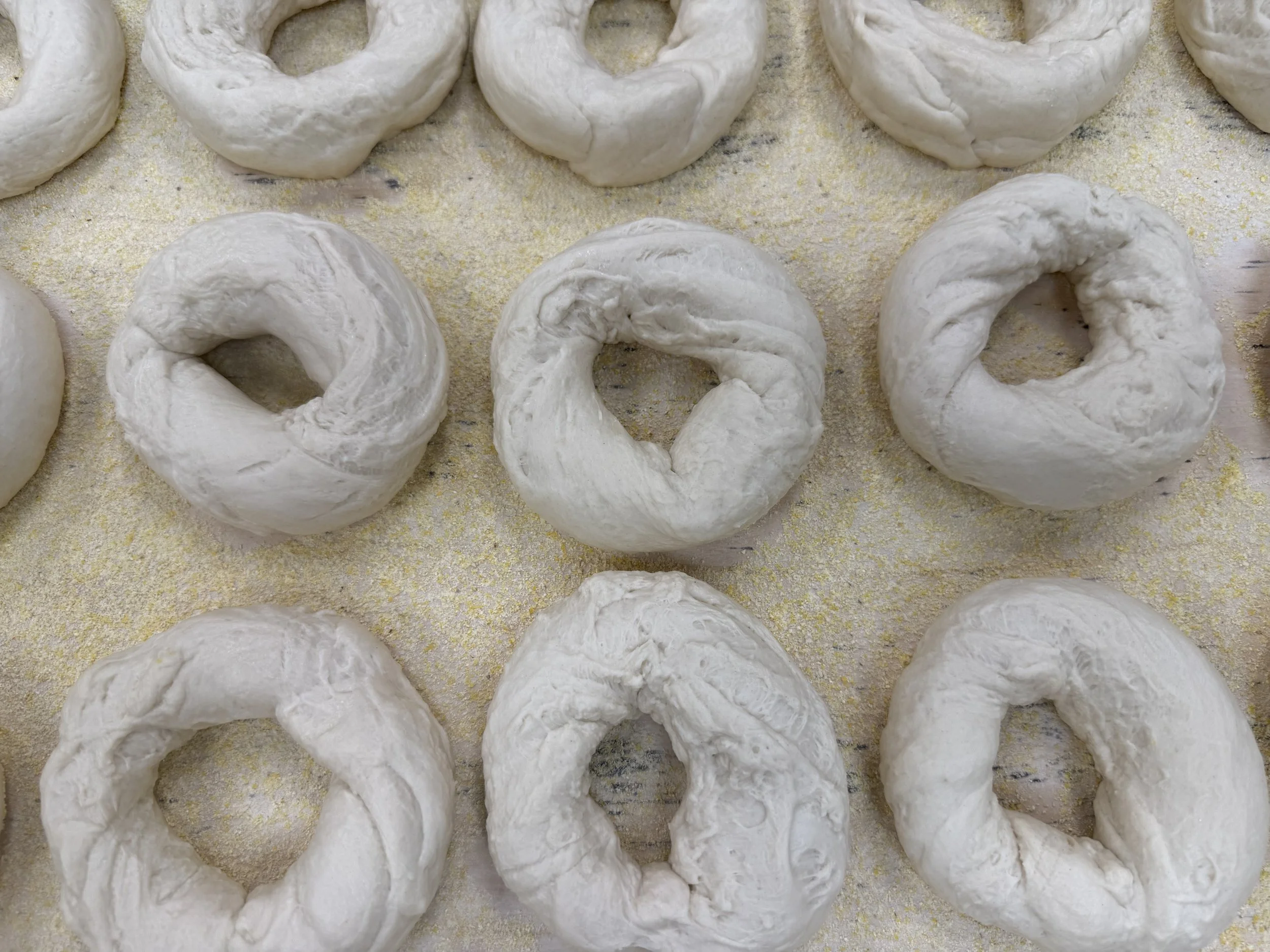
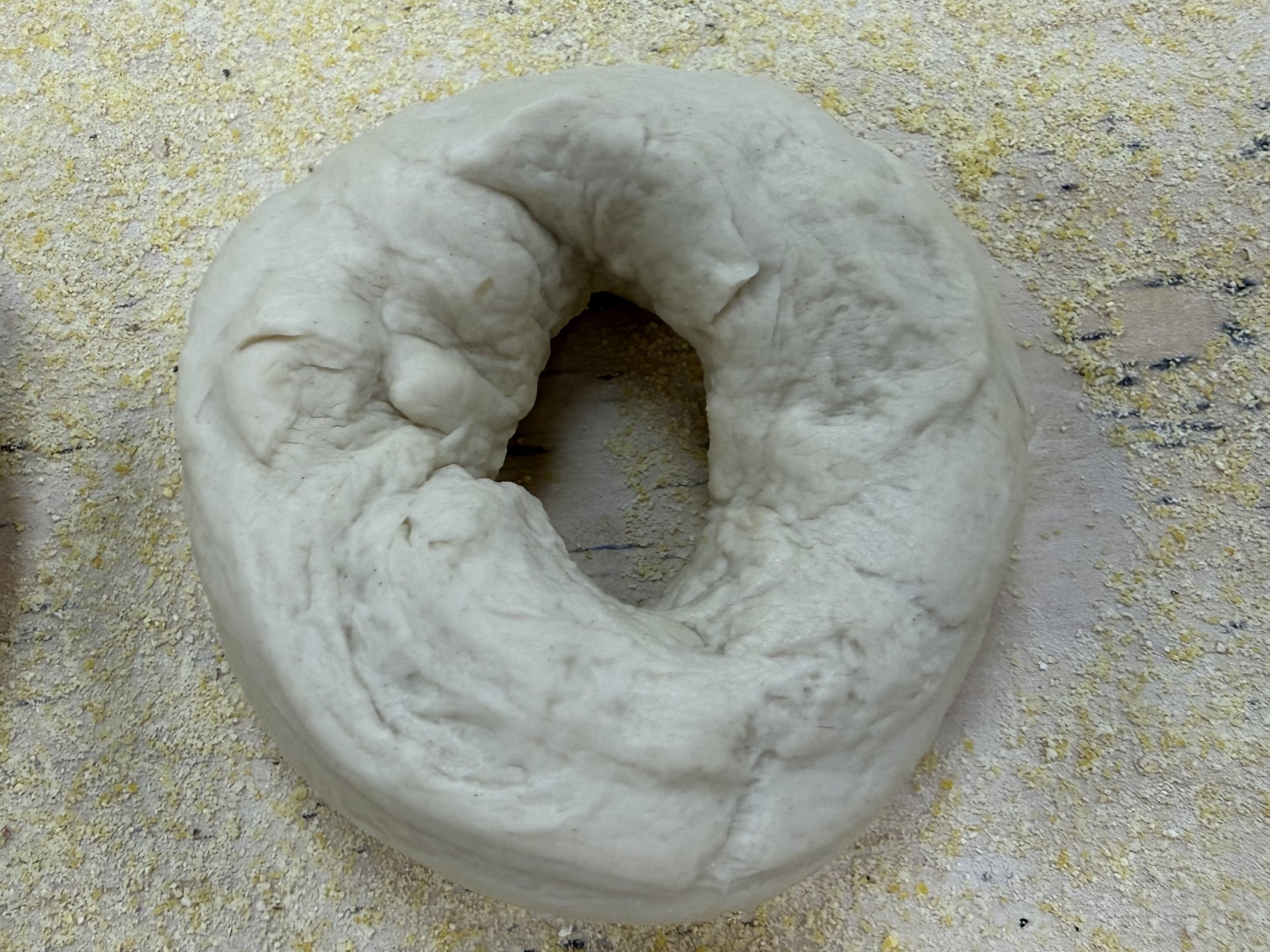
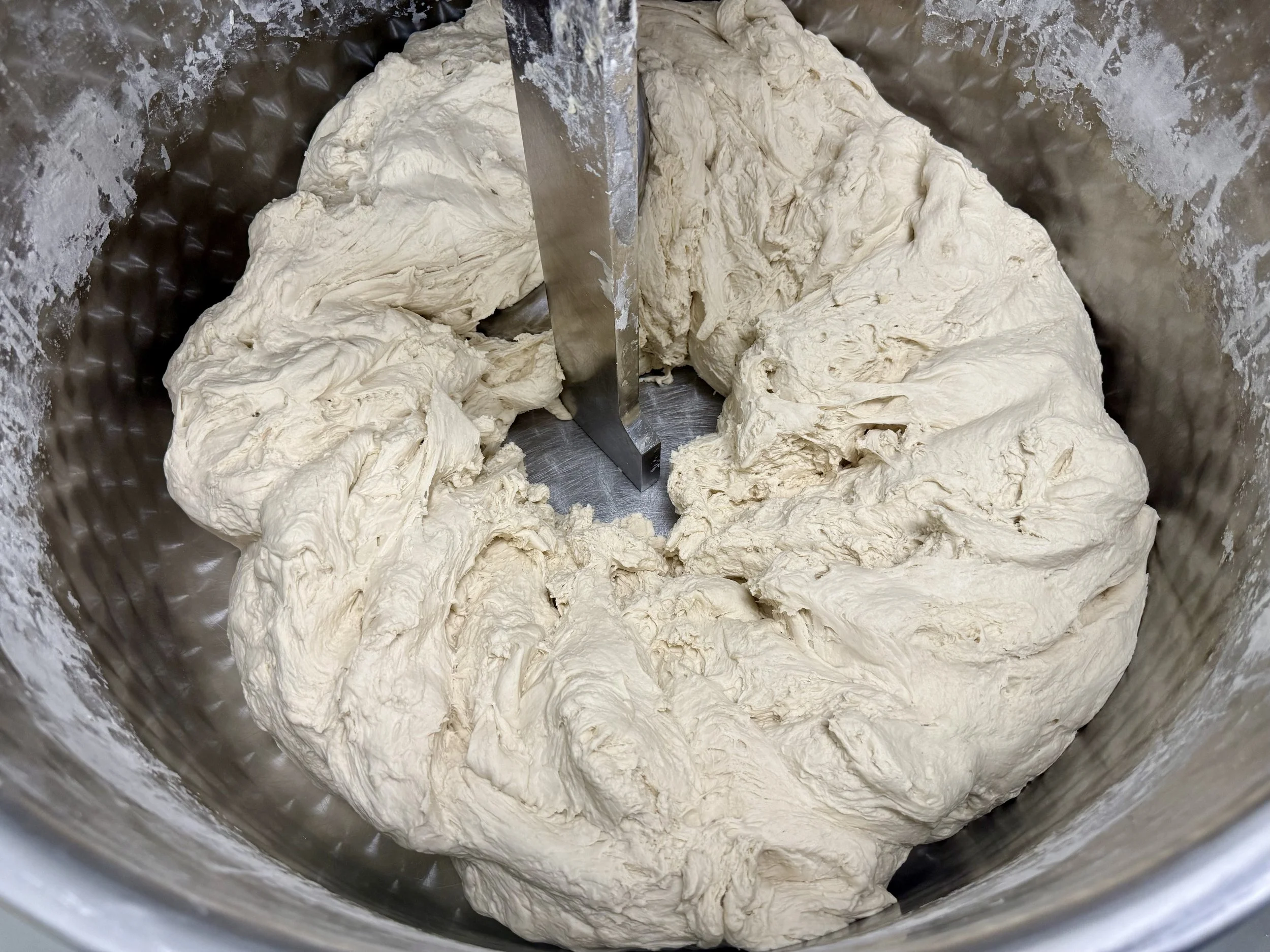
The painstaking process Robb developed remains at the heart of The Bagel Project. Making a bagel stretches across several days. The starter comes first, followed by mixing and shaping the dough, then an extended stay in the cooler before the bagels are finally boiled and baked. Humidity, barometric pressure, and dough temperatures are monitored and adjustments made accordingly. “There’s a lot of art and science that goes into it on a daily basis,” Robb explained. “It’s not just a piece of bread.”
Even after The Bagel Project was established, Robb continued returning to New York nearly every year, visiting his old bagel haunts and discovering others along the way. He would buy a plain bagel, take a bite, smell it, and move on to the next shop, continually measuring what he found against the bagel he had created in Salt Lake. Those trips only strengthened his conviction that the secret was not New York water, but the process.
As the business grew, hand shaping eventually became impractical. Robb underwent surgery for carpal tunnel syndrome in both wrists, and training employees to produce consistent bagels by hand proved increasingly difficult. A shaping machine now brings uniformity to the process, but the recipe, fermentation and attention to each batch remain unchanged.
Demand surged during the pandemic, pushing the original kitchen well beyond its capacity. In 2024, Robb added a much larger Holladay facility, giving The Bagel Project the production space it needed. After completing the Goldman Sachs 10,000 Small Businesses program, he began exploring new revenue streams rather than simply adding costly locations. As a result, Robb is thinking smaller and more strategically - compact retail spaces, wholesale opportunities, and other ways to use the production capacity he already has. His son has also joined the company, working in performance and analytics after first spending time on the baking side of the business.
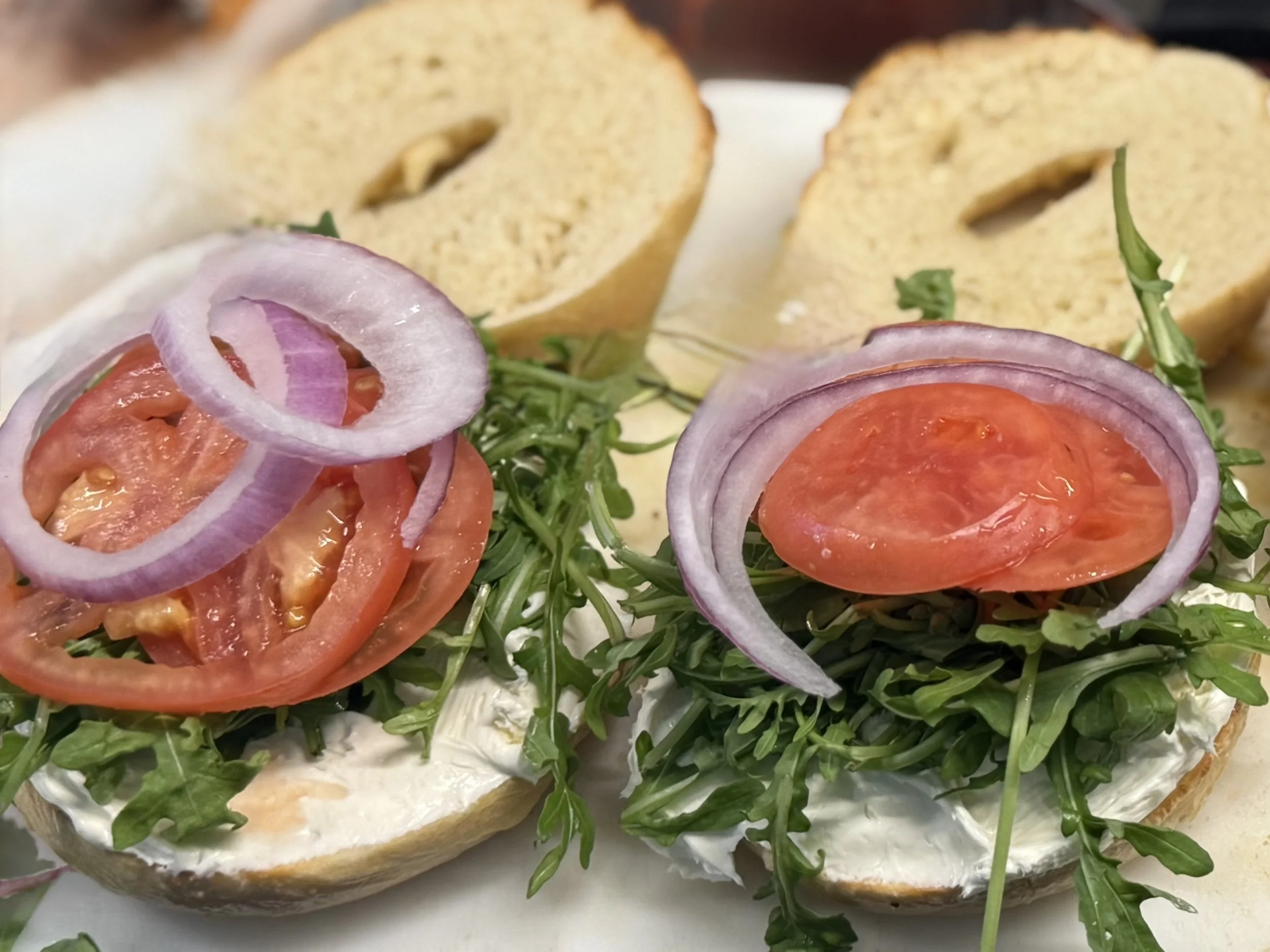
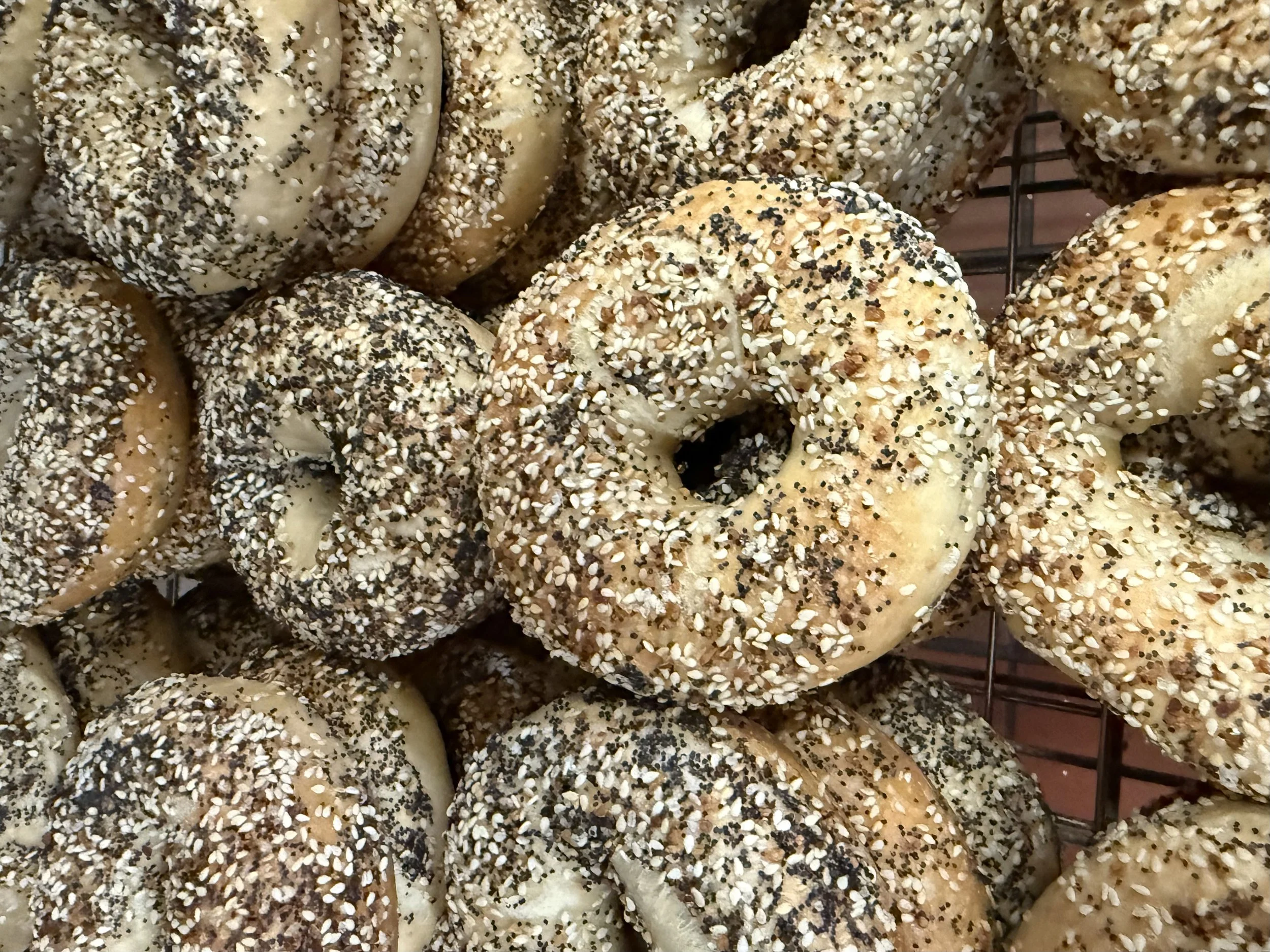
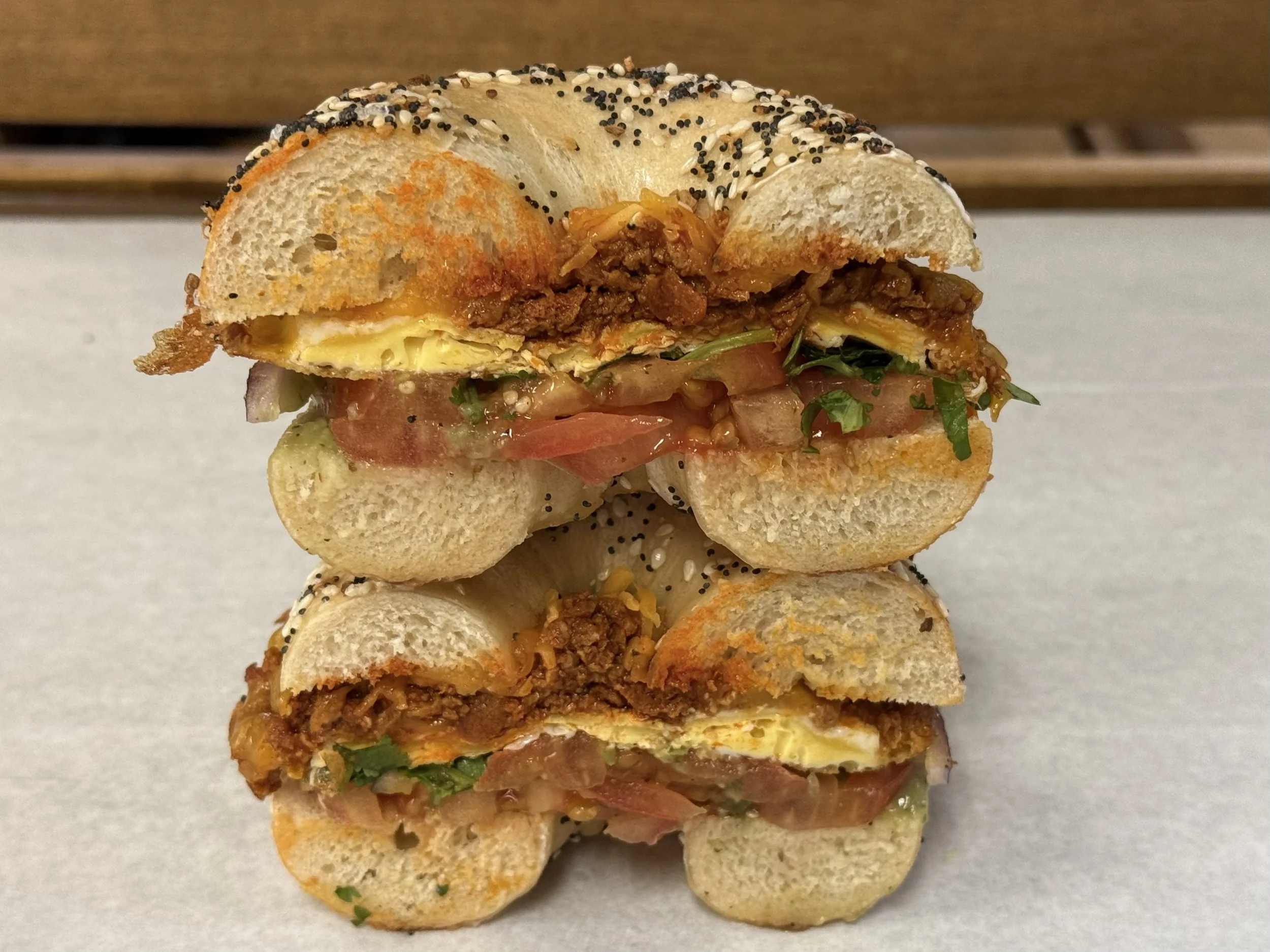
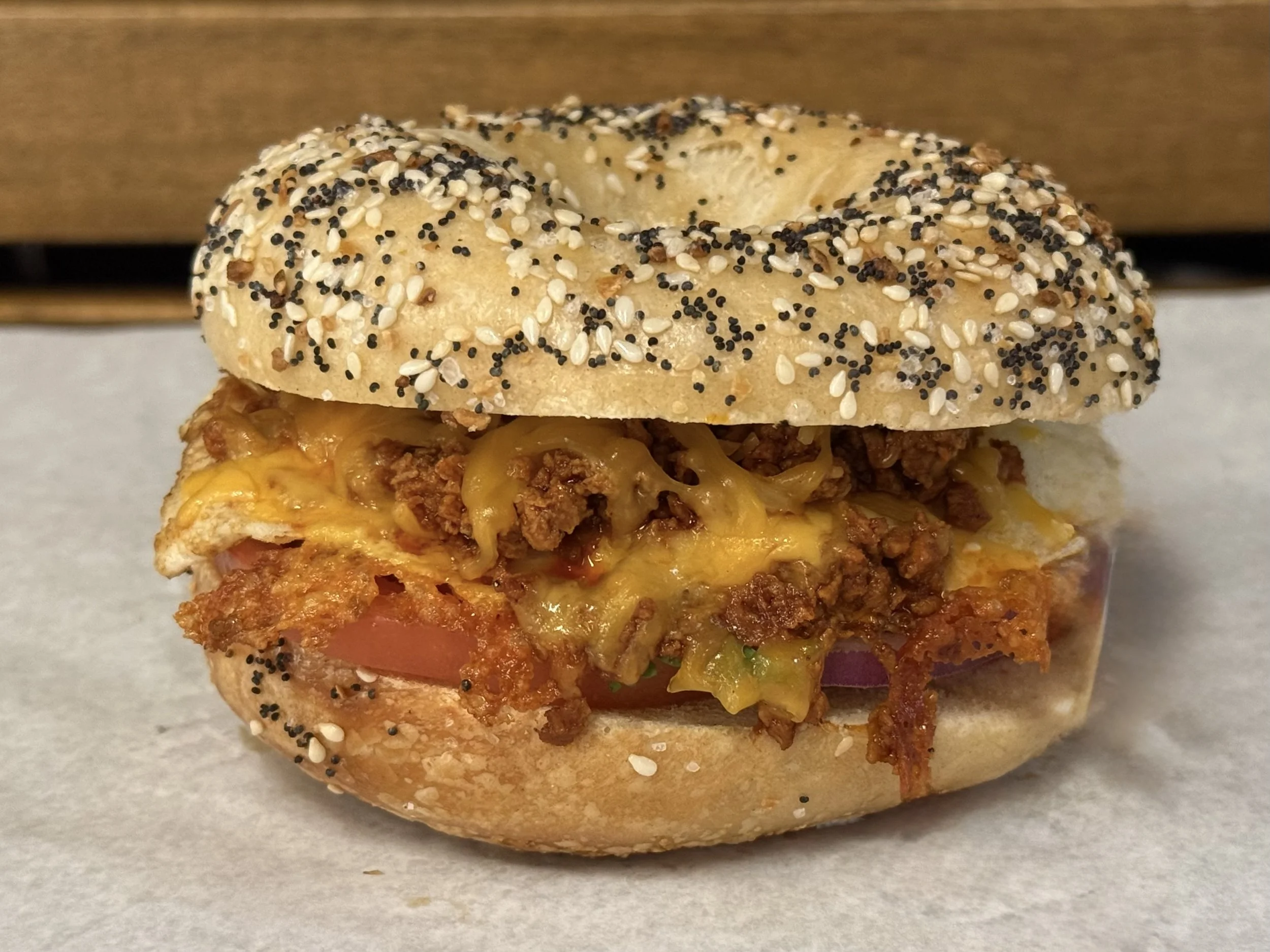
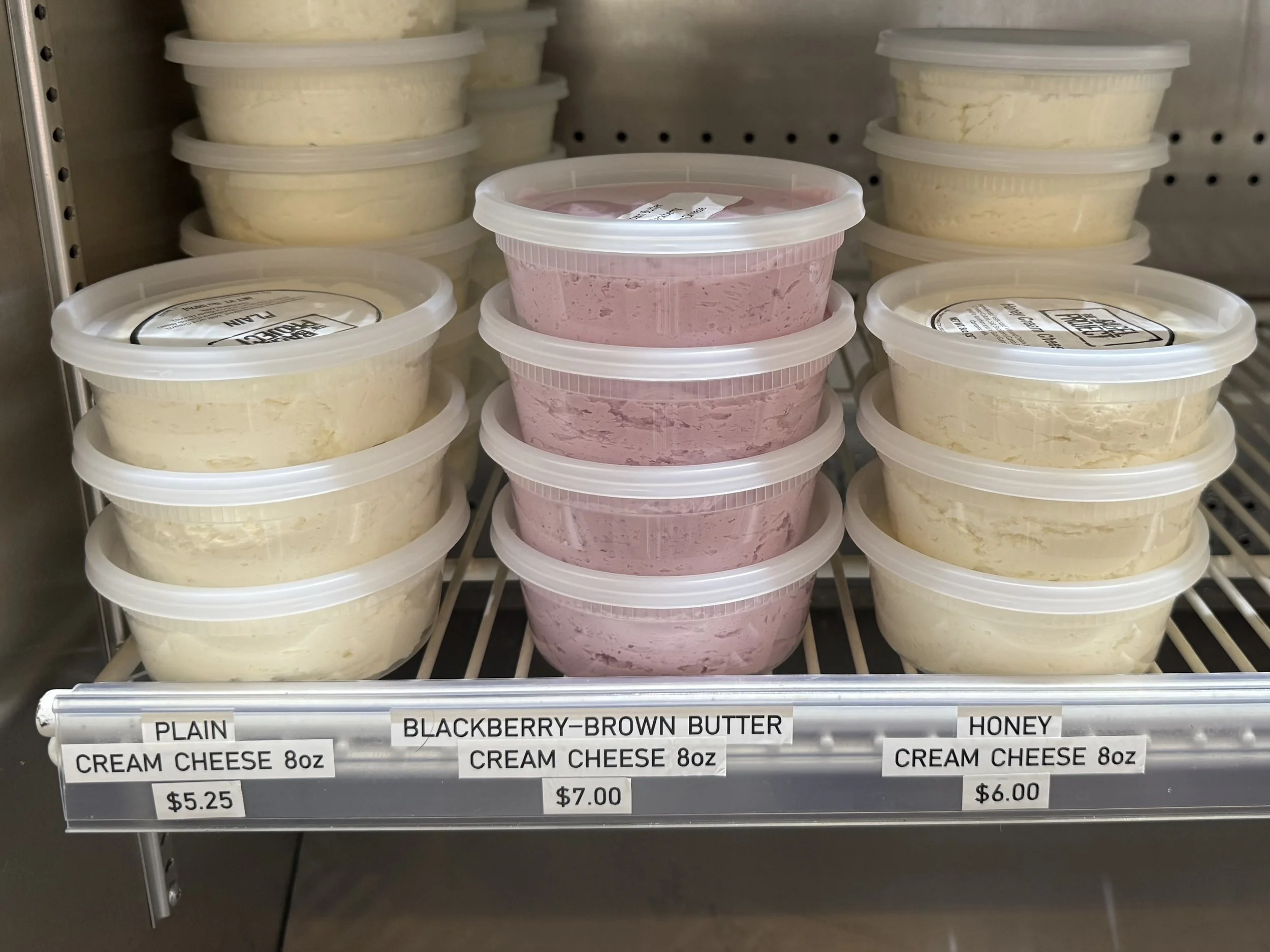
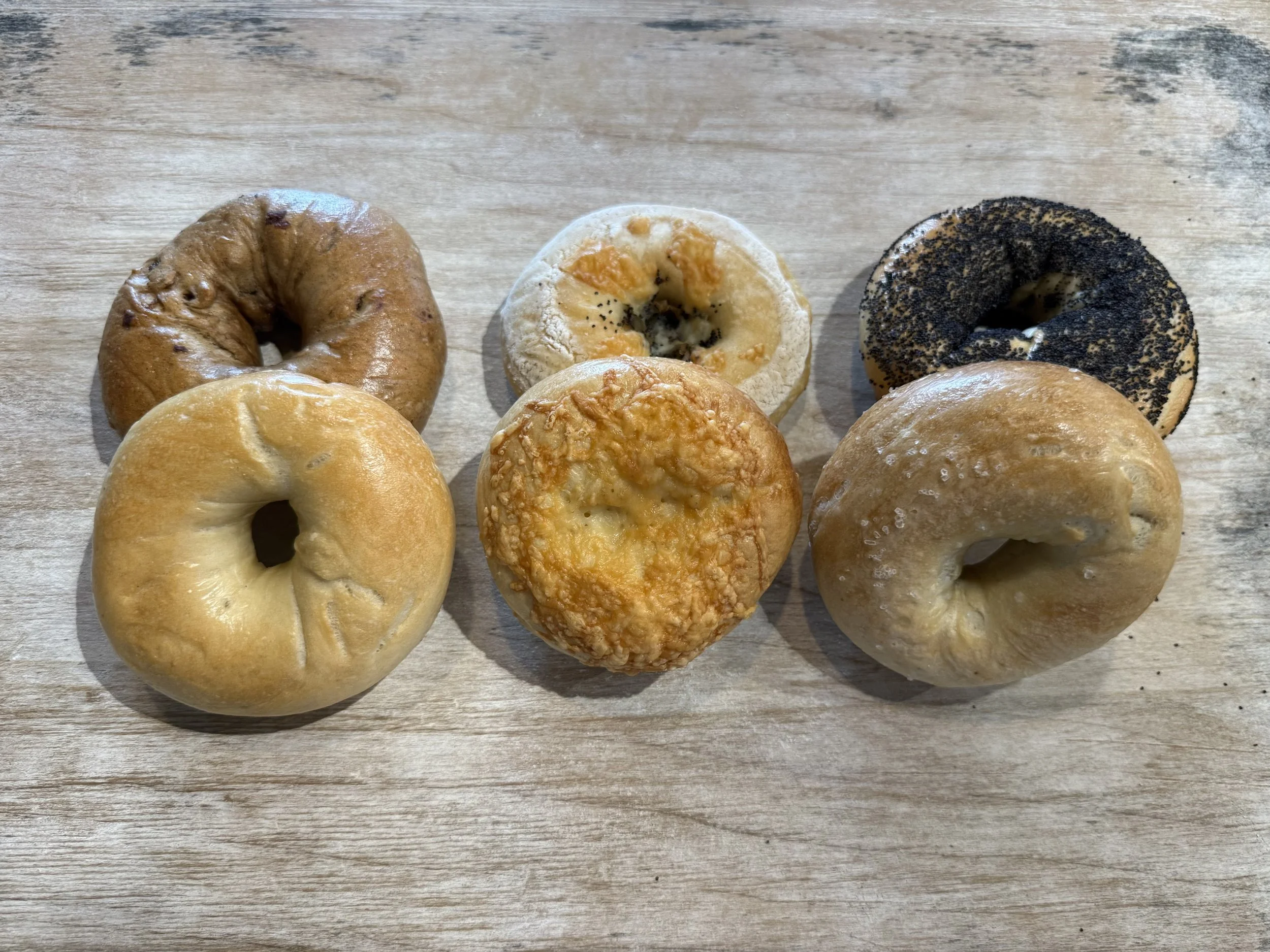
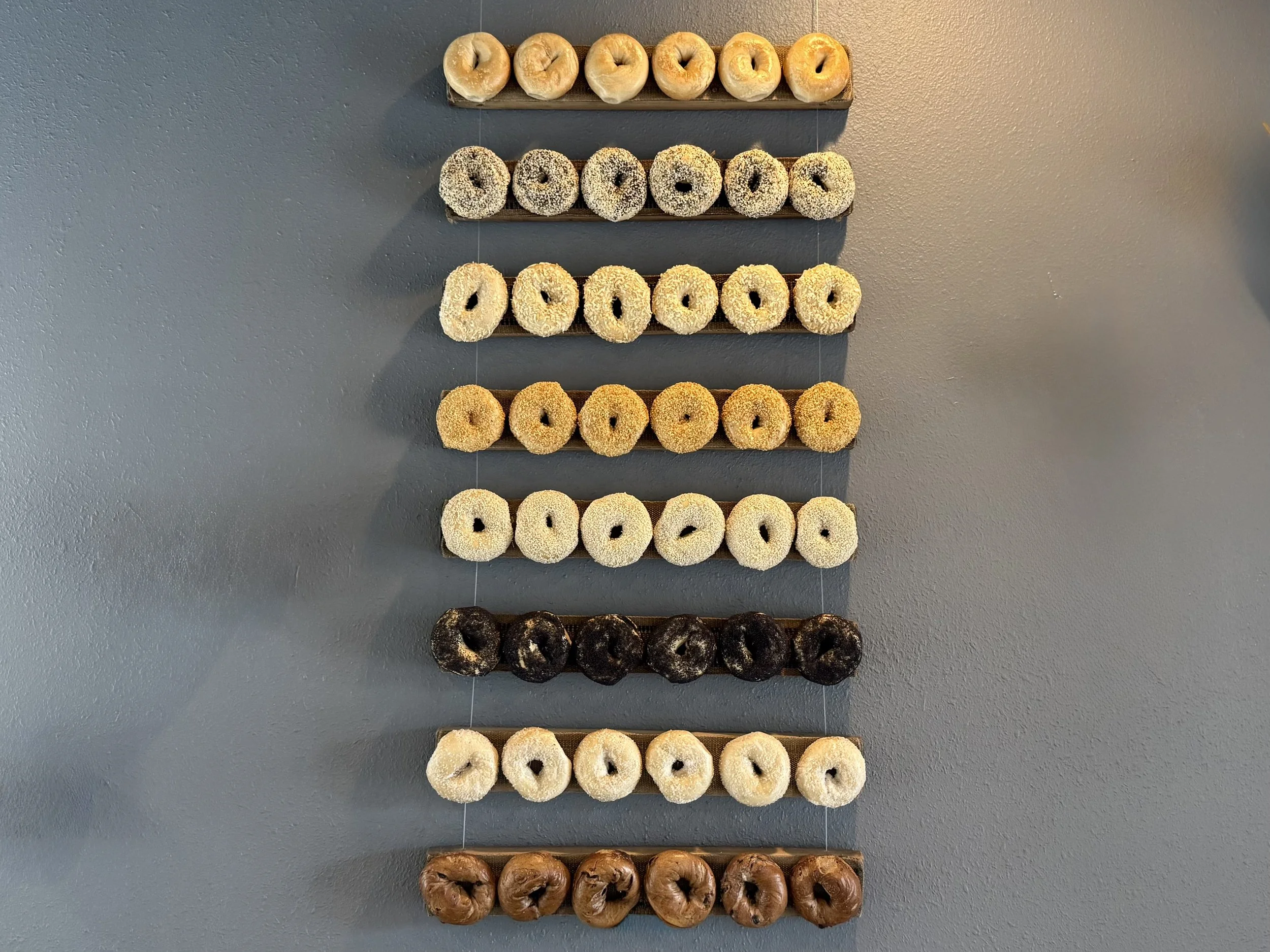
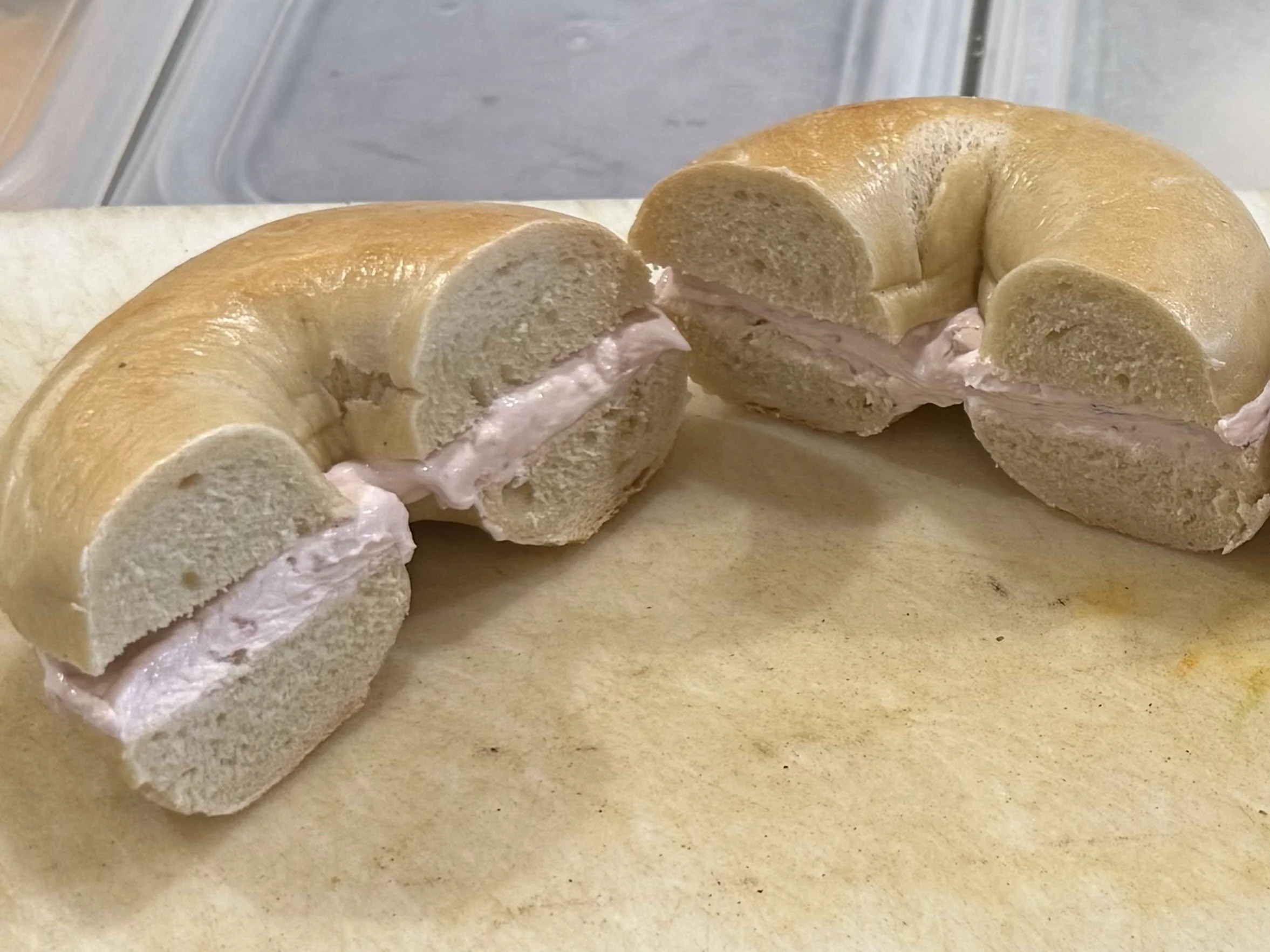
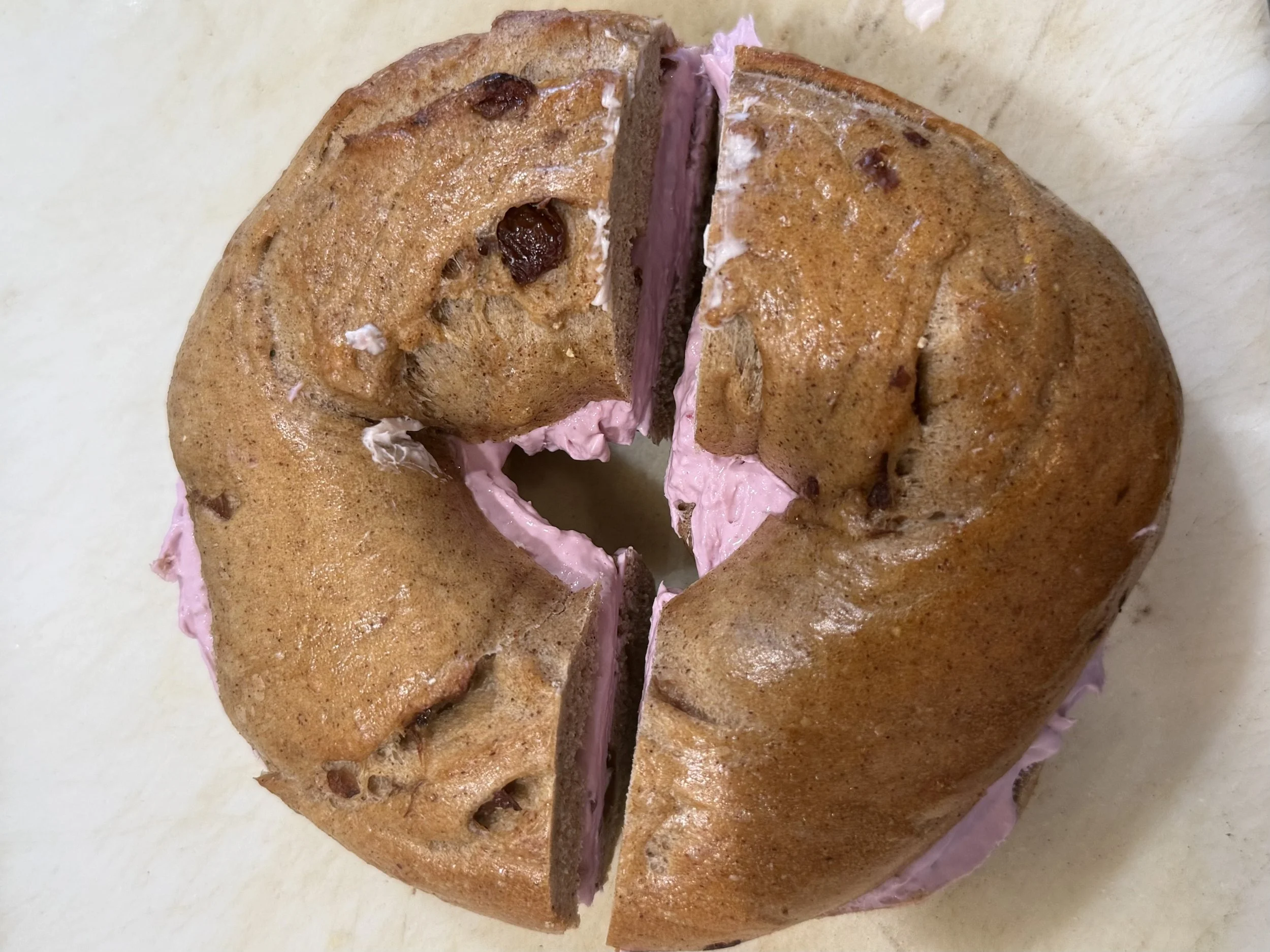
Through all the changes, the bagel is still at the center. The cases hold classics - plain, salt, sesame, onion, poppy, garlic, everything, and cinnamon raisin - alongside flavors such as Asiago, with whole wheat and pumpernickel among Robb’s more recent projects. There are bialys made with fresh onions and house-made cream cheeses ranging from scallion and lox to brown butter-blackberry and seasonal combinations. The team bakes challah on Fridays, along with family recipes for treats such as hamantaschen and mandel bread when production allows.
For Robb, each item reflects the traditions that first made food important to him, and the persistence that eventually turned a homesick New Yorker’s experiment into a Salt Lake business. “You could blindfold me and put a dozen bagels in front of me, and I could pick mine out,” he said. “I love my bagels.”