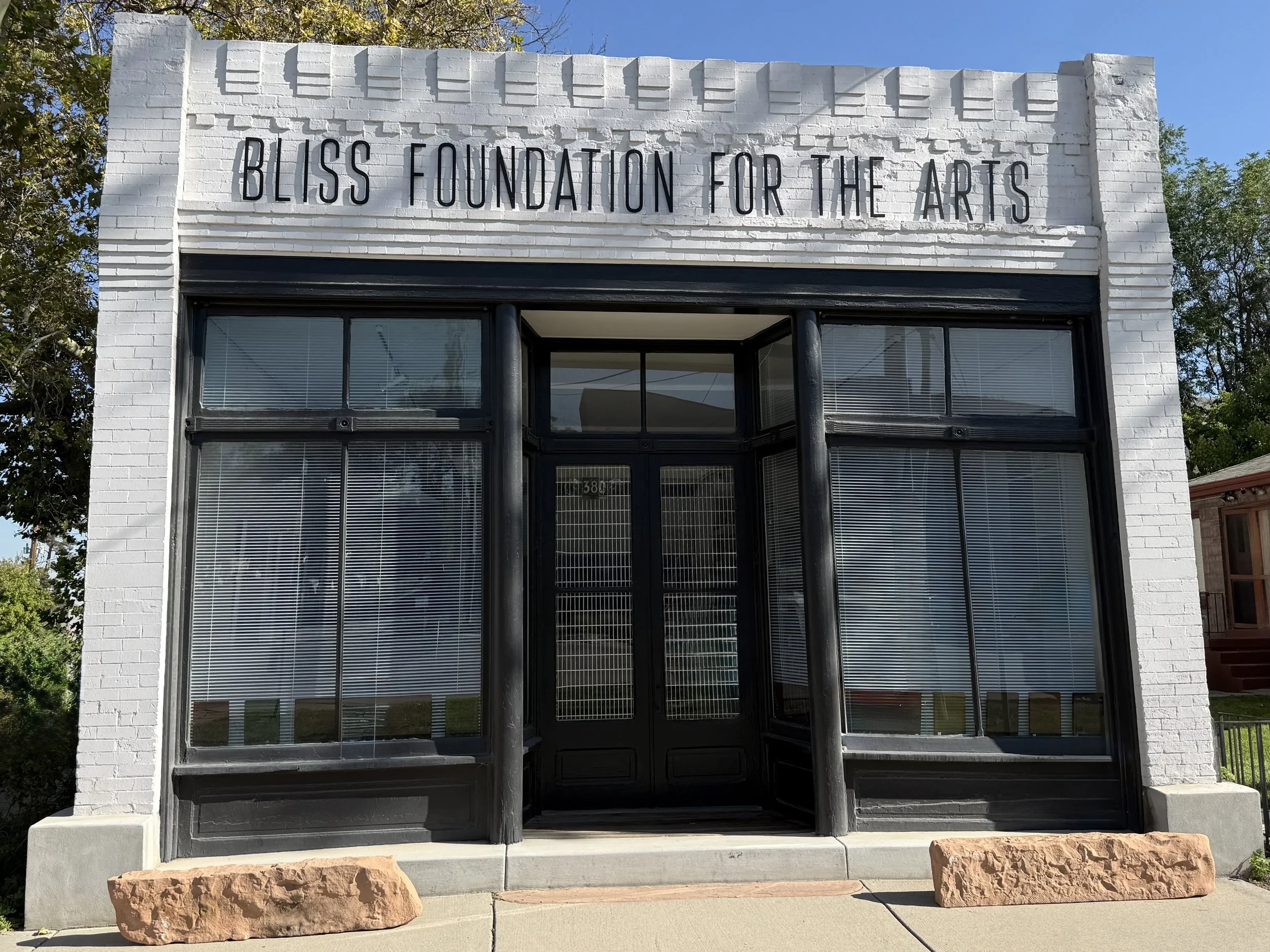
Bliss Foundation for the Arts
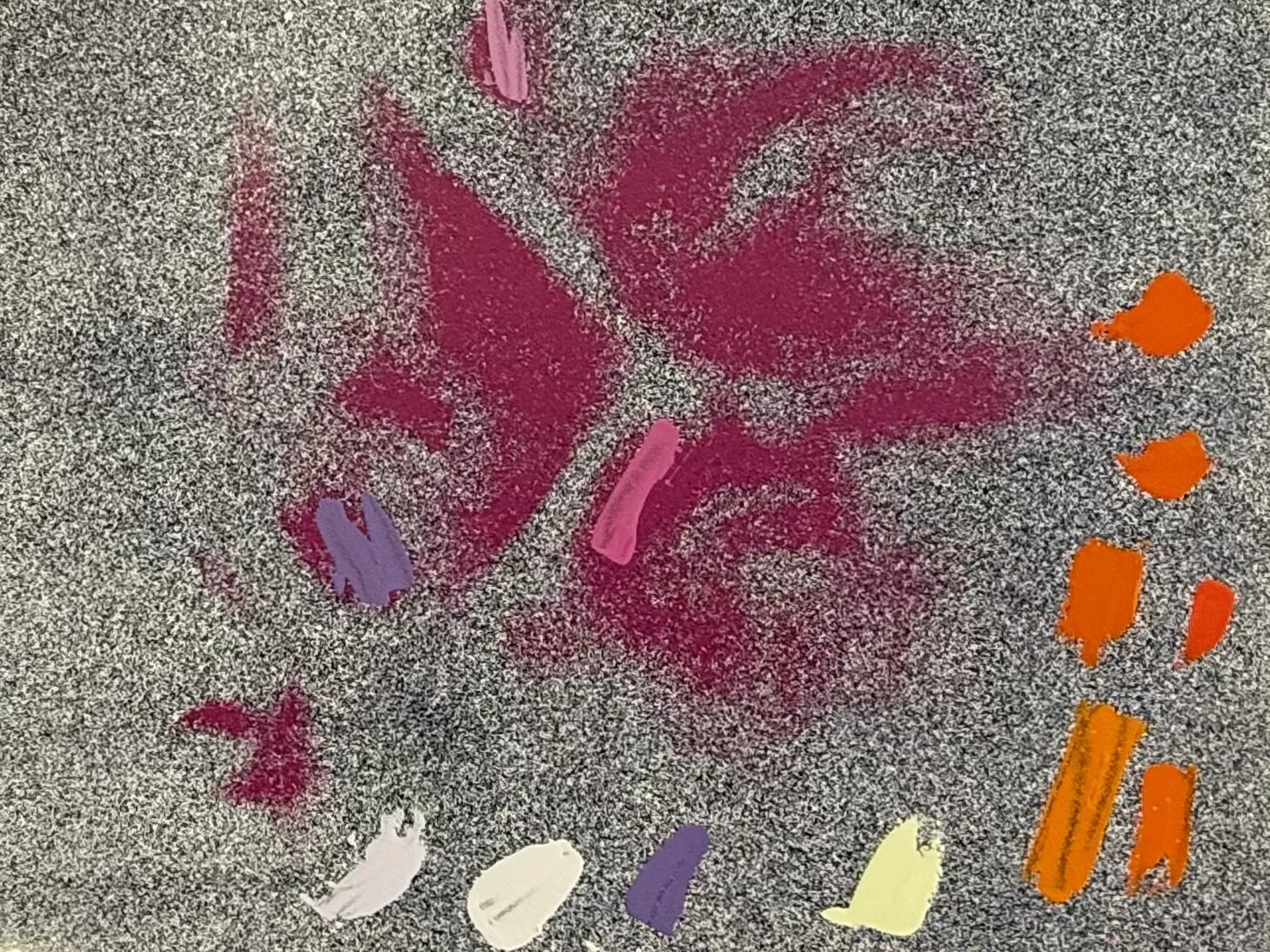
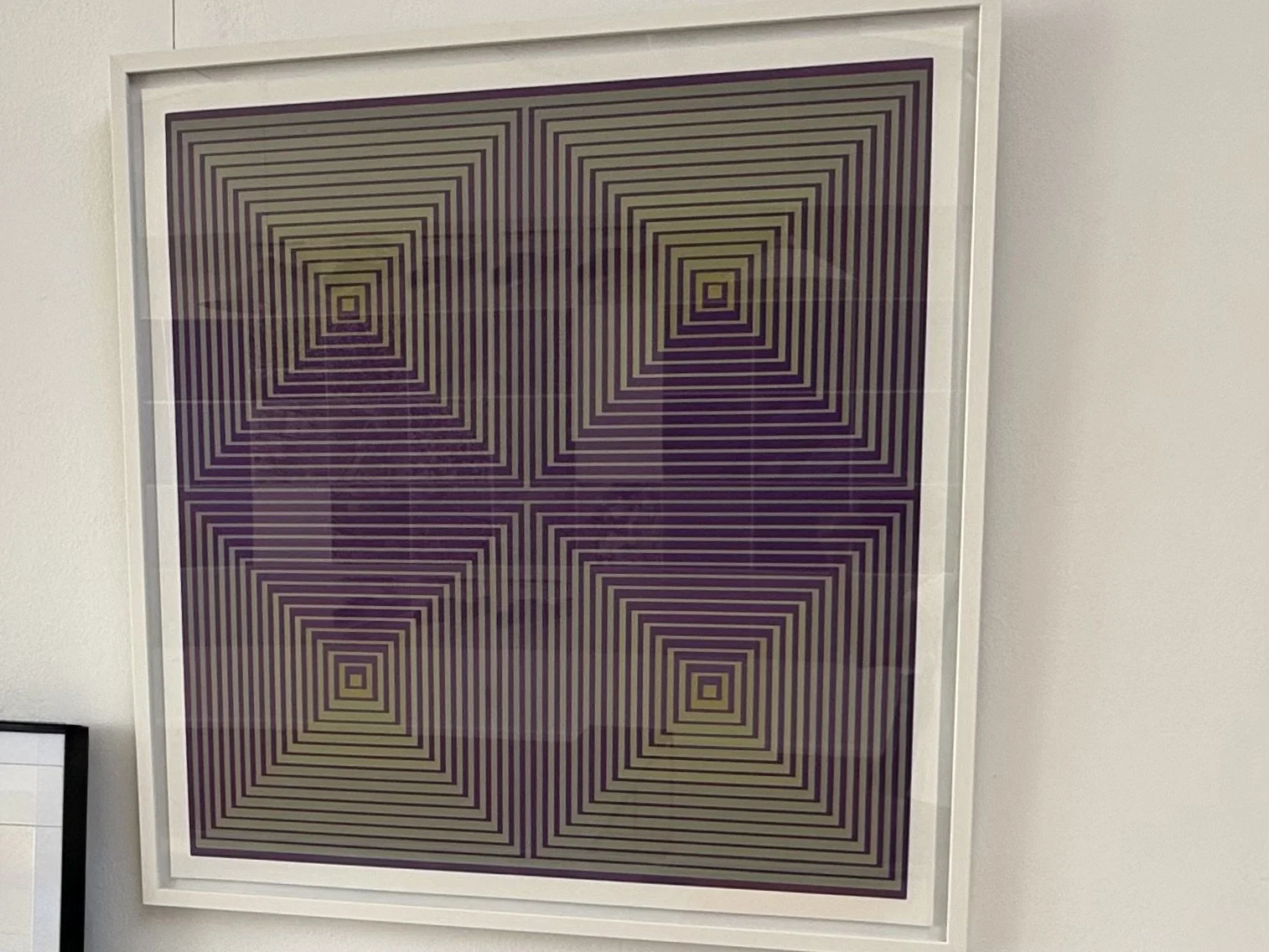
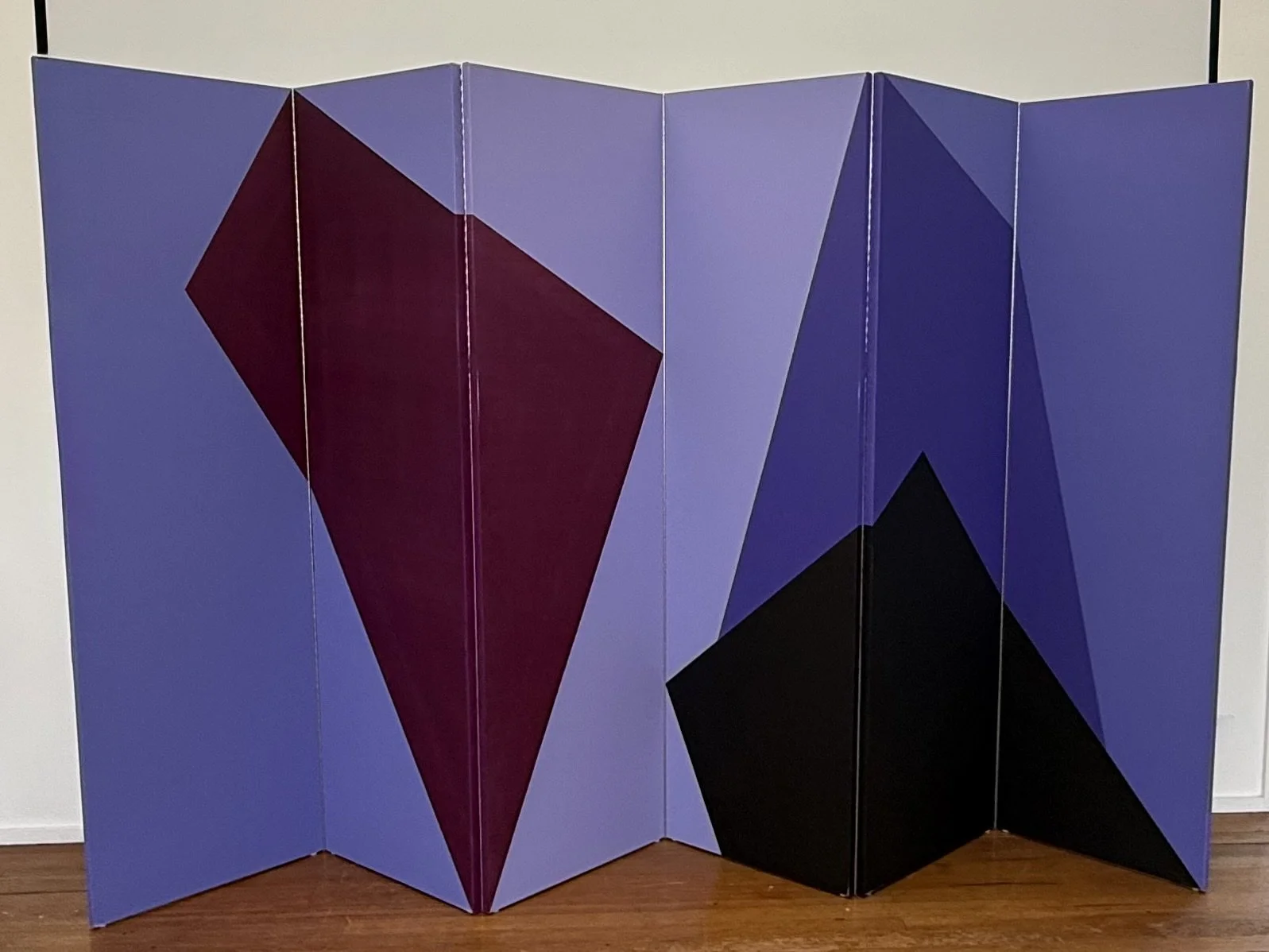
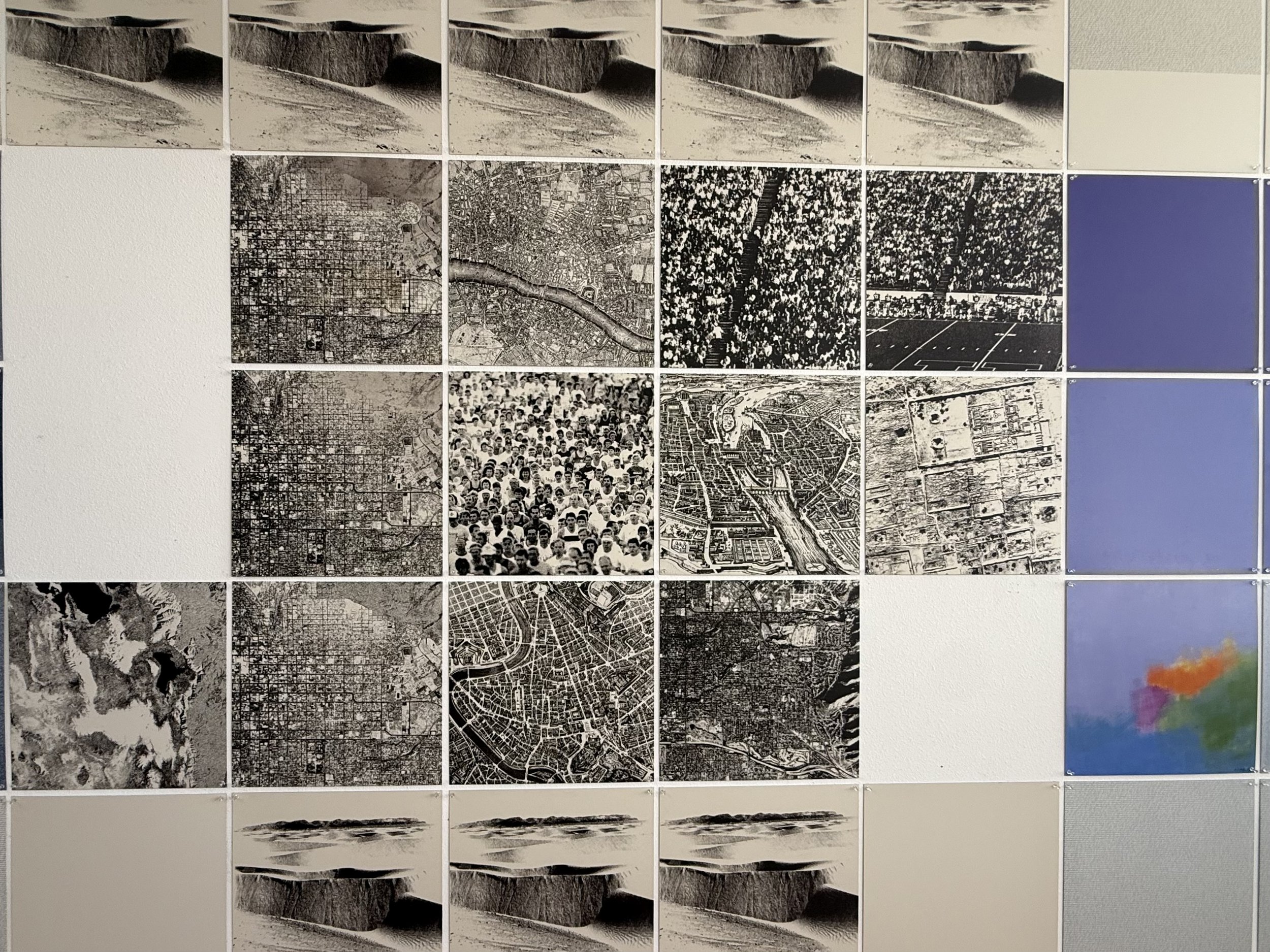
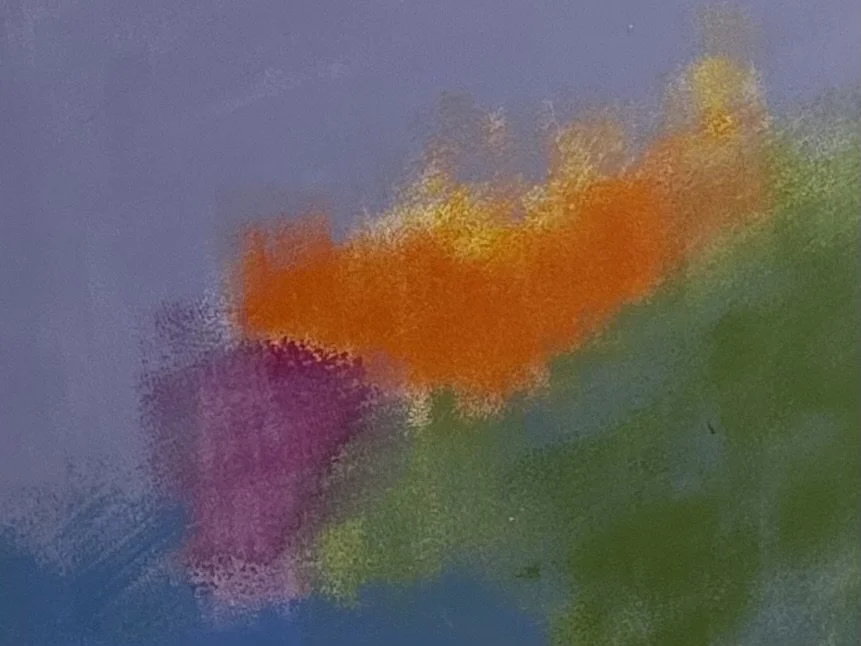
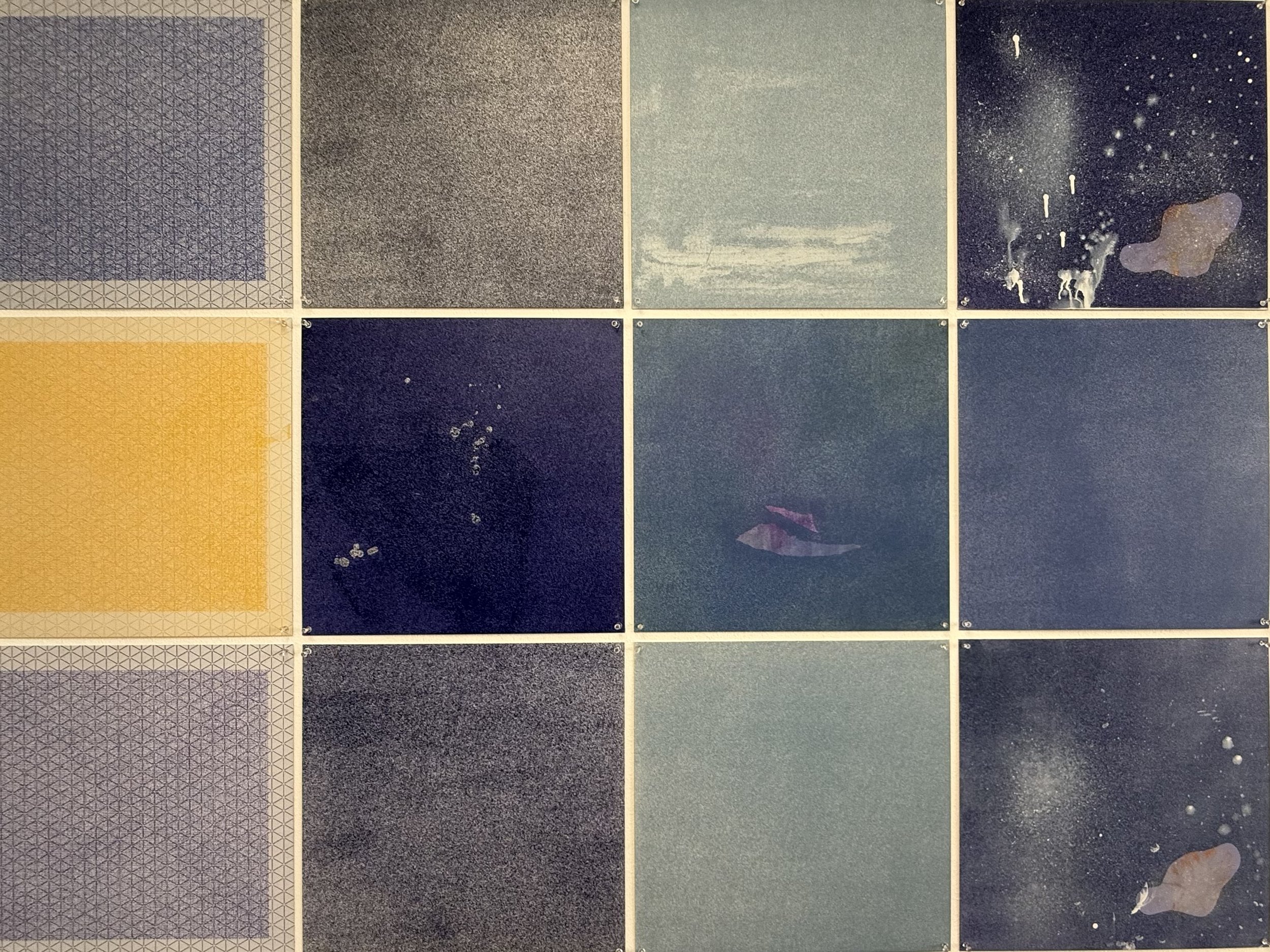
“We’re trying to preserve Anna’s art.” For Kelly Brest van Kempen, who oversees the Bliss Foundation for the Arts, that deceptively simple statement encompasses far more than a collection of paintings and prints. It is about preserving the creative partnership of Robert L. Bliss and Anna Campbell Bliss - two people who left an extraordinary imprint on Salt Lake’s architectural and artistic community - and finding a way for their work to continue reaching people long after they are gone.
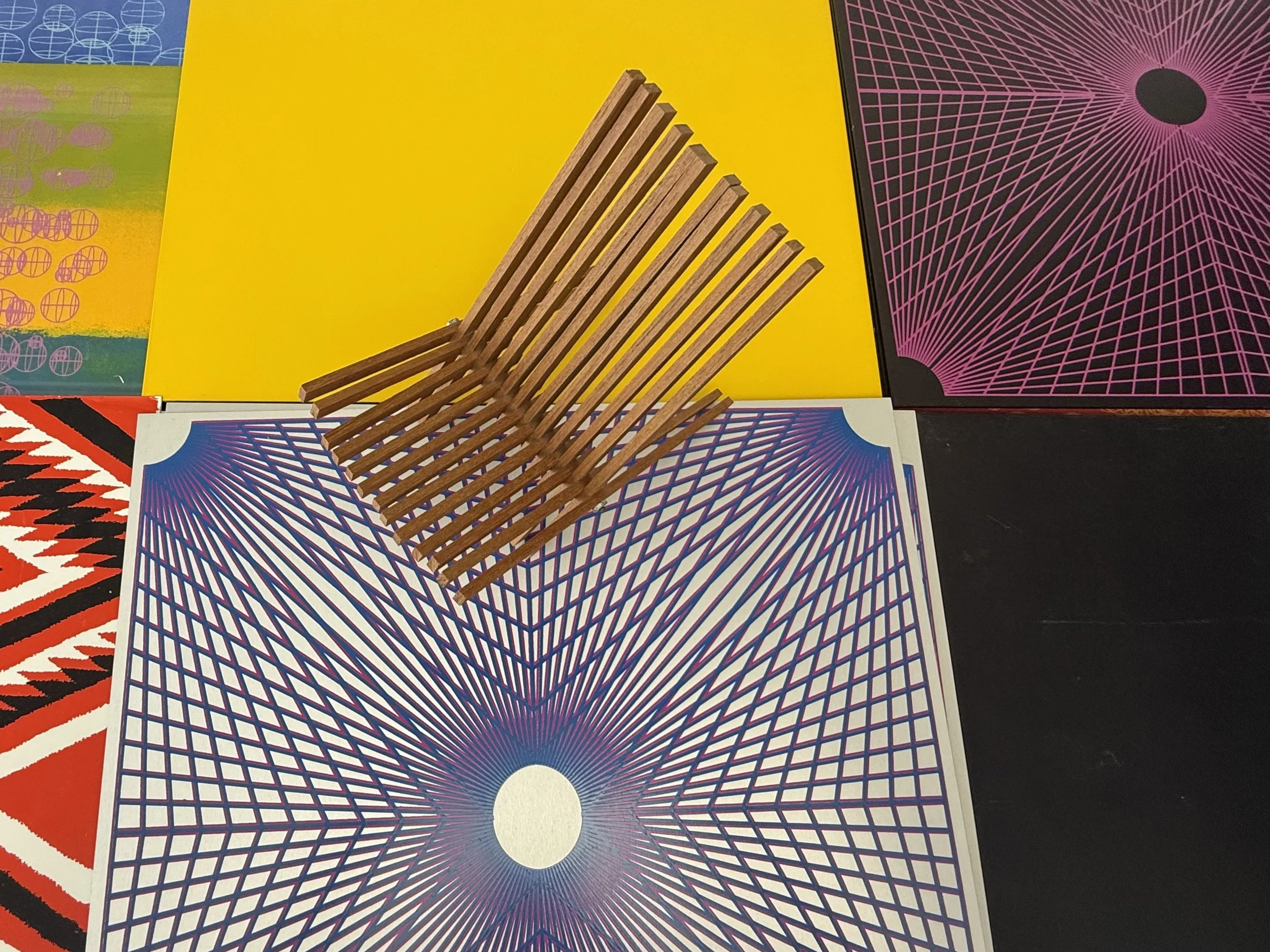
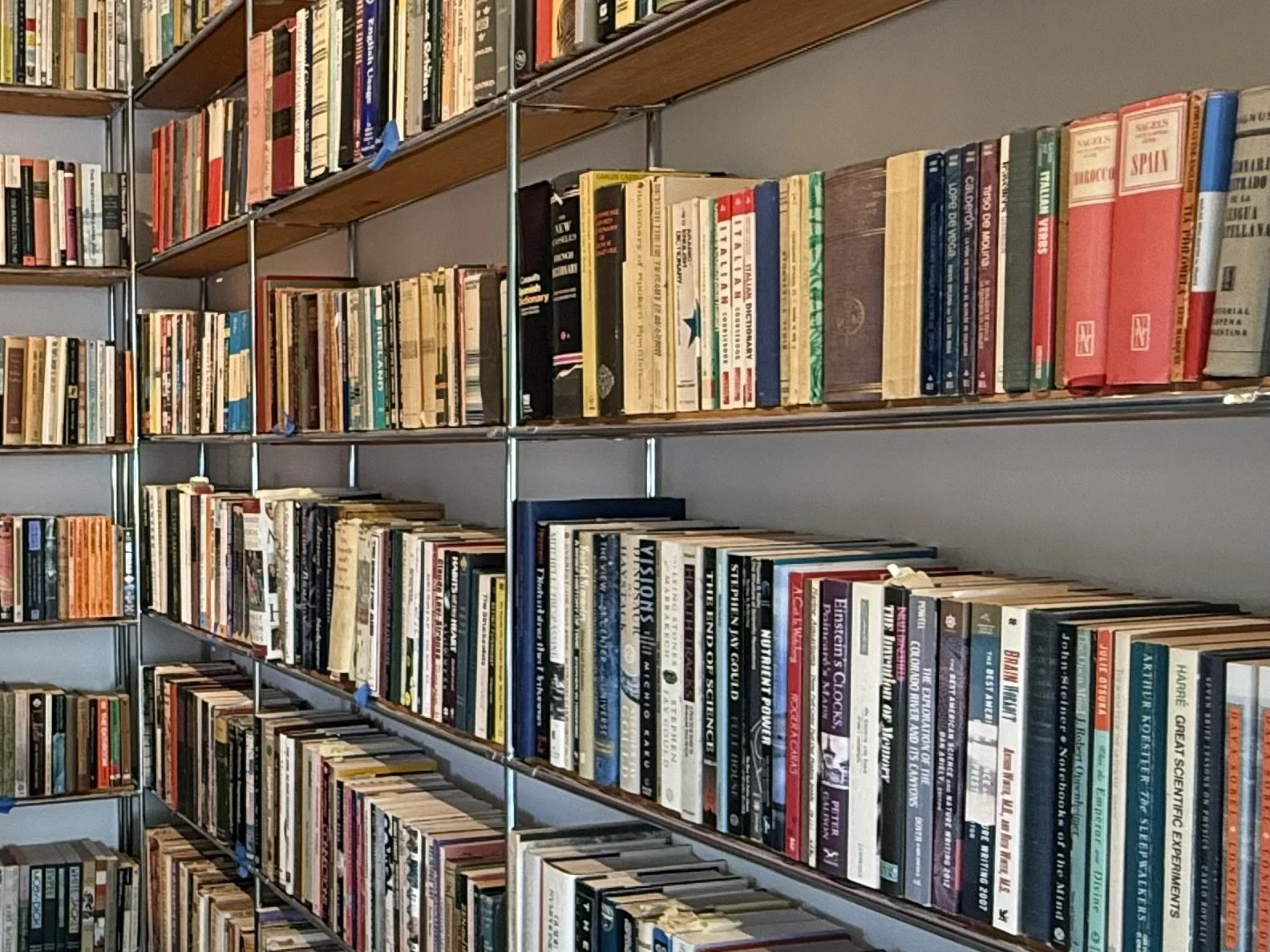
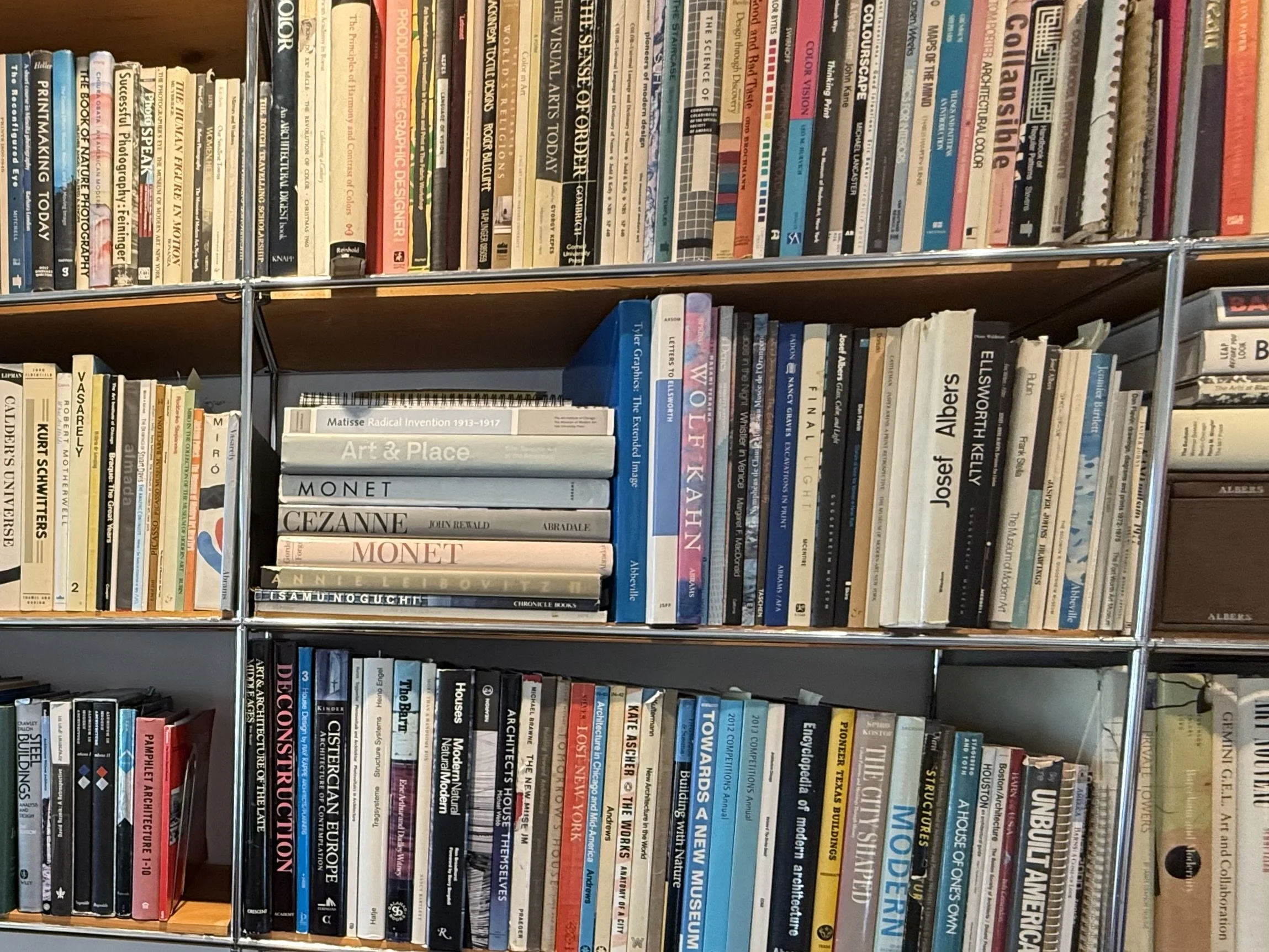
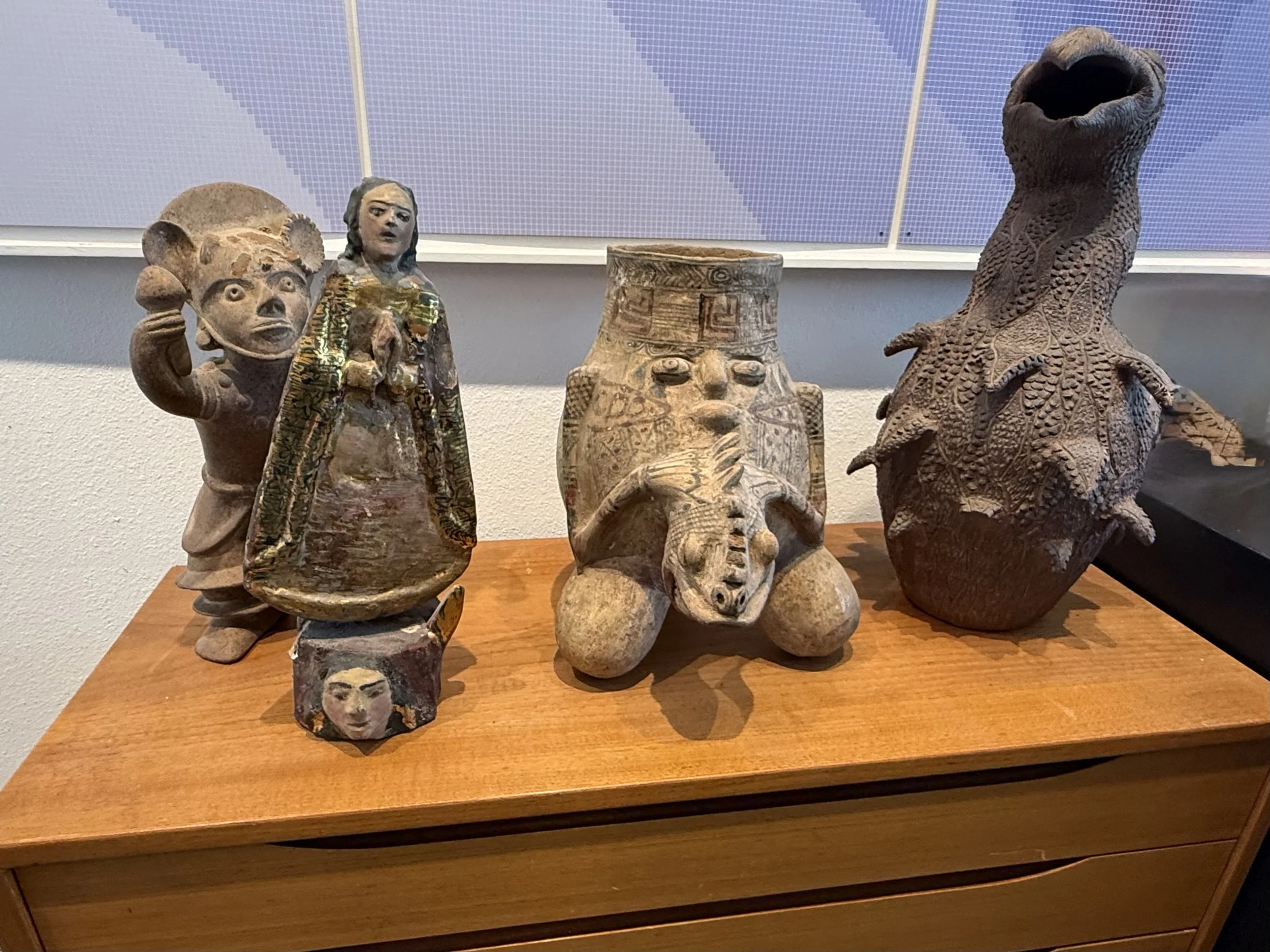
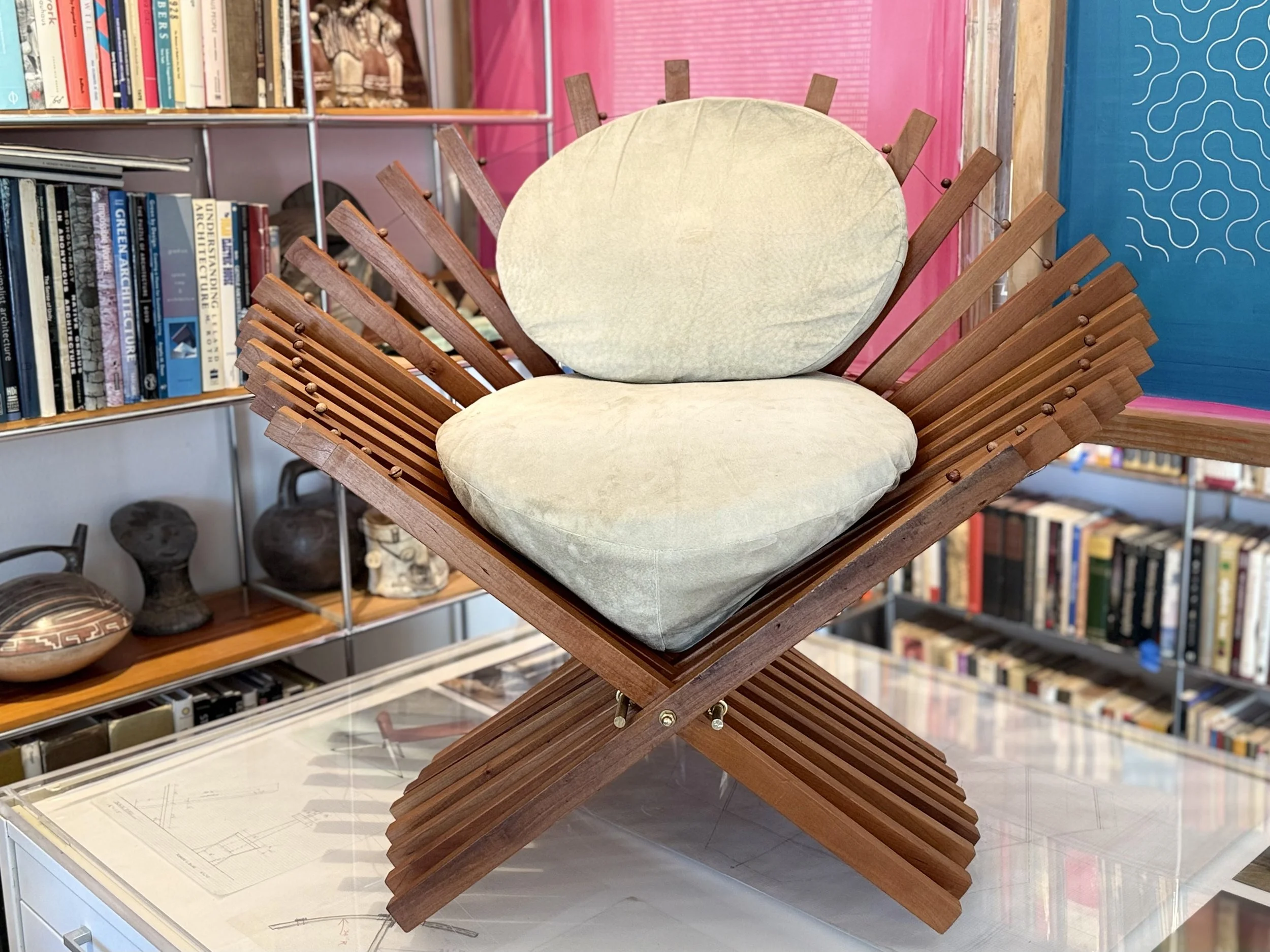
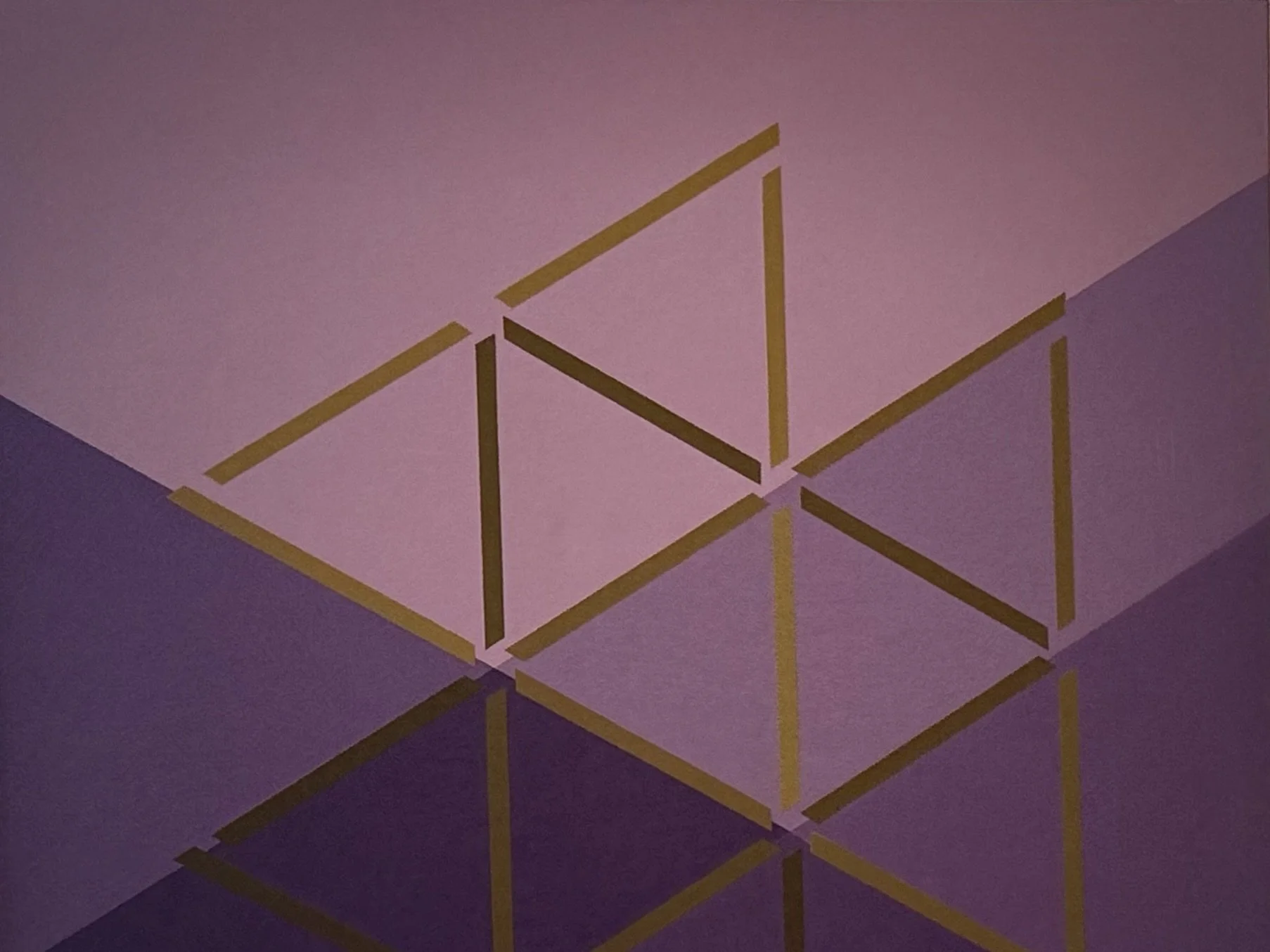
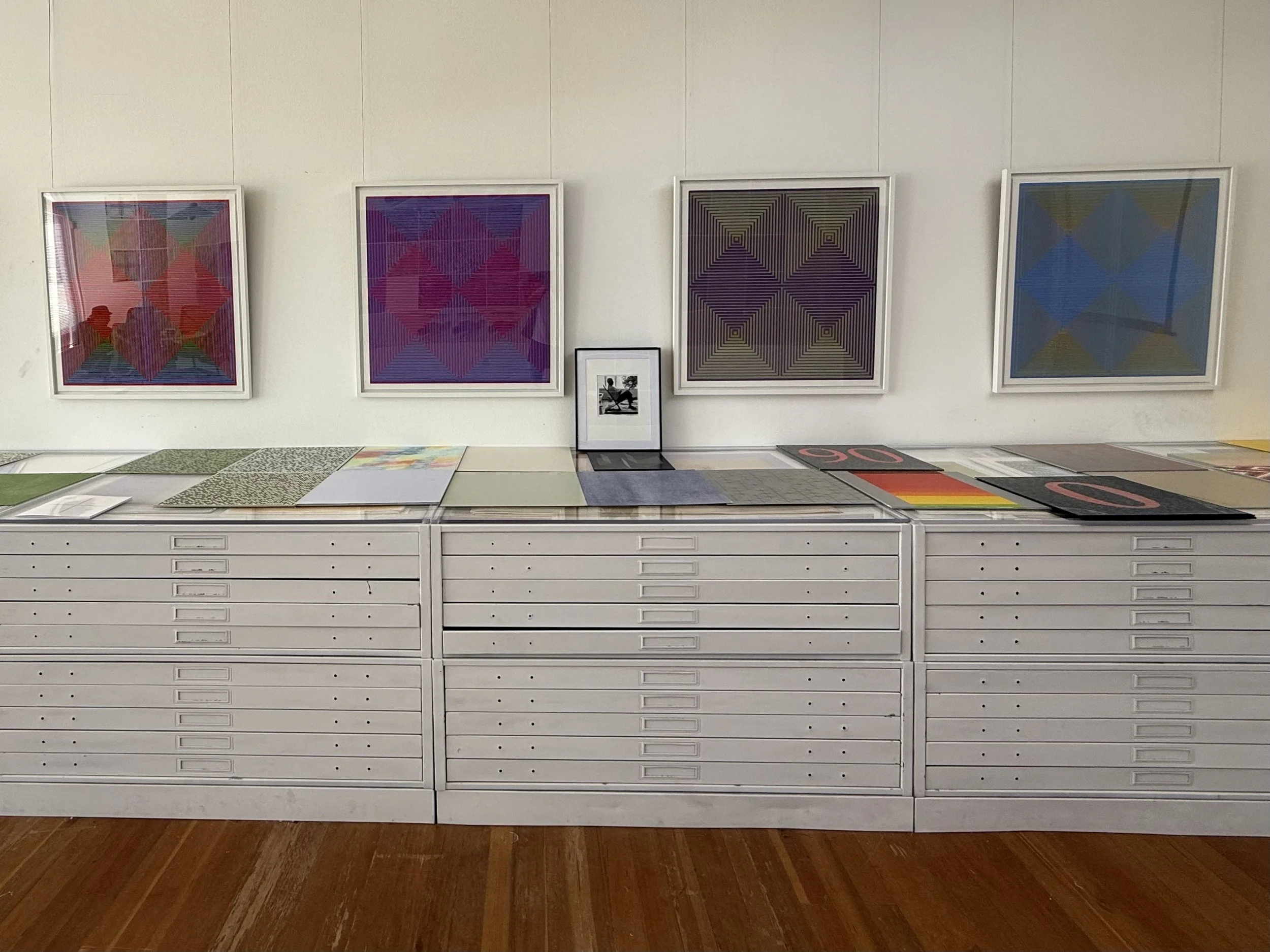
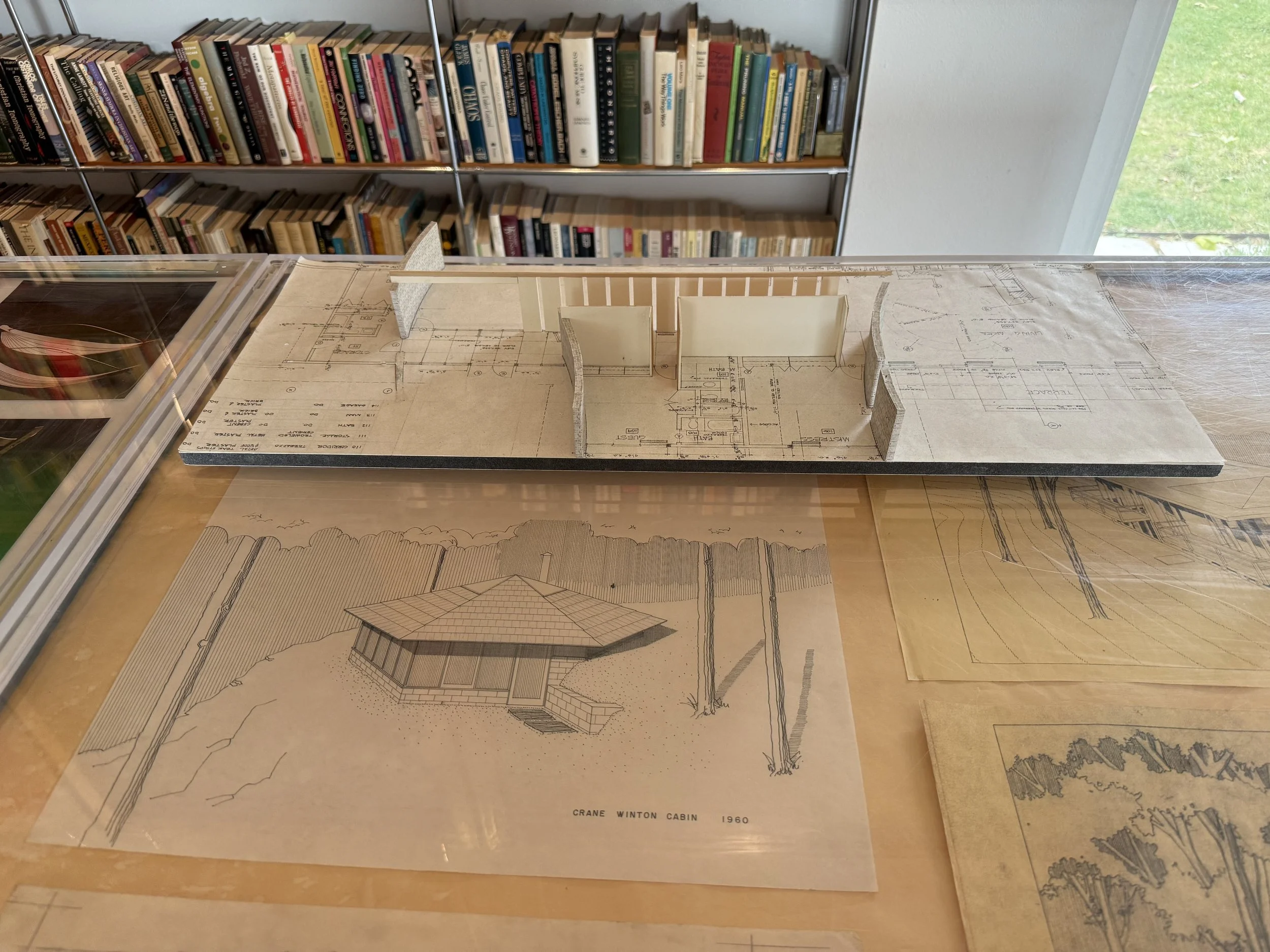
Walk into the Bliss Foundation for the Arts, tucked into Salt Lake’s Marmalade neighborhood, and there is an immediate sense that this is not an ordinary gallery. The small, thoughtfully arranged space unfolds like a portrait of the couple themselves. The front is filled with Anna’s vivid artwork, while the back holds pieces of furniture designed by Bob and shelves lined with their extensive collection of books. “Basically, you’re sitting in their home,” Kelly explained. Together, the art, furniture and books evoke the world Bob and Anna shared.
Bob and Anna met as young architects in the late 1940s. Anna had studied art history and mathematics at Wellesley before earning a master’s degree in architecture at Harvard. Bob attended the experimental Black Mountain College in North Carolina, served during World War II, and completed his architectural education at MIT. They married only months after meeting and eventually established Bliss & Campbell Architects, building a life in which architecture, design and art were inseparable.
Their path led them to Salt Lake in the early 1960s when Bob was brought to the University of Utah to lead its architecture program. Over the decades that followed, he helped transform architectural education at the university, eventually serving as dean of its Graduate School of Architecture.
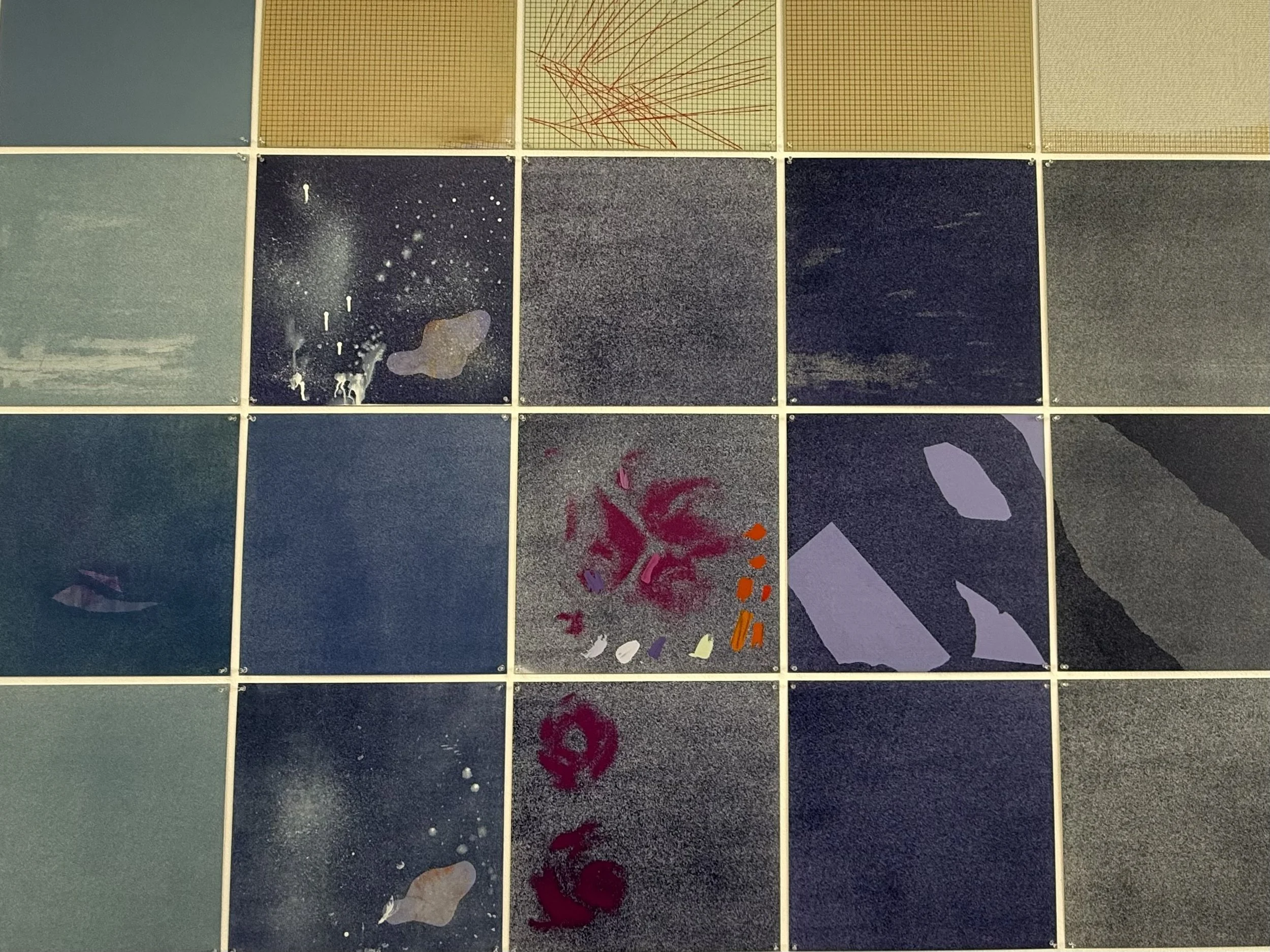
Anna forged an equally distinctive path. Her education in mathematics and architecture remained visible throughout a career in which she explored color, geometry, light, and movement. She studied with artists associated with the Bauhaus, experimented with screen printing, and later embraced computer technology in making art. Her work entered major museum collections, while her installations became part of the landscape of Salt Lake and the University of Utah.
But Anna’s influence extended well beyond her own work. After arriving in Utah, she became part of a creative community that crossed disciplines, while also serving as a mentor to younger women. Kelly remembers something more personal. Anna understood what it felt like to arrive in Salt Lake as an accomplished woman and suddenly find herself in unfamiliar territory. Bob played much the same role for young architects. “They kind of took us in,” Kelly said.
Kelly came into their orbit through her husband, architect Gus Brest van Kempen. Gus had trained for the Peace Corps at the University of Utah under a program run by Bob and, after working overseas, was invited back to teach. Kelly had her own Peace Corps career, first in Tunisia and later in Washington, followed eventually by law school, an international legal career and years teaching contract drafting in Chicago. Through moves, jobs, and decades away from Utah, she and Gus remained close to the Blisses. “They were sort of my saviors,” Kelly recalled.
The relationship became family-like. Bob and Anna had no children and remained deeply involved in the lives of many of the younger architects and families they had mentored. Kelly and Gus returned often to Salt Lake, while Bob and Anna followed the lives of their children and grandchildren.
Years later, the relationship took an unexpected turn. Frustrated while reviewing his estate documents, Bob asked Kelly and Gus if they would be willing to take responsibility for them. Kelly eventually became executor, placing her in charge not simply of property and paperwork, but of the physical legacy of two people she had known and loved for decades. Anna died in 2015; Bob followed in 2018. They had been married for sixty-eight years. When Anna died at home, Bob was beside her, holding her hand.
The Marmalade studio had long been central to Anna’s work. The Blisses acquired the former neighborhood grocery building decades earlier so she would have enough room to create her increasingly large pieces, while the adjoining duplex helped support the property.
After Anna’s death, another idea began to take shape. Anna had envisioned a museum or gallery for her work, but she had also cared deeply about getting art out into the community. Kelly suggested to Bob that they create a foundation that could bring fellows into Anna’s studio to work while finding new ways to share art with the public. Bob embraced the idea, and the Bliss Foundation for the Arts was born.
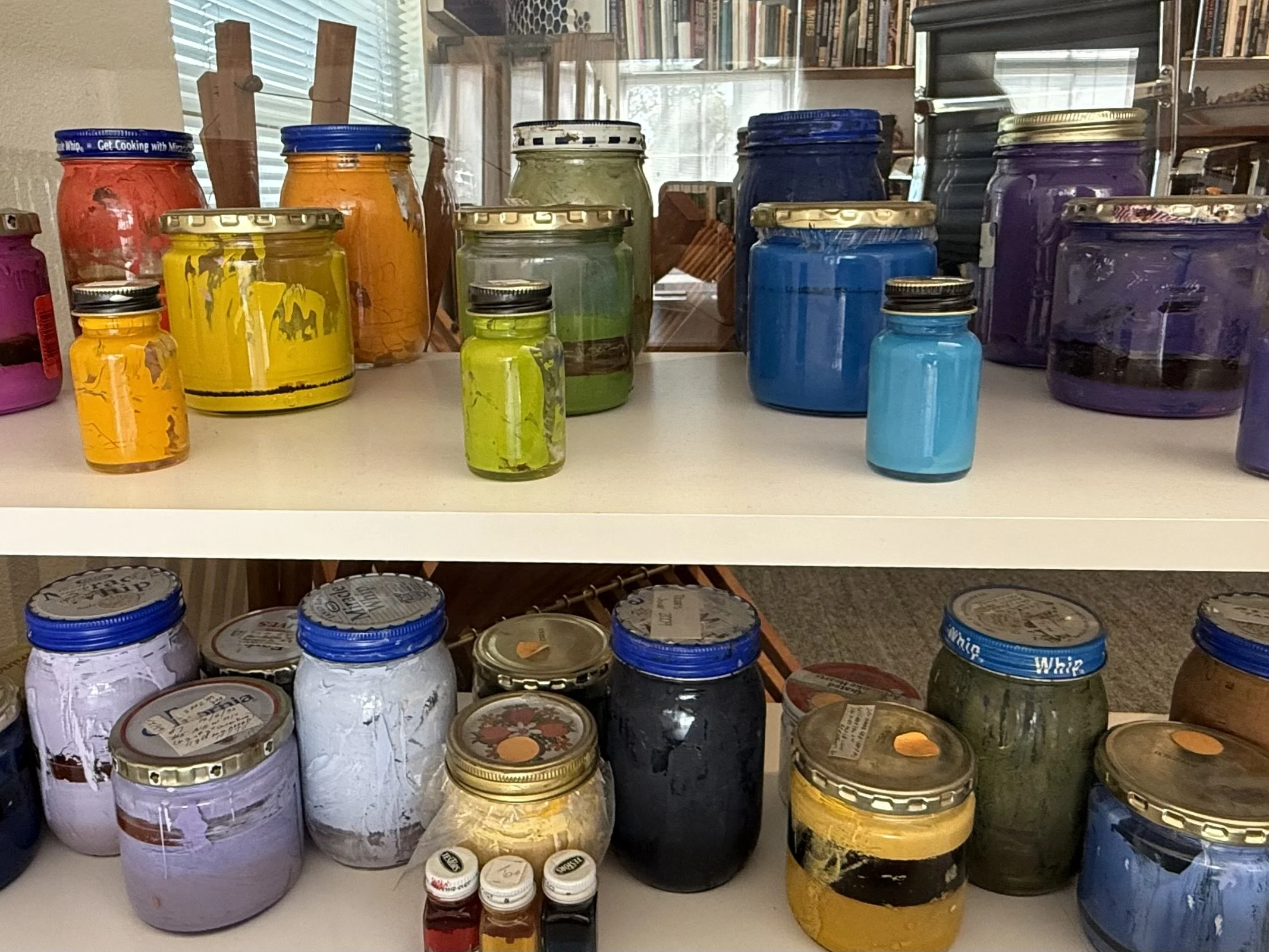
After Bob’s death, Kelly returned to Salt Lake to handle the estate. On one visit, architect Trent Smith and others close to the couple told her to close her eyes before leading her inside the studio. When she opened them, they had transformed the space. Anna’s artwork was on the walls. Bob’s table and other pieces of his furniture had been brought in. Their books filled the shelves. Screens Anna once used in creating her work remained part of the studio. Kelly was overwhelmed. “It was Bliss.”
Today, preserving that atmosphere is only part of the task. Much of Anna’s work is being placed where people can continue to encounter it. Approximately sixty pieces now hang in Salt Lake Community College’s Gail Miller School of Business, while other works are being directed to institutions connected to Anna’s life and career. Her papers are preserved by the Smithsonian’s Archives of American Art.
For now, Kelly is careful to distinguish the Bliss Foundation from the estate, which is currently responsible for preserving and distributing Anna’s art, Bob’s furniture, and the couple’s other belongings. But the original vision for the foundation has not disappeared. “What we’re going to do is take it off the hold button,” Kelly said. The hope is to bring more art into the community, involve a variety of people, and find new ways for the studio to be used - all while preserving the work and spirit of the two people at its heart. "Our goal is to find ways of moving forward that both Bob and Anna would have approved.”