Villaggio
Address: 3144 South State Street
Telephone: 801-410-4355
Website: Villaggio-slc.com
District: South Salt Lake
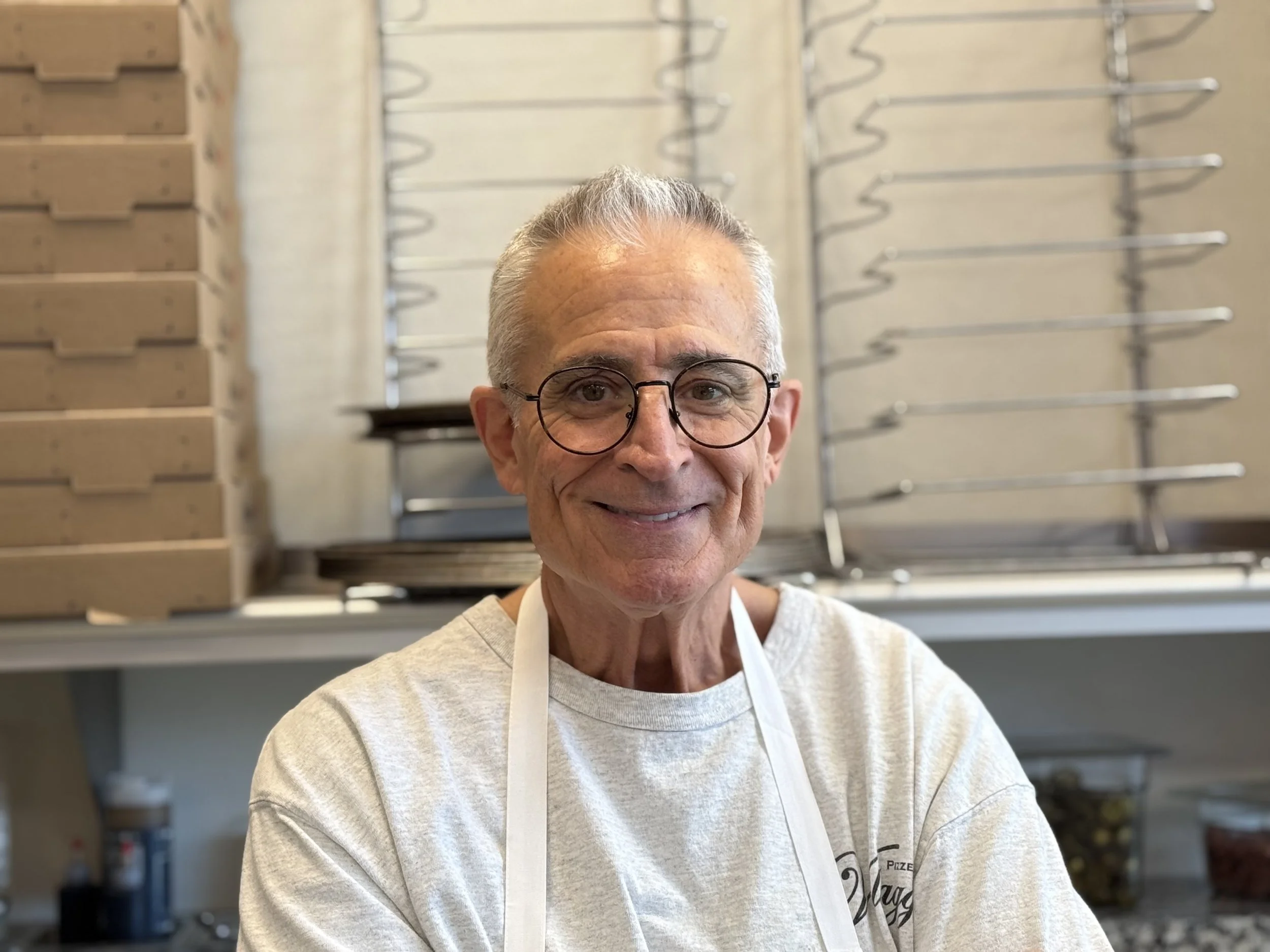
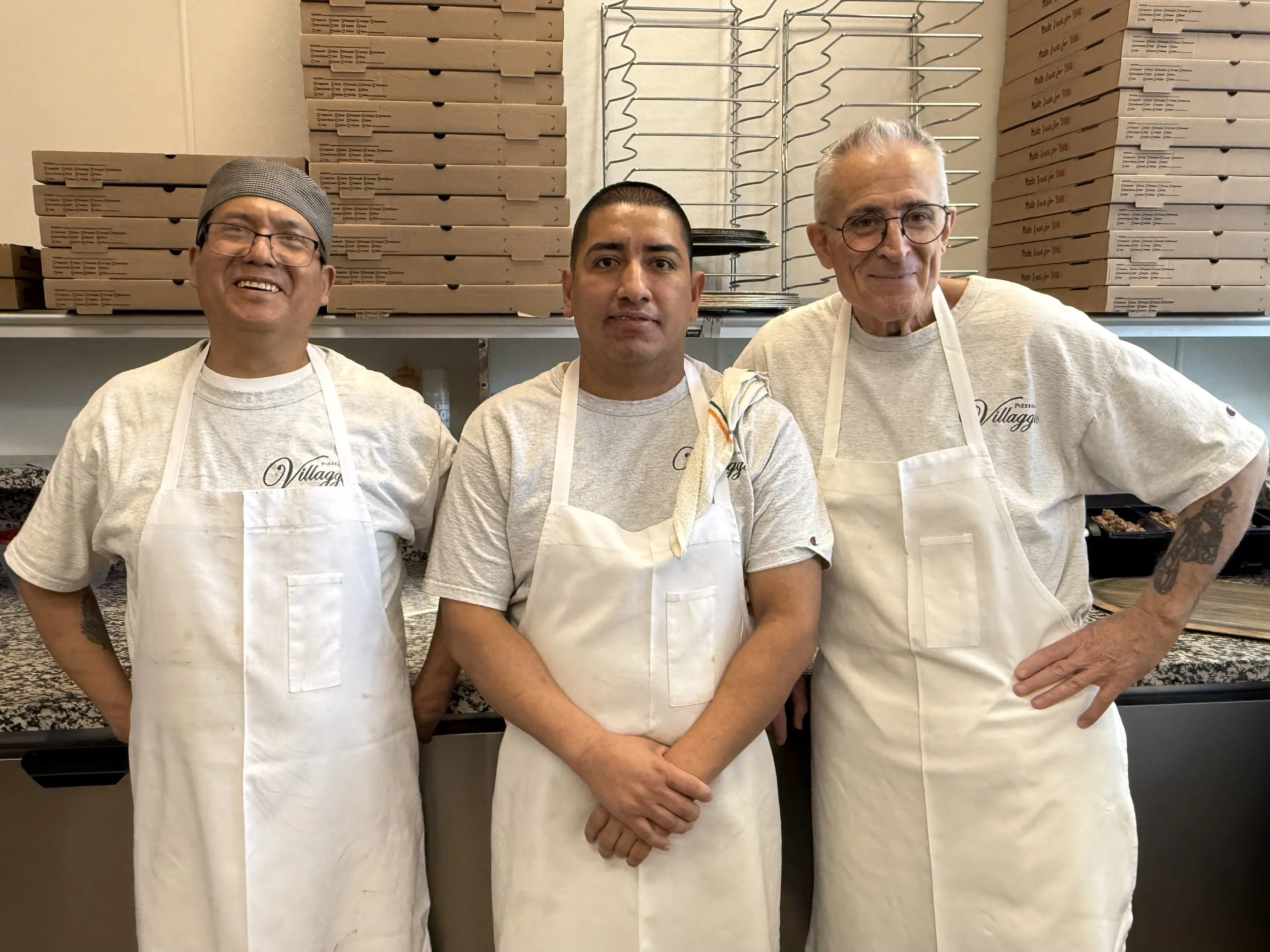
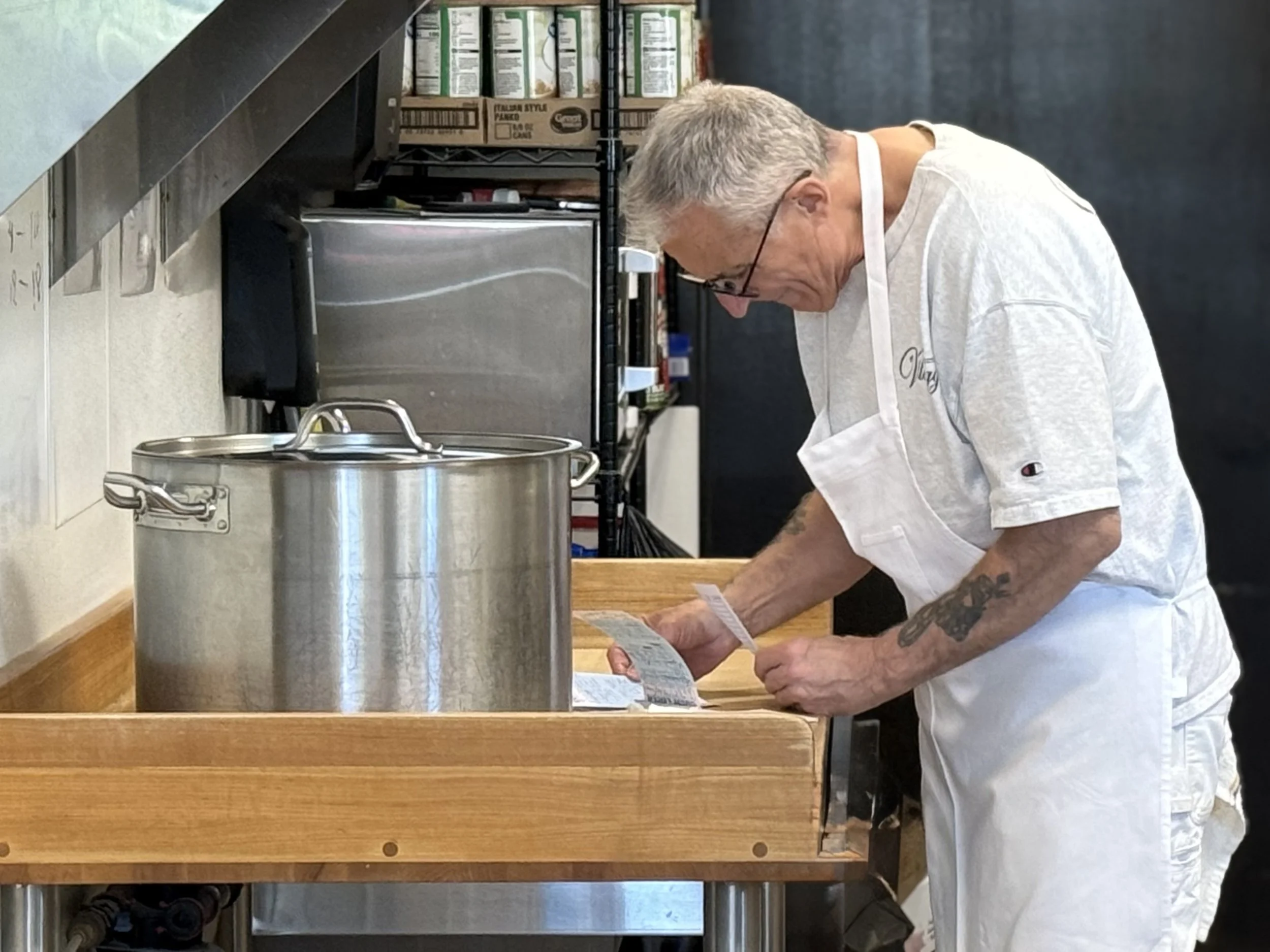
“When someone chooses to walk into my restaurant, that is someone who came to visit me in my house, and I need to feed them and entertain them.” Ricci Rondinelli, owner of Villaggio, does not speak quietly, move slowly, or tell a story in a straight line. He is Bronx through and through - funny, blunt, generous, opinionated, sentimental, and full of memories that seem to tumble out faster than he can sort them. He has lived many lives, worn many hats, and worked more jobs than most people could imagine fitting into one lifetime. But behind the stories, the humor, and the unmistakable New York rhythm is a man who has returned, again and again, to the thing he knows best - feeding people.
Ricci was born and raised in the Bronx, in an Italian family where food was not a pastime. It was life. His grandparents were immigrants - one side of the family from Naples and the other from Calabria - and both sides cooked. “Everybody spoke Italian,” Ricci remembered. “My parents wanted me to speak English, because back then, you did not get the good paying jobs when you spoke broken English.”
From the time he was a boy, Ricci was surrounded by restaurants, kitchens, cousins, aunts, uncles, sauce, dough, ovens, and the constant motion of family businesses. “I was tired of sitting at the table with a coloring book when we were kids,” he said. “So, I proved myself in the kitchen at a young age, and I got a little salary.”
At first, Ricci wondered if this would be the rest of his life - “putting pepperoni on pizza,” as he put it. He finished High School in Pelham, New York, and in the late 1980s, he went out and built a different life for himself. He studied fine art, attended the School of Visual Arts in Manhattan, and spent more than two decades working as a creative in advertising and marketing. He drew, designed, photographed, and learned how to understand a business from every angle. “When I finally opened my own restaurant, I was able to do all my own marketing and advertising,” Ricci said. “I was able to do my own website, draw all those menus, do all my photography, promotions, and understand the demographics.”
But even while he was working in Manhattan, the restaurant business never fully left Ricci. “You always come back,” he said. “There is always a shift. You always have to do something.” Family members owned Pizza King in Mount Vernon, which opened in 1975, Villaggio in Pelham, and Morris Park Pizza in the Bronx. Ricci also owned Villa Maria in Larchmont with his partner Jimmy Pacora from approximately 1979 to 1985. Each of these businesses had its own identity, but all of them were rooted in the same tradition - family, old school recipes, and the kind of food that comes from people who know exactly what it is supposed to taste like. Ricci also had the opportunity in the 1980’s to have his first real chef position at Sticks, a bar and grill on the upper east side of Manhattan owned by several New York Rangers.
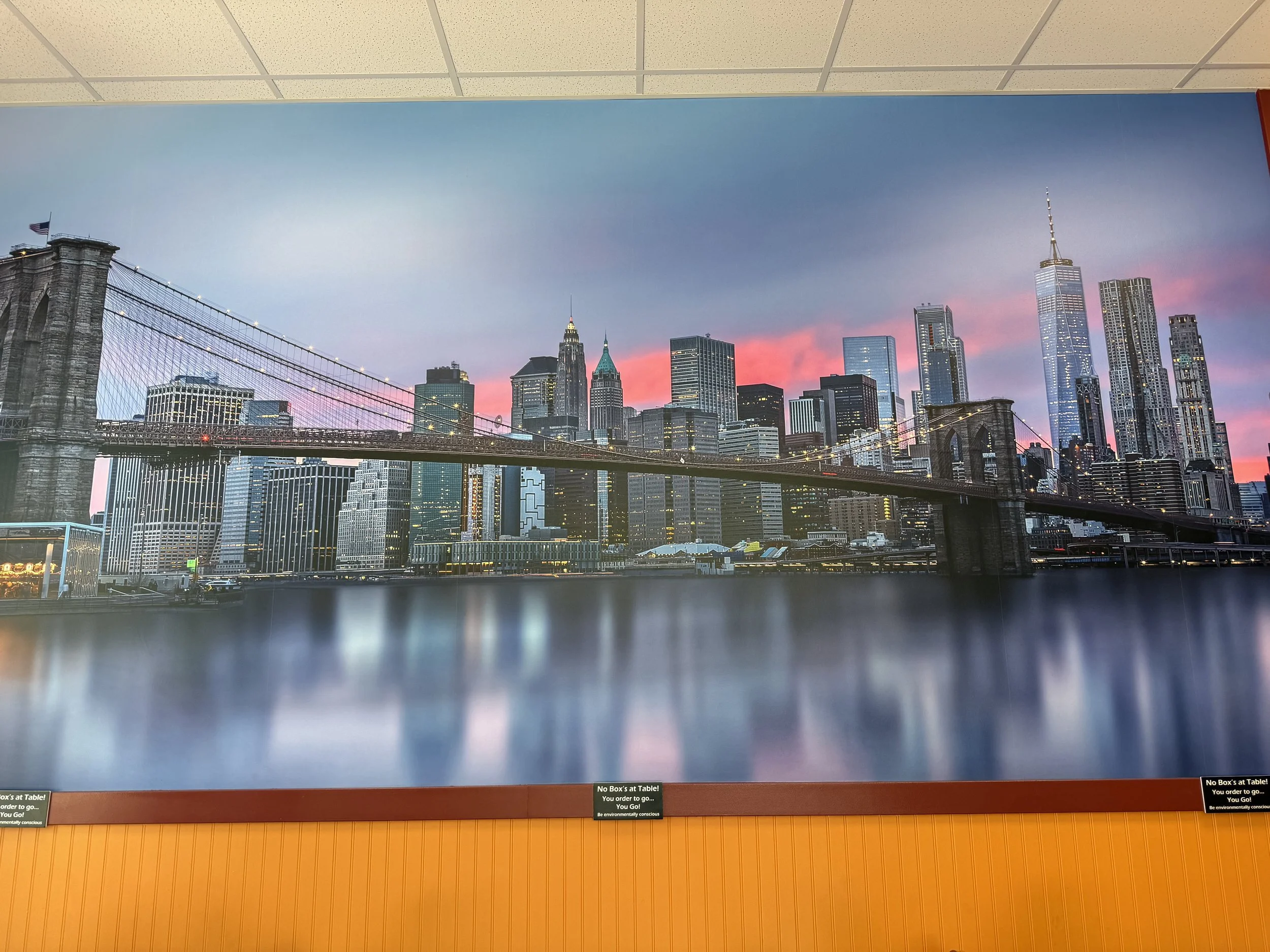
When Ricci eventually left New York in late 2015, it was not because he had stopped loving it. He was tired. His parents were gone, holidays felt different, and the place that had once been filled with family had become harder to inhabit. He packed his car, drove across the country visiting people he knew, and eventually ended up in Utah, where a cousin invited him to stay for a while. “When I came out here, I said, ‘Wow, this place is gorgeous.’”
He did not arrive intending to sit still. Ricci does not seem built for that. He drove trucks, worked for an asphalt company, explored the state, learned the neighborhoods, and began noticing something - for all of Salt Lake’s growth, there was still room for the kind of New York Italian pizzeria he felt in his bones. “I knew there were a lot of New York and East Coast transplants here, and that is what I focused on. I felt certain that I could make a living just on that alone.”
Before opening Villaggio, Ricci studied State Street. He sat for hours, week after week, watching traffic, patterns, movement, and possibility. “State Street is huge, so I was able to strategically pick a place.” He also knew that he wanted the name to carry something with it. Not something trendy, not something modern, not something dressed up to be clever. “I wanted to bring a piece of my family’s heritage to Salt Lake,” Ricci said. “I wanted old school. I just stayed with Italian, and it worked like a charm.”
Villaggio was supposed to open in March 2020. Instead, on opening day, the call came. He was told that because of Covid, he had to close by five o’clock. The flyers were ready, the food was ready, friends and cousins had come to help, and then everything stopped. For the next month, Ricci went into the restaurant, cooked so the food would not go to waste, took photos of sandwiches and pizzas, posted them online, and built the website. By the time Villaggio was finally allowed to open on April 20, 2020, people were already waiting. “I had created a buzz. The day we opened, I was already packed.” And from that day forward, Ricci said, he never had to put another dime into advertising. The pizza did the work.
At Villaggio, everything begins with the dough. Salt Lake’s elevation changed the rules, and Ricci had to adjust the ovens, the yeast, and even the water. “About the third mix, I got it down pat.” He installed a water filtration system to get as close as he could to the flavor he remembered from back east. Then came the ingredients. Some could not be found locally at the standard he wanted, so Ricci began trucking them in and storing them in a warehouse. Flour, cheese, cold cuts, toppings - if he could not get what he believed was right, he found another way. “I do not shortcut on anything. The best I can possibly buy, I buy.”
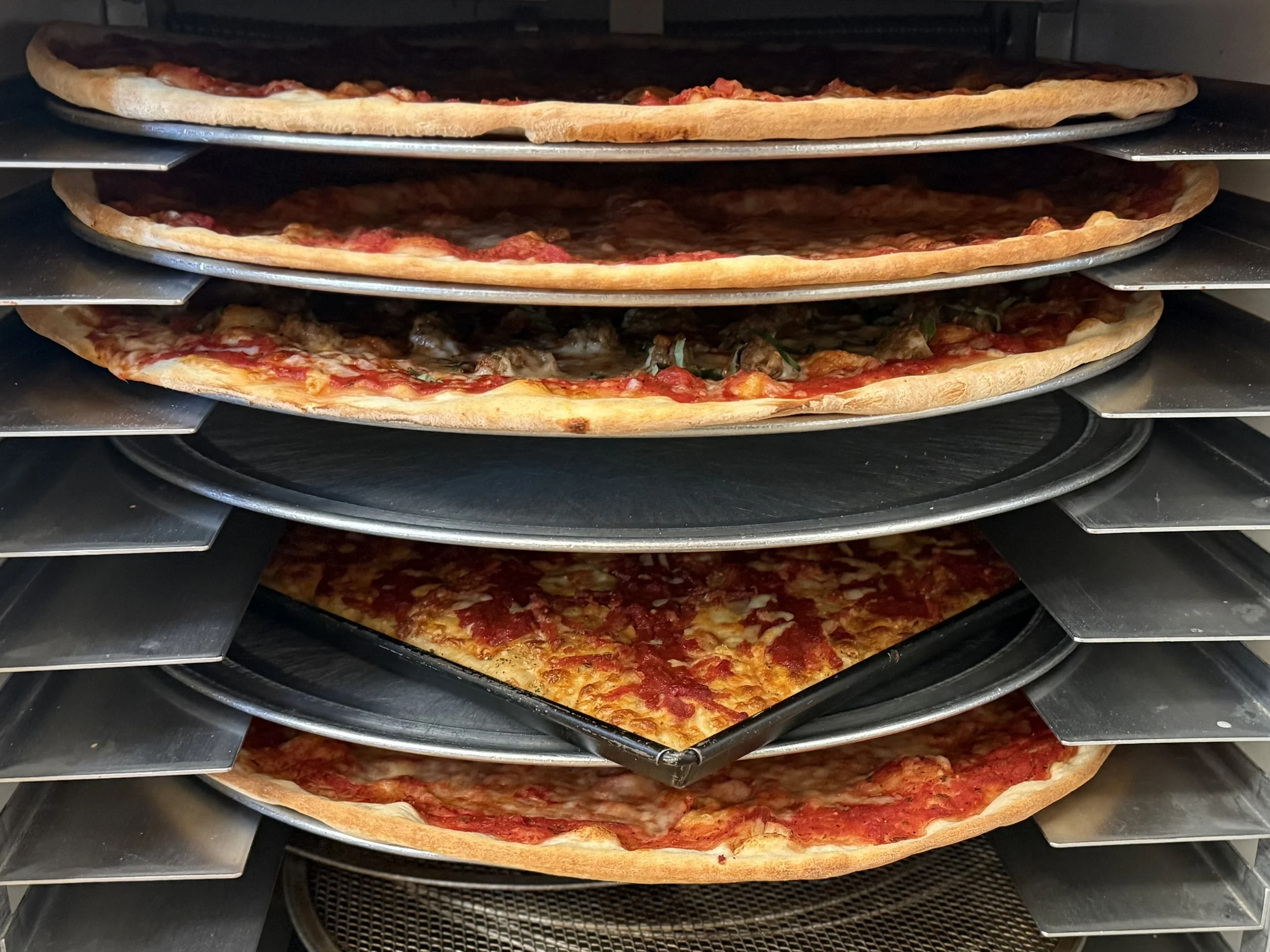
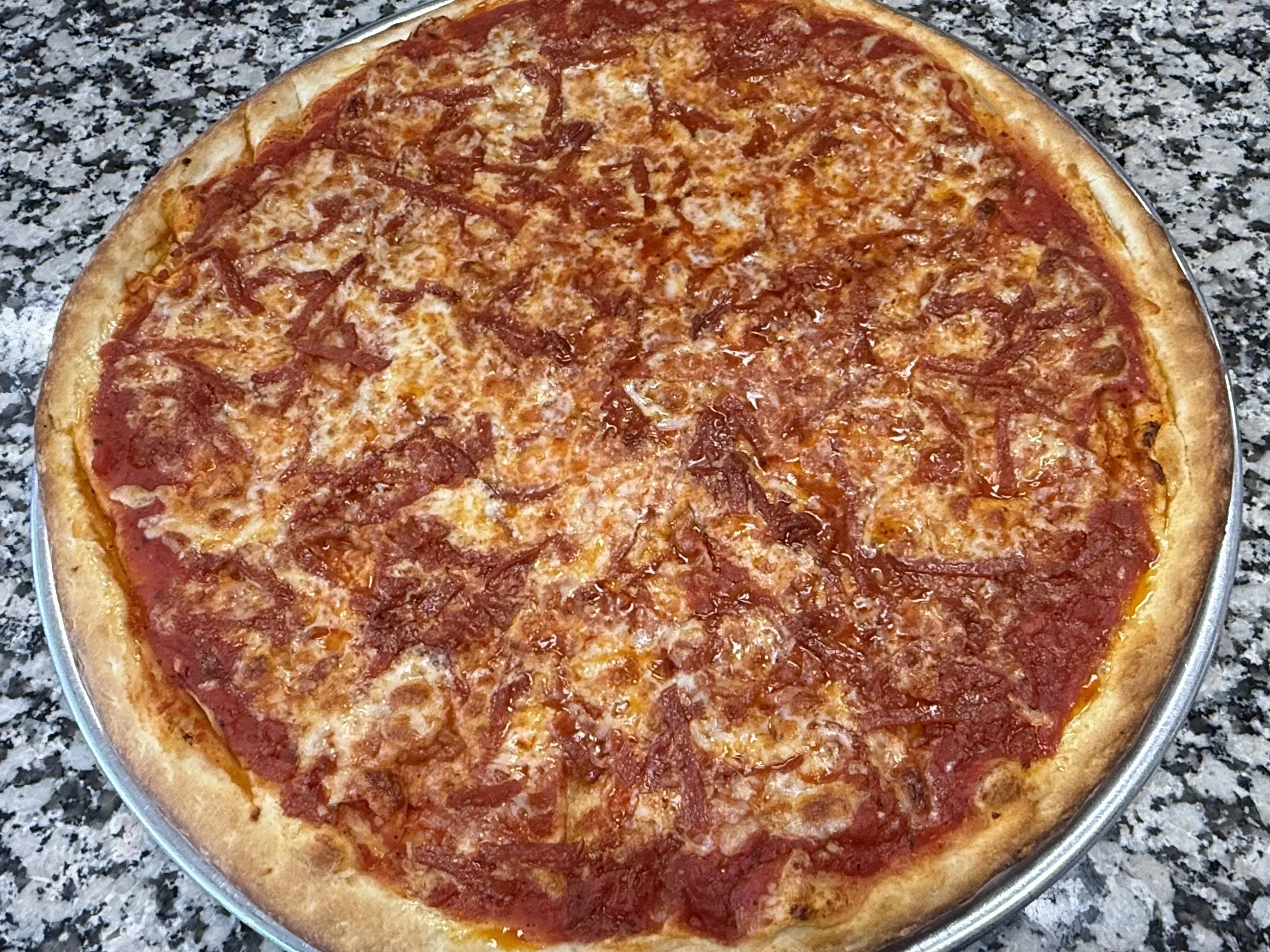
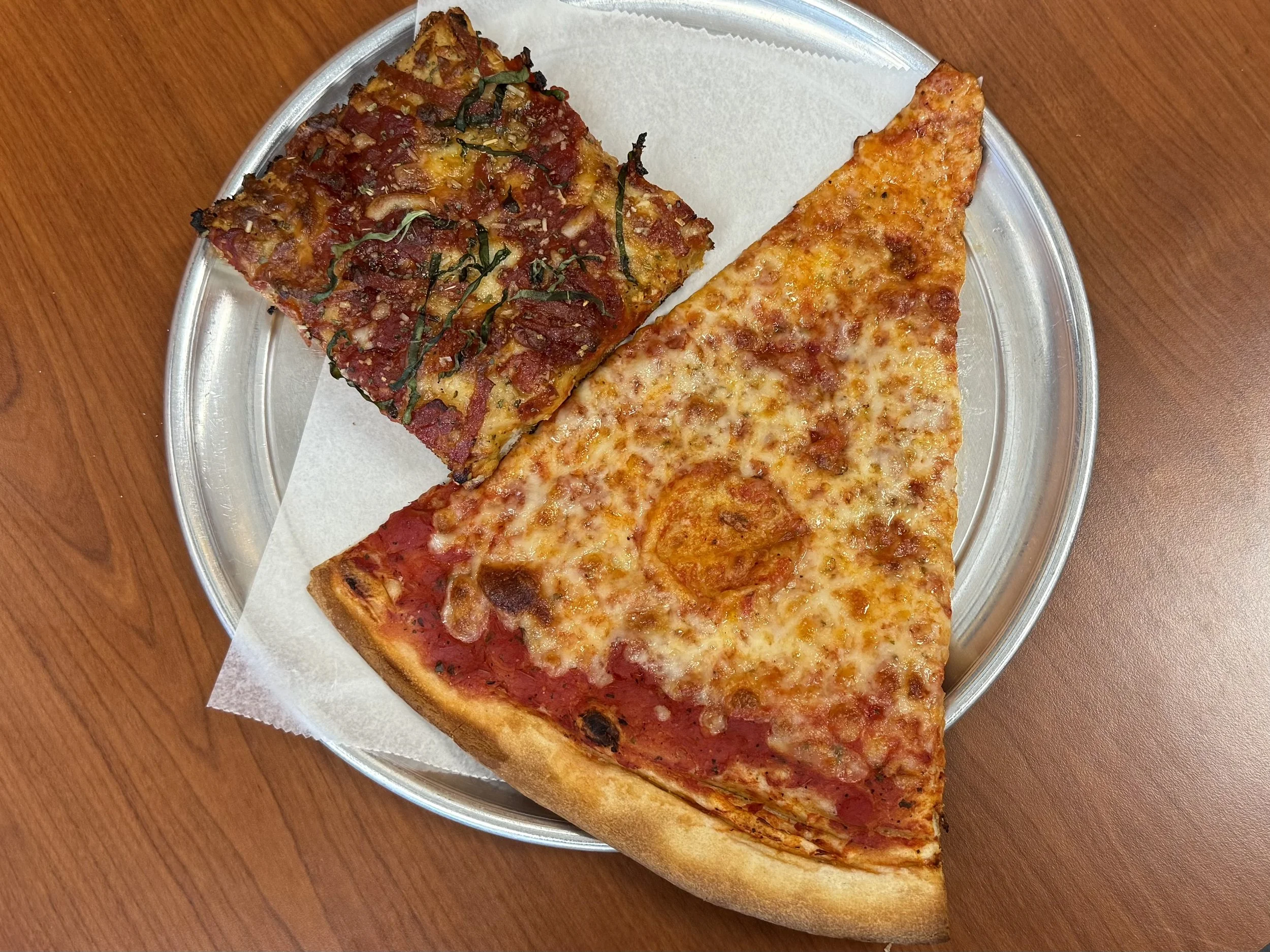
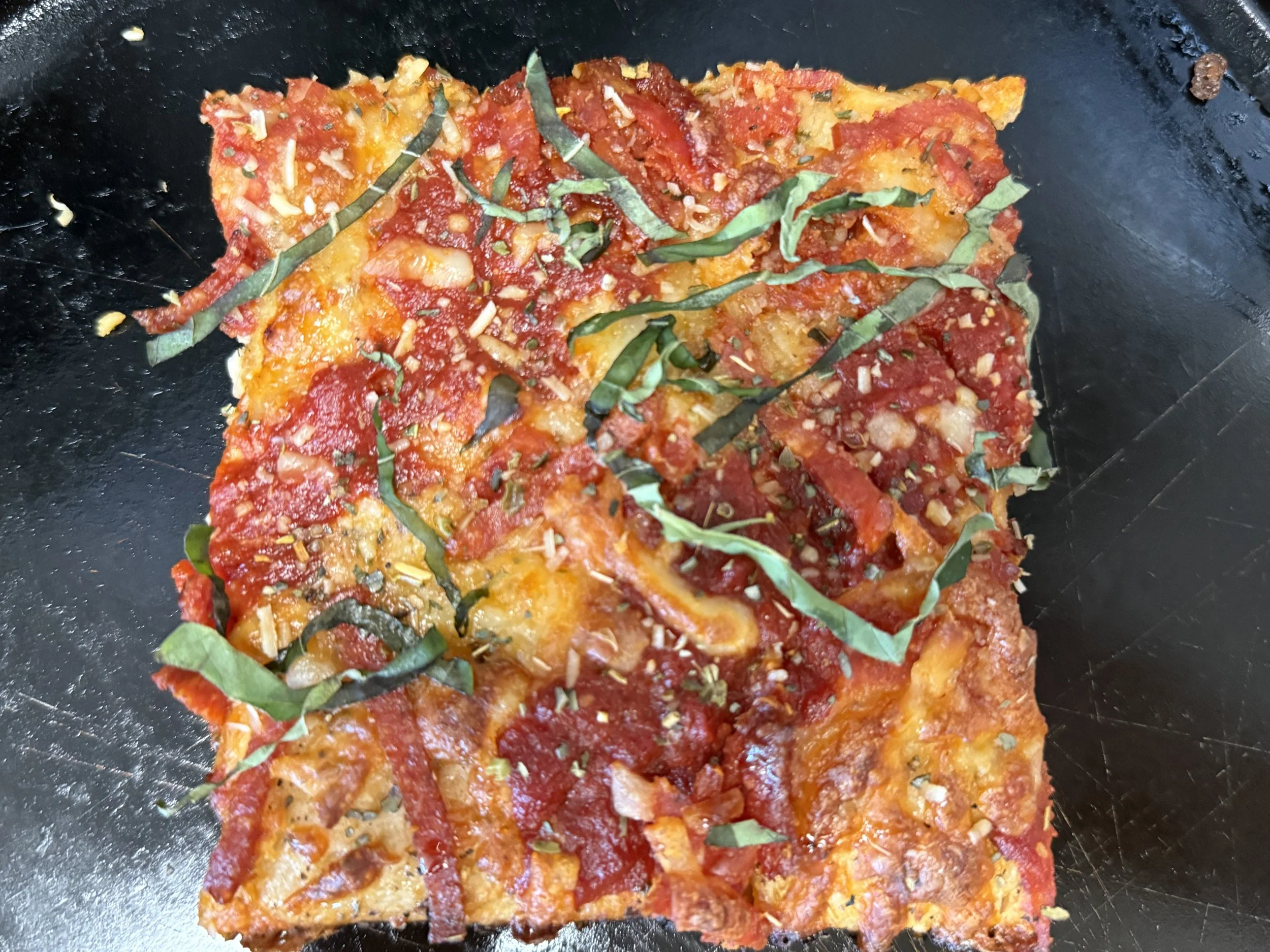
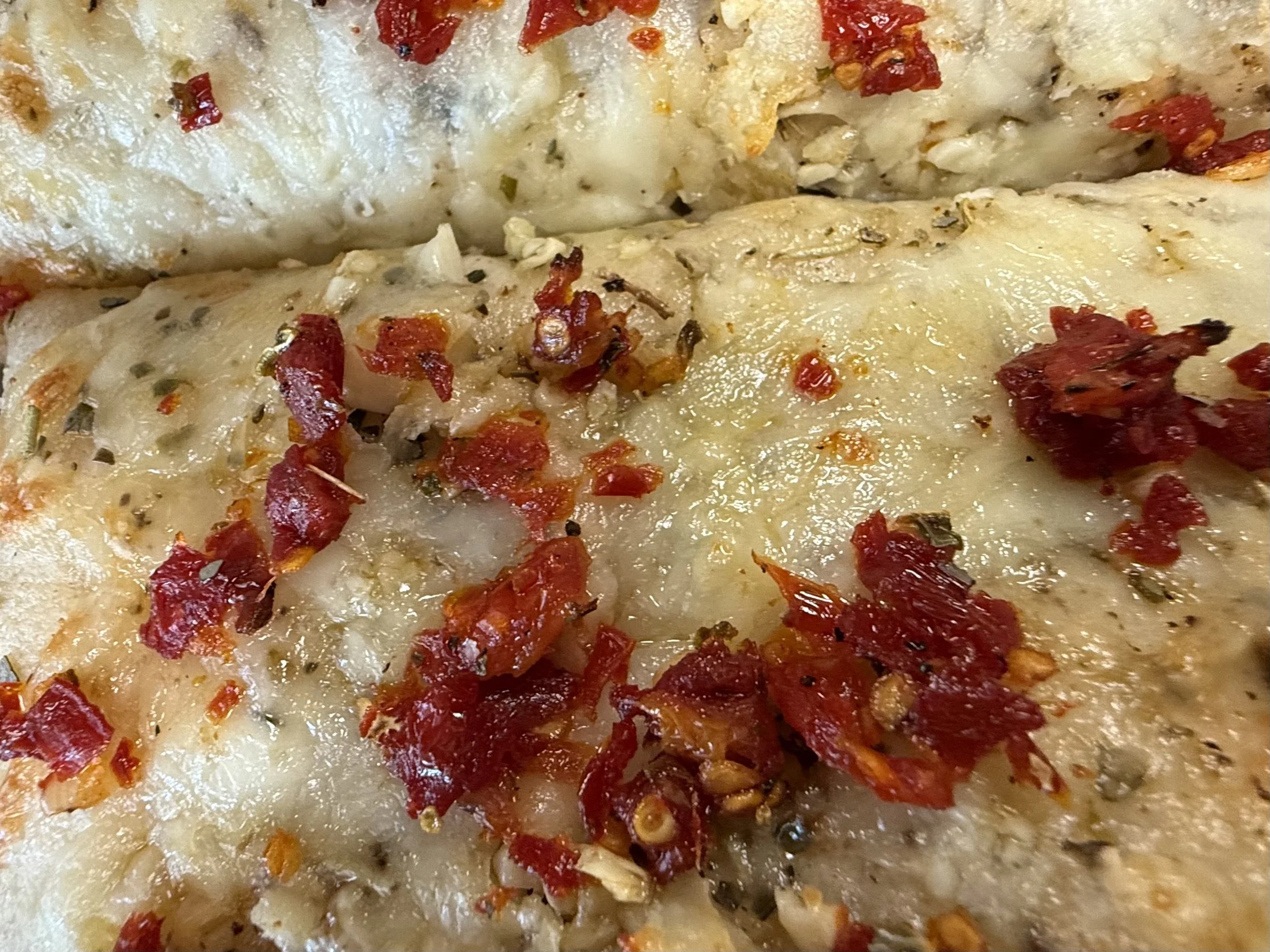
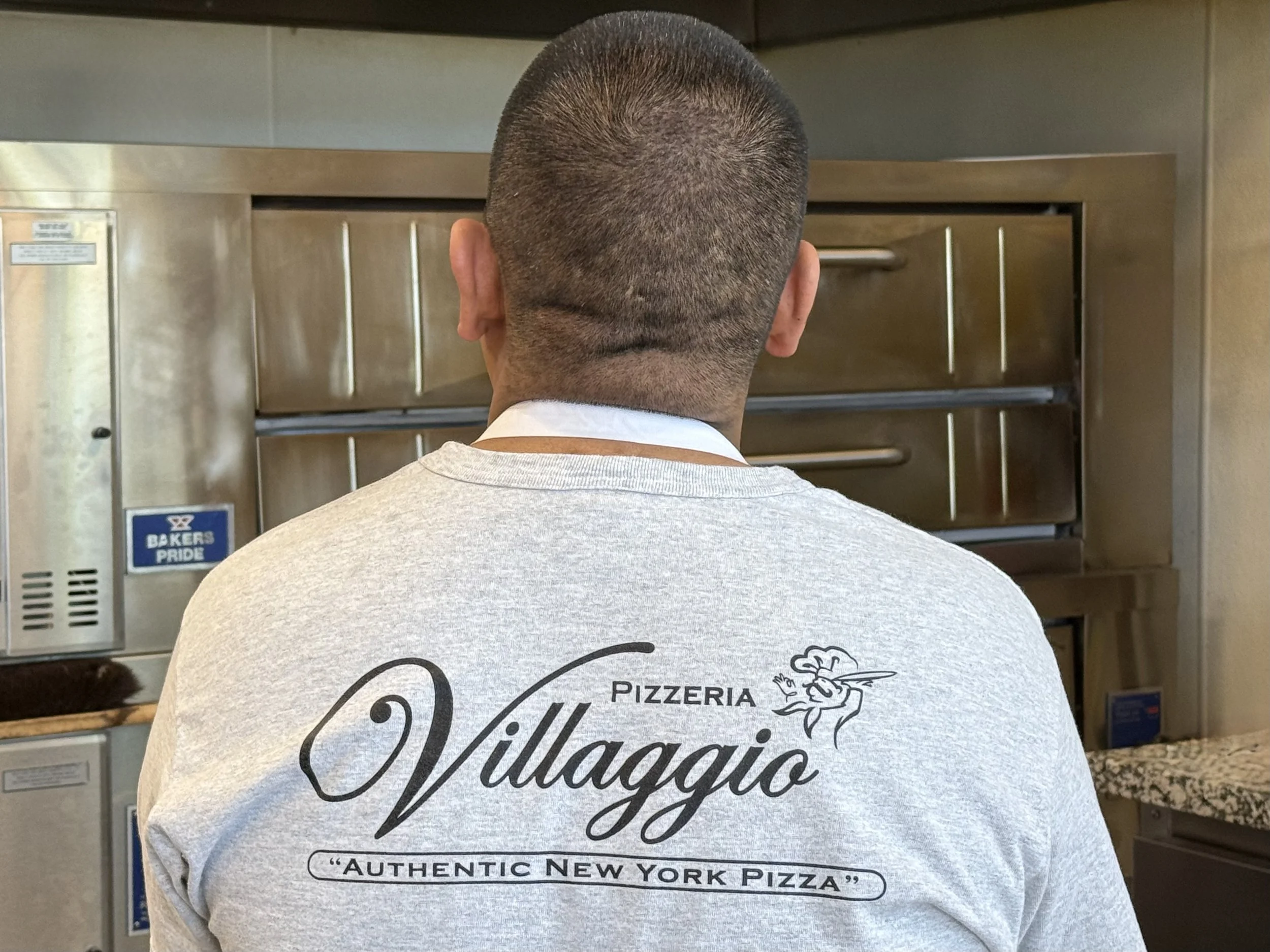
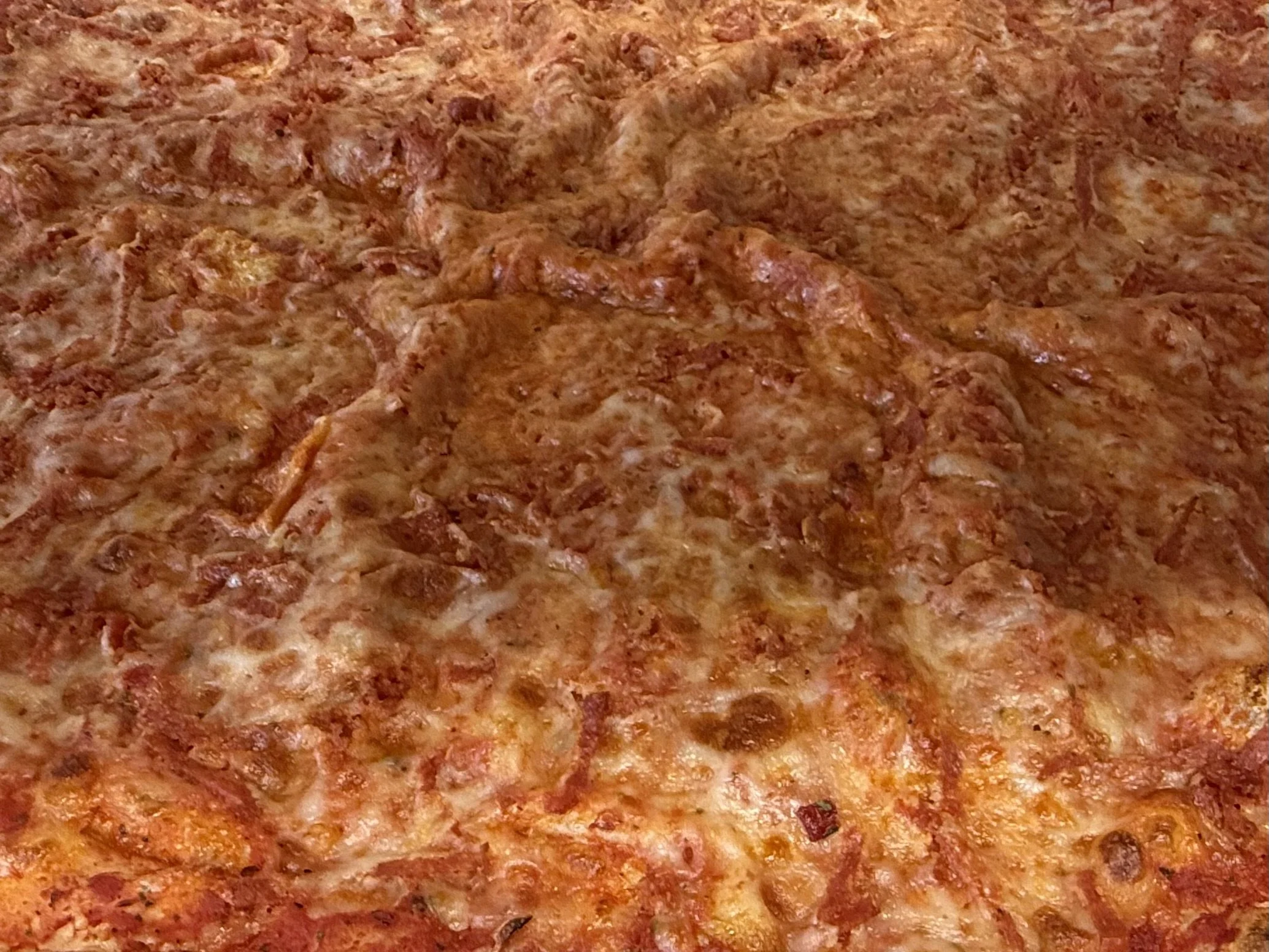
The ovens matter, too. Ricci uses Baker’s Pride ovens with stone on the top and bottom, the kind he says holds heat the way a proper New York pizza oven should. “The whole oven is about those stones. With that double stone, I shut these ovens down, and they are still three hundred, three hundred fifty degrees the next morning.” The result is New York-style pizza that looks abundant, tastes familiar to anyone who grew up with it, and surprises those who did not. The slices are enormous, and Ricci takes pride in the way each pie is assembled, every topping placed with precision. “I am the artist,” he said. “We dress them up so they look good. You open up that box, and every pie is like a work of art.”
While influencers and viral videos have occasionally sent hundreds of curious customers through the doors of Villaggio, Ricci knows the business was built by the regulars who return week after week. Some drive an hour for a slice. Others stop by several times a week, bringing holiday gifts and becoming part of the extended Villaggio family. “These are our customers. The lunch crowd is the same three times a week, minimum. If you’re my customer, you can have anything you want. We cater to them. We love them.”
Now near seventy, Ricci admits the long days are wearing on him. Even on days the restaurant is closed, there is payroll, ordering, banking, inventory, repairs, and planning. Still, when Ricci talks about the food, the exhaustion briefly disappears. The artist, the Bronx kid, the pizza maker, and the host all come together. He remembers drawing pictures for a living and says making food gives him a similar joy. “I love making food. I love people licking their fingers, stretching the cheese.”
For all of his sharp edges, Ricci’s center is surprisingly tender. He loves kids, dogs, loyal customers, and the simple pleasure of watching someone enjoy a great slice of pizza. And after a lifetime that has taken him from numerous New York kitchens, to Manhattan advertising / marketing agencies, from global pro bodybuilding shows as an IBFF (International Bodybuilding and Fitness Federation) representative to bartending the hottest nightclubs, from New York skyscrapers to Utah mountains, he is still doing what he learned to do as a boy - welcoming people in and feeding them well. “Everything I do is as if I am making it for my mother.”