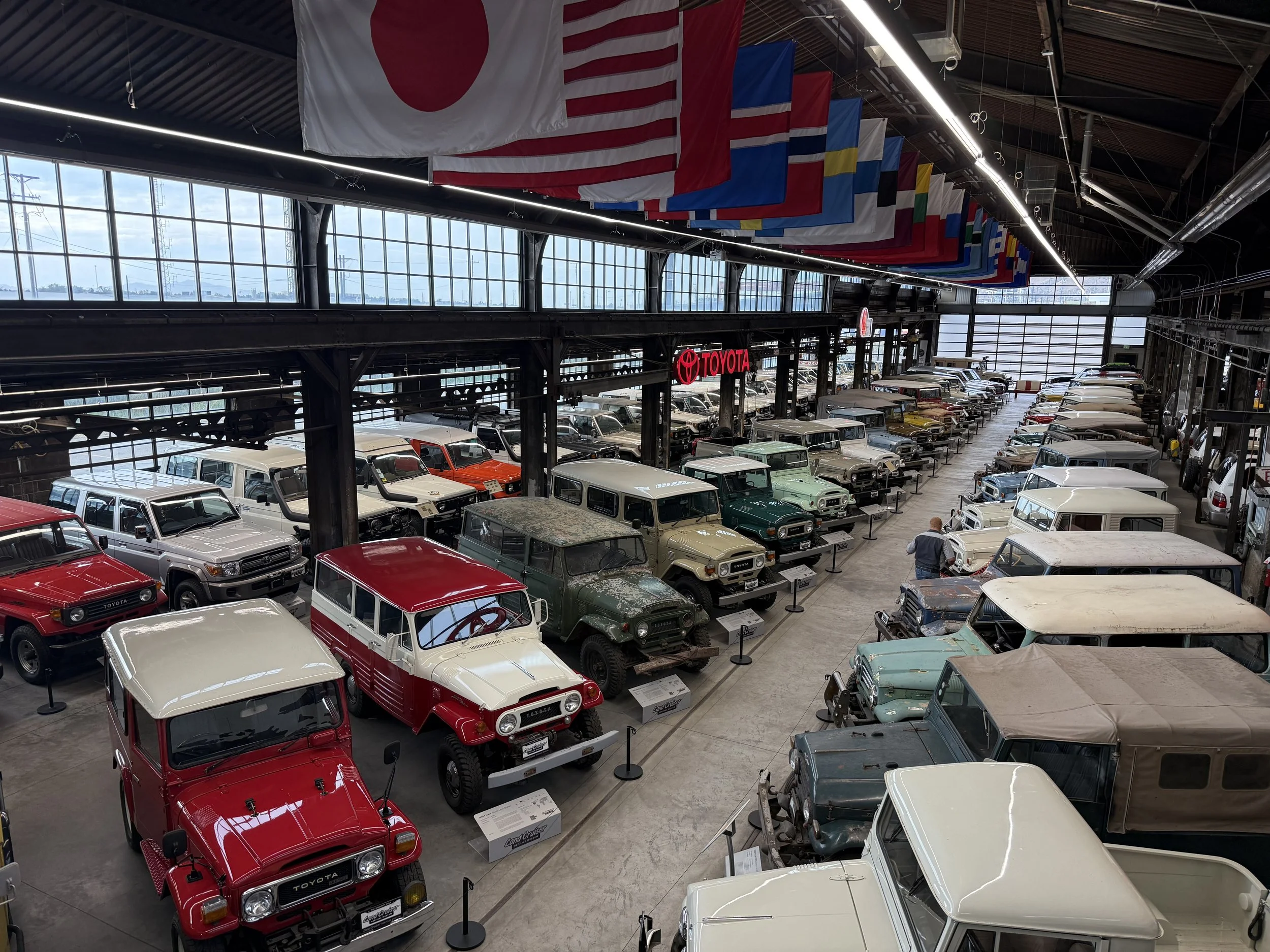
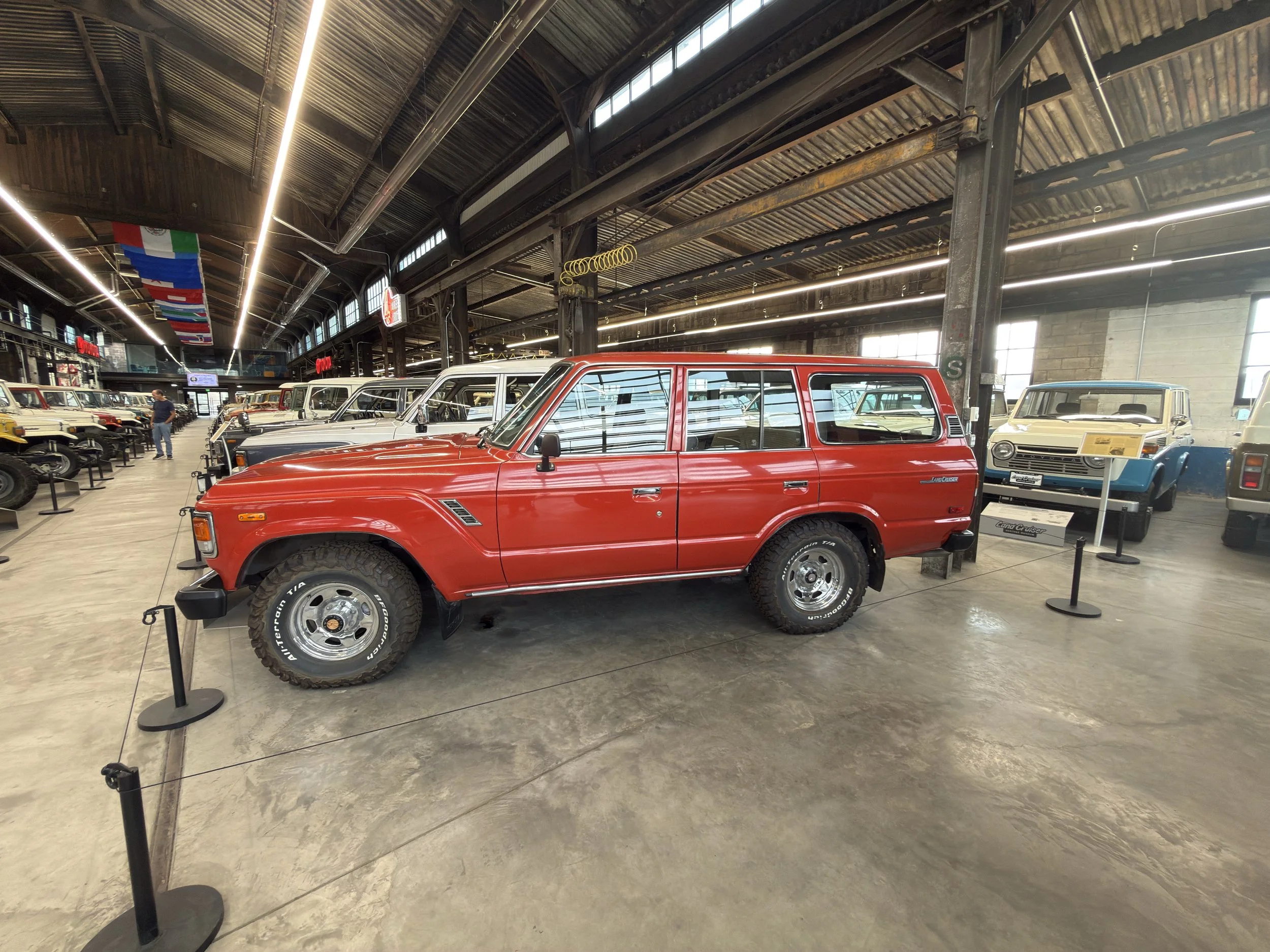
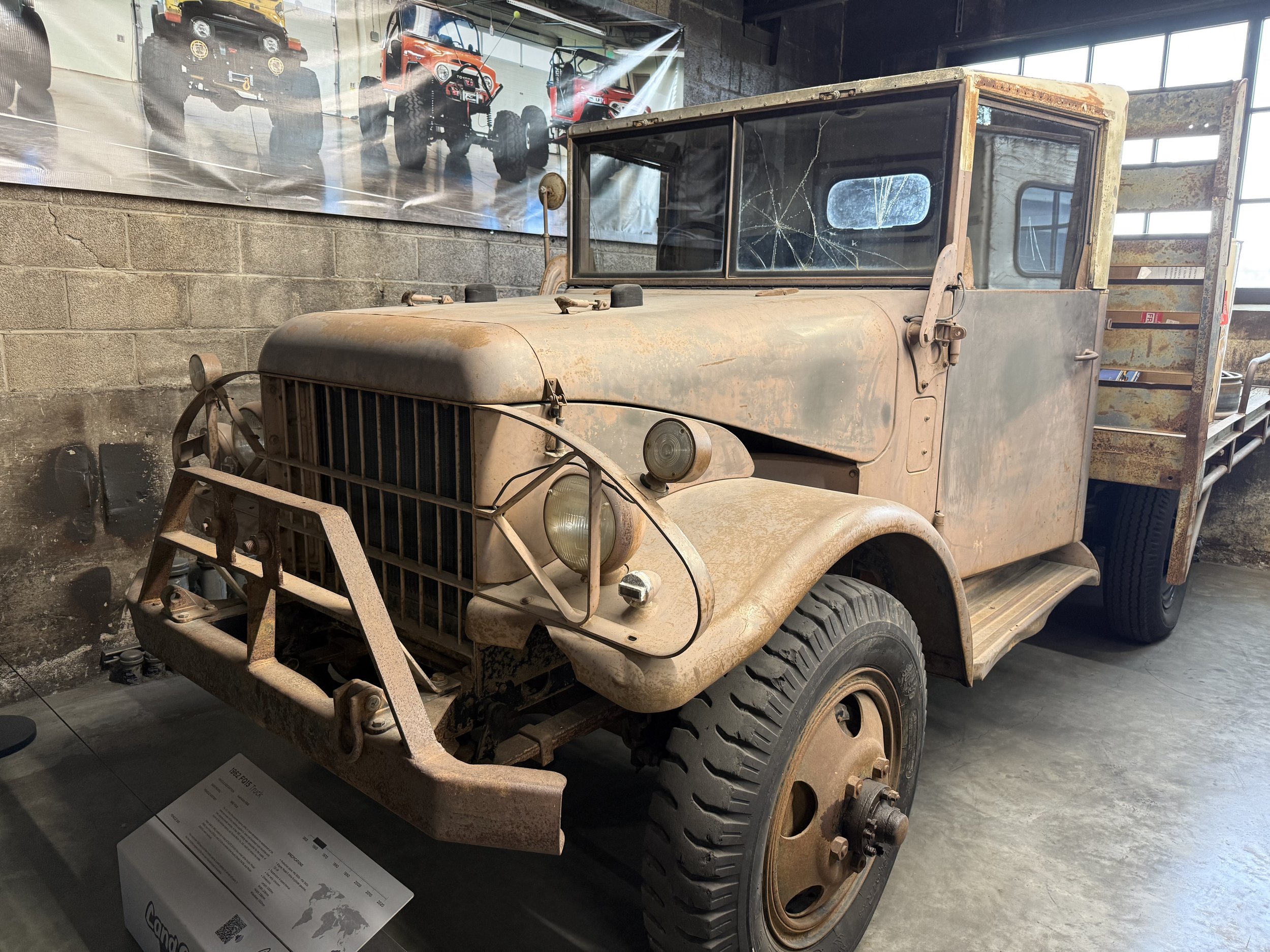
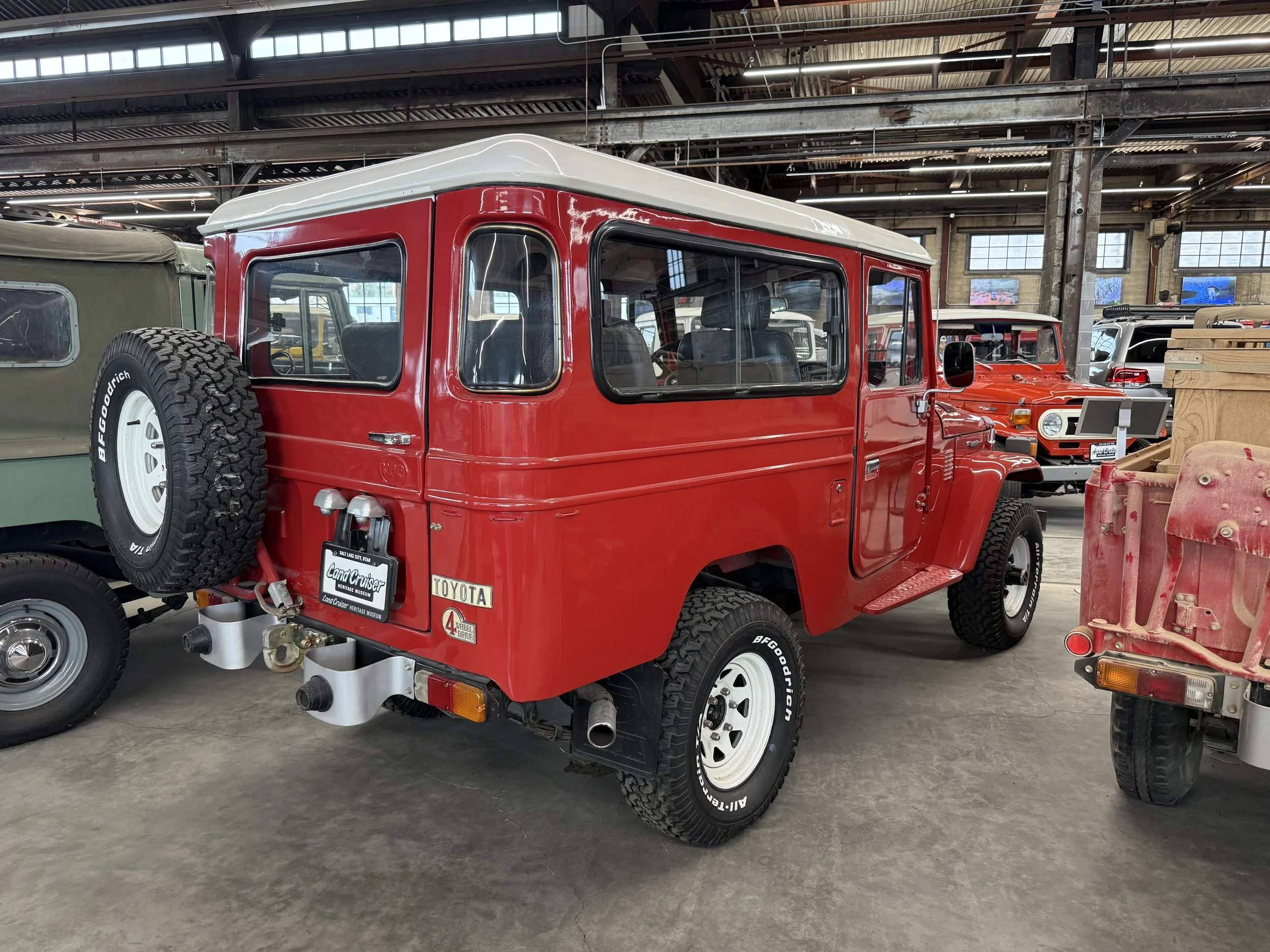
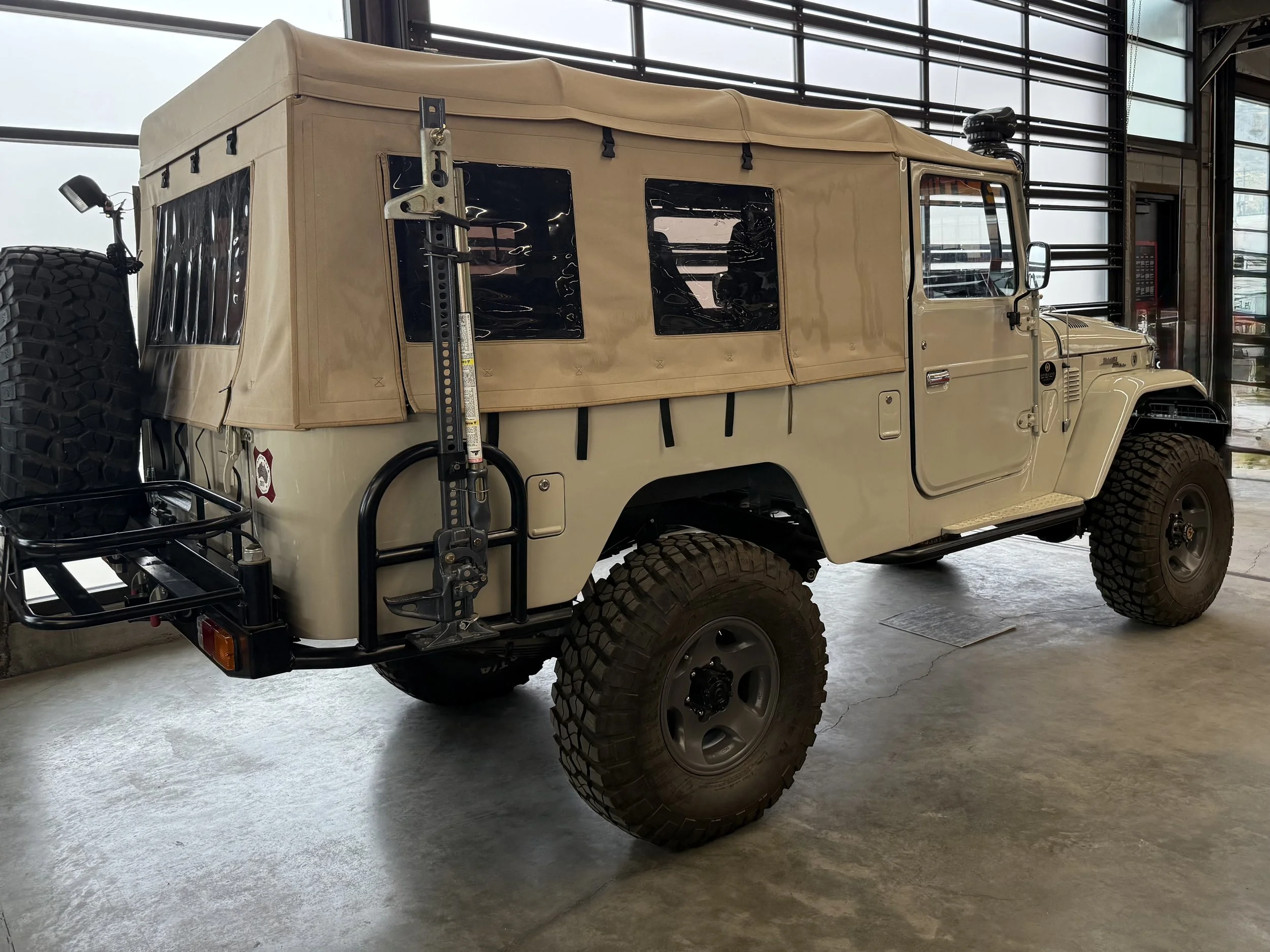
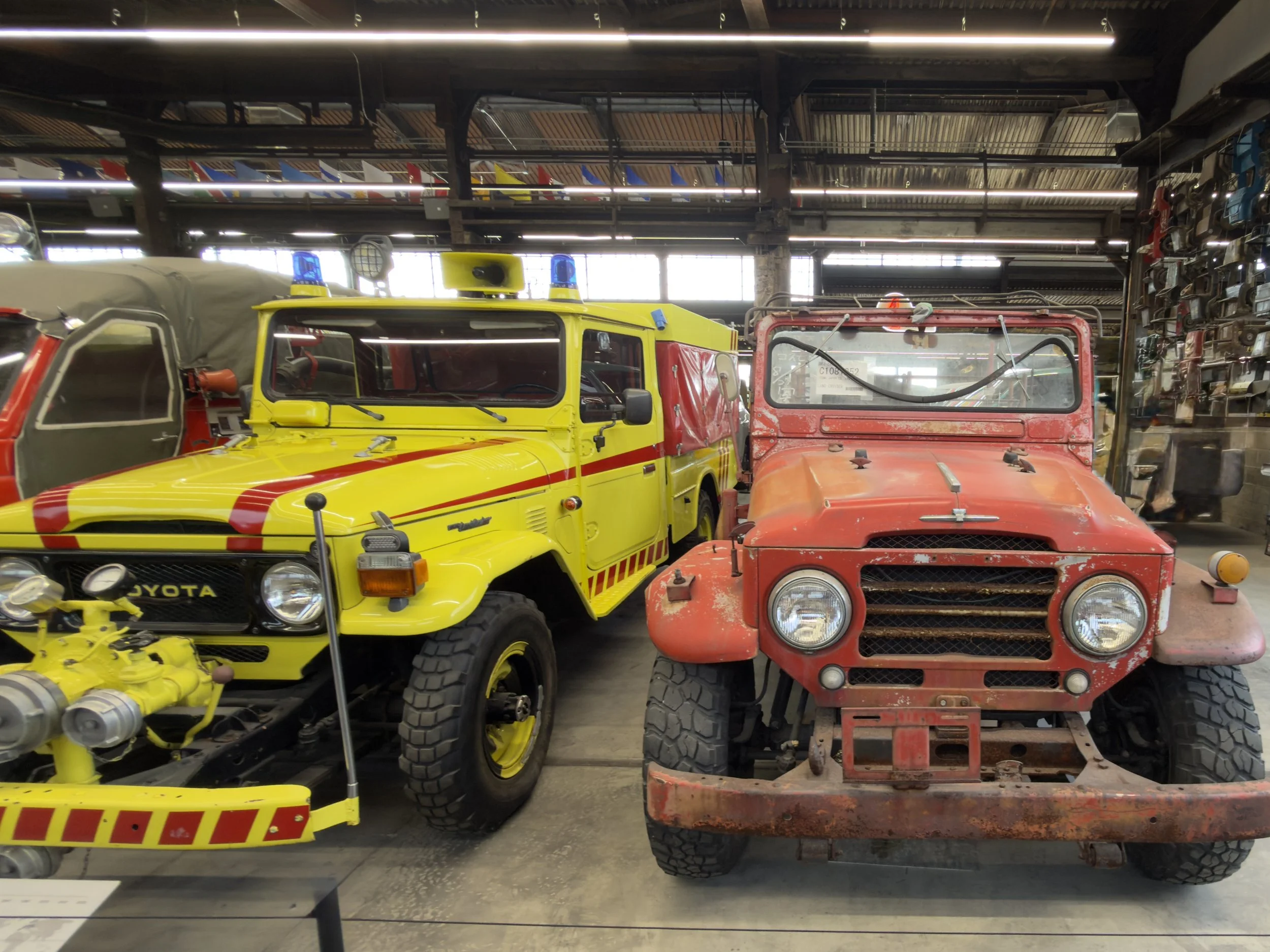
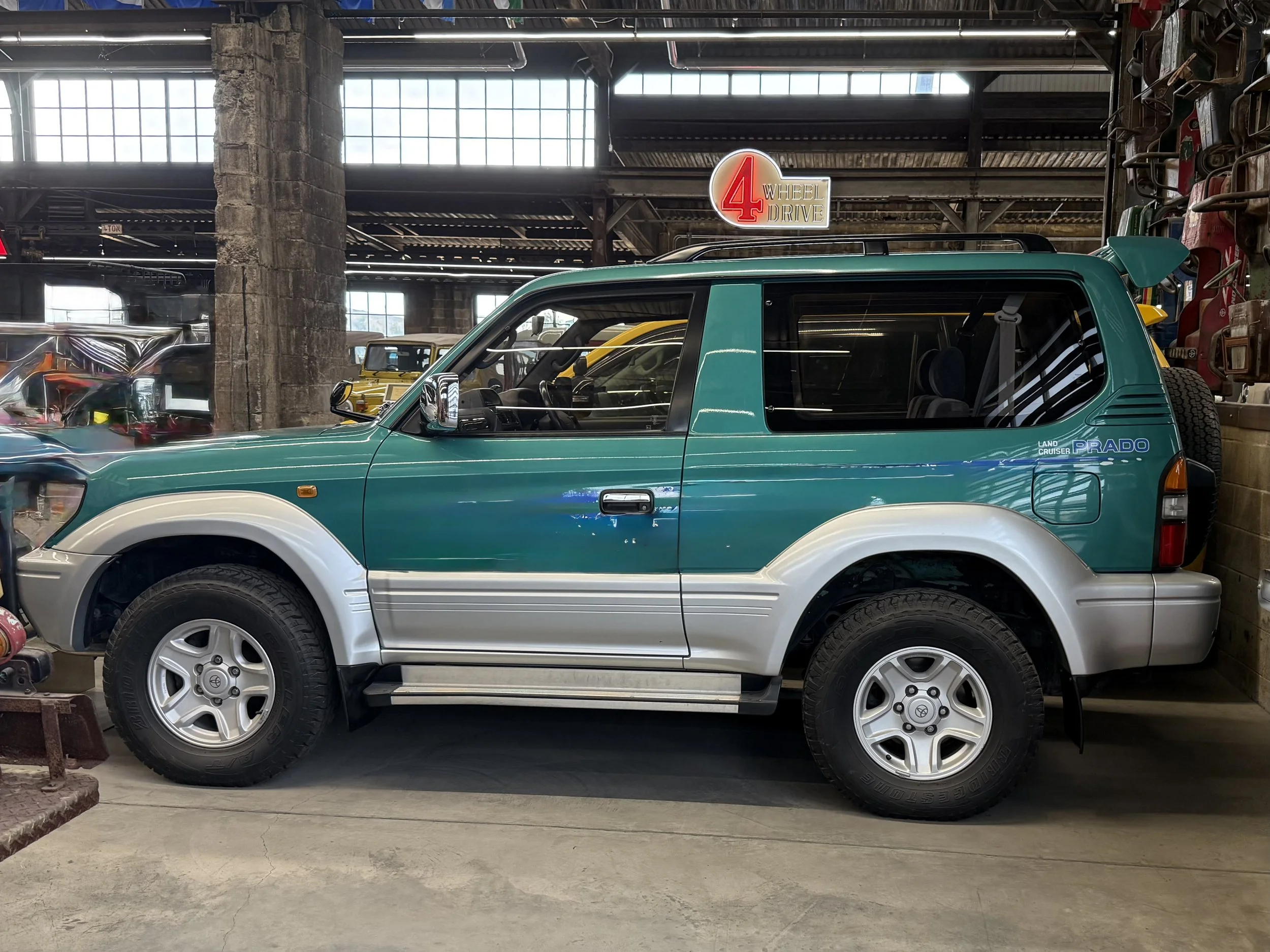
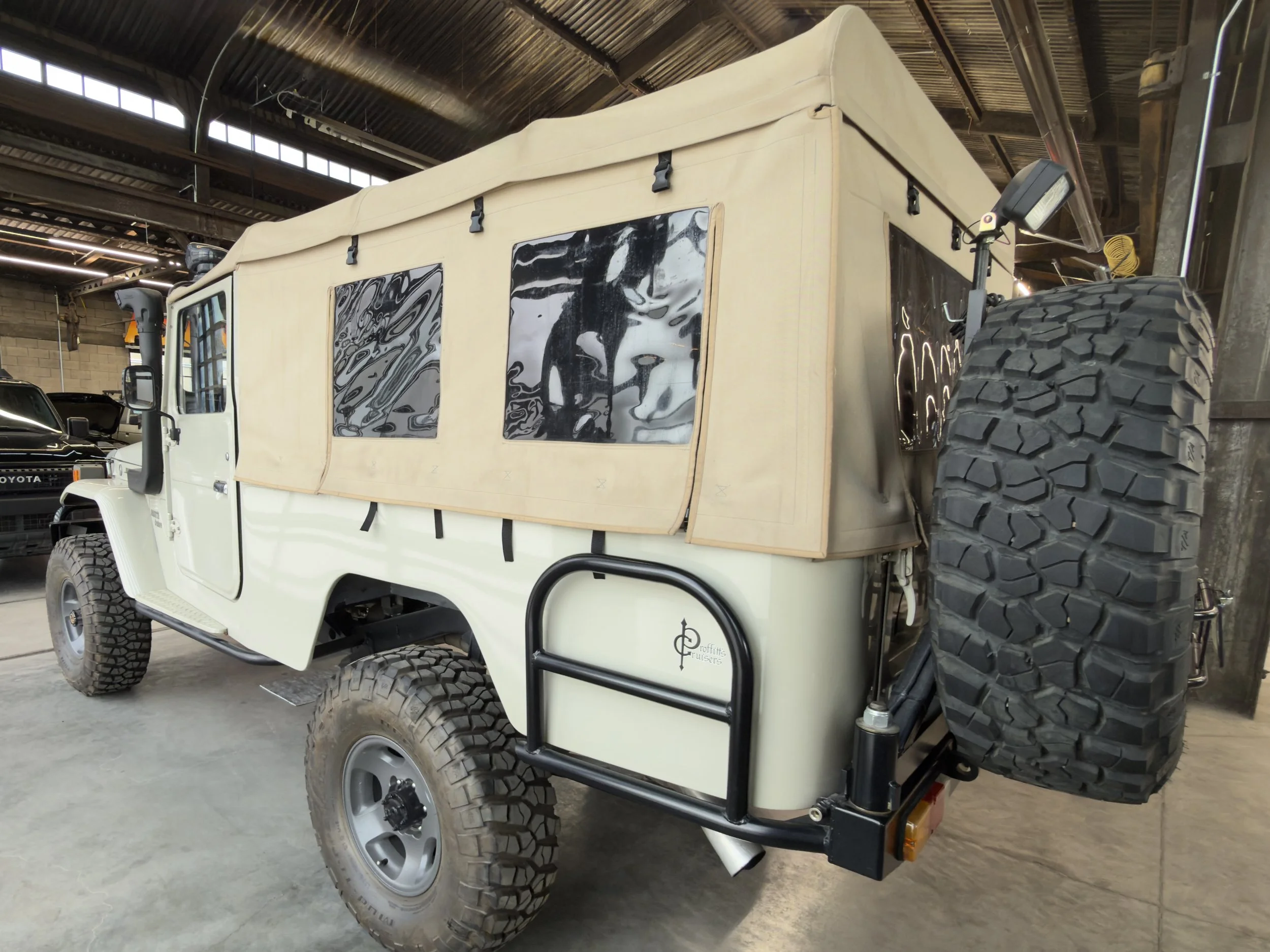
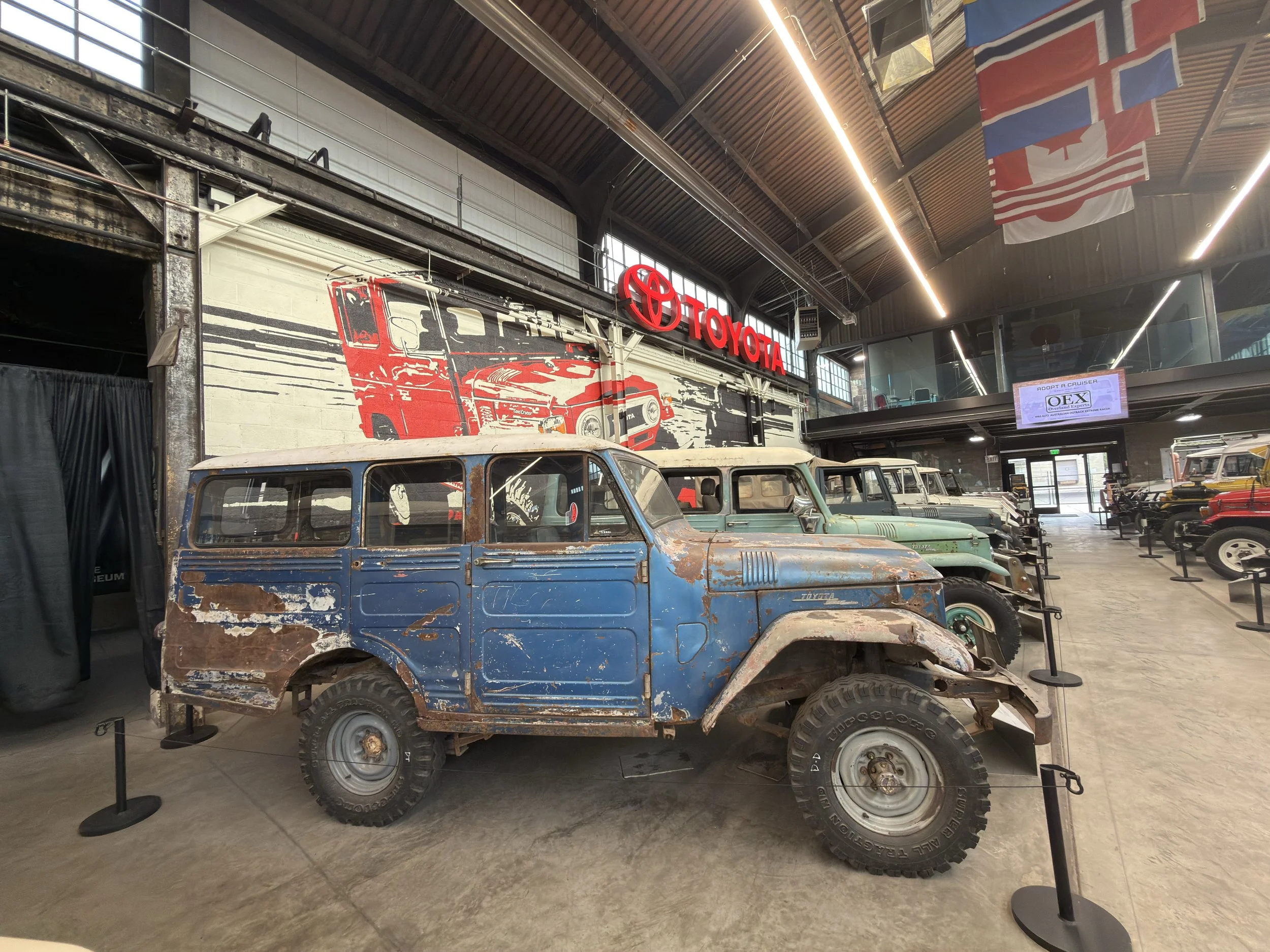
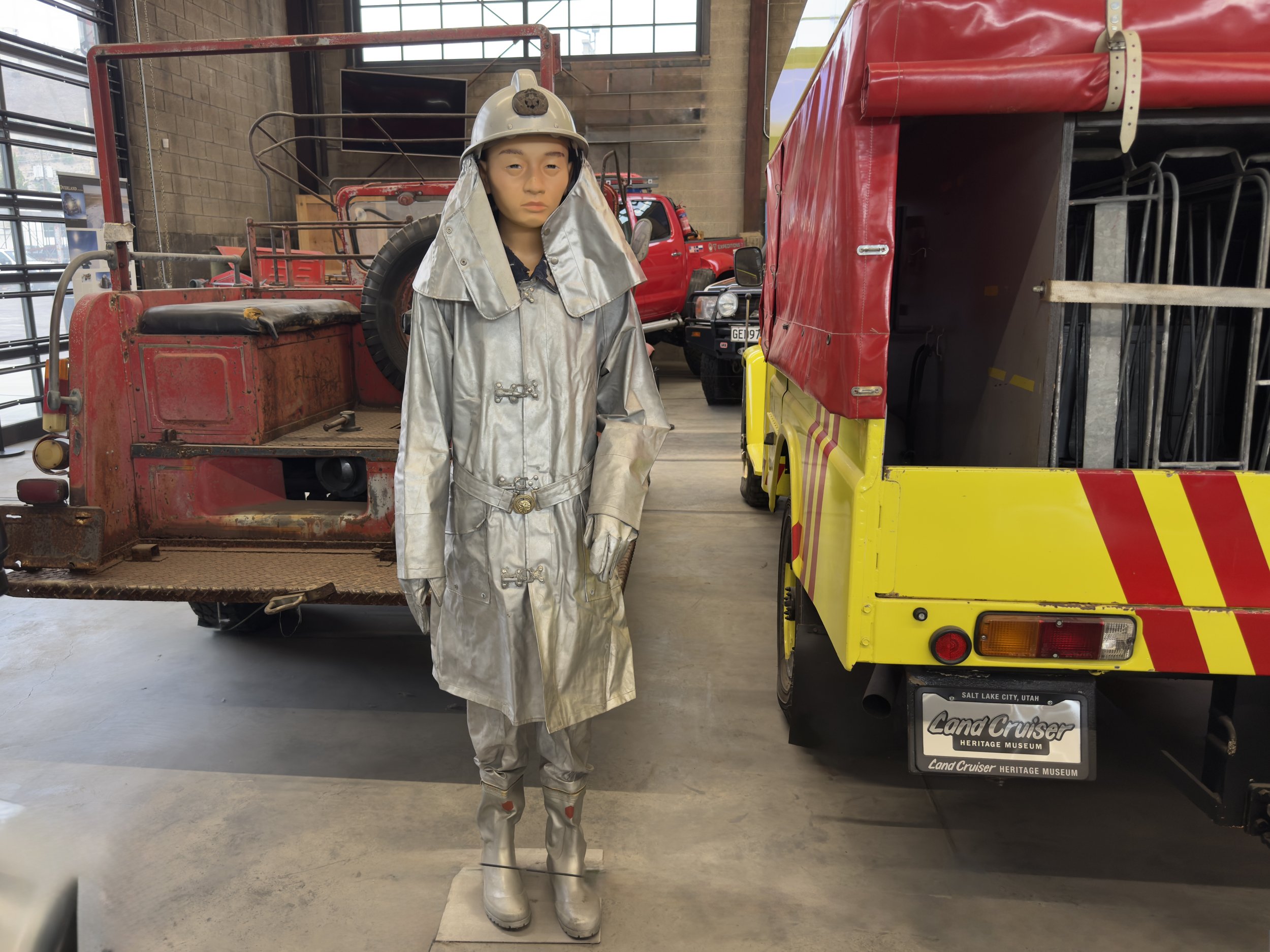
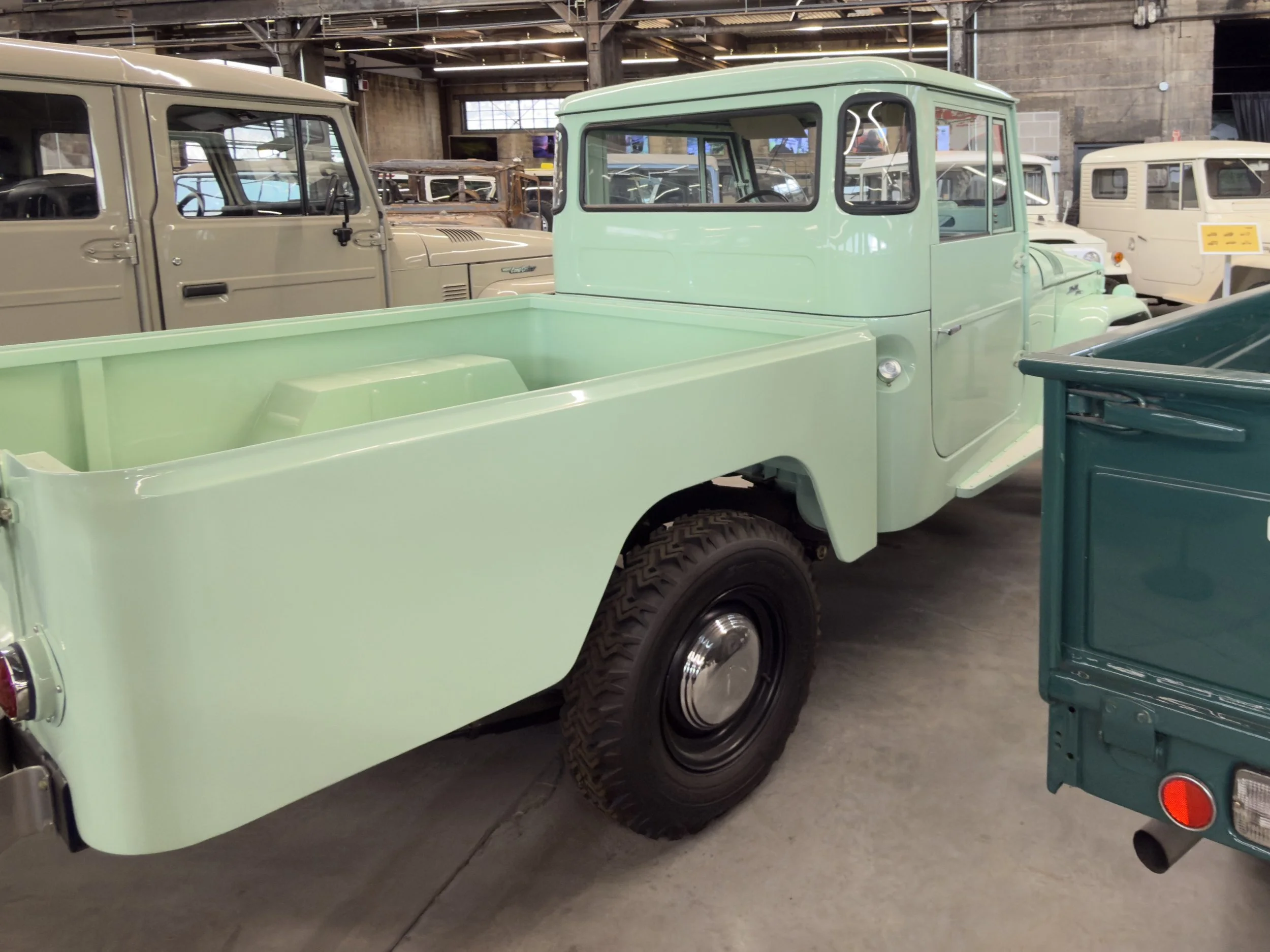
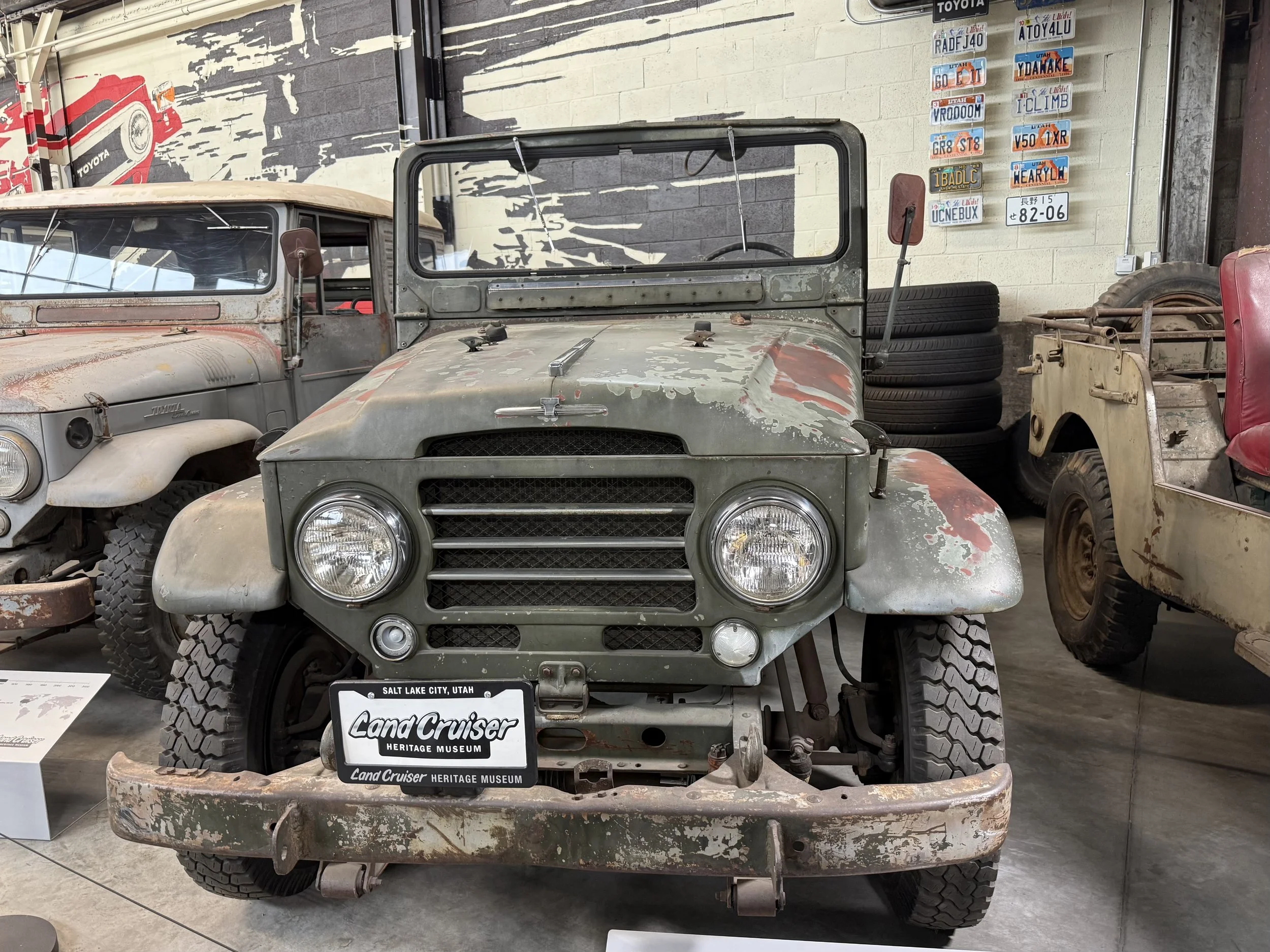
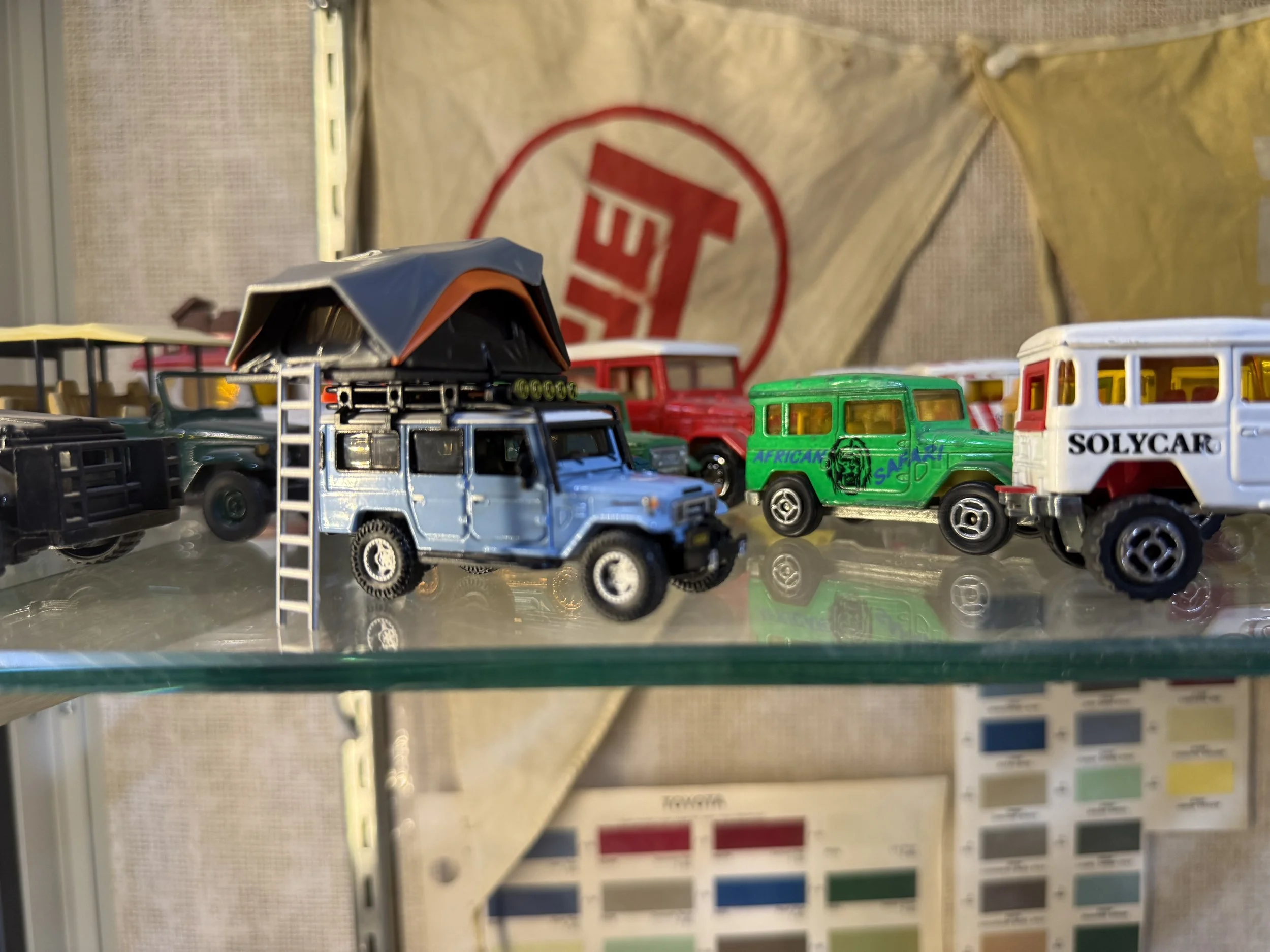
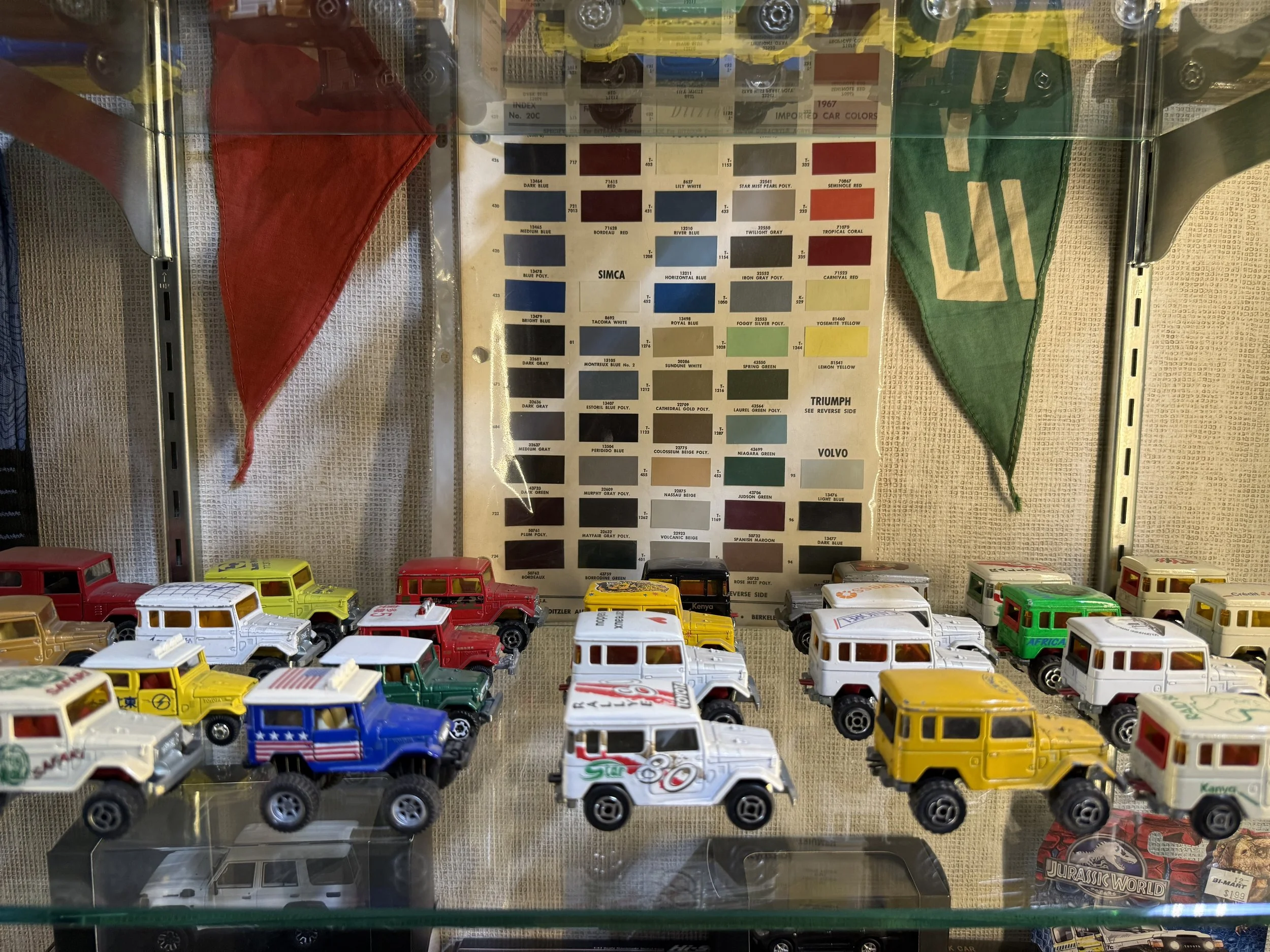
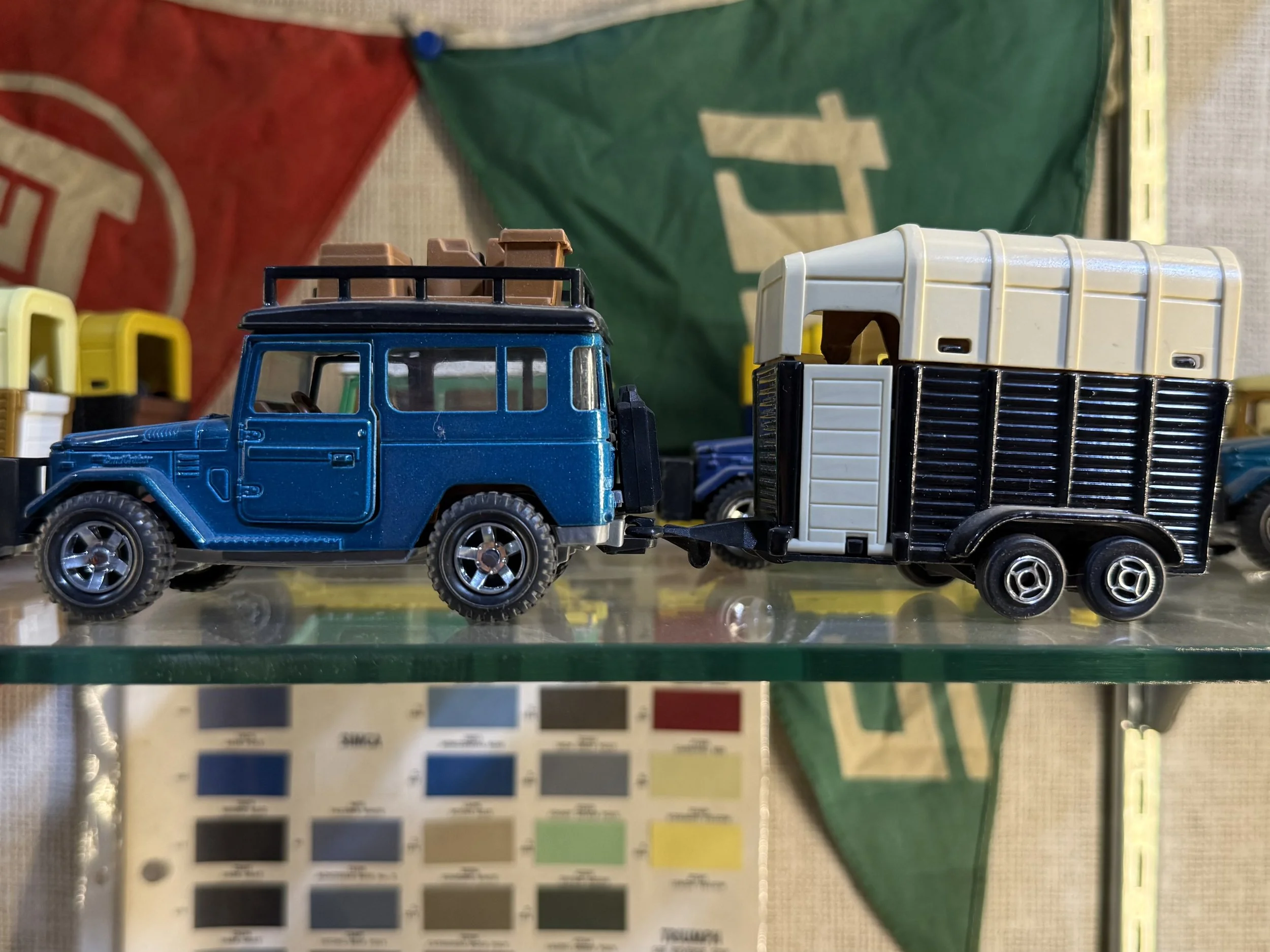
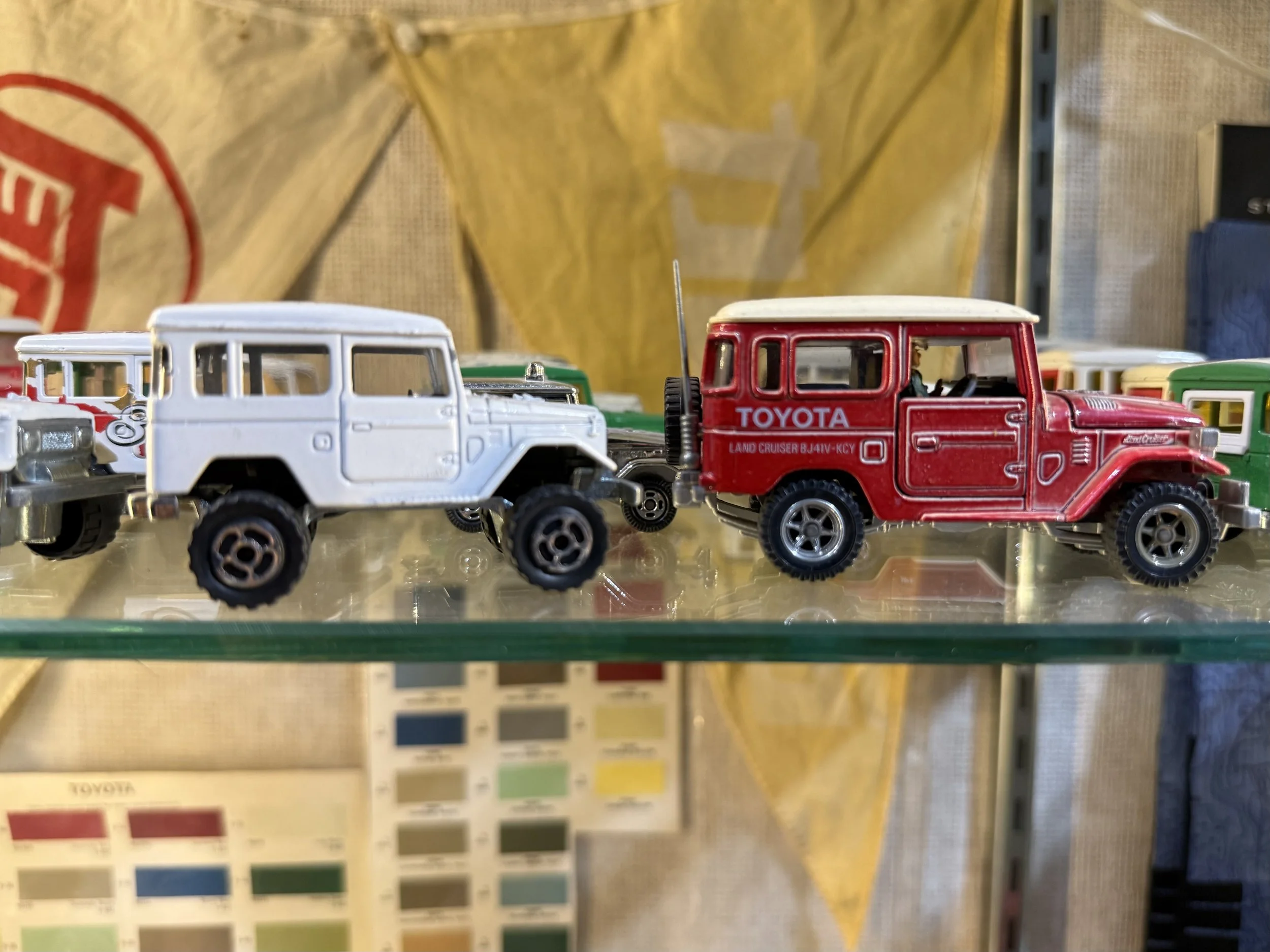
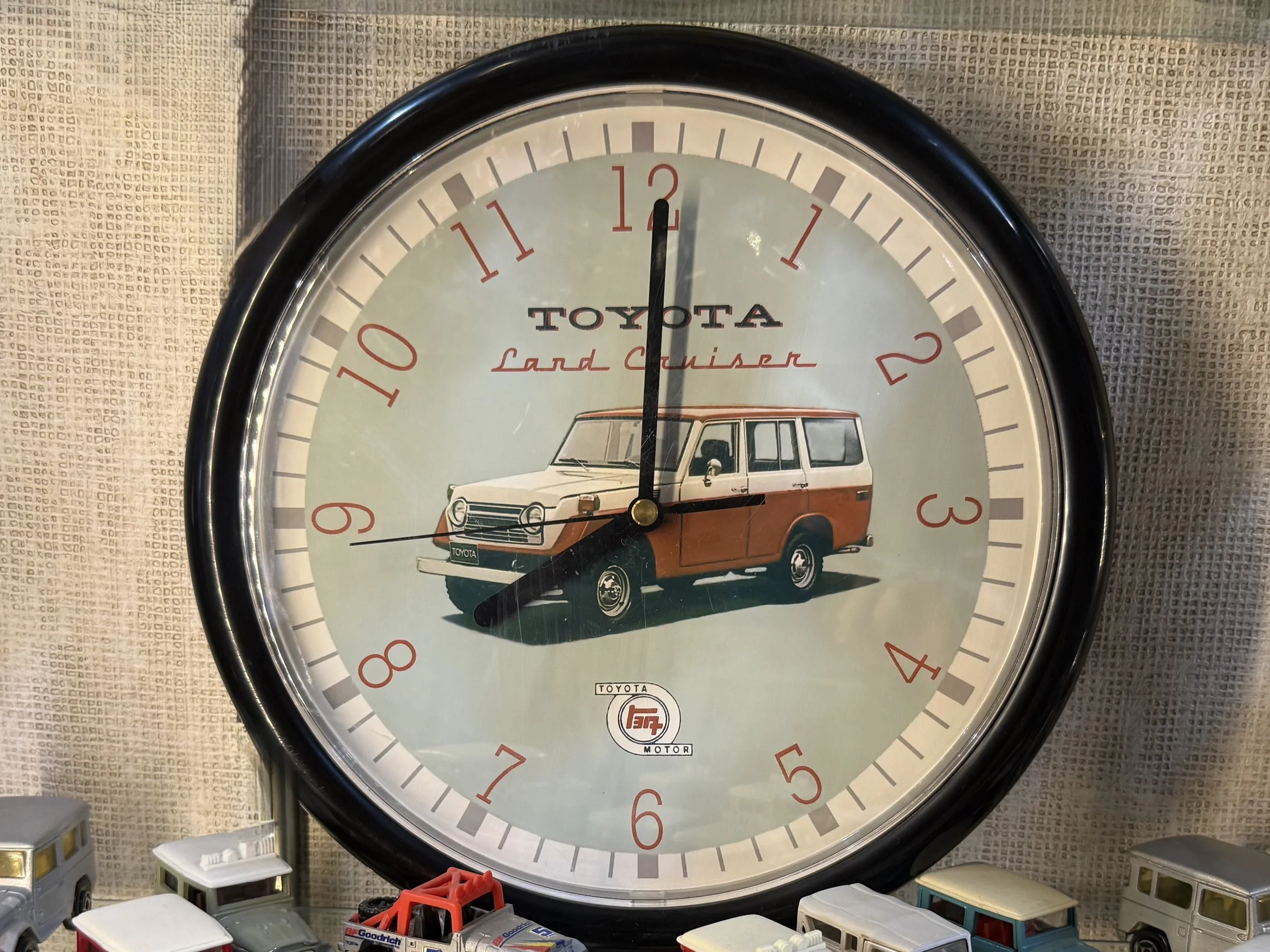
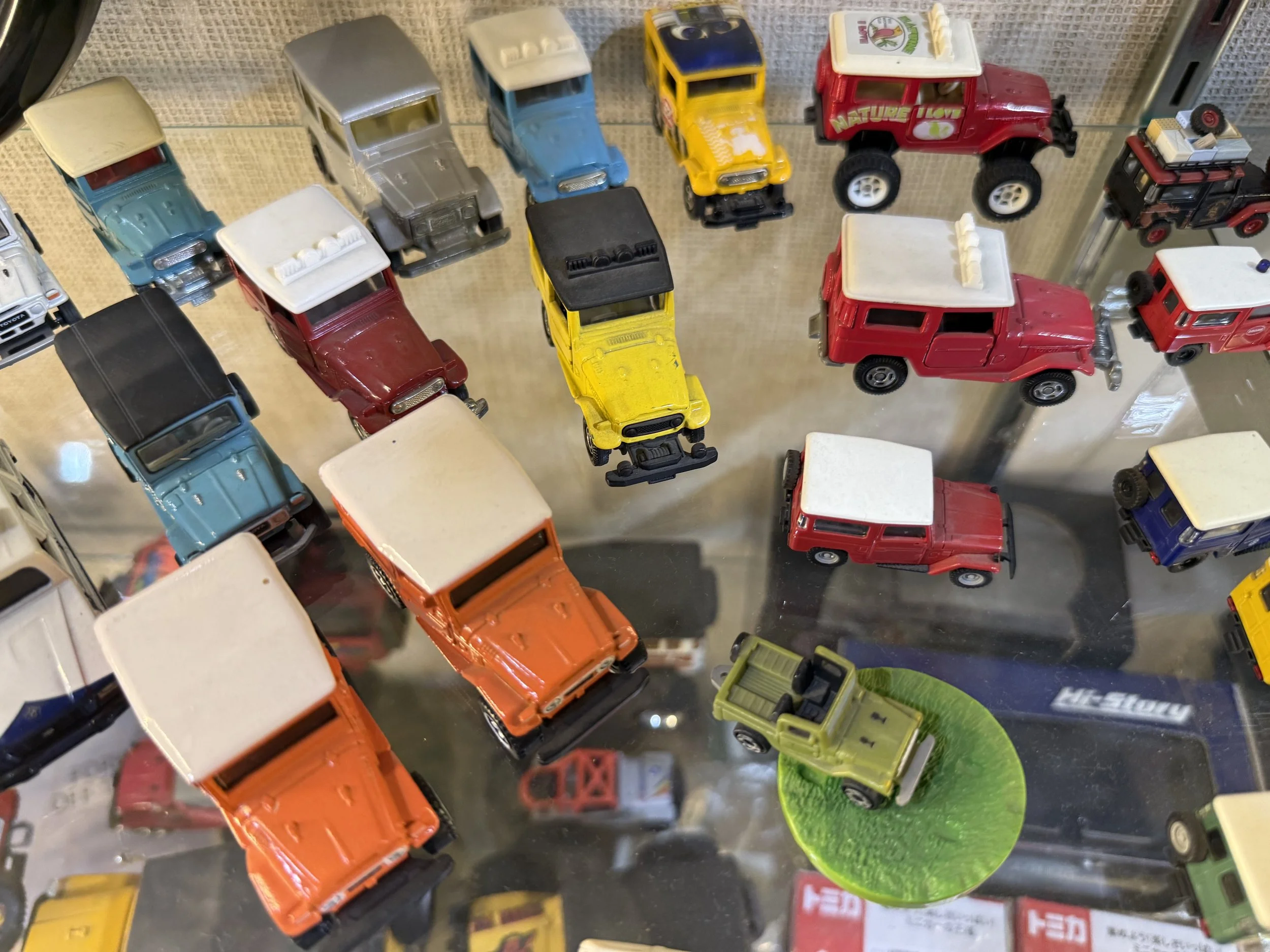
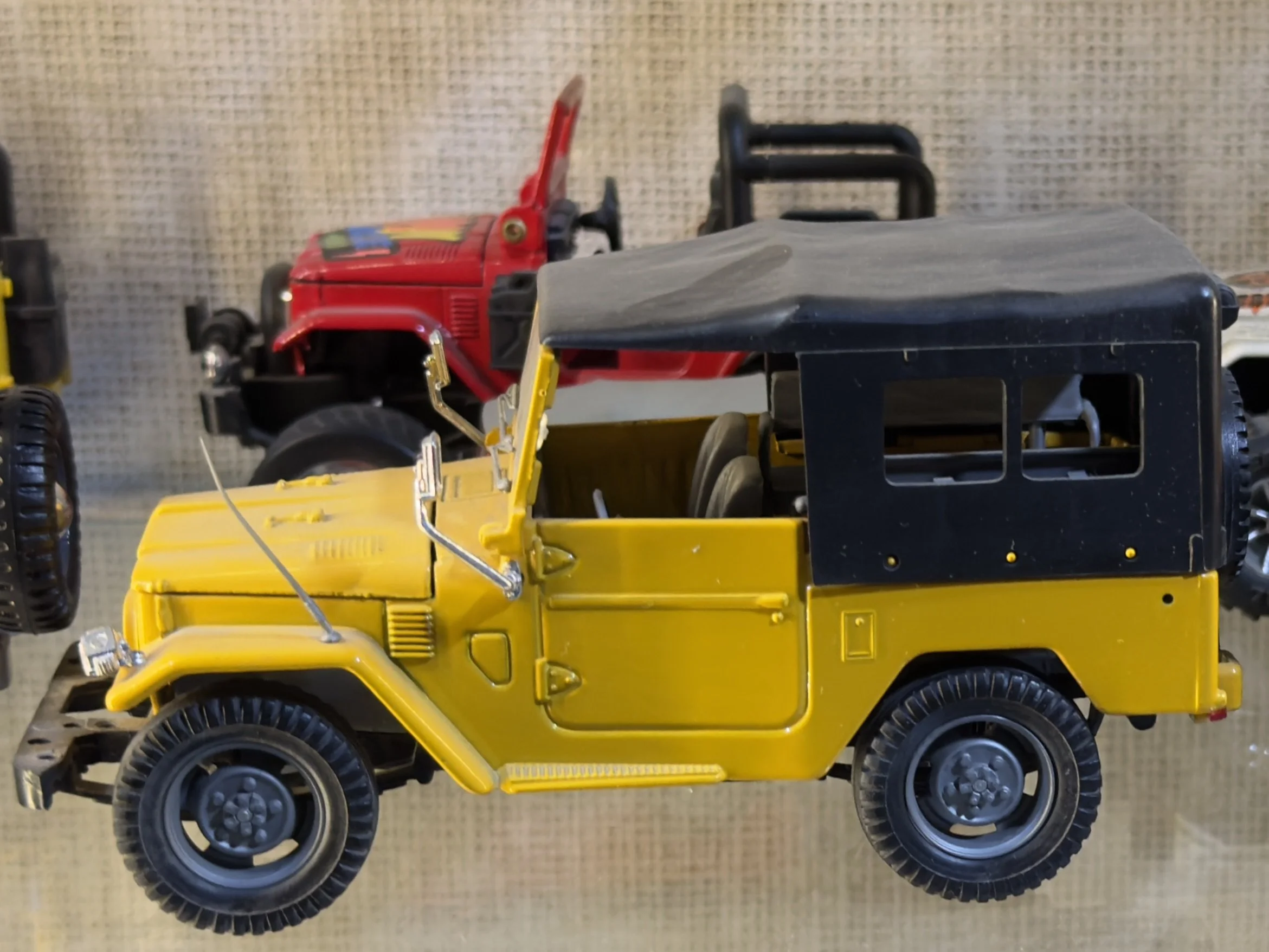
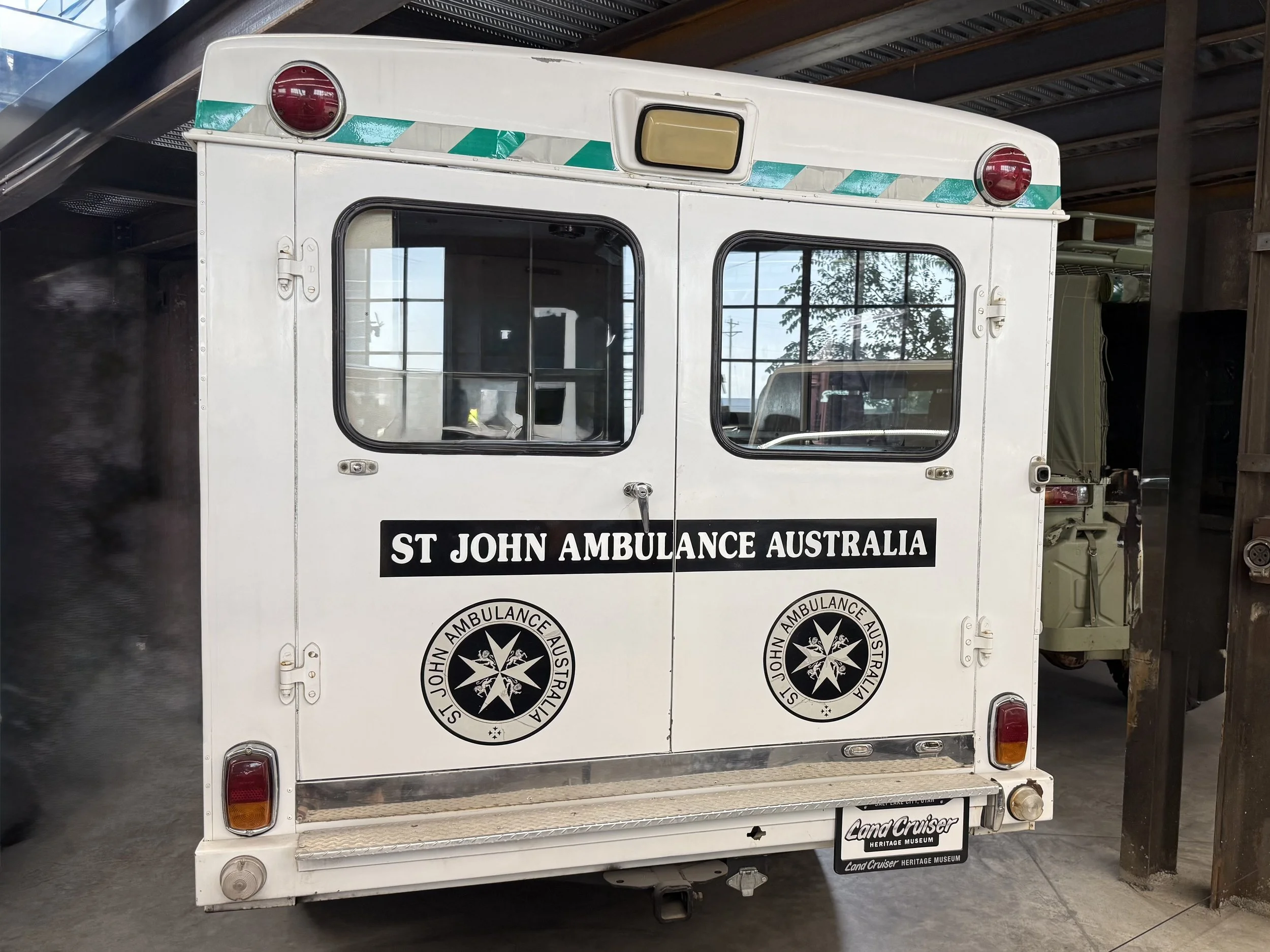
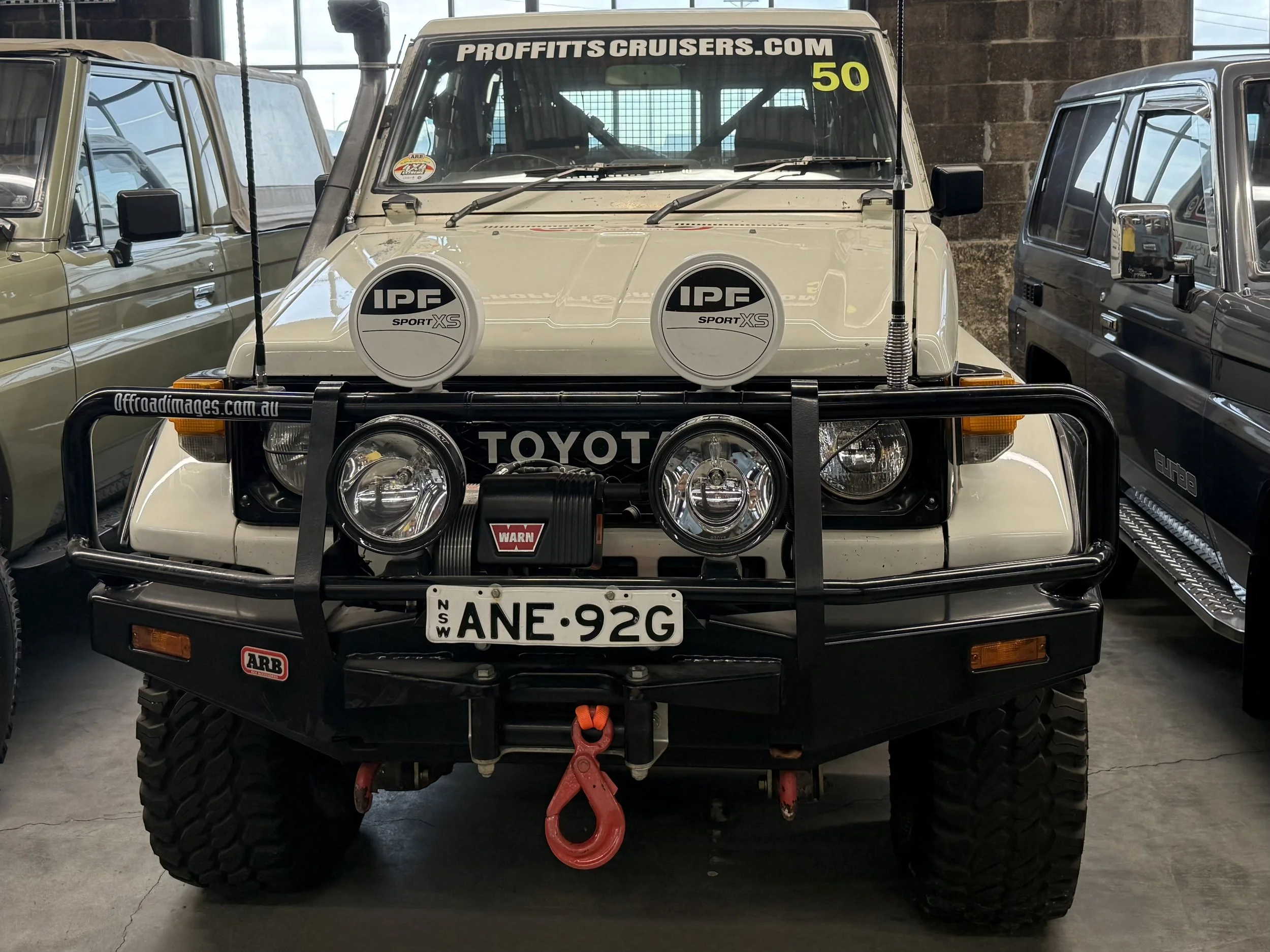
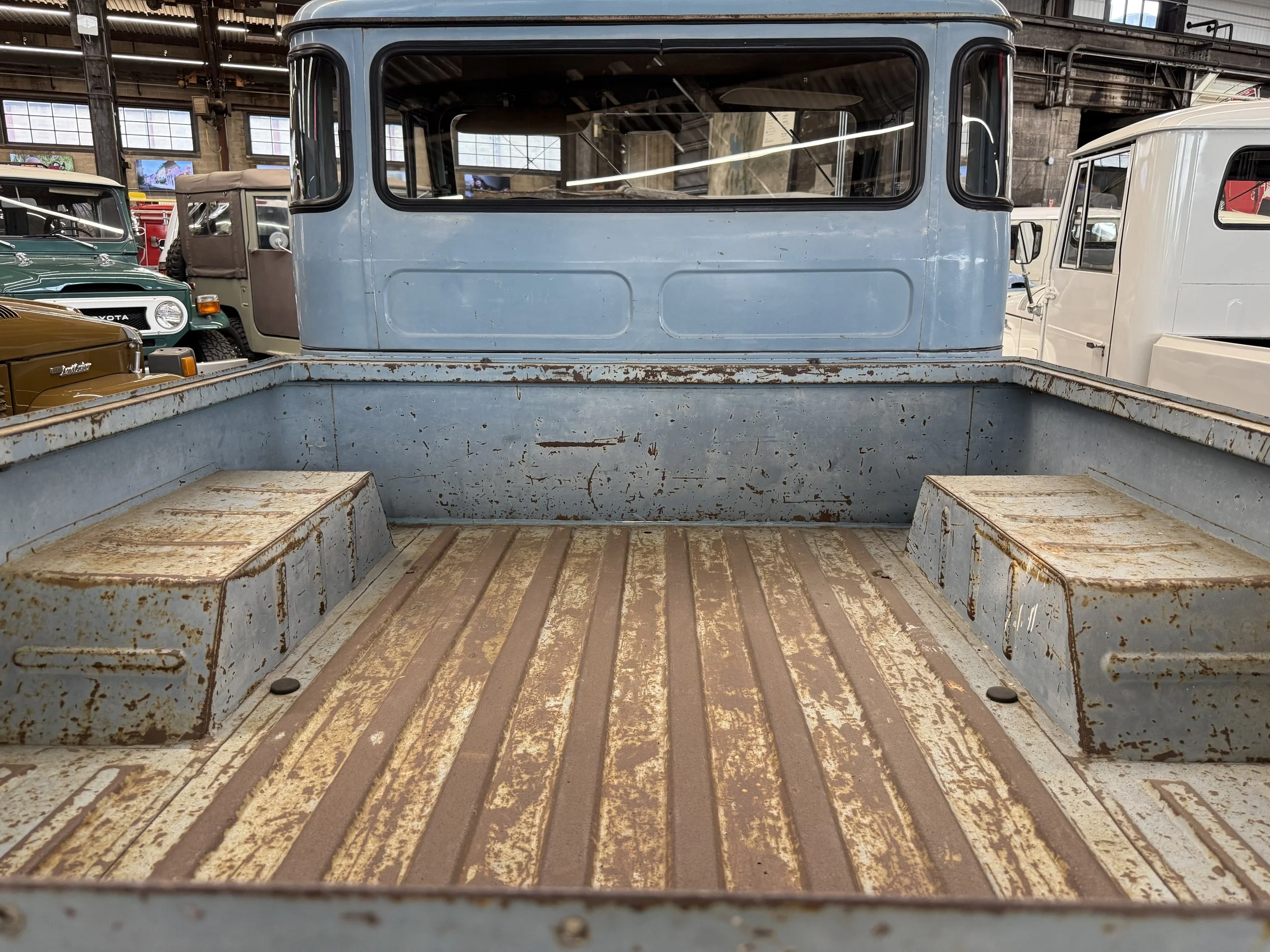
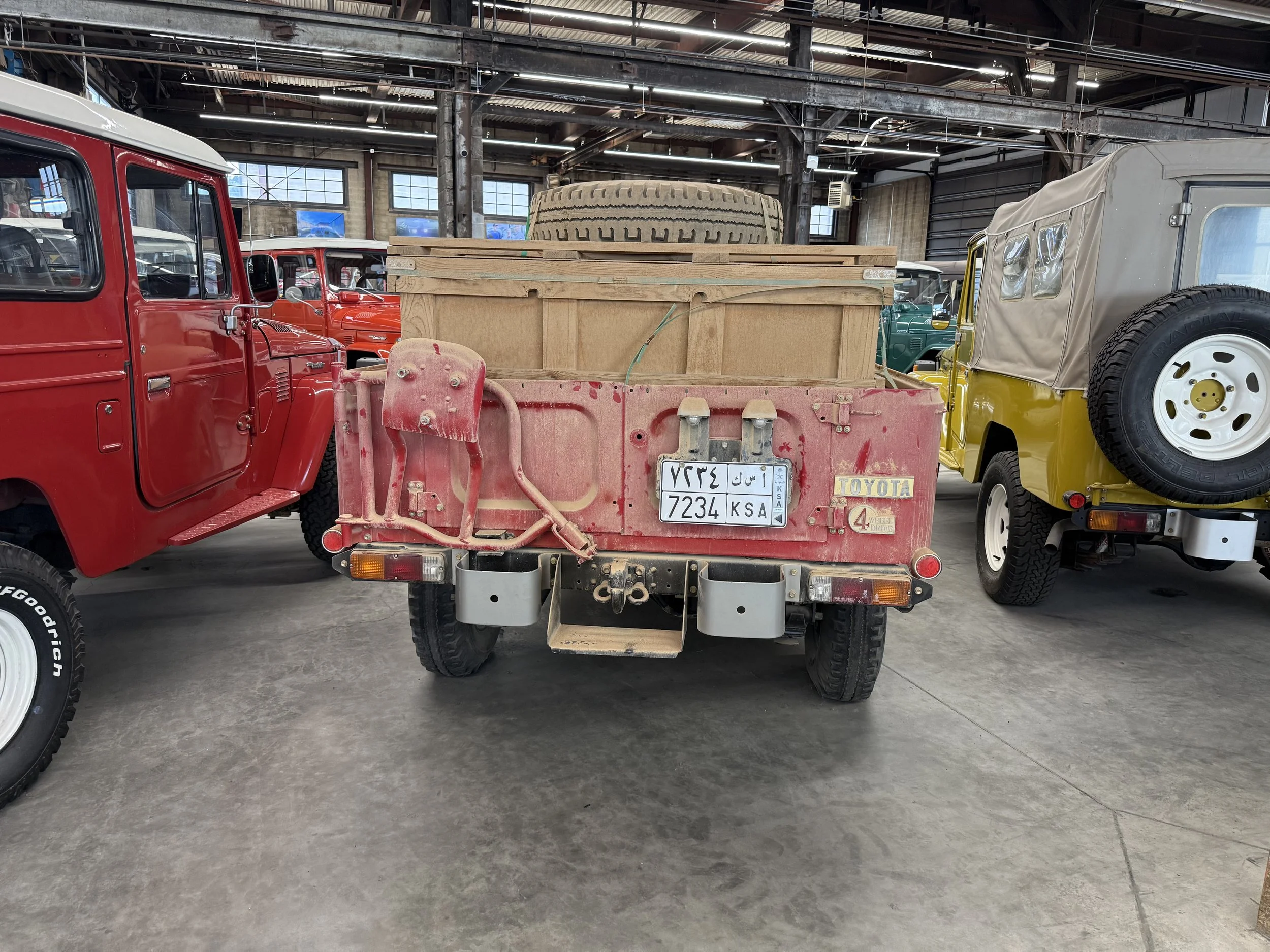
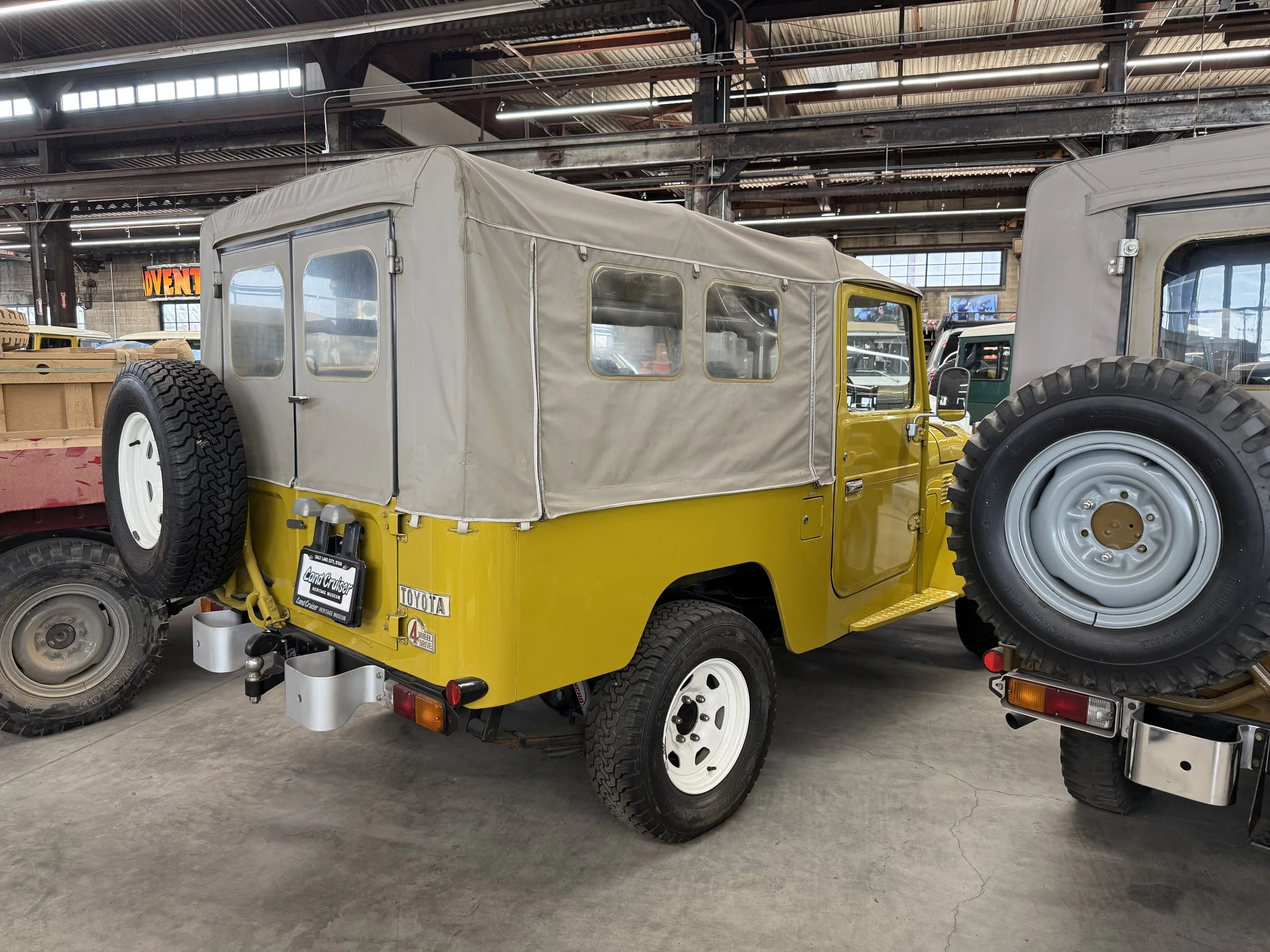
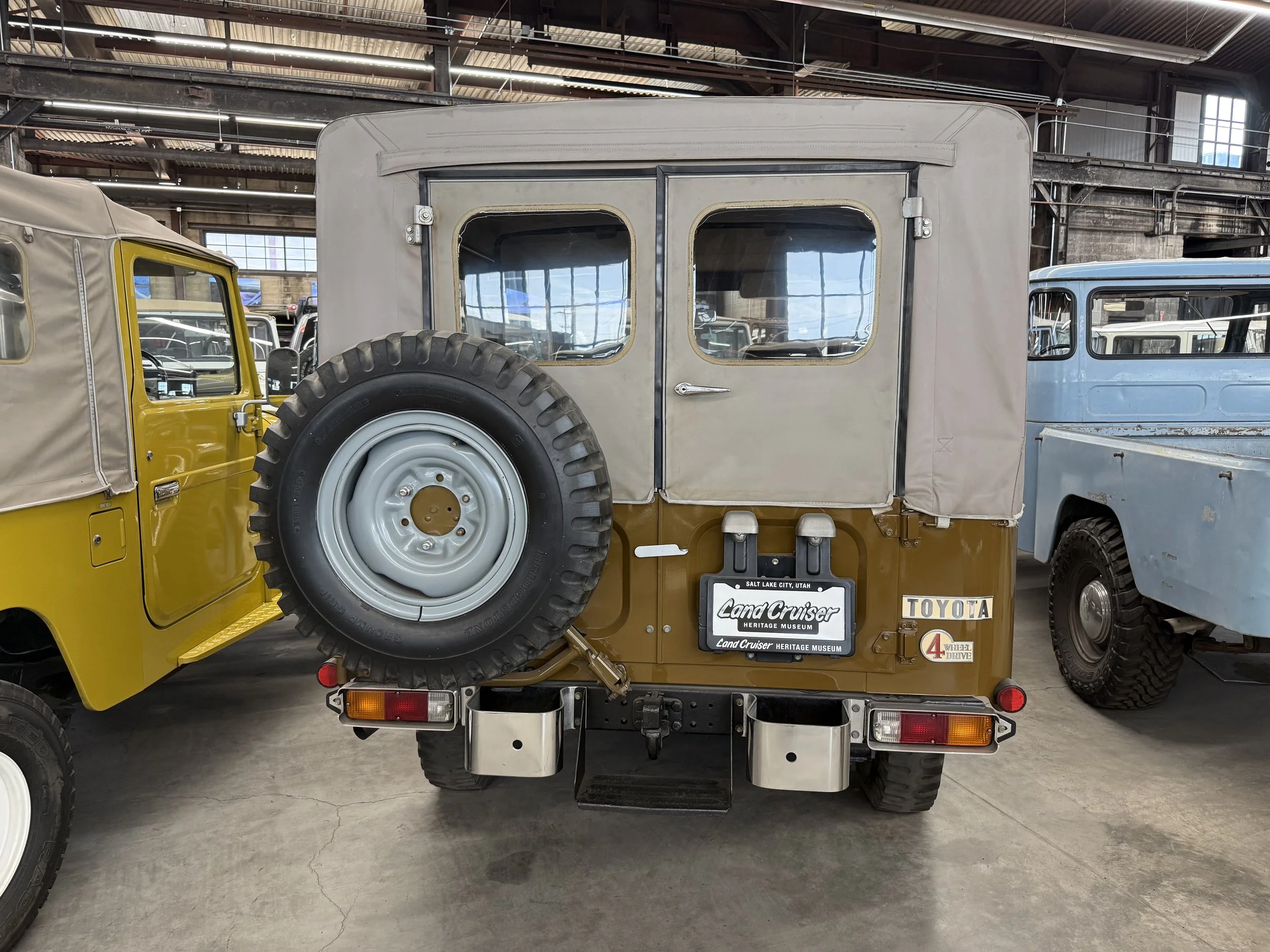
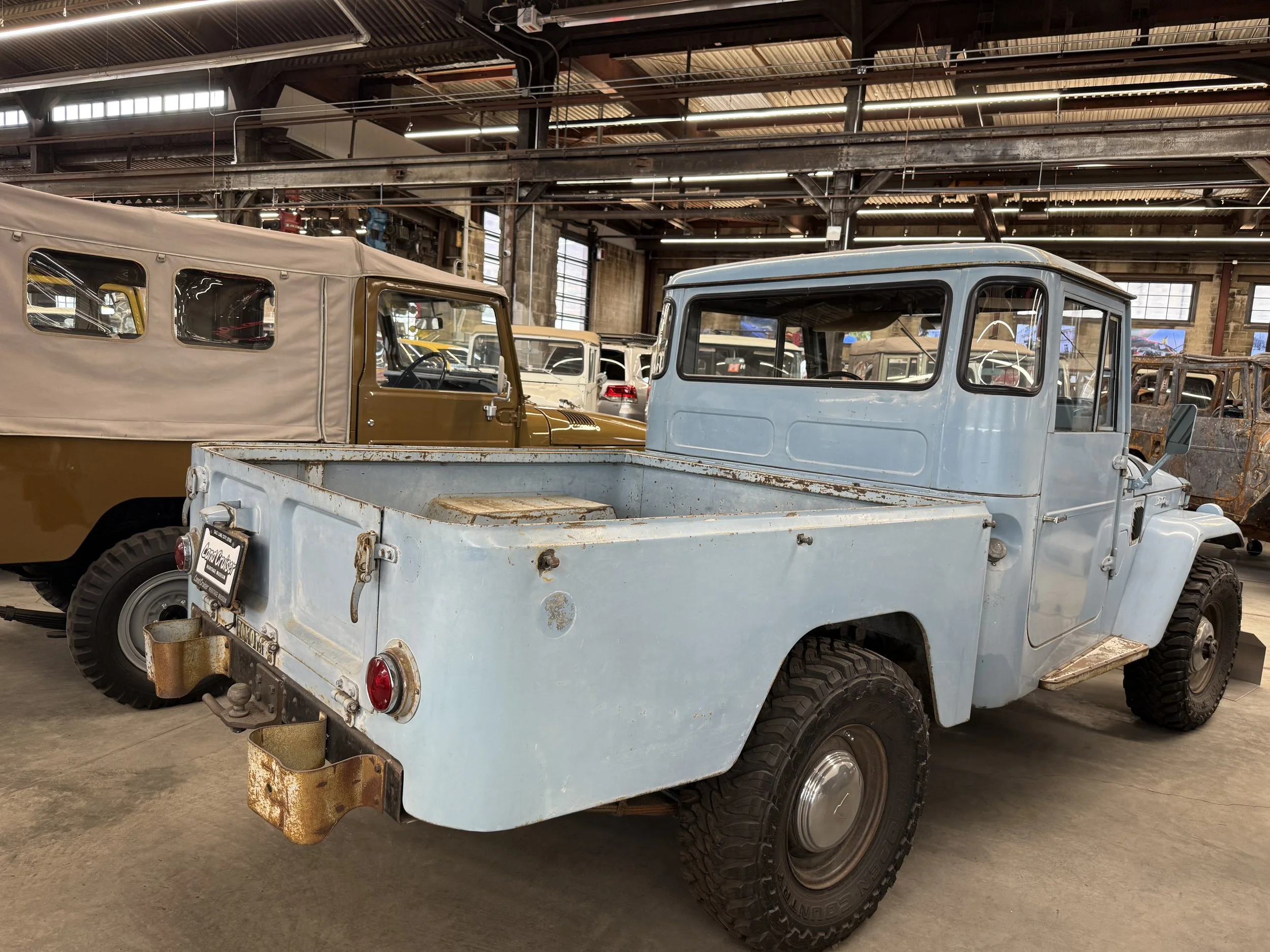
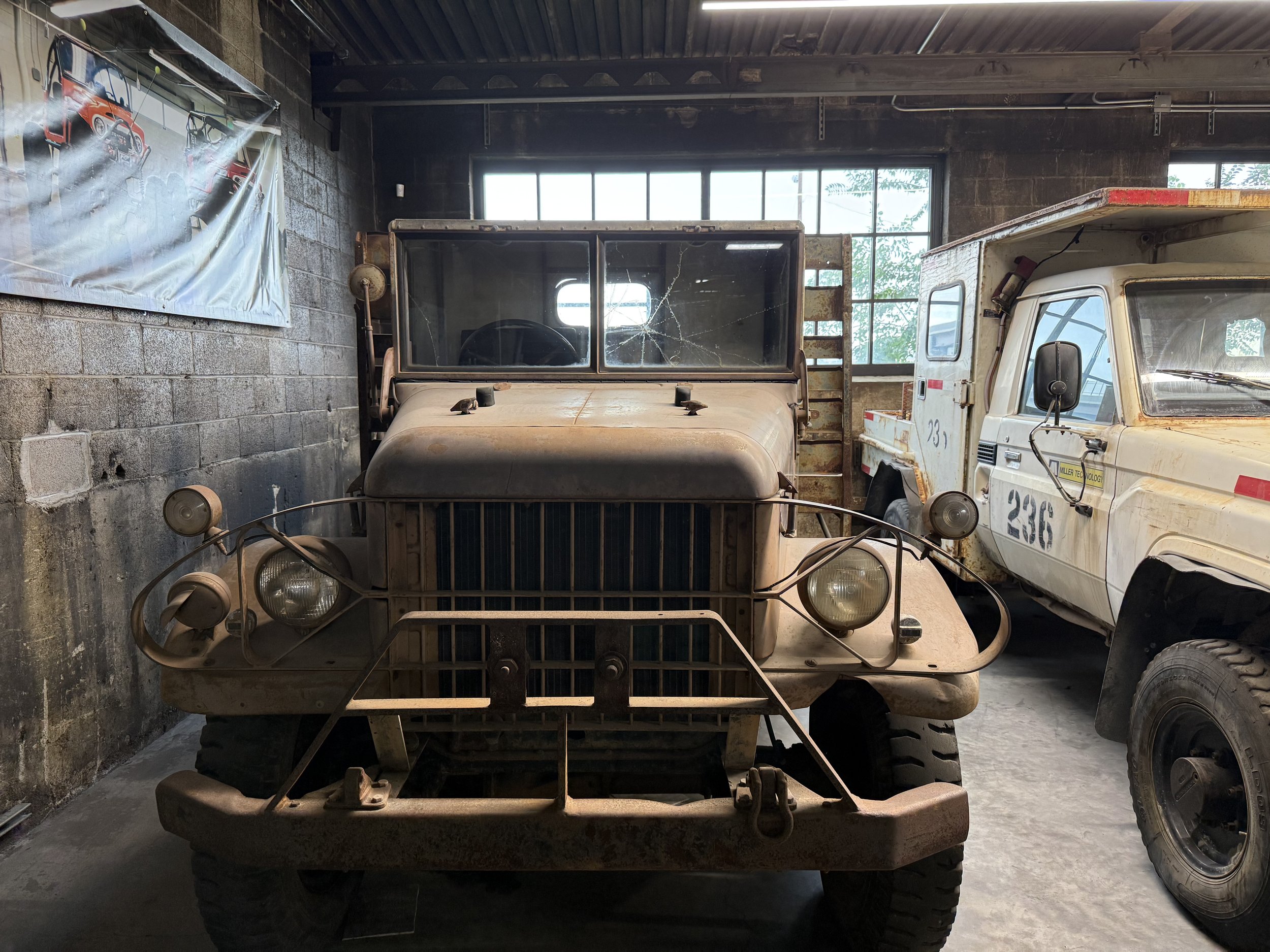
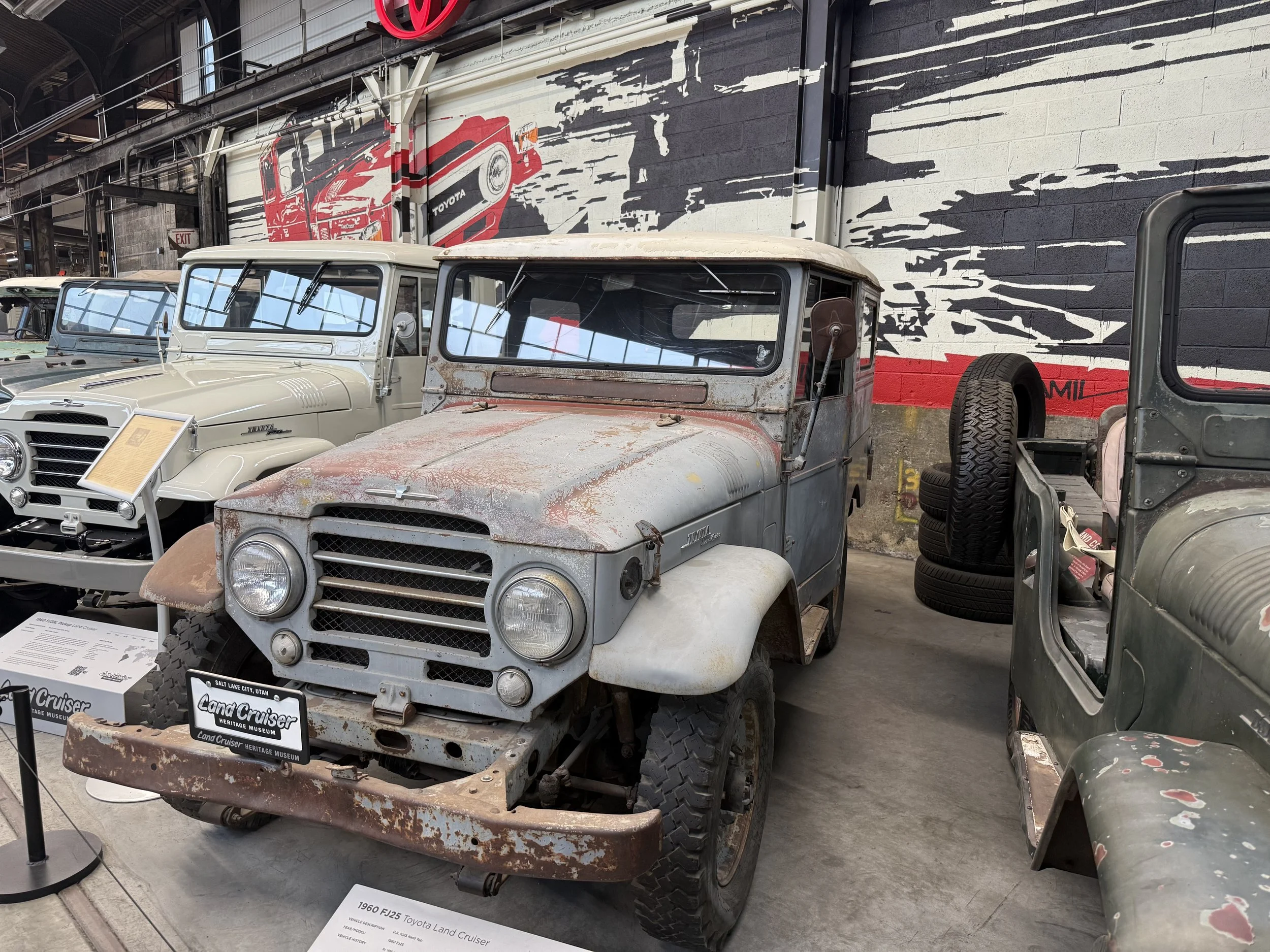
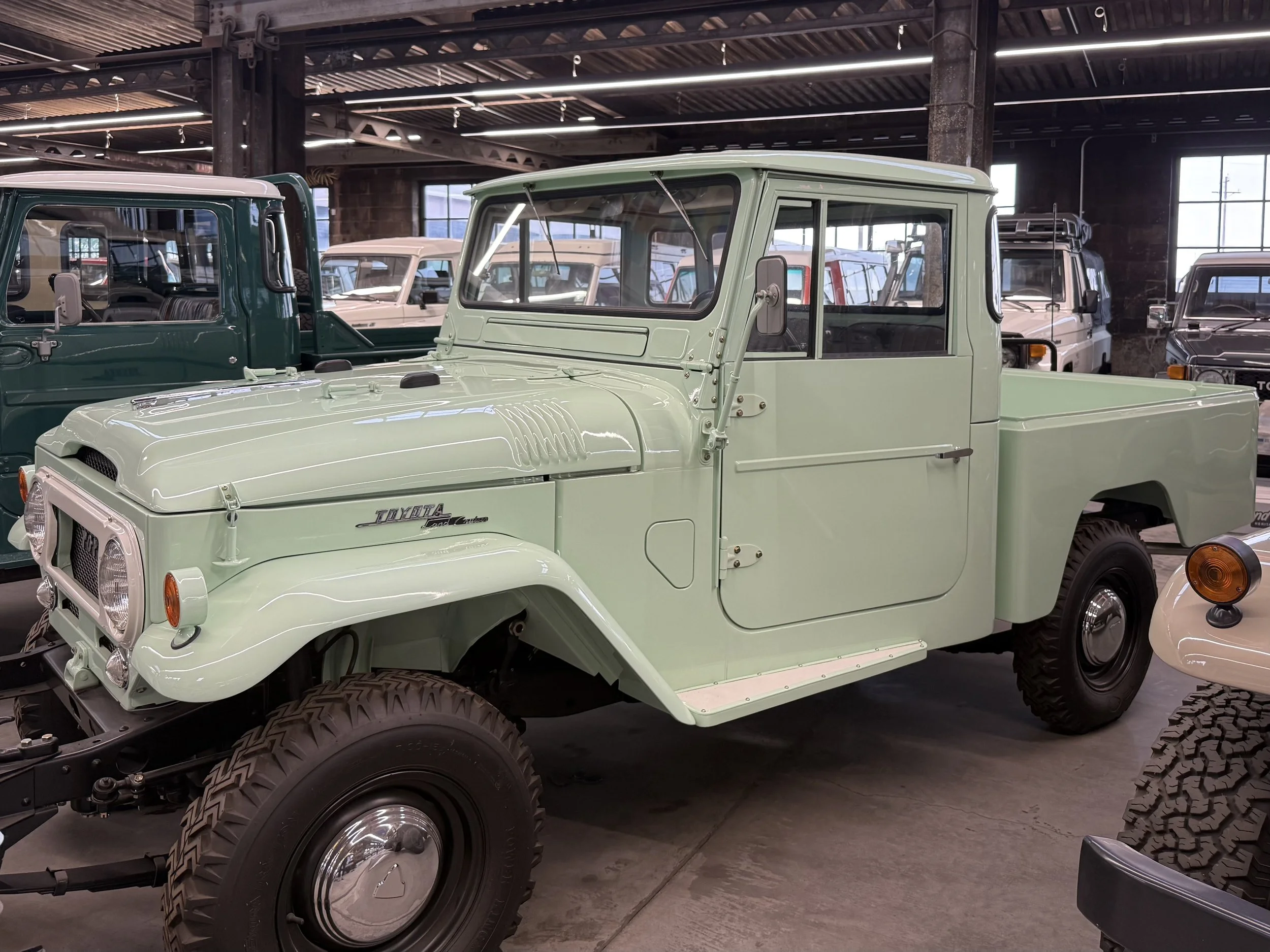
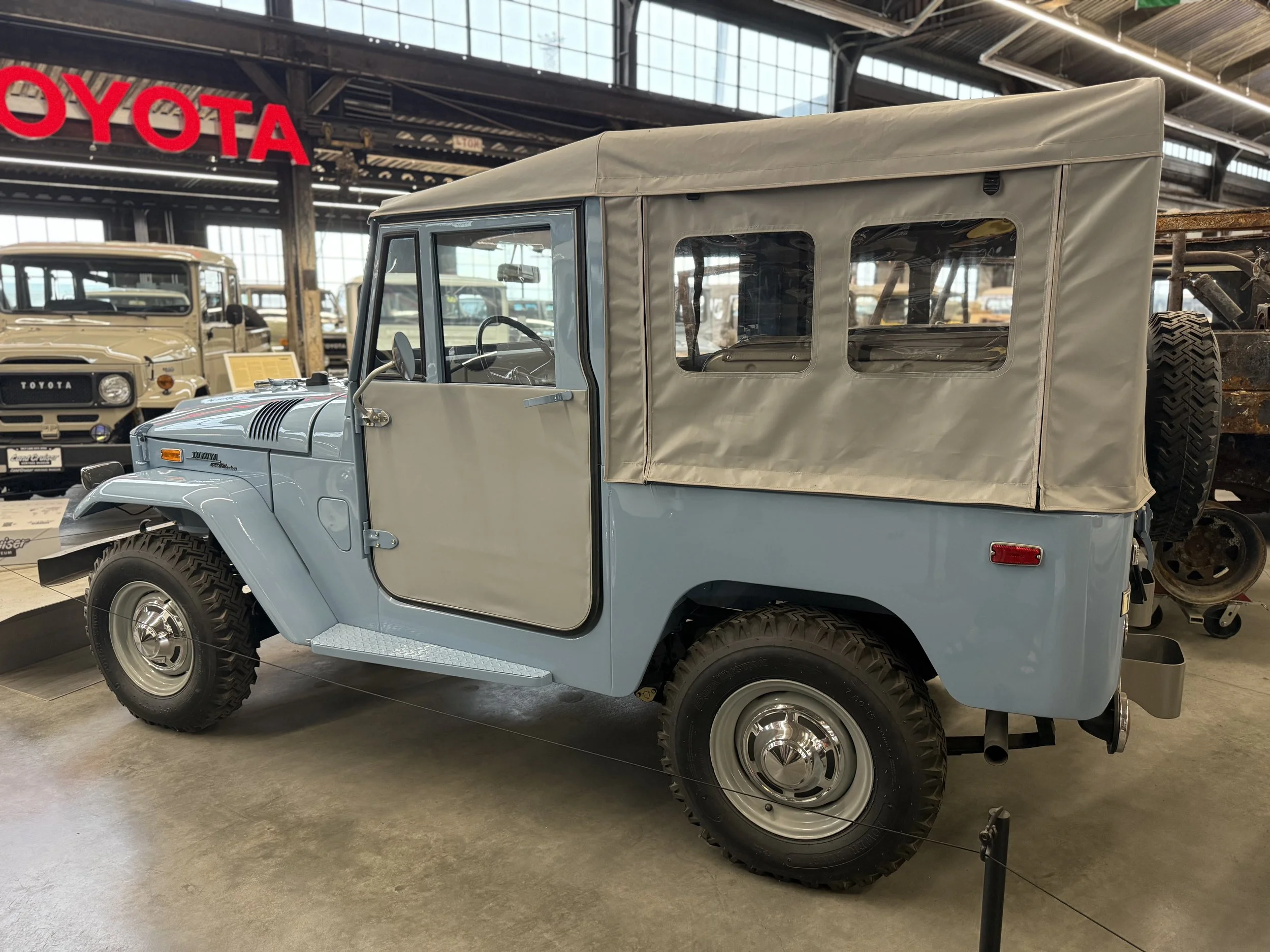
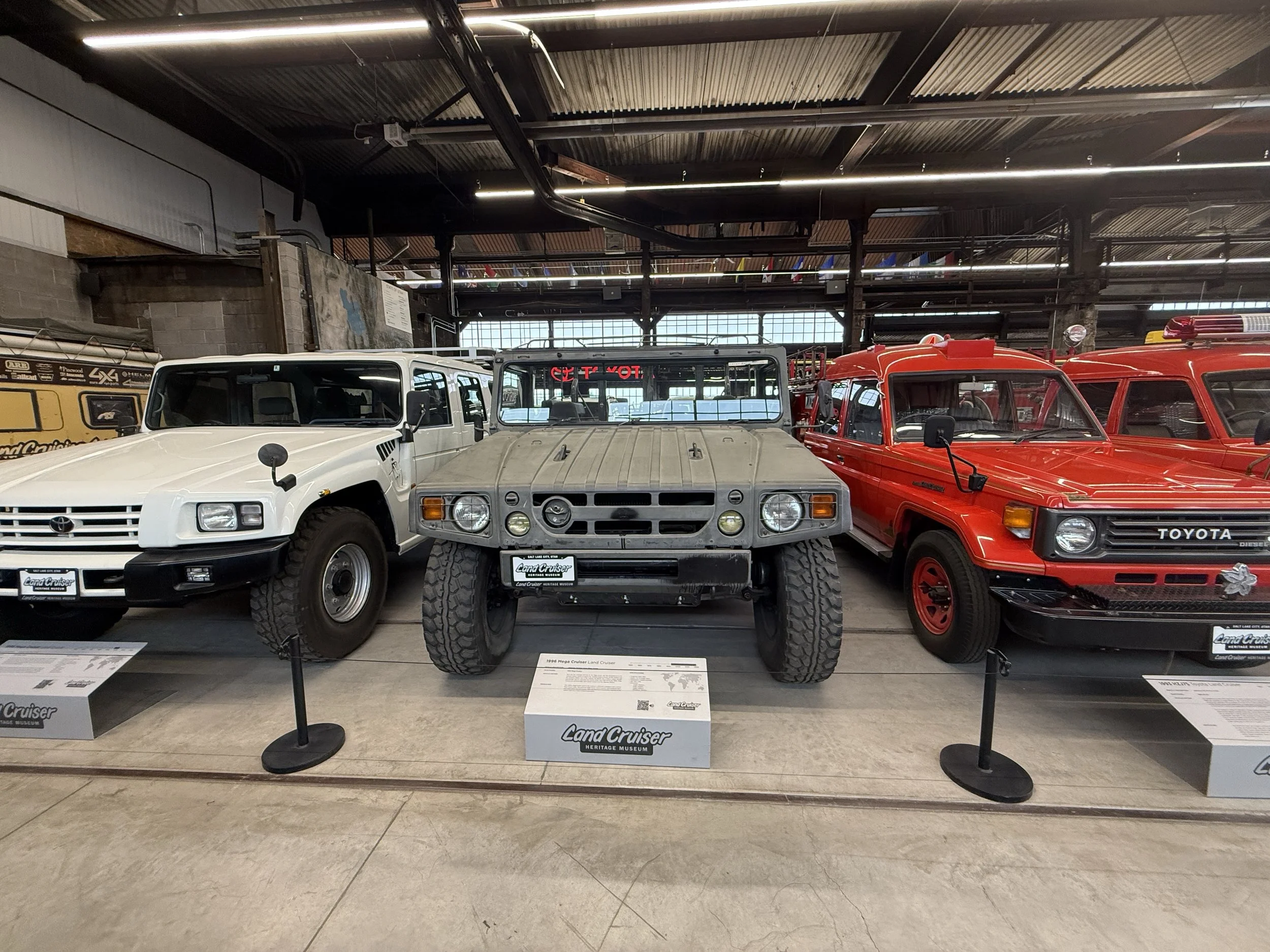
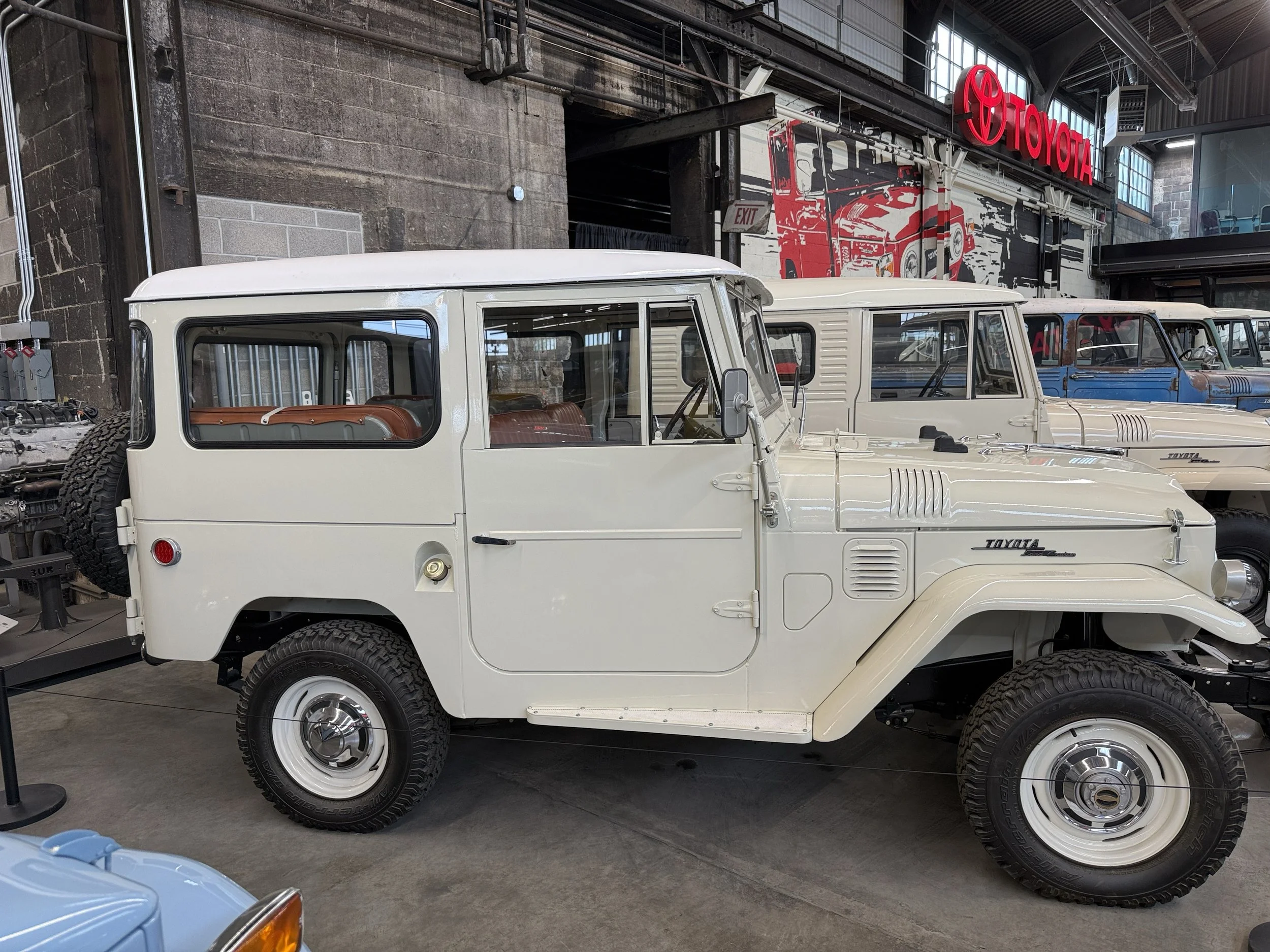
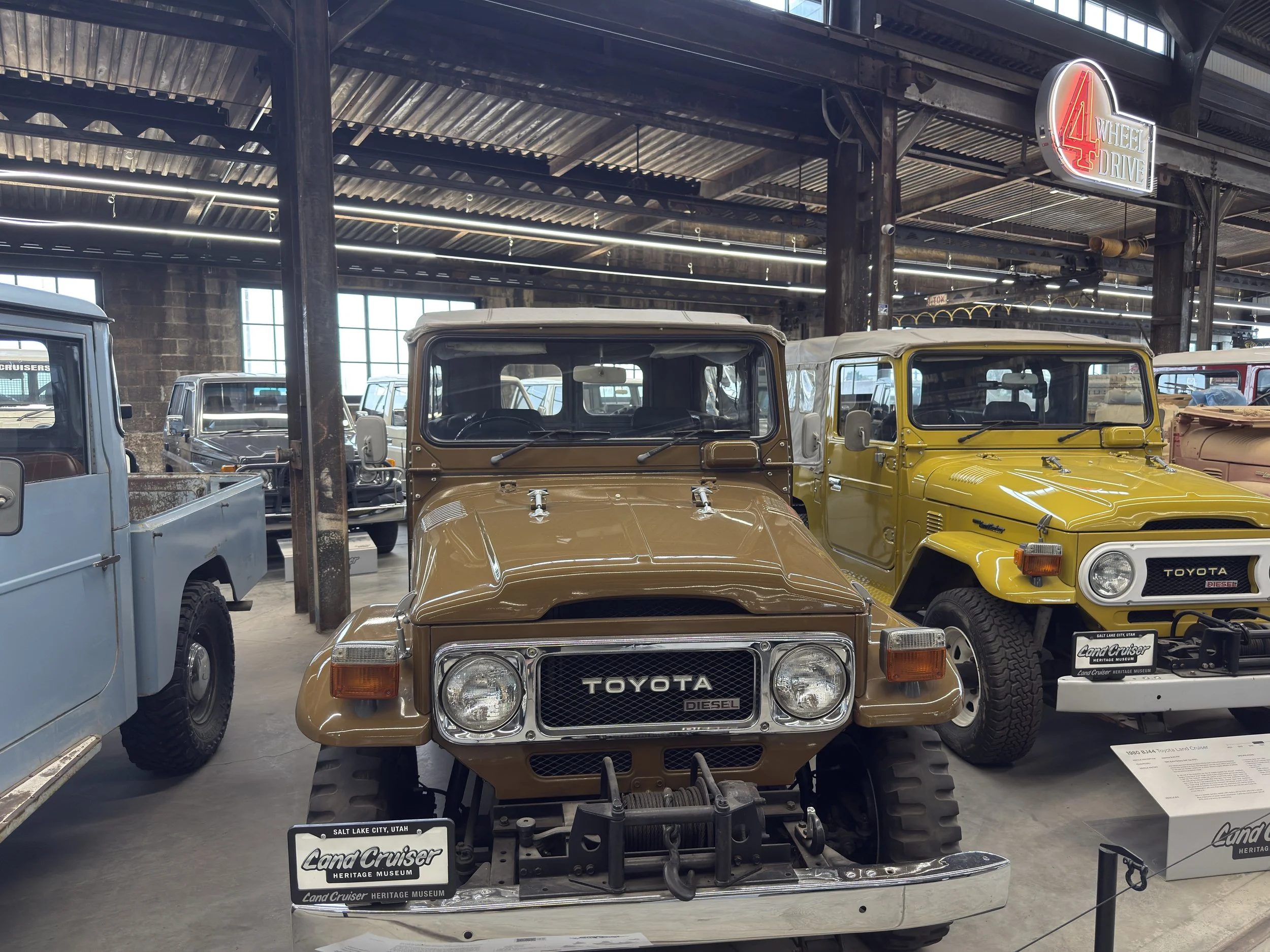
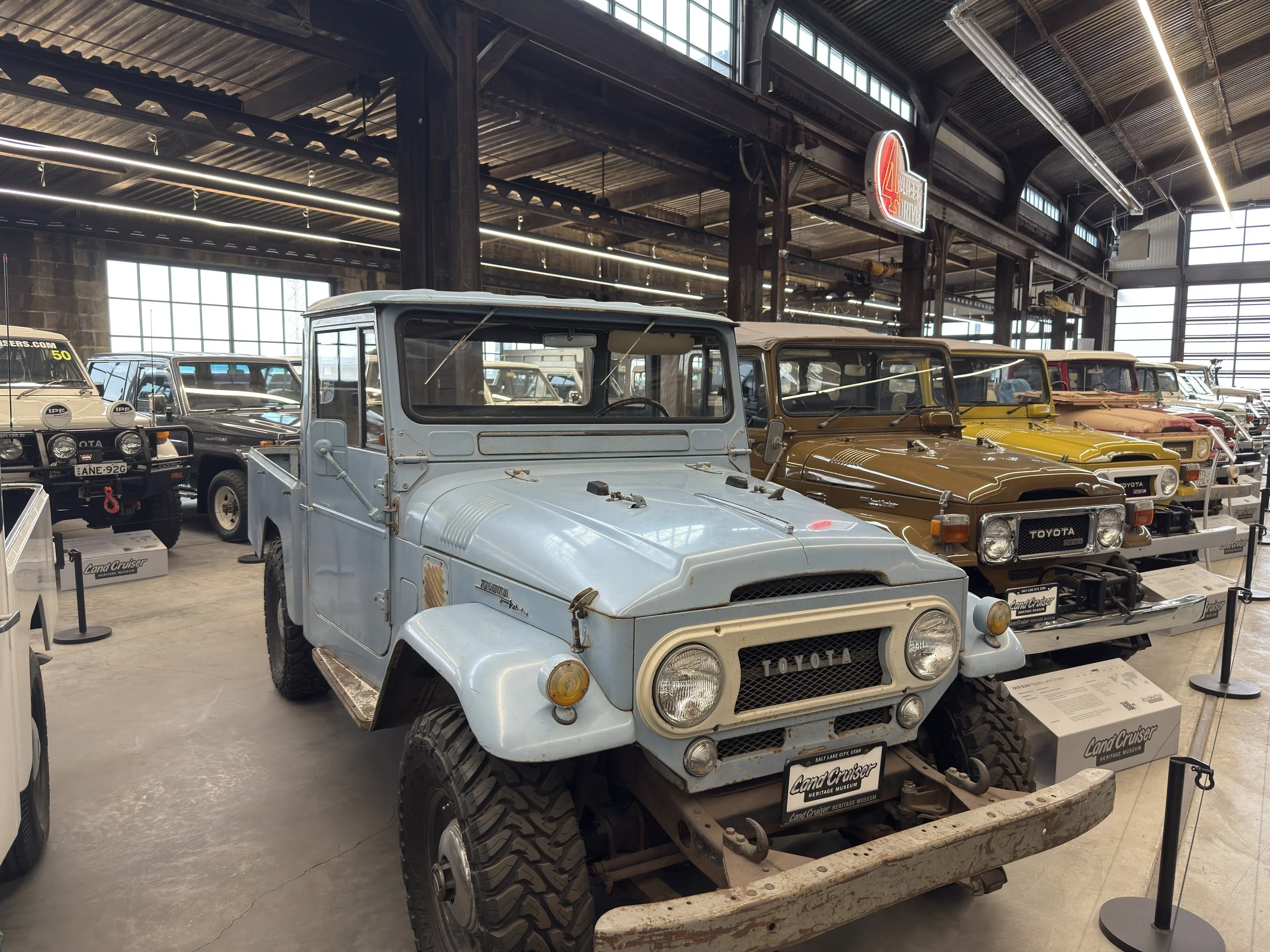
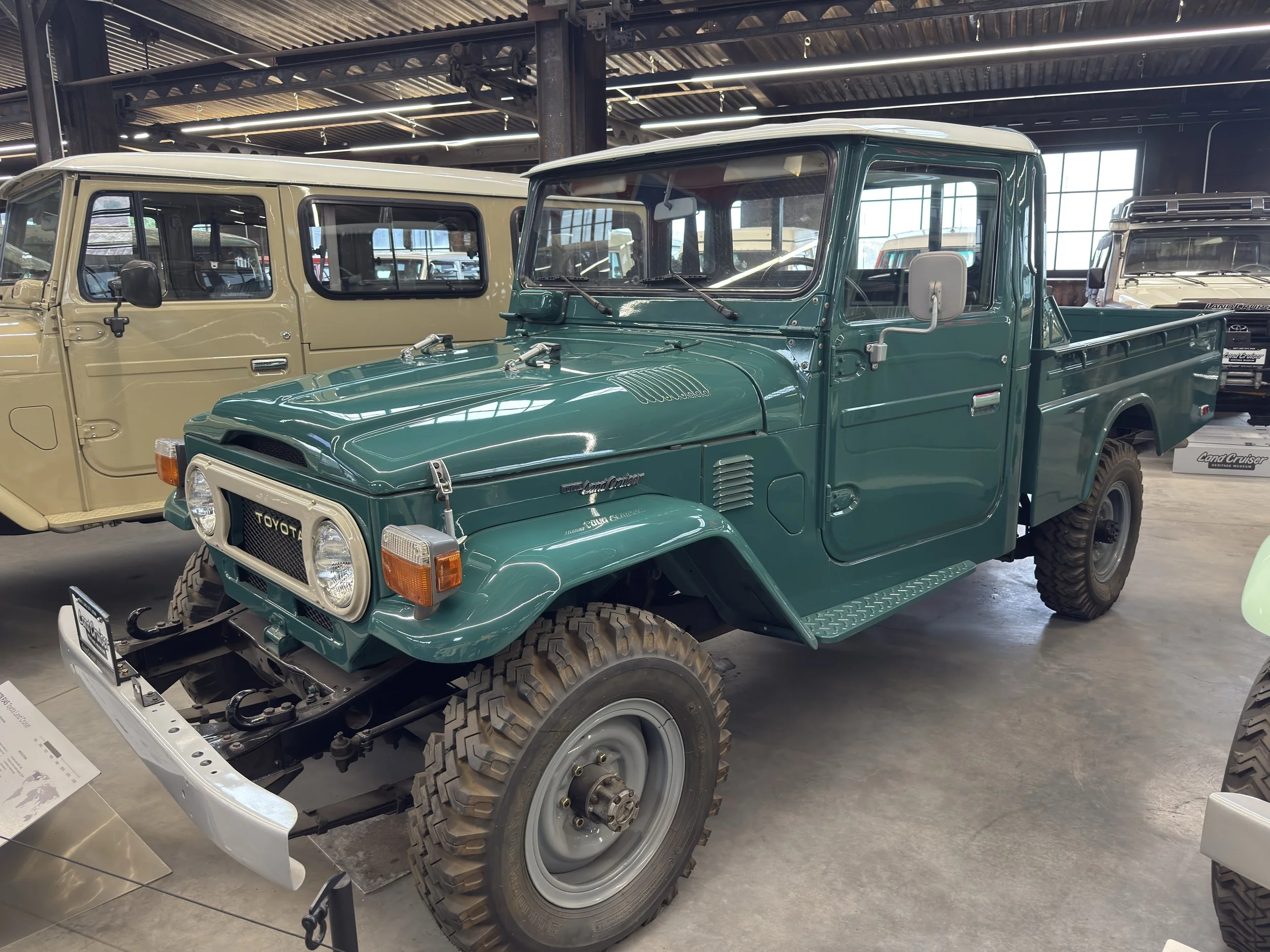
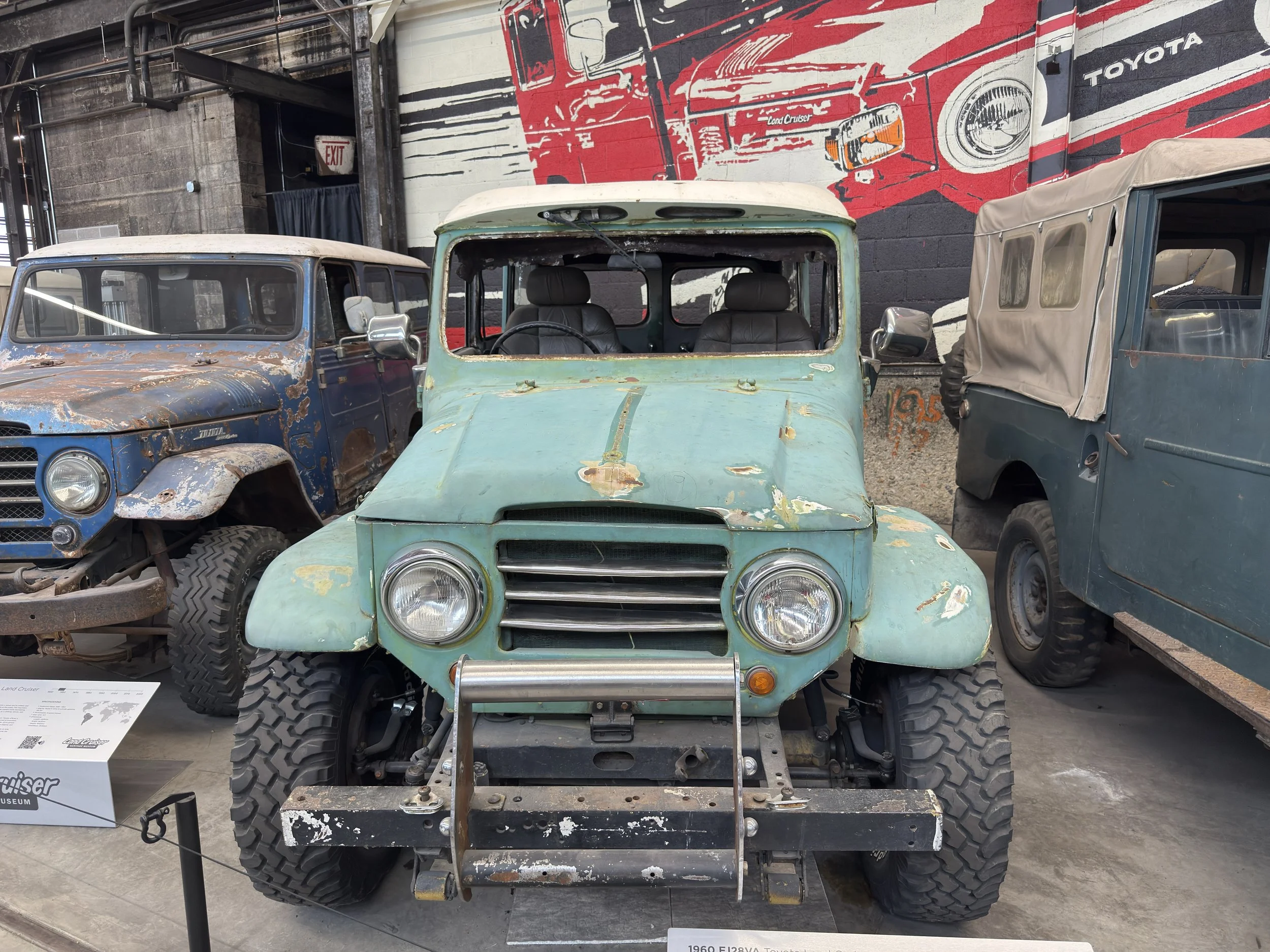
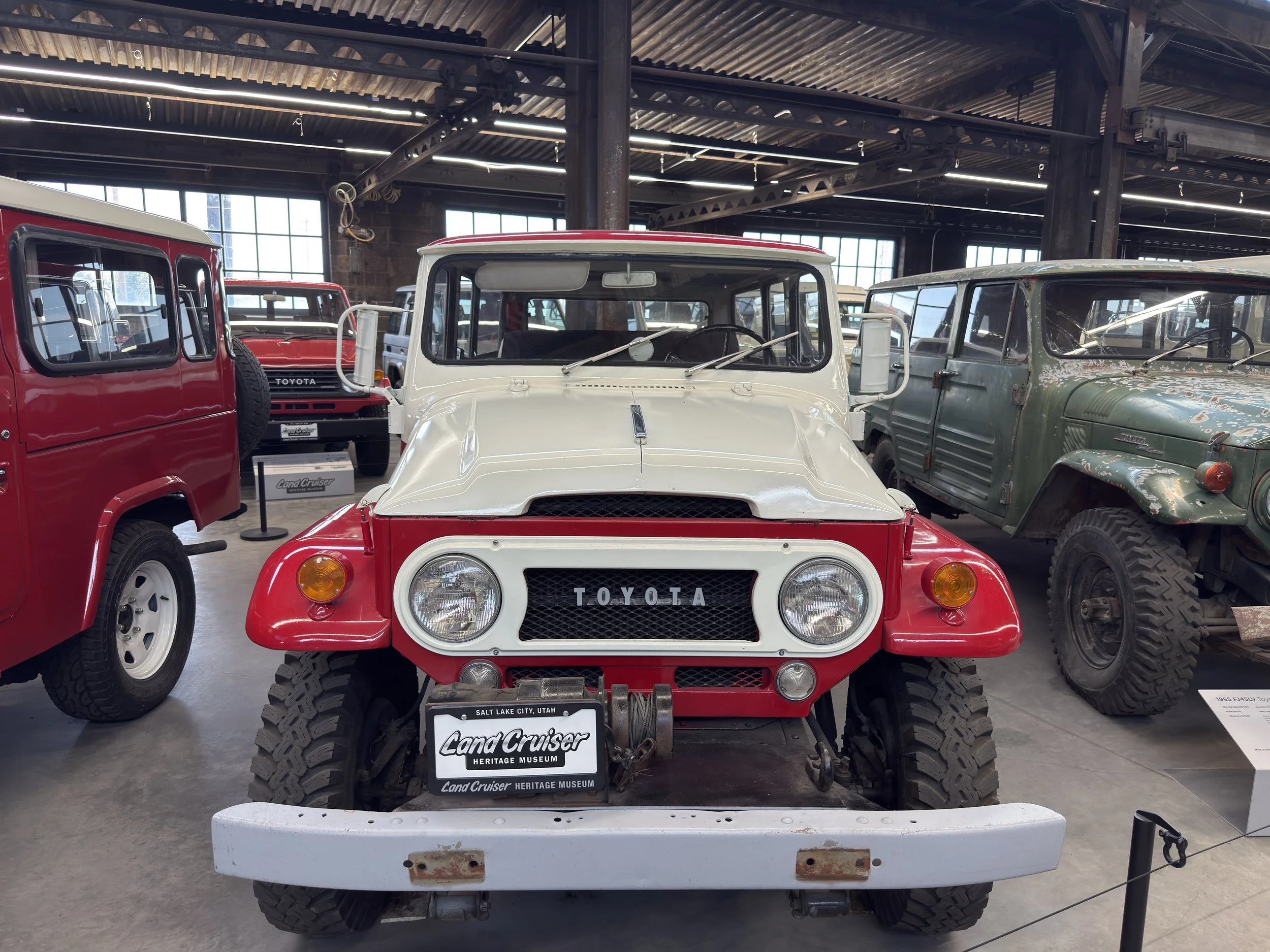
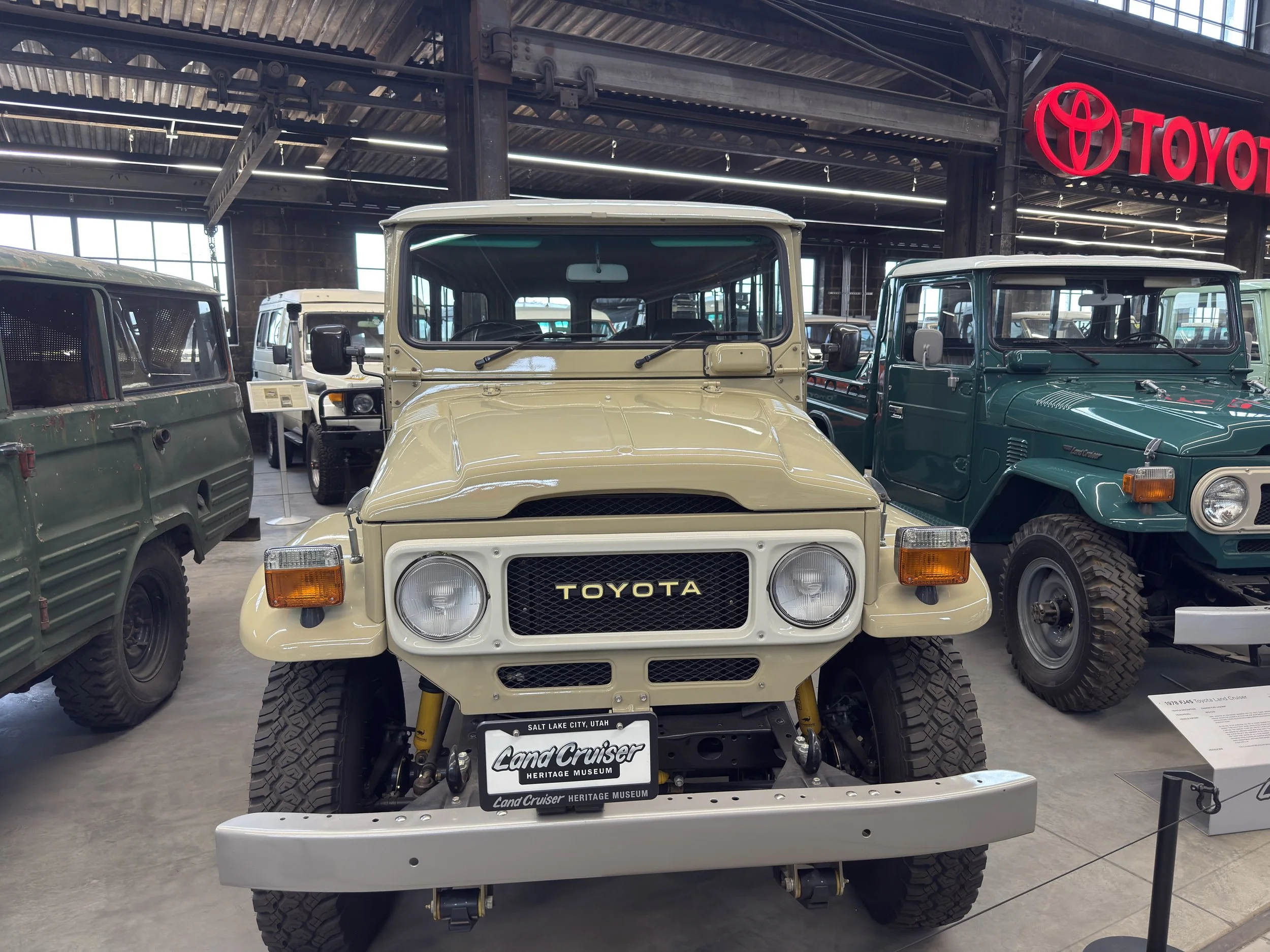
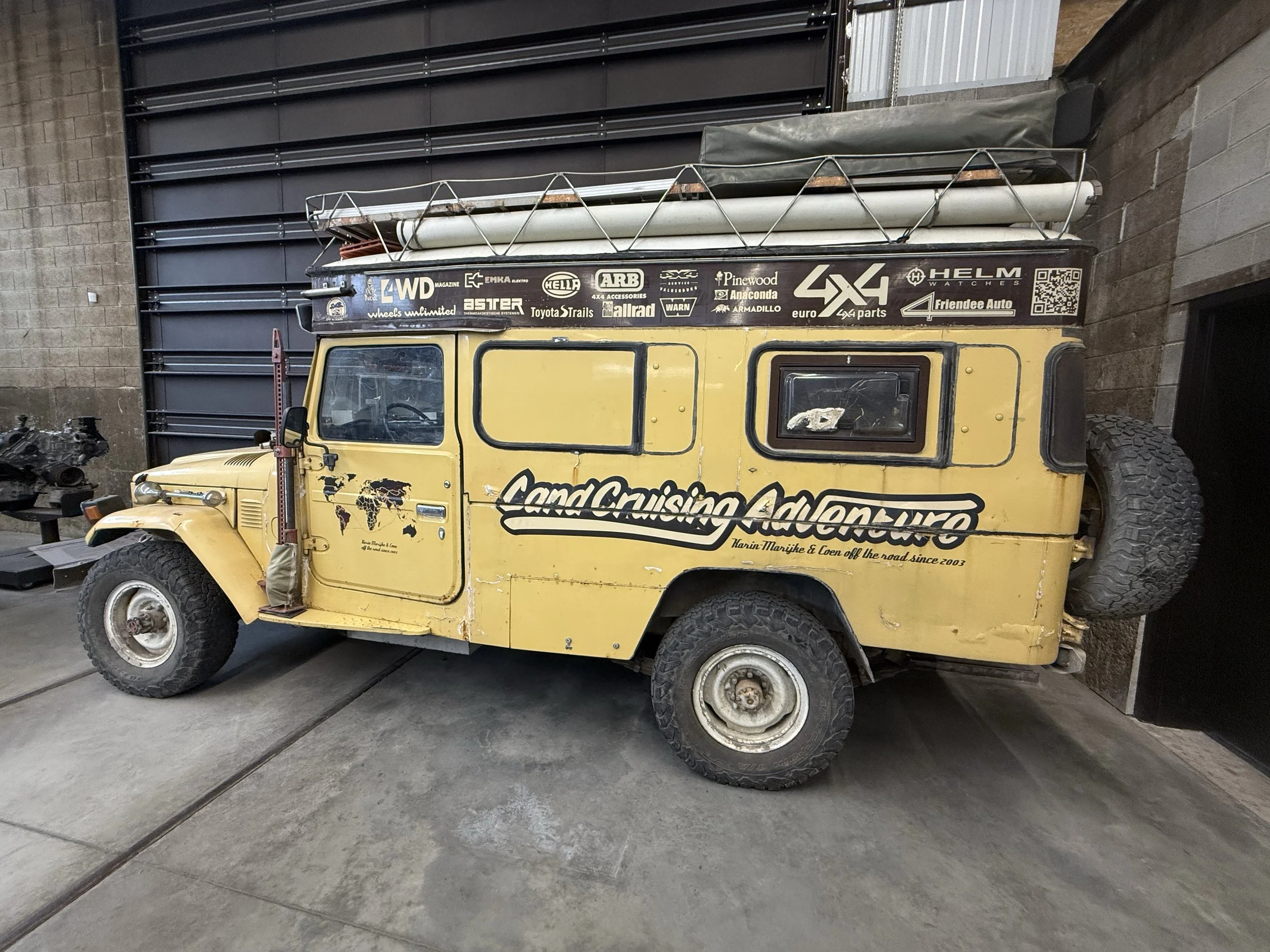
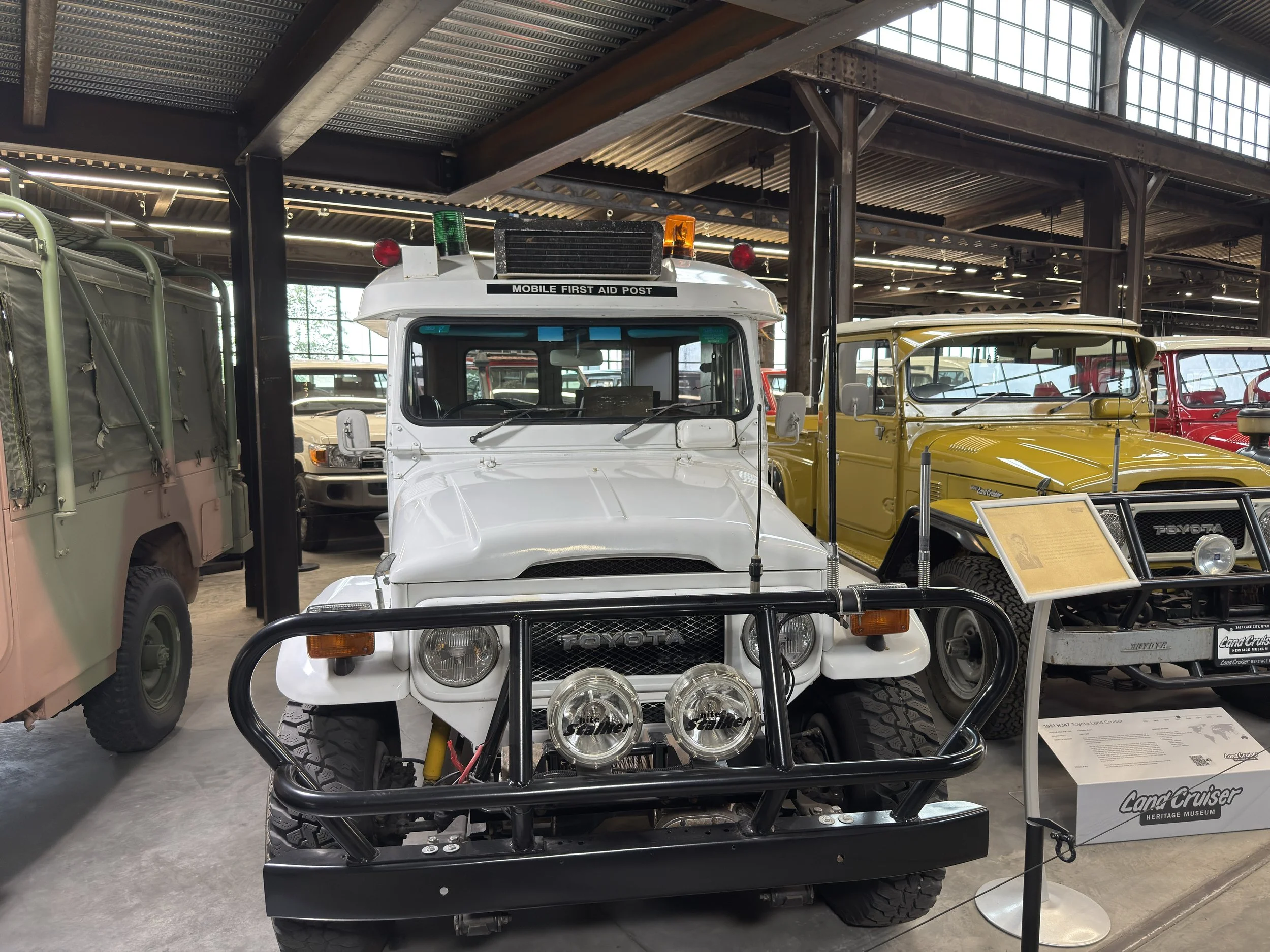
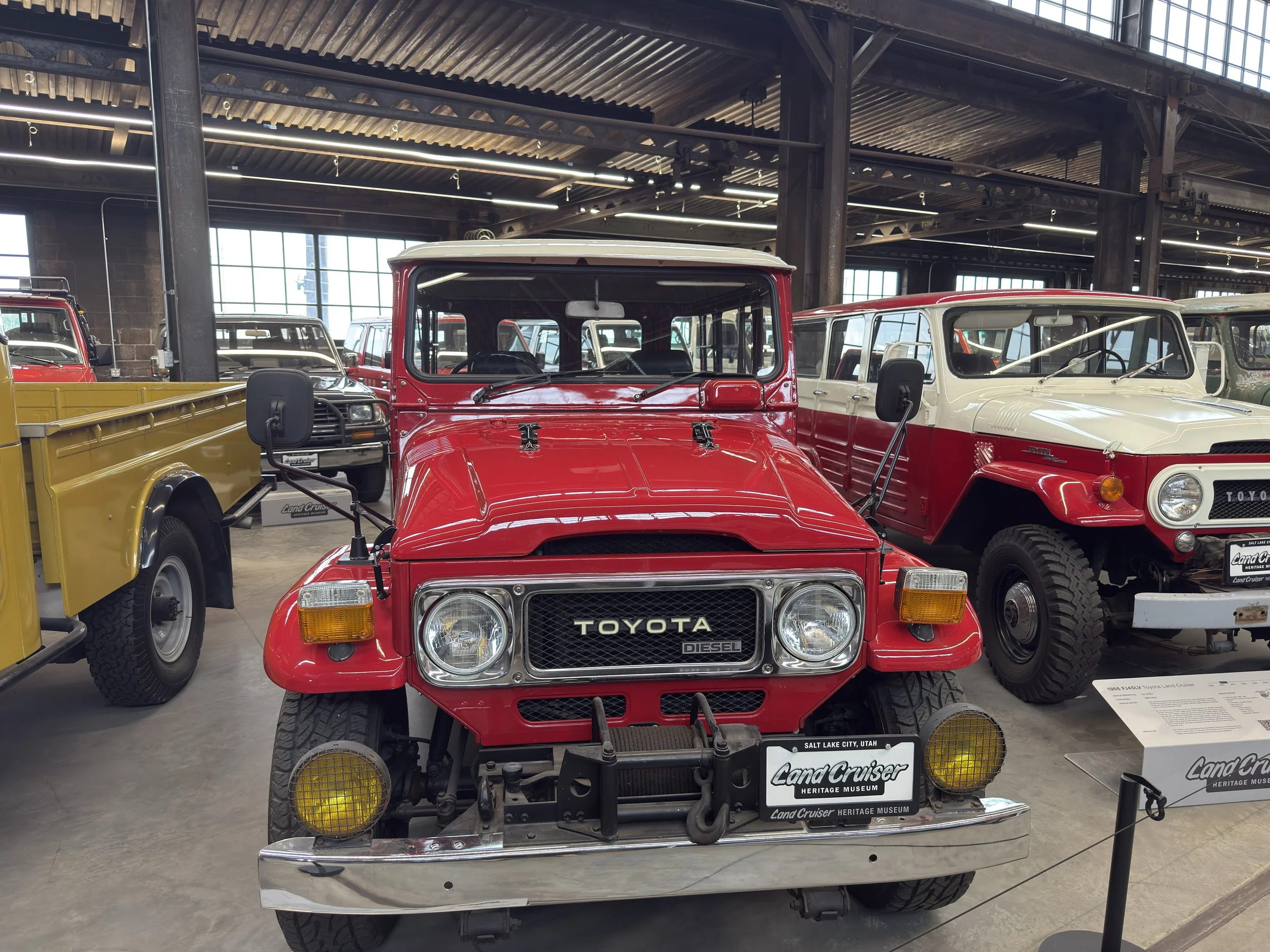
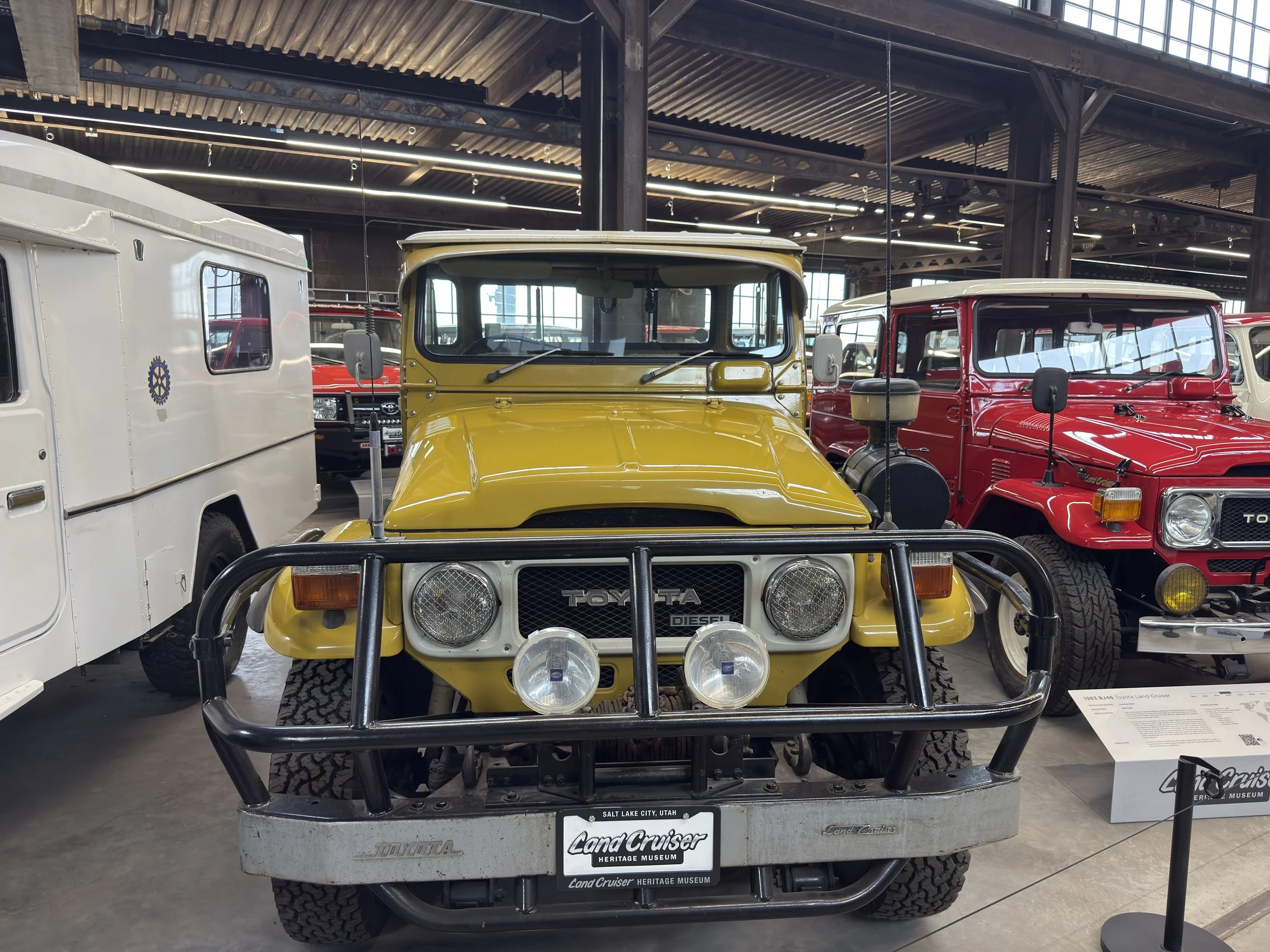
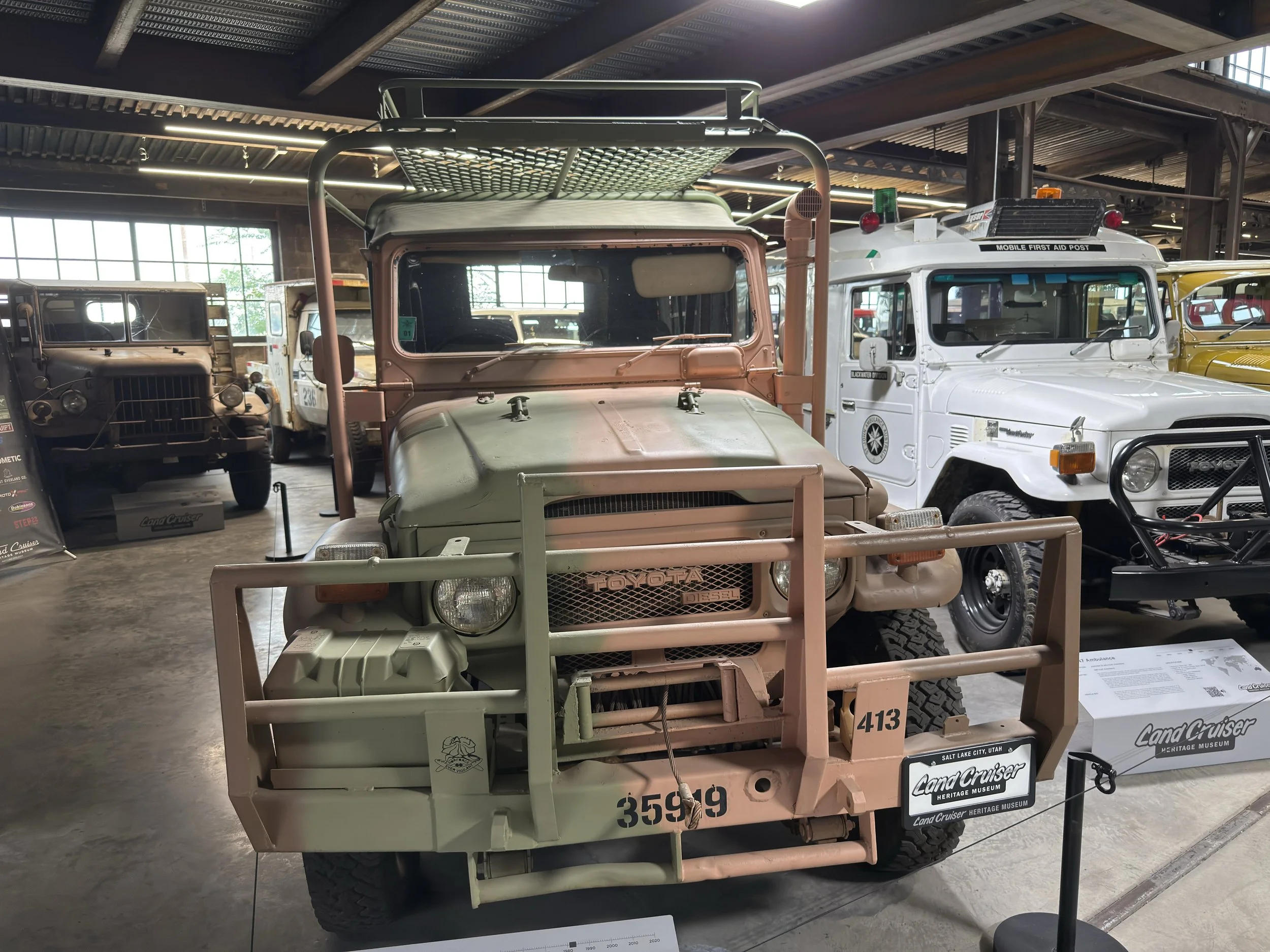
“You can only be original once.” It is a phrase Land Cruiser Heritage Museum founder Greg Miller often uses, and nowhere does it seem more fitting than inside the remarkable Salt Lake City museum he created. More than one hundred vehicles tell the story of Toyota’s longest-running nameplate – from an exceedingly rare 1953 Toyota Jeep BJT to the first Land Cruiser sold in the United States, working trucks, prototypes, expedition vehicles that have crossed continents, and a Land Cruiser that once hurtled across the pavement at more than 230 miles per hour.
The collection grew out of Greg’s lifelong attachment to the Land Cruiser. His father, Larry H. Miller, built an automotive empire and became widely known for his ownership of the Utah Jazz. For his son, however, meaningful childhood memories were considerably simpler. Larry worked constantly, but occasionally he would take an FJ55 from the dealership lot, load up the family, and head into southern Utah to camp, explore, and drive off road. “Some of the best times of his life have always been in a Land Cruiser,” explained Jules Cho, the museum’s executive director. “A lot of that has to do with his youth, his childhood, with his father.”
As an adult, Greg turned that attachment into something much larger. In 2012, he joined fellow adventurer Scott Brady to launch Expeditions 7, an ambitious undertaking to drive a four-wheel-drive vehicle on all seven continents.
While preparing for the expedition, Greg ordered two VDJ78 Land Cruisers from New Zealand in the specifications he wanted. Toyota learned what he was attempting and invited him to Toyota City in Japan. While touring Toyota’s museum, Greg expected to encounter a substantial collection devoted to the Land Cruiser. Instead, he was surprised by how few were on display. At one point, he wondered whether there was another room they simply had not yet visited, but there was not. Greg came home with an idea – create the collection he had expected to find in Japan.
Beginning with vehicles from his own collection, Greg established an early version of the museum at Miller Motorsports Park in Grantsville, Utah. The facility, which was sold in October 2015 and subsequently renamed, provided the first home for his growing collection. The goal was to find examples representing the extraordinary Land Cruiser family tree, including models and regional variations rarely, if ever, seen in the United States. Today, the museum houses what is believed to be the world’s most diverse collection of Land Cruisers, and walking among them is essentially walking through more than seventy years of Toyota history.
That history reaches back to 1951, when Toyota developed a four-wheel-drive vehicle known as the Toyota Jeep BJ for Japan’s National Police Reserve. The Korean War also played a role in the Land Cruiser’s beginnings. With the U.S. military needing light-duty four-wheel-drive vehicles that could be produced closer to Korea, Japanese automakers were encouraged to develop their own versions of the American Willys Jeep, helping spur Toyota’s development of the BJ.
Although the BJ did not win the original Japanese government contract, Toyota continued developing it. That same year, test driver Ichiro Taira drove one to the sixth station of Mount Fuji, farther up the mountain than any motor vehicle had previously traveled. The achievement helped establish the rugged vehicle’s reputation, and it was subsequently adopted as a patrol vehicle by branches of Japan’s National Police Agency. In 1954, Toyota gave it a new name – Land Cruiser.
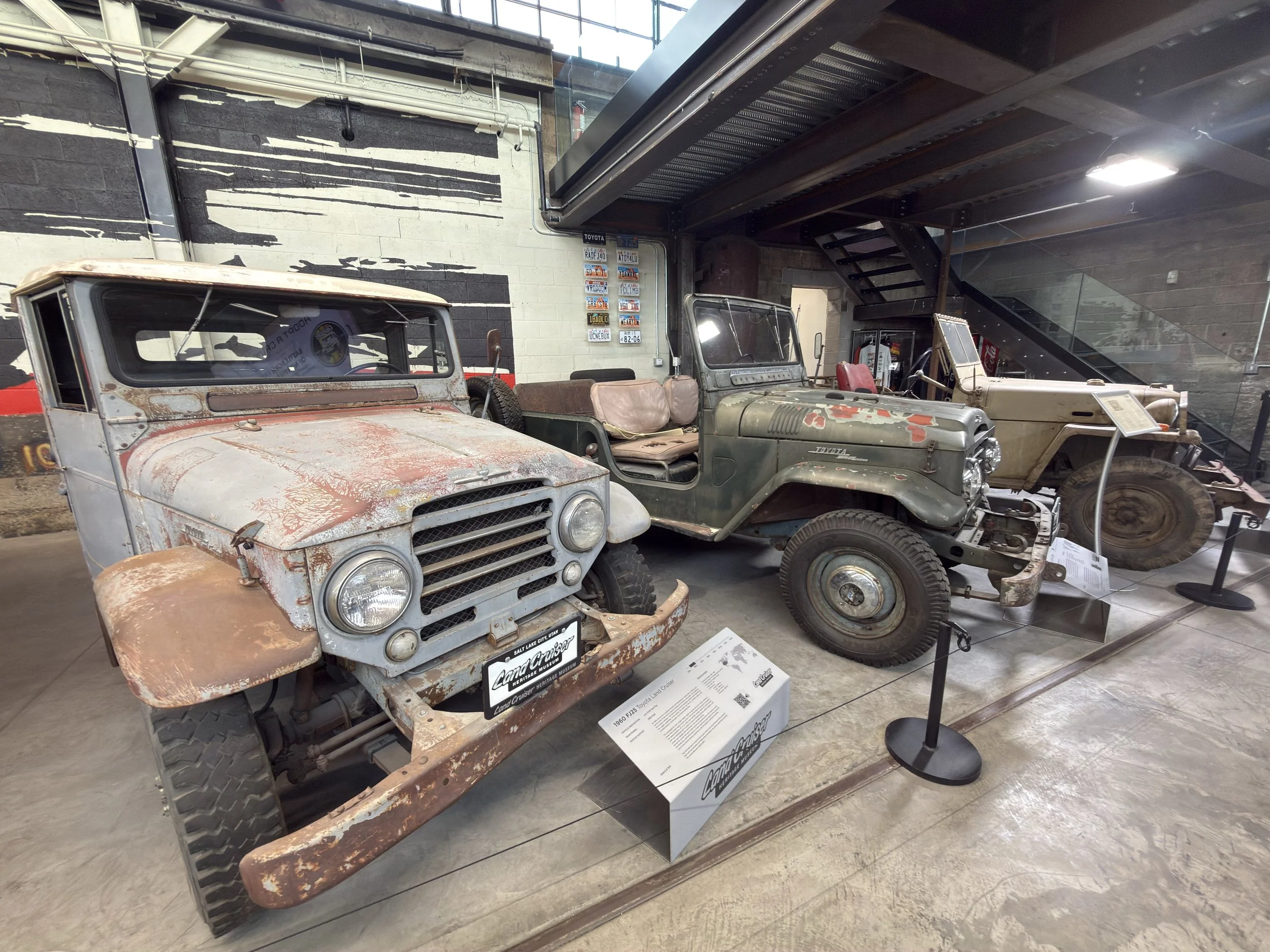
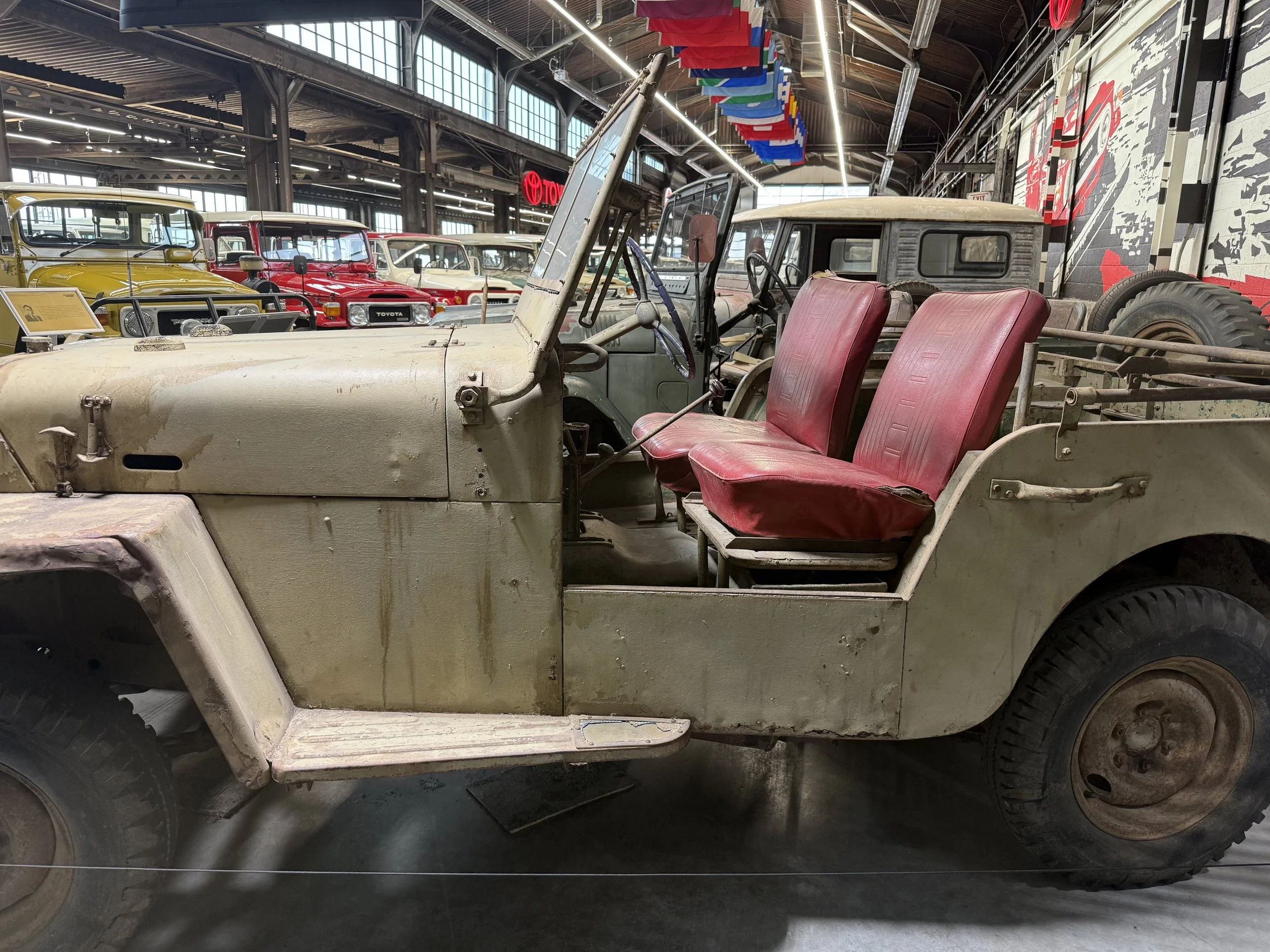
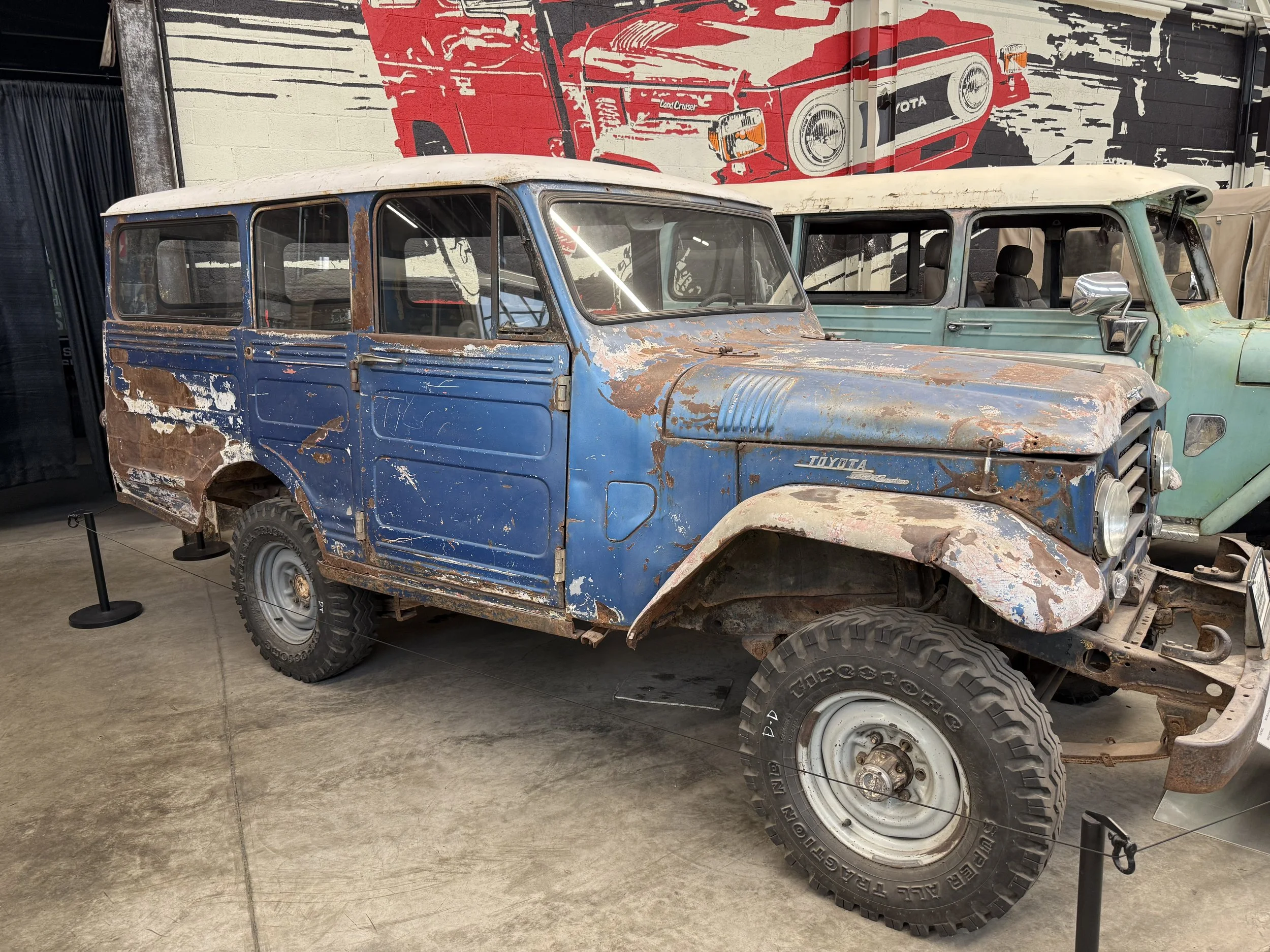
The museum owns a rare 1953 BJT from this earliest generation, believed to be one of only a handful surviving. The vehicle spent much of its life in Australia before finding its way to Salt Lake City. It is a “survivor” rather than a fully restored vehicle – an important distinction at a museum that values the evidence left by a vehicle’s working life. Faded paint, dents, scratches, and wear are not necessarily imperfections to erase. They help tell the story.
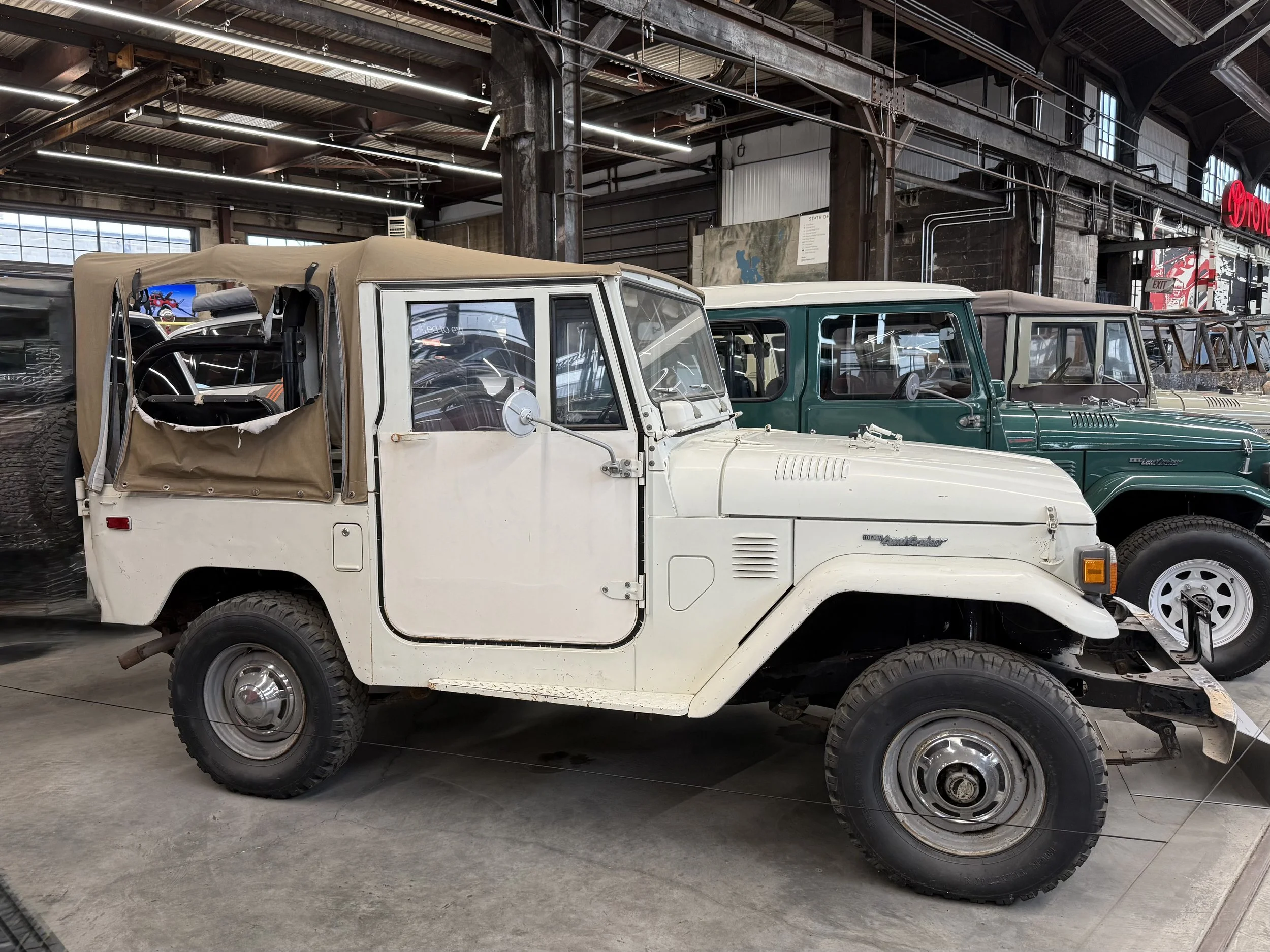
Nearby sits another extraordinary survivor – the first Land Cruiser sold in the United States. Toyota Motor Sales opened in California in late 1957 and began selling vehicles the following year. In 1958, Americans bought 287 Toyopet Crown sedans – and just one Land Cruiser, an FJ25.
That 1958 FJ25 is in the museum. Its first owner was a California schoolteacher who, according to the museum’s history, collected the vehicle at the Port of Long Beach before Toyota’s dealership was even completed. Jules finds it fascinating to imagine this buyer. “What kind of person is progressive enough to think, ‘I’m not going to buy a Jeep. I’m going to buy a Land Cruiser’?”
The green FJ25 spent its life in California and eventually became a groundskeeper’s vehicle, even plowing snow. Automotive designer and collector Jonathan Ward later found it near Lake Arrowhead and planned to restore it. The museum acquired it instead, recognizing that its weathered body and patina told a story a restoration could erase.
That philosophy of preserving originality extends across the collection, although the vehicles themselves could hardly be more varied. Land Cruisers have served as ambulances, fire engines, military and police vehicles, mining trucks, family cars, and expedition vehicles. Some are beautifully restored, while others visibly carry the evidence of hard-working lives.
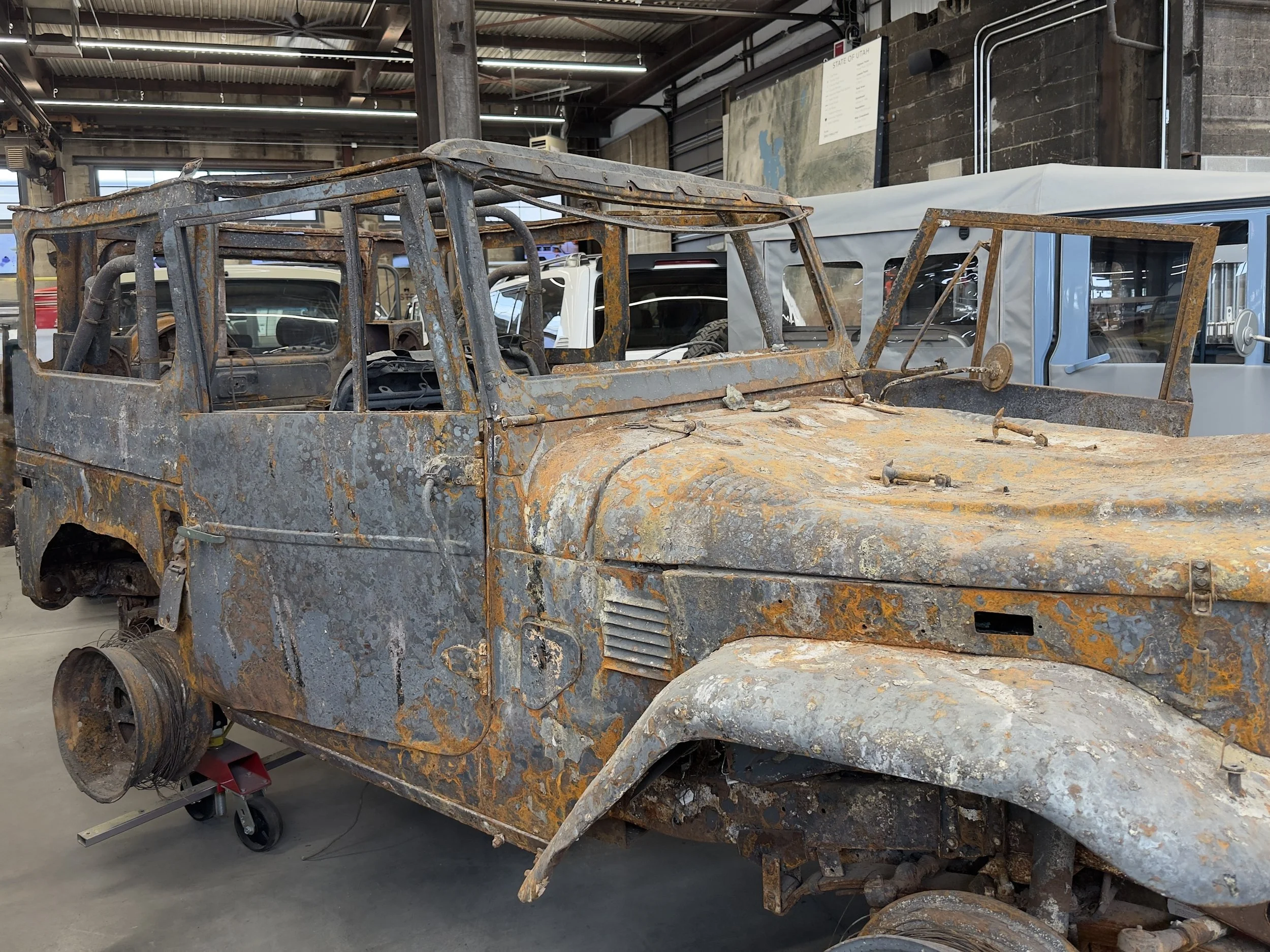
One 1973 FJ40 will never run again. It belonged to former Butte County Sheriff Scott Mackenzie and was destroyed in the 2018 Camp Fire that devastated Paradise, California. Donated by Mackenzie and his family, its burned shell is preserved as part of its story.
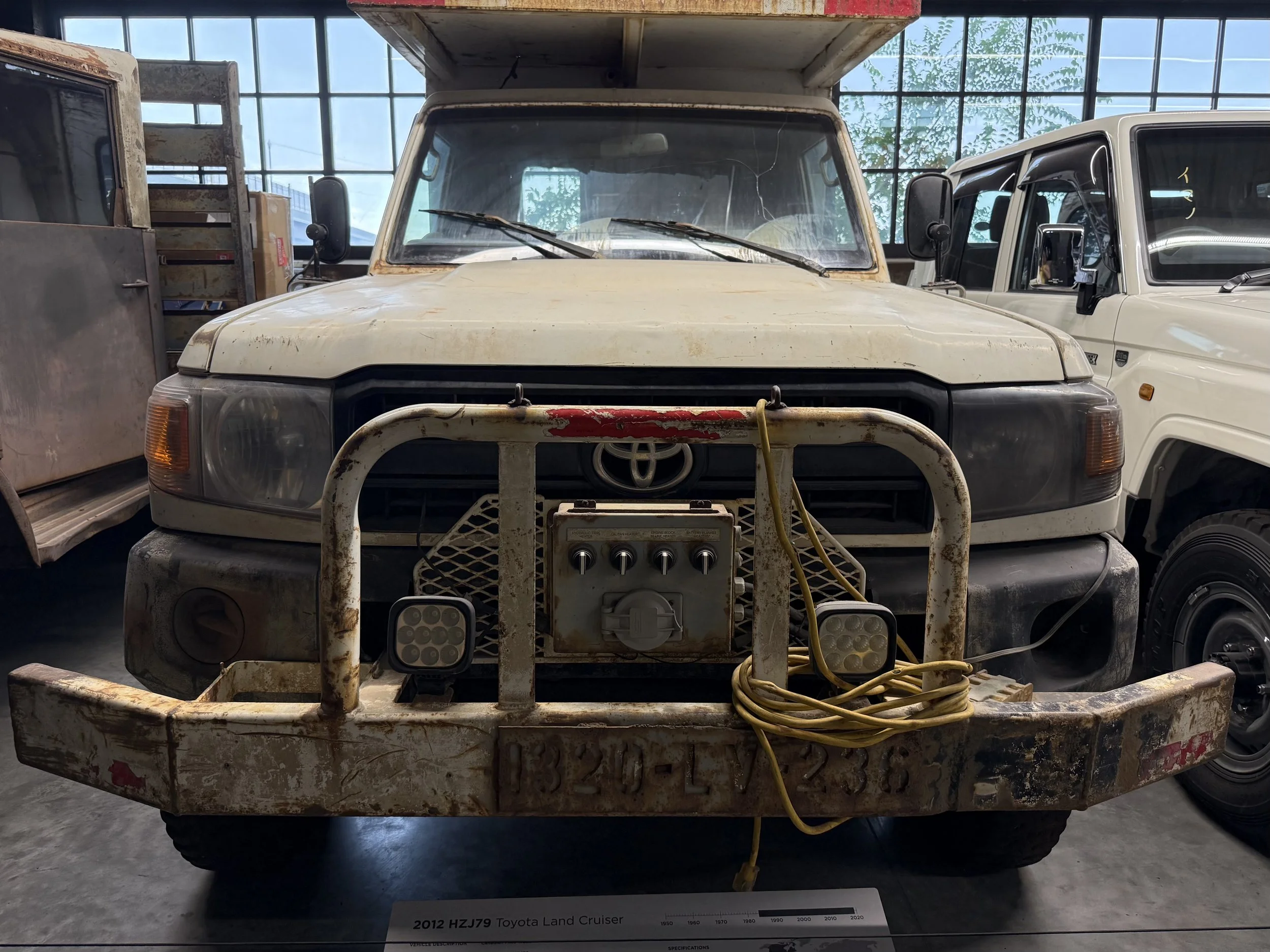
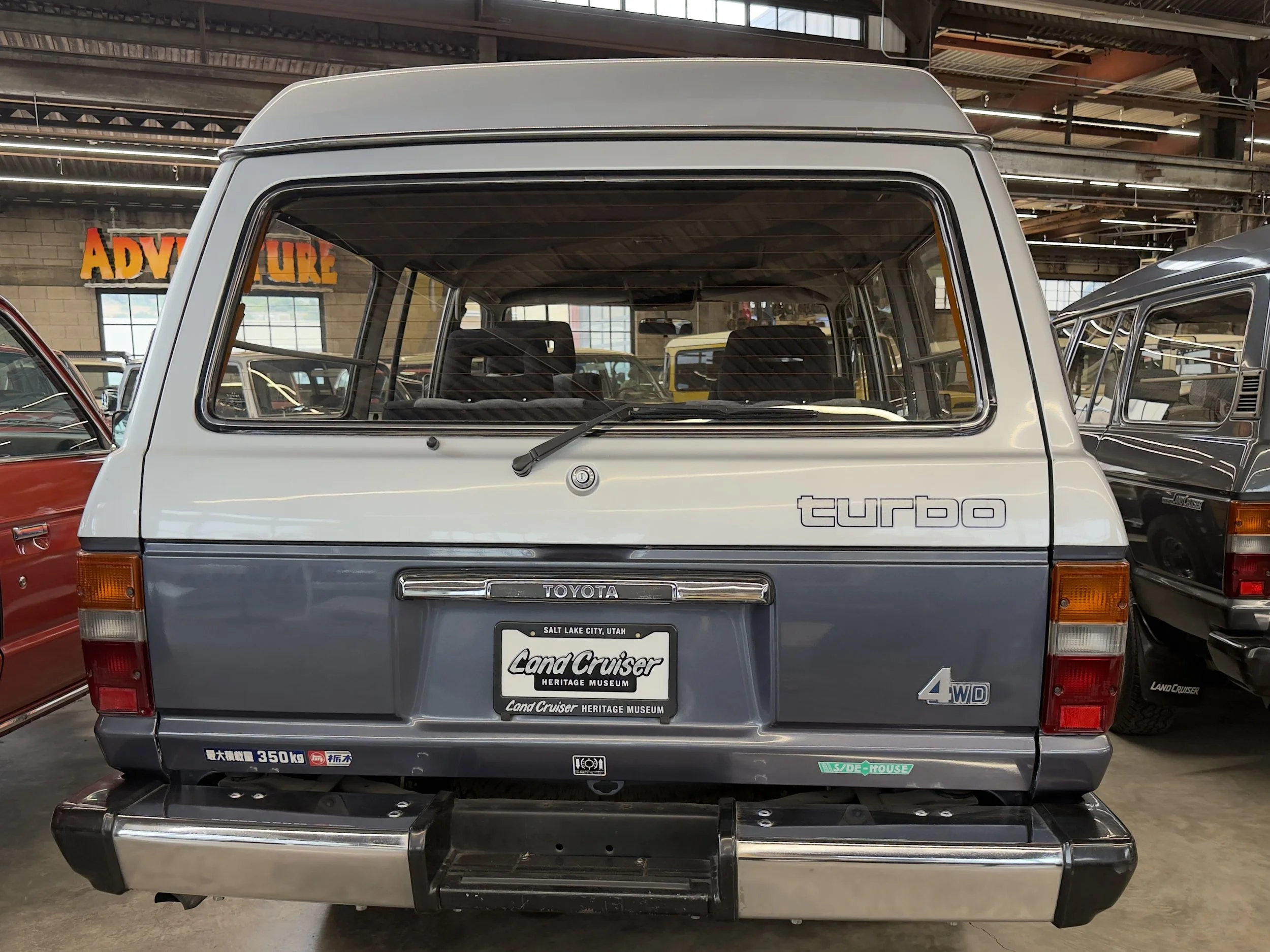
Another section introduces Americans to versions of the Land Cruiser they were never able to buy here. Particularly coveted among enthusiasts is the 70-Series, also known as the J70 Land Cruiser – the heavy-duty branch of the family introduced in 1984 and still produced today. Designed primarily for commercial work and punishing conditions, 70-Series Land Cruisers have been configured as everything from pickups to personnel carriers. One in the museum spent its working life underground.
Canadian company Miller Technology has long adapted 70-Series Land Cruisers for mining, reinforcing them for the extraordinarily harsh conditions below ground. Its current models continue to be built on the Toyota Land Cruiser platform, with configurations ranging from personnel carriers to equipment vehicles.
At the opposite extreme is a pristine 2012 FJ Cruiser that has essentially never begun its life at all. The Trail Teams Edition was purchased new and set aside as a time capsule. It has never been dealer prepped. Protective materials and the original window sticker are still there – a brand-new vehicle frozen at the moment it arrived. Built on the Land Cruiser Prado platform, the FJ Cruiser is unofficially considered a cousin of the Land Cruiser.
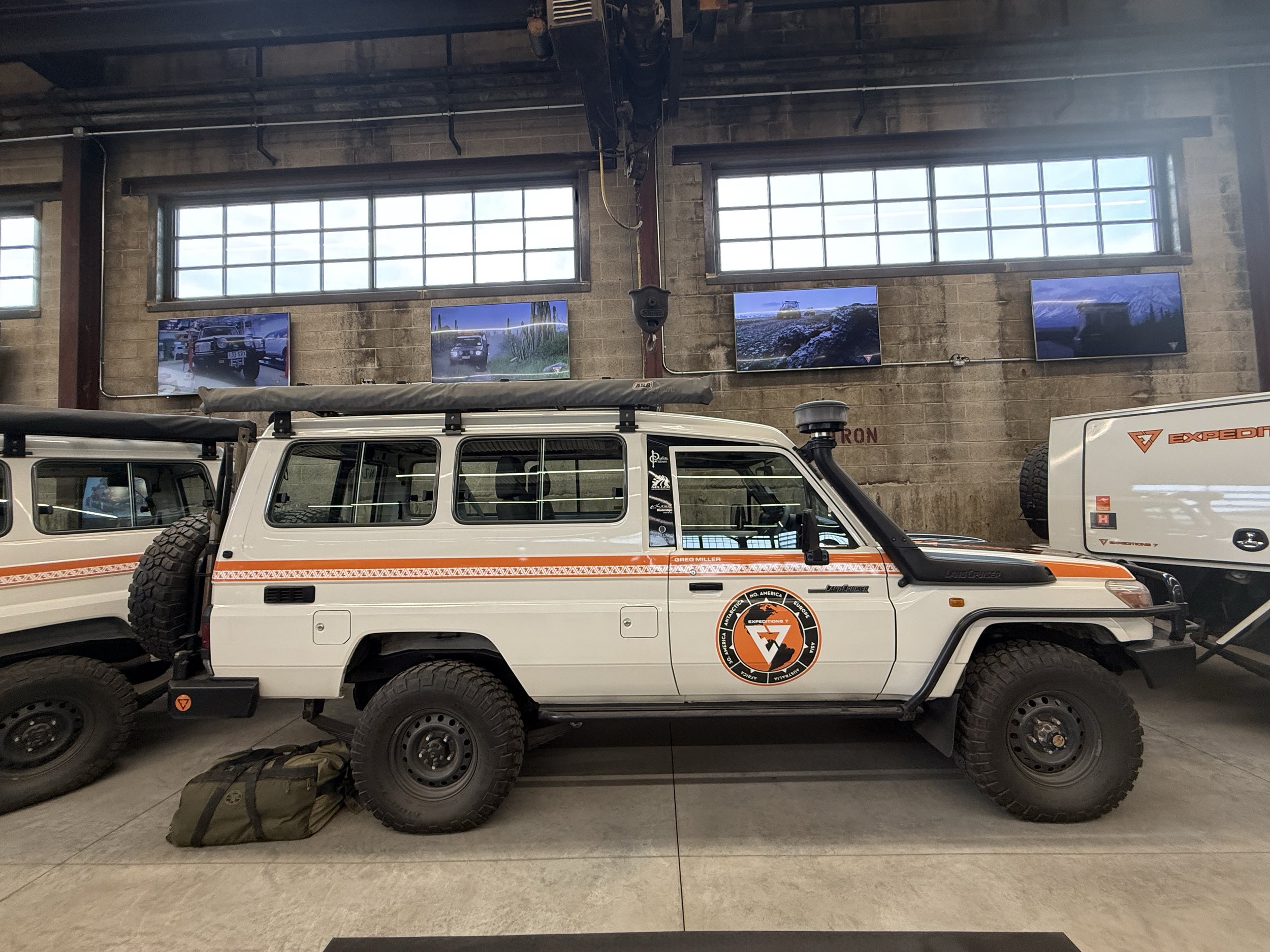
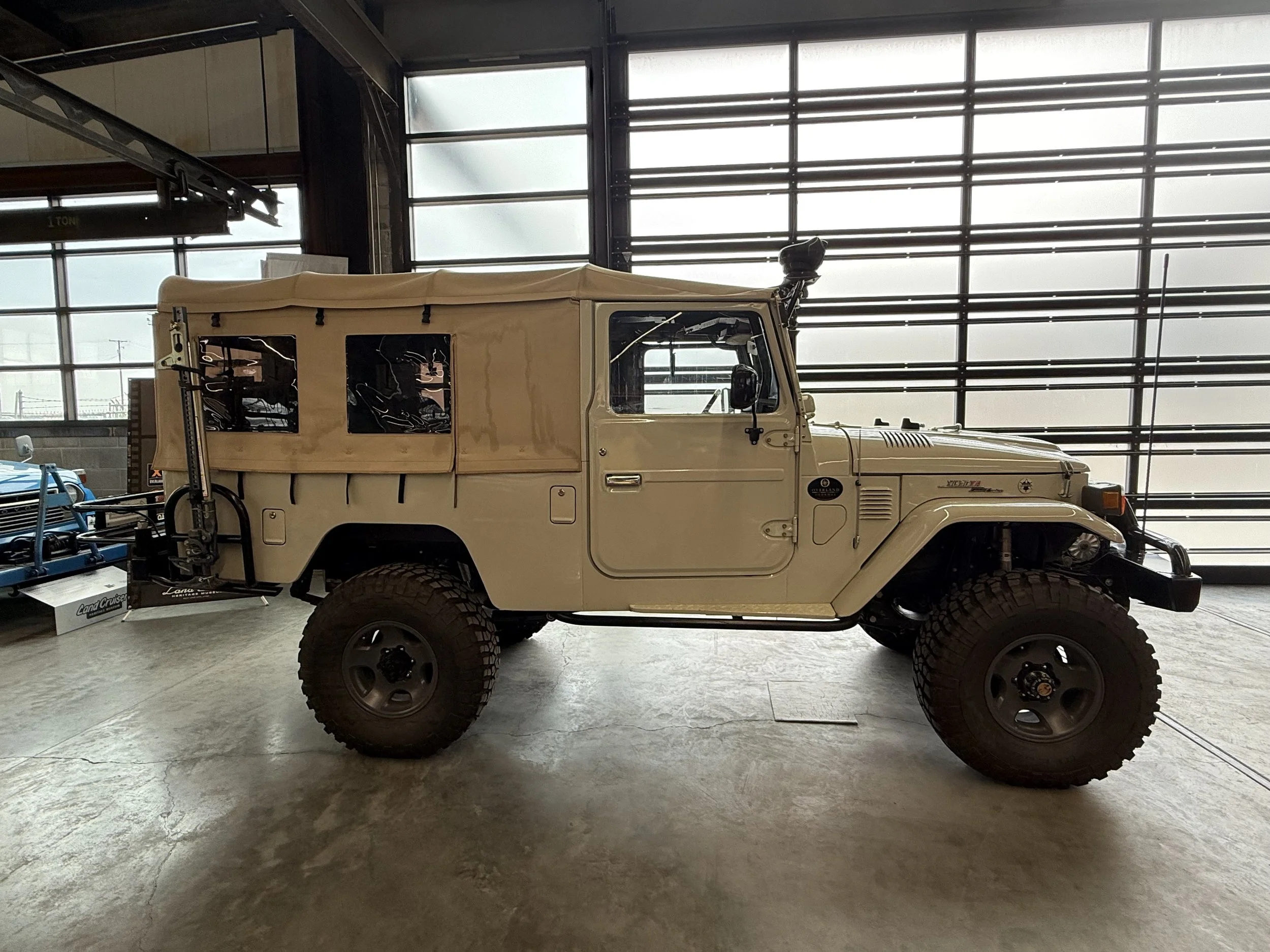
Then there are the Land Cruisers built to go where almost nothing else can. Among them is Fernweh, the white VDJ78 Land Cruiser used in Expeditions 7. Over three years, the journey covered more than 58,000 miles across all seven continents, making Fernweh the first four-wheeled motor vehicle to accomplish that feat. Today, the remarkable vehicle is part of the museum’s collection.
Nearby, an enormous, modified Toyota Hilux, built on its own distinct platform, has traversed both Antarctica and Greenland.
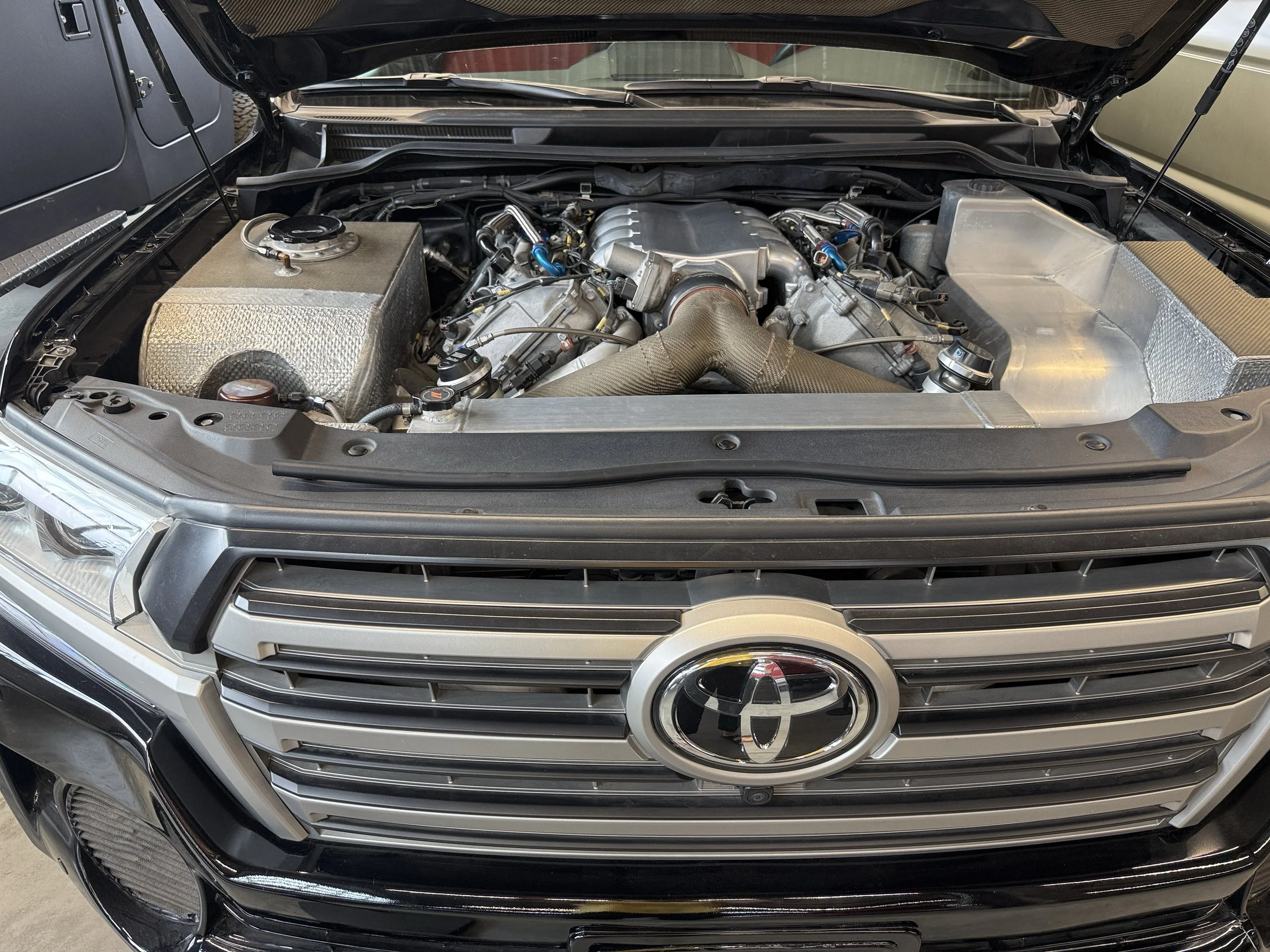
And then there is the Land Speed Cruiser. Toyota Motorsports engineers took a production Land Cruiser, dramatically modified its 5.7-liter V8, added two enormous turbochargers, and created a 2,000-horsepower SUV. In 2017, former NASCAR driver Carl Edwards climbed behind the wheel at California’s Mojave Air and Space Port and reached a GPS-verified 230.02 miles per hour. For a vehicle whose reputation was built on slowly and dependably reaching places other vehicles could not, it was an almost comically different demonstration of what a Land Cruiser could do.
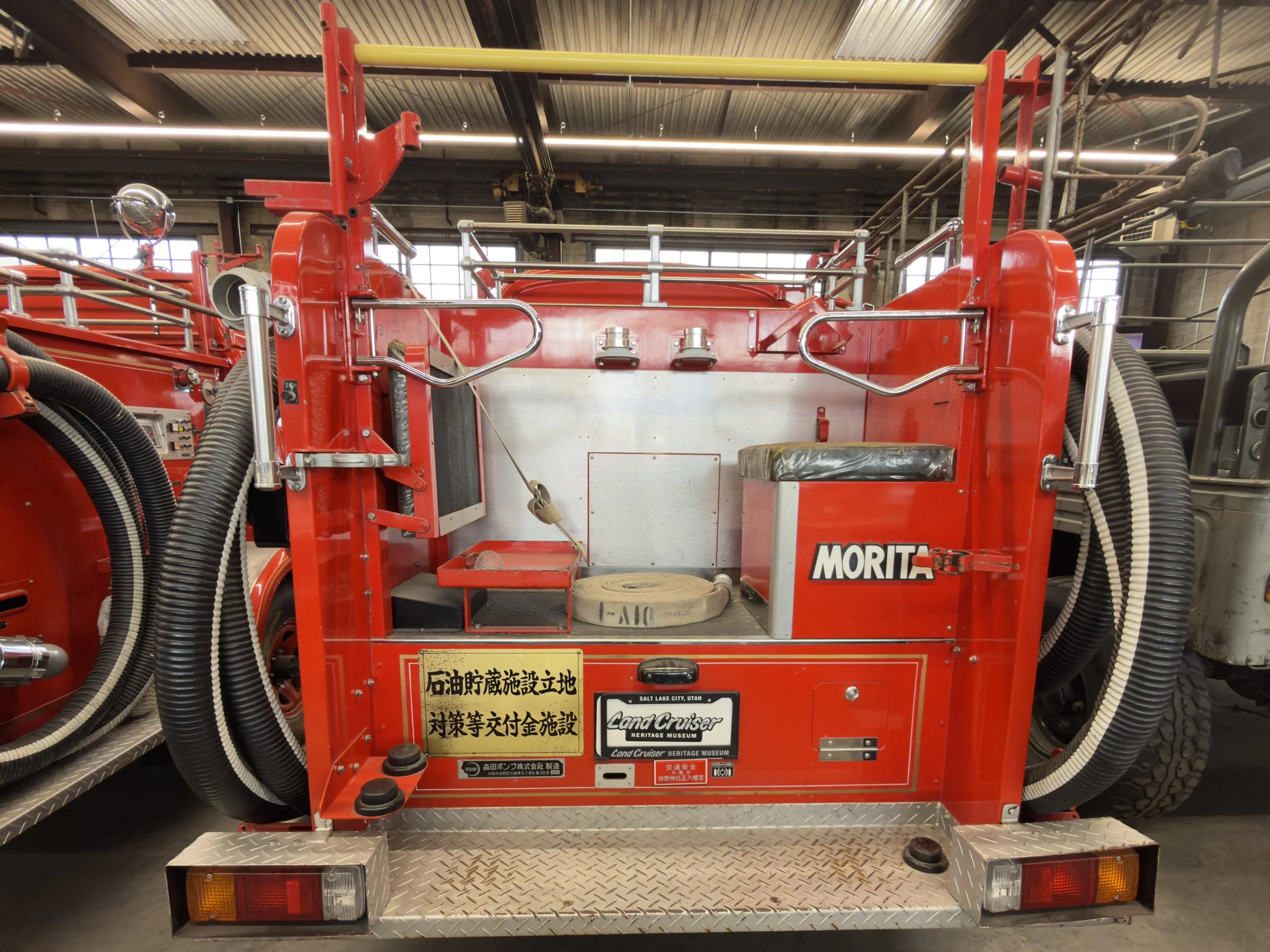
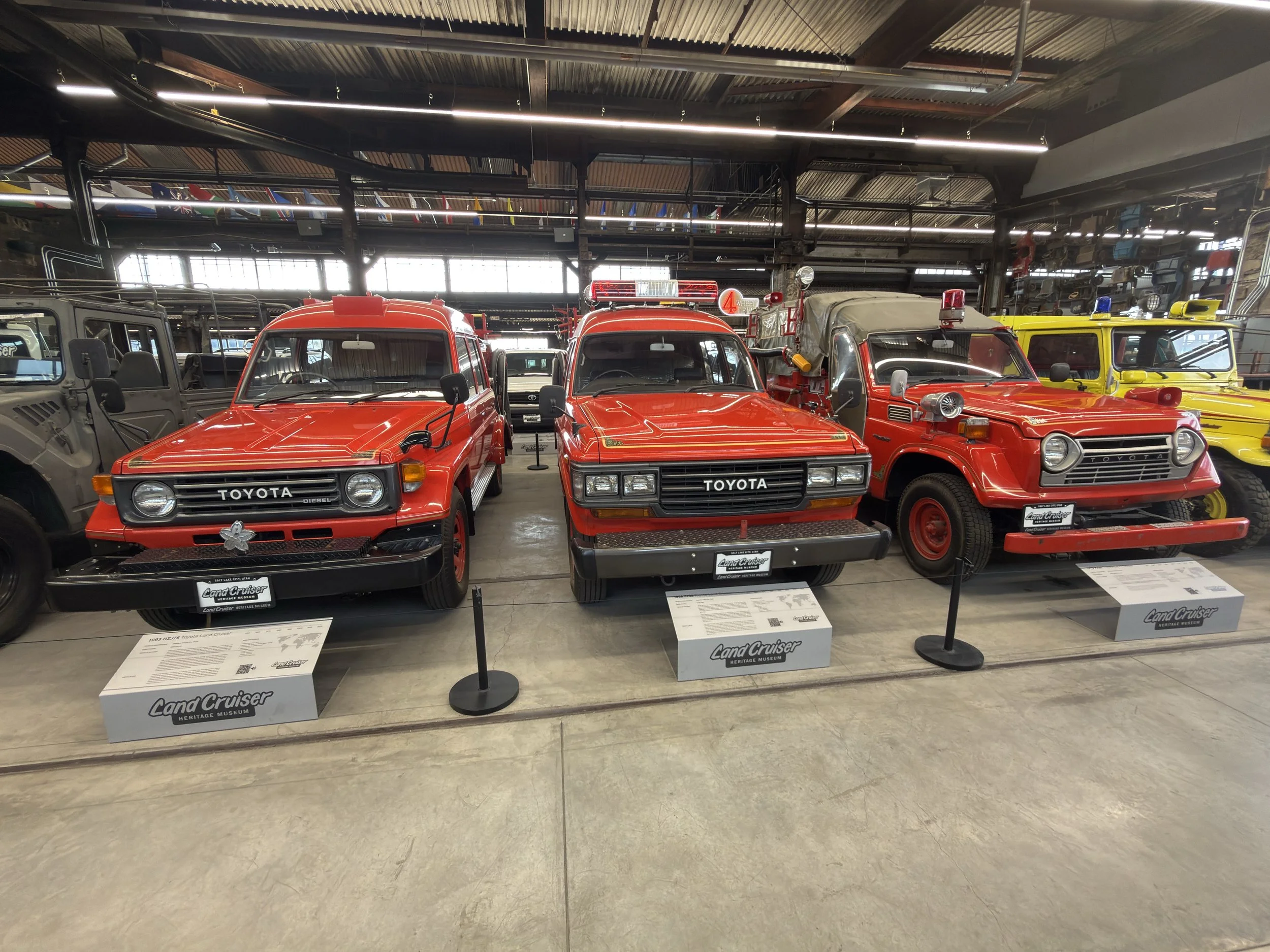
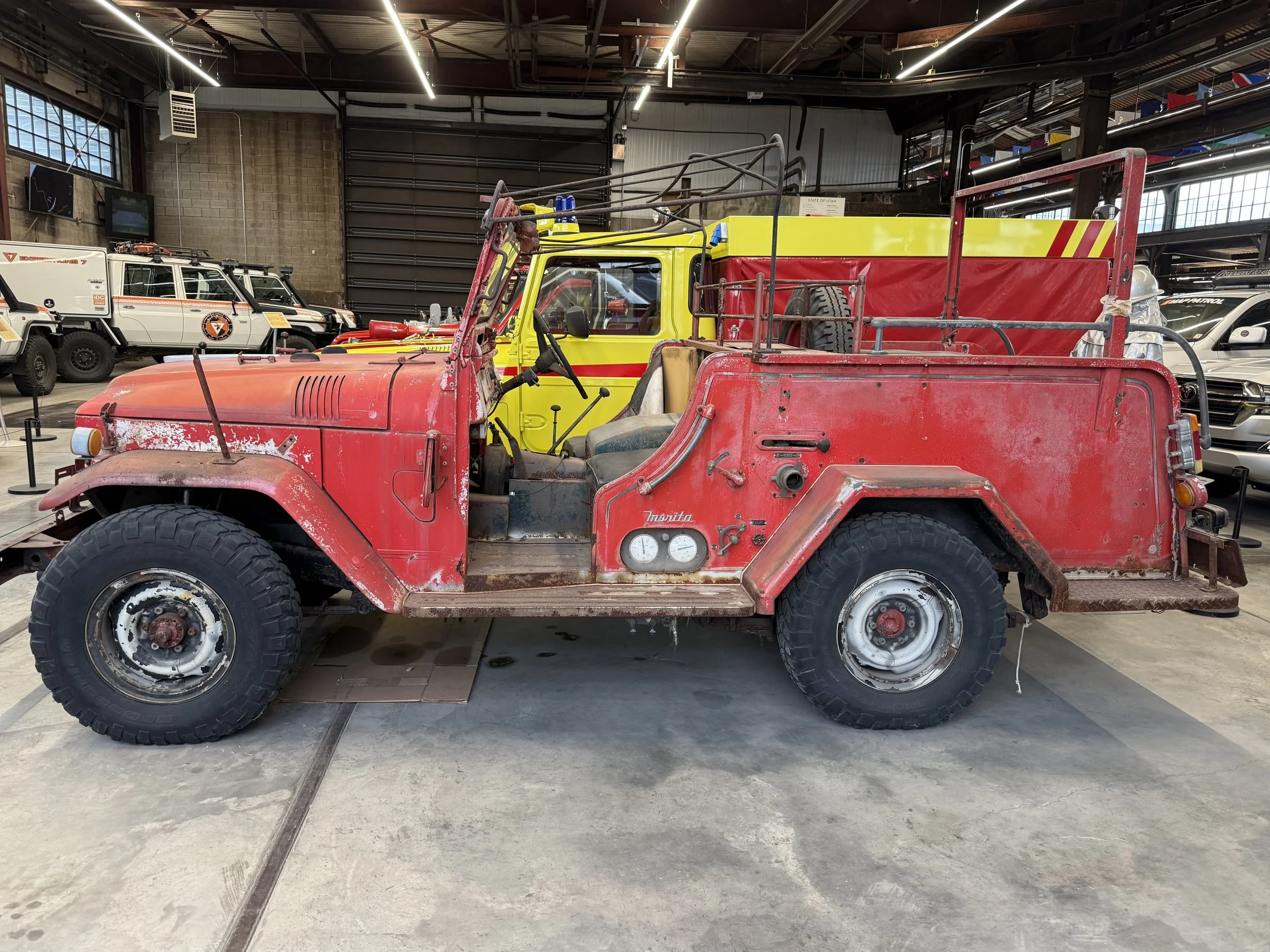
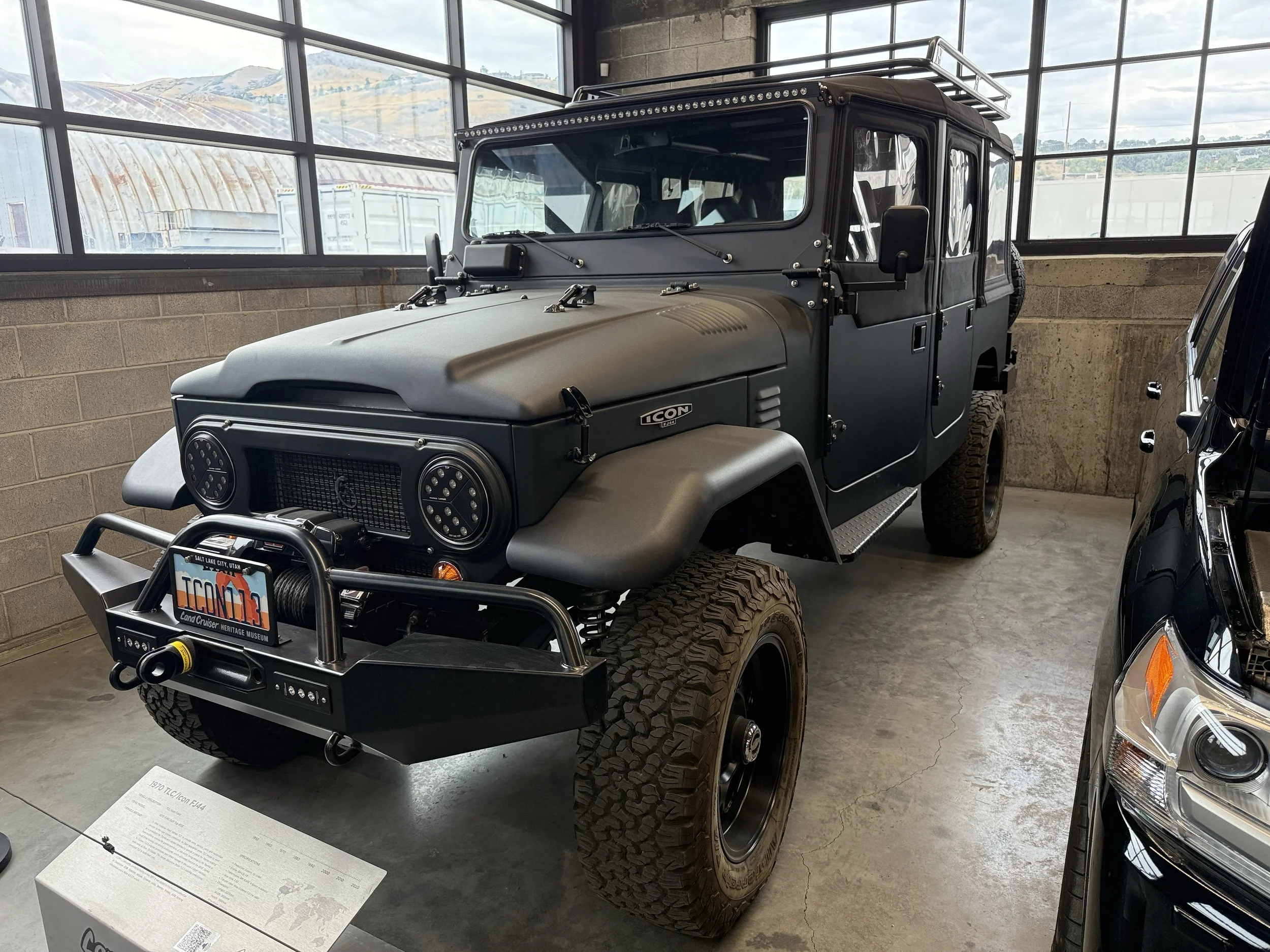
The museum also holds wonderfully unexpected chapters of the story – fire trucks, overseas models, unusual body configurations, custom builds, and prototypes. Two vehicles created by Southern California designer Jonathan Ward offer a glimpse of what a modern interpretation of the classic Land Cruiser might have looked like had Toyota chosen a different path.
For Greg, however, collecting was never simply about accumulating rare vehicles. “He was trying to build something that could outlive him,” Jules explained. The Land Cruiser Heritage Museum became a nonprofit foundation, created to protect the collection and make it available to future generations. Greg’s son Oakley, himself a Land Cruiser enthusiast, now serves on its board, carrying the family’s involvement into another generation.
The museum has evolved considerably along the way. It began at Miller Motorsports Park in Grantsville before moving to a largely unmarked Salt Lake City warehouse in 2015 – the kind of place, Jules said, where “if you know, you know.” In 2021, the collection moved into its current expansive home on 600 North, a converted former steel foundry.
The audience has changed, too. When Jules first arrived, visitors were largely Land Cruiser-owning men who already knew exactly what they had come to see. Today, families, women, tourists, car clubs, curious locals, and people simply searching for something different to do in Salt Lake City walk through the doors alongside serious enthusiasts. The latter can spend hours examining details most visitors would never notice. Some arrive while restoring Land Cruisers of their own and ask to photograph an engine compartment or look beneath a vehicle to determine what is factory correct.
Cars often become markers in personal histories. People remember the first car they drove, family road trips, accidents, adventures, marriages, children, and the moment they needed something larger. A vehicle can carry decades of memories along with its passengers.
For Greg, some of those memories lead back to southern Utah and rare days exploring with his father. That emotional connection may ultimately explain why the museum resonates even with someone who cannot distinguish an FJ25 from an FJ40. As Jules observed, “Land Cruisers have such a long lifespan. It’s a vehicle that’s worthy of heirloom status.”