

Address: 382 East 4th Avenue
Telephone: 801-364-8558
Website: cafe-shambala-llc.square.site
District: The Avenues
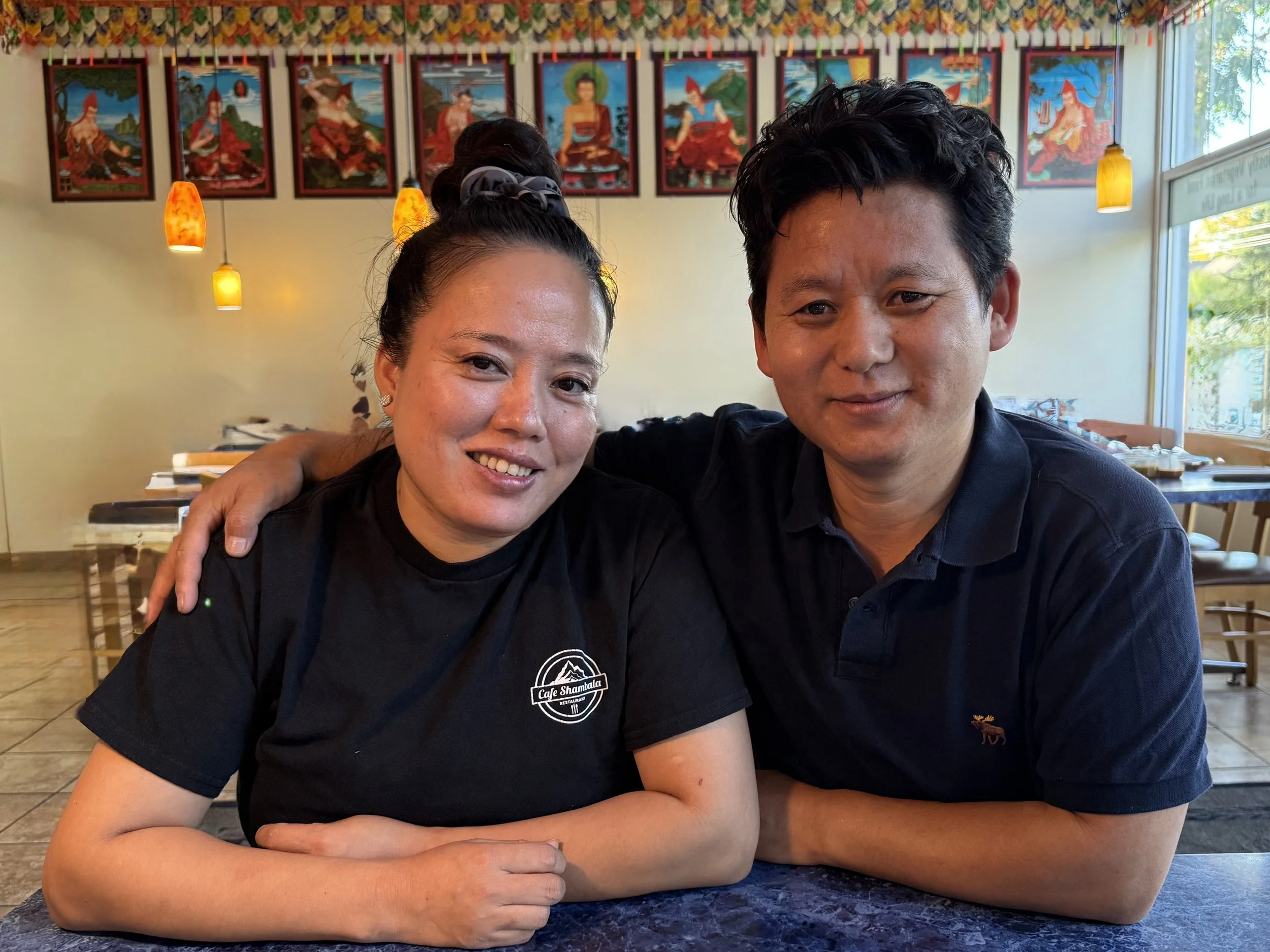
“She moved here to have a better life for us.” For Tenzin Dawa, the story of Cafe Shambala begins long before her family took over the Salt Lake City restaurant in 2011. It begins with her mother leaving her children behind in India for the chance to build a future for them in America.
Tenzin was born in Dharamsala, India, where her parents had grown up as Tibetan refugees. Her grandparents fled Tibet following the Chinese takeover and the Dalai Lama’s departure in 1959, making their way to India with their young children. Dharamsala, now home to the Dalai Lama and the Tibetan government-in-exile, became the world Tenzin knew.
Tenzin grew up surrounded by both Tibetan and Indian culture, learning to cook alongside her parents and grandparents, and attending a Tibetan boarding school beginning in second grade. Classes were taught in Tibetan, Hindi, and English. Home visits were generally limited to one weekend a month and the long winter holiday.
Then, an extraordinary opportunity changed the course of her family’s life. In the early 1990s, the United States established a resettlement program allowing one thousand Tibetans living in India and Nepal to immigrate to America. Tenzin’s mother entered the lottery and her name was selected. The opportunity came with a painful condition – she would have to go alone. Tenzin’s grandparents urged their daughter to reconsider. She spoke little English and would be leaving her children and everything familiar behind. But as Tibetan refugees in India, the family was effectively stateless, and America represented the possibility of a different future.
Where each Tibetan landed depended largely upon the location of an American sponsor willing to help with resettlement. Tenzin’s mother was sponsored in Utah and joined a small Tibetan community already forming in Salt Lake City. She worked, established herself, completed the necessary paperwork, and waited. Five years later, in December 1998, Tenzin, her father, and her siblings joined her.
Tenzin entered Highland High School as a teenager and quickly discovered how different an American classroom could be. In India, she had worn a uniform, stayed in one classroom while teachers came to the students, and followed a prescribed curriculum. Suddenly, she was choosing classes, changing rooms throughout the day, and deciding what to wear each morning.
Life outside school required adjustment as well. Her mother worked, and as the oldest child, Tenzin helped care for her younger siblings. After graduating, she attended college at the University of Utah with plans to study nursing. Soon afterward, following 9/11, she joined the Utah Army National Guard, in part to help pay for her education.
Tenzin was told the unit she joined rarely deployed. Almost immediately after completing her training, another unit needed someone in logistics. Tenzin was sent to Iraq for nearly a year, responsible for inventory, equipment, and ensuring soldiers had what they needed before leaving on missions. Her response to the uncertainty reflected the Buddhist beliefs with which she had been raised. “Whatever is written in my destiny, that is my path,” she remembers thinking. “Whatever is going to happen, it’s going to happen.”
After returning to Utah, Tenzin continued her education and eventually worked for several years as a phlebotomist at LDS Hospital. Her family had also spent years in the restaurant business, and in April 2011, they took over Cafe Shambala. They renovated the space, and Tenzin left the hospital to join the family business – greeting guests, hosting, and, when necessary, stepping into the kitchen as what she jokingly calls the “emergency cook.”
Tenzin's husband Sky Namkha's road to Salt Lake began very differently. He was born in Tibet. When he was about six years old, his parents decided he would have greater educational opportunities outside the country. His father set out with him across the Himalayas toward Nepal. The journey took roughly a month, and they traveled primarily at night. Walking during daylight could expose those fleeing Tibet to authorities and the danger of being shot. Sky remembers parts of the journey – the mountains, the darkness, and older members of the group carrying him on their shoulders.
After reaching Nepal, Sky entered a Tibetan refugee reception center before continuing on to India where he attended a Tibetan Children’s Village school in Dharamsala. Years later, one of Sky’s brothers was among the Tibetans resettled in the United States. After becoming a citizen, his brother was able to petition for his siblings, and Sky eventually arrived in Salt Lake in 2013.
Tenzin and Sky came to know each other through Utah’s close-knit Tibetan community. Friendship became something more, and today they are raising a young daughter whose Tibetan name means “gathering of happiness.” Their families’ journeys now come together at Cafe Shambala. Its name evokes a hidden place of peace and refuge – particularly fitting for a restaurant where Tenzin and Sky share the food, culture, and traditions their families carried with them across generations.
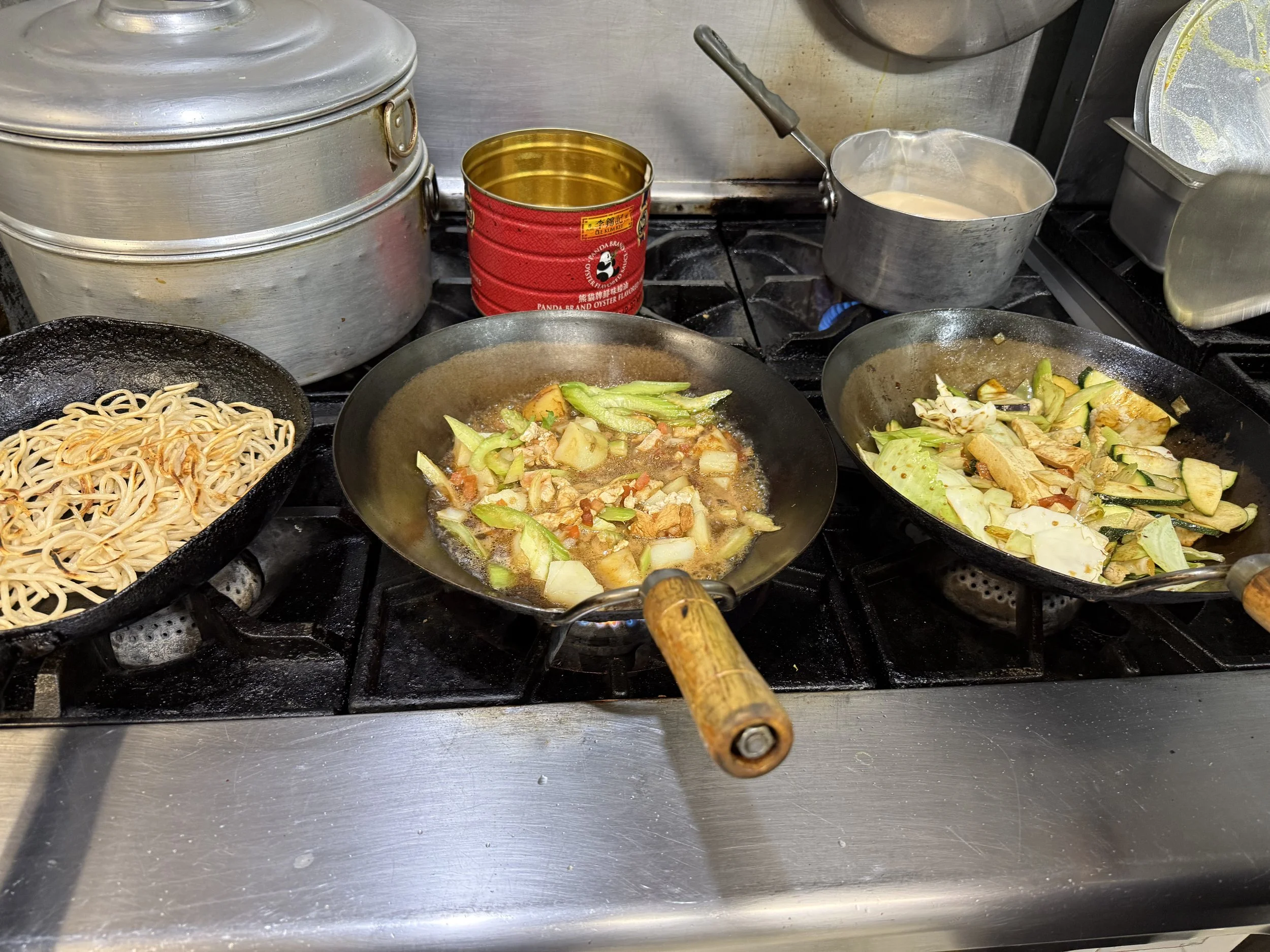
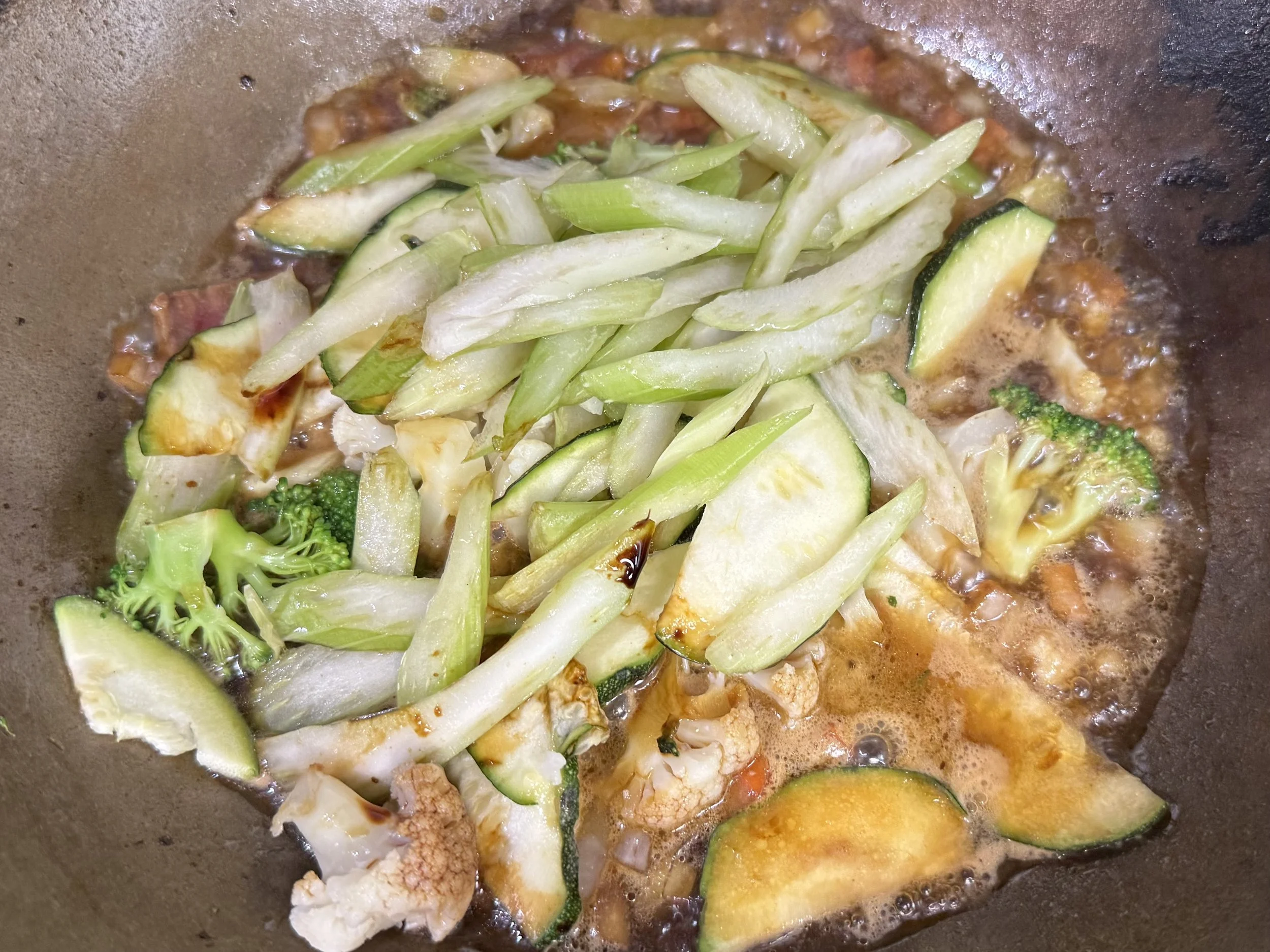
The menu reflects both Tibet itself and the decades Tibetans have spent living in India. Tenzin describes the cuisine as somewhere between Indian and Chinese cooking – flavorful but generally milder than many Indian dishes, with spices incorporated into traditional Tibetan preparations. Everything is made from scratch, allowing the kitchen to accommodate many dietary restrictions and allergies.
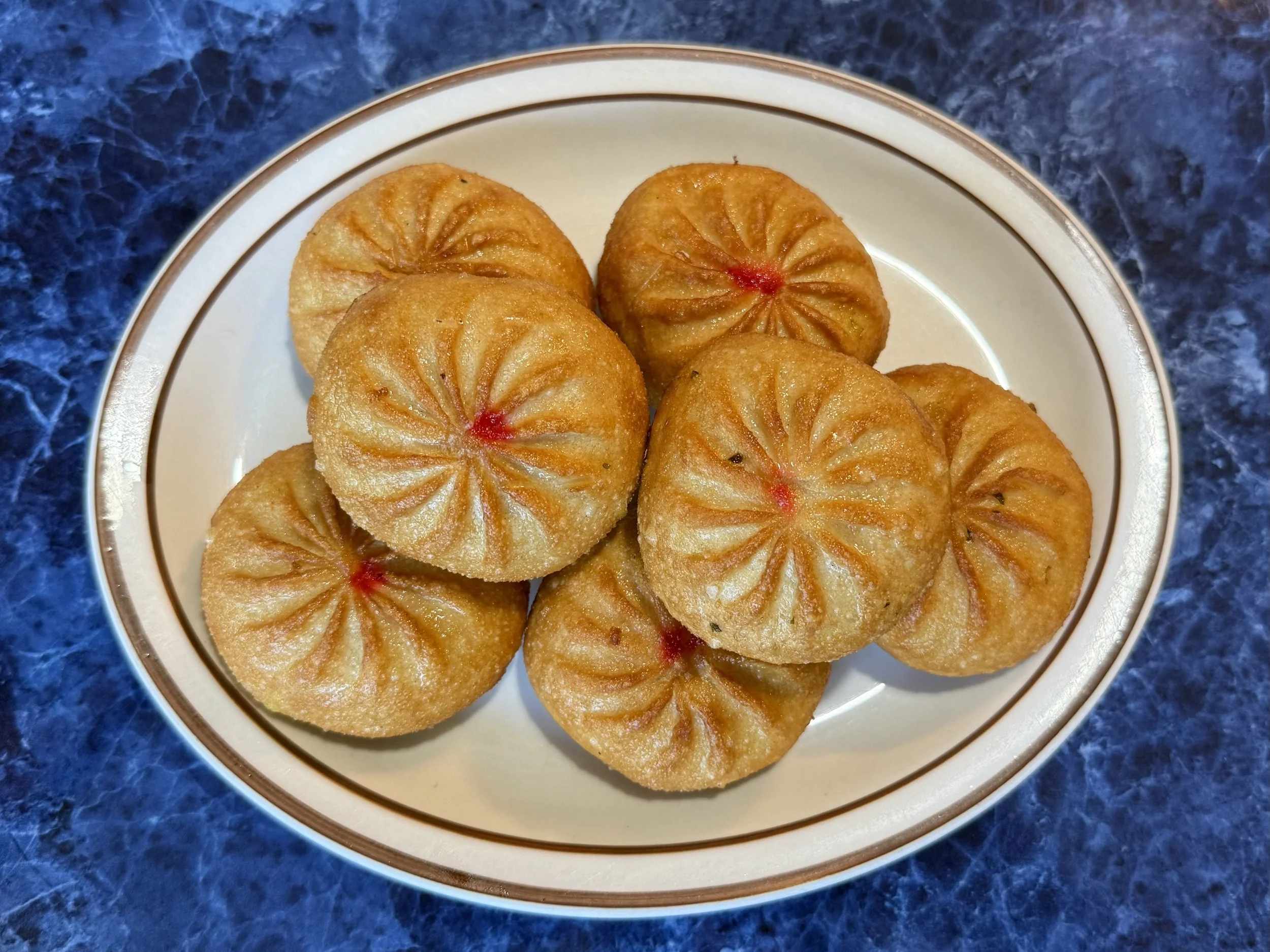
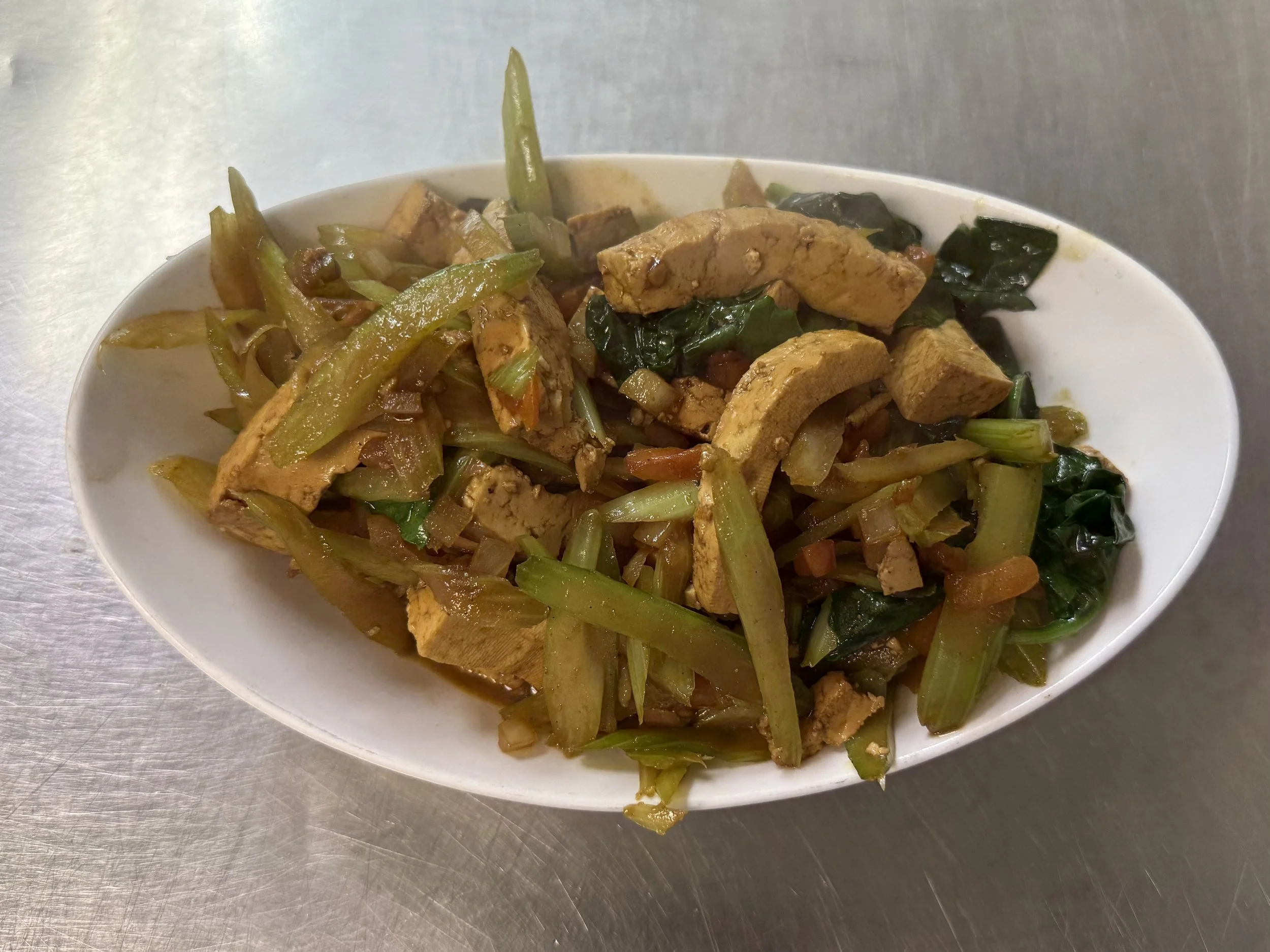
Momos – Tibetan dumplings offered with meat or vegetables – are among the restaurant’s signature appetizers. Traditional noodle dishes, curries, and vegetable plates share the menu, with numerous vegan and gluten-free possibilities. On weekends, the kitchen adds specialties that offer an even deeper introduction to Tibetan cooking. Then there is Tibetan butter tea, made with tea, salt, and butter. Tenzin readily admits that the savory drink can surprise someone tasting it for the first time. In Tibet, however, the rich, warming tea has long been part of daily life, particularly valuable in the bitter cold of the Himalayan mountains.
For Tenzin and Sky, sharing these foods is also a way of keeping alive a culture their families carried with them through displacement, separation, and extraordinary journeys. Tenzin was born into exile. Sky left Tibet as a six-year-old, crossing the Himalayas under cover of darkness. Decades later, the two have made a home in Salt Lake and found a way to share a piece of the home their families left behind. “We’ve been here in exile for so long, and this country has given us so much,” Sky says. “Our family’s role is to serve back to the community and, at the same time, promote our culture.”