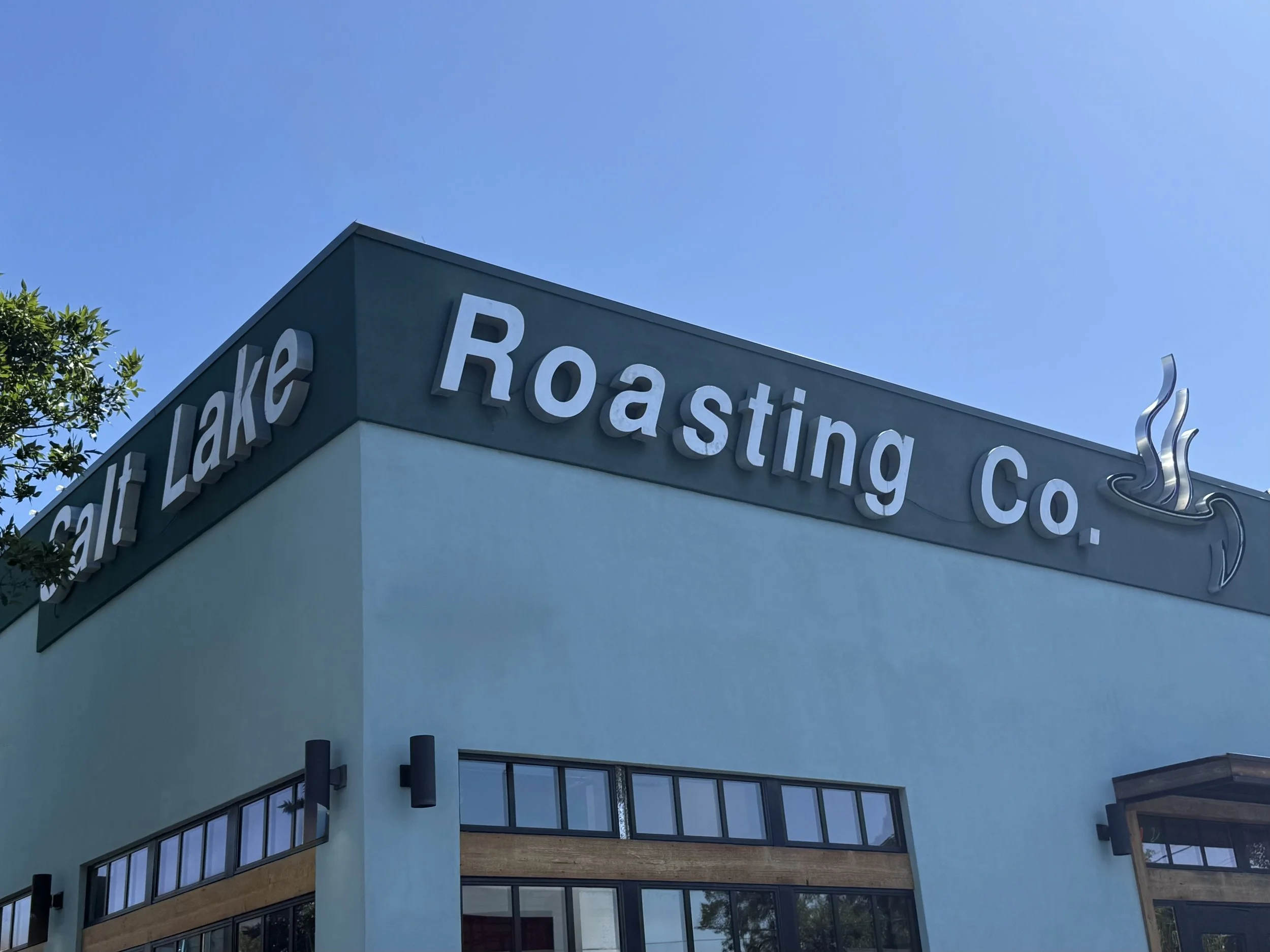
Salt Lake Roasting Company
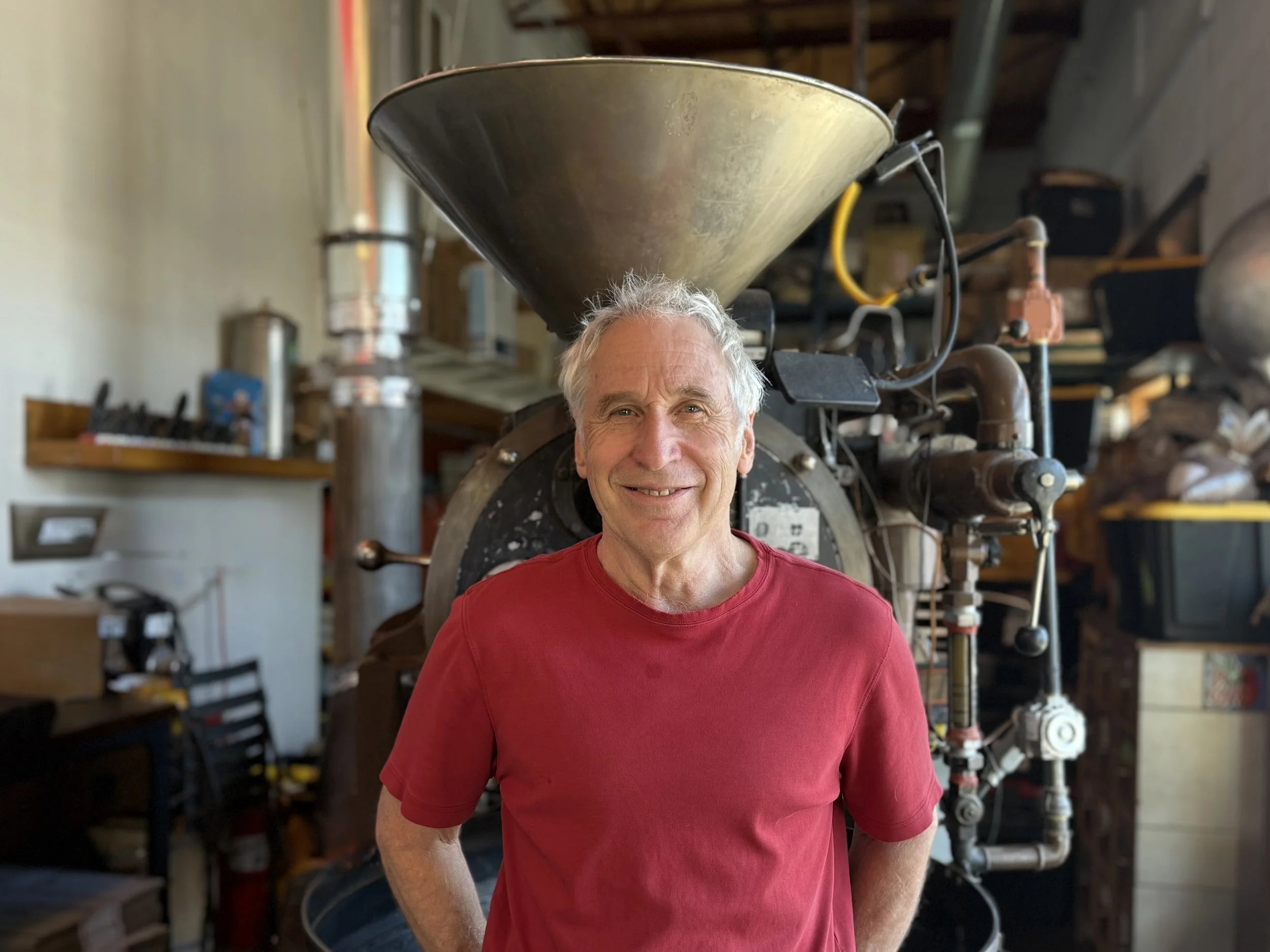
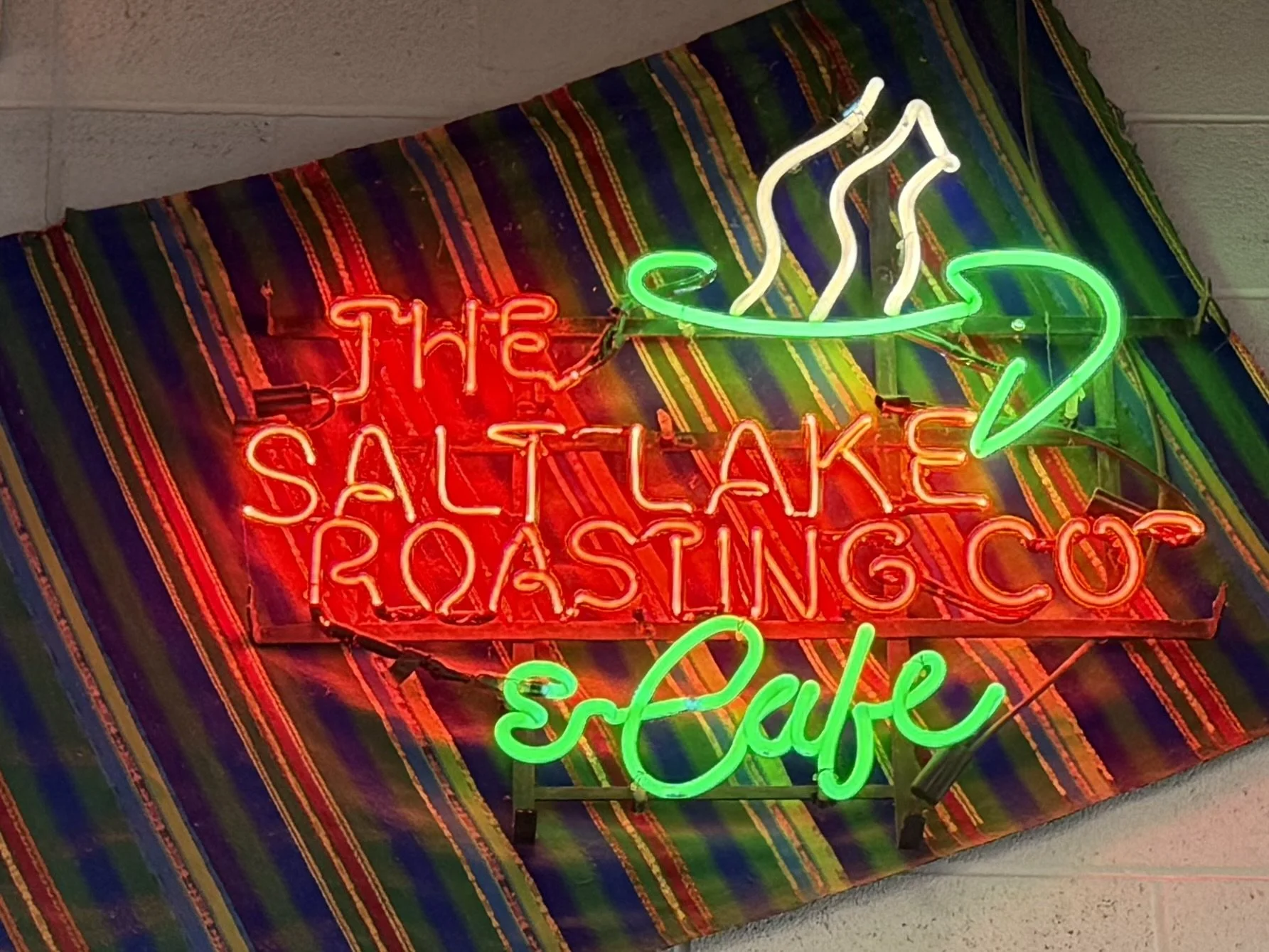
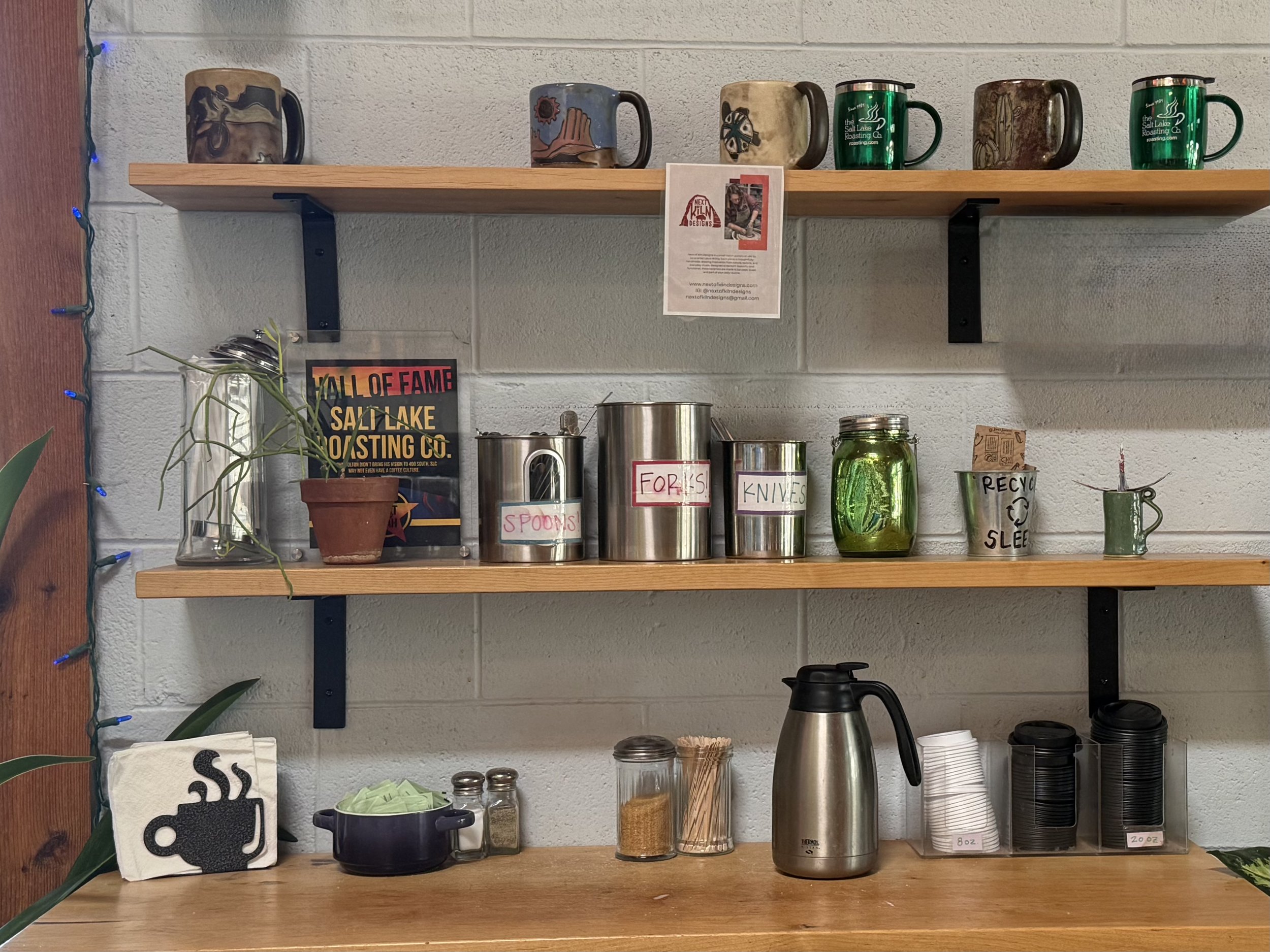
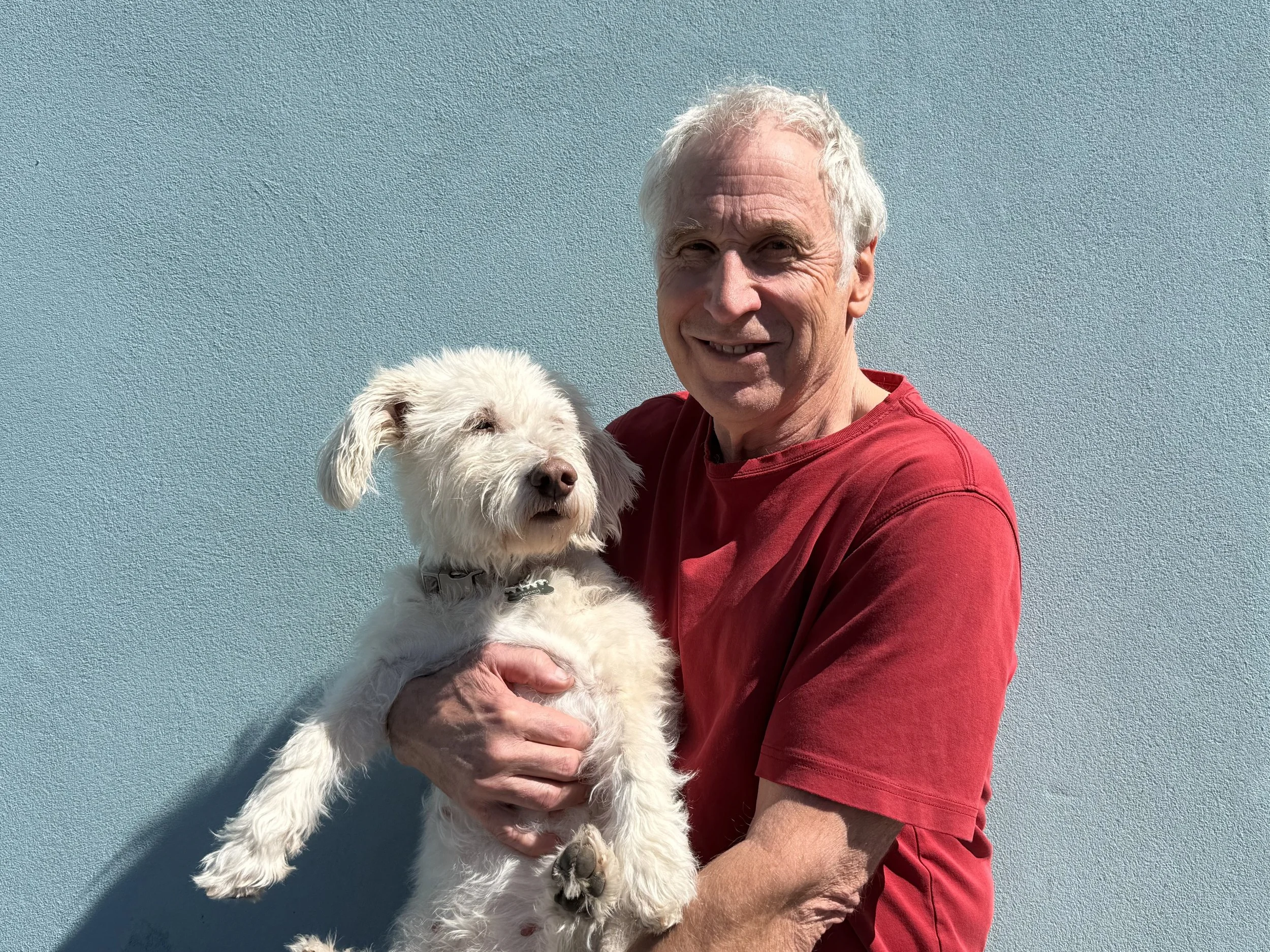
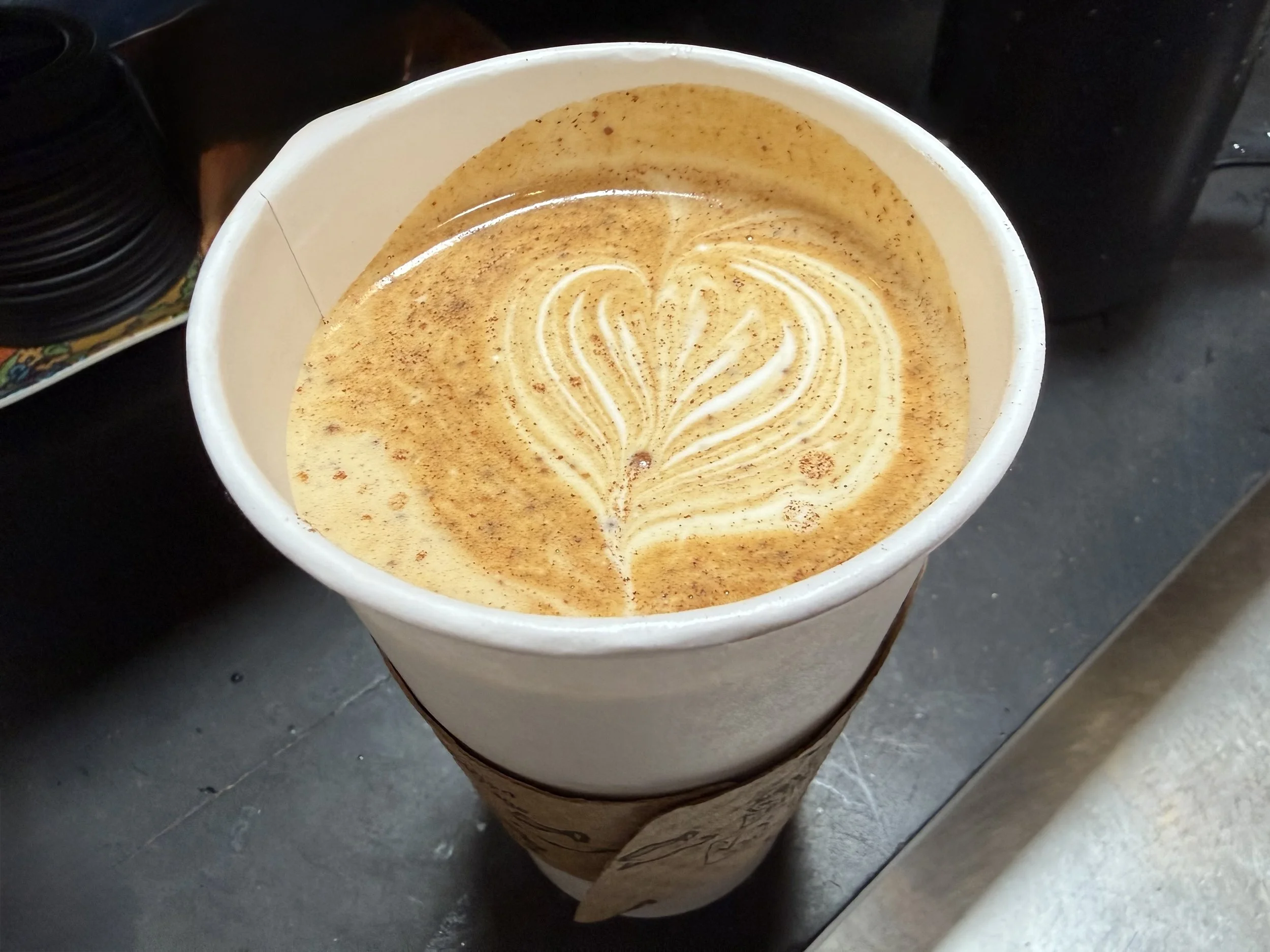
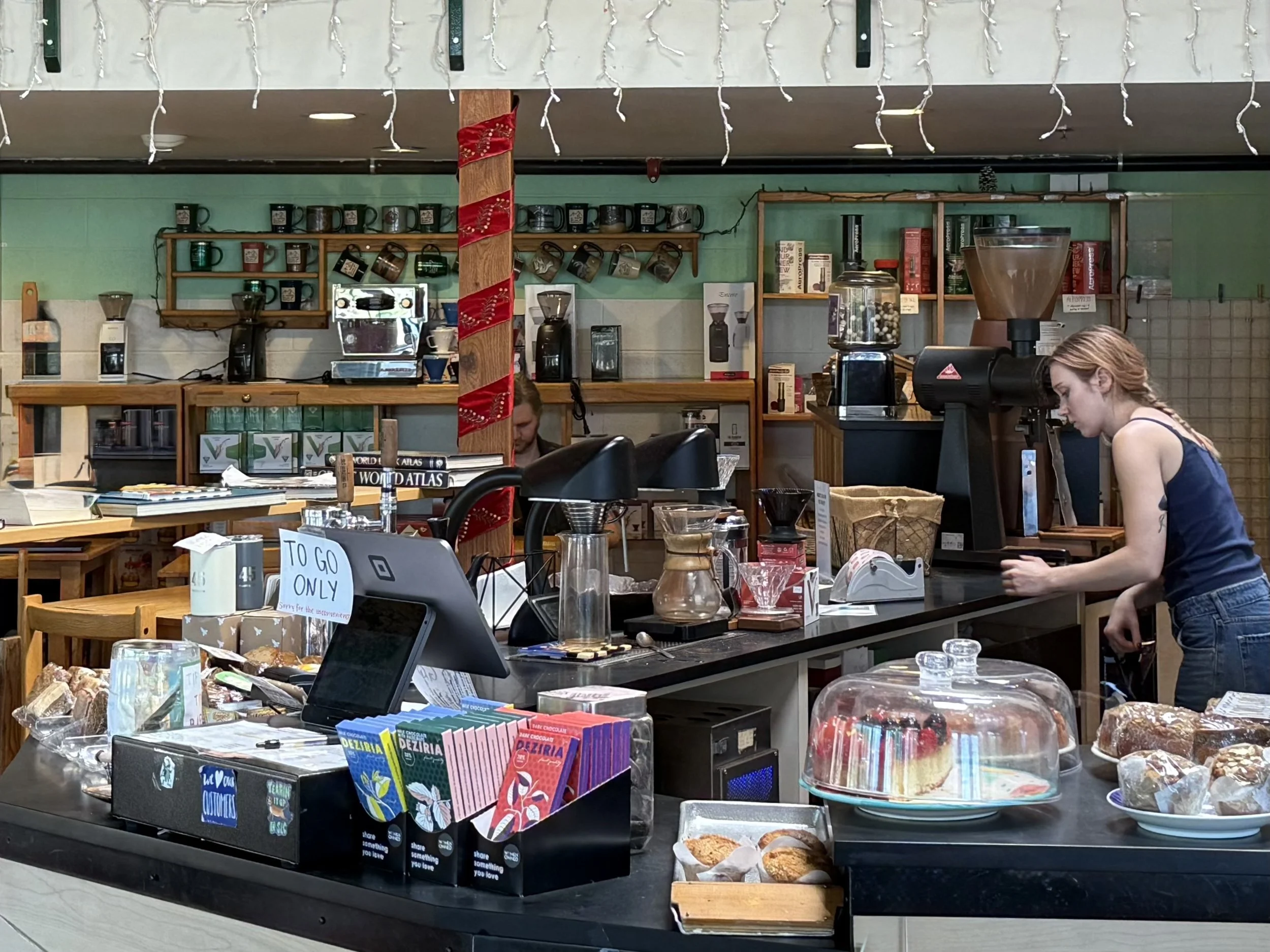
“I was always frustrated with the quality of coffee we were serving international guests.” That frustration eventually led John Bolton away from the kitchens at Snowbird and into an entirely different pursuit – one that would make Salt Lake Roasting Company an early force in Salt Lake City’s specialty coffee scene.
John grew up in the Detroit area, studied economics at Michigan State University, and went to work for Ford Motor Company after college. Nine months inside a large corporate bureaucracy was enough. He outfitted a van and headed west, traveling through Michigan’s Upper Peninsula, across Canada to Vancouver, down the West Coast, and eventually back toward home. On Thanksgiving night, after crossing Nevada, he arrived in Utah and found himself surrounded by the Wasatch Mountains.
John soon landed a job at Alta, beginning in the kitchen washing dishes and working his way through seemingly every task that needed doing – peeling garlic and shallots, making pastries, and eventually becoming a sous chef. After three years, Snowbird hired him for the Cliff Lodge. When the chef left a month later, John unexpectedly found himself running the kitchen. Armed, as he remembers it, with Julia Child’s two-volume Mastering the Art of French Cooking and enormous ambition, John embraced the opportunity. Before long, he was executive chef for Snowbird’s private clubs, overseeing three restaurants and four cocktail lounges. Yet one thing continued to bother him – the coffee.
In 1982, while still working as a chef, John bought a small twelve-pound coffee roaster and began roasting at night in a warehouse in Sandy. At first, he sold only to Snowbird and La Caille. After two years of balancing roasting with his work in the mountains, he left Snowbird and committed himself fully to coffee.
Salt Lake Roasting Company opened its first brick-and-mortar location at 249 East 400 South in the early 1980s, across from what is now the Salt Lake City Public Library. John believes he was the first dedicated coffee roaster in Salt Lake City, though he is careful about claiming the distinction. What he does remember clearly is that there was no one else roasting coffee in the city and very little specialty coffee between Denver and the Bay Area.
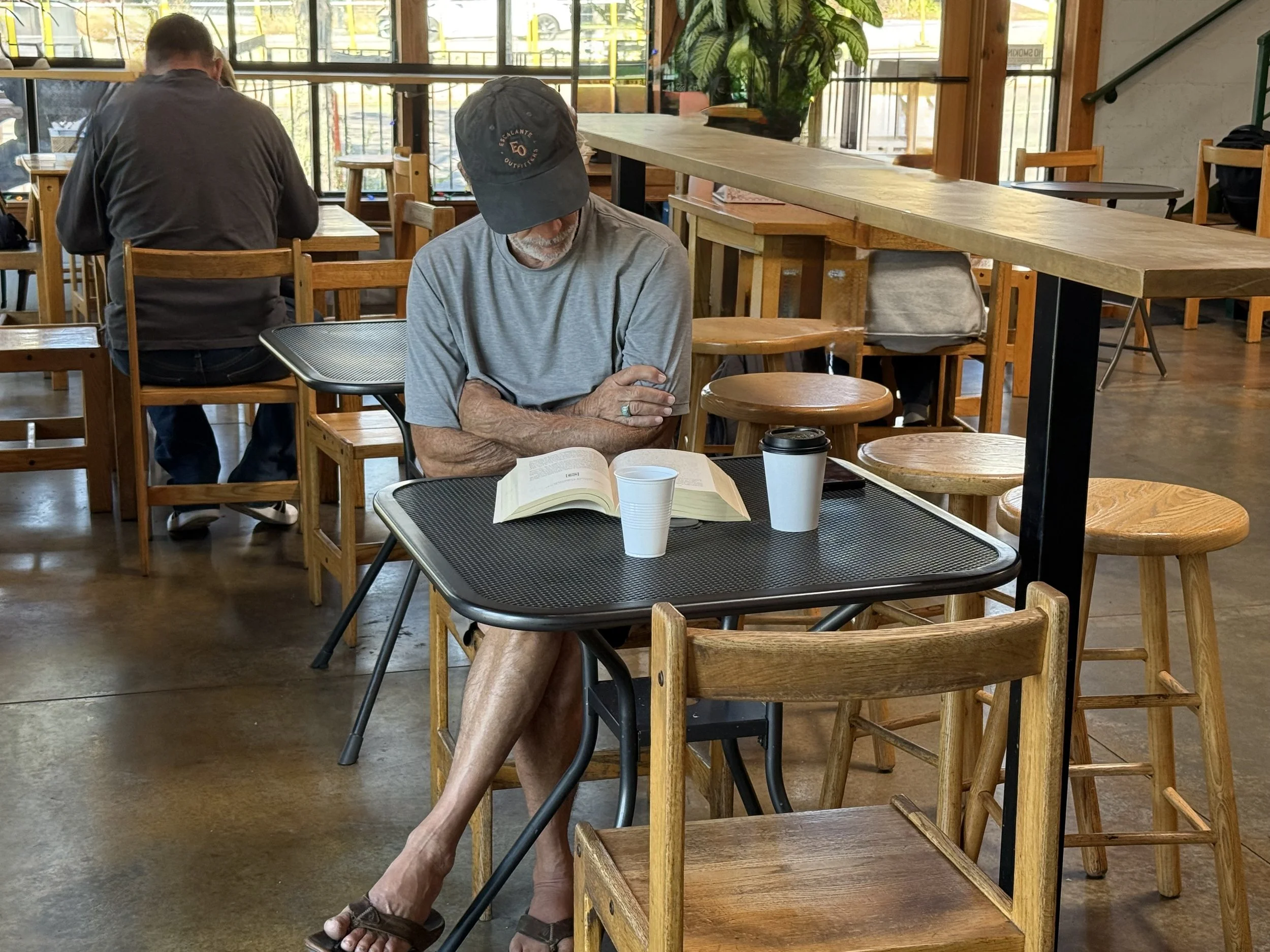
The response was immediate. “I had a faithful clientele,” John recalled. In those years, Salt Lake Roasting Company stayed open until eleven in the evening, during the week, and one in the morning on weekends. After a performance, theatergoers would arrive dressed in suits, evening clothes, and occasionally tuxedos. Long before Salt Lake had its current abundance of coffee shops, John had created a late-night gathering place.
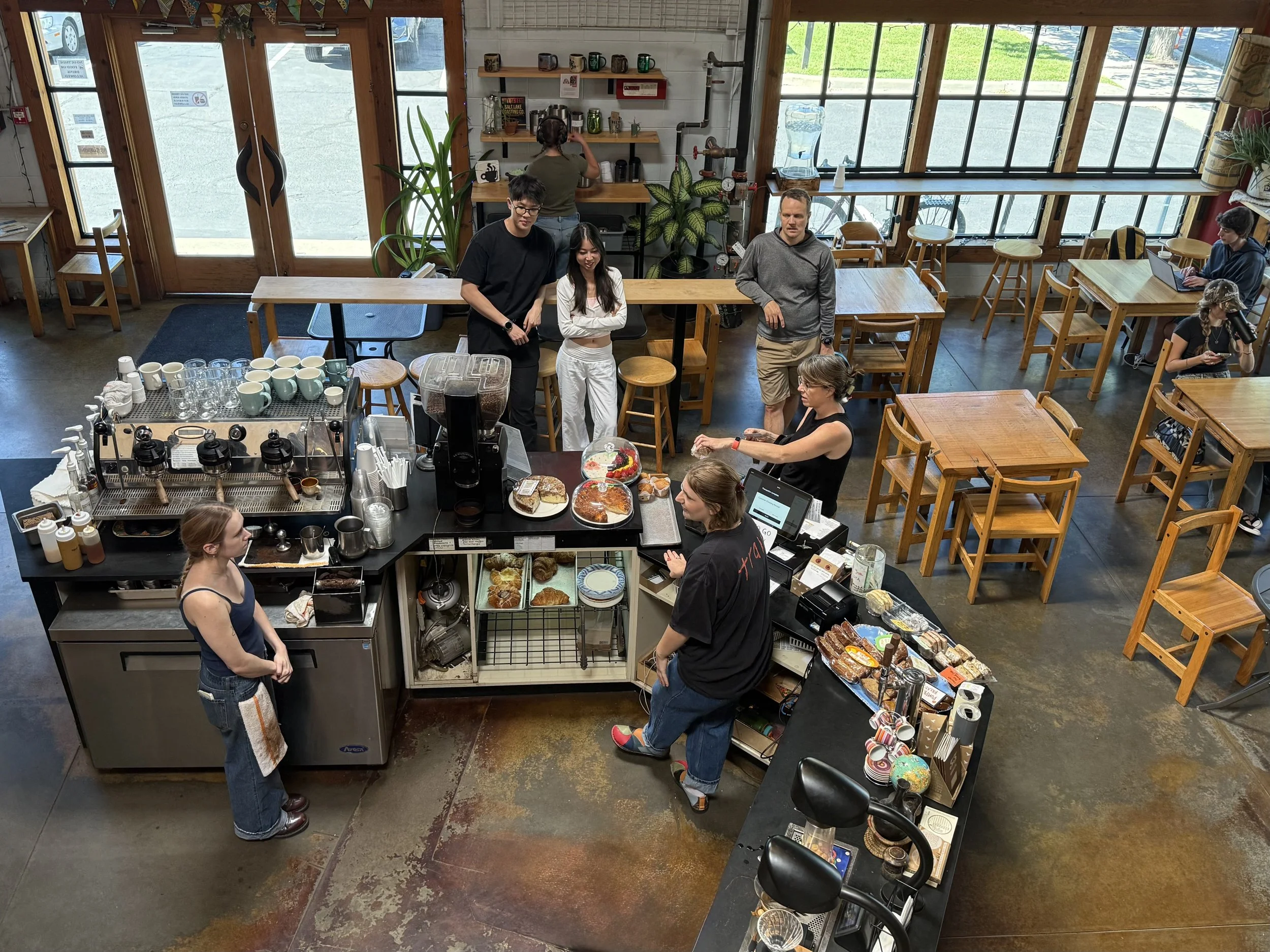
After seven years, John moved the business to 320 East 400 South, where the roasting company remained for twenty-seven years. When redevelopment forced another move, John purchased the current building and set about transforming it. What he expected to be a six-month renovation stretched to nearly two years. A dropped ceiling concealed the height and character above it, and once John discovered what was there, plans grew considerably. Utilities were moved onto a new floor, walls disappeared, a balcony and upstairs office were added, and John worked to preserve some of the atmosphere of the longtime downtown shop while creating something more intimate. Salt Lake Roasting Company opened its new home in 2018.
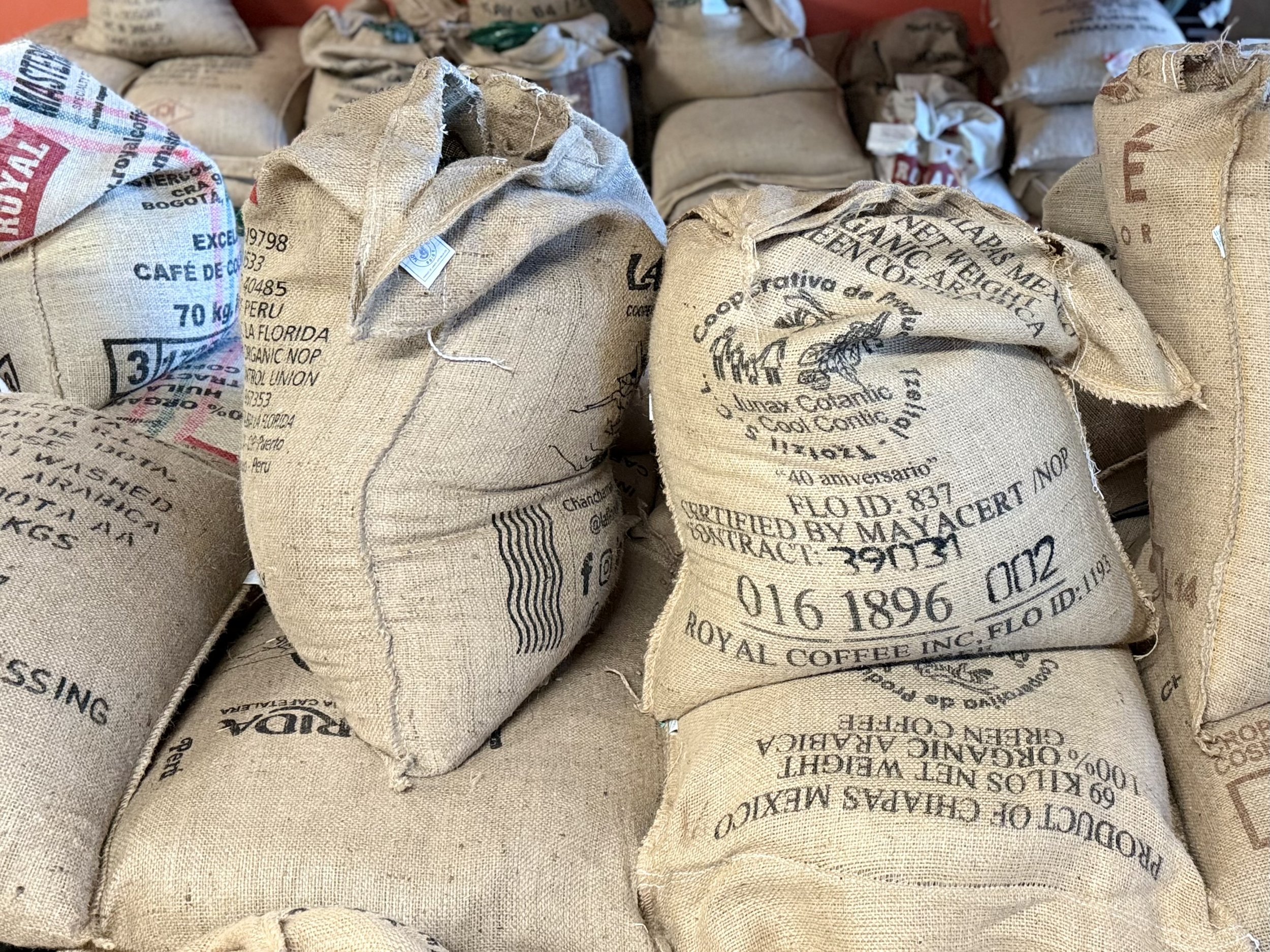
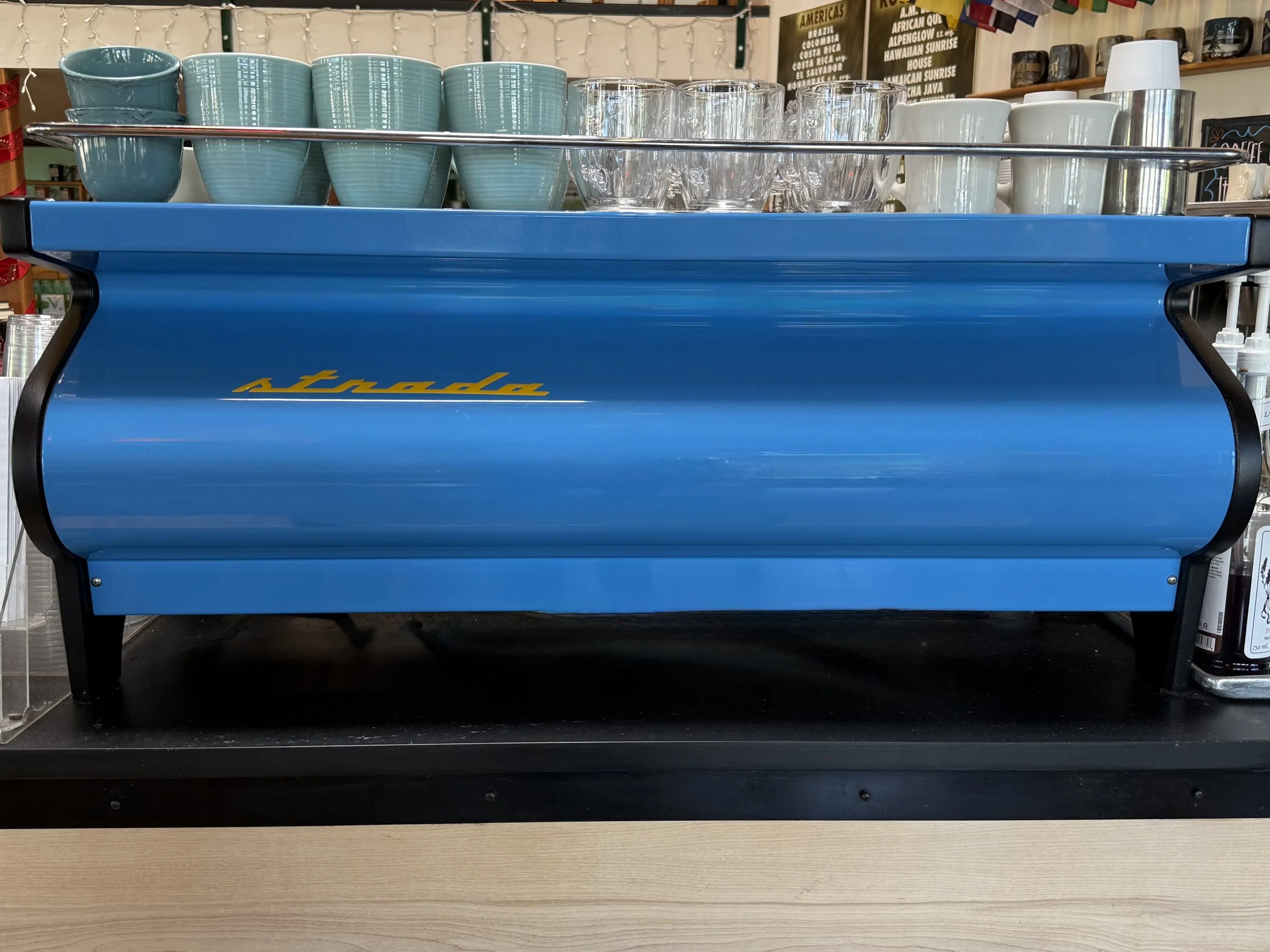
Through every move, coffee remains at the center. John offers roughly thirty-five single-origin coffees along with another eighteen blends, an unusually broad selection in an industry where many contemporary roasters concentrate on a handful at a time. Green coffee beans arrive from around the world. The beans are then roasted regularly on site, and are offered in the shop, sold to wholesale customers, and shipped across the country and overseas.
“I started in an era where it was a different industry,” John explained. “I was so passionate about all the places I visited that I wanted to have them represented in my store.” That passion repeatedly took him to coffee-growing regions. For John, the trips were never solely about evaluating beans. He wanted to understand the people and cultures behind them – and the enormous difference between coffee as something enjoyed in Salt Lake, and coffee as a livelihood at its origin.
Today he still cups thousands of samples each year, sometimes tasting forty coffees from Kenya to select two, or seventy from Guatemala to choose three. Yet after decades spent taking coffee seriously, John also sees humor in an industry that can occasionally take itself a little too seriously. “I’ve wanted to start a blog, and the title of it would be, ‘Hey, it’s just coffee. Don’t take yourself so seriously.’”
Then comes the qualification. At origin, John knows, it is not “just coffee.” The crop represents a farmer’s income and a family’s ability to put food on the table. That understanding is something he hopes to pass on to his children, who have begun accompanying him on some of his travels.
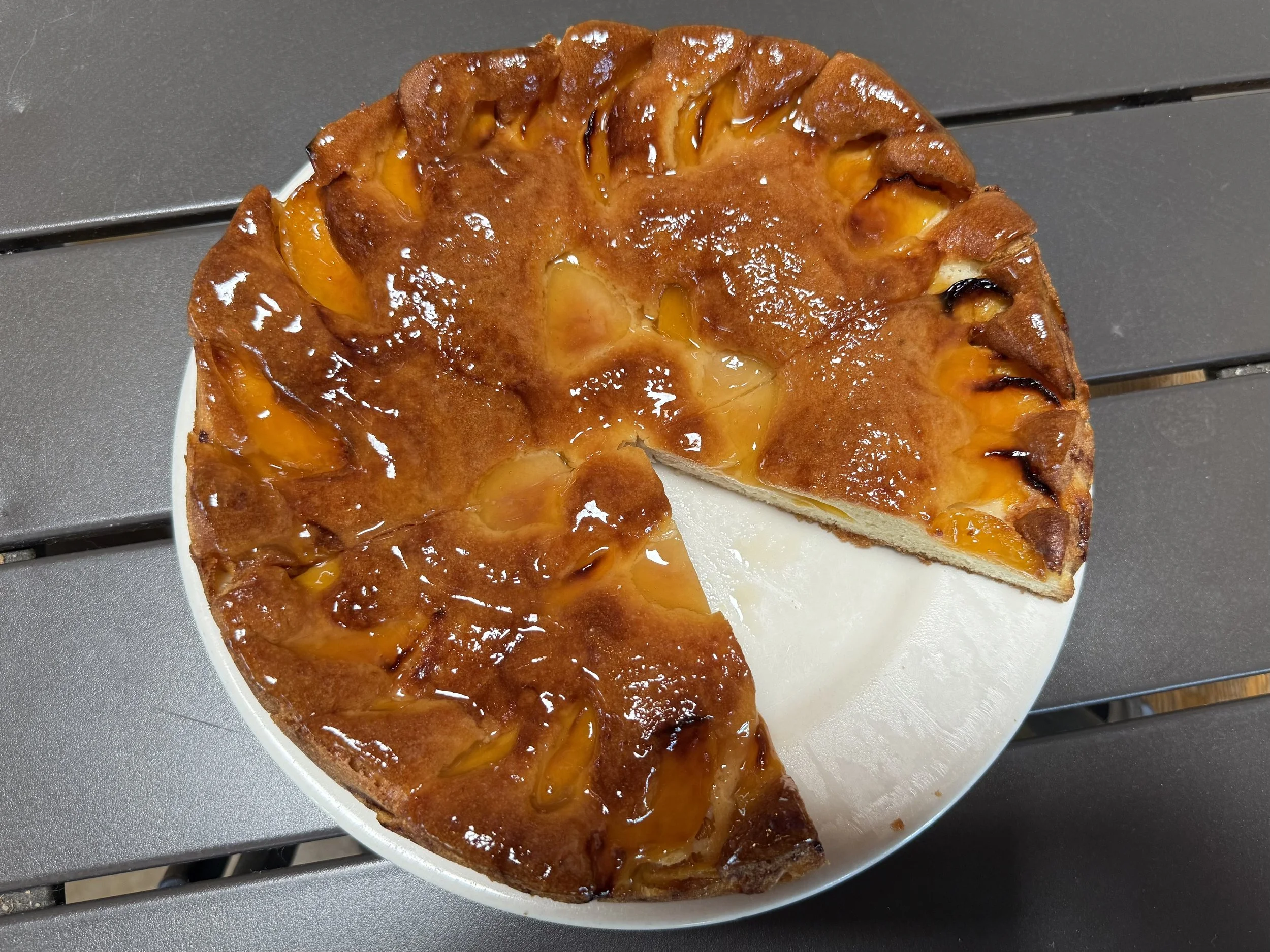
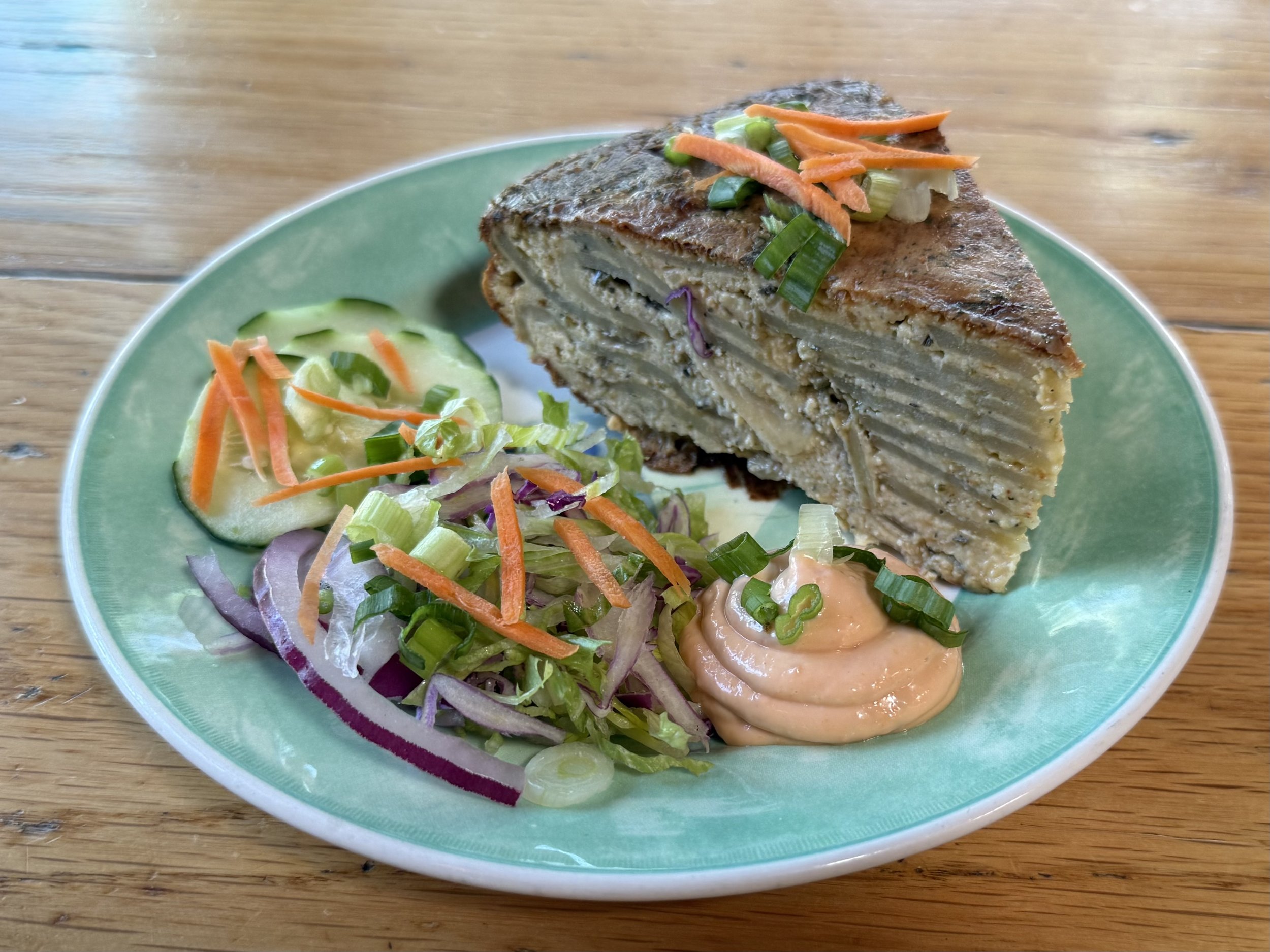
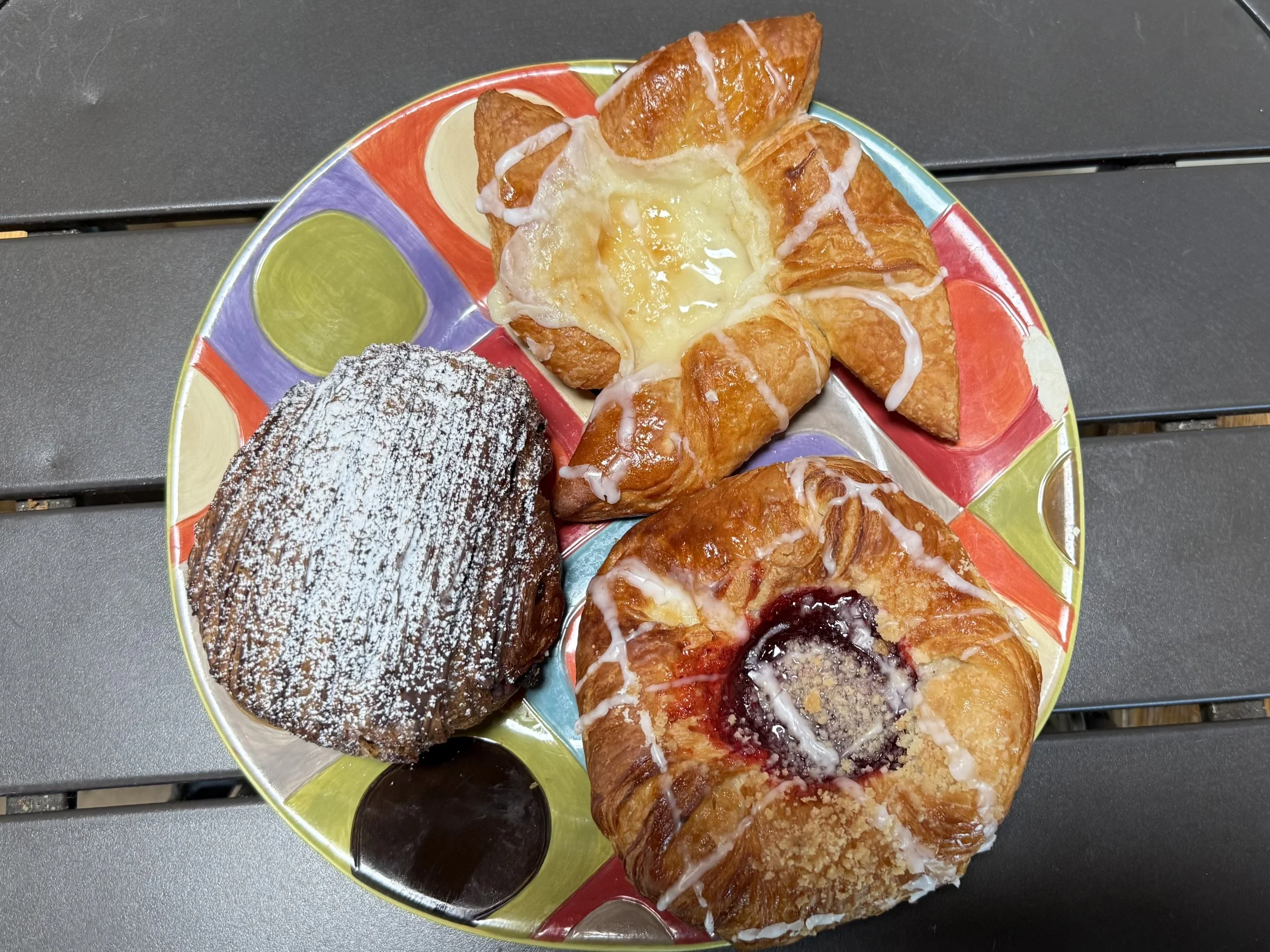
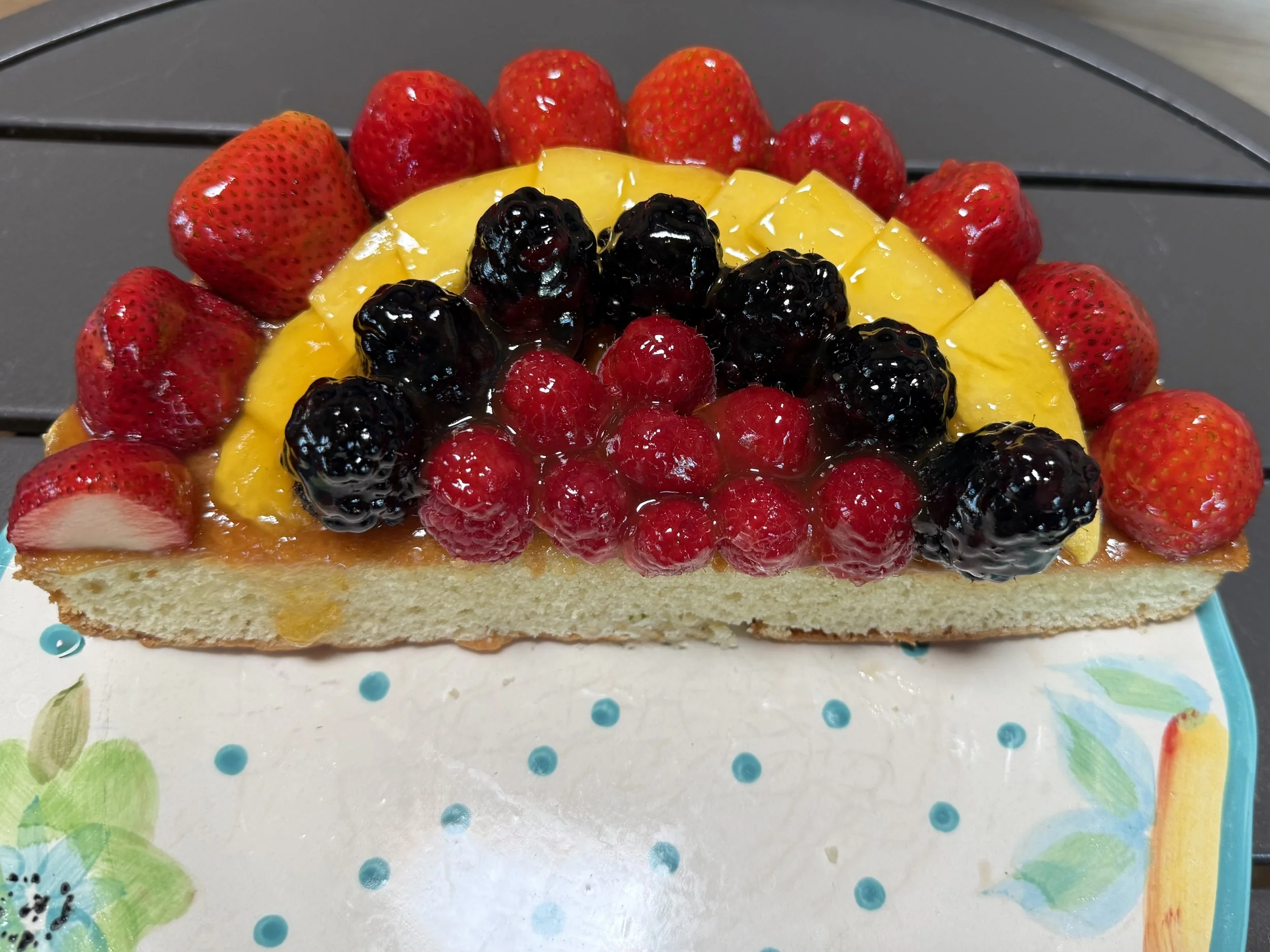
Coffee may be the foundation of Salt Lake Roasting Company, but John never stopped being a chef. Food has been part of the business from the beginning, and much of it is still prepared from scratch using his recipes. The menu changes regularly, moving among soups, quiche, empanadas, burritos, paella, lentils, pastries, gelato, and dishes influenced by cuisines from around the world. His sourdough recipe has been with him for some forty-five years, while the seafood chowder reaches all the way back to his Snowbird days.
Tea has also been there since the beginning. John sources varieties from around the world, including China and India, offering them by the cup and for customers to take home. Still, there is no question what built the business. “The epicenter needs to be with the coffee and beverages."
More than four decades after he began roasting at night in a Sandy warehouse, John still comes to work because he wants to. He recognizes many of the faces around the room, even if, he jokes, he is not nearly as good at remembering their names. Over time, his definition of what makes a business successful has changed as well. The younger John was intensely focused on the quality of what he produced. The older John has come to believe that what happens around the cup matters just as much. “You can give them the best product in the world, but if you don’t make them feel welcome, they’ll go somewhere else.”
That philosophy may explain why Salt Lake Roasting Company feels less like a business that has simply survived for decades and more like one that has grown comfortable with itself. John still obsesses over which coffees to buy. He still loves food. He still travels, tastes, roasts, and thinks about what could be better. But after all these years, what he most wants to offer is something that cannot be packaged and shipped. “More than anything, I want people to feel welcome here and feel like this is a hideaway for them – a sanctuary, if you will.”