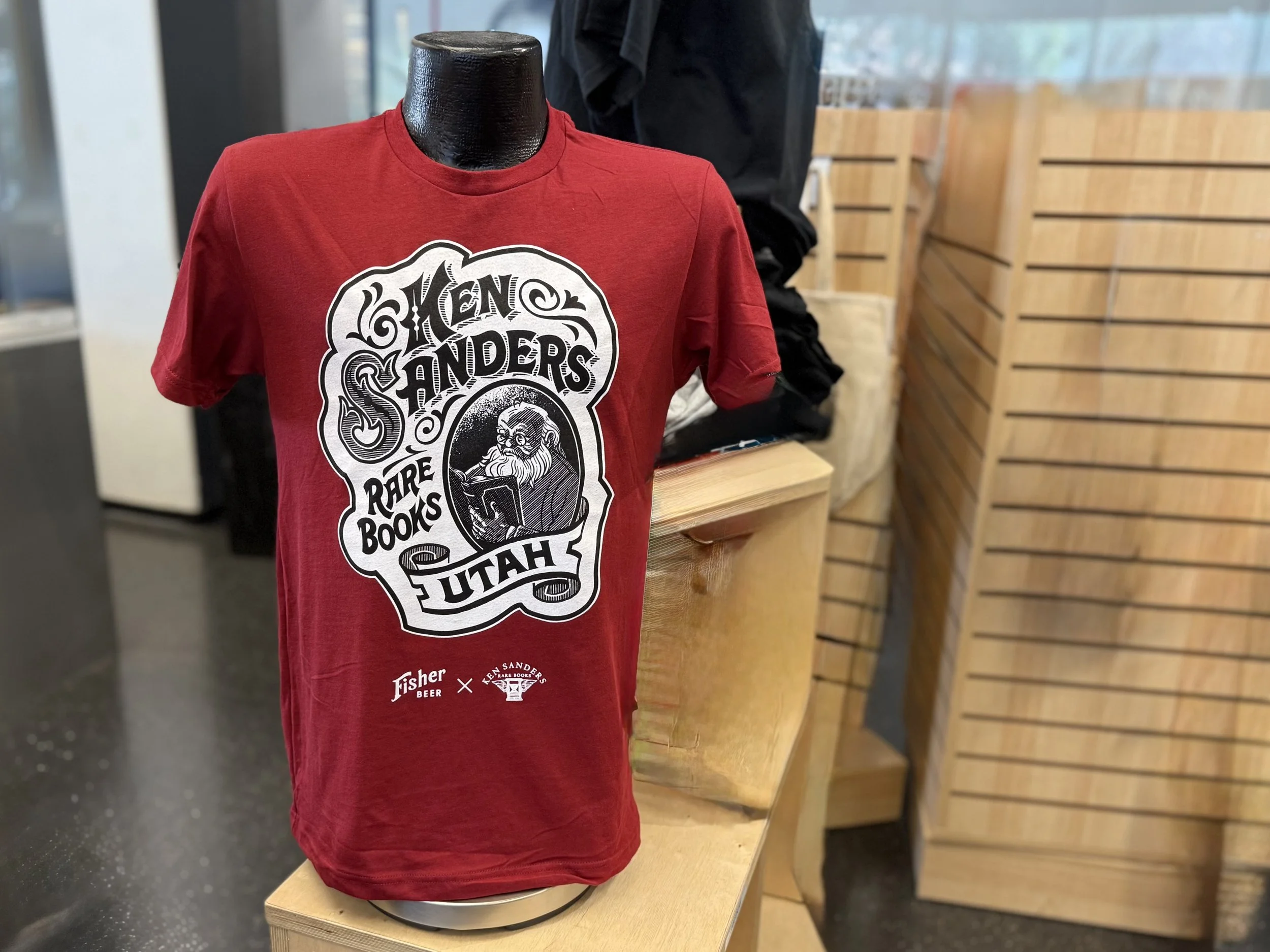
Ken Sanders Rare Books
Address: 209 East 500 South
Telephone: 801-521-3819
Website: kensandersbooks.com
District: Central City
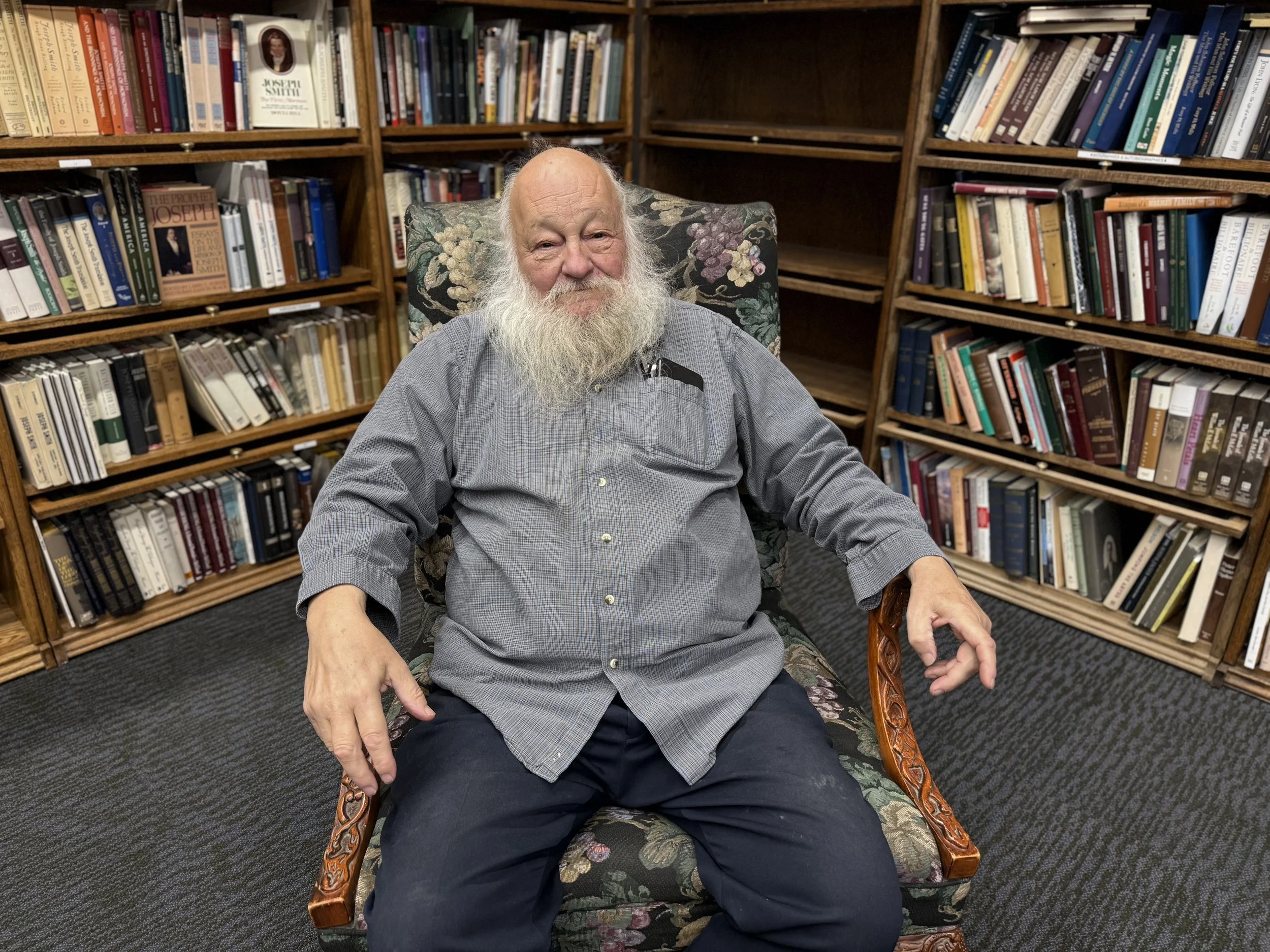
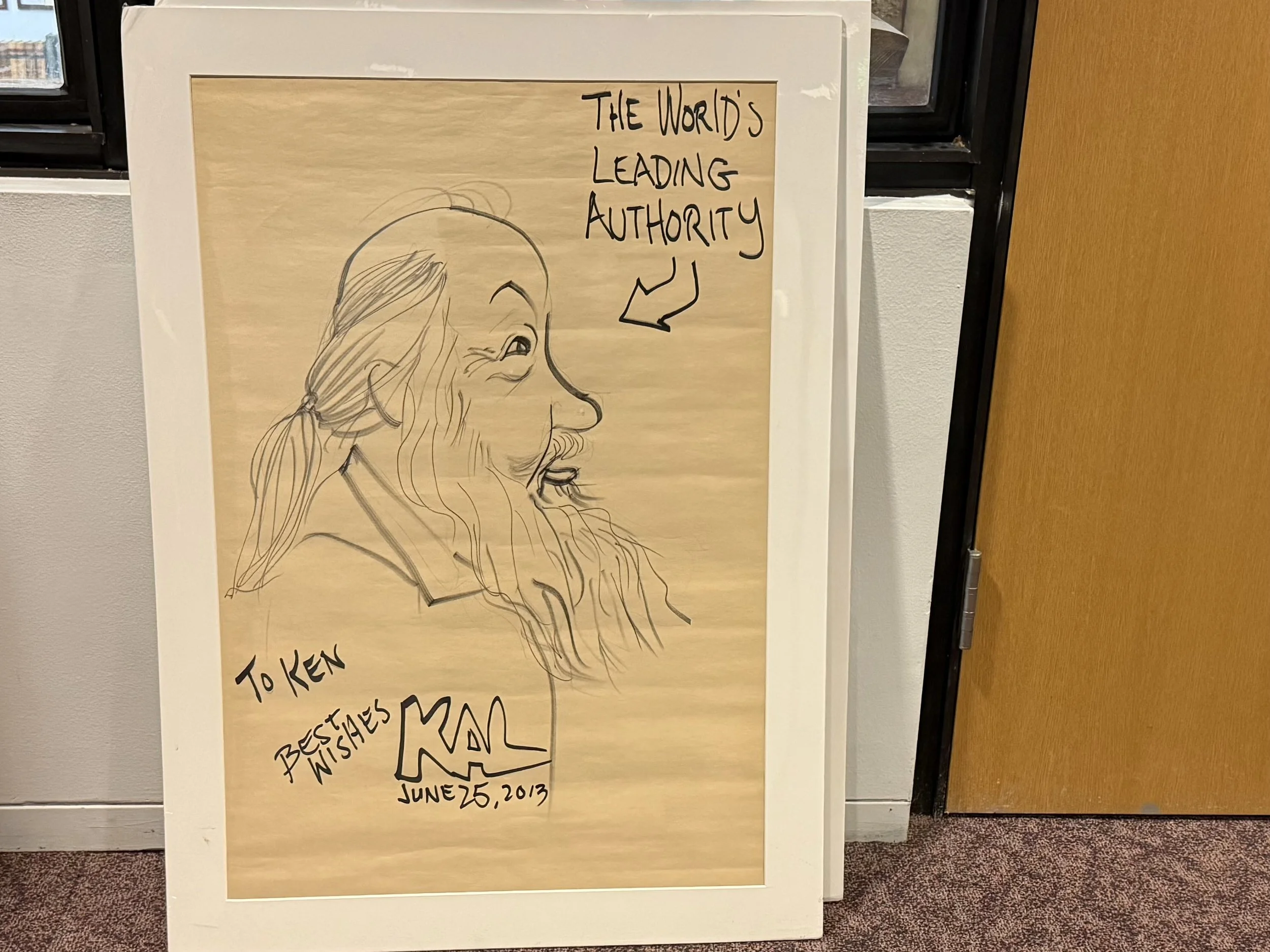
“We started with our hands and our hearts and the books we loved. That was enough to begin.” Ken Sanders, owner of Ken Sanders Rare Books, was born in South Salt Lake, on 27th South near Blair Street. His mother, one of thirteen Iowa farm kids, made sure everyone was welcomed and fed. Religion never took hold in Ken, nor did labels about who belonged where.
As a boy, Ken hardly knew what “minority” meant; school was a collage of faces and families. The first Black classmate he met became his partner for a seventh-grade dance. In a room full of hesitation, the two “outliers” / wallflowers were forced by the teacher and counselor chaperones to dance together. Even then, despite his reluctance, he sensed what books would later confirm for him - difference is not a threat but an invitation to learn - a belief that would become the quiet ethic of his now iconic store.
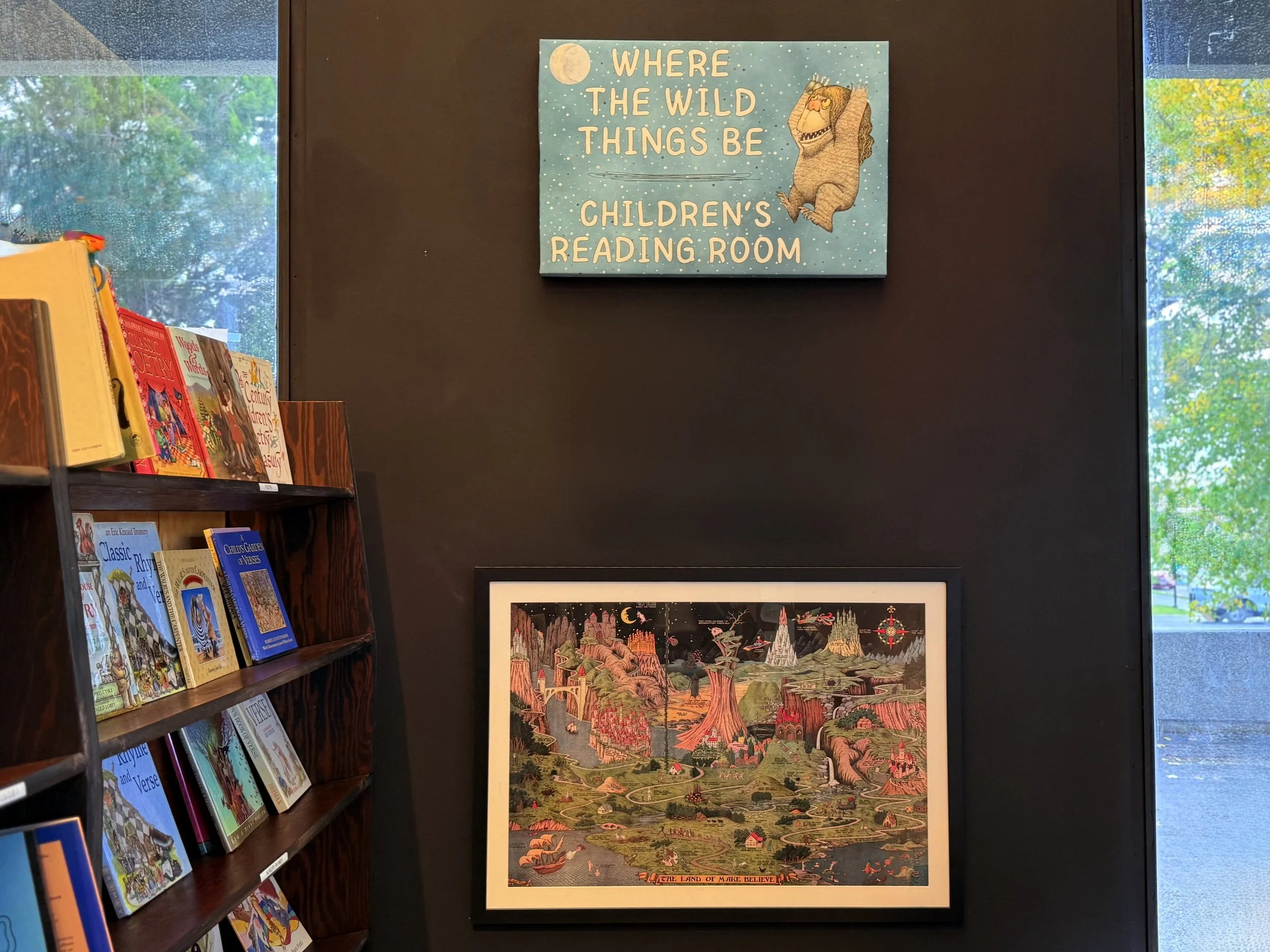
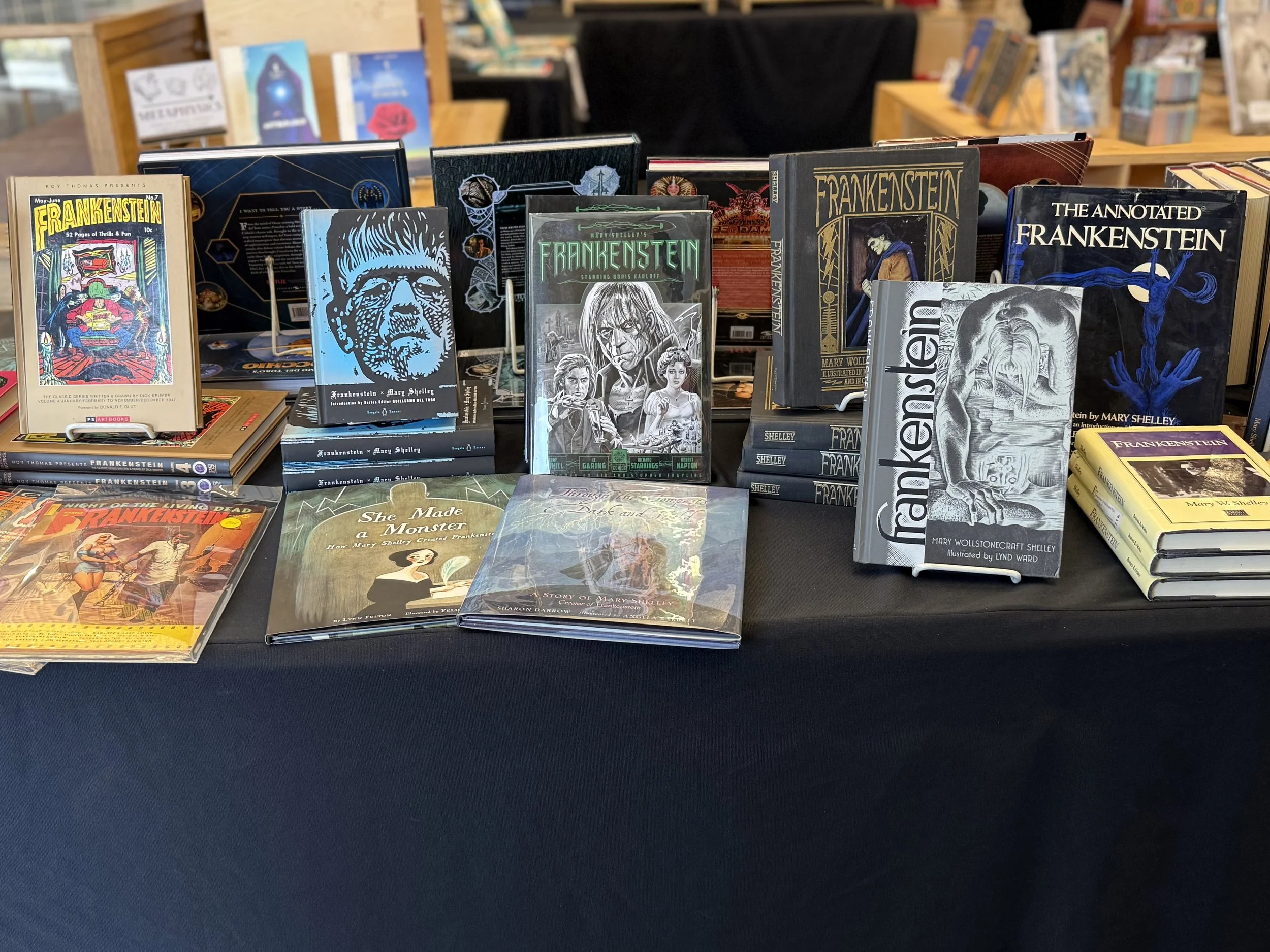
If there was one constant in his young life, it was reading. Ken’s mother said he was “born with a book,” and the story fits. He cannot recall a time when he was not devouring pages. Teachers tried to keep him in his lane. He remembers vividly when, on a third-grade field trip, the librarian snatched Dracula and Frankenstein from his hands because they were “from the adult section.” He promptly found a workaround and read them anyway. Weekly Reader and Scholastic order forms were his passport. While most classmates chose a book or two, he hauled home boxes - Danny Dunn and the Anti-Gravity Paint, The Shy Stegosaurus of Cricket Creek, Miss Pickerell Goes to Mars - whole worlds for a boy who had not yet traveled far.
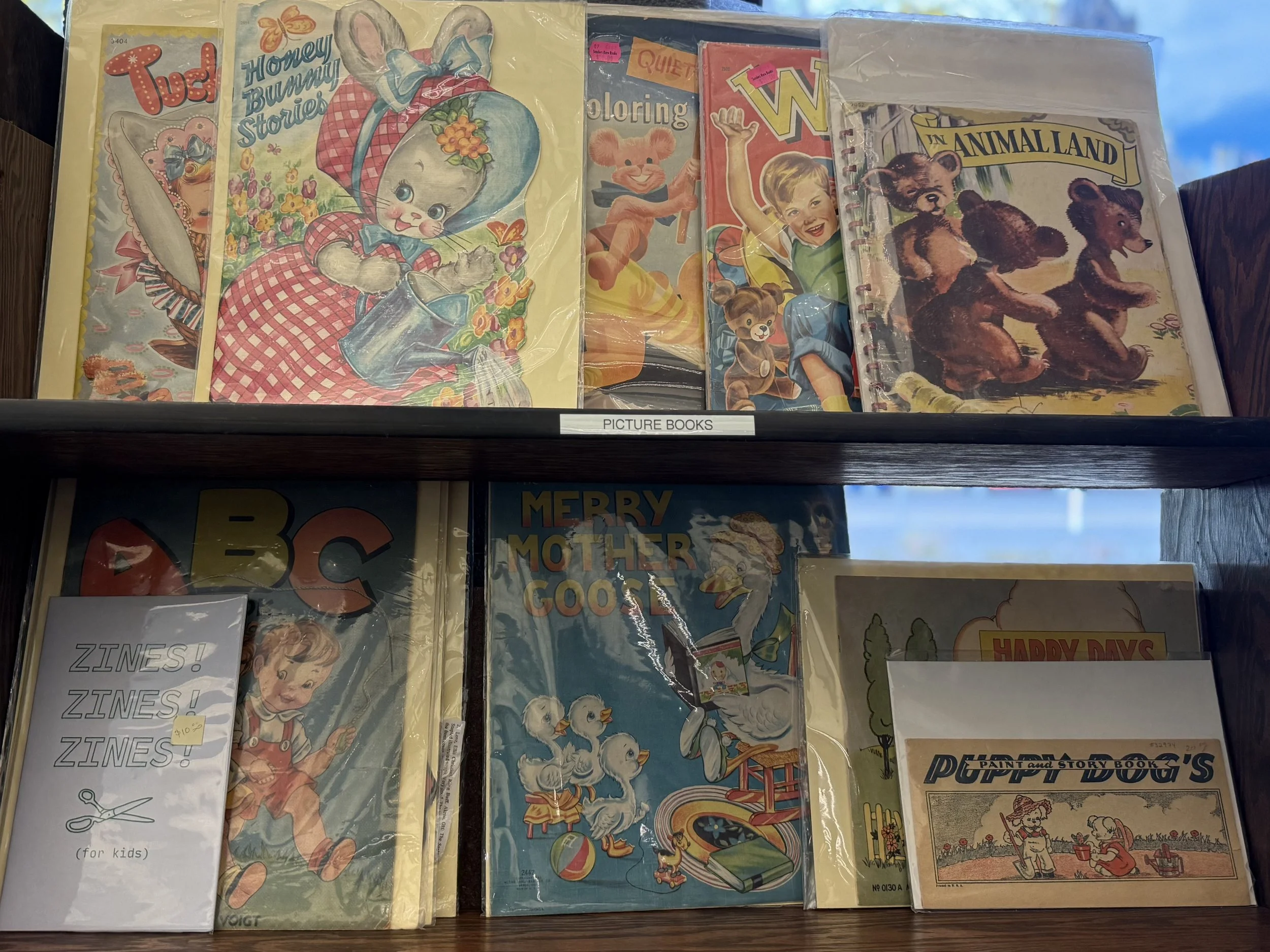
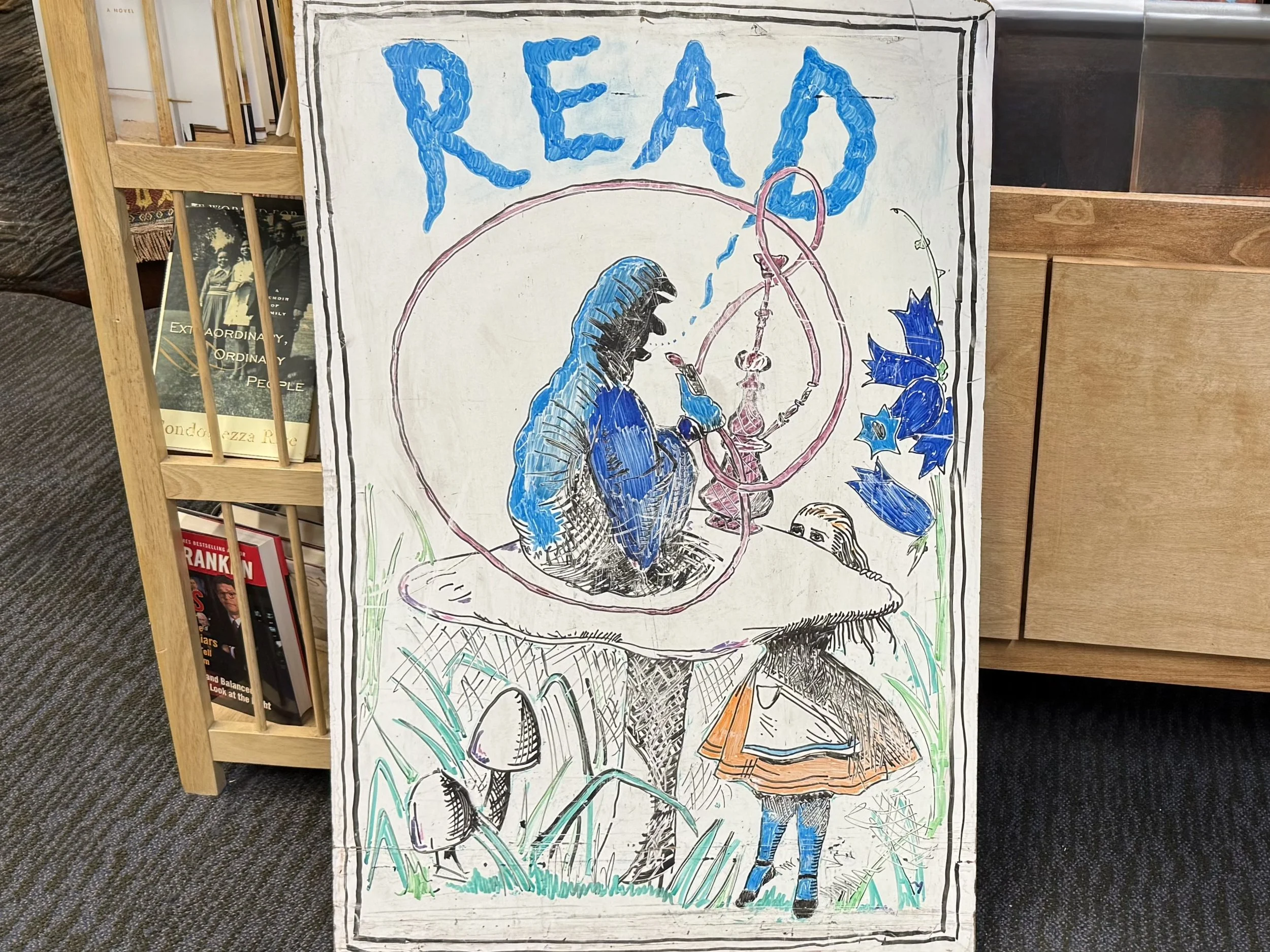
When his grandparents drove him to Long Beach, California in 1965, he stepped into Acres of Books like a pilgrim, and came out with treasures: Arabian Nights with Maxfield Parrish illustrations, a giant Alice in Wonderland coloring book, Doré’s illustrations of Edgar Allan Poe’s The Raven. It was early proof that pictures and pages together could set a life’s course.
Ken was big for his age, strong enough to win at seventh-grade wrestling. But sports never truly held him, except for the wild joy of a volleyball serve that might rocket out of bounds as often as it hit the floor. Classrooms felt confining. In high school, he sat quietly in the back and read what he wanted, not what was assigned. One teacher, Mrs. Fowler, placed him in AP English and read closely enough to catch him when he slipped a speech from Ayn Rand into the middle of a paper. “She circled it and called me on it.” It was the kind of attention that says, I see you; do the real work. Ken graduated with a transcript that suggested indifference, but his mind was already racing ahead.
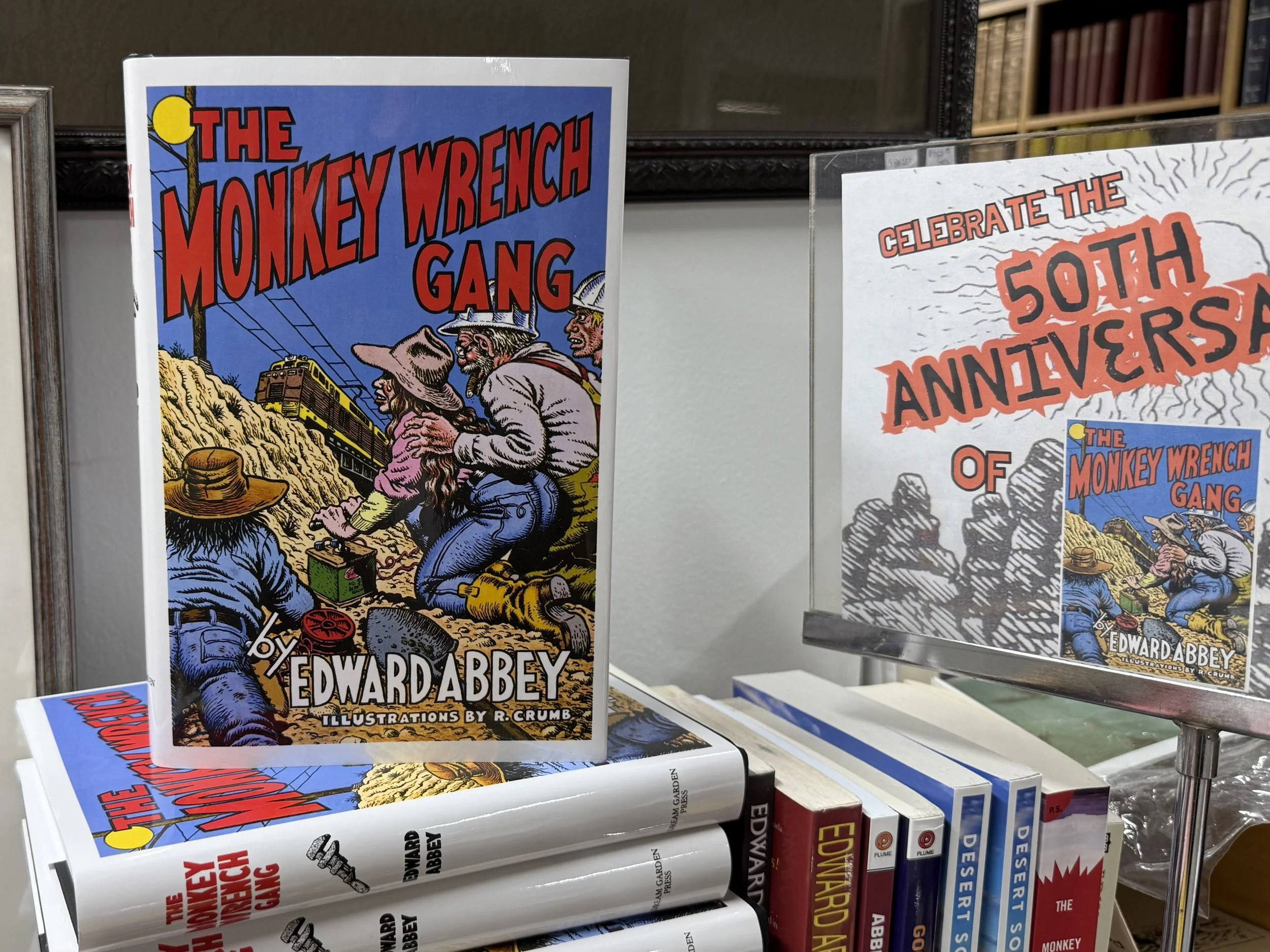
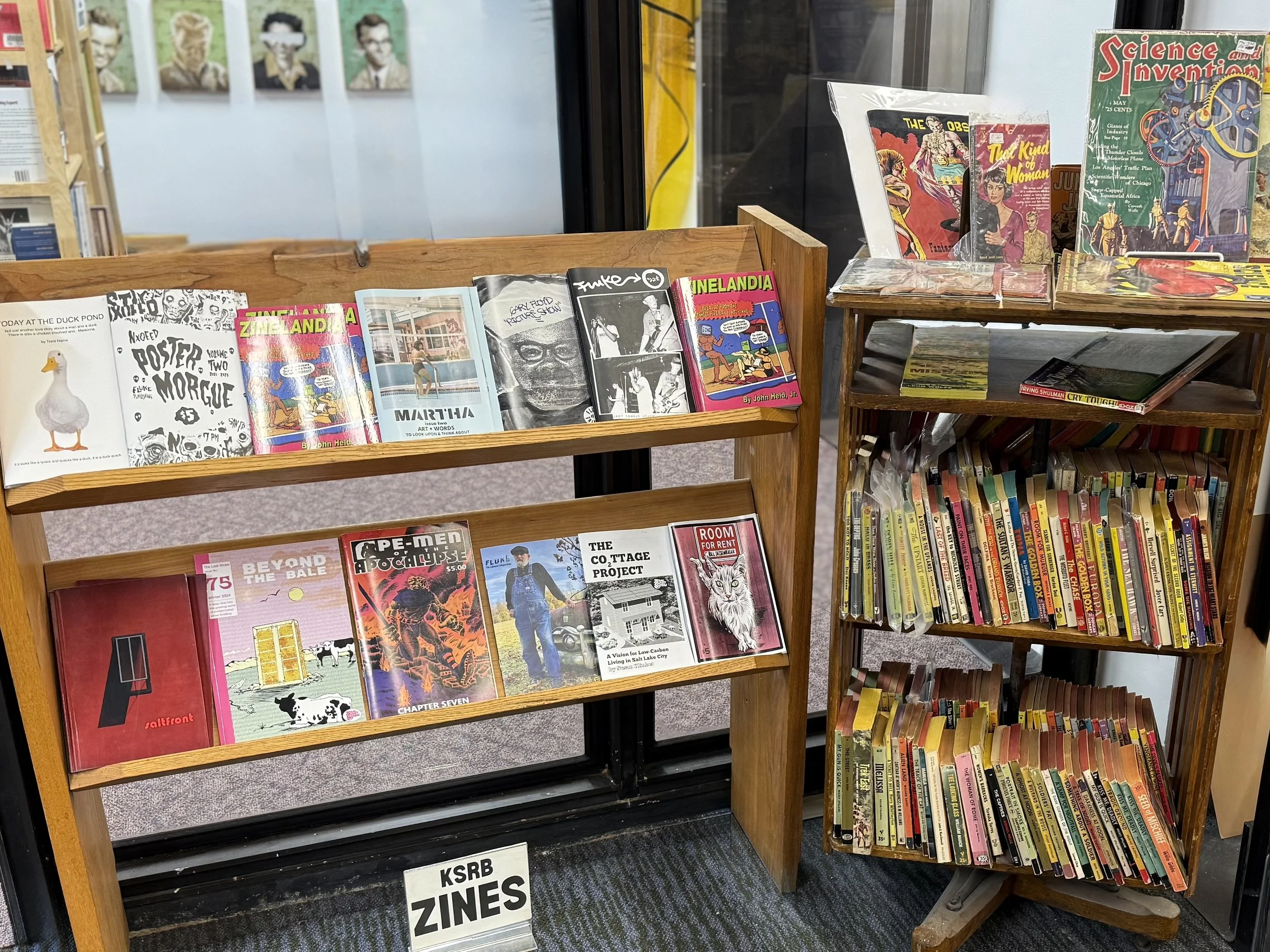
Books were not only companions, but they were also work. Before he had a driver’s license, Ken stocked shelves at Central Book Exchange in Sugar House. He traded his dollar-an-hour wage for paperback credit and discovered, with teenage awe, the back room where vintage issues of Playboy sat beside stacks of science fiction. He began buying and selling by mail: Frank Frazetta posters, underground comix by R. Crumb, fantasy paperbacks, illustrated oddities. When his parents bought a commercial building on State Street and gave him a cavernous room, he christened it, with adolescent drama, the Dream Garden Mausoleum.
There were detours. Not long after high school, restless for adventure, Ken packed his few belongings into his ’63 Corvair and drove to Los Angeles. For a seventeen-year-old from Salt Lake, working in a Collectors’ Book Shop on Hollywood Boulevard felt like another universe - part paradise, part shock. The city thrilled him, but it also made him ache for home. By summer’s end, he loaded the Corvair again and headed back to Utah, certain of one thing; whatever else he might try, his life would always lead him back to books.
In 1970, Ken went to work, off and on, for Sam Weller’s on Main Street - two strong-willed bookmen who loved different parts of the map and sparred accordingly, one steeped in Utah and Western Americana, the other fluent in genre and subculture.
A few years prior to working at Sam Weller’s, Ken met Steve Jones at the 9th & 9th original Cosmic Aeroplane, the city’s first head shop. Steve soon moved to South Temple next to Ben's Railroad Exchange, a working man's bar that later became the birthplace of the famous gay bar, The Sun. (N.B., Cosmic Aeroplane hosted the only draft counseling center during the Vietnam War and the Human Ensemble Theatre got its start in the cavernous back room, as did the Smoke Blues Band and the Rocks and Gravel Band.)
Steve, Bruce Roberts and Ken then opened Cosmic Aeroplane Books & Records on First South, next door to the Blue Mouse Theatre. Ken created and managed the bookshop, but Steve continued to run a record shop, a gift store, as well as the original head shop.
Then the partnership frayed. Ken was forced out at a time when the operations were grossing $1.4 million a year. The details are familiar in the way business dramas often are. What matters is that he walked away with far less than the work was worth and carried forward the part that had always mattered most - the making and moving of books.
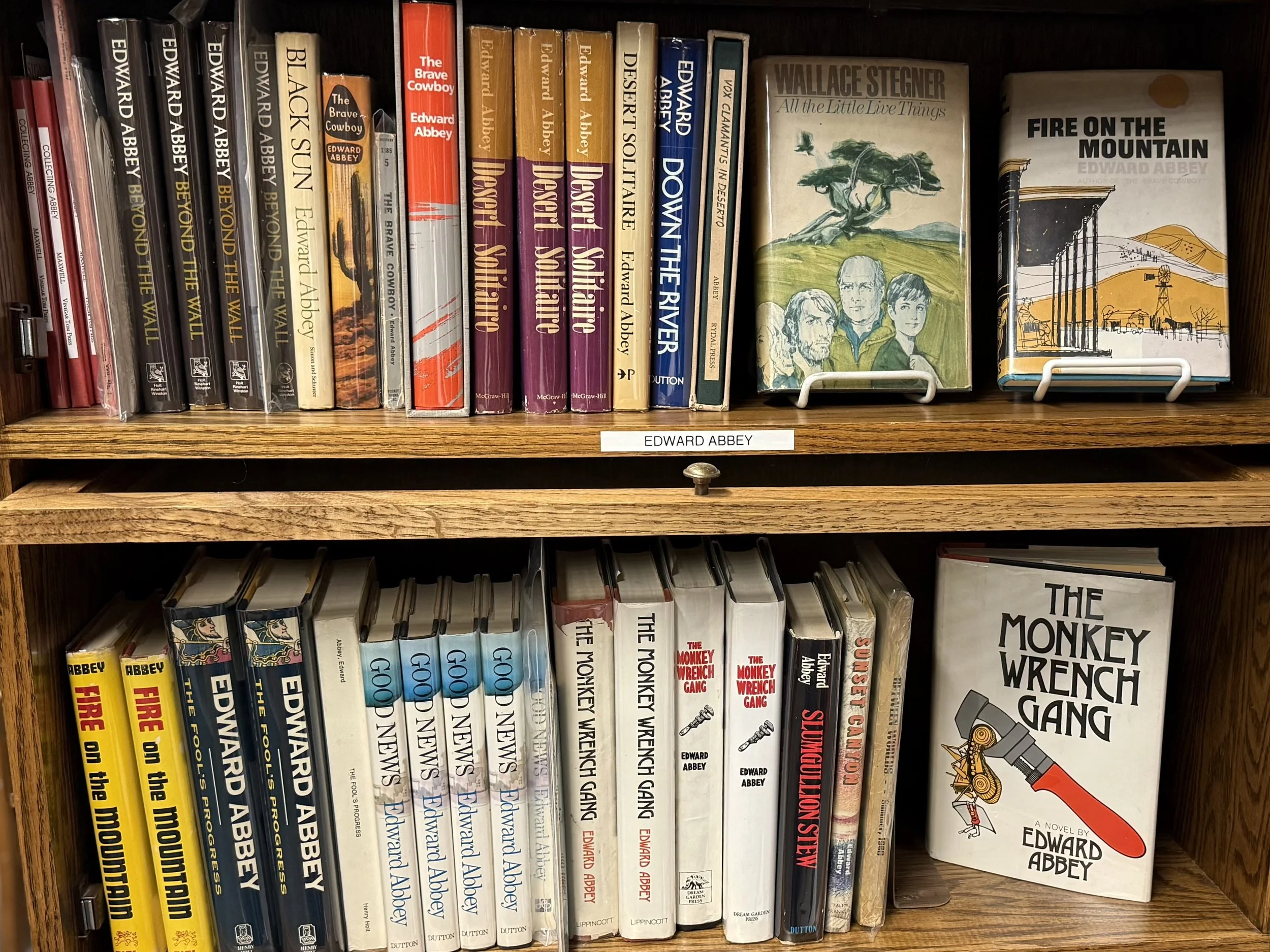
As those years closed, Dream Garden Press opened wider. He launched the Edward Abbey Western Wilderness calendar, followed by a constellation of national park and wilderness calendars including the Grand Canyon, Yellowstone, and Yosemite. It was work that married image, wilderness, and words. There were hard years too - lawsuits, losses, reversals that rearrange a life. He speaks of them plainly, without relishing. “Hate consumes the one who holds it,” he says. He chose not to live there.
There were tender passages as well. A marriage that should not have occupied its final years. Driving his son to college in Massachusetts and returning west unsure where he would sleep. A phone call to his teenage daughter promising not to abandon her. A week in Kentucky with writer Wendell Berry, rising at dawn to harvest tobacco and learning again that work done shoulder to shoulder steadies a person. A school in Salt Lake, Realms of Inquiry, which made room for his daughter to put herself back together, and a long, grateful repayment of the tuition.
Through it all, he kept selling books. He set up at fairs. He took whatever space he could find. He rebuilt. And then, in 1997, with his sixteen-year-old daughter at his side, he did the thing his life had been pointing toward since a librarian told him he could not read Frankenstein. They opened the doors of Ken Sanders Rare Books.
The first space was modest, built on conviction rather than capital. The shop moved more than once in its early years, each relocation shaped by necessity rather than ambition. With every move, the inventory deepened and the reputation spread. Collectors sought him out. Institutions called. Writers stopped in. The shop grew through word of mouth - the quiet, durable kind earned among people who care deeply about books.
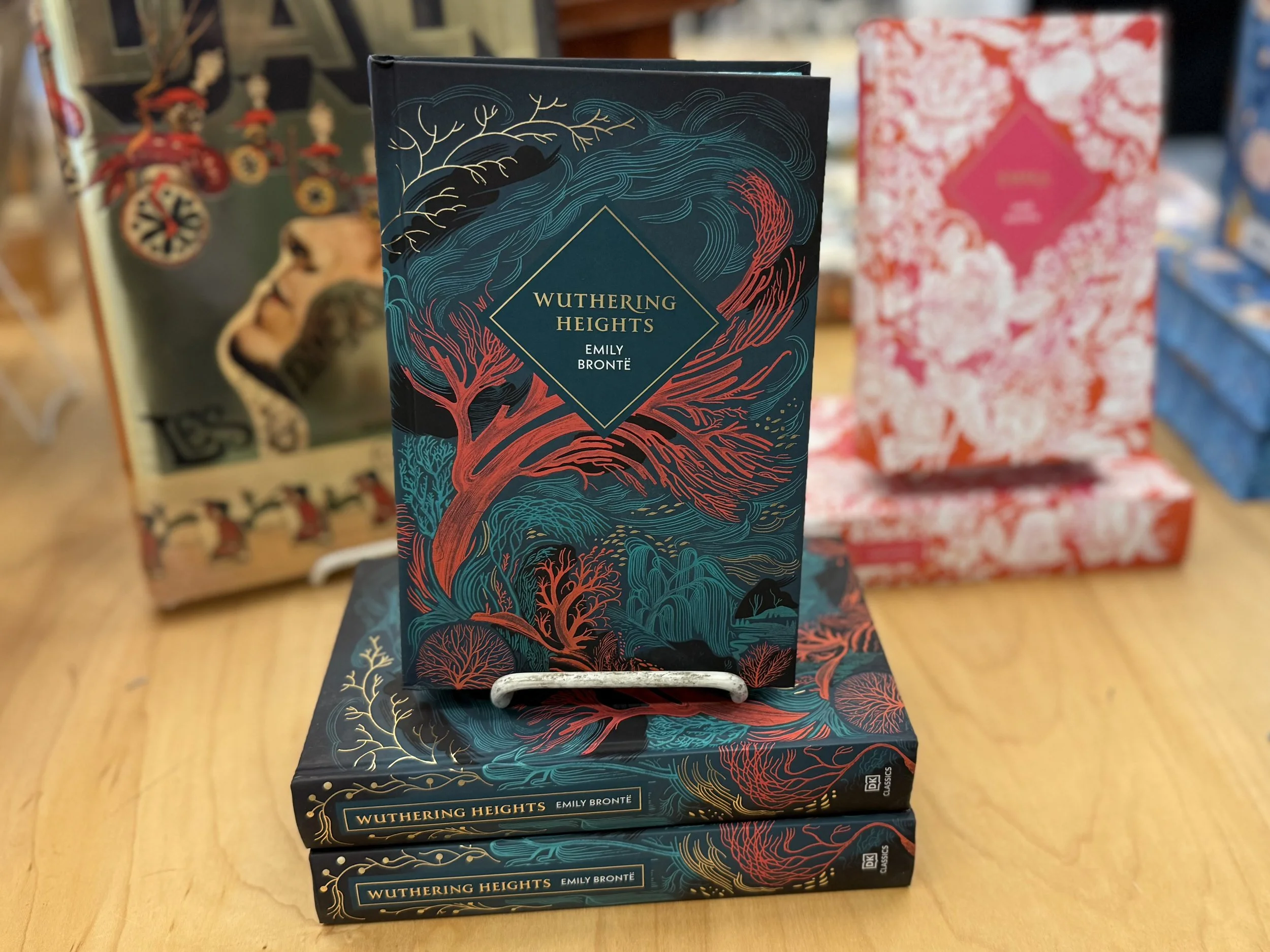
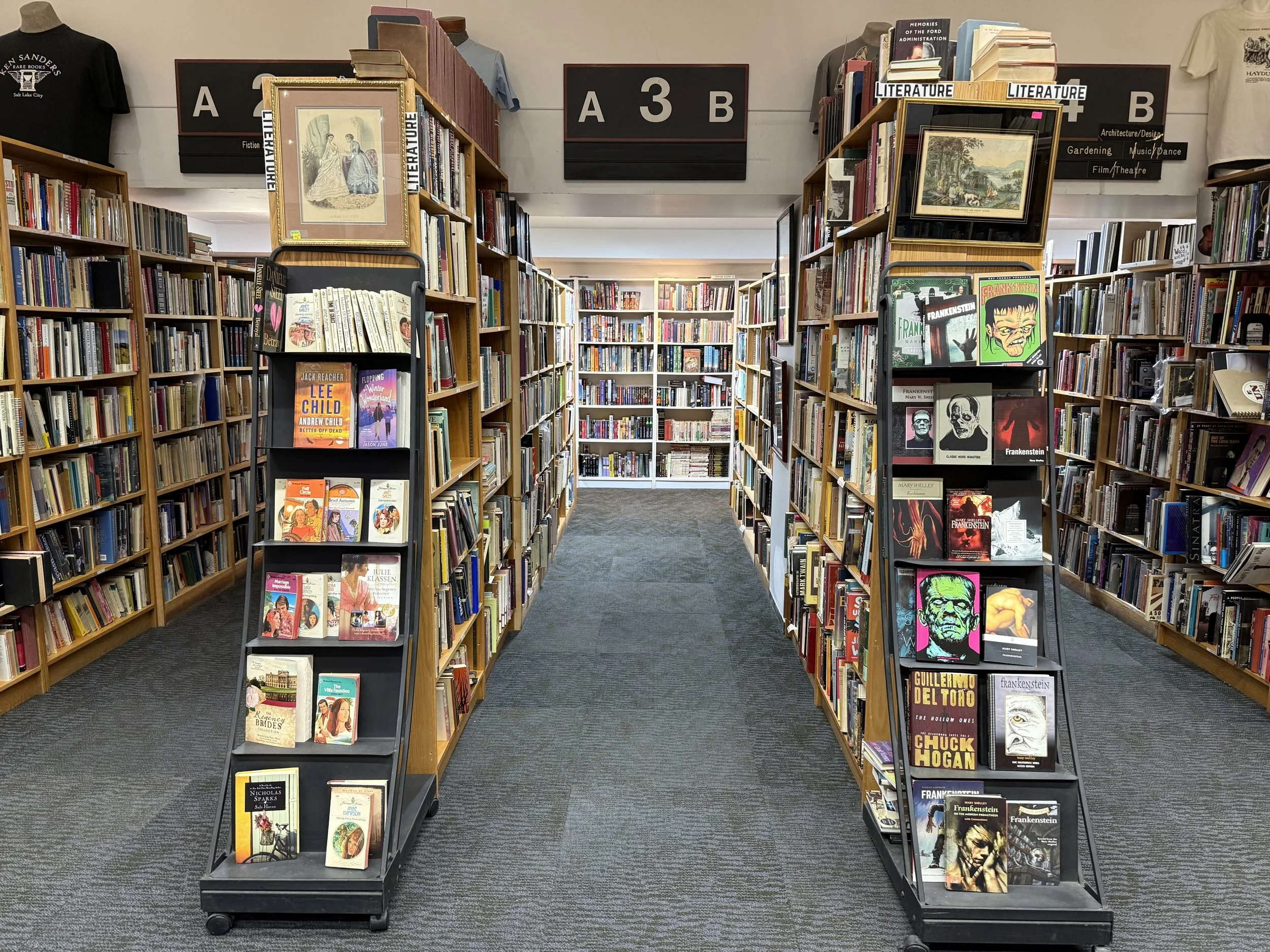
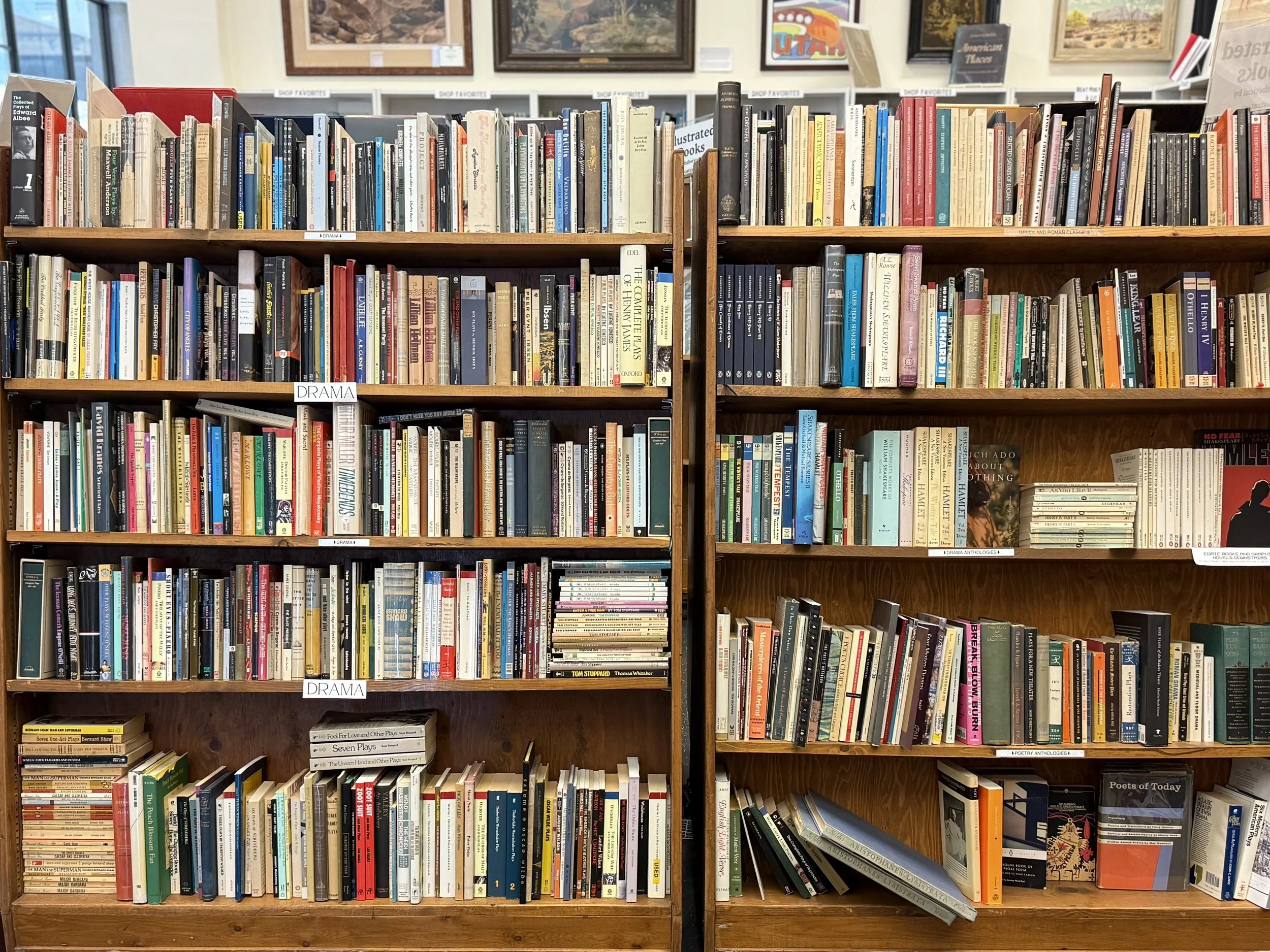
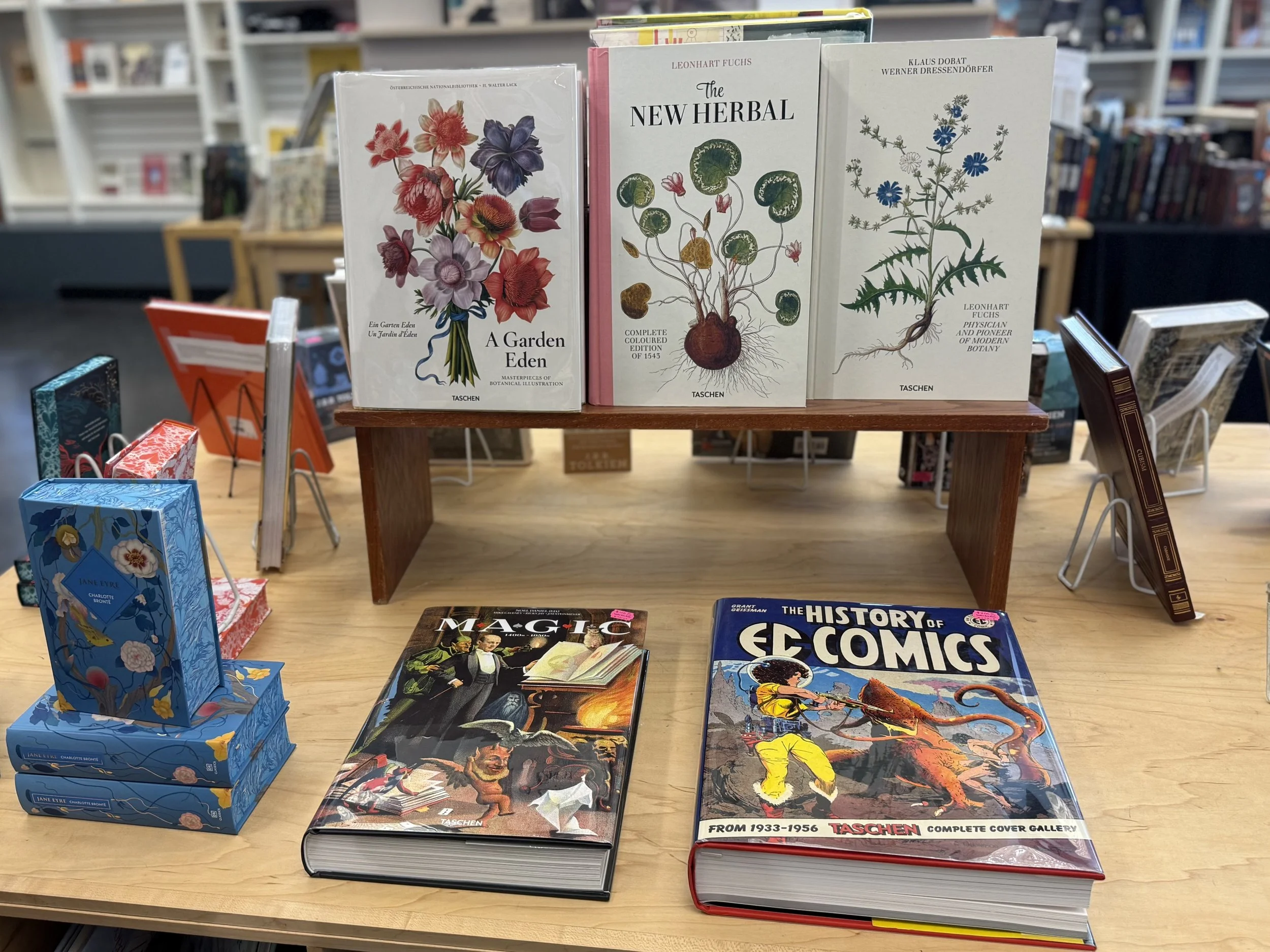
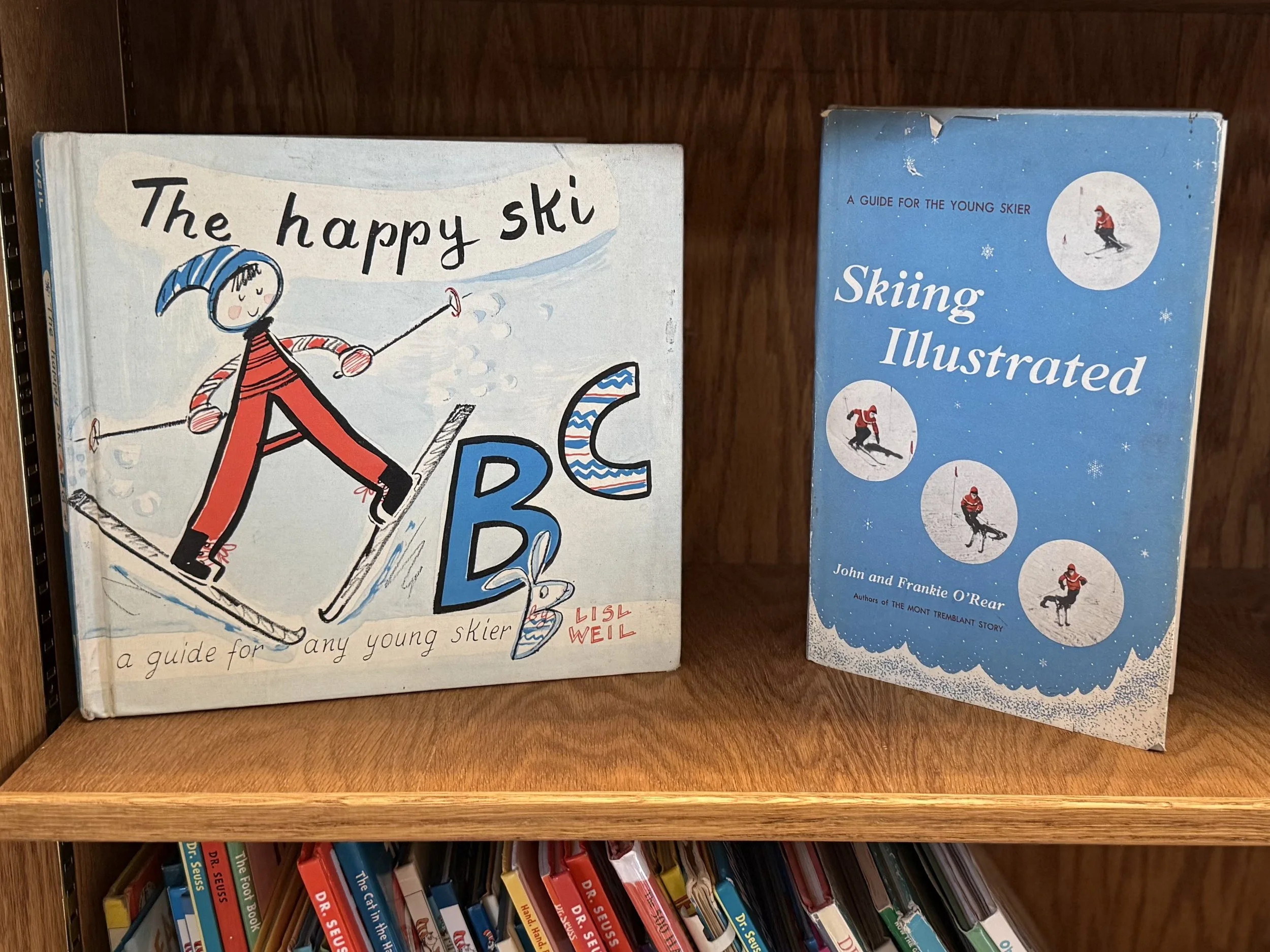
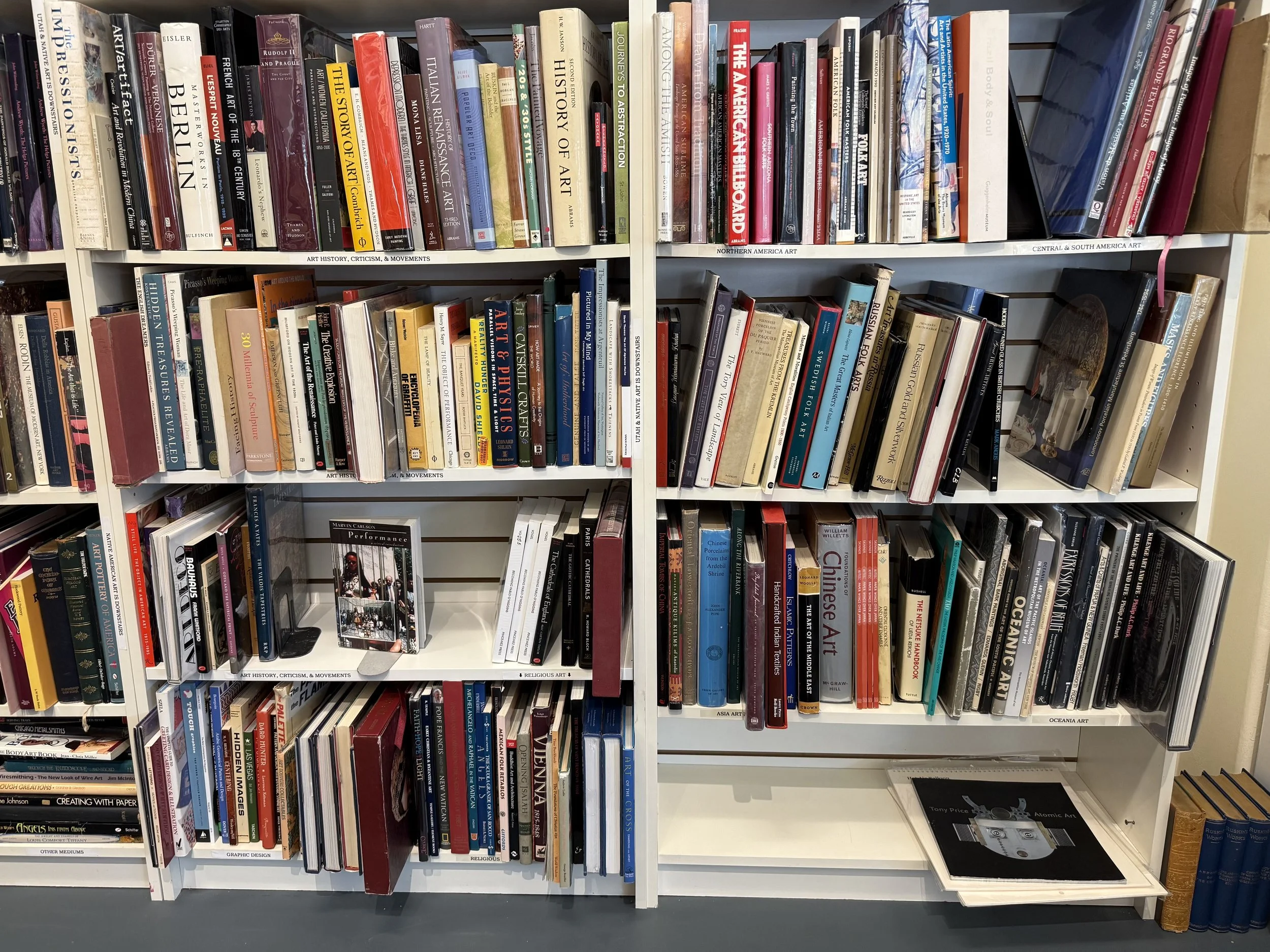
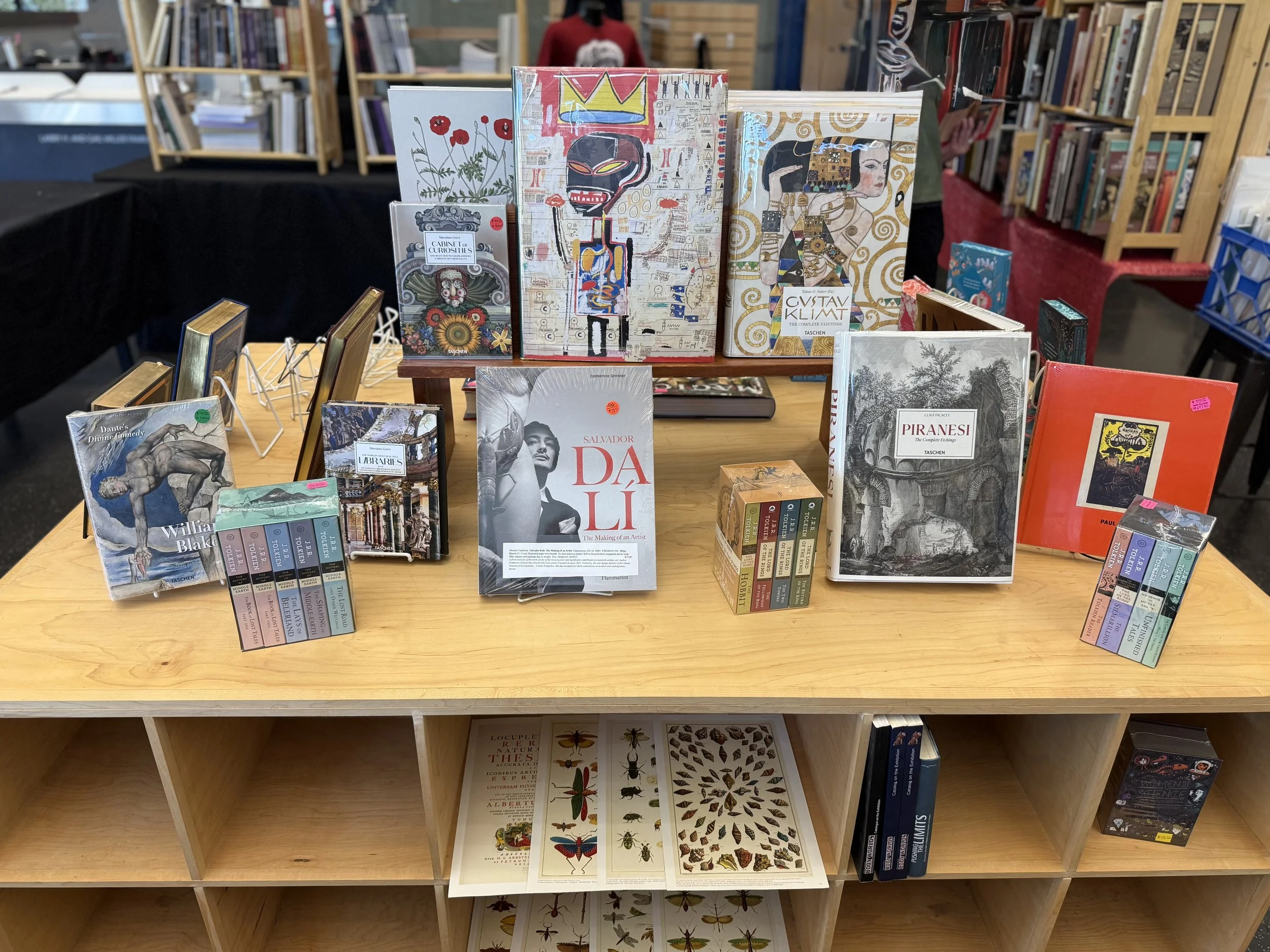
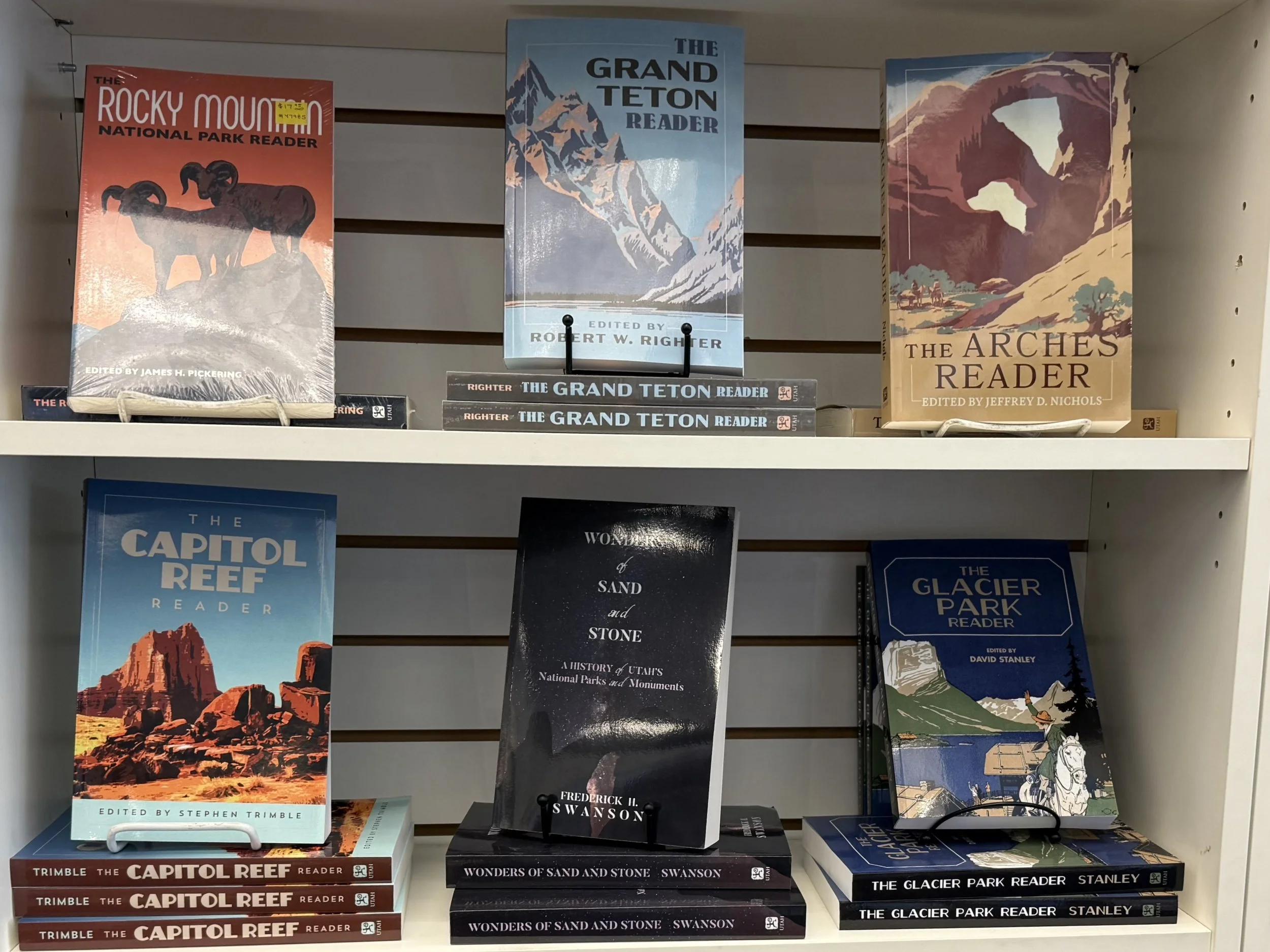
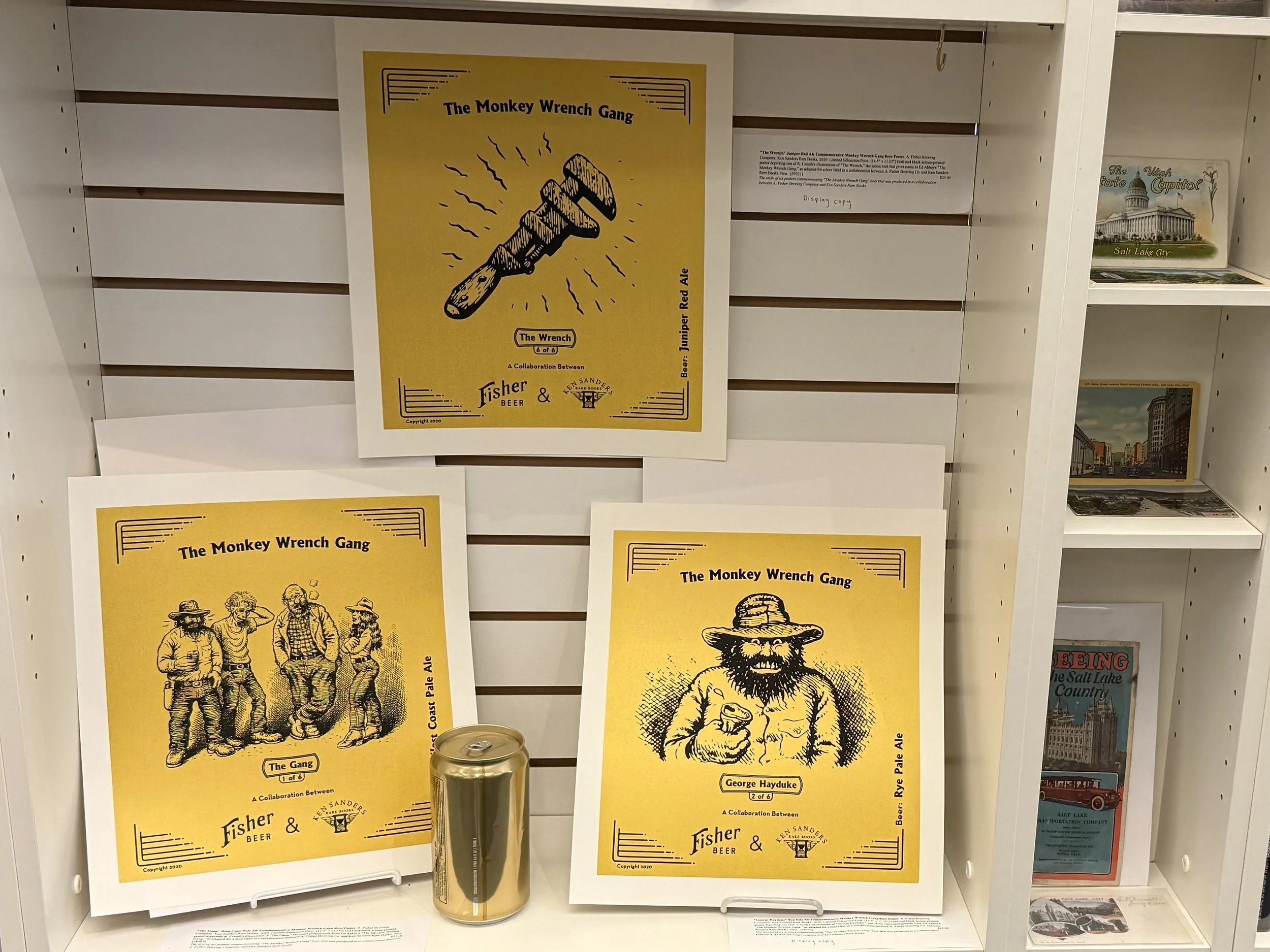
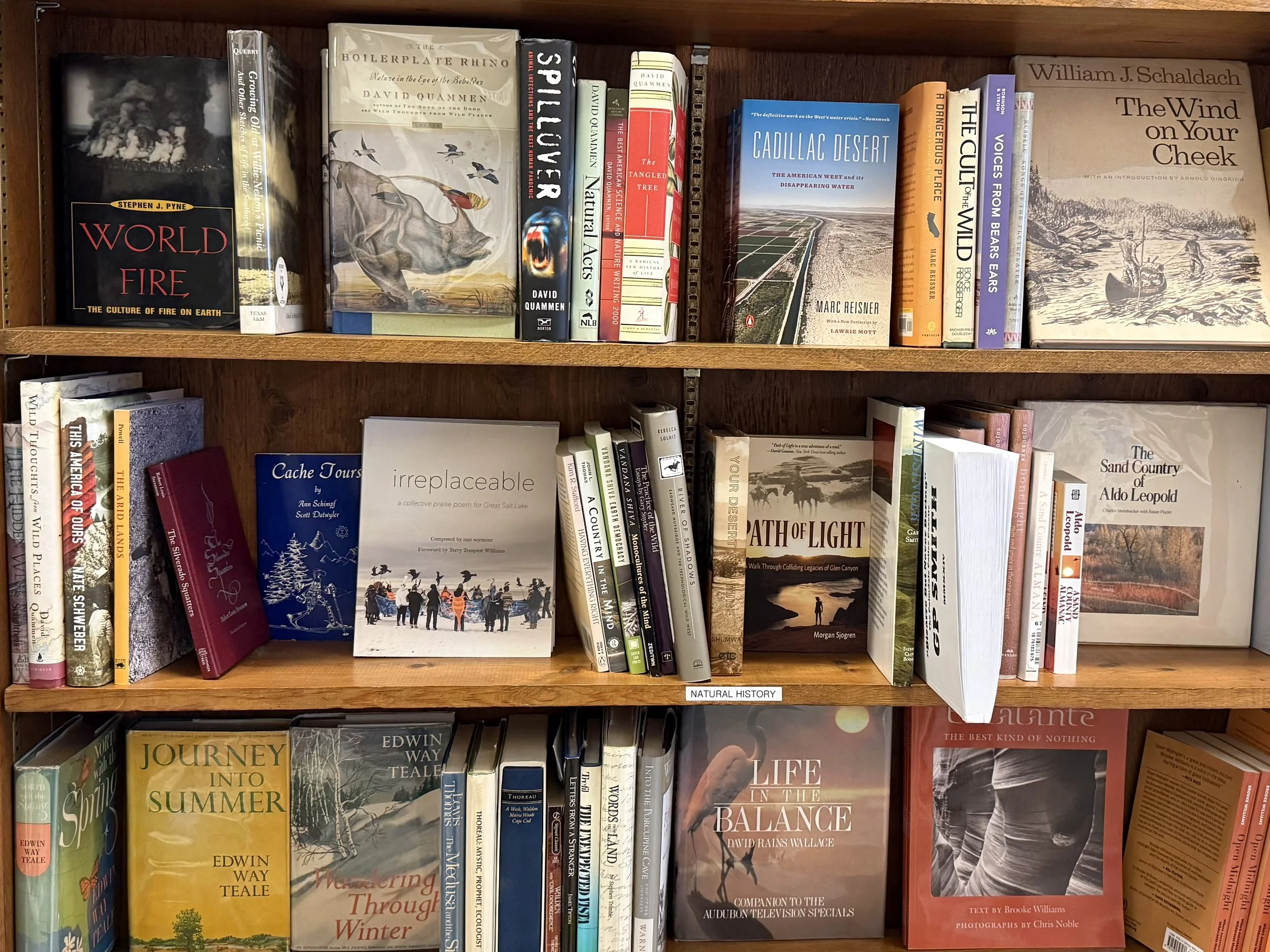
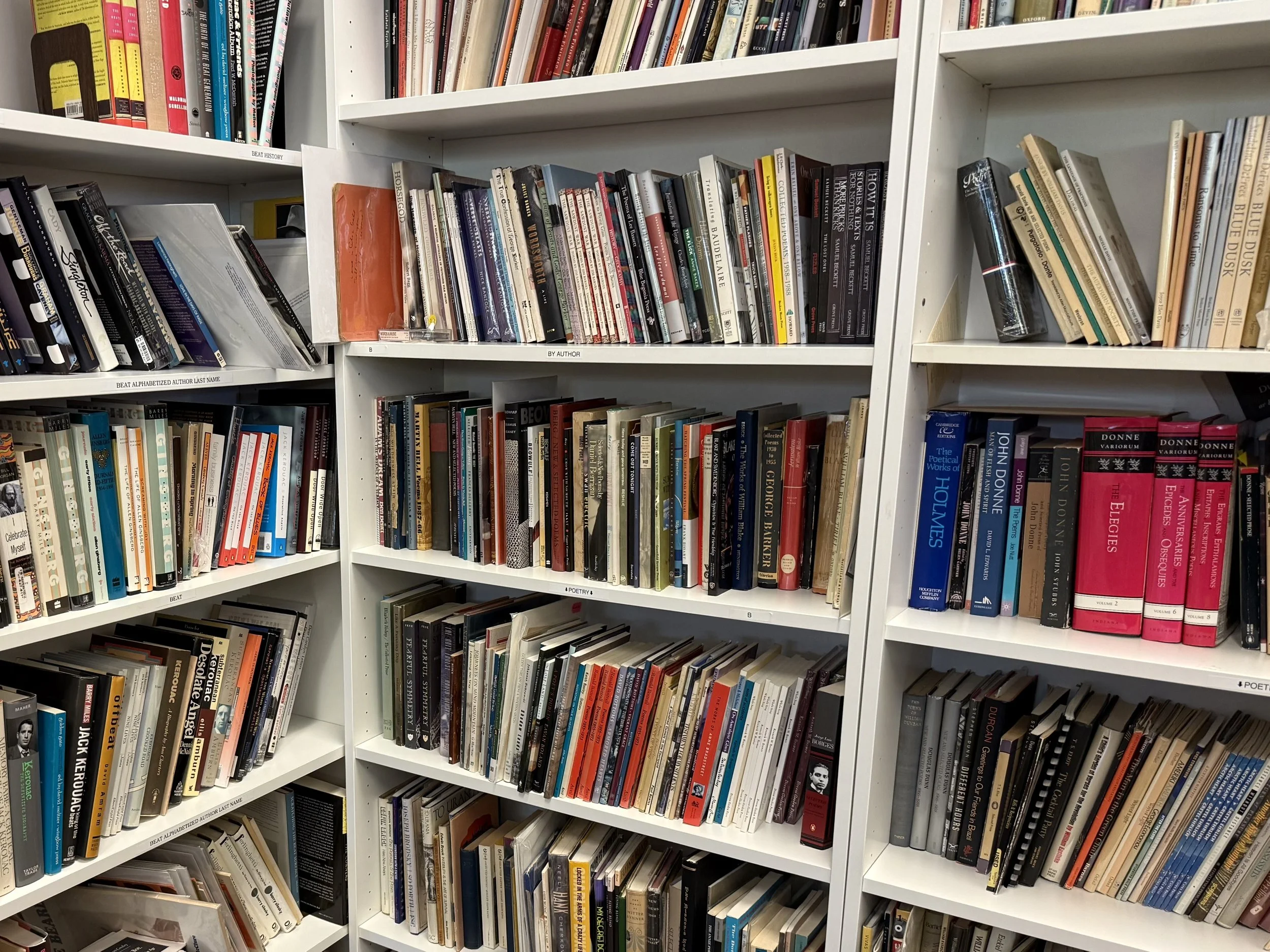
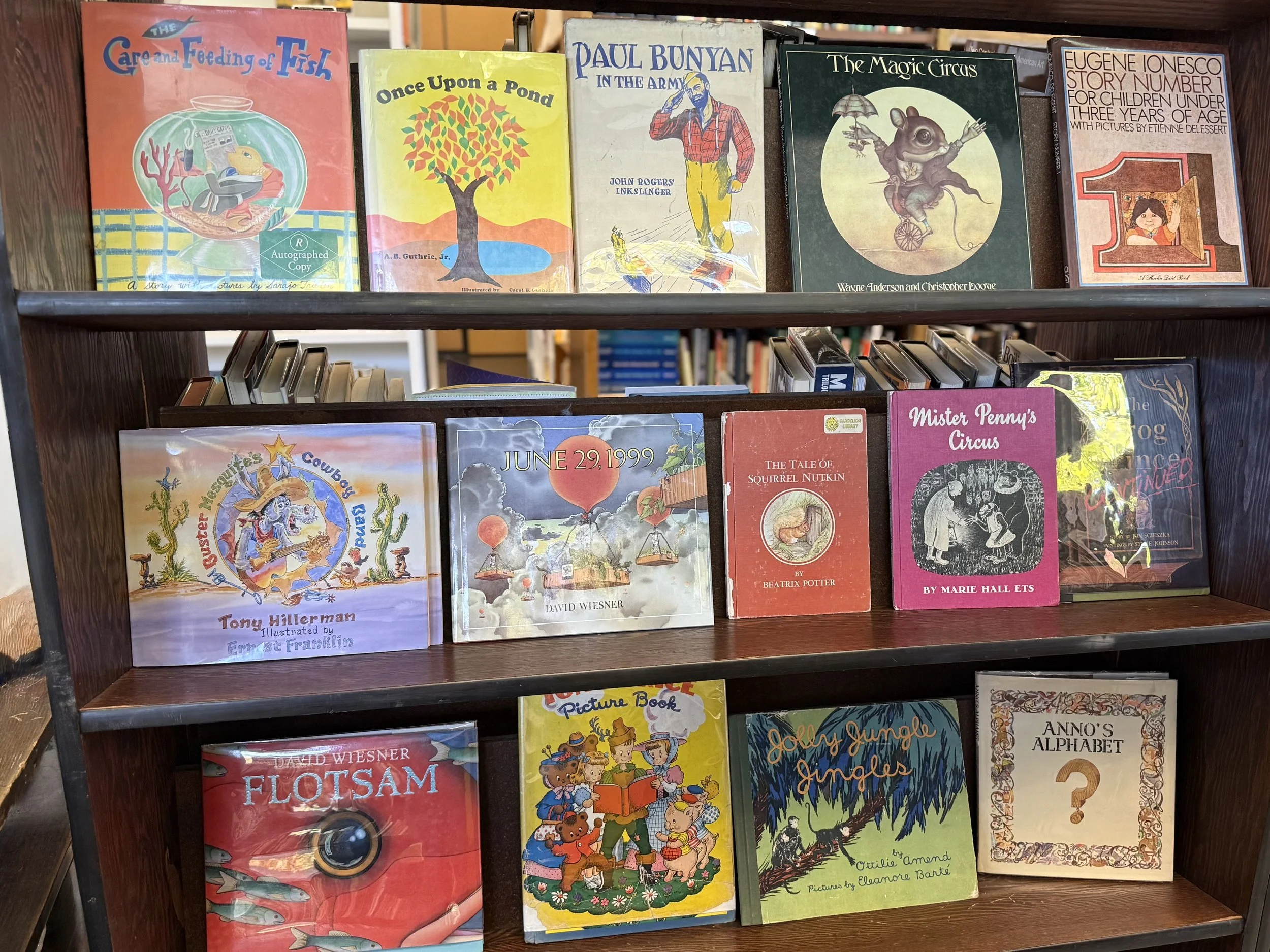
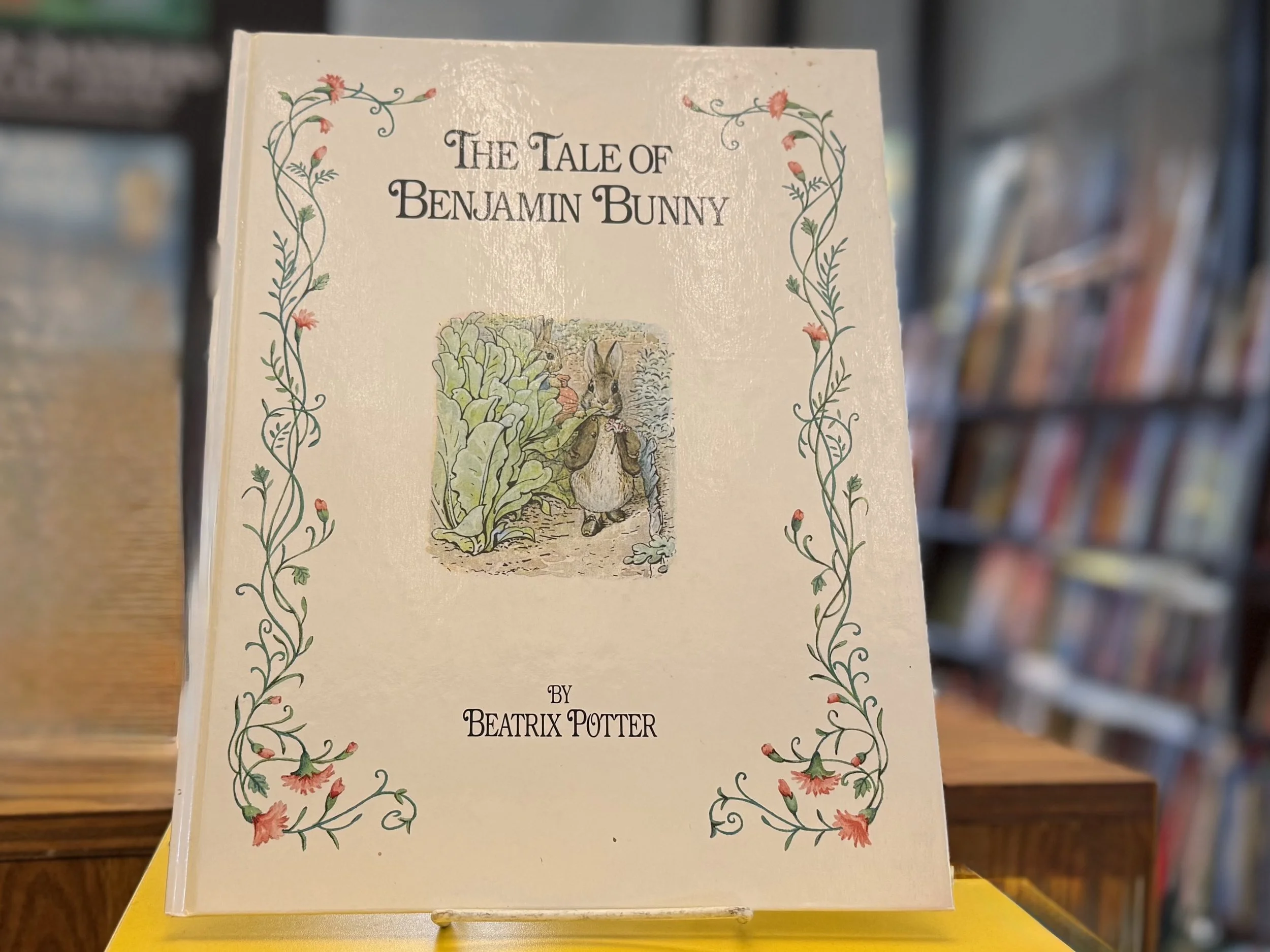
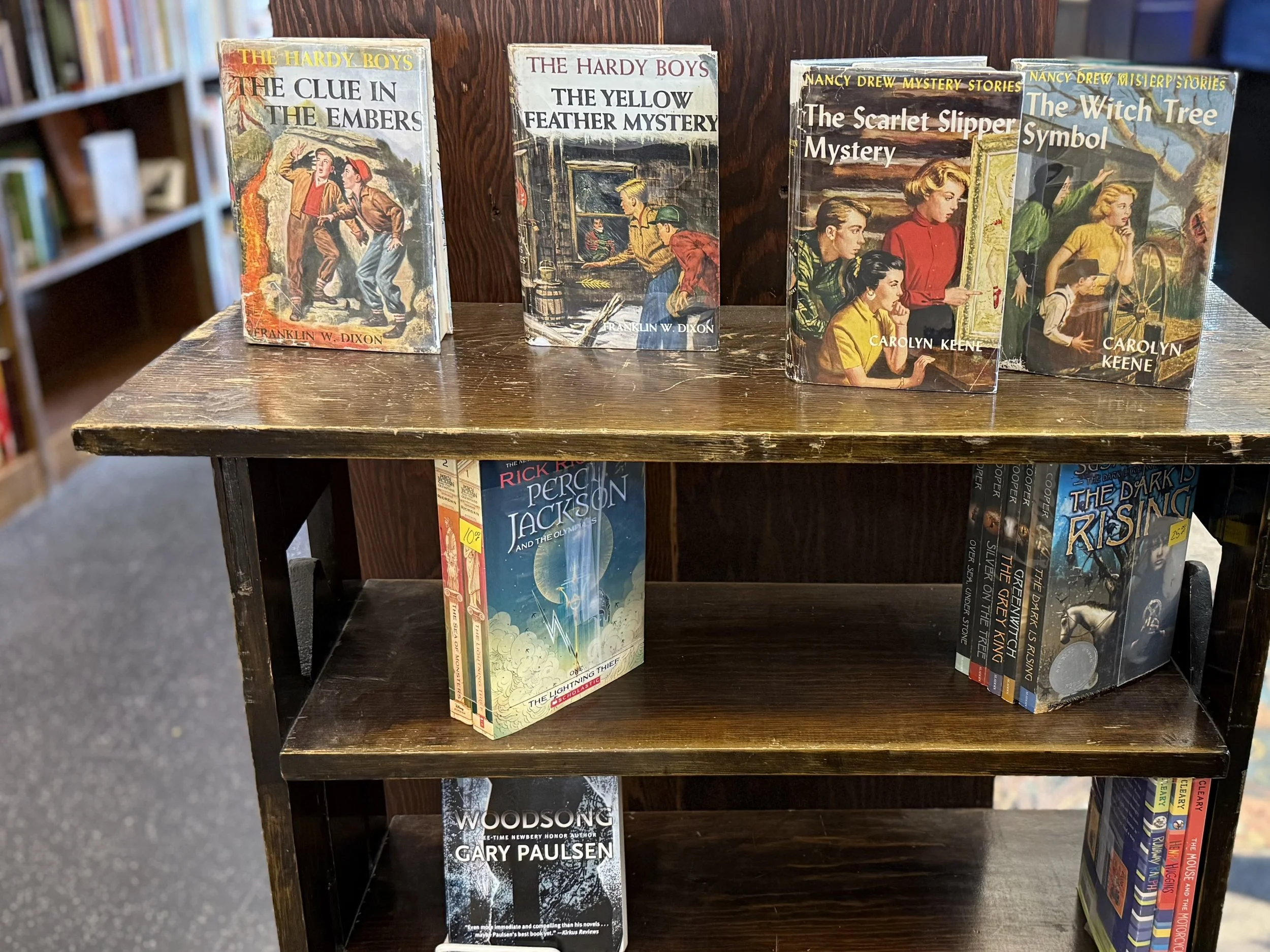
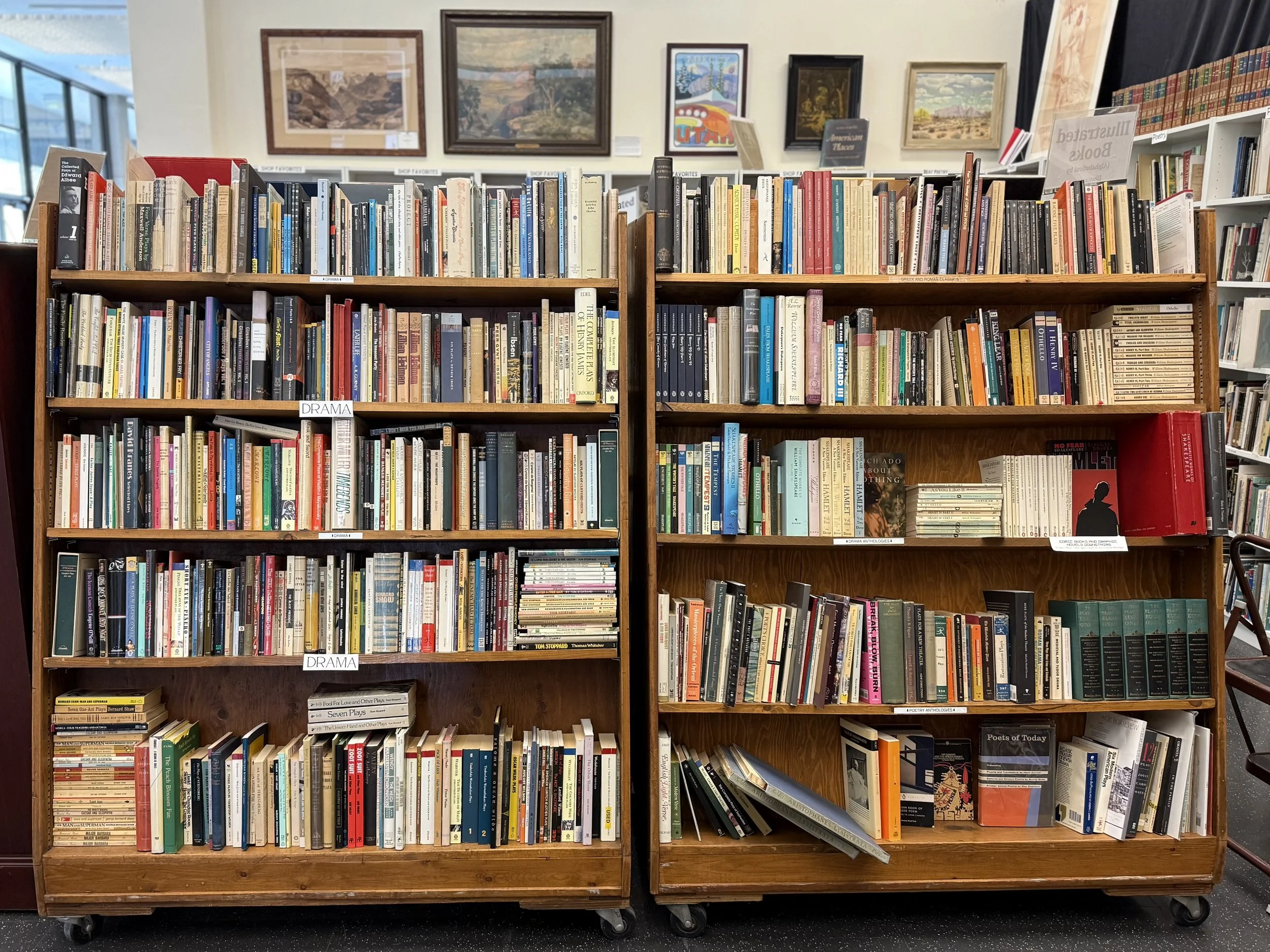
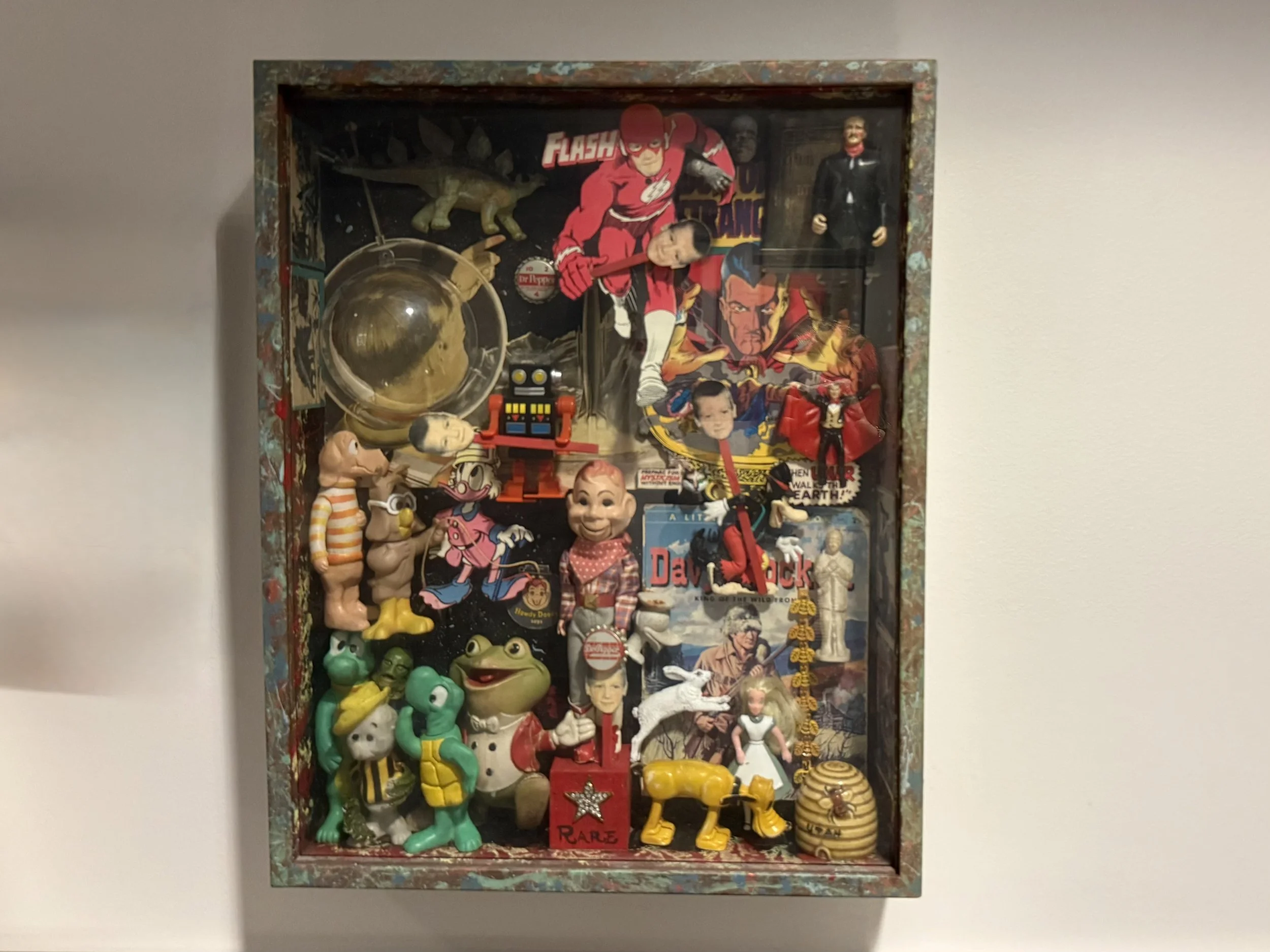
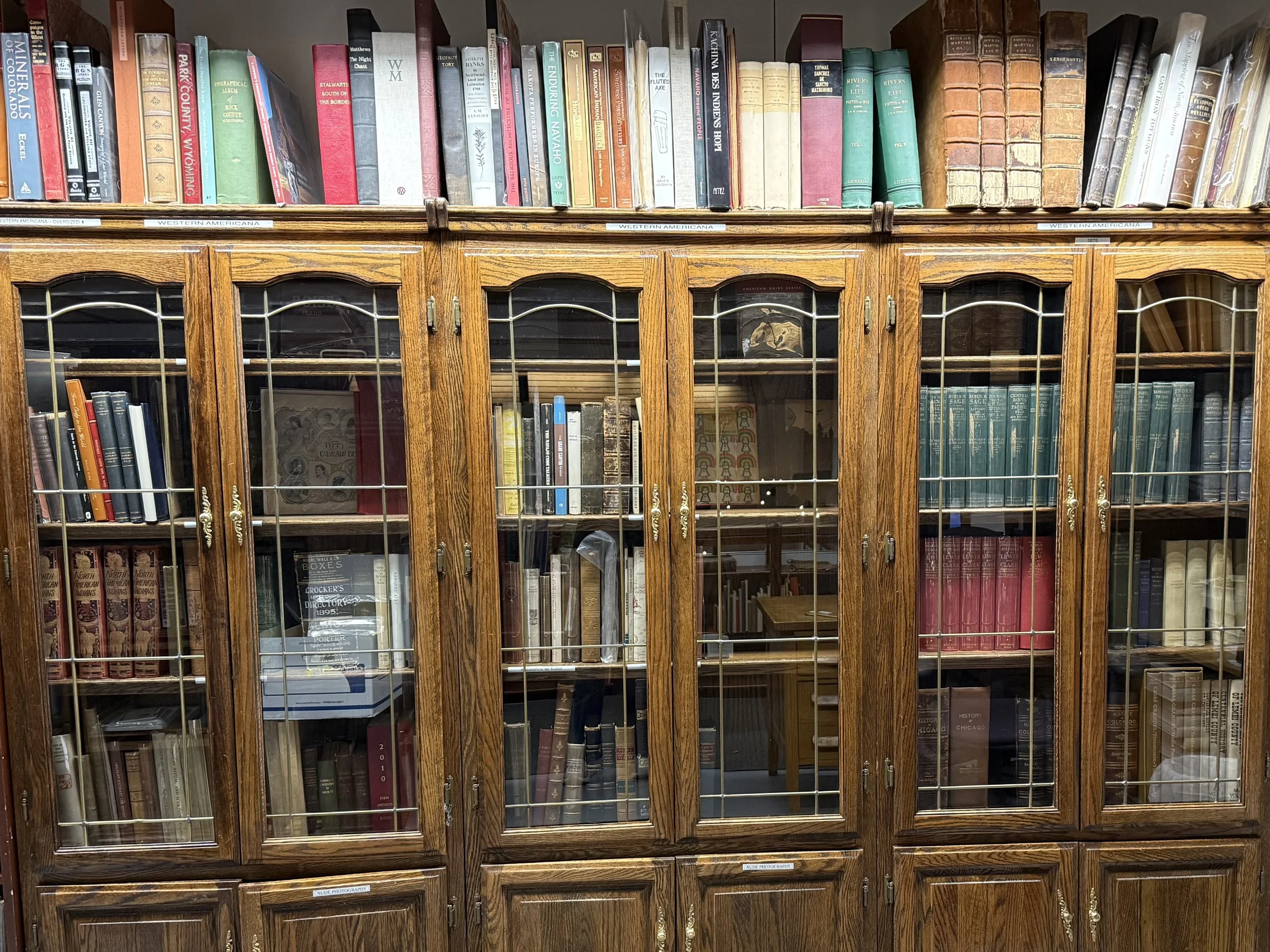
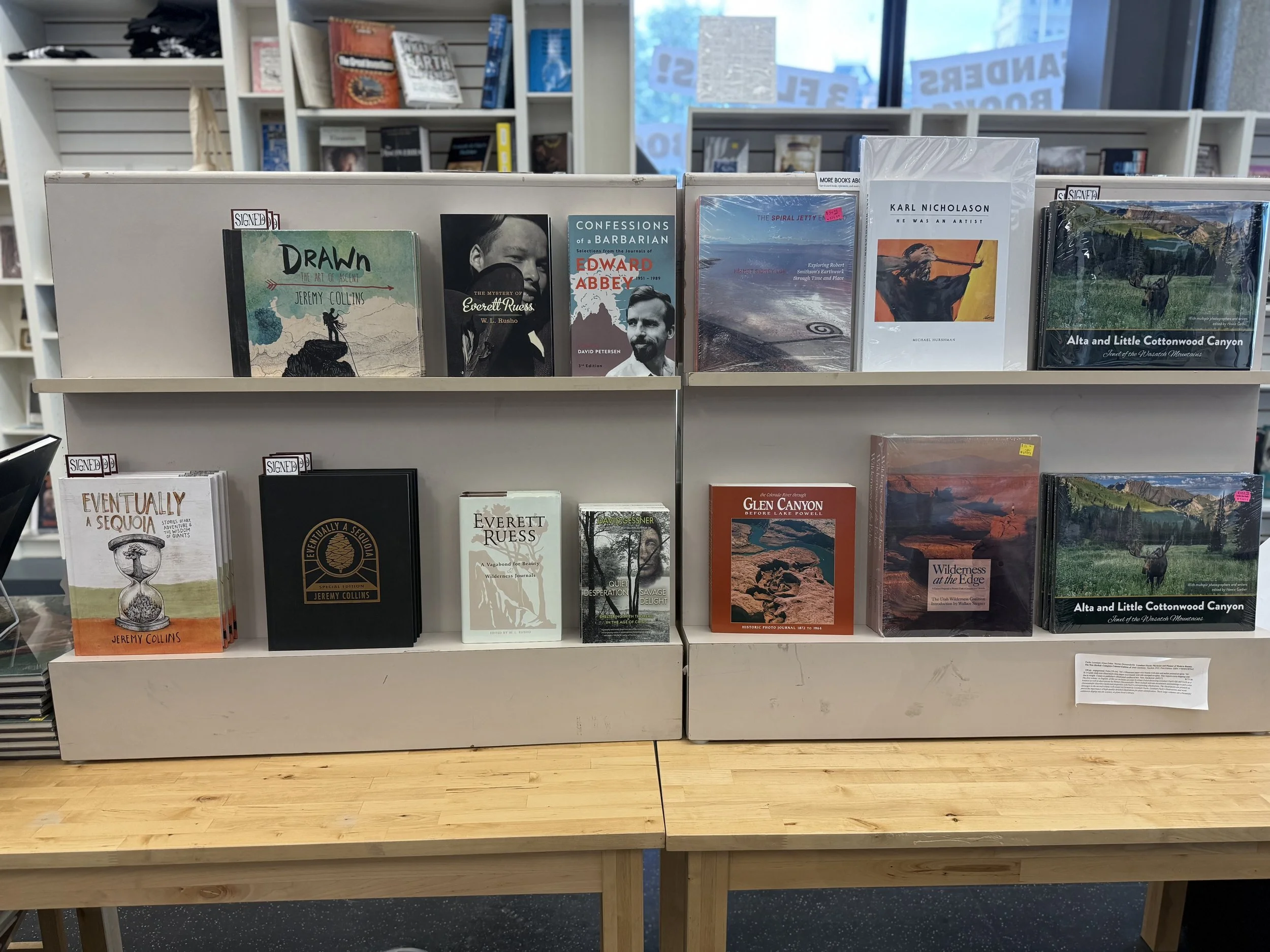
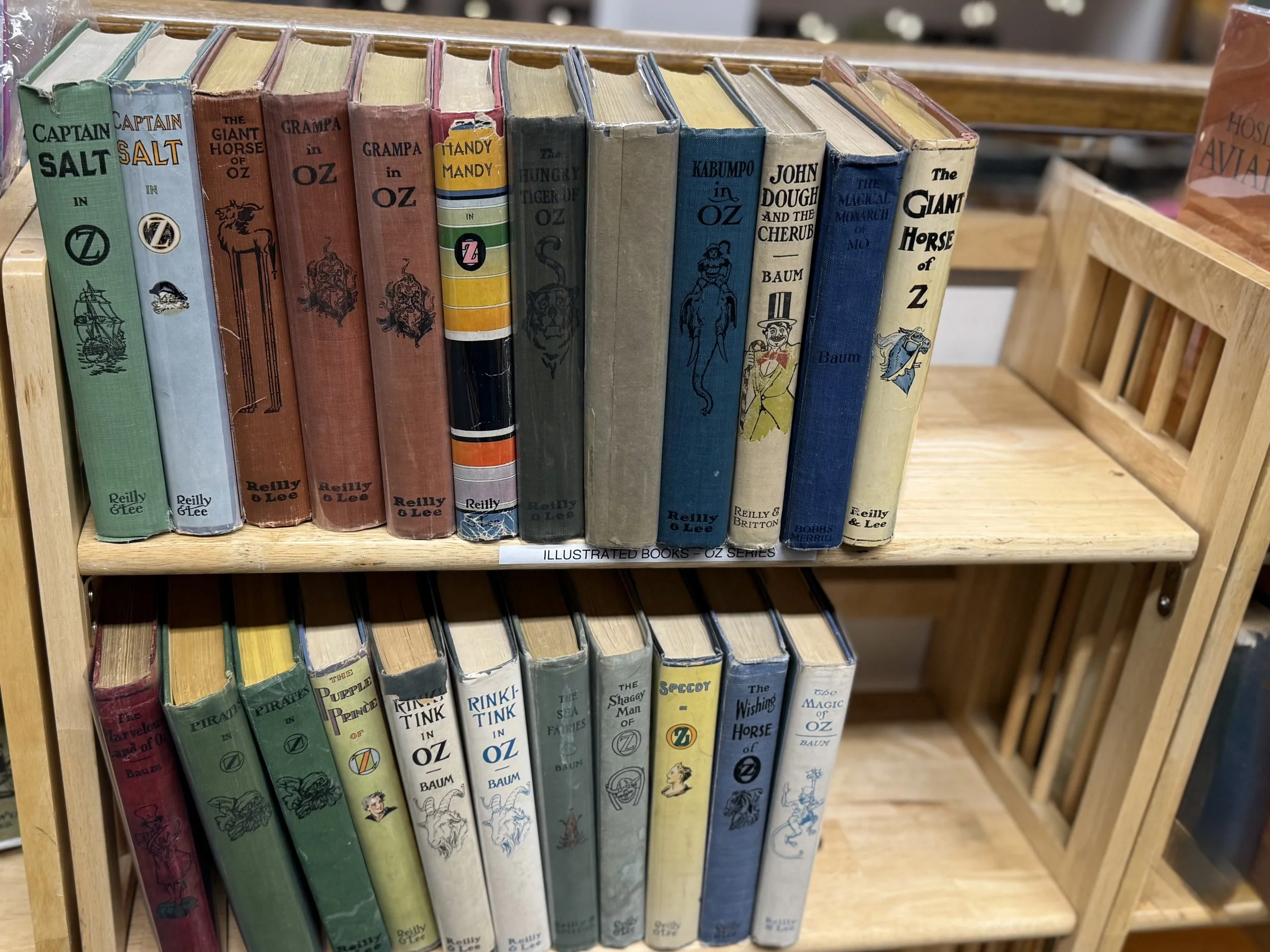
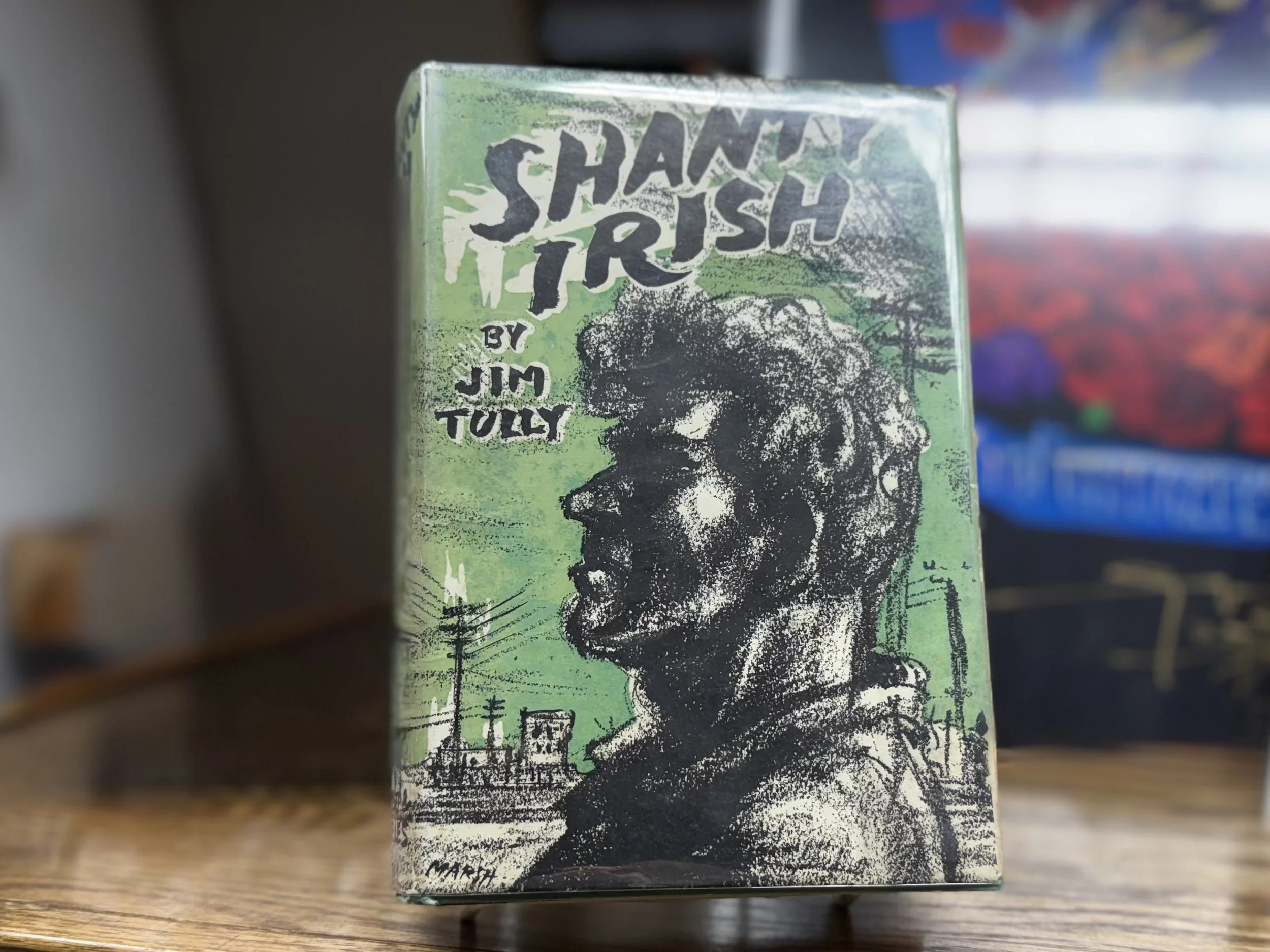
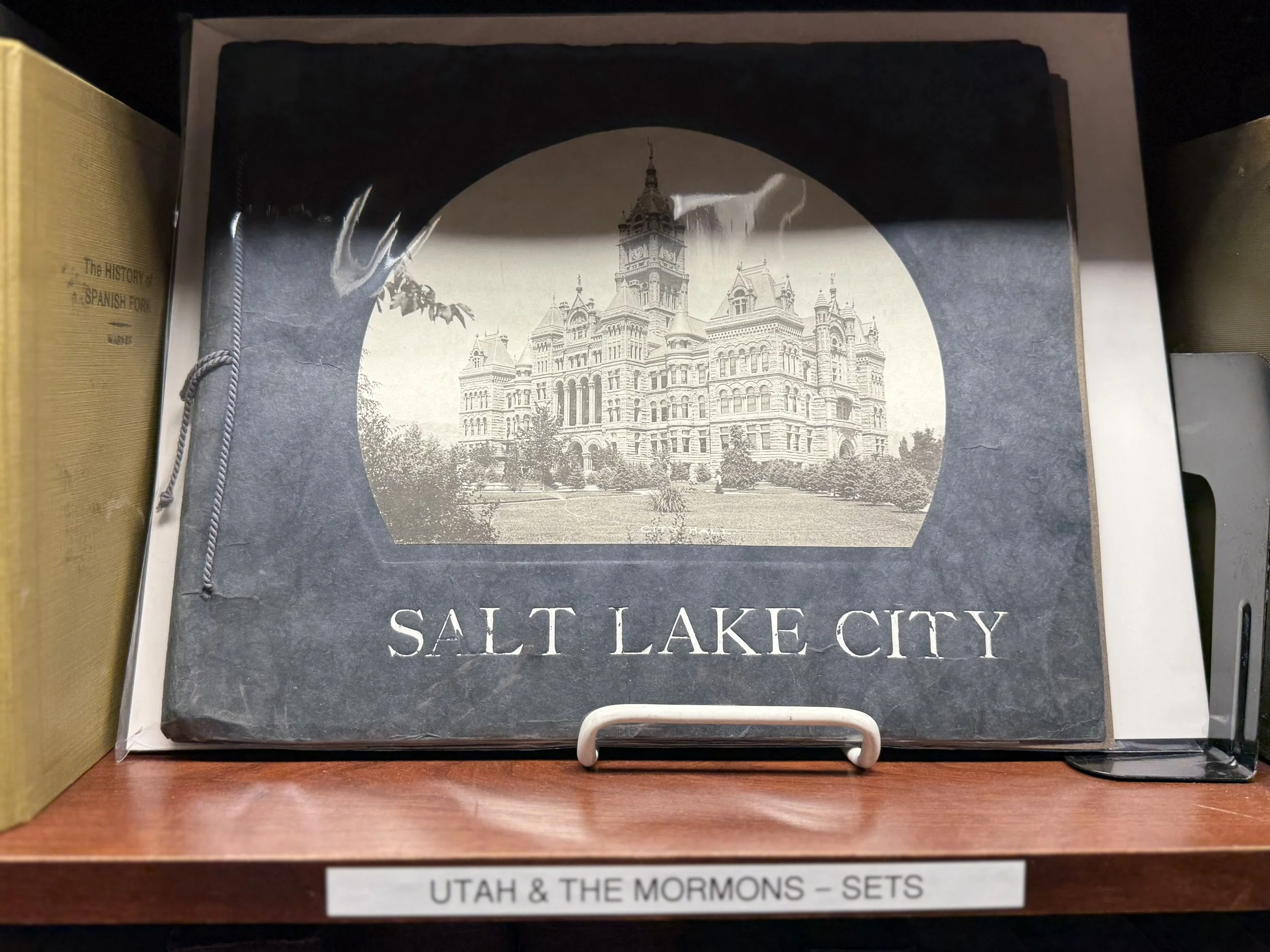
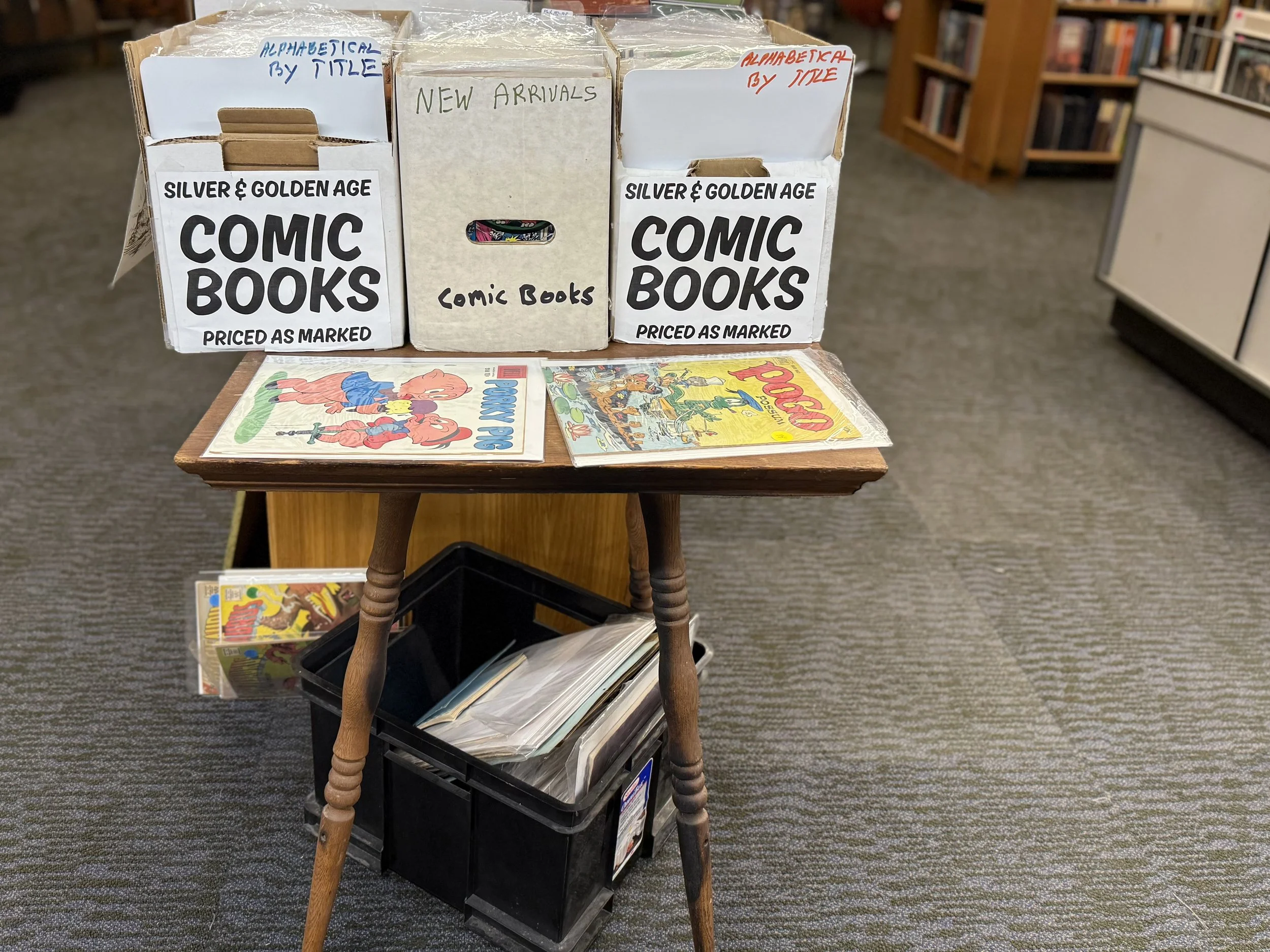
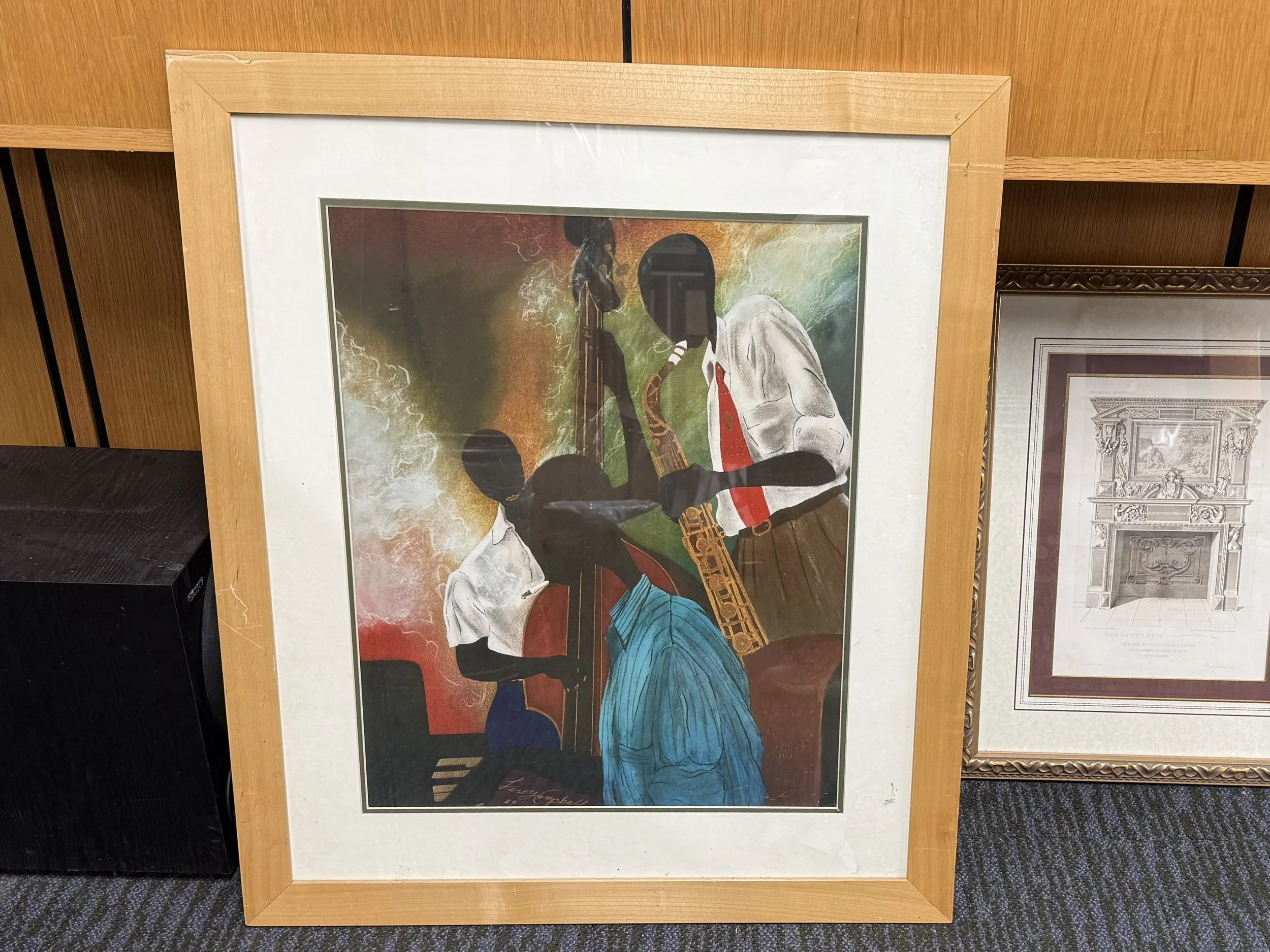
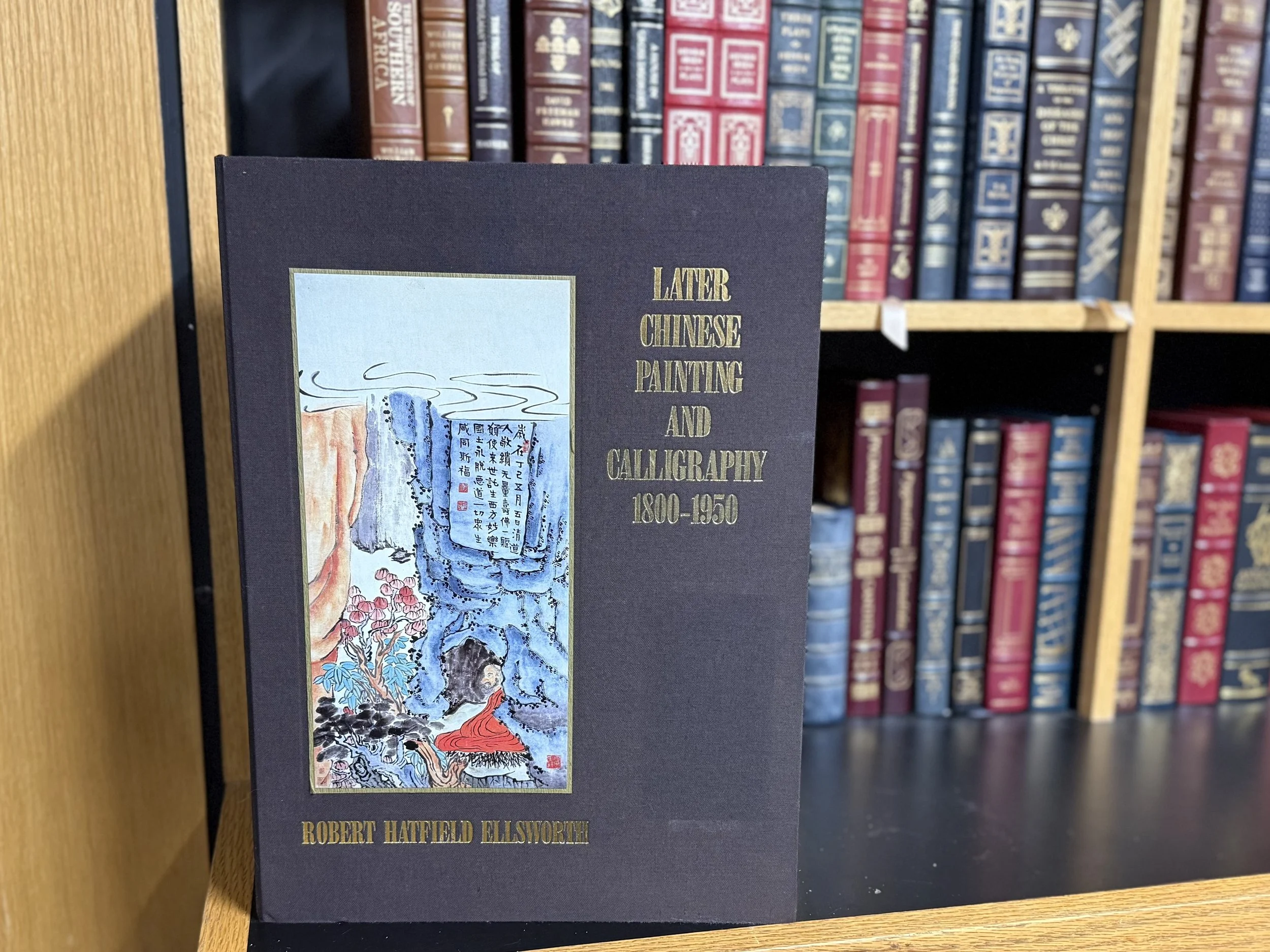
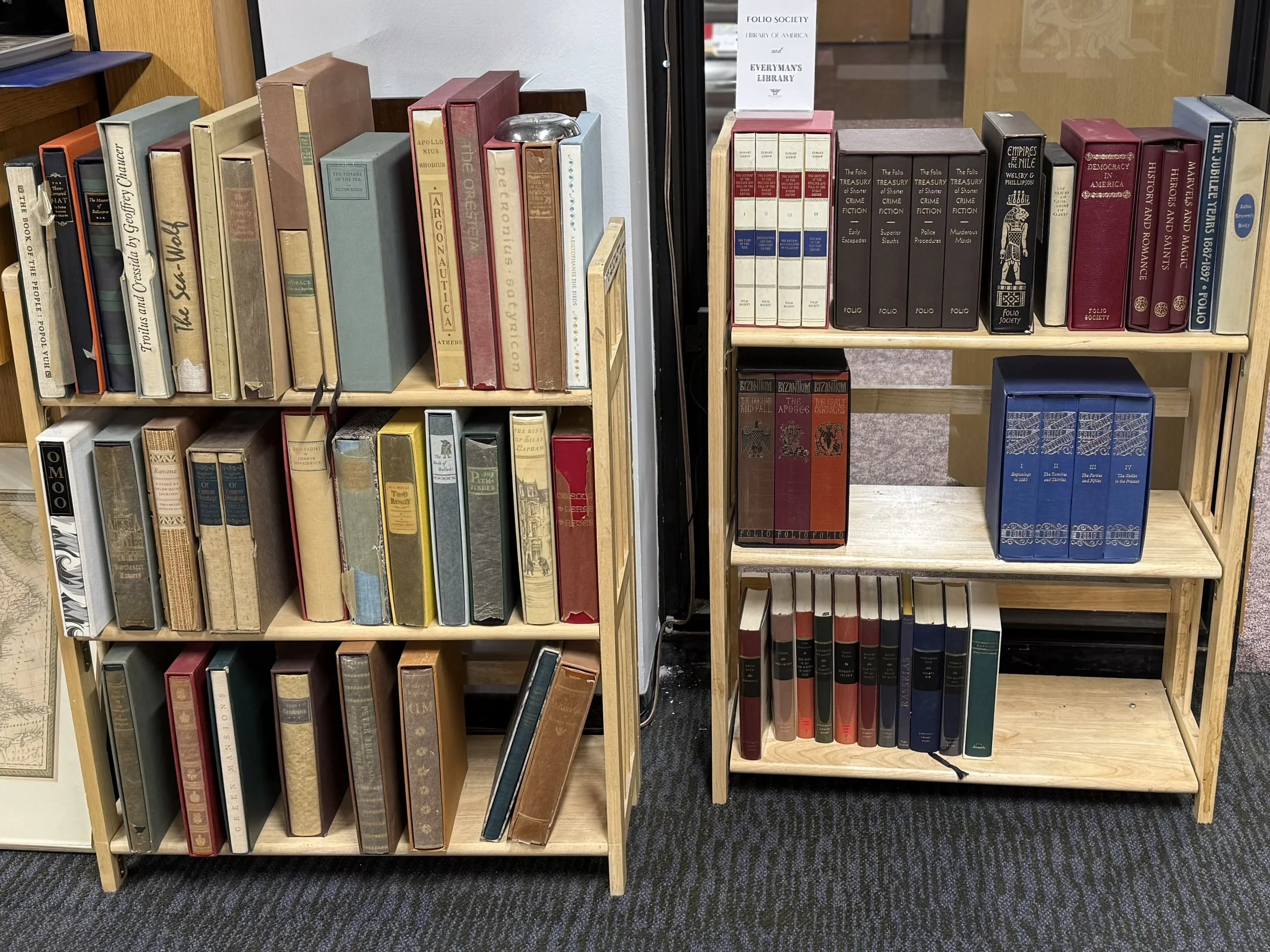
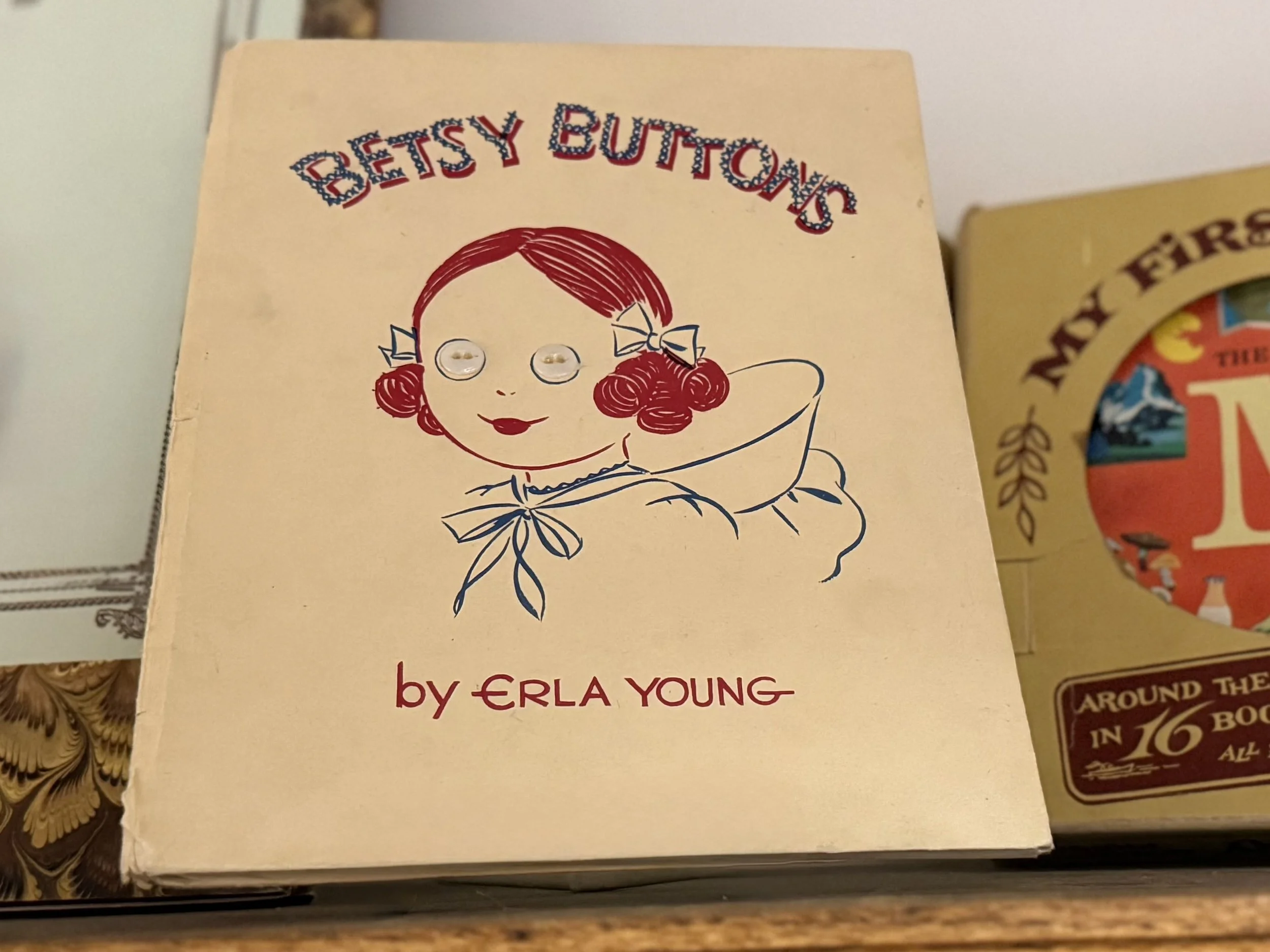
Today, the shop, located inside the former Leonardo Museum, feels less like a retail space than a working archive. The shelves are dense but deliberate. Western Americana, Utah and Mormon history, literature, children's books, counterculture, art, photography, and the natural world anchor the collection. There are rare and antiquarian books, first editions, fine press volumes, ephemera, maps, manuscripts, posters, and broadsides - objects meant to be read, handled, and understood.
What distinguishes the shop is not only what it carries, but how it carries it. Ken does not believe in gatekeeping knowledge. Scholars and first-time collectors are treated with equal seriousness. A question is an invitation to a story, a history lesson, or a book you did not know you were looking for. From a boy told he could not read Frankenstein to a bookseller trusted with preserving cultural memory, Ken Sanders built exactly the shop his life prepared him to build. “Books are how we talk to people we will never meet and places we may never see. That conversation is worth protecting.”