Wildwood
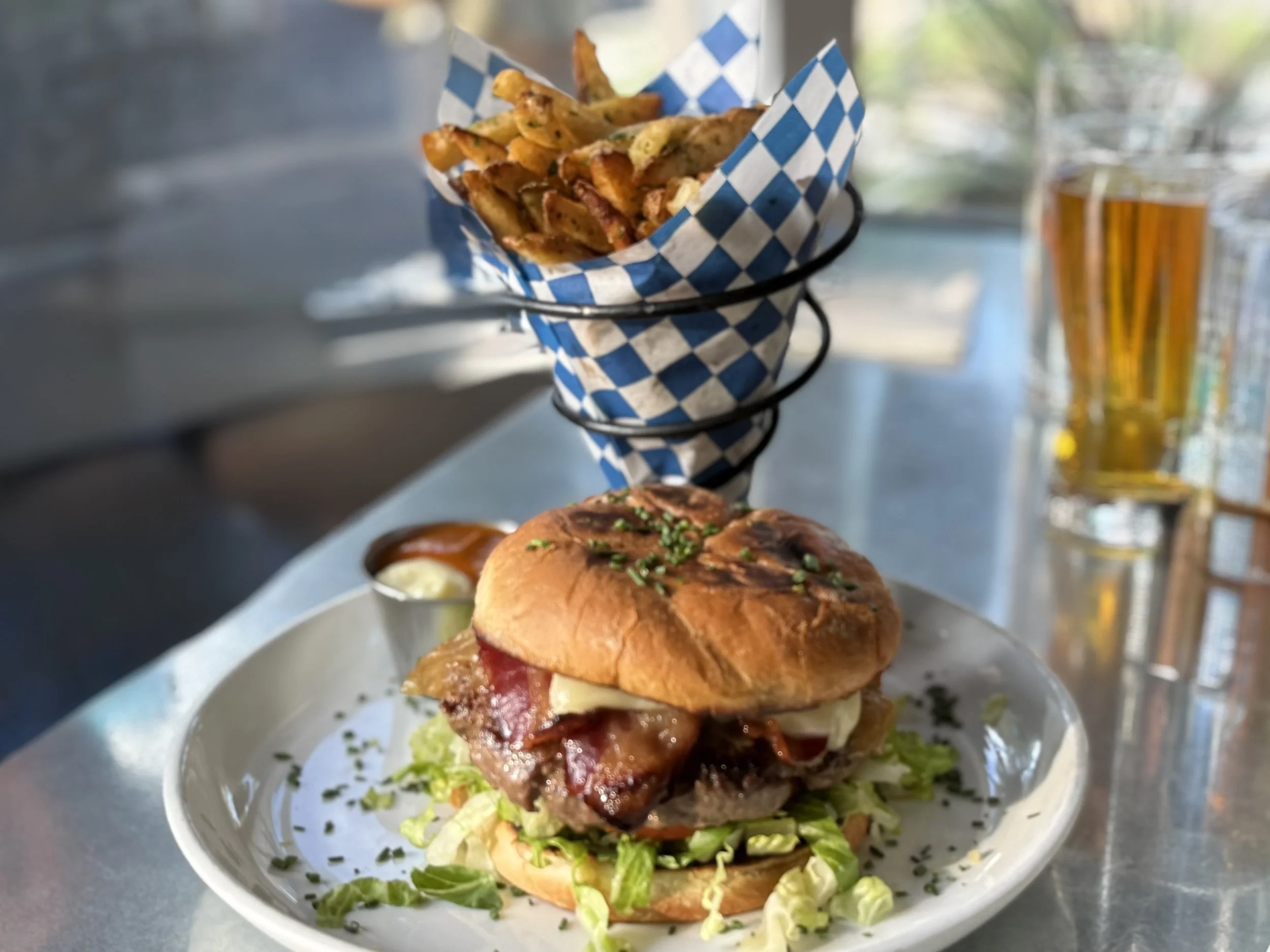
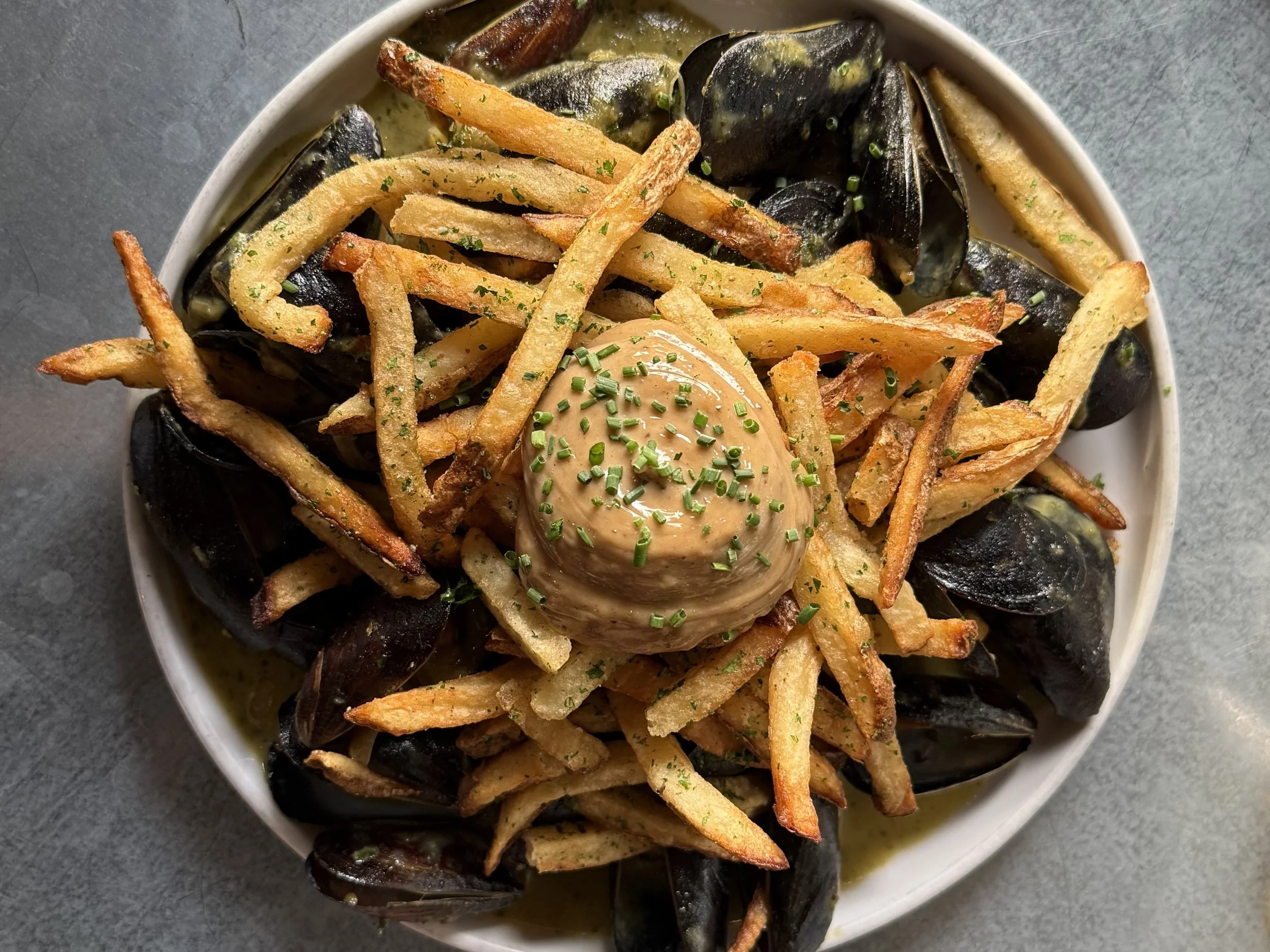
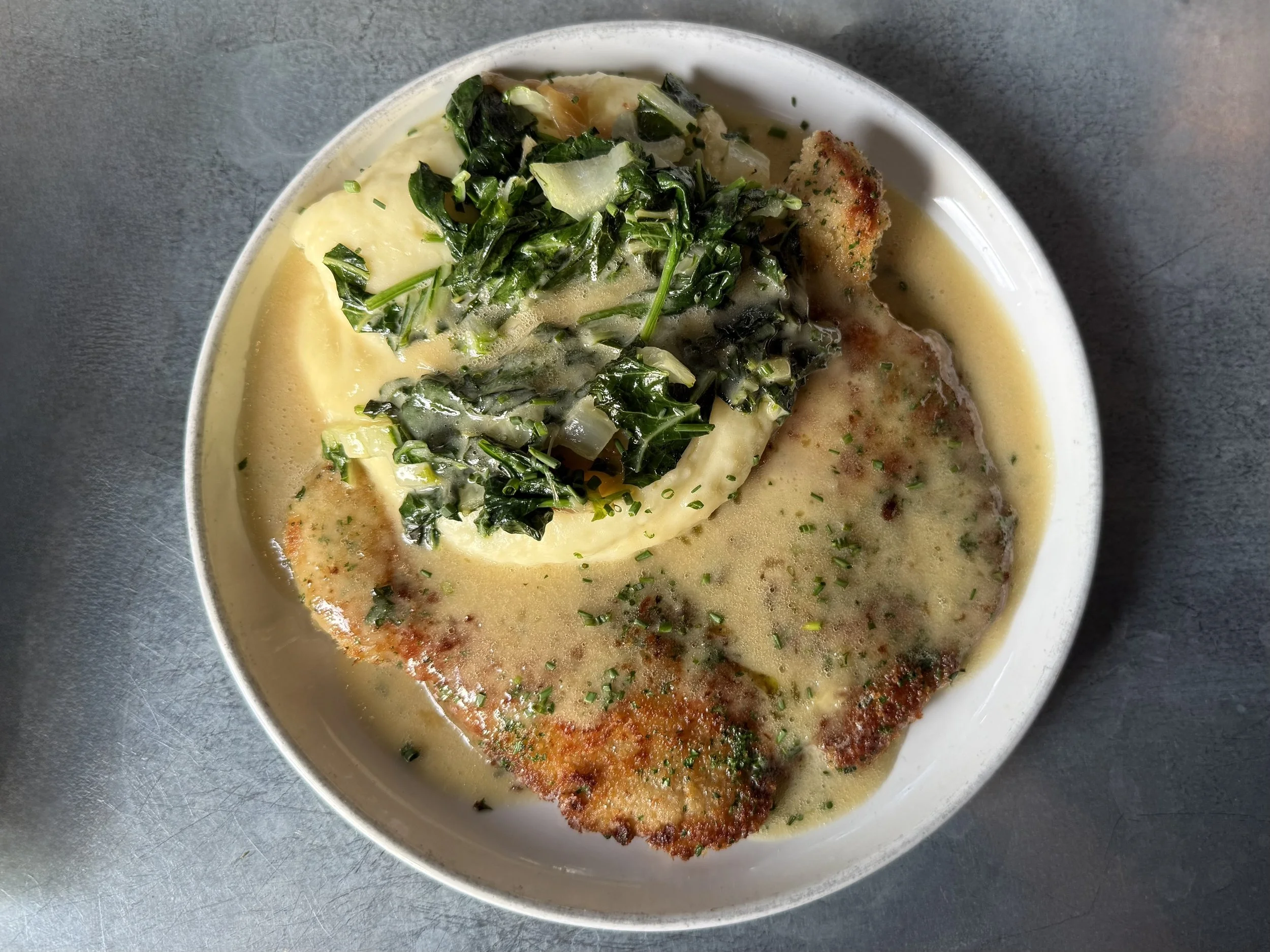
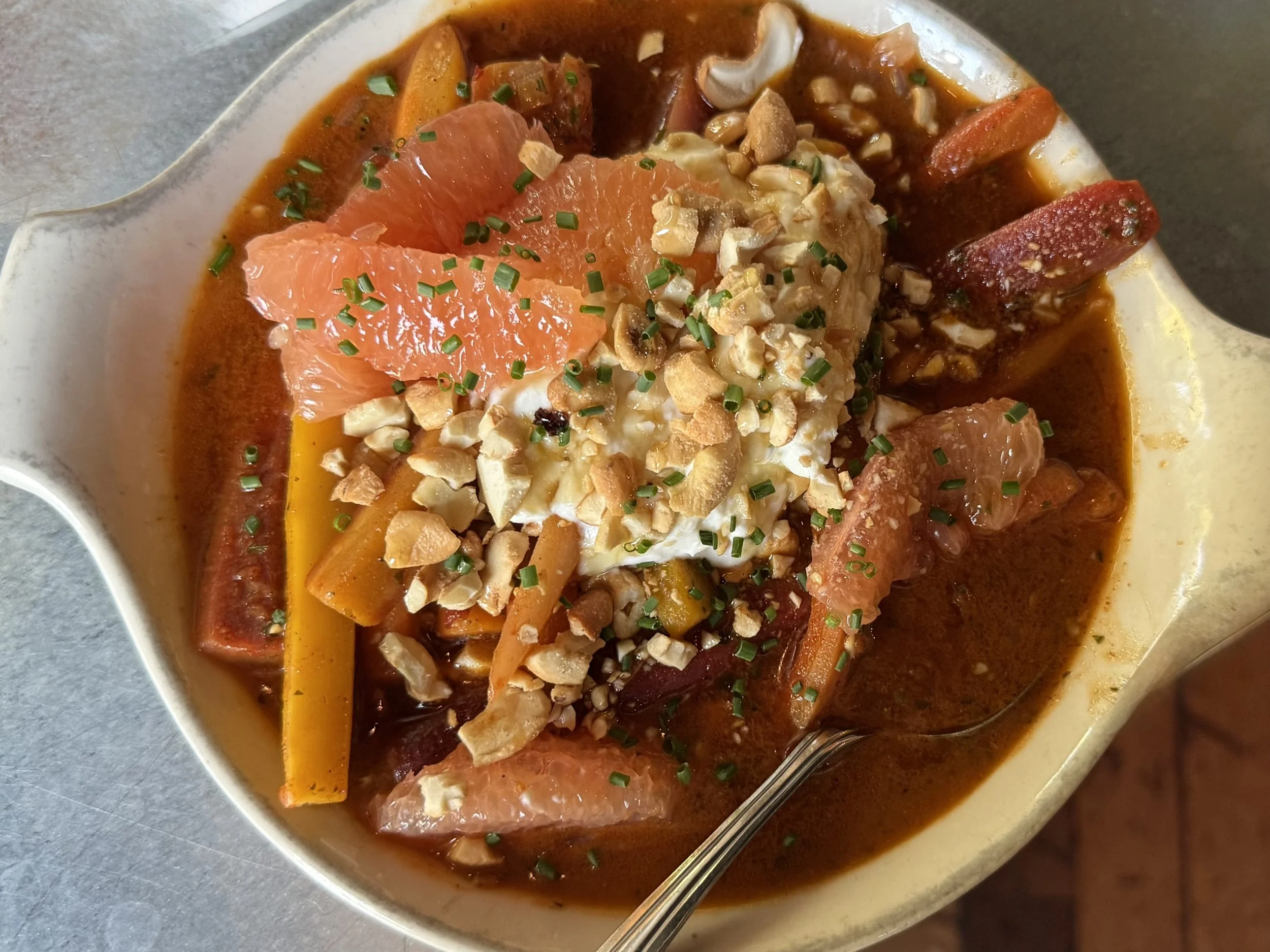
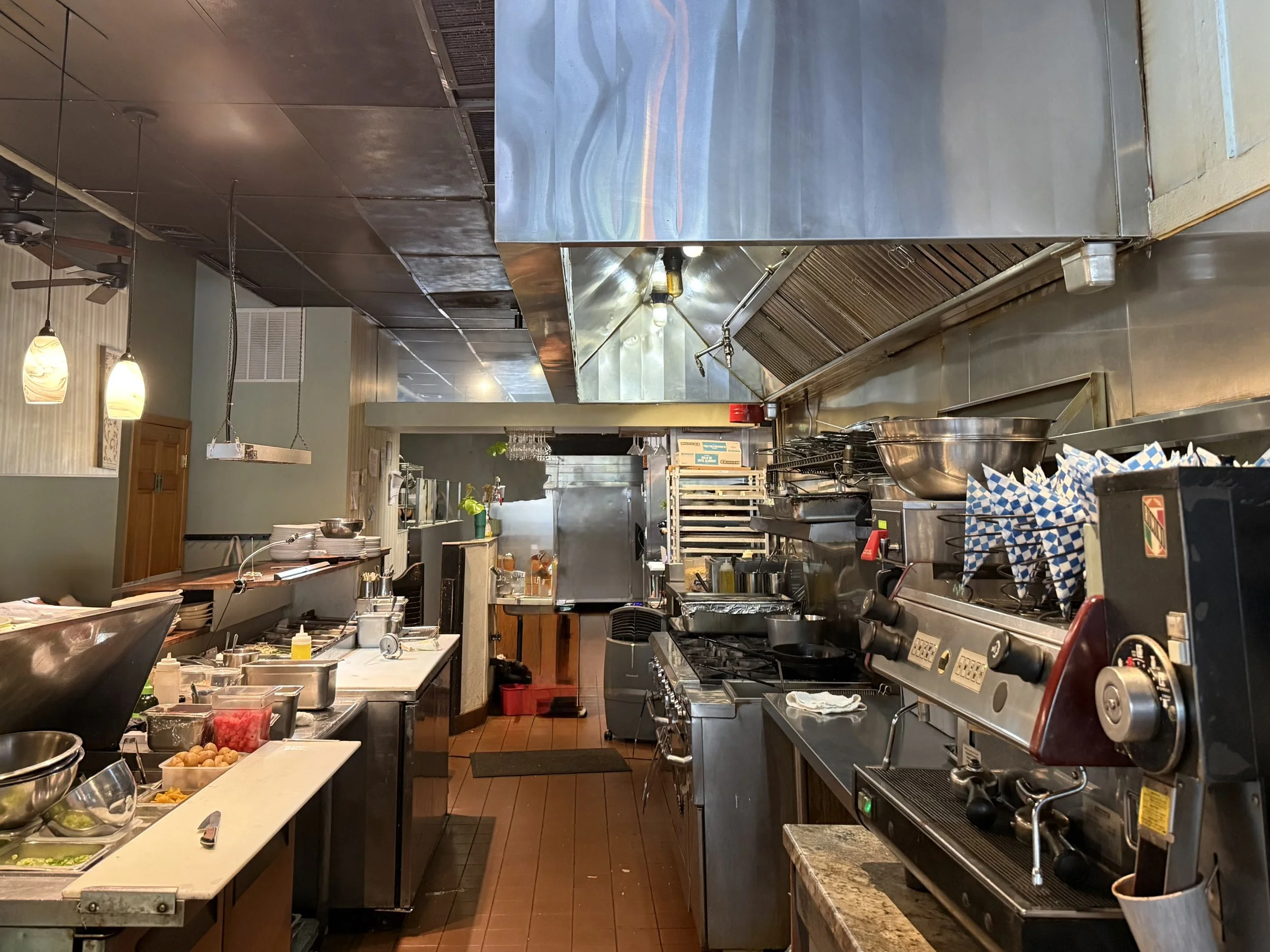
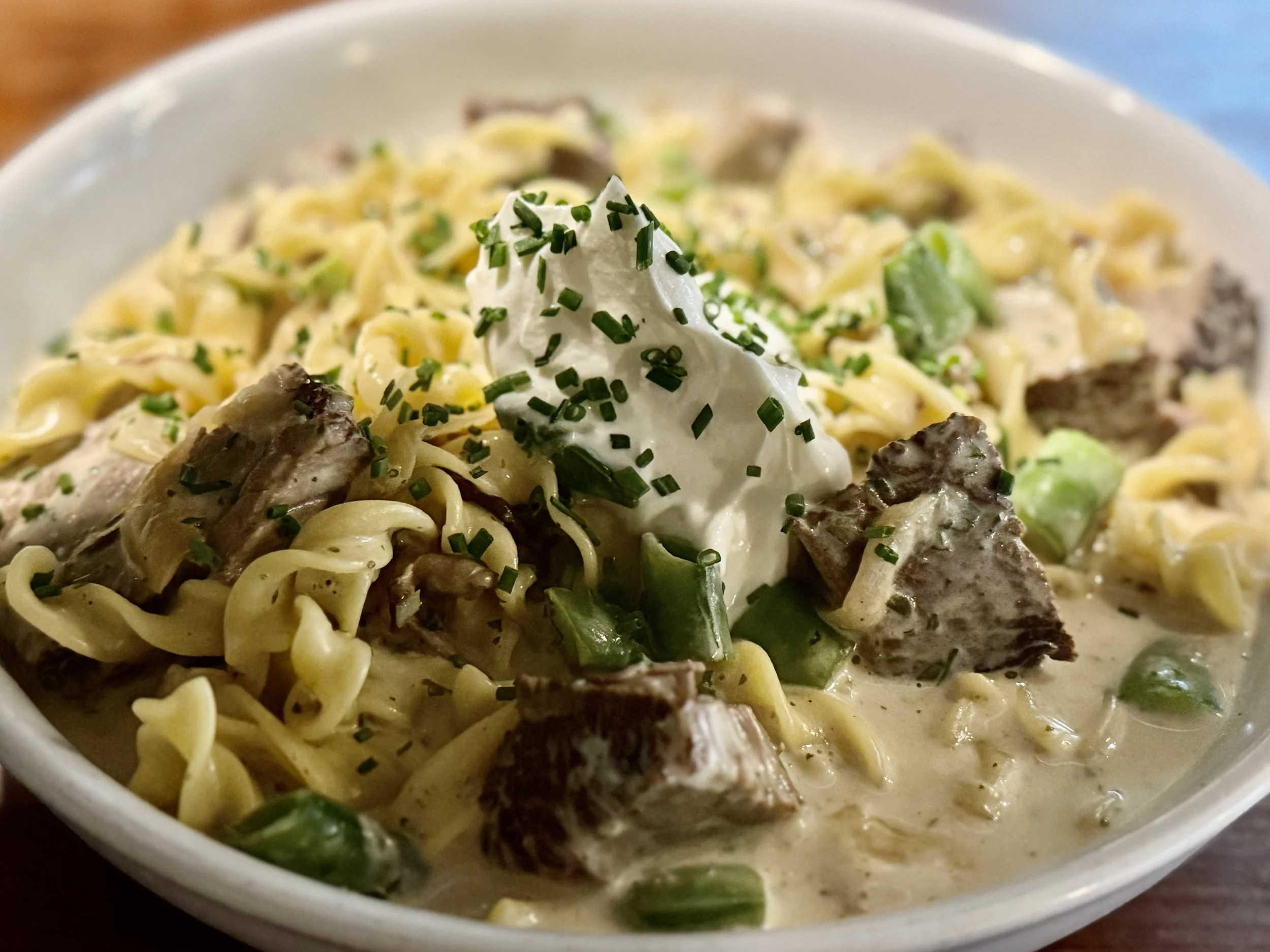
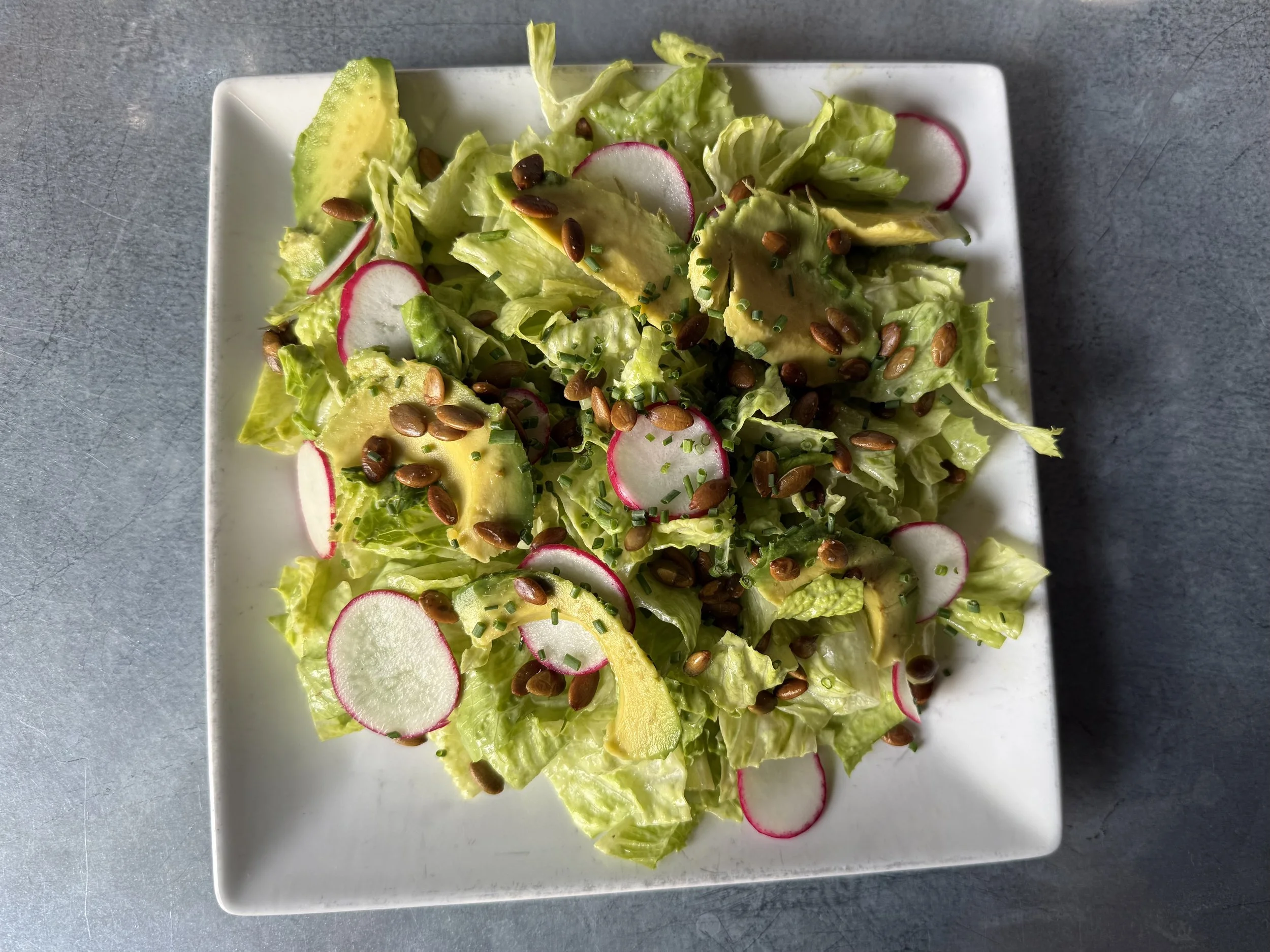
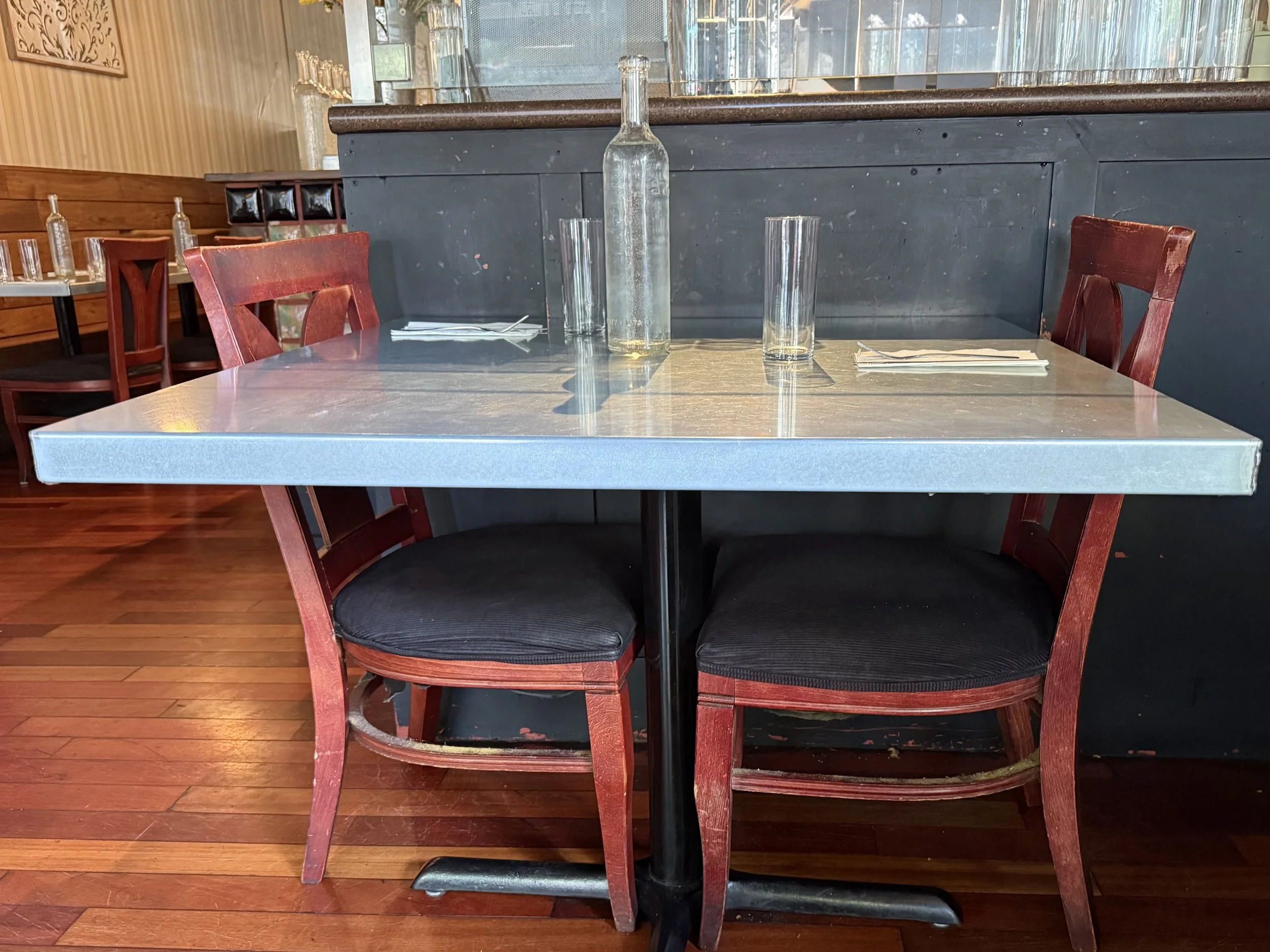
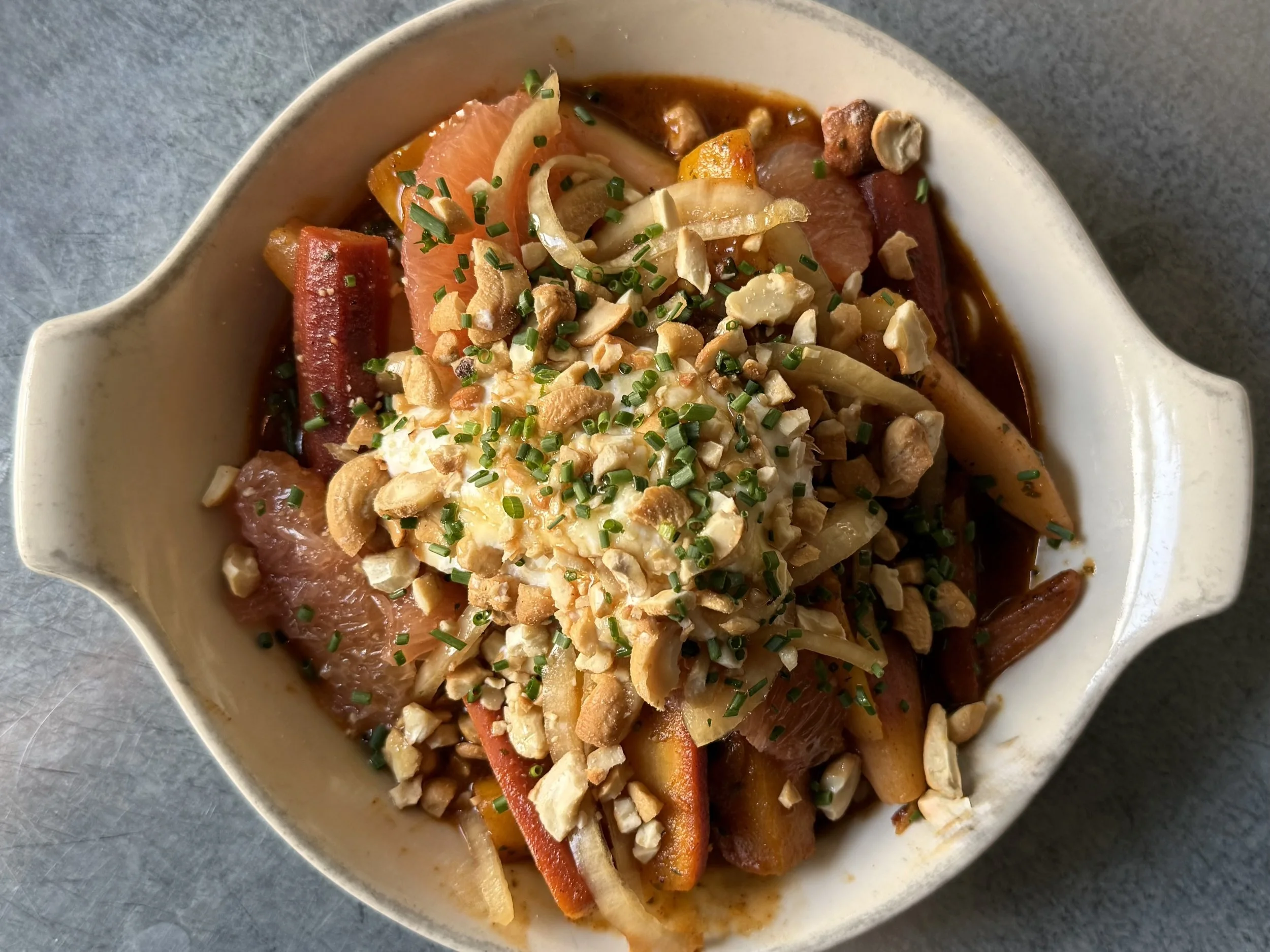
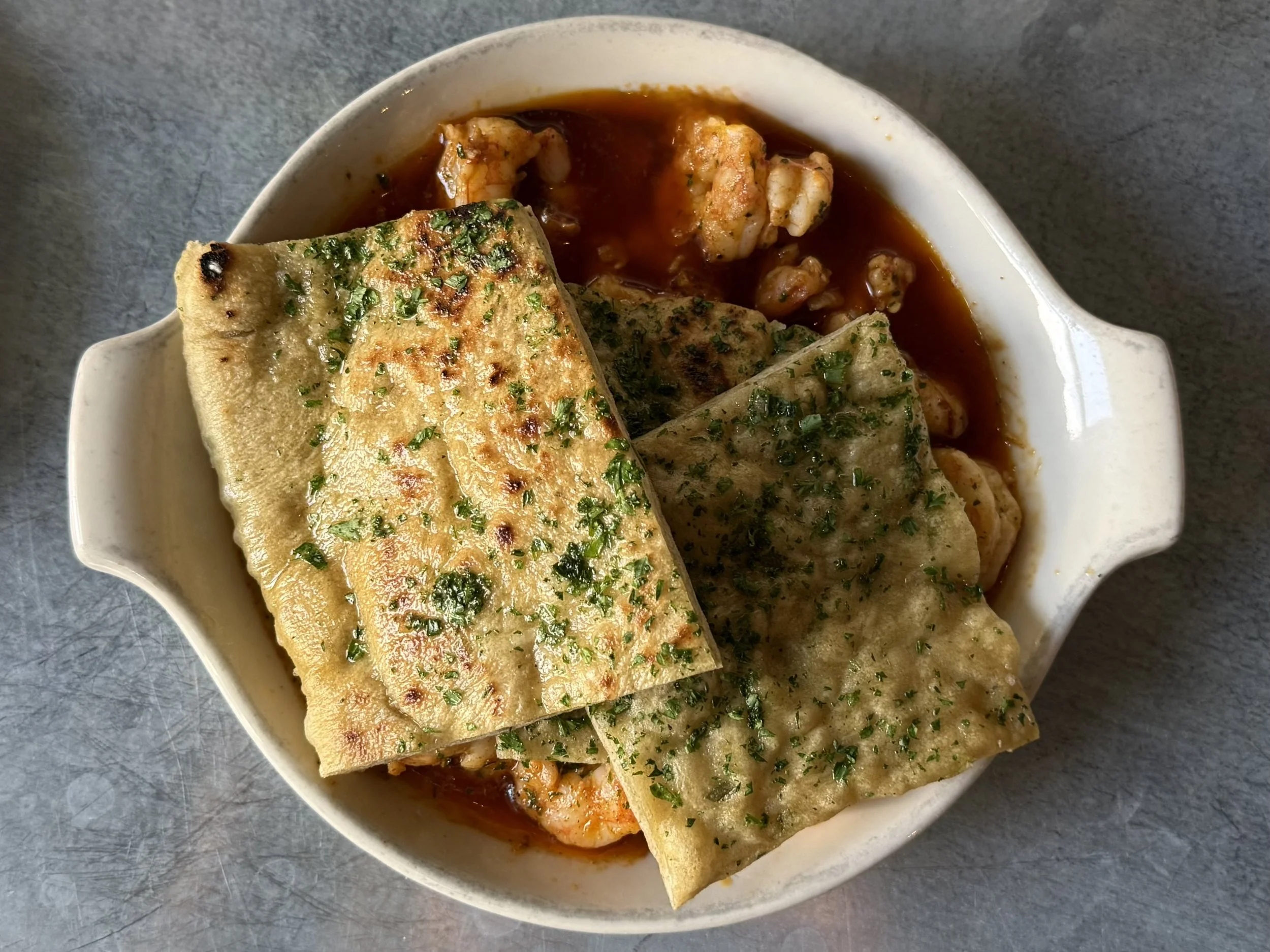
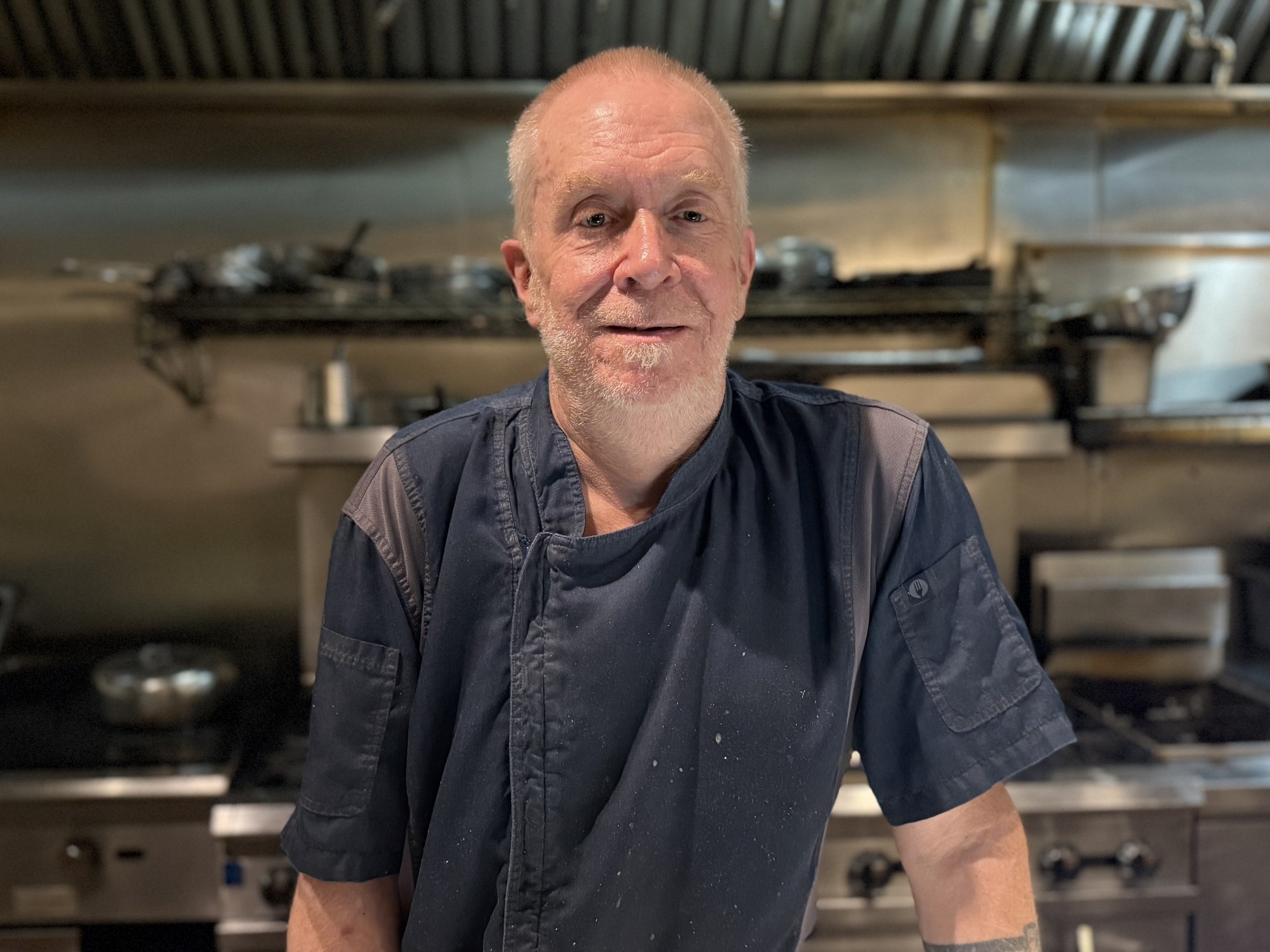
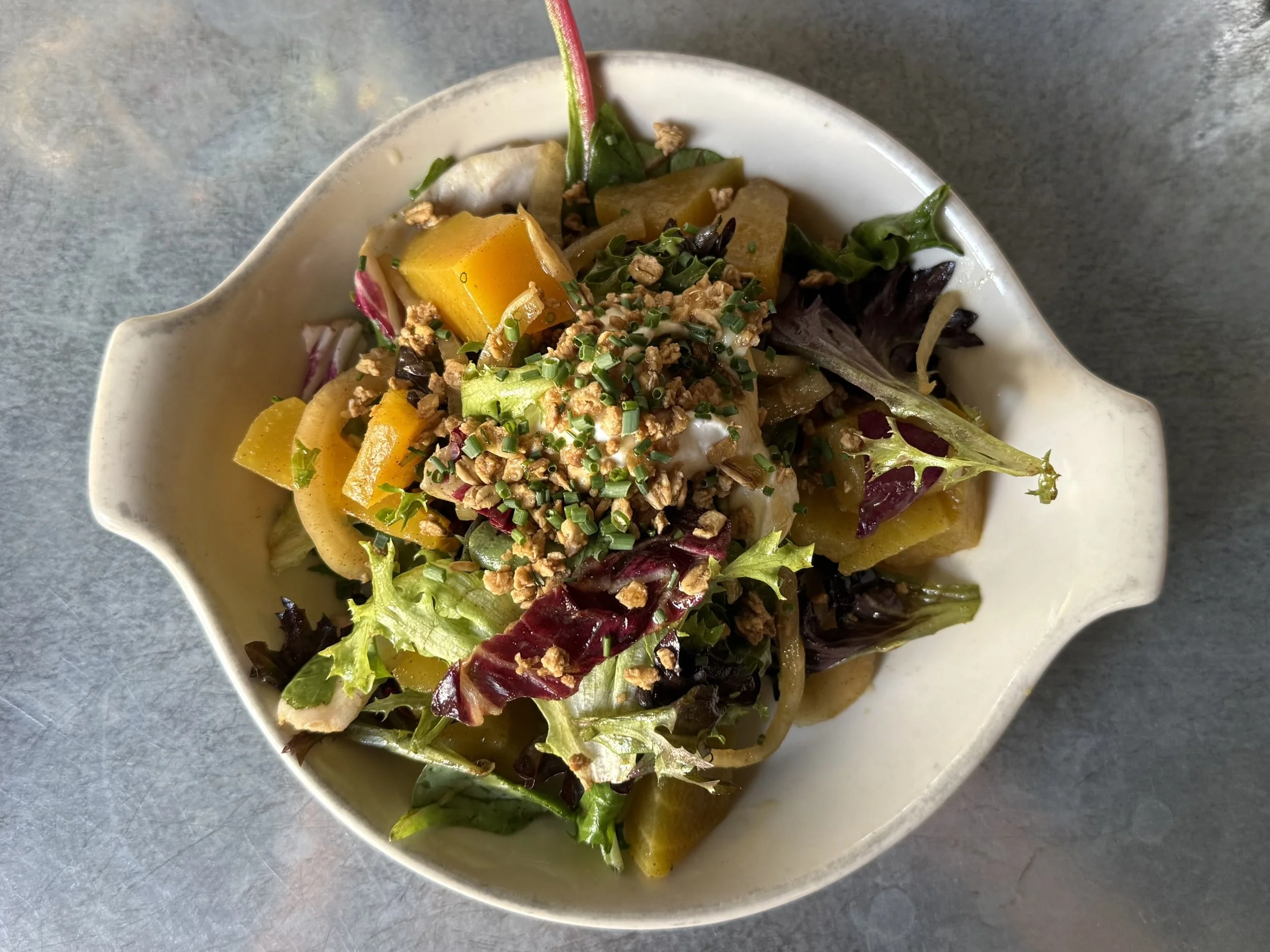
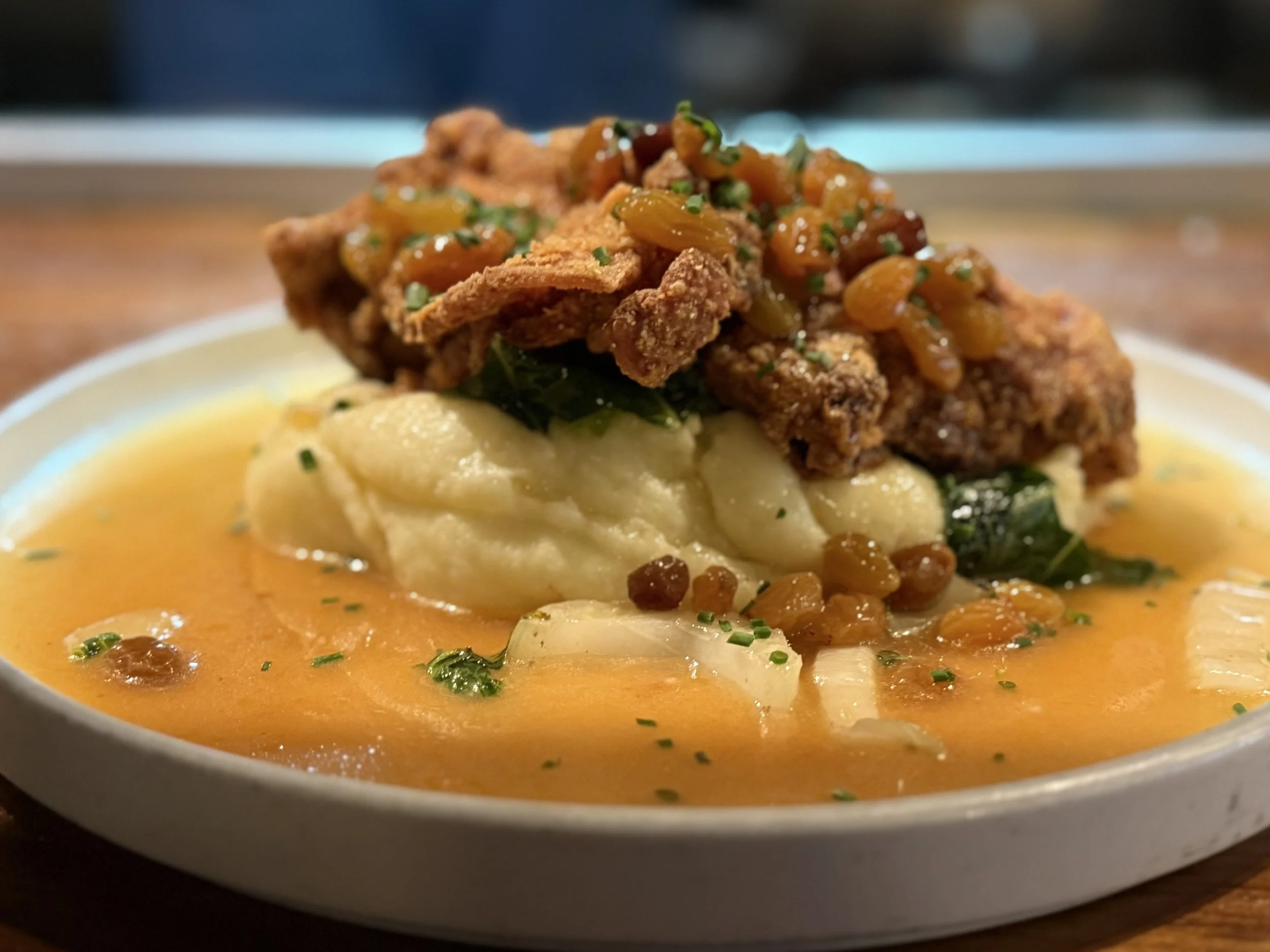
“People will come in and say, ‘We came all the way from Provo for the mussels and frites.’” For Mike Richey, owner and chef of Wildwood Bistro in the Avenues, that kind of devotion says almost everything about the restaurant he has created. Wildwood is very much a neighborhood place, but its reach extends well beyond the surrounding streets. Regulars return several times a month, tables fill more than once each evening, and certain dishes have become so beloved that changing them can provoke something close to rebellion.
Mike grew up outside Buffalo, New York, in Williamsville, in a family-oriented household where sports filled much of his childhood and summers were often spent across the border in Ontario. Cooking was not an obvious career path. He studied conservation law and natural resource conservation at Finger Lakes Community College, did additional work in ornithology through Cornell, and graduated in 1996. That same year, he headed west. A high school friend was attending the University of Utah, and Mike planned to spend a winter in Salt Lake before moving on to Vancouver.
He never made it to Vancouver, instead, he began cooking. At Market Street Grill’s Oyster Bar downtown, Mike worked as a line cook, drawn partly by a schedule that left his days open for climbing. Over time, his job became something more serious. He went on to become a sous chef at the Tree Room at Sundance before moving to Northern California in 2003.
The next several years became an intensive culinary education. Mike worked his way through restaurants in San Francisco and the surrounding area, including Home, Emporio Rulli, Picco, Bix and Foreign Cinema. He spent a week staging at Chez Panisse where one of the memorable perks was sitting down to lunch with Alice Waters.
More important than any one restaurant, however, was the community of chefs surrounding him. Mike found himself learning from people connected to the generation of California cooking shaped by chefs such as Jeremiah Tower. Their philosophy centered on strong technique, exceptional ingredients, and food that did not need to announce how sophisticated it was. “Sourcing the best food that you can, making it approachable and delicious,” is how Mike describes it.
Throughout those years, Mike developed a habit of seeking out kitchens wherever he went. On later trips to New York, he would stage for weeks at a time, working, tasting, and absorbing whatever he could. He helped with the opening of Salt & Char in Saratoga Springs and spent time in other respected kitchens simply because, even after years in the business, there was always something else to learn. Eventually, Salt Lake called him back.
In 2009, Mike joined Scott Evans as the opening chef of Pago. The two had been introduced through a mutual friend, and Mike credits Scott with teaching him another side of the restaurant business. “If there’s a situation that you’re in and you’re not learning anything, then I think you’re doing it wrong,” he said. After Pago, Mike spent five years at Solitude Mountain Resort, overseeing several food operations in the village, including St. Bernard’s and the yurt. Then, in 2017, he opened a pizzeria on Regent Street behind the Eccles Theater.
The restaurant was ambitious and beautifully designed, with a long oak bench, a twenty-seat bar and a pizza oven imported from Florence. But Mike quickly learned just how much location and timing matter. When the theater had a show, the restaurant thrived. During long stretches without performances, the street could be nearly empty. “We were the first, and only, on the street for a long time,” Mike recalled.
The experience taught him lessons he would carry forward. Among them, one he had resisted for years, was that people want reservations. At the pizzeria, he had deliberately avoided them, hoping to create a casual place where guests could wander in, order dishes to share, and let the meal unfold. Eventually, he came to understand that reservations do not necessarily make a restaurant formal. They help people figure out how to fit it into their lives. “When I started taking reservations, the whole business changed.”
Fortunately, while Mike was navigating Regent Street, another opportunity had already appeared. In 2017, he purchased the Avenues Bistro on Third. When restaurants were forced to close during the pandemic, he used the interruption to make changes to the space, including work on the patio and downstairs, and renamed it Wildwood Bistro.
Today, Mike describes Wildwood simply as an American bistro and neighborhood restaurant. The food reflects decades of experience without feeling pretentious. He wants dishes to be thoughtful, beautifully prepared, and deeply satisfying, but never something that requires a lecture before taking the first bite. The kitchen begins largely from scratch each day, and by the end of service, Mike says, the line is nearly empty. Recipes exist in old notebooks, but cooking at Wildwood is less about following written instructions than drawing on a foundation built over years.
And then there are the regulars. Mike learned fairly quickly that Wildwood’s customers become attached to what they love. He swapped steak frites with béarnaise for a version with whipped potatoes, greens and chimichurri, replaced short ribs with entirely different preparations, and temporarily took fried chicken off the menu - only to hear from diners who had driven across the valley specifically for the missing dishes. At first, Mike pushed back. Eventually, he began listening. These days, the core menu changes less dramatically. Instead, seasonal dishes are added, particularly during summer, giving Mike and his kitchen room to experiment while keeping the favorites people expect to find.
There is something especially fitting about that compromise. Mike has spent his career moving through kitchens, learning, experimenting and continually evolving, while Wildwood has become a place people depend on for a certain familiarity.
Even his earliest cooking experience seems to point toward what came later. At fifteen, Mike took his first restaurant job at Ted’s Hot Dogs in Buffalo, working there through high school. Long before California chefs, stages in New York, or his own restaurant in the Avenues, there were charcoal-grilled hot dogs, onion rings, and loganberry drinks. Decades later, his approach remains surprisingly connected to that beginning; make food people truly want to eat, do it well and give them a reason to come back. “We have the neighborhood,” Mike said. “A lot of people come in, and they know what they’re getting. They come back two times a month, three times a month. There’s a lot to be said for that.”