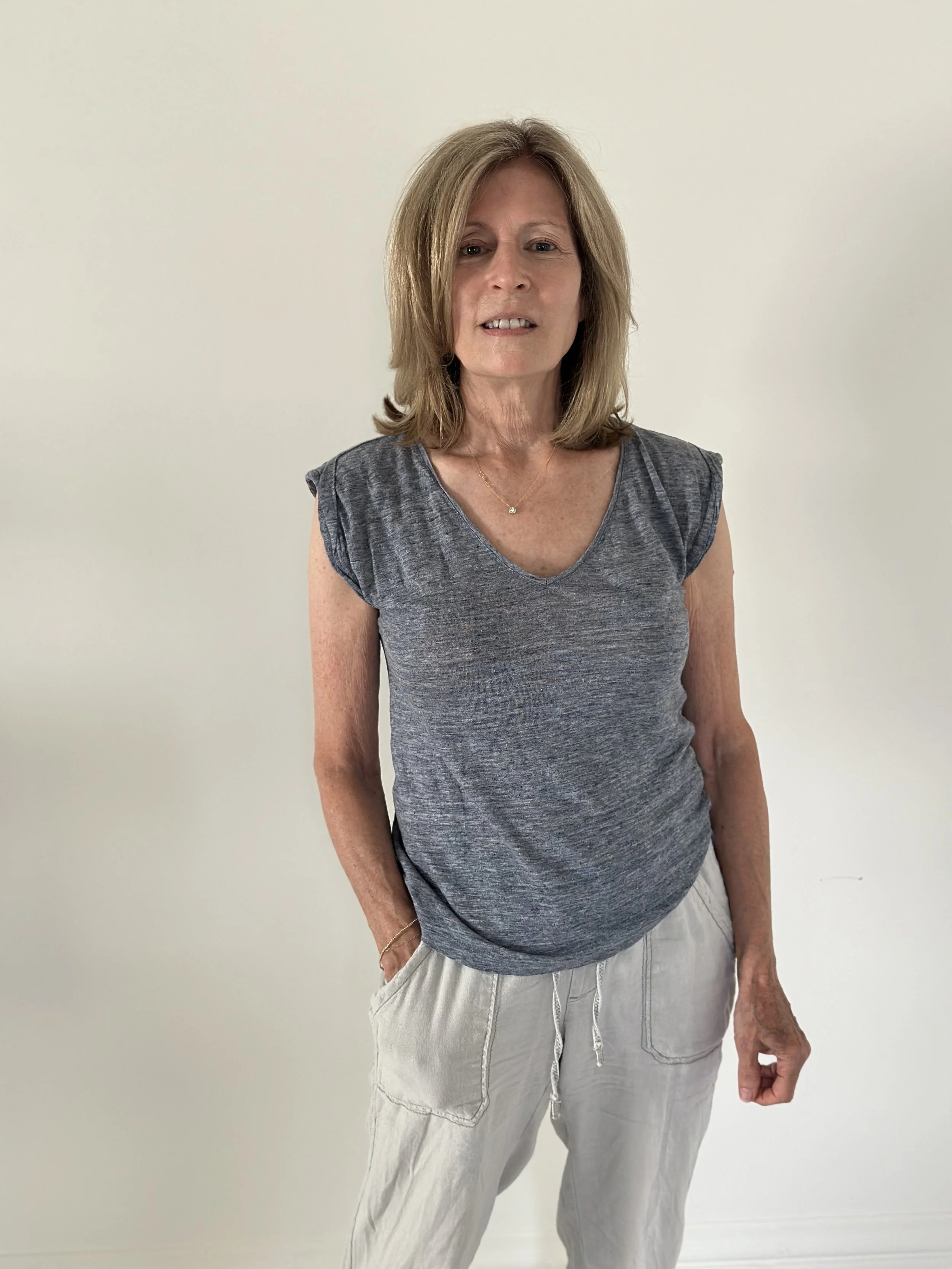
Liberty Heights Fresh
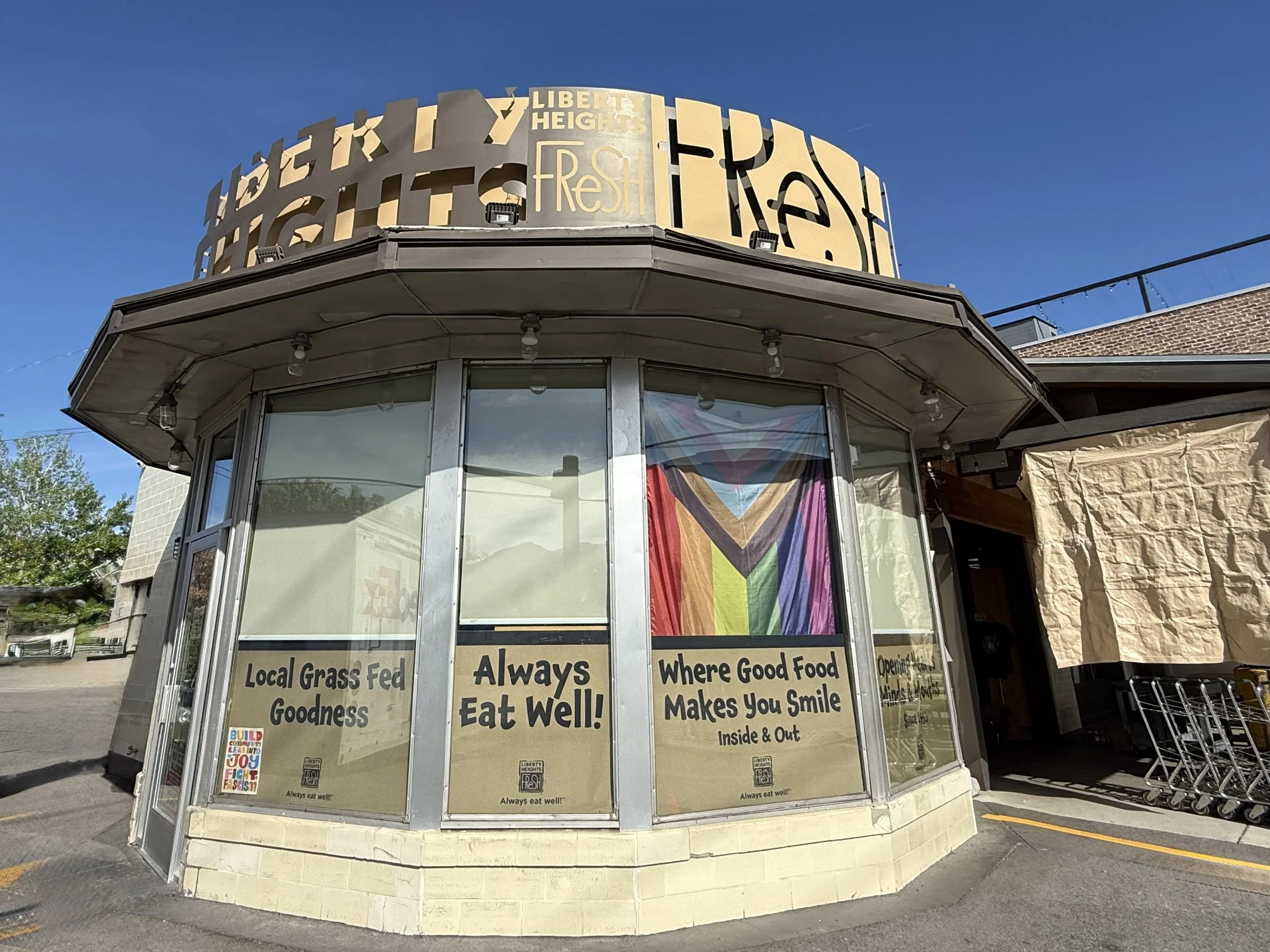
Address: 1290 South 1100 East
Telephone: 801-583-7374
Website: libertyheightsfresh.com
District: East Central
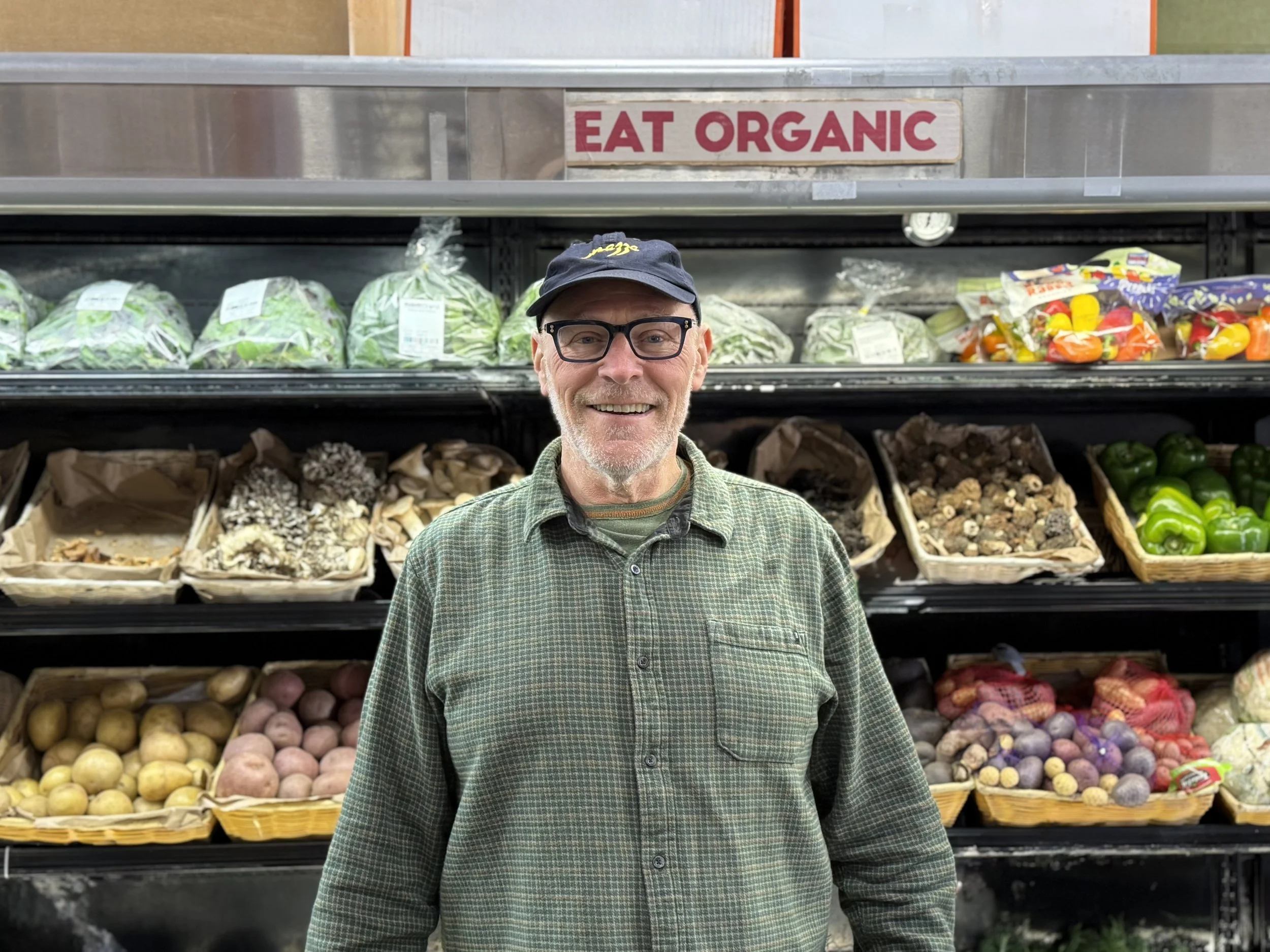
“I know that in the journey of over three decades, there have been times when I may have passionately conveyed a level of knowledge that may have been off-putting to some people. All I really want to do is share that I believe good food is a part of living a good life.” For Steven Rosenberg, founder/owner of Liberty Heights Fresh, food has never been just about what ends up on the table. It has always been about where and from whom it comes, how it is grown, how it is made, and how it makes people feel.
Steven’s convictions have deepened over decades, but the roots of that passion reach all the way back to his childhood on a 400-acre fruit orchard in southwest Michigan, where life revolved around the land, the harvest, and the endless work that came with both.
Long before he became known in Salt Lake City for his carefully sourced market east of Liberty Park, Steven was a boy his family affectionately called the “Fresser Boy,” a phrase with both Yiddish and German roots, meaning “eater.” When his aunt called everyone in for dinner at family gatherings, he would come running with his arms back and his mouth open, ready to eat. It was an image his family remembered with affection, and one that says a great deal about the person he would become. Food, from the very beginning, was joy.
Steven grew up immersed in farm work. Winters were about pruning fruit trees and vineyards, while early and mid-summer brought thinning. Harvest season meant gathering the fruit, packing it, and helping send it off to small markets throughout the Midwest - between Chicago, Detroit, and smaller cities in Ohio and southern Indiana. His family sold a great deal of produce through the Benton Harbor Fruit Market, which in the late nineteenth century through the mid-twentieth century had become one of the country’s great farmer-to-merchant markets for fresh fruits and vegetables. On Michigan’s west coast, more than seventy different fruits and vegetables were grown, and within each type there were countless varieties. It was a remarkable education for a young person, even if he did not fully realize it at the time.
Steven did not spend his childhood simply observing food. He lived it, worked for it, and learned what seasonality meant, what quality looked and tasted like, and what it took to bring something fresh from the field to the people buying it. He also played football in high school, fixed up his own cars, and made regular trips to Chicago to visit his mother’s parents. That city left its own mark on him, and he remains a loyal Cubs fan.
At Michigan State University, Steven studied food marketing and agricultural economics, graduating in 1983. The education was useful, but it also clarified something essential: he was not built for corporate life. The world of big companies taught him, as he puts it, “how not to do business.” He has never been interested in boilerplate methods or detached systems. He has always wanted something more personal, more thoughtful, and more honest.
In 1984, his first company job brought Steven to Salt Lake City, where he worked for a distributor serving independent supermarkets throughout the Intermountain West. He arrived alone, and while he was not threatened by the culture he encountered, he was struck by it. More than anything, he noticed the food. At the time, he found very little that met his own standards for quality and integrity. He saw a market shaped largely by "thrift," where value was often measured by how much food fits on a plate rather than by the integrity/quality of the ingredients themselves.
After two and a half years in grocery distribution, Steven worked for a biotech in Research Park. When the planned public offering collapsed in the wake of the 1987 stock market crash, he was laid off along with many others. In 1988, he moved to Miami to work for a Colombian family importing and marketing fresh flowers. The city’s heat was not for him, but the culture left an impression. Miami in the late 1980s was rich with Cuban and Latin American influences, and its food felt far more alive to him than what he had known in Salt Lake at the time.
From there, Steven moved again, this time to Vancouver, where he studied filmmaking and worked in the motion picture business long enough to understand that Los Angeles was not where he wanted to land. In 1991, he returned to Salt Lake City. Then, in 1993, while driving past a building with a “for rent” sign in the window, he made the call that would change everything.
Steven signed the lease in June 1993 and opened Liberty Heights Fresh on August 20th of that year. The name came from the first house he purchased in 1985, just a few blocks east of the store. “Liberty Heights” was on the deed, and the name stayed with him. It grounded the store in place. This was his neighborhood, his corner of the city, and the beginning of something he hoped would serve the people around him.
In its earliest days, the shop was an open-air food market with fresh fruits and vegetables, along with flowers - first because of his Miami connections and soon after with a pivot to California-grown flowers. He began with what he knew. But it did not take long for him to realize that if the store was going to survive and matter, it needed to stand for something more than convenience. Competing on price against chain supermarkets was, in his view, a losing game. What he could offer instead was integrity.
When Steven speaks, integrity comes up often, and for good reason. It is the principle that runs through everything at Liberty Heights Fresh. His own definition of good food is simple and deeply felt. "It should make you smile as much on the inside as on the outside when you eat it." He believes the ingredients should be recognizable, the sourcing transparent, and the quality uncompromising. Over time, those values only sharpened.
A turning point came in the mid-1990s, when Steven began attending specialty food shows in San Francisco and New York. Walking those aisles opened his eyes to how much remarkable food existed in the world and how little of it had found its way to Salt Lake City. In 1998, a trip to Paris for a major food show further reinforced the distinction between industrial supermarket food and the products made by people deeply committed to craft, tradition, and quality. He began building relationships with importers and producers who shared his standards, always tasting, reading labels, comparing ingredients, and paying attention to every detail.
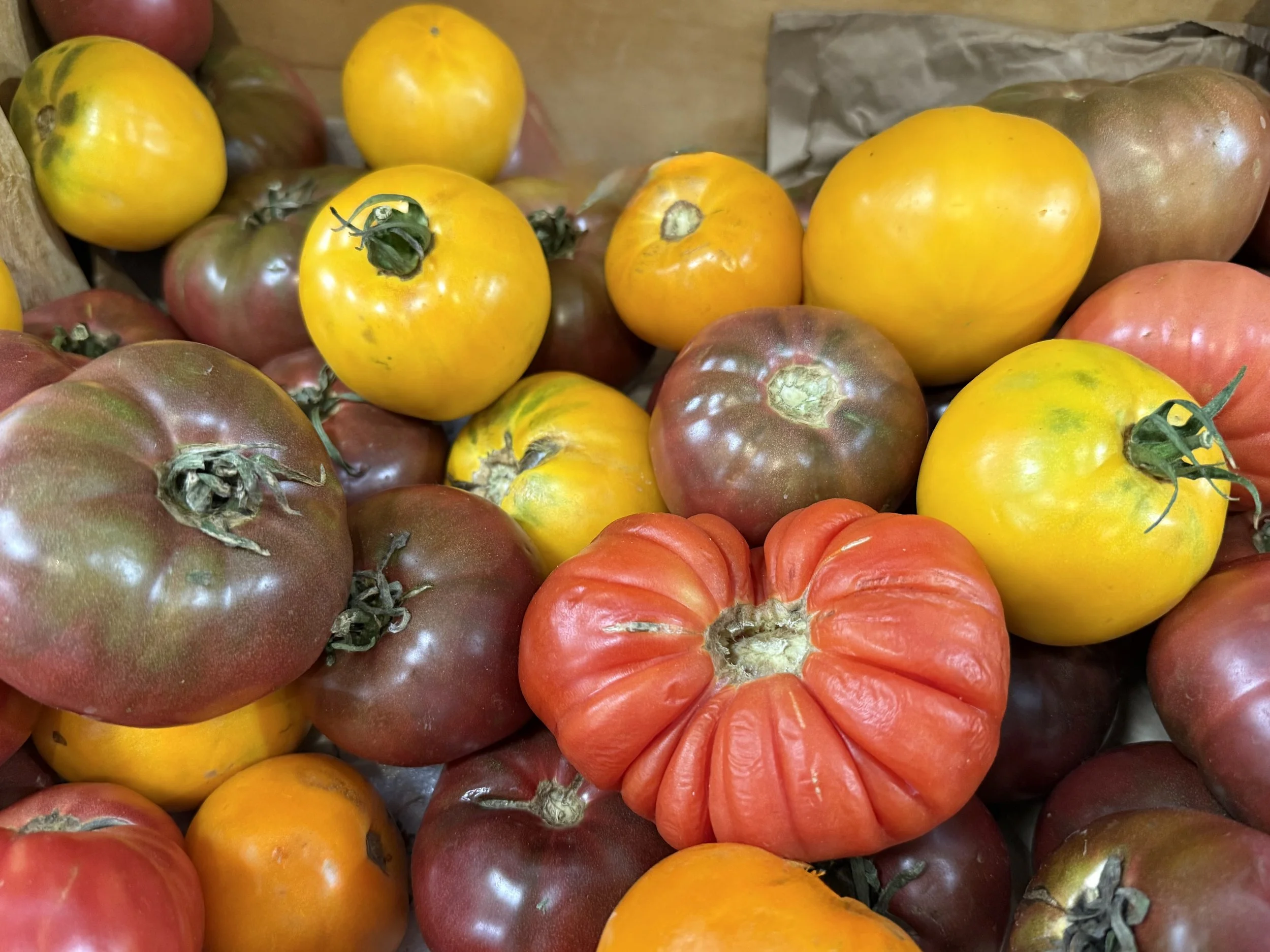
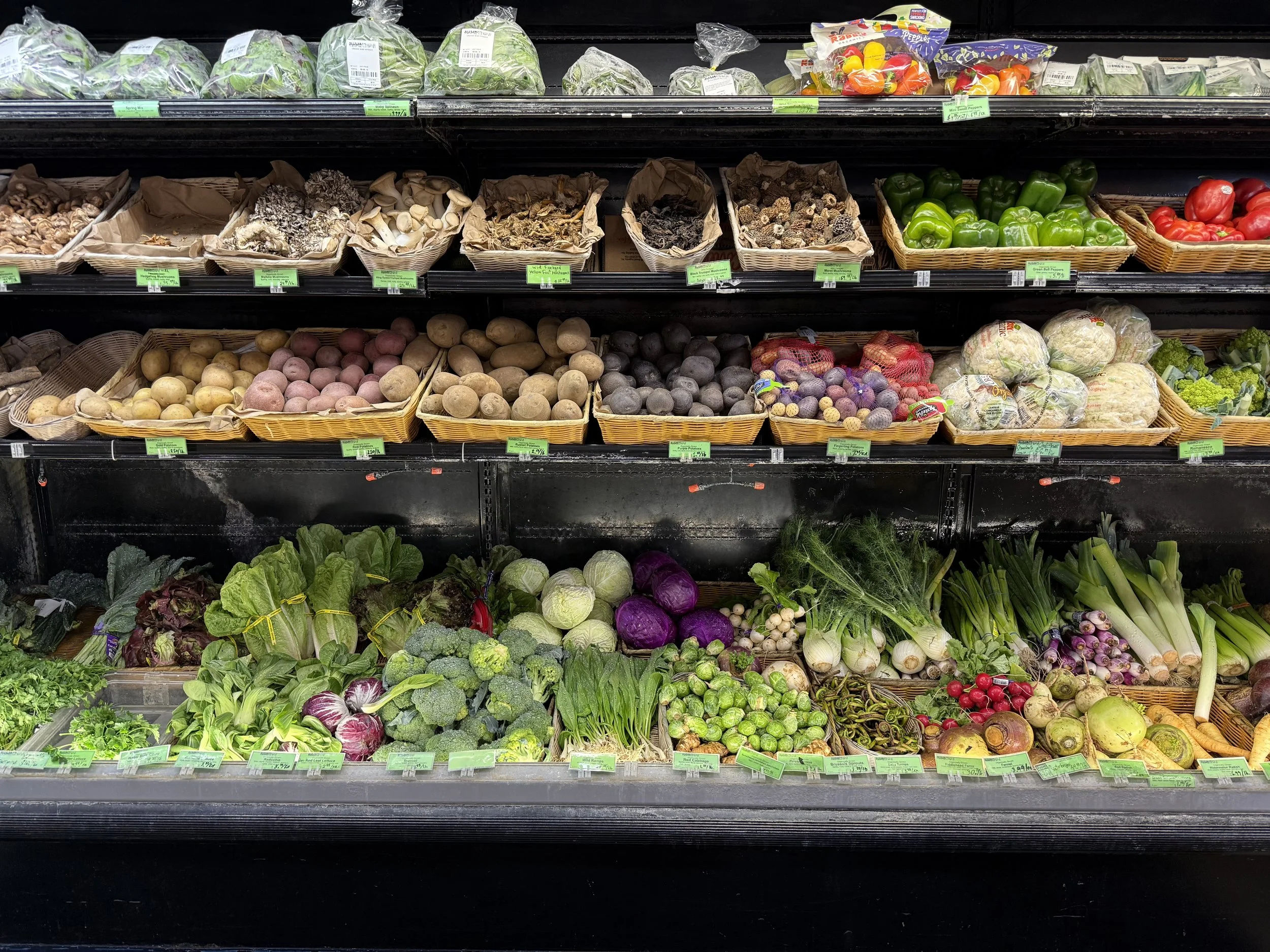
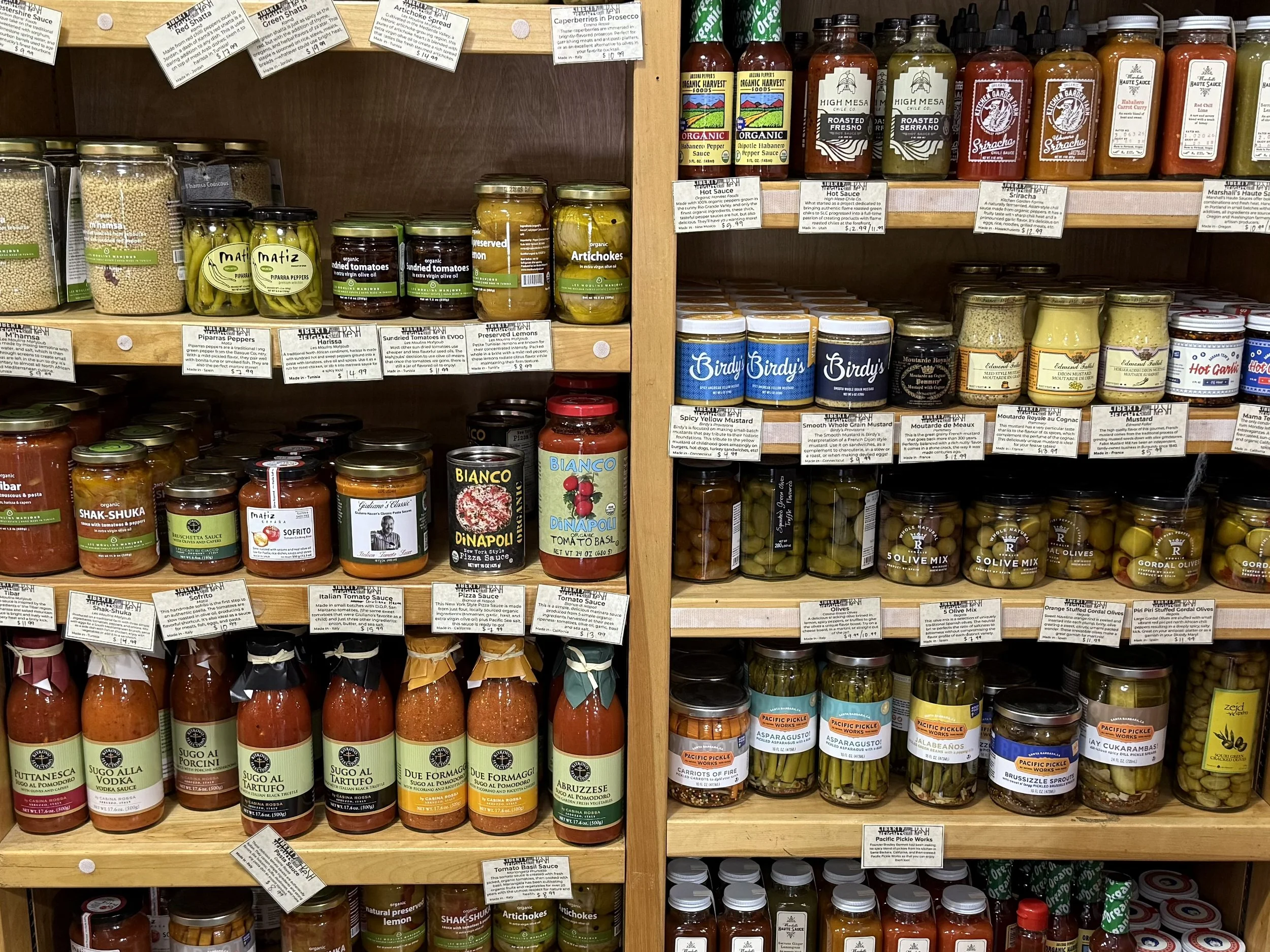
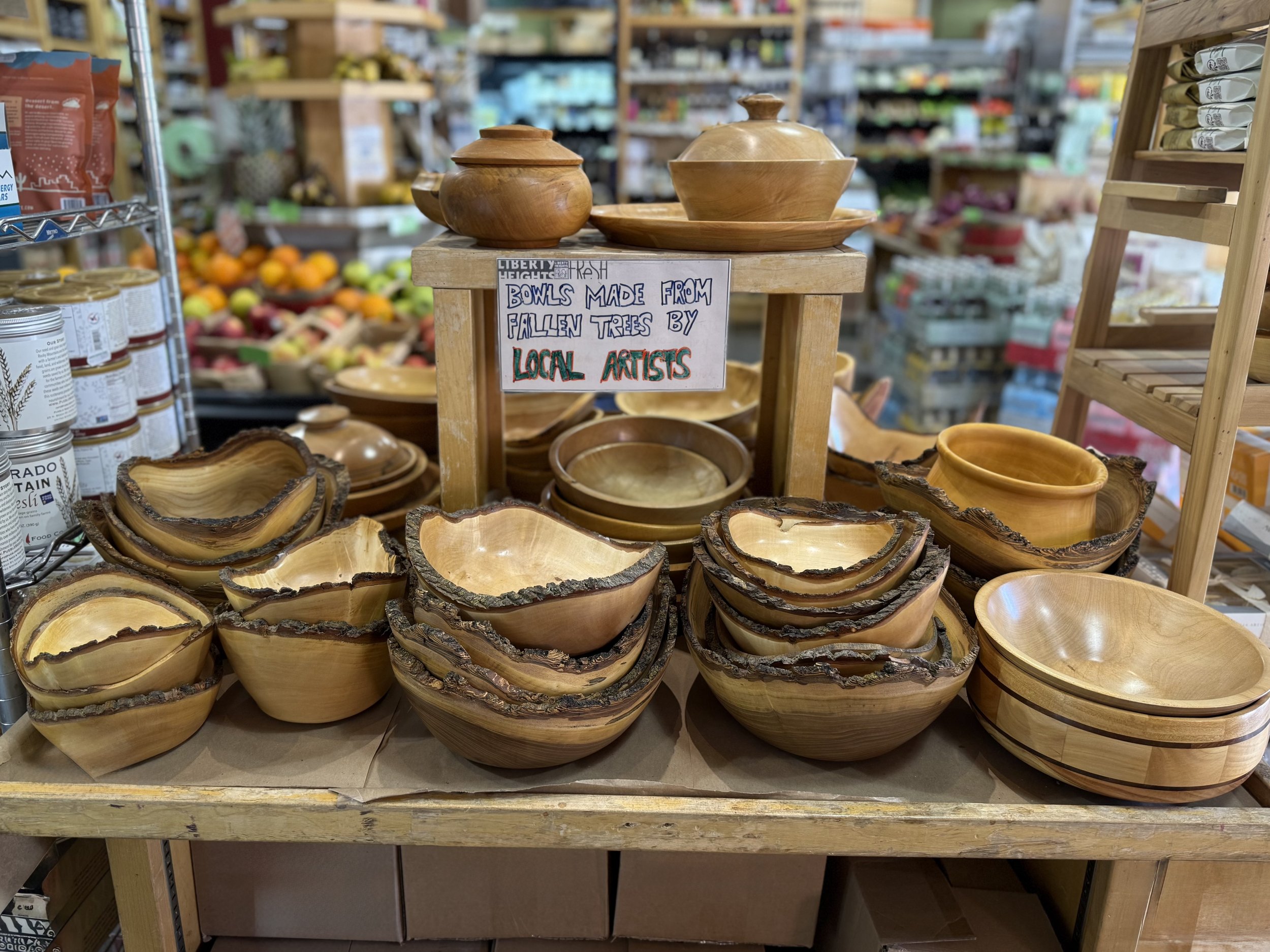
What resulted over time was not simply a neighborhood market, but a place shaped by extraordinary care. Liberty Heights Fresh is not large by supermarket standards, but that has never been the point. What fills its shelves has been chosen with intelligence, scrutiny, and commitment. The produce is primarily sourced from California, where Steven believes he can find the best organically grown fruits and vegetables with the level of integrity he demands. He also looks to Colorado’s western slope for certified organic peaches, brings in wild foraged mushrooms from the Pacific Northwest, and seeks out growers and makers from wherever they happen to be "doing things right."
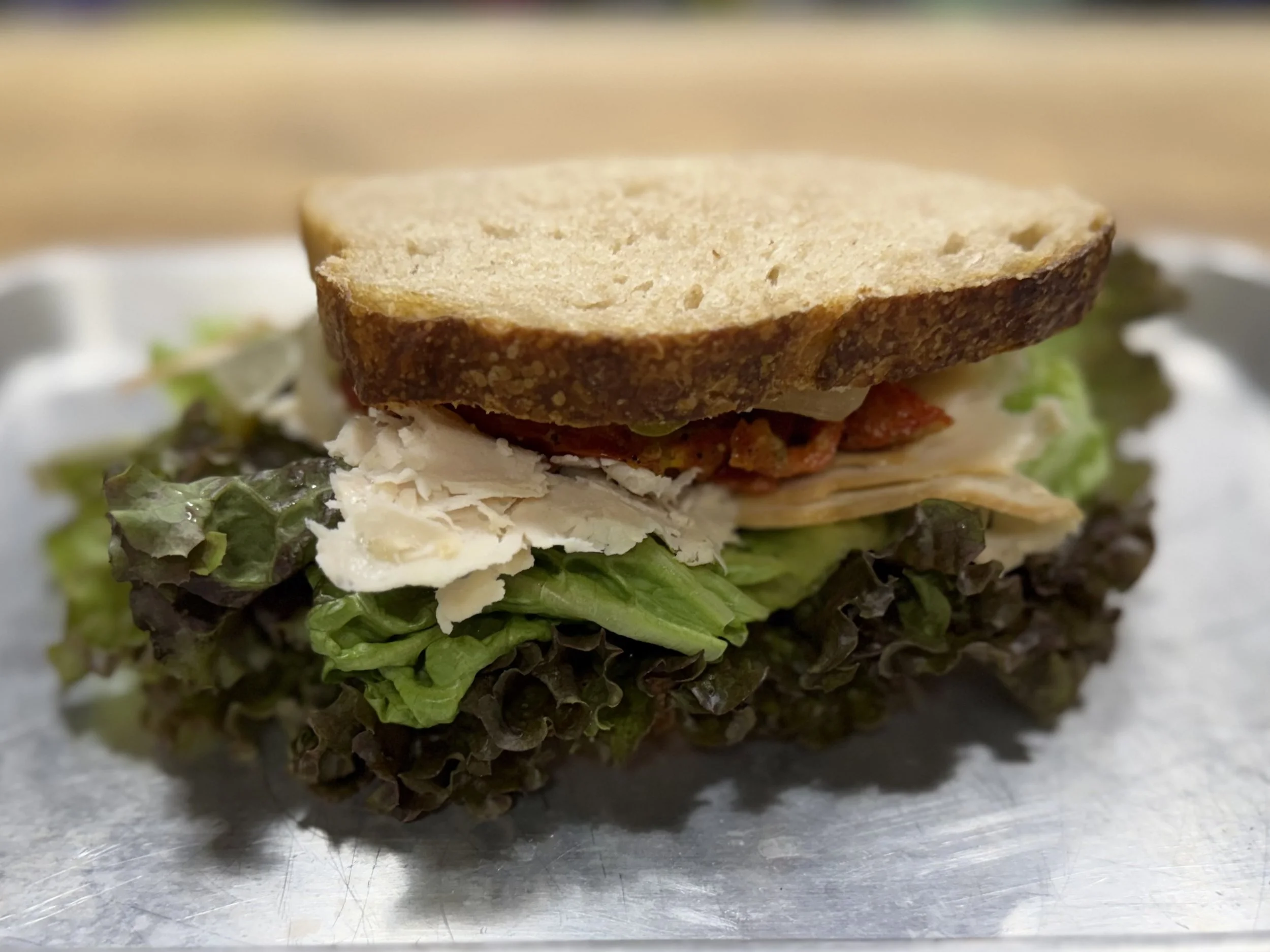
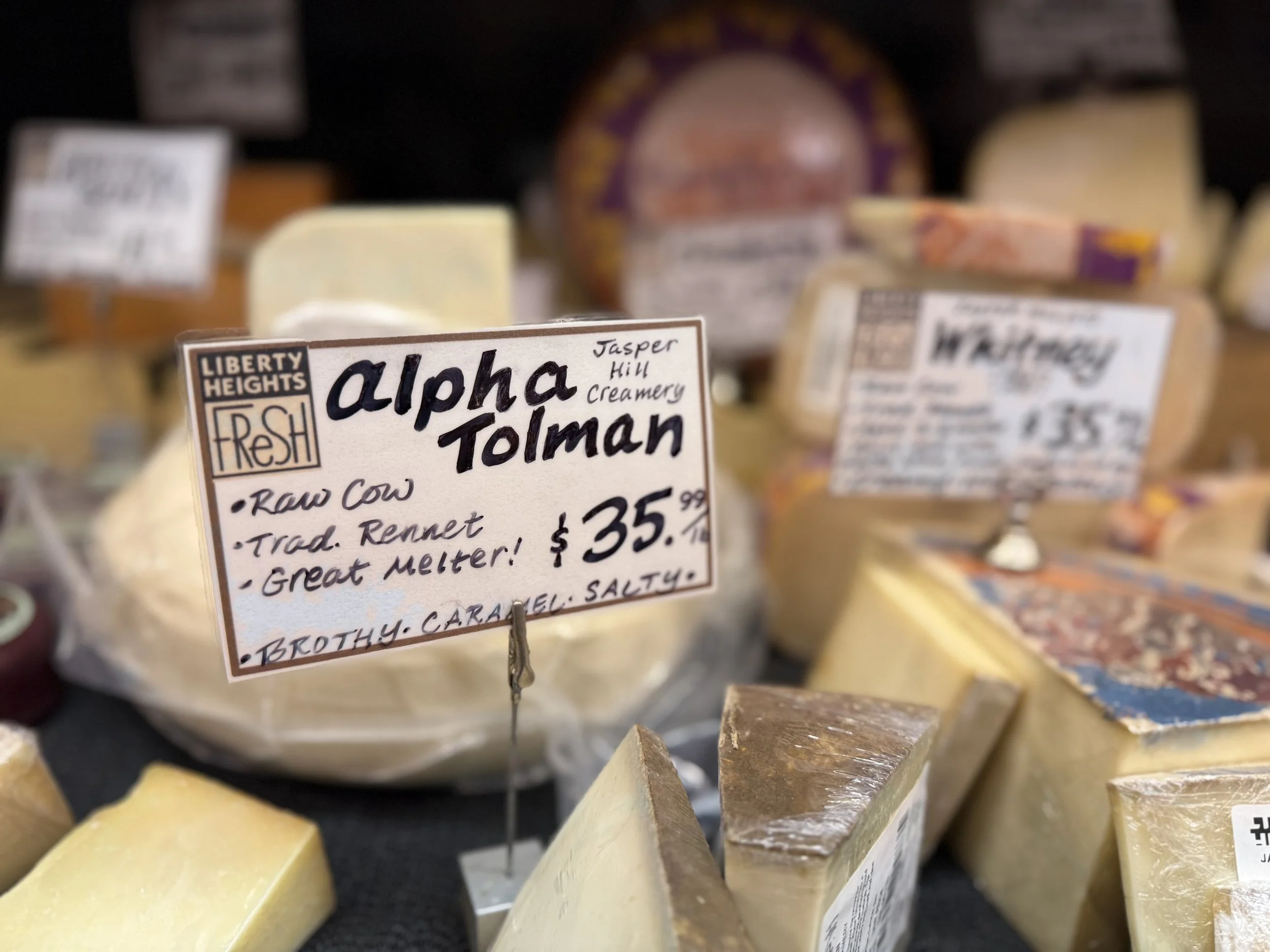
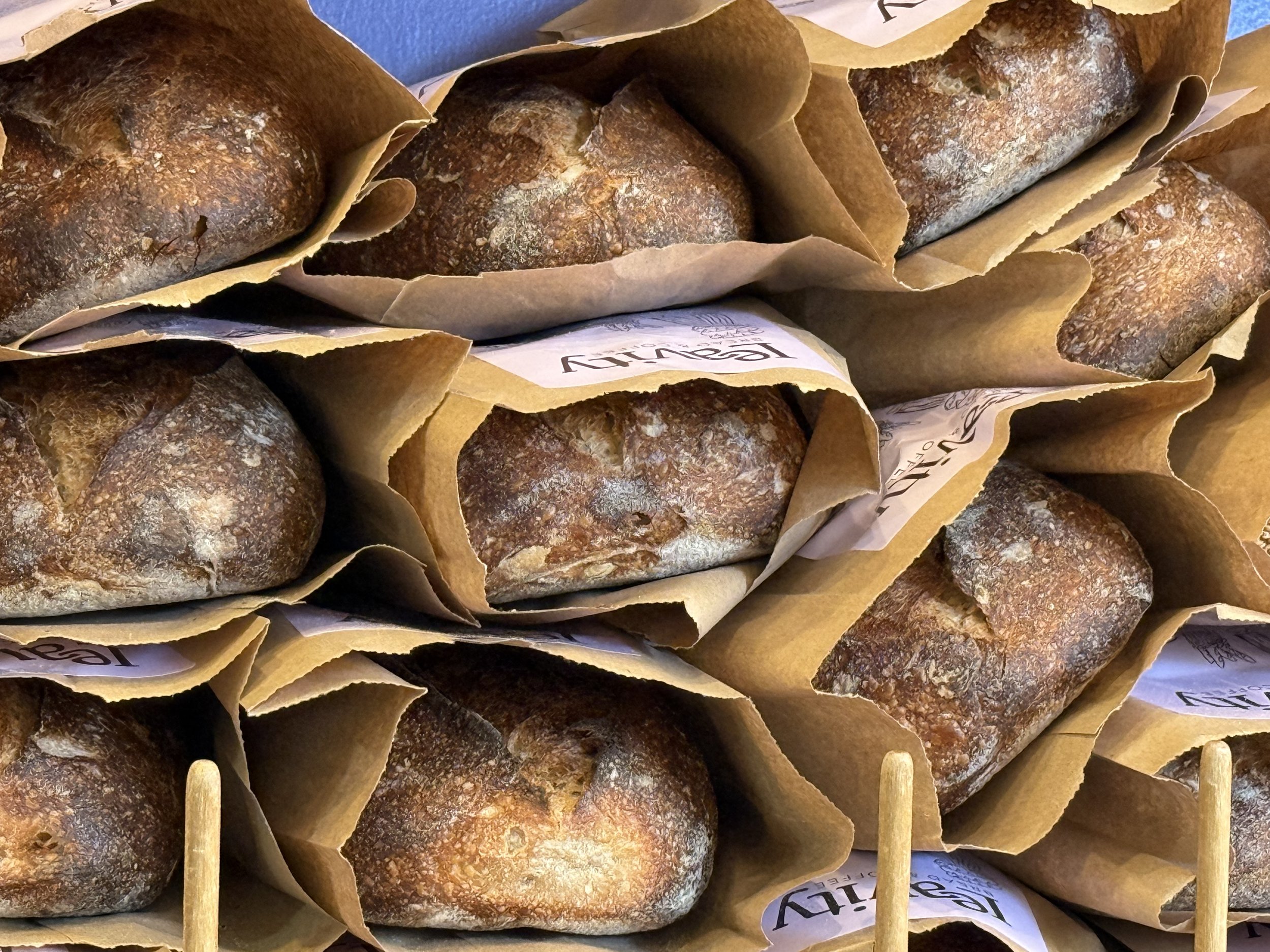
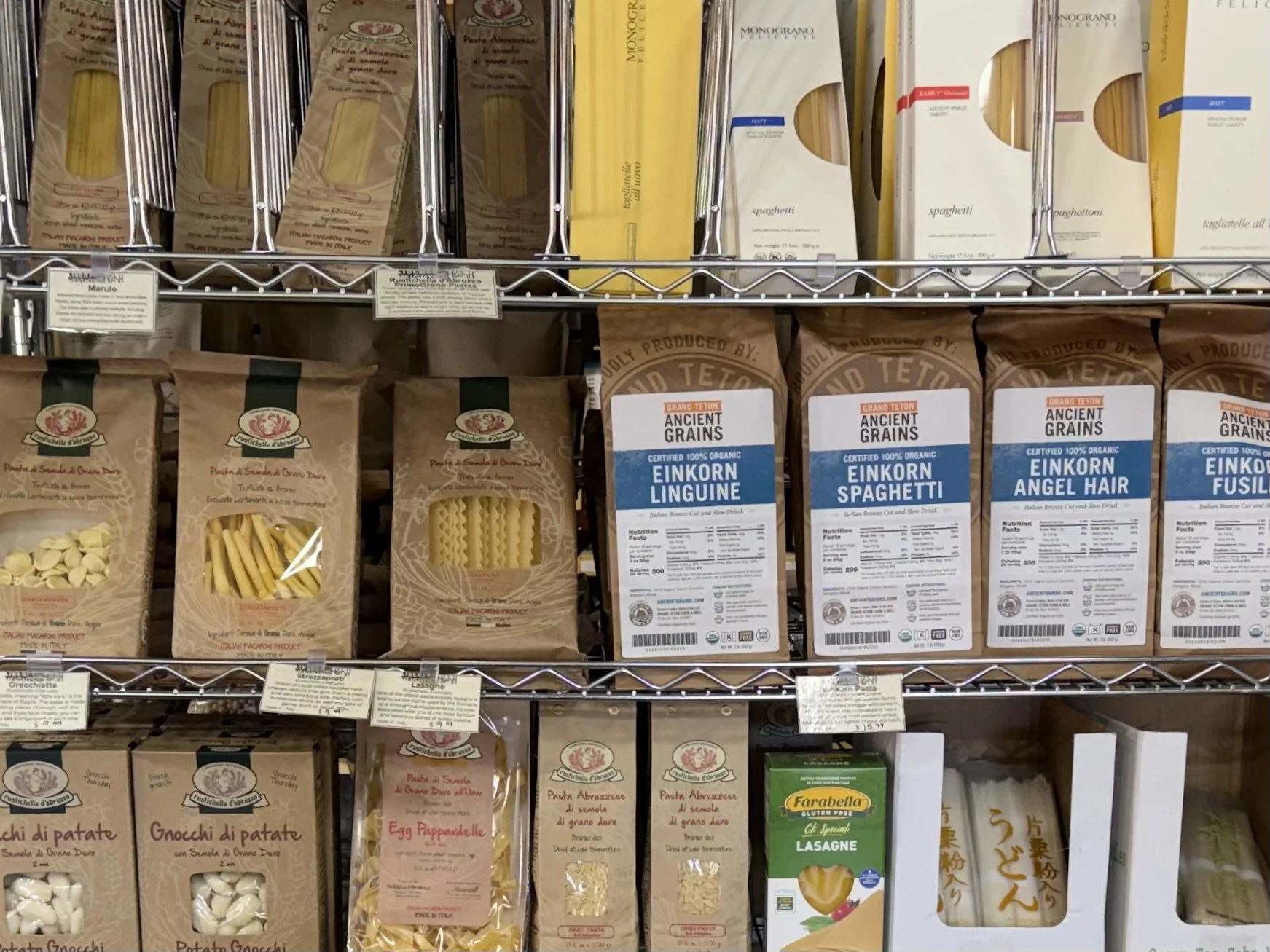
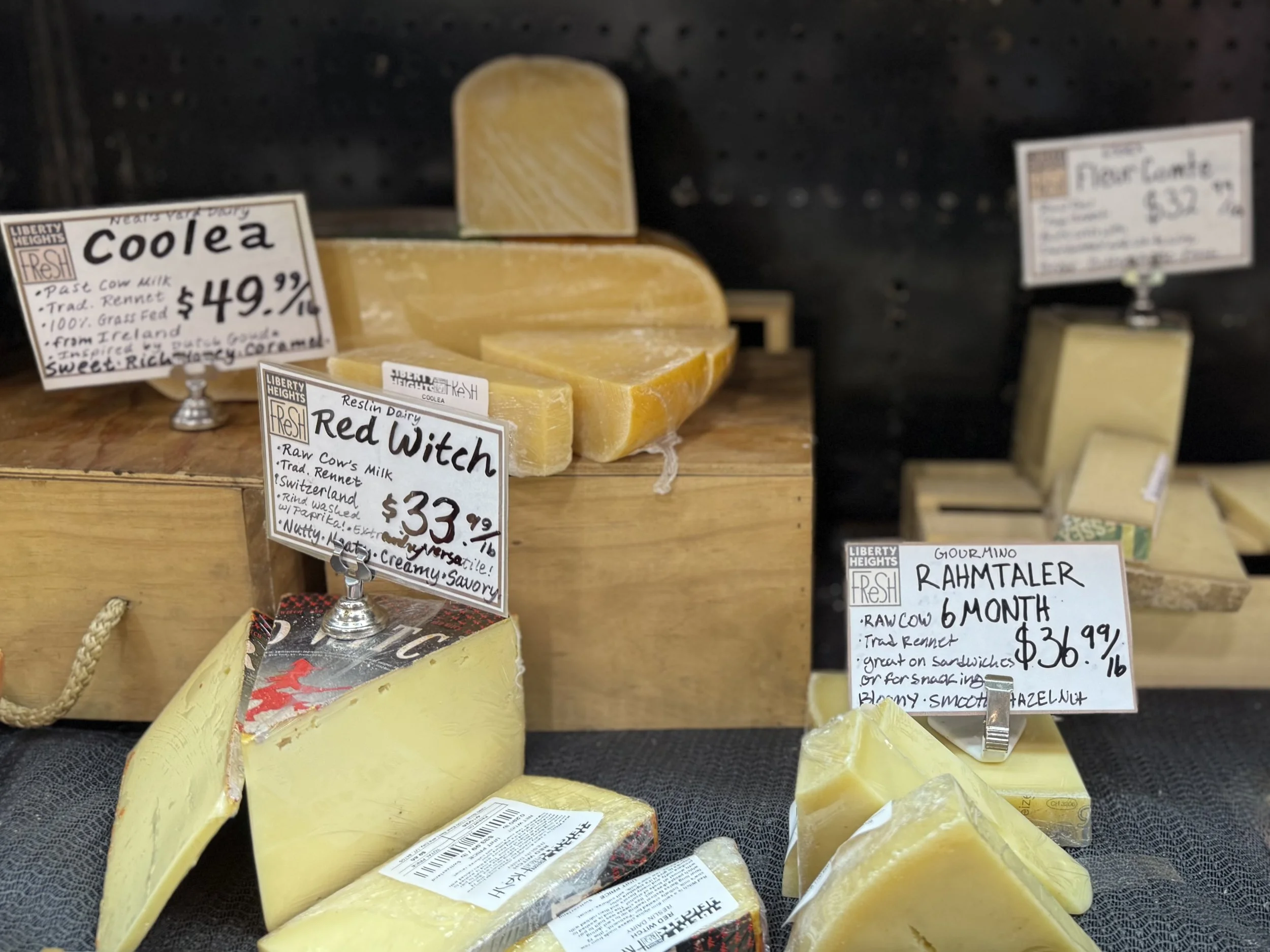
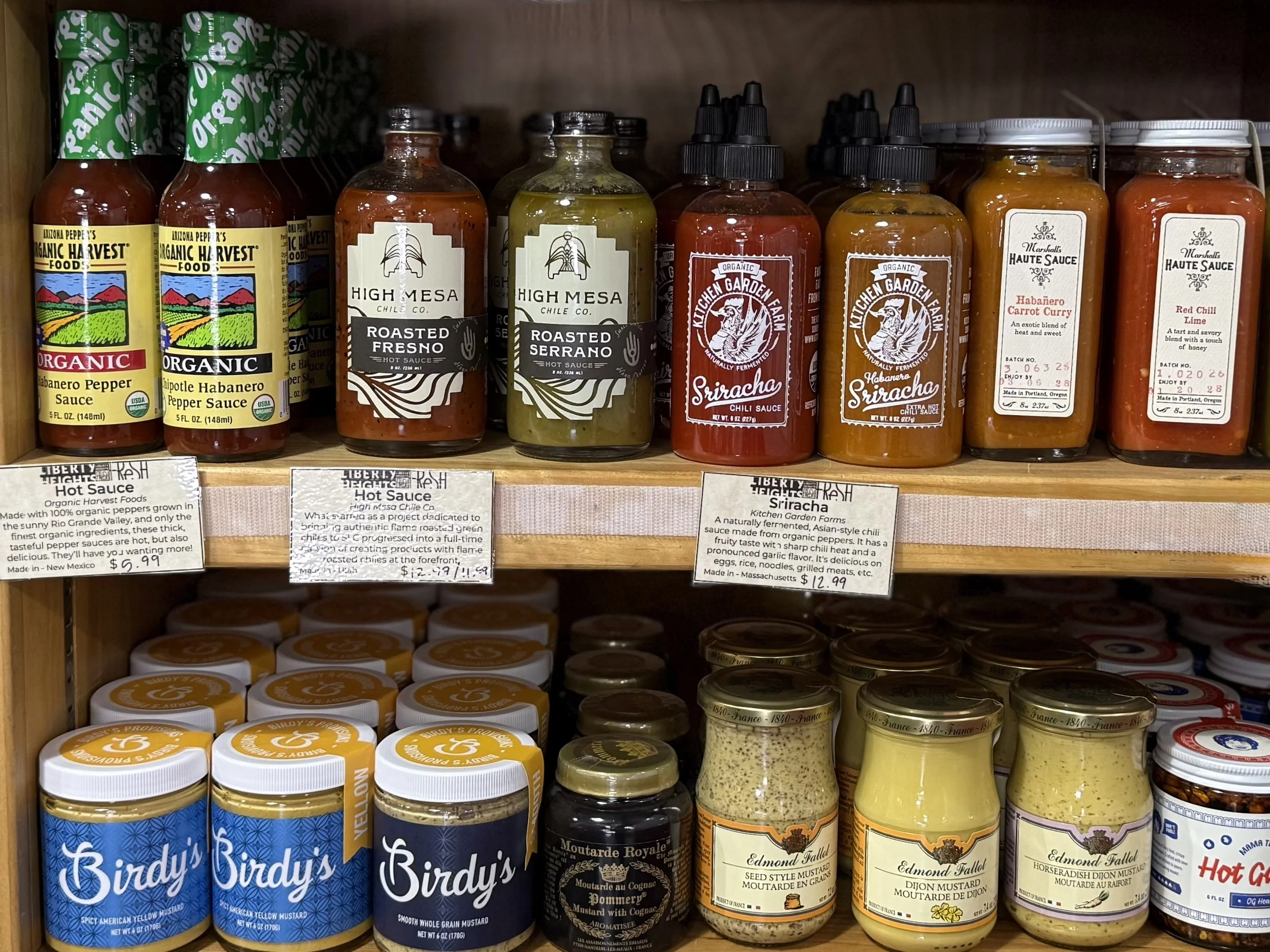
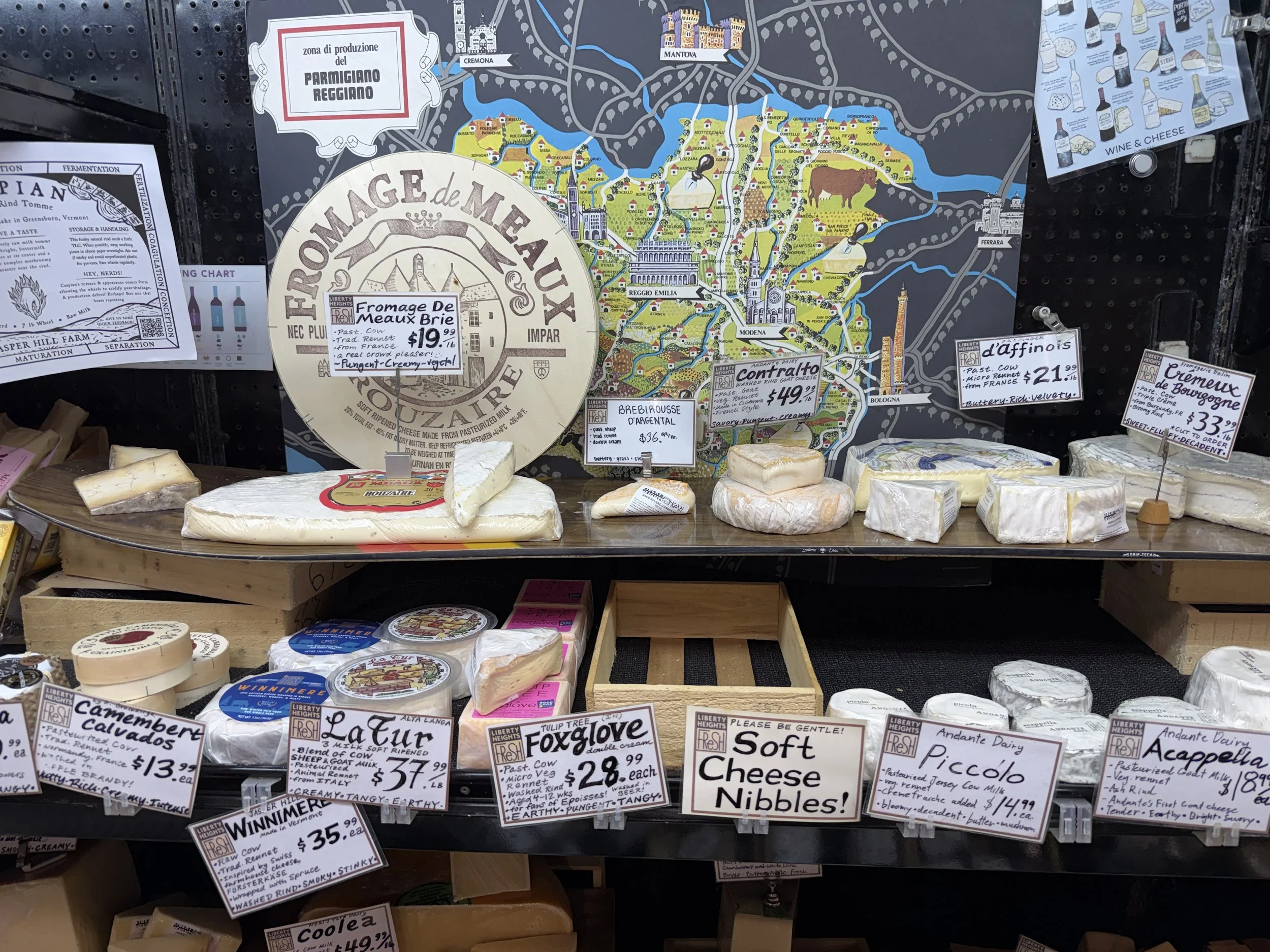
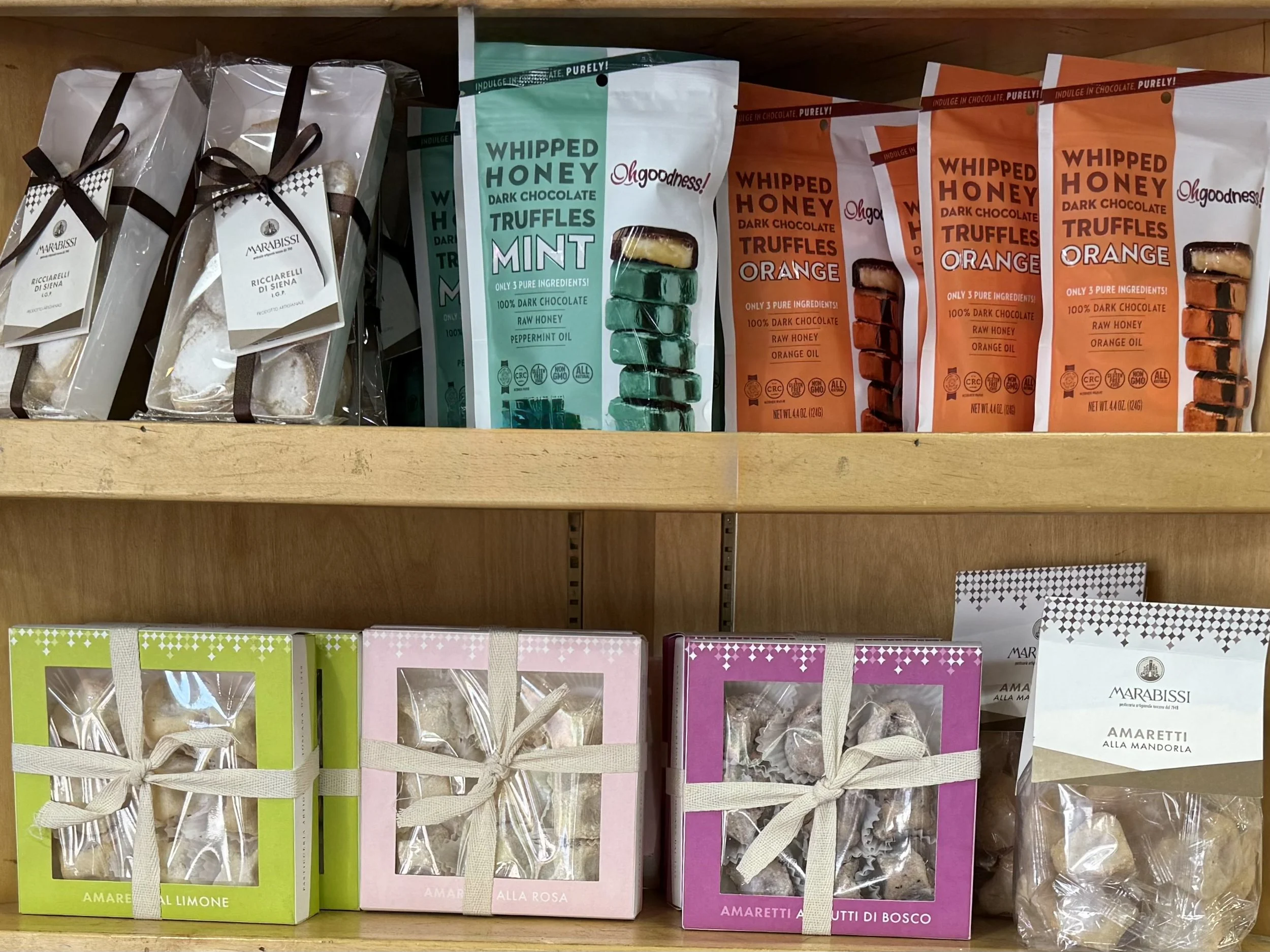
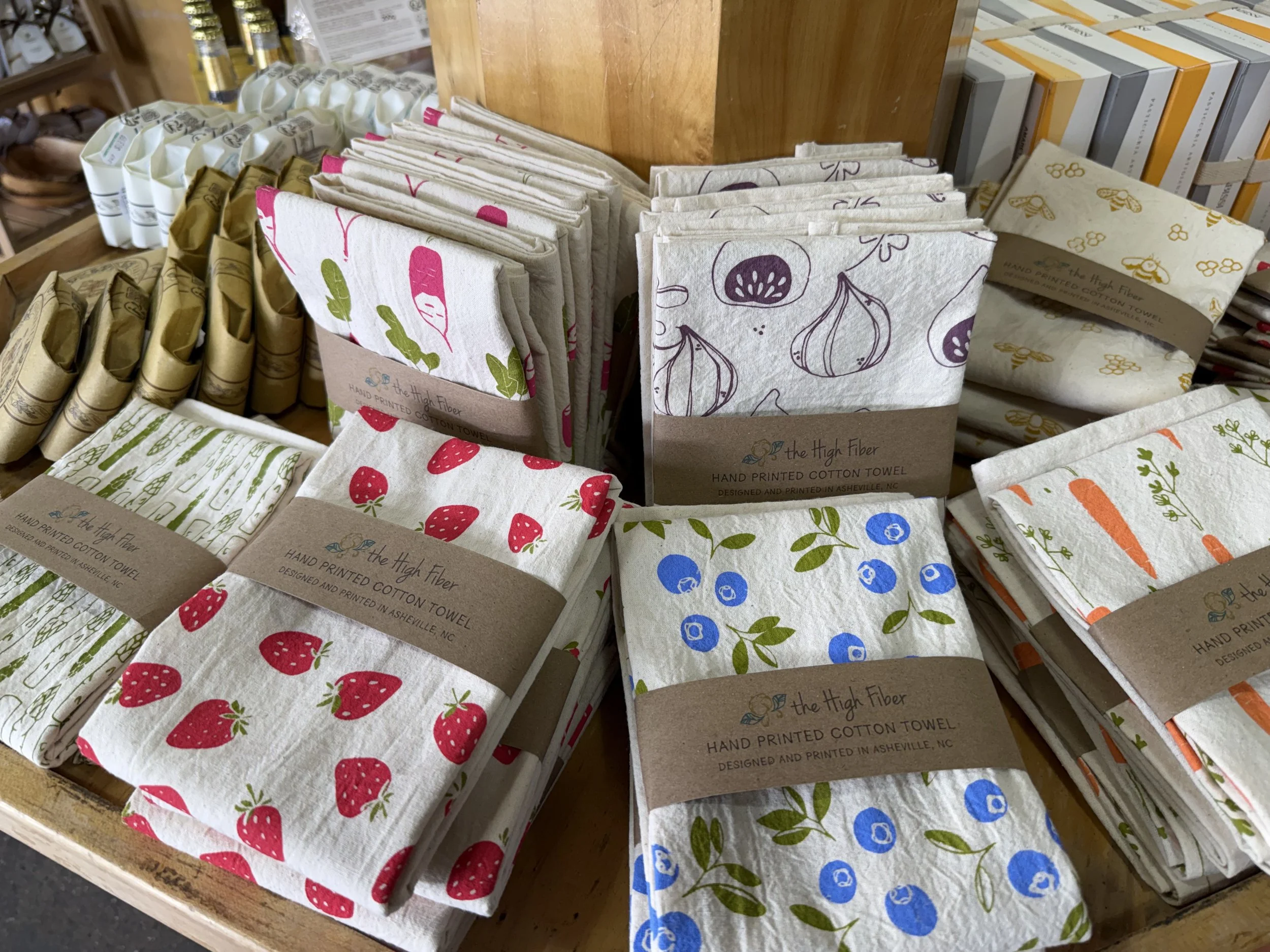
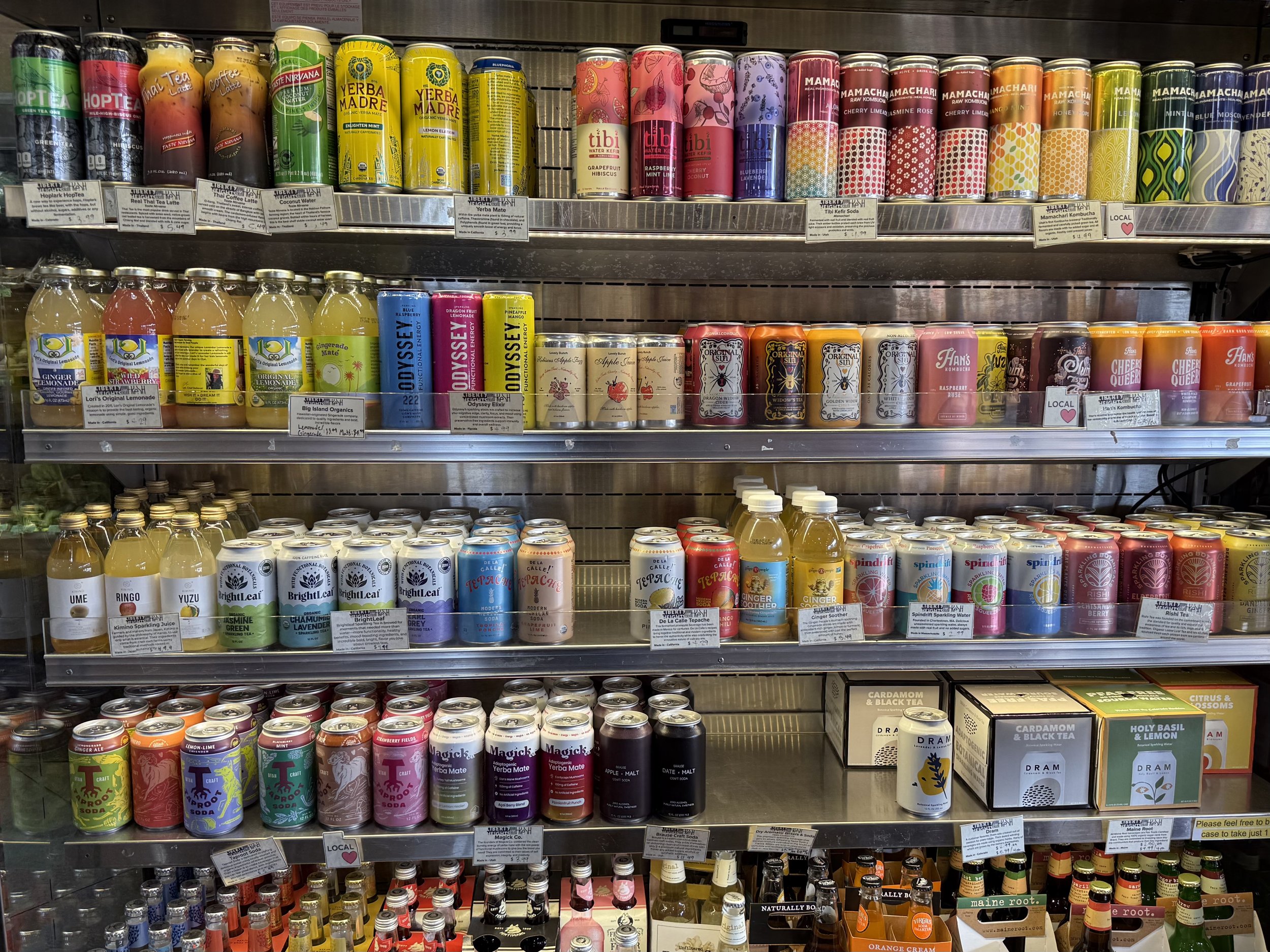
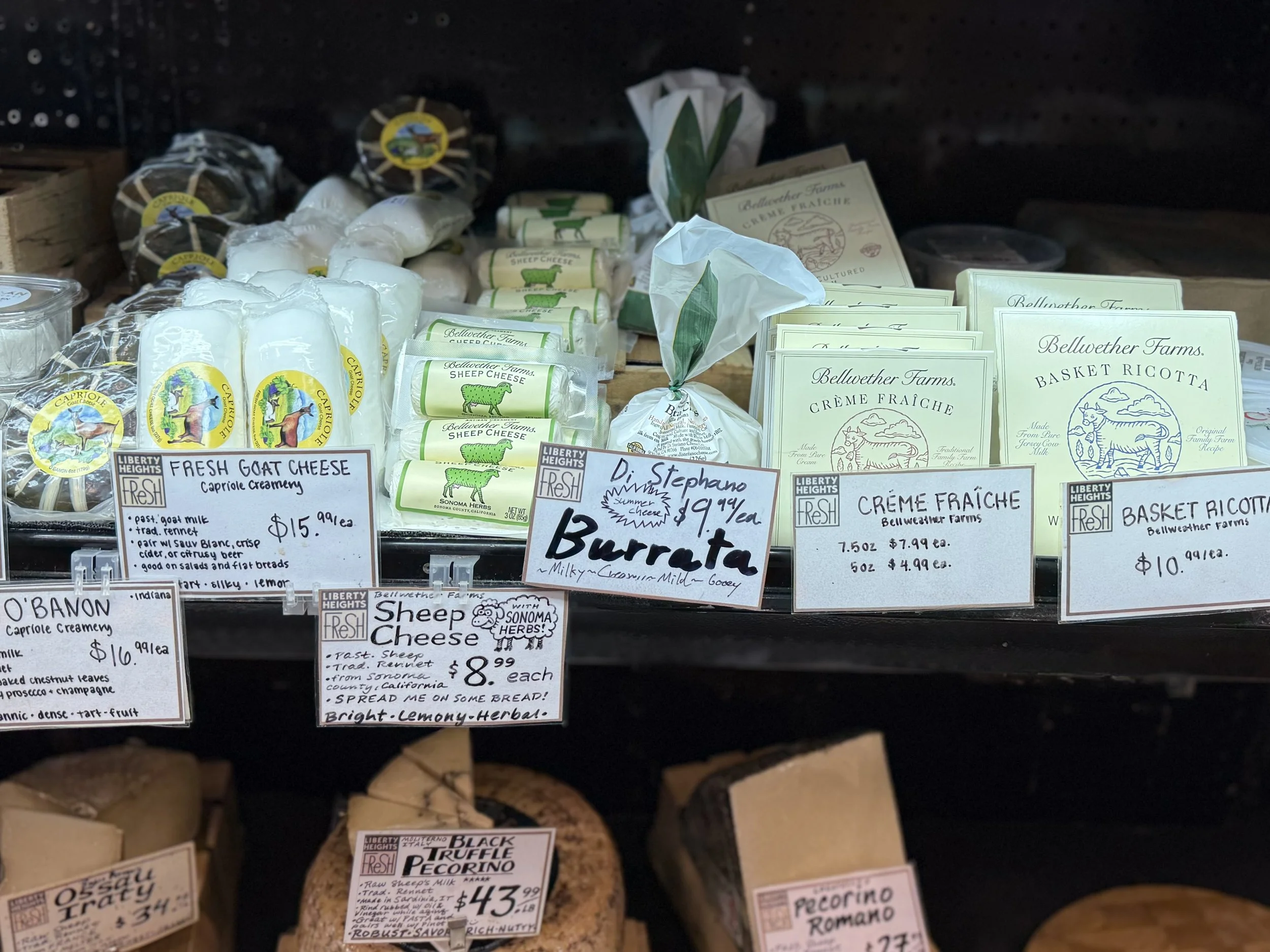
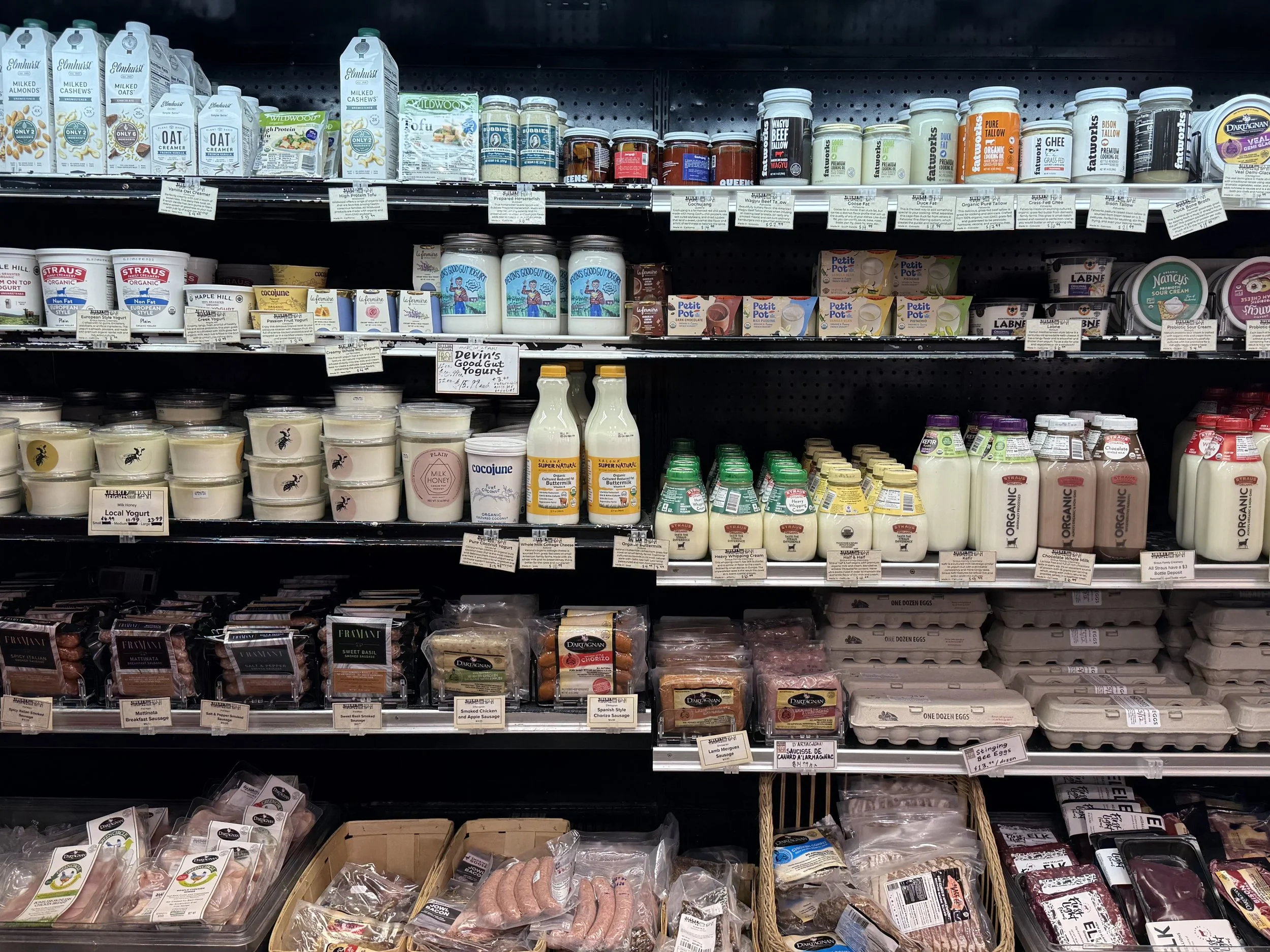
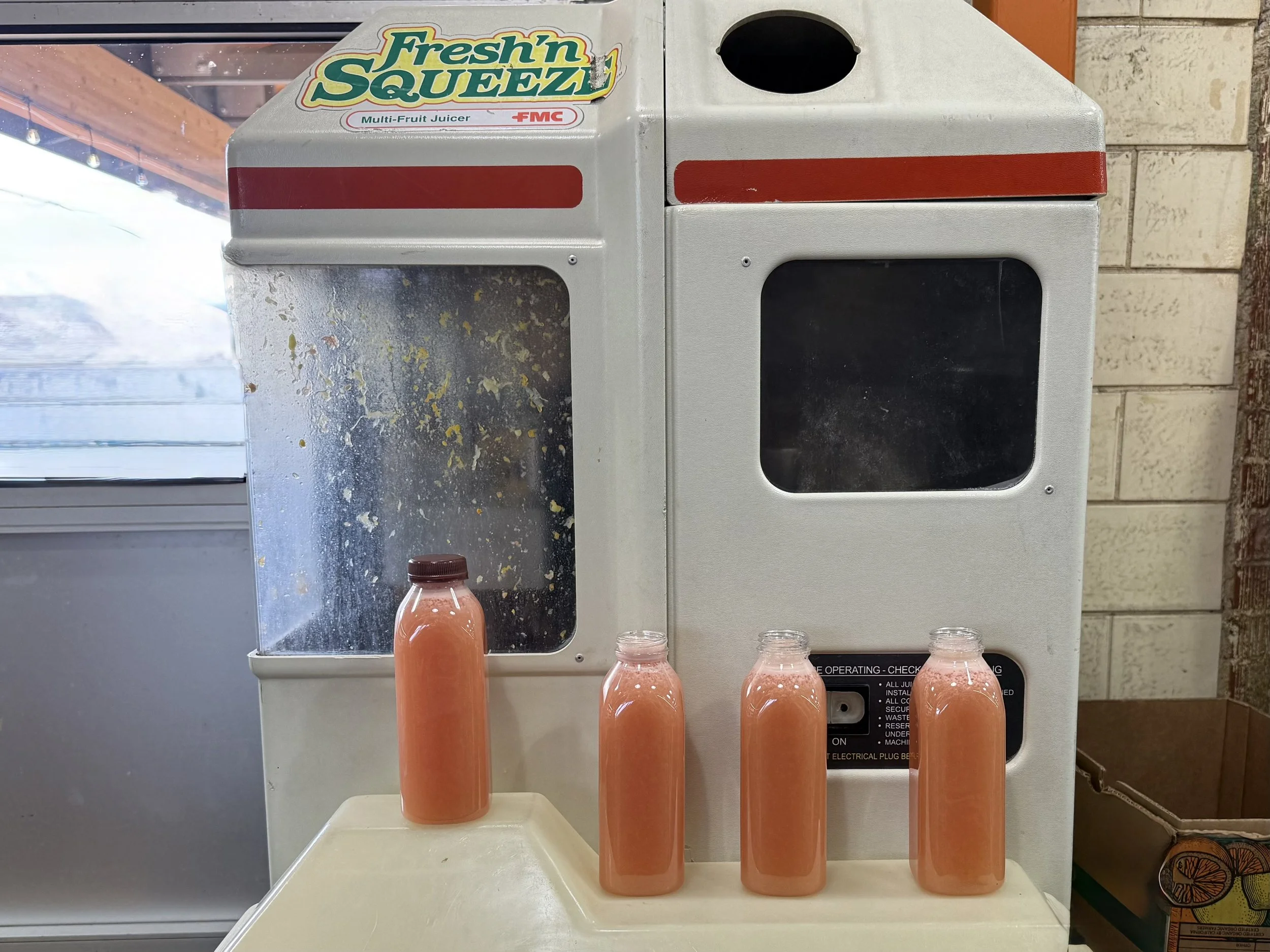
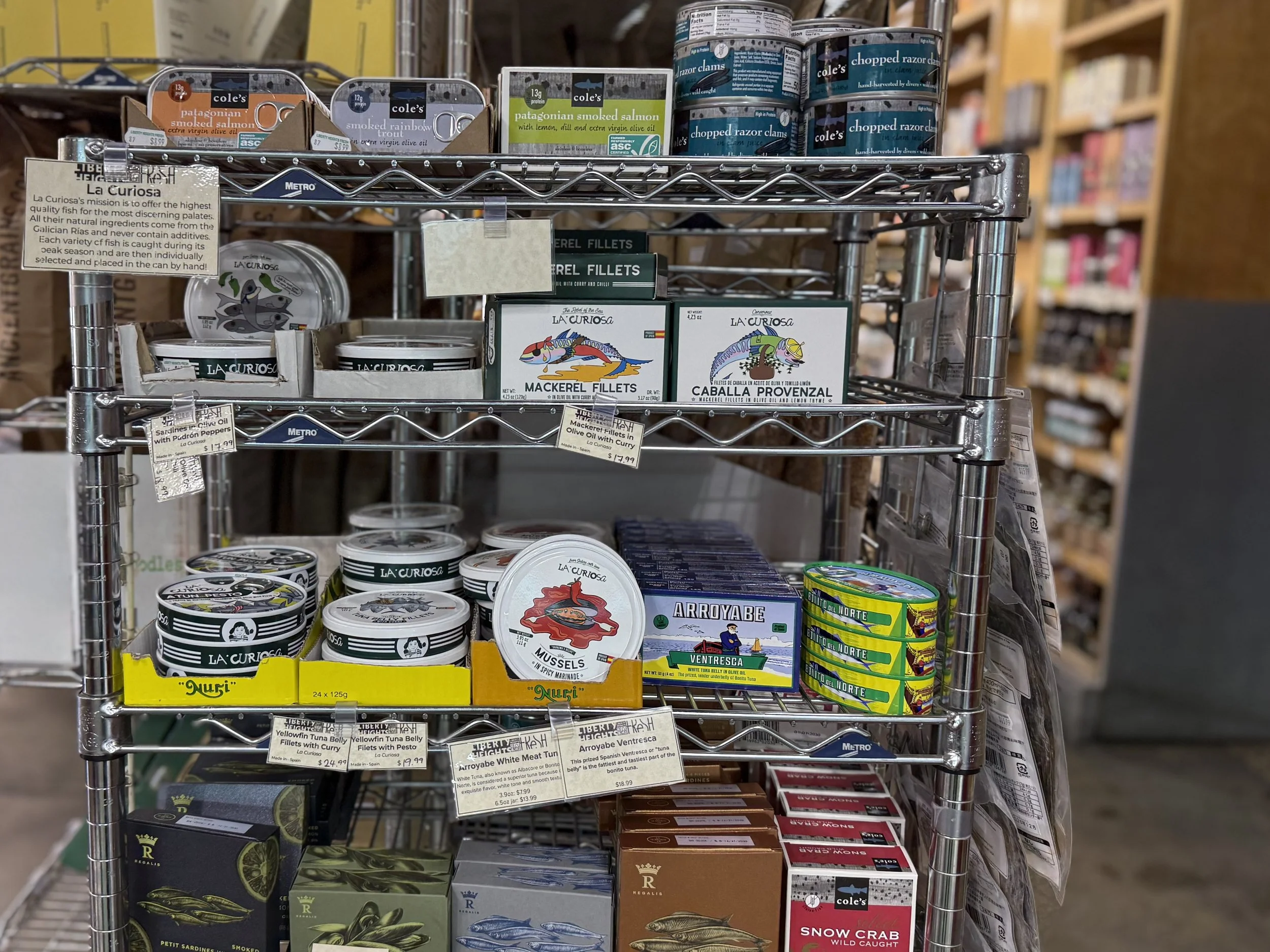
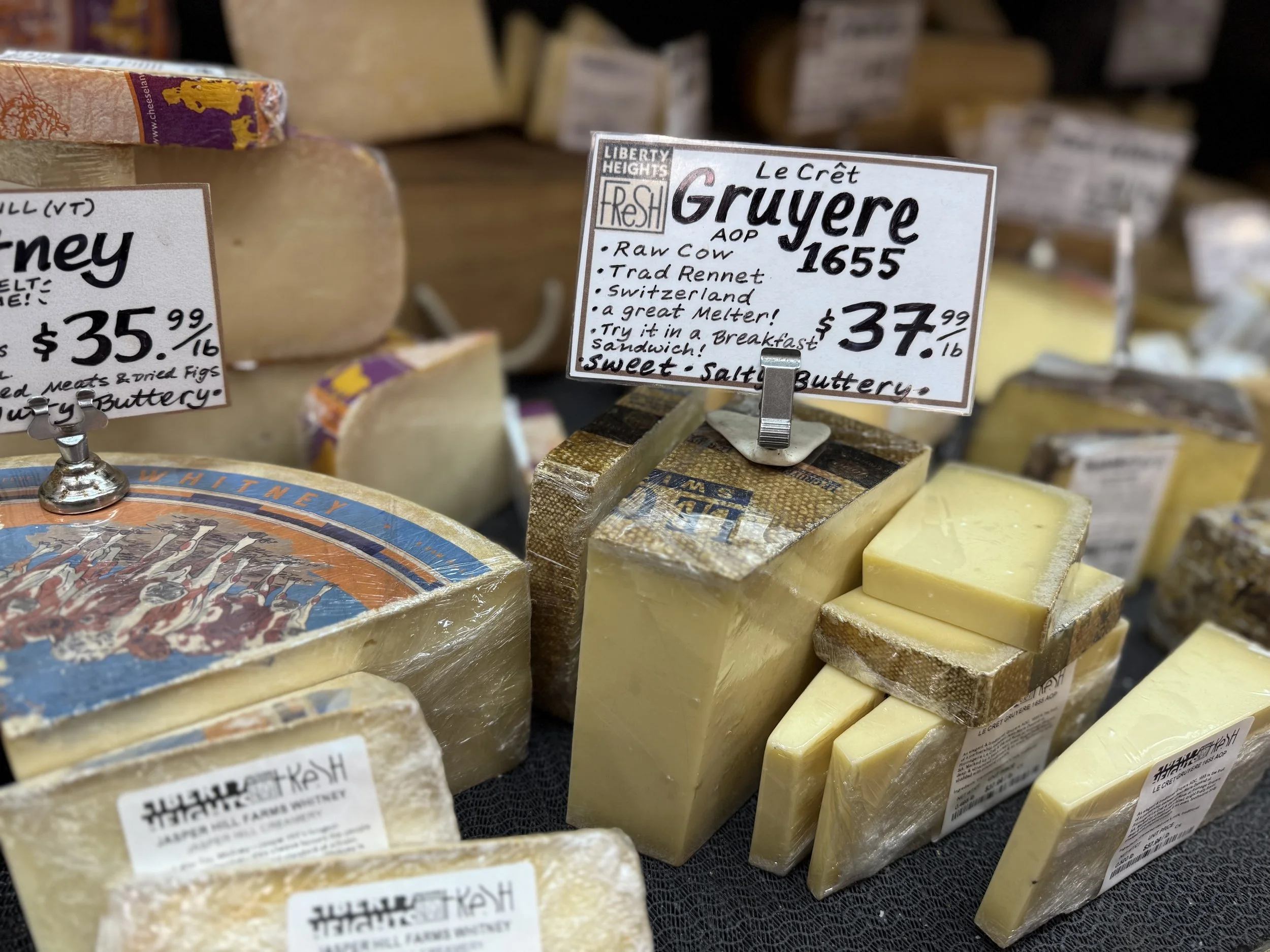
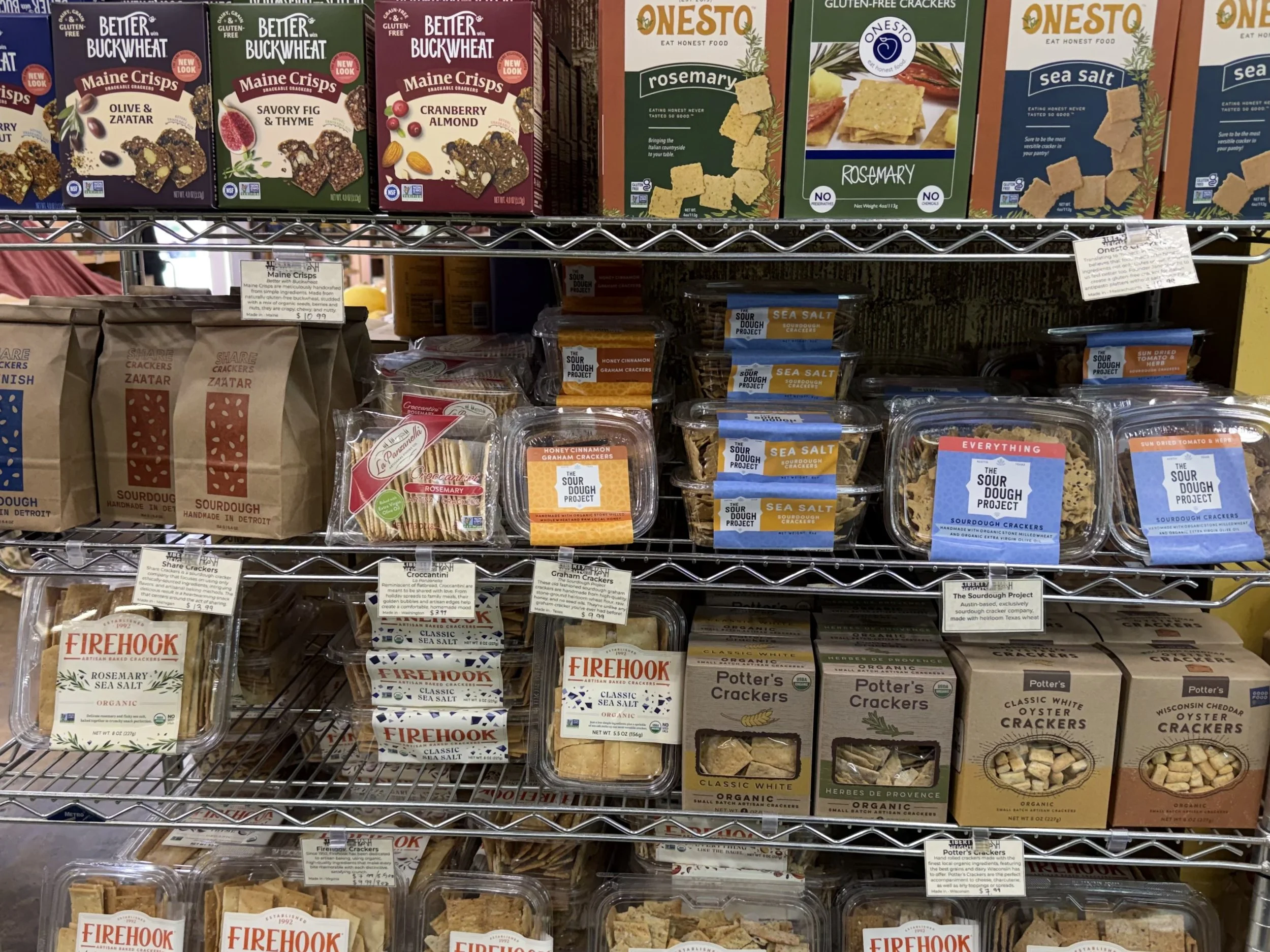
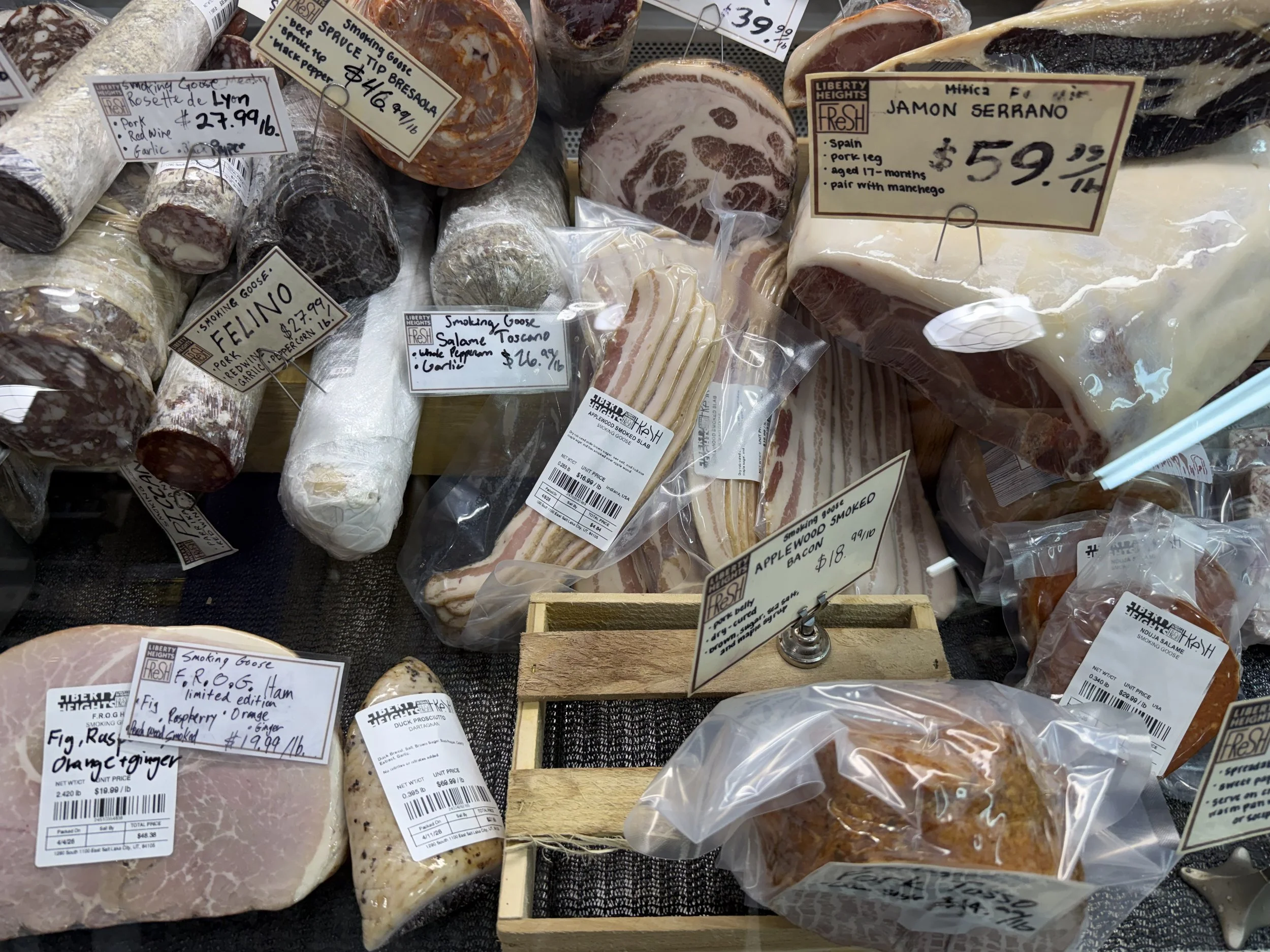
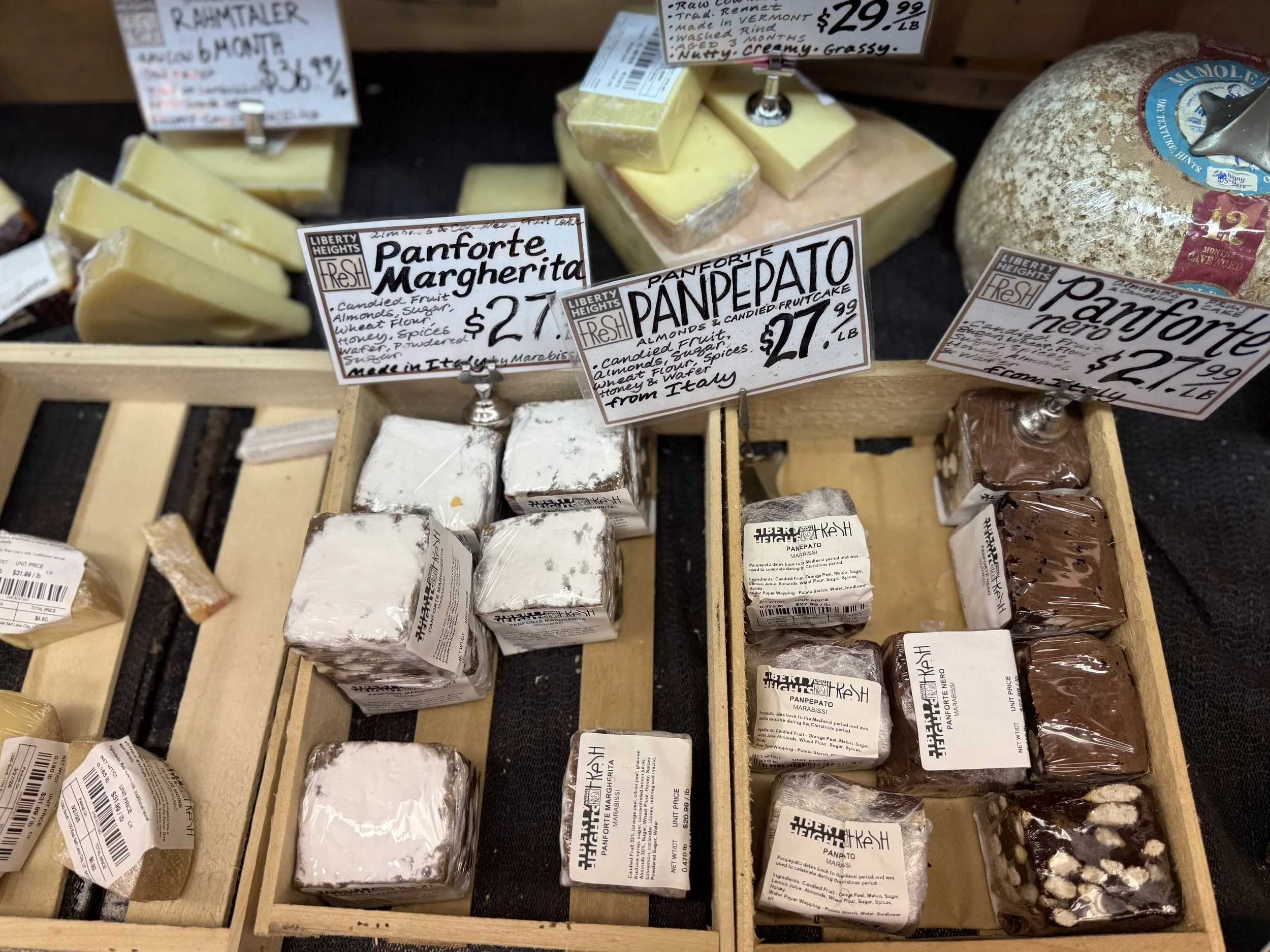
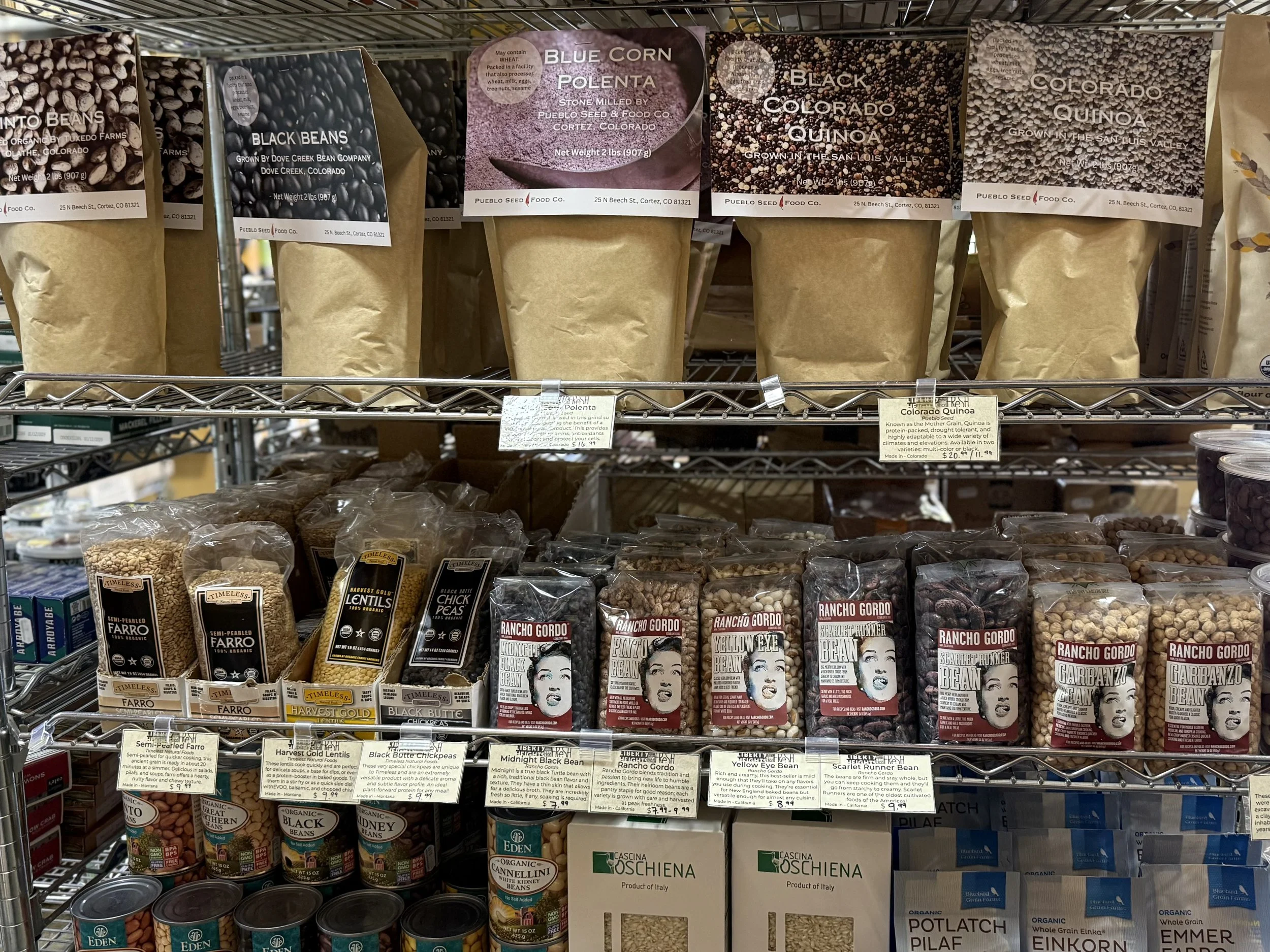
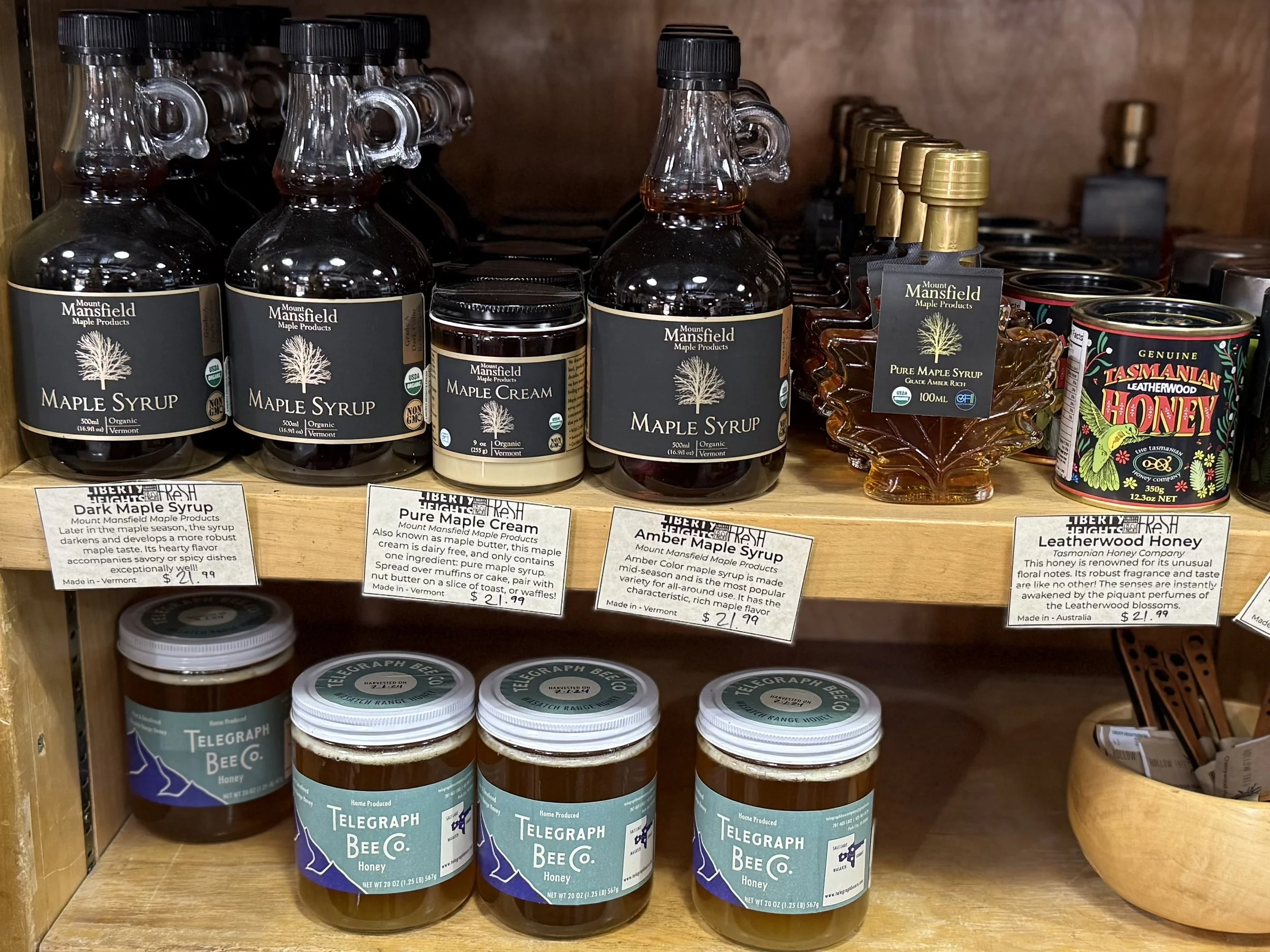
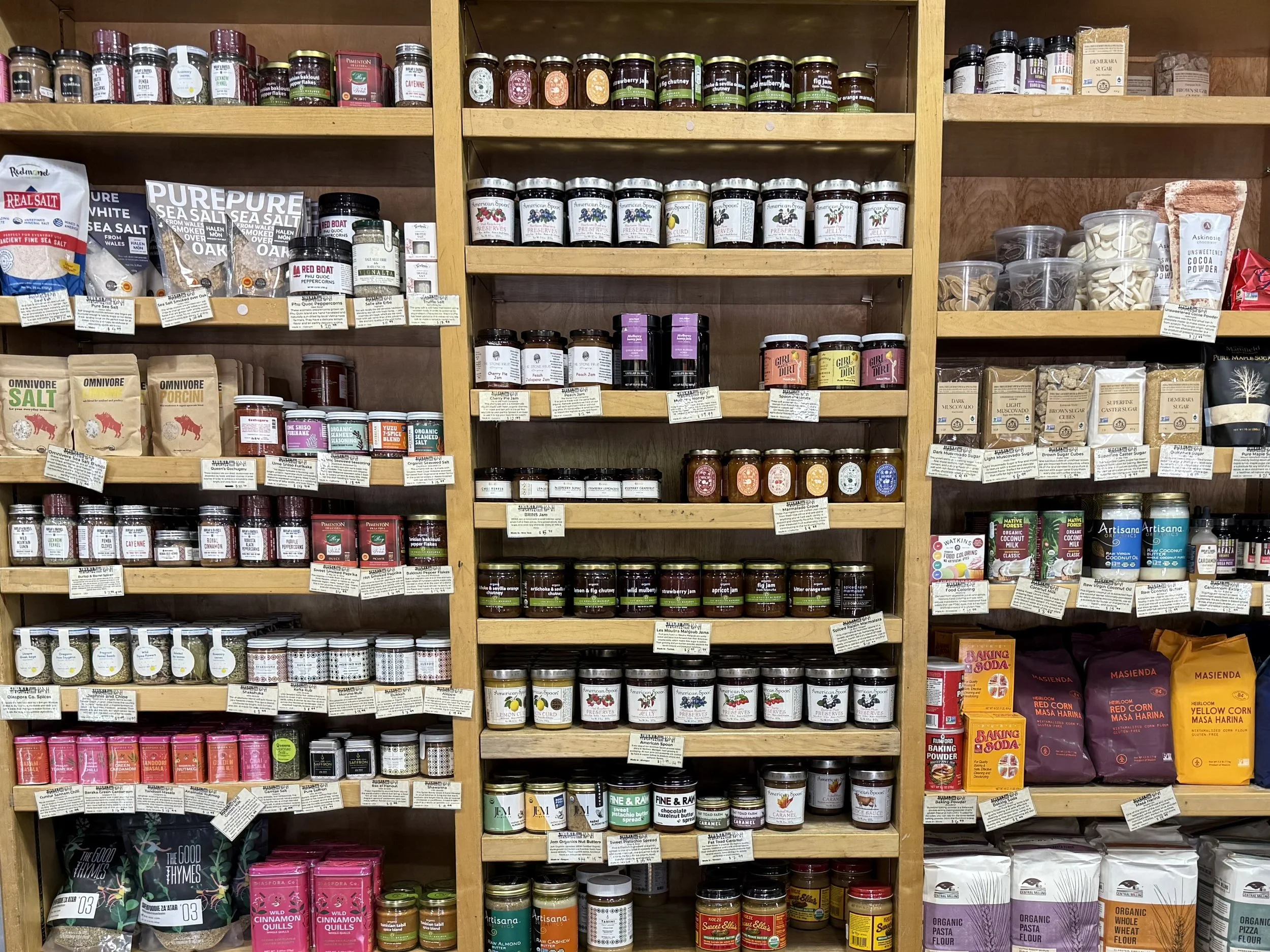
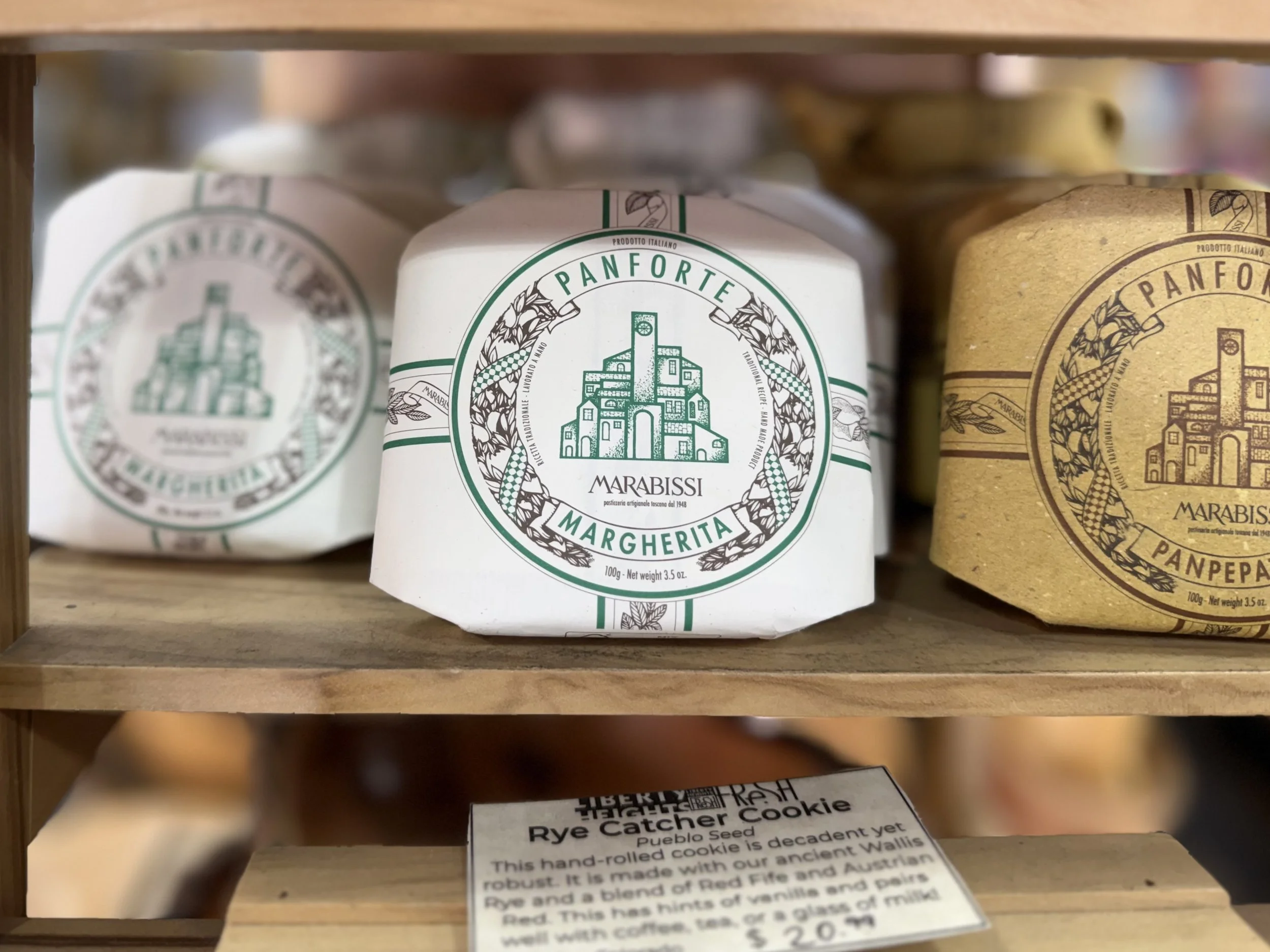
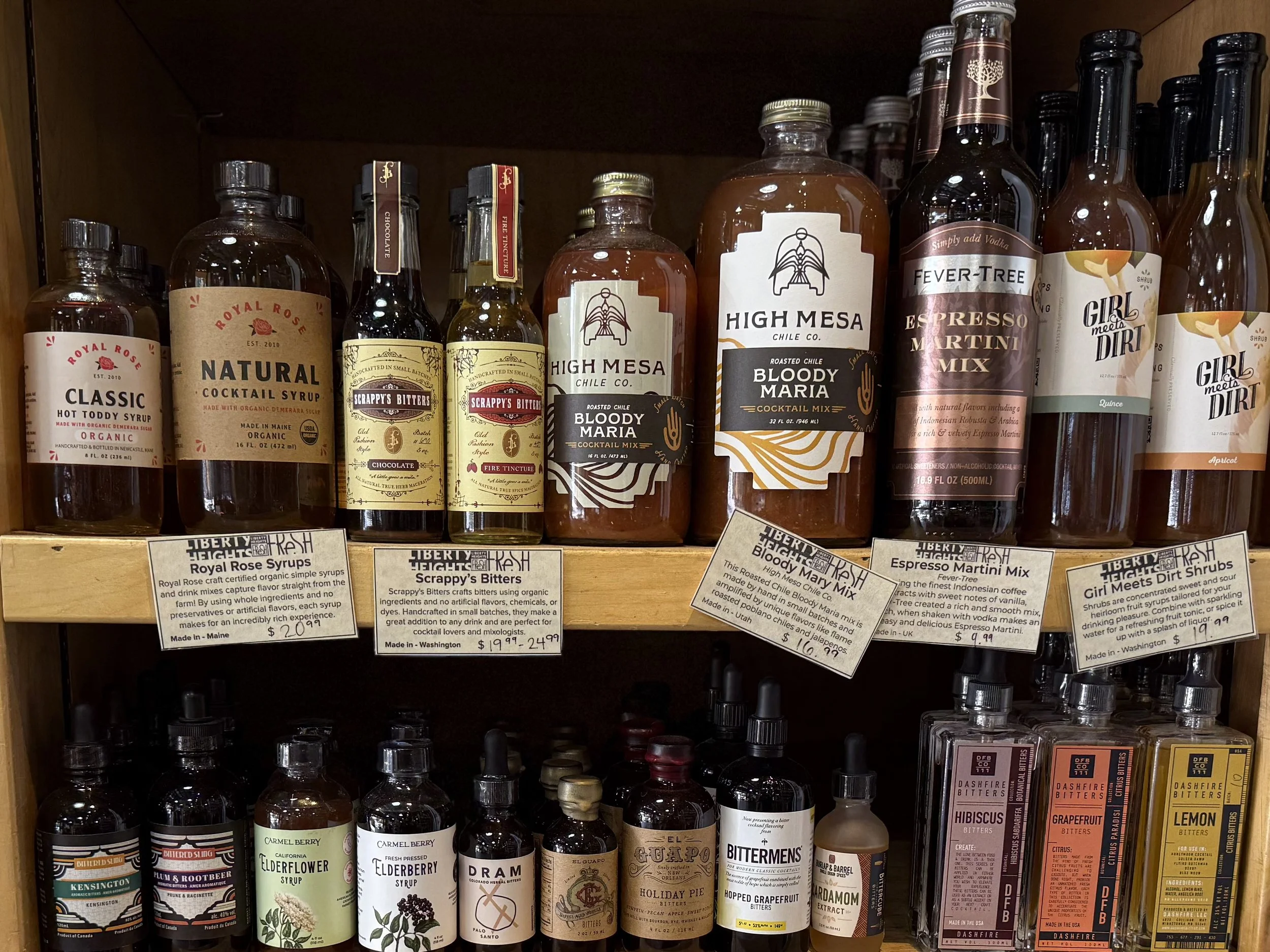
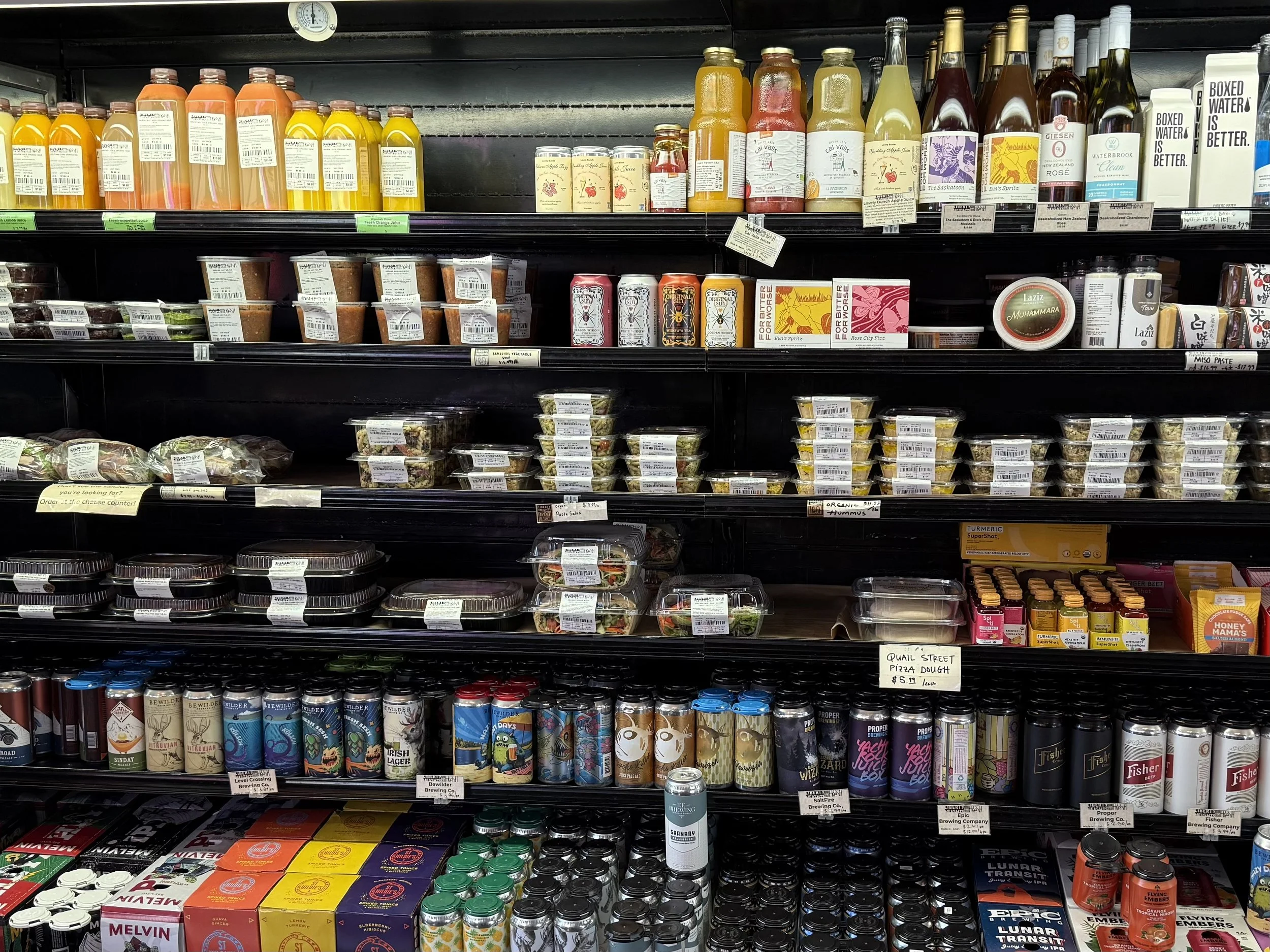
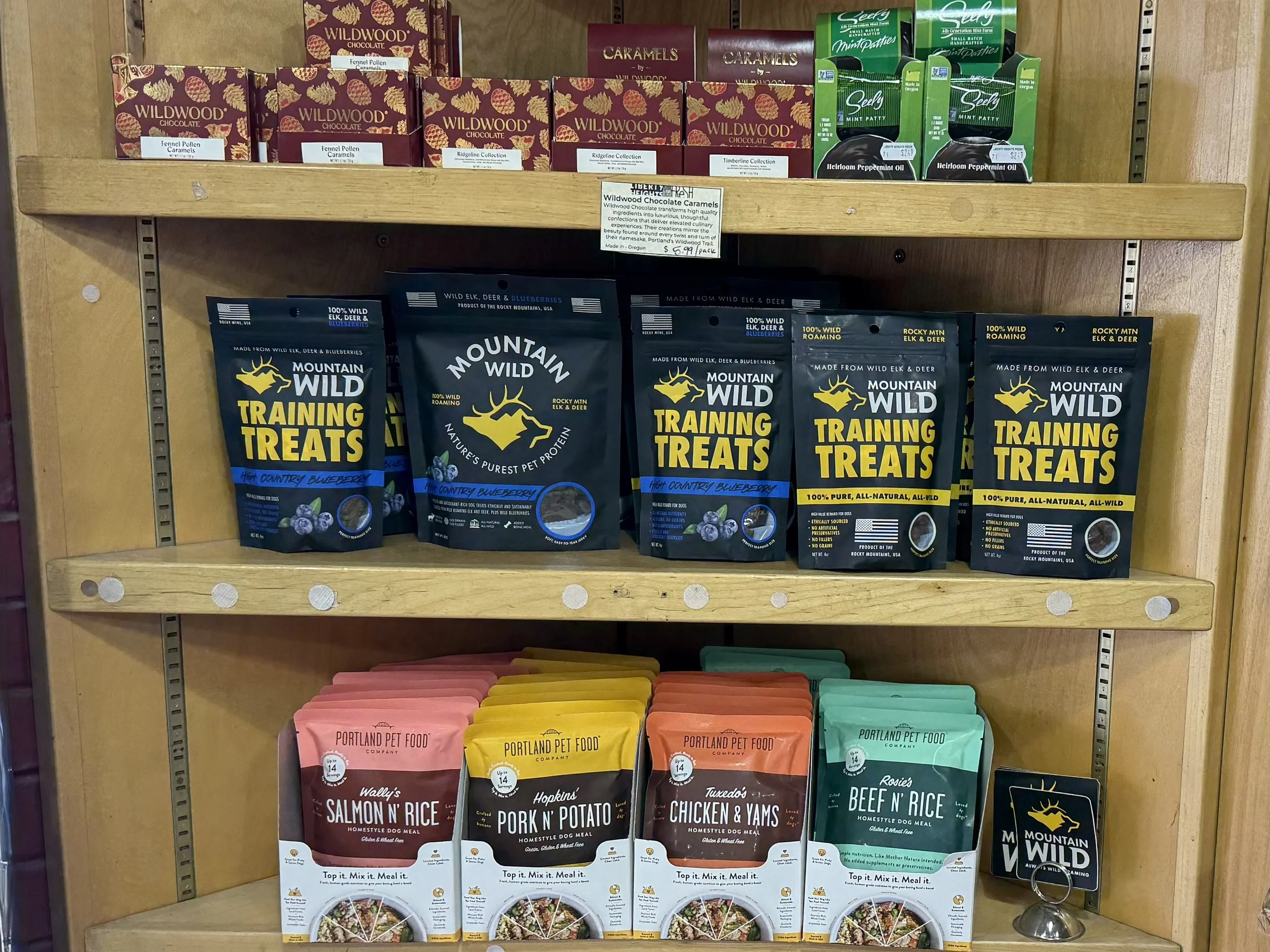
Inside the market, customers find an impressive range. There is a cheese section, a meat department, homemade soups, salads, sandwiches, wraps, and prepared foods made with the same thoughtfulness as everything else in the store. There are chocolates, honey, coffee, tea, exceptional butter, yogurt, pasta, beans, breads, sauces, and carefully chosen pantry staples. There are sodas made with real cane sugar rather than high fructose corn syrup. There are juices made fresh in-house from certified organic fruit. There is sour dough pizza dough. There are heirloom beans, including the remarkable Fremont bean - a large purple bean once found in a cave in southern Utah, now used in the market’s vegan chili. There is pasta made from heirloom grains grown regeneratively in the Teton Valley of southeast Idaho. There are products whose authenticity matters not as a slogan, but as a standard.
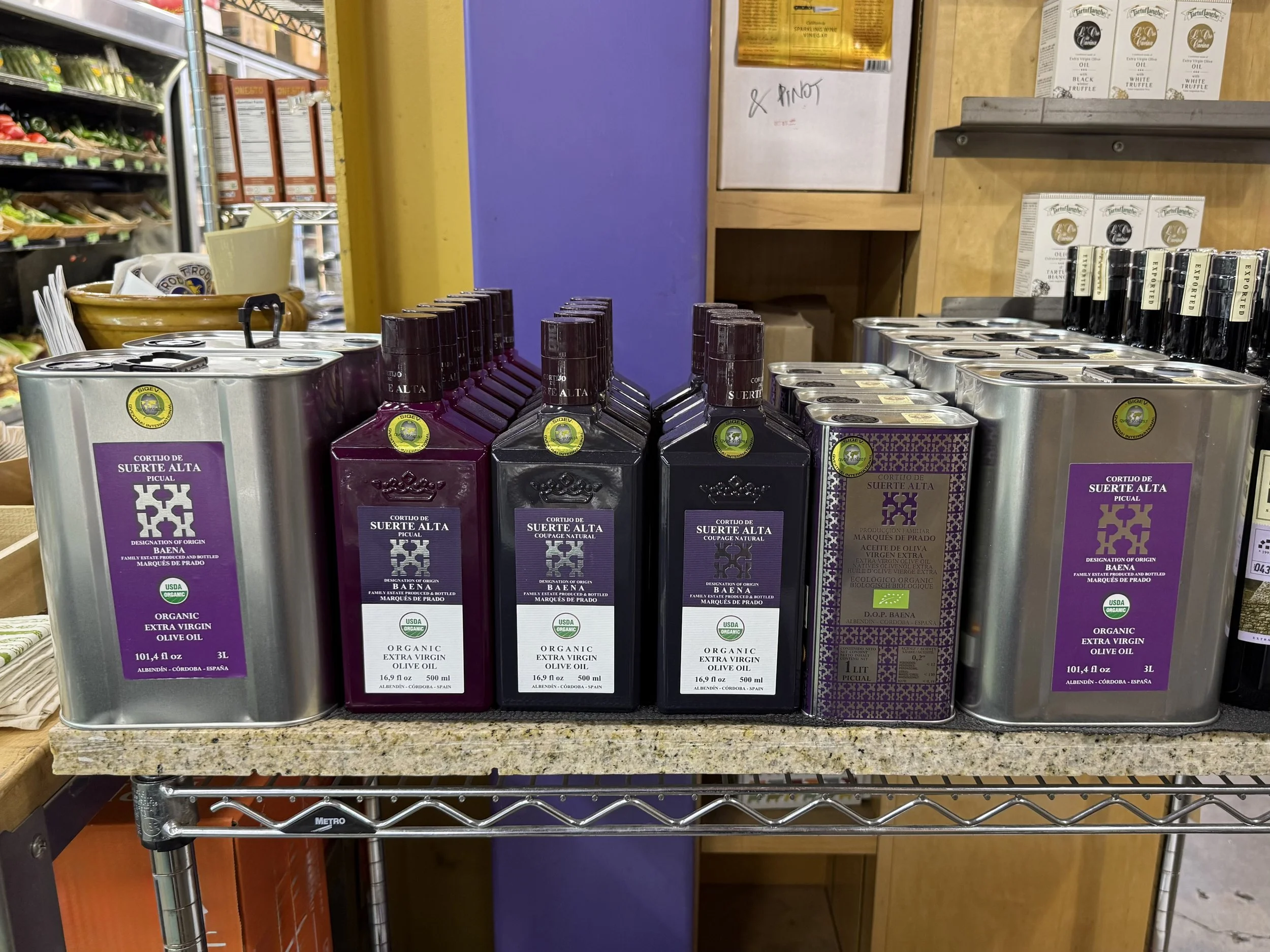
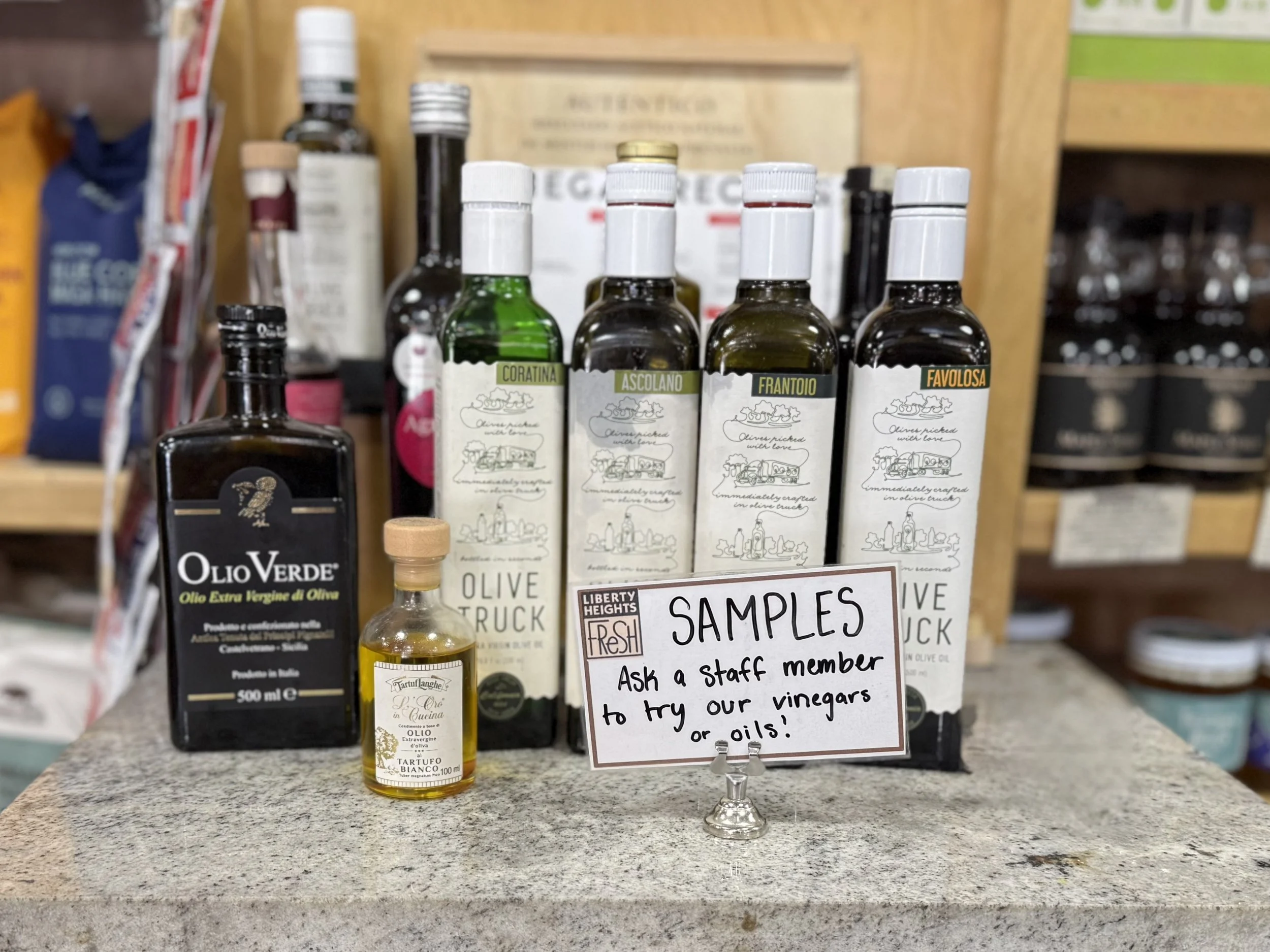
Steven takes special pride in the extra virgin olive oils on his shelves, especially early-harvest extra virgin oils from California and both sides of the Mediterranean. He speaks of them with the precision of someone who has spent years learning the difference between what is merely labeled well and what is actually good - the acidity, the polyphenol content, the pungency, the aroma, the lower yield that makes true early-harvest oils more expensive and more worthwhile. This is the world Steven inhabits so fluently, one where small distinctions mean a great deal because they affect both flavor and health.
Yet for all of his exacting standards, Steven is not interested in telling people there is only one way to eat. He is clear that every person has a different body, a different gut microbiome, and different needs. Liberty Heights Fresh is meant to be welcoming - a place where omnivores, vegetarians, vegans, pescatarians, and others can all find something that suits them. The point is not judgment. The point is choice, made thoughtfully.
That openness is part of why the store has endured. Over the years, a loyal community found its way to Liberty Heights Fresh, and Steven found his people in return. He believes he opened the market for those who cared about food in the way he did, or wanted to learn. Decades later he has become a fixture not only in the neighborhood, but also at the downtown farmers market, where he has participated for more than three decades, selling wild foraged mushrooms, organically grown figs, strawberries, garlic, and other carefully sourced goods.
He is also a person who still learns by traveling, tasting, and talking face to face. Steven has gone to Tunisia to visit longtime food makers whose products he has sold for years. He has traveled through southern Italy and Sicily with Oldways, the food and nutrition organization created to promote traditional diets such as the Mediterranean way of eating. He visits vendors in the USA and around the world and continues to search for people who are making food with tradition and integrity. He is not interested in discovering the world through a screen. He would much rather be standing in front of the product, meeting the people behind it, and understanding exactly what he is bringing back to Salt Lake.
At the same time, Steven has built a team he trusts deeply. The store’s buyer, Abby, handles purchasing. Abdu oversees fresh produce and flowers. Others on the team know exactly what is expected and help communicate that passion to customers. Steven clearly delights in working alongside younger people who are smart, kind, and committed. He sees his role as serving them so they can serve the customers well.
Steven has remained just as thoughtful about the business itself. When makers change their formulations, he notices. When a beloved producer shifts from glass packaging to plastic, he weighs that carefully. Packaging matters. Waste matters. Reusability matters. The standards are not static. If anything, Steven believes his values have become more rounded and more committed over time.
For all of his seriousness about food, there is also humor in the way he talks about it. At one point, quoting Hippocrates, he says, “Let thy food be thy medicine,” then adds with a grin that at sixty-six, he does not take any medicine because he “eats his meds.” It is a line that captures his spirit perfectly. He is earnest, but never joyless. He wants food to nourish, of course, but he also wants it to delight.
And delight clearly remains central to his own life. He loves to cook for people. He enjoys taking a cast-iron skillet and a handful of good ingredients and turning them into dinner and then watching the expression on people's faces when they taste something truly special for the first time. It thrills him to introduce others to flavors, products, and possibilities they might not have found on their own.
This is, perhaps, what Liberty Heights Fresh has always been at its core - not merely a store, but an expression of one man’s lifelong belief that good food matters. For Steven, it is not simply that the market has endured, but that he has remained true to that belief - food should be grown, made, and sold with care. His standards are high, his convictions deeply held, but beneath it all is something very simple and very human. “All I really want to do is share that I believe good food is a part of living a good life.”