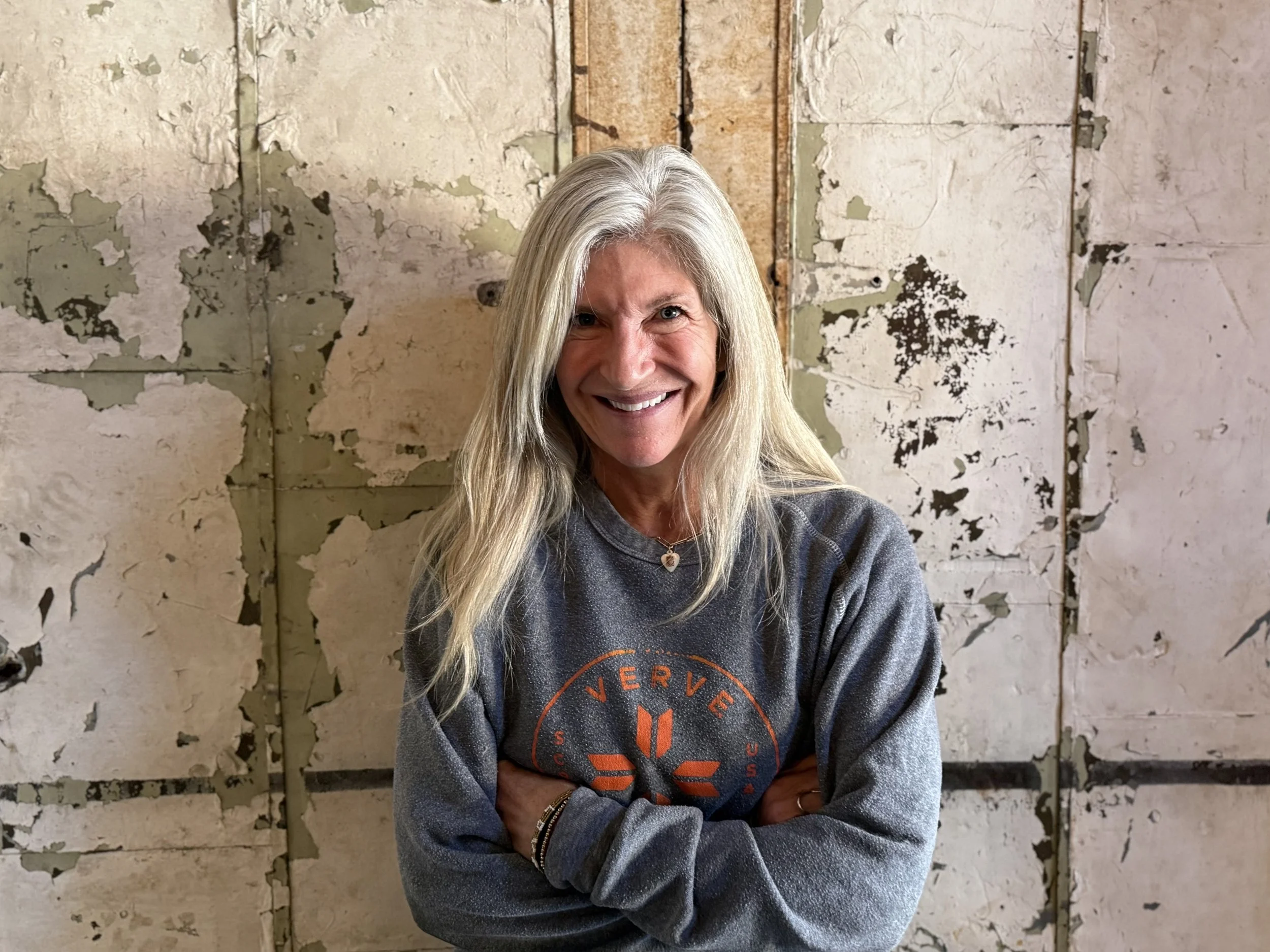
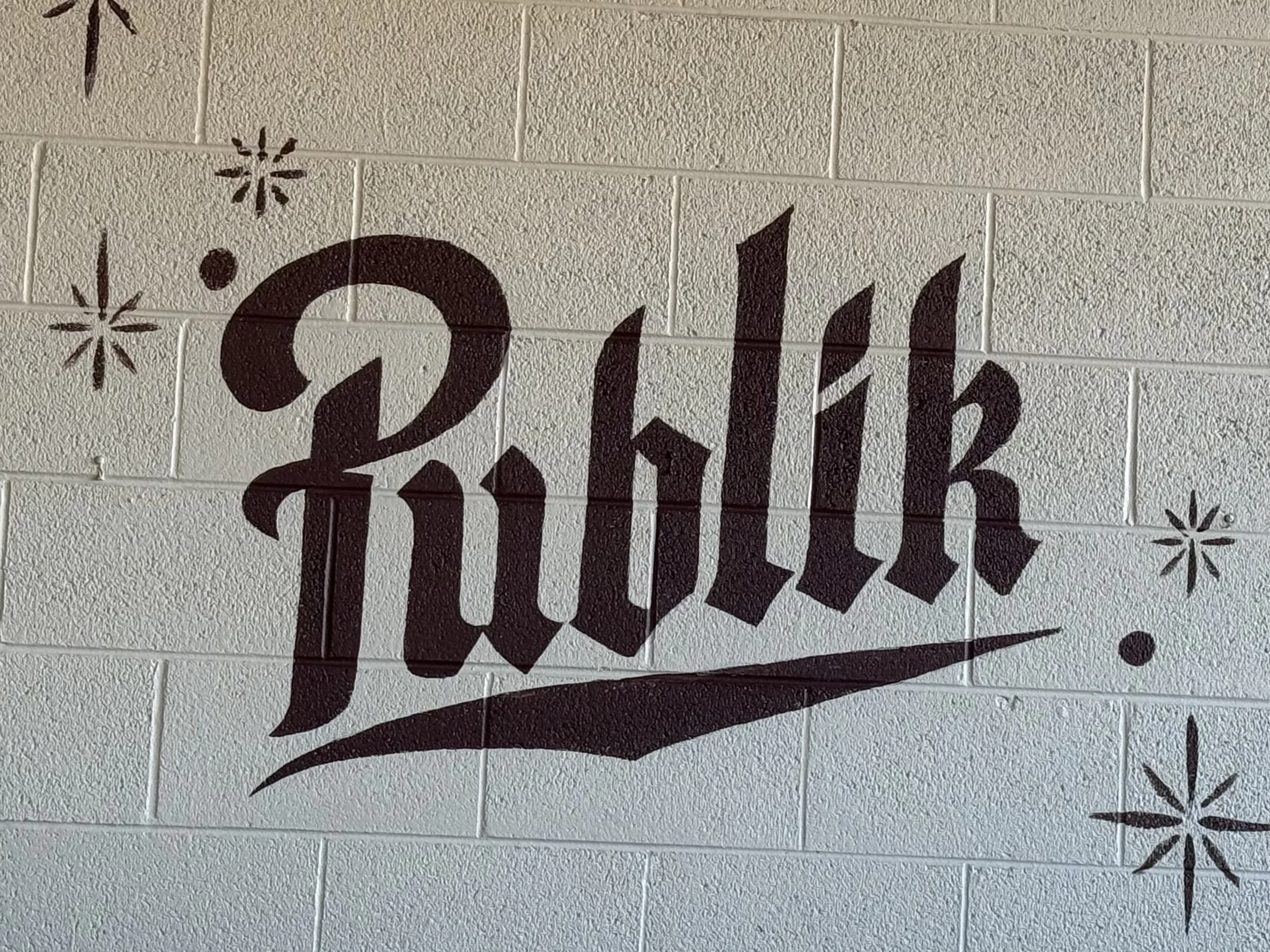
Publik
Address: 975 South West Temple Street (Publik Downtown)
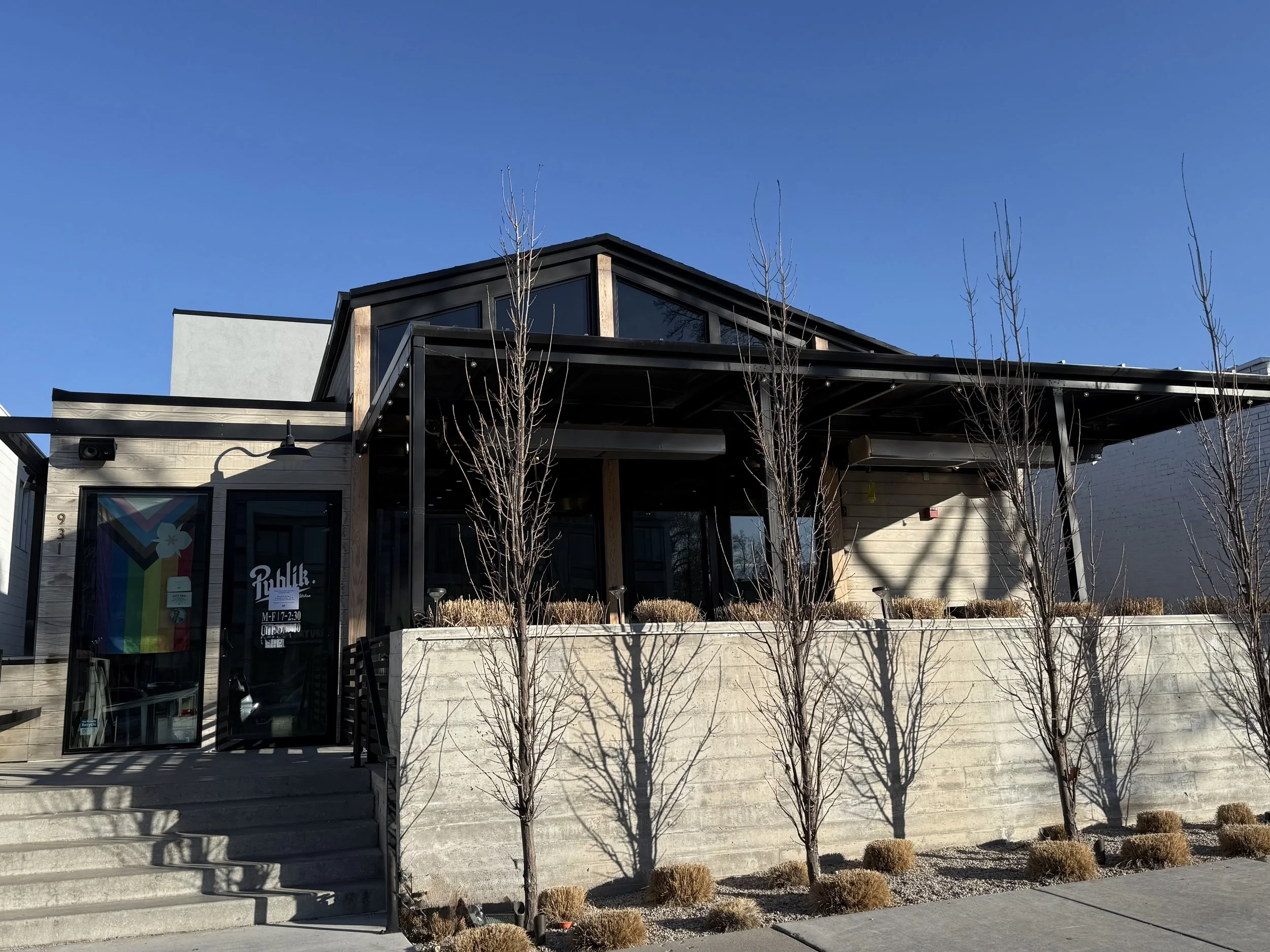
931 East 900 South (Publik Kitchen)
502 3rd Avenue (Publik Avenues)
210 South University Street (Publik Ed’s)
Telephone: 801-355-3161
Website: publikcoffee.com
District: Downtown (see map)
9th and 9th
The Avenues
University
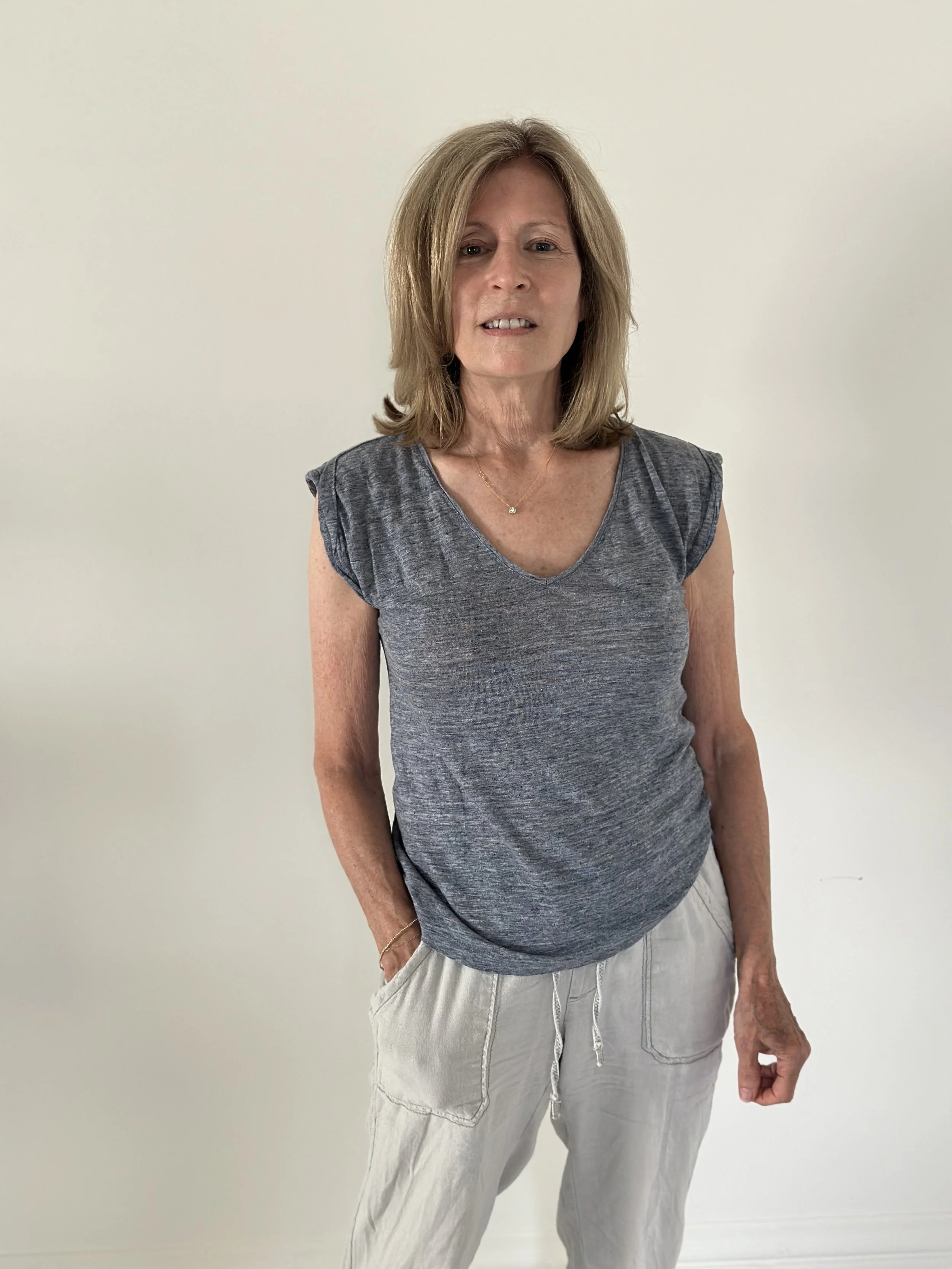
“This really is a community service more than it’s a business.” Sitting with the extraordinary Missy Greis inside Publik, it becomes clear that the sentence is not a slogan. It is her compass. She has built a set of spaces that people use the way they use a neighborhood living room, a meeting hall, and, at times, a kind of steady refuge. From the outside, Publik can look like a modern success story. From the inside, it feels like a long devotion to Salt Lake City’s small businesses and to the people who keep showing up for one another.
Missy was born in Lake Tahoe and raised in Aspen, Colorado, a small mountain town she describes as eclectic, artistic, and full of culture. Her childhood was shaped by music and the arts, by teachers and neighbors who knew one another, and by the outdoors, with skiing, hiking, camping, and the kind of community that looks out for its own. Her mother still lives there, and Missy returns, connected to a place where many of the original families remain, trying to “do good and be good and trying to make the world a better place.”
There is a tender resilience in how Missy holds her early story. Her biological father, the Olympic skier Spider Sabich, died when she was eight. She did not learn the truth about his identity until she was nineteen. What matters most in the way she tells it is not spectacle, but protection, and the fierce love of a mother who kept her child safe.
From Aspen, Missy’s life widened into motion. She went to college in Seattle, Los Angeles, and Boulder, earning a degree in exercise physiology. Her first job took her back into the Colorado mountains, to Vail, where she worked at the Steadman-Hawkins Clinic in the early 1990s. At twenty-one, she held what she still calls the “coolest job.” She served as the concierge for VIP patients and the executive assistant for two physicians, caring for the details of people’s lives as they arrived from all over the world. The work placed her in the orbit of professional athletes and public figures, but what stayed with her was the rhythm of service, the precision of care, and the ability to make people feel looked after.
That chapter led to Pittsburgh, where Missy moved with her fiancé in 1994. It was a leap into unfamiliar geography and weather, and into a different way of life. Missy spent a brief period working the front desk at a high-end salon while she figured out what came next. She knew quickly that it was not where she wanted to stay. In 1996, they married. In 1997, they moved again, this time to Salt Lake City, when he was offered a job with the Department of Orthopaedics at the University of Utah Hospital. They were excited to move west again, back toward mountains and skiing, but Missy also remembers the stigma Salt Lake carried at the time. “At first, neither of us was sure. Almost thirty years ago, Salt Lake City was a very different place.” Then the city met Missy with something unexpected. “I had an immediate love of Salt Lake and it’s only gotten better.”
Missy made Salt Lake City her home. Her daughter, Grace, was born in 1999. Missy divorced in 2002. By then, she had already begun doing what she has continued to do ever since, seeing possibility where others see risk, and building something that becomes part of a neighborhood’s daily life.
After arriving in Salt Lake City in 1997, she began developing a plan for her own business and initially pursued a leasing opportunity for a paint-your-own ceramics studio in a strip-mall setting. During that process, a property manager asked where her husband fit into the plan and whether he would be co-signing the lease. The moment was clarifying. Missy walked away from leasing altogether.
Soon after, a small building at 9th and 9th came on the market. The neighborhood was an outlier and seemed to be emerging, so trusting her instincts, she bought the property and opened Flying Colors, a paint-your-own ceramics studio that sourced pre-fired ceramic bisque pieces from Tennessee for customers to paint and glaze. The decision marked her first owned property in Salt Lake City and the beginning of a long relationship with the city’s neighborhoods.
When Flying Colors eventually closed, Missy held onto the building, renting it to a series of small business tenants. Over time, she purchased additional properties and became a landlord, quietly stewarding spaces and staying close to the rhythms of the city as neighborhoods evolved.
Years later, that same instinct led Missy west of State Street where she bought a large former blueprinting building on West Temple. At the time, the area looked vastly different, and more than a few people questioned the idea of opening a 12,000-square-foot coffee house there. But Missy was not simply opening a café. She was building a space for gathering; the very meaning of Publik translates to “community” in Dutch. What took shape was a raw, light-filled space anchored by a roastery, individual meeting rooms, and an event venue designed for connection. Publik opened in 2014, laying the foundation for what would grow into several distinct Publik locations across Salt Lake City.
Missy did not open a coffee company because she wanted to open a coffee company. She had been doing extensive volunteer work with nonprofits and boards and kept running into the same problem. There were few places to gather that felt right. Too often it was a hotel ballroom, or a borrowed office. She wanted meeting rooms, an event venue, and an everyday space people could actually use.
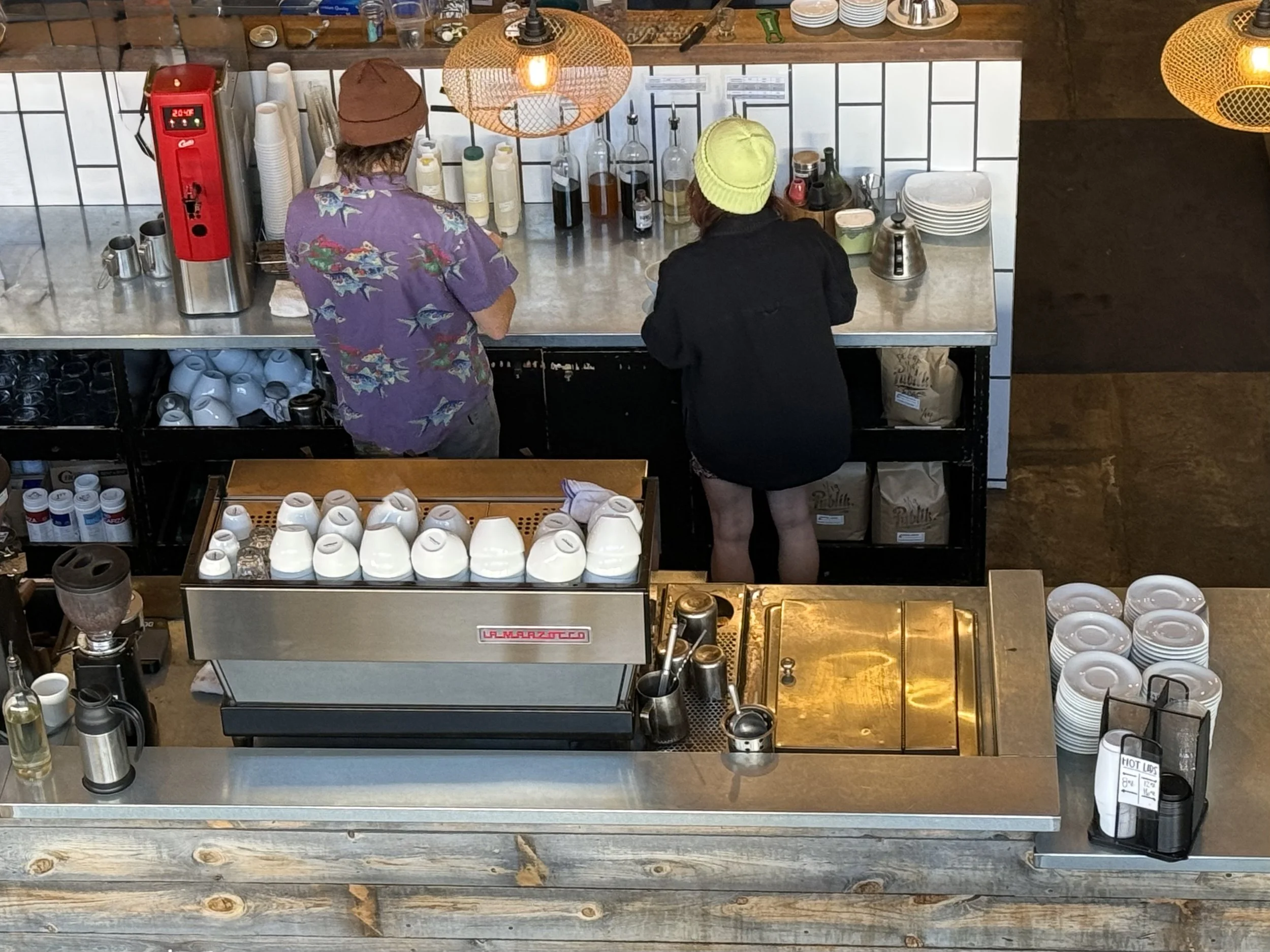
Publik’s West Temple location is anchored by its roastery and café, with Publik Space integrated into the building as an active event venue that hosts gatherings throughout the week. Missy describes the main room as “industrial chic,” a beautified warehouse shaped by reclaimed materials and warmth. The space was taken down to the studs, its infrastructure rebuilt, and what had once been an upper office level removed, allowing the room to open fully and breathe.
From there, Missy began salvaging. Windows and heavy metal doors came from an old warehouse being razed, reglazed and rehung to give them a second life. A shelf of wood that wraps near the front counter was crafted of reclaimed materials sourced from a property in Washington State. Bases and metalwork were fabricated from oil pipe sourced out of Duchesne County. The result is a space that feels raw and sturdy, softened by light, conversation, and the steady choreography behind the bar.
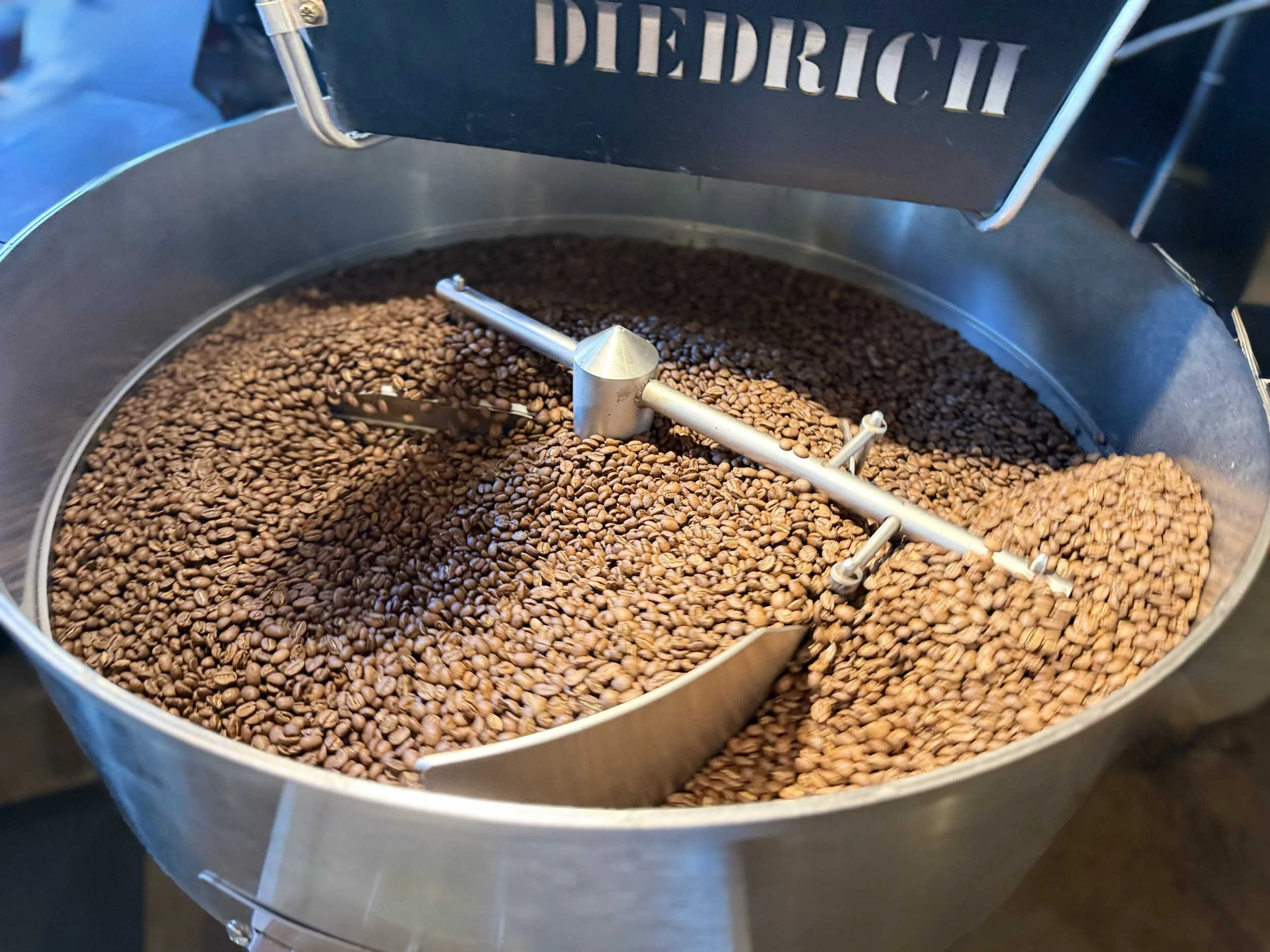
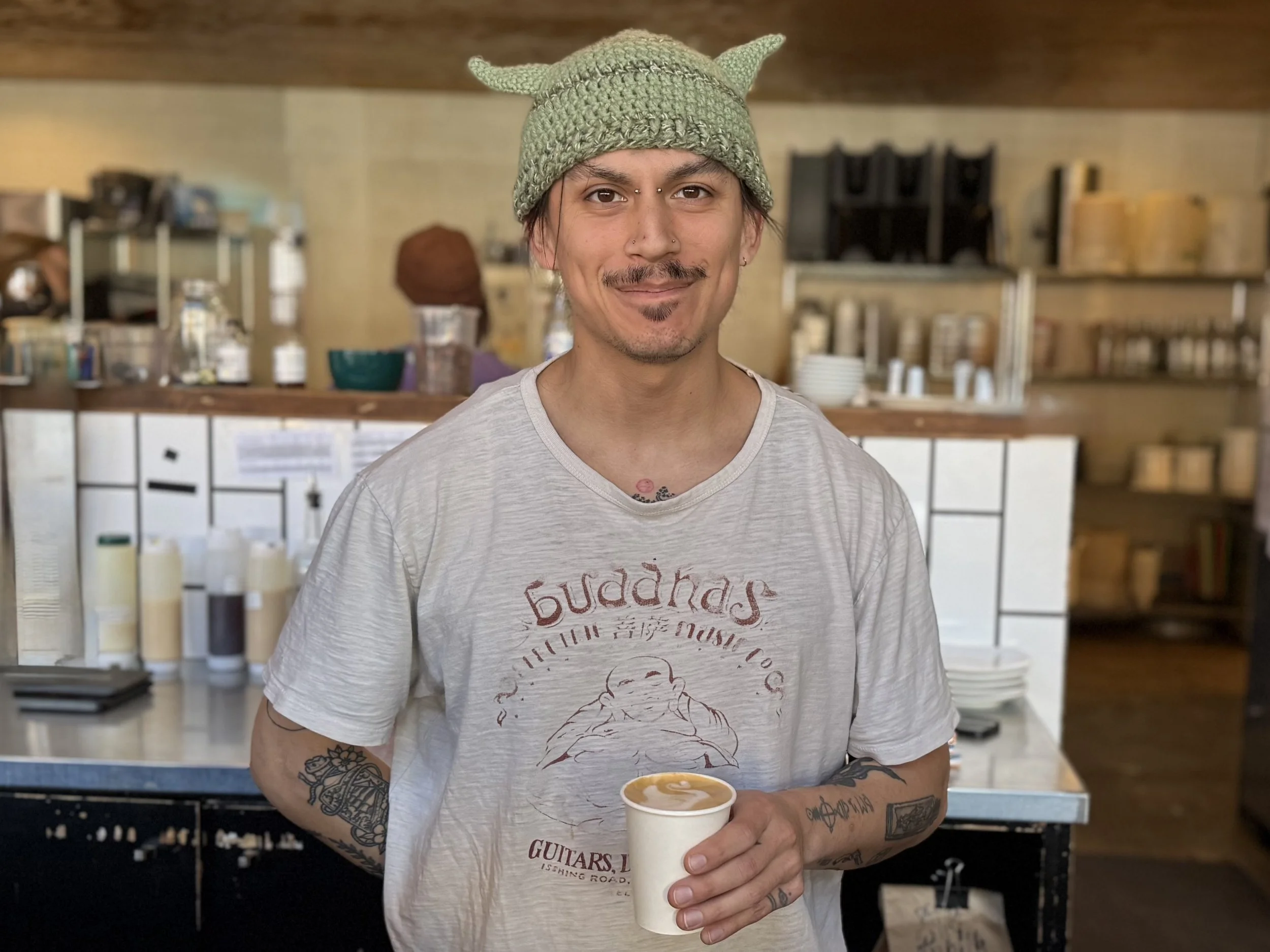
At its essence, as Missy puts it, “Publik is a coffee company.” They bring in coffees from around the world, roast them in Salt Lake, and serve both their own guests and a wide circle of wholesale clients. She talks about relationships with producers, about wanting to pay farmers what they are worth, about how sourcing shifts with seasons and markets, and about the continuity that matters when you have multiple locations and hundreds of daily touchpoints.
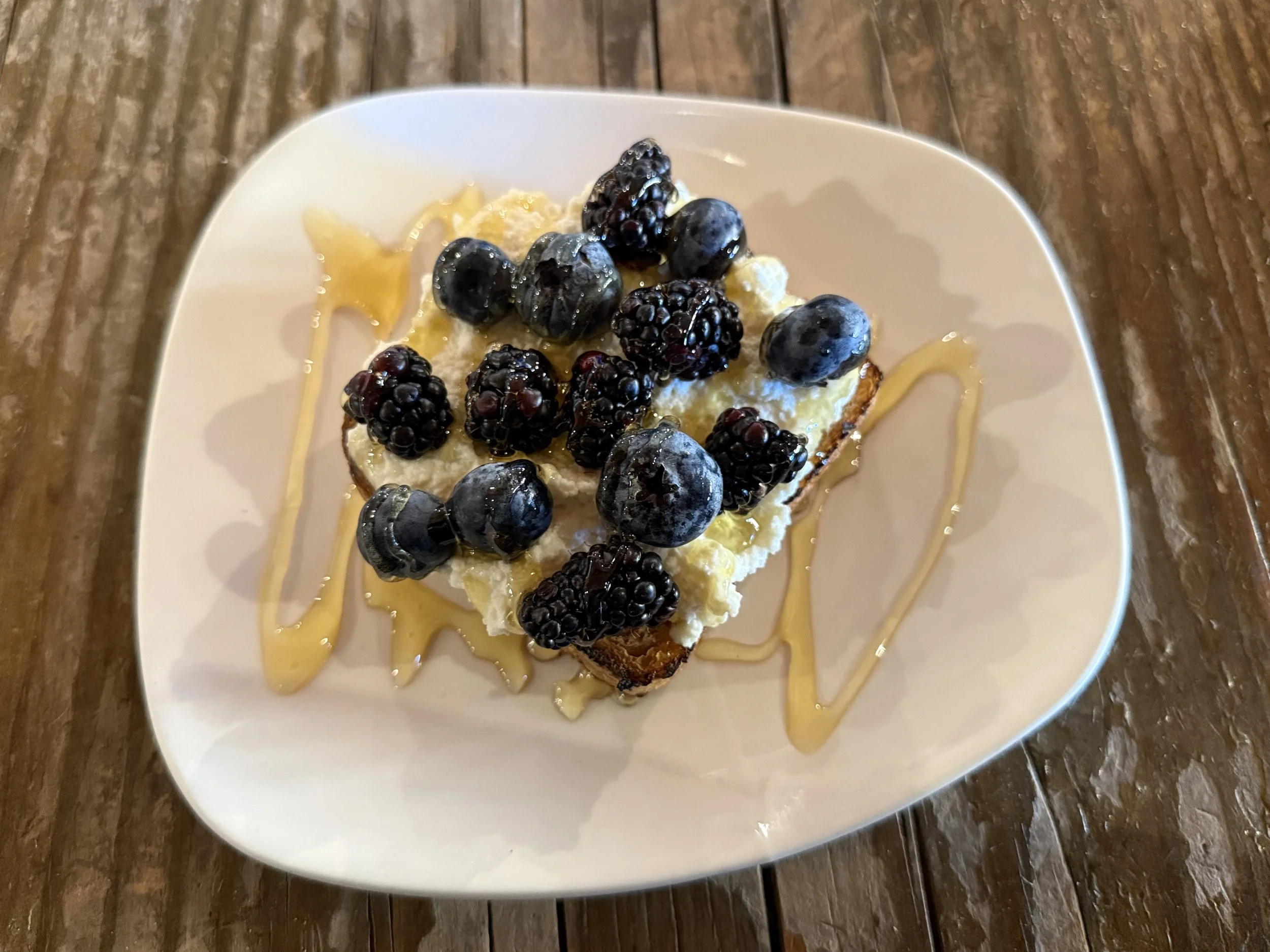
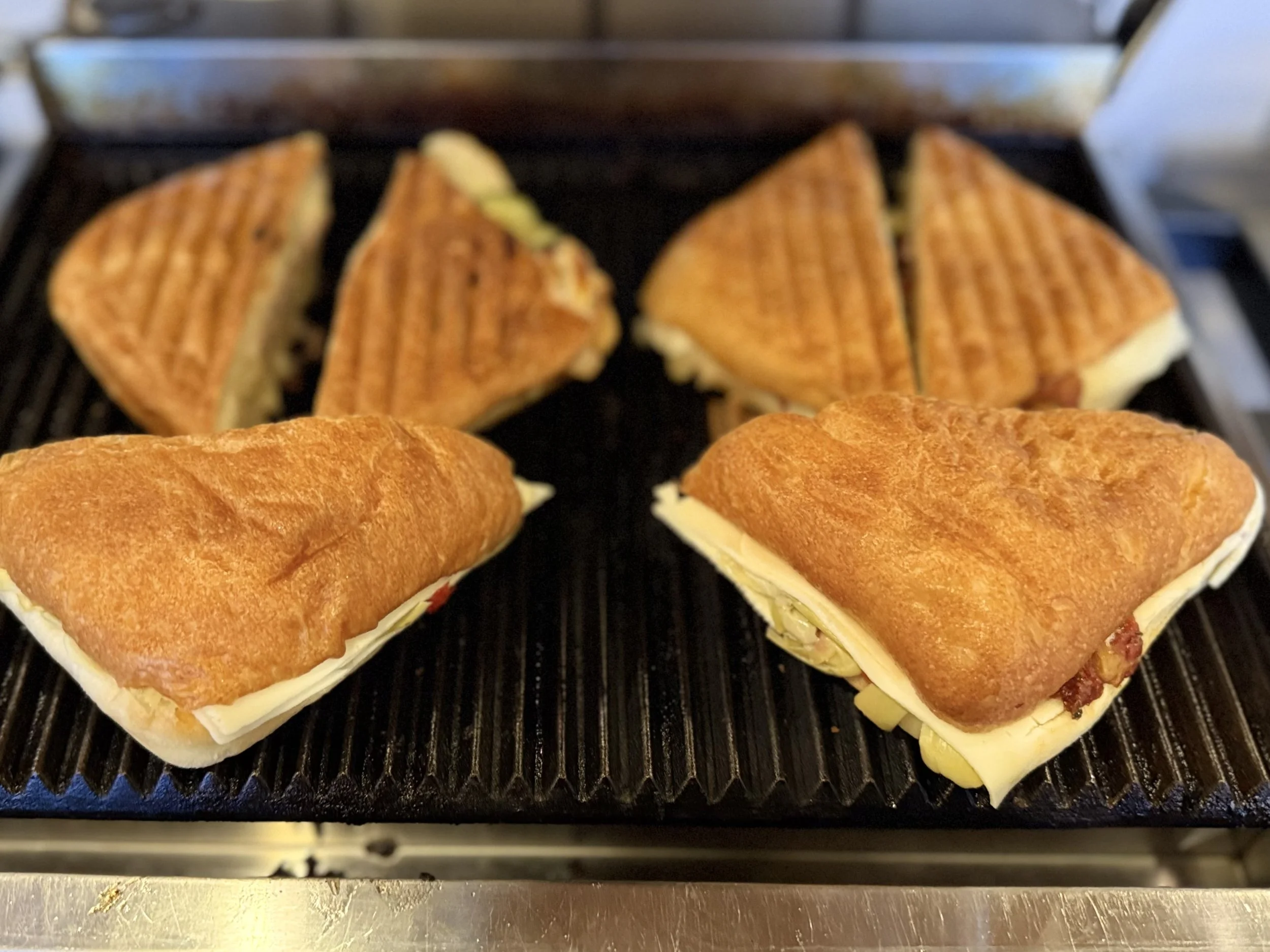
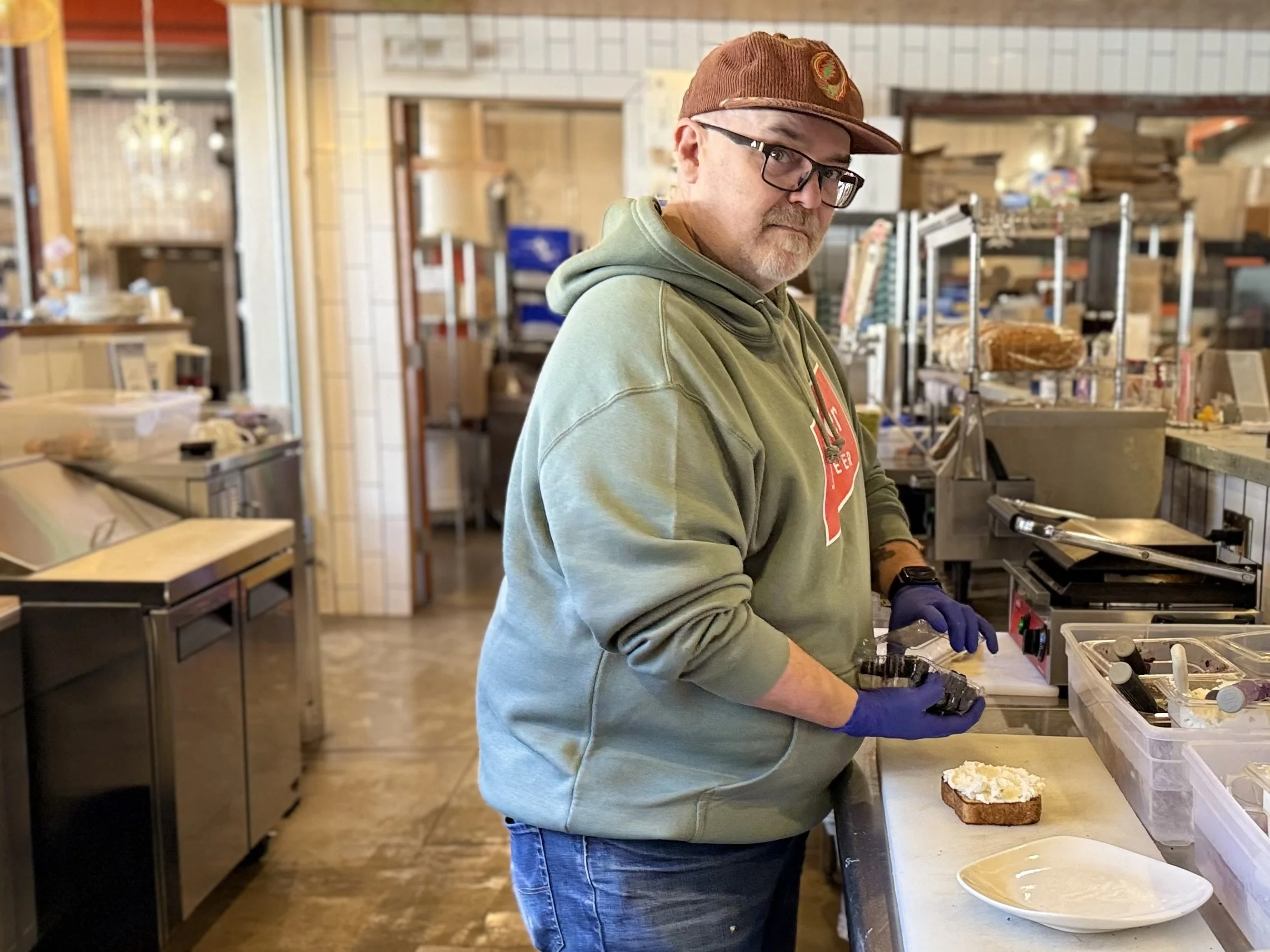
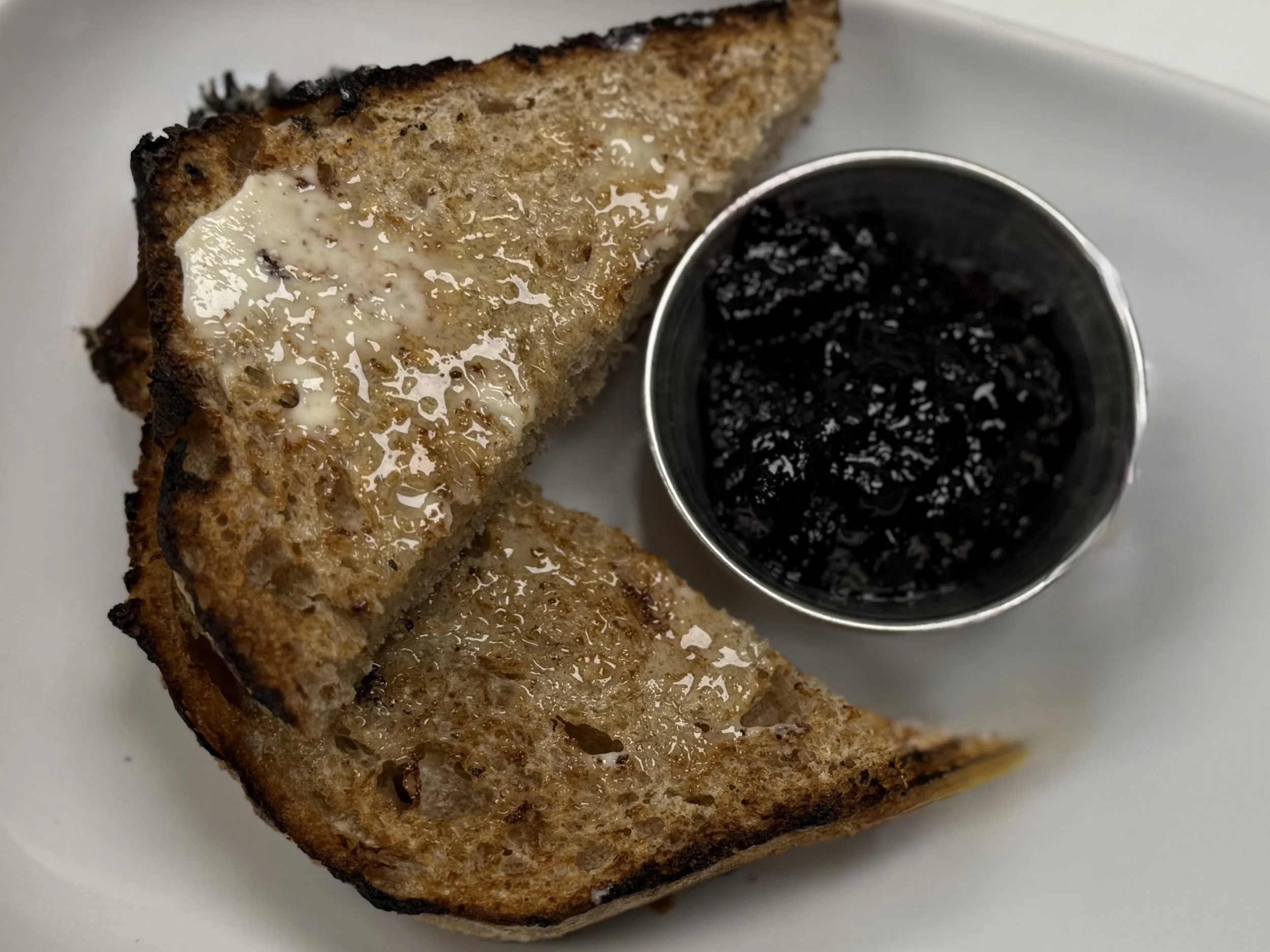
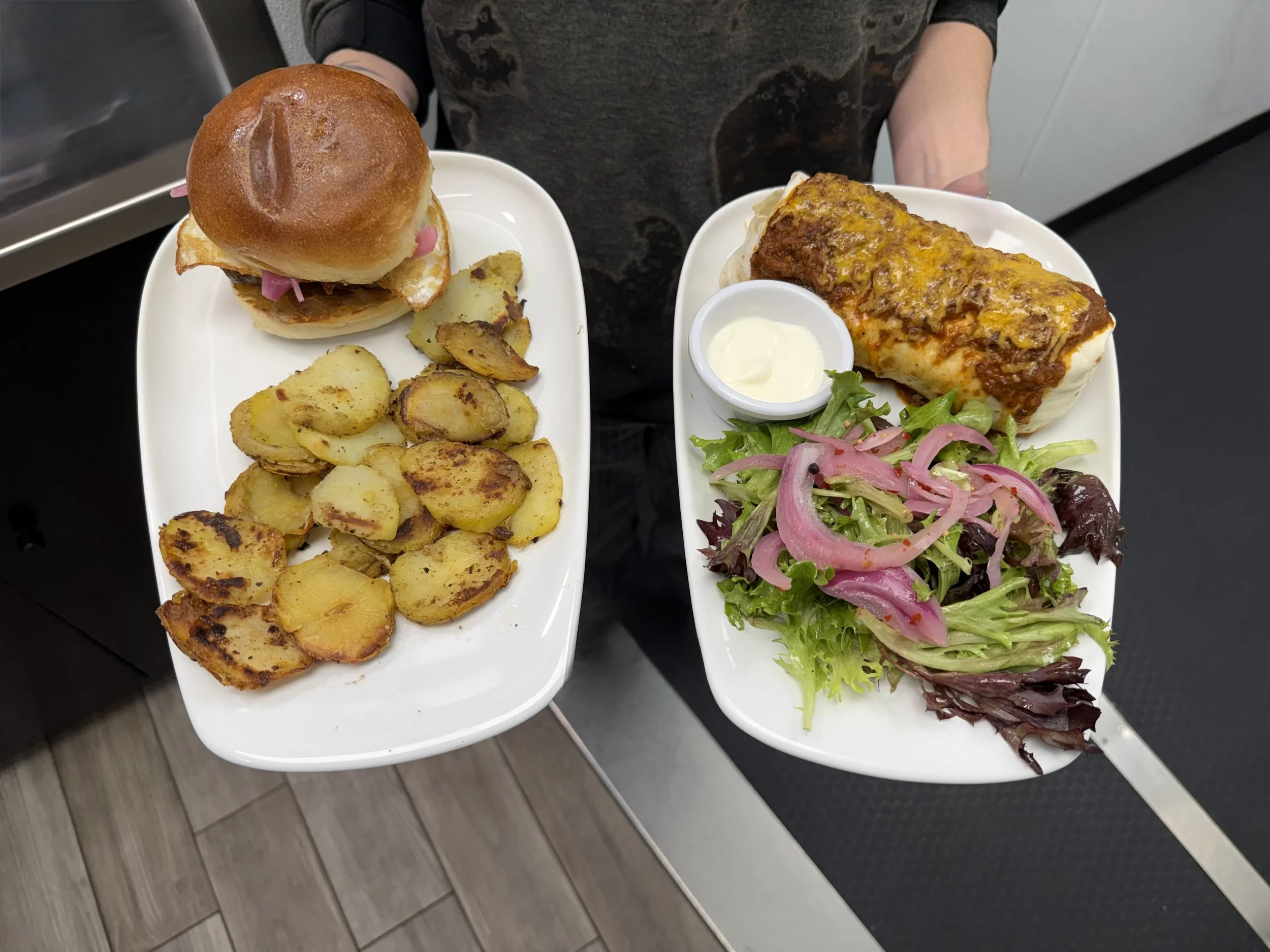
That continuity shows up in the details customers love. The syrups are made in-house. The seasonal drinks are developed and refined. Granola is made in-house. Toasts and paninis appear across locations, familiar but never careless. Missy laughs that she tastes everything before it goes out, but she is not always in the creative meetings. She trusts her team and the palates in the room. “Everybody at Publik is really good at what they do.”
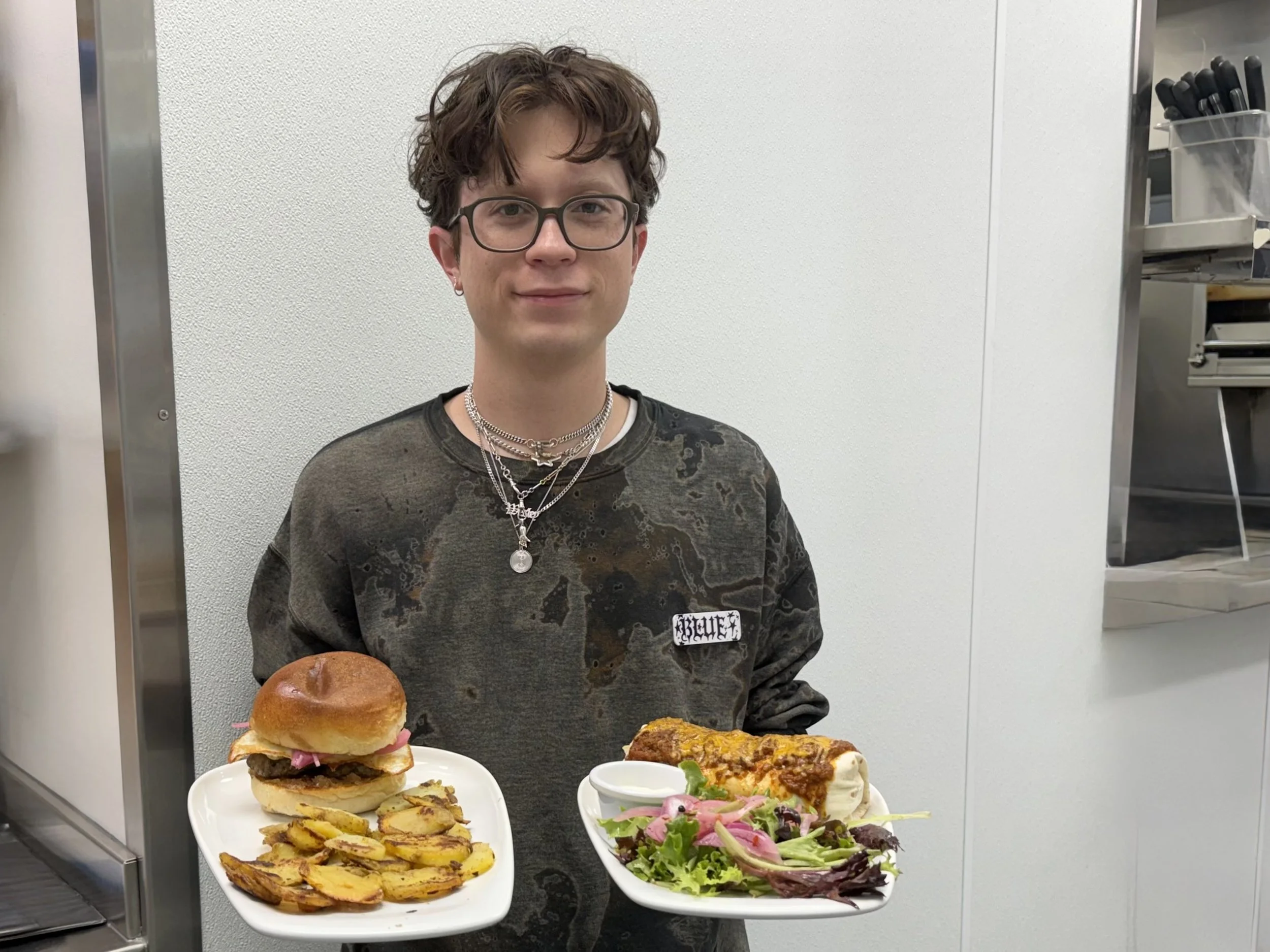
The four iterations of Publik reflect the way the company grew as Salt Lake grew. In early 2016, Publik opened Publik Kitchen at 931 E 900 S in the 9th and 9th neighborhood on the property that Missy bought in 1997. Not long after, the Avenues café opened at 502 3rd Avenue, a smaller neighborhood shop with the same toast-and-coffee heartbeat. Then came Publik Ed’s near the University of Utah, at 210 S University Street, a compact spot with its own story, its name anchored to the earlier Big Ed’s that began there decades ago.
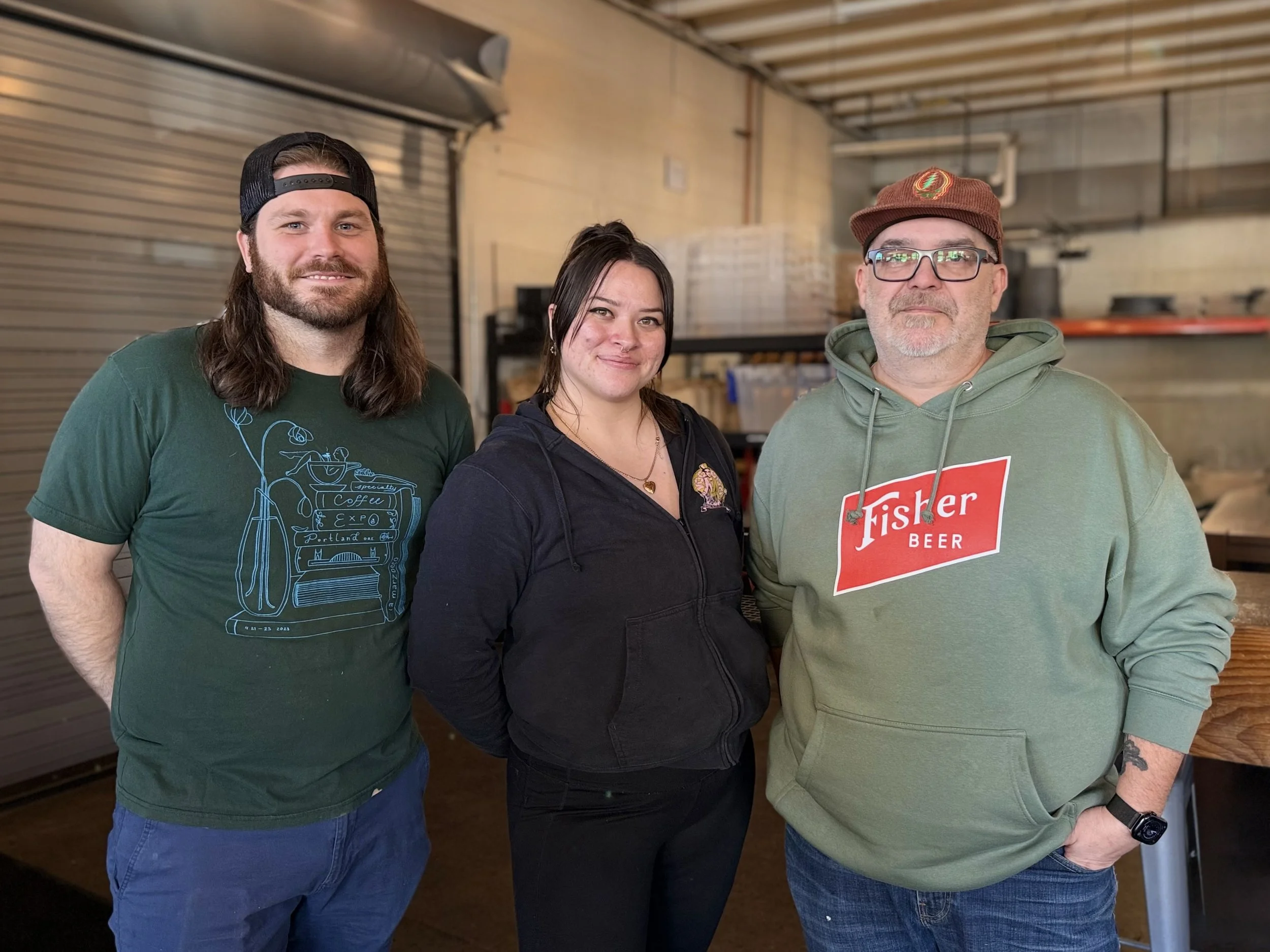
What ties all of it together is Missy’s insistence that these places exist for people, not just for transactions. “We’ve worked hard to build spaces for people to be safe in their work environment. We’ve built a family.”
Missy knows what customers do not always see. Costs rise. Utilities rise. The math gets harder. A profitable latte might need to cost more than a community will bear. And still, she keeps returning to the same point. The goal was never just financial success. It was to build something that holds. “From the outside, I think people just see this ridiculous success story, but they’re defining success as financial, and it’s just not true.”
Her devotion extends beyond her own counters. Missy speaks with the kind of practical love that shows up when someone has spent years advocating, listening, attending meetings, making introductions, and solving problems that most people never notice until the day they become impossible. She is part of conversations about development, ground-level activation, parking policies, water bills, small systems that can quietly crush a small business. She believes in collective voice, in connecting business owners to resources, and in making sure the city hears what is happening on the ground.
Missy does not build for optics. She builds for use, for gathering, and for the person who needs a place to write, to meet, to exhale, to start again.
And when she looks at Salt Lake City, Missy does not speak like an outsider who arrived and took. She speaks like someone who arrived and chose to belong. “I love this city, and this city has been so good to me.” Then she turns it outward, the way she always does, making sure the light falls where she wants it to fall, onto the community itself. With tears in her eyes, she says, “It has been so easy to just be a part of it.”