Millcreek Gardens
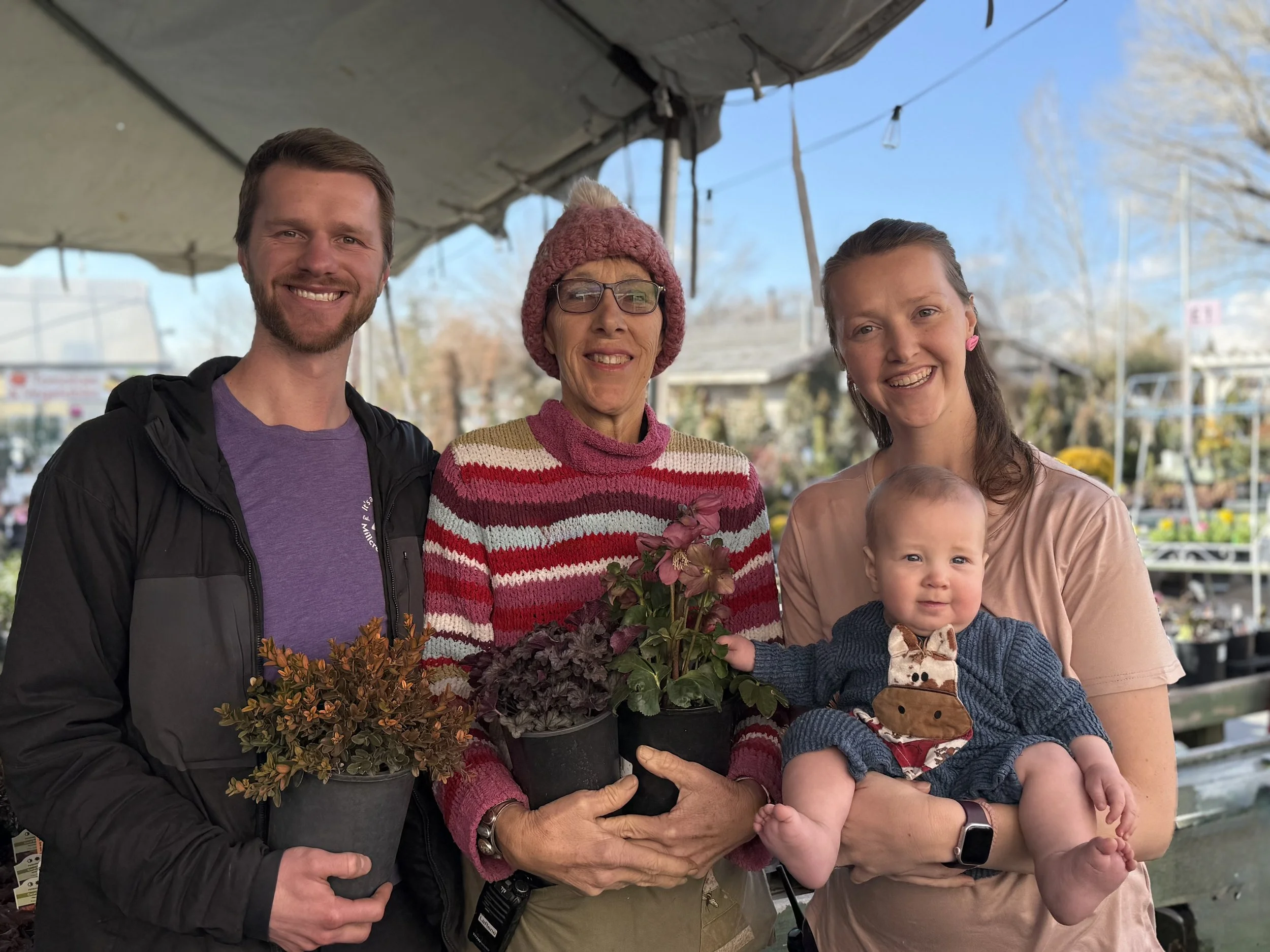
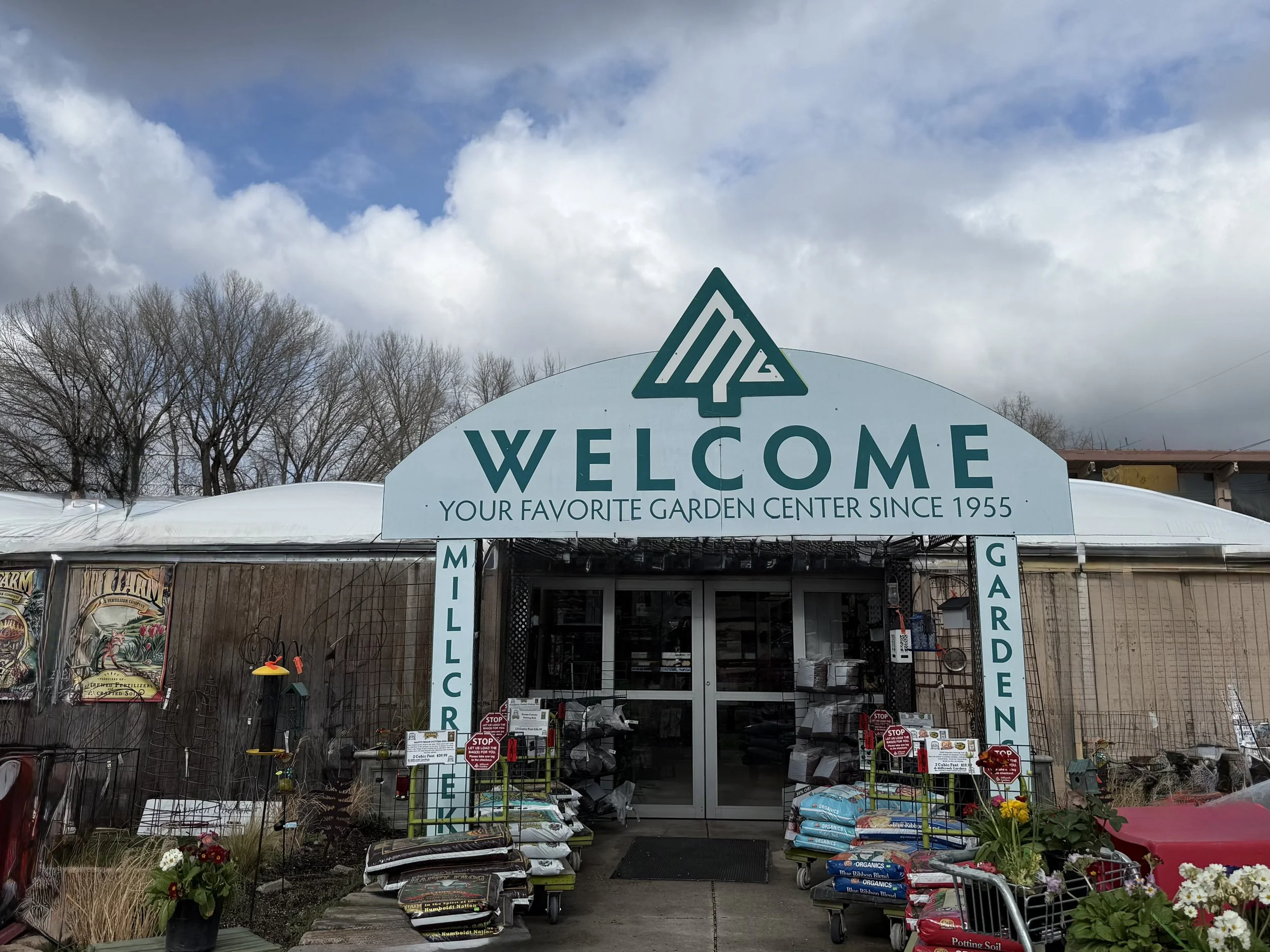





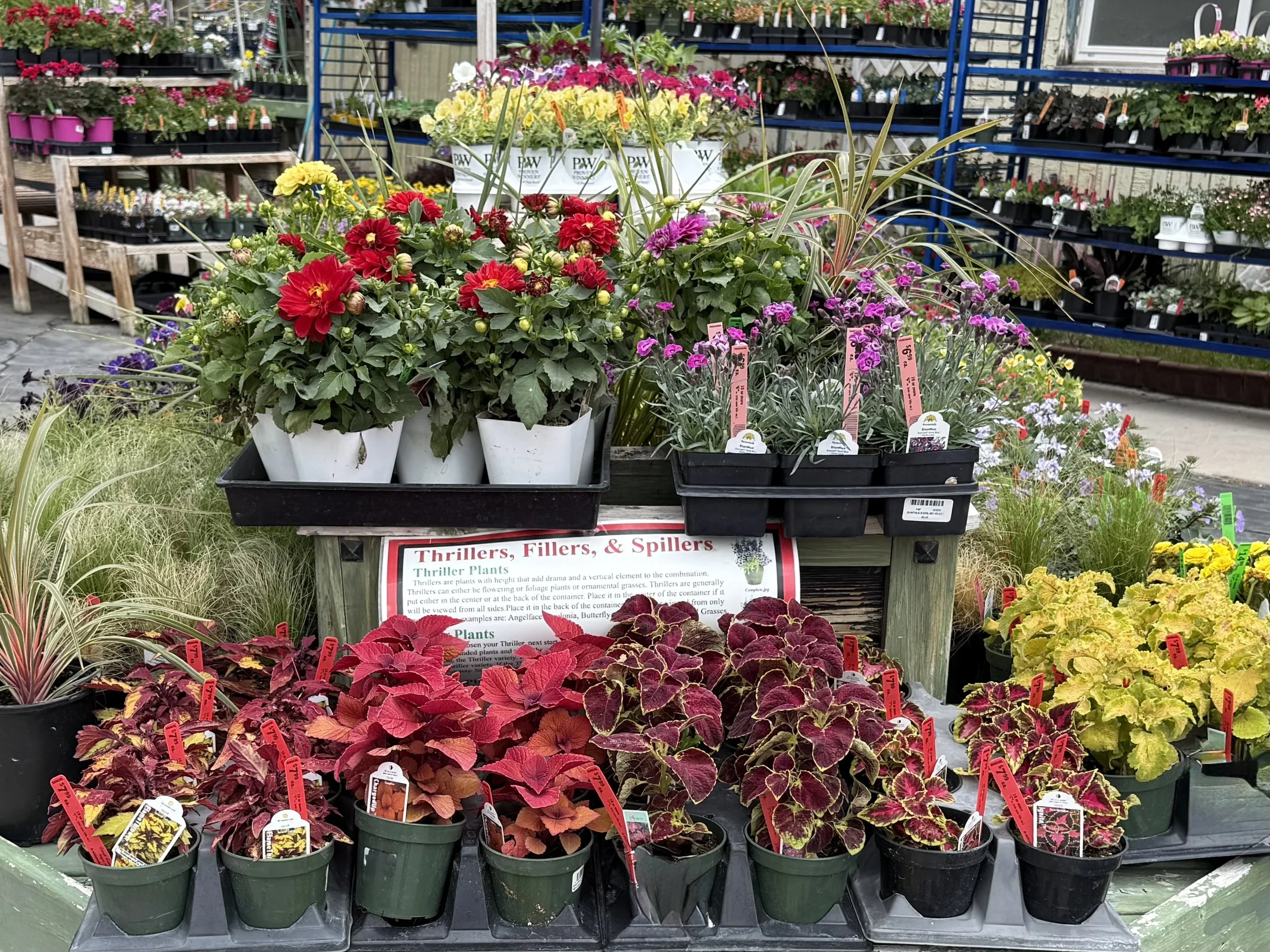


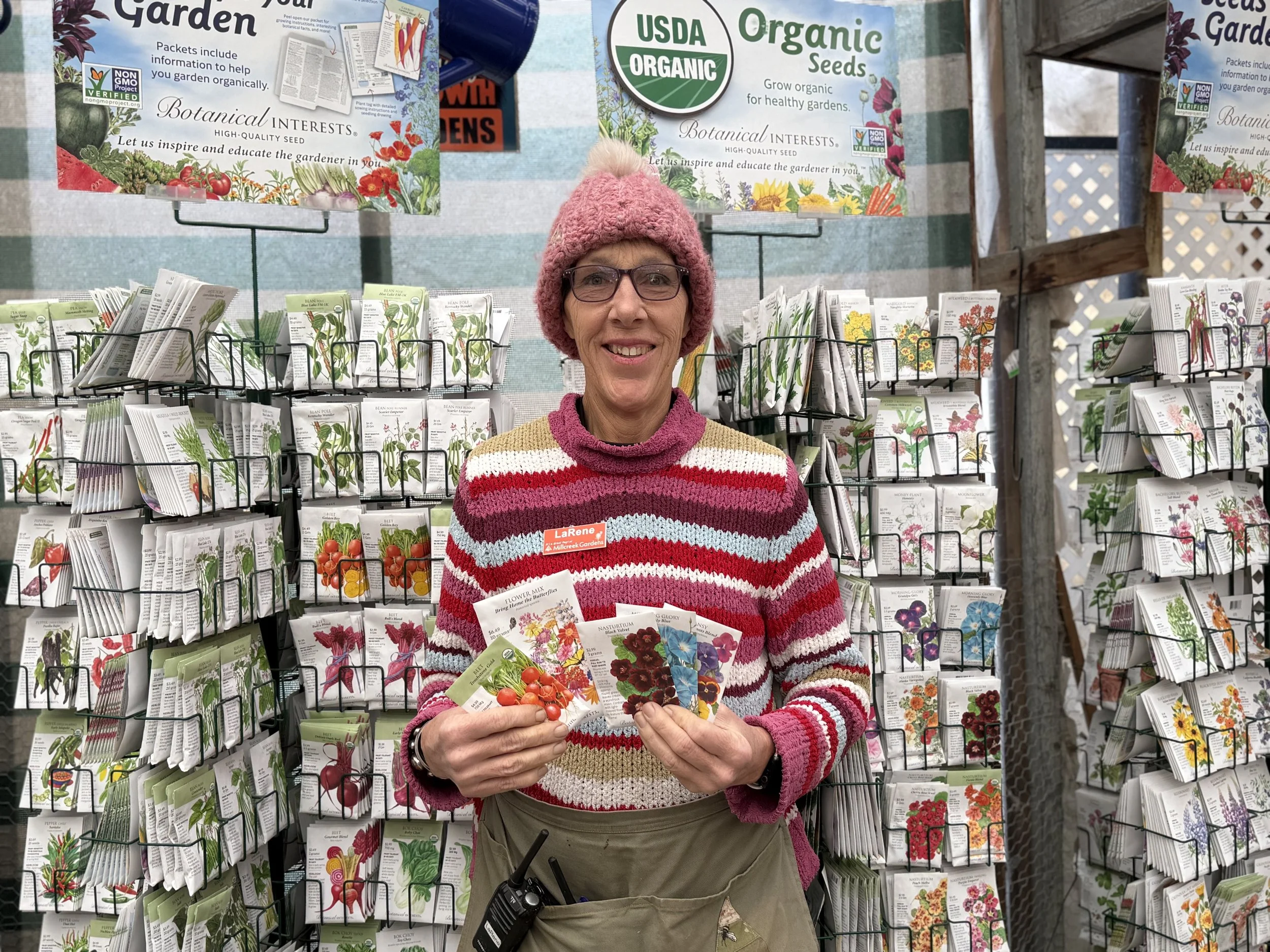




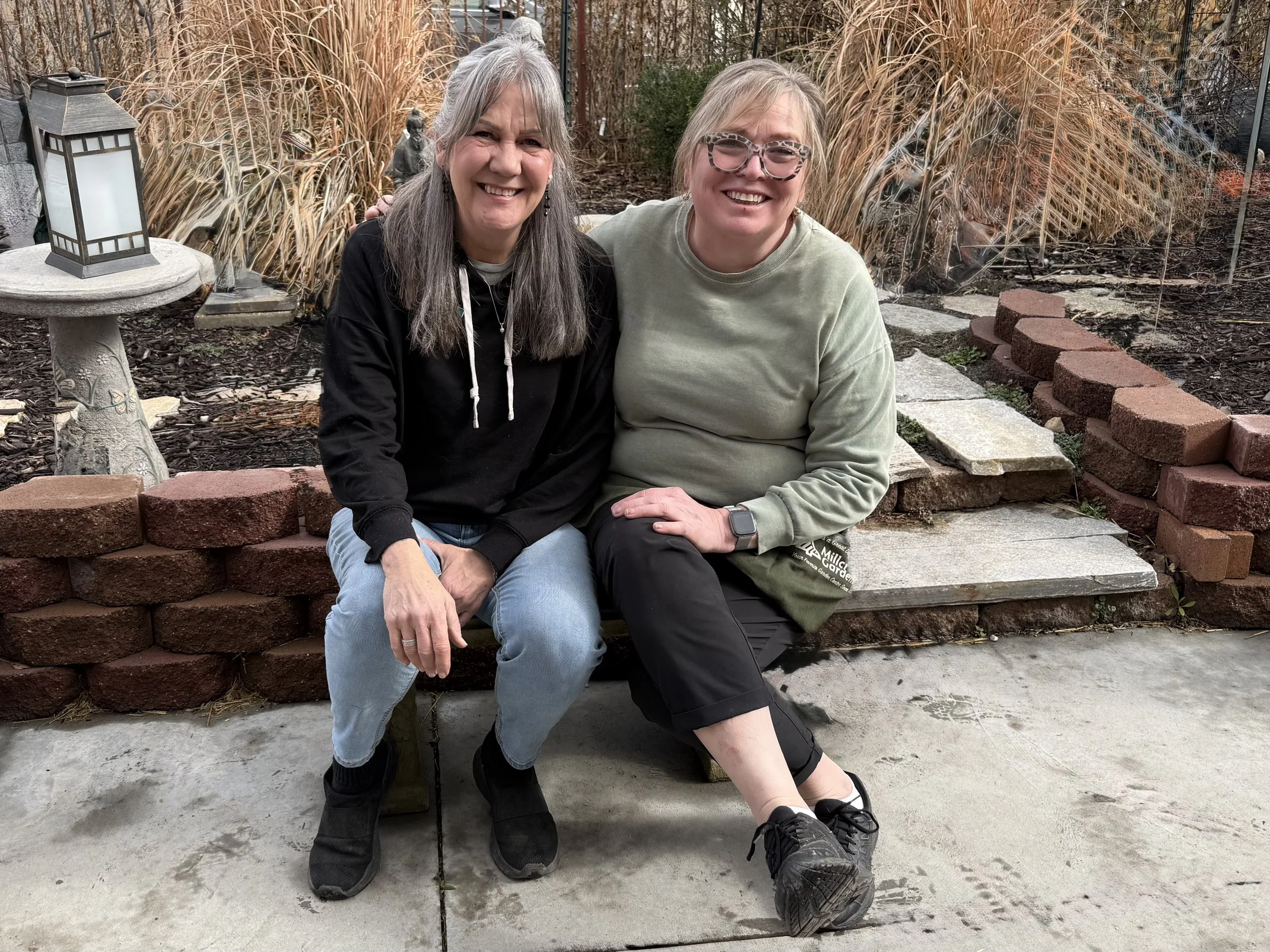

“I do not go anywhere without being asked about gardening.” LaRene Bautner says it with quiet certainty. The conversation takes place in what was once the Smith family home, now one of the offices at Millcreek Gardens - tucked inside what her daughter laughingly calls “the scary closet.” It feels fitting. It is a place where past and present naturally meet. LaRene grew up on this property, raised her five children here, and today works alongside two of them, Heidi Orme and Chris Bautner. Together, they continue a garden center that has been part of Salt Lake City for seven decades.
The story begins with LaRene’s father, a Utah State University graduate who earned his degree in 1948 and put it to work both in a job and in landscape projects on the side. He wanted to build something of his own. In 1955, he found this Millcreek property - one that, in a twist of timing, became available when another buyer backed out. LaRene remembered the details clearly. The winter turned bitterly cold, the sellers called, and her father seized the moment. The family moved in during December of 1955, to a home that already had a greenhouse “right out the door.” The nursery was not an afterthought; it was a foundation, and a place where he could grow plant material for a landscape design and construction business that was already taking shape.
LaRene described one of his defining ideas as a “mood zoned landscape concept,” a way of designing yards around how people actually live: where they gather, where children play, where quiet corners belong, and where fragrance and curb appeal matter. The garden center began as a support for that work, and as the years passed, the business expanded beyond those early roots.
LaRene, born in 1961 and the youngest of seven, absorbed all of it from the beginning. She would follow her father on projects, watching how the place ran, and noticing the details. “I just took it all in and paid attention,” and that attention became its own form of training. She spoke with equal affection about her mother, a woman who seemed capable of anything - repairing appliances, making jewelry, taking photographs, picking up stones from the ground, and turning them into pieces you could wear. LaRene held up a silver necklace during the conversation, one her mother had made, and the object itself felt like a quiet theme running through everything they built here.
Millcreek Gardens was also a childhood playground, a classroom, and a worksite long before it became a career. At five, LaRene was given an ice cream bucket and introduced to weeding. Not long after, she was making scrubbers from nylon netting using a treadle sewing machine that had been in the family and selling them door to door.
When LaRene was older, she worked among roses by the thousands, doing jobs that belonged to an era before today’s easier solutions. She remembered one task with particular clarity - dipping a wooden stick into tar and sealing rose cuttings, day after day, until her mother would undress her outside, hand her the same “tar pants” the next morning and eventually throw them away when they were beyond saving. She learned propagation, trimming, potting, and selling. She learned how to work.
LaRene also learned generosity at home. Candy making was part of the family rhythm: caramel, fudge, pinoche, dried fruit, sprouts growing in bottles with window-screen lids. Then there was the wider world of giving, which became more than a value and closer to a way of being. Heidi, remembering her own childhood, said that at least thirty foster children passed through their family home - some staying weeks, some months, some years, some from their teens into adulthood. There were long threads of connection that never disappeared, including relationships formed through the Indian Placement Program in the late 1960s and 1970s, and foster siblings who later returned with children of their own. “People showed up at the door, and my mom or dad would say, ‘You are hungry, or have you eaten?’” LaRene explained it as naturally as she explained planting, as if feeding someone was simply what you did.
By the time LaRene reached high school, the work ethic and the physicality of the place had turned into confidence elsewhere. She chased the old presidential fitness awards, dealt with a bone infection that nearly cost her an arm, then found a coach who changed her life. The swim coach at Granite High School, Coach Nelly, pushed her into the water and believed in her. LaRene went from learning breaststroke to swimming races within days, then went on to state-level success. A scholarship followed, taking her to the University of Idaho in Moscow where she swam for four seasons and earned a degree in recreation with a minor in business.
In 1984, after college, LaRene returned to the business in a way that was supposed to be temporary. A manager had quit, spring was approaching, and her father needed help. “I will run it for a year, dad, I have other plans.” The year turned into decades as she realized she truly loved it. She brought energy and diversity to the store, and the business grew rapidly, year after year, while she built a family alongside it.
“I had all my children while I was working, and I just put them on my back or held them in the front with a sling.” There were five children in all. She worked through pregnancies, through newborn stages, and through the relentless seasonal rhythm of the garden center. She marked one year as the moment her body and bandwidth finally spoke up. Chris was born in 1998, and for the first time since 1984, the business did not grow. It dipped two percent. “So, I was tired.”
Still, even the heavy years carried purpose. In the mid-1990s, LaRene’s parents did a service mission for The Church of Jesus Christ of Latter-day Saints in Croatia, right after the war, when the United Nations still had a presence and towns carried visible devastation. LaRene visited during their mission and described drives through silent communities with blown-out homes, abandoned cars, and the slow return of life as people rebuilt. While her parents served abroad, LaRene ran Millcreek Gardens at home, raising children and keeping the business steady.
Long before modern inventory systems became standard, LaRene also helped bring the garden center into a new operational era. In 1994, when much of the nursery industry still had no barcodes, she put together a team to label and integrate the entire store into a point-of-sale system. Stickers went on almost everything. It was the kind of behind-the-scenes work customers never notice, but it is the reason a place this large can function at all.
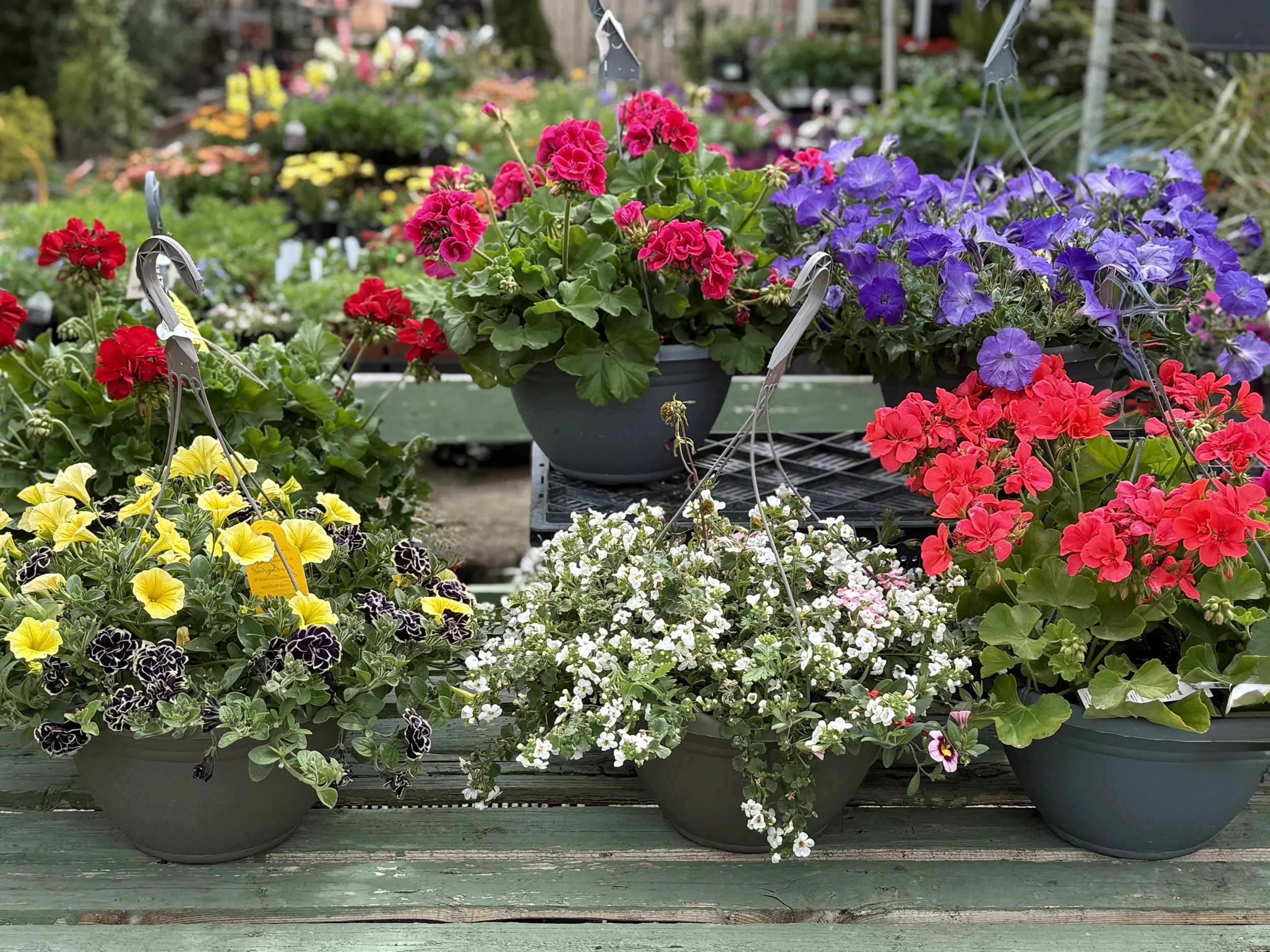
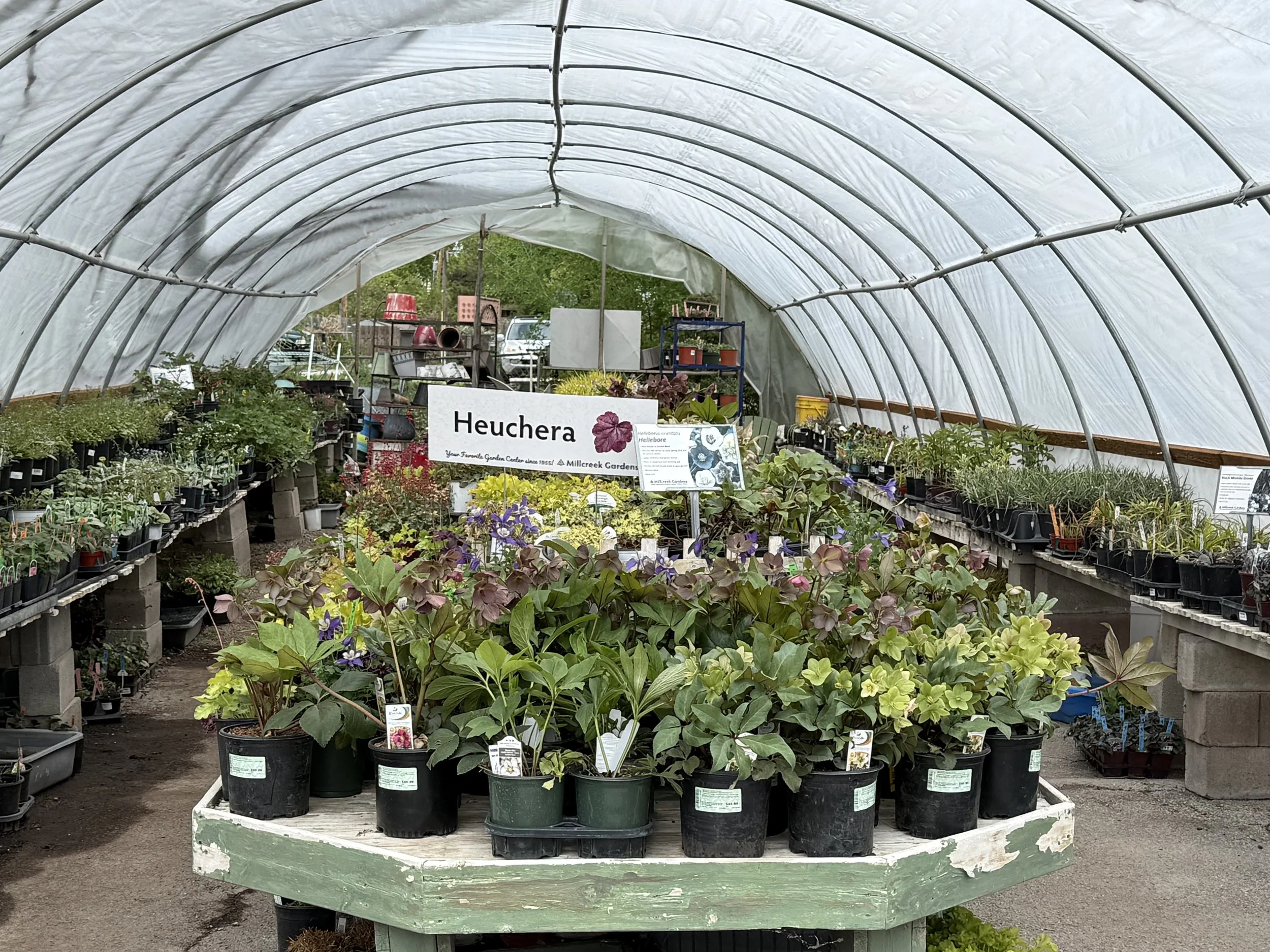
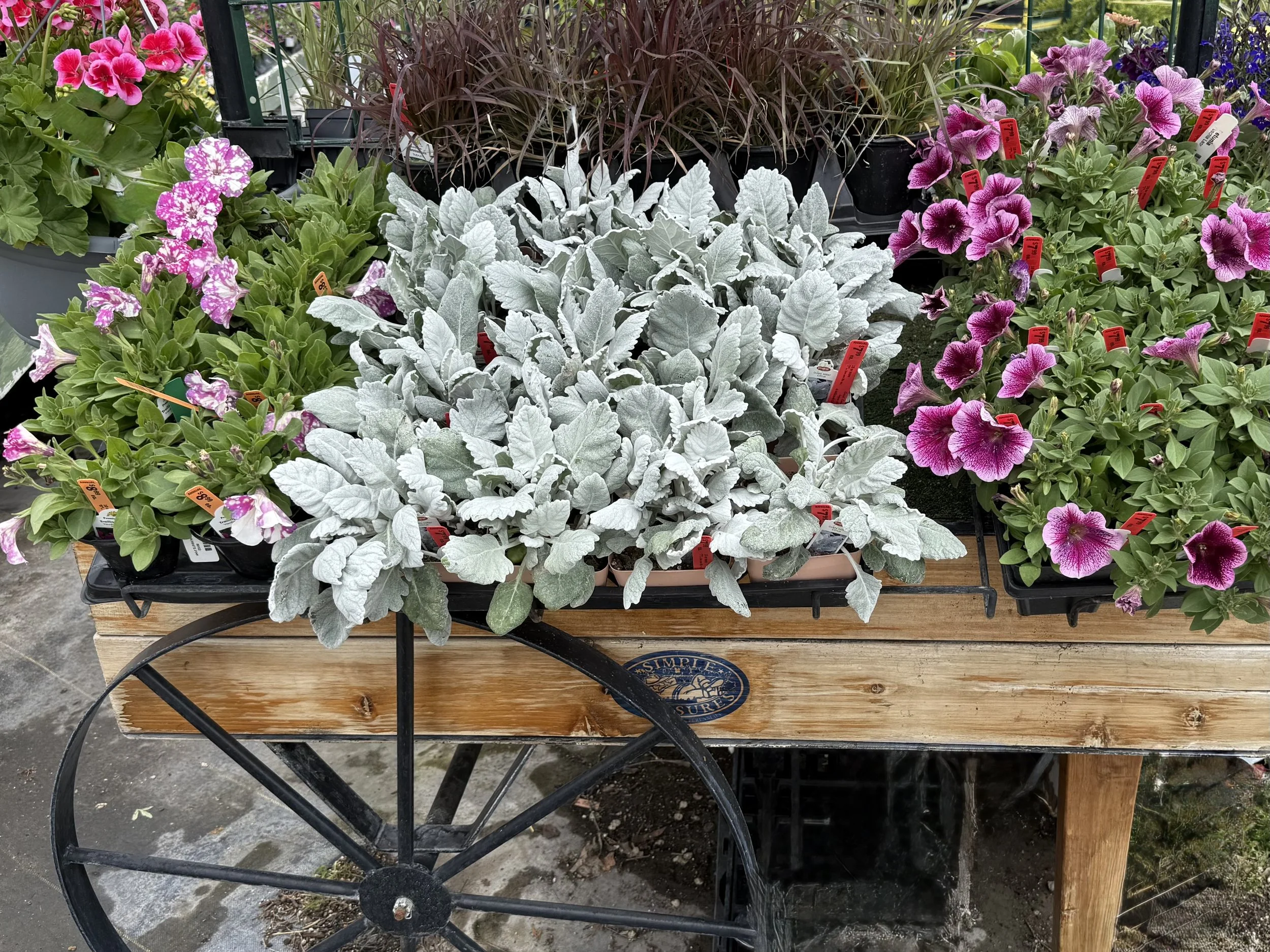
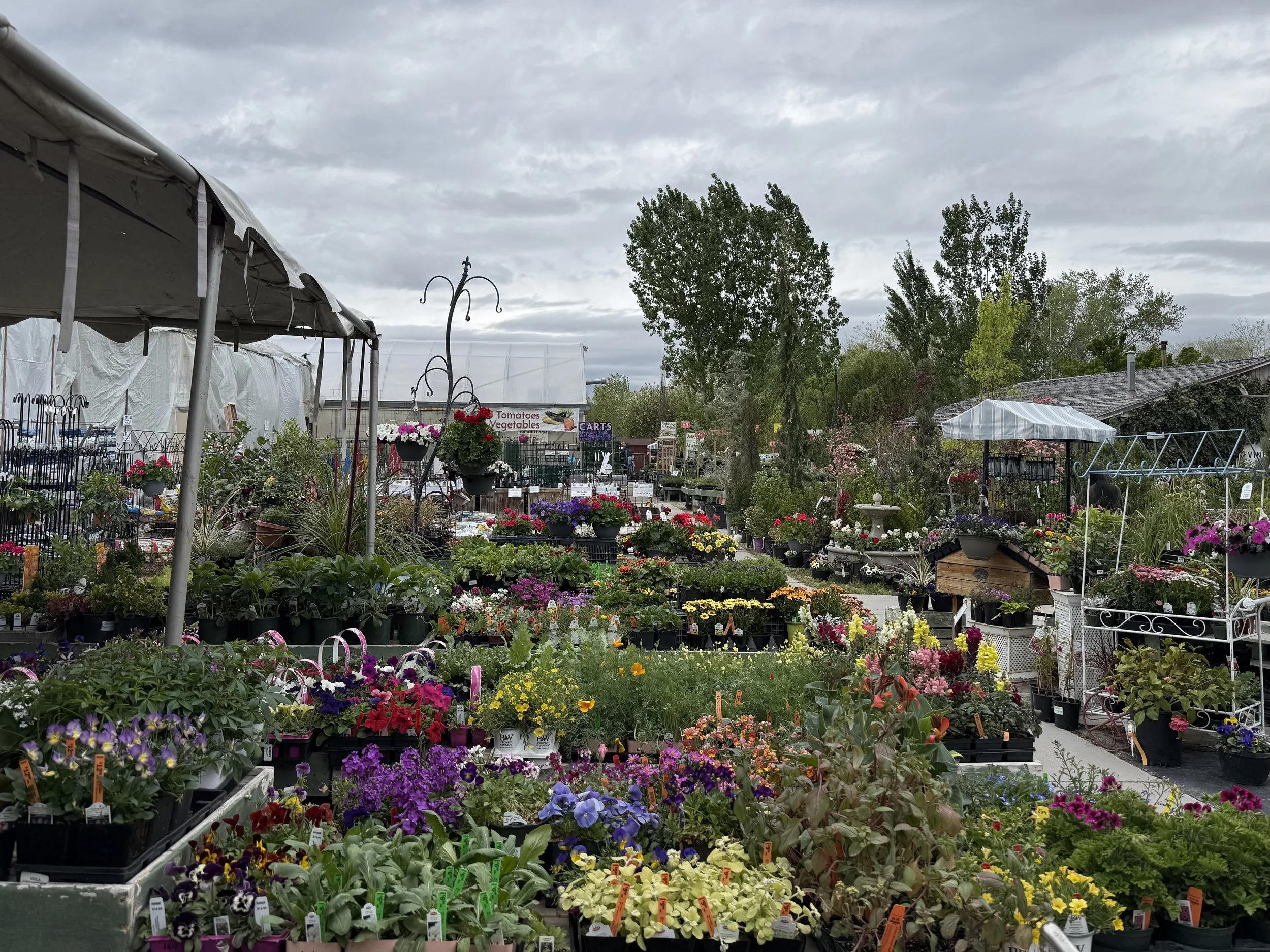
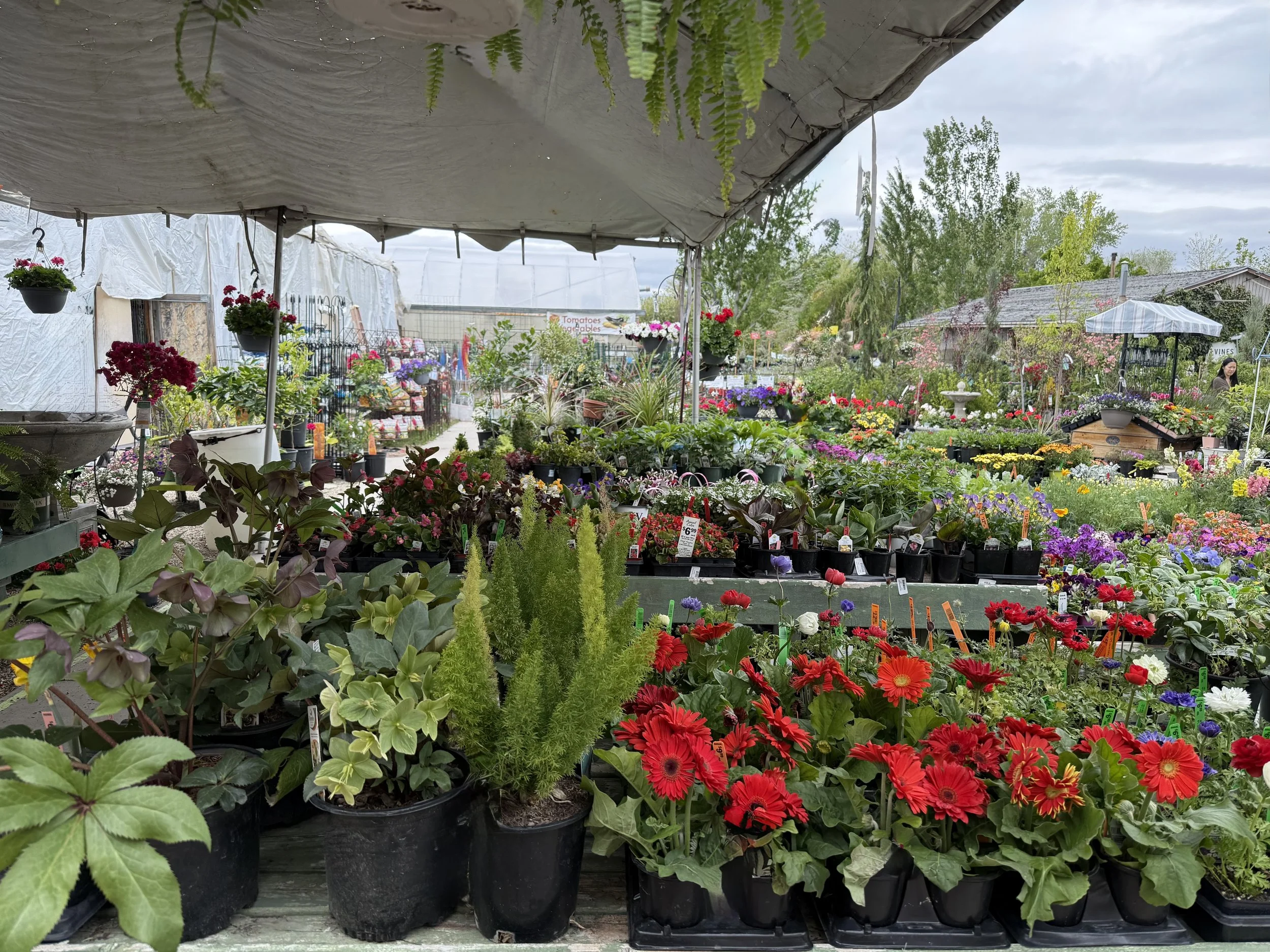
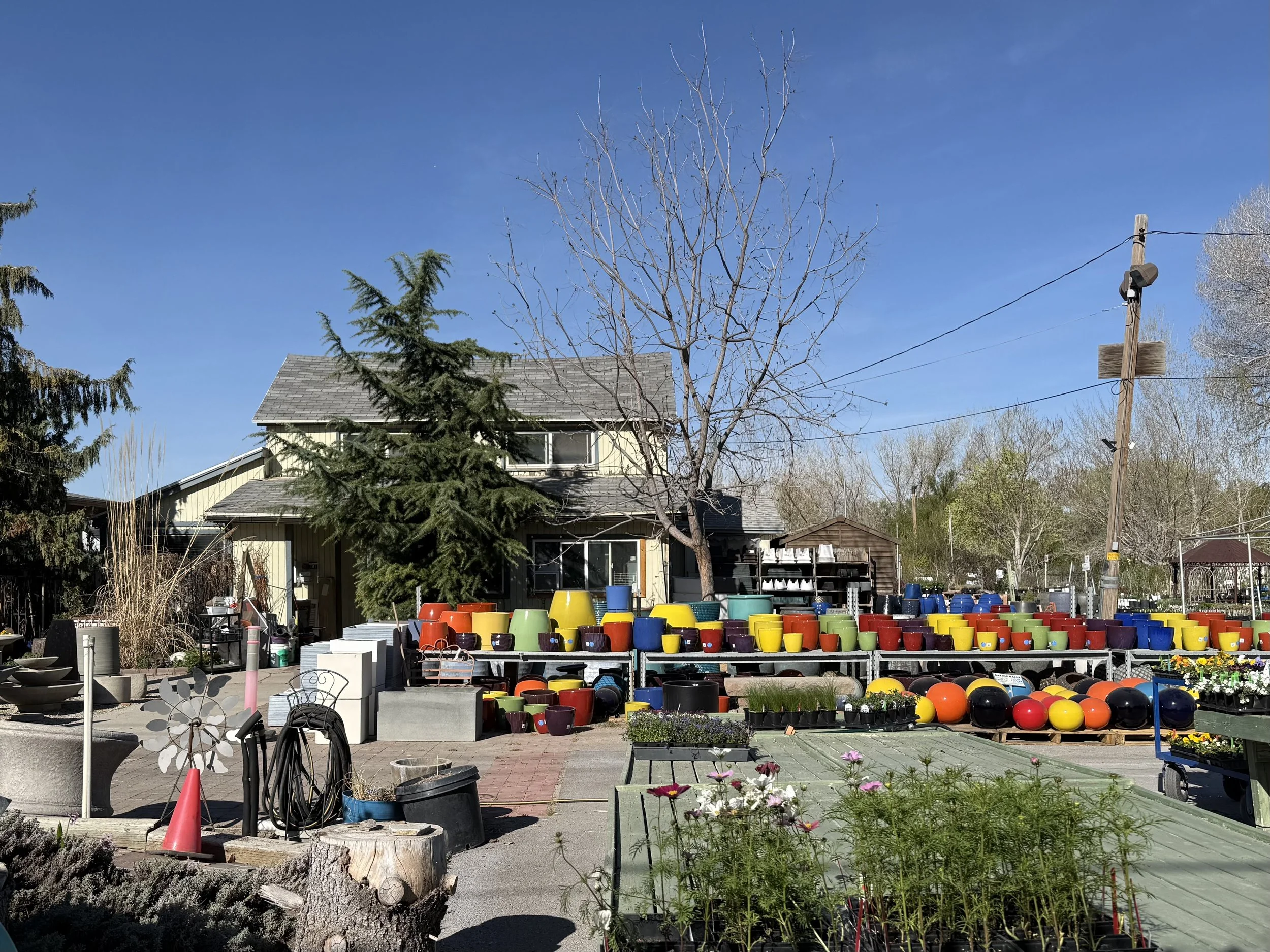
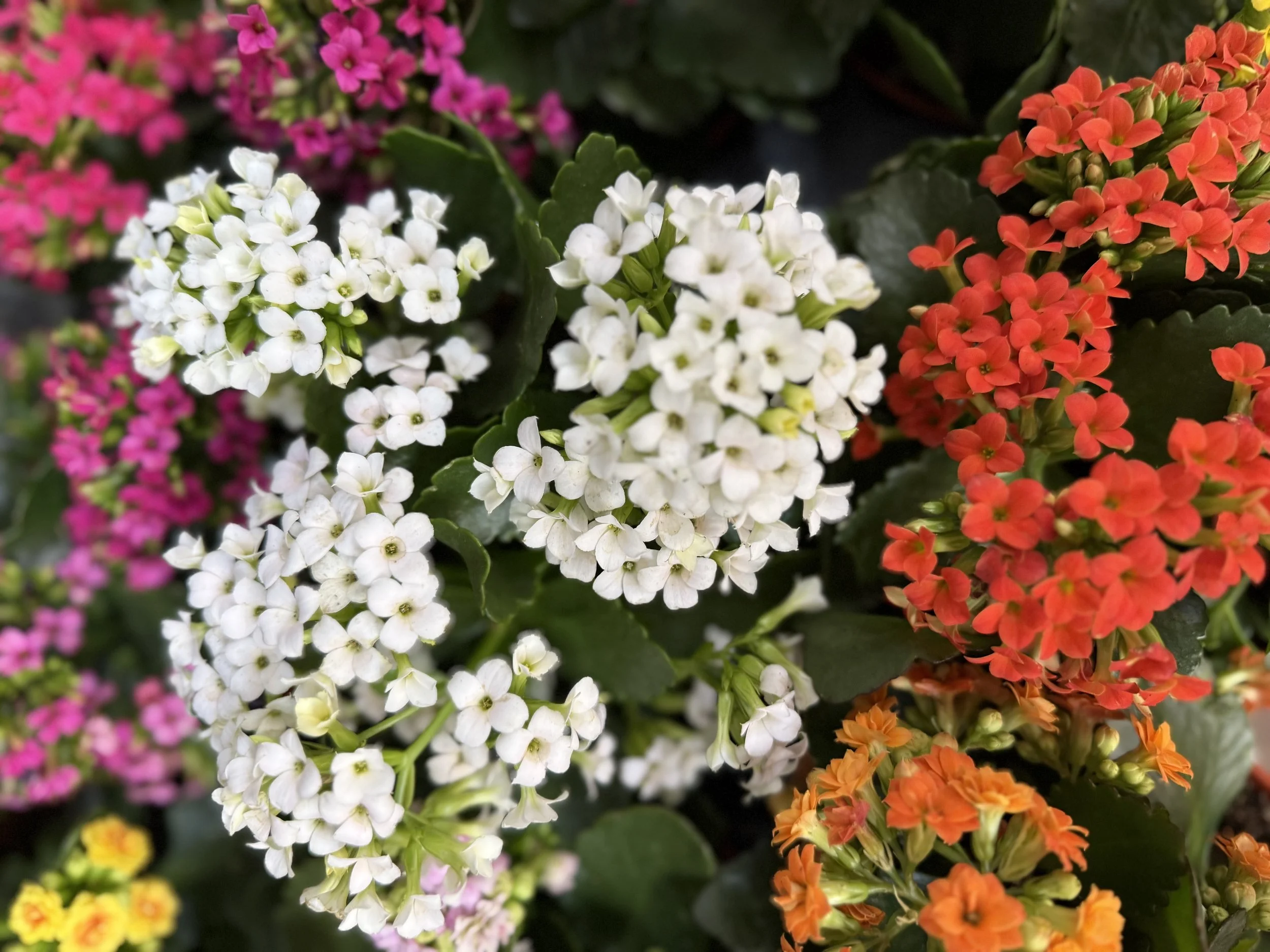
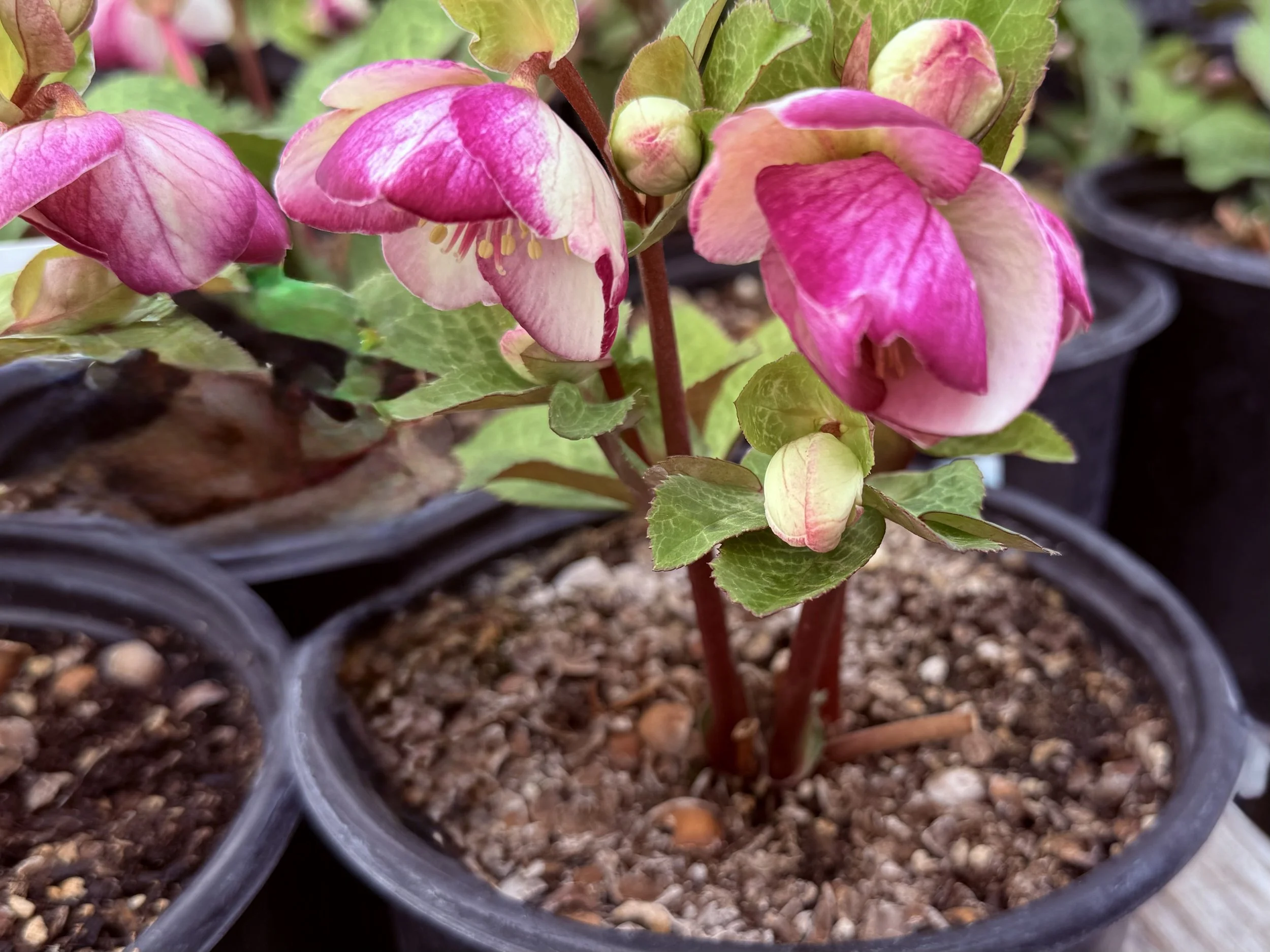
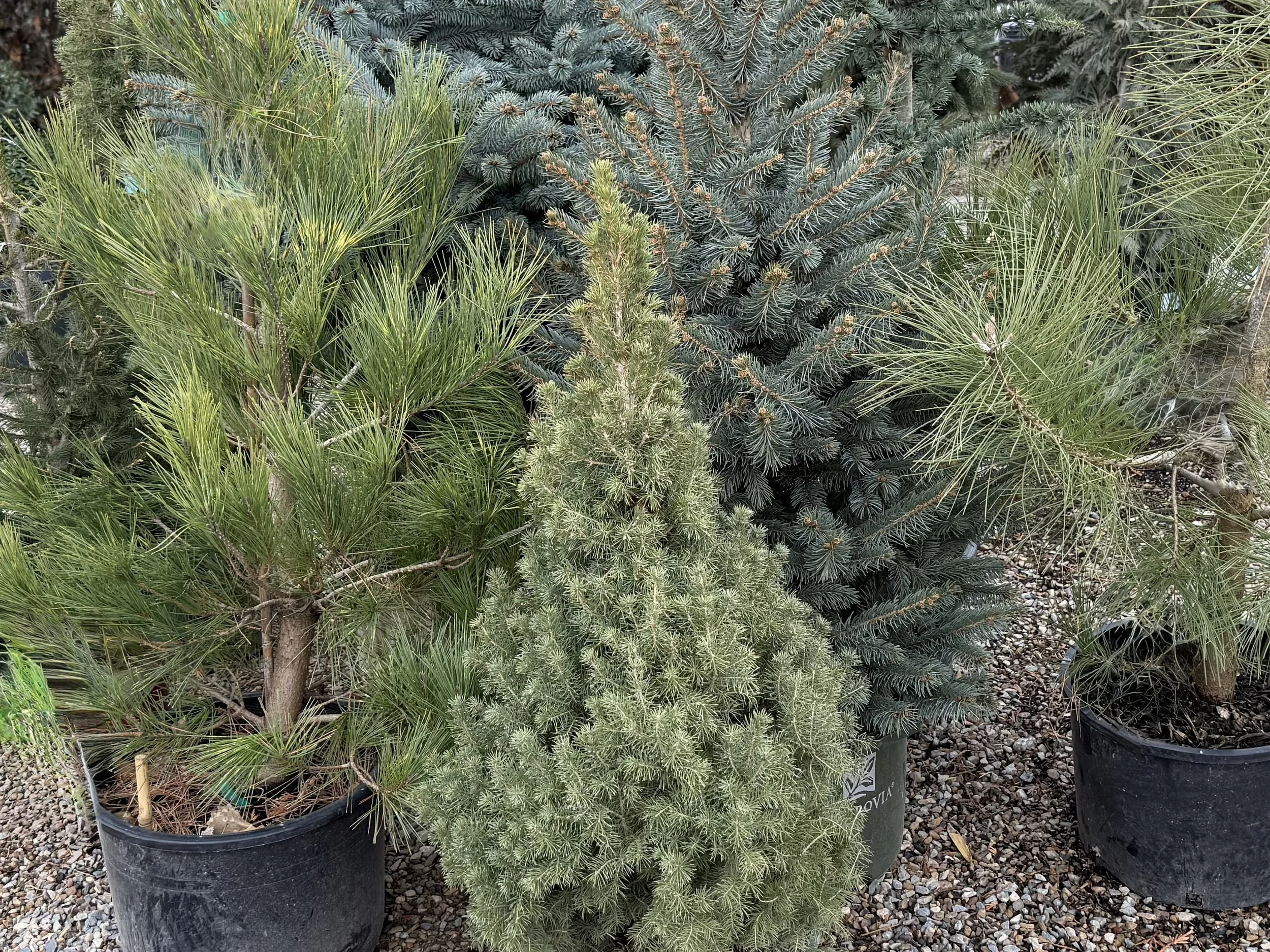
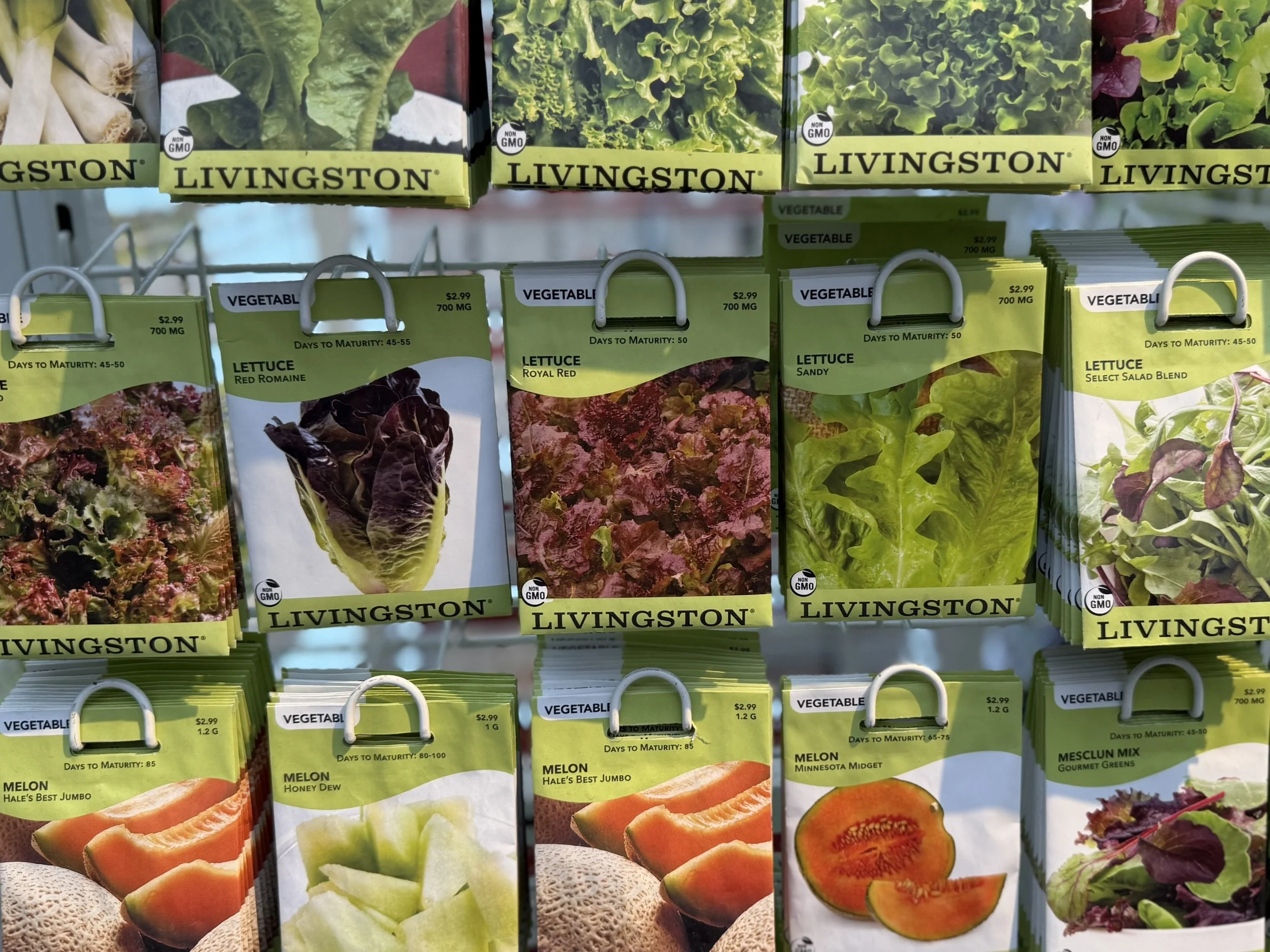
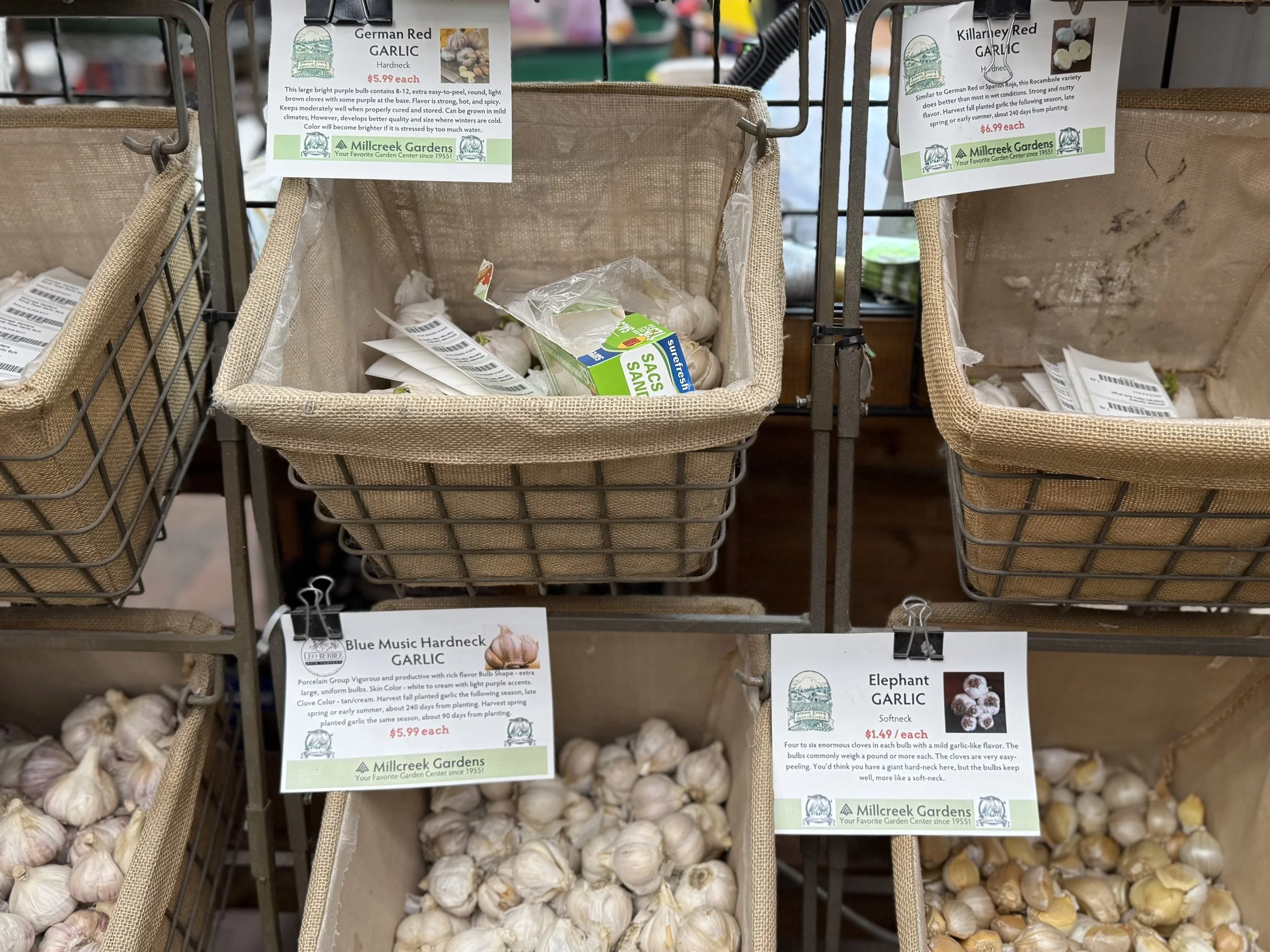
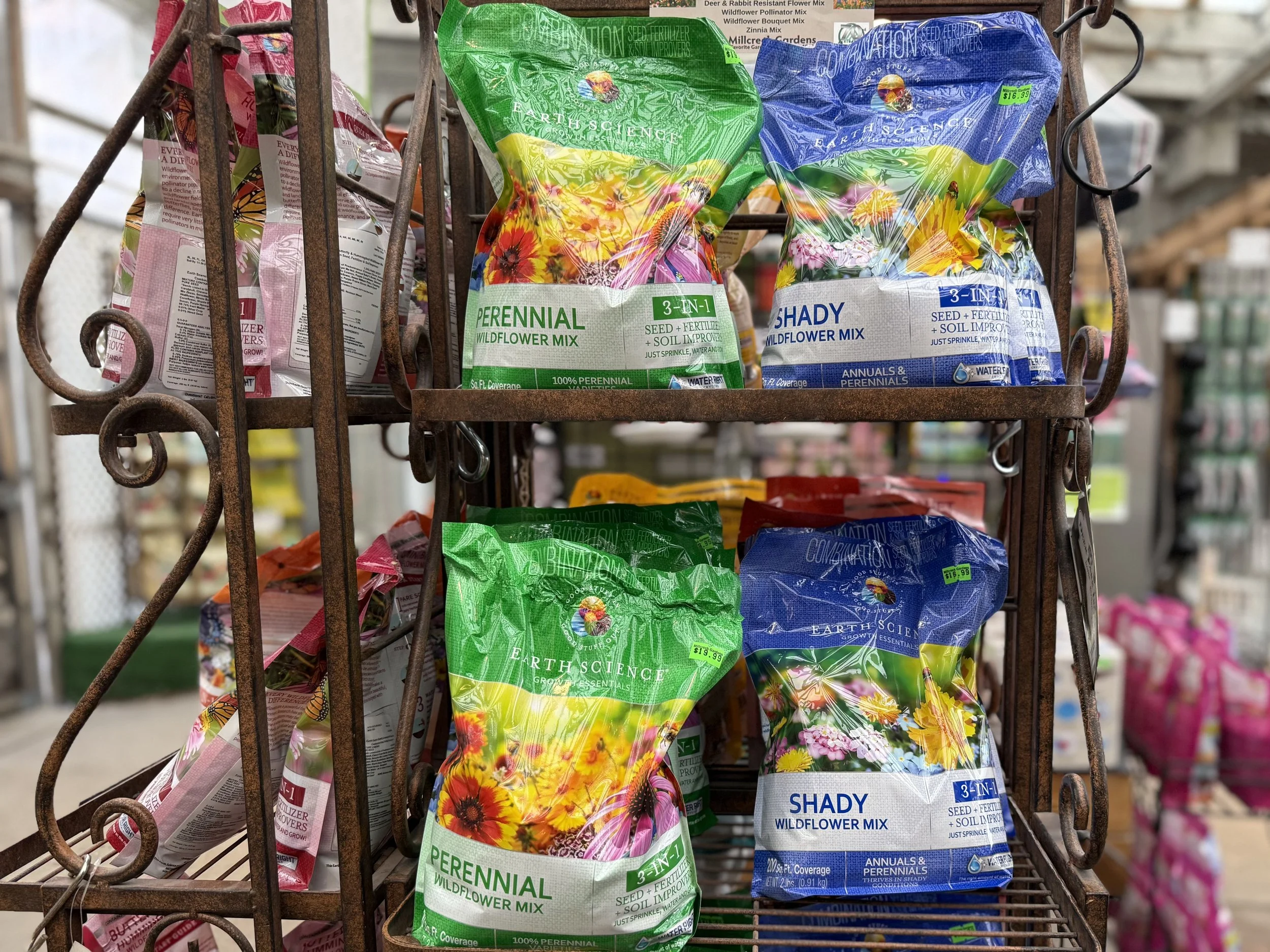
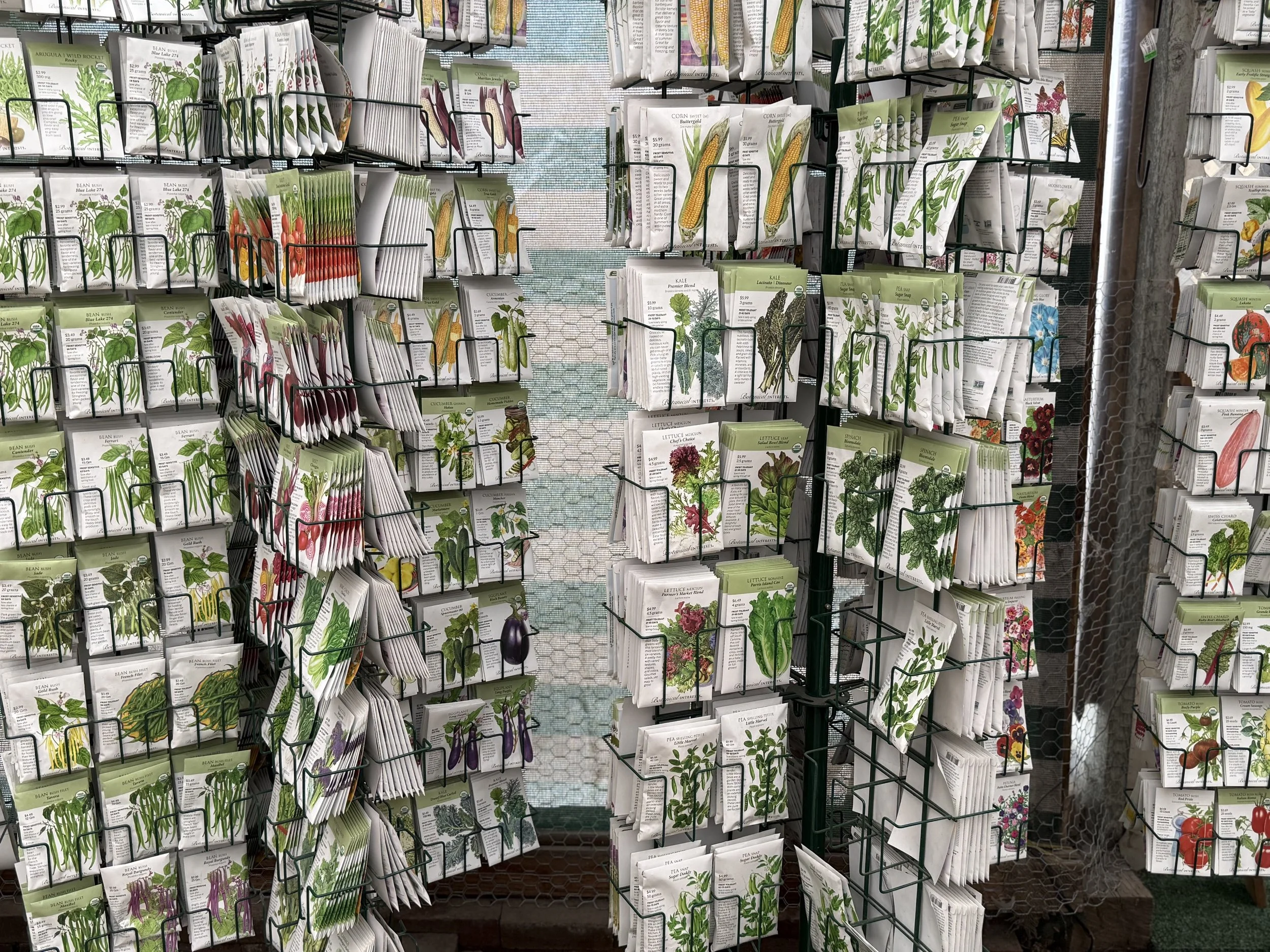
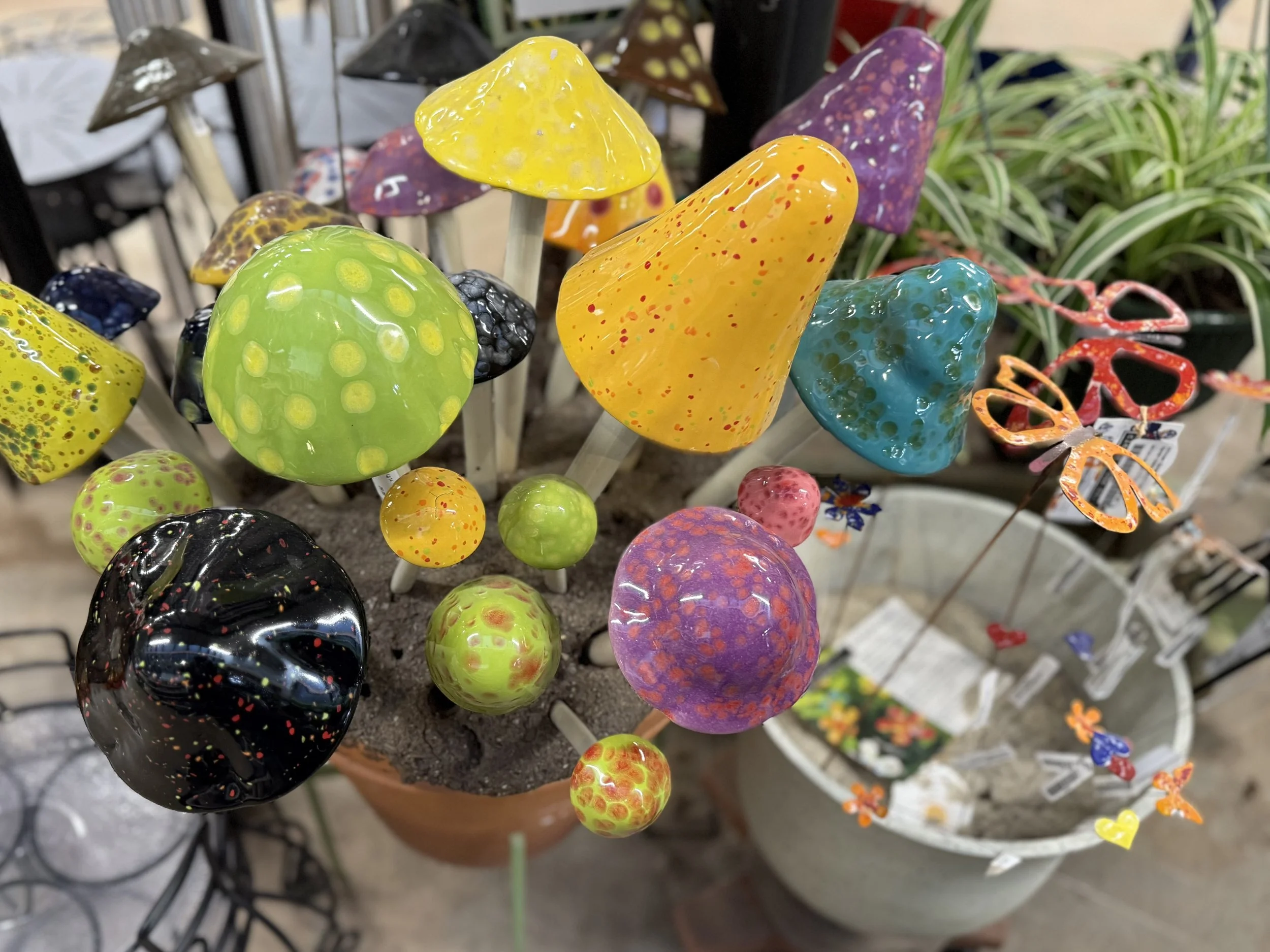
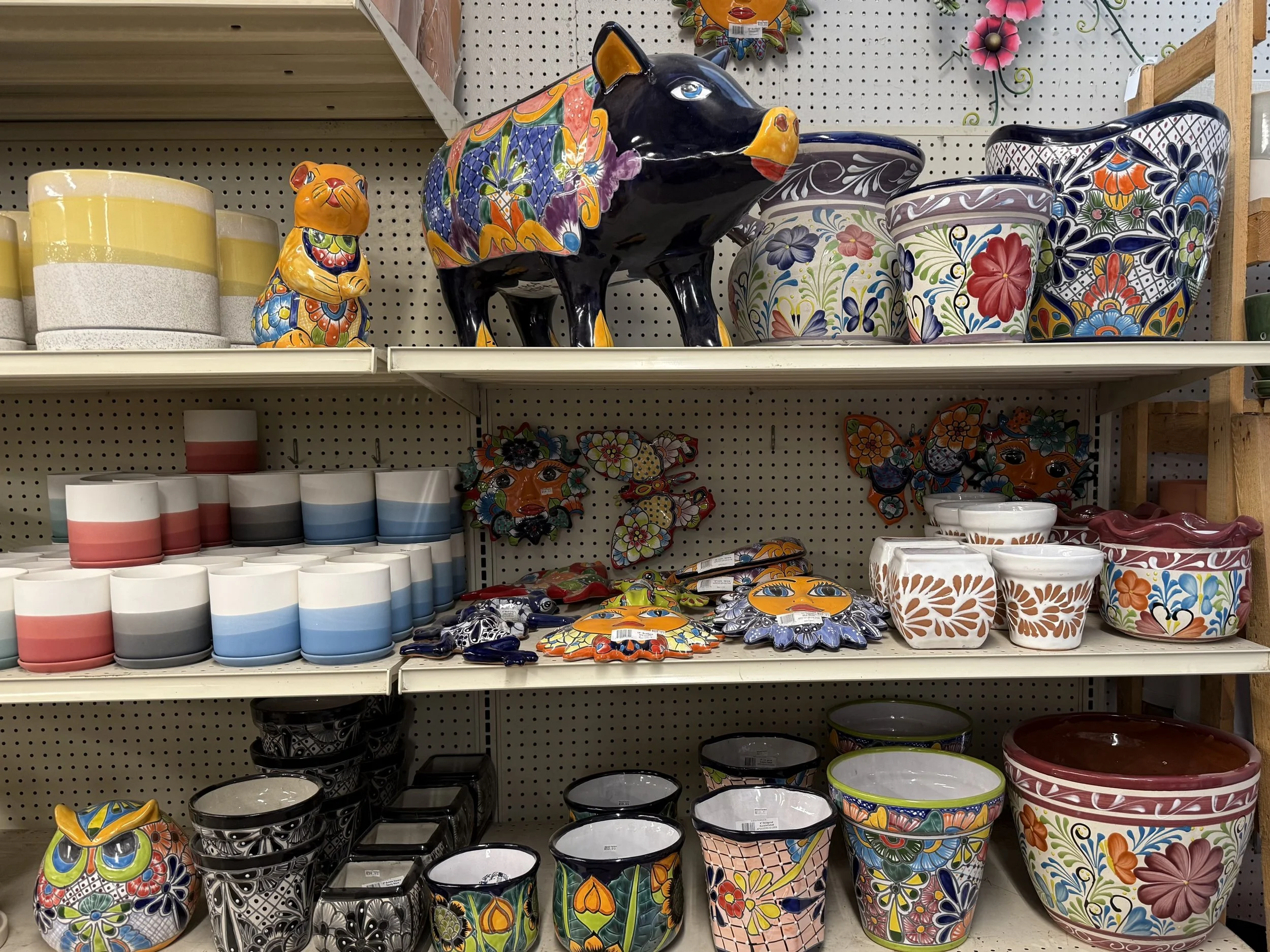
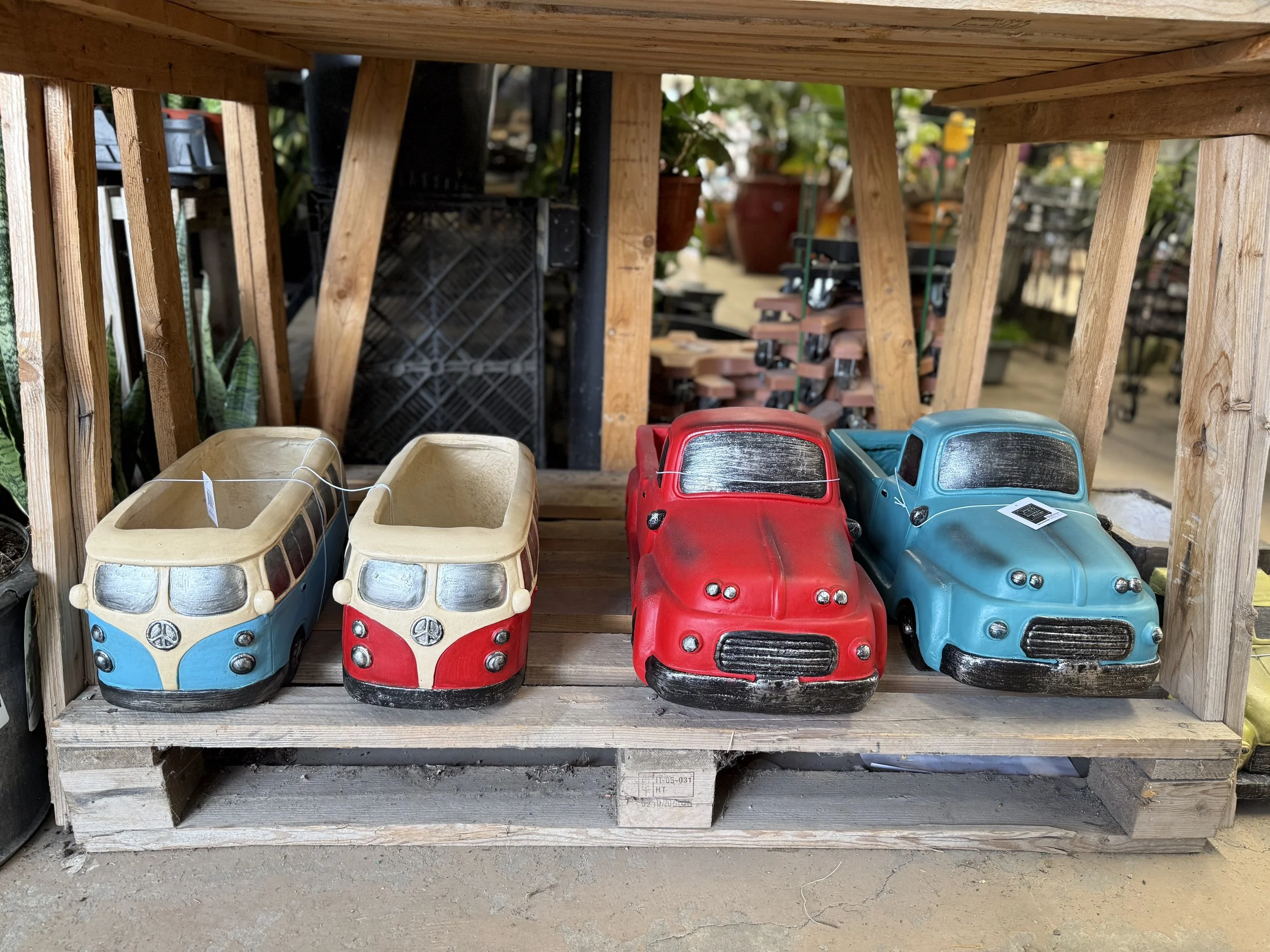
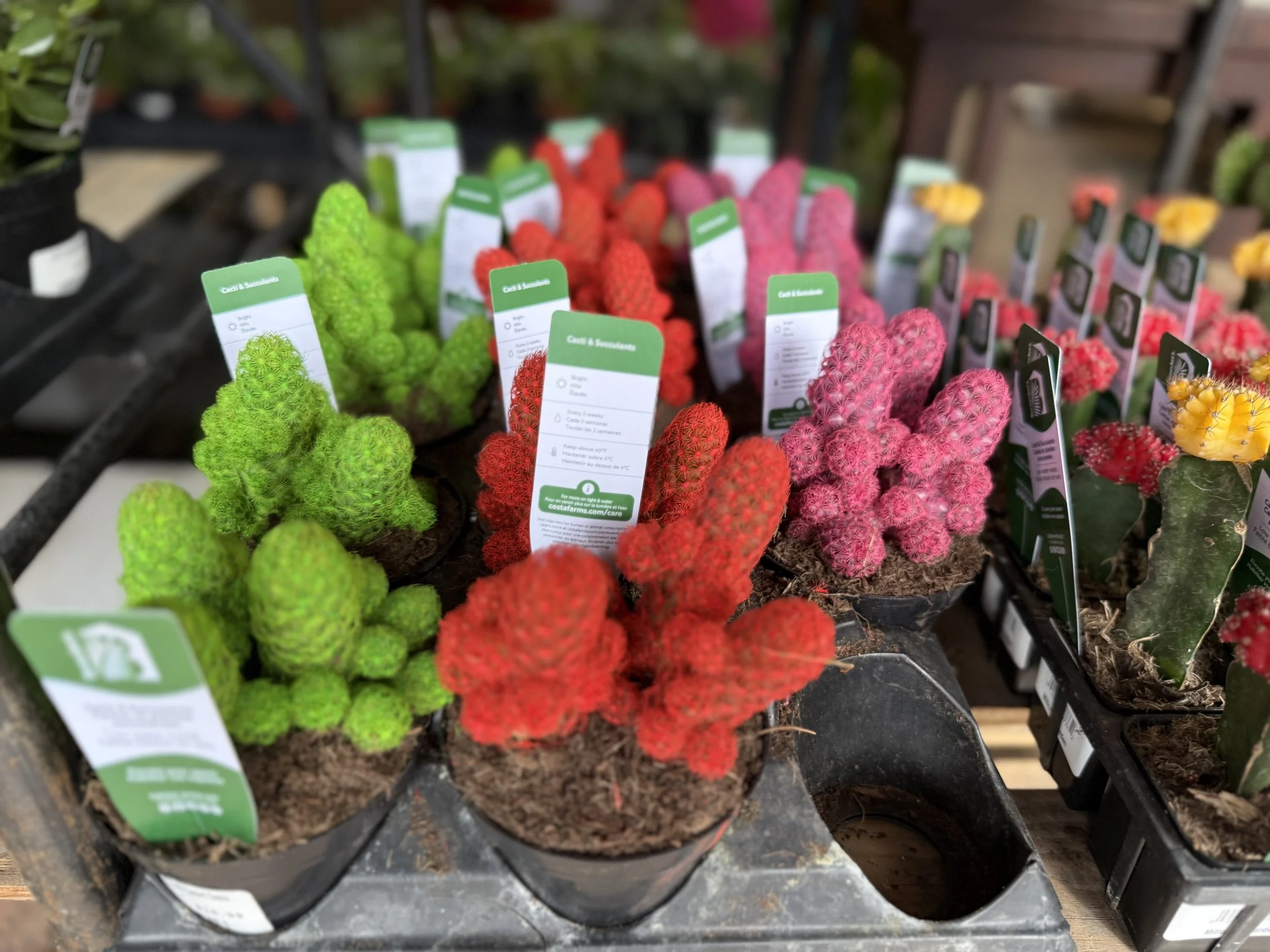
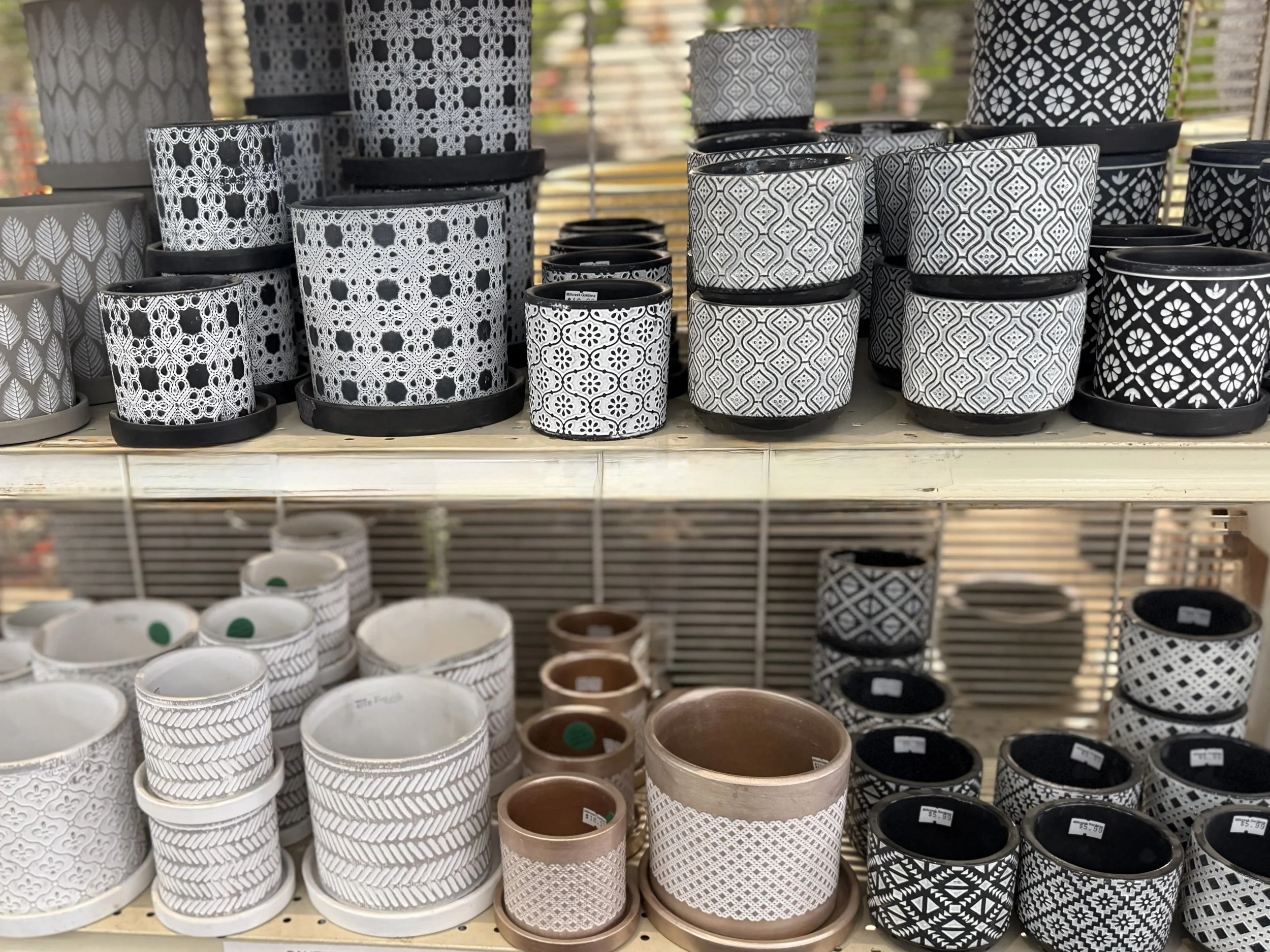
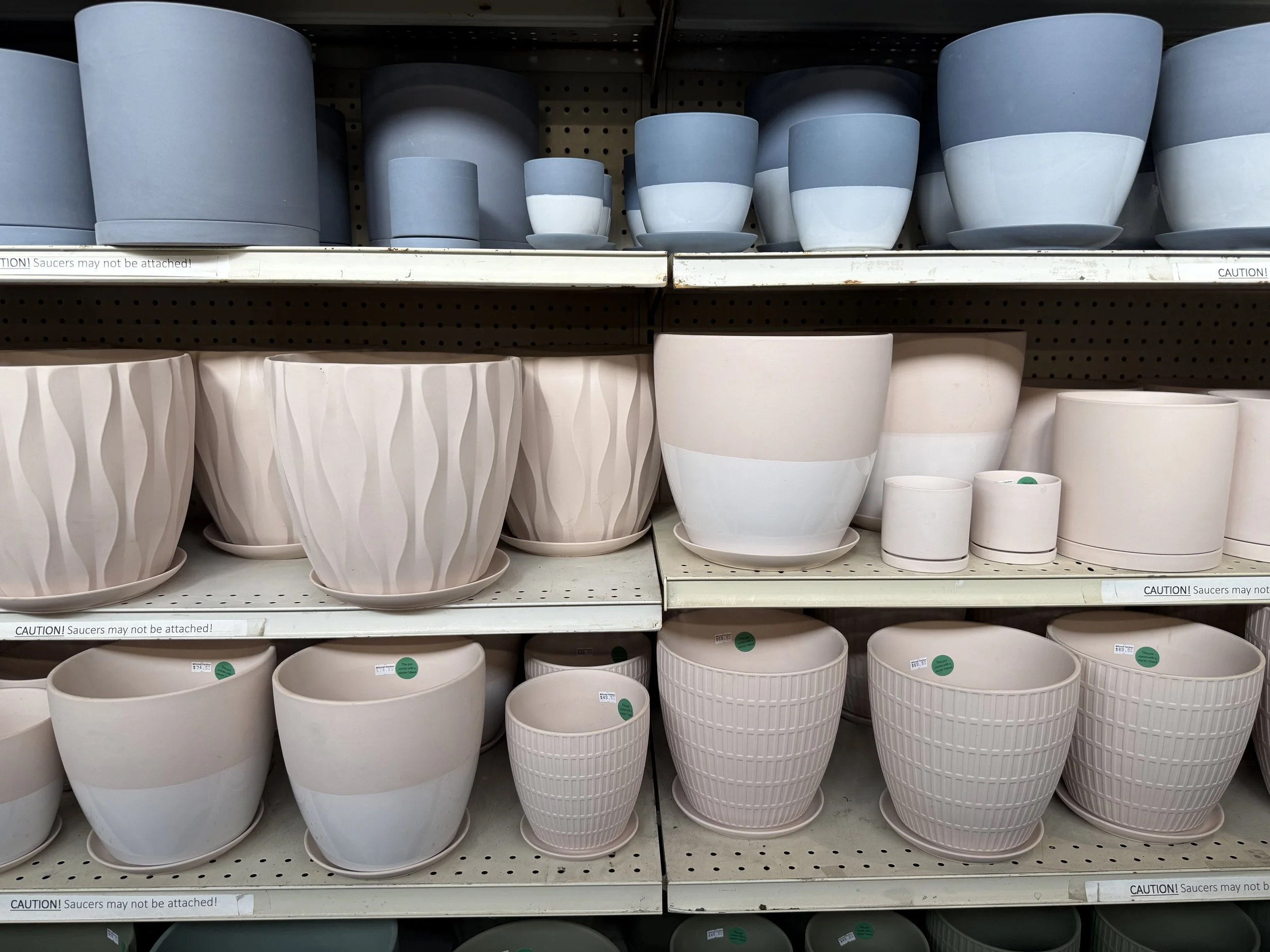
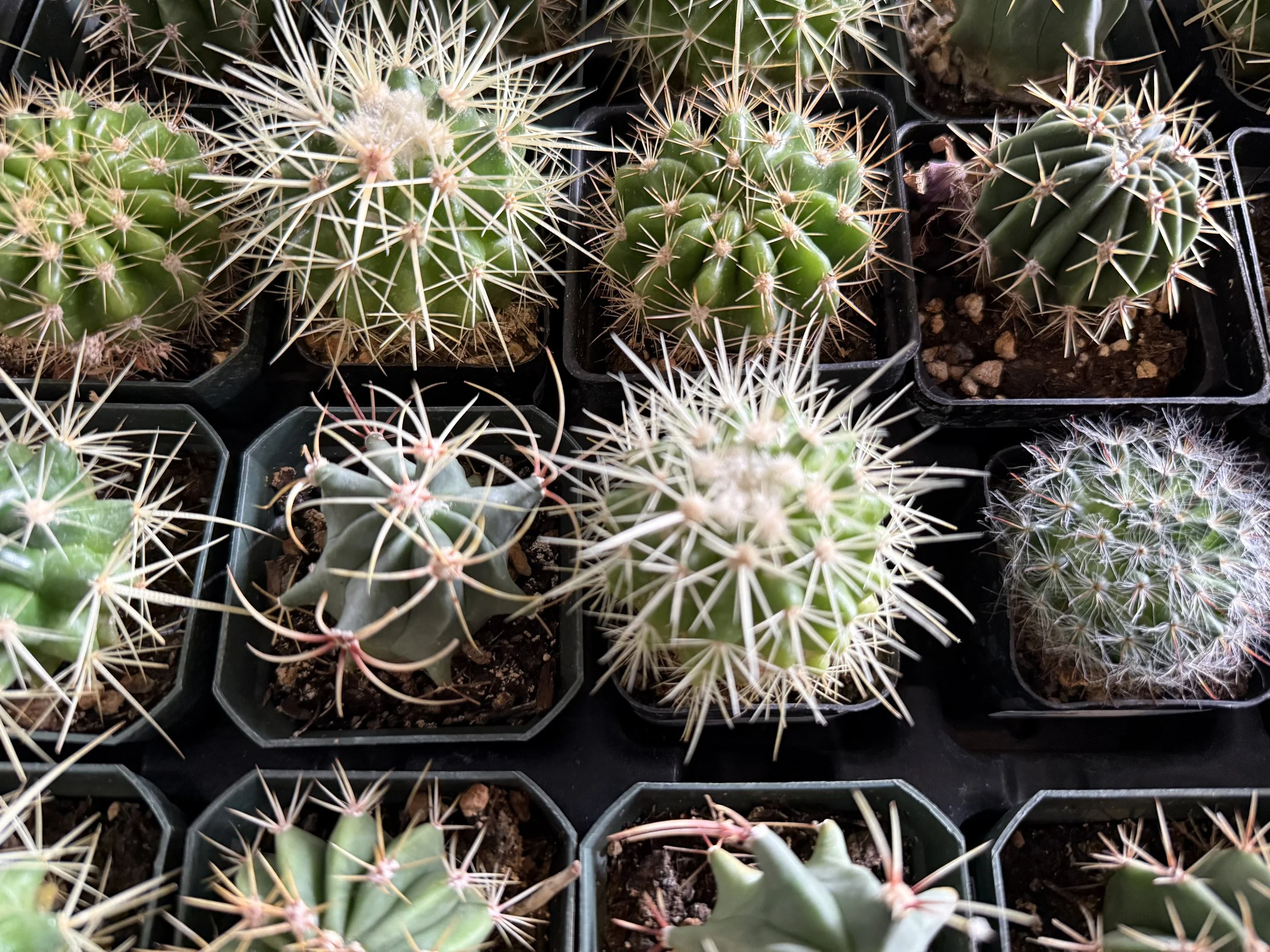
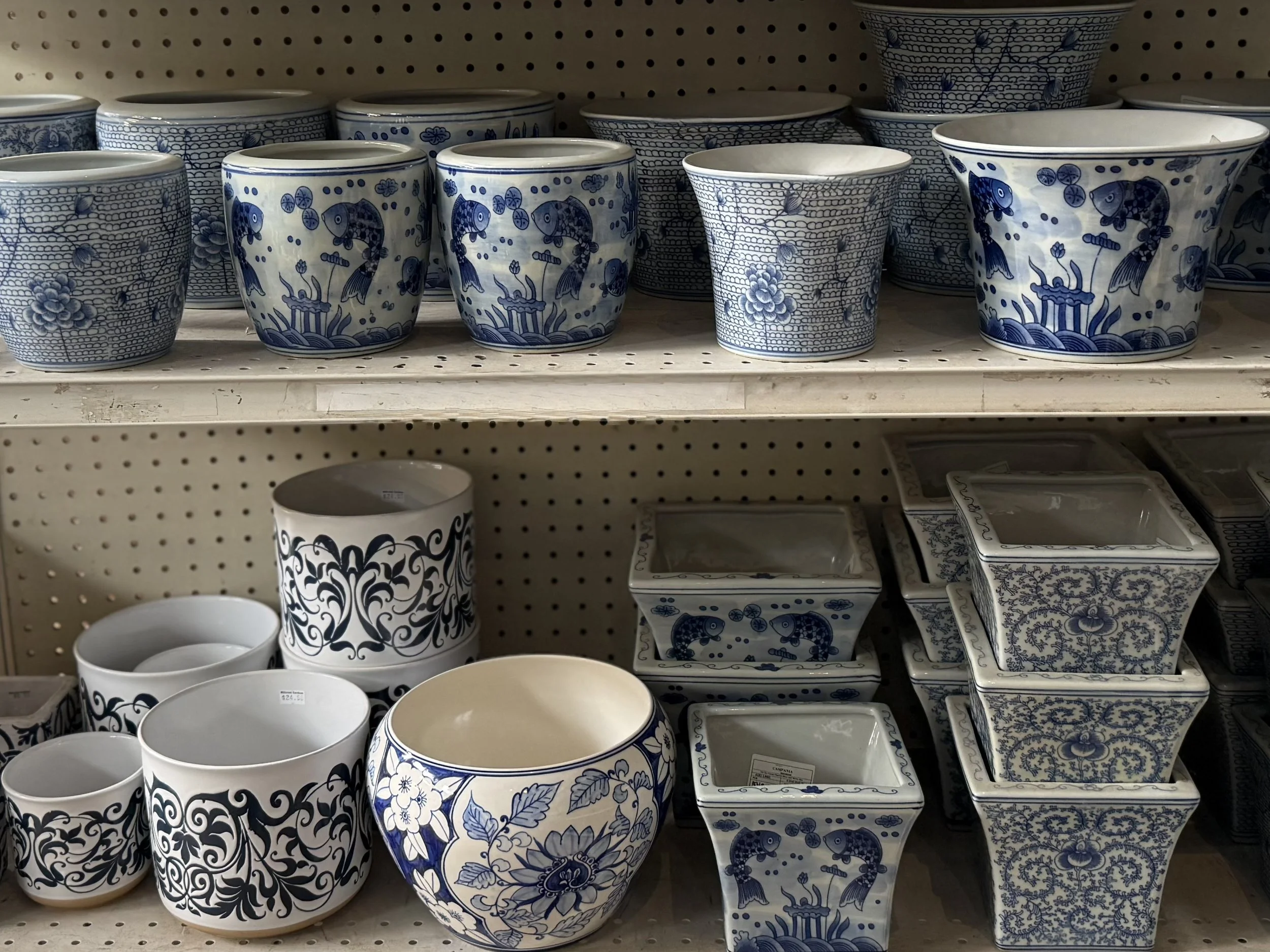
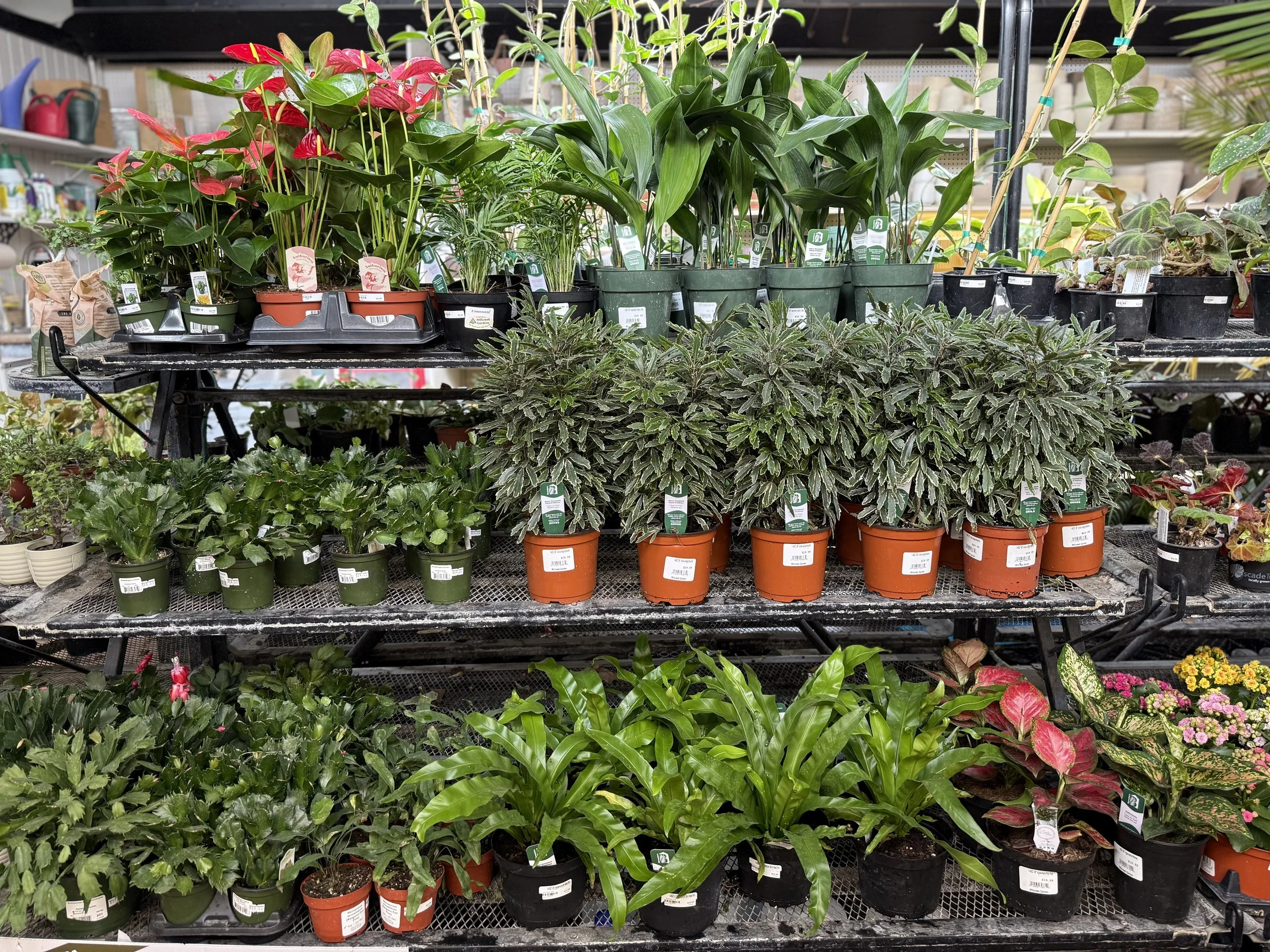
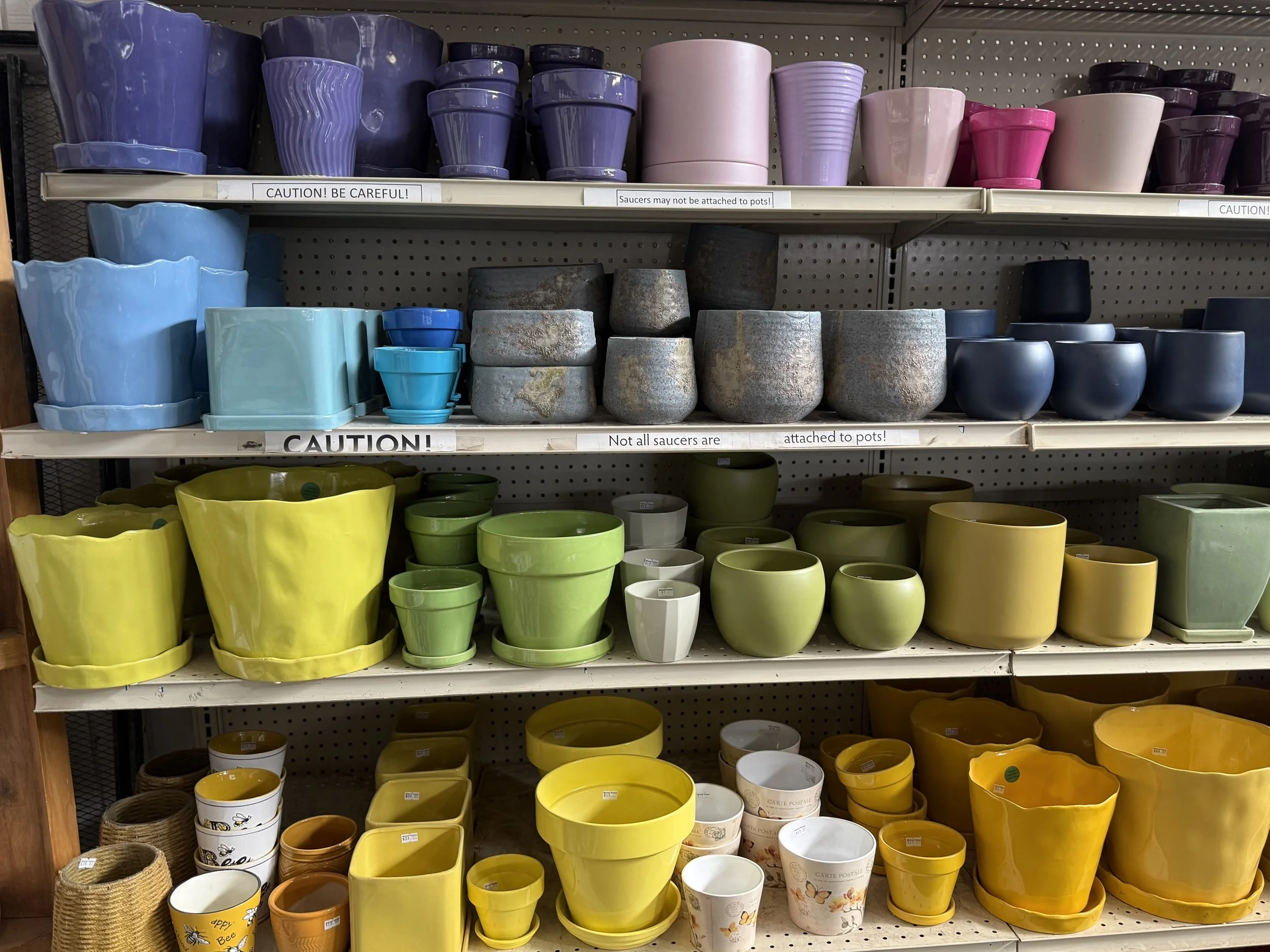
Today, the scale is part of the wonder. Millcreek Gardens spans nearly four acres. LaRene described it with the confidence of someone who knows every corner: annuals for beds, premium annuals for pots, sun and shade perennials, grasses, flowering shrubs, evergreen shrubs, small fruits and grapes in surprising variety, trees of all kinds, heirloom tomatoes - sometimes eighty to one hundred varieties in a season - vegetables, seeds in what they believe is one of the best selections in Utah, pottery, tools, soils, fertilizers, houseplants, cacti, water-wise plants, natives, tropicals, and the practical things gardeners need to succeed. There is a wish list program for special requests, and if something is hard to find, they hunt. If they do not have it, they will order it.
That abundance is not just inventory. It is also people. The business has close to thirty employees throughout the year - many more on a seasonal basis - with a mix of full-time and part-time staff, and the longevity is striking. One of the names that came up quickly was John, who started in 1985. He is part of what makes the place feel steady even when spring crowds surge and parking lots fill. LaRene spoke about hiring as something she still holds close. She wants to know who is working here, and she looks for skill, yes, but also heart.
“I am here because I am serving and I am sharing, I am educating, and I am giving others an opportunity to work.” LaRene spoke about responsibility and accountability, about seasons that once felt heavy, and about a shift that made it lighter by anchoring the work in service. Customers arrive with plant problems, life problems, grief, stress, and hope. In a space filled with growing things, people open up. LaRene described Millcreek Gardens as a safe environment where kindness is a priority, and where education is part of the service, even when a customer returns with a plant that did not make it. They want people to succeed. They want them to try again.
Heidi, the next generation stepping toward leadership, embodies a different but connected kind of devotion. She grew up here too - riding bikes over after school, playing on Sundays when the store was closed, and treating the property as both a playground and a second home. She and her siblings had their own traditions, including a long-running arrangement with Iceberg where they charged ice cream to the Millcreek account and quietly ignored the receipt rule until the total caught up with them.
Heidi graduated high school in 2011 and carried her curiosity into everything she did. She read endlessly. She was the kind of kid who stayed up until two in the morning with a book. She explored classes and interests rather than a single straight path - graphic design, pottery, choir, business programs, and later, at Westminster College, international business and Japanese. That language became more than a hobby when she served a mission in Japan, where she loved the food, the gardens, and the everyday conversations that came from noticing what people grew. She transferred to BYU afterward, tried accounting, and ultimately landed in statistics, a choice that surprised even her, given her devotion to books, but fit the way her mind works. She graduated in 2020, then worked for a bank, remotely, processing loans.
The bank was stable, but lonely. The isolation gave her time to ask the question that changes lives - what do I actually want? Gardening had always made her happy, even in apartments and college patios. She grew peppers and tomatoes, tended planters that thrived, and realized she missed the living world. On January 1, 2022, she returned to Millcreek Gardens, stepping into work that felt both familiar and new. Today, in 2026, Heidi runs the front end - registers, flow, scanning, receiving - and also helps with marketing and vision. She spoke openly about how hard her mother worked, and how LaRene never tried to force any of her children into the business.
Chris, “the baby” of the family, took a longer path back. He admitted he did not want to work here at first. When he turned eighteen, he went elsewhere - summer sales with Vivint in Arizona, then solar installation beginning in 2017, followed by attempts at sales, Uber driving, and the stalled feeling of applications going nowhere. Then, in early 2019, he made a decision that was less about surrender and more about maturity. “I decided to come back to Millcreek Gardens and just change my attitude on this whole place.”
Today, Chris handles the work that makes a four-acre property function - maintenance, security, storage organization, technical systems, checkout infrastructure, the problems nobody sees until they become problems. Heidi described their partnership in practical terms. She is more focused on plants and operations, and wants his help keeping the physical place sound - potholes, fences, organization, and the technological improvements that Chris is already imagining.
When asked what they love most, the answers circled back to the same core. Heidi spoke about gardening as her happy place - grounding, connecting people to the earth, and bringing joy. Chris spoke about bringing technology into a garden center and being at the forefront of how the industry can operate. LaRene spoke about the moment of seeing a plant grow, then watching someone choose it, carry it out the door, and take that life home. “Connecting people and plants and doing it in the funnest way possible.”