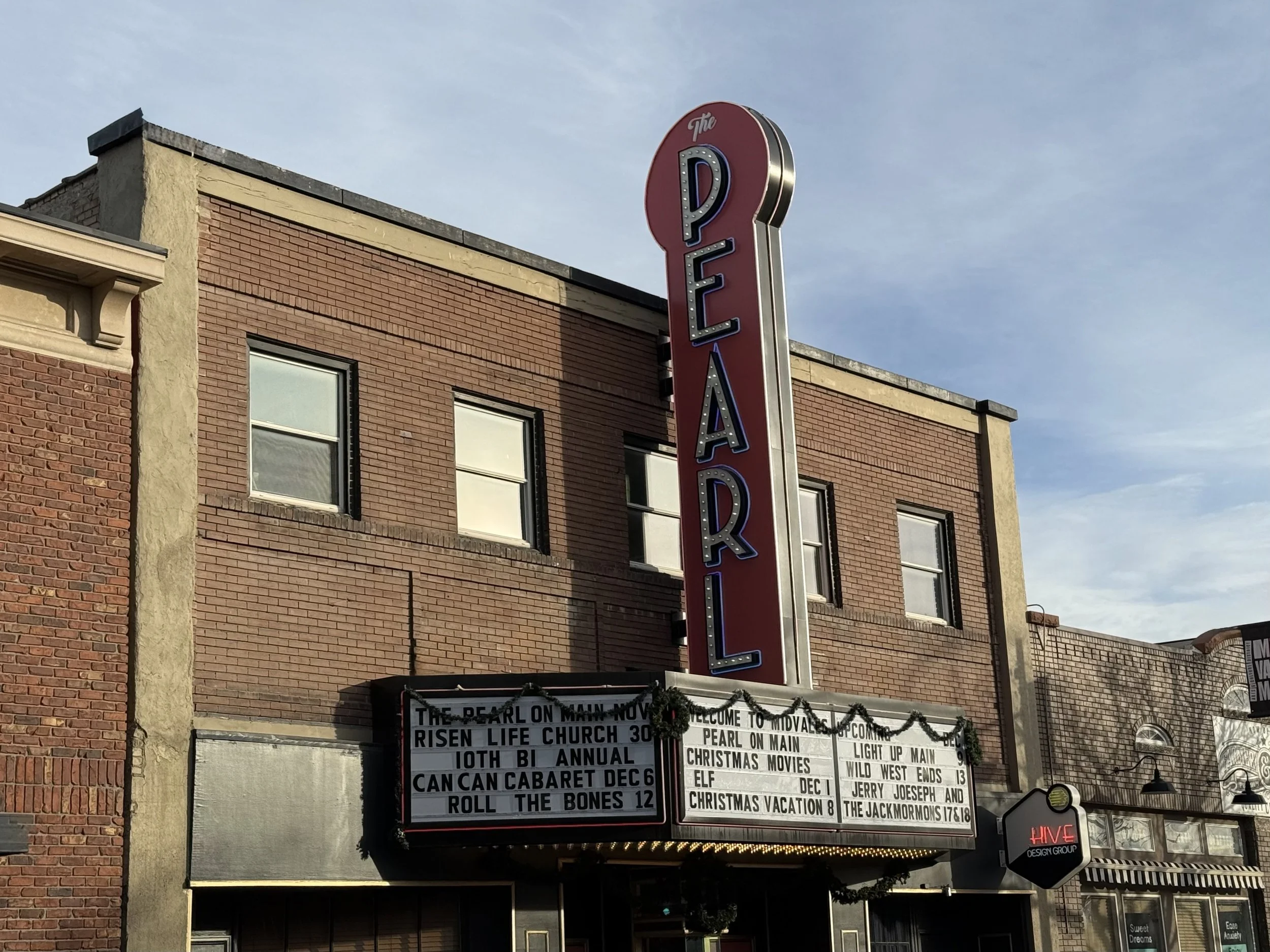
The Pearl on Main
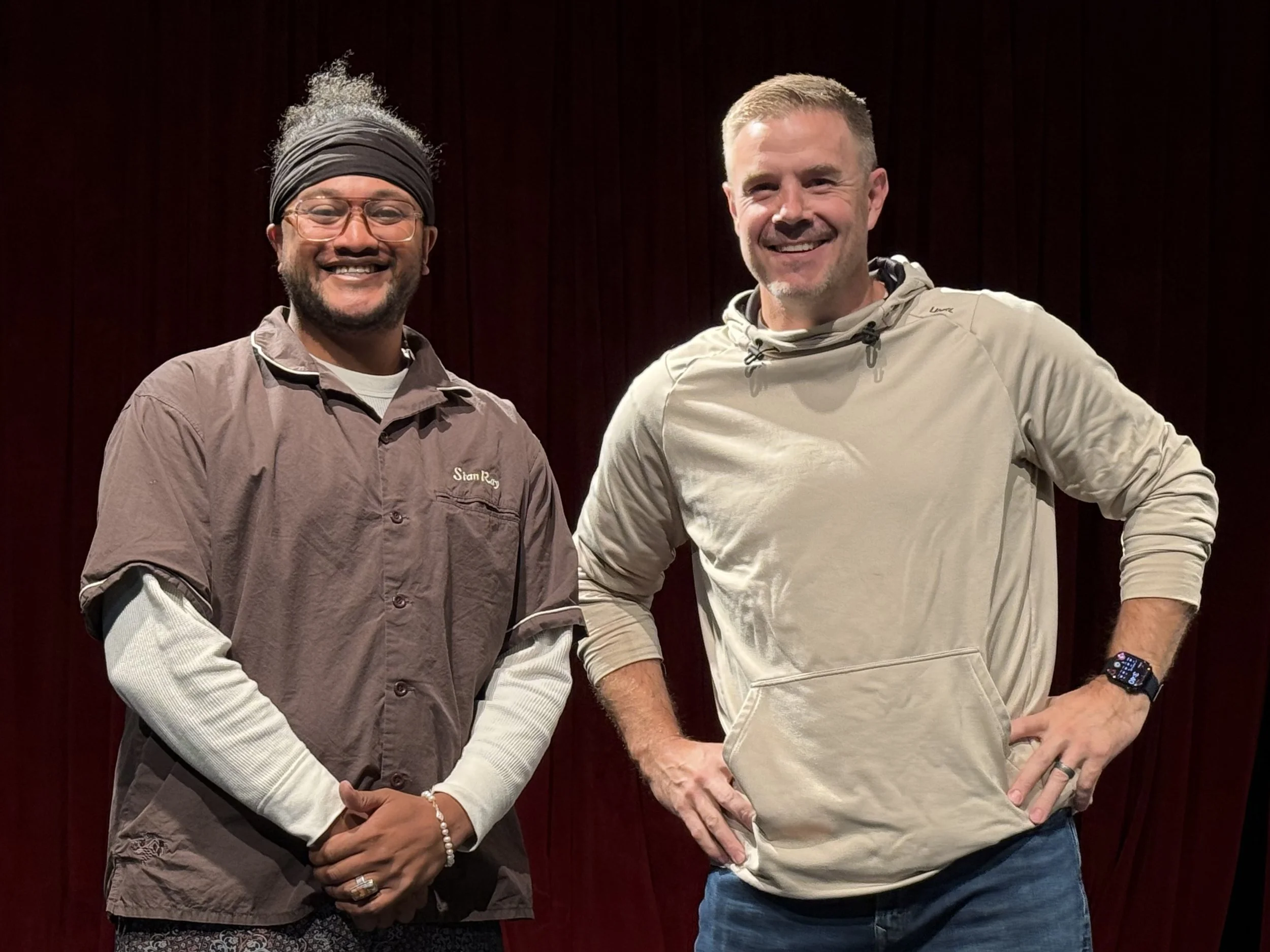
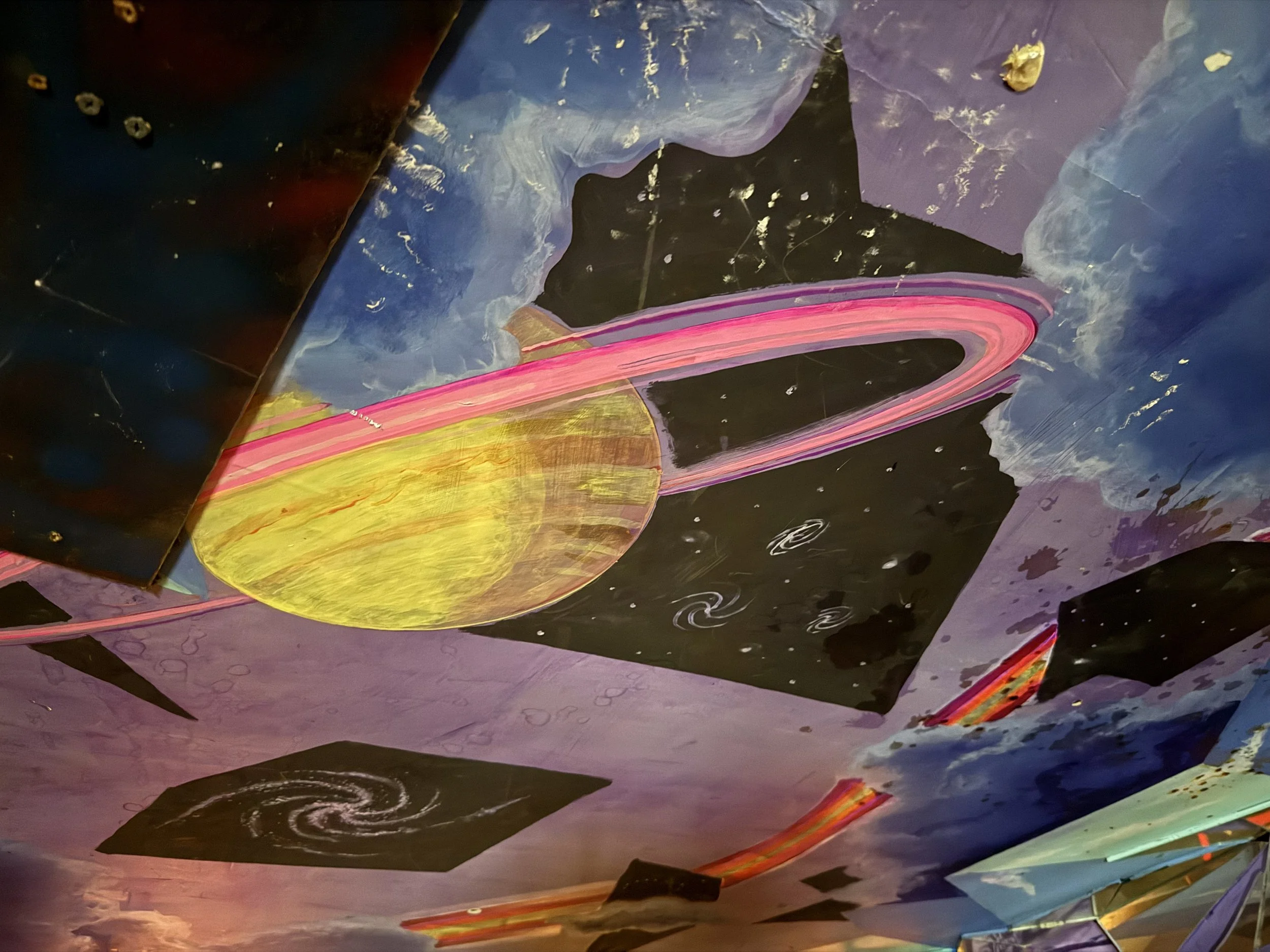
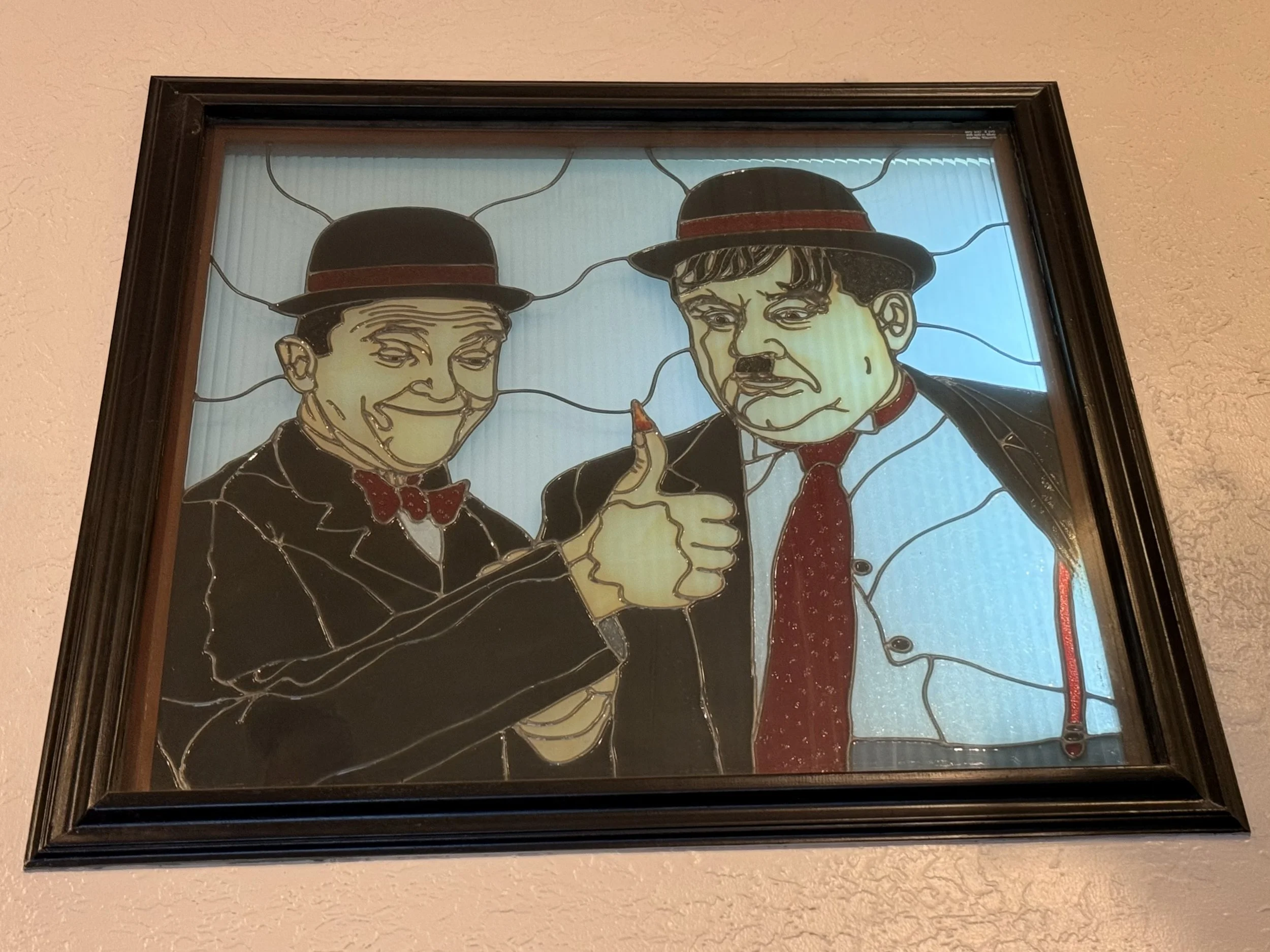
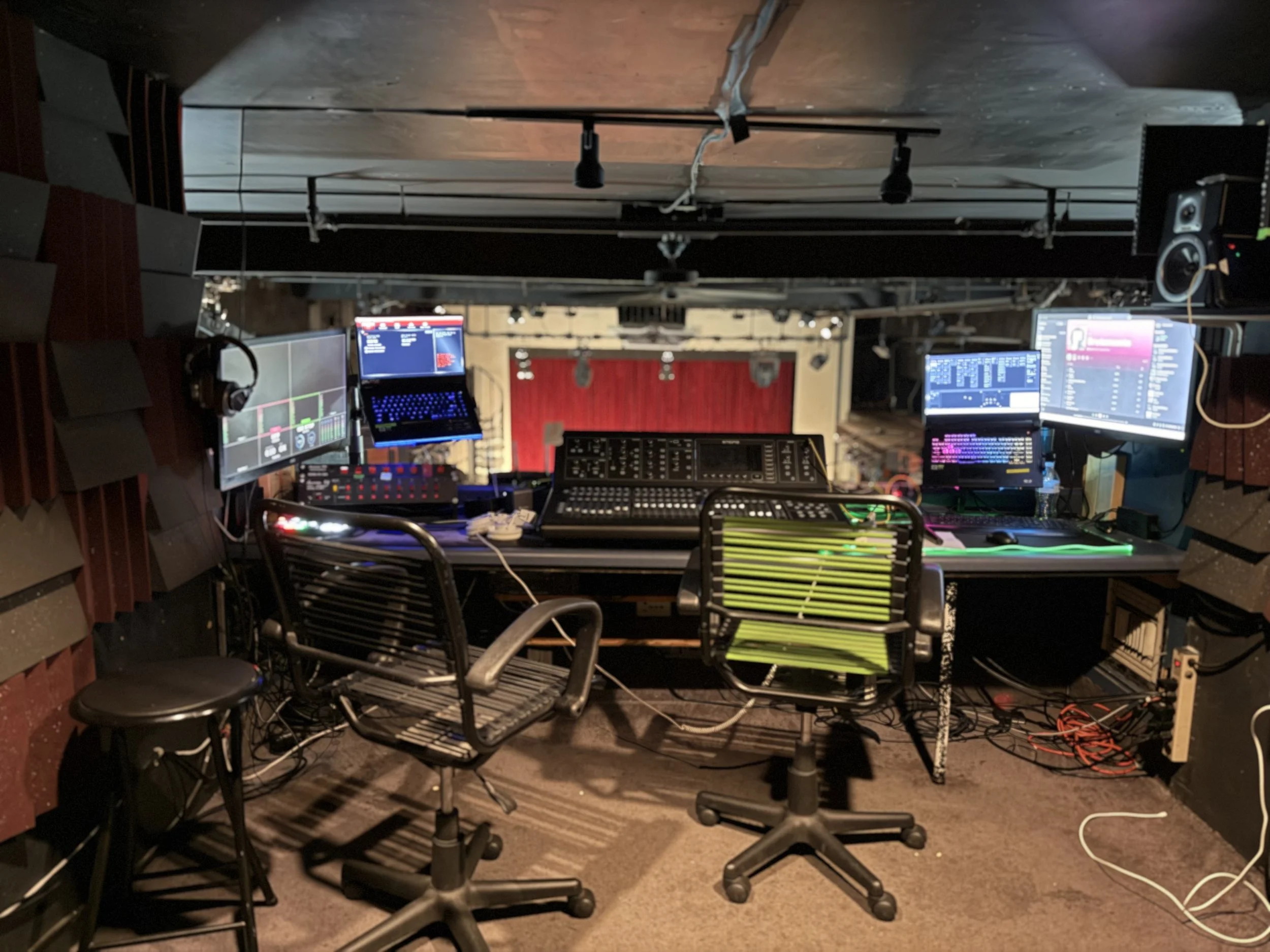
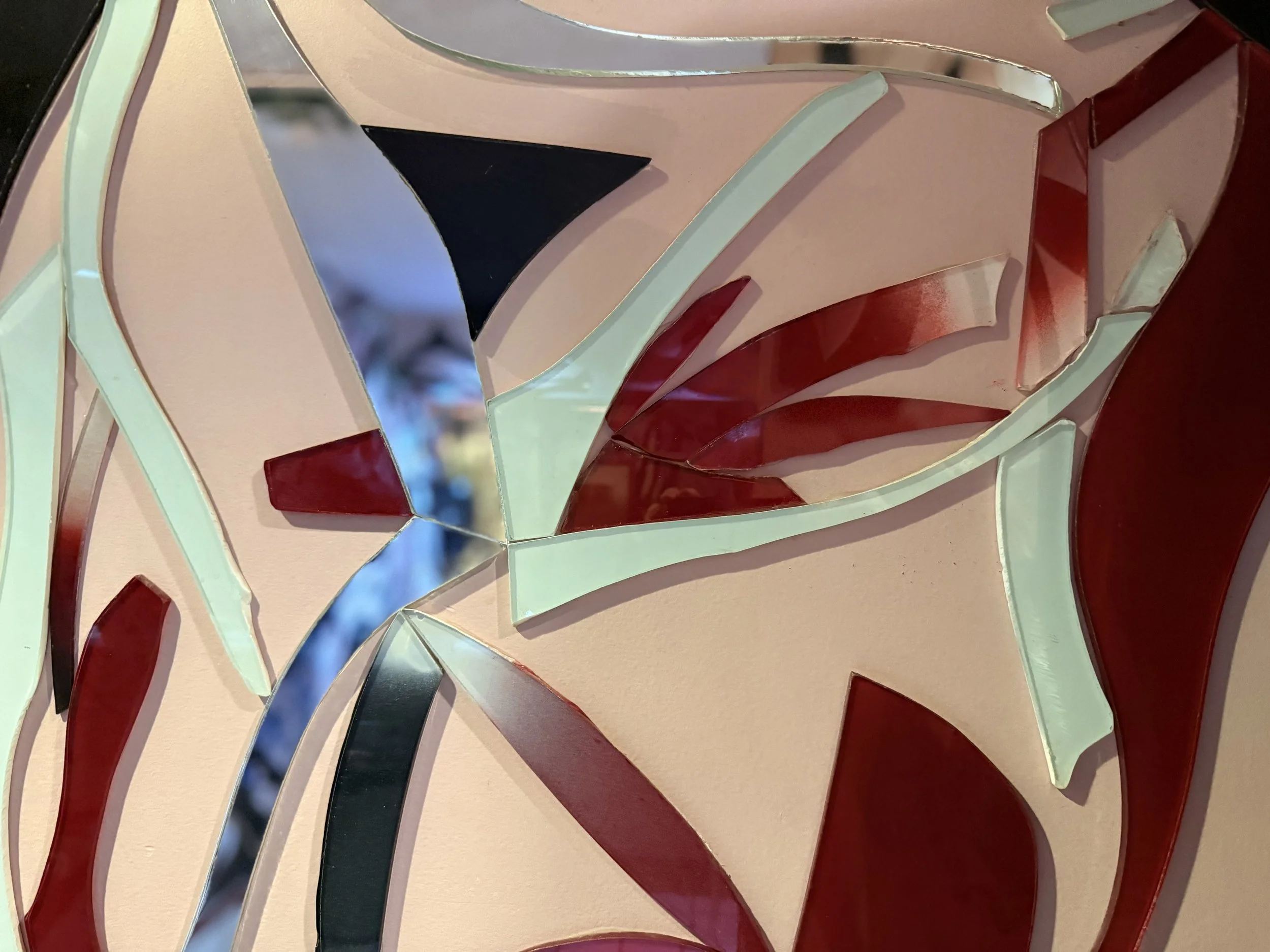
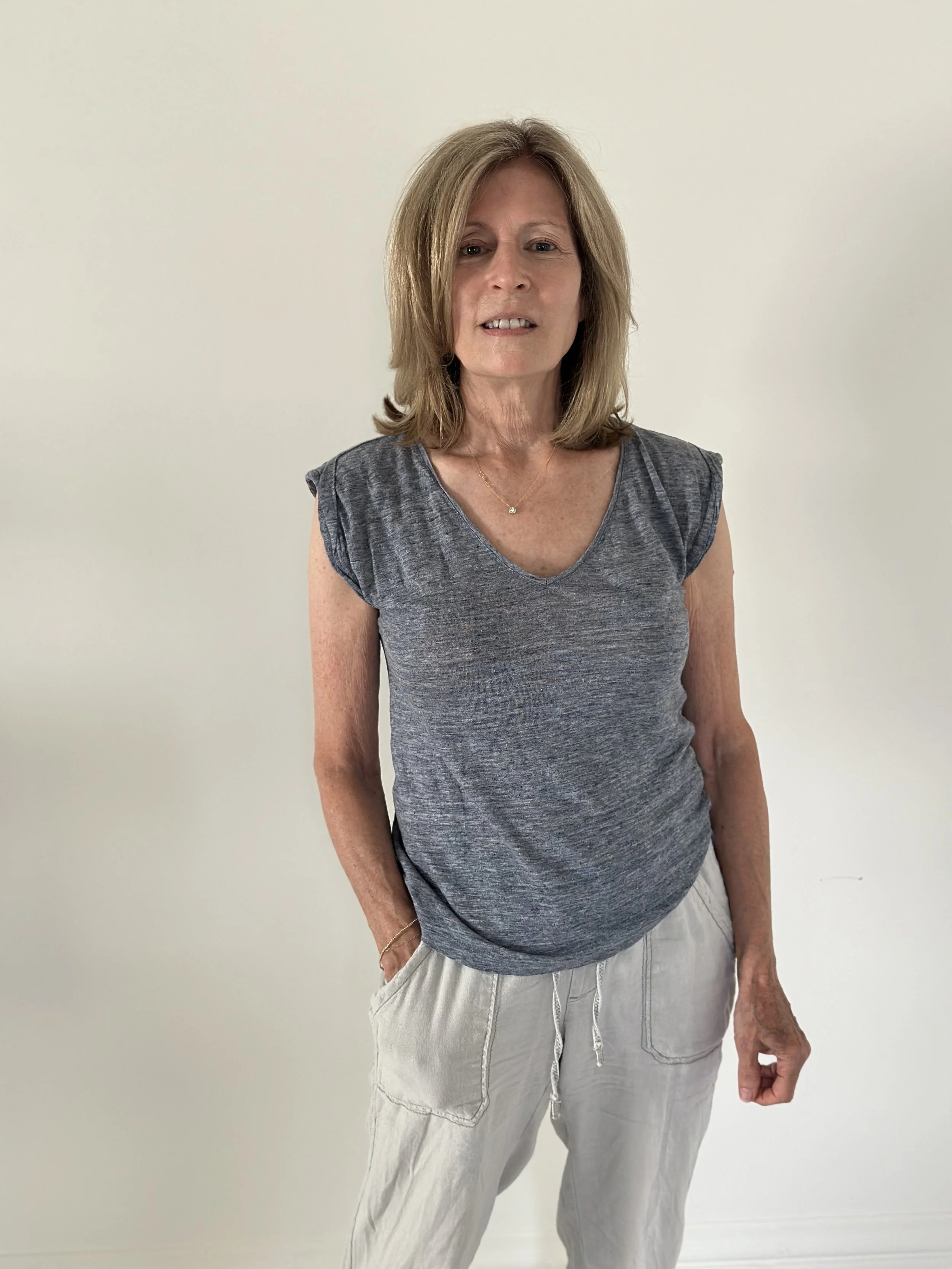
“By the end of that first year, we were kind of at a turning point - either we sell the building and move on, or we figure out how to really make the building work for us.” That moment, equal parts terrifying and clarifying, belongs to John Simianer and Peyton Wunderli, the architects behind The Pearl on Main. Their path to owning one of Midvale’s most iconic buildings, now home to an event space and architecture office, was not mapped out in a business plan. It unfolded the way many meaningful things do - through partnership, instinct, and a willingness to pivot when something is not working.
John was born in Denver and raised mostly in Montana. “We definitely grew up skiing, playing outdoors with a lot of fishing.” Theater did not define his childhood. “Always loved art but never did any theater or anything like that.” Architecture, however, felt familiar. His father worked in the building industry, and John gravitated toward structures and drawing. After high school, he designed roof structures for a few years before enrolling at Montana State University, graduating in 2016. Soon after, he and his wife moved to Utah with their young children, drawn by opportunity and the landscape they already loved.
Peyton’s story begins in Hawaii where he was born and adopted at just a few weeks old. He was raised in Cottonwood Heights, skiing from the age of two and spending winters on the mountain. “My childhood dream was always to practice architecture.” Construction ran in his family, and design was in his line of sight. He enrolled at Southern Utah University in 2008 to study engineering, but midway through school, and an internship, he realized engineering was not the destination. Architecture was. He left and applied directly to the firm where John was already working.
“We meshed really well together,” Peyton said. They began bouncing ideas off one another and quickly realized they should run with it. John and Peyton worked side by side for nearly a decade before stepping out on their own in late 2019 to form Hive Design Group.
Today, in 2026, their focus is primarily multifamily housing - townhomes and apartments across Utah, especially in Ogden and along the Wasatch Front. They work mostly with developers, and surprisingly, their growth has been almost entirely word of mouth. They both draw. They both model. Everything is collaborative. By 2022, they were ready for a more permanent home.
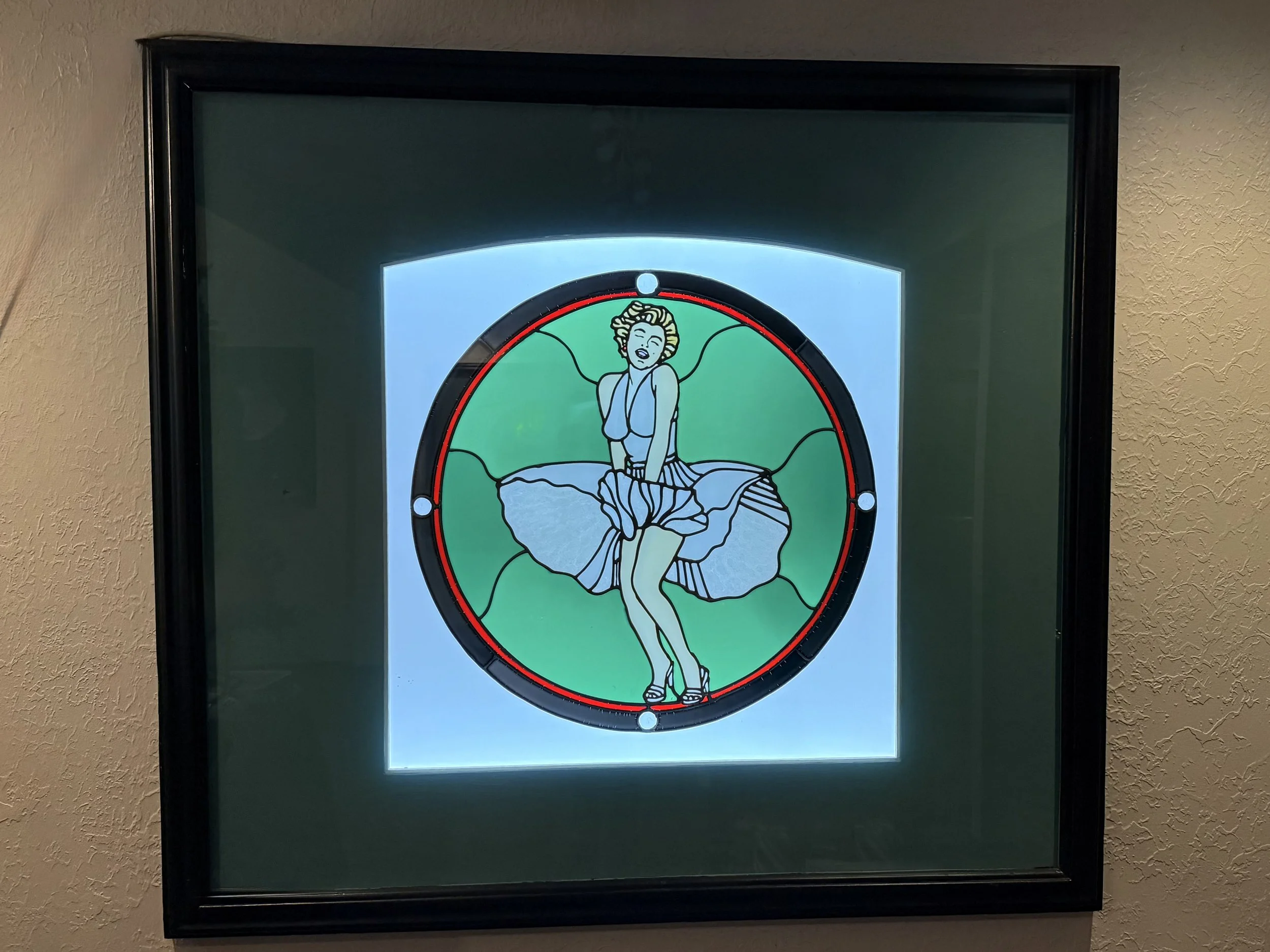
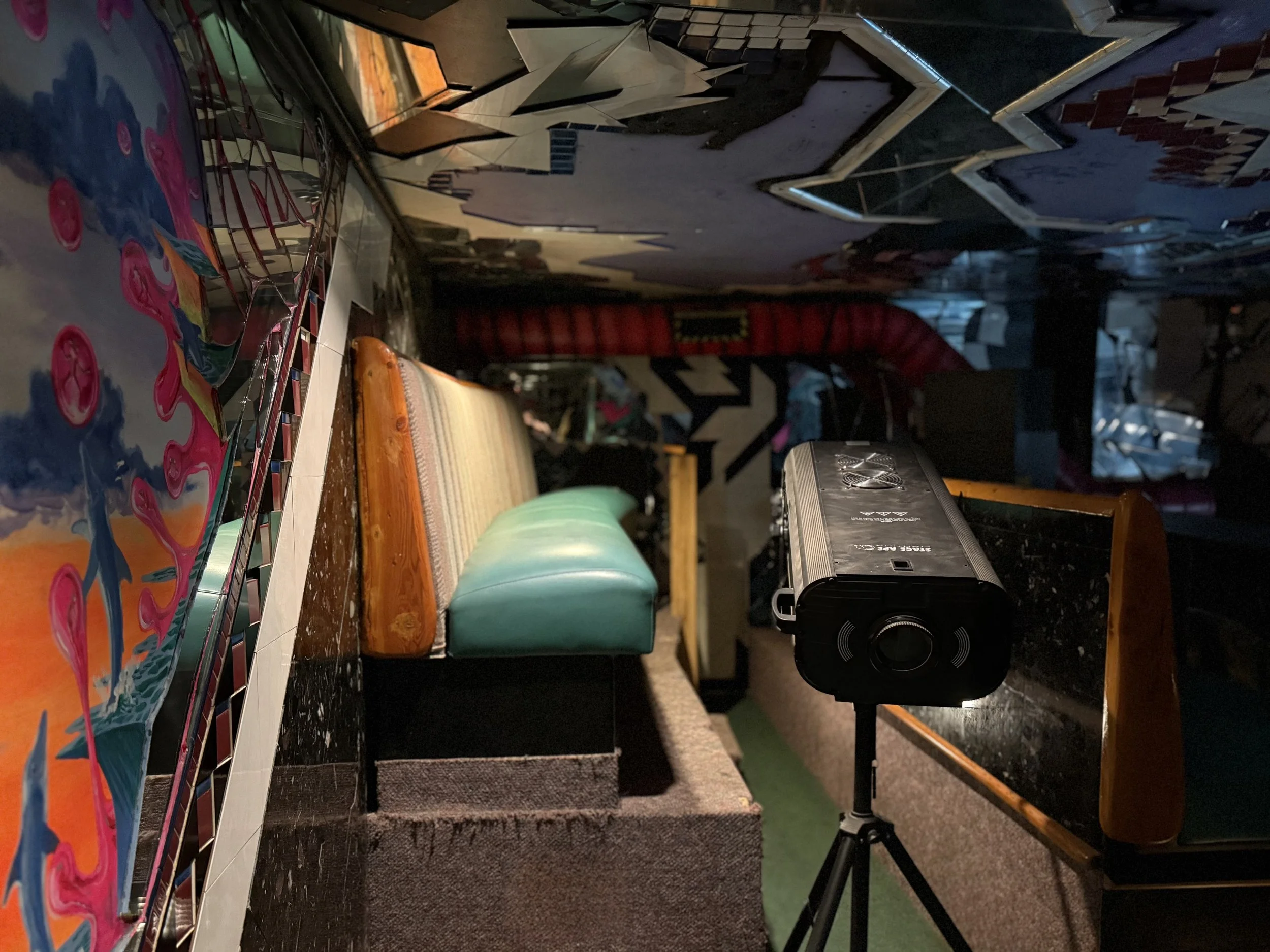
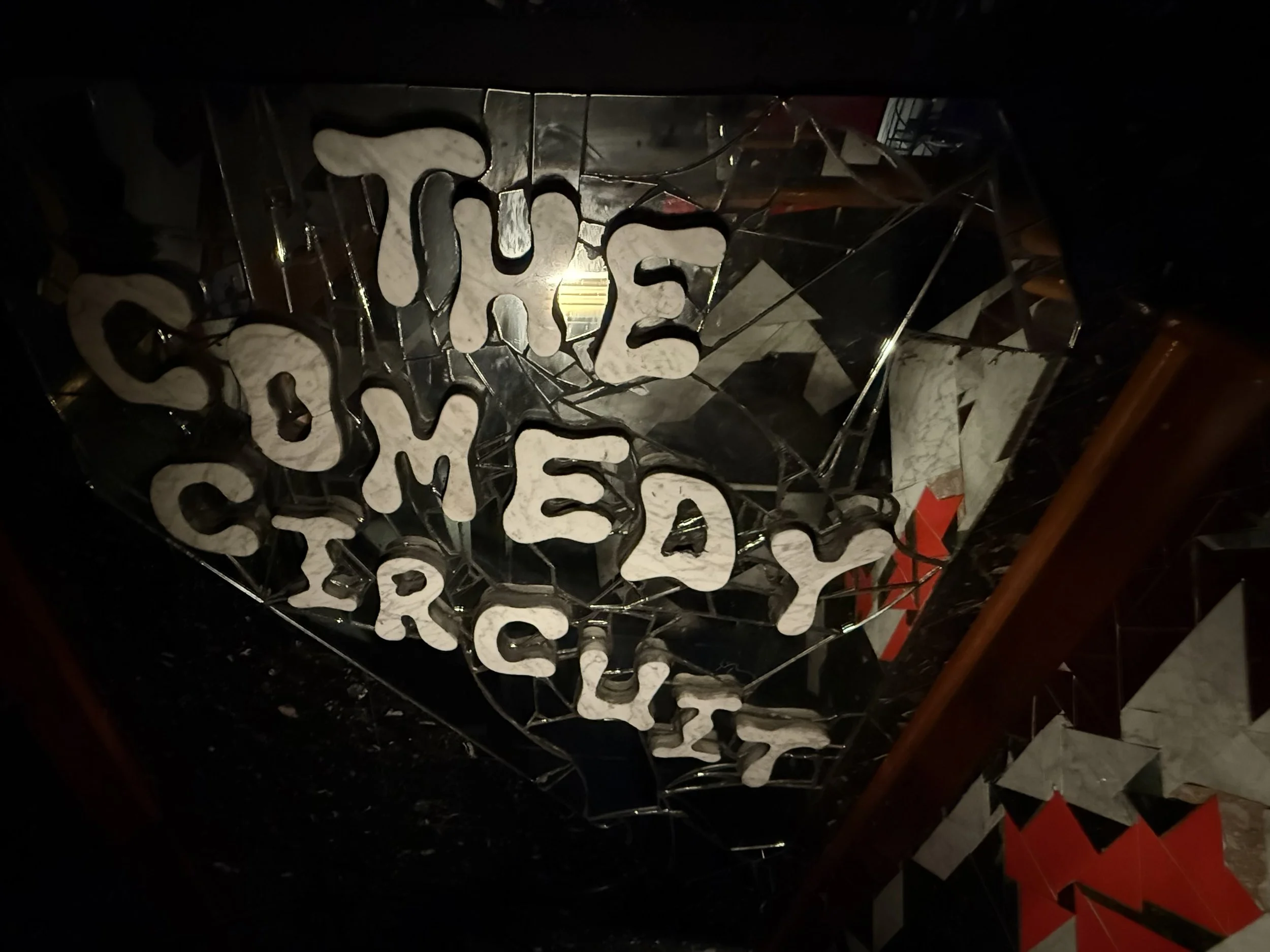
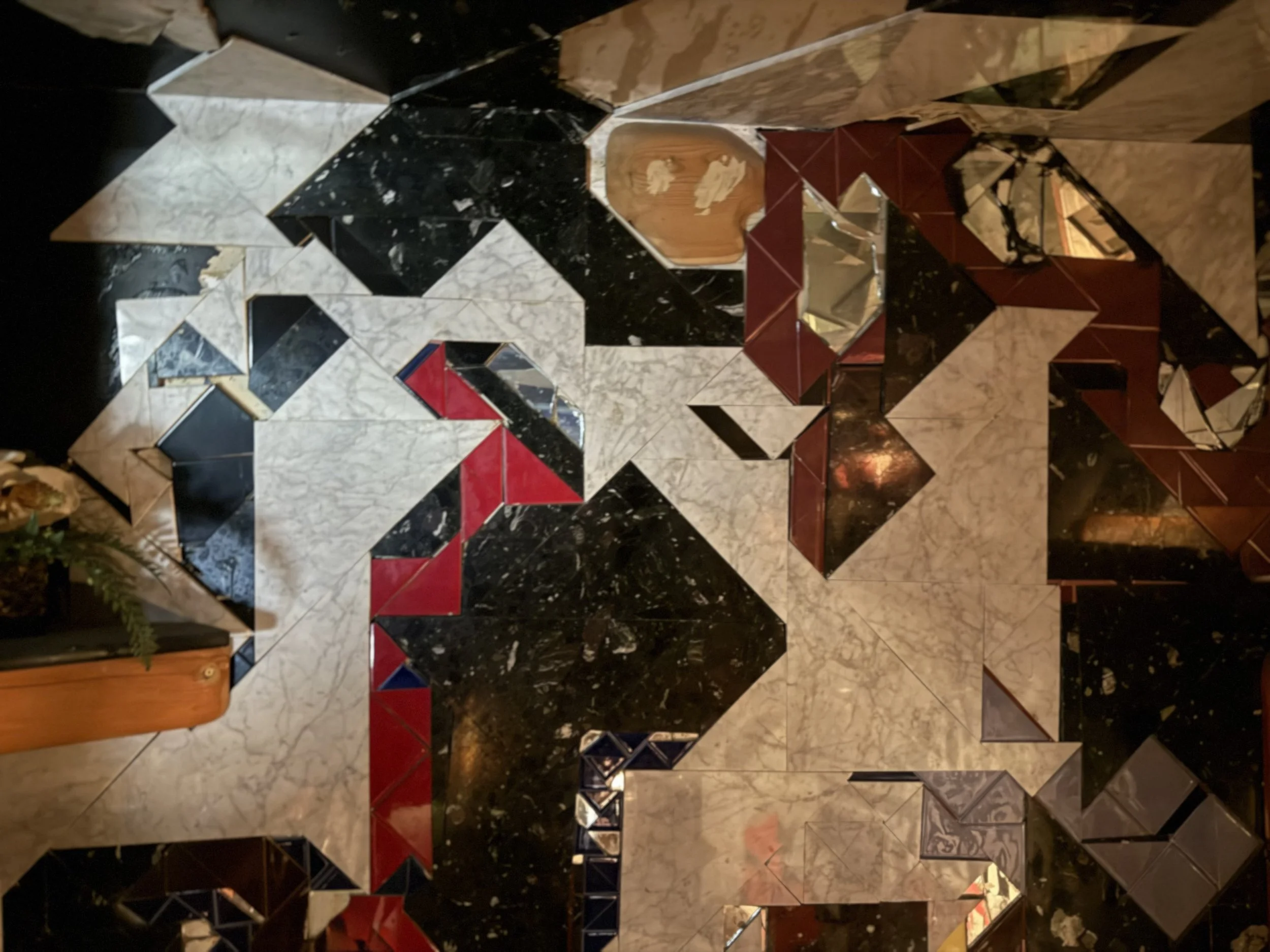
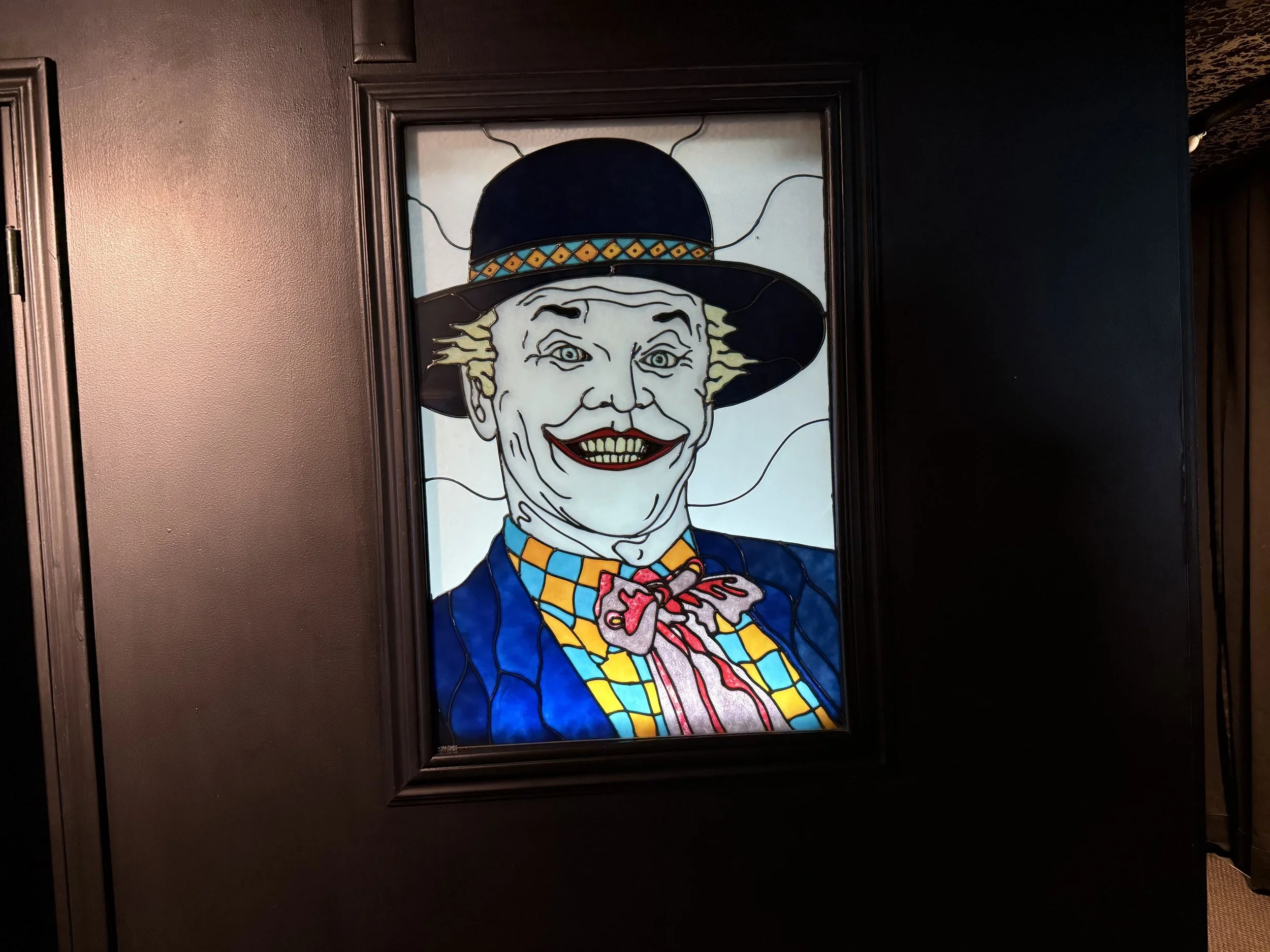
The two had begun in a former Coca-Cola building in Midvale that has since been torn down for apartments, but they loved Main Street and wanted to stay. In July 2022, they purchased a historic theater. The building dates back to roughly 1910. It was once known as the Burke and then the Iris. It began as a motion picture house, and, later, it became the Comedy Circuit under owner Bill Spinning whose avant-garde personality left behind much of the tile work and visual character that still defines the space. After that came the Midvale Main Street Theatre group, producing only a few shows each year and leaving the building dark most of the time.
When John and Peyton stepped in, their intention was simple - house their architecture office upstairs and keep the theater model alive downstairs. Year one was humbling. “We had no idea what we were doing.” They tried traditional theater programming. It did not gain traction. By the end of that first year, they faced a decision. That is when they pivoted toward concerts. It began with local indie bands, hardcore shows, and alternative acts, and then burlesque performances. Communities that did not quite fit elsewhere found their way in. “That’s where we found our sweet spot.”
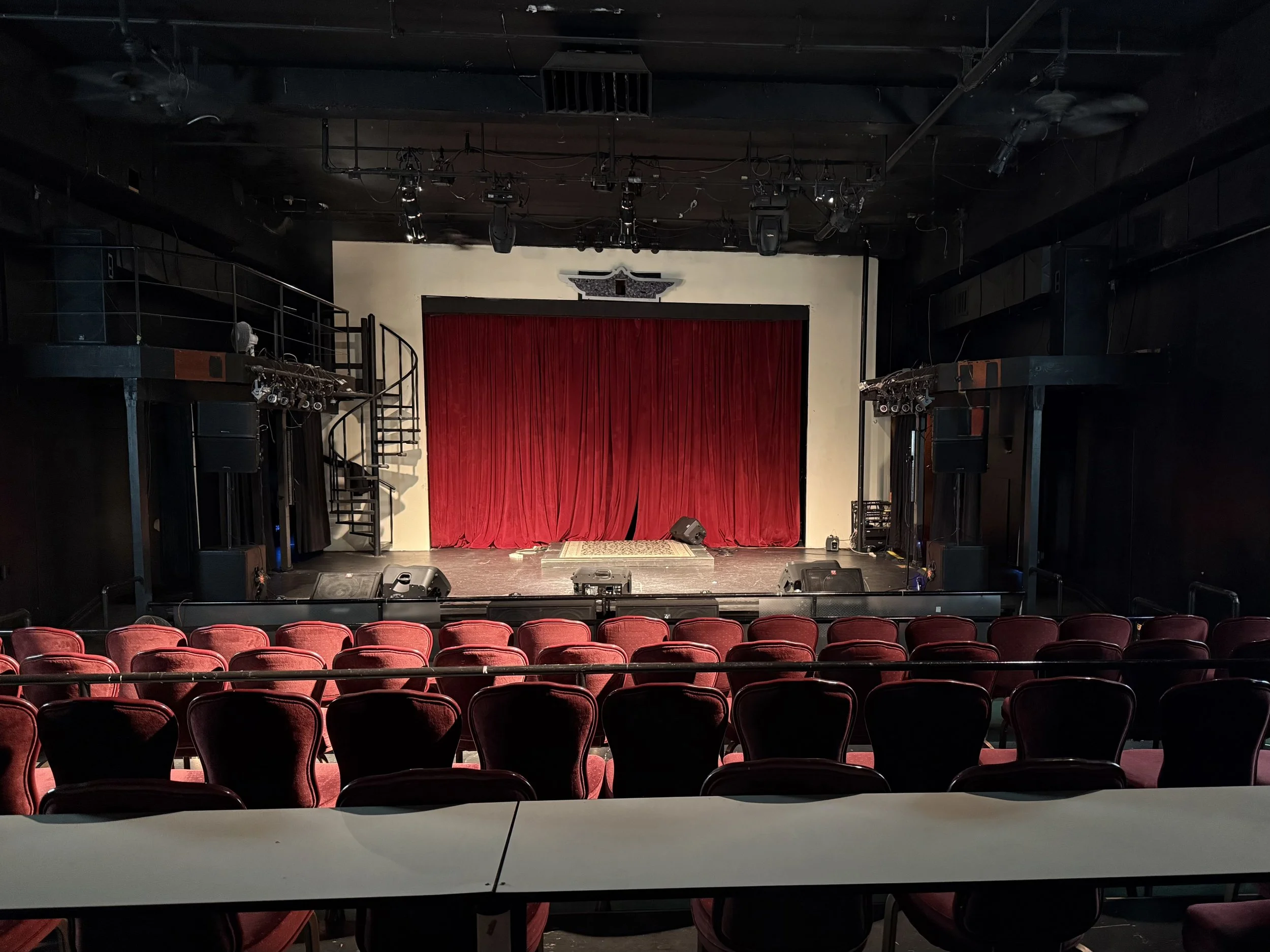
Today, when you walk through the doors of the Pearl, the space feels alive in a different way. It holds roughly 150 seated guests, but when the chairs are cleared, nearly 400 people can fill the room standing shoulder to shoulder. “The stage is oversized, which allows for things like dance, different cabarets, or fifteen band members.”
The green rooms still carry the mirrored tile work from earlier eras. A spiral staircase leads to intimate VIP spaces tucked along the side of the mezzanine. And above it all - one more climb up a winding staircase - sits the architecture office. There is no real separation between design life and performance life. It is one continuous creative ecosystem.
“I’ll get in at seven or eight,” John explained. “Start working upstairs, responding to architecture inquiries, while booking shows throughout the day.” By evening, bands begin loading in, equipment rolls across the lobby floor, and sound checks echo through the auditorium. That is when Taylor Dunn, their technical director, steps in to run operations for the night’s show.
The only significant physical change they made was to the façade. John designed the new marquee himself - restoring a sense of old-time theater glow to Main Street - with tile work out front refreshing the entrance without erasing history. Both men commented that the city of Midvale has been a terrific partner. “They’ve bent over backwards to help us to keep this theater afloat.”
Inside, the audience changes nightly. “We have a very wide range. It depends on the day of the week.” Metalheads. Punk kids. Deadheads. Comedy fans, and a growing church community that is preparing to hold weekly Sunday services. They smile when speaking about local comedian Kate Mooth who regularly sells out shows. “We really want a space where people feel safe,” both men said. “Those marginalized communities have a home now that they can come perform and feel comfortable in. No judgment on our side.”
And perhaps that is the heart of it. Two architects who never set out to run a theater now steward a century-old building on Main Street. They draft apartment plans by morning and open the doors to musicians and performers by night. They collaborate on housing developments and then collaborate with communities that need a stage. They stood at a precipice once before and chose to lean in rather than walk away. “We view it as a blank canvas,” Peyton said. “We want to see what people can create.”