Catalyst Performance & Rehab
Address: 420 East South Temple
Telephone: 801-839-2843
Website: catalystperformancecenter.com
District: The Avenues
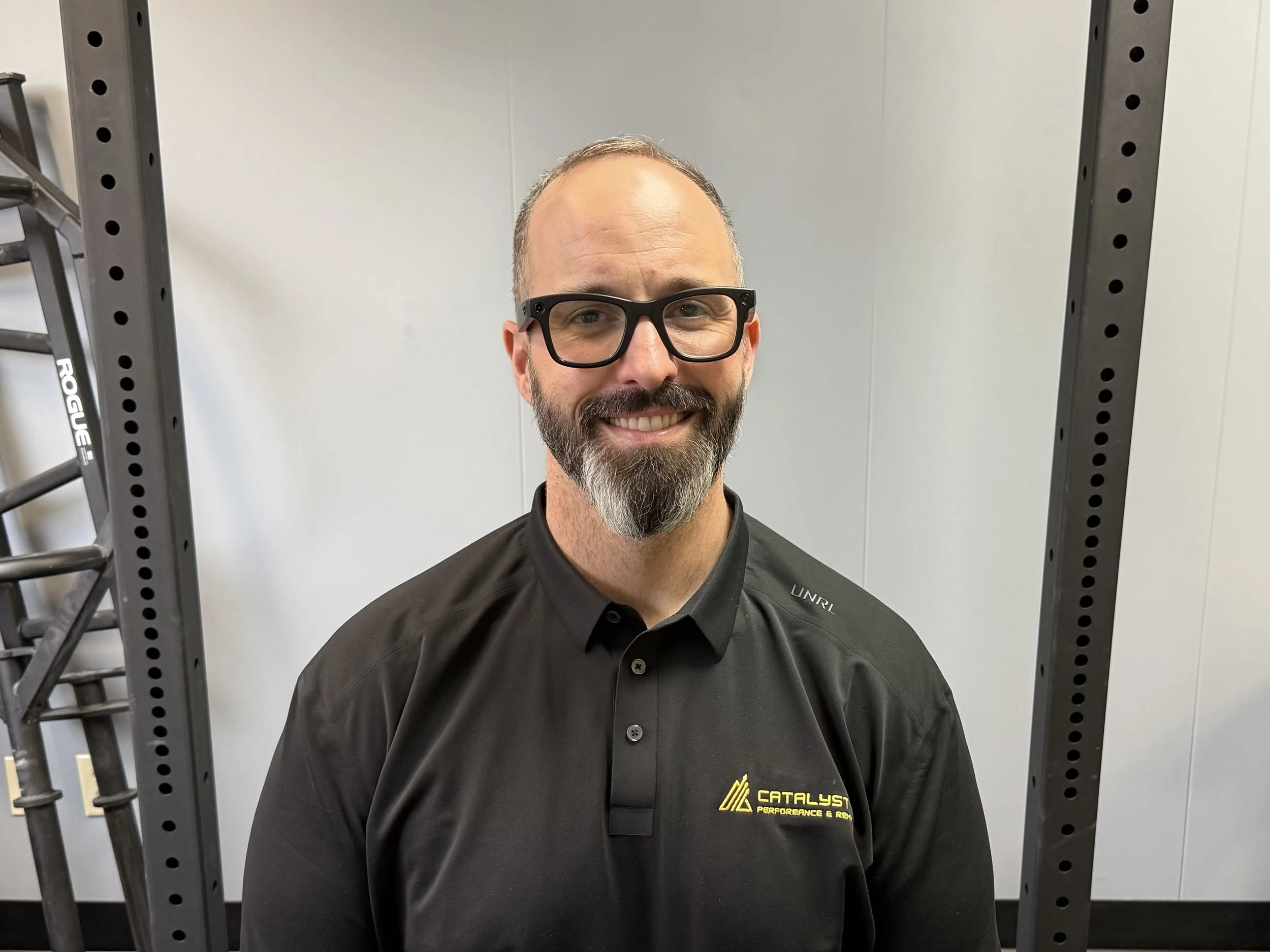
“People are so conditioned to focus on pain, but pain is usually not the real story.” That belief sits at the heart of Catalyst Performance and Rehab, the Salt Lake City practice founded by Justin Danover around a bigger idea of healing. He is not interested in giving someone a quick fix and sending them back out the door to repeat the same cycle six months later. What drives him is helping people understand why their body is hurting in the first place and then guiding them back to the parts of life that matter most to them, whether that means skiing, hiking, lifting, playing sports, or simply getting on the floor with their grandchildren.
Justin grew up in Cedar Rapids, Iowa, in what he describes as a very Midwestern childhood. It was the 1990s, and life was spent outside. He played football, baseball, basketball, soccer, and wrestled, though he laughingly calls himself an average athlete. Still, sports were central to his life, and so were injuries. Some of his own never fully healed the way they should have, an experience that quietly shaped the work he does today. He understood early what it felt like to want to move freely and not be able to.
At the University of Iowa, Justin began in athletic training, but the program’s intensity and expectations proved daunting at that stage of his life. He pivoted to business, earning his degree in marketing and business management with a certificate in entrepreneurship. That choice made sense. He came from a family where business ownership and high achievement were woven into the fabric of daily life. But even as he shifted academically, he did not leave athletics behind. During college he became involved in personal training and fitness, and before long he landed an internship in Olympic strength and conditioning, working with collegiate athletes in track and field and softball. That experience set him on the path he still follows.
After Iowa, Justin went to Northwestern University, where he earned a master’s degree in sports administration while continuing to pursue strength and conditioning. Then came an opportunity in Phoenix, where he interned with a company working with elite track and field athletes. It was there that something clicked. The medical staff around those athletes were chiropractors, but they were practicing at a level that challenged everything he thought chiropractic care could be. He saw athletes at the highest levels being treated with remarkable precision and intention. He also realized that helping people perform was about far more than what happened in the weight room.
That next chapter took Justin to South Lake Tahoe, where he worked in a model trying to blend elite sports therapy with a more traditional medical system. During those years, Justin began to understand that exercise alone was not always enough. He saw people make dramatic changes through movement, body awareness, and hands-on care. One skier in his sixties, who thought his pain meant the end of the sport he loved, regained the ability to ski after focused work on movement and tissue restrictions. For Justin, it was a revelation. He realized there were other ways to help people heal.
That realization led Justin to chiropractic school at Palmer West in San Jose, where he began in 2019 and graduated in 2022. California gave him more than an education. It is also where he met his wife, Kimmi, during the pandemic. Both were working out at the same gym, one that remained quietly open during lockdown. Today, in 2026, they are married, raising a young child, and preparing to welcome another.
The move to Utah came from both instinct and timing. Kimmi had previously spent time in Salt Lake City as a traveling speech language pathologist and loved the mountains. Justin was ready to build something of his own and needed the right city. California felt too expensive. Colorado did not feel quite right. Salt Lake City did. He opened his doors in October 2022.
What he opened, however, was not quite what exists today. Justin began with a more conventional chiropractic model under the name Salt Lake Valley Chiropractic. It was high volume, quick appointments, and, in his words, not the kind of care he felt proud of. He found himself doing the same thing over and over, and feeling increasingly disconnected from the level of care he believed patients deserved. The breaking point came when he realized that many people were simply looking for an insurance-covered adjustment, not a real solution. At the same time, he no longer believed in the product he was offering. He knew he could do more.
That shift led to a complete rethinking of the business. Justin changed the name to Catalyst Performance and Rehab in September 2024, a reflection of both a new identity and a new standard. The word catalyst fits. Justin is trying to spark change, not temporarily mute symptoms. He wants people to return to what they love and to understand that many of them do not have to accept a life defined by fear, limitation, and recurring pain.
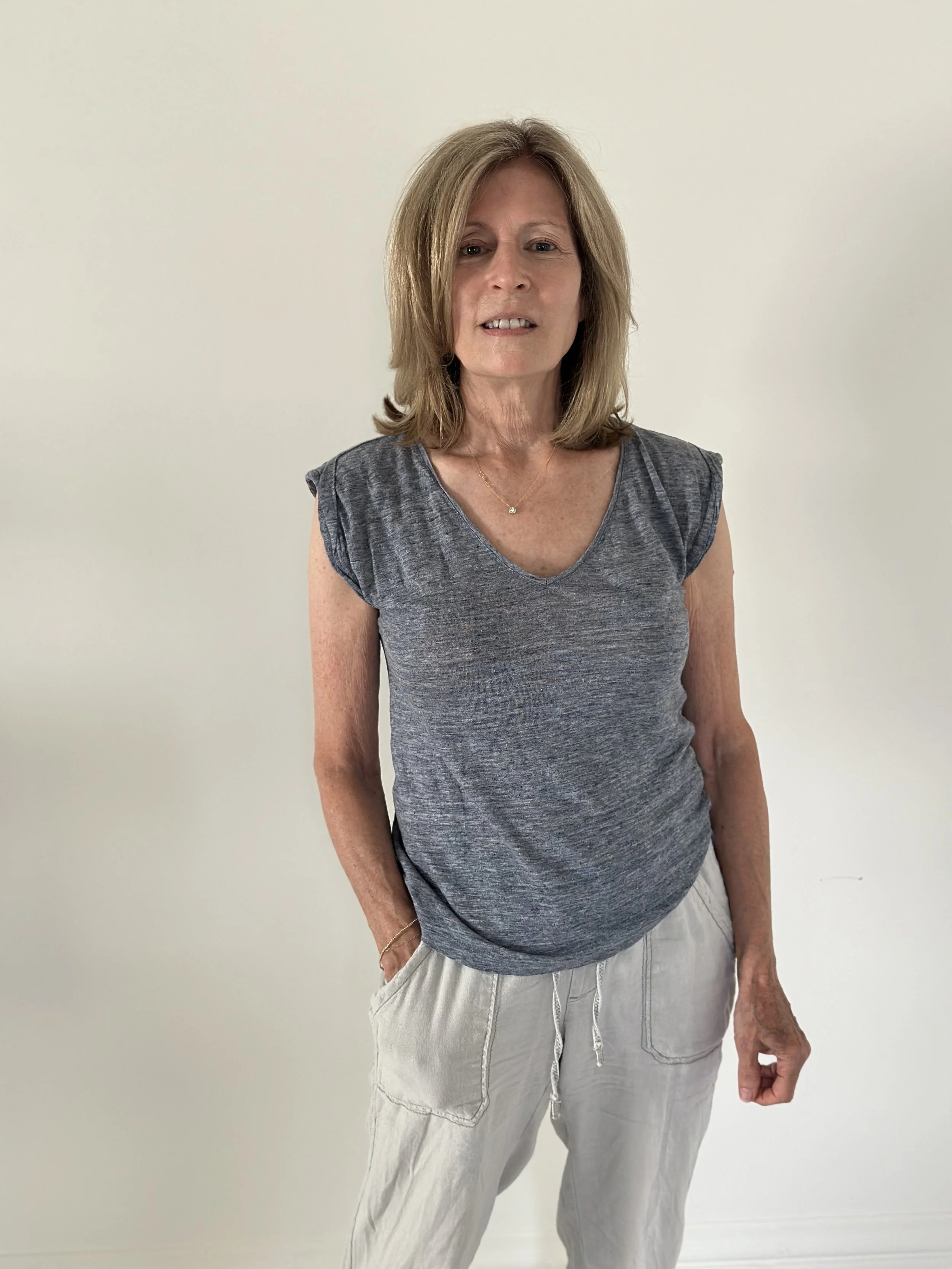
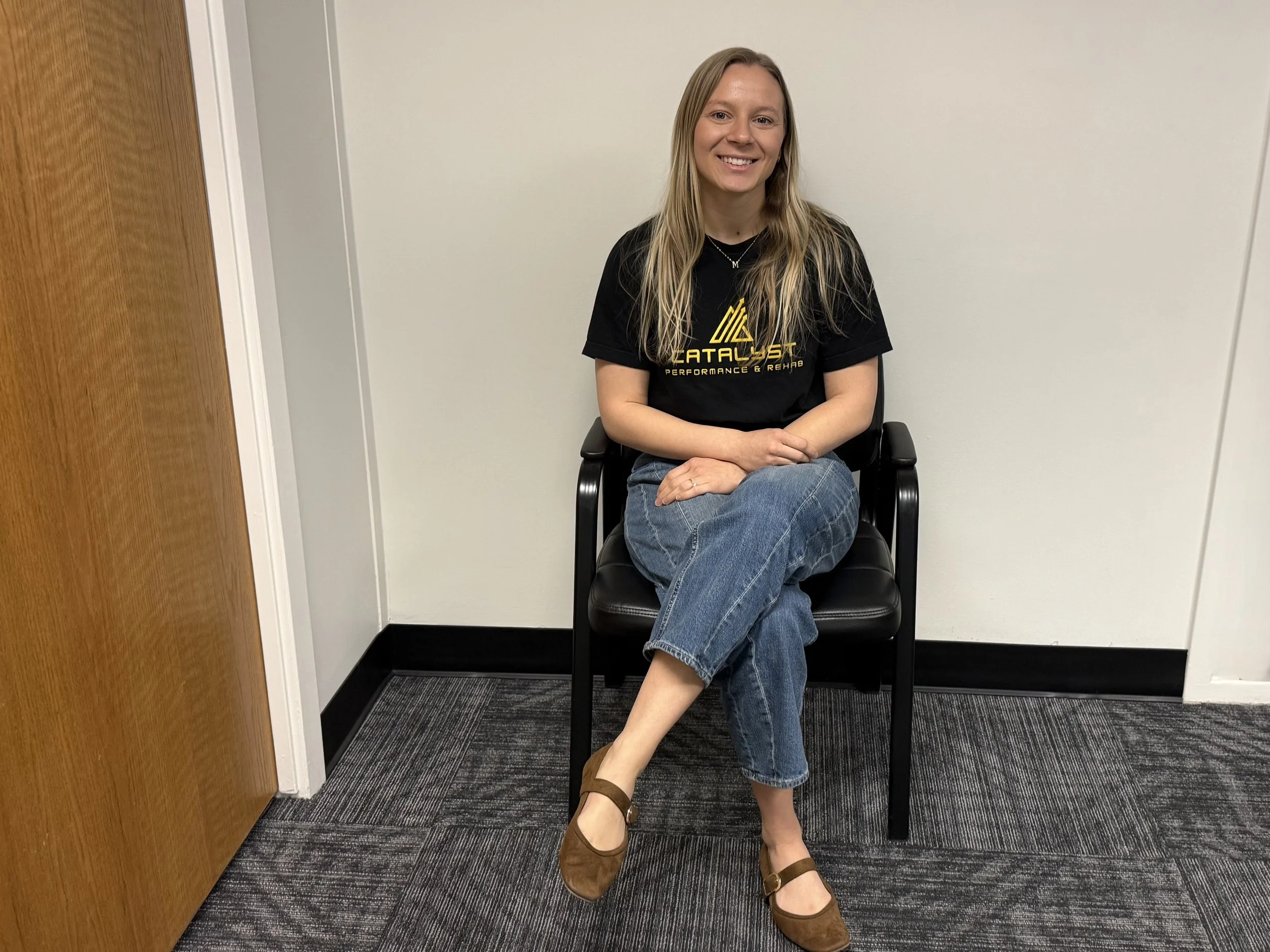
Brooke Kelley, Justin’s assistant, understands the mission from both sides. She first came to Justin as a patient. At the time, she was working in occupational therapy alongside Kimmi in the hospital system and struggling with neck and wrist pain of her own. Kimmi suggested she see Justin, telling her he was “a chiropractor, but not a chiropractor,” someone with a more holistic approach. Brooke was quickly drawn to the way he looked at the whole body rather than chasing isolated symptoms.
Brooke also arrived at a transitional moment in her own life. Burned out in occupational therapy and wanting to use other skills and passions, she stepped in just as Justin was looking to hire his first employee. It turned out to be a natural fit. Today, she handles patient experience, sales, marketing, community outreach, and whatever else is needed to help move the business forward. More than that, she often finds herself helping people understand what makes this place different. “I believe where the true power is, is breaking down from a very basic level of how someone moves, and changing those compensations we have been doing for years so that you can actually get the correct outcome.”
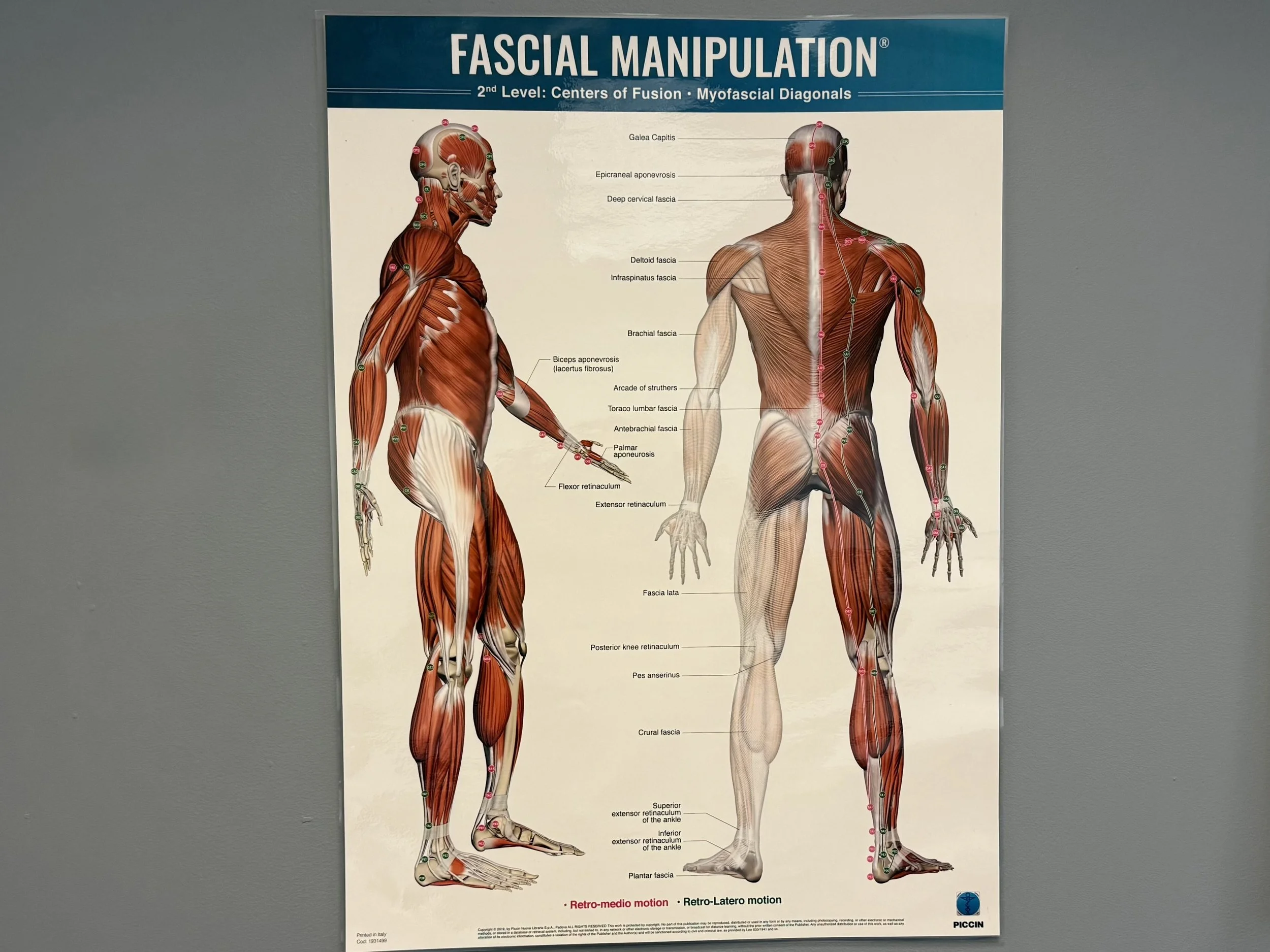
That idea of compensation sits at the center of Justin’s work, especially when he talks about fascia, a word many people have heard but few fully understand. In simple terms, fascia is the connective tissue that wraps and supports everything in the body. It surrounds muscles, but it also extends far beyond that, wrapping muscle fibers, ligaments, bones, organs, and other tissues. Many people think of fascia as passive, just the material that holds everything together. Justin believes it plays a much more active role. He explains that it helps transmit tension, stress, and information throughout the body, including the feedback that tells us where we are in space.
What fascinates Justin is what happens when that system begins to adapt around injury. An ankle sprain, a shoulder problem, an old knee injury, years of altered movement patterns - all of it can create layers of compensation. The body keeps finding ways to work around those restrictions until eventually it cannot anymore. That is when pain may show up in places that seem unrelated or appear “out of nowhere.” Justin describes it almost like a body that has run out of room to compensate.
To address that, Justin has spent the last several years studying a specific system called Fascial Manipulation, developed by the Stecco family in Italy. He traveled there repeatedly to learn the method, which uses a detailed history, careful assessment, and highly targeted hands-on work to identify particular points of tension in the body. Rather than broadly working an area, the goal is to trace patterns back through a person’s history and begin unwinding long-held restrictions.
That is an important distinction. Justin does not want the story of his business to become simply about fascia. The technique matters, but for him it is meaningful because of the results it can produce. The deeper point is that when he works with someone, he is trying to uncover the root cause behind what their body has been doing for years. “By the time they are done, they are walking out of here feeling so good they did not even realize how many things had been bothering them to begin with.”
Brooke often helps patients grasp that difference. “We are so conditioned as a society that we just want out of pain, out of pain, out of pain. We are bringing a fresh perspective. You are focused on the pain because you cannot do something with your body that you really want to do.”
That may be the clearest way to understand Catalyst Performance and Rehab. It is not really about pain alone. It is about the hike someone stopped taking, the sport they gave up, the fear they feel when bending down, the grandchild they can no longer lift, the identity they have quietly lost along the way.
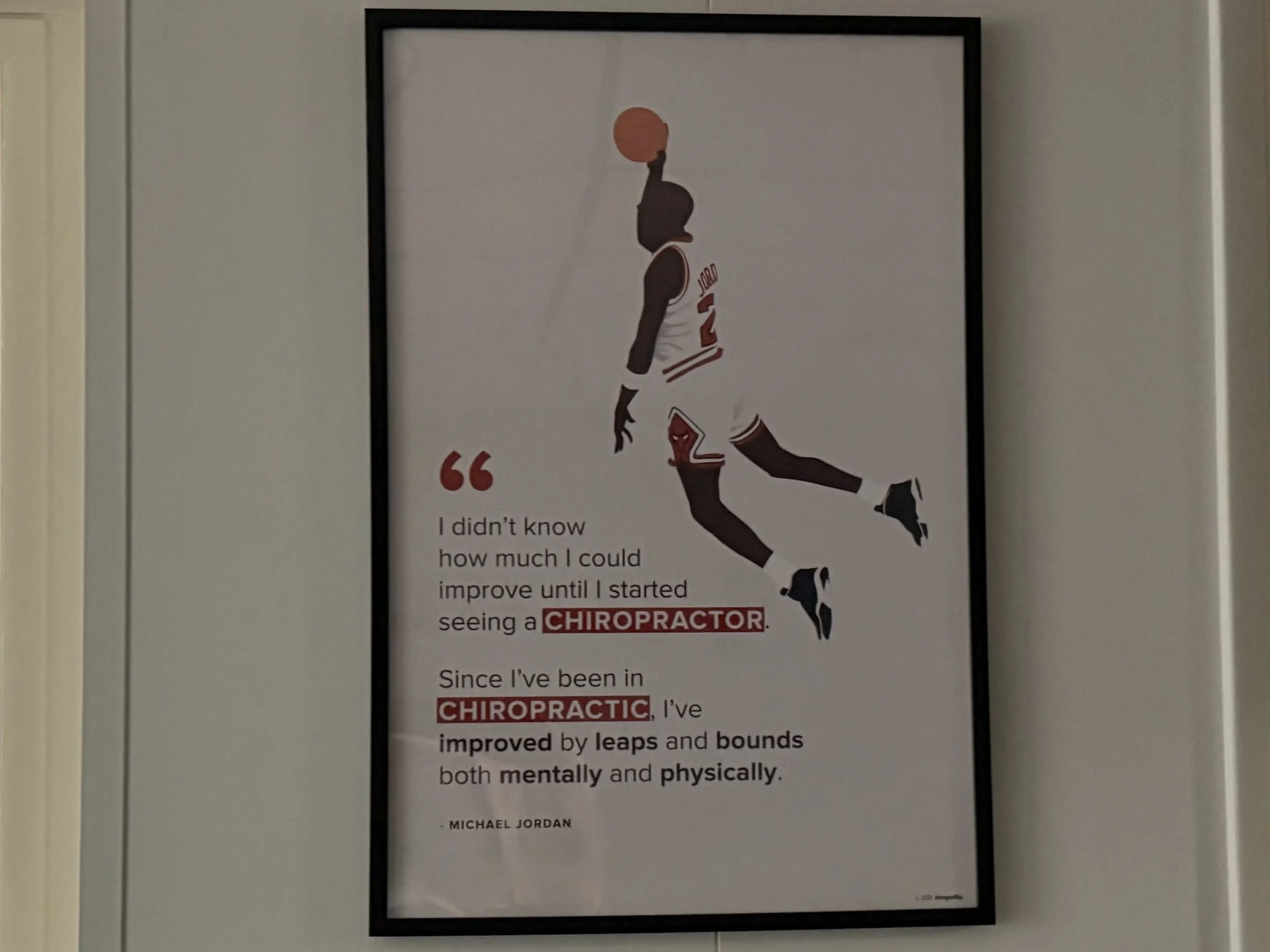
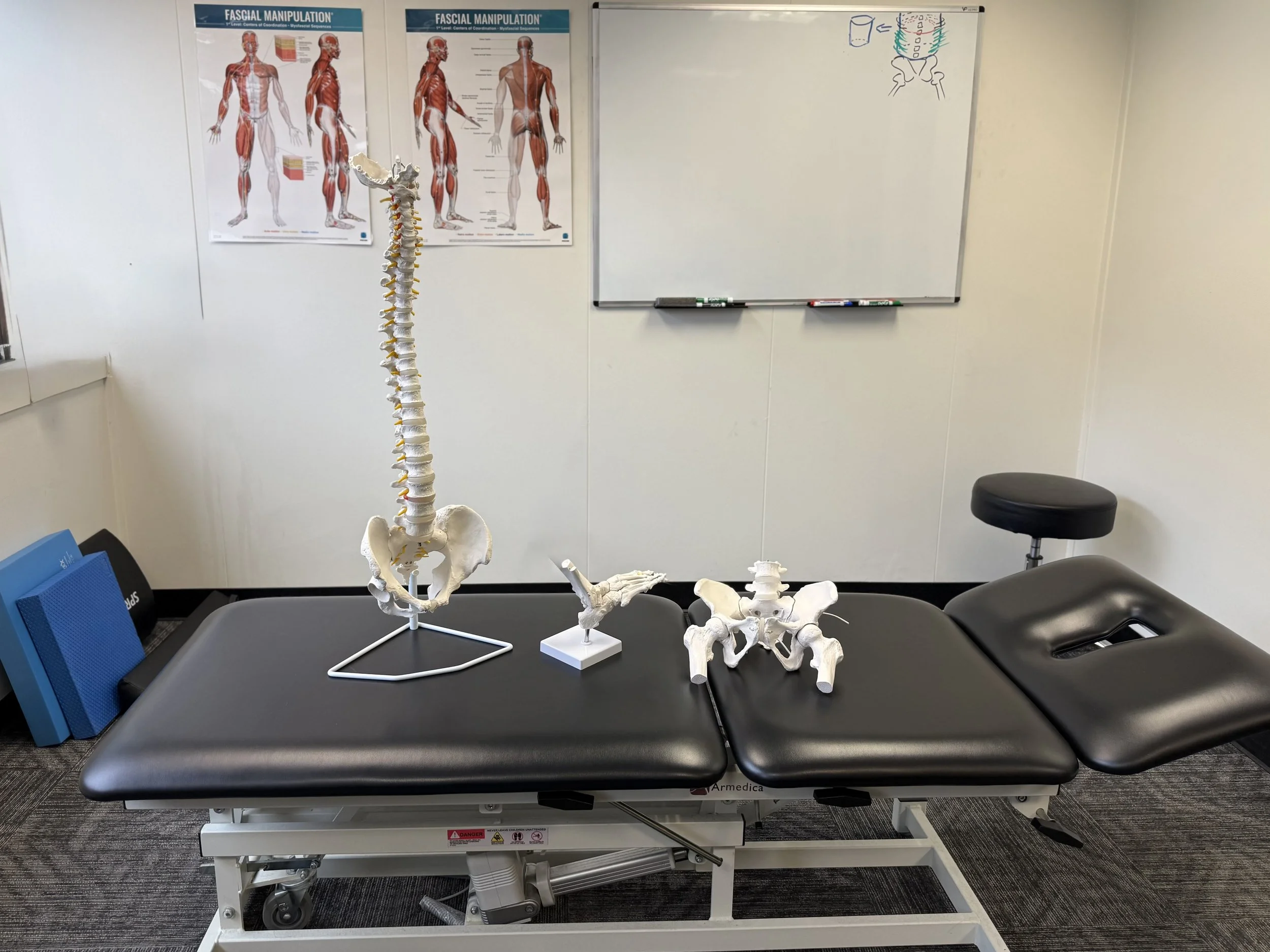
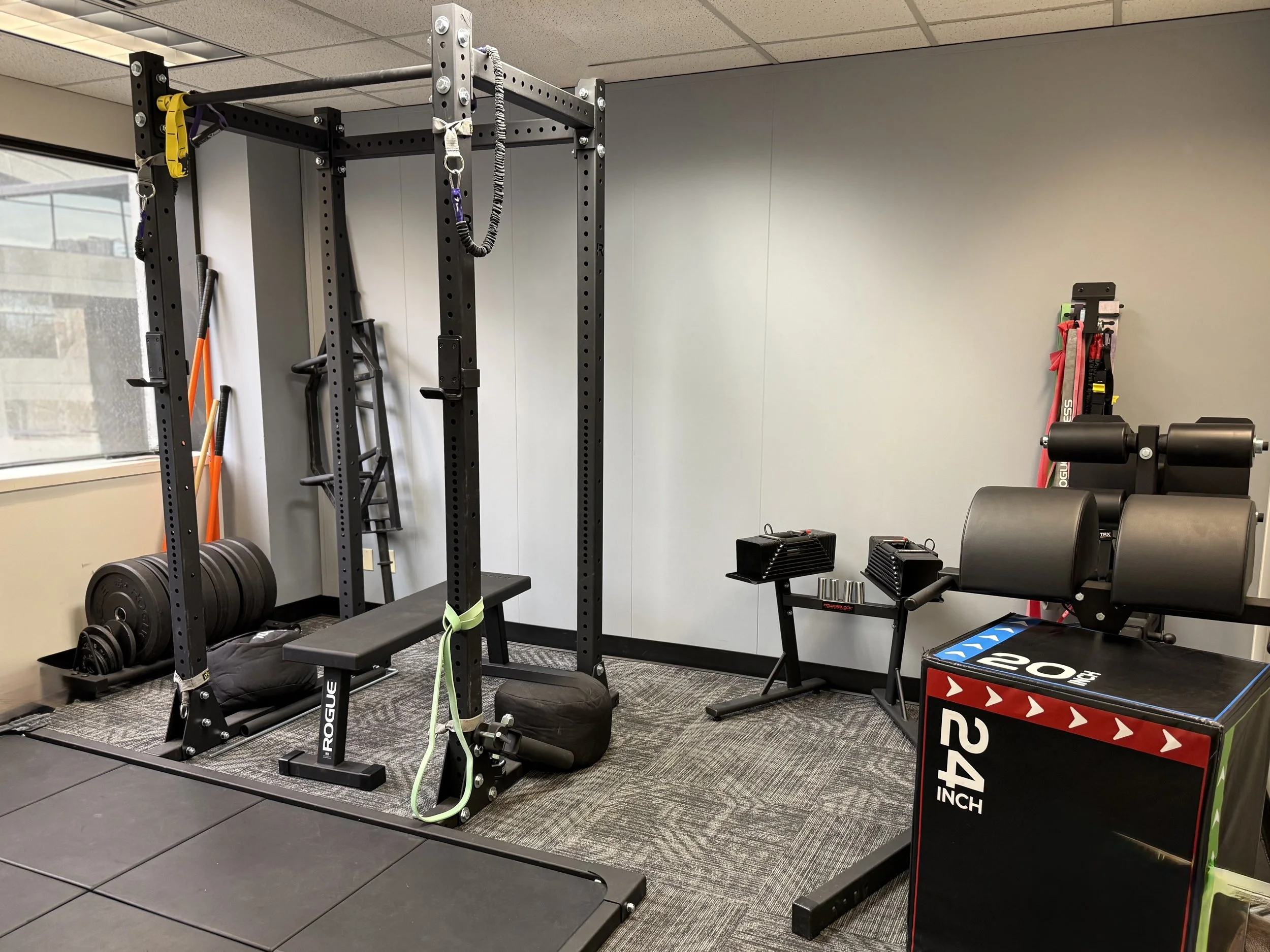
Justin’s process reflects that philosophy. Patients do not simply walk in for a quick treatment. He begins with conversation, history, movement, and evaluation. He wants to know where the body has been, not just where it hurts today. From there, he combines fascial work with movement-based rehabilitation, drawing on his background in strength and conditioning to help bridge the gap between treatment and function. The office reflects that approach. It looks like a part therapy space, part gym, because both pieces matter. The equipment is there not as a gimmick, but as a tool to help people build better movement patterns and sustain the progress they make.
Justin is also careful about expectations. He does not present himself as someone who can solve every problem or replace all of Western medicine. If there is a true pathology, a break, or something that requires a different level of intervention, he knows that line. But he also believes there is a large population of people who have tried shots, scans, standard therapy, or repeated adjustments and still do not feel right. Those are often the people who find their way here.
The ages and goals vary widely. Some patients are athletes. Others are older adults trying to remain active. Some want to run a marathon. Others want to ski again or feel strong enough to keep up with their family. Brooke sees that every day in the first conversations she has with people. “Sometimes we have to teach people how to dream again.” That line says a great deal about the spirit of the practice. Justin is not simply trying to reduce pain scores. He is trying to reconnect people with possibility.
Outside the treatment room, that same energy is beginning to take shape in the community. Through Catalyst wellness fairs, Justin and Brooke have started creating events that bring together wellness, fitness, and holistic brands aligned with their broader philosophy of root-cause care and support for the whole body. It is another way of extending the message beyond the office walls and building relationships in the city they now call home.
As for the future, Justin speaks about it carefully, because it is still unfolding and because some dreams feel safest when handled with care. What is clear is that he is building toward something larger than a single office. He envisions a place where high-level therapy, thoughtful rehabilitation, recovery, and performance training live under one roof, not in a flashy or trendy way, but in a way that genuinely serves people at every stage of life. It is a vision rooted not in ego, but in belief, and in the conviction that people deserve a more complete kind of care. And perhaps that is what makes Catalyst Performance and Rehab feel so personal. “I have this vision in my head of what the center looks like, of where it is going to be, of all the details, and I cannot shake it. So, I know it is going to happen. It is just a matter of time.”